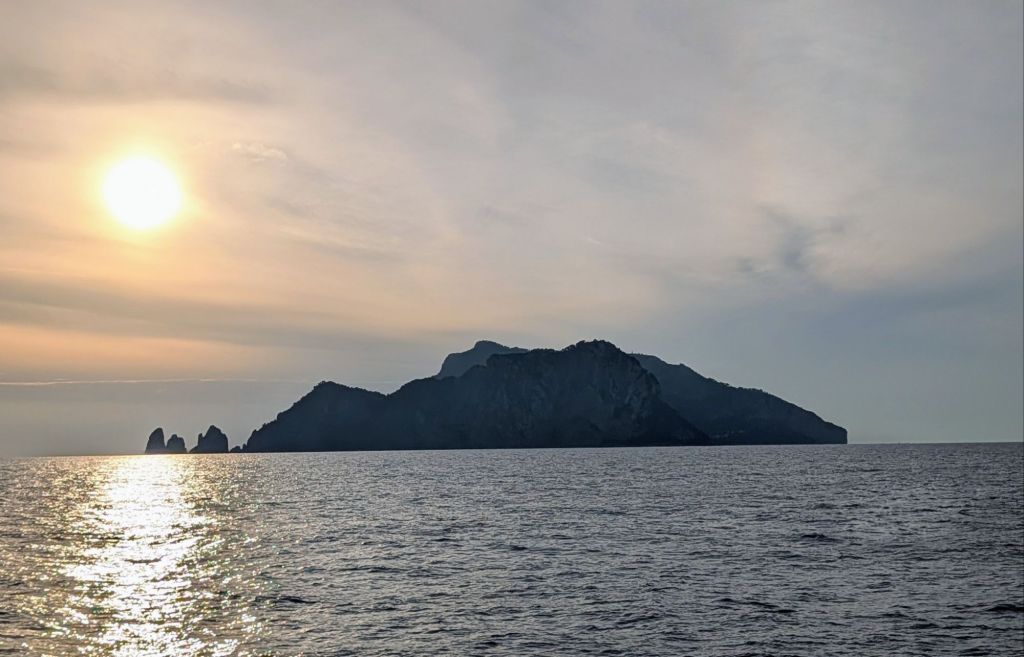
Capri at sunset
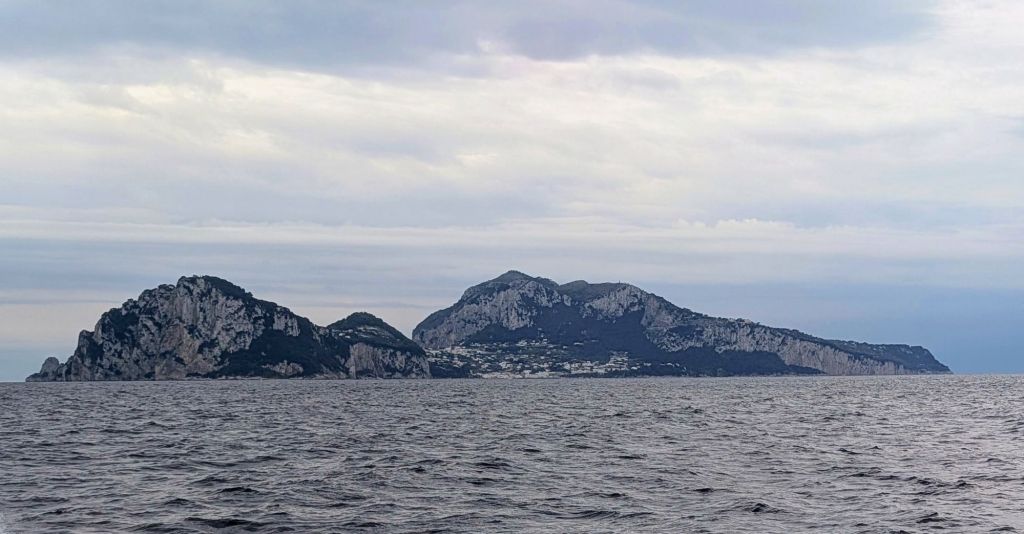
Capri was referred to by the Romans as “goat island” & its name is thought to have been derived from the Latin word “Capreae” which means “goats”.
Our main reason for going to Capri was to see the famous Blue Grotto (Grotta Azzurra).
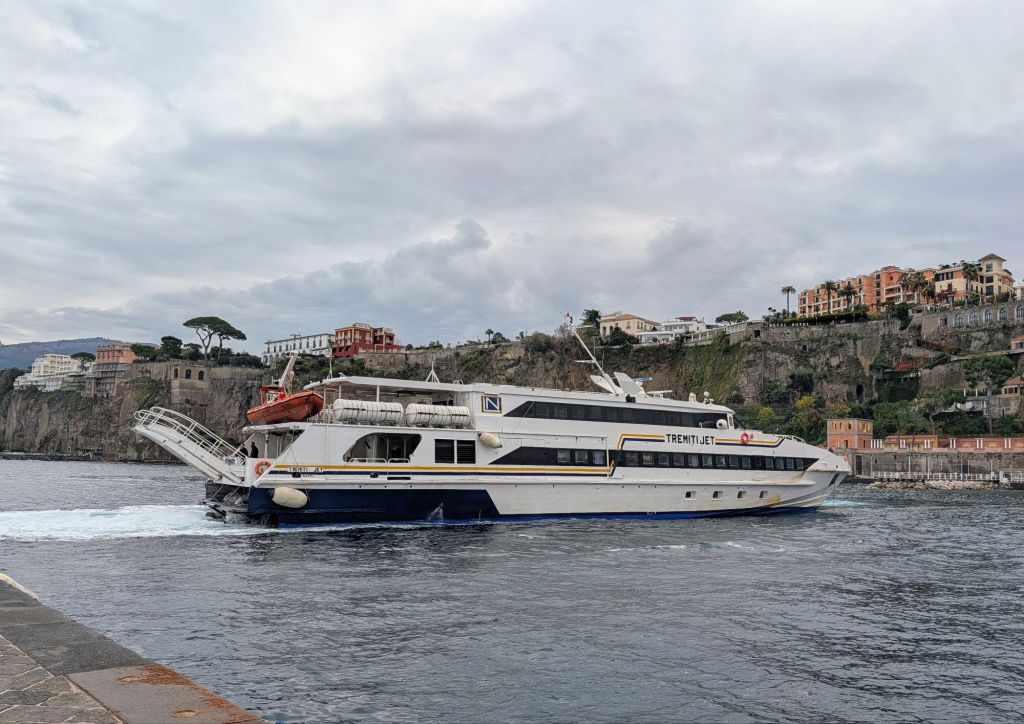
However, due to the incoming inclement weather, the seas were rough & the waves were too high to allow entry into the Blue Grotto, so we missed it.
Maybe next time.
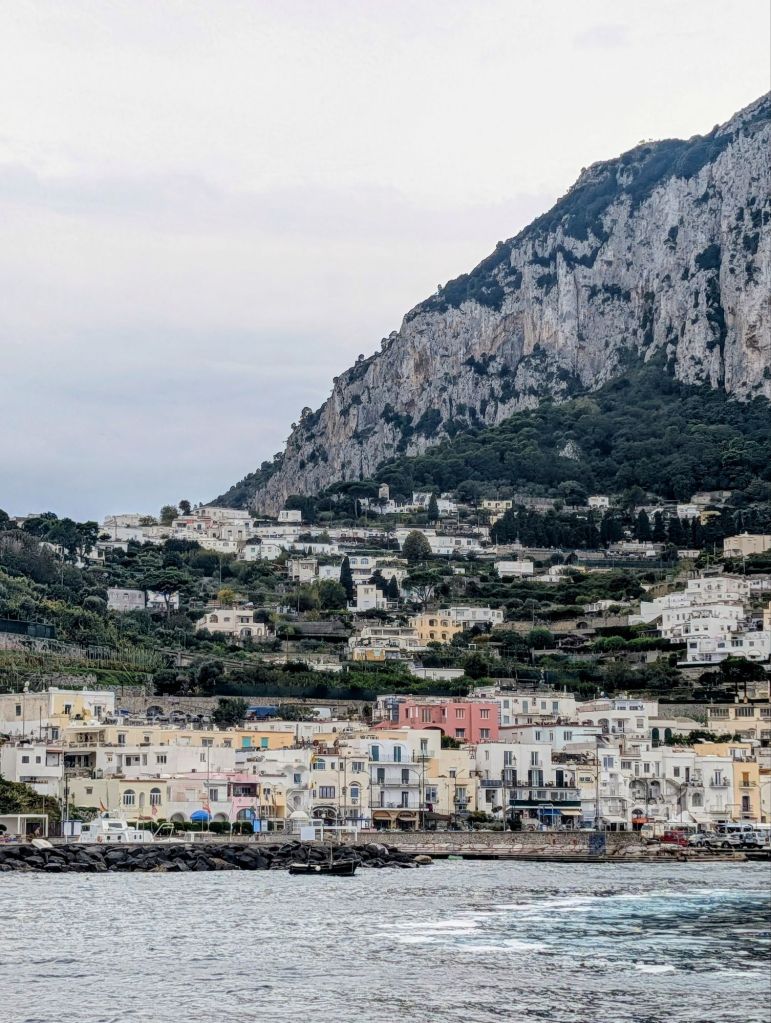
This cancellation gave us time to walk around Capri & visit Roman Emperor Tiberius’ palace Villa Jovis.
Capri is very hilly, so we rode the funicular up from the port to start exploring.
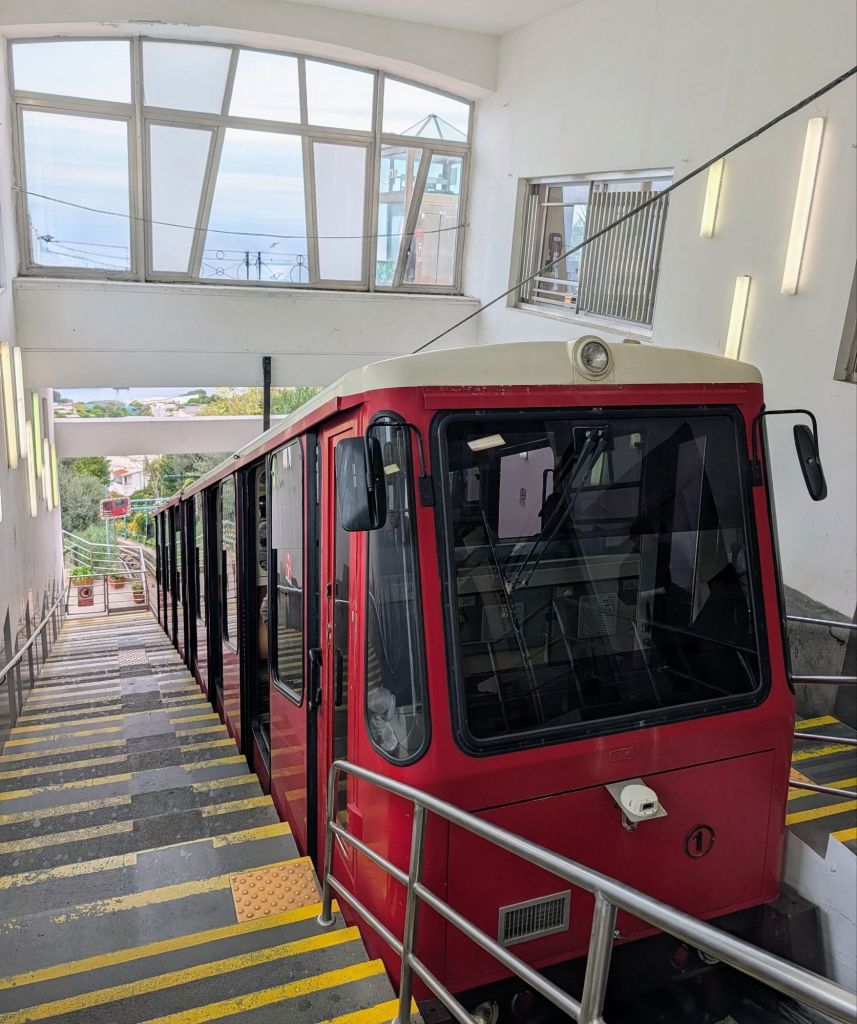
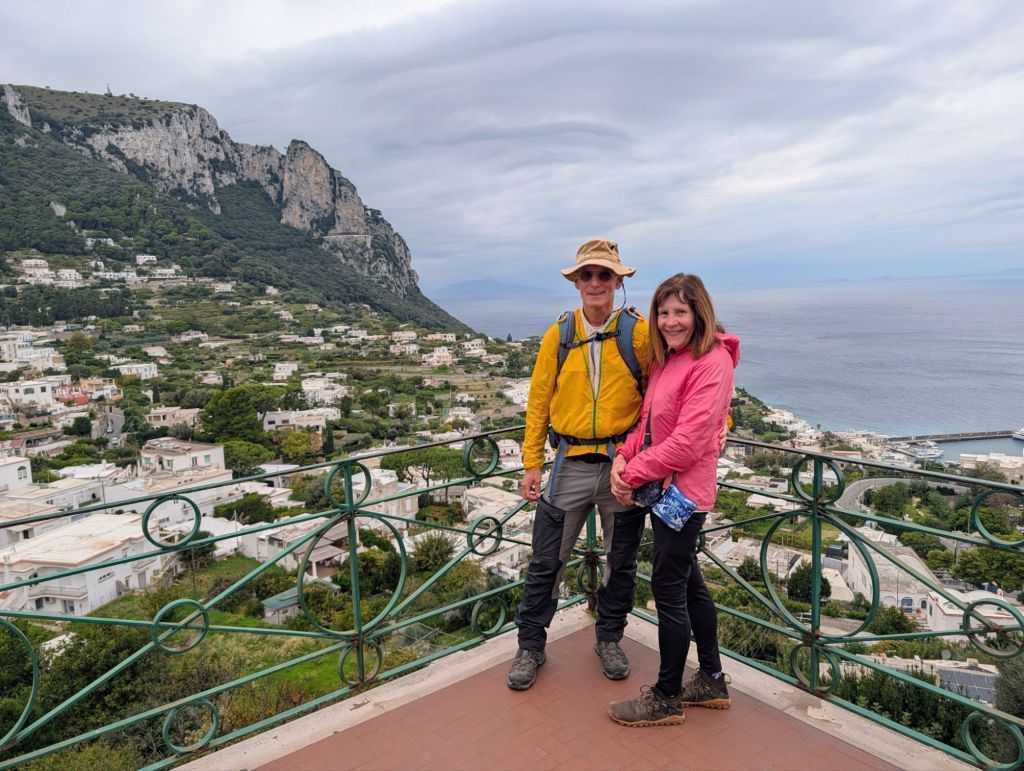
At the funicular station top
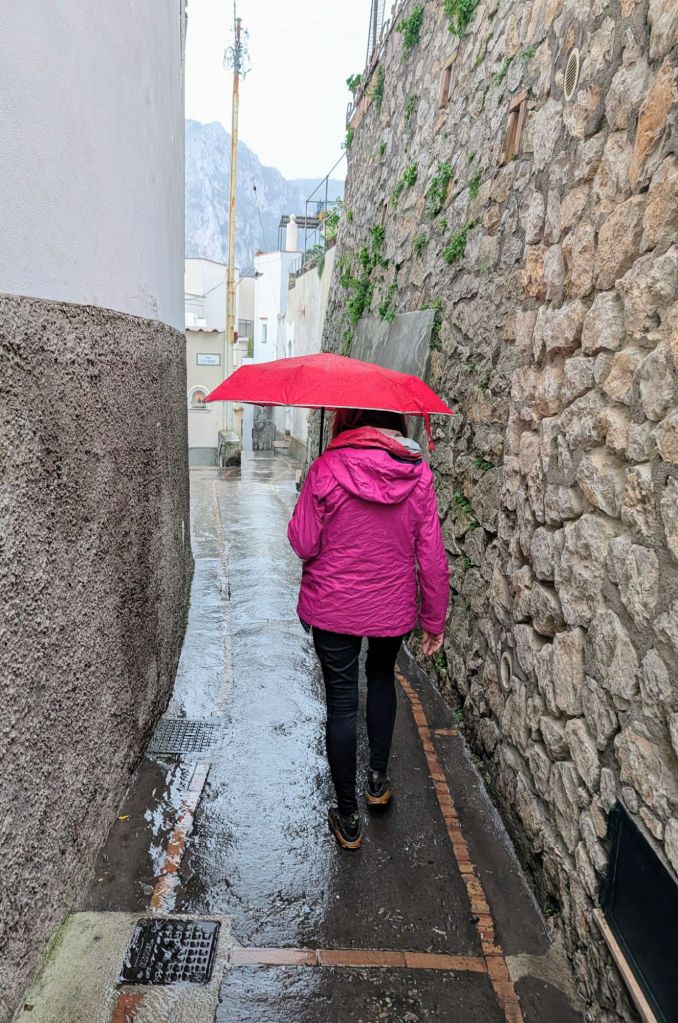
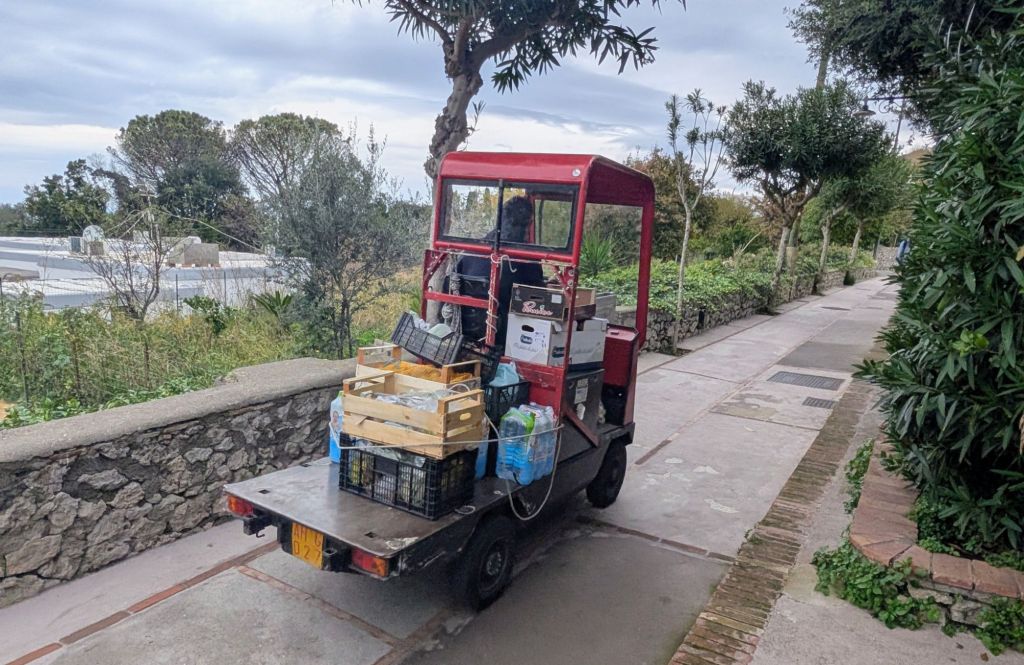
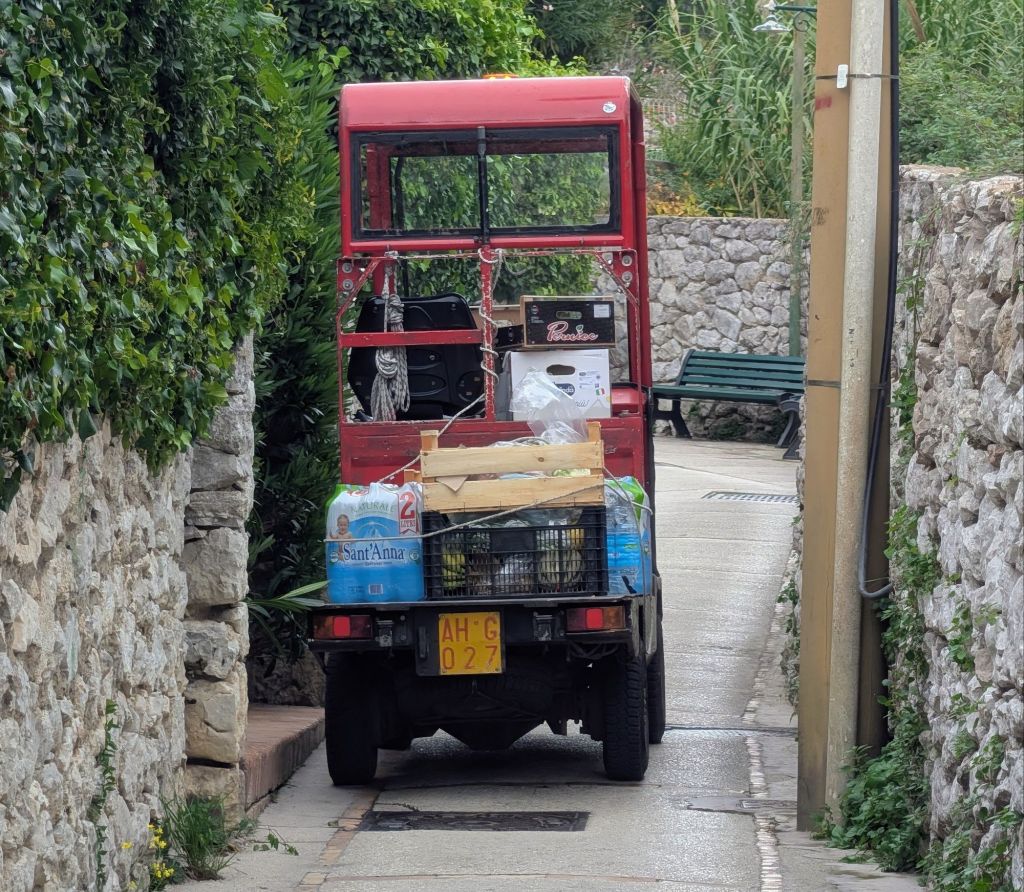
There are many narrow, winding, twisty passages on the islands which has small, unique vehicles to deliver goods.


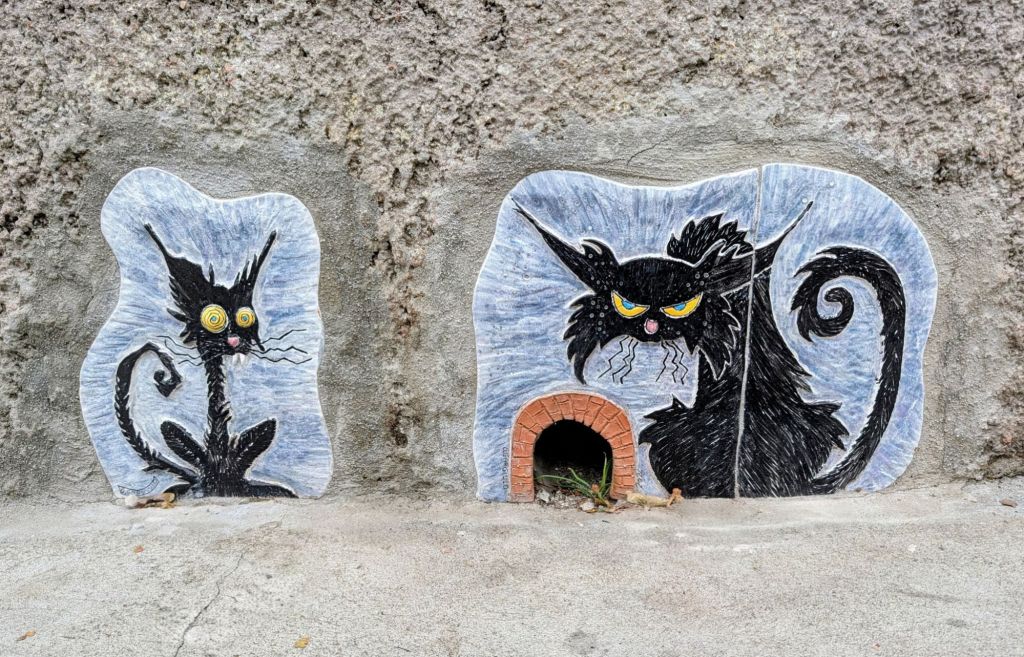
Tiles along the route:
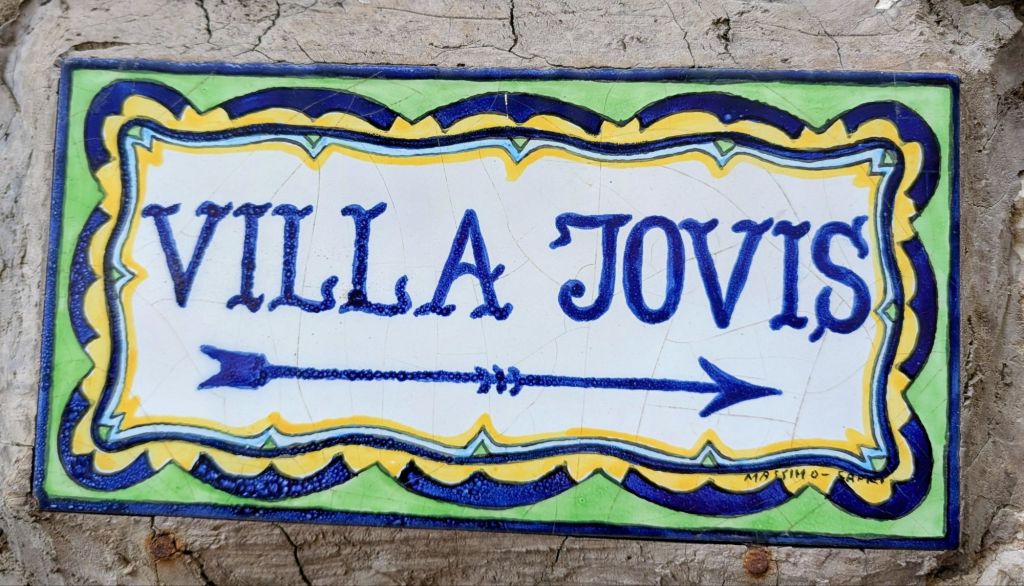
Villa Jovis (The Villa of Jupiter)
It is said that the second Roman Emperor Tiberius was the first “tourist” who ever fell in love with Capri.
Villa Jovis was completed in 27 AD & Tiberius retreated there from Rome governing the Empire from behind its walls until his death ten years later.
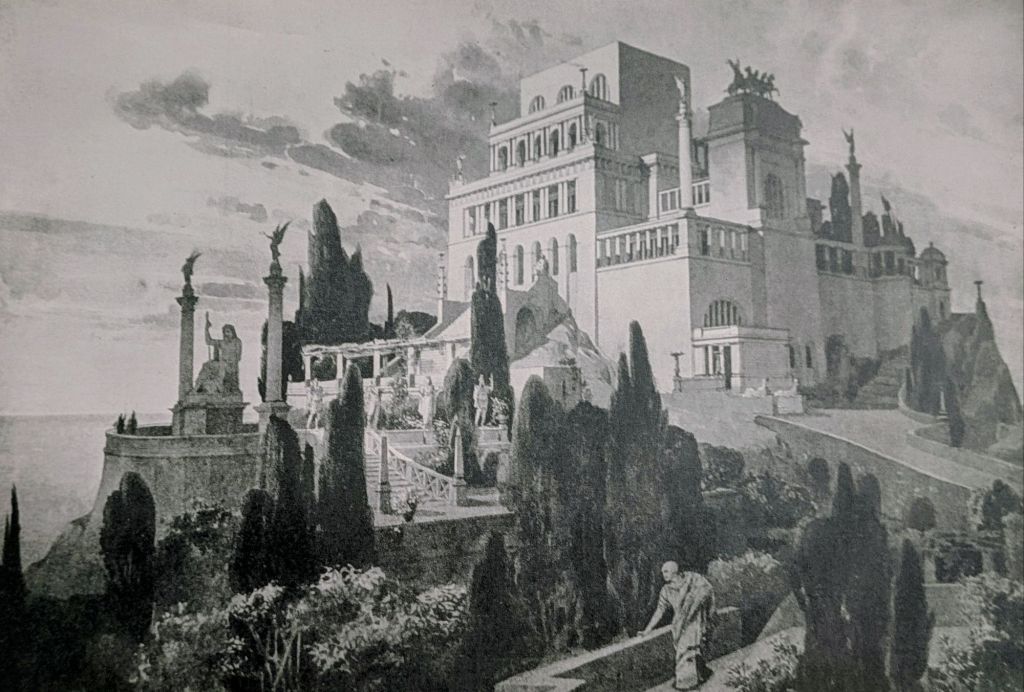
Tiberius withdrew from Rome to Capri because he had little patience for Rome’s politics & court intrigue.
As time went on, he grew more paranoid & began to fear political assassination both in Rome & on Capri.
Villa Jovis is located 1,089 feet (330 meters) above the Gulf of Naples atop the peak of Mount Tiberius.
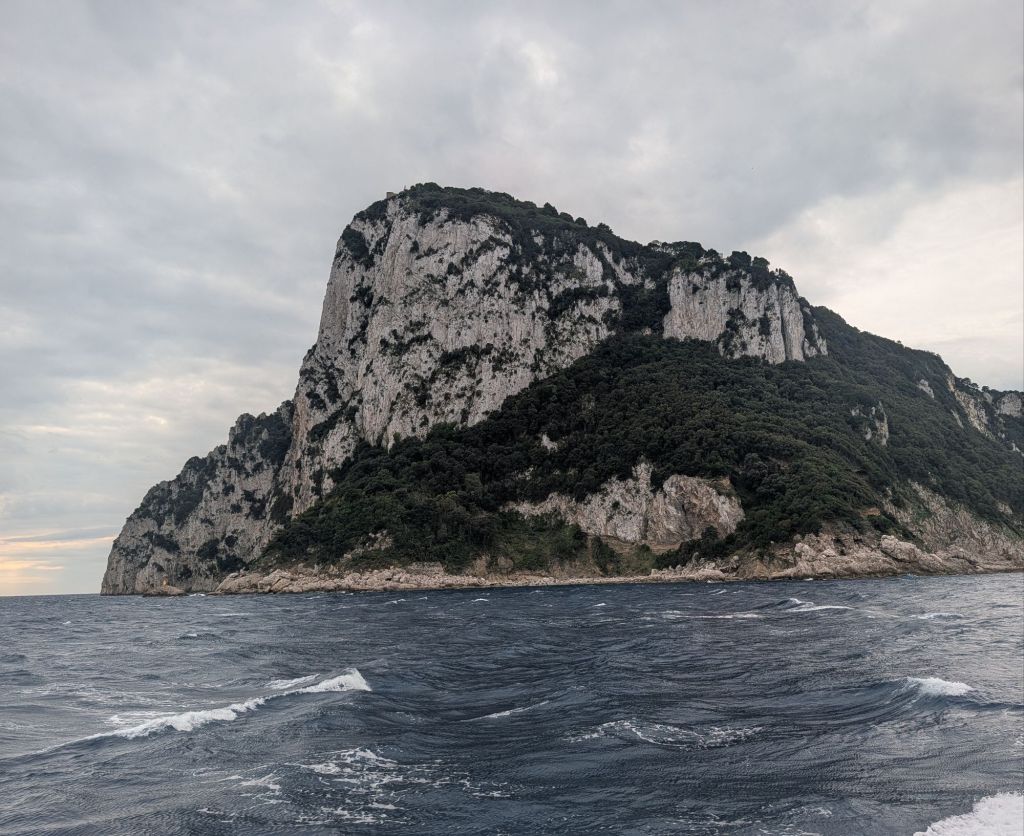
The palace was well protected & historians speculate that this was due to the Emperor’s security concerns.
Even today, getting to Villa Jovis is somewhat tricky & access is only by foot climbing a steep hill.
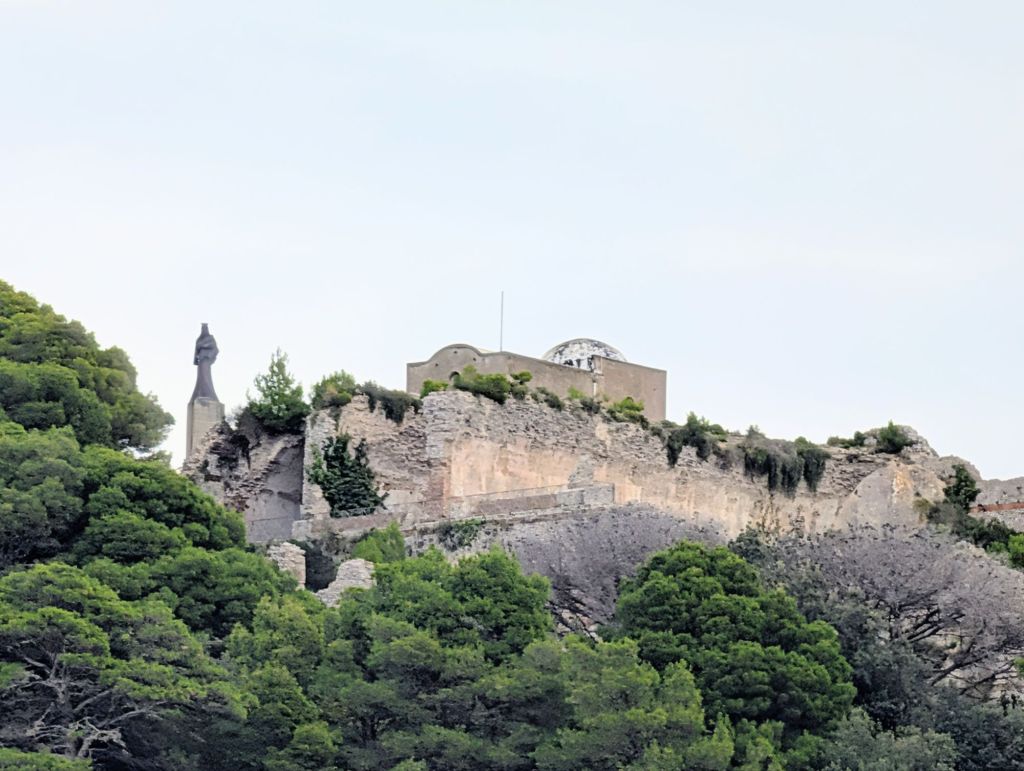
Comprised of maze- like sections, rooms, passageways, & corridors (also for security against enemies), Villa Jovis spanned an area of over 75,000 square feet not including its extensive gardens which added considerably to its size.
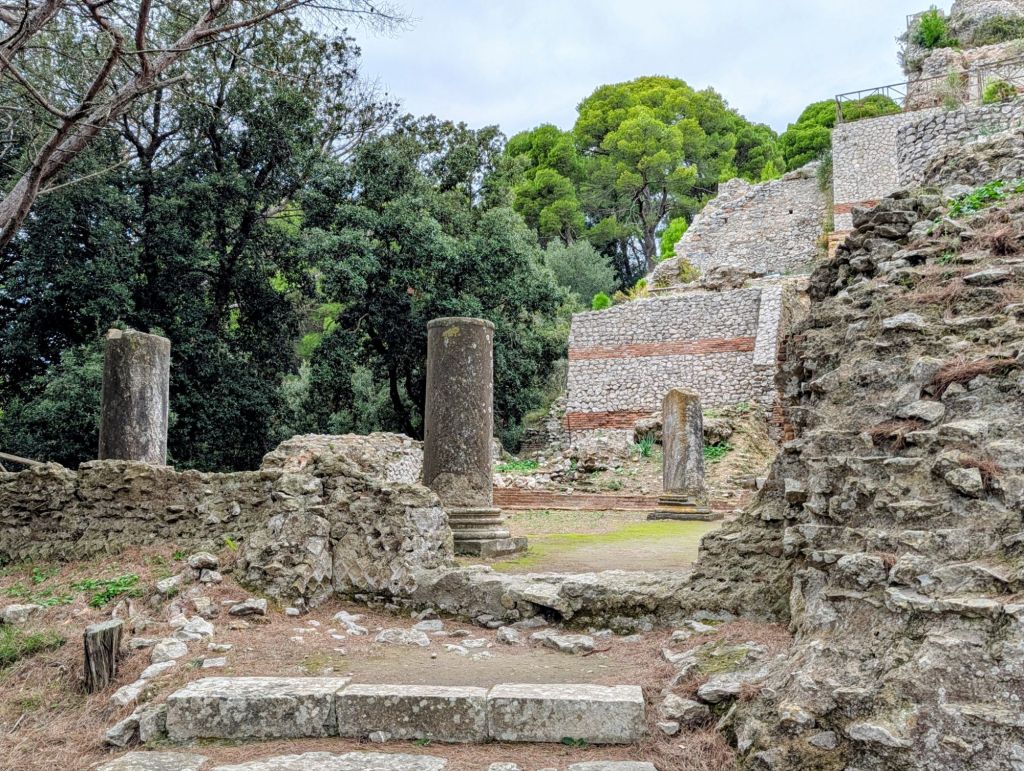
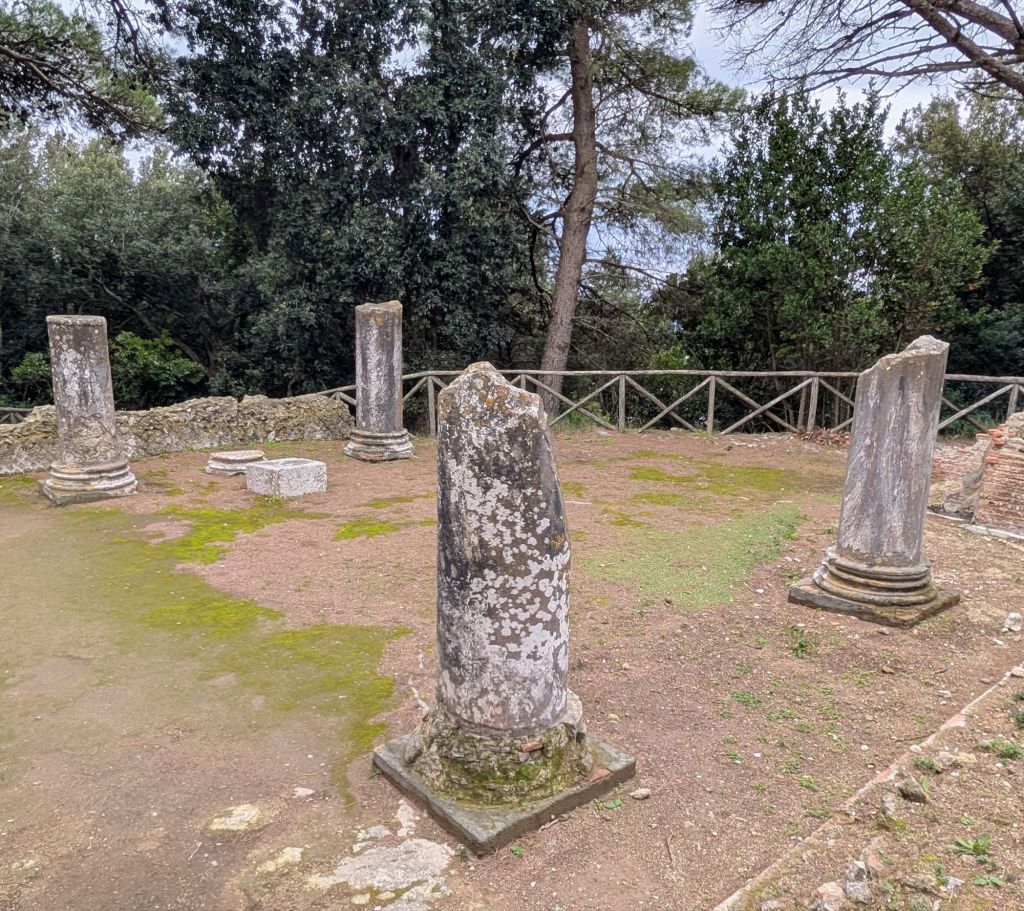
Its aerie location also accounts for Villa Jovis’ unique structure.
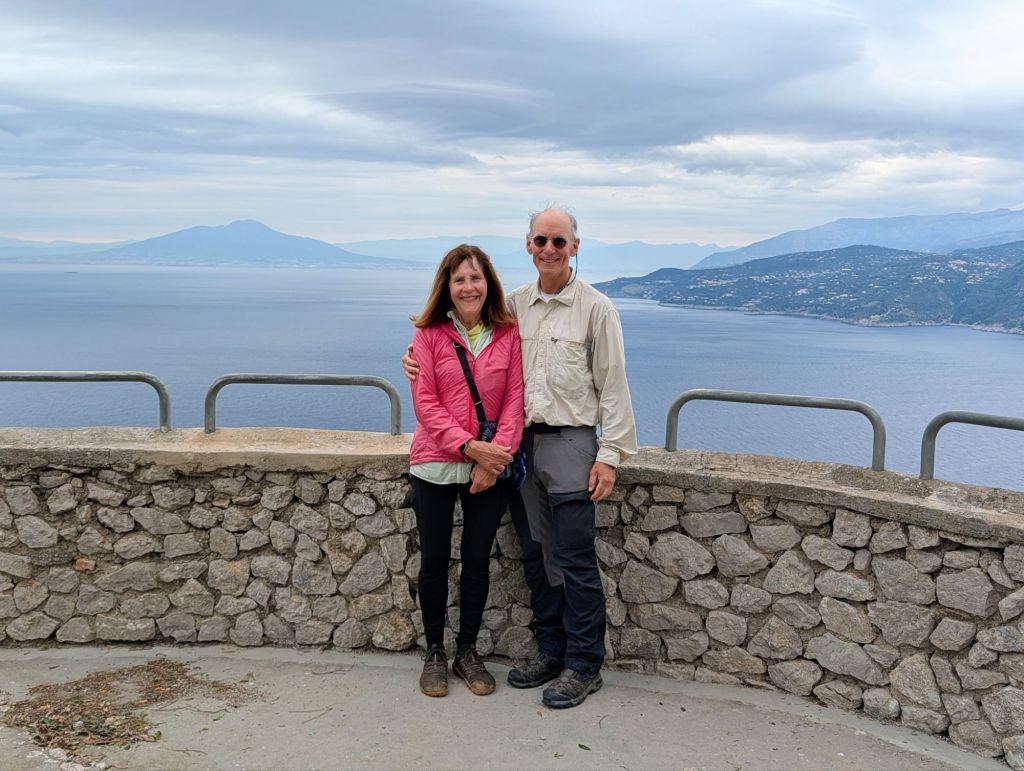
Due to the inclines on which it was built, it had to be set on several levels which was unique at that time.
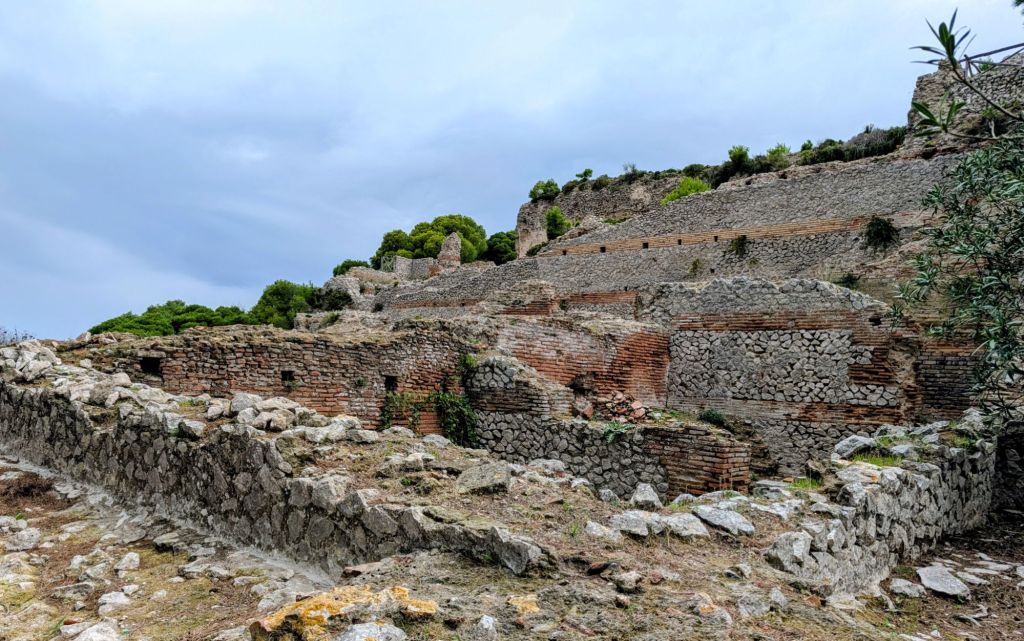
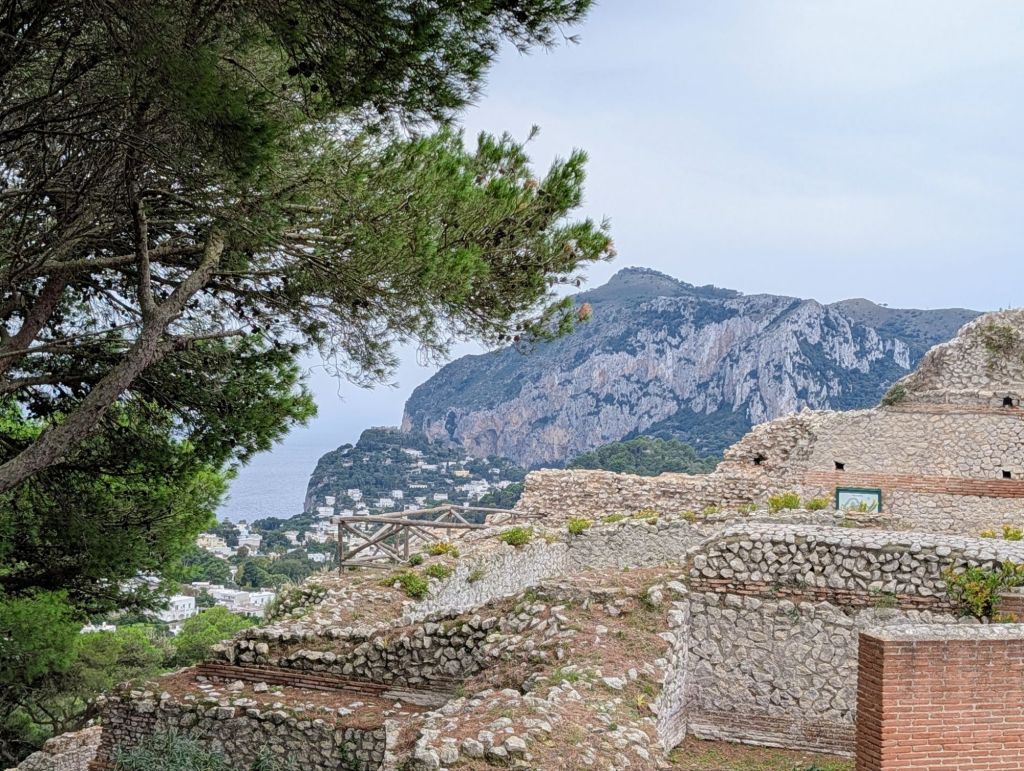
The rooms were arranged around a central area occupied by cisterns for rainwater which was a reserve intended to supply the villa’s baths & gardens.
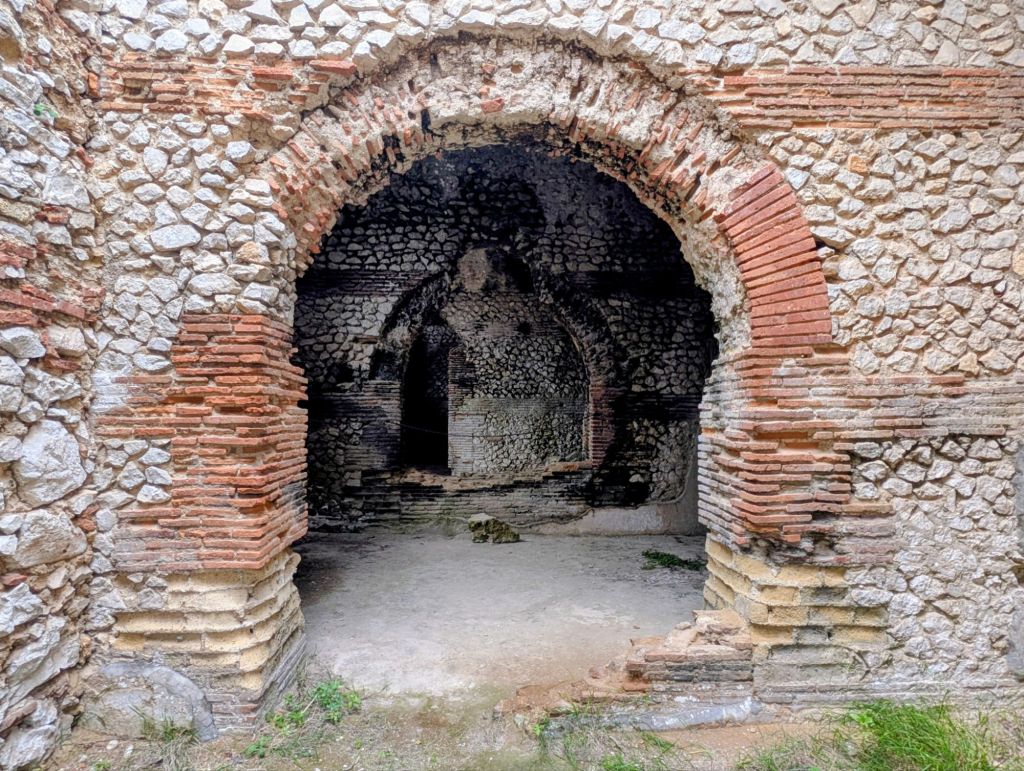
Although Tiberius preferred to be isolated from Rome, he did not exclude any luxury & glamourous aspects in his villa.
Walls were filled with various explicit paintings & erotic sculptures adorned each room.
Most of these can still be seen at the Naples’ Archaeological Museum.
Secluded in Villa Jovis, Tiberius’ pastimes reported & almost certainly exaggerated by hostile later authors grew increasingly elaborate.
Suetonius in his biography “Tiberius” cited:
“Teams of wantons of both sexes, selected as experts in deviant intercourse, copulated before him in triple unions to excite his flagging passions.
The villa’s bedrooms were furnished with the most salacious paintings and sculptures, as well as with an erotic library, in case a performer should need an illustration of what was required.
Then in Capri’s woods and groves he arranged a number of nooks of greenery where boys and girls got up as Pans and nymphs solicited outside bowers and grottoes: people openly called this “the old goat’s garden”.”
At the villa there is a sheer cliff edge where according to rumor, Tiberius cast down condemned criminals, unwanted guests, or others such as servants or officials who disobeyed or disrespected him.
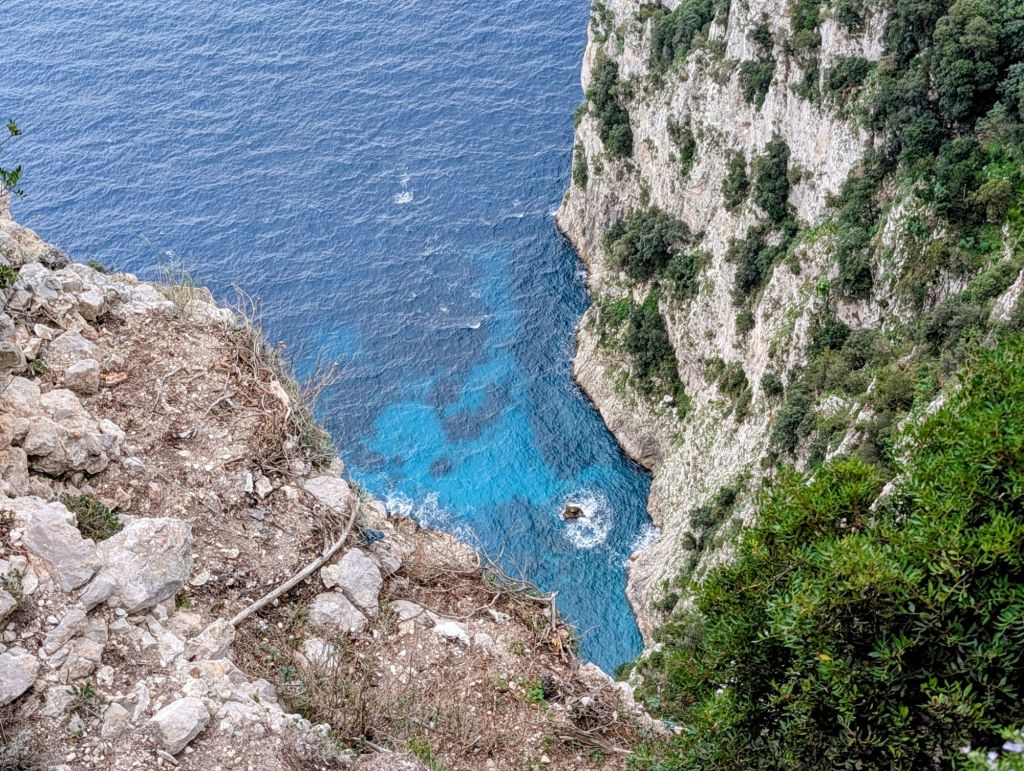
Infamously dubbed Tiberius’ Leap (Salto di Tiberio), the cliff still offers an unnerving view straight down to the rocky coastline over 1,000 feet below where Tiberius had people hurled to their deaths.
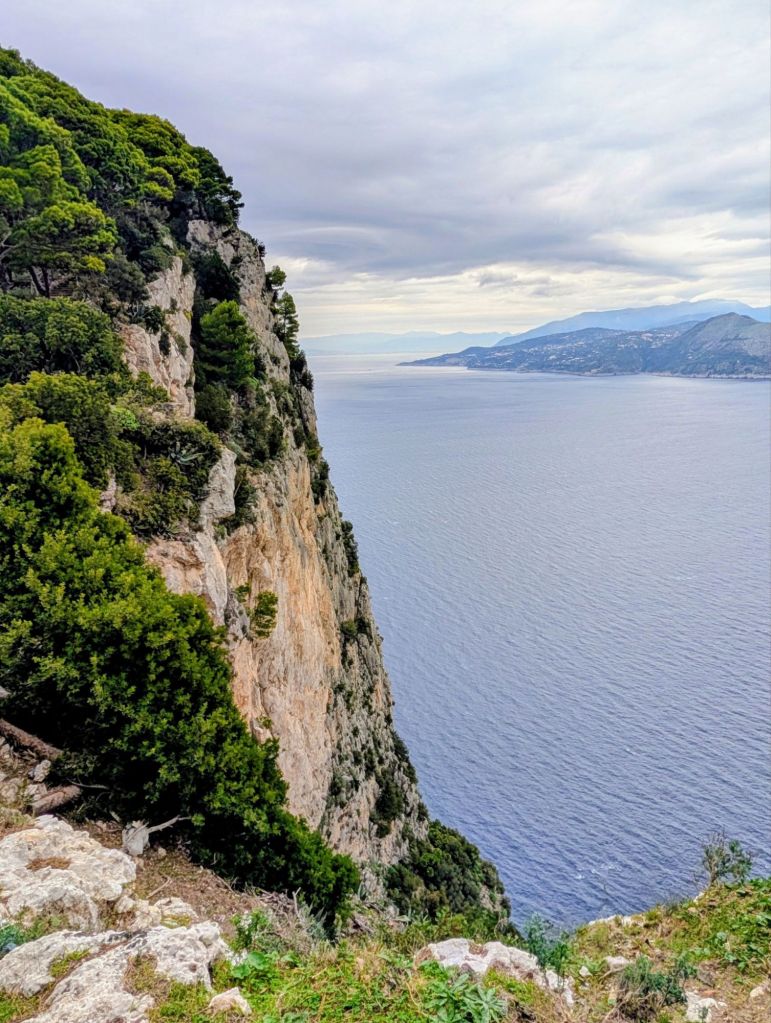
Tiberius had a great passion for astronomy & loved to admire the night sky.
His faithful astrologist Trasillo lived at the villa & they used the lighthouse for making astronomical observations.
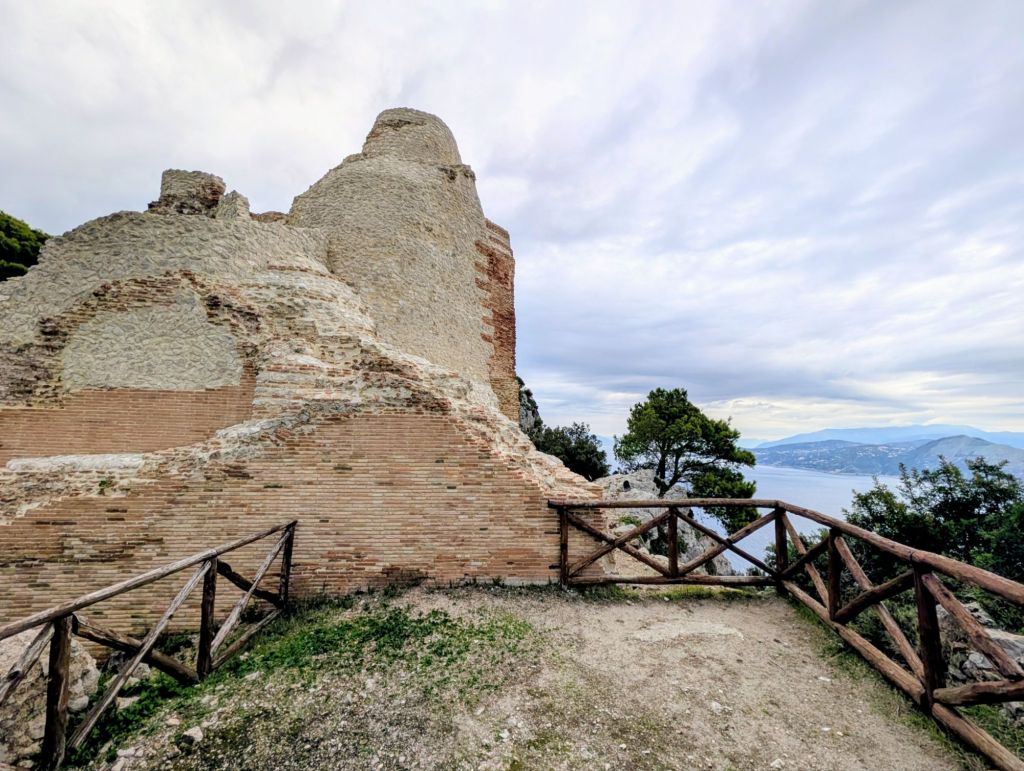
This lighthouse was also used by Tiberius to signal the mainland to run his Empire.
Unfortunately, an earthquake in 37AD shortly after Tiberius’ death caused it to collapse & it is still in ruins.
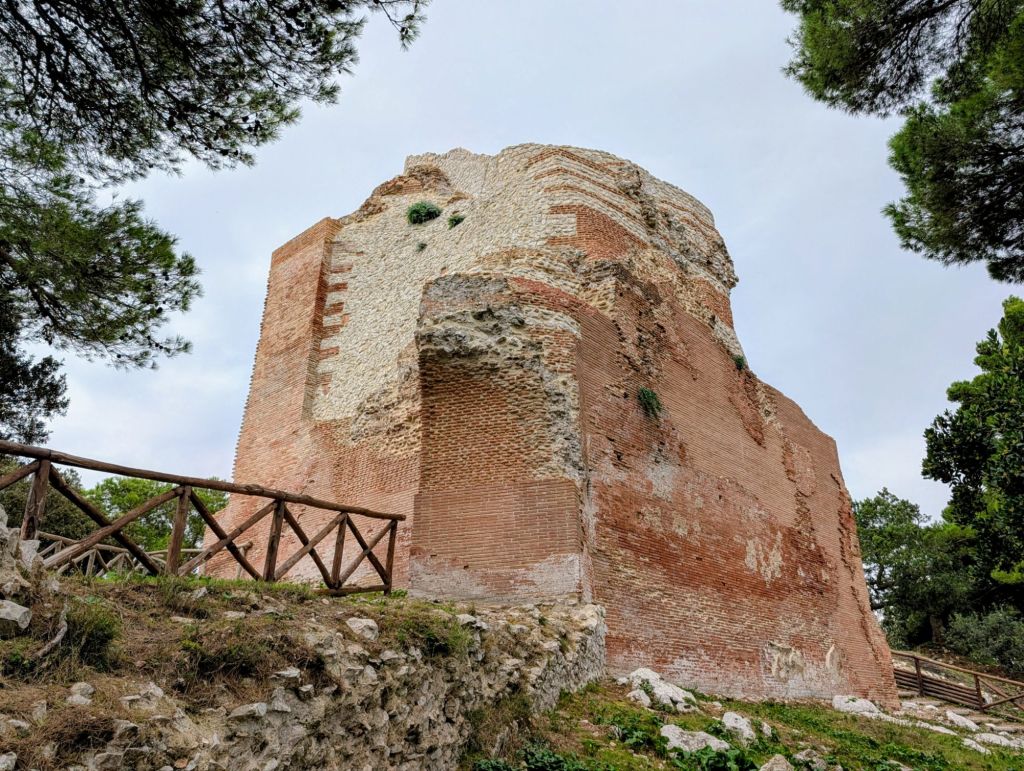
In total, Tiberius built 12 villas on Capri’s hills with Villa Jovis being the biggest & his favorite.
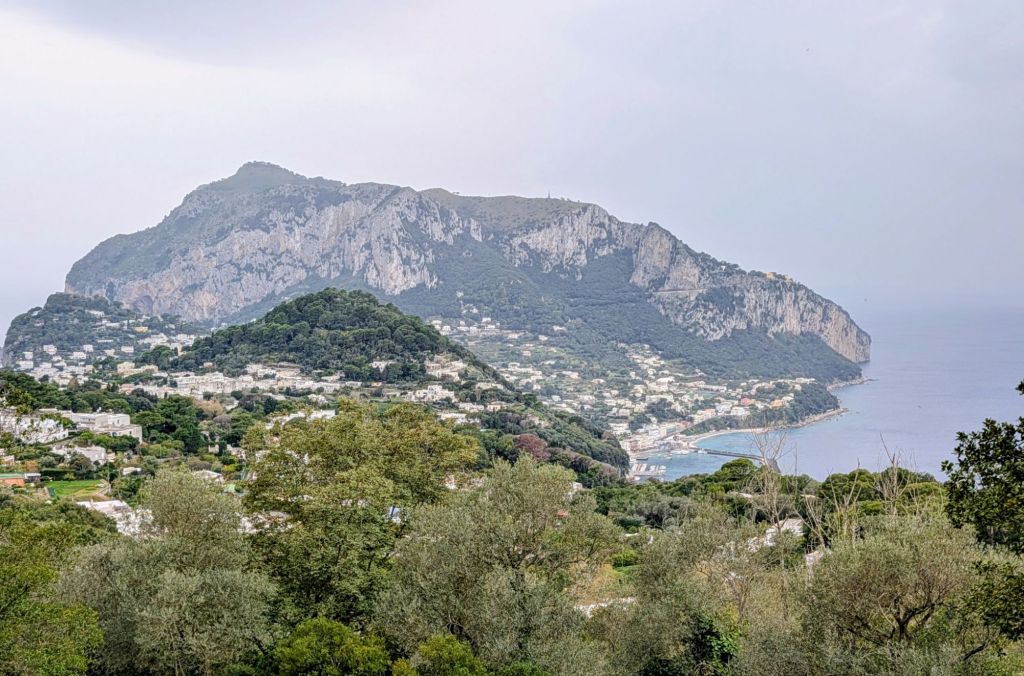
Little can be said about the other villas which are either untraceable or have been destroyed through centuries of conquests & environmental changes.
As the story goes, each villa was lavishly furnished with all the comforts that the Emperor might have needed — extensive servants’ quarters, large bathing areas, & elaborate gardens.
The Villa Damecuta in Anacapri, is similar in design to the Villa Jovis with a panoramic terrace that was accessible only to the Emperor.
Caligula, who succeeded his great uncle Tiberius to the throne & is among Rome’s most notorious rulers, is believed to have stayed at Villa Jovis for a short while before Tiberius’ death.
As far as rumors go, Caligula unabashedly partook in the salacious activities at the villa & treated it exactly as Tiberius intended as a pleasure palace getaway from Rome.