
Rest day in Viterbo
Today is our last rest day on our trek to Rome which will take us 5 more days to reach.
Our planned rest day timing was fortunate because it rained hard all night & into the morning, so we didn’t have to hike in the rain like other pilgrims did.
An added benefit will be the rain should tamp down the dust on the trail.
Viterbo is a beautiful city from ancient origins with historical traditions & a very beautiful old town.
Its highlights include the Papal Palace, San Lorenzo Cathedral, & the medieval San Pellegrino quarter with its towers & city wall.
Built by the Etruscans, then later taken over by the Romans, Viterbo developed into a huge medieval trade & culture center.
It also served as the seat of the Papacy for a time.
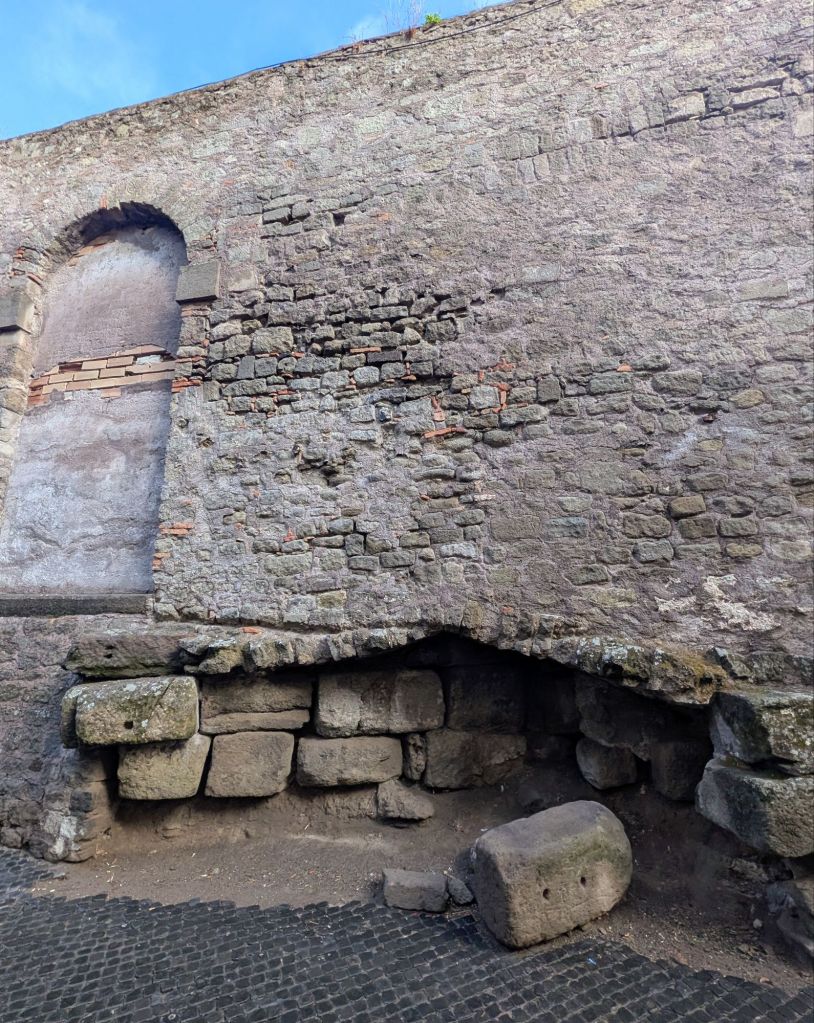
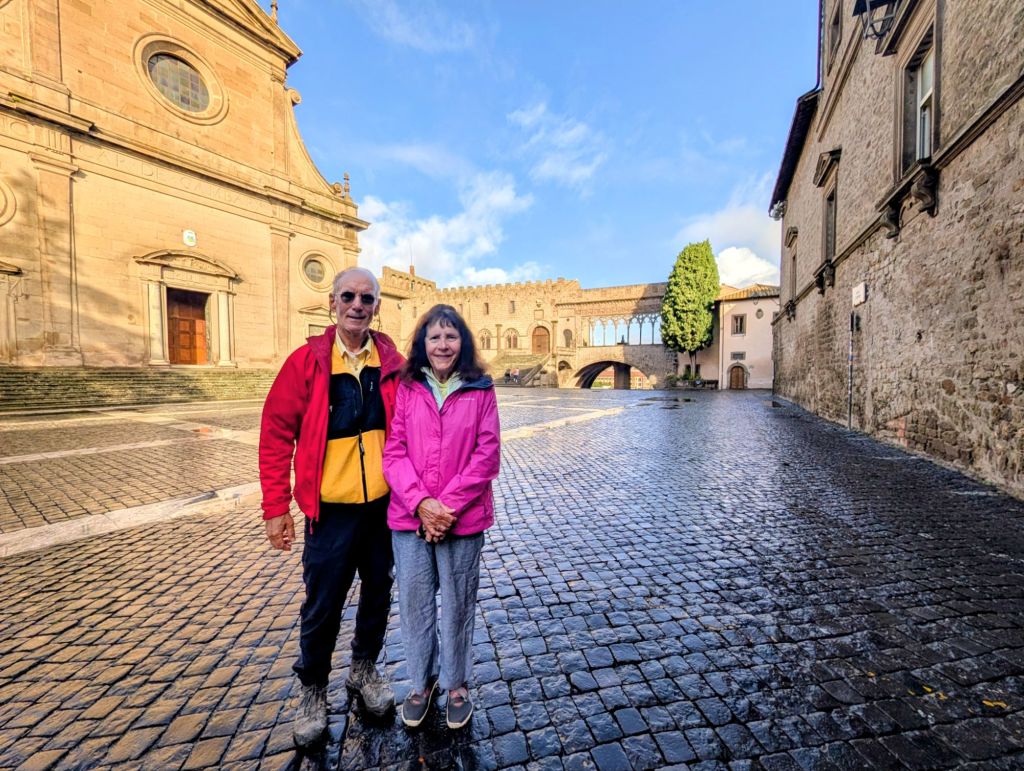
Although its history stretches back thousands of years, the “new town” of Viterbo dates back to the 8th Century AD when it was called Castrum Viterbii.
The town was fortified in 773 by the Lombard king Desiderius during his unsuccessful attempt to conquer Rome.
Following this event, Viterbo began flourishing as a stronghold in the medieval era.
Archbishop Sigeric of Canterbury recorded Viterbo as his 6th stop when returning to England from Rome in 990 AD.
Due to its location on the Via Cassia, Viterbo became an important stop on the Via Francigena.
In 1095, Viterbo became a free commune which was an independent city-state based on a form of democracy.
The medieval city walls built between the 11th- 13th Centuries still completely encircle Viterbo.
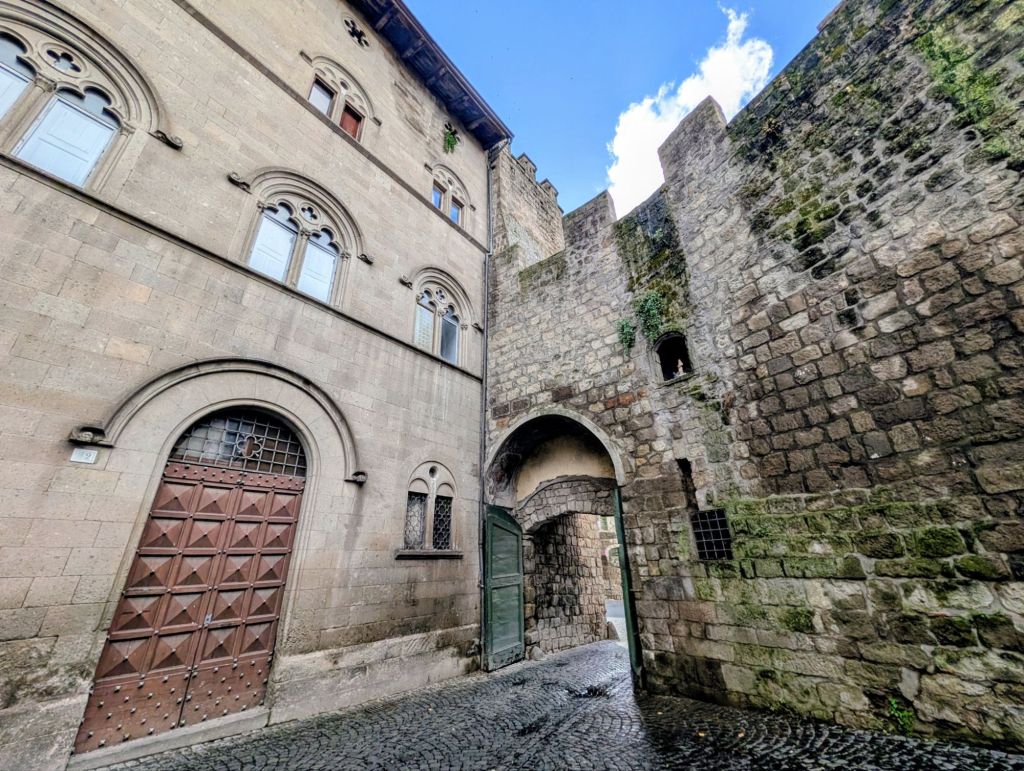
The city wall was damaged during WWII; but, was rebuilt.
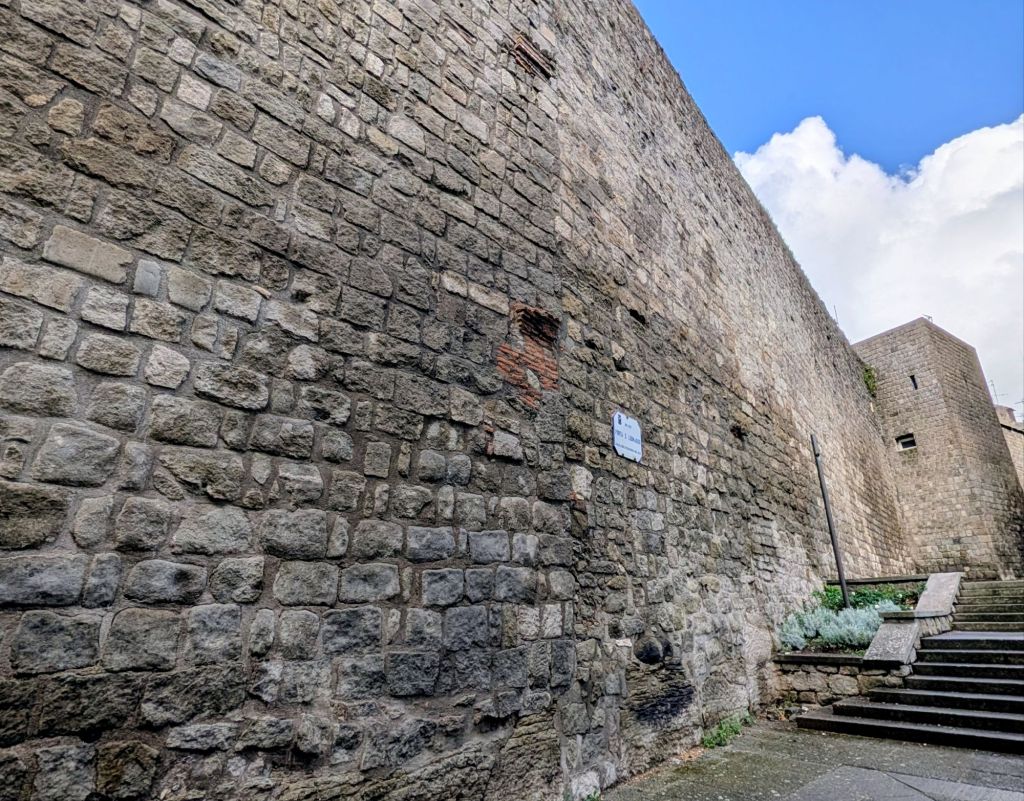
Around 33% of the city was heavily damaged during WWII; but, most of historic Pilgrim’s Quarter with its winding medieval lanes & buildings from another age survived
Viterbo had turbulent times with sieges occurring as the Papal States attempted to assert their dominance.
Due to the Popes’ inability to exert full control over Rome, Viterbo not only was absorbed into the Papal States; but also, the Pope’s actually favored the city.
Viterbo was used as the Papal residence for two decades during the 13th Century.
During the 13th Century upheaval & subsequent flight from Rome, the Papal Palace in Viterbo served as the home to the Popes from 1257 to 1281 before they moved to Avignon, France.
Once the Papacy moved to Avignon, Viterbo fell out of favor relegating it to become a minor city.
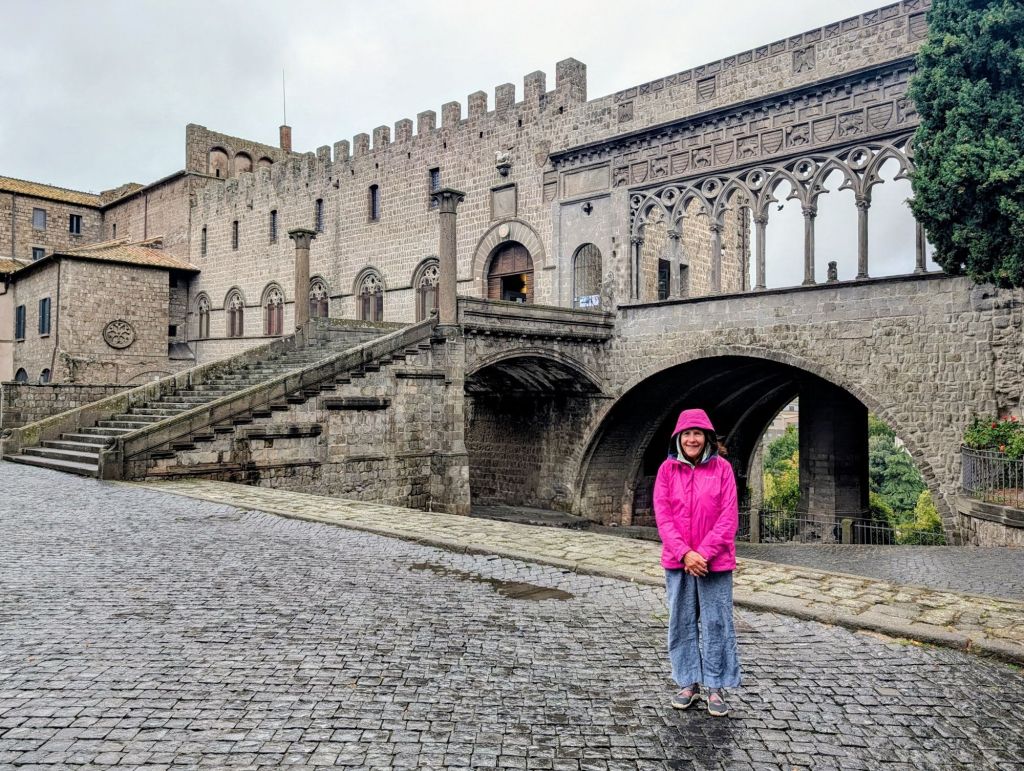
The Palazzo dei Papi (The Palace of the Popes) is a beautiful structure supported by a series of columns & arches.
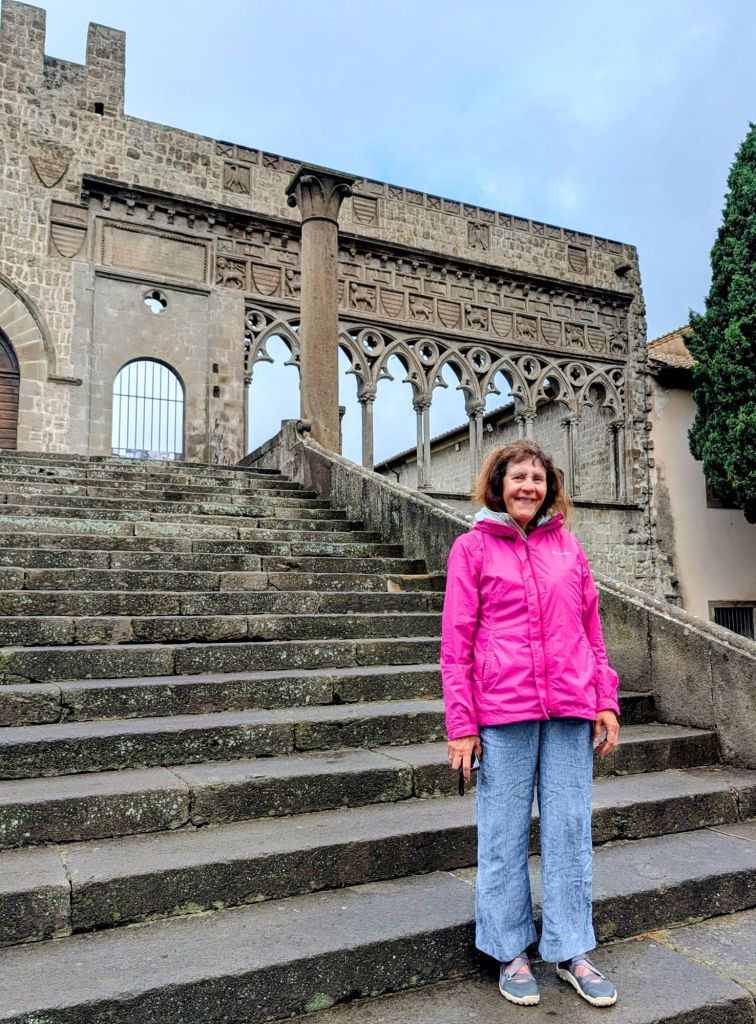
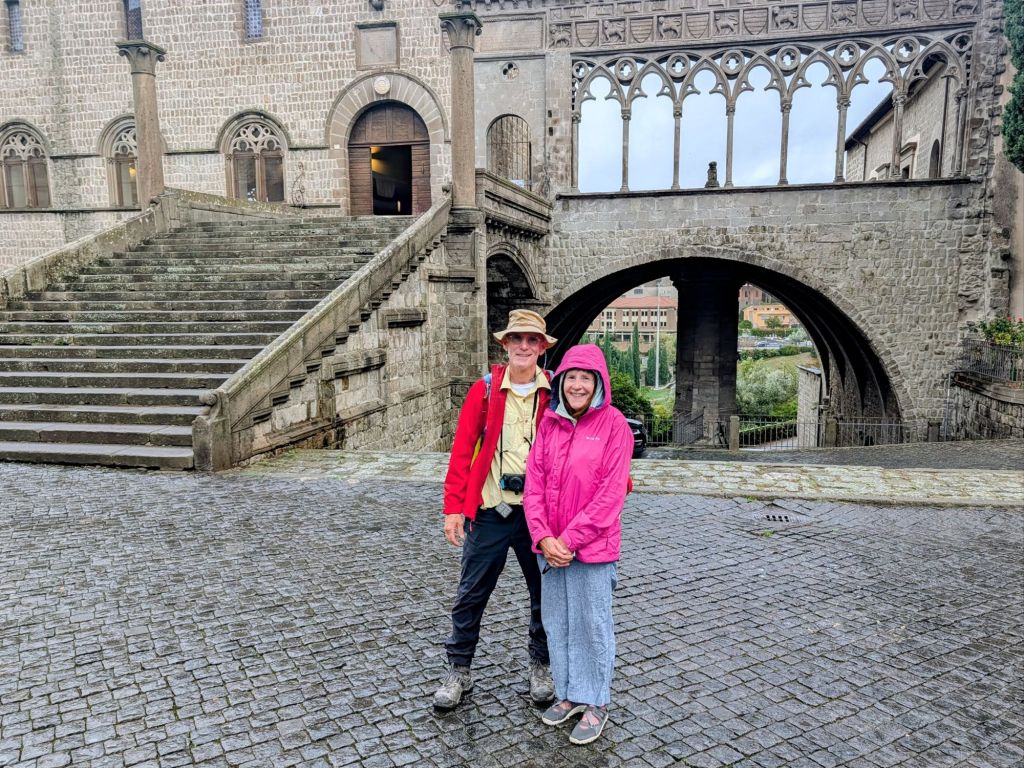
This Palazzo was the original location where the Catholic Church’s “Conclave” tradition started.
The word “conclave” is taken from the Latin “cum claves” meaning “with keys”.
Following Pope Clement IV’s death in 1268, the cardinals were going on three years to pick a new pope & that their presence was bankrupting local businesses.
This drove the infuriated locals to lock the cardinals inside the palace.
Then, they removed the palace’s roof exposing the cardinals to the elements forcing them to make a decision.
They only put the slates back on the roof & unlocked the door once the cardinals had reached a decision on who would be the new Pope.
In 1271, the cardinals finally made a choice electing Pope Gregory.
The Loggia della Benedizione is the balcony from which newly elected Popes would appear to the public after being selected during the Conclave.
In Piazza di San Lorenzo is the Duomo di Viterbo (Cathedral of Viterbo) which is an imposing Romanesque church dating back to the 12th Century.
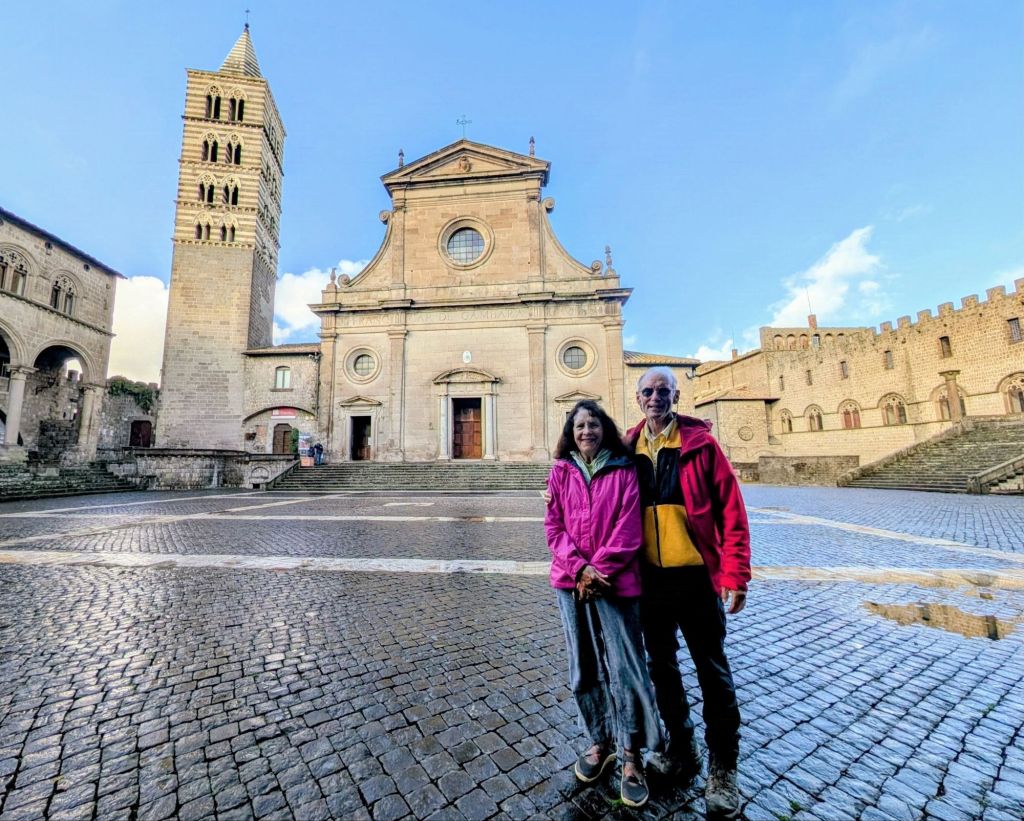
Legend has it that the cathedral was built upon the Temple of Hercules which was an ancient Etruscan religious site.
The cathedral was once elaborately decorated, but a 16th Century reconstruction removed all the ornate features.
However, the structure is still impressive.
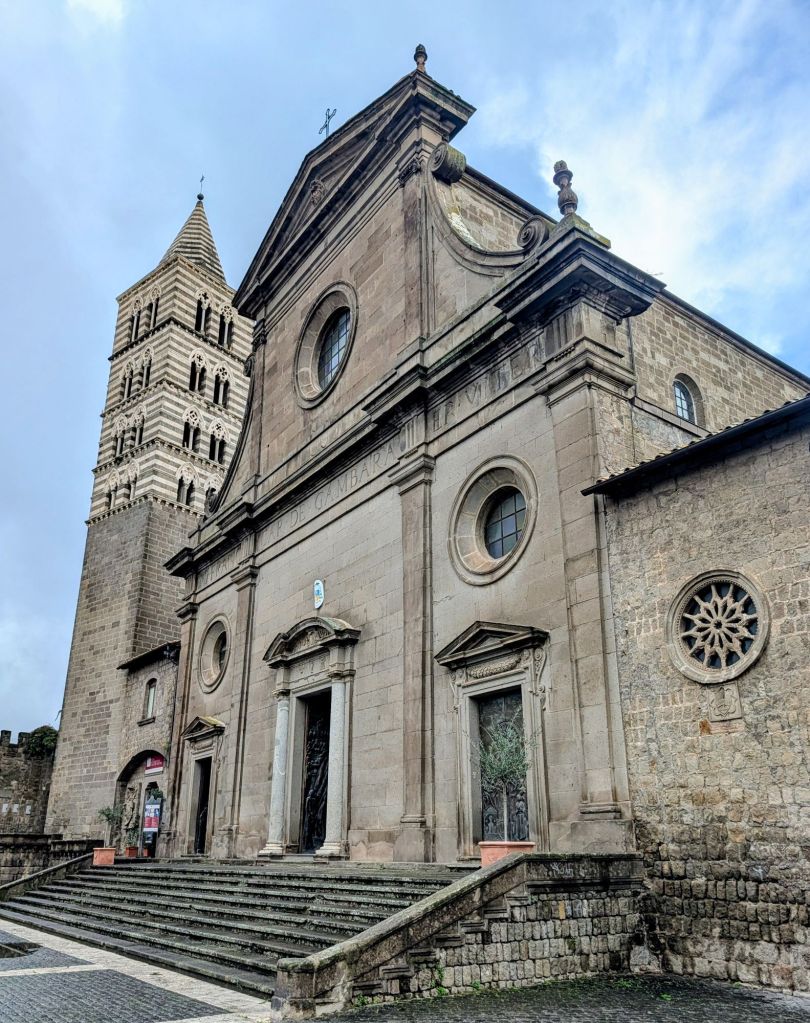
The Duomo is where two 13th Century Popes are interred.
– Pope John XXI (died 1277) He is the only Portuguese pope.
– Pope Alexander IV (died 1261)
He was originally buried in this cathedral, but his tomb was demolished during the 16th Century renovations & his remains were lost.
Two other popes are also interred in Viterbo
– Pope Clement IV (died 1268)
– Pope Adrian V (died 1276)
Both their tombs are in Viterbo’s Basilica of San Francesco alla Rocca.
Here are some Viterbo images:

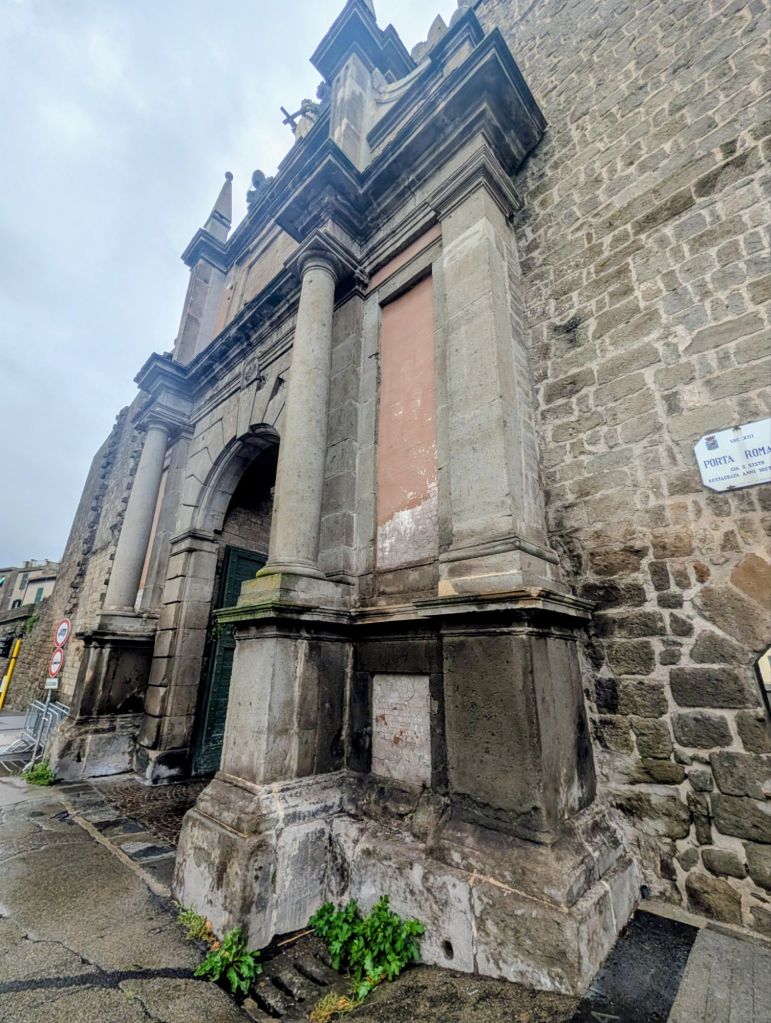
Built during the 13th Century, it was Viterbo’s southern gateway allowing access from the road coming from Rome.


