Radicofani to Acquapendente
14.7 Miles; 7.5 Hours on the trail (Cumulative: 166.2 Miles; 86.2 Hours on the trail)
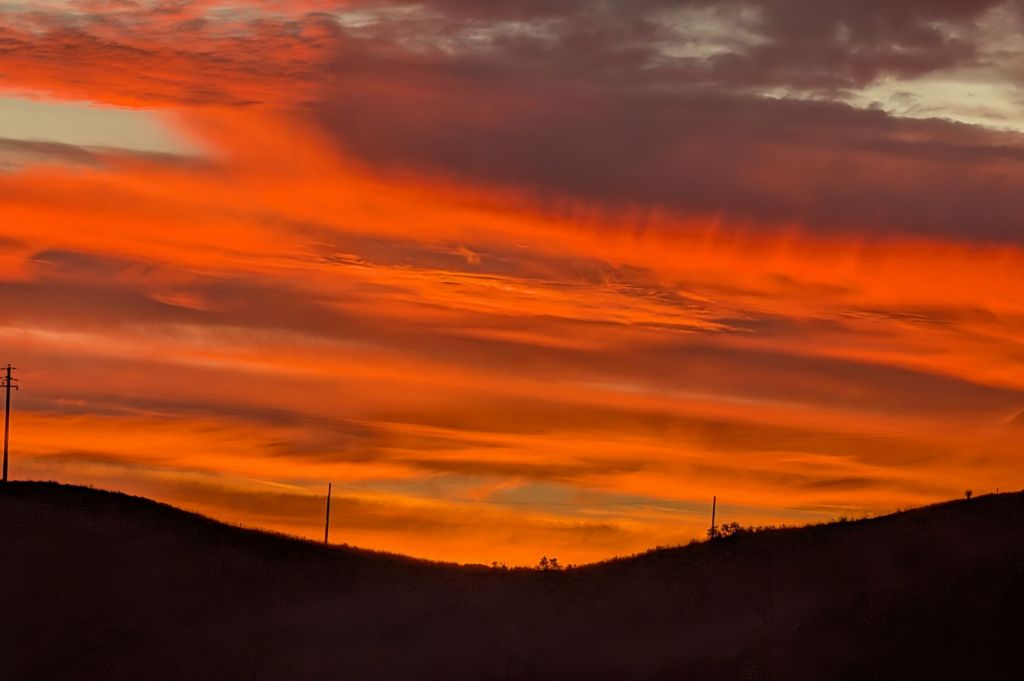
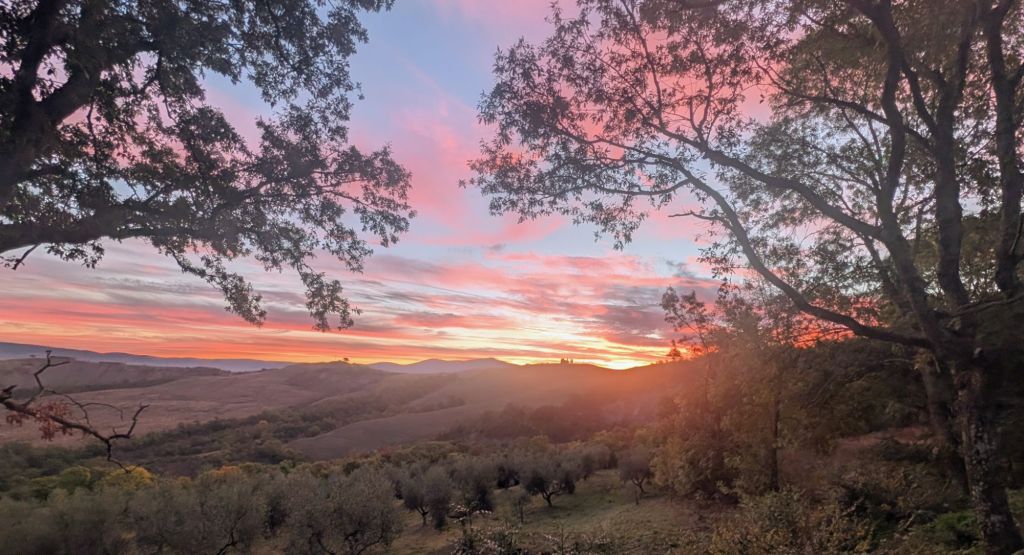
Today was our final day hiking in Tuscany & our last Tuscan sunrise was spectacular.
As we hiked up to Radicofani, we saw a shepherd moving his flock in the fields.
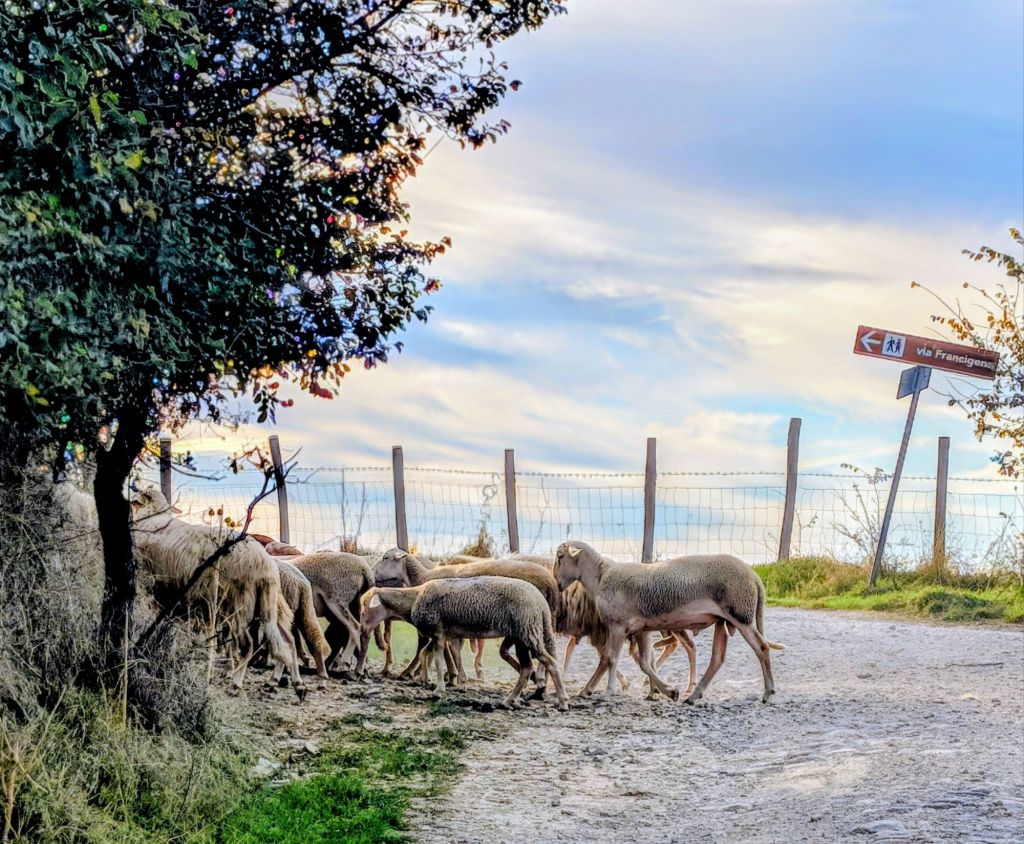
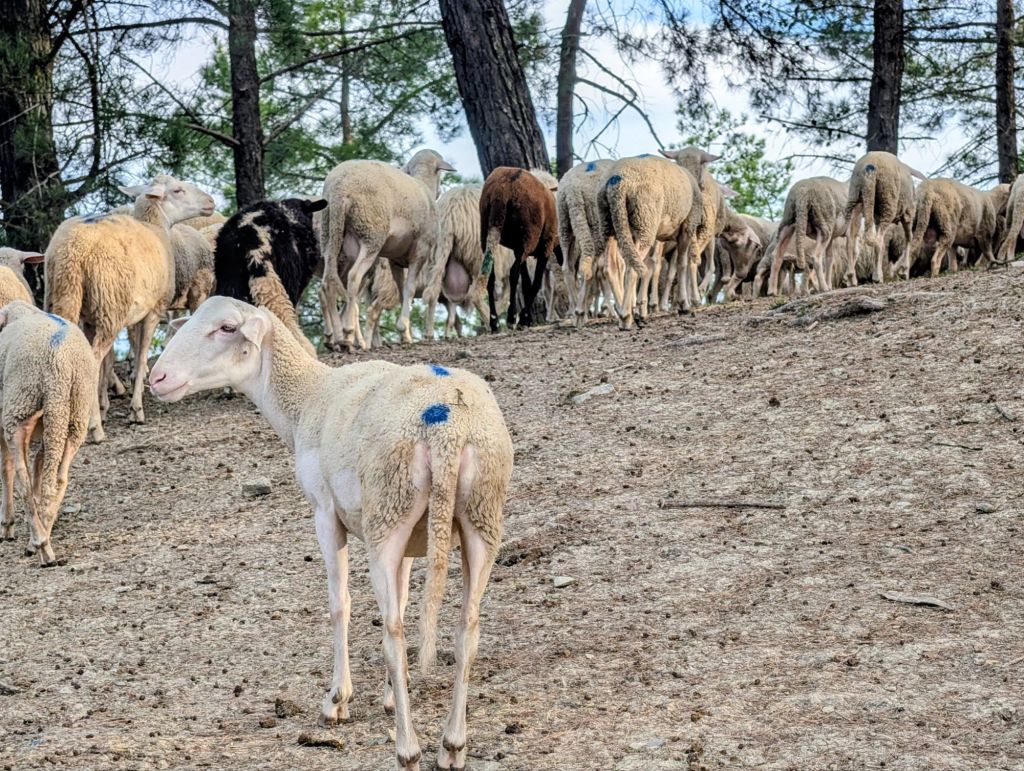
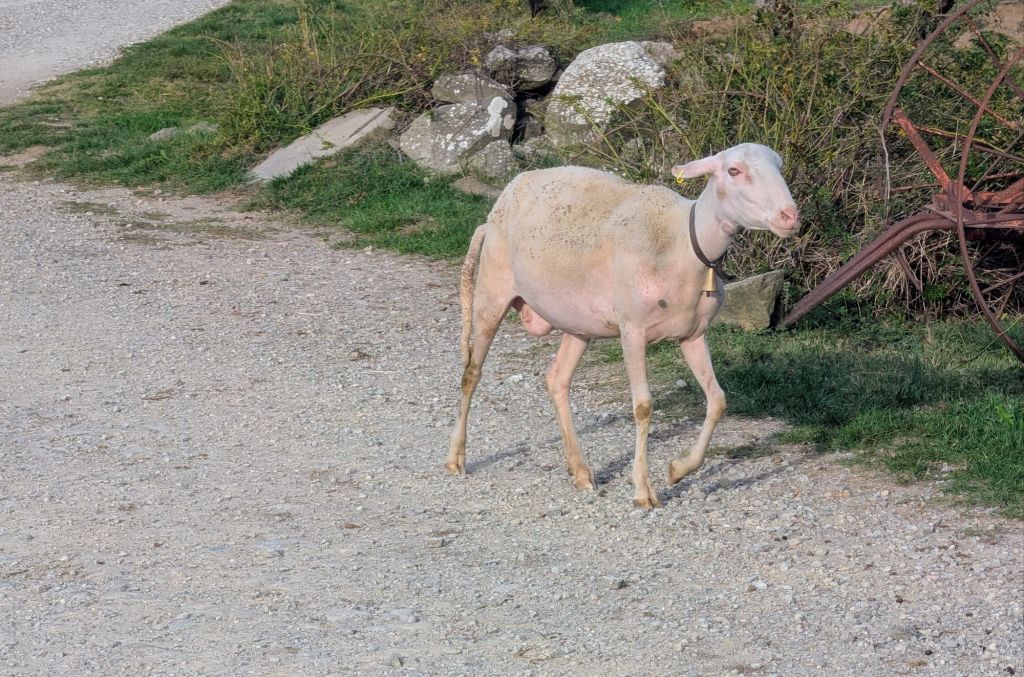
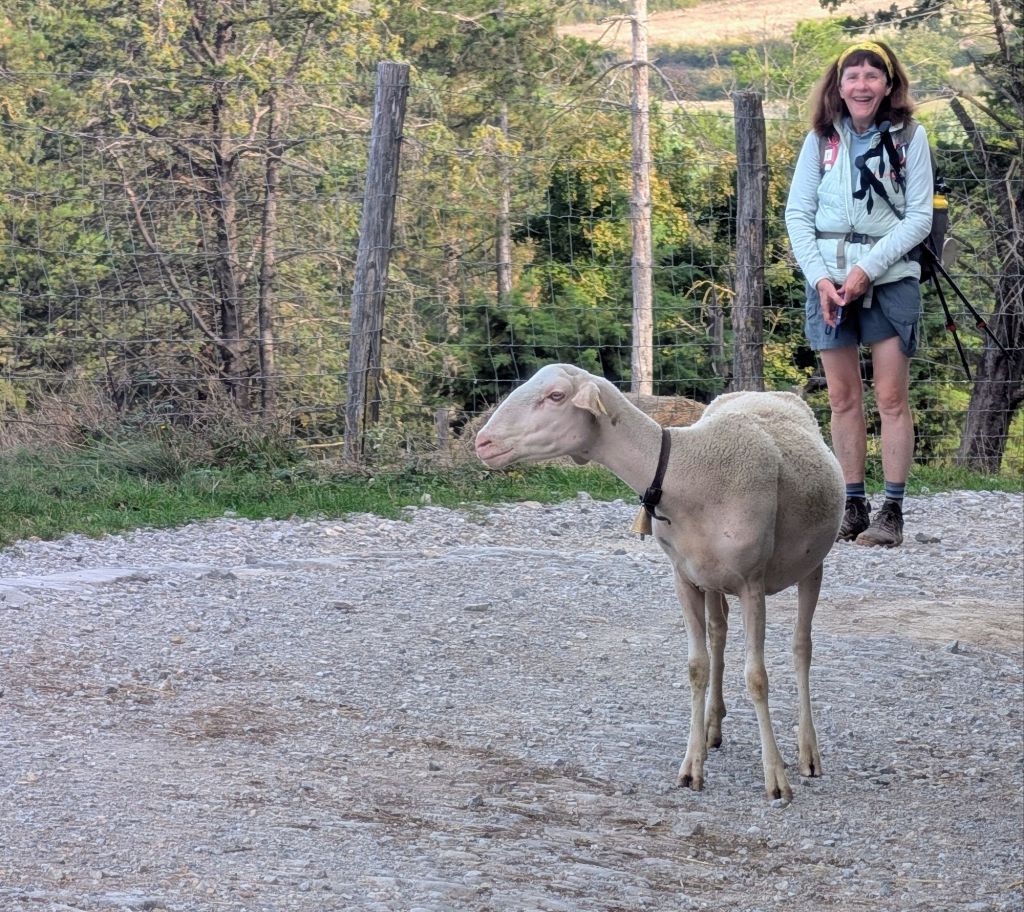
However, he had one stray who got away, so we helped him wrangle it back into the flock.
Radicofani & its surrounding area is dominated by its Rocca (castle) with its impressive tower.
The Rocca of Radicofani rises atop a volcanic basalt rock formation 896 meters high.
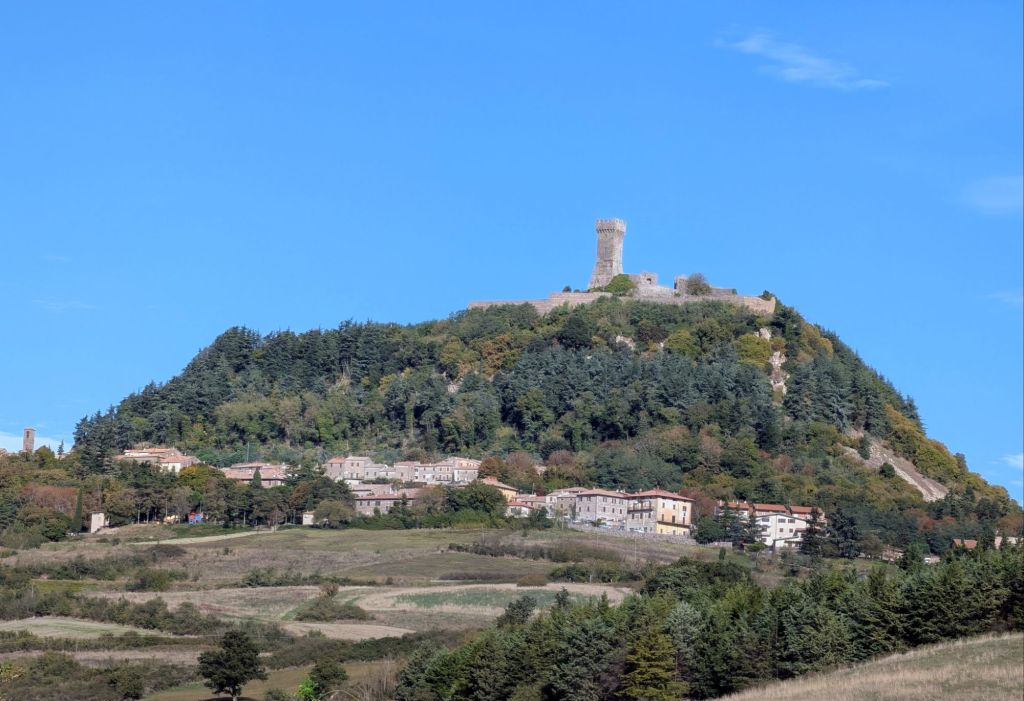
Radicofani itself is a charming medieval town built on an ancient volcano’s remains.
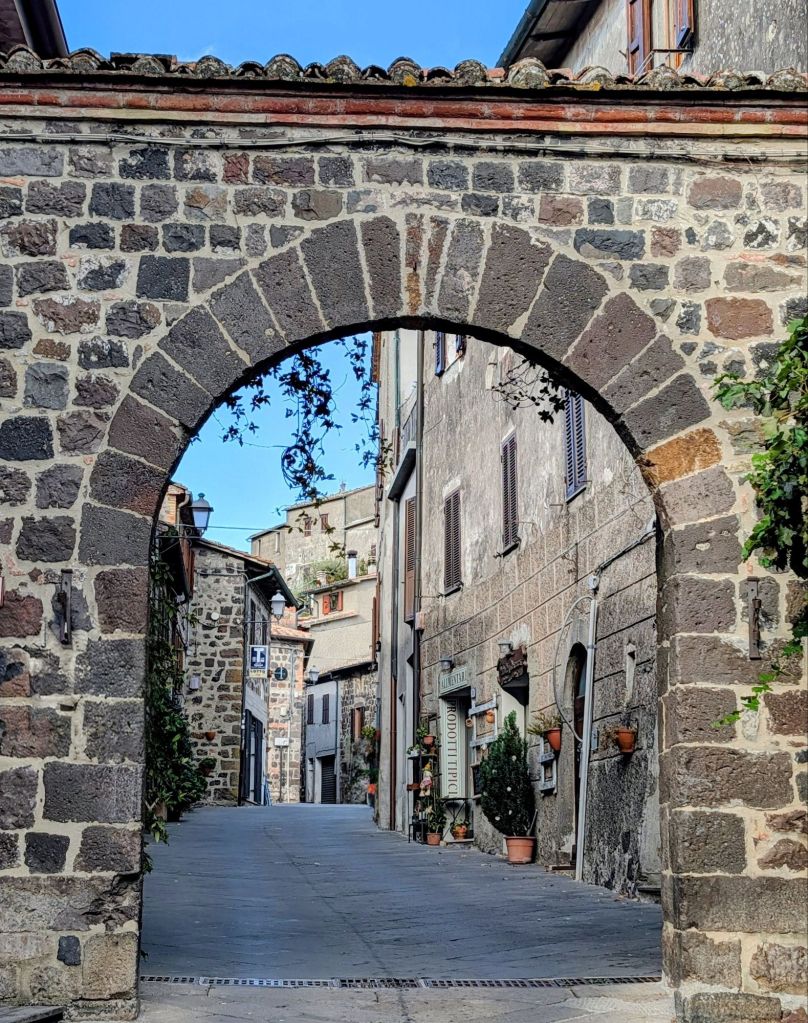
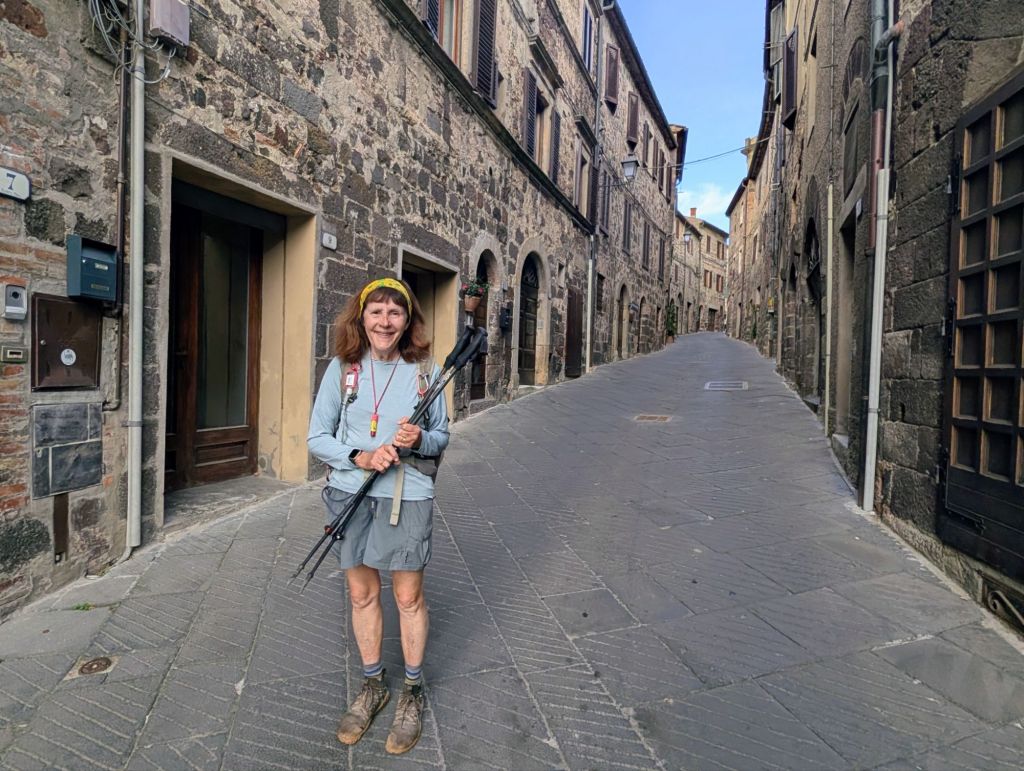
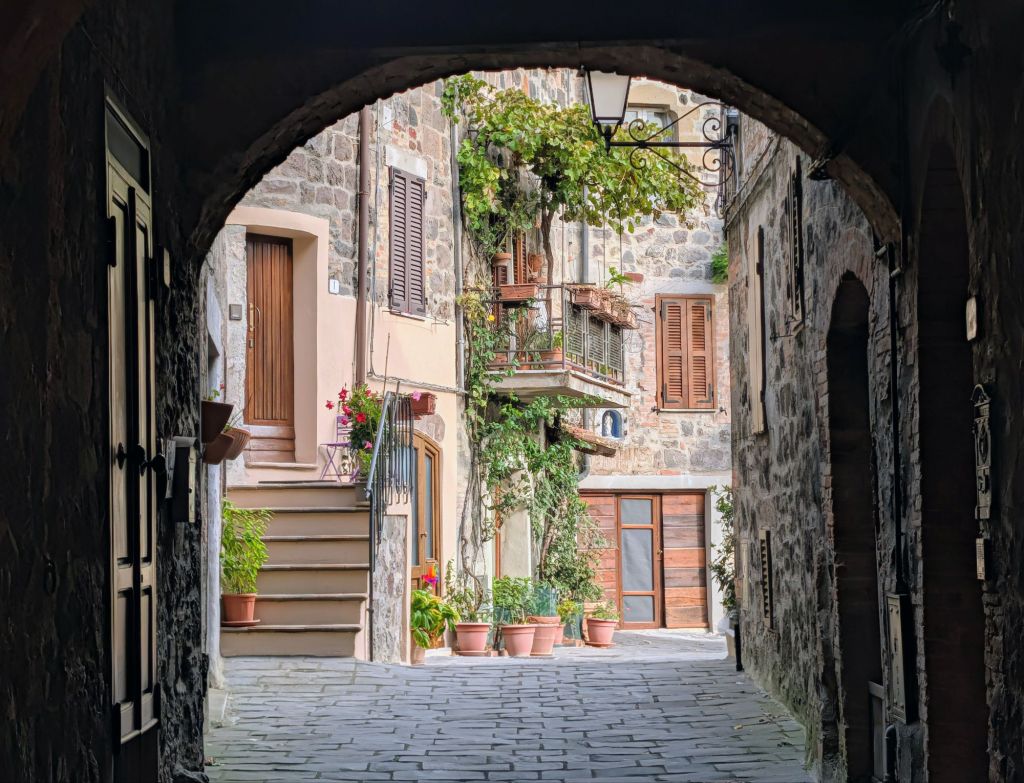
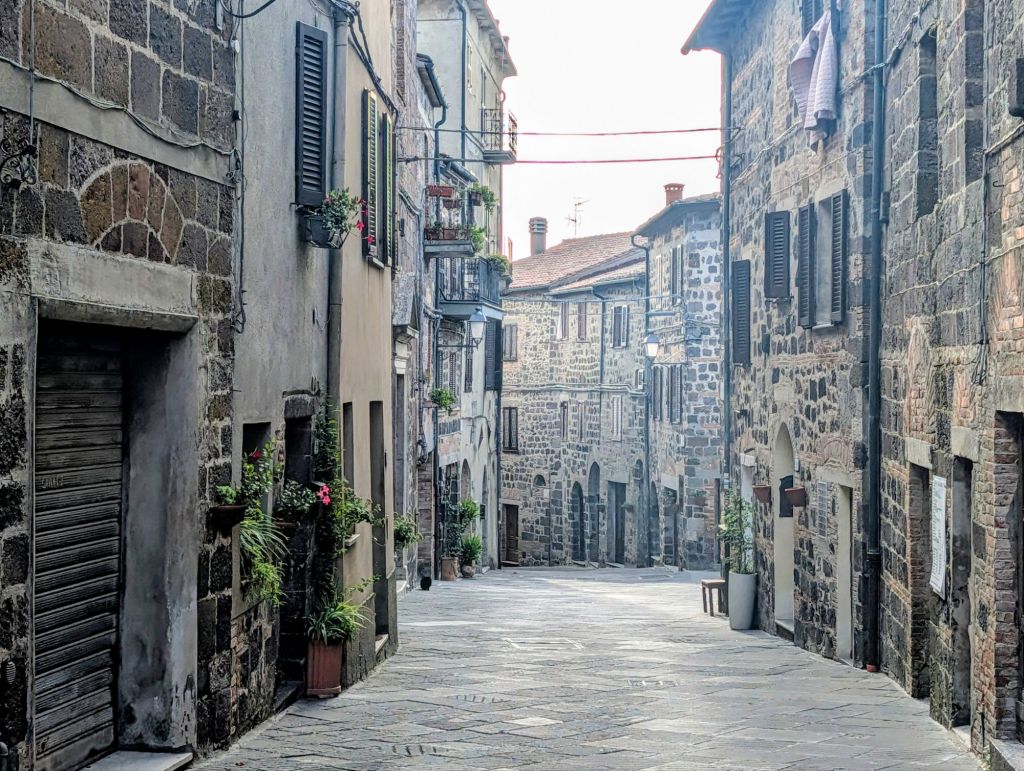
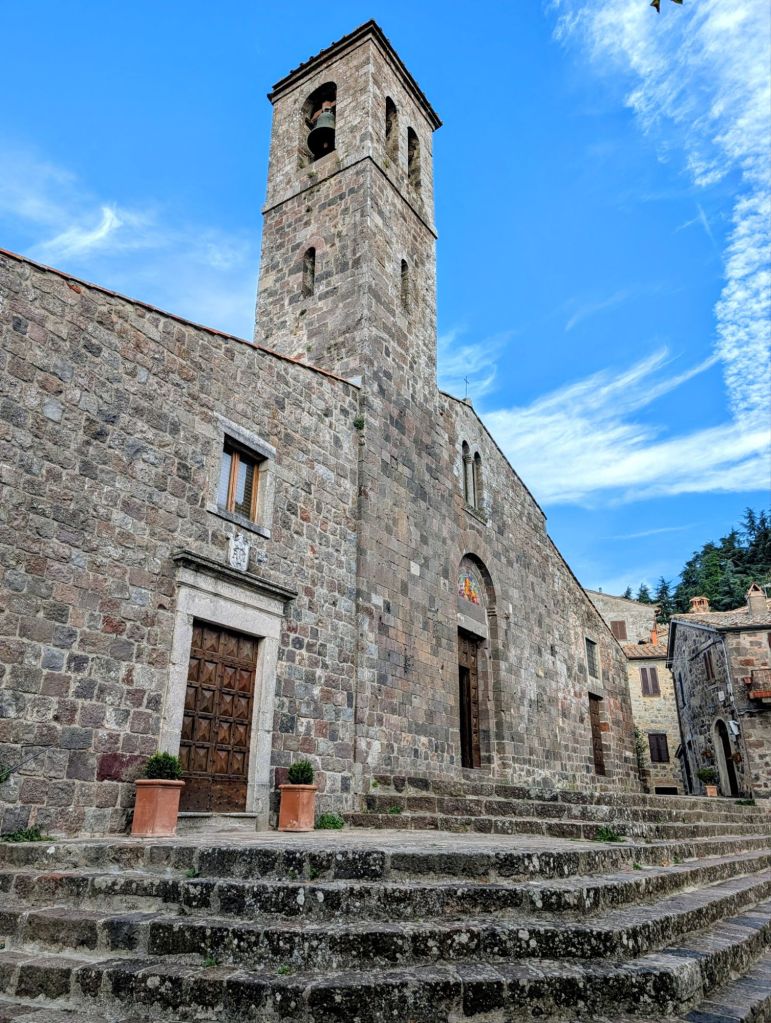
According to beliefs, Saint Agatha protects the city from volcanic eruptions, so naturally the town has a church dedicated to her.
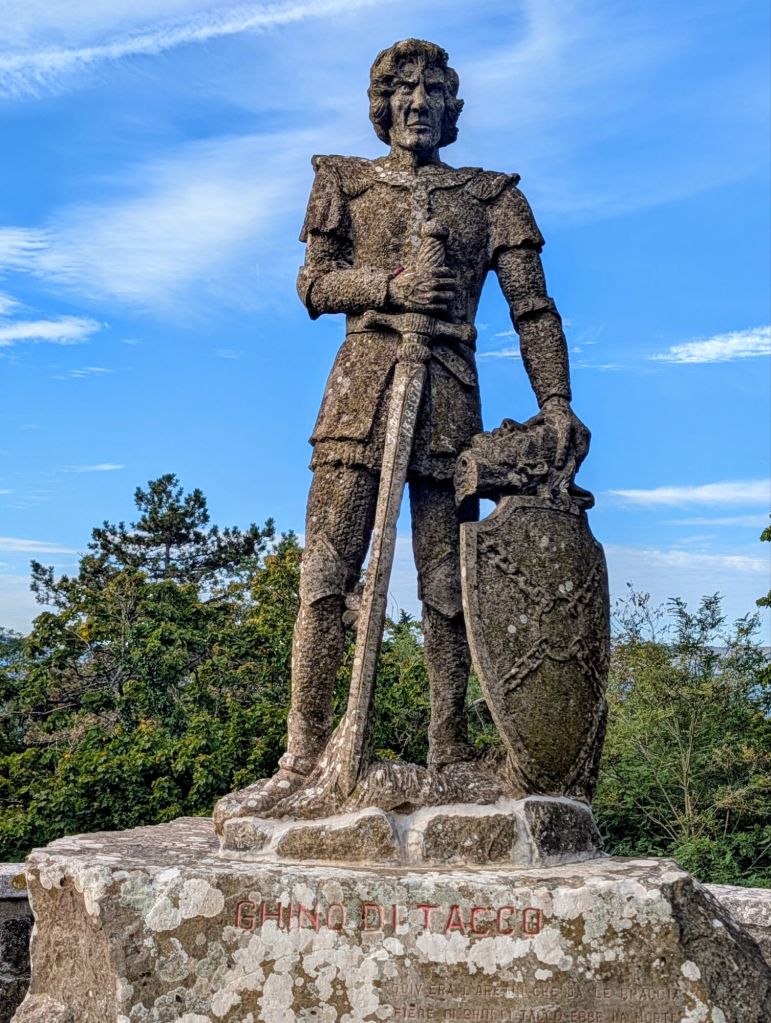
Ghino di Tacco, the “Gentleman Bandit” who robbed from the rich; but, spared the poor is known as the “Italian Robin Hood” & he came from this town.
Ghino di Tacco also known as “Ghinotto” was a lawless nobleman from Siena who flourished in the late 13th Century.
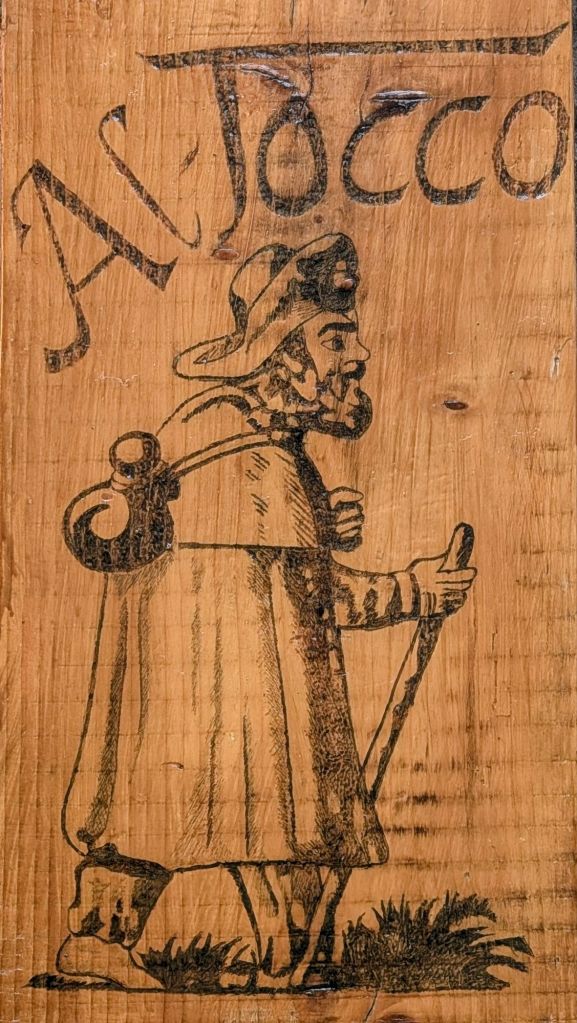
It appears crime was a family business for Ghino because some of his relatives were also notorious bandits who operated in Tuscany.
However, Ghino had higher ambitions than a highwayman’s petty crimes.
In one of his most famous heists, he occupied Santafiora Castle in Tuscany’s Maremma region.
By seizing the castle, he drew the wrath from the powerful Aldobrandeschi family who owned the fortress & this crime ultimately caused Ghino to be exiled from his home in Siena.
His father Tacco di Ugolino was executed in the Piazza del Campo in Siena; but, somehow, Ghino managed to escape the same fate.
Forced to relocate & lay low, in 1295 the bandit fled to Radicofani which was perfectly located along the lucrative Via Francigena between Siena & Rome.
It is said that he stripped rich wayfarers of all their possessions minus necessities & if the pilgrims were poor, he simply let them go.
This story was summarized by Giovanni Boccaccio in his Decameron:
“Giovani di Tacco, whose feats of daring and brigandage brought him great notoriety after being banished from Siena and incurring the enmity of the Counts of Santa Fiora, staged a rebellion in Radicofani against the Church of Rome; and having established himself in the town, he made sure that anyone passing through the surrounding territory was set upon and robbed by his marauders” (Tenth Day, Second Story).
Ghino di Tacco & his crew managed public relations by generously dolling out their ill-gotten gains to their host community.
Nevertheless, the law, the nobles, & his theft victims could not be placated.
Ultimately, several of Ghino’s relatives were arrested & hauled off for trial.
A judge in Arezzo ordered these captured family members to be executed. When this news reached Ghino, he vowed revenge.
The vengeful bandit tracked down the judge & stabbed him to death in front of many witnesses.
After this murder in broad daylight, Ghino continued his banditry unabated & he abducted the Abbot of Cluny.
The Abbot was traveling back from Rome after giving Pope Boniface VIII money collected from taxes collected by the French Church.
On his way back to France, he decided to take a cure at the San Casciano Bagni thermal spa for his liver & stomach which were suffering from all the banquets he had attended.
Knowing about the Abbot’s arrival at the spa, Ghino planned an ambush & kidnapped him.
Ghino locked the Abbot in his tower in the Radicofani fortress giving him only bread & dried beans to eat and Vernaccia di San Gimignano to drink.
This dietary regimen “miraculously” cured Abbot’s stomach pains & he convinced the Pope to grant a pardon to Ghino di Tacco for murdering the judge.
After his Papal pardon & allegedly being inducted into a holy order, Ghino di Tacco could not escape his criminal life.
Around the late 13th Century or early 14th Century, Ghino was killed by an unknown assailant.
For his fame or infamy or both, Radicofani has a statue in his honor.
Here are some sights from today’s trail.
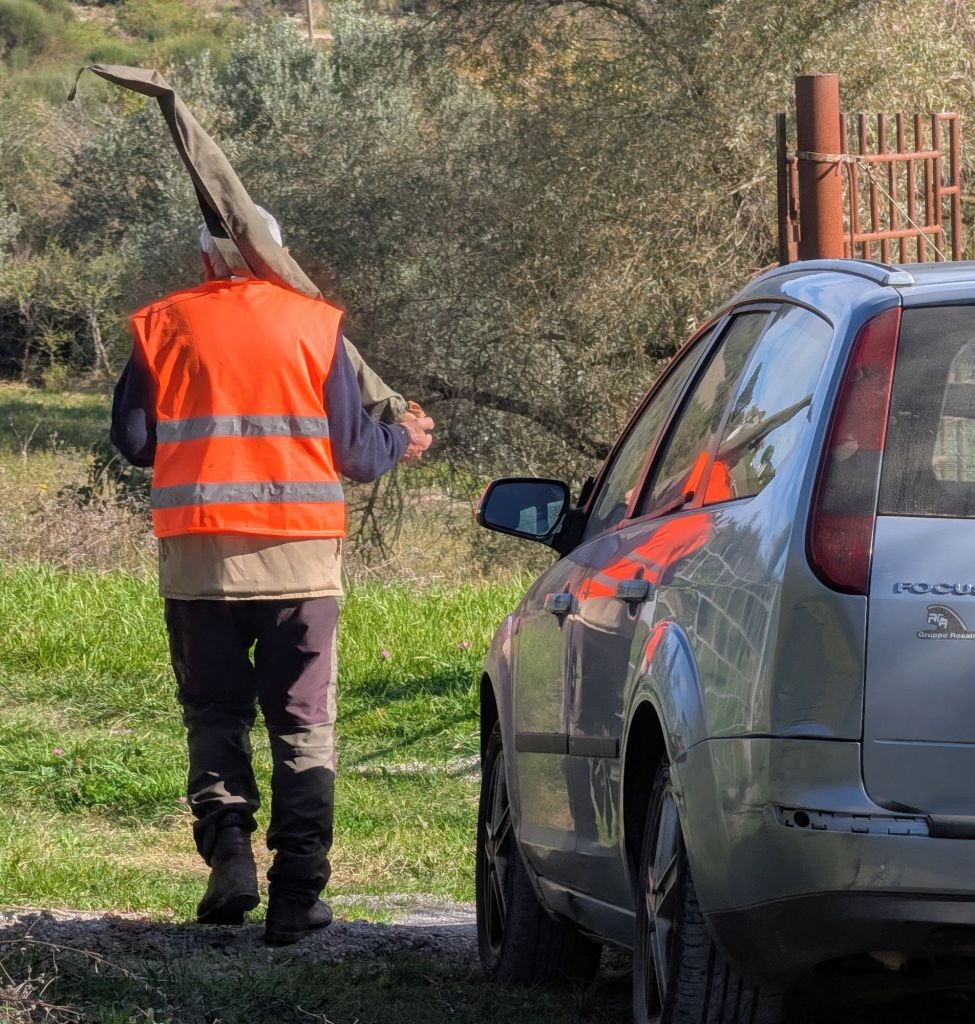
Since it is the weekend, the hunters were out again. This time they were hunting wild boar. They had many tracker dogs & spotters in the area with walkie- talkies to tell the hunters where to find their prey.
Saw some interesting “personalized” hitching posts on a house along the trail.
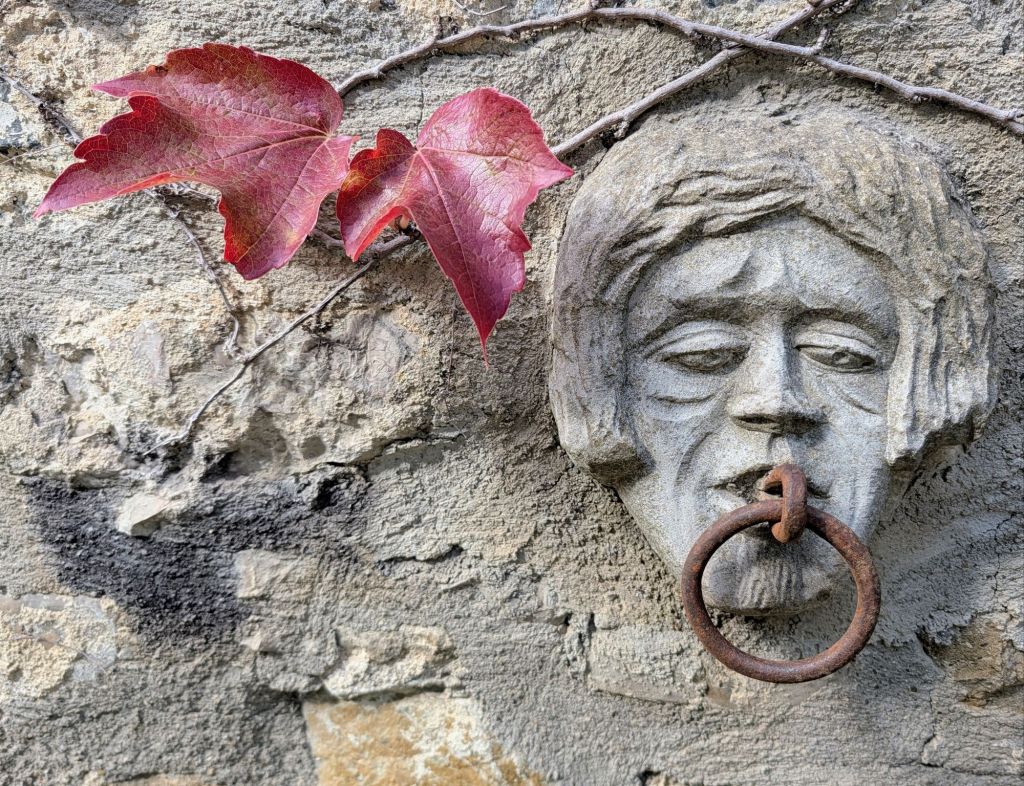
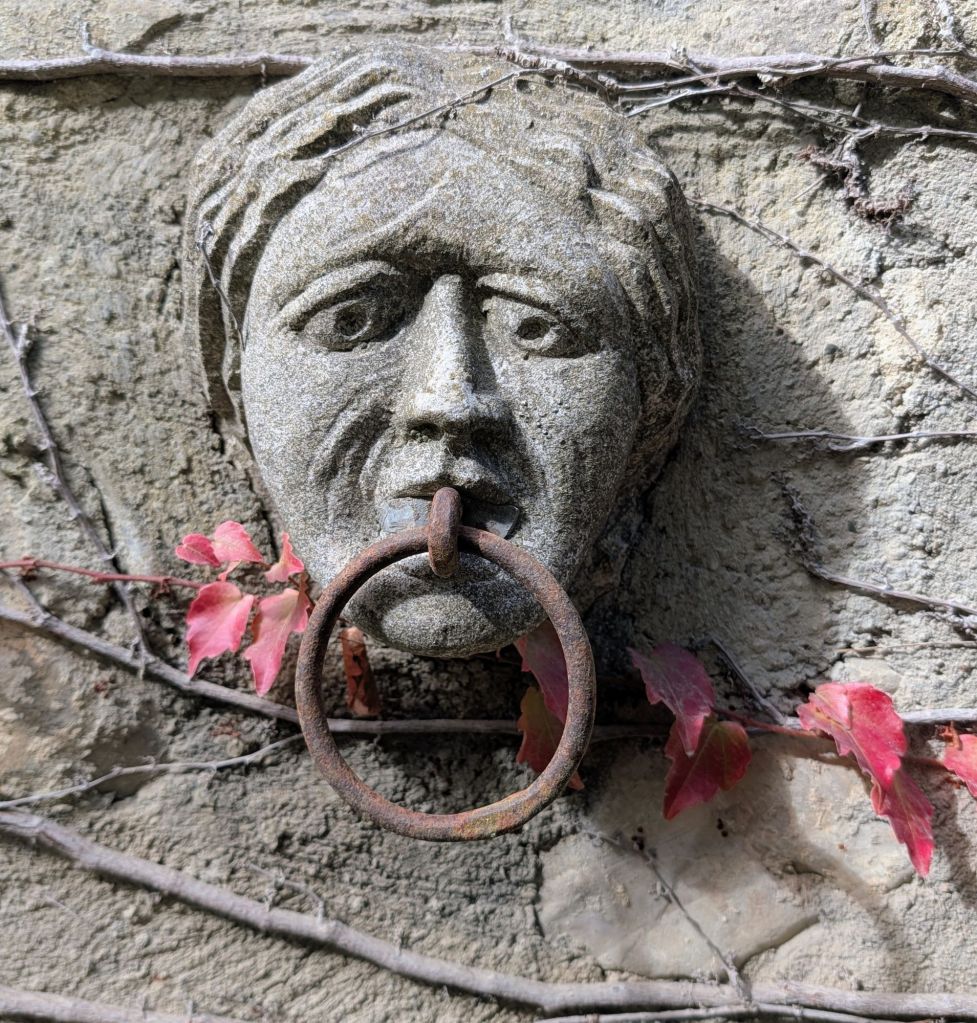
The M87 marker on the Via Francigena refers to Segment 87 (Tappa 87) on the historic pilgrim route.

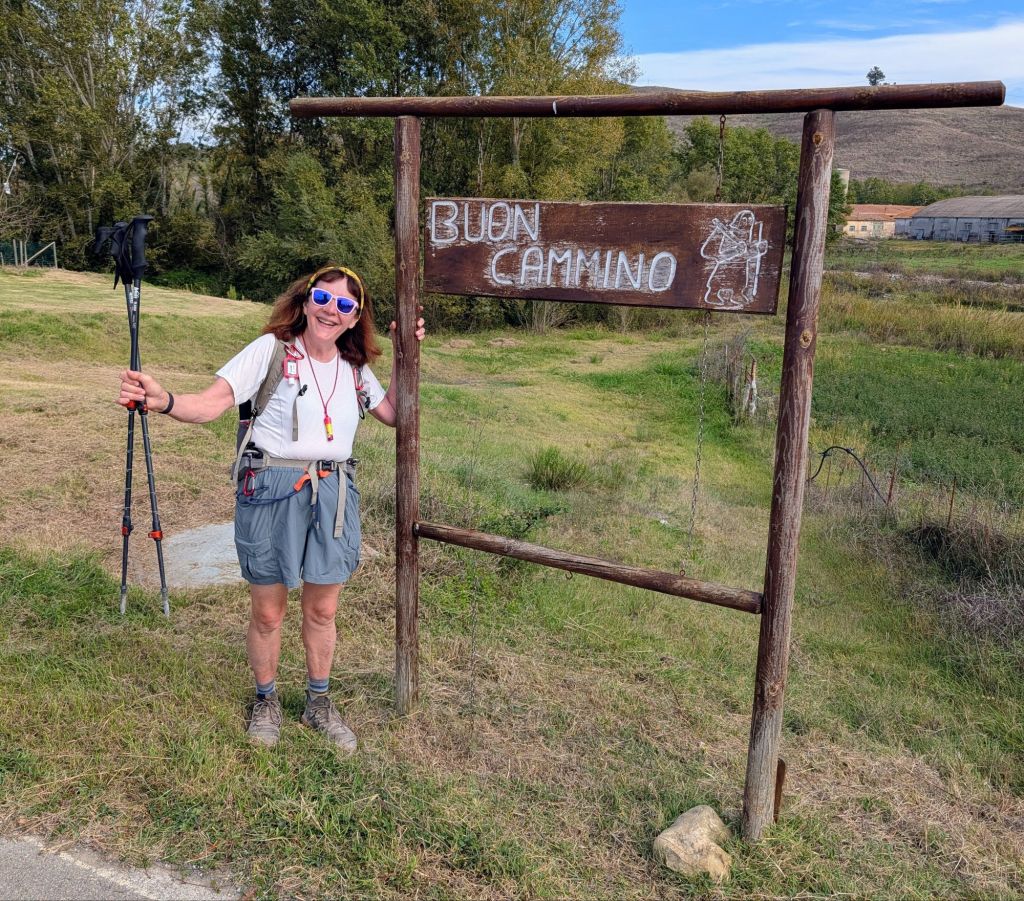
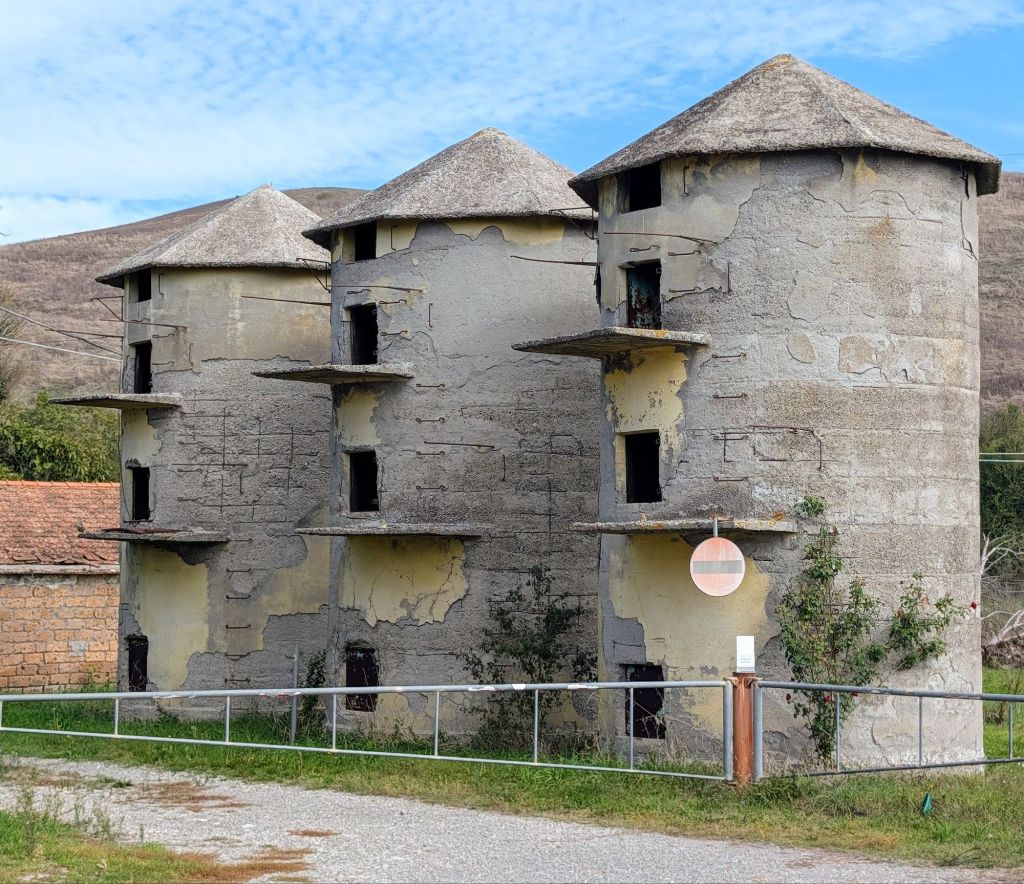
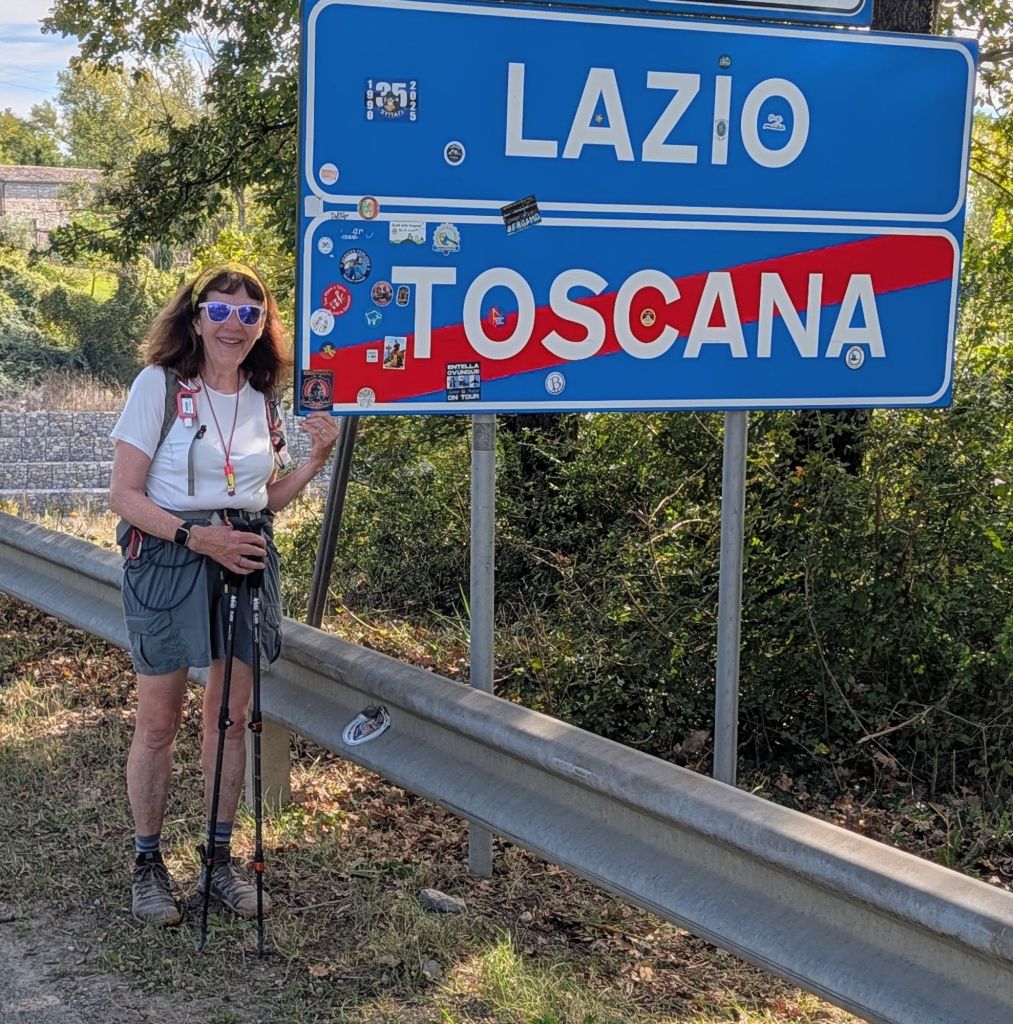
After many days, the trail left Tuscany bringing us into Italy’s Lazio region.
The hilly Tuscany landscape almost immediately transformed into flat terrain through the Paglio Valley into Acquapendente
Acquapendente is surrounded by rivers & lakes as well as some waterfalls from which its name is derived. Its name comes from the Latin
“Acquipendium” which means “Hanging Waters”.
Laundry Day scenes in Acquapudente
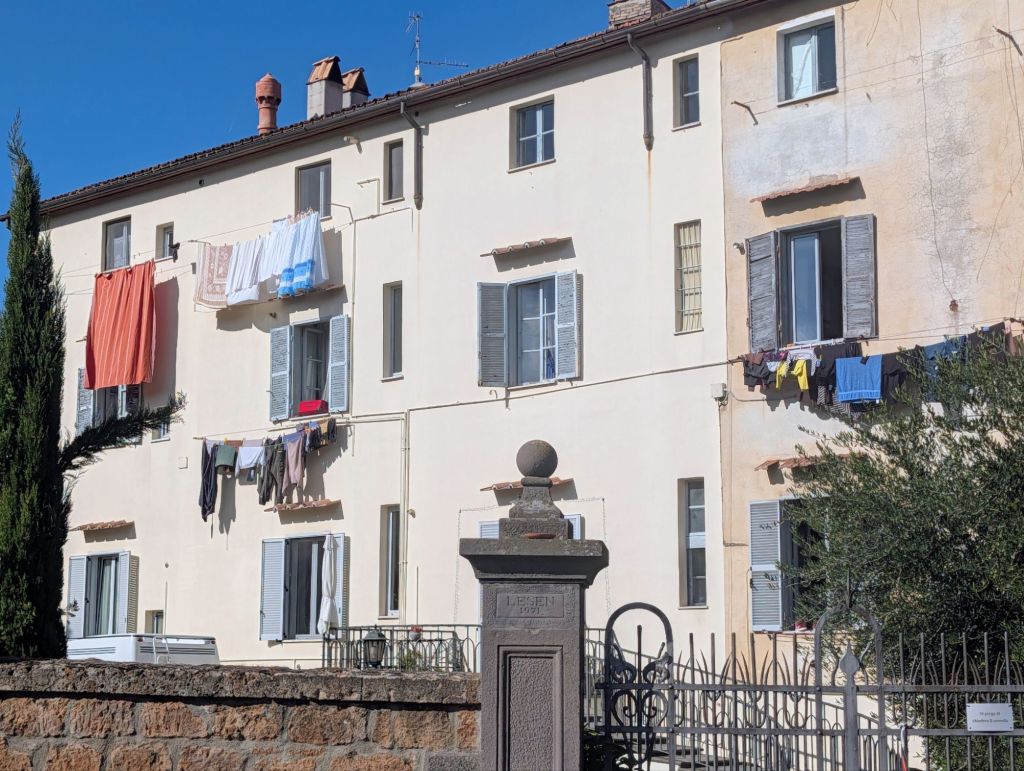
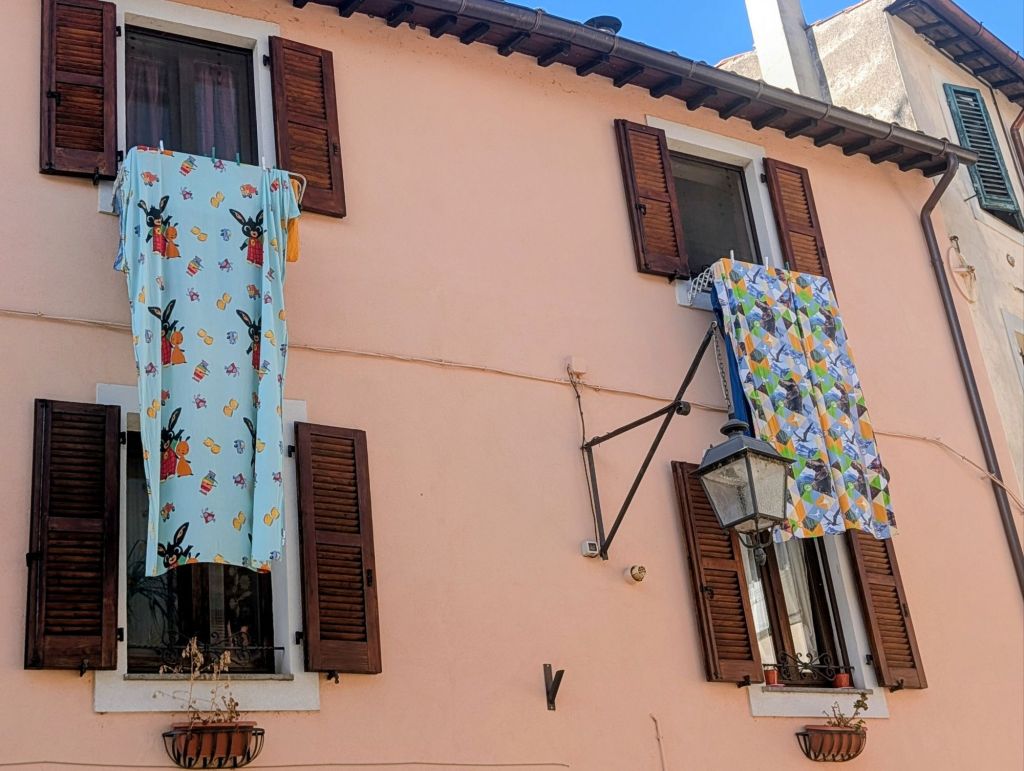
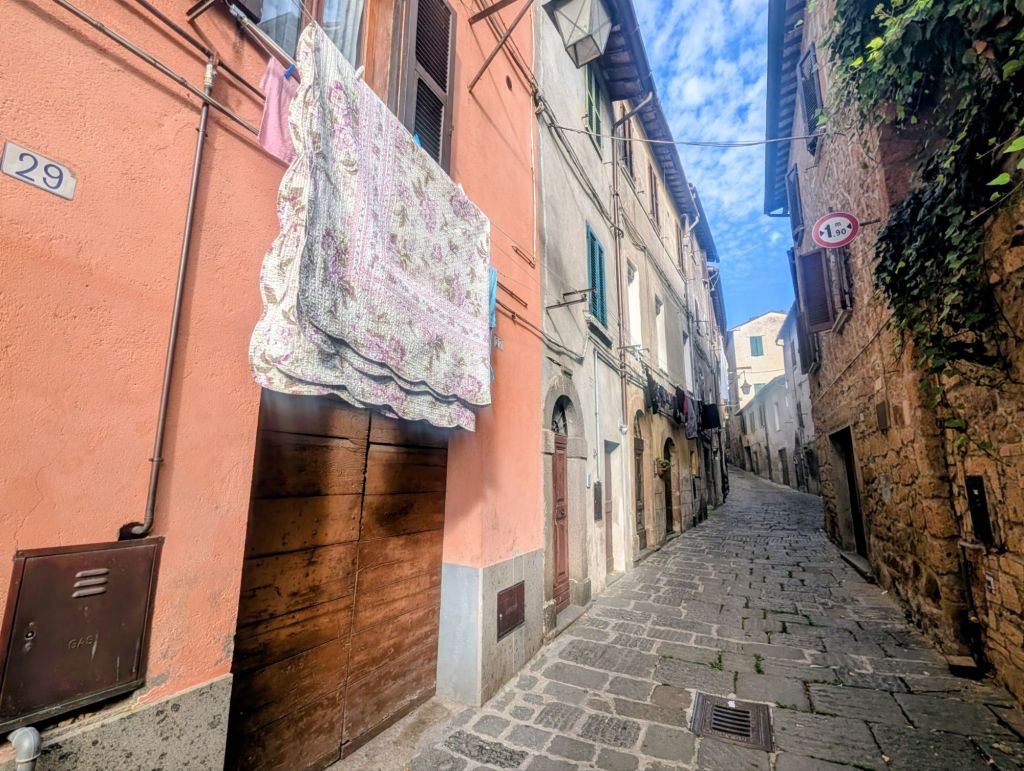
In the Middle Ages, Acquapendente was established as a village & a monastery by the Benedictine Order due to its key position on the Via Francigena.
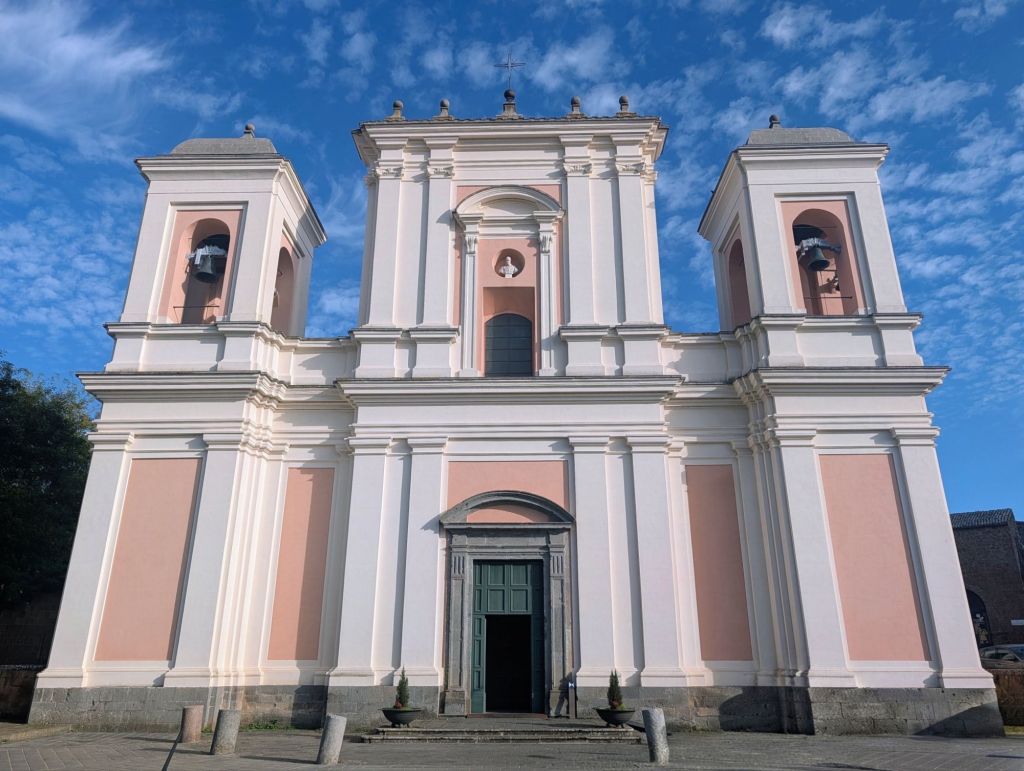
The Cathedral of the Holy Sepulchre was built in the 10th Century & is linked to a legend according to which Matilda of Westphalia, mother of Emperor Otto I, was traveling from Germany to Rome to build a church dedicated to the Holy Sepulchre (tomb) in Jerusalem.
However, she was forced to stop in Acquapendente because the mules carrying the gold needed to pay for the construction would not continue.
The empress then had a dream explaining what had happened: She said the mules were stopped by divine will, so the church was to be built in Acquapendente.
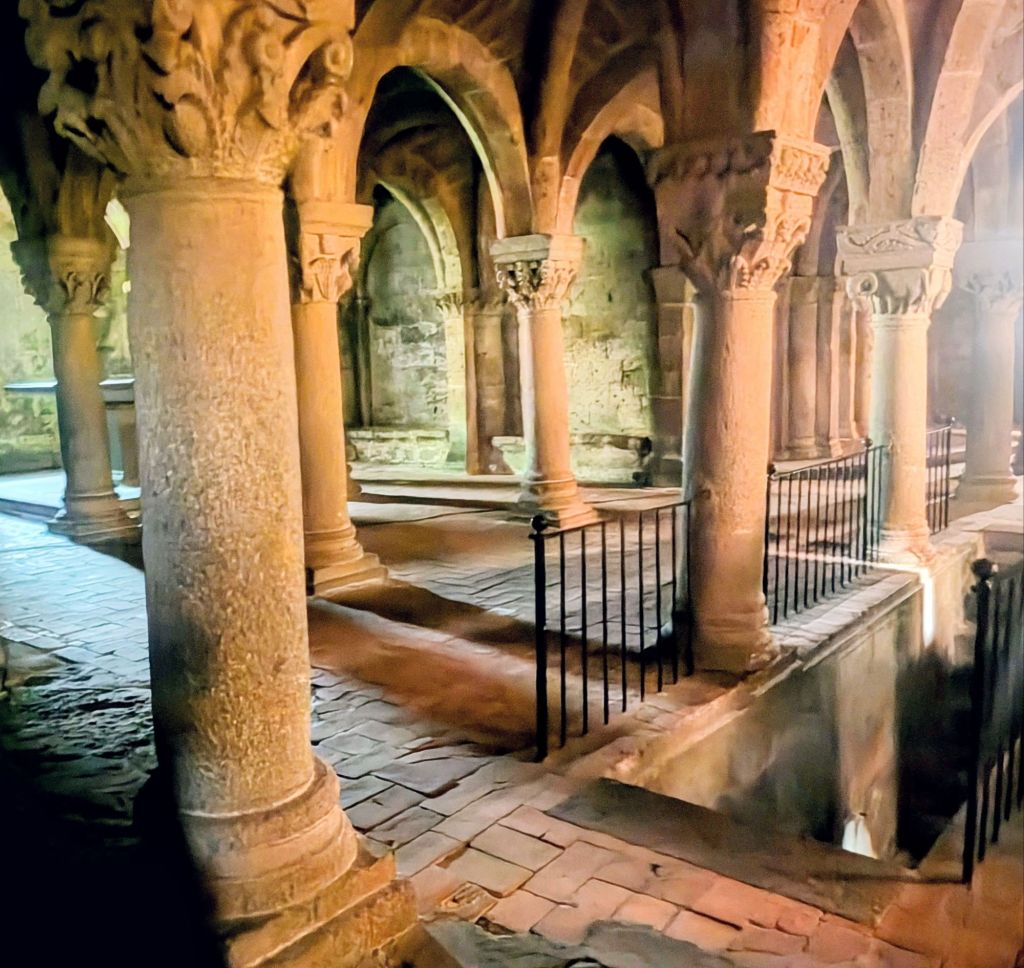
The crypt under the altar houses the shrine containing the relics from the Holy Sepulchre in a structure that replicates in miniature the Church of the Holy Sepulchre in Jerusalem.
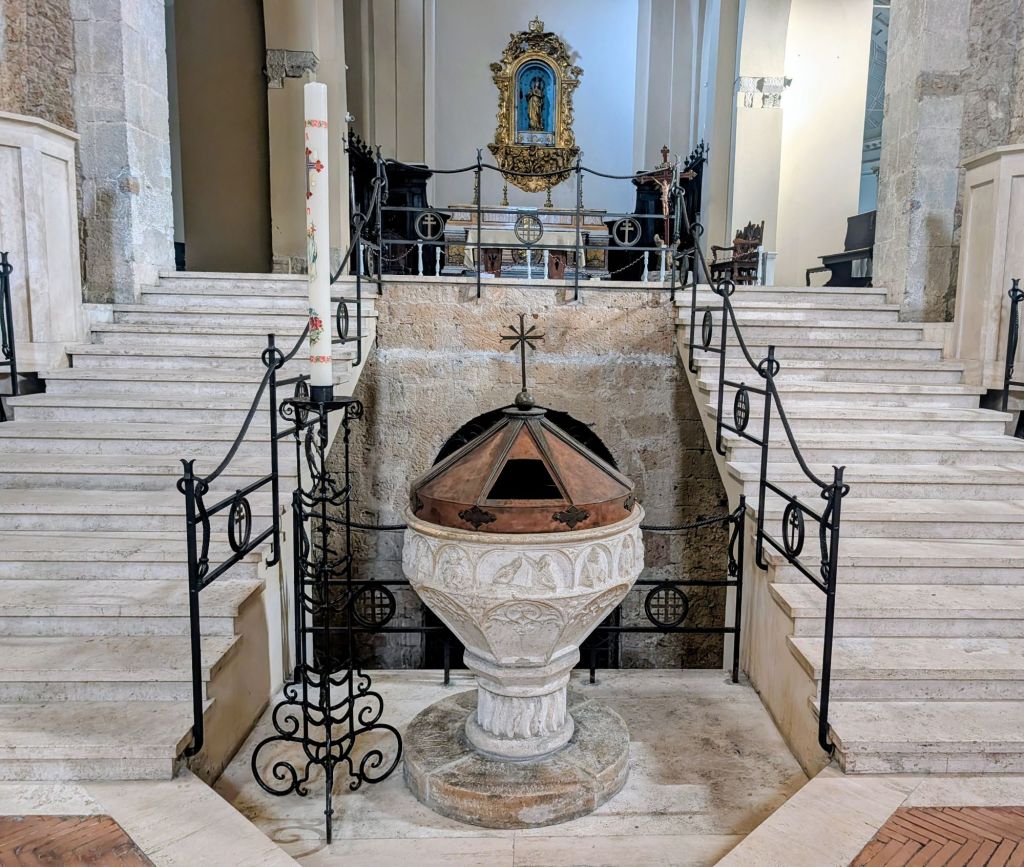
The crypt contains a blood-stained stone with Christ’s blood which according to tradition comes from the Holy Sepulchre in Jerusalem.
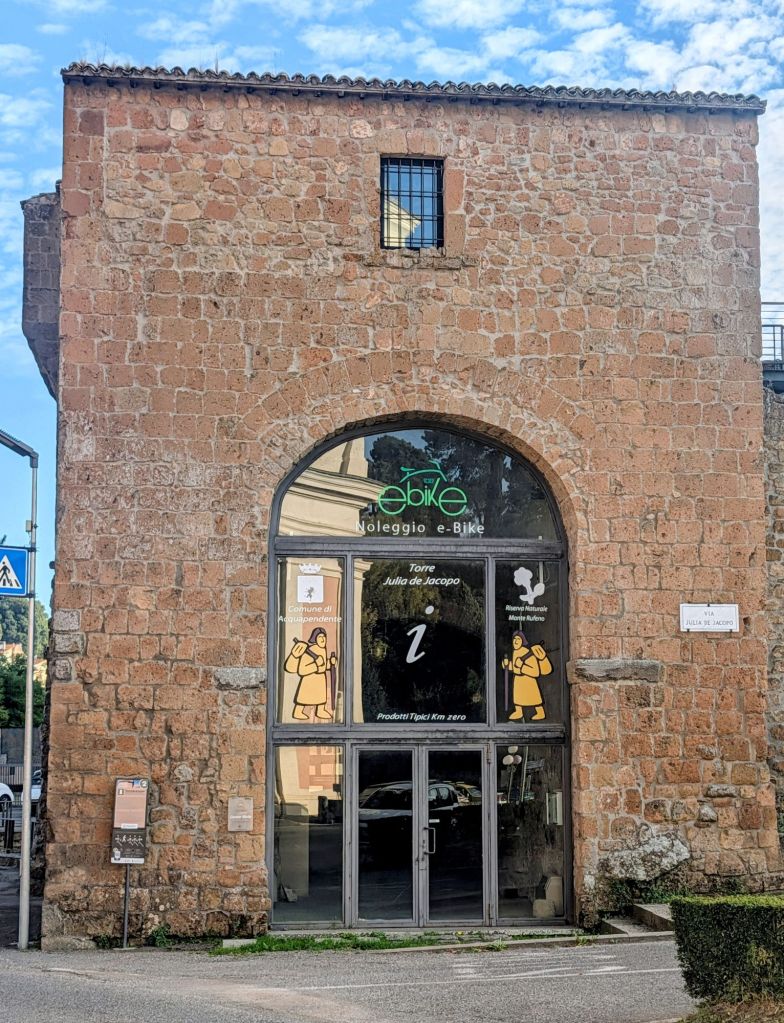
Across the street from the cathedral, the town’s tourist information center is located in a structure known as the Julia de Jacopo Tower. In 1550, a gate in the city walls was left open by defenders & Julia courageously closed it saving the city from its attackers.
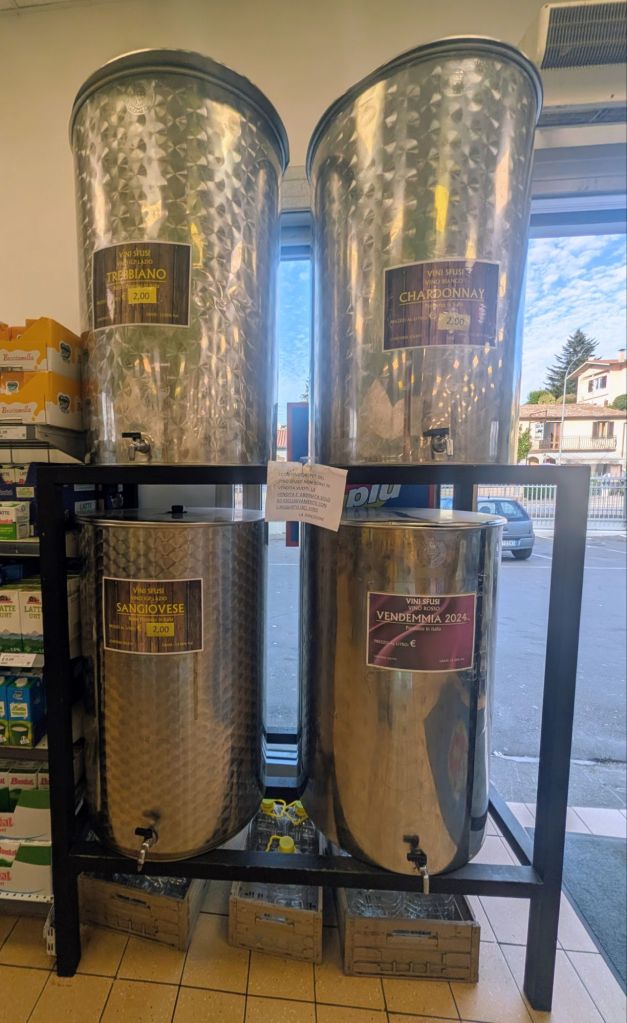
Check out the bulk wine station at the local supermarket with the plastic jugs below the vats to fill with your selection.