San Quirico d’Orcia to Gallina
11.9 Miles; 6.5 Hours on the trail. (Cumulative: 153.5 Miles; 74.9 Hours on the trail)
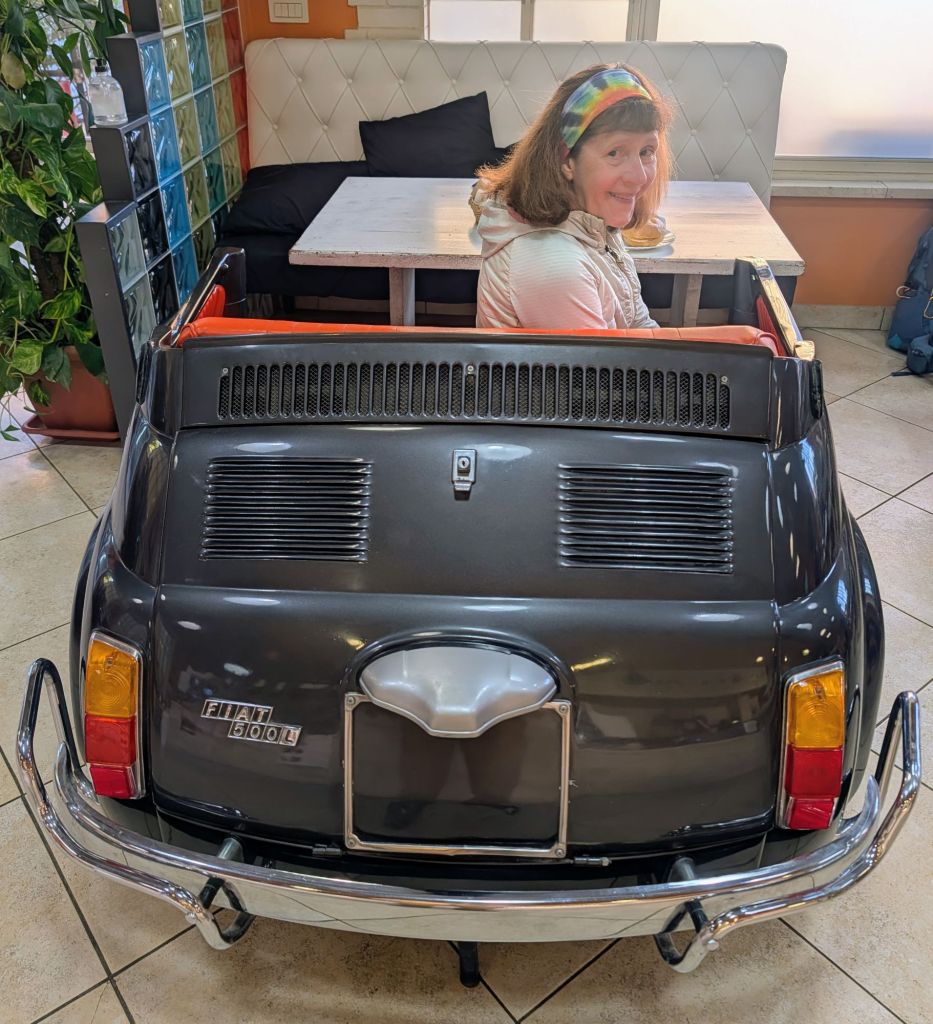
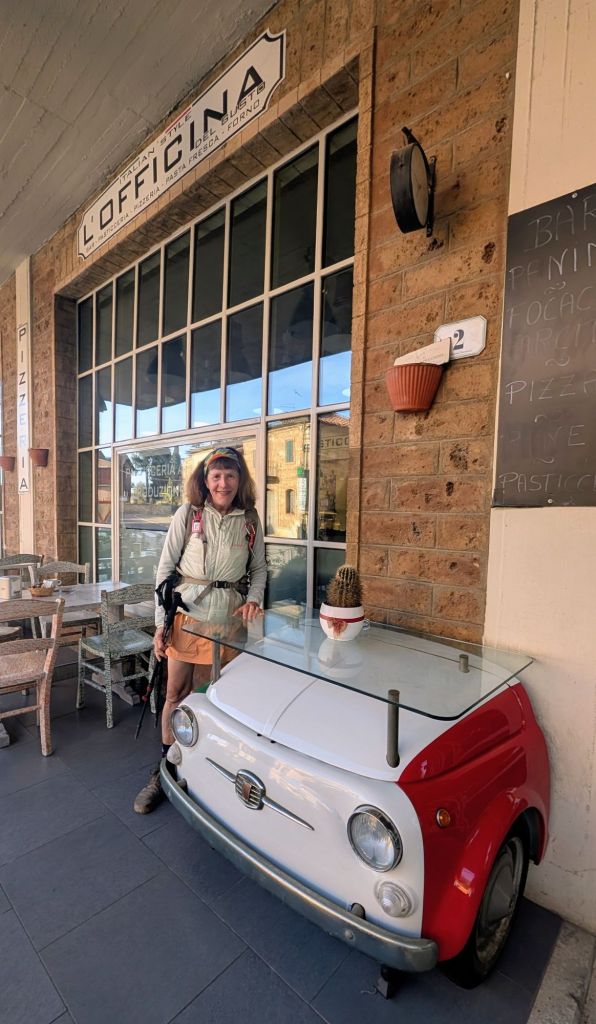
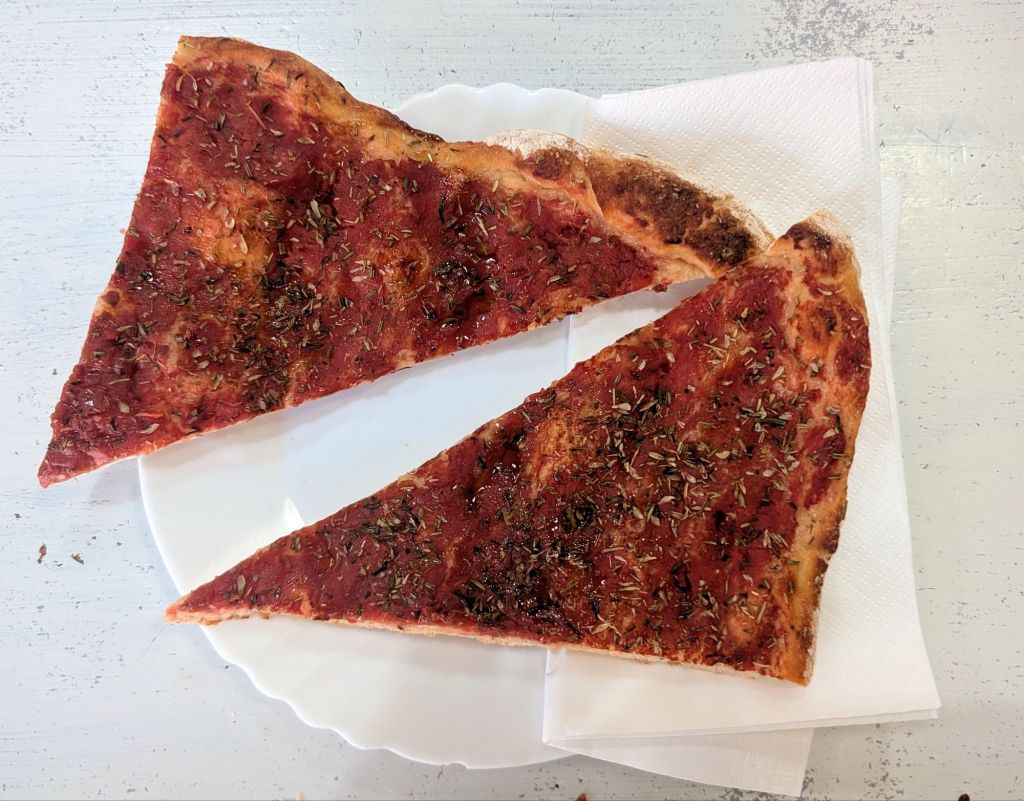
We had breakfast at this little place which had an Italian vehicles motif.
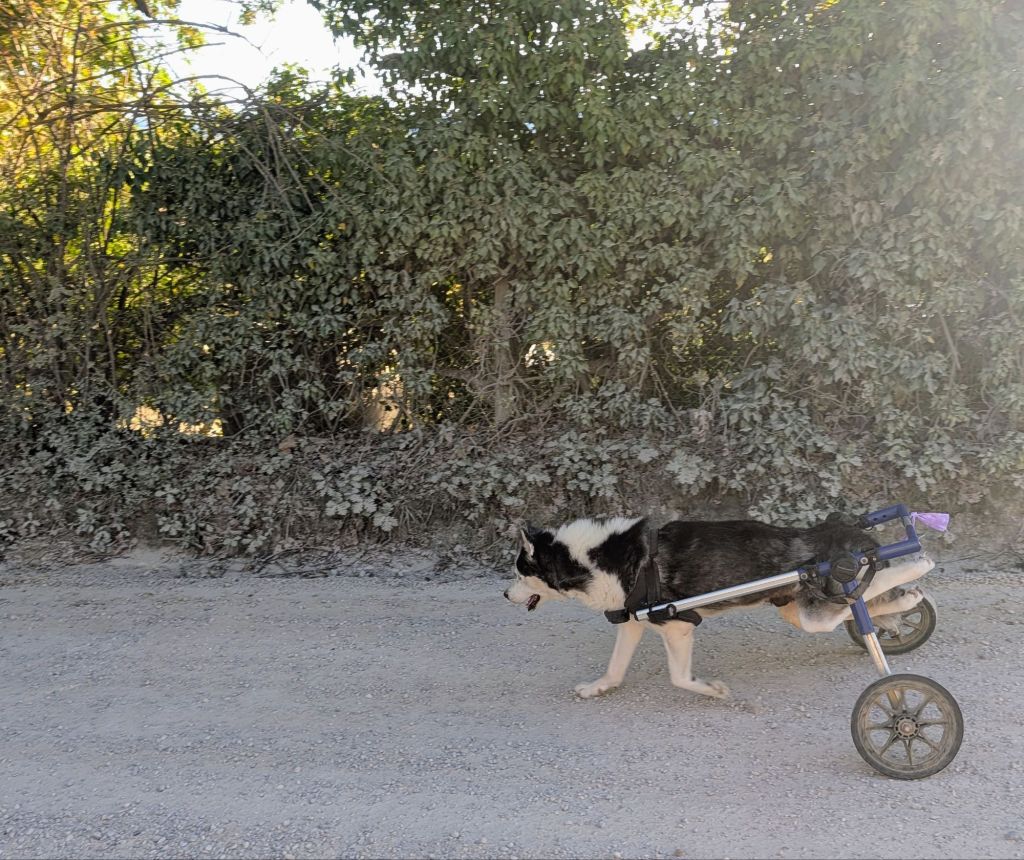
Not too far outside town, we saw this little guy out for a spin on the trail.
We walked to Castle Vignoni which dates from the 11th Century & was once key to a fortified medieval village.
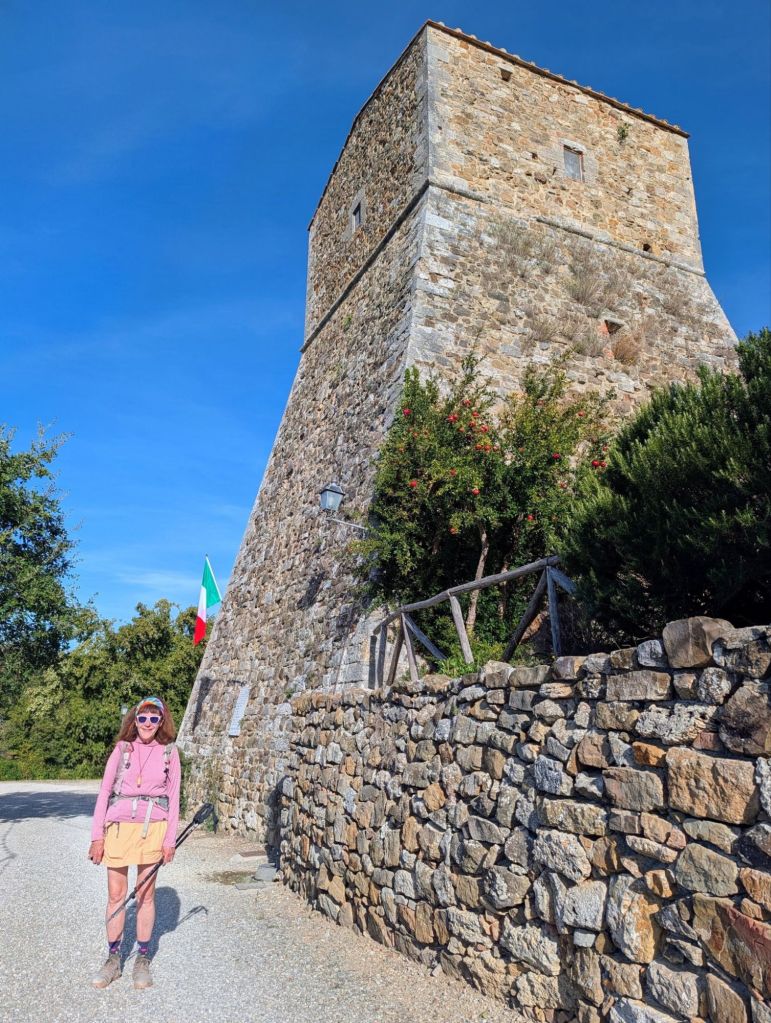
A truncated tower remains which was the castle keep, or the castle’s heart, where defenders would make their last stand.
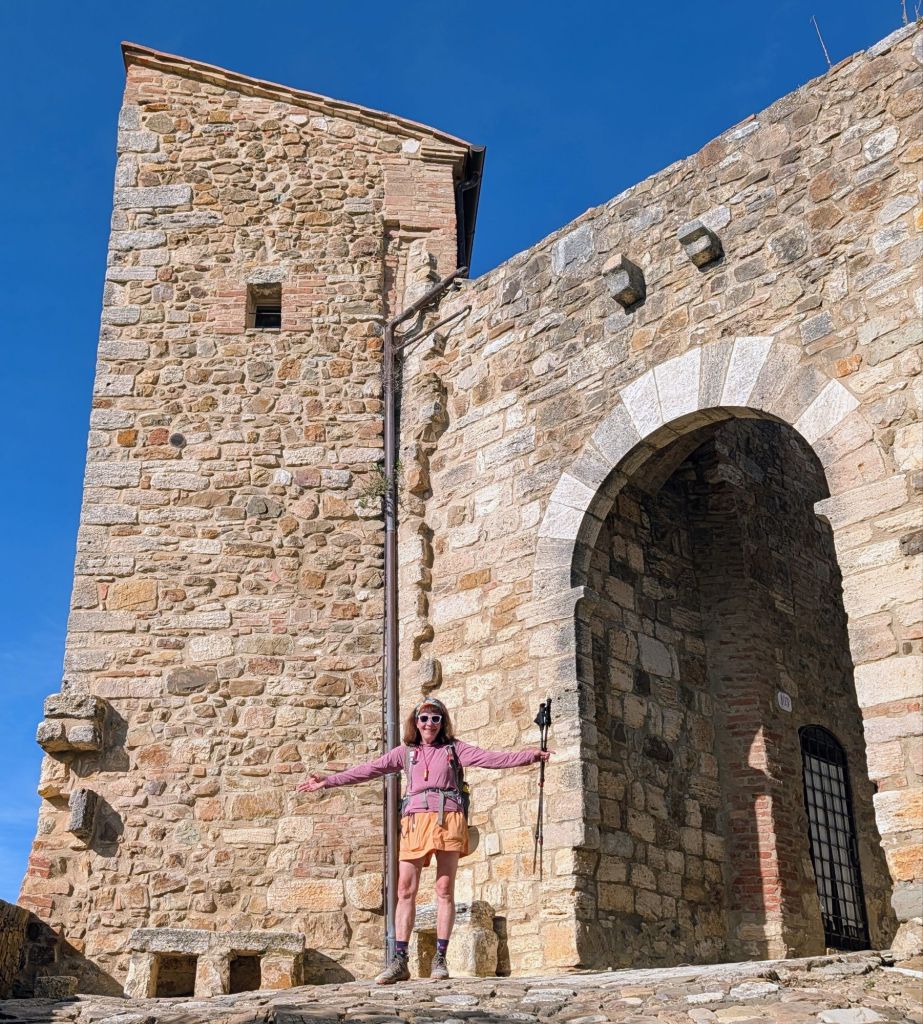
Also, one gate to the walled enclosure is also still perfectly intact.
We also saw a nice shop there. Two ladies make hand painted table placemats & runners as well as custom aprons & belts.
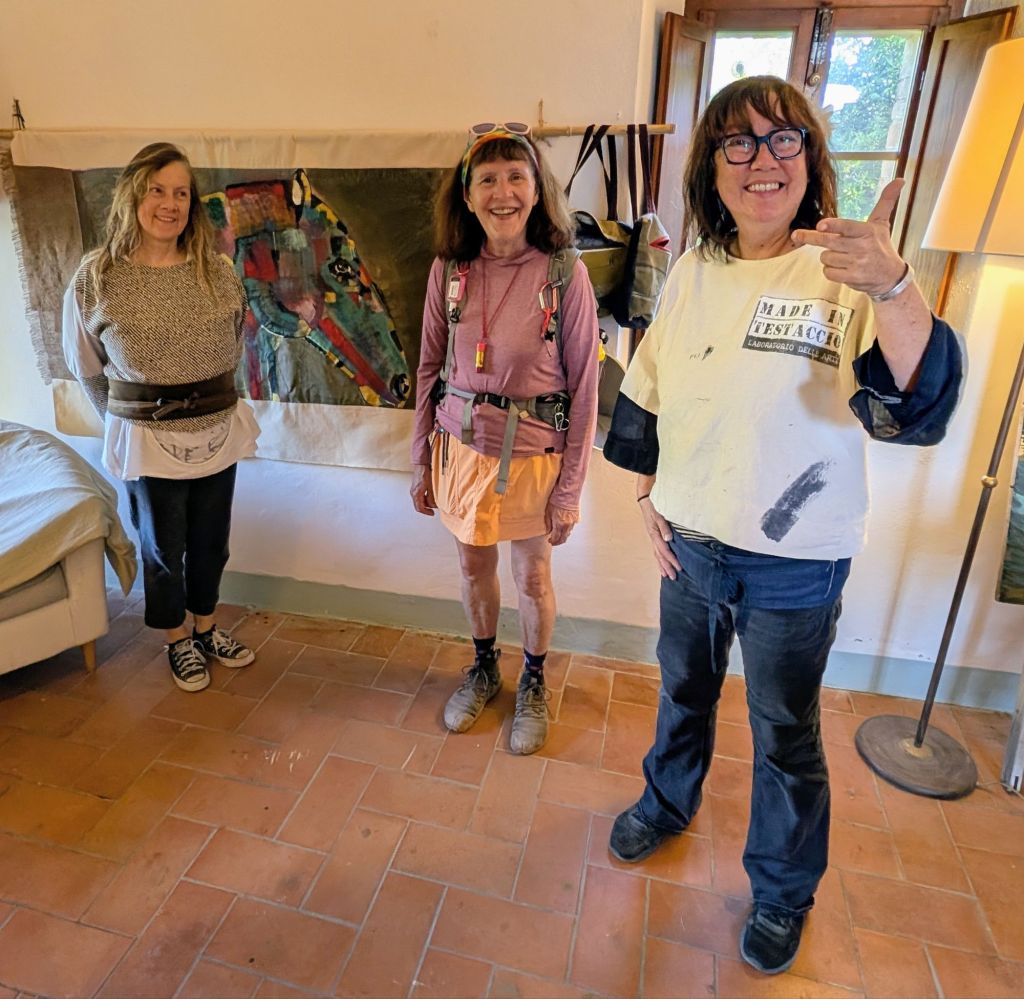
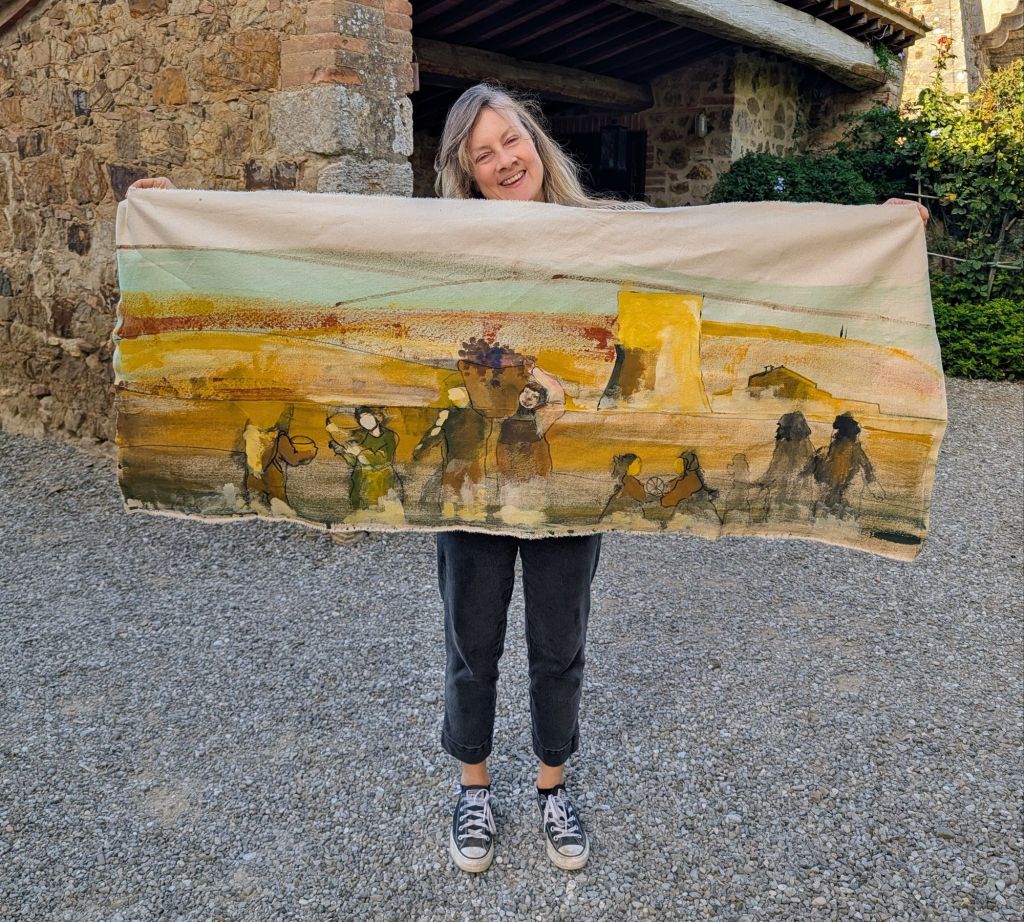
We bought two hand- painted placemats to use at home when Gina makes her own Italian food creation “Pasta alla Gina”.
Not too far below Castle Vignoni is Bagno Vignoni.
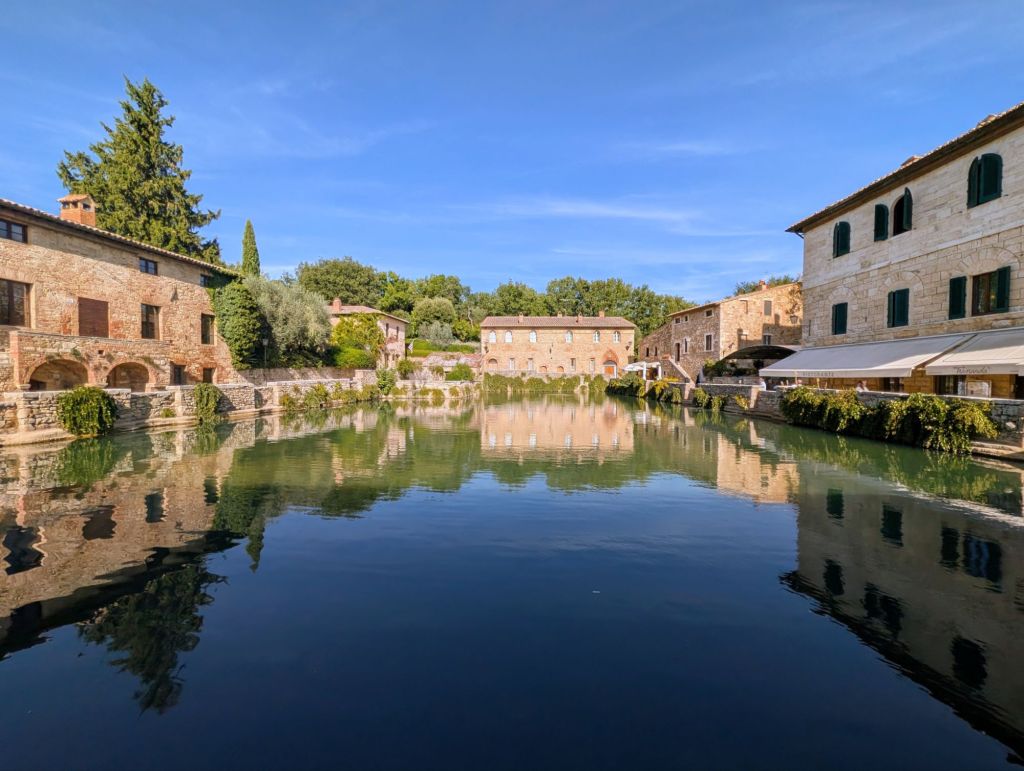
It is a historic thermal village famous for its central square which is not a plaza; but, rather an open- air stone basin dating from the 16th Century which is 50 meters x 30 meters & is filled by naturally hot, mineral-rich water at around 125°F.
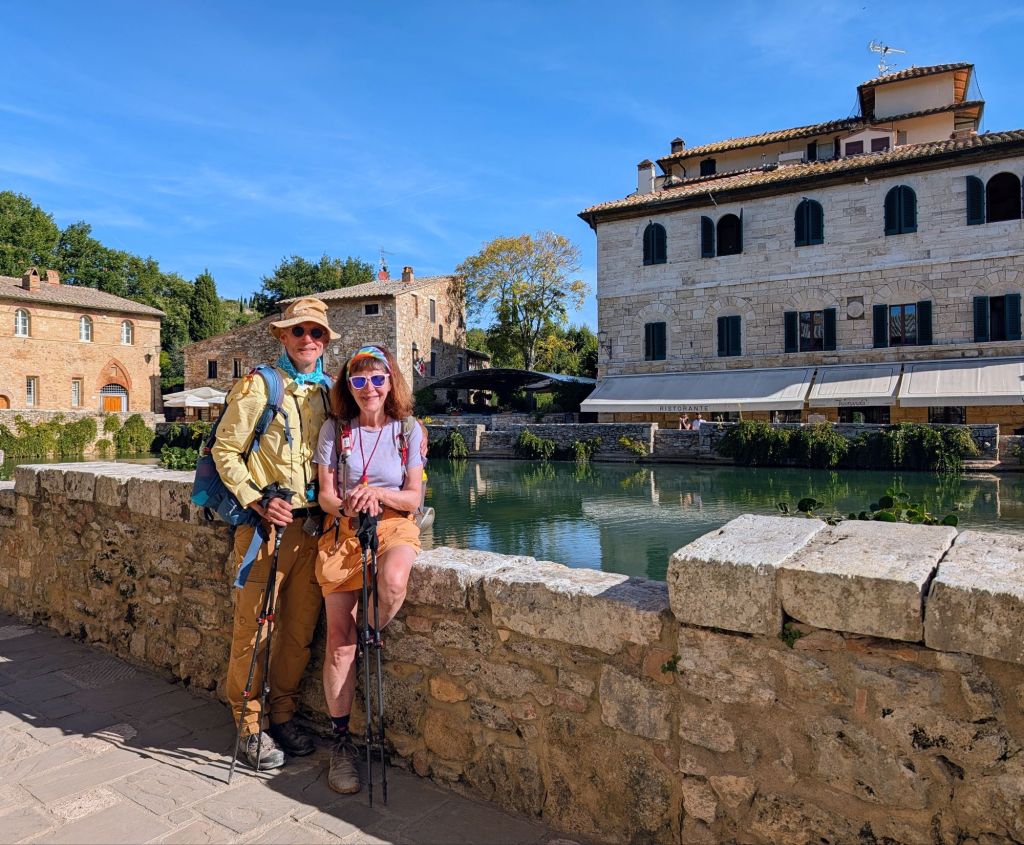
The hot water is due to the area’s volcanic geology.
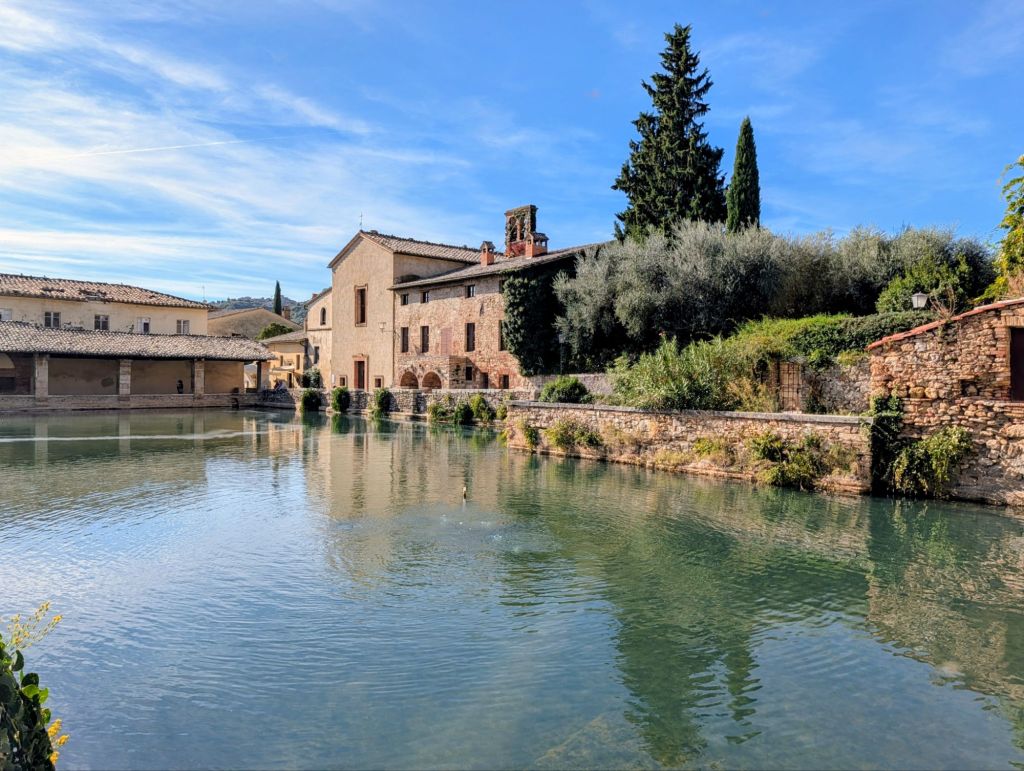
The Etruscans & Romans both used the thermal springs here.
In medieval times, Bagno Vignoni was used by pilgrims along the Via Francigena for a rest & relaxation stop.
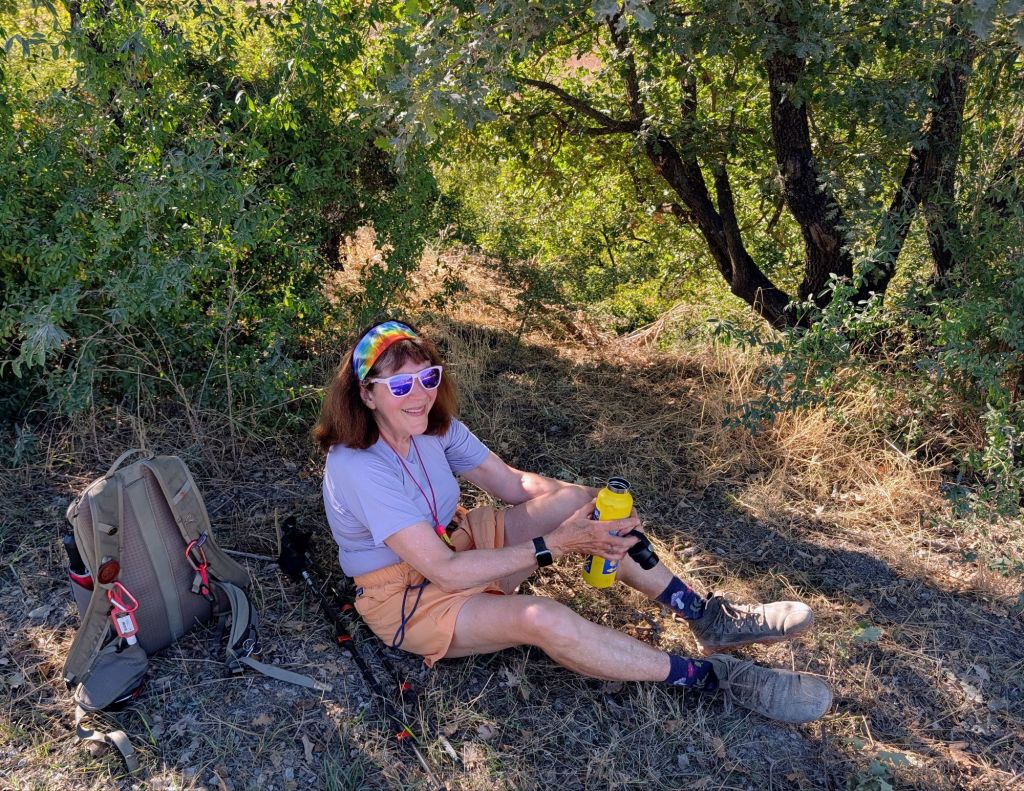
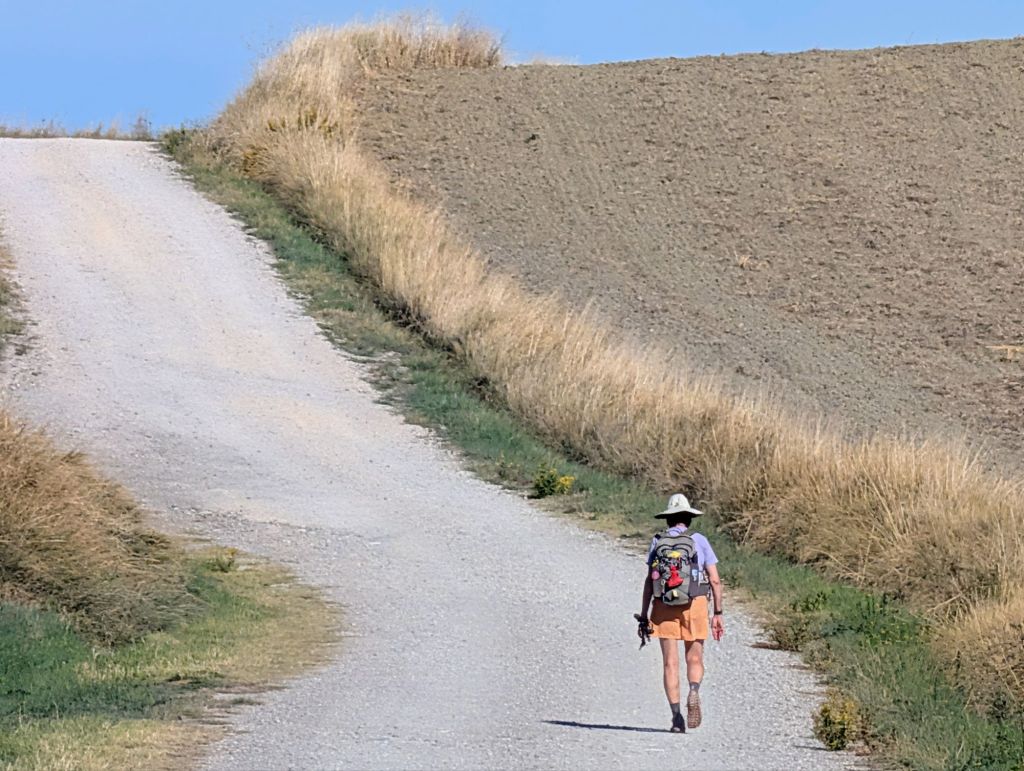
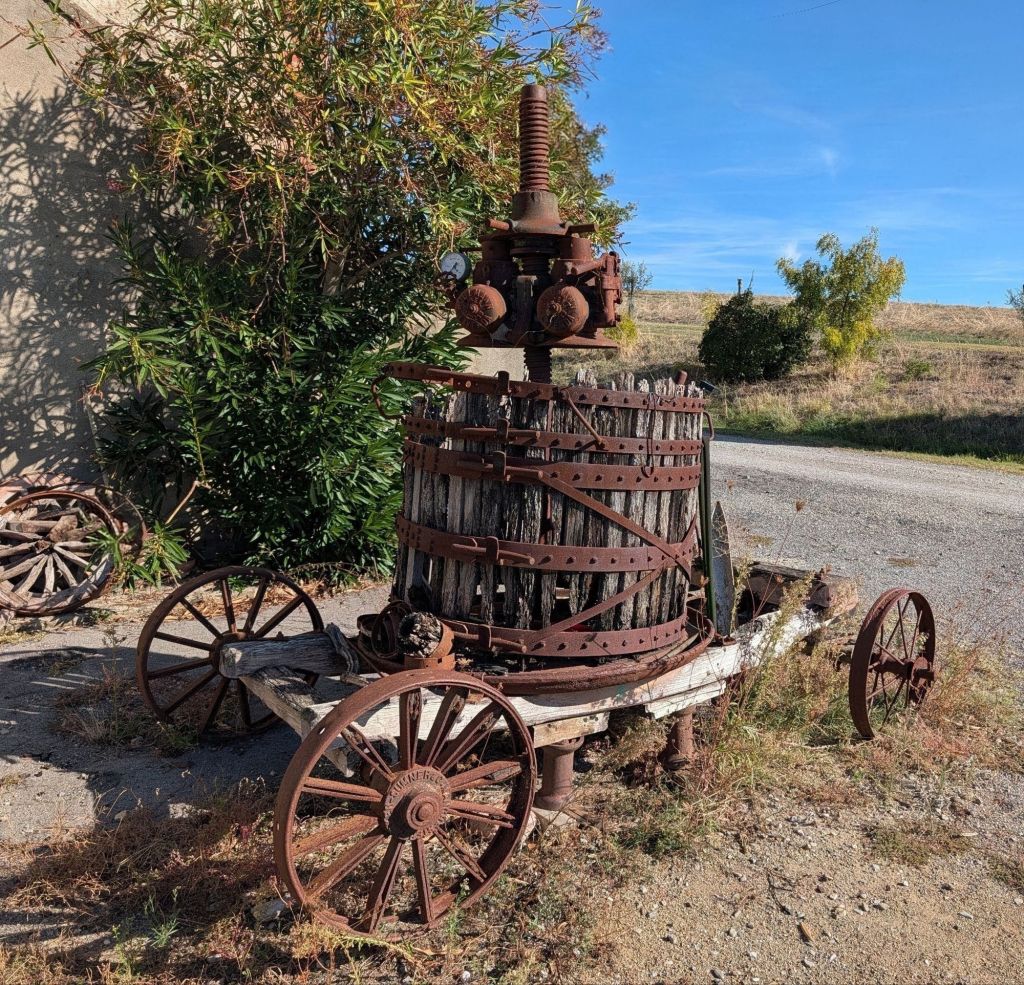
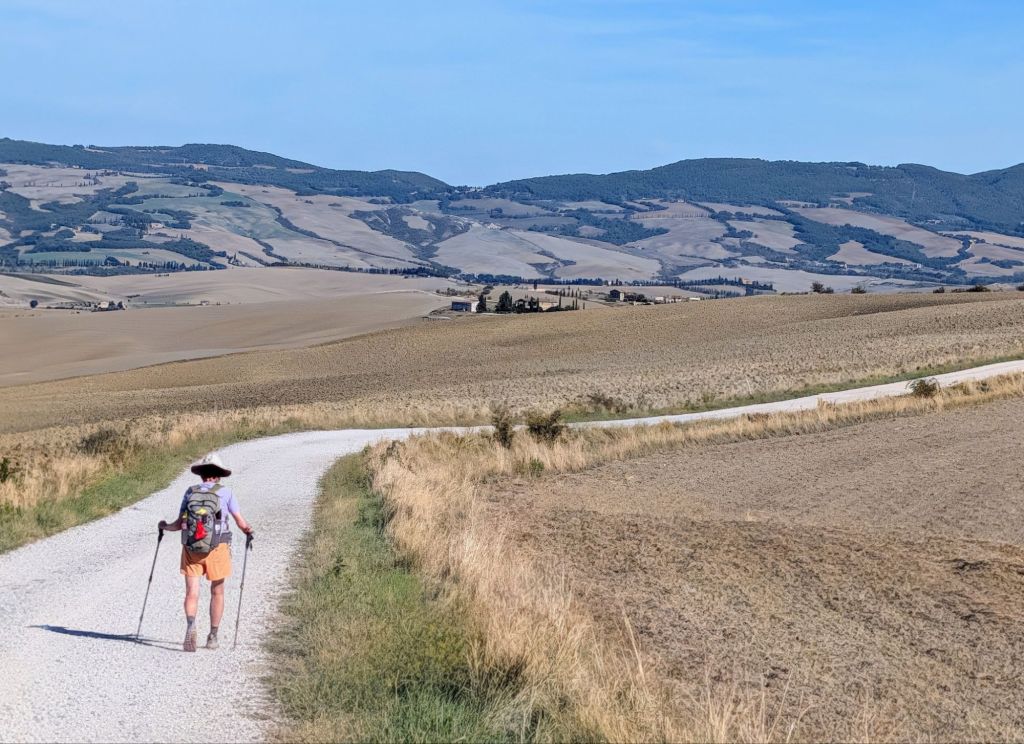
Here are some images from today’s long & winding road.
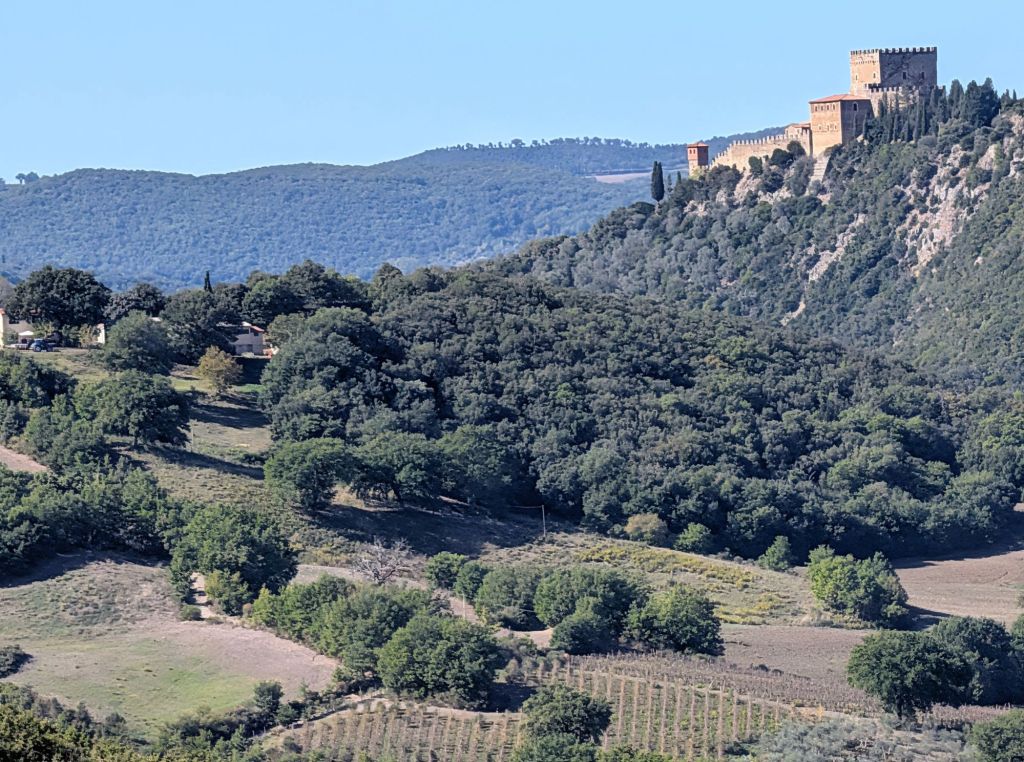
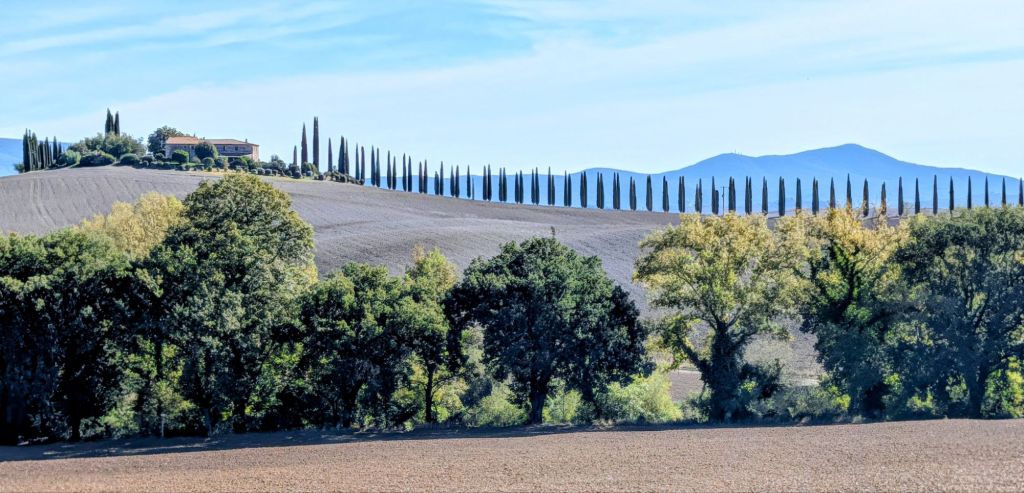
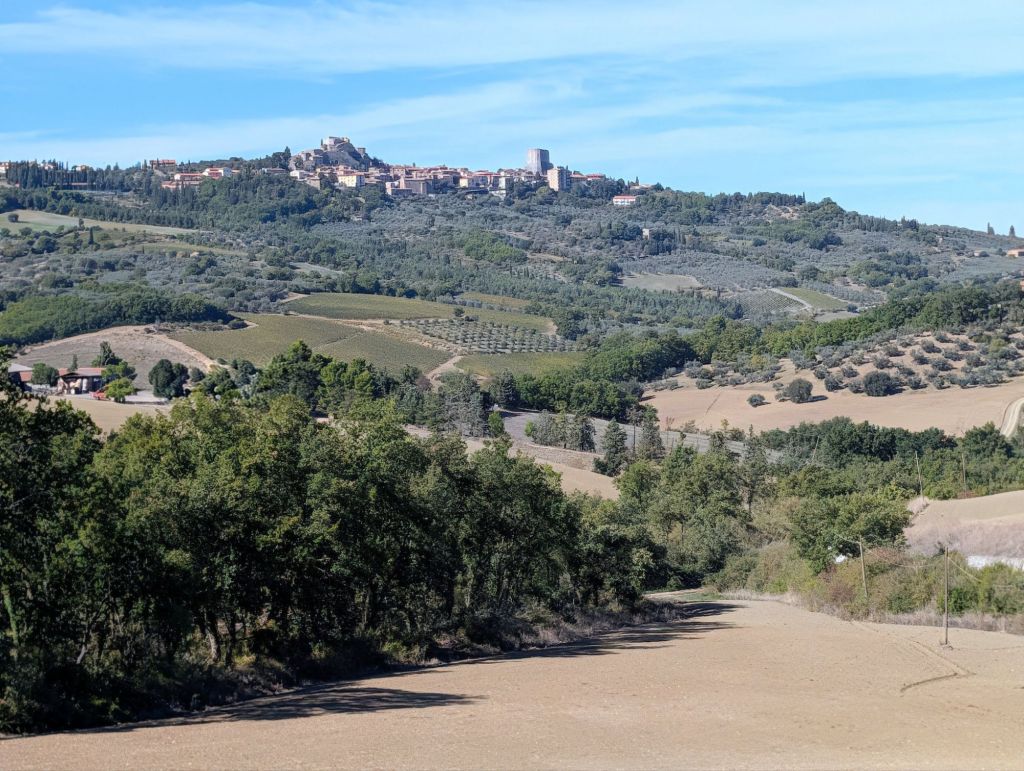
We are staying in Passalacqua which was founded in the Middle Ages on the Via Francigena adjacent to the 11th stage noted by the Archbishop of Canterbury Sigeric in 990AD.
The stone farmhouse in which we are staying was built in the 14th century by the Salimbeni family.
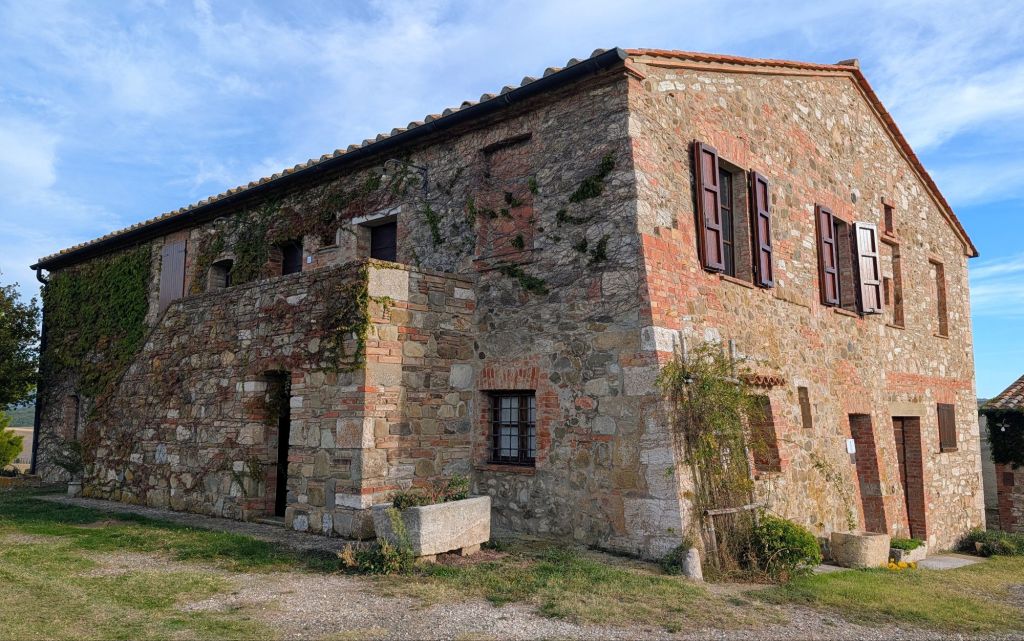
The Salimbeni were a powerful Ghibelline dynasty in Siena during the 13th & 14th Centuries.
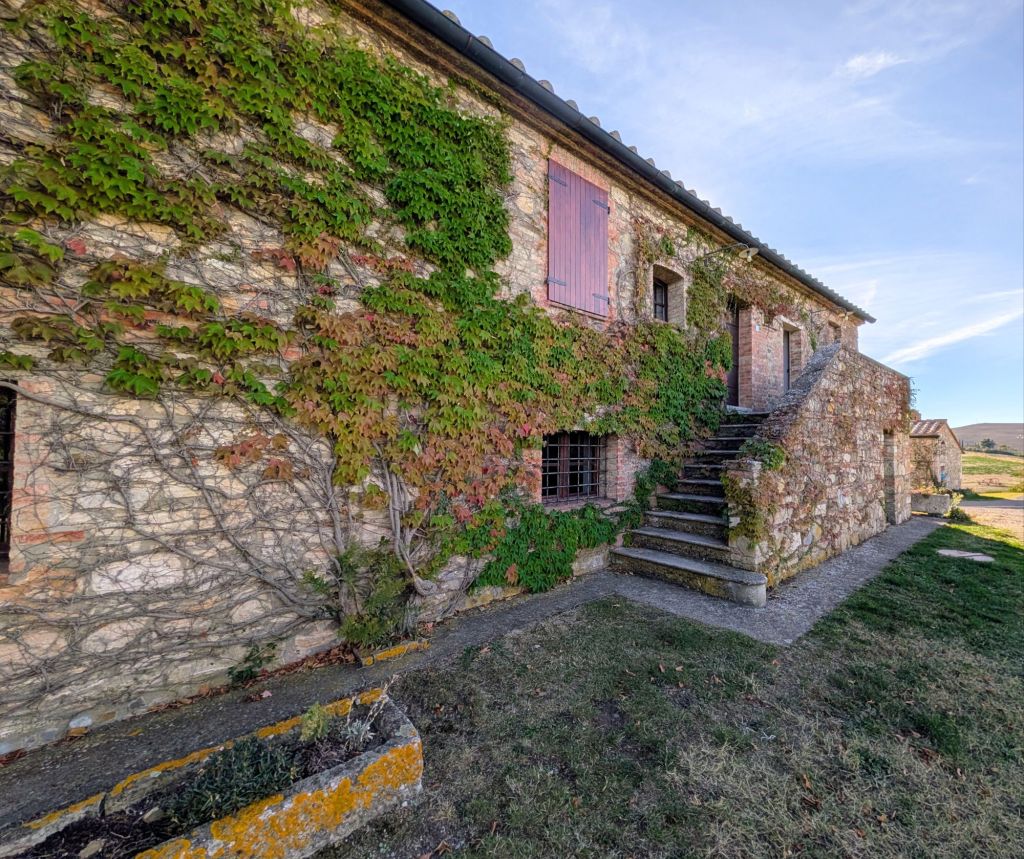
In Italy, the Ghibellines represented the faction who supported the German/Holy Roman Emperor’s authority over Italian city-states & feudal domains.
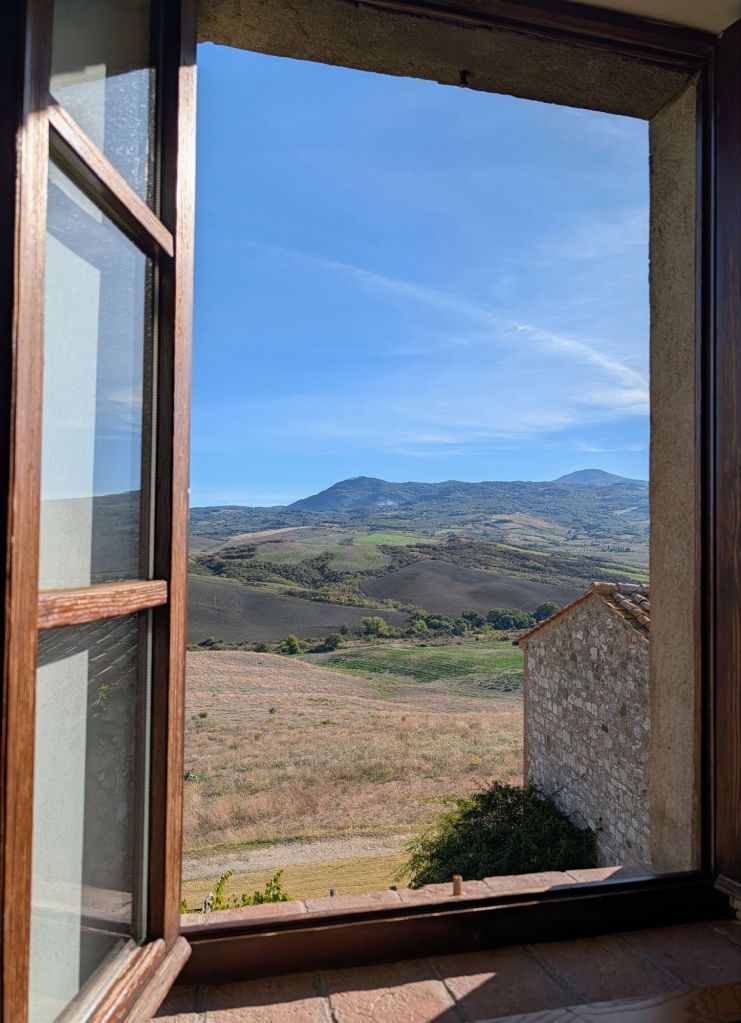
The Salimbeni family built & owned all the castles in the above photos.
They also controlled Bagno Vignoni with its thermal springs from the early 1300s until the early 1400s.
In 1472 in Siena, the Salimbeni family founded the Banca Monte dei Paschi di Siena. It was originally called Banca Monte di Pietà (Mount of Piety) to help the needy.
It still exists based in Siens & it is the world’s oldest bank still in business.
Tomorrow’s destination Radicofani is the extinct volcano in the distance topped by a tower.
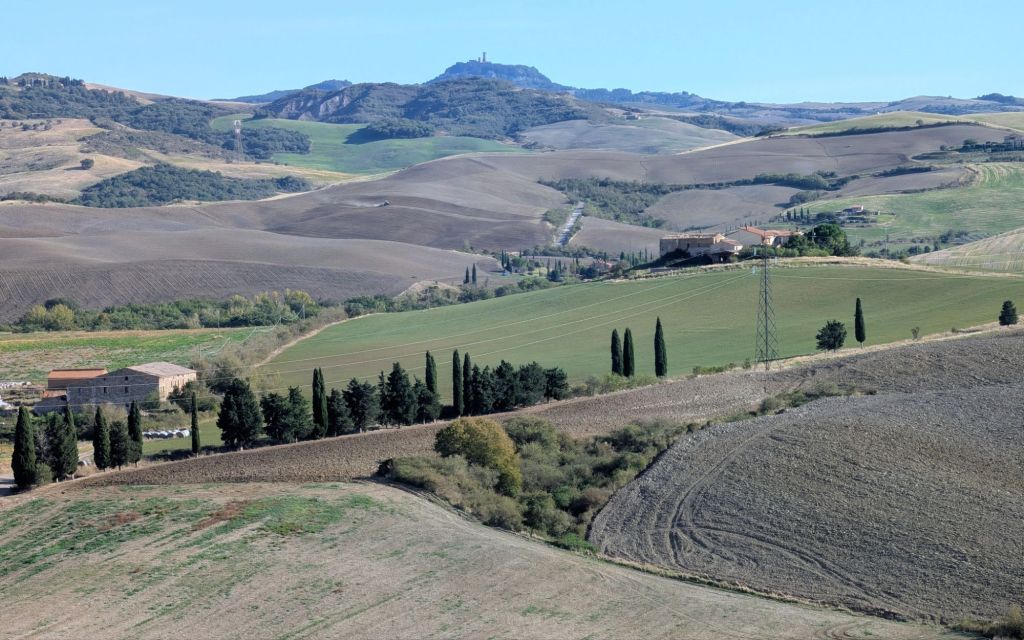
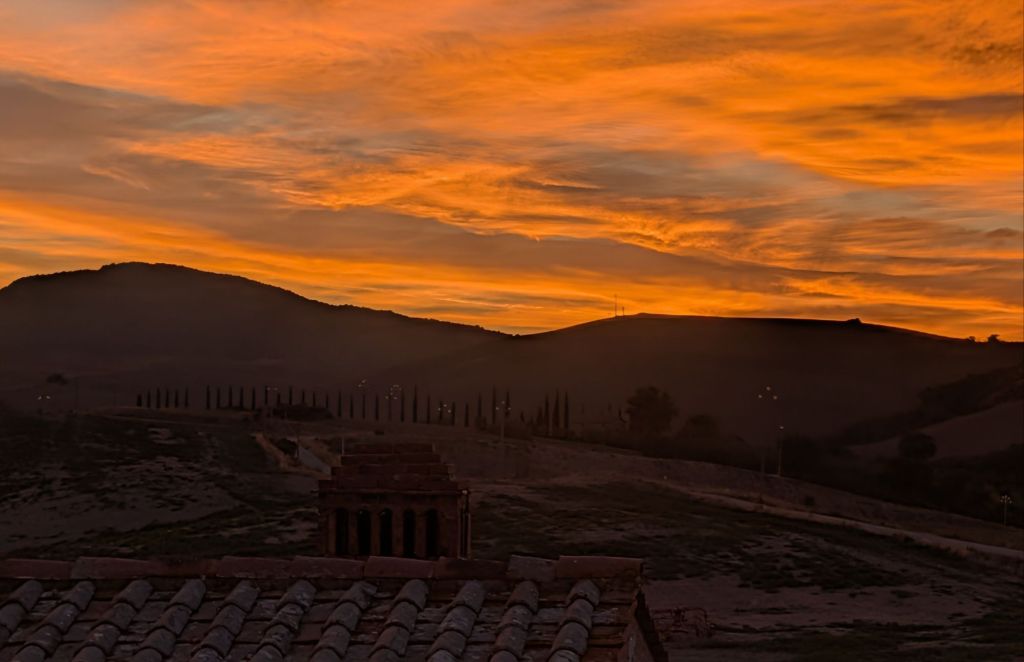
Another gorgeous Tuscan sunset