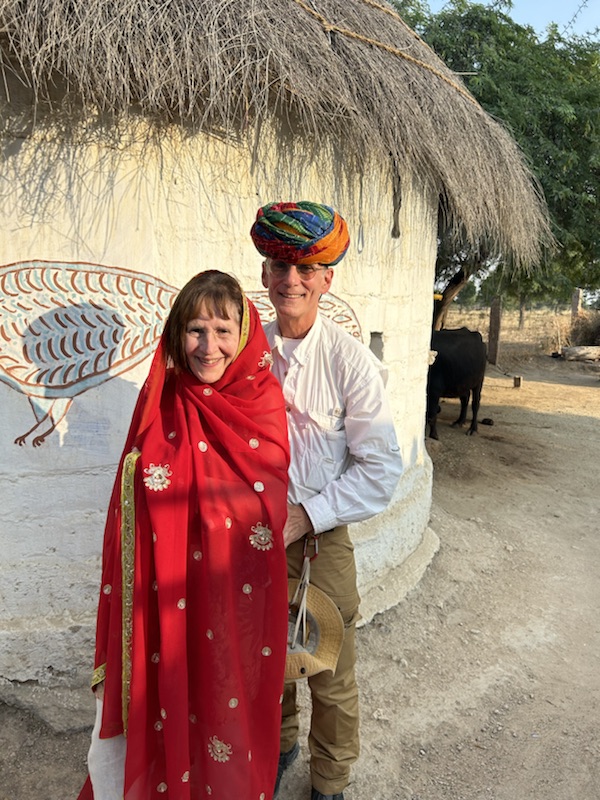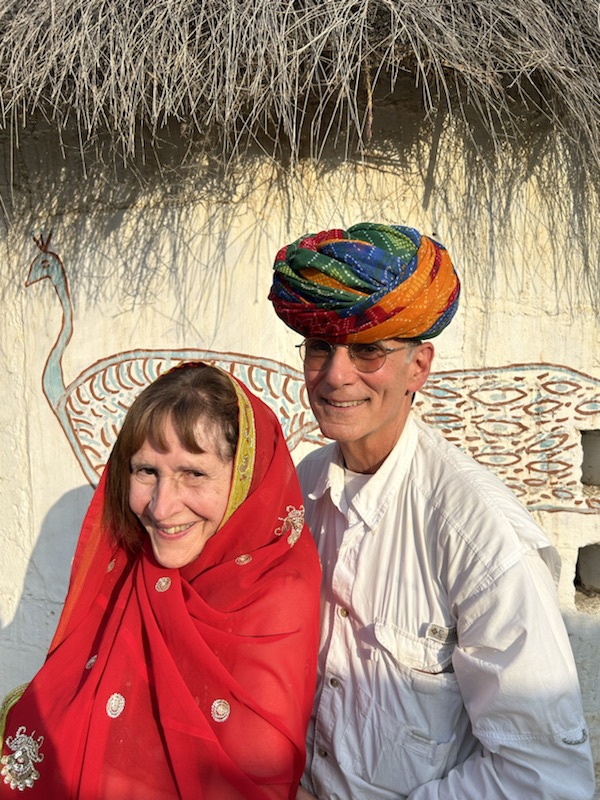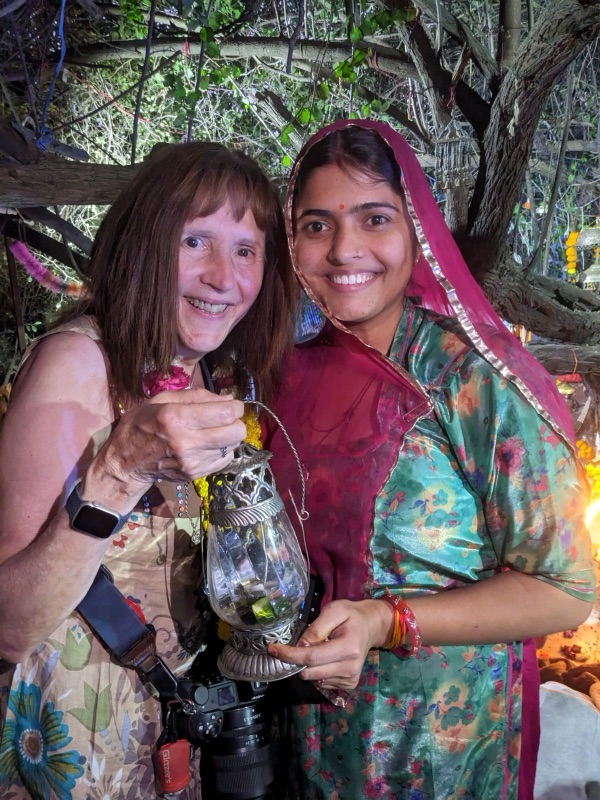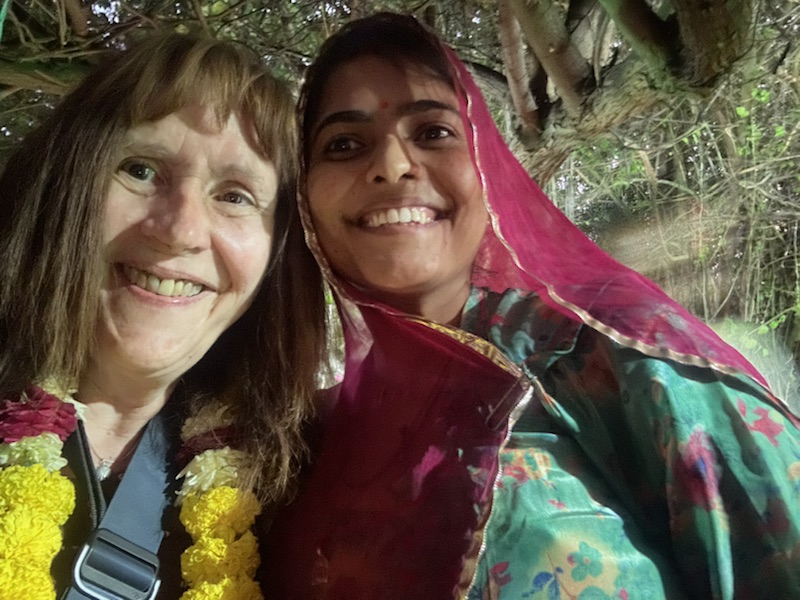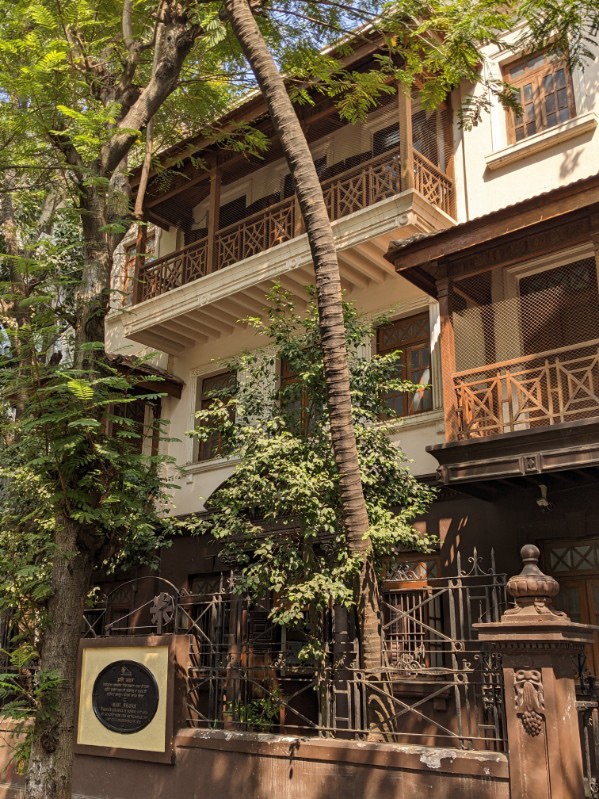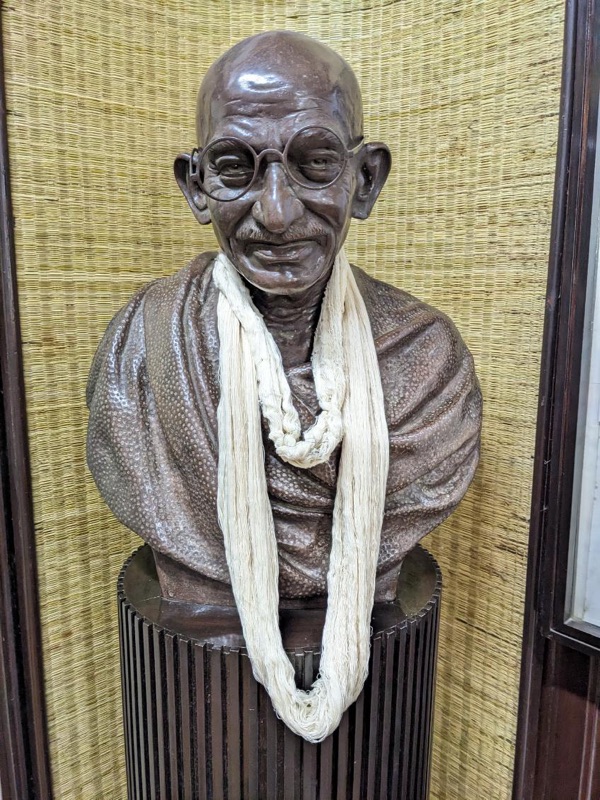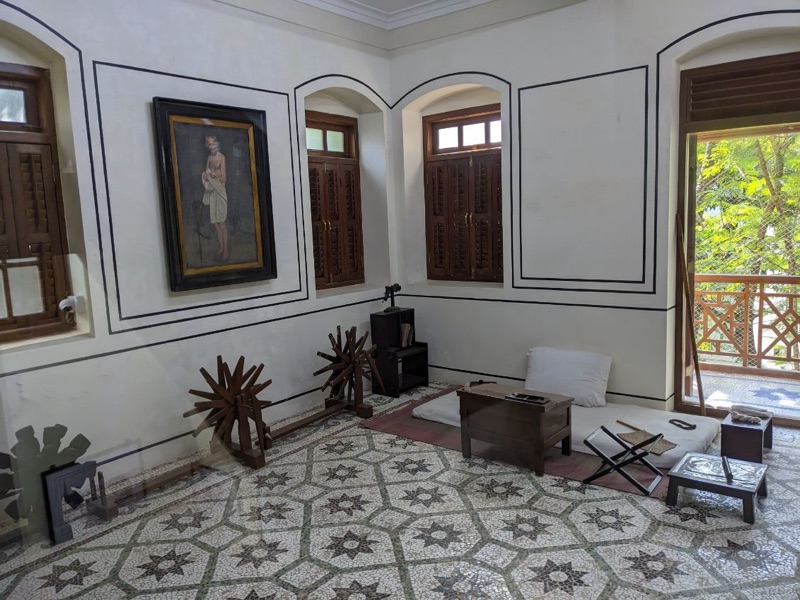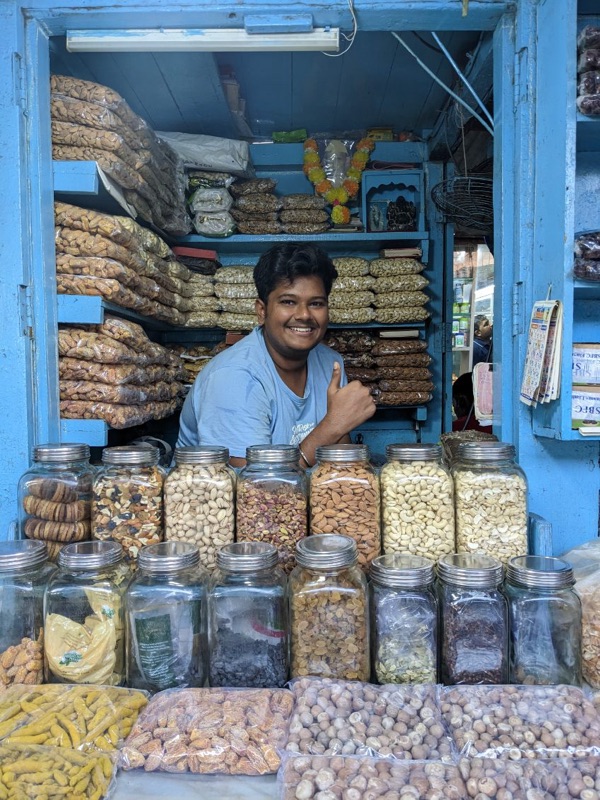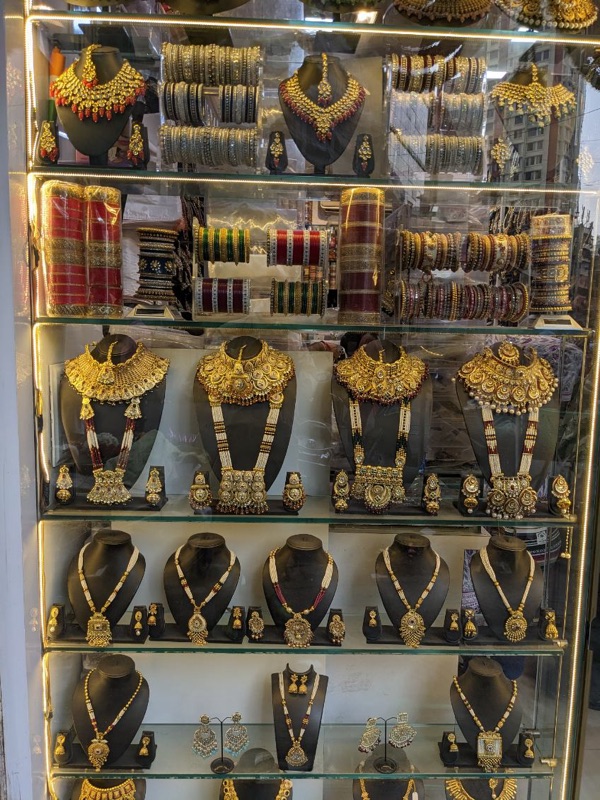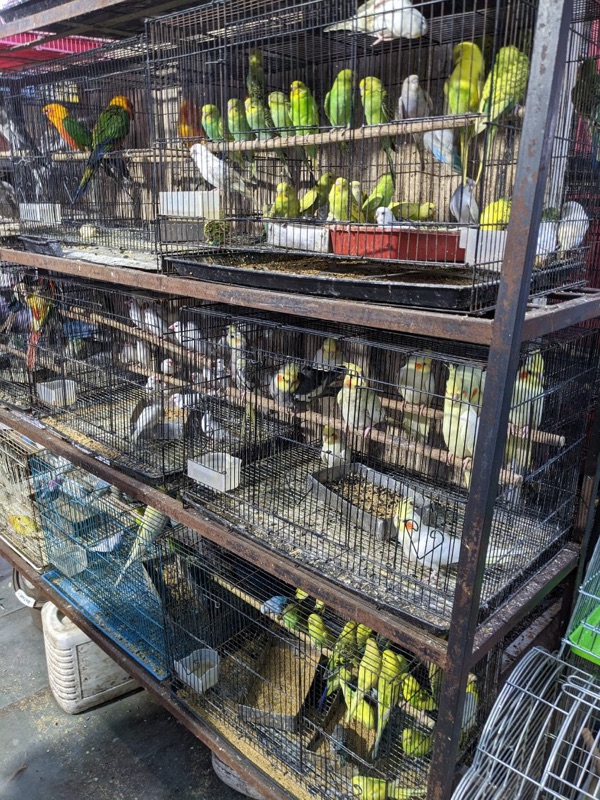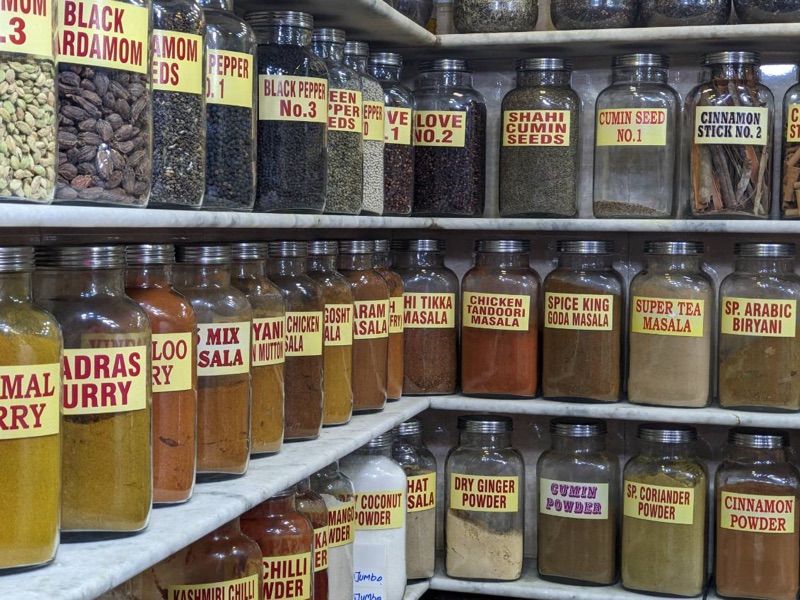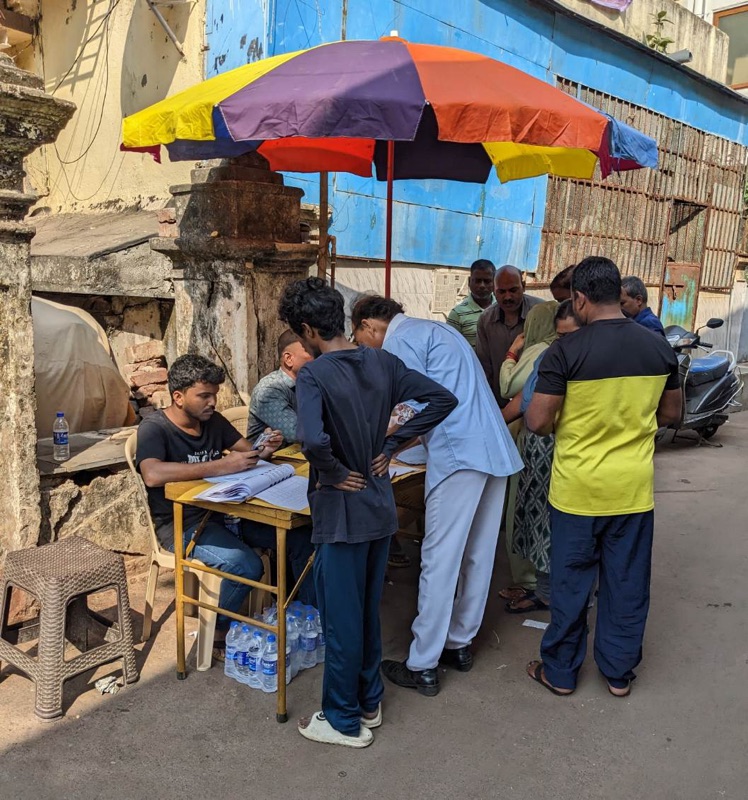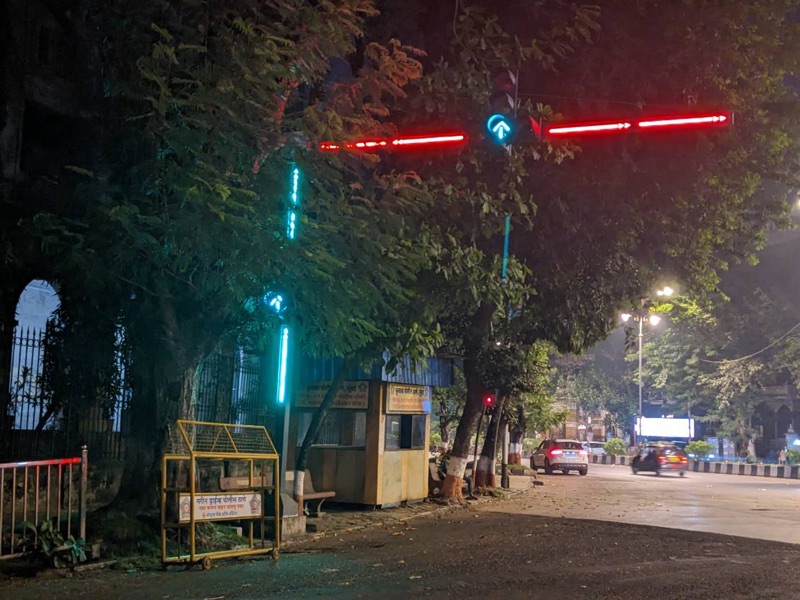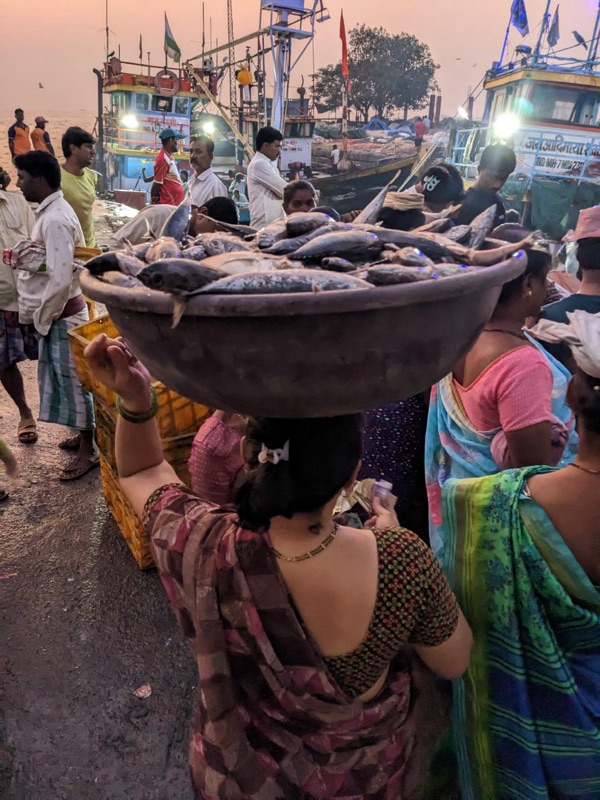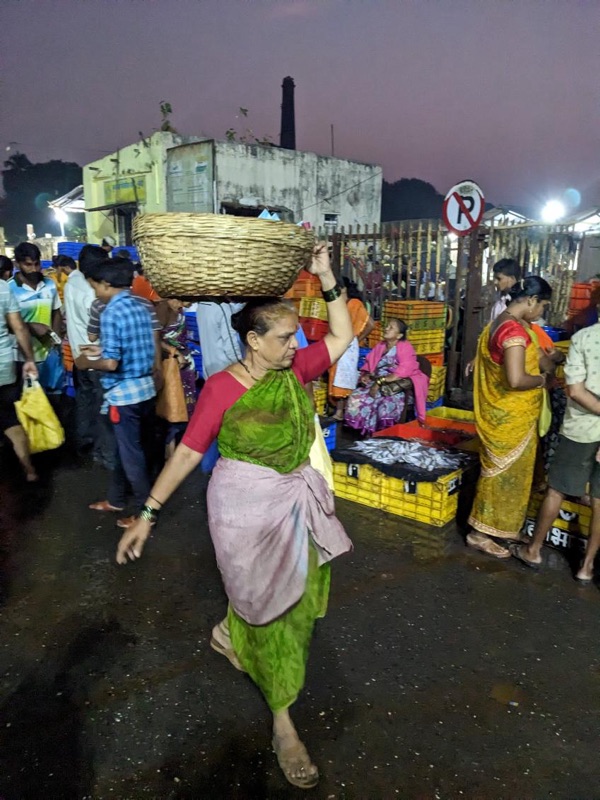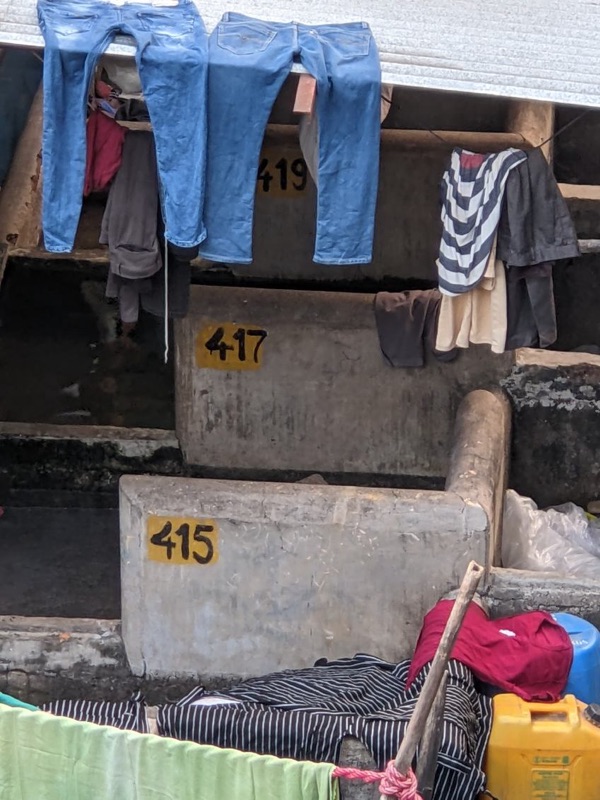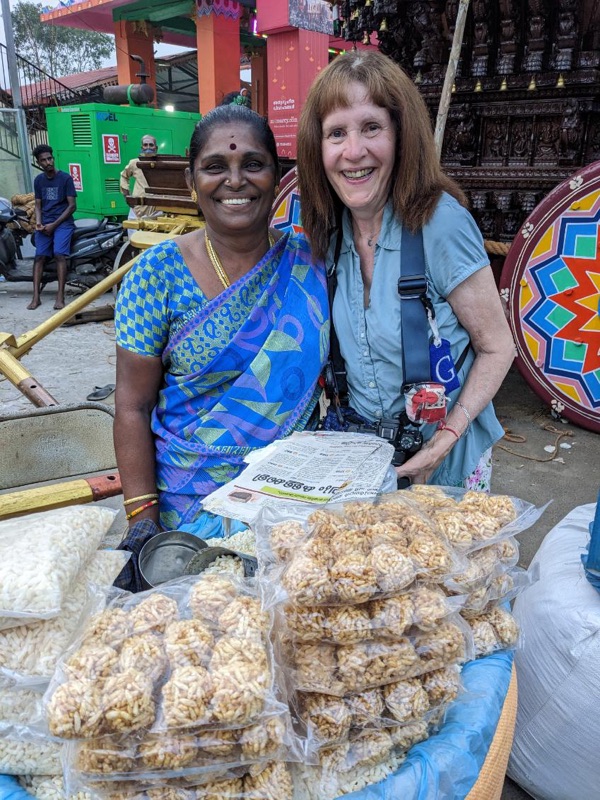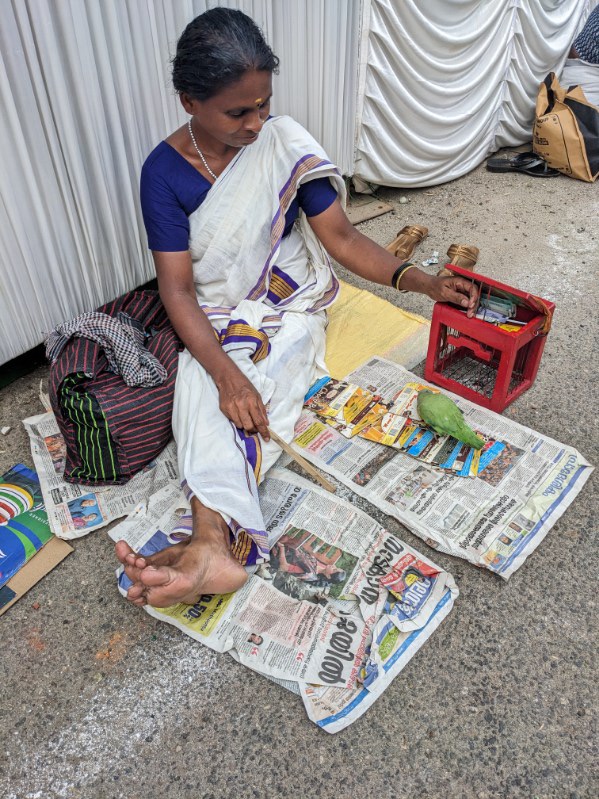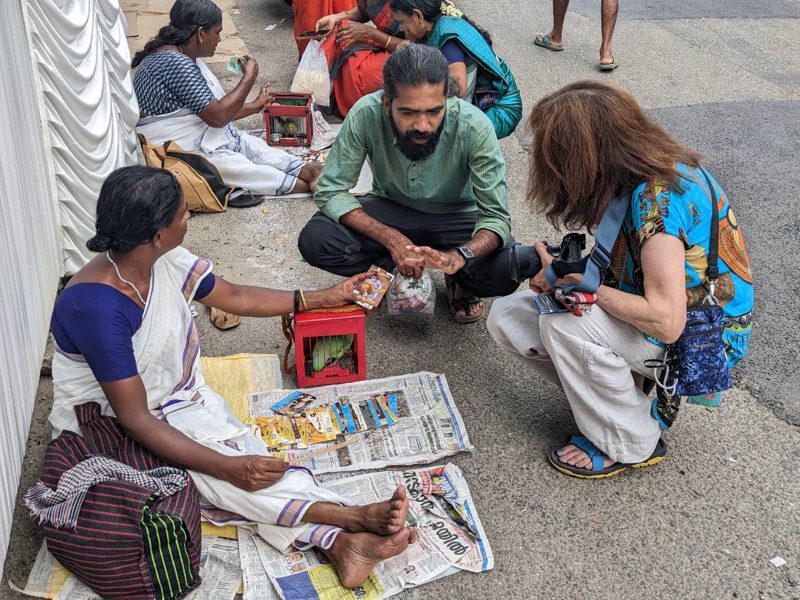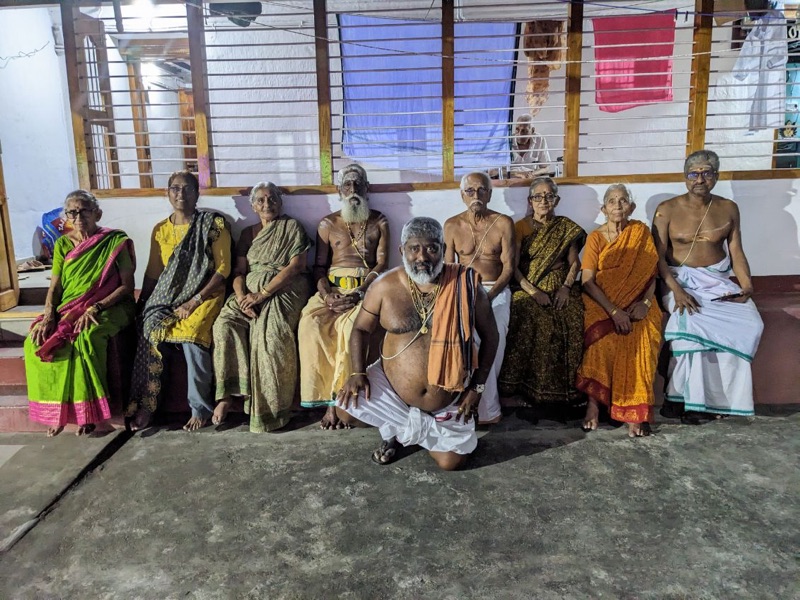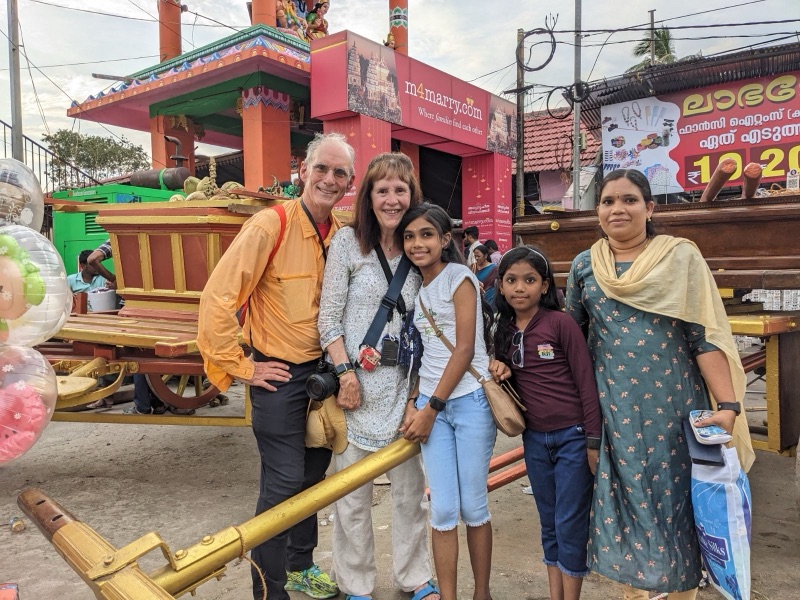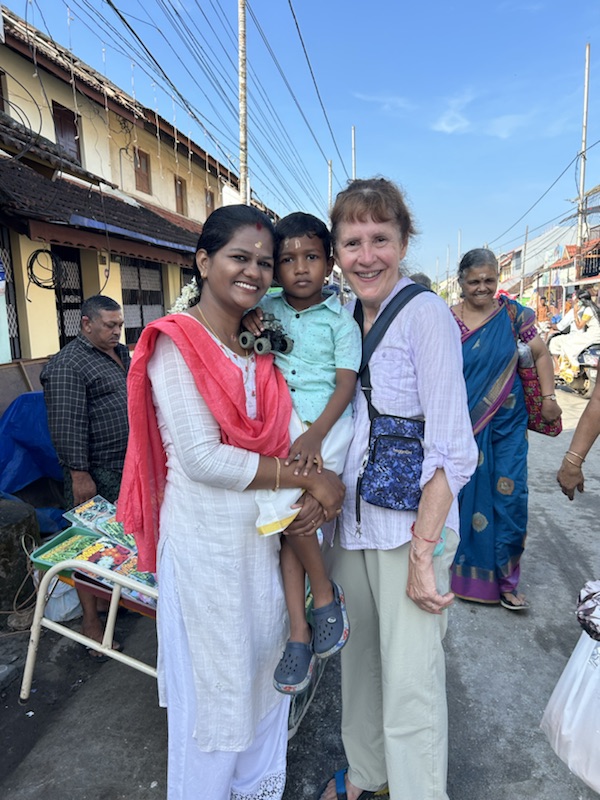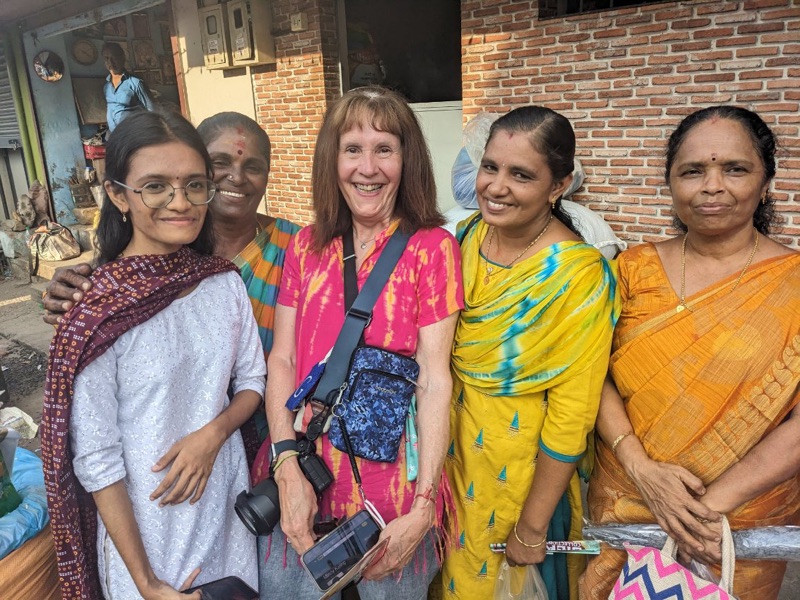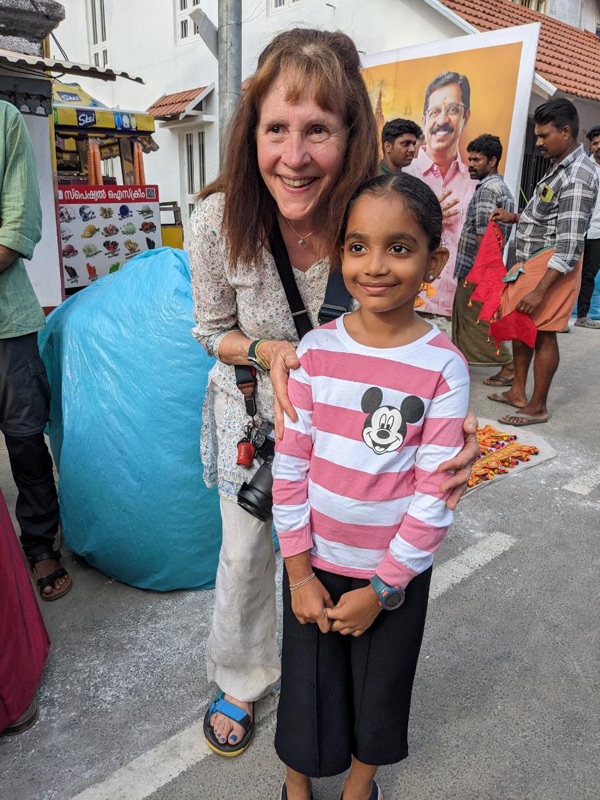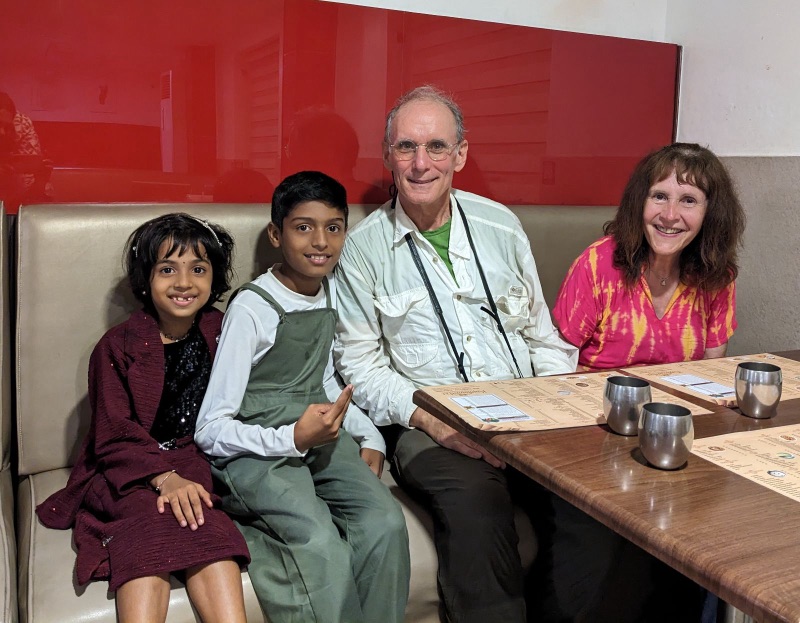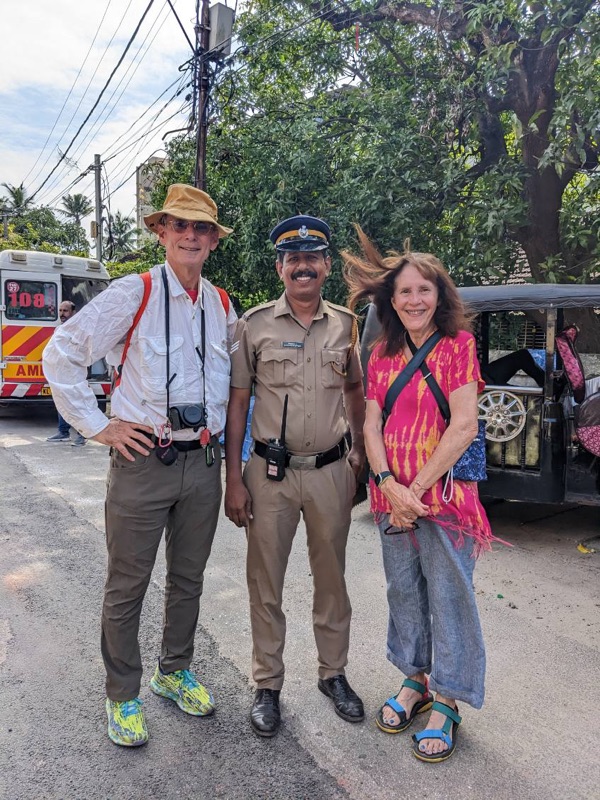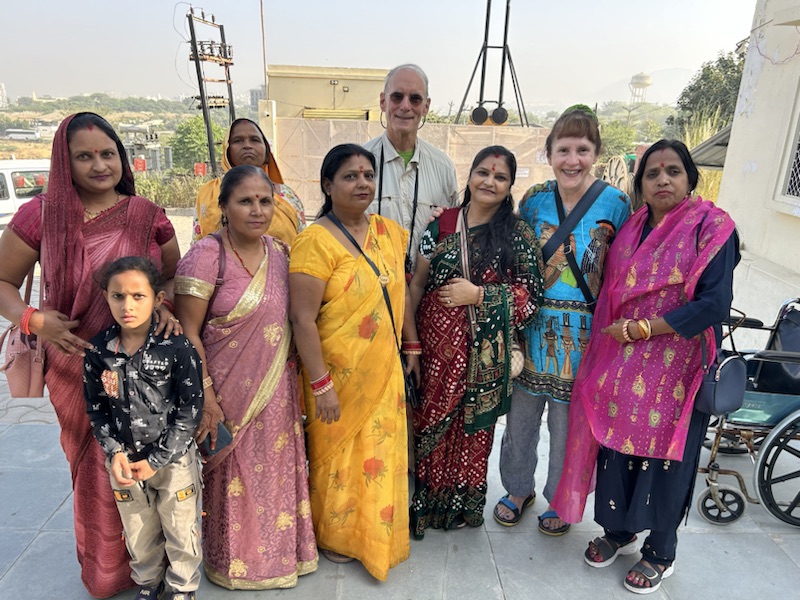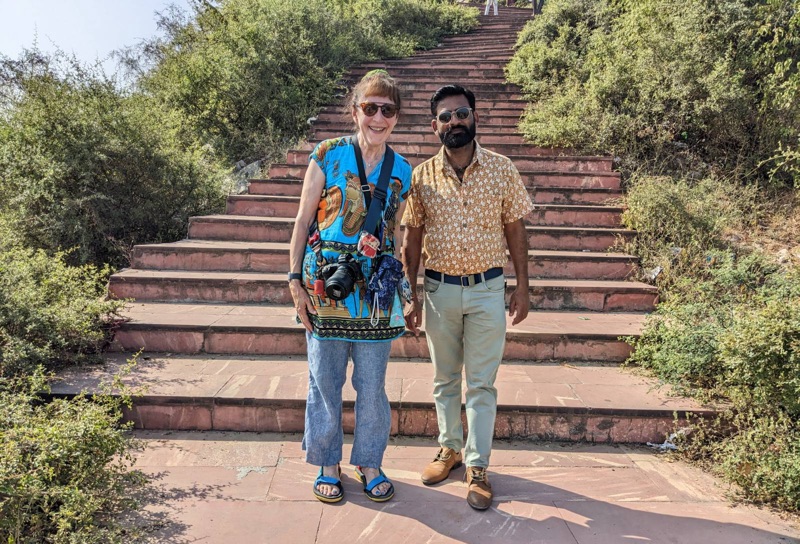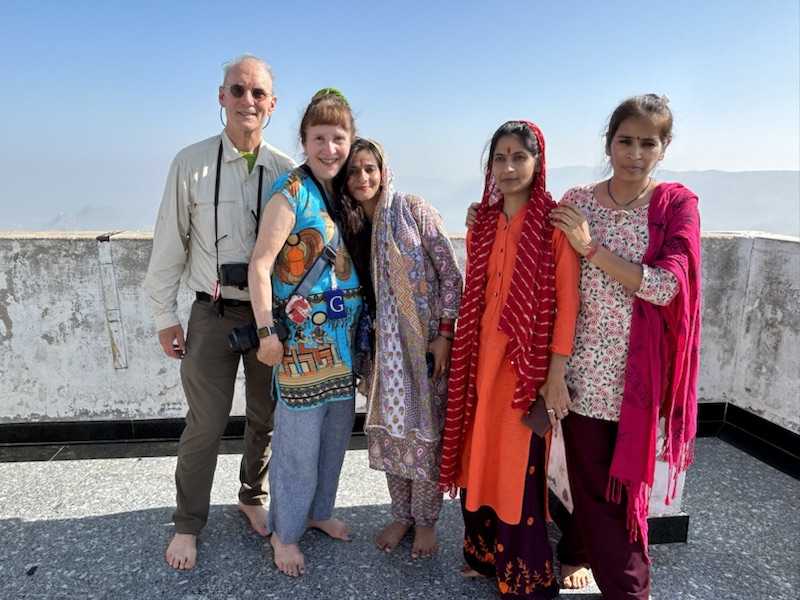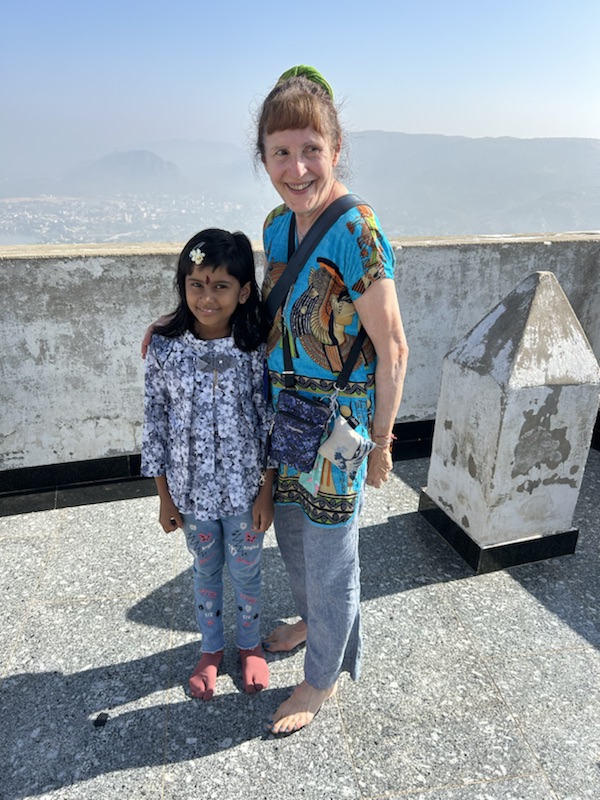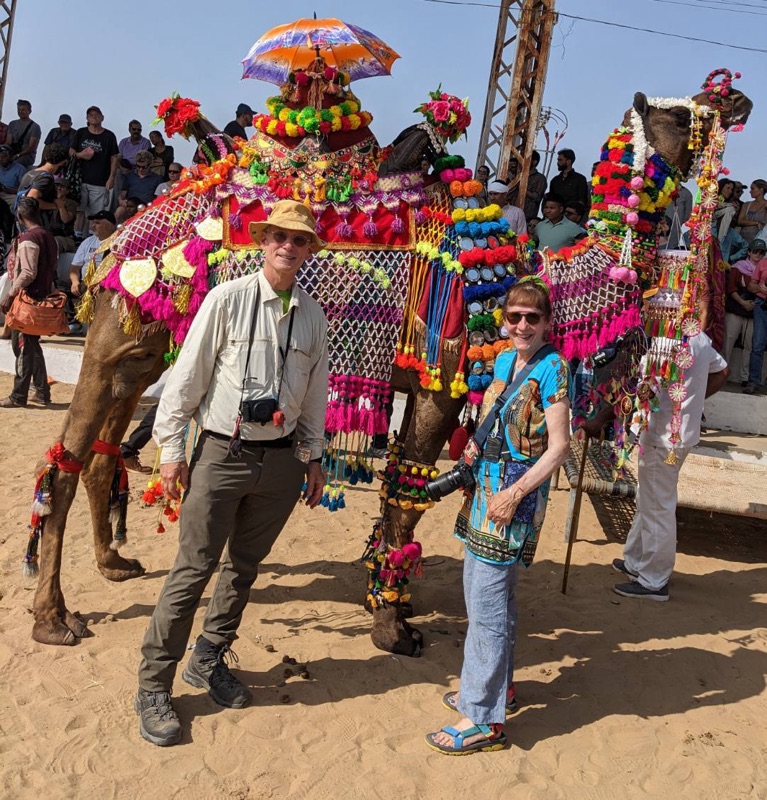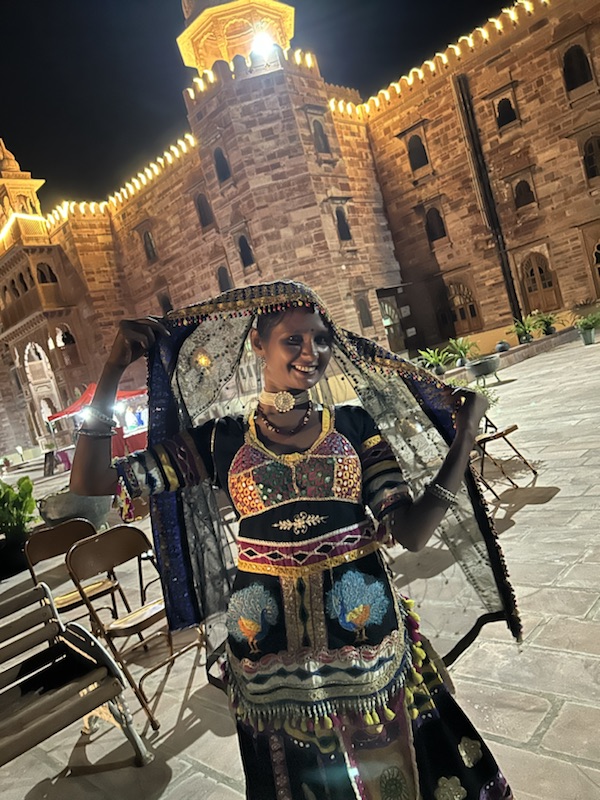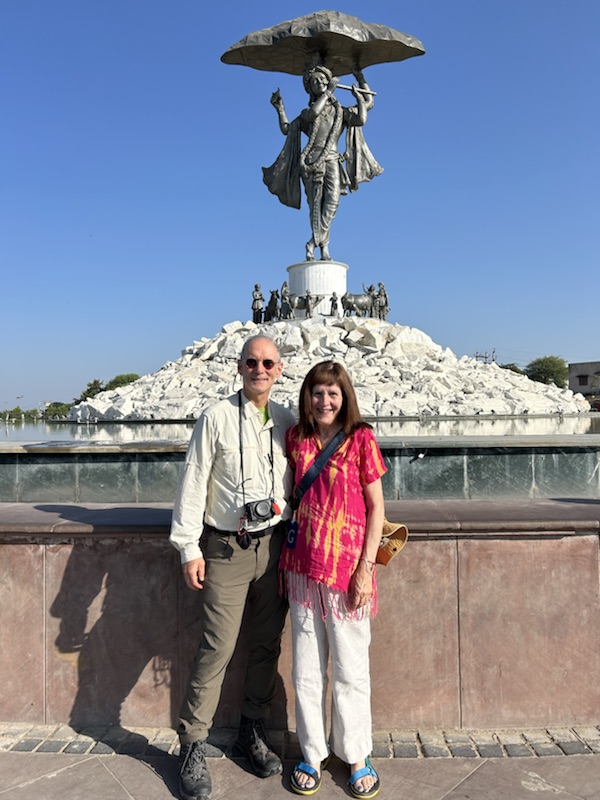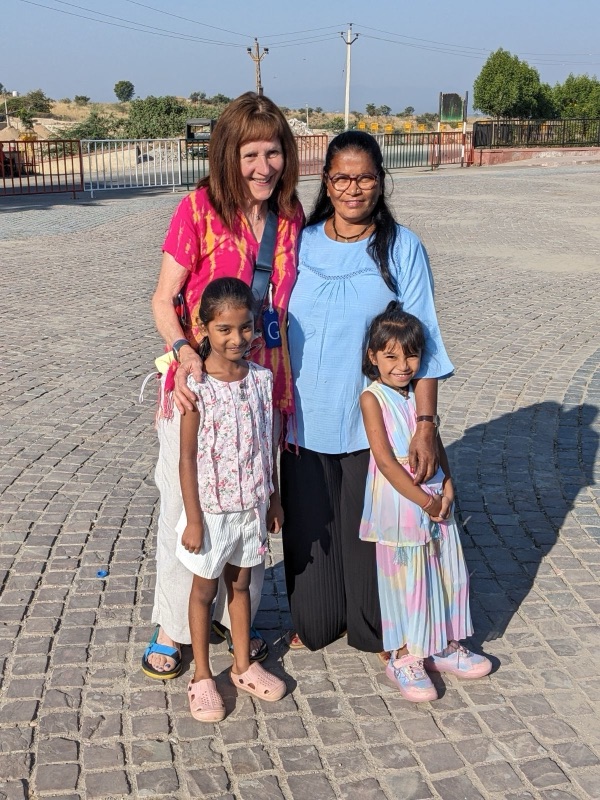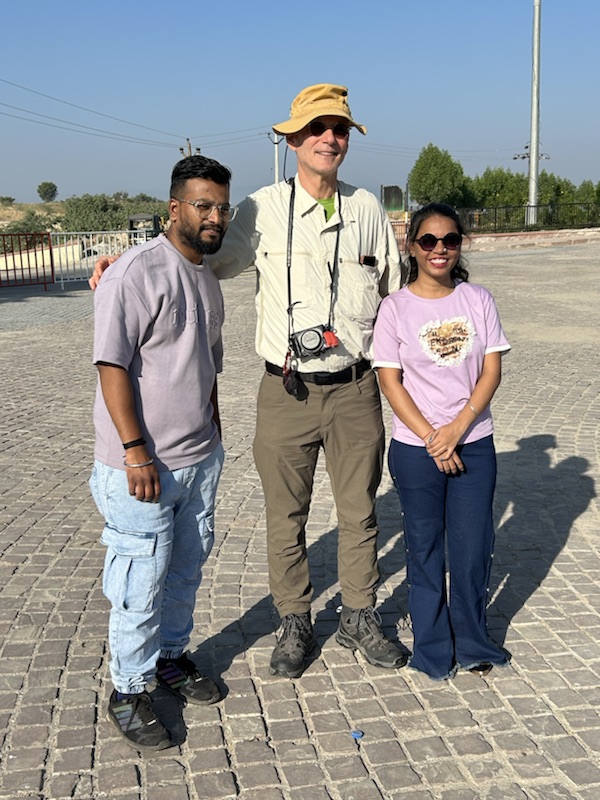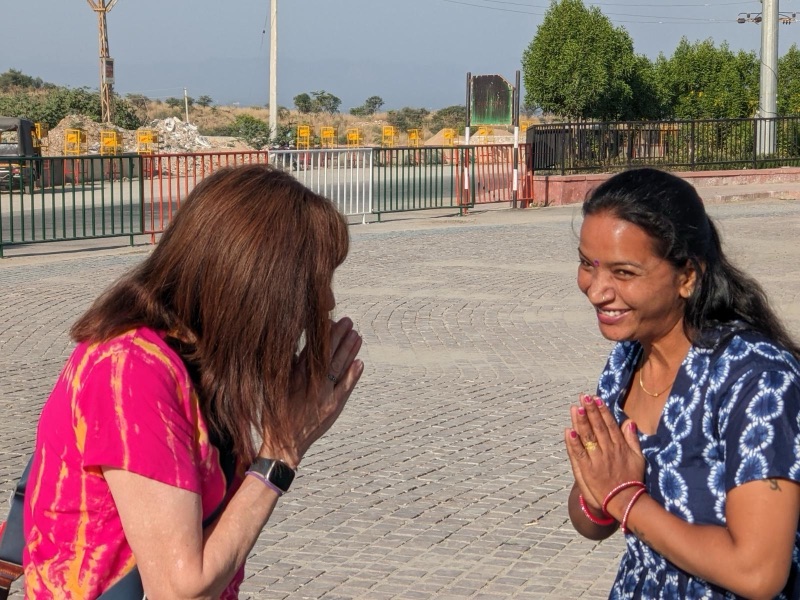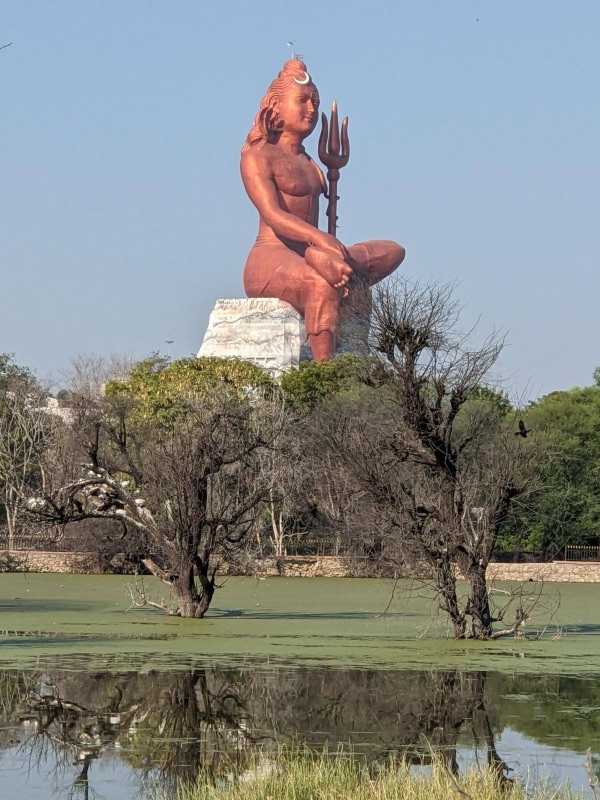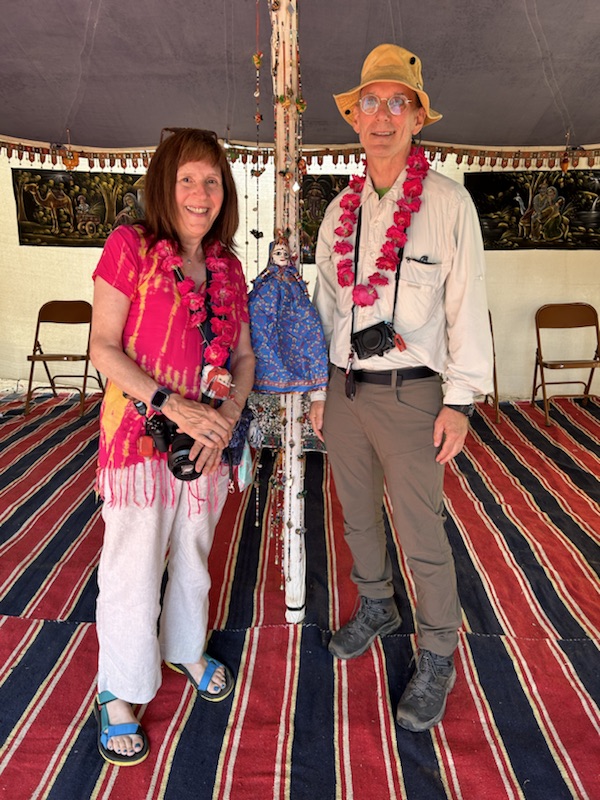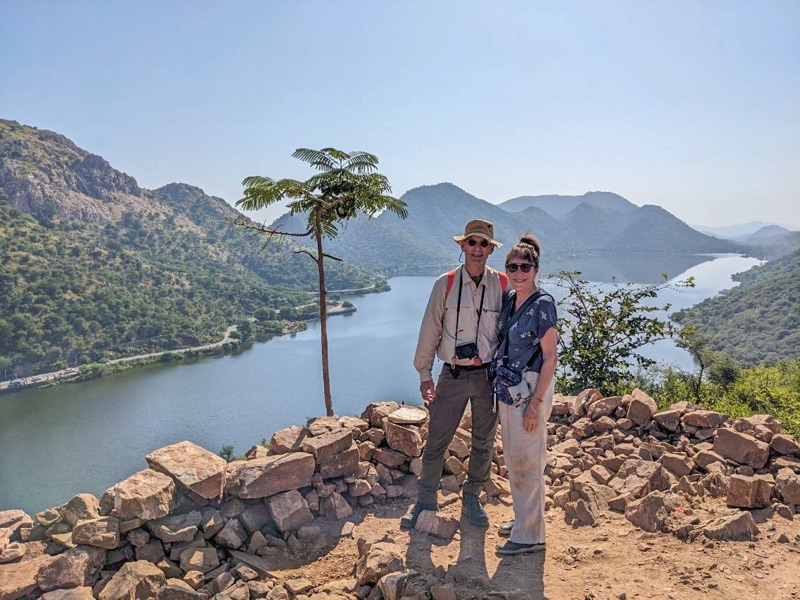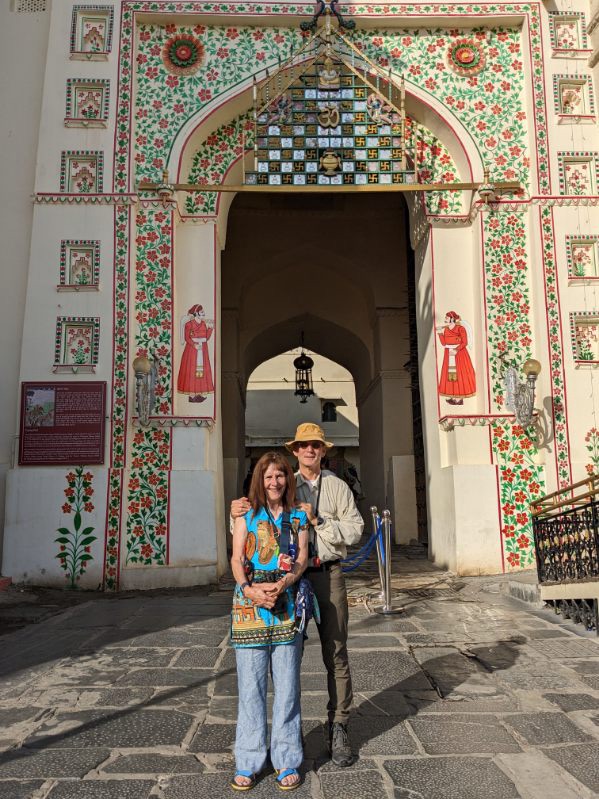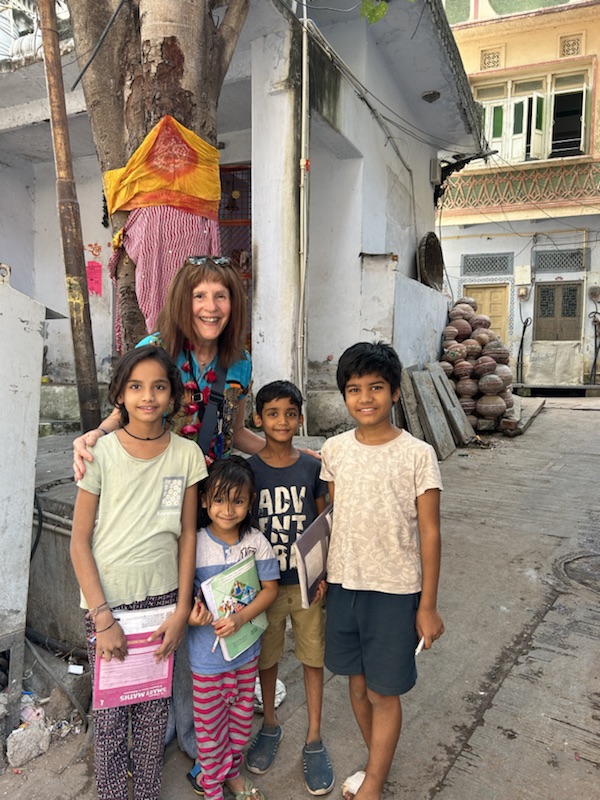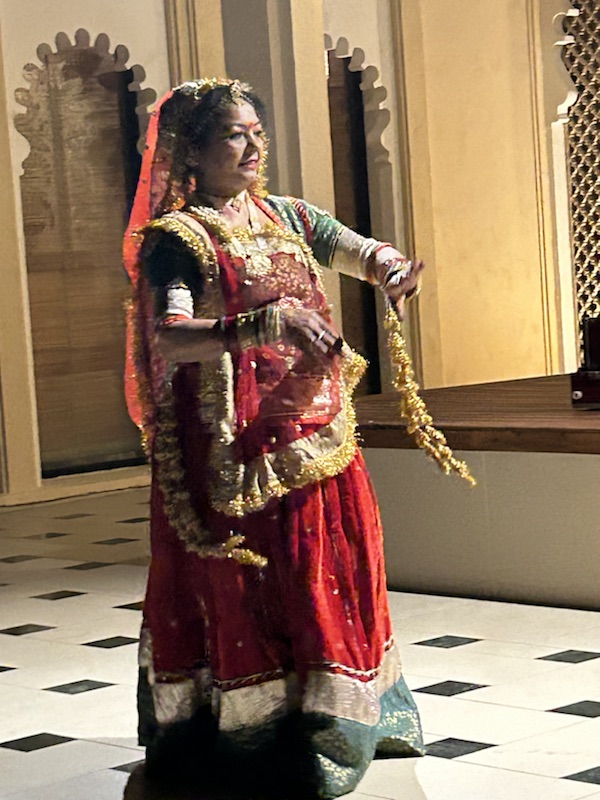
We are enjoying time in Nanyuki with Liz Silikan who leads the in-country, on-the-ground support efforts for the charity I started to help Maasai girls attend school.
Our first time in Nanyuki was in 1984. We returned in 2010 where we did a walking safari and met many Maasai.
I liked Nanyuki so much I returned on my own in 2013 where I offered to sponsor a Maasai girl to attend secondary school. A few years later, I formed the charity Maasai Education & Empowerment Today (MEET).
To learn more go to meet5.org
MEET Board Member Aurora Lau is accompanying me on this visit & has been an invaluable asset providing insights & support.
We visited one school in Nanyuki where some girls attend.
There are many administrative, operational, & legal challenges to working in Kenya.
In addition to spending hours with a lawyer to establish MEET as a legal entity within Kenya to be able to fund raise locally, we spent some time at Western Union resolving a snafu that prevented funds being transferred from a bank in America to deposit in our local bank to pay for the girls’ tuition and room & board.
After successfully obtaining our much needed funds, we celebrated by having a “Stoney” which is short for “Stoney Tangawizi“ which is a strong ginger ale soft drink.
We made it to Kenya! Our first day in Nairobi was jam packed. The day started with watching the caretakers feed the orphaned baby elephants at the David Sheldrick Wildlife Trust.
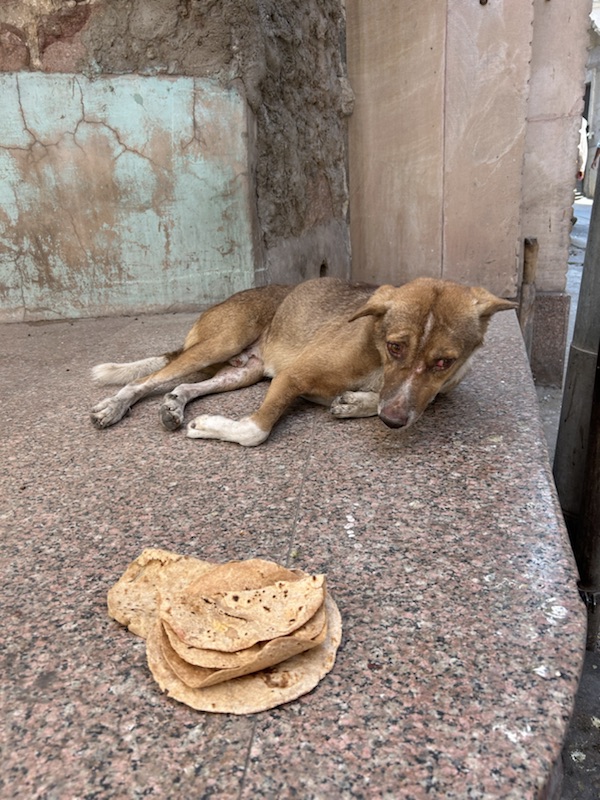
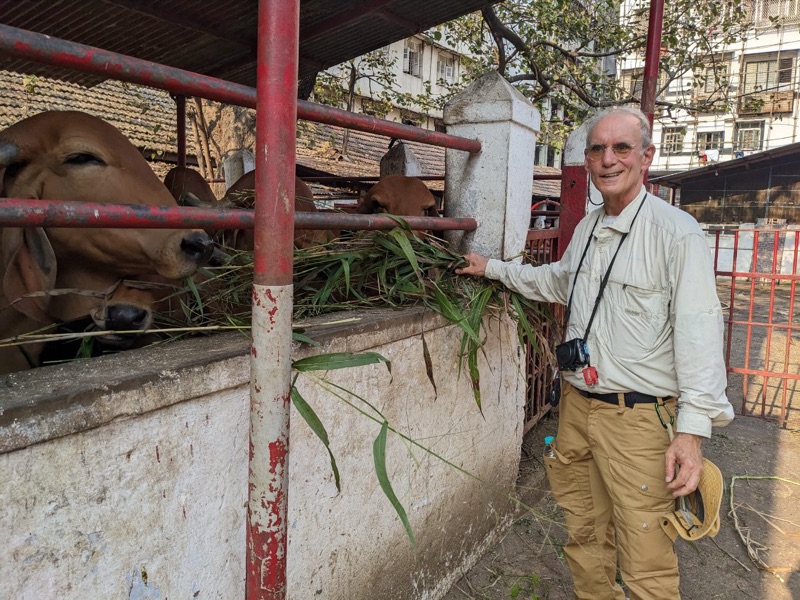
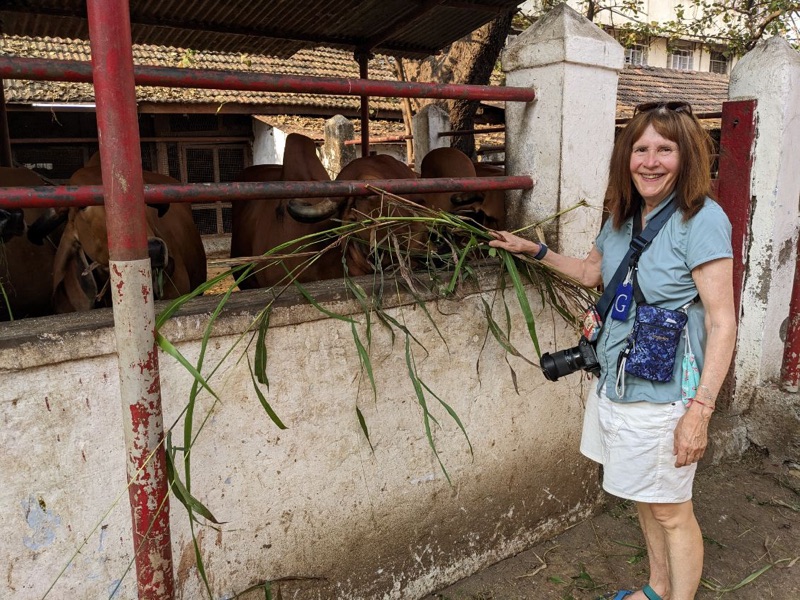
Next, we went to feed giraffes at the Giraffe Center.
We ended the day visiting Karen Blixen’s home which is located in Karen named after her. She is the famous Danish author who wrote “Out of Africa” along with many other books.
Then we went to downtown Nairobi to shop at the Maasai Market.
Yesterday we drove north from Nairobi to Nanyuki in Laikipia Province which is located on the Equator.
I’ve always wanted to visit Seville. My oldest known maternal grandfather to leave Europe was named Antonio Gil Caesar Flores. He was born in Seville in 1719 & went to the New World with his parents in 1725. He moved to the Tejas region in New Spain which is now part of western Louisiana in the United States.
When I walked around the old city, it was very moving knowing some of these beautiful buildings were also there when he & his parents left to make a new future.
The Seville Cathedral was completed in 1519. It’s the largest Gothic church in the world.
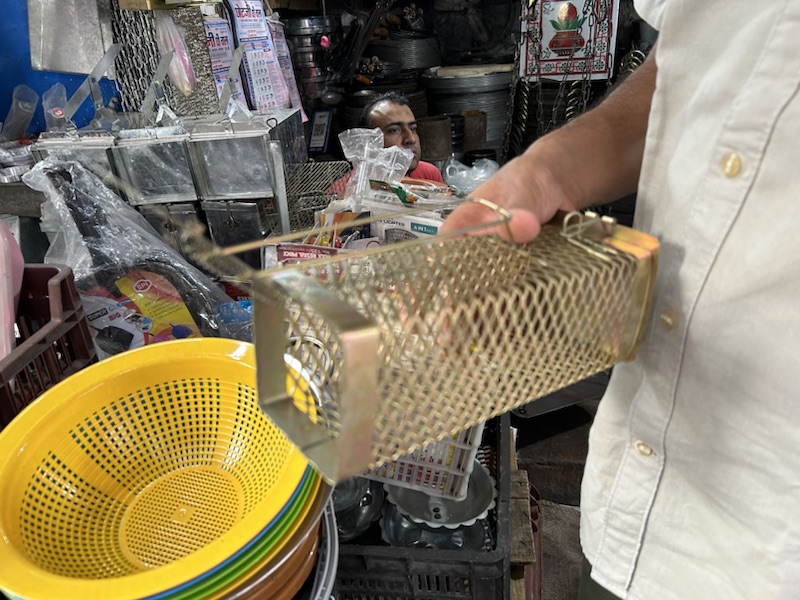
Christopher Columbus now rests here.
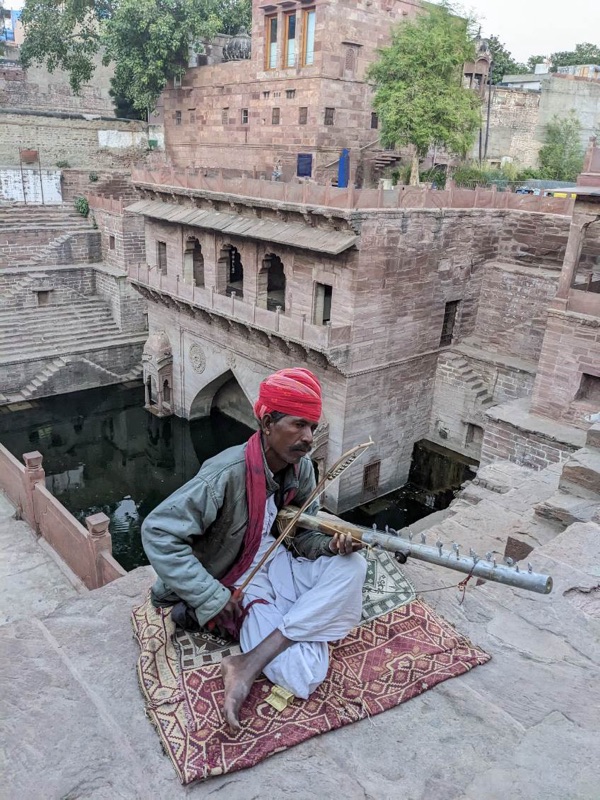
The cathedral’s altar & organ.
The Giralda or Bell Tower was once a minaret for the Great Mosque when Seville was under Muslim rule during the Almohad Dynasty. Once the Christians defeated the Muslims, both the mosque & minaret were transformed into a church & bell tower containing 24 bells.
It is actually taller than Big Ben in London.
At night & during the day when I heard the bells ring, I wondered if my ancestors heard the same pealing of the bells before they left for the New World.
Another impressive old structure is the Alcazar Palace. Here is a brief history along with some images from it. Spain’s Royal family still lives in part of it when they are in Seville. It’s very beautiful & with its elegant & colorful geometric designs, it reminded me of historical homes in Isfahan, Iran.
We just so happened to be in Seville when the Latin Grammy’s were held. The night before the awards show, we saw fans lined up outside the swankiest hotel waiting for their favorite singer to appear.
The Christmas market outside the cathedral was selling items I had never seen before. All the shops were full of items not only to make a miniature nativity scene; but also, to construct the entire Bethlehem village. Much like an elaborate train set, no detail is missing. I wonder how much room these nativity scenes take up in Spanish homes at Christmas time.
Another Seville highlight was visiting the Plaza de Toros de la Real Maestranza where bullfights are still held in the spring & summer. Started in 1760, it is Spain’s oldest bullring & took 120 years to finish. This is also where modern bullfighting that we know today originated.

We also enjoyed a few of Seville’s special food treats. One was at the Convento de San Leandro where the nuns who are completely cloistered make a very unique cookie. Fortunately, a nice Spanish couple helped us obtain the cookies which are more akin to candy than a cookie.
First, I placed money on a lazy susan contraption, rang a bell to let the nuns know we were ordering, told the nun what we wanted, then spun around the lazy susan with our payment. A few moments later the lazy susan spun again & our cookies appeared. Never once did we see a nun’s face or even a hand.

Flamenco dancing is very popular in Seville. We didn’t make it to the Flamenco Museum or see a show; but, we saw stores selling the clothes. Fans are sold everywhere.
I’m very puzzled why Spain as well as all of Europe now has Black Friday sales? I thought that was strictly Kim an American thing. 🧐
Interesting buildings both old & new can be seen throughout the city. And, of course, Seville has some street performers.
Before leaving the city, we walked along the Guadalquivir River.
After the New World was discovered, Seville’s port became Spain’s economic center. Seville thrived in the 16th & 17th Centuries until Cadiz became Spain’s main port.
Even though Seville was past it’s hey day when my grandfather lived there, I’m sure it was still a vibrant city. Moving to the New World would have been a really big change for a young boy.
Seville is a wonderful old historical city. Even though Seville is known as being the hottest major city in Europe, I’m happy to see it is now a popular tourist locale. A perfect place to be in autumn or spring when the temperatures are pleasantly warm.
Many streets & squares are lined with orange trees and reminders from the past mix beautifully with the present here.
[Sorry, didn’t realize this hadn’t been published after day 25. Hope you still enjoy the entry.]
Camino: Day 26
Distance: 24.7 KM (15.3 miles)
Weather: partly cloudy, 45-60°
Time on trail: 7 hours and 50 minutes including all breaks & stops
The day started with a a lovely breakfast including fresh squeezed orange juice, tea, & a Spanish pastry called a Napolitana.
After yesterday’s very long hike which took many hours to descend a steep rocky slope in the rain, today felt like a real gift.
The weather was close to perfect for a fall day. It was mostly flat terrain until the last 5-6 KM.
As we left Ponferrada, we walked past the most perfect castle & a lovely church.
The walk out of Ponferrada was enjoyable, even though it took over 2 hours to reach the countryside.
While we were walking , we had a nice conversation with 2 young Italians. They were doing the entire Camino in 12 days less than us, hiking over 30 KM each day. The woman was actually going faster than the man.
On hearing how fast they were going, we gave them fist bumps. Later they asked how old we were. When we told them 64 & 65, the young man was so surprised he gave us fist bumps! I’ll take the compliment. 🤭
Our stops for the next 10 daysHalloween in Spain New symbol for the trailHome Depot Spanish styleChurch providing stamps for our pilgrim passport Stop over for a mid-morning snack
In the first small town we walked through, we came across a popular pilgrim stop. I was very happy to see my friend from Mexico again. It had been 10 days since I last saw her.
Throughout today’s walk we passed pleasant vineyards & quaint villages. We are also now less than 200 KM away from Santiago.
25 days ago, it was over 770 KM to Santiago. Where have all the KM gone? (I think my feet & legs know) Man hand carving scallop shellsCommon cute window decorations This old church is now an albergue during high season
We also enjoyed many murals & poems today.
The last 1.5 hours before reaching Villafranca del Bierzo was stunning. Vineyards in the fall are spectacular. I took many pictures with both my phone & camera.
Villafranca was once famous in the 15th Century for providing sick & crippled pilgrims with their Pilgrim certificate if they felt they could not make the next 150+ KM to Santiago.
Villafranca is a lovely old town where we enjoyed pizza & Halloween night with the local children dressed up in scary costumes.
Doesn’t he look like a Spanish Eugene Levy 😂Crazy Spanish kids at our restaurant Our hotel
Tomorrow is our last 30 KM hiking day. Hopefully, it won’t be too difficult & the rain will stay away until we arrive.
Time on trail: 9 hours 40 minutes counting all breaks & stops
Do you remember this from “My Fair Lady?”
I’m can assure you, the rain in Spain does not stay mainly in the plain. You will notice by our attire, today was blue skies- rain- repeat.
Since the sun was shining this morning, many pilgrims joined the trail by 8:30.
When are you coming out?Getting a stamp in our pilgrim passport Typical trail today
10:30 café con leche & tortilla break
Back on the trail.
River crossingRainbow sighting Our Spanish friends’ dog Hela on the trail; he even has his own pilgrim passport
Around noon we reached Melide.
Melide is famous for various food items.
Melindres are a local sweet which are like a small, sweet, sugar coated biscuitMelide has the reputation for having the best pulpo (octopus) in Spain
And some very unique cheese.
As the story goes:
Legend has it a statue showing Queen Esther with large breasts was placed in the Portica de Glorias façade in the Santiago cathedral in 1168 to 1188. Directly opposite facing Esther a statue of the prophet Daniel was placed & it was sporting a big grin. Scandalized by such a display, priest and church leaders ordered a breast reduction be done to Queen Esther, so her statue’s breasts were smoothed flat. To protest this change, farmers started making cheese shaped like a breast with a nipple, so the cheese became known as “Tetilla” means “little breast”.
Melide also has the oldest stone cross on the Camino in Galicia dating from the 14th Century.
With the sun shining, we enjoyed lunch on a city bench in Melide.
Sadly, the sunny weather ended soon after lunch; but, we still enjoyed our rainy afternoon walk.
I was happy to encounter a volunteer stop. There have been far fewer of these in the last third part on the Camino.
With the on & off again rainy weather, it was a relief to arrive into Arzua. For dinner, we enjoyed the best pizza we have had in Spain.
My first Sangria on the trip
The pizza place had pilgrim graffiti all over its walls. This one caught our eye since we have experienced this problem. But mostly me!! 😆
Happy to have our last long hiking day done before reaching Santiago.
Weather: cloudy with small amounts of rain, 43-53°
Time on trail: 7.5 hours including all breaks & stops
Once in awhile I feel strong & walking comes easy. Today was one of those days.
Most of the day we hiked through a narrow valley above the Rio Valcárce. Then the last few hours was a steep climb up to O Cebreiro. Thankfully we arrived at 4:00 just before the rain started.
We left our hotel at 8:30. Villafranca is such a lovely town, so I had to take a few more pictures before leaving.
Last view of Villafranca
Around 10:30, it was time for a coffee & baño break.
Most of the day we hiked under chestnut trees. The ground was littered with chestnuts ready to be gathered & roasted for the Christmas holidays.
For the next few hours we hiked through many small villages.
Man breaking walnut shellsFunny greeter Sheep dog attending its flockGetting ready for possible rain
Mileage markers to keep us going.
If you zoom in you will see how far we have come and how far we still need to go to reach Santiago.
For the past 2 days we have been often serenaded by the “tinkle, tinkle” noise from cow bells.
A few villages also had many chickens roaming the town.
Along the trail you not only see messages written on rocks & signs; but also, tied on a tree.
Starting around 1:30, we began a long uphill climb that lasted for the next 2.5 hours.
After we passed La Faba, the countryside began to change.
About 35 minutes before reaching O Cebreiro, we passed into Galicia.
Also, we reached the official mileage/km marker putting us at 160.948 KM to go!
We walked into the very lovely, old, & historical village O Cebreiro only mere minutes before it started raining.
Even the trash cans are cute
More information about the town & church.
This town is also known for its goat cheese that is shaped like a chef’s hat. My husband enjoyed some with some honey for his dessert.
Most towns on the Camino offer a pilgrim’s menu. You can pick one dish from each course & also wine for 13-16€. Such a bargain!
With rain in the forecast & a longer walk, we chose an early breakfast & made an earlier start to the day.
It was the first time we needed a headlamp to find our way. No fellow pilgrims to follow.
Since entering the Meseta, there are not as many pilgrims on the trail. We heard from a French man who we had previously met that today was his last day.
Many European pilgrims need to return home for schooling or jobs. Some plan to return at another time to finish their Santiago quest.
We had another amazing sunrise as we strolled along.
Before the Meseta, you could usually see the next town miles away on a hill. The Meseta is often the opposite. Many towns are located in low areas where you don’t see them until minutes before you arrive. Their location in low areas may be to position them out of the wind.
One such town is Terradilos de los Templarios. It was founded by the Knights of the Templar to protect pilgrims on the path to St James.
Similar to a few days ago, we had 2 ways to choose from to walk. One way went through farmland and the other next to the highway. Since we prefer a quieter walk, we stayed away from the highway most of the day.
Even though the land is littered with potato sized rocks, it seems fertile enough to grow crops such as wheat, sugar beets, and sunflowers.
Most of the day was straight forward with little to amuse a simple pilgrim; but, here are a few things that caught my attention.
Hobbit like homes built into the hillCute adobe homeKnitted flags showing countries of the world
As we left the Province of Palencia, we could see Sahagun in the distance.
About 30 minutes before reaching Sahagun, we passed the Romanesque Mudéjar Hermitage of Virgen del Puente.
Before reaching Sahagun, rain became more apparent which meant putting on rain ponchos.
Sahagun is a charming large town.
We are now at the official geographical halfway distance point to Santiago!
Weather: very windy-20mph, 45-56° (felt colder with wind chill)
Time on trail: 7. 8 hours including all breaks
The wind blew relentlessly all day only taking a break when we were protected by buildings or high vegetation.
Thankfully though, no rain. So our only choice was to face the wind head on and power through the day.
I was dressed in 5 layers. I was sure I would be taking off my blue rain jacket early in the day, but I was only warm on the uphill climb outside Castrojeriz.
Before we reached the top of Alto de Mostelares we enjoyed a beautiful sunrise.
Everyone stopped for a picture at the top including us.
A few minutes later we saw a beautiful view of the trail across the meseta.
And another picture opportunity even though the wind was so strong you felt you could be blown off the edge at any moment.
The morning light was amazing. As we ascended I had to stop many times to take pictures with my camera. In many ways it reminded me of my youth growing up in the Texas panhandle.
The combination of high winds & bellowing clouds with a flat landscape had me feeling nostalgic.
My husband in the golden light being patient with my picture taking.
The one and only comfort stop today was at a lovely old pilgrim’s hospital and former parish church called San Nicolas de Puente Fitero.
It now serves as a place to sit with other pilgrims with a cup of tea or coffee & cookies.
We had a wonderful time with a couple from Korea, a young woman from China, 3 Scottish women, a Portugués couple and 3 French women before continuing down the trail.
Soon after we crossed this old stone bridge. I wonder how many pilgrims have crossed this bridge over the years?
We are now in the Province Palancia.
Similar sign to Day 10, but further along on the trail.
The next town of Itero De la Vega had some fun & colorful artists to decorate their walls.
Outside an the old ruins of a church I saw this wall & scallop shell. It appears to be very old.
The next town was Boadilla. I had hoped to enjoy a nice cafe con leche & tortilla on this cold windy day, but the whole town was totally quiet. We didn’t find one open bar.
I mentioned to my husband I felt like I was in an old Western movie where the cowboys ride into town and not a single person can be seen. These small Spanish towns in the meseta do look very similar to those old movies.
So we rested by the side of a building out of the wind to enjoy snacks in our backpacks before walking the last 6 KM.
On our way to Fromista our walk took us next to the Canal de Castilla.
It provided a nice path for the end of the day. My husband even located a small shelter someone had made. He said it did stop the wind.
Right before we entered into Fromista we came to some locks for the canal. What an amazing engineer feat this project was for its time!
Saw this sign post as well. My feet have no desire to go further than Fromista today.
Our hotel is across from the street from the very attractive Romanesque church called San Martin. It was first built in 1066. Amazing!
Weather: cloudy with short showers part of the afternoon, 54-65°
Time on trail: 8 hours counting rest stops
Today was our longest distance for walking. I felt good the whole way, but once we arrived at the hotel, my legs & feet were not shy about letting me know it had been a long day.
We left Belorado around 7:50. Too early to see the oldest market.
Unlike most days, we didn’t see a single pilgrim as we left. It wasn’t until much later we started to see people.
We have been friends with 2 young Korean girls from the first day. They have always been strong walkers, but today I saw that one of them now has tendinitis in one of her knees. This seems to be a problem we hear a great deal on the trail. In the beginning it was blisters, now tendinitis.
The trail started out with the same countryside we have enjoyed for many days. Open landscape with rolling hills and freshly plowed land.
This continued for the first 3 hours into Villafranca Montes de Oca.
After that we started a gradual climb up the Montes de Oca that took us into a forest. Years ago this forest was haven for highwaymen & thugs. Thankfully this is no longer a problem.
Before we started we made sure we had food & water because the next town was 7 miles away.
This is also where we experienced rain for the first time and needed to pull out our rain ponchos.
Sad part of Spain’s history
With little more than 3 miles to go before reaching San Juan de Ortega, we enjoyed the best volunteer rest stop on the walk so far. As before, she only asked for a donation.
She was an American country music fan. As we walked up Allen Jackson, “Chattahoochee” was playing followed my Kenny Rogers “The Gambler,” Dolly Parton “9 to 5,” and Toby Keith, “I Love This Bar,” as we were leaving.
Finally reached San Juan de Ortega for a late lunch break and much needed girl’s bathroom.
With only 3 more miles to go we were out of the forest and back into the open landscape.
Last stop for today.
I’m always entertained by the murals on the homes & buildings on the Camino. Here are some we passed by today.
There are many ways to walk to Santiago, we have chosen the popular French route that leaves from Saint Jean Pied de Port in southern France. If all goes as planned, we will reach Santiago in 34 days, then Finisterre (End of the Earth) 4 days later.
The French route has been walked for 1,000s of years and actually follows the Milky Way.