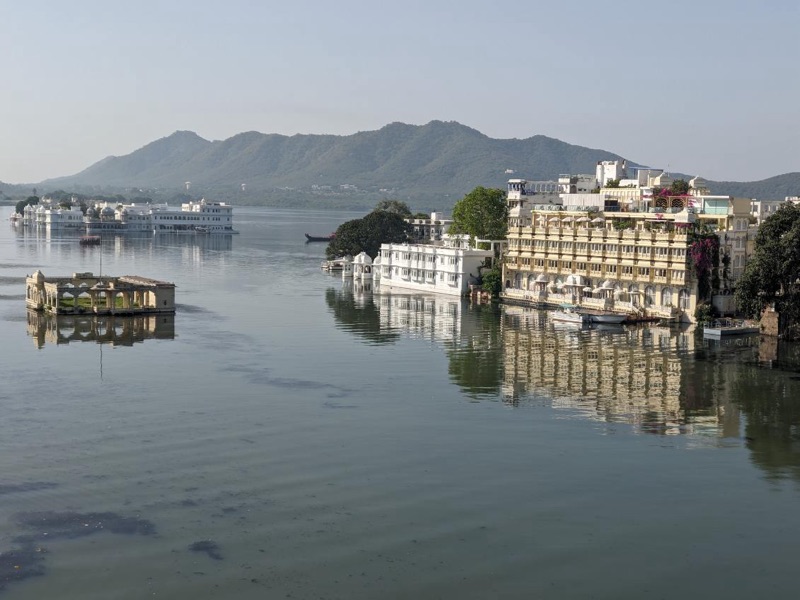
Udaipur has seven man made lakes. Each one provides a beautiful vista & backdrop for various palaces. It’s also among the major international locations in the 1983 James Bond movie “Octopussy”.
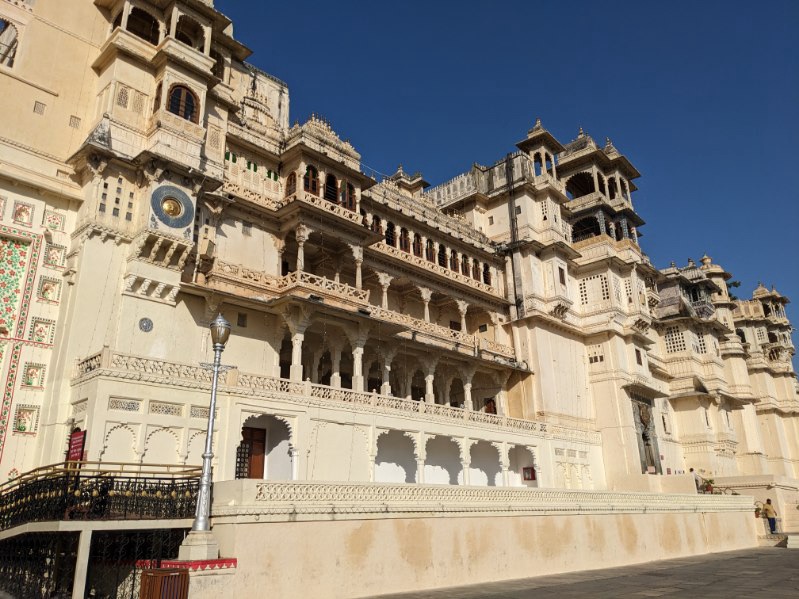
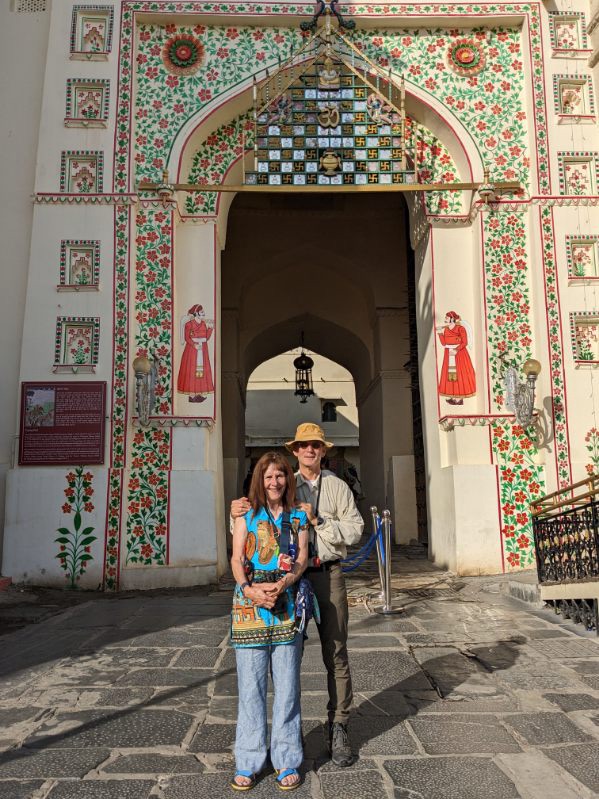
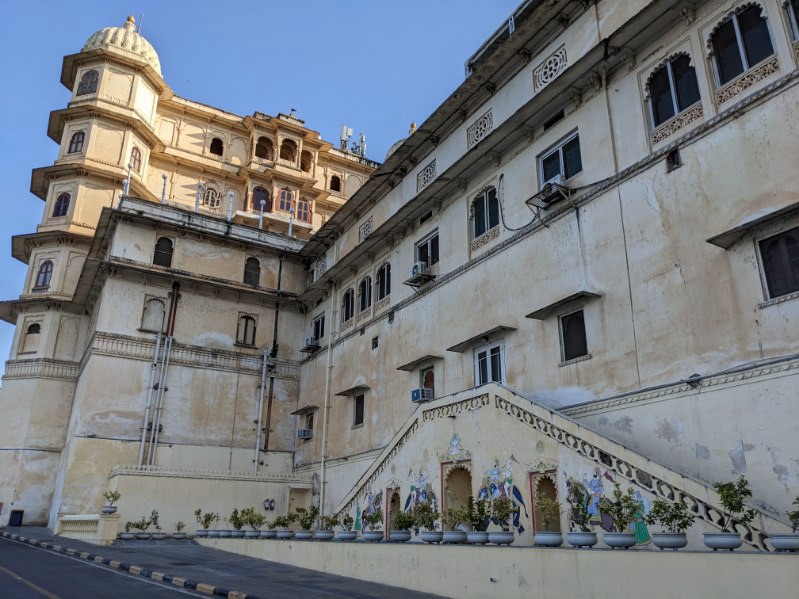
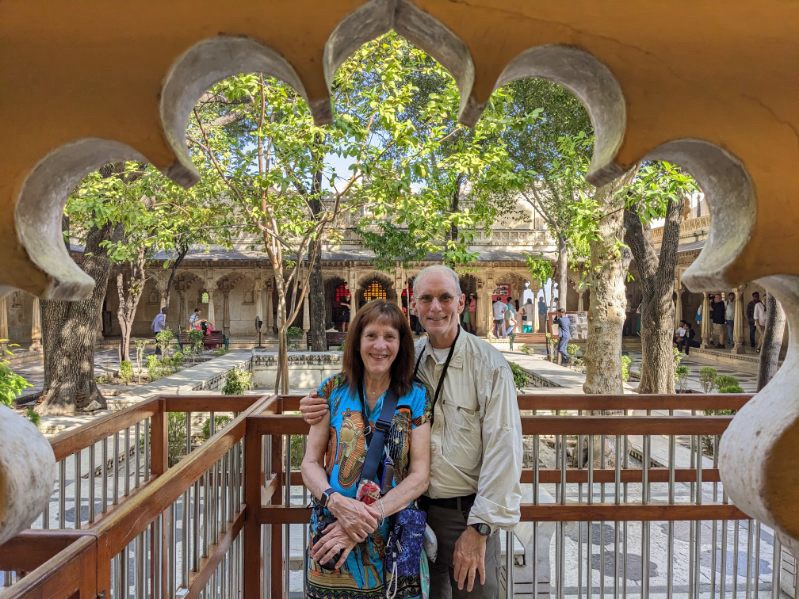
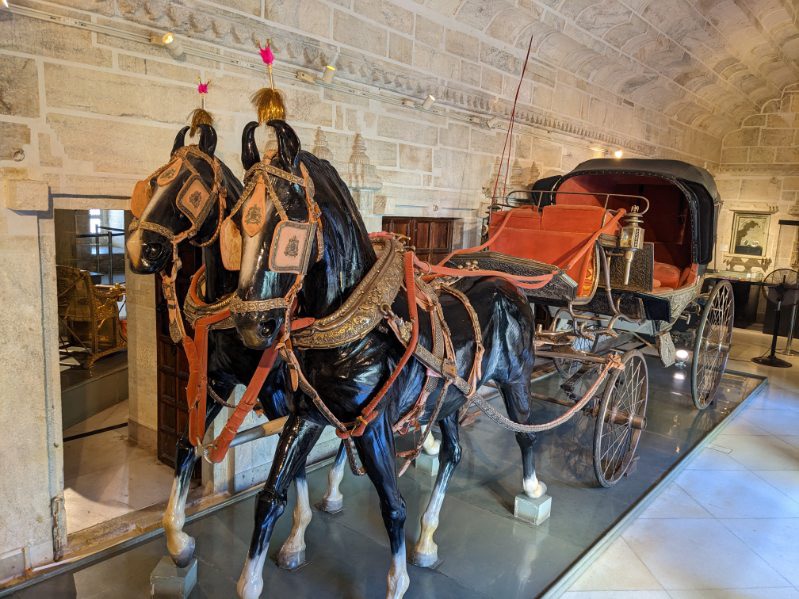
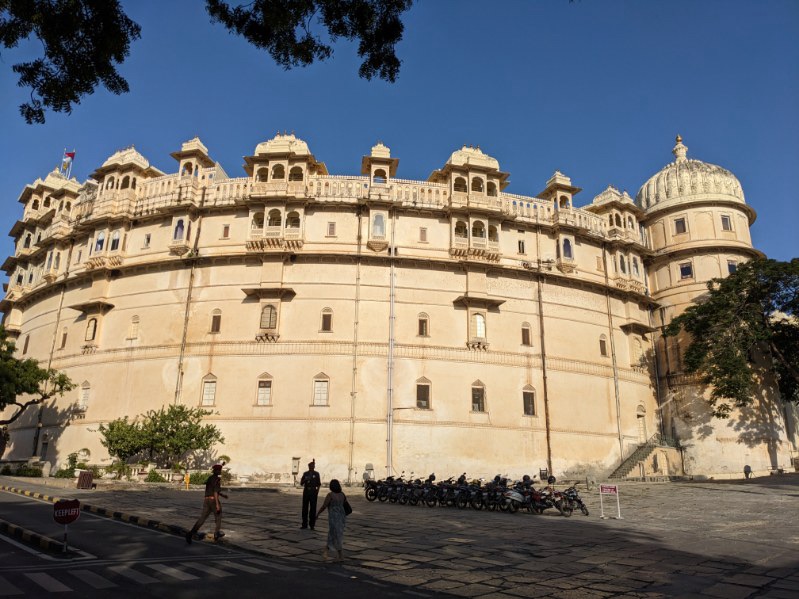
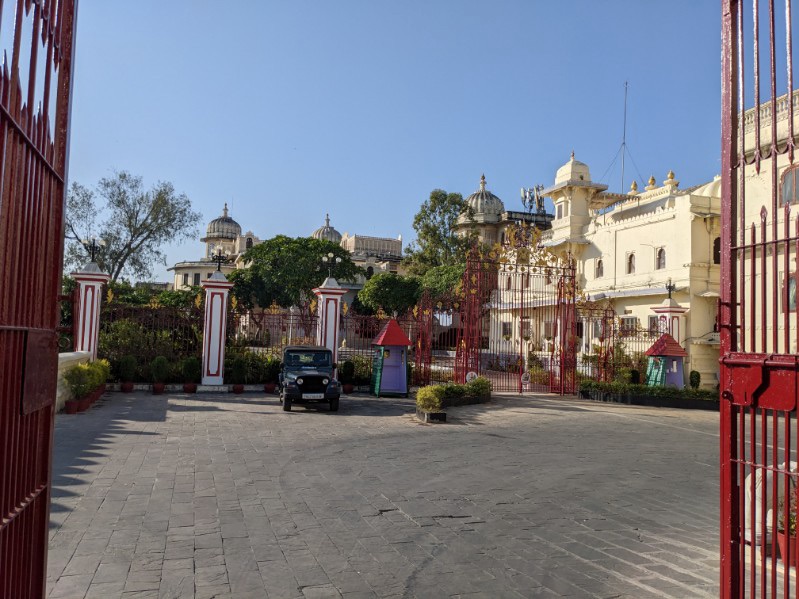
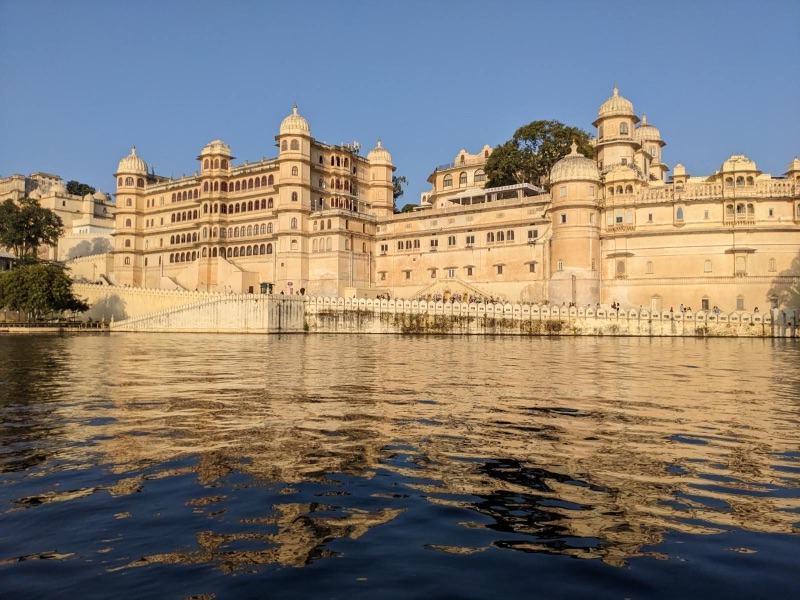
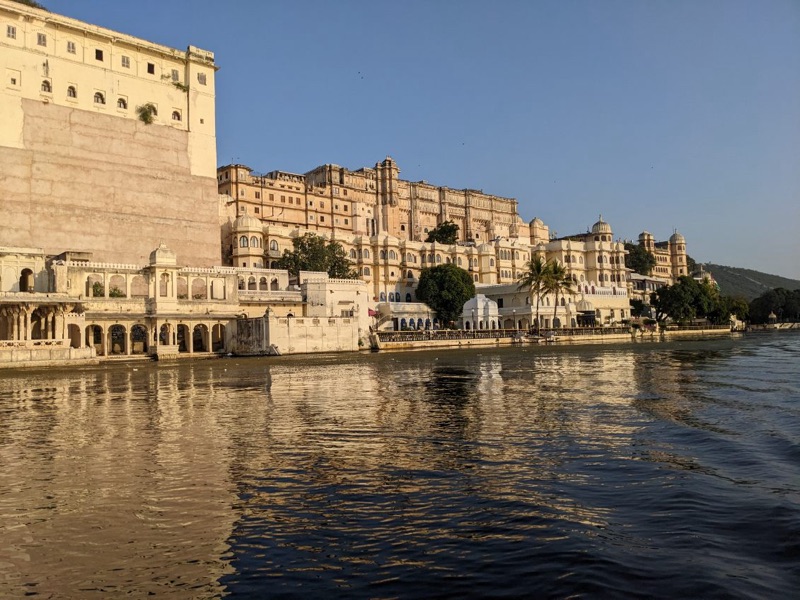
Like Jaipur, Udaipur has a City Palace and a ruling king. The Maharanas of Udaipur have ruled for 76 generations since 556 CE making them the longest ruling dynasty. They have lived in this palace since 1559 & still do today. The beautiful palace has a hotel, museum, conference center, & the royal family’s residence. The royals rent spaces in their palace to use for weddings & conventions; but, mainly it is simply a beautiful place to visit for a few hours.
HotelRoyal residence
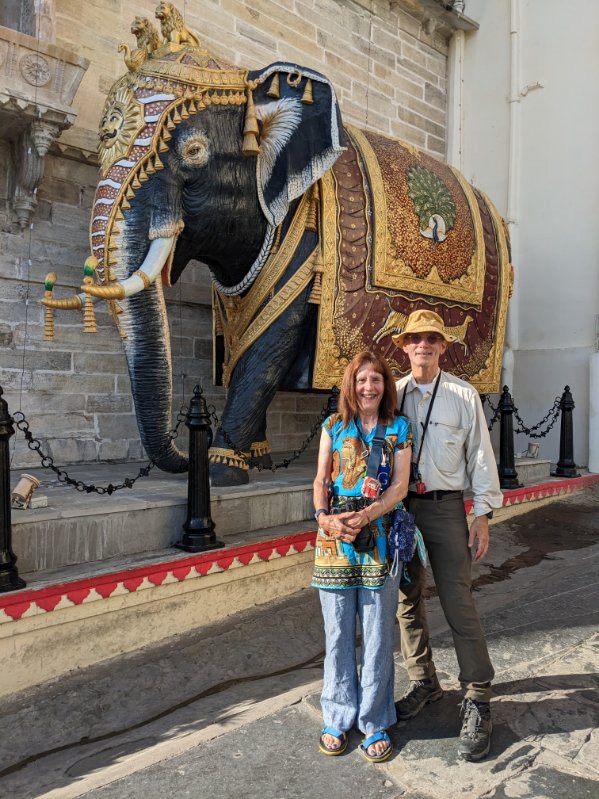
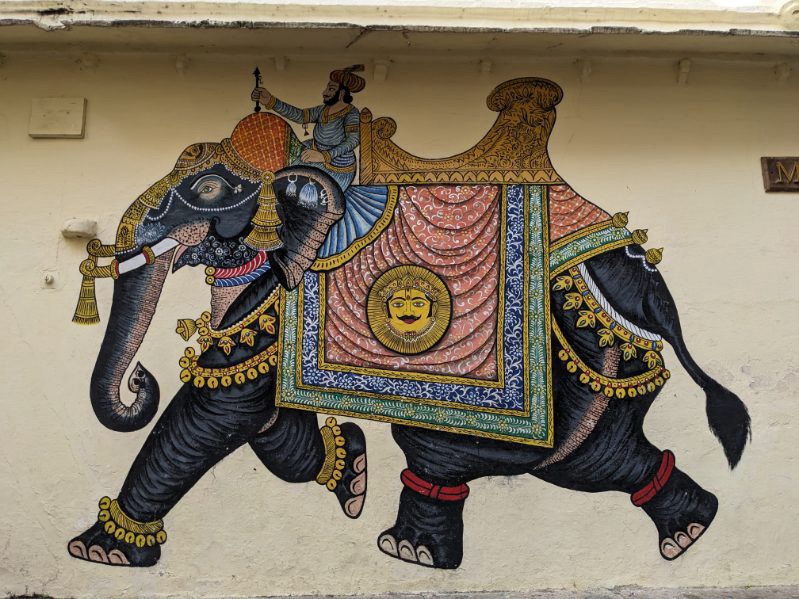
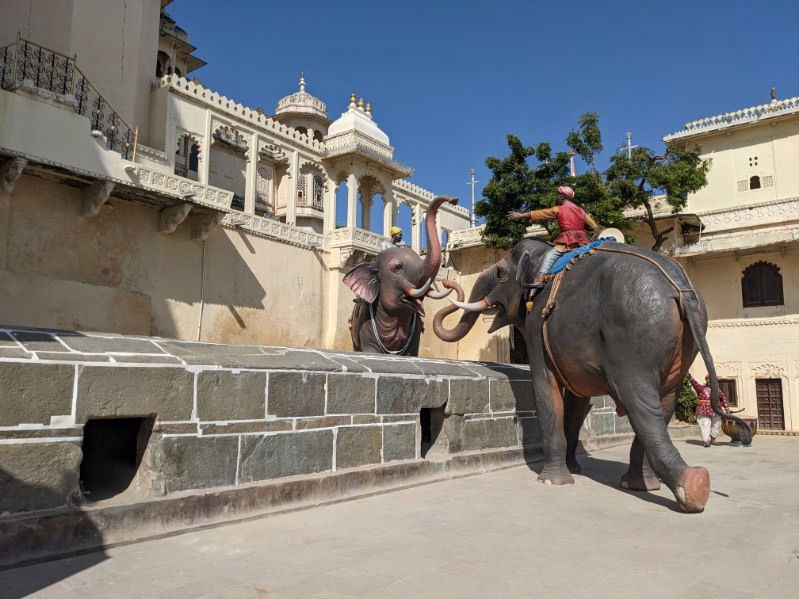
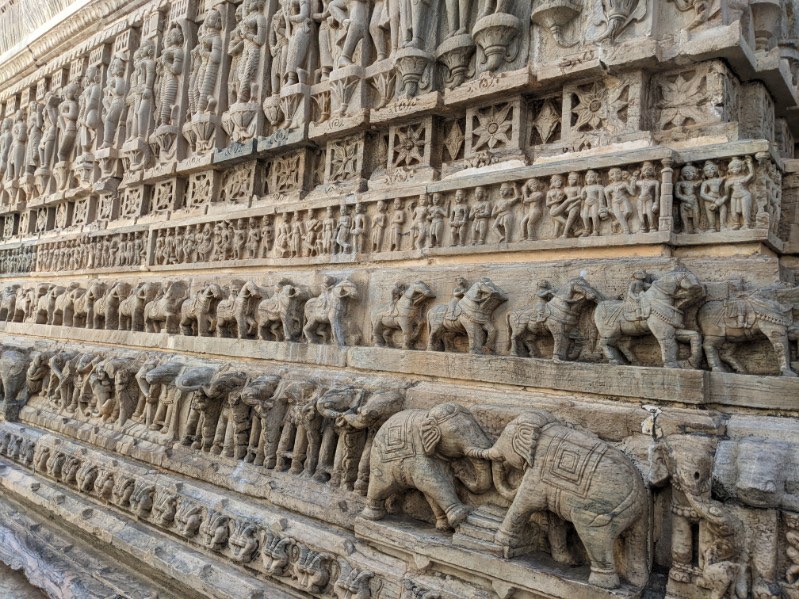
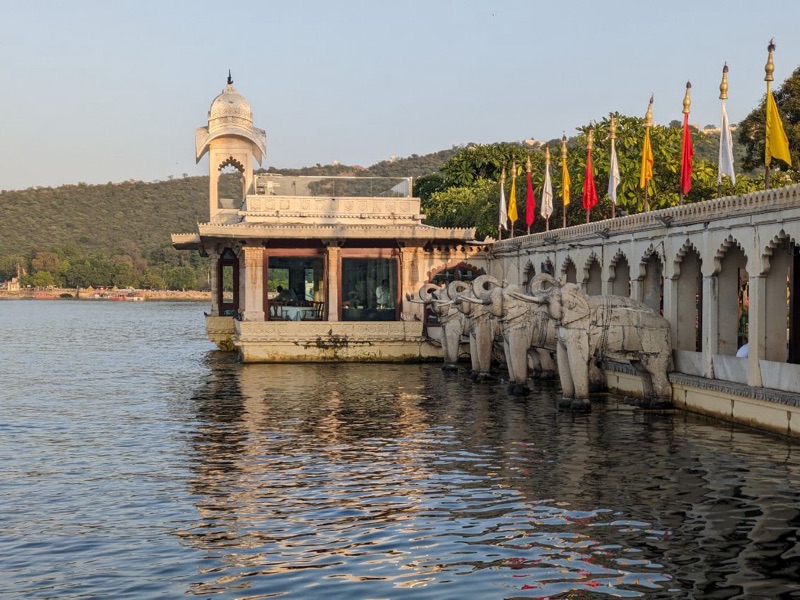
Just for sport, in the old days, the king would match two elephants in a tug-of-war contest. The elephants would wrap their trunks to pull against each other. The first elephant to touch the wall with its front foot lost. Those who wagered on the losing elephant lost some money along with some pride.
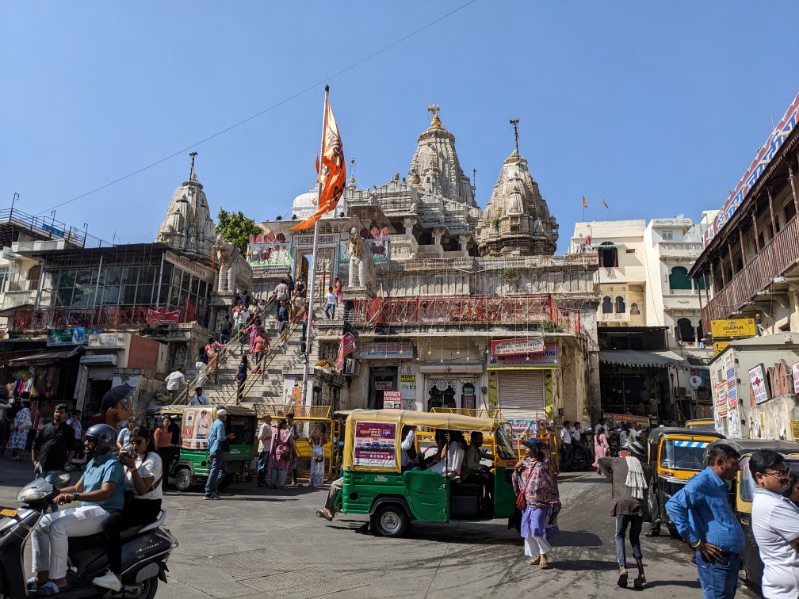
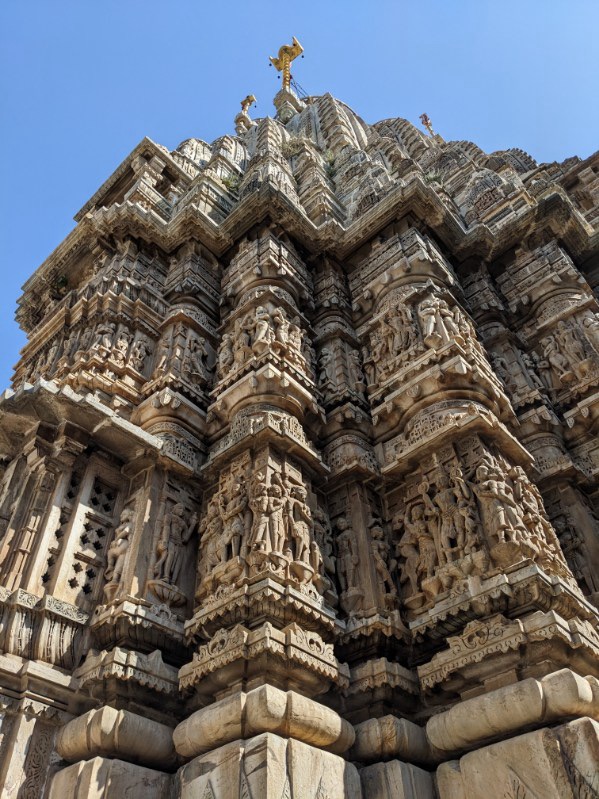
The Hindu Jagdish Temple is very impressive. This carved marble structure took over 25 years to build. The temple carvings are very impressive. You have to climb 32 steps from the earthly realm to reach the holy shrine which is considered sacred ground.
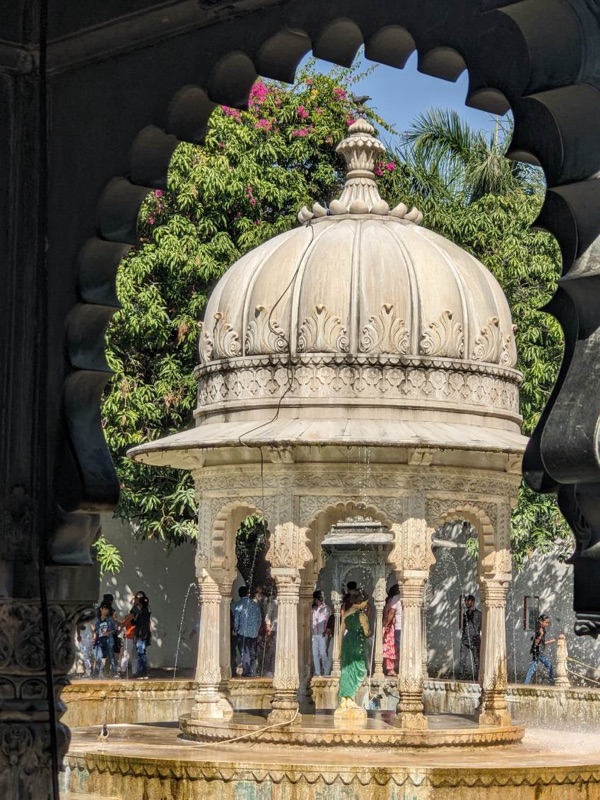
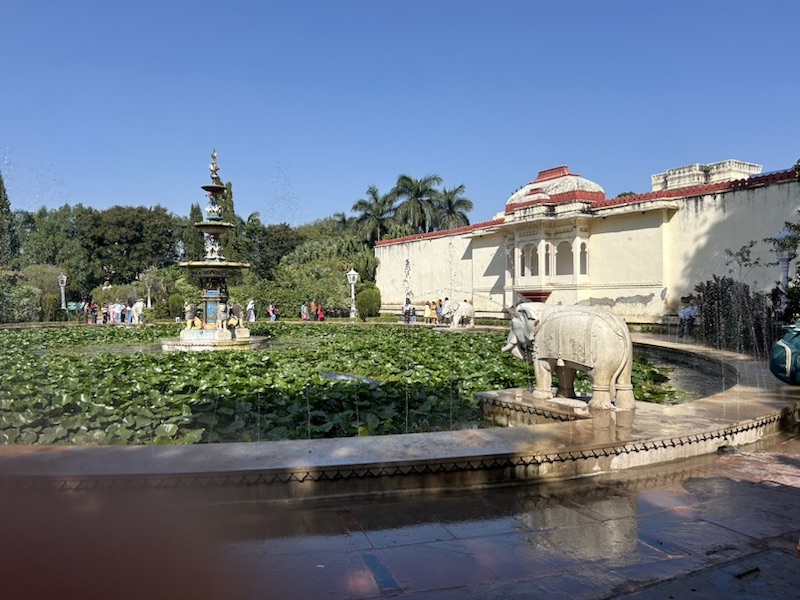
A cool & relaxing place to visit is the Saheliyon-ki-Bari known as the “Courtyard of the Maidens” because the queen would bring her female friends & entourage to this place to relax in private.
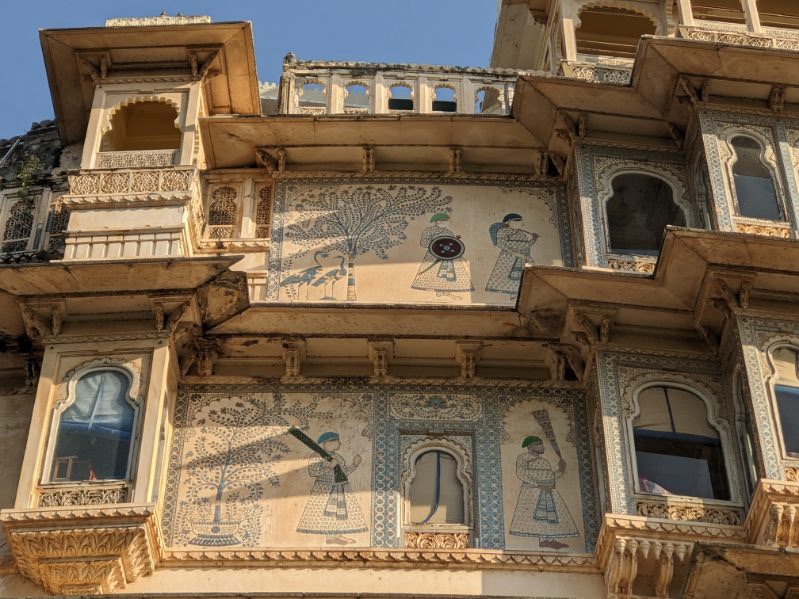
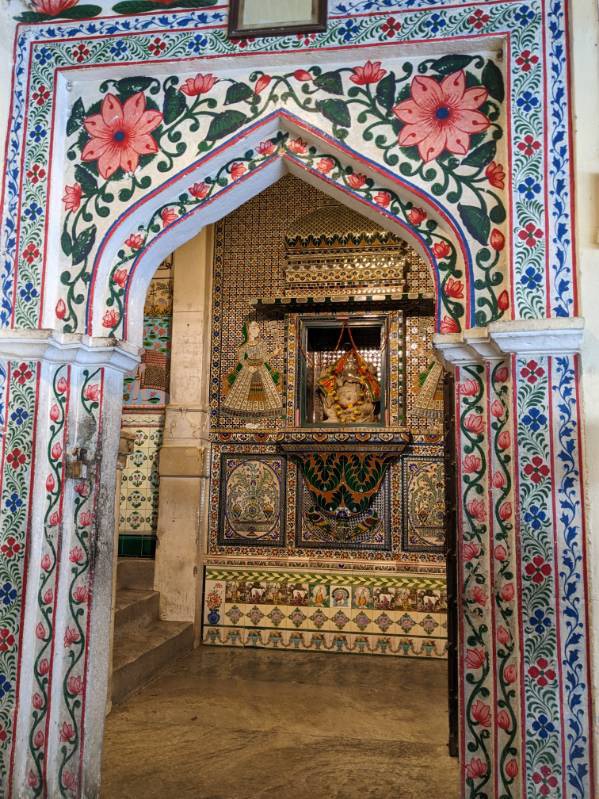
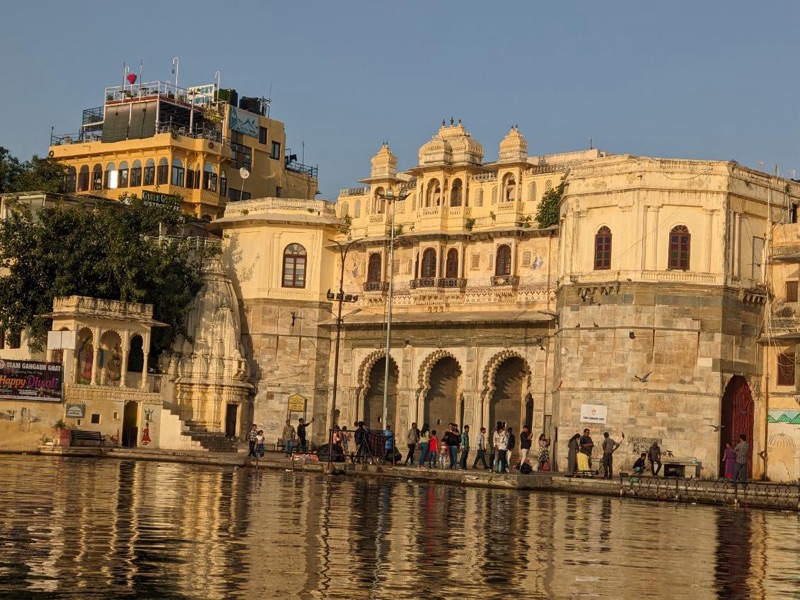
Udaipur’s old city is also a delight just to wander through. We saw tiny neighborhood temples, street vendors selling everything under the sun, & old traditional homes with nice wall paintings. We also met the locals.
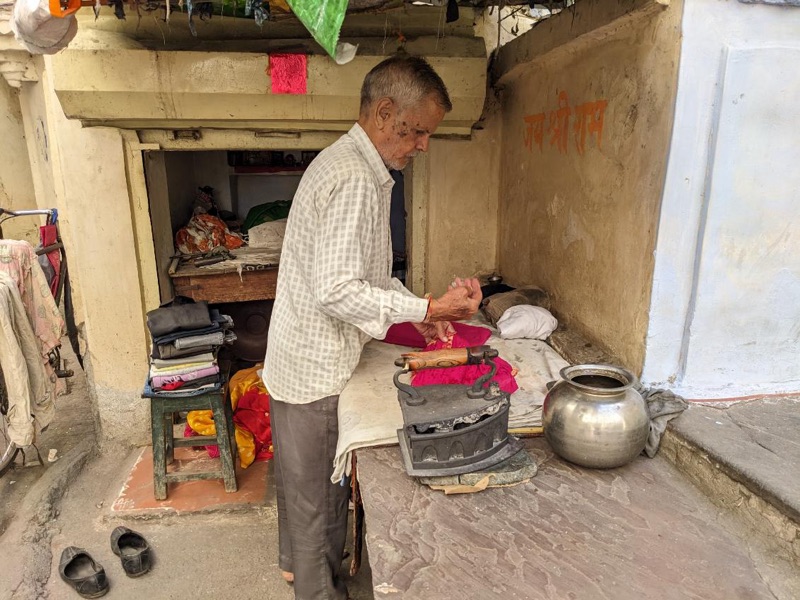
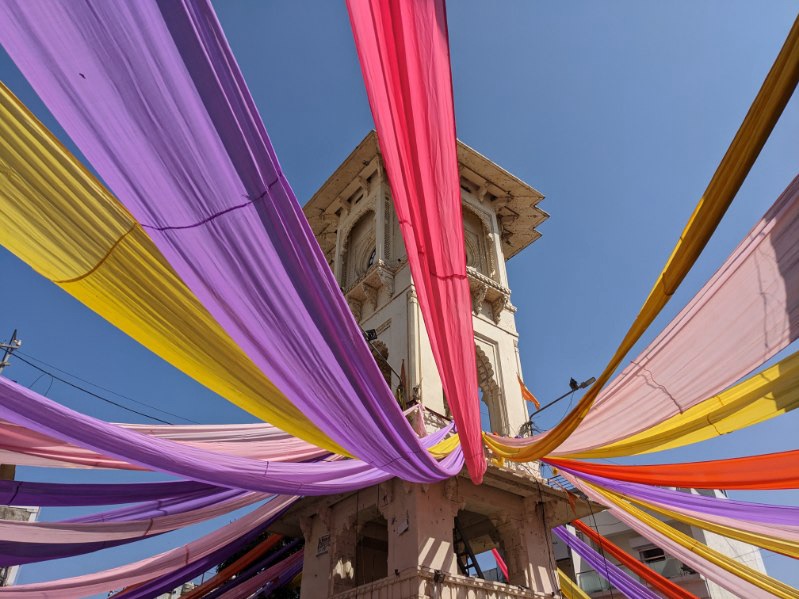
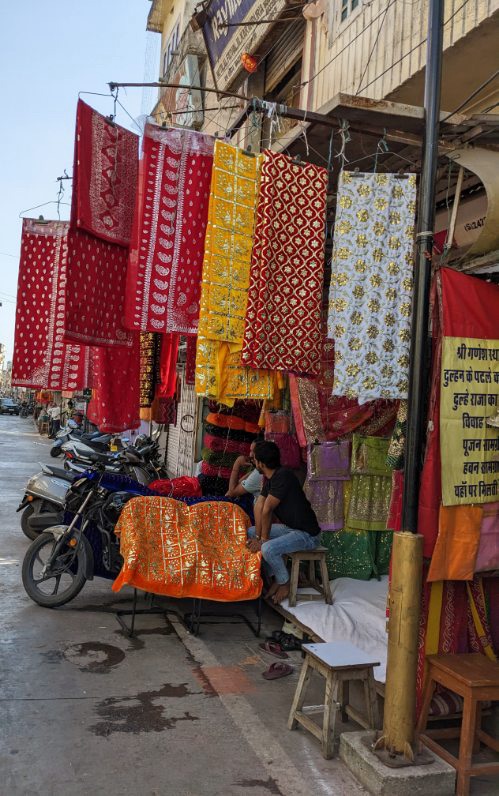
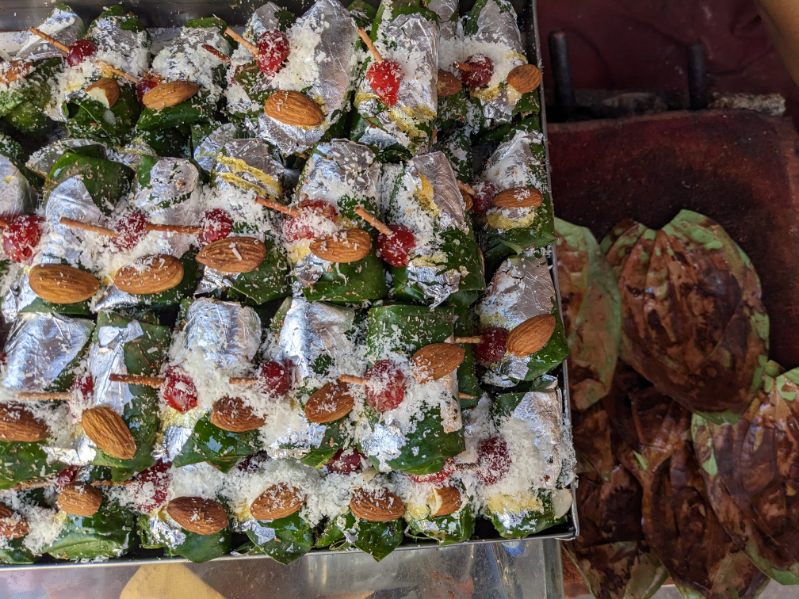
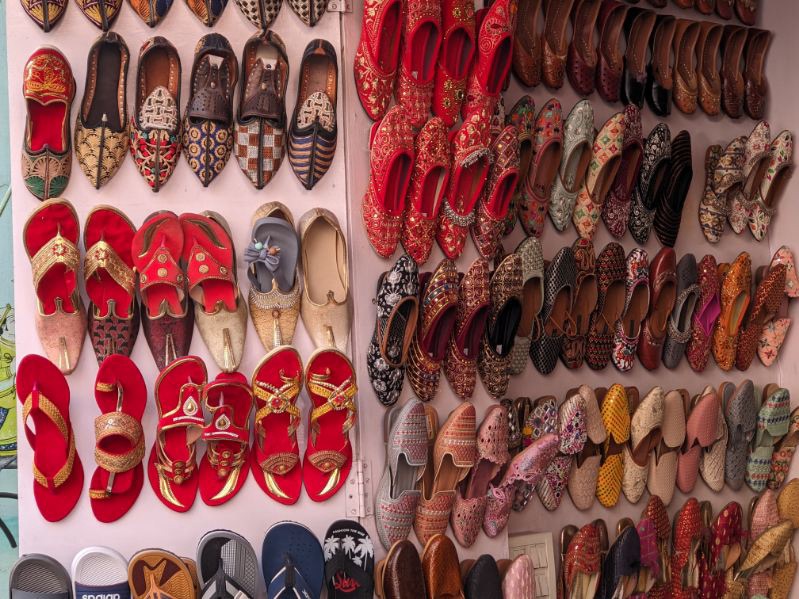
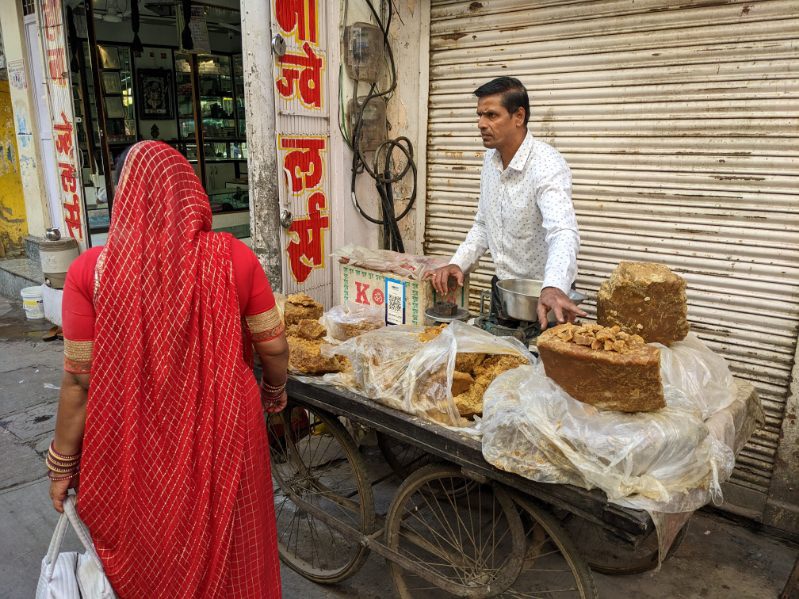
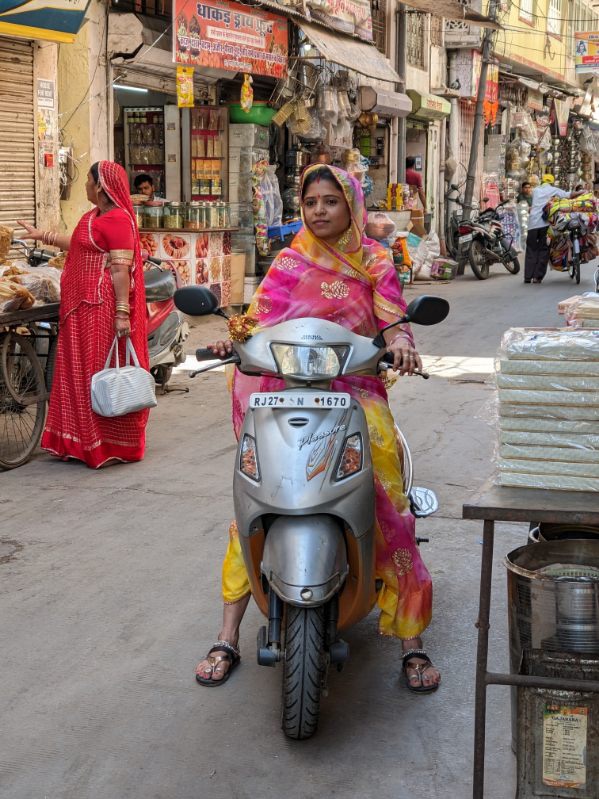
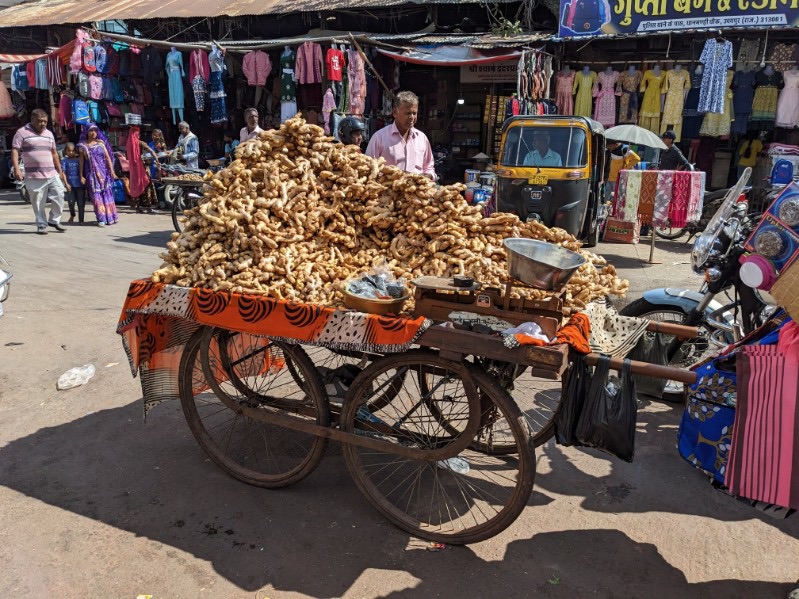
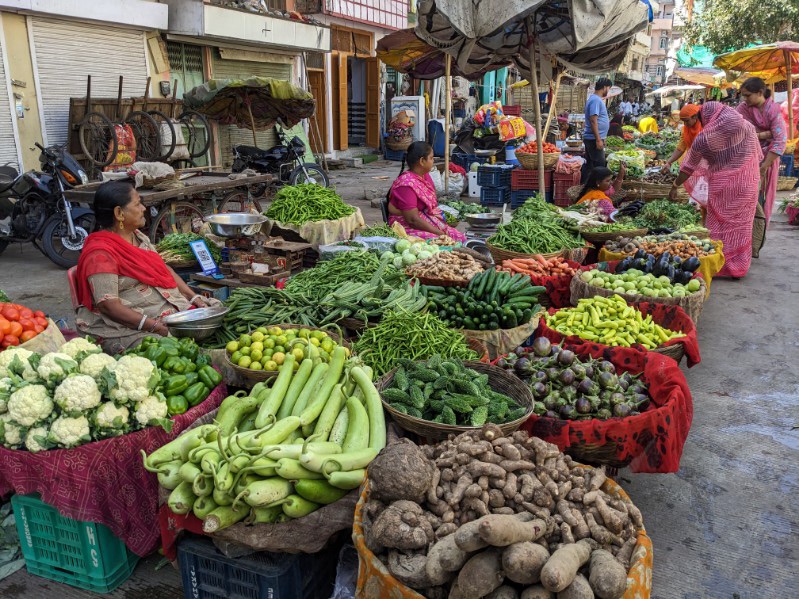
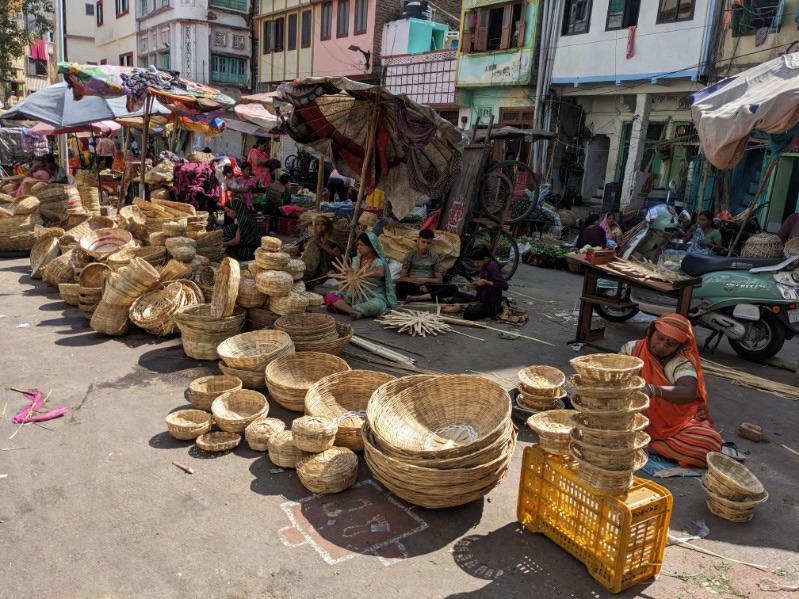
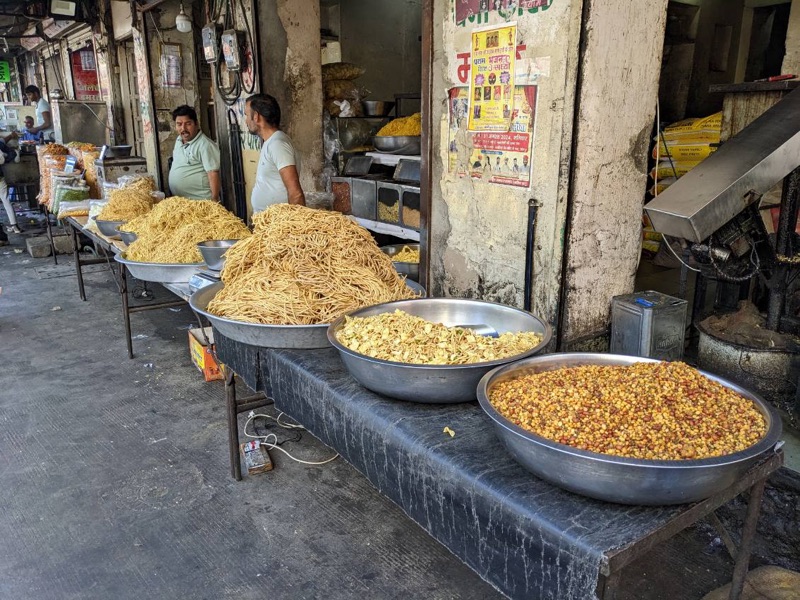
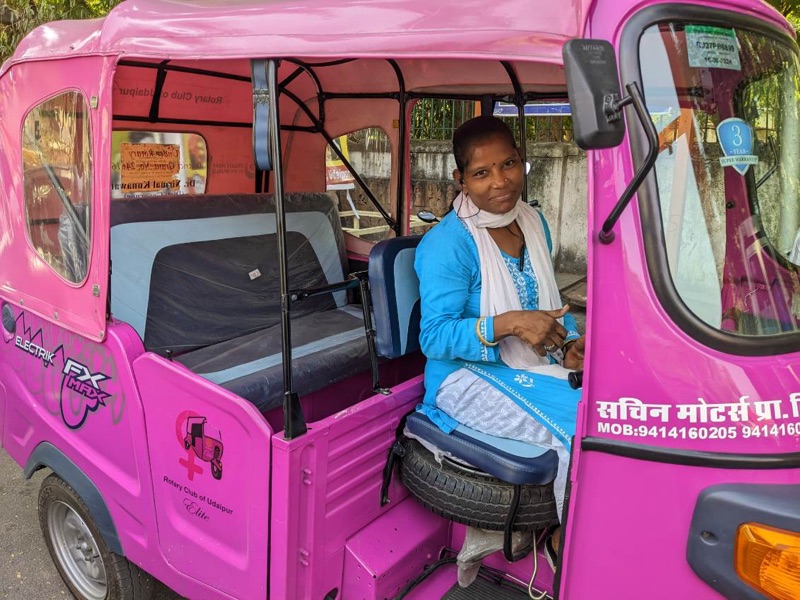
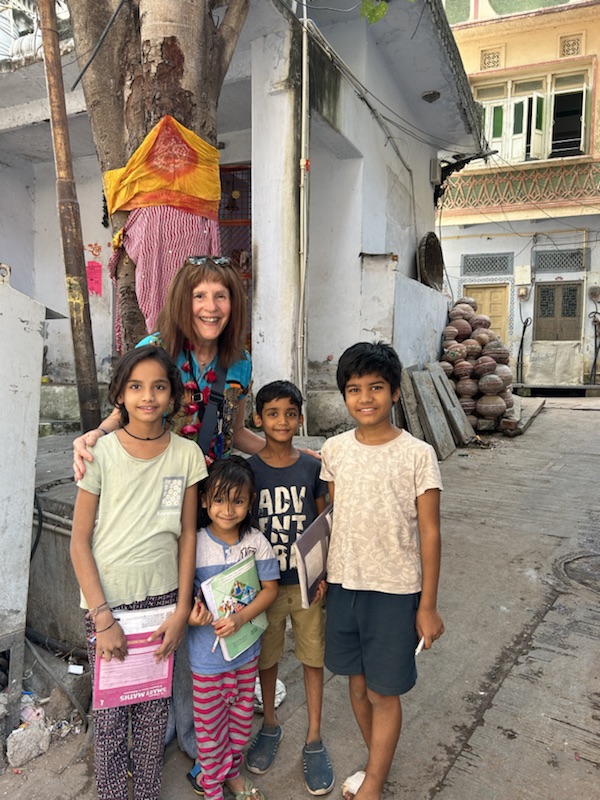
Man ironing clothes Clock TowerFabric shopA type of tabaccoShoesSelling sugarMother & daughter shoppingGinger seller Vegetable vendorBasket weaversSnack foodWoman tuk-tuk driver- Female tuk-tuk drivers are vey rare & the pink color denotes a woman driverThese kids came up & started chatting with us. When they found out my husband’s name is James, they called him James Bond. The 1983 James Bond movie “Octopussy” really put Udaipur on the map , so James Bond is still a local hero.
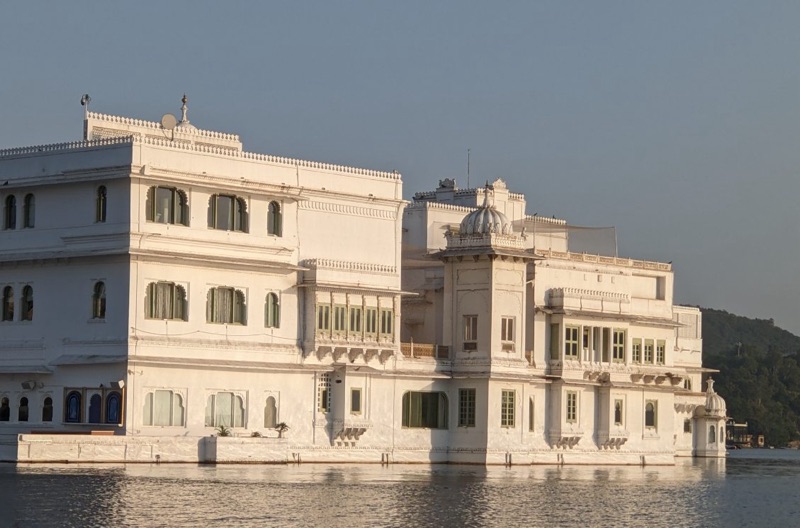
We ended our day with a lovely boat ride around sunset on Lake Pichola. We motored by the lovely City Palace, the Taj Lake Palace, & spent a little while on Jagmandir Island. All these locales are in the James Bond movie.
Just a few more people shots to share.
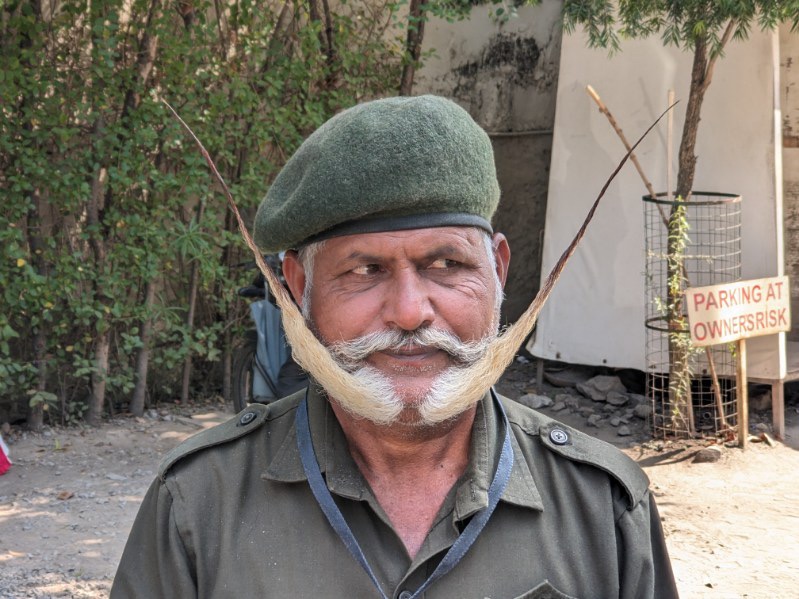
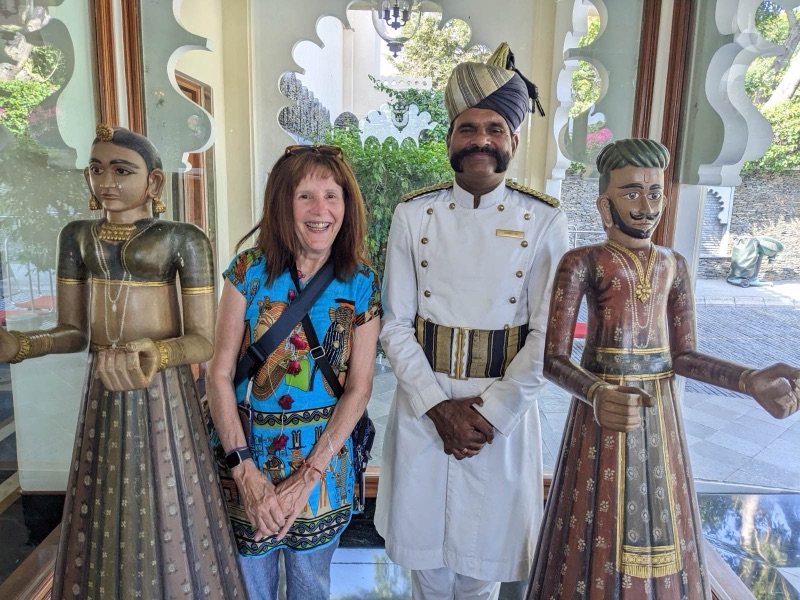
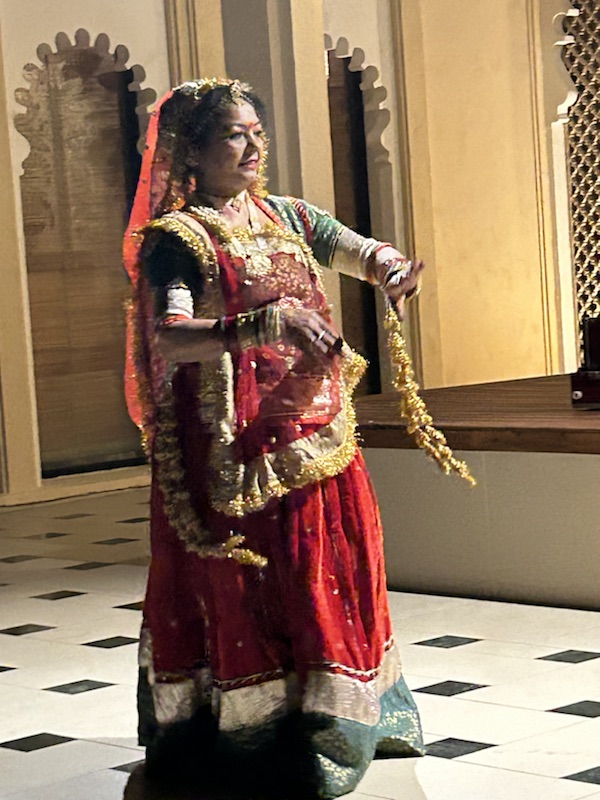
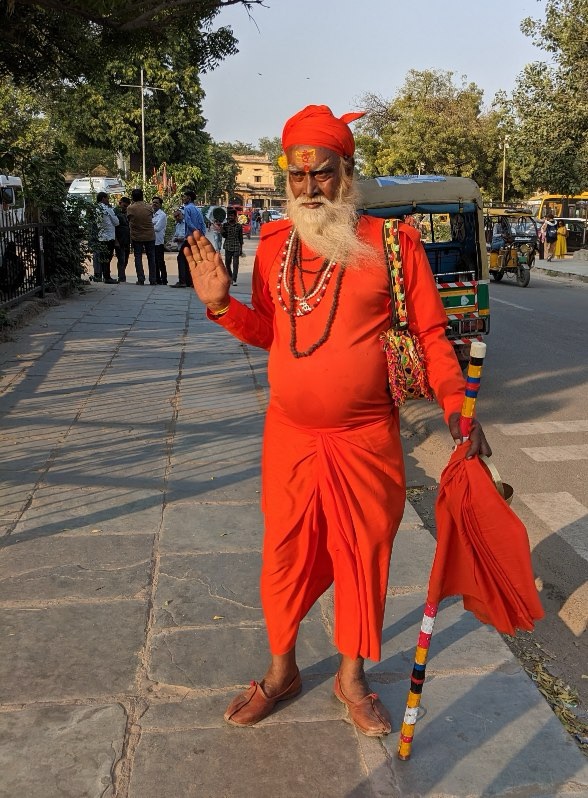
Man directing cars- Dig that wild beard!At our hotelDancer at our hotel
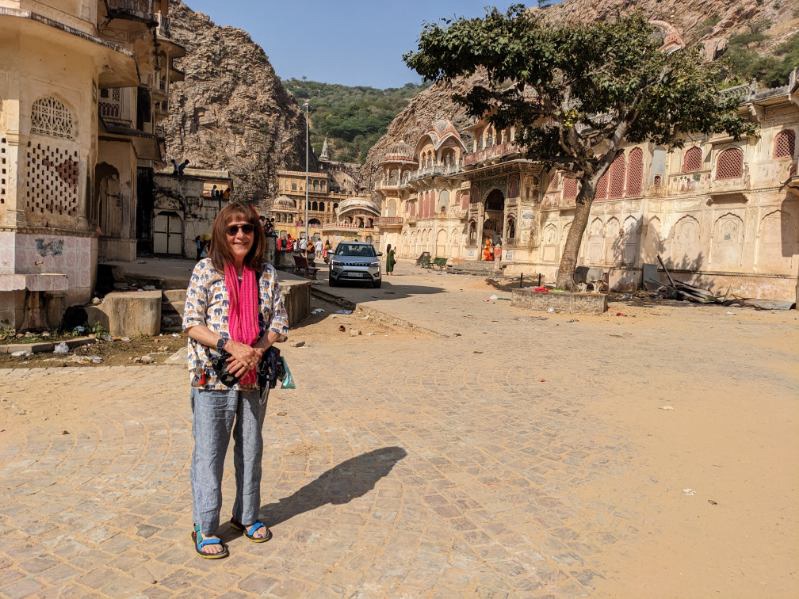
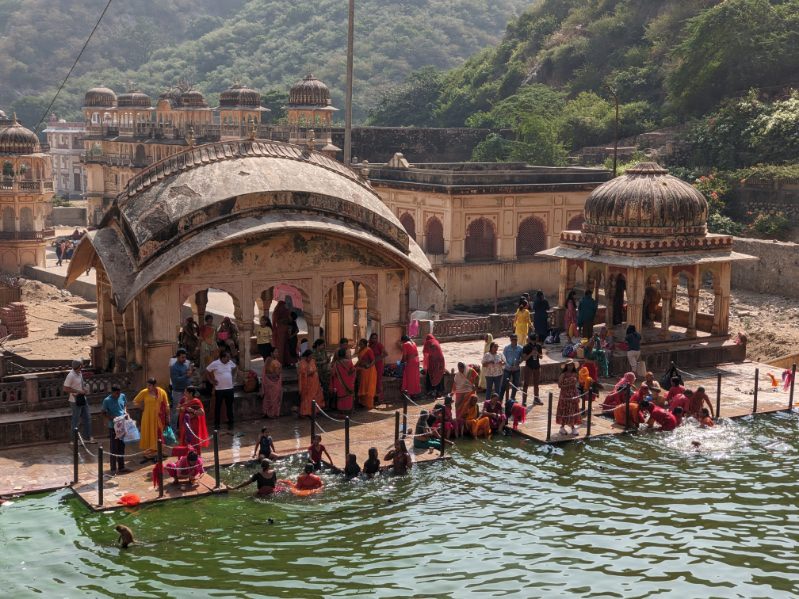
On our last day in Jaipur we visited the Galtaji Monkey Temple situated about 30 minutes outside Jaipur.
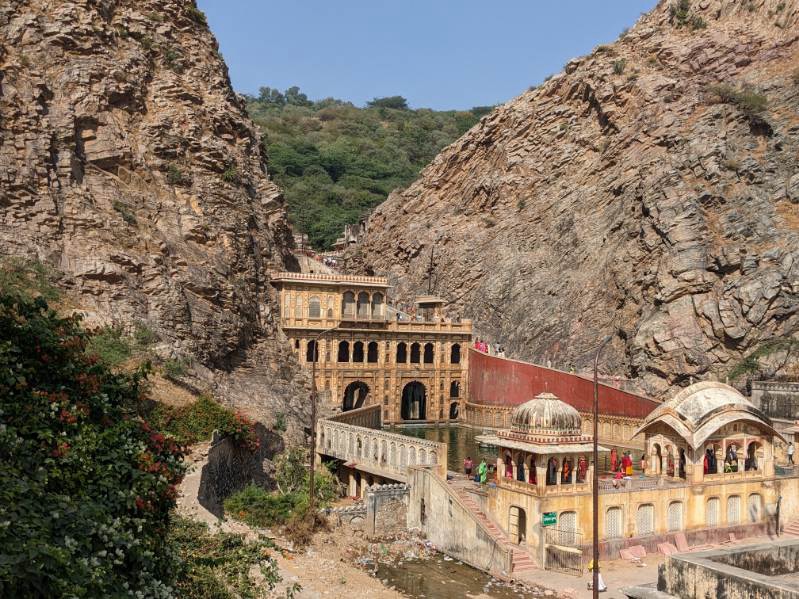
Unlike most temples, this one was located in a steep canyon in a wooded area far from any town. This remote location provides a nice quiet environment.
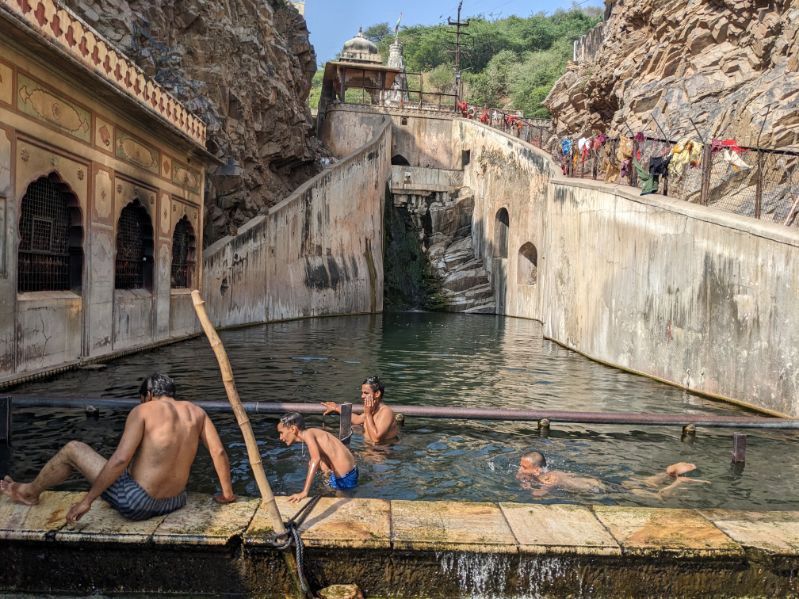
It’s considered to be a holy location because a fresh water spring flows down hill filling up several reservoirs. Pilgrims come to bathe in the water which is considered to be sacred. There is a separate pool for women & men.
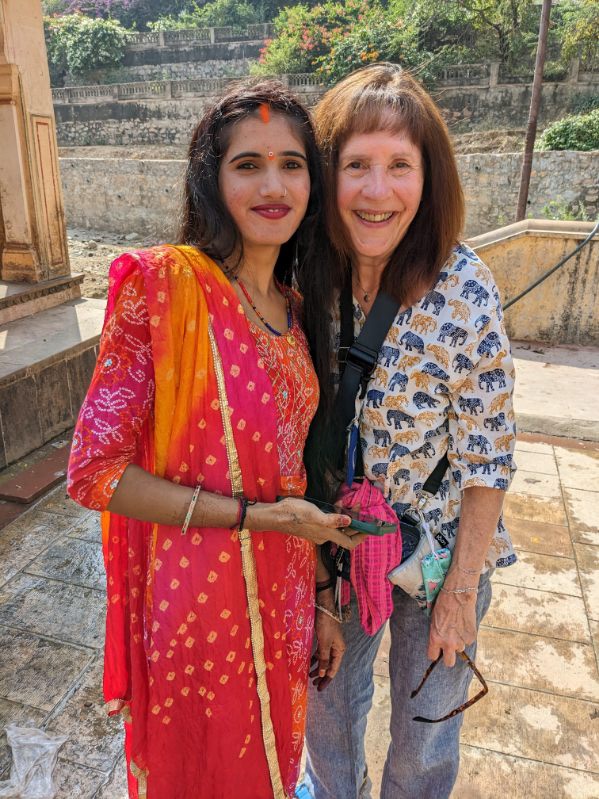
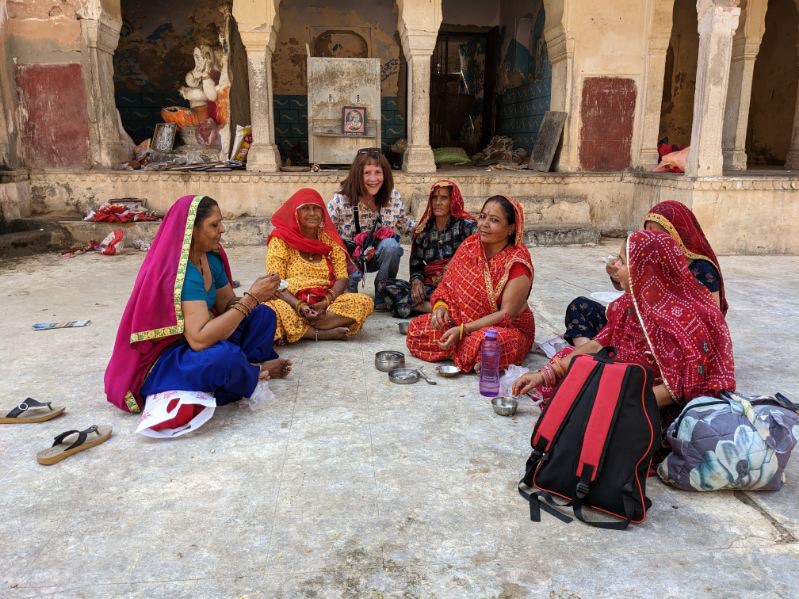
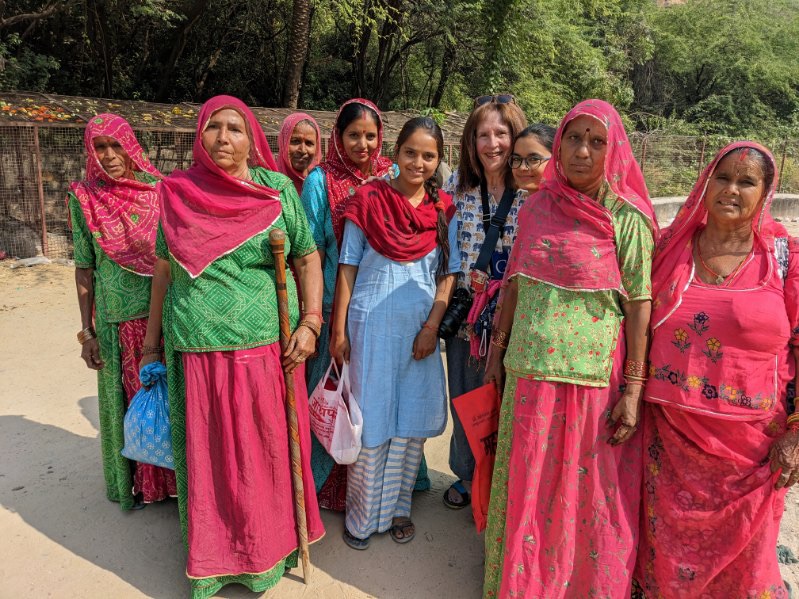
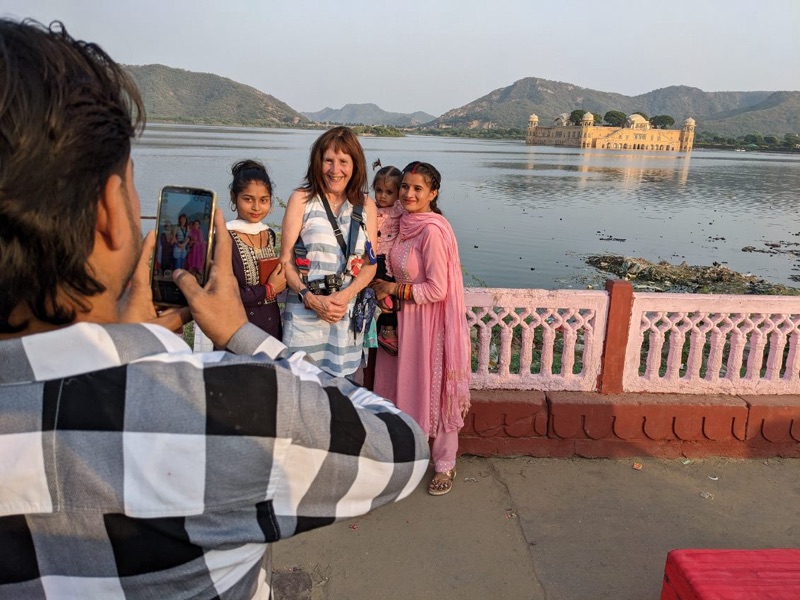
MenWomenAs always, the women are always happy to take their picture with me.
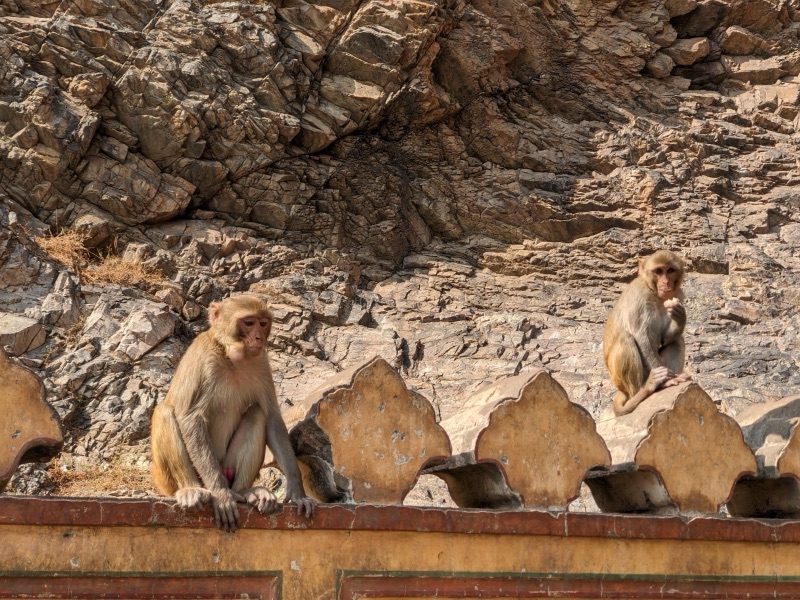
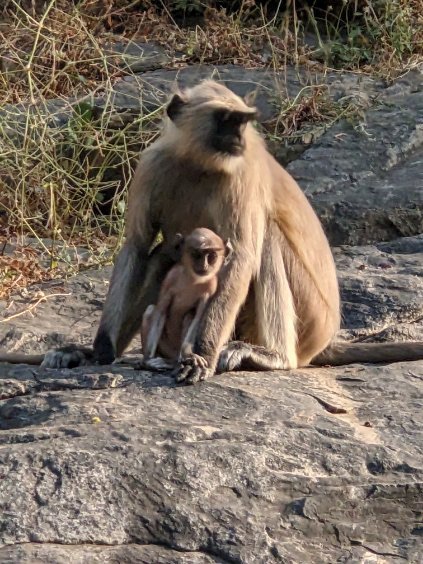
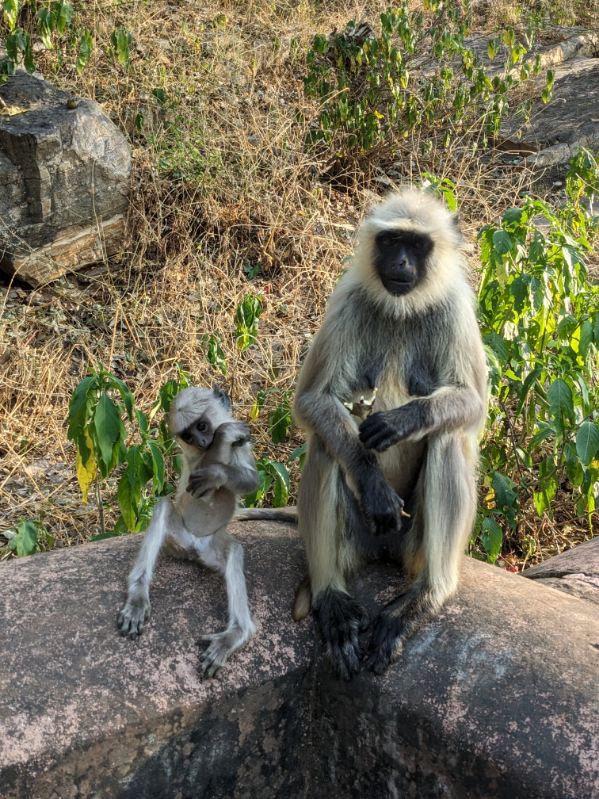
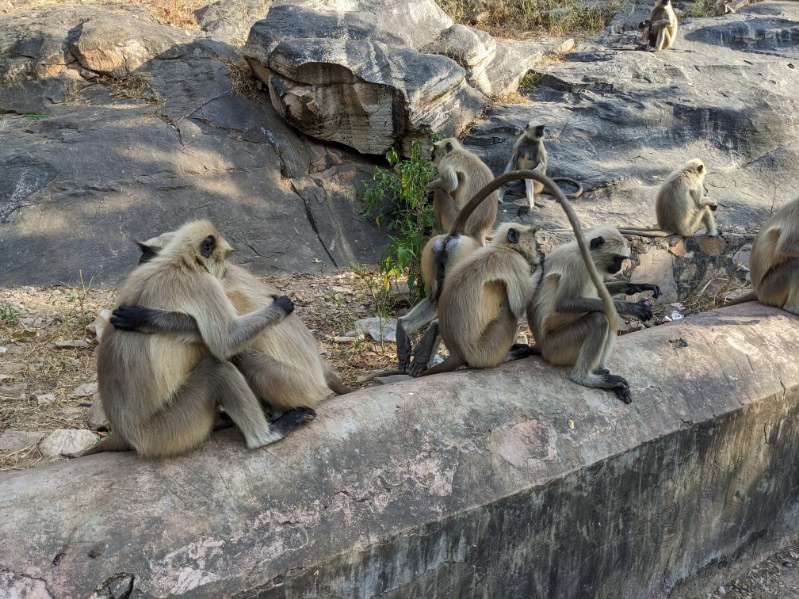
It is called the Monkey Temple because thousands of monkeys live there. They are fed by the pilgrims & tourists who visit.
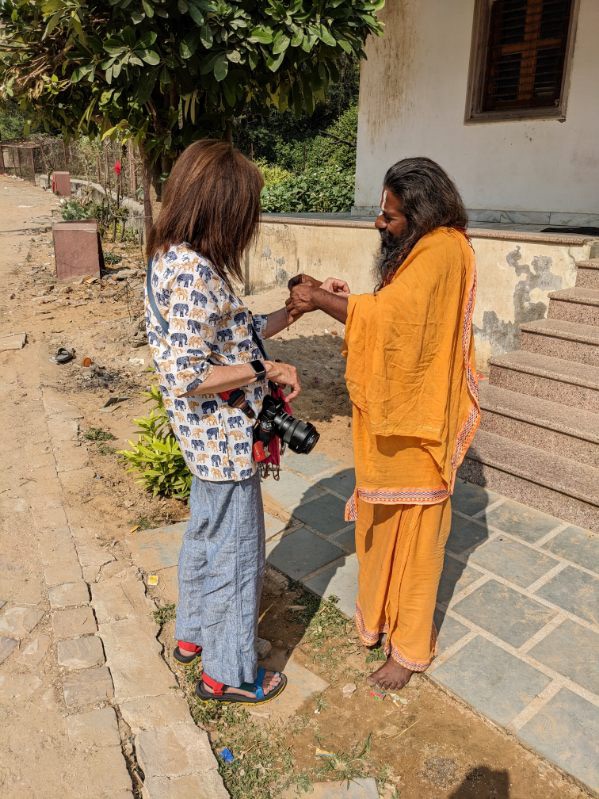
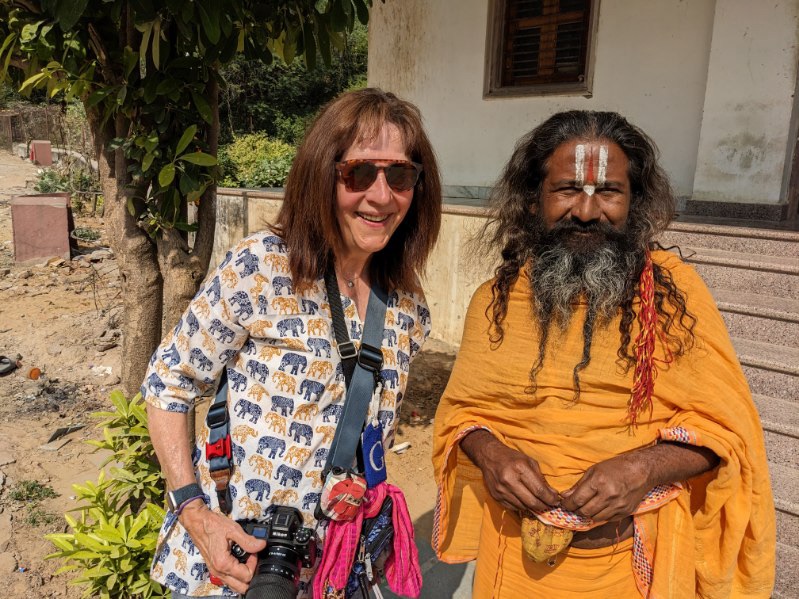
The area also has a lovely Hindu temple with a few holy men who are happy to give you a blessing.
Tying a sai sin to my wrist. This is a string blessed by a monk. Holy Man
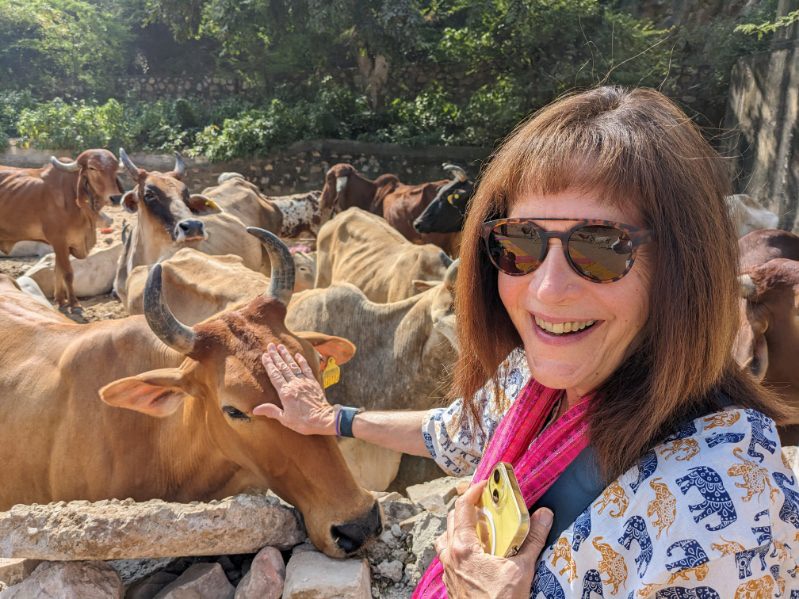
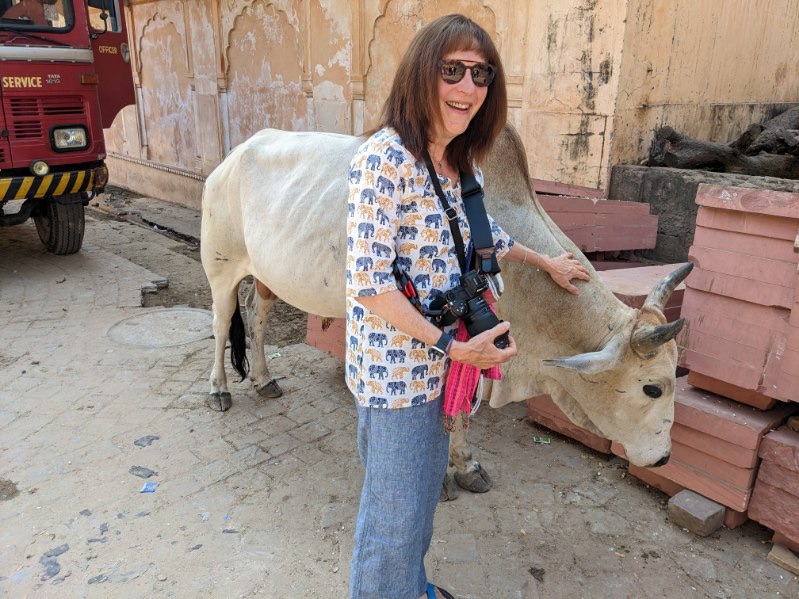
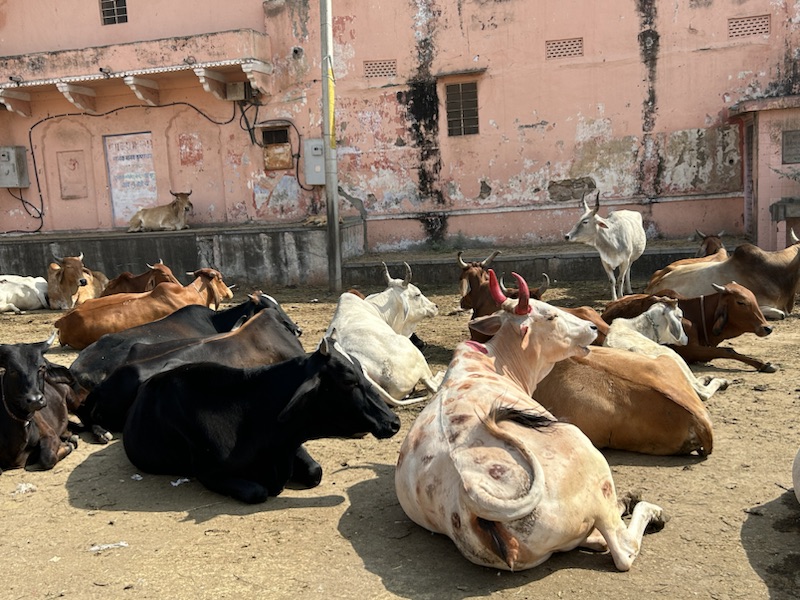
The area also had many cows. Cows are considered sacred in India as they represent Mother Earth because their milk nourishes all creatures. The cows all belong to someone; but, they roam freely going wherever they please. Most Indians consider it good karma to feed the cows in their neighborhood. No cows look like they are starving & most are very tame.
In the evening we visited another location just outside Jaipur’s old city wall where another monkey troop lives. Our guide told us that leopards also live in this area, so everyone keeps their doors & windows closed & locked and they don’t go outside at night. Unfortunately, all the monkeys & stray dogs provide an abundant food source for the big cats.
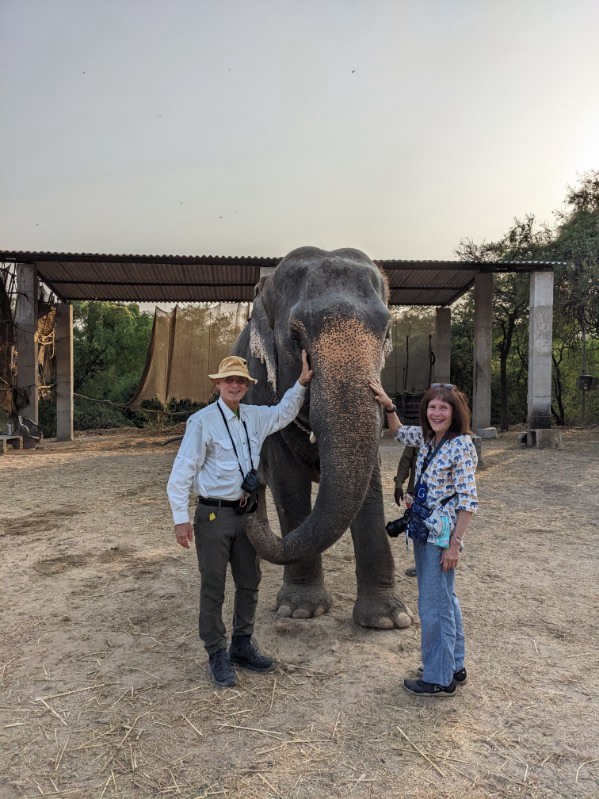
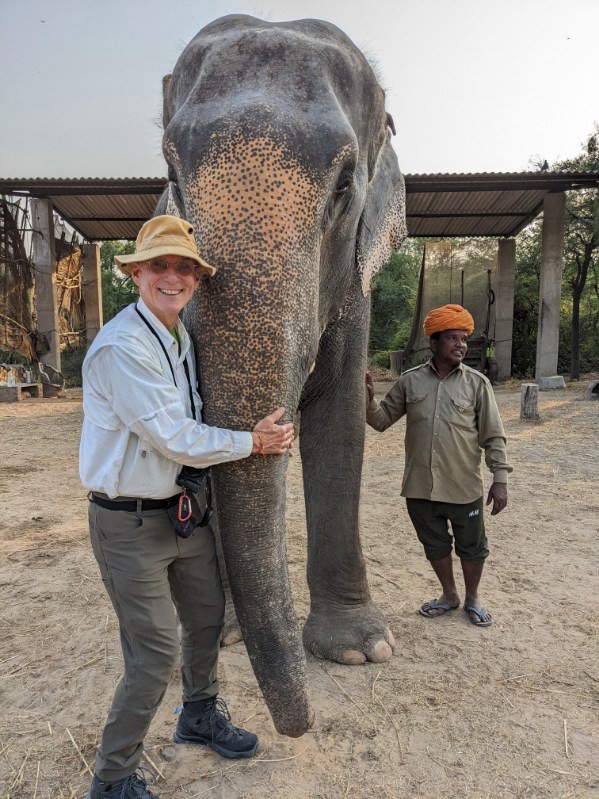
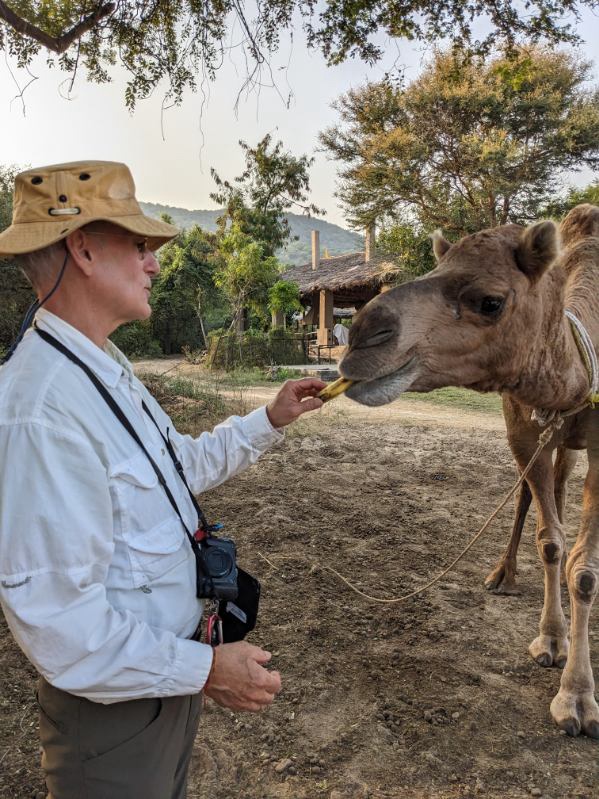
In the evening we visited the Dera Amer Elephant Camp which is a short distance from Jaipur. This lovely location reminded me a great deal of Kenya because it has similar vegetation & terrain.
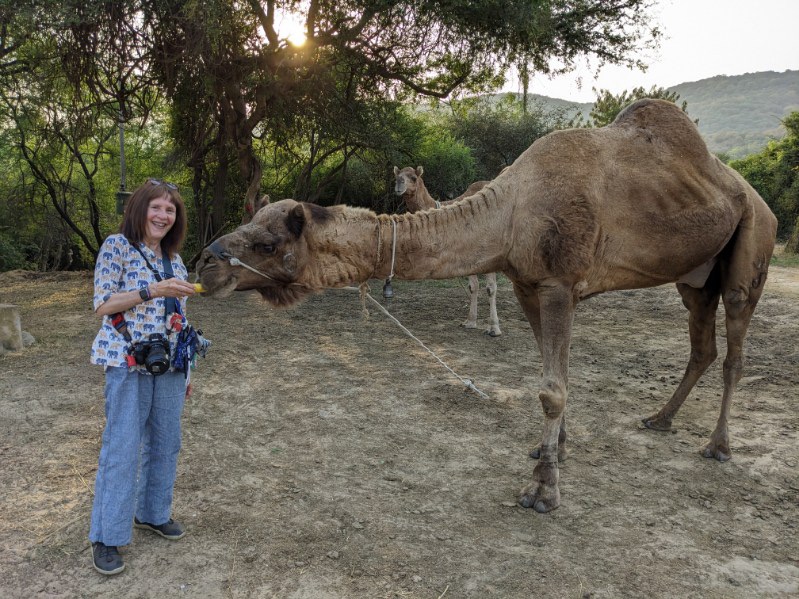
The camp cares for two elephants & two camels. At one time the elephants were used at the Amber Fort to carry tourists.
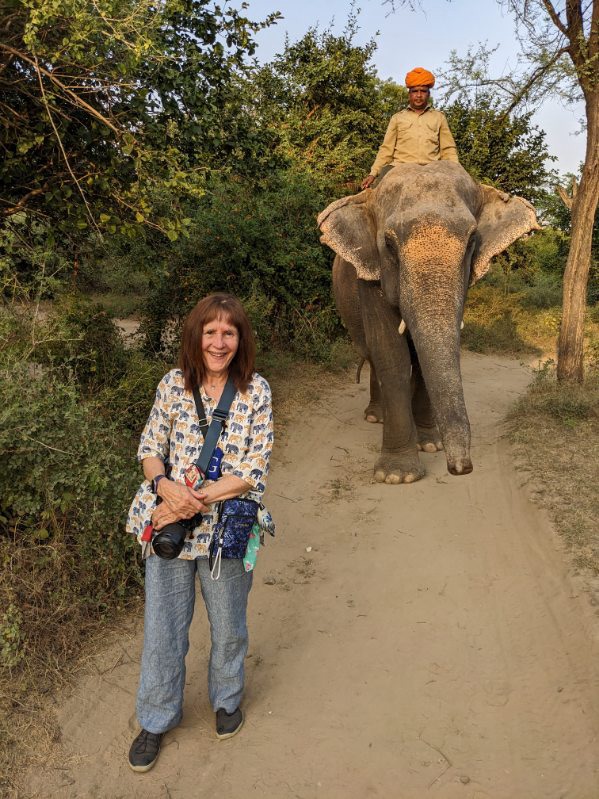
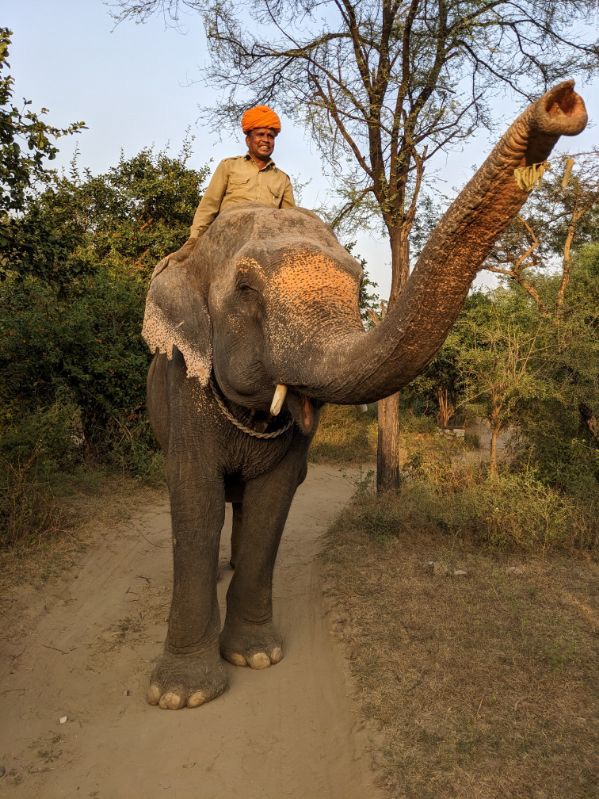
We were given the chance to walk with the female elephant Lakshmi who is 52 years old. During our walk, we learned that Asian elephants are smaller & have different coloring than African elephants. Asian elephants have been trained for a thousand years to fight in battles & between used as labor such as hauling trees & carrying supplies. Thankfully, using elephants for labor is becoming less common in India. Maybe some day they will no longer be forced to carry tourists to the Amber Fort.
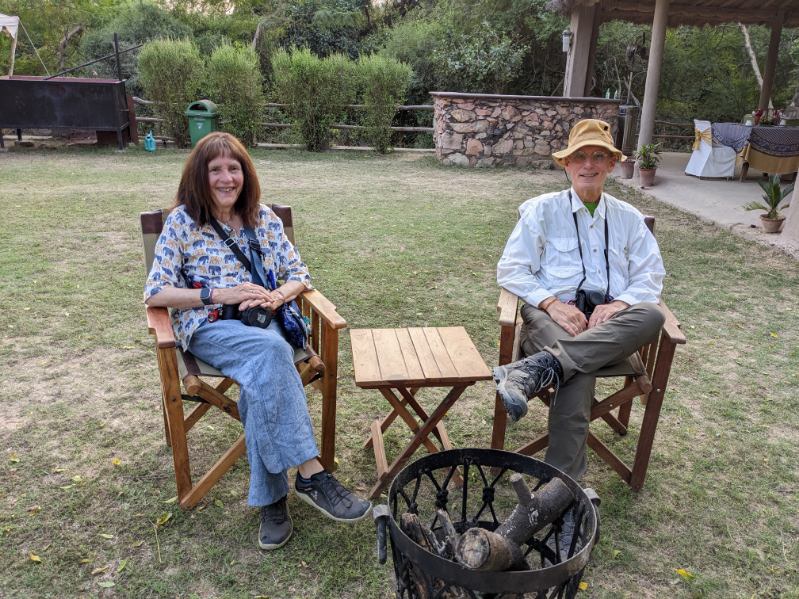
After our elephant walk, we ate a lovely outdoor on-site dinner which was a lovely way to end our Jaipur sojourn.
Rajasthan is a must see for tourists visiting northern India. Jaipur is often the first stop and for a good reason. Many buildings in the old town have a rose color giving it the nickname, “The Pink City”. It is also Rajasthan’s capital.
Jaipur has many interesting Hindu temples, a huge fort, & many palaces. It takes more than one day to see all the highlights.
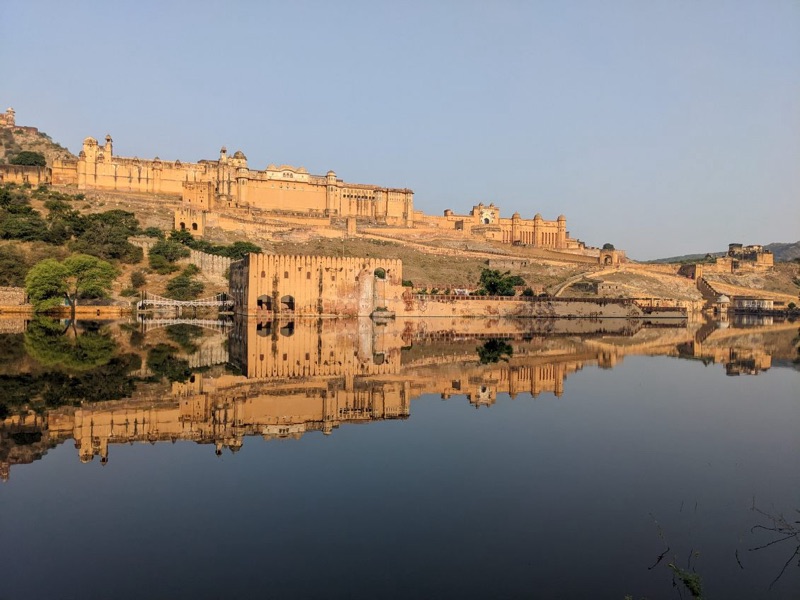
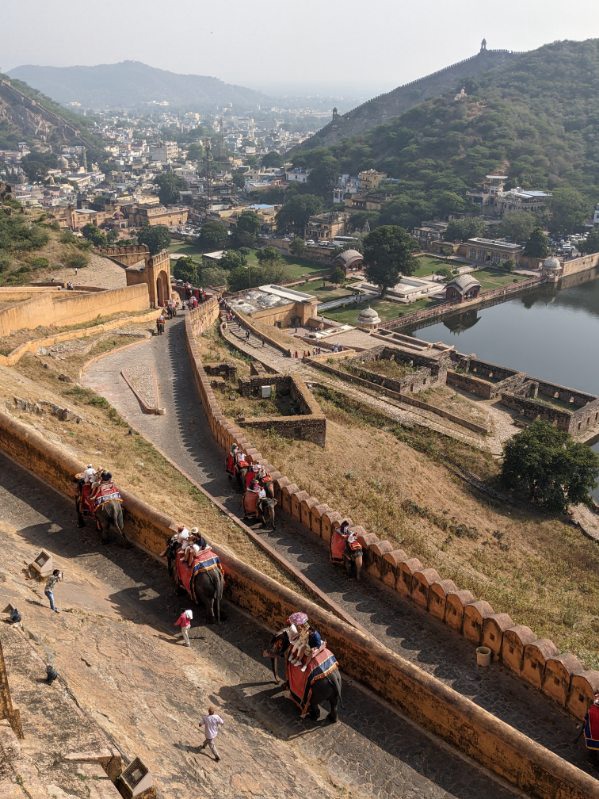
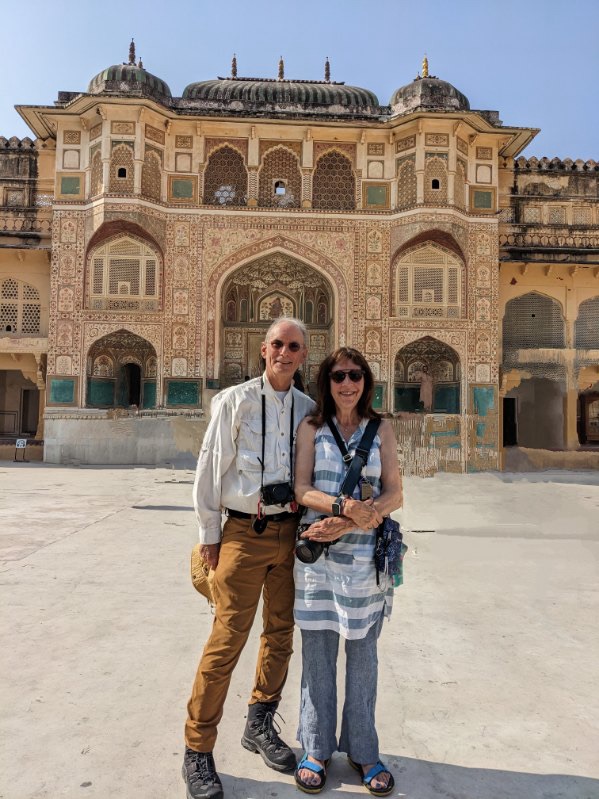
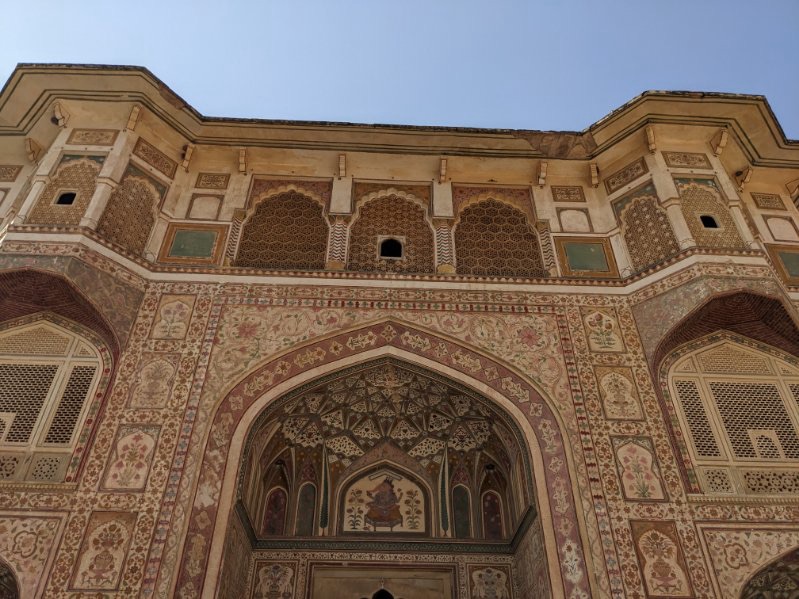
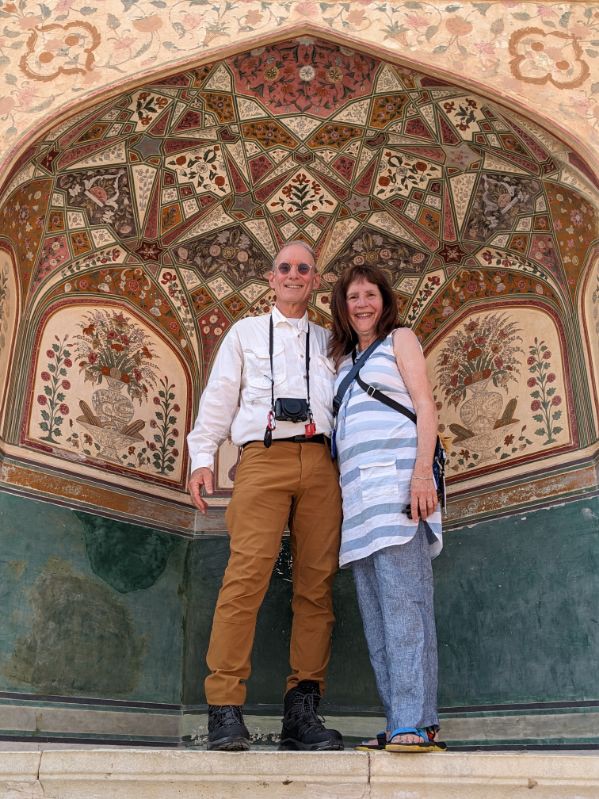
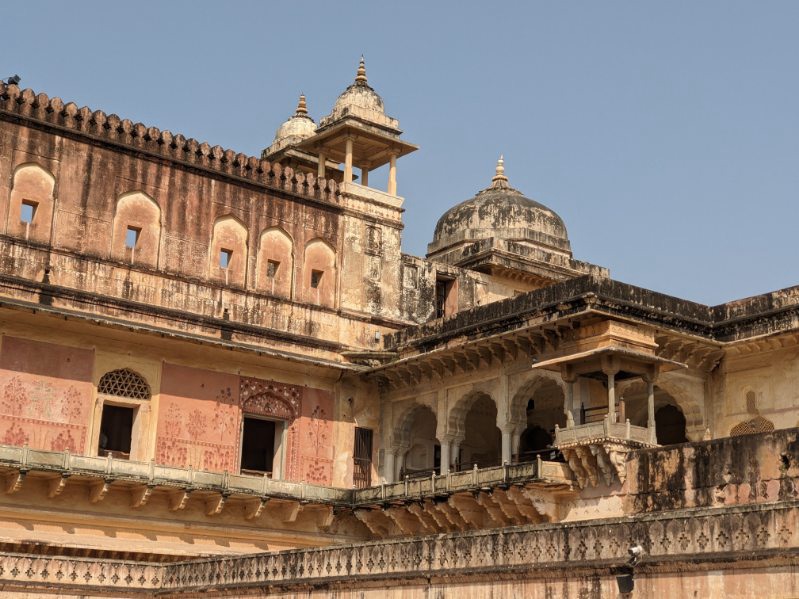
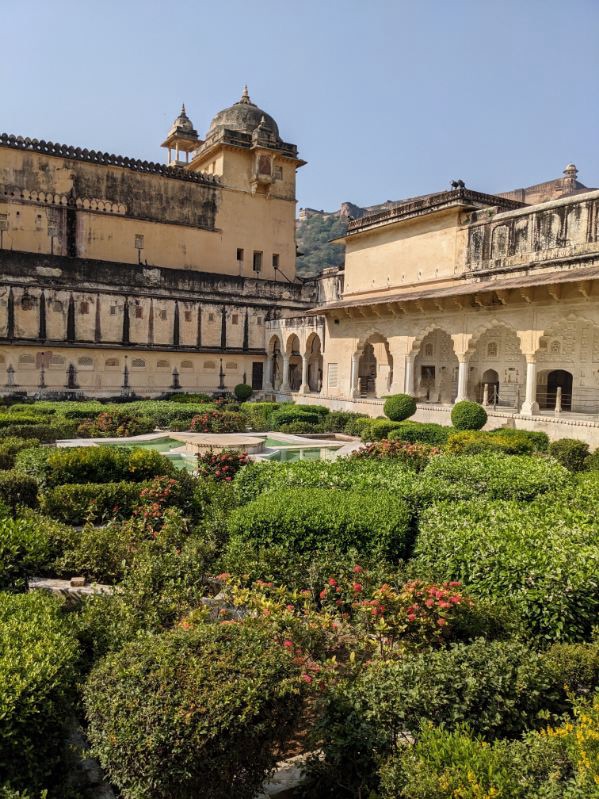
Our first site was the Amber Fort. This is a magnificent fortress built on a hill surrounded by a wall that runs 12km over the greatly uneven terrain. From a distance, it resembles the Great Wall of China.
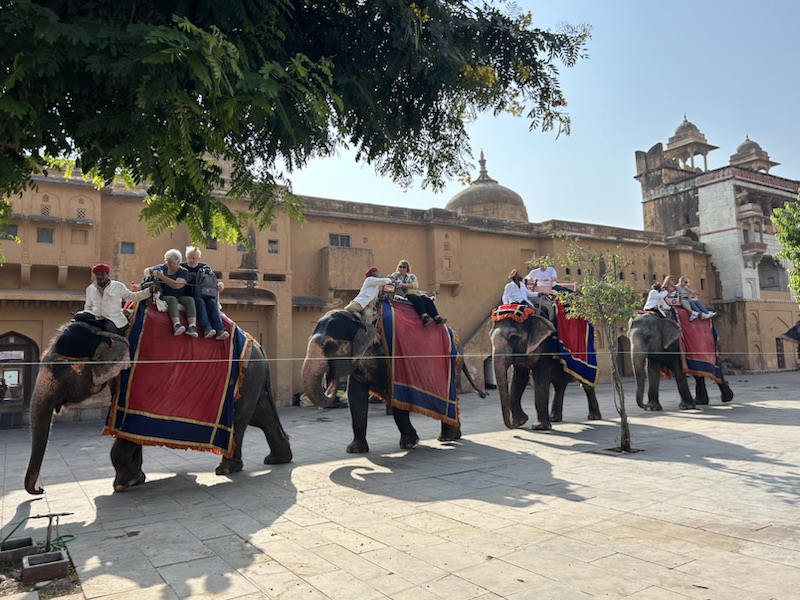
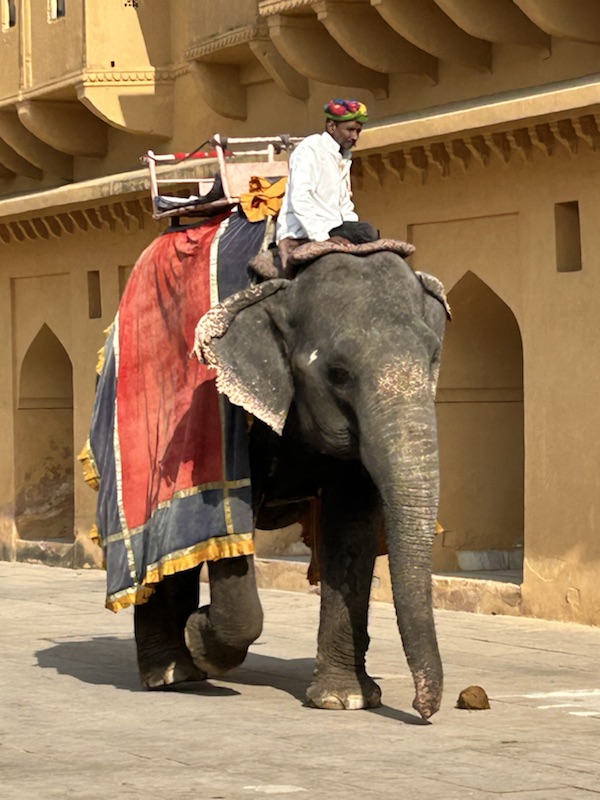
Many elephants are used to carry tourists to the top. In the early morning, you can see these elephants in the streets on their way to the fort & around noon before it gets too hot for them, you see them on the streets going home.
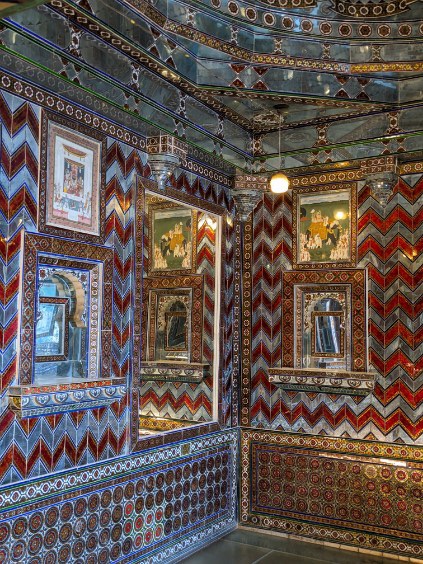
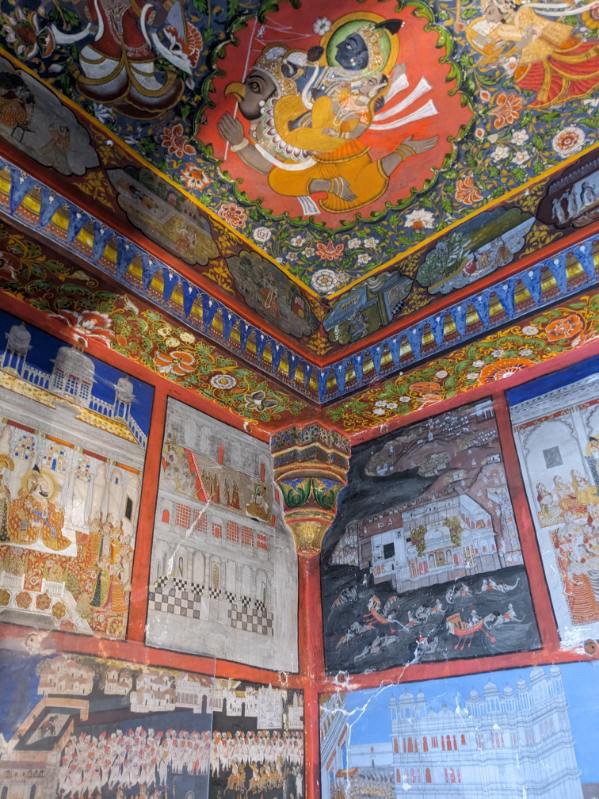
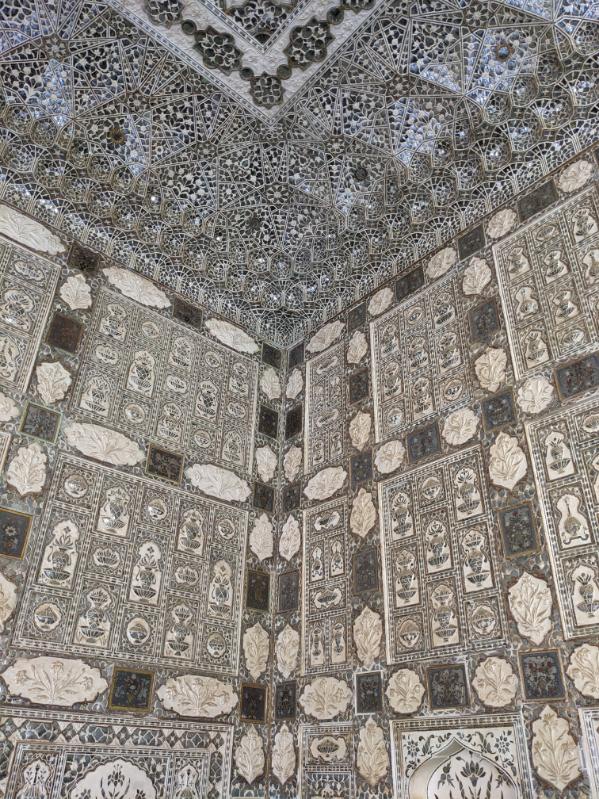
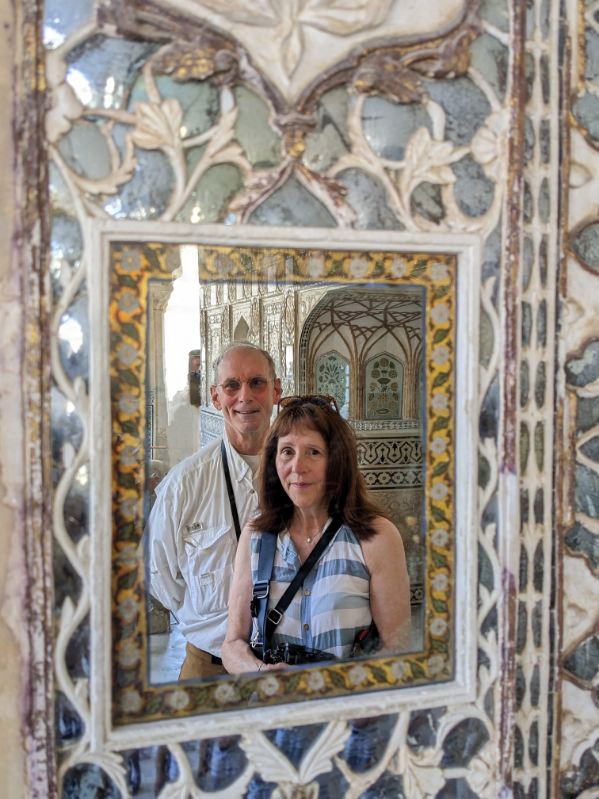
The fort contains many beautiful rooms & walls painted with frescos along with small, irregularly-shaped mirrors embedded in the intricately carved tiles in the Winter Palace.
In the winter, curtains would be hung to close the space & candles and lamps would be lit to warm it. The mirrors embedded in the walls would reflect light providing very bright illumination during the long, dark winter days.
The Summer Palace was built using lighter colors to help keep it cool during the hot summer days. Long curtains were hung on which water would be dripped to create a cooling effect from the breeze. A fountain with a water trough running through the room was situated so the wind could also pass over it to cool the room.
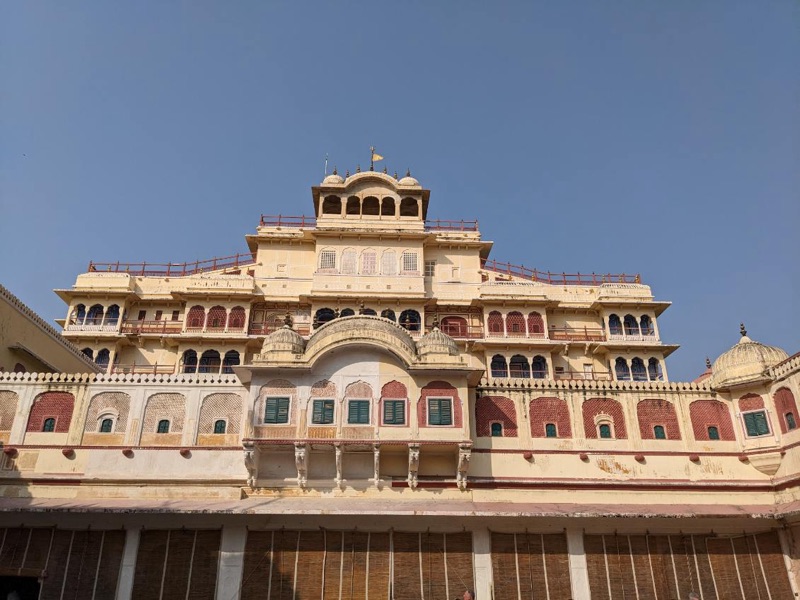
Next we visited the City Palace. This is the home to Jaipur’s royal family. The current Maharaja is only 27, single, handsome, & is an excellent polo player. By far, he is the most eligible bachelor in Rajasthan, if not all India.
Royal residence
We were able to visit the beautiful historic grounds with more beautiful rooms and ornate doors.
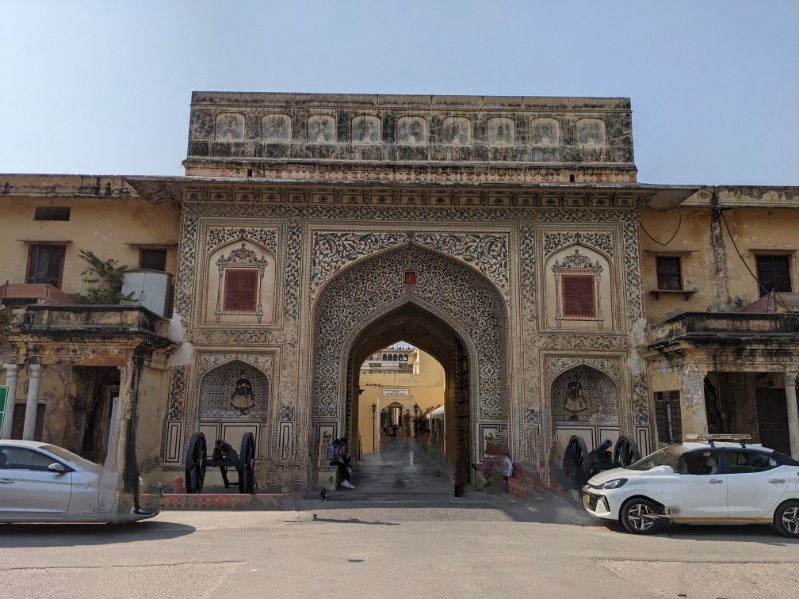
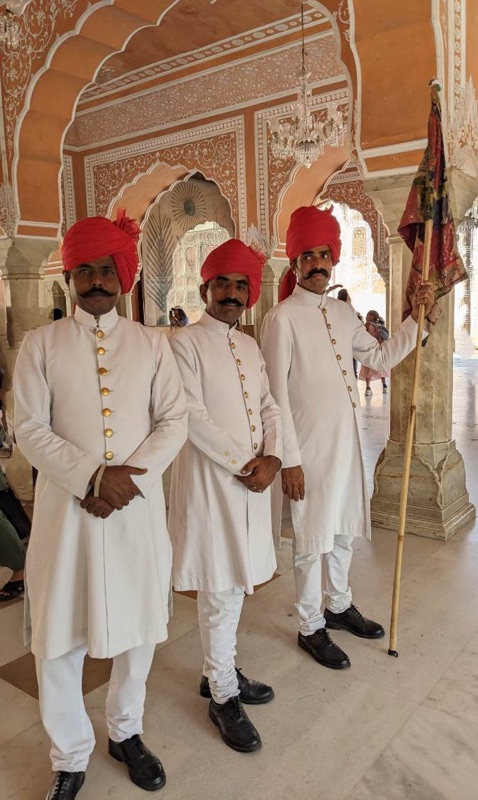
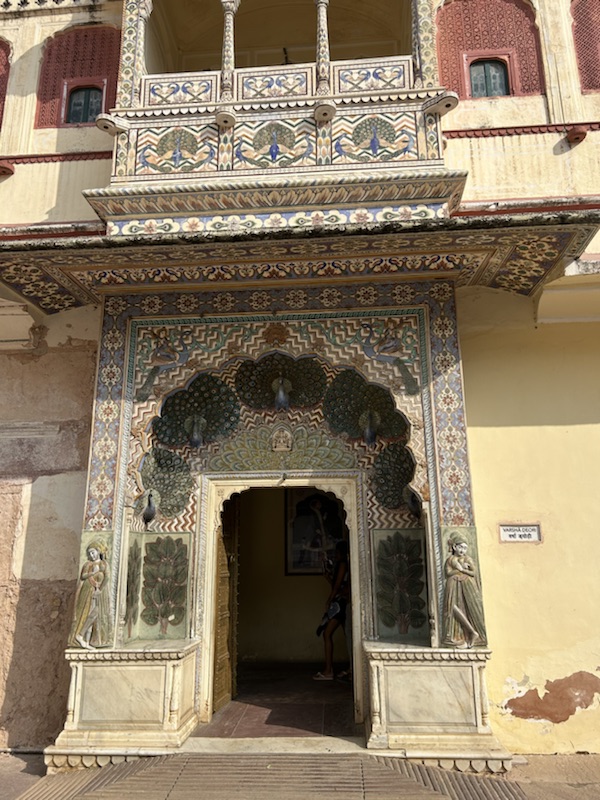
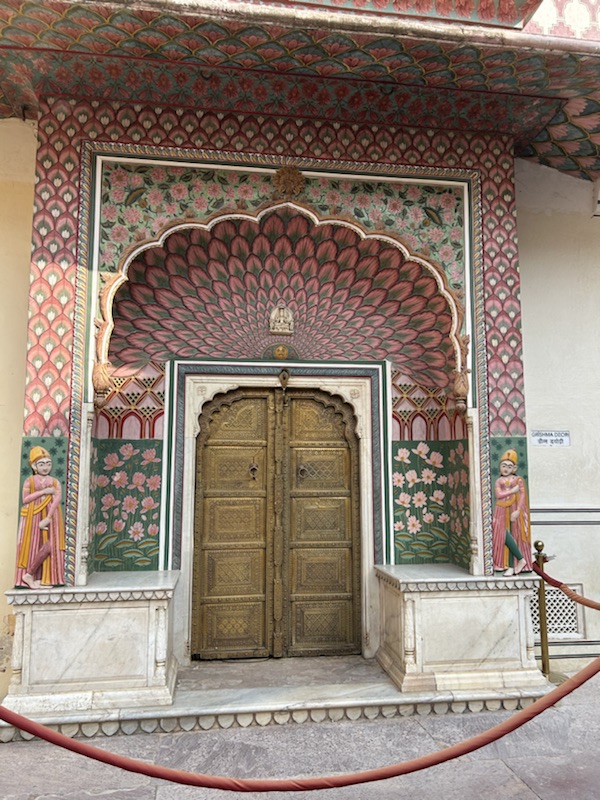
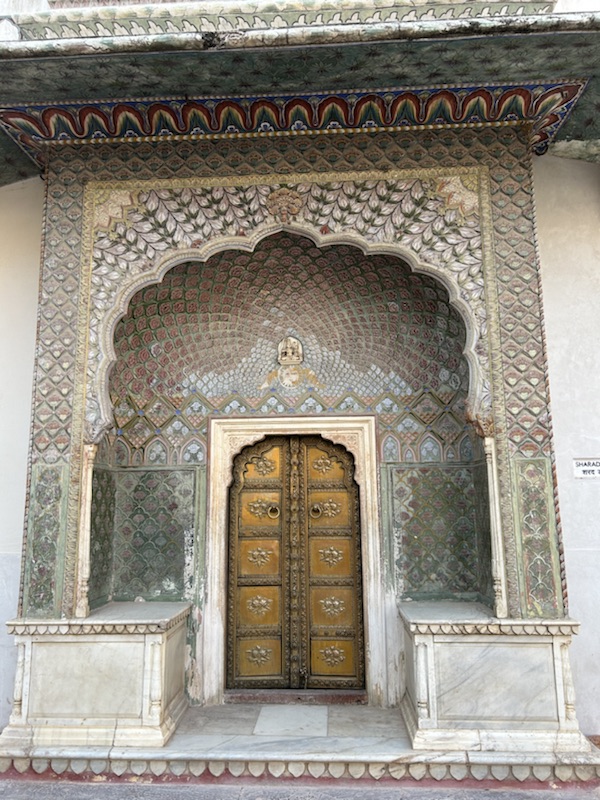
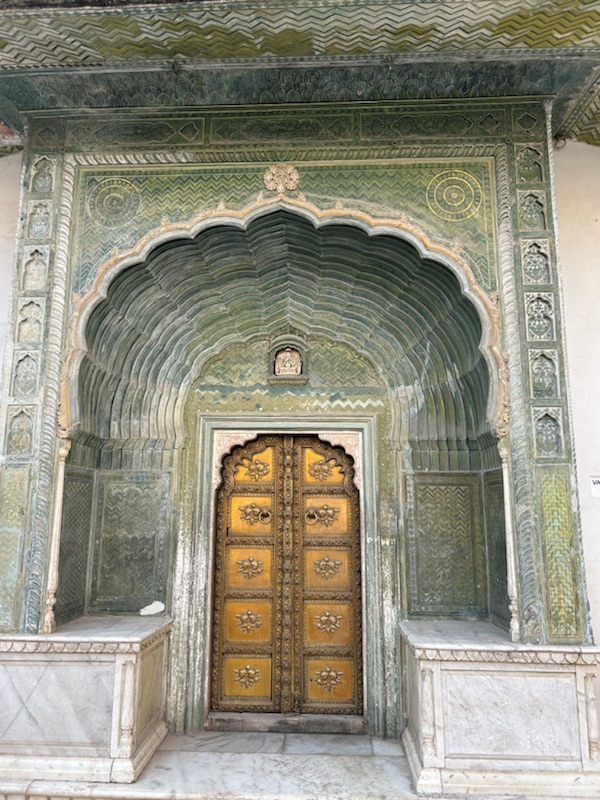
City Palace Main gateRoyal GuardsThe Four Seasons Doors- each designed & decorated to represent a specific season
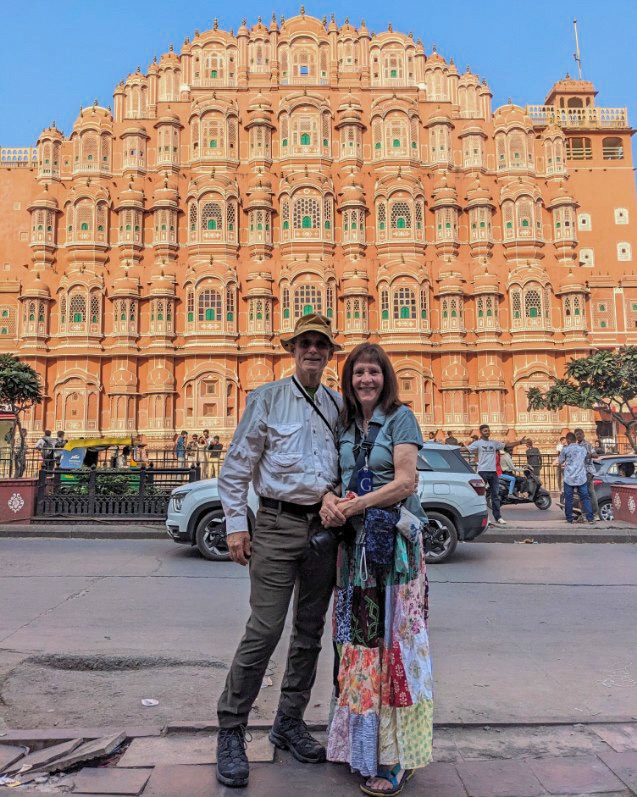
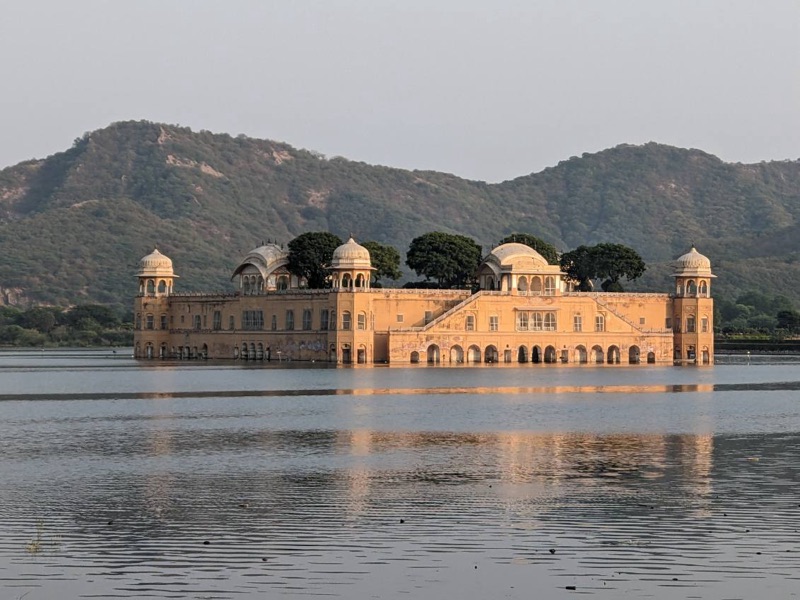
Two other Jaipur palaces are a must for picture taking; but, have been closed to the public for many years.
Hawa Mahal or Palace of Wind. It is mainly a facade allowed women in the palace to watch life on the street; but, to remain hidden from viewJal Mahal or the Floating Palace on Sager Lake in the middle of Jaipur was once a royal hunting lodge
Besides royal places, Jaipur offers many opportunities to see everyday life.
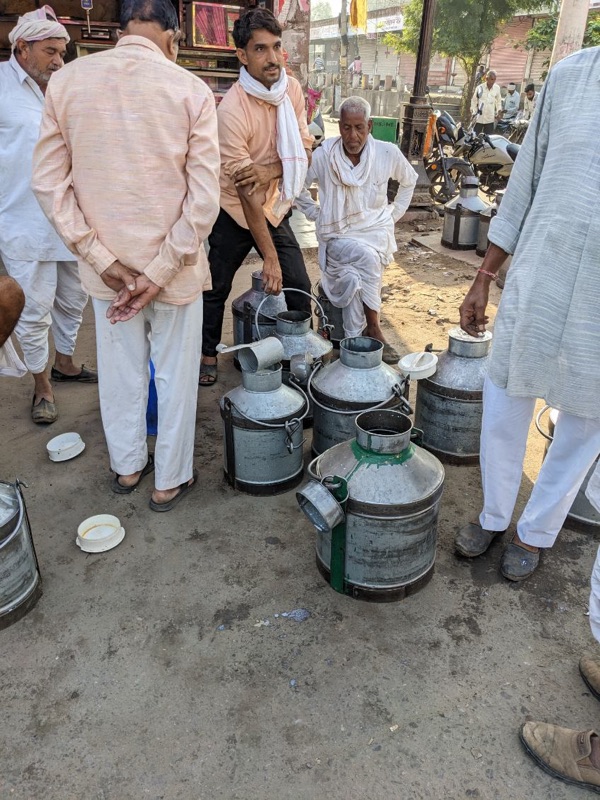
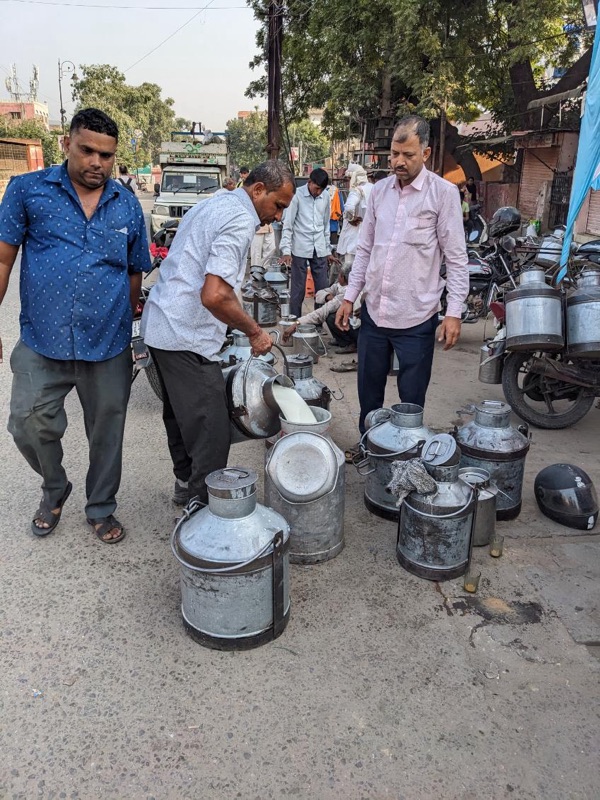
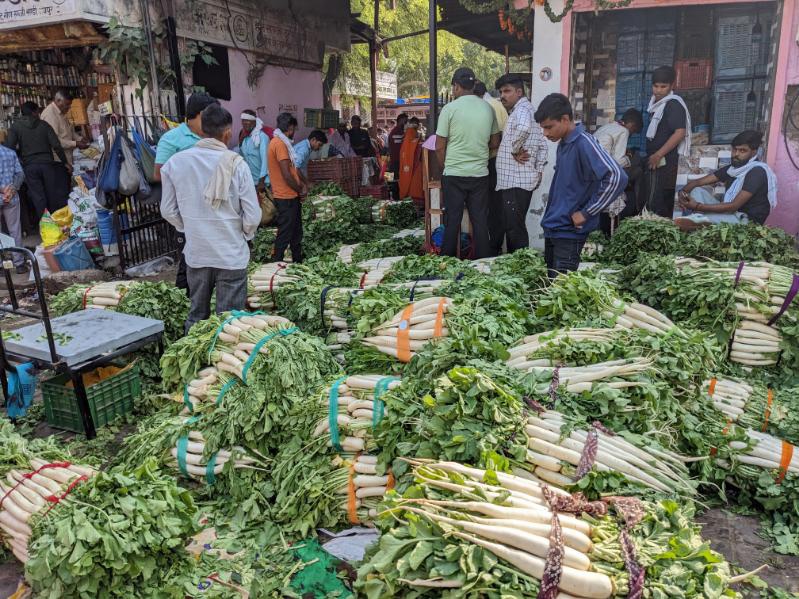
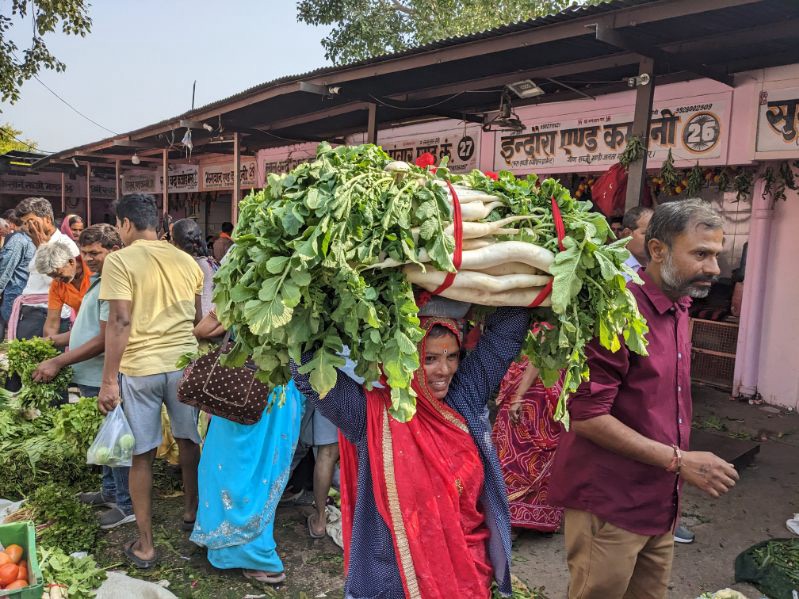
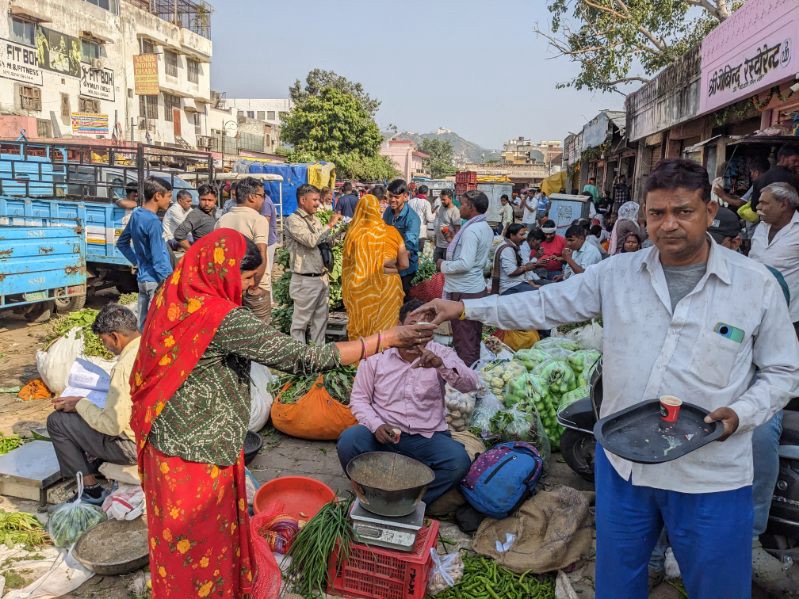
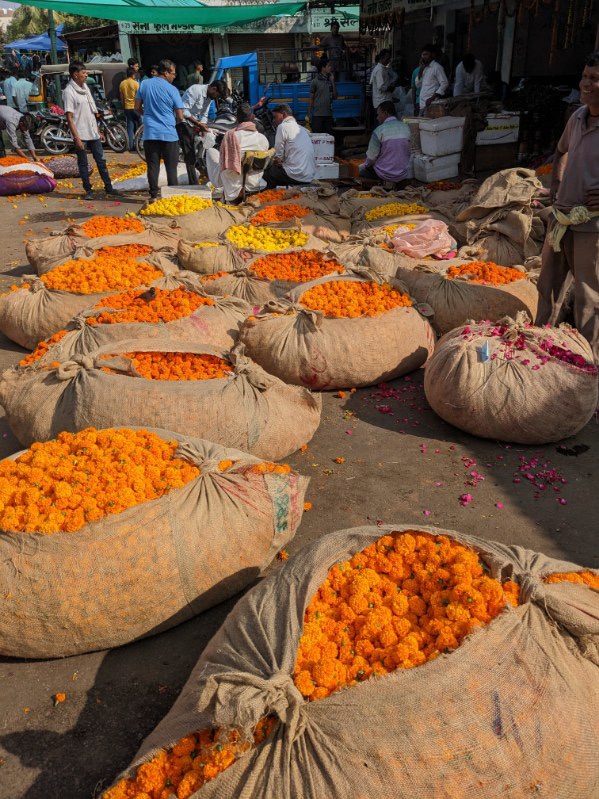
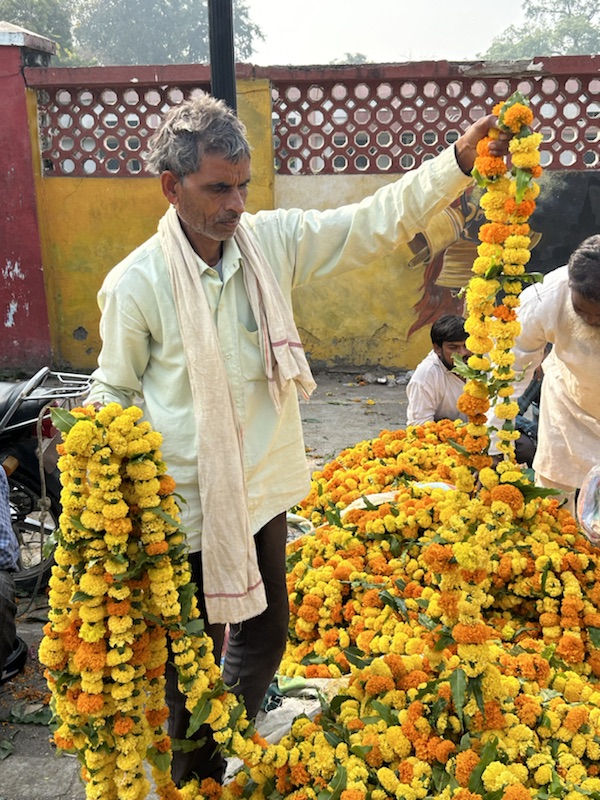
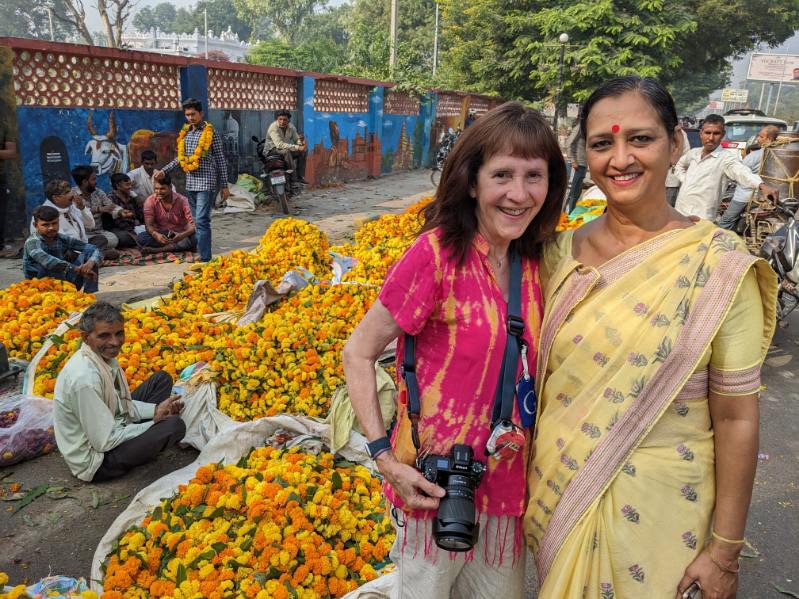
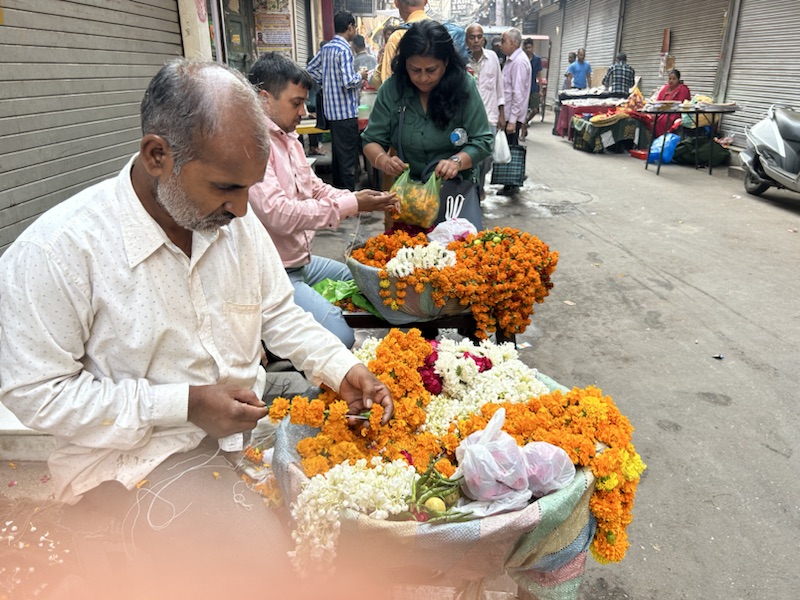
The Milk Market Milk is delivered in bulk, then delivered by motorcycle or sold on the street directly to the locals. Sanitation is not a high priority. Many times I saw people dipping their hands into the milk, then dripping the milk from their hands into their mouth to taste the quality.Vegetable & Flower market. White radishes were very popular. Yellow & oranges marigolds along with some roses were sold from large burlap bags.
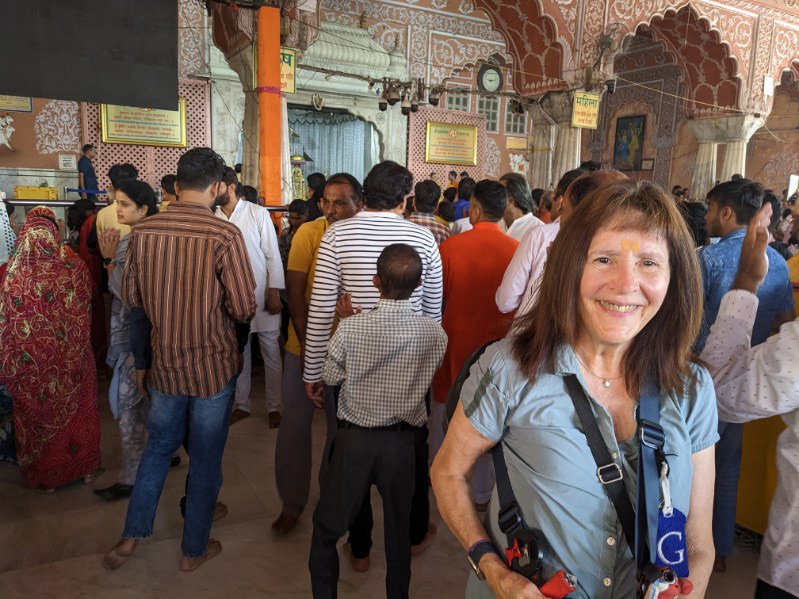
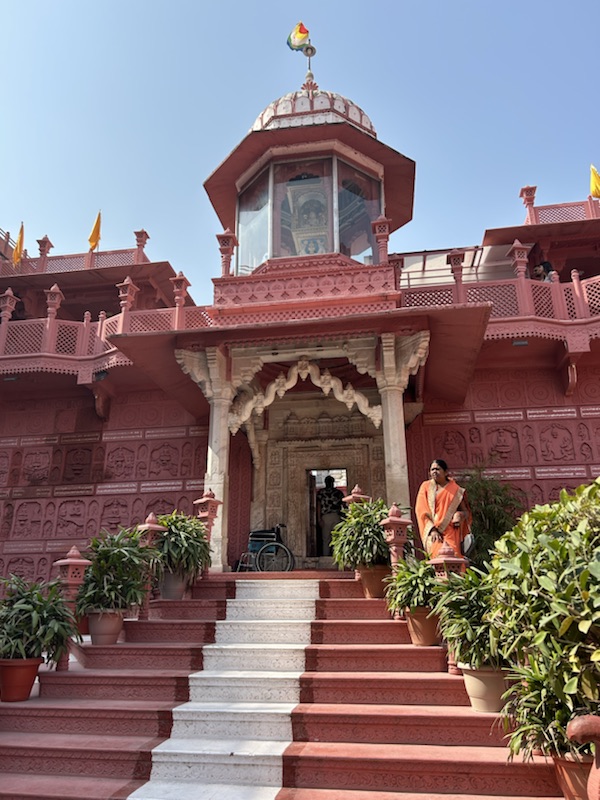
During the 5 days of Diwali visiting temple is very important which caused many traffic jams. However, we had the opportunity to visit two temples.
The Govind Dev Ji Temple (Krishna) was very lively with lots of chanting, singing & clapping. Everyone looked very happy. Jain Temple was much quieter with beautifully carved red sandstone.
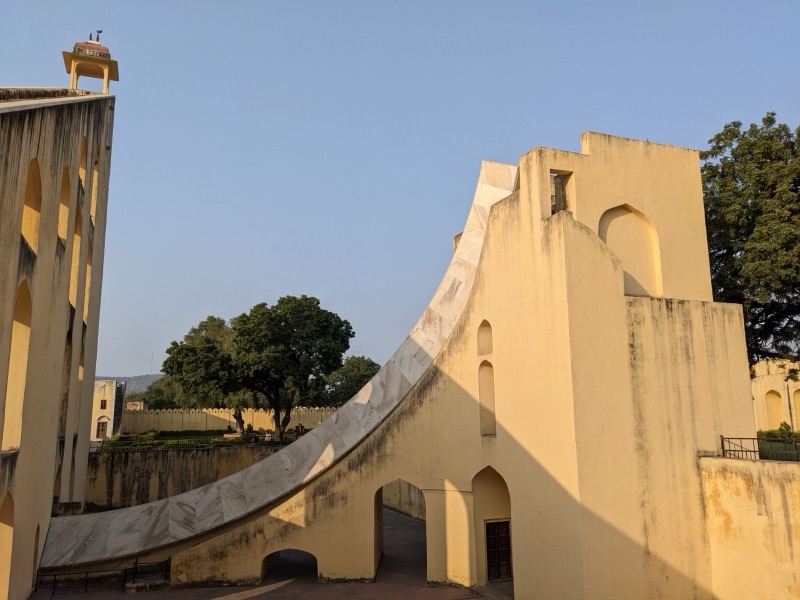
One of Jaipur’s UNESCO World Heritage sites is the Jantar Mantar which means “Instrument used for Calculation”. It has giant structures used to study the sun & stars. It has the world’s largest sundial which is accurate to 2 seconds!
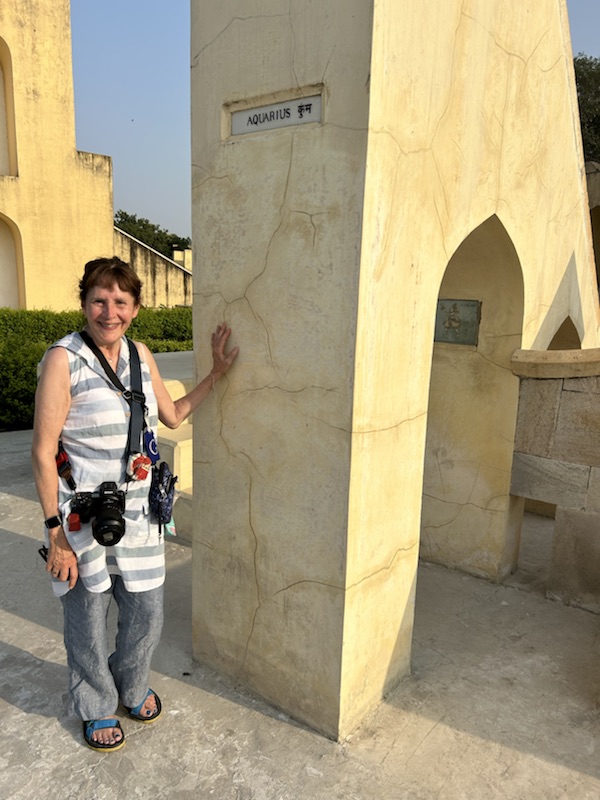
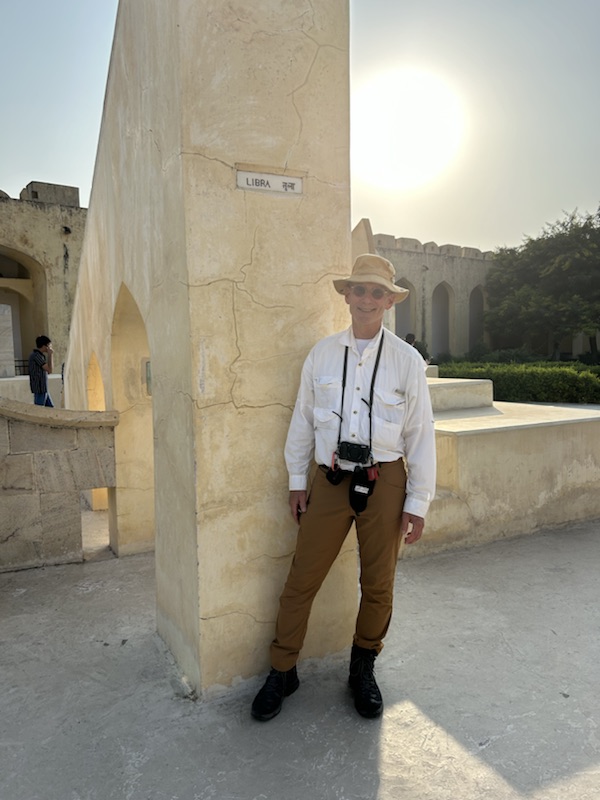
To say that astrology is import to Indians is putting it mildly. Astrology is used in almost all marriages not only to pick a mate; but also, to pick a date for marriage. These are two instruments used for our astrological signs.
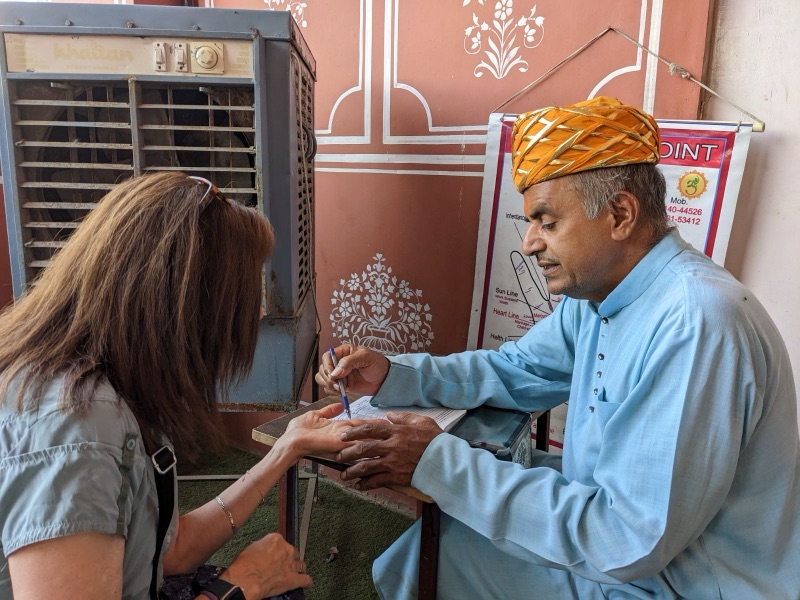
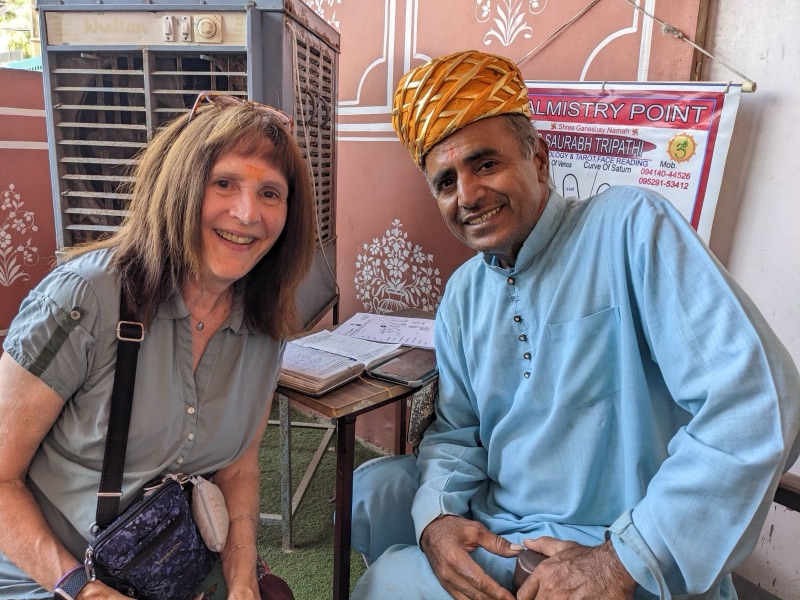
On both of my trips to Rajasthan I had my palm read. I was told both times by my guides, Indians use palm readers by to help them make major decisions & help with advice to solve their problems. For me, it’s a fun thing to do.
Thankfully I married a Libra which is among my best matches for an Aquarius. I was also told that I will live a long & healthy life. Now that’s what I call good news. 🤩😊👍
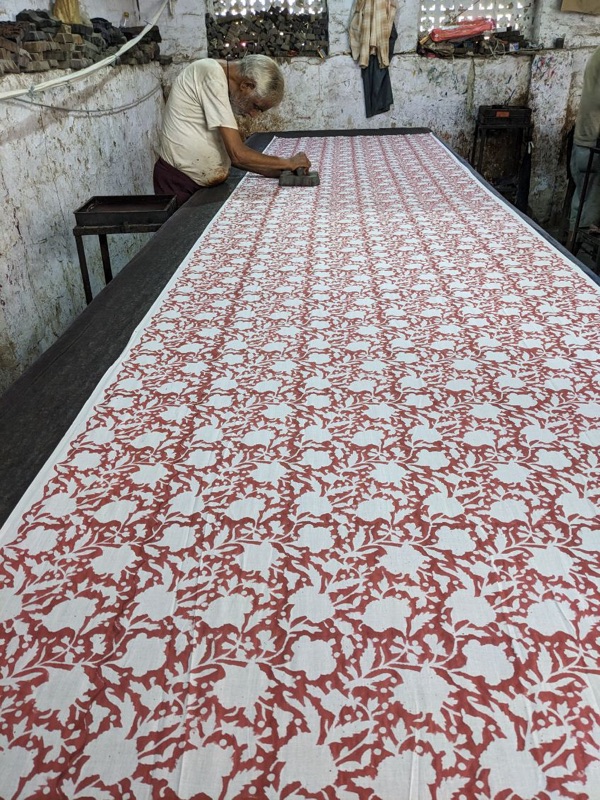
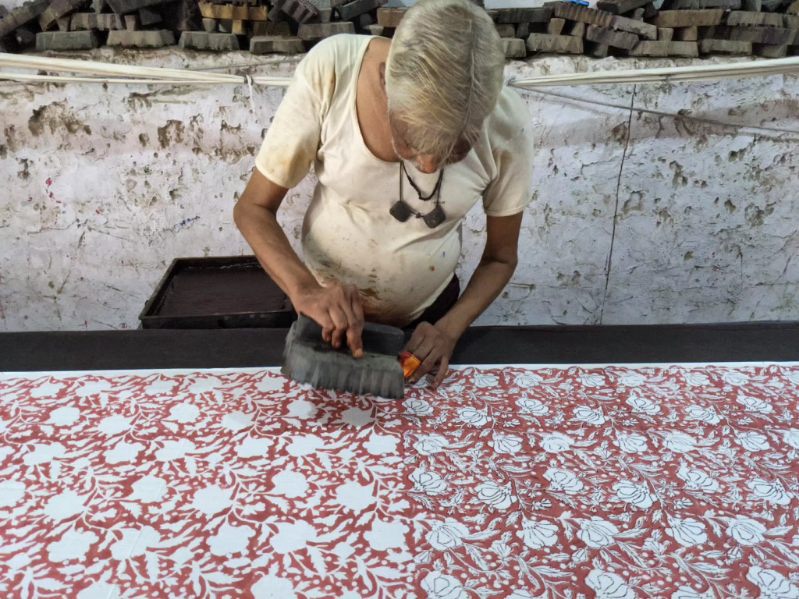
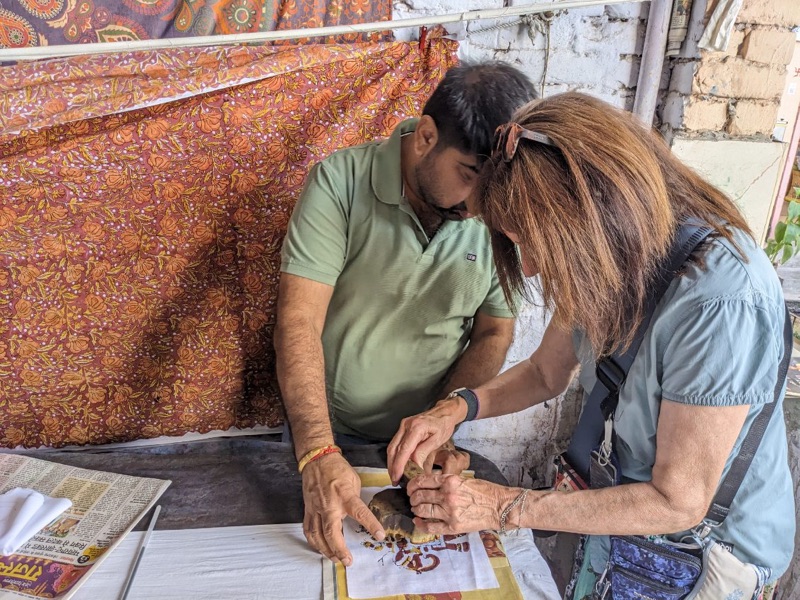
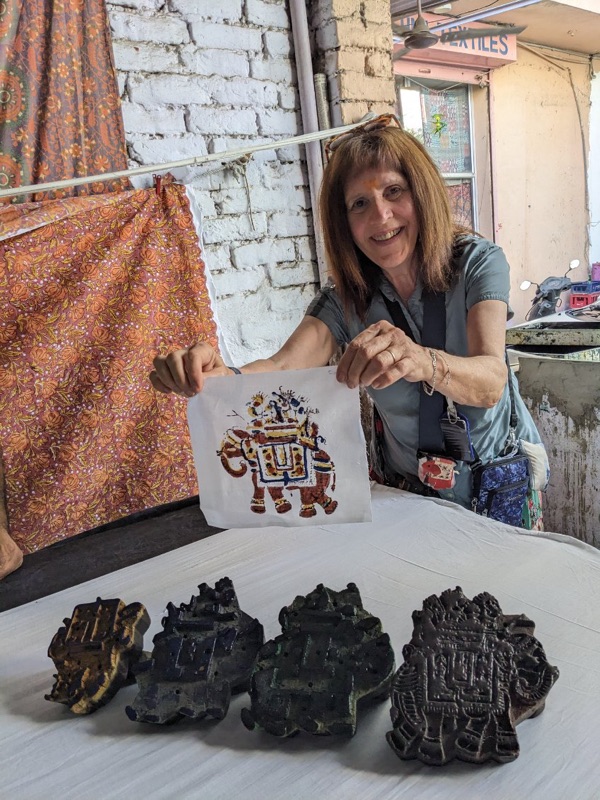
Jaipur has been known for centuries for its block printing technique to make fine textiles. We were given a chance to make our own.
I’ve saved the best for last. People watching & seeing life experienced differently is the best part about India.
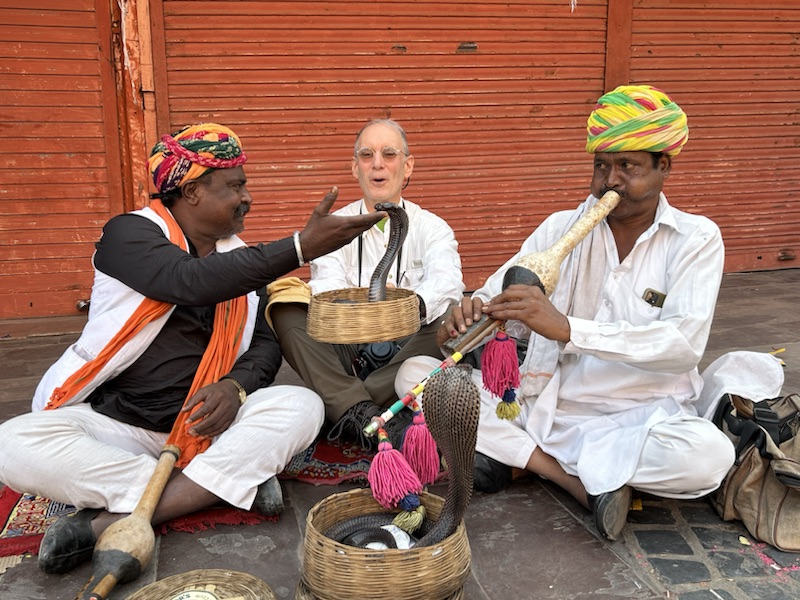
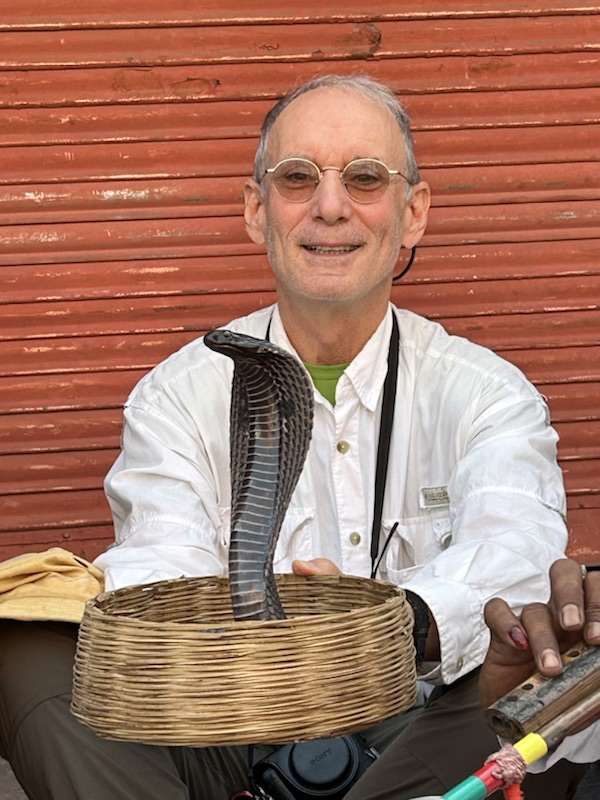
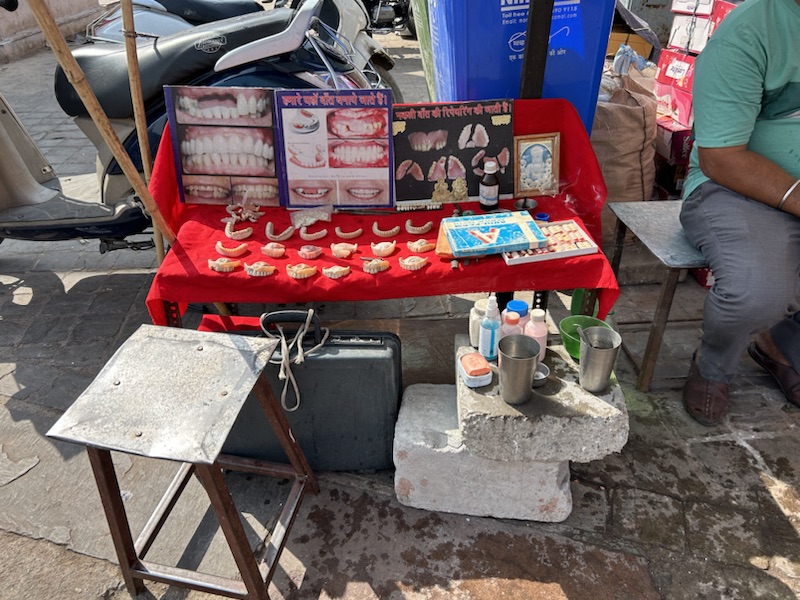
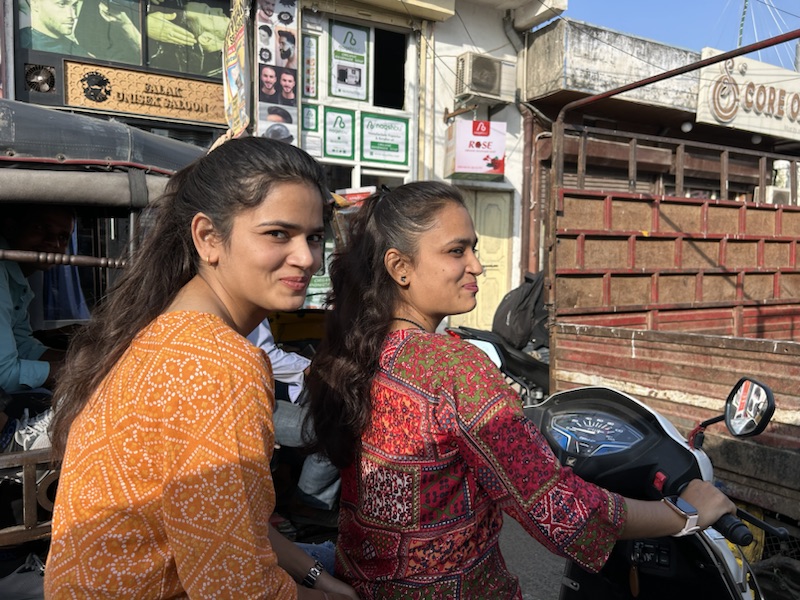
Yes the cobras were real!The local dentist shop. You rarely see women driving their own motorbikes, cars, or tuk-tusk. I gave these 2 young women who were sisters the 👍 and said Girl Power. They smiled. Interacting with people is always a joy.
Many beautiful palaces were built in India. Many of these places are now UNESCO World Heritage sites. What it must have been like to be a king or queen.
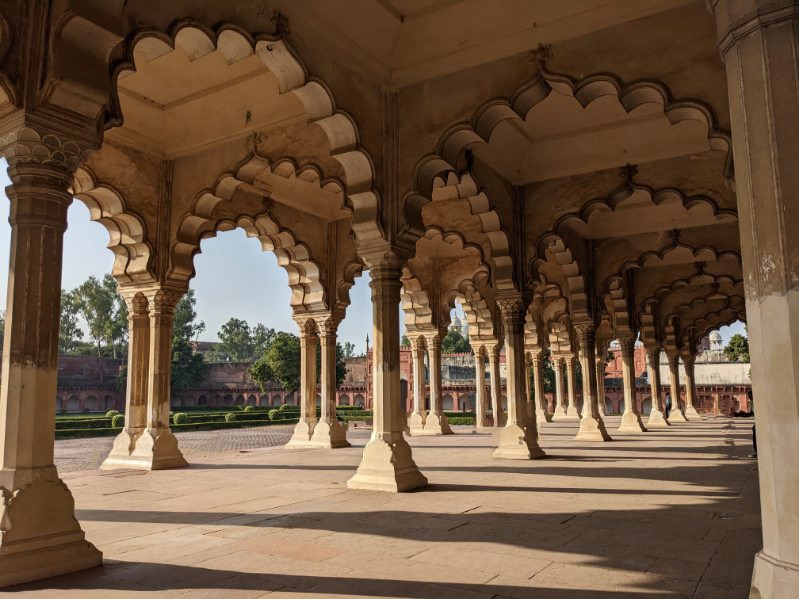
The Red Fort in Agra was only the beginning of these beautiful palaces.
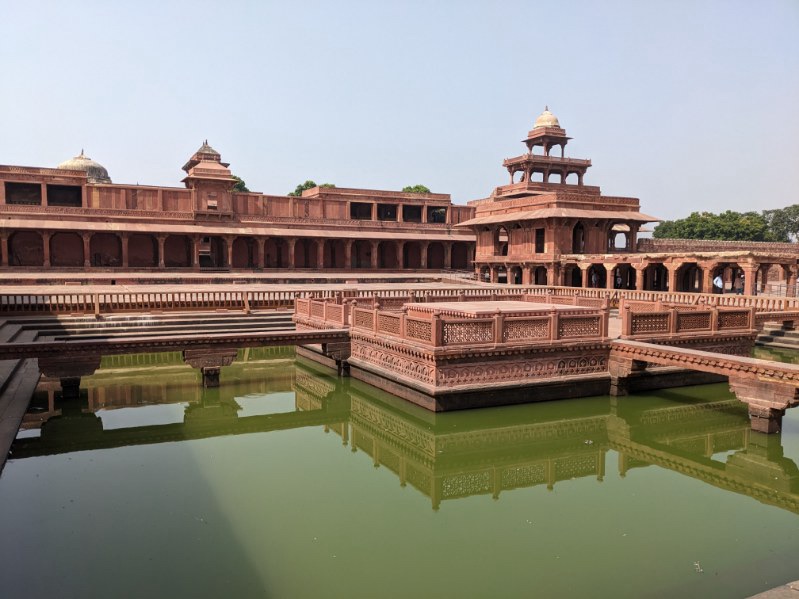
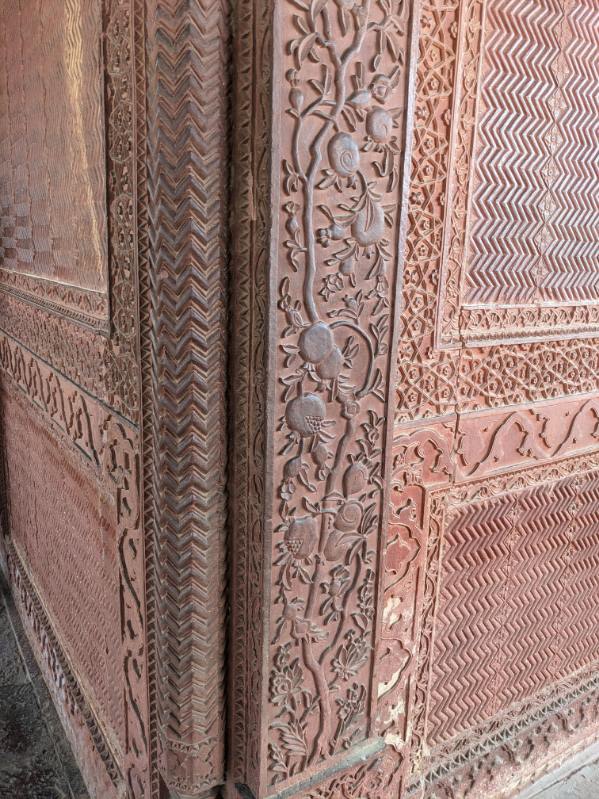
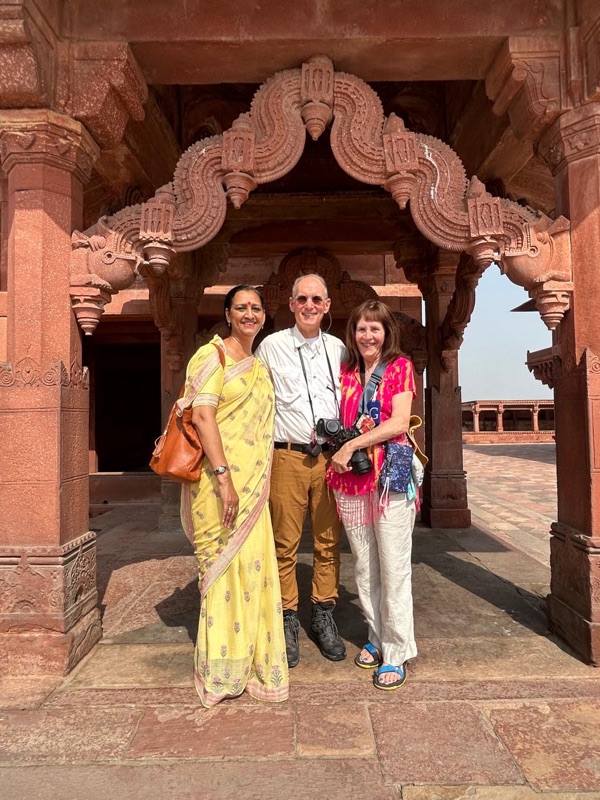
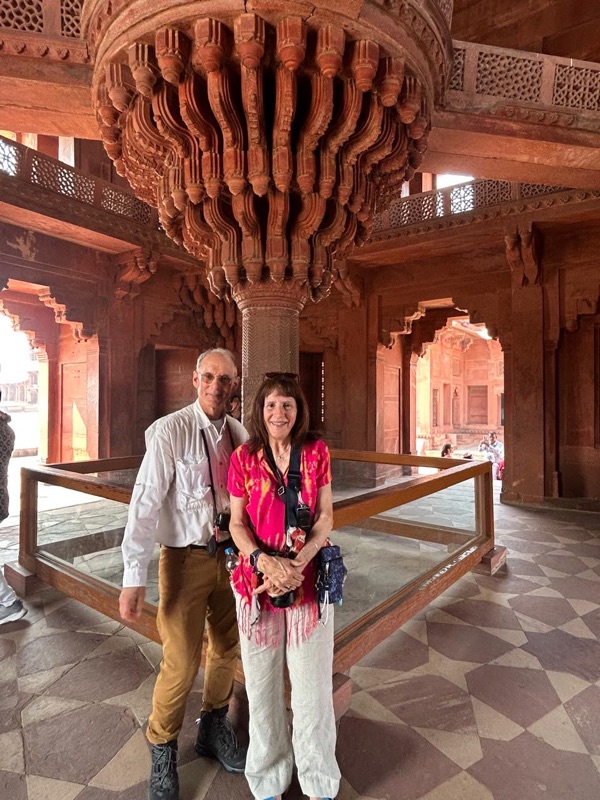
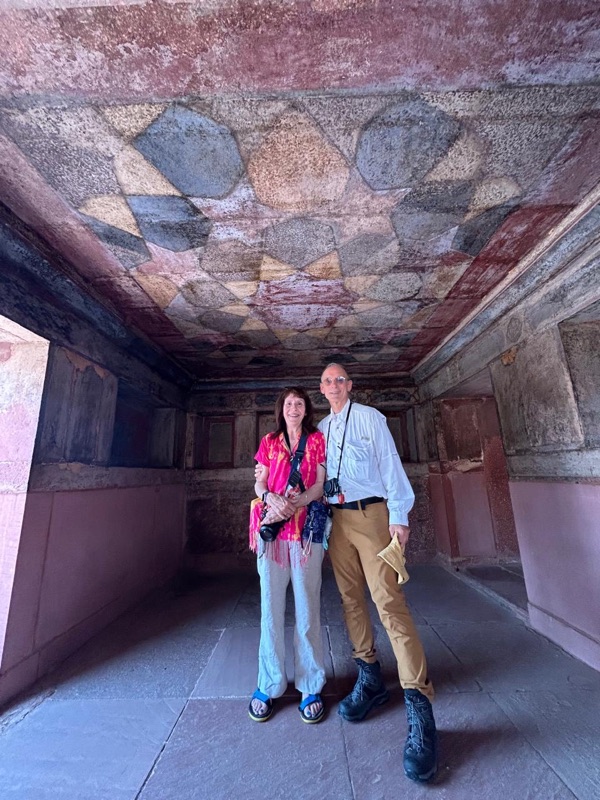
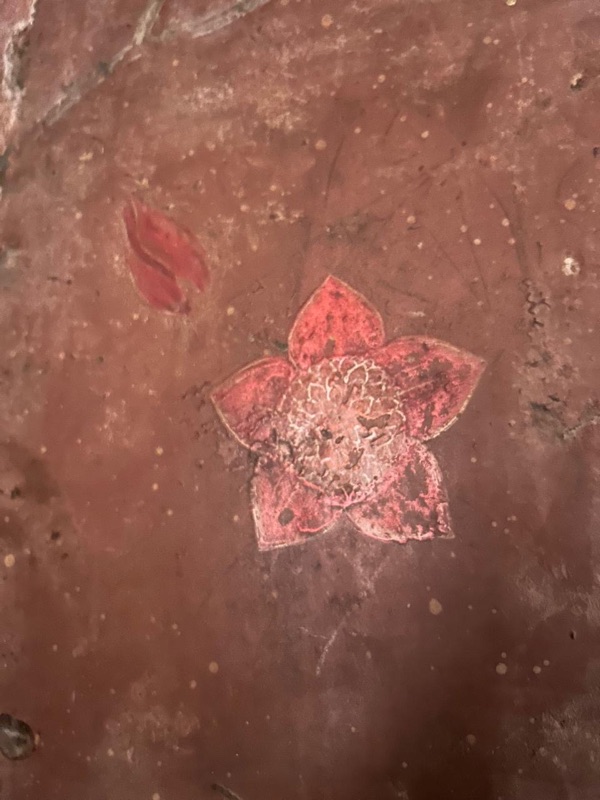
About an hour’s drive from Agra is Fatehpur Sikri. it is also called the “Ghost Capital” because it was abandoned due to having insufficient water. The palace is made from beautifully carved red sandstone & there are also 3 smaller palaces inside- one for each of the king’s wives. The design & decor is different in each palace because each wife had a different religion: Christian, Hindu, & Muslim.
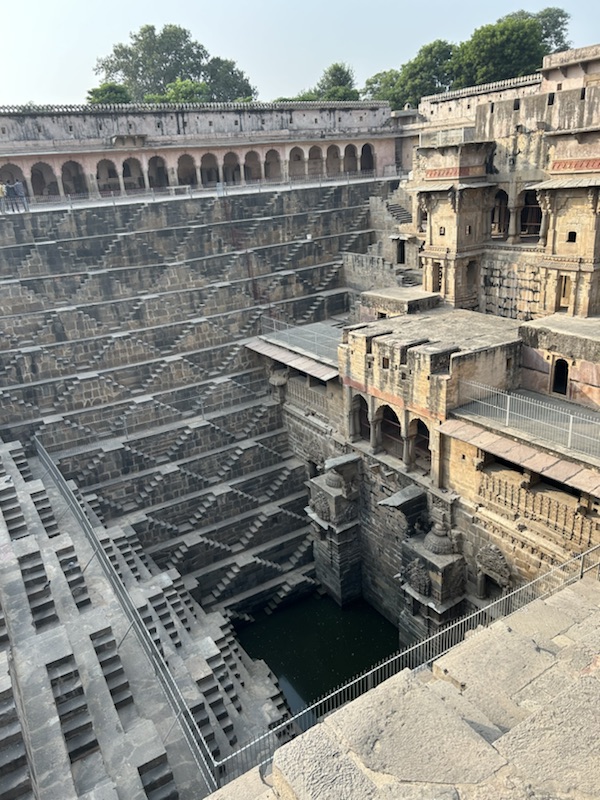
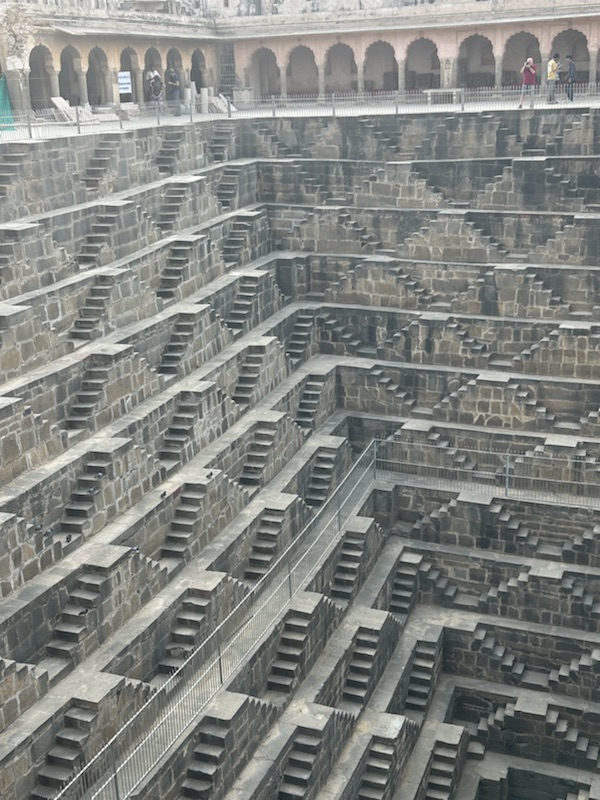
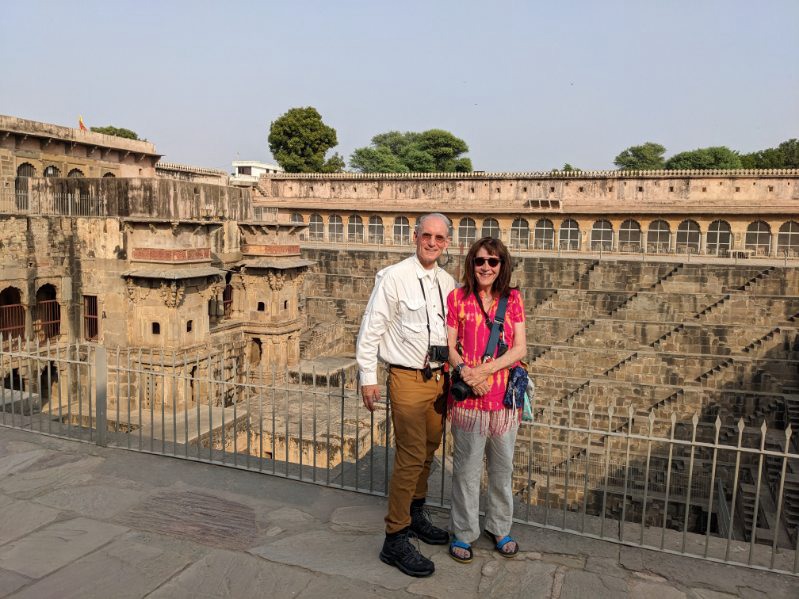
In the 9th Century, King Chanda built the largest & oldest stepwell in the world in Abhaneri called Chand Baori. It is amazing. It is 100 feet deep & contains over 3,500 symmetrical steps. For fun, watch this Bollywood music video filmed there.
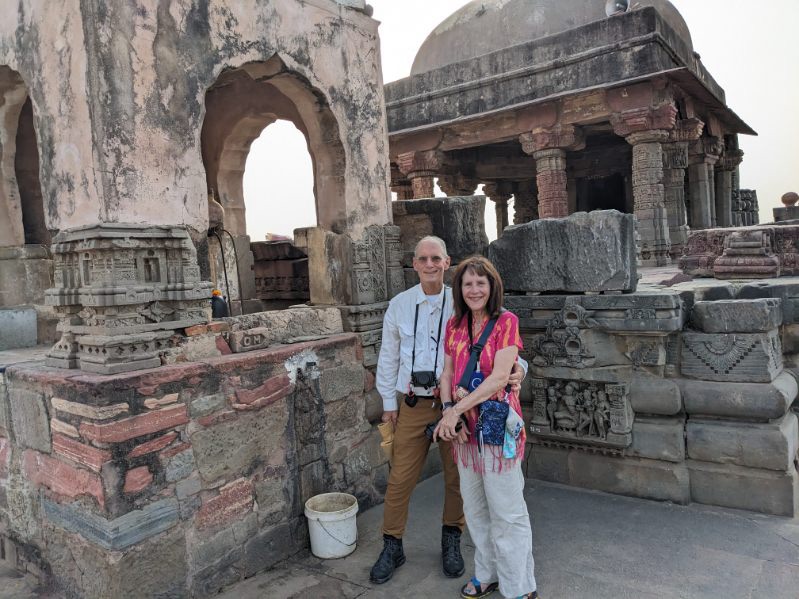
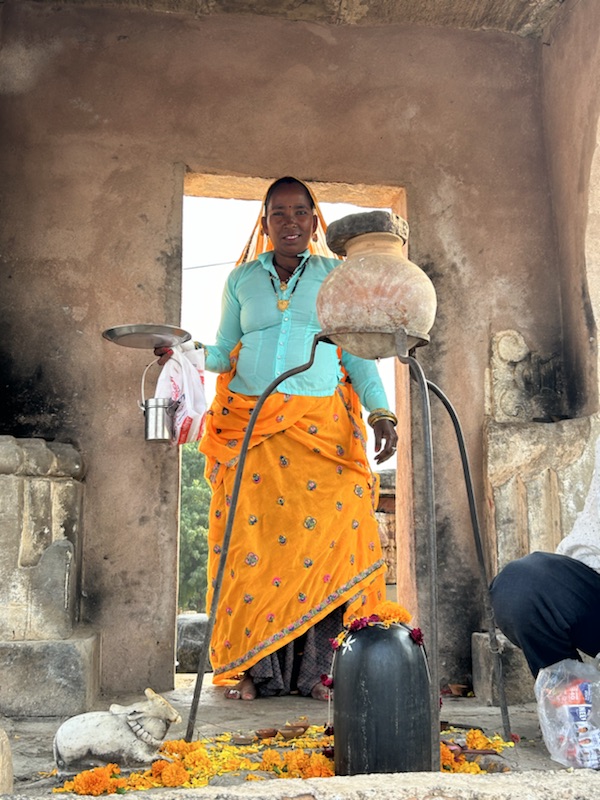
A small temple near the stepwell.
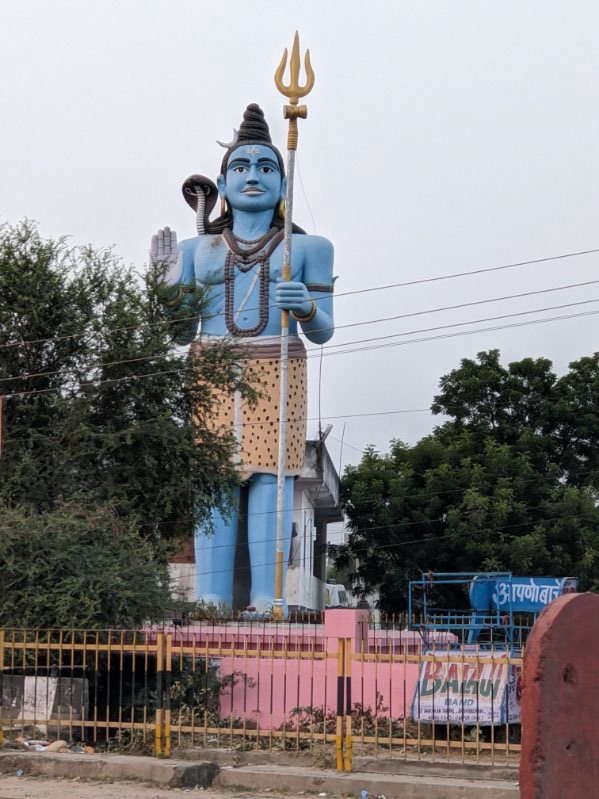
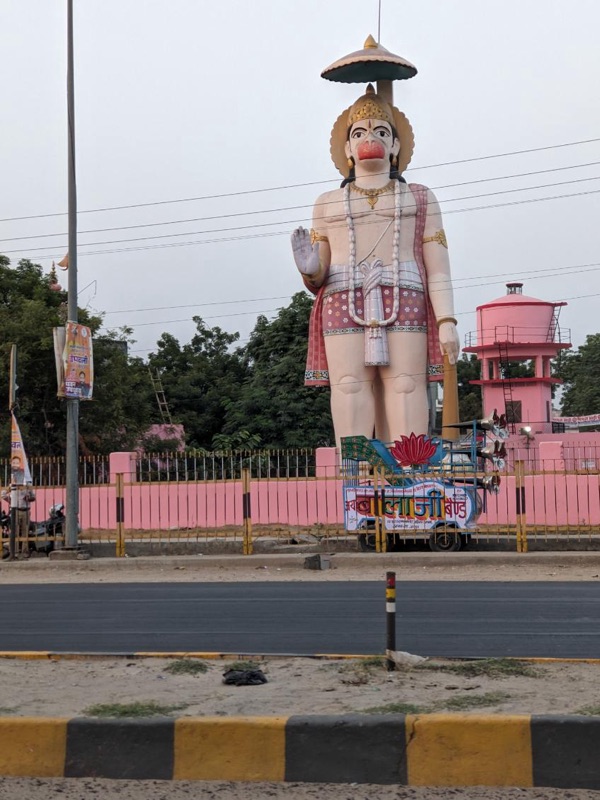
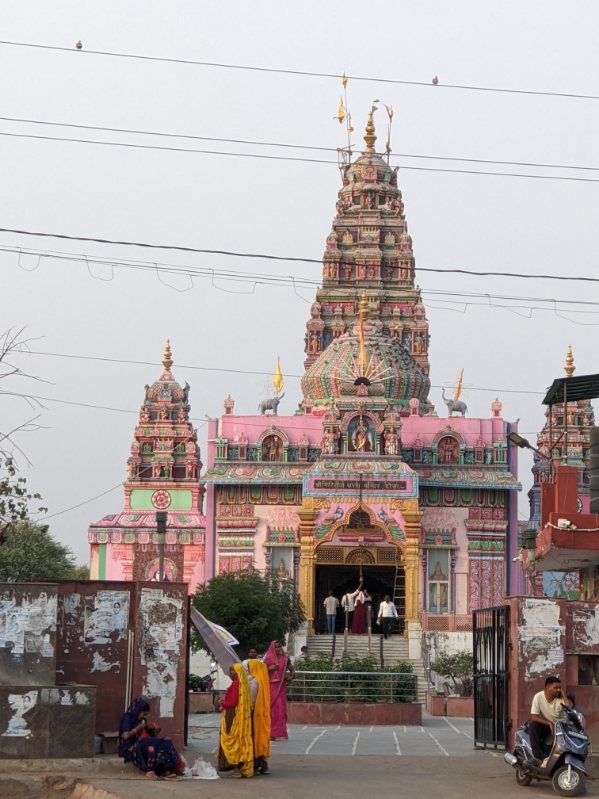
Hindu temples & gods on the way to Jaipur.
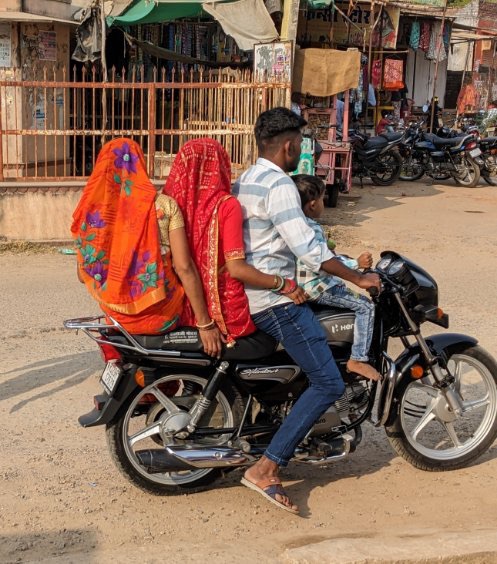
People watching provides major enjoyment in India.
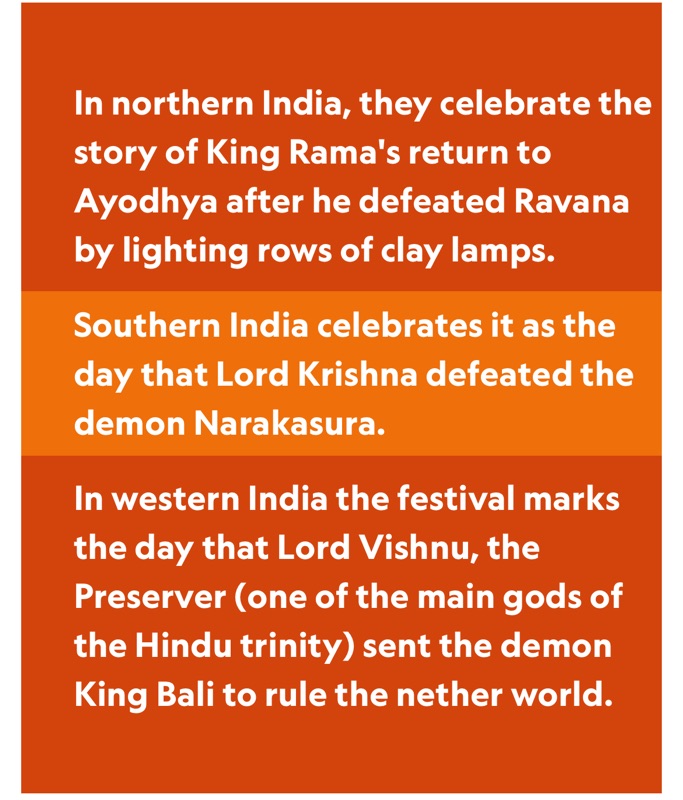
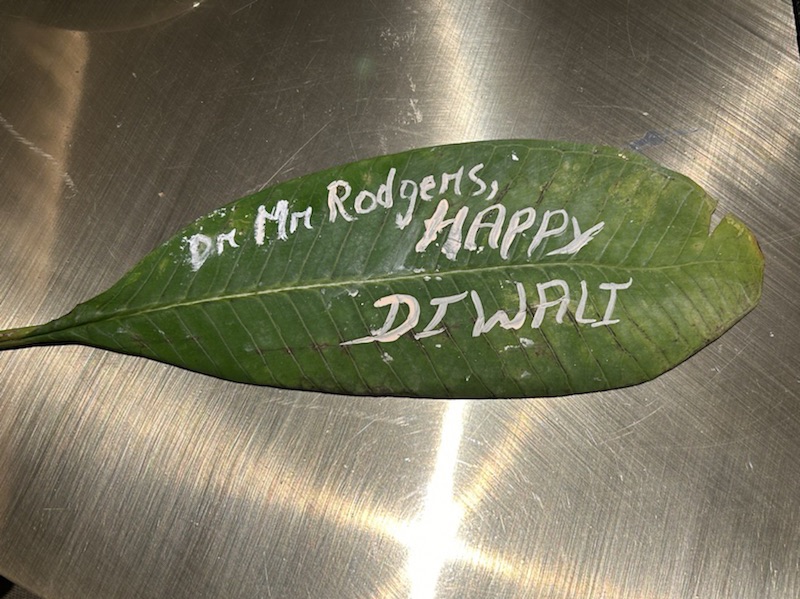
The most important holiday in India is Diwali which is known as the Festival of Lights. It is mainly a Hindu festival; but, it is celebrated by most people in India like Christmas is in the West.
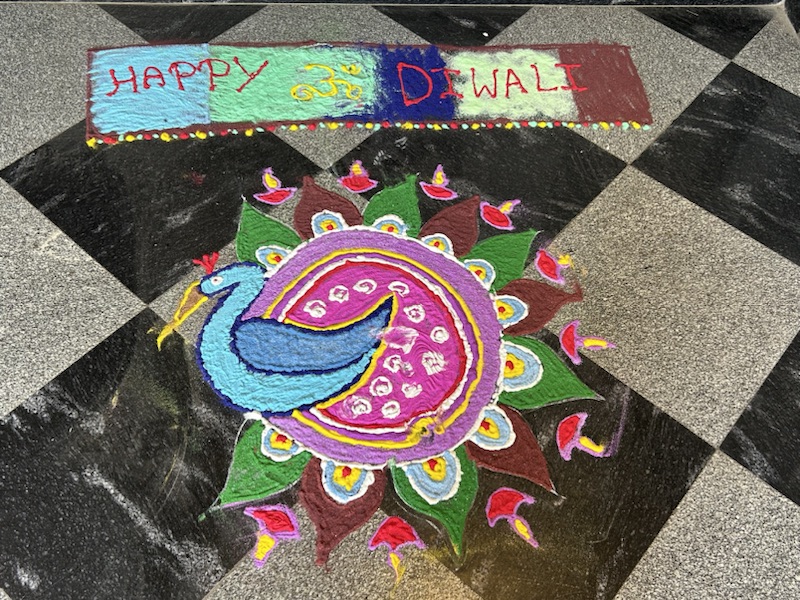
We have been told that during the festival most people clean their homes, give each other gifts, decorate their front door, & light small oil lamps around their home.
After nightfall, people also shoot fireworks & light firecrackers. Some firecrackers were so loud, they sounded like minor explosions.
More Diwali info:
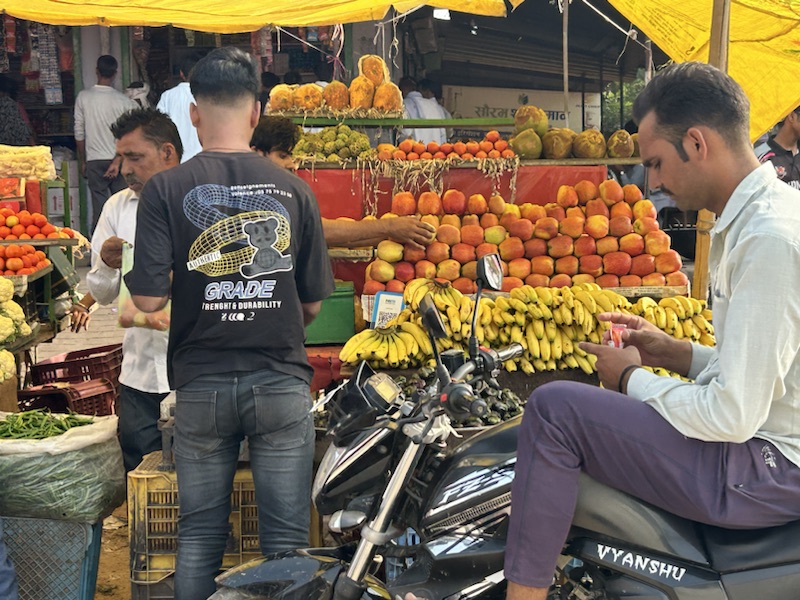
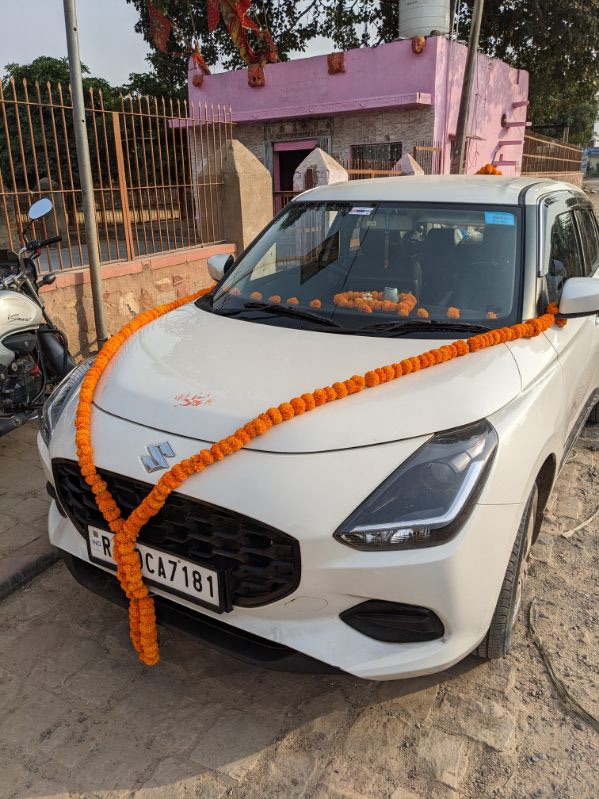
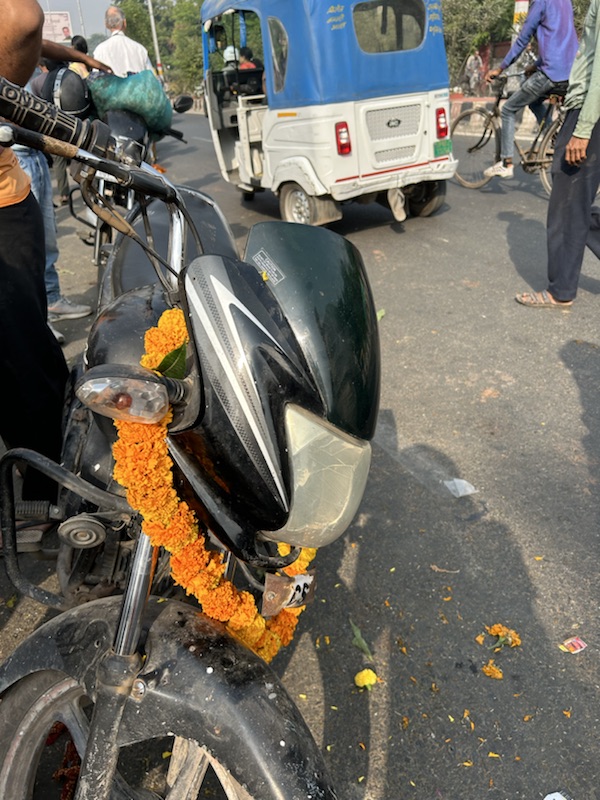
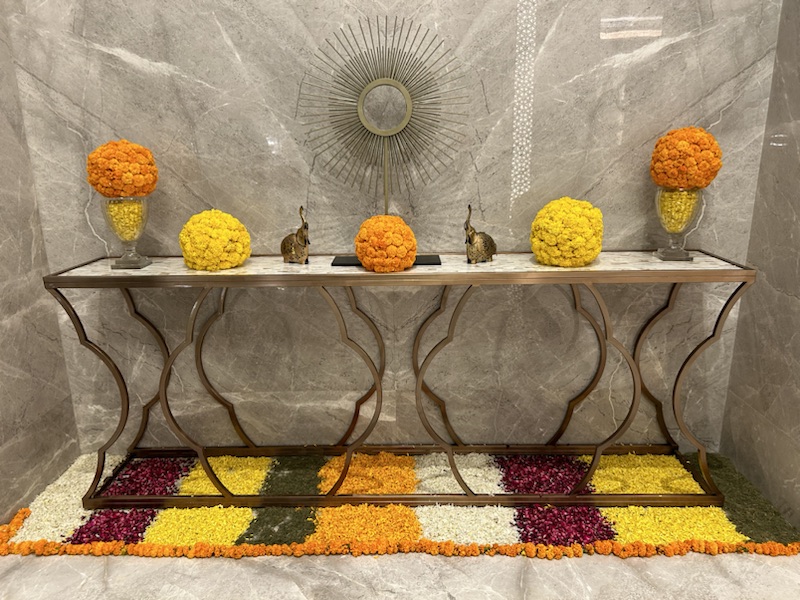
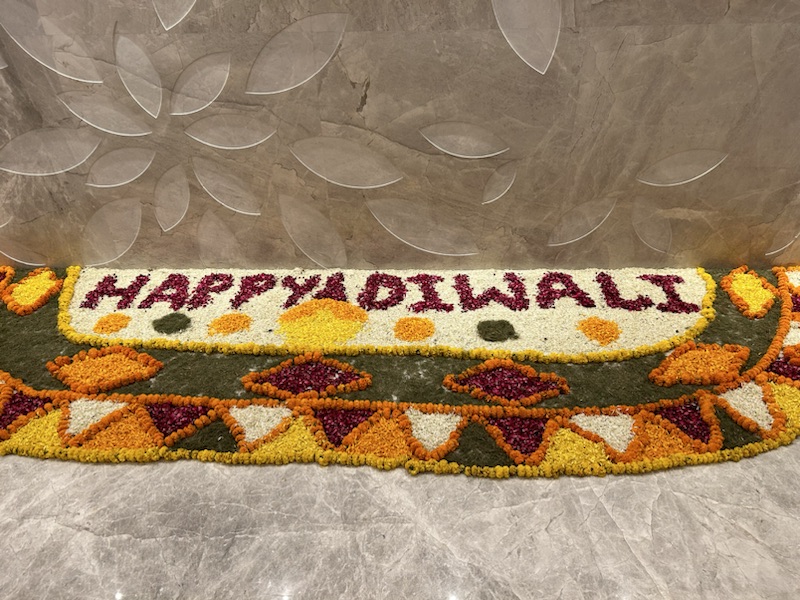
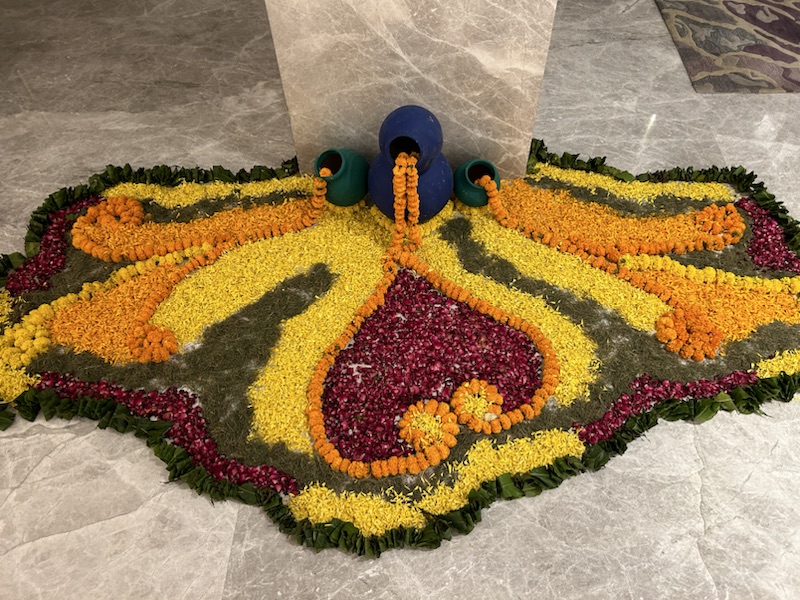
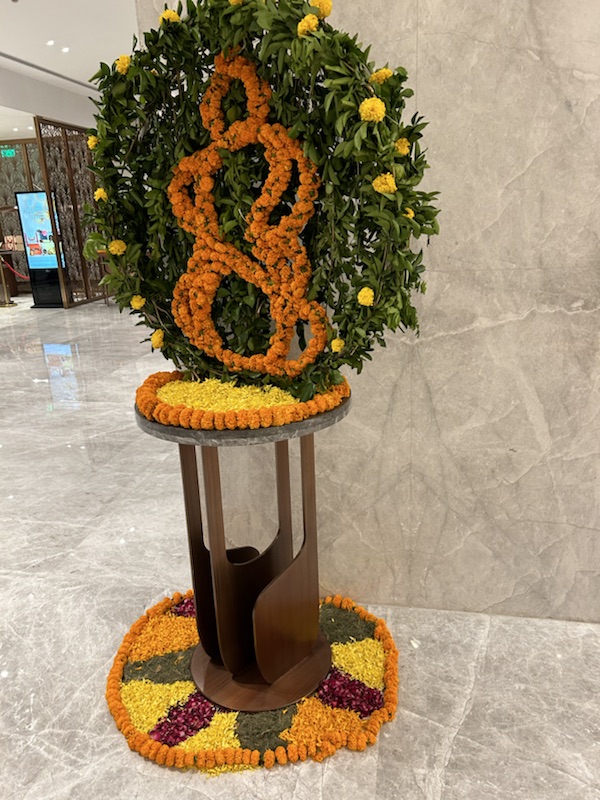
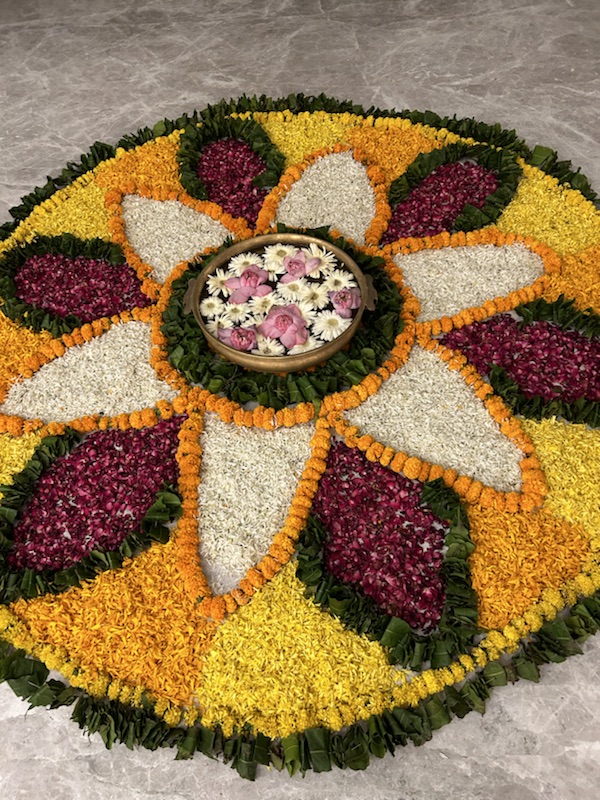
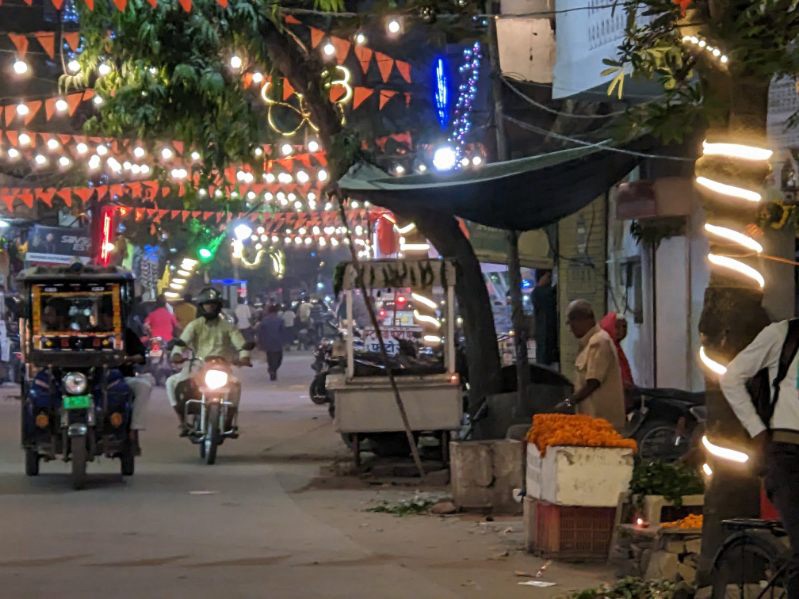
Everywhere we went we saw street vendors selling countless stacks of yellow & orange marigolds to decorate their home, business, or vehicle.
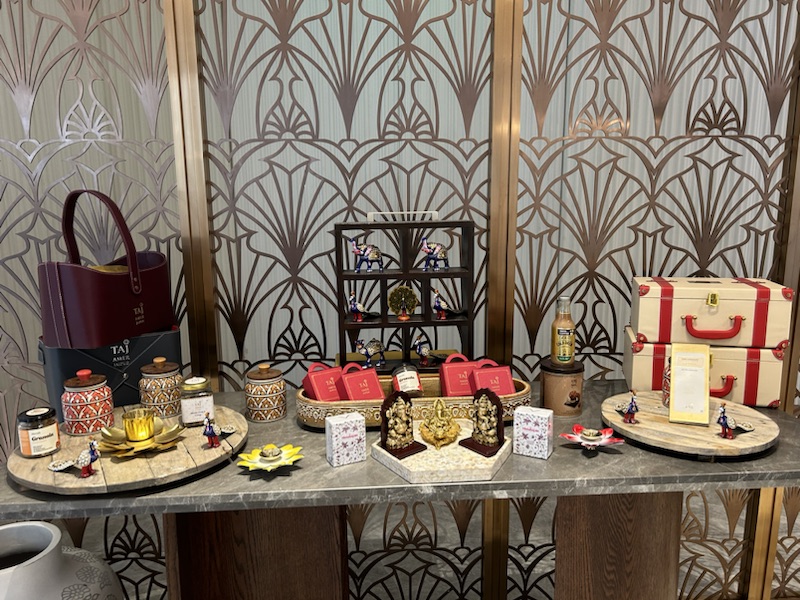
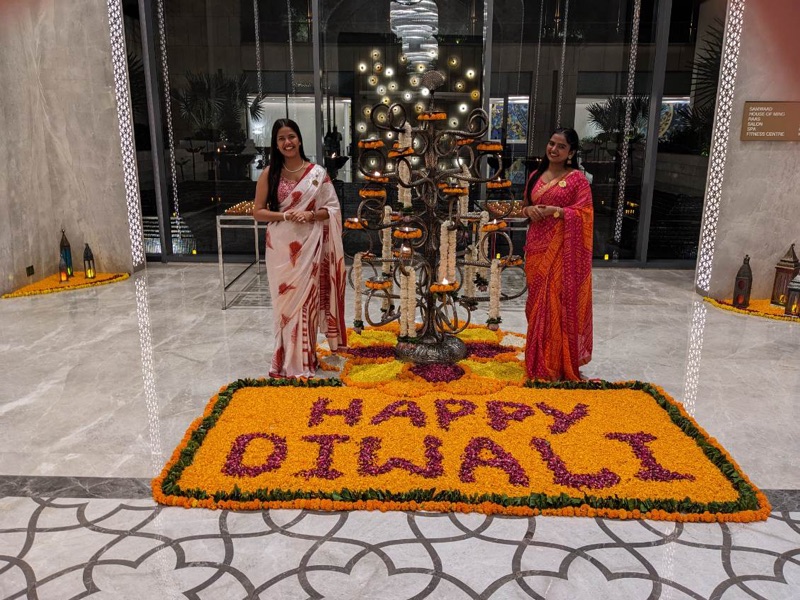
When we arrived at our hotel, decorations were everywhere in the lobby.
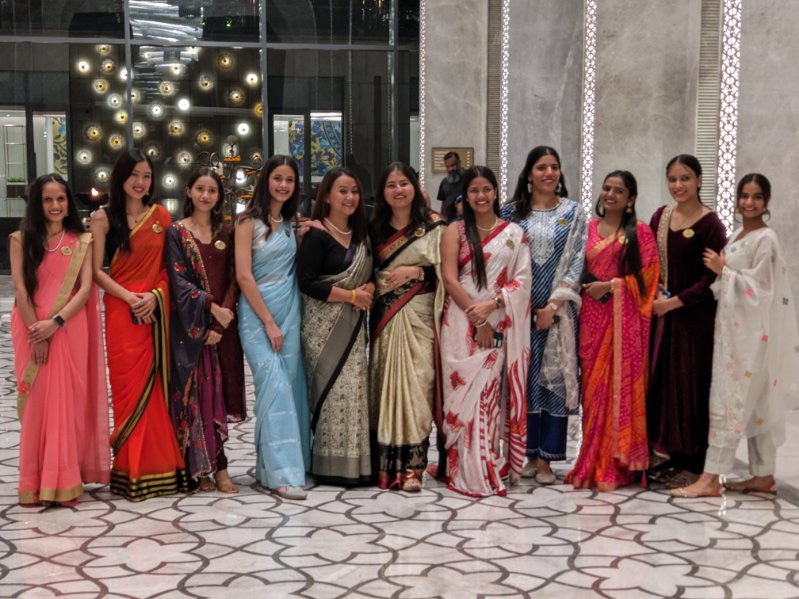
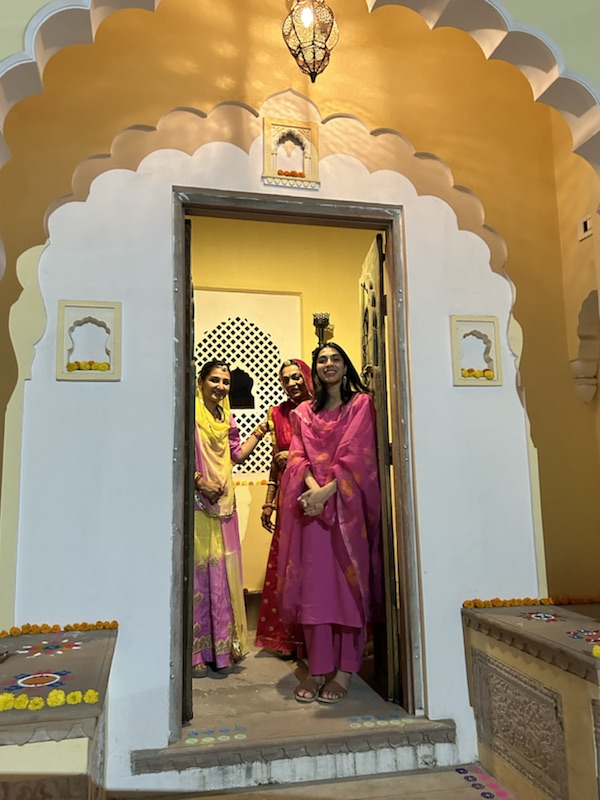
Hotel staff posing before the Diwali ceremony
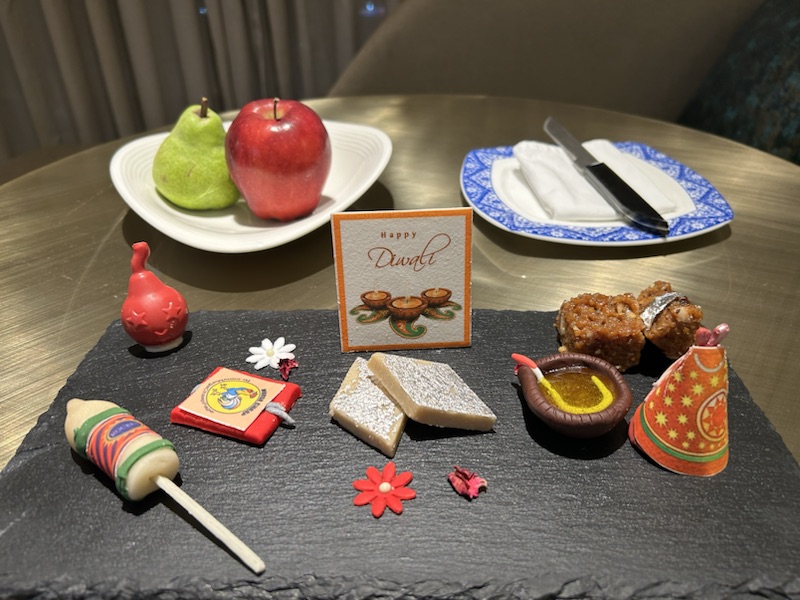
Our hotel room even had Diwali decorations & treats waiting for us
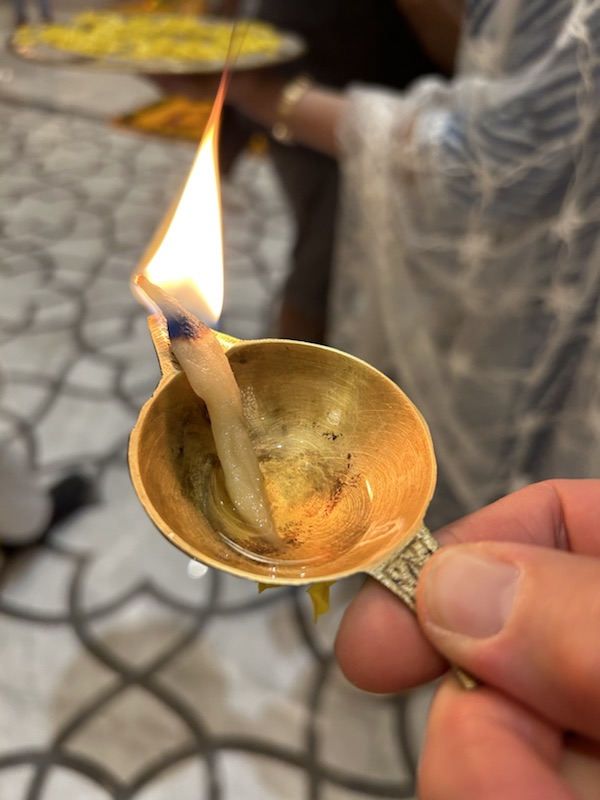
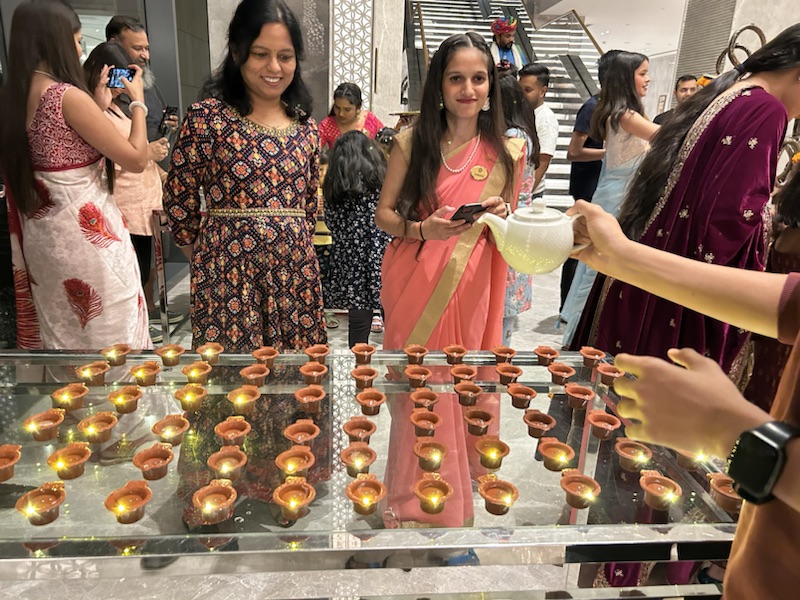
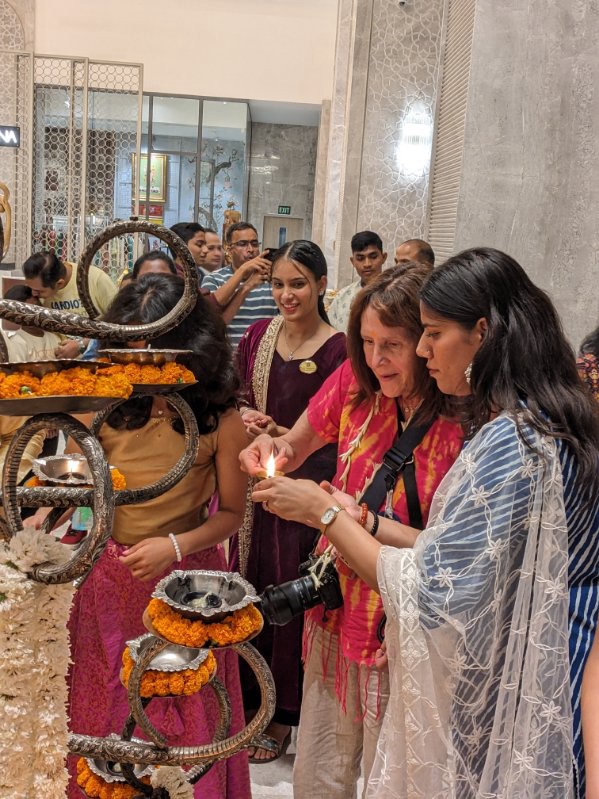
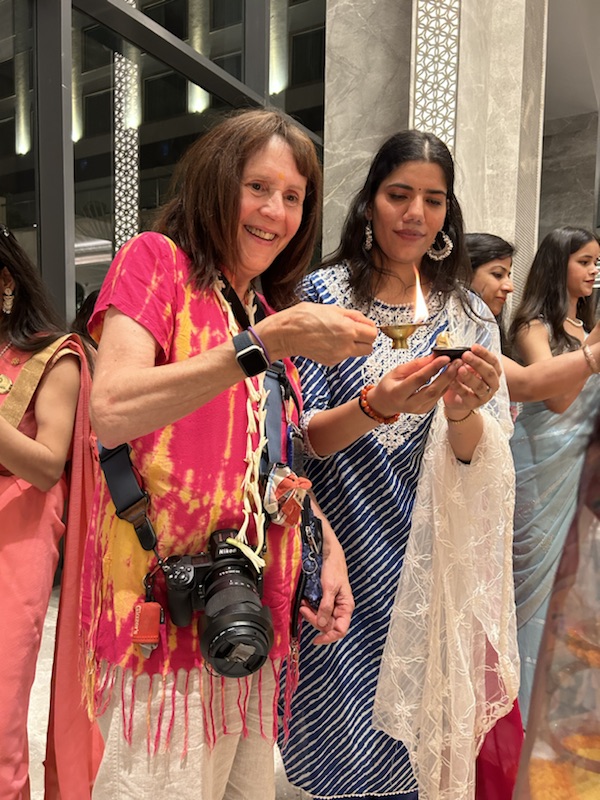
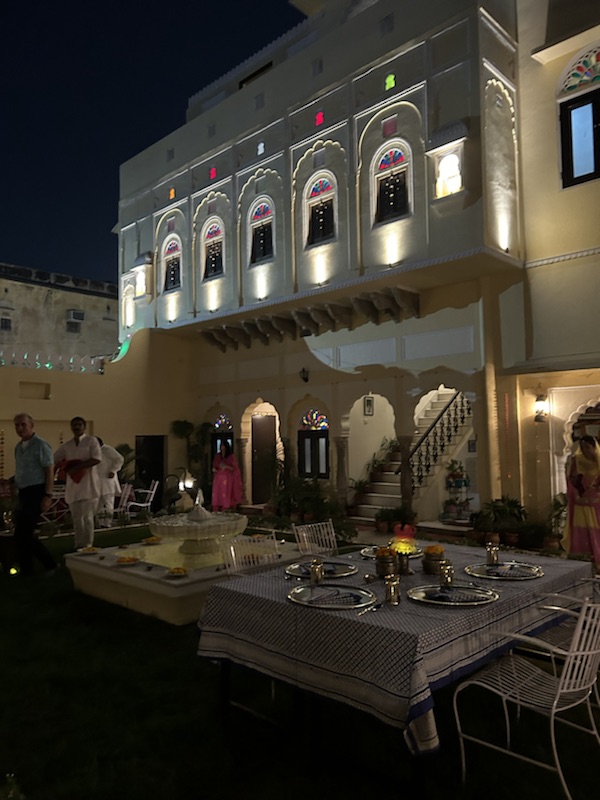
We were then invited to participate in lighting the small lanterns at our hotel
Lighted candle tree at our hotel, Taj Amar.
Our guide service informed us we were invited to a local home to enjoy the special evening which was a total surprise.
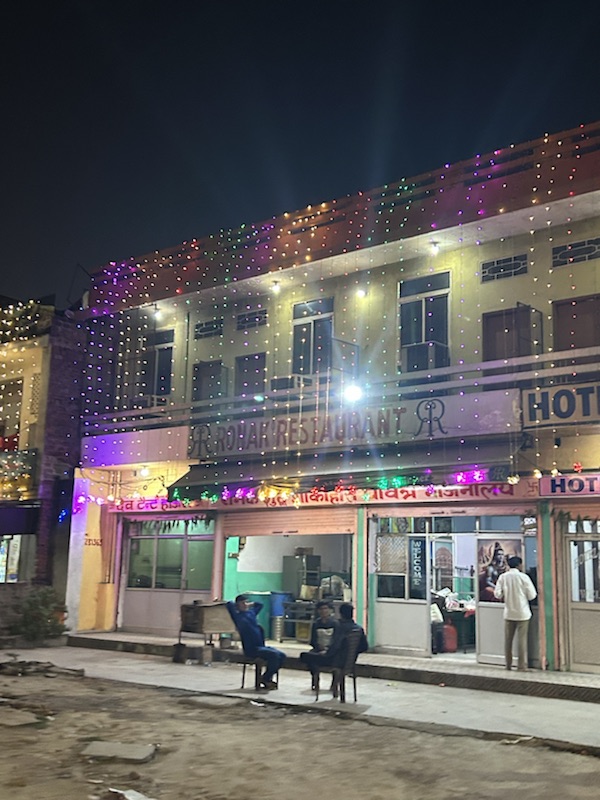
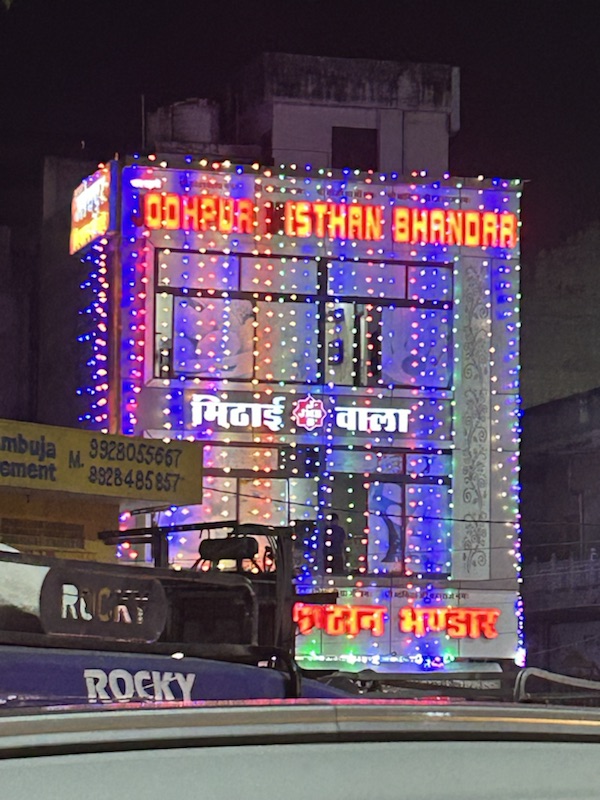
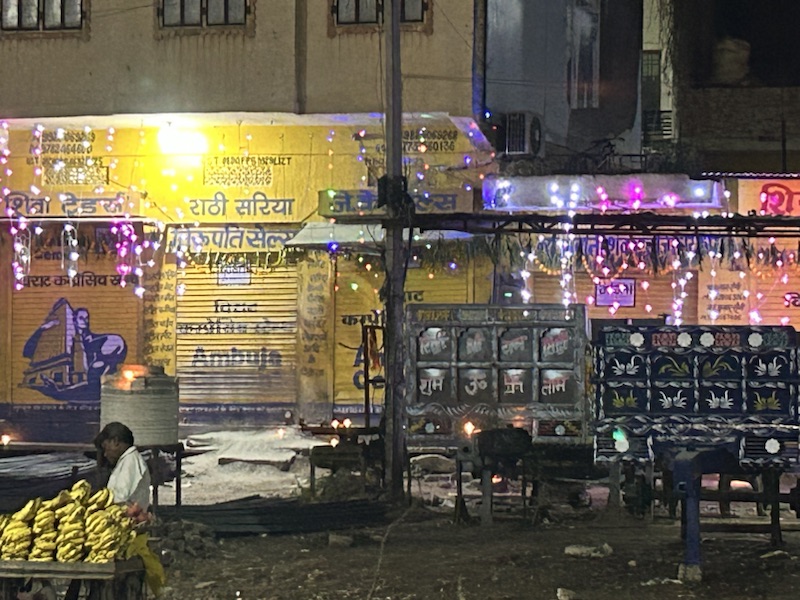
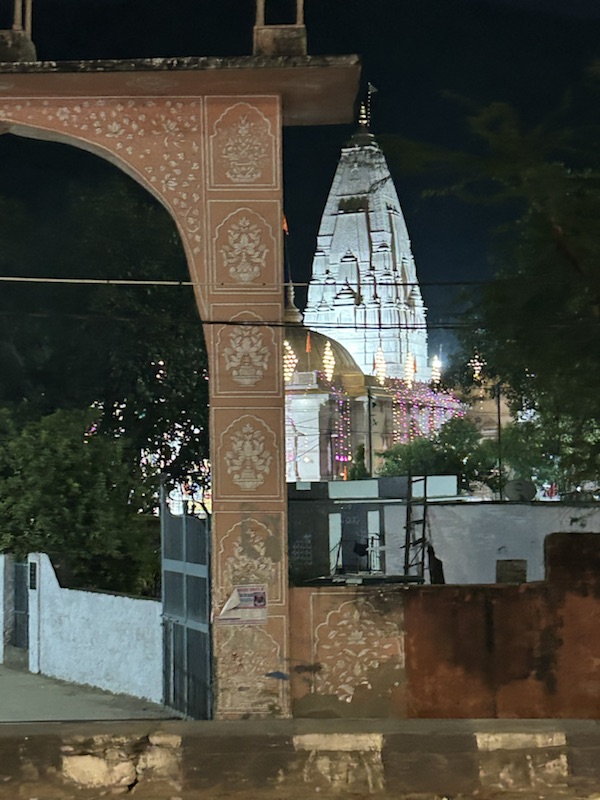
On the drive there, we saw many buildings decorated with lights to commemorate the holiday.
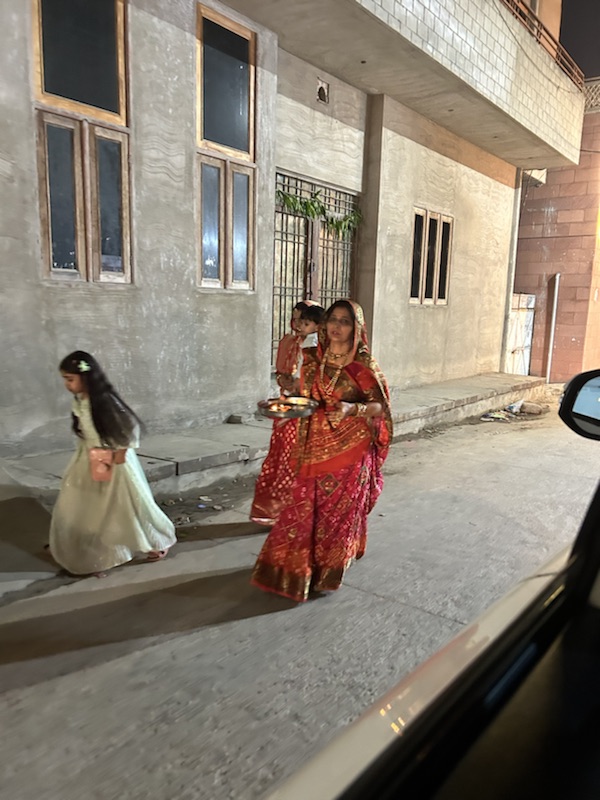
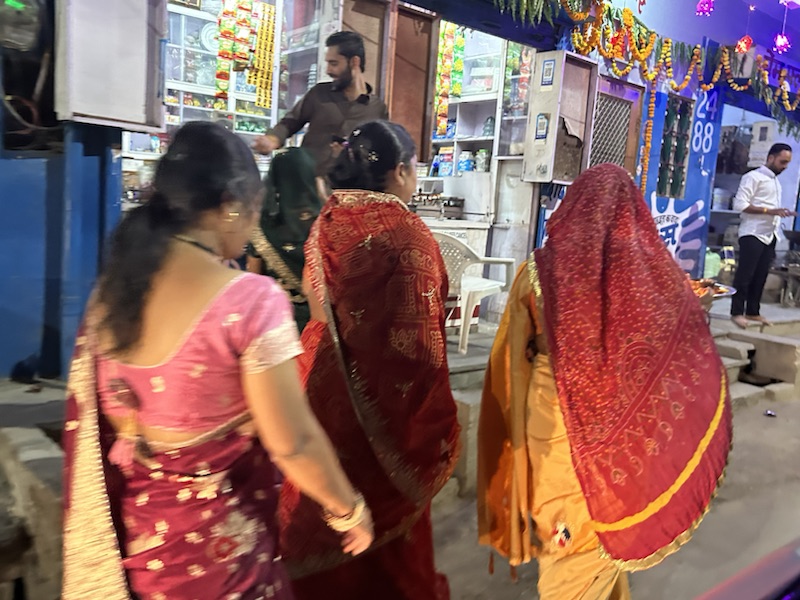
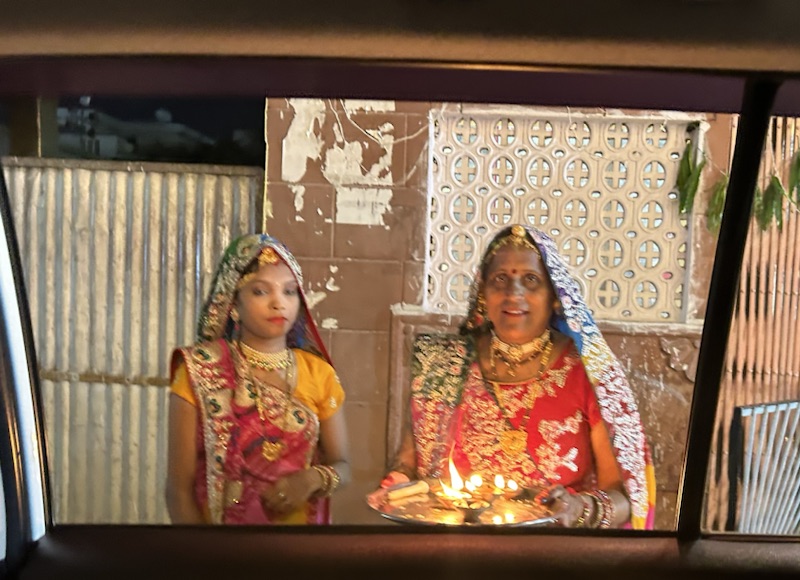
We also saw women carrying trays filled with small lanterns to place in their local temple.
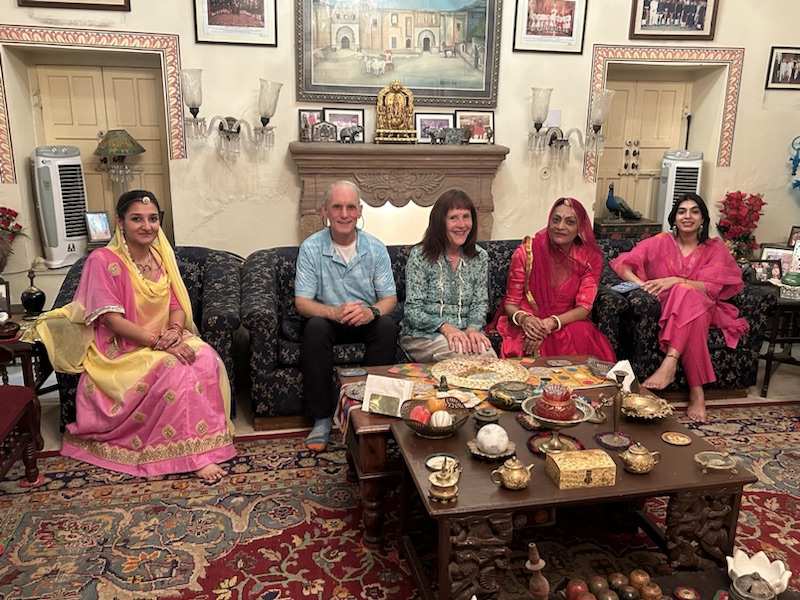
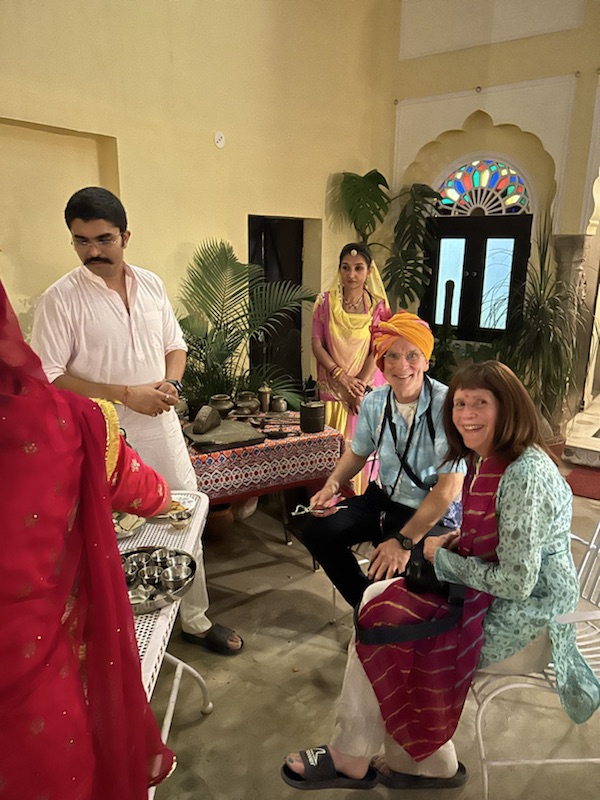
Our host family shared their life stories & family history, then asked us about ours before the meal was served.
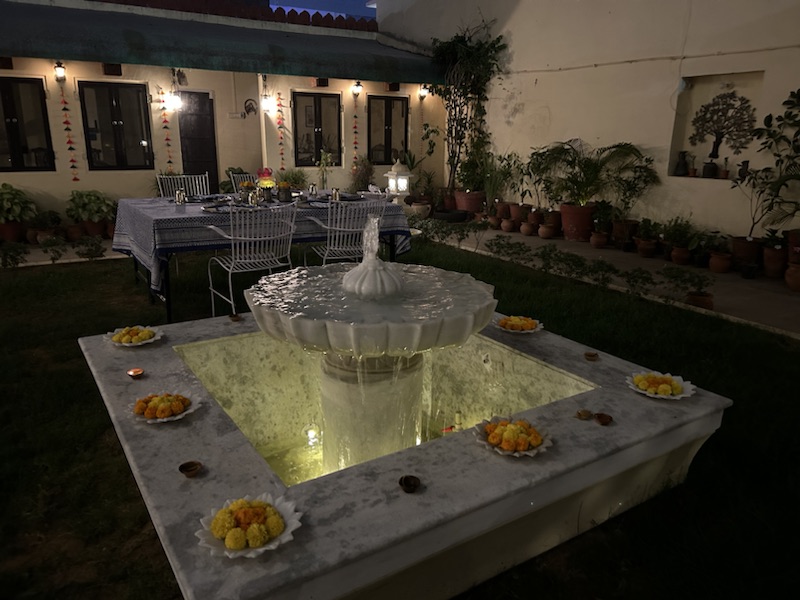
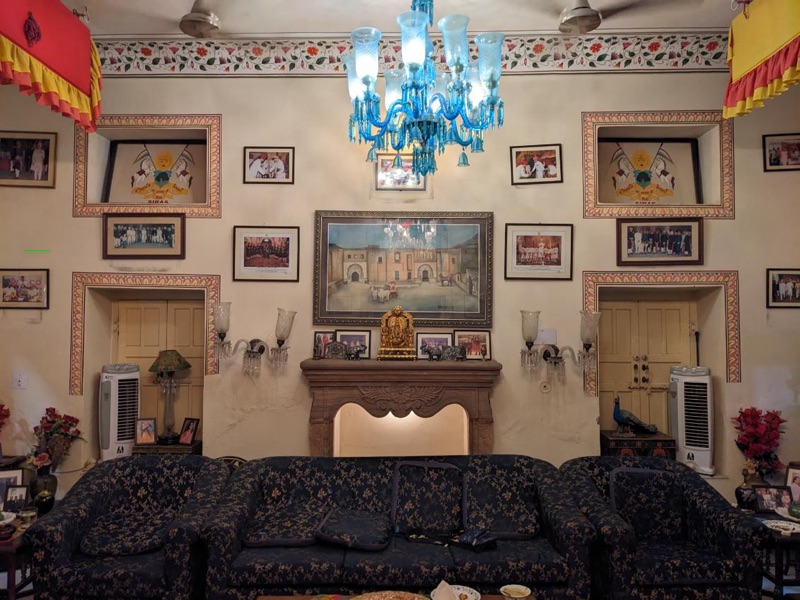
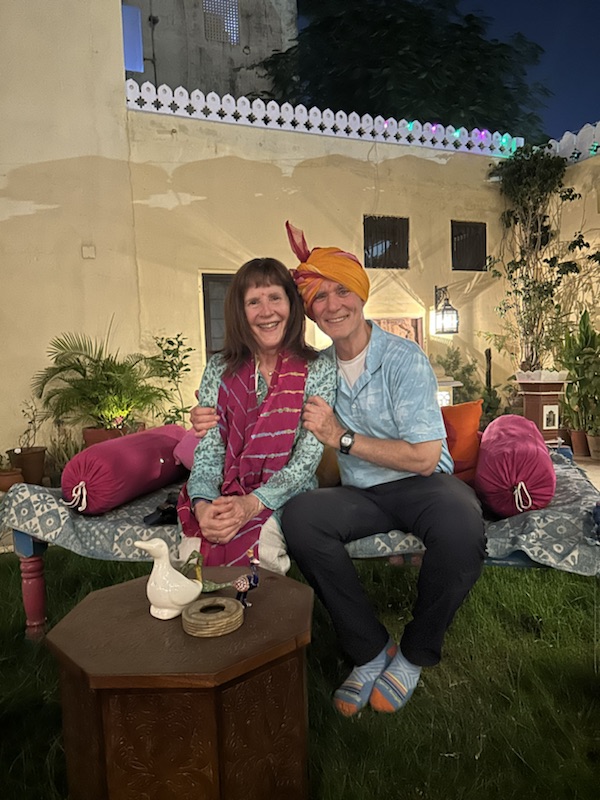
Daughter-in-law, us, the mother, & daughter.Outdoor courtyardThe living room with family heirlooms. Their home has been in their family for 14 generations!
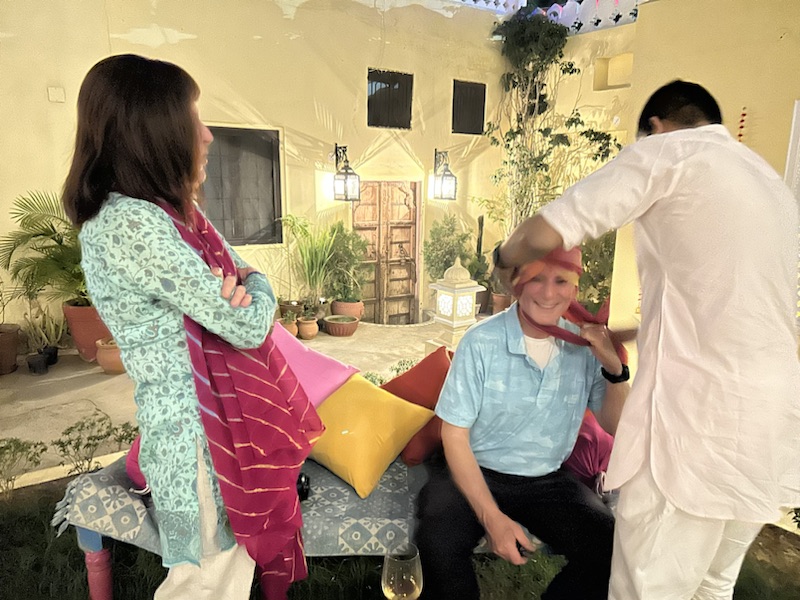
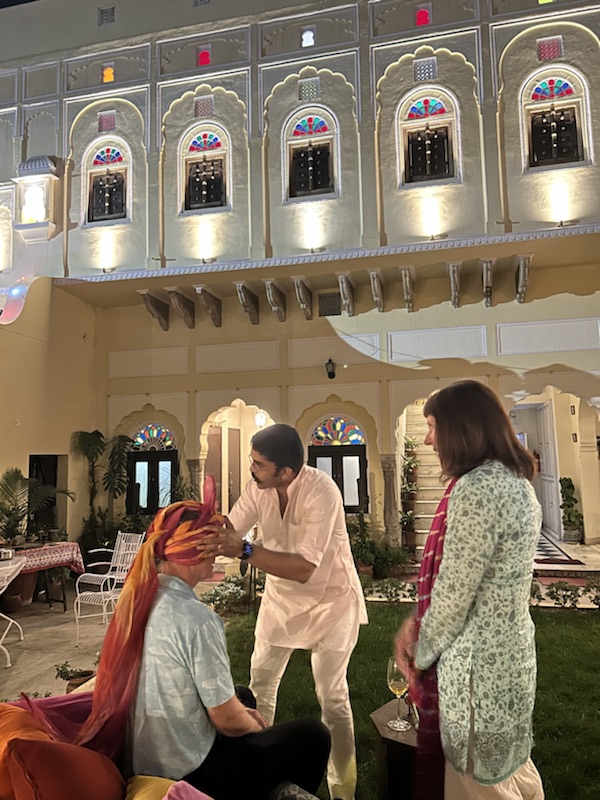
The son & his wife offered us both gifts. For me, a scarf & for my husband, a turban sporting the local Jaipur colors.
The mother prepared the meal.
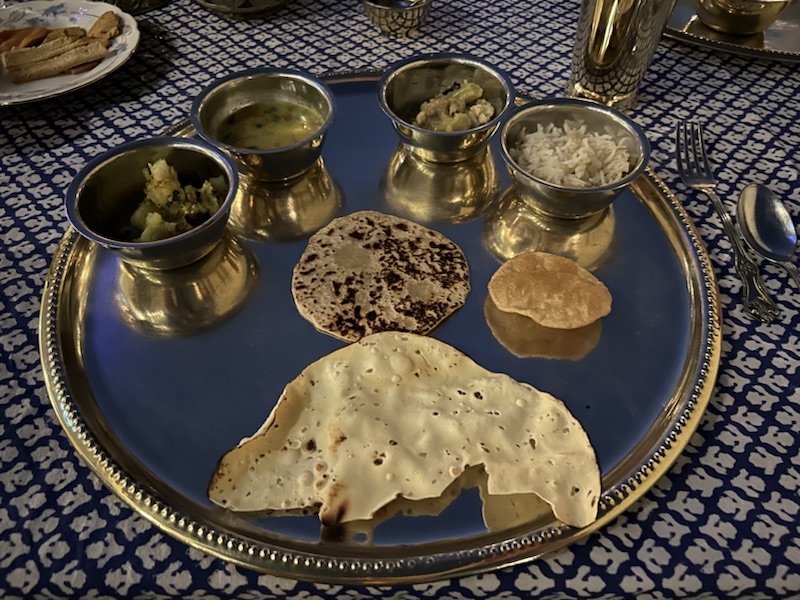
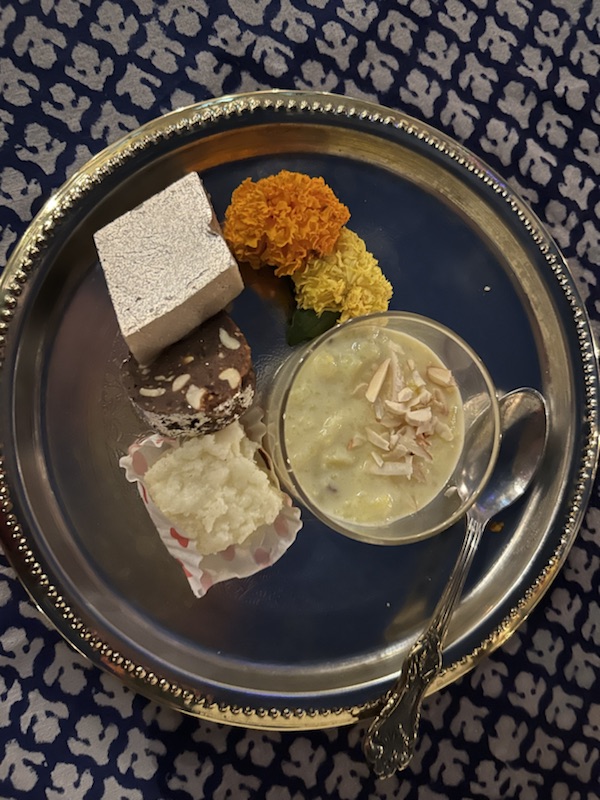
The main course & desserts were delicious.
It was so marvelous to participate in this special holiday with such wonderful & kind people who opened their home to us on their biggest celebration. This experience is what makes traveling to different countries so special.
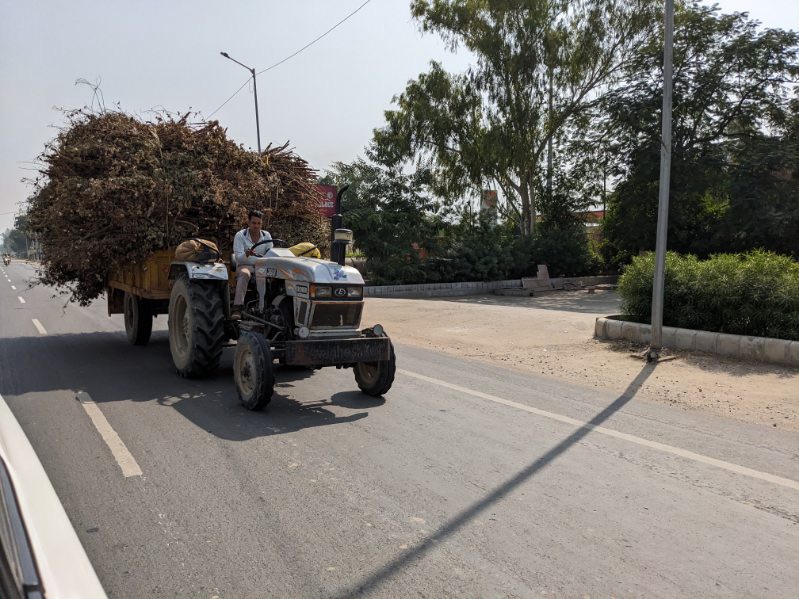
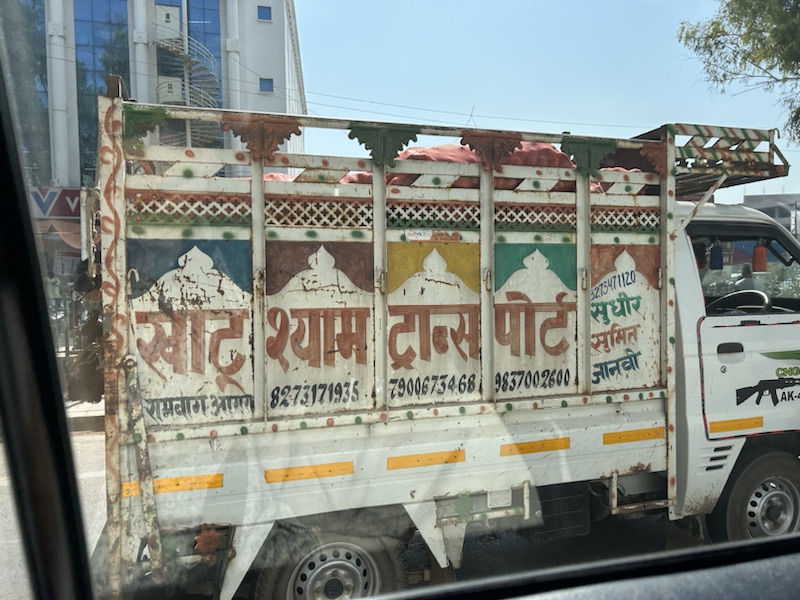
The drive to Agra from Delhi used to be extremely busy filled with colorful Lorries (trucks) & very, heavy, congested traffic. The half way rest stop even featured a man with a dancing bear.
Now the road is a 4-6 lane toll road. The only thing that has stayed the same since 2005 are the buses & trucks with their unique horns that sound like a carnival ride. No rest stop with a dancing bear.
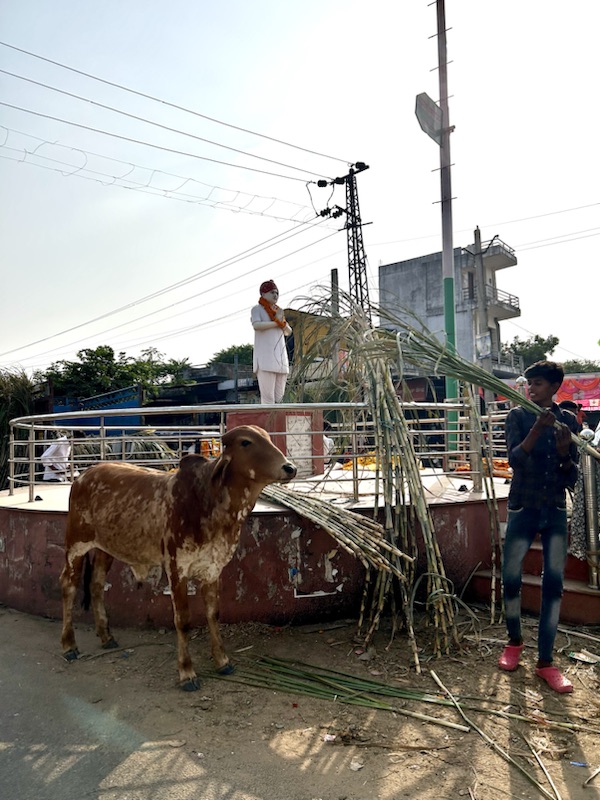
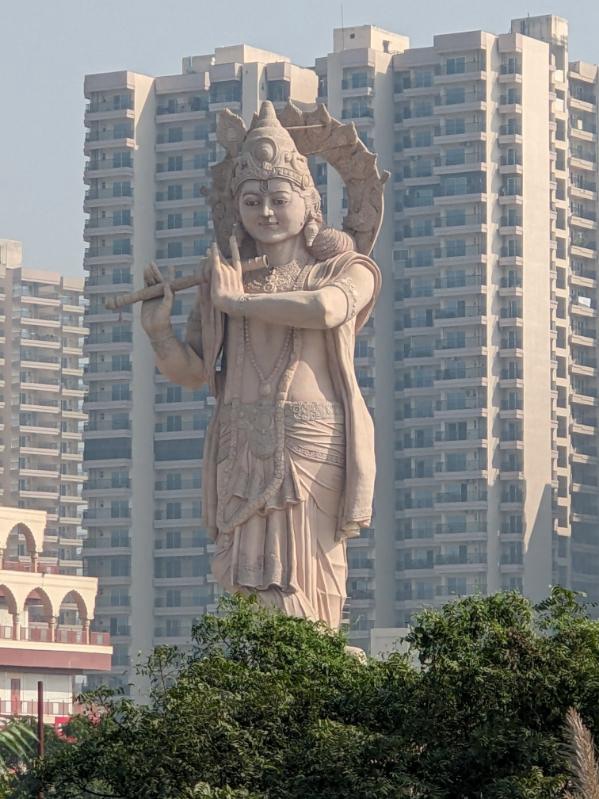
One of the few colorful trucks we saw today. Krishna statue along the way
The drive might be less eventful and colorful; but, it is 100x safer. In 2005, from time to time when passing trucks, our driver would maneuver our car’s hood under the trucks reminding us know that our safety was more in the hands of Indian Gods & plain old-fashioned luck rather than his good driving.
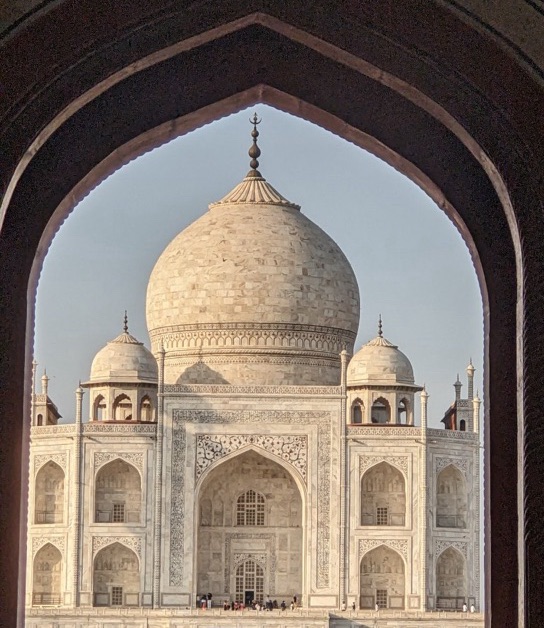
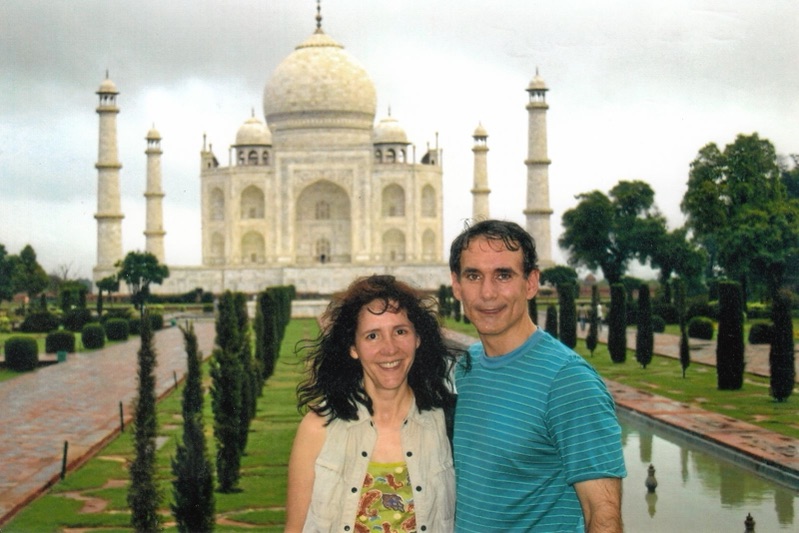
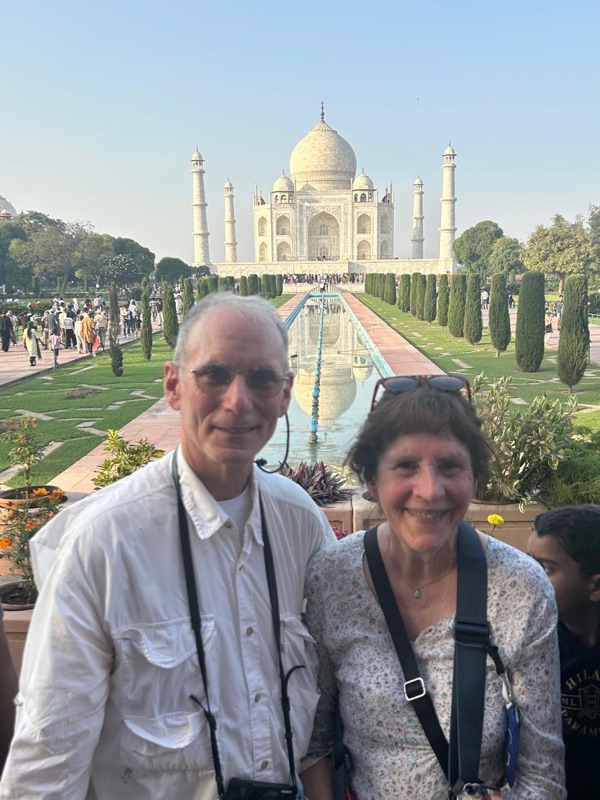
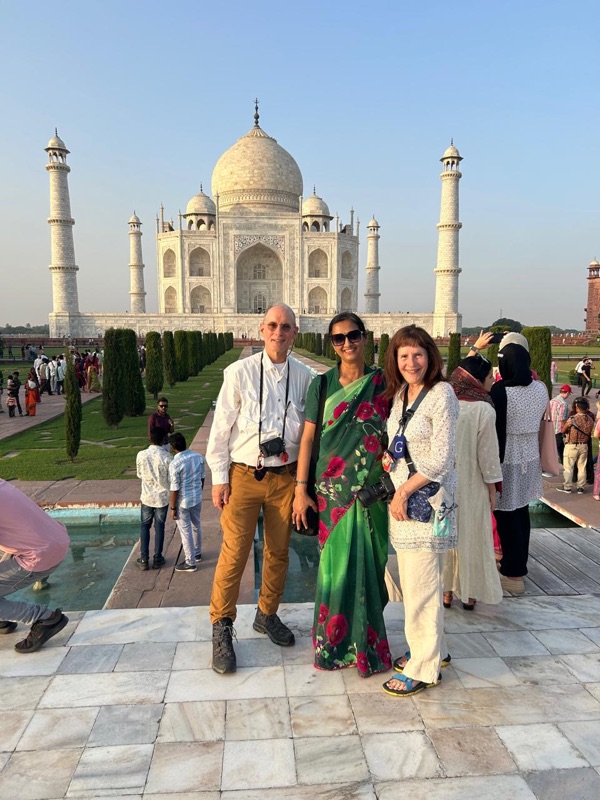
The Taj Mahal is still beautiful. Our guide told us she has been doing daily tours there since 1995. With more than 5,000 visits, she still loves to visit it.
We learned from our guide that craftsmen who built the Taj did not have their hands cut off or their eyes gouged out so as never to create anything as or more beautiful. Rather they were given homes, land, & a pension if they promised never to build another structure this beautiful. Kind of like the first “non-compete” clause in history. Those craftsmen decedents still own the property today.
20052024With our guide Anu
Funny story, our guide told us I haven’t changed much from our 2005 photo at the Taj; but, she said my husband looks totally different. 😂🤣
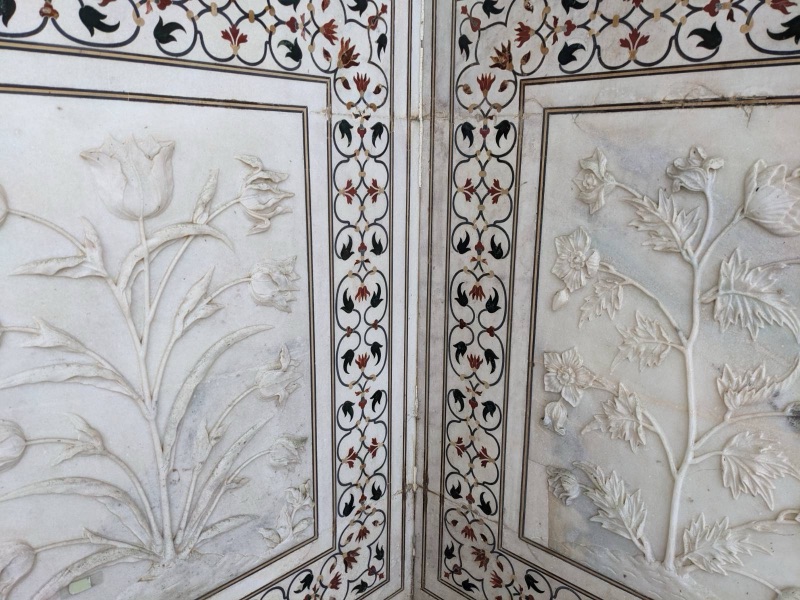
The Taj Mahal gets more beautiful the closer you approach it being able to see beautiful carvings inlaid with semi-precious stones such as jade, lapis lazuli, & turquoise.
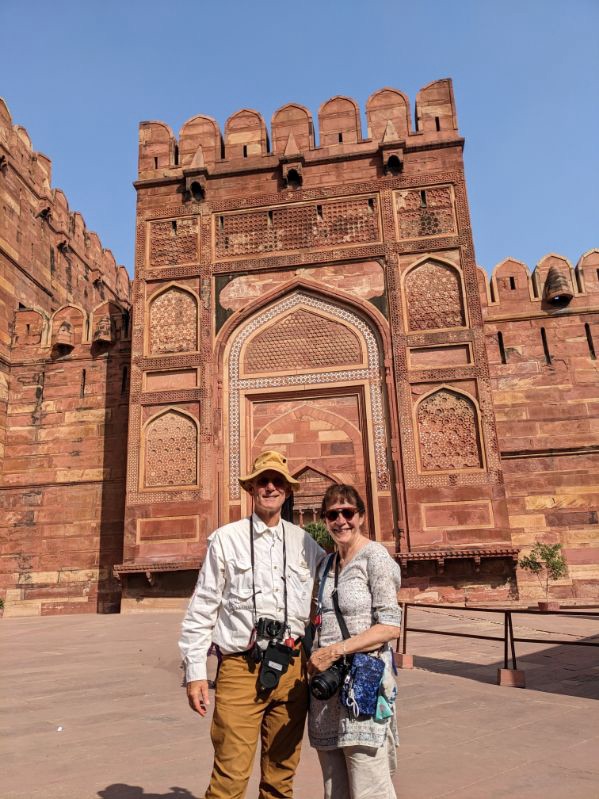
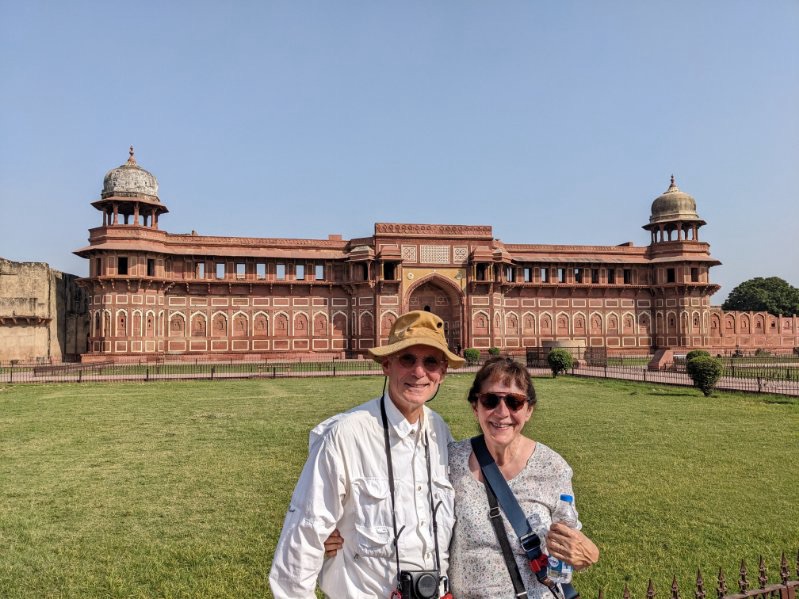
We also visited Agra’s Red Fort which was the palace for the Mughal Dynasty in the 16th Century and where Shah Jahan, builder of the Taj Mahal, was incarcerated by his son forced to live the last 8 years of his life in it. Quite a gilded bird cage indeed.
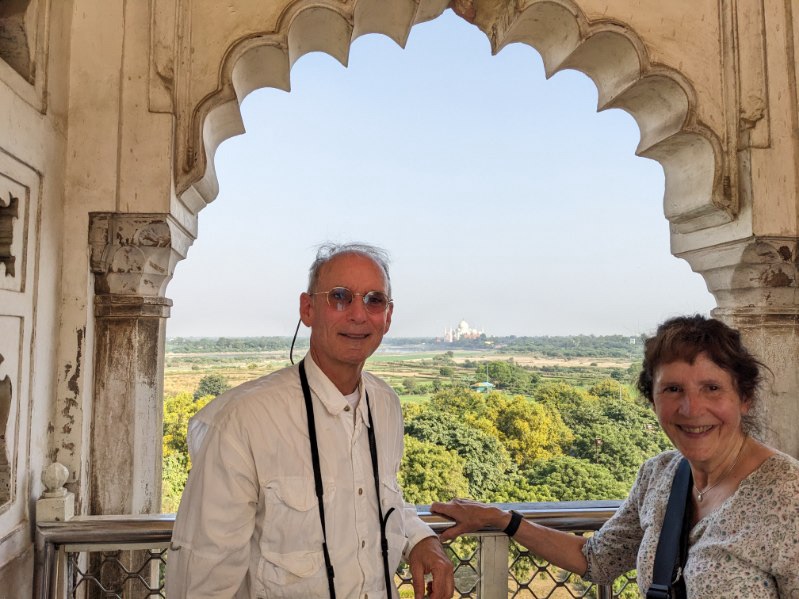
You can see the Taj Mahal in the distance.
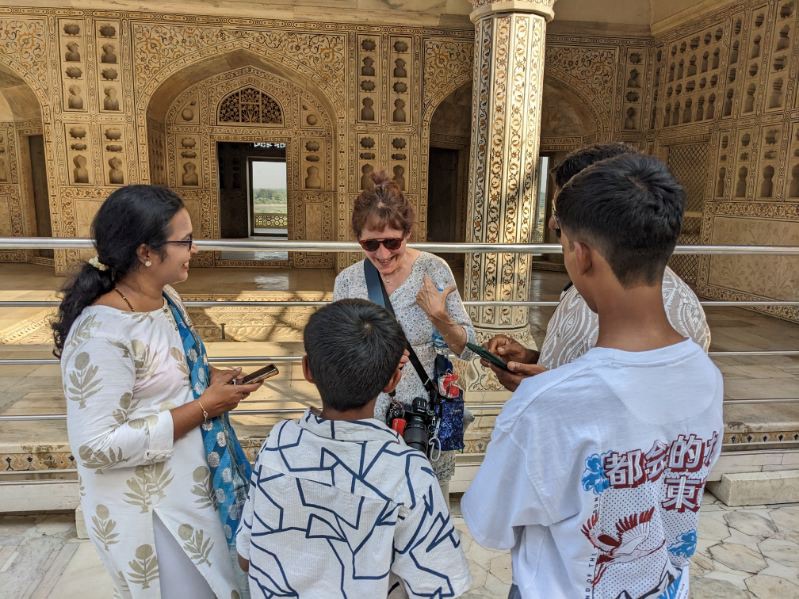
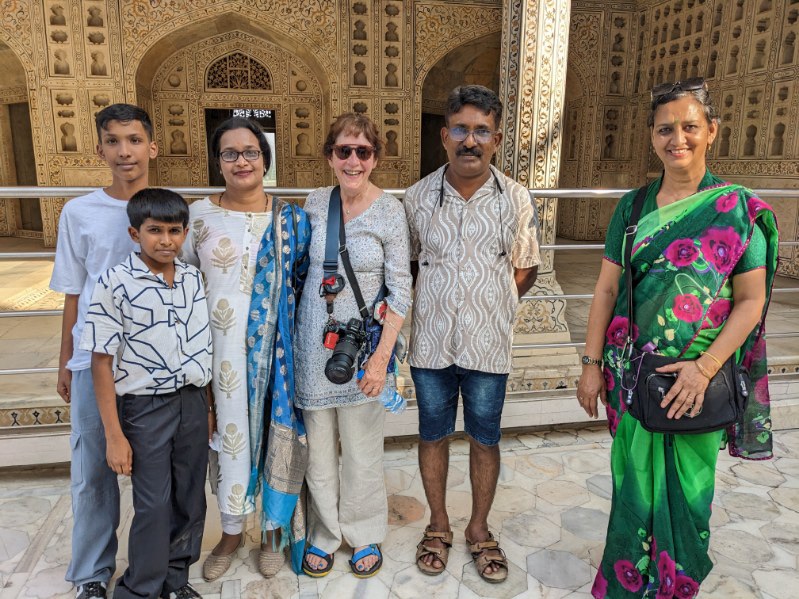
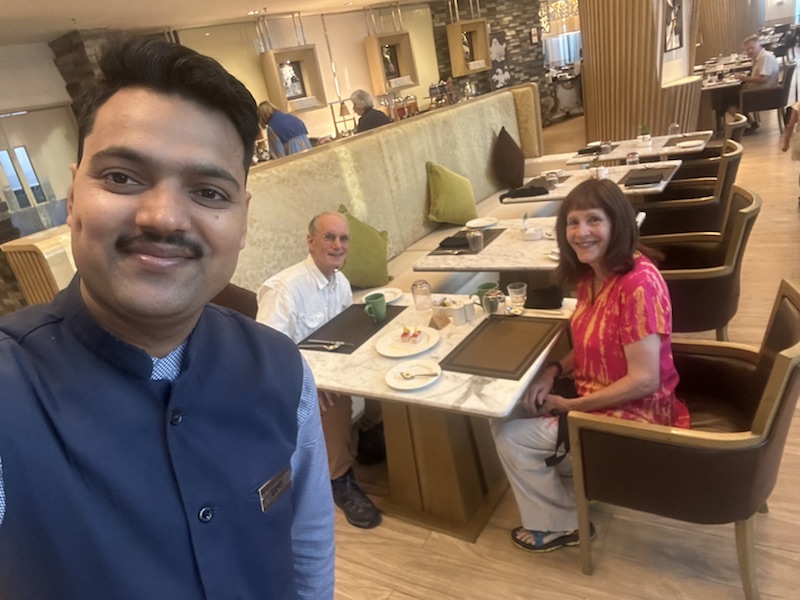
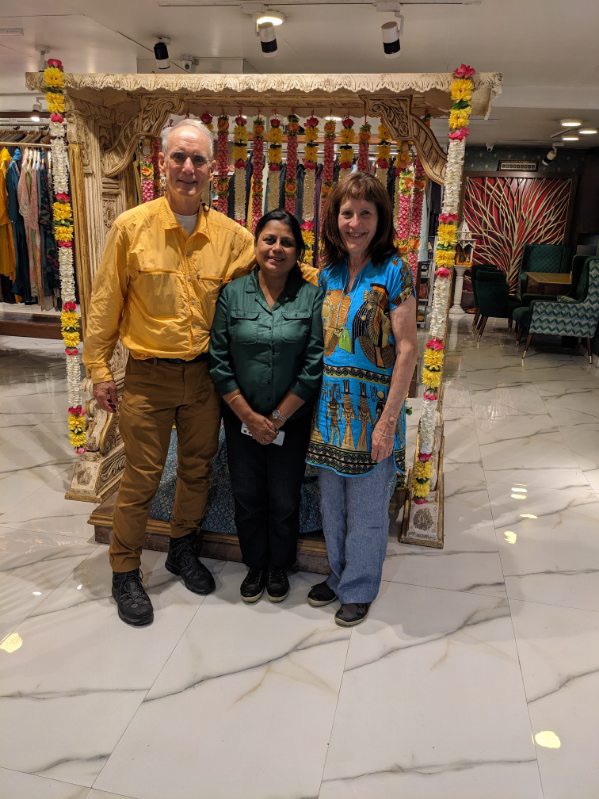
I continue to experience people wanting to take my picture. It happened once at the Red Fort, at the Taj Mahal, and in our hotel’s restaurant. I’ve looked around and this only happens to me. I’m usually approached by the husband in the family, then by their wives.
On my last 2 trips to India I was told I looked like a Bollywood movie star. Hmmm, not sure, but it makes for a fun experience. 🤩
The last time my husband and I were in India together was 2005. I visited India again with a girlfriend in 2011. I am happy to report that things seem to be improving in India. The streets are cleaner & there are much fewer beggars. However, thankfully everything that makes India wonderful is still here.
I always say that India awakens all 5 senses. It’s visually stunning with so many colors. It’s like walking in a moving kaleidoscope. The air is filled with smells from flowers, incense, & spices. People watching is at a premium accompanied by constantly honking horns & beating drums. Visiting temples requires you to go barefooted awakening your sense of touch. It’s nice to know this has not changed.
On our first day we visited old places located in New Delhi.
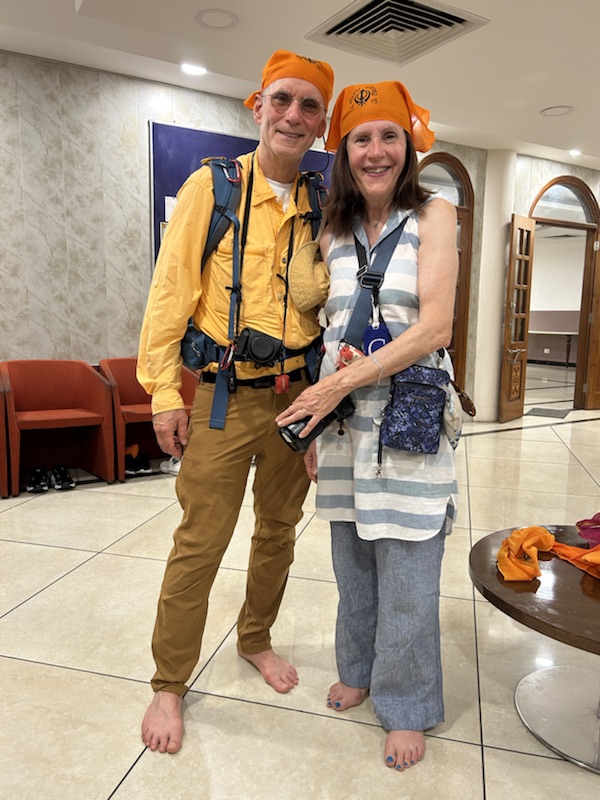
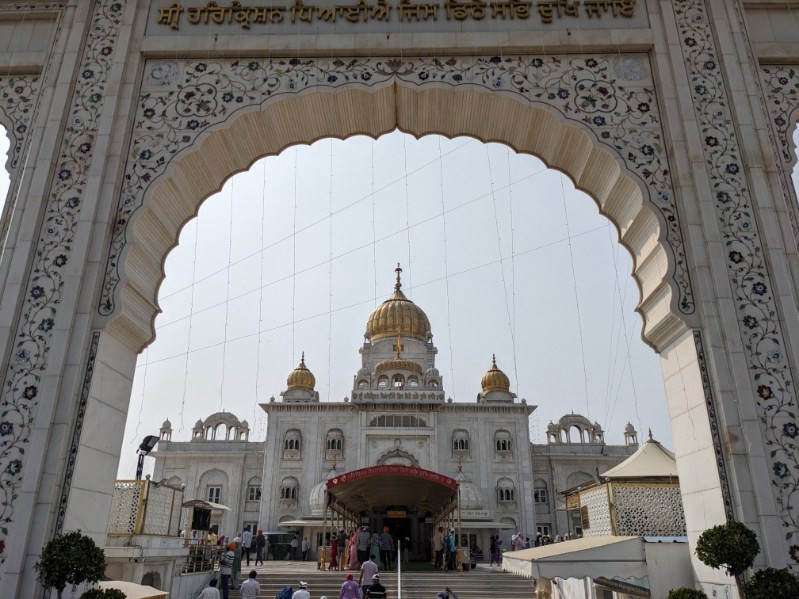
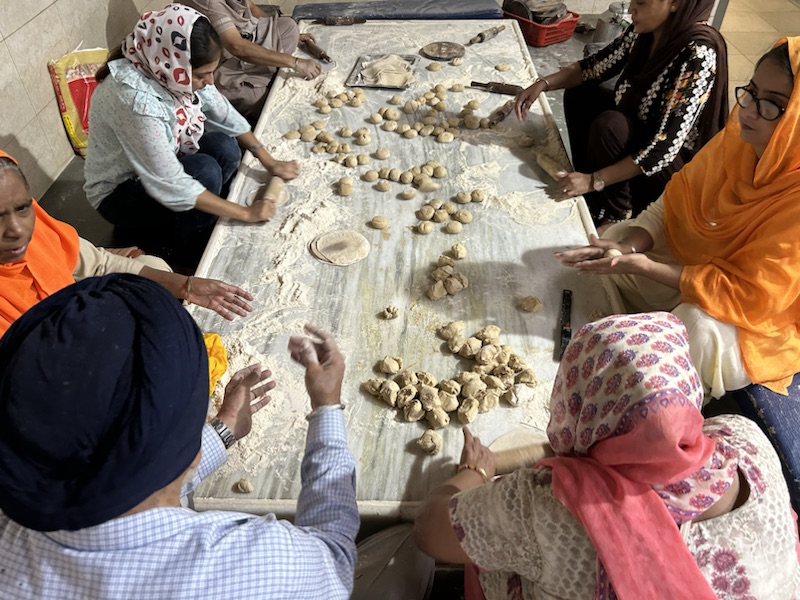
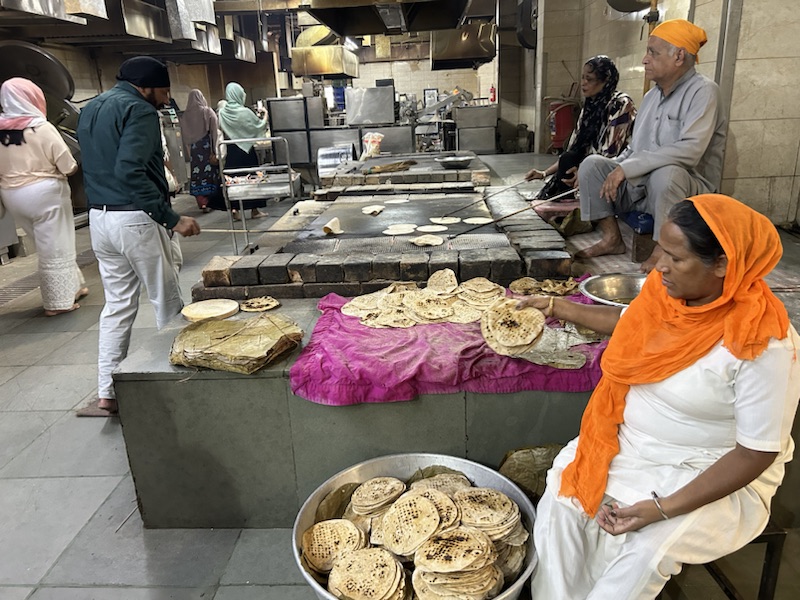
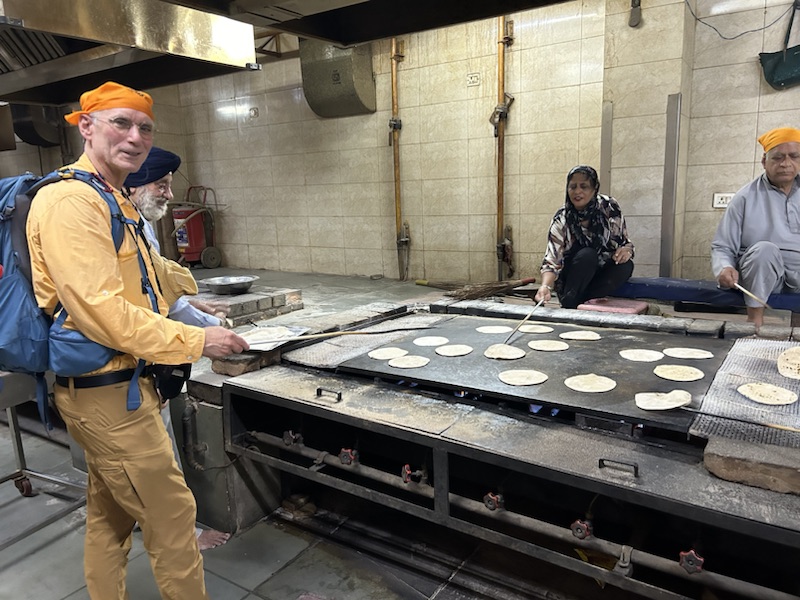
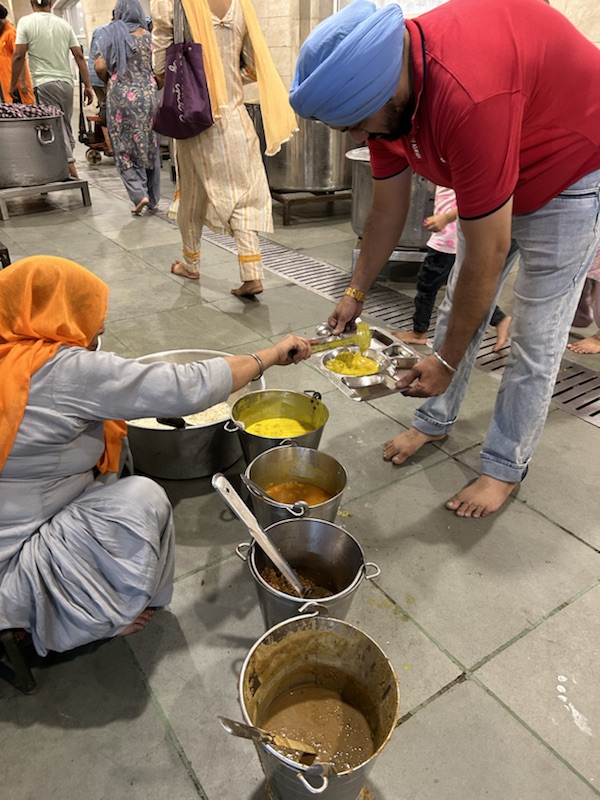
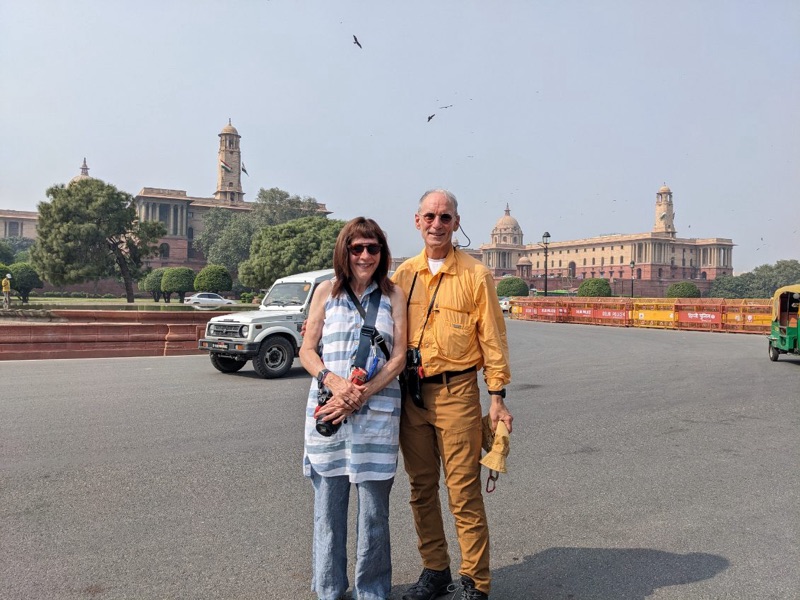
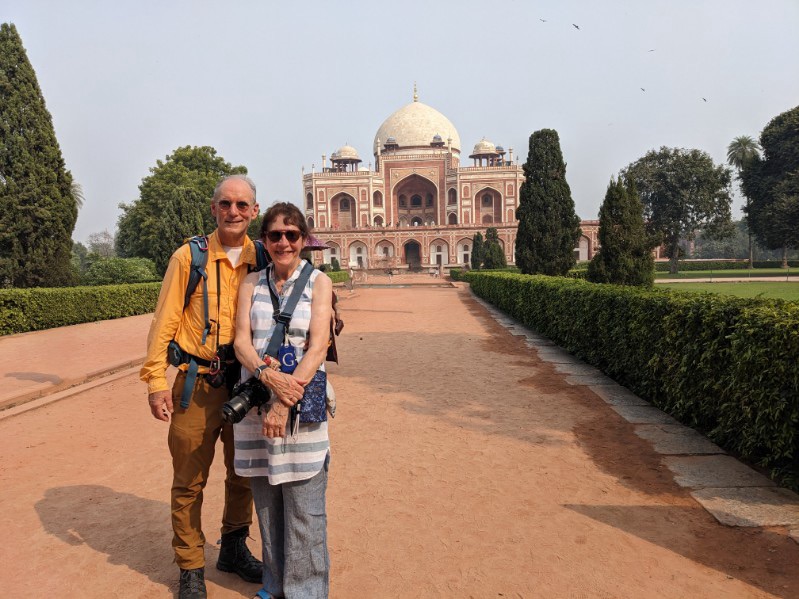
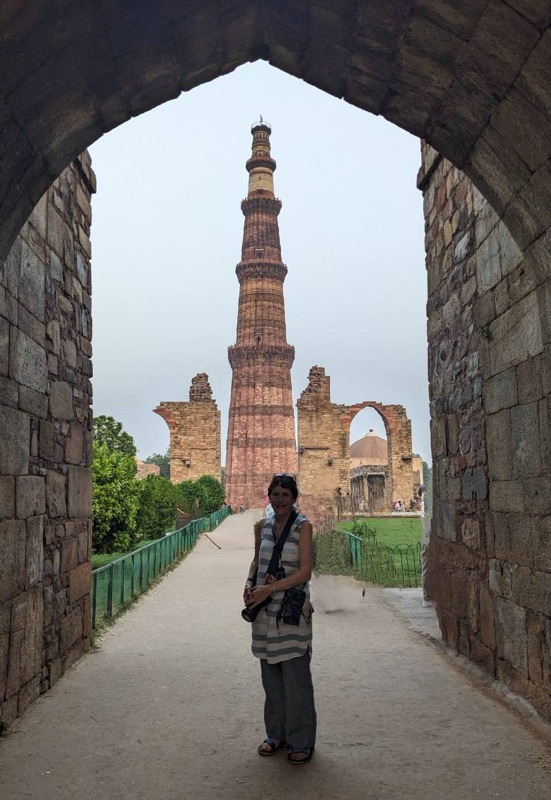
Preparing to visit the Sikh Temple, Gurudwara Shri Rakab Ganj SahibFood is prepared each day for visitors by volunteers. President’s Residence Humayun’s TombQutub Minar
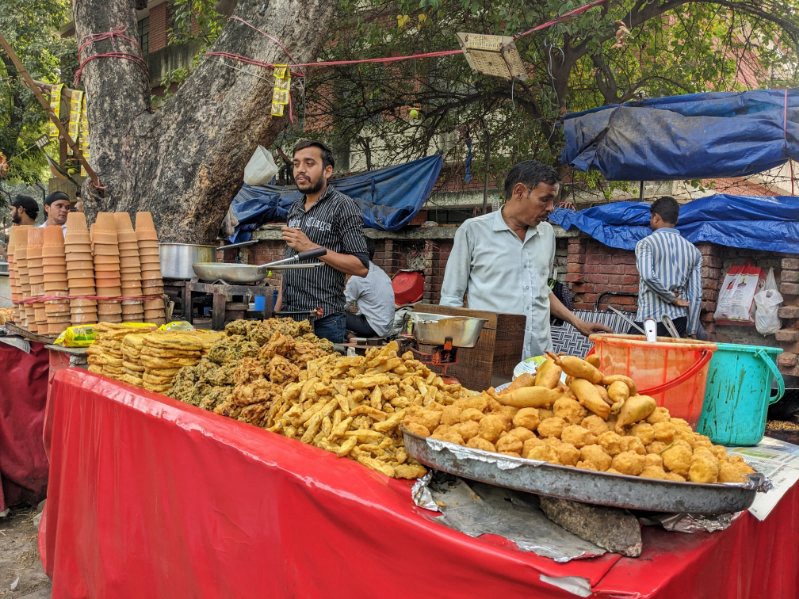
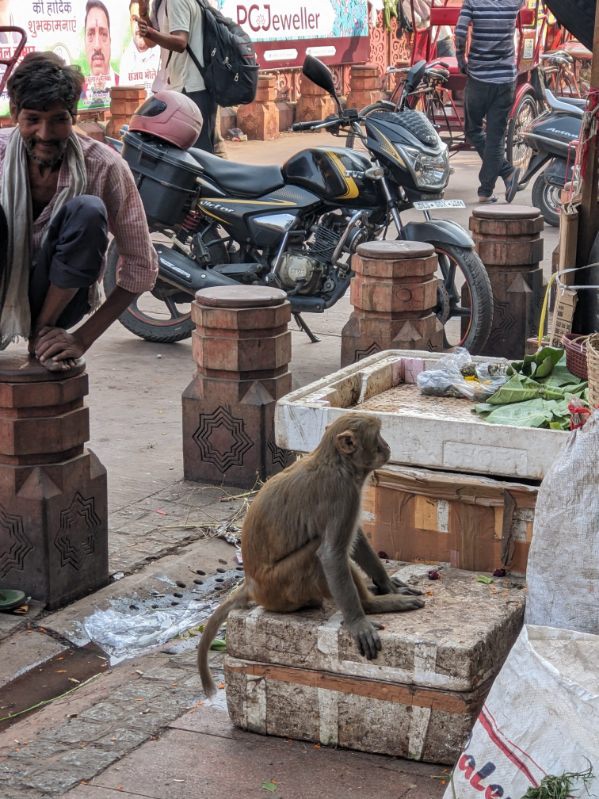
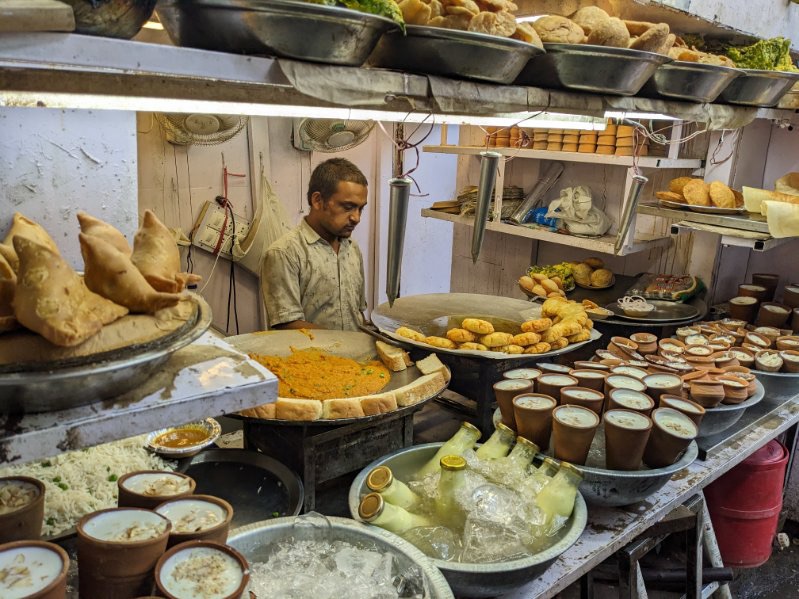
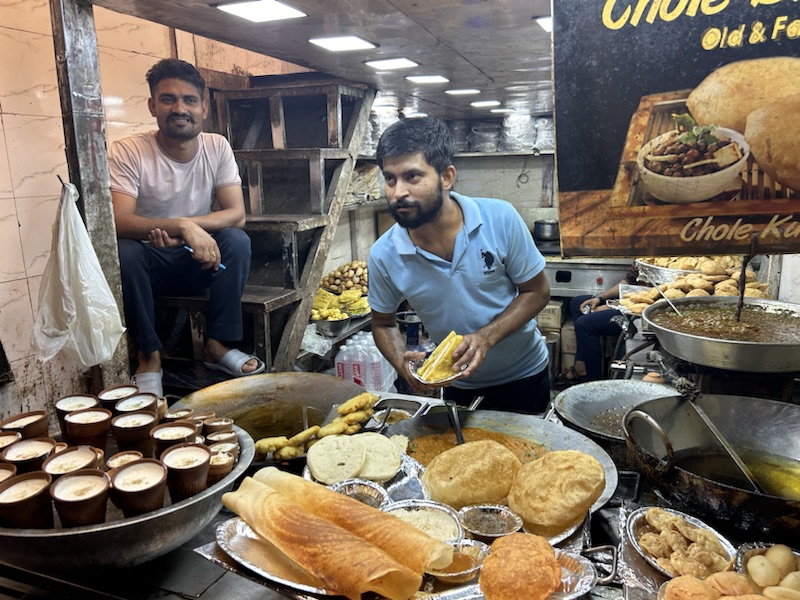
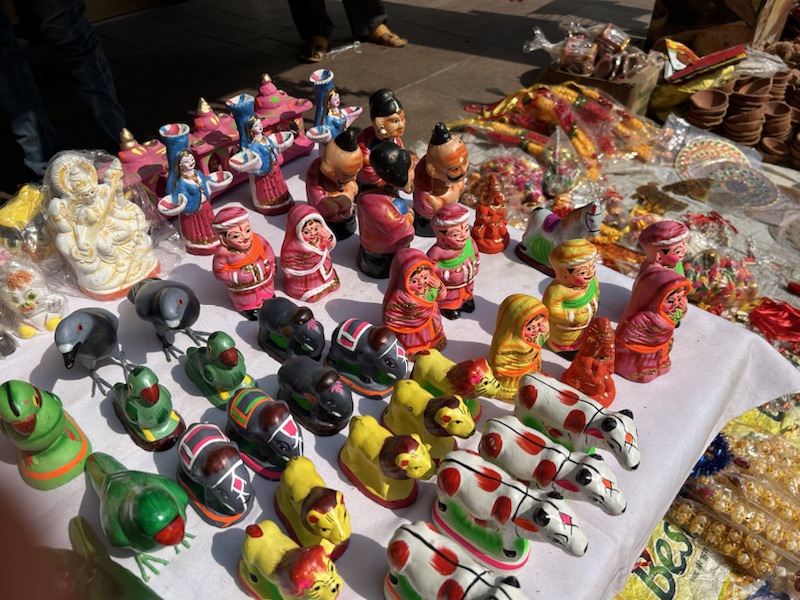
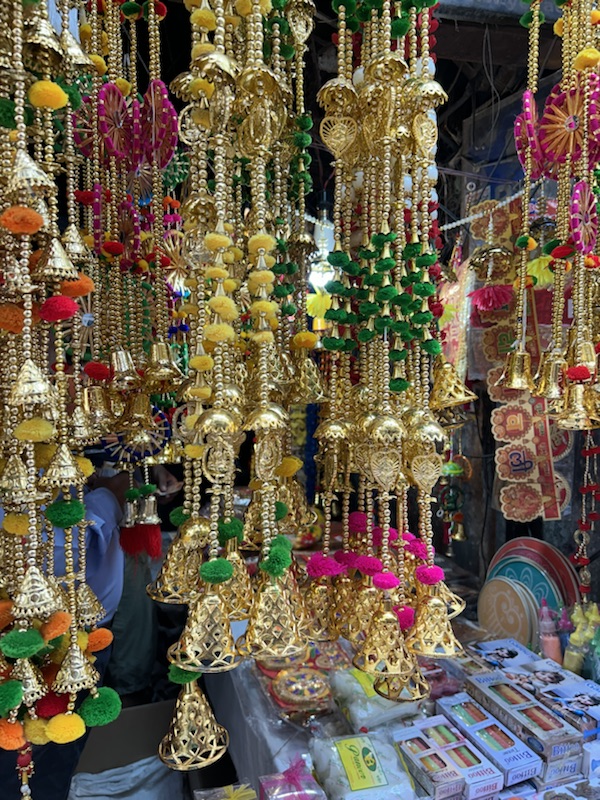
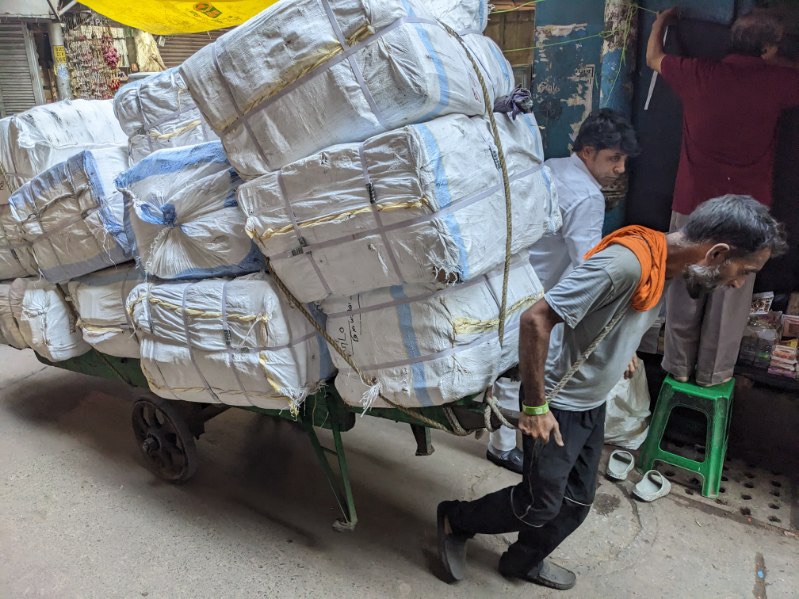
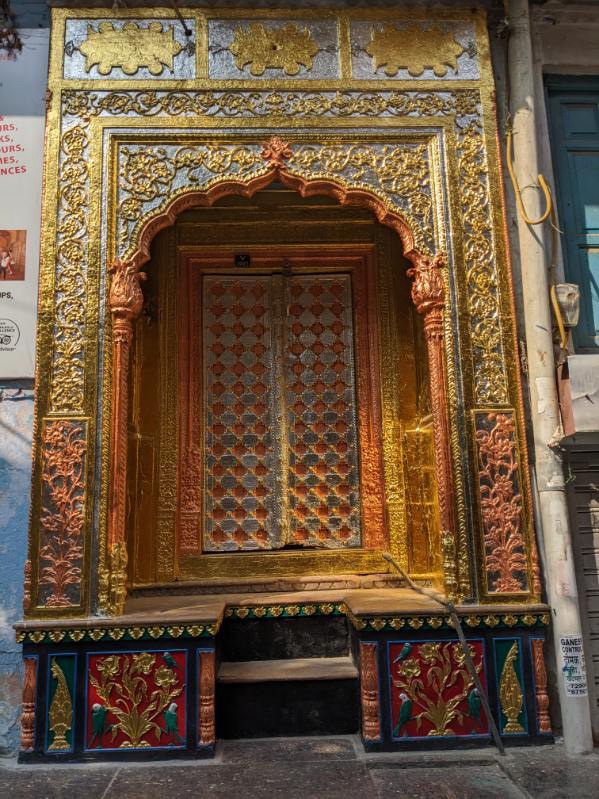
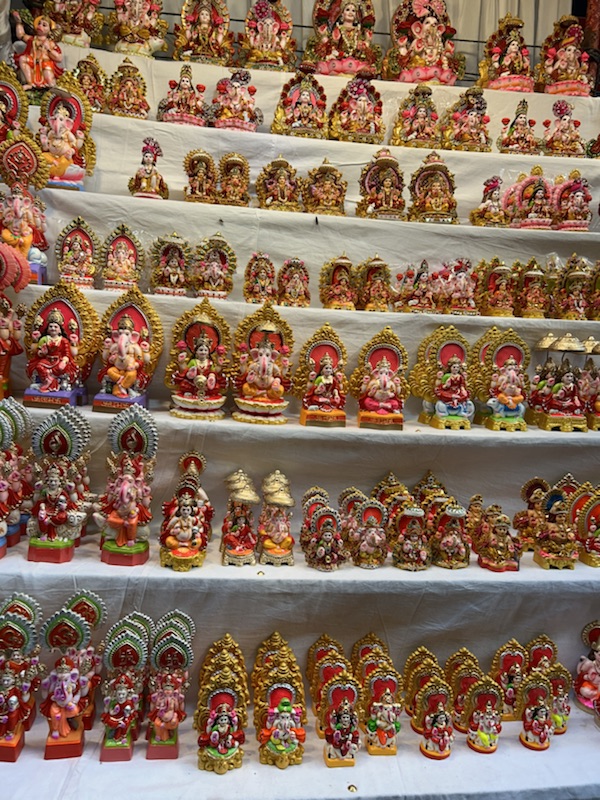
On the second day we visited Old Delhi. We enjoyed walking through the bazaar and watching the local people prepare for their main national holiday Diwali.
Diwali is the “Festival of Light” & lasts for 5 days.
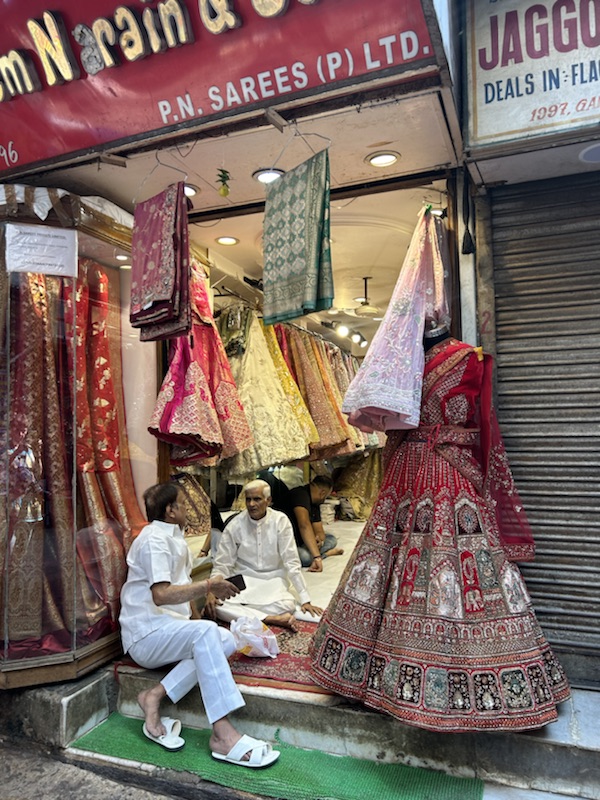
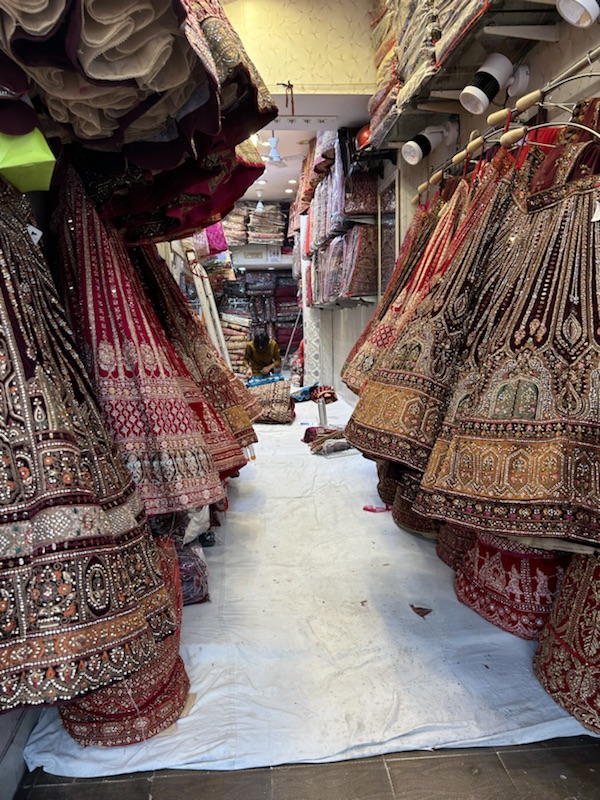
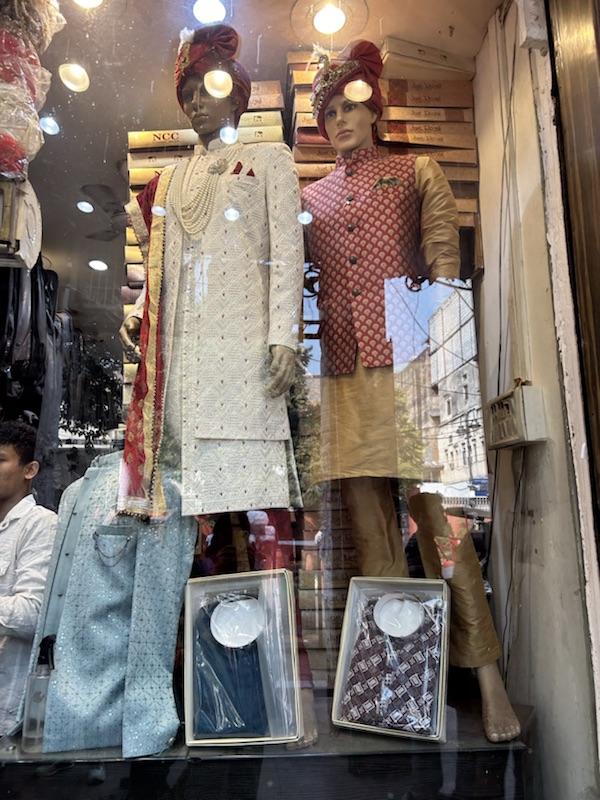
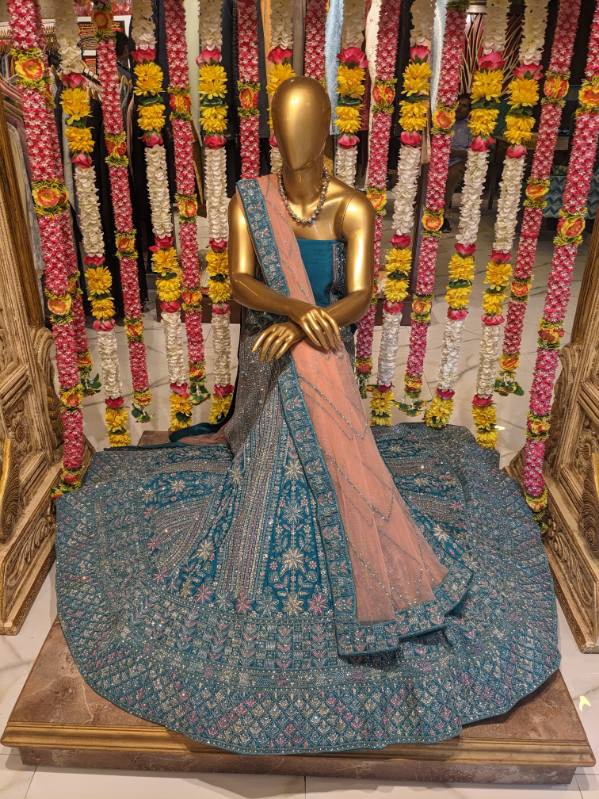
Beautiful wedding dresses.
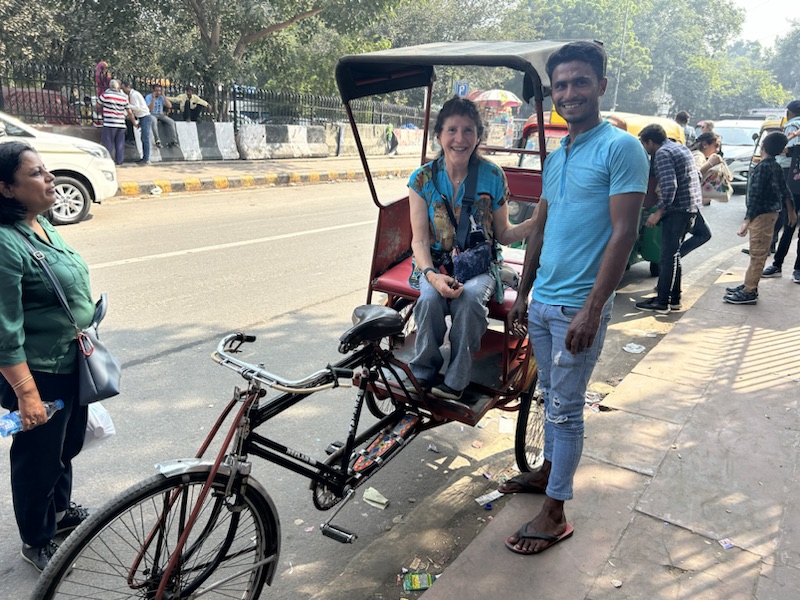
Nothing like a ride through chaos.
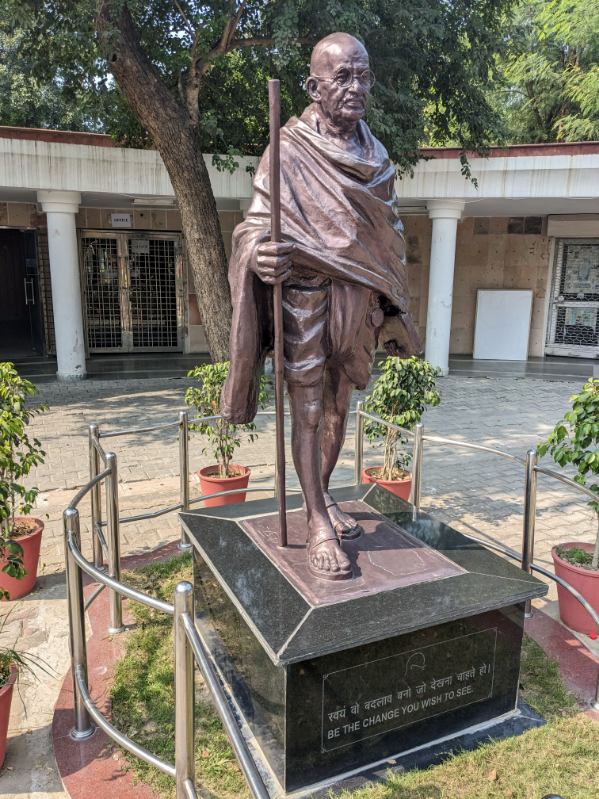
Memorial to Gandhi.
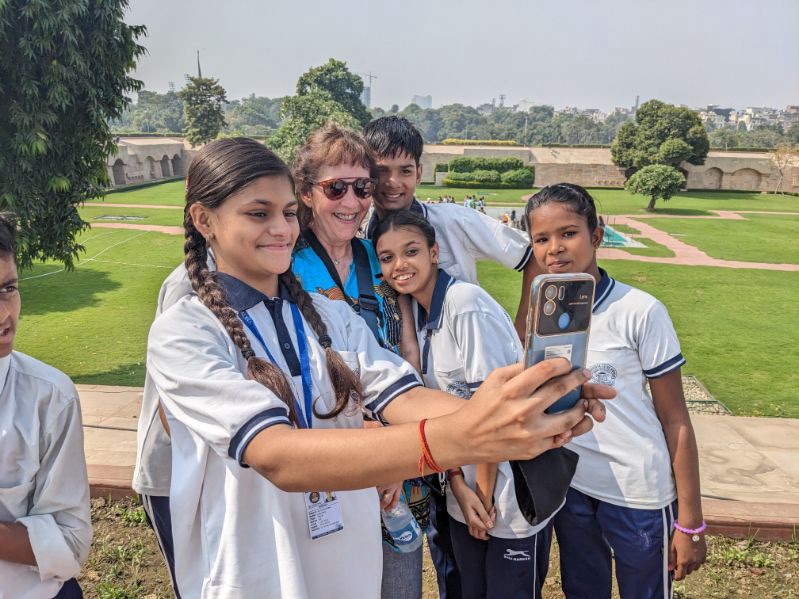
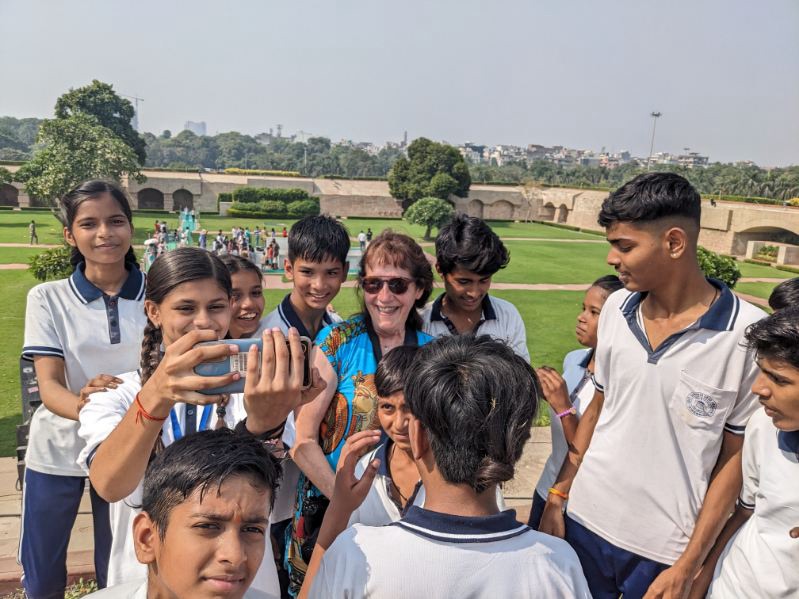
I also became extremely popular with some local school children. This must be how celebrities feel.
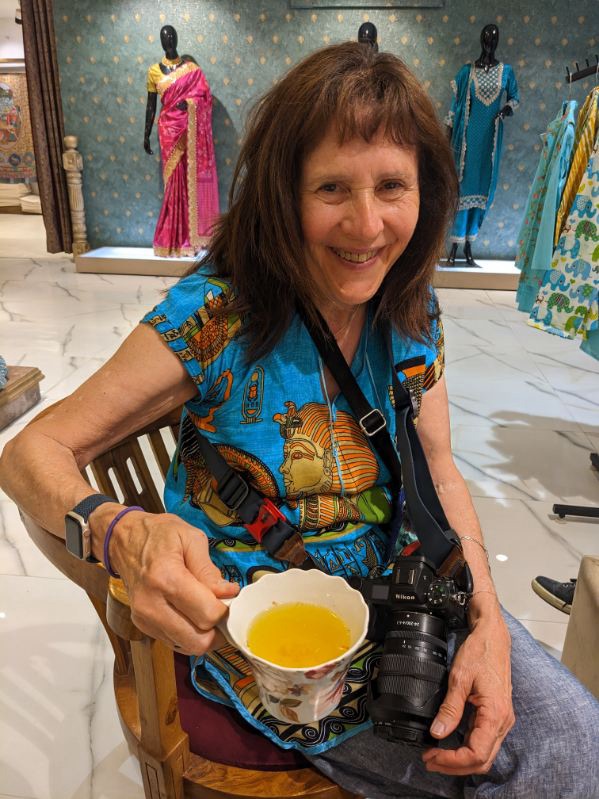
At the end of our 2nd day, we enjoyed some cardamom & almond tea with our lovely guide Ruby.
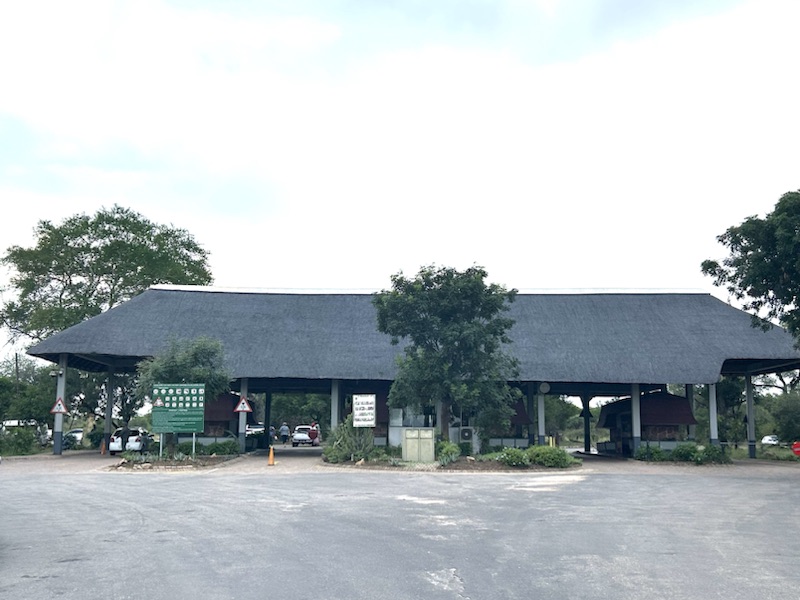
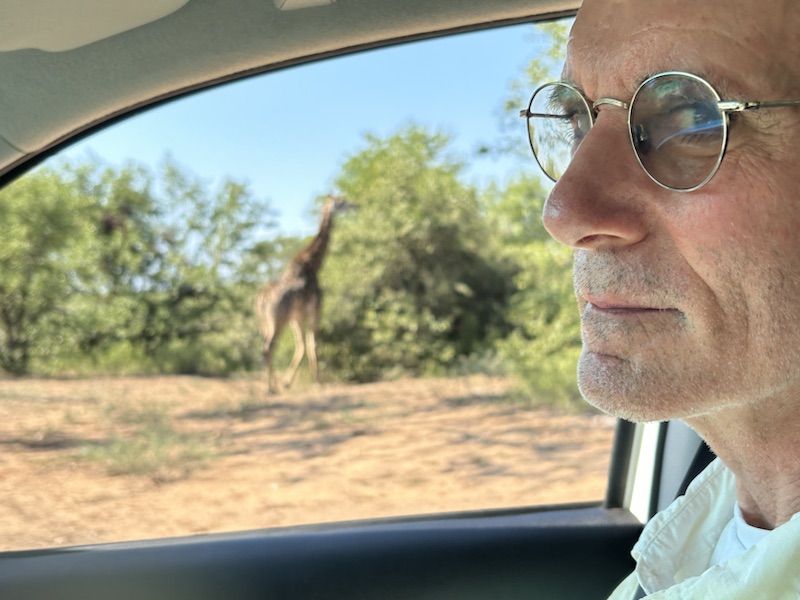
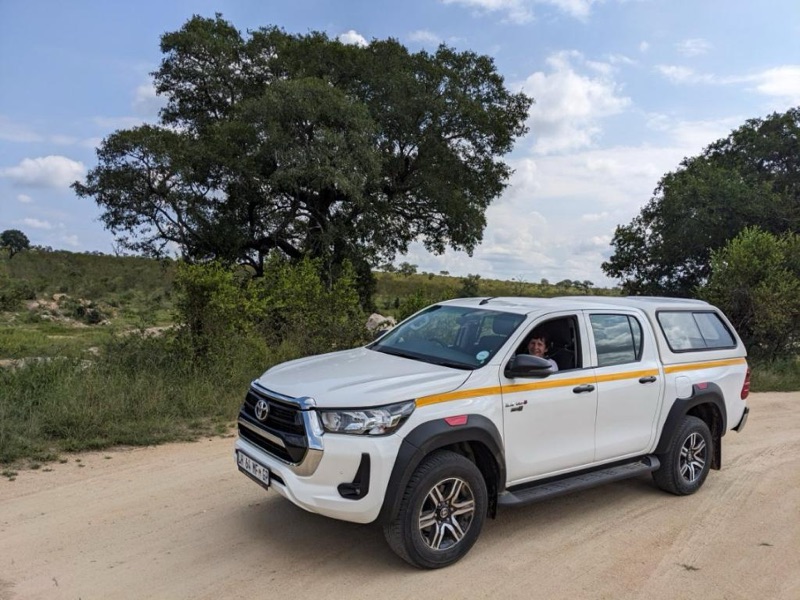
For the past four days we enjoyed safari driving in Kruger National Park located in South Africa’s northeastern corner.
Kruger ranks among the largest game reserves in Africa. It covers an area of 17,576 square miles which is approximately the size of New Jersey or the country of Wales.
It took us 4 days driving many hours each day & we only saw about 1/3 of the park. We were rewarded with seeing many animals along with some new first time safari experiences.
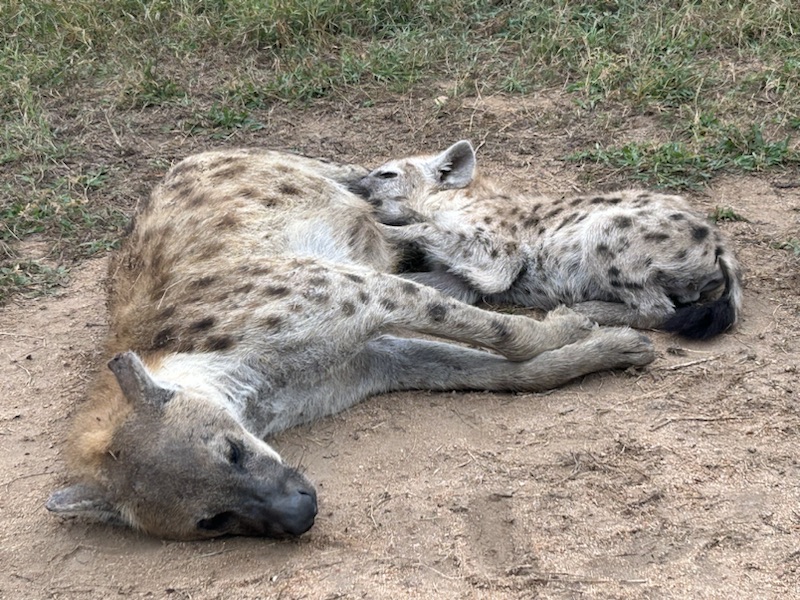
One rare sighting was seeing a mother hyena nursing her pup on the side of the road.
Our theory is the mother hyena knows that predators don’t like being close to the road where vehicles & people are, so she felt safe nursing her pup there instead of in the bush.
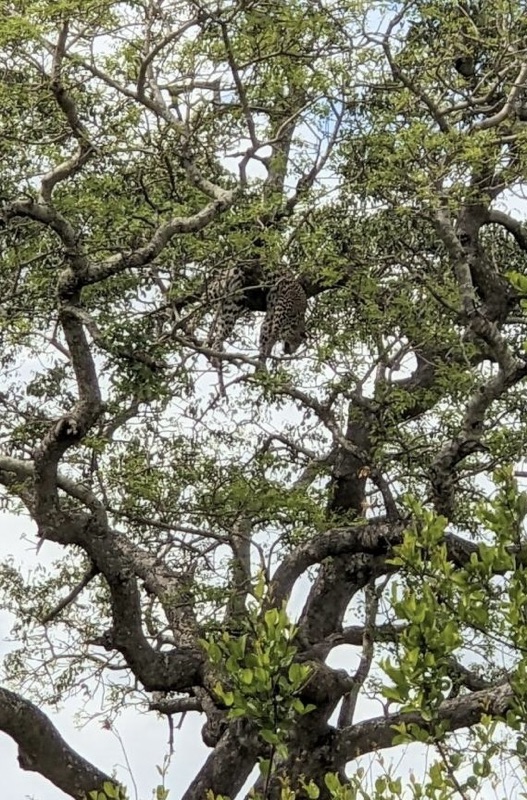
The other rare sighting was a dead leopard in a tree.
Apparently it was deposited there after being killed by another leopard.
Leopards are not only very territorial m’; but also, they have very strong jaws & are excellent climbers.
Leopards are the only cats who can climb that high carrying another animal.
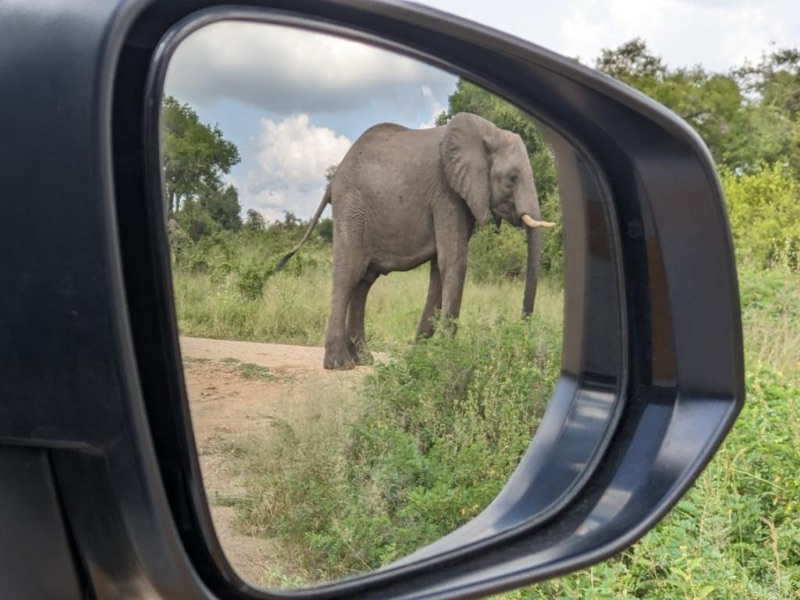
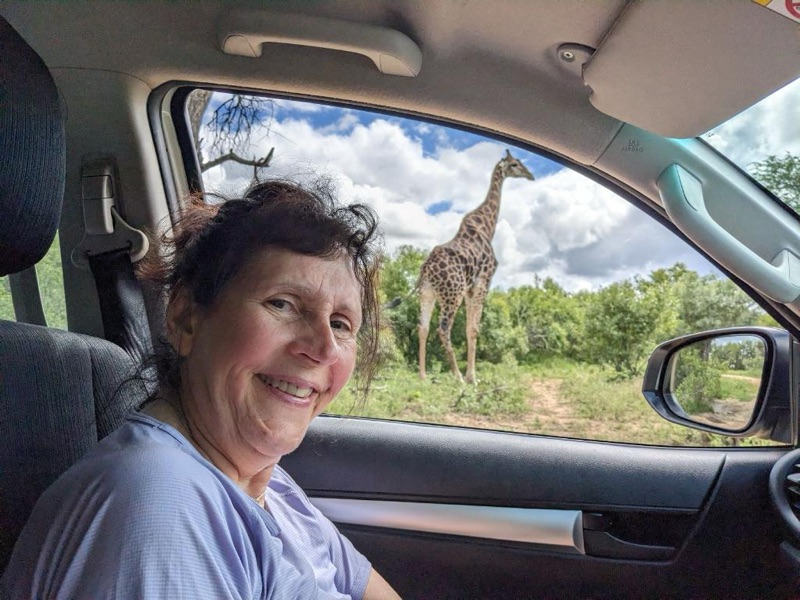
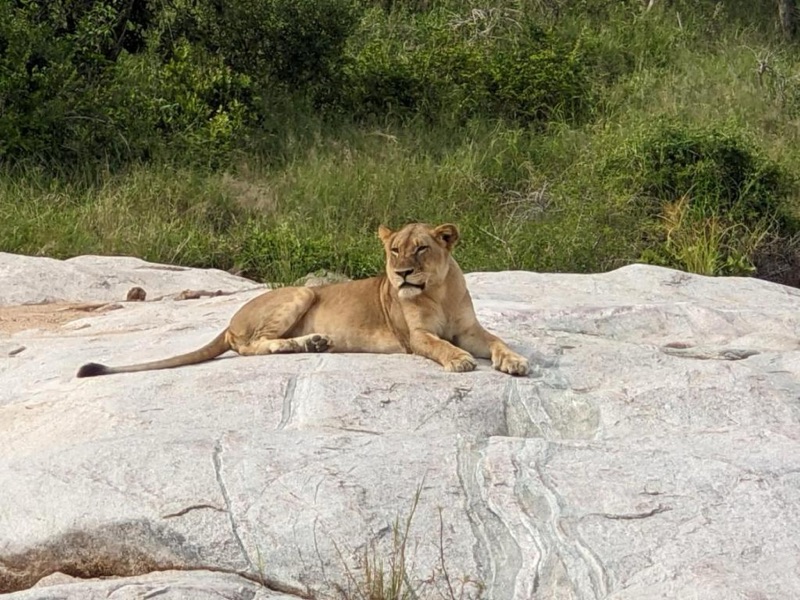
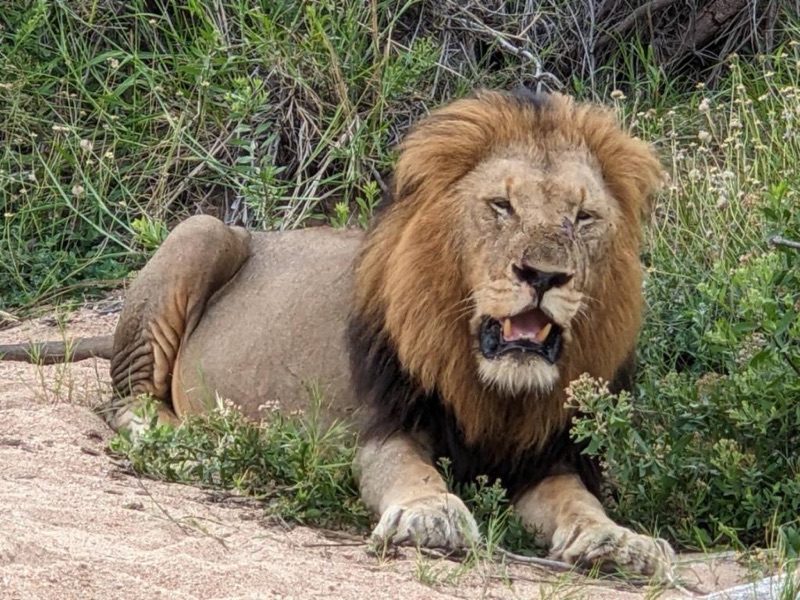
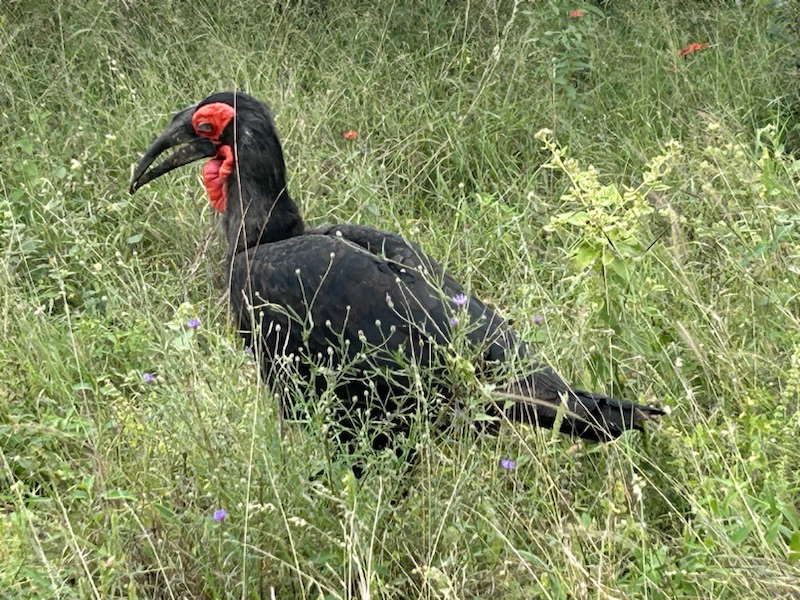
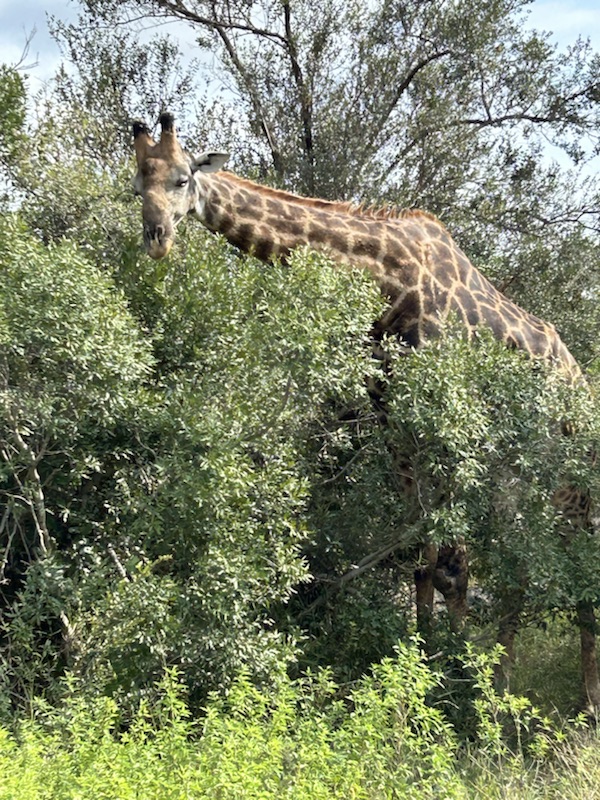
Like most African game parks, you get very close to the wildlife.
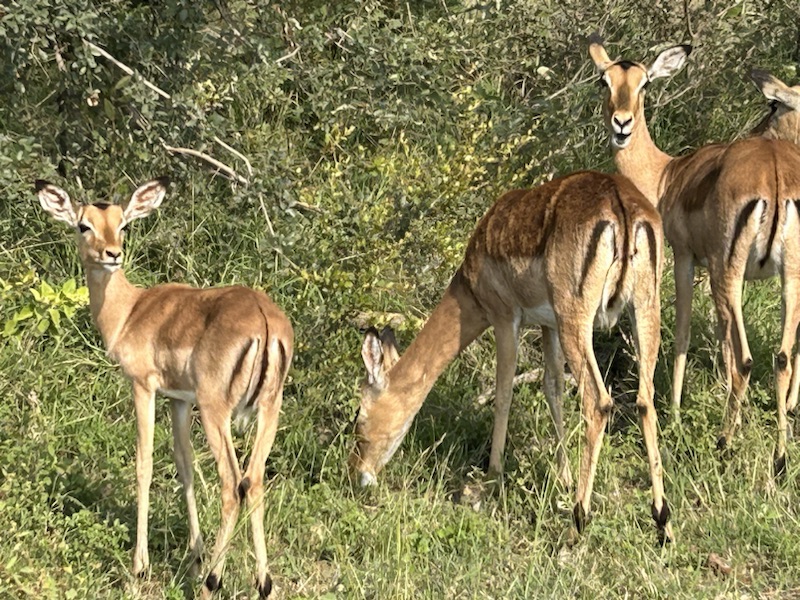
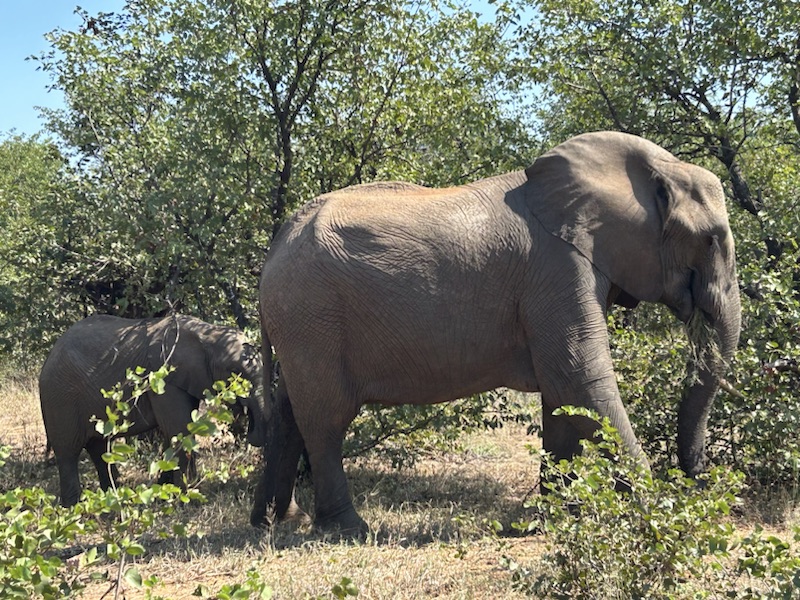
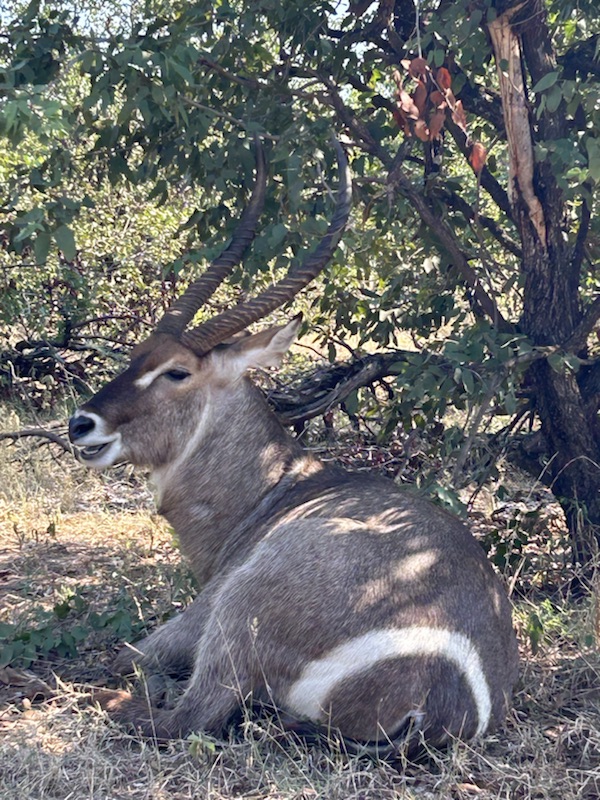
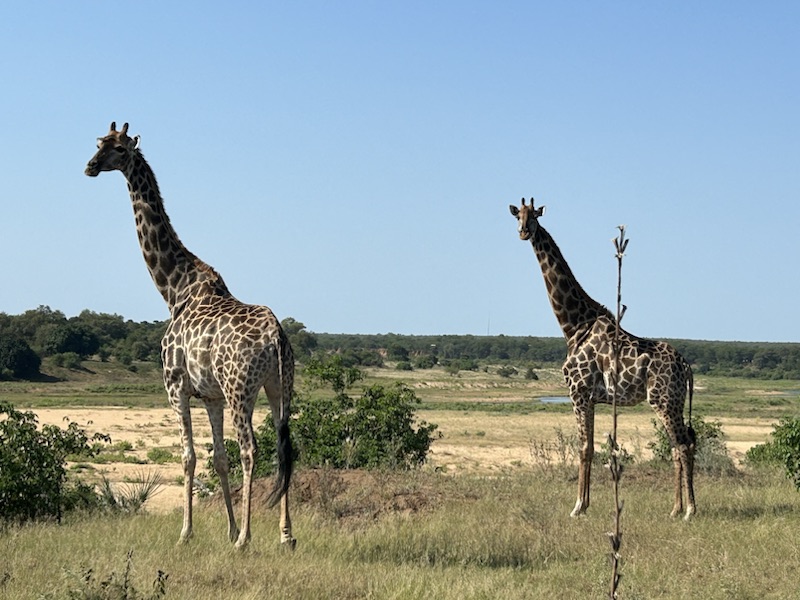
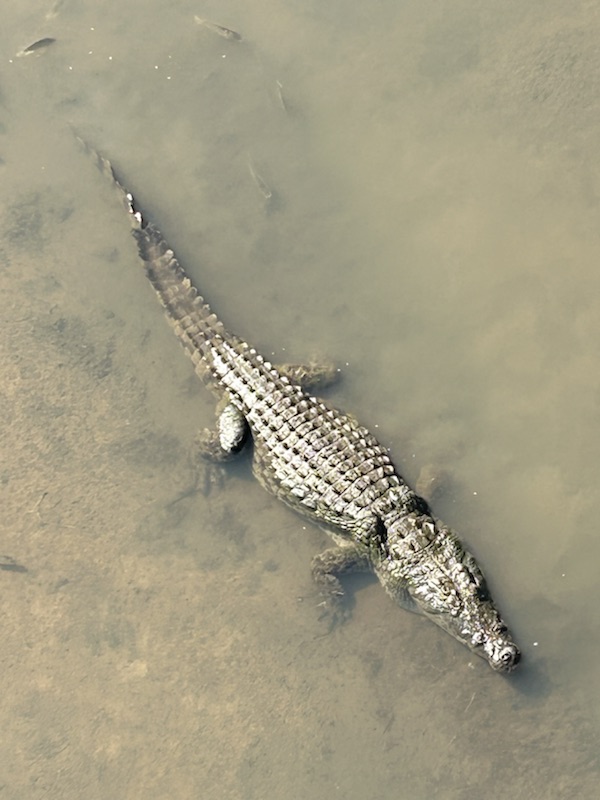
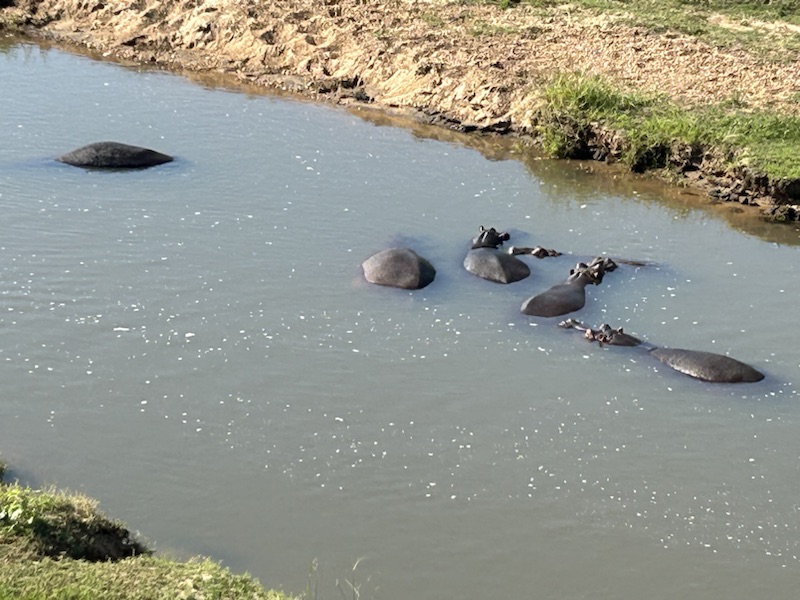
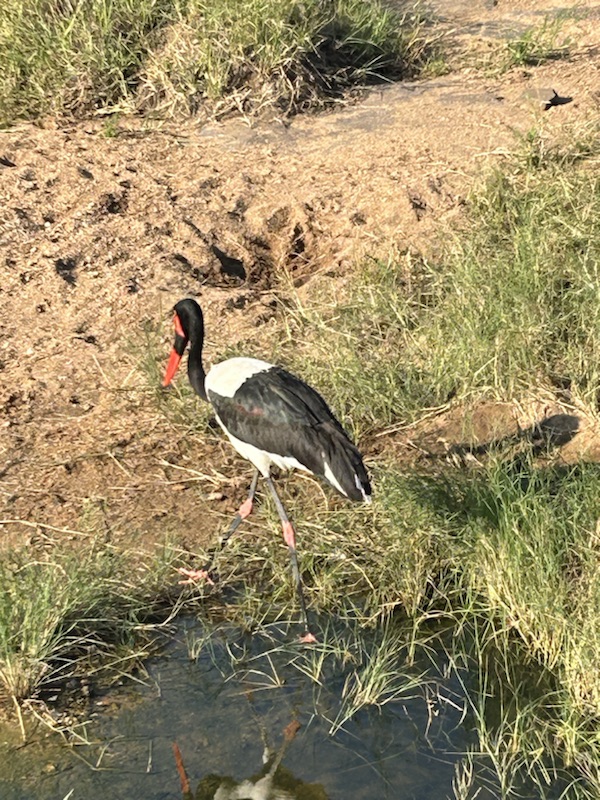
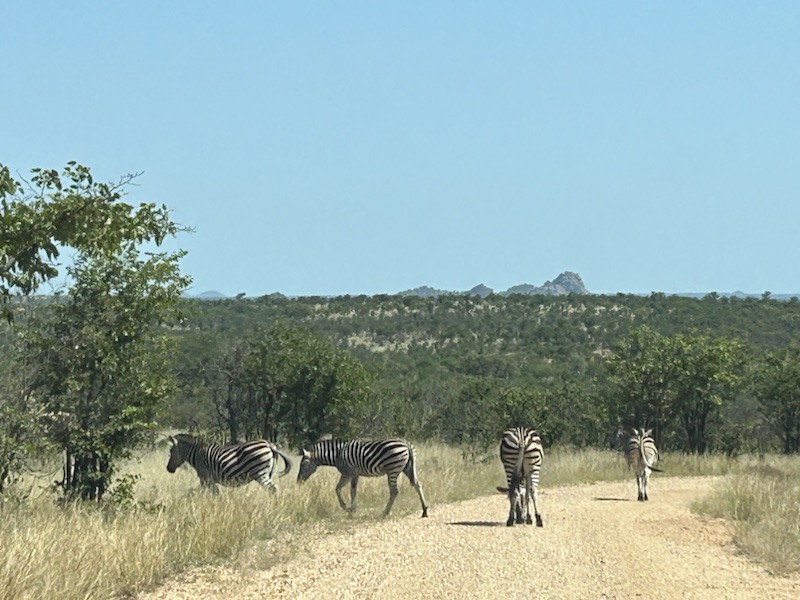
We enjoyed our game drives each day. Here are a few animal sightings from the past few days.
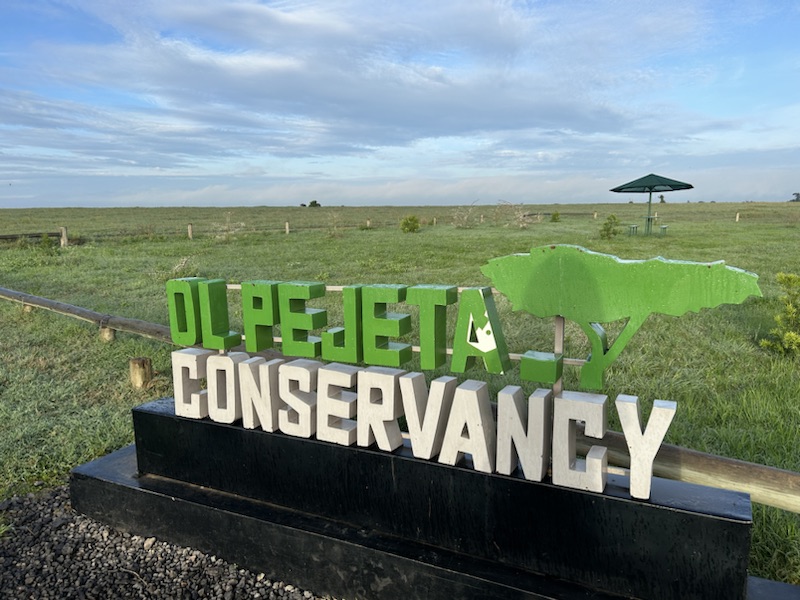
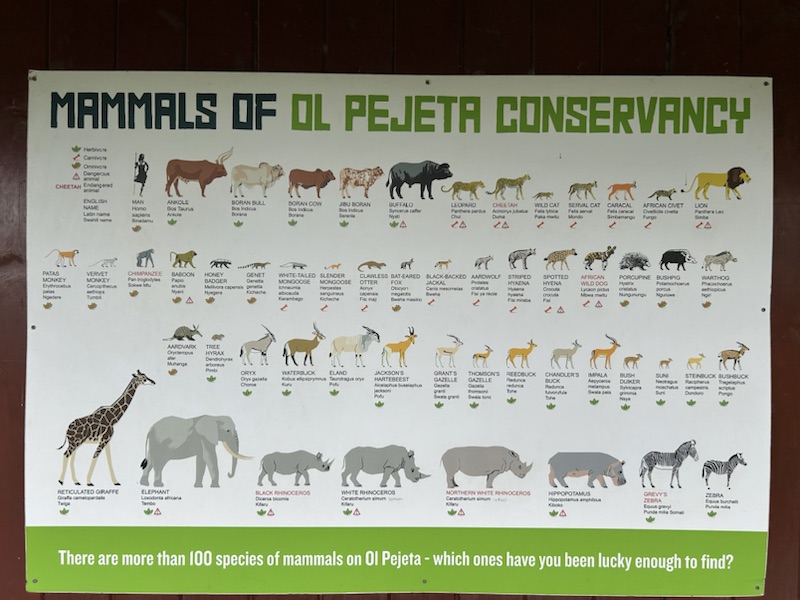
We were lucky to have half a day to explore the Ol Pejeta Conservancy wildlife park near Nanyuki. This is a private park that helps protect & conserve numerous African wild animals. With the recent rains, we were glad to have a 4×4 vehicle to maneuver the muddy roads getting to & from the park as well as within it.
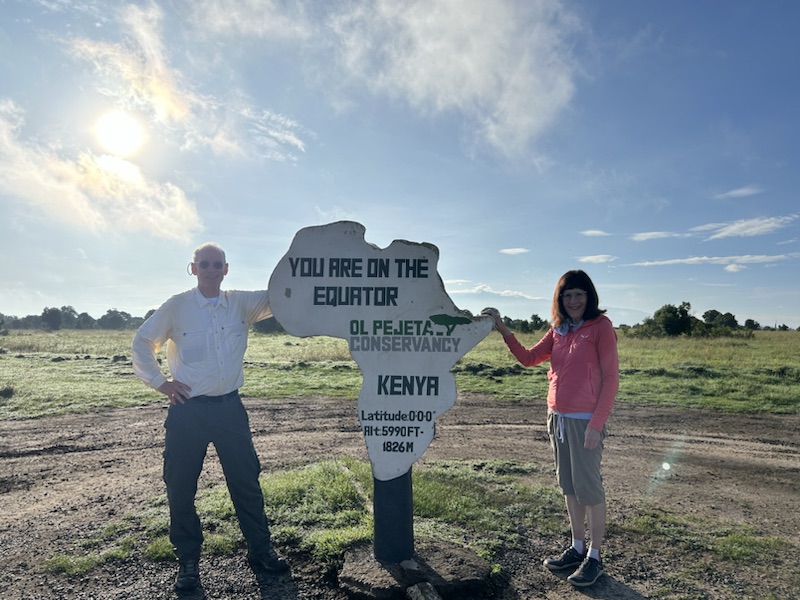
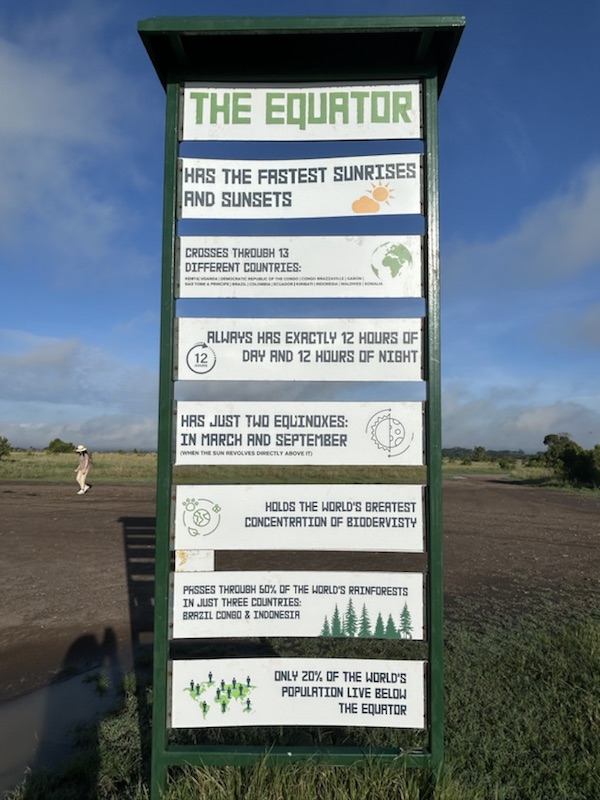
Near the entrance is a nice sign marking Zero Degrees latitude on the Equator.
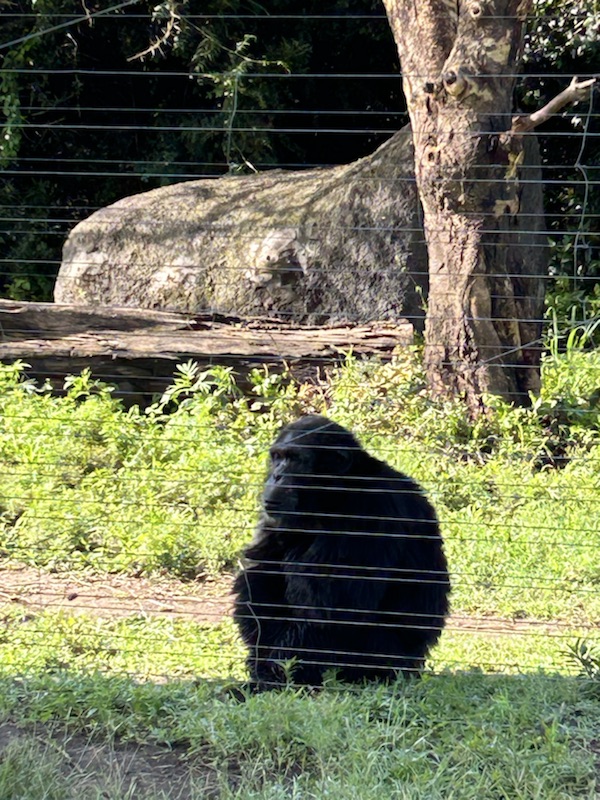
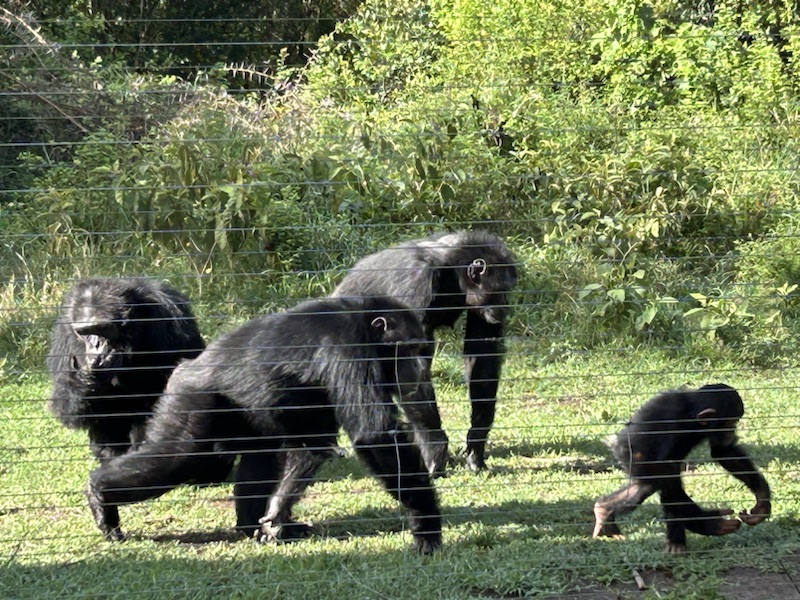
One unique feature at Ol Pejeta is their chimpanzee sanctuary for rescued chimps which was started in 1993 by the world’s preeminent chimp expert Jane Goodall. They currently provide a home for 2 troops totaling 40 chimpanzees.
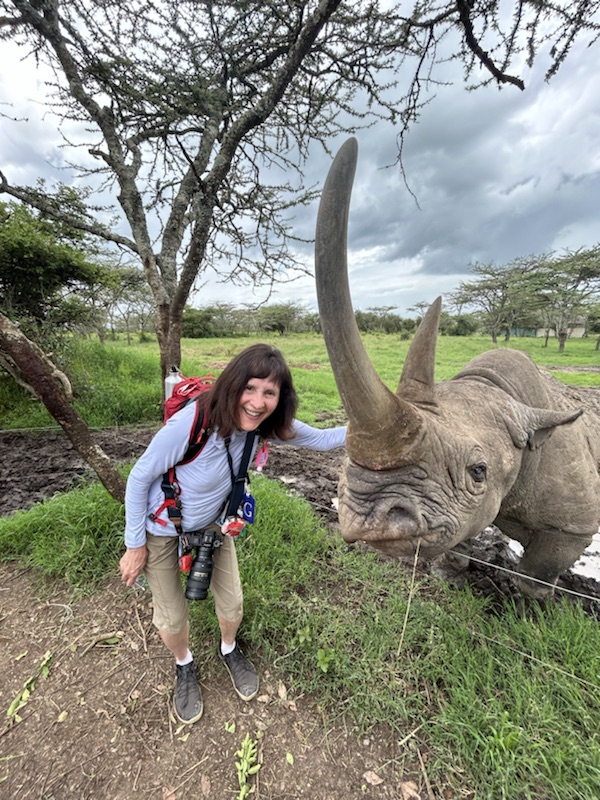
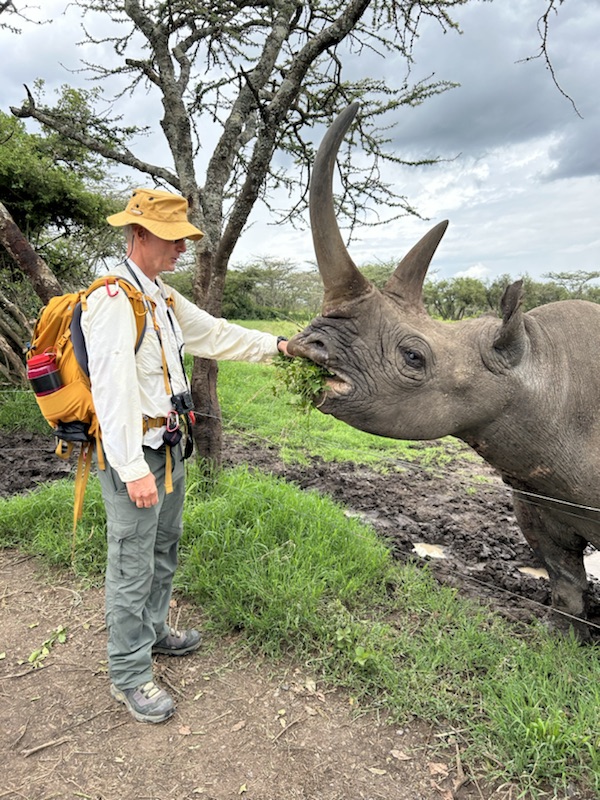
You can get up close & personal with a blind black rhino named Baraka which means “Lucky” because he was Lucky to be rescued & cared for. He likes to be fed & to have his ears rubbed.
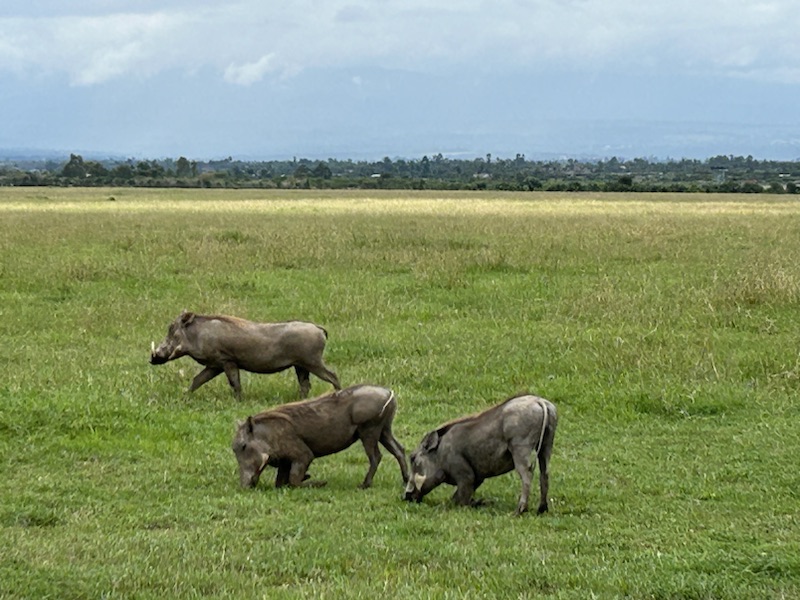
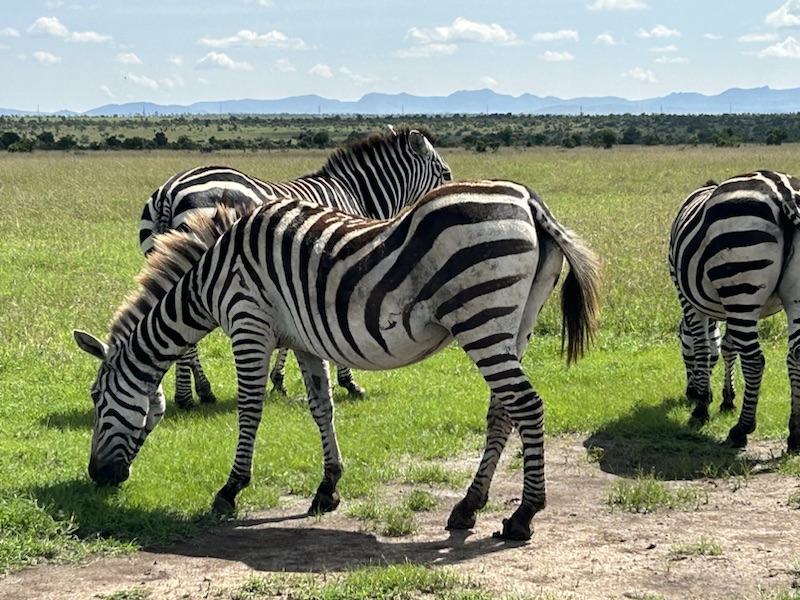
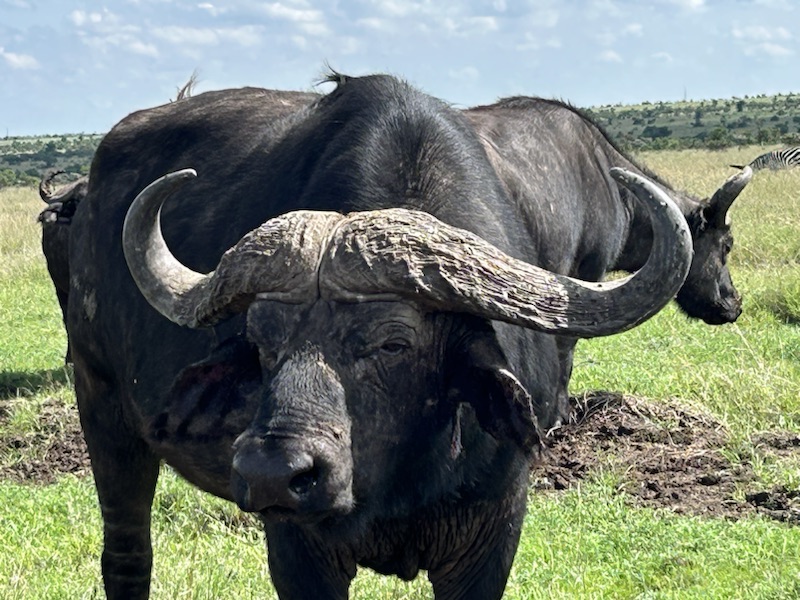
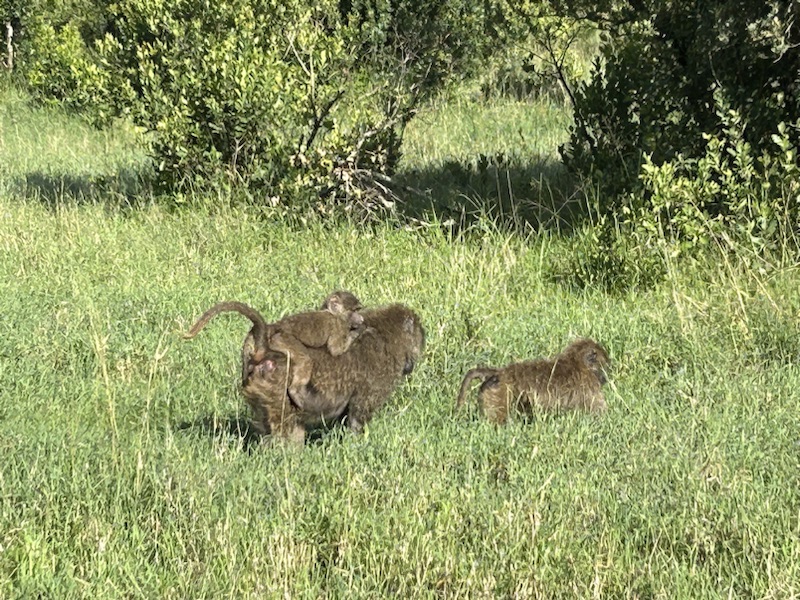
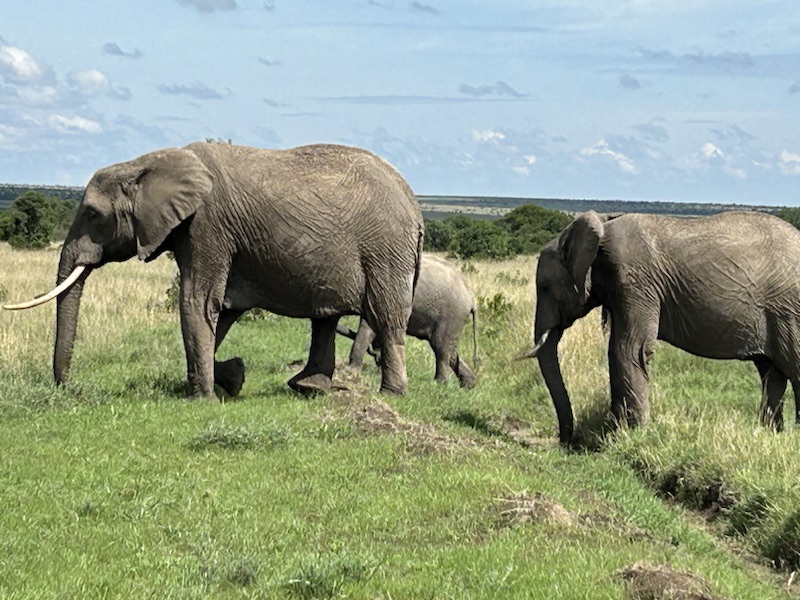
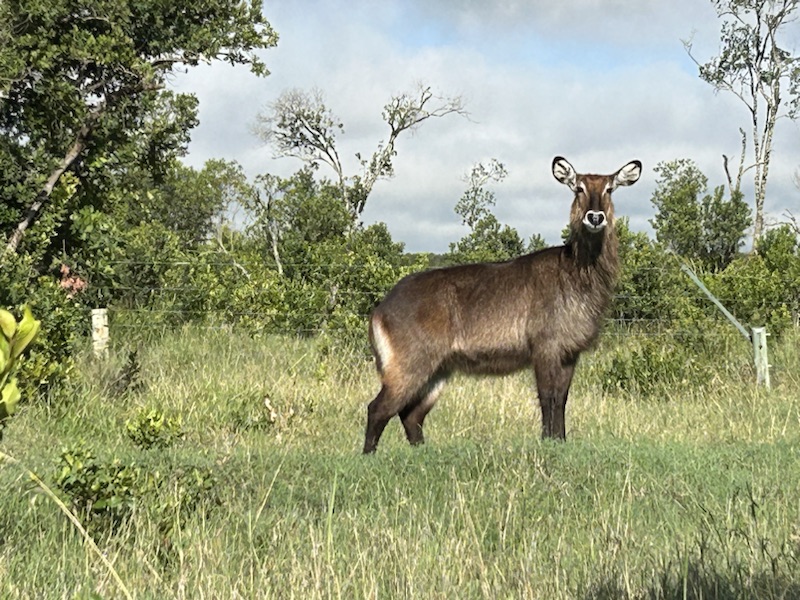
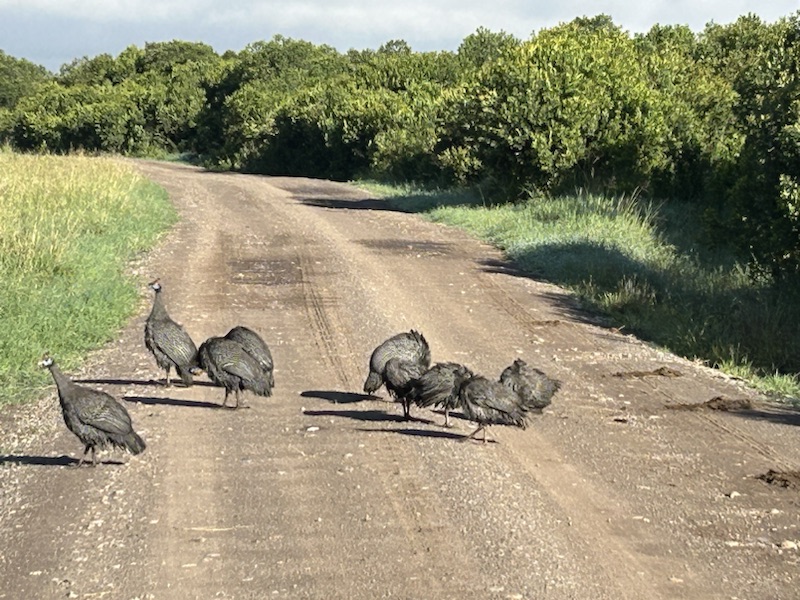
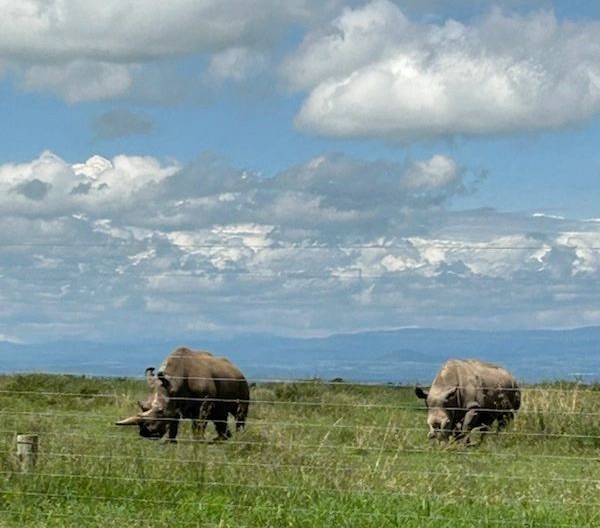
Here is an assortment of other animals we enjoyed watching on our game drive.
The very rare white rhino. They are protected from poachers by an electric fence.
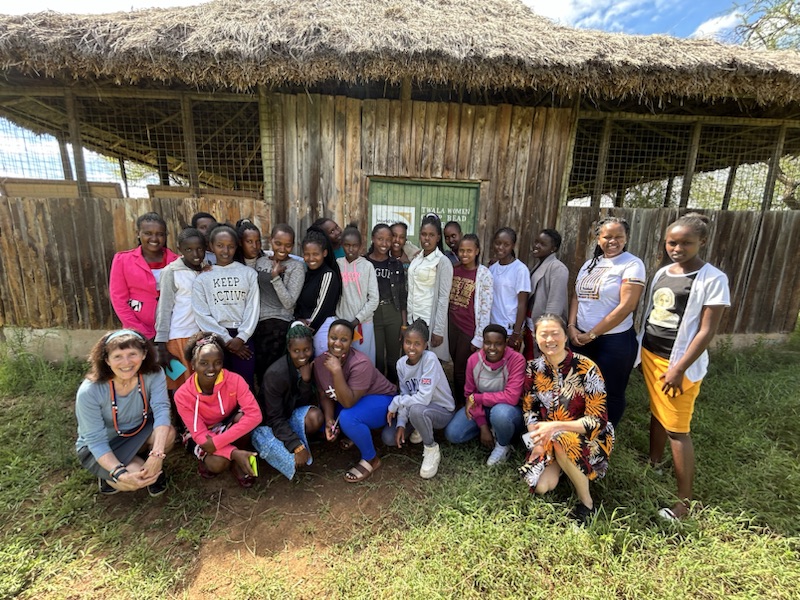
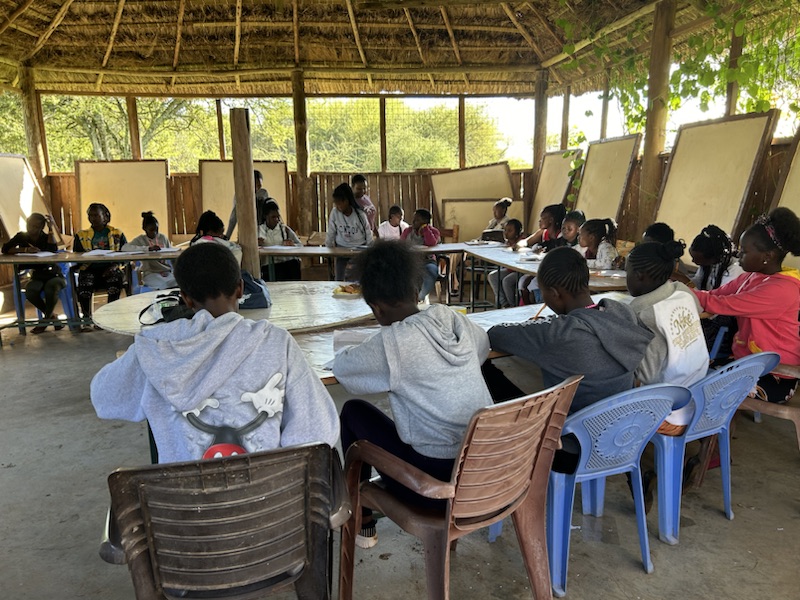
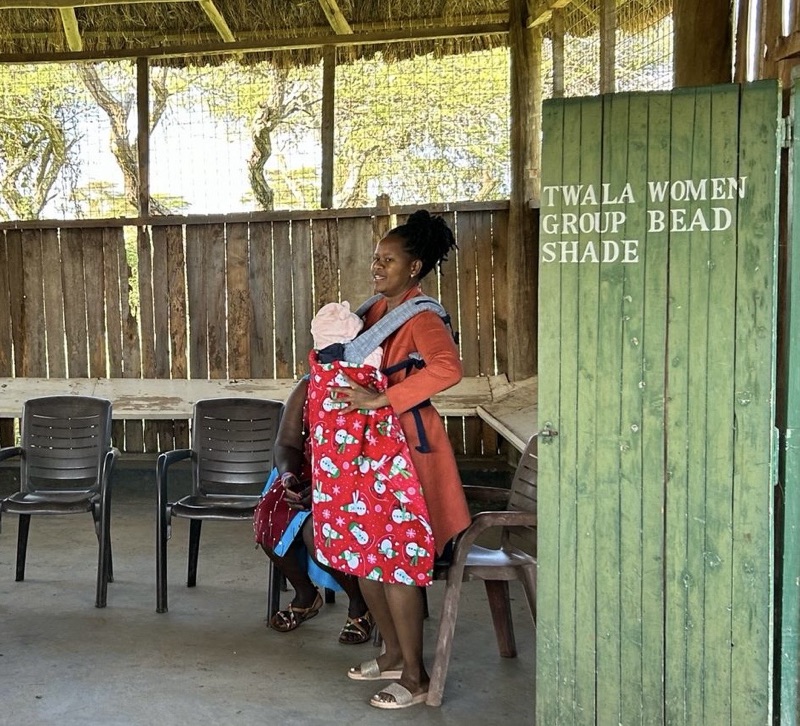
After 3 wonderful days at the Women’s Center at the Twala Tenebo Cultural Manyatta near Il Poles, we are back in Nanyuki.
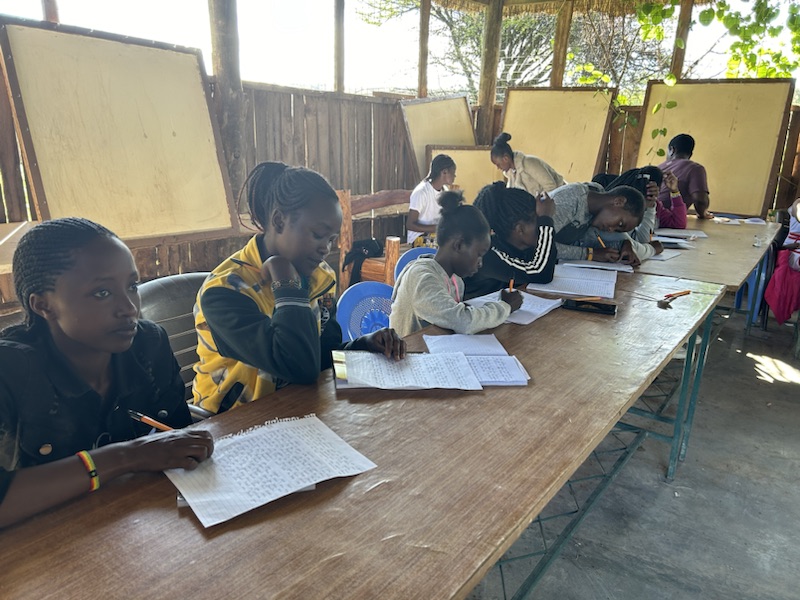
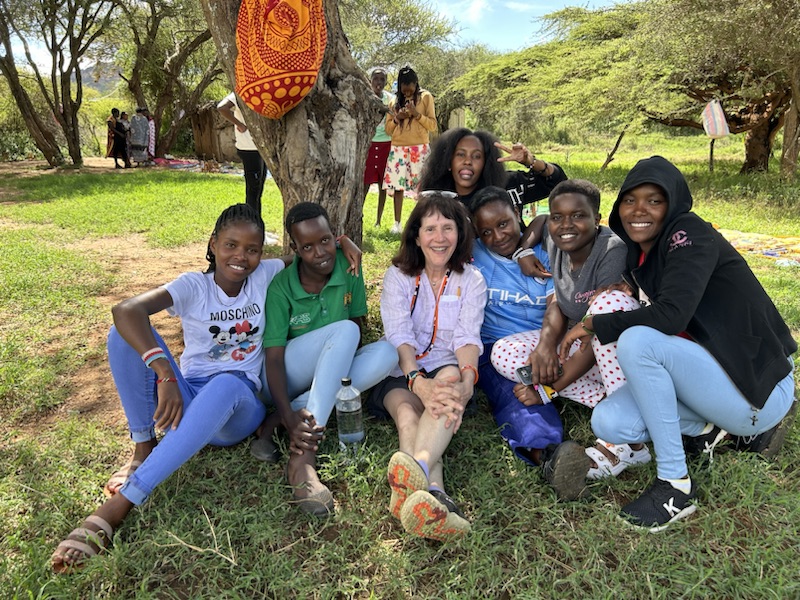
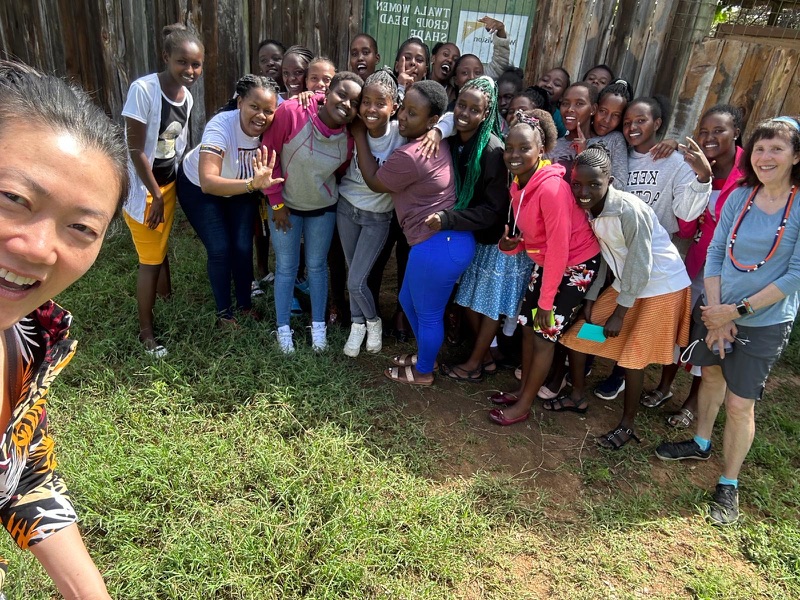
At the MEET Girls’ Mentor Retreat, we met all 14 girls who are currently in school & 8 girls who have graduated.
3 MEET graduates are in trade schools learning to become a wildlife tour guide, caterer & plumber.
And, this year, 3 MEET graduates are starting college!
These girls & young ladies are amazing people who show strong determination to do well in school & find work to support their families.
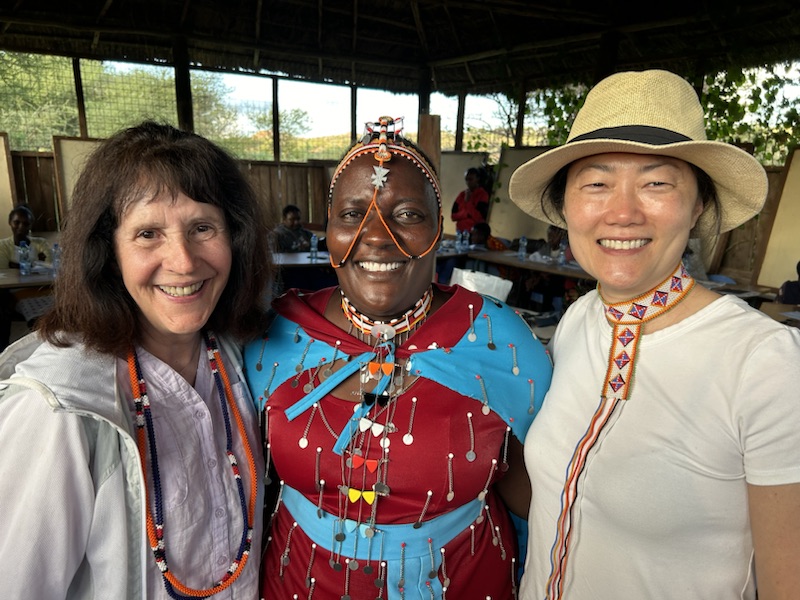
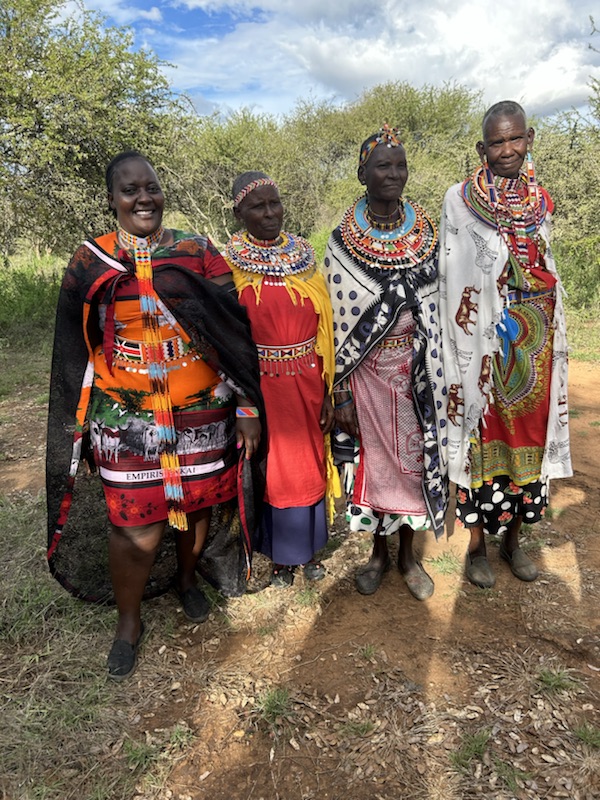
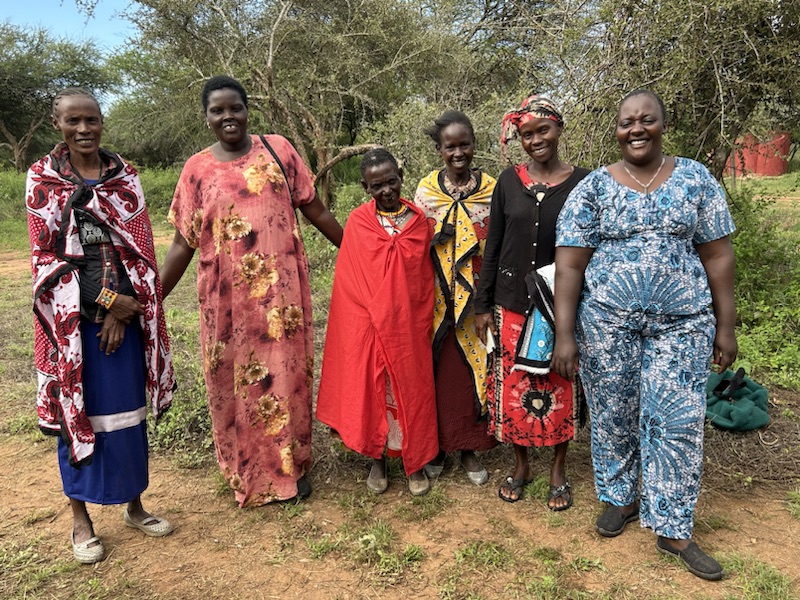
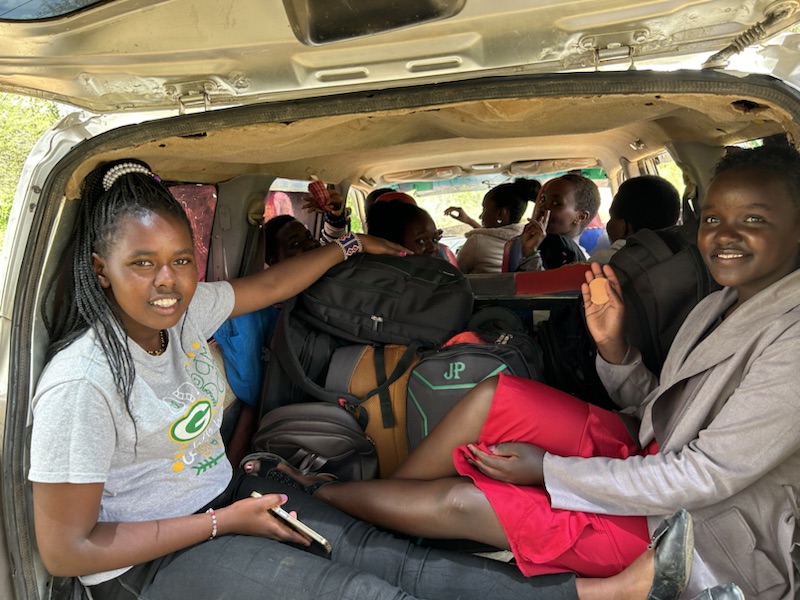
Taking notes & meeting togetherWriting thank you letters to their education supportersLiz, the MEET team leader with her newborn. Break timeGina, Rosemary and Aurora, part of the Kenya & USA leadersRosemary with some of the local Maasai womenRosemary with the staff that cooked for us during the retreat On their way homeWe had a great time!


 The Wanderers