We enjoyed a Nagano day tour & then went up to the mountains to see the snow monkeys in Jigokudani Monkey Park.
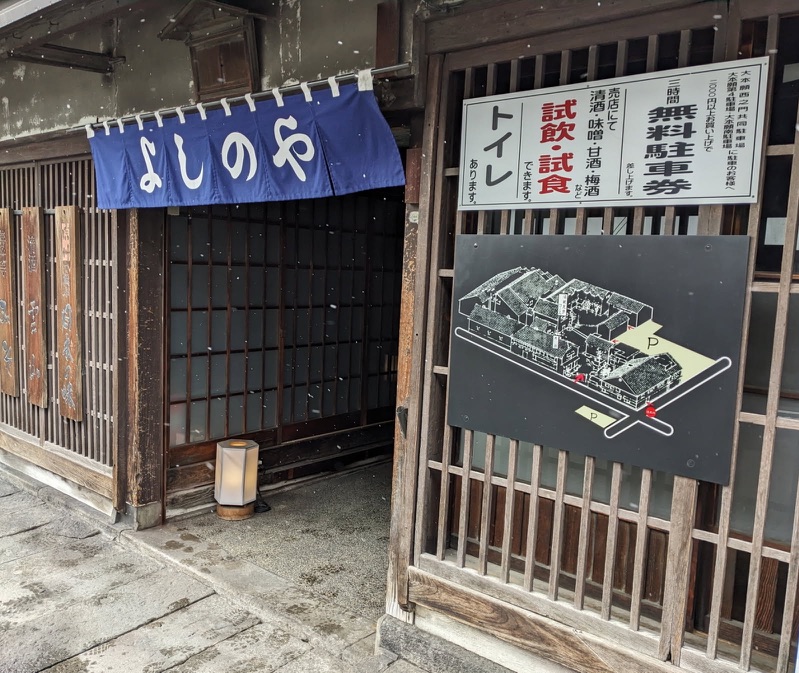
The first stop was at Nishomon Yodhinoya for sake tasting. There we sampled different kinds of rice wine & learned how different qualities were created based on how much of the rice husk was milled off to create the sake. We also enjoyed drinking Amazake which means “Sweet Sake”. It can also be made as an alcoholic drink. The Japanese have been making it since the 3rd Century & it is mentioned in “The Chronicles of Japan” which is Japan’s second oldest book.
Amazake is a sweet, creamy, non-alcoholic drink made from rice which is typically a summer drink; but, Japanese families drink it at dawn on New Year’s Day to ring in the New Year.
We learned the word “sake” actually means all alcoholic drinks in Japan including beer. Rice wine is actually called Nihon-shu.
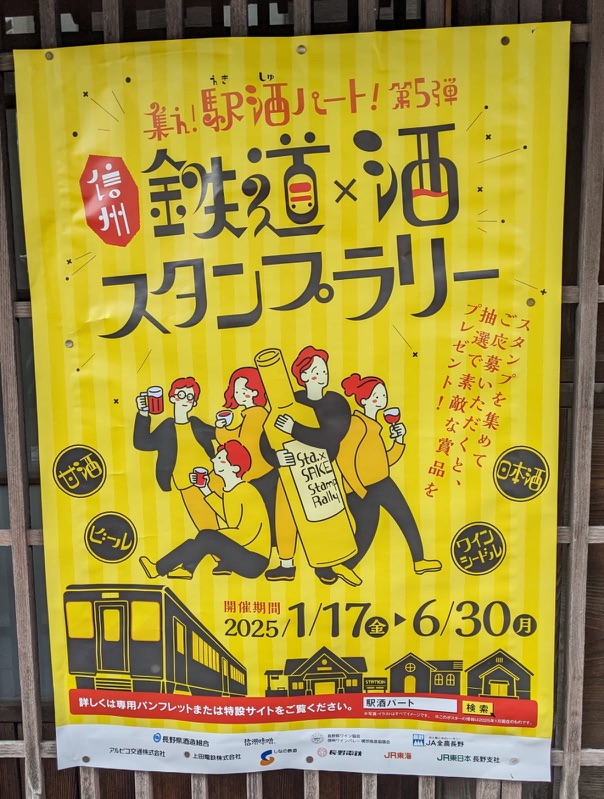

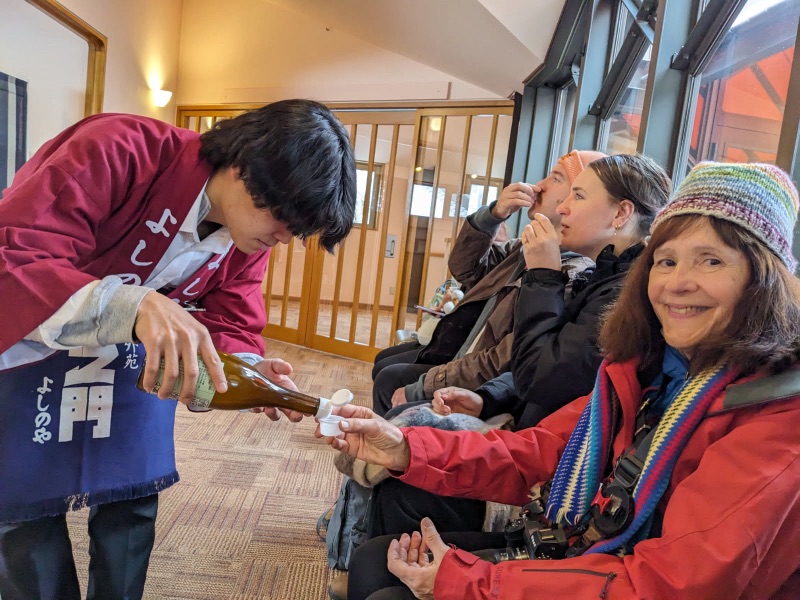
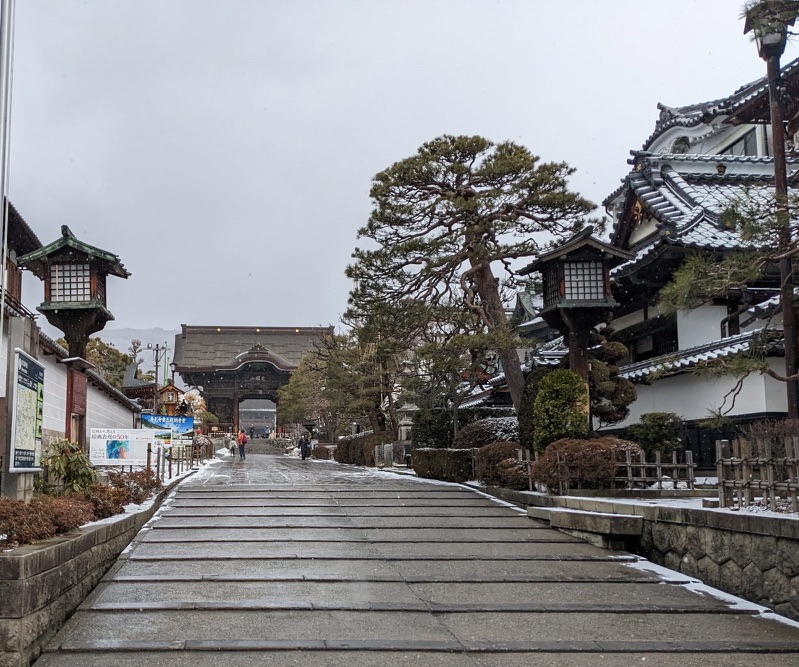
When we left the sake shop it started snowing. We enjoyed the winter ambiance while visiting the Zenkoji Temple which is a very important Buddhist temple in Japan.
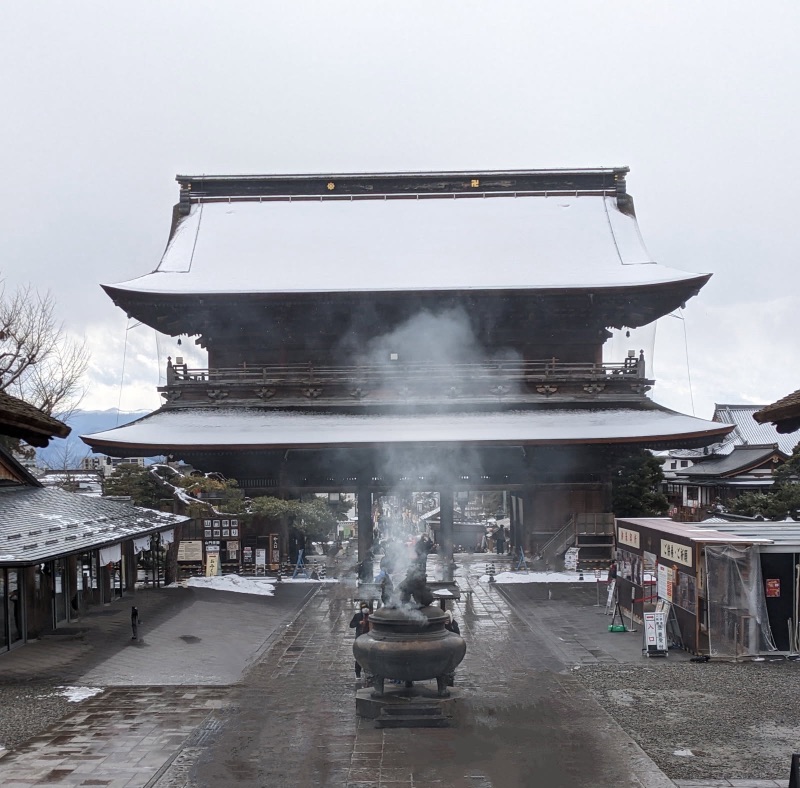
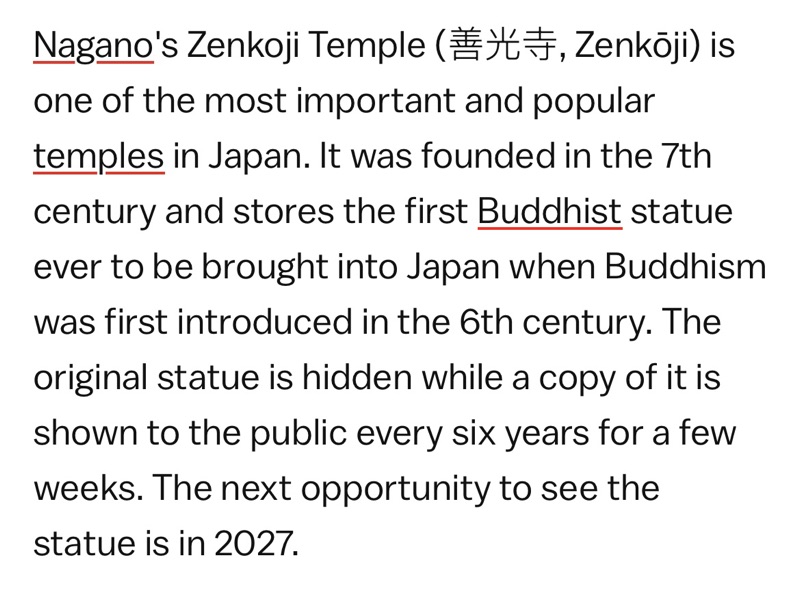
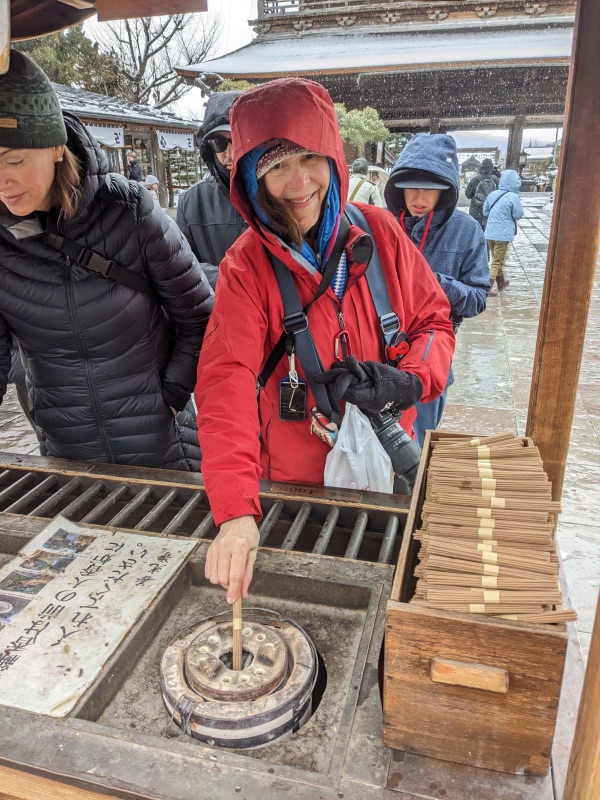
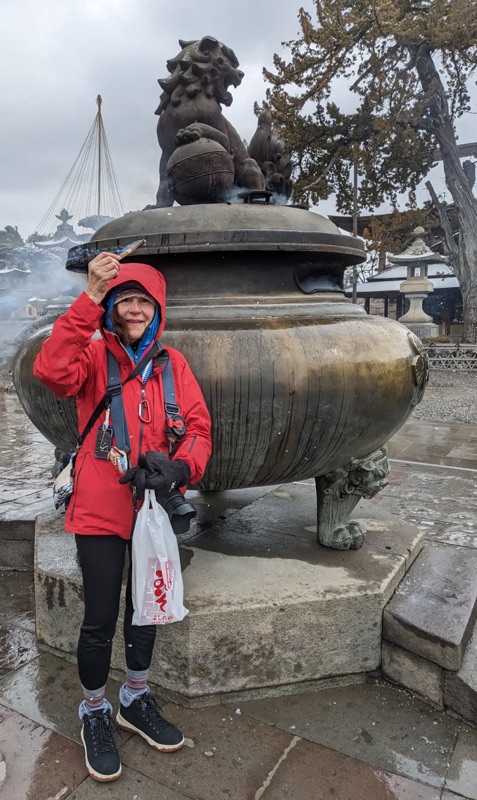
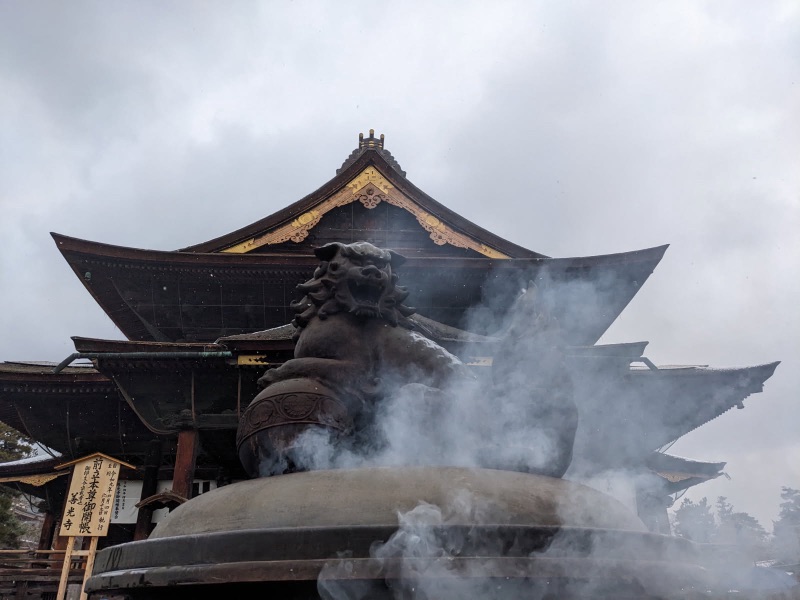
Pictures are not allowed inside the temple; but, it was a large area to visit & inside you can buy small charms for wishing things such as “good luck, good health, & good fortune.” There are even charms for “good luck on exams.”
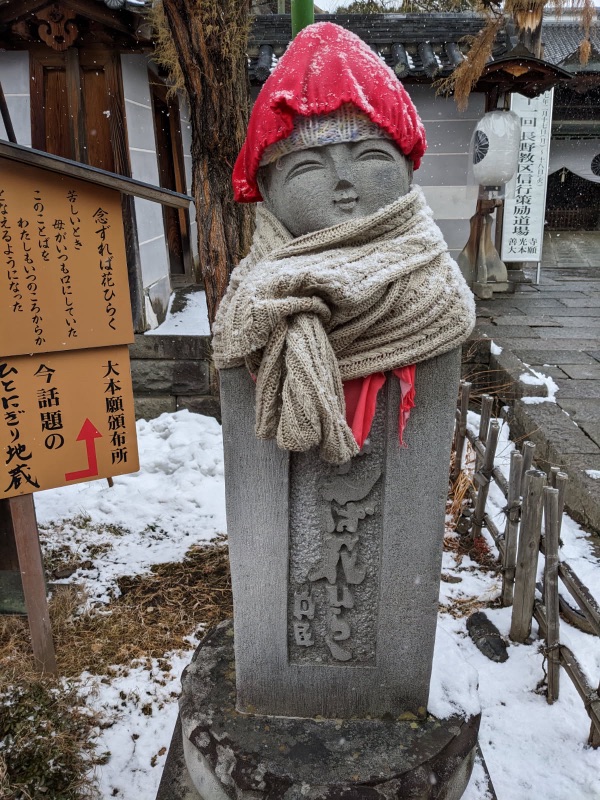
Here are a few sights near the temple.
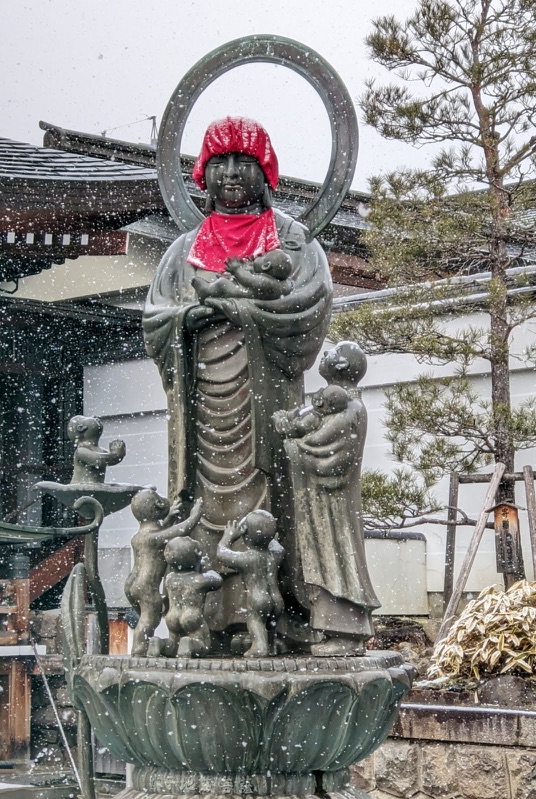
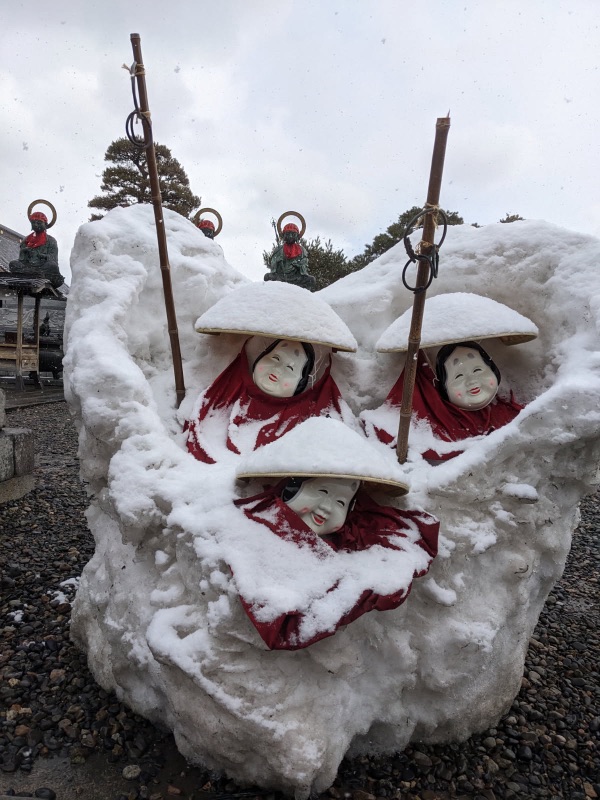

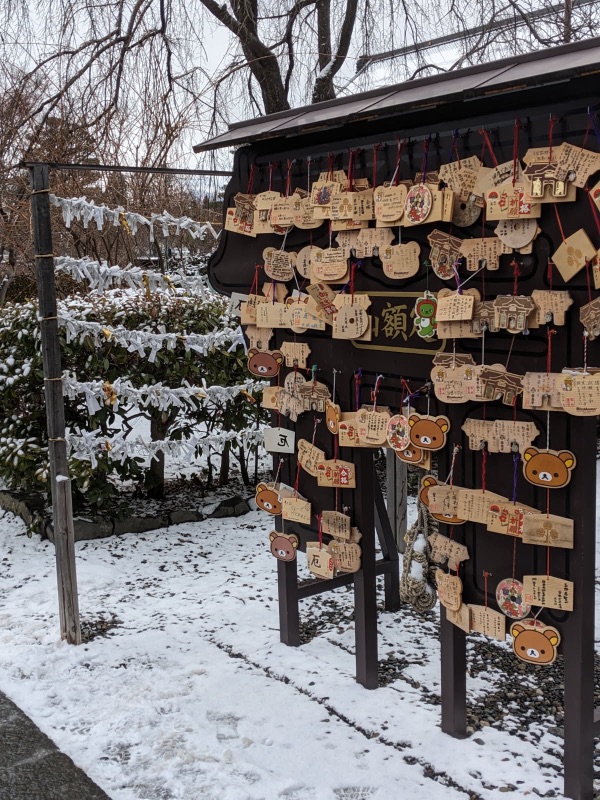
Nagano is known for 2 things- people living the longest here in Japan & its apples. We were told they grow over 40 apple varieties in Nagano.
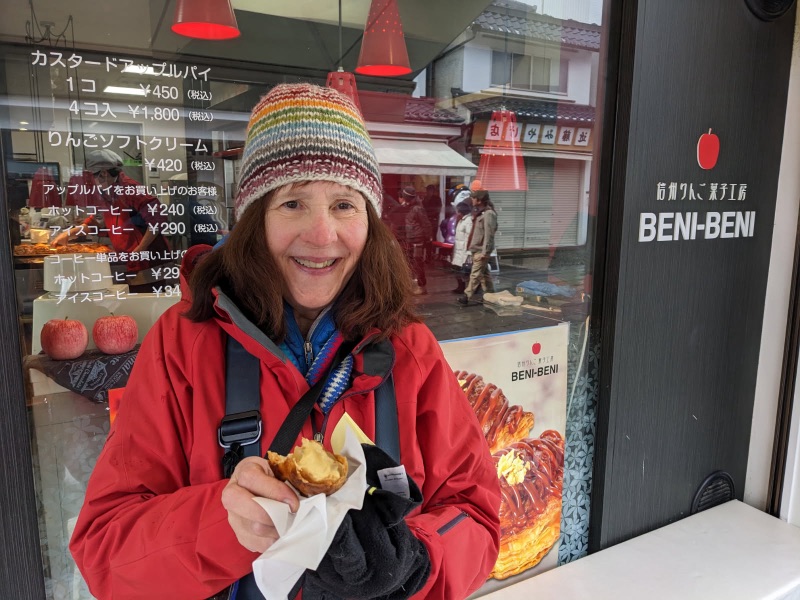
While waiting for the tour to continue, I enjoyed an apple custard hot pie. It was delish!
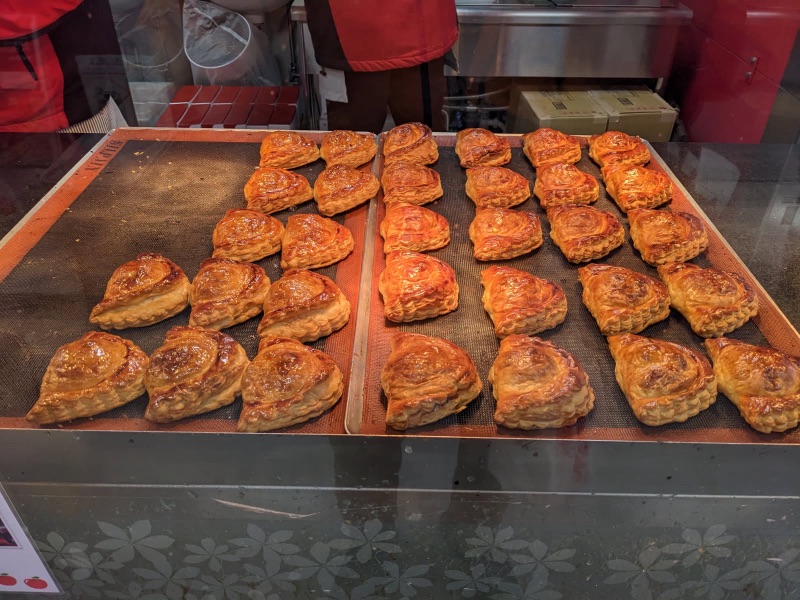
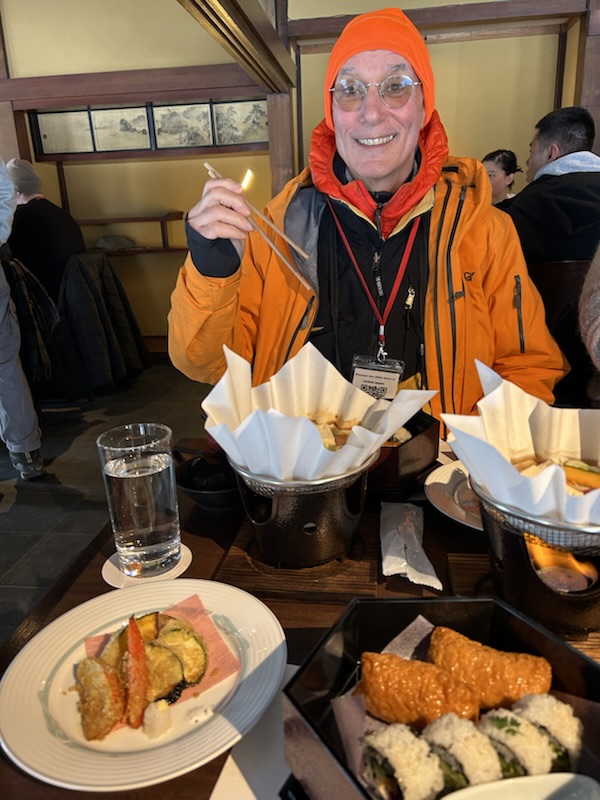
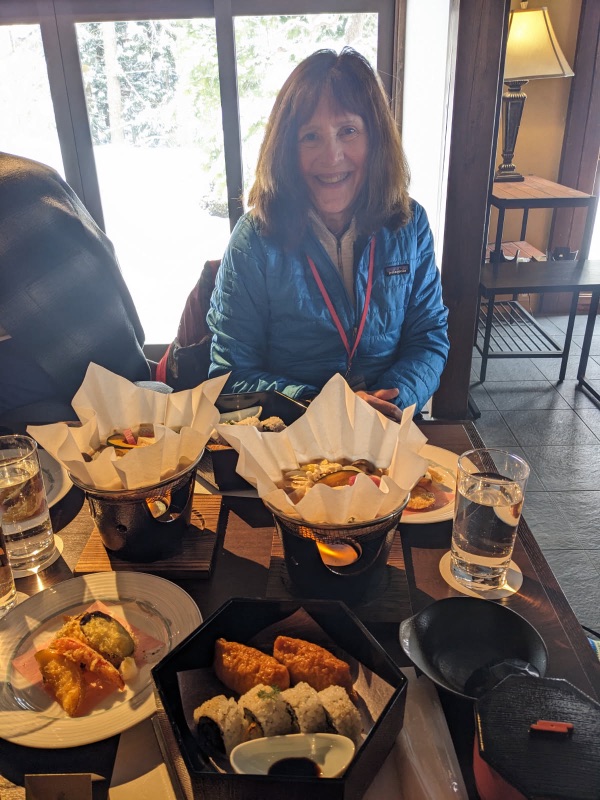
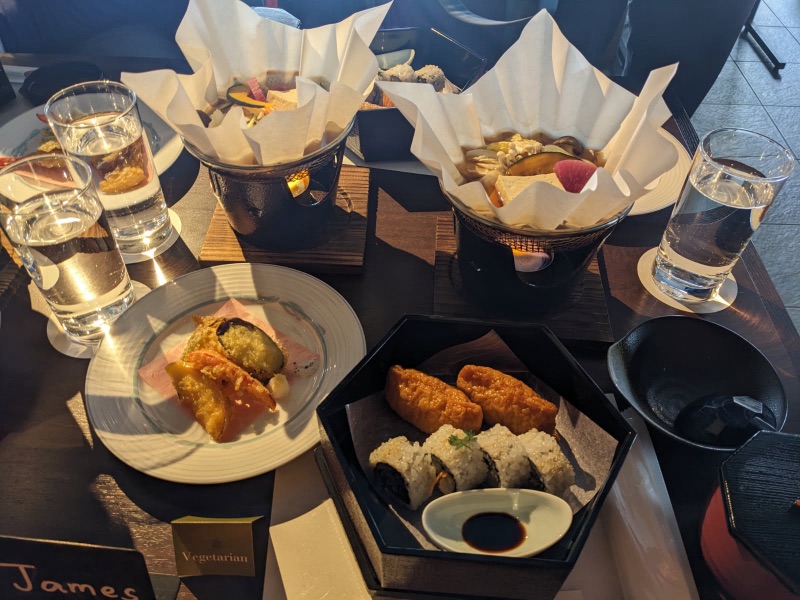
We then had an hour drive to the Jigokudani Monkey Park. But, first we had a wonderful Japanese lunch with a traditional hot pot to cook your food at the table along with some veggie sushi & veggie tempura.
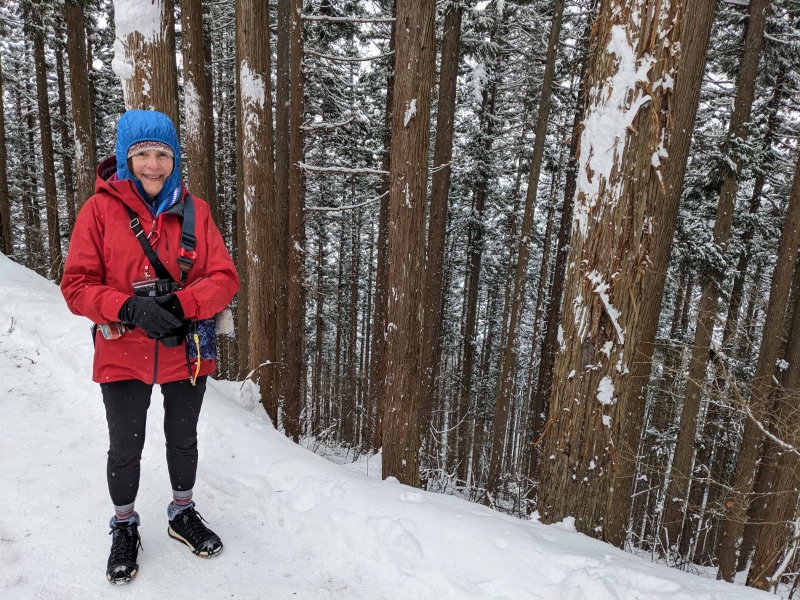
After lunch, we had a 1.25 mile walk through the forest to reach the Snow Monkey Park. Thankfully, I had clip-on crampon spikes for my shoes because the path was covered in snow & ice.
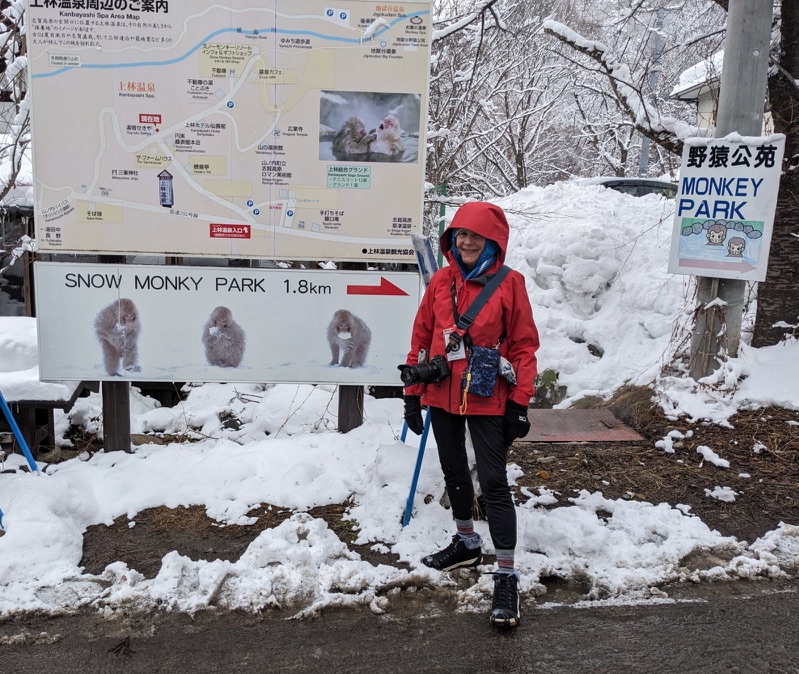
The monkey troop has the only monkeys in the world known to bathe in hot springs. This troop has over 150 monkeys. The troop size is large because other than raptors who may occasionally take babies, they have no natural predators on the ground & they are protected in the park.
Japanese macaques (snow monkeys) have the northernmost range of the world’s primates.
Snow Monkey Park was created in 1964 so the Japanese macaques could have a refuge within what was already their natural habitat. The naturally curious monkeys observed humans using the outside onsen hot spring at a nearby guesthouse during winter. The monkeys thought this was a great idea & jumped in the pool. However, the guesthouse owner was not too keen on monkeys fouling his clean onsen.
To keep the monkeys out of the onsen, a special hot bath was created for them inside the park.
In 1970, Life magazine featured the Snow Monkeys on its cover creating a world wild fascination about them & catapulted their onsen into a tourist destination overnight.
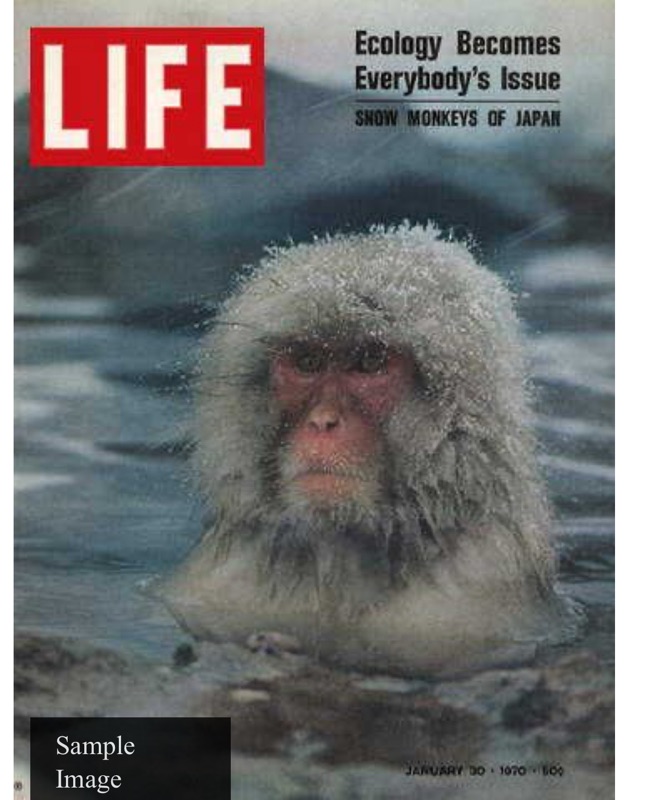
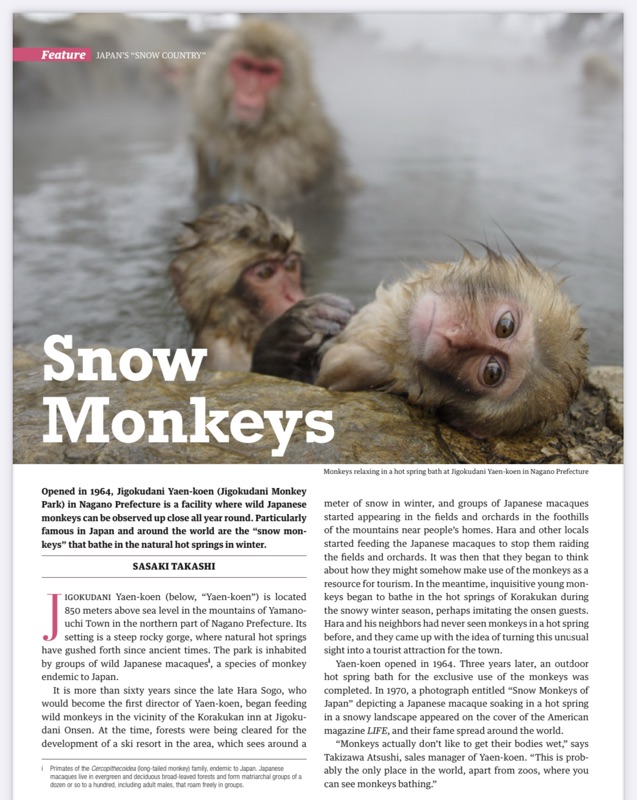
On the day we went it was very cold so many monkeys were in their special onsen. Our guide said we were lucky to see so many young ones.
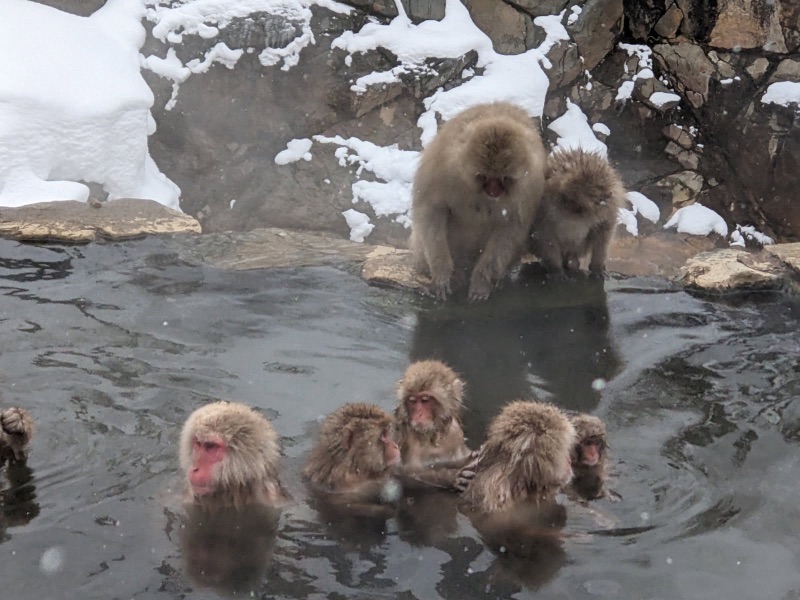
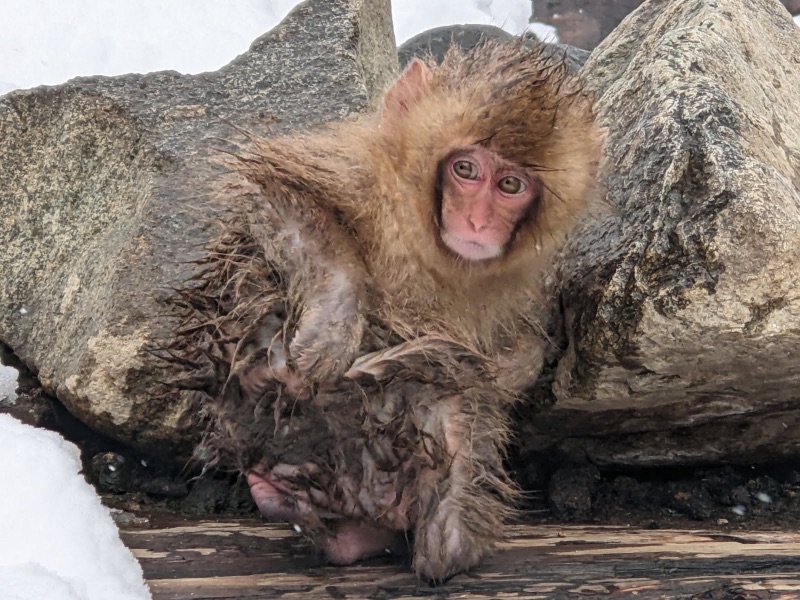
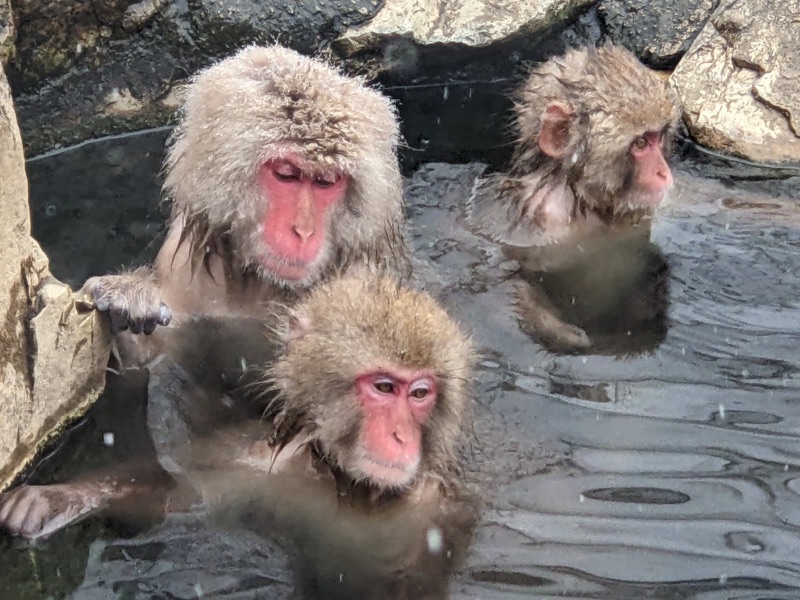
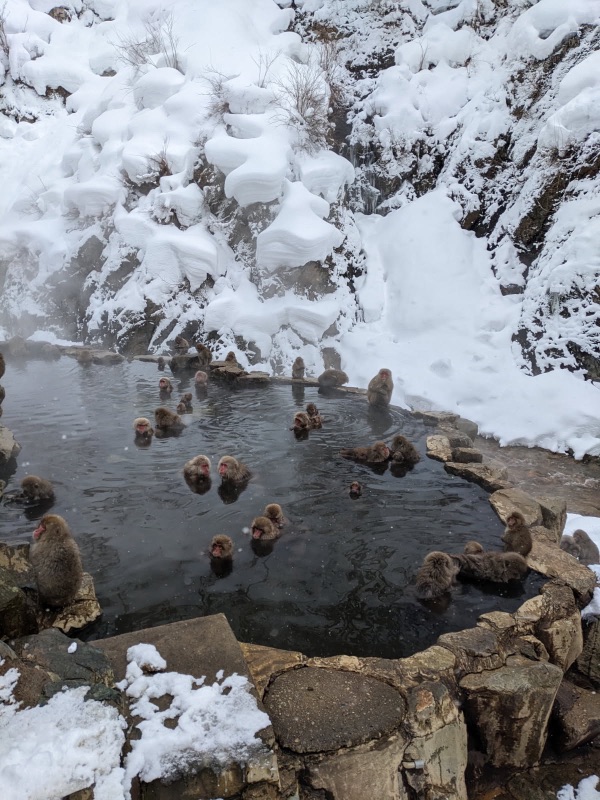
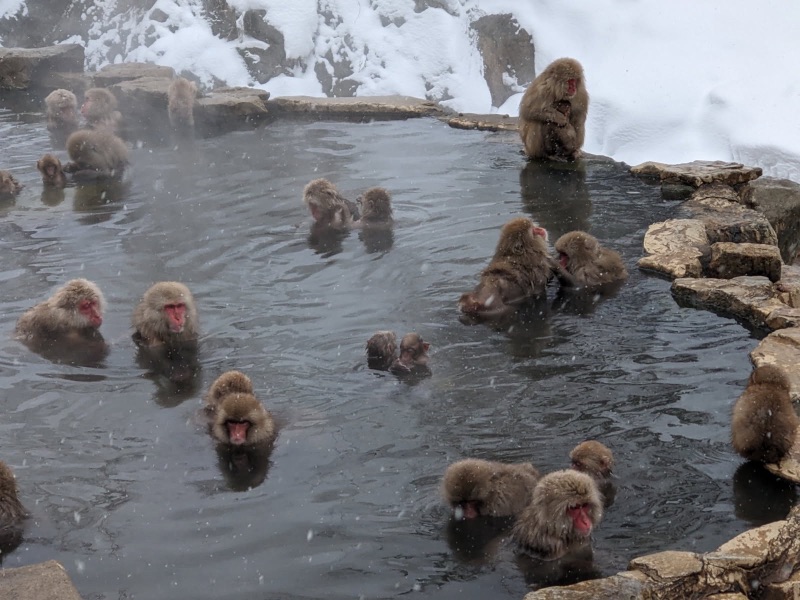
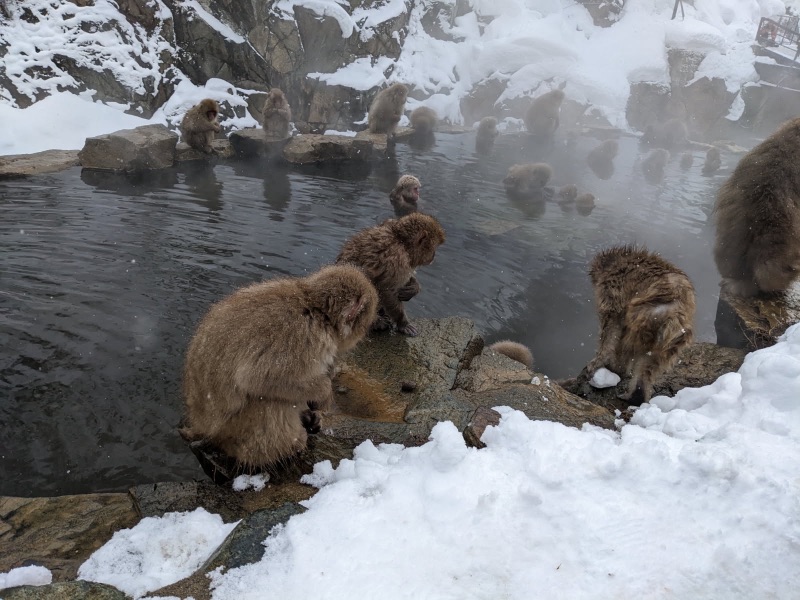
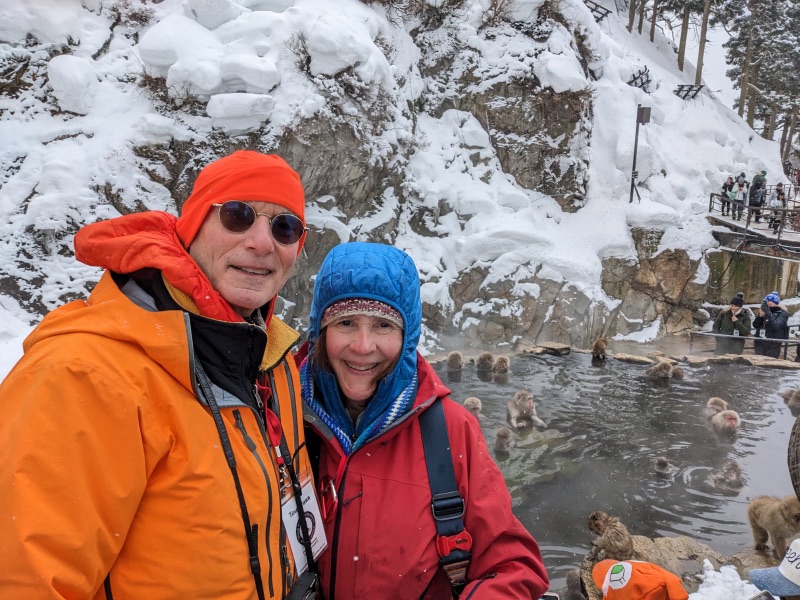
Since getting into hot baths is not a natural behavior for monkeys & they only started doing it in the 1960s by copying humans, this is the textbook definition for “Monkey See… Monkey Do.”
 The Wanderers