Hiroshima & the Itsukushima Shrine

Hiroshima

When you hear “Hiroshima”, you often think about the first Atomic Bomb used in war. One reason why I wanted to come here is to learn more about that event.

Before coming , I read To Hell And Back- The Last Train from Hiroshima by Charles Pellegrino.

This marvelous book written in easy narrative form tells the stories about some people who suffered & survived not only the extreme flash, heat, fire tornadoes, invisible radiation, & radiation falling in “Black Rain” in the 1st atomic blast in Hiroshima; but also, the 2nd & much more powerful atomic blast at Nagasaki.

The book also covers the physics & science in making atomic weapons as well as US & Japanese military & government actions & decisions leading up to the bombings & their aftermath. It provides very detailed accounts of both US air missions which dropped the bombs which were not sure of things & were very risky undertakings.

This book enabled me able to experience fully this monumental & consequential event & place during my visit.

The city turned the area where the most severe damage occurred under the “Hypocenter” into a Peace Park. The “Little Boy” atomic bomb was dropped from the “Enola Gay” B-29 Superfortress & detonated 600 meters above Hiroshima at 8:15 AM on 6 August 1945. Right under where it exploded is known as the Hypocenter.
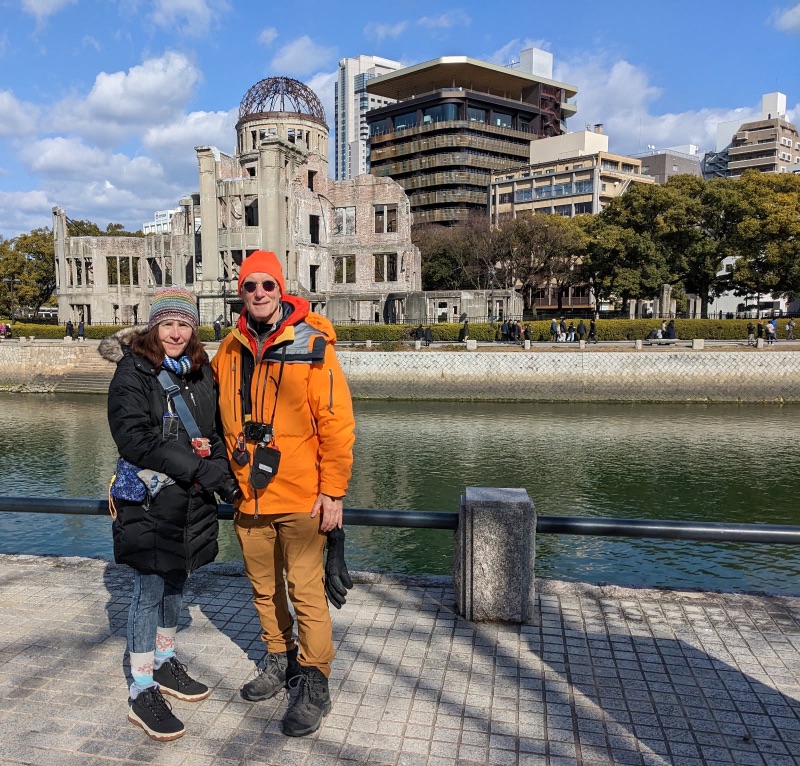

The Hiroshima Prefectural Industrial Promotional Hall (Hiroshima-ken Sangyo Shoreikan) building was mostly destroyed; but, a section remained standing making it the building closest to the atomic bomb’s hypocenter that remained at least partially standing.
It has been preserved as a stark reminder to the atomic bomb’s awful power.

This remnant is now called the “A-Bomb Dome”.
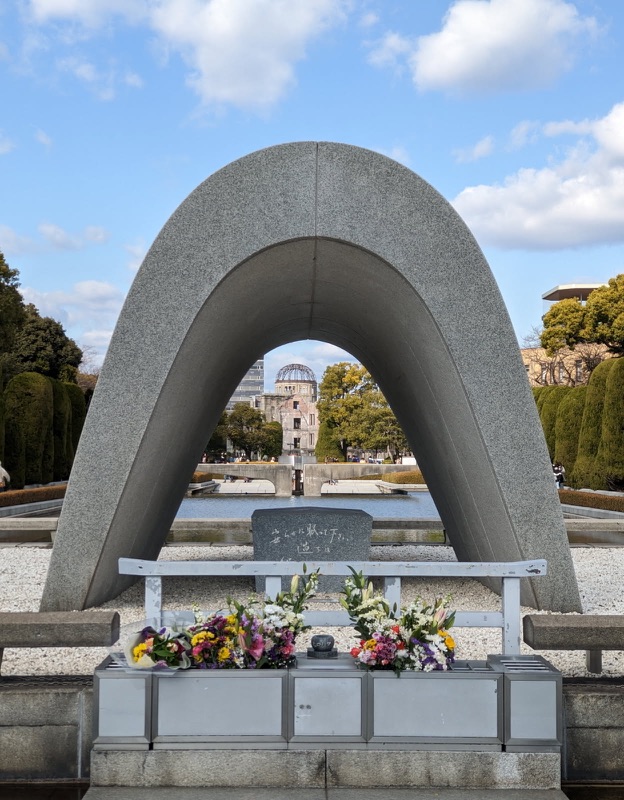

Between the Museum and the A-Bomb Dome is the Cenotaph for the A-Bomb Victims. The Cenotaph is an arched tomb for those who died due to the bomb, either from
the initial blast or radiation exposure. Below the arch is a stone chest storing holding a register with the names of people who perished due to the atomic bomb.

There are 220,000 names on it.

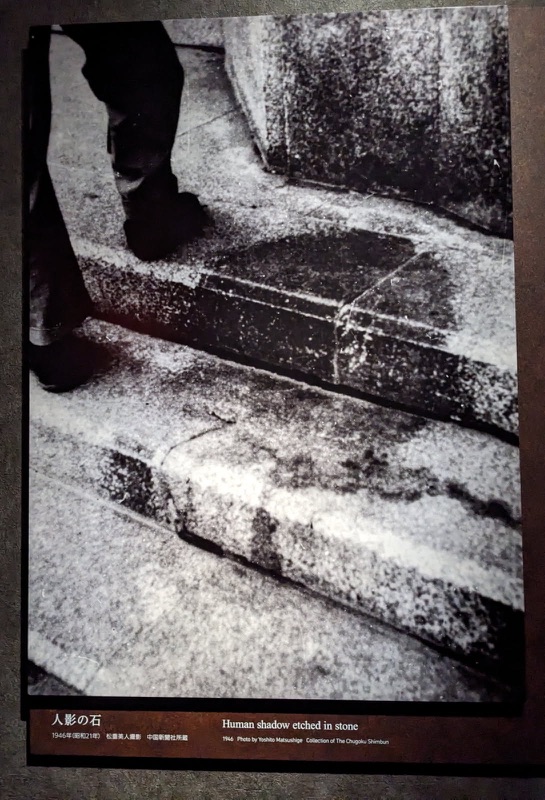
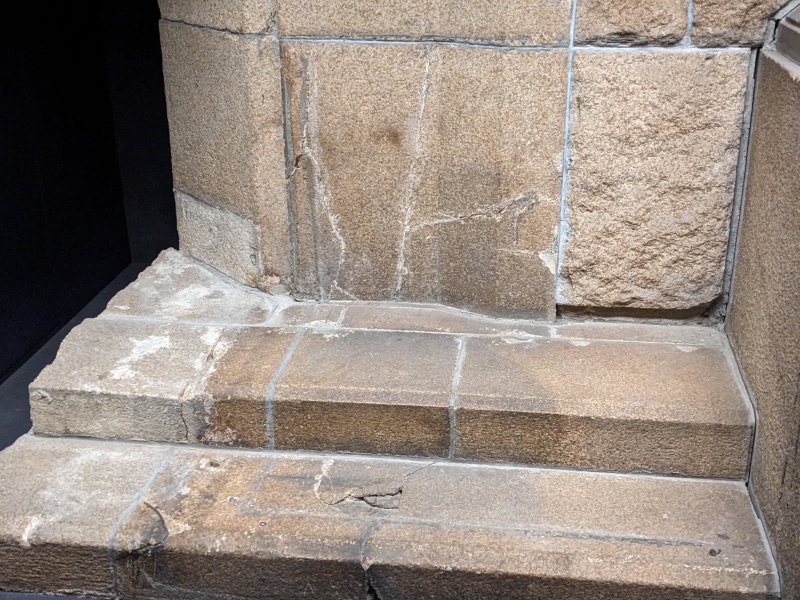
The Hiroshima Peace Memorial Museum contains many images & artifacts discussed in the book.
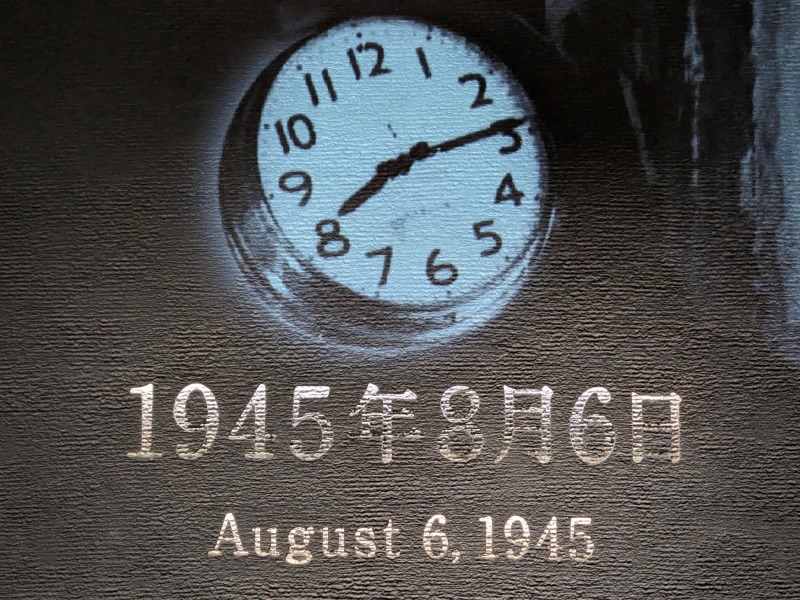
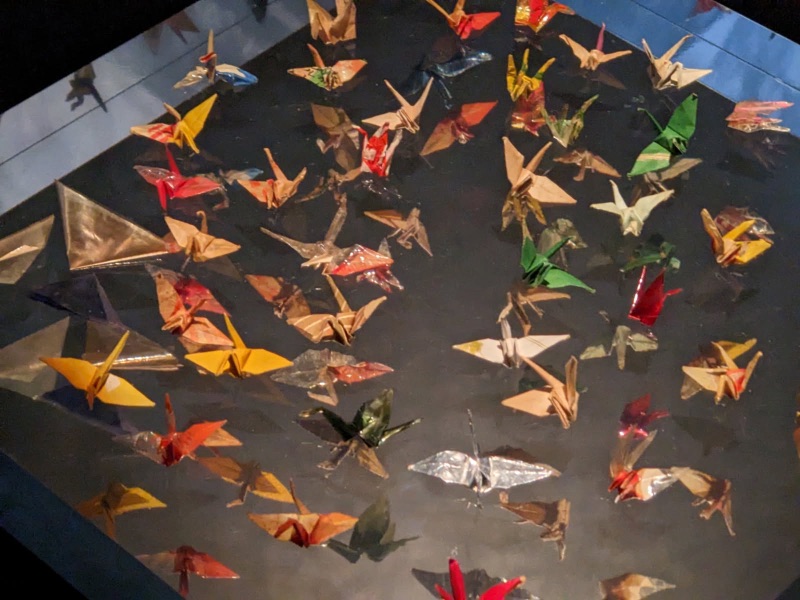
Some of the more than 1,000 cranes Sadako Sazaki folded

The museum has an exhibit about Sadako Sazaki.

Despite being exposed to nuclear radiation as a young girl, she seemed fine. However, like many A-bomb survivors, years later as a teenager, she developed Leukemia.

Her father told Sadako about a Japanese legend that the crane lives for a 1,000 years & it is said that if you fold a 1,000 cranes & put your heart into each one, then they will help you with your wish for wellness.

While in the hospital, Sadako folded more than 1,000 cranes. The museum has some displayed which are about the size of an American quarter. She even folded some cranes from paper that were the size of a single grain of rice.

Unfortunately, Sadako’s wish to get well did not come true; but, her doctors said she lived far longer than expected.

The Hiroshima Peace Park & its museum are both worth visiting. They served as reminders not only to war’s brutality & a testimony not to use nuclear weapons; but also, to the human spirit’s resilience to overcome adversity & ability to show kindness & compassion.

Itsukushima Shrine

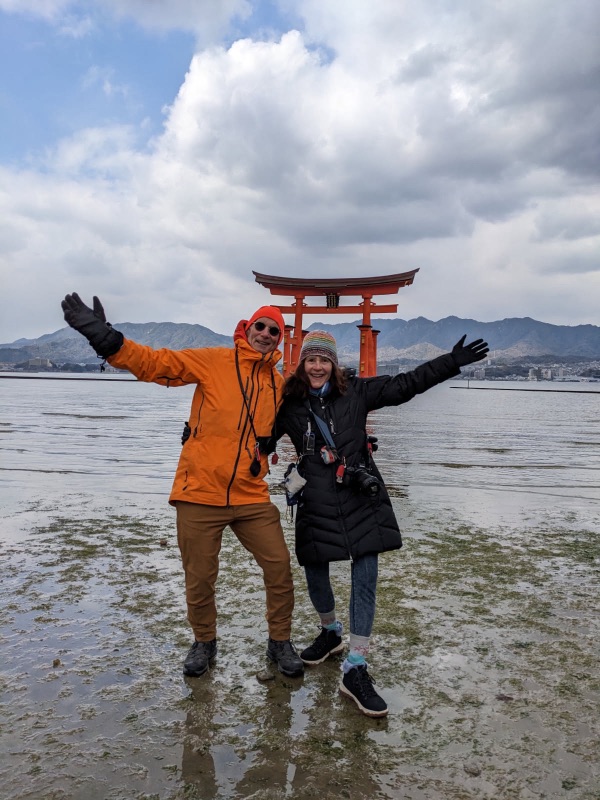
Among Japan’s most iconic structures & images is the Itsukushima Shrine with its remarkable Torii Gate.
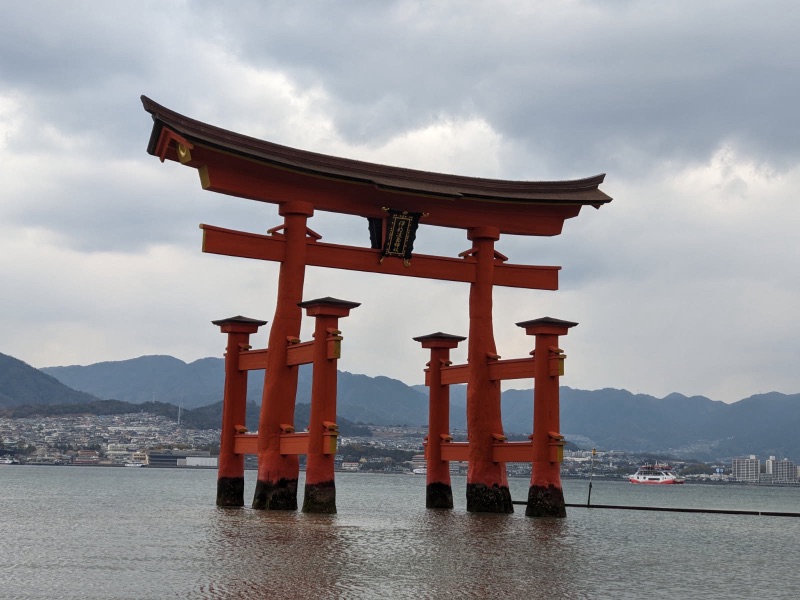
This shrine & its torii gate originally built in 593 are not only a Japanese national treasure; but also, a UNESCO World Heritage site.

Itsukushima Shrine is a Shinto shrine located on Miyajima which is an island in Hiroshima Prefecture

The Shrine which is dedicated to the three daughters of the Shinto deity of Seas & Storms is built on piers over the Seto Sea because the island was originally thought to have been too sacred for commoners to tread.

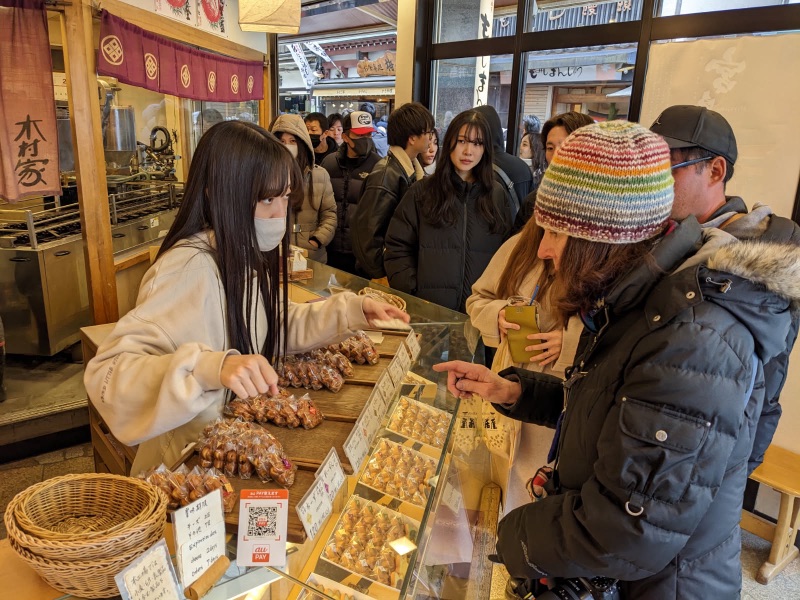
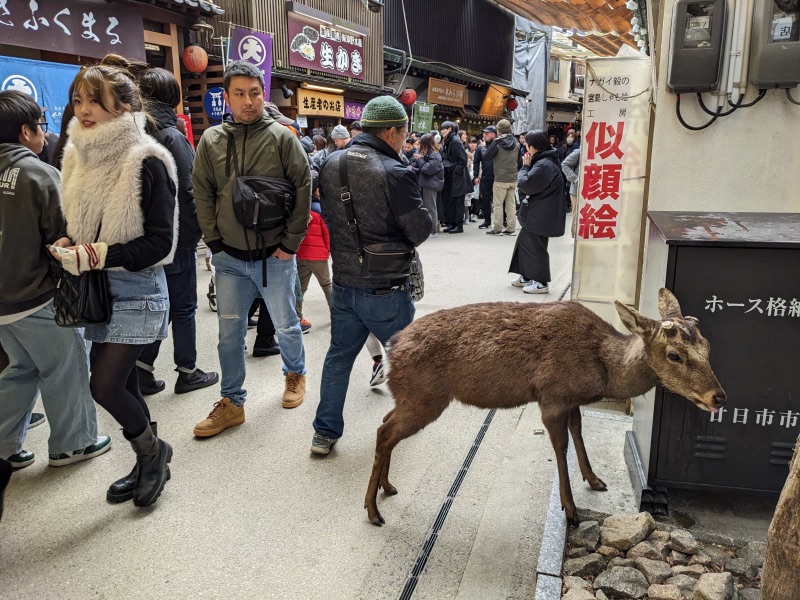
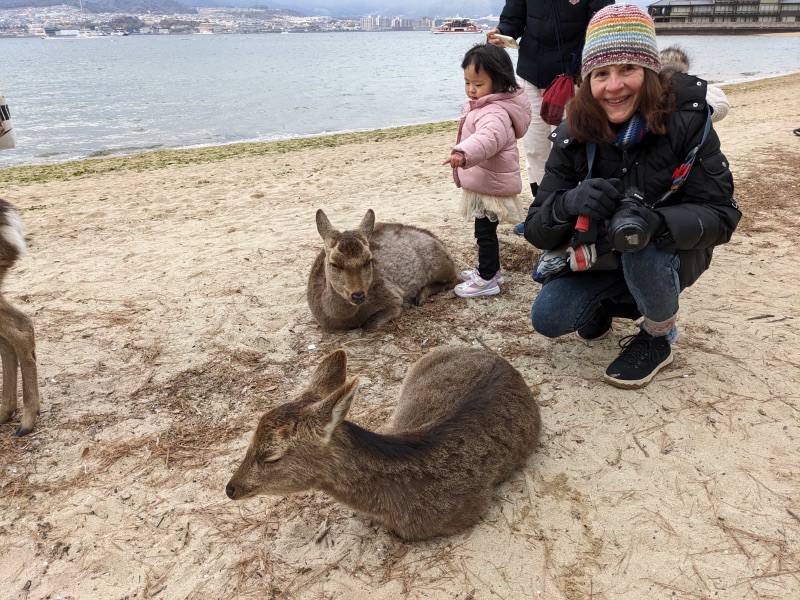
Miyajima Island also contains many shops along with wild deer who roam freely looking for food from tourists. The main food attraction was the popular Hiroshima oysters.
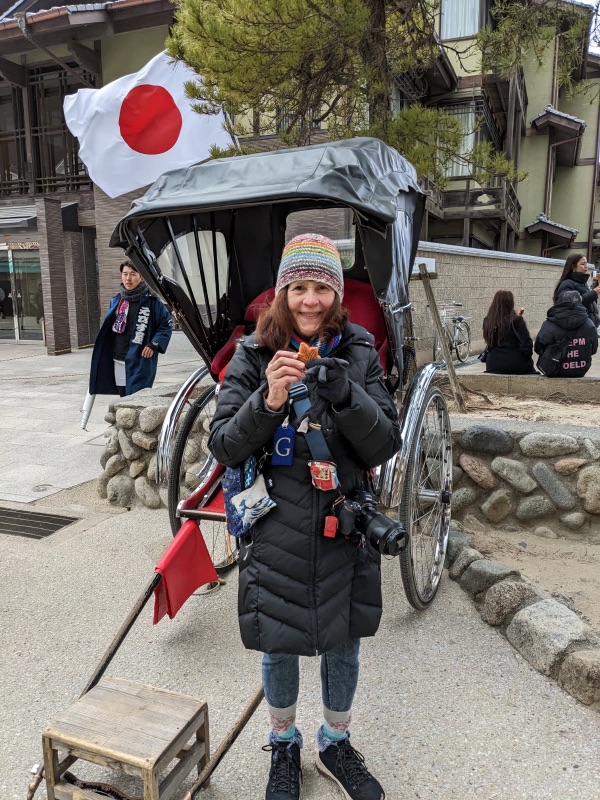
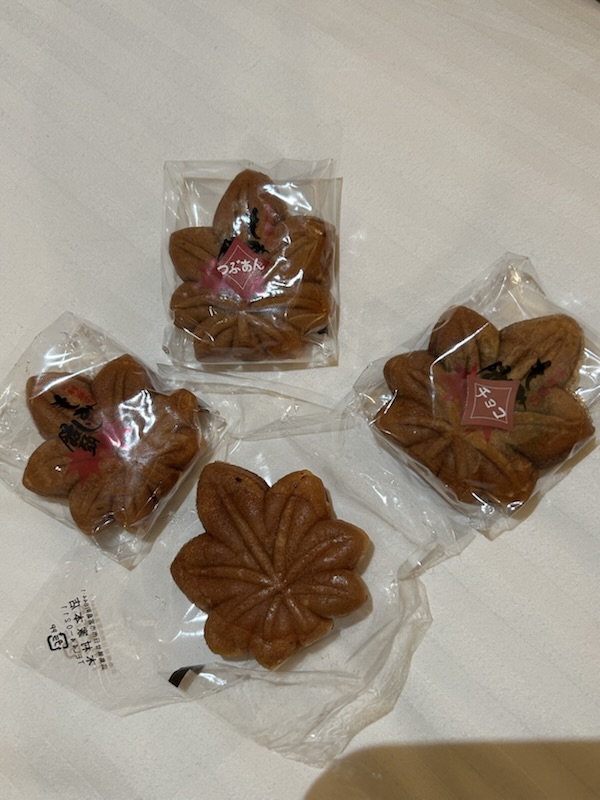
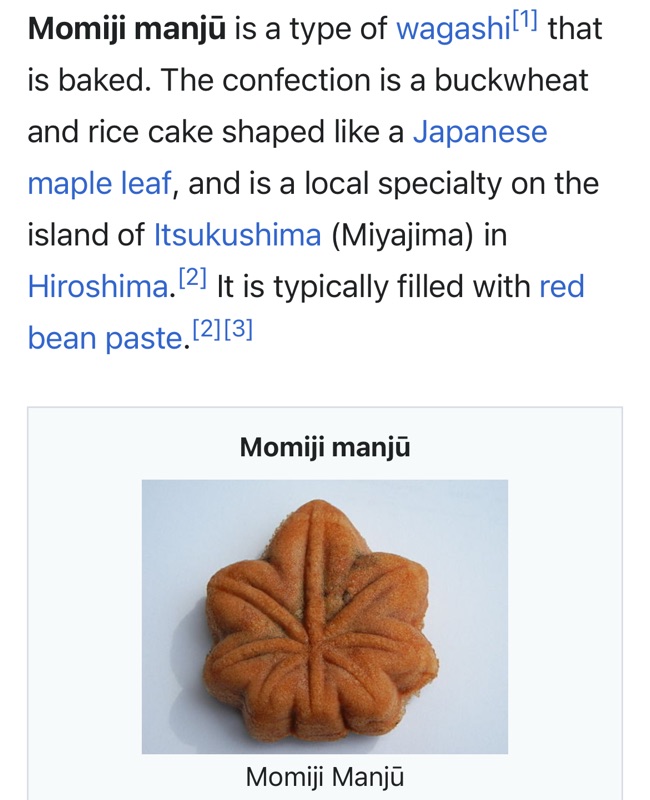
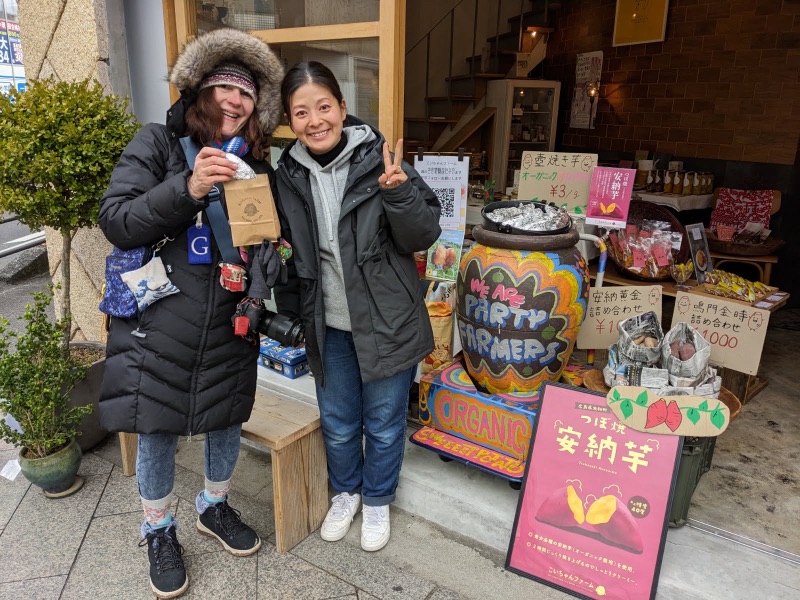
Had fun trying the local sweet potato
Sayonara Japan!
We have had a lovely visit.
Thank you for your hospitality & kindness.
Nagano & Snow Monkeys

We enjoyed a Nagano day tour & then went up to the mountains to see the snow monkeys in Jigokudani Monkey Park.

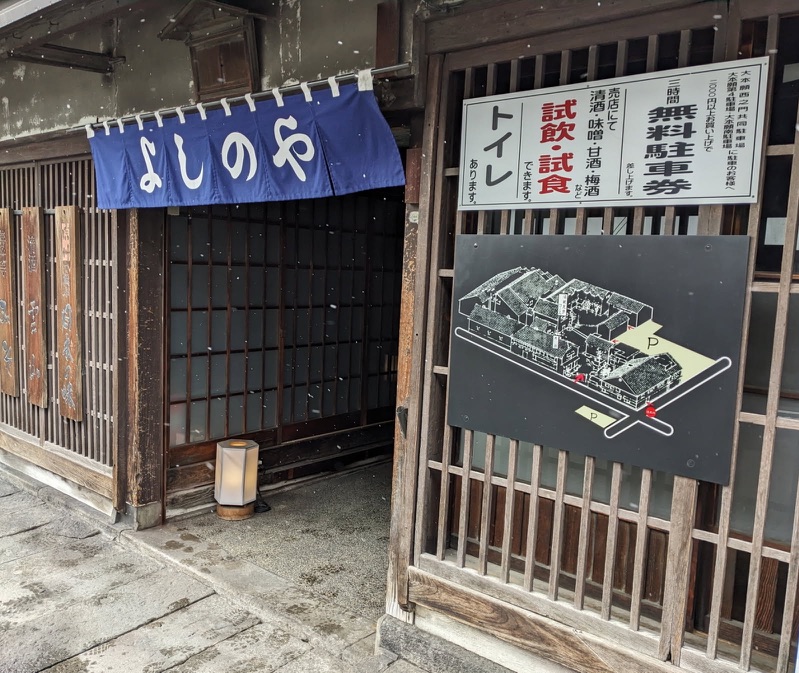
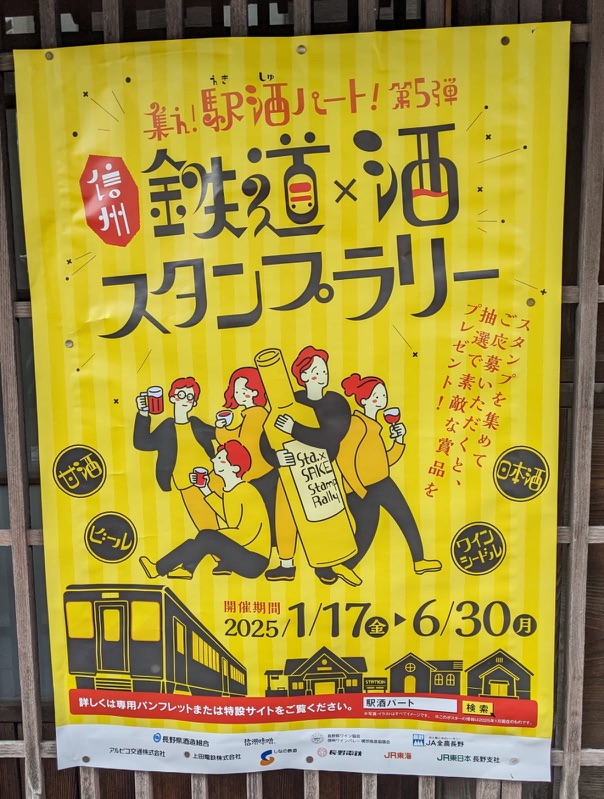
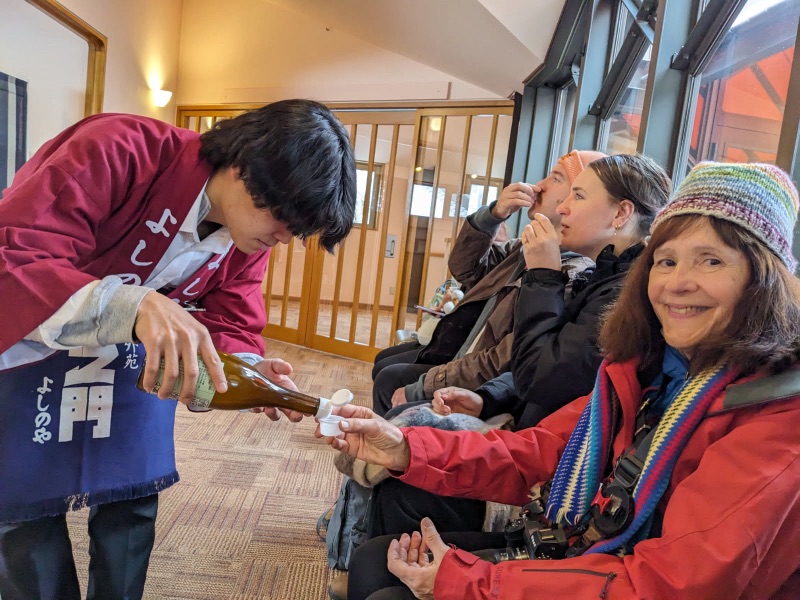
The first stop was at Nishomon Yodhinoya for sake tasting. There we sampled different kinds of rice wine & learned how different qualities were created based on how much of the rice husk was milled off to create the sake. We also enjoyed drinking Amazake which means “Sweet Sake”. It can also be made as an alcoholic drink. The Japanese have been making it since the 3rd Century & it is mentioned in “The Chronicles of Japan” which is Japan’s second oldest book.

Amazake is a sweet, creamy, non-alcoholic drink made from rice which is typically a summer drink; but, Japanese families drink it at dawn on New Year’s Day to ring in the New Year.

We learned the word “sake” actually means all alcoholic drinks in Japan including beer. Rice wine is actually called Nihon-shu.

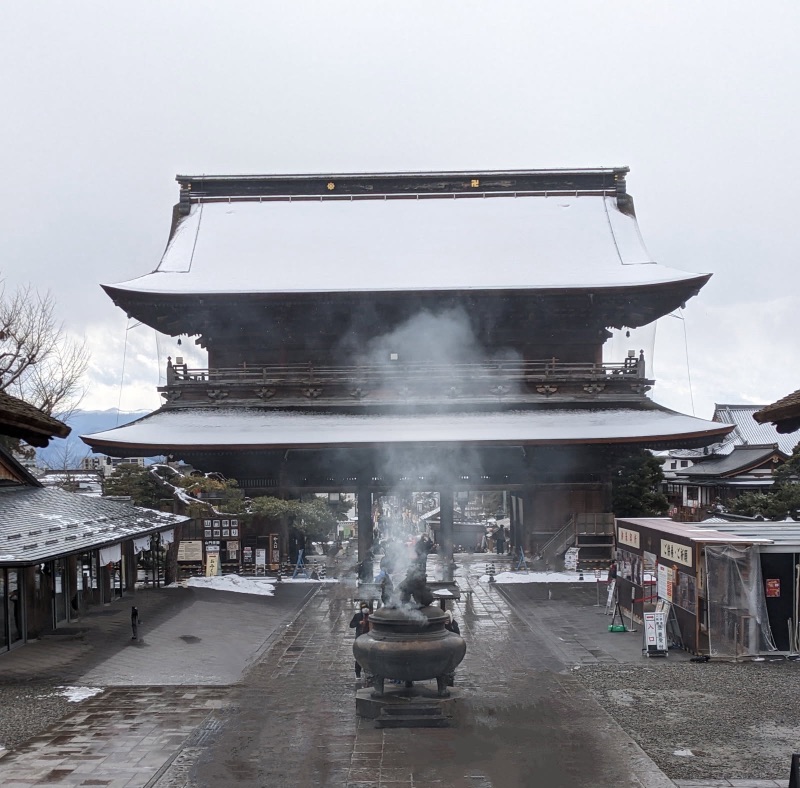
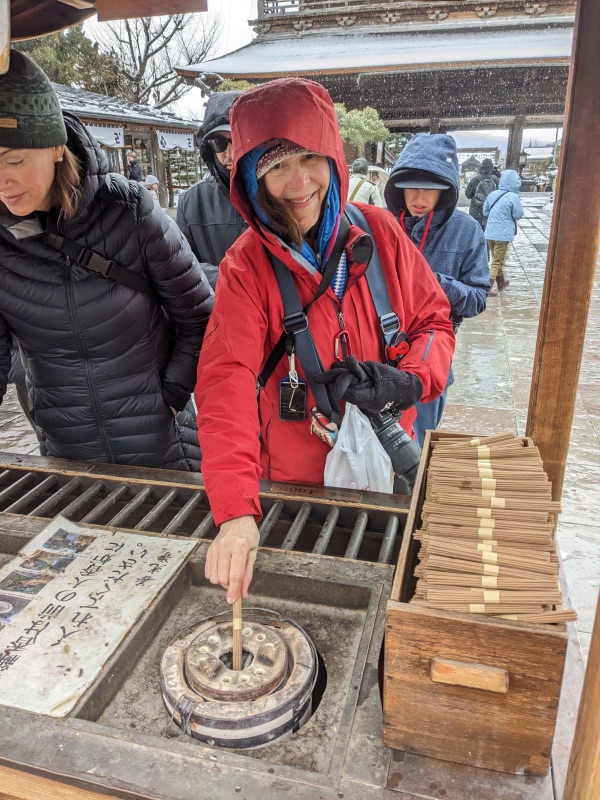
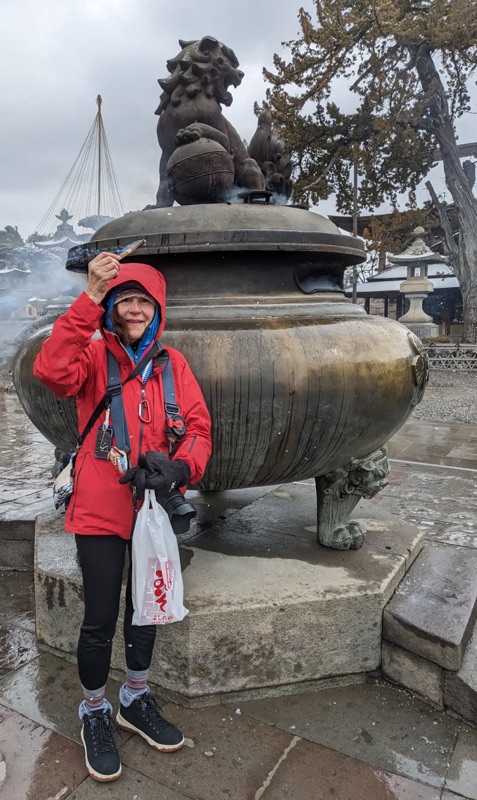
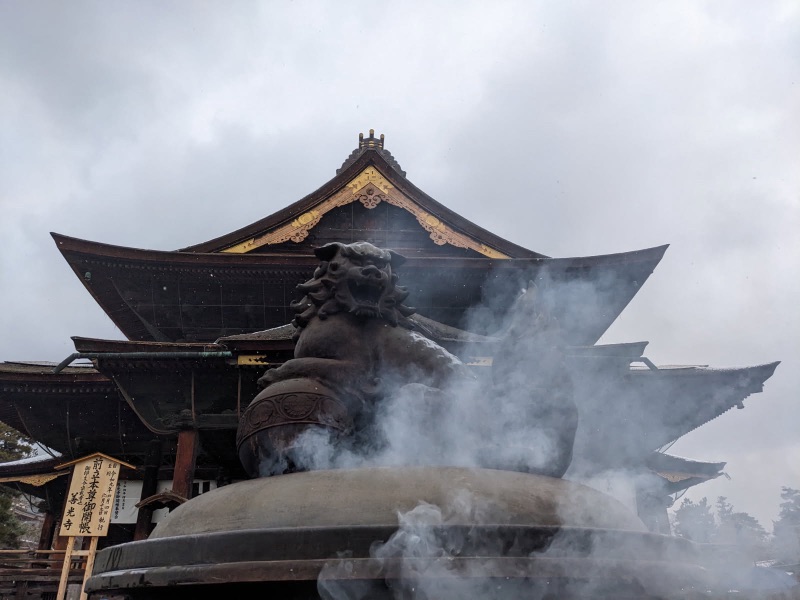
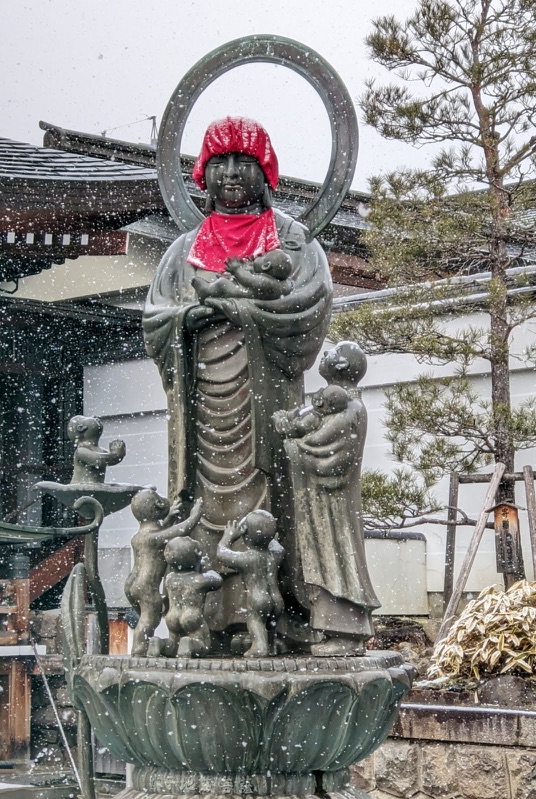
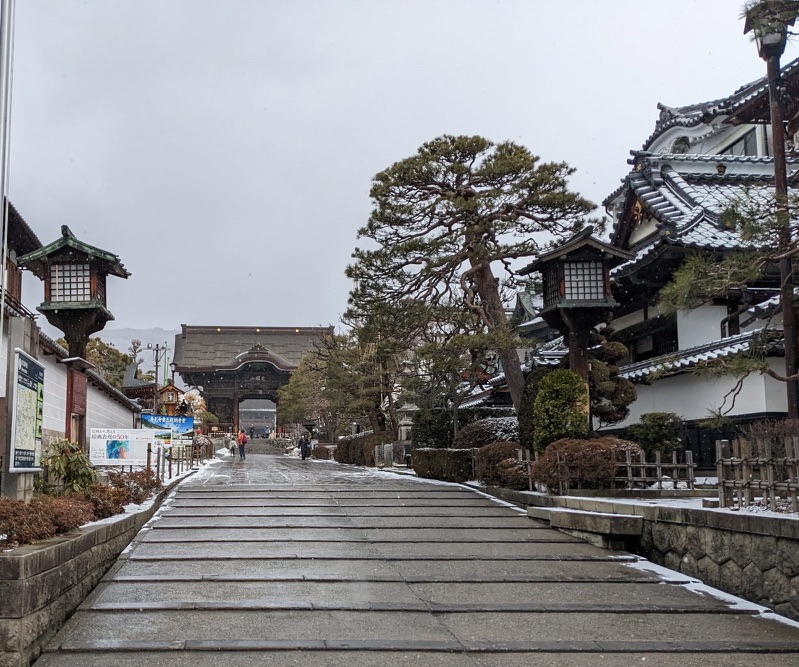
When we left the sake shop it started snowing. We enjoyed the winter ambiance while visiting the Zenkoji Temple which is a very important Buddhist temple in Japan.

Ritual Offering Made Before Entering the Temple

Pictures are not allowed inside the temple; but, it was a large area to visit & inside you can buy small charms for wishing things such as “good luck, good health, & good fortune.” There are even charms for “good luck on exams.”

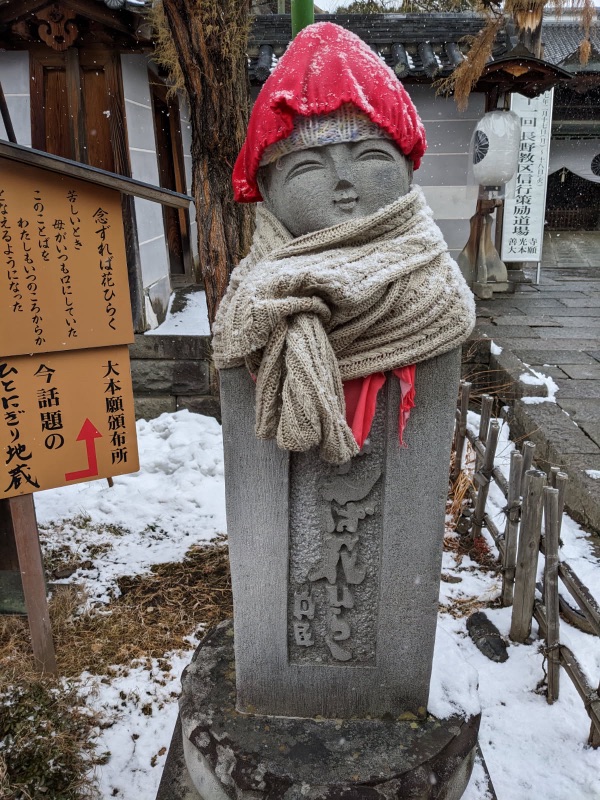
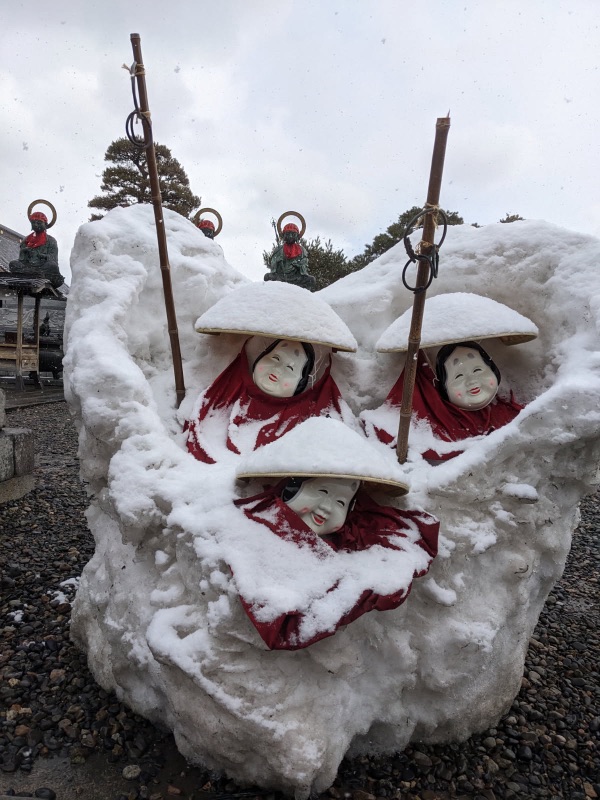
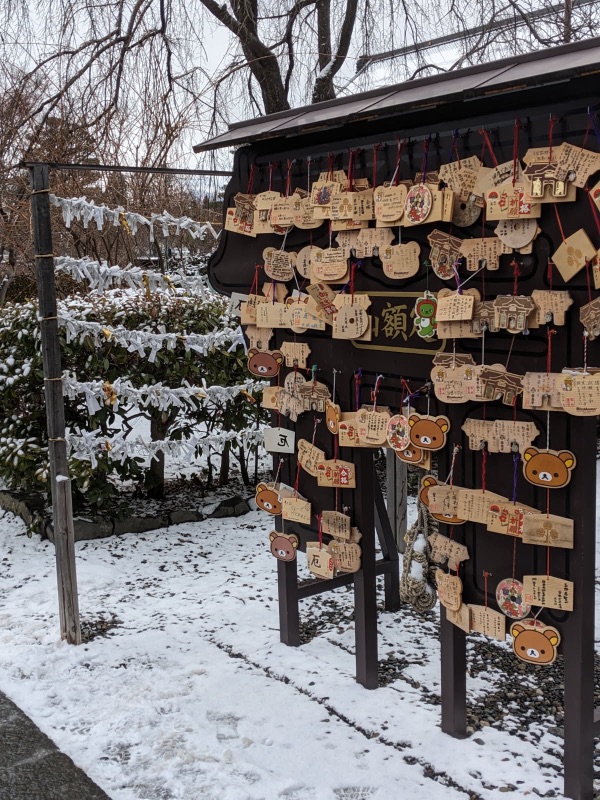
Here are a few sights near the temple.

Nagano is known for 2 things- people living the longest here in Japan & its apples. We were told they grow over 40 apple varieties in Nagano.
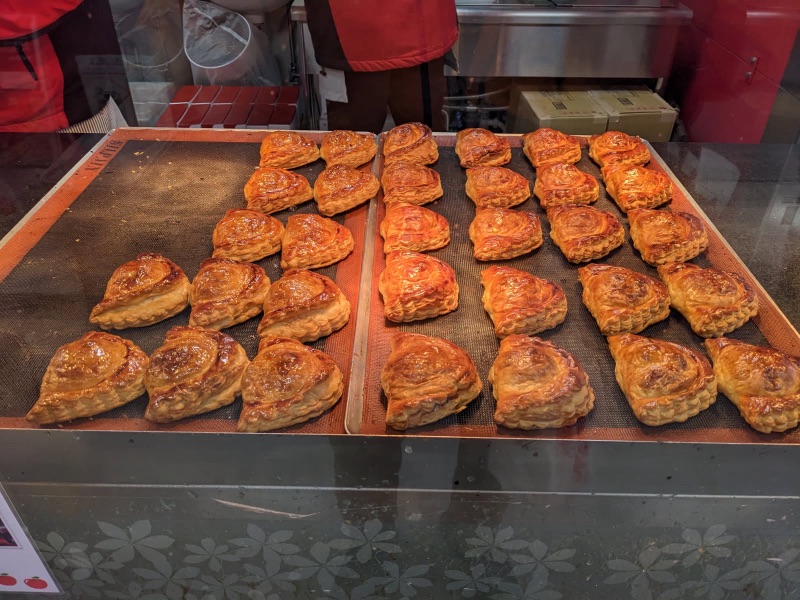
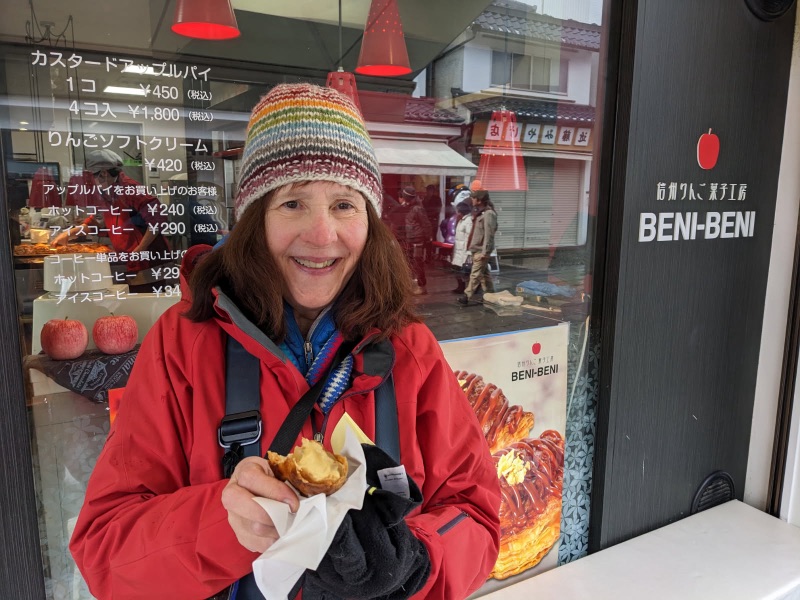
While waiting for the tour to continue, I enjoyed an apple custard hot pie. It was delish!

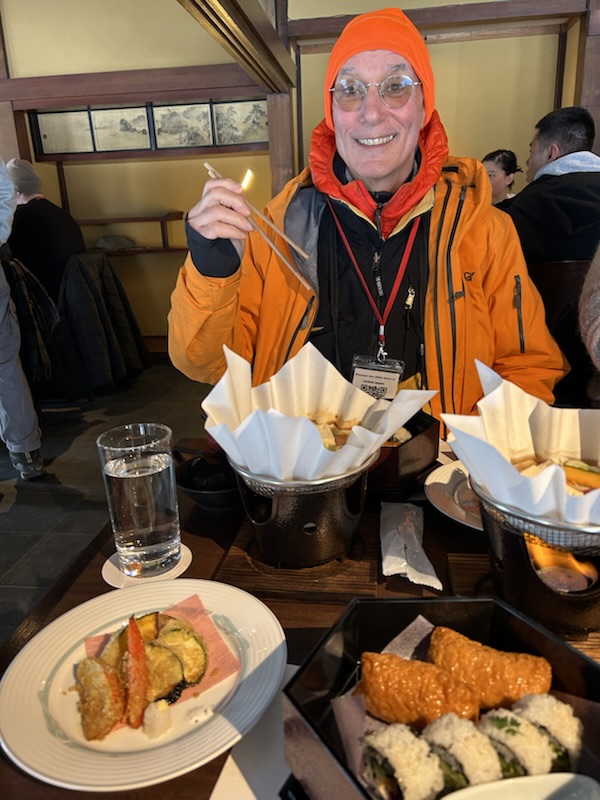
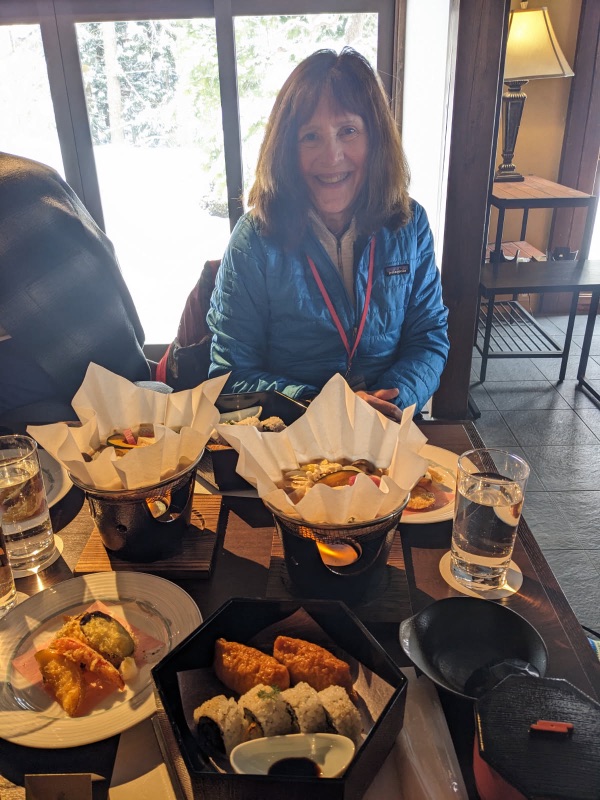
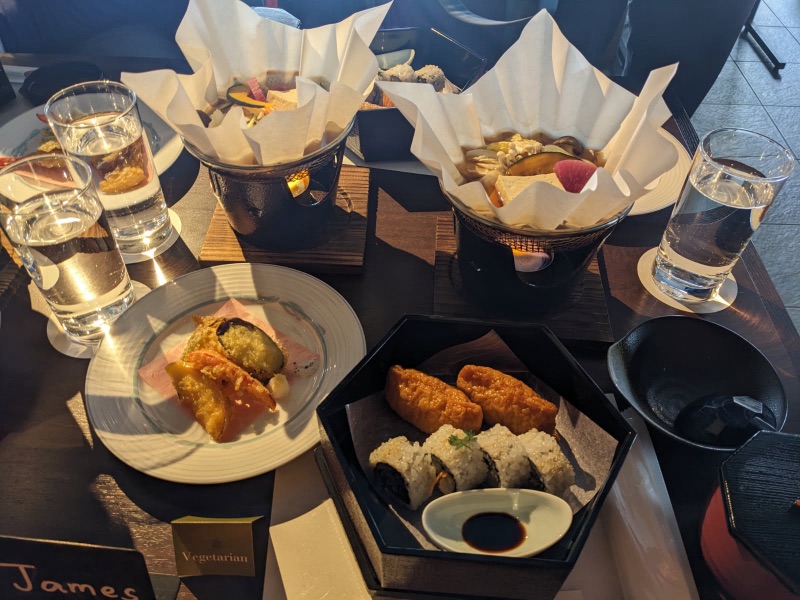
We then had an hour drive to the Jigokudani Monkey Park. But, first we had a wonderful Japanese lunch with a traditional hot pot to cook your food at the table along with some veggie sushi & veggie tempura.

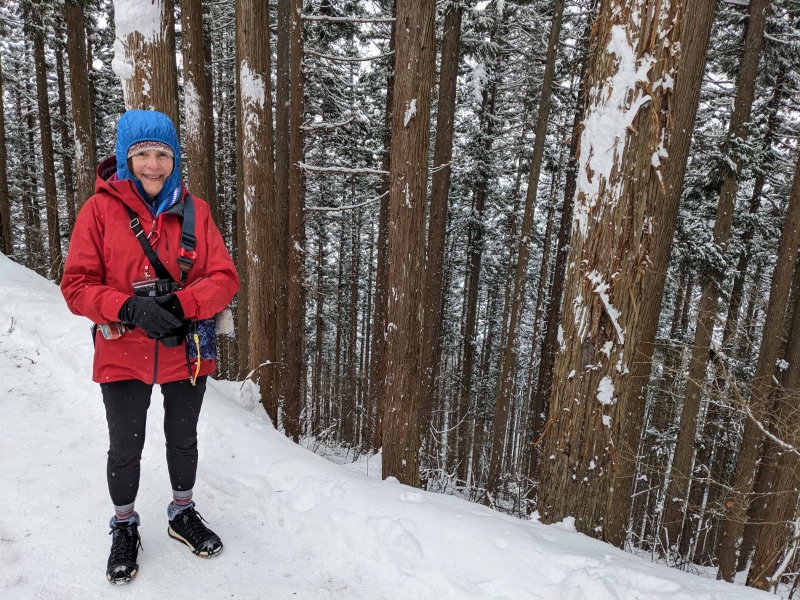
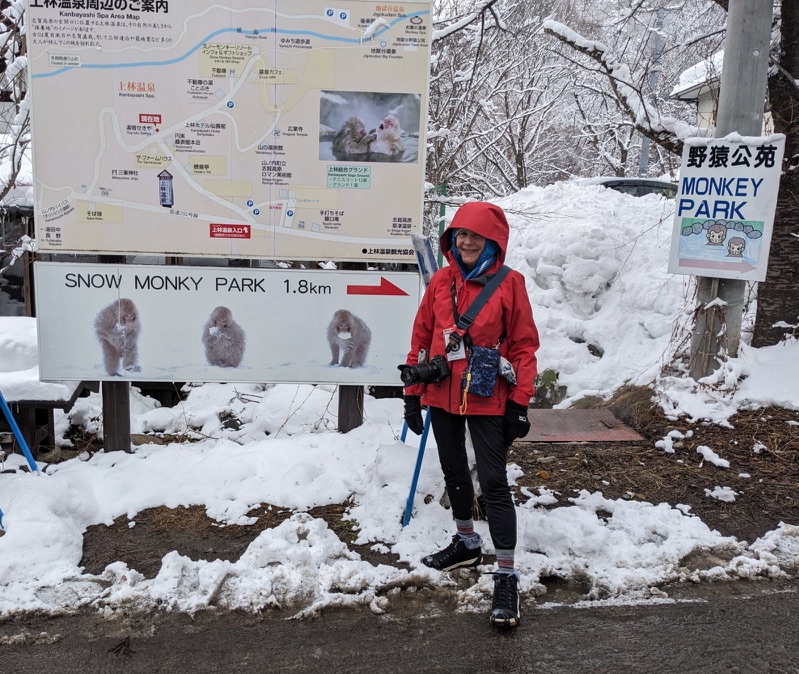
After lunch, we had a 1.25 mile walk through the forest to reach the Snow Monkey Park. Thankfully, I had clip-on crampon spikes for my shoes because the path was covered in snow & ice.

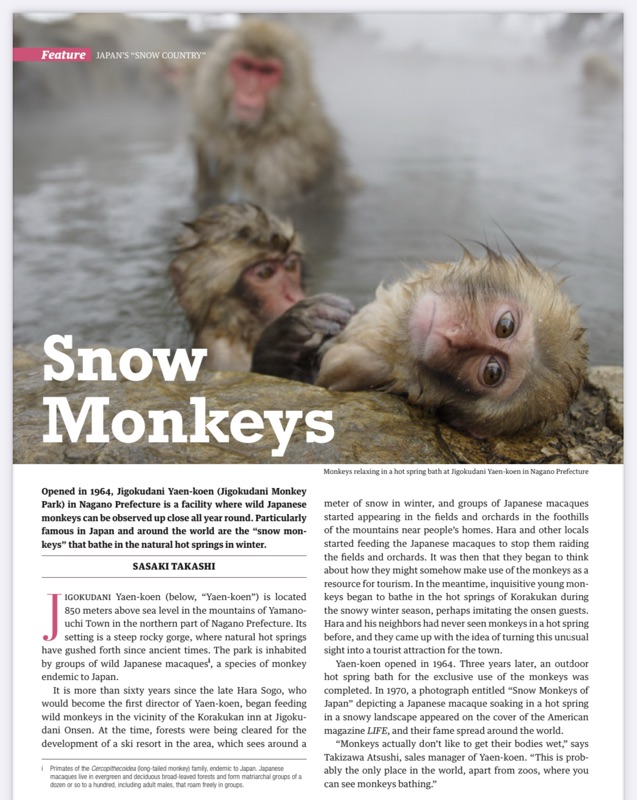
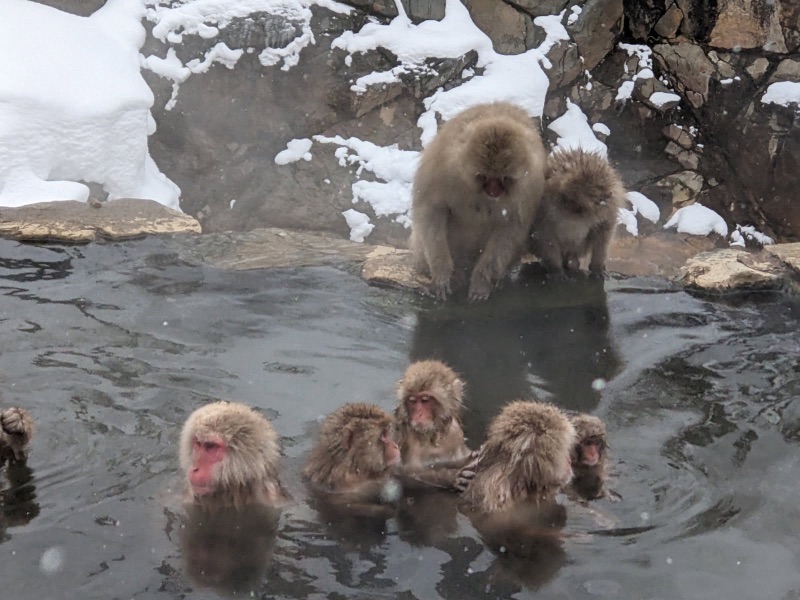
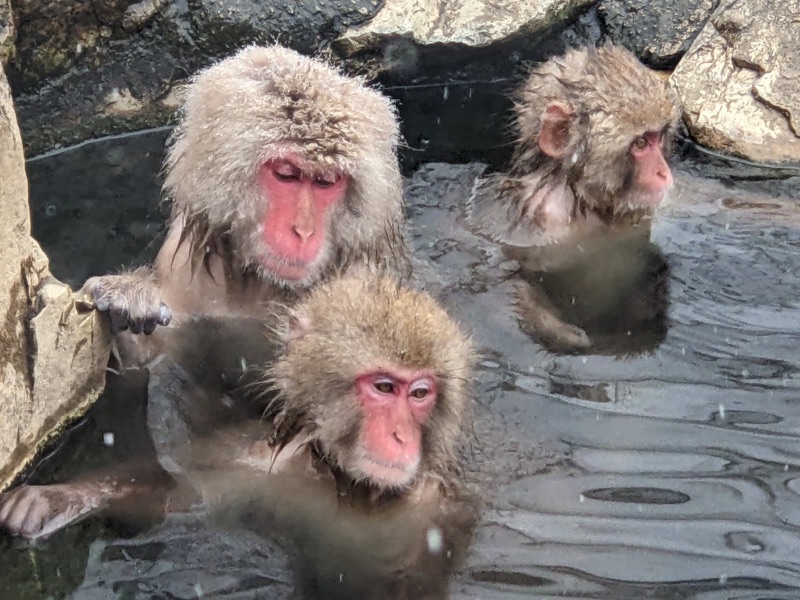
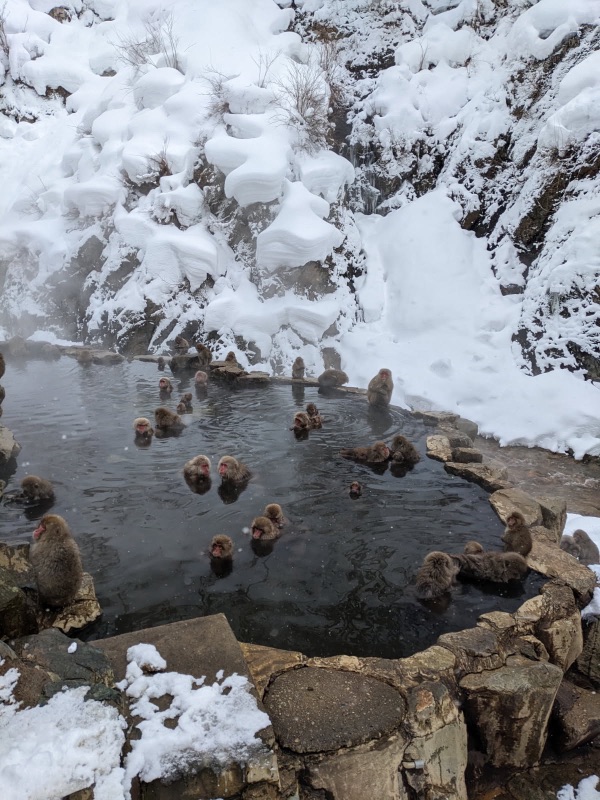
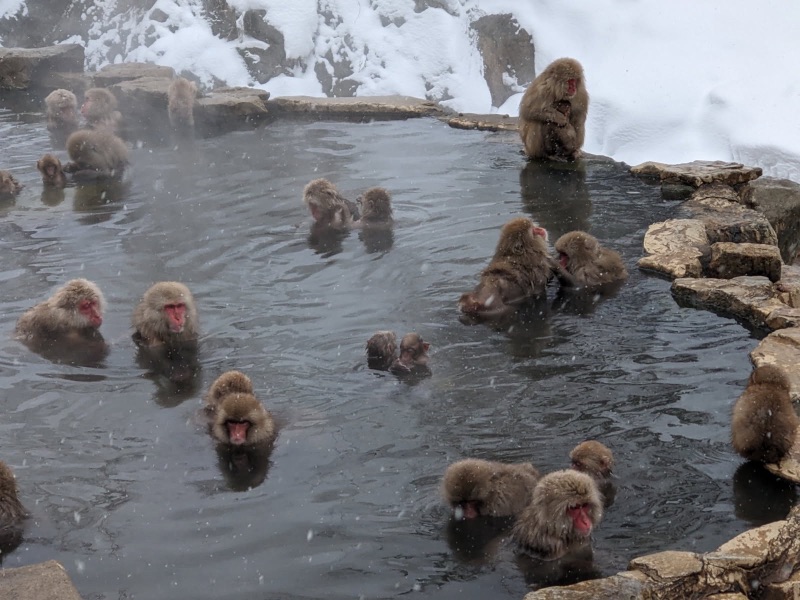
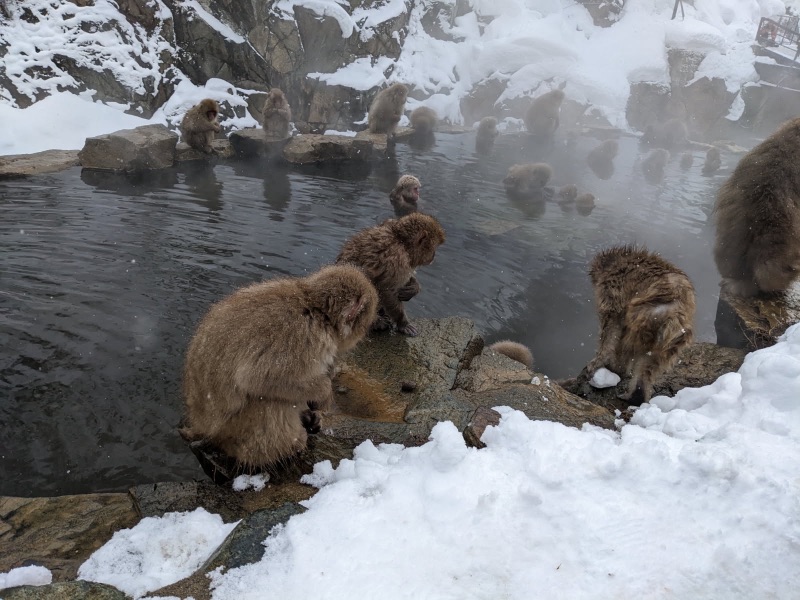
The monkey troop has the only monkeys in the world known to bathe in hot springs. This troop has over 150 monkeys. The troop size is large because other than raptors who may occasionally take babies, they have no natural predators on the ground & they are protected in the park.

Japanese macaques (snow monkeys) have the northernmost range of the world’s primates.

Snow Monkey Park was created in 1964 so the Japanese macaques could have a refuge within what was already their natural habitat. The naturally curious monkeys observed humans using the outside onsen hot spring at a nearby guesthouse during winter. The monkeys thought this was a great idea & jumped in the pool. However, the guesthouse owner was not too keen on monkeys fouling his clean onsen.

To keep the monkeys out of the onsen, a special hot bath was created for them inside the park.

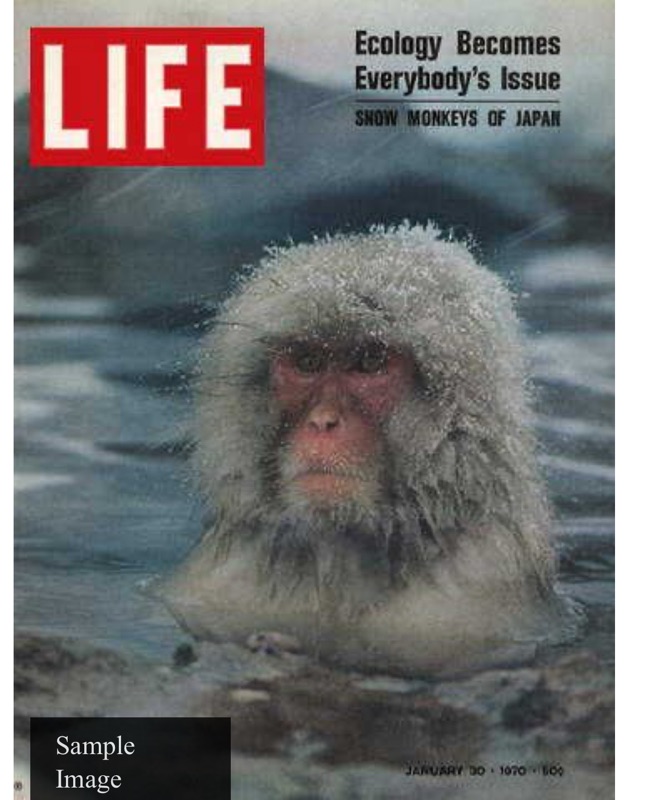
In 1970, Life magazine featured the Snow Monkeys on its cover creating a world wild fascination about them & catapulted their onsen into a tourist destination overnight.

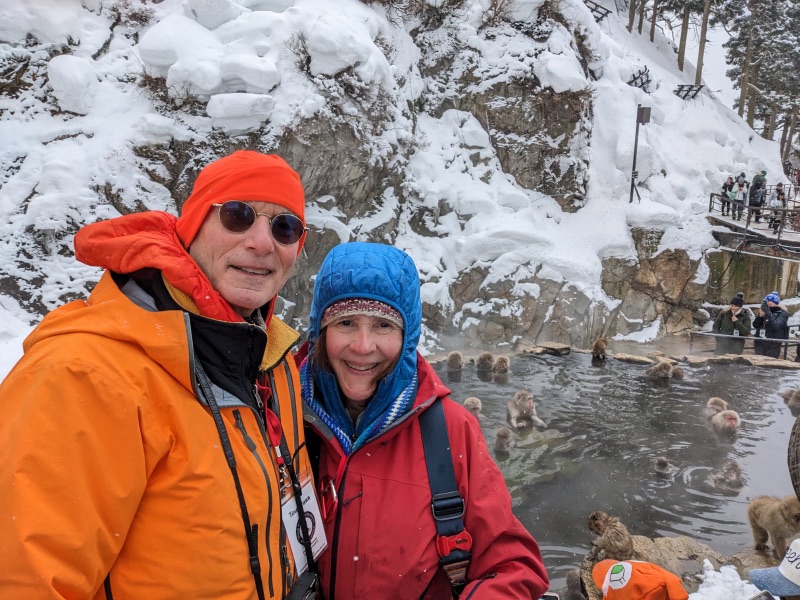
Finally arrived after a 30 minute walk.

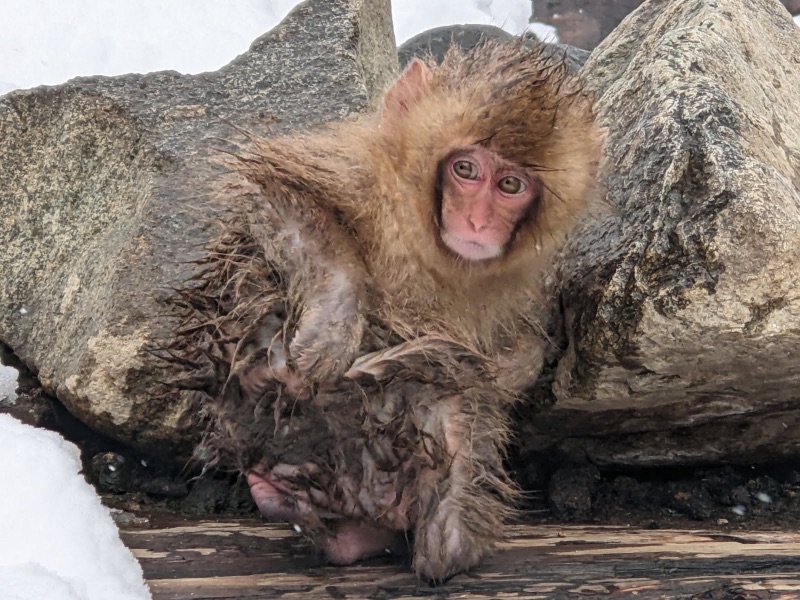
On the day we went it was very cold so many monkeys were in their special onsen. Our guide said we were lucky to see so many young ones.

Since getting into hot baths is not a natural behavior for monkeys & they only started doing it in the 1960s by copying humans, this is the textbook definition for “Monkey See… Monkey Do.”

Skiing at Hakuba, Japan

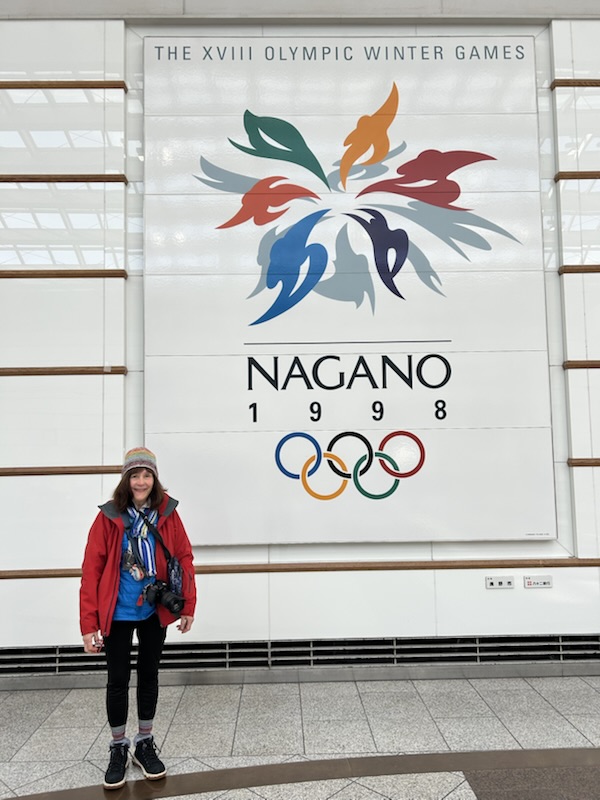
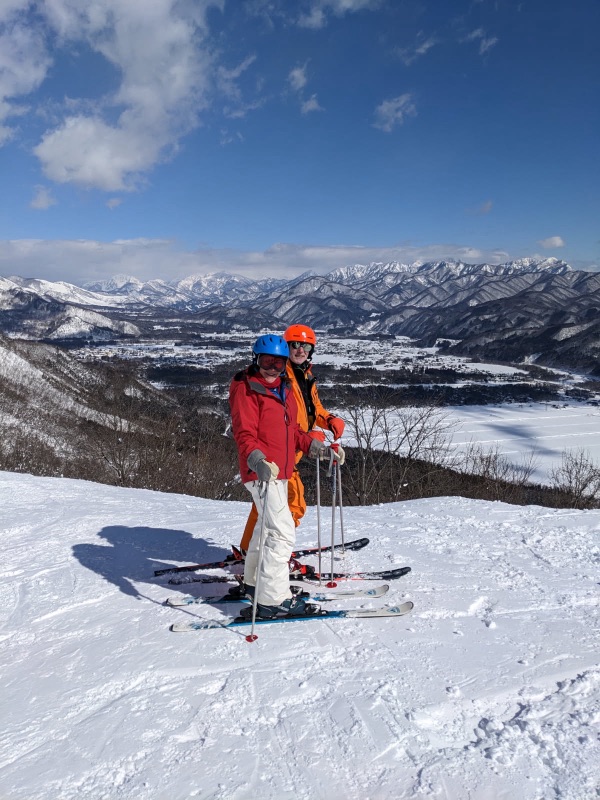
After talking about it for many years, we finally decided it was time to go skiiing in Japan. There are many ski resorts in Japan; but, we chose the place where the 1998 Winter Olympics were held.

The Alpine skiing events took place about a 1 hour drive from Nagano in the Hakuba Valley.

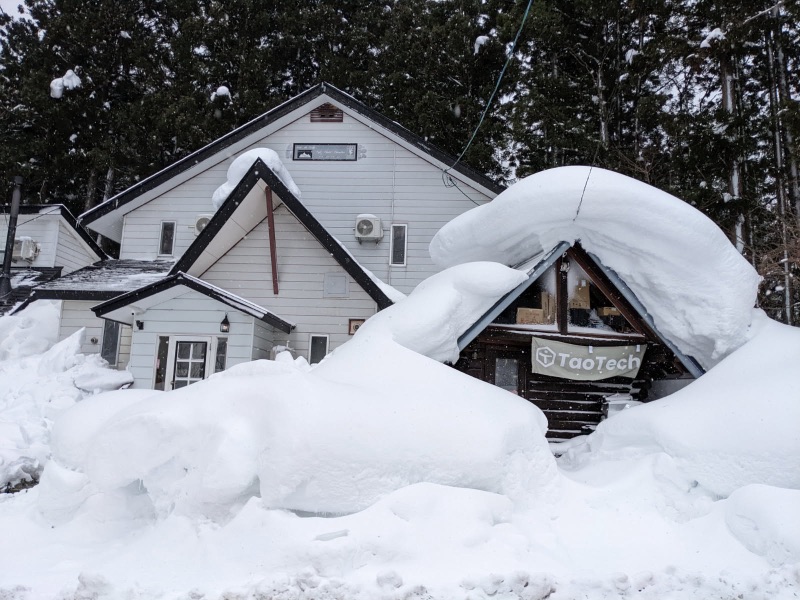
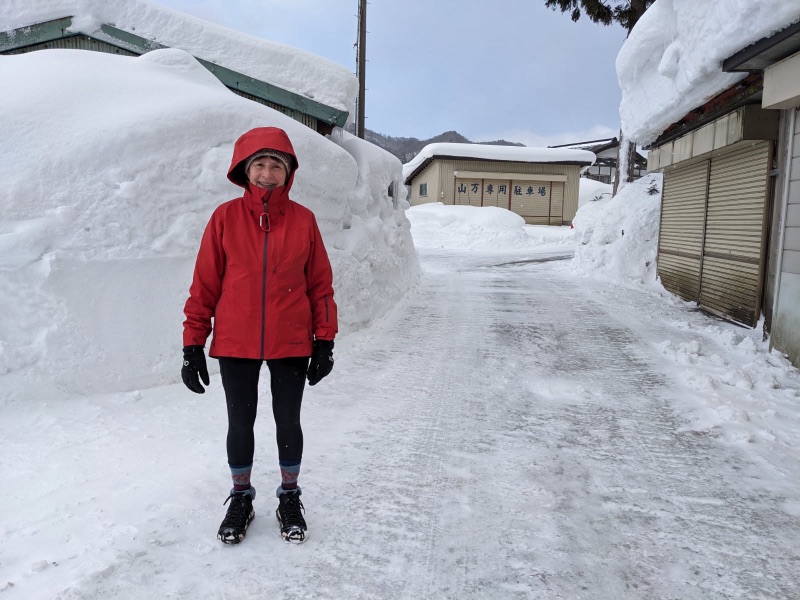
When planning a ski trip, you always hope for good snow on the slopes; but, you also dream of being in a winter wonderland.

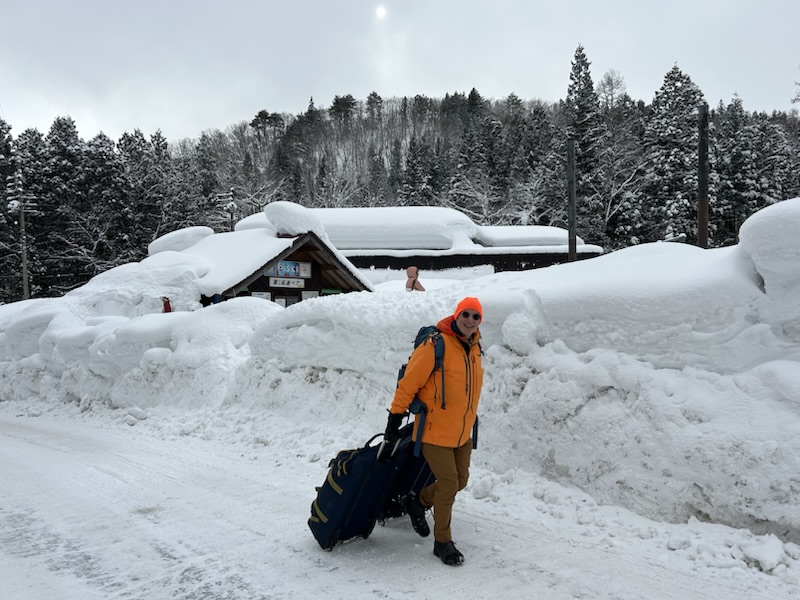
This year both came true as the locals told us this is the most snow they have had in years & it is three times the norm.

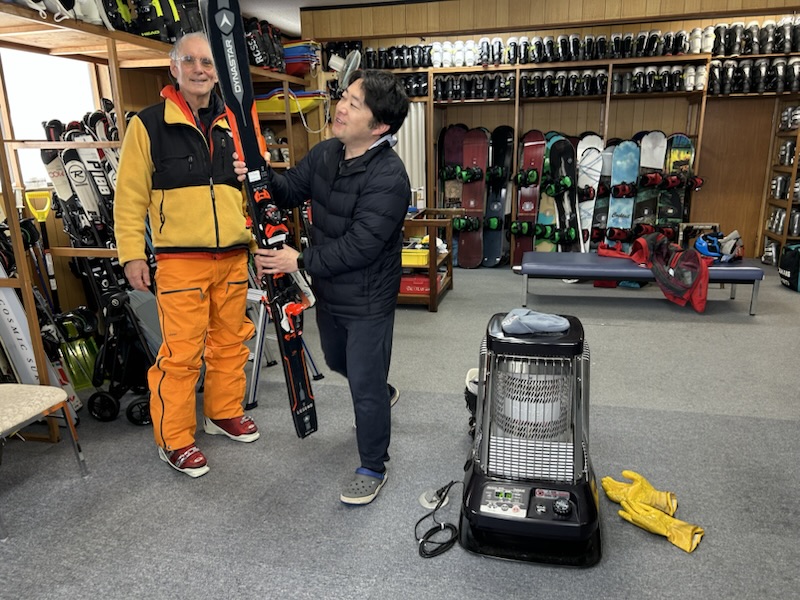
Not wanting to lug skis through Japan’s busy train & bus terminals, we chose to rent our skies & poles which we got at a tiny shop near our hotel.

The Hakuba Valley has many resorts in varied sizes which are separated only by short distances from each other. With your ski pass, you have the option to ski at 6 different resorts. Each resort is connected by a free shuttle bus.

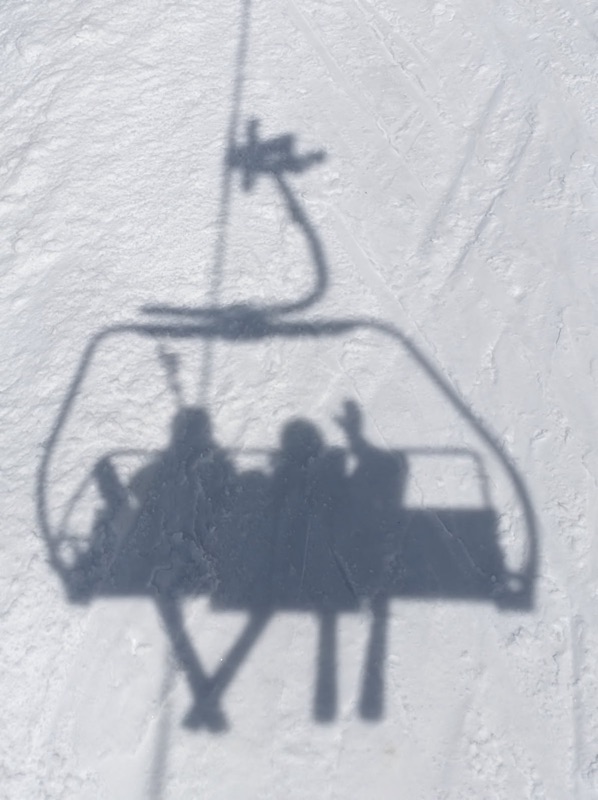
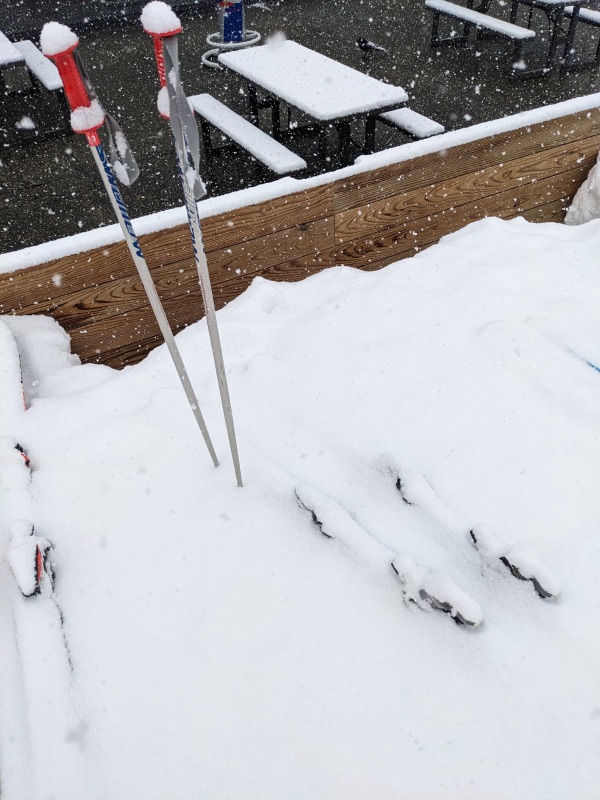
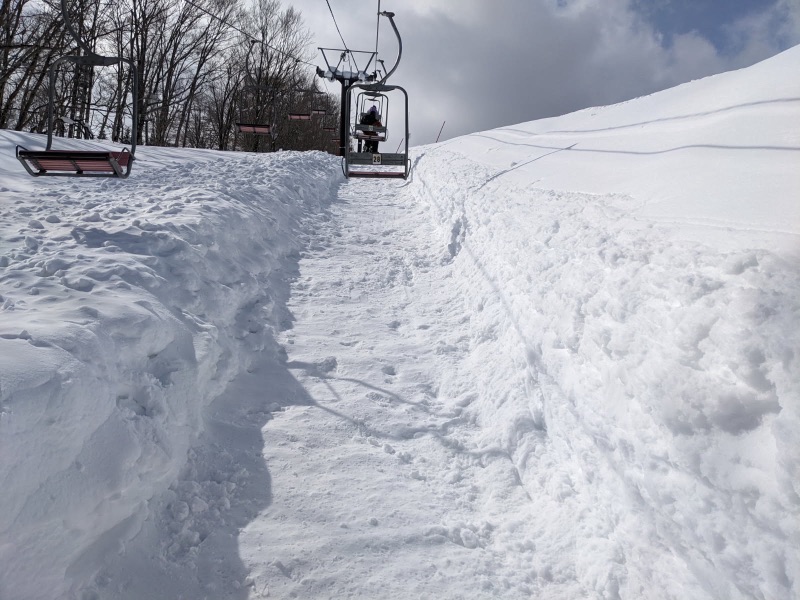
There was so much snow that sometimes our skies almost touched the snow while we were riding on the chair lifts. Many chair lifts had to be dug out from the snow to operate.

In the 5 days we skied, we were lucky to have 3 days with sunny blue skies.

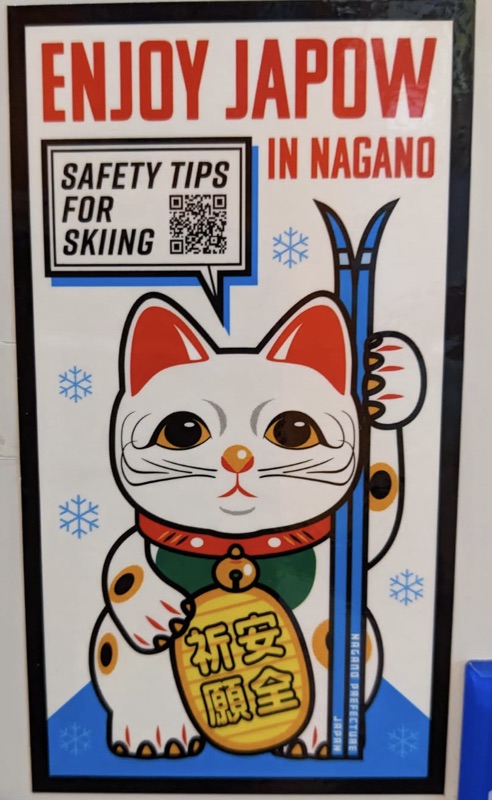
Many skiers come to Japan to experience the light fluffy snow called Japow (Japan Powder).

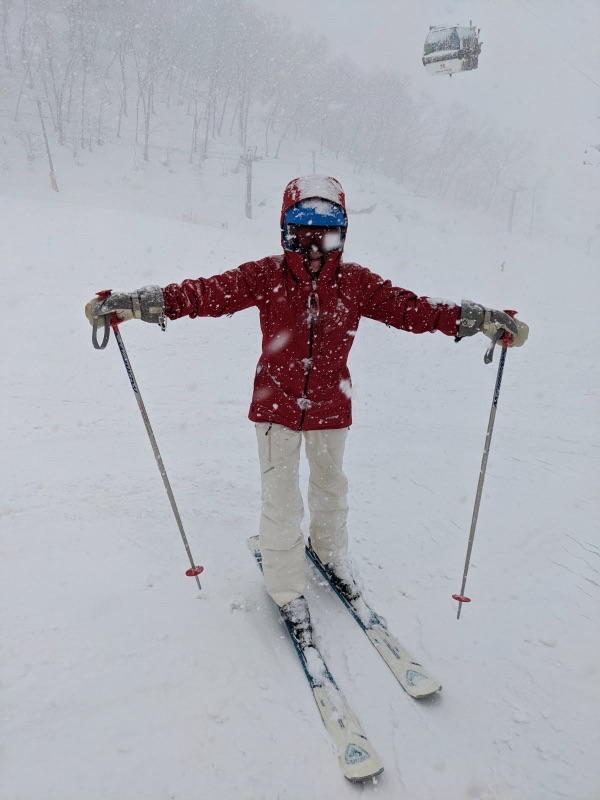
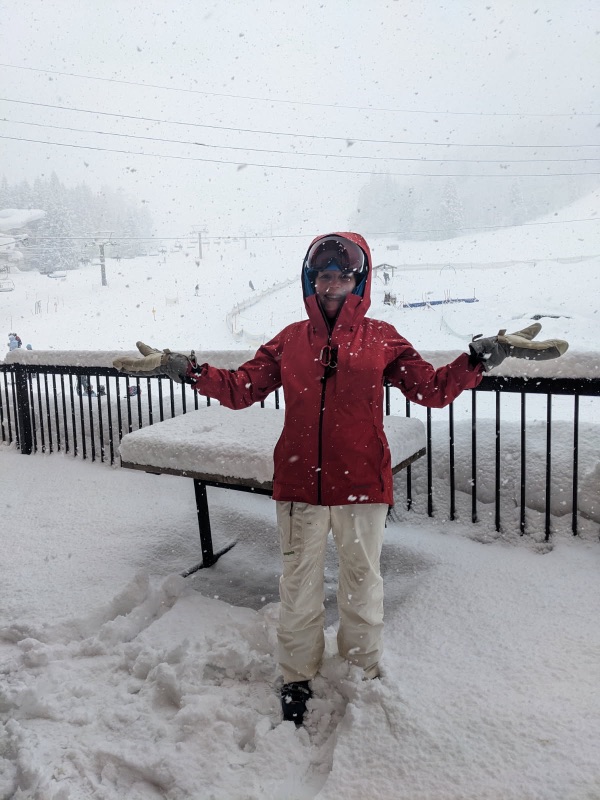
On our last ski day we got to experience this magical condition when it snowed almost a foot in a few hours.

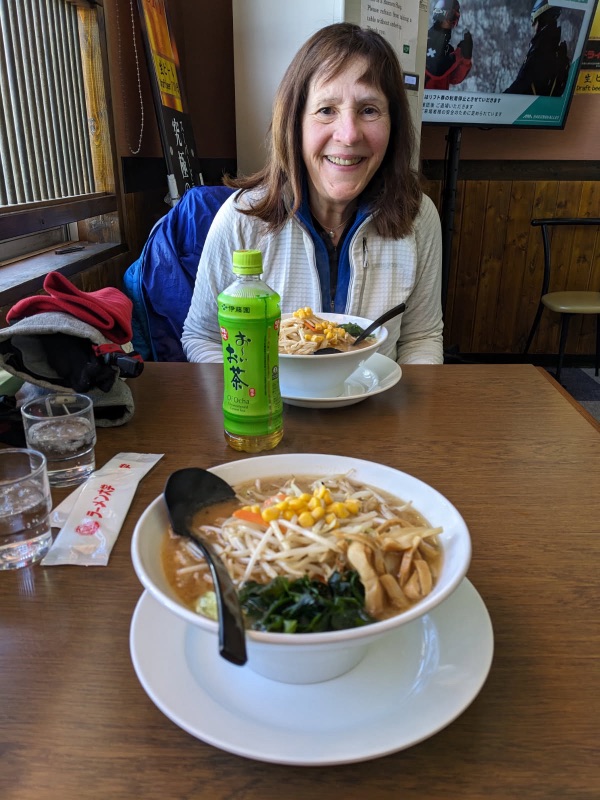
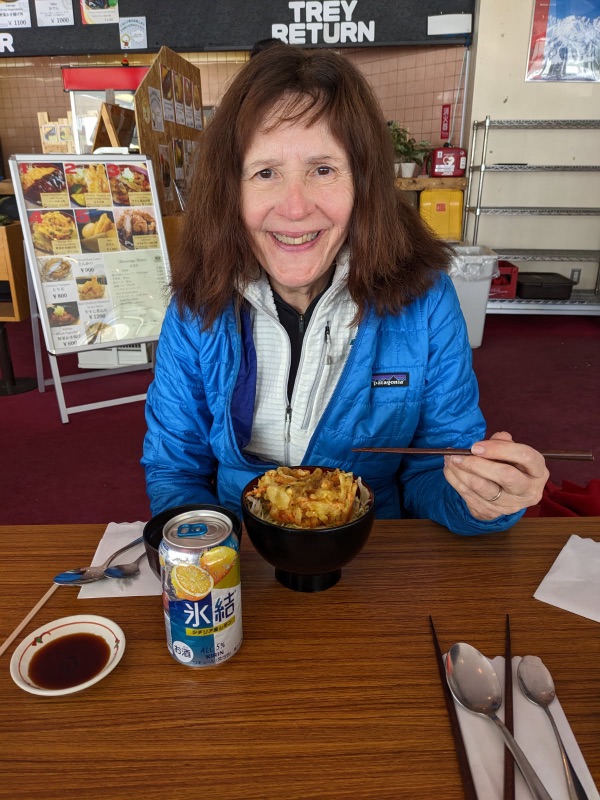
Japanese food always provided a warm & tasty lunch break

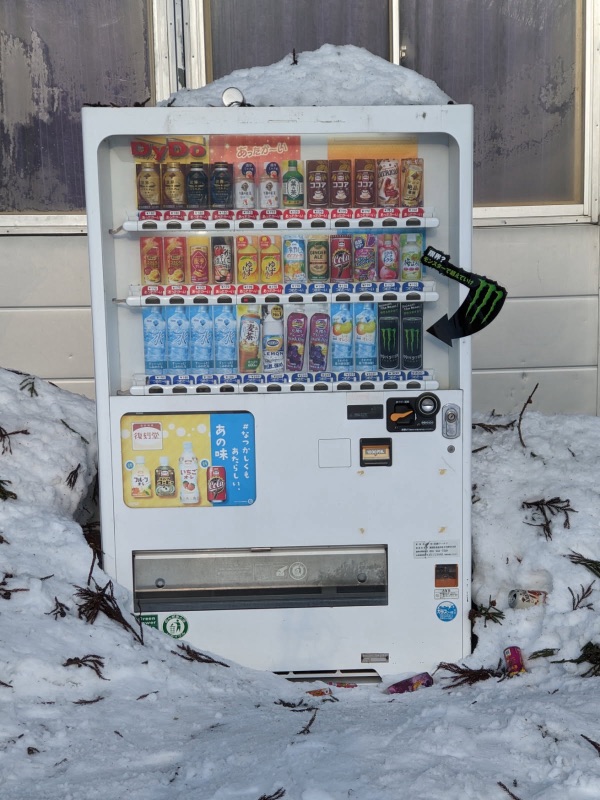
If you need something to drink, you could opt to use one of the many vending machines which found both inside & outside.

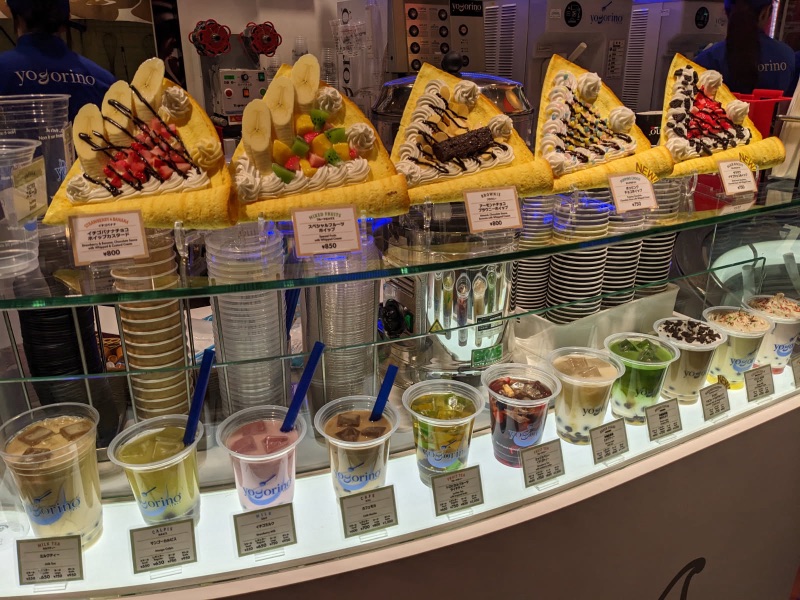
One ski lodge temped skiers with yummy desserts of ice cream or crepes.

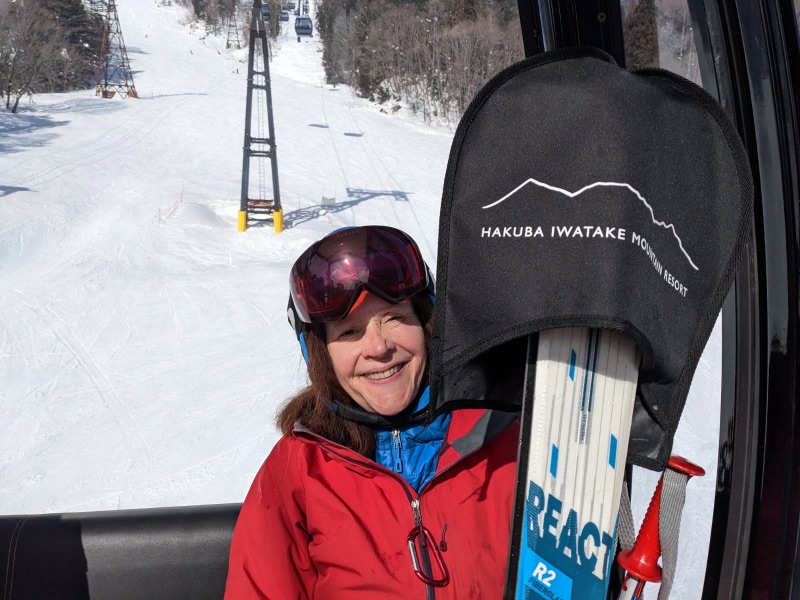
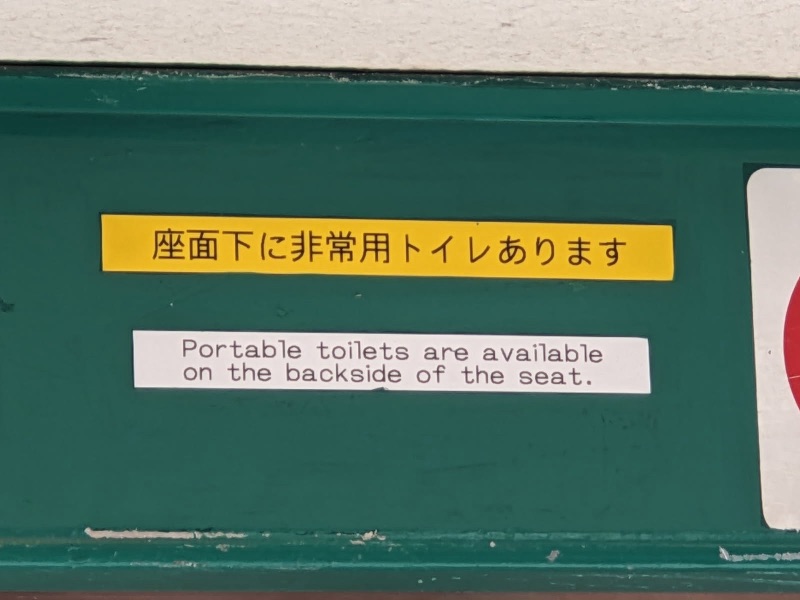
Some resorts had gondolas to reach the top.

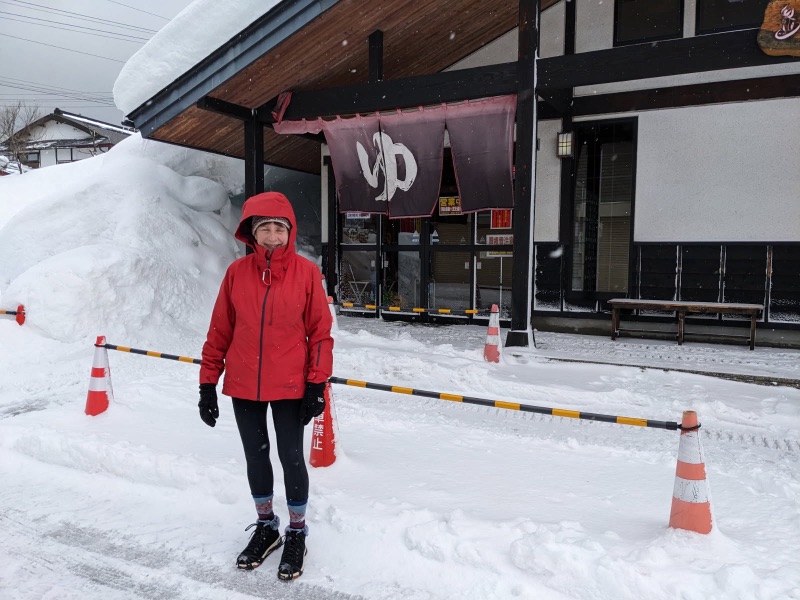
My greatest apres-ski pleasure was going to an Onsen (public bath) which was only a 10 minute walk from our hotel. For only $5, I could relax in hot mineral water for as long as I wanted. Maybe this is why the average person lives to be 85 in this area.😌

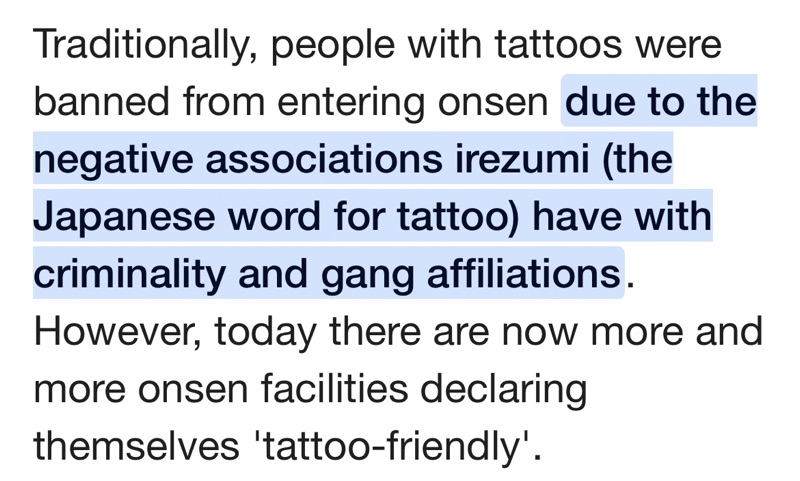
The Onsen I enjoyed did not allow tattoos & had signs in many locations stating this policy. Maybe because they knew besides keeping away criminals & young people, the policy would also would keep away many foreigners.

Time to see more of Japan.