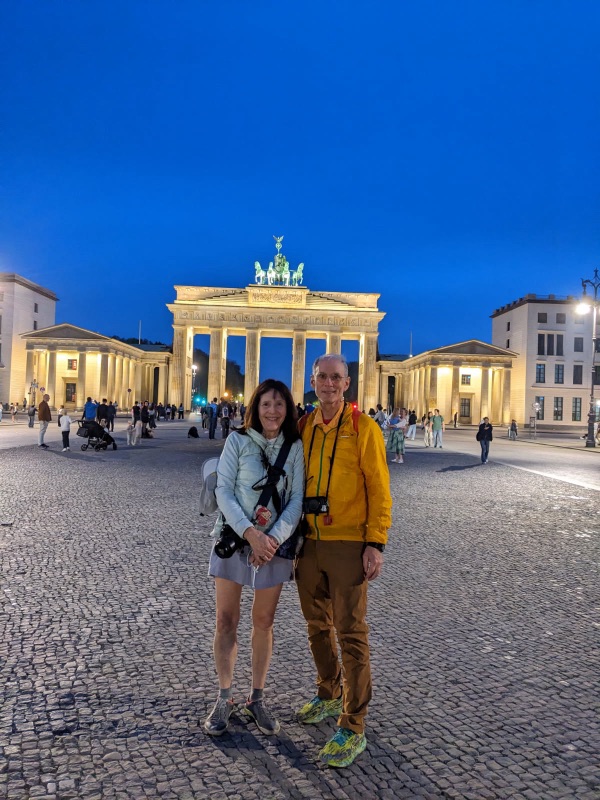
Berlin is a fascinating & beautiful city that has changed greatly as its history unfolded. It seems that every step here is filled with history that has many twists & turns.
But, Berlin is so much more than its history. It has the most opera houses in the world, over 180 museums, the most visited zoo in Europe (it is among the few zoos with a panda bear), & the world’s largest outdoor art gallery that is free to see.
For myself, Berlin is special for many reasons. I moved here in 1982 to teach US military children whose parents were stationed in West Berlin.
In 1983, I also met my future husband here.
We lived here until 1986 which was almost right before the Berlin Wall came tumbling down on 9 November 1989.
So, returning to Berlin is always like revisiting our younger selves which is always joyful.
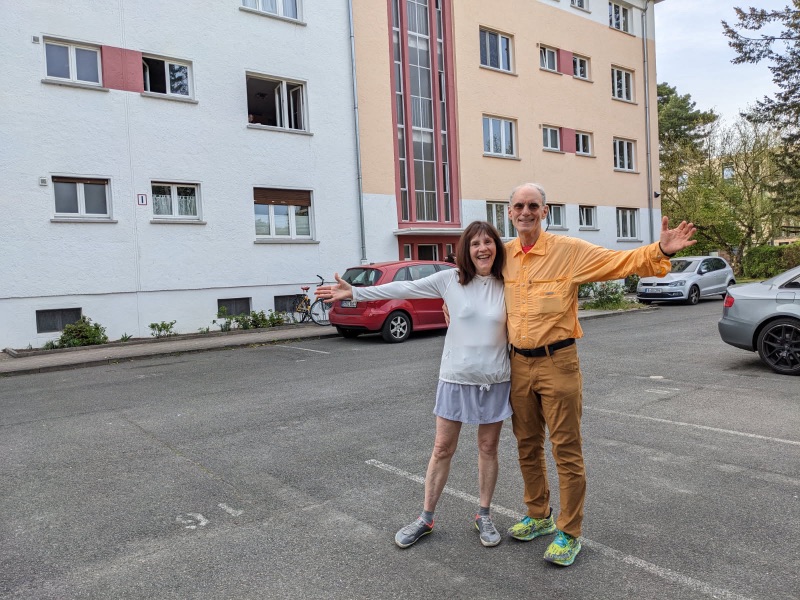
On our first day we went to the housing area where we lived & met 42 years ago. We checked out the many changes in the area. The Allied Museum is now located in the old American library & movie theater.
We were in Berlin only for a few days, so we didn’t have time to revisit all the places we loved back in the 1980s; but, we had time to see a few.
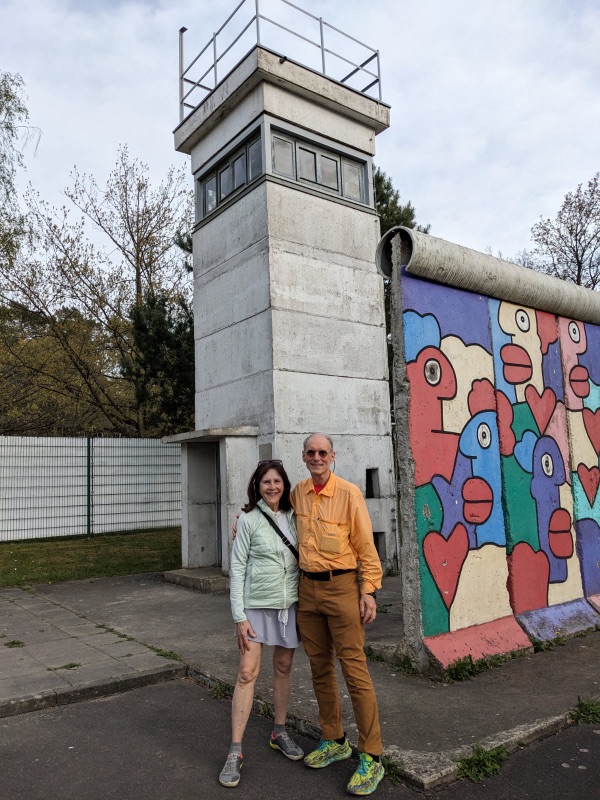
In Summer 1985, we took a picture at the wall near Checkpoint Charlie which separated East & West Berlin & my how things have changed.
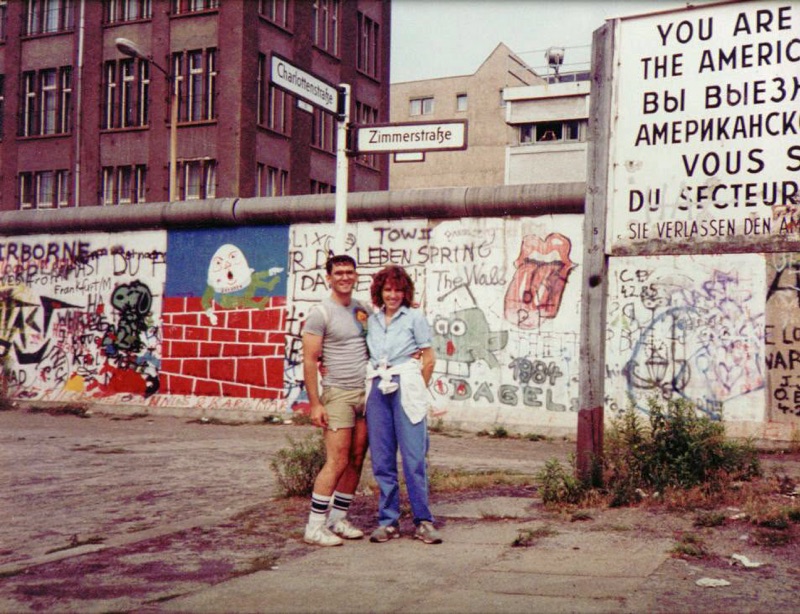
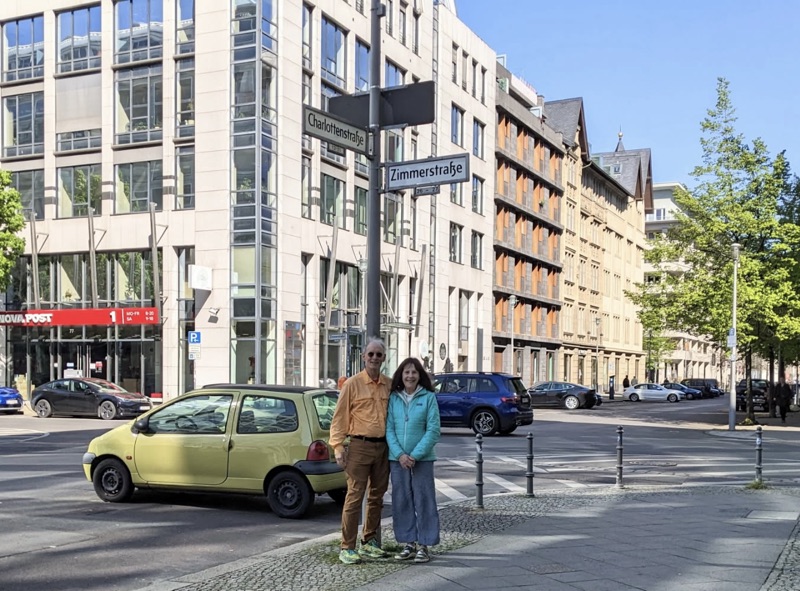
Some places never grow old no matter how often you have seen them in the past.
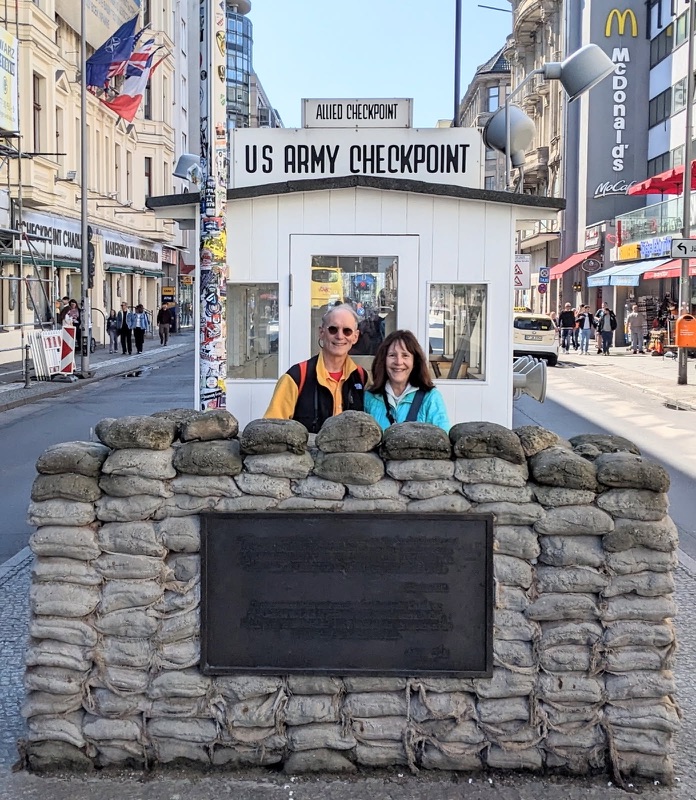
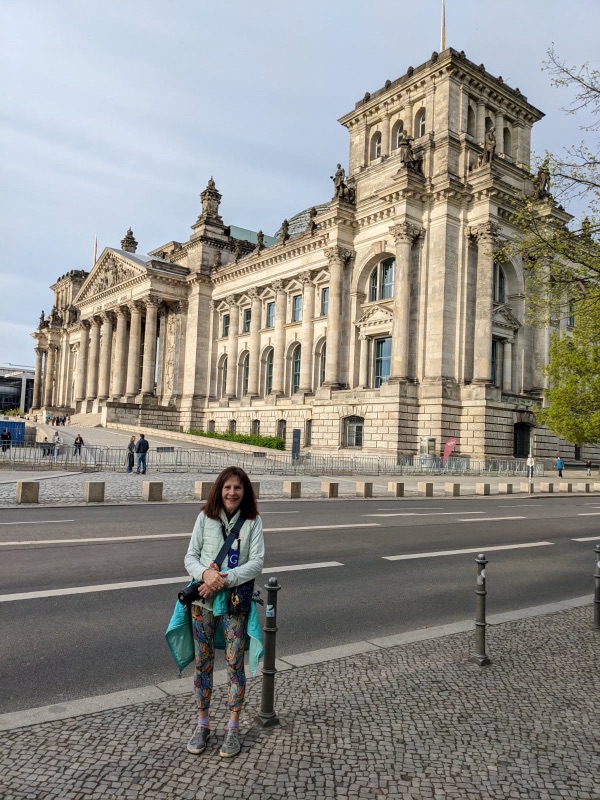
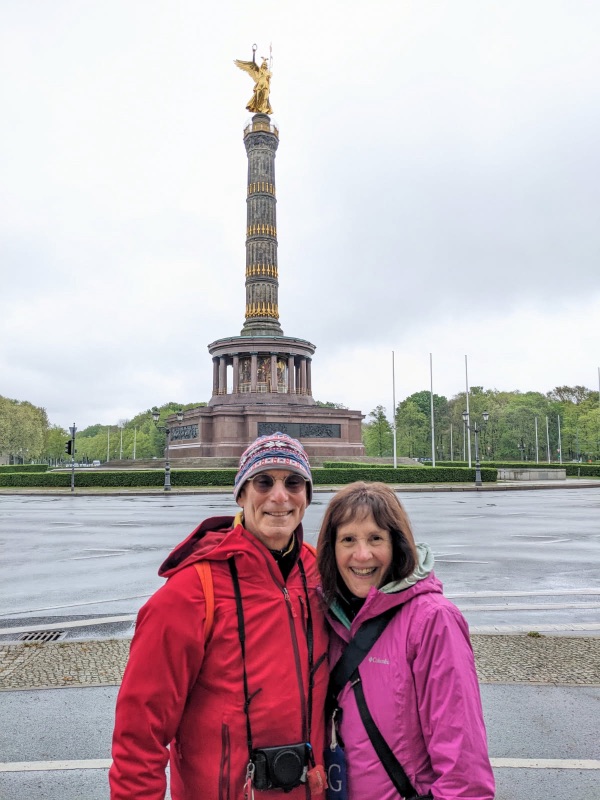
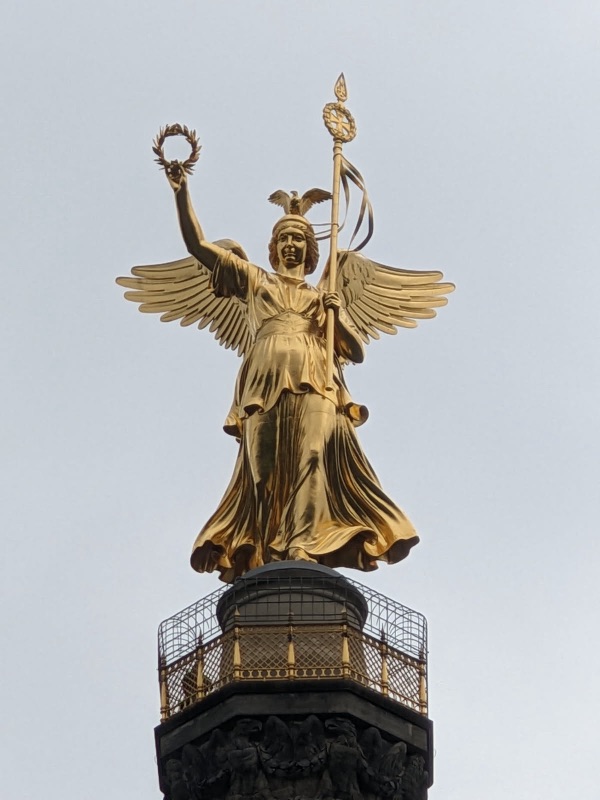
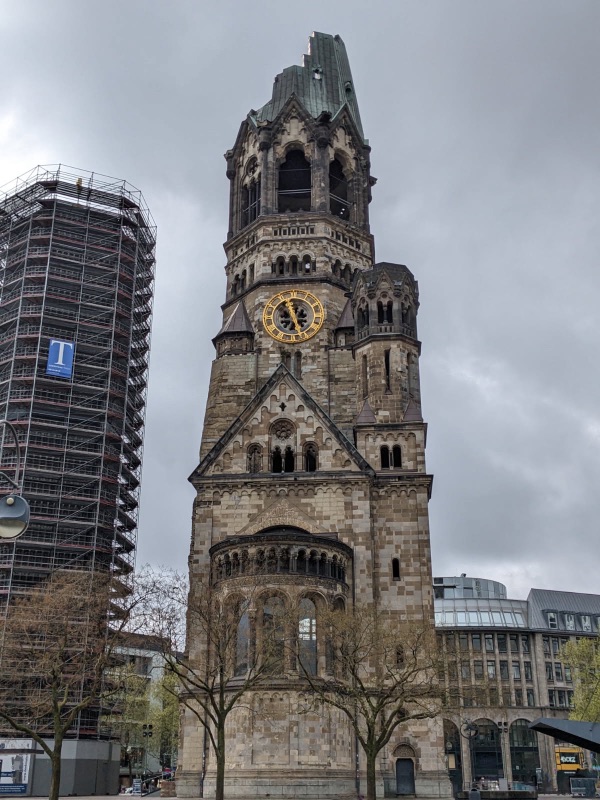
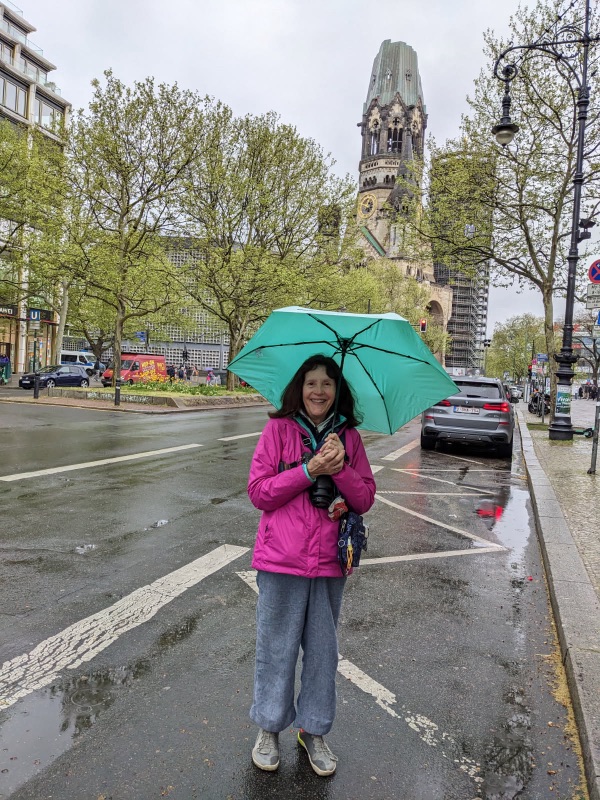
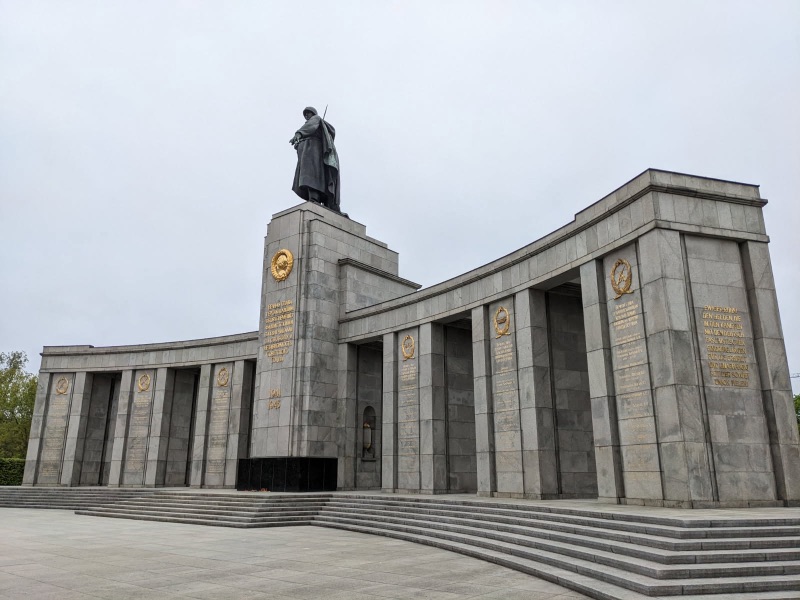
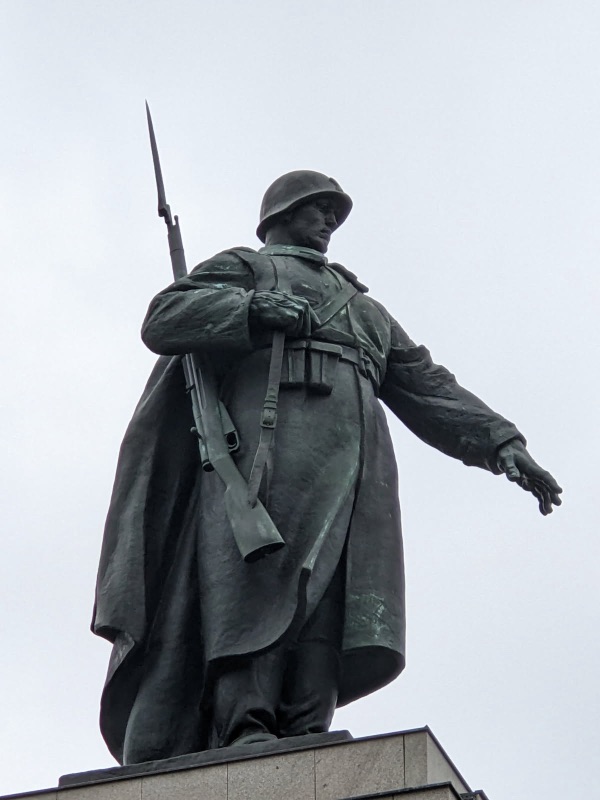
The Wall was a big part in Berlin’s history from 1961 to 1989. When we lived in Berlin, we never dreamed it would come down, let alone only a few years after we left.
When I first started driving in Berlin, the older teachers at my school always joked about never having to worry about getting lost, saying you will eventually run into the Wall & have to turn around. 🤣
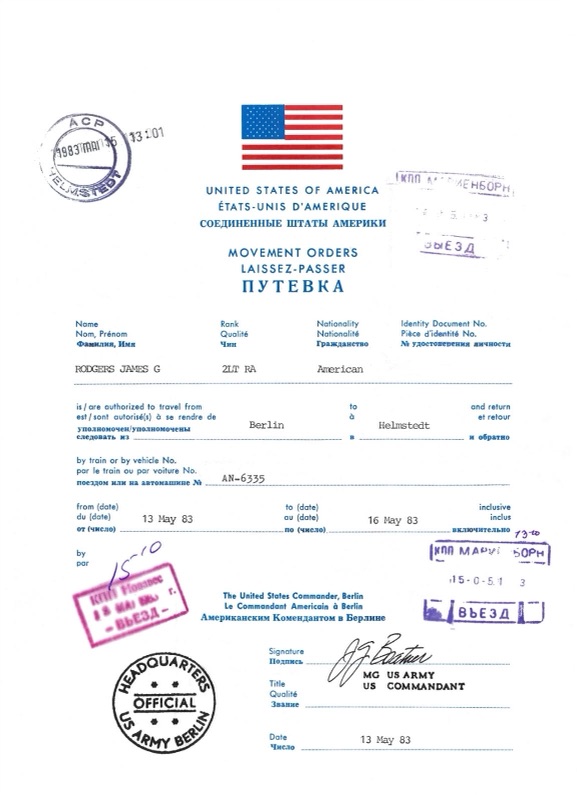
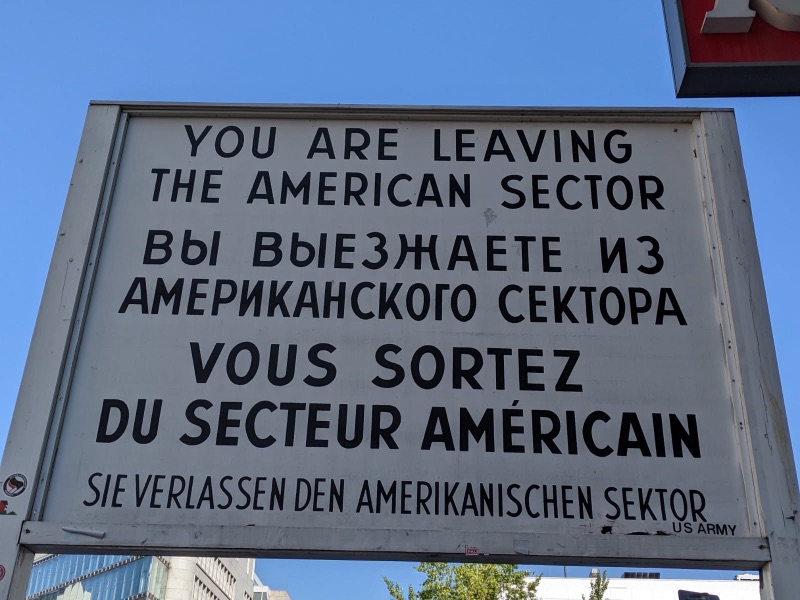
It was true that for us in West Berlin that we were totally surrounded by the Wall. We were allowed to leave at anytime; but, needed a special pass called “Flag Orders” because they had an American flag on them. They were also written in English, French, & Russian which were the languages of the occupying powers- America, Britain, France, & Russia. Flag Orders were necessary to leave & return to West Berlin by car or train.
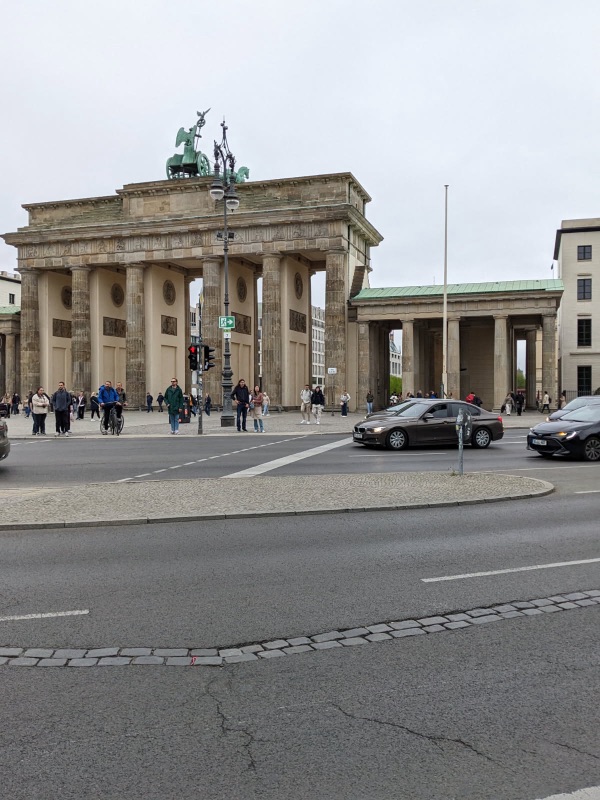
The brick outline in the street shows where the Wall once stood
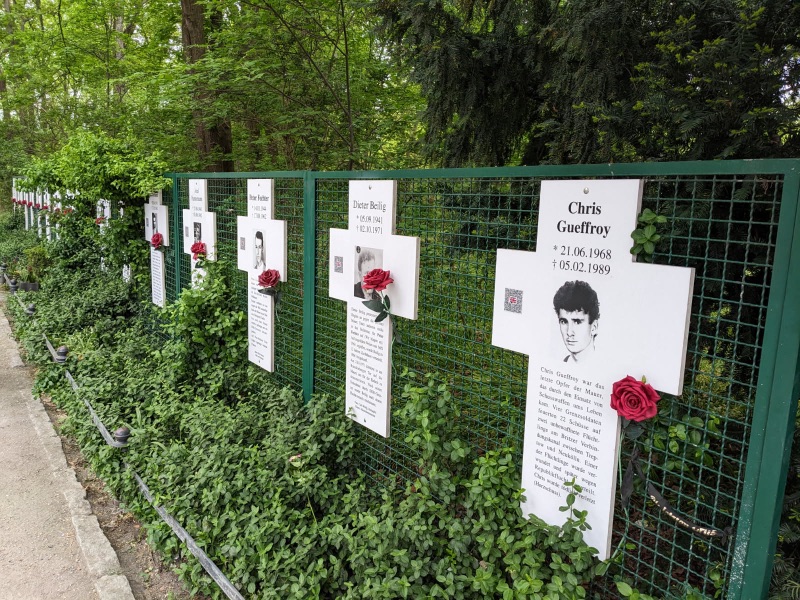

The Jewish Holocaust Memorial is located in what we formerly called “No Man’s Land” or the “Death Strip.” This was a wide open space in the East adjacent to the Wall. It is also the area in which Hitler’s Bunker where he committed suicide was located.
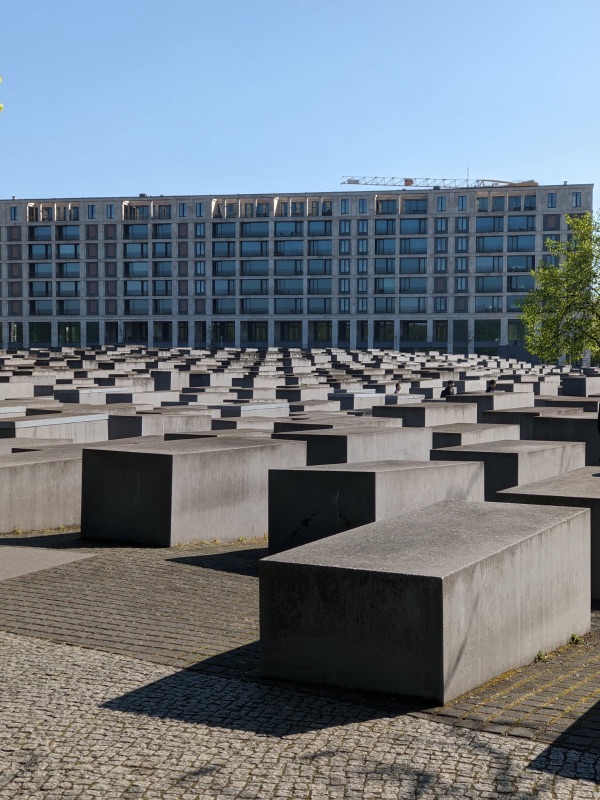
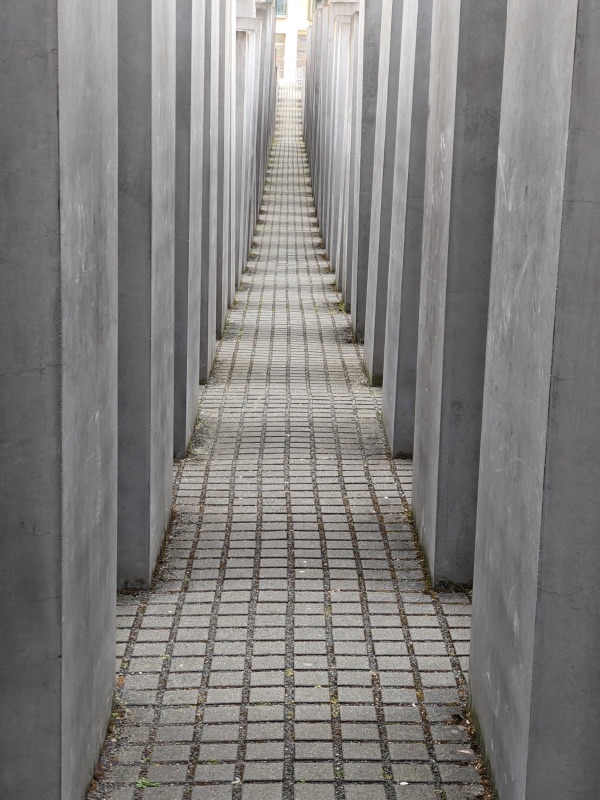
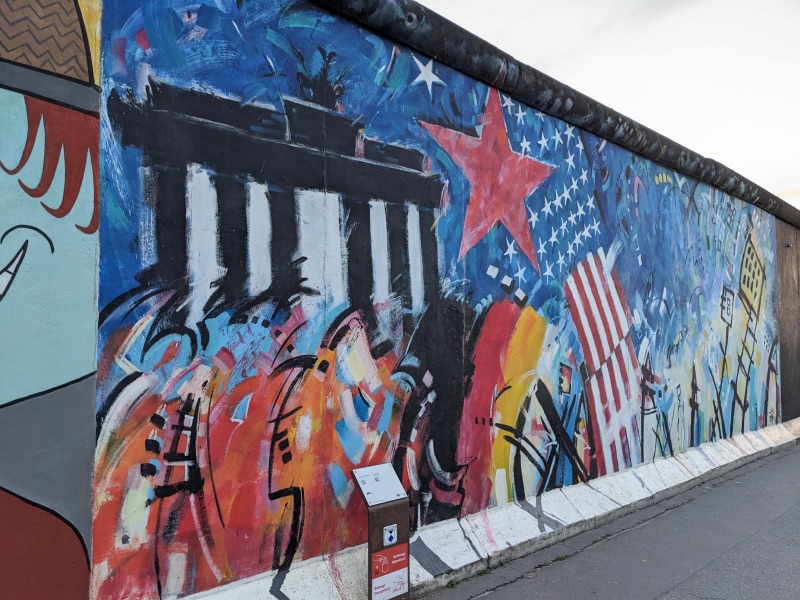
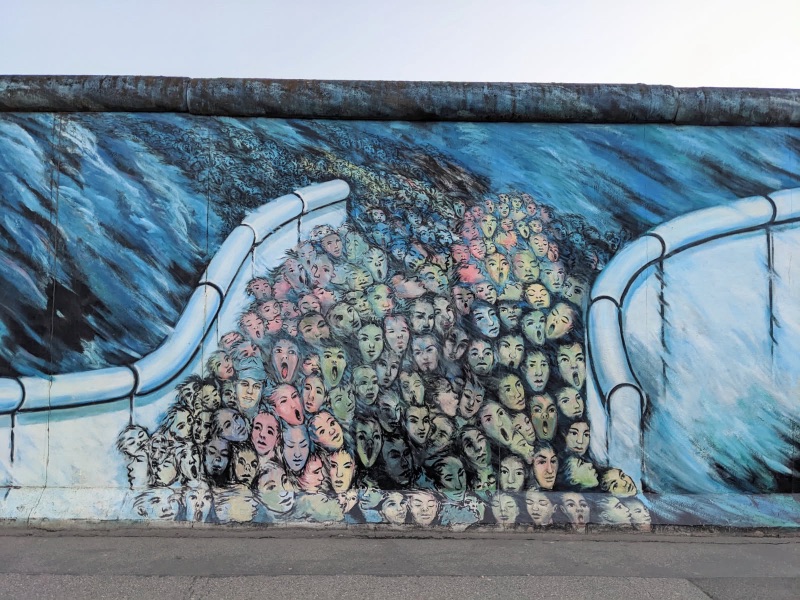
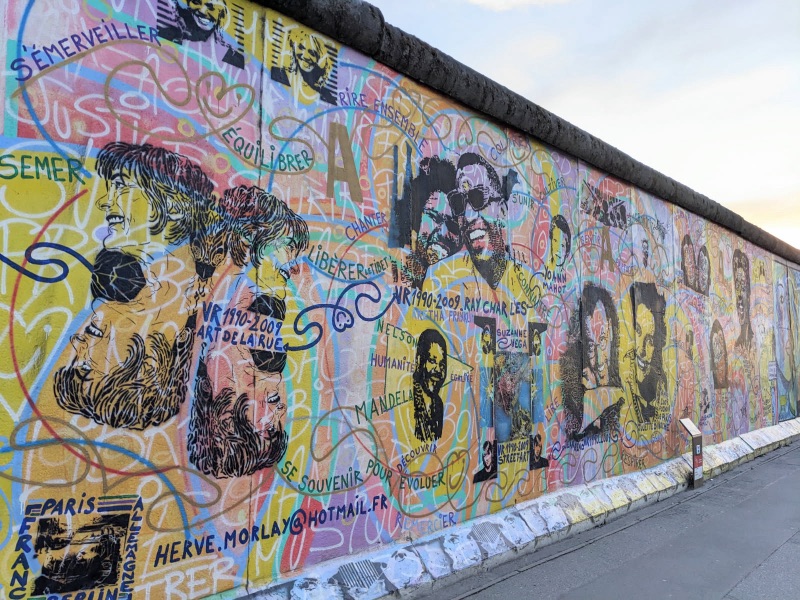
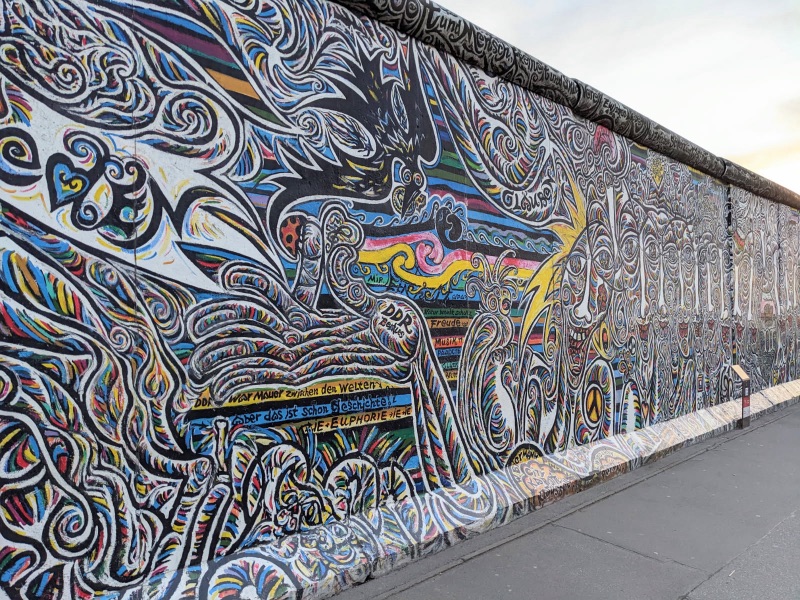
Although individual Wall segments are displayed throughout the city, Wall sections still exist in only two places- Bernauer Strasse & Muhlenstrasse
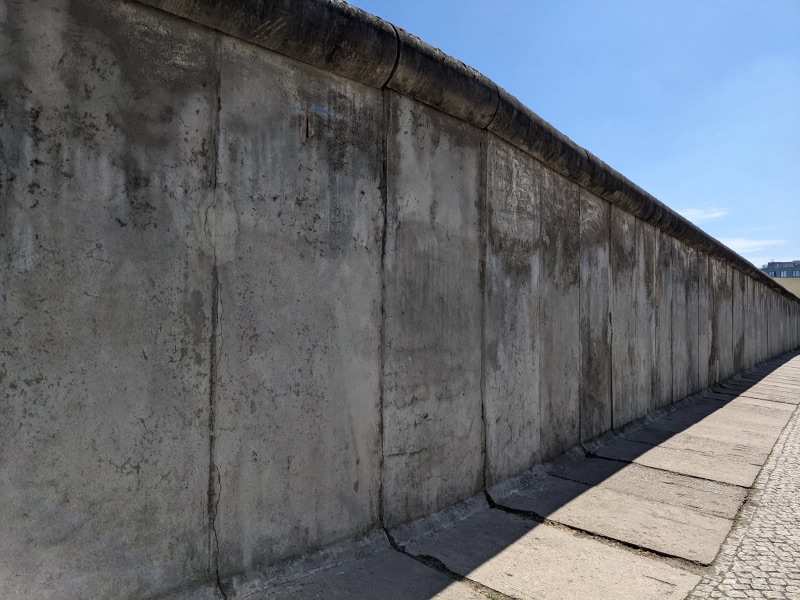
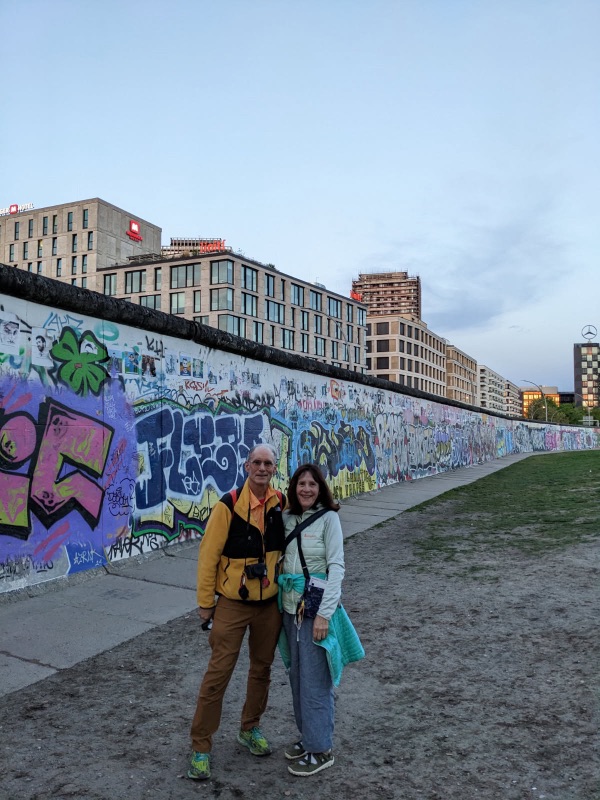
The large section at Muhlenstrasse along the Spree River was opened to artist & is calked called The East Side Gallery. 118 artists from 21 countries were invited to paint on the Wall’s plain, unpainted side after it opened. It is now the world’s longest open air art gallery & is a protected memorial.
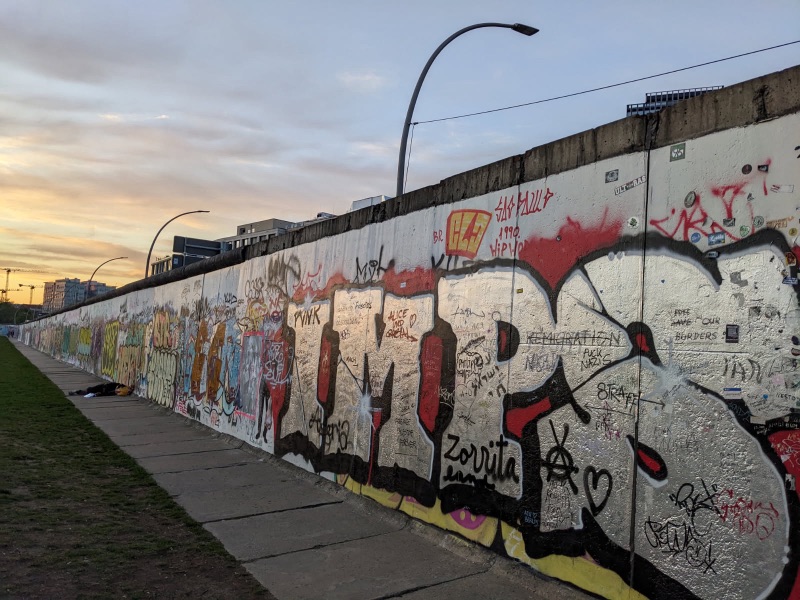
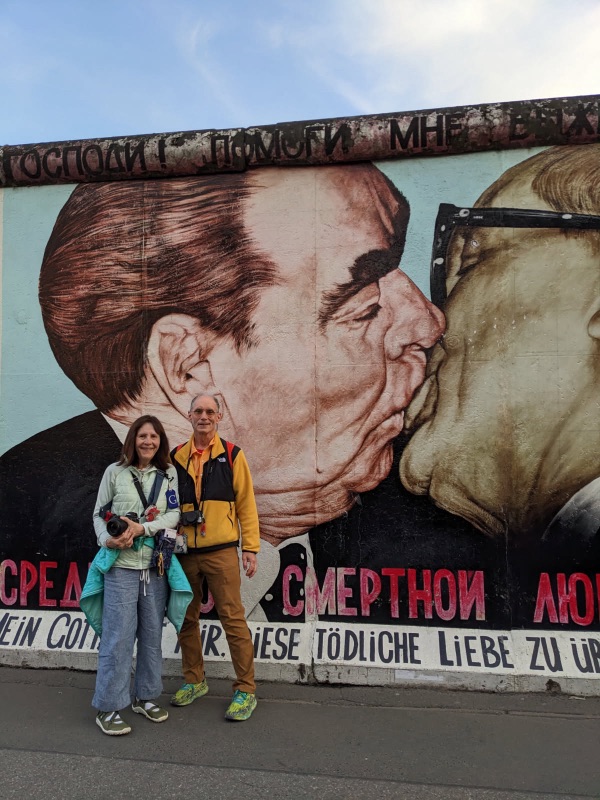
The most photographed mural is the “Fraternal Kiss” which depicts former Soviet leader Leonid Brezhnev & the former East Germany leader Erich Honecker showing some love to each other
As Americans associated with the US military, we had special license plates on our cars so we were not allowed to be searched by the East Germans when entering or exiting East Berlin.
Also, American soldiers were required to be in uniform when going to East Berlin.
However, returning to the former East Berlin area now has no such requirements.

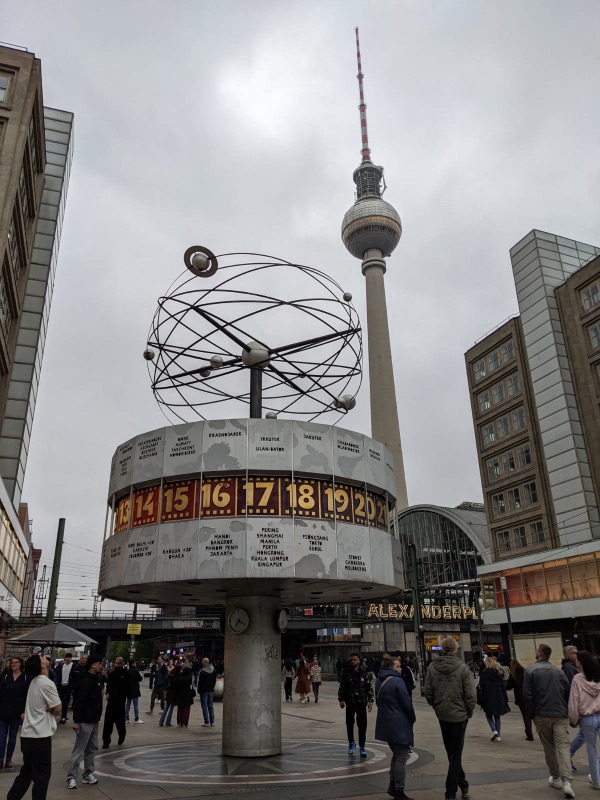
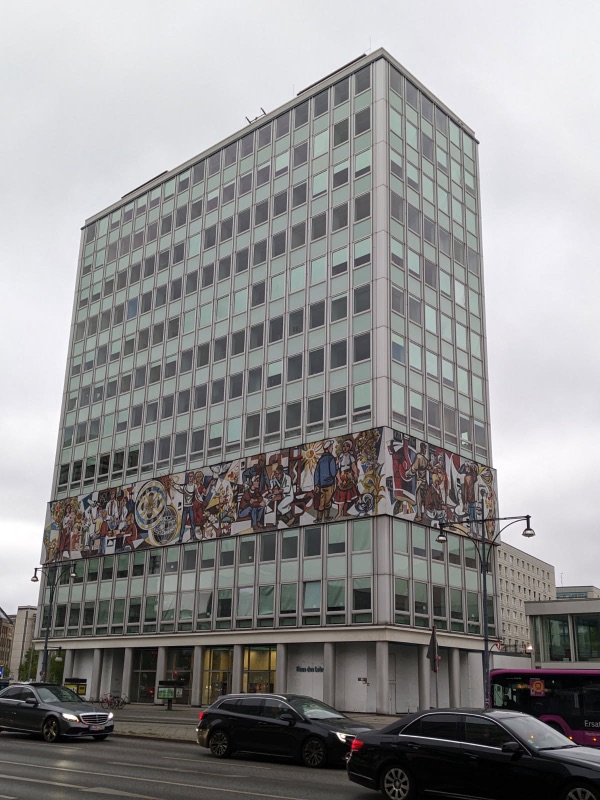
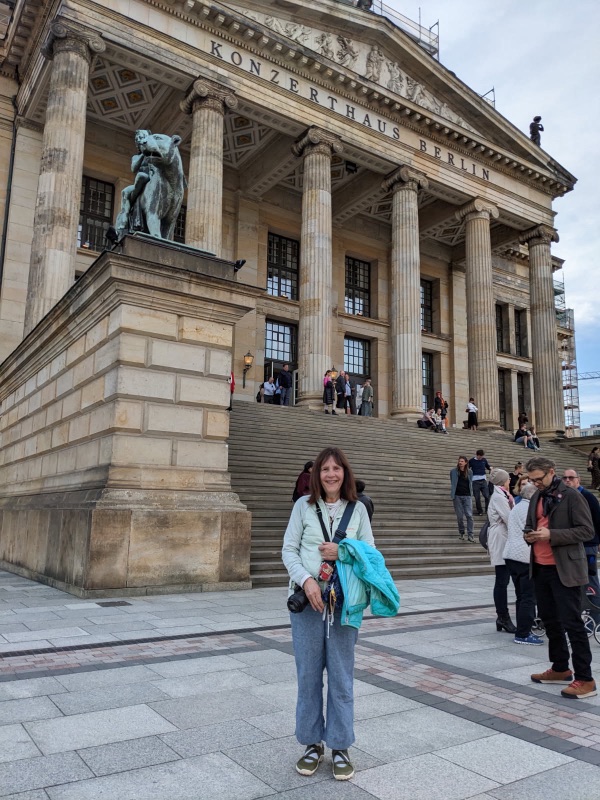
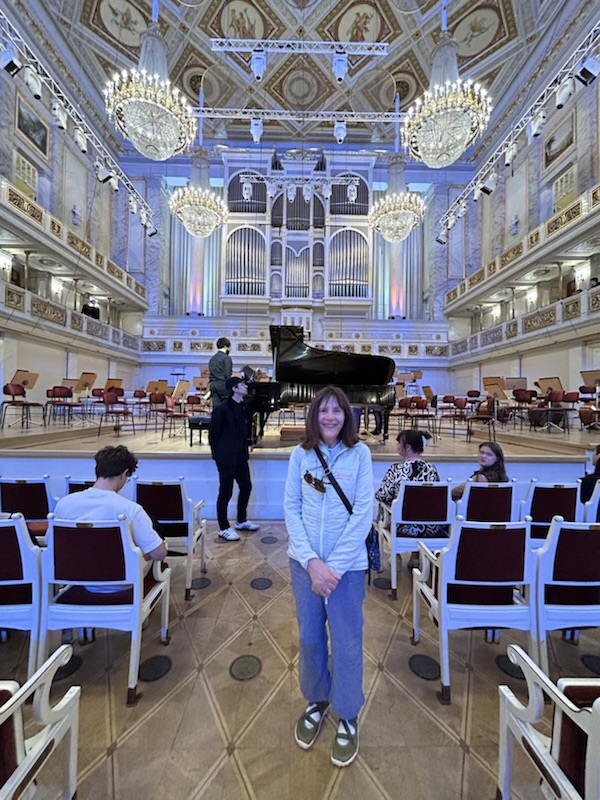
When entering East Berlin, you were required to give the American authorities at Checkpoint Charlie the time when you planned to return to the West. Since I didn’t want to get lost, I never ventured too far off the main streets & possibly missing my return time which meant a search party would have been dispatched to find me.
However, with no such restrictions or concerns on this trip, we went to many places we had never previously gone.
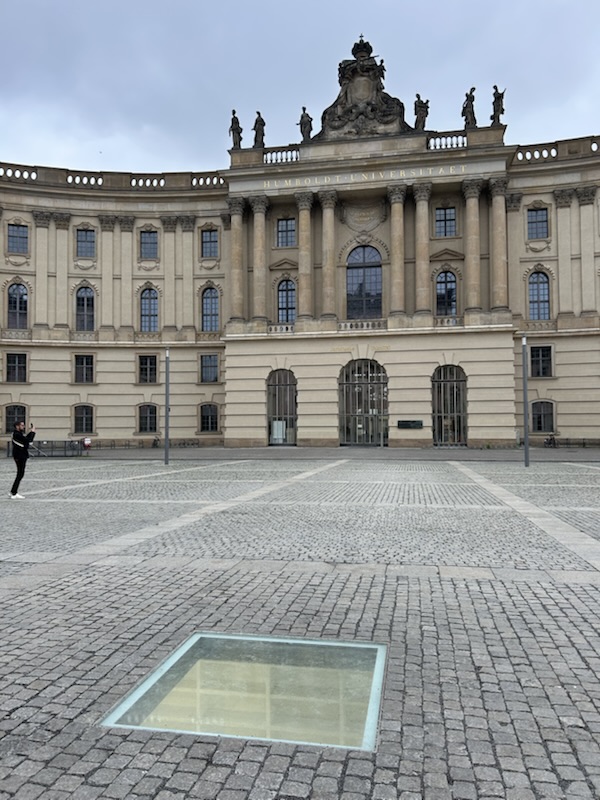
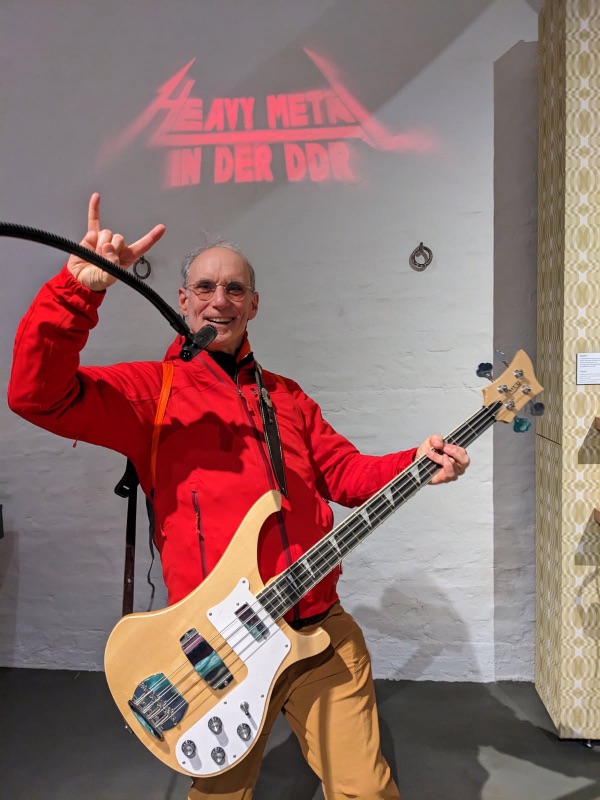
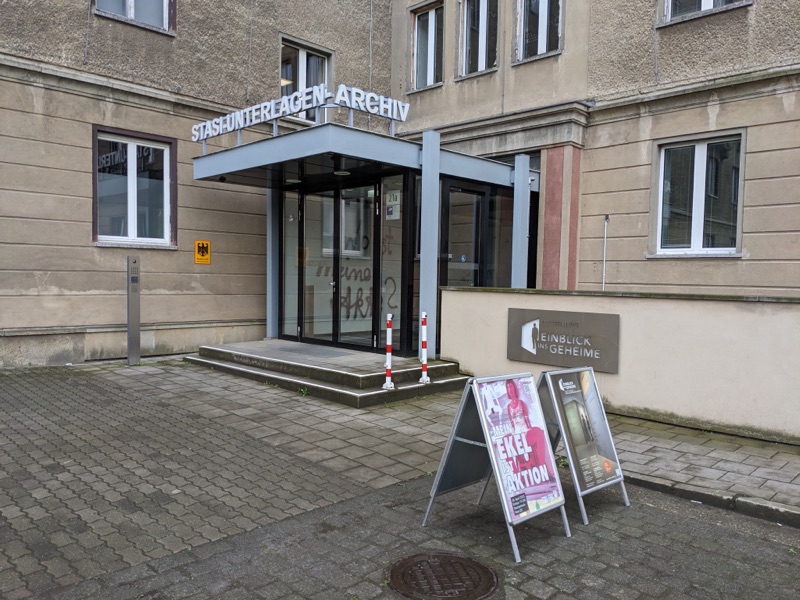
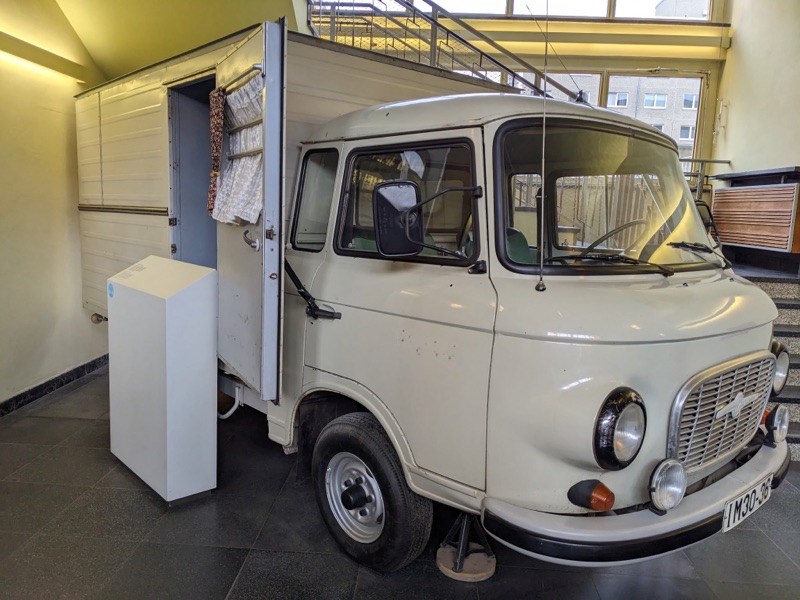
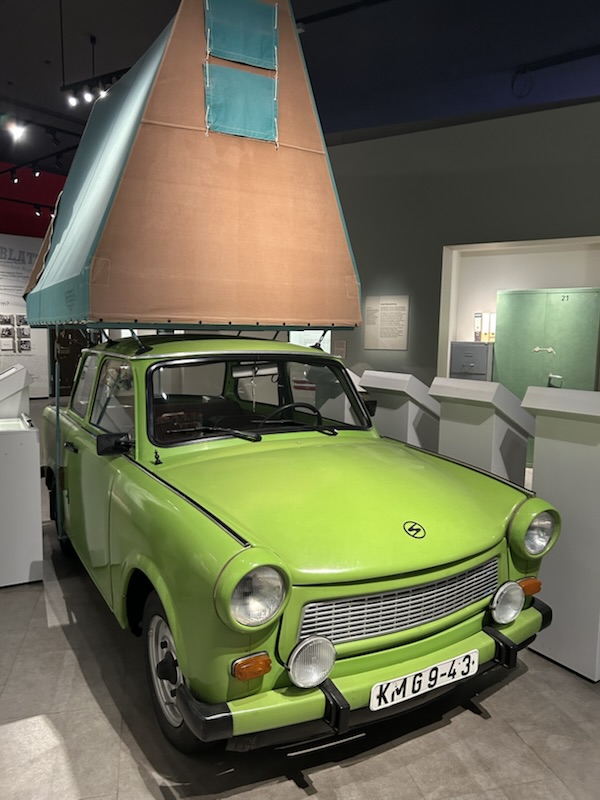
At the Stasi archives we applied to see if they even had a file on us. ⁉️🤨
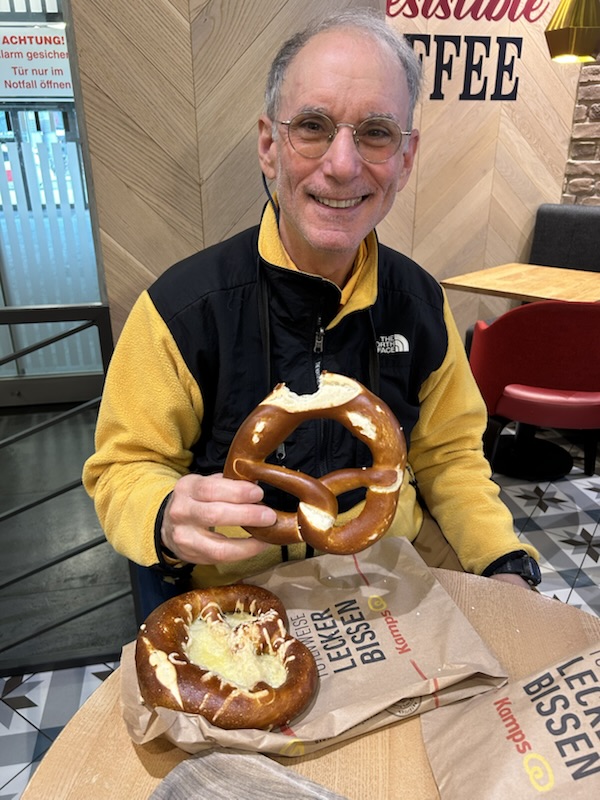
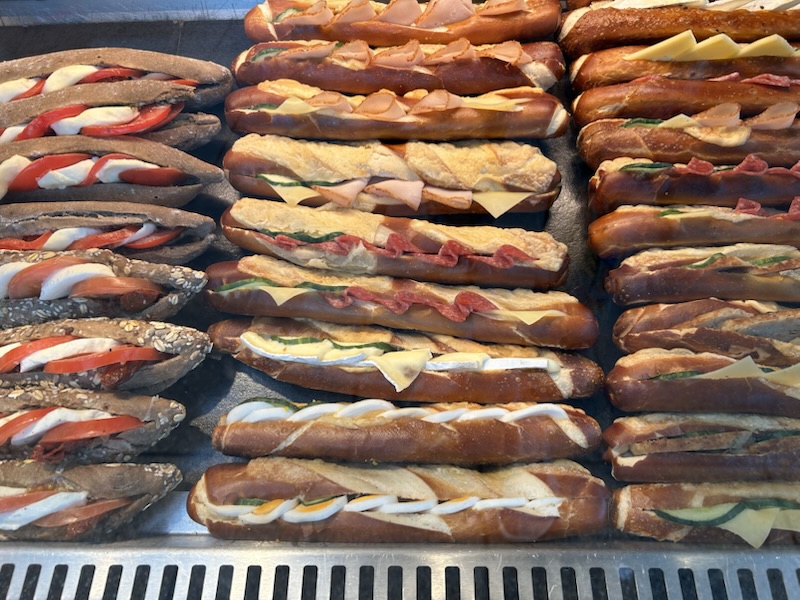
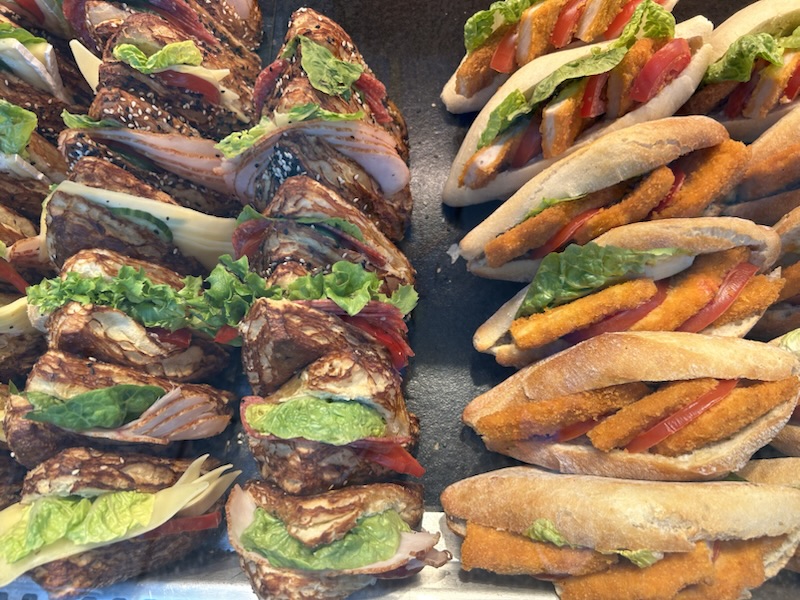
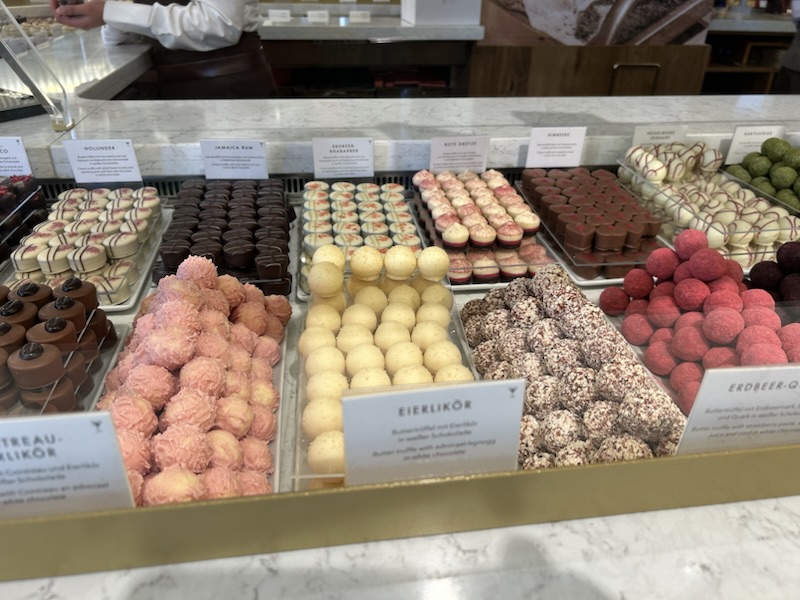
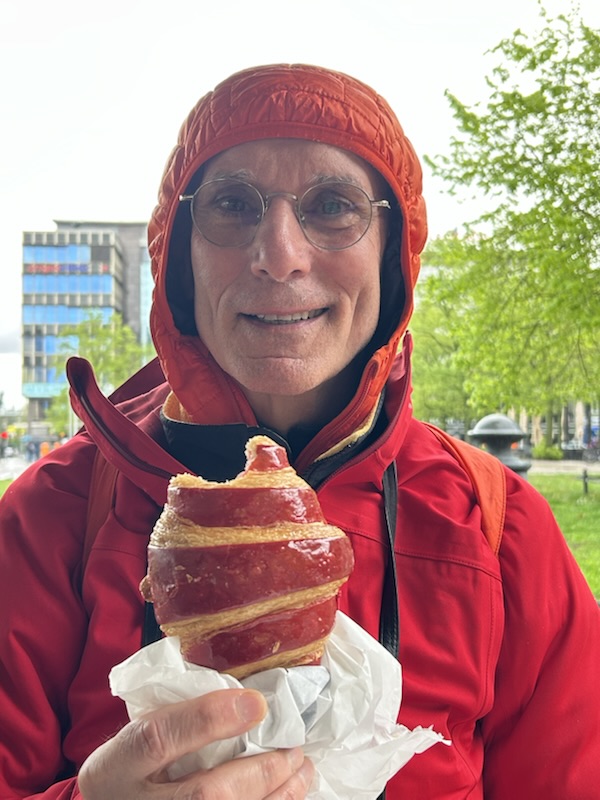
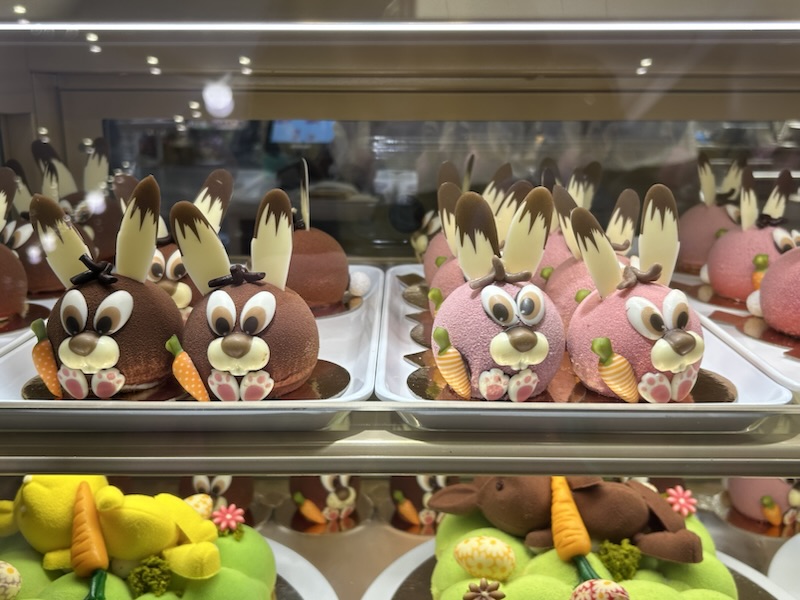
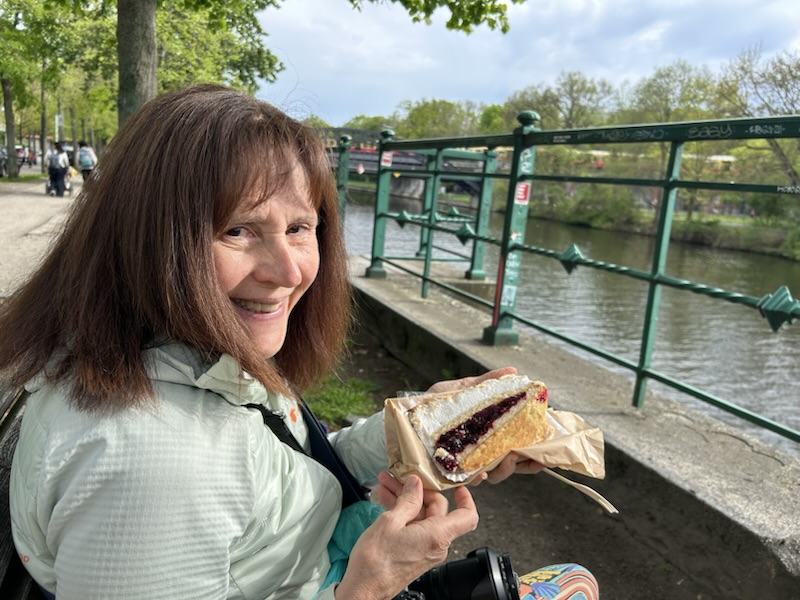
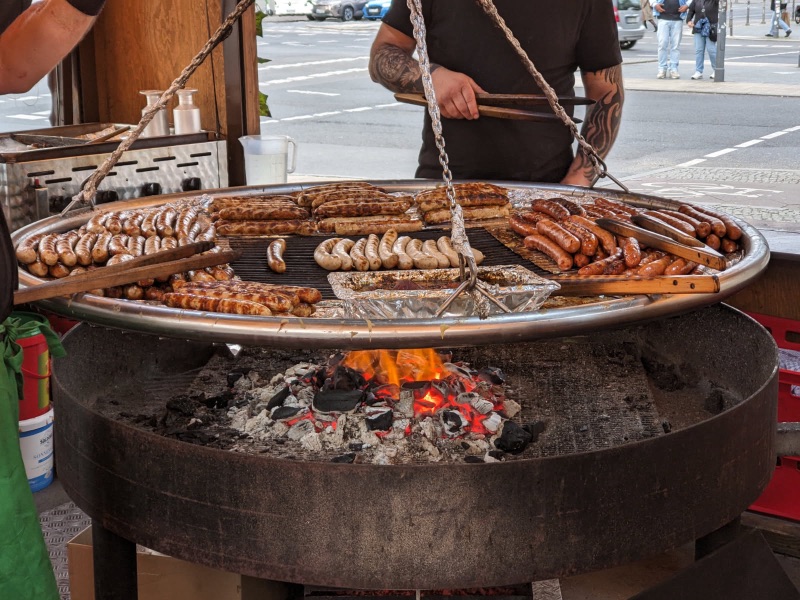
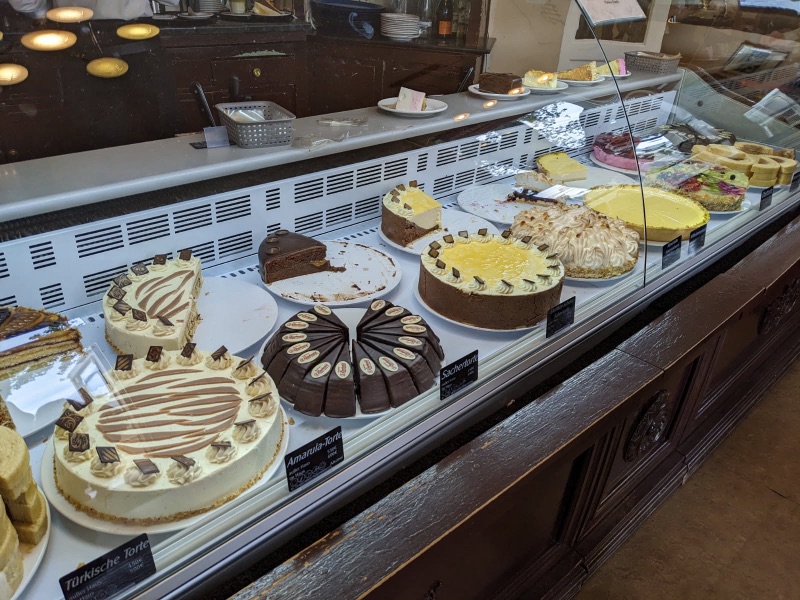
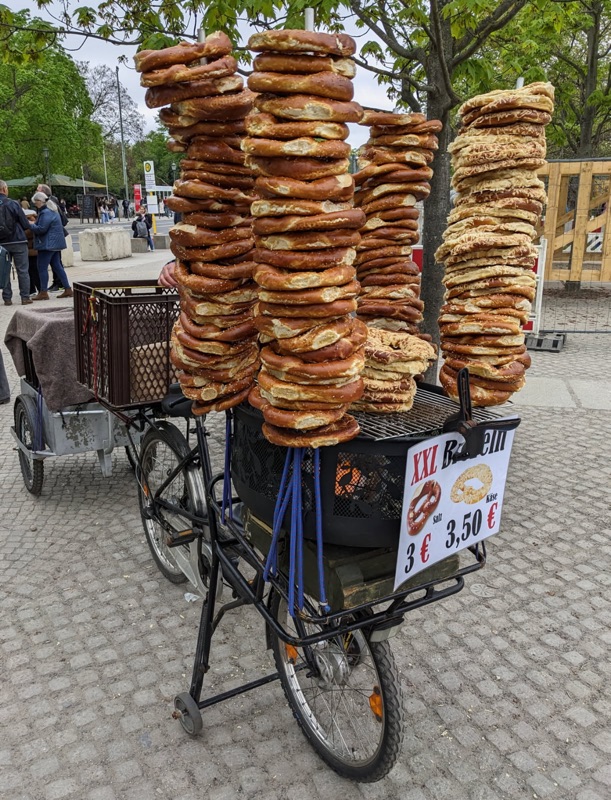
Of course, one of my favorite things about Germany is the BREAD! And then some desserts as well. I like their desserts because most are only slightly sweet.
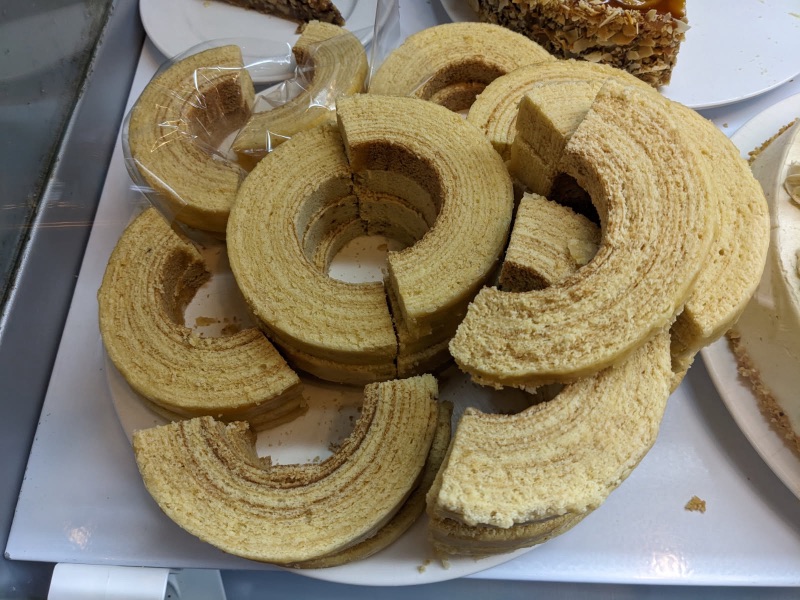
This German cake derives its name from its successive, wafer- thin layers that look like tree rings.
The oldest known recipe for this cake dates to 1452 when it was served as a showstopper at weddings.
For the 28 years that the Wall existed, West Germany gave its citizens incentives to live in Berlin such as lower taxes, financial subsidies for having children, & relief from its mandatory military service requirement.
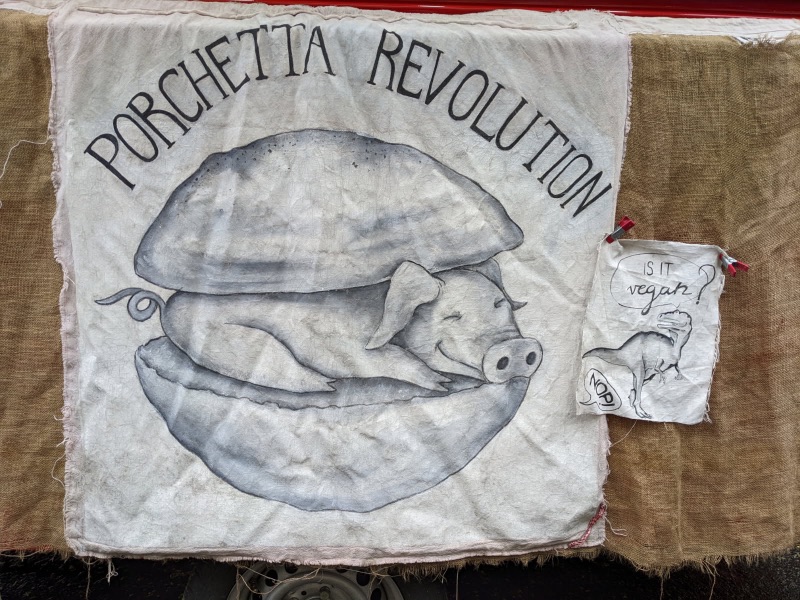
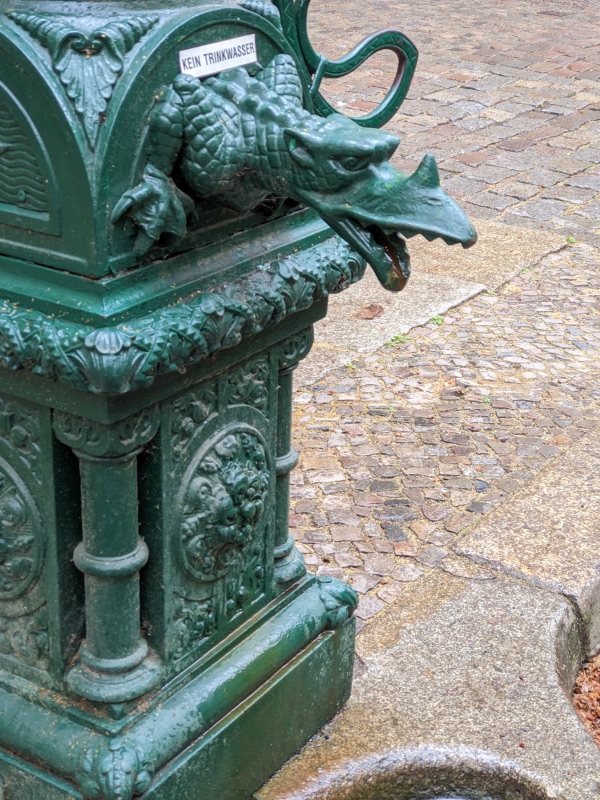
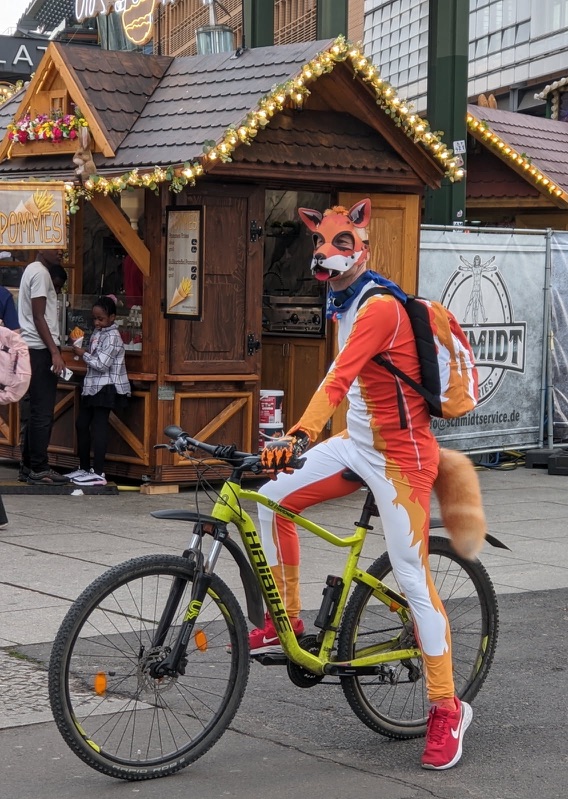
Those policies helped create & encourage Berliners to be unique & a bit quirky. These photos show just a touch of that whimsy. People who look at the world through different eyes are always welcomed here. Hmmm, maybe that’s why I love Berlin so much. 🥰
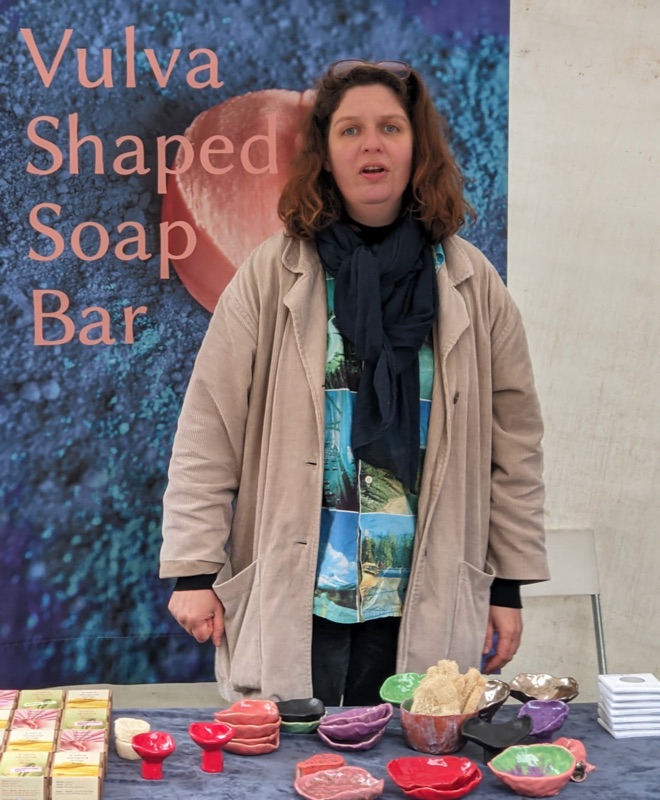
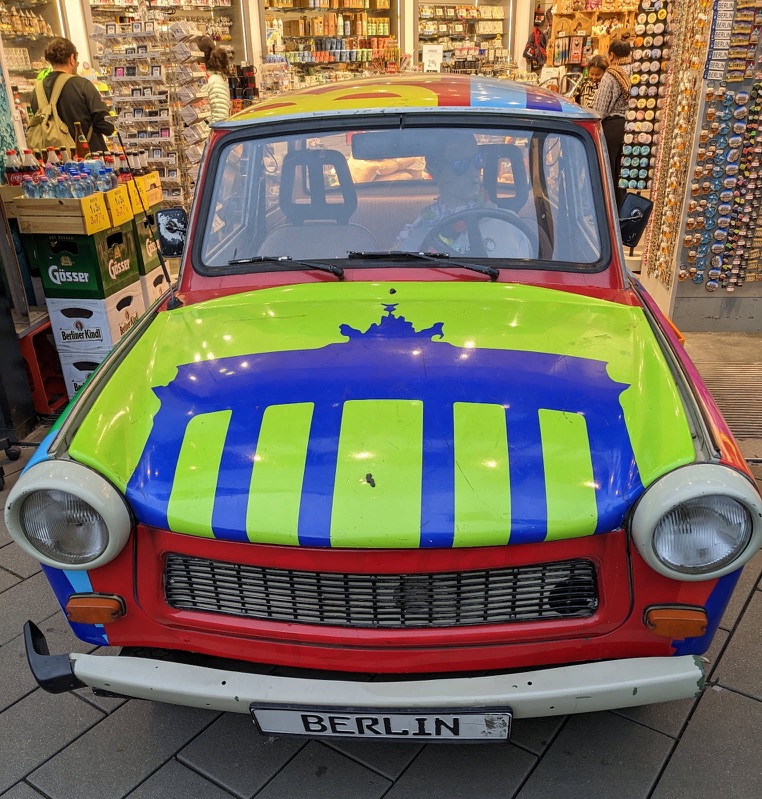
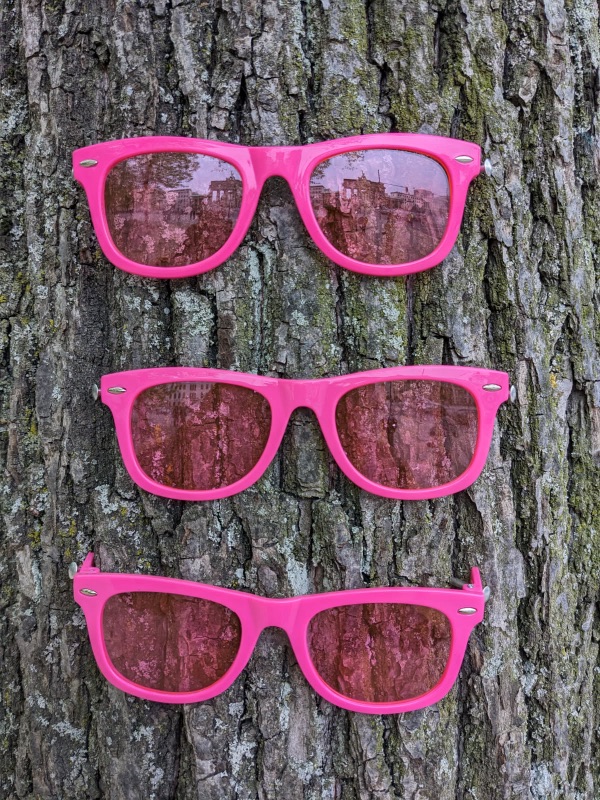
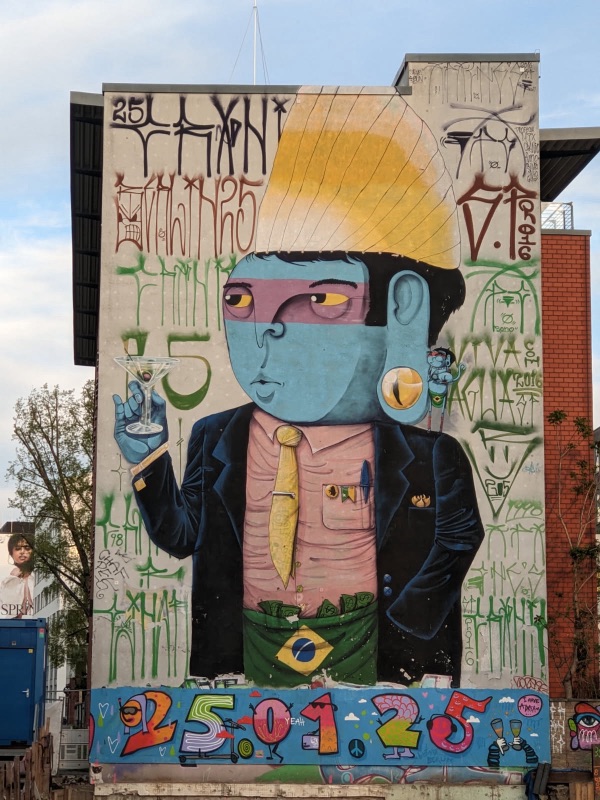
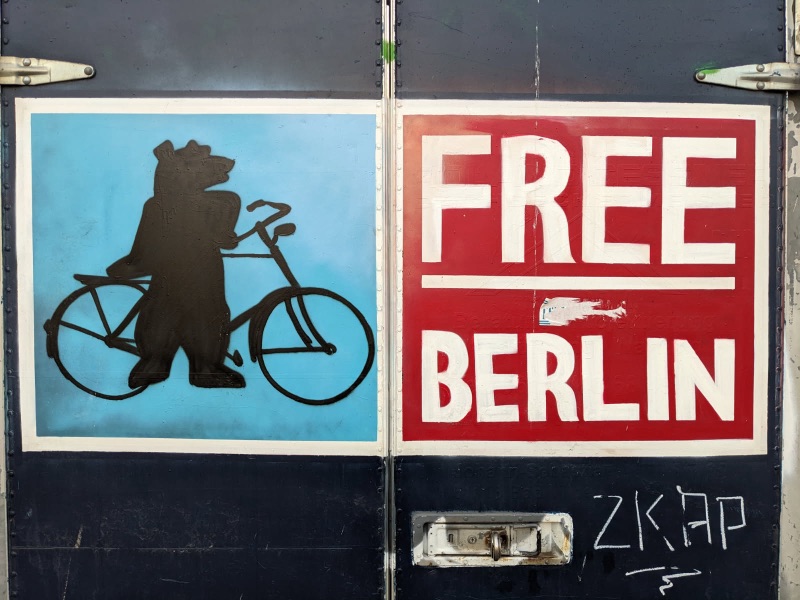
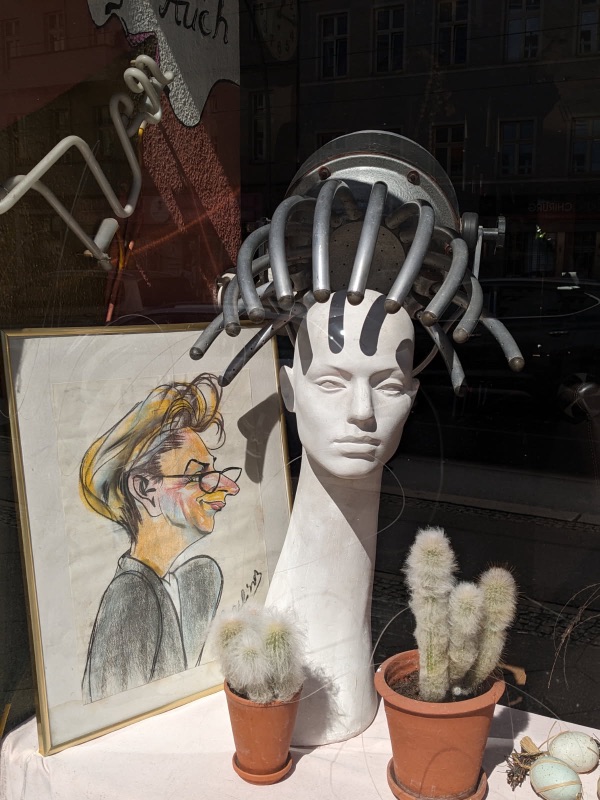
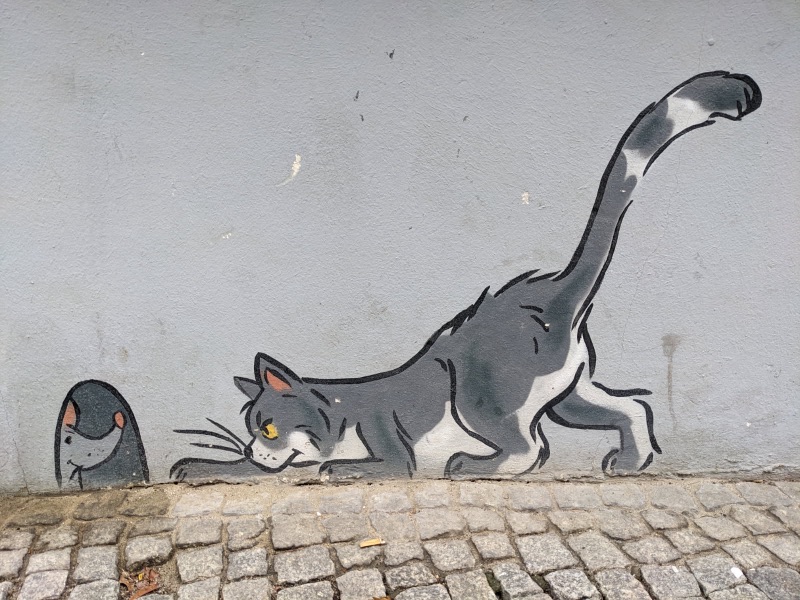

Think Madonna, Lady Gaga, Cirque de Soleil, & a Gay Pride Parade all rolled up into a two hour musical & you can imagine the performance.
Almost like a modern Cabaret.
It was very Berlin!
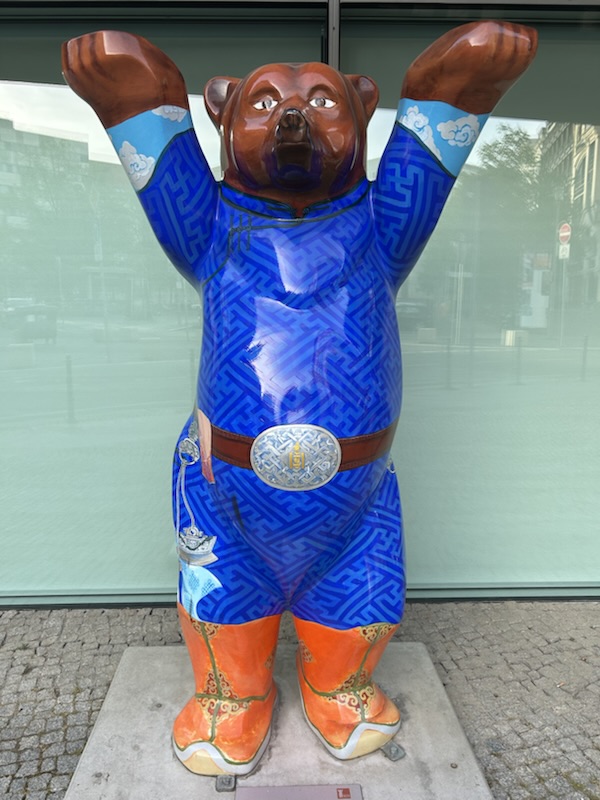
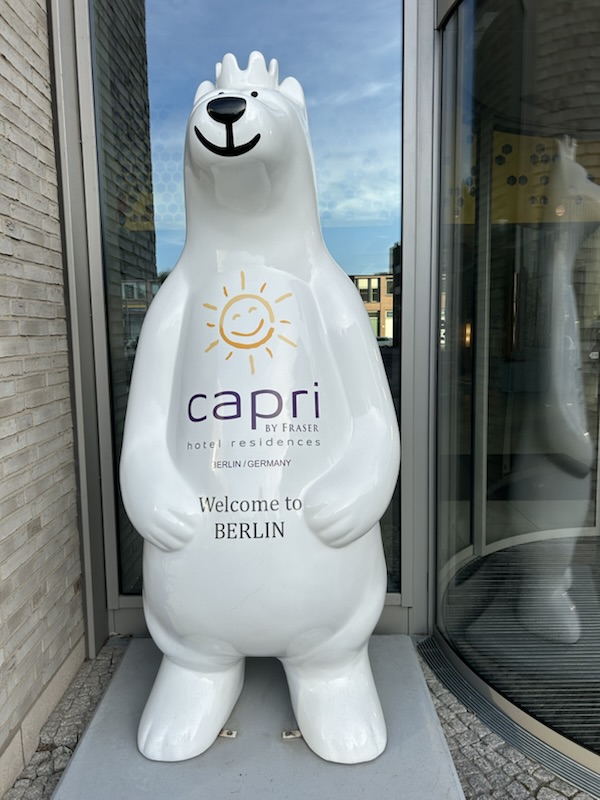
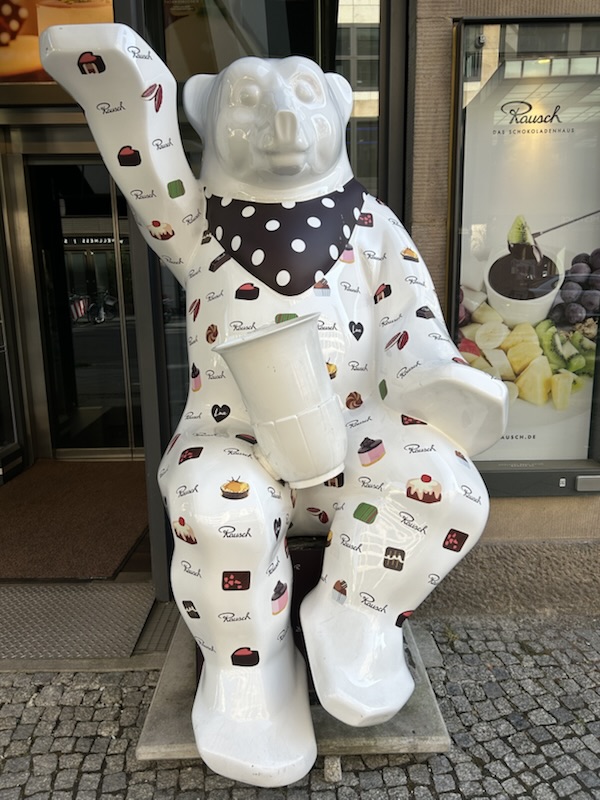
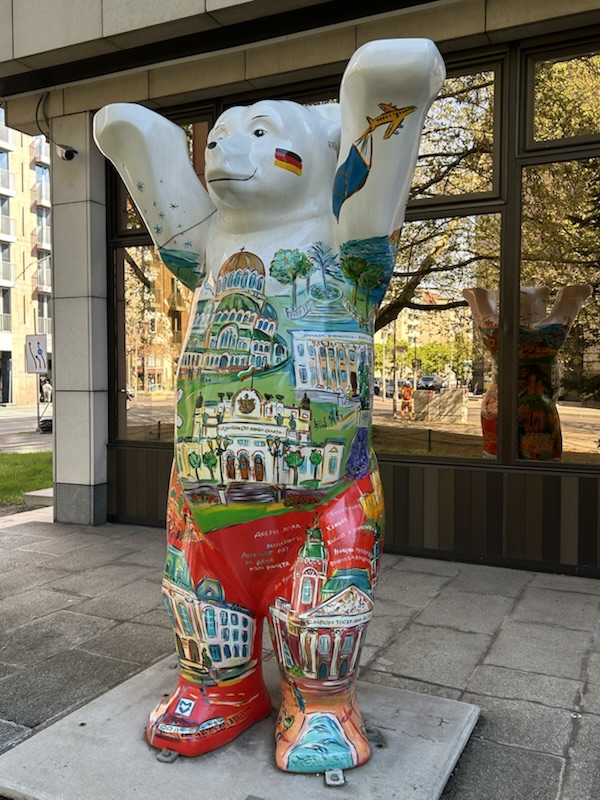
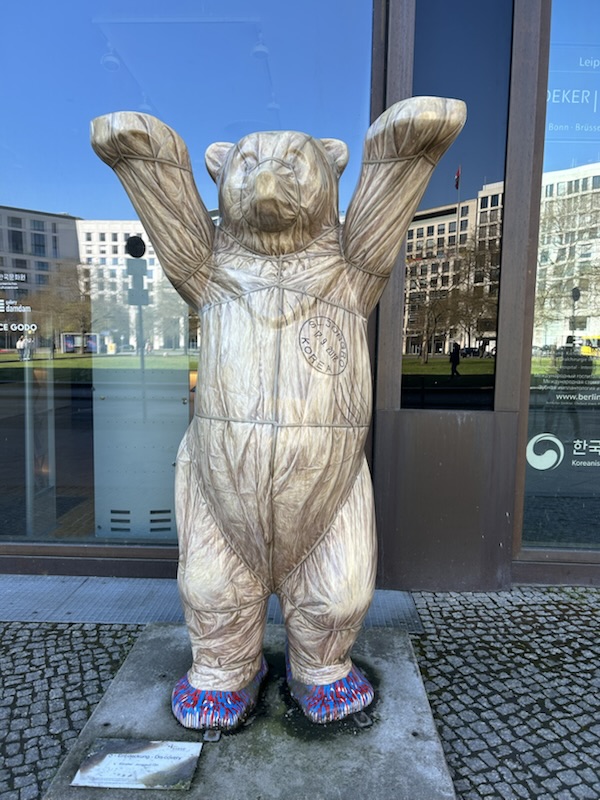
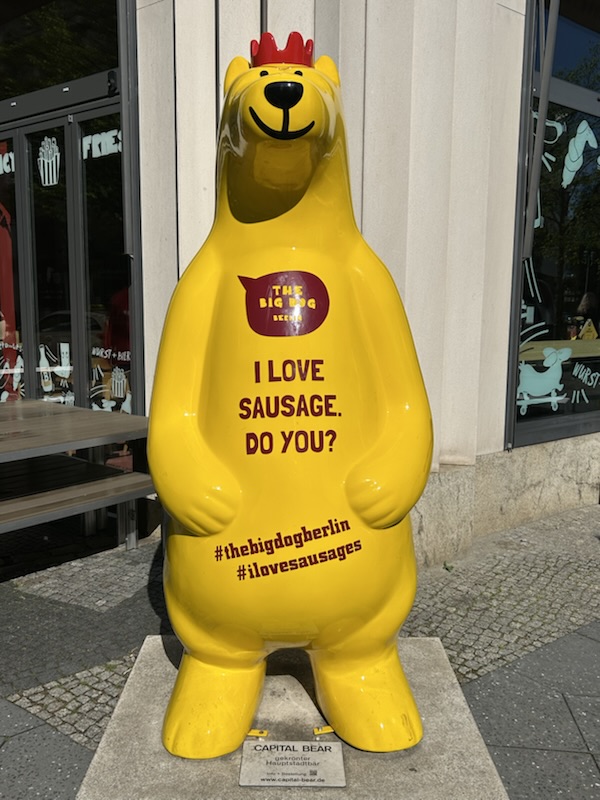
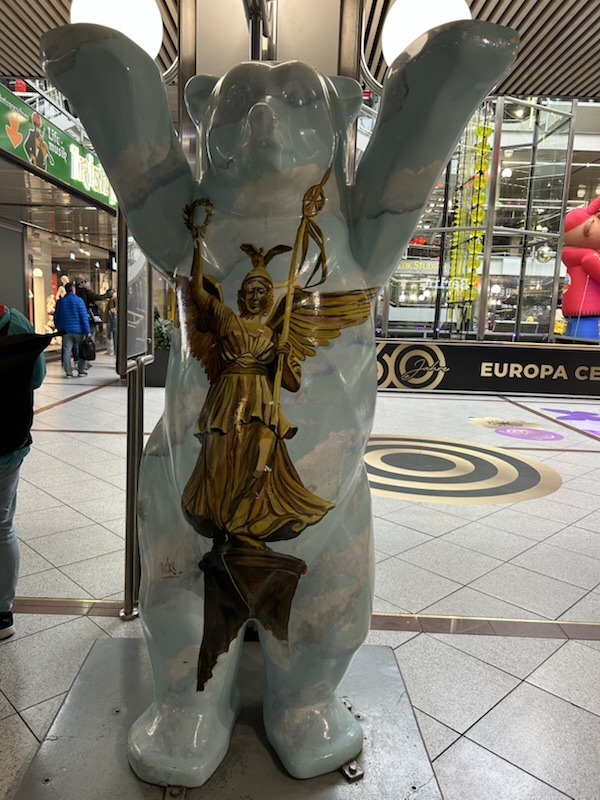
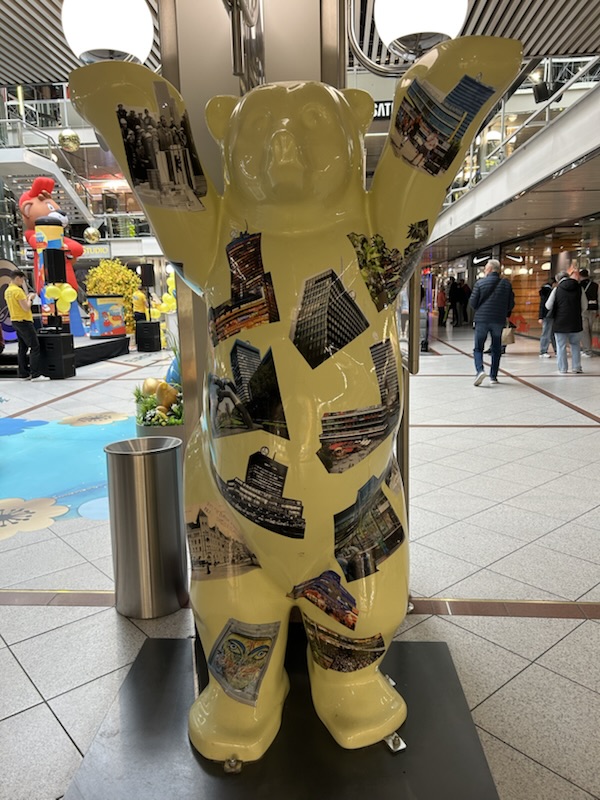
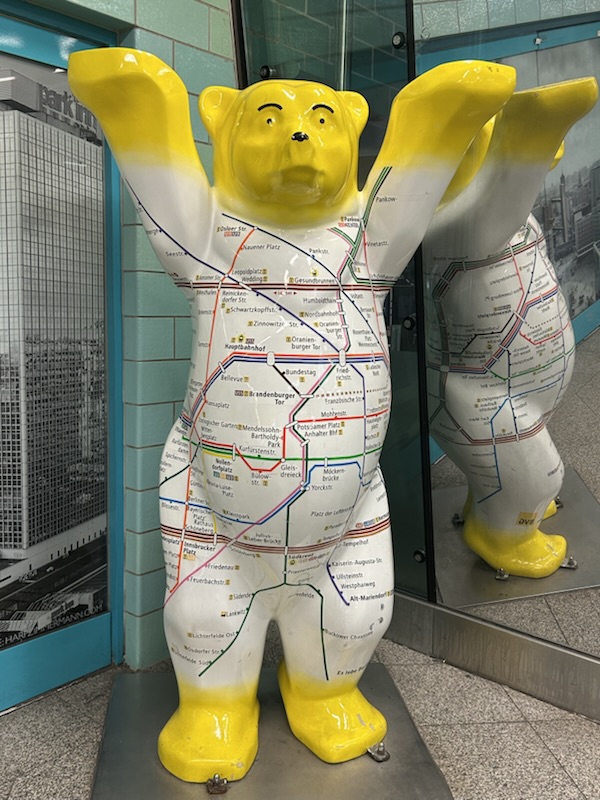
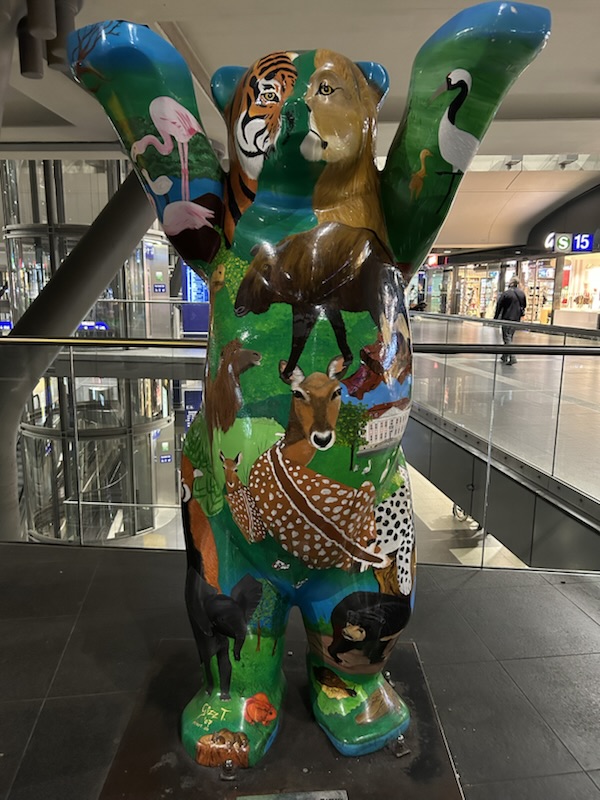
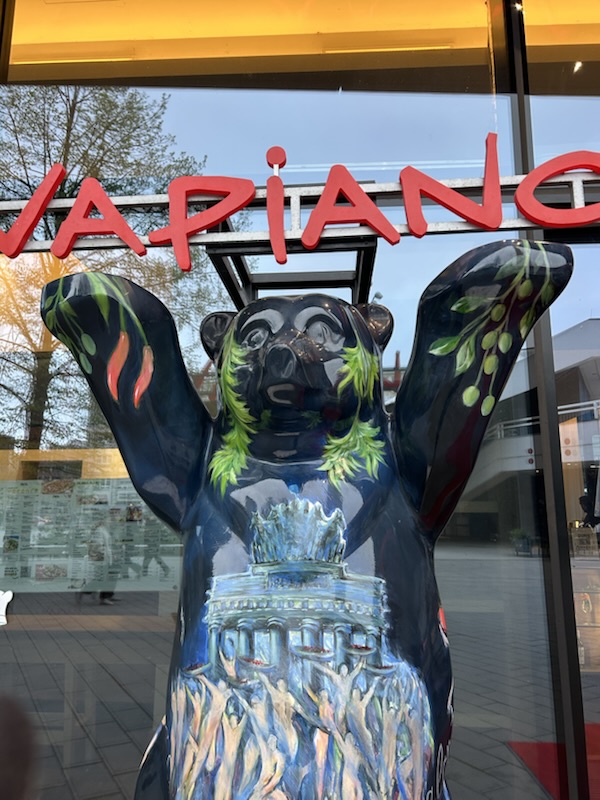
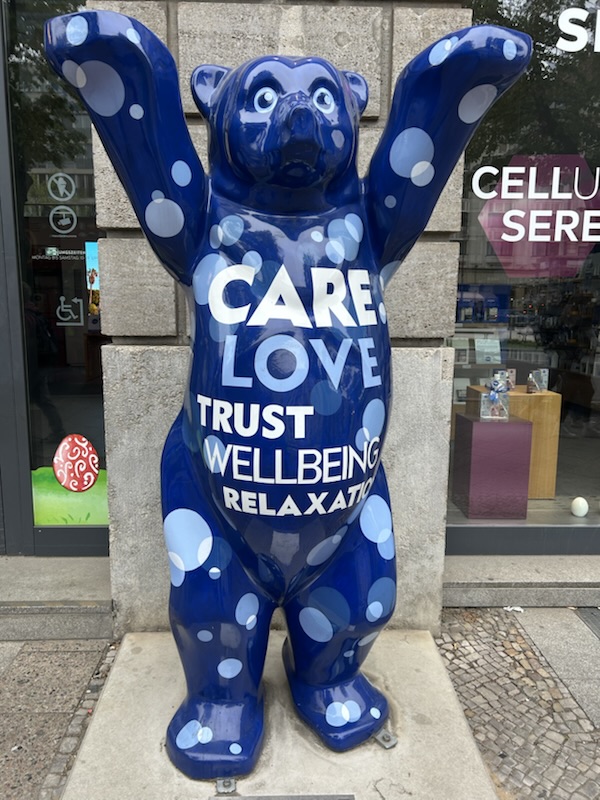
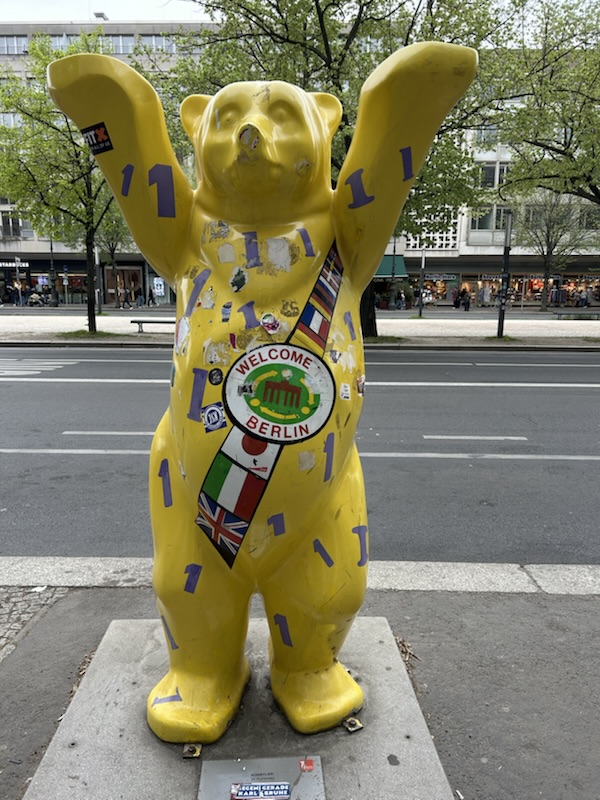
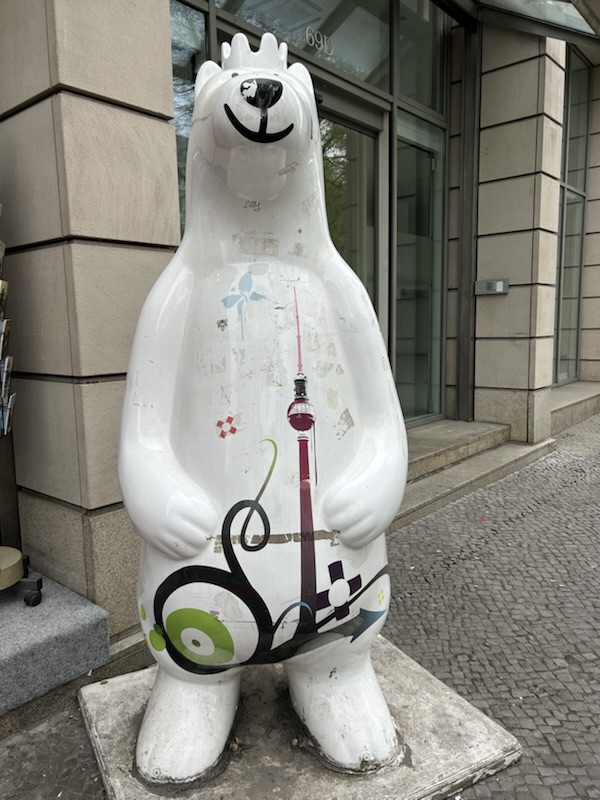
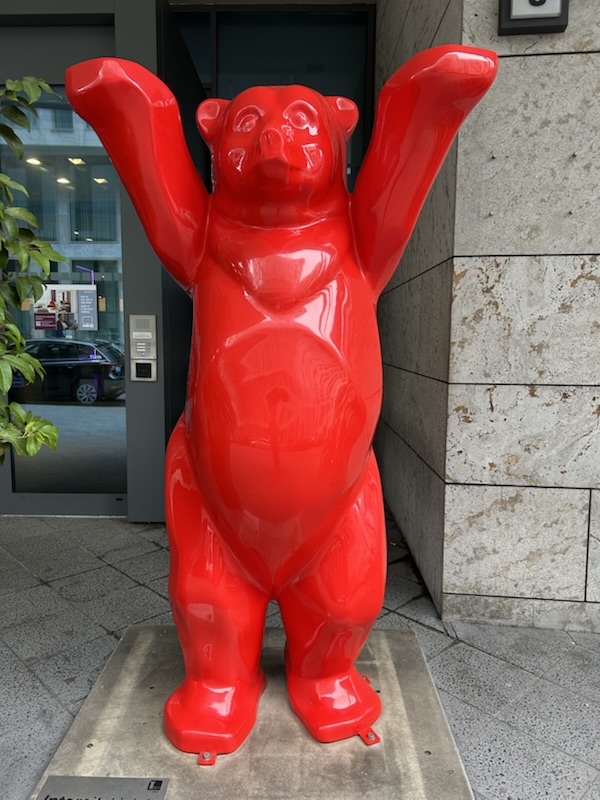
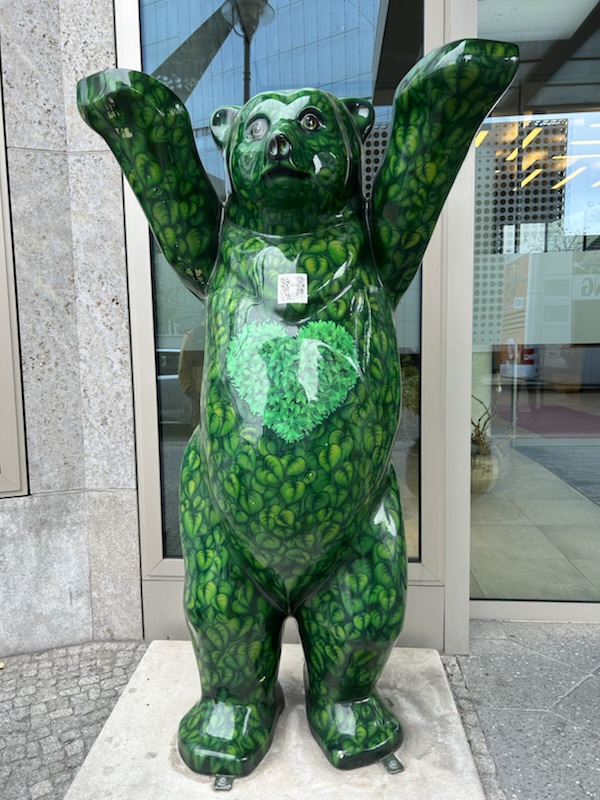
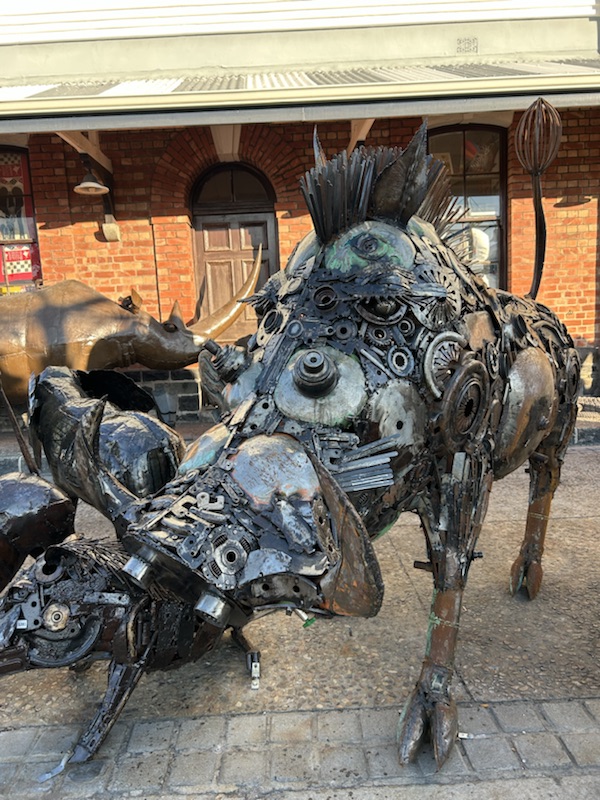
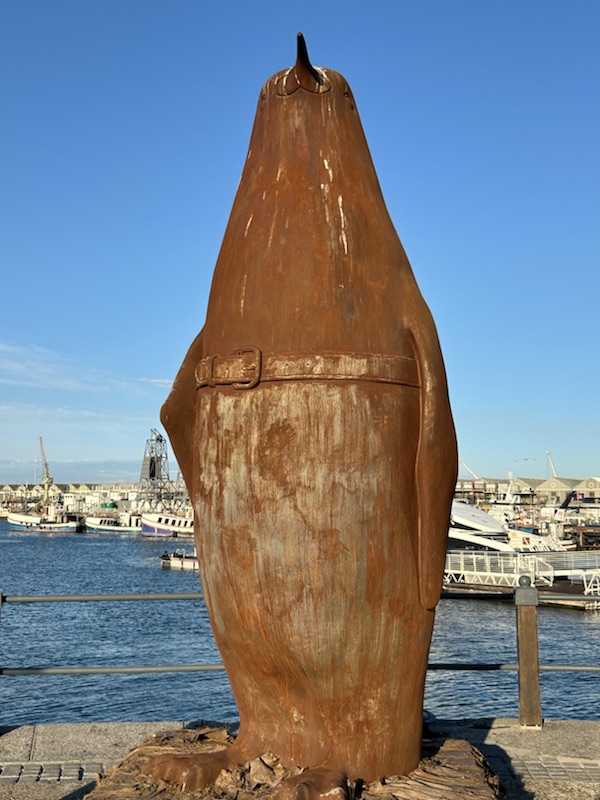
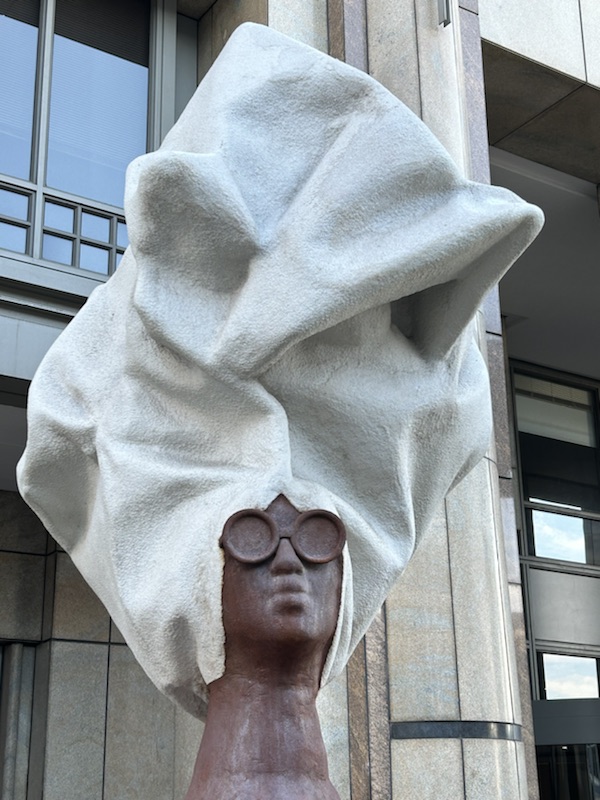
Finally, and last but not least, Berlin’s city symbol is the Bear. You see Bear statues all over the city. Here are a few that are displayed. Pick your favorite.
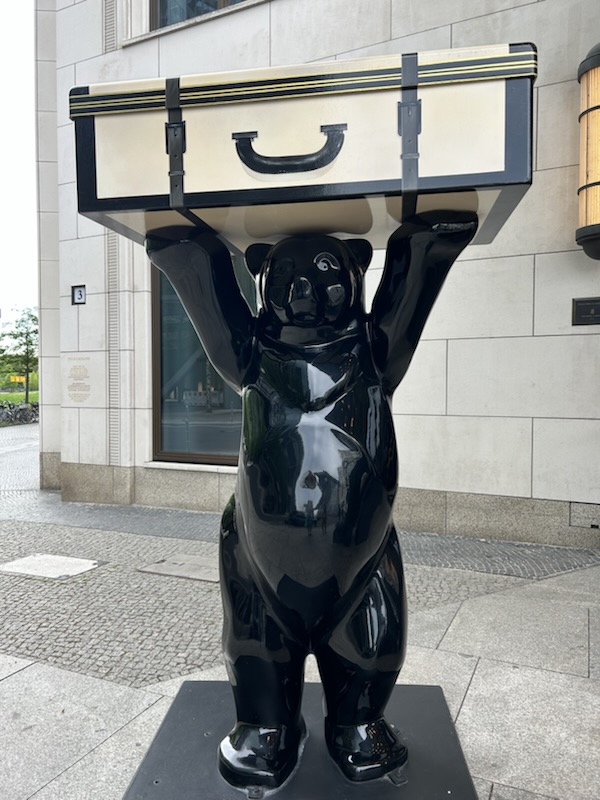


 The Wanderers