Bulgaria – Part 1: Sofia

After Romania, we took an 8 hour train trip from Bucharest to Sofia, Bulgaria.
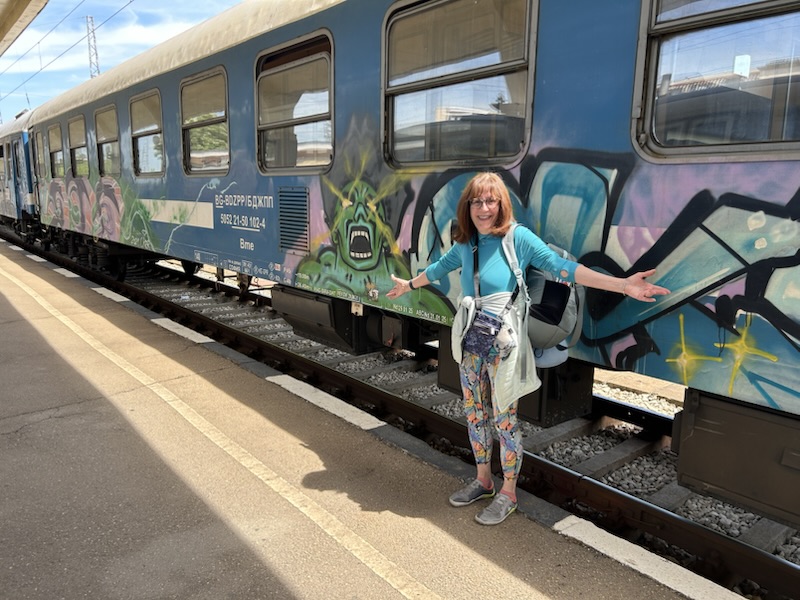
All Bulgarian trains are covered in graffiti, not the best conditions, but they get you there

There are many reasons to travel, but one is the opportunity to meet people from different countries.

Our train car was the old fashion kind with compartments that sat 6 people- 3 in each row facing each other. Our seats placed us with two young Norwegian men who were on holiday traveling through the Balkans. We enjoyed passing the hours swapping travel stories & learning about each other’s cultures.

Sofía

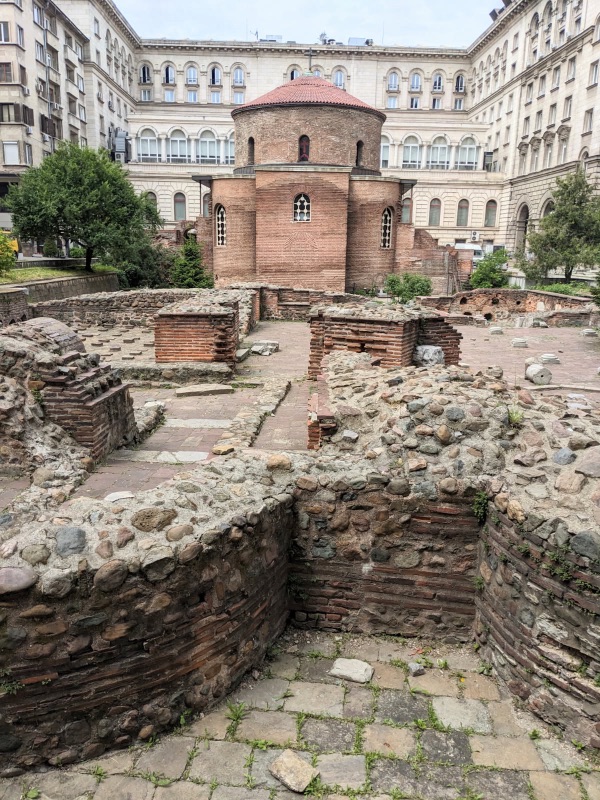
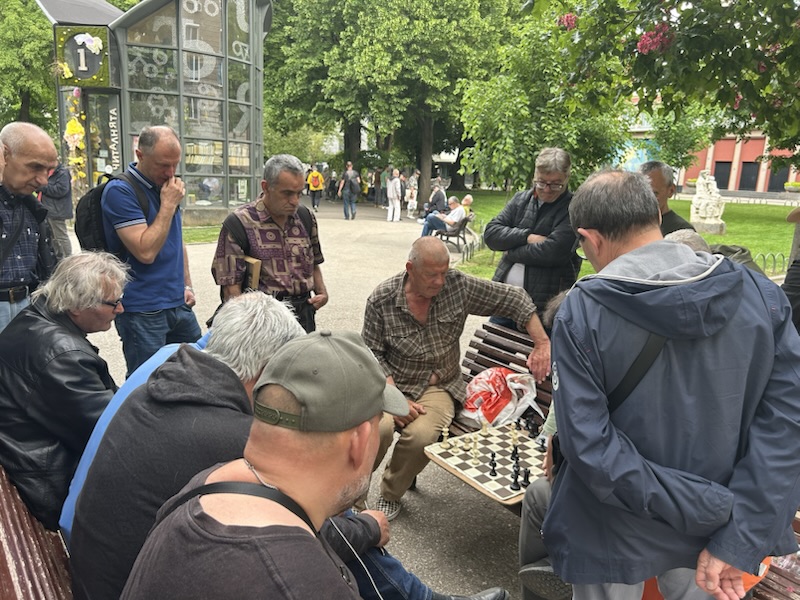
Bulgaria’s capital is Sofia. It is named after the very old church in the city that dates back to Roman times. Many churches were named Sophia like the famous Hagia Sophia in Istanbul.

We felt the best way to see this small capital city was to take a couple free walking tours where you tip the guide $5-10 for a 2 hour tour.

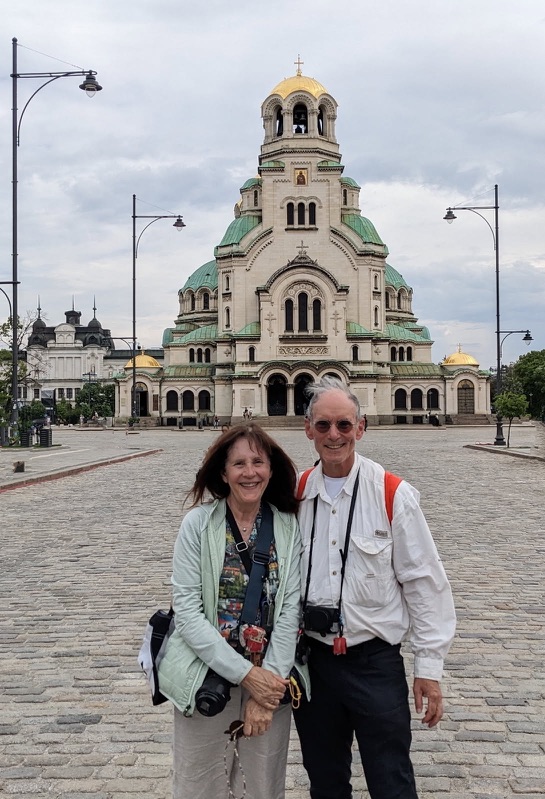
Our first was called the Free Sofia Tour. Here are a few places we saw along the way. https://freesofiatour.com/

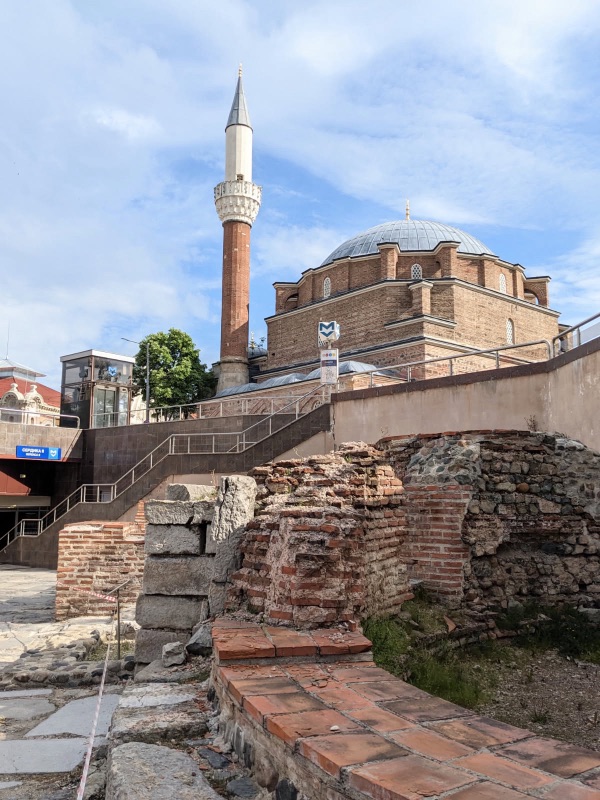
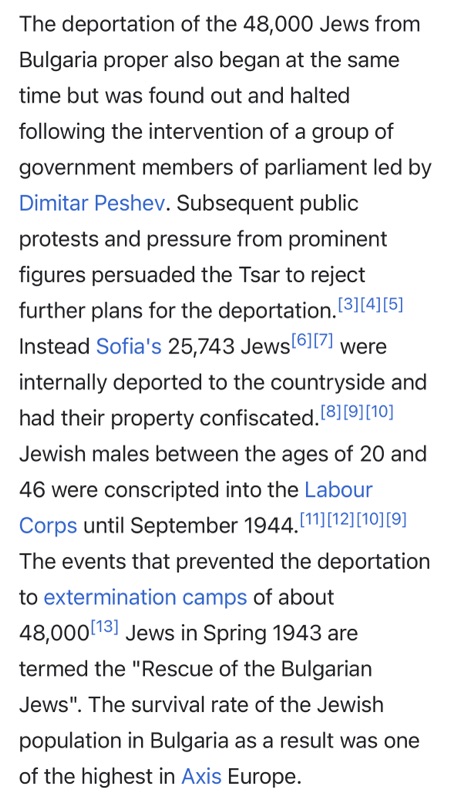
The two most interesting things we learned was first, the Bulgarian people figured out how to protect most of its Jewish population from being sent to concentration camps during WWII.
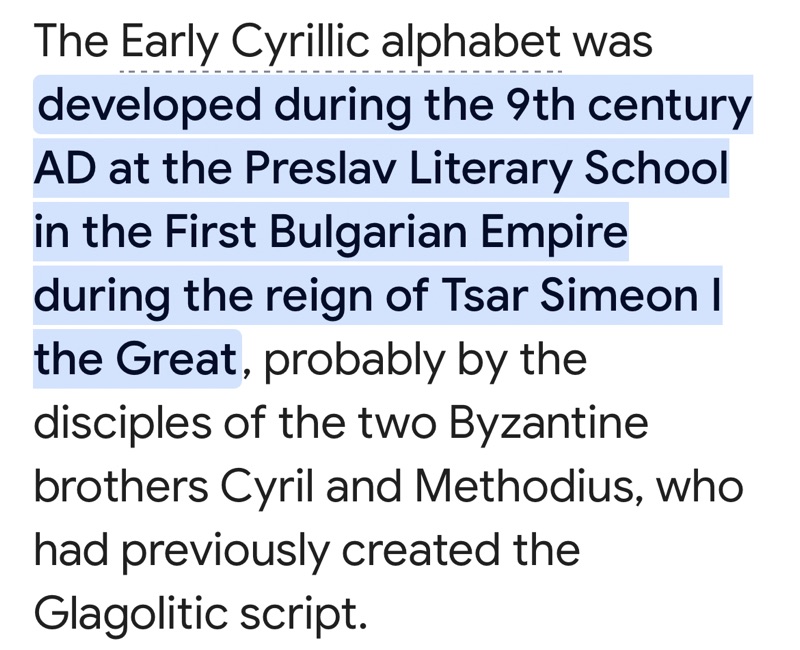
The second interesting fact is that the Cyrillic alphabet now used in 14 countries was developed in Bulgaria.

T-shirts with the original Bulgarian alphabet in Glagolitic Script which was too complicated & the current Cyrillic alphabet upon which it is based

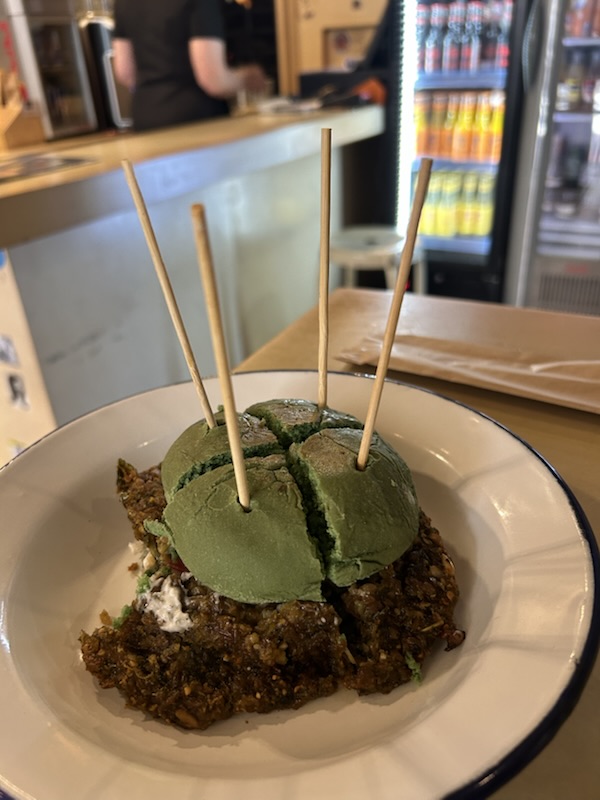
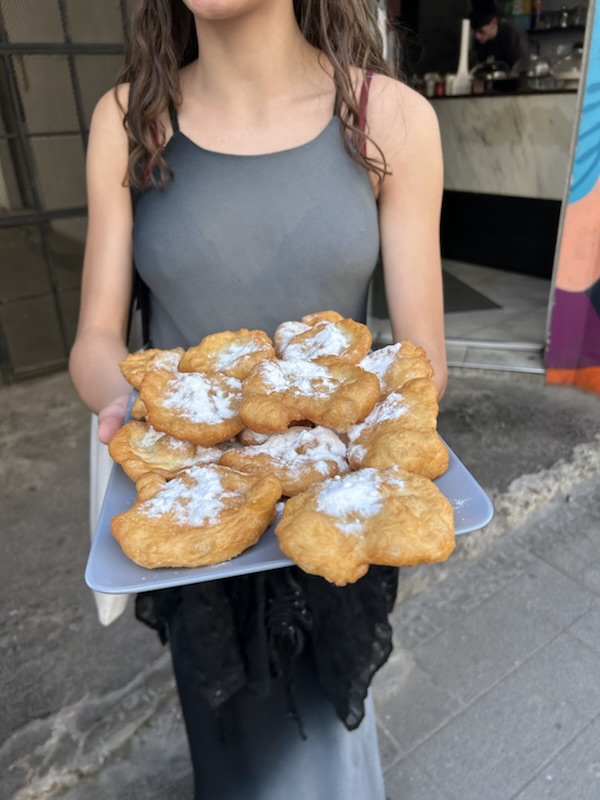
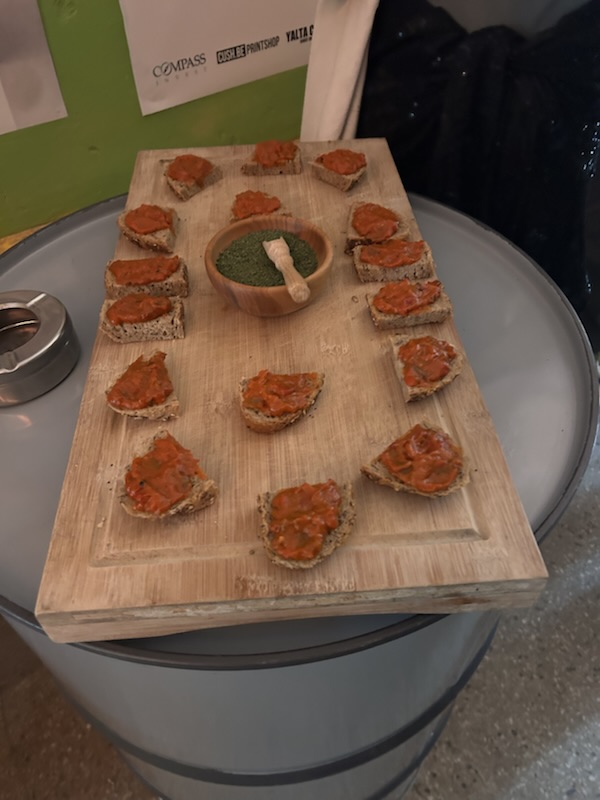
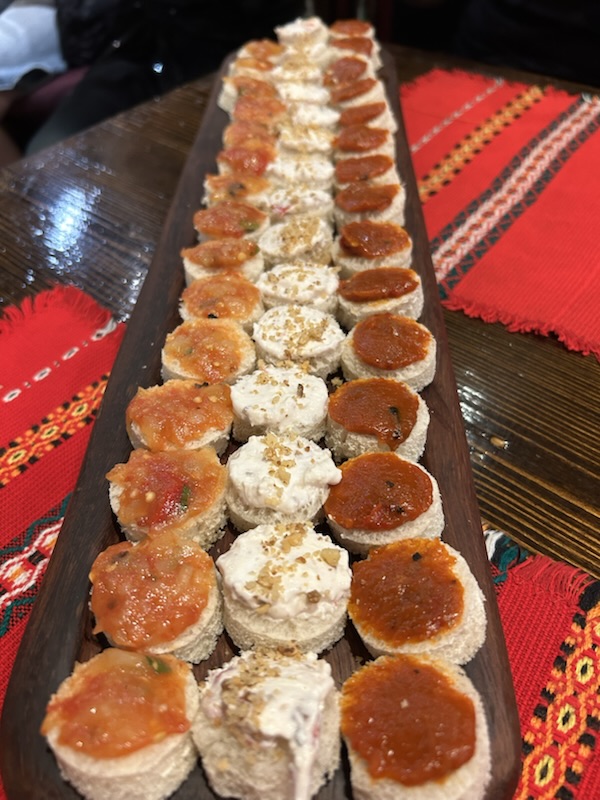
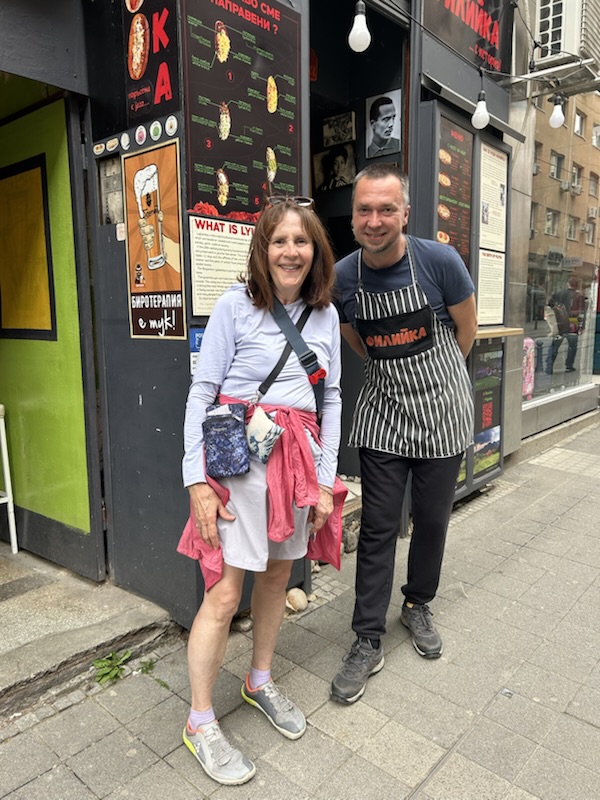
The second walking tour was a free tasting tour called “Balkan Bites” during which we tried Bulgarian food & learned a little about local food customs. https://www.balkanbites.bg/

Here are the highlights from this tour.
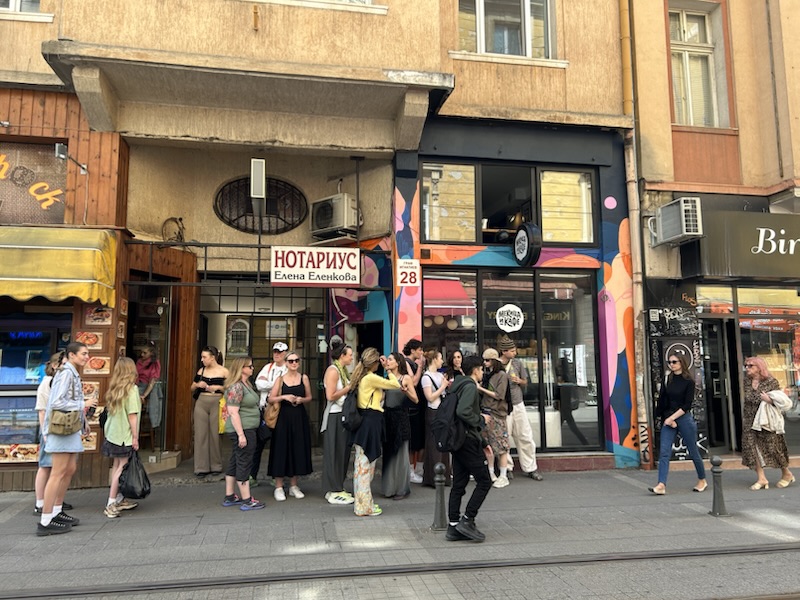
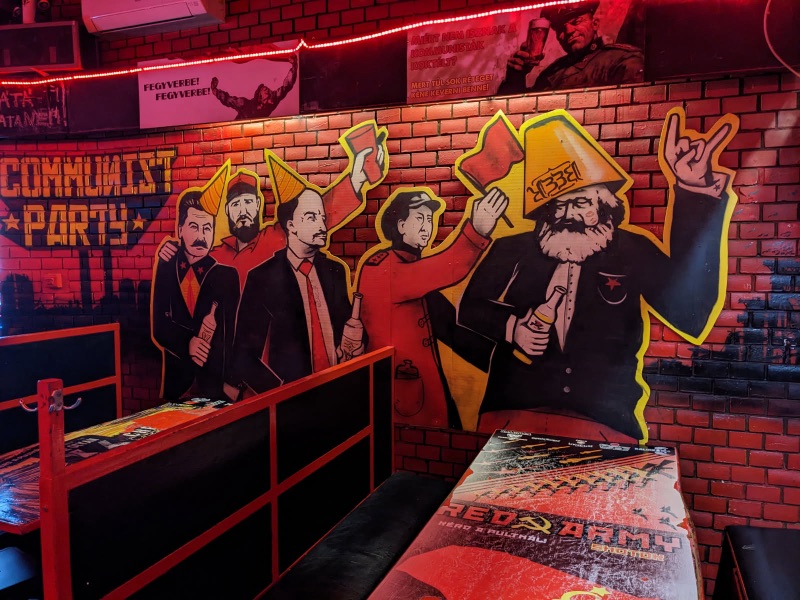
Like all East Bloc countries, Bulgaria was under a Communist regime for close to 45 years.

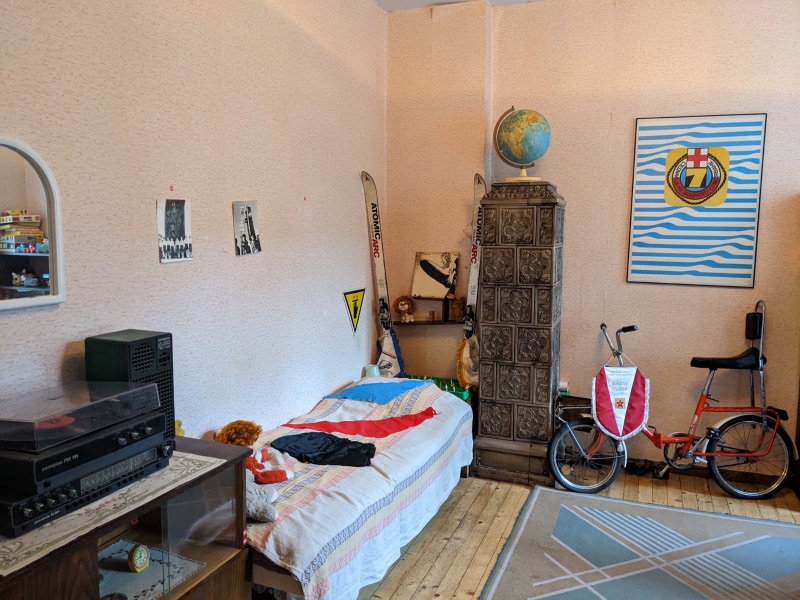
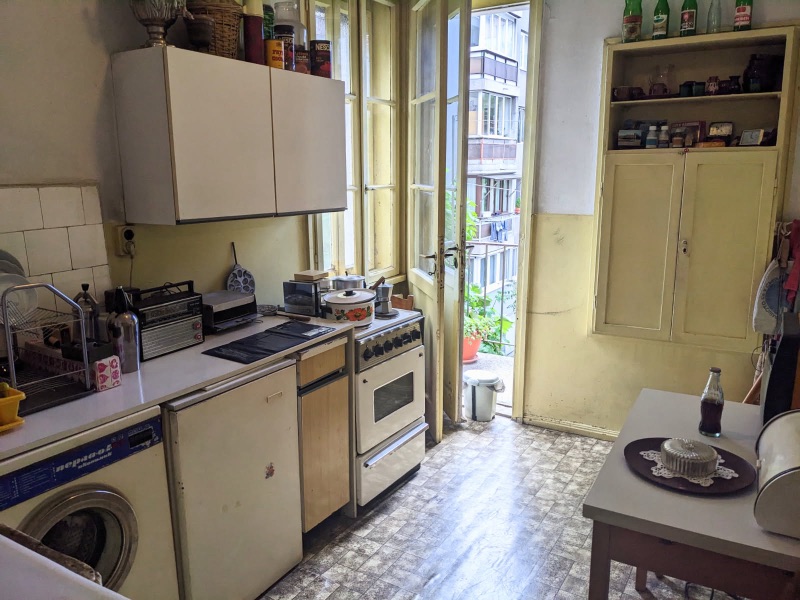
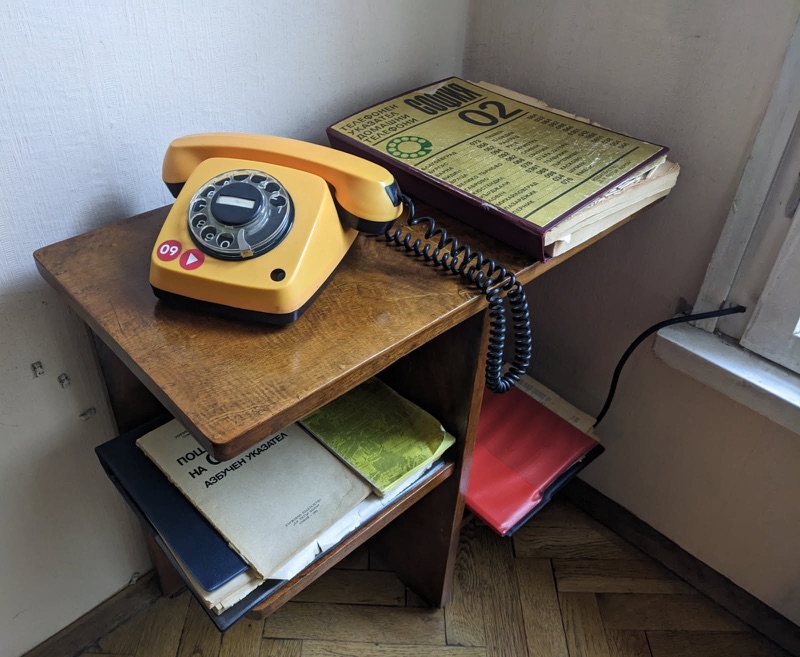
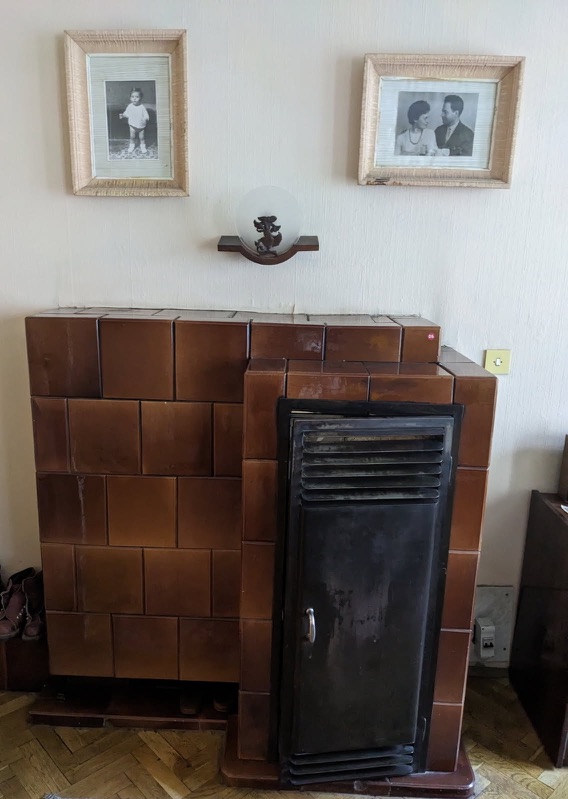
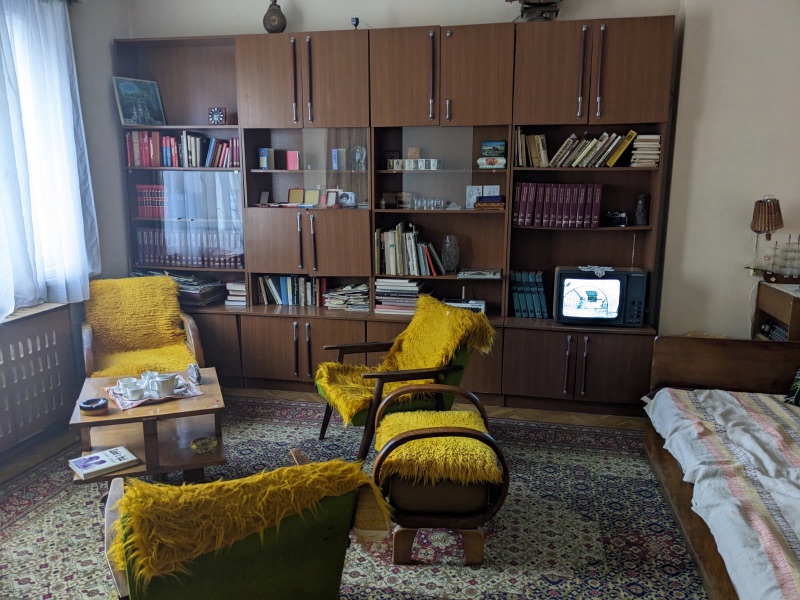
We were able to do a self-guided listening tour through an apartment called “The Red Flat” that hadn’t been changed since 1989 when Communism ended in Bulgaria.

This flat was for a fortunate family because the father was allowed to work abroad. But, it still only had one bedroom, one living room, a dining room, a kitchen & very small bathroom in only a few hundred square feet in size.

Both my husband & I feel like the Communist countries were kind of always stuck in time in the 1960s which is when the Berlin Wall went up along with the Iron Curtain closing the borders where the East Bloc countries touched Western Europe. From that time on, very little interaction with the West was allowed & everything you could buy was controlled by the Communist government including dress styles.

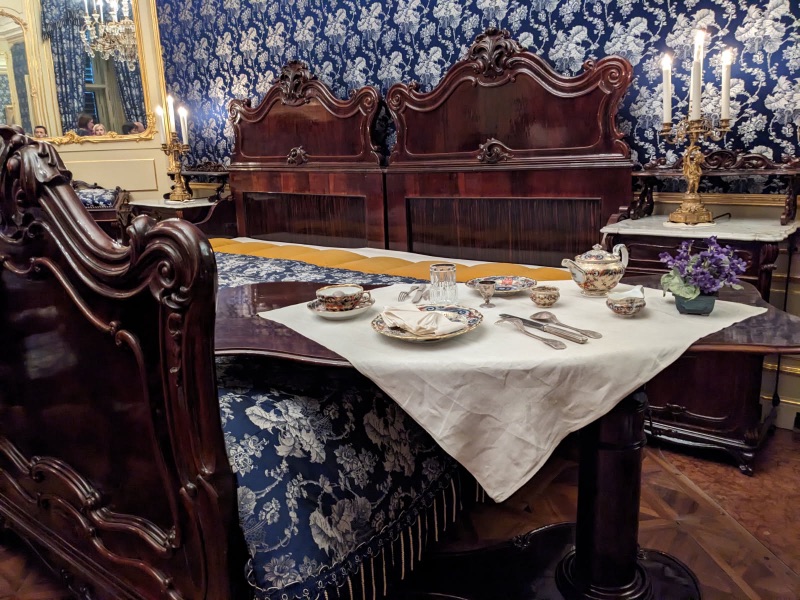
See what you think about a typical Communist home from the 1980s in these pictures.
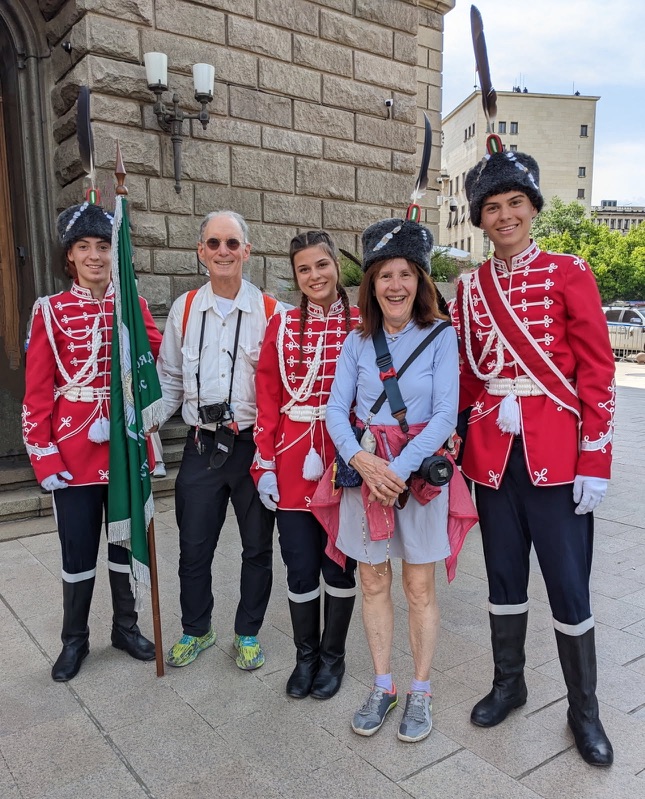
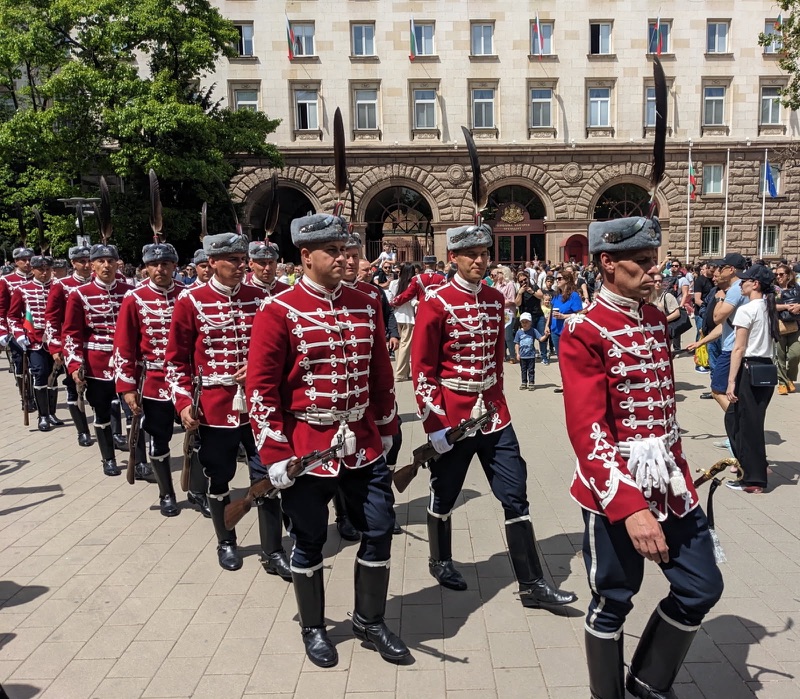
A national holiday occurred while we were here called “St. George’s Day.” This is not only a religious celebration commemorating Saint George who slew the dragon; but also, it is Bulgaria’s Armed Forces Day celebrating its military.

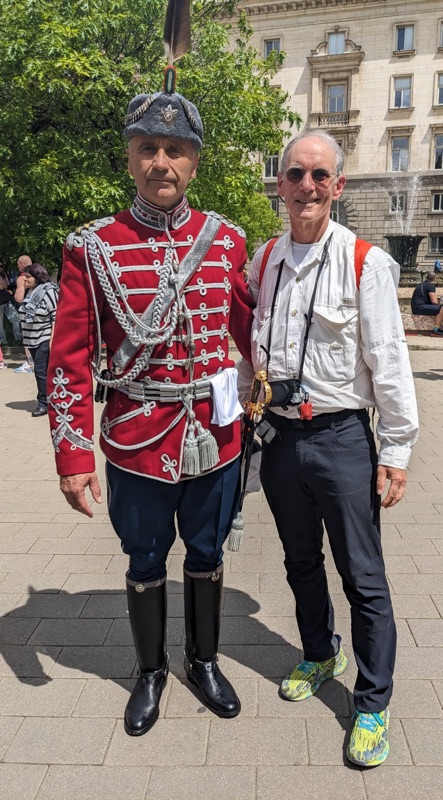
We didn’t see any of the formal military parade; but, I enjoyed having my picture taken with a few young people dressed in the traditional guards’ uniform & we also saw a few military guards near the Presidential residence.
My husband also spotted Bulgaria’s President Ruman Radev . Even with tight security, he was able to get close enough to take a good photo of him.
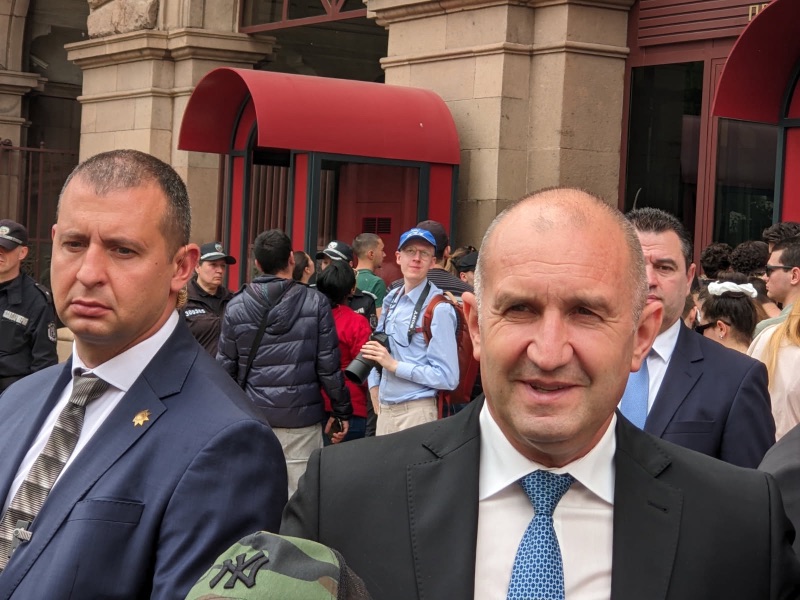
Ruman Radev on the right – Security Detail on the left & behind him

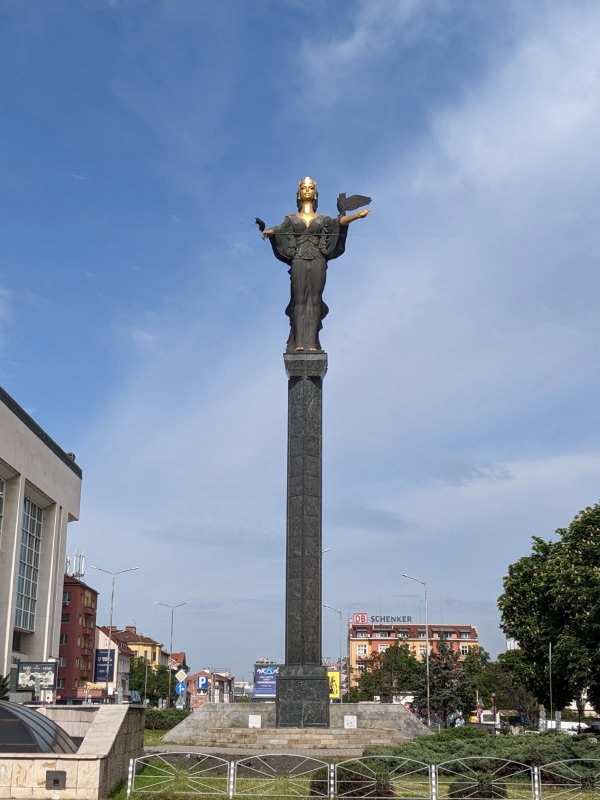
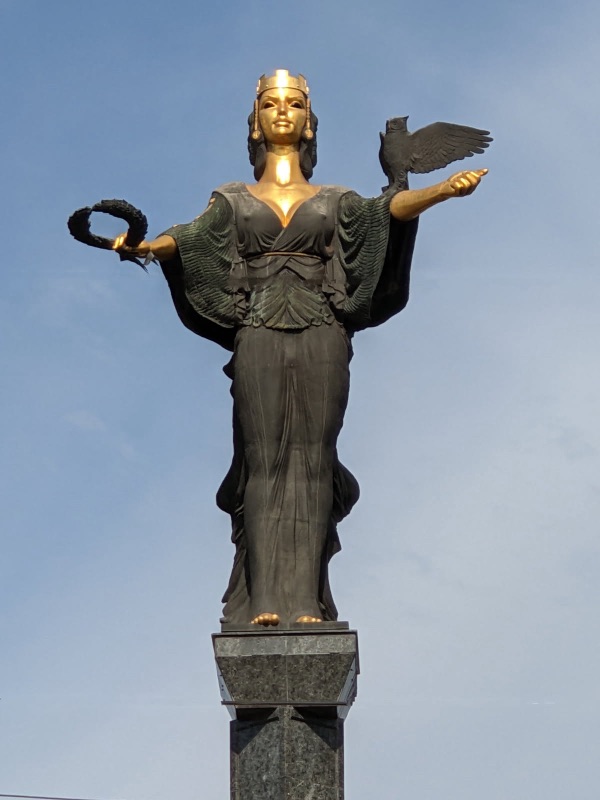
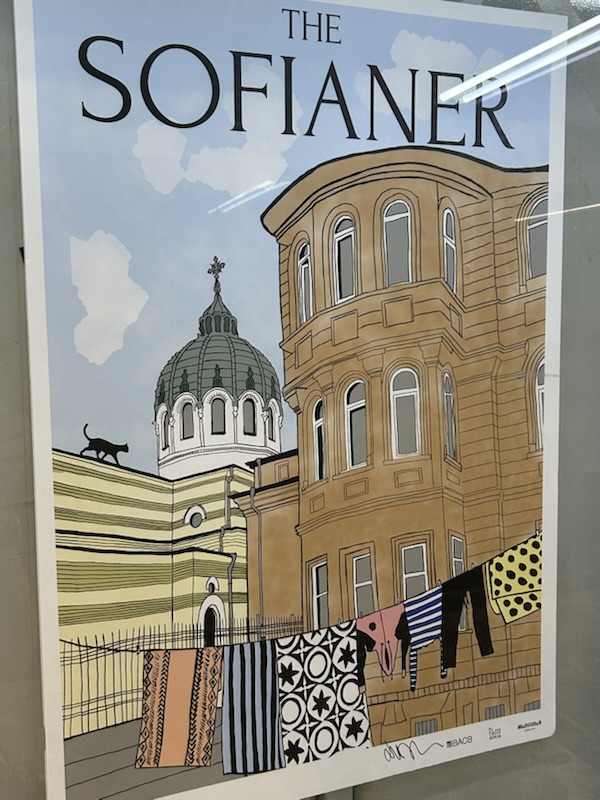
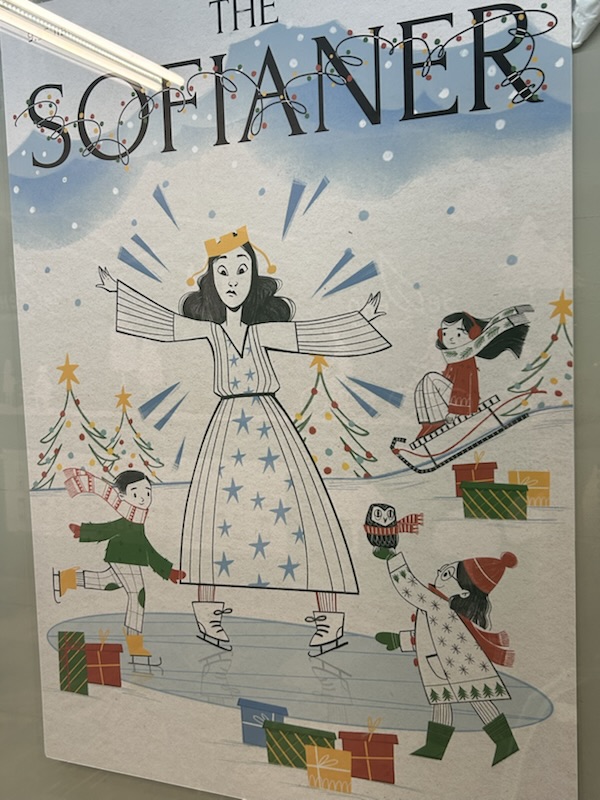
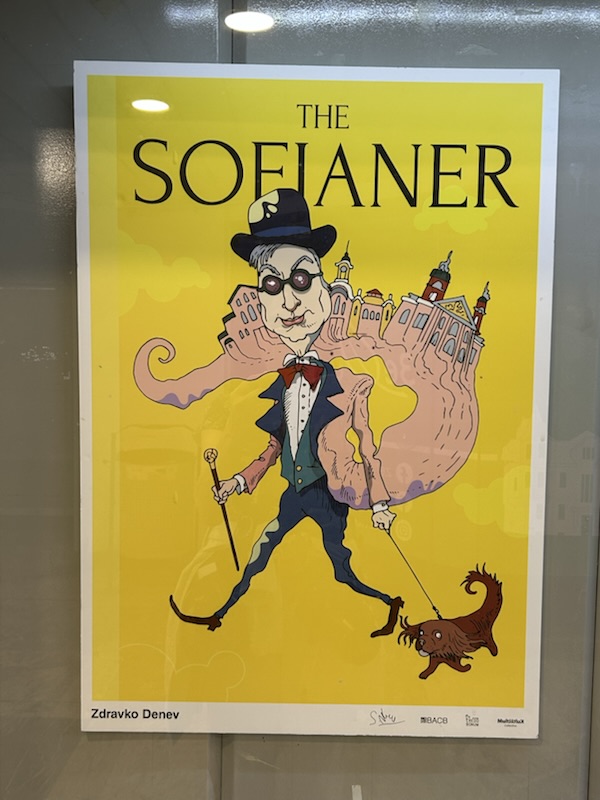
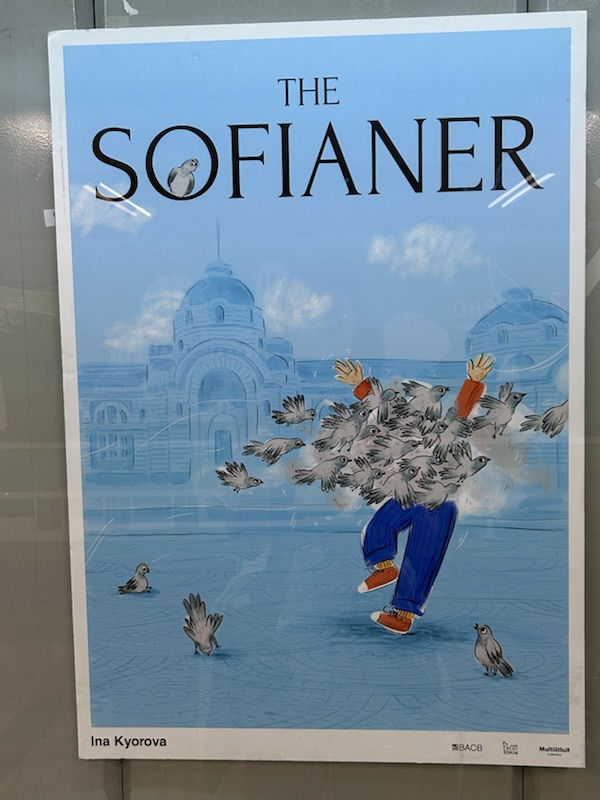
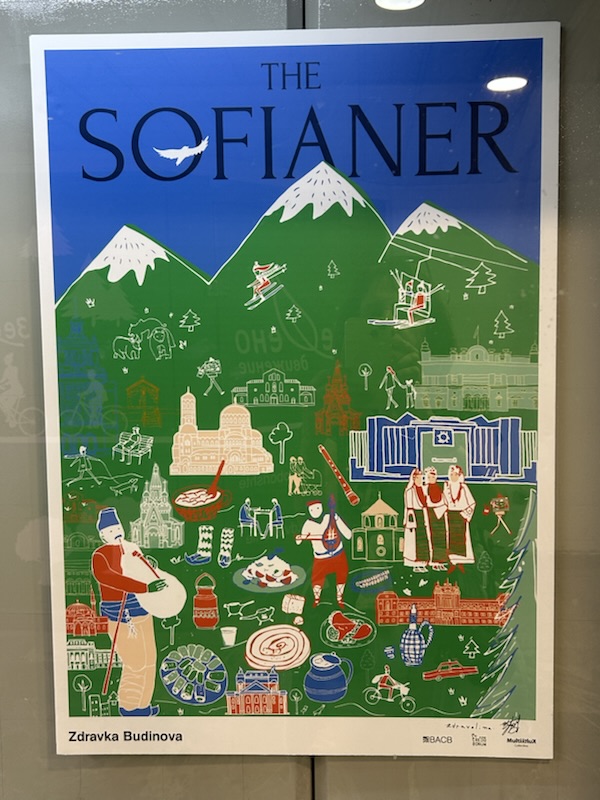
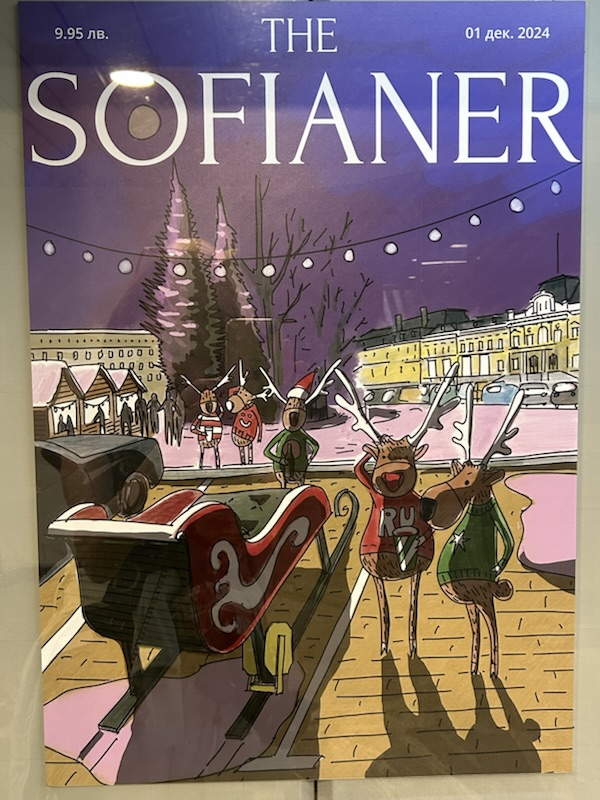
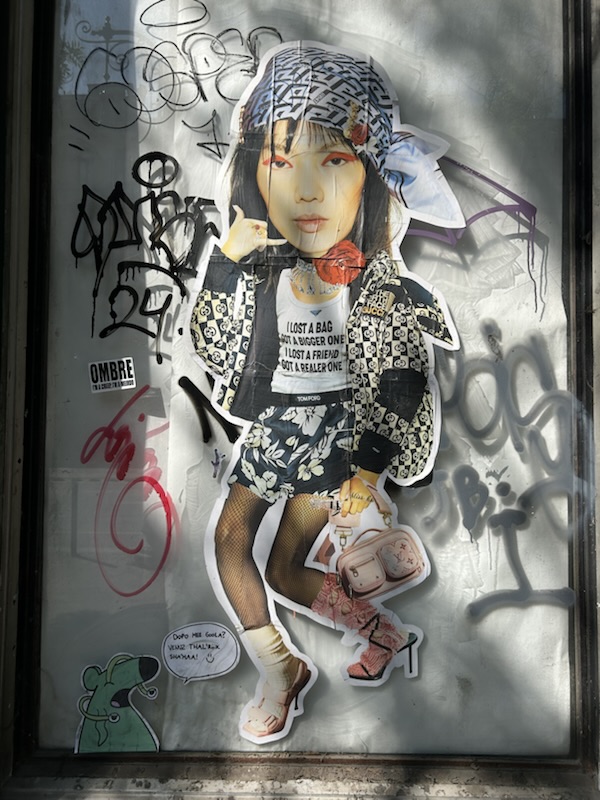
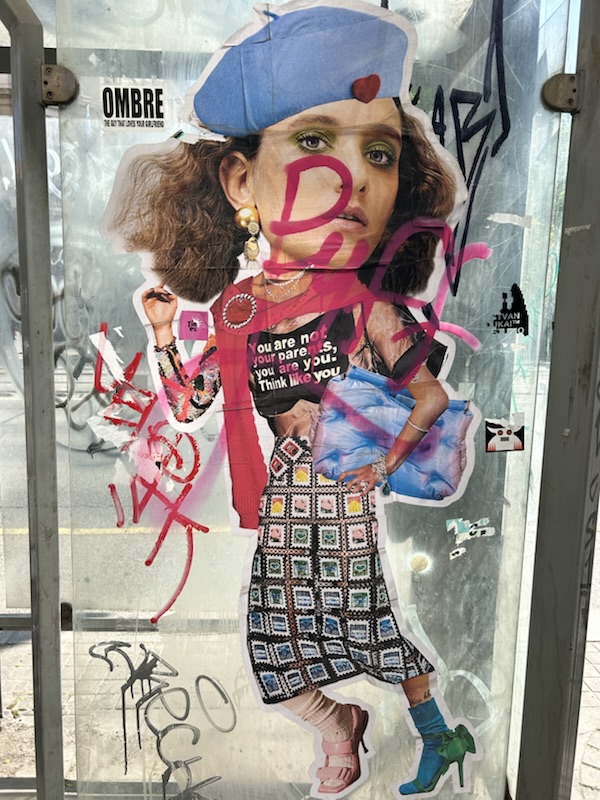
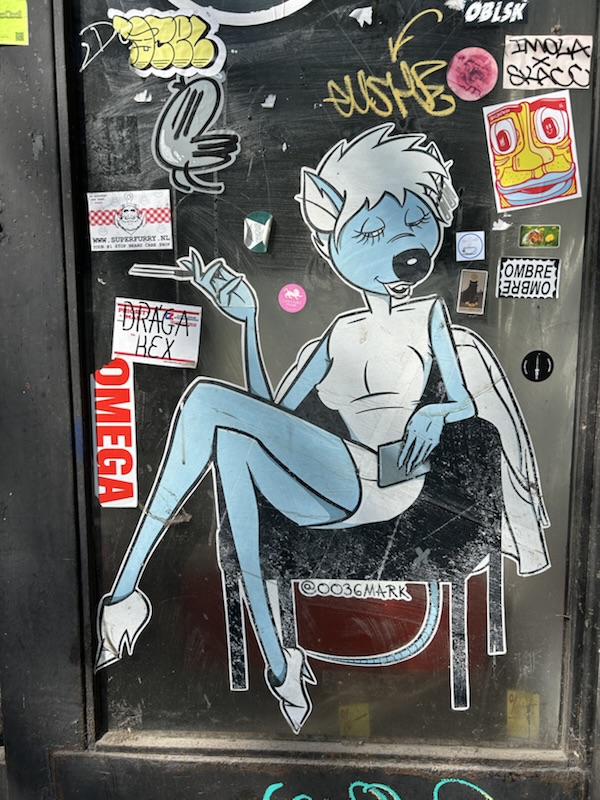
A few more fun pictures around Sofia & cool art that looks like covers from my the New Yorker magazine.

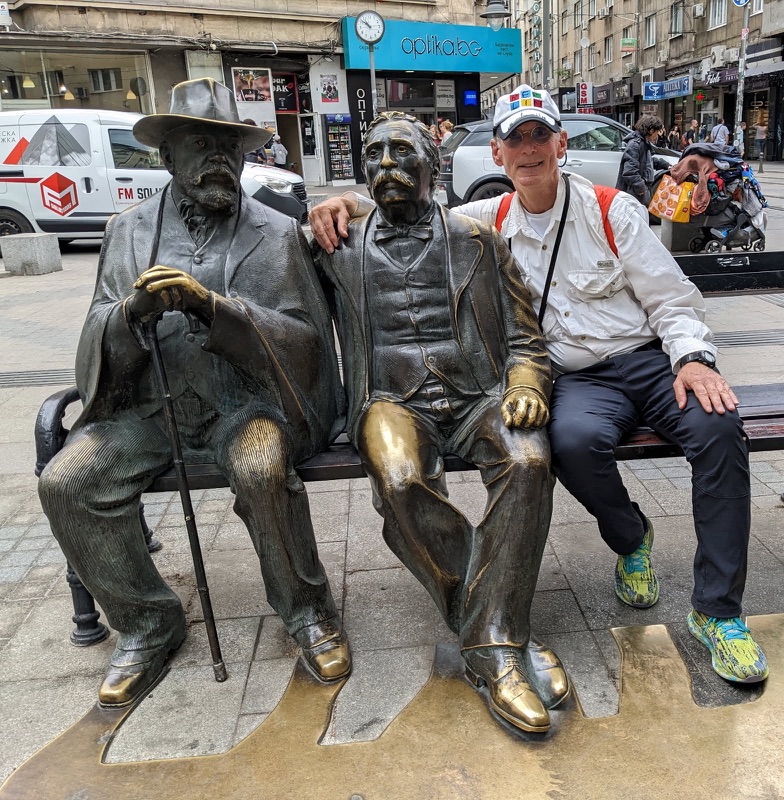
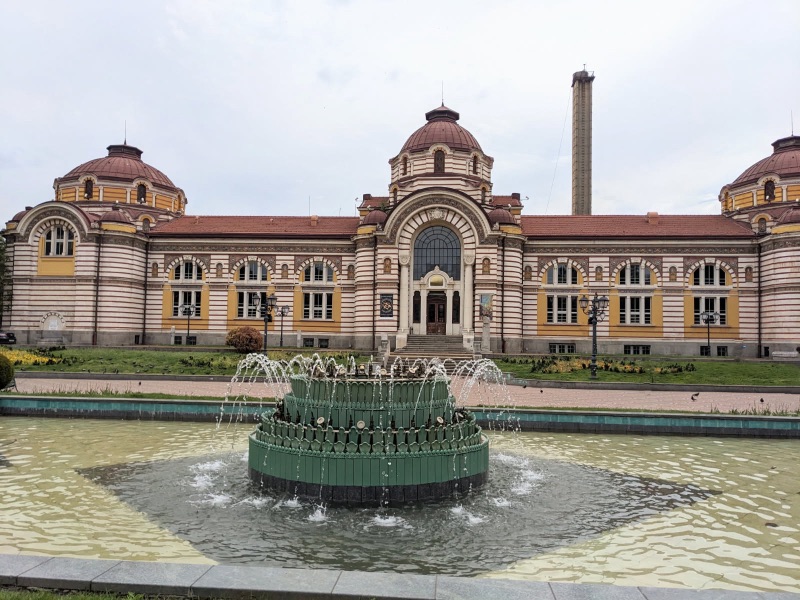
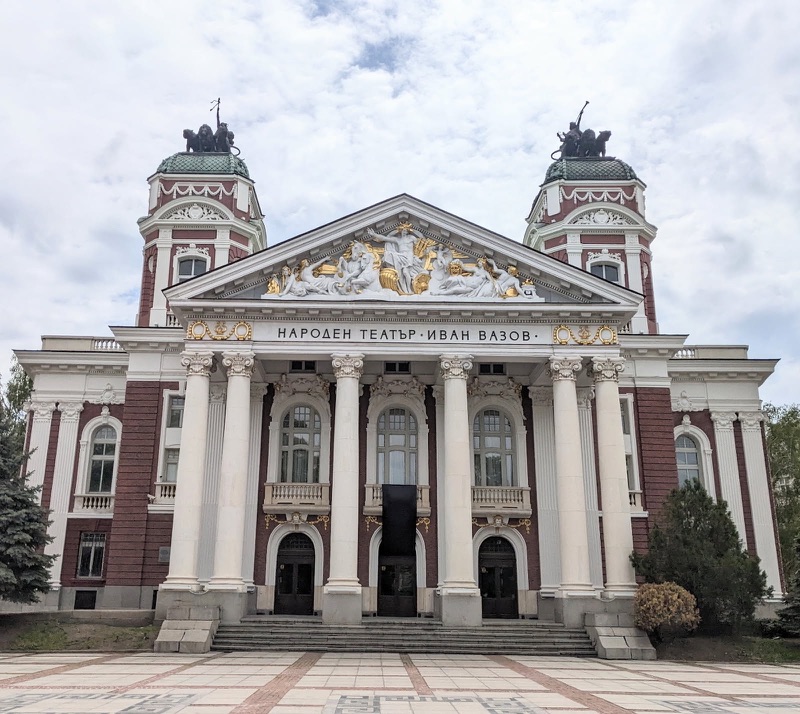
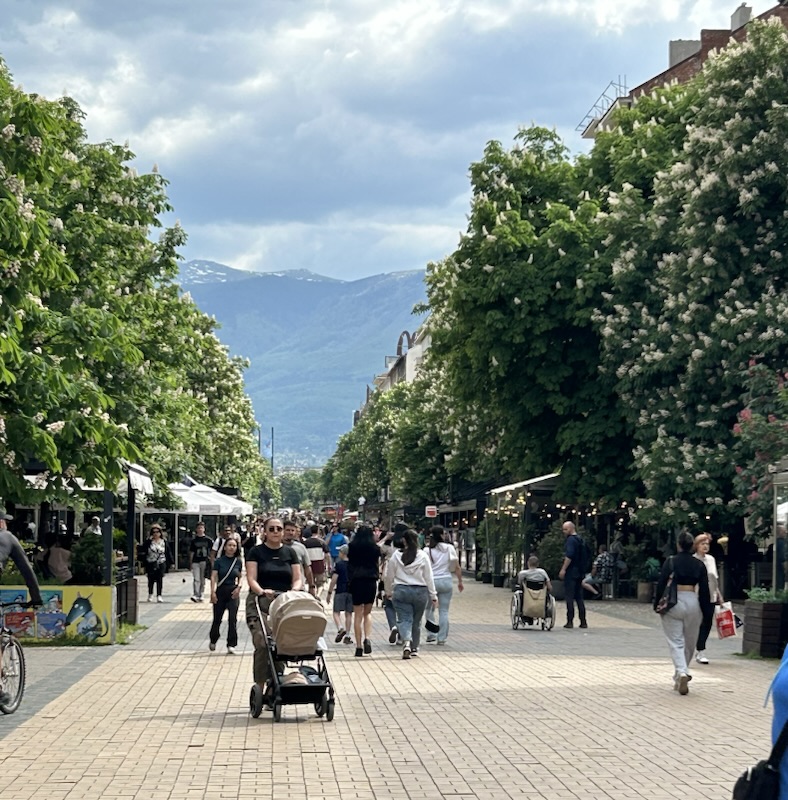
Sofía is a large city; but, we spent all our time in & around the old town which was a lovely area to spend two days seeing.
Time in Budapest

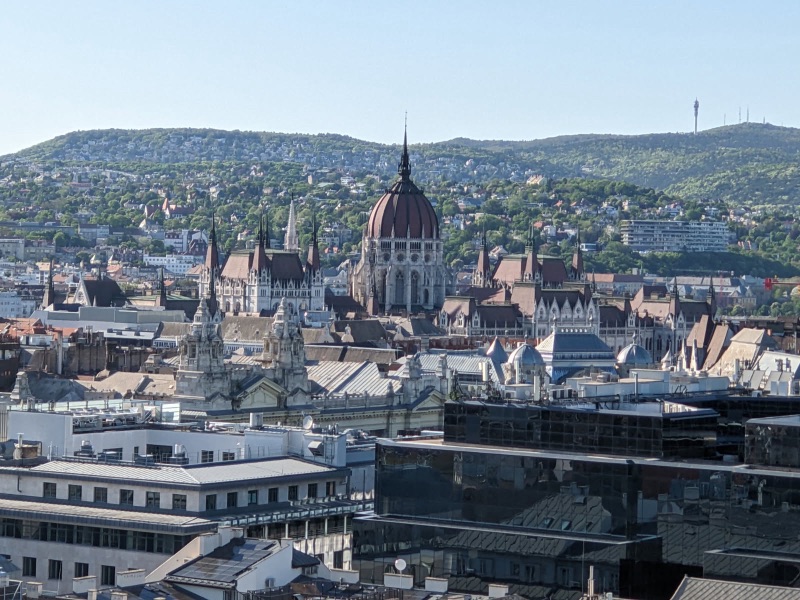
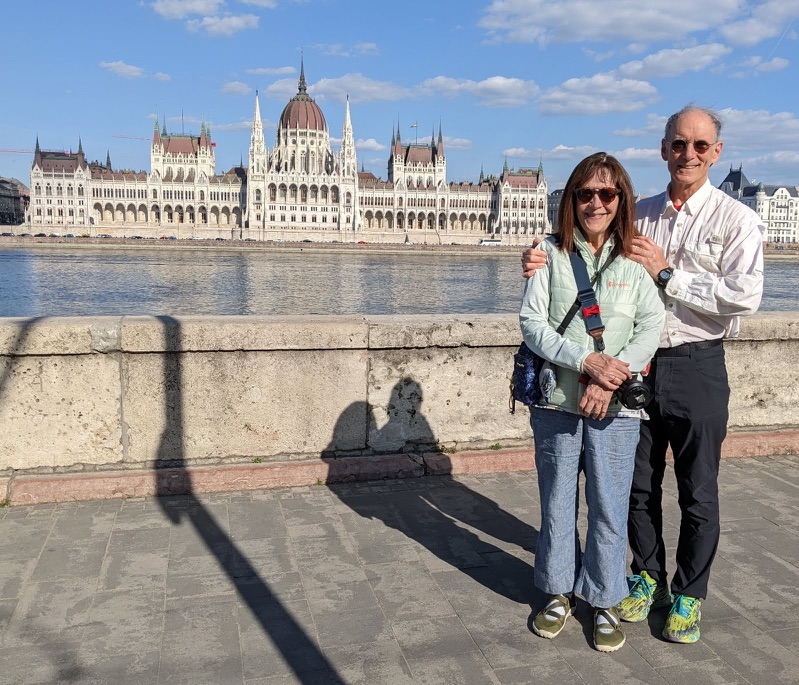
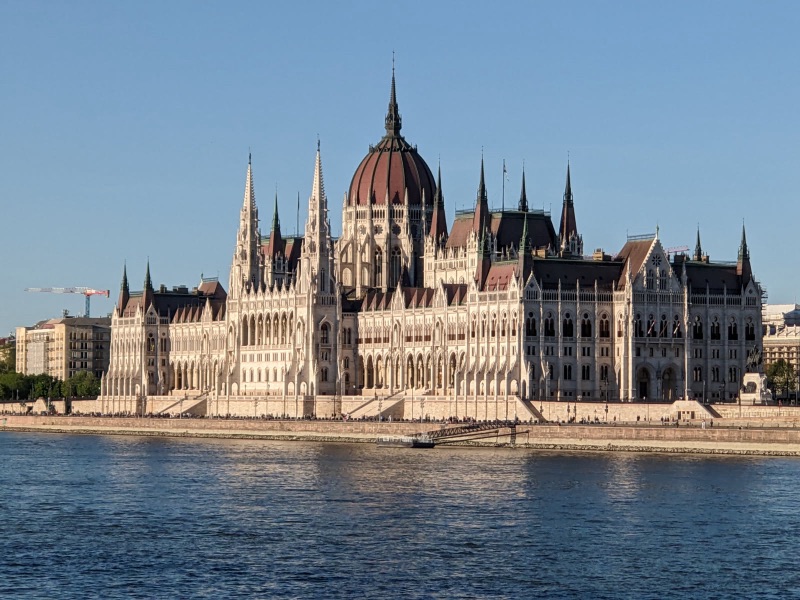
Hungary’s Parliament on the banks of the Danube River in Budapest

Budapest is the perfect place to visit after Vienna since they are so closely connected & have similar backgrounds.

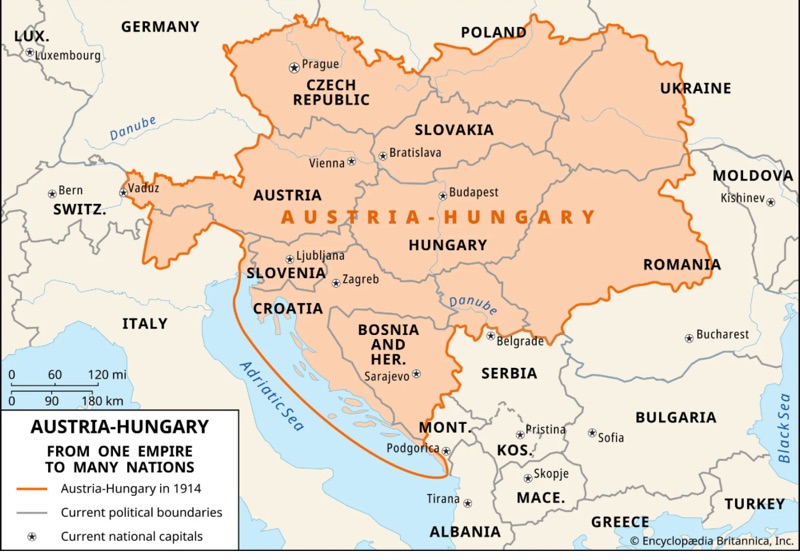
For a little background, the city is divided by the great Danube River. The West side is hilly Buda & the East side is flat Pest. The two were brought together in 1873 creating the capital of Hungary.

This consolidation made Budapest the 2nd capital after Vienna of the Austro-Hungarian Empire in the 18th Century. This status is why Budapest has similar architecture, a love for coffee, & many German speaking people.

Like most Eastern Europe, Hungary was under Communism from WWII until 1990. But, Budapest has very little of the classic square gray Communist style buildings or propaganda paintings. All the old Soviet statues have been moved to a park outside the city. (Unfortunately, we didn’t have time to see it)

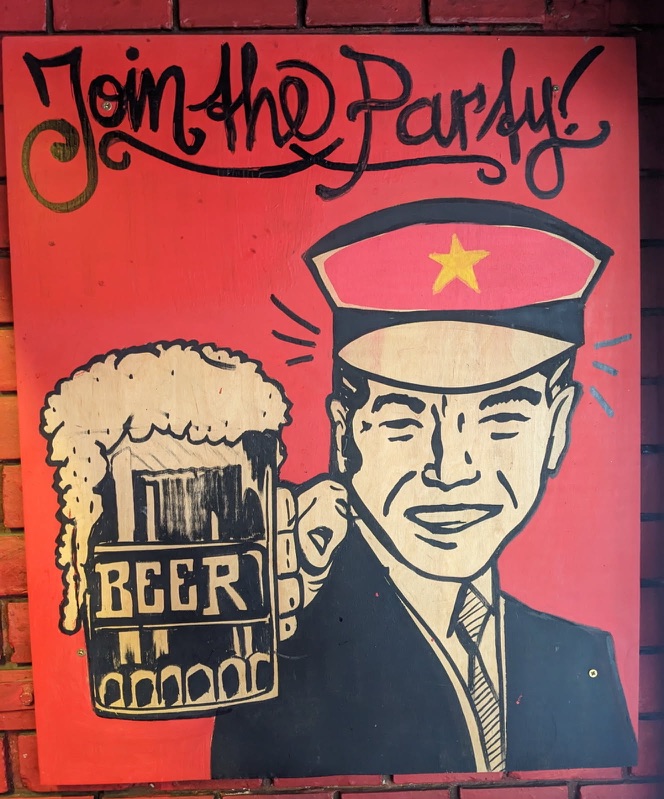
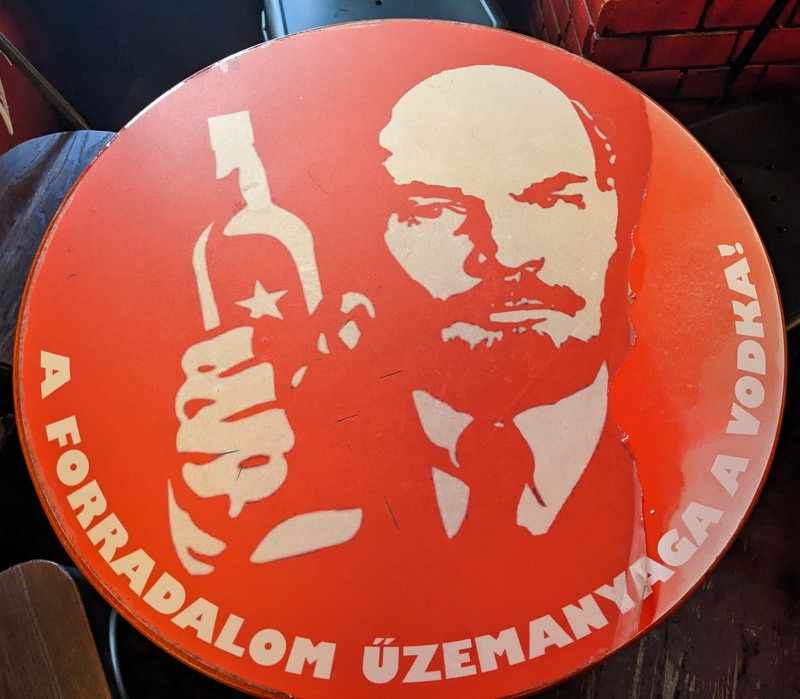
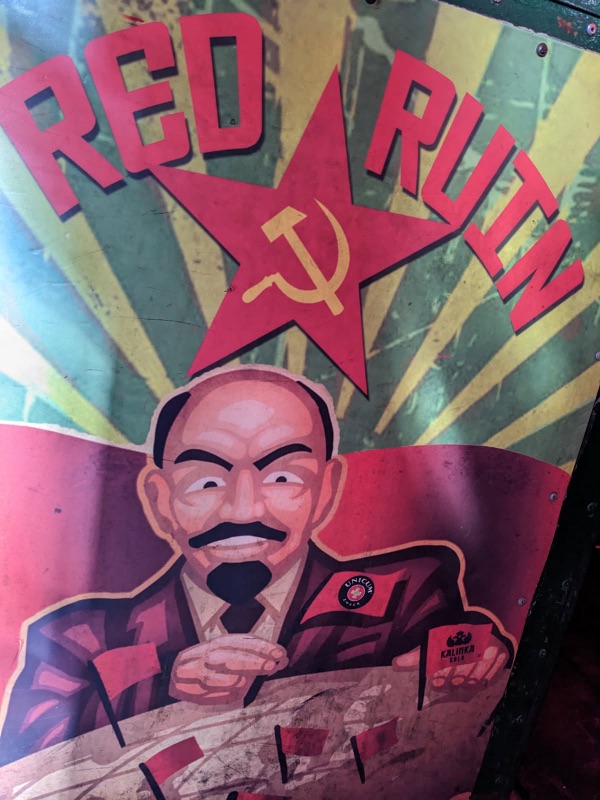
There are a few bars like the Red Ruin that like to make fun of this time period.

Today , Budapest is working to revive its glorious pre- WWII past.

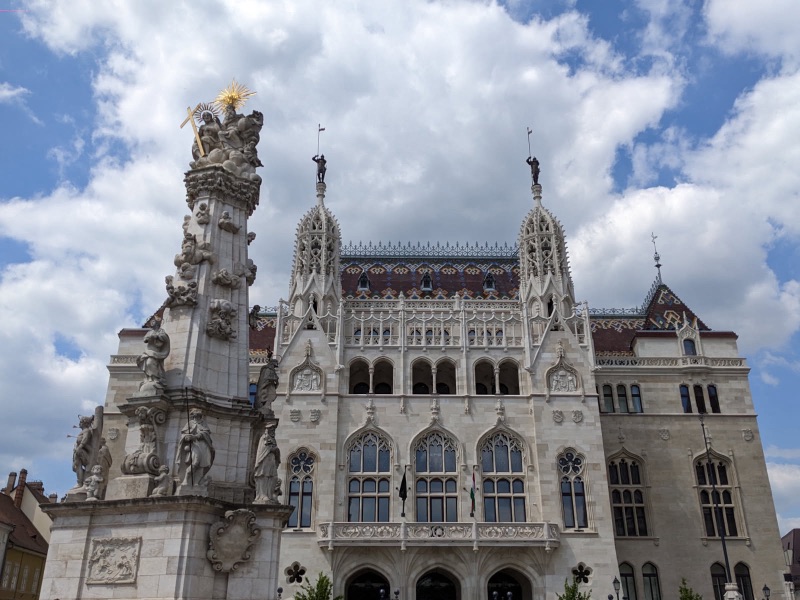
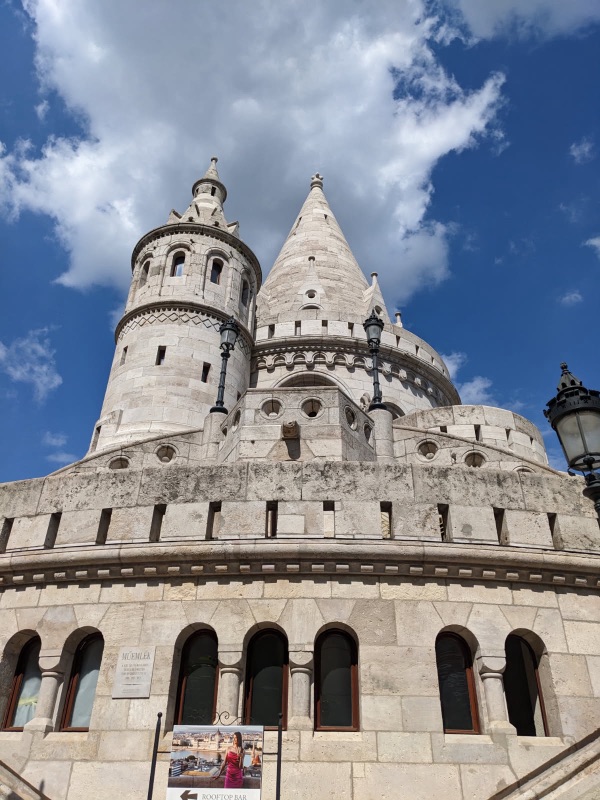
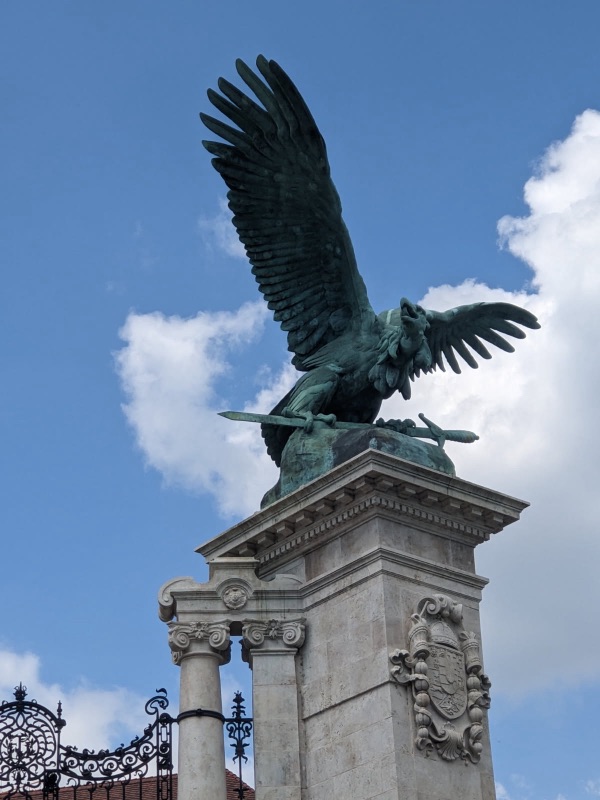
In 2021, Buda Palace along with other historical sites on Castle Hill are slowly being restored to their previous splendor. This area was heavily damaged during WWII & little was improved during the Soviet Era.

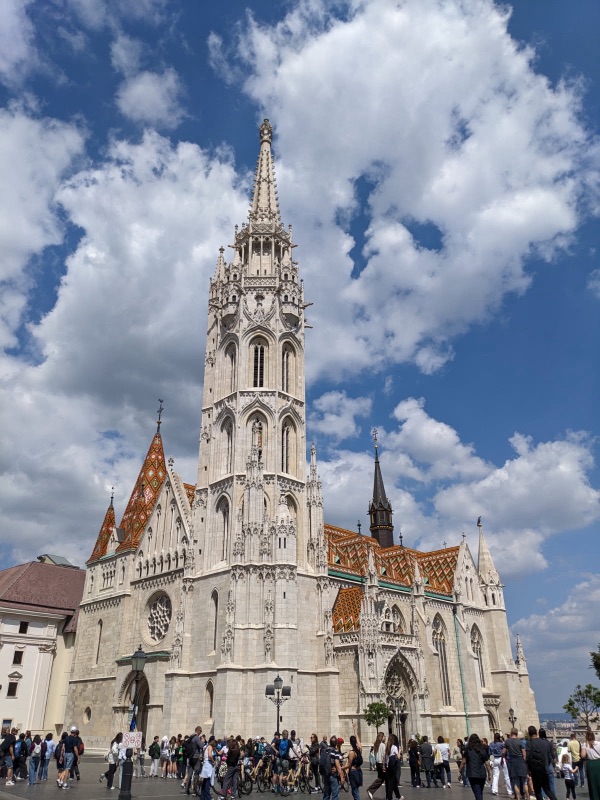
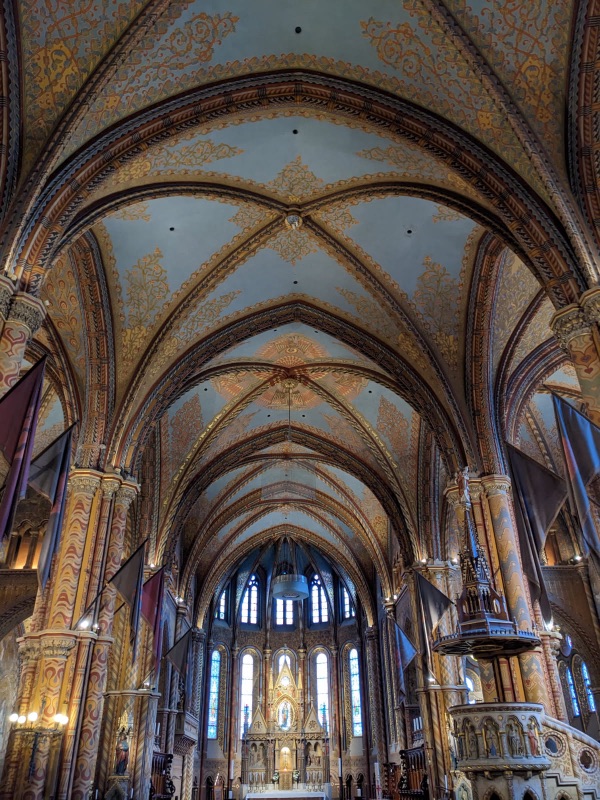
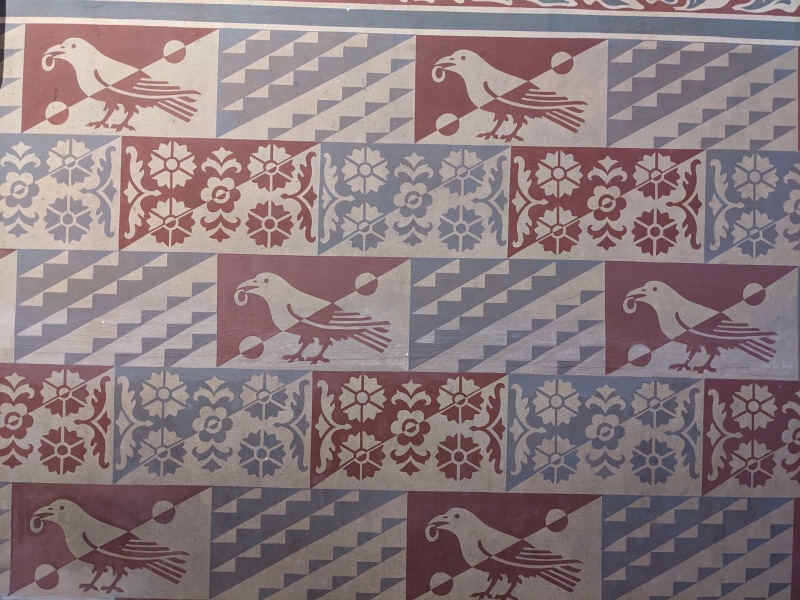
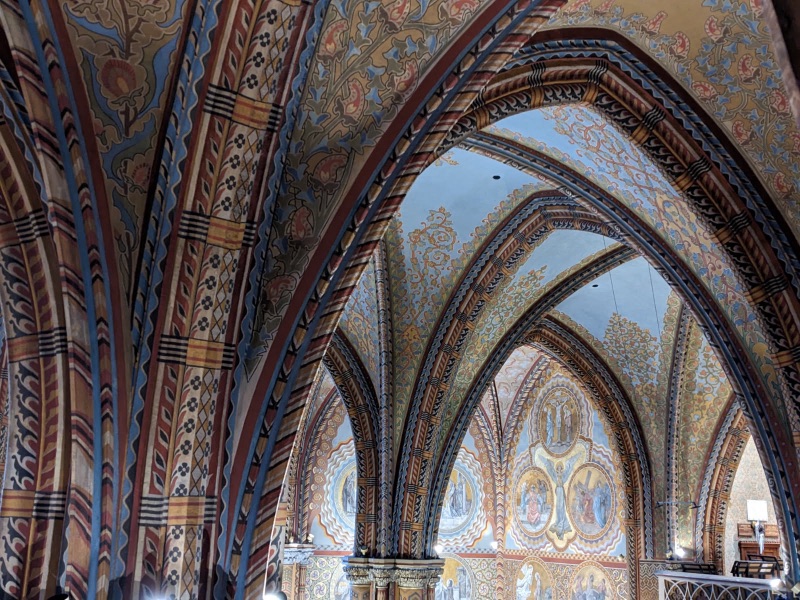
Not far from Buda Palace is the very lovely Matthias Church. I absolutely fell in love with how this church’s interior was decorated.

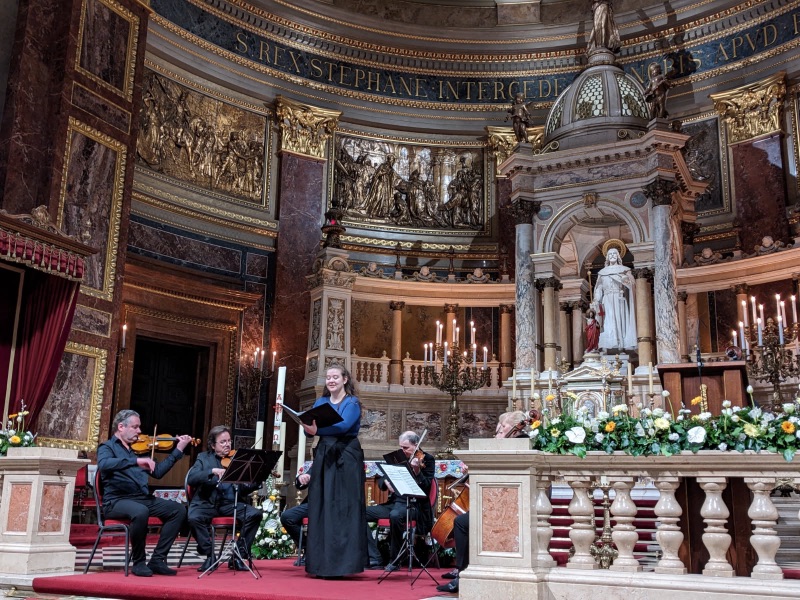
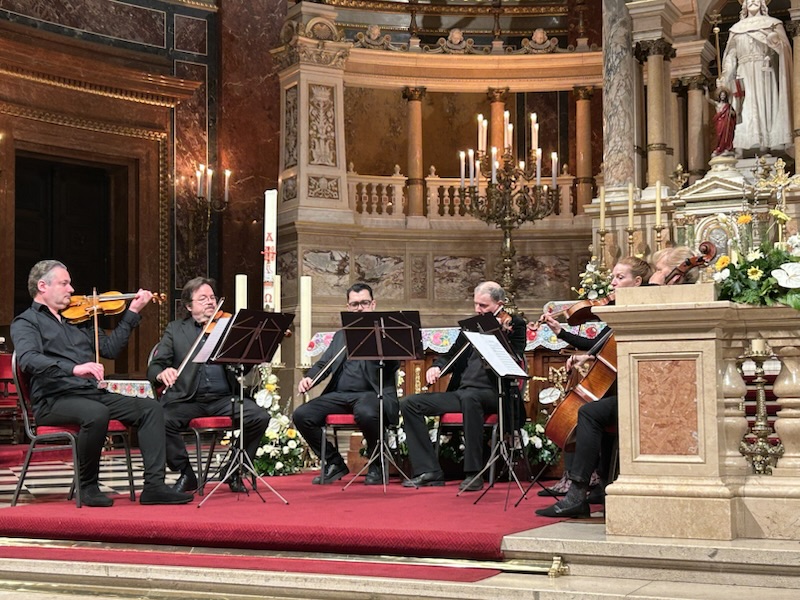
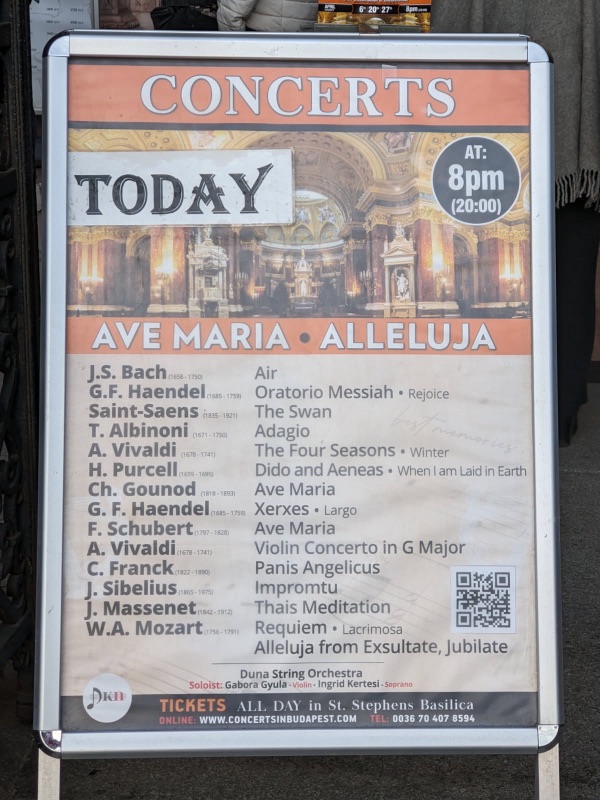
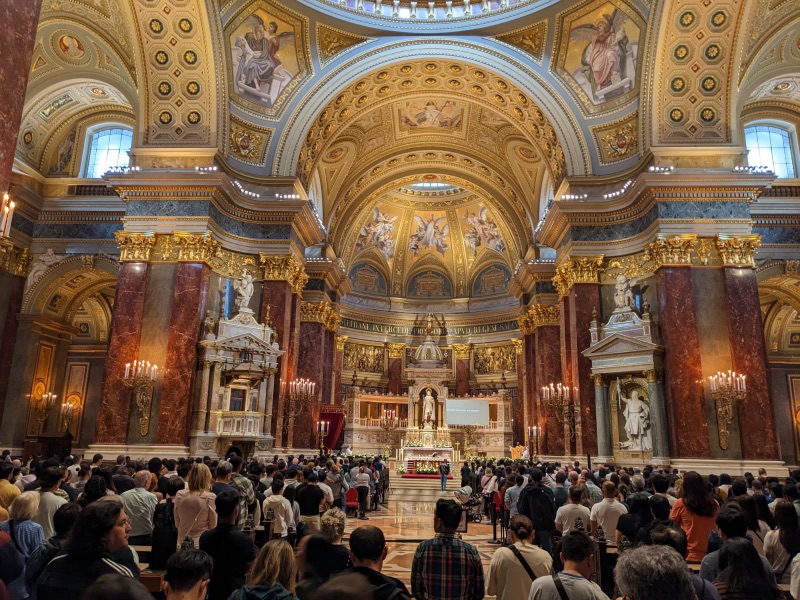
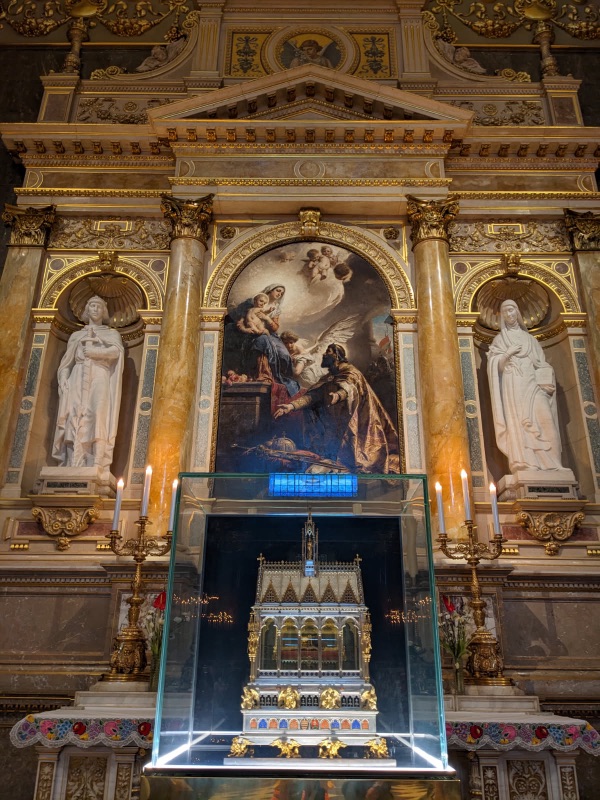
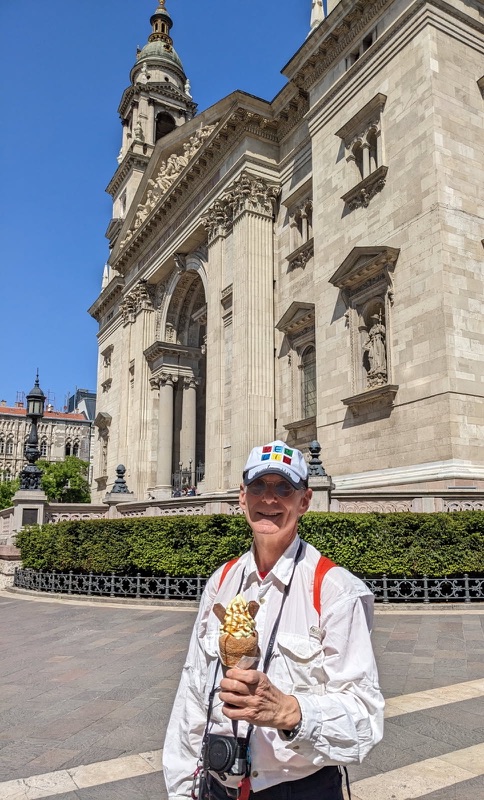
We were very lucky on a Sunday night to attend a classical concert in the amazing cathedral St Stephen’s Basilica on the Pest side.

The concert featured only a few stringed instruments & one singer; but, it was amazing! The acoustics in the church provided the most beautiful sound for classics by Mozart, Bach, Handel, & Vivaldi. Hearing Ava Maria in this setting was a dream come true.

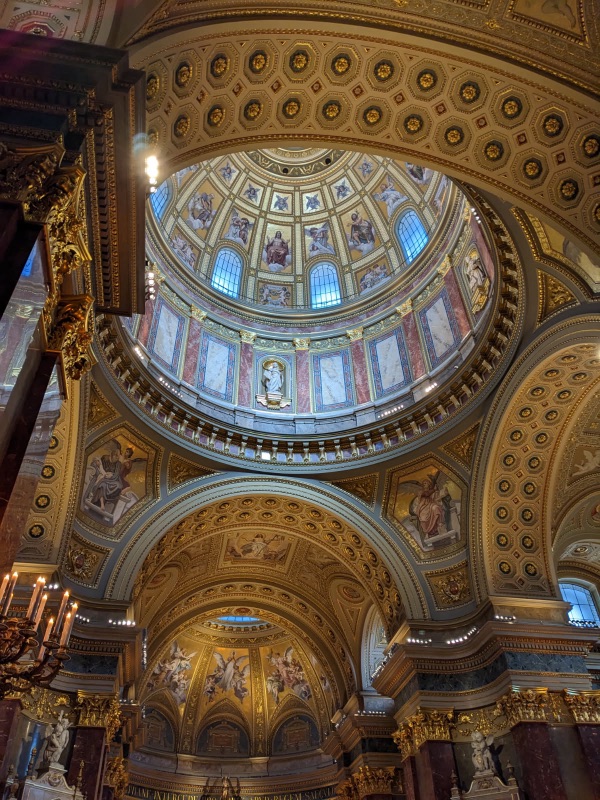
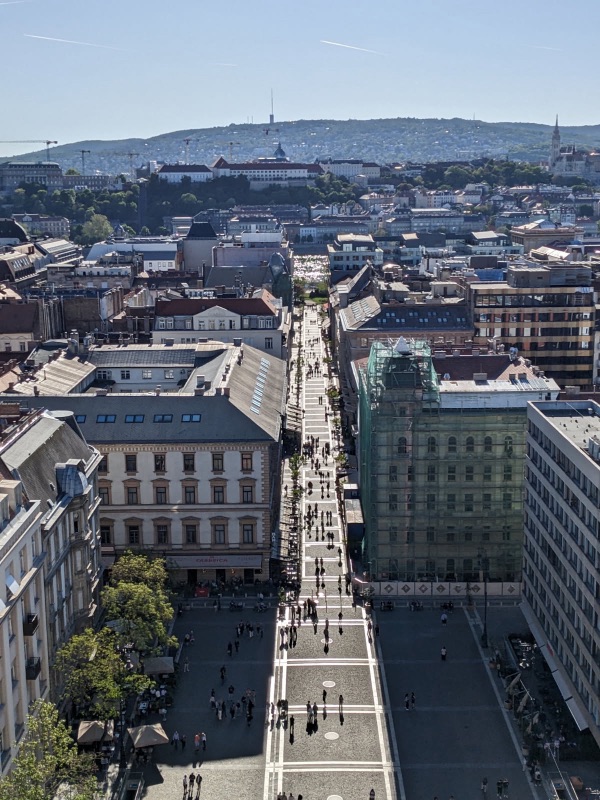
Earlier in the day we toured St Stephen’s Basilica & climbed the stairs to the dome for a city view.

As expected, the treatment of the Jewish population in Hungary during WWII is a grim one.

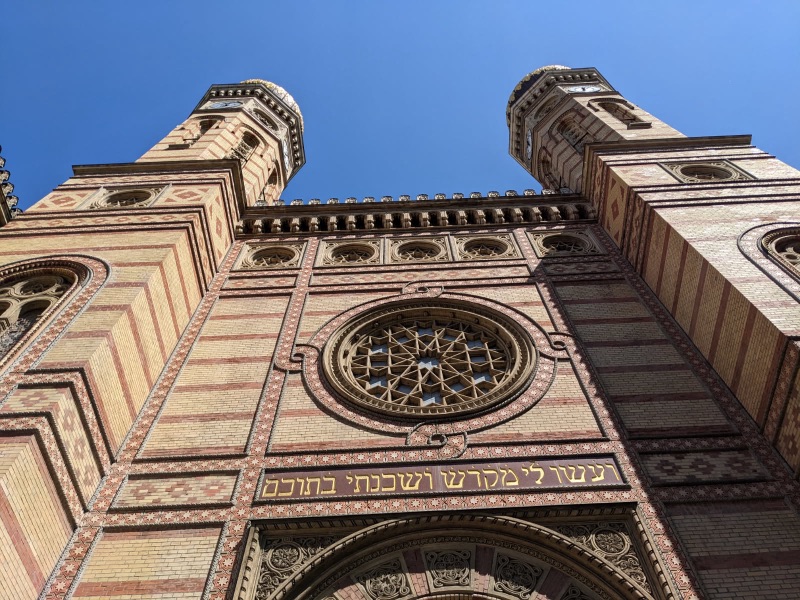
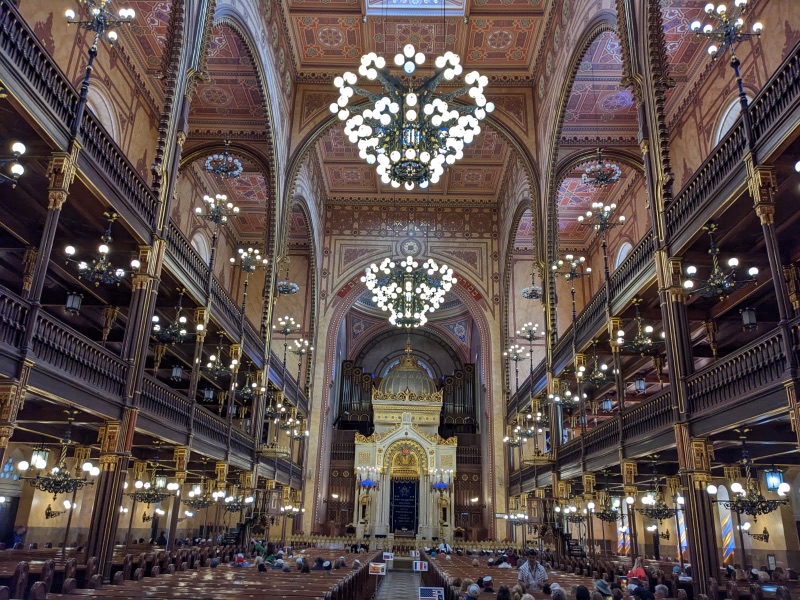
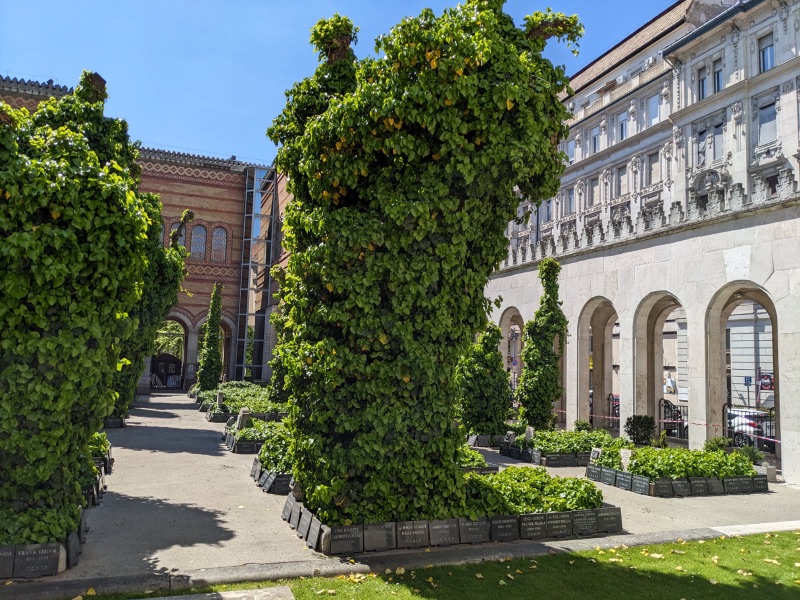
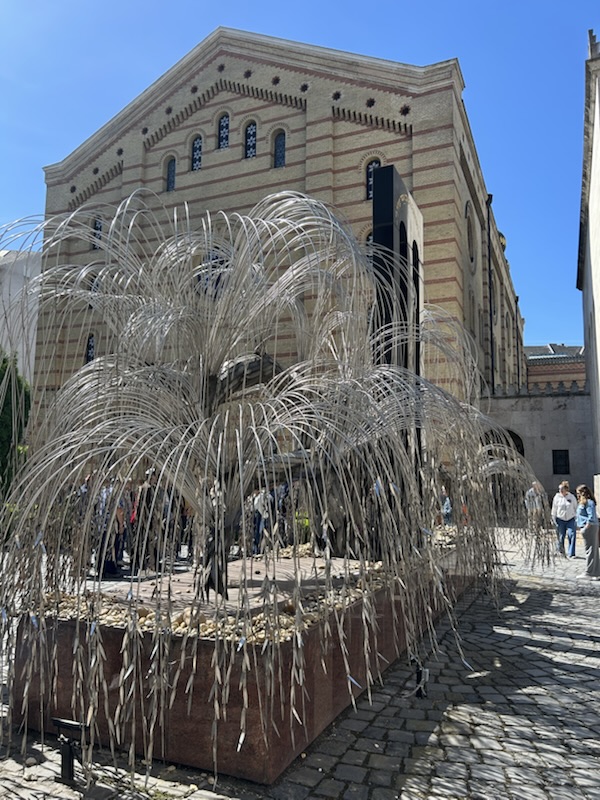
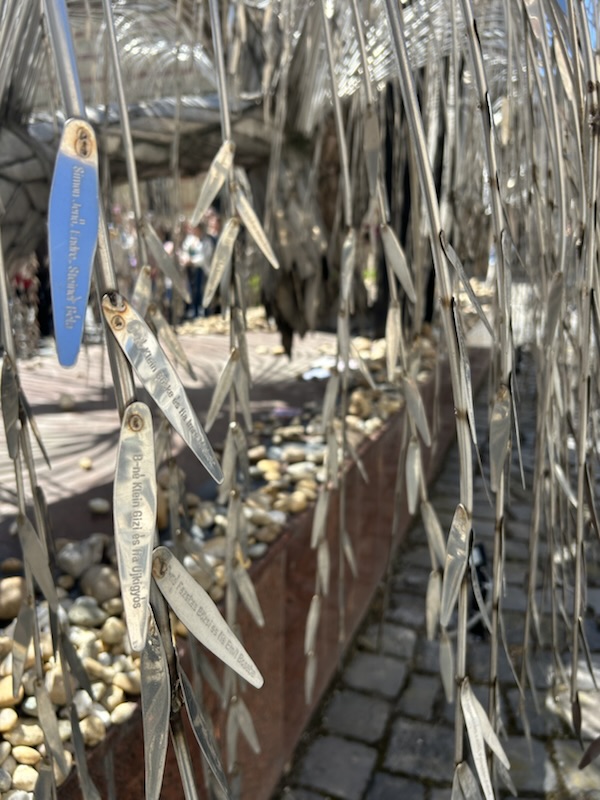
Budapest is the perfect place to learn more about this history because it has the 2nd largest synagogue in the world & the largest in Europe seating 3,000 people. The Dohany Synagogue survived WWII & has been fully restored making it magnificent to view both inside & out.

The synagogue provides a free 45 minute talk & tour in many languages & has a good history museum.

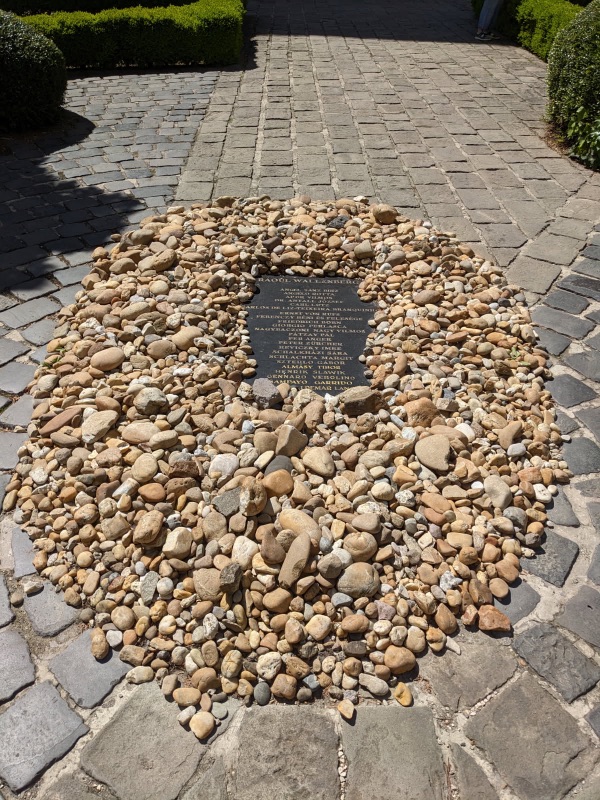
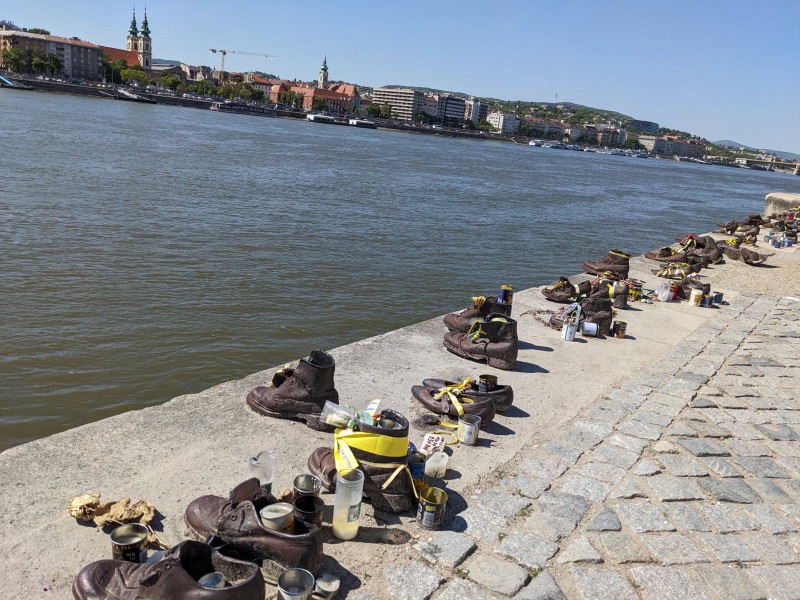
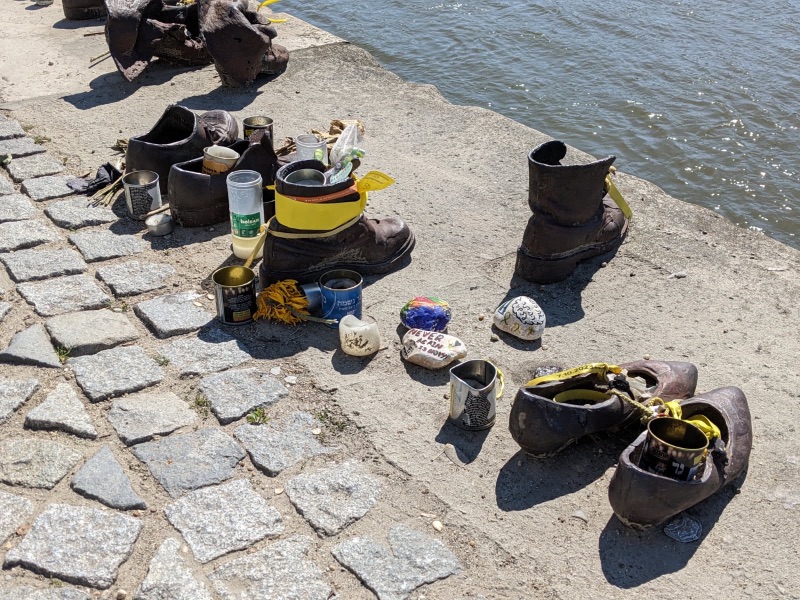
Starting in October 1944, it is believed that over 20,000 Jews from Budapest were shot on the banks of the Danube River. Before they were shot, they were forced to remove their shoes which were in short supply. Their bodies fell into the river & were swept downstream.

Today there is a memorial to this atrocity along the Danube near the Parliament building called “Shoes along the Danube”.

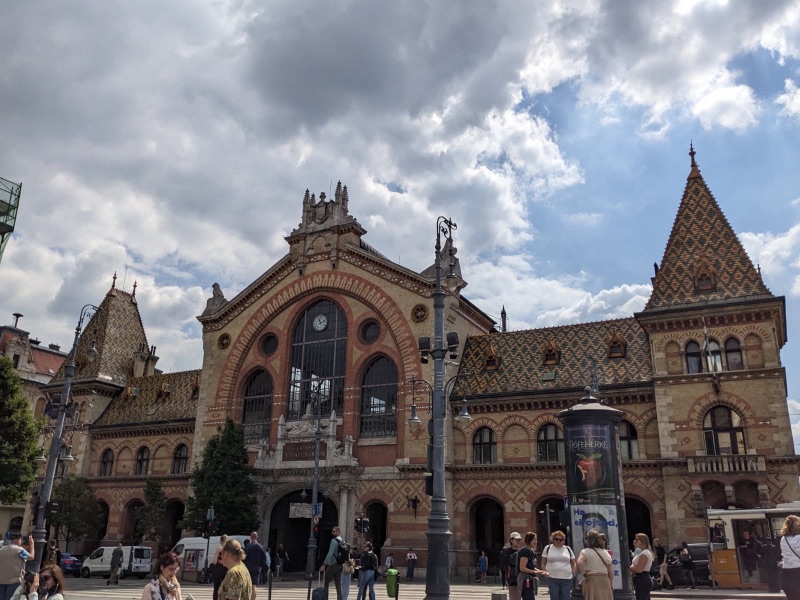
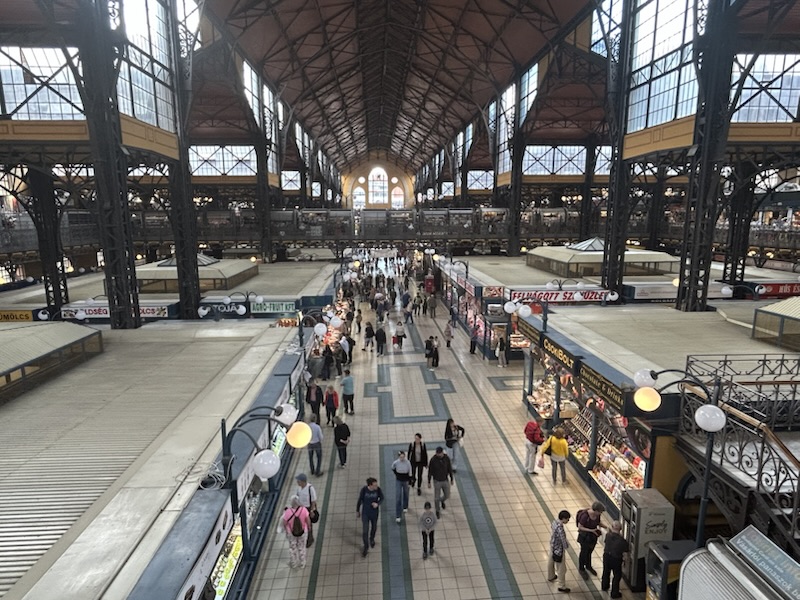
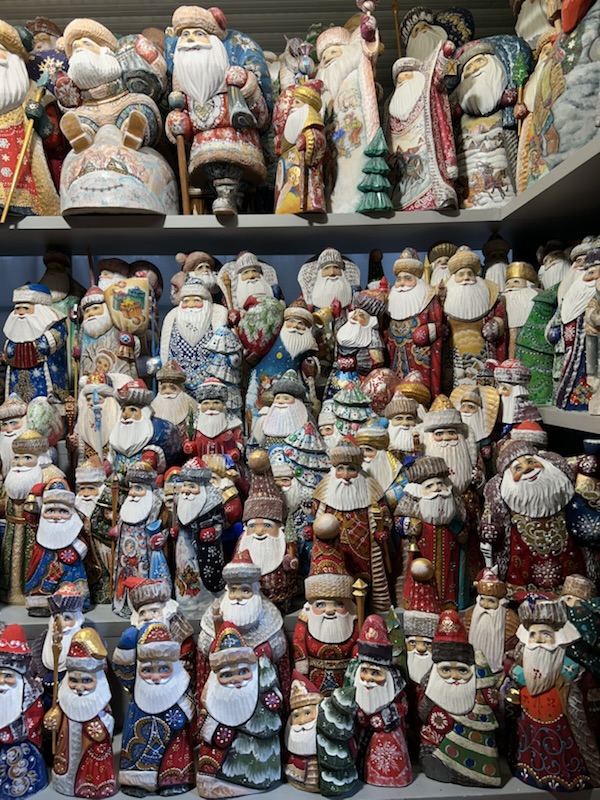
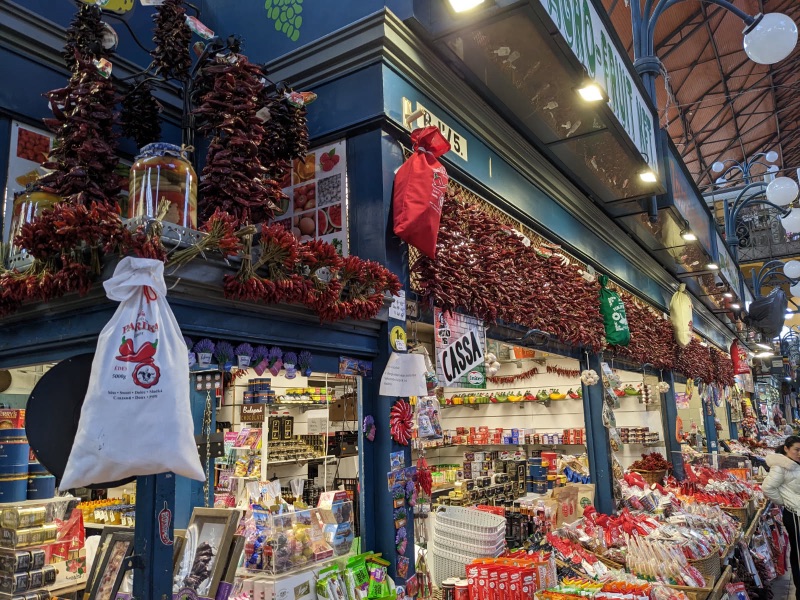
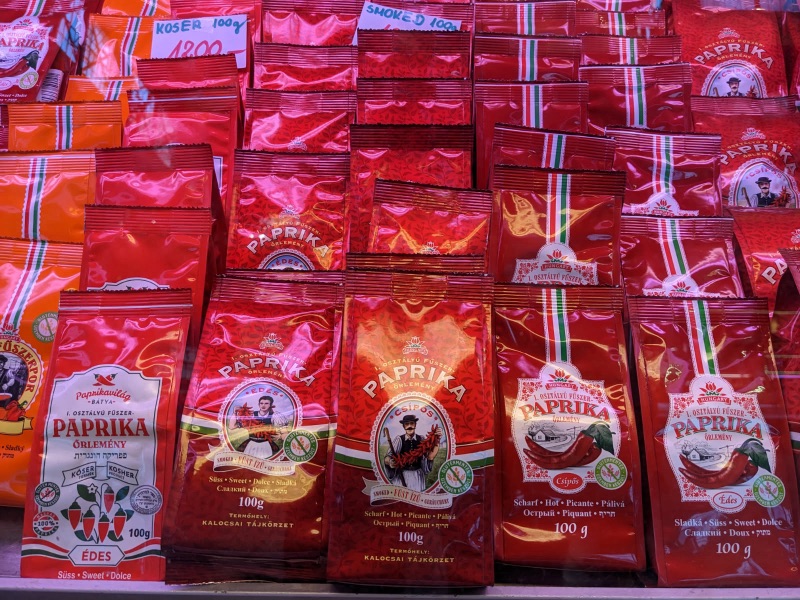
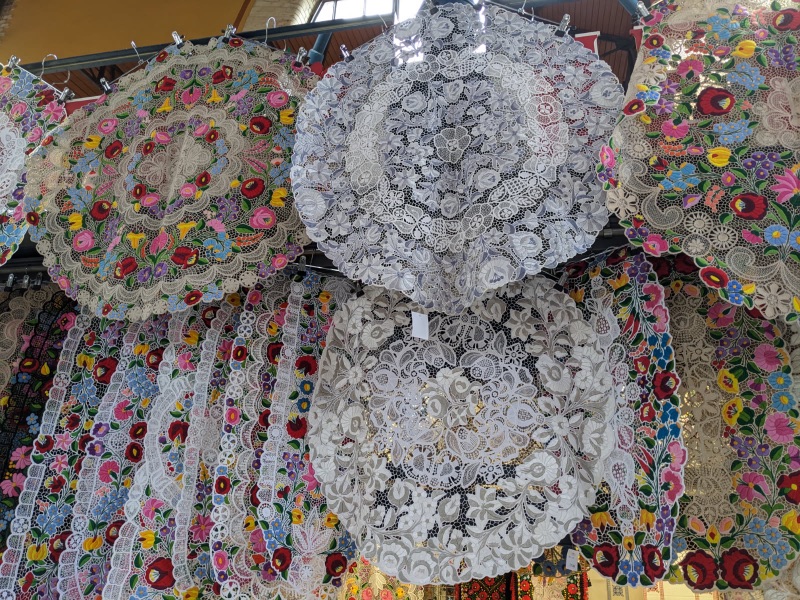
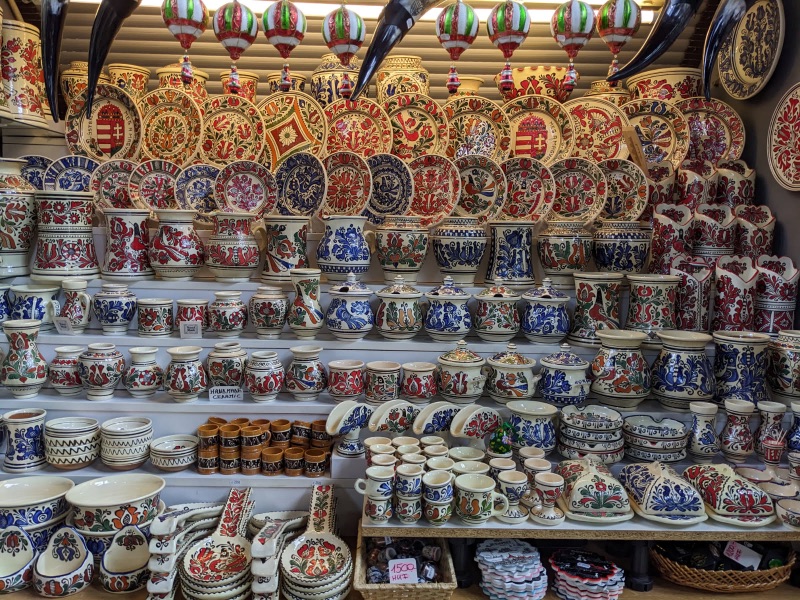
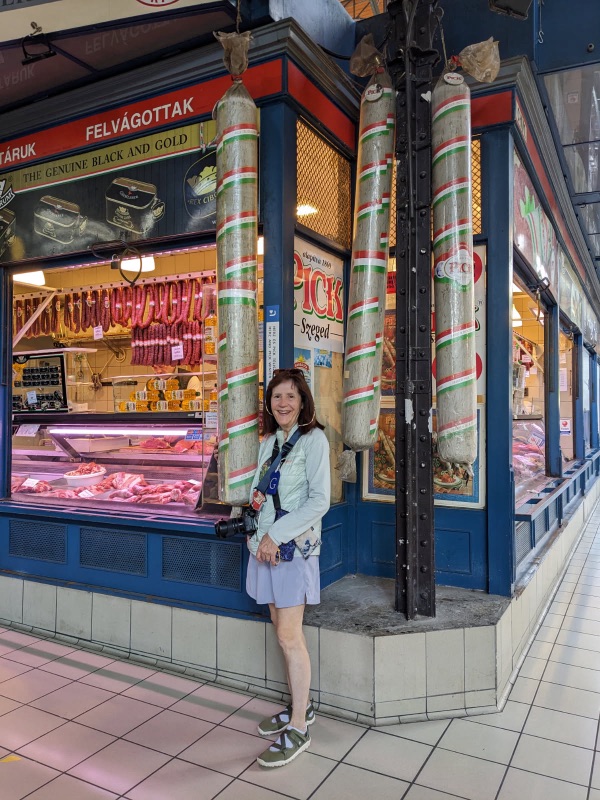
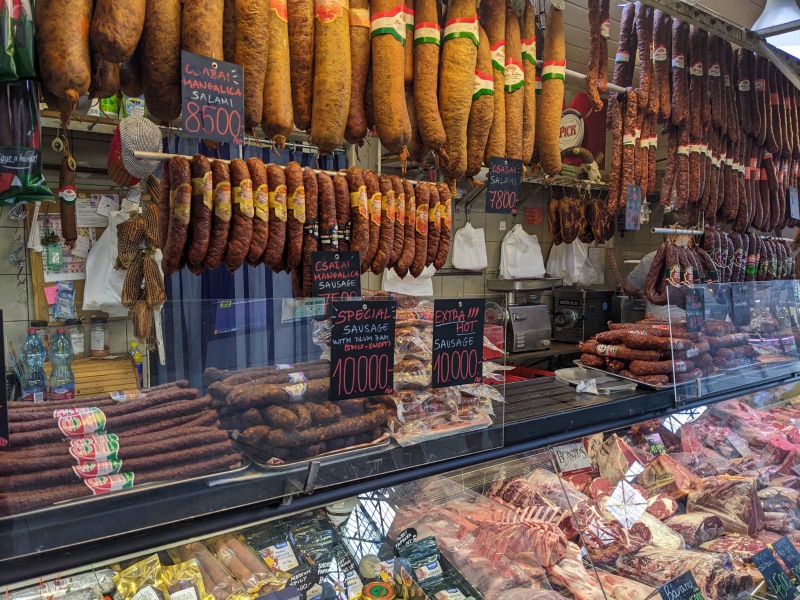
Not to be missed on any trip to Budapest is the Grand Market Hall. It is popular among both the locals & tourists. It is also a perfect place to buy a Hungarian souvenir, some paprika, or taste the local Hungarian food.

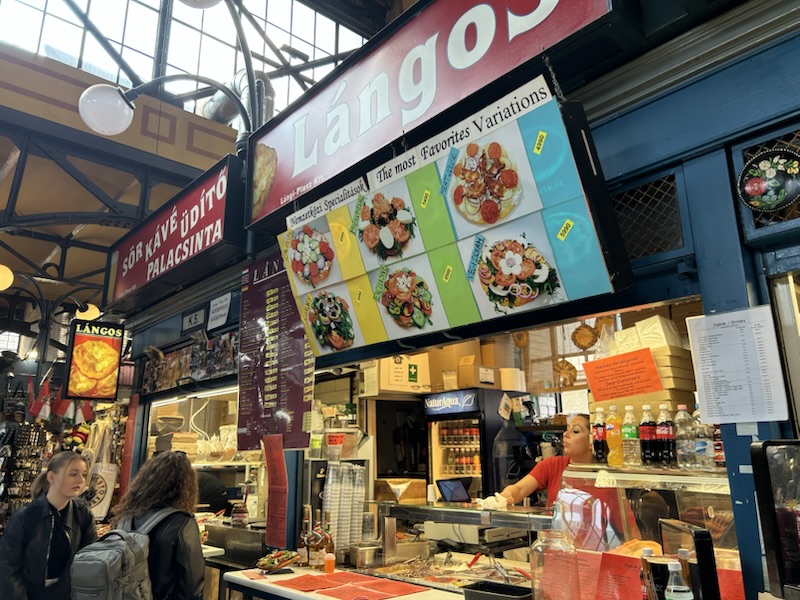
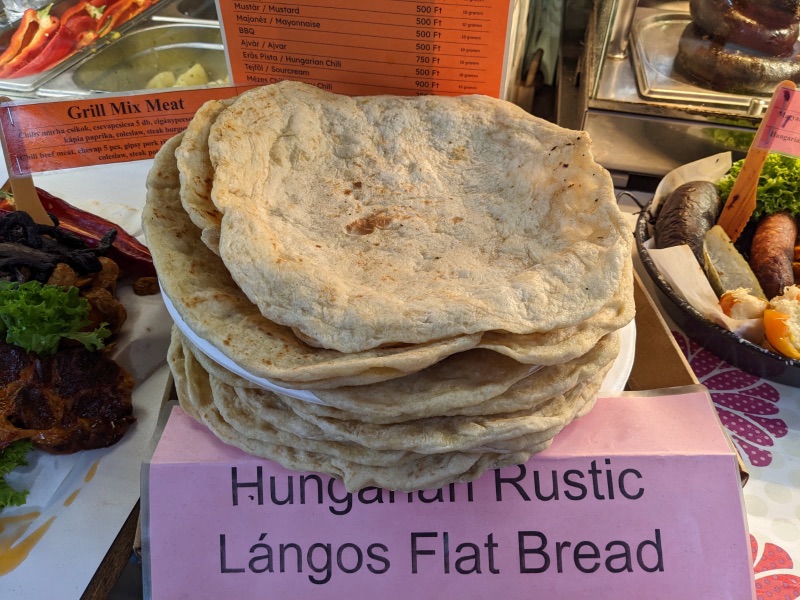
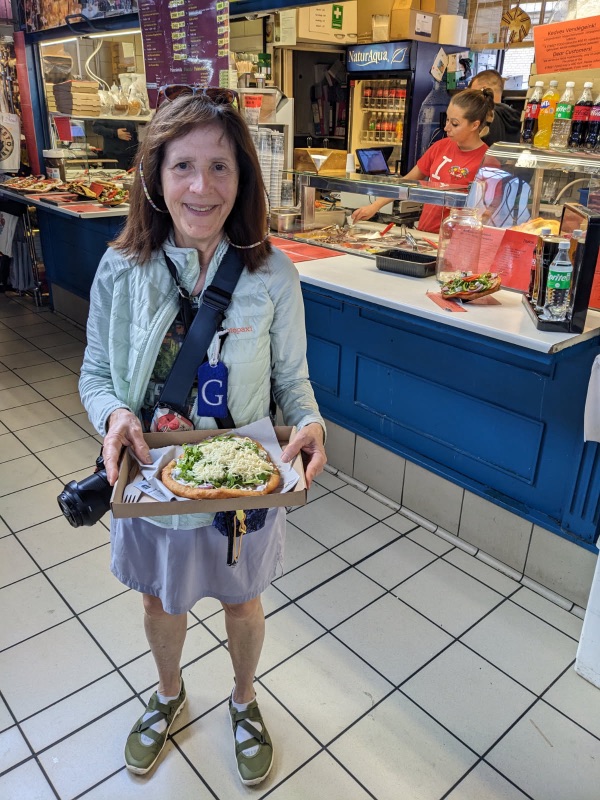
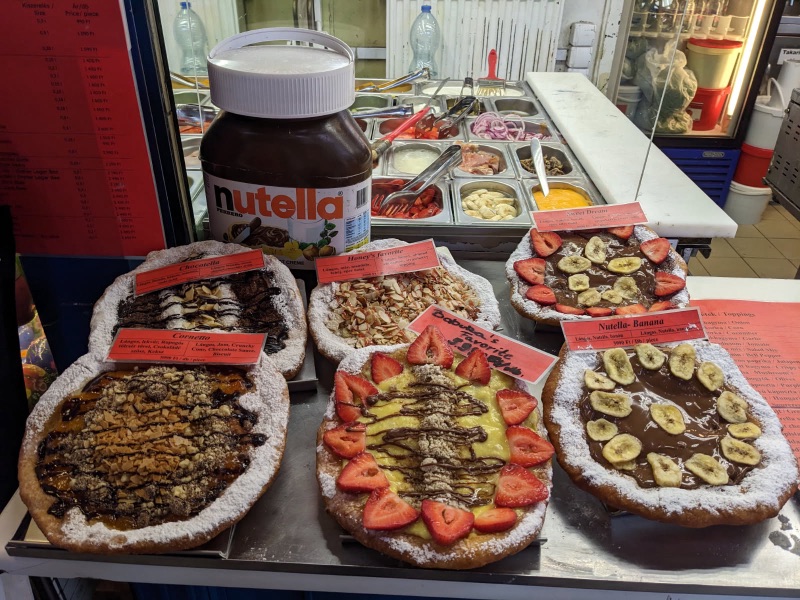
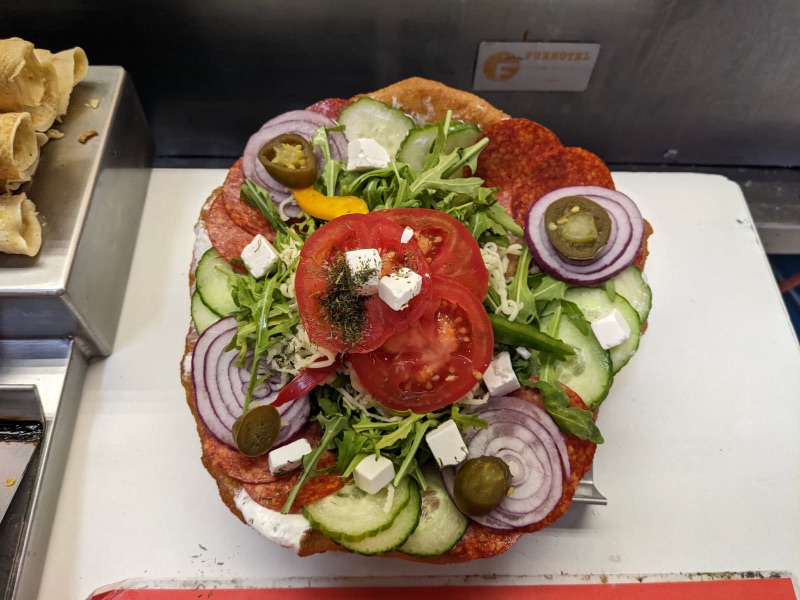
A Hungarian favorite is Langos that we enjoyed in the market. Langos is fried bread that can be topped with savory or sweet toppings. We chose the traditional sour cream & cheese toppings.

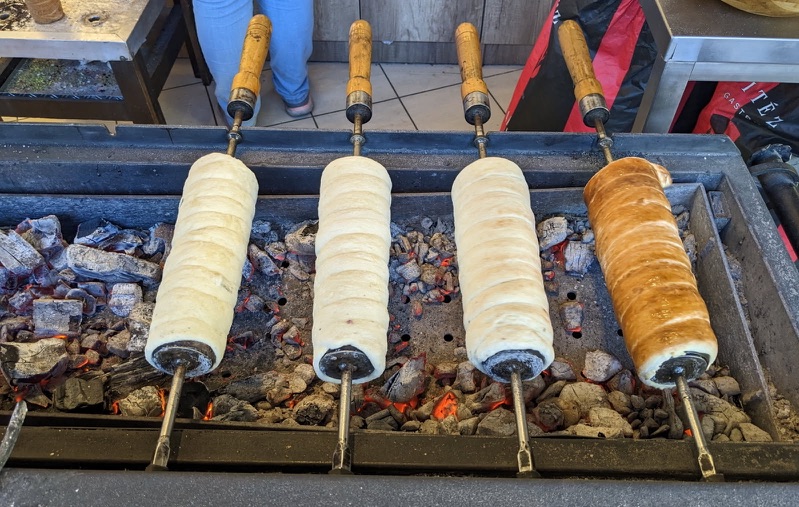
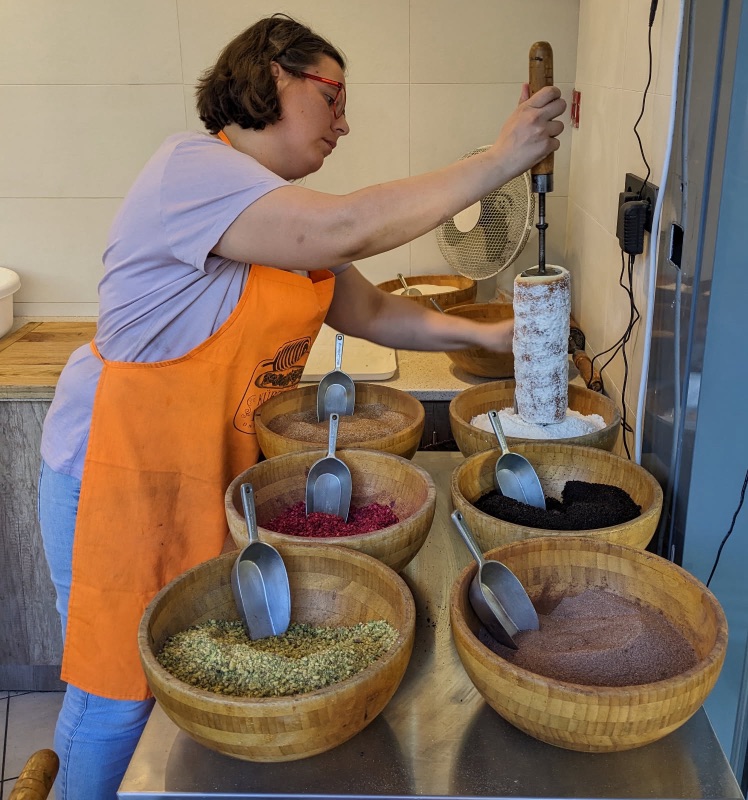
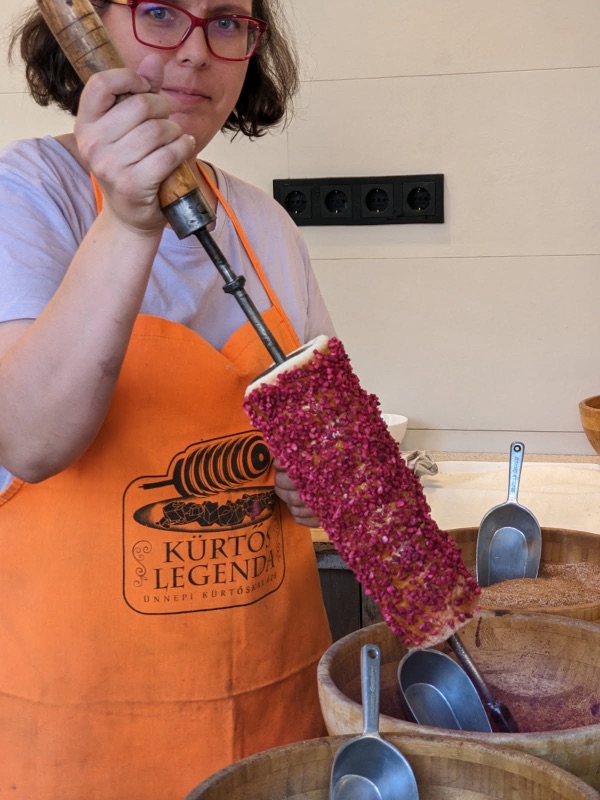
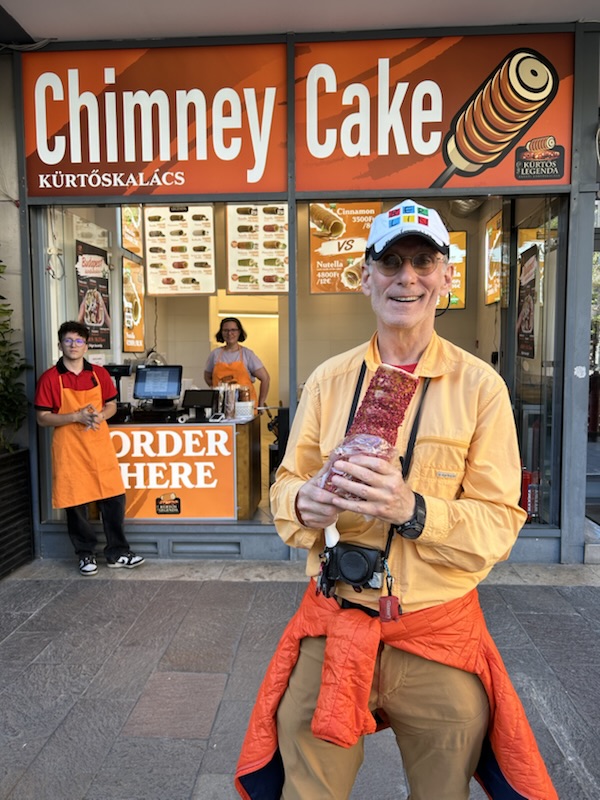
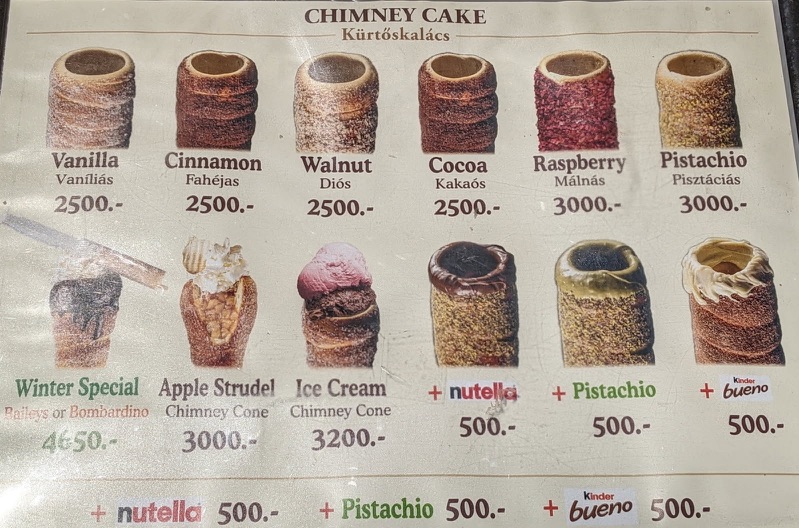
While in Budapest we also enjoyed chimney cake. They are sold all over town in many different flavors & are sometimes filled with ice cream.

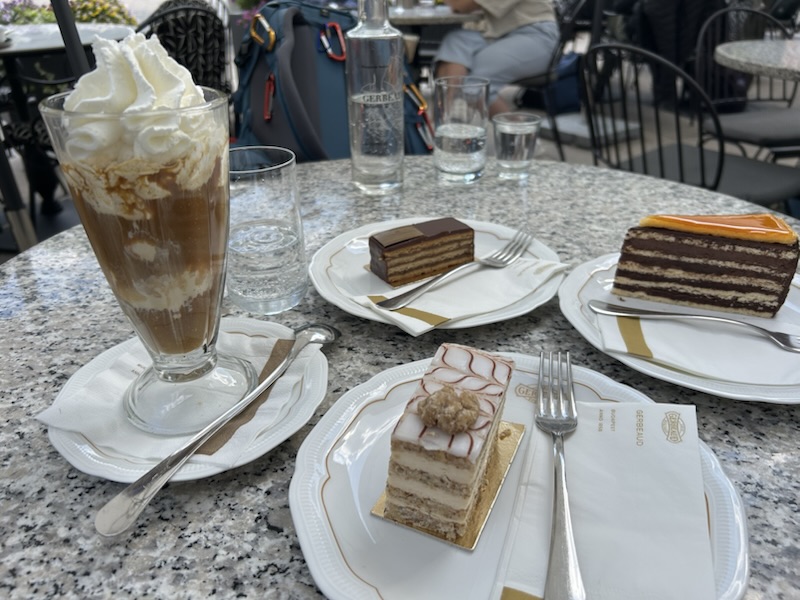
We didn’t have a chance to visit a coffee shop in Vienna, but made up for it in Budapest.

Ice coffee with ice cream & 3 different cakes at Gerbeaud. 😋

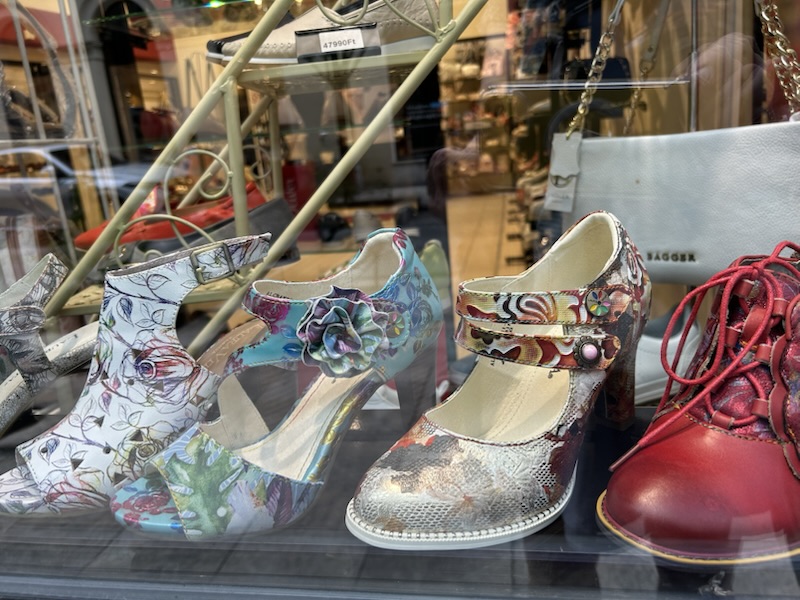
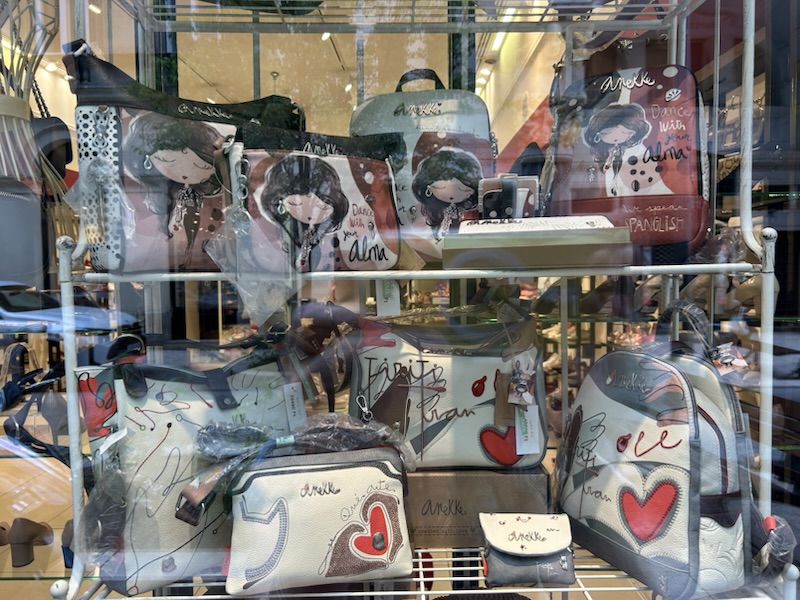
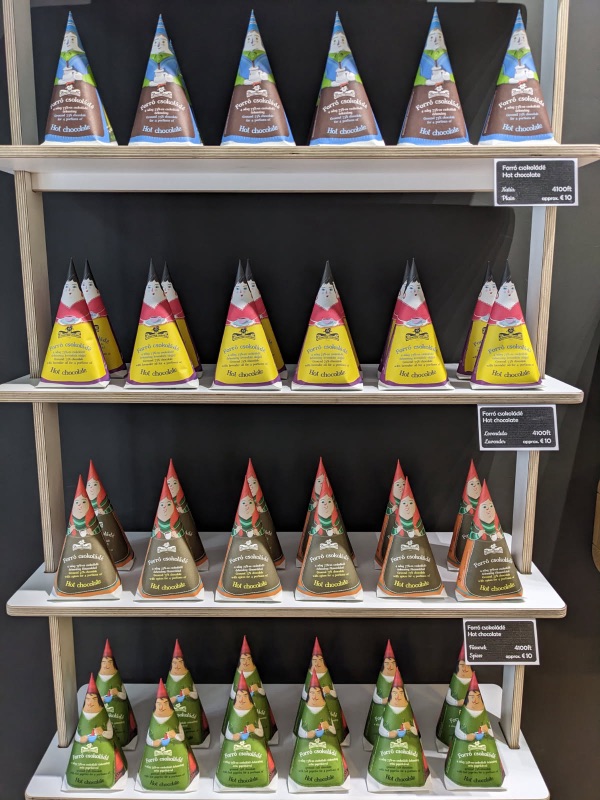
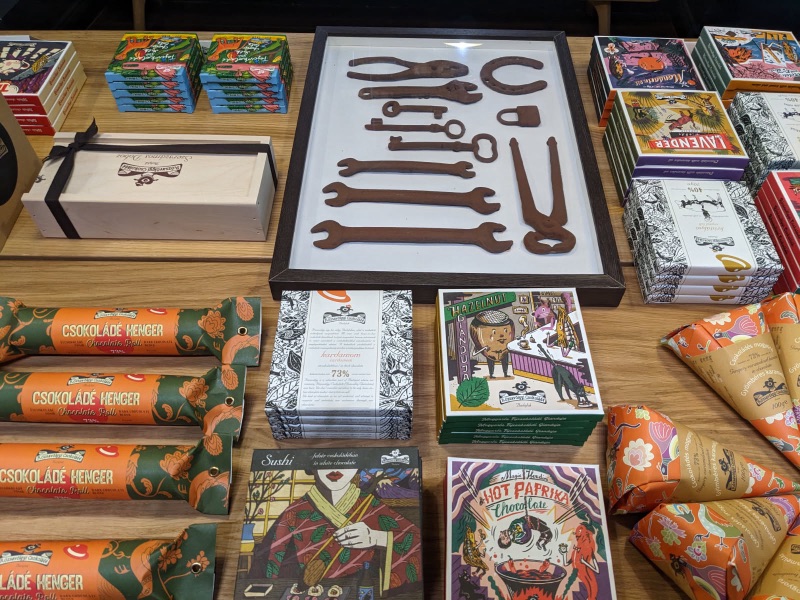
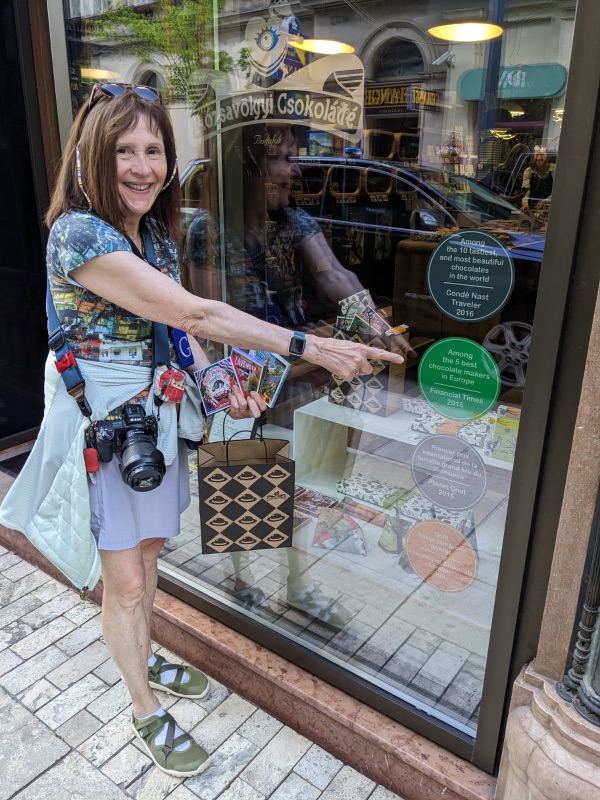
It is always super fun to window shop in Europe where little shops still line the streets. Couldn’t resist a chocolate shop that we found by accident.

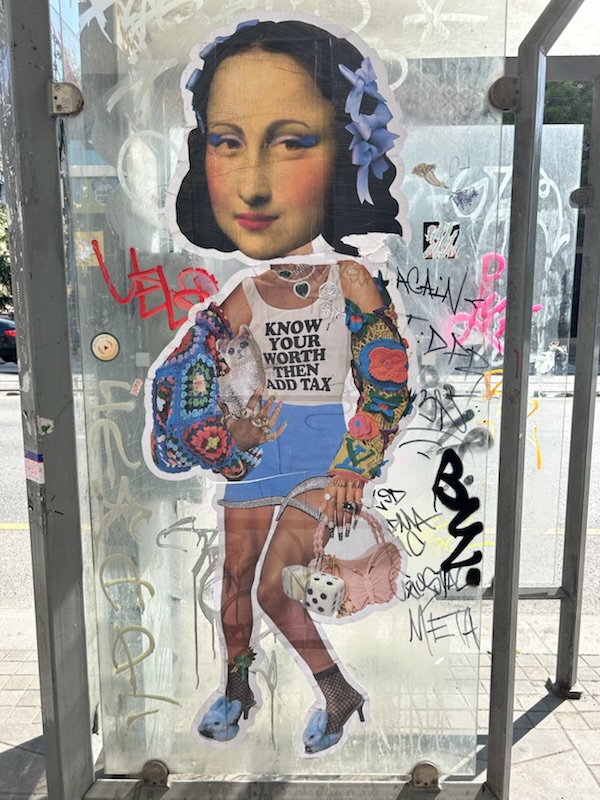
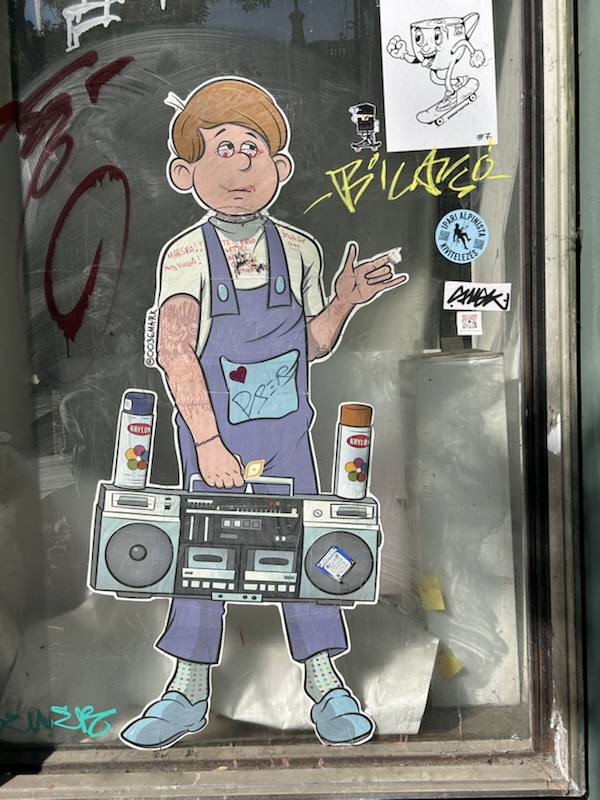
One block was lined with these clever stick-on posters.

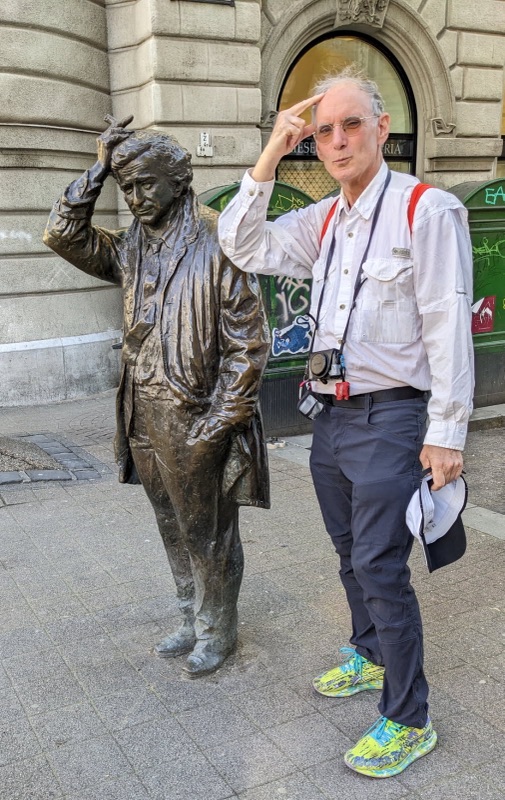
Sometimes you see something that makes you go hmmmmm 🤨❓Budapest has a statue from the 70’s detective TV show Colombo. And yes, it is on Falk Street and no, Peter Falk was not Hungarian. Just a little street humor for those of us who actually remember the show. “Oh yeah, …one more thing.”

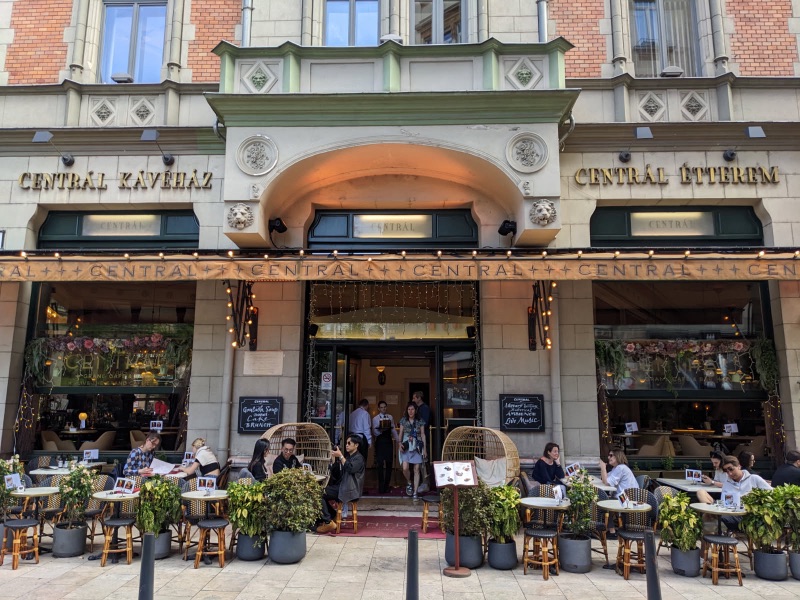
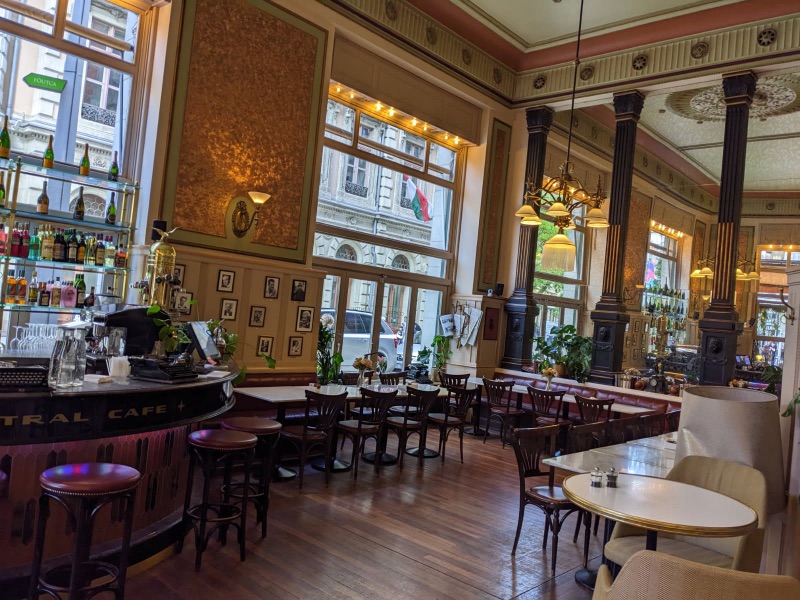
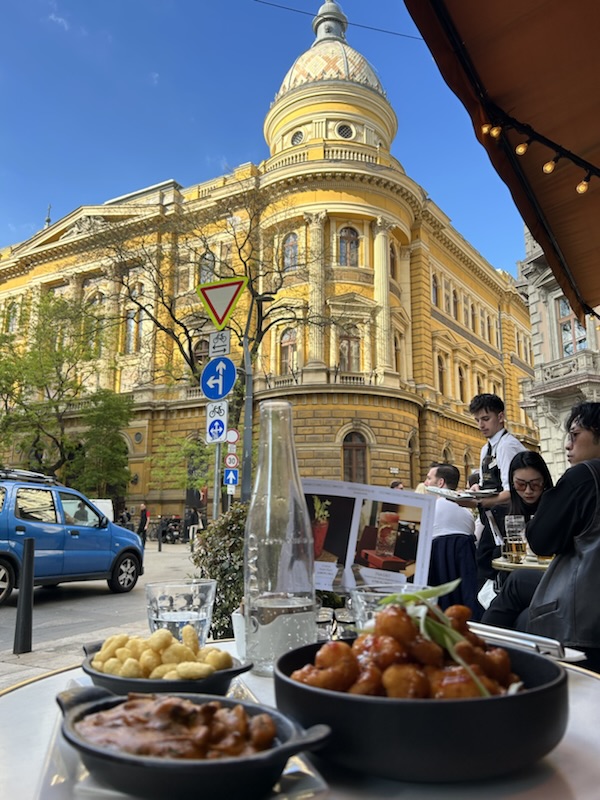
Our last meal in Budapest was at the Central Grand Cafe & Bar which started in 1887. We ate a delicious meal outside enjoying the sights & sounds in this grand old city. Having a meal on the sidewalk is among the great joys of touring Europe when the weather is perfect.

I wasn’t so sure how much I was going to like Budapest after Vienna, but I must say it won me over. It would be nice to return once the Buda Palace has been fully restored to its 19th Century grandeur.

Until next time

Vienna, Austria – City of Music

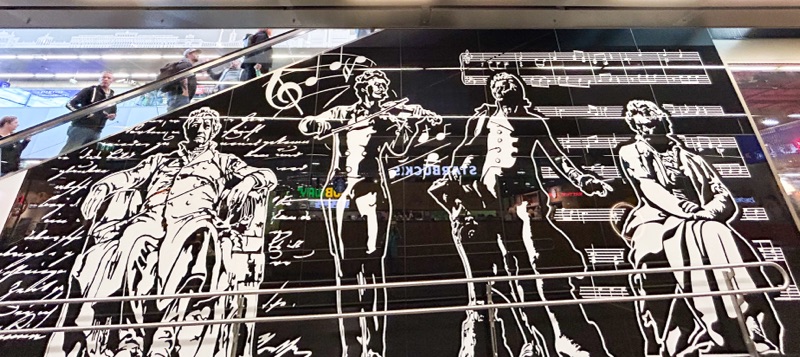
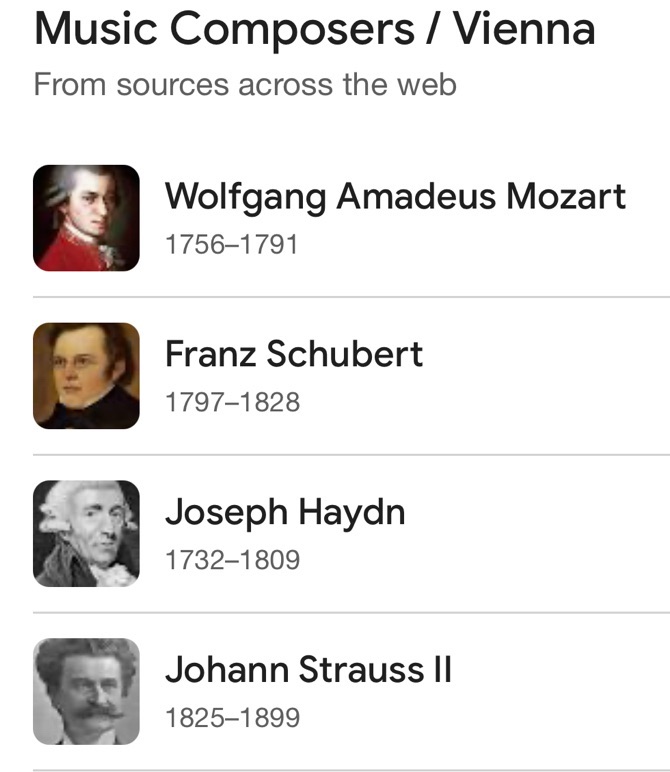
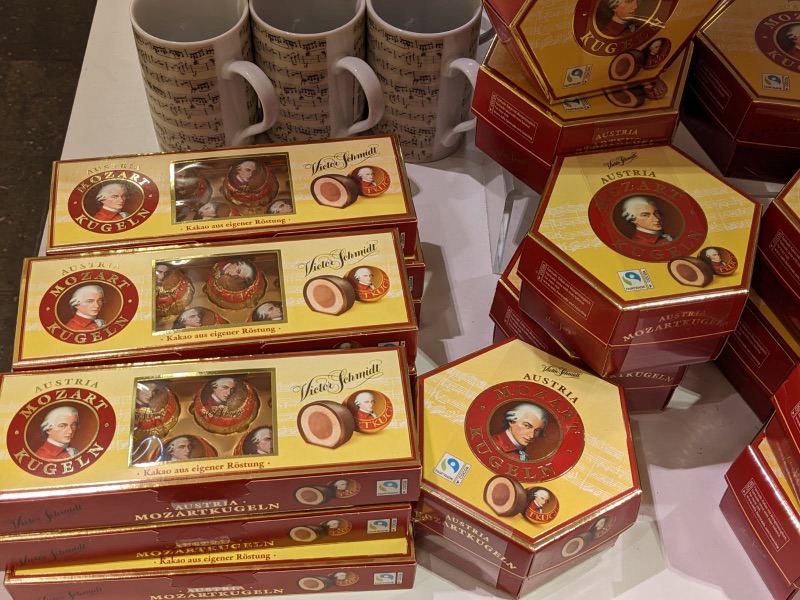
Many of the great classical musicians are Austrian and lived in Vienna. Here are just a few.

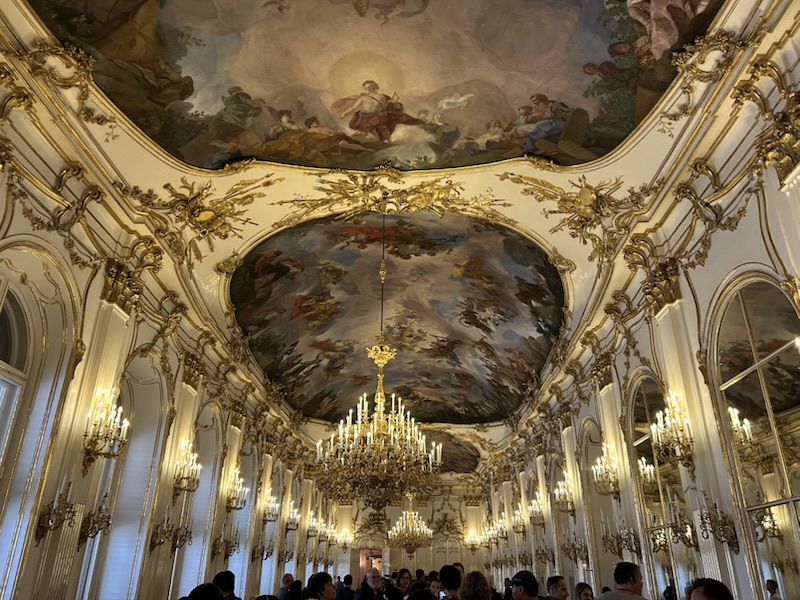
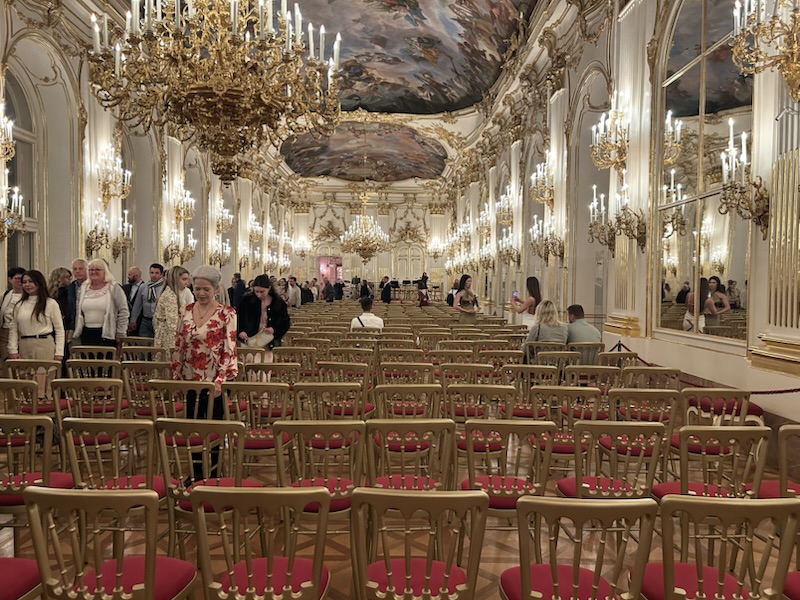
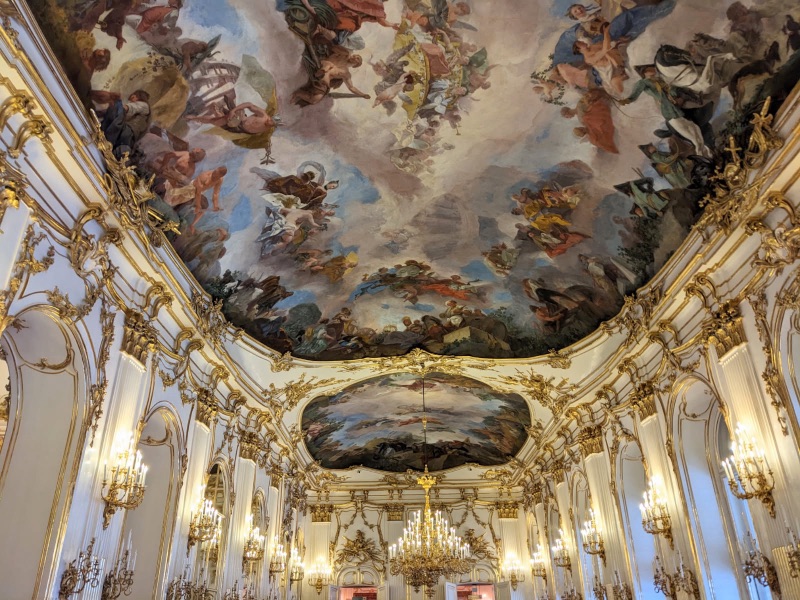
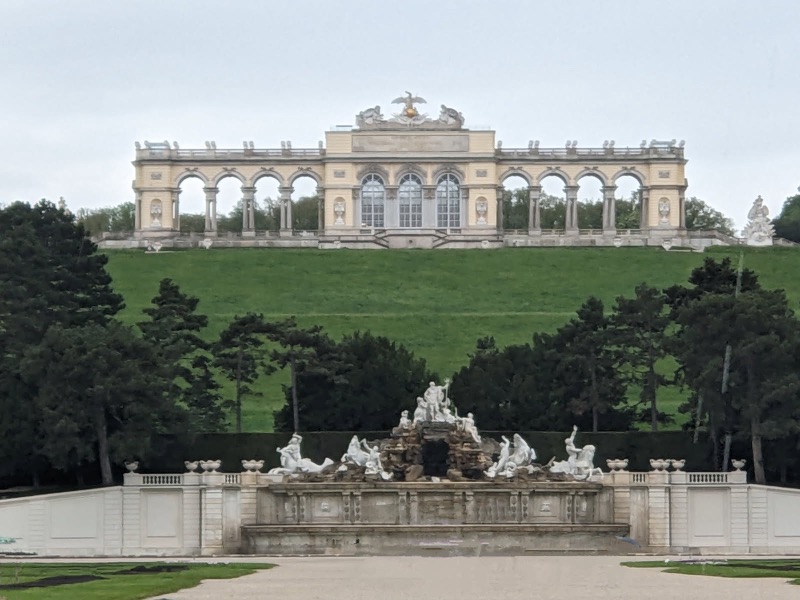
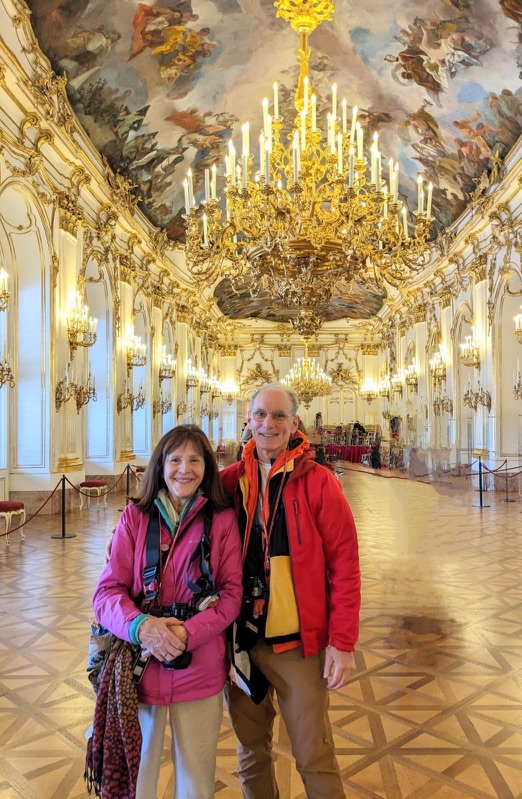
Opportunities to attend classical music concerts are almost endless in the city. While there, we enjoyed 2 evening concerts. The first performance was in the opulent Schönbrunn Palace. Sitting where Kings & Queens sat many years ago, our ears listened & our hearts leapt at the brilliant written music from the anniversary listed men.

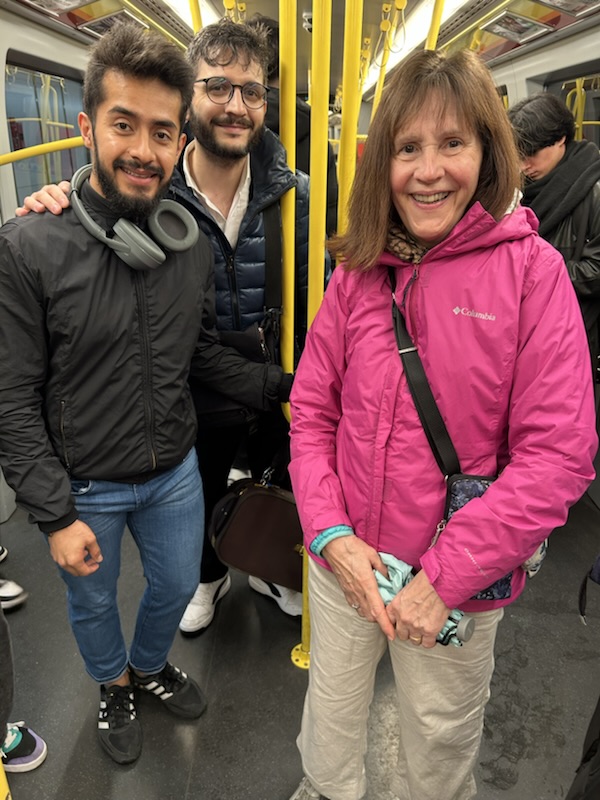
On our way back to our hotel, a couple musicians who were in the orchestra that entertained were on our subway car. Their large carrying cases for their instruments gave them away.

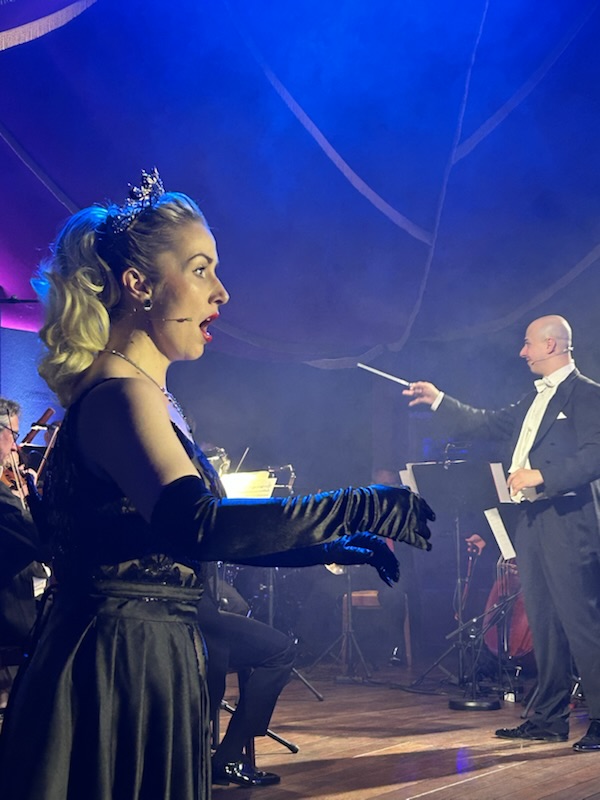
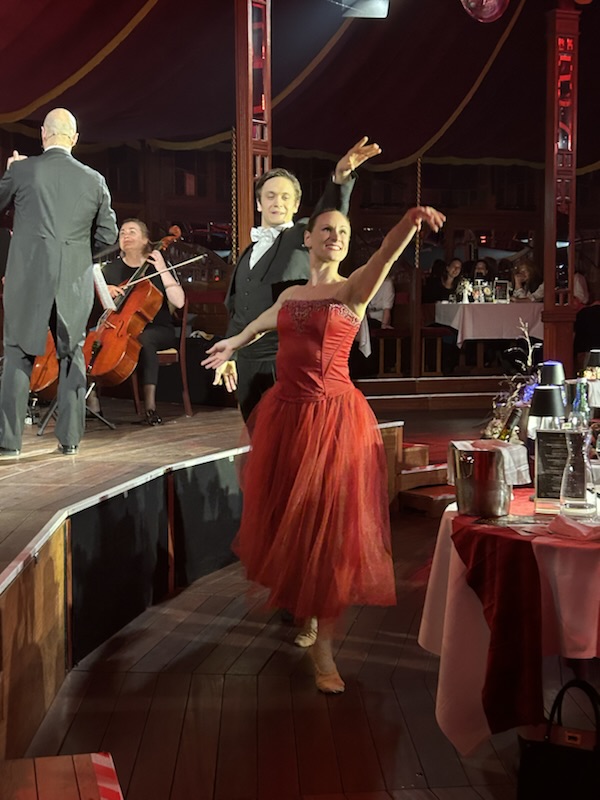
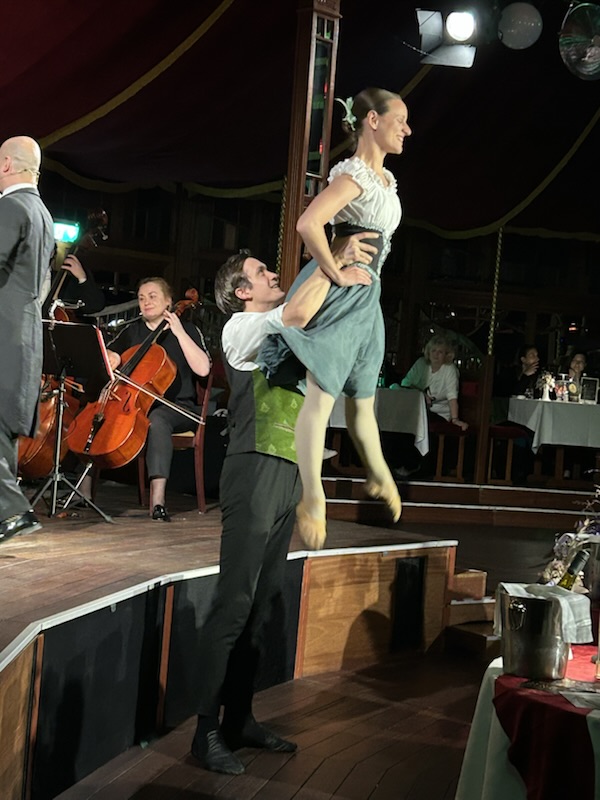
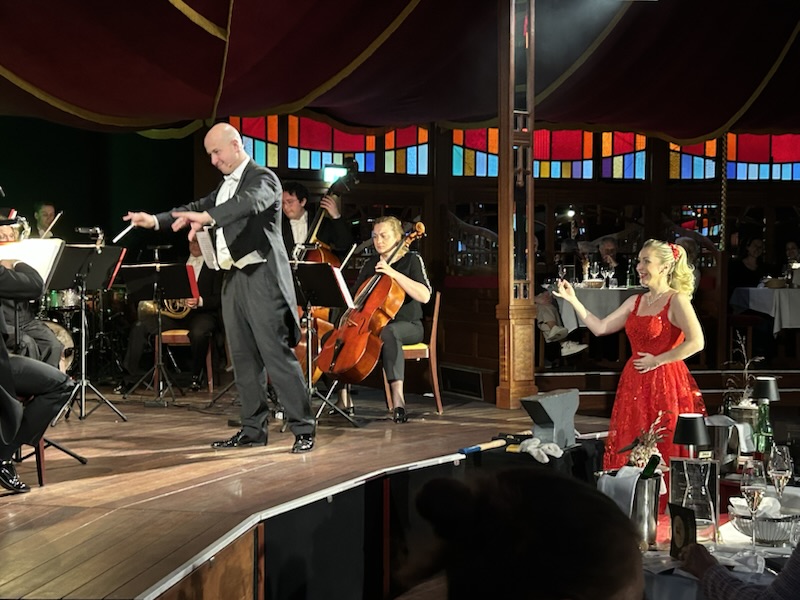
The second night was a smaller venue where the concert was devoted to The Waltz King, Johann Strauss. This evening, we had front row seats to the small orchestra that accompanied an opera singer & two dancers.

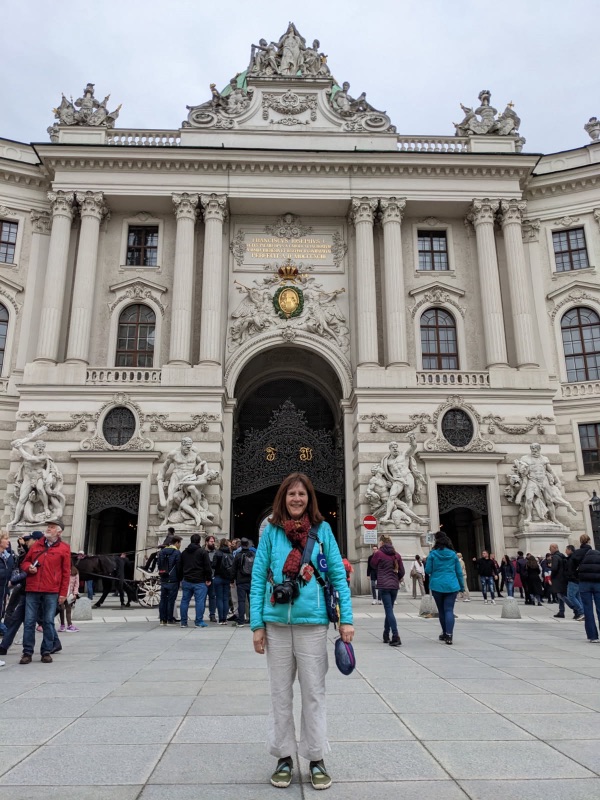
There are many things to see in Vienna; but, we only had 2 days, so we focused on a few highlights.

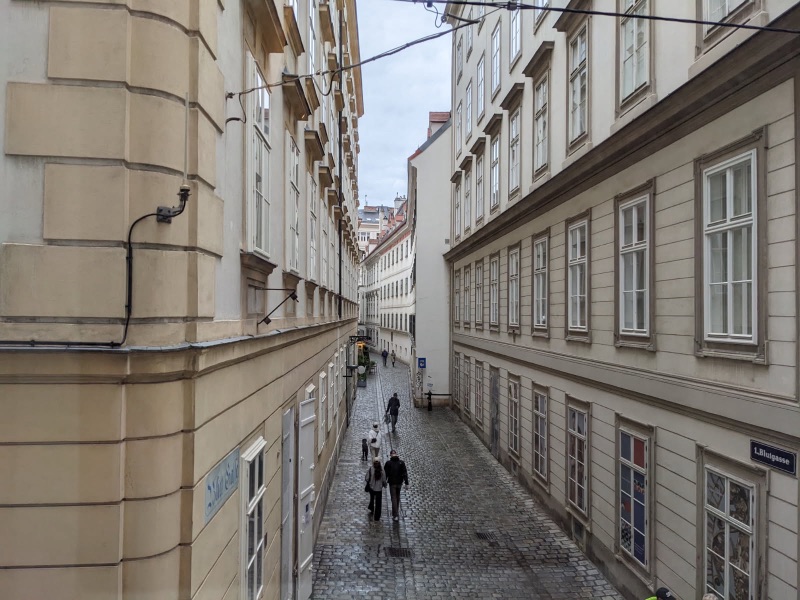
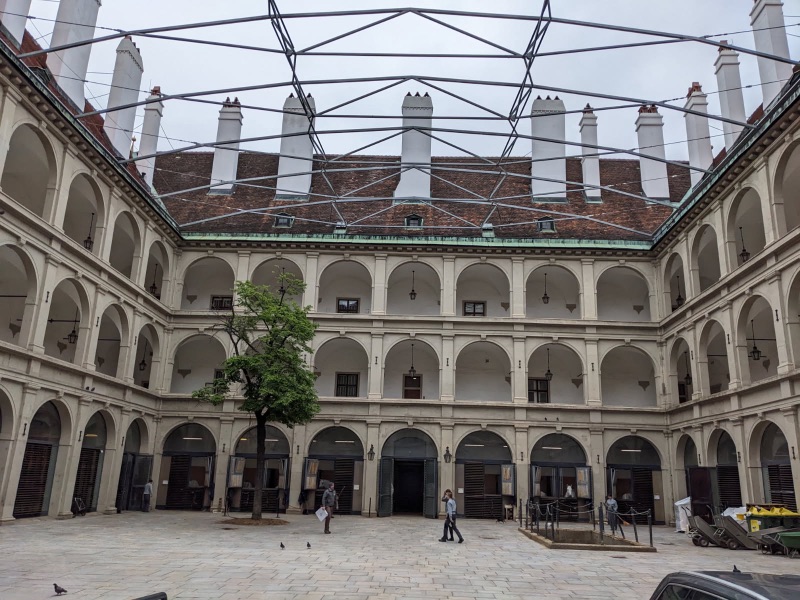
Just like Berlin, Vienna is filled with history. The city has many beautiful buildings ranging from the 15th to the 19th Century to marvel at while you walk the city.

One only needs to be aware of how powerful the Habsburg Monarchy was before WWI to understand how this was possible. Unlike past empires that grew by raging war, the Habsburg often did so through marriage.

Even though we had visited Schönbrunn Palace in 1985, it was worth another visit even though it was a cool rainy day.

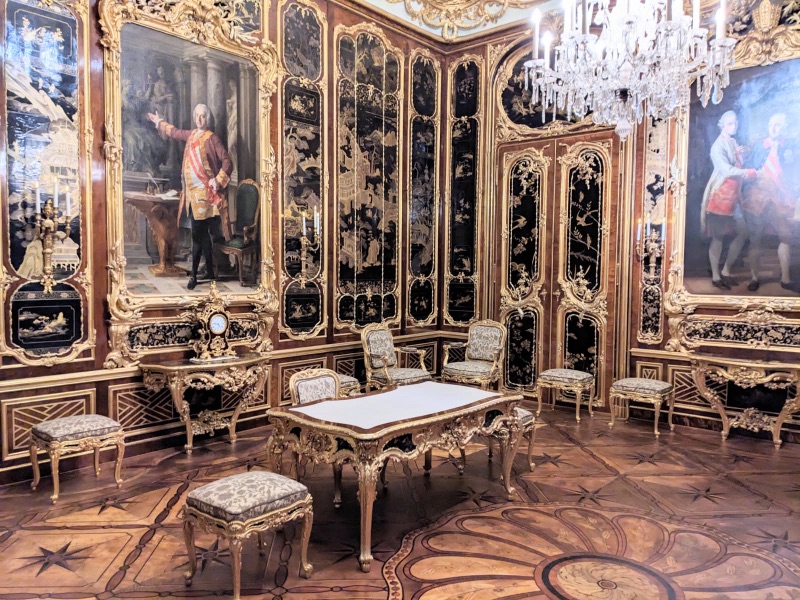
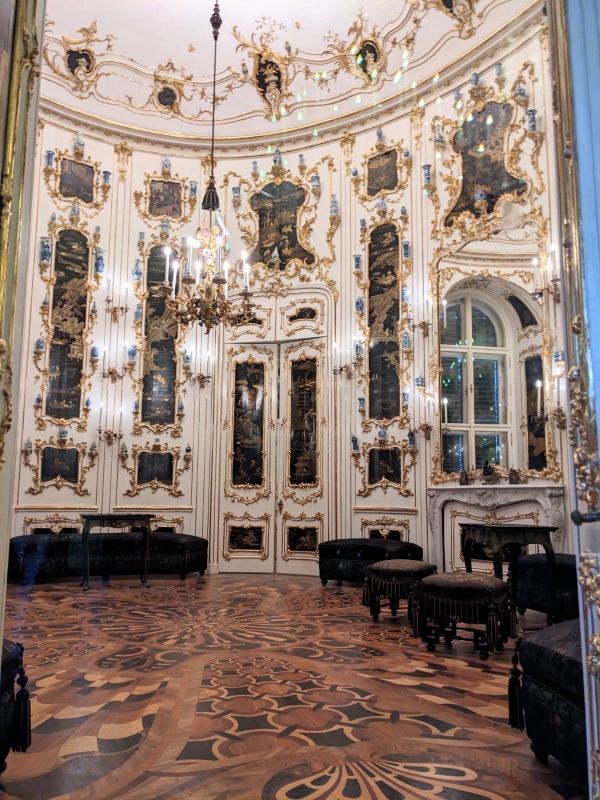
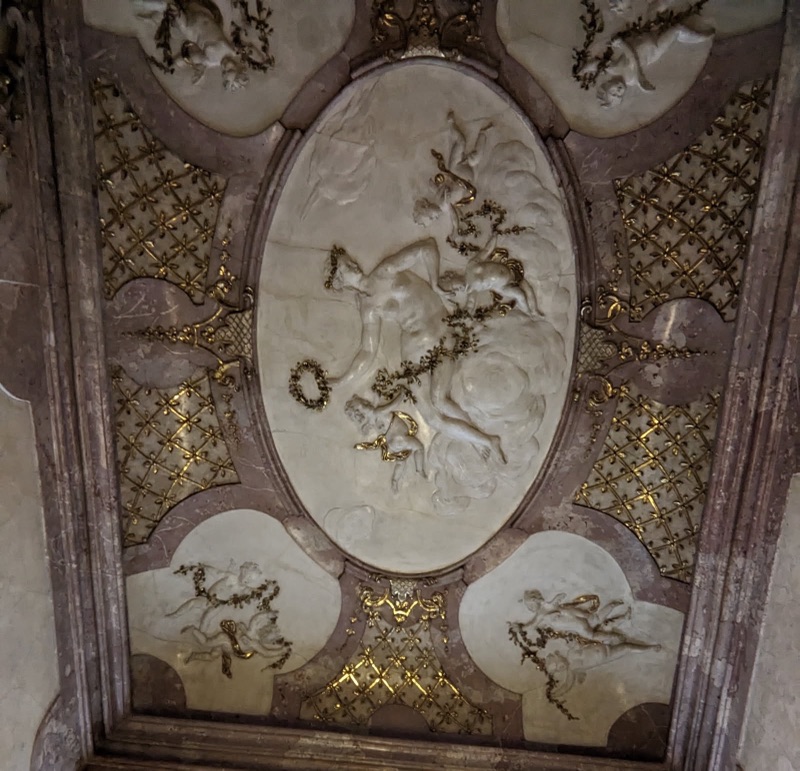
Just like many European palaces, the extreme opulence is on full display. One can easily see Marie Antionette growing up in this palace… which she did.

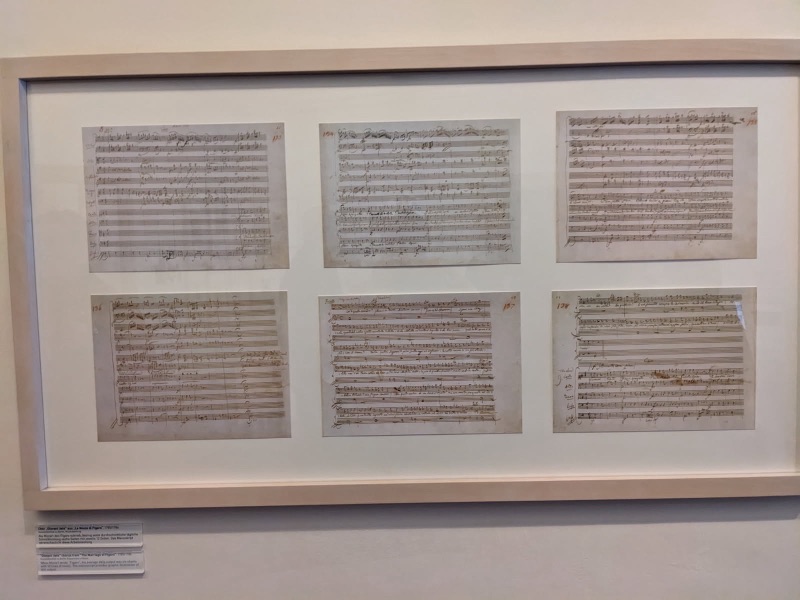
We enjoyed touring Mozart’s apartment where he lived with his wife Constance & their child while he wrote “The Marriage of Figuro.” There is little to see in the apartment; but, it was nice to have an idea about his life where he lived with his wife, small children, a dog, a bird, & a few servants in a very small place.

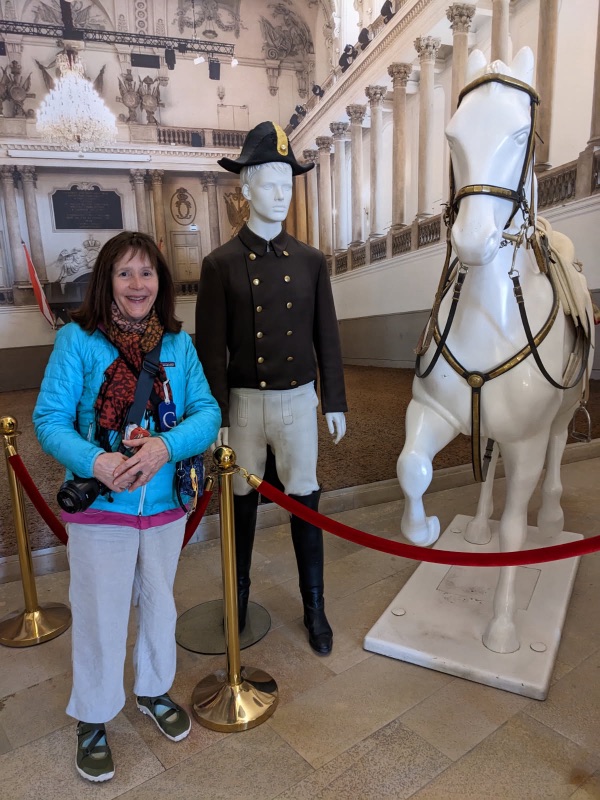
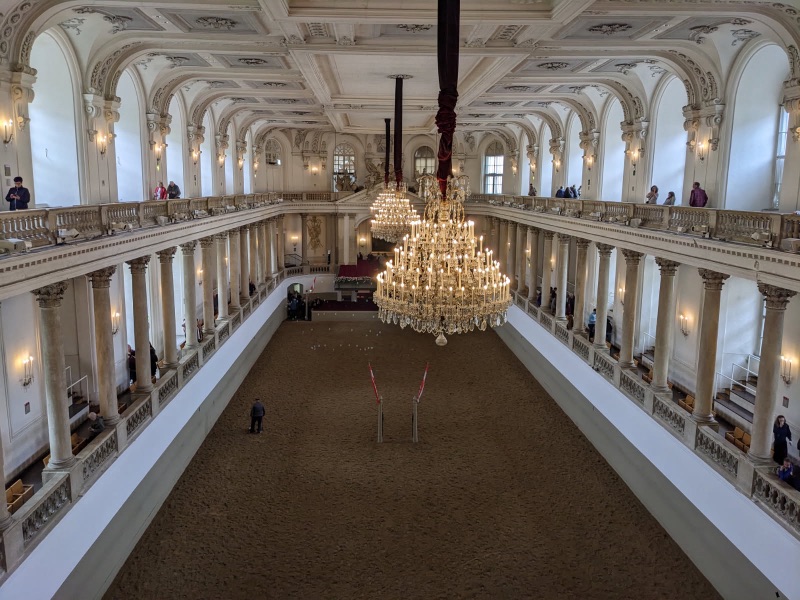
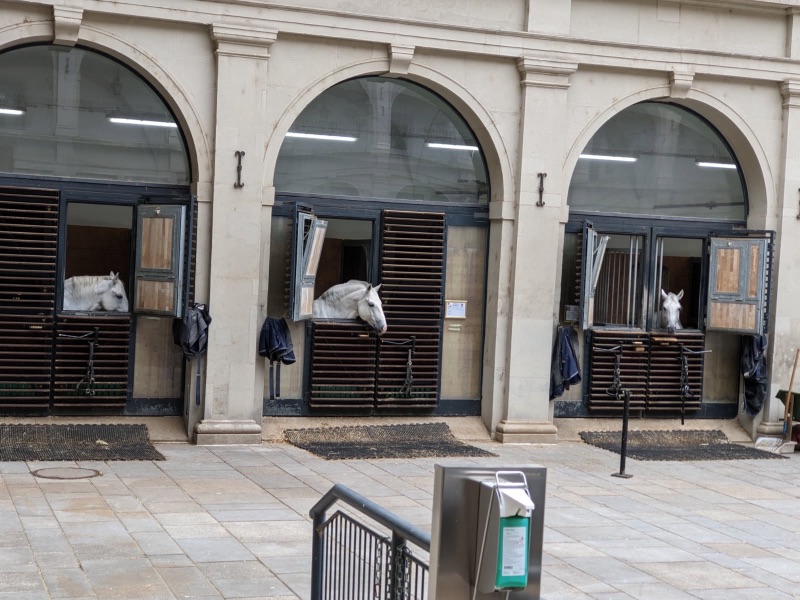
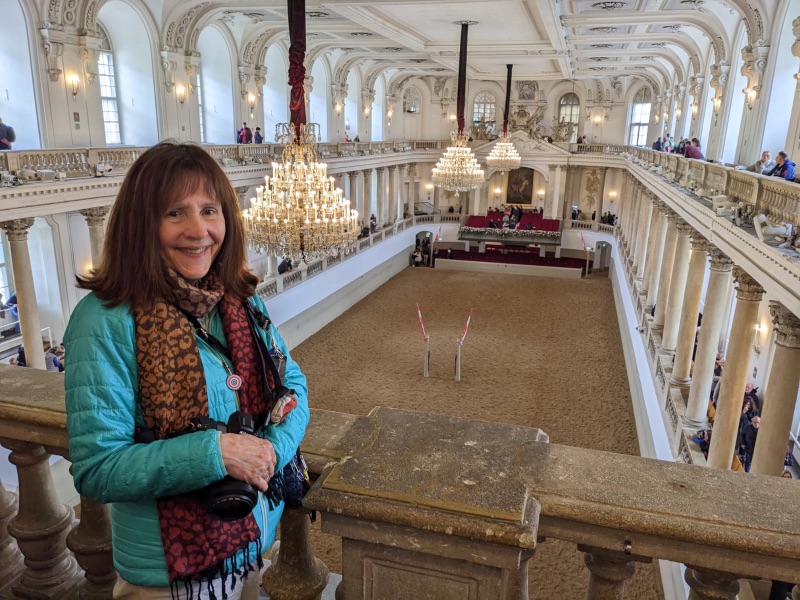
Fortunately, we were able to get tickets one morning to see the Lipizzaner Stallions perform at the historic Spanish Riding School.

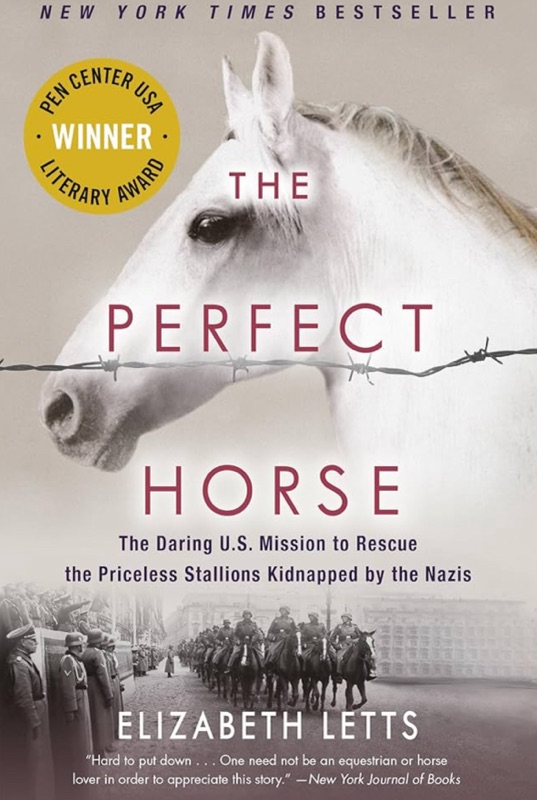
Before going to the show, we both read this amazing book about how the US Army went on a secret & daring mission behind Nazi lines to rescue these magnificent animals from being captured & destroyed by the Soviets in WWII’s final days.

We saw 22 ea. Lipizzaner stallions perform. They are born with black hair that turns pure white as they mature.

No photos or videos were allowed during the performance; but, here are some photos.

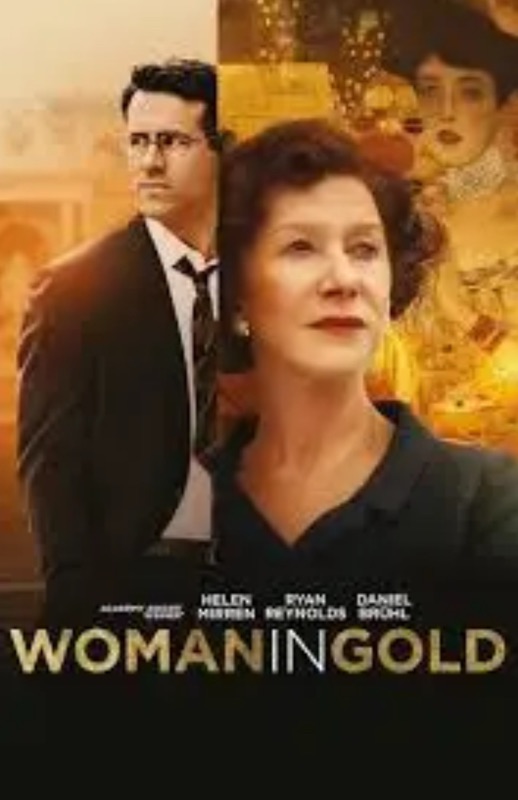
Ever since seeing the movie “Woman in Gold”, I have loved paintings by Gustav Klimt.

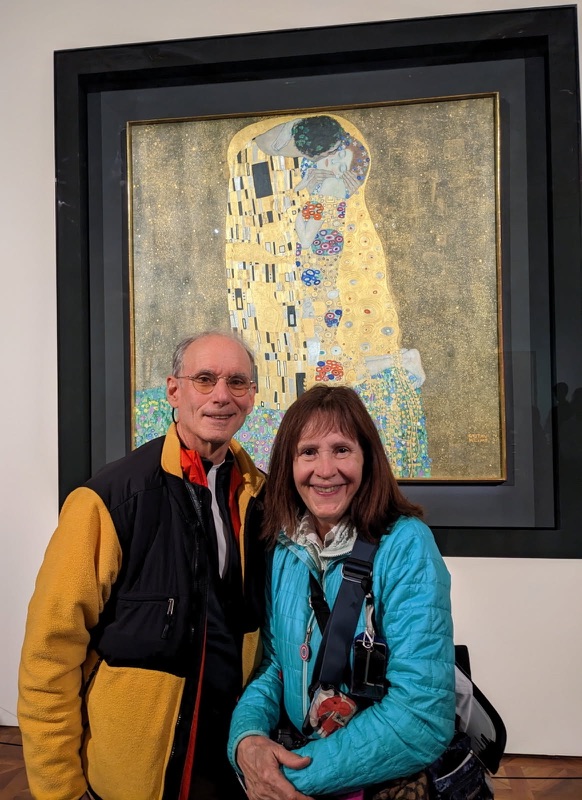
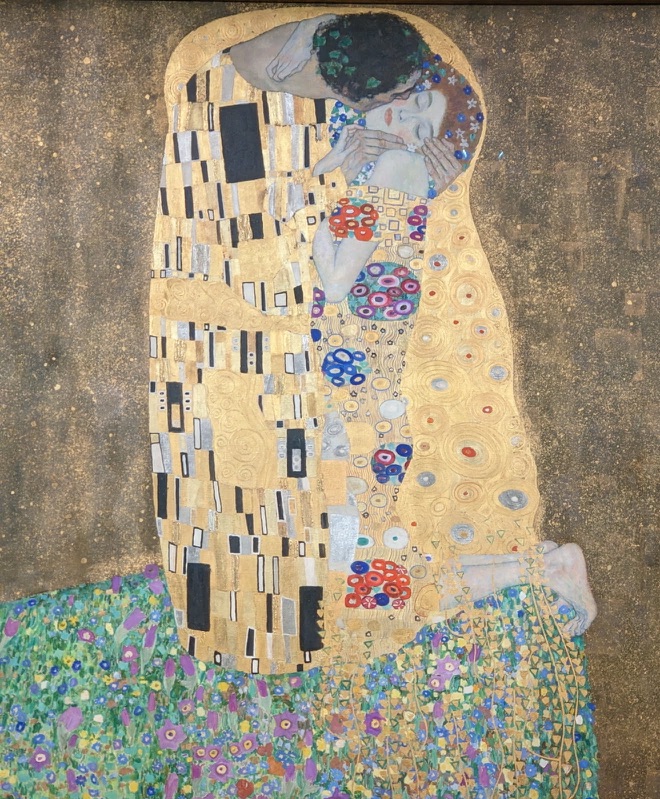
Most museums only contain 1-2 of his paintings, if they have any at all. Knowing that the Upper Belvedere Museum had the largest Klimt collection along his most famous piece “The Kiss,” it was a must see.

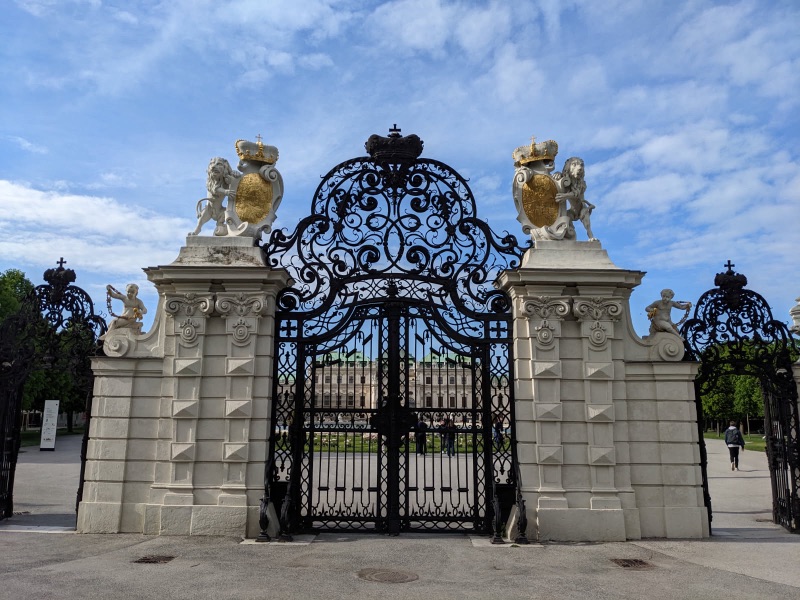
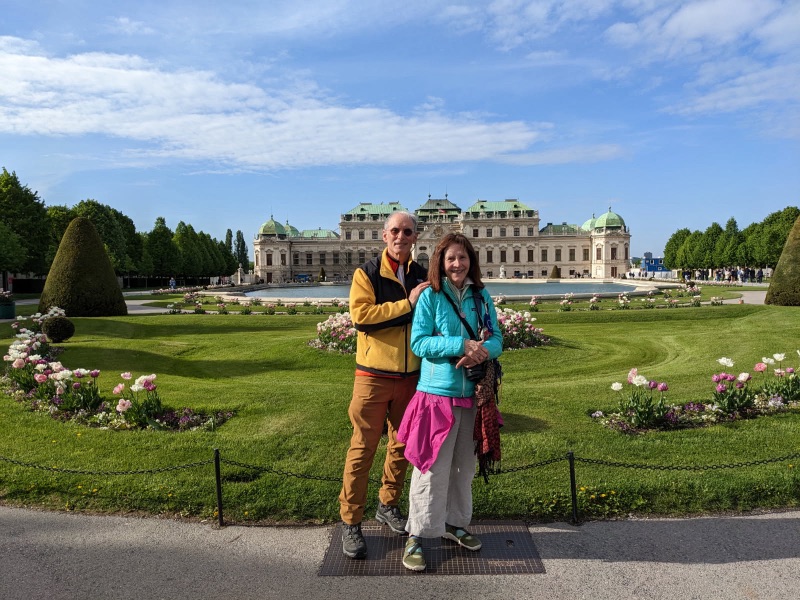
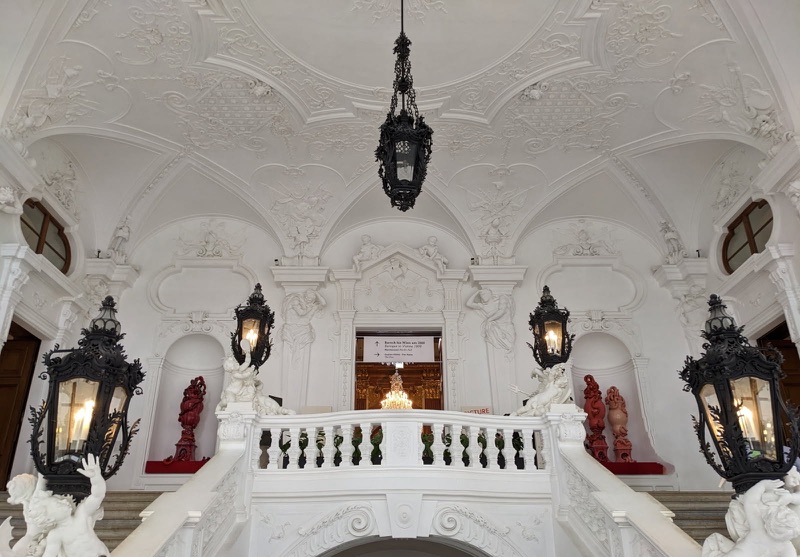
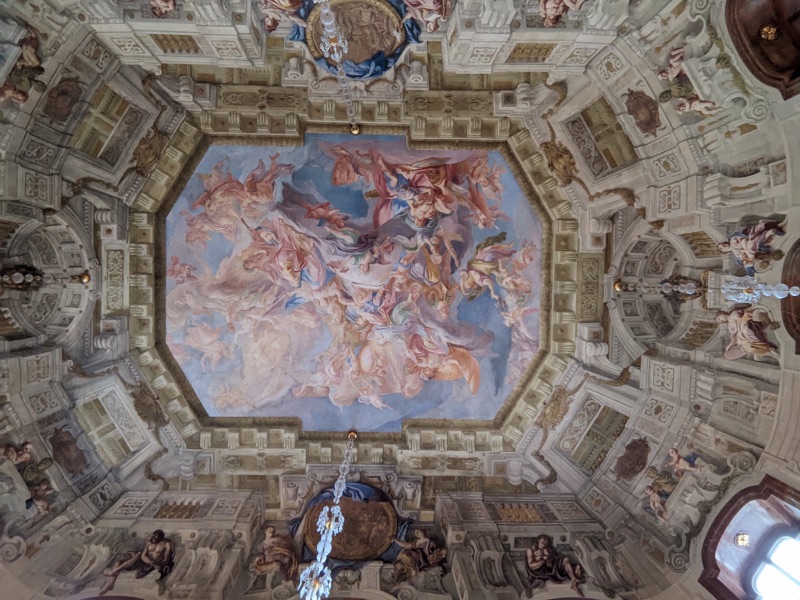
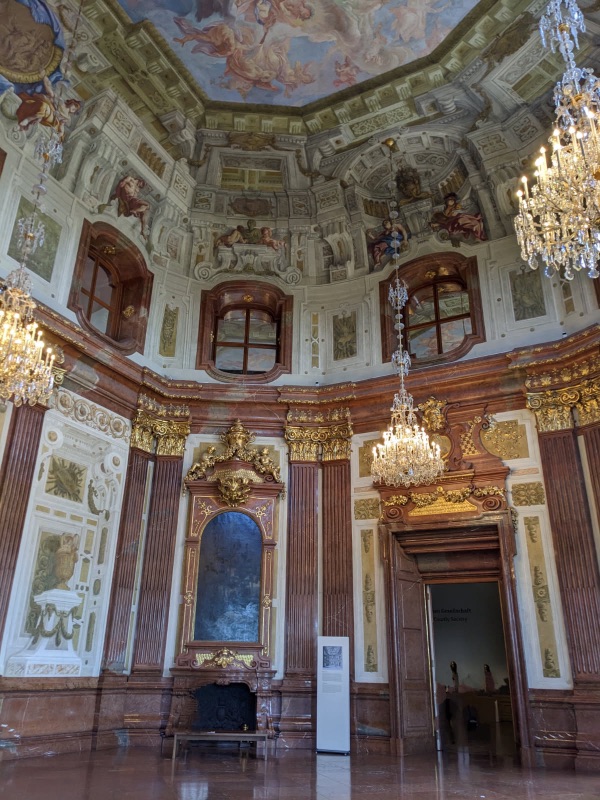
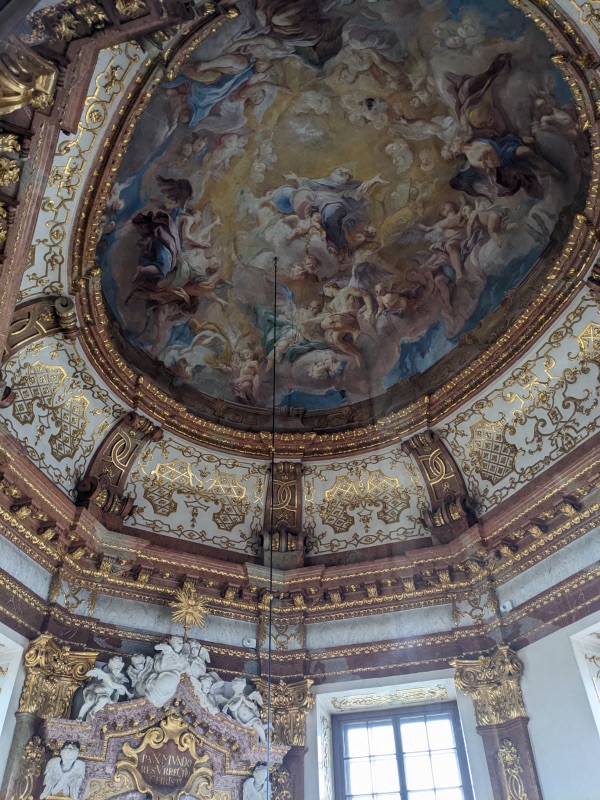
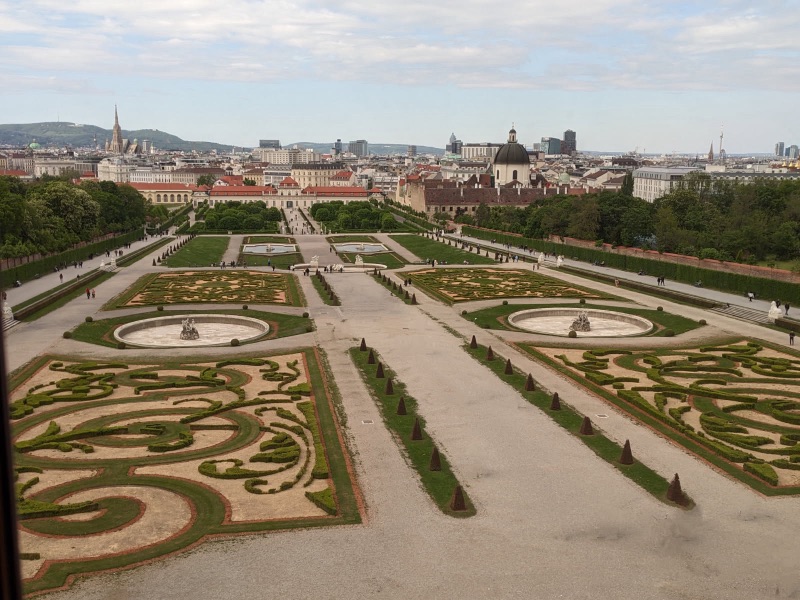
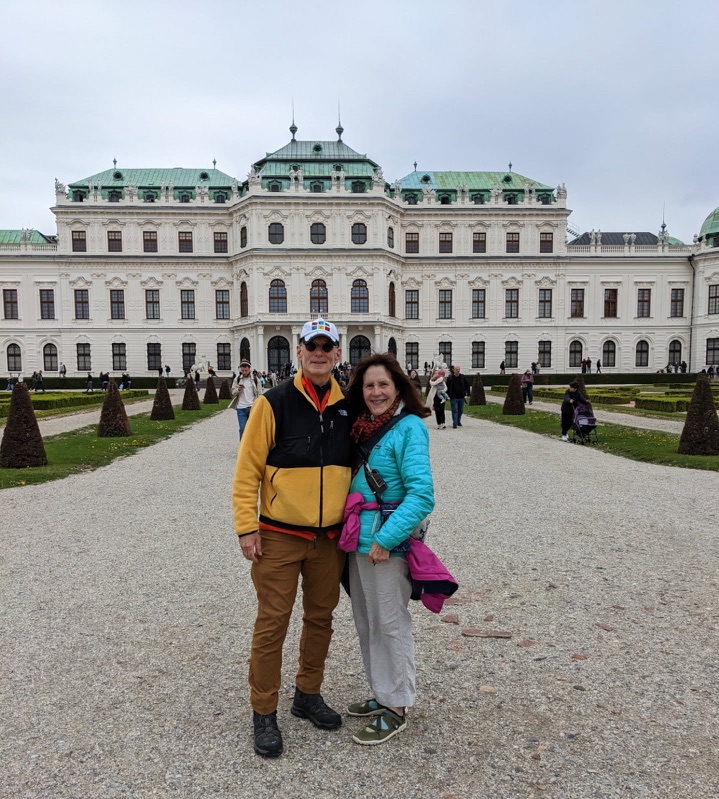
Even though the main reason to come to the Belvedere was to see Klimt’s paintings, the building & grounds were also magnificent. Even though it was once a palace, it has served as a public museum since 1736.

Our time in Vienna was much too short. Places like Beethoven’s home were missed along with having coffee in one of their famous coffee houses. Hopefully we can come back again in the future.

Cotswold Walk – Day 10

Old Sodbury to Cold Ashton to Marshfield

14 miles /22.5 km

How lucky we have been with the weather!!! We enjoyed another nice sunny day. A little warm in the afternoon; but, nothing to complain about. We have been told by many locals how fortunate we have been because the weather earlier in May was very cold & wet.

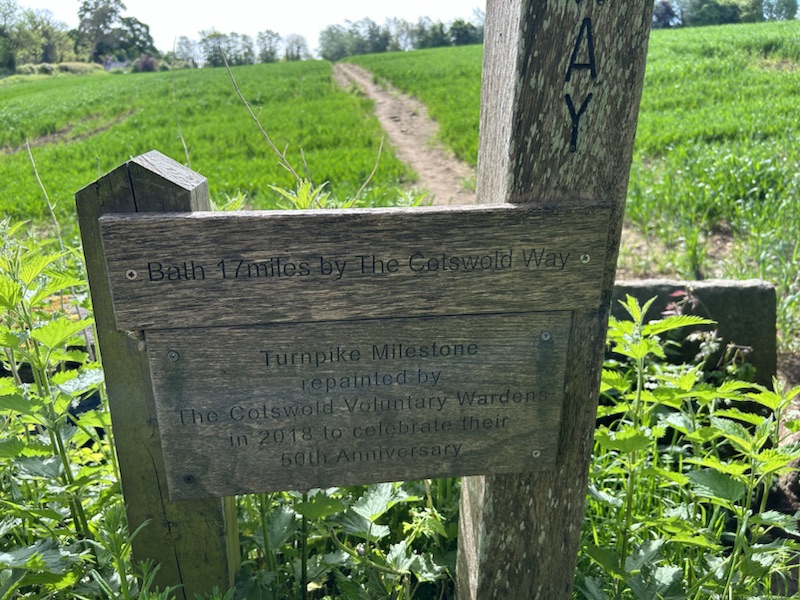
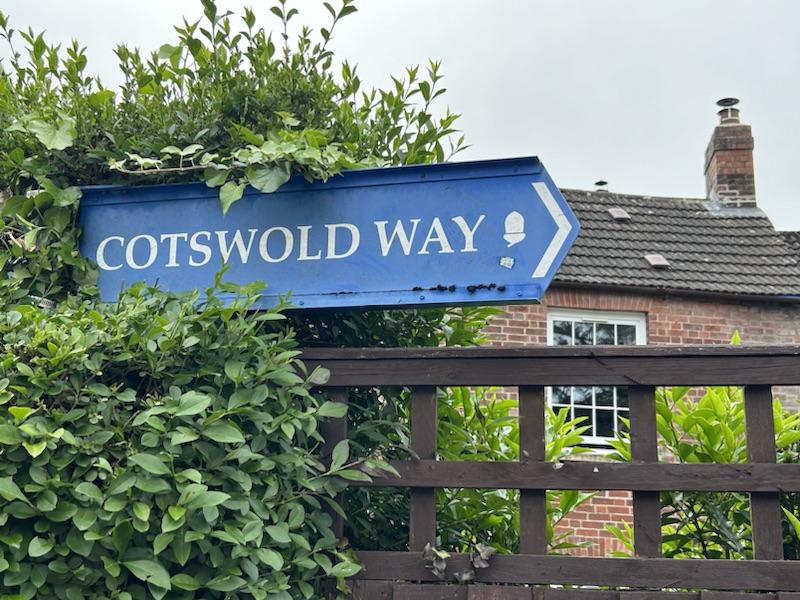
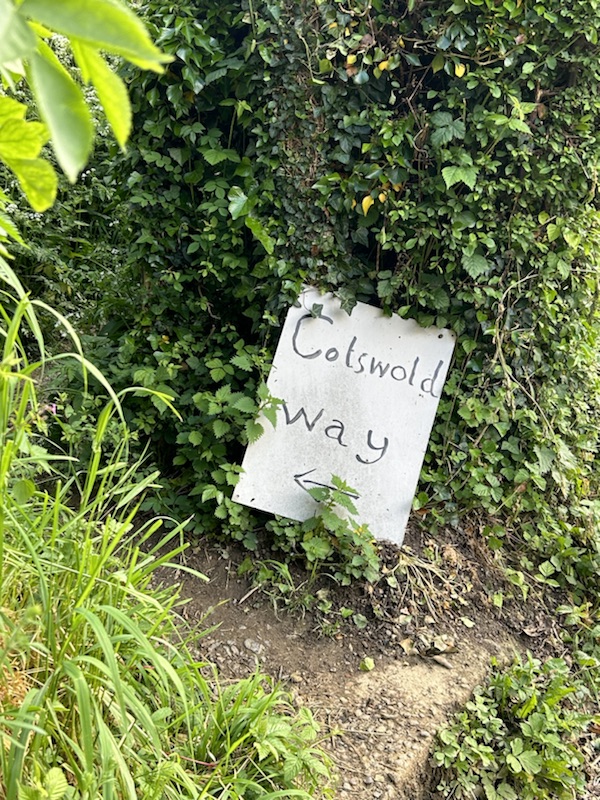
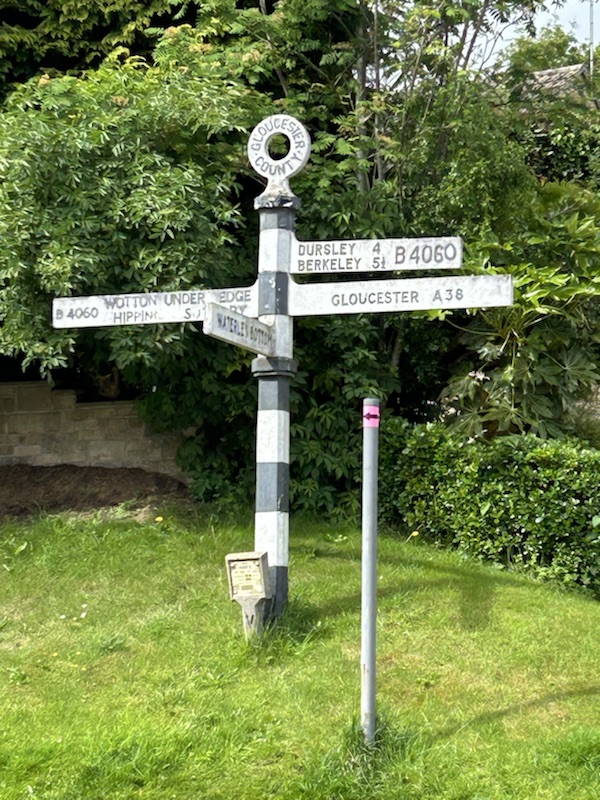
Today is our next to last day on the Cotswold Way. We came across this sign early today reminding us that we were close to reaching Bath.

Unfortunately, the distance on the sign is incorrect as we have more than 17 miles to go from this point

Here are some highlights from today.

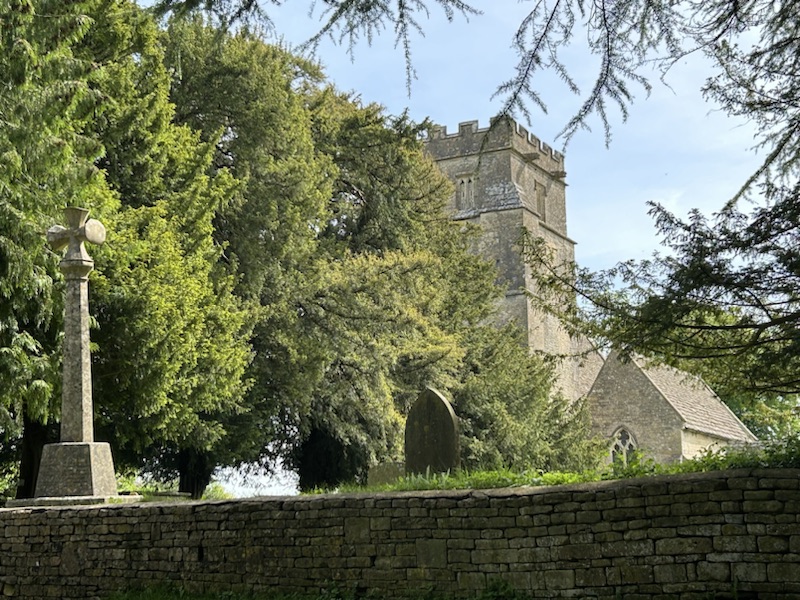
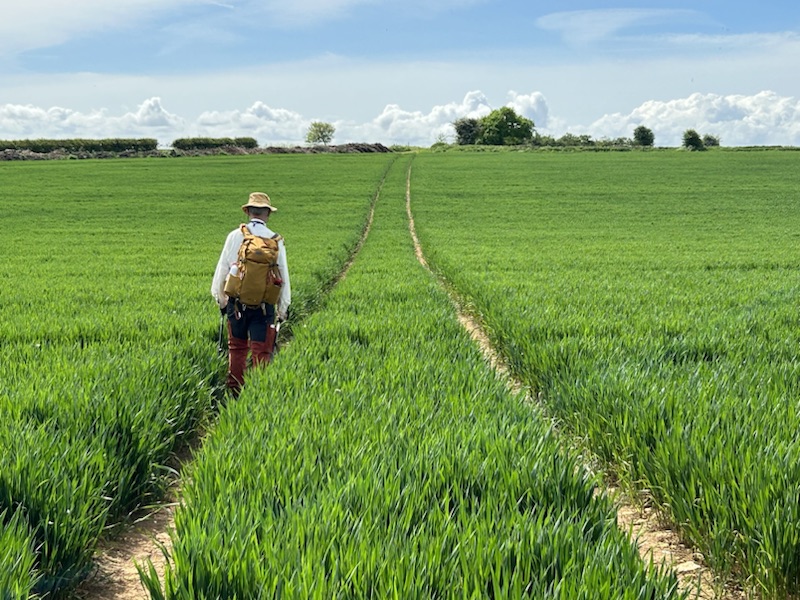
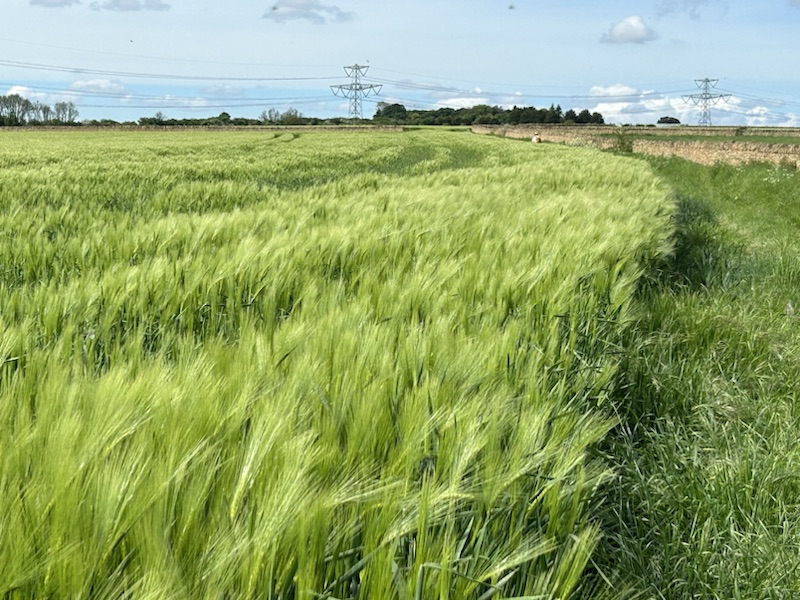
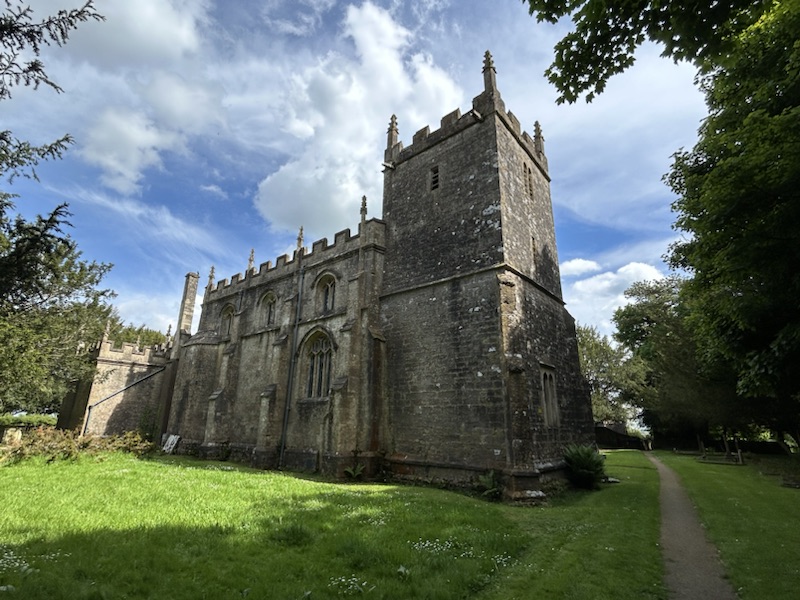
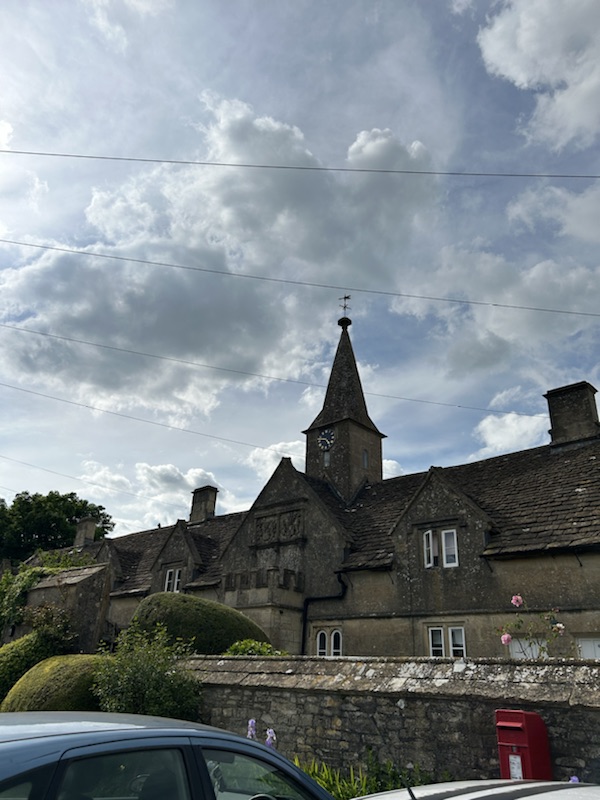
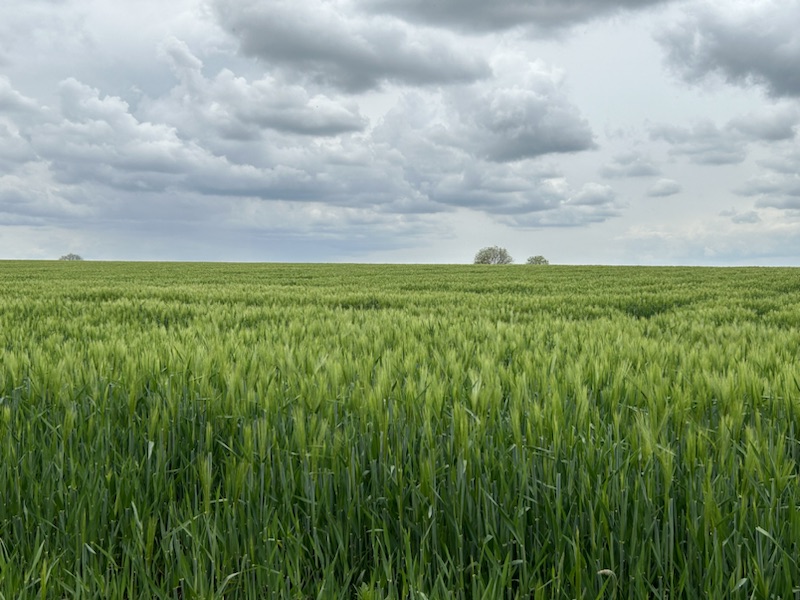
We passed many old stone churches and more farmers’ fields. I especially enjoyed walking by the wheat fields because my father grew wheat.

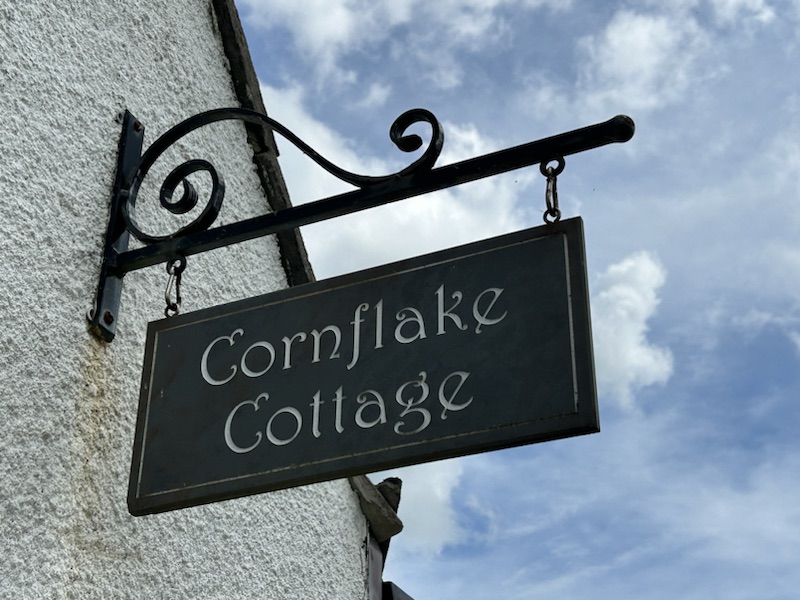
Some funny signs & sightings.

Our favorite trail sign
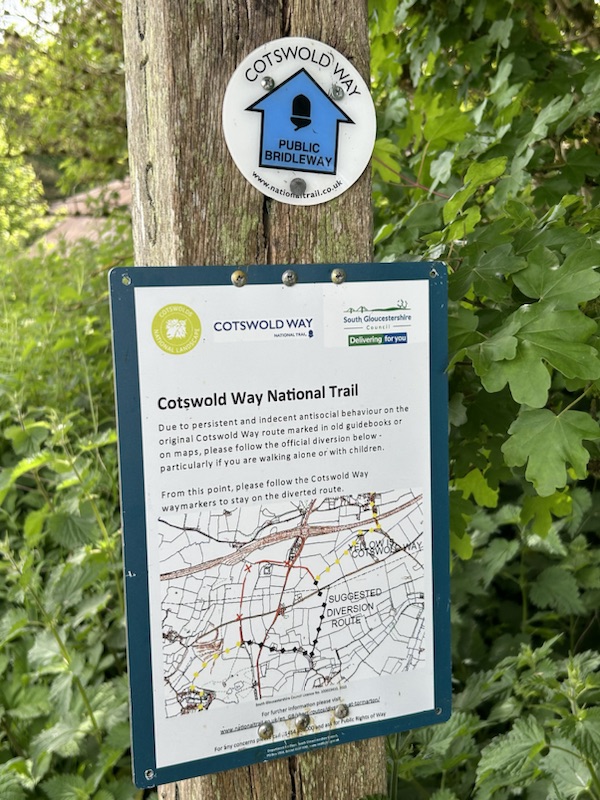
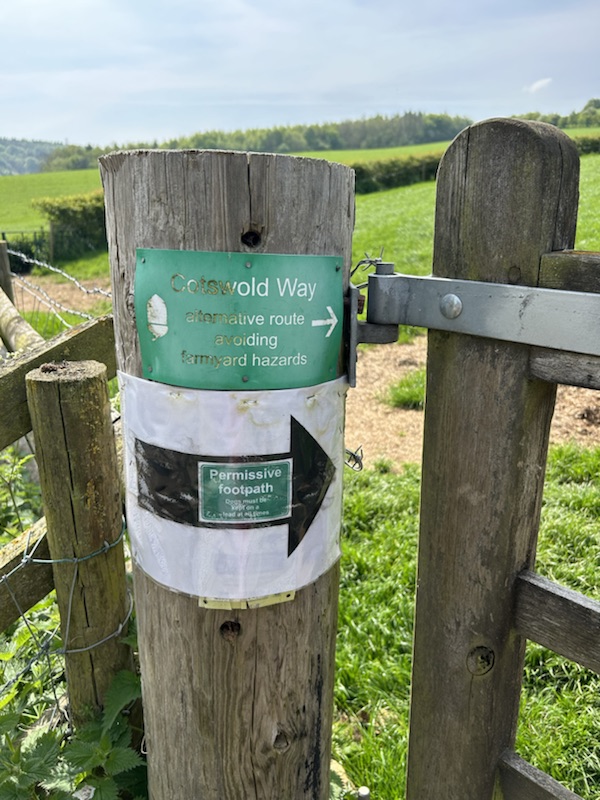
Zoom in to read why we had to make a detour
Boy, some hikers must have really made the on locals angry

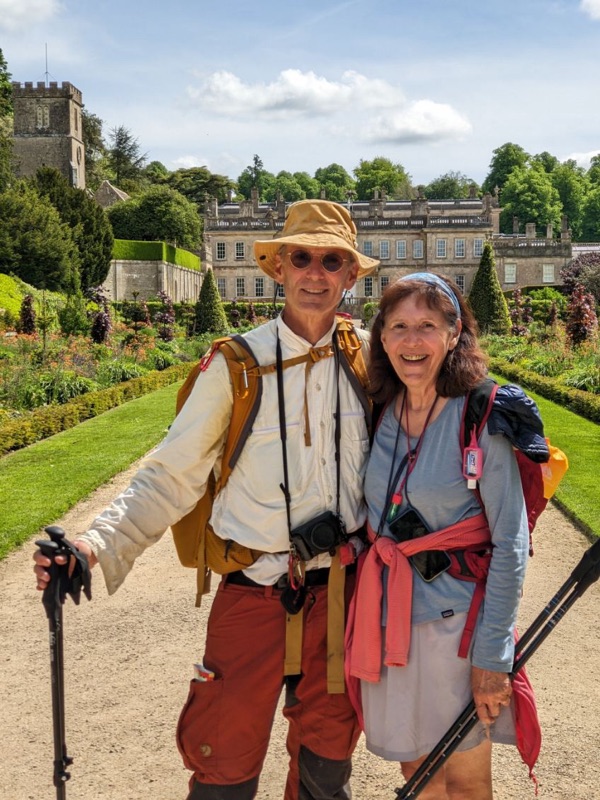
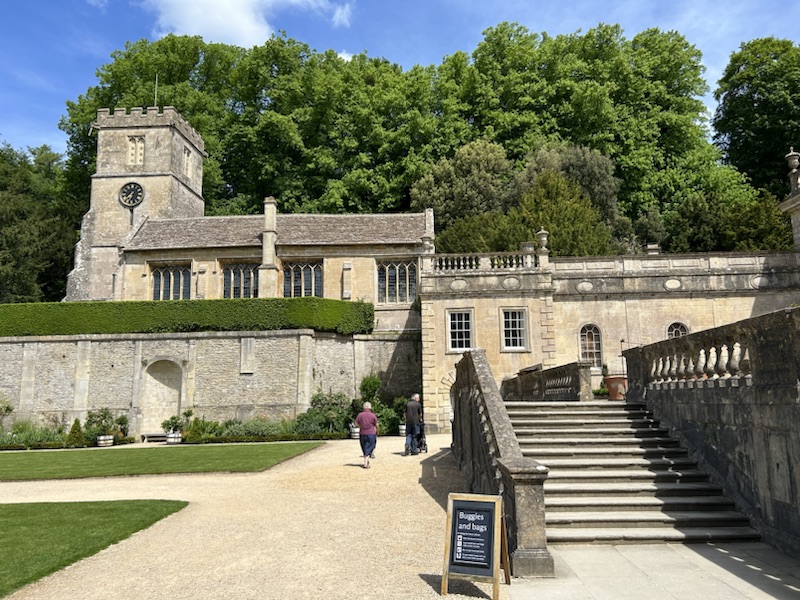
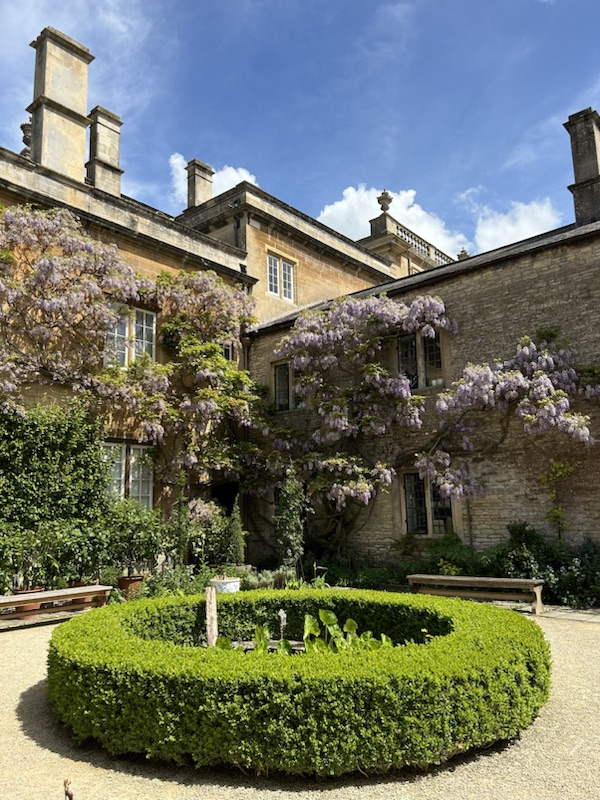
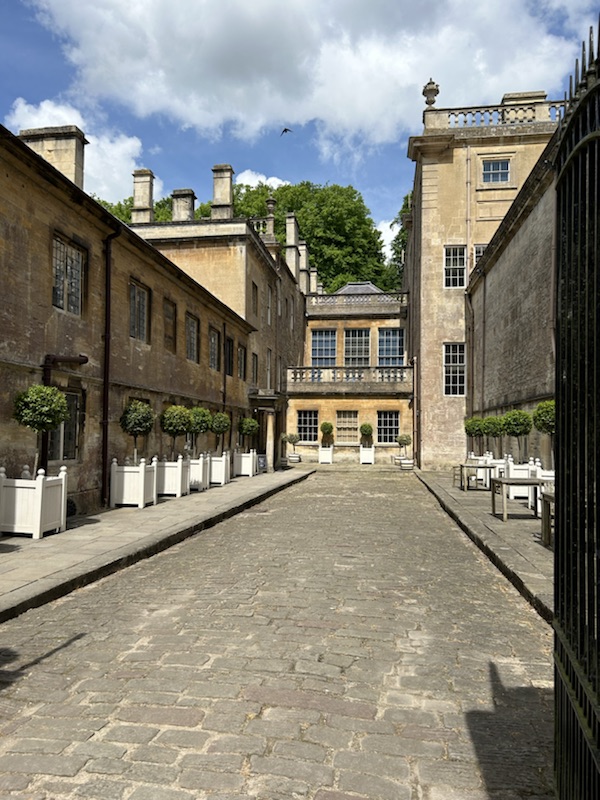
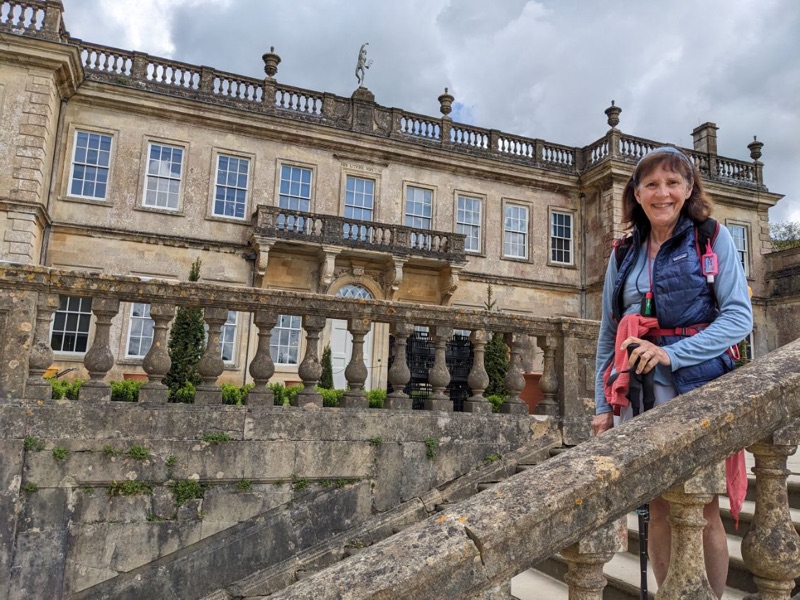
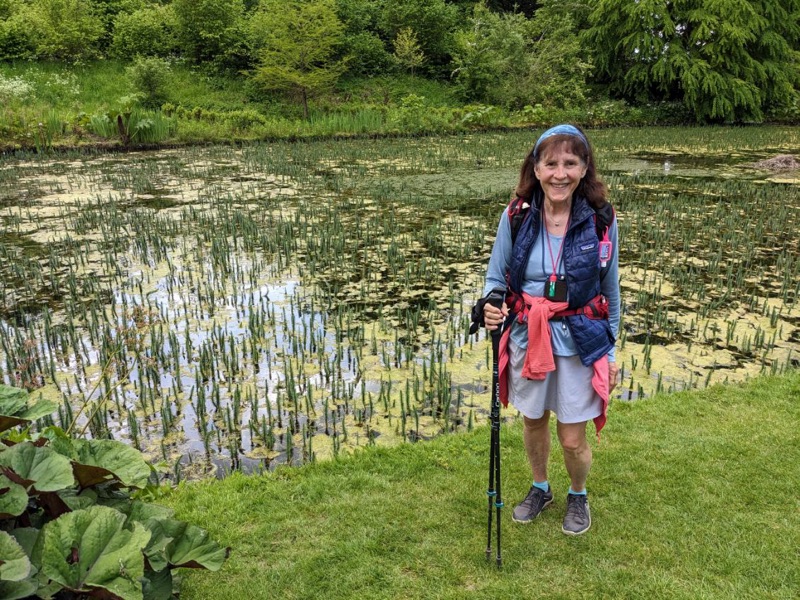
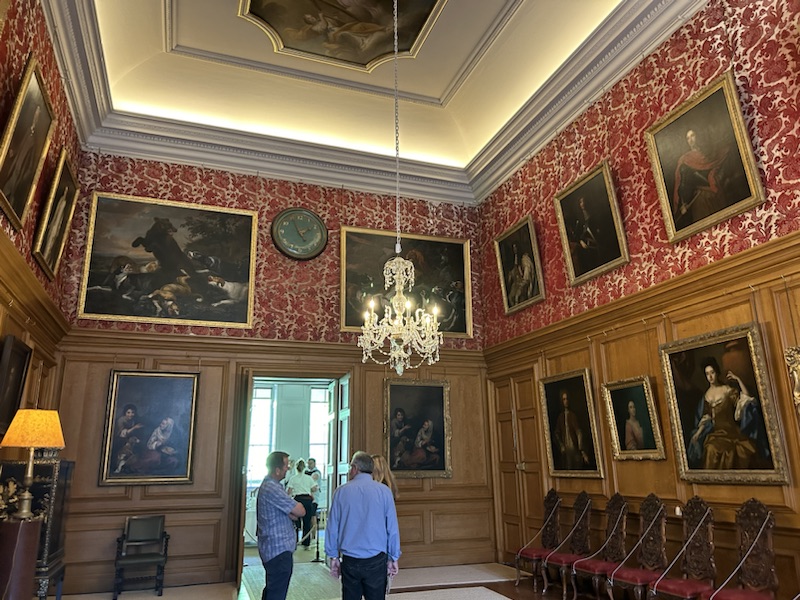
A little more than halfway through our walk we enjoyed stopping at Dyrham Park. It’s managed by the National Trust & was the location for the 1993 movie “The Remains of the Day” starring Anthony Hopkins & Emma Thompson.

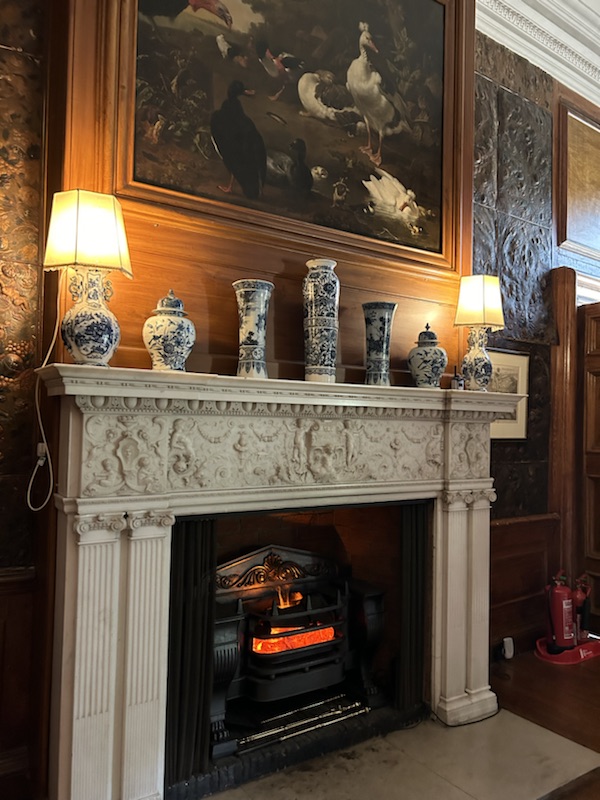
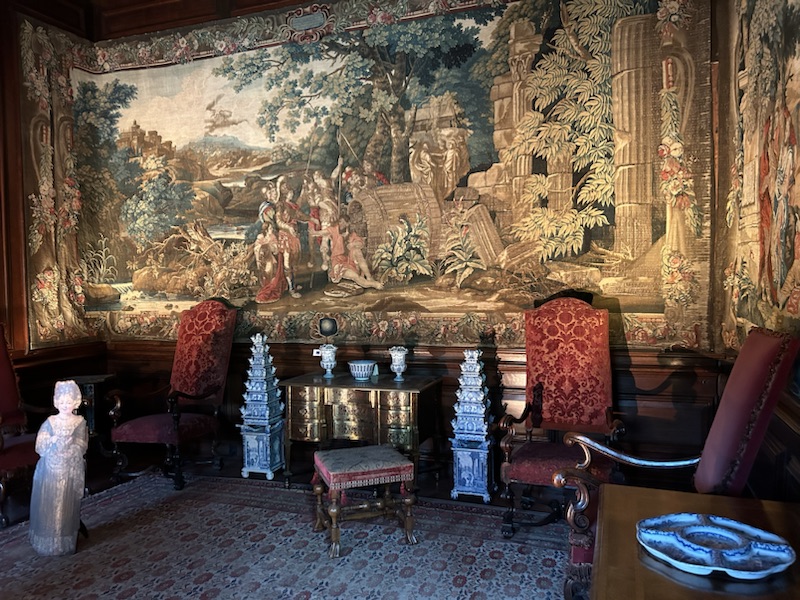
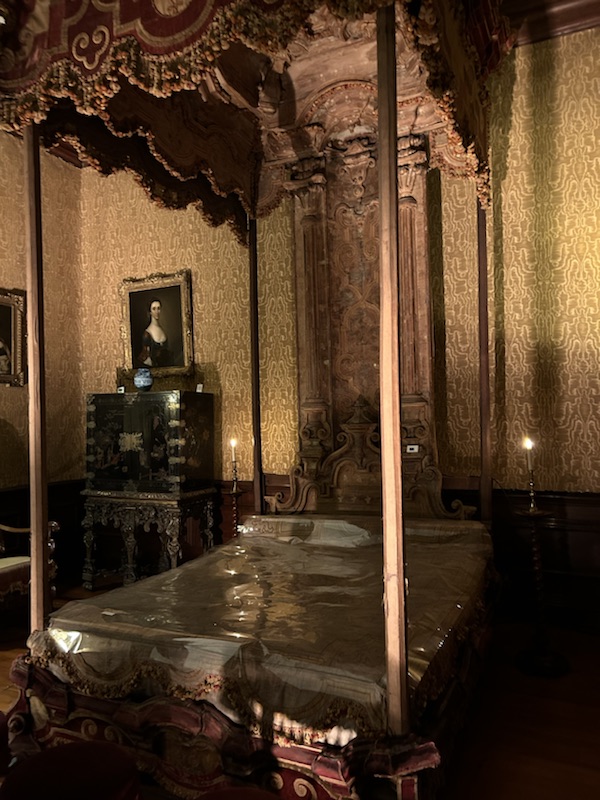
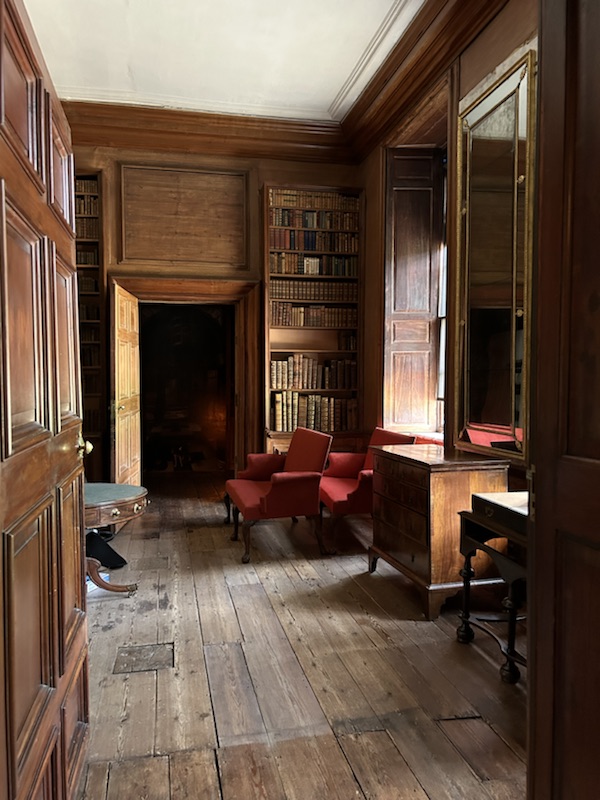
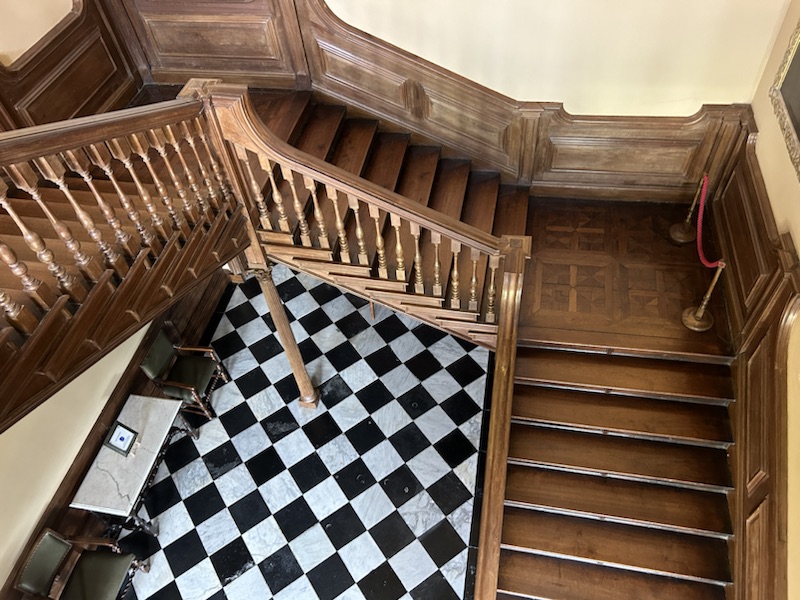
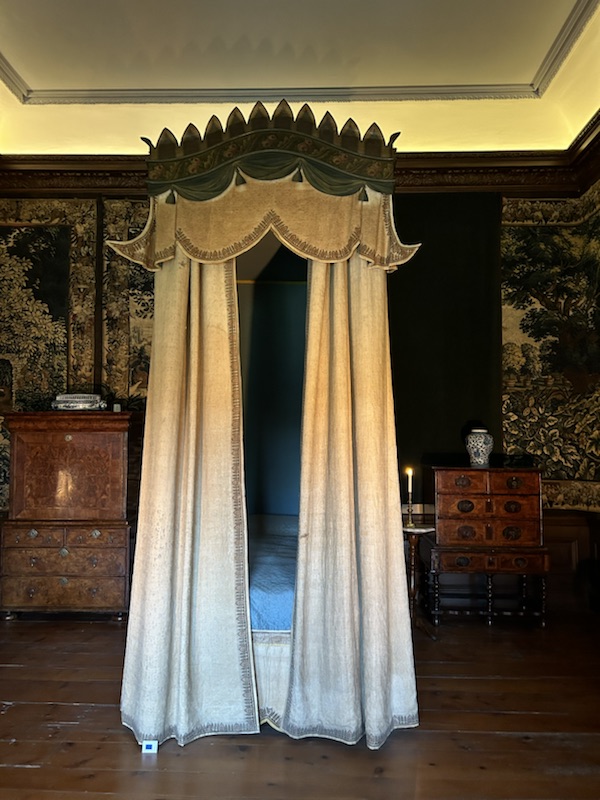
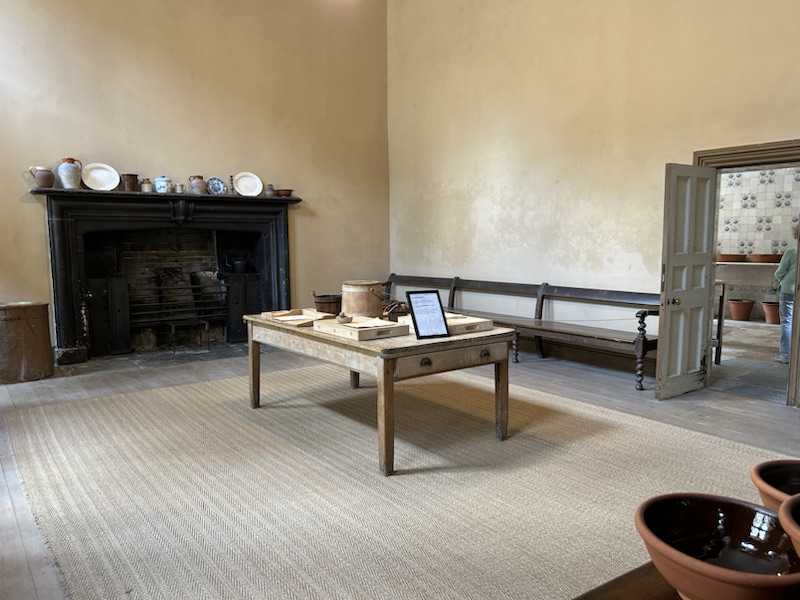
Dyrham Park is a baroque English manor started in 1691 by William Blathwayt who started the British War Office under King William III & also administered the British colonies in North America & the Caribbean. Using these positions & connections enabled him to build this magnificent mansion & furnish it with fabrics, furniture, & art from all over the world.

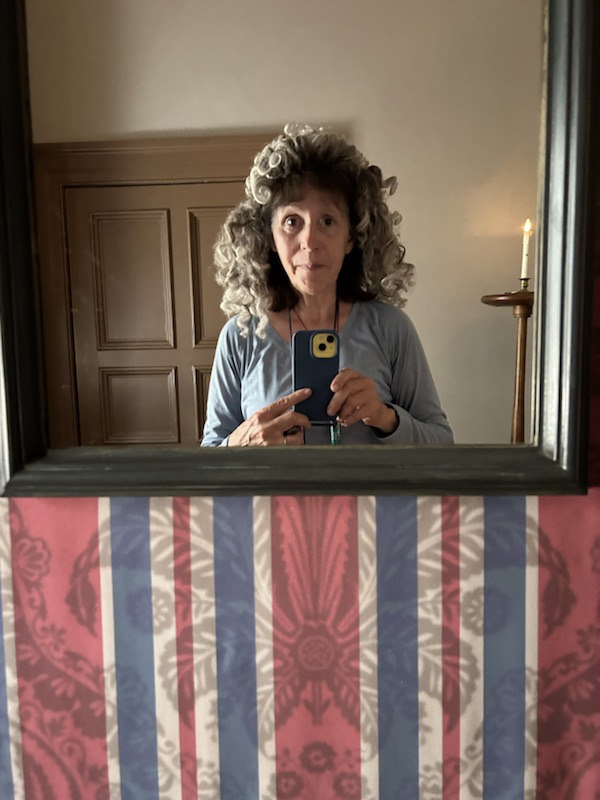
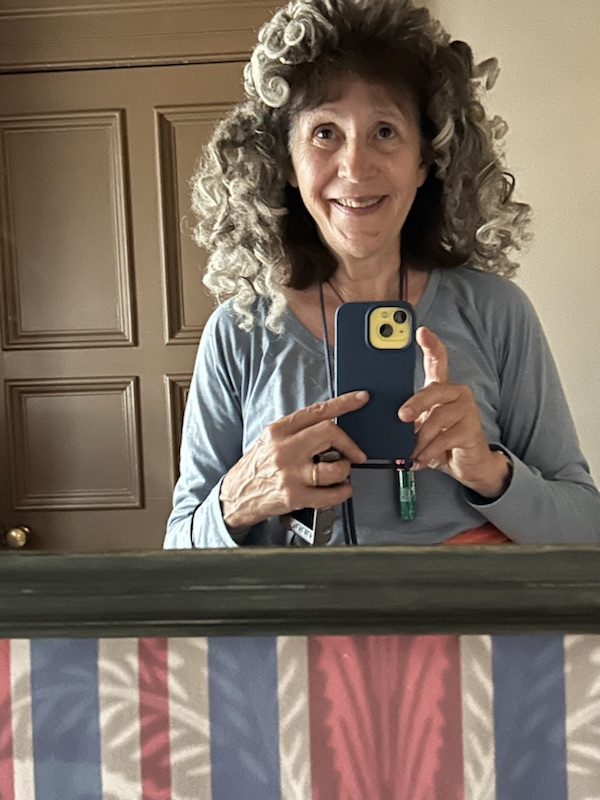
Me being silly with some wigs.

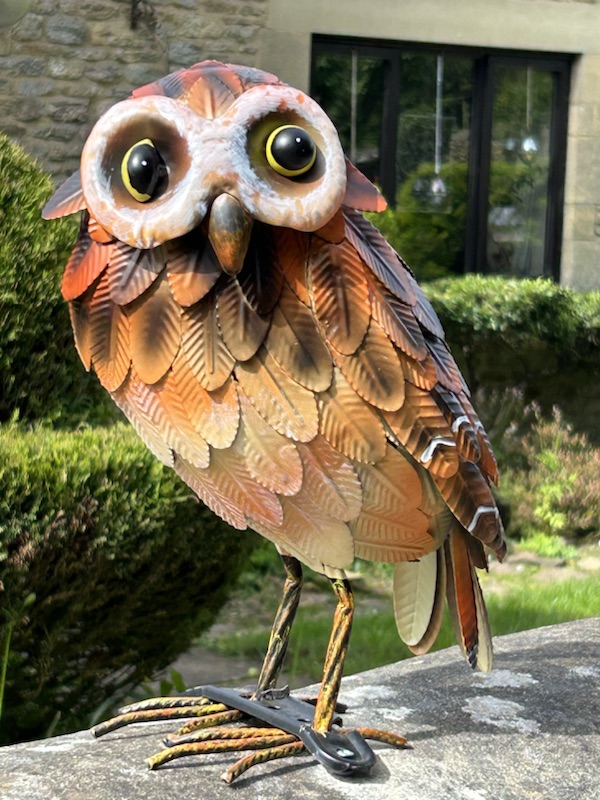
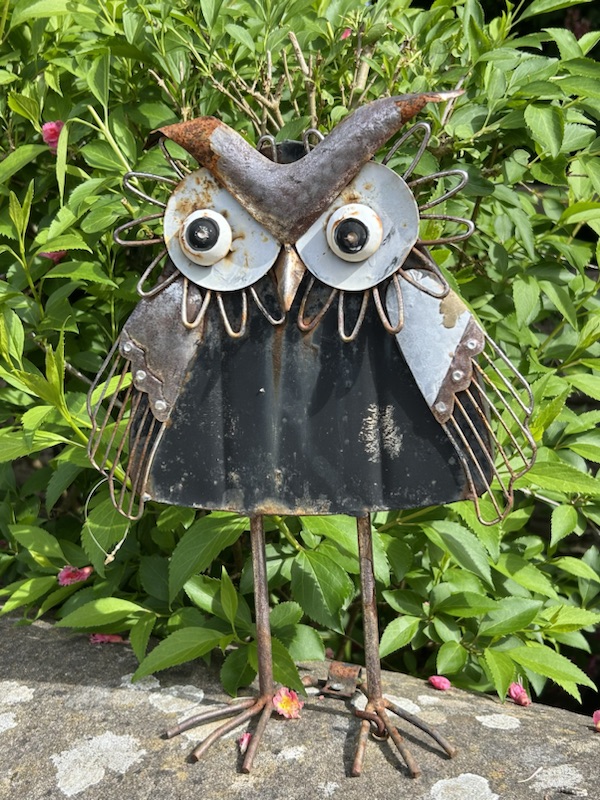
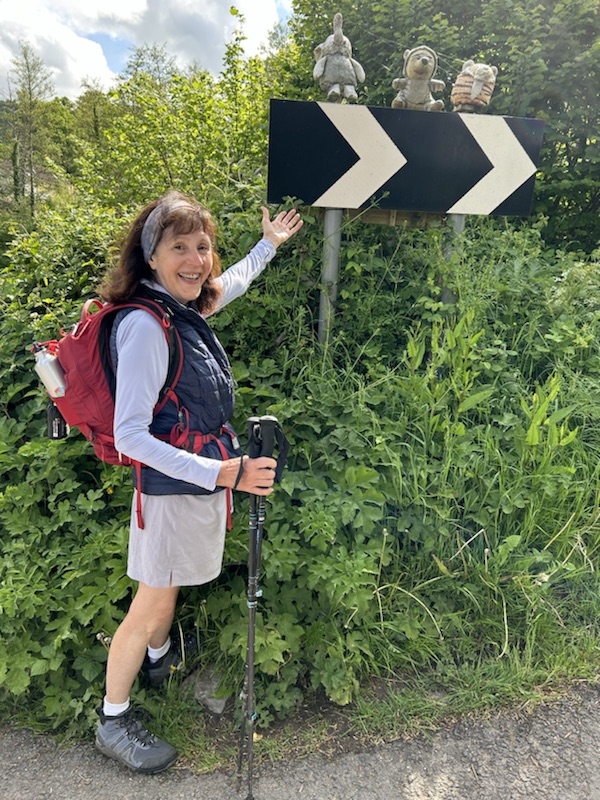
And of course, the animals & animal figurines on the route.

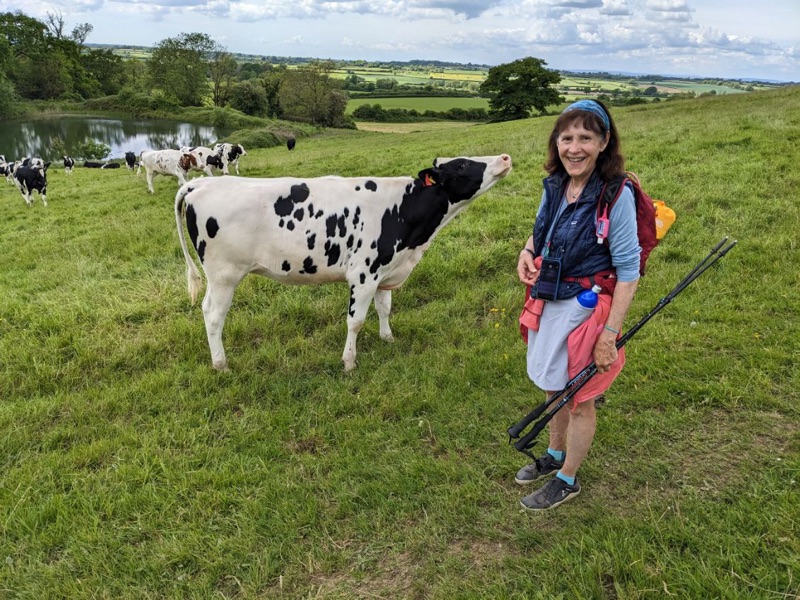
For some unexplainable reason, cows have always liked me. On several occasions in my life including today, they have walked right up to me.

The nice English town Mansfield is our home for the night.

Cotswold Walk – Day 9

Wotton-Under-Edge to Old Sudbury

15 miles /24 km

Today we started much later than normal. The earliest taxi we could catch back to the hiking trail was at 9:30AM which helped make it a long day.

However, cool temperatures along with no precipitation made it a pleasant walk.

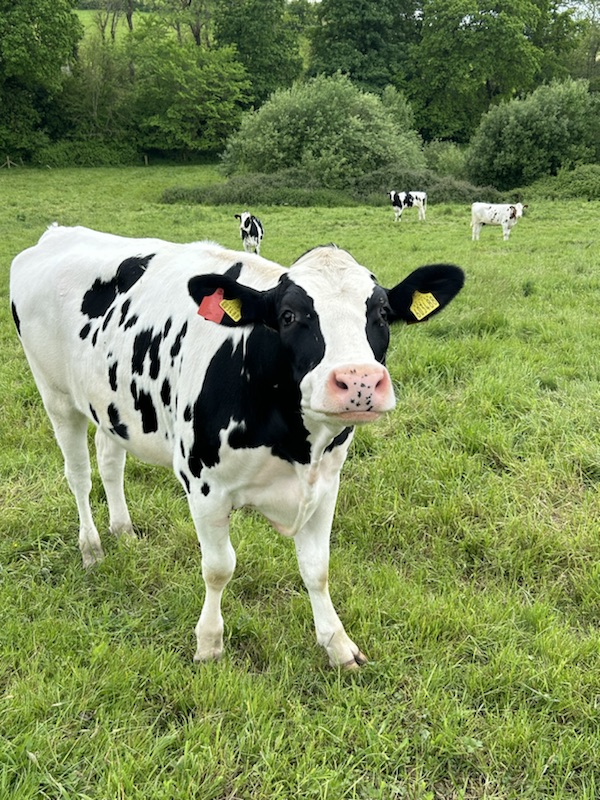
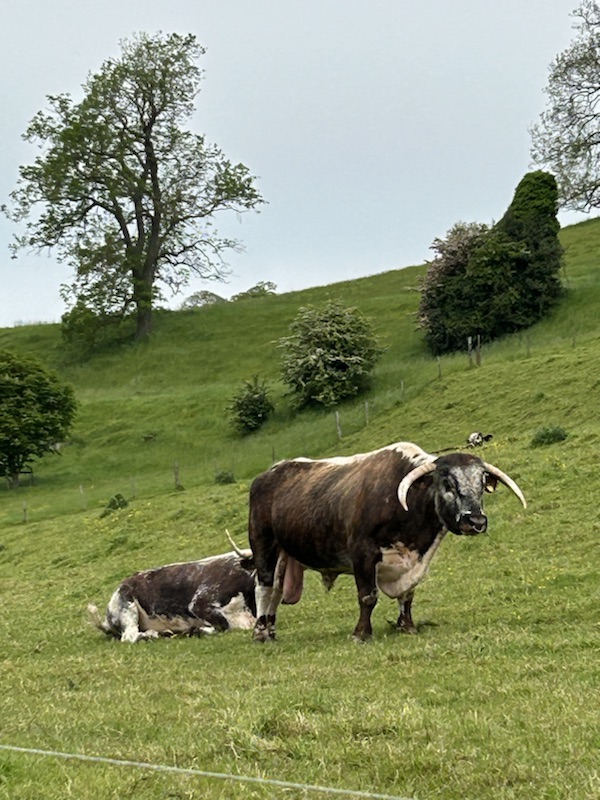
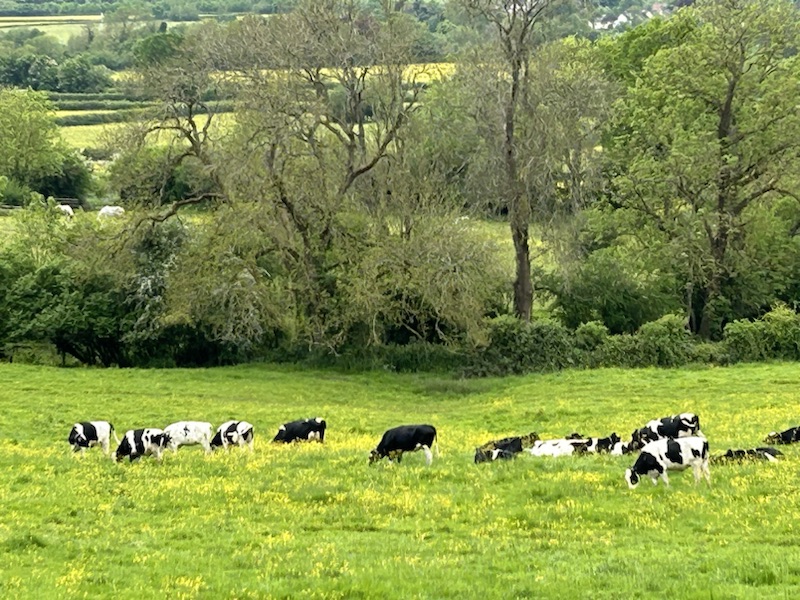
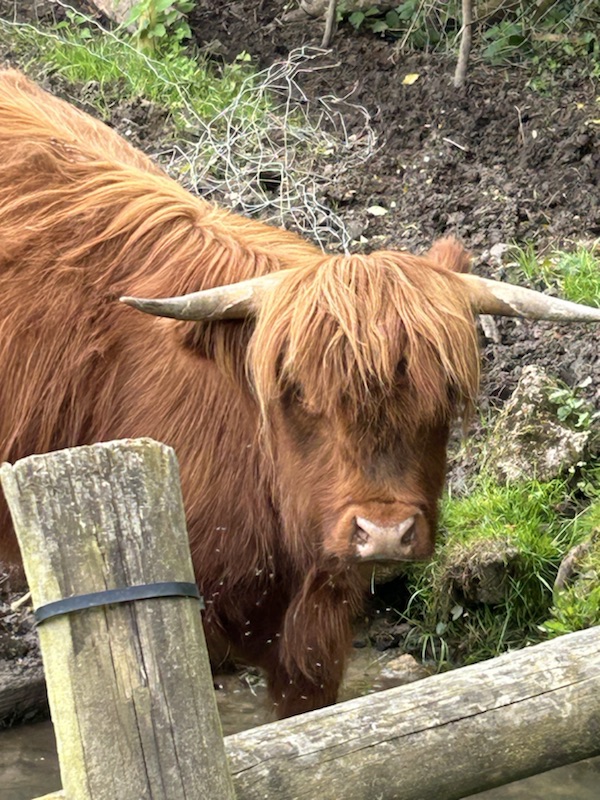
We saw a variety of cows.

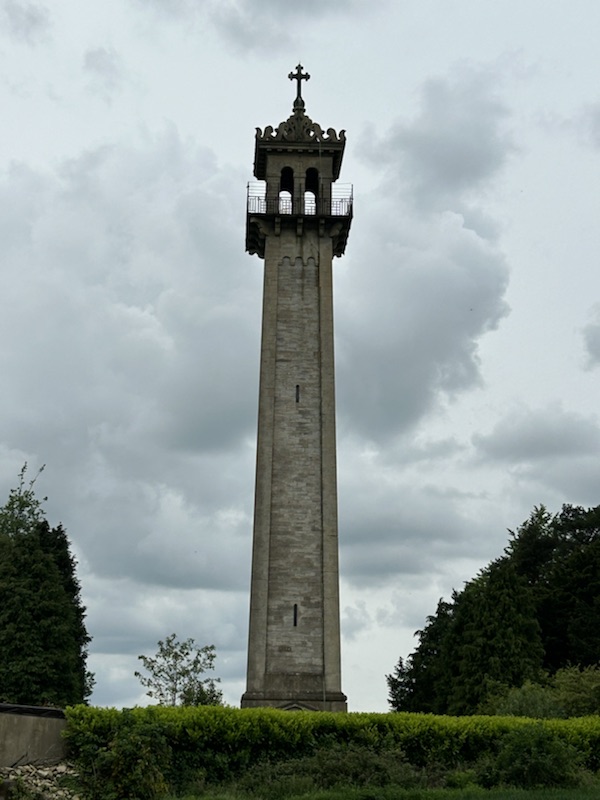
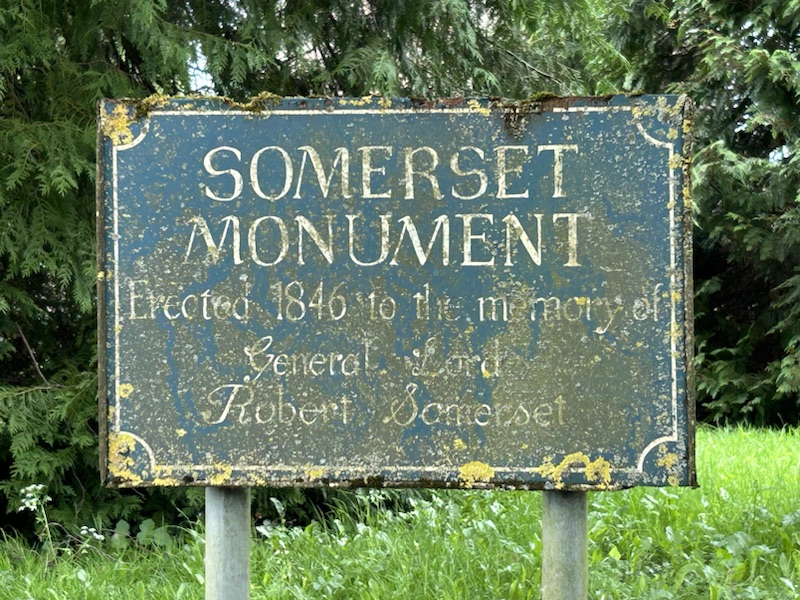
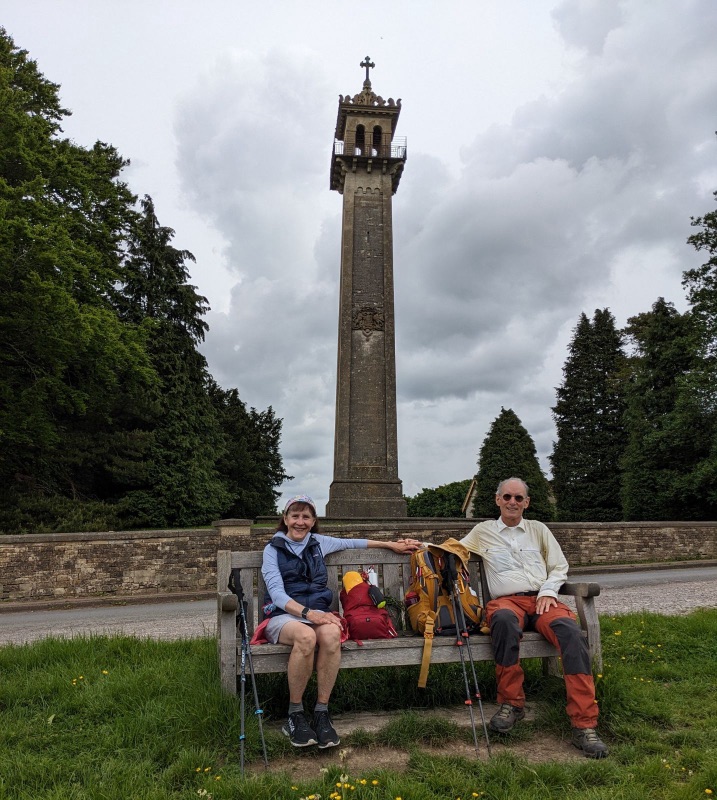
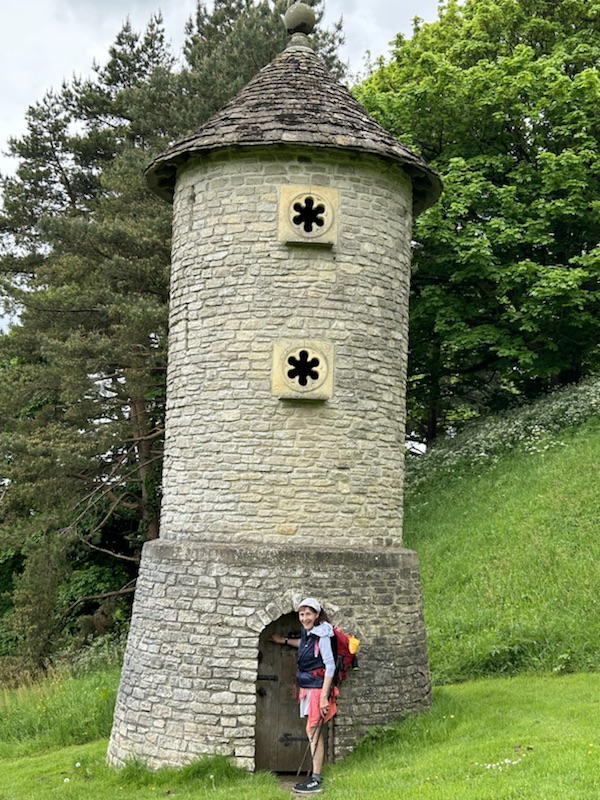
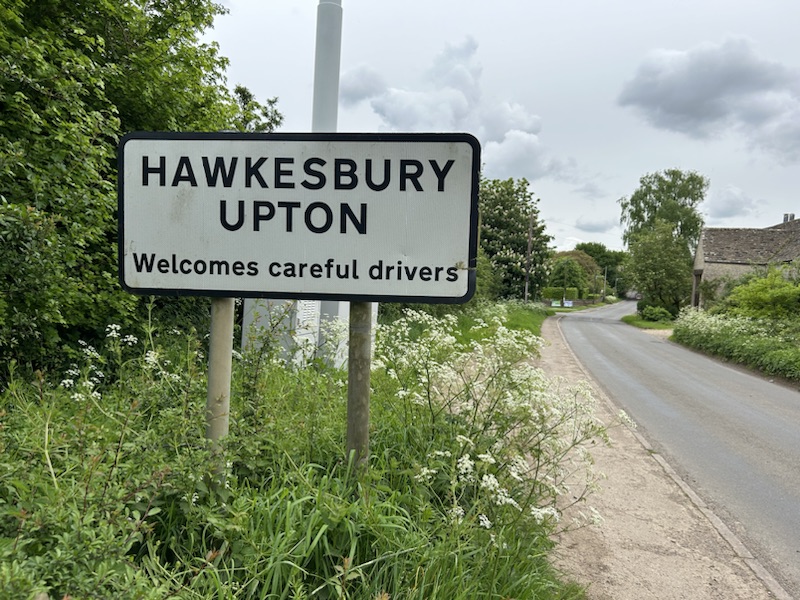
This monument commemorates General Lord Robert Somerset who fought Napoleon’s French army in Spain & also at Waterloo. He later represented this area in Parliament. This monument is located near his family’s home in Hawkesbury, Gloucestershire.

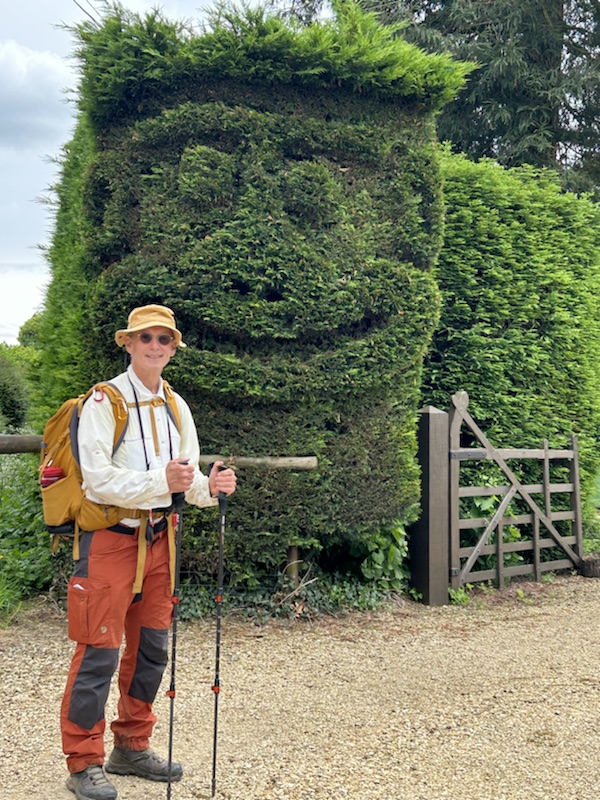
A few fun sightings.

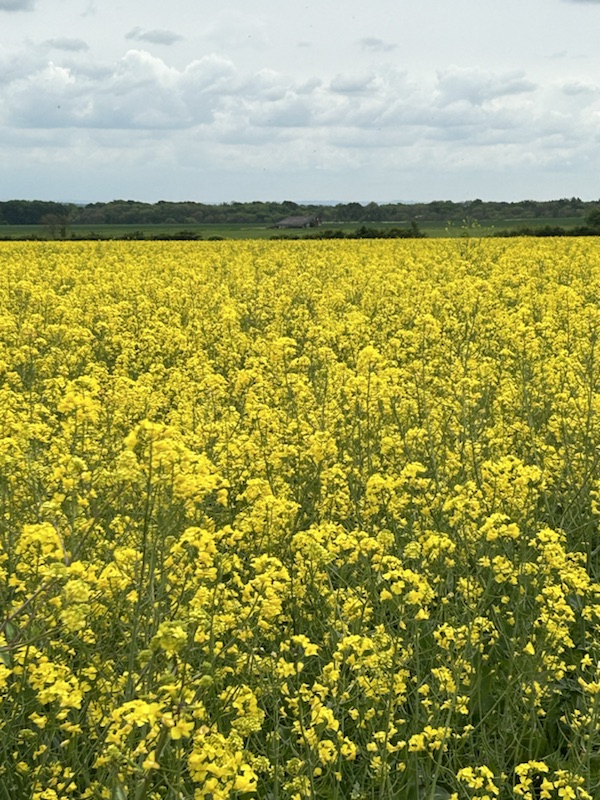
Some beautiful fields.

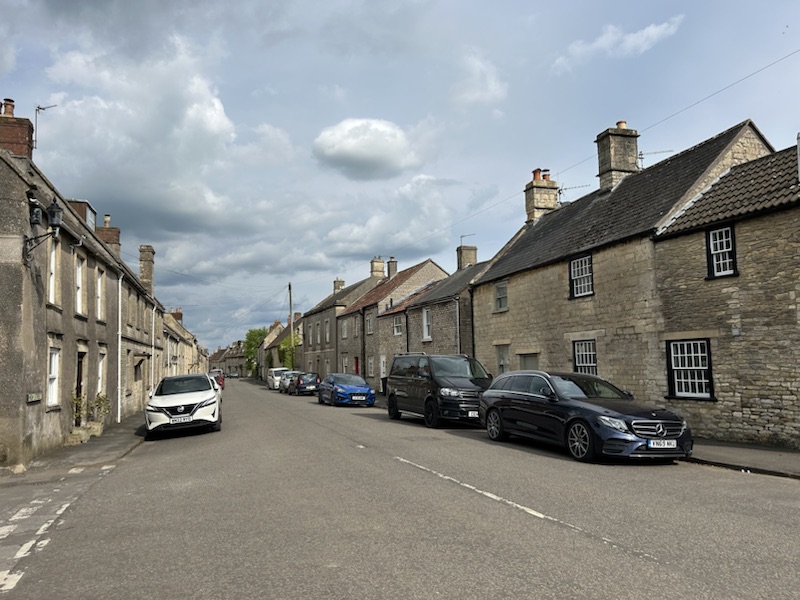
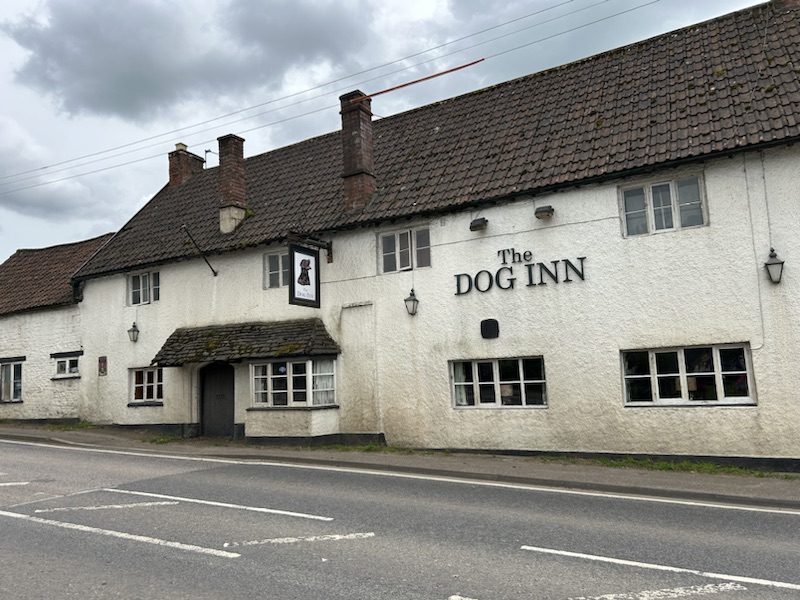
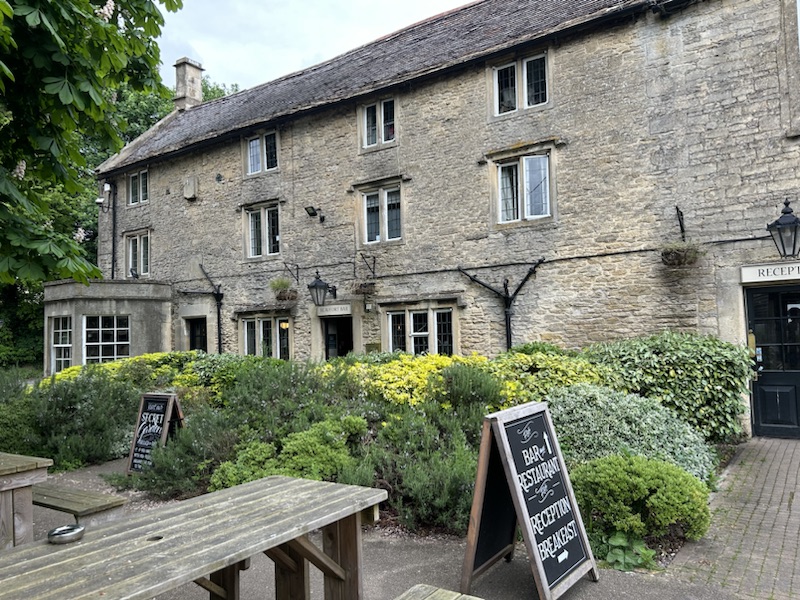
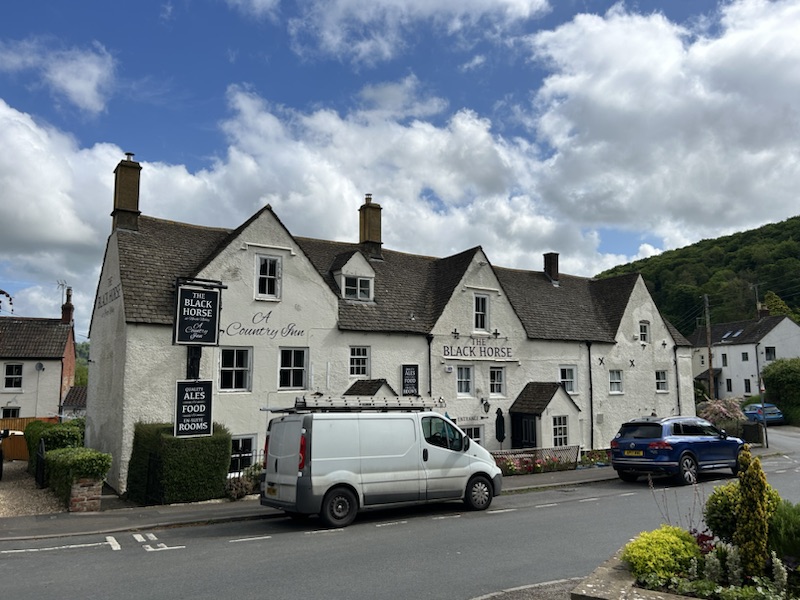
Classic English homes & pubs.

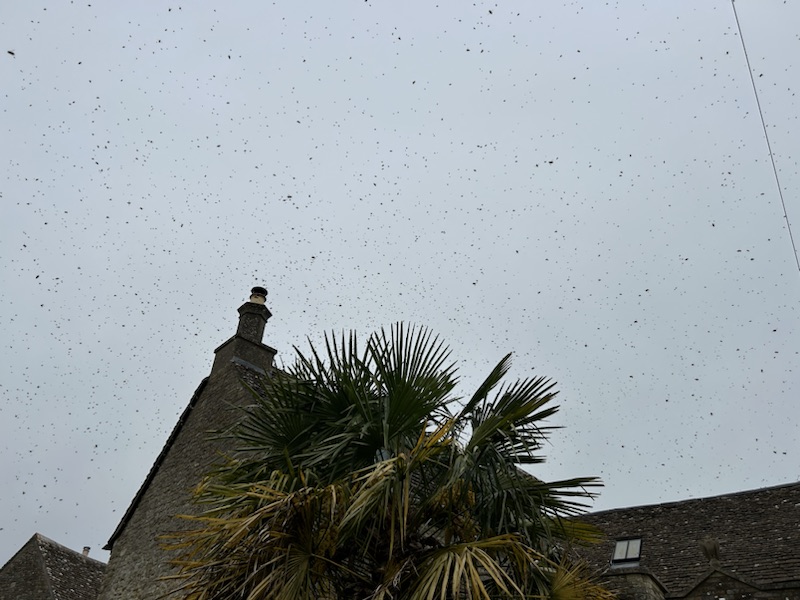
We heard a very loud buzzing sound, looked up, & saw a swarm of bees!!! A local woman told me she had called a bee keeper to come collect them.

I asked, “How do they do that?”

Her reply, “By catching the queen.”

Once again I asked, “How do they do that?”

Her reply, “Exactly” 😂

Bees!

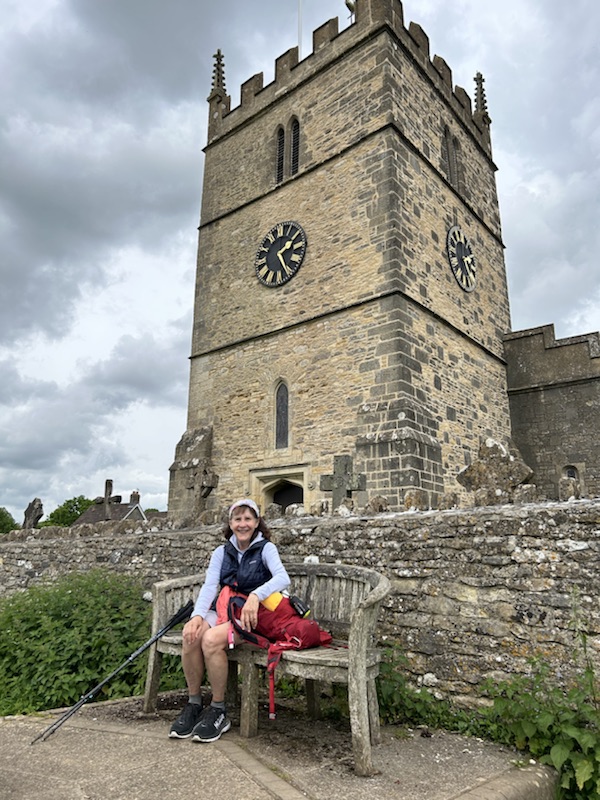
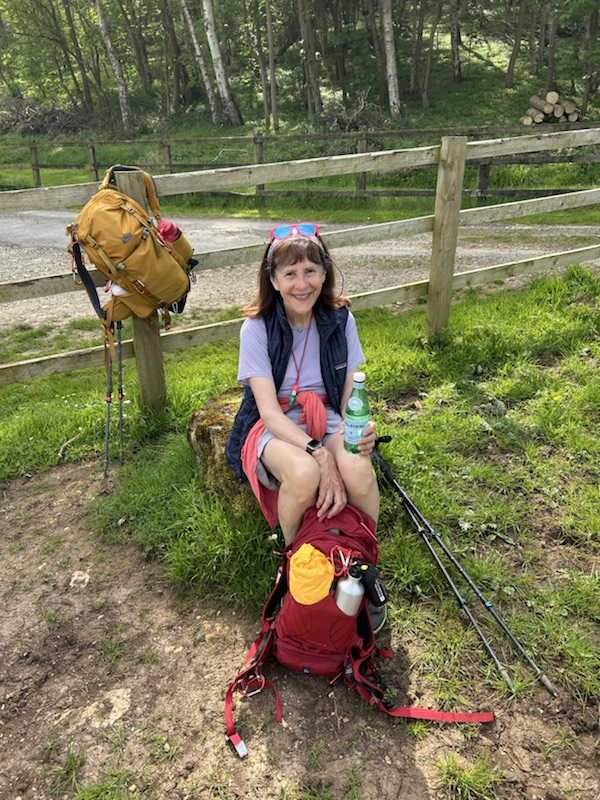
Last rest stop. Today was a long day, so 2 breaks were needed. 😂

We finally made it to our hotel around 4:15PM.

Cotswold Walk – Day 8

Dursley to Wotton-Under-Edge

5.5 miles / 9 km

During a long hiking trek, it’s always nice to have a rest day or a short mileage day. That was today for us because on the remaining three days will be covering 10 miles or more.

Since it was a short walking day, there was no need to hurry, so we left our extremely lovely, funny, & nice B&B hosts at the leisurely time of 8:50AM.

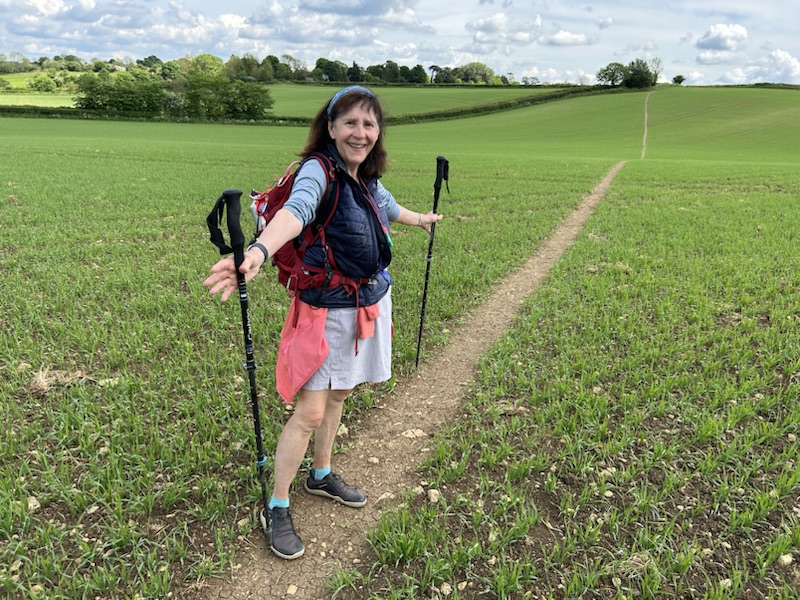
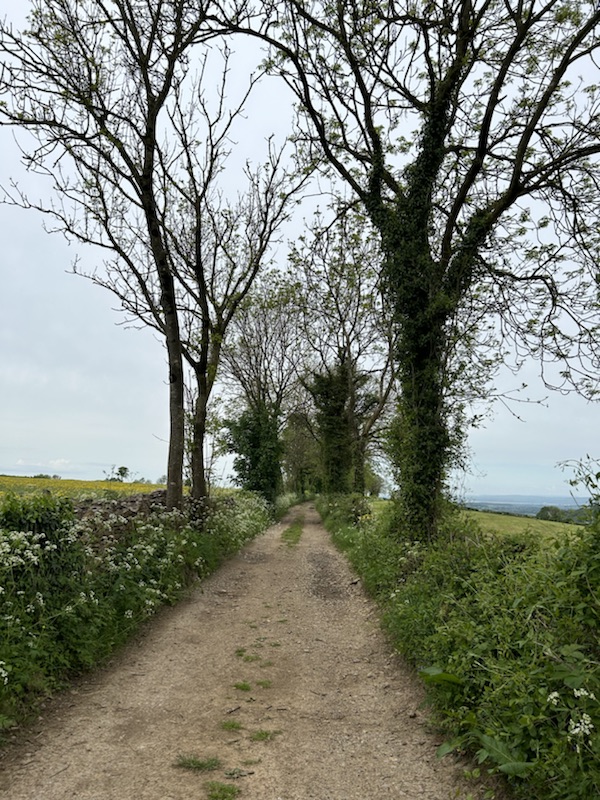
Once again, we crossed farmers’ fields, walked past gardens, & climbed hills.

Somebody nearby loves Winnie the Pooh

We passed through a small village called North Nibley.

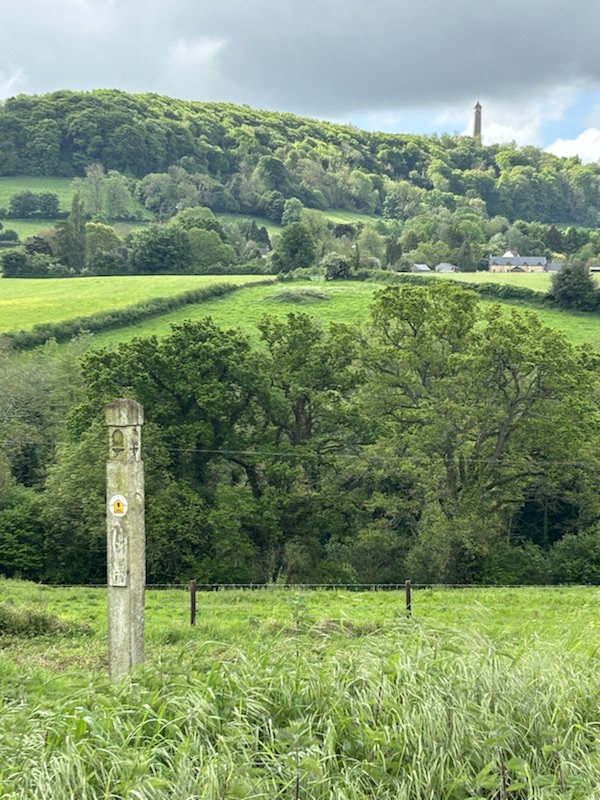
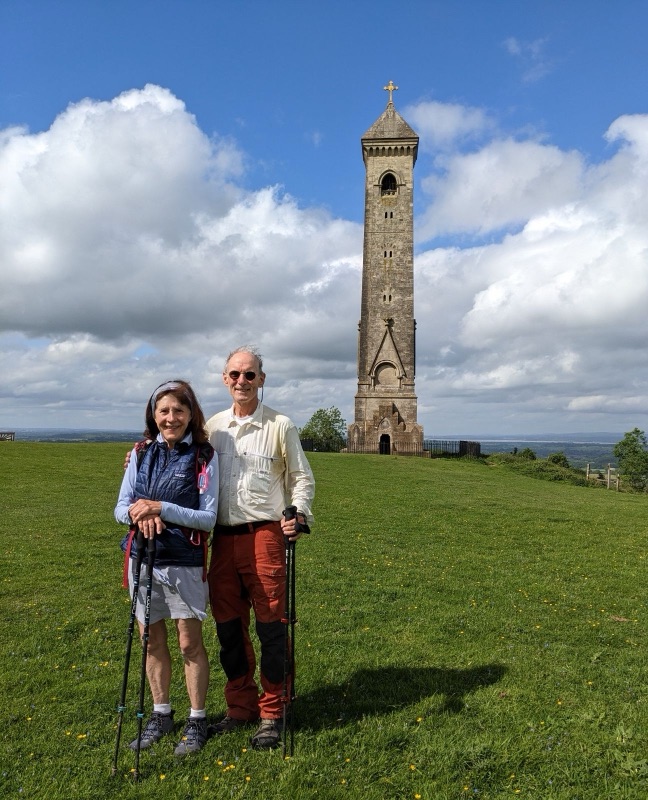
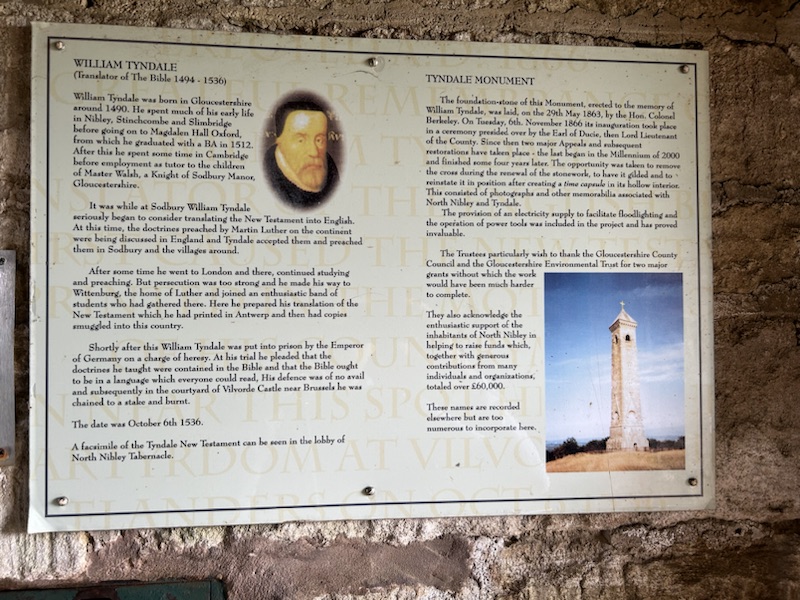
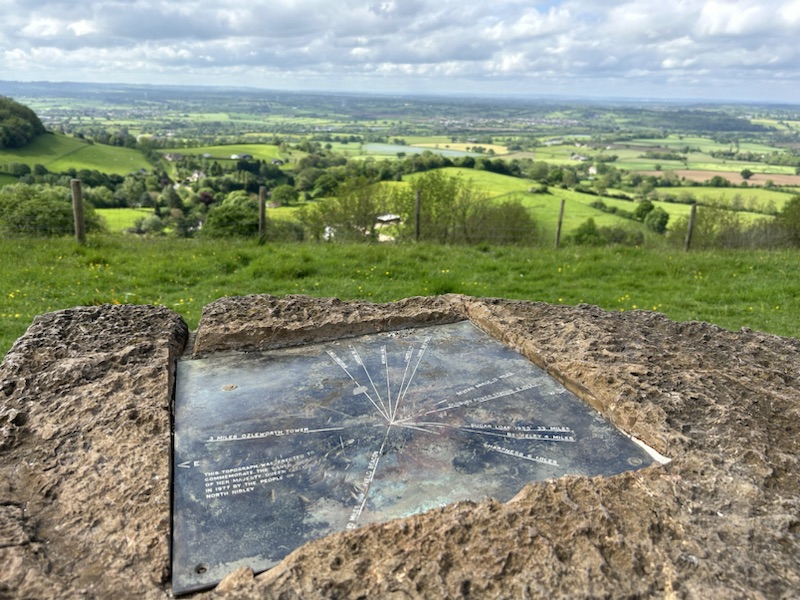
Then we climbed a hill to the Tyndale Monument. This monument is named for William Tyndale who helped translate the Bible into English because he believed the Bible should be in a language everyone could read instead of Latin. However, he went against the Catholic Church’s beliefs & customs, so in 1536, he was charged with heresy & burned at the stake for his efforts.

Our last hill today was Wotton Hill which was a nice place for a short rest.

A few miles later we were in Wotton-Under-Edge. (Just love these English names!)

As expected, it is yet another lovely town in the Cotswolds.

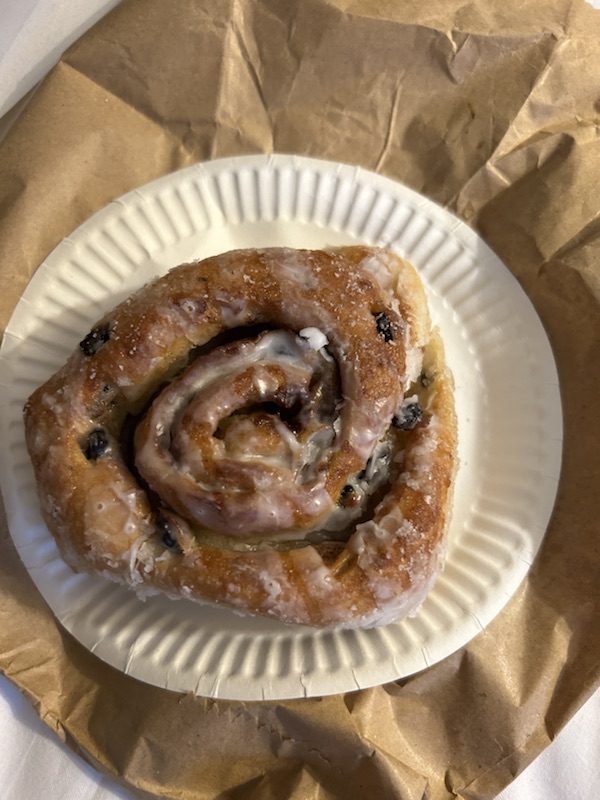
I also bought myself a Chelsea Bun. It was yummy by the way.😋

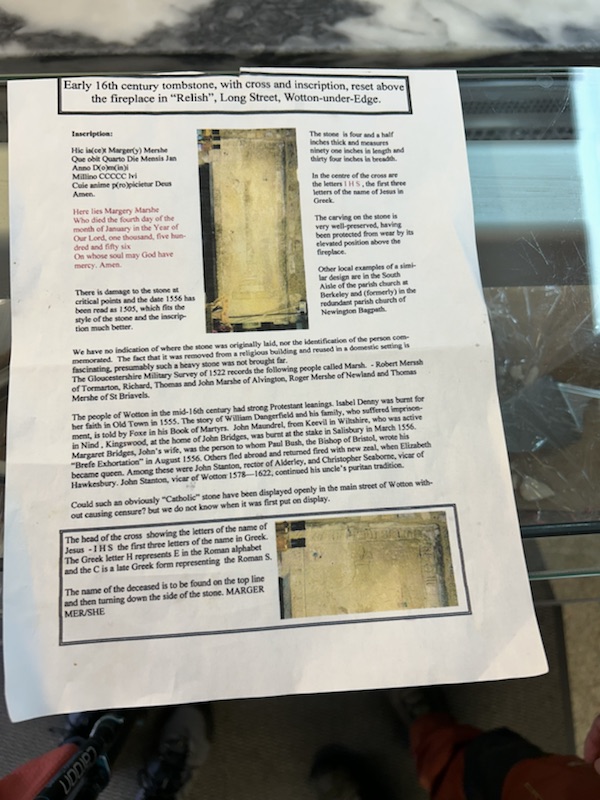
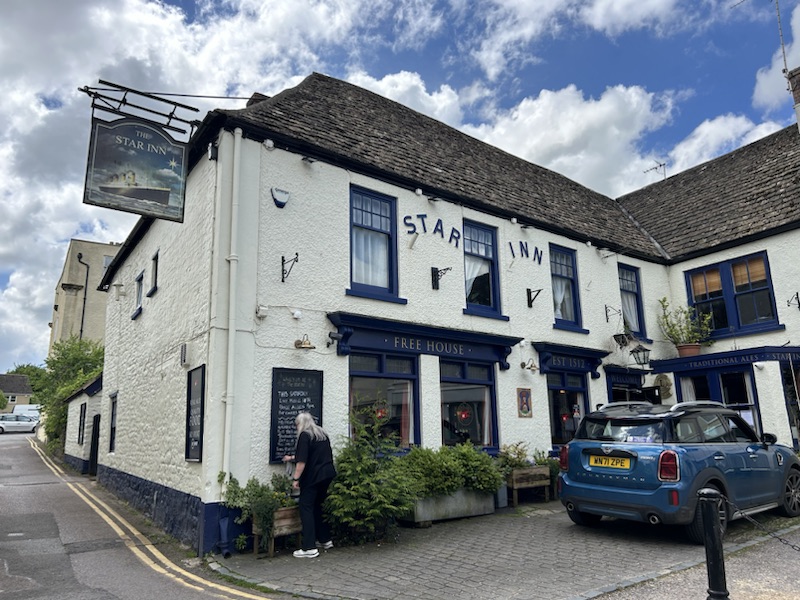
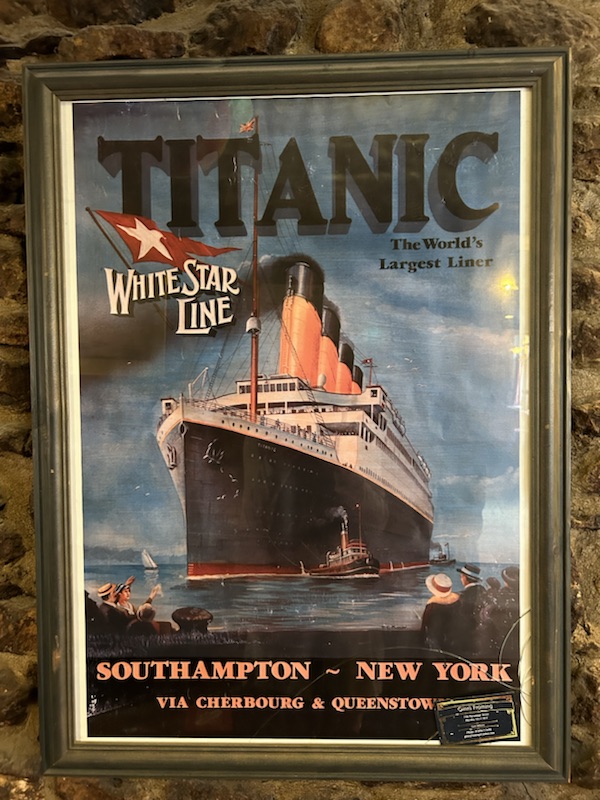
The Star Inn which was built in 1512 has a good story that connects it to the Titanic.

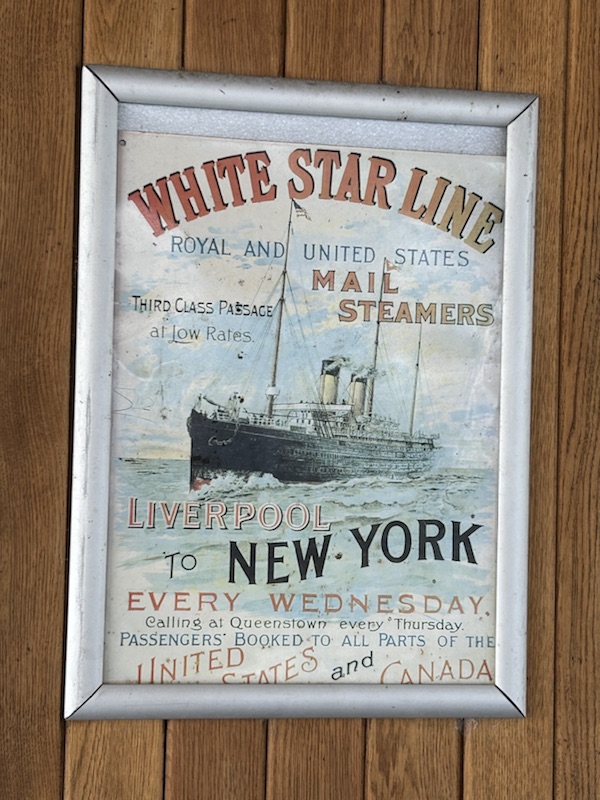
In 1784, John Cambridge was born in the Star Inn which his father owned. As a young man, John emigrated to Prince Edward Island, Canada, where he started a lumber business to support the shipbuilding industry. His lumber business profits grew, so he reinvested them by starting a shipping company which he named the “White Star Line” after his father’s inn. Eventually, Cambridge’s business was acquired & the new owners were the ones who eventually had the ill-fated RMS Titanic built.

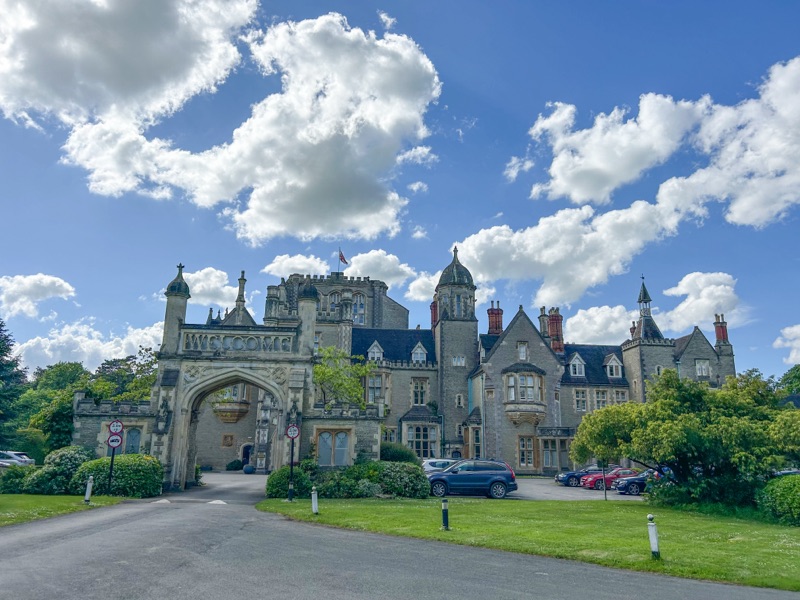
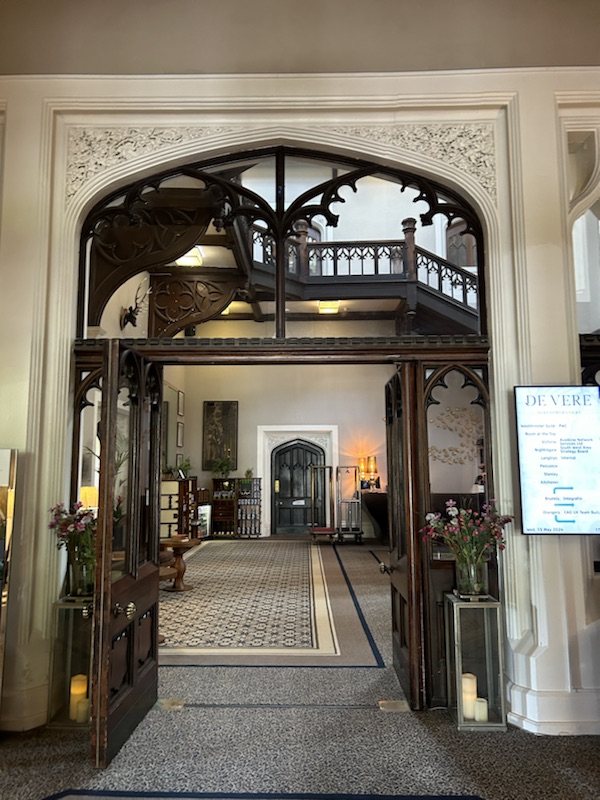
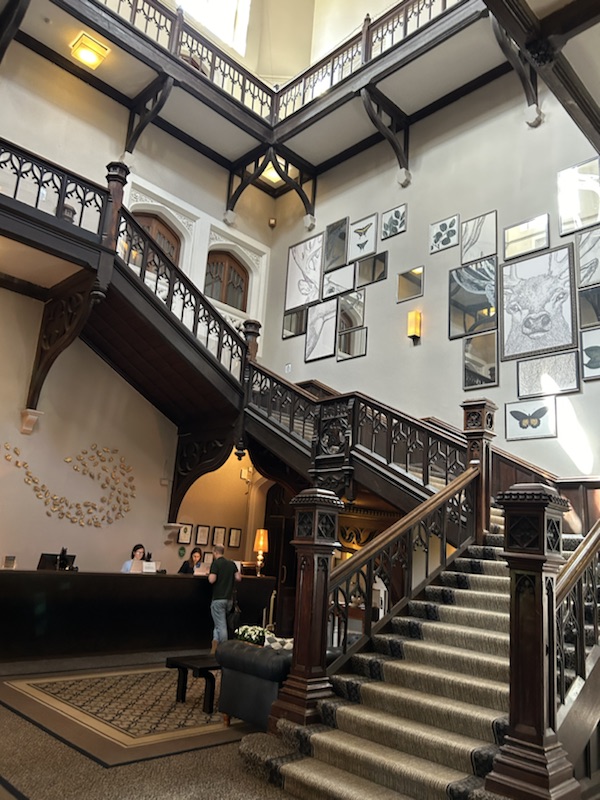
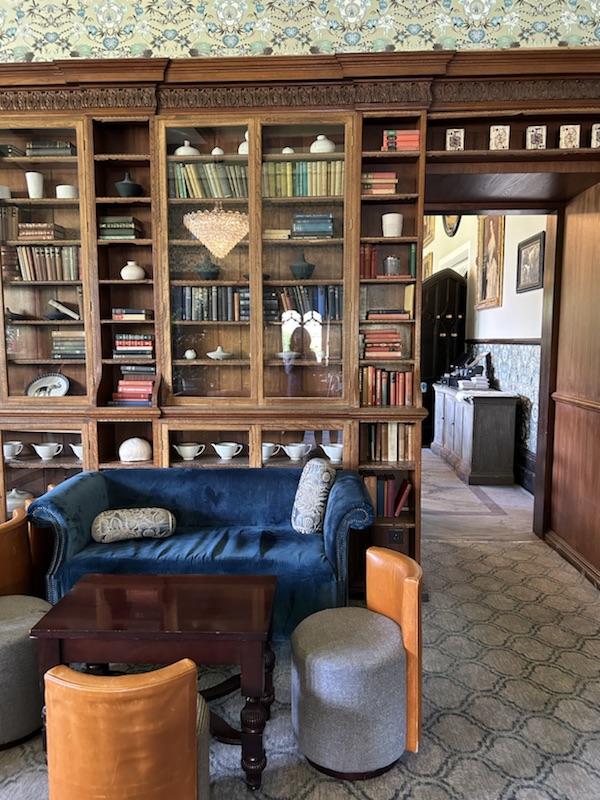
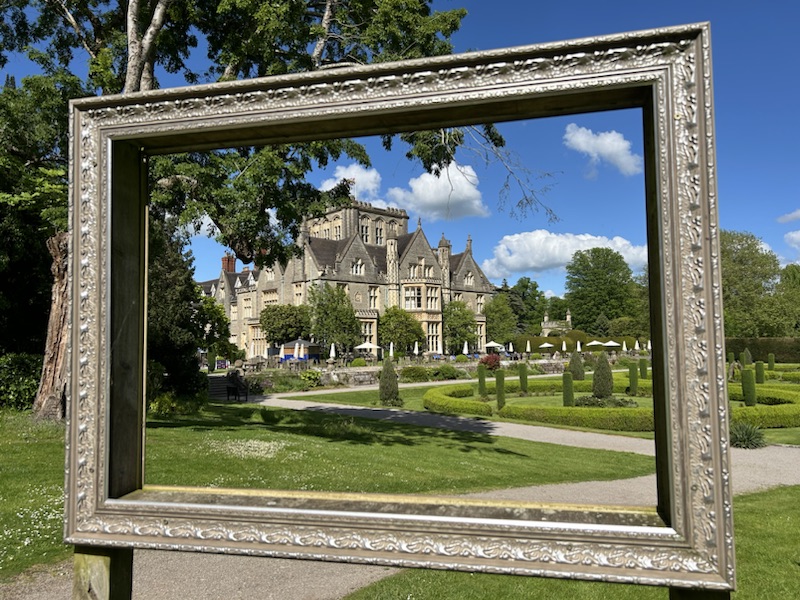
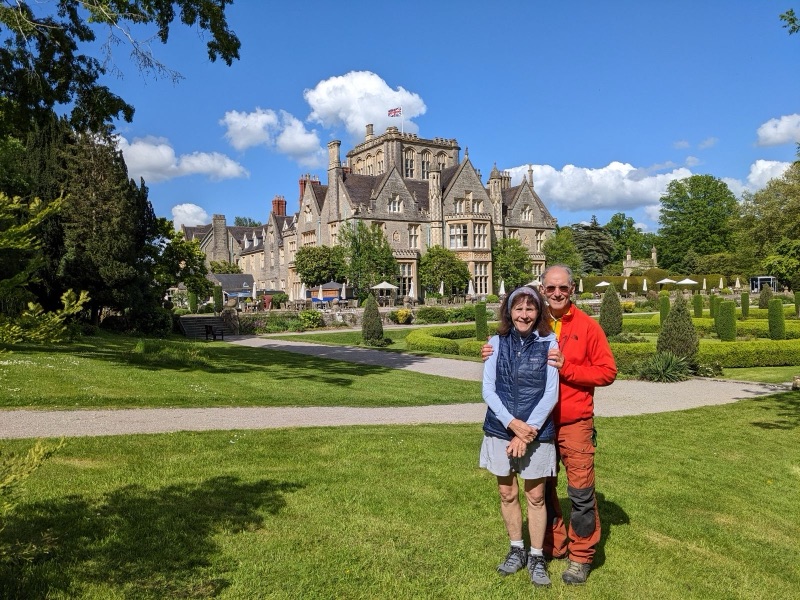
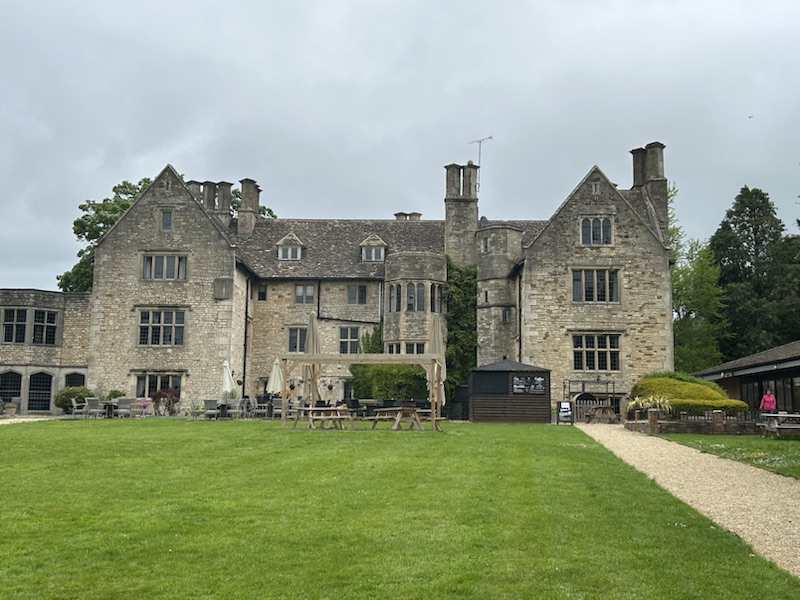
Our tour company arranged for us to take a taxi to our accommodation at De Vere Tortworth Court which is an amazing historical hotel that dates back to the 14th Century.

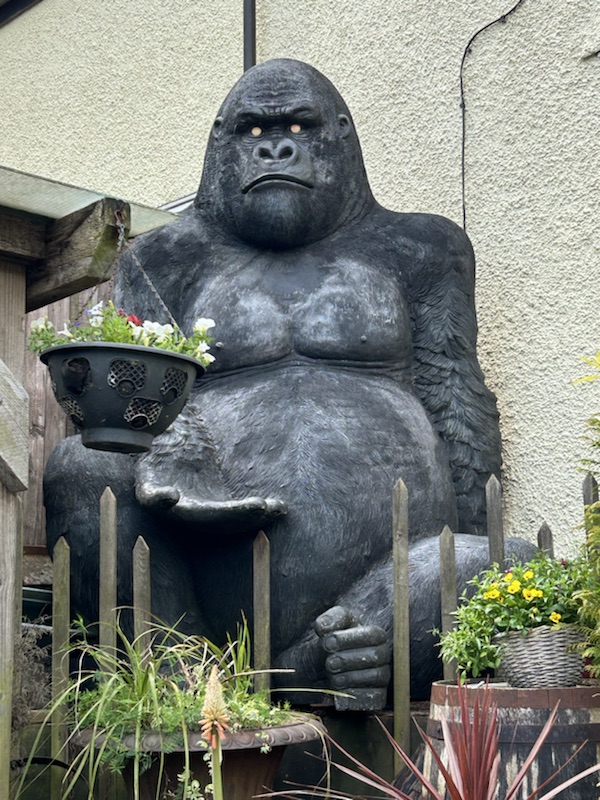
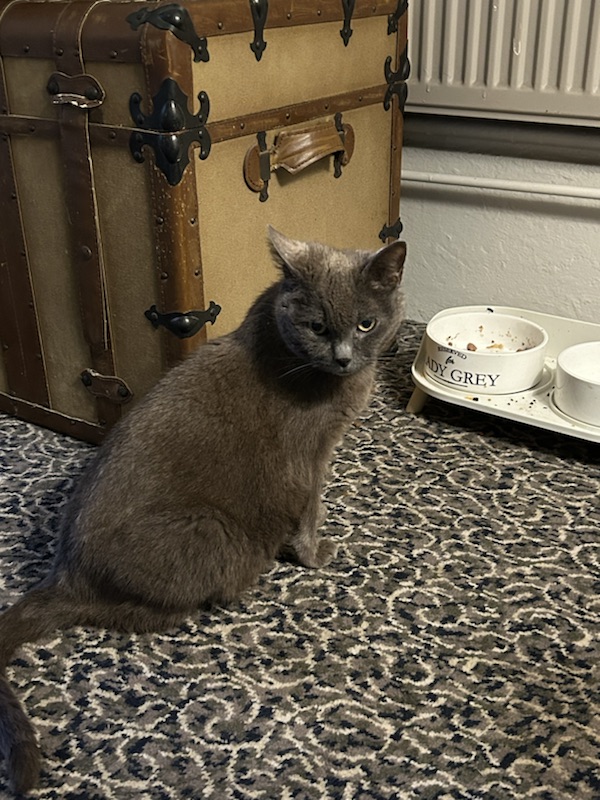
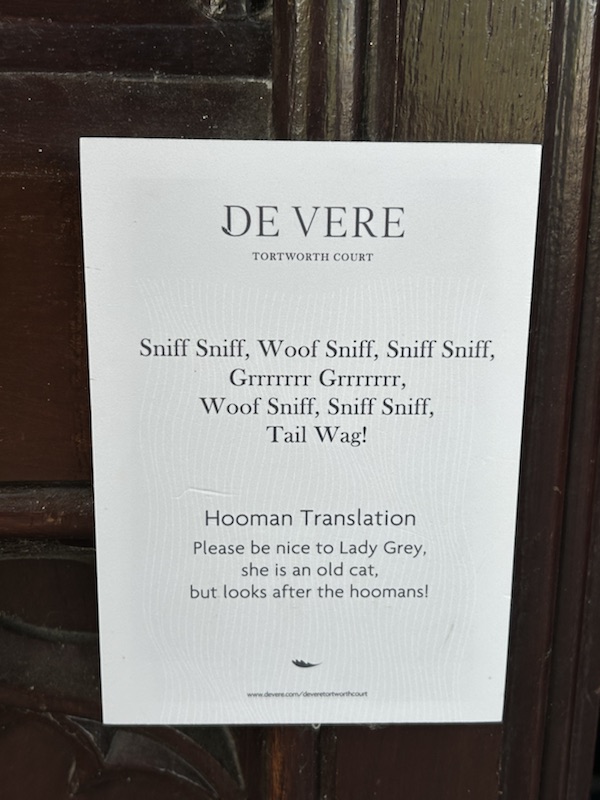
A very special resident at De Vere.

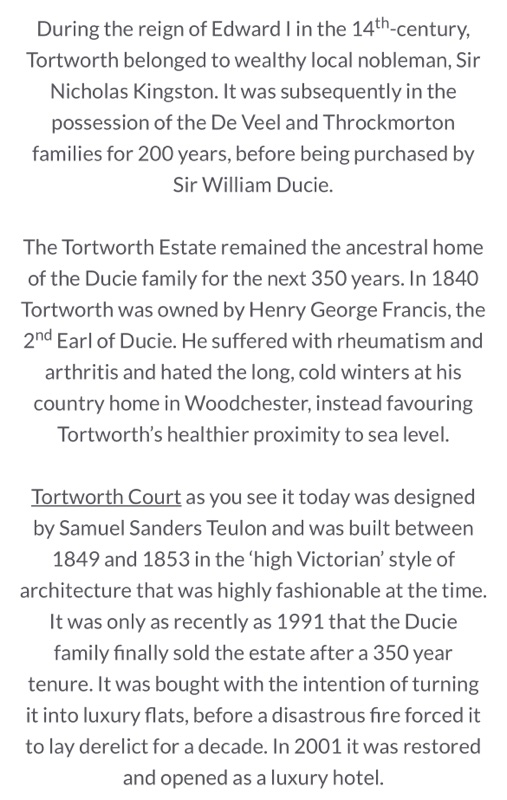
De Vere Tortworth Court history:

Cotswold Walk – Day 7

Stonehouse to Dursley

10 miles / 18 km

The weather forecast for cloudy skies was spot on.

Today’s main obstacle was mud. After yesterday’s afternoon & evening rain, many sections along the path were very muddy.

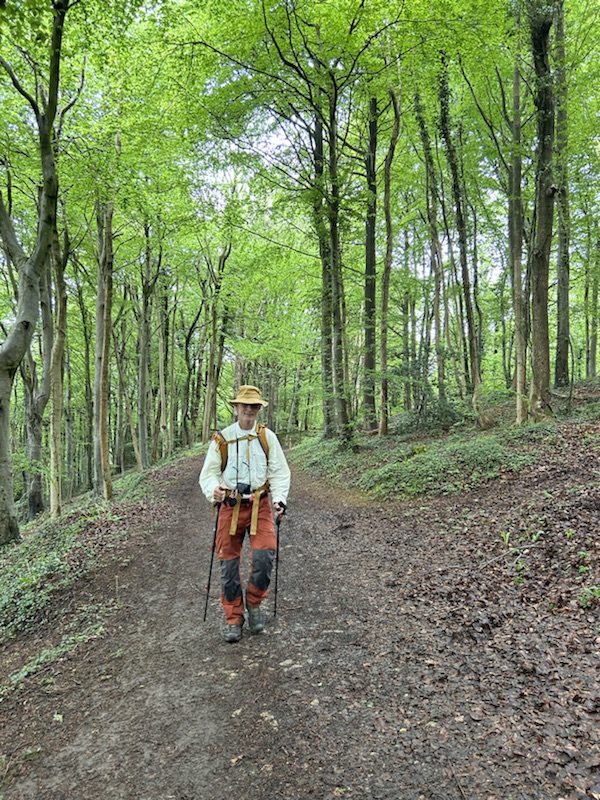
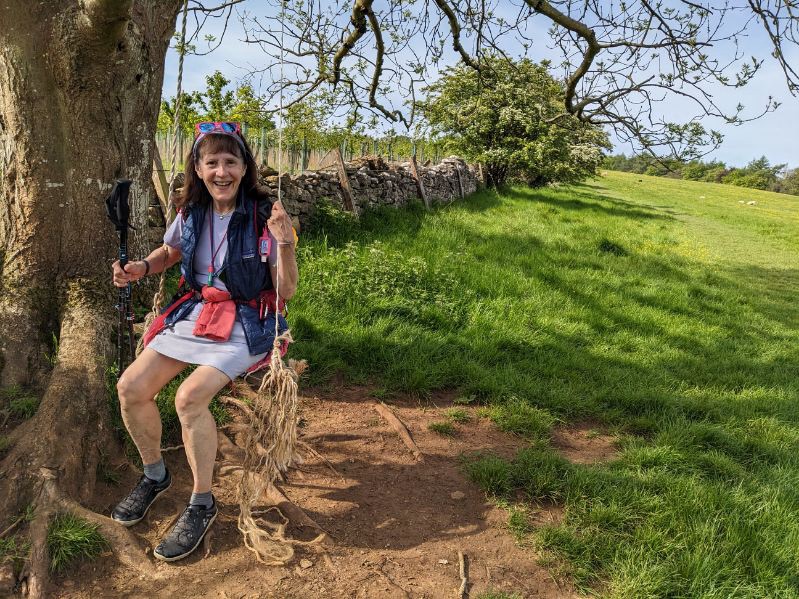
The trail was slippery from time to time; but, my trusty trekking poles prevented me from falling into the mud on more than one occasion.

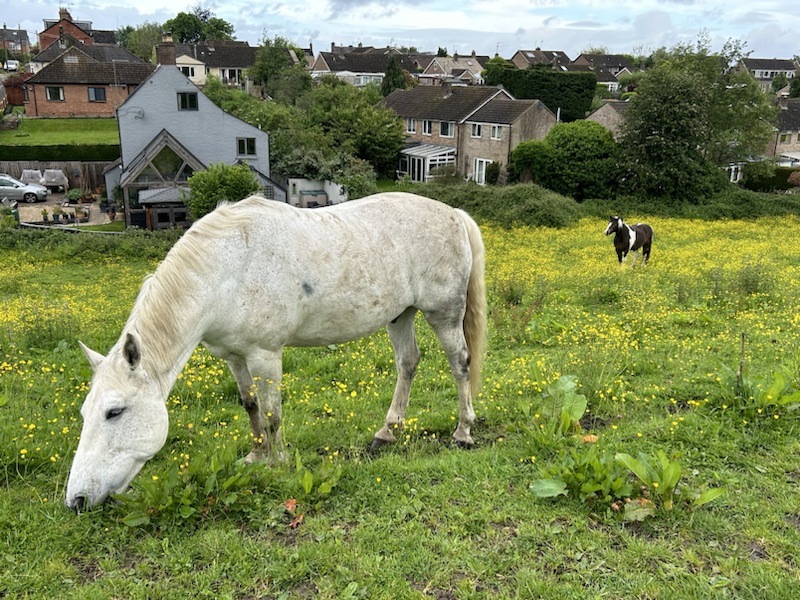
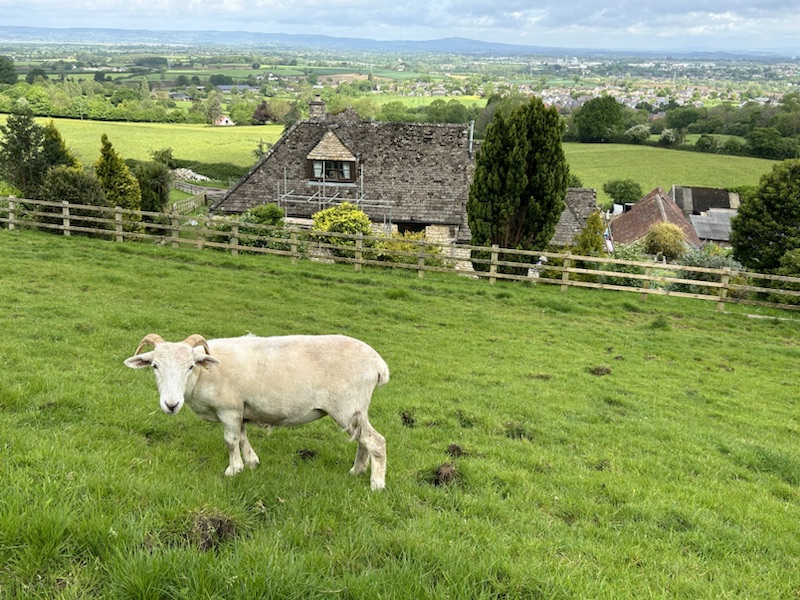
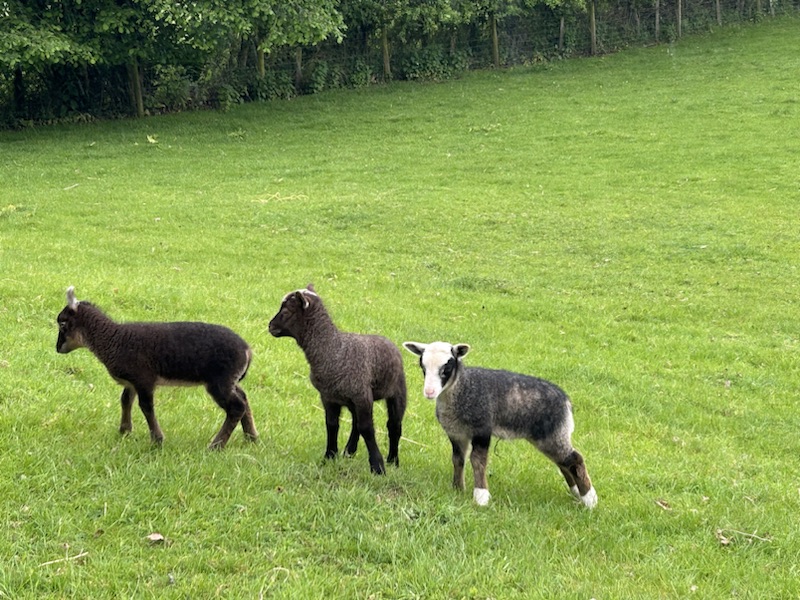
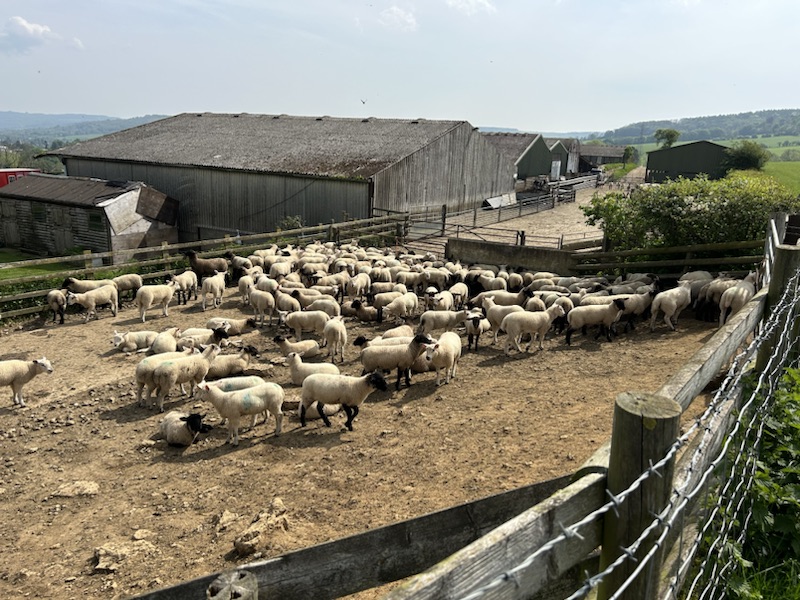
We also, once again, enjoyed seeing various animals along the way.

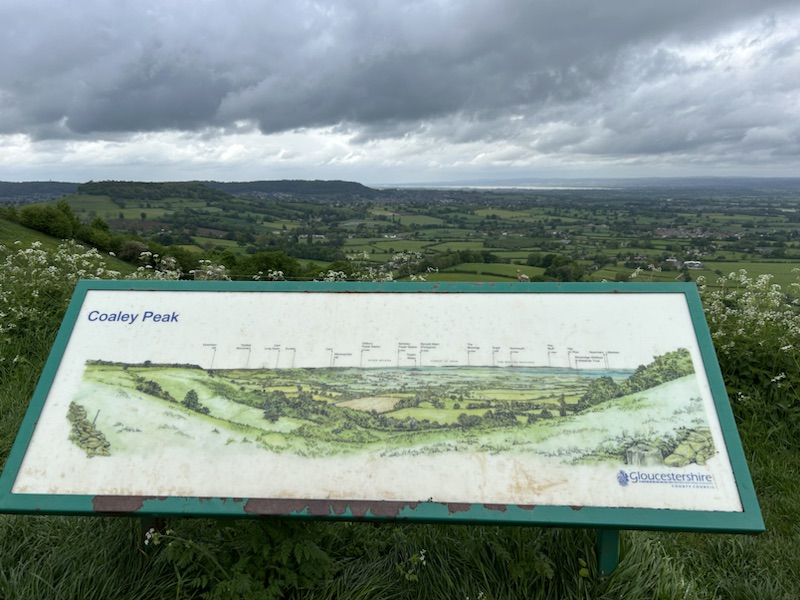
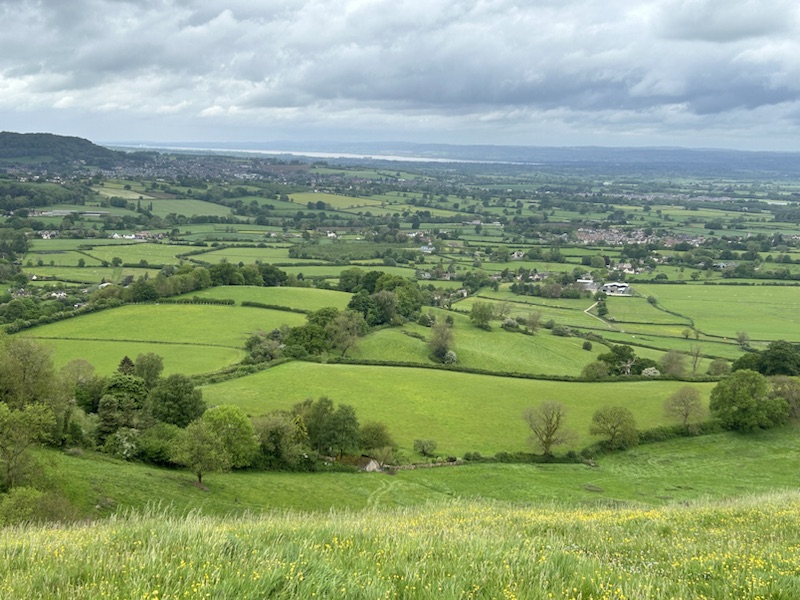
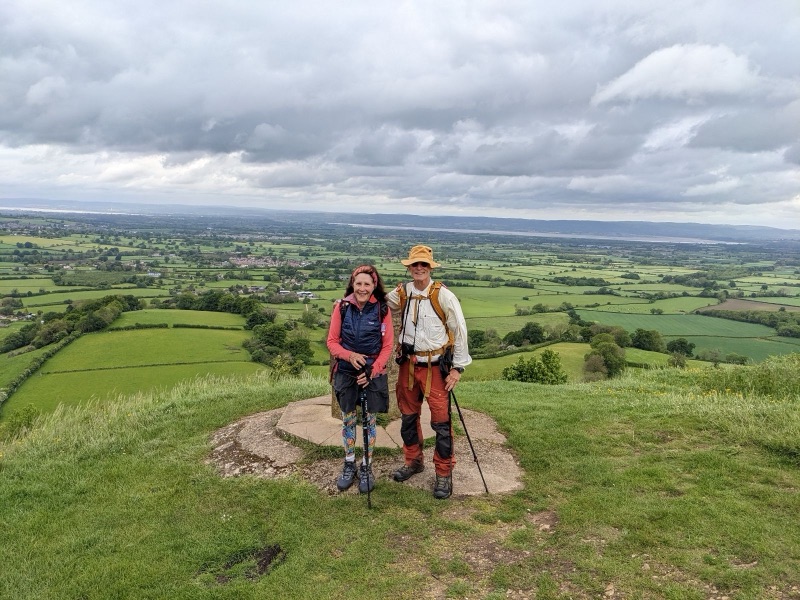
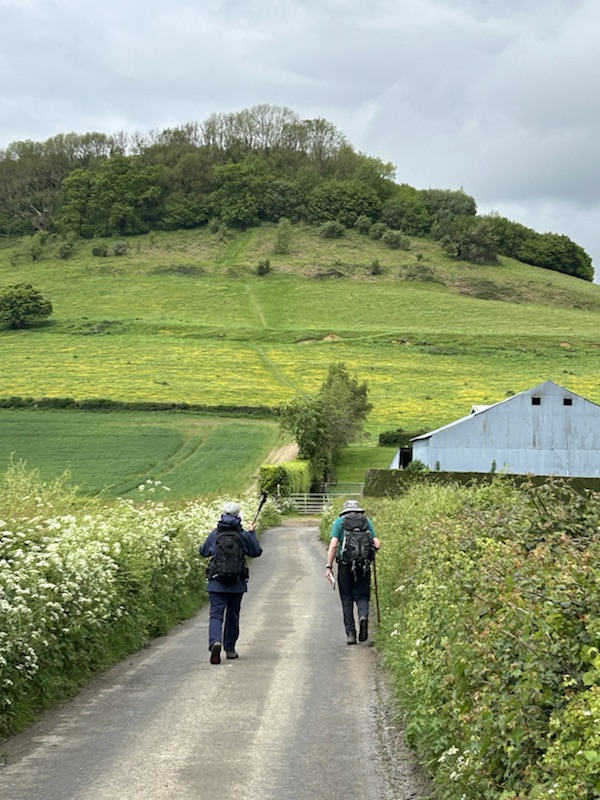
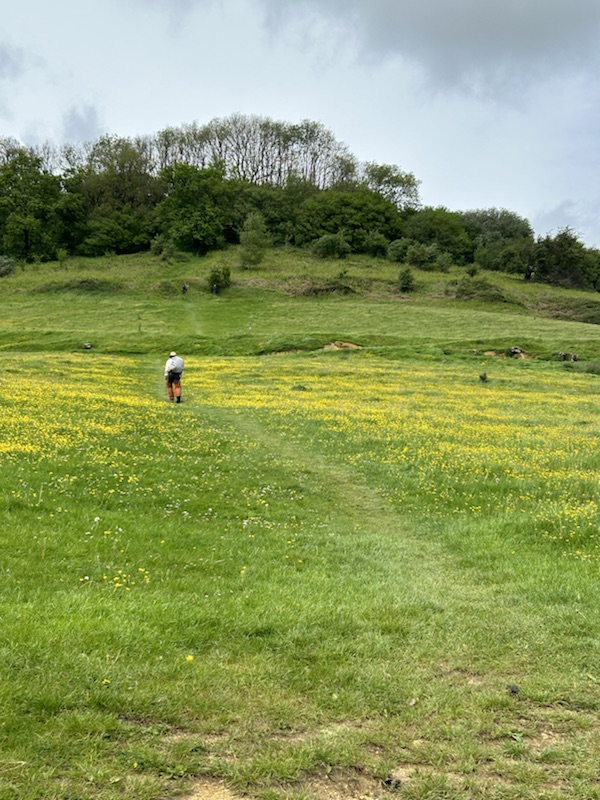
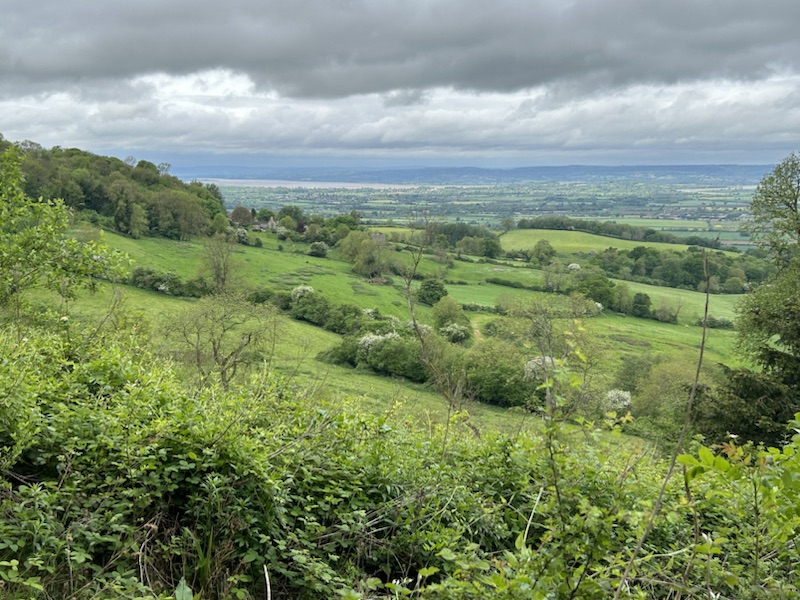
We climbed two big hills today. On Coaley Peak we had spectacular views overlooking the beautiful green countryside.

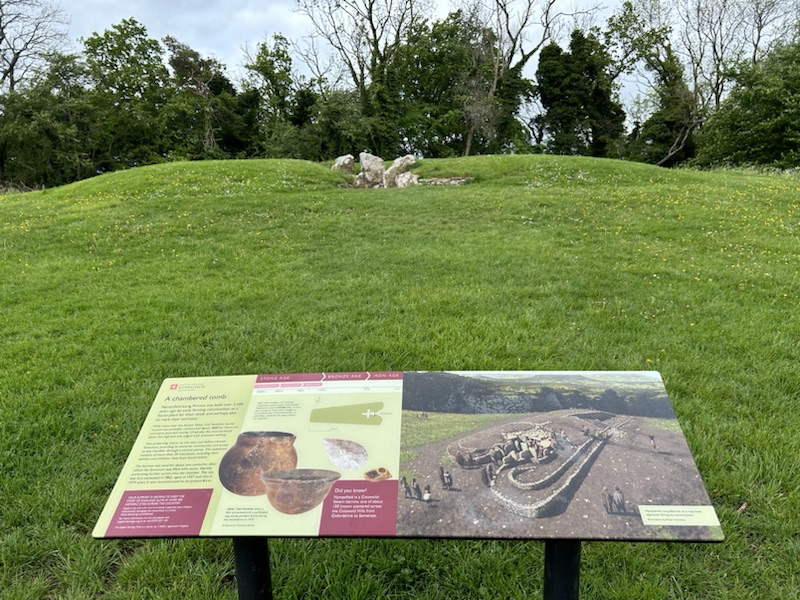
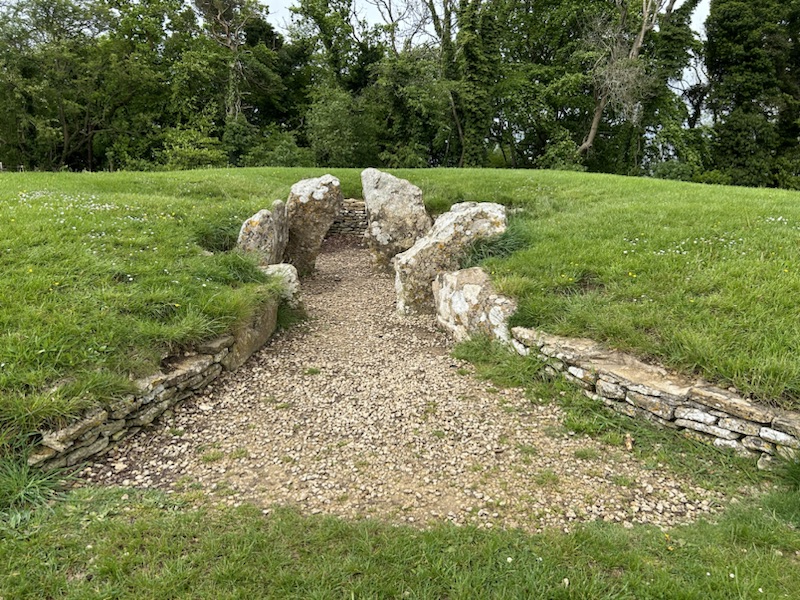
Near Coaley Peak we passed the Nymphsfield Long Barrow which is another ancient burial site that dates from 2500 BCE.

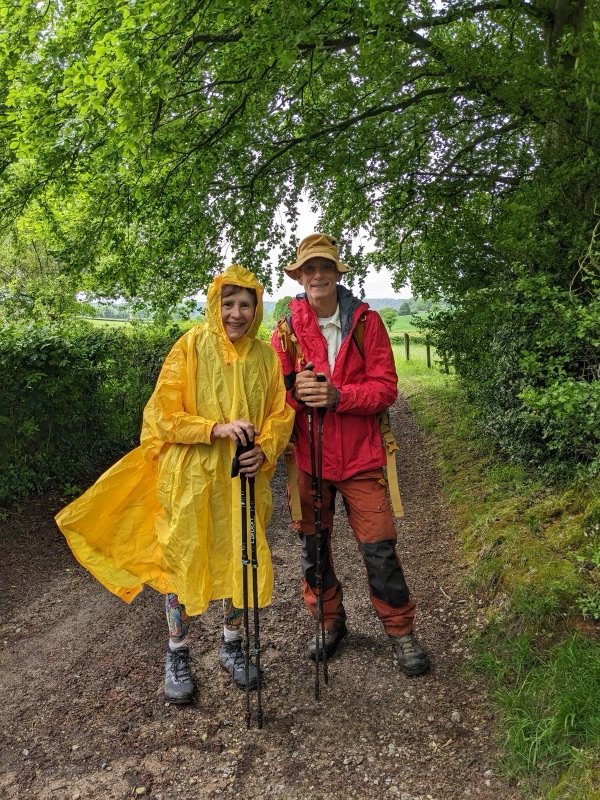
With only about an hour left on the trail, it seemed like our luck avoiding any precipitation had ended as it started to rain, so out came the rain poncho & rain jacket.

Right after this picture was taken, the rain stopped & the rain gear went right back into our backpacks. 😂

After the brief shower, we had one last big hill to climb for the day.

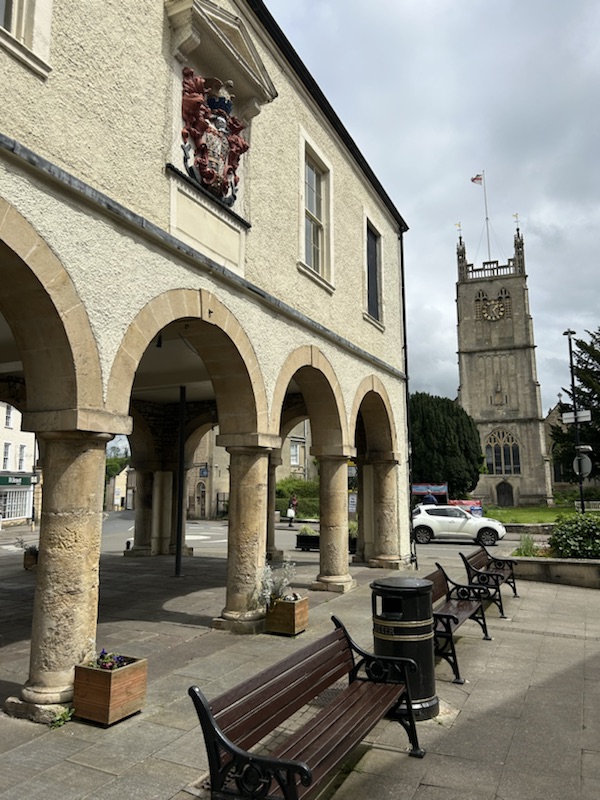
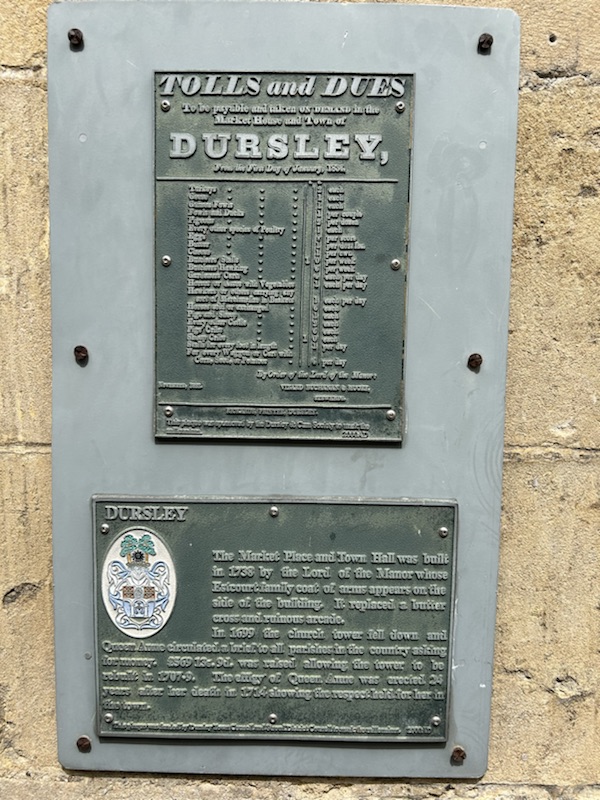
We reached Dursley in the early afternoon arriving a little earlier than our B&B hosts had expected us.

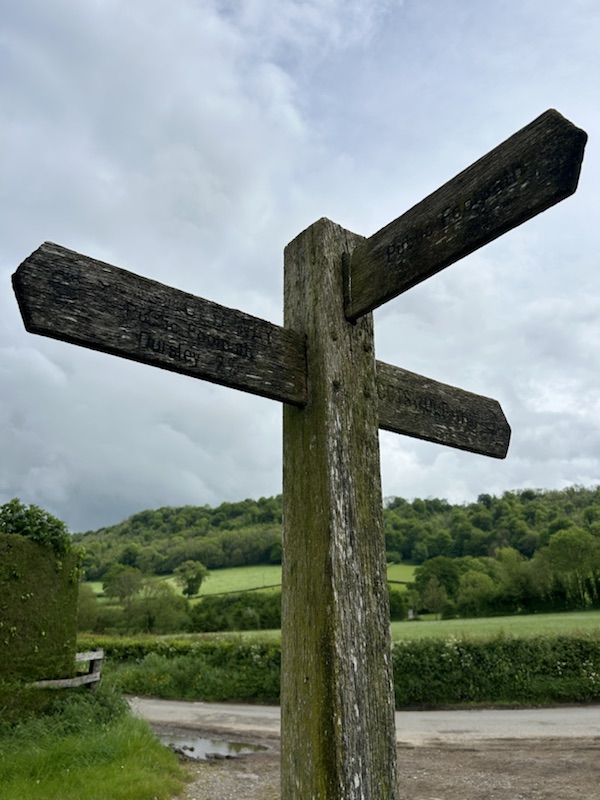
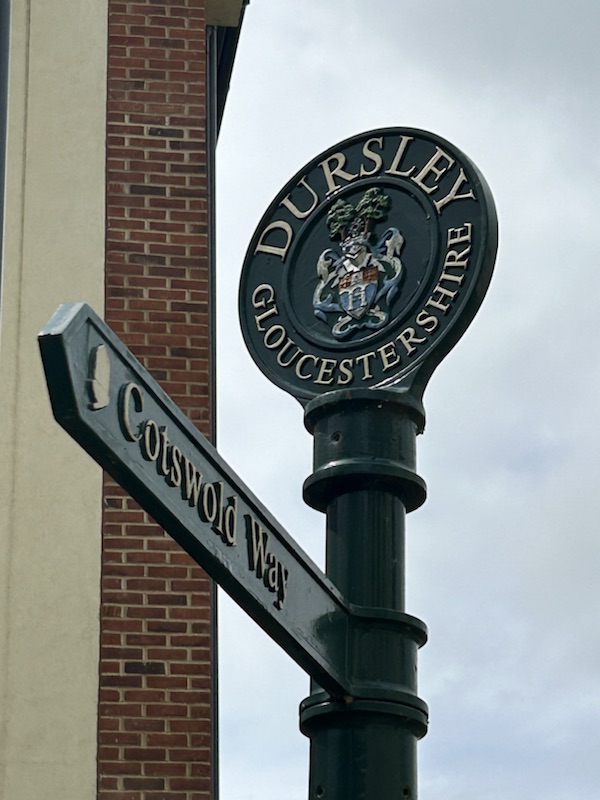
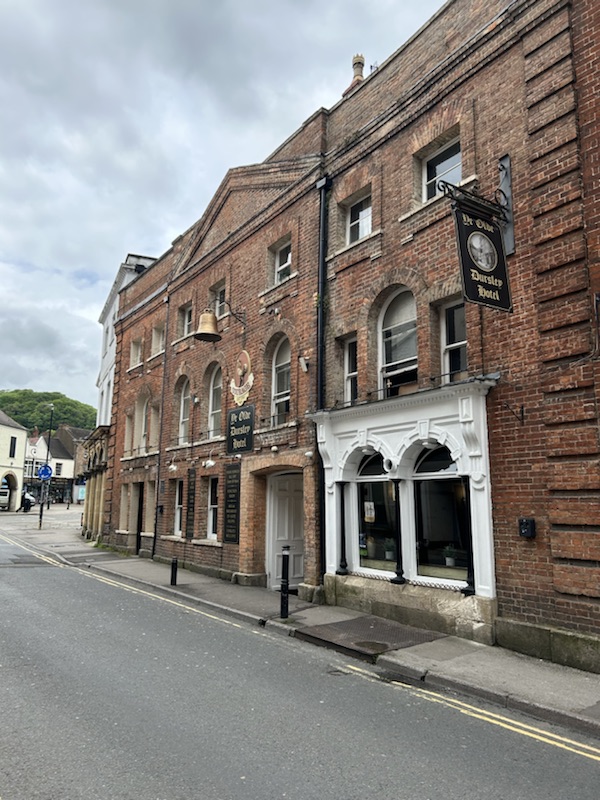
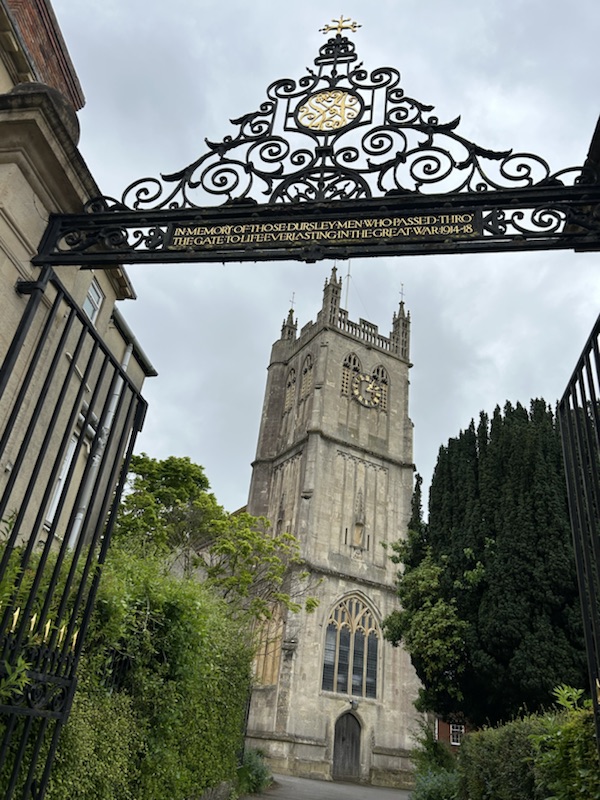
If you are a Harry Potter fan, the town’s name might sound familiar.

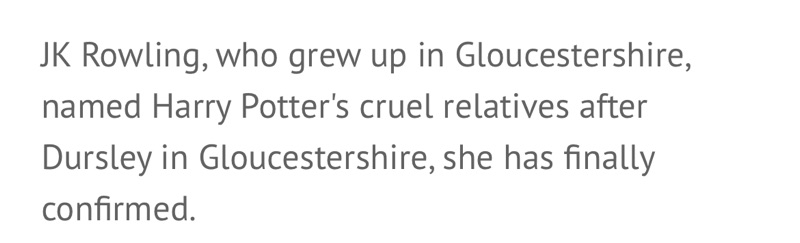
JK Rowling who wrote the Harry Potter books is from this area & supposedly she does not like this town, so she got back at it in her own literary way.

However, we find Dursley quite charming.
Cotswold Walk – Day 6

Painswick to Stonehouse

10 miles /18 km

Today was our first day to walk with cloudy, overcast skies along with high winds in some locations. However, the weather brought cooler temperatures which was nice.
We were on our way at 8:45 AM. Unlike the other days, our travel company booked us at a nice studio apartment where we enjoyed a nice private breakfast before beginning our journey.

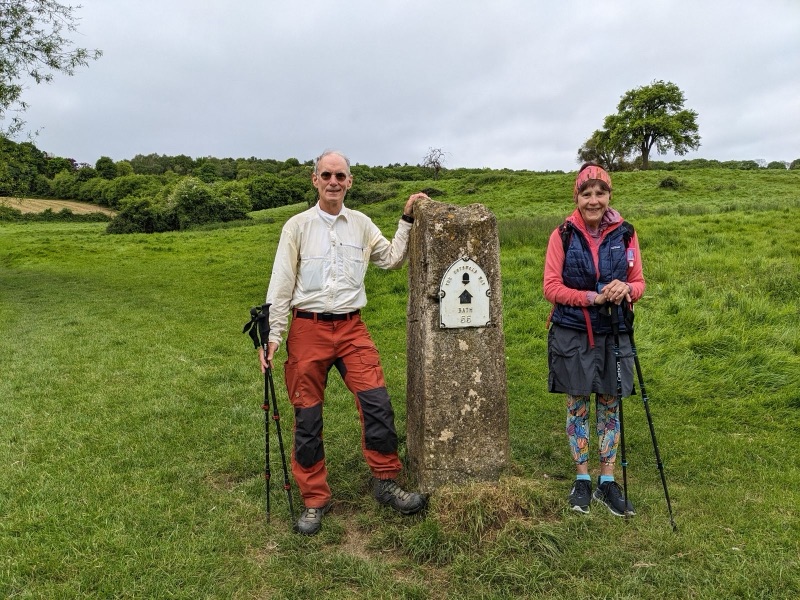
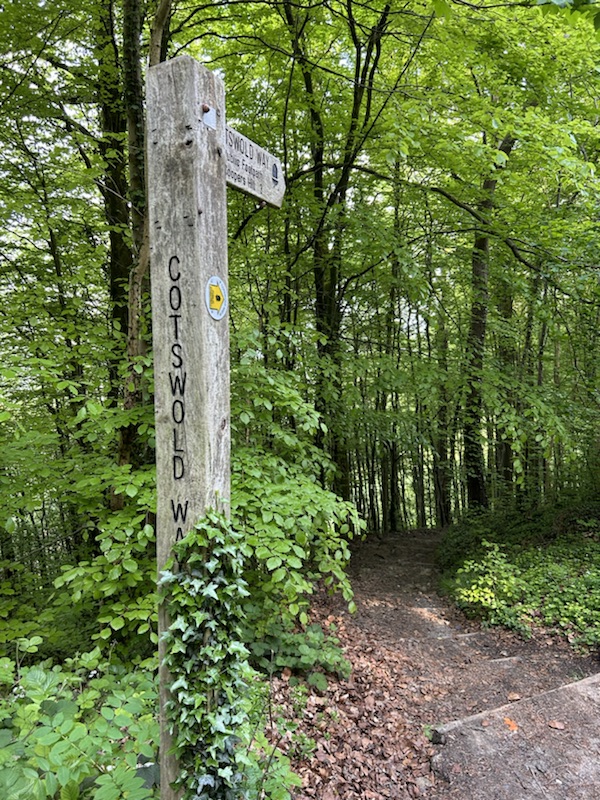
Soon after leaving Painswick we passed the half-way marker to Bath.

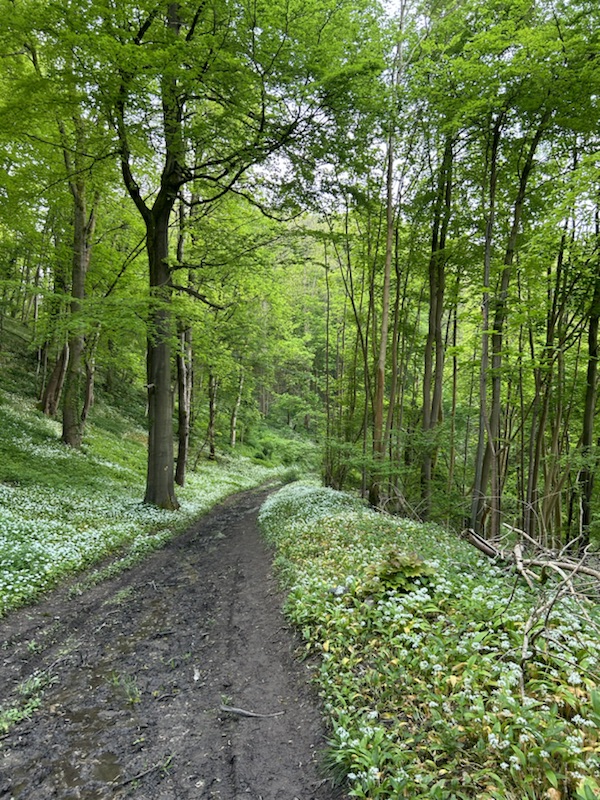
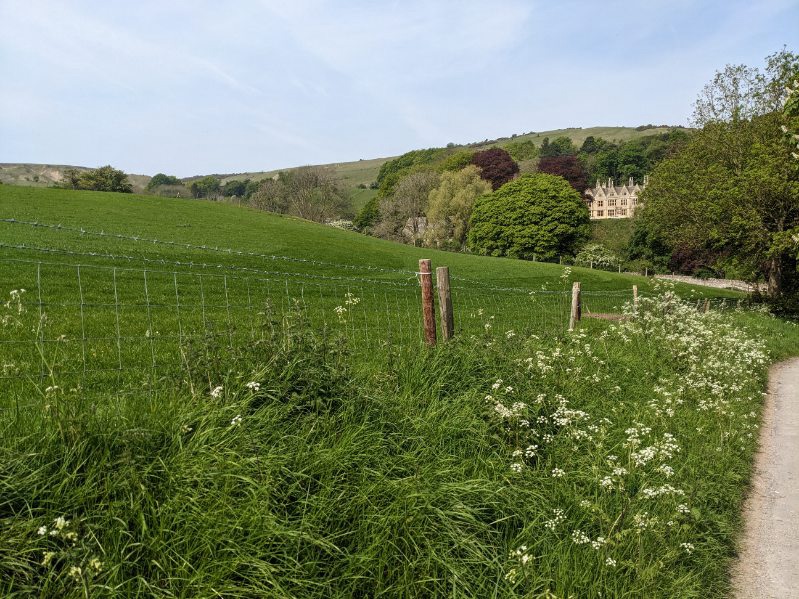
After crossing an open field, we were soon in a beautiful forest.

We only had to climb one big hill today, whereas over the past 5 days, the path involved a great deal of walking up & down hills.

Climbing hills affords a great view. You can also see the cloudy weather we experienced all day. These exposed ridges had very strong winds which made it quite chilly.

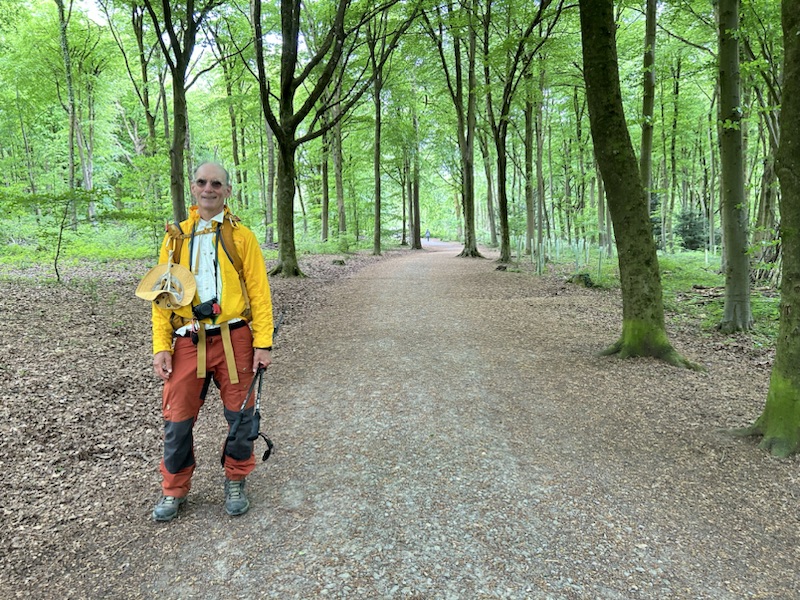
We walked through very pleasant forests with wide pathways for several miles.

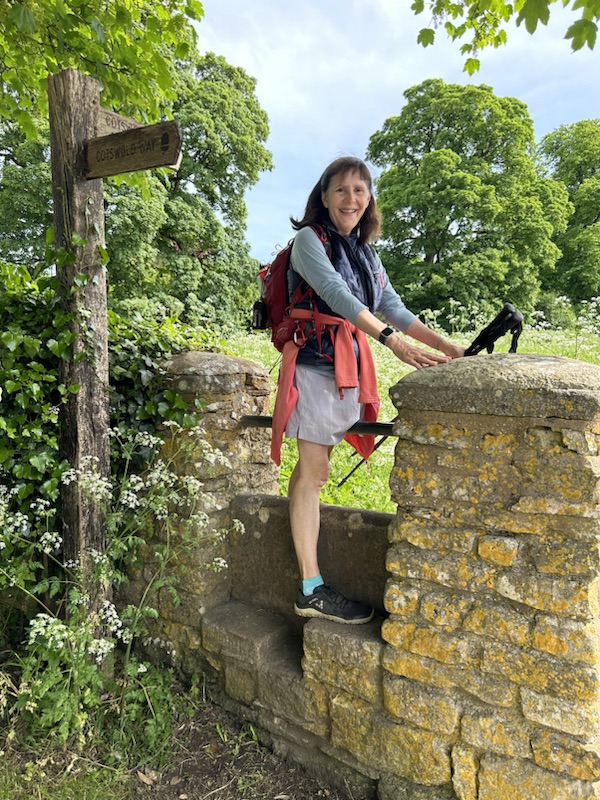
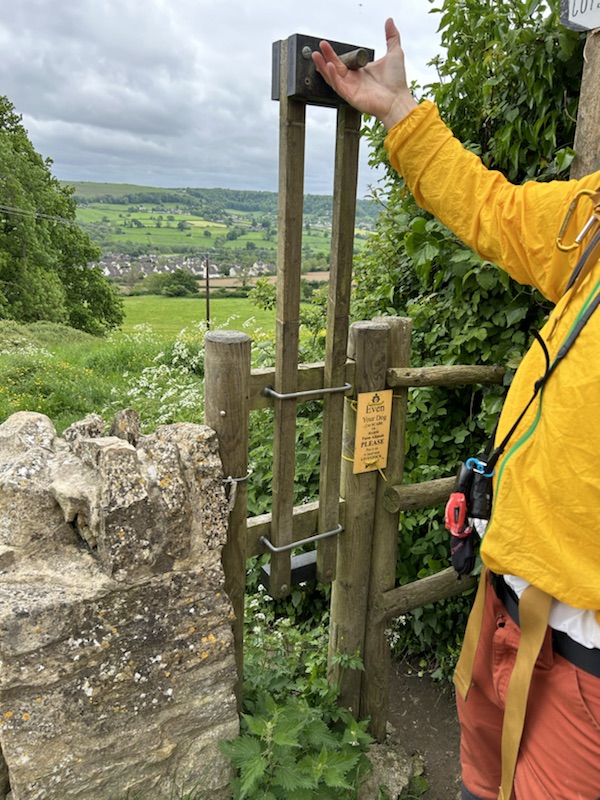
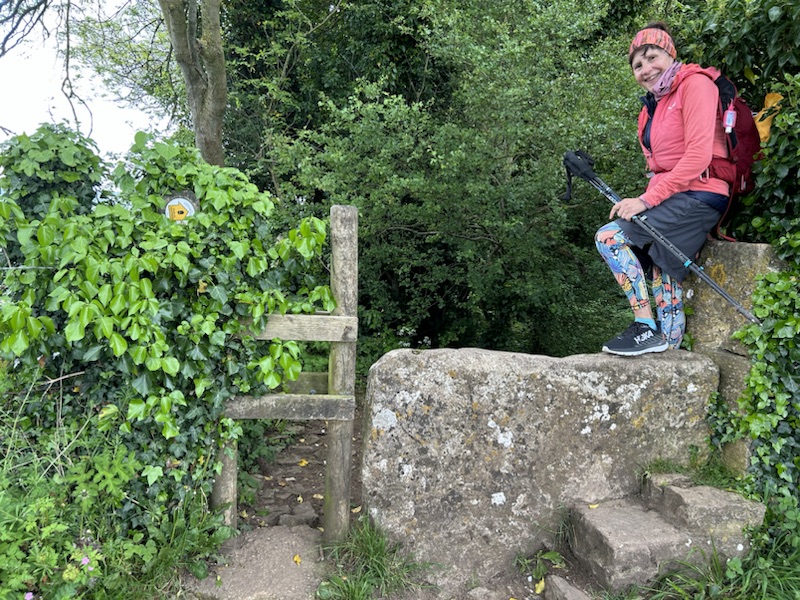
Interesting stiles today.

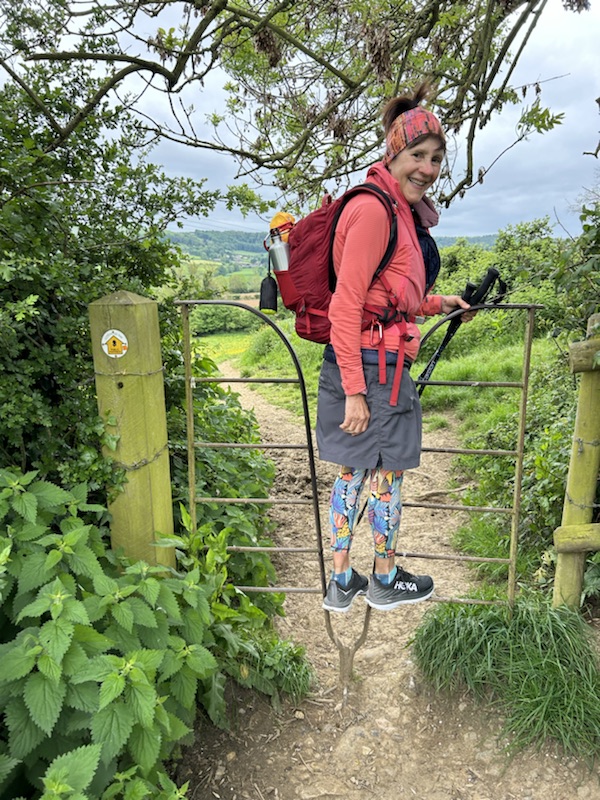
This is a Squeeze Style which is self explanatory

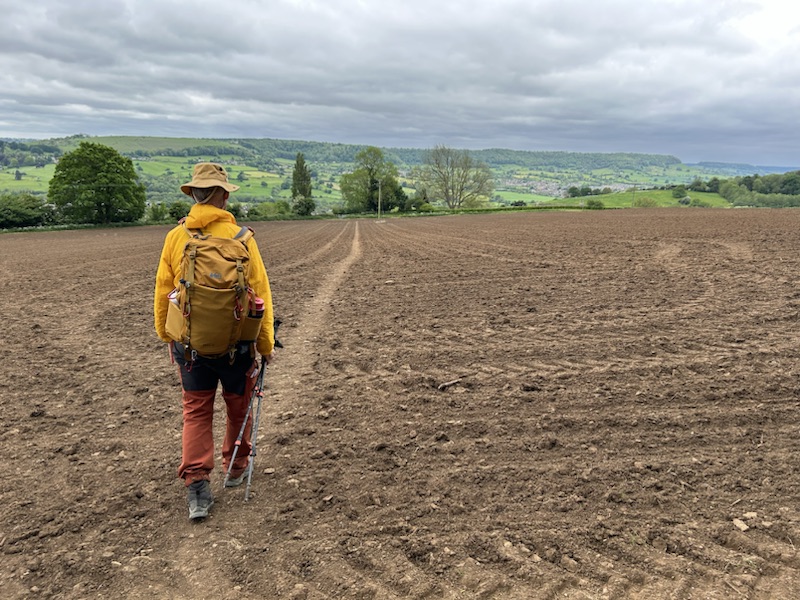
Crossing a farmer’s field always feels a little strange to be walking on their property; but, it is common practice on various walks in England.

I often think my dad would have enjoyed having hikers cross our family farmland.

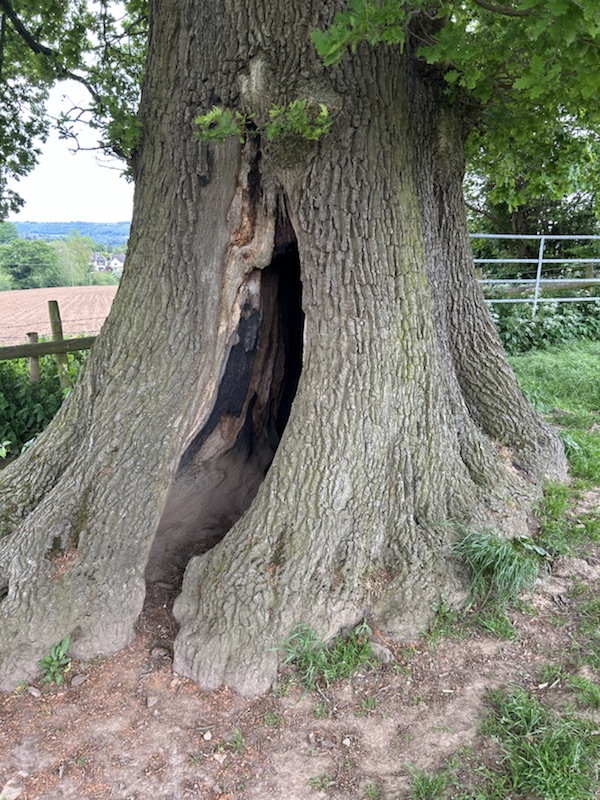
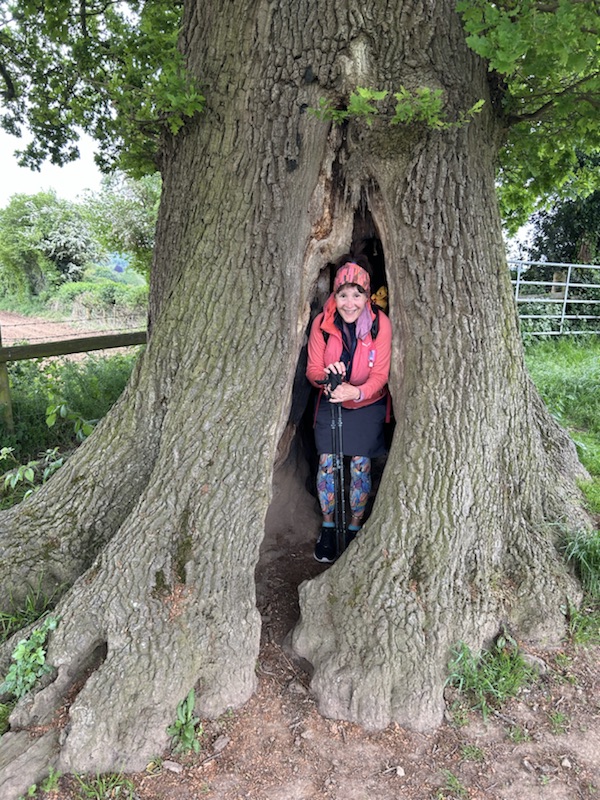
Trail directions said turn at the hollow tree, so we did. Unfortunately, we didn’t see any Keebler Elves making cookies in it.

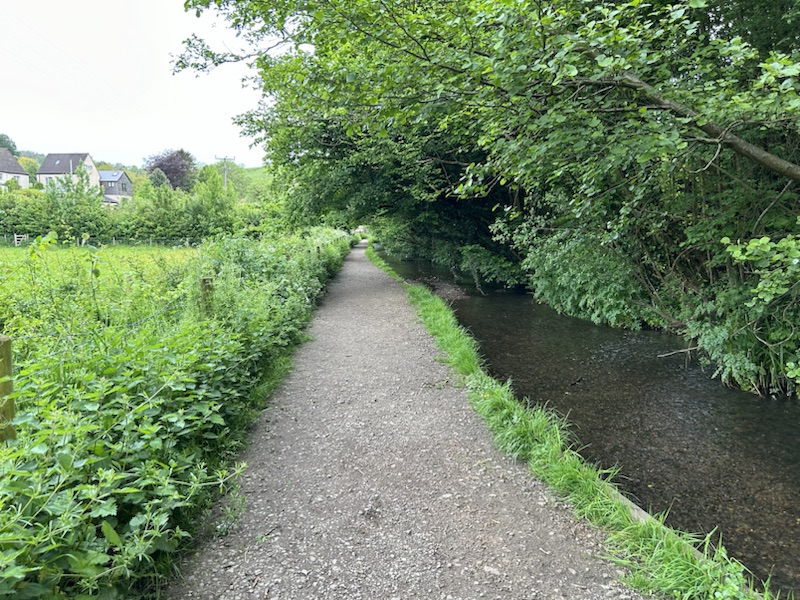
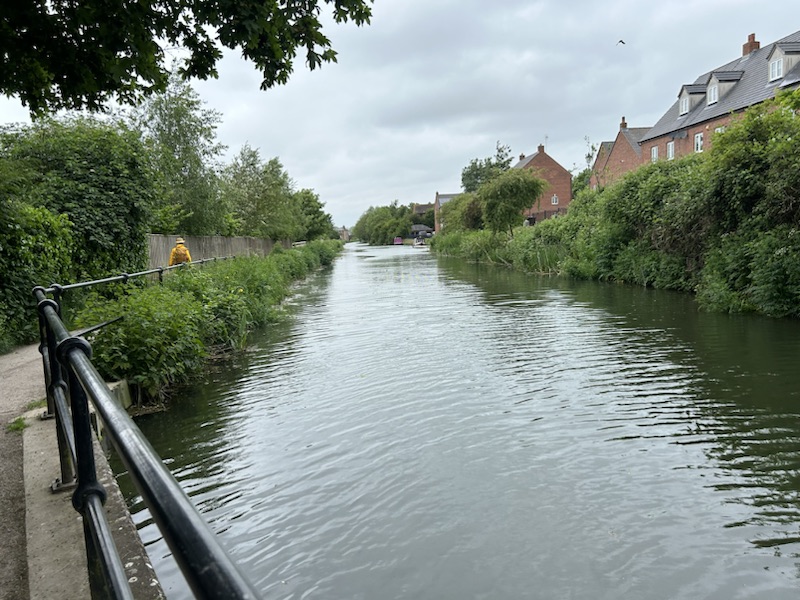
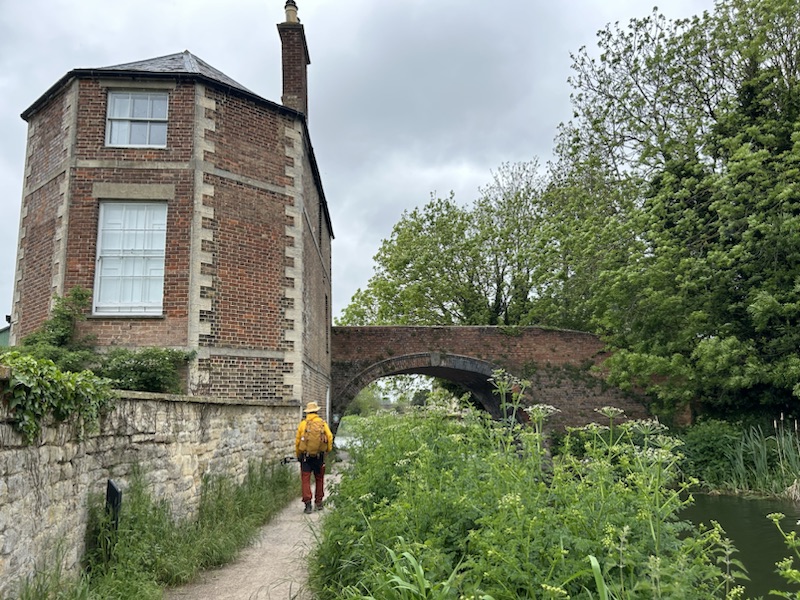
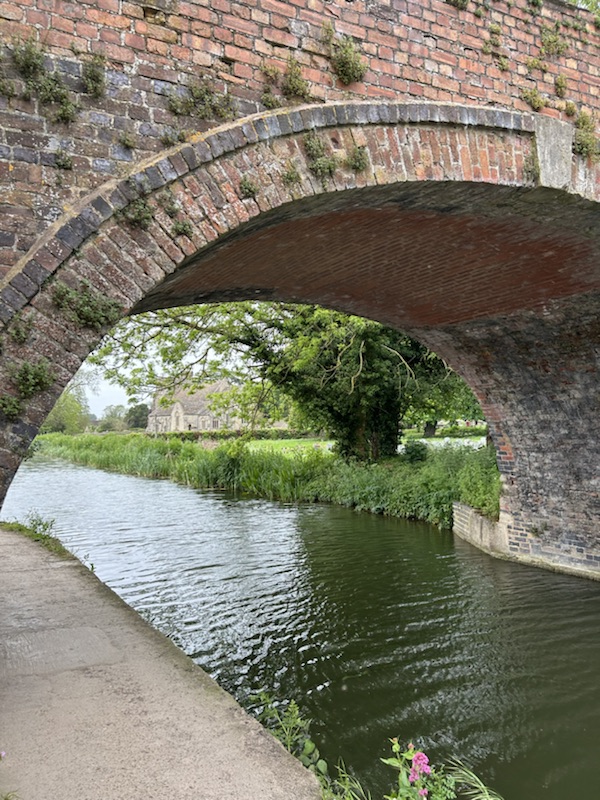
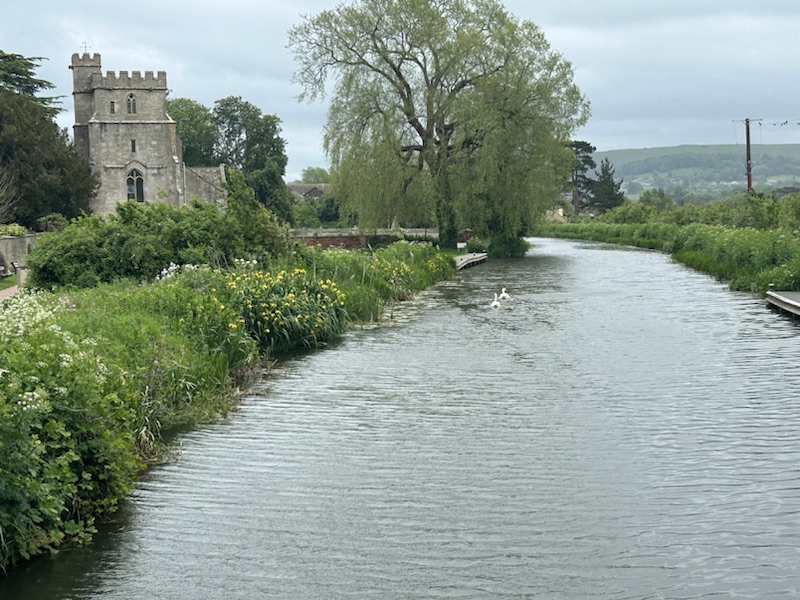
The last mile took us along a canal. Some people travel in a houseboat along canals in England.

We made it to our lovely hotel just as it started to rain.

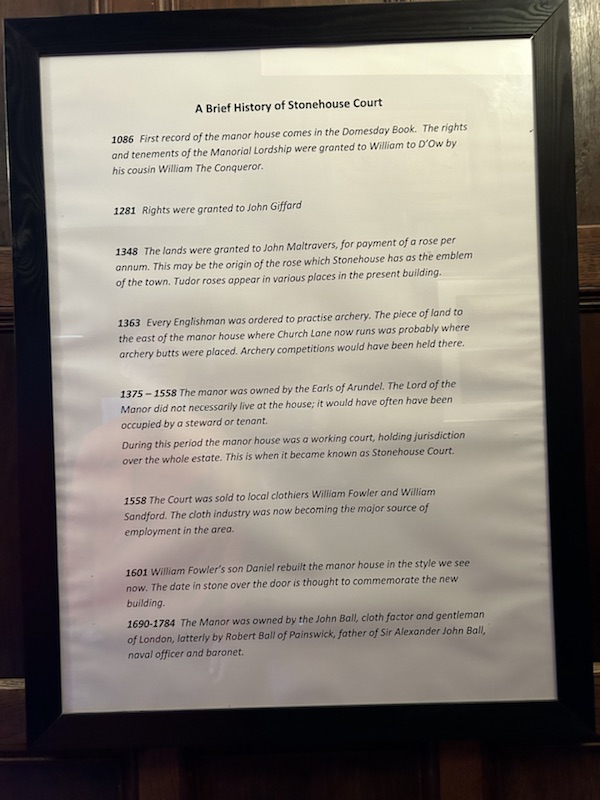
History of the Stonehouse Court Hotel, very old place.

Cotswold Walk – Day 5

Birdlip to Painswick

11 miles / 17.7 km

Wow, 5 days in a row with marvelous weather…no complaints here!

We left around 8:30 AM with nice blue skies. Even though rain was forecasted, nary a drop fell during our walk. However, a nice summer shower occurred late in the afternoon after we were already nice & dry inside our accommodations.

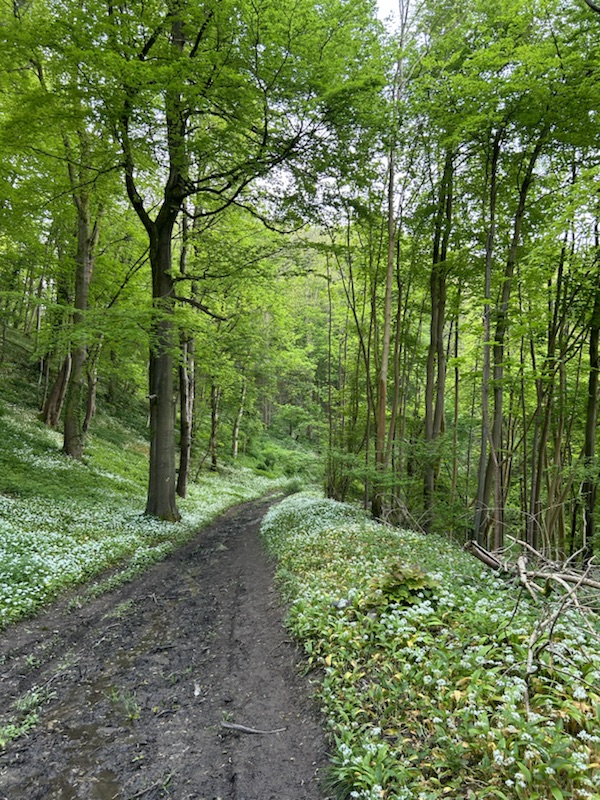
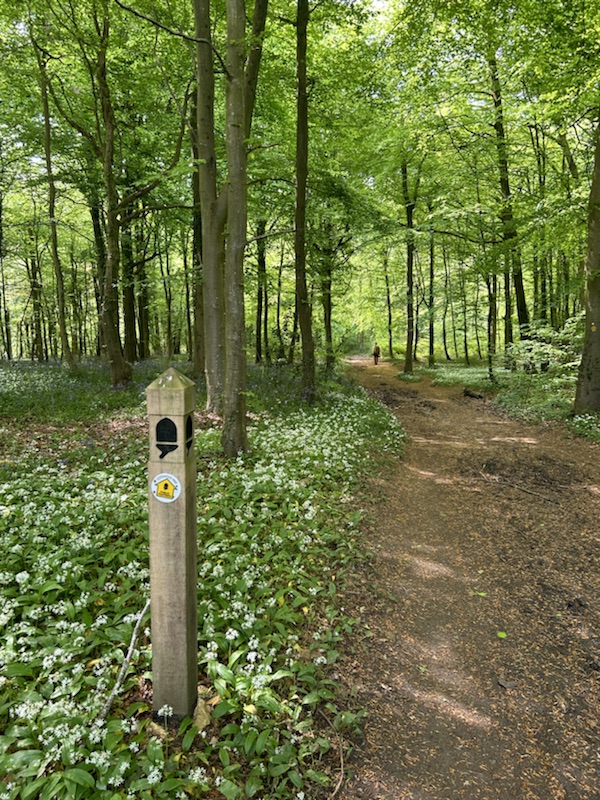
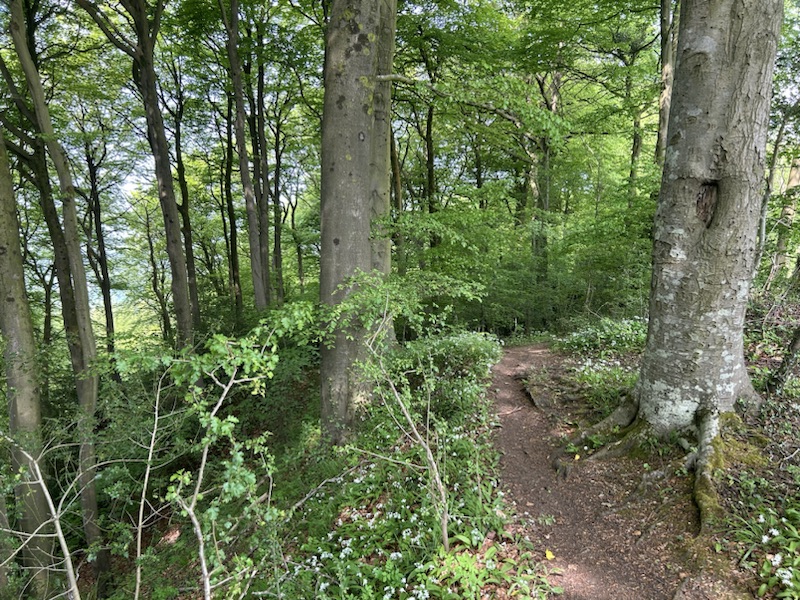
Most of the day we were high in the Cotswold hills walking through shady green forests.

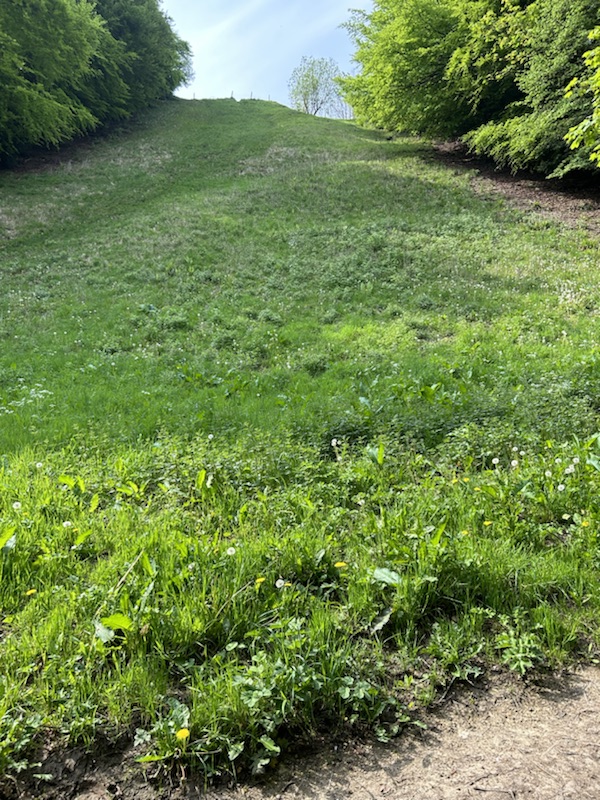
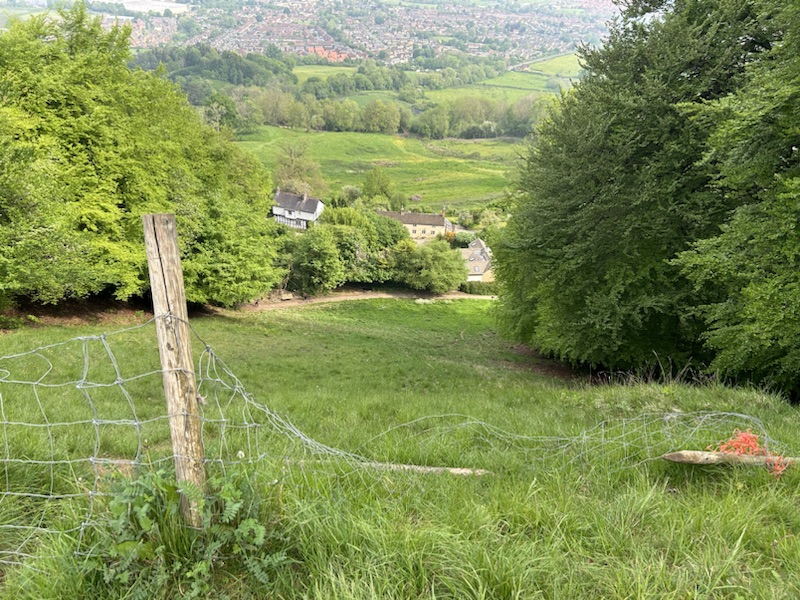
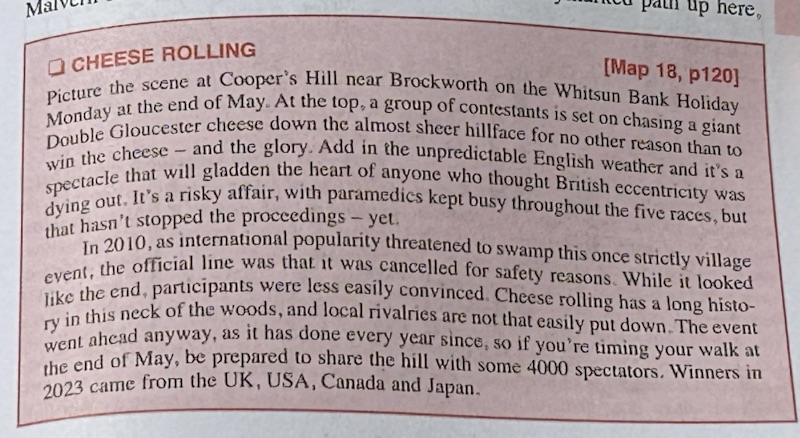
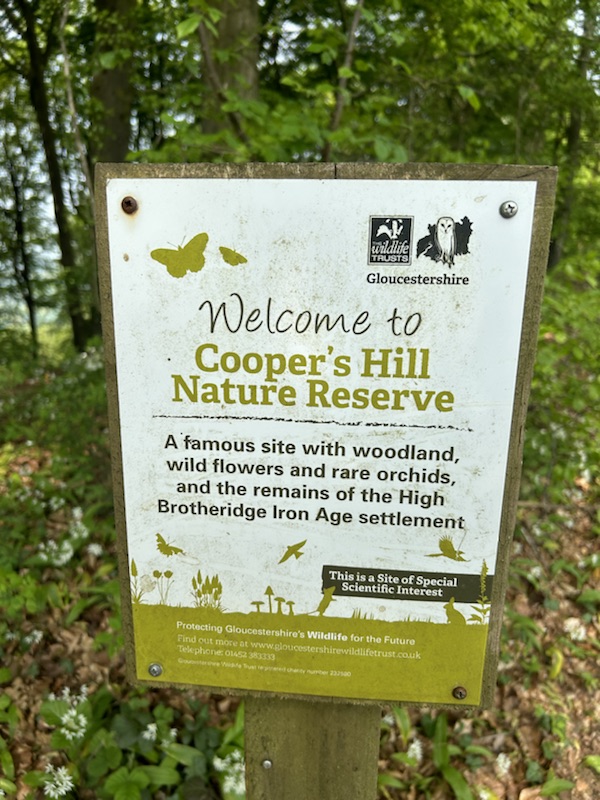
One interesting part of the walk took us past the very steep Cooper’s Hill which is world renown for cheese rolling!!!

Every year at the end of May, the locals enjoy rolling a cheese wheel weighing several kilos down Cooper’s Hill which is 200 meters long with an almost vertical slope. The cheese wheel rolls down the hill at almost 70mph which basically makes it uncatchable; so the winner is the first person to cross the finish line down at the base. First prize is the cheese wheel. Too bad we missed this unique event by a couple weeks

Like on all other days, many locals were using the paths & the woods to walk their dogs, run, mountain bike, or simply take a nice walk. Those of us hikers passing through the area on the way to Bath are small in numbers compared to the locals. I’m a bit jealous that they have such lovely nature paths so close to their homes.

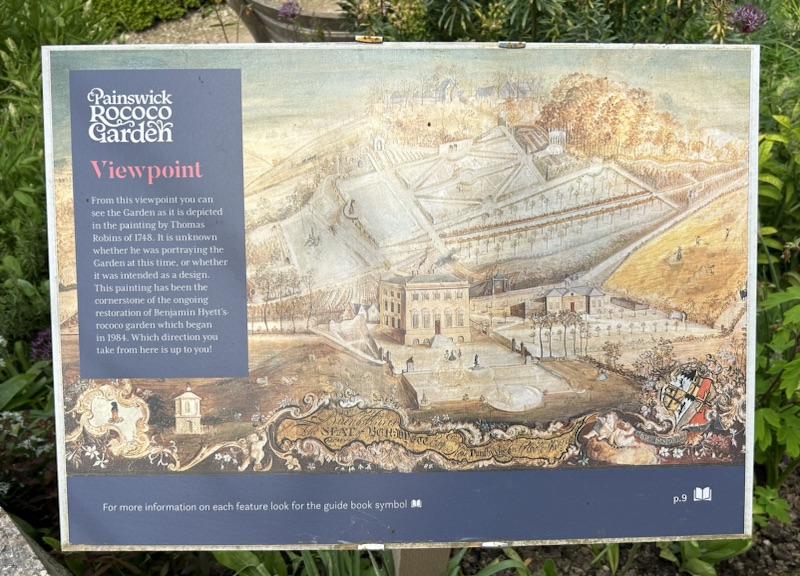
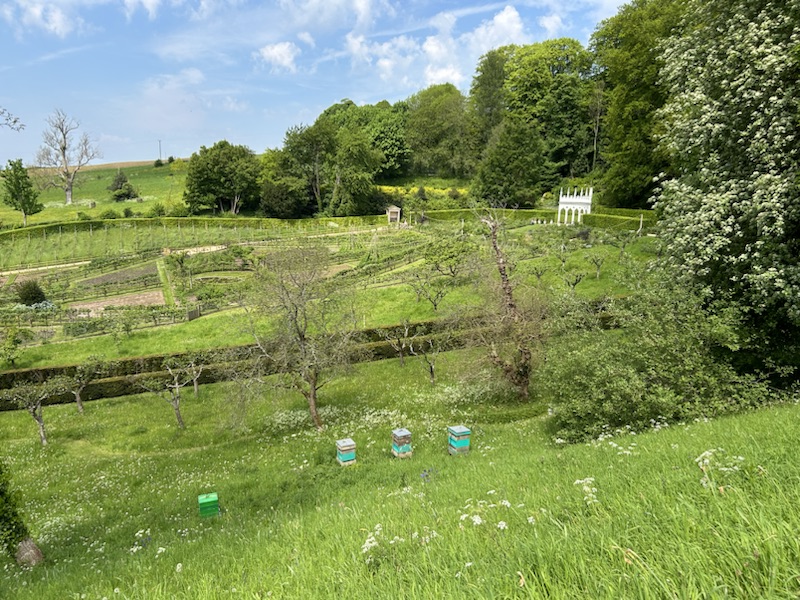
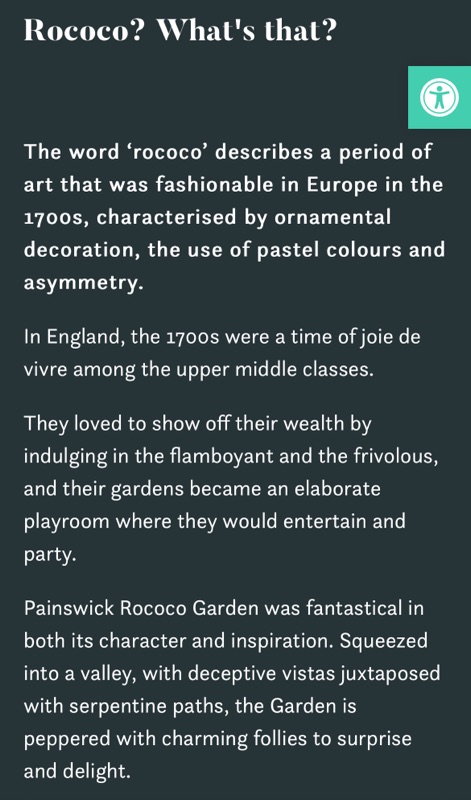
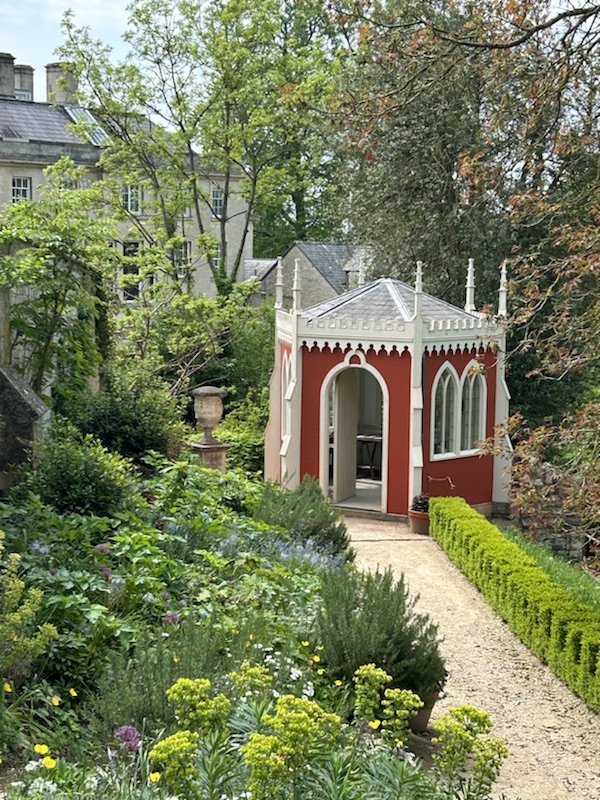
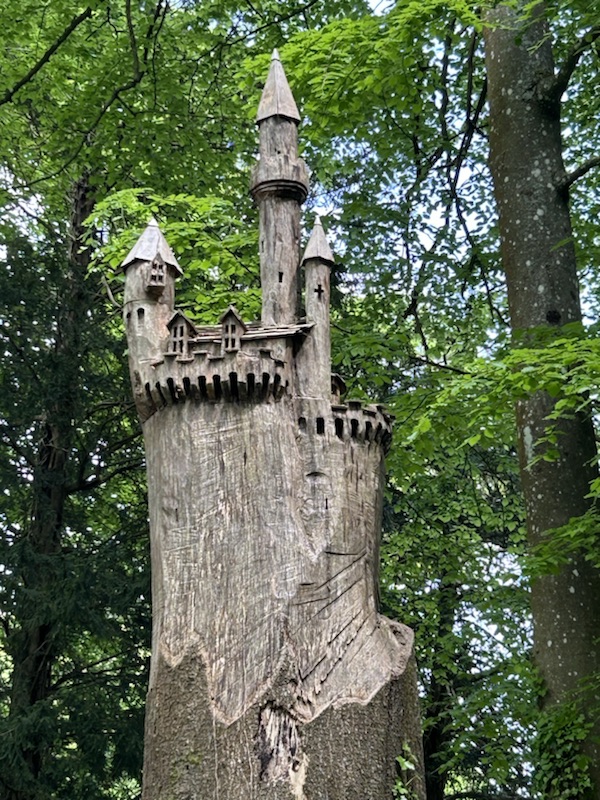
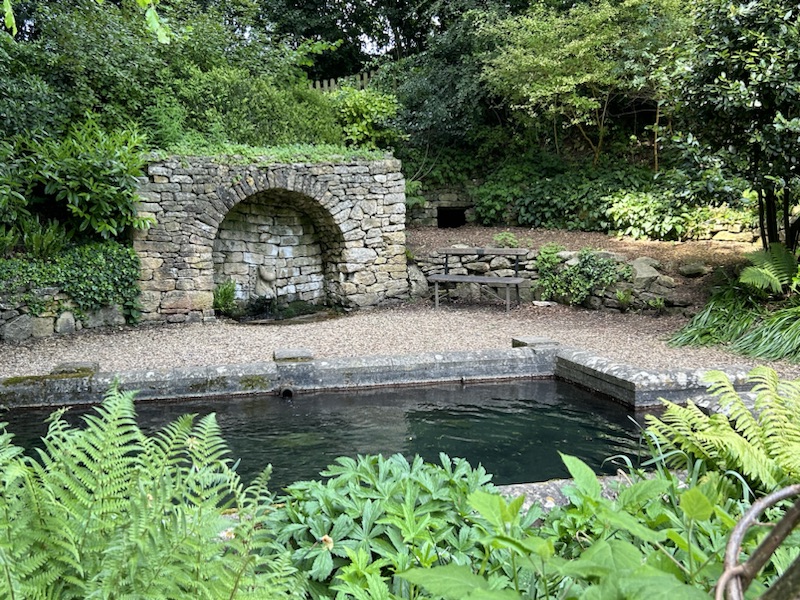
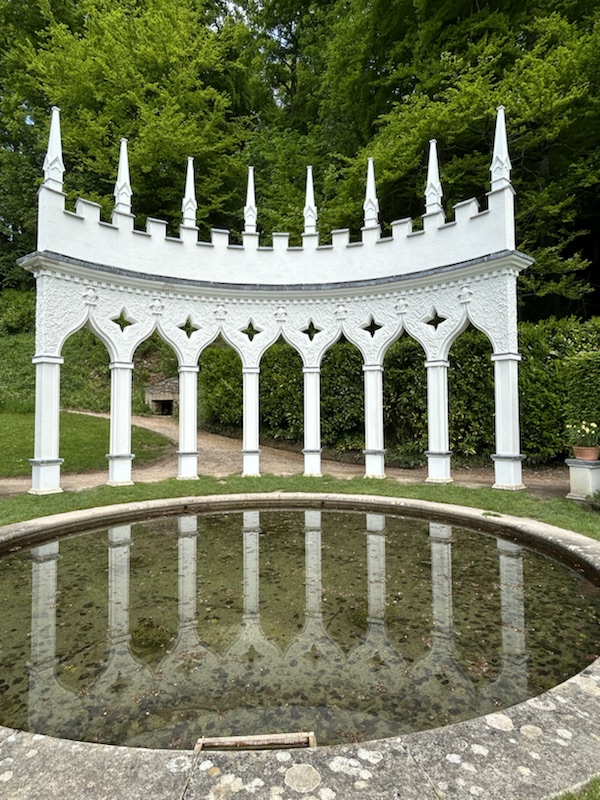
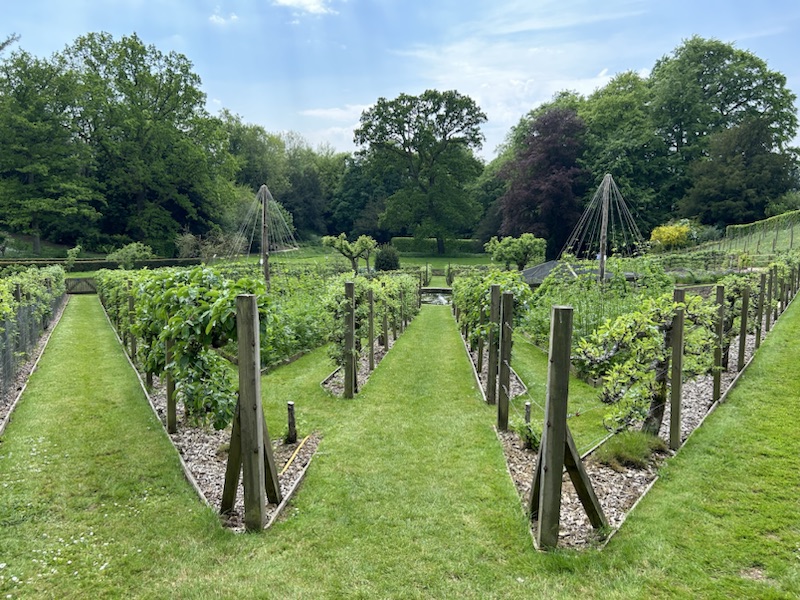
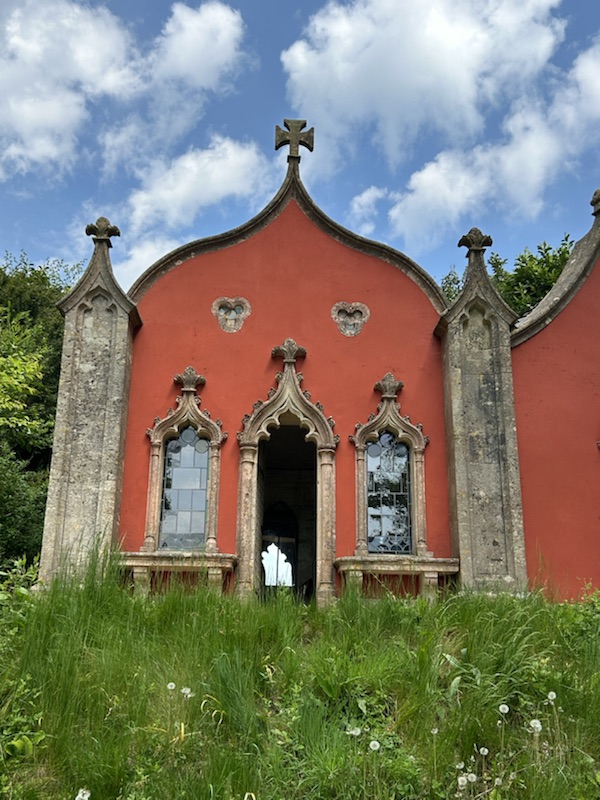
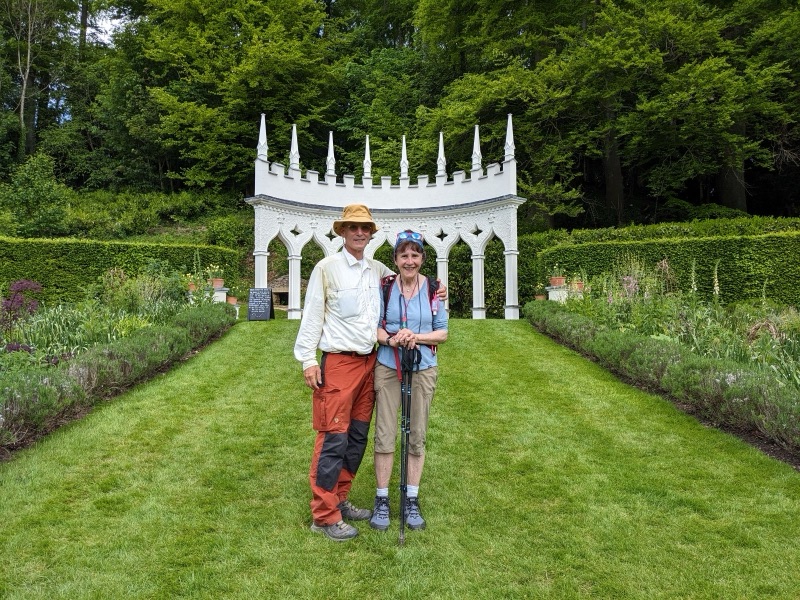
When we reached Painswick, we explored the nearby Rococo Garden which was started in the 1700s. After the rococo style fell out of favor, the garden fell into disuse & ruin for a couple hundred years before being restored.

Current garden view

For a few hours, we enjoyed walking in this special garden which is the only rococo garden in England.

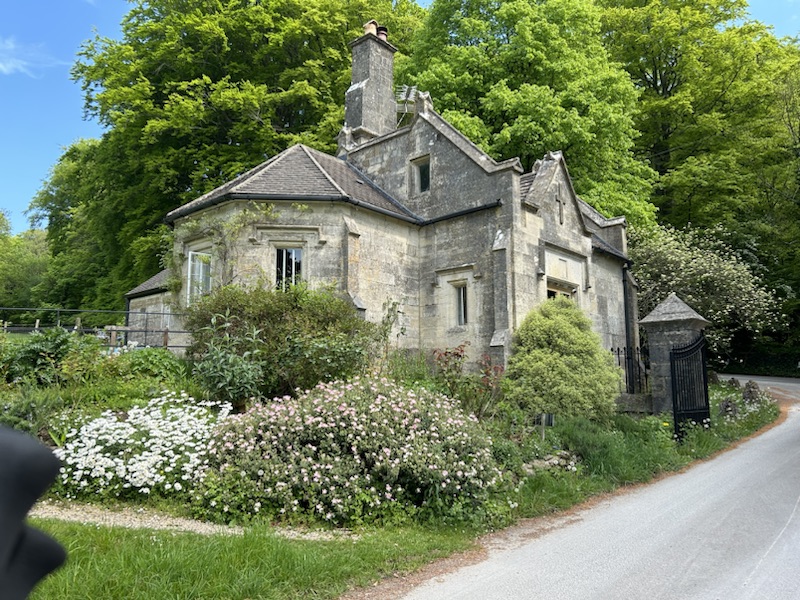
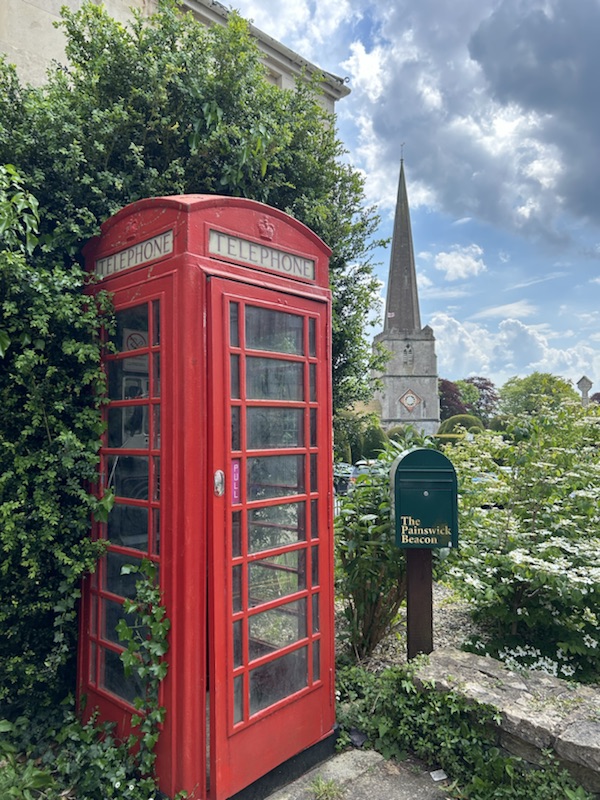
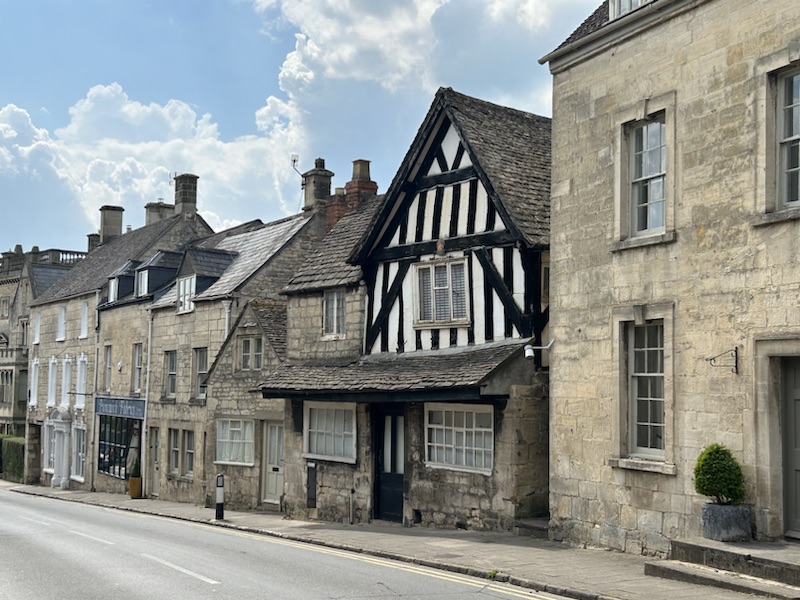
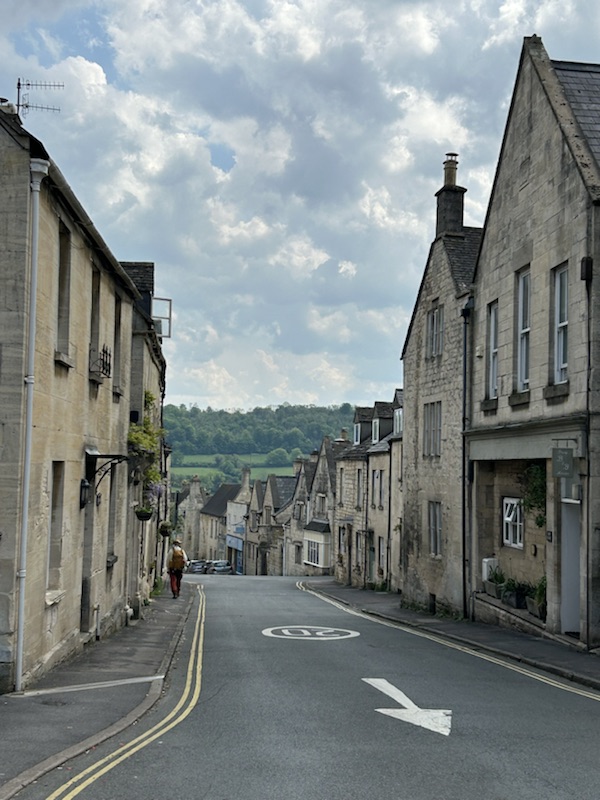
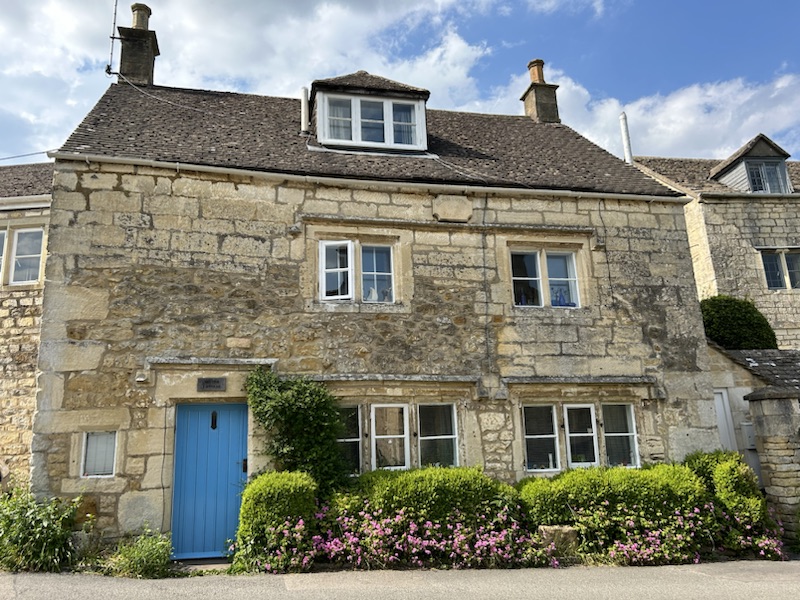
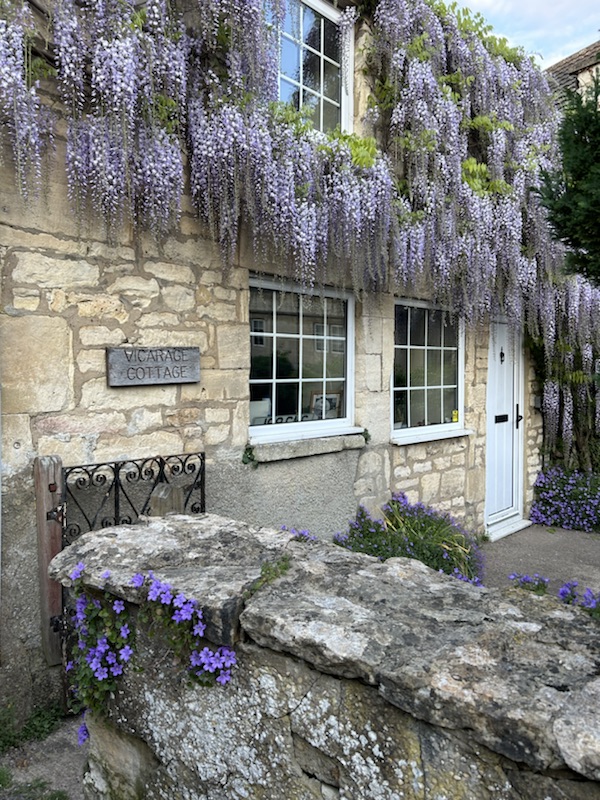
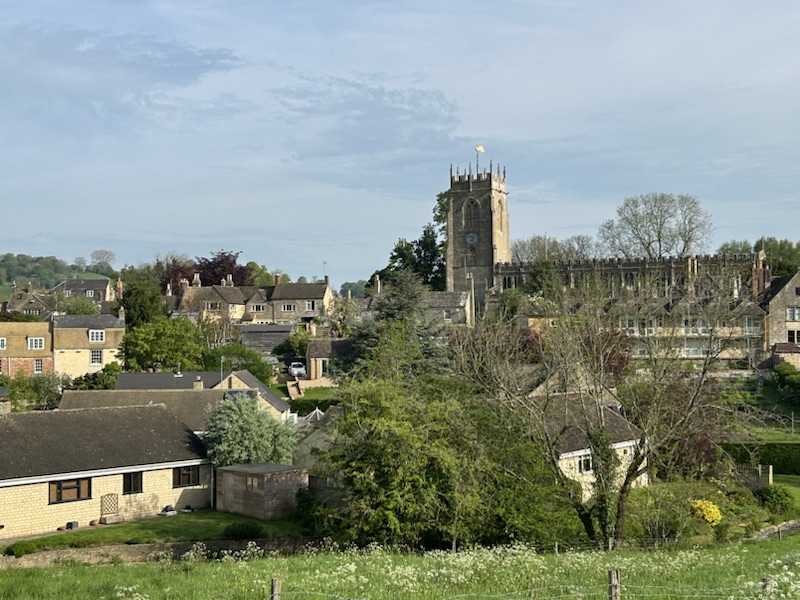
Painswick is yet another extremely charming, old Cotswold village. Every street here has its own charm & history.

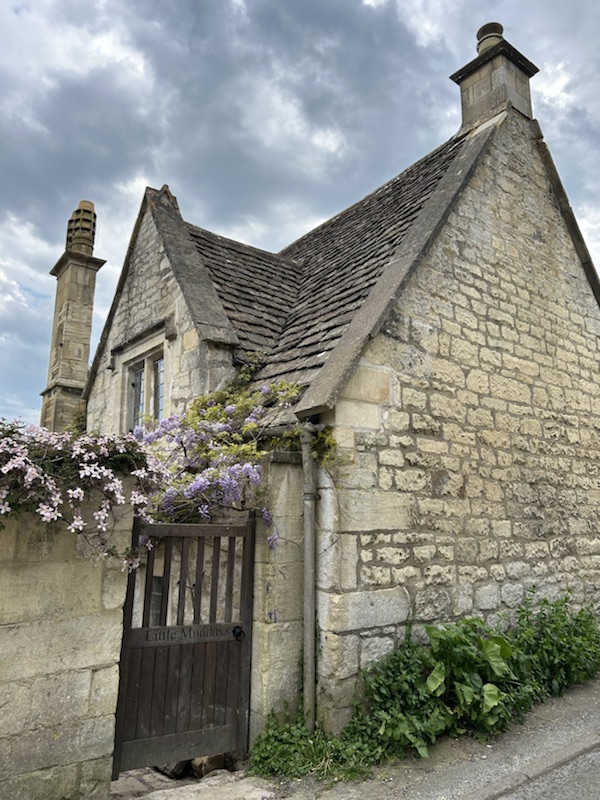
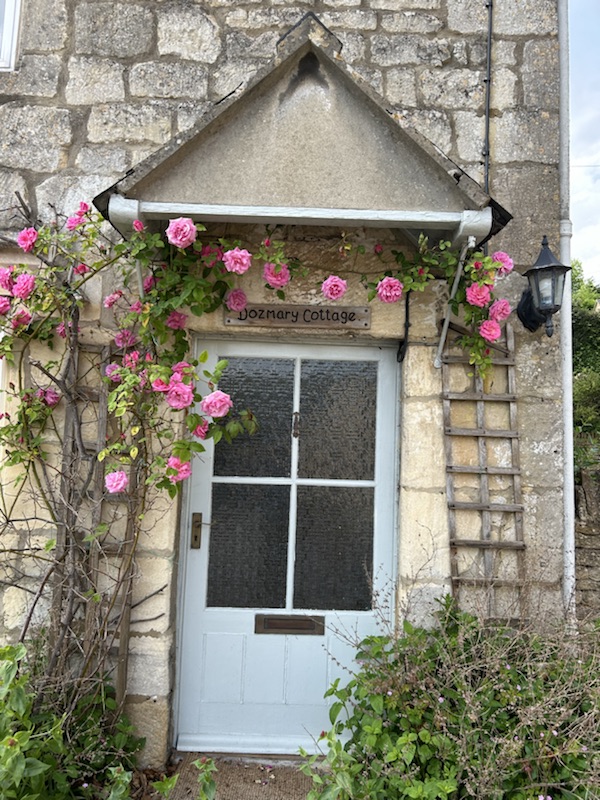
Typical charming cottage in Painswick

Cotswold Hike – Day 3

Winchcombe to Seven Springs

15 miles / 24 km

Absolutely perfect weather today. Sunny & warm; but, not too hot.

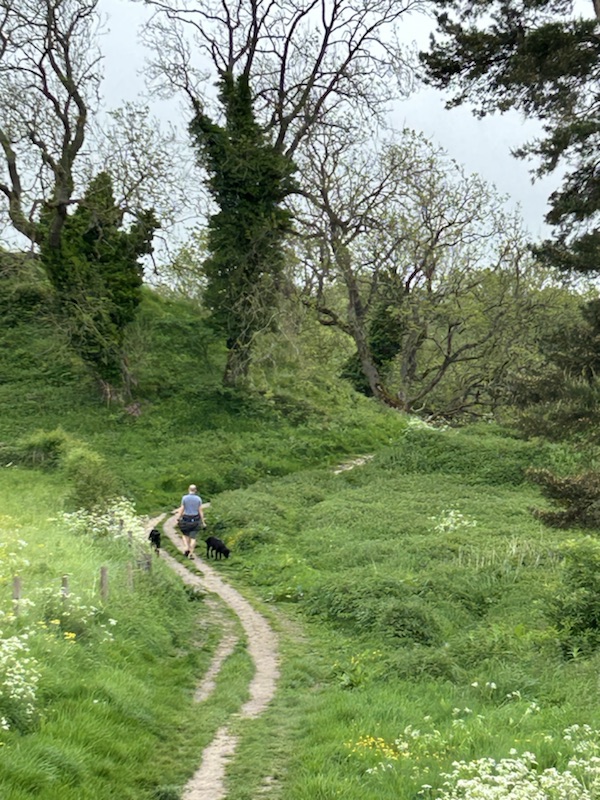
The trail was a muddy in a few spots; but other than that it was a lovely day to walk across green pastures & through lush forests.

The hardest part on this the day was climbing 3 big hills.

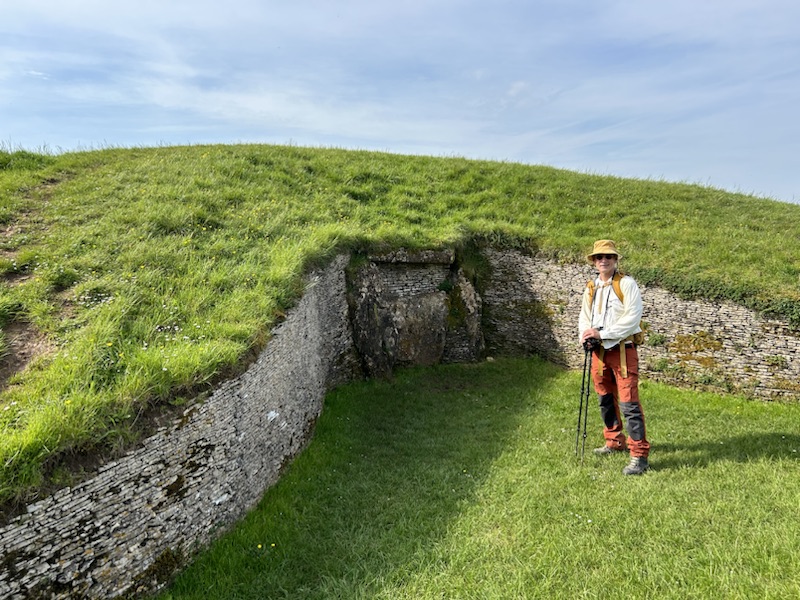
The first hill was up to an ancient burial site named Belas Knap.

It was built in 2500 BC as a burial site where 38 ea. sets of human remains were found.

You can see how thin rocks were neatly stacked to create it.

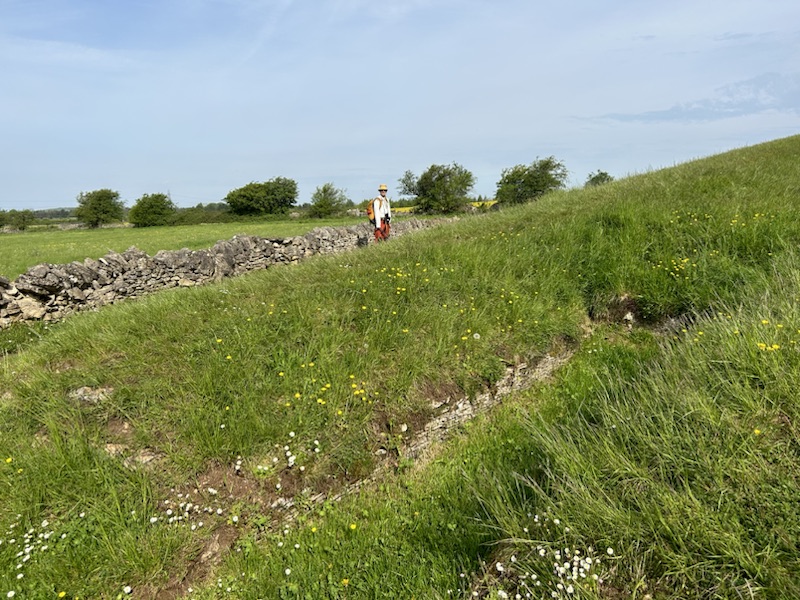
A few other sites along the way.

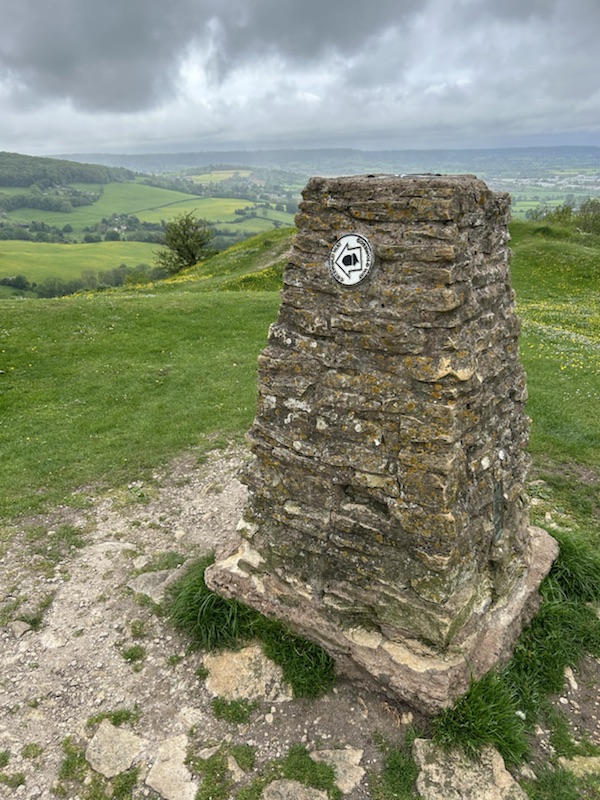
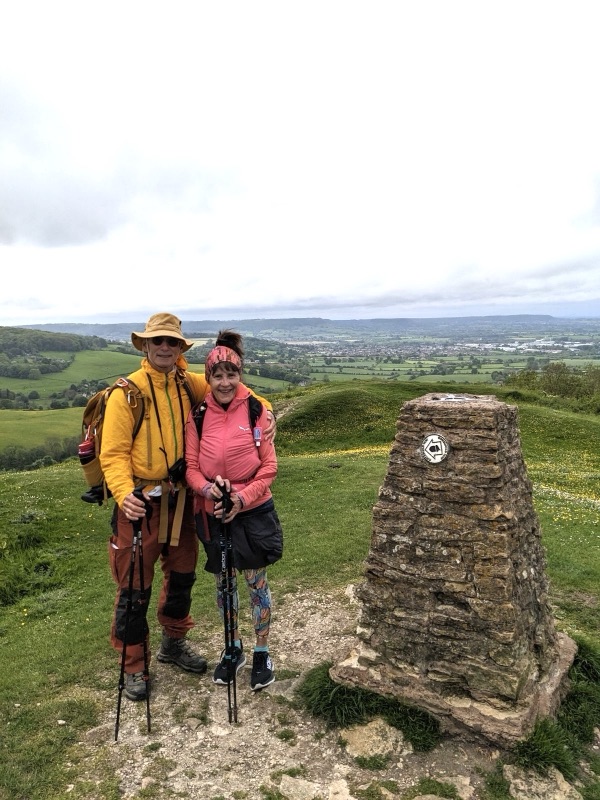
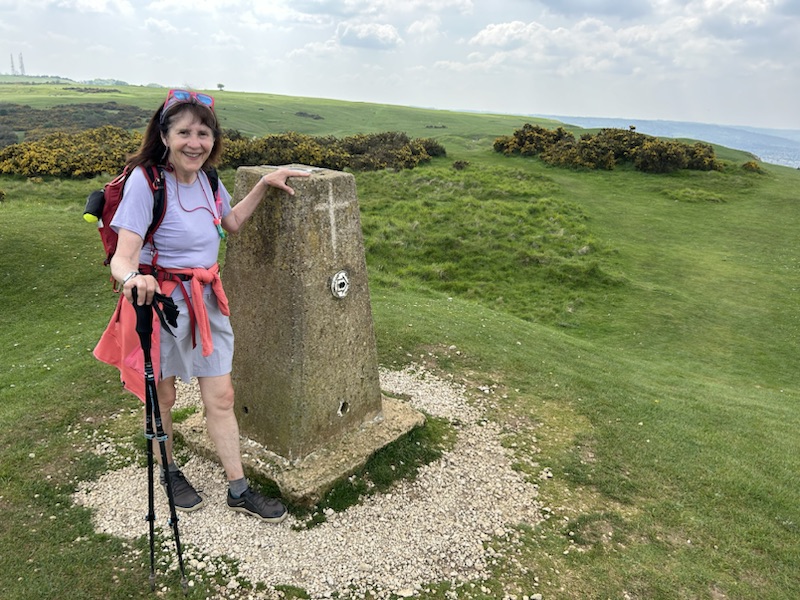
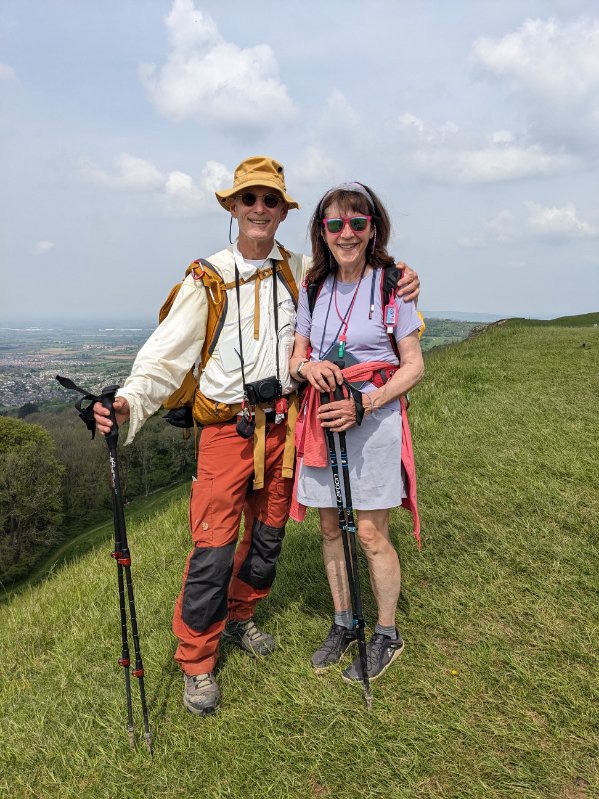
The second big climb was up Cleeve Hill which at 1,066 feet high, it is the highest point on the entire Cotswold Way trail.

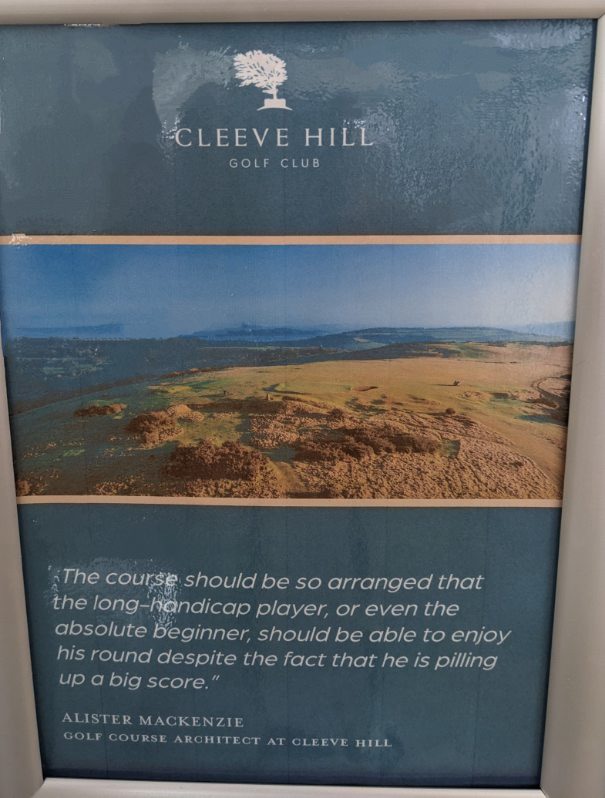
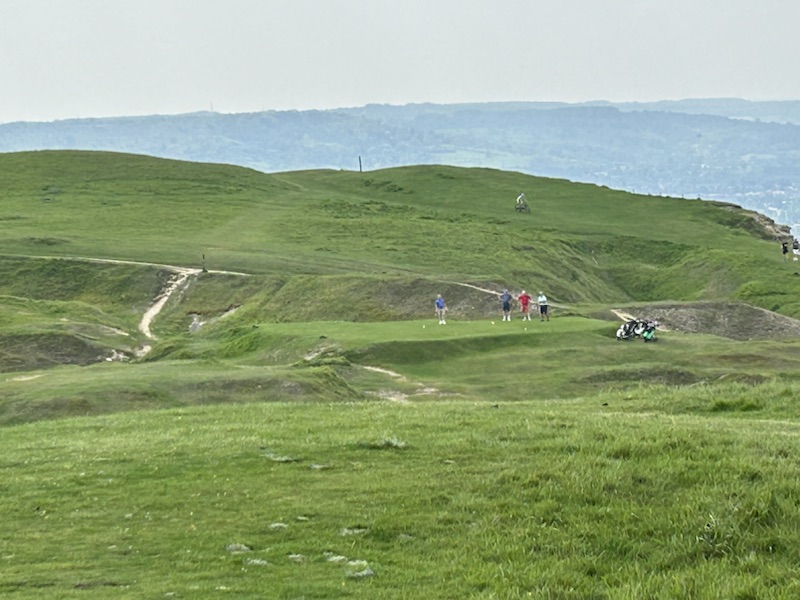
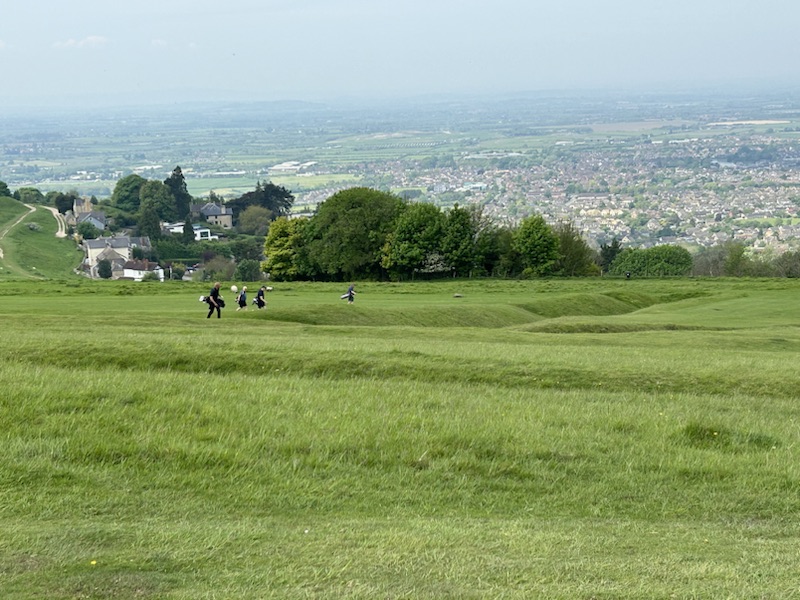
There is also a golf course that runs along its summit through which the Cotswold Way trail runs. The wide open space provided us with a huge vista to enjoy.

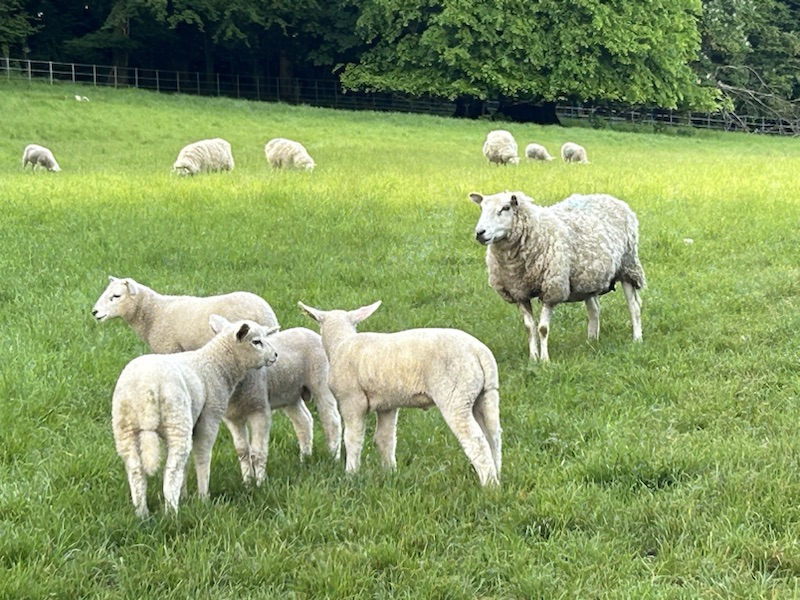
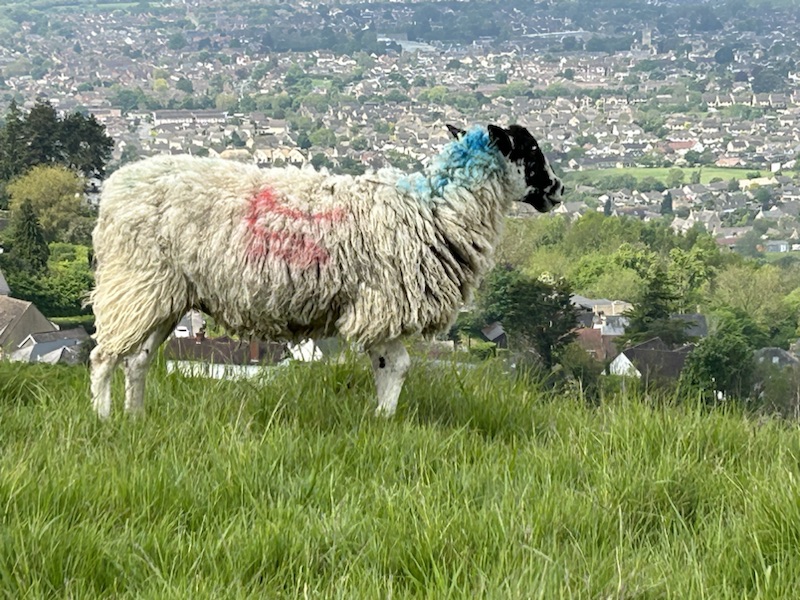
There are also free roaming sheep on the golf course.

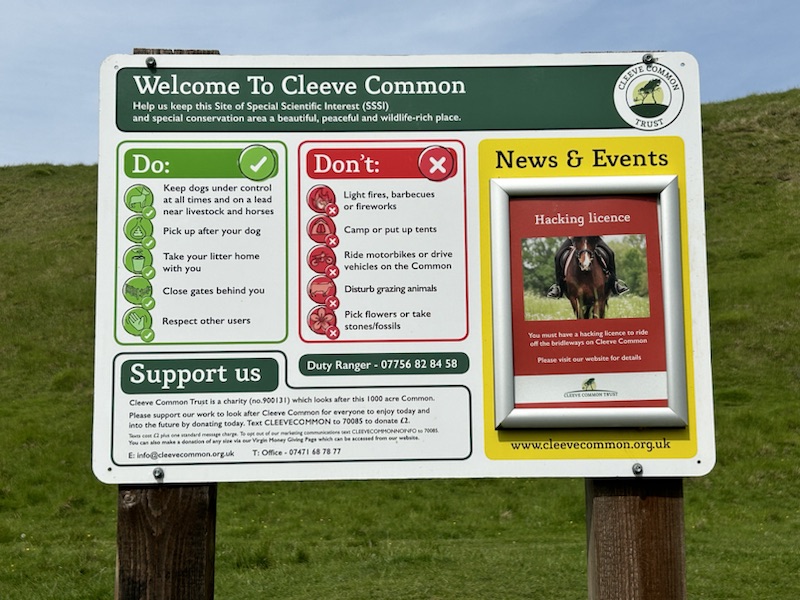
Rules to follow on the trail:

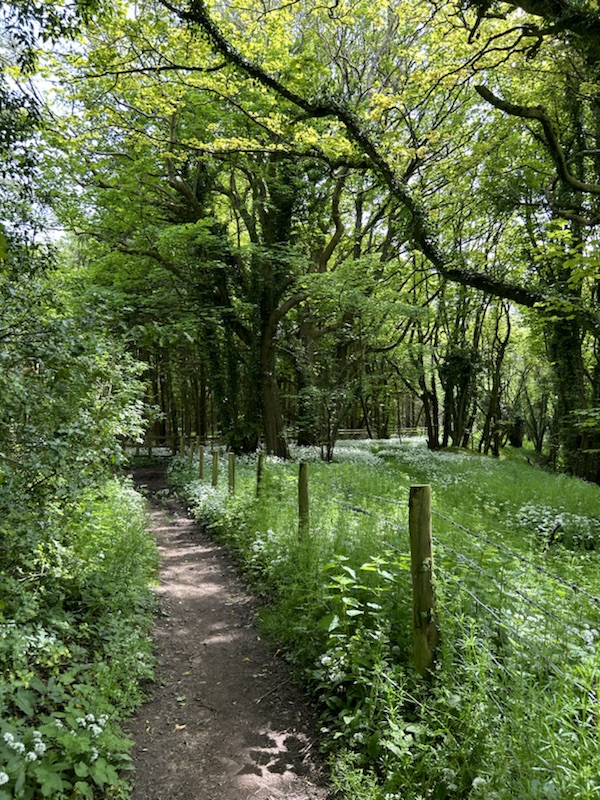
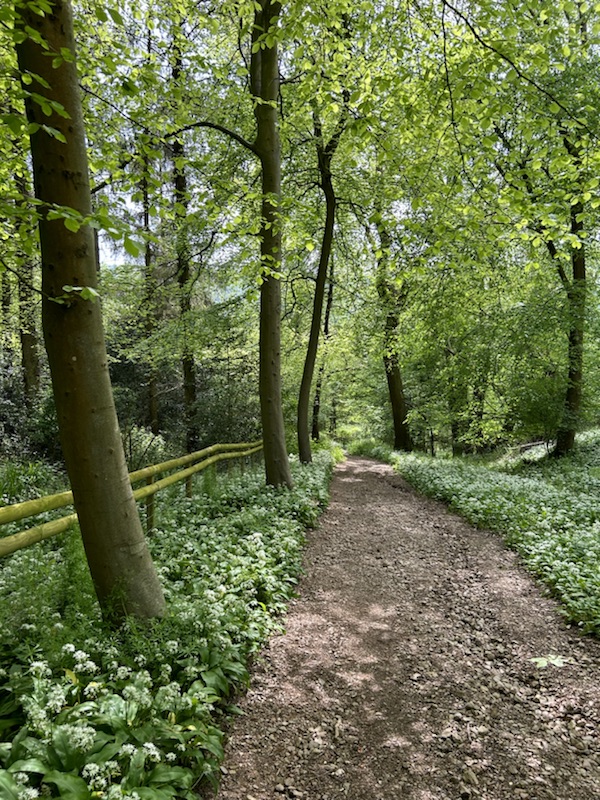
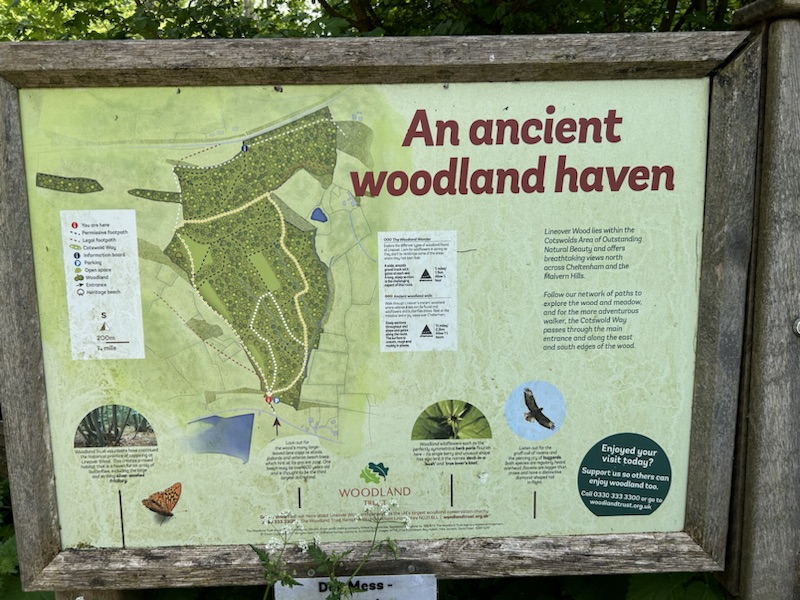
The third & last hill took us through a beautiful forest called the Lineover Wood which has large lime & beech trees. Lineover means “lime bank”.

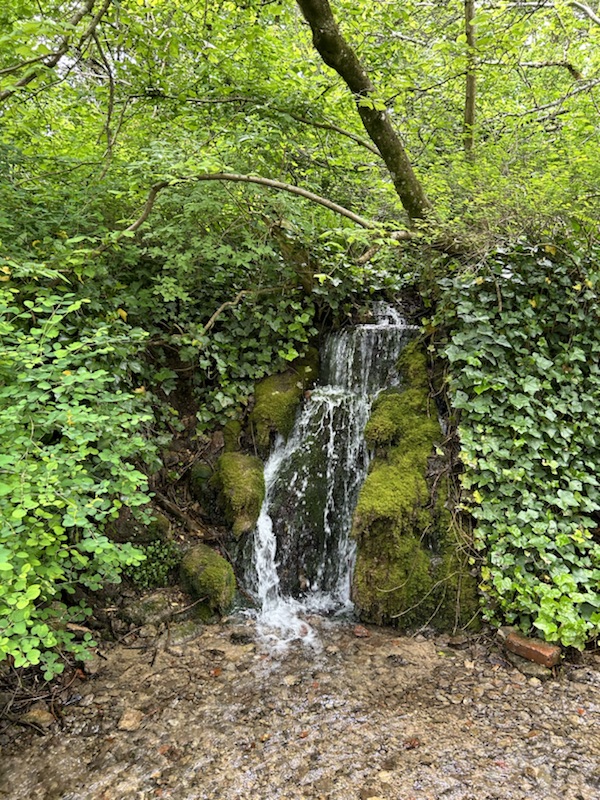
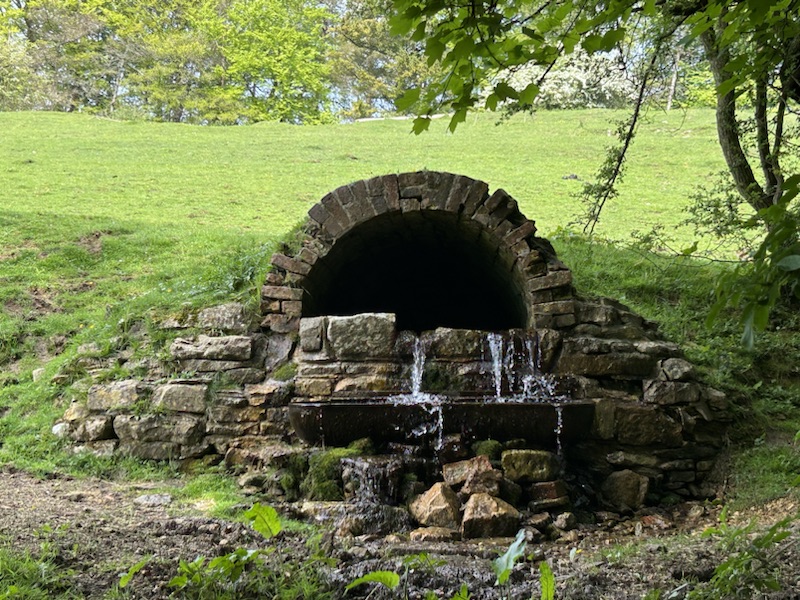
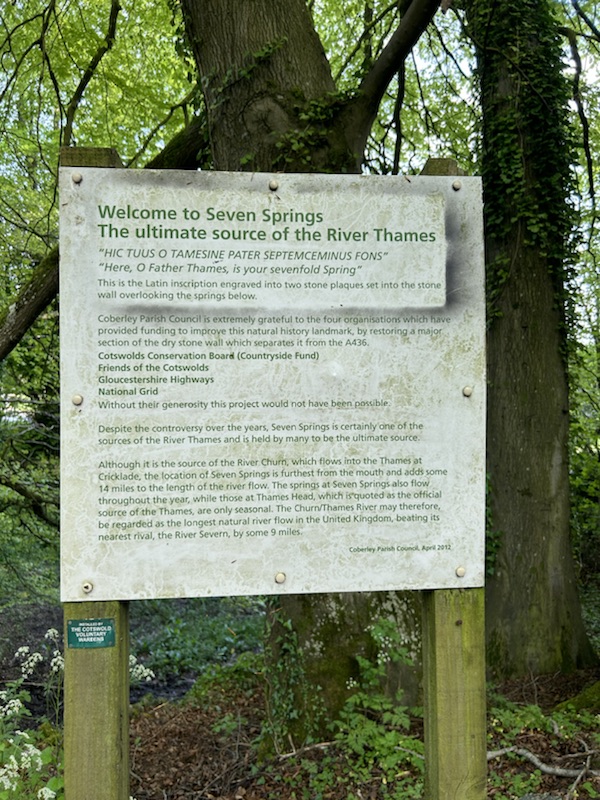
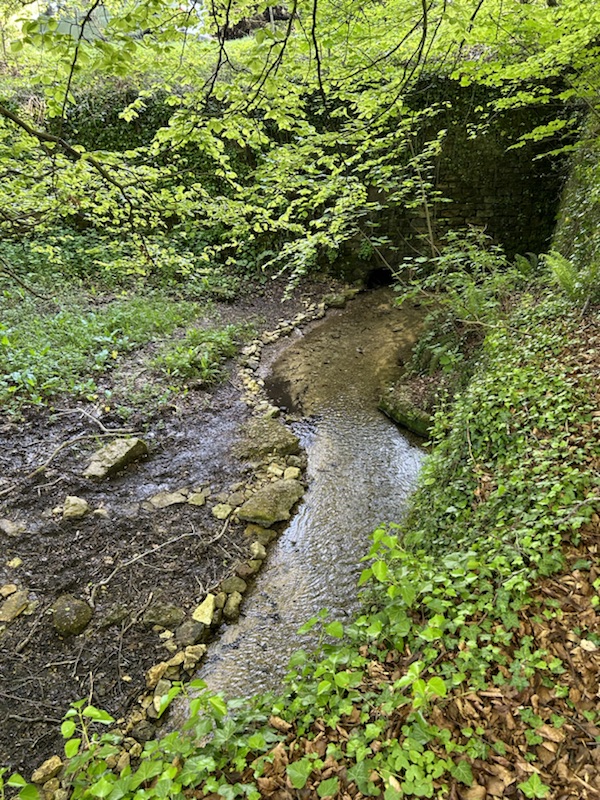
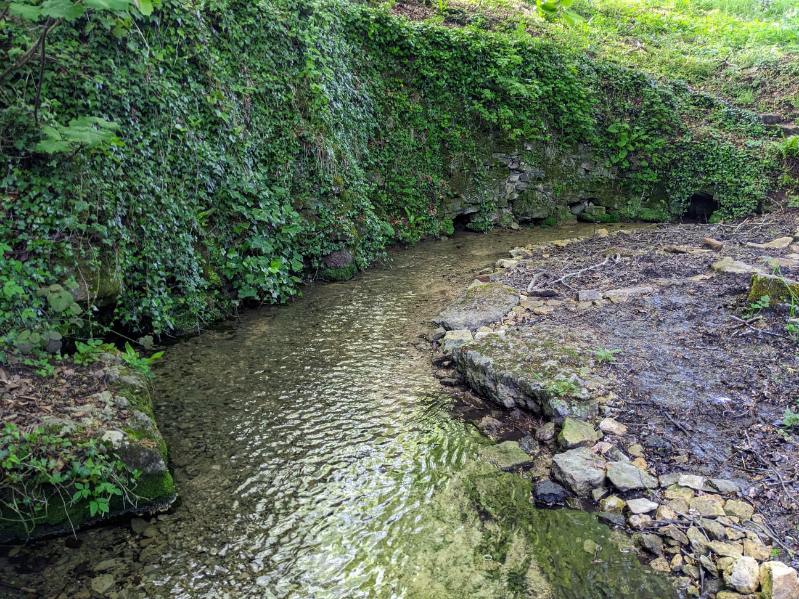
We ended the day at Seven Springs which is the headwaters for the famed River Thames.

Seven small rivulets emerge from the ground here which create the source for the River Thames.

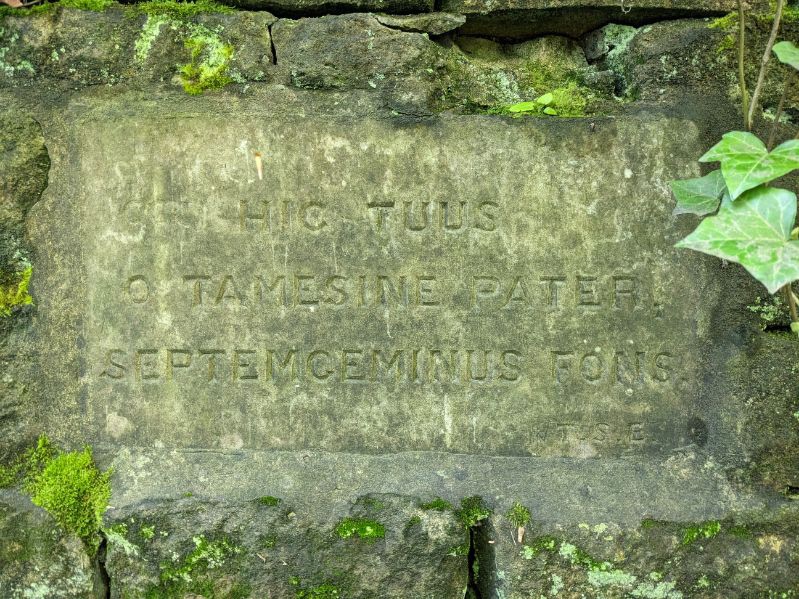
In the stonework basin is a plaque that reads in Latin: “Hic tuus o Tamesine Pater septemceminus fons” which translates to “Here, O Father Thames, is your sevenfold spring”.