Driving South Africa’s Garden Route

For 5 days, we enjoyed exploring South Africa’s Western Cape along the Garden Route.

Day 1

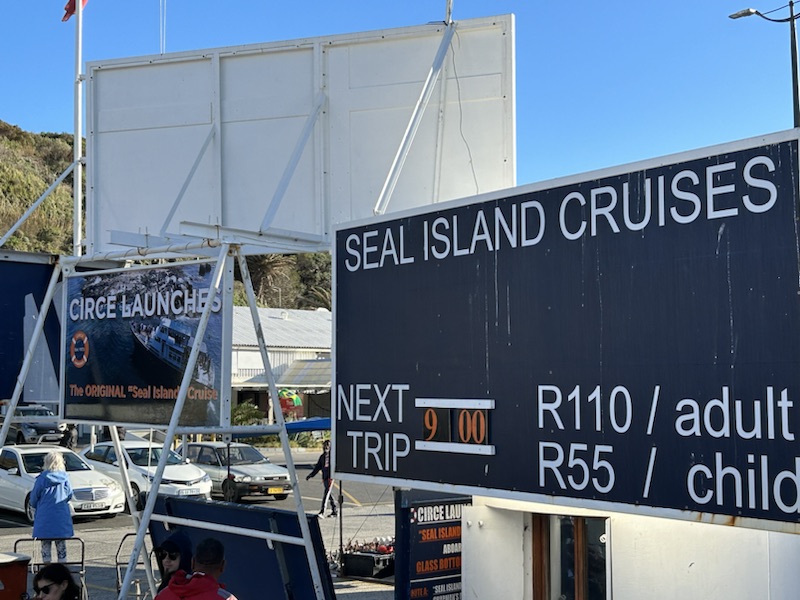
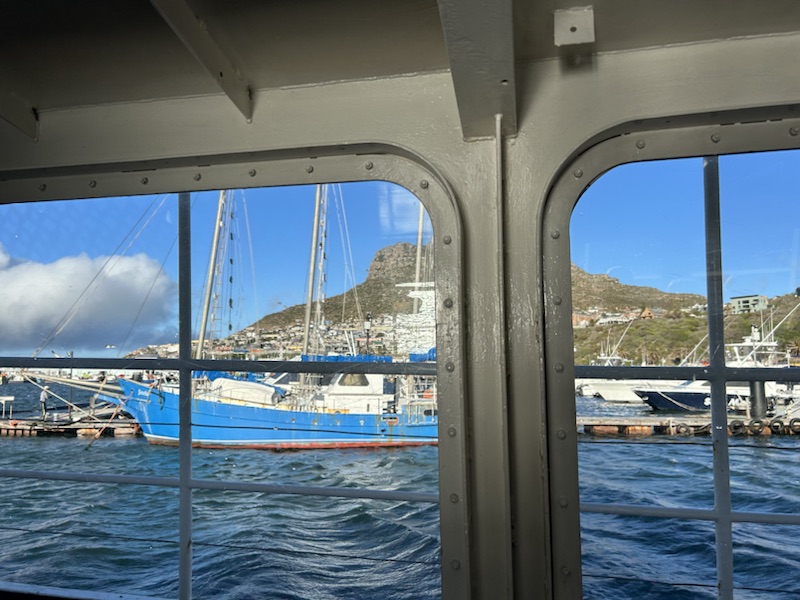
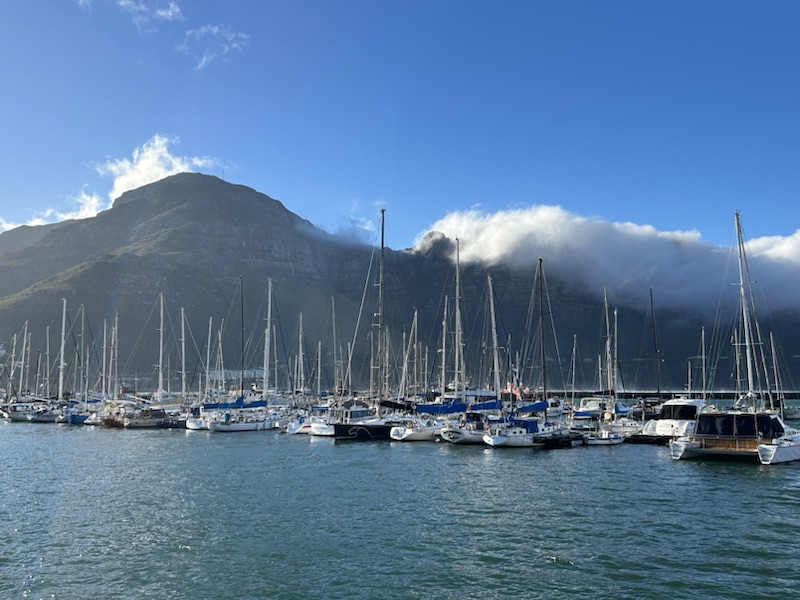
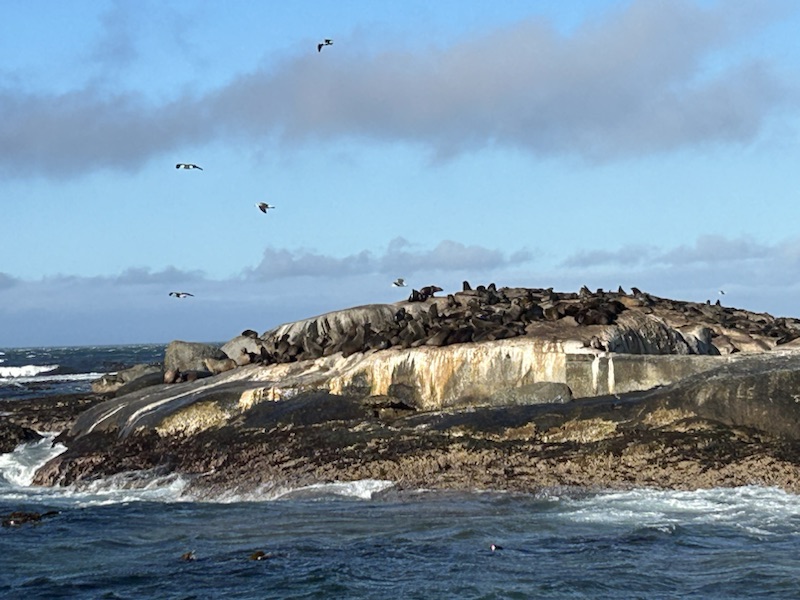
We took a a short boat ride to see a very large seal colony at Hout Bay.

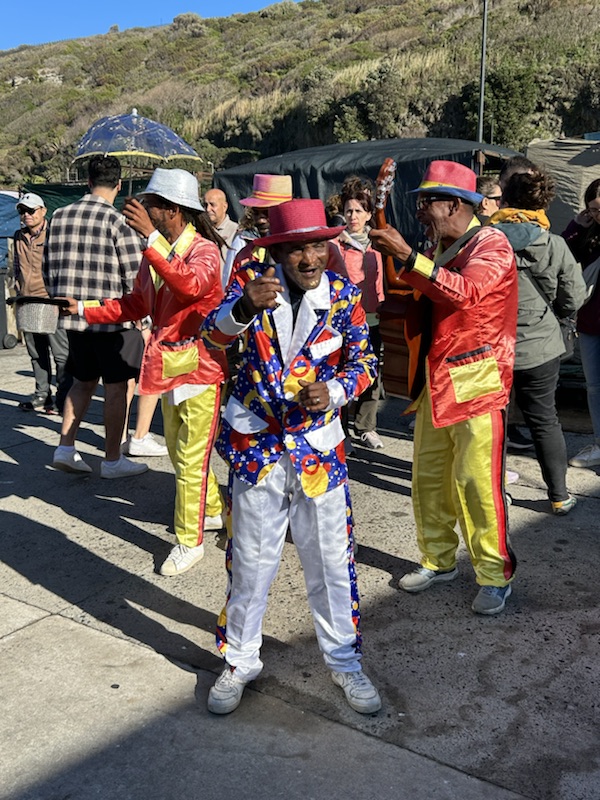
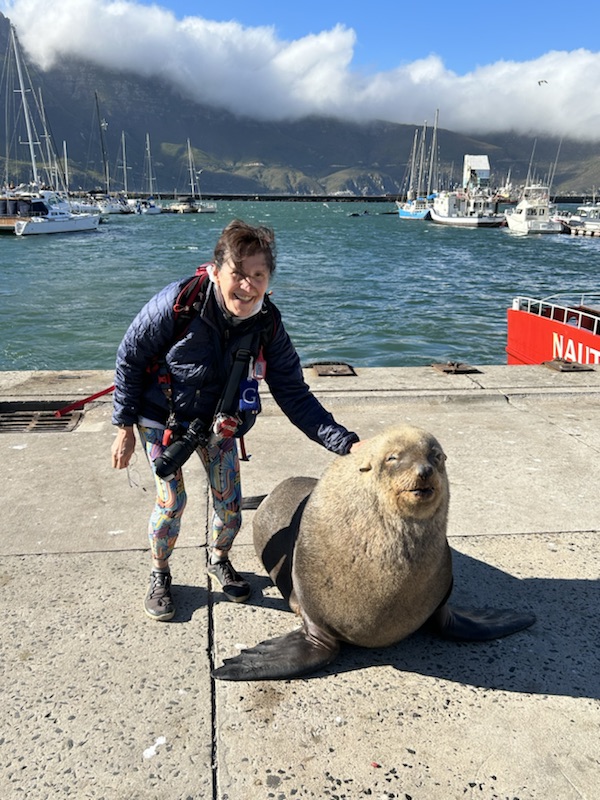
Upon our return, the boat was greeted by a band that looked like they belonged in New Orleans along with a friendly seal.

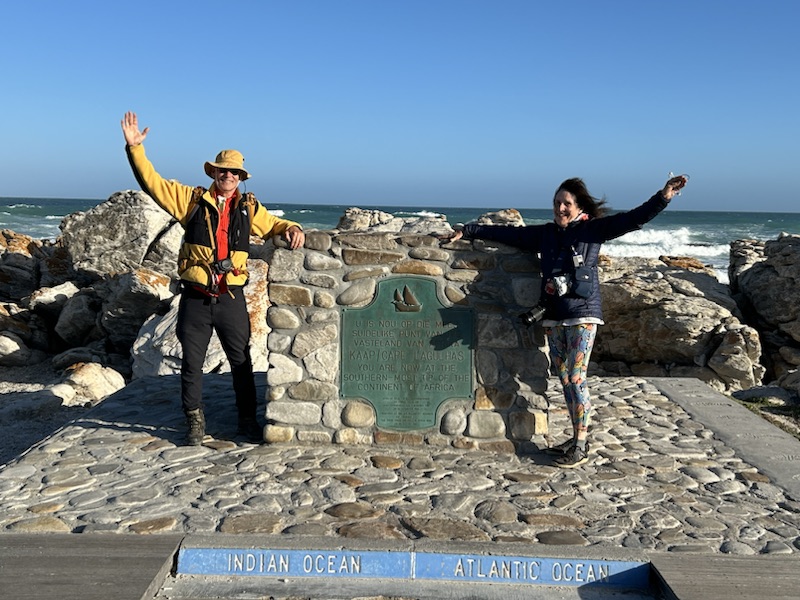
Before sunset we made it to Africa’s Southernmost tip at Point Agulhas which is where the Indian Ocean meets the Atlantic Ocean & vice versa.

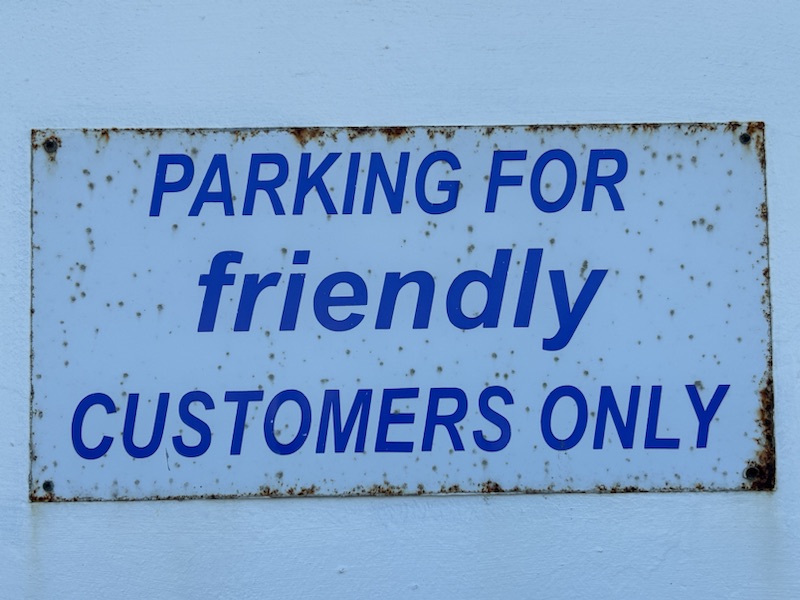
A funny sign in L’Agulhas.

Day 2

This was mostly a driving day from L’Agulhas to Knysna (pronounced Nice-nah). Knysna is nice-ah! Due to strong winds, our nature walk there was postponed until the next morning.

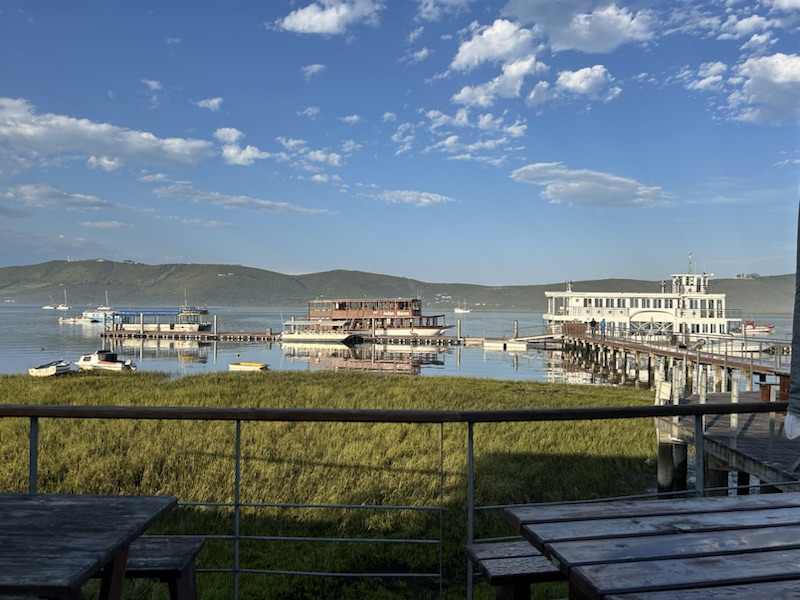
Knysna Harbor- Featherbed Nature Preserve across the water

Day 3

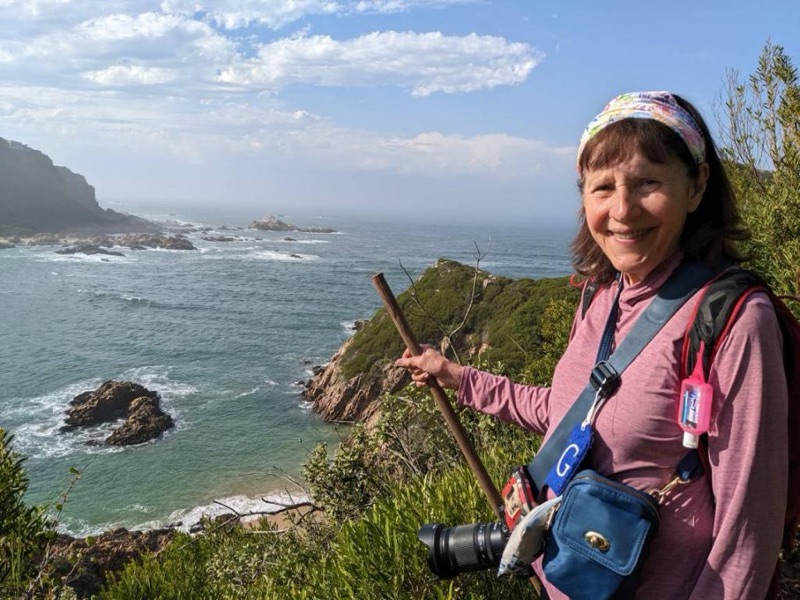
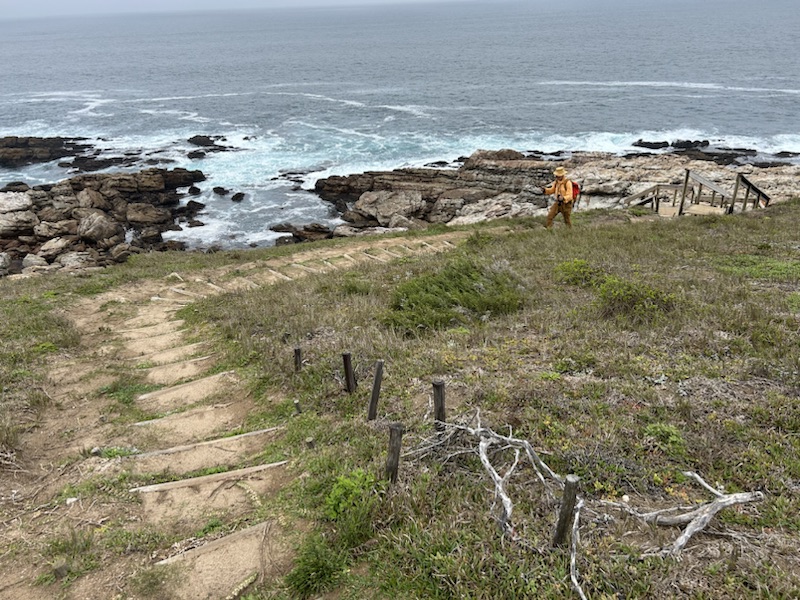
In the morning we enjoyed a lovely nature walk at the Featherbed Nature Preserve.

With all the verdant scenery, it was hard to believe that most vegetation on this island was destroyed by a fire only 7 years ago.

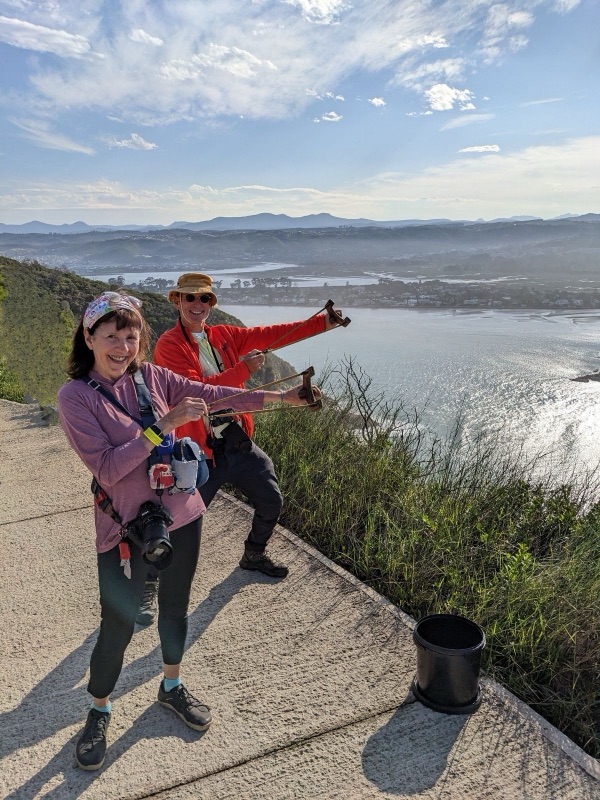
At the beginning of our hike we were given slingshots to shoot seed pods down the hill to help replenish the native plants.

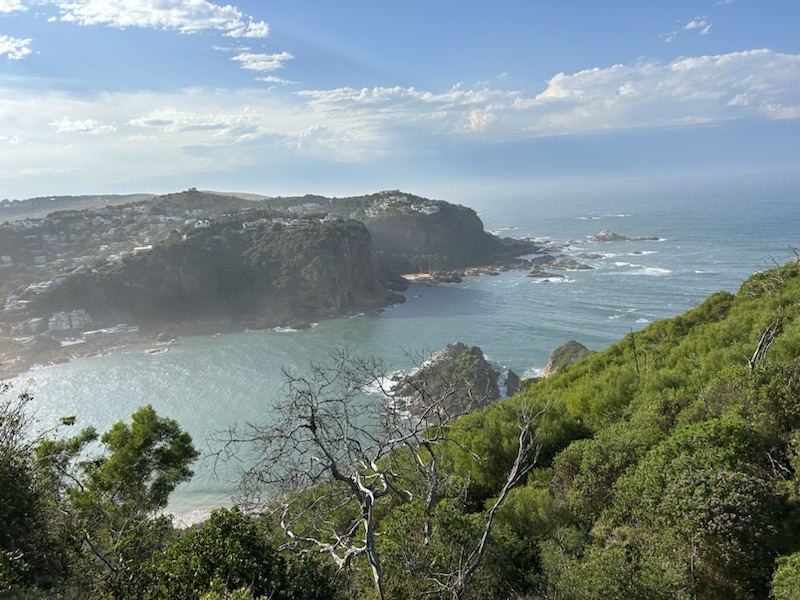
Due to the rocks, currents & tides, as well as not having modern navigation devices, the harbor entry was rated as the most difficult in the world to navigate.

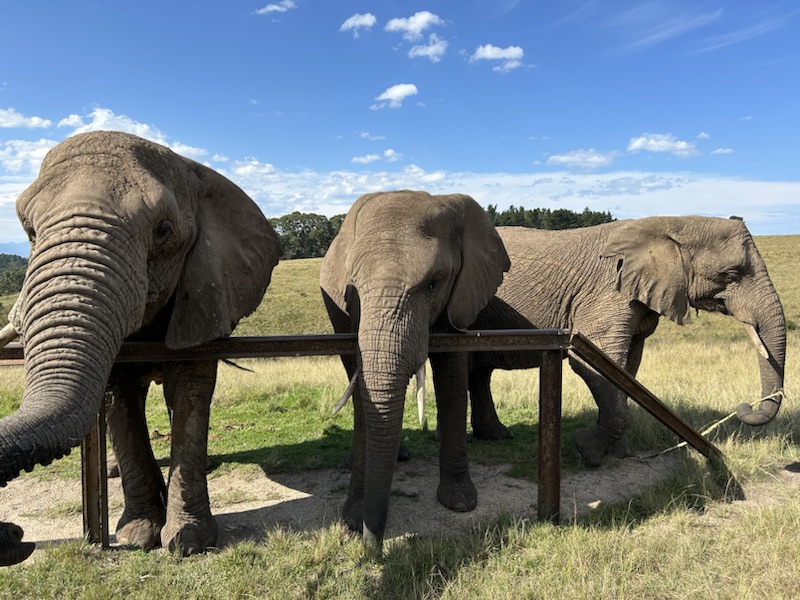
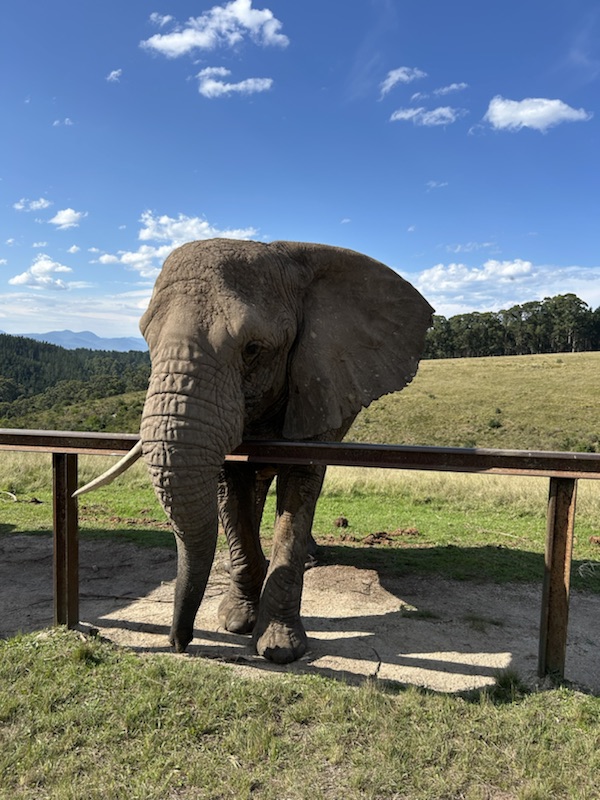
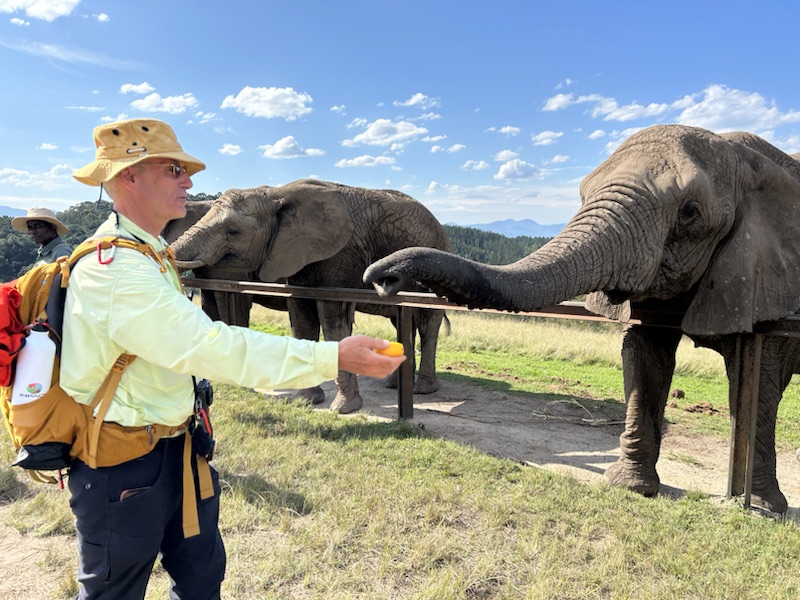
After this lovely morning hike, we visited the Knysna Elephant Park that helps orphaned & injured elephants.

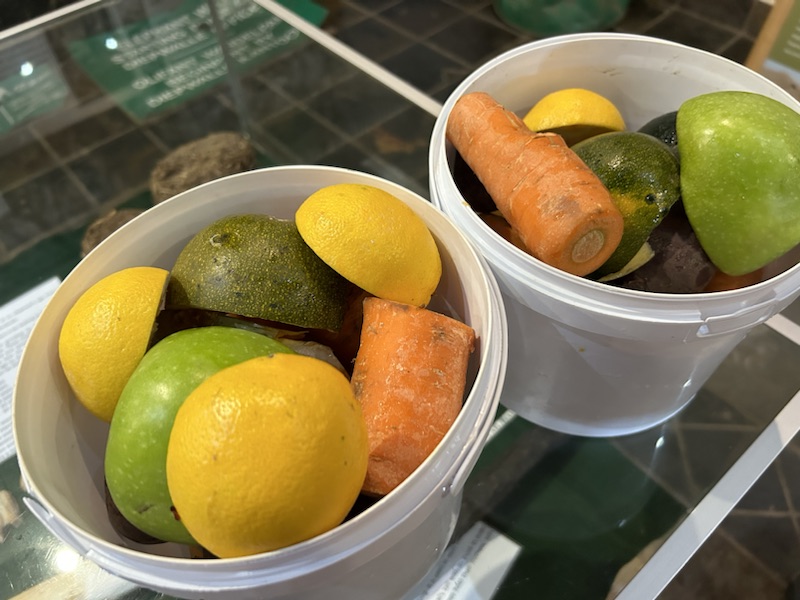
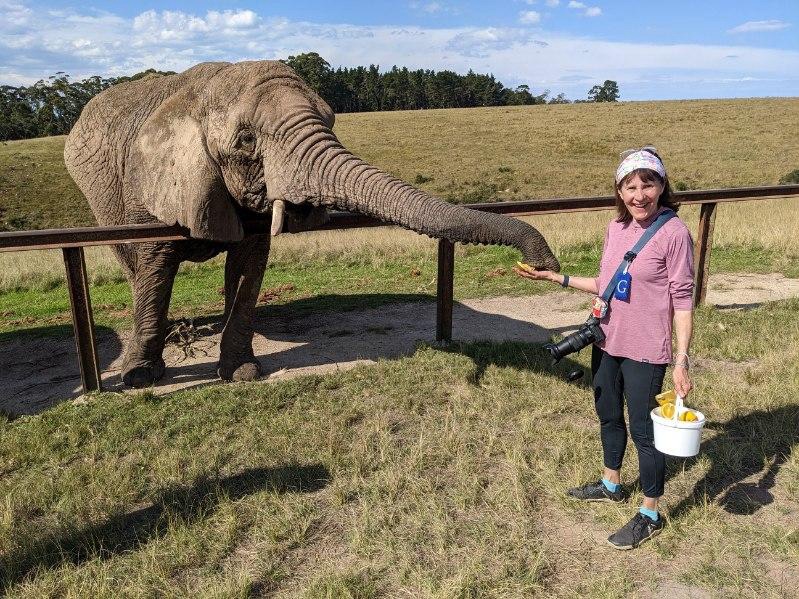
At the park , you are given a chance to feed & walk with the elephants.

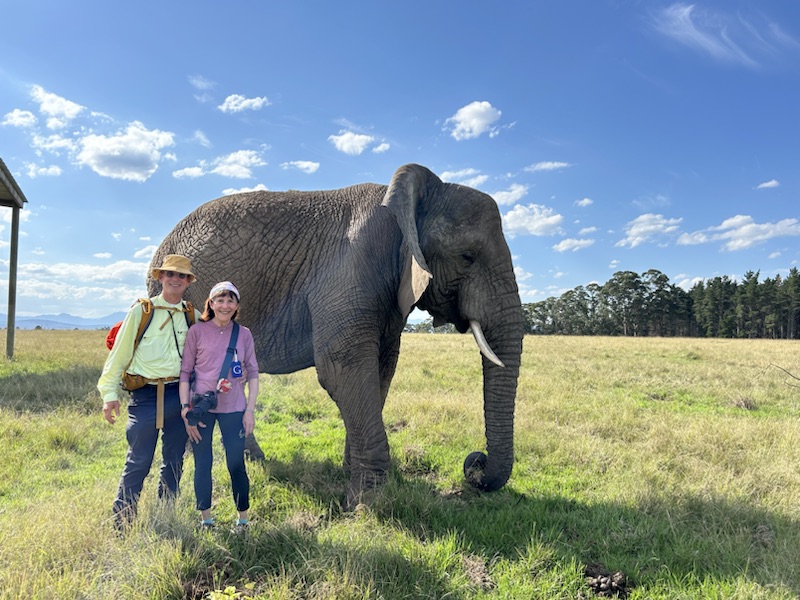
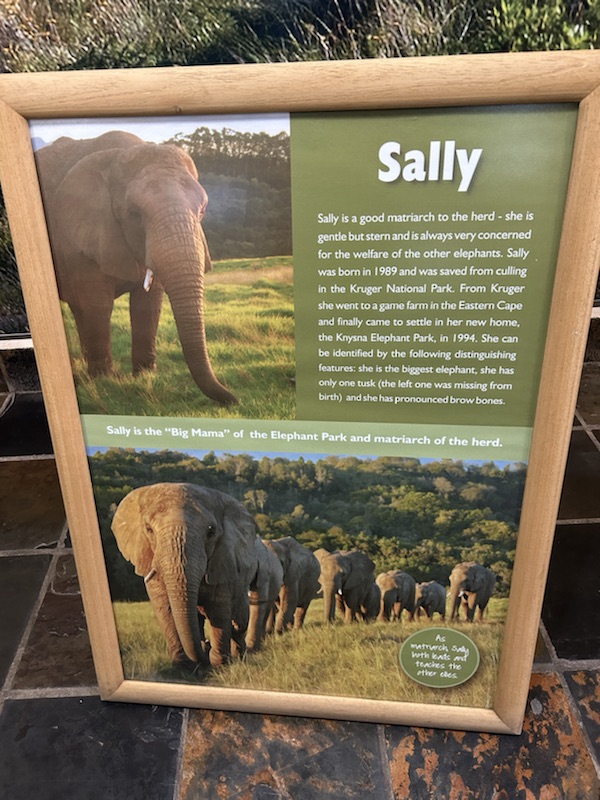
We were lucky to have our picture taken with Sally. She is the 34 year old matriarch & the oldest elephant at the park. She now teaches the young elephants how to survive.

Day 4

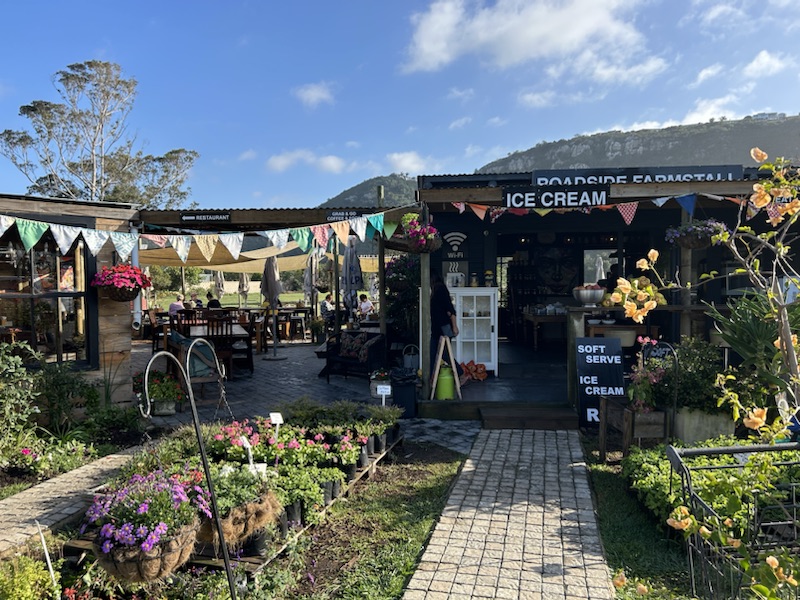
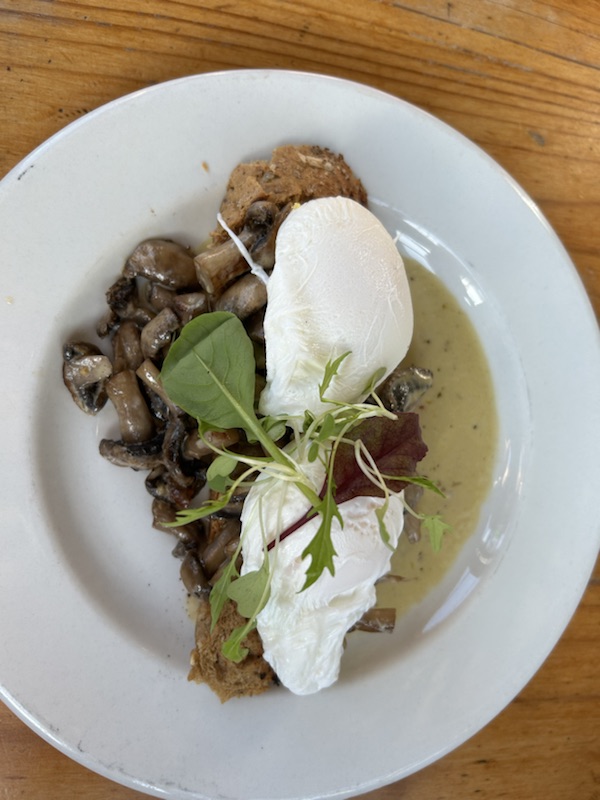
Before starting this day, I had a lovely breakfast at the cute Roadside Cafe restaurant in Plettenberg Bay which has a plant nursery as well as a petting zoo.

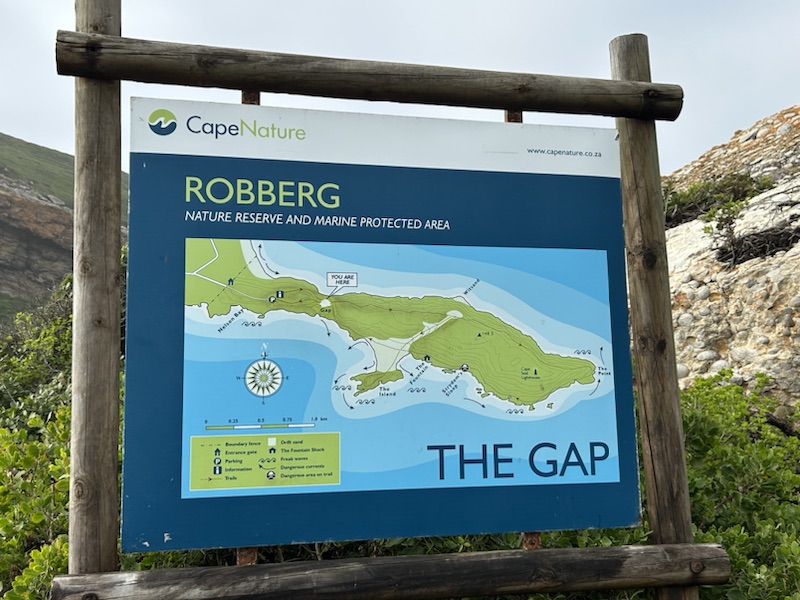
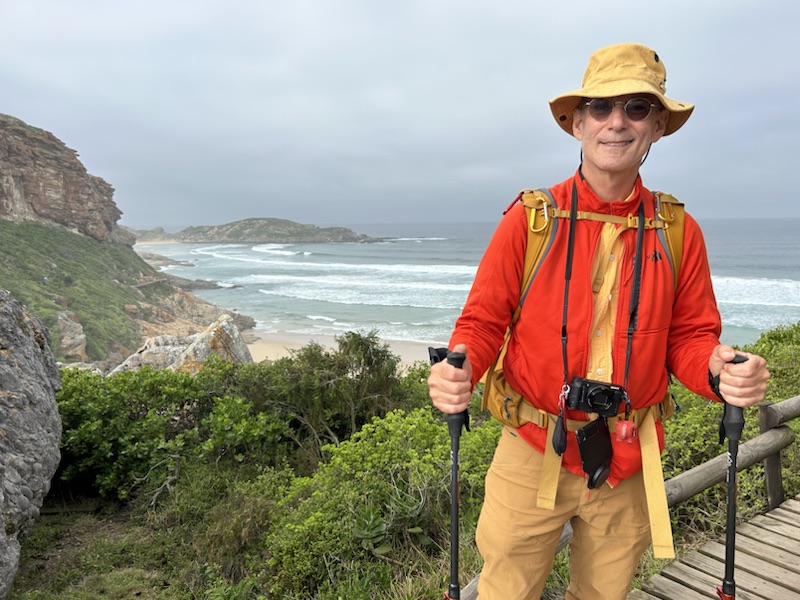
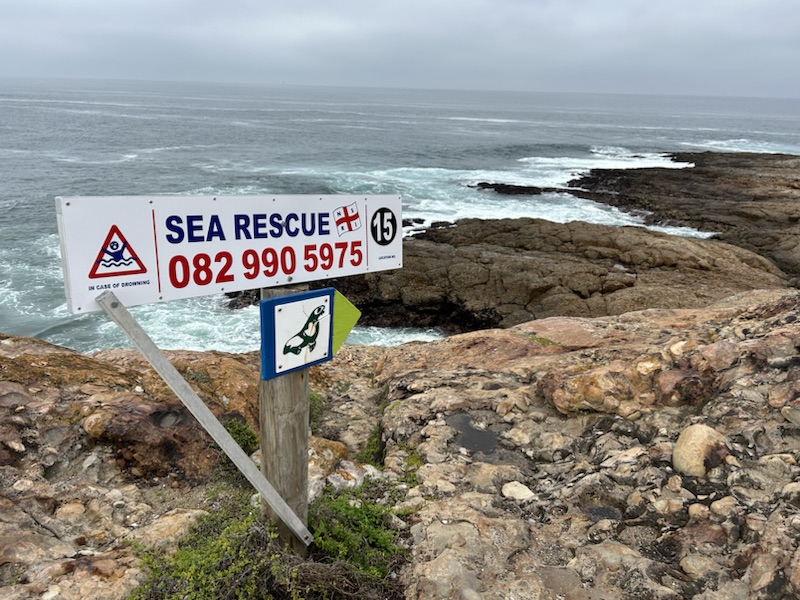
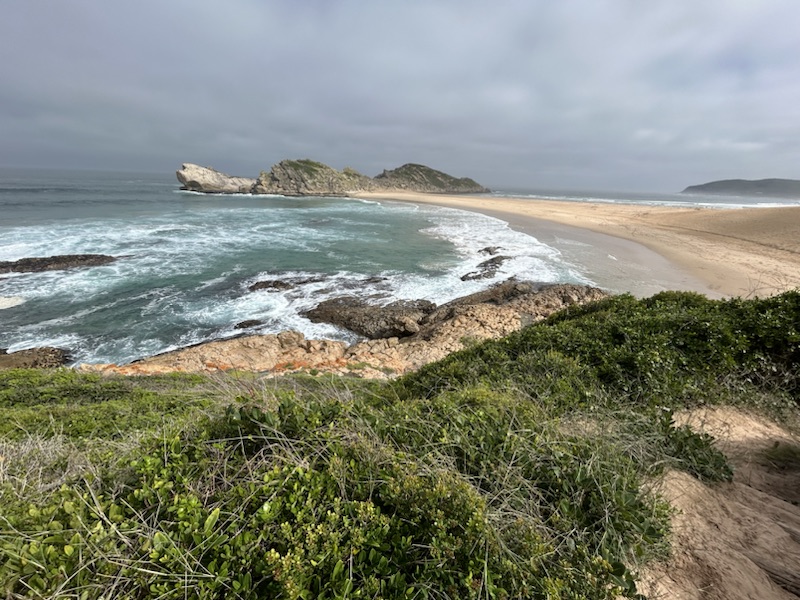
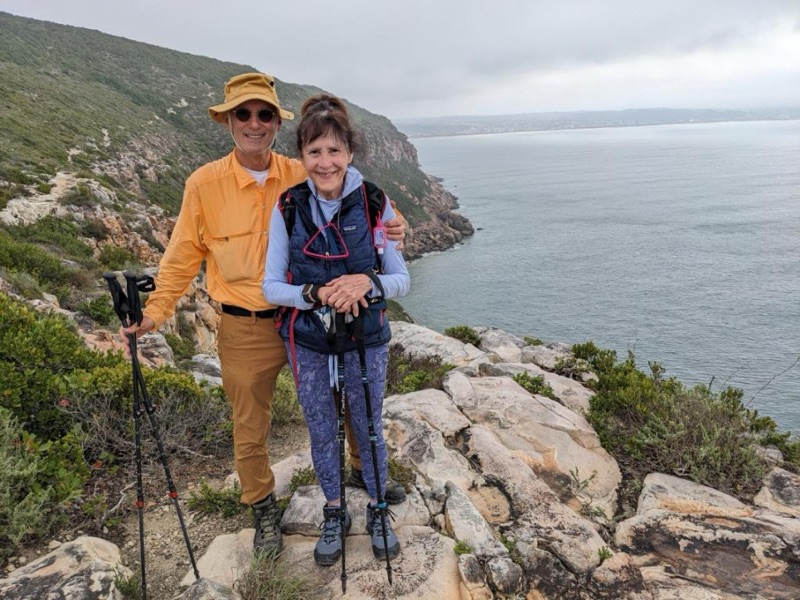
I had a very filling breakfast to prepare me for the 7 mile hike around the Robberg Nature Reserve.

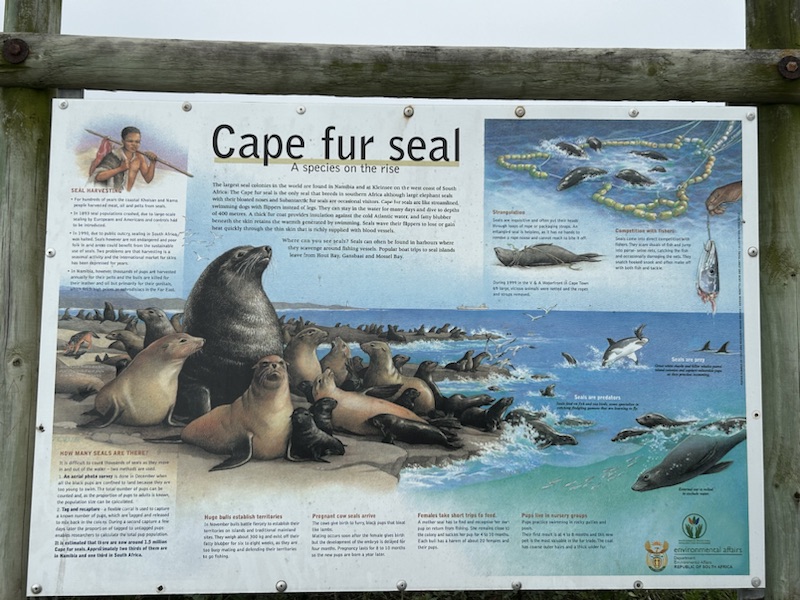
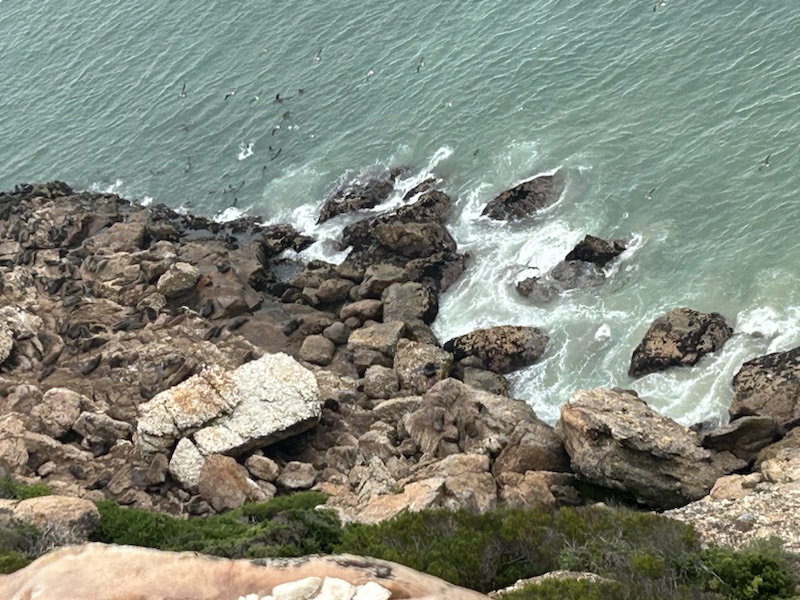
The views around the reserve were spectacular which included being able to see various seal colonies from high above on the cliffs.

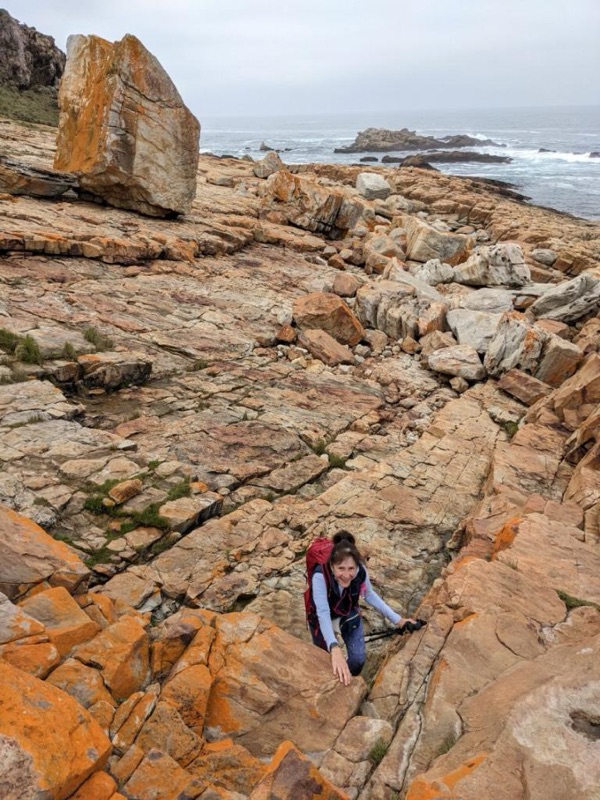
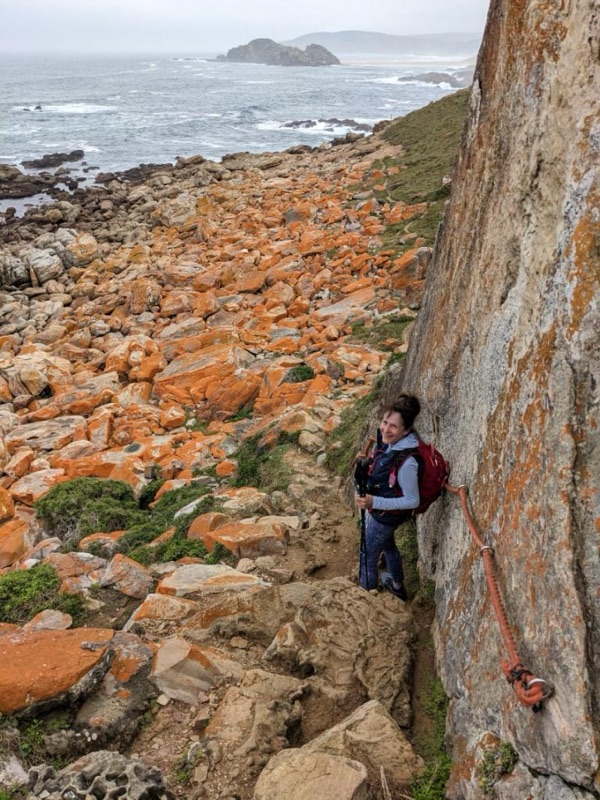
After passing the half way mark on fairly easy trails, the path involved bouldering having to scramble over & climb many rocks for over a mile. Thankfully, we made it through that rough stretch without any turned ankles or falls.

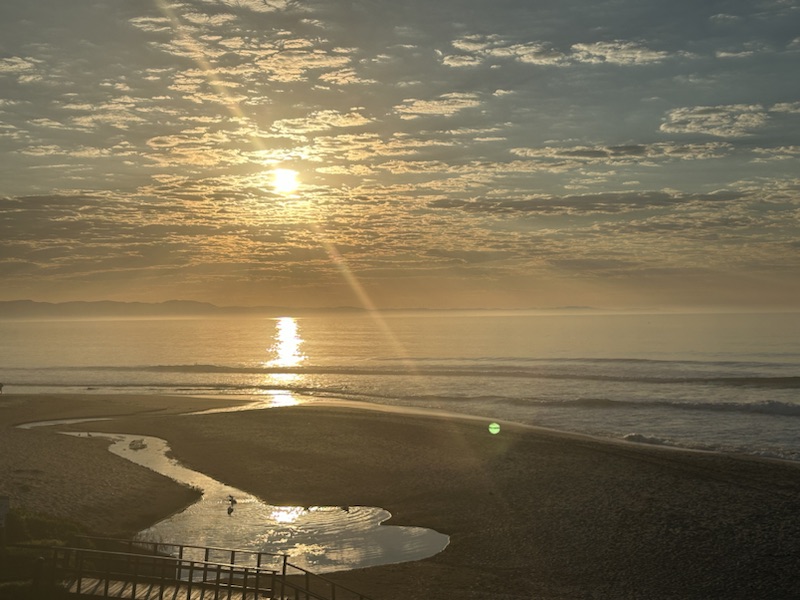
An hour before sunset we made it to Jeffery’s Bay. This town was made famous in the 1960s documentary movie “Endless Summer” which is about surfers 🏄 who travel the world surfing at various beaches all year long.

Jeffrey’s Bay sunset

Day 5

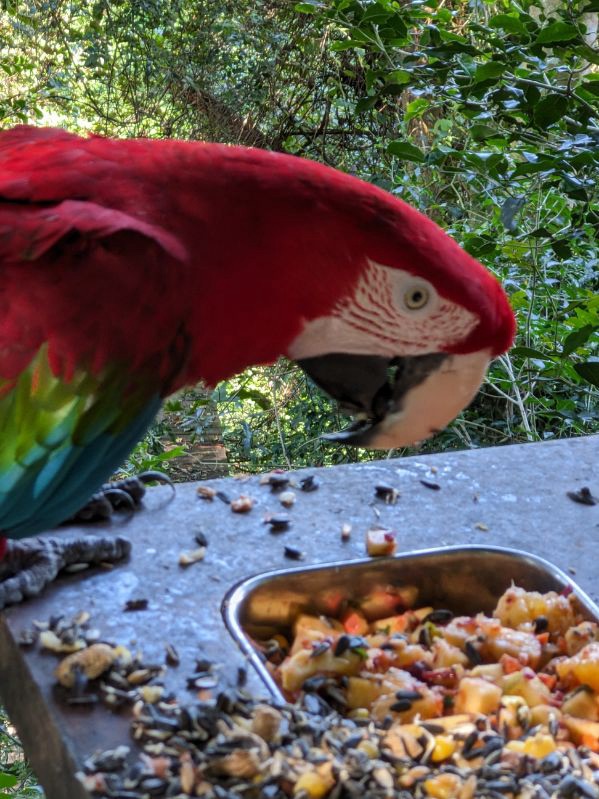
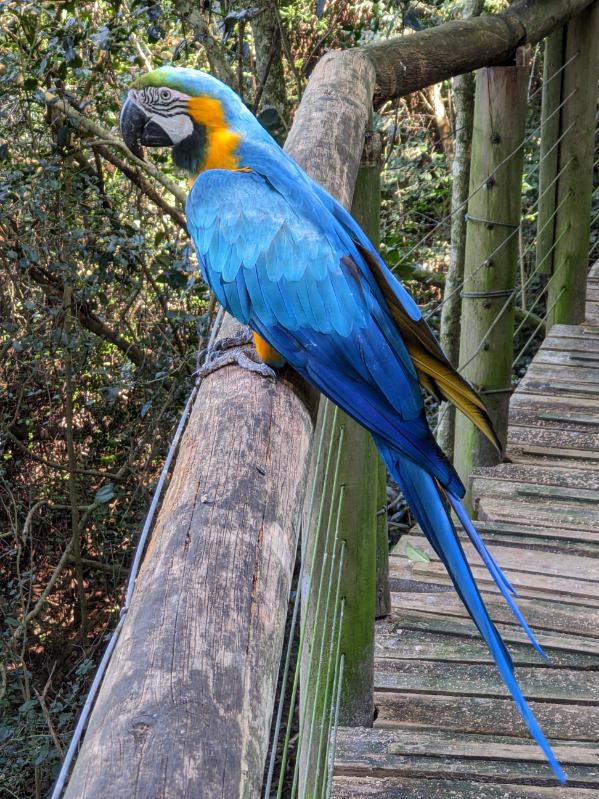
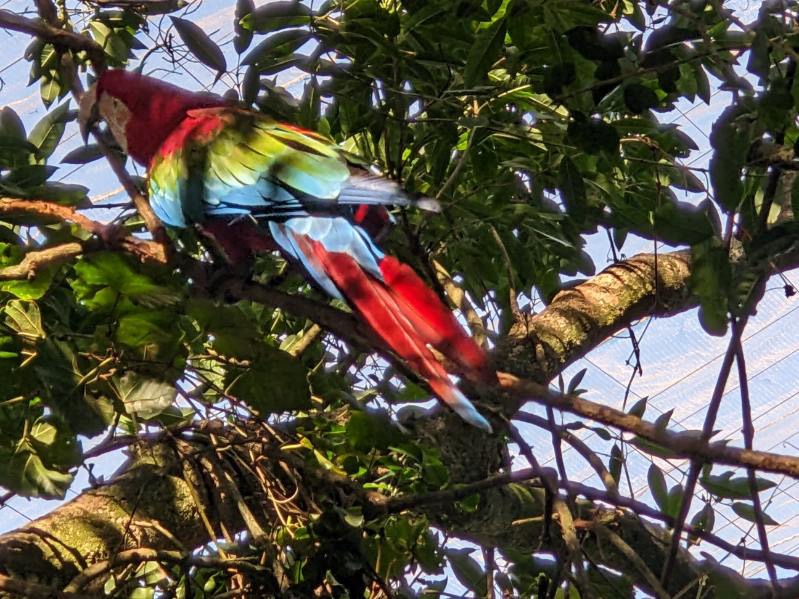
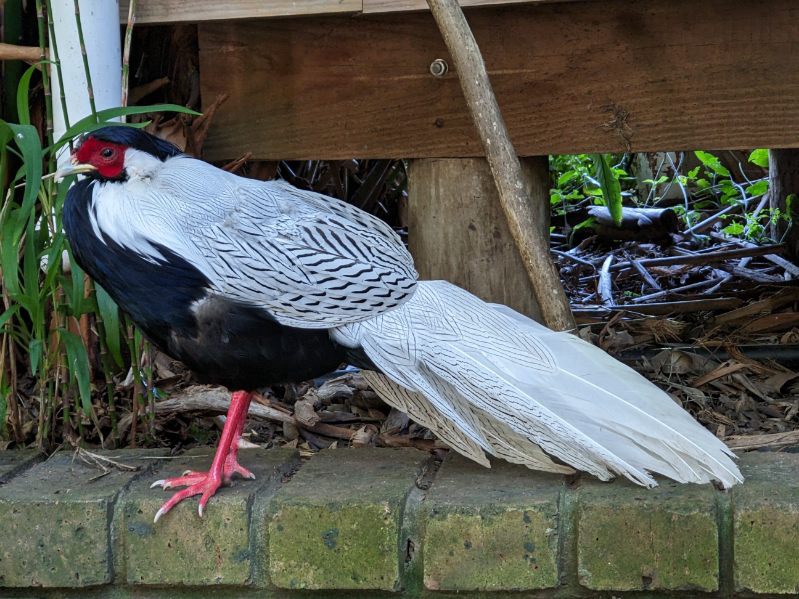
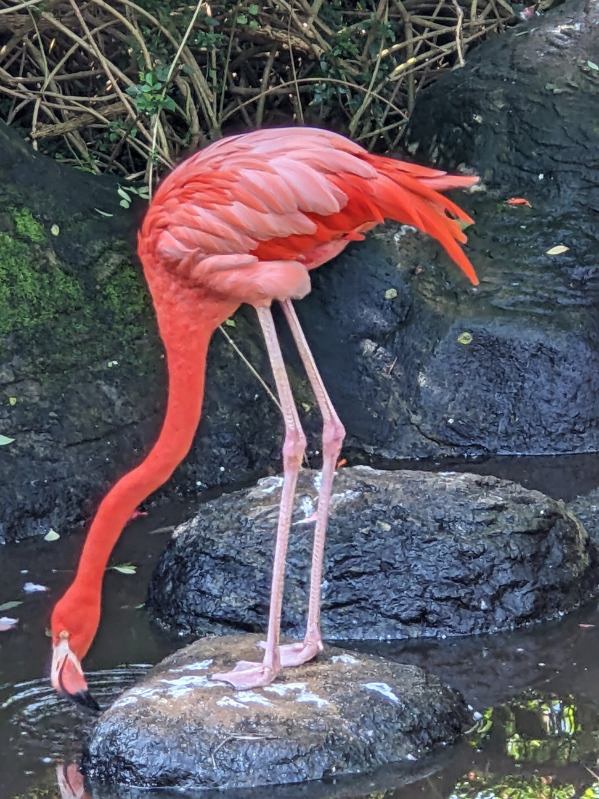
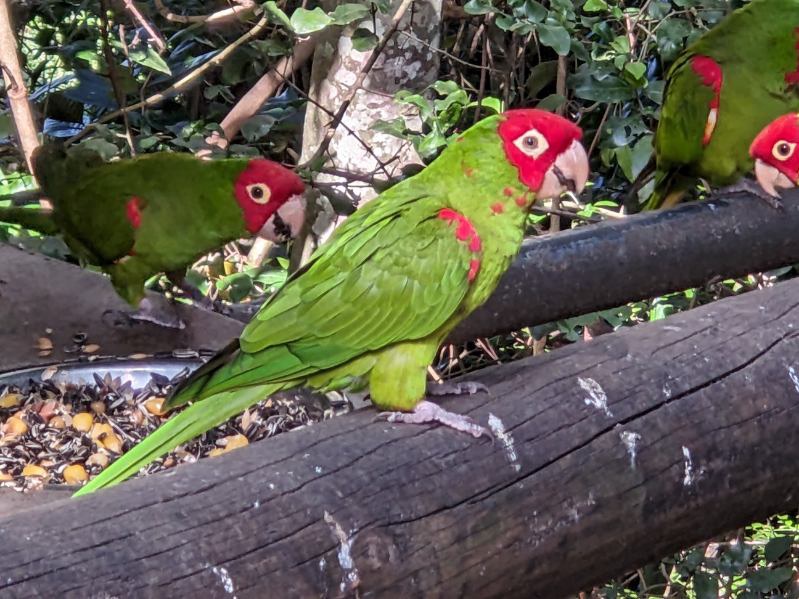
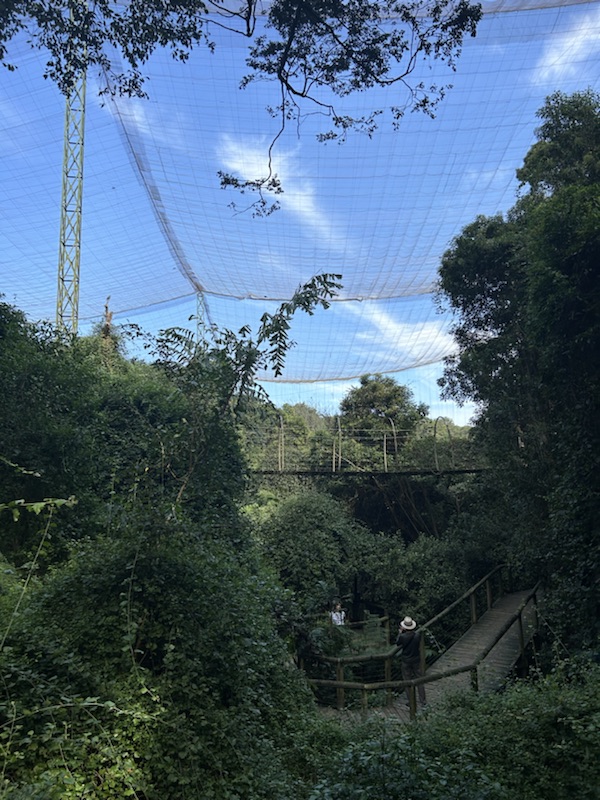
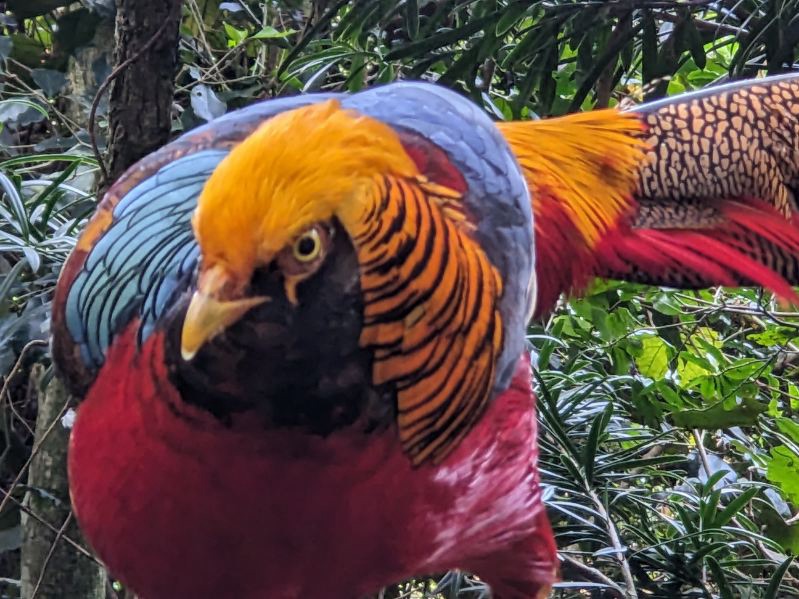
Our last Garden Route day involved watching a few surfers at the beach & visiting the Birds of Eden bird sanctuary.

From the first moment we entered the sanctuary, we saw birds up close. This large facility allowed us to observe many species for a few hours.

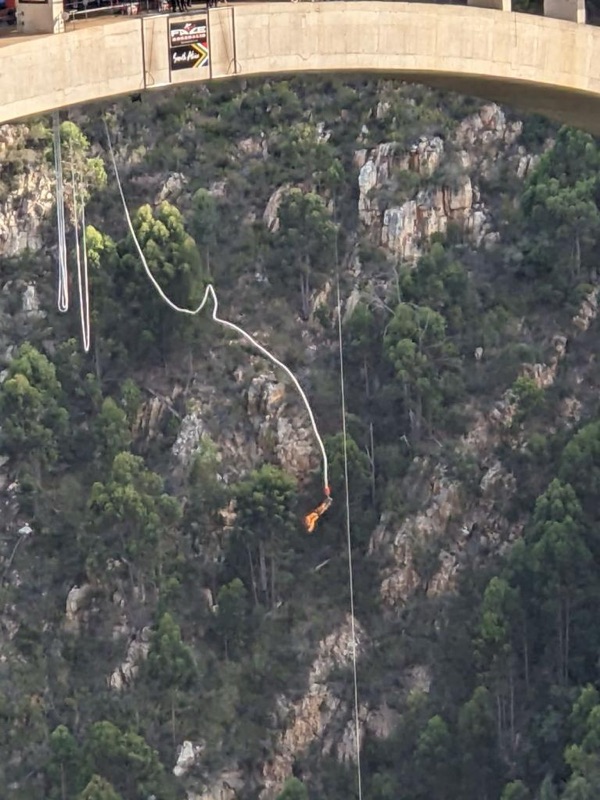
My husband has an unusual hobby. He likes to do bungee jumps around the world when possible. He has now bungy jumped in New Zealand, Zimbabwe, Greece, & now South Africa.

He jumped off the Boukrans Bridge which at 216 meters (709 feet) high is the highest bridge in Africa & the world’s 3rd highest bungy jump.

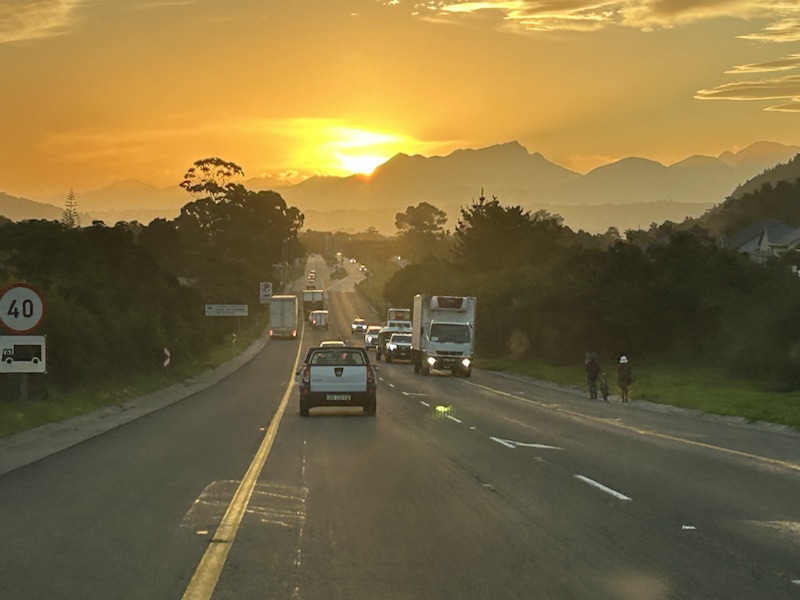
As we left the Garden Route, we drove off into a beautiful sunset heading for the Karoo region.

Cape Town, South Africa

Cape Town is South Africa’s oldest city & as such is known in the country as “The Mother City”.

It is South Africa’s 2nd largest city after Johannesburg.

The German anthropologist Theophilus Hahn recorded that the area’s original name was ‘Hui ! Gais‘ from the indigenous Khoi language meaning “Where clouds gather.”

Indeed, the week we were in Cape Town, Table Mountain was often covered by clouds.

Portuguese mariner & explorer Bartolomeu Dias was the 1st European to reach the area in 1488 & named it the “Cape of Storms.” King John II of Portugal renamed it the “Cape of Good Hope” because it opened a new trade route to the East Indies after the Ottoman Empire cut the overland routes to Europe.

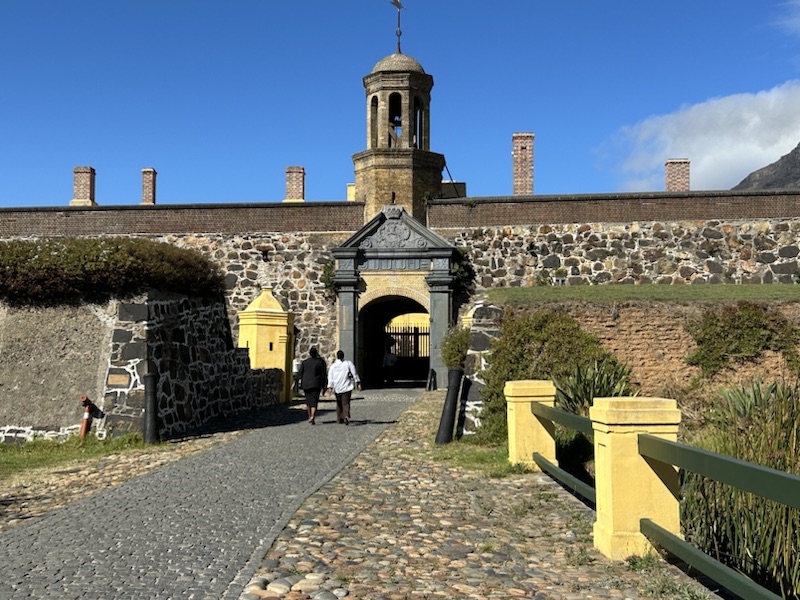
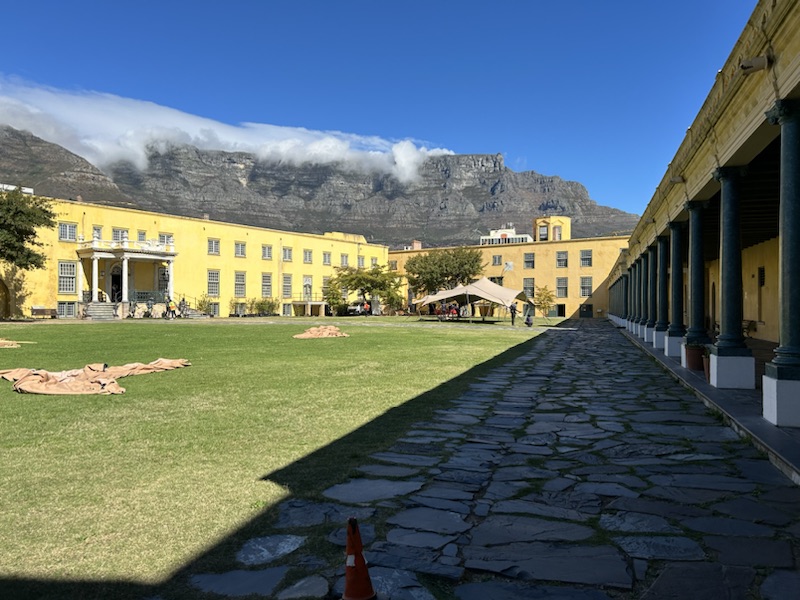
Today you can visit the Castle of Good Hope not far from the bus station.

It was built by the Dutch East India Company between 1666 and 1679. The Castle is the oldest existing building in South Africa.

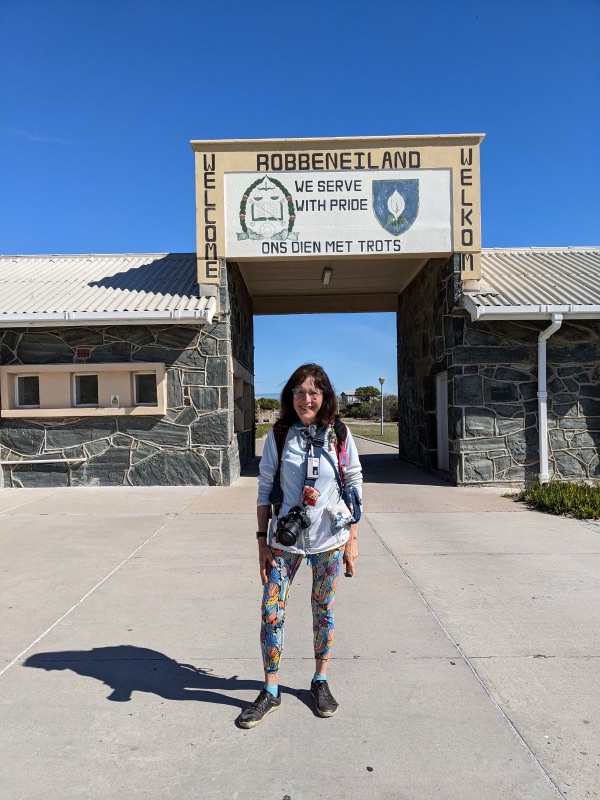
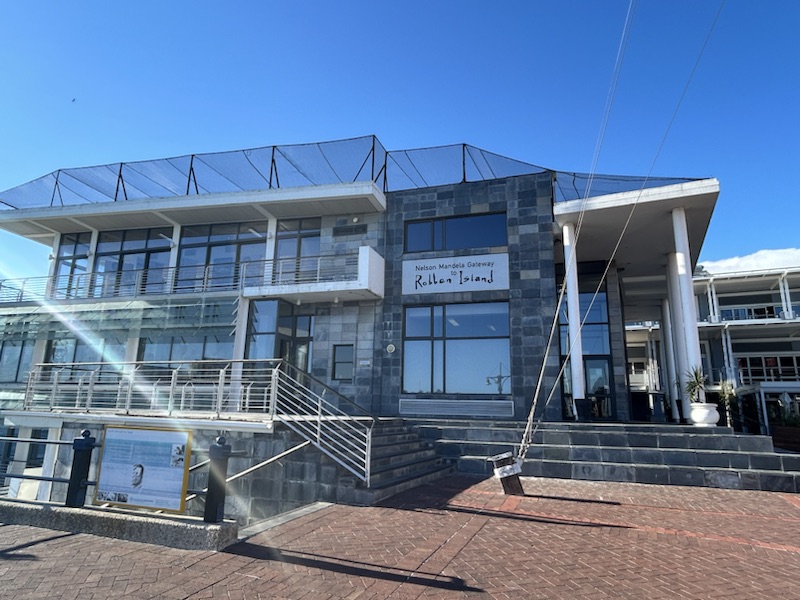
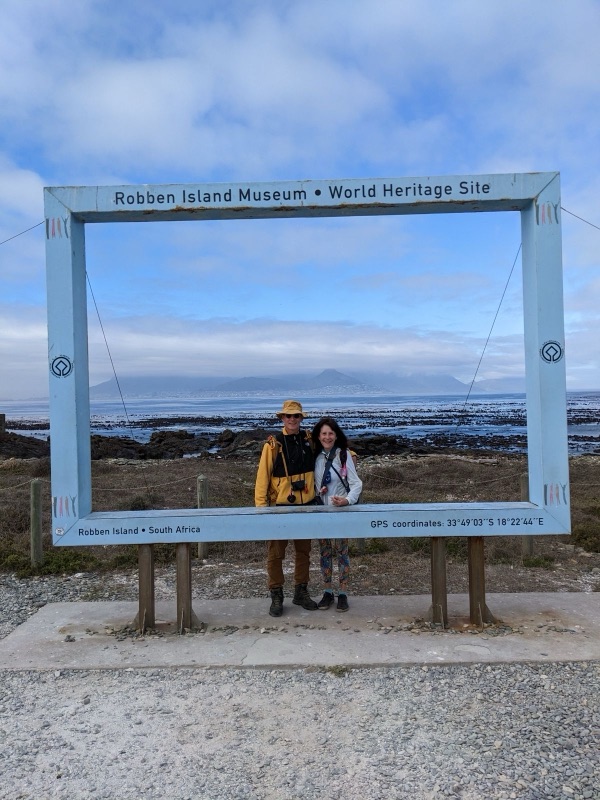
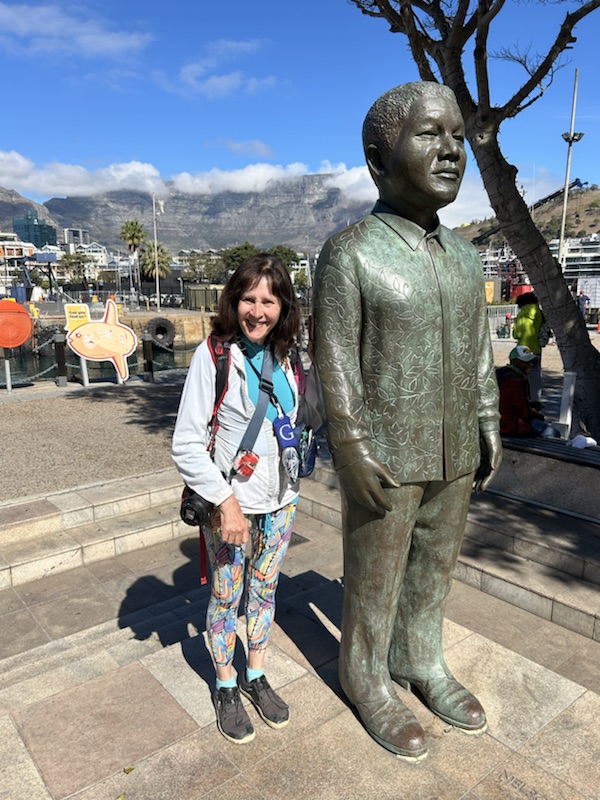
Another historic attraction to visit is Robben Island where political prisoners such as Nelson Mandela were imprisoned. Mandela spent 18 of his 27 years as a political prisoner on this island.

It takes its name from the Dutch word for seals (robben); hence, the Dutch/Afrikaans name Robbeneiland which translates to Seal(s) Island.

The island tour includes a 30 minute ferry ride, a bus tour around the island where you see the lime quarry where Mandela & other political prisoners did hard labor, & a walking tour around the prison. Our guide around the prison grounds was an ex-political prisoner who was able to give us a first hand experience about the daily life for prisoners on the island.

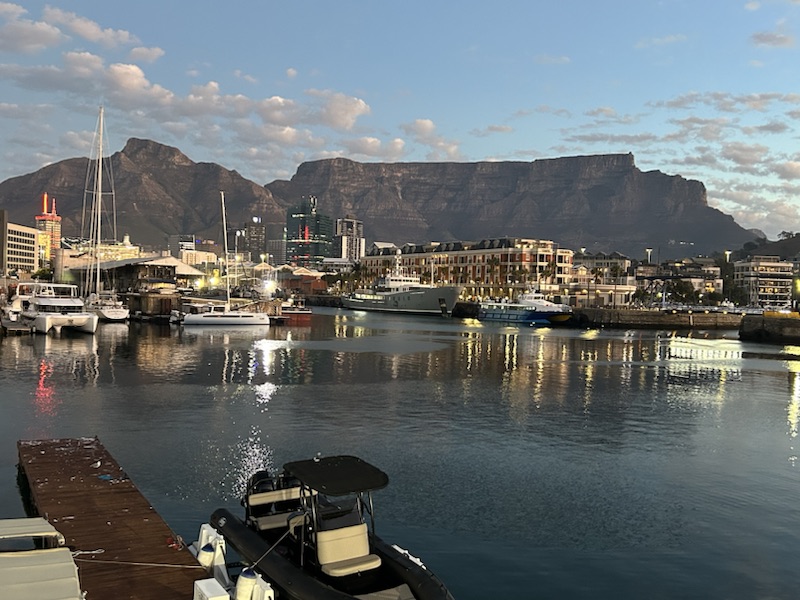
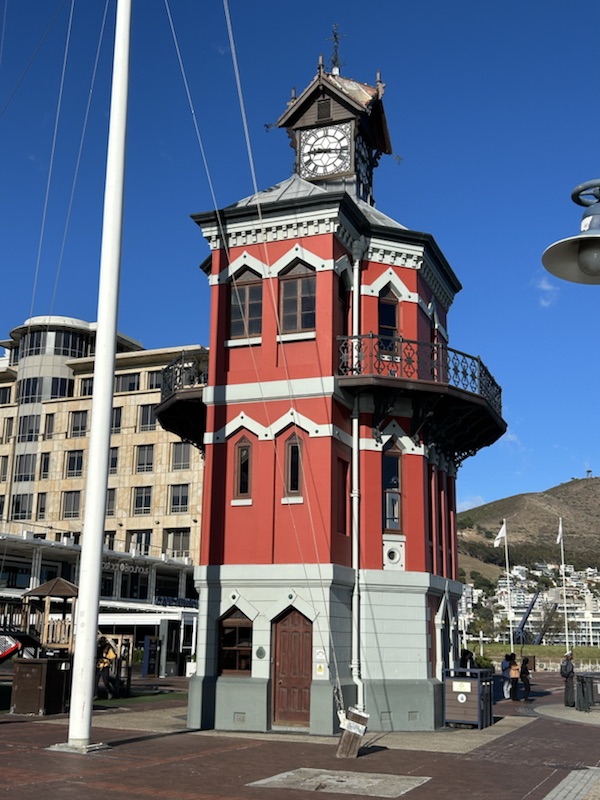
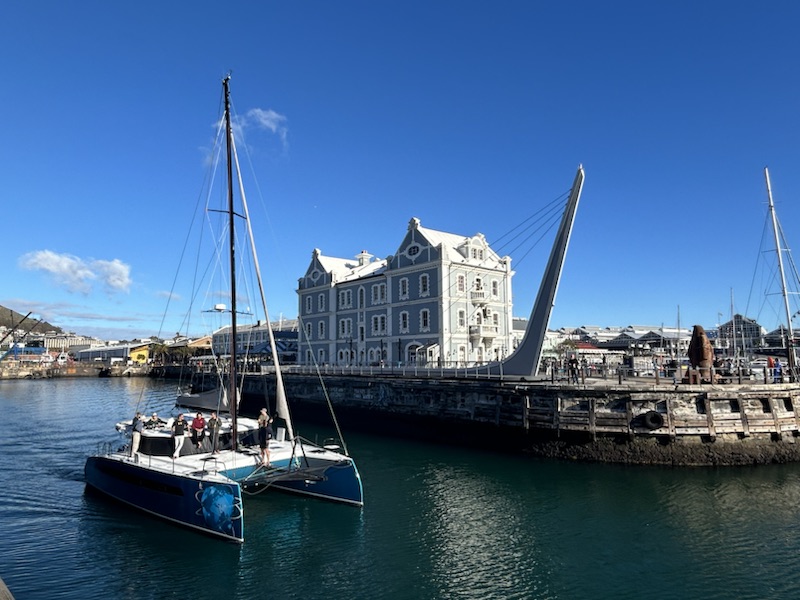
Among most popular spots in Cape Town is the Victoria & Alfred (V&A) Waterfront. It’s the perfect place to shop, eat, & enjoy the views.

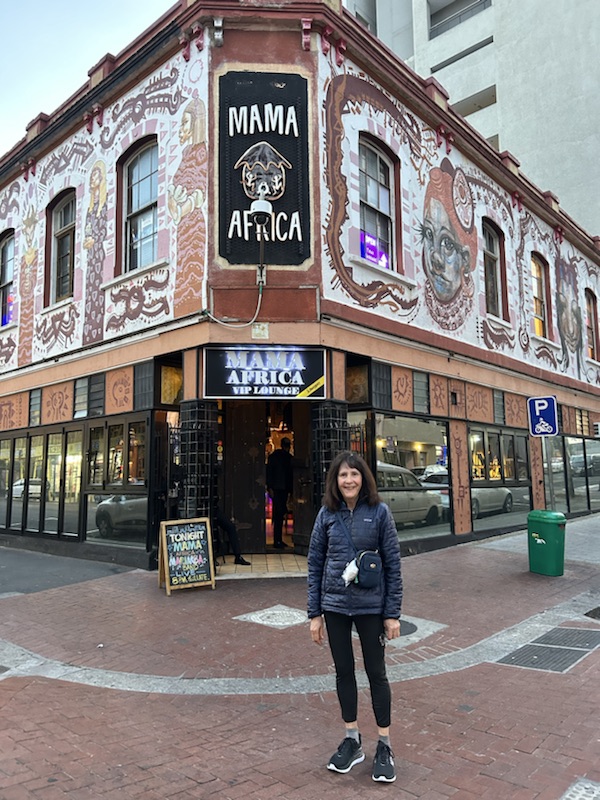
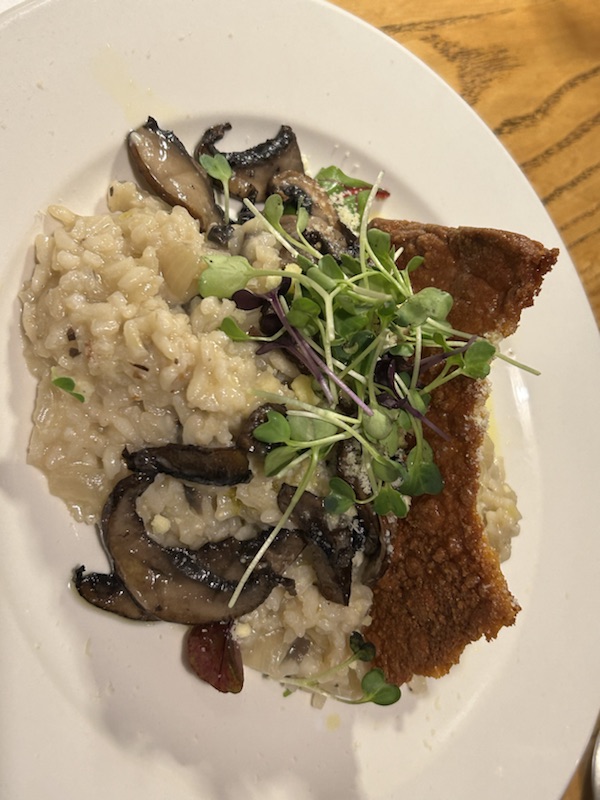
If you are a foodie, then Cape Town won’t disappoint. One evening we enjoyed typical African food & entertainment at Mama Africa.

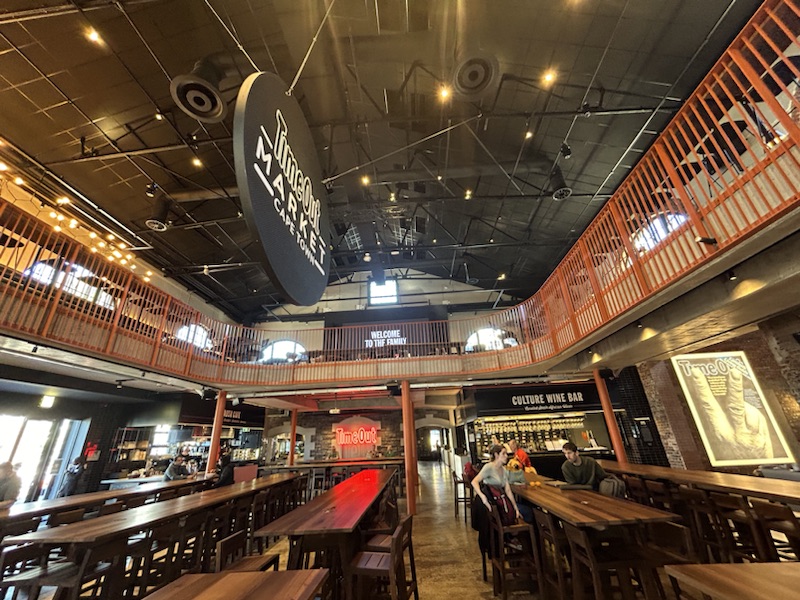
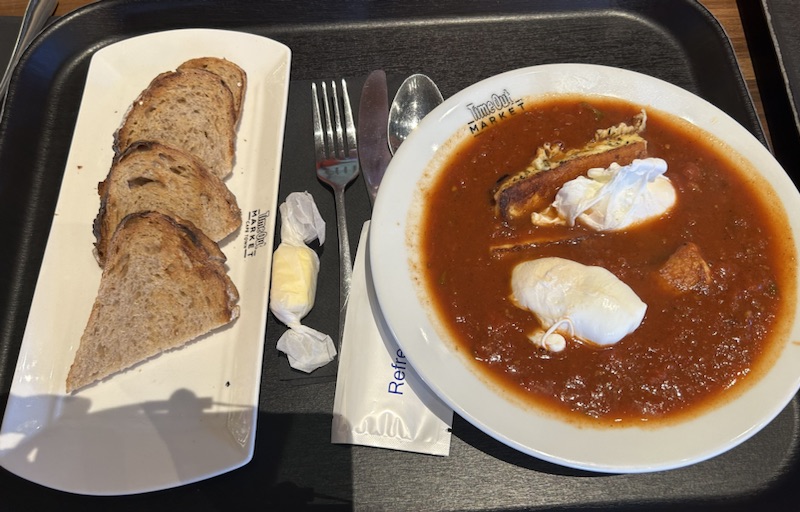
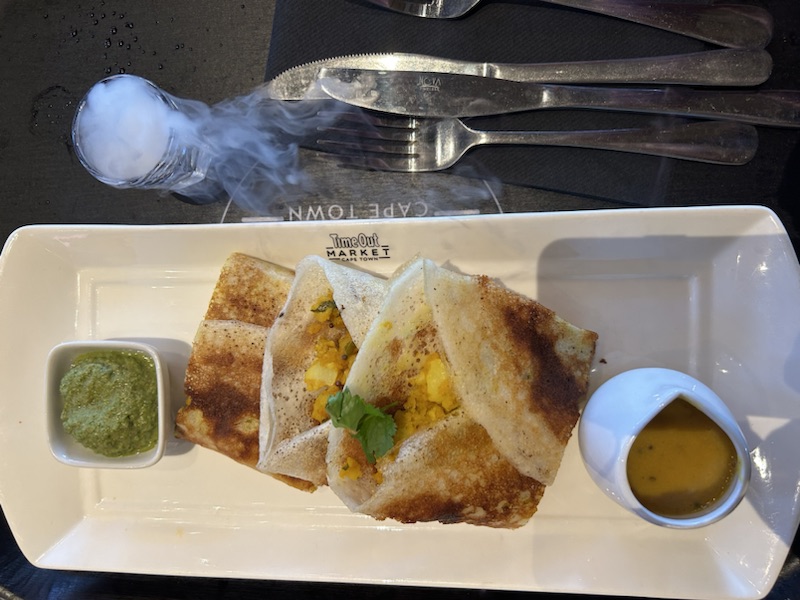
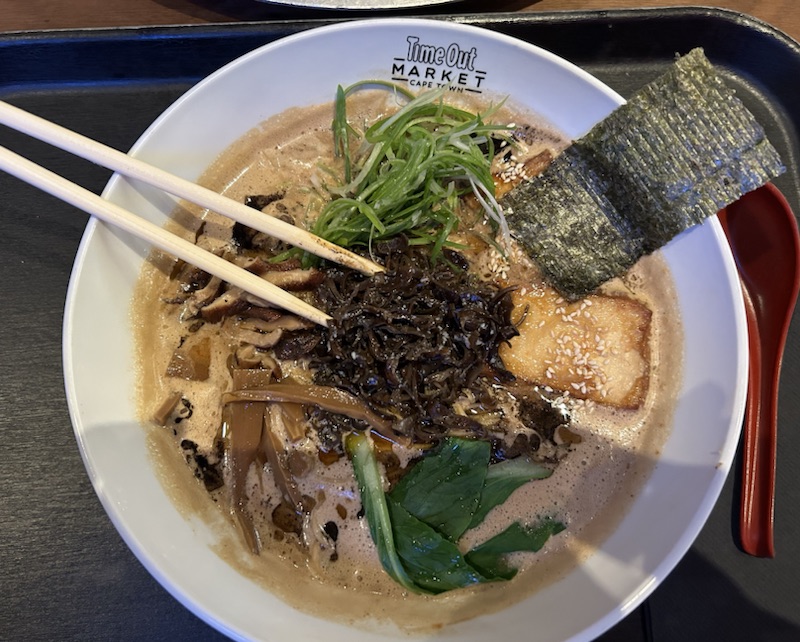
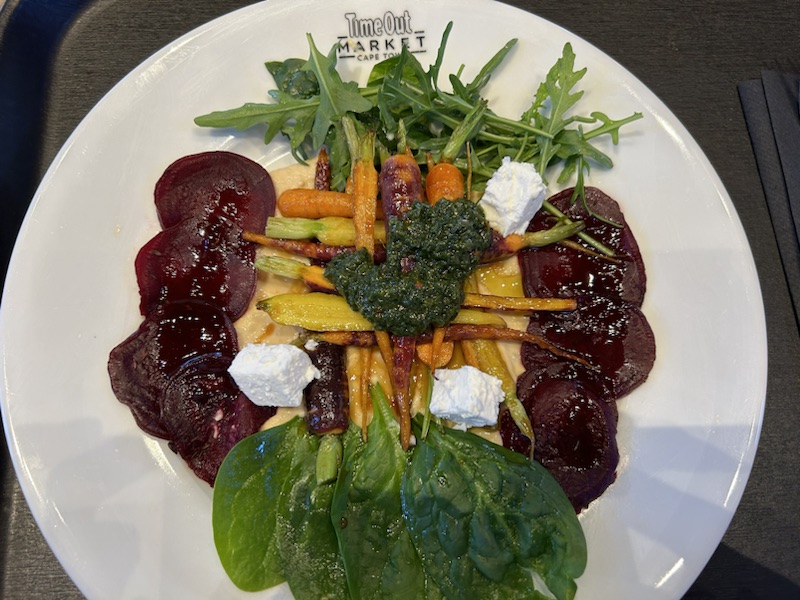
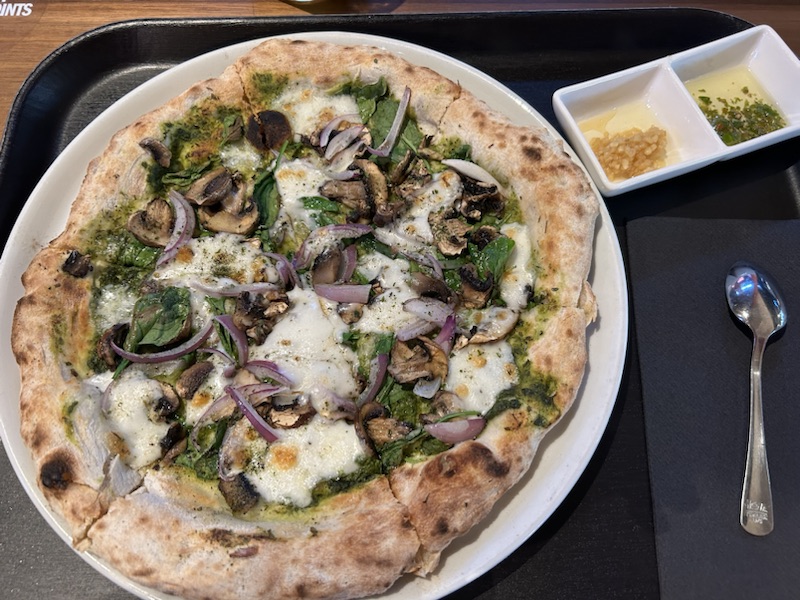
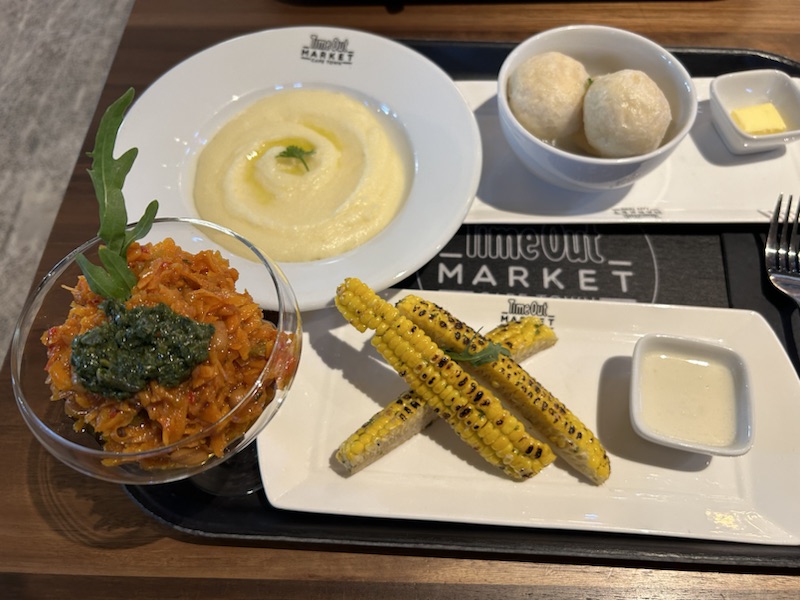
We found a very nice food court called the Time Out Market on the V&A Waterfront where every meal was delicious & nicely served.

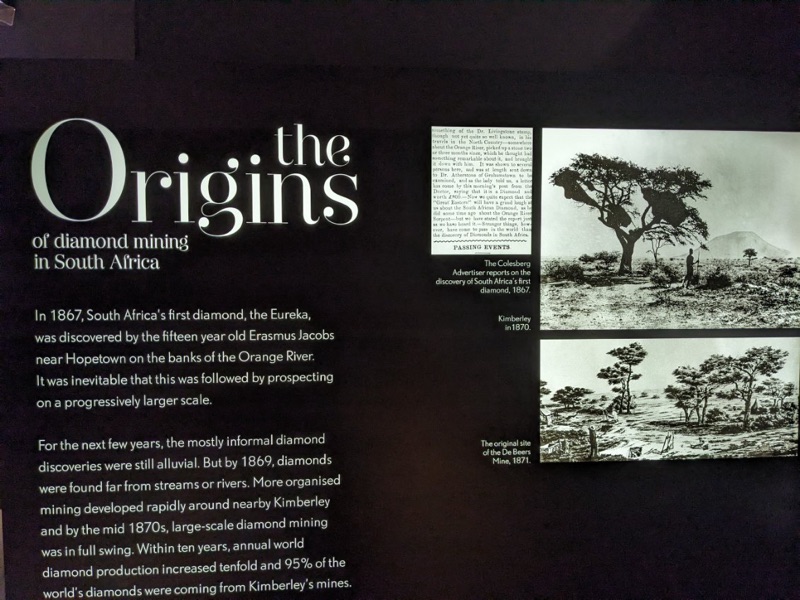
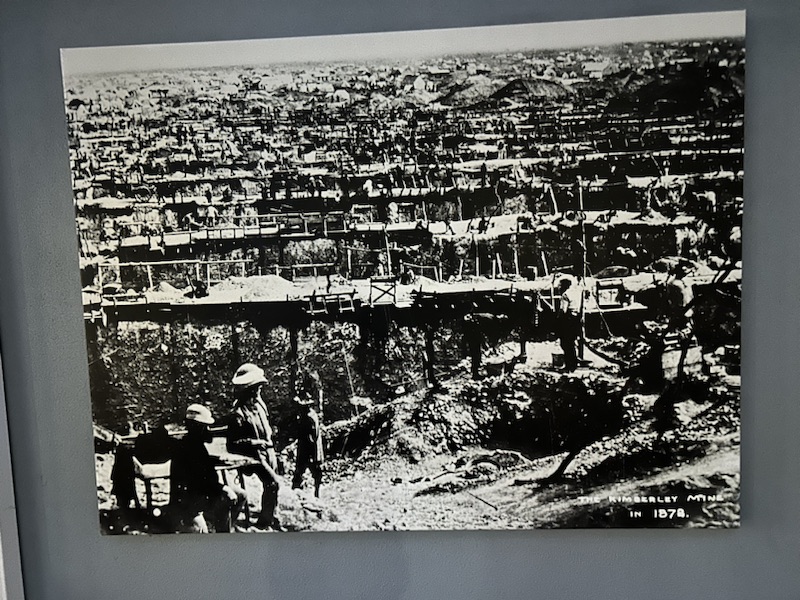
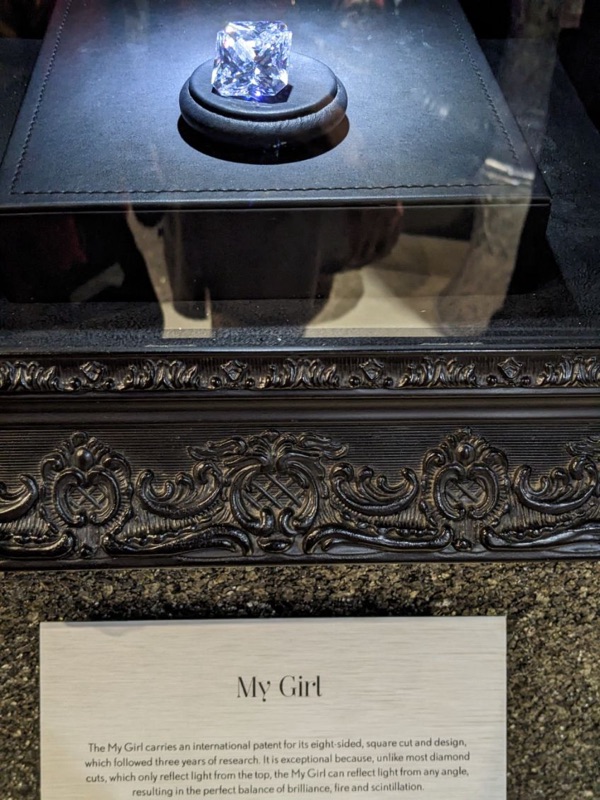
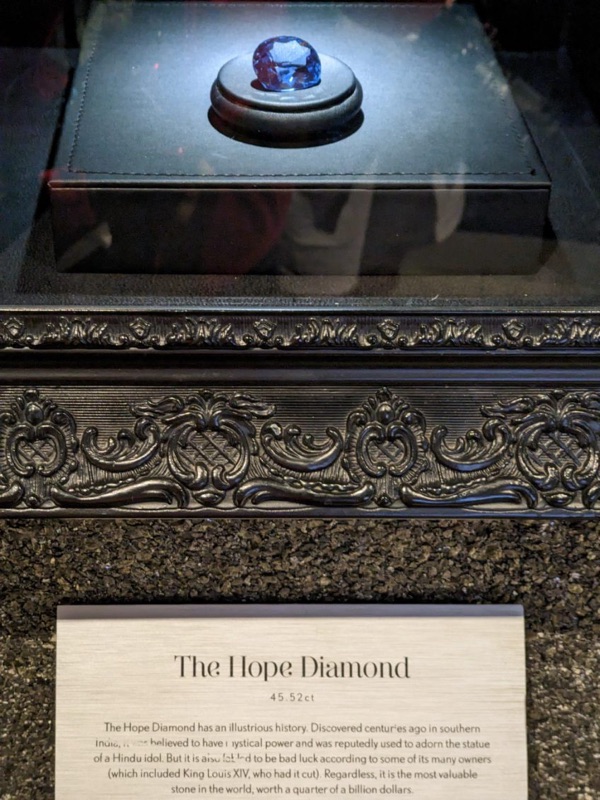
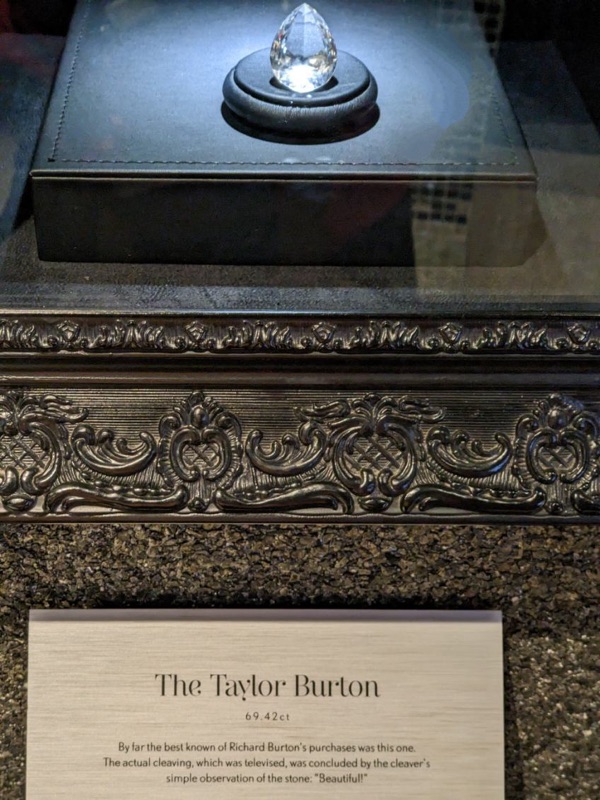
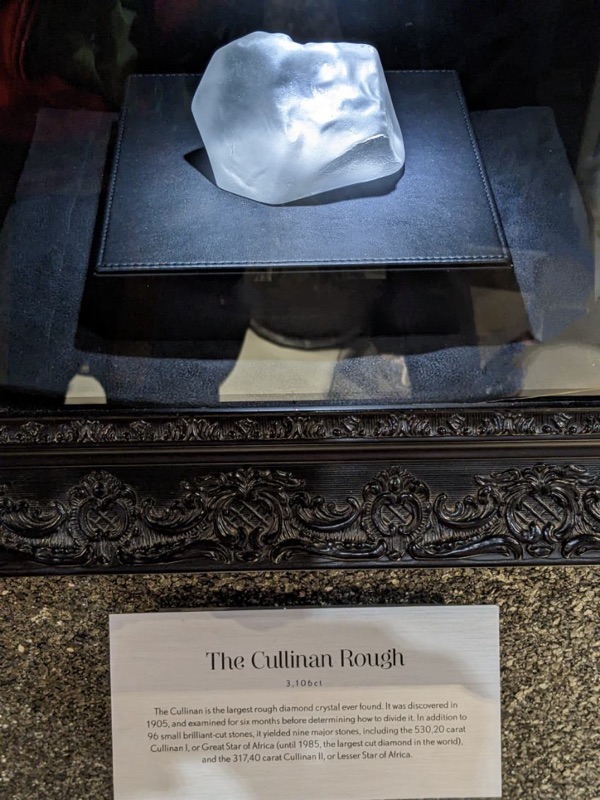
Our last tour in Cape Town was to the Diamond Museum located at the V&A Waterfront. South Africa’s diamond industry dates back to 1866. In the 1870s & 1880s, South Africa produced 95% of all diamonds in the world.

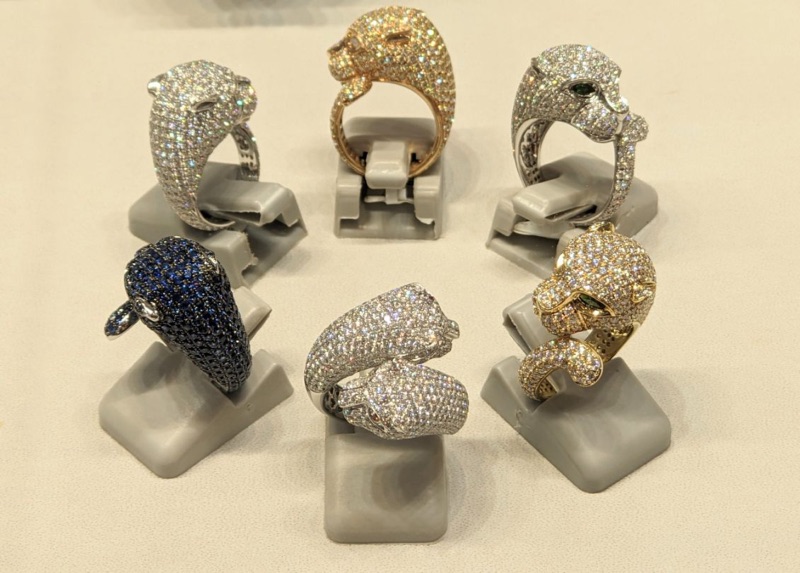
After the tour we were given a chance to purchase a diamond. Hmmm…maybe next time or after I win the lottery.

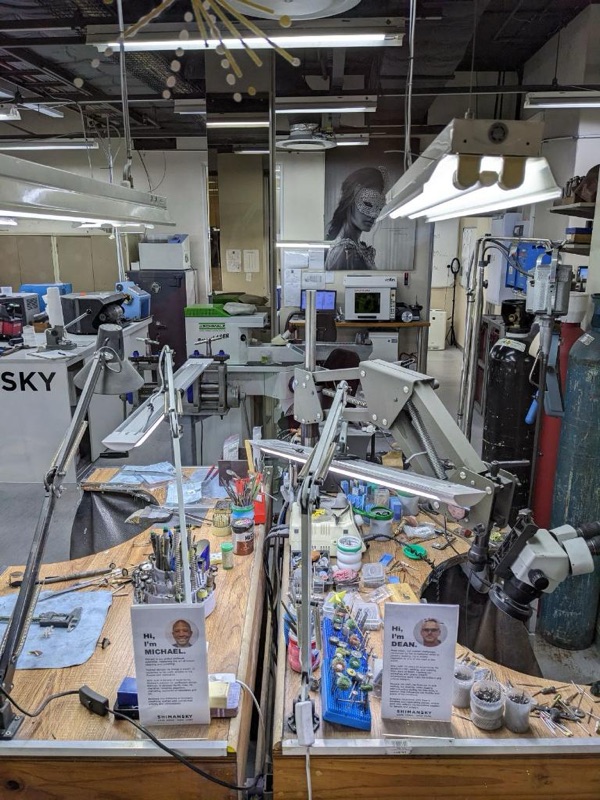
Diamond workshop

Sorry, we didn’t ask how much they cost. 😂

South Africa’s False Bay

A drive along the False Bay coastline on M4 is not to be missed on a visit to Cape Town. The view is spectacular; but also, there are a few other rewards along the way.

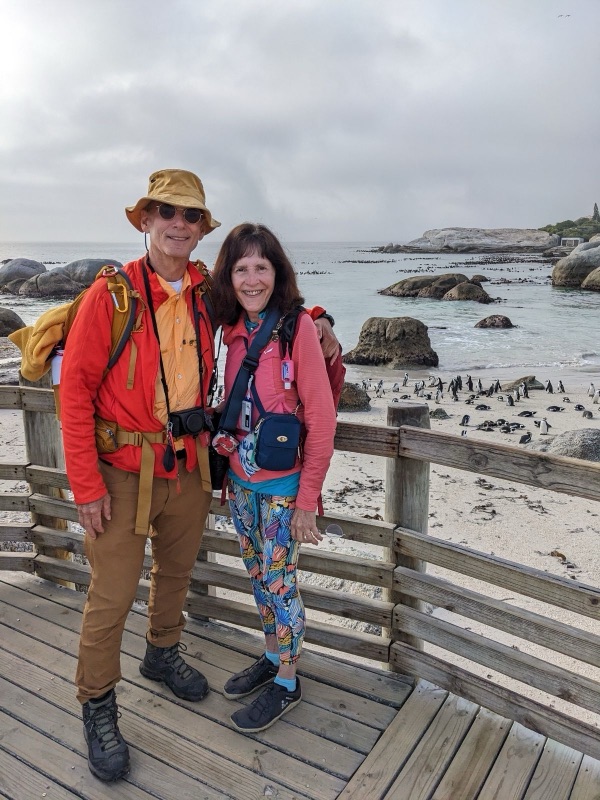
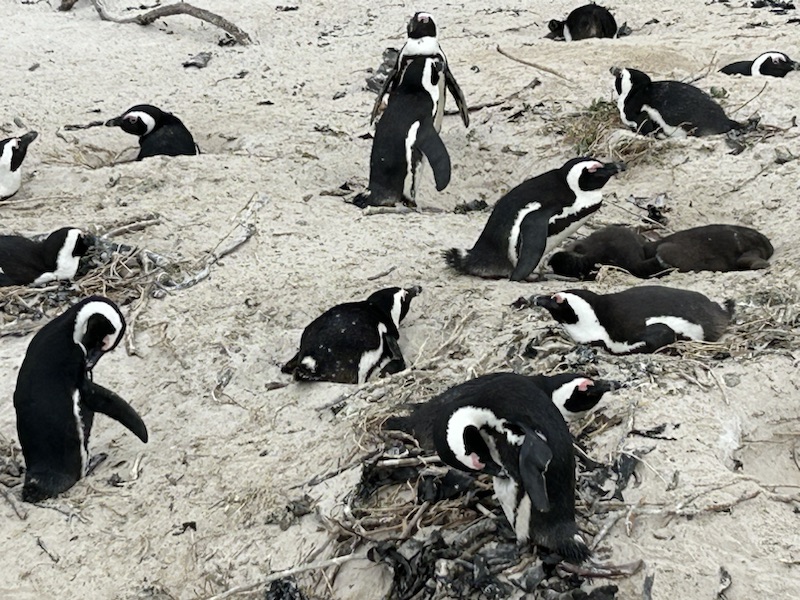
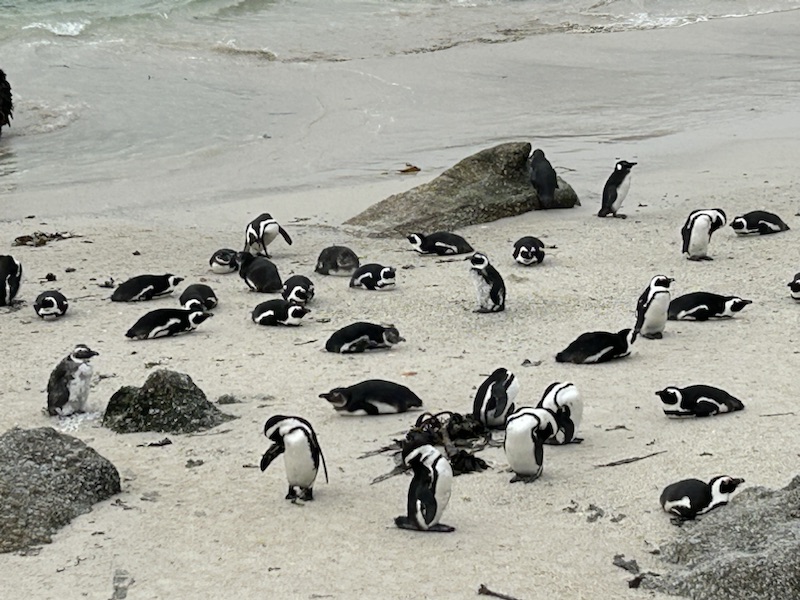
Boulders Beach & Foxy Beach in Simon’s Town are a permanent home to many African Penguins.

African Penguins are often referred to as “Jackass Penguins” due to their loud braying.

Simon’s Town is the only place penguins are found on the African continent.

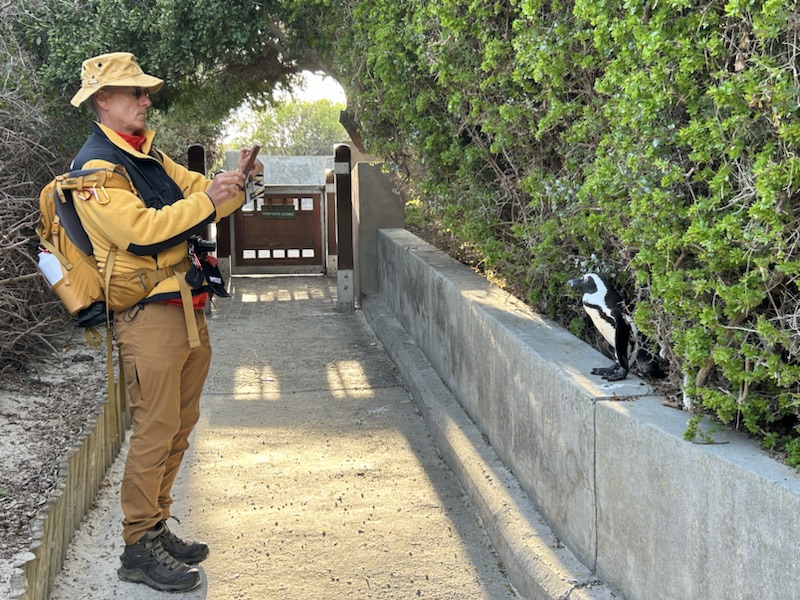
For a small national park entry fee, you can use wooden boardwalks along the beach to observe the penguins. We found many only inches away not only nesting in the bushes; but also, a few penguins even occasionally meandered down the boardwalk along with us humans.

Two nice platforms allow you to watch the penguins waddle out to the sea, shake themselves dry after they return to the beach, or simply observe the colony nesting on the beach.

We got up extra early to be at the park when it opened at 8:00 AM. It was nice to enjoy the penguins all by ourselves for a while.

It’s a fun time for any nature and/or animal lover.

Up close snapshots? … Not a problem.
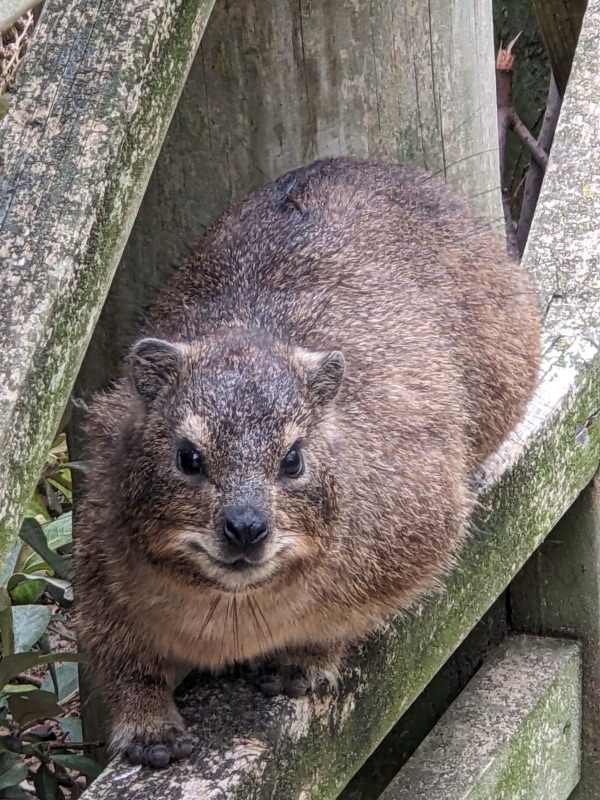
There are also many Rock Hyraxes near the penguins hoping to steal their eggs or any unattended human food.

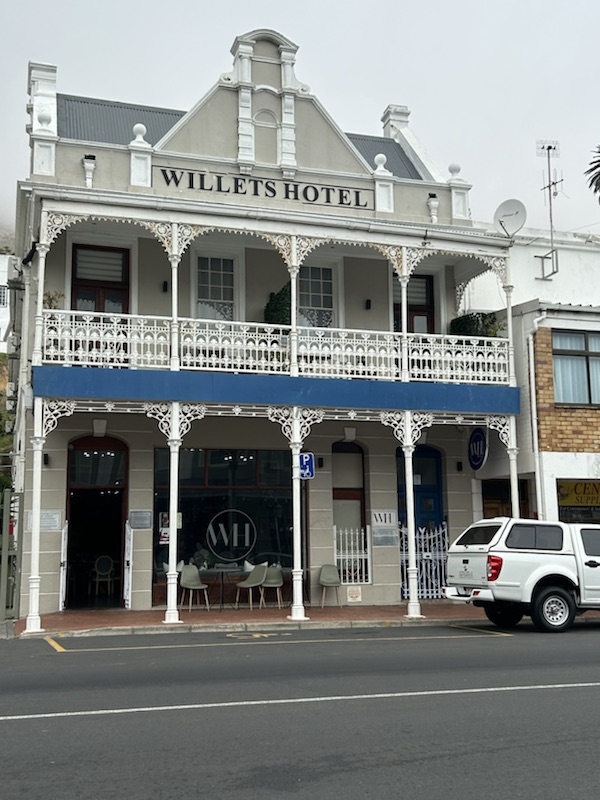
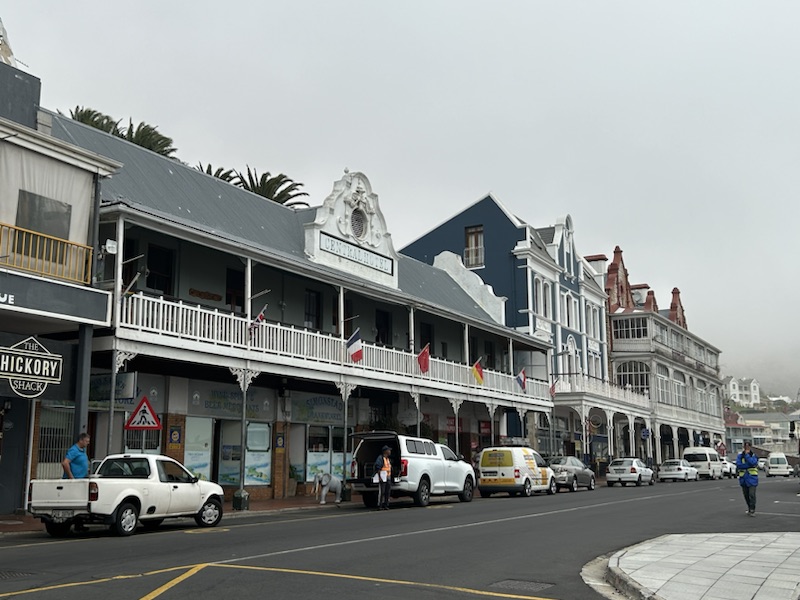
Also, Simon’s Town is a cute little town to enjoy just on its own.

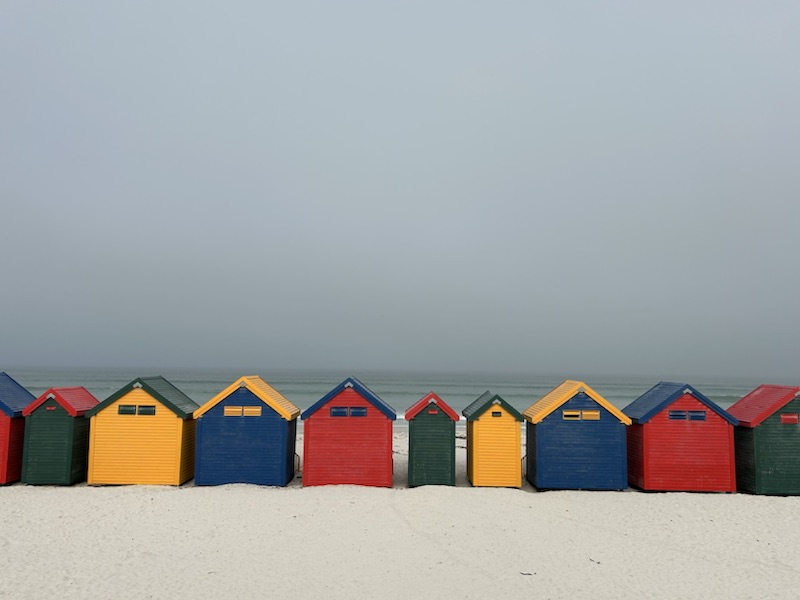
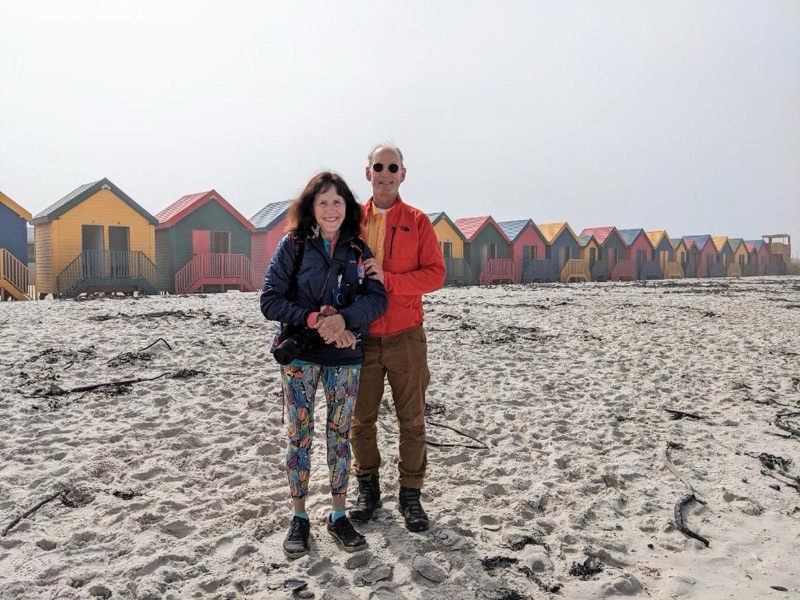
Up the coast at St. James Beach, surfers flock to enjoy the waves & photographers can’t resist the colorful beach huts.

Sadly the fog lingered all day long at St James Beach

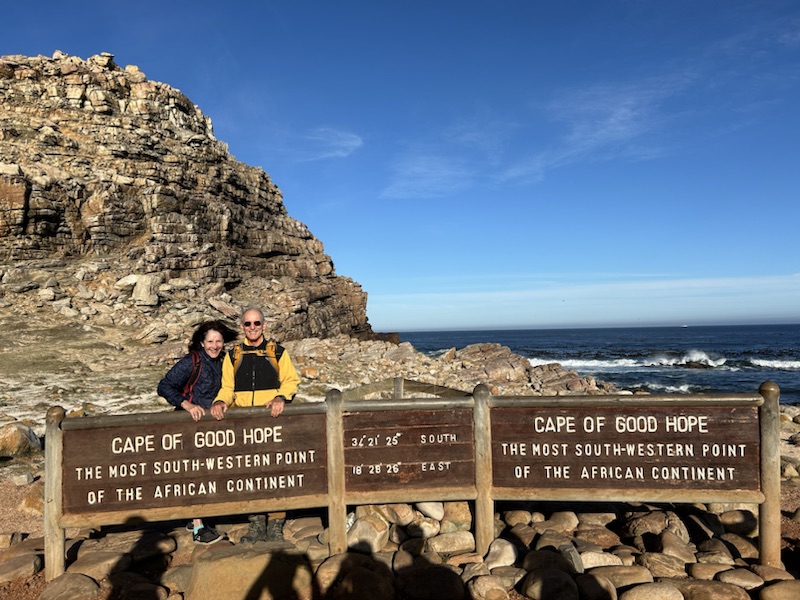
Among the most popular group shot is the one at the very tip of the Cape of Good Hope. We waited in a long line to get this photo.

South Africa Wine Country

We drove SE out of Cape Town this morning to enjoy the beautiful wine country. Since the day began enveloped in heavy fog, we weren’t sure how much scenery we would see.

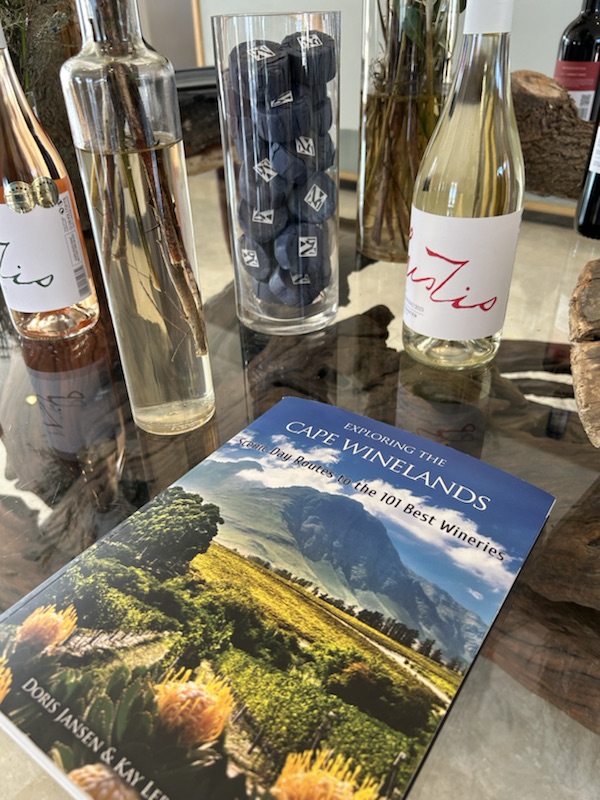
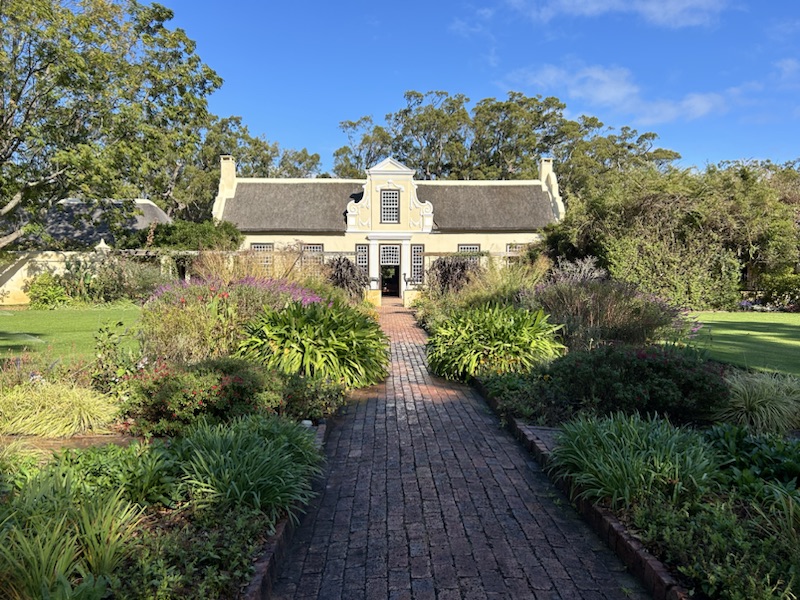
The first stop was the historic Veregelen Wine Estate.

It’s name comes from Dutch meaning “situated far away”.

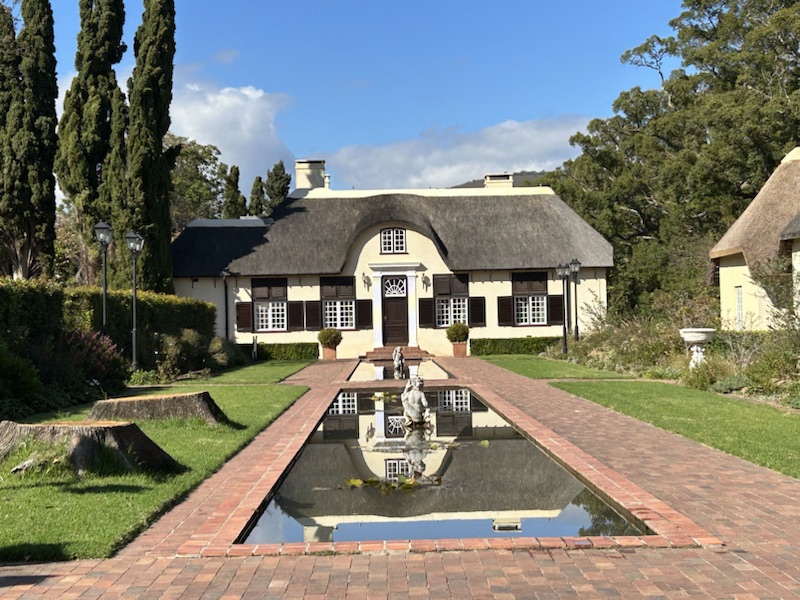
The estate dates back to the 1700s. During a visit, you have the opportunity to view the original homestead house & the wine cellar which has been converted into a massive library.

Today, the grounds contain various buildings converted into restaurants along with extensive manicured gardens.

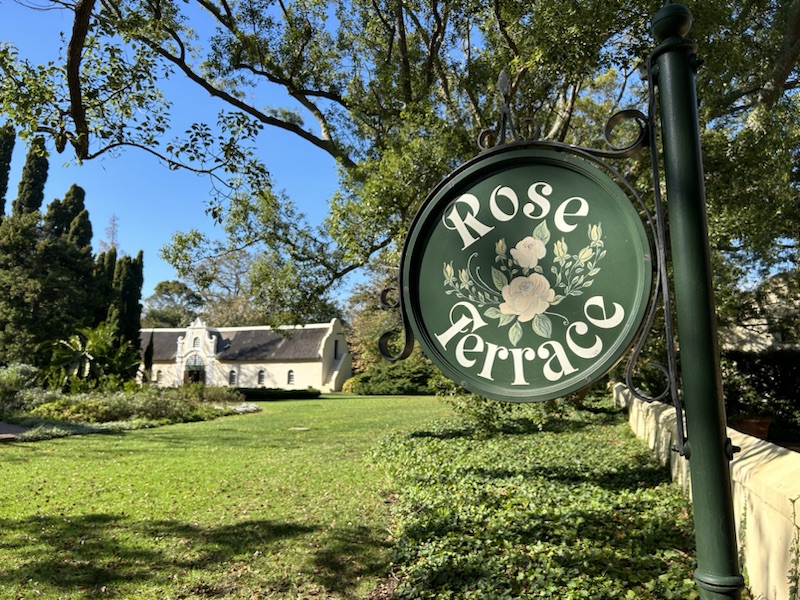
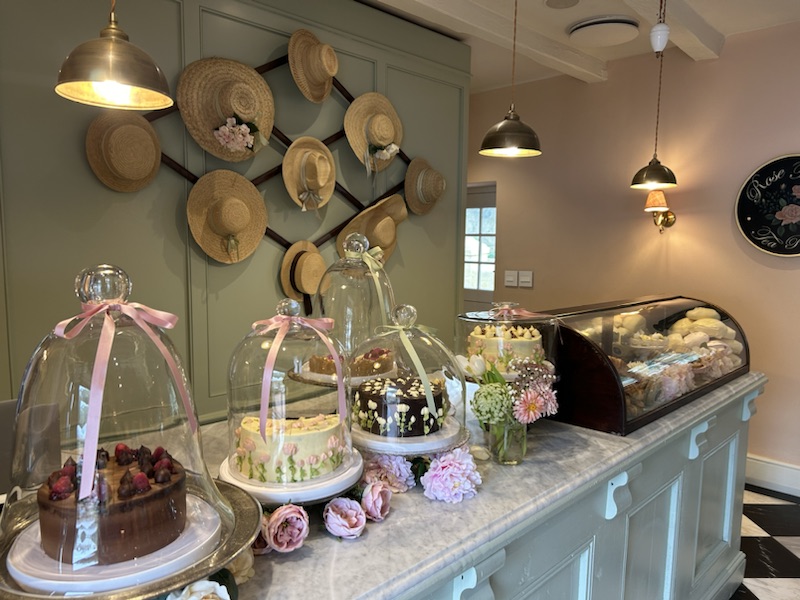
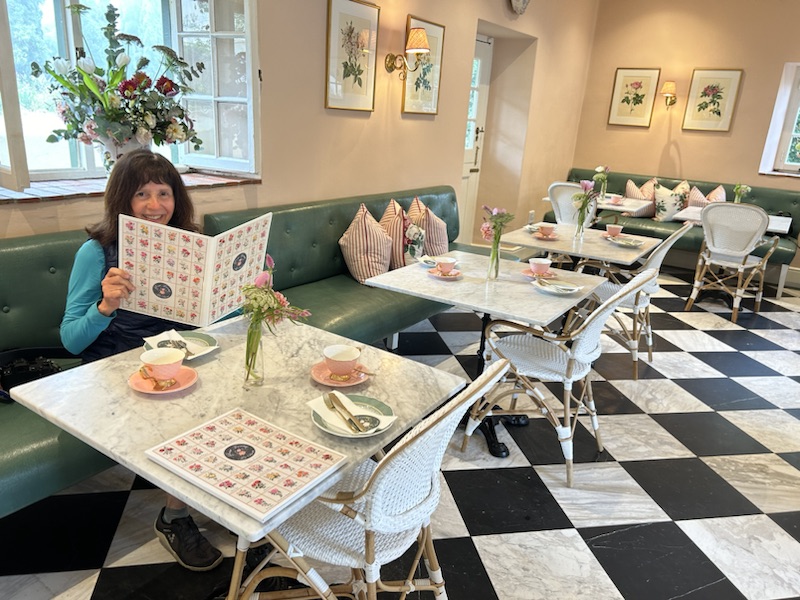
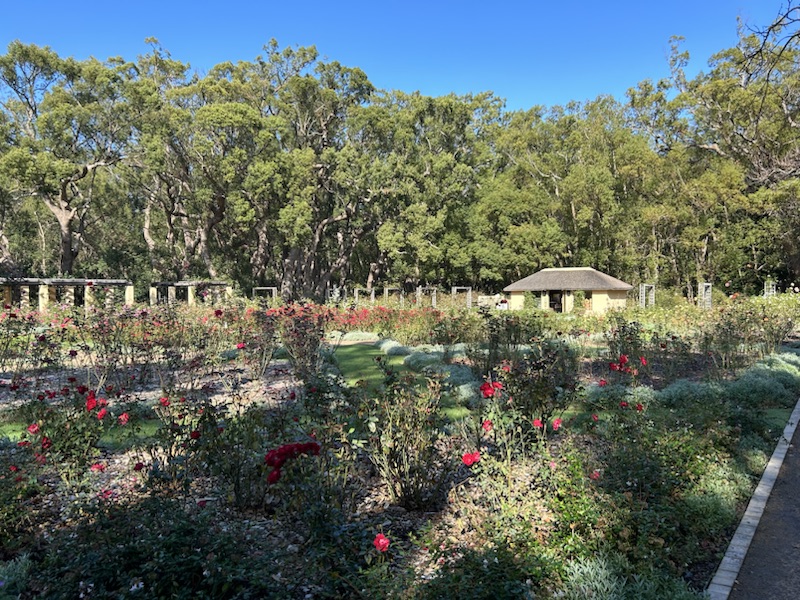
When we arrived, it was a bit chilly & the fog had yet to lift. The weather made me want a nice cup of tea to get warm. To my great pleasure, the Rose Terrace was an ideal spot to relax on a cool foggy morning.

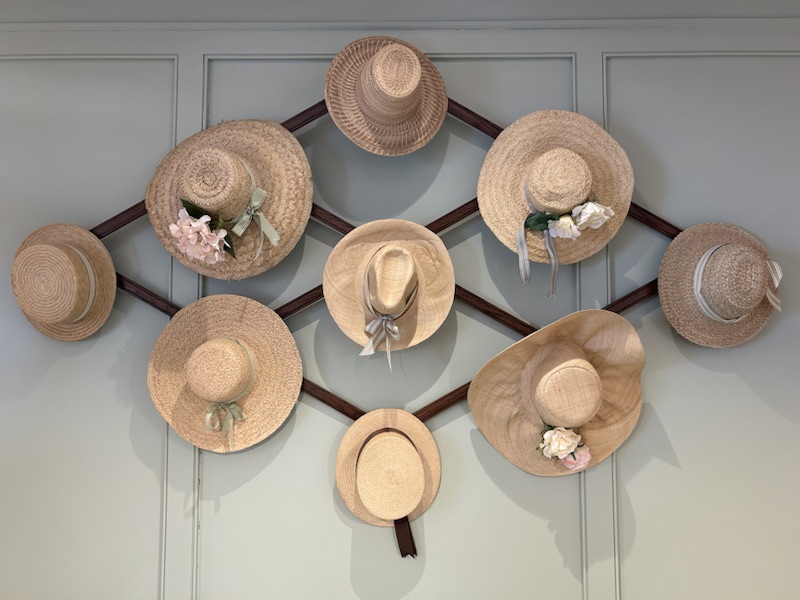
In fact, I rate the Rose Cottage among the most ideal tea rooms I have ever visited. Luckily, we were there before others began arriving, so we had time to enjoy its ambiance almost all by ourselves.

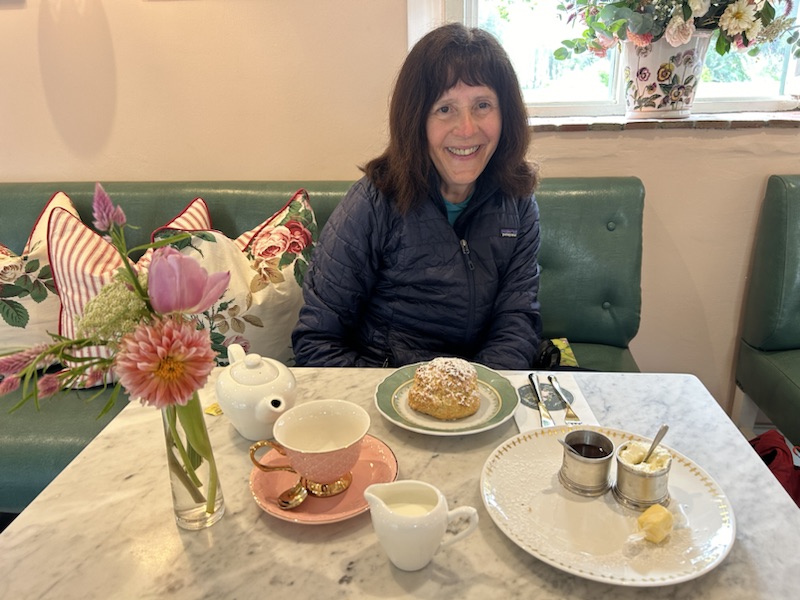
Nothing beats a warm cup of tea & a scone on a cool morning.

By the time we left the Rose Cottage, the fog had lifted revealing beautiful blue skies which allowed us to enjoy the gardens.

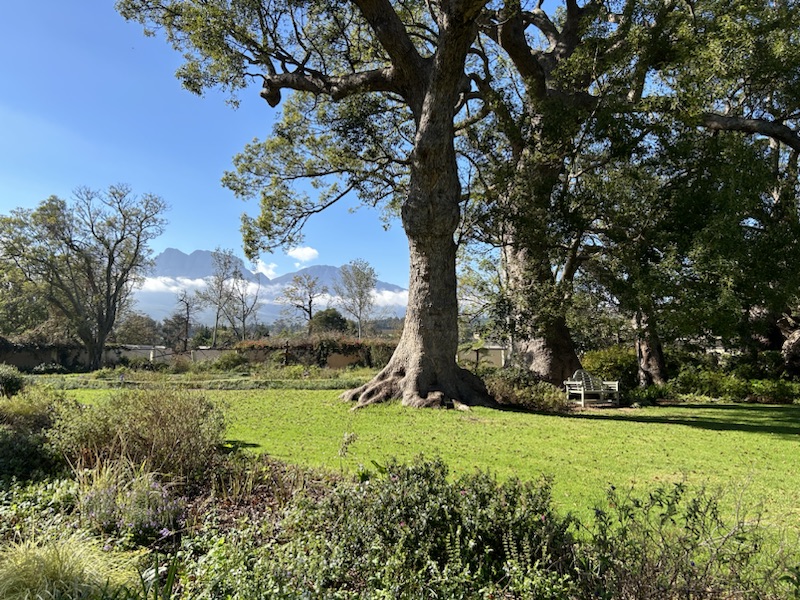
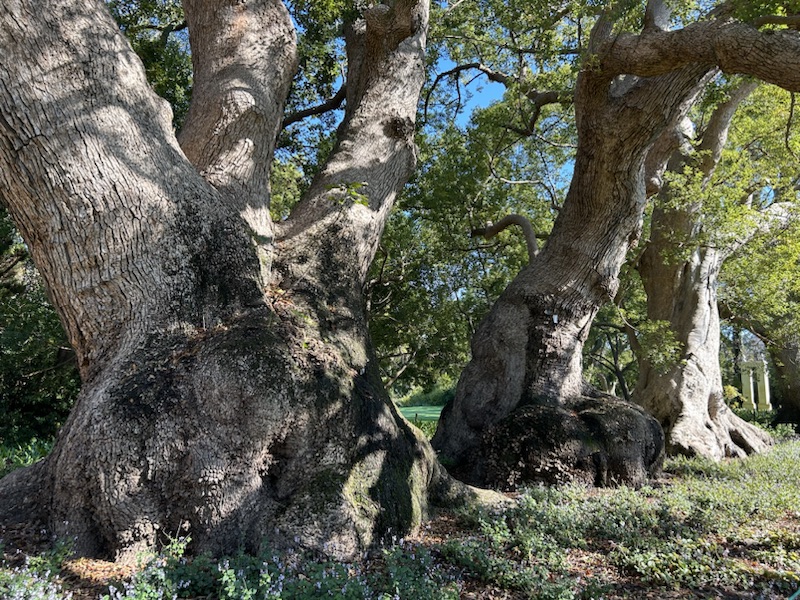
Camphor Trees on the estate planted by the 1st Dutch owner are over 300 years old & are still used to make Camphor

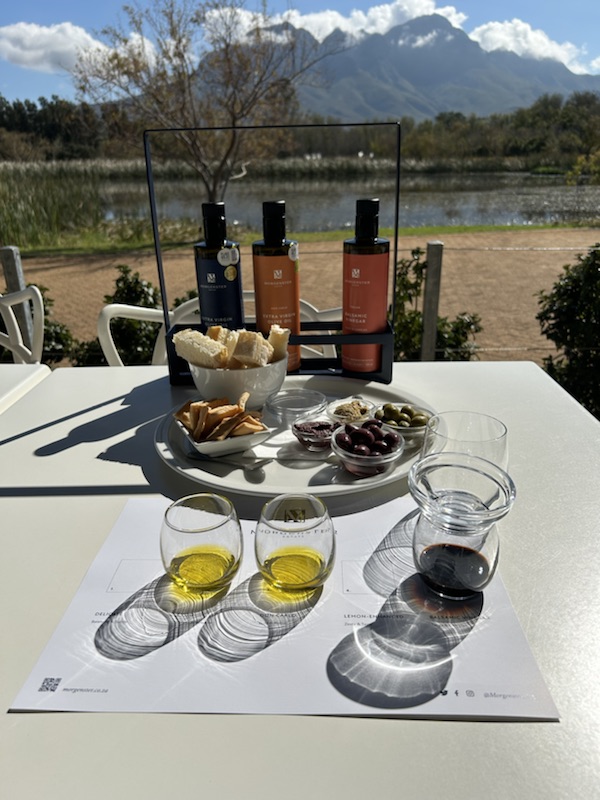
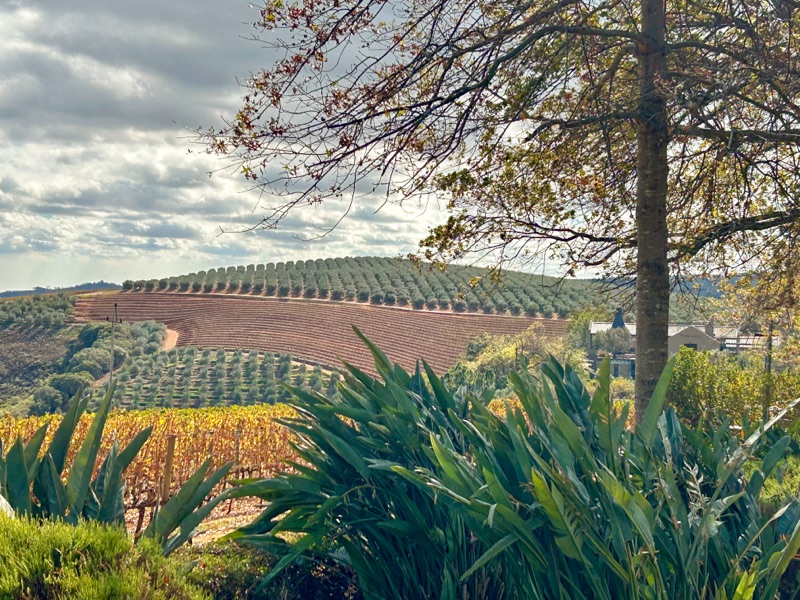
Next on the agenda was a visit to an Olive estate called Morgensted which is located right next to Veregelen.

They also produce grapes to make wine; but, instead of a wine tasting, we did an olive oil tasting.

Olive Trees at Morgensted

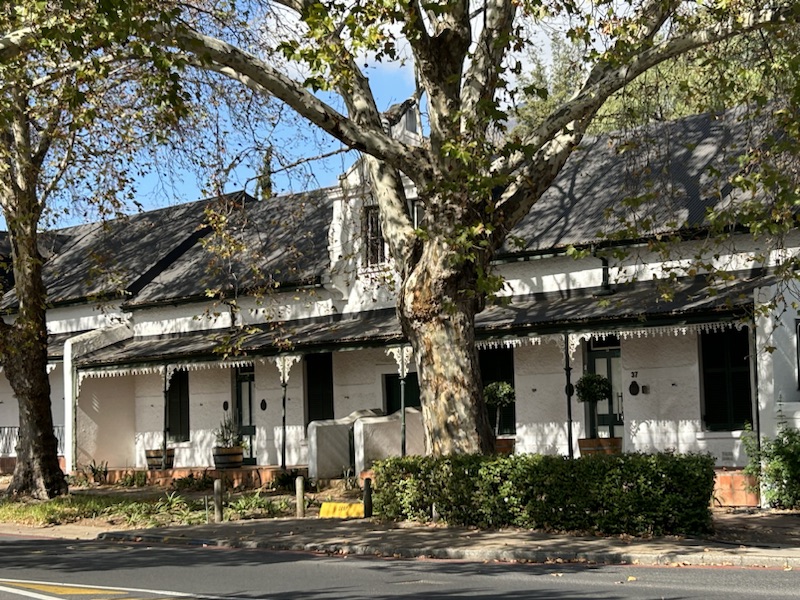
Then we made a short visit to Stellenbosch which is a quaint university town located in the heart of South Africa’s wine country. It has many eateries & would have been a great place for lunch if we had not just finished our olive oil tasting.

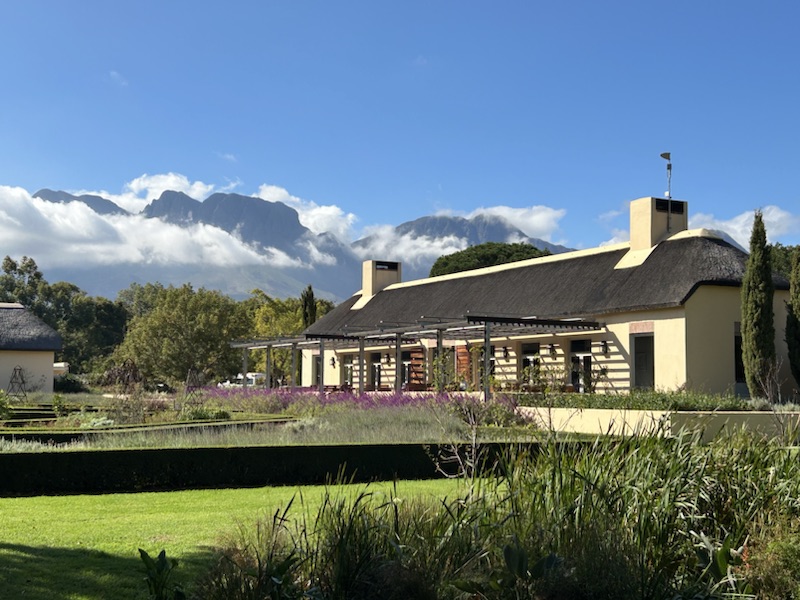
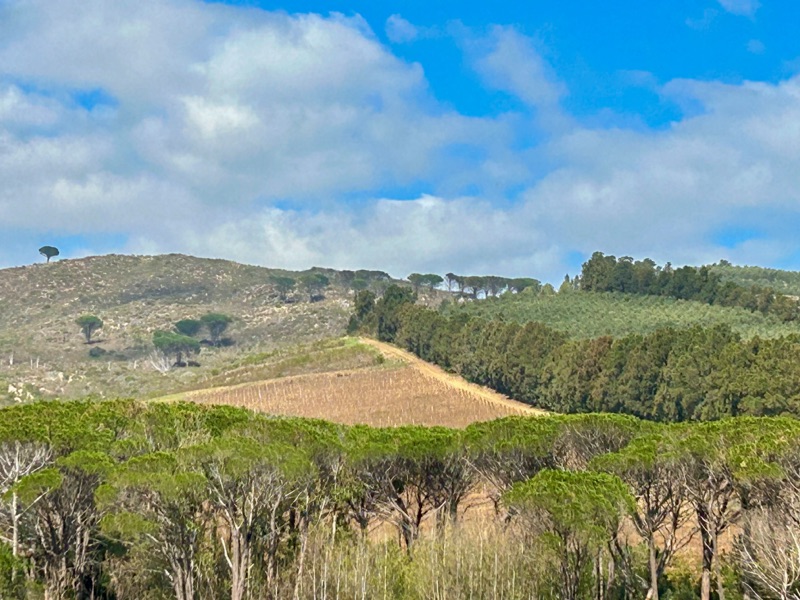
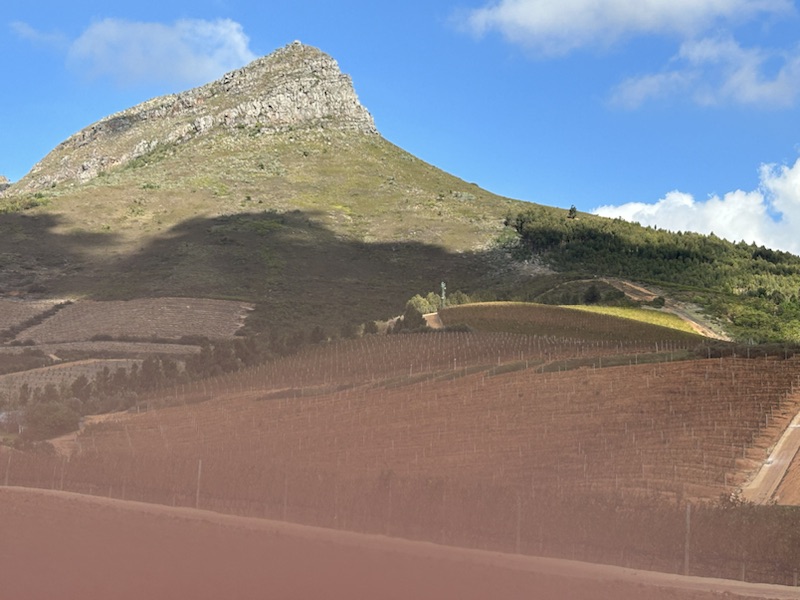
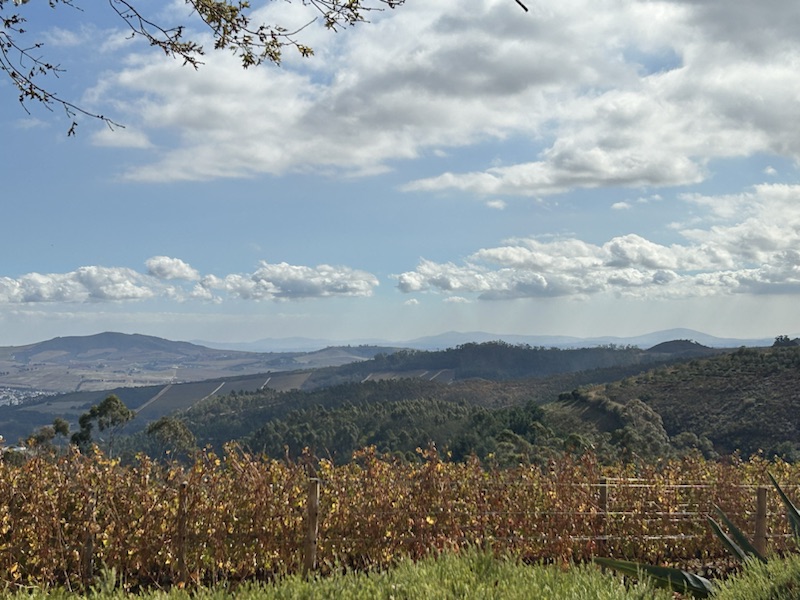
Our last stop was at the very high scale winery at the Delaire Graff Estate. It was still a little too early for wine tasting; but, the beautiful views from there were intoxicating.

Kruger National Park, South Africa

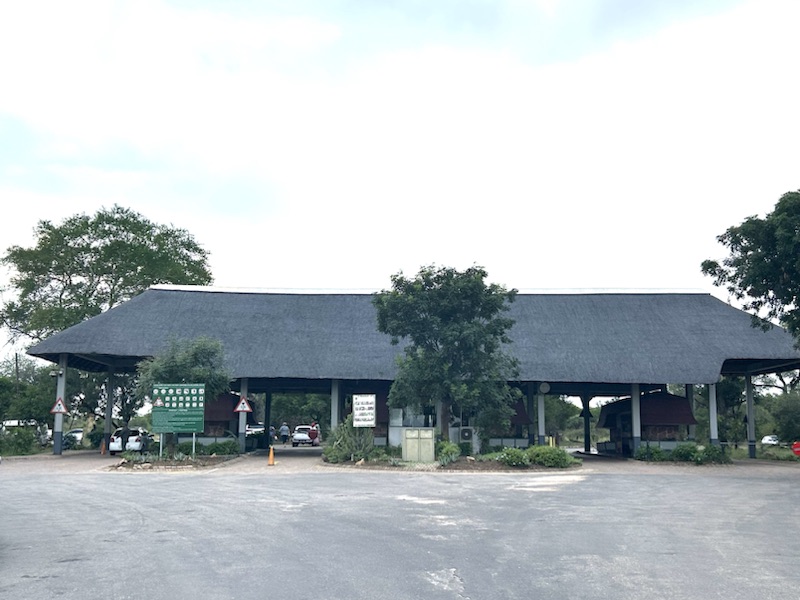
For the past four days we enjoyed safari driving in Kruger National Park located in South Africa’s northeastern corner.

Kruger ranks among the largest game reserves in Africa. It covers an area of 17,576 square miles which is approximately the size of New Jersey or the country of Wales.

It took us 4 days driving many hours each day & we only saw about 1/3 of the park. We were rewarded with seeing many animals along with some new first time safari experiences.

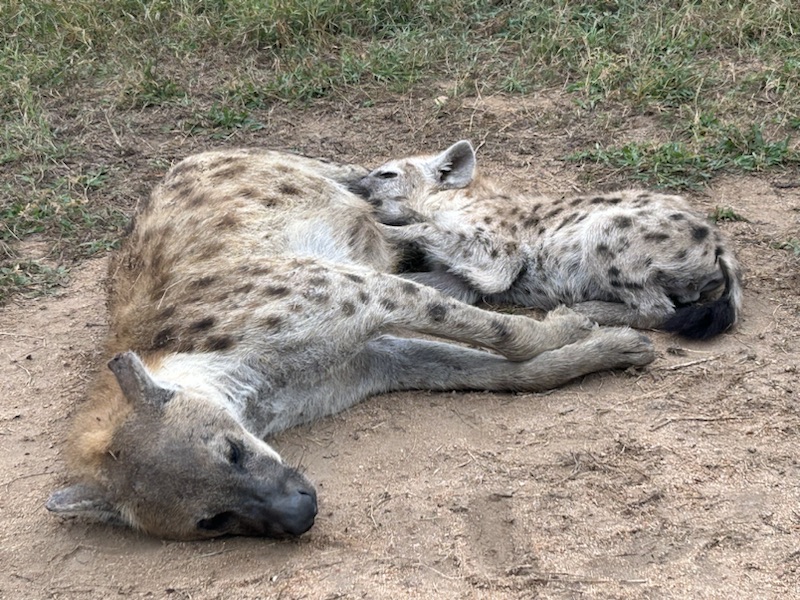
One rare sighting was seeing a mother hyena nursing her pup on the side of the road.

Our theory is the mother hyena knows that predators don’t like being close to the road where vehicles & people are, so she felt safe nursing her pup there instead of in the bush.

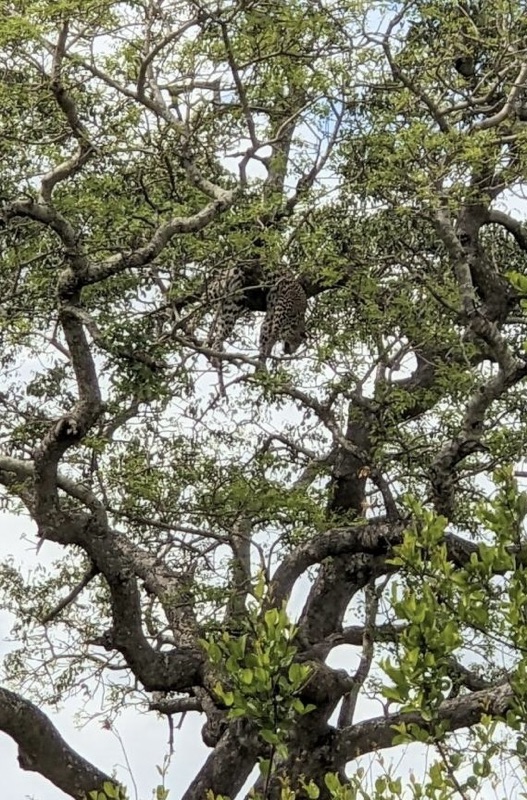
The other rare sighting was a dead leopard in a tree.

Apparently it was deposited there after being killed by another leopard.

Leopards are not only very territorial m’; but also, they have very strong jaws & are excellent climbers.

Leopards are the only cats who can climb that high carrying another animal.

Like most African game parks, you get very close to the wildlife.

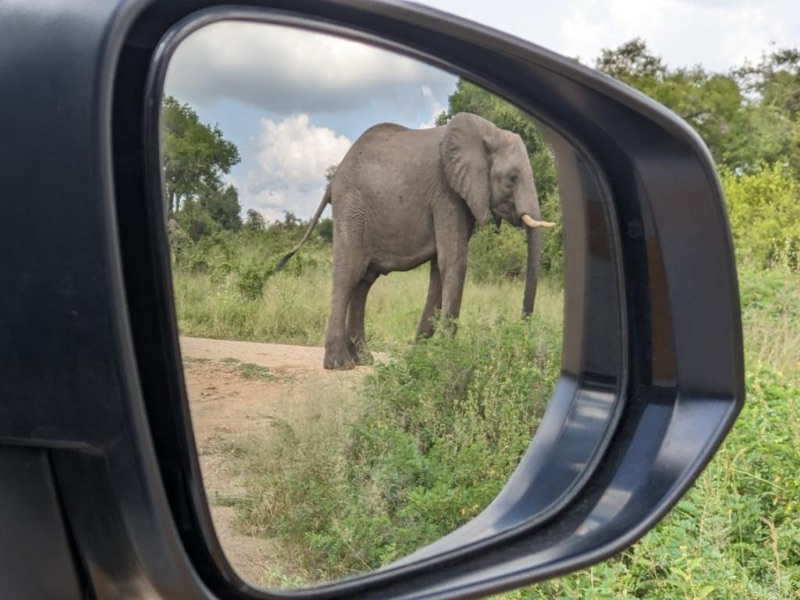
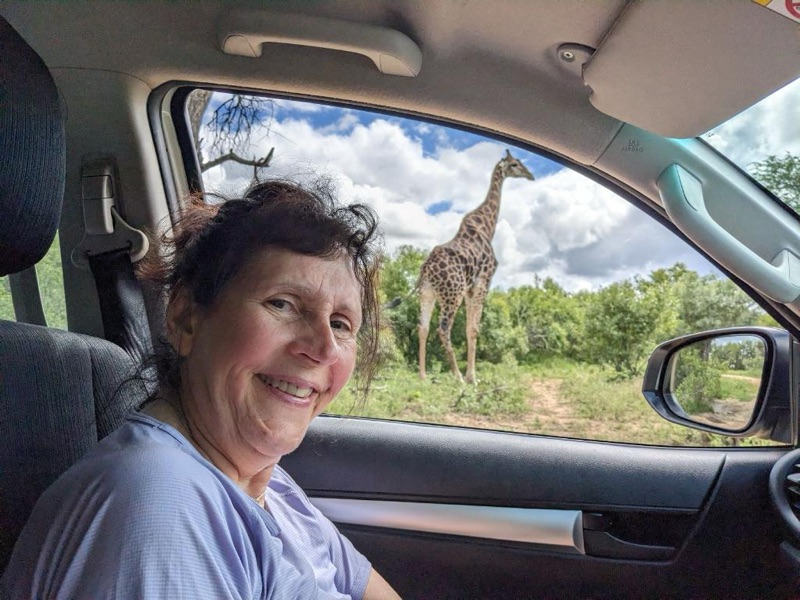
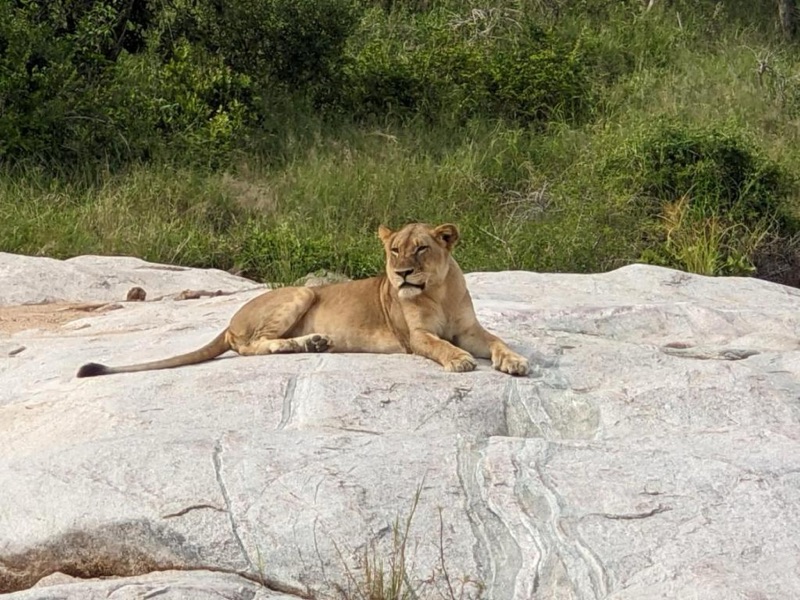
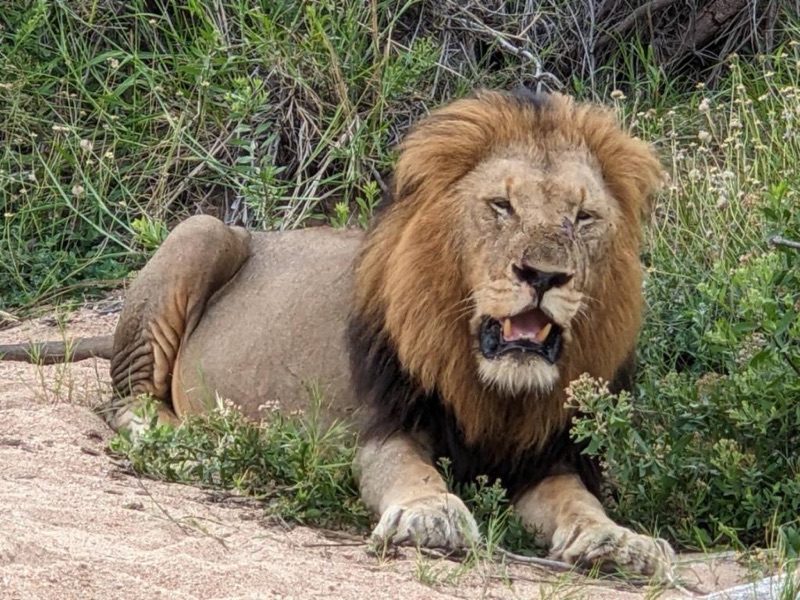
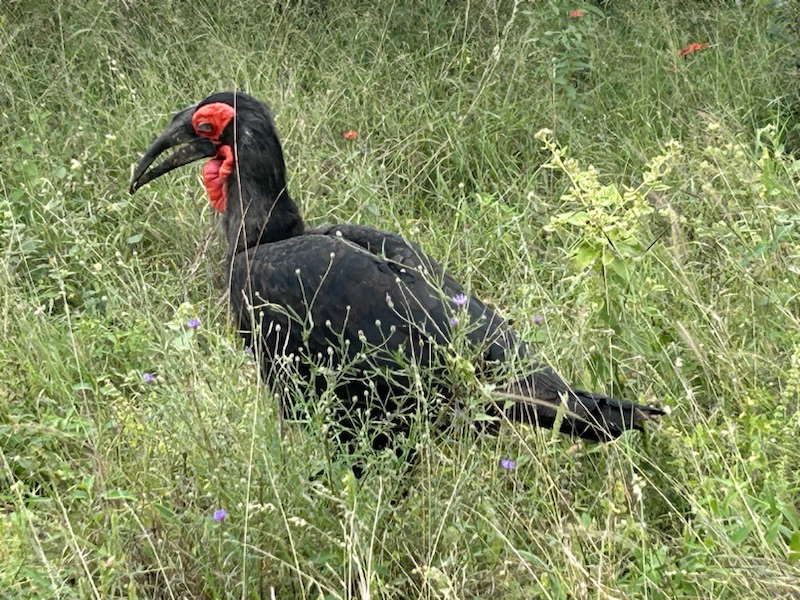
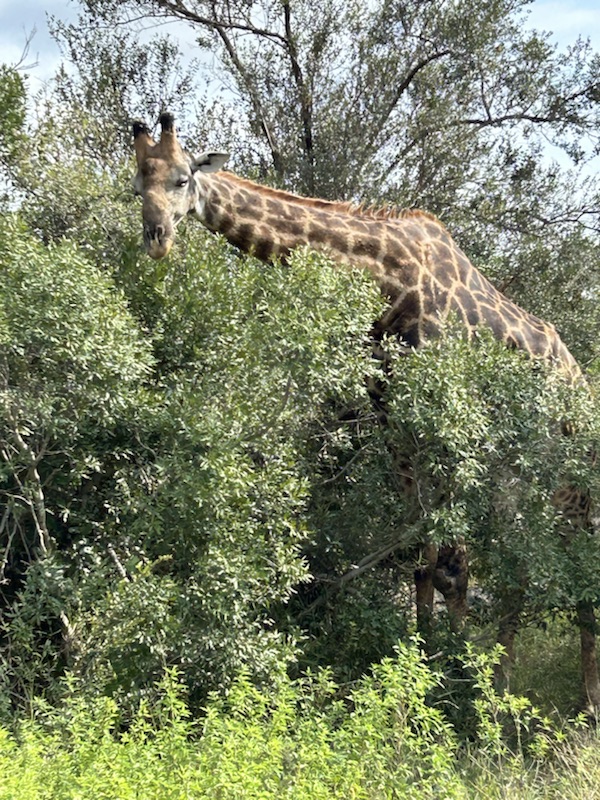
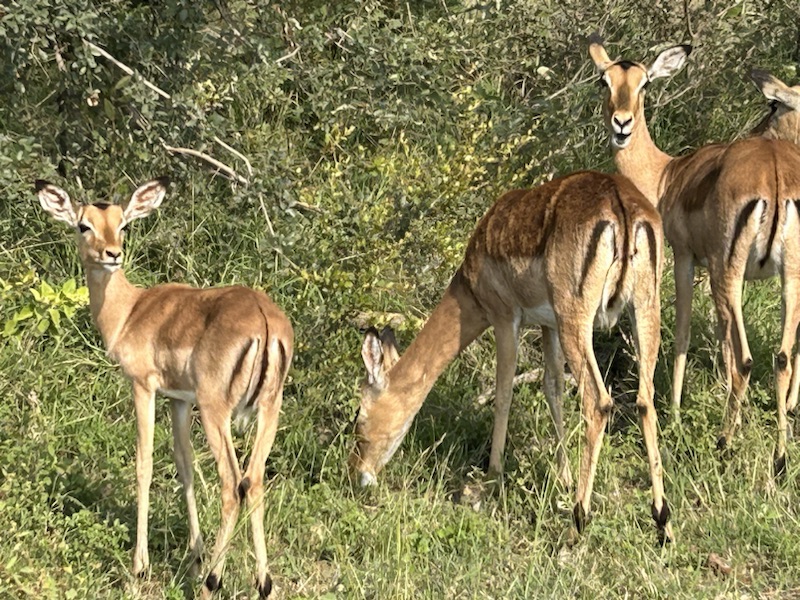
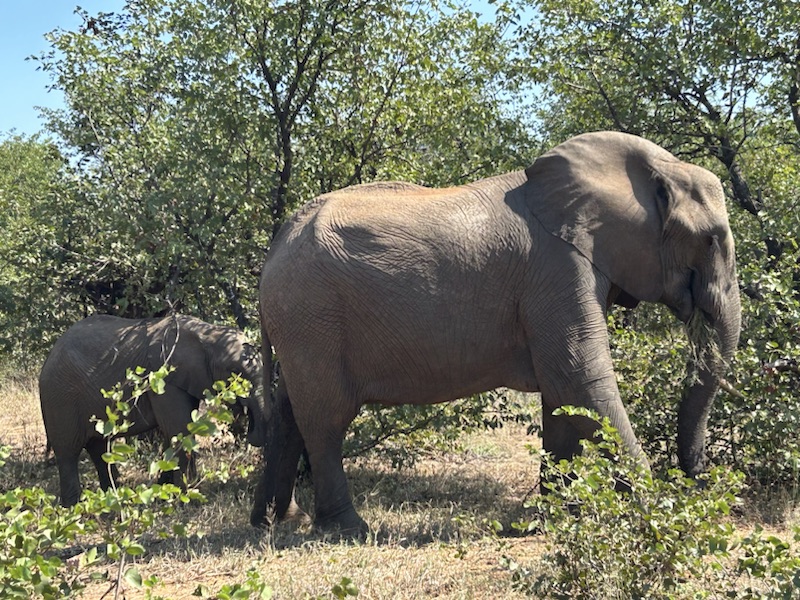
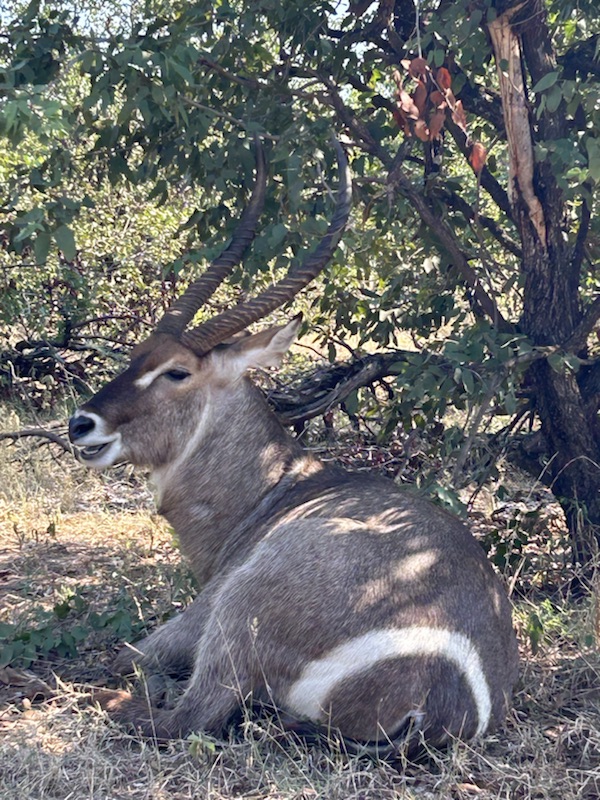
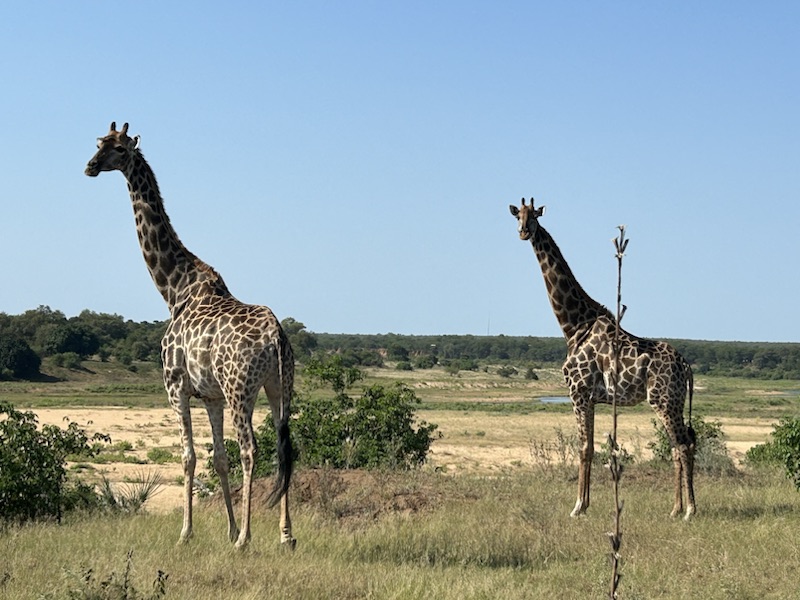
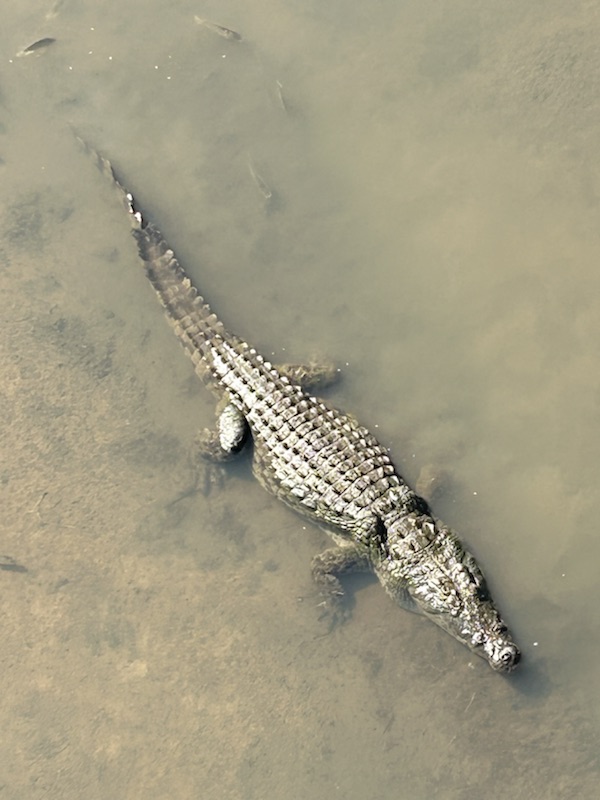
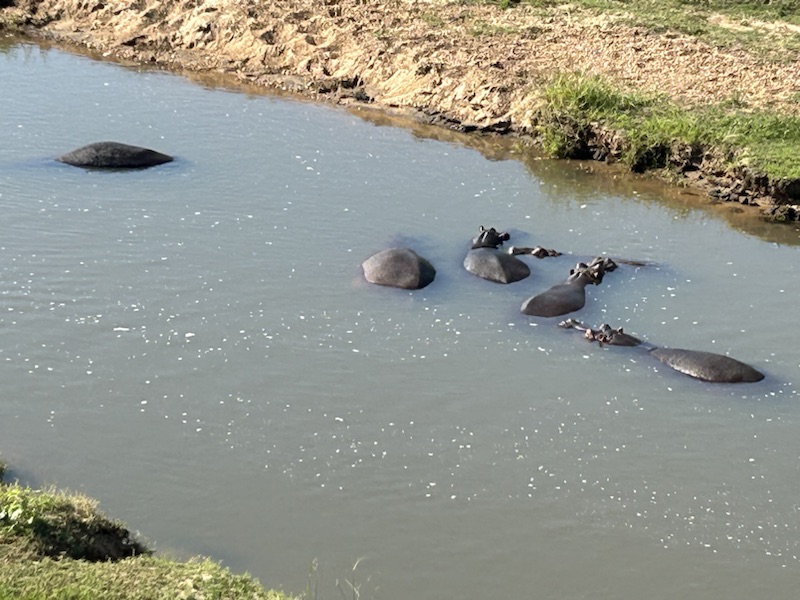
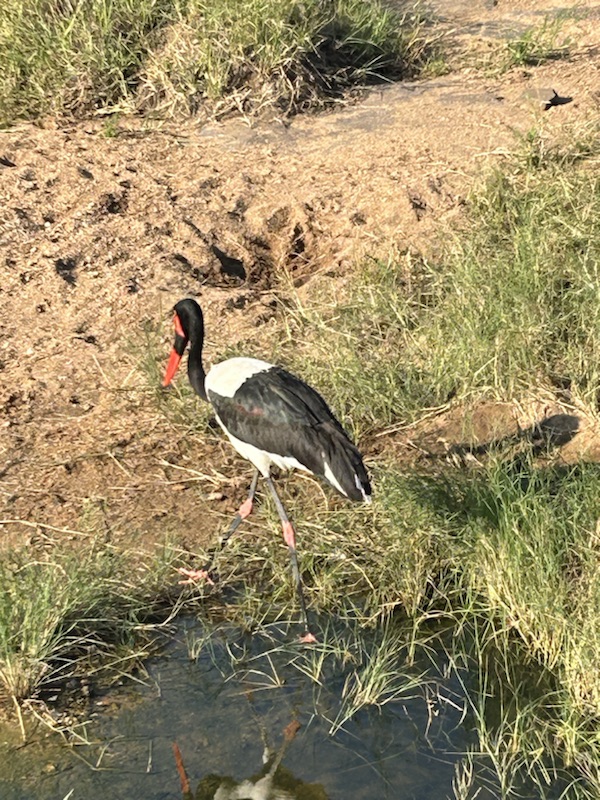
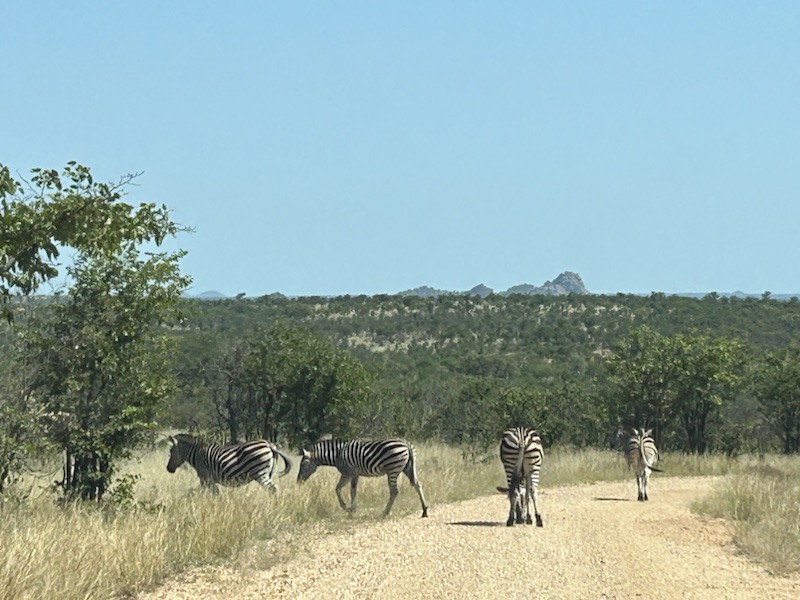
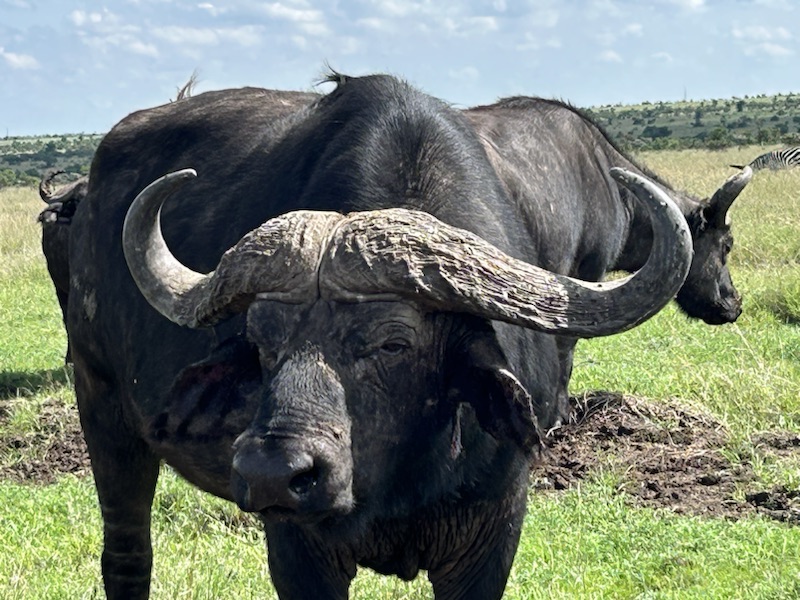
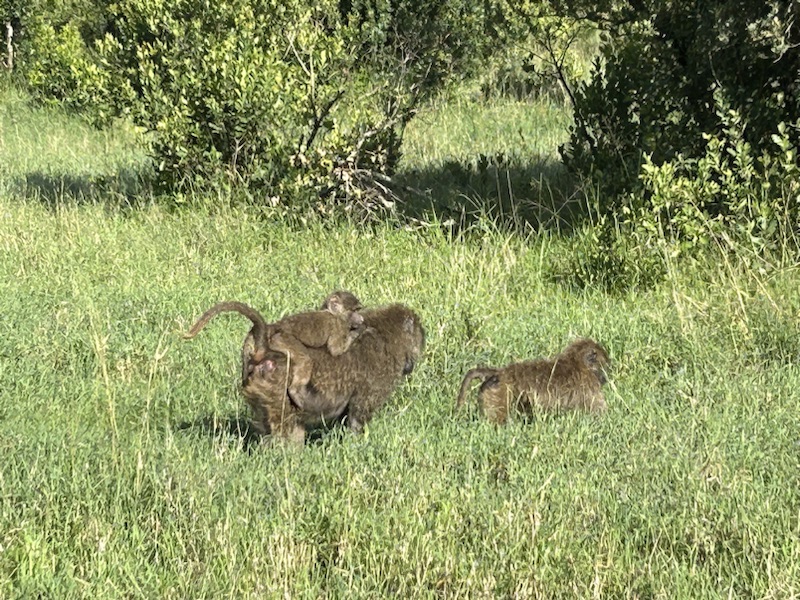
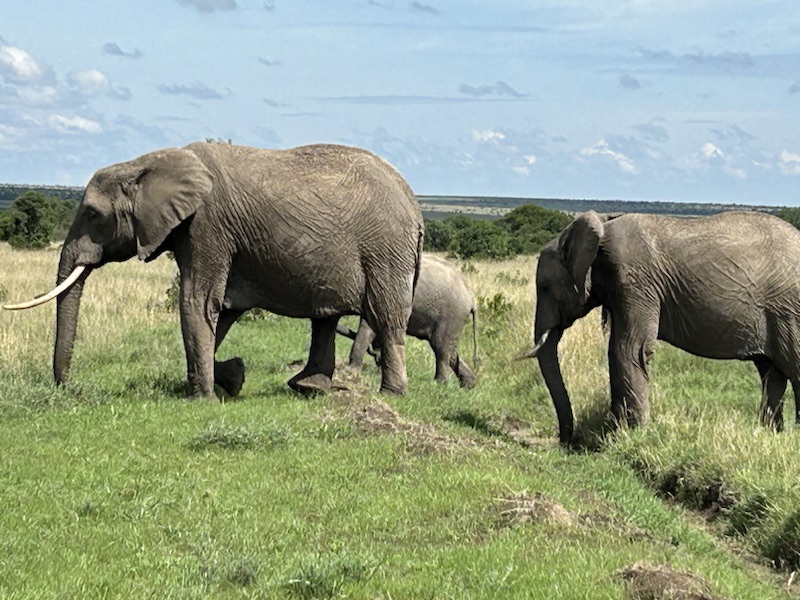
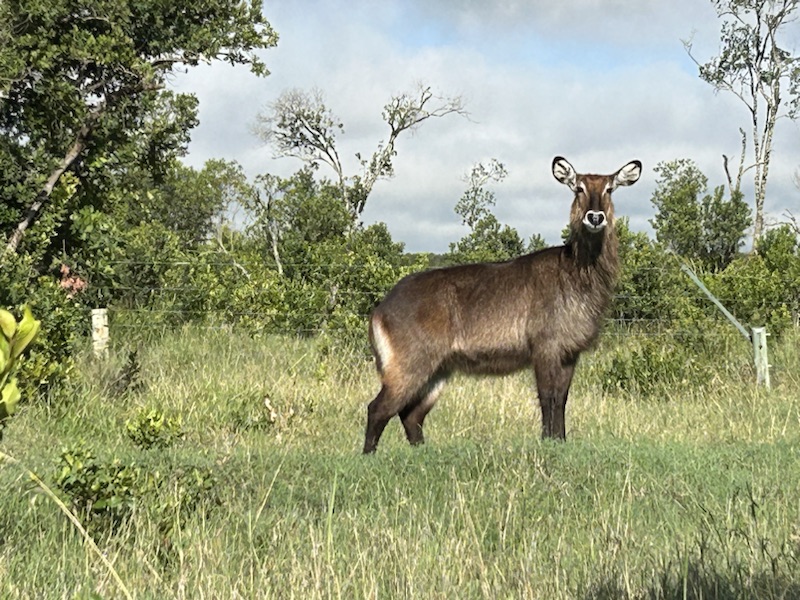
We enjoyed our game drives each day. Here are a few animal sightings from the past few days.

Ol Pejeta Conservancy

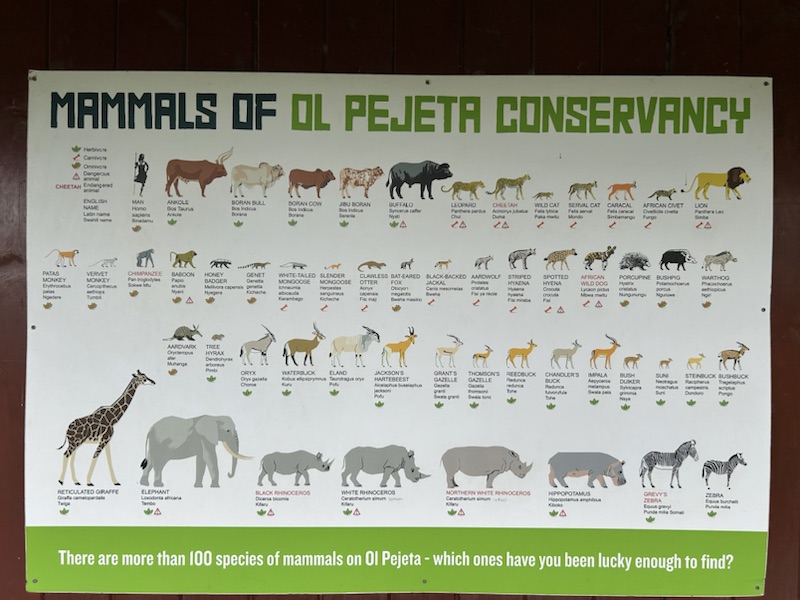
We were lucky to have half a day to explore the Ol Pejeta Conservancy wildlife park near Nanyuki. This is a private park that helps protect & conserve numerous African wild animals. With the recent rains, we were glad to have a 4×4 vehicle to maneuver the muddy roads getting to & from the park as well as within it.

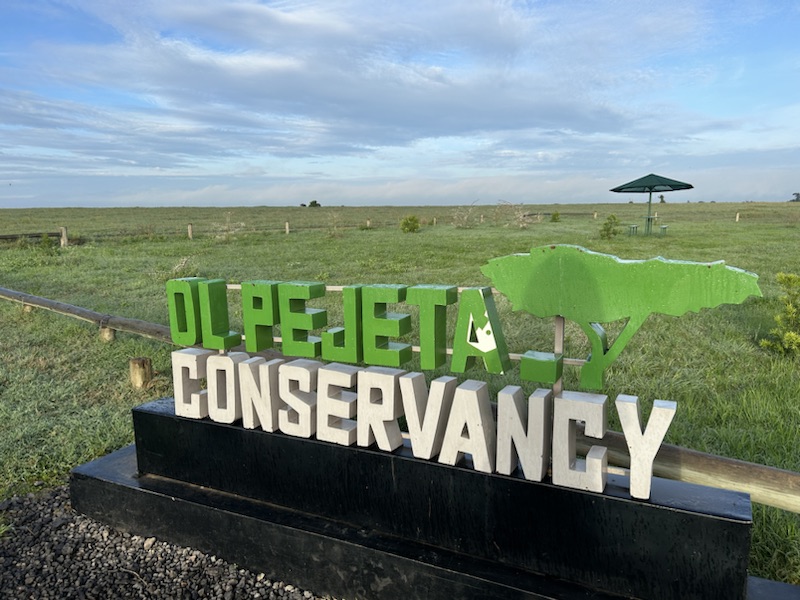
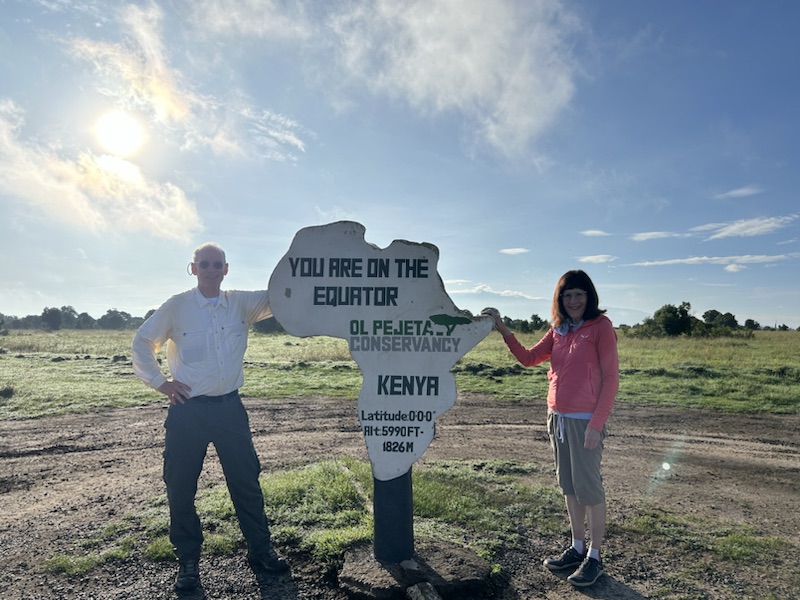
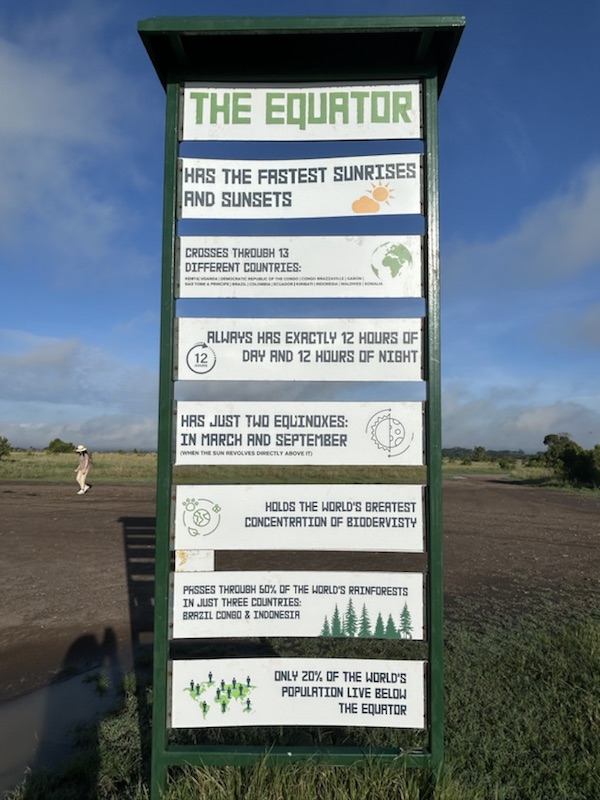
Near the entrance is a nice sign marking Zero Degrees latitude on the Equator.

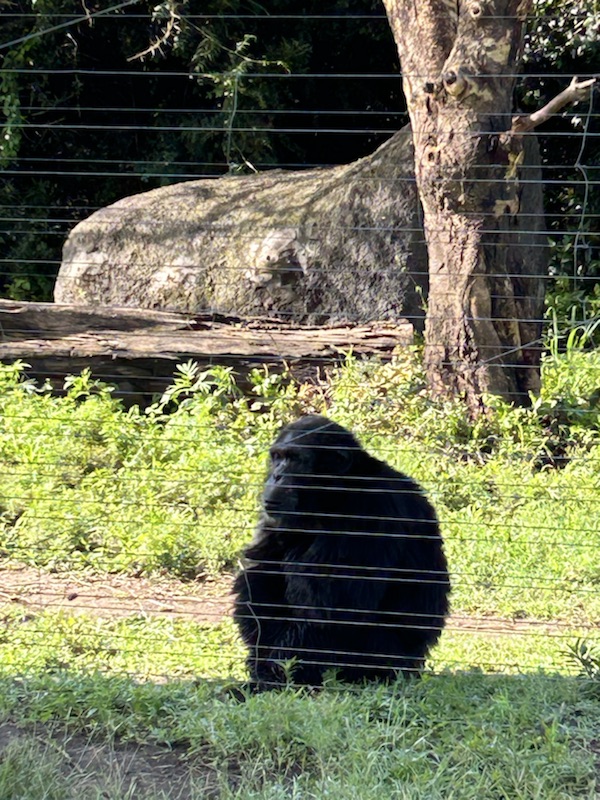
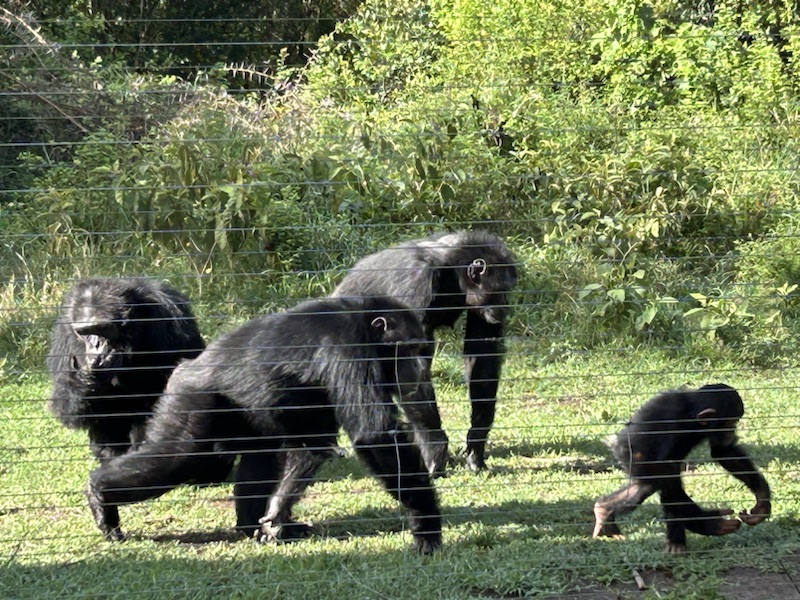
One unique feature at Ol Pejeta is their chimpanzee sanctuary for rescued chimps which was started in 1993 by the world’s preeminent chimp expert Jane Goodall. They currently provide a home for 2 troops totaling 40 chimpanzees.

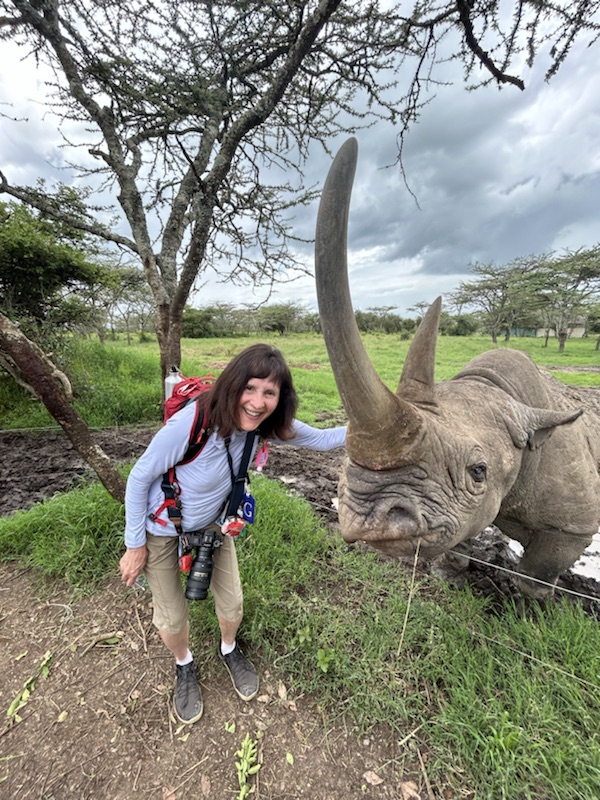
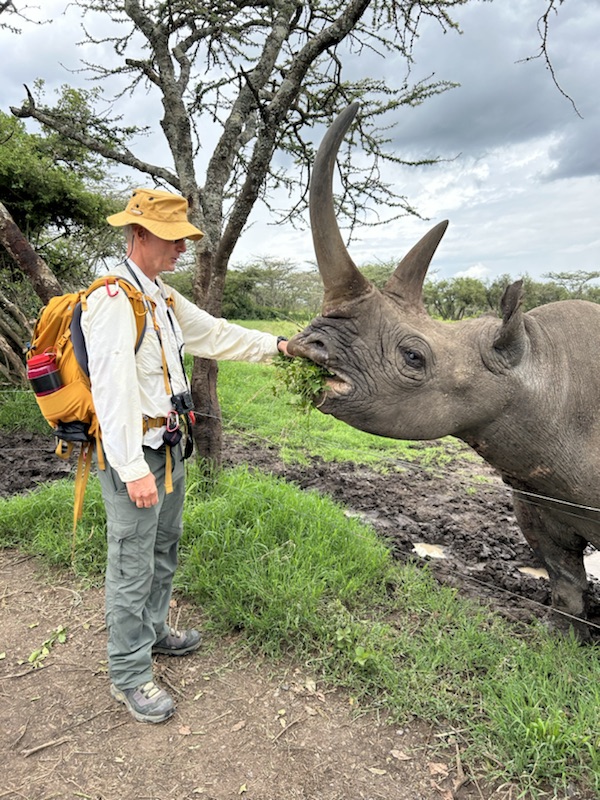
You can get up close & personal with a blind black rhino named Baraka which means “Lucky” because he was Lucky to be rescued & cared for. He likes to be fed & to have his ears rubbed.

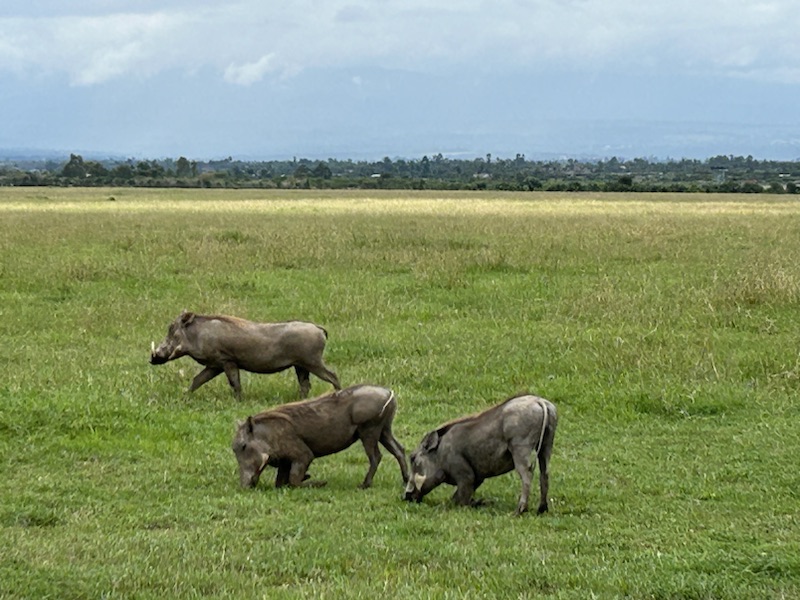
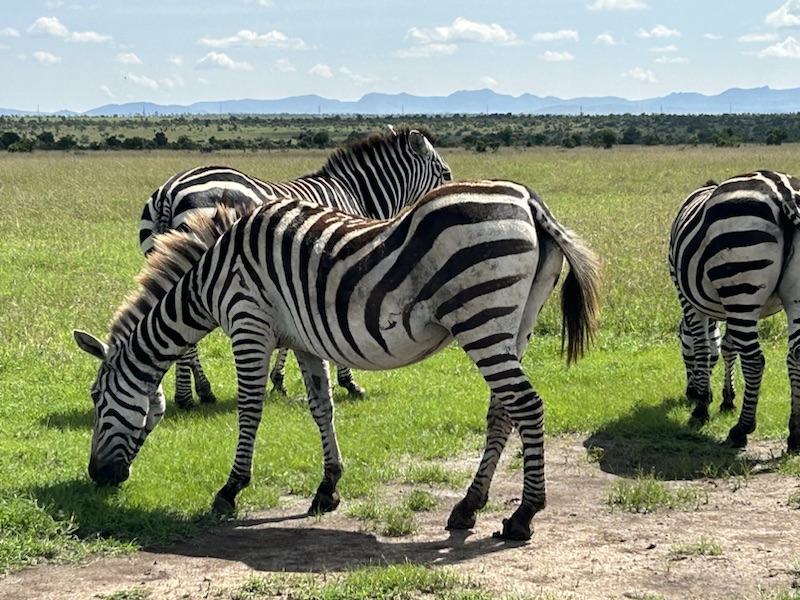
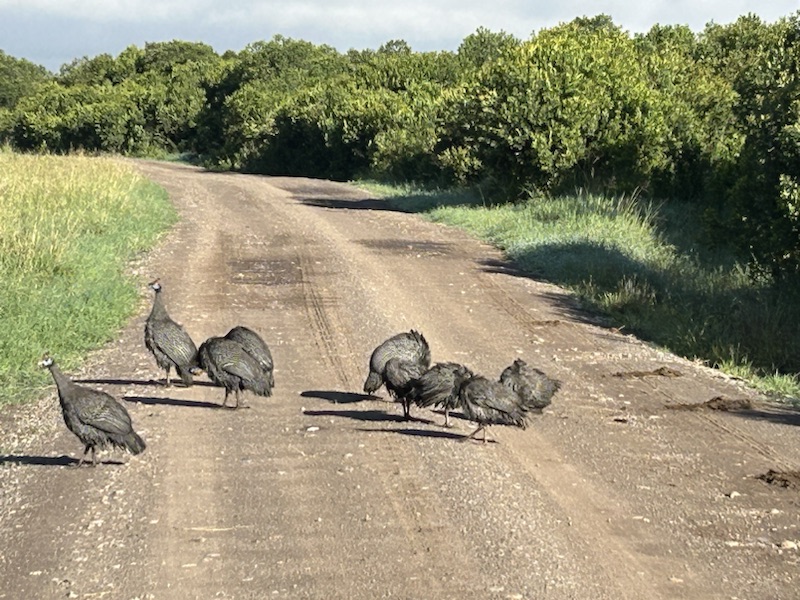
Here is an assortment of other animals we enjoyed watching on our game drive.

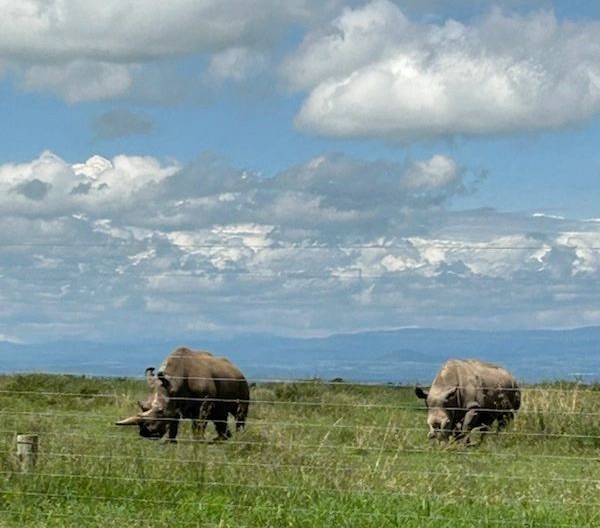
The very rare white rhino.
They are protected from poachers by an electric fence.

Mount Kenya Wildlife Conservancy Animal Orphanage

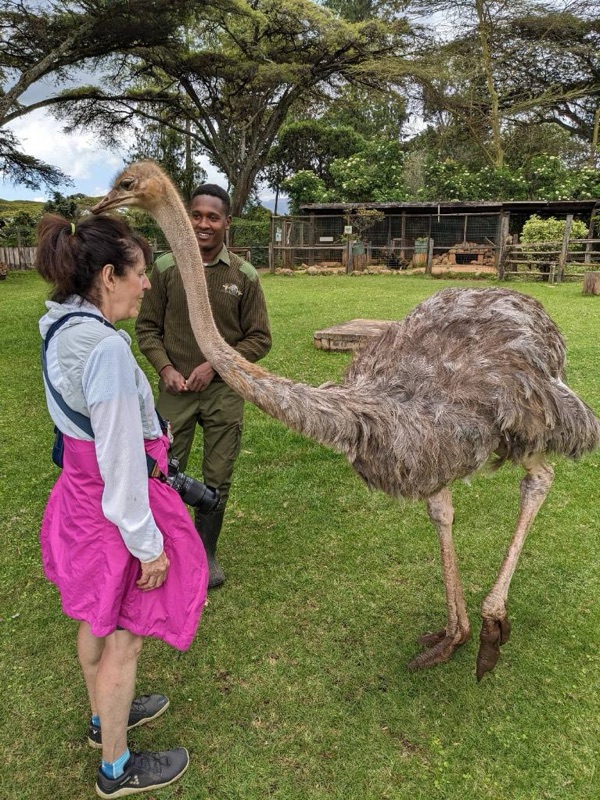
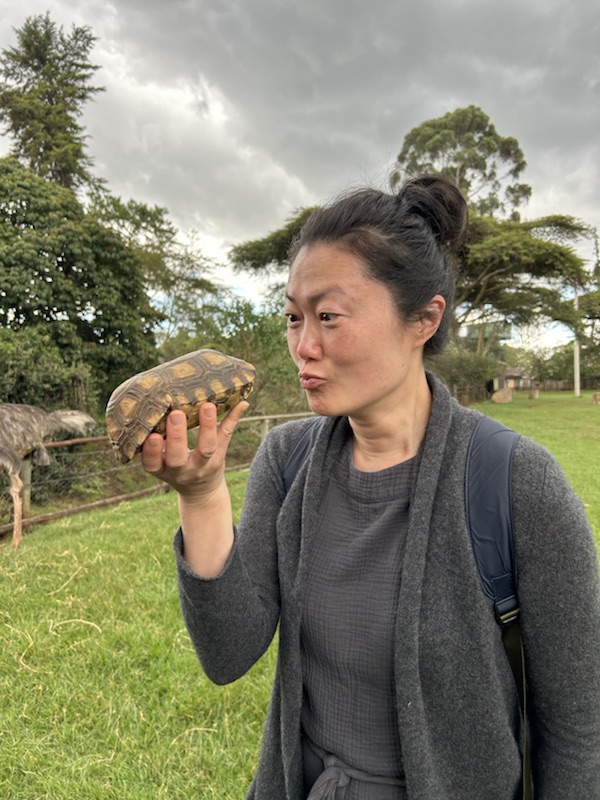
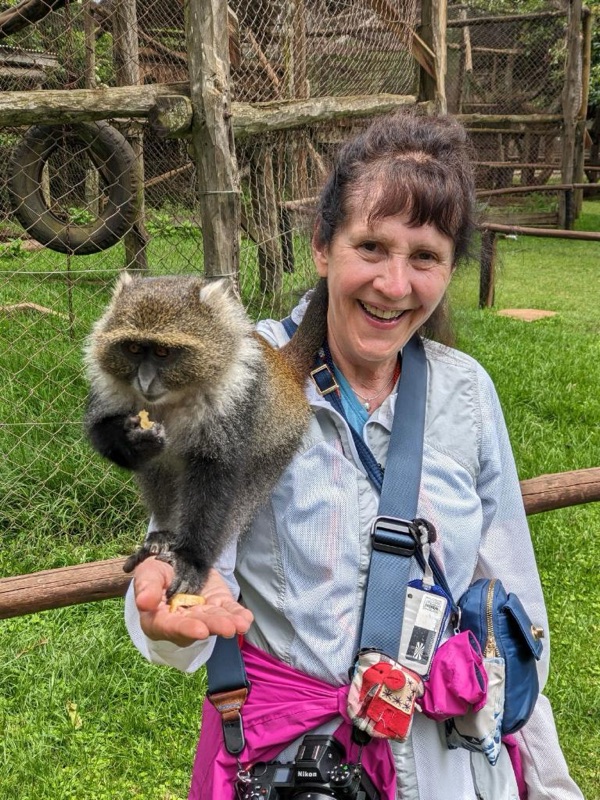
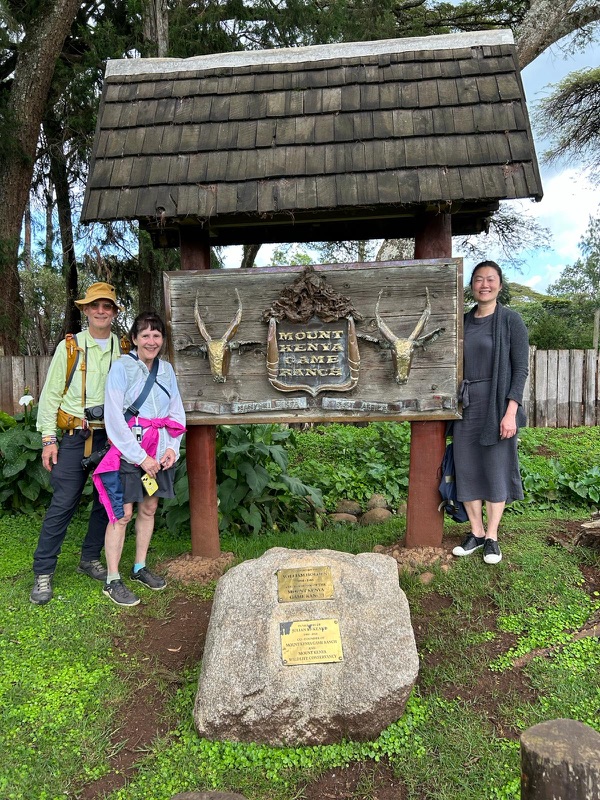
A great place to visit near Nanyuki, Kenya, is the Mount Kenya Wildlife Conservancy Animal Orphanage located at the Mount Kenya Safari Cub.

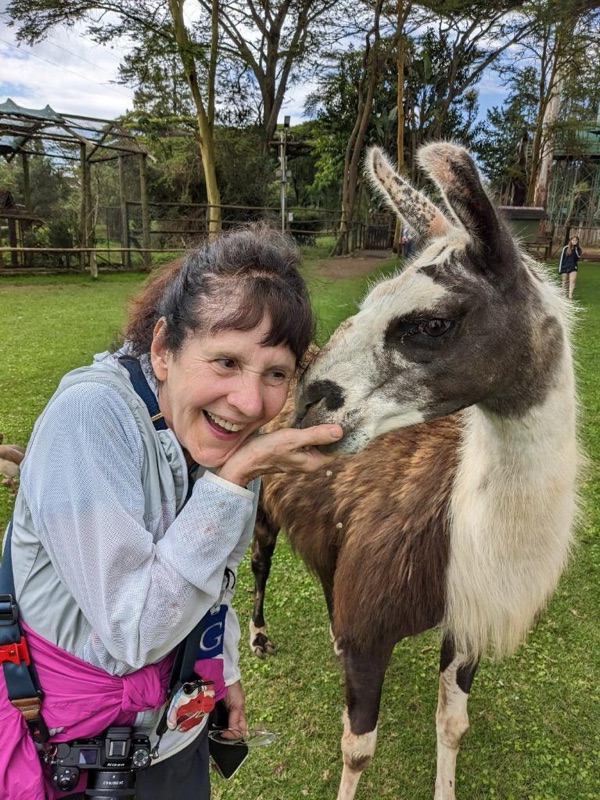
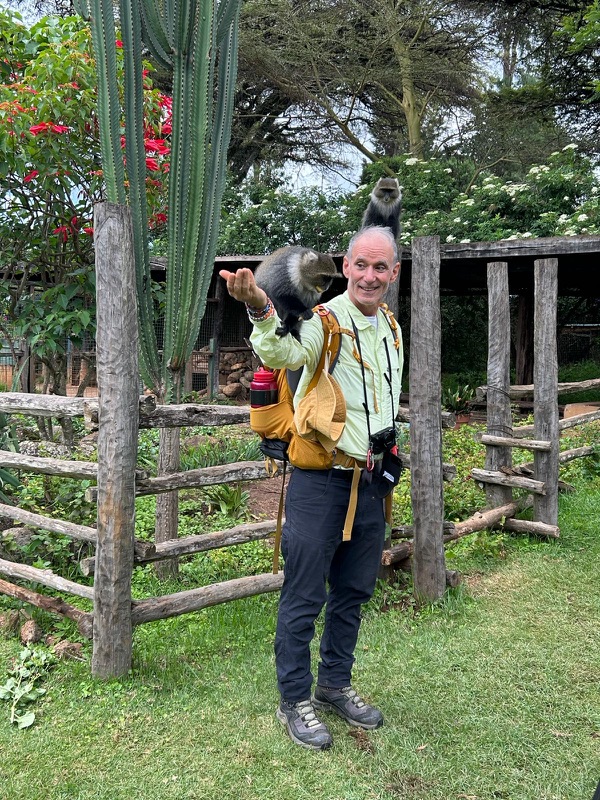
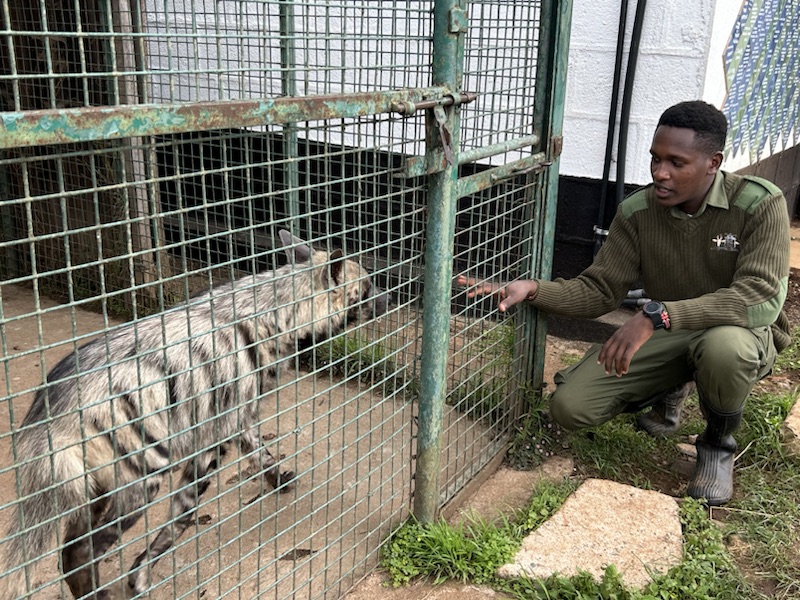
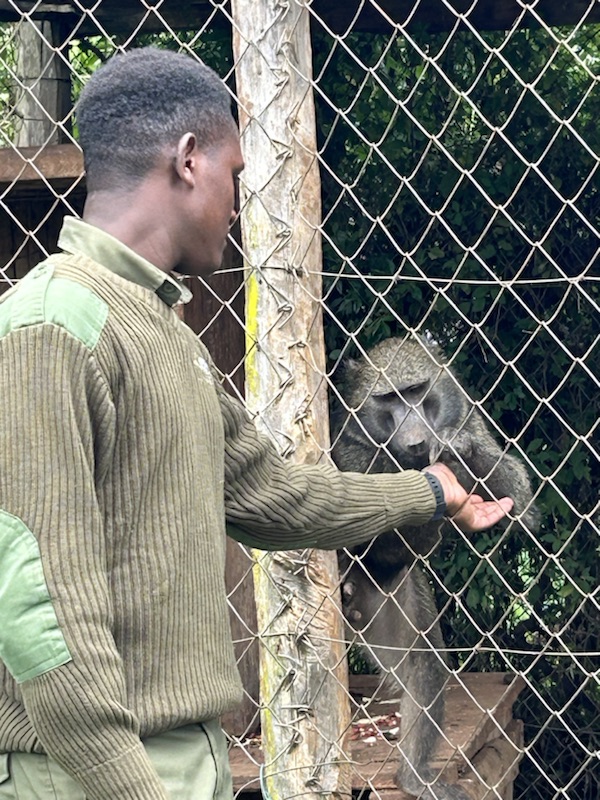
It makes up for its small size by providing true interaction with the animals. Each visitor is provided with their own wildlife management guide. The guide is able to answer all your questions & helps you interact safely with a few animals.

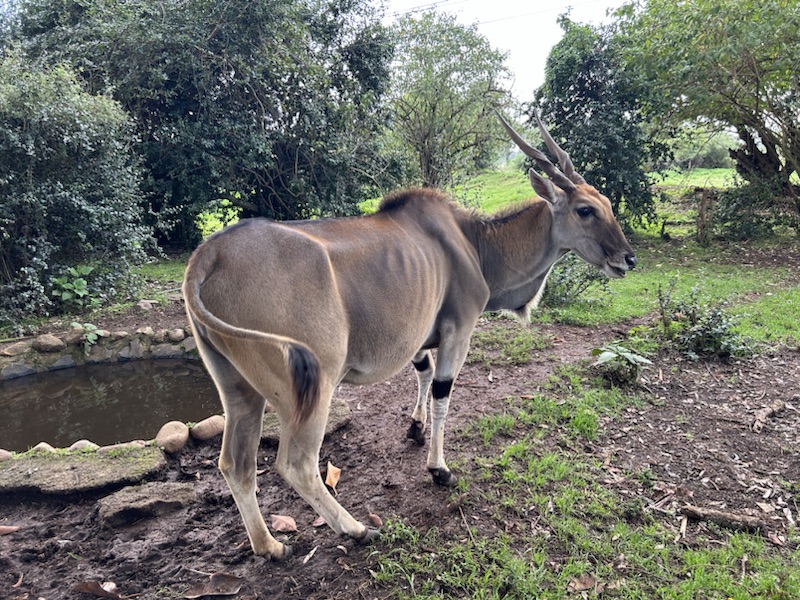
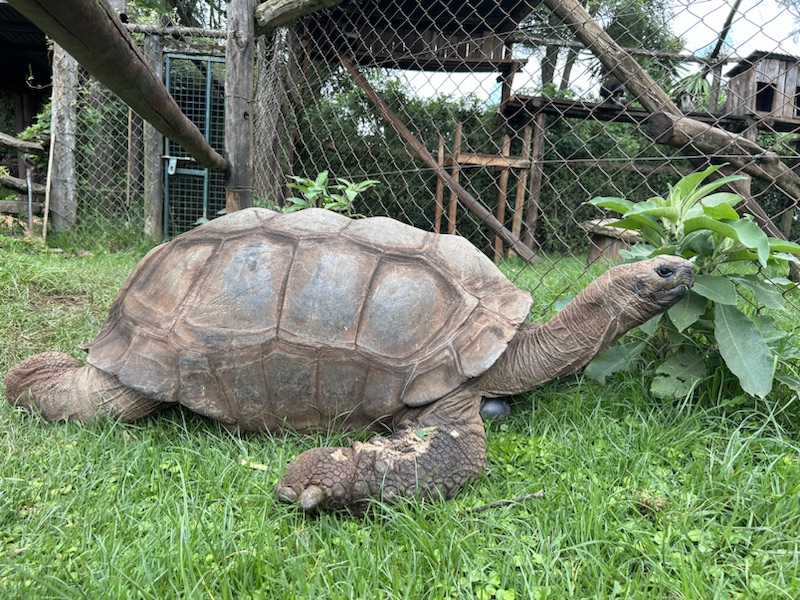
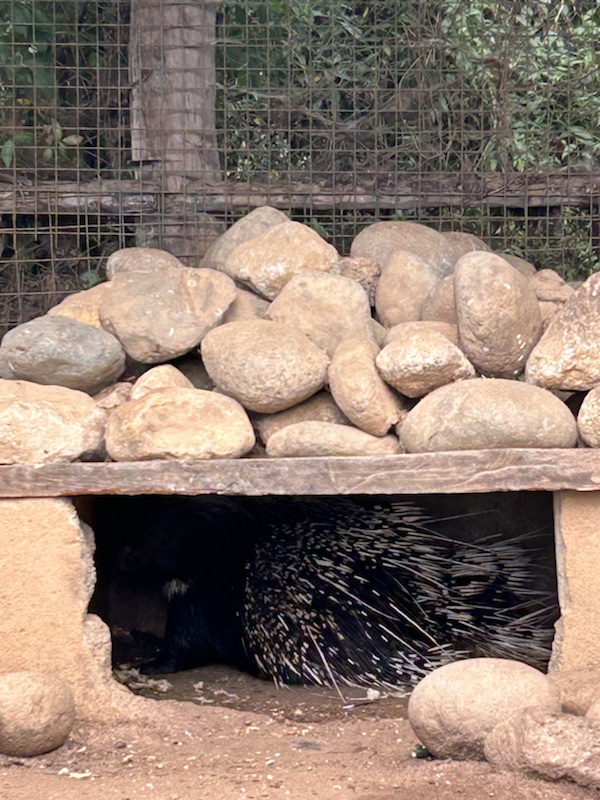
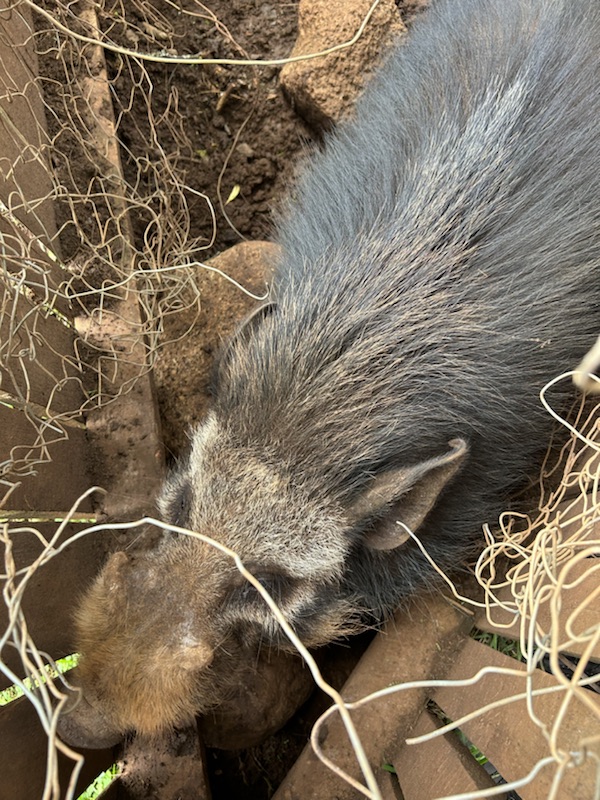
Up Close & Personal with Llamas, Monkeys, Ostriches, & Turtles

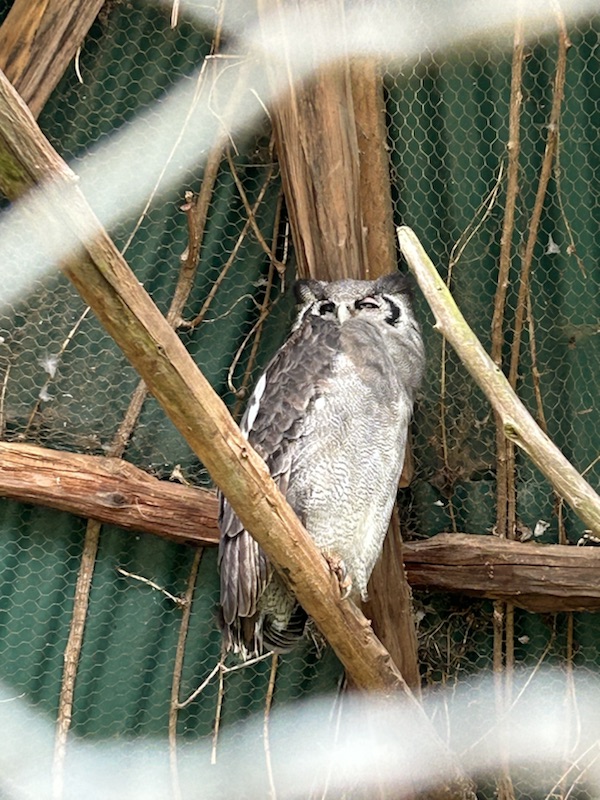
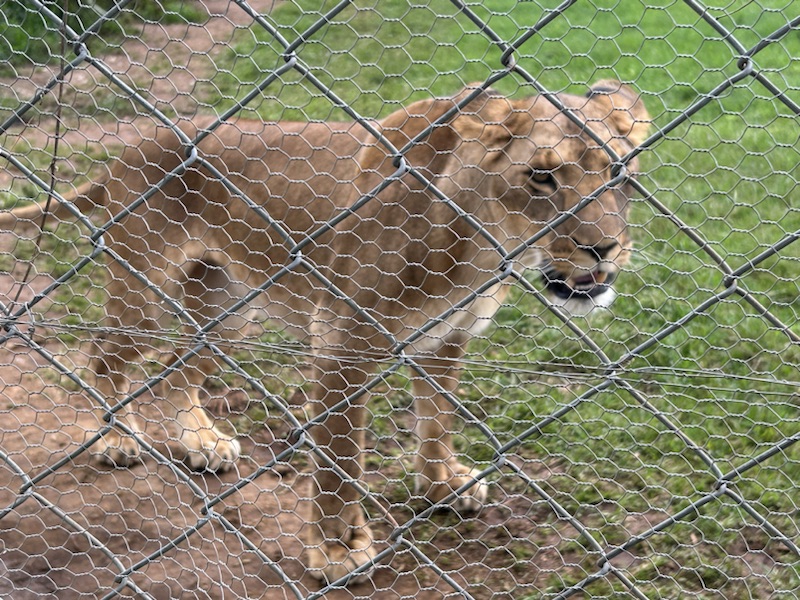
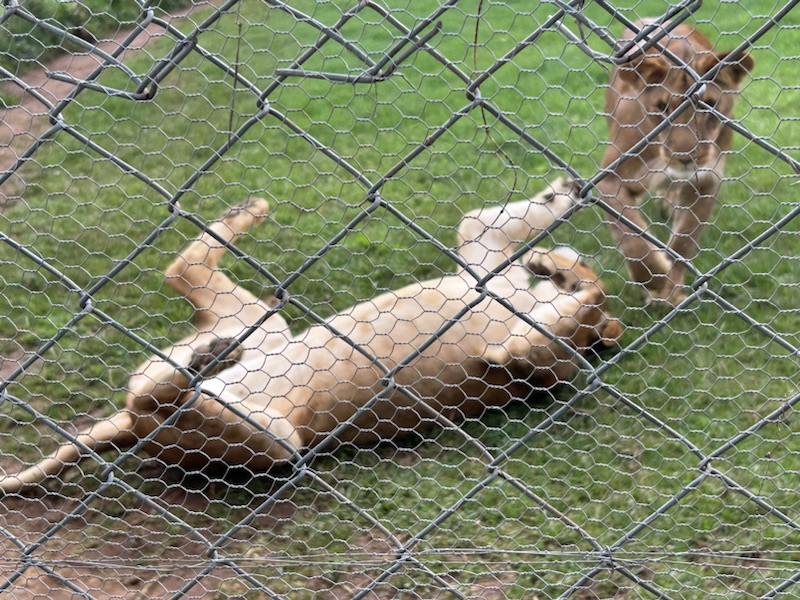
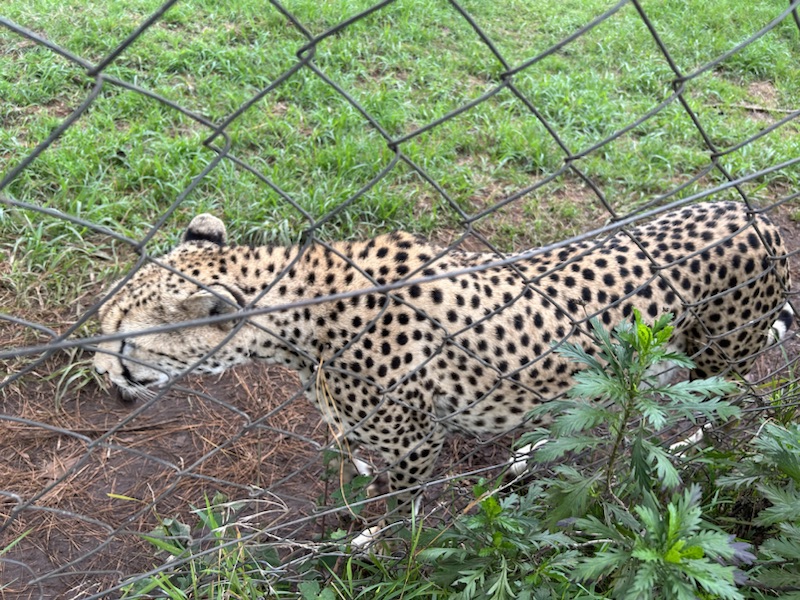
Animals to see here include: bongos, cheetahs, elands, hyenas, & lions to name just a few.

Many animals love the guides & come very close to the wire cage.

To learn more: https://mountkenyawildlifeconservancy.org/animal-orphanage

The Maasai of Kenya

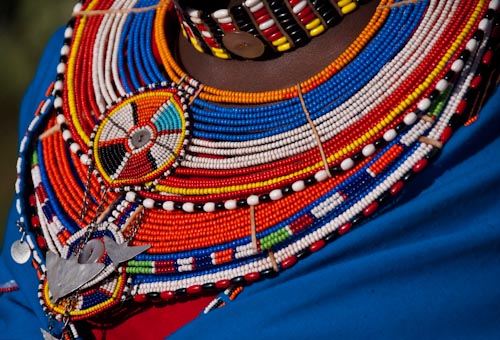
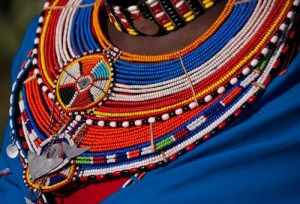
Maasai beaded necklace.

There are many great countries in Africa to experience the wildlife up close.  In the past 20 years safaris have become big business for Africa’s tourism. In Maasai Mara alone the number of lodges has tripled.  Each country is wonderful in its own way providing its own unique adventure. Given the choice though, I’ll always choose Kenya. Why? The Maasai.
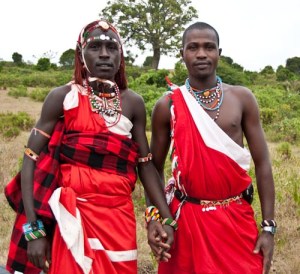
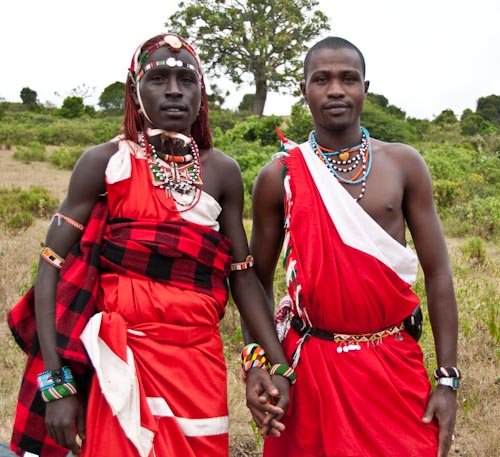
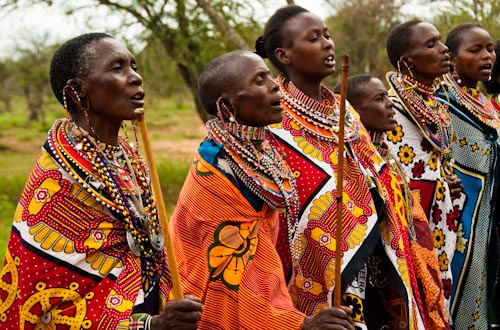
My first trip to Kenya was Christmas of 1984. There were many things from this trip I’ll never forget. It was unbelievable to see a wild elephant or giraffe close enough to hear the sound of their feet pounding the ground or the crunch of leaves in their mouth. But it was the Maasai that caught my attention like non other. I found them to be the most fascinating people I had ever met. As our van crossed the African plains the Maasai stood out as bright as a red cardinal in a forest.  The Maasai wear bright red shawls over their shoulders and around their waists as a Scotsman might wear a kilt.  With long slender legs the men appear as if they are walking on stilts. They tread lightly and with caution to not disturb nearby wildlife.  Both men and women move with the grace of a gazelle, but with the confidence of a Wall Street Banker.  They adorn their bodies with intricate beaded bracelets, rings, necklaces and headgear. At this time it was also customary for the Maasai to pierce and stretch their ear lobes. Sometimes we saw a film canister in their ear lobes, but usually the ears were beautified with colorful bead work.
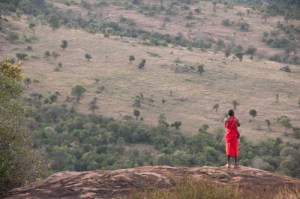
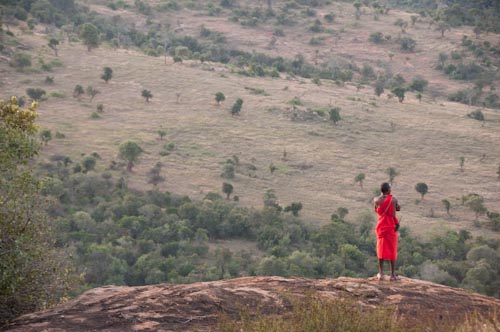
One of our guides trying to spot rhinos in the area. Taken from our 2010 trip.

In 1984 we were told we could not photograph them because it would rob them of their soul. But with some heavy cash, the soul could easily be bought. Everyone in our tour group agreed to hand over the necessary amount to enter a Maasai village with a camera in hand.
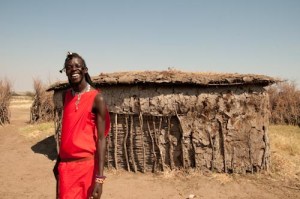
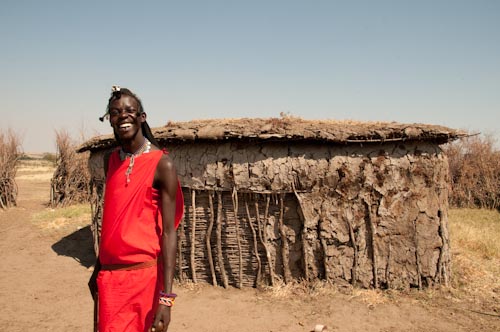
A traditional Maasai village. Taken in 2010 near Maasai Mara.

In the shadows of Mount Kilimanjaro we entered the Maasai village. It was made up of several small adobe huts  from a mixture of soil, cow dung and water. The huts were positioned in a tight circle with a small open area in the middle. A Maasai village may consists of several women married to the same man. Each wife is responsible for making her own hut to house herself and her children. The village is usually surrounded by dead branches from an Acacia tree. This is because an Acacia tree has 2 inch long thorns to prevent giraffes from eating all the leaves. Each night the family’s livestock is brought into the village. The thorny tree branches provide a natural fence for nightly protection from predatory animals.

Upon entering the village I was surprised by the extreme poverty and malnutrition. Even though the Maasai have a healthy diet of milk, grains, and blood from their animals, this was the year of the Great Drought. If you are old enough you may remember the terrible famine in Ethiopia in 1984 that sparked the Live Aid Concert and the hit song, “We Are the World.” You could see the sadness and lack of hope in their eyes. Many of the children were covered in flys and too weak to brush them away. It broke my heart to see this sad situation knowing that I could do little other than offer money to provided food for their animals and themselves.

Another piece of this problem was also created by colonization in the early 20th century. The following information comes from the Kitumusote website.

 In 1911, Maasai lands in Kenya were reduced by 60 percent when the British evicted them to make room for settler ranches, subsequently confining them to present-day Kajiado and Narok districts. Maasai lands were further enclosed to allow for the creation of game parks, including Amboseli, Nairobi, and Masai Mara in Kenya and the Serengeti/Ngorongoro Conservation Area in Tanzania. Ndagala states that were the colonial and post-colonial eviction of the pastoralists from some of their best grazing lands were rationalized to protect the wildlife. The transfer of these lands has served to enclose many pastoral and semi agricultural groups onto parcels of lands that are unsuitable for either semi-nomadic pastoralism or agriculture at a sustainable level.

Upon returning home from Kenya in 1984 everyone asked what animals we saw, but my mind remained with the Maasai. What must life be like for these people? How different their life was from mine. Before they were only pictures in a National Geographic magazine, now their lives were real.

In 1998 my husband and I finally had a chance to return to Africa. The main objective was to climb Mount Kilimanjaro in Tanzania. After the climb we took a 5 day safari trip through the main game parks in Tanzania. I was surprised to see the change in the Maasai. During our absence Tanzanite had grown in popularity providing  a few lucky Maasai who live in the foothills of Mount Kilimanjaro a new income outside their livestock. It was amusing to actually see Maasai driving Mercedes on the dusty roads around Arusha.  However, this luxury is offered to only a few.  Most Maasai at this time were still living in poverty conditions in Tanzania and Kenya.
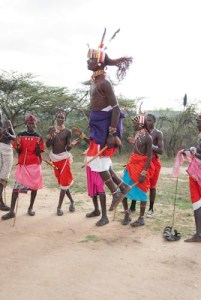
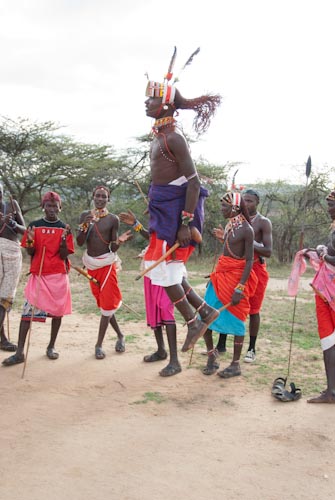
The traditional Maasai Jumping Contest and dance.

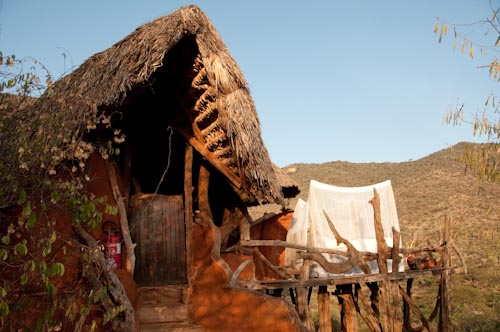
Then in 2010 I was reunited with the Maasai in Kenya. My husband and I chose to do a five day Maasai cultural tour in the Laikipia District close to Mount Kenya  with a company called NICE (Nature and Inter-Cultural Expeditions) Safaris.  We were able to participate in Maasai cultural dances such as the men’s jumping contests and camped in a traditional Maasai village. Our time involved daily hikes along with game drives to the  Lewa Conservancy and nights at the incredible Il Ngwesi lodge. This is the only lodge in Kenya run 100% by Maasai. To prove the quality of the lodge, both Prince William and Kate Middleton have signatures in their guest book. We were lucky enough to get Prince William’s room where the bed was rolled out onto the deck so we could sleep under the stars.
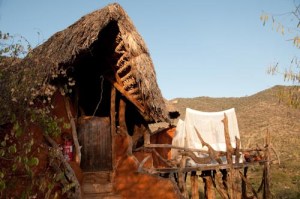
The Maasai luxury lodge Il Ngwesi. Prince William’s room with the bed rolled out on the deck.

Even though the Maasai continue to hold on to many of  their traditional ways, they have been forced to adapt to the modern world. Most now own mobile phones. They understand the need for an education for their children. Many of the young men plan to only have one wife with only a few children, unlike their grandfathers with ten wives. The Maasai no longer pierce and elongate their ear lobes for health reasons. The young people want homes that provide running water and electricity.  Unfortunately, to achieve this they need to find work and finding employment is difficult for most Maasai. The current unemployment rate is at 40%. One thing I relished about the 2010 trip was knowing that every tourist dollar we spent went to support the local Maasai.

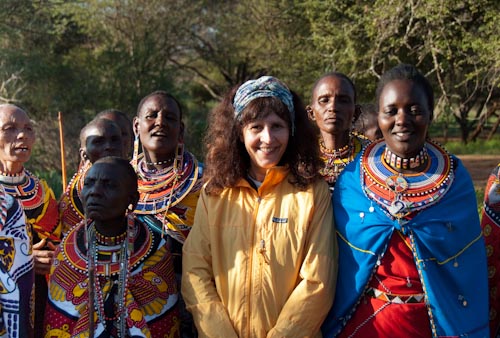
For this reason, I chose to return to Kenya again this last summer in 2013. On my prior trip we had been introduced to the Twala Women’s Center located an hour north of Nanyuki.  The women at the center had established a center to help them become empowered. Traditionally Maasai women could not own any livestock or land and had little say in their future. Many were married to older men by the time they were 14.  Today, the Maasai women are starting co-ops where they sell their beaded jewelery to tourists, raise livestock and grow vegetables for profit. A few like the Twala Women’s Center and Ol Gaboli Community Lodge provide accommodations for tourists._KEN0190

The Umoja Women’s Group

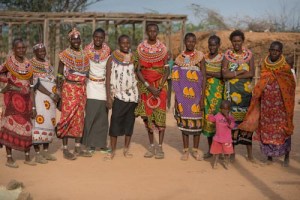
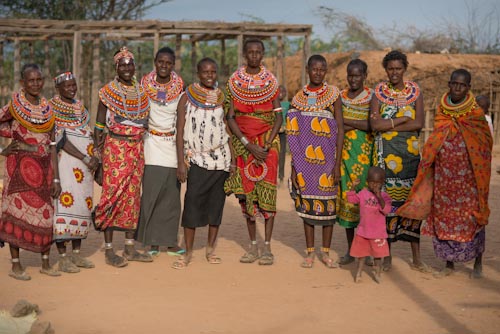
Along with the Twala Women’s Center my trip included a few nights stay at the Umoja Women’s Group in the Samburu District. The Samburu people are similar to the Maasai, yet have their own language and culture. The Umoja Women’s Group provides a safe place for abused Samburu women to live. The Umoja women are also fighting to stop the  custom of female genital mutilation. To raise money to support themselves, they sell beaded jewelery to tourists and provide simple accommodations for tourists along the banks of the Uaso Ngiro River.

On my last night at the Twala Women’s Center it was cool with the threat of rain heavy in the air. Many of the women in the nearby villages came by to join me around the warm fire to sing songs.  The Maasai traditionally sing in harmony with one lead singer picking the title.  The rest of the women then respond with one unanimous call in acknowledgment. On this night they sang a song thanking me and asking me to invite others.
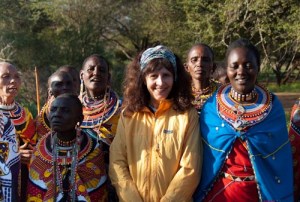
Should you ever have the opportunity to travel to Kenya I encourage you to fit in time to stay in a Maasai village or a Maasai women’s center. Fortunately most are located near prime game parks. This past August the New York Times had an article about staying at the Maji Moto Maasai Cultural Center.  My tour operator at NICE Safaris helped to arrange this trip and accompanied the writer Michael Benanav on his journey. Read his article, Through the Eyes of the Maasai at the NY Times website.

To learn more about my past two trips I welcome you to view my images of the Maasai in Kenya: http://ginalrodgers.com/images/maasai/index.html

Recommended Reading about the Maasai today:

My Maasai Life: From Suburbia to Savannah by Robin Wiszowaty

Facing the Lion: Growing Up Maasai on the African Sabannah by  Joseph Lemasolai Lekuton

Travel Company

NICE (Nature and Inter-Cultural Expeditions) Safaris

NICE Safaris Contact: Mali Ole Kaunga Johnson – olekaunga@yahoo.com

Travel Tips: 

  • If bringing cash, make sure to have only American bills printed after 2000. Paper money that is torn or has handwritten scribbles can also be turned away. I hear America has a new $100 bill, I suggest using that instead of bills printed before 2013.
  • You will need small bills of the Kenya shilling to buy items and tip your guides, make sure to do this before leaving Nairobi. There are few banks outside the capital and few places take credit cards. You can not rely on your lodge to change your money and most prefer to not use a credit card for small purchases.
  • Bring along some good hiking shoes and long pants. The African bush is full of thorns.
  • If staying at one of the women’s centers you will need a good flashlight.
  • Bring an electrical plug adapter for the vehicle. This can be a lifesaver for charging camera batteries. Electricity is hard to come by in the African bush.
  • Bring your British plug adapter for charging at your hotel and lodges. 
Few Expectations but High Rewards in Madagascar

Once in a while, you just pack your bags and go on a whim that it will be a great trip. It’s a bit like going to the movie theater knowing little more than the title of the movie. The advantage to this strategy, is that you have few expectations; therefore, few disappointments.  The disadvantage, you will miss out on something great or not be fully prepared. But hey, this was Africa, there is only so much planning and preparing that you can do once the proper clothes are packed and all valuable camera & electronic equipment is secured in the carry-on bag.   I am happy to report, another African country has proven its worthiness as a great travel destination.

We were greeted at the airport by our courteous driver-guide who would be with us for most of the next 17 days. Madagascar is the fourth largest island in the world and the best way to see it is with a 4WD vehicle. Our itinerary included visiting the four national parks, Andasibe, Ranomafana, Isalo, and Kirindy with a few relaxing days on the white sandy beaches of Morondava and Ifaty.

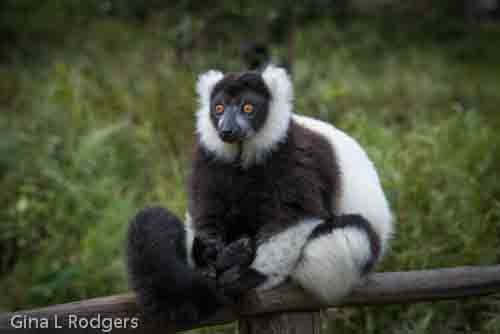
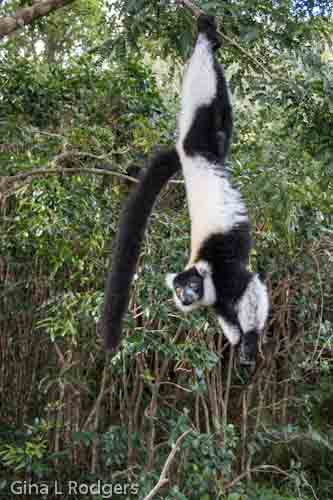
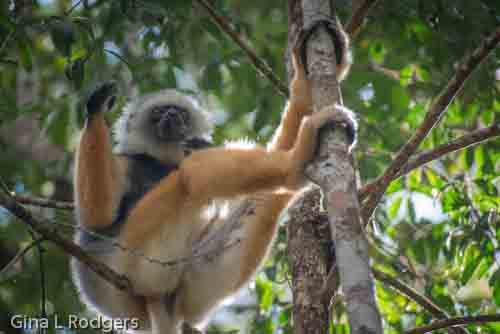
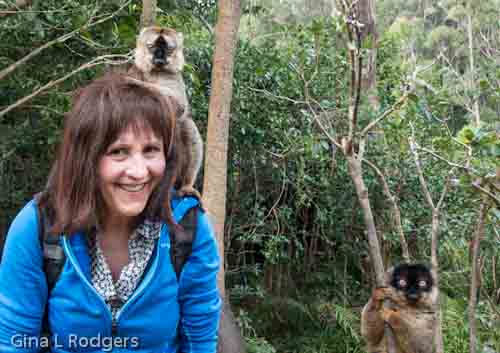
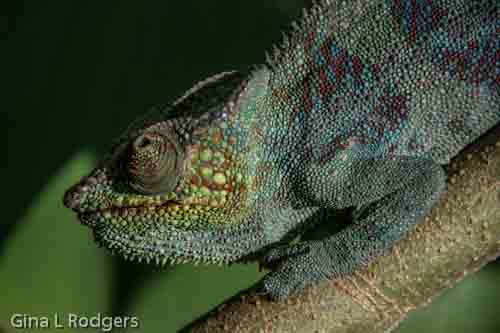
For me,  the acme of the trip was seeing the lemurs. From my first sighting I could not get enough of their cleaver antics and big marble size eyes. The ancient authors Virgil & Ovid mentioned the Festival of Lemuria during which “ghosts” referred to as “lemures” were exorcised. As an analogy to these ghosts from Roman mythology, the name “Lemur” was given to the entire species due to their nocturnal habits & noiseless movement at night, reflective eyes, and ghostly cries. Scientists believe there are over  80 lemur species, new species are still being discovered by primatologist.  [Check out this NG video of a new discovery.] Lemurs vary in size, the smallest being the mouse lemur and the largest being the Indri which looks like a very large black and white teddy bear. The Indri are considered to be sacred with folktales adding to their enchantment. One story told to us by our guide was about  a boy who went into the forest to collect honey, was stung by bees, and fell from a tree.  An Indri caught him and carried him to safety. From what I have learned about animals, I tend to believe this is true and not a myth.  To see the Indri you need to visit Andasibe National Park. Once there you will hear their haunting, yet beautiful whale cry. [Watch this video to see the Indri and hear their cry.] Each national park we visited had lemurs to observe. When visiting a national park we were always accompanied by a park guide, this is very important since they know how to find the lemurs and sometimes carry bananas that the lemurs love. Our park guides also provided night walks at Andasibe and Ranomafana and were excellent chameleon spotters during the day and night. If seeing a lemur is on your “must see and do” list, then Madagascar is the only place where you can see them in the wild. [Read here to learn why.]
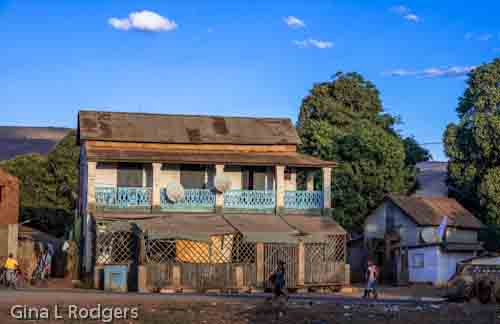
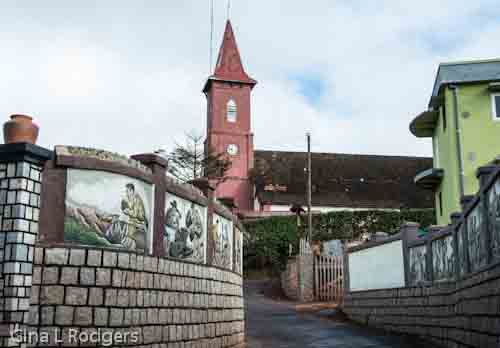
At one time almost every inch of the African continent was a European colony. Madagascar was a french colony from 1890-1960. Today French is still widely spoken by the educated Malagasy.  French food, including the bread, is widely served. You can also see the French influence in the housing architecture. In the highlands you will see many brick houses containing columns and west-facing verandas. Train stations and churches look as though they were taken from a French countryside.

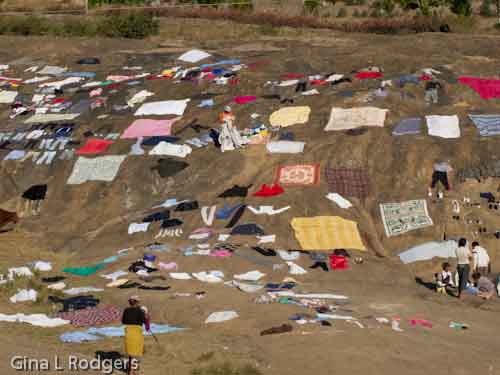
Traveling around the country it felt like a large melting-pot of cultures. Indeed this is true because today’s population  is a mixture of Austronesian (origins from Borneo), North Indian, Arab, Somali and Bantu settlers. I enjoyed looking at the various hair styles and clothing worn by the women in the regions we visited.  The most interesting tradition practiced all over the country was the ritual of washing laundry by a river then stringing it among the rocks and plants to dry. Our guide told us that many believe that washing clothes by the river washes away their sins.
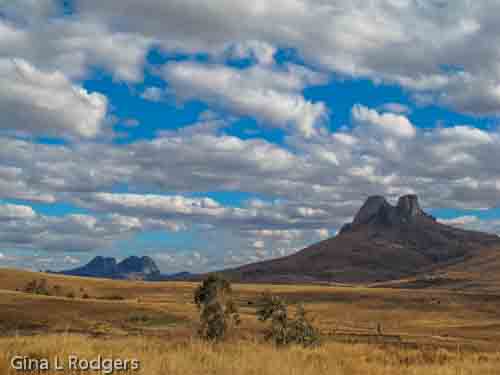
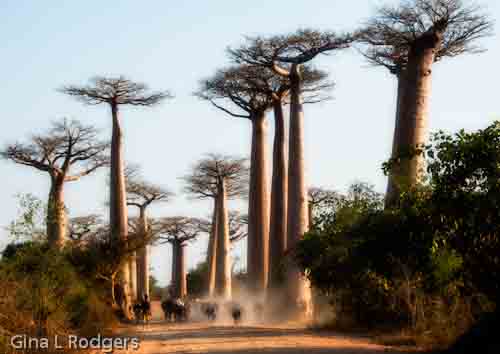
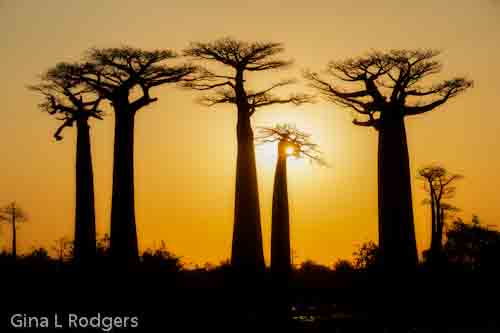
Madagascar has an incredible diverse landscape. Each travel day I enjoyed watching the terrain change from cultivated fields, to dense rainforest, and into a sandy desert. In the highlands many of the hills are terraced like those in southeast Asia to support the number one grown crop, rice. The south contains large grassy plateaus with the occasional granite domes to complete a Georgia O’Keeffe setting. For most tourist, the Avenue of the Baobabs near Morondave is an incredible sight in the morning and evening. Then when you need a little relaxation, there are long white sandy beaches with lovely bungalows next to the Mozambique Strait.

Madagascar is still off the beaten path for most travelers, but well worth the trouble. Because we missed seeing the lemurs do a dance, we just might have to go again. To see what I mean check out the following video, then I think you will agree, Madagacar is a ‘Must See’ destination. [Dancing lemurs video.]

To see images from my trip to Madagascar, visit my photography website: http://ginalrodgers.com/ginalrodgerswebsite/images/madagascar/index.html

Travel Tips:

  • For photographing lemurs, a small island at Andasibe was ideal for photographing and feeding the Brown and Ruffed Lemurs. The best opportunity for photographing the Ring-tailed lemur was at the Anja Reserve and a camp ground in Isalo National Park.  Remember to always focus first on the eyes and make sure you are using a fast shutter speed. I believe they move too quickly to use a tripod.
  • If you don’t speak French, a French phrase book or a French translation app will come in handy.
  • Make sure to bring along your favorite hiking shoes. The national parks can be wet and dusty.
  • For charging your electronics, bring along your plug adapters used in France and most of Europe. [Madagascar plug outlets.]
  • Madagascar is a very poor country. Our guide highly recommend not carrying our good cameras when we left our hotel in the capital, Antananarivo. A cheap disposal camera that you can buy in any grocery store is one way to take pictures worry free. (We never had a problem in the rest of the country.)
  • I’m a vegetarian, and never had any trouble finding food to eat. Pizzerias are in abundance in Antananarivo and Antsirabe. Sometimes hotels have a set menu. If I told them I was a vegetarian they were happy to substitute the meat on the menu.
  • We did not drink water from the tap, but always felt that the food was safe in the restaurants. Try and buy your bottle water from the small shops on the street. They are half the price of those sold at the hotel.
  • Many hotels provide free wi-fi.
  • On our last day in the country, I decide I must have one of those unique Madagascar folding wooden chairs. No problem, our driver took us to the craft market in Antananarivo. Everything from vanilla to wooden chairs could be found in this open market. Don’t forget to barter, I was able to get most items that we bought at one-third of the original asking price.
  • Do you like gems, over 50% of the world’s sapphires come from Madagascar.  Ask your guide for the best place to buy. I bought my gems from Chez Joseph in Antsirabe.

Our tour operator:

Jenman Tours – I would highly recommend this company. We had an excellent driver-guide. He spoke very good English, always kept us safe, and was able to answer all of our questions. He kept his Toyota Land Cruiser in perfect condition for the entire trip.  The company also arranged very comfortable and nice accommodations.

Ruffed lemur in Andasibe National Park

Ruffed lemur in Andasibe National Park

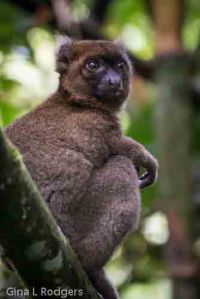
Bamboo lemur Bamboo lemur
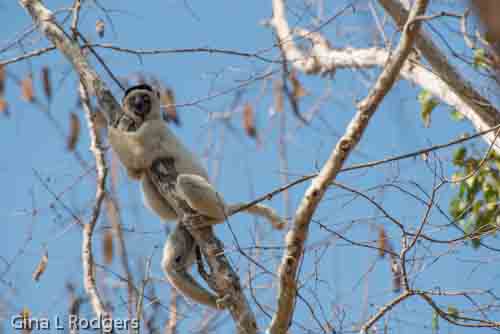
Verreaux’s Sifaka in Kirindy National Park

Chameleon

Chameleon

Typical styled home in Madagascar containing columns and west-facing verandas.

Georgia O’Keeffe setting

Church in Ambositra

Church in Ambositra

Avenue of the Baobobs

Avenue of the Baobobs

Sunset at Avenue of the Baobabs

Sunset at Avenue of the Baobabs

Drying clothes near the river.

Drying clothes near the river.

The author with the lemurs in Andasibe National Park

The author with the lemurs in Andasibe National Park