The Rock of Gibraltar

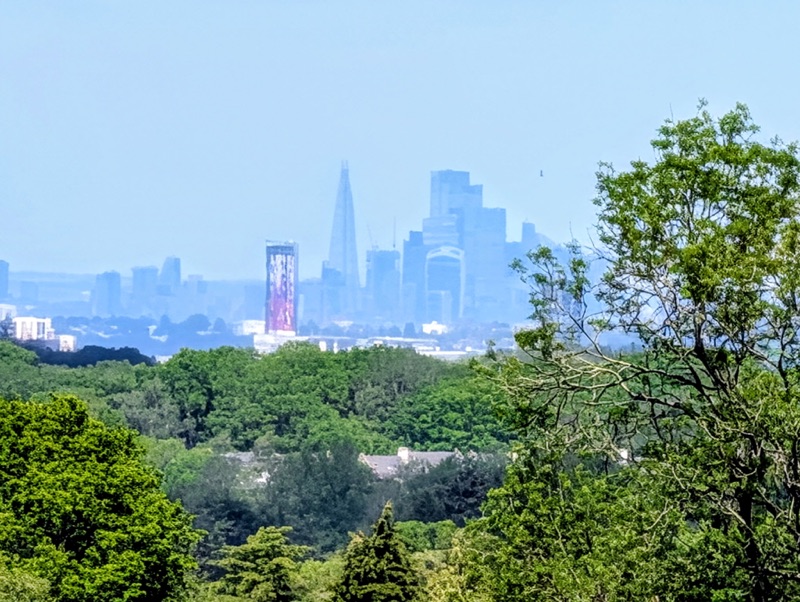
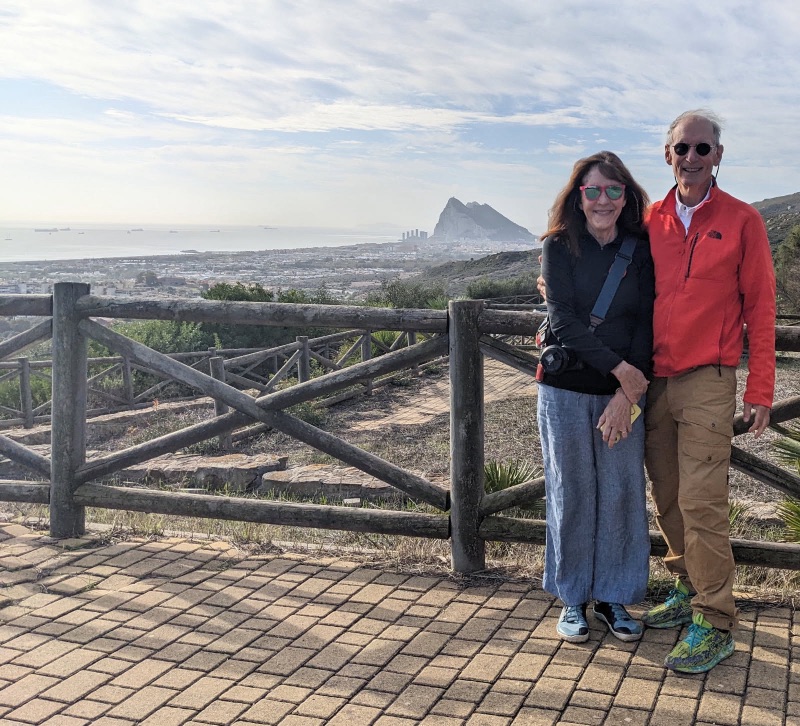
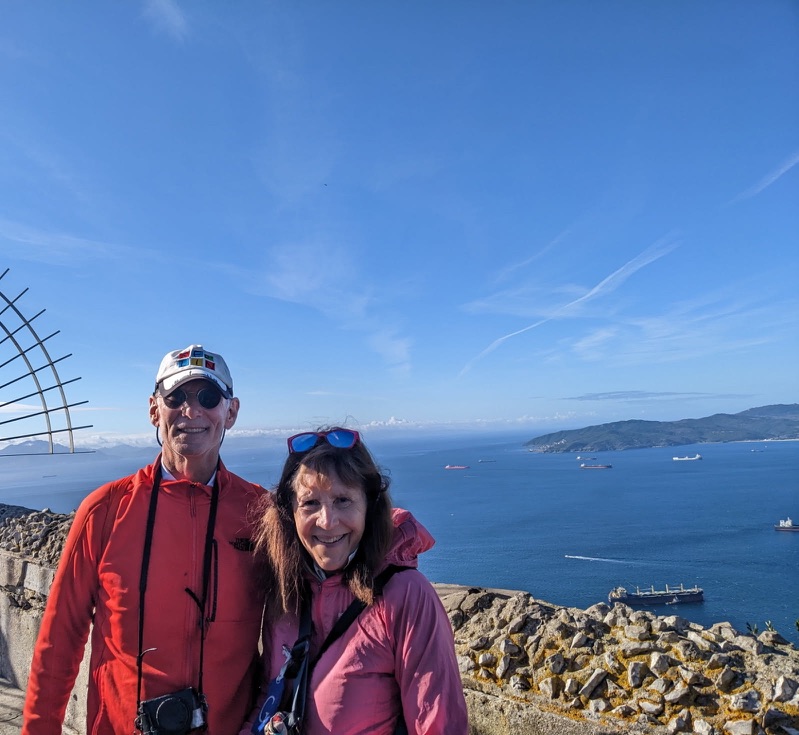
Gibraltar in the distance from miles away

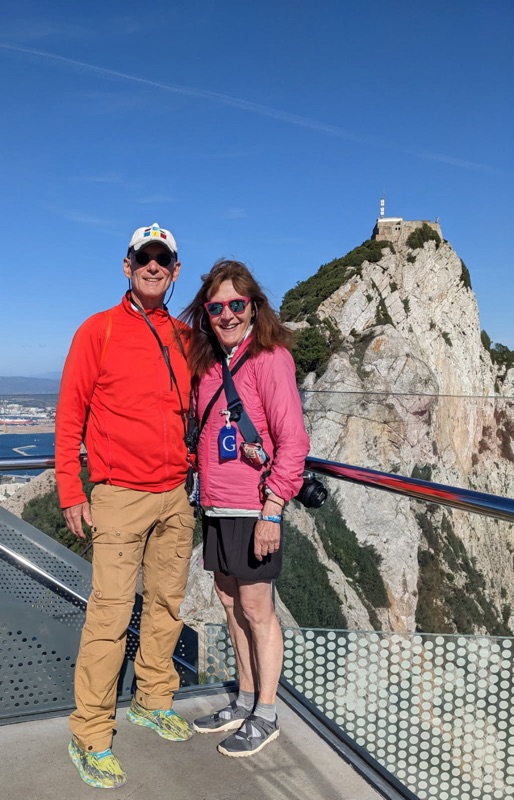
I’ve heard the term “The Rock of Gibraltar” most of my life referring to something or someone being strong & dependable. However, until you see Gibraltar, you don’t realize how impressive it is & appropriate that saying is.

It is spectacularly huge & stands out on its peninsula making everything else around it seem small & insignificant.

The other unique thing about this place is it has been a British possession since 1713 despite many failed attempts by Spain to retake it. Spain’s many failures can be directly attributed to the great efforts Britain made to continue holding it.

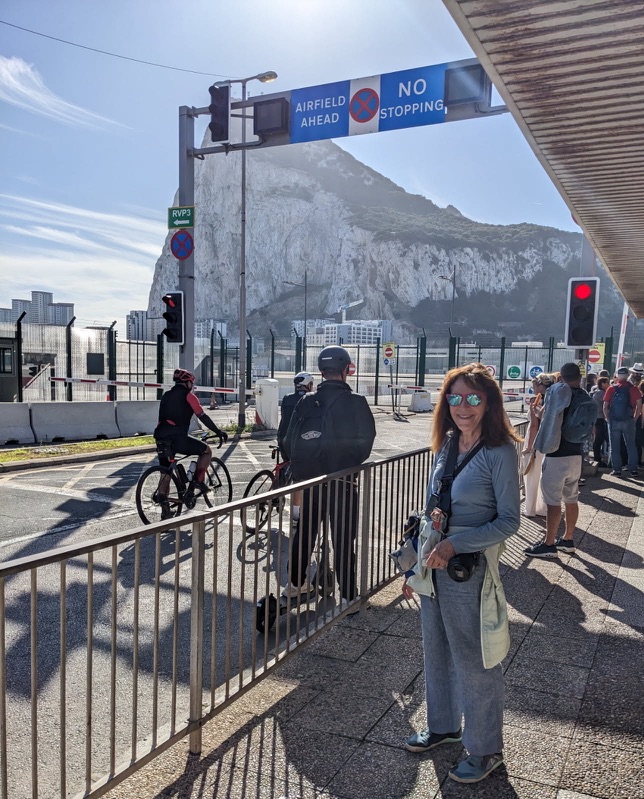
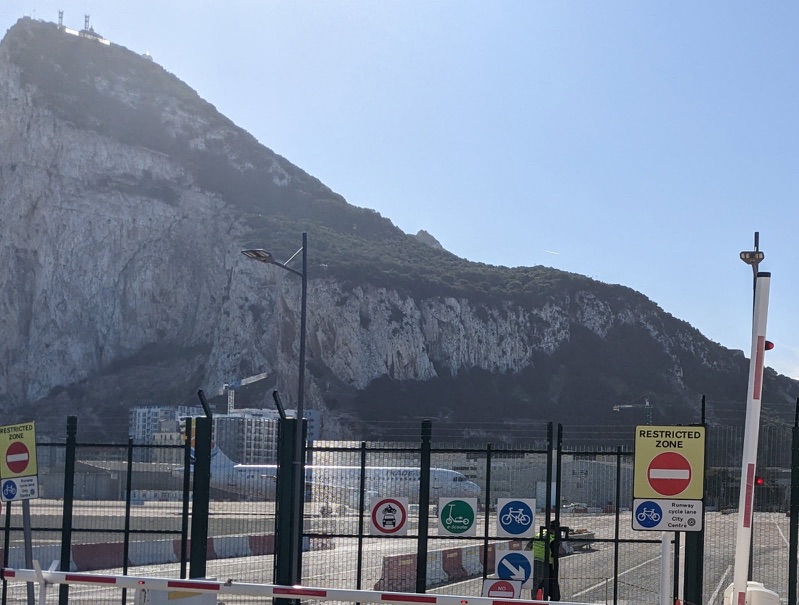
To enter Gibraltar, you only need your passport to walk across its border with Spain.

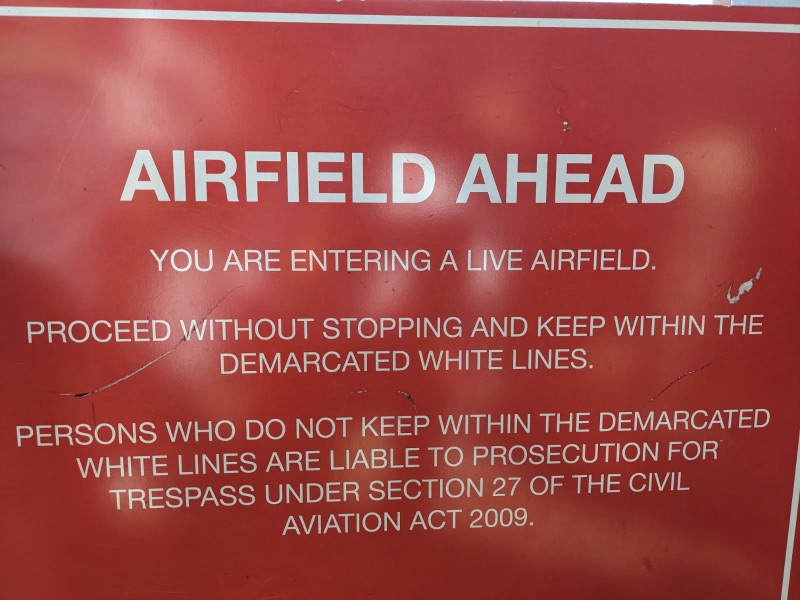
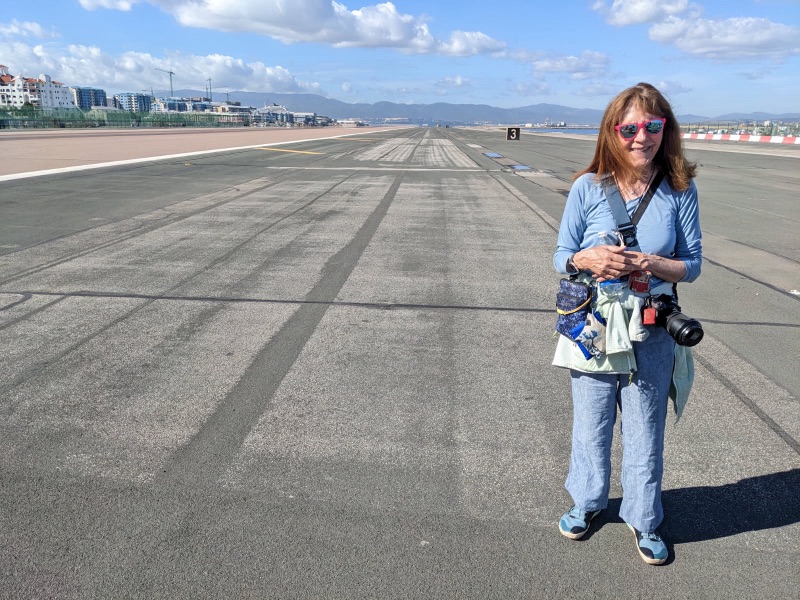
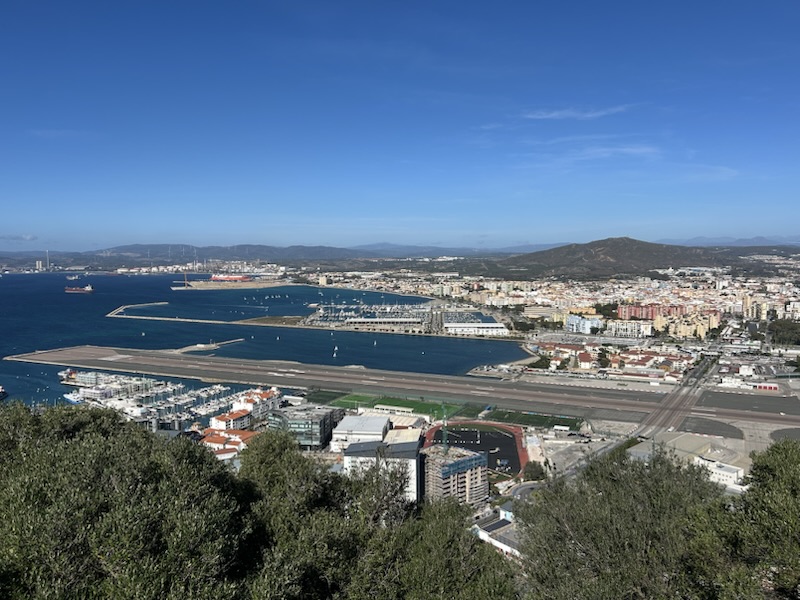
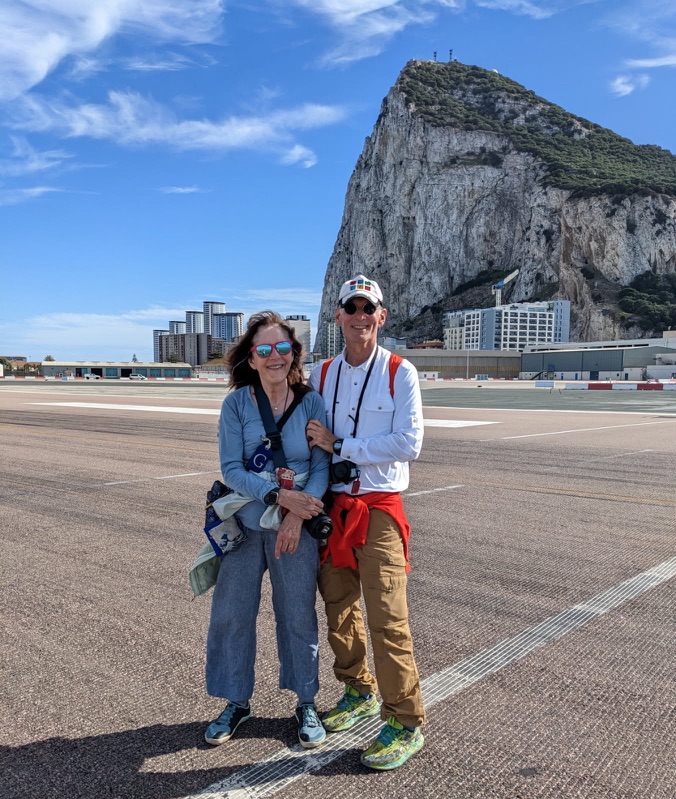
In all my travels, this is the first & only place I’ve ever had to cross an active airport runway to enter a country.

In the middle of the runway
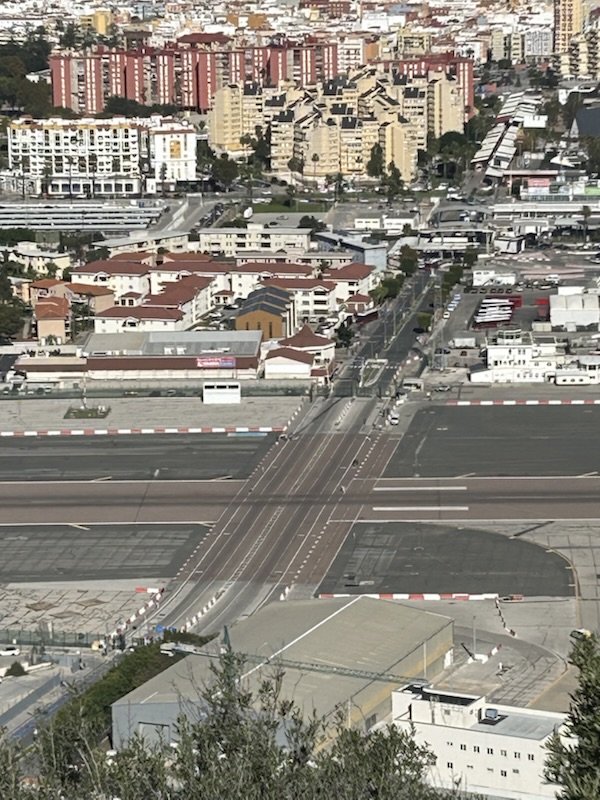
View from above on The Rock showing passport control & the driveway/walkway across the tarmac

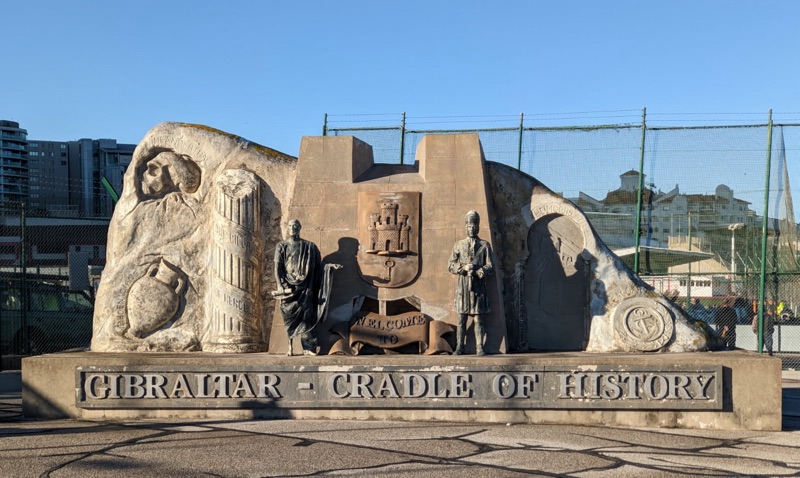
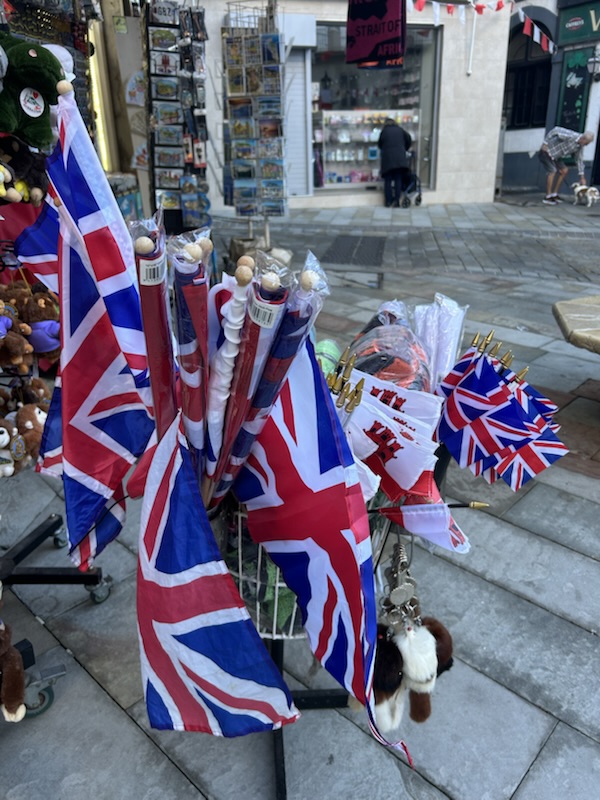
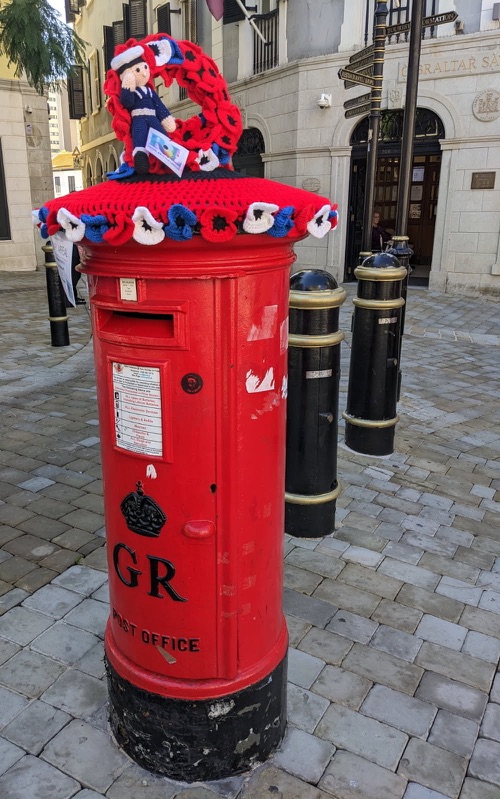
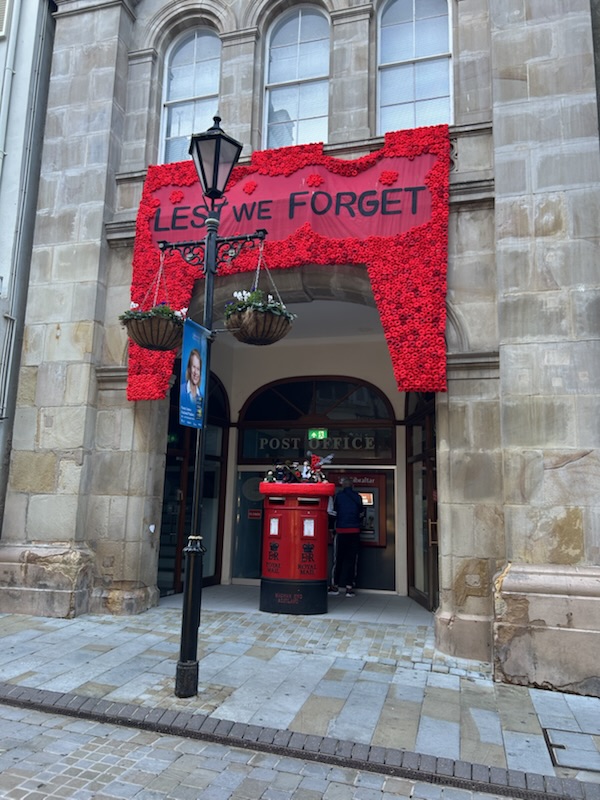
As soon as you cross the border, you realize you are on land that belongs to Britain.

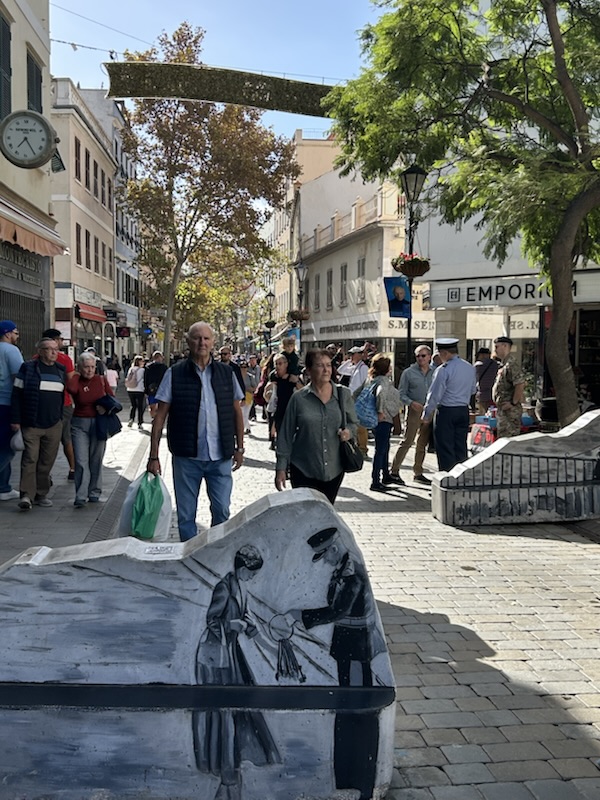
Gibraltar has one long shopping street where most shops are run by Spanish workers; but, English is the spoken language. You can pay in Euros, but you get change in British Pounds.

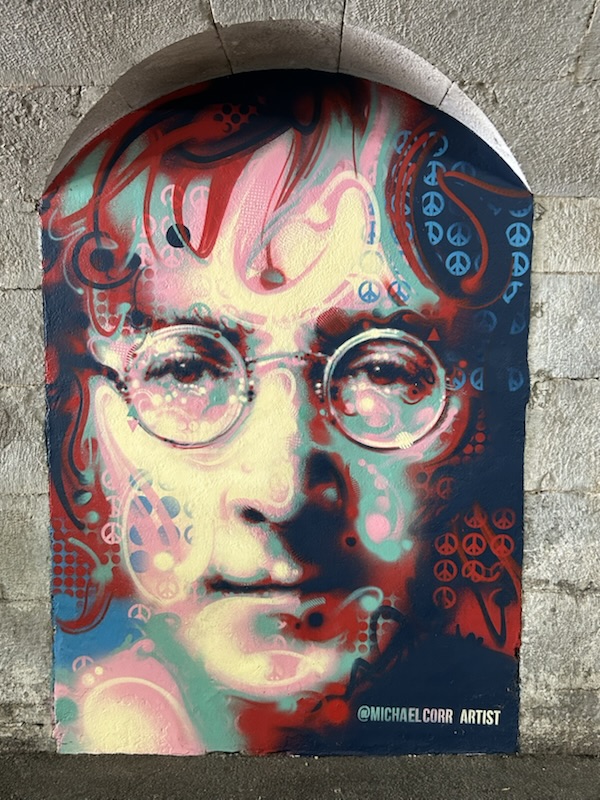
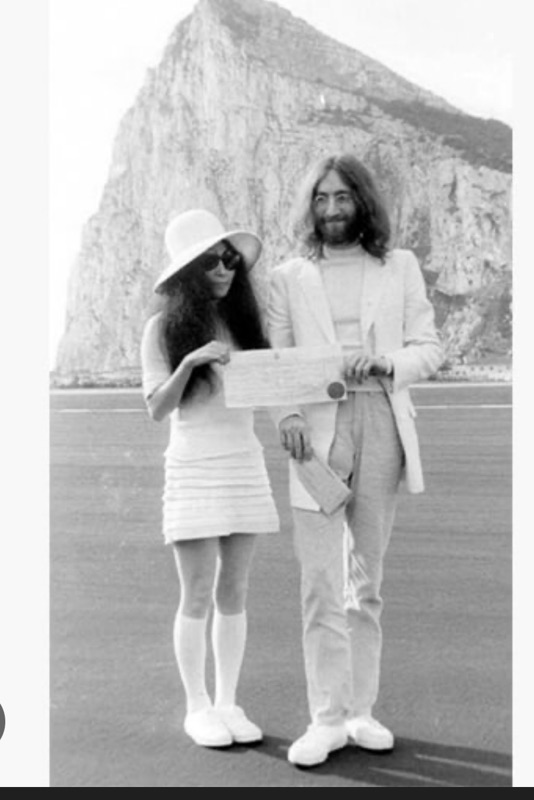
Interesting fact, John Lennon & Yoko Ono got married in Gibraltar on 20 March 1969 which is mentioned in the Beatles song “The Ballad of John & Yoko”- “Peter Brown called to say, “You can make it okay”, you can get married in Gibraltar near Spain…”

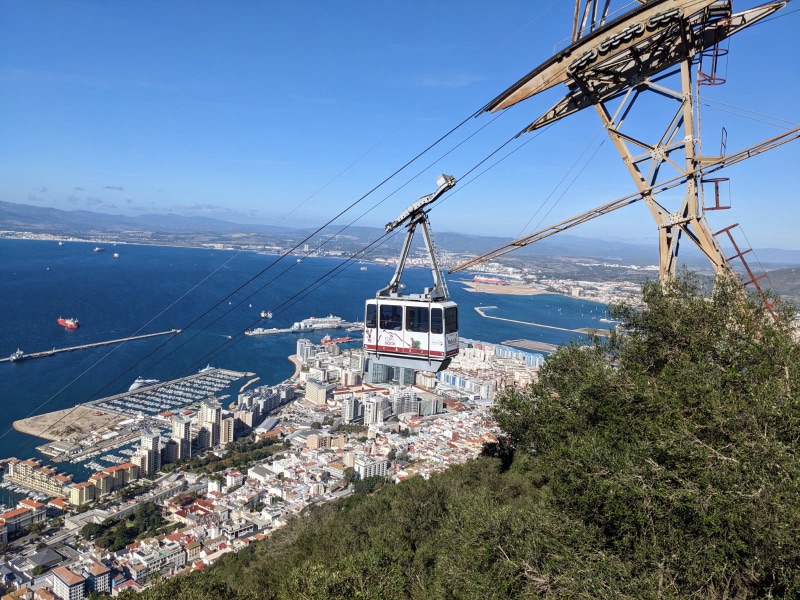
Many tourists take the cable car to the “Top of the Rock” like we did. Once there, you can easily see all the reclaimed land on the Western side used to accommodate most of Gibraltar’s residents which numbers around 38,000.

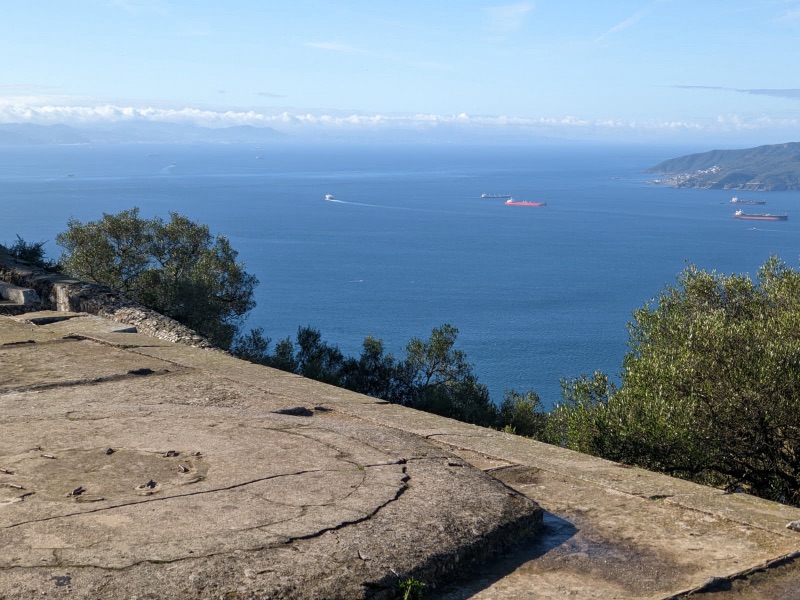
The views from the top are very nice. You can look out over the Mediterranean Sea & see Morocco in Africa as well as get a view all along the Spanish coastline & down to lower Gibraltar.

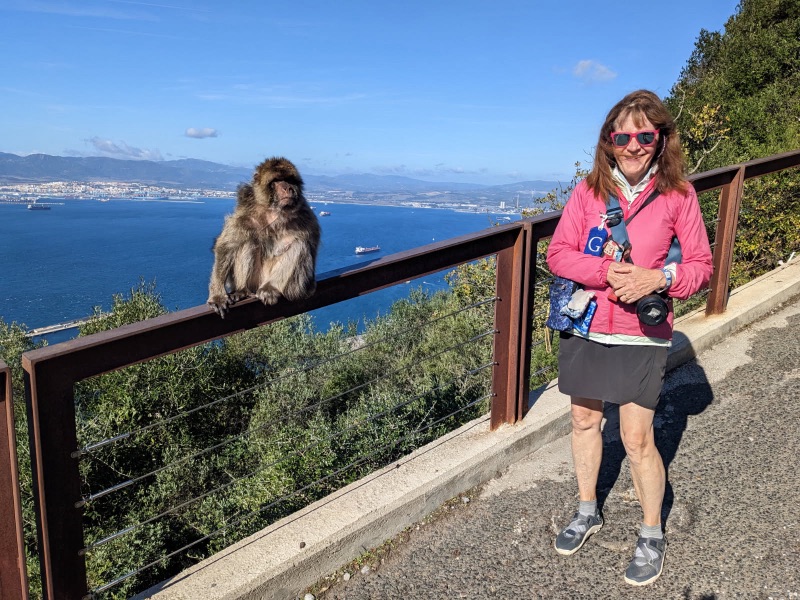
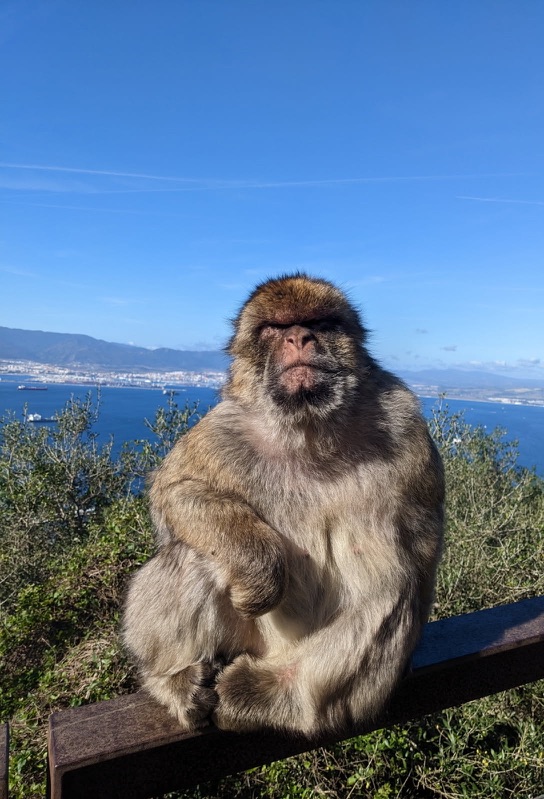
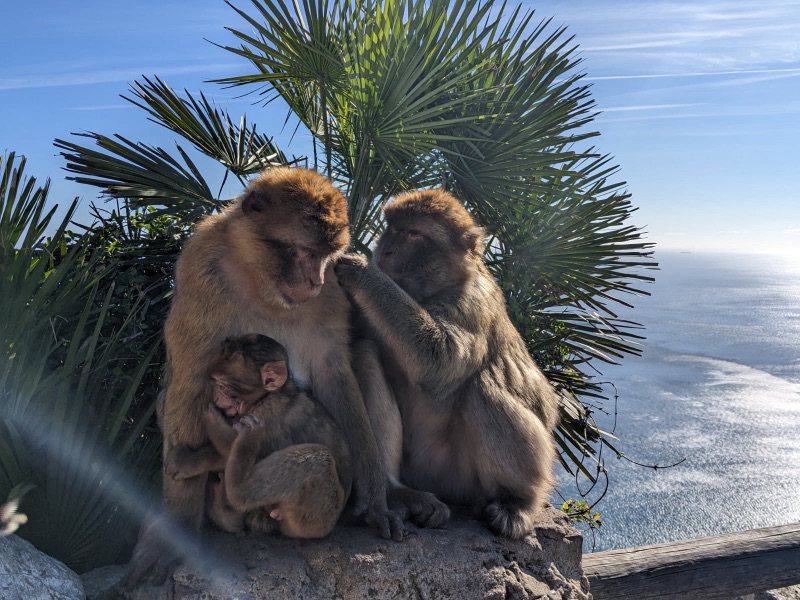
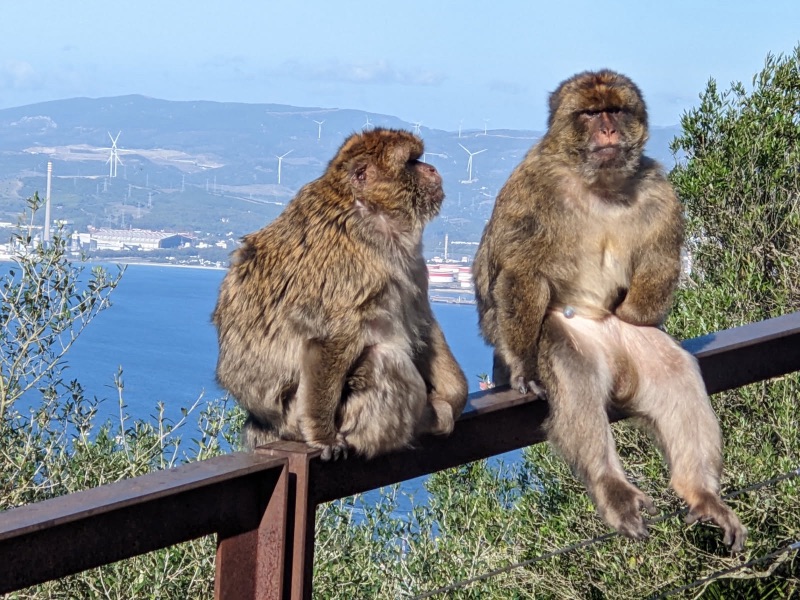
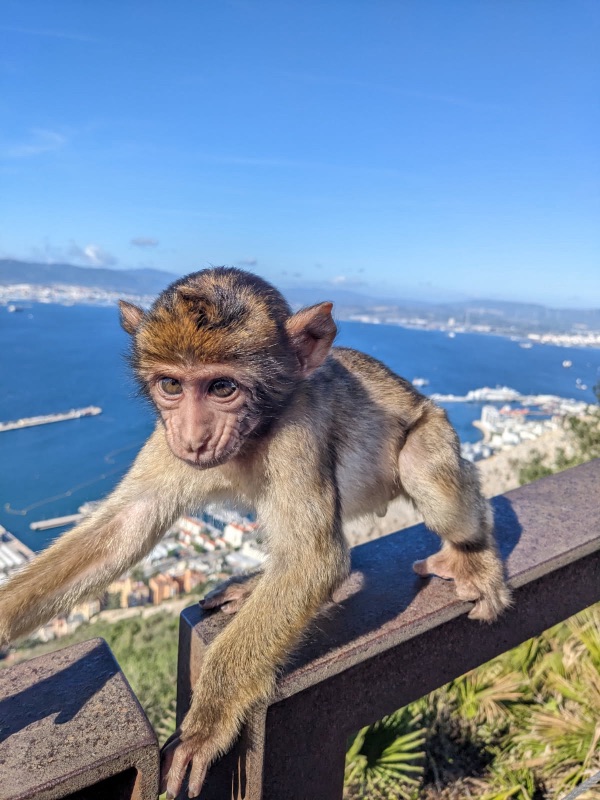
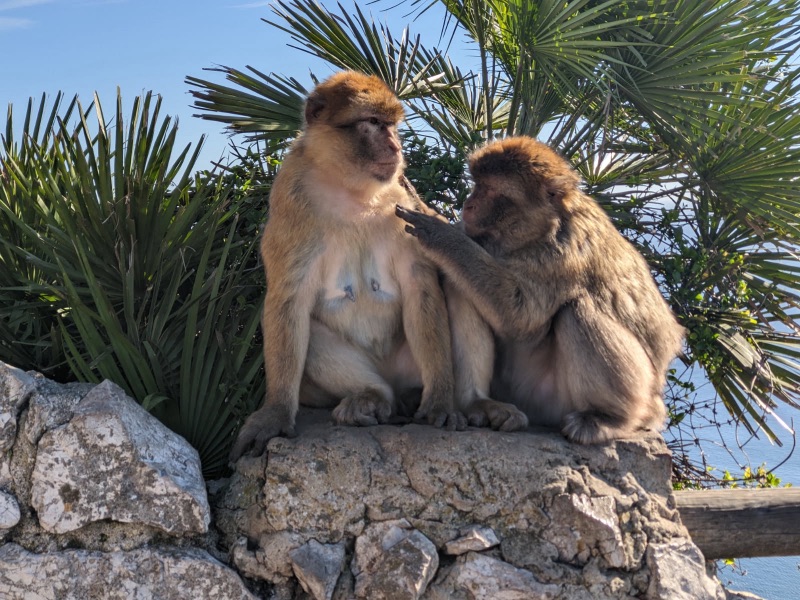
A second interesting fact about Gibraltar is that it is the only place in Europe where wild monkeys live.

Centuries ago, the Moors brought Barbary Macaques with them to Spain from Algiers & Morocco.

It is believed there are now 240 ea. Barbary Macaques on Gibraltar.

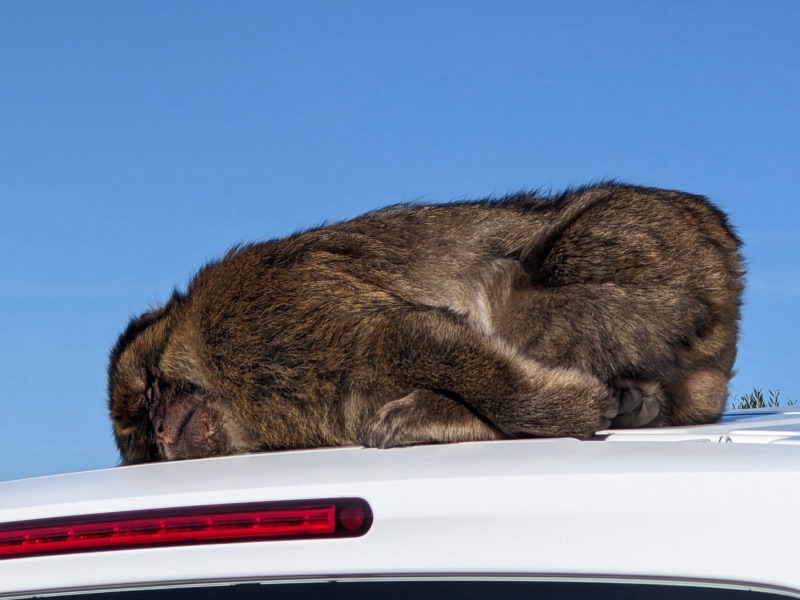
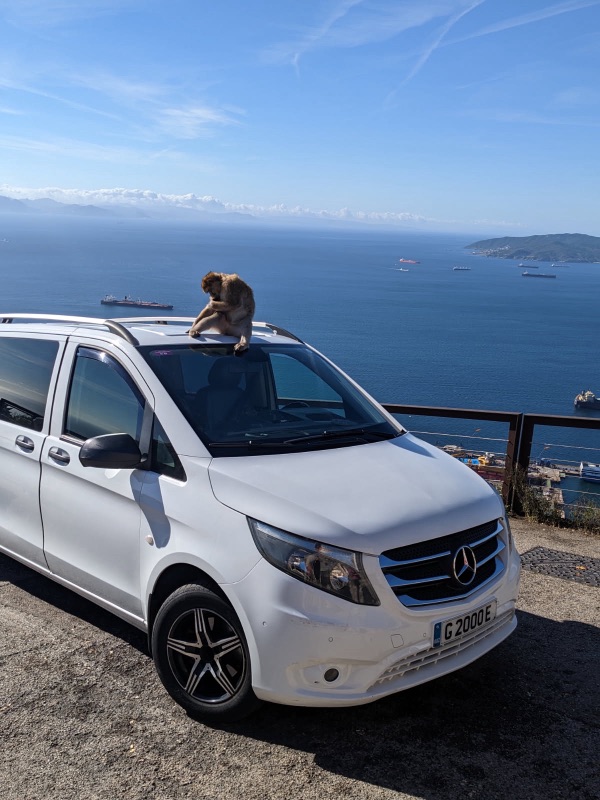
These monkeys are very bold & will jump on your back looking for food in your backpack. I made sure to keep my distance; but, they were fun to watch.

The British government ensures the monkeys are well fed & given good care. This maintenance may only be due to the local superstition that goes “If the apes leave the Rock, then the British will too”. During WWII, Winston Churchill did not want to risk losing strategic Gibraltar, so when the monkey population started dwindling, he personally ordered British troops to North Africa to bring back more monkeys to the Rock.

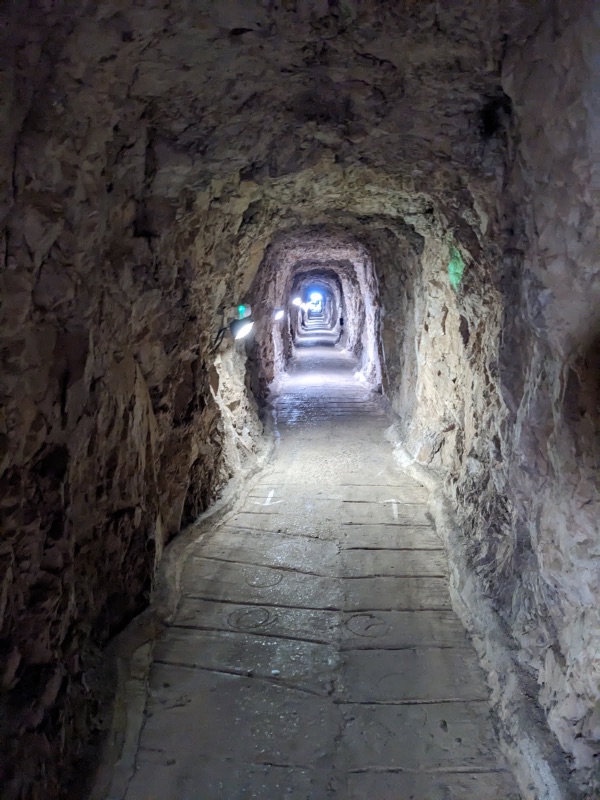
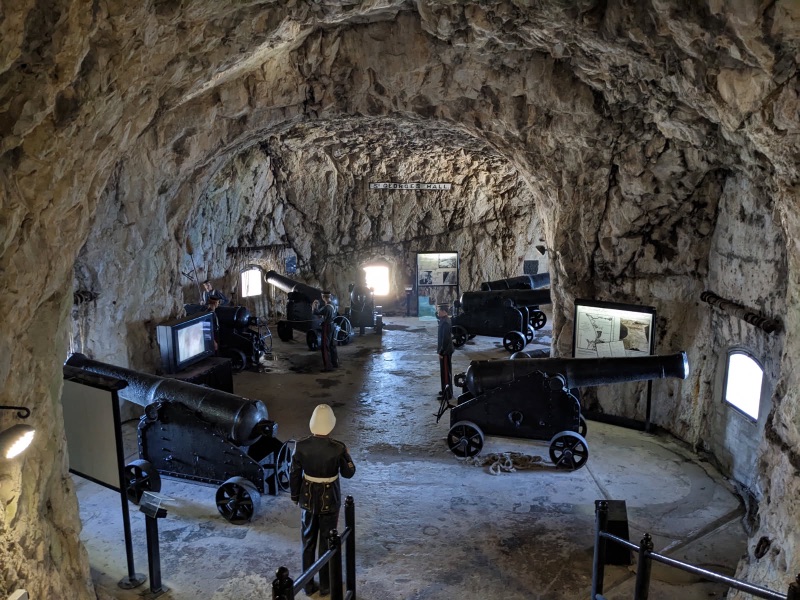
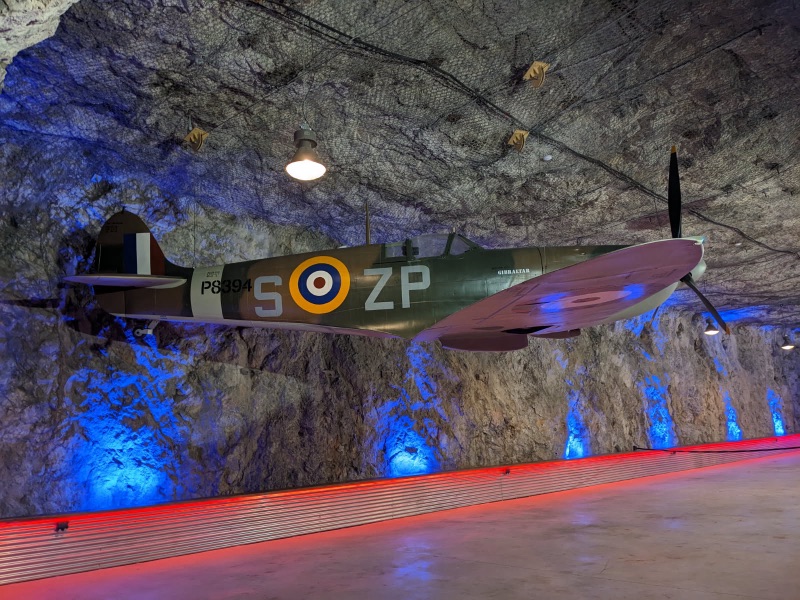
Another attraction are the tunnels built during the Great Siege of 1779-83 & even more dug during during WWII. There are over 34 miles of tunnels inside the Rock.

It was fun seeing Gibraltar & touring a place that felt like a British island in Spain.

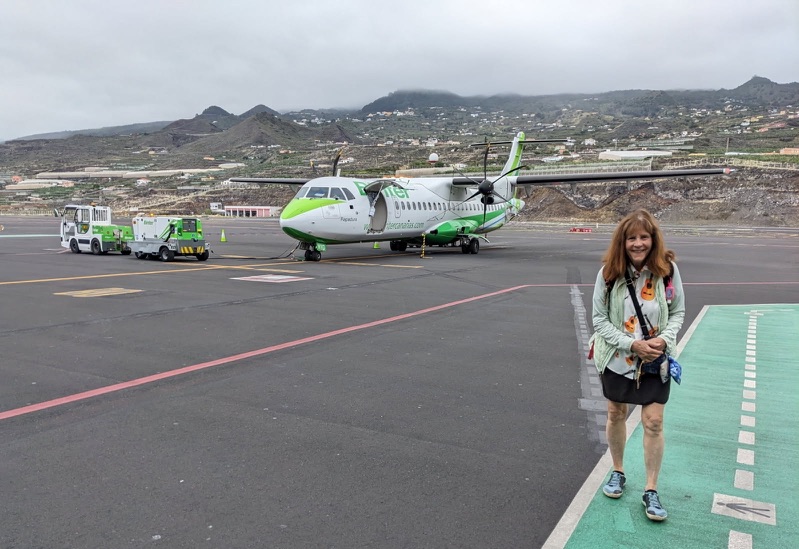
On the runway leaving Gibraltar

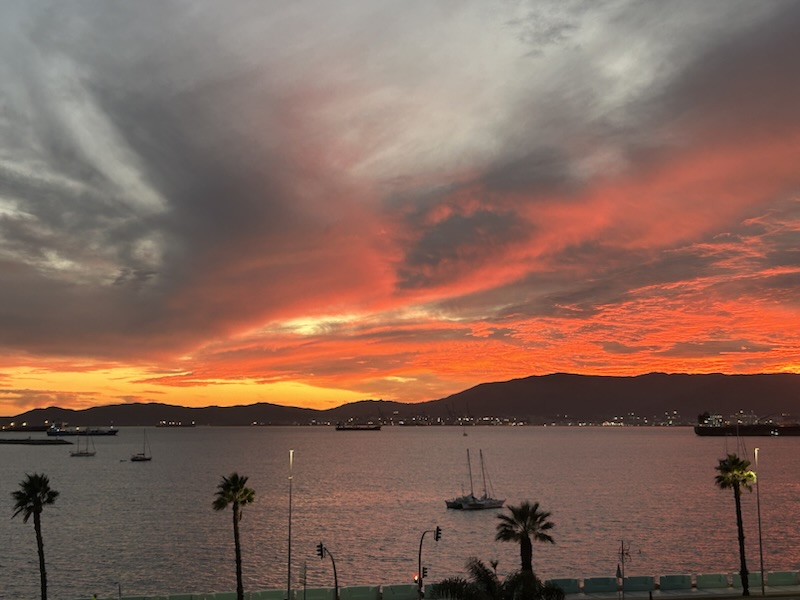
Mediterranean sunset from our hotel.

Granada- The Jewel of Spain

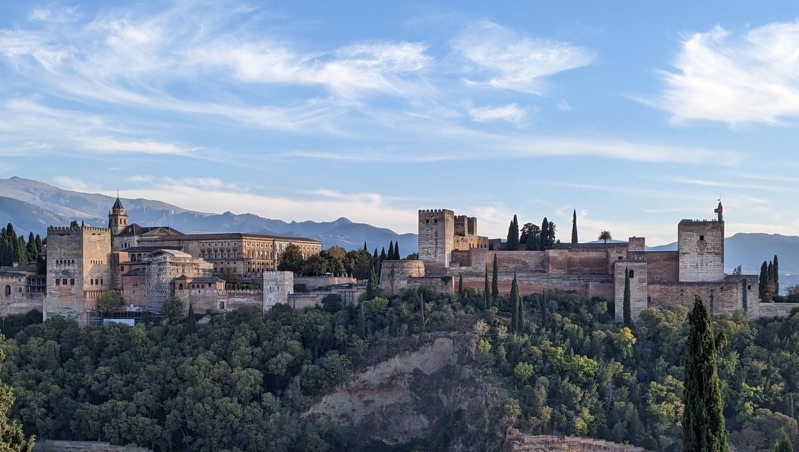
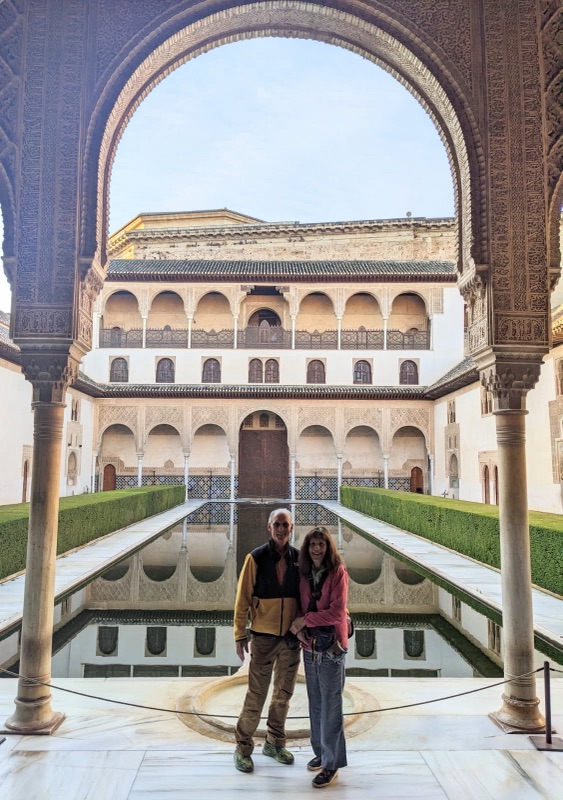
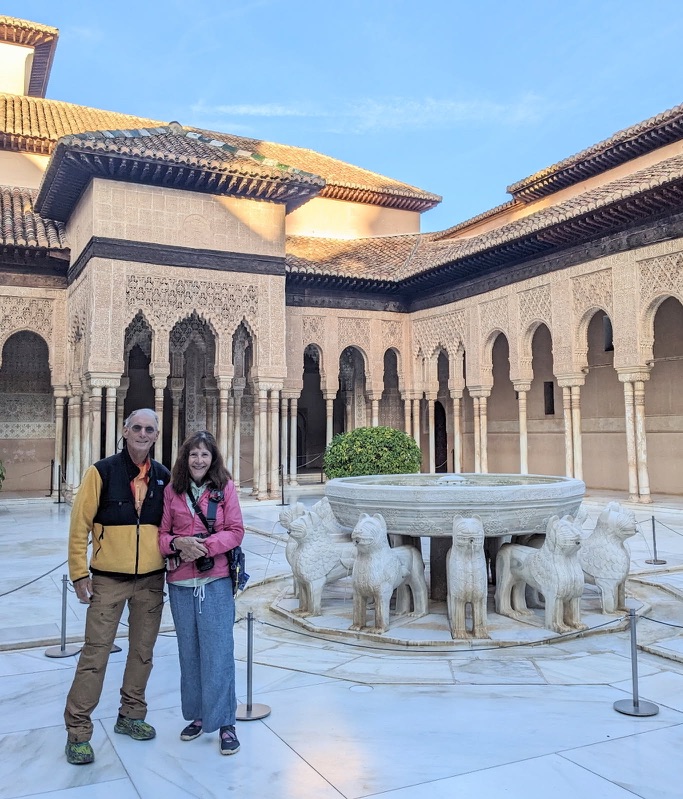
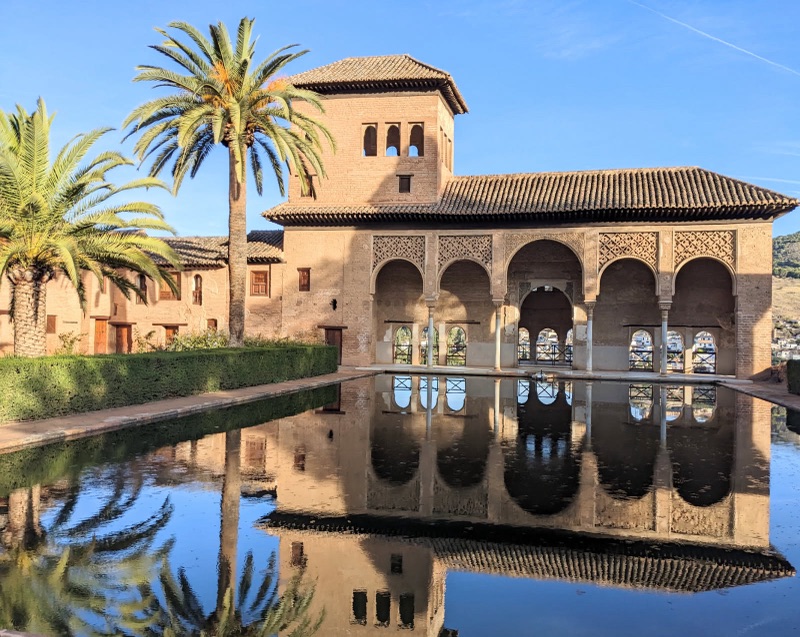
The Alhambra

If you get the chance, then come to Granada, Spain! Here the Spanish & Arabic worlds overlap beautifully in the Sierra Nevada mountains.

The highlight of any visit to Granada is visiting the Alhambra that towers over the small city.

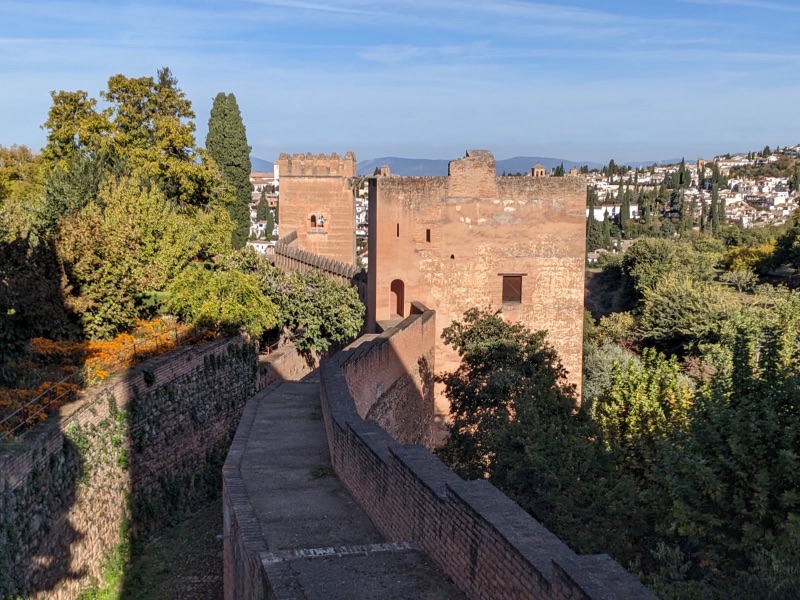
The Alhambra was initially only a fortress known as an Alcazaba (Arabic for “Citadel”); but, Muhammed I Ibn Al-Ahmar who founded the Nasrid Empire in 1238 added the royal residence. Eventually, Granada ended up being the last Muslim strong hold in Spain.

On 2 January 1492, Queen Isabella & King Ferdinand vanquished the last Muslim sultan & took control over Granada & the Alhambra. They were living in the Alhambra palace when they granted Columbus the funding for his historic voyage on which he discovered the New World.

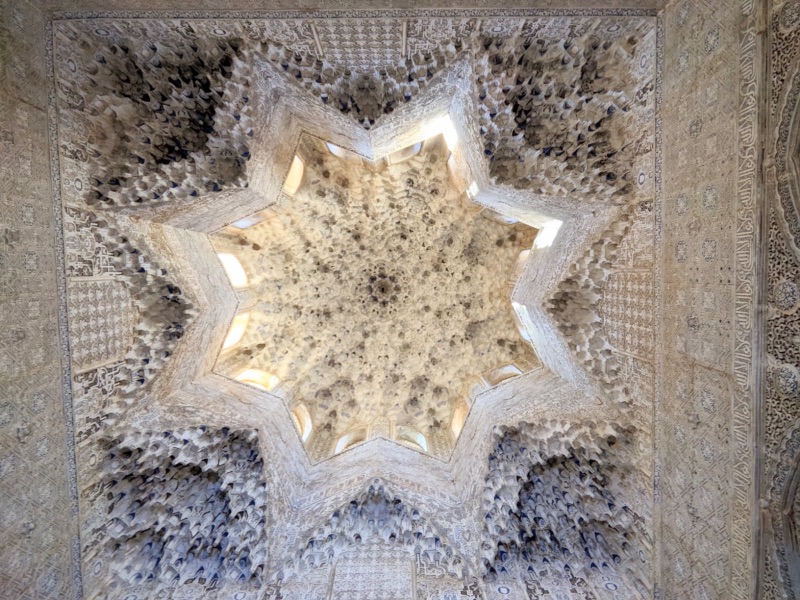
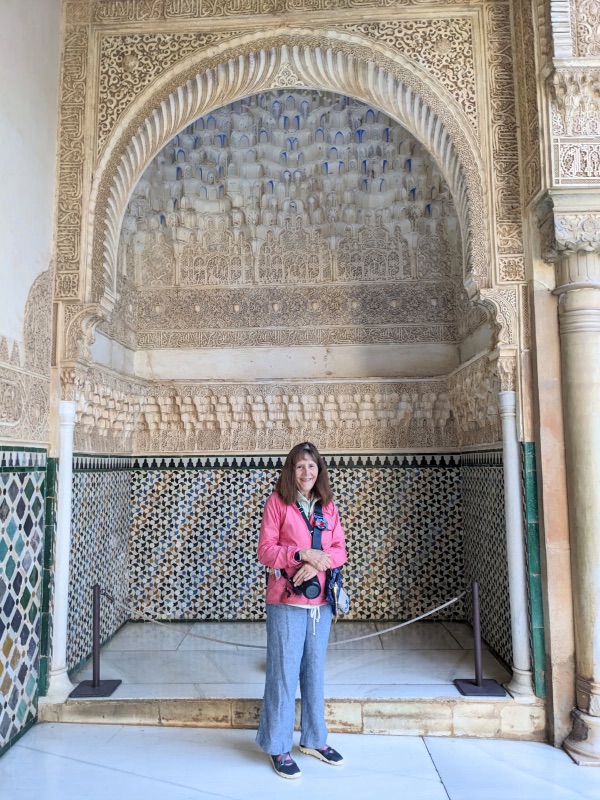
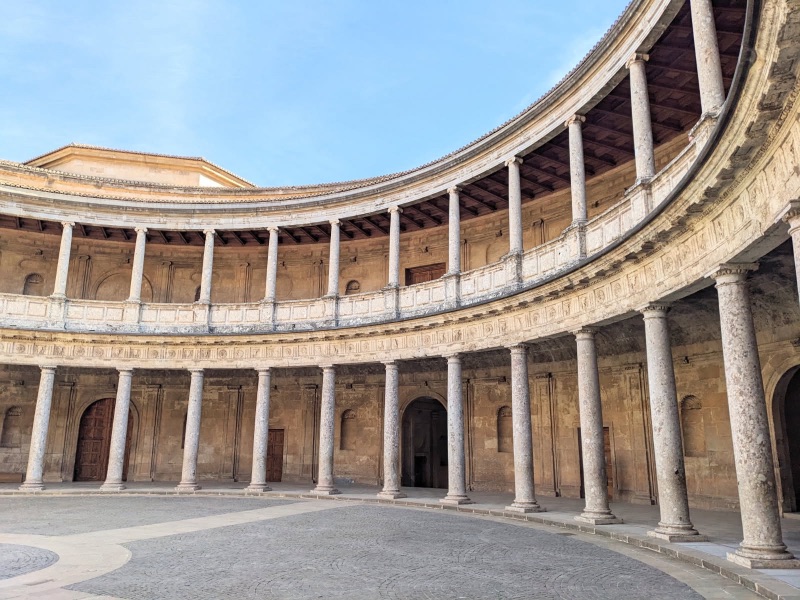
The palace is a blend of Christian & Muslim influences. The architecture & gardens reminded us of our visits to Iran & India.

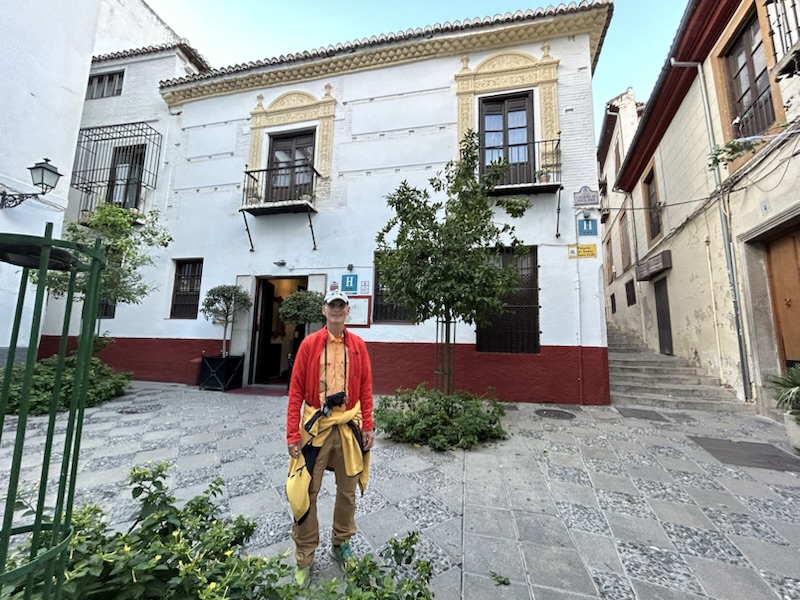
We had a lovely hotel in the old town.

Palacio de Santa Inés Hotel built in the early 1500s located in Granada’s historic Albayzin district which is a UNESCO World Heritage Site

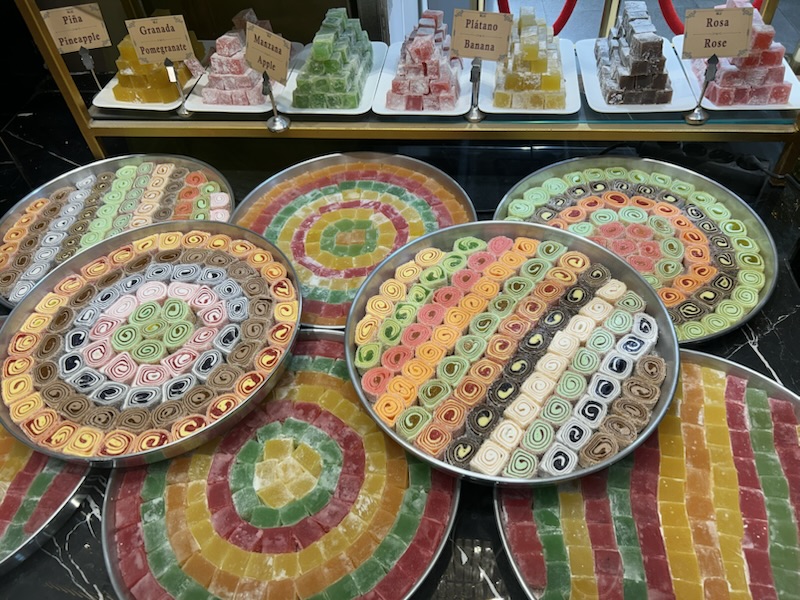
The city has a nice mixture of places to eat with Spanish & Arabic cuisine.

Shop with Arabic candy such as Turkish Delight

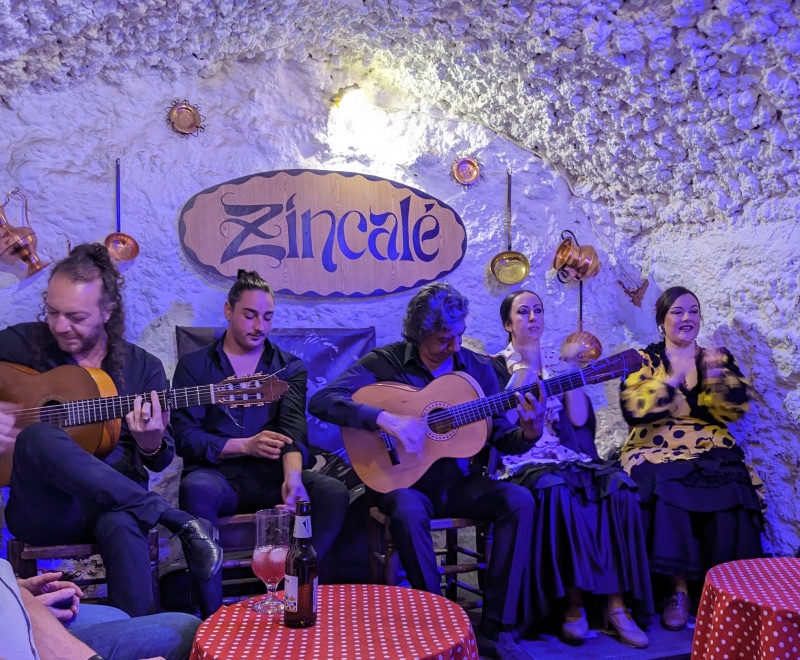
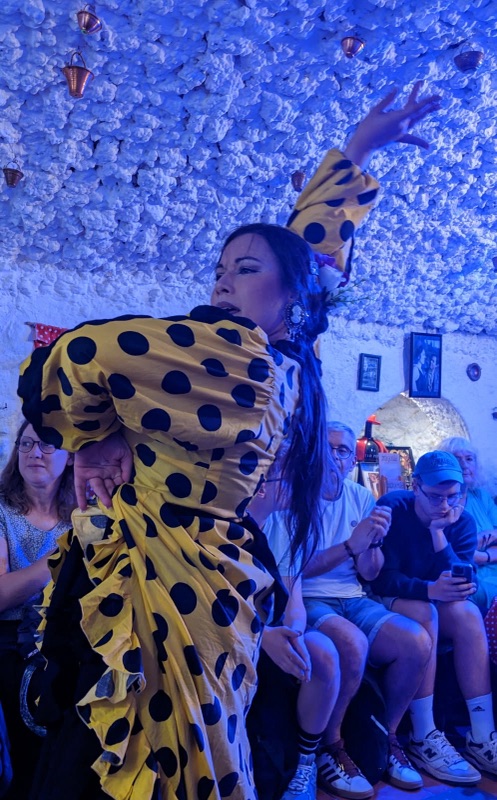
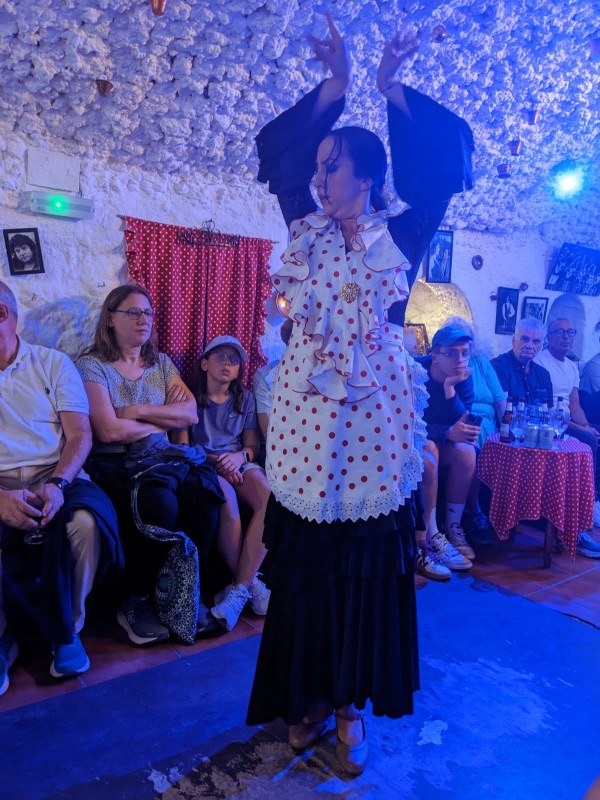
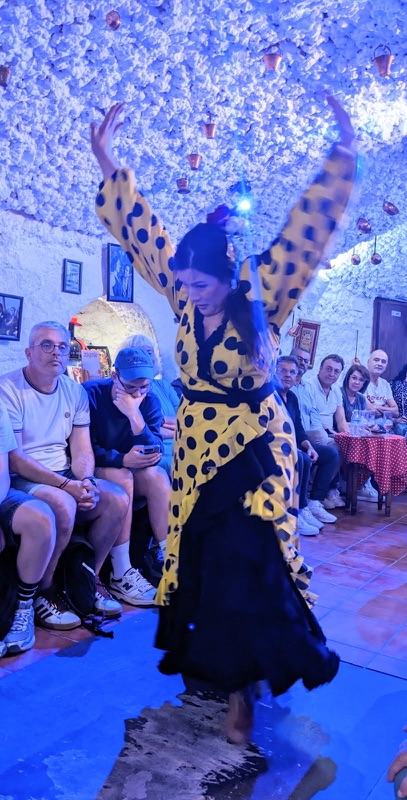
In Granada’s Sacramonte neighborhood, the Flamenco dance originated over 500 years ago.

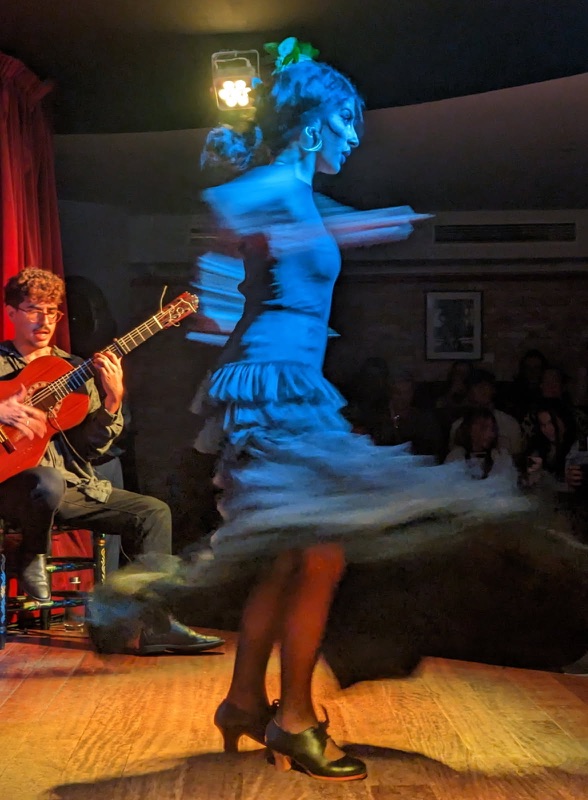
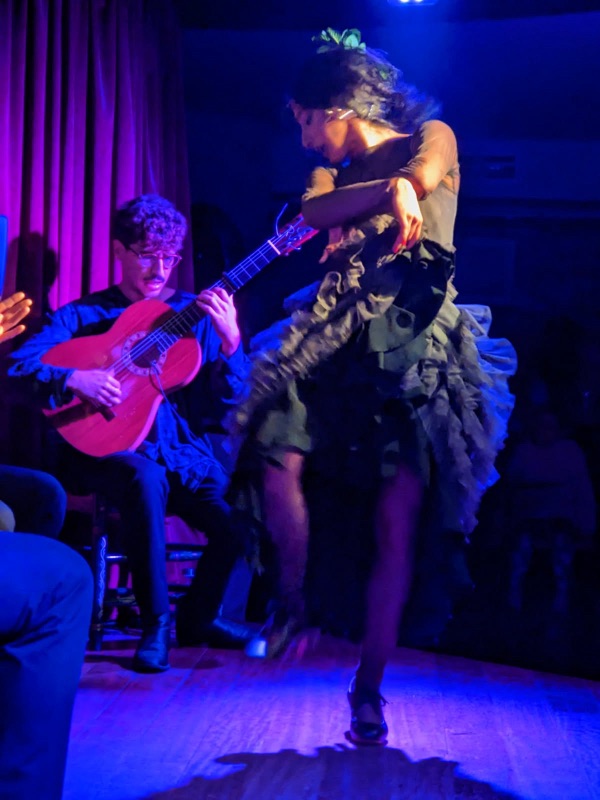
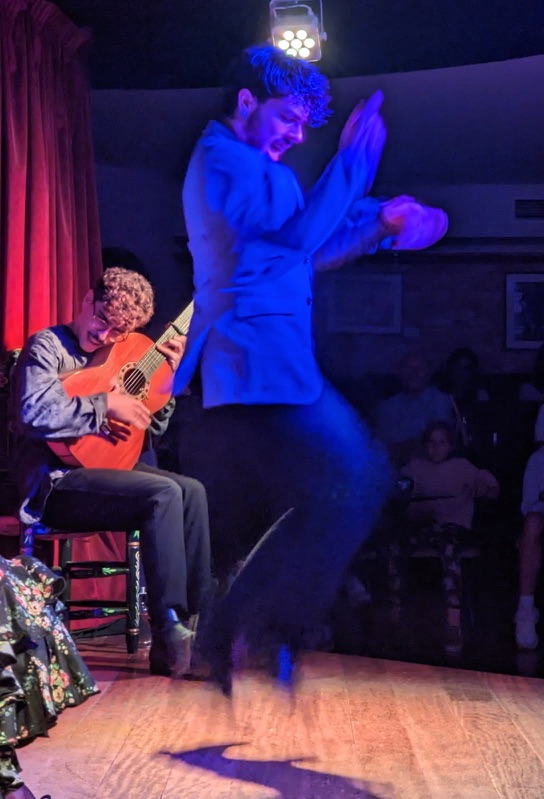
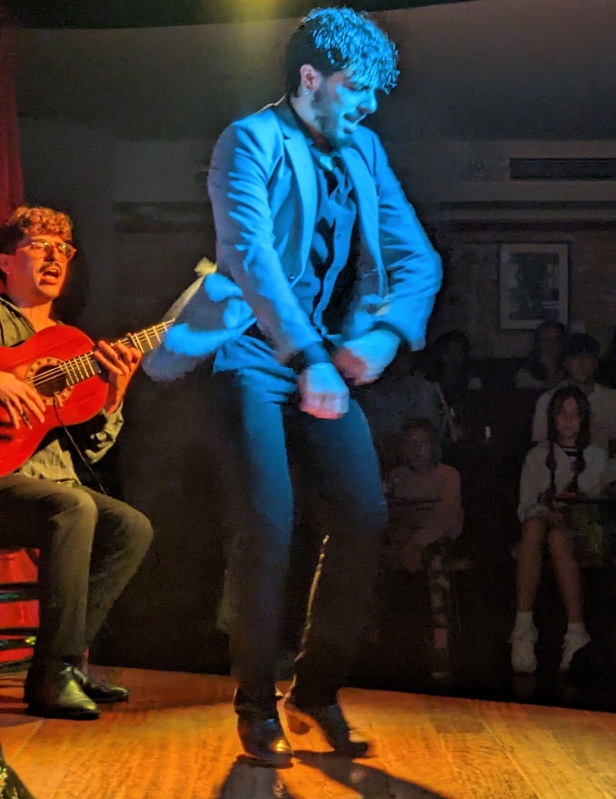
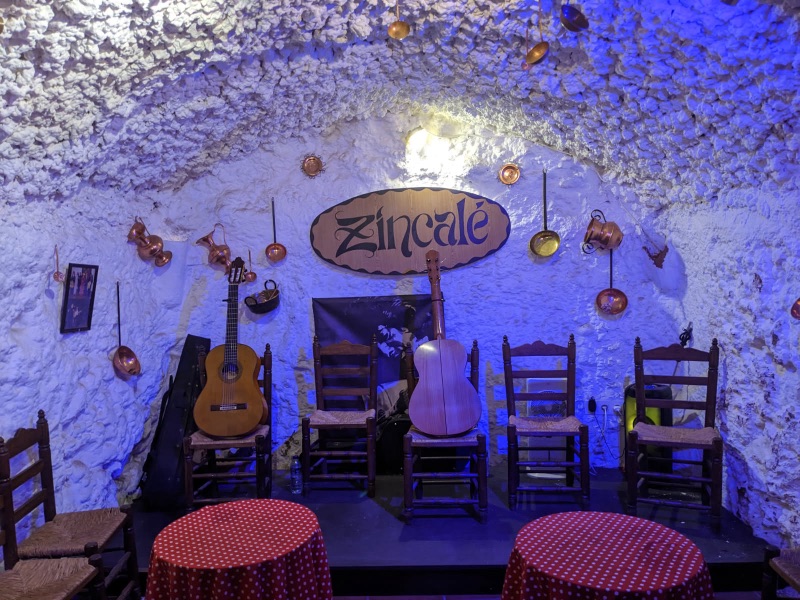
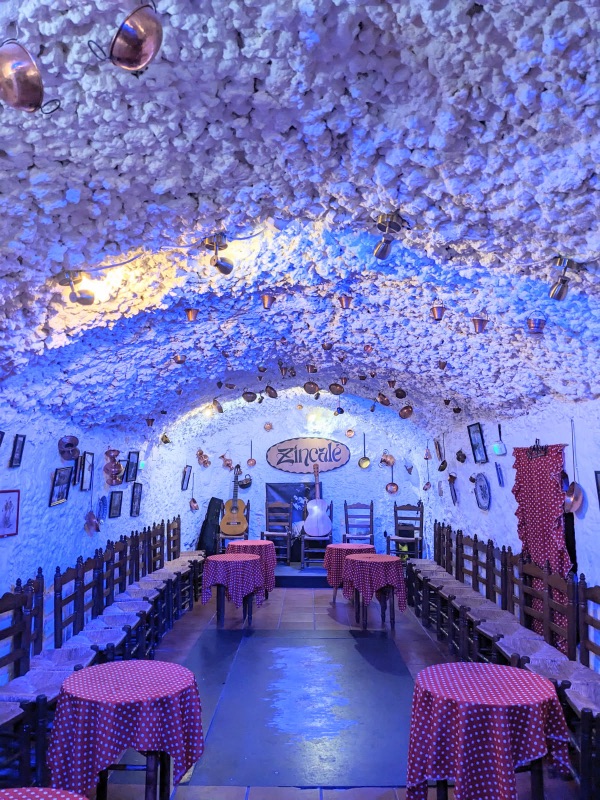
We went to the Zincalé flamenco show which has been hosted by the Cordoba family for generations in a traditional cave home.

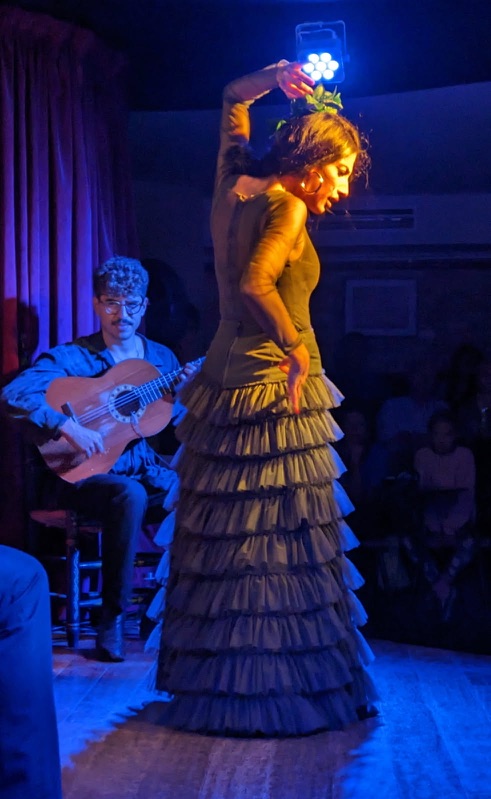
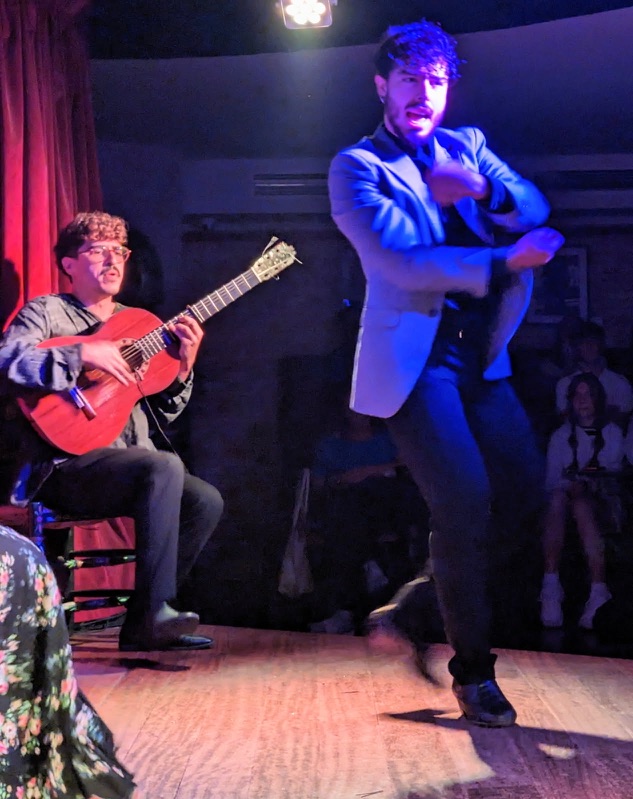
In this show only the women danced. The men sang & played the guitar. Their rhythmic tap dancing would have put Michael Jackson’s dancing to shame.

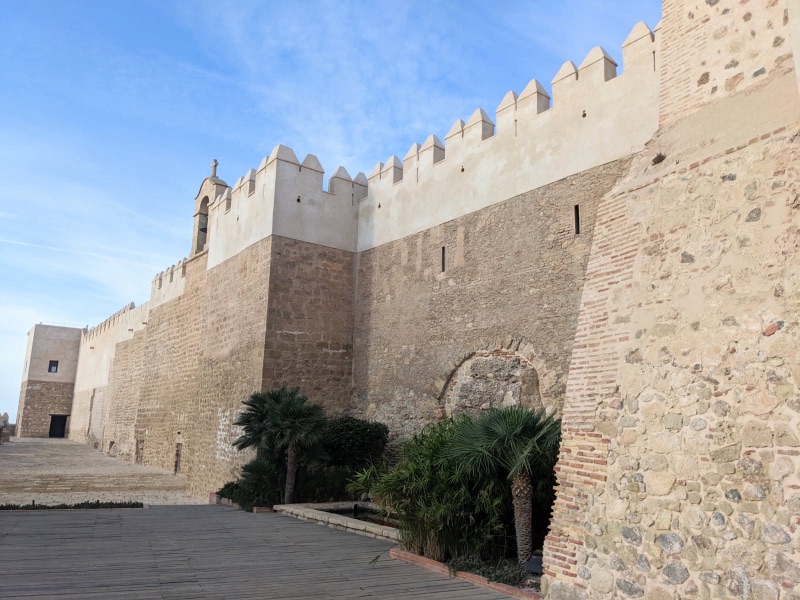
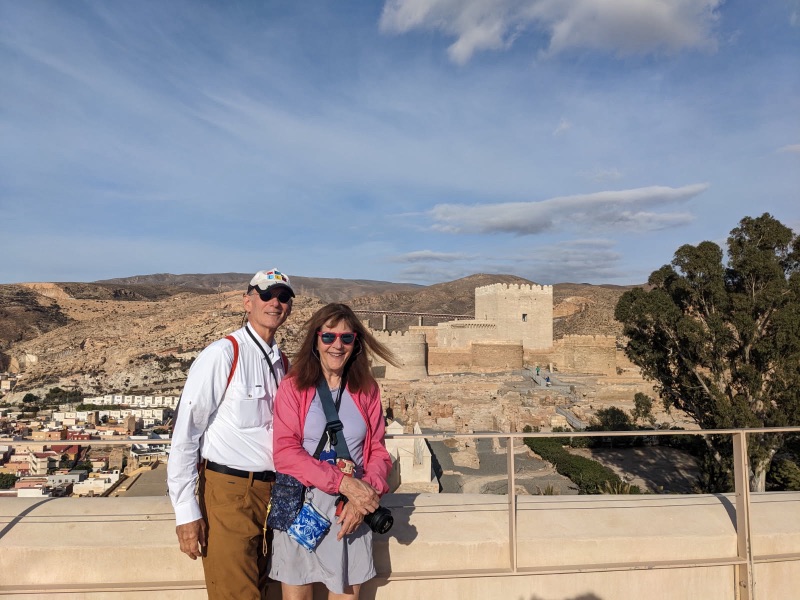
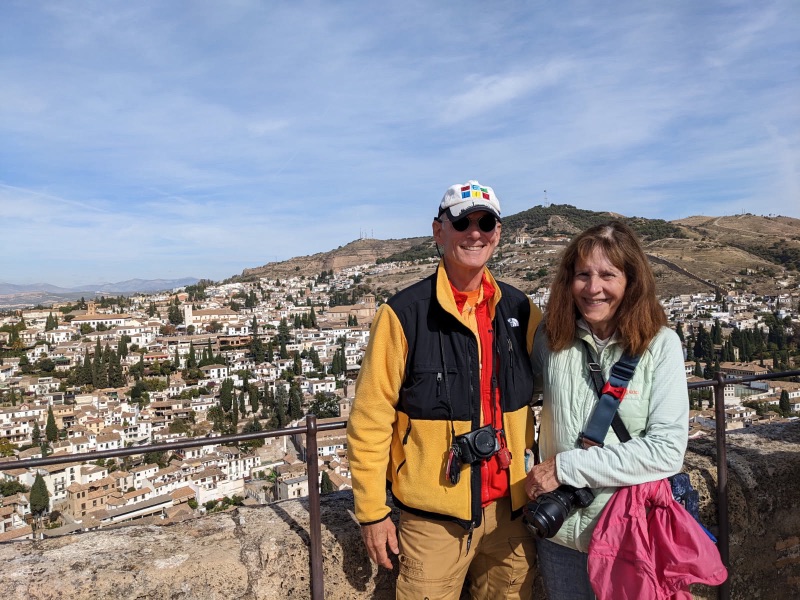
Overlooking Granada’s white washed houses from the Alcazaba fortress in the Alhambra

Are you a Spaghetti Western Movie Fan? Then Head to Spain

The Man with No Name at Sad Hill Cemetery

Nostalgia rules in Spain for Spaghetti Western & Clint Eastwood fans. Italian director Sergio Leone chose to make his movies in various locations in Spain which is why they are called “Spaghetti Westerns”.

When my husband & I were in northern Spain in 2023 walking the Camino Frances route, I commented how the terrain made me feel like I was in an old Western movie when he told me that many were made in Spain.

In fact, the iconic final scene from “The Good, the Bad, and the Ugly” movie was filmed only 40 miles south from where we walked in the Mirandilla Valley near Santo Domingo de Silos.

To refresh your memory, here is a link to the epic final showdown in the cemetery.

Sad Hill Cemetery is not a real graveyard – it was built entirely from scratch for “The Good, the Bad, & the Ugly” in 1966. After filming ended, it was abandoned for nearly 50 years. 

Overgrown & forgotten, this iconic filming location was very nearly lost until a group of very dedicated movie fans set out to find it. They discovered the famous circular plaza buried inches below the ground. 

For months, volunteers from around the world came to help with this labor of love & the iconic filming location was saved! 

We enjoyed having fun with some borrowed props & walking around this restored movie set located south of Burgos, Spain.

“In this world there’s two kinds of people, my friend… those with loaded guns and those who dig. …You dig.” 😂🤣

To see other iconic Spaghetti Western movie film locations, we went to the Tabernas Desert in southern Spain near Alméria. With only about 9 inches rain per year, this area looks like parts of Arizona & New Mexico.

Our first stop was called Western Leone. It undoubtedly looks like an old Western movie town.

The second movie set that was only a few miles away is called Fort Bravo/ Texas Hollywood. Not only have many Western movies been filmed here; but also movies including Lawerence of Arabia & Indiana Jones & The Last Crusade.

They also conduct live Western shows. The actors speak Spanish, but it isn’t too hard to follow the plot. Always some bad men up to no good & a sheriff to save the day.

I also had the opportunity to pet a few animals.

Camino Portugués- Coastal Route: Day 16 – Teo to Santiago de Compostela!

Heading out on our last day!

It felt so good to be on the final stretch to Santiago which was almost 9 miles because we took a longer route to avoid the crowds.

The trail started out on a rustic old path that pilgrims have traveled for centuries.

The best part was the fact that we had a beautifully sunny day to walk into Santiago.

A short time into the walk we were serenaded by this artist.

We passed the old Areeira Pilgrim’s Inn which welcomed pilgrims & muleteers starting in the 18th Century which is now an old farm house. On its wall is a statue showing San Antonio Abade who is the patron saint for animals. Notice the piglet at his feet. Until a few years ago, this statue was still being taken down to be used in processions during which the locals would offer alms to it to cure their sick animals.

A few fun things we saw along the way.

With a few miles to go, we reached the small Chapel of St. Mary Magdalena in Milladoiro which is located at the place where pilgrims on the Camino Portugués get their first glimpse of the Santiago cathedral’s twin spires in the distance.

All along the route there are always mileposts, signs, & yellow arrows pointing the way to the cathedral; but, when you are in big cities, for some reason, the path is not well marked. Of all places, that same thing happened in Santiago which is why it is handy to have an app on your phone to use to stay on the Camino.

We finally arrived to the glorious Cathedral Santiago de Compostela! Always a great feeling & such a marvelous ending destination.

This arrival was markedly different from our arrival in 2023 when we hiked the Camino Frances.

Many pilgrim statues adorn the facade.

Upon arriving, the last step is to obtain the final stamp in your Pilgrim Passport to receive your certificate of completion. The administrators closely check the recorded stamps to ensure you walked the entire route before issuing the final stamp & completion certificate.

Outside the official Camino registration office is the final mileage maker.

I had so many stamps in my passport I ran out of room & was putting them in odd places! Both sides were fully covered. No doubt that I had walked the official 280 km.

We walked 178.5 miles in 16 days with 2 very rainy days on the route,

Our hotel for the evening was an old monastery called the Hospederia San Martin. Many pilgrims stay here after completing the Camino. It’s easy to tell the pilgrims by their clothes, backpacks, & looks of relief combined with jubilation.

On our last stay in Santiago, I found an old grocery store that has been open since 1929 called Victoria. I went there again with their main attraction being their homemade cinnamon rolls. They are almost exactly like the ones I made when I was growing up. A well deserved treat indeed!

Old Santiago looks like a medieval city with stone streets & buildings. It is a fun place to wander around. Most buildings contain souvenir shops & restaurants.

We were told that an American couple who we had seen off & on the trail since Pontevedra had paid to have the Botafumeiro swung at the evening mass in the cathedral. The Botafumeiro is a giant censer used for burning incense. Eight priests use ropes & a pulley system attached to the cathedral’s ceiling to swing the giant censer & fill the cathedral with perfumed smoke. Its name comes from the Galician words “botar fumeiro” meaning “to throw smoke”. 

This rite is usually reserved for special Holy Days; but, anyone can pay to have it done at any mass.

The mass was a nice way to end our 2025 Camino Portugués adventure.

Camino Portugués- Coastal Route: Day 15- Padron to Teo

Today felt like true Fall weather with low temperatures, a cool breeze, & sunny weather mixed with clouds along with leaves strewn on the ground.

Today’s walk took us almost exactly 10 miles. Before leaving, we started the day doing some more touring around Padron.

We hung out until the stores opened & I bought some Padron pepper seeds. 🤞I’ll be successful growing them in my garden next summer.

Next , we took a short walk up many steps to where it is a believed St. James preached when he came to Spain in 40 AD.

Outside Padron, we visited the Church of Santa Maria la Mayor de Iria Flavia. It dates from the 5th Century & is believed to be the world’s oldest church dedicated to The Virgin Mary.

According to tradition, Iria Flavia was where the boat that carried Saint James’ body from Haifa in Palestine landed in Spain. So, this spot is key in the “Translatio de Santiago” legend which tells how St. James’ body was moved by sea arriving at Iria Flavia where this church is located & was then transported overland to Compostela.

From there we walked through many small villages & various farms in the countryside. Here are a few images from along the way.

The Sanctuary of Nosa Señora de Escravitude (The Sanctuary of Our Lady of Slavery) is in A Coruna. Its interesting name comes from a miracle that happened here. A sick man was walking to Santiago seeking a cure for his illness. On the way, he stopped at this church to drink from its fountain & within 72 hours without any medical treatment, his illness was cured. The man then exclaimed, “Thank you, Virgin, for freeing me from the slavery of illness!” Afterwards many pilgrims came to this church seeking a miracle by drinking from the same fountain & their donations allowed the structure seen today to be built. We weren’t able to go inside because it was closed when we were there.

These things also caught our eyes on the trail.

On the Rua de Francos in tiny Teo where we are staying is the oldest stone cross on the Camino dating from the 14th Century which ranks it among the oldest crosses in Spain. It was erected to help mark the pilgrimage route from Portugal to Santiago.

With only 13.8 KM to go, we will arrive in Santiago tomorrow.

We enjoyed dinner with a couple from LA who we have seen periodically on the trail since Vigo.

Camino Portugués- Coastal Route: Day 14- Caldas de Reis to Padron

As you meet people along the way you have 3 choices for a greeting, “Hola, “Buenas días,” or the most common for pilgrims, “Buen Camino.”

We left the quaint little Spanish town Caldas de Reis on a chilly morning on a hike almost as long as yesterday at 14.6 miles.

We left a little later than normal hoping most pilgrims would be ahead of us; but, we still met many along the way.

Our first stop was at this small church Saint Marina of Carracedo.

There are many stone crosses on the Camino. This one caught our eye because it also had a pilgrim figure on it.

Much of the route still followed the old Roman road Via XIX through paths shaded by trees & rocks covered in moss.

Various images from along the way.

Fun art work.

Close to our destination, we took a detour adding a few miles to our route. Few pilgrims make this detour.

Our main purpose for the detour was to visit the Convent of San Antonio de Herbon which was built in 1396. We met the caretaker who opened the chapel for us to visit.

The first peppers arrived in Spain from the New World in 1496 when Columbus returned from his second voyage there.

The Franciscan monks at this convent are known for bringing the now famous Padron Peppers to Spain from Tabasco, Mexico, in the 1600s.

Back then, friars maintained gardens to sustain the convent, then traded or sold their surplus crops for necessary goods. The monks harvested the mature red peppers, dried them, & then crushed them into powder not only to preserve them; but also, to be able to easily transport them to other regions.

At some unknown time in the past, the Padron Peppers began to be enjoyed when they were still green.

These fresh green Padron Peppers were only known in central Galicia. Rough roads & long distances kept these green peppers a local secret well into the 20th Century when paved roads & refrigerated trucks made it possible to distribute them widely

We first tasted these peppers on our last Camino, now we enjoy a plate at dinner most evenings

These small green peppers are pan fried in olive oil, then sprinkled with sea salt.

The local saying goes, “Os pimentos de Padron, uns pican e outros non” which means “Some Padron peppers are hot , some are not”.

The peppers’ genes render about 1 in 10 only mildly hot. This taste characteristic is called “Spanish Roulette” which has become part of the Padron Pepper’s appeal.

Padron acknowledges their legacy peppers with a statue honoring the women who grew & picked the peppers.

Padron is also famous for being the place where St. James’ (Santiago) bones were brought to Spain. A church honoring this event is in Padron.

The Church of Santiago in Padron stands on a temple built by the Romans to honor Neptune, god of the sea. The first church was built here in the 10th Century & the current structure was finally completed in the mid-19th Century.

According to legend, after Jesus‘s death & resurrection, his disciple James travelled to Roman Hispania to evangelize & came to Padron. He travelled all around Spain when Mary appeared to him in a vision in Zaragoza, after which he returned to Jerusalem where he was martyred.

it is said that his disciples Theodore and Athanasius placed James’ body in a boat & sailed west across Mediterranean through the Pillars of Hercules at Gibraltar, and headed north along the Atlantic coast until they found a safe haven where they moored their vessel to a “pedron” which is Spanish for a “big stone” which is was here & us where this city’s name is derived.

The legendary “pedron” mooring stone is displayed in the altar at this church.

James’ two disciples moved James’ remains to be buried at Santiago de Compostela, then they remained in Padron to evangelize.

Legend has it that some shepherds in a field saw a star shining on the site of St. James’ grave during a key period in the struggle against the invading Muslims in the 8th Century. As news about the shepherds’ miraculous discovery spread to the defending Christian armies, they took heart & in 722, at the critical Battle of Covadonga, they saw St. James riding down from heaven on a magnificent white charger to lead the Spaniards to victory.

From that time on, Saint James, or Santiago (Iago was his name’s old spelling) became known as Spain’s patron saint.

Camino Portugués- Coastal Route: Day 13 – Pontevedra to Caldas de Reis

We left Pontevedra just as the sun was hitting the old medieval bridge called the Ponte do Burgo.

This bridge was originally built by the Romans; but, by the 12th Century had fallen into disrepair when it was eventually restored.

It served as an essential element on the Camino Portugués allowing pilgrims to reach Santiago.

The Gothic- style arches were added by King Ferdinand & Queen Isabella in the late 15th Century.

We knew from start this was going to be our last long hiking day at 15 miles, so we took our time enjoying the countryside, animals, & people along the way.

Like before we walked on an old Roman road.

Via XIX or the Via Neuva was a Roman road dating from Augustus Caesar’s reign in the 1st Century BC. It was 318 km long. This road preserves the most milestones from any Roman road with 287 still existing. Quite an archeological feat since there were 34 ea. Roman roads in Spain & at least 372 ea. roads in the entire Roman Empire.

A little less than an hour after leaving Pontevedra we said goodbye to any fellow pilgrims taking the Spiritual Way to Santiago. The 79 year old women we had met a few days earlier planned to take this route.

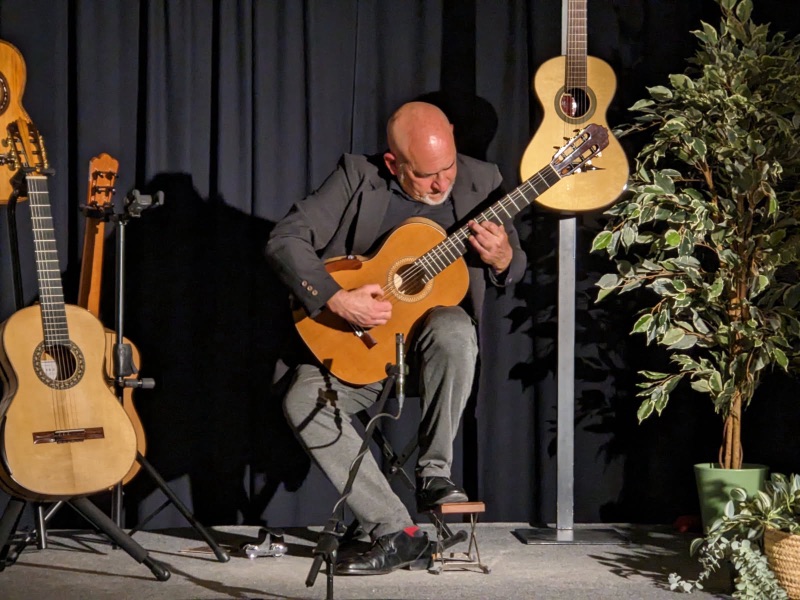
We passed by this old church called Saint Maria de Alba. It provided a nice setting for some photos & an opportunity to be entertained by a guitar player.

The route took us in & around many small vineyards.

We had the option so we took a small detour to the Barosa River Falls that once had 17 mills along its banks.

A few other attractions along the way.

For a small fee, pilgrims could get a special wax stamp put in their pilgrim passport. I already had one & my passport is almost full, so I did not get one; but, many others did.

Can you believe it!! We only have 50 km to go!
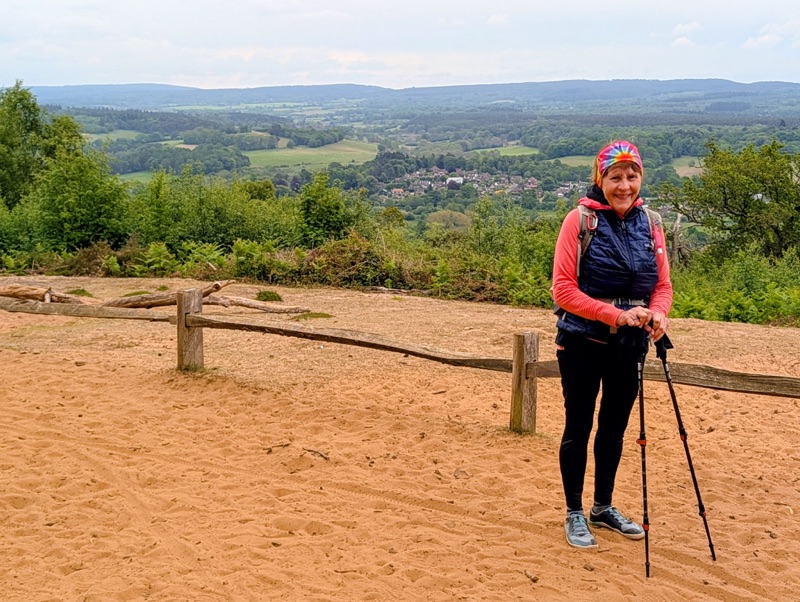
Tomorrow we go that way!

Camino Portugués- Coastal Route: Day 12 – Arcade to Pontevedra

On our 9 mile walk today leaving Arcade, we crossed the 10th Century bridge Ponte Sampayo which was built on the foundation from the original Roman bridge.

Once we crossed the bridge, the path took us inland having us saying goodbye to the Atlantic Ocean which we saw everyday for the past 12 days.

I think everyone on the trail was very happy to stash all their rain gear into their packs & enjoy a lovely day on the Camino.

There were many fun sightings to enjoy along the way.

At one point we were given a choice between 2 paths that basically paralleled each other. We chose the one through the woods away from the road.

The small Santa Marta Church was built in 1617.

We reached Pontevedra in the early afternoon.

After a short break at our hotel, we enjoyed walking around the city’s old town. The must see for any pilgrim is the Sanctuary of the Peregrina (Pilgrims). It is built in the shape of a scallop shell which is traditionally carried by pilgrims. It is the only rounded scallop- shaped church in Spain.

Other places & things we enjoyed seeing in the old town.

Camino Portugués- Coastal Route: Day 11 – Redondela to Arcade

Hard to believe this is day 11 on our hike. Seems like we just started a few days ago! I had to look at the map to realize we have walked over 120 miles so far.
Today the company that arranged our trek & luggage transfers gave us a short 4.5 miles to walk. On our last Camino two years ago, we would have begged for a 4.5 mile day. On that trek we averaged 14.5 miles a day… for 38 straight days.

Even though we could have easily walked further, with afternoon rain in the forecast (which did occur), it was nice to be done before noon & be dry.

Redondela is a quaint Spanish town with many old buildings still standing.

Now that many more people have joined the Camino, there is a steady flow of walkers on the route. As the day progresses, people become more & more spread out.

At breakfast, we heard these two lovely ladies stating they had started this Camino 33 days ago in Lisbon & were carrying all their belongings.

We later met them on the trail & had a short chat. They are from Canada & are 79 years old!!! Maybe I’ll be lucky enough to still be walking Caminos at that age. 🤞
We had not seen people jettisoning their shoes until today. Maybe they were uncomfortable or too heavy; but, no Camino is complete without seeing abandoned footwear.

However, others like to leave memories of loved ones or just stuff to show they were here.

Evidently, Halloween has become an event celebrated worldwide.

A few things caught our attention on our short walk.

Here’s a view into a bread delivery van. There is a wide assortment available, not just French bread!
View from the hill we crested today to reach Arcade.

Camino Portugués- Coastal Route: Day 10 – Vigo to Redondela

We finally reached a marker indicating less than 100km to Santiago

Our hike today was 10 miles in constant on & off rain.

About the time we thought the rain was finished, we would remove our rain ponchos & within 10-15 minutes, another rain shower would start causing us to gear up again. Such is life for a pilgrim on the Camino.

Here are a few images from when we walked out of Vigo.

In the previous two days, we only saw 9 pilgrims in total. Today, we saw close to that many in the first hour.

To receive the Compostela Certificate in Santiago, you have to walk at least 100 km & collect stamps along the way in your Pilgrim Passport proving you walked it.

Vigo is exactly 100 km from Santiago which explains why we are now seeing more people on the path.

After climbing up a paved road on a very steep hill,to leave Vigo, we reached a nice flat plateau that wound through another eucalyptus & oak forest for several miles.

Some fun art work along the way.

Rande Bridge

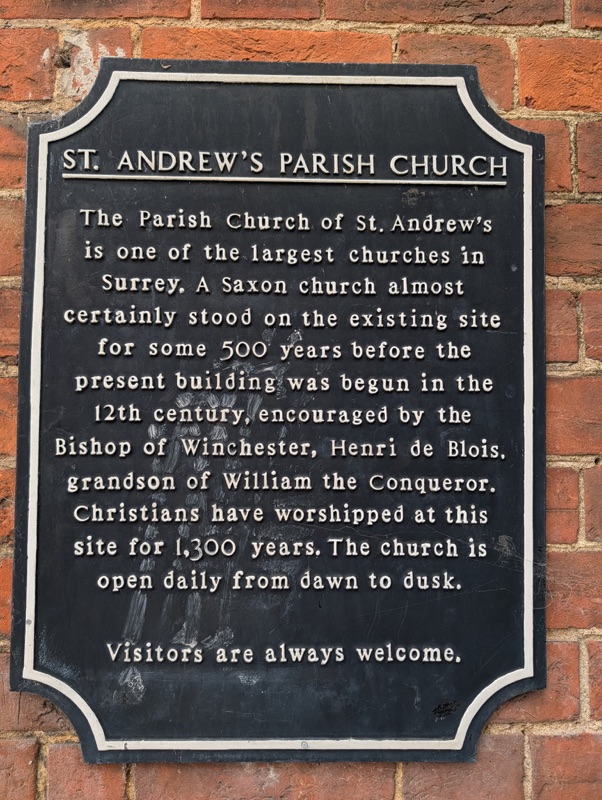
Before reaching Redondela, we enjoyed a short rest at the Church of Santo Andre.