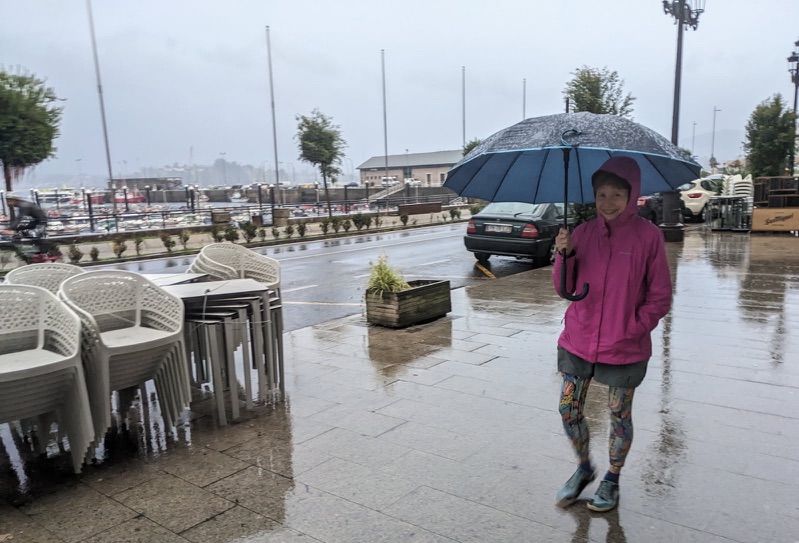
Our luck with the weather finally came to an abrupt halt. The forecast was for rain all day & unfortunately that was accurate.
But, fortunately, we had a relatively short hiking day of just over 5 miles. 😊
We stayed in our hotel for as long as possible hoping the rain would lessen; but, eventually, we had to put on all our rain gear & move out.
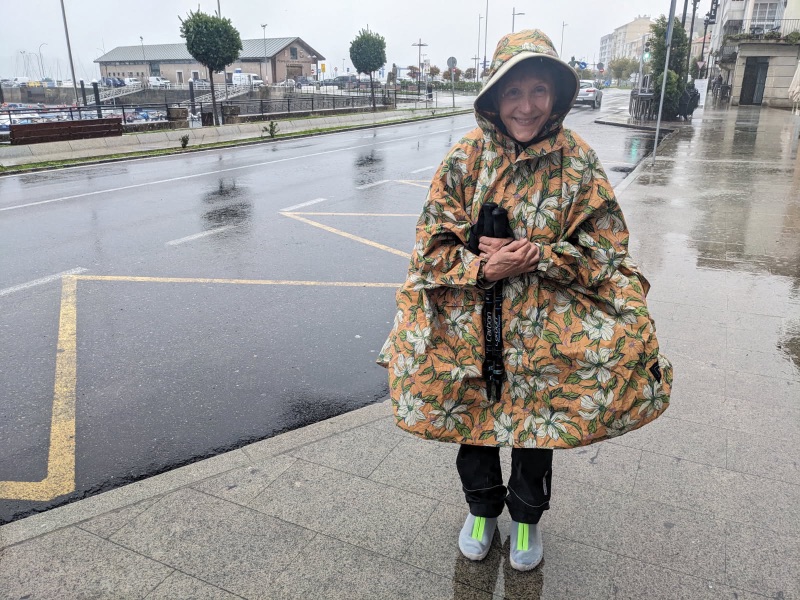
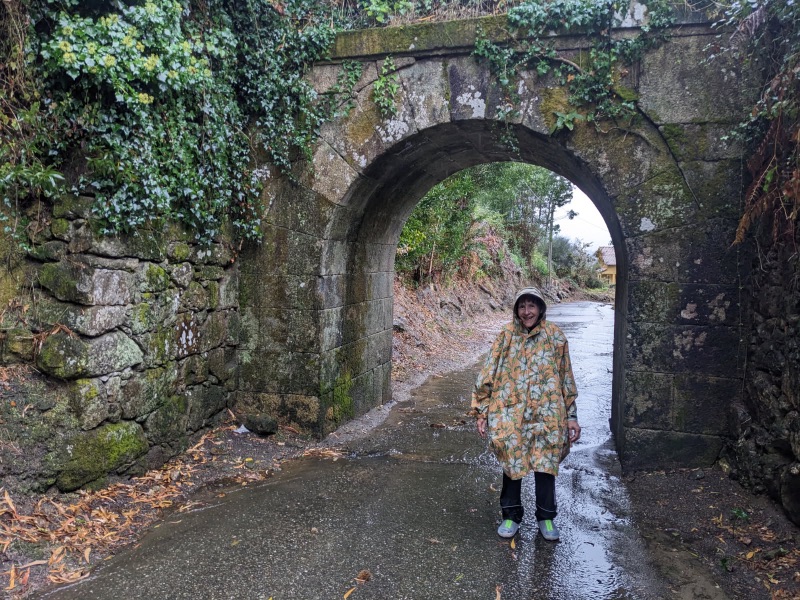
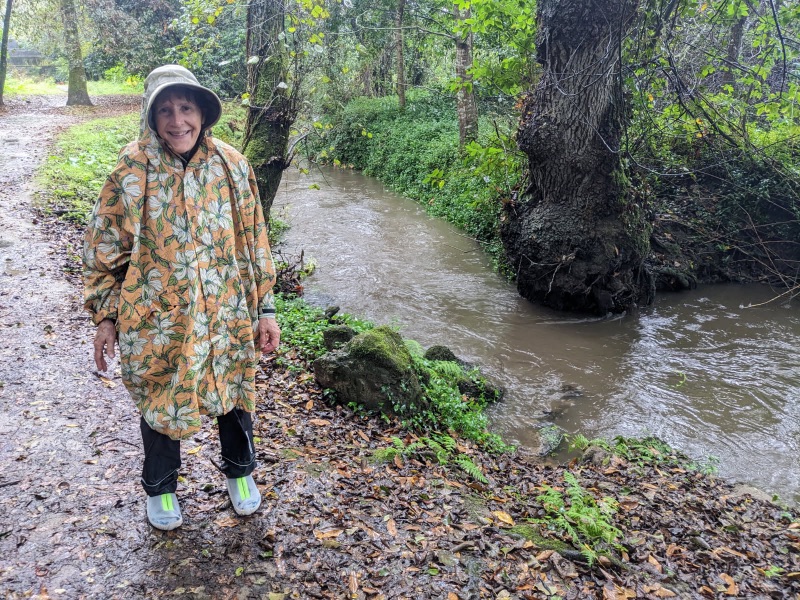
Wearing my new Japanese rain parka. Looks like I have on a dress.😜🤣
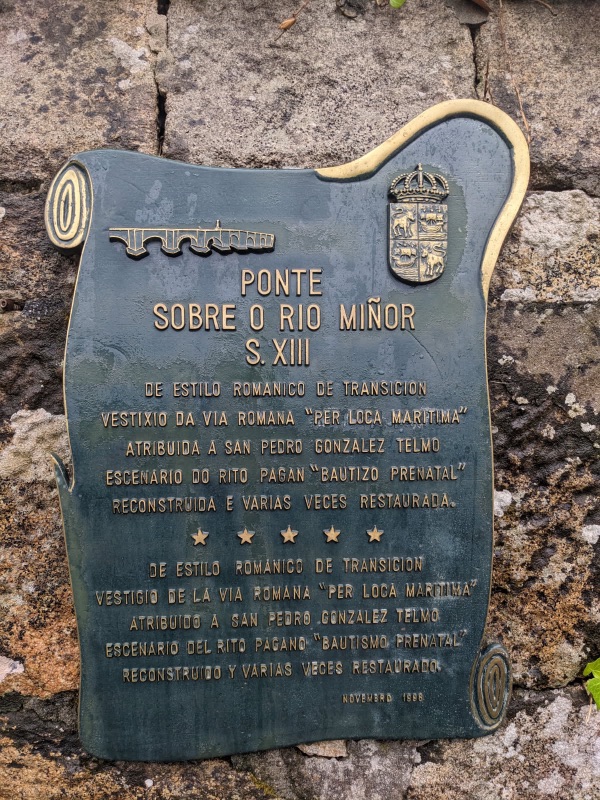
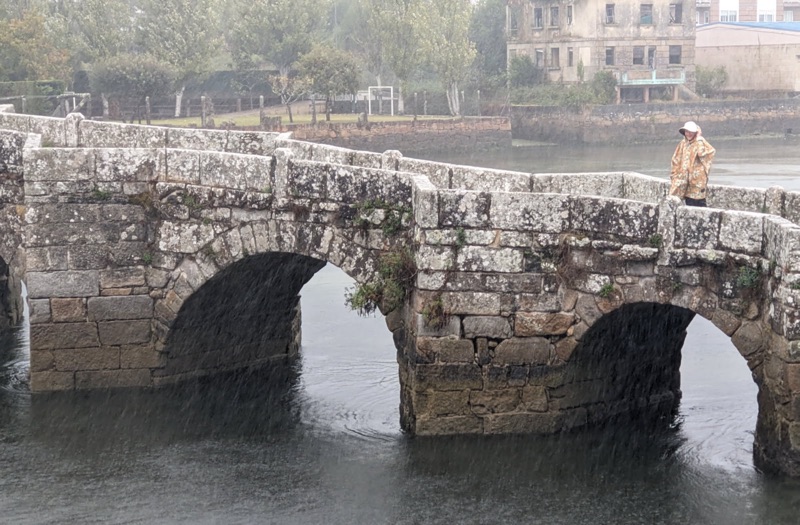
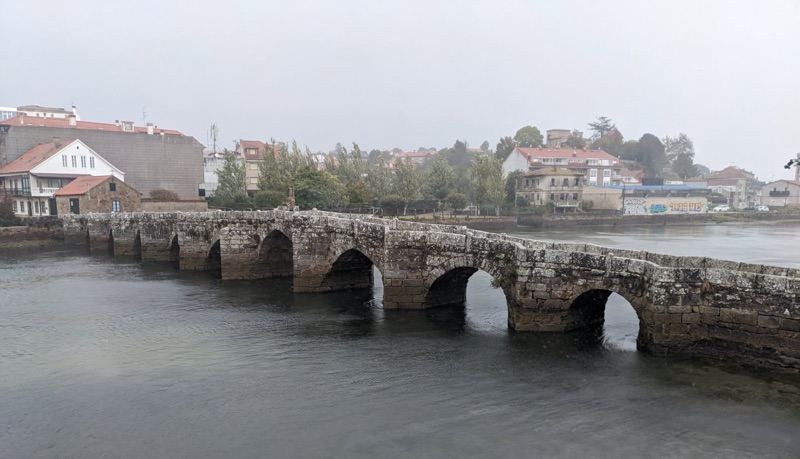
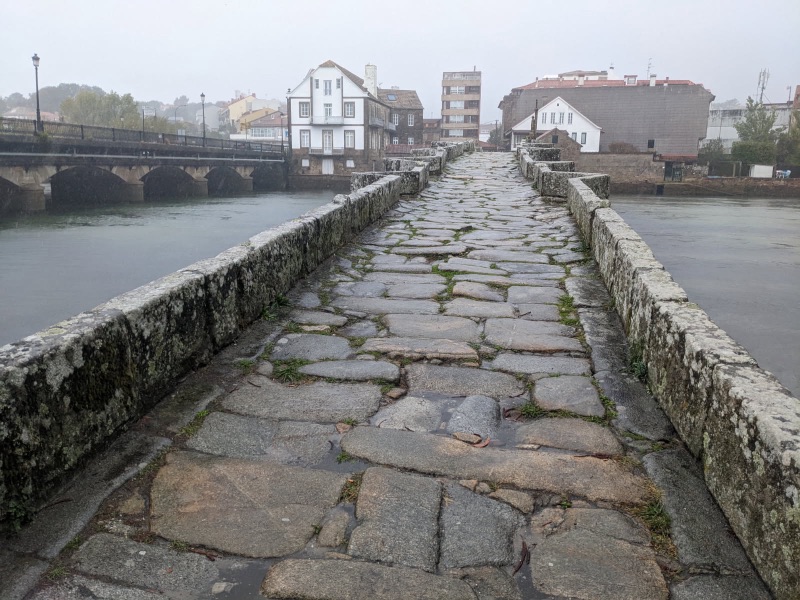
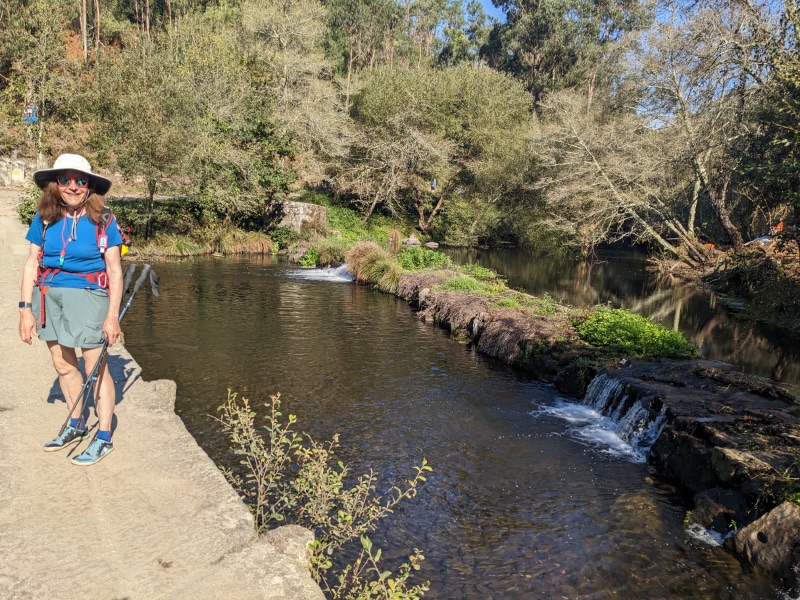
The only interesting site on the route was the 13th Century Ramallosa Roman Bridge. This pedestrian bridge crosses a small river inlet leading to the sea.
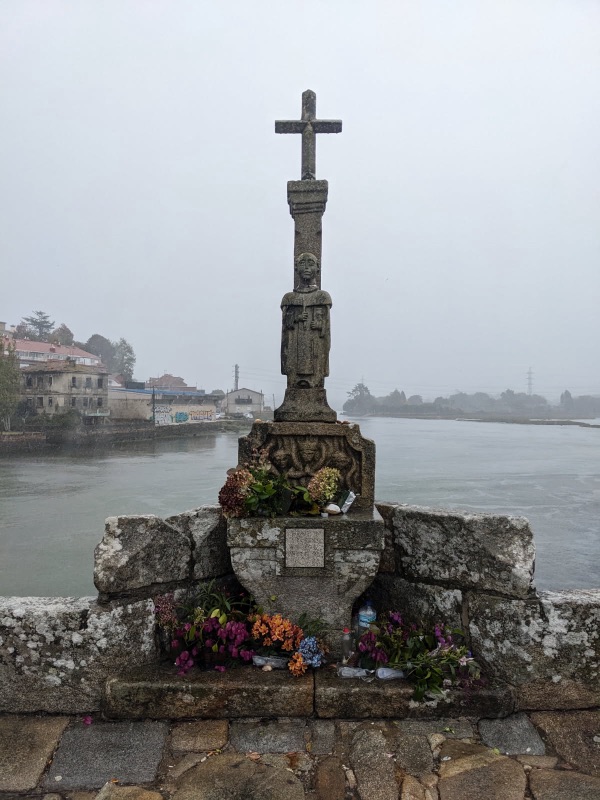
The cross & religious shrine to Saint Telmo at its center.
Legend has it a great storm hit while Telmo was preaching to the faithful. Those present were afraid & tried to flee; but, the saint managed to open a clearing in the clouds to prevent a stampede as well as save the bridge from storm damage.
In olden times, the bridge was also a place for fertility rites & another legend is that women believed bathing in the waters under the bridge improved their fertility.
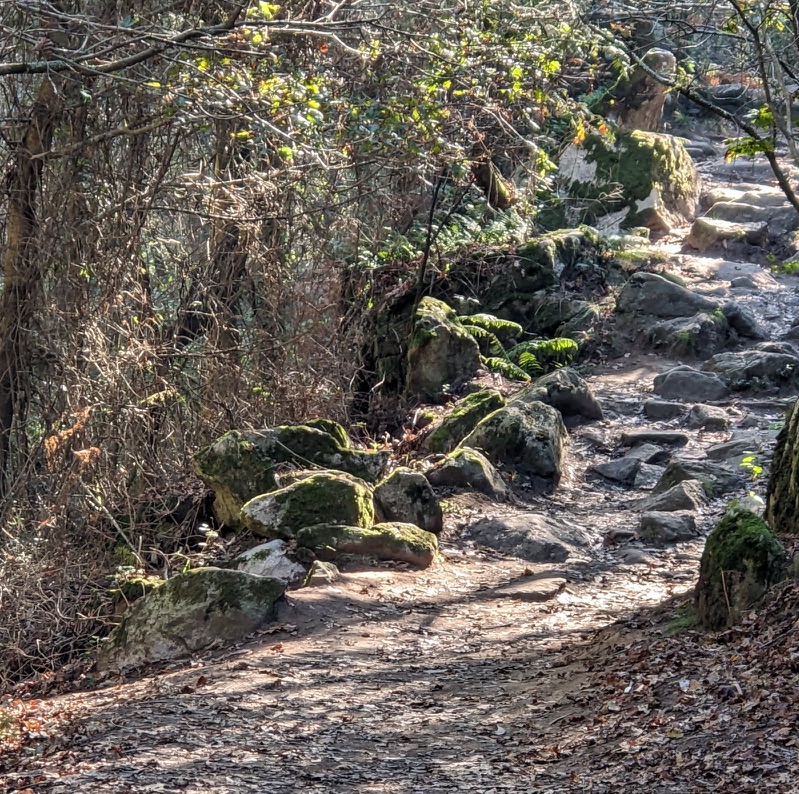
Most of the day was walking on city streets; but, for a short while we enjoyed some shelter from the rain hiking through a wooded area.
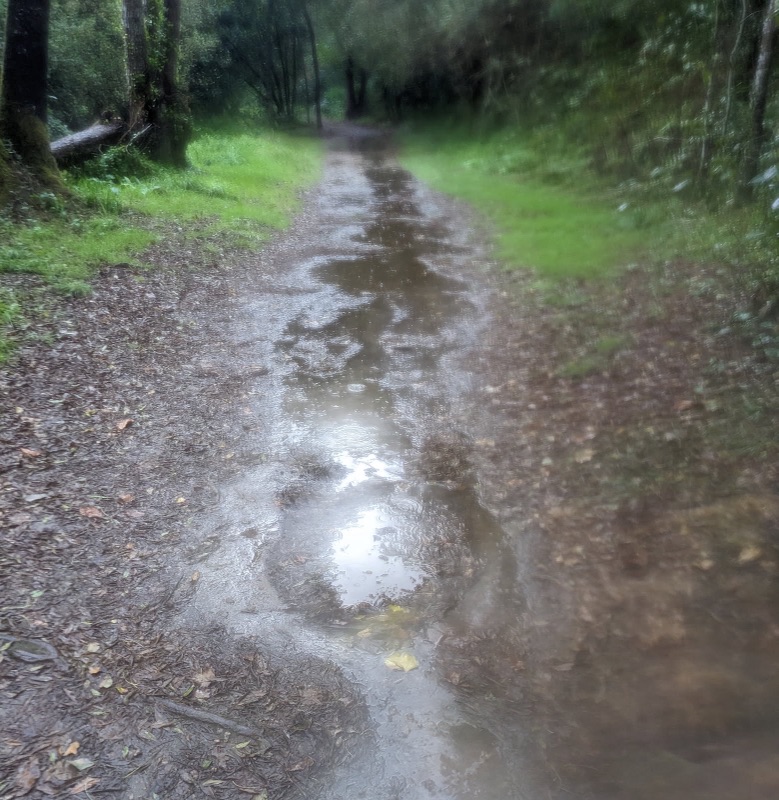
Drenched footpath
After a little more than two rainy hours on the trail, we were both very happy to reach our next hotel to dry out.
The forecast predicted cloudy all day; but, it was wrong & we enjoyed hiking over 10 miles in very nice weather.
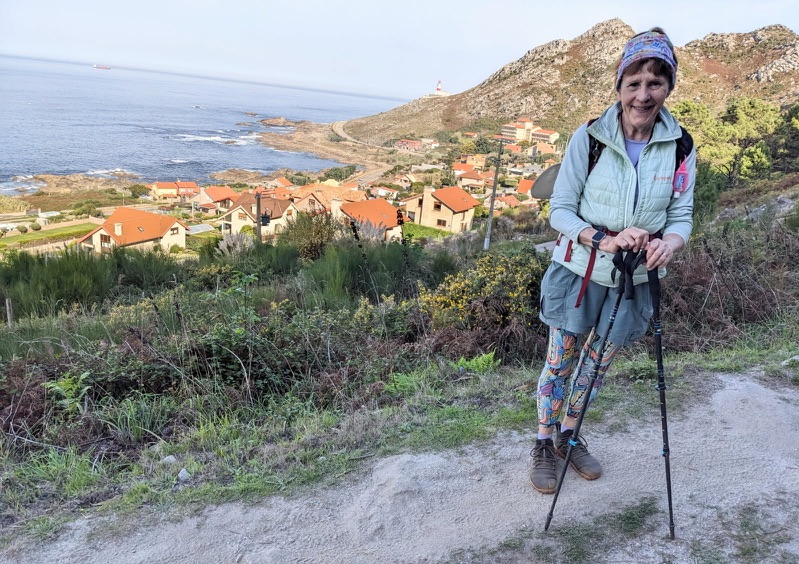
Most of the route kept us close enough to the shoreline to enjoy the salty sea air & beautiful vistas.
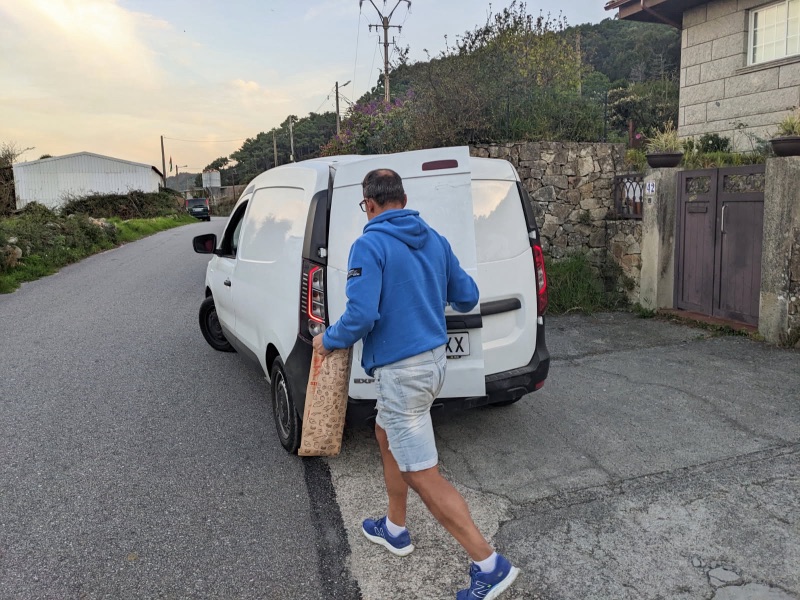
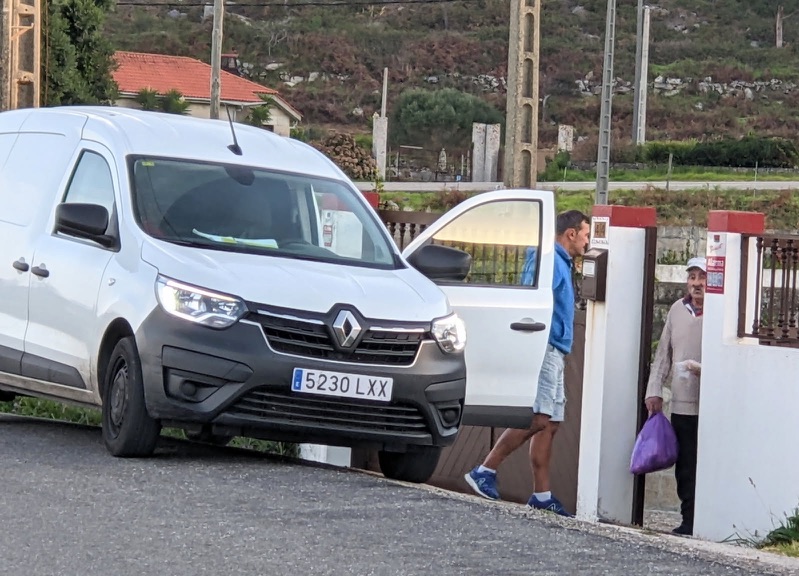
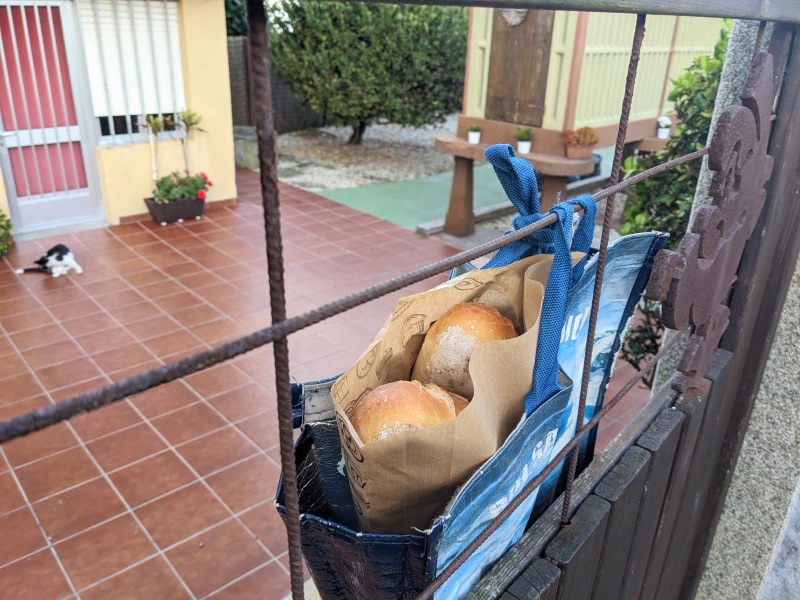
Early in the morning, we saw the bread man delivering fresh baked bread to homes.
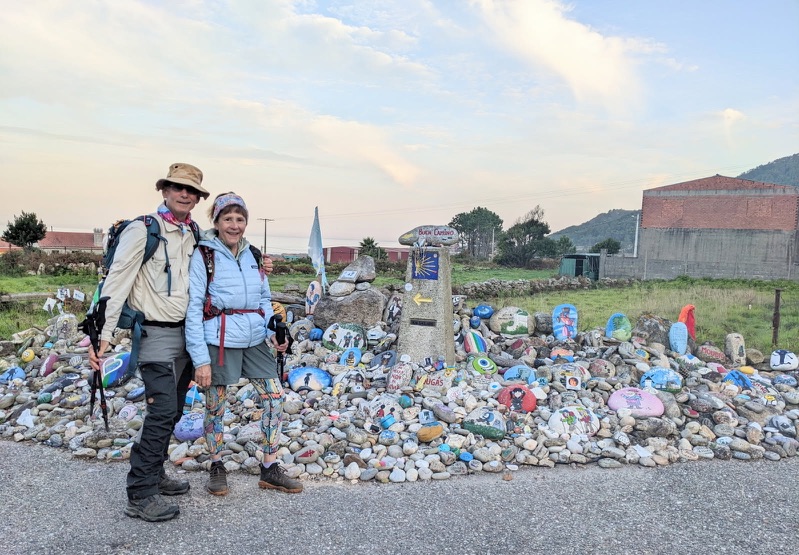
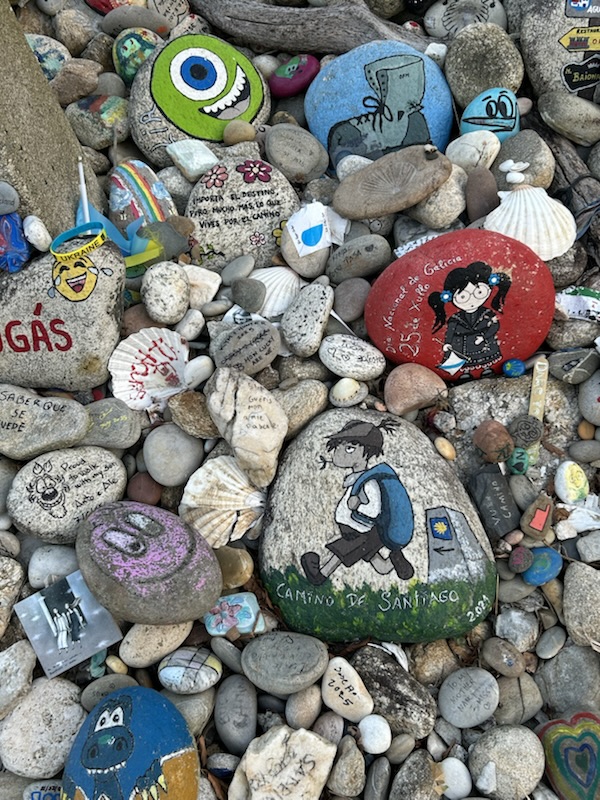
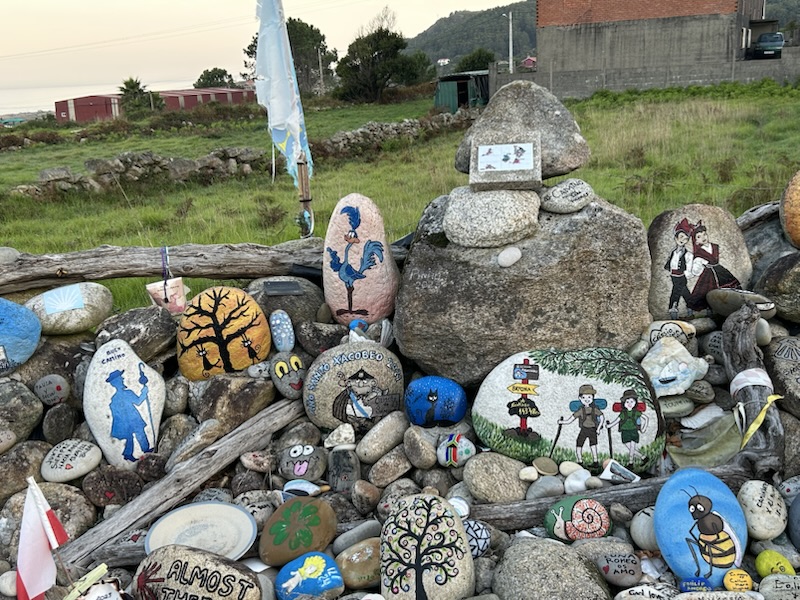
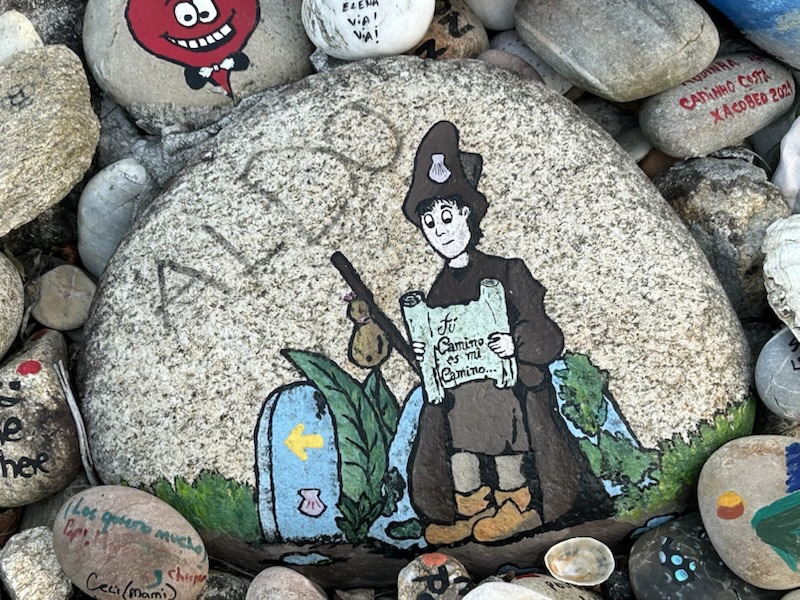
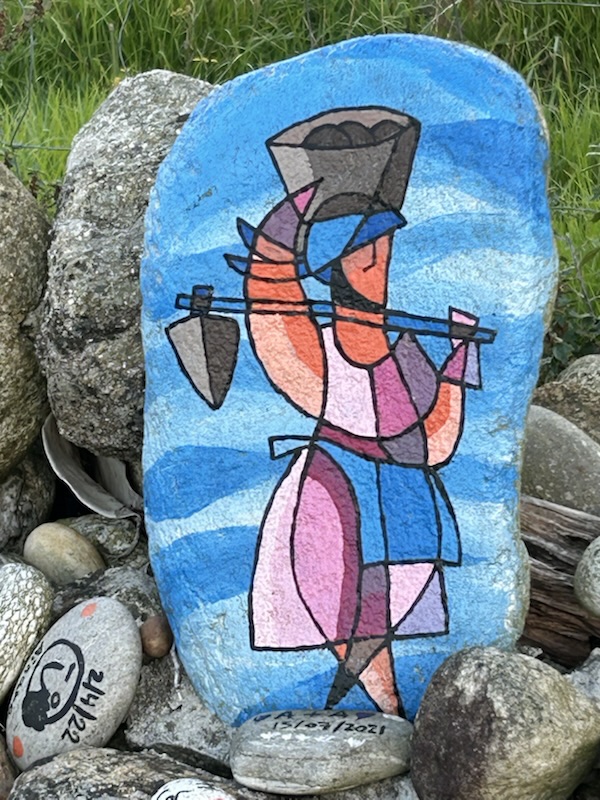
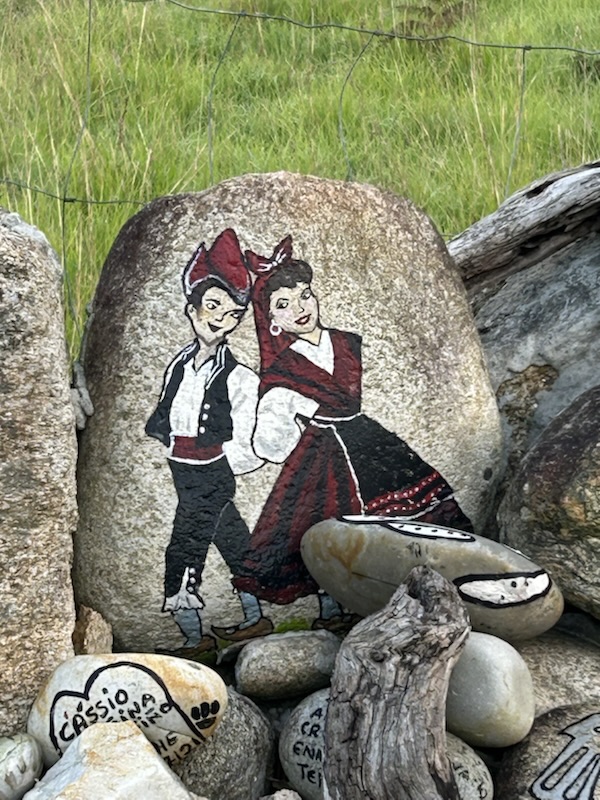
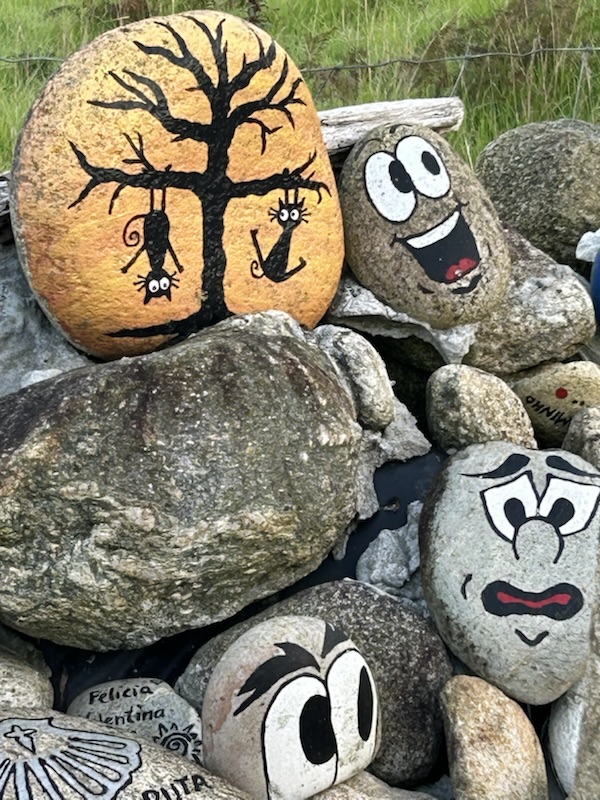
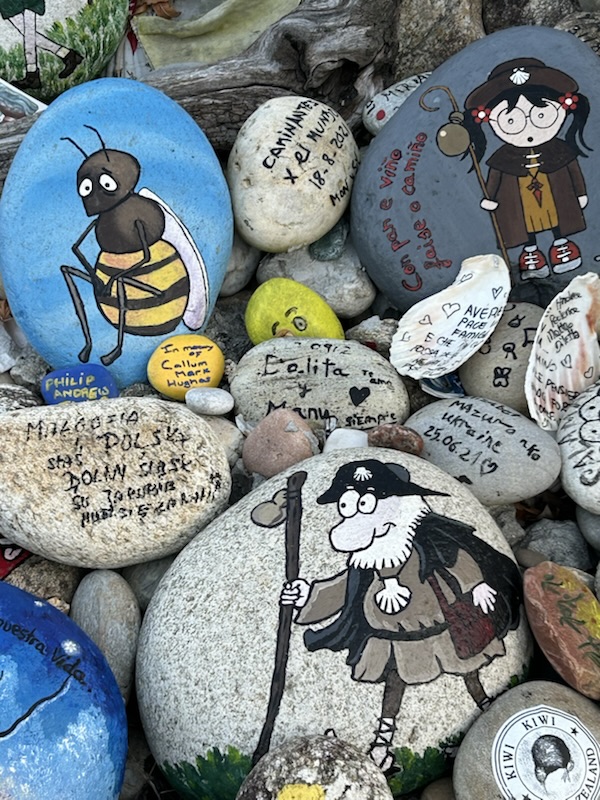
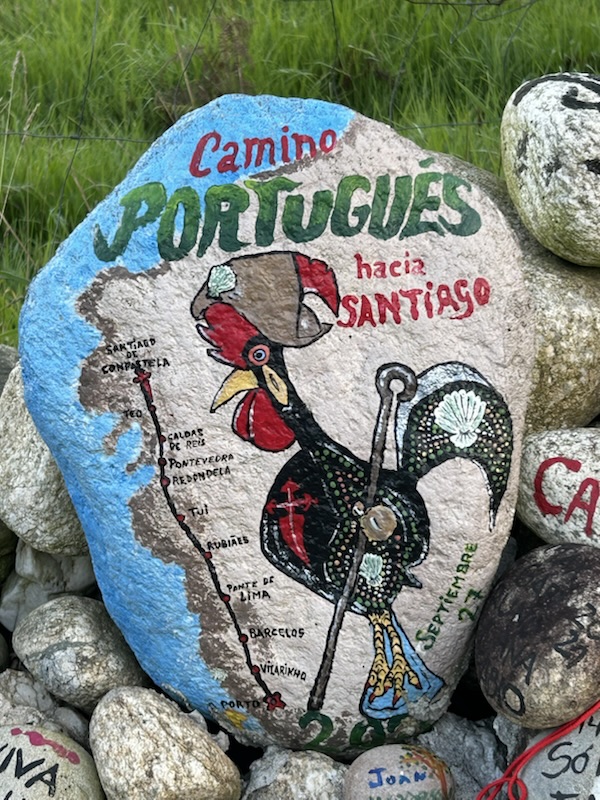
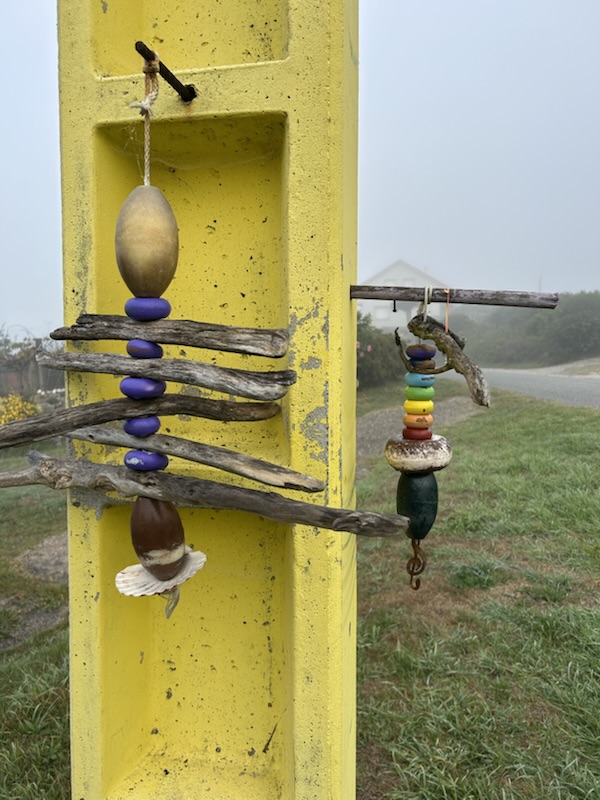
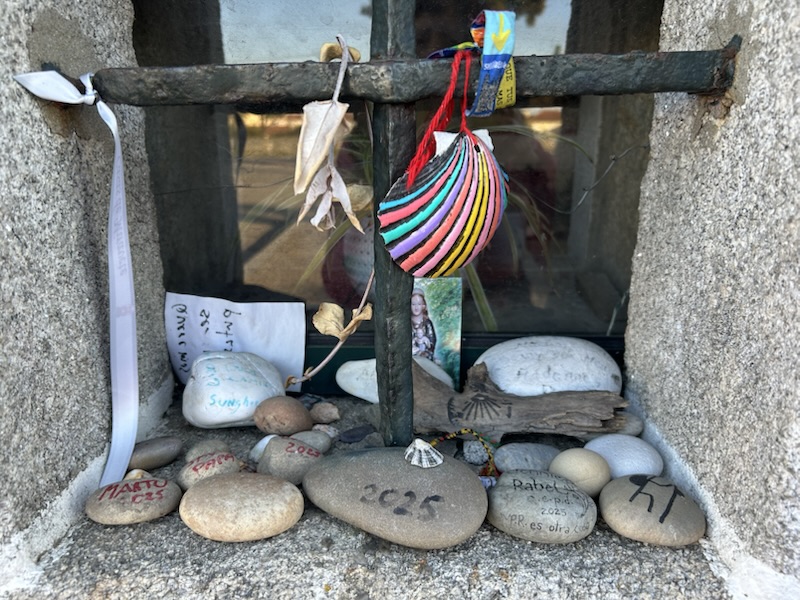
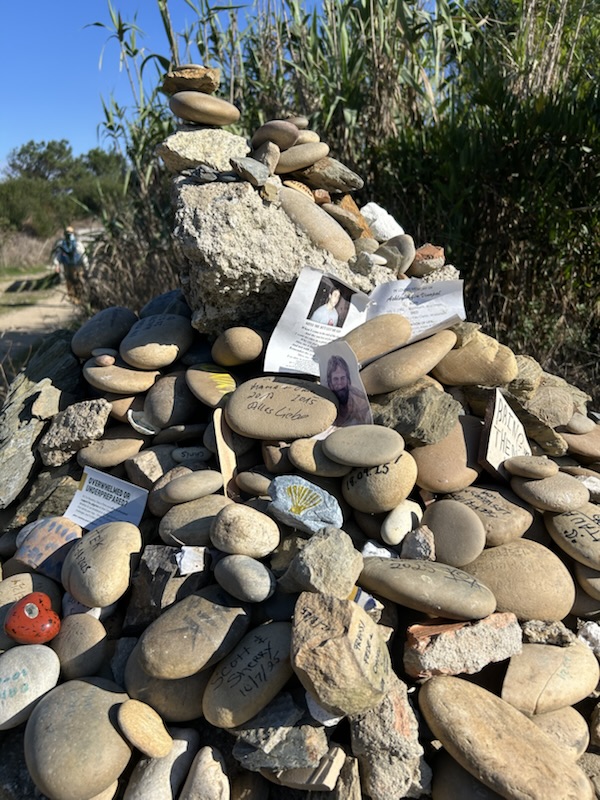
We passed this lovely rock collection. It has long been a tradition to carry a rock from home to leave on the Camino; but, many of these rocks were much too large for someone to carry with them. I’m guessing local artists added many of these rocks for pilgrims to enjoy on their journey. I’m certainly one of them. 😉
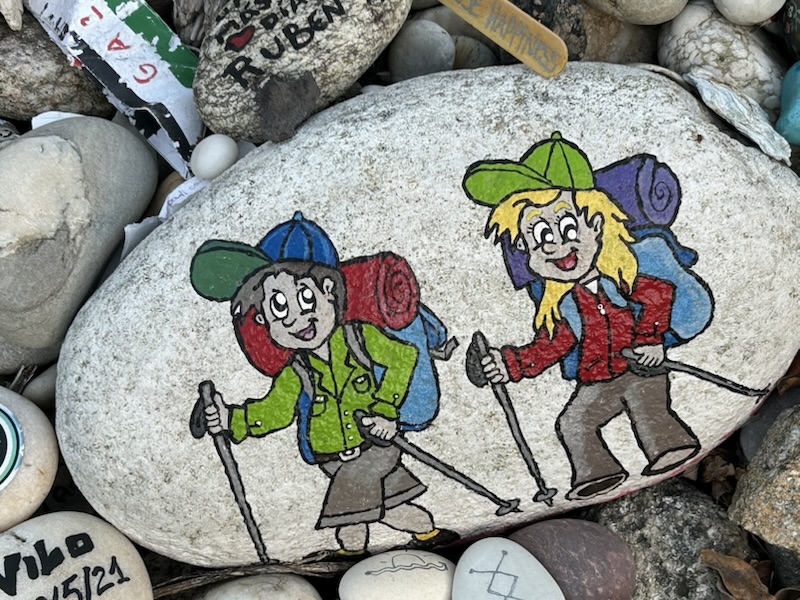
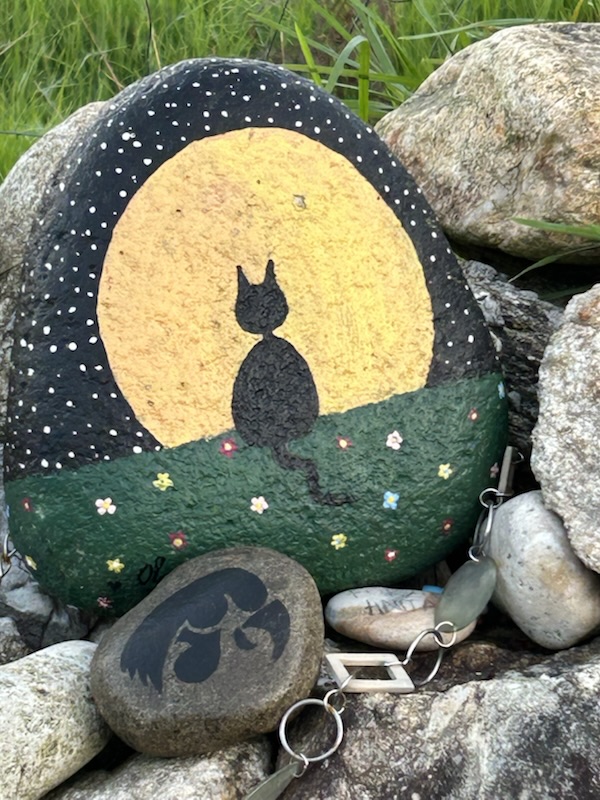
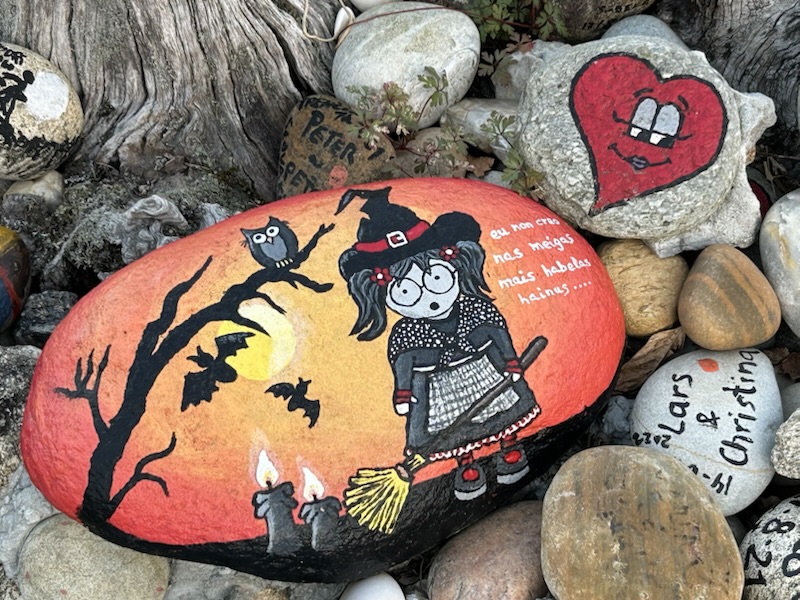
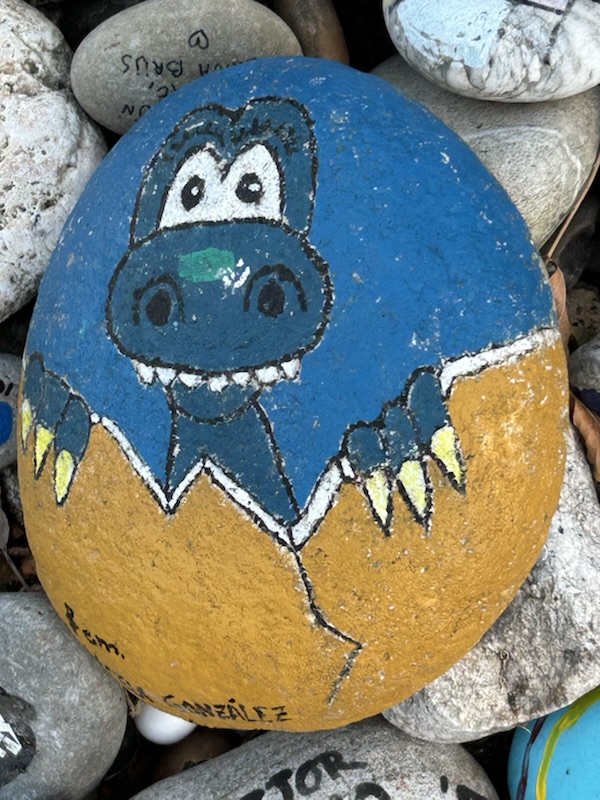
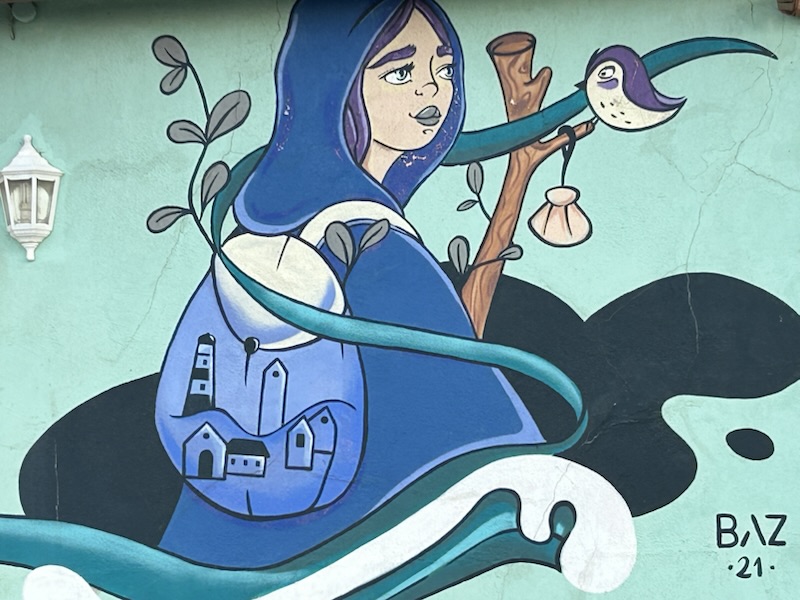
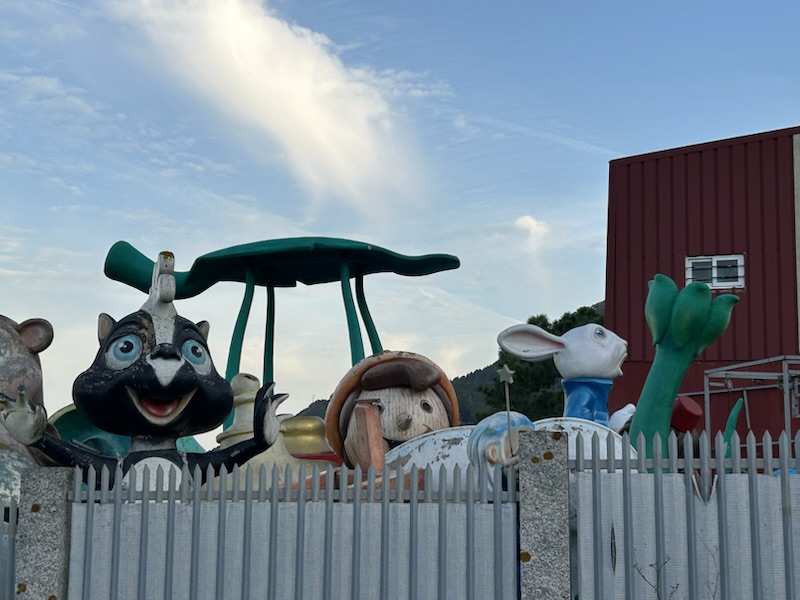
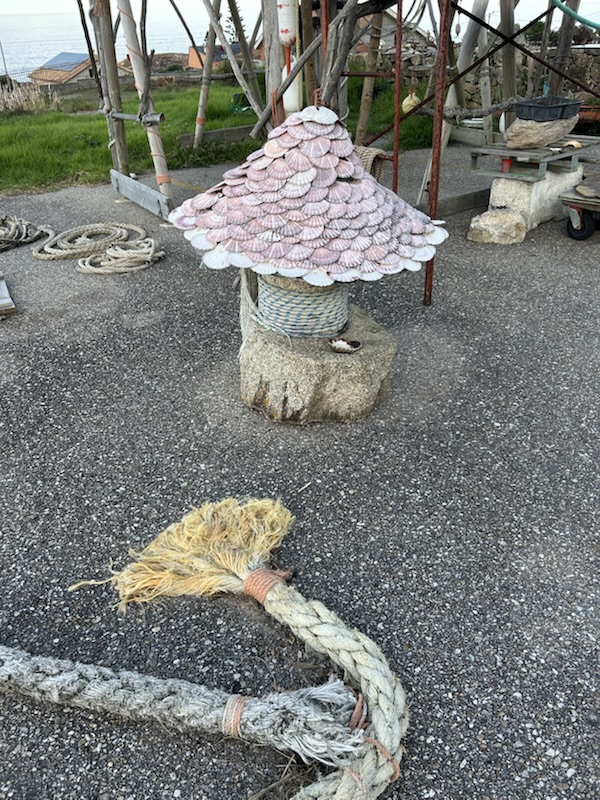
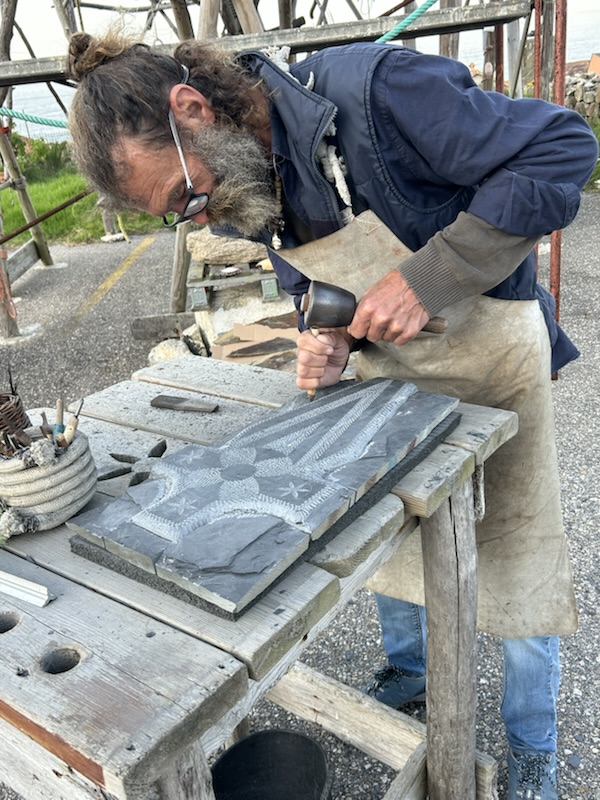
Other trail art we saw:
Old amusement park critters?Local artist at work
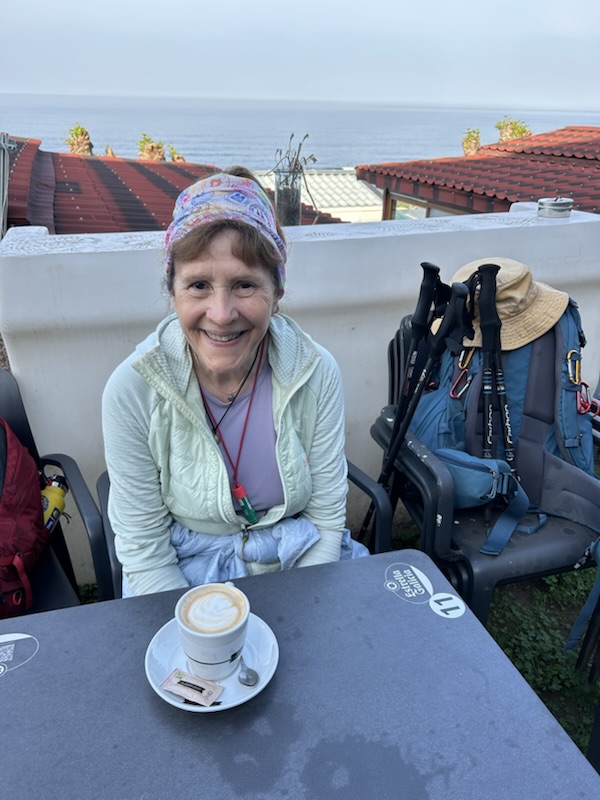
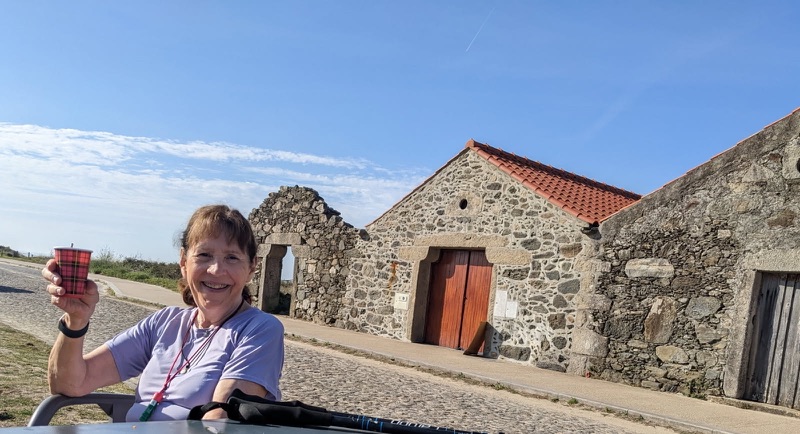
Time for my morning coffee at 10:30 AM. Many restaurants & small pubs are now closed for the season; but, thankfully a few remain open for October pilgrims.
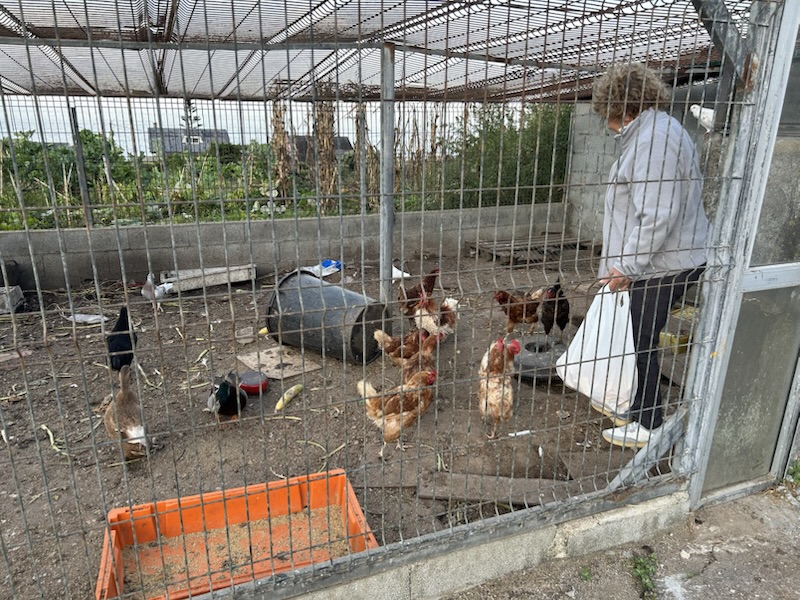
One fun sighting was seeing a woman feeding her pet chickens.
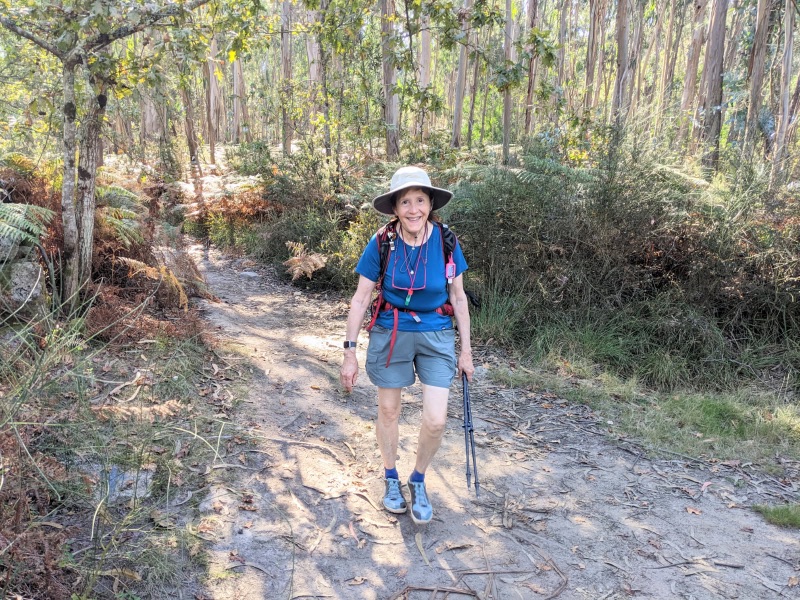
To reach Baiona we had to climb two big hills. The first climb was through another eucalyptus forest.
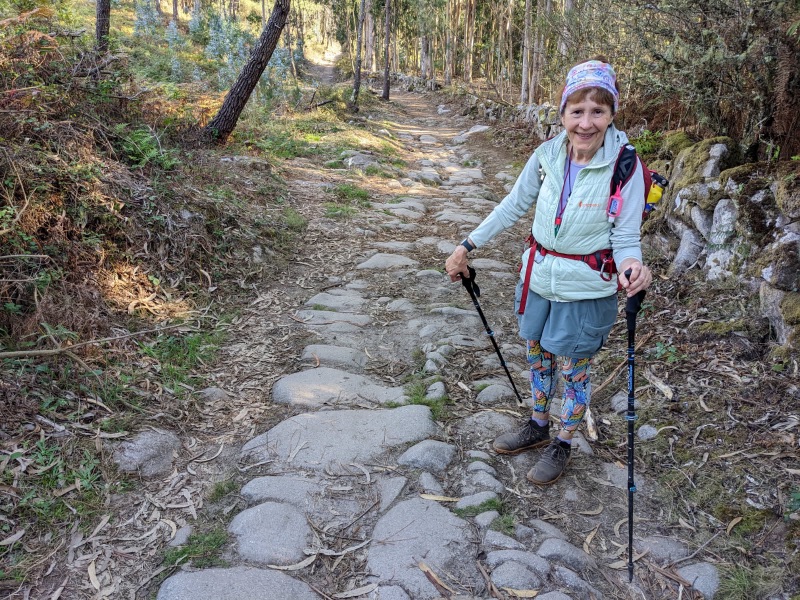
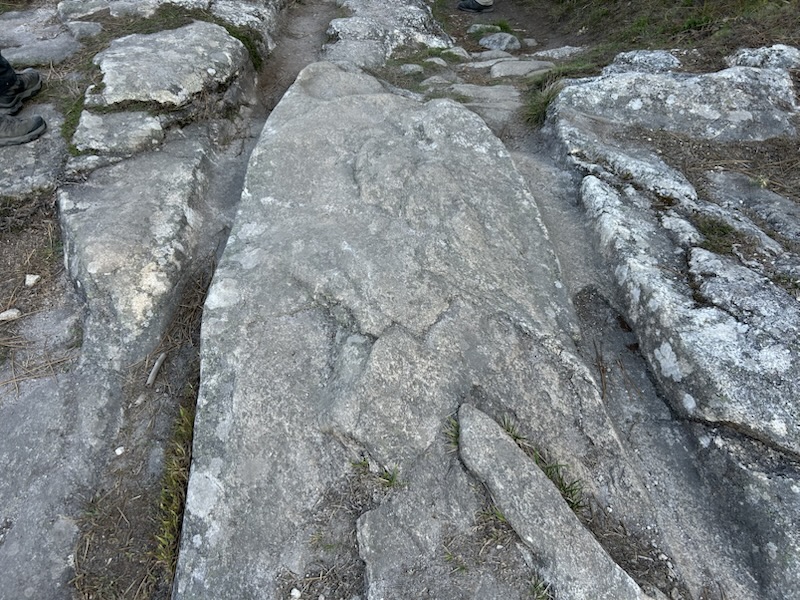
I joked on the last Camino & again this time that some paths look like old wagon trails. Today I found proof that I was correct.
Look closely to see wagon wheel ruts carved into the rock
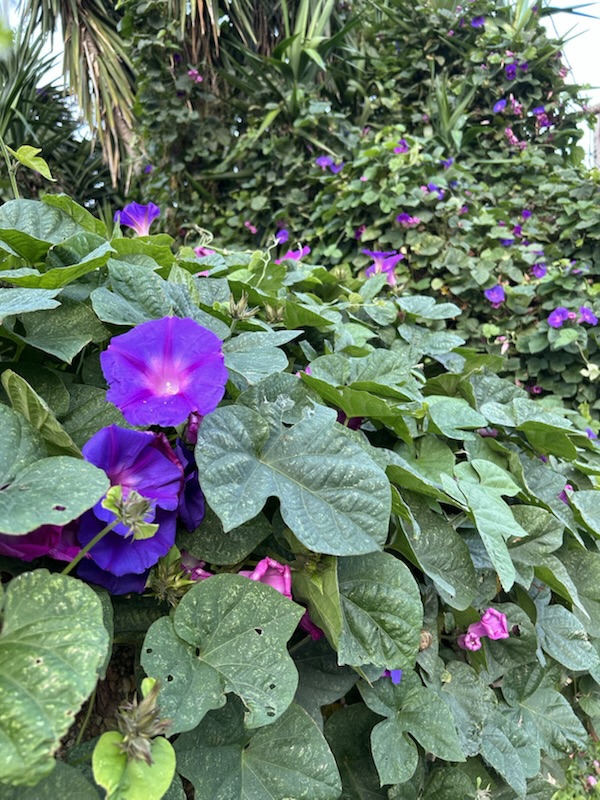
All along the trail we see these beautiful purple morning glory flowers covering walls & fences.
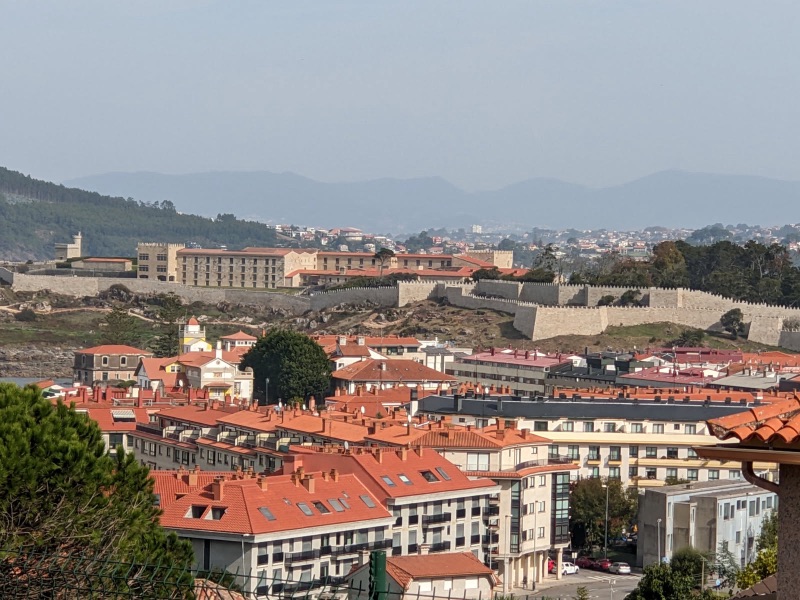
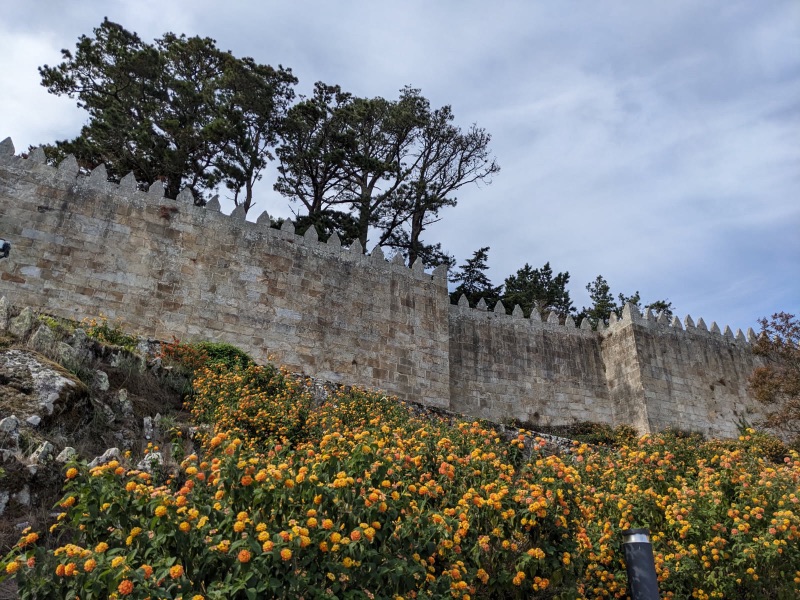
Once we got over the second big hill, we could see Baiona in the distance with its fort near the sea.
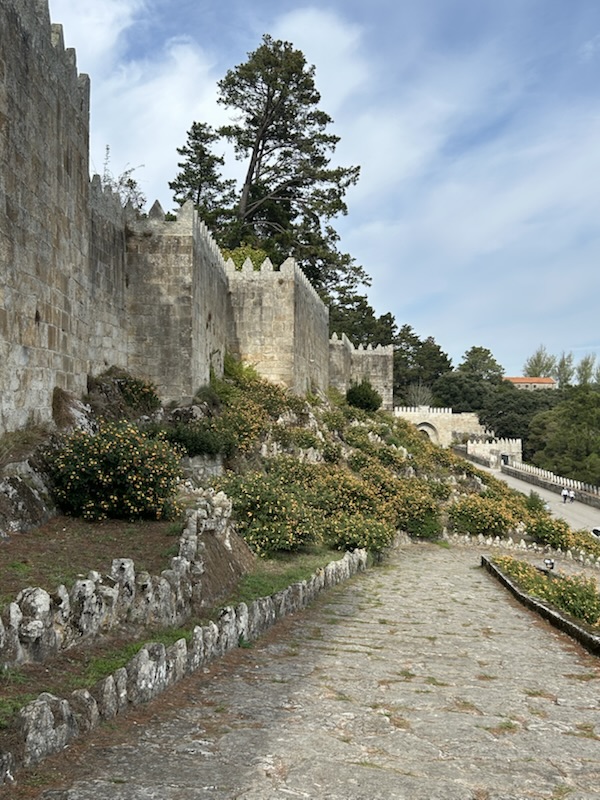
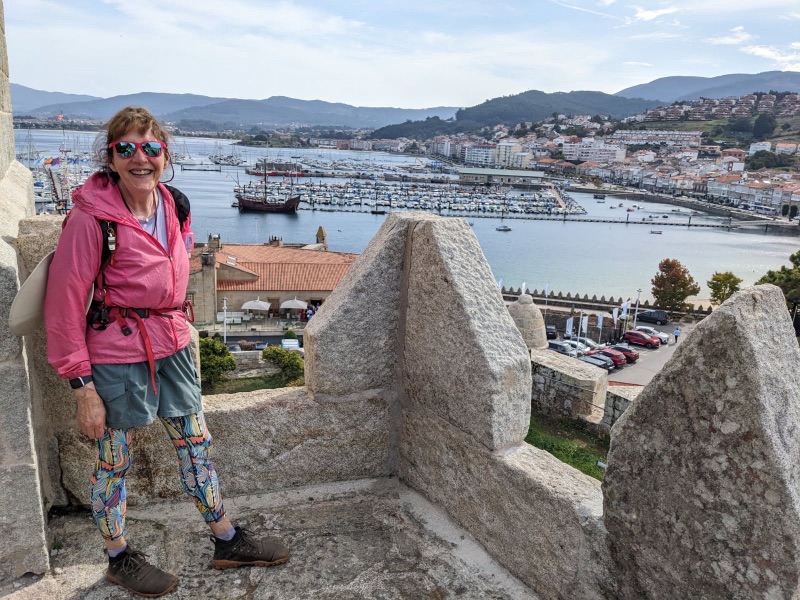
The Fortaleza de Monterreal This fort’s walls are 3KM long. Inside its walls is now a luxury hotel.
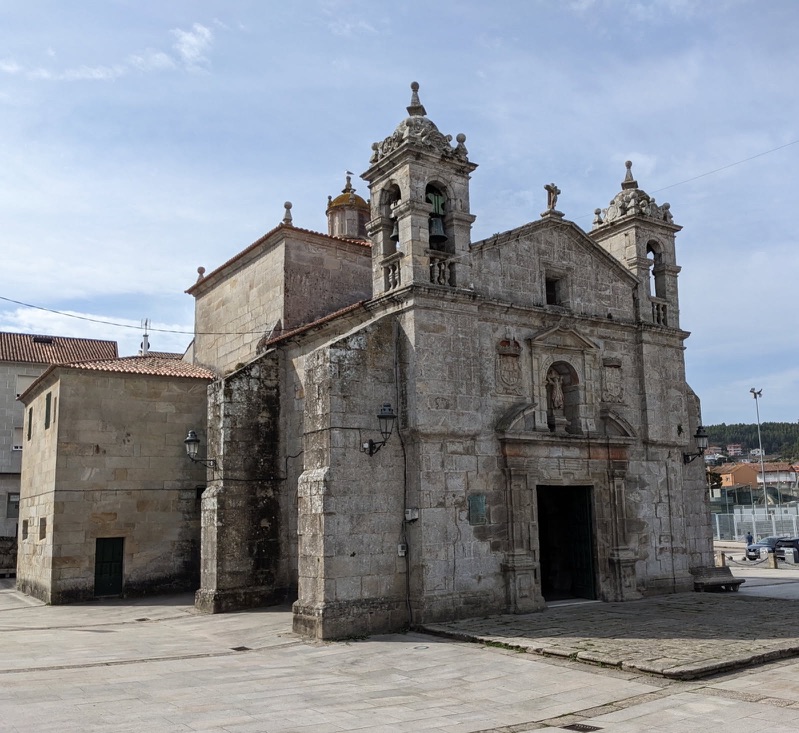
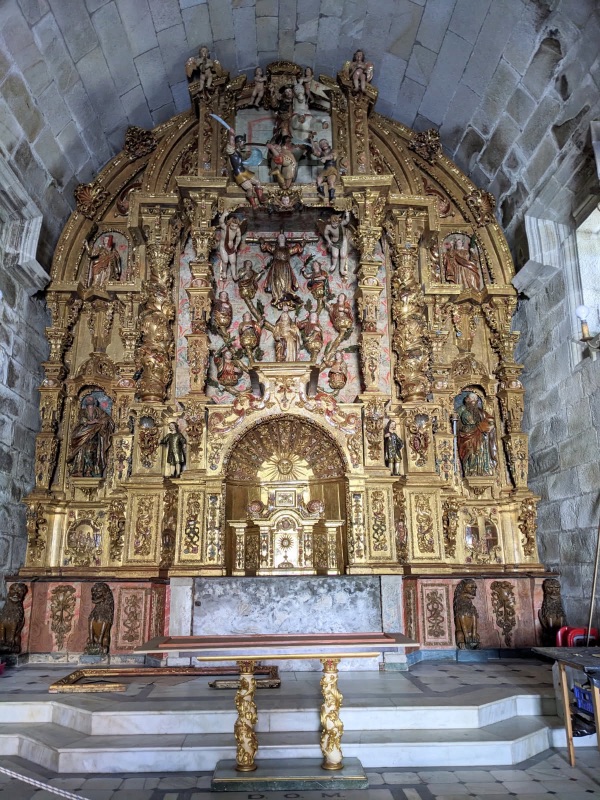
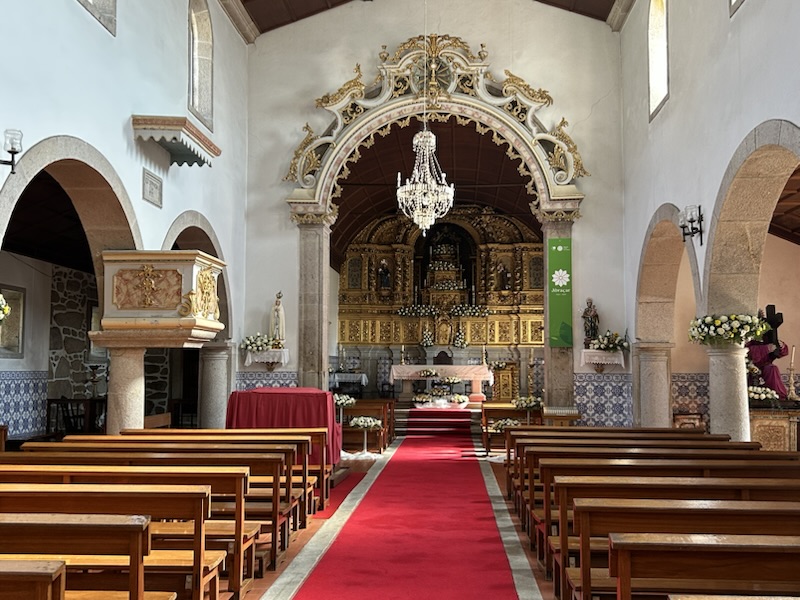
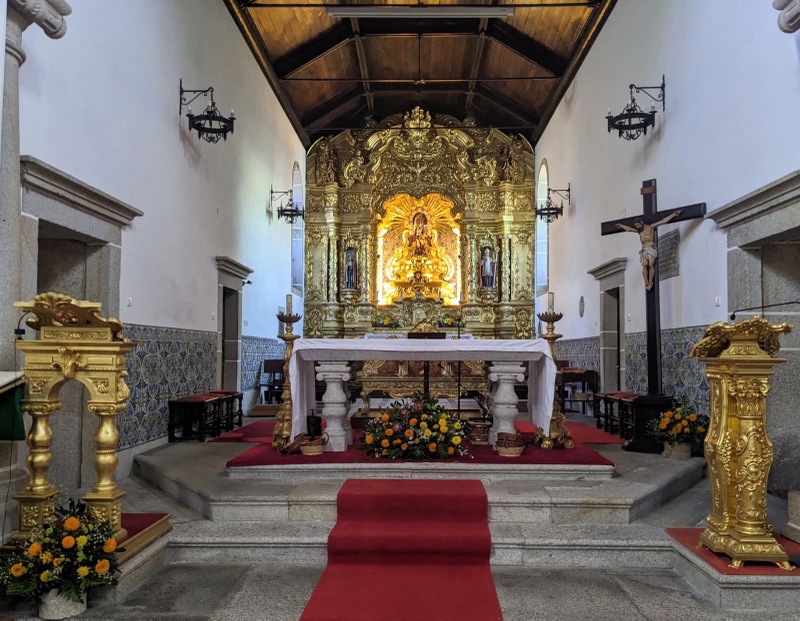
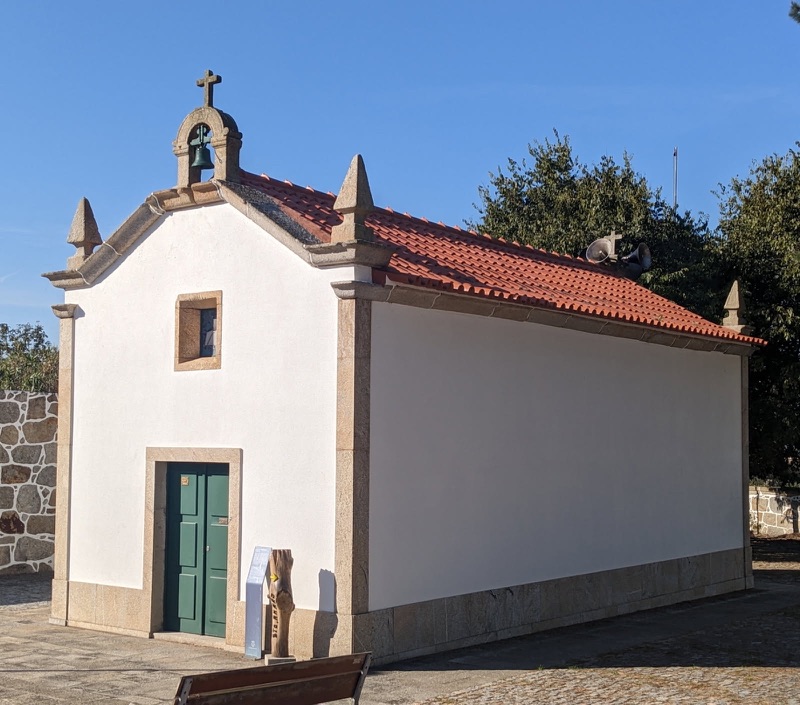
Coming into town we passed the Chapel of Saint Liberata. It was built in 1695 to honor the first woman in history who was crucified in 119 AD.
The Chapel of Saint Liberata Chapel of Saint Liberata interior
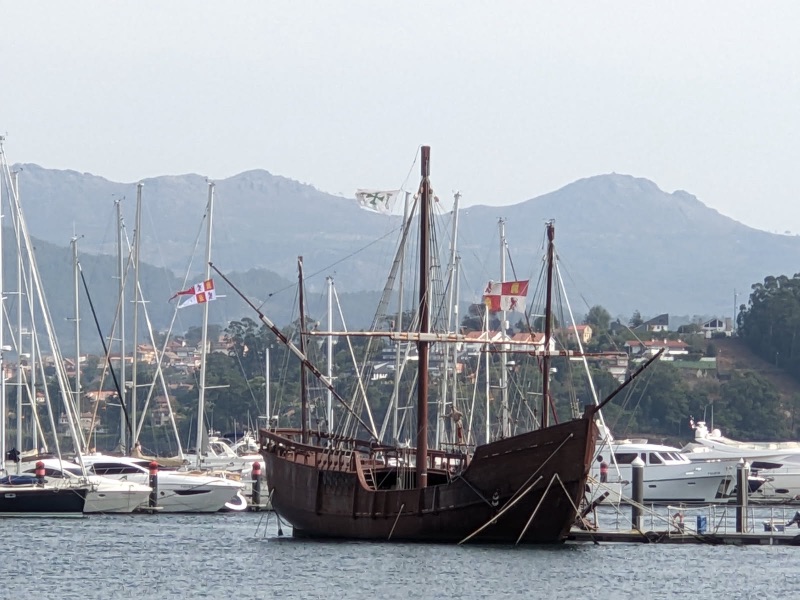
Baiona is famous for being the first place Europeans learned about the New World. On 1 March 1493, “La Pinta” captained by Martin Alonso landed in Baiona. Three days later, Columbus docked the “Santa Maria” in Lisbon, Portugal. There is a replica “La Pinta” in the water near the fort. You would be amazed at how small it is!
We also walked around the fort a little.
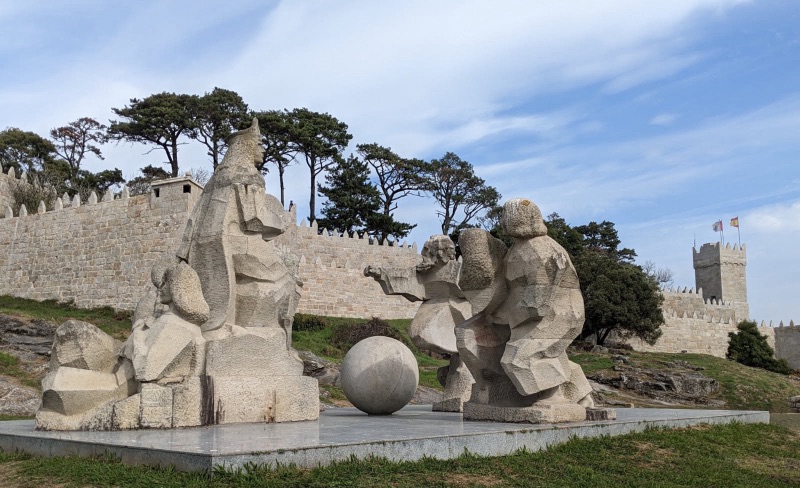
Outside the fort is the the Encounter of the Two Worlds monument. It is situated next to the place where the first Indigenous people from America were buried in Europe. Inside the monument there are pieces of land coming from all countries symbolizing unity.
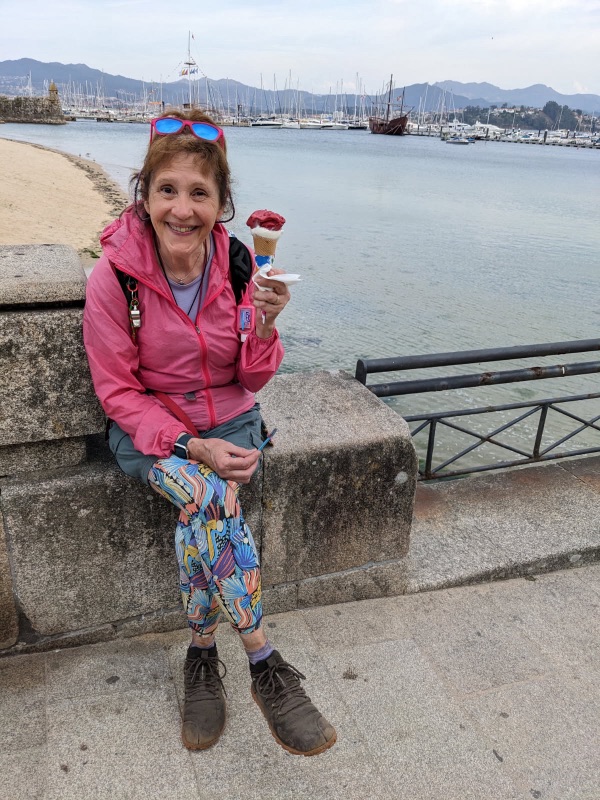
At the end of the day, there is always time for gelato.
We were surprised when we went to breakfast at 8:00 AM & saw that it was still dark outside. A 1 hour time change makes a big difference in visibility when planning your start time.
It was our coldest day on the hike with a foggy marine layer accompanying us all day. I was very thankful for my warm jacket.
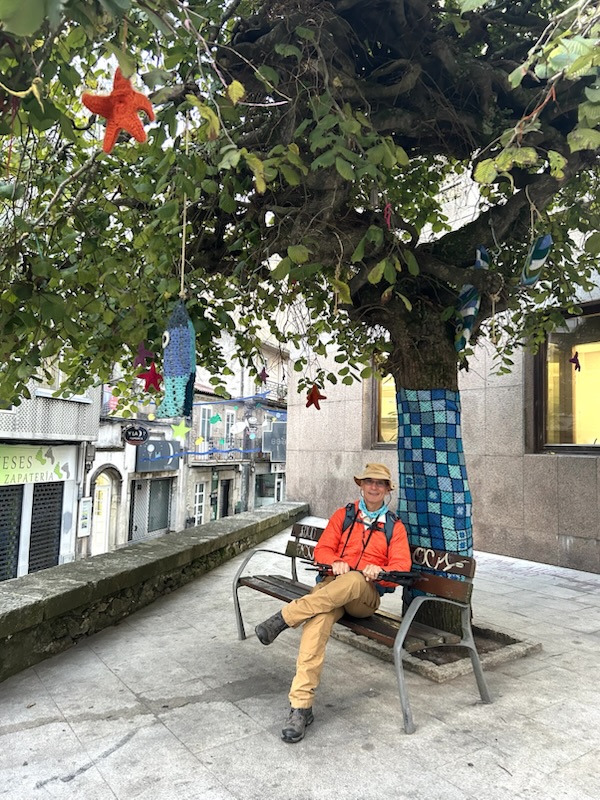
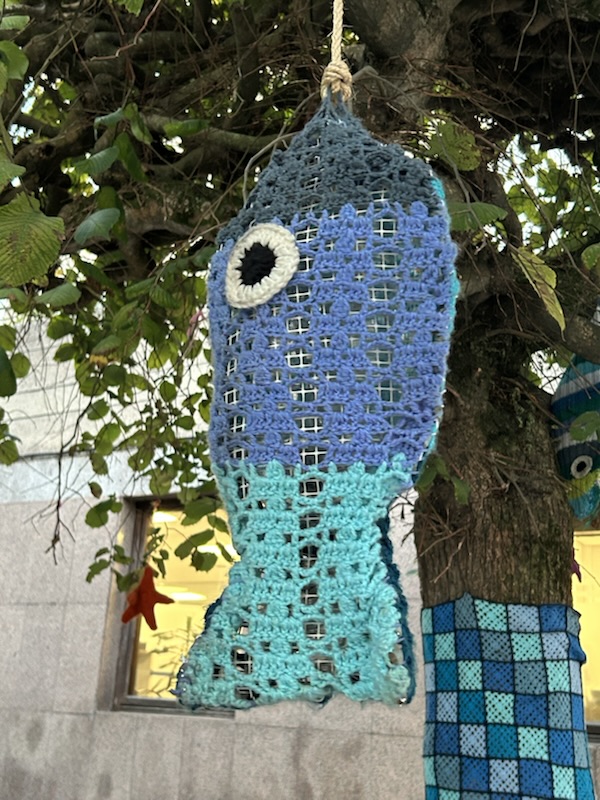
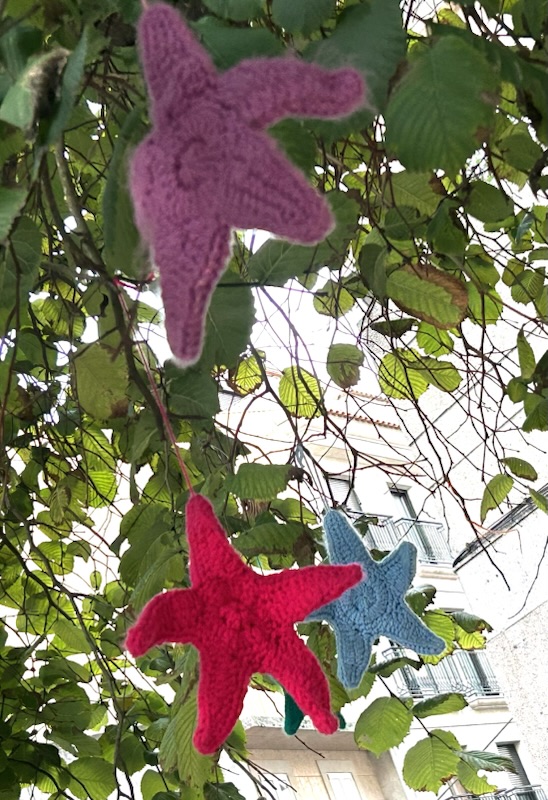
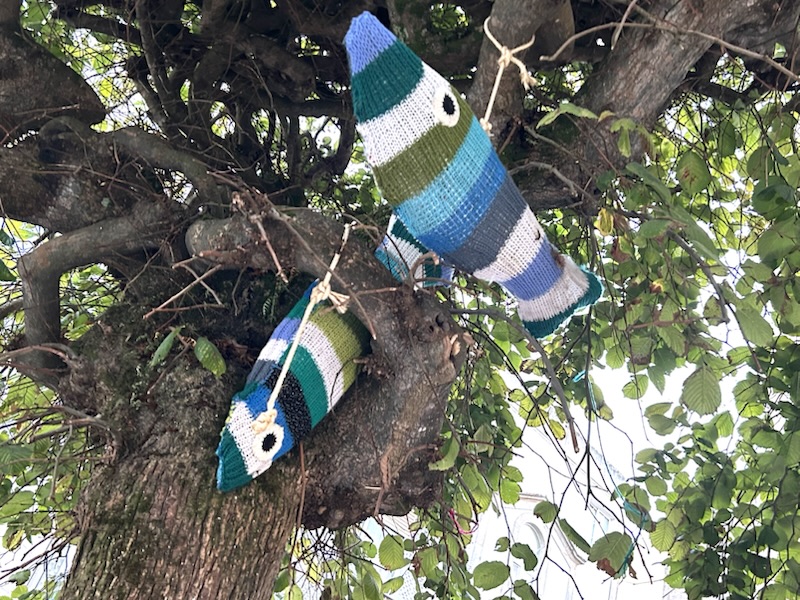
Before we left A Guarda, we came across this lovely tree decorated by an artist using yarn.
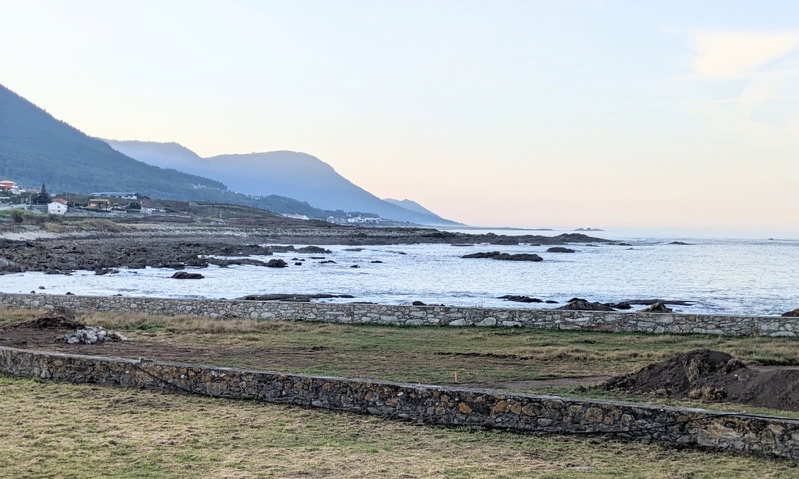
Our route today covered 11 miles. Now that my body has adjusted & adapted to the new routine, it was nice to be walking a long distance again. Even though we often could not see the ocean due to the fog, we always heard its roar from waves hitting the rocky shore on our left side as we continued north.
Looking back towards A Guarda
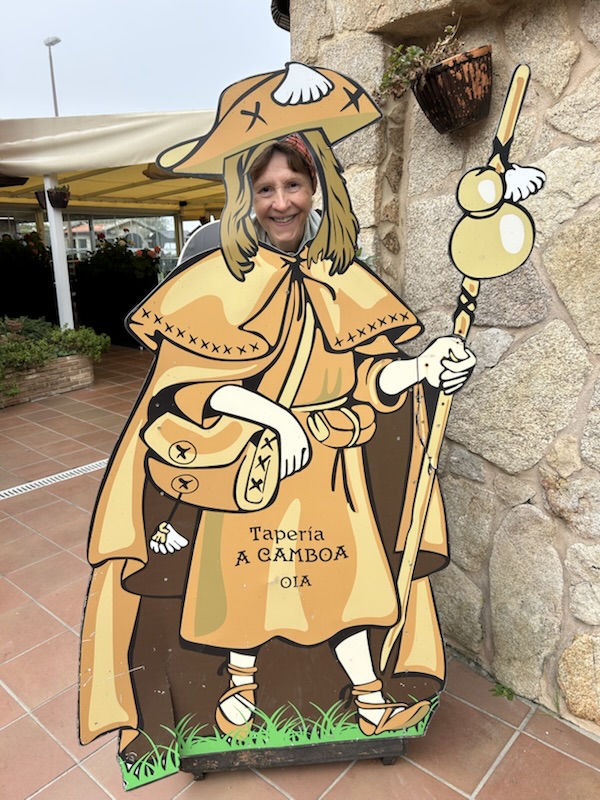
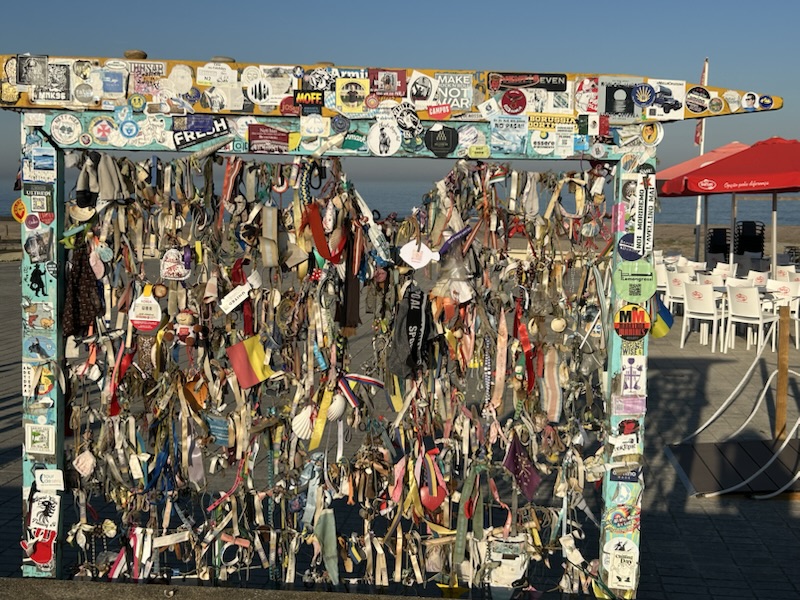
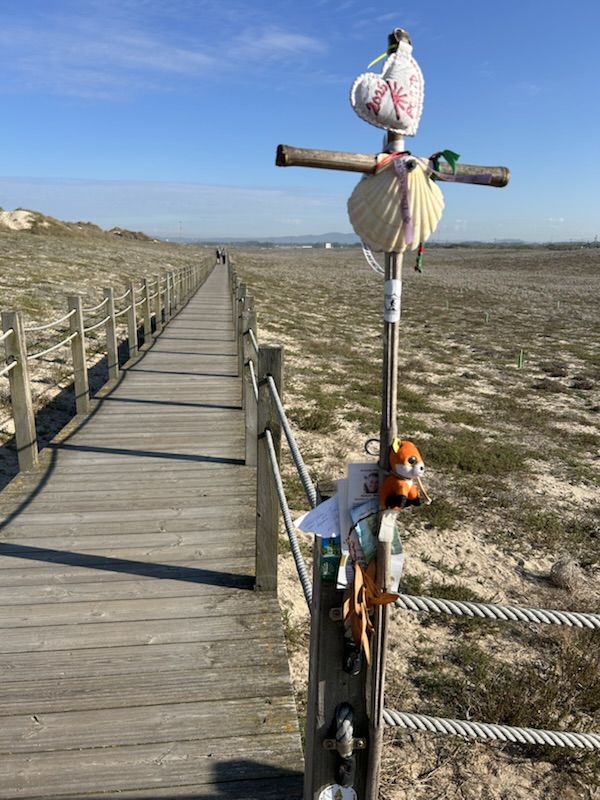
Camino art is always a favorite of mine & I am endlessly grateful for those who take the time to create it for passing pilgrims.
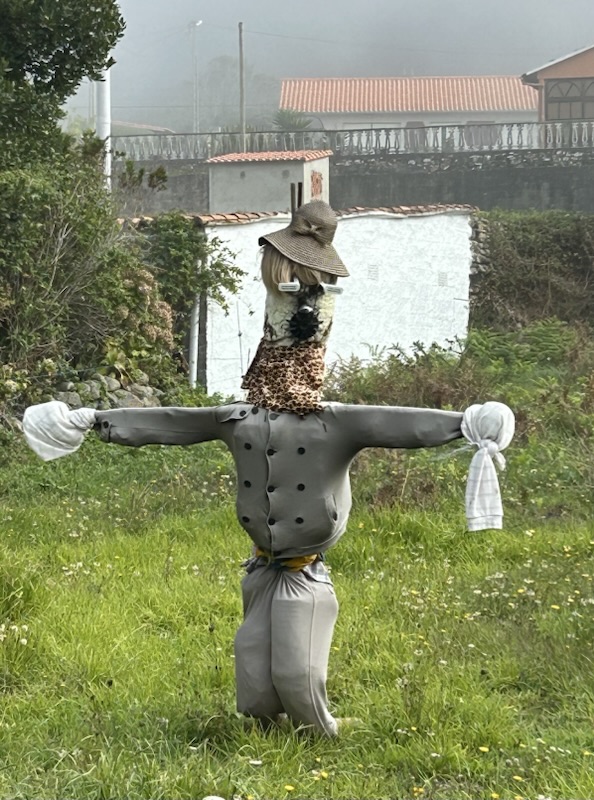
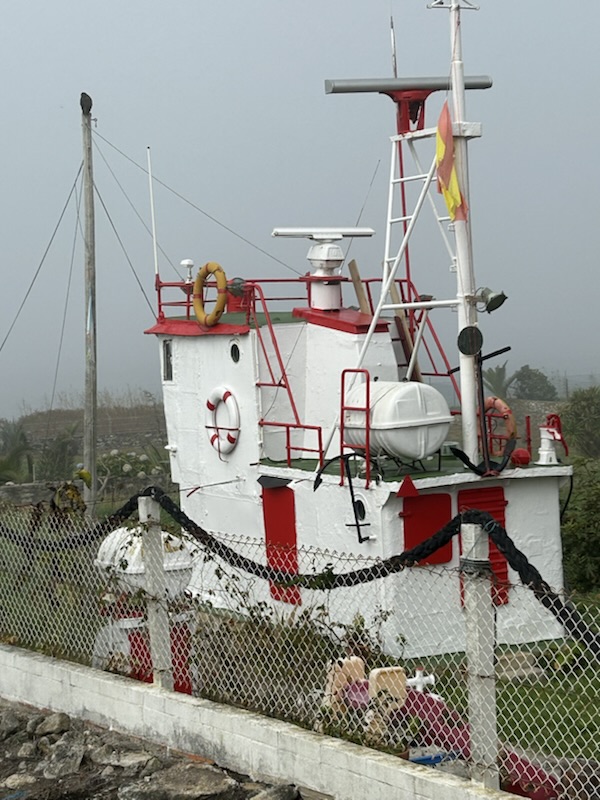
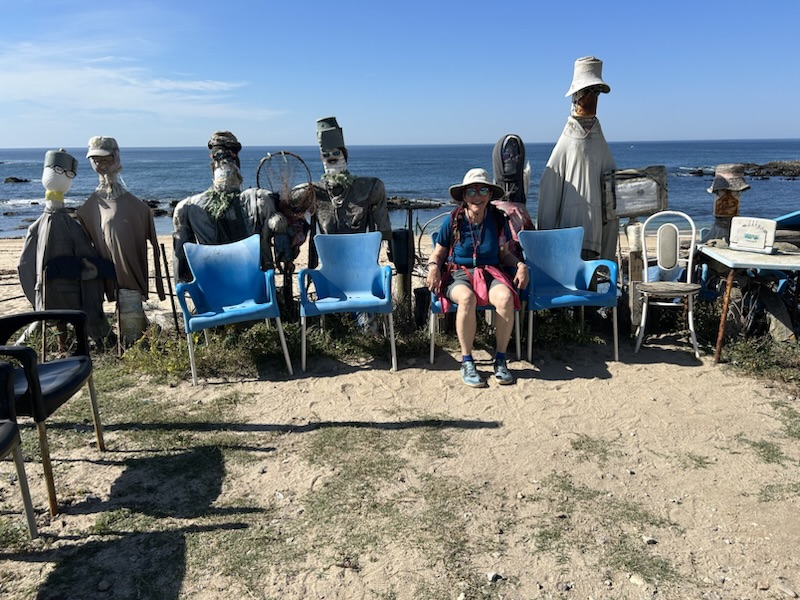
Scarecrow Yard Decor
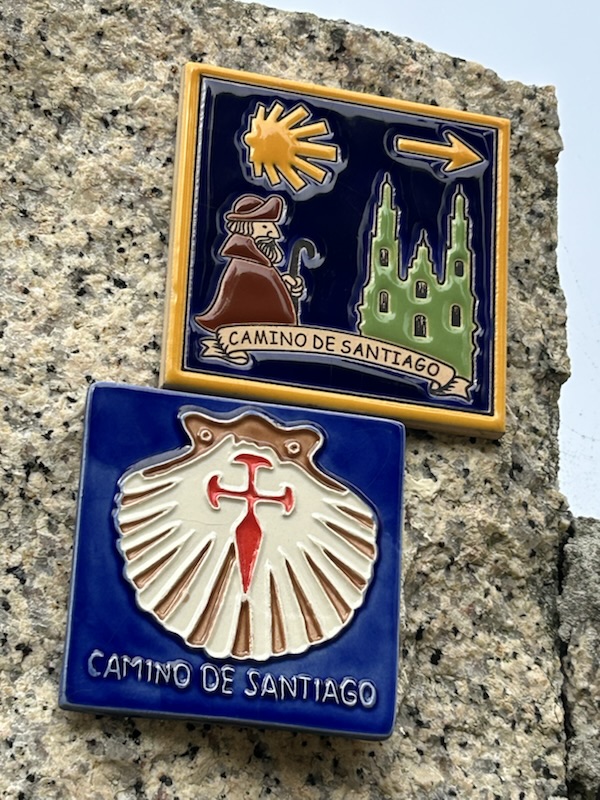
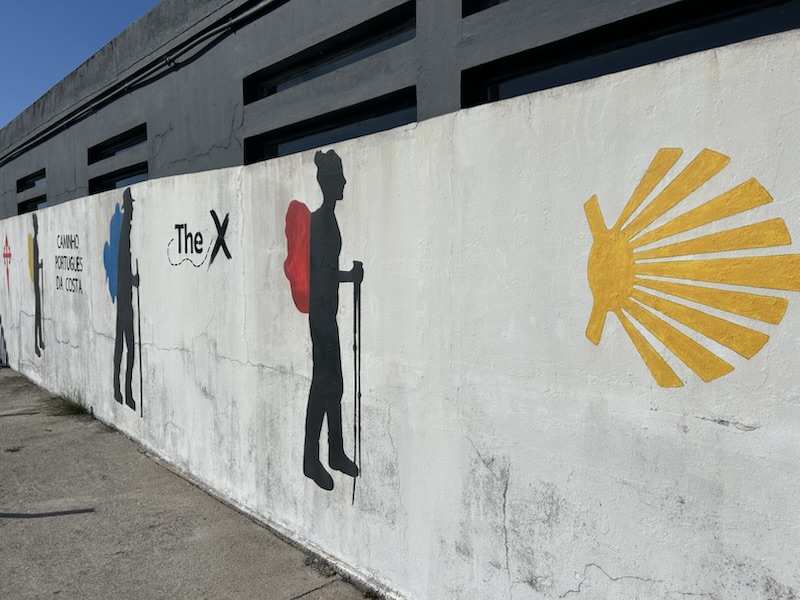
I can never resist collecting images that represent the Camino.
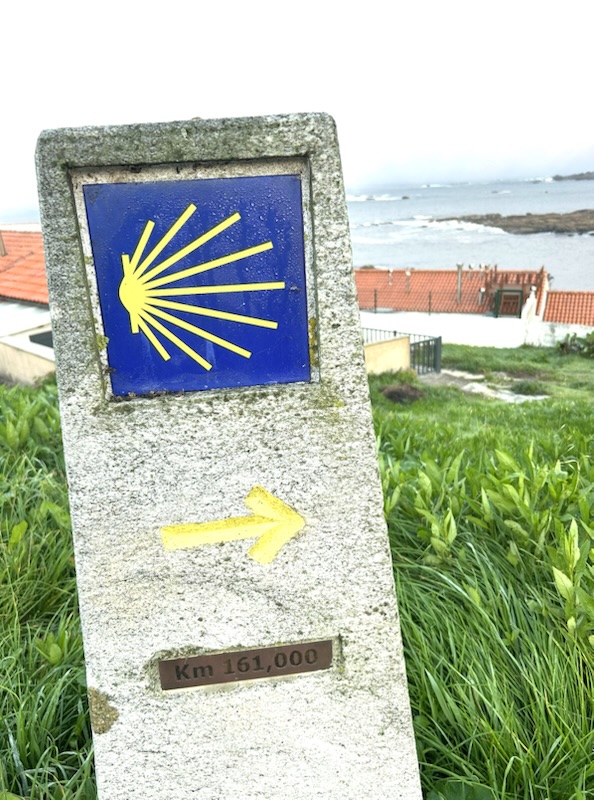
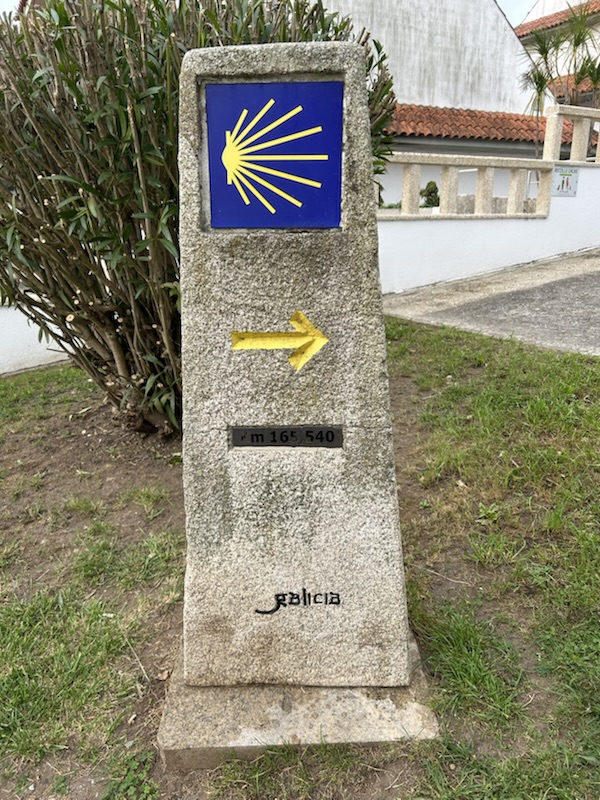
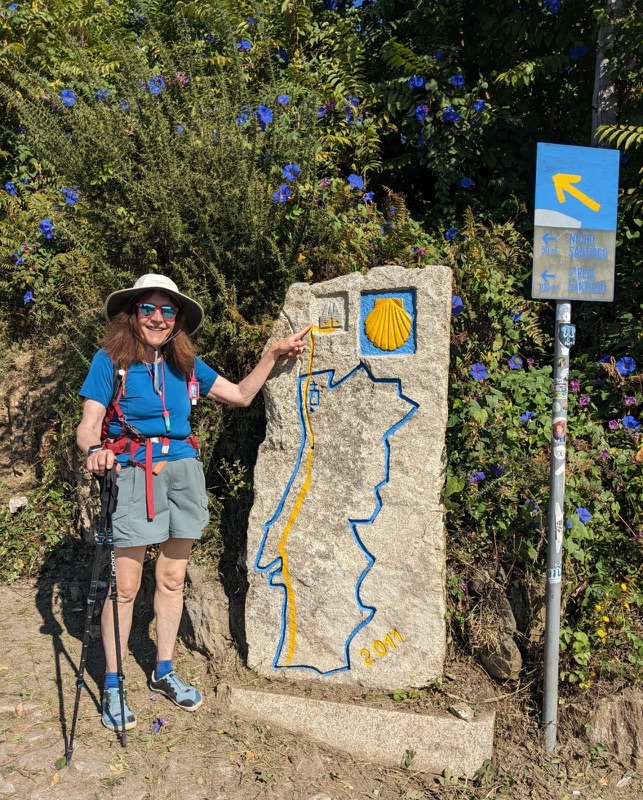
Unlike Portugal, in Spain we see these route markers every few KMs helping to keep us on track & informing us exactly how far we have to go.
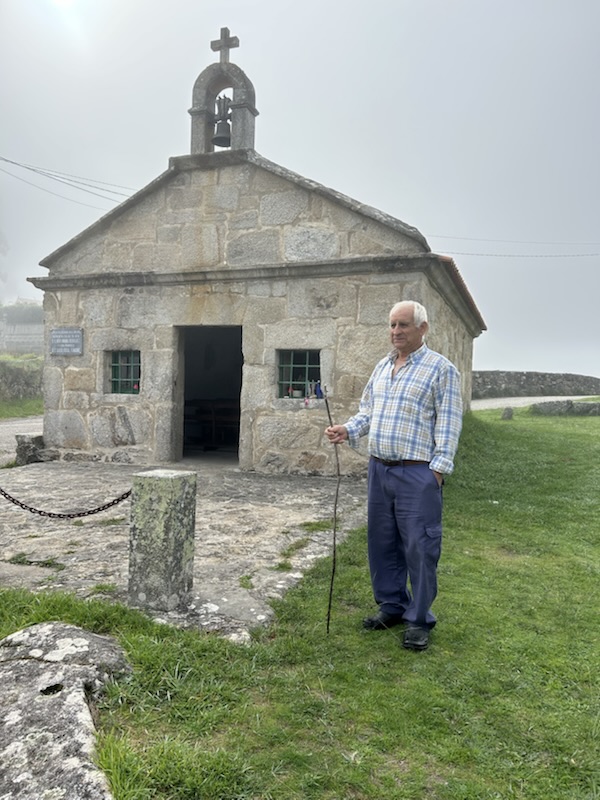
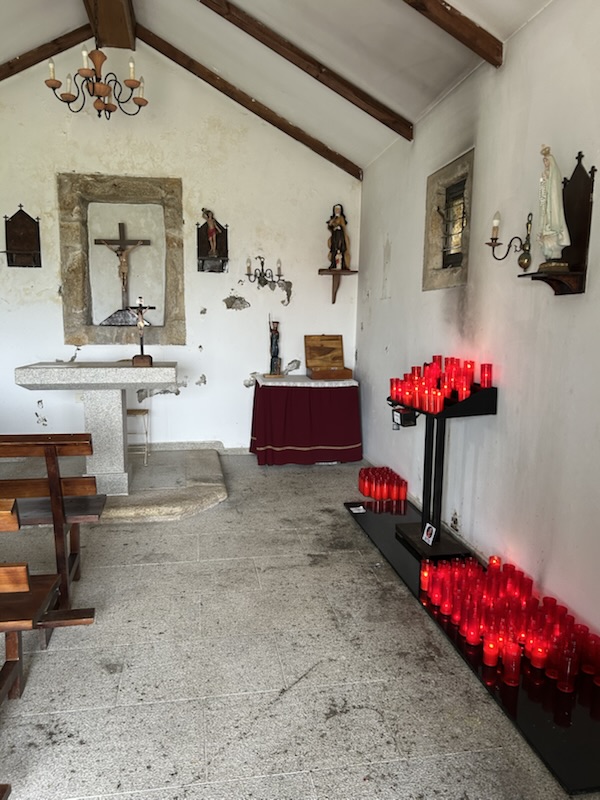
I especially love these small little chapels along the way.
Saint Sebastian & its caretaker Saint Sebastian interior
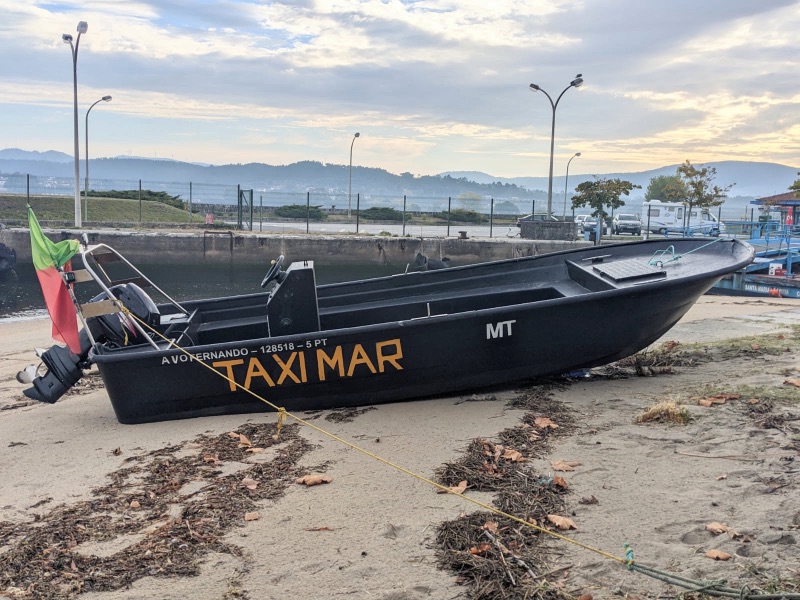
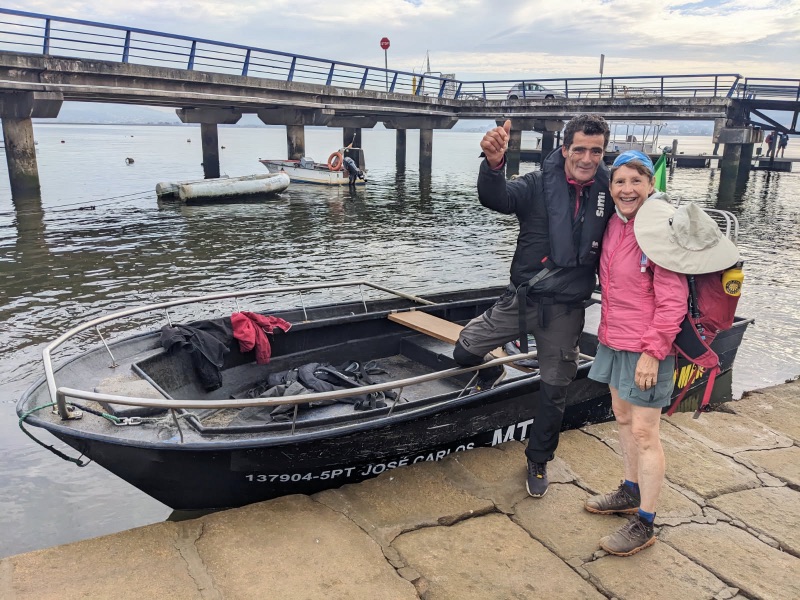
Today we left our hotel on a cool cloudy morning & walked 1.5 miles to catch a water taxi across the Minho River which forms part of the border between Portugal & Spain.
After a short 5 minute ride we were in Spain’s Galicia province & a new time zone. Spain is 1 hour later than Portugal.
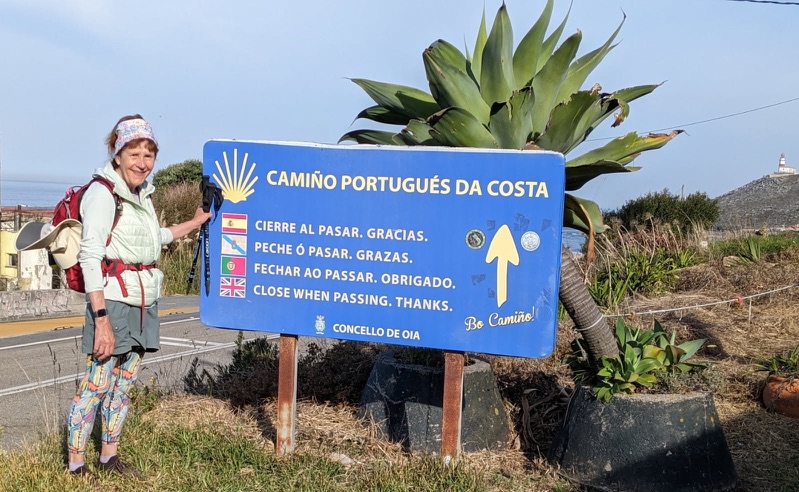
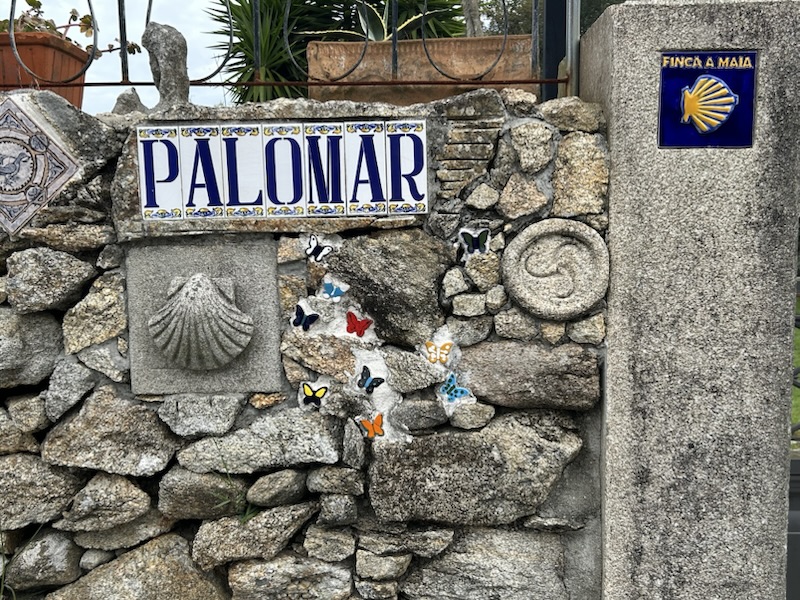
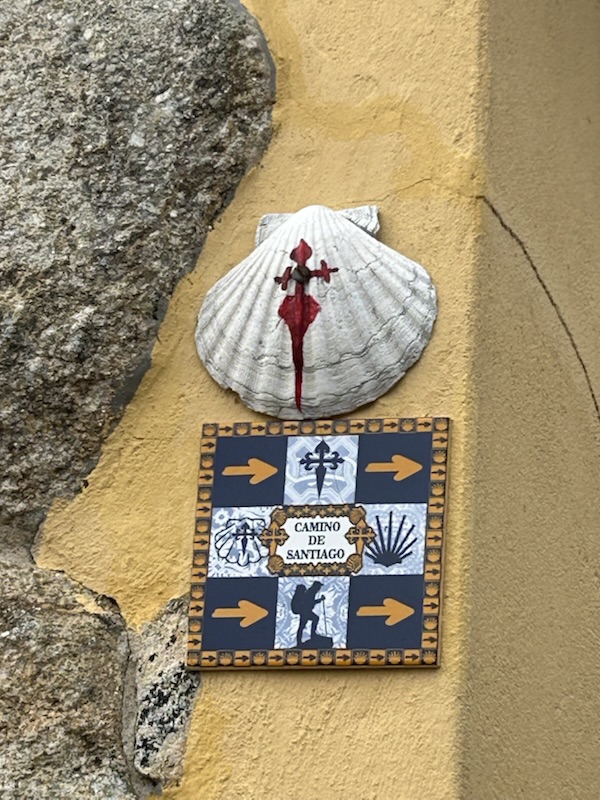
You quickly realize that Spain is home to the Camino. There are many yellow arrows & signs pointing you in the right direction along constantly with well wishes from the Spaniards.
Markers keep you on track showing the precise distance to reach Santiago From this hilltop you can see Portugal across the river on the right & Spain on the left. We enjoyed a pleasant walk through an eucalyptus forest.
It was a treat arriving in A Garda from the port after only walking 2.2 miles. By far our shortest walking day. Almost like a nice rest day after the first four long hiking days.
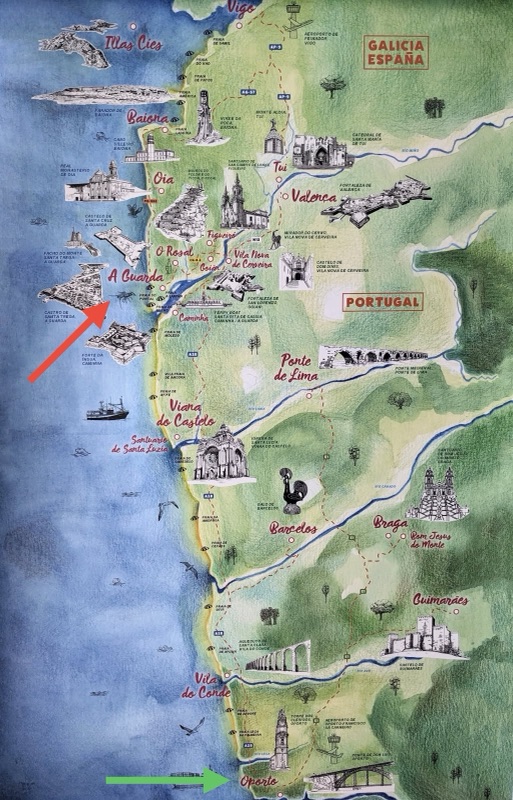
Regional map- The red arrow shows where we are now in A Guarda, Spain; the green arrow shows where we started in Porto, Portugal
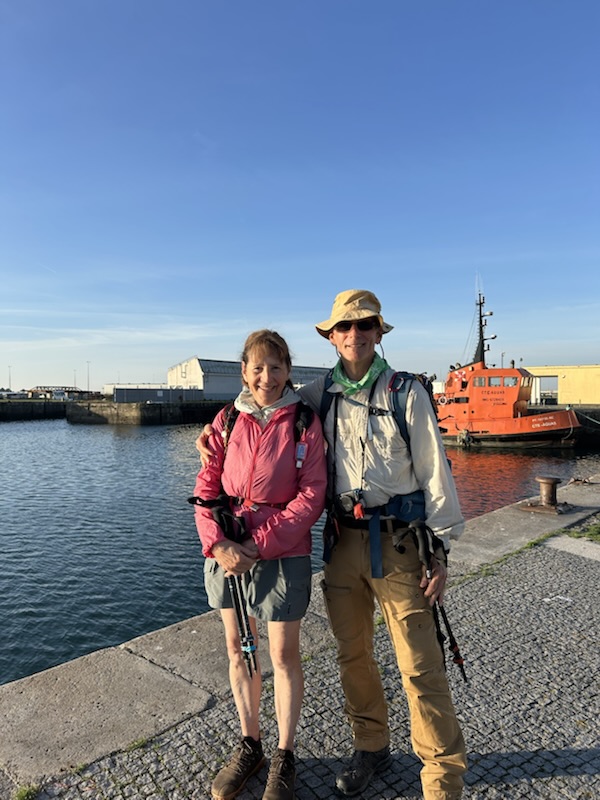
We headed out of Viana around 8:40 AM walking past the shipyard.
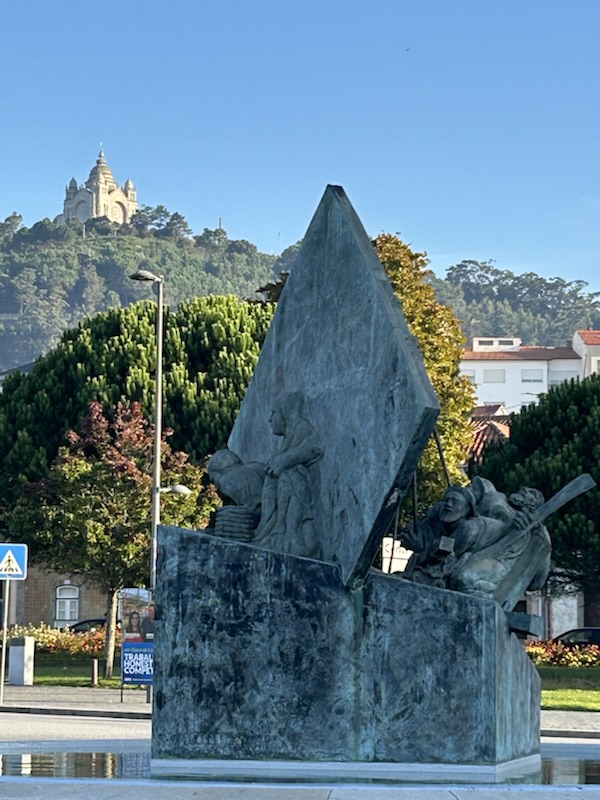
Viana appeared to be a lovely place to visit; however , yesterday I was too tired to venture much past our hotel. I included a couple photos above from there.
Today, we completed our longest walk yet on this trek- 17.5 miles.
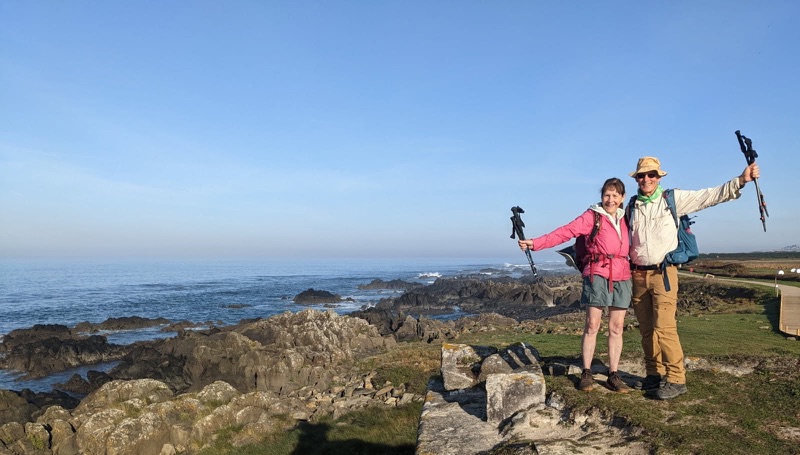
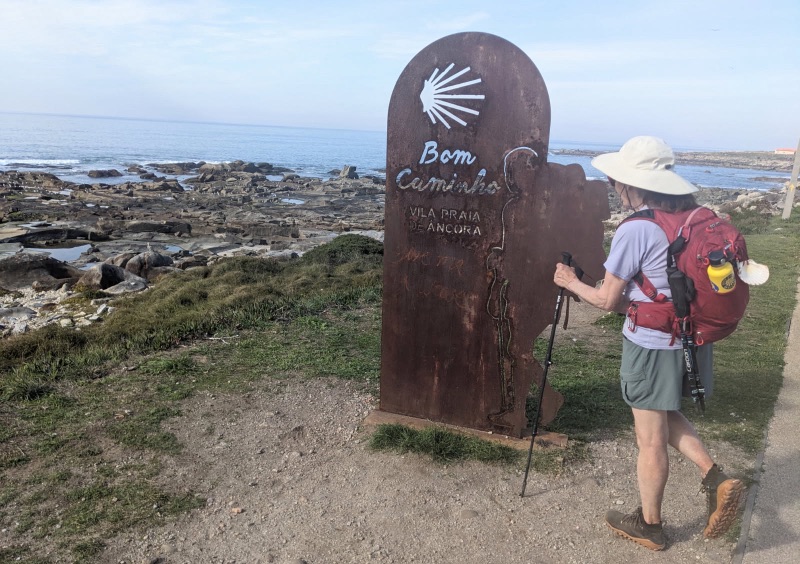
We had 2 routes to choose to go from Viana to Âncora. We chose the one closest to the ocean which was next to perfect. Not only was the view spectacular; but also, we enjoyed a flat path on boardwalks, sidewalks, & packed sand. My feet were saying “thank you” the whole way. (Not a big fan of the cobblestones. 😜)
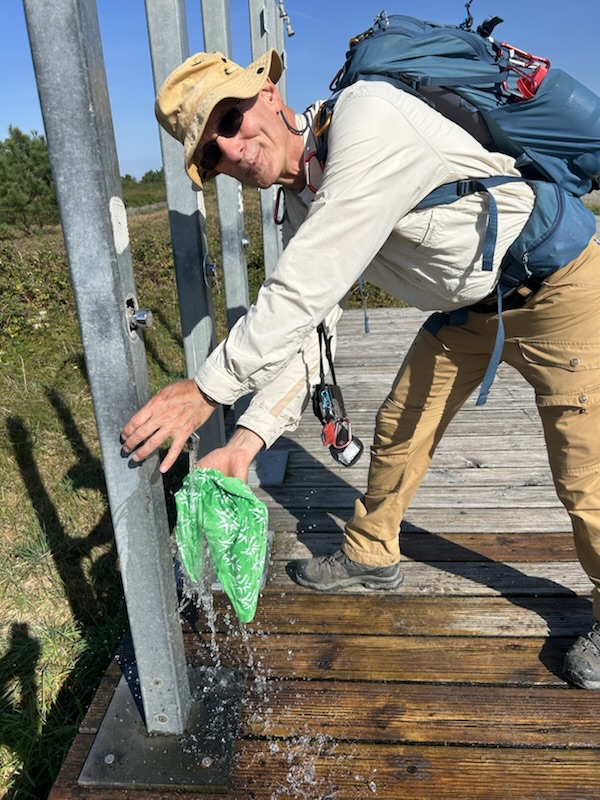
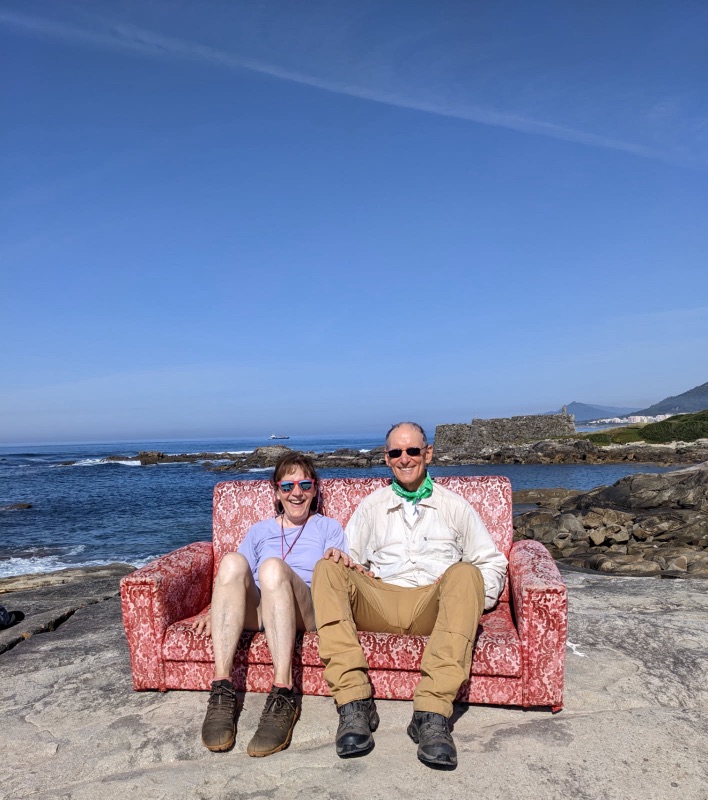
Ancora in the distance I learned from our last Camino that a cup of Cafe con leche gives me an extra boost around 10:30 AM. This shocks all my close friends who know I never drink coffee at home. My secret sauce for these long days. 😂A cold, wet “ Drive On” rag around the neck is my husband’s little secret. Saw this couch on the rocky beach that screamed “Kodak Moment!”
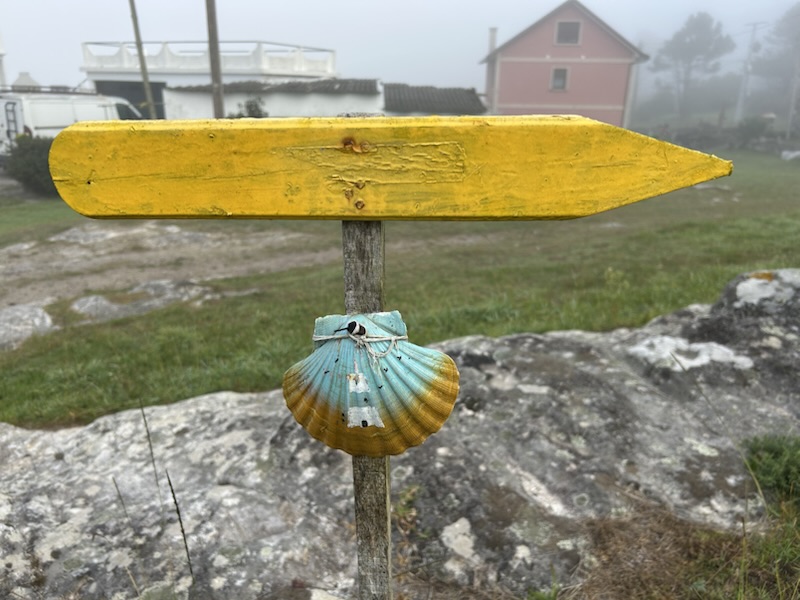
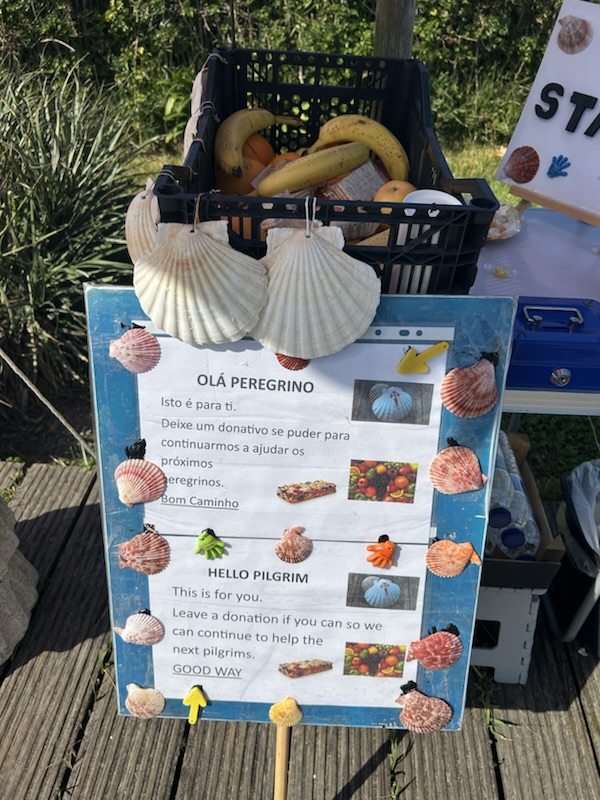
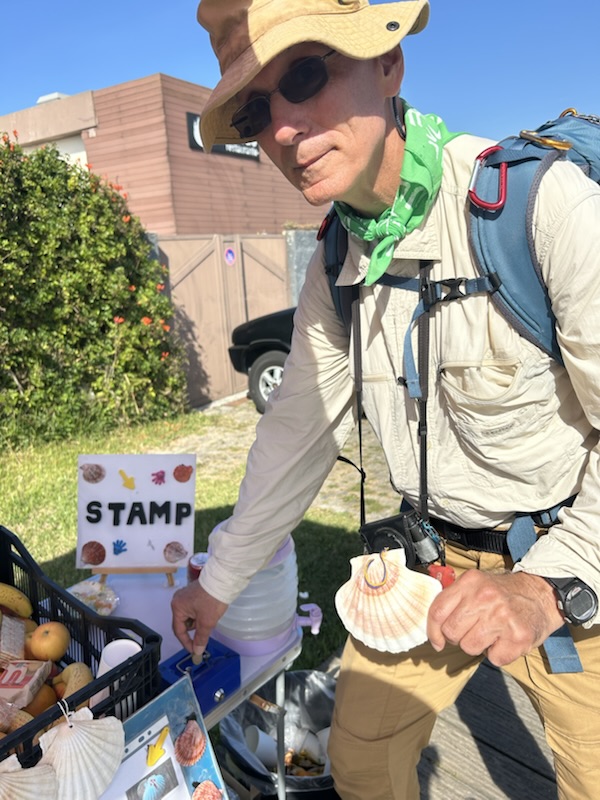
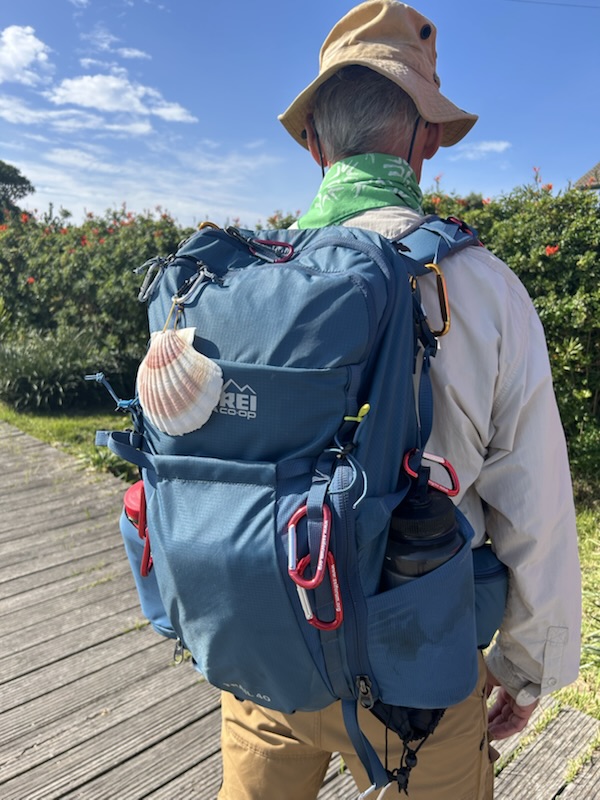
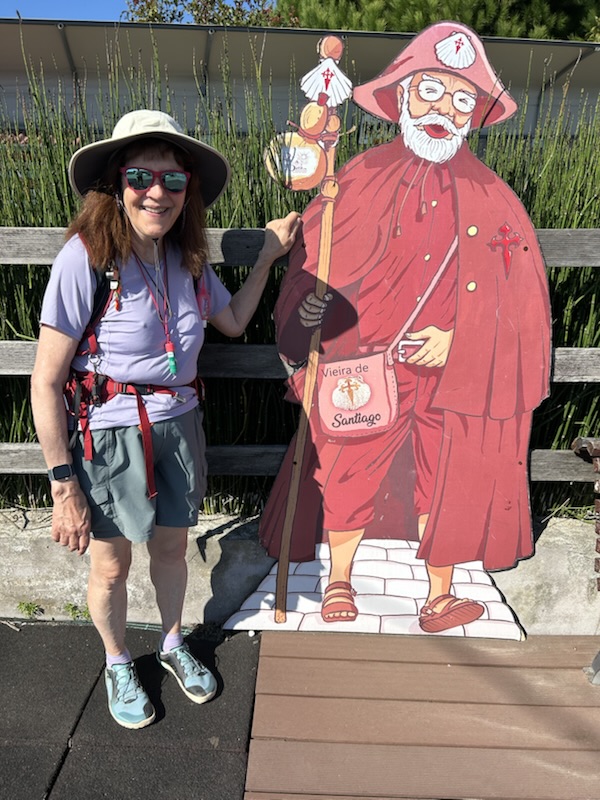
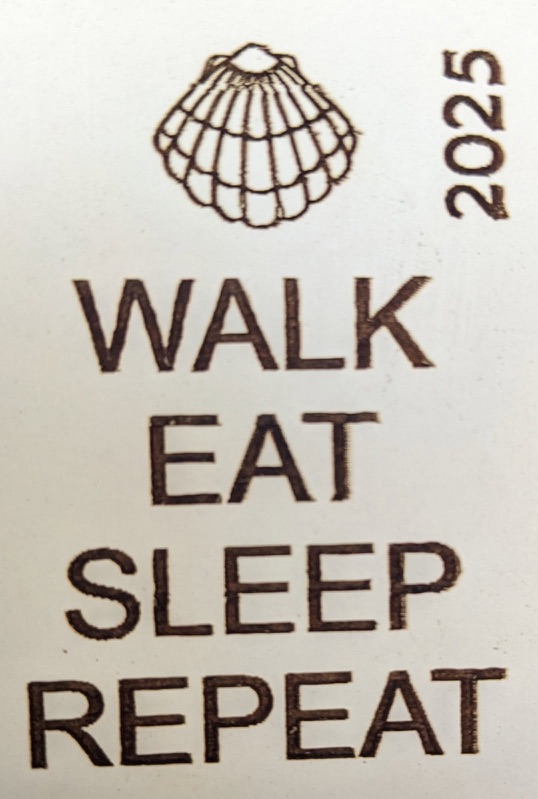
Along the way you often find small give aways that work on the honor system. It is also common for all Camino Pilgrims to have a scallop shell on their pack.
Odds & ends
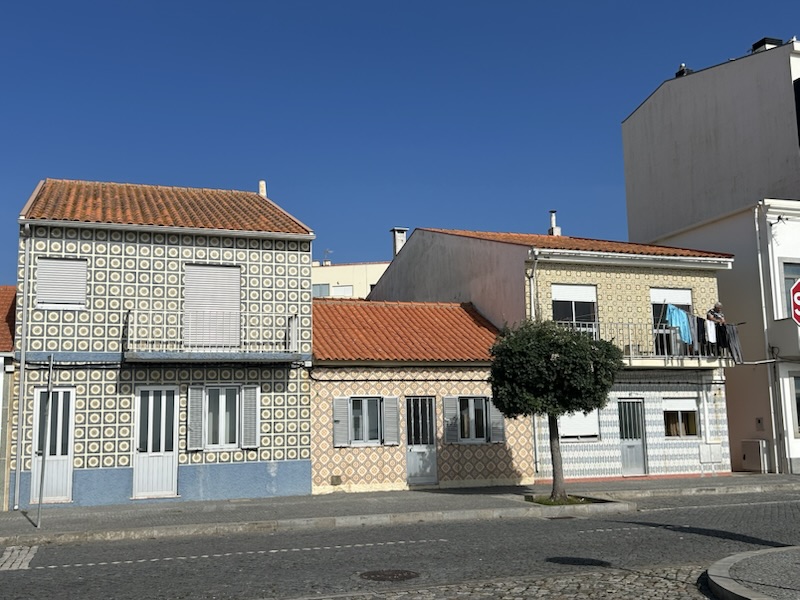
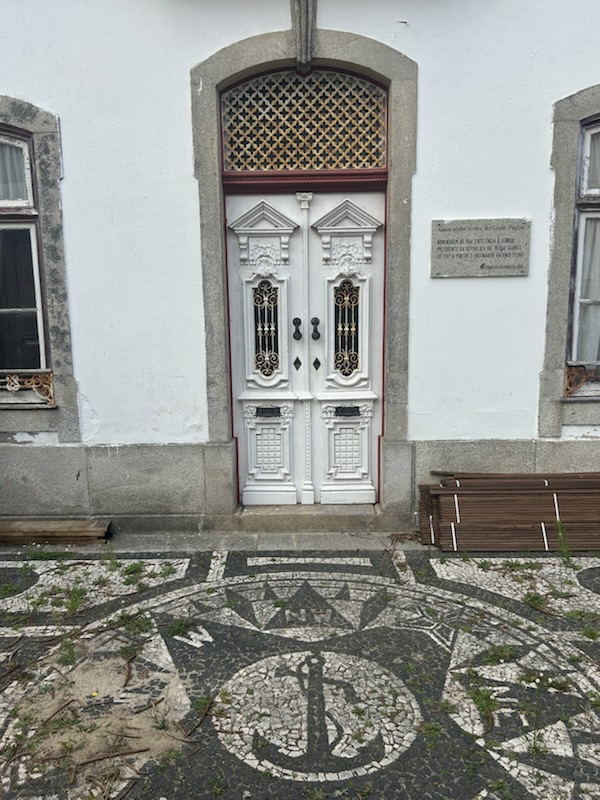
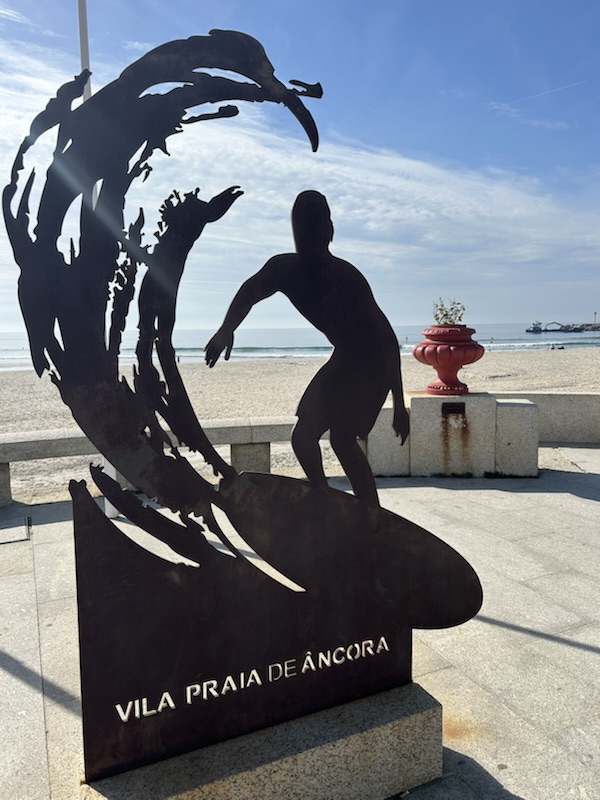
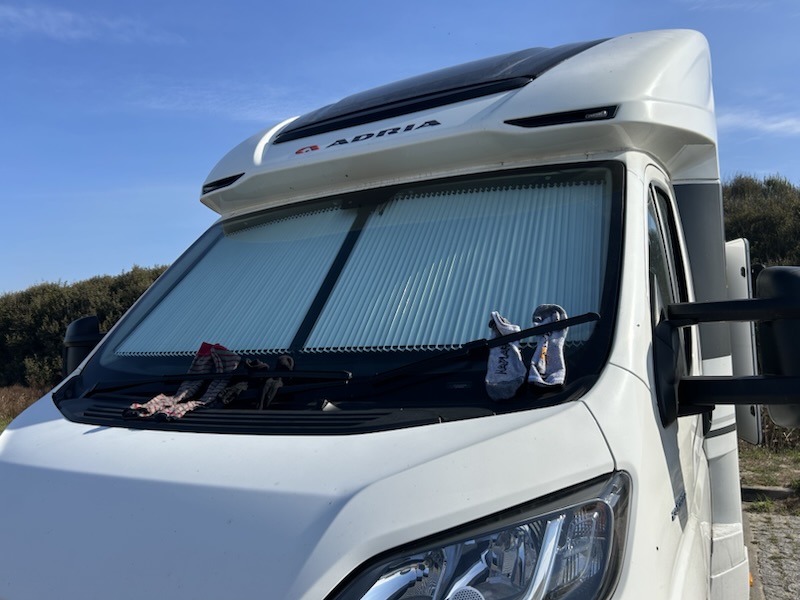
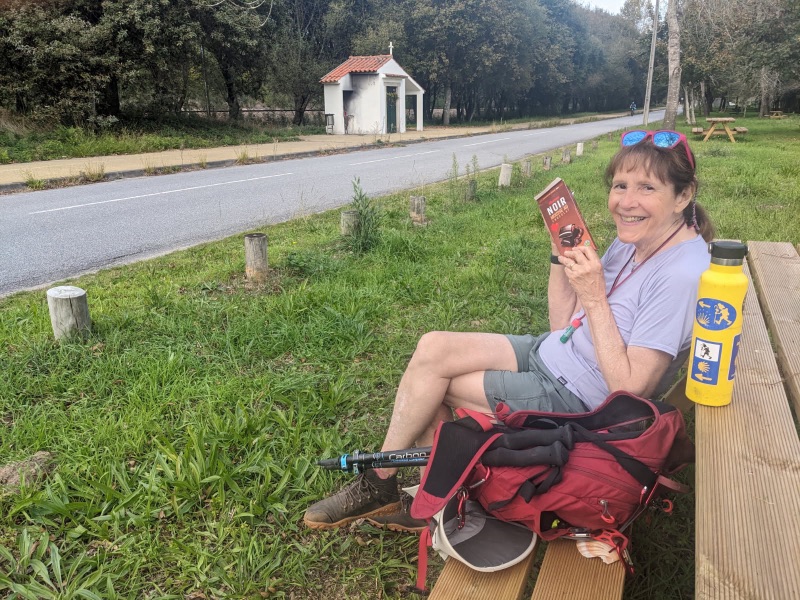
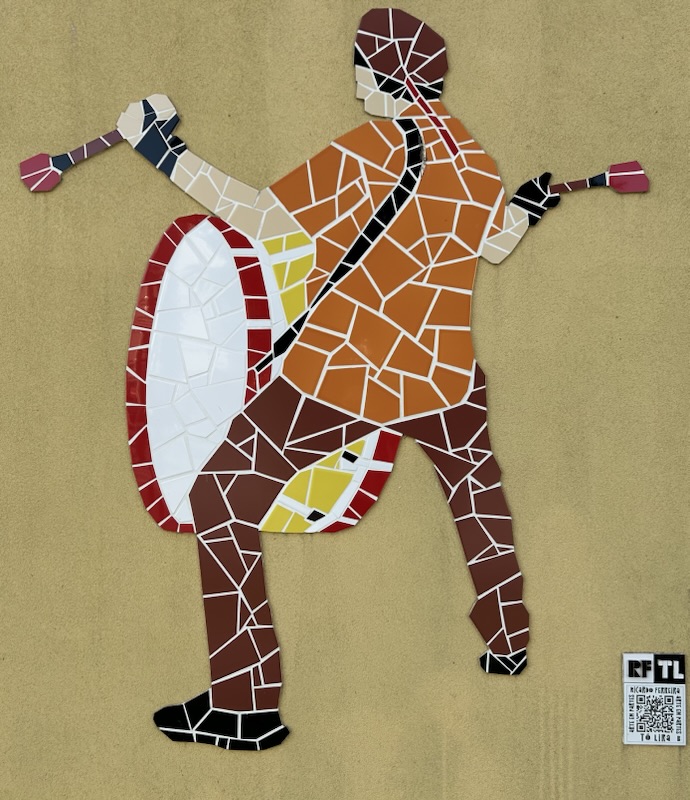
Classic tile homes Beautiful door with rock entry Many Surfers hereOne way to dry your socks when living “Van Life”Collective artIt’s always a good time to stop and have some chocolate
Another beautiful day in Portugal. We left around 8 AM with a cool chill in the air; but, by 10 AM, it warmed up enough for me to remove my jacket.
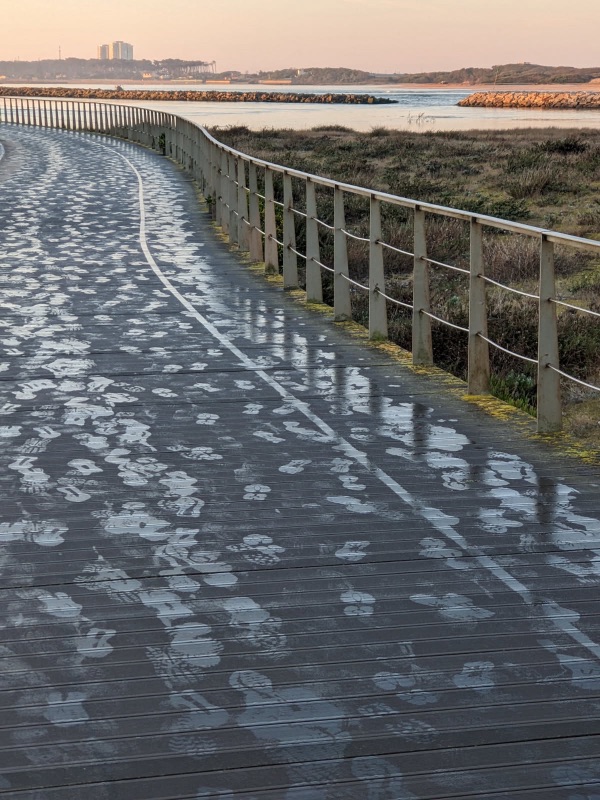
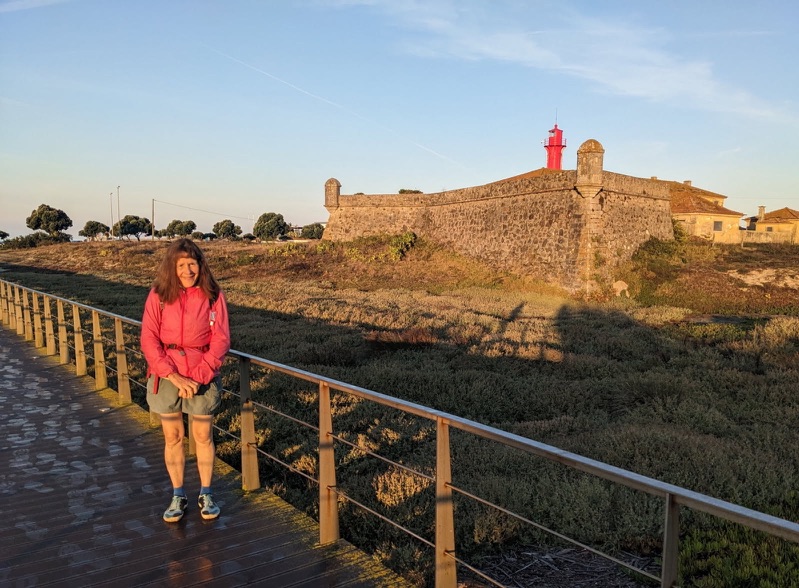
Only boardwalk for the day across from our hotel showing early morning walkers footsteps One of many forts along the coastline
Sadly, no boardwalks today & we finally reached those hills we saw looming in the distance on our first day.
Today we covered 16 miles up & over hills with varied terrain. We needed to pull out our trekking poles to maneuver the rocky paths with their many tree roots.
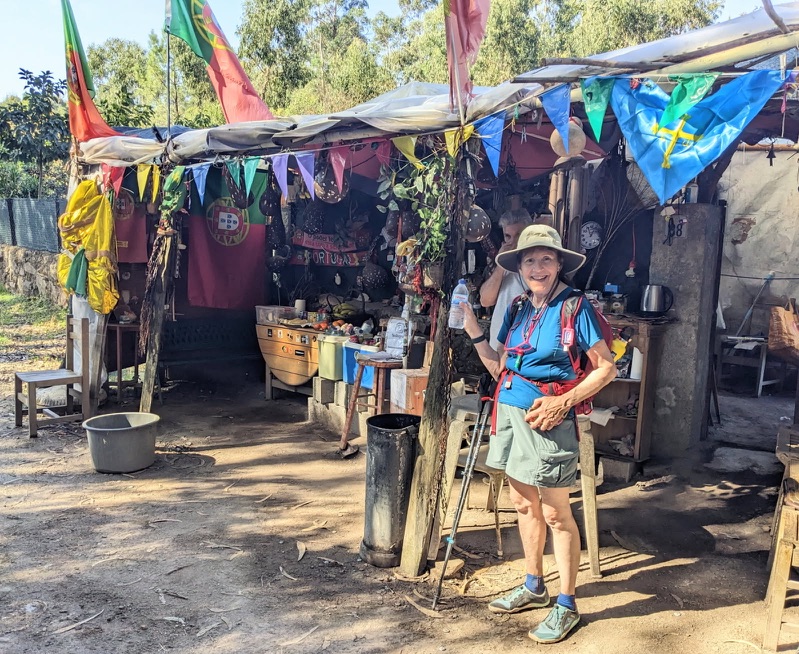
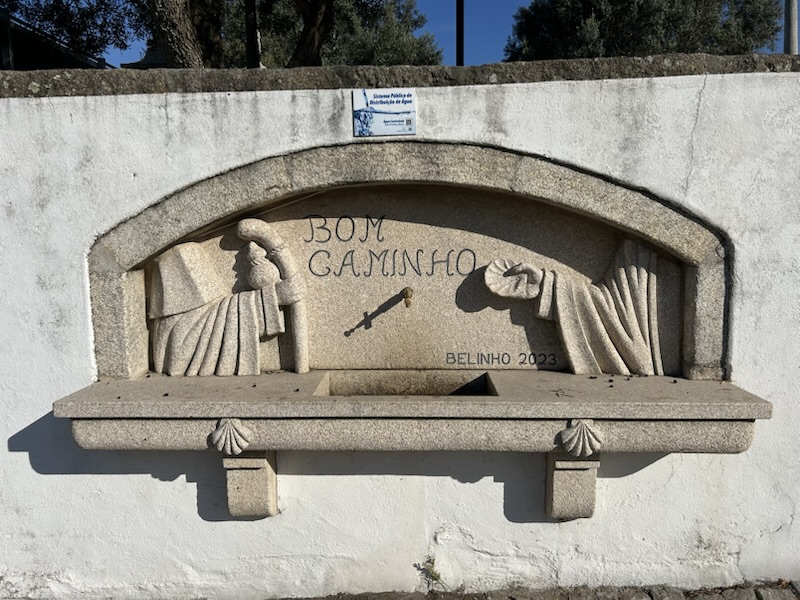
One of my favorite things about the Camino are the people who offer drinks & food for free or for a small donation along the route. This was our first such place on this trip.
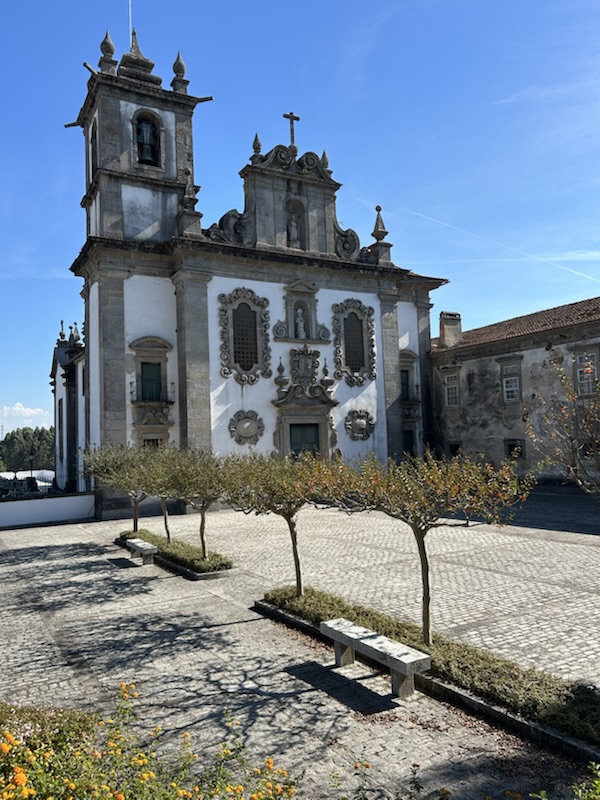
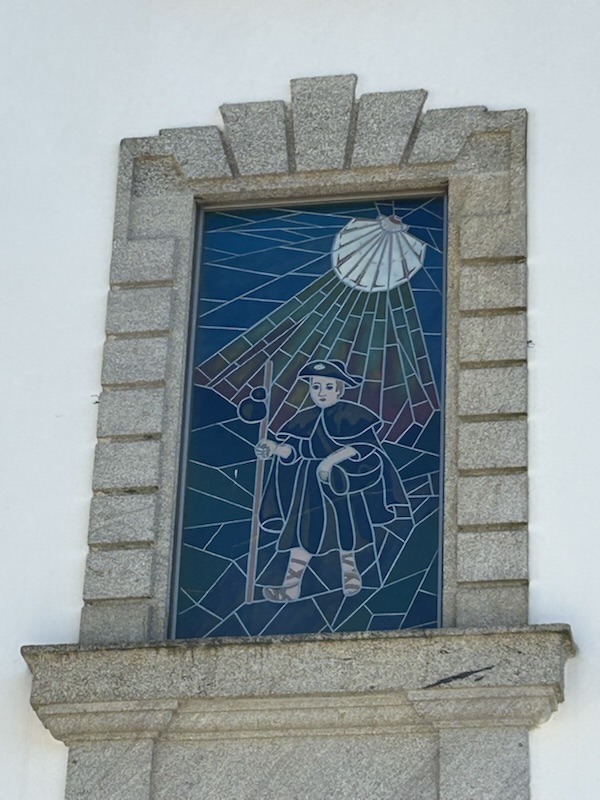
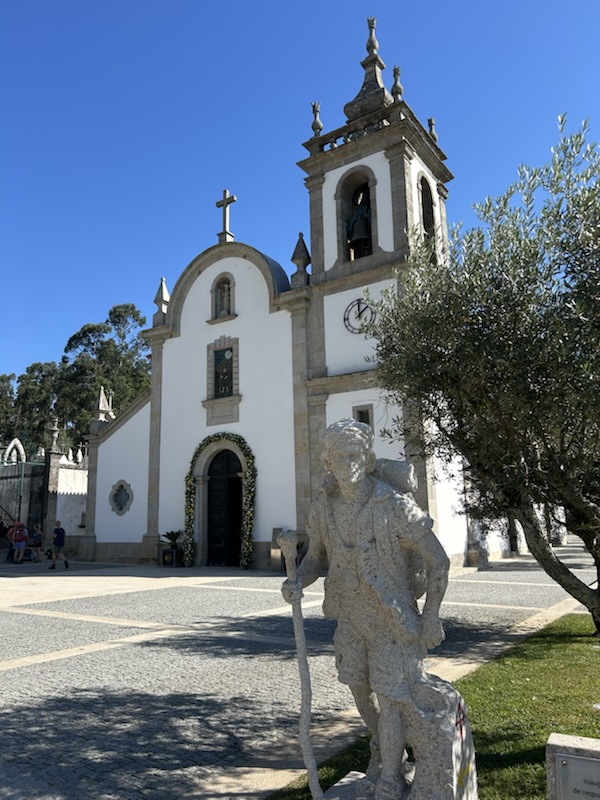
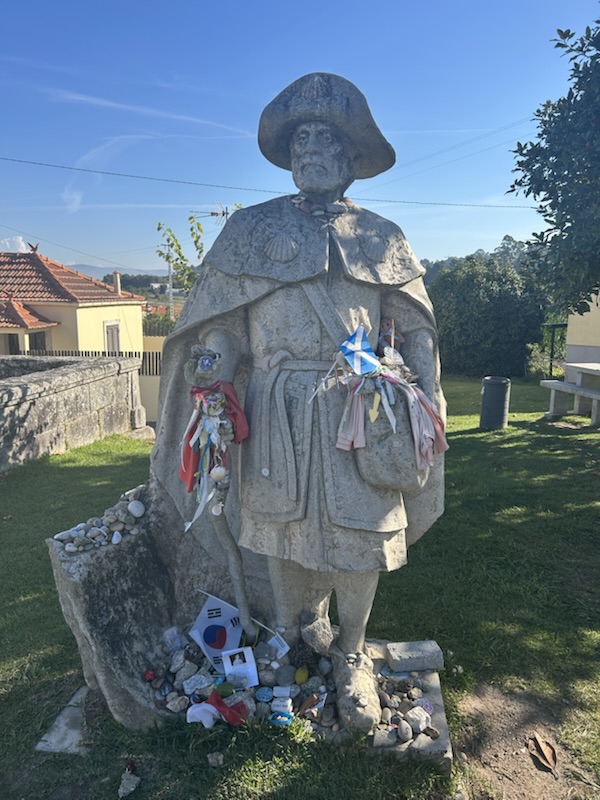
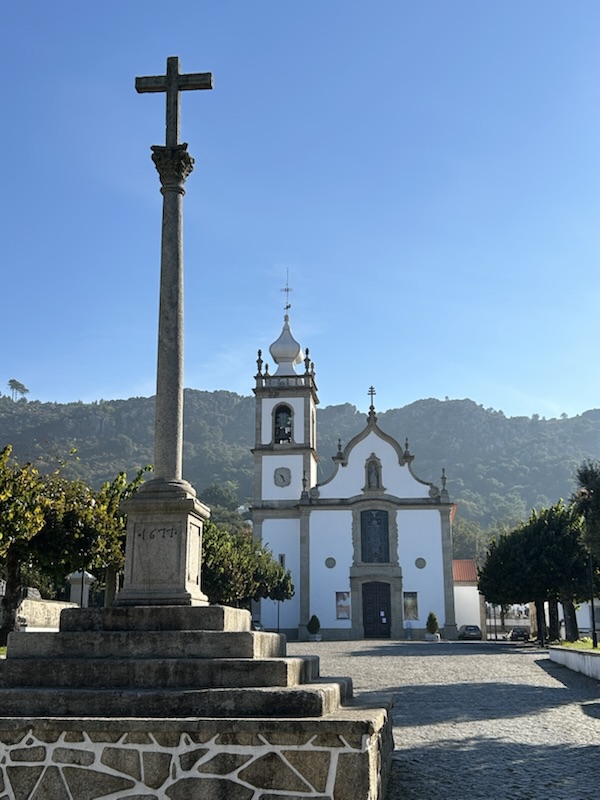
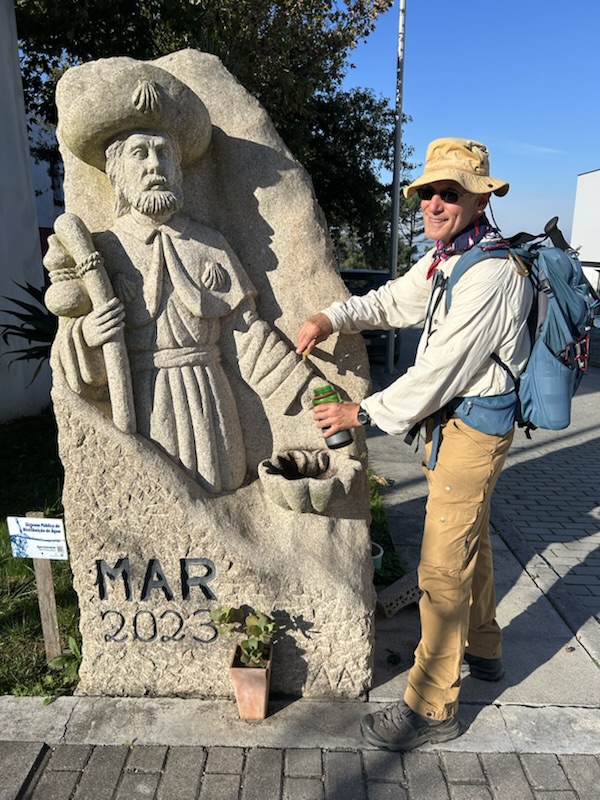
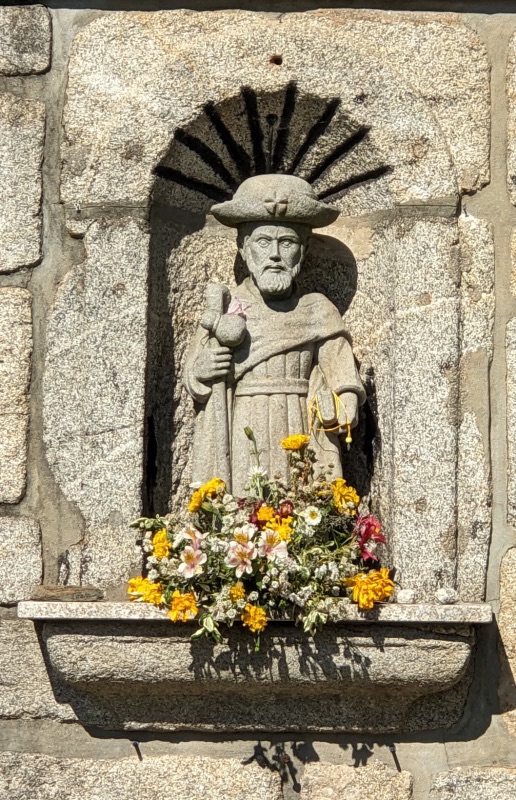
Our route also took us past many churches both small & large. Many have pilgrim statues since they are on the path to Santiago.
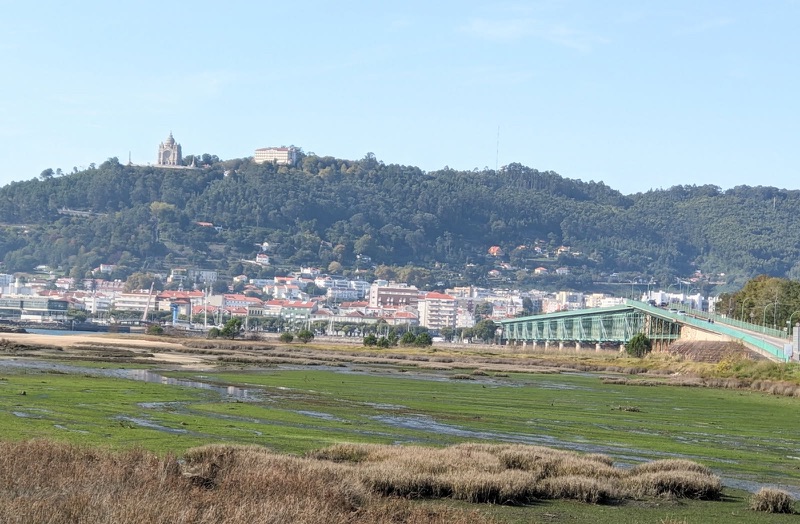
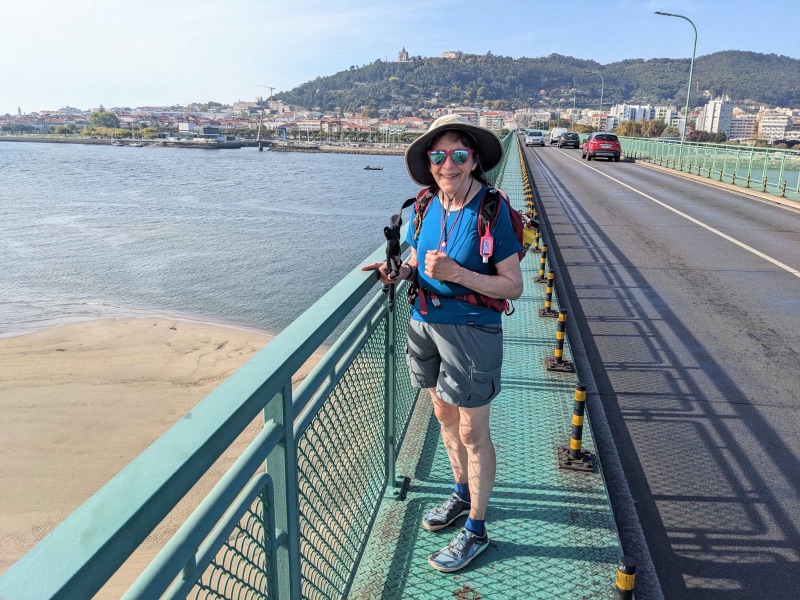
Our final stretch took us over the Bridge Eiffel. It was designed & built by Gustave Eiffel in 1878. He is the same man who designed & completed building the Eiffel Tower in Paris in 1889.
Bridge Eiffel entering Viana do CostelloCrossing the Lima River on the Bridge Eiffel
Legend has it that when the Romans reached Viana in the 1st Century BC , they were so impressed with its beauty that they thought they had reached paradise.
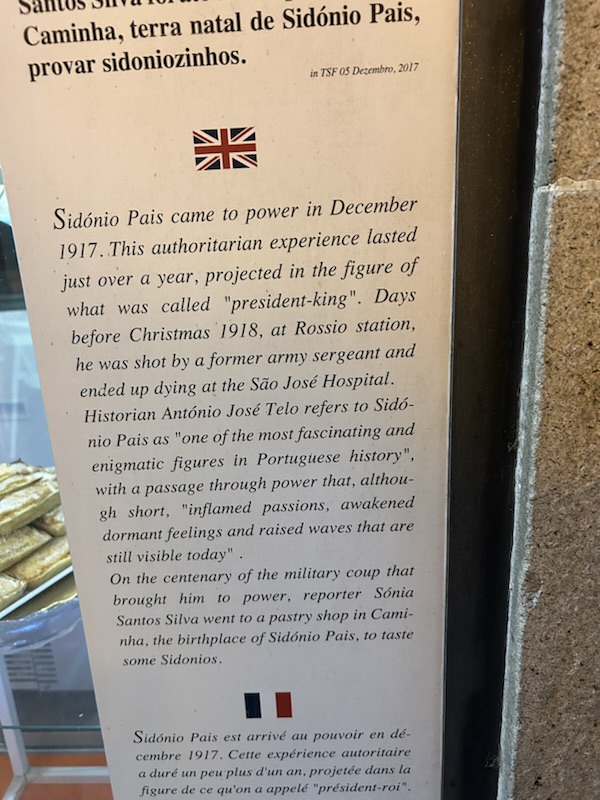
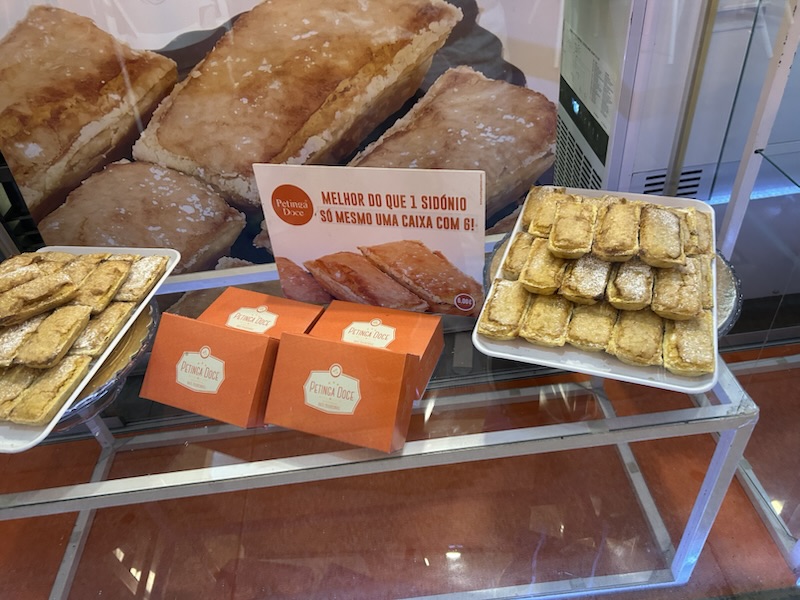
We found a small bakery near our hotel offering this very unique pastry. They taste like apple strudel.
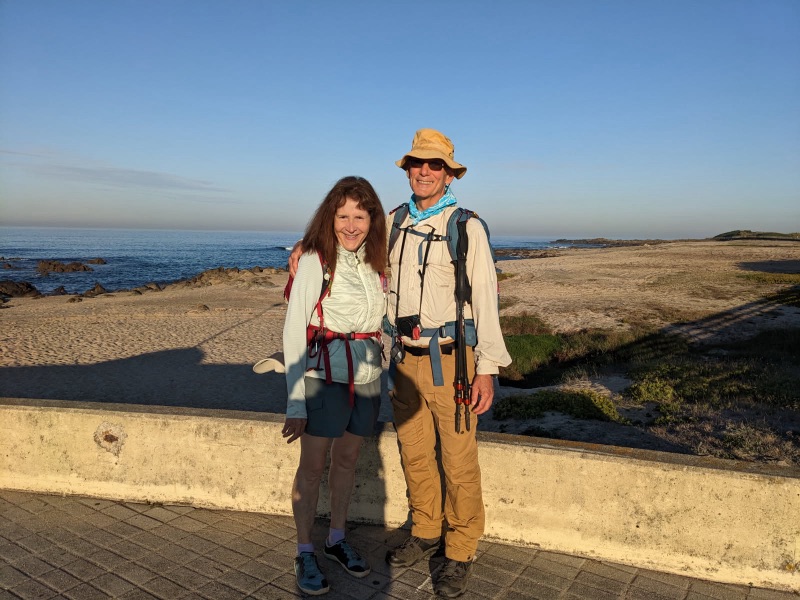
A beautiful day for a walk. Today was a nice 14 mile walk in near perfect weather.
After leaving our hotel a little after 8:00 AM, the sun was just rising over the buildings in Povoa de Varzim.
The route kept the ocean within view almost the entire time. It’s very refreshing to walk with the ocean scent in the air.
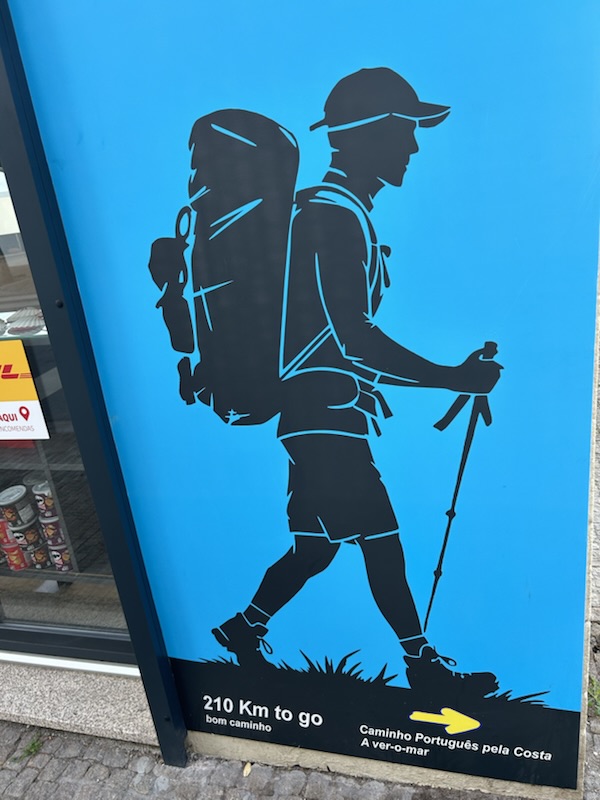
A pilgrim is required to walk at least the last 100 km into Santiago to receive a certificate. I think we will have that requirement covered. We started around 260km from the outskirts of Porto.
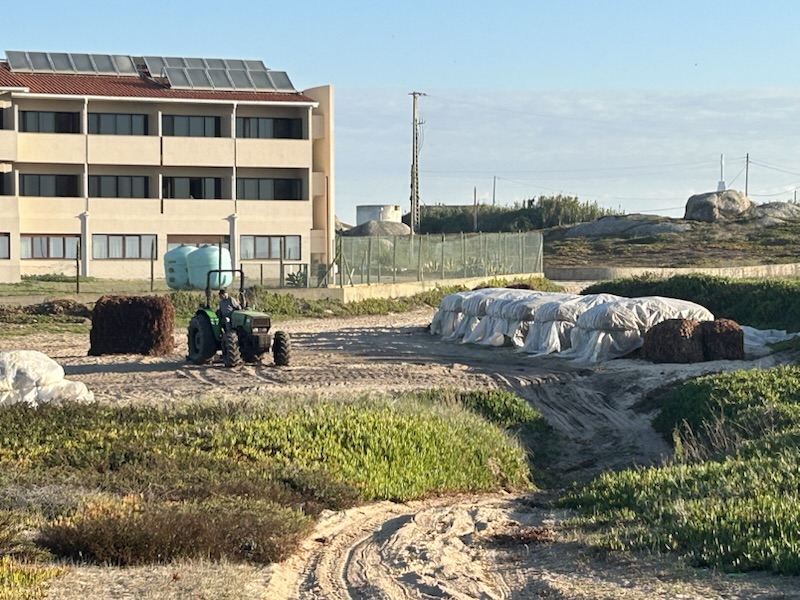
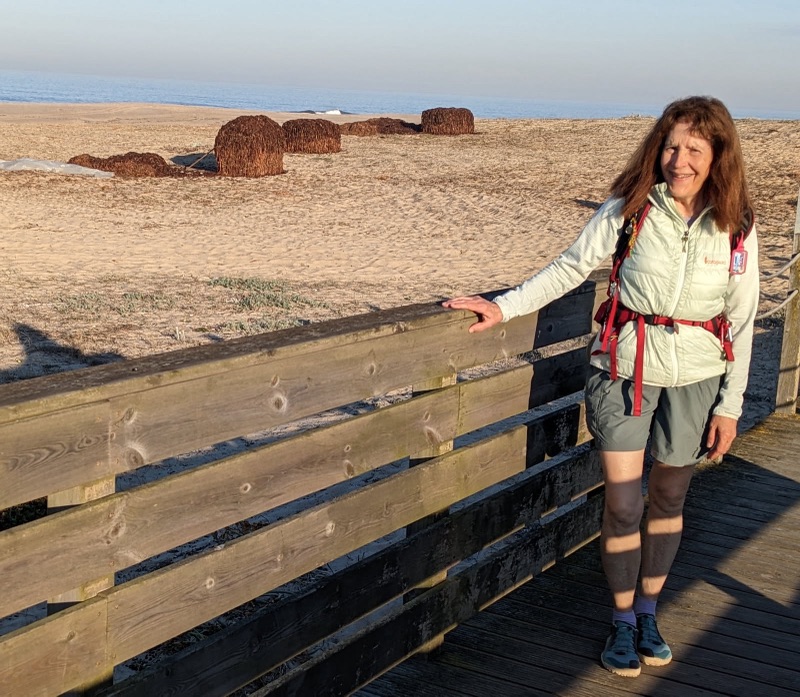
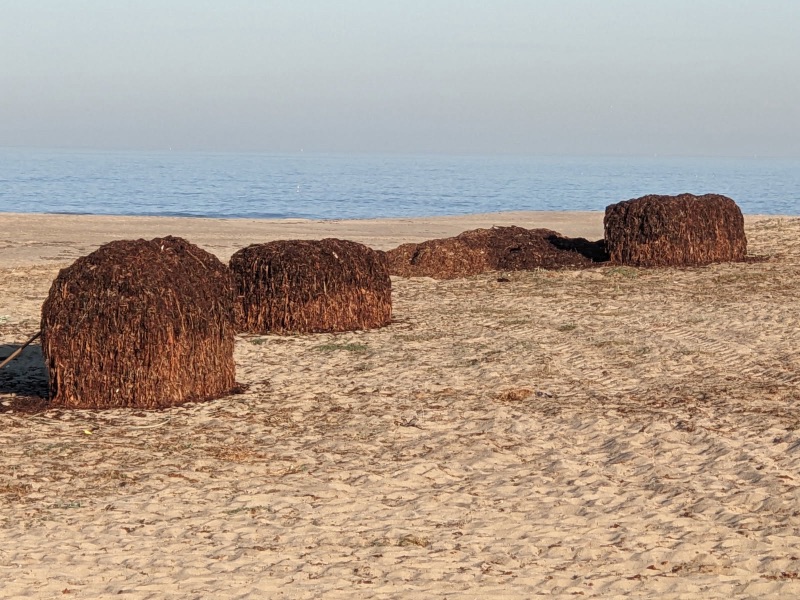
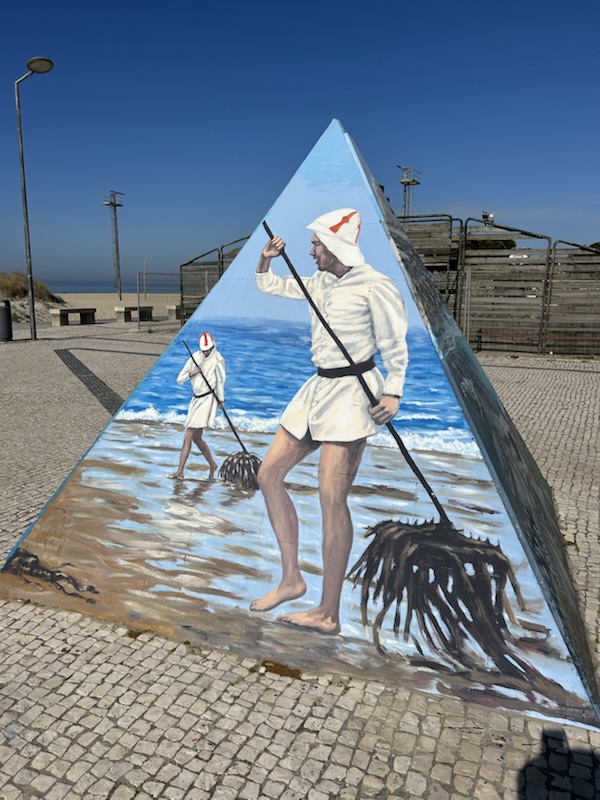
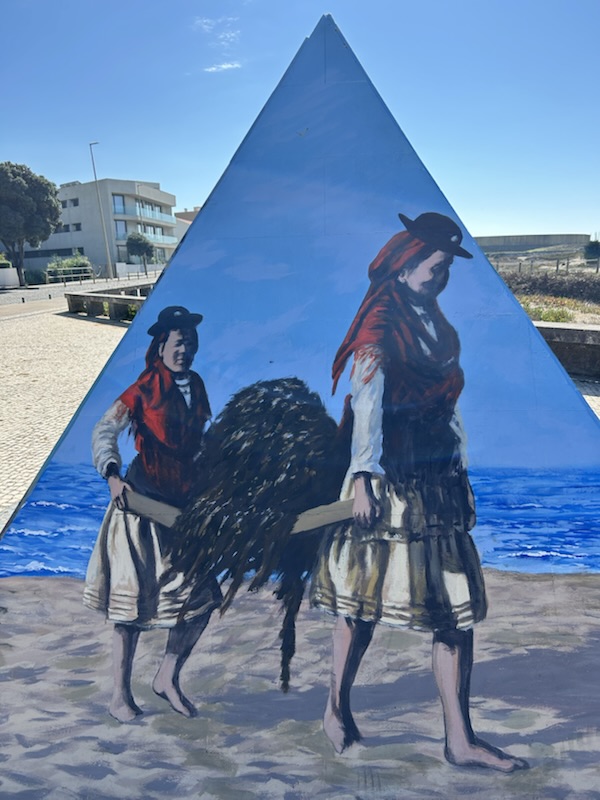
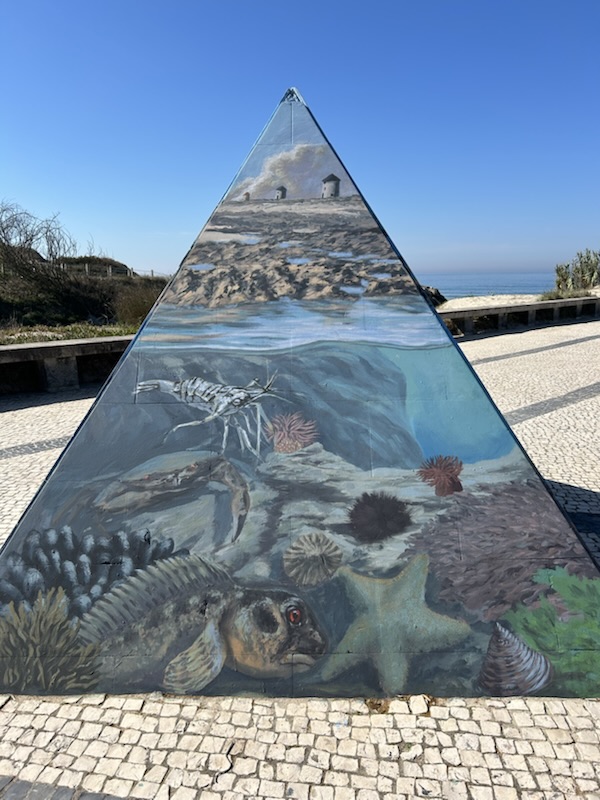
One thing we found very interesting was seaweed being harvested along the coast. Seems this process has been going on for centuries here.
Collecting seaweed Seaweed stacksA local man returning from the beach with his own seaweed harvest
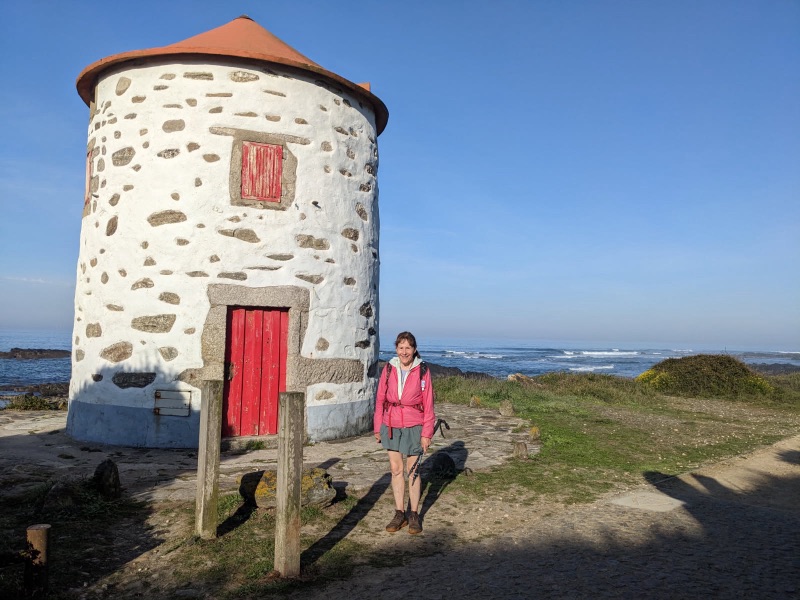
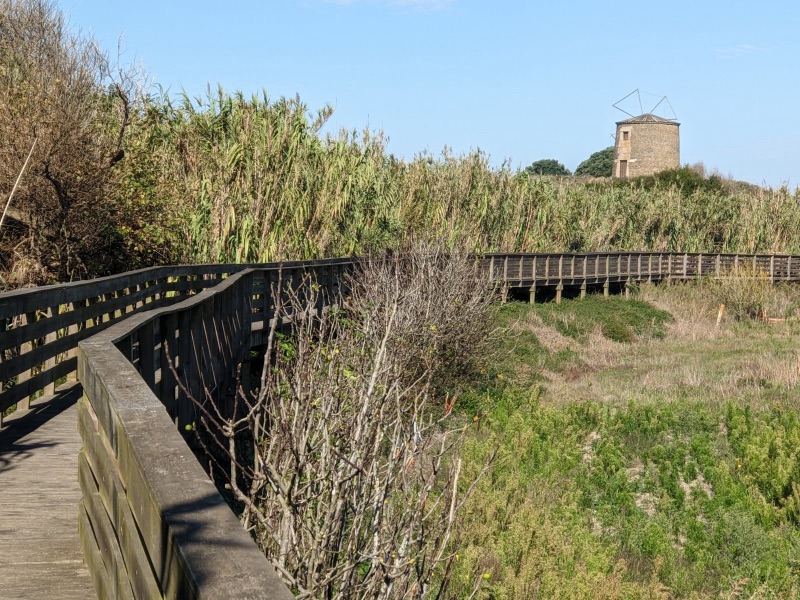
We saw some interesting old stone windmills along the way.
More fun sights along the route:
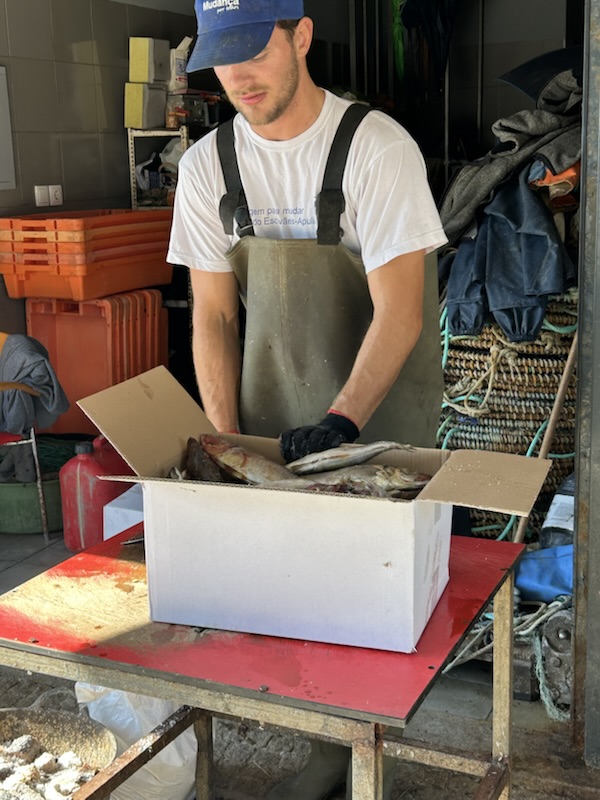
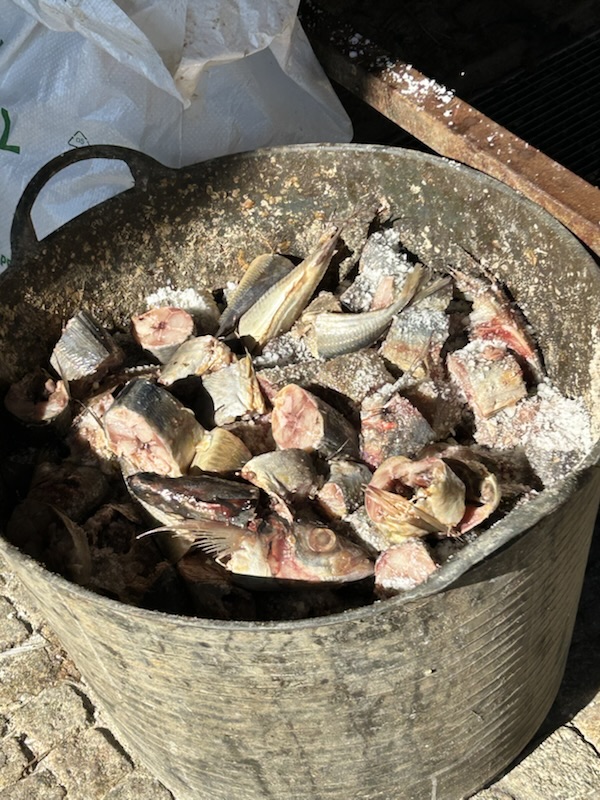
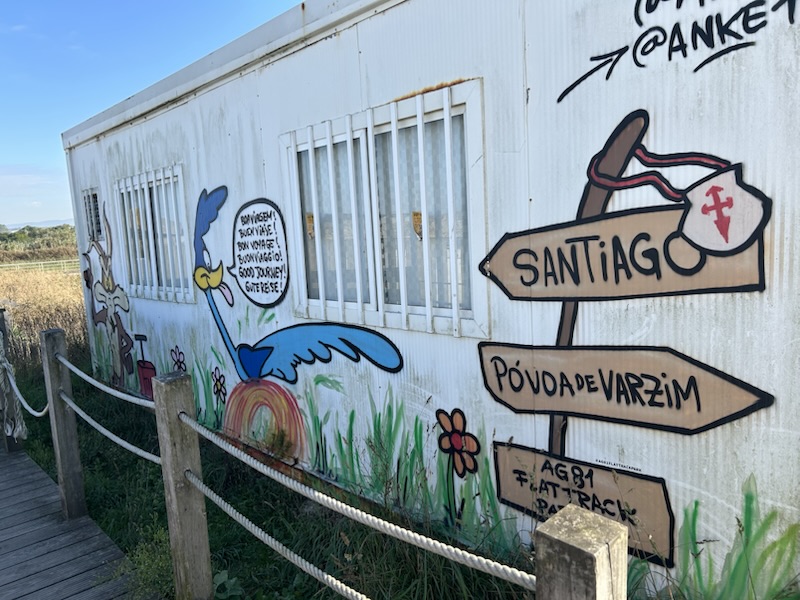
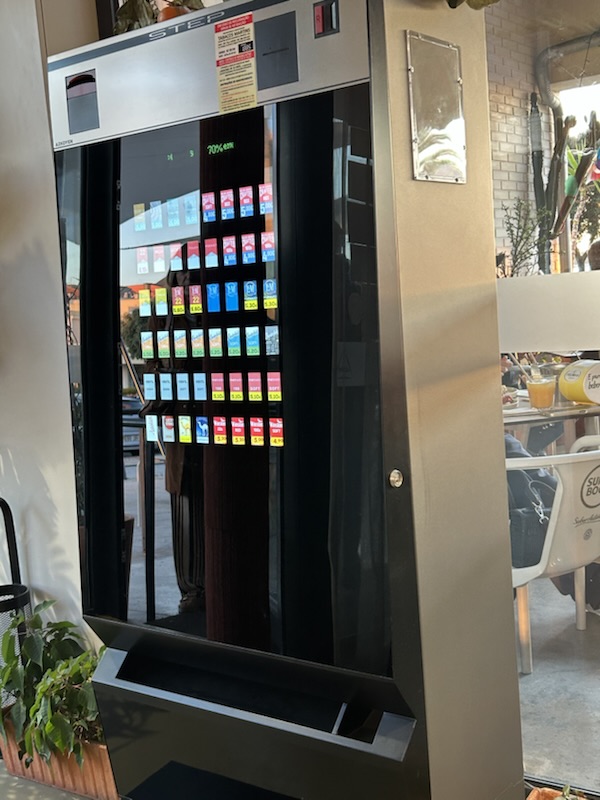
Fish mongerCut up fishRest stop MemorialGardenCollection of stuffRemembranceRoad Runner & Coyote sightingOld and older pilgrims 😂When was the last time you saw a cigarette vending machine?
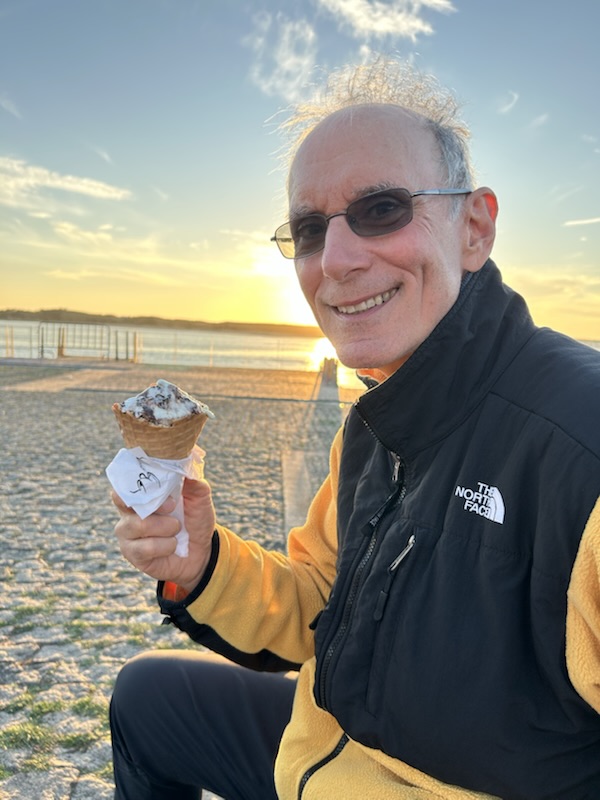
You know who is celebrating his birthday on the trail.
We enjoyed hiking the Camino de Santiago so much in Autumn 2023 that we decided to return & try a new route.
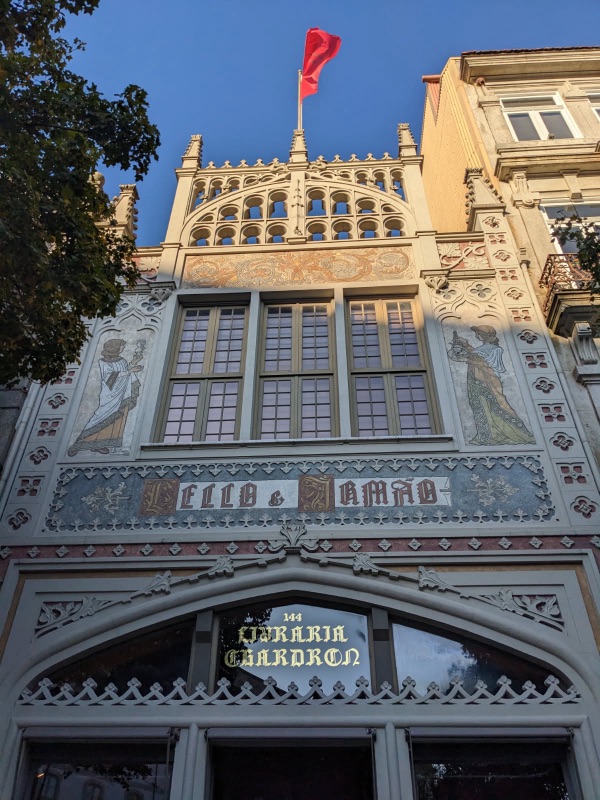
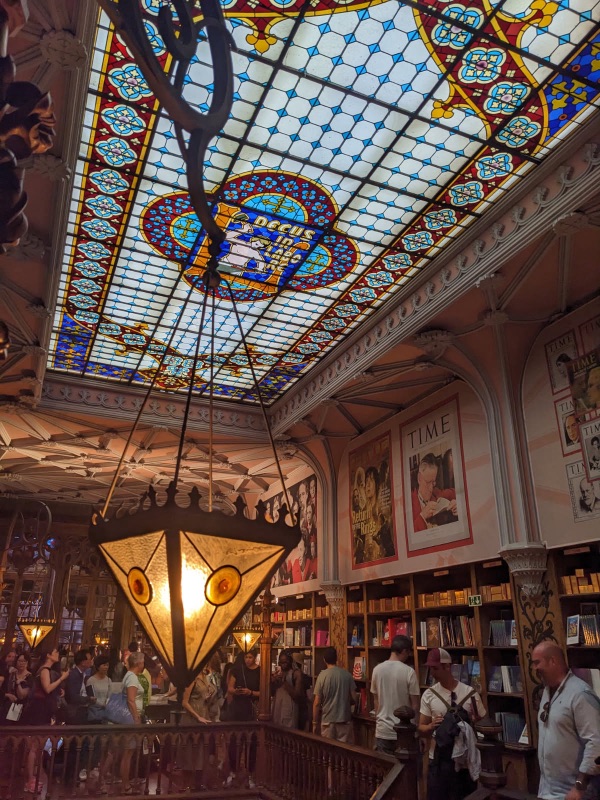
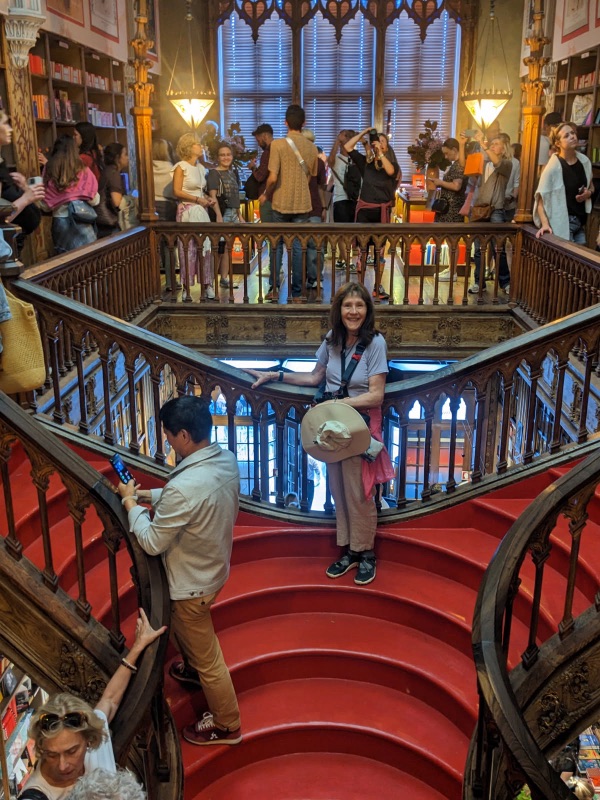
This time we started in Porto, Portugal. Porto is Portugal’s second largest city & is where Port wine originated. We arrived from Lisbon by train. After picking up our Camino passport at the Porto Cathedral, we visited what is claimed to be the most beautiful bookstore in the world.
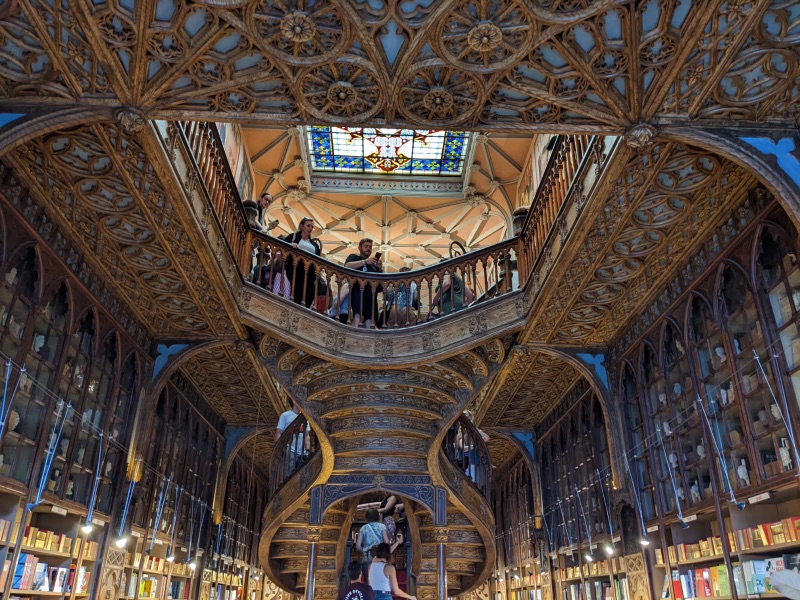
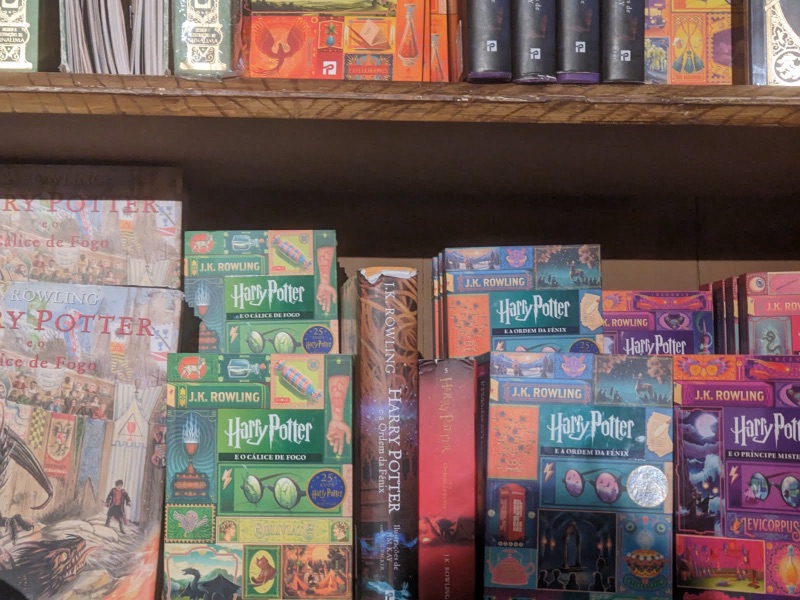
It’s called Livraria Lello. It’s so popular that you have to get tickets in advance to be admitted. Once inside, you realize why many people believe the author J.K. Rowling who wrote the Harry Potter series was inspired by this bookstore to create the library at Hogwarts. She denies she did; but, she did live in Porto when she was writing her first Harry Potter book.
It is very small store & it is decorated beautifully with a very unique staircase.
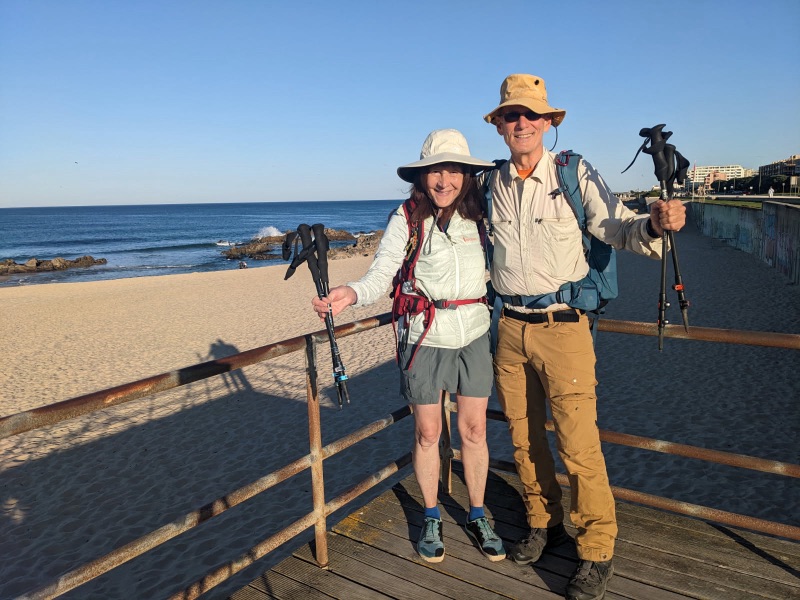
Today we started our 260 km walk to Santiago. Before we left I thought our first day was going to be 13 miles; I then learned it would be 15 miles; but, it was actually 17 miles! So glad I didn’t know that before we left. 😜
After taking a metro ride to the coast we crossed a bridge & started the walk that took 8 hours to complete.
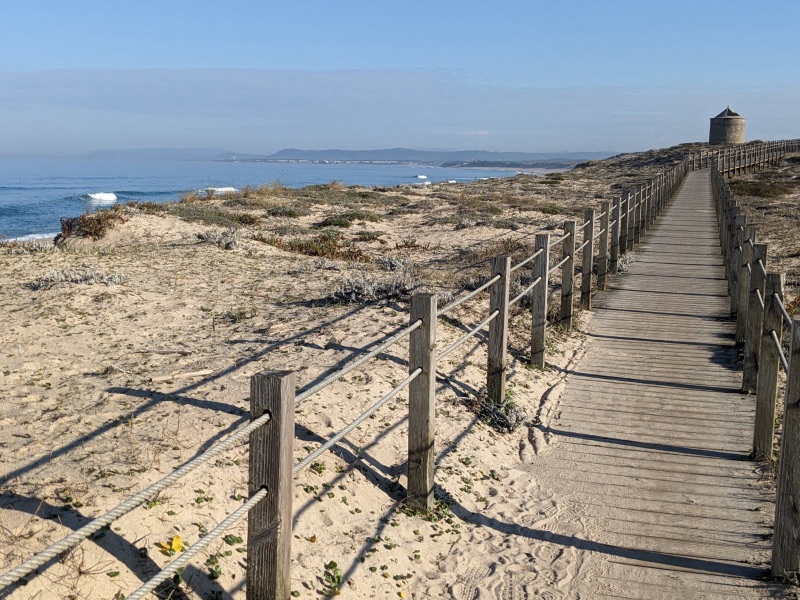
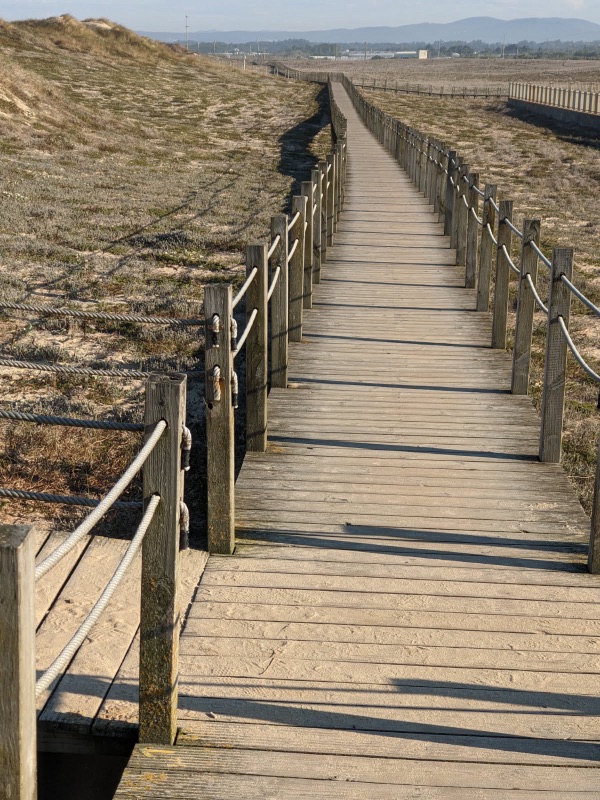
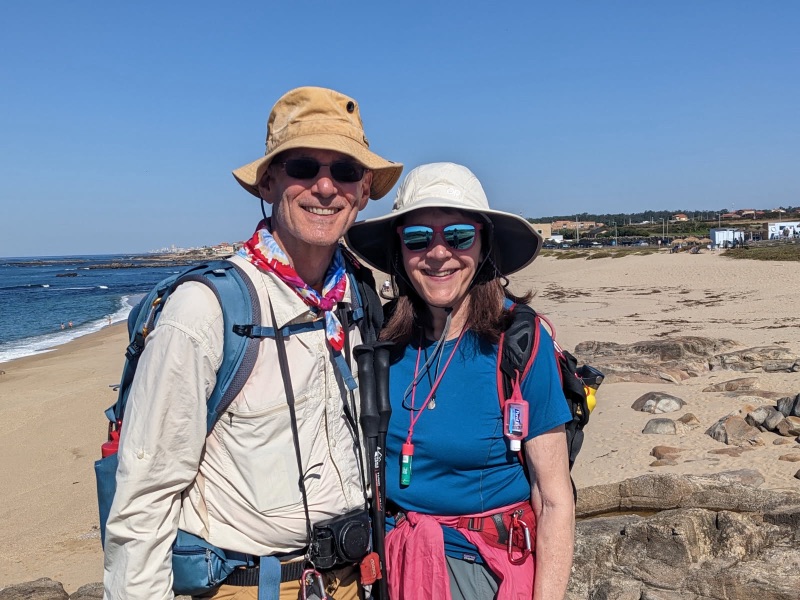
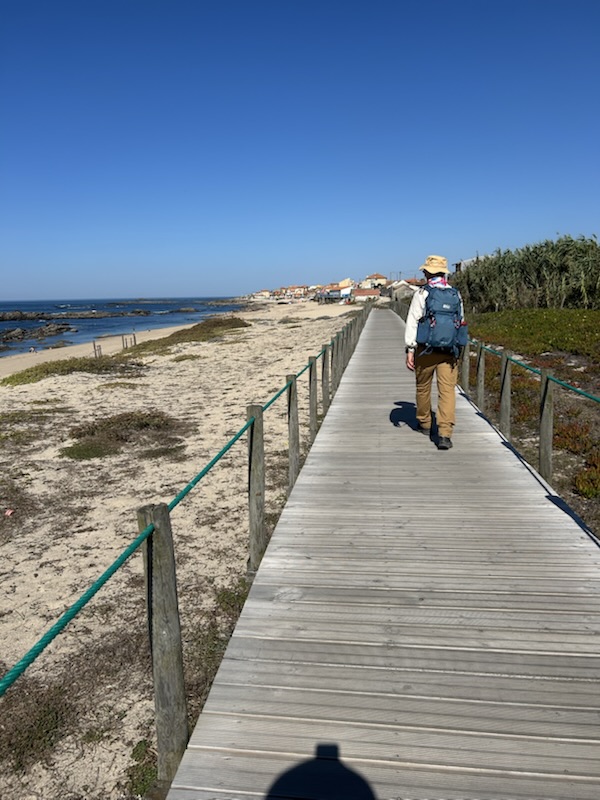
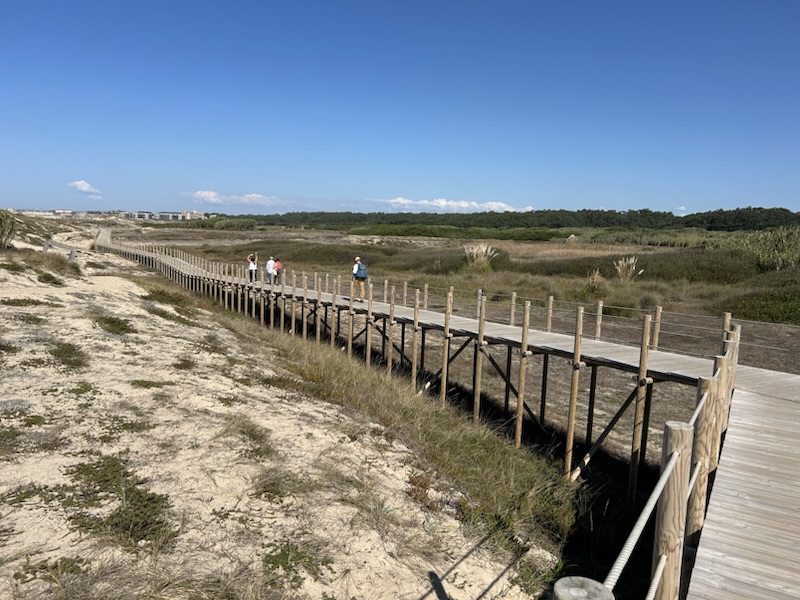
On most of the route we enjoyed beautiful views right along the Atlantic Ocean. Remarkably, most of the trail was on a wooden boardwalk. What a luxury for the locals to have such a marvelous walkway.
Here are a few sights we saw along the way.
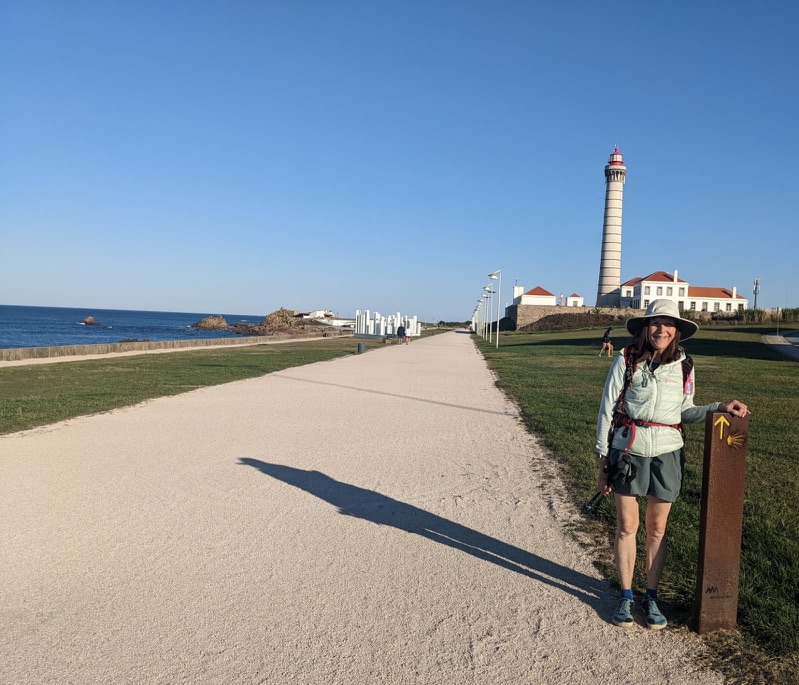
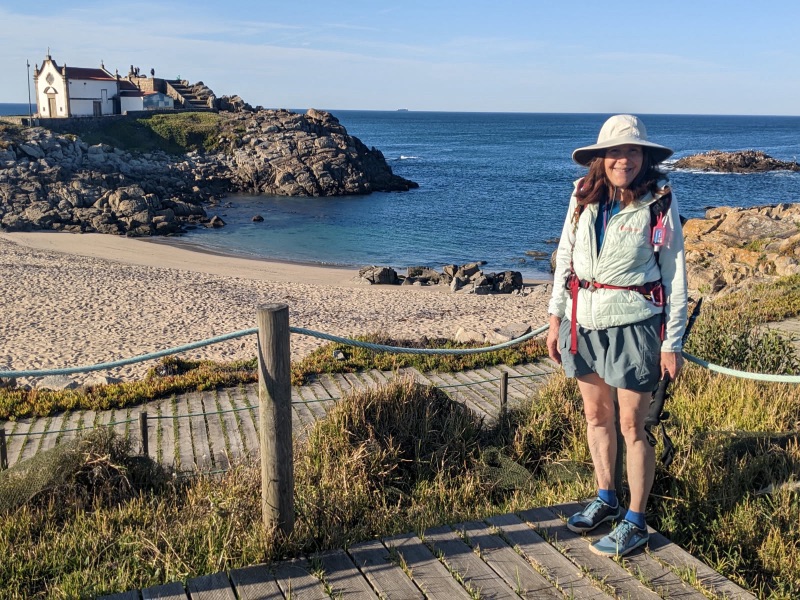
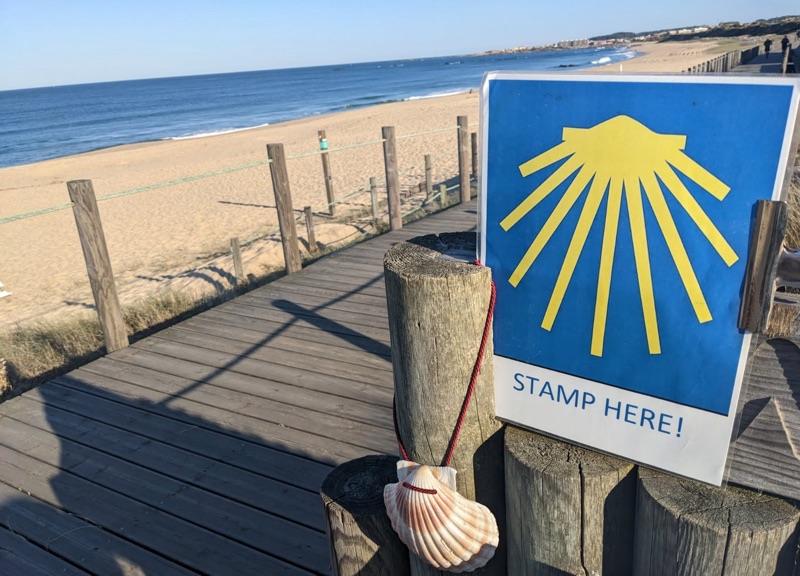
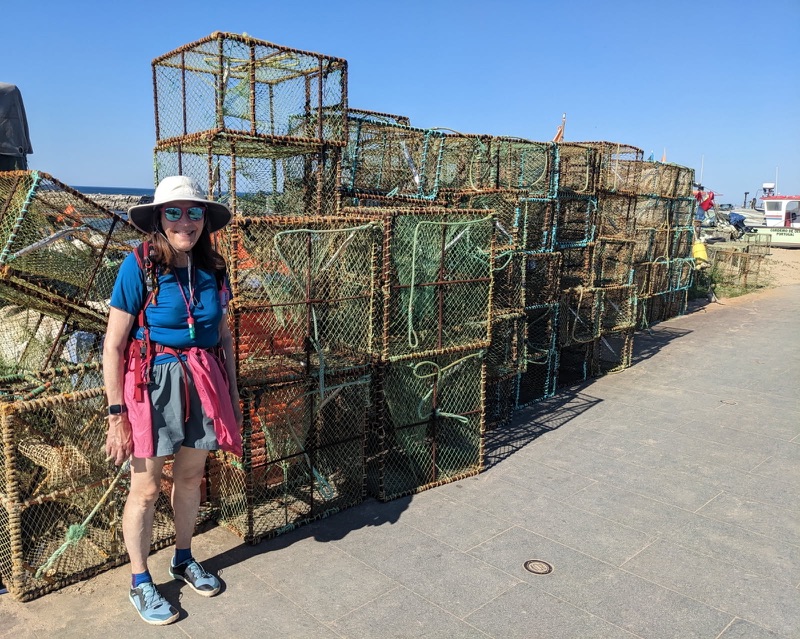
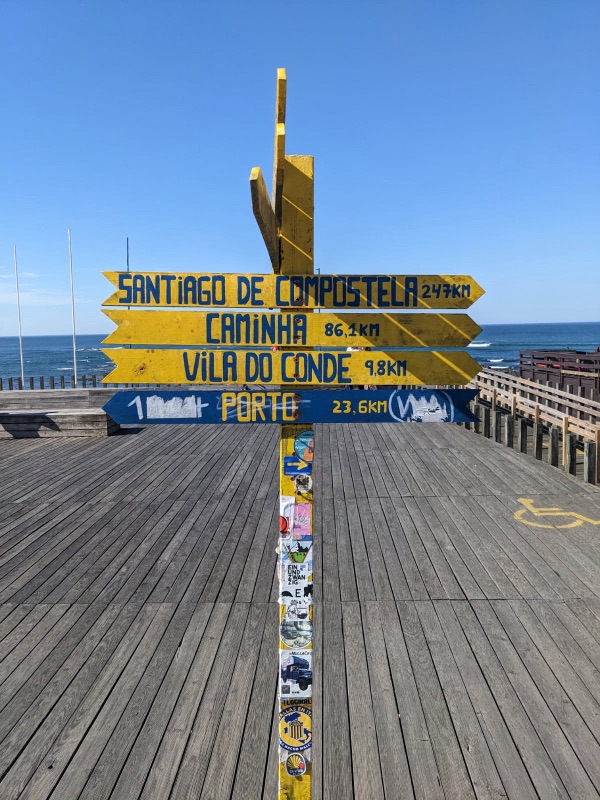
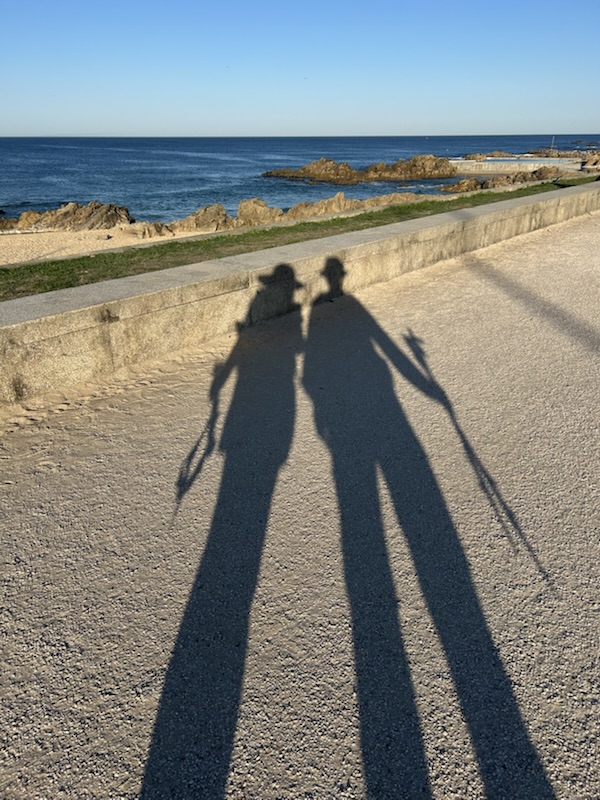
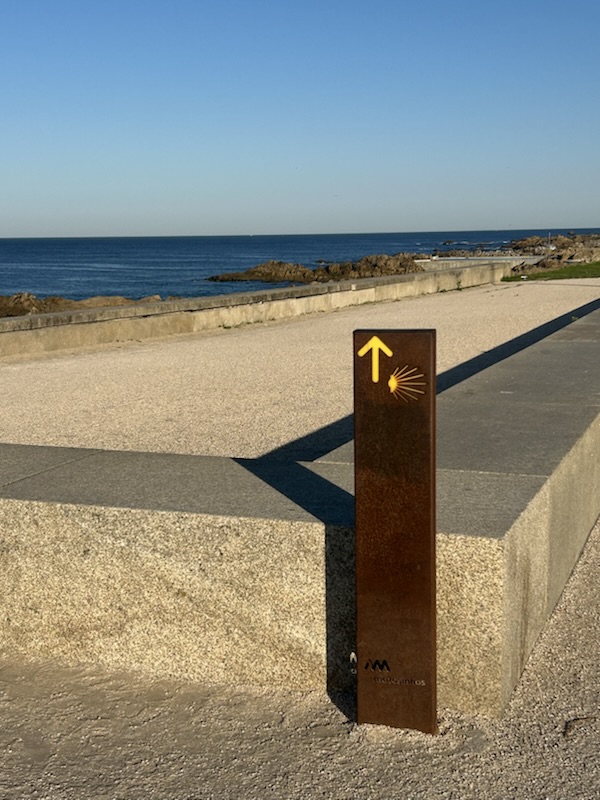
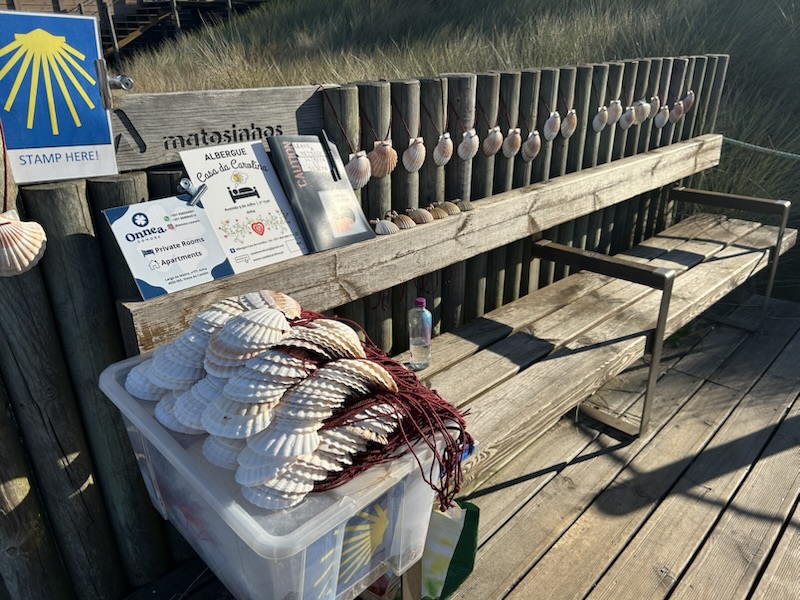
Getting started in MatosinhosNoa Nova Lighthouse- Portugal’s 2nd tallest lighthouse- 46 meters highBeautiful views all morning longPlace to get a stamp in your pilgrim passport bookLobster trapsOnly 247 km to goLong morning shadowsYellow arrows always show the wayStopped & bought a shell for my pack. The shell is the pilgrim’s traditional symbol & is worn by many people on their way to Santiago. The first shells worn by pilgrims came from this beach in Matosinhos.Relaxing??? I think not. On the Camino boardwalkJust like on the last Camino, always fun things to see on the wayHouse with humorous mosaics & tilesLong boardwalk through the sand dunesIgreja Matriz in Vila do Conde was built in 1518.
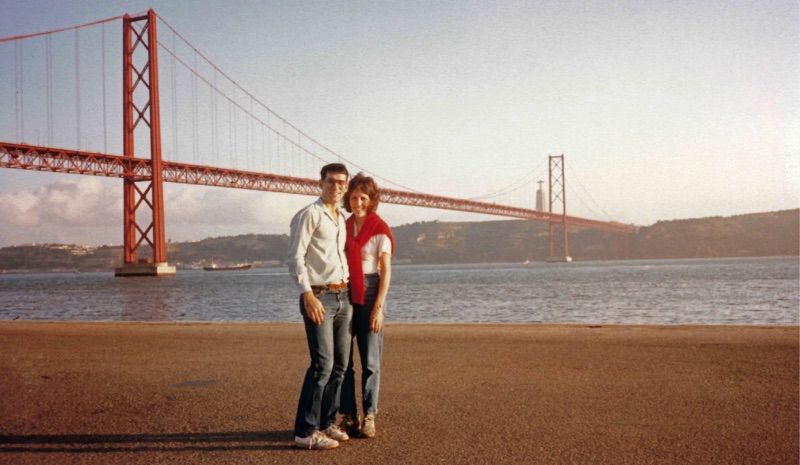
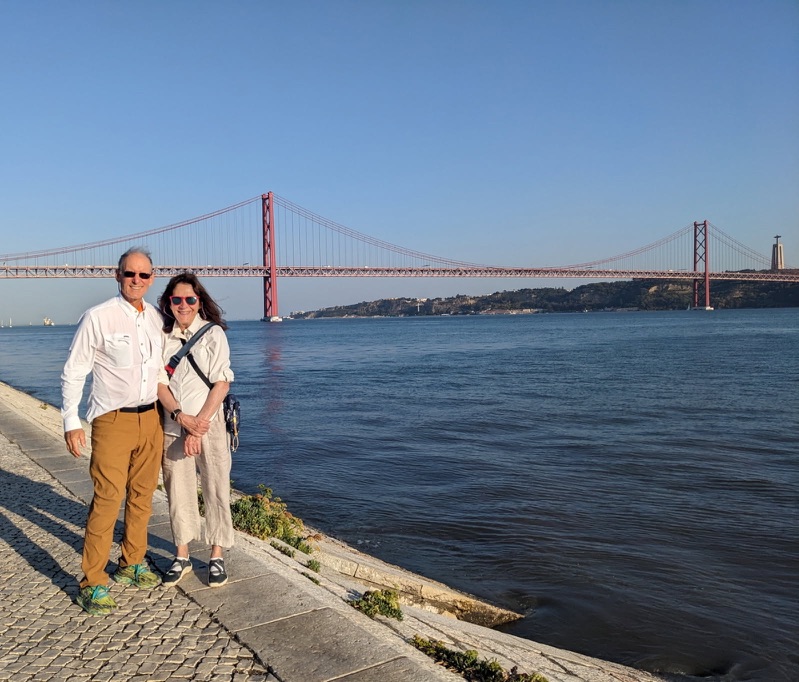
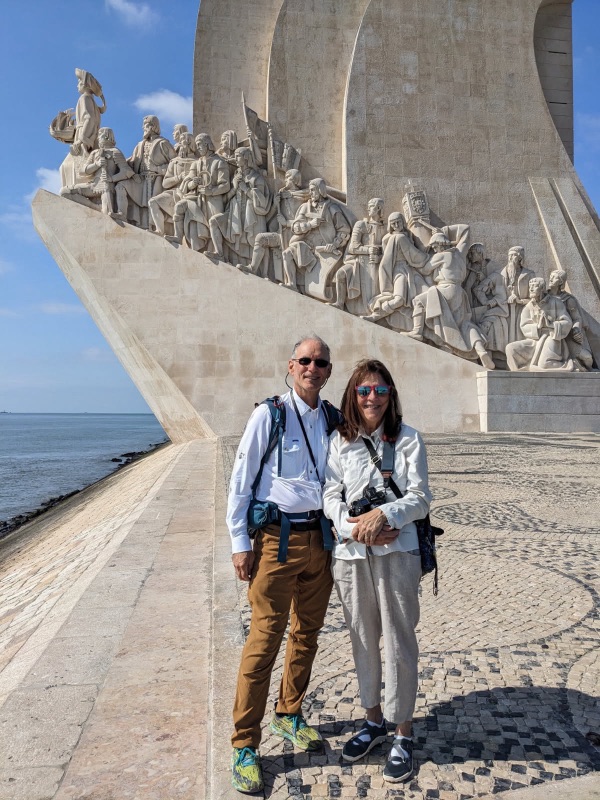
After 40 years, we finally made it back to Lisbon. We first came here over Thanksgiving 1985 when we were living in Germany.
When we returned home, we told our friends we went to San Francisco. To fool them we showed them the following picture with us standing by what looks like the Golden Gate Bridge.
But, then admitted to going to Lisbon which we enjoyed.
We returned visited a few places from that time; but, we also saw many new places here.
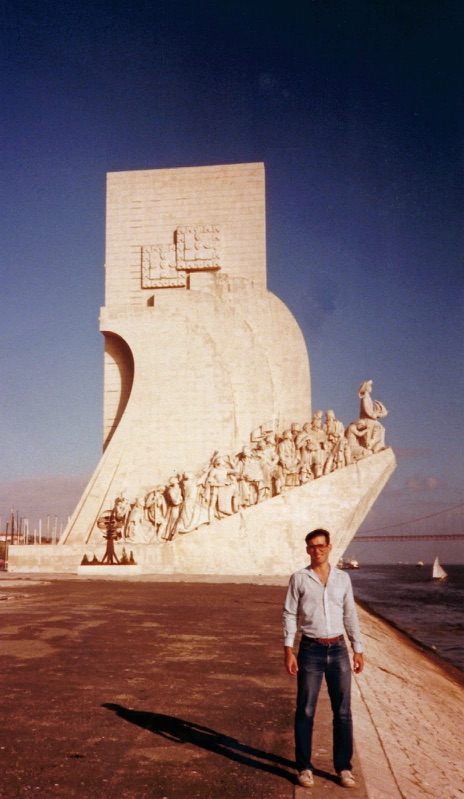
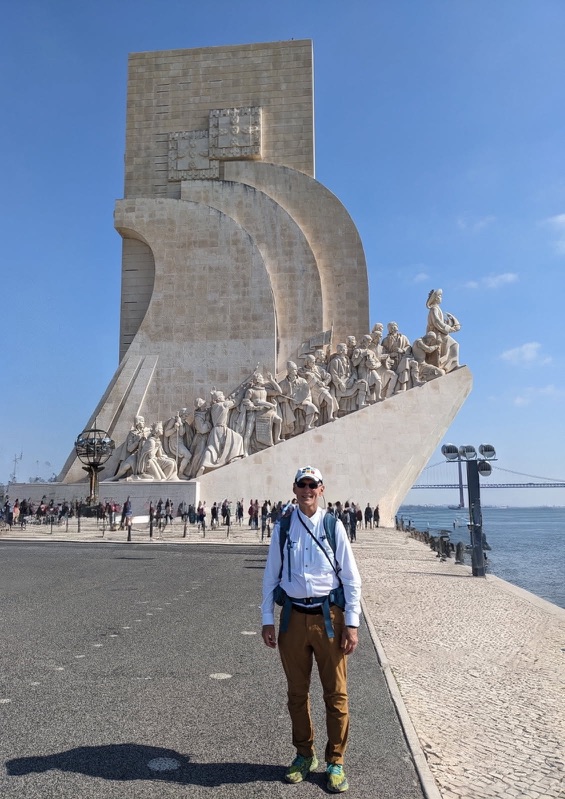
Then & Now.
The Monument to the Discoveries honors Prince Henry the Navigator & other explorers who brought Portugal great power & riches centuries ago.
With help from the Internet, I think we are better travelers than we were in the 1980s because it is much easier to research places to visit.
We also enjoy the Netflix show “Somebody Feed Phil” & get tips on places to eat all over the world.
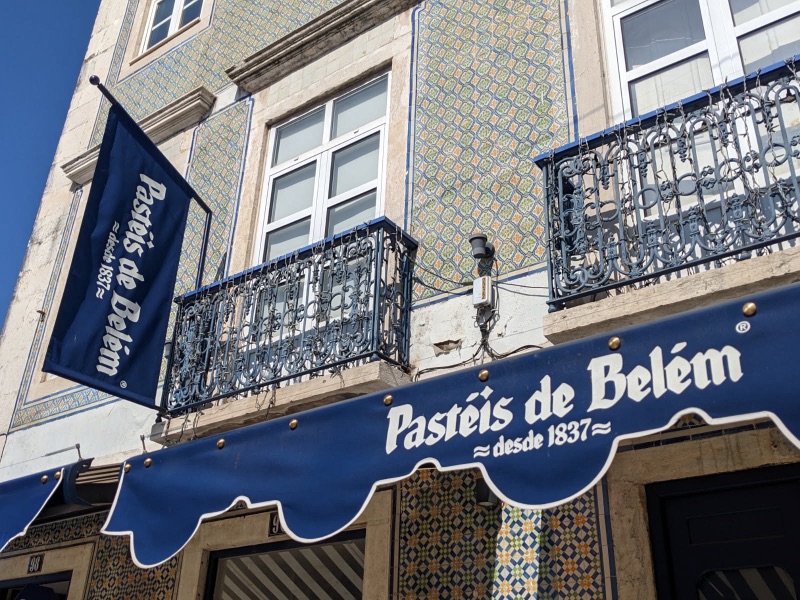
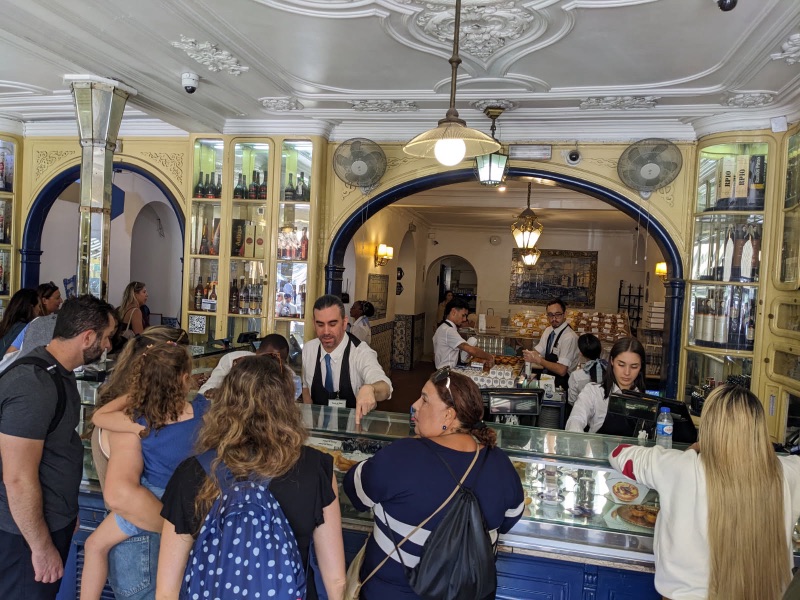
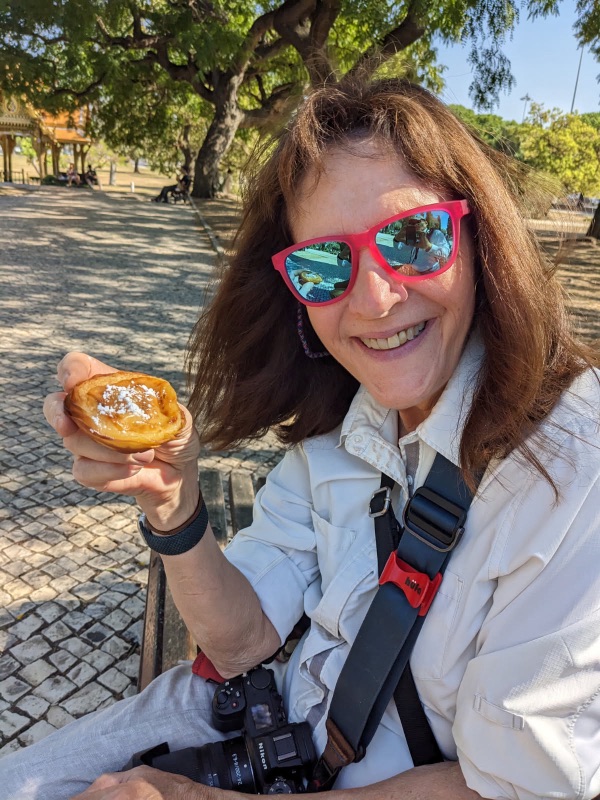
One place we learned about from the show is the Pastes de Belem. This is where Lisbon’s famous custard tarts were first created.
You can find this pastry in any bakery or pastry shop in Portugal; but, from our culinary experience, they make the best.
Legend has it that the sweet which consists of pastry cups filled with an egg & cream custard was probably first baked at the neighboring Jerónimos Monastery.
When Portugal’s monasteries were closed in 1834, a former monk-slash-baker moved his shop to a sugar refinery a few doors down and in 1837, the confection known today from Portugal to Hong Kong was born.
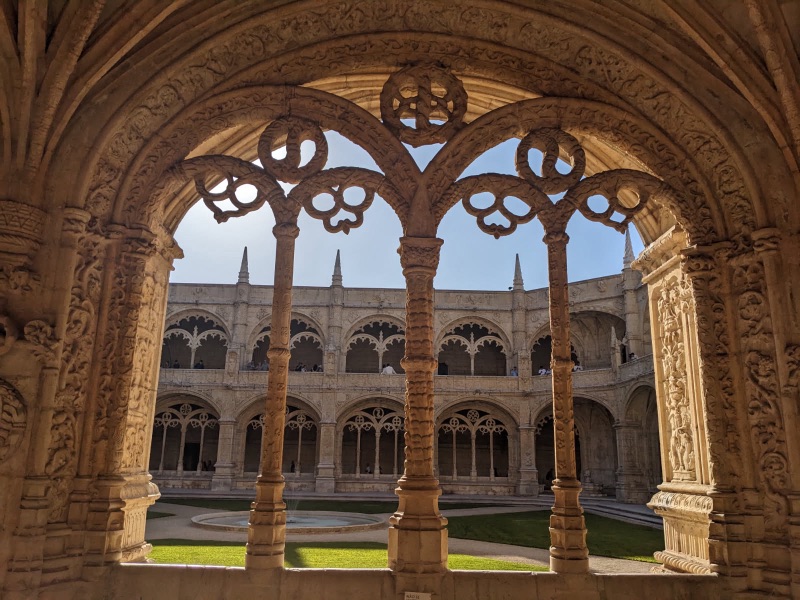
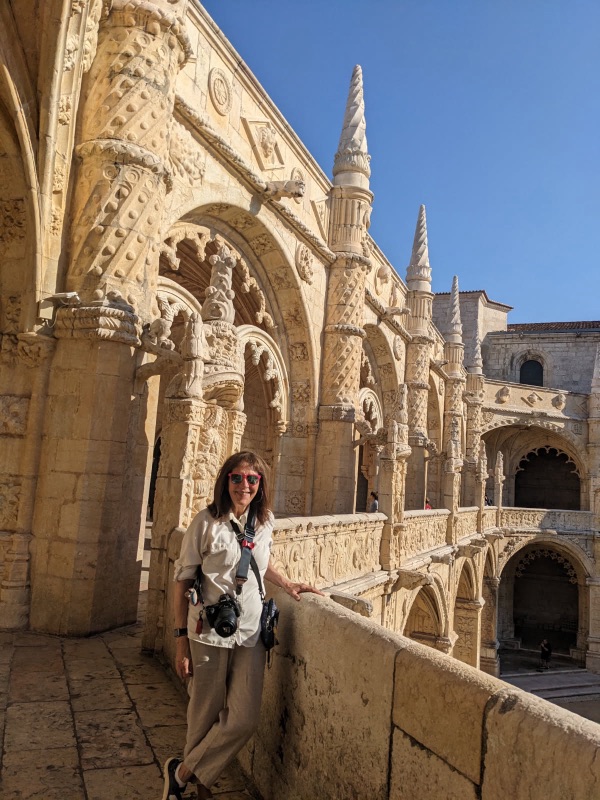
After getting stuffed with these delights, we enjoyed touring the Jerónimos Monastery.
In the 14th Century, the small Lisbon chapel, Santa Maria de Belém, was presided over by monks of the military-religious Order of Christ.
Originally built by Prince Henry the Navigator, the monks’ duty was to assist Portuguese sailors & ships leaving port for long journeys.
Seamen & crew would spend their last night in Portugal within the church, often praying for safe travel and confessing their sins to the monks in case they did not return to land.
The most famous Portuguese sailor was the great explorer Vasco de Gama. He was the first European to reach the Far East by sea around Africa’s Cape of Good Hope who credited his night of prayer in the church with his success.
Upon de Gama’s triumphant return with new found riches, King Manuel I began constructing a new monastery on the location to showcase the glorious wealth that the Age of Exploration brought to the Portuguese empire.
Today 100s of people stand in line to see the magnificently carved cloisters.
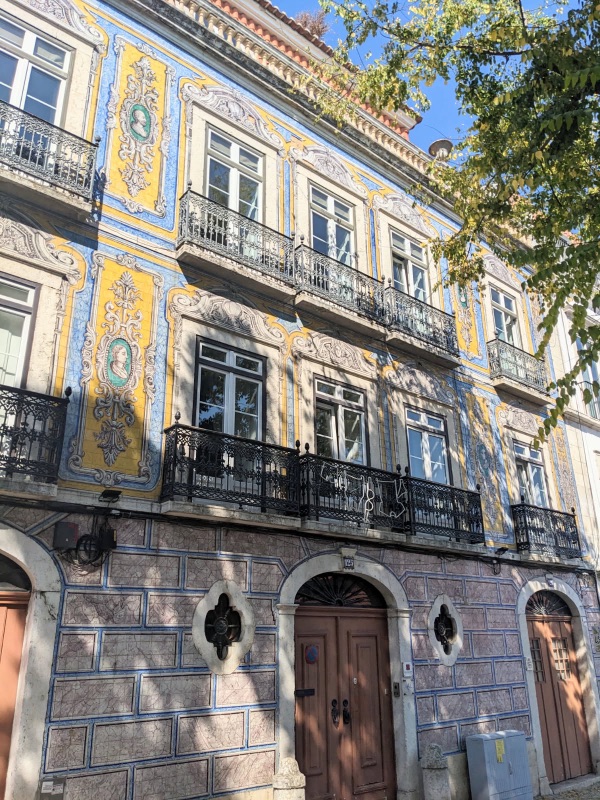
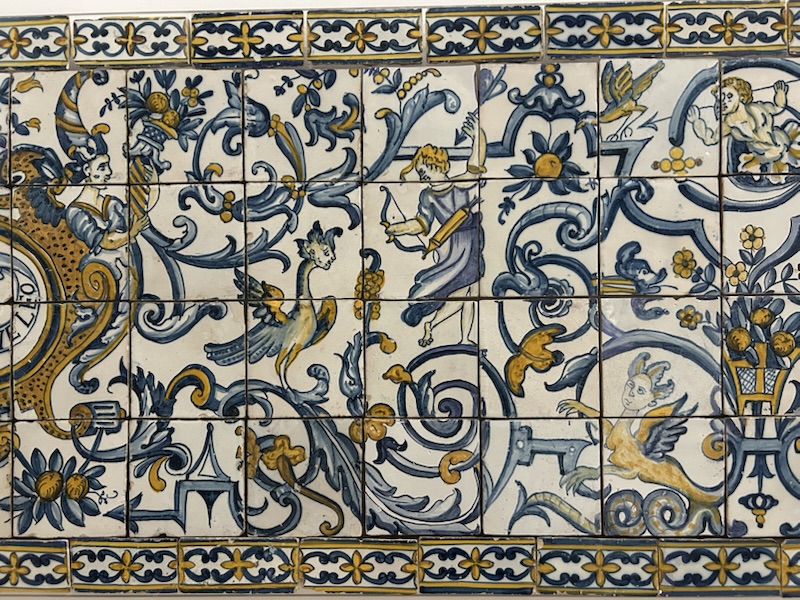
The main thing I remember from our 1985 visit were the beautifully tiled buildings. All over the old city you will see homes, subway stops, churches, & buildings covered in decorative tiles.
The technique to make tiles & to decorate with them was brought to Portugal by the Moors.
The Portuguese word for tile “azulejo” comes from the Arabic word الزليج (al-zellij), which means “polished stones” used for mosaics.
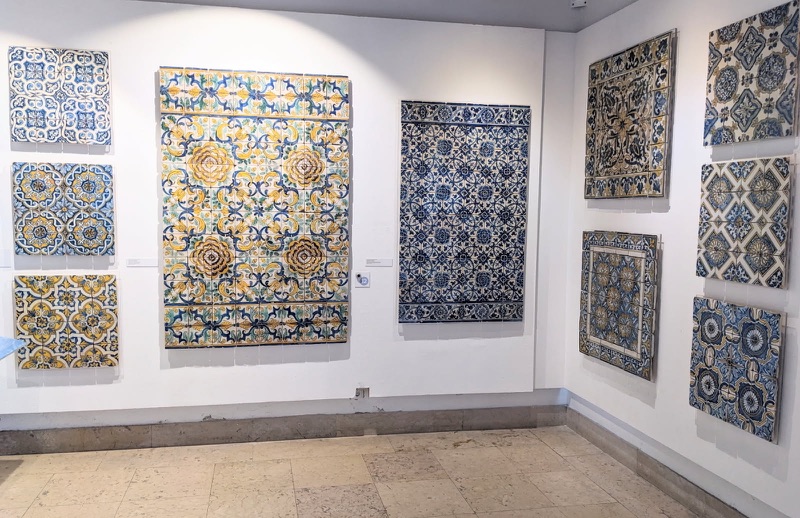
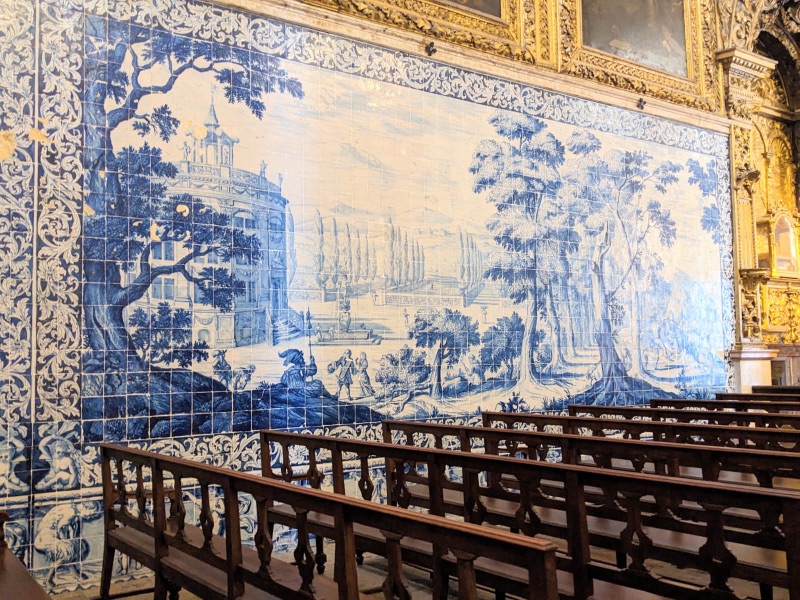
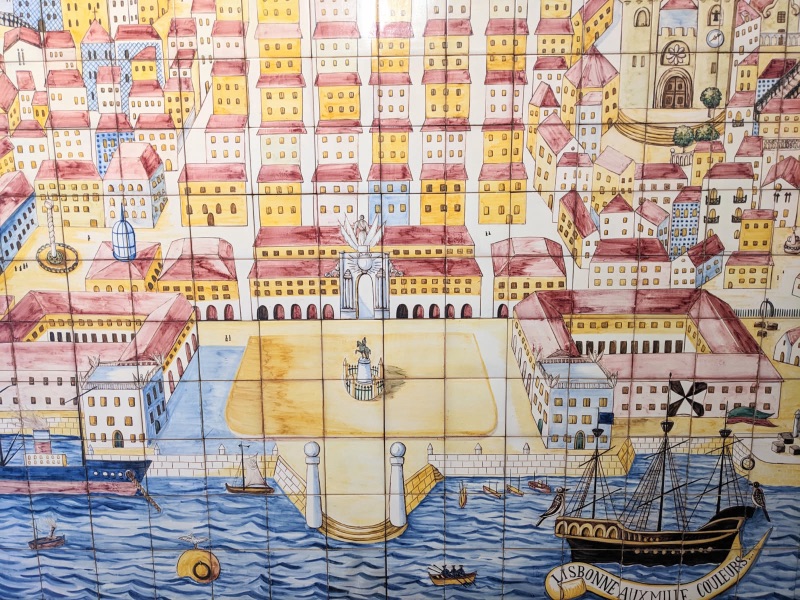
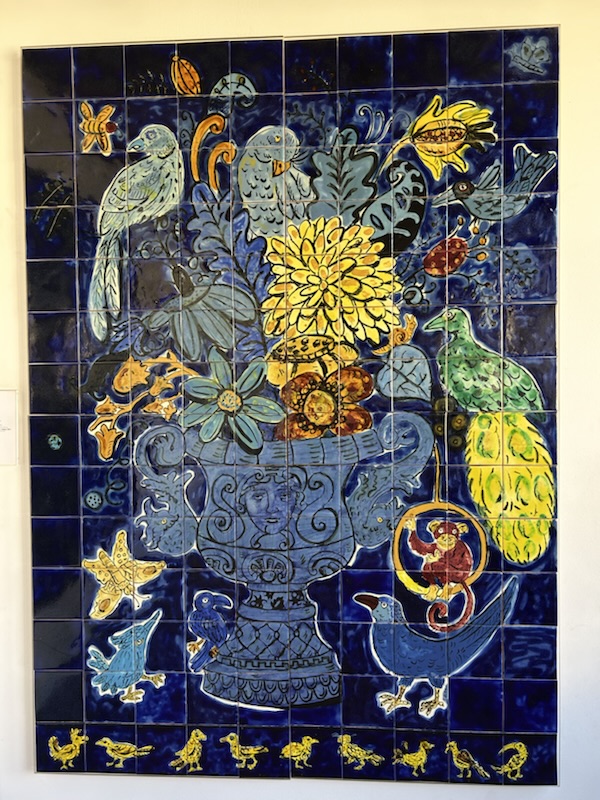
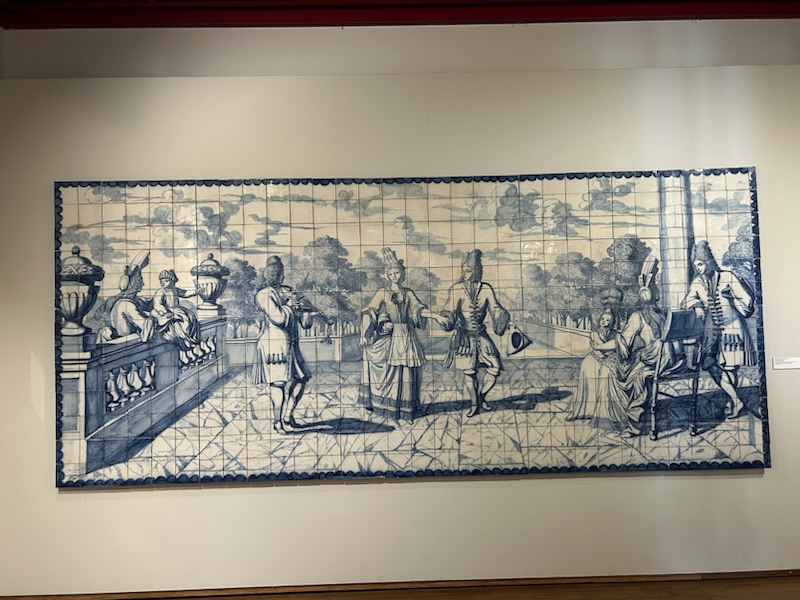
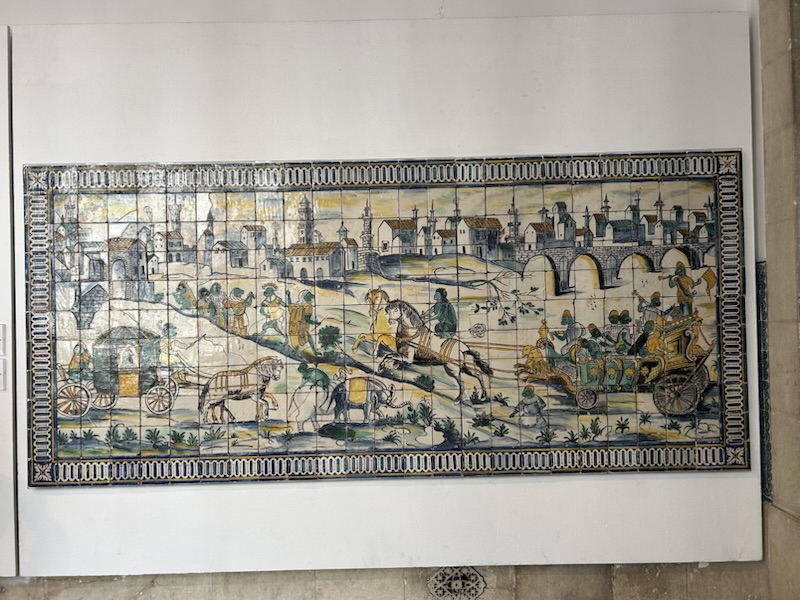
On our second day, we enjoyed visiting the Museu Nacional do Azulejo (National Tile Museum).
The entire building was filled with amazing murals made from painted tiles.
Tiled Chapel Wall The Dance LessonThe Chicken Wedding – notice in the bottom left corner which shows a chicken in a carriage which appears heading for a wedding. There are also monkeys in the tiles driving coaches, riding horses, being musicians, or simply traveling. This tile mural is considered both a remarkable artistic creation as well as a social commentary making fun of certain groups in 17th Century Portugal.
If we ever have the chance to return to Lisbon, we hope to do a tile painting class which are done in several different workshops in the city.
We feel like there are many places we missed & could easily enjoy more days in this lovely capital.
Other fun stops & sights in Lisbon.
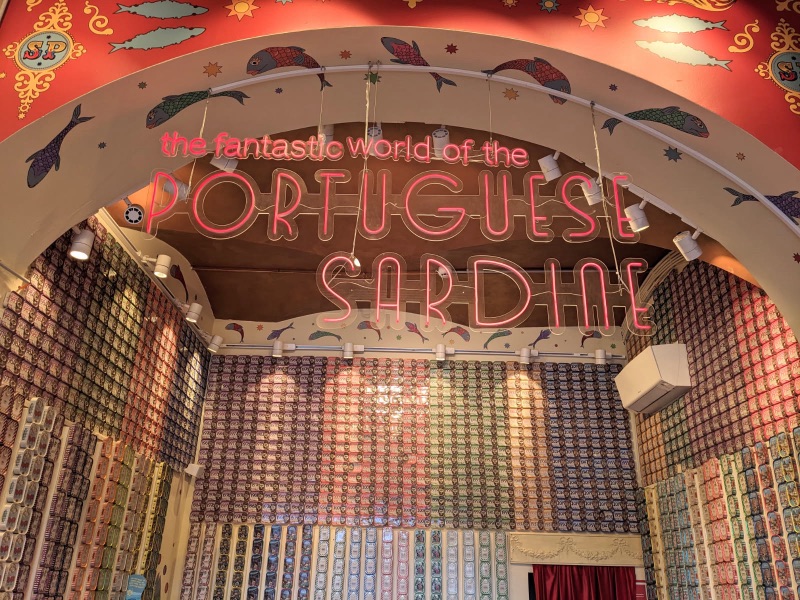
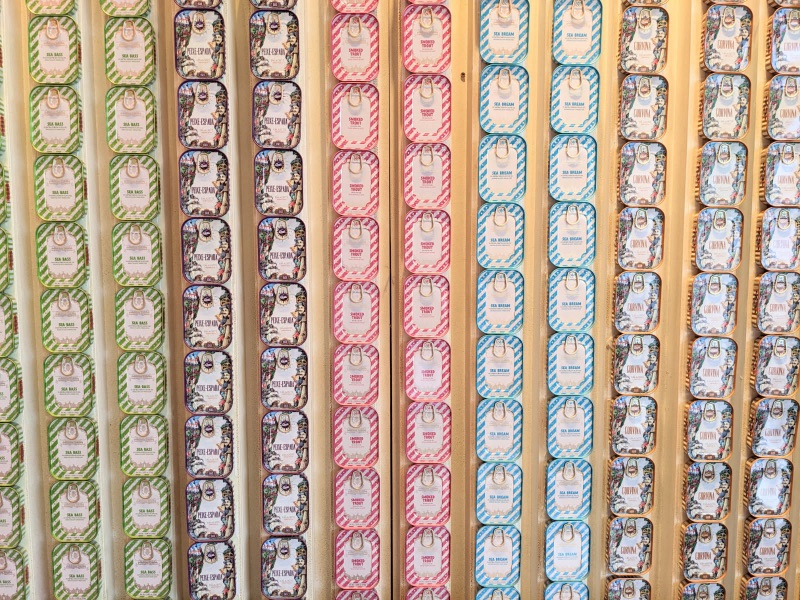
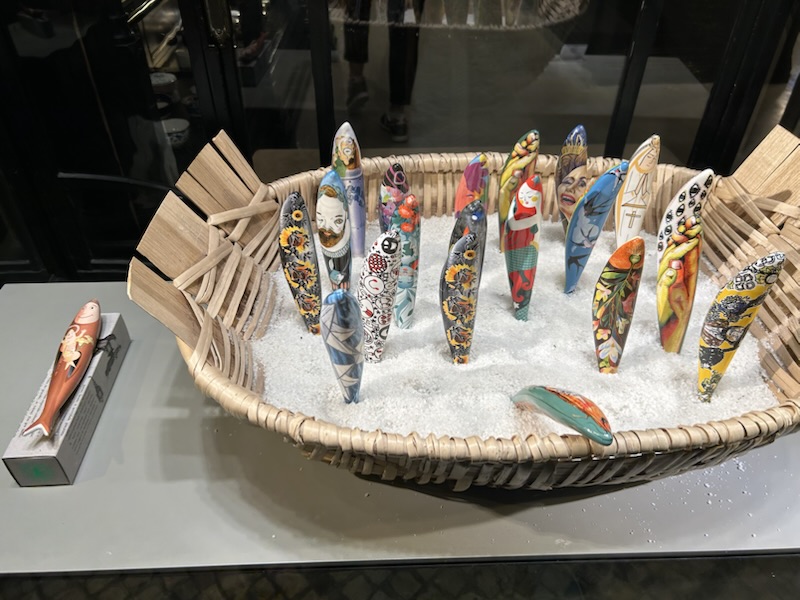
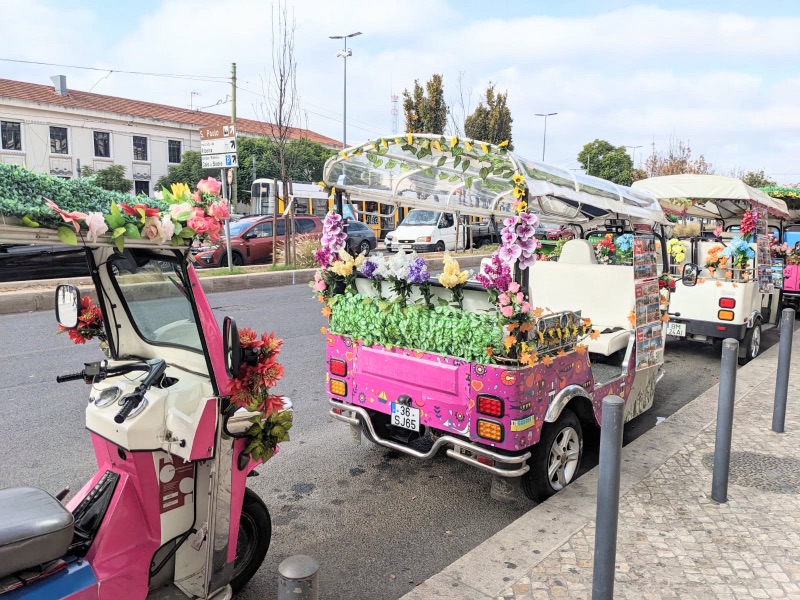
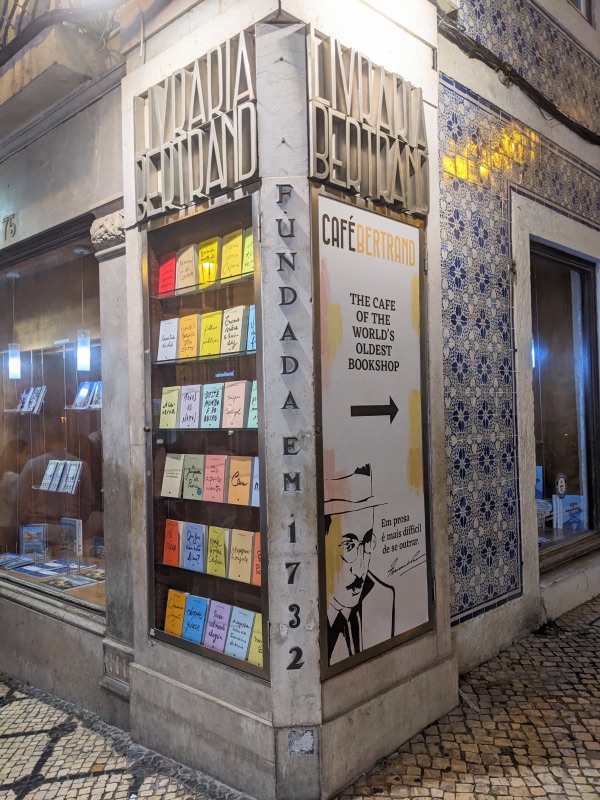
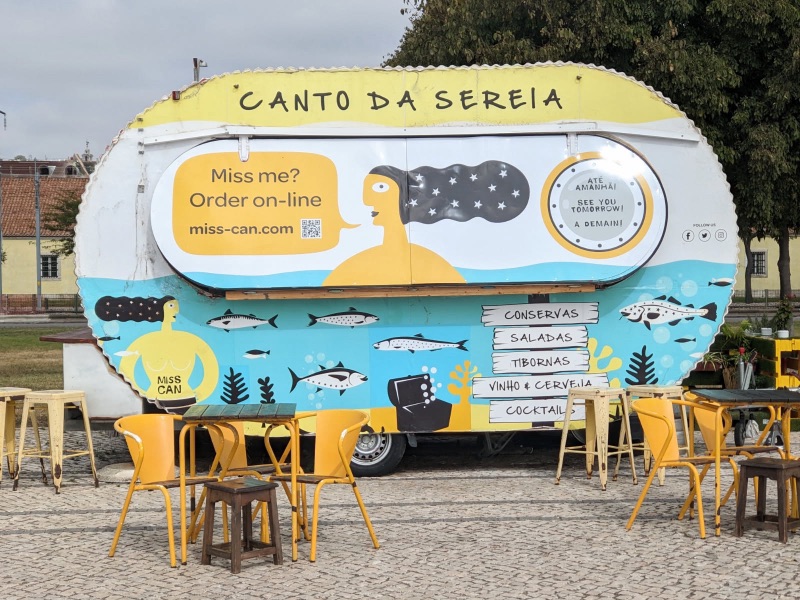
The Fantastic World of the Portuguese Sardine- Sardines in a can store. Sardines are almost like a national symbol in Portugal. Tour trucksLivraria Bertrand- Oldest bookstore in the world opened in 1732Cute food truckMetro entertainers
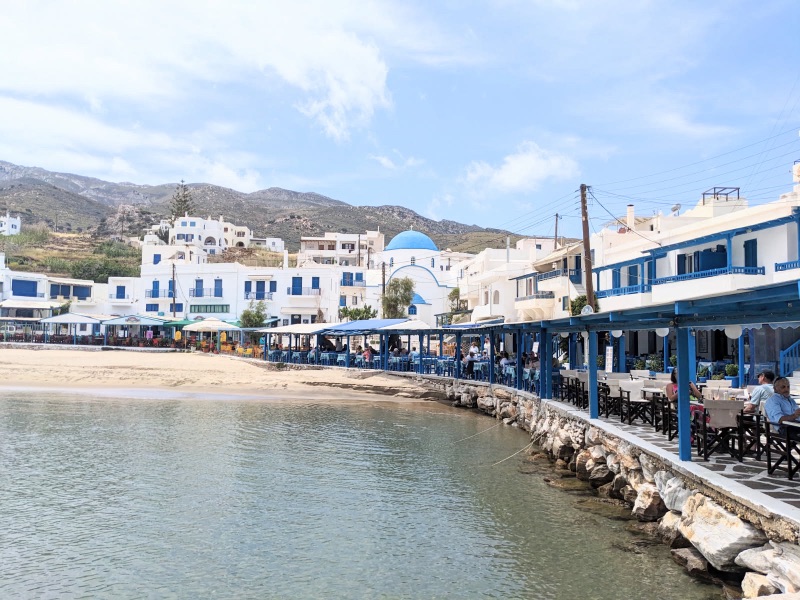
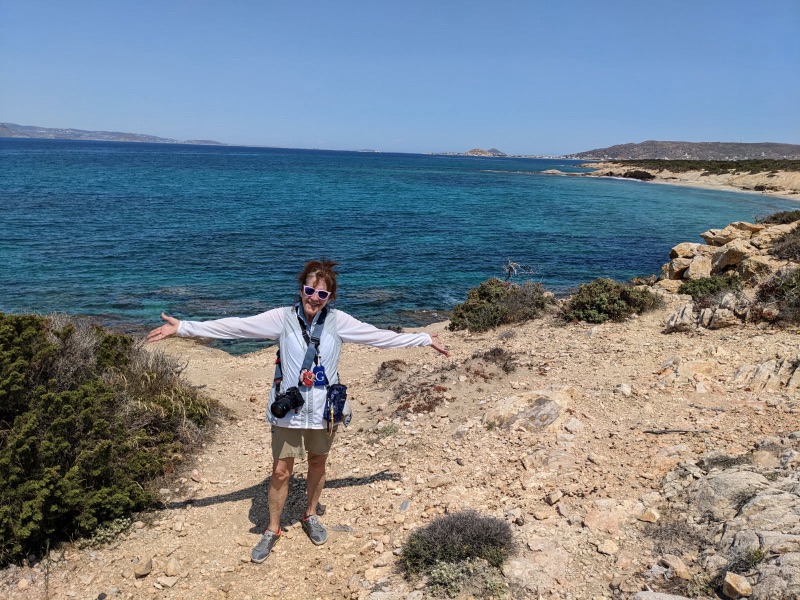
When touring the Cyclades, you can stay on the tourist route that follows the cruise ships along with big crowds that come with them, or take off to an island where the cruise ships don’t go.
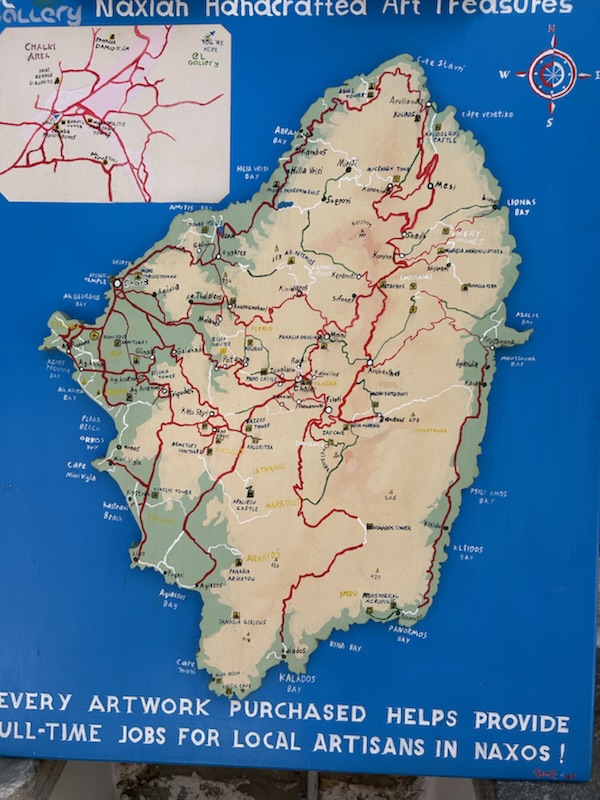
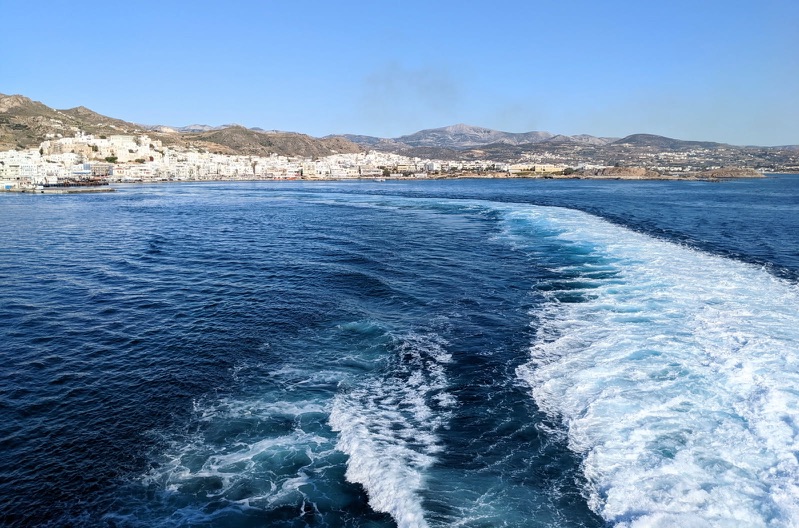
We chose the latter option & went to Naxos. Unlike Santorini which gets over 3 million visitors each year, Naxos gets around 600,000 a year. Naxos is also a large island so it can easily handle visitors which enables you to relax far away from maddening crowds.
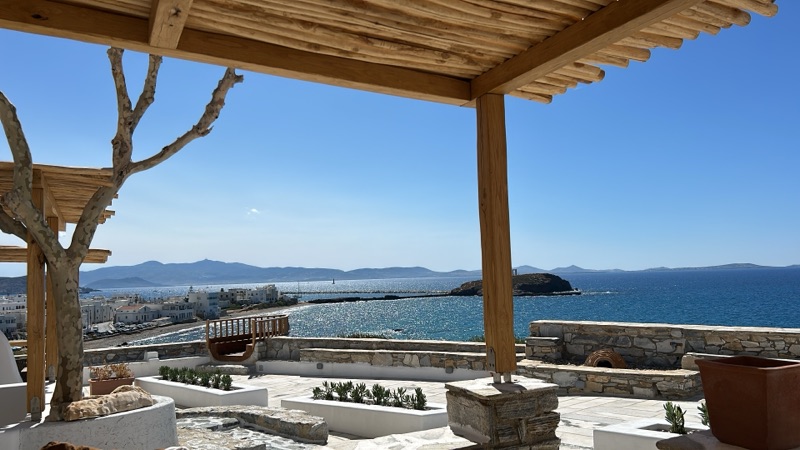
View from our patio
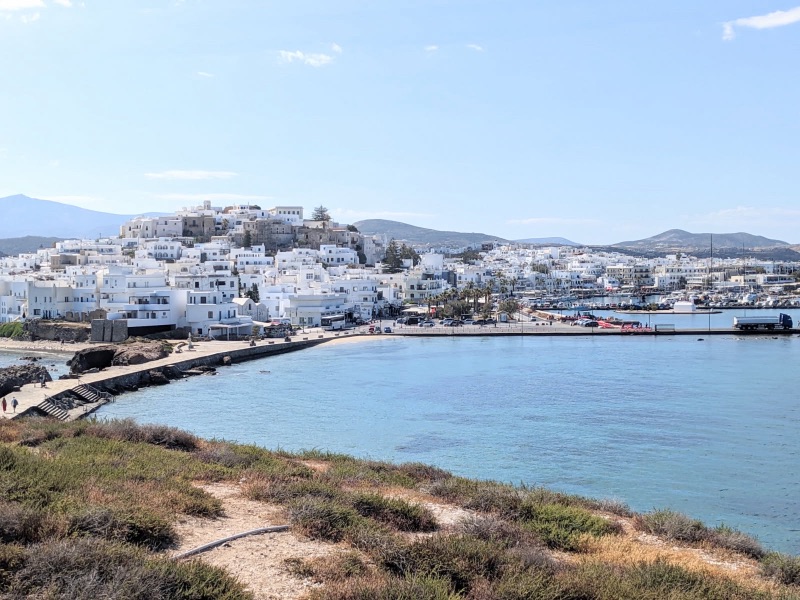
About a half mile from our hotel was charming Naxos Town which is perfect for strolling around in the old town for shopping & dining.
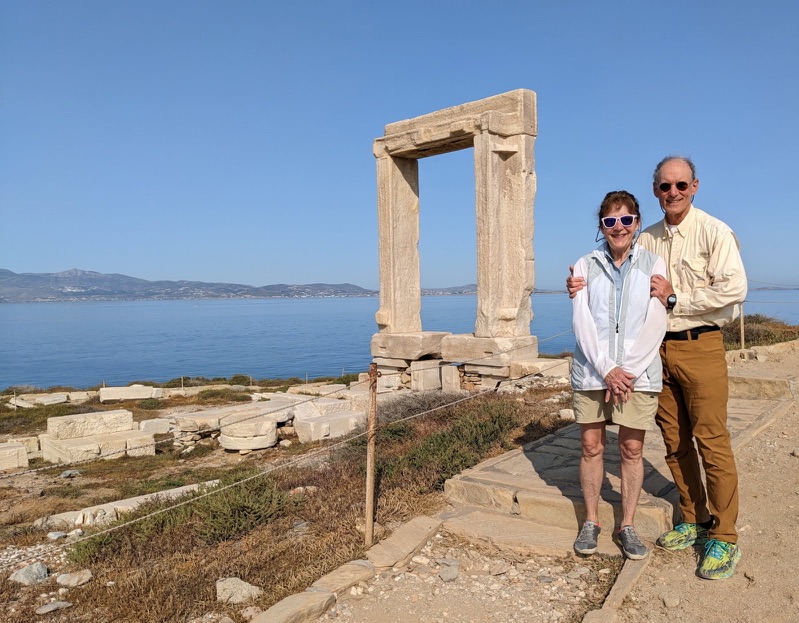
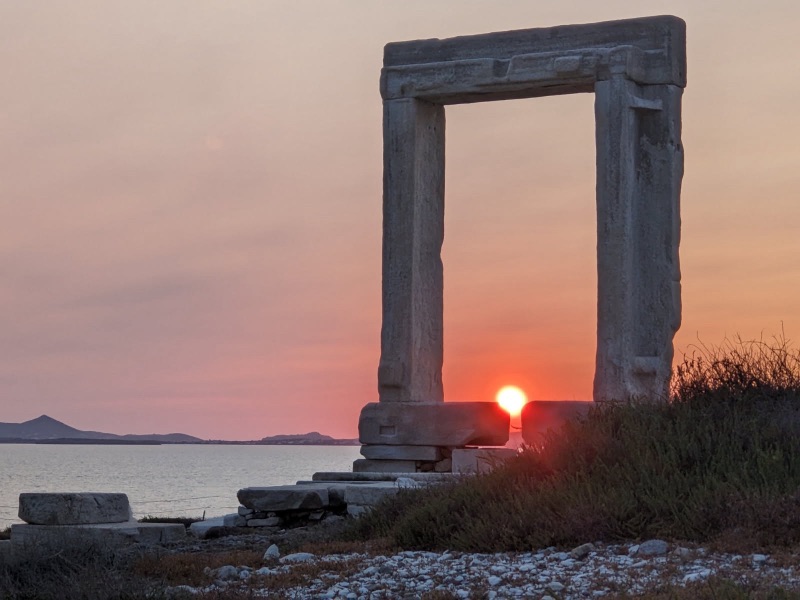
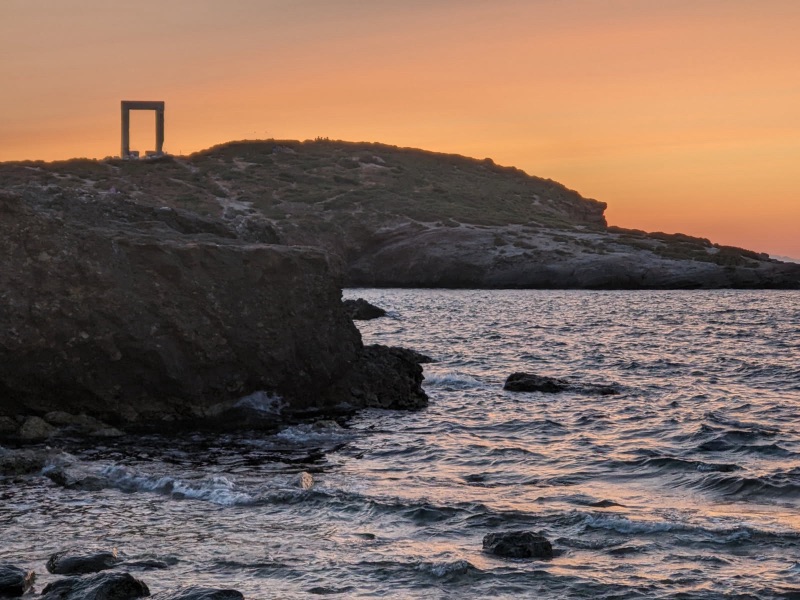
Near the town you can walk up a short hill called Palatia to see Naxos’ most famous landmark- The Portara.
The Portara is the only remnant from the never- finished Temple of Apollo which was started in 530 BC.
It is the door into the temple & was made from marble quarried on the island.
To see the island at our own pace we rented a car & drove to see the sights.
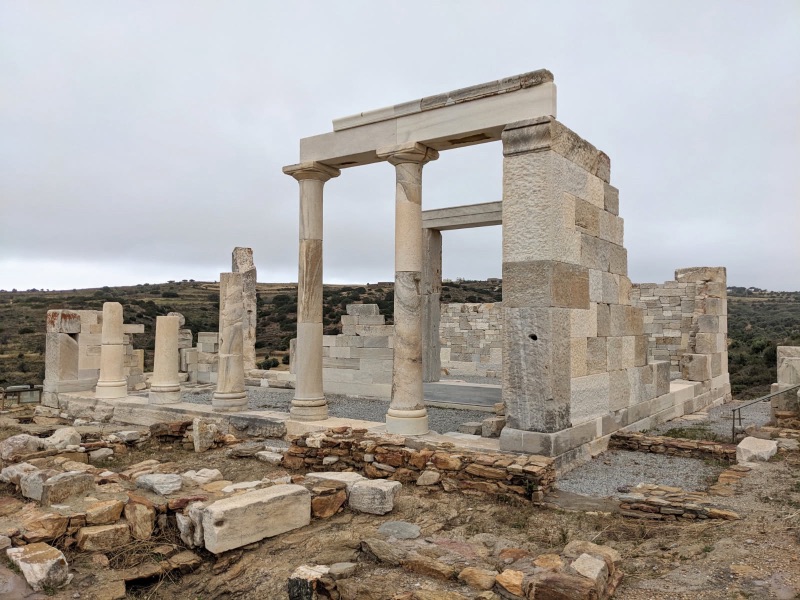
Temple of Demeter This temple dedicated to the Goddess of Agriculture Demeter dates from to the 6th Century BC. It was only rediscovered in 1949. Naxos was the first place marble was used in Greece & this temple is the first structure in history built entirely from marble.
Its location is easy to understand because it is situated in a very fertile valley where many crops were & still are grown.
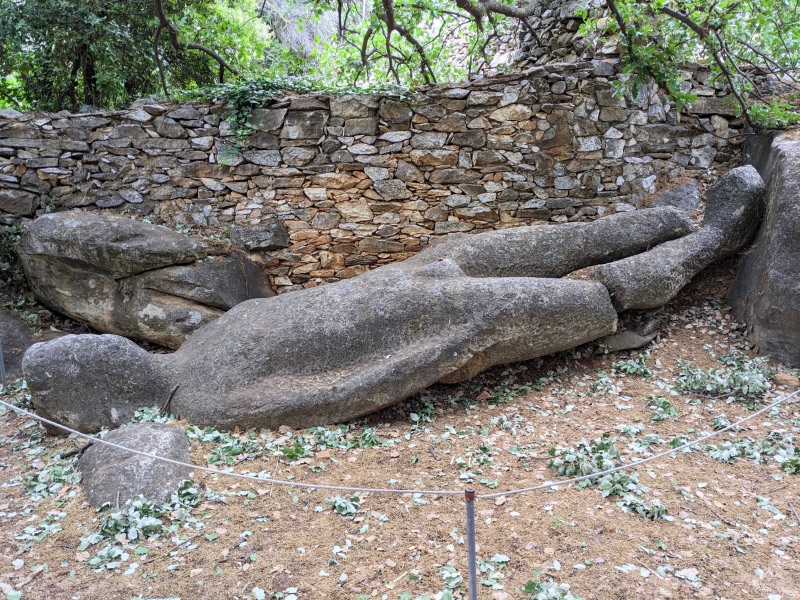
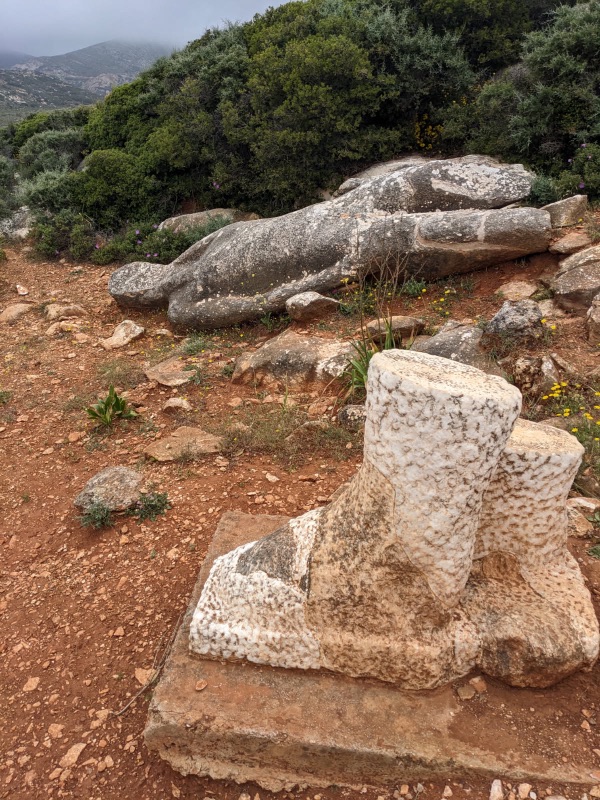
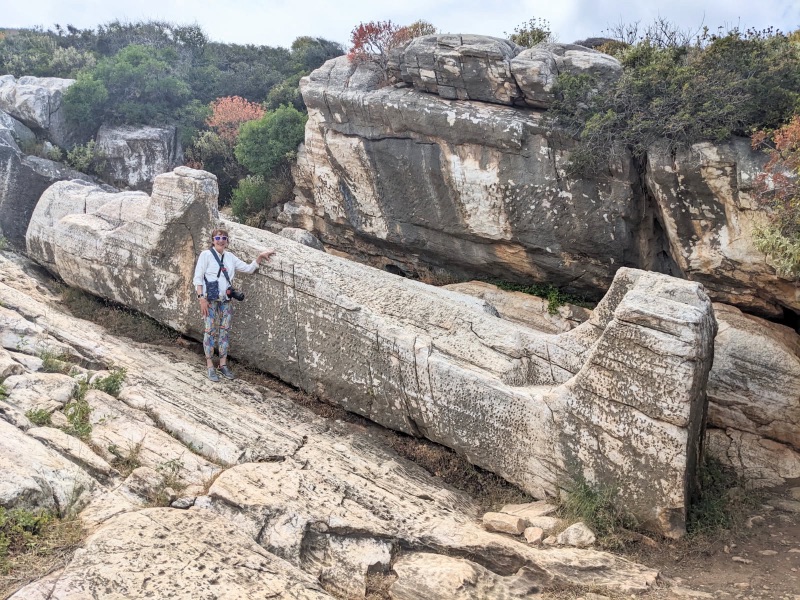
In ancient times Naxos was known for its marble which is still quarried & used worldwide. Kouroi which are are very large human-like statues made from marble are found in several places on the island.
Melanes Kouros Statue- Danaged in transit & left where it broke- note the break in the right leg Flerio Kori- Dating from 570 BC, this statue was damaged while being made & was left in place near the ancient quarry. A Kori is a female figure & Kori is the Greek word for “daughter”.Apollonas Kouros This statue representing the God of Wine Dionysos is 10 meters long weighing 80 tons & was started in the 7th Century BC. It is not damaged; but, it is thought that it was left in place in the marble quarry simply because it was just too heavy to move.
Apollonas is a lovely seaside village where the unfinished Kouros depicting Dionysos is located,
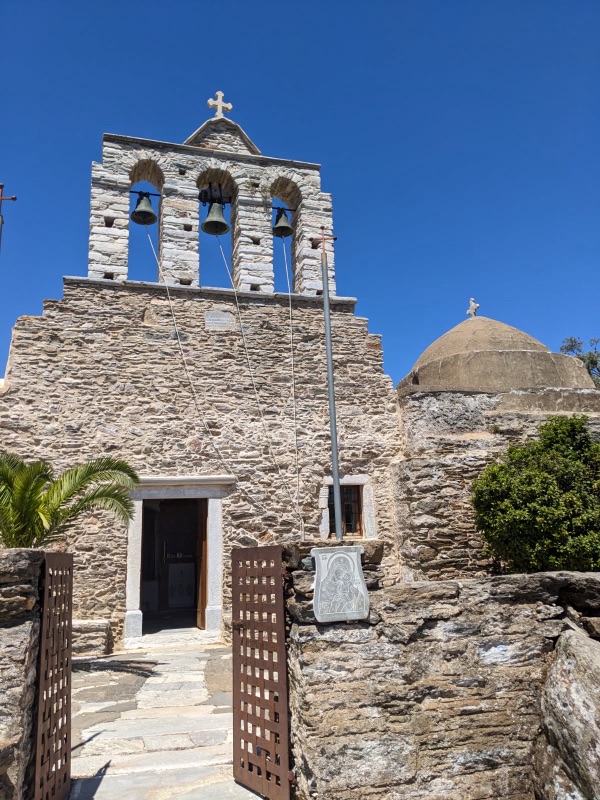
This Greek church named Panagia Drossiani dating from the 6th Century is not only the oldest church on Naxos; but also, in the Balkans.
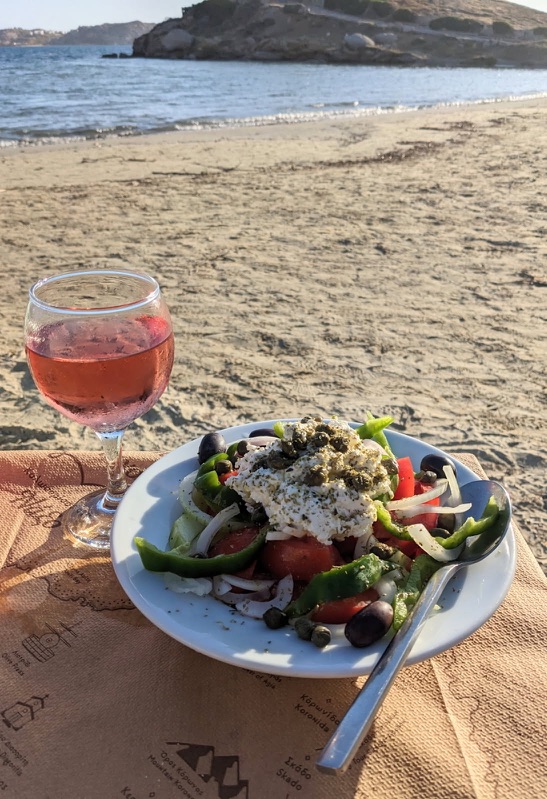
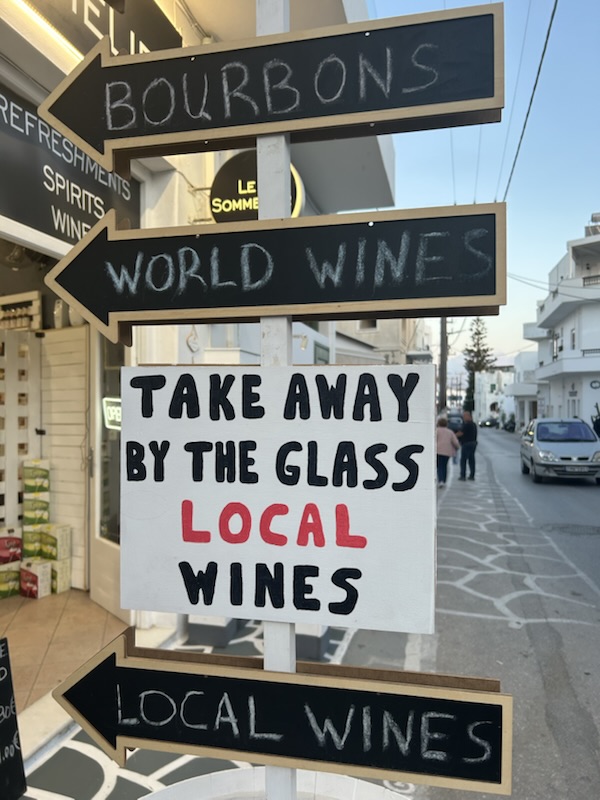
Naxos is known for its special foods & drinks. Instead of Feta cheese being added to the traditional Greek Salad, here they use a softer version called Naxos Cheese.
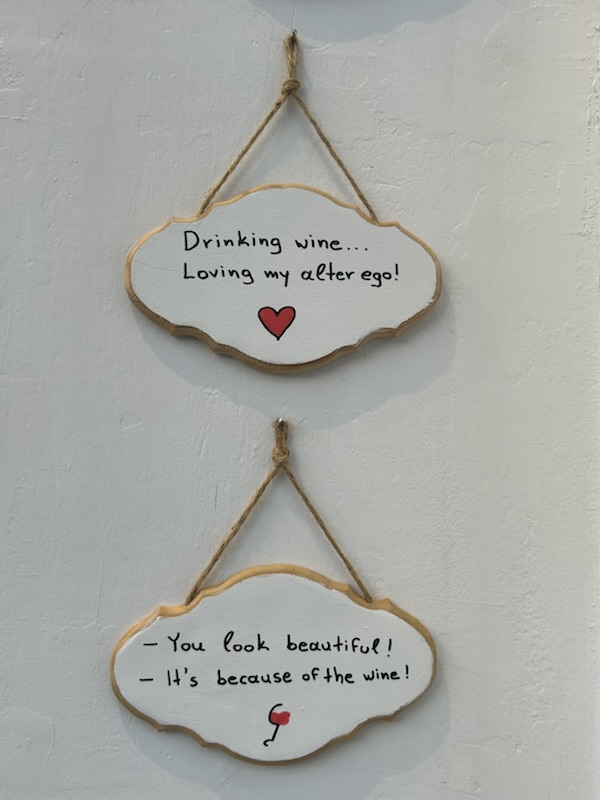
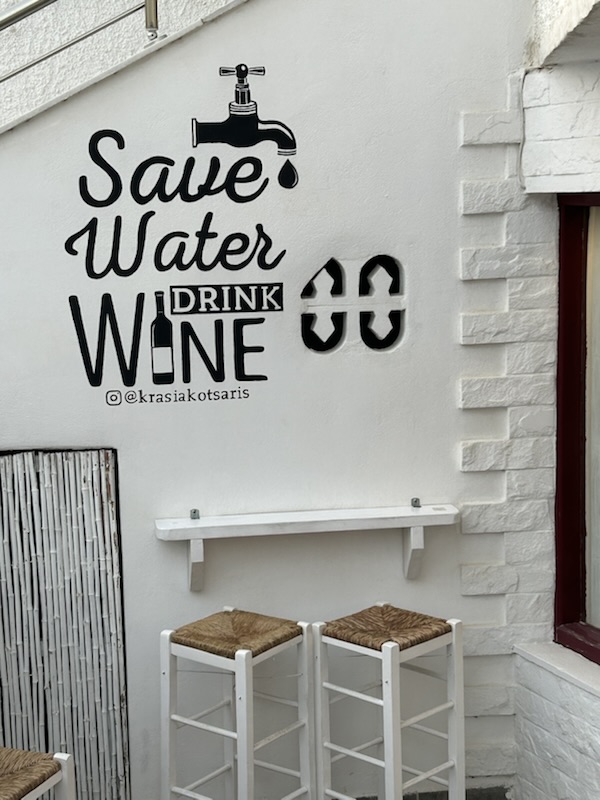
We also enjoyed their delicious potatoes that are softer in texture, but many people come to Naxos for the wine.
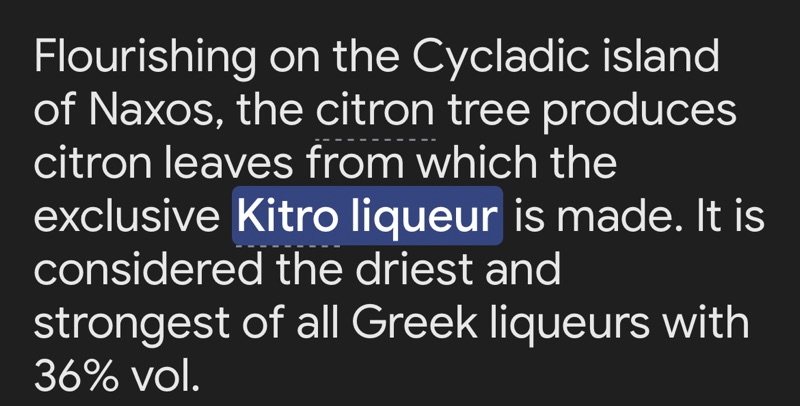
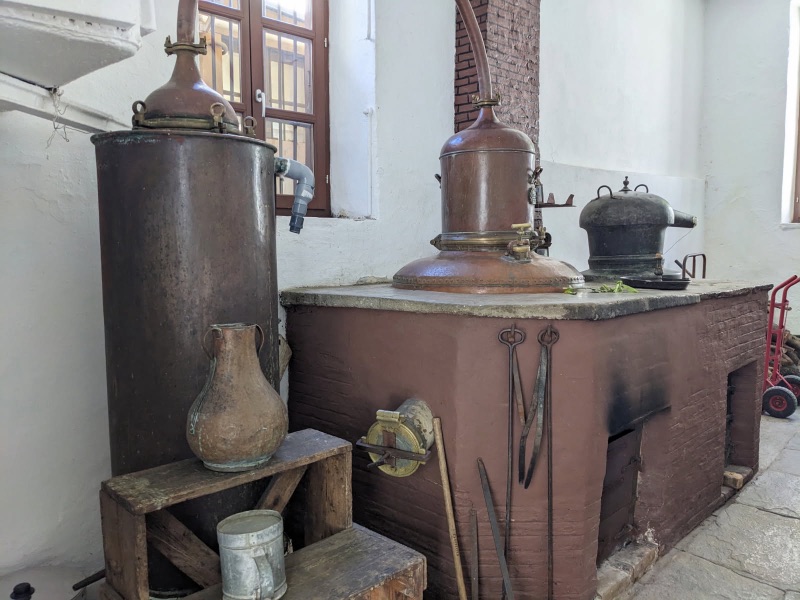
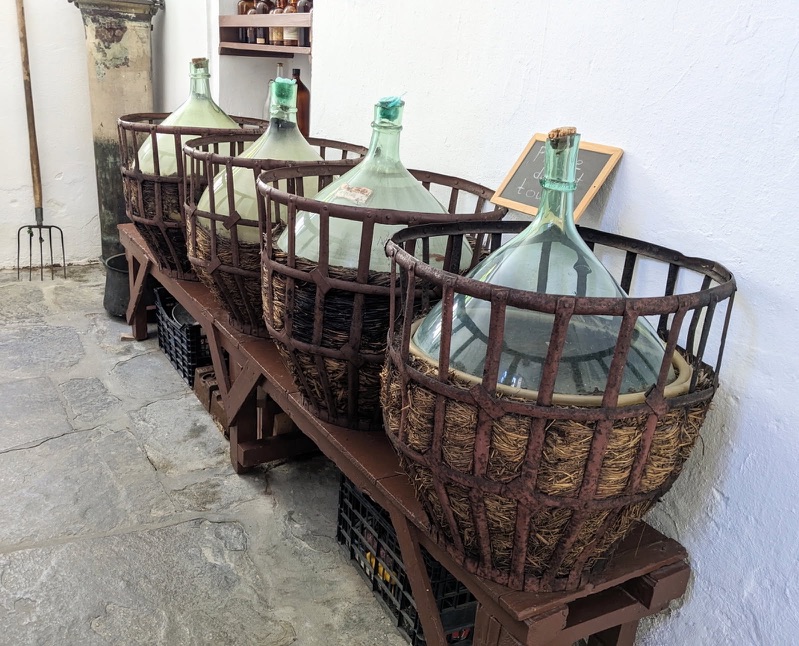
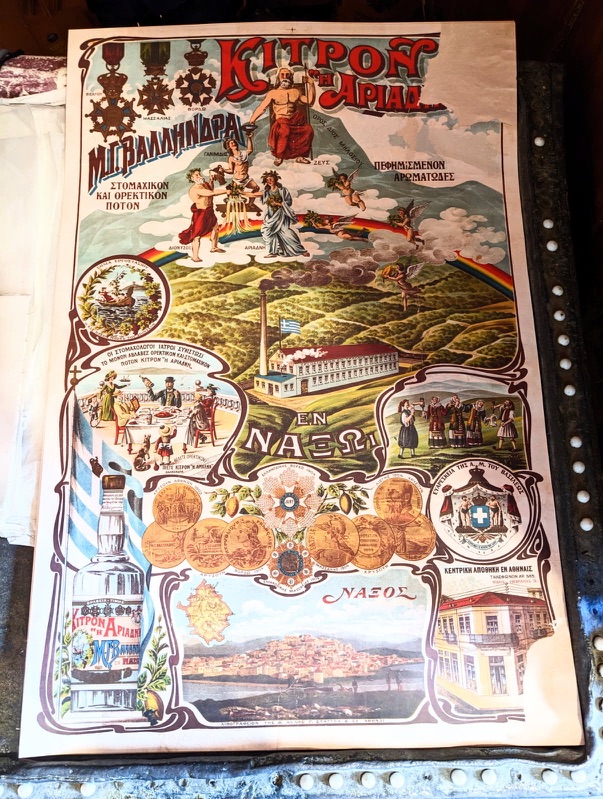
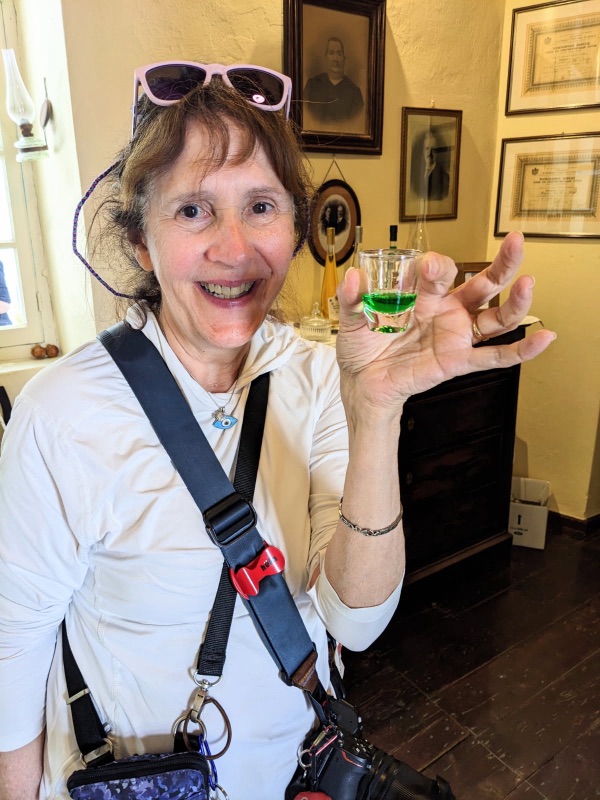
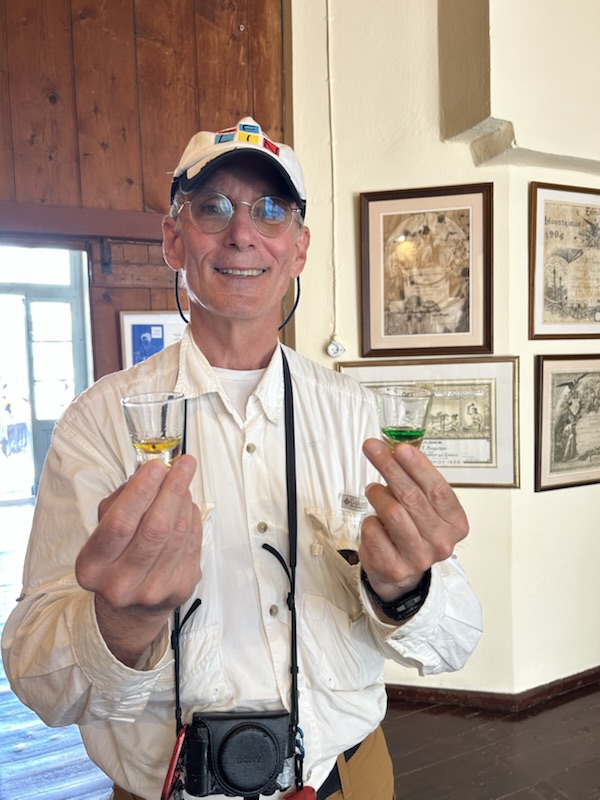
But, if you need something a little stronger, Naxos has its own special liquor called Kitron.
We enjoyed visiting the Vallindras Distillery in Chalki. This distillery has been owned & operated by the Vallindras family for five generations since 1896.
We spent a few lovely hours in Apeiranthos. This extremely quaint, unique village is made from marble- walls, window frames, steps, & walkways are all marble. As a testament to marble’s durability, some structures date from the 12th Century
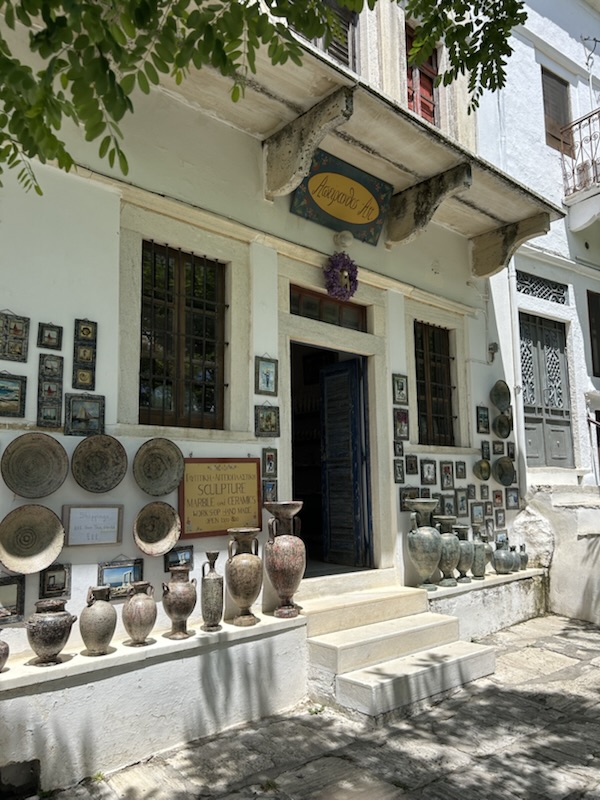
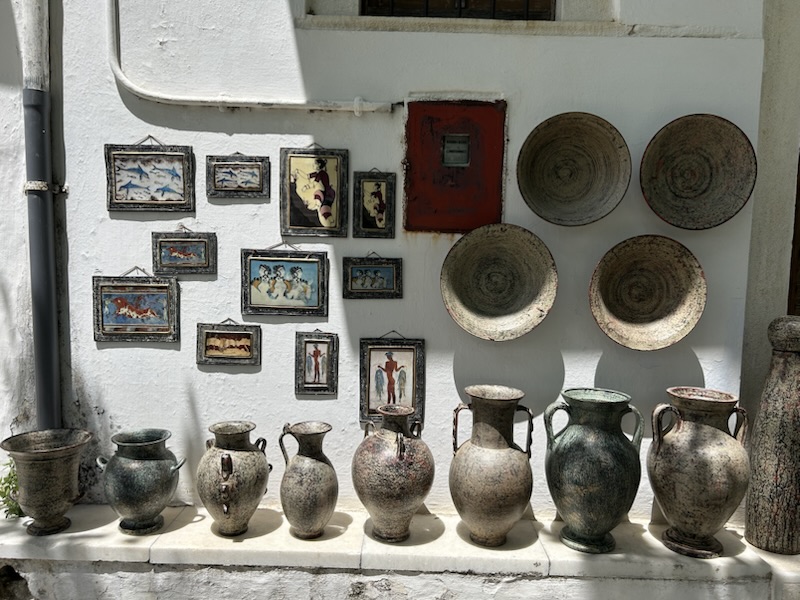
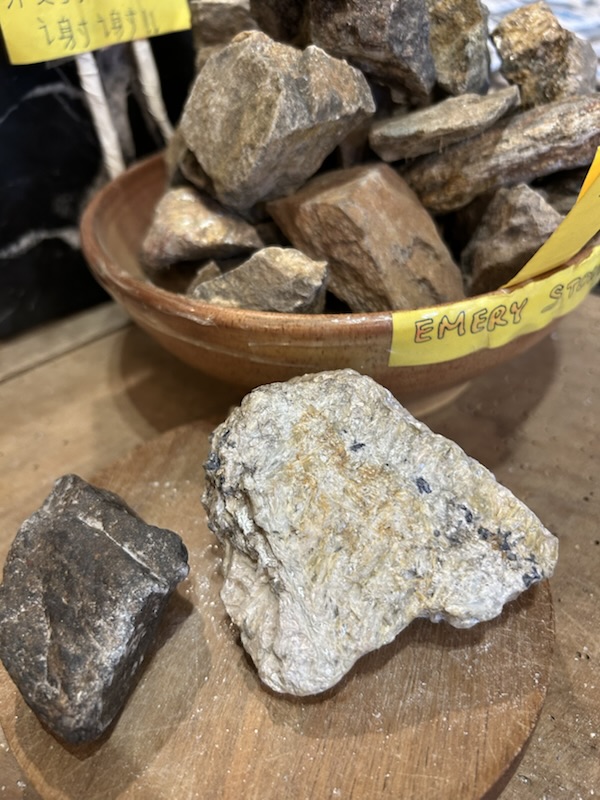
We came across a lovely store with very unique pottery, It looks like metal, but is actually clay with a mica glaze finish.
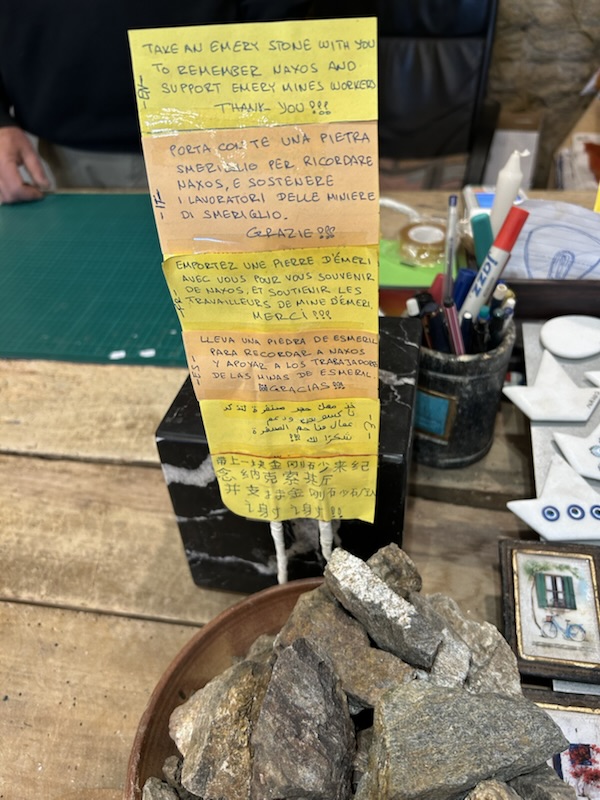
Donations to support the Emery minersThe dark stone is Emery & the light stone is Mica. The hard Emery is rubbed on the soft Mica to produce silt used to glaze the pottery.
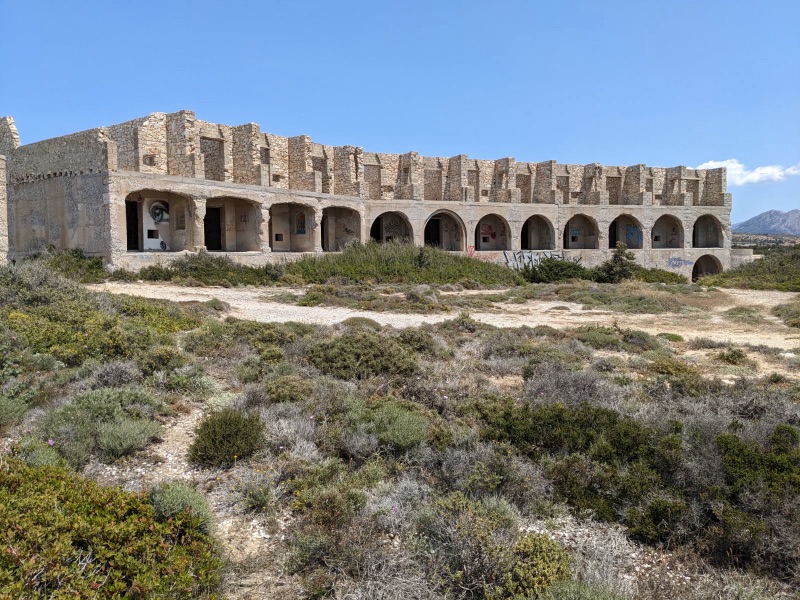
On Naxos’ southern end at Alyko Beach is a huge hotel complex that was started in the 1960s, abandoned in the 1970s during the military dictatorship, & never finished.
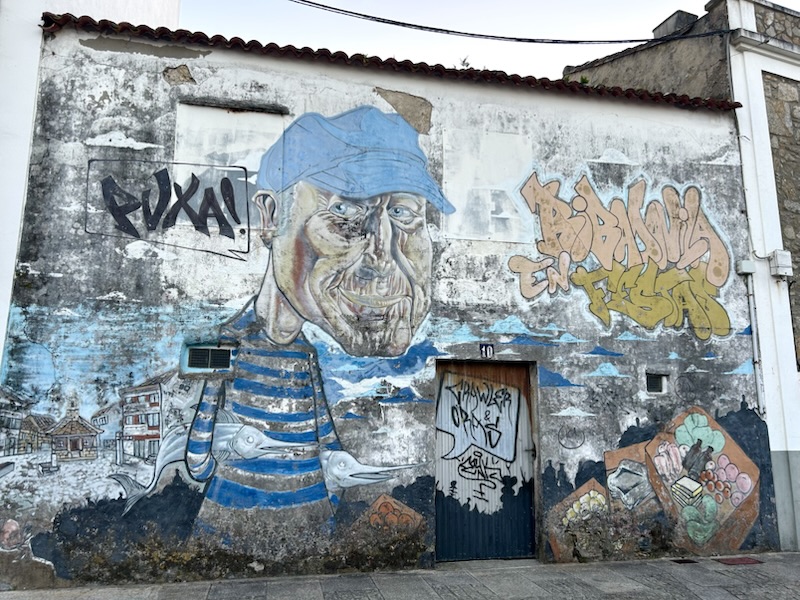
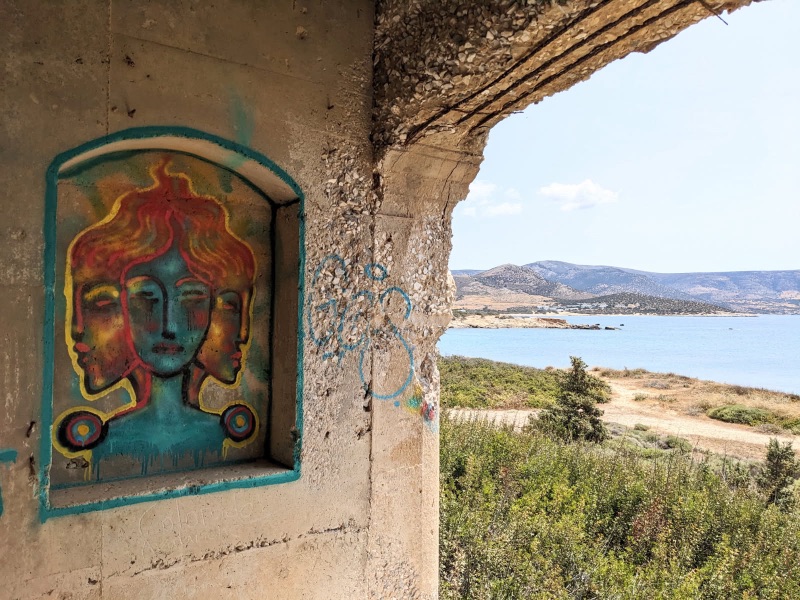
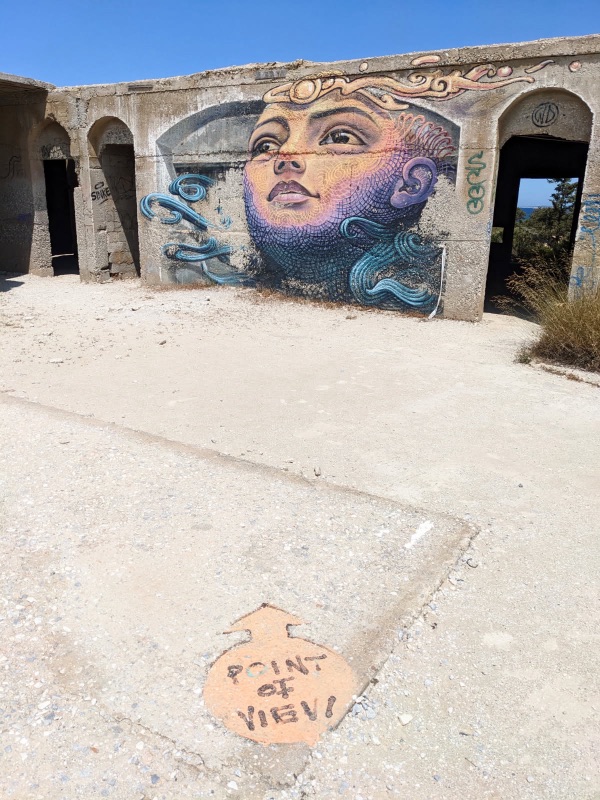
It became a draw for street artists from all over the world to tag. Some pieces are quite good whereas many others are not. The place is also covered in graffiti. It’s too bad the hotel didn’t work because it is located near very nice beaches. While there, I kept thinking the ruins would make a perfect location for a movie thriller.









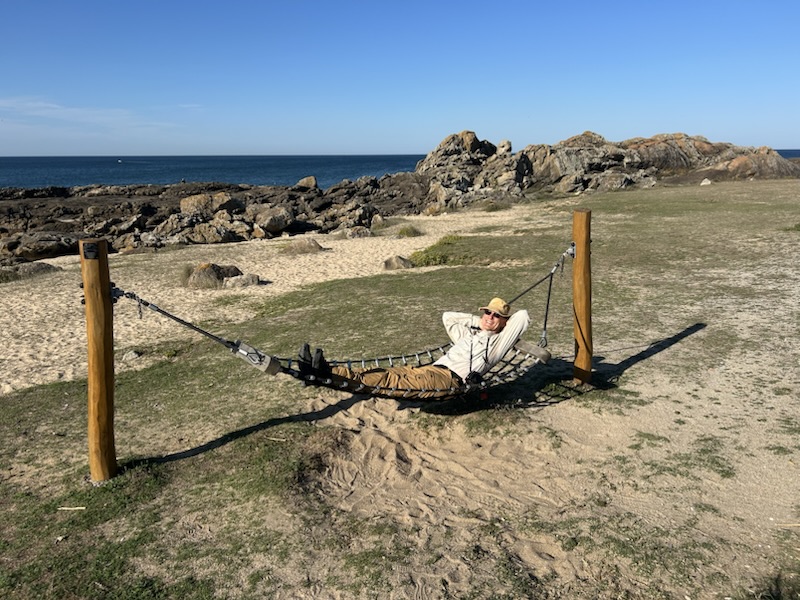




 The Wanderers