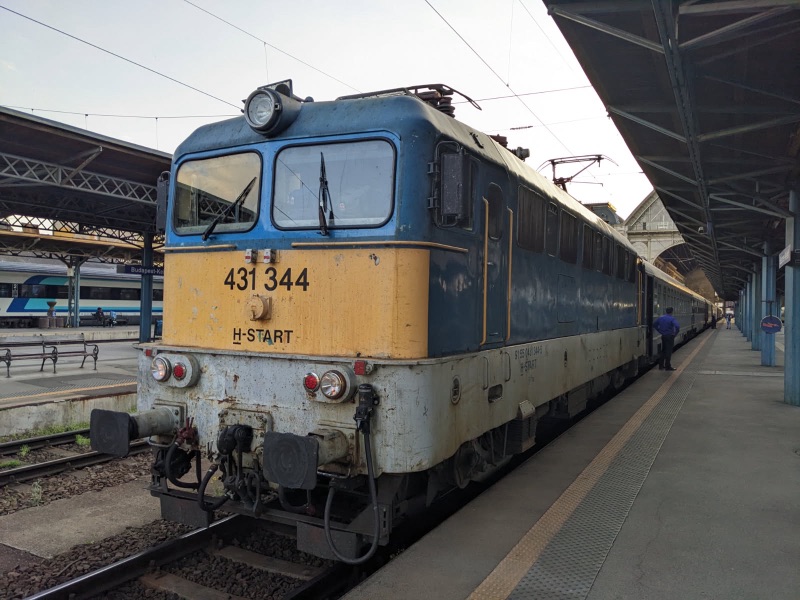
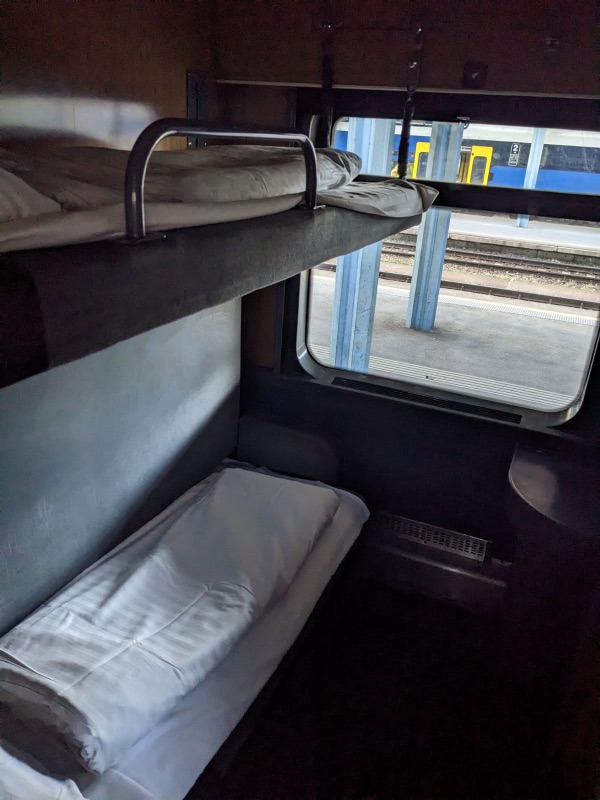
We left Budapest in the evening via overnight train in a sleeper car headed for Romania.
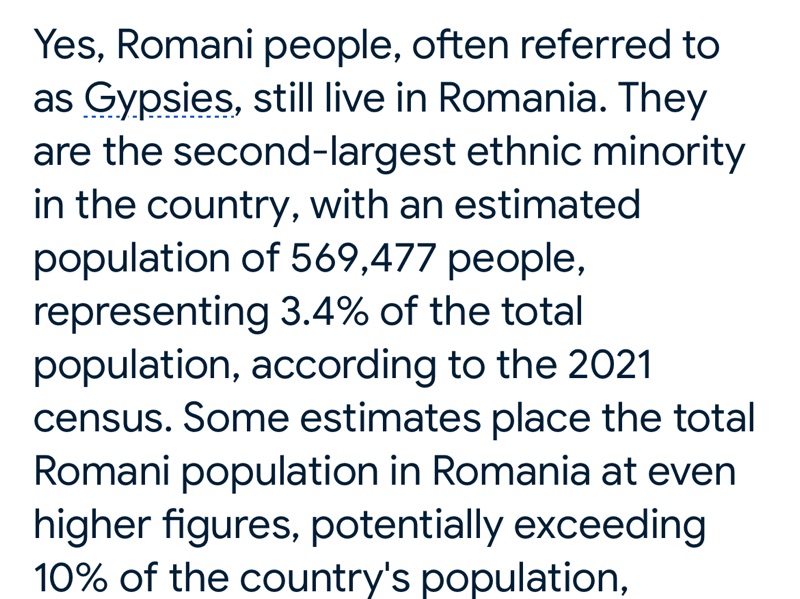
If you were playing “Family Feud” & the question was, “What do people say when you ask them what comes from Romania?” A good chance the #1 answer would be Dracula followed by the #2 answer Gypsy.
Regarding Gypsies, here is some info:
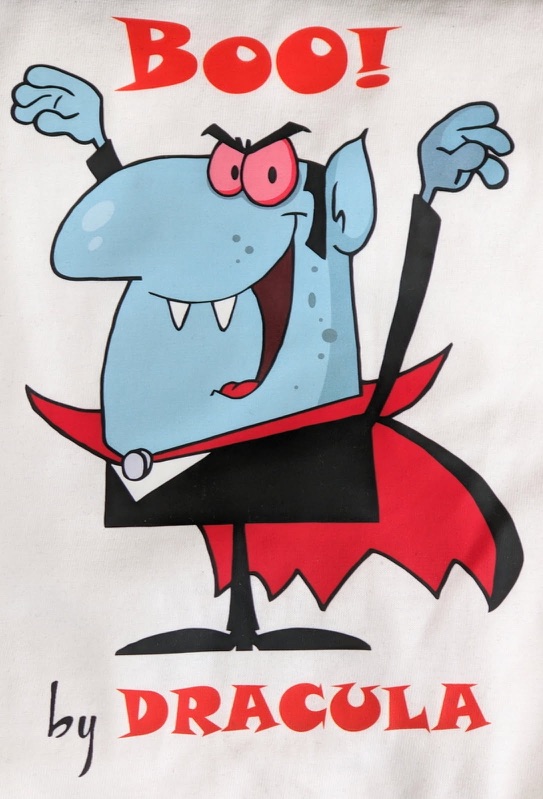
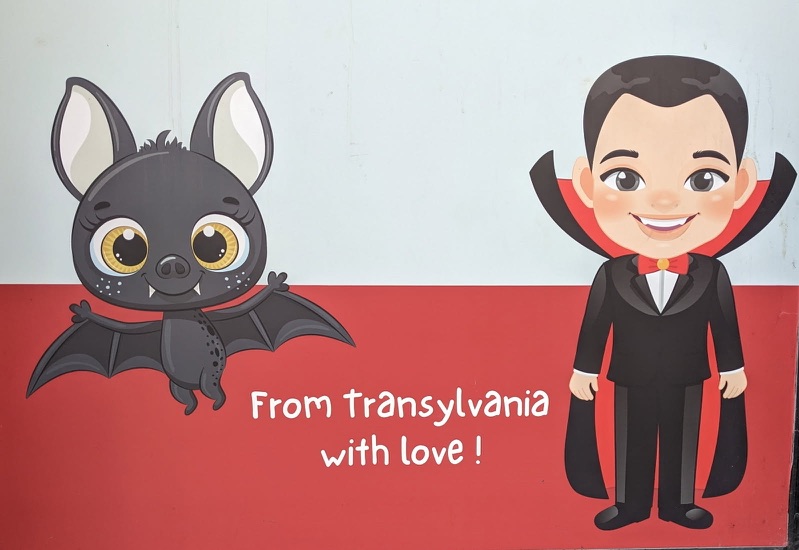
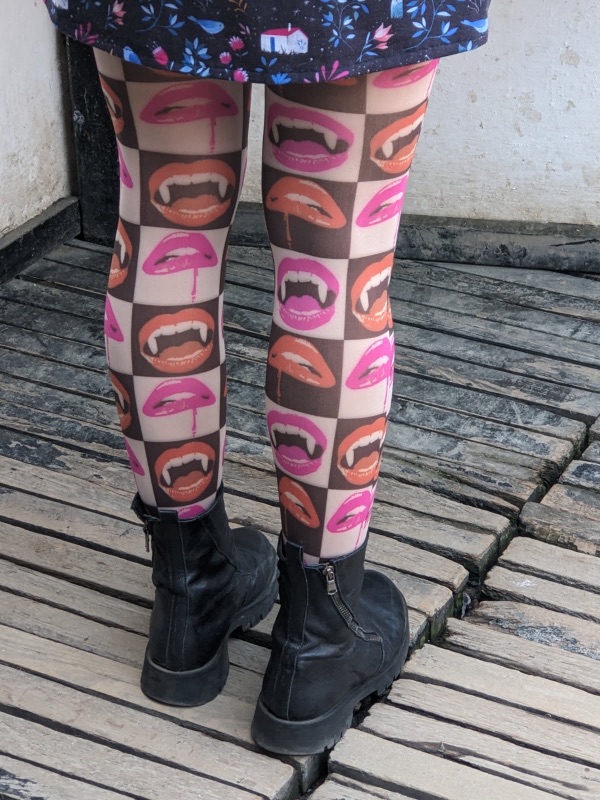
But, without a doubt, Dracula is Romania’s main draw. Dracula is almost like the country’s mascot. His picture & name are constantly used throughout Romania on posters, restaurants, & advertisements.
Never underestimate the power of a best selling, classic book followed by many popular movies. A UK visit is much the same now with Harry Potter.
Bram Stoker’s 1897 Gothic Horror novel “Dracula” takes place in Transylvania’s Carpathian Mountains. We learned that Transylvania means “through the forest” in Latin because the Roman Army passed through those mountains via forested passes.
Hard to believe; but, Bram Stoker never visited Romania. Rather, he used postcards to see what the area looked like & he did research on local folklore to shape both the main character & setting in his book. Just as Stoker wrote that garlic was used to repel vampires, our guide told us that locals still hang garlic around door frames to protect their homes against creatures of the night.
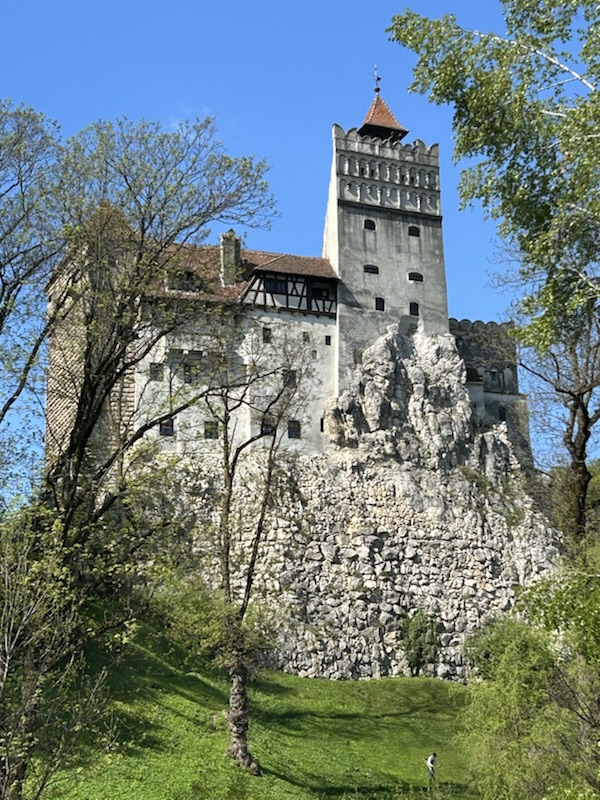
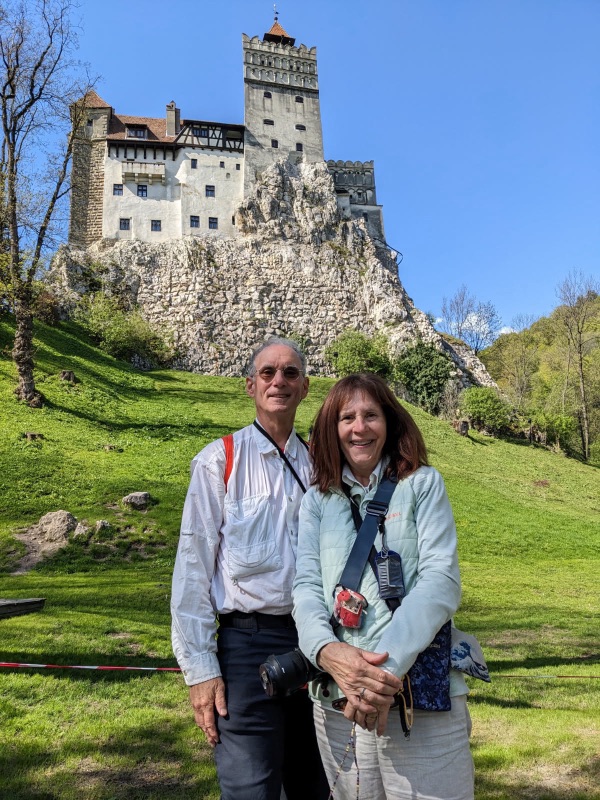
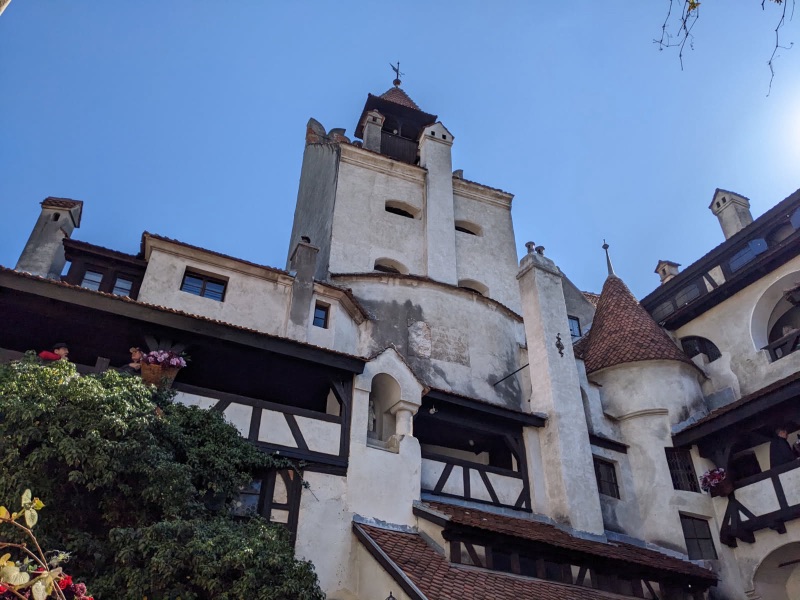
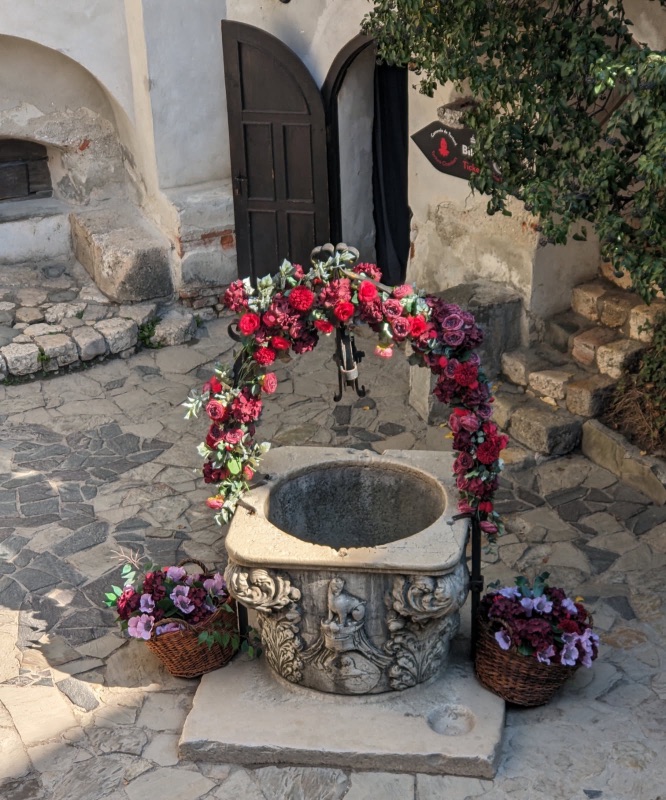
We visited Bran Castle which is a large castle perched high on a very steep hill not too far from Brasov. Based on Stoker’s vivid description of Dracula’s lair, it is now called Dracula’s Castle.
It is more than just a tourist trap, but a lovely castle to visit that was once the summer palace for Romania’s Queen Marie in the early 1900’s.
Vlad Tepes (Tepes means “the Impaler”) who partly inspired Dracula through his penchant to impale his enemies & was rumored to drink their blood never lived here.
However, since Bran Castle overlooked & defended a key pass through the Carpathian Mountains, he almost certainly stayed there.
Vlad’s father was Vlad Dracul (Vlad the Dragon). His given name was Vlad Dracula meaning “Vlad the Dragon’s Son”. In 18th Century Romania, “ Dracul” became the word for “Devil”, so Dracula means “Son of the Devil”.
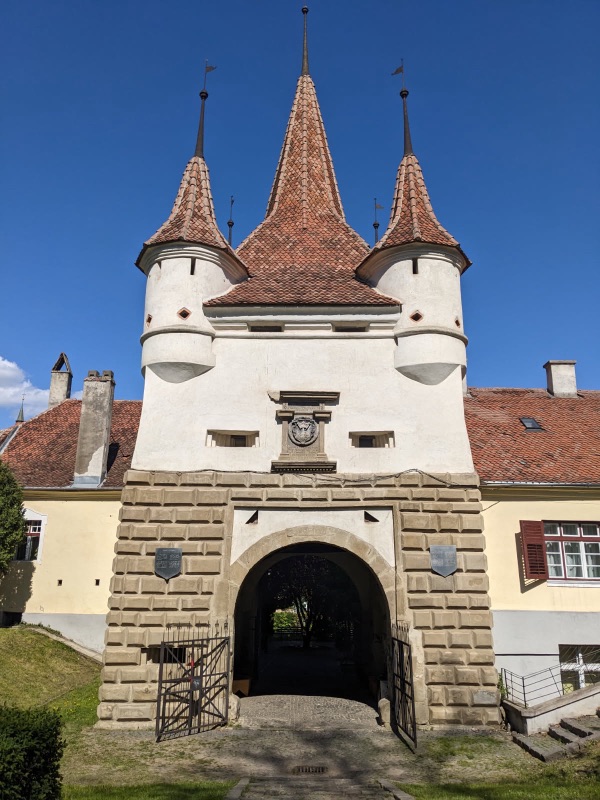
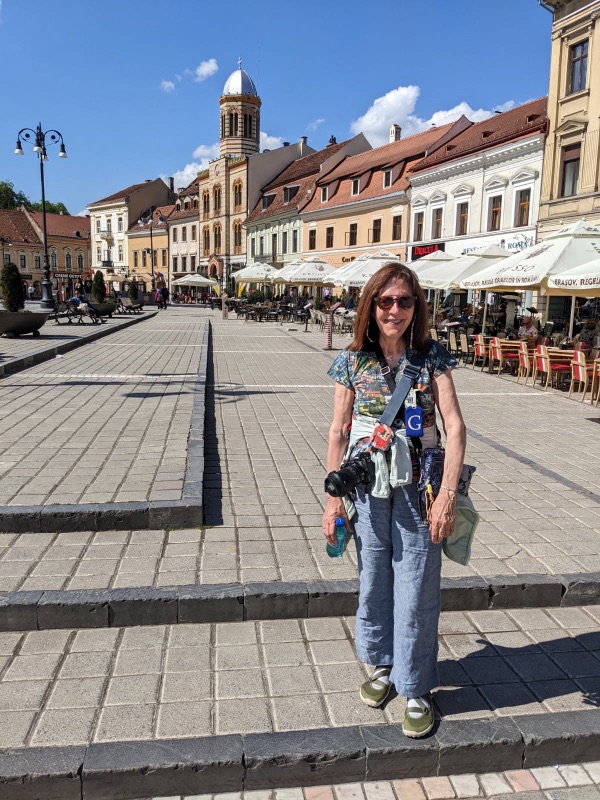
Brasov’s old city is very quaint with a city square & old church. It looks a lot like many small villages in Southern Germany because many Saxons from there immigrated to Romania.
Catherine’s Gate built in 1559 is Brasov’s only surviving city gate Brasov City Square
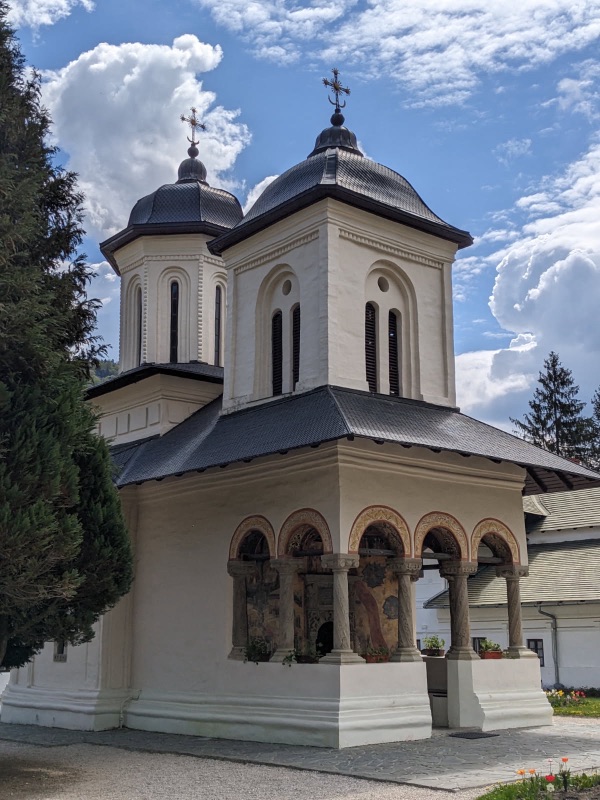
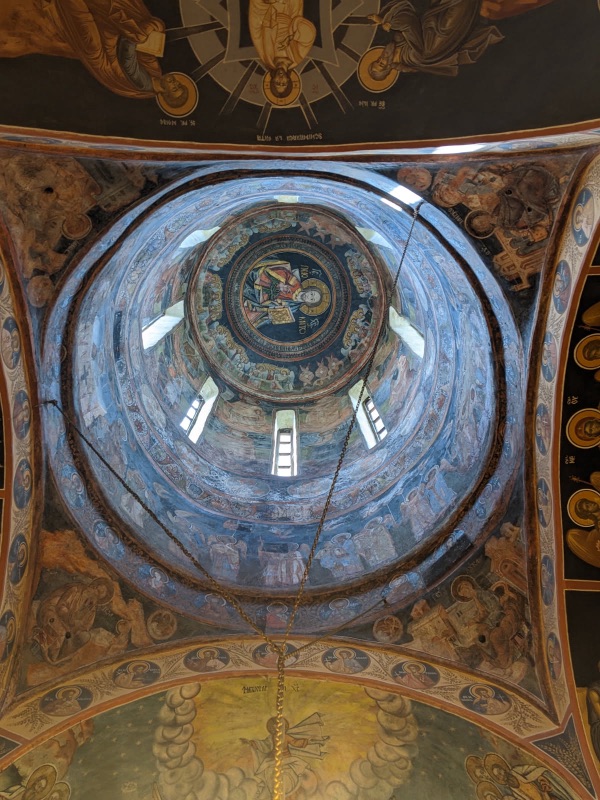
We visited the small Sinaia Monastery founded in 1695 where a few monks still live. The small Orthodox church has beautiful frescoes.
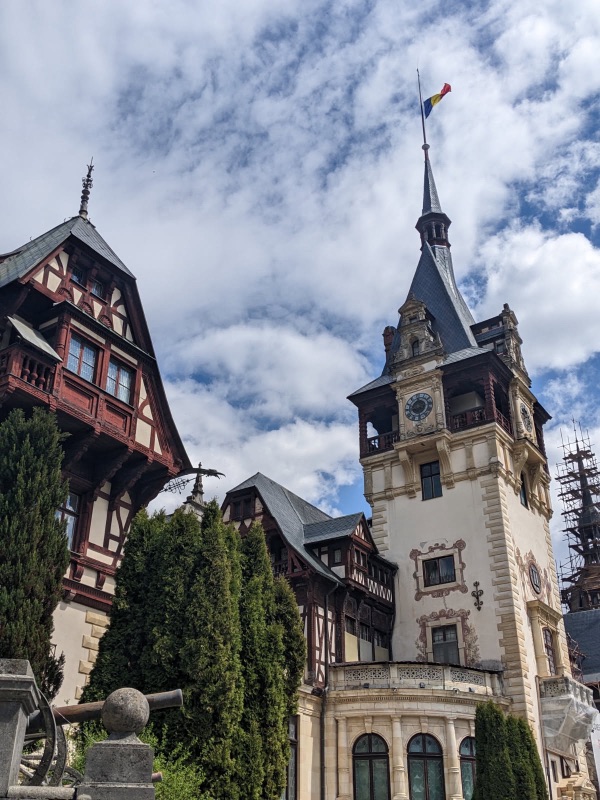
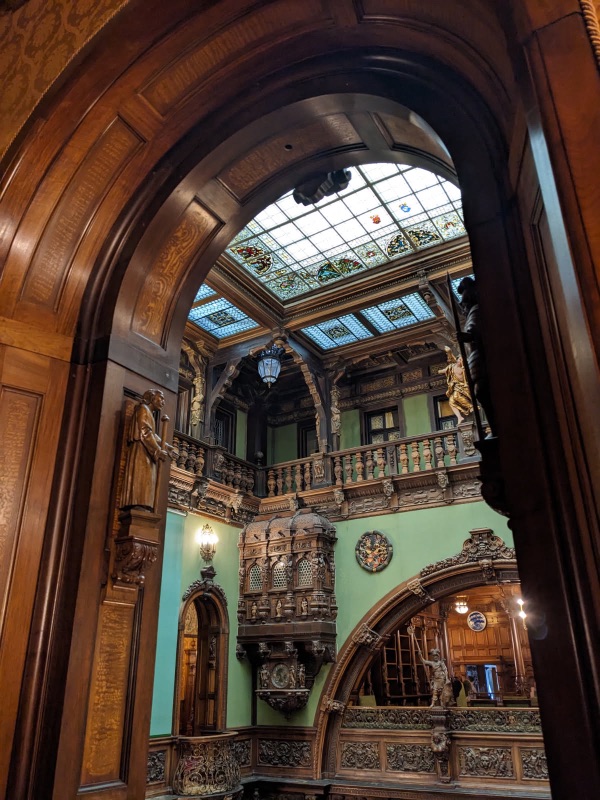
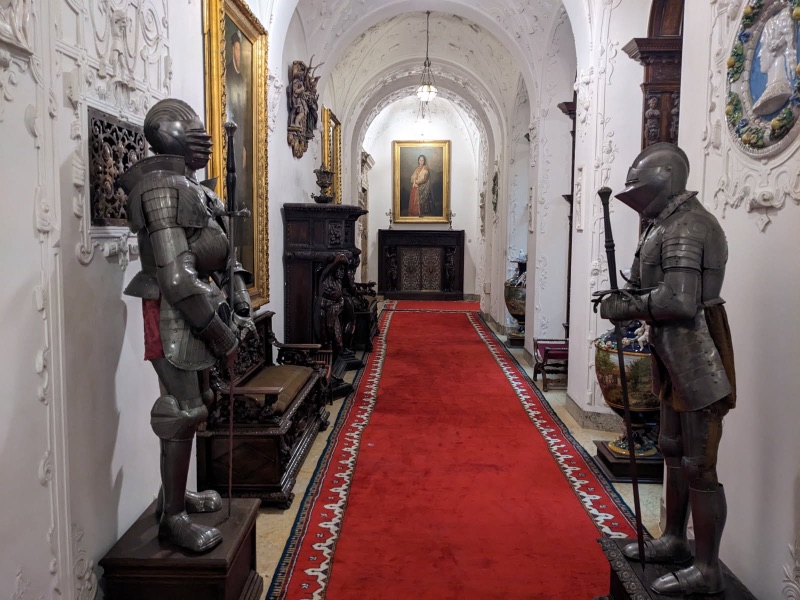
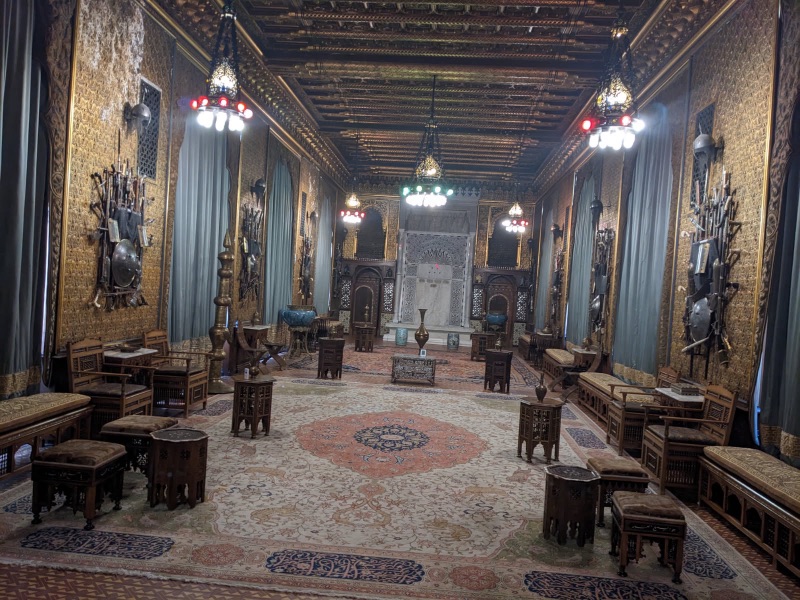
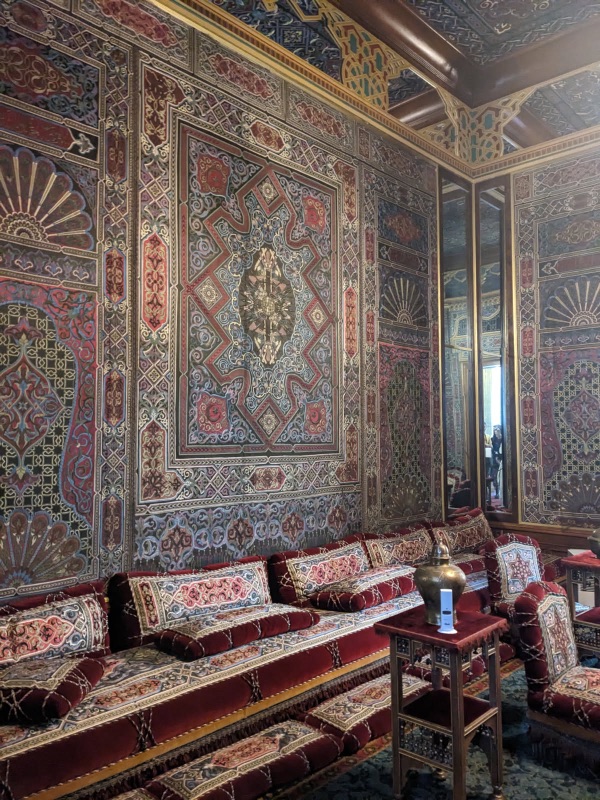
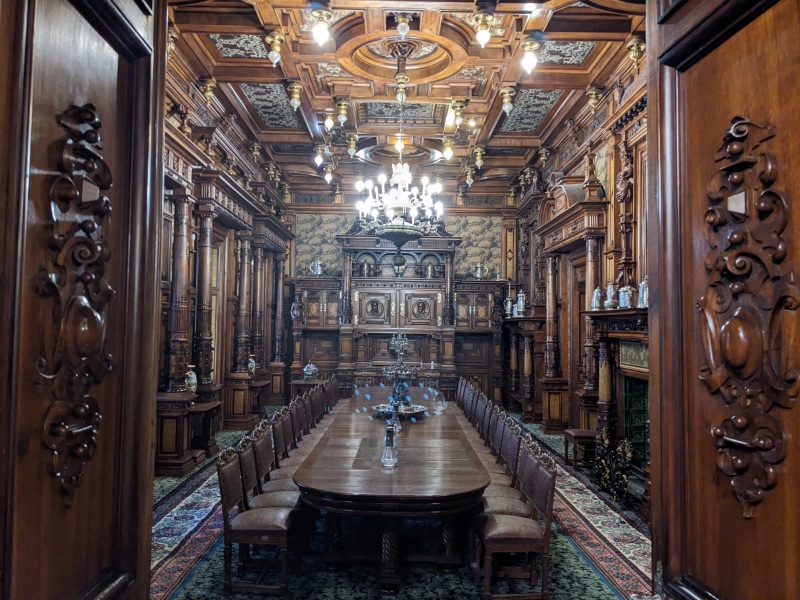
Our last Transylvania highlight was Peles Castle. It was built from 1873 till 1914 by Romania’s King Carol I. Its name comes from the nearby Peles Creek.
Unlike older palaces, this one was not retrofitted to incorporate modern conveniences; but, was designed & built to have electricity, plumbing, heating, telephones, elevators, central vacuum system, etc. to support 170 rooms & 30 bathrooms.
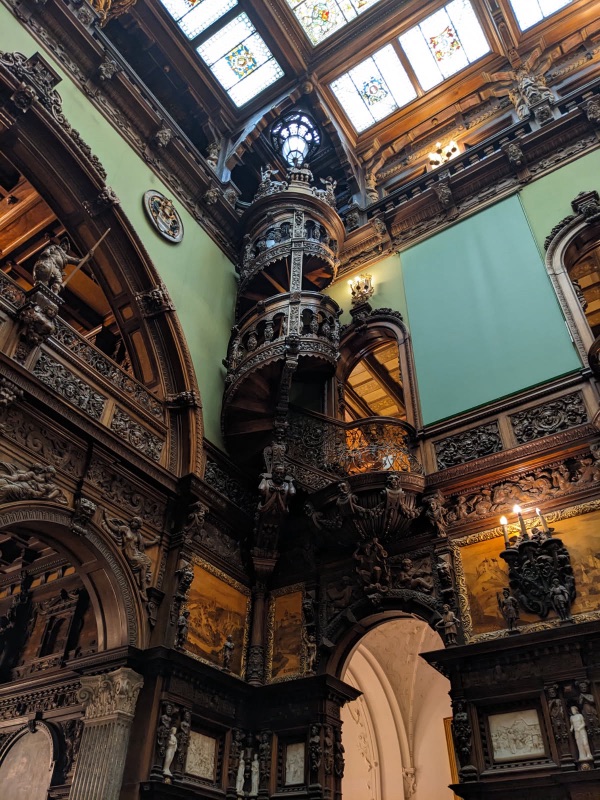
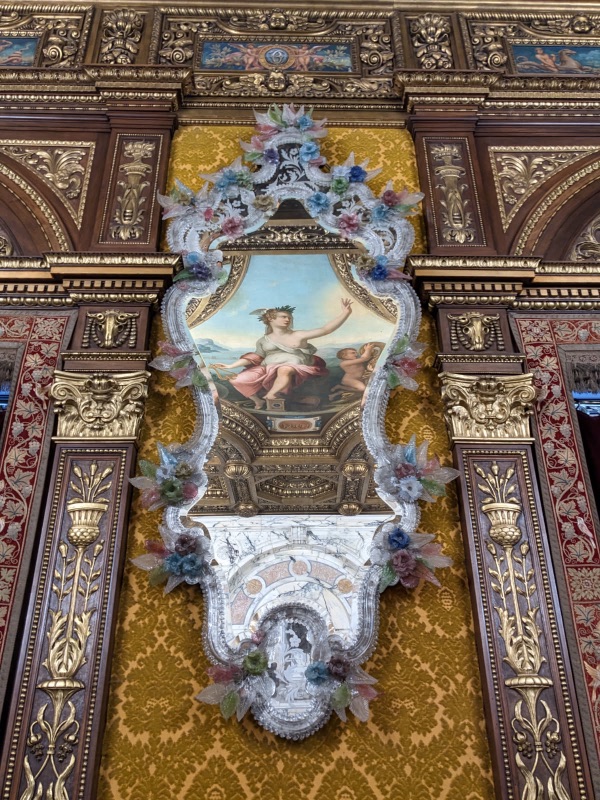
It is decorated more with wood than marble to provide warmth during the harsh Carpathian Mountains winter. Each & every room is wonderful to gaze upon. Artists from around the world were invited to decorate different portions in the home.
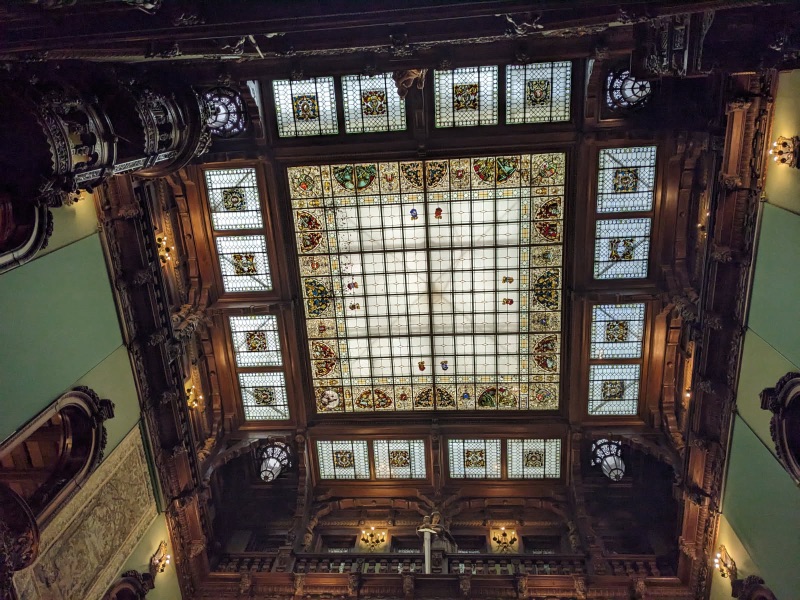
Peles Castle exterior with a minor towerSpiral staircase in Hall of HonorRetractable roof in Hall of Honor opens to allow stargazing Clever design with a painting from the opposite wall reflected & framed in a mirrorHall of Honor- Main reception hall HallwayMoor Hall Turkish Salon
An interesting fact we learned from our guide was that the Orient Express would stop here on its way from Paris as its wealthy passengers were invited to dine at the castle before going on to Istanbul.
Dining Room
A visit to Transylvania & the Carpathian Mountains was well worth it. The region is also known for hiking trails in its mountains which we might explore one day. The area looks a bit like the Bavarian Alps. Except here, bears still wander the mountains & hikers must always be on alert. I even got a bear alert on my phone while we were in the mountains.
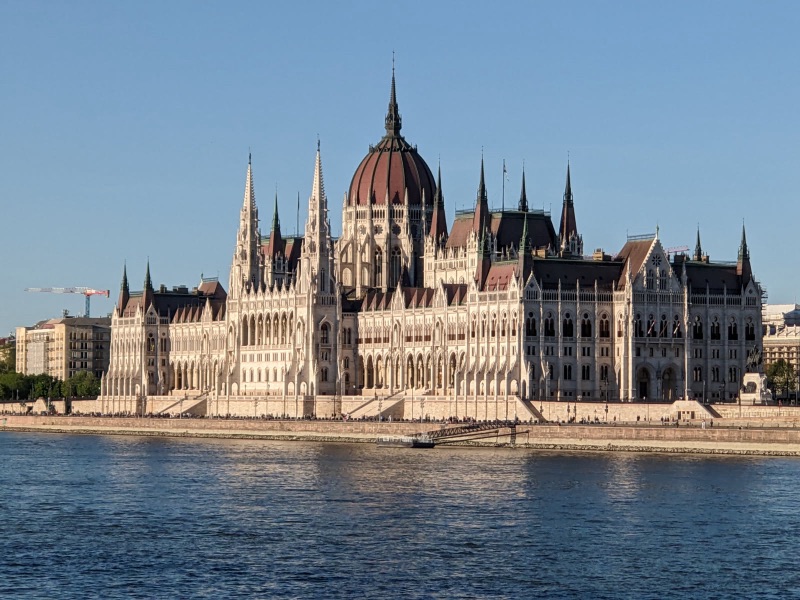
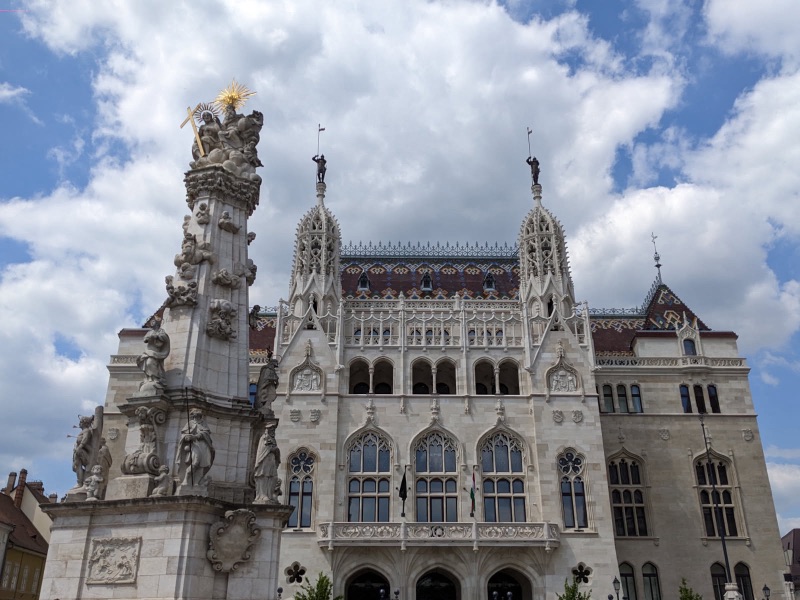
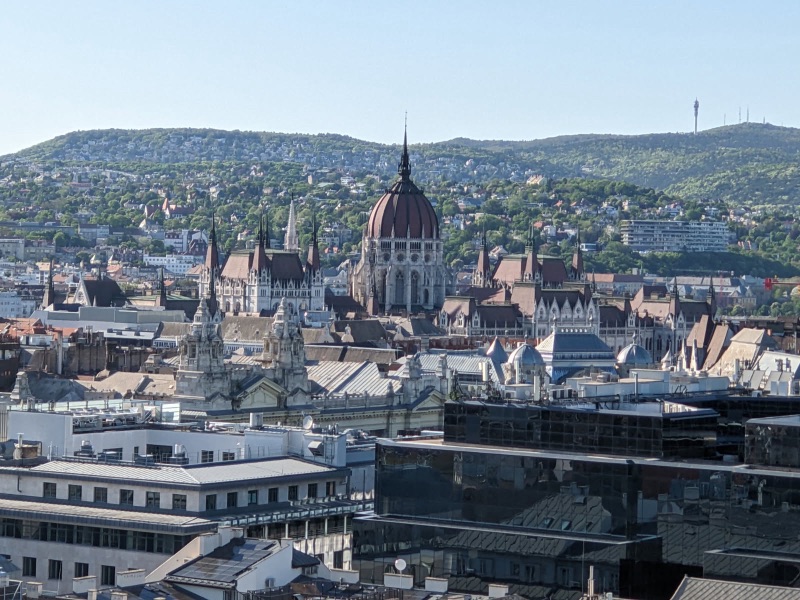
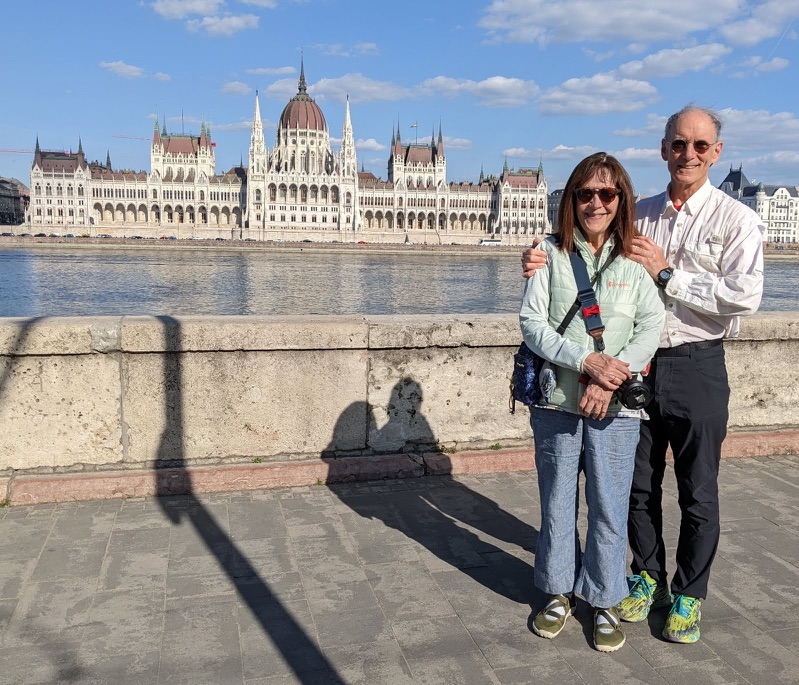
Hungary’s Parliament on the banks of the Danube River in Budapest
Budapest is the perfect place to visit after Vienna since they are so closely connected & have similar backgrounds.
For a little background, the city is divided by the great Danube River. The West side is hilly Buda & the East side is flat Pest. The two were brought together in 1873 creating the capital of Hungary.
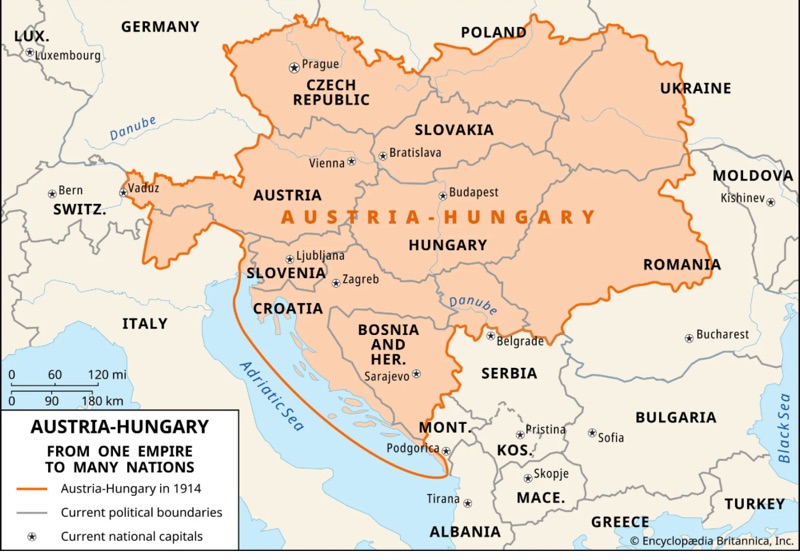
This consolidation made Budapest the 2nd capital after Vienna of the Austro-Hungarian Empire in the 18th Century. This status is why Budapest has similar architecture, a love for coffee, & many German speaking people.
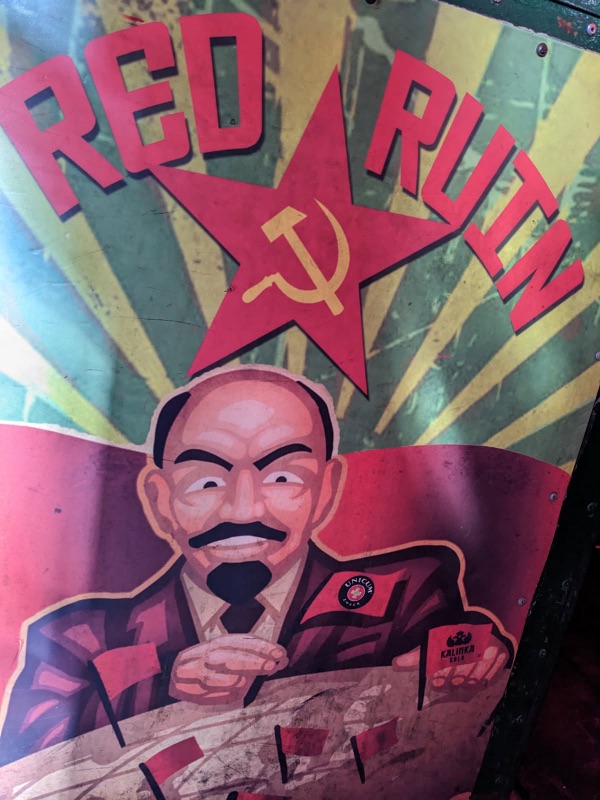
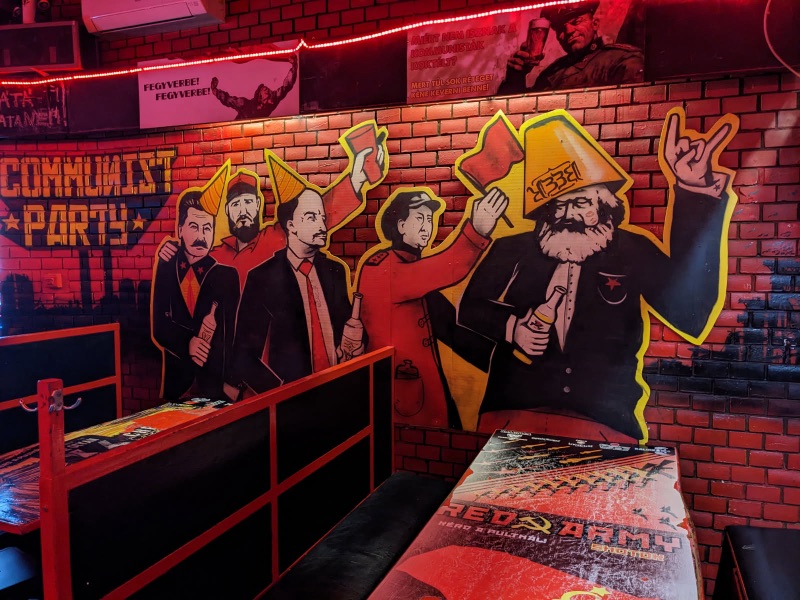
Like most Eastern Europe, Hungary was under Communism from WWII until 1990. But, Budapest has very little of the classic square gray Communist style buildings or propaganda paintings. All the old Soviet statues have been moved to a park outside the city. (Unfortunately, we didn’t have time to see it)
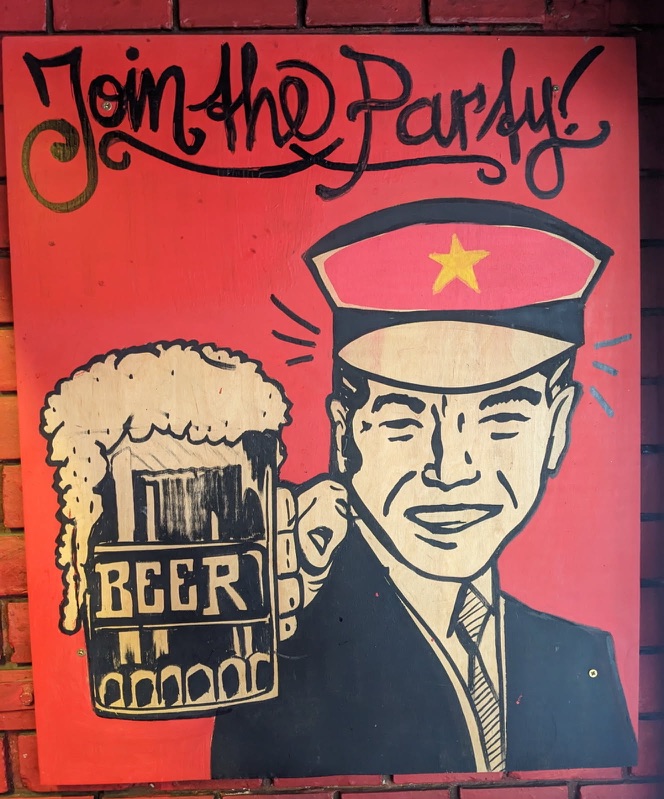
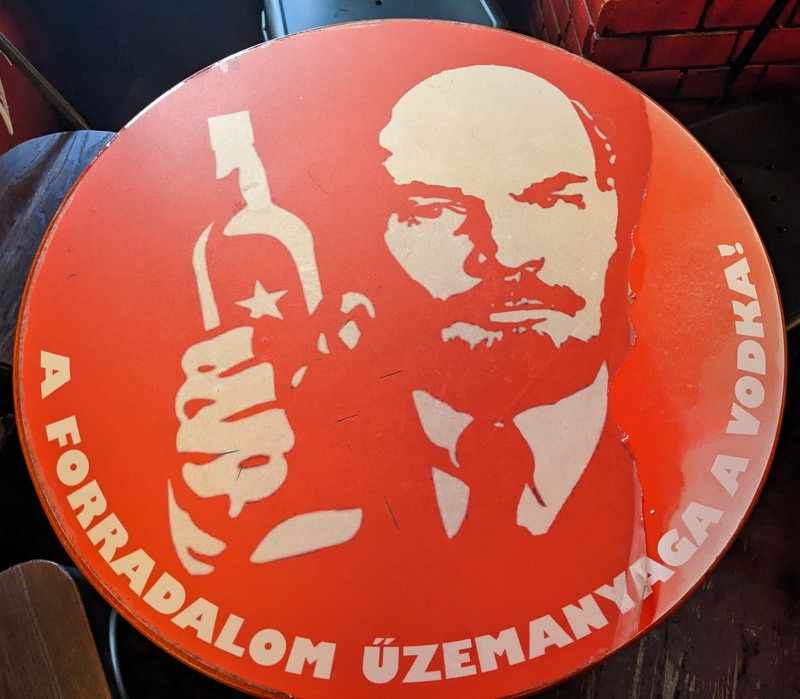
There are a few bars like the Red Ruin that like to make fun of this time period.
Today , Budapest is working to revive its glorious pre- WWII past.
In 2021, Buda Palace along with other historical sites on Castle Hill are slowly being restored to their previous splendor. This area was heavily damaged during WWII & little was improved during the Soviet Era.
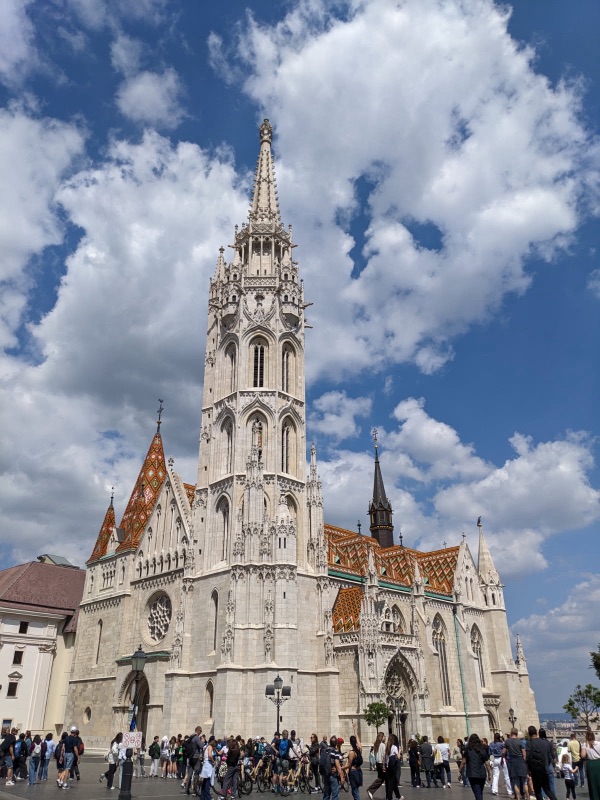
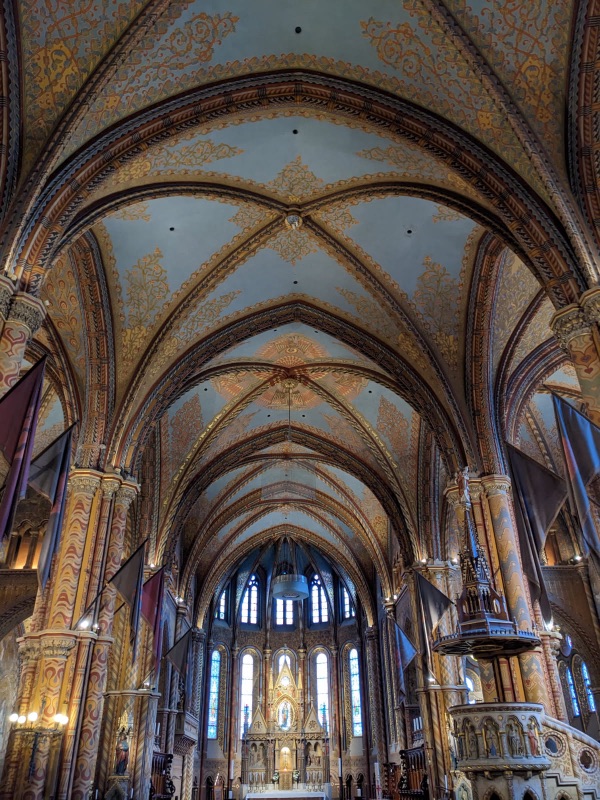
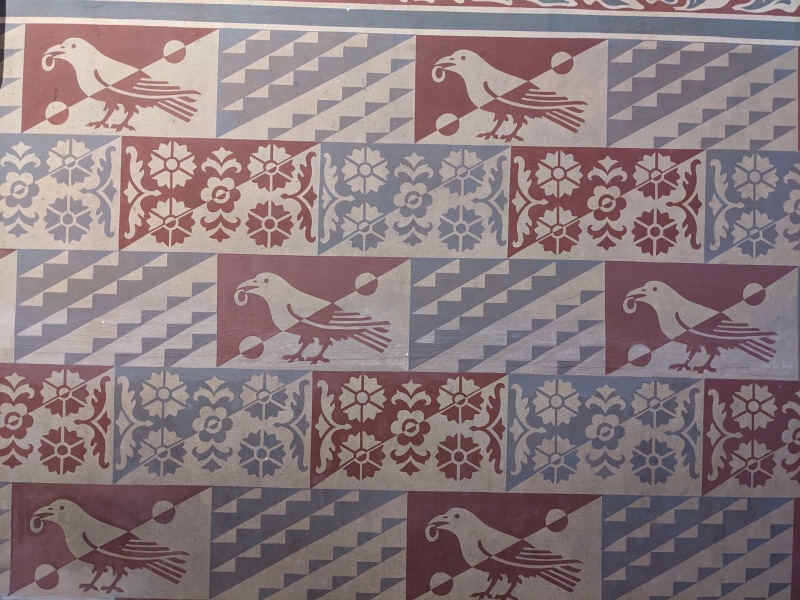
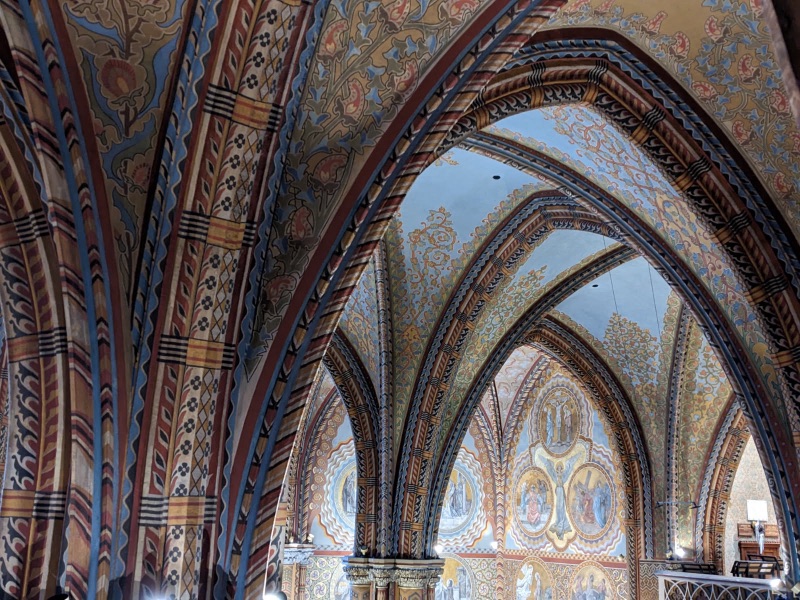
Not far from Buda Palace is the very lovely Matthias Church. I absolutely fell in love with how this church’s interior was decorated.
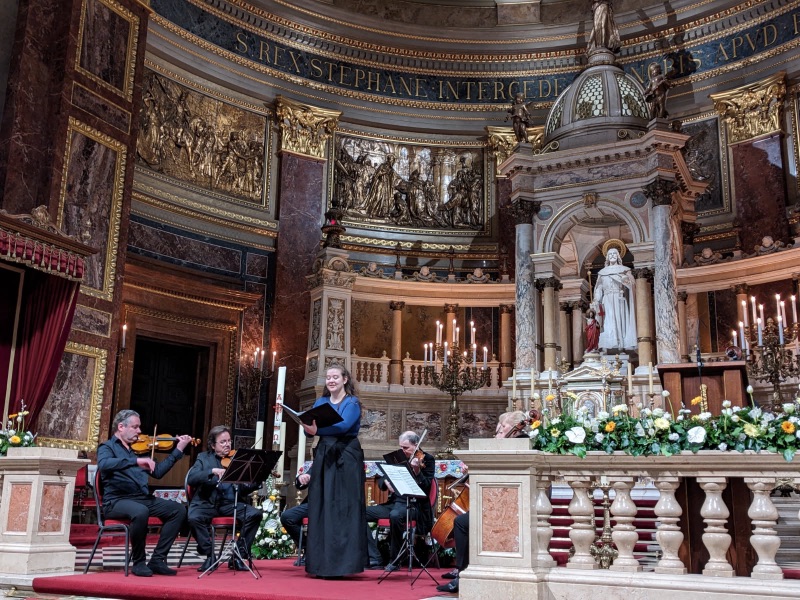
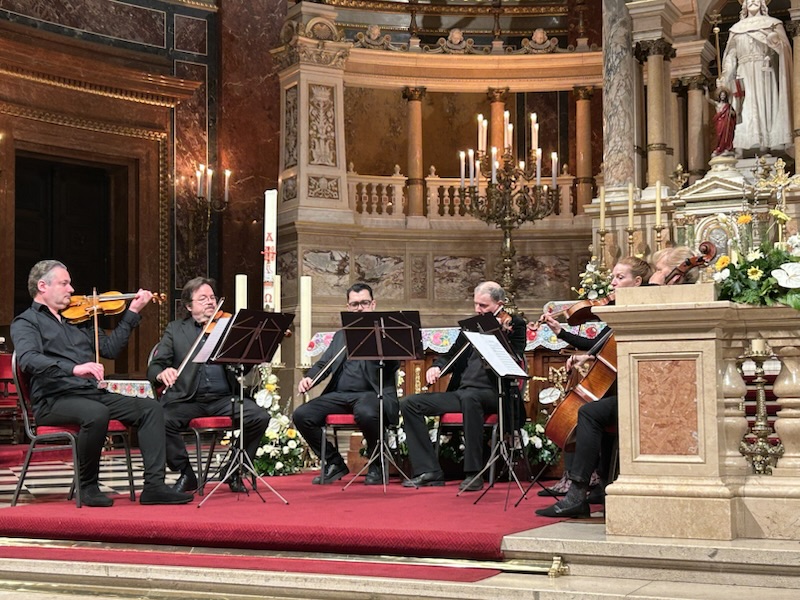
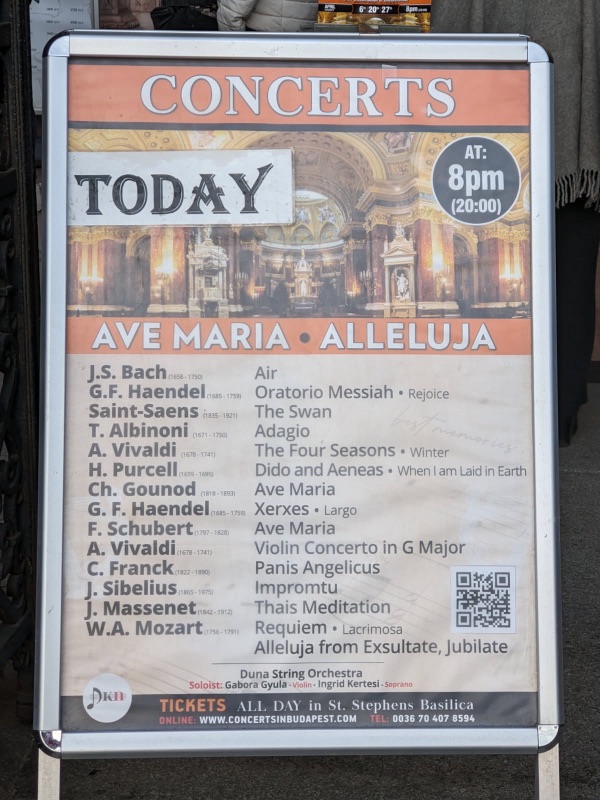
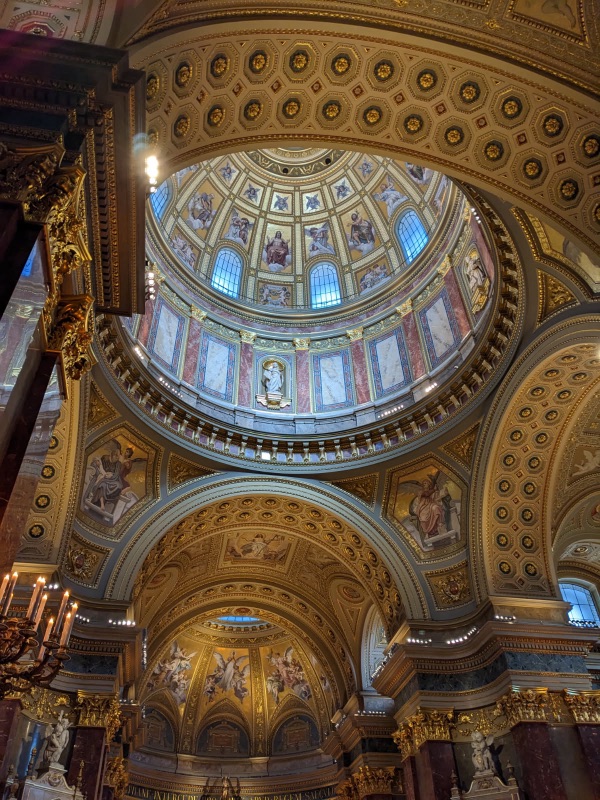
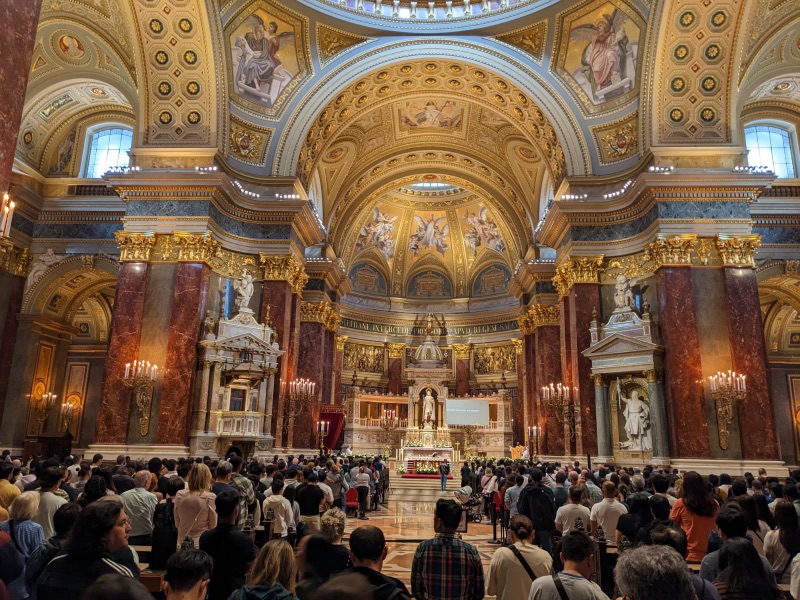
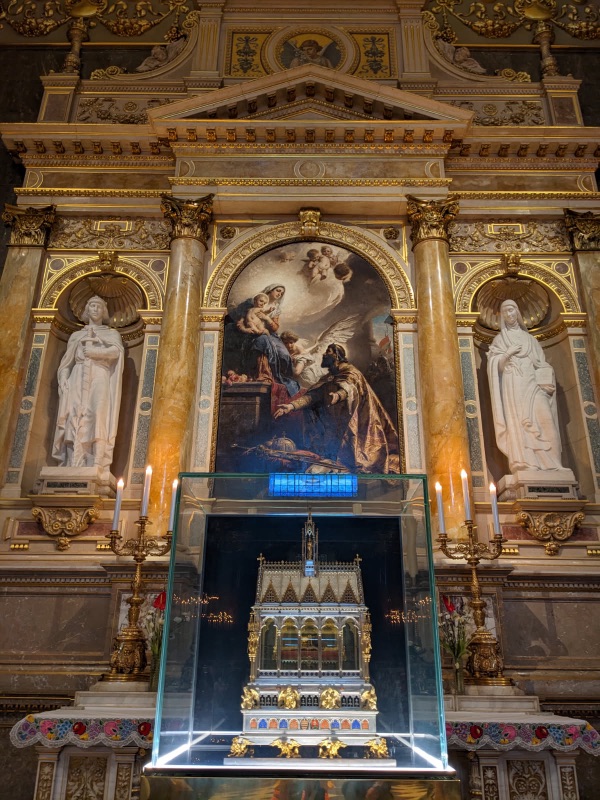
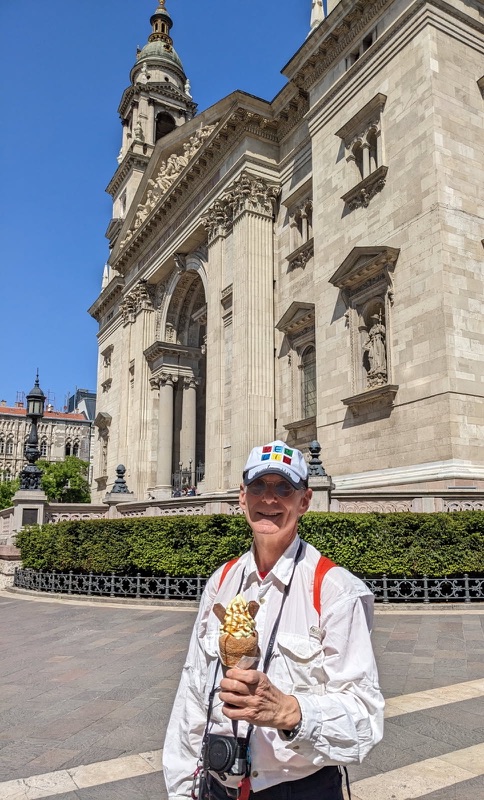
We were very lucky on a Sunday night to attend a classical concert in the amazing cathedral St Stephen’s Basilica on the Pest side.
The concert featured only a few stringed instruments & one singer; but, it was amazing! The acoustics in the church provided the most beautiful sound for classics by Mozart, Bach, Handel, & Vivaldi. Hearing Ava Maria in this setting was a dream come true.
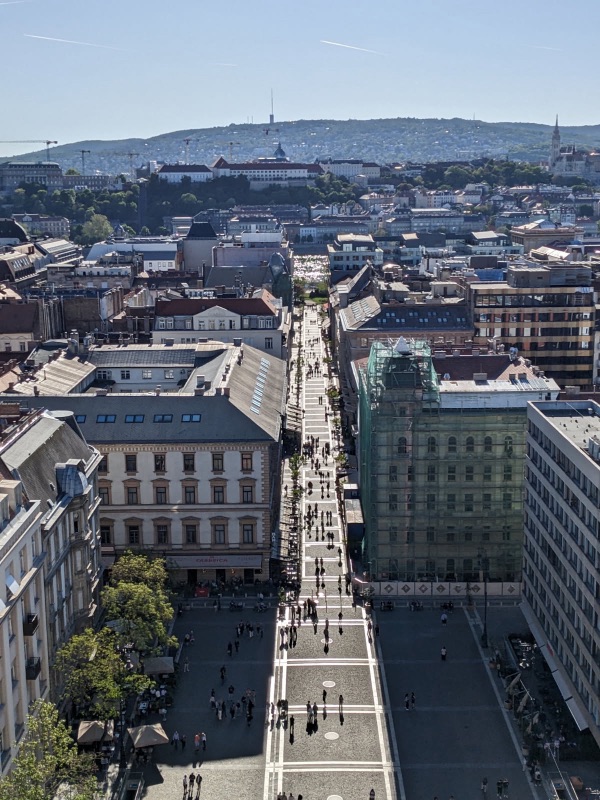
Earlier in the day we toured St Stephen’s Basilica & climbed the stairs to the dome for a city view.
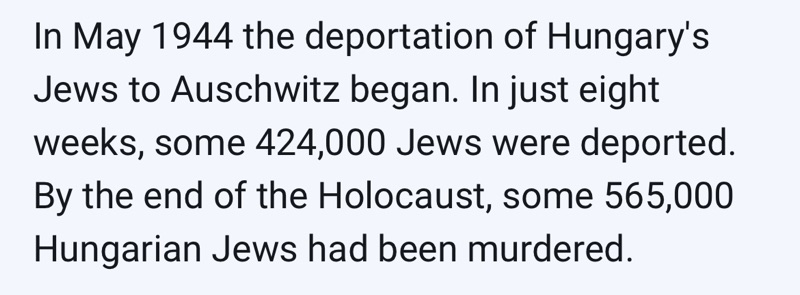
As expected, the treatment of the Jewish population in Hungary during WWII is a grim one.
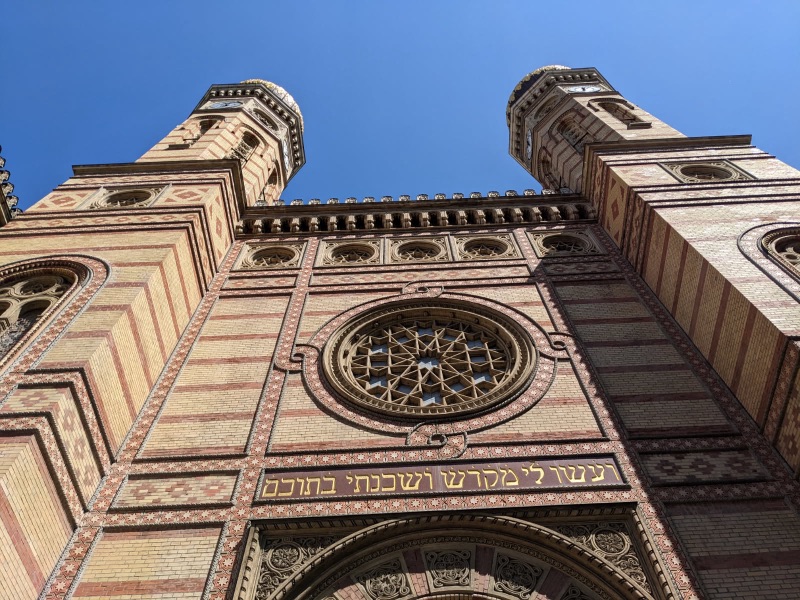
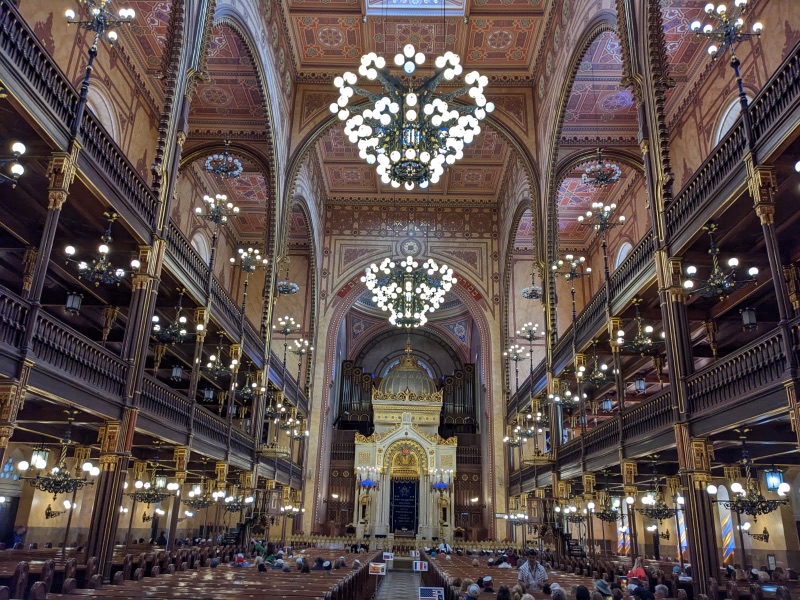
Budapest is the perfect place to learn more about this history because it has the 2nd largest synagogue in the world & the largest in Europe seating 3,000 people. The Dohany Synagogue survived WWII & has been fully restored making it magnificent to view both inside & out.
The synagogue provides a free 45 minute talk & tour in many languages & has a good history museum.
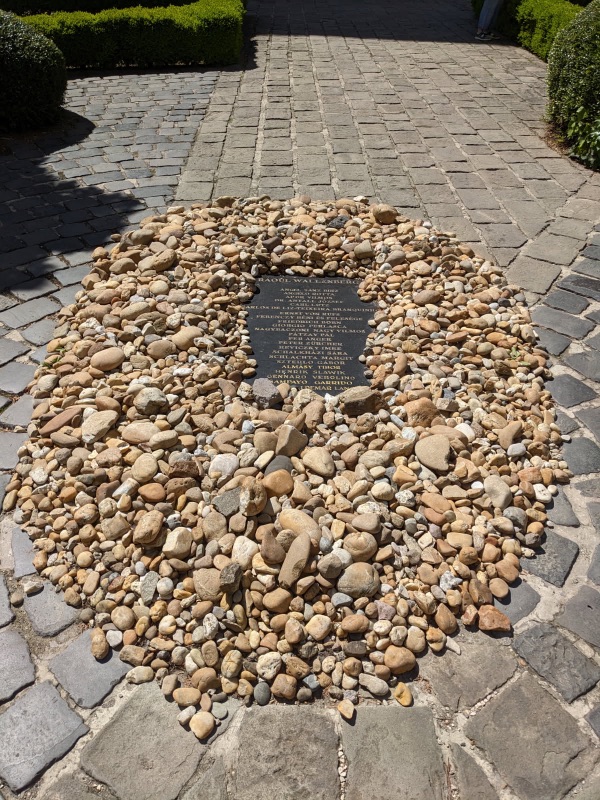
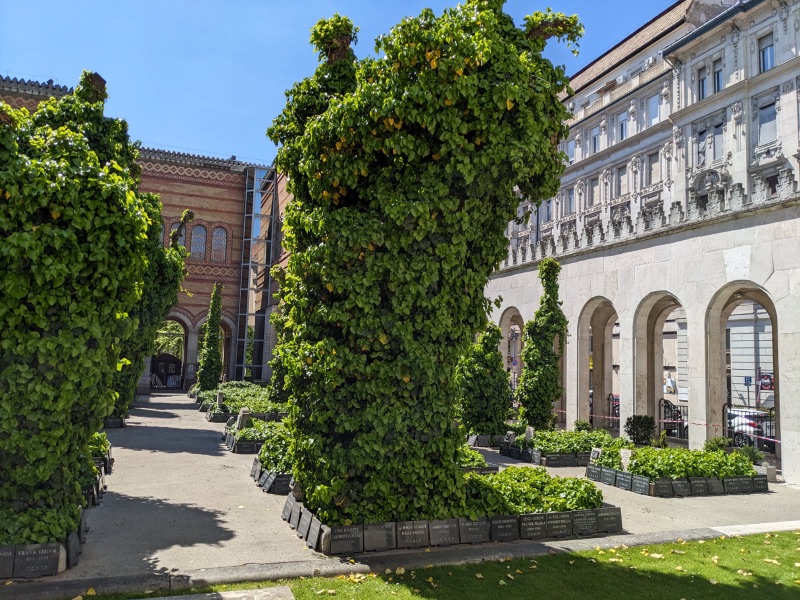
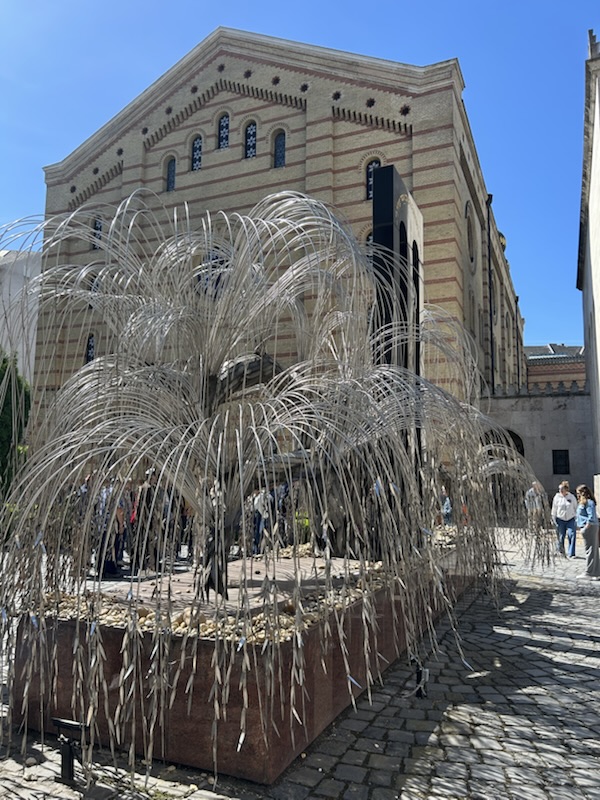
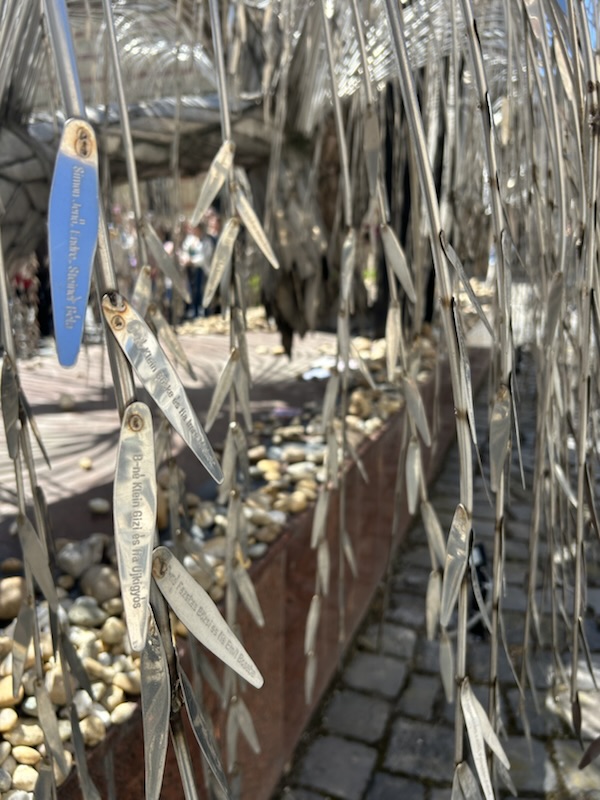
Dohany Synagogue1st floor is for men only; balconies are for women only during services Tribute to Raoul Wallenberg from Sweden & other diplomats who helped Jews escape Mass graves of over 2,000 people who died inside the the Jewish GhettoWeeping Willow Tree MemorialNames of Hungarian Holocaust Victims on each leaf
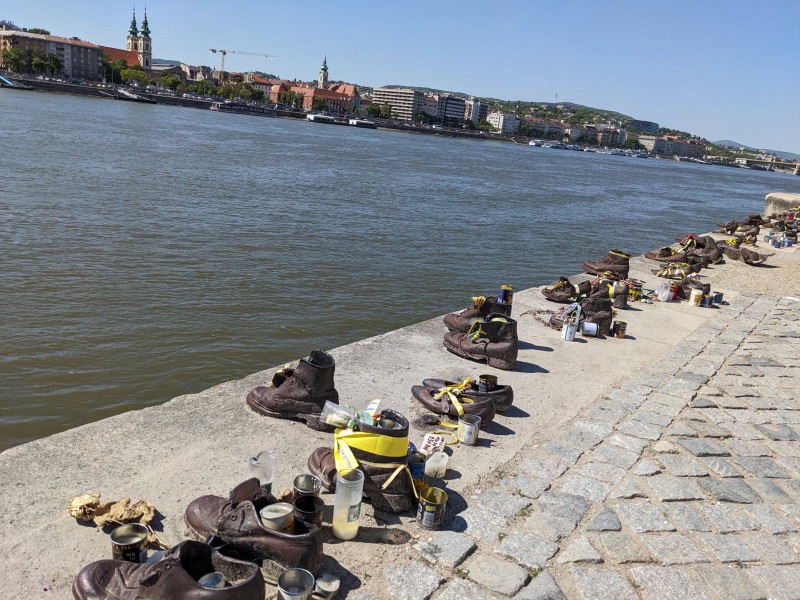
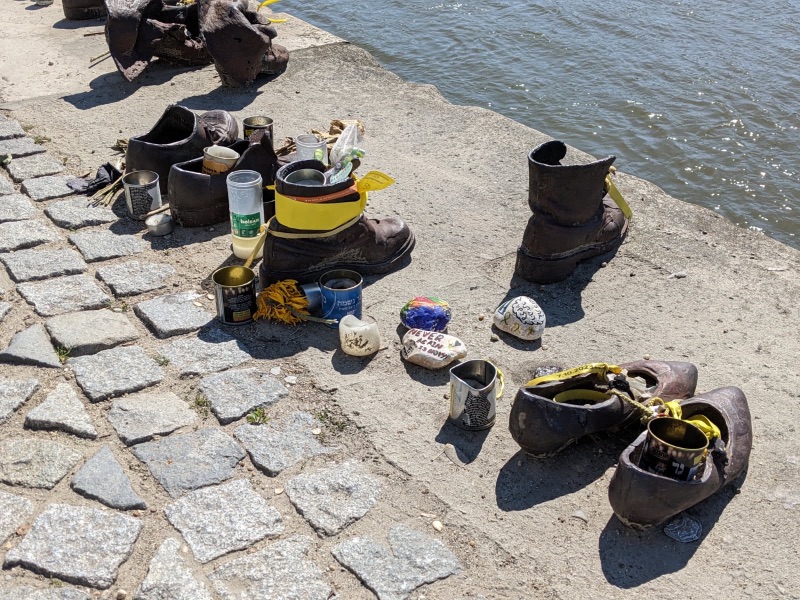
Starting in October 1944, it is believed that over 20,000 Jews from Budapest were shot on the banks of the Danube River. Before they were shot, they were forced to remove their shoes which were in short supply. Their bodies fell into the river & were swept downstream.
Today there is a memorial to this atrocity along the Danube near the Parliament building called “Shoes along the Danube”.
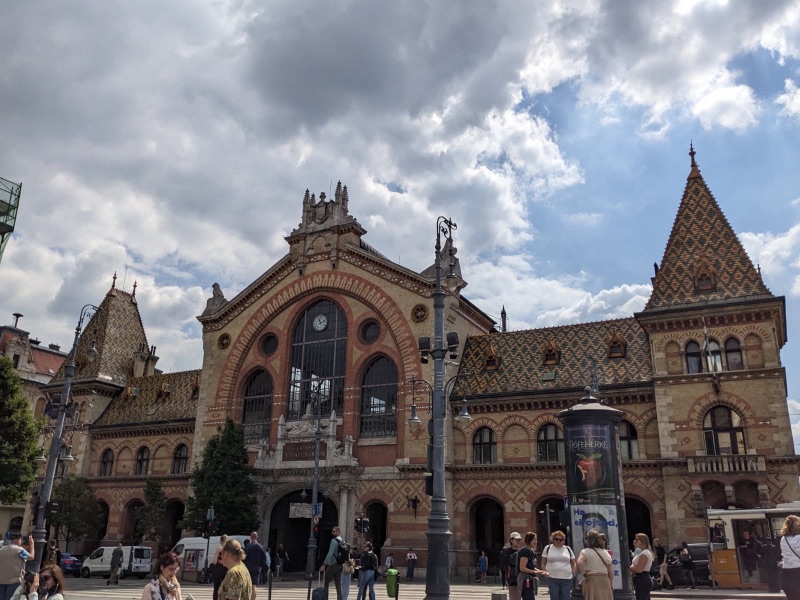
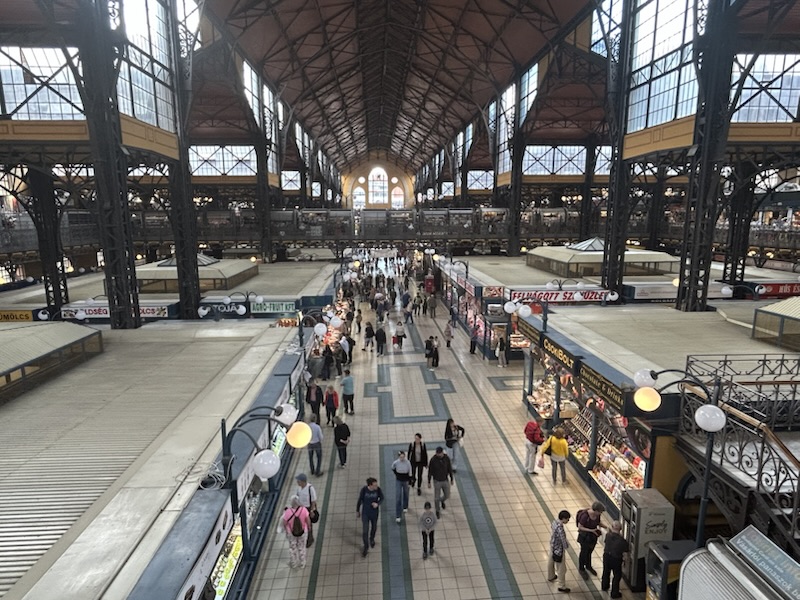
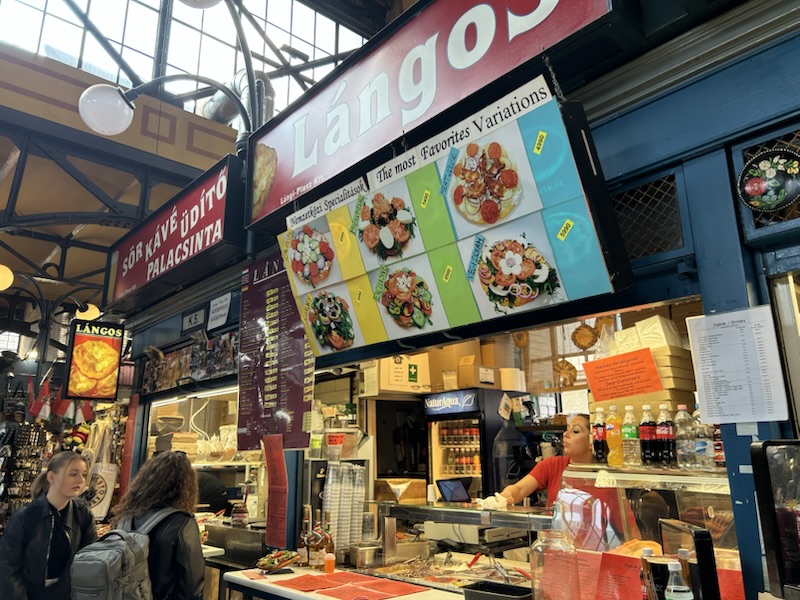
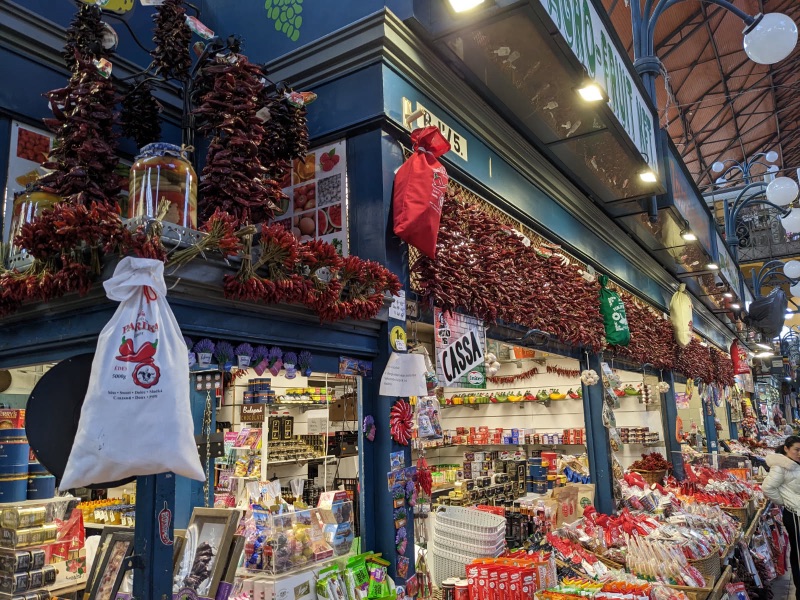
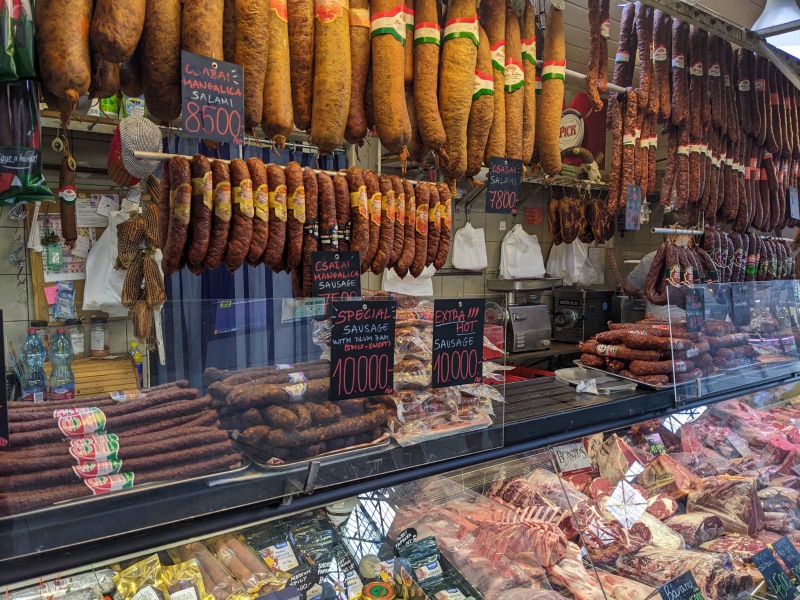
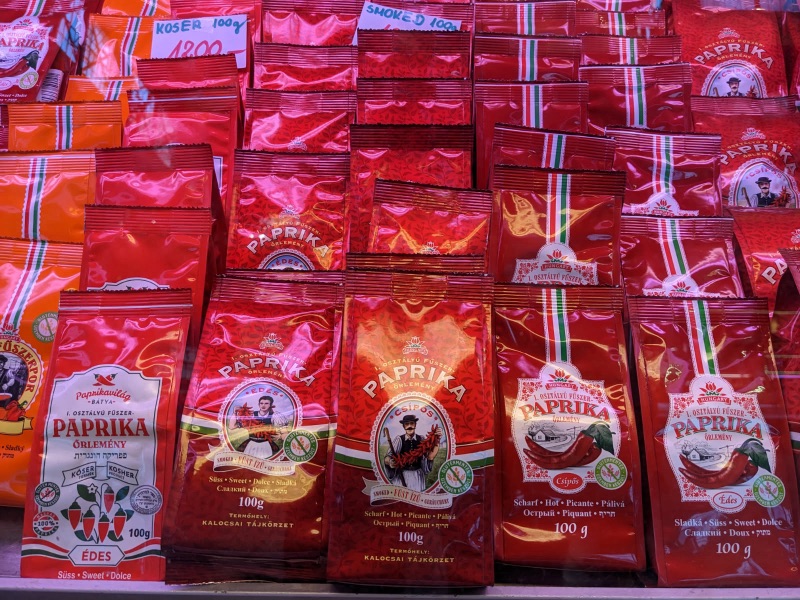
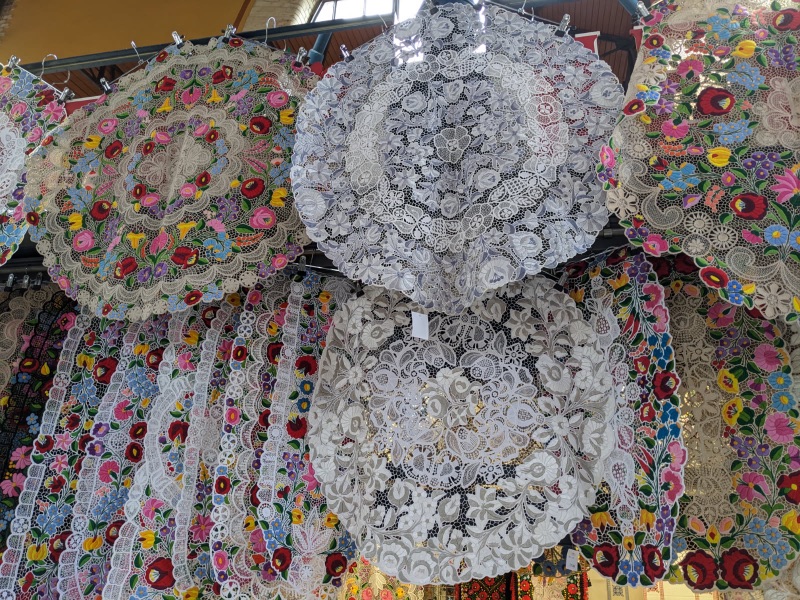
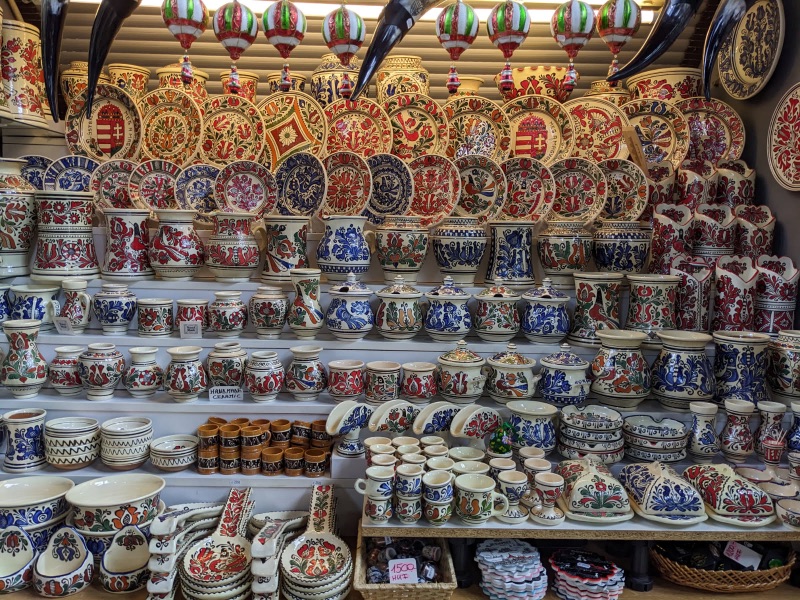
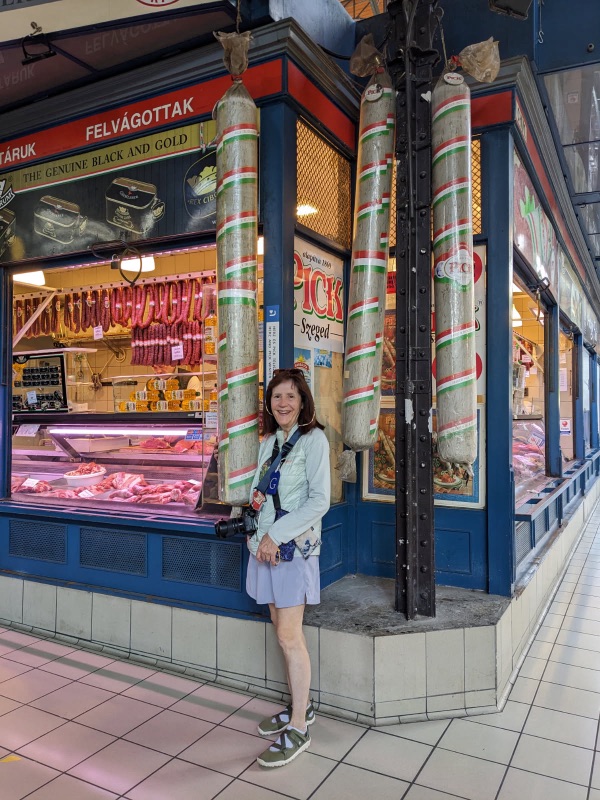
Not to be missed on any trip to Budapest is the Grand Market Hall. It is popular among both the locals & tourists. It is also a perfect place to buy a Hungarian souvenir, some paprika, or taste the local Hungarian food.
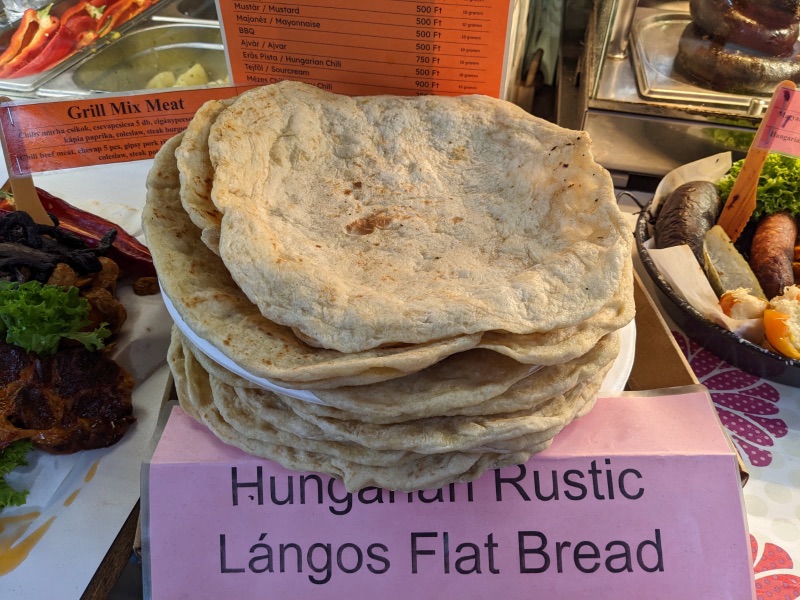
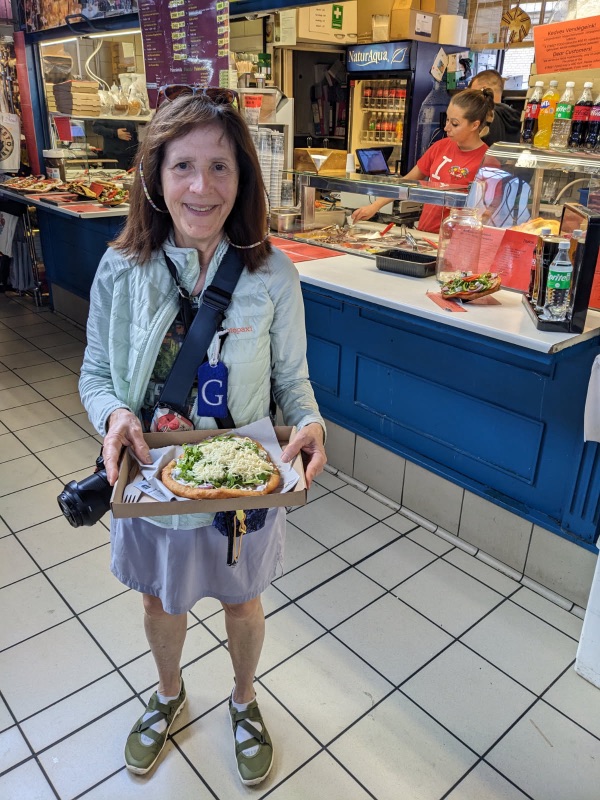
A Hungarian favorite is Langos that we enjoyed in the market. Langos is fried bread that can be topped with savory or sweet toppings. We chose the traditional sour cream & cheese toppings.
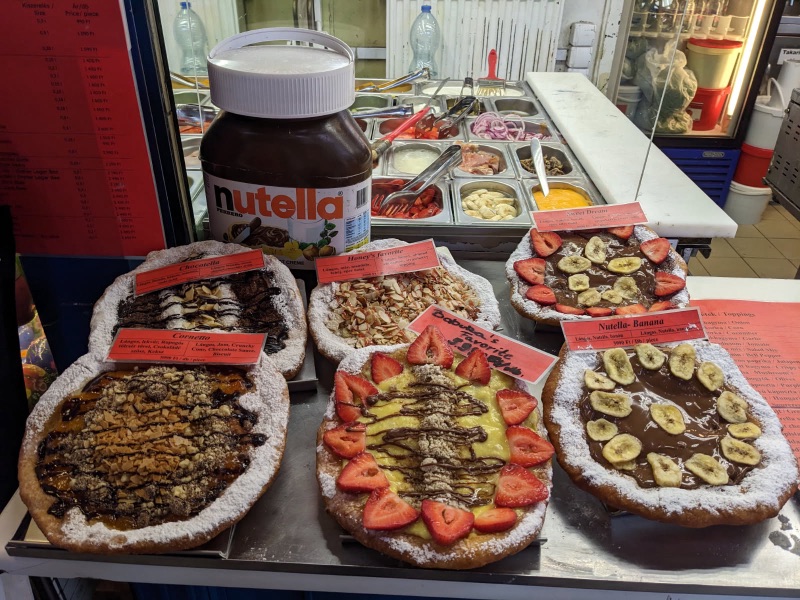
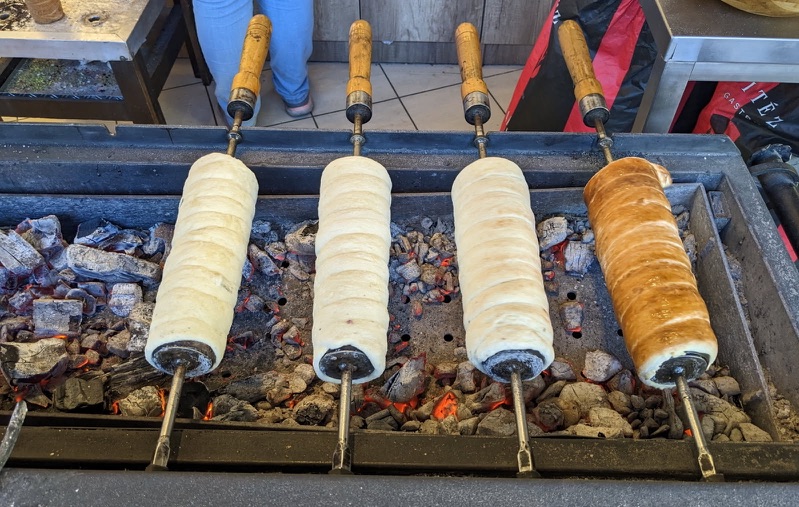
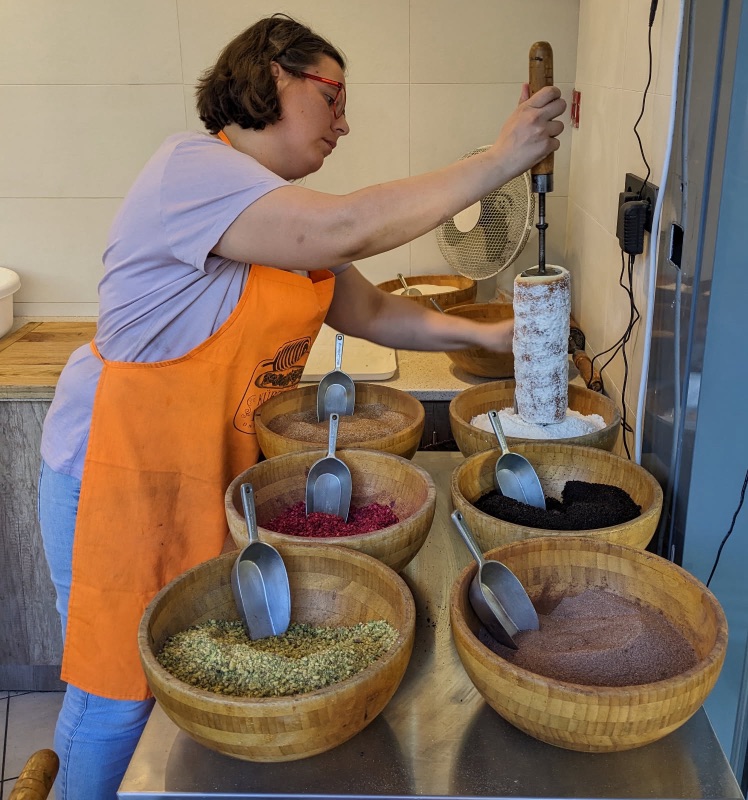
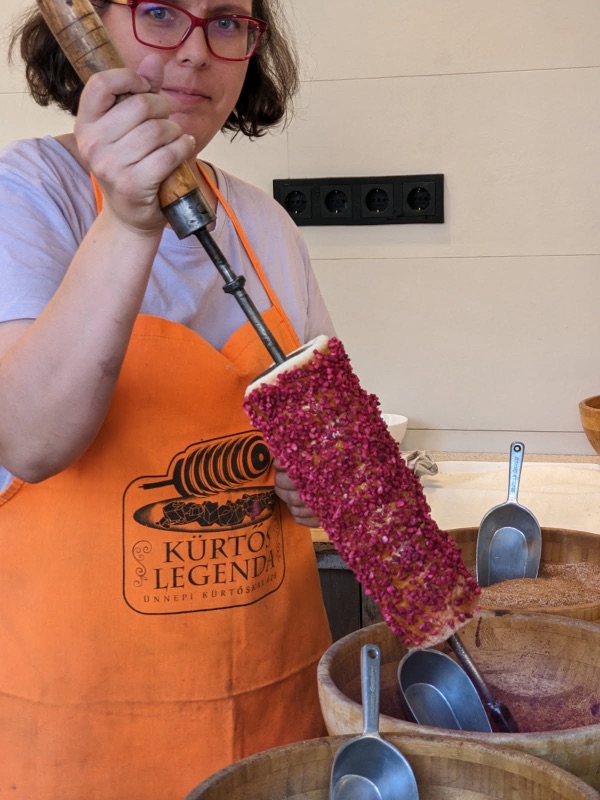
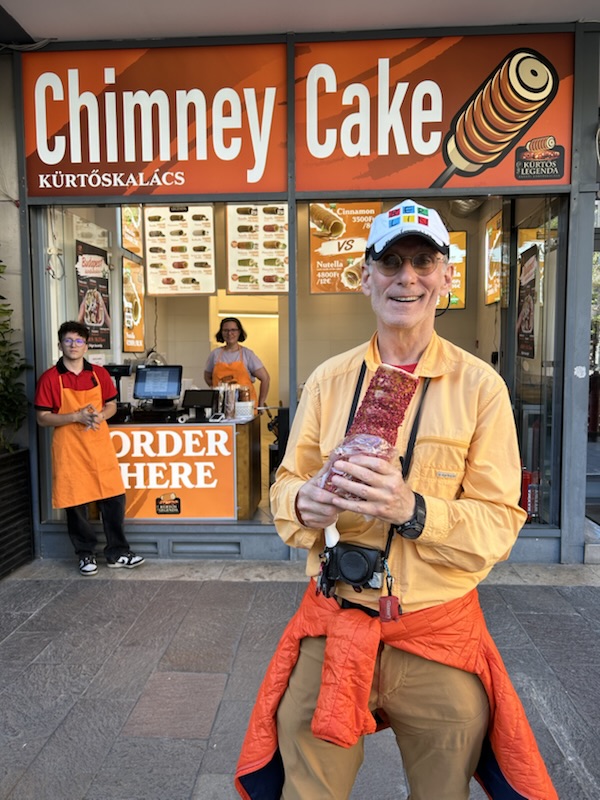
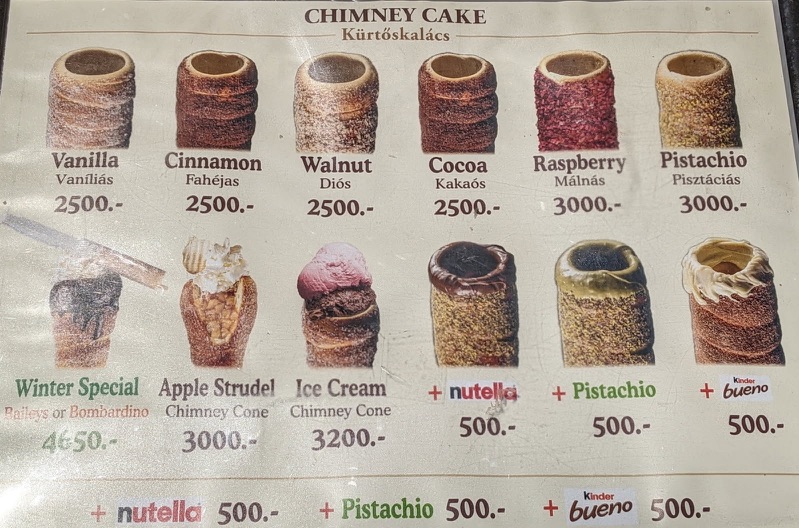
While in Budapest we also enjoyed chimney cake. They are sold all over town in many different flavors & are sometimes filled with ice cream.
Making & eating a chimney cake
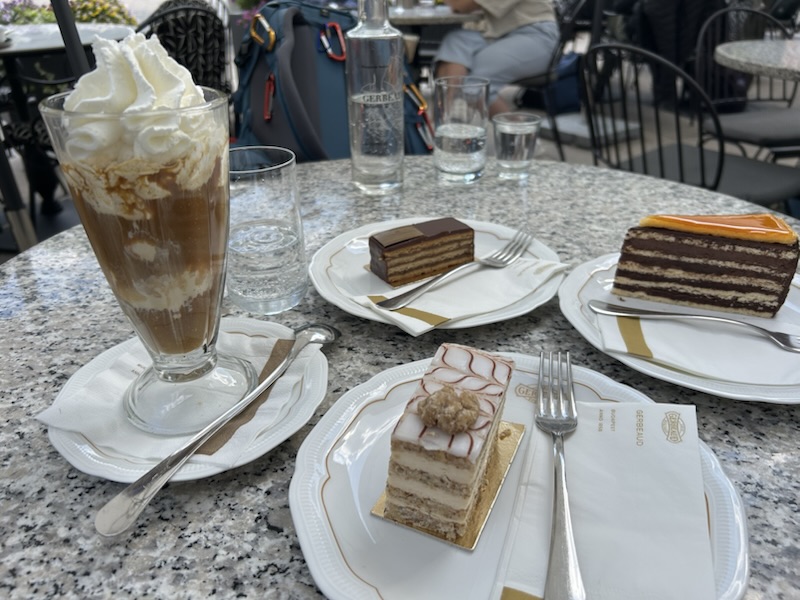
We didn’t have a chance to visit a coffee shop in Vienna, but made up for it in Budapest.
Ice coffee with ice cream & 3 different cakes at Gerbeaud. 😋
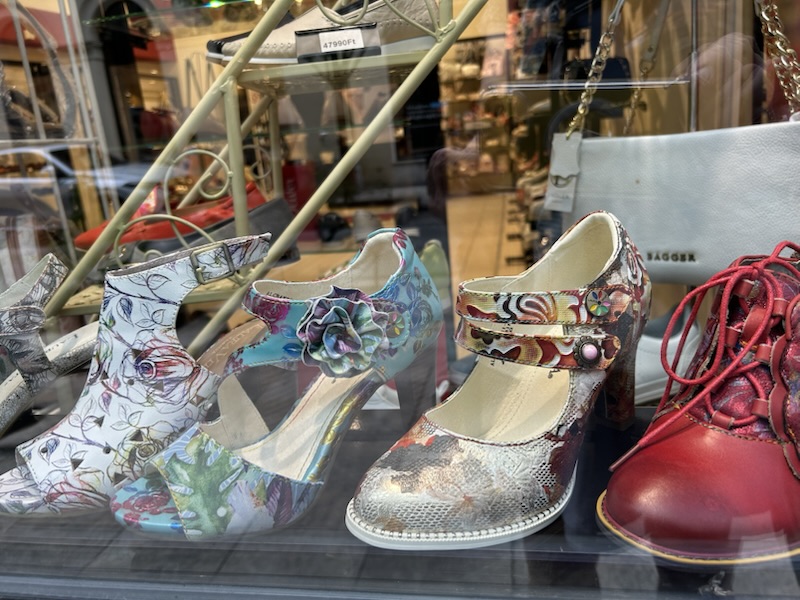
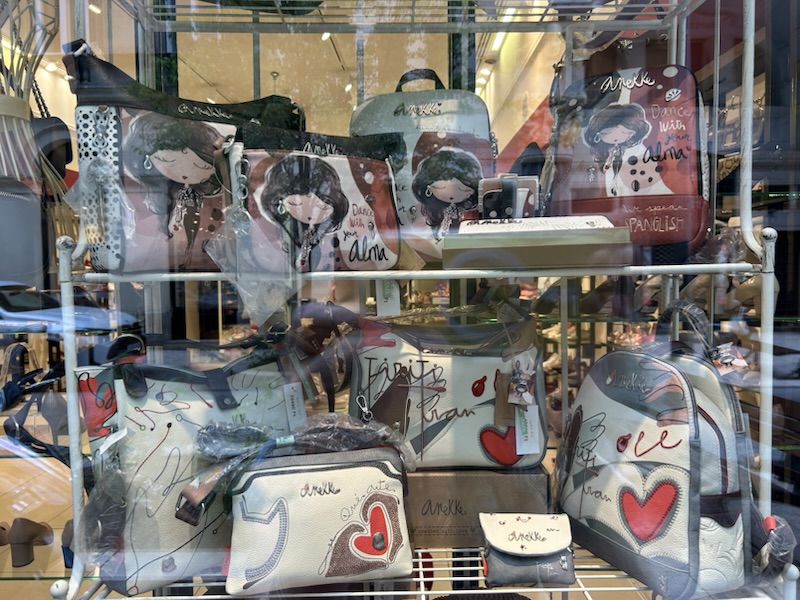
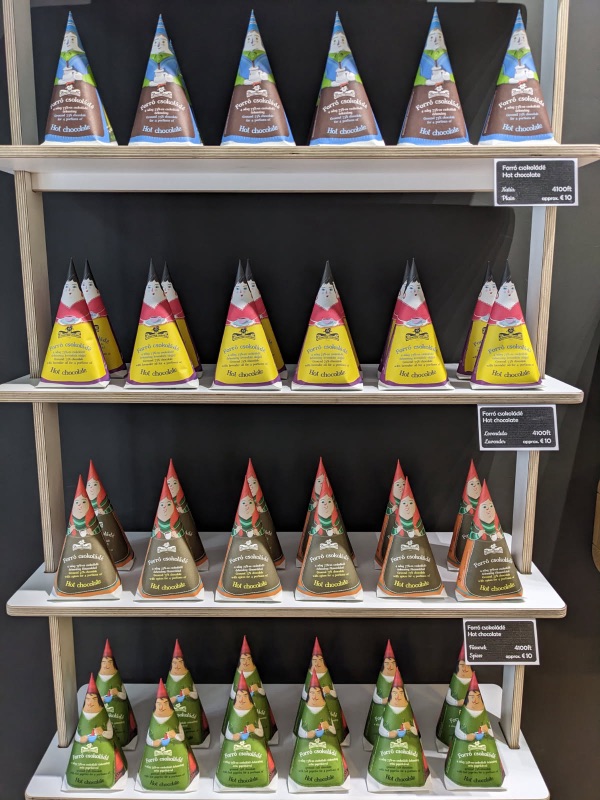
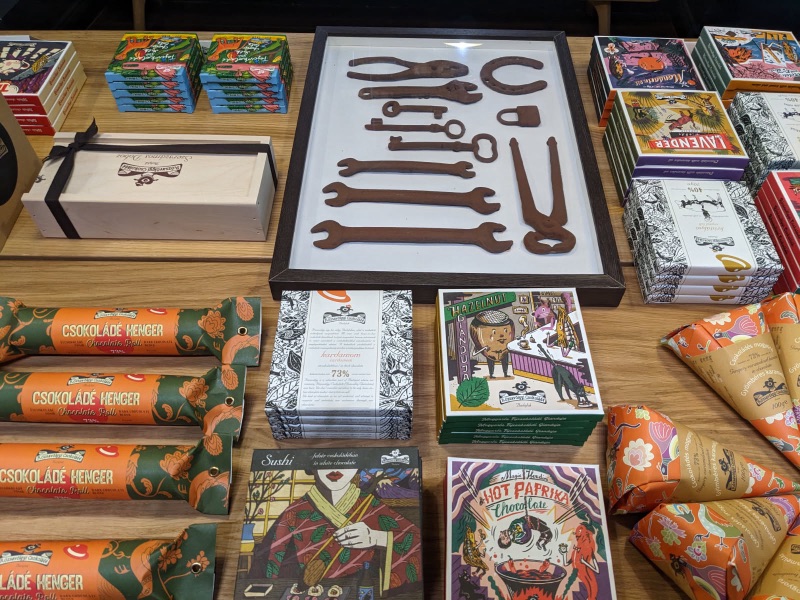
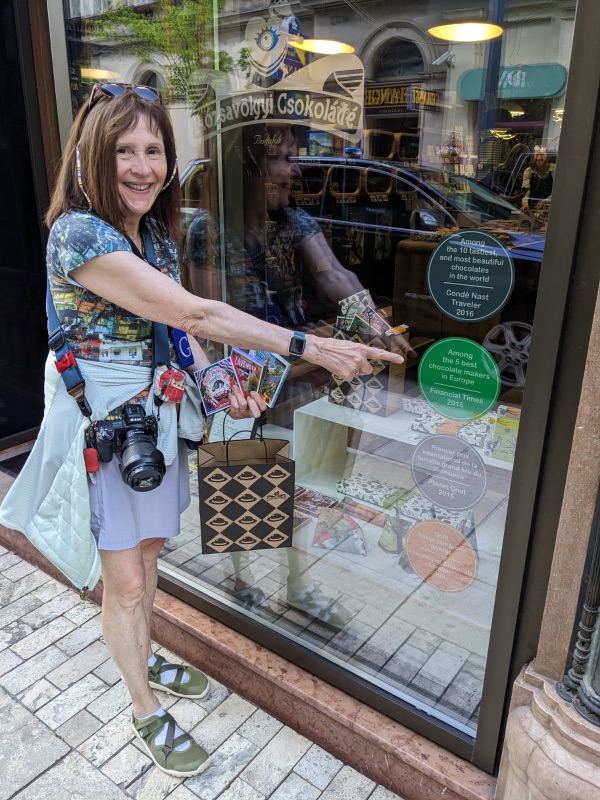
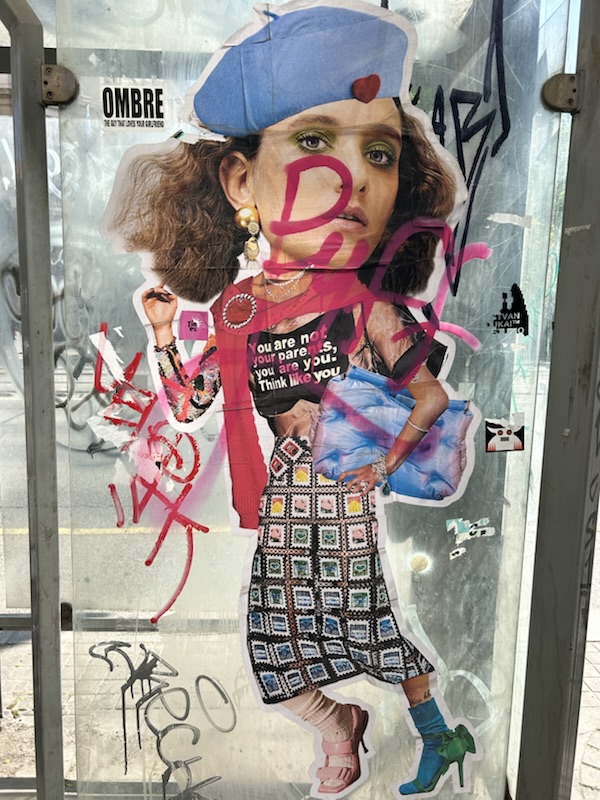
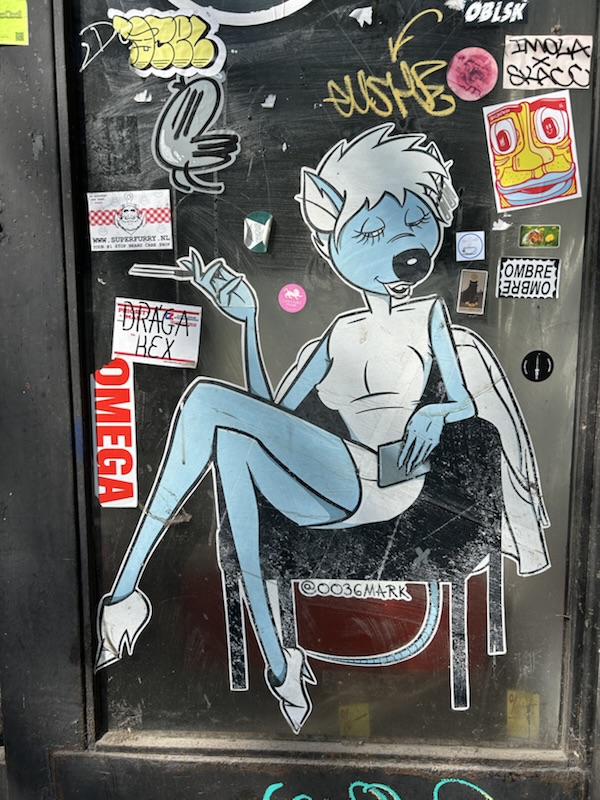
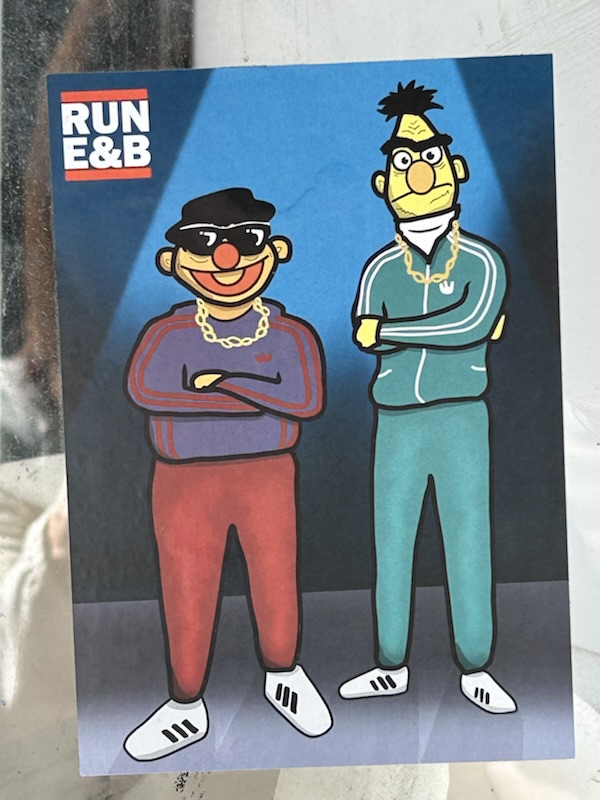
It is always super fun to window shop in Europe where little shops still line the streets. Couldn’t resist a chocolate shop that we found by accident.
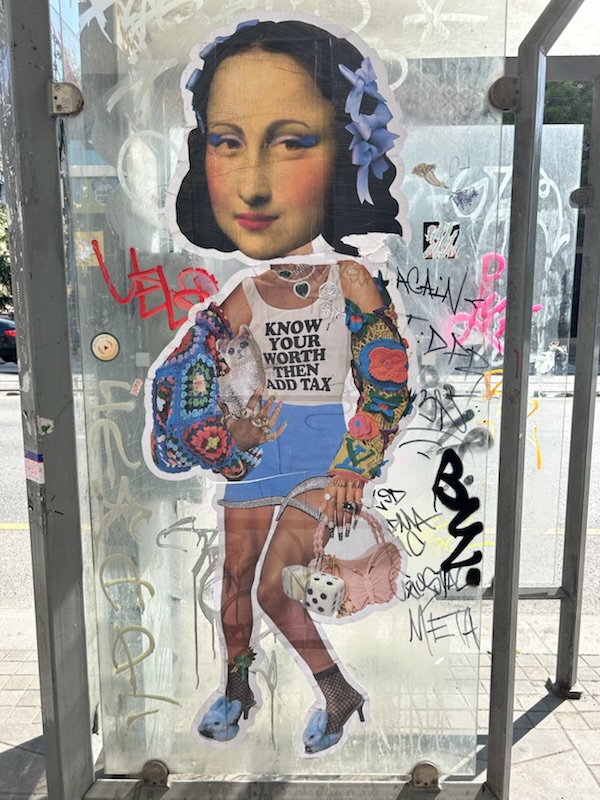
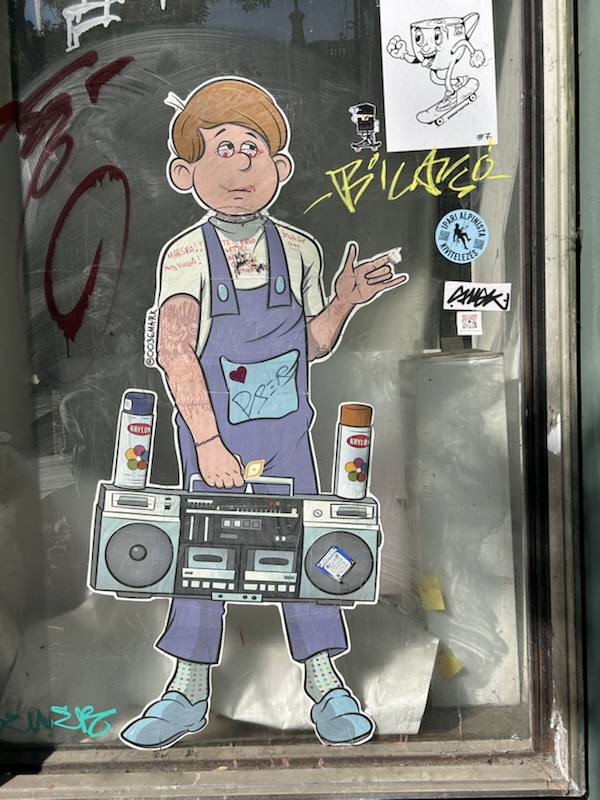
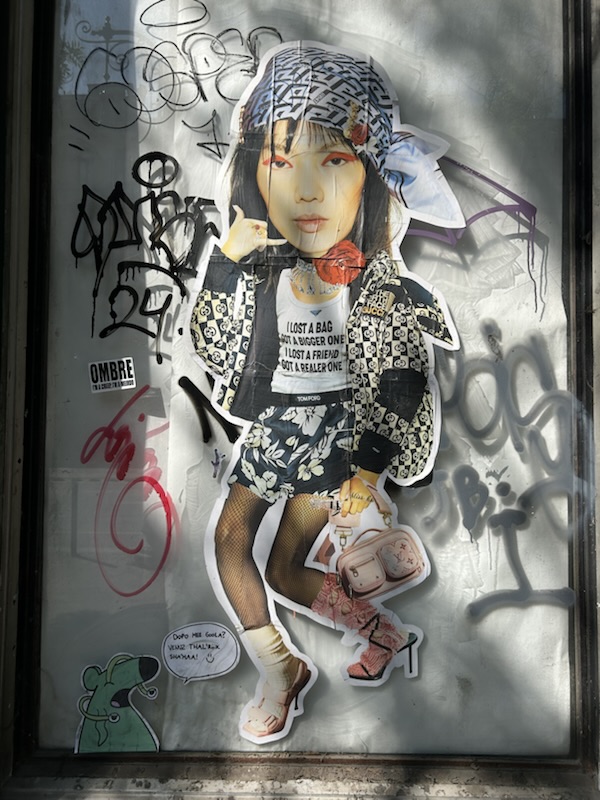
One block was lined with these clever stick-on posters.
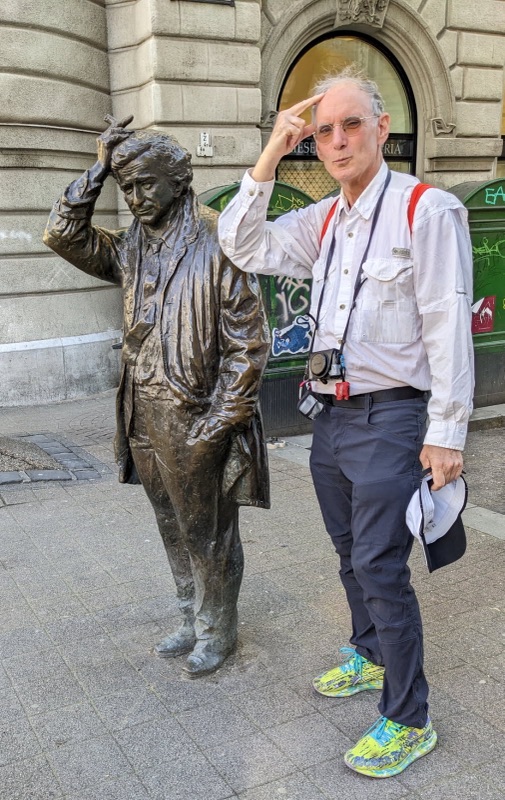
Sometimes you see something that makes you go hmmmmm 🤨❓Budapest has a statue from the 70’s detective TV show Colombo. And yes, it is on Falk Street and no, Peter Falk was not Hungarian. Just a little street humor for those of us who actually remember the show. “Oh yeah, …one more thing.”
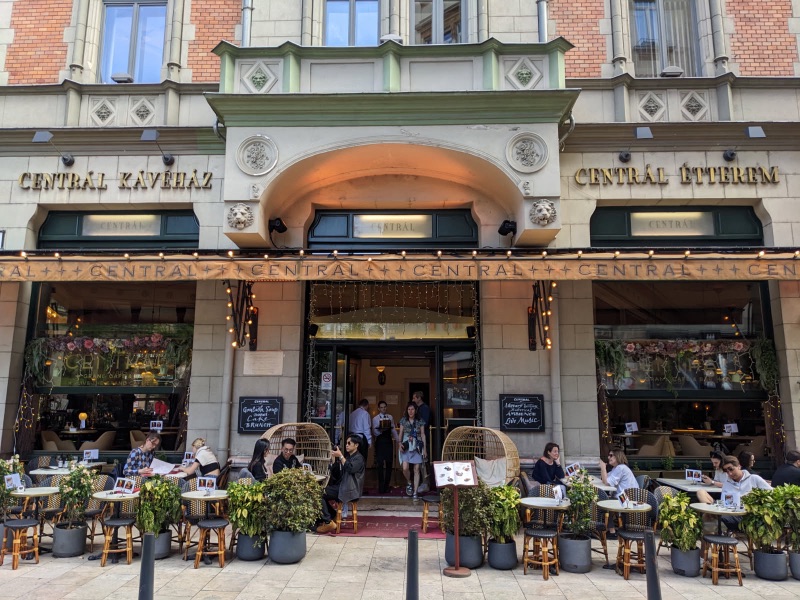
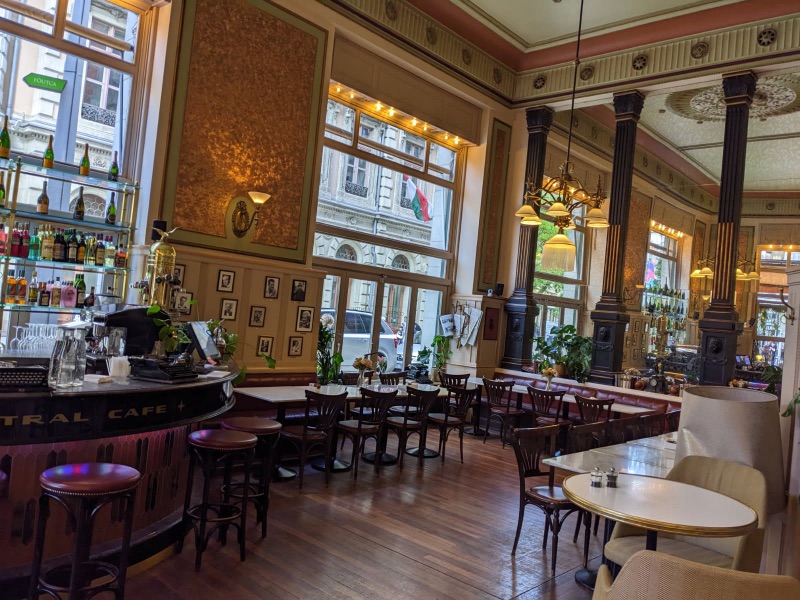
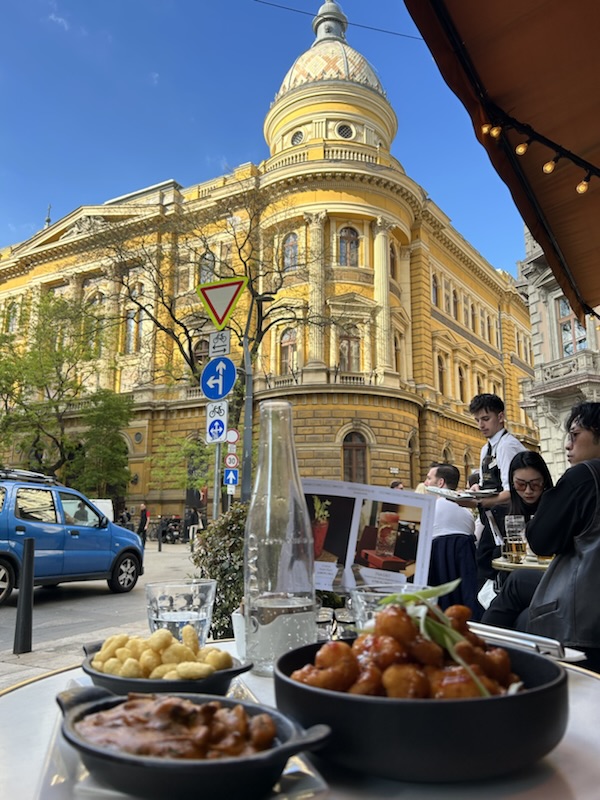
Our last meal in Budapest was at the Central Grand Cafe & Bar which started in 1887. We ate a delicious meal outside enjoying the sights & sounds in this grand old city. Having a meal on the sidewalk is among the great joys of touring Europe when the weather is perfect.
I wasn’t so sure how much I was going to like Budapest after Vienna, but I must say it won me over. It would be nice to return once the Buda Palace has been fully restored to its 19th Century grandeur.
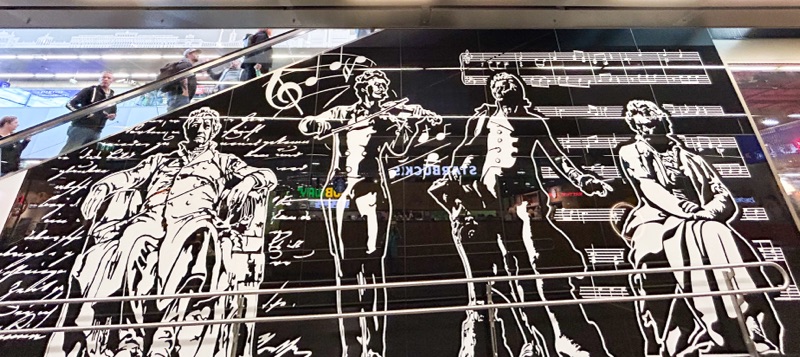
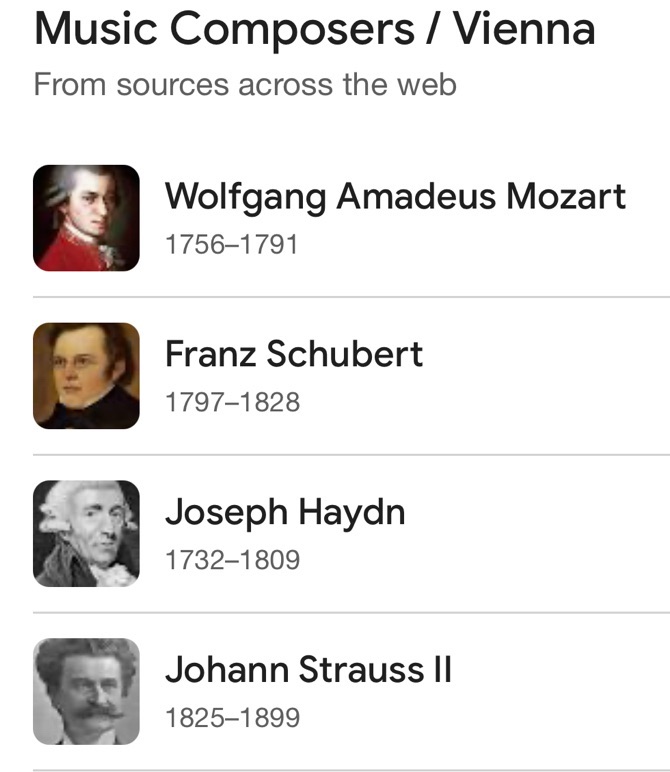
Many of the great classical musicians are Austrian and lived in Vienna. Here are just a few.
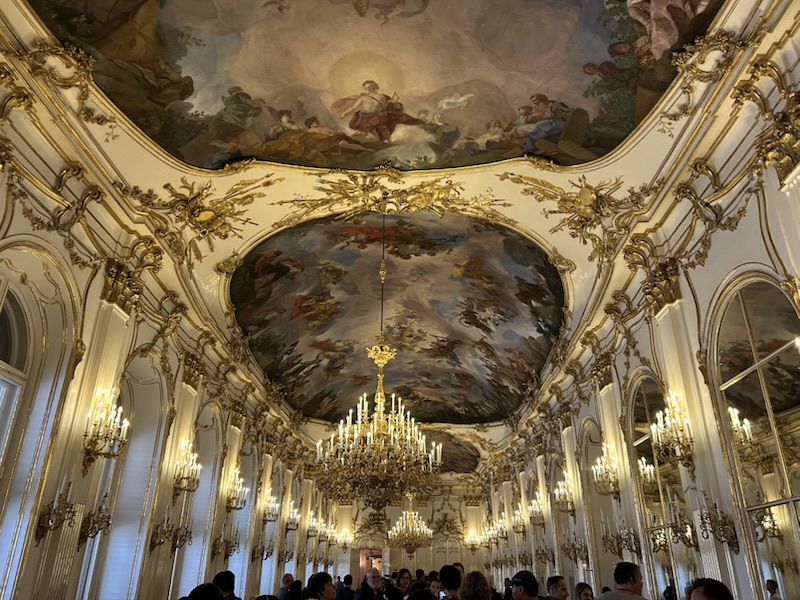
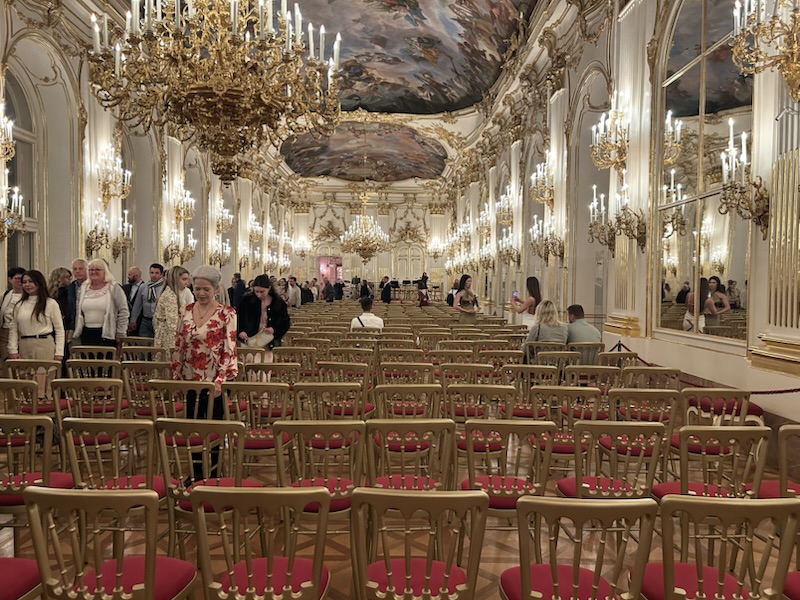
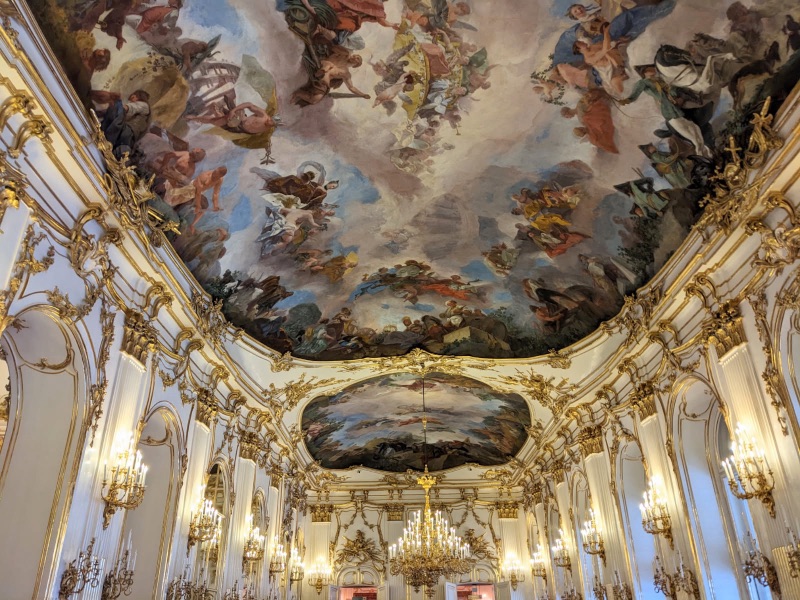
Opportunities to attend classical music concerts are almost endless in the city. While there, we enjoyed 2 evening concerts. The first performance was in the opulent Schönbrunn Palace. Sitting where Kings & Queens sat many years ago, our ears listened & our hearts leapt at the brilliant written music from the anniversary listed men.
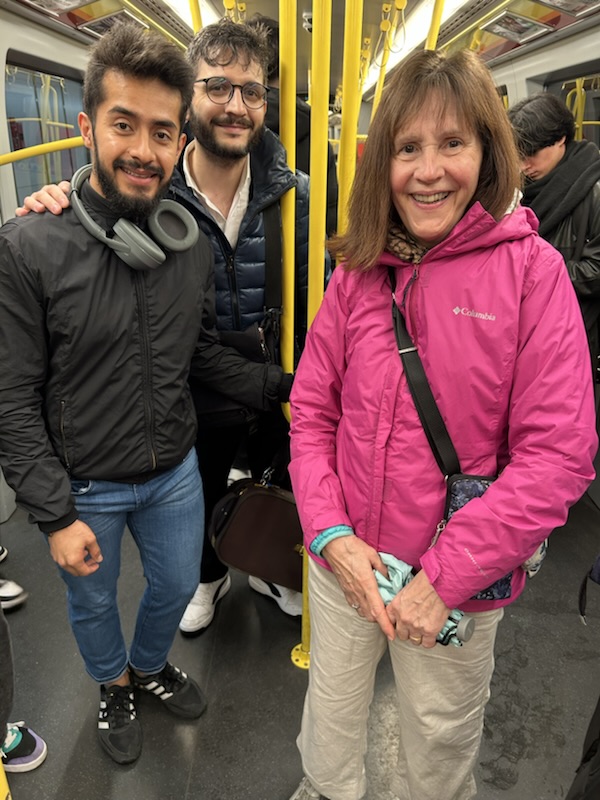
On our way back to our hotel, a couple musicians who were in the orchestra that entertained were on our subway car. Their large carrying cases for their instruments gave them away.
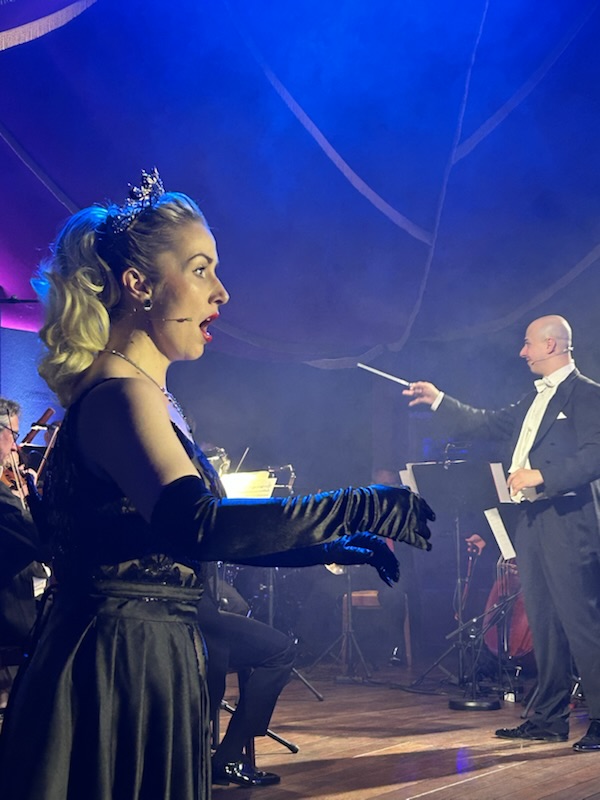
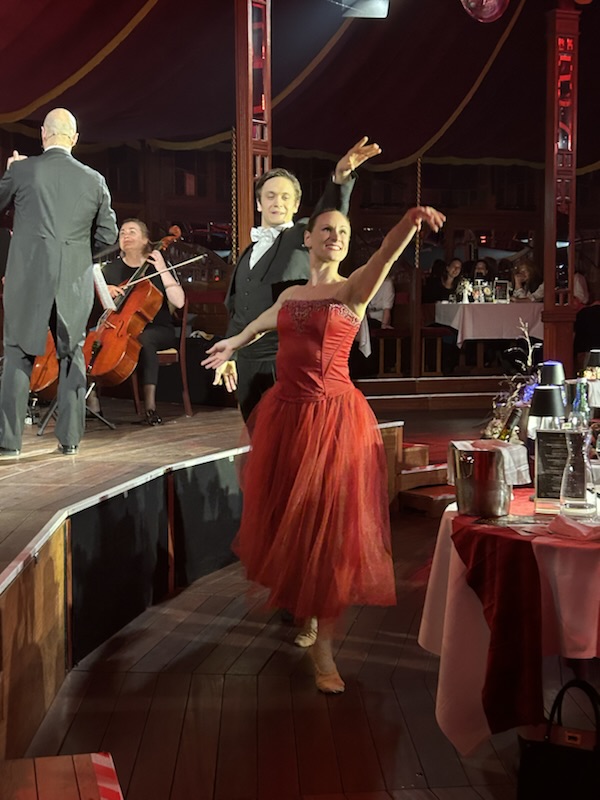
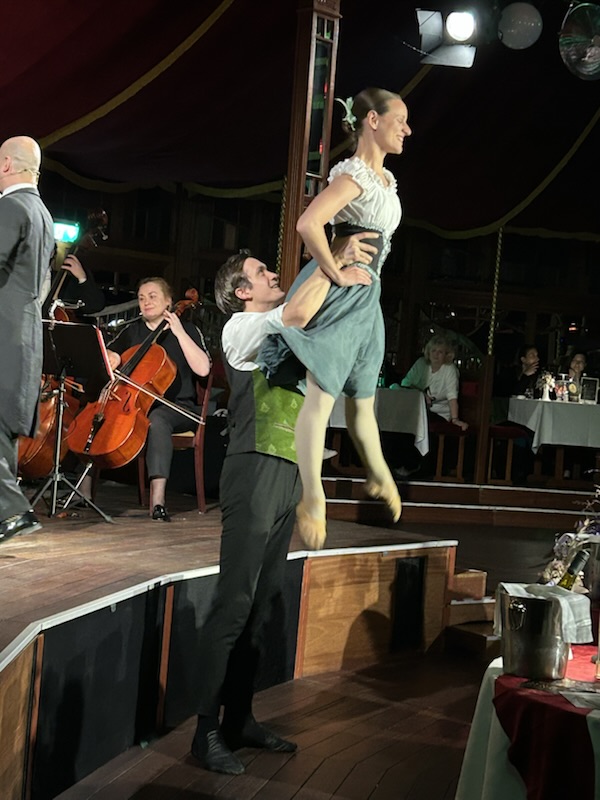
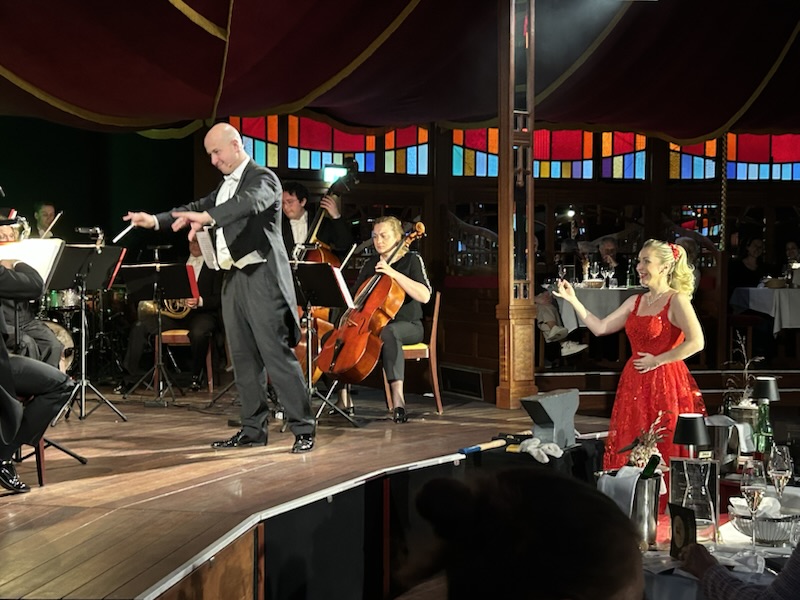
The second night was a smaller venue where the concert was devoted to The Waltz King, Johann Strauss. This evening, we had front row seats to the small orchestra that accompanied an opera singer & two dancers.
There are many things to see in Vienna; but, we only had 2 days, so we focused on a few highlights.
Just like Berlin, Vienna is filled with history. The city has many beautiful buildings ranging from the 15th to the 19th Century to marvel at while you walk the city.
One only needs to be aware of how powerful the Habsburg Monarchy was before WWI to understand how this was possible. Unlike past empires that grew by raging war, the Habsburg often did so through marriage.
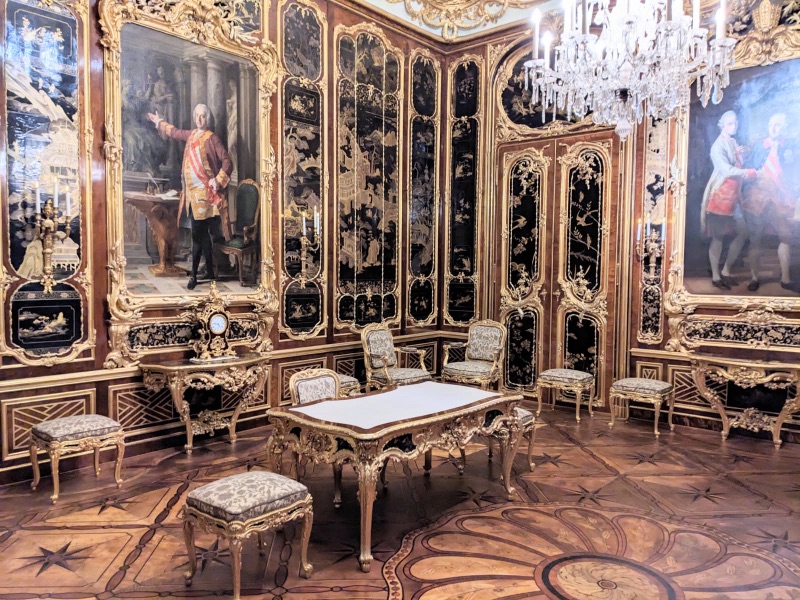
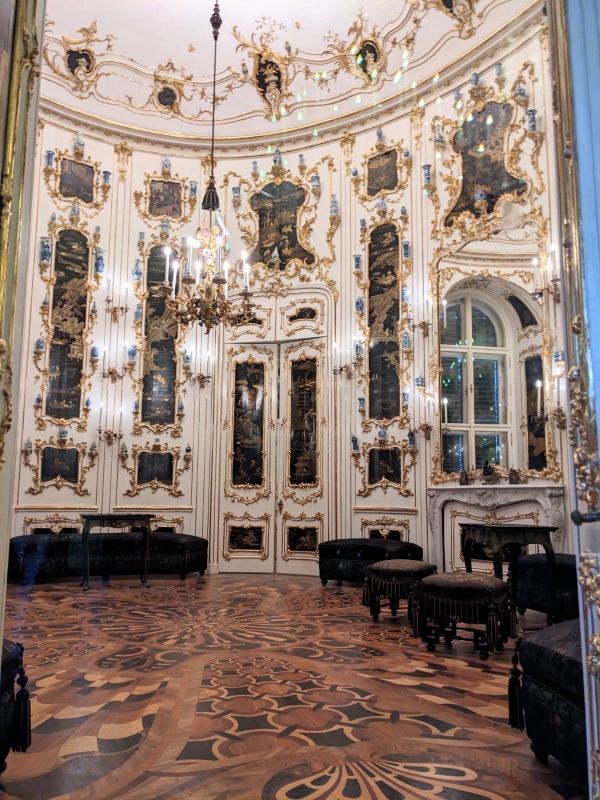
Even though we had visited Schönbrunn Palace in 1985, it was worth another visit even though it was a cool rainy day.
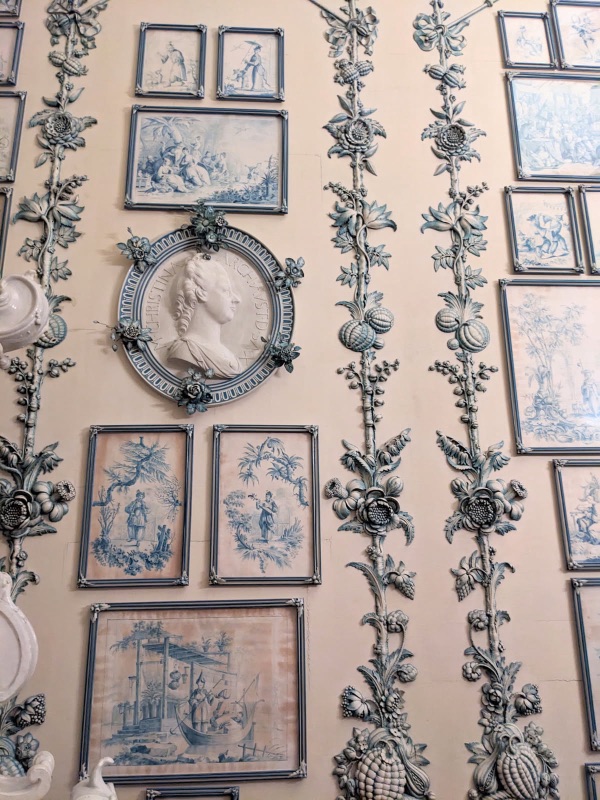
Just like many European palaces, the extreme opulence is on full display. One can easily see Marie Antionette growing up in this palace… which she did.
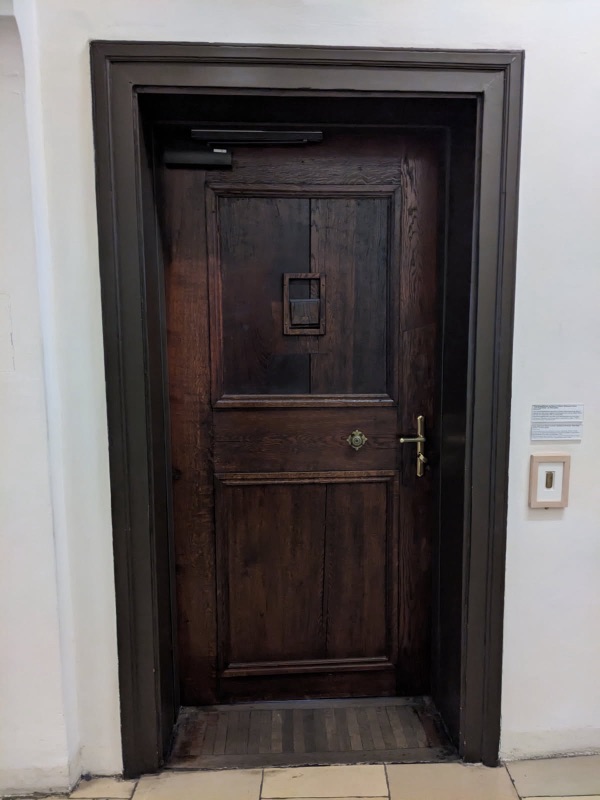
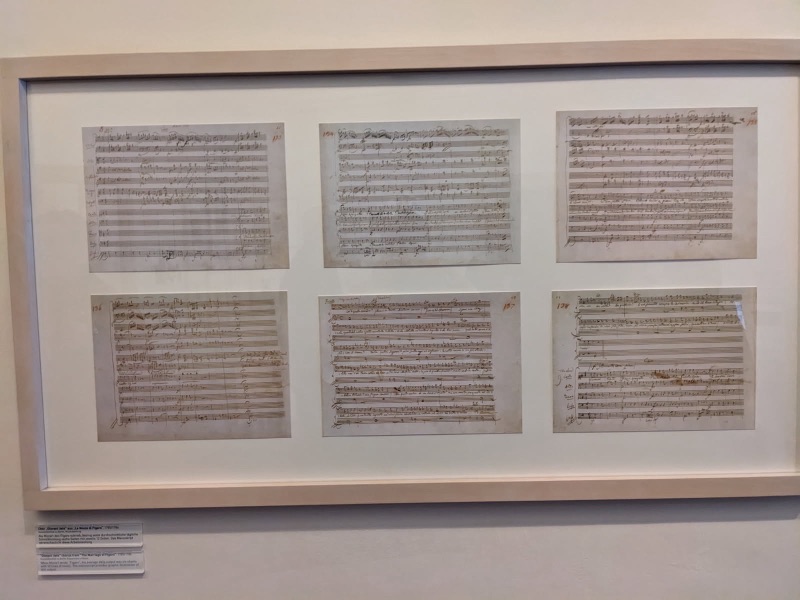
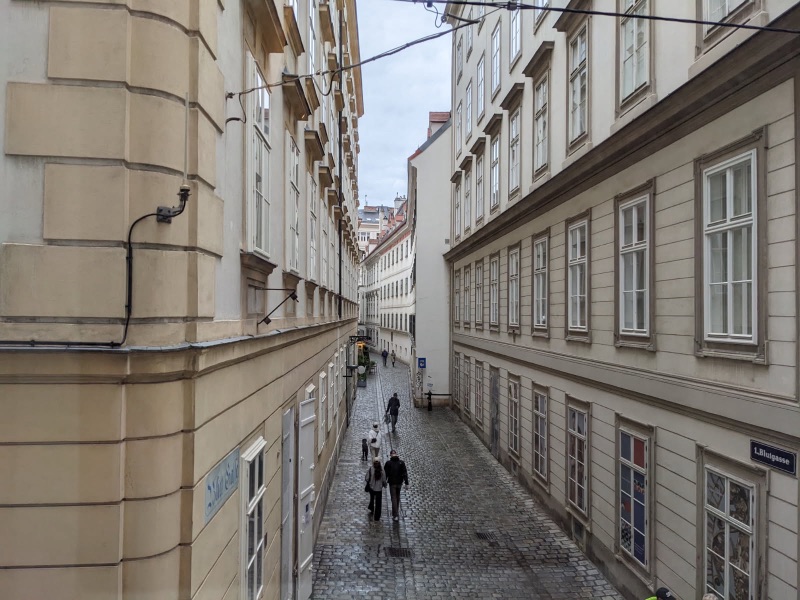
We enjoyed touring Mozart’s apartment where he lived with his wife Constance & their child while he wrote “The Marriage of Figuro.” There is little to see in the apartment; but, it was nice to have an idea about his life where he lived with his wife, small children, a dog, a bird, & a few servants in a very small place.
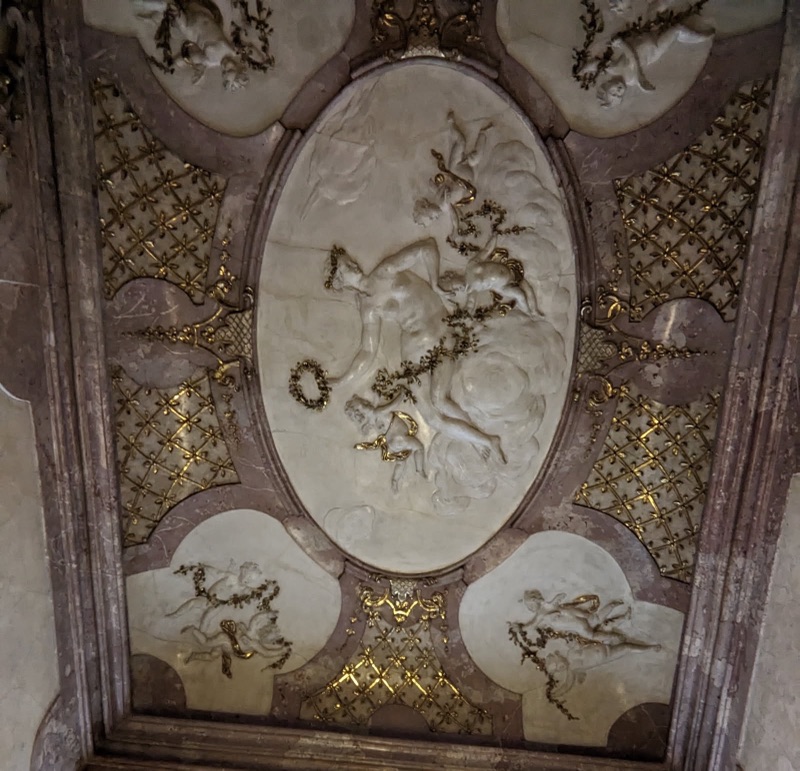
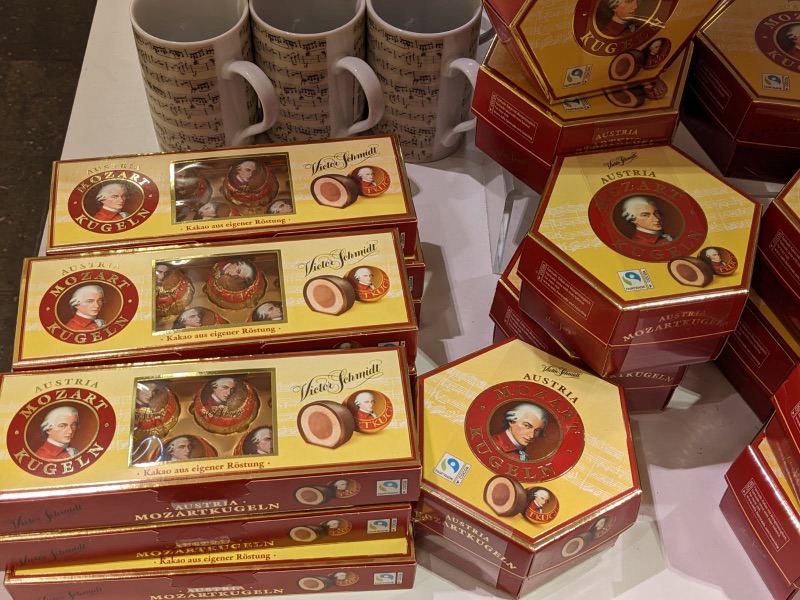
Front door to the apartment Ceiling in his bedroom 6 pages Mozart wrote in one day for his opera “Marriage of Fígaro”View from the window showing down the streetPopular candy🤣😂
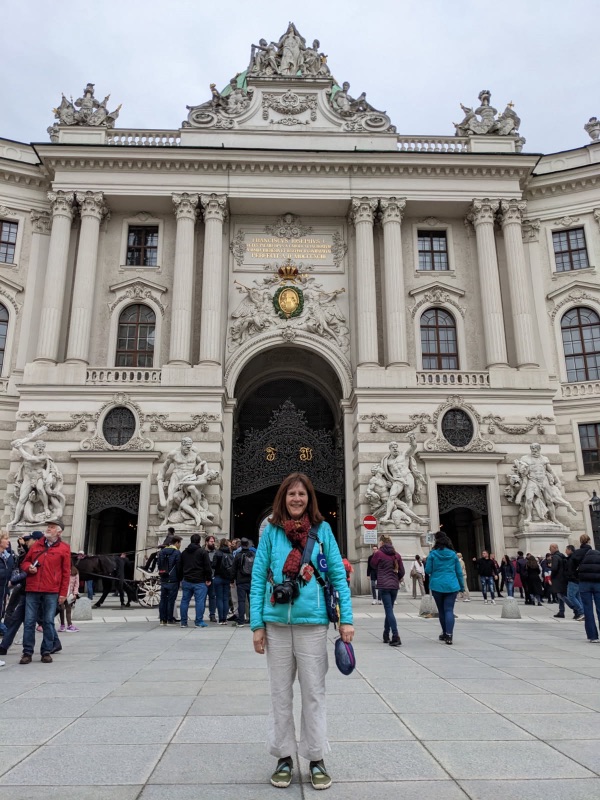
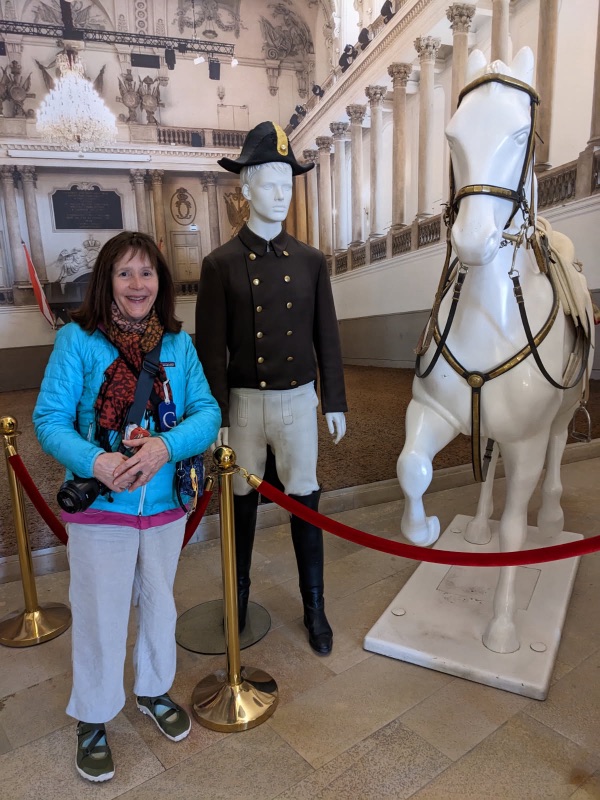
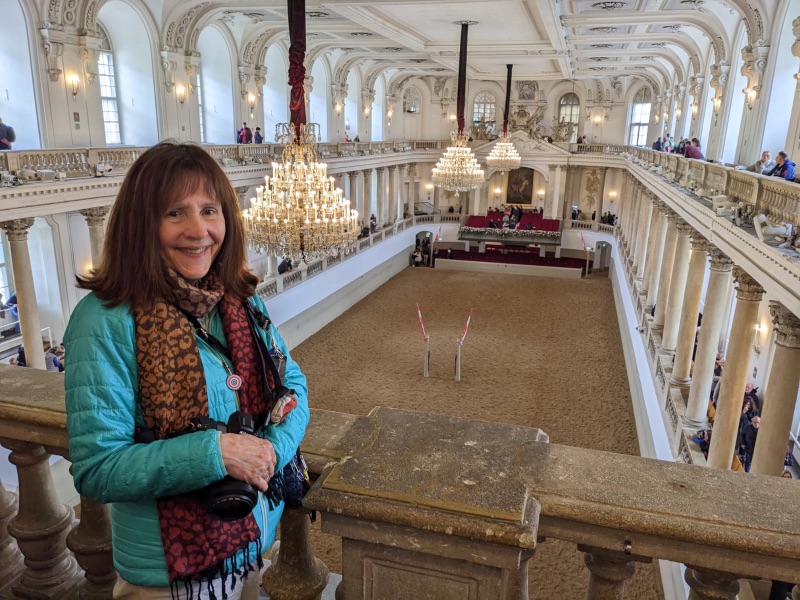
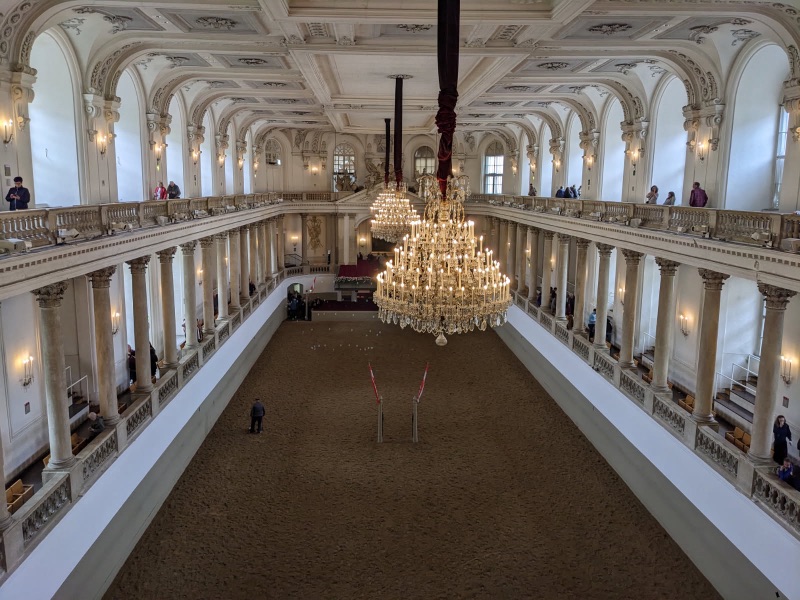
Fortunately, we were able to get tickets one morning to see the Lipizzaner Stallions perform at the historic Spanish Riding School.
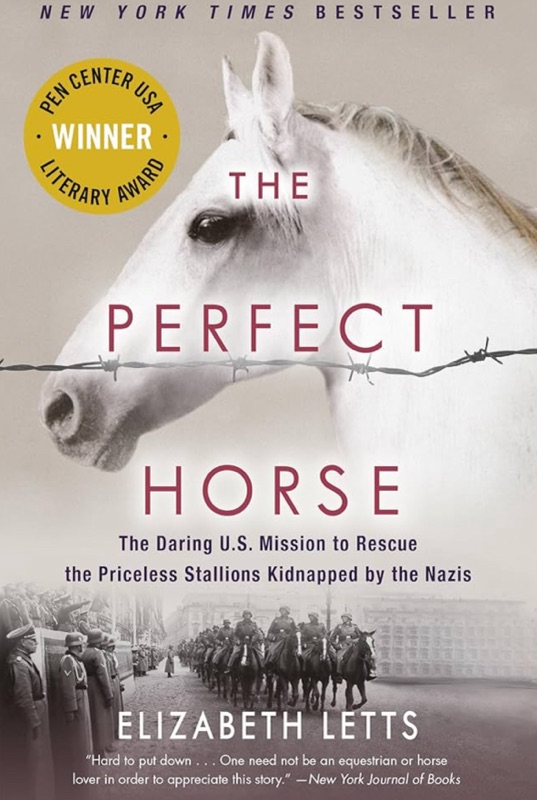
Before going to the show, we both read this amazing book about how the US Army went on a secret & daring mission behind Nazi lines to rescue these magnificent animals from being captured & destroyed by the Soviets in WWII’s final days.
We saw 22 ea. Lipizzaner stallions perform. They are born with black hair that turns pure white as they mature.
No photos or videos were allowed during the performance; but, here are some photos.
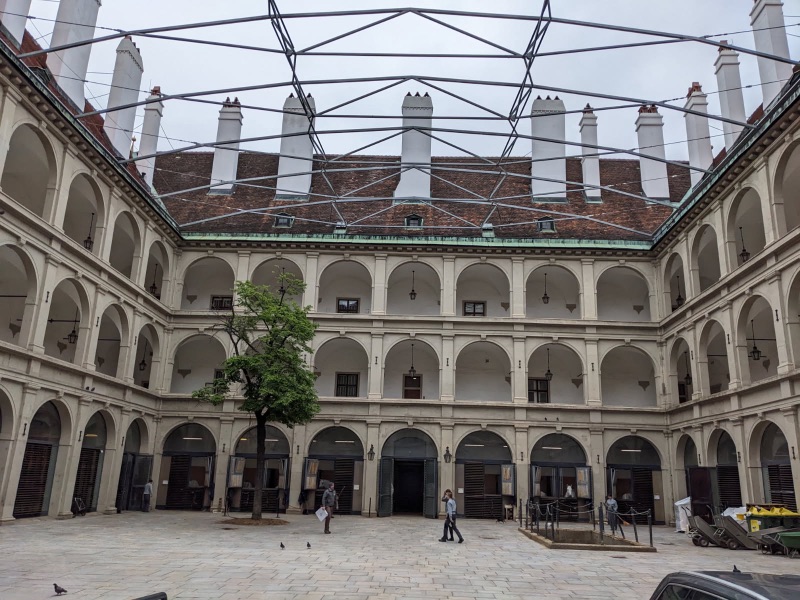
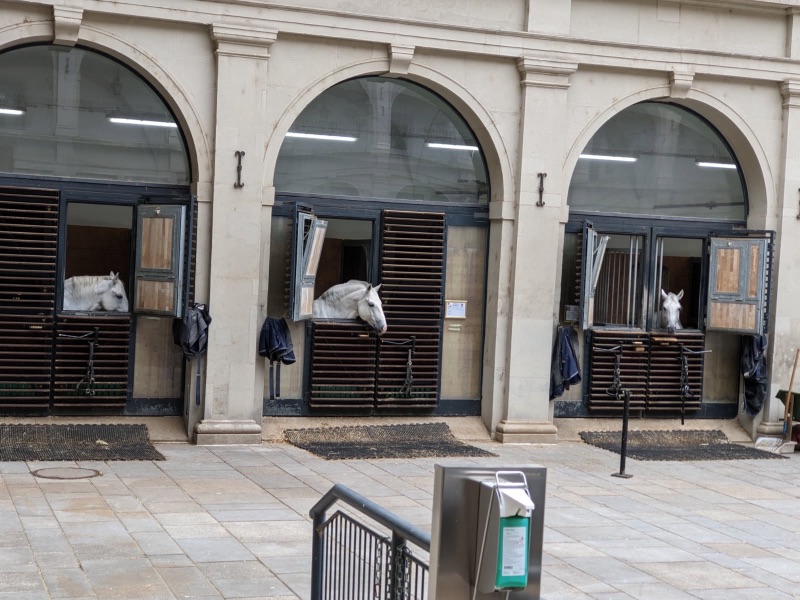
Spanish Riding School front entranceExhibit showing traditional uniform & horse equipmentOrnate indoor riding centerStable complexHorses in the stable
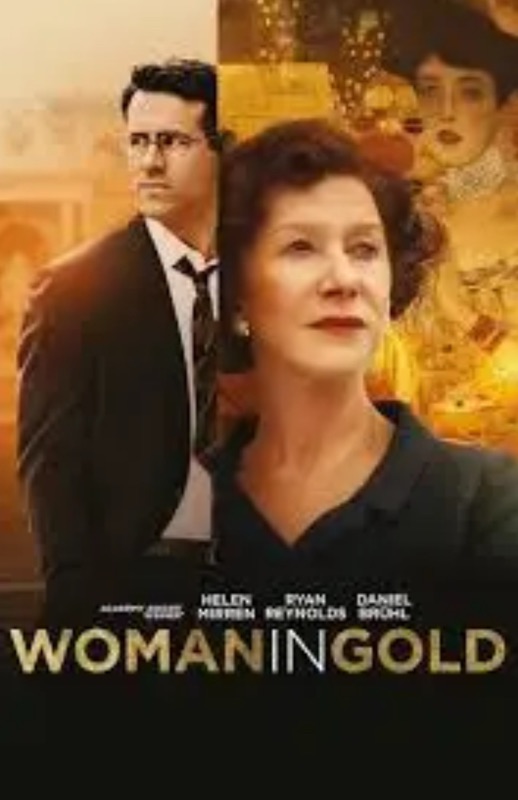
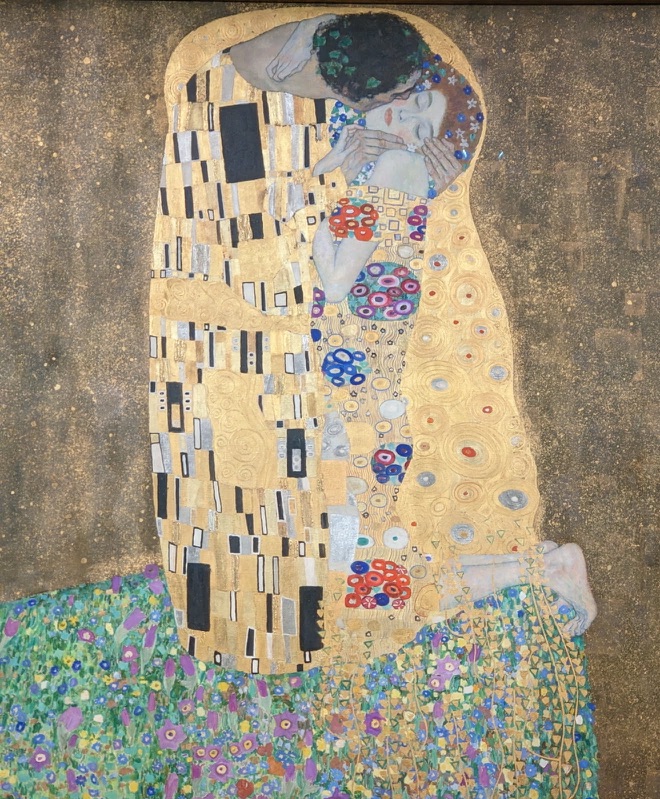
Ever since seeing the movie “Woman in Gold”, I have loved paintings by Gustav Klimt.
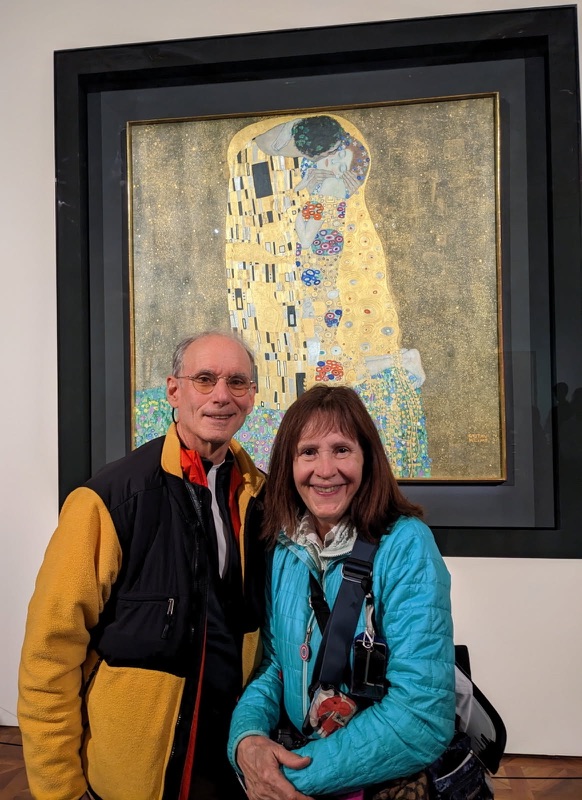
Most museums only contain 1-2 of his paintings, if they have any at all. Knowing that the Upper Belvedere Museum had the largest Klimt collection along his most famous piece “The Kiss,” it was a must see.
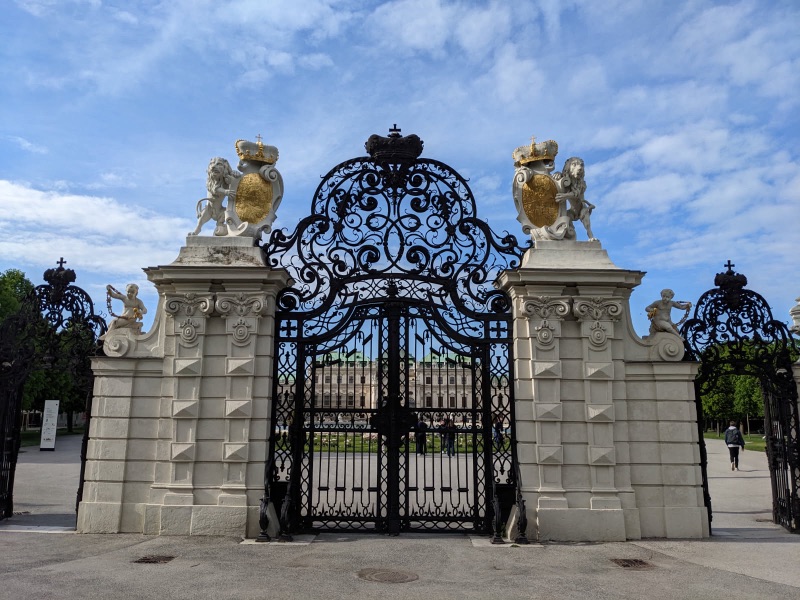
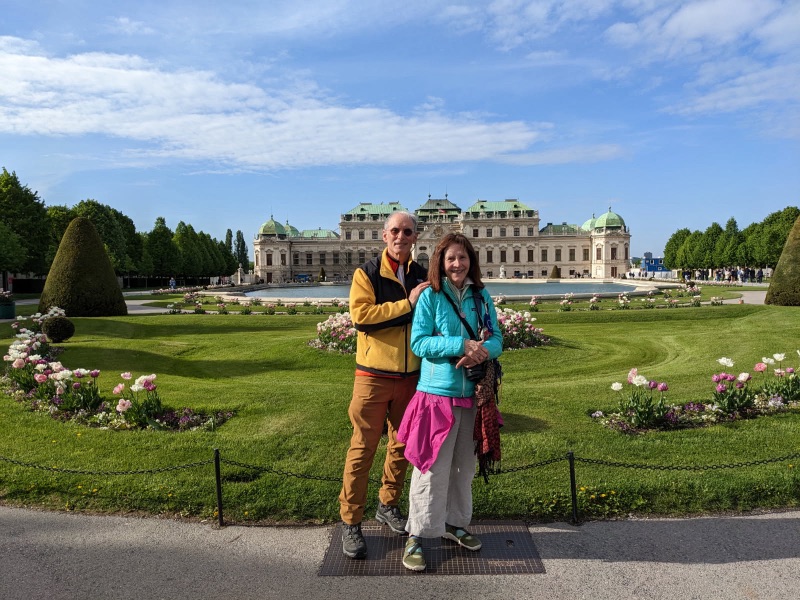
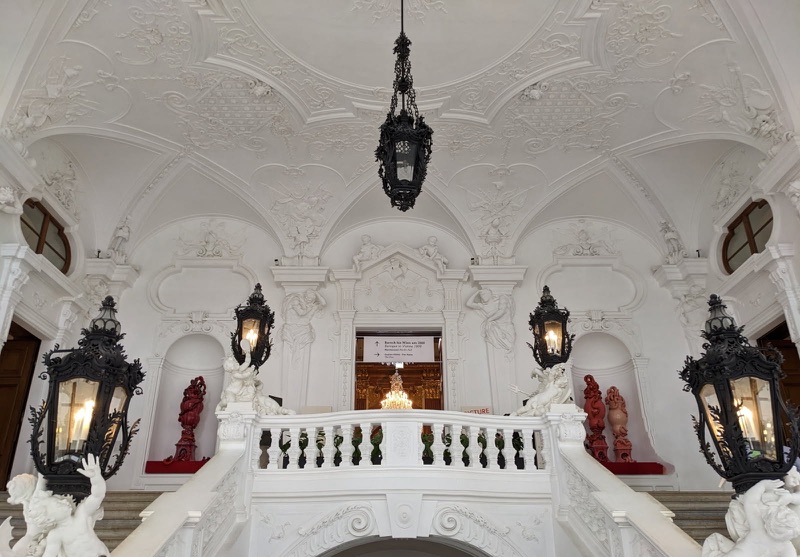
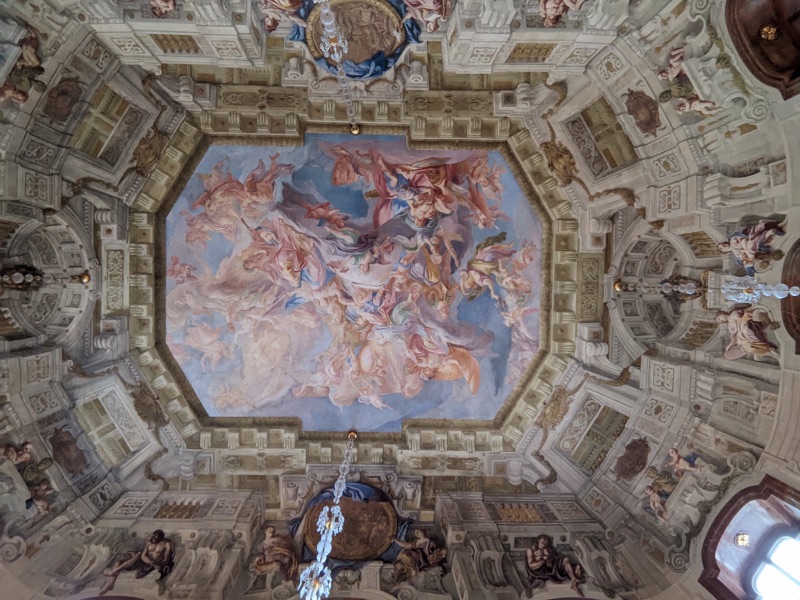
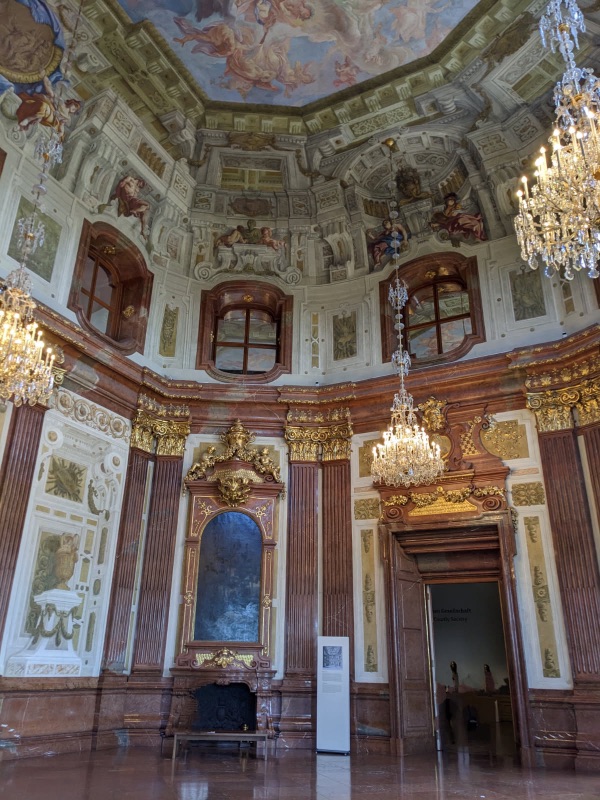
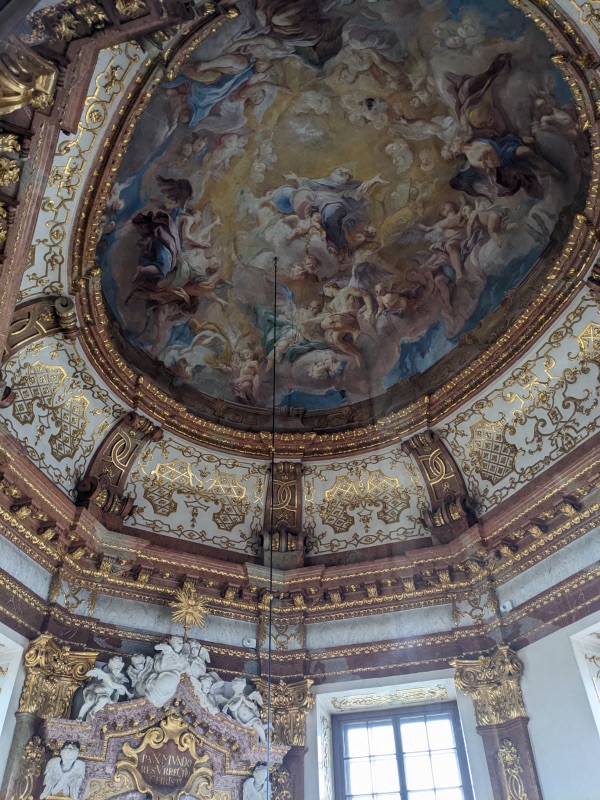
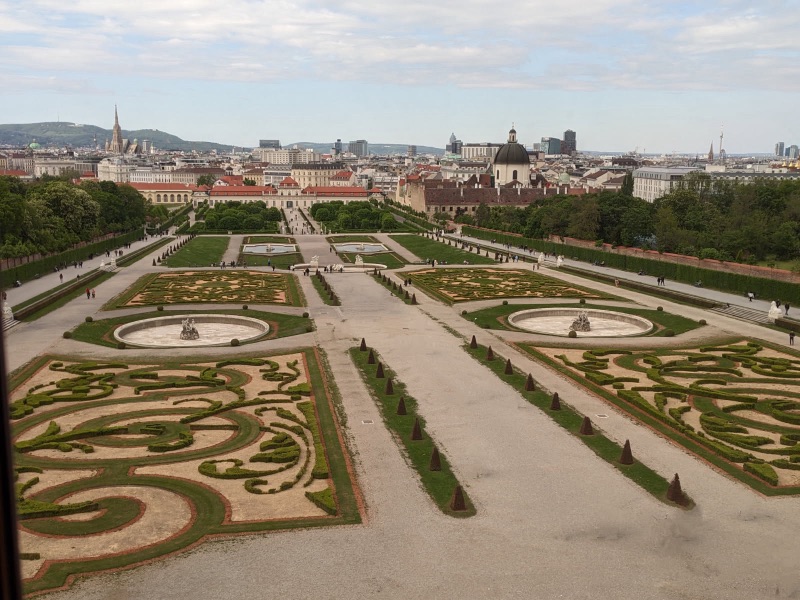
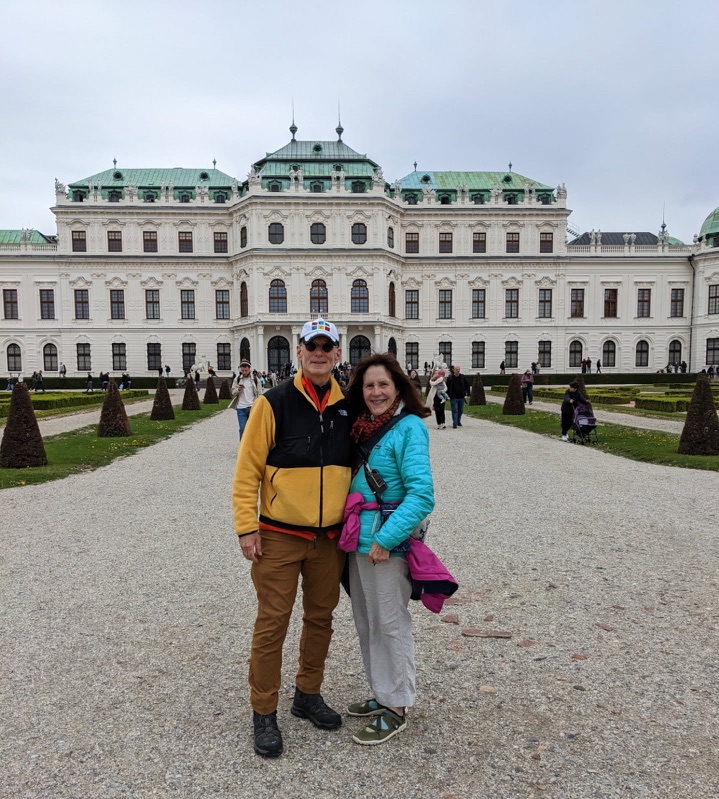
Even though the main reason to come to the Belvedere was to see Klimt’s paintings, the building & grounds were also magnificent. Even though it was once a palace, it has served as a public museum since 1736.
Our time in Vienna was much too short. Places like Beethoven’s home were missed along with having coffee in one of their famous coffee houses. Hopefully we can come back again in the future.
Leipzig is a beautiful place to visit; but, it is not too well known, so, unfortunately, it is missed by many travellers
During WWII most of the city was destroyed; but, thankfully, instead of being leveled, many beautiful buildings were restored to their original appearance.
Under Soviet rule there was little money to rebuild; but, when East & West Germany finally reunited, the citizens realized that rebuilding their city to restore its appearance would be to their benefit.
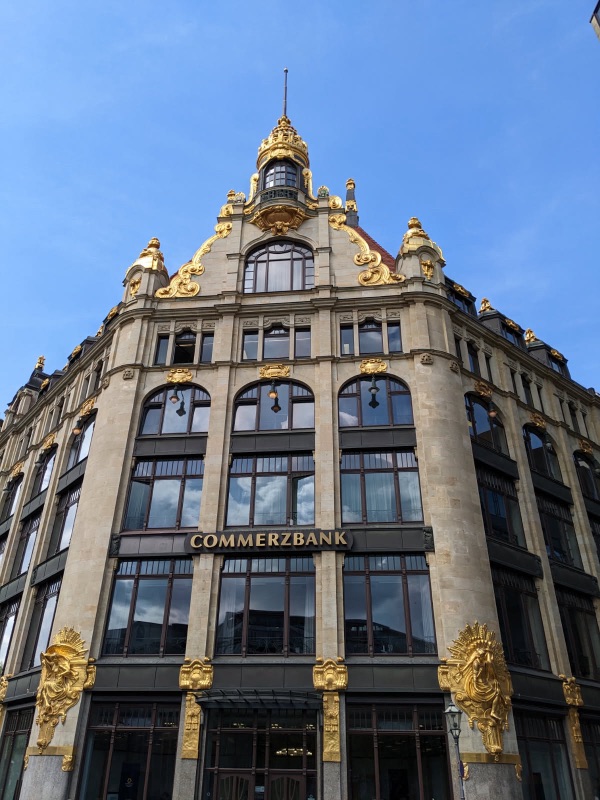
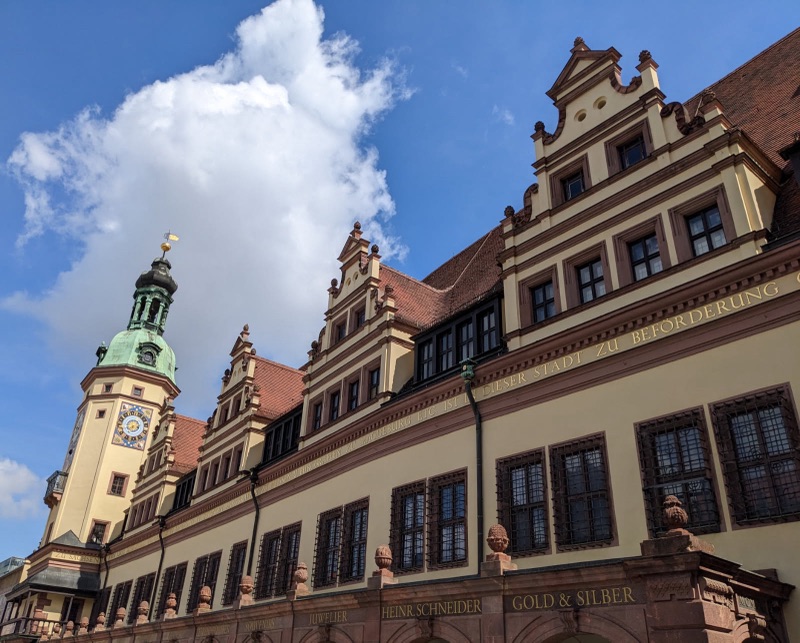
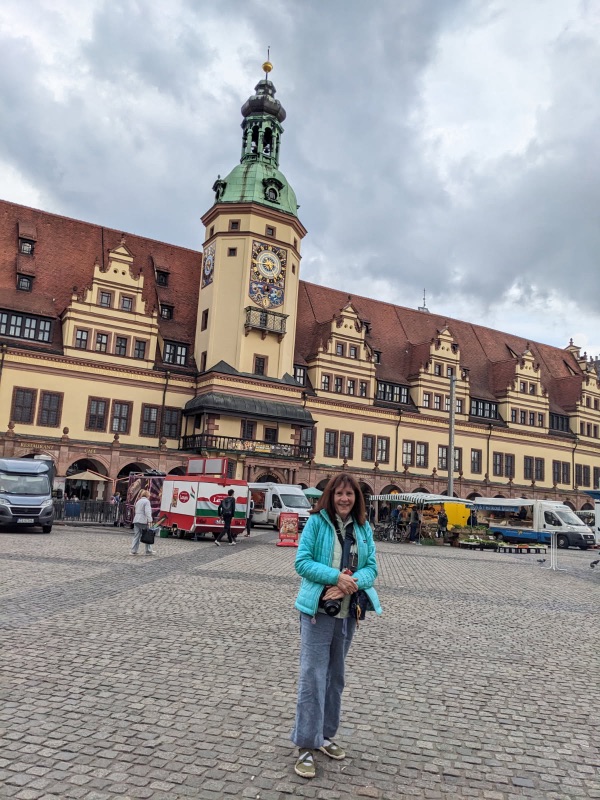
Here are just a few restored buildings:
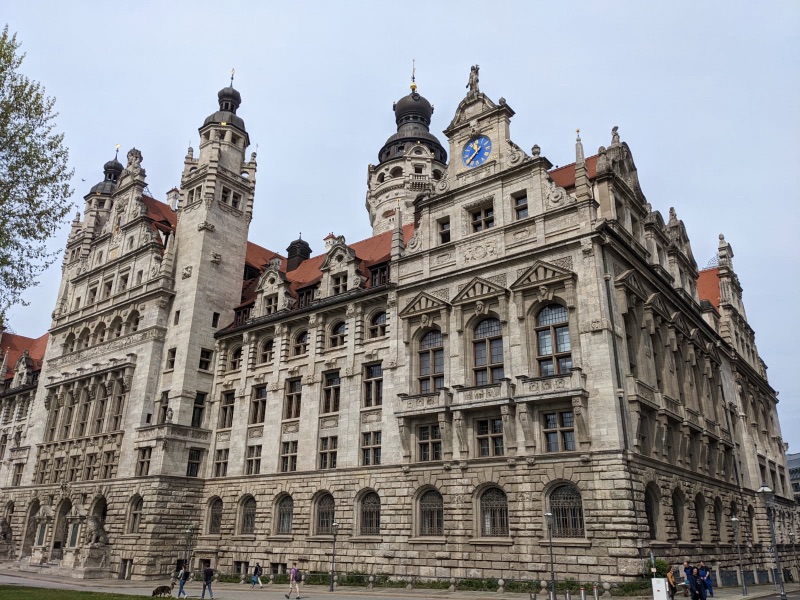
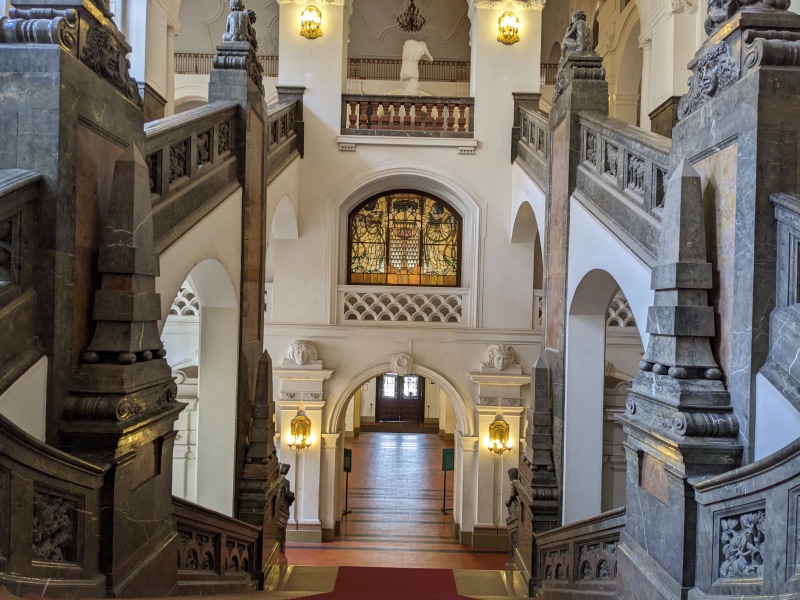
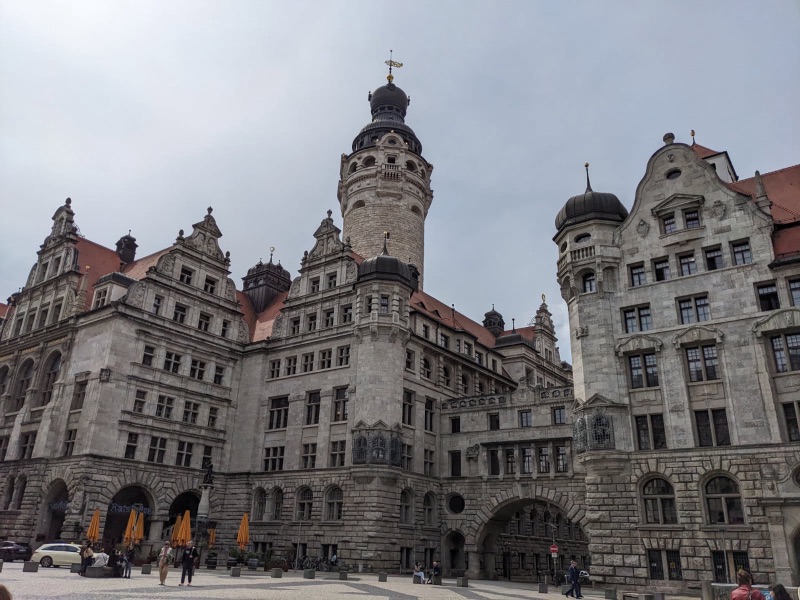
BankOld City HallMarket Area & Old City HallNew City HallNew City HallStaircase in New City HallThe New City Hall Tower which is the tallest in Germany
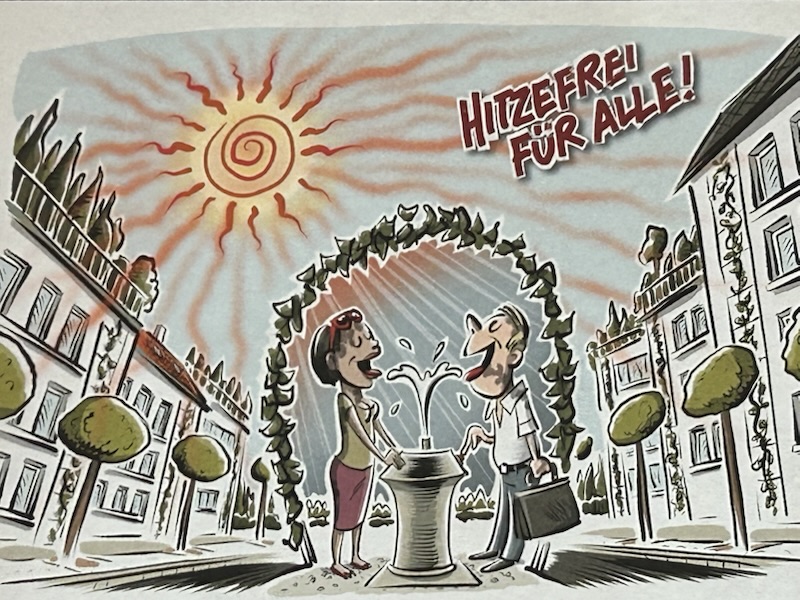
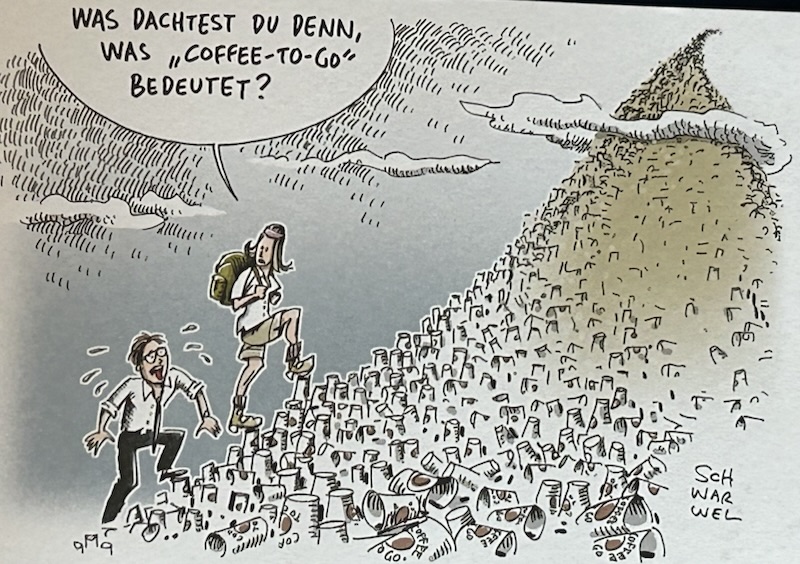
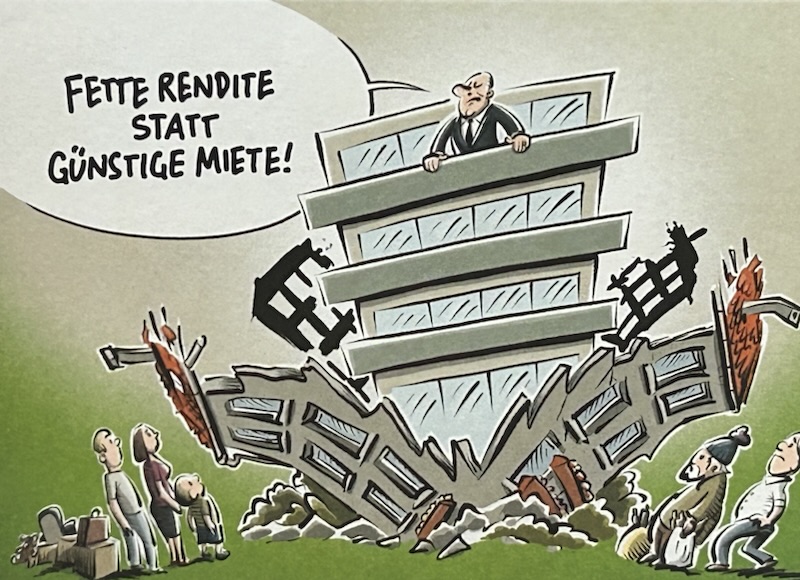
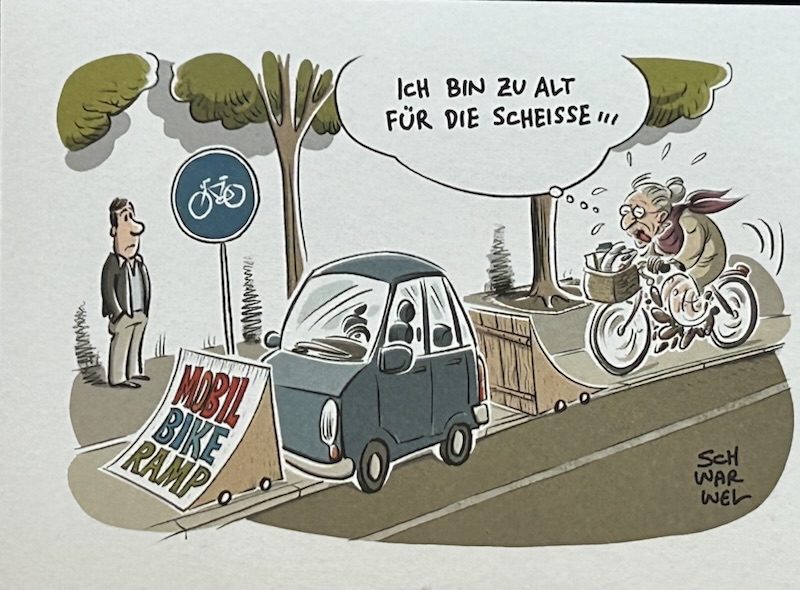
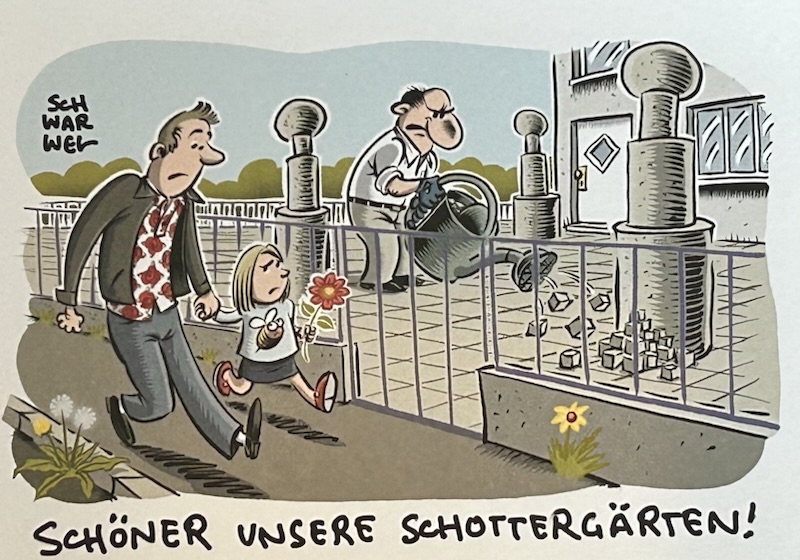
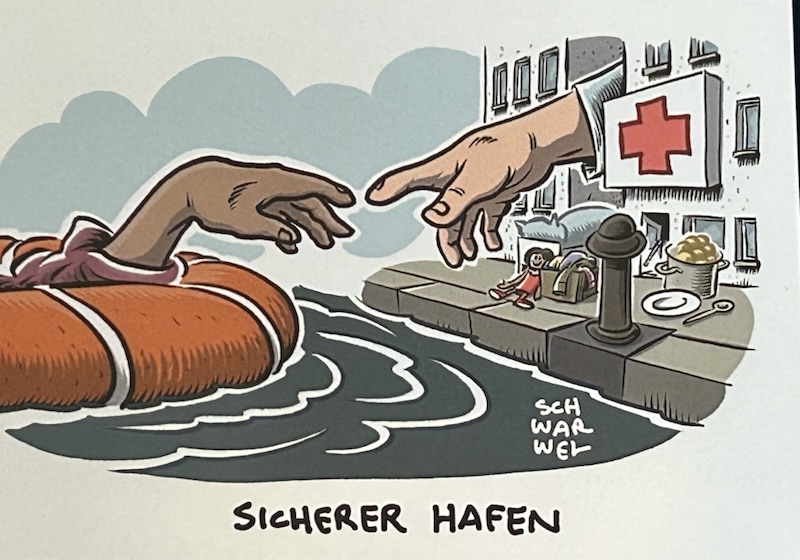
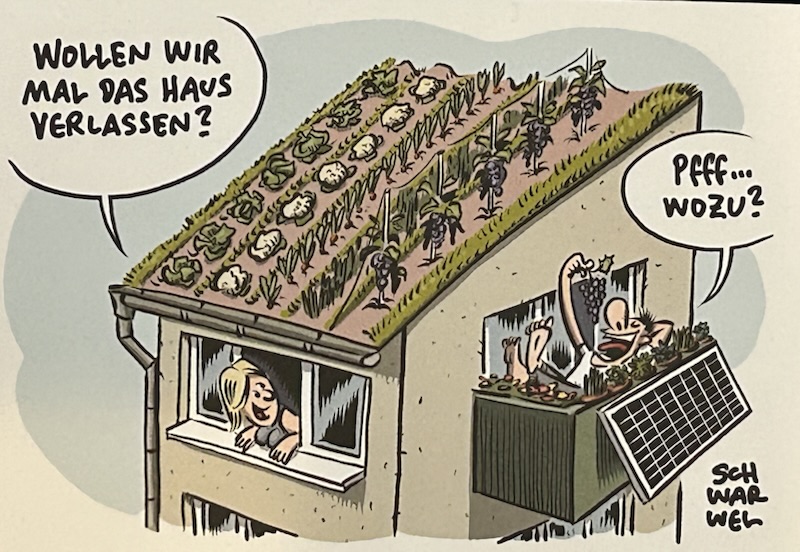
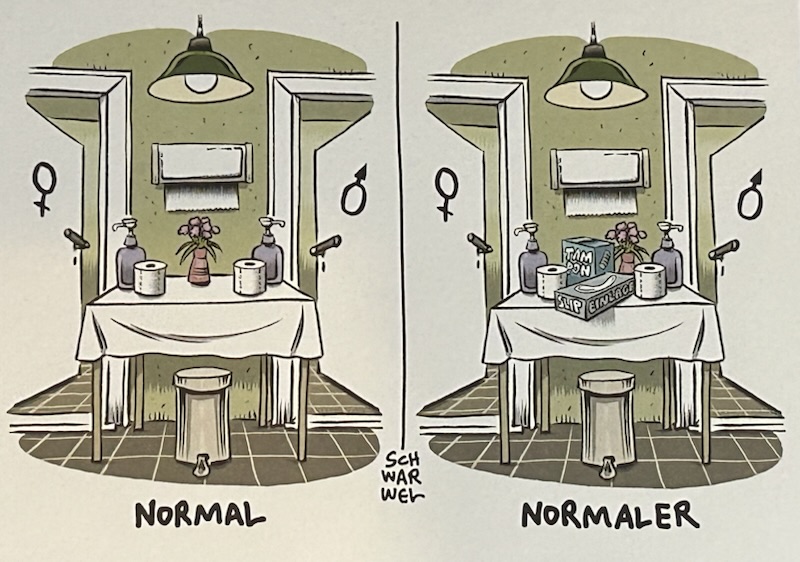
The New City Hall houses many government offices. While walking around in it, we came across the German Green Party office where they offered these postcards to take for free. You will quickly get the idea of what their message is for the voters.
Leipzig is only surpassed by Vienna & Salzburg for musical influence. At one time or another, the most prevalent German composers lived here.
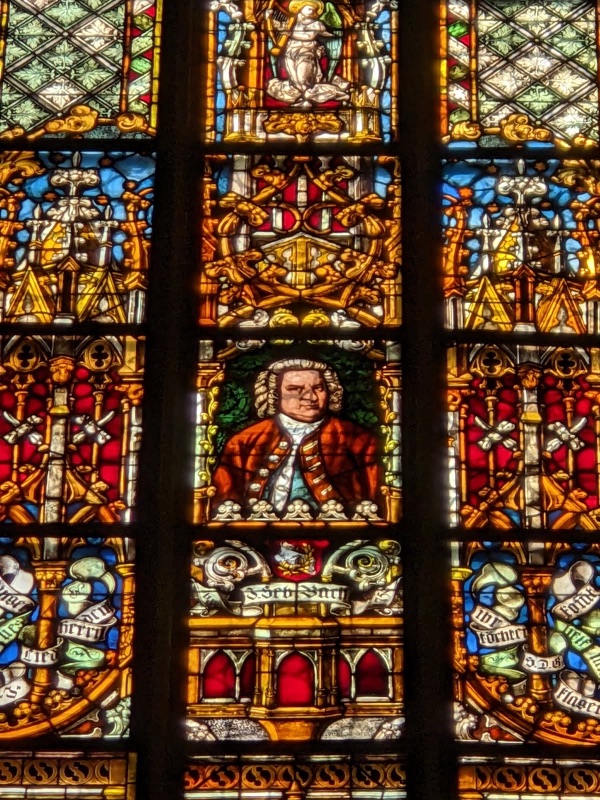
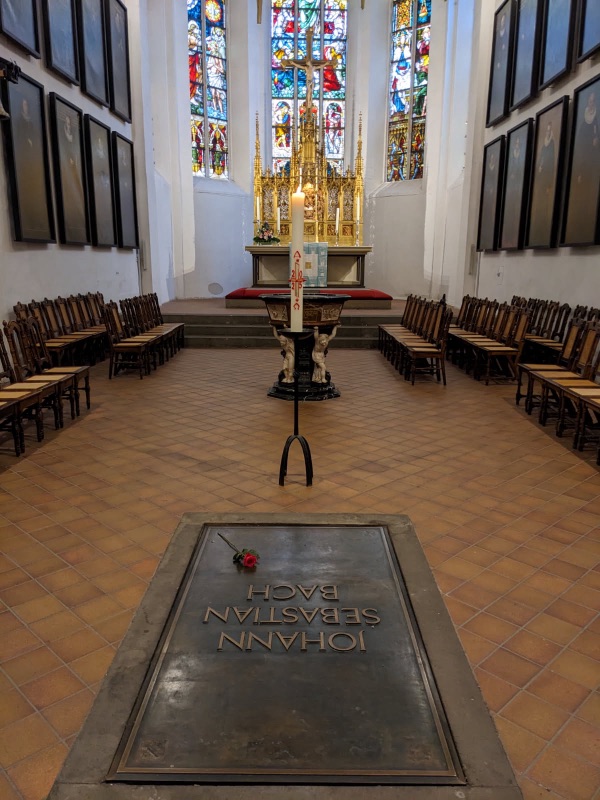
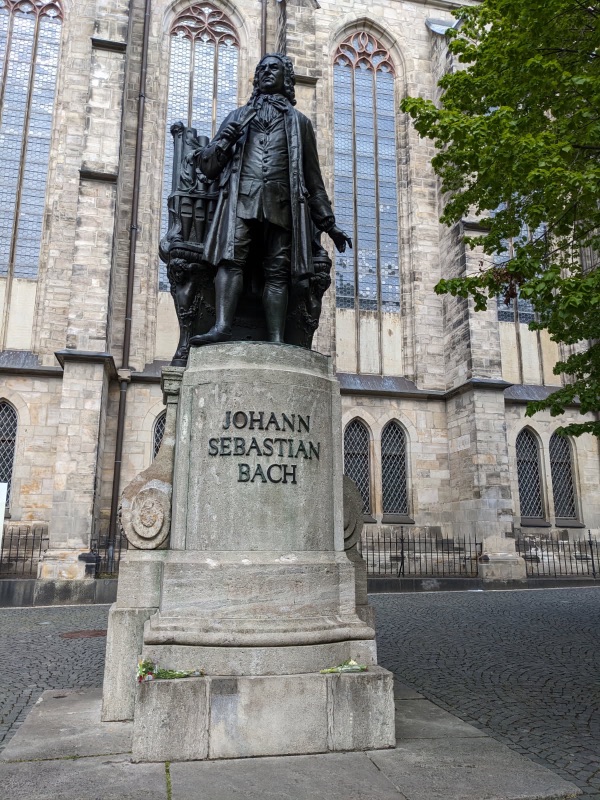
The most famous is Johann Sebastian Bach who is also buried in Leipzig’s St. Thomas Church which was founded in the early 13th Century.
Bach Stained Glass WindowBach’s GraveBach Statue outside St. Thomas Church
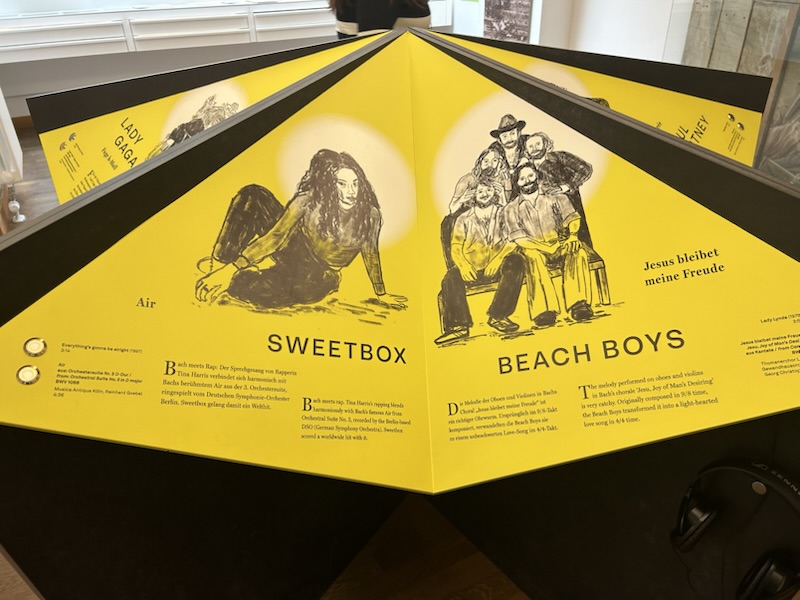
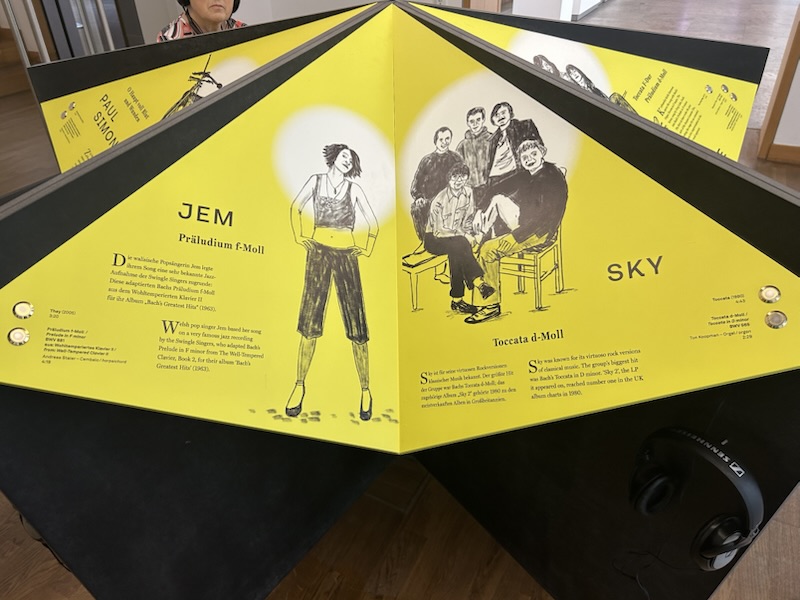
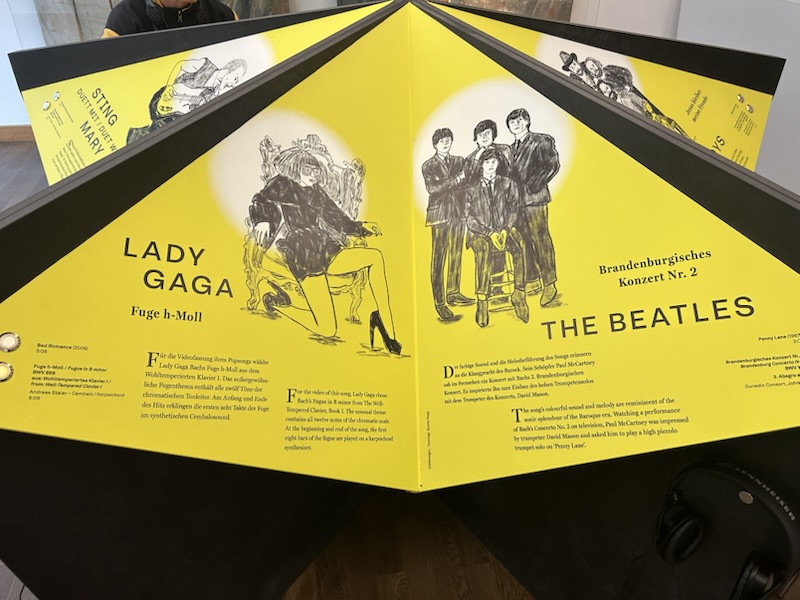
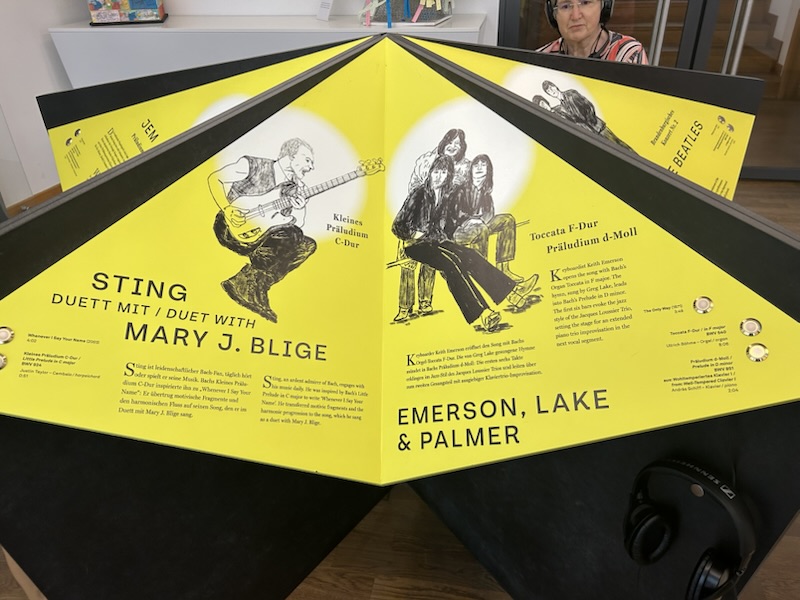
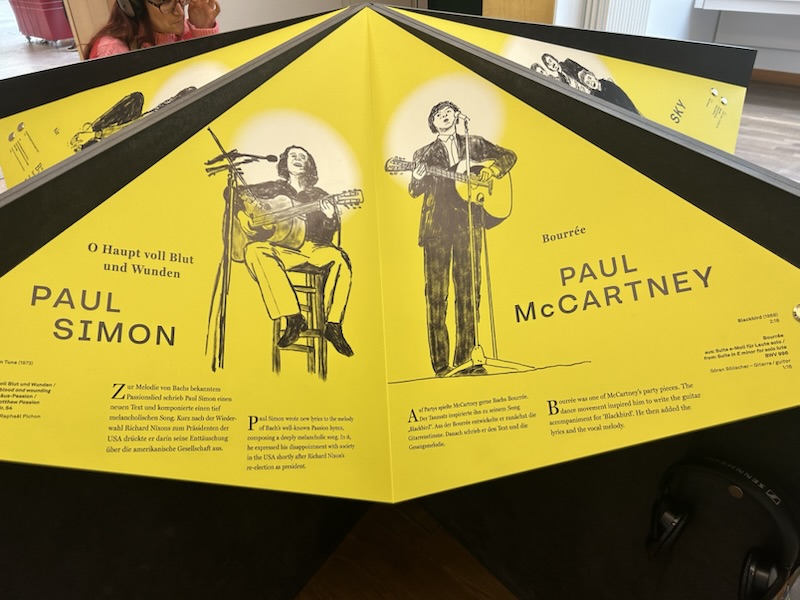
Proving that classical music is timeless, many modern musicians have used Bach’s music for inspiration.
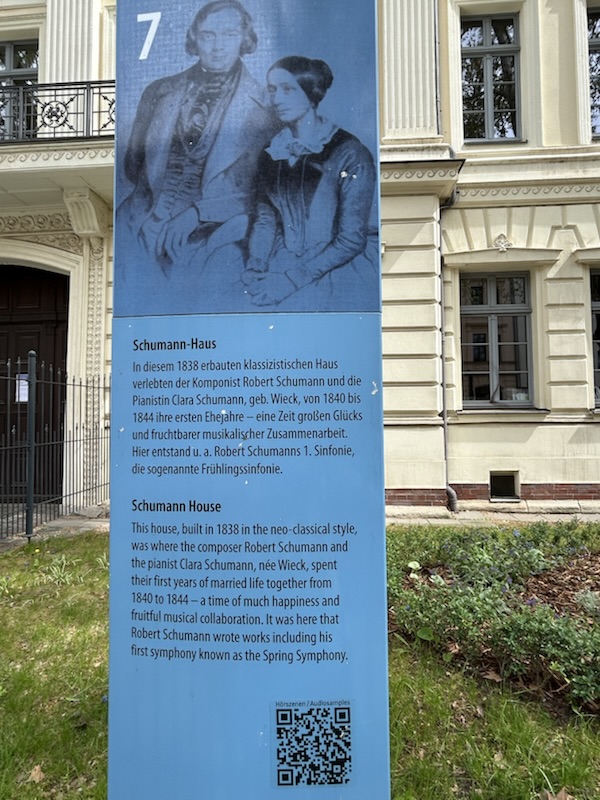
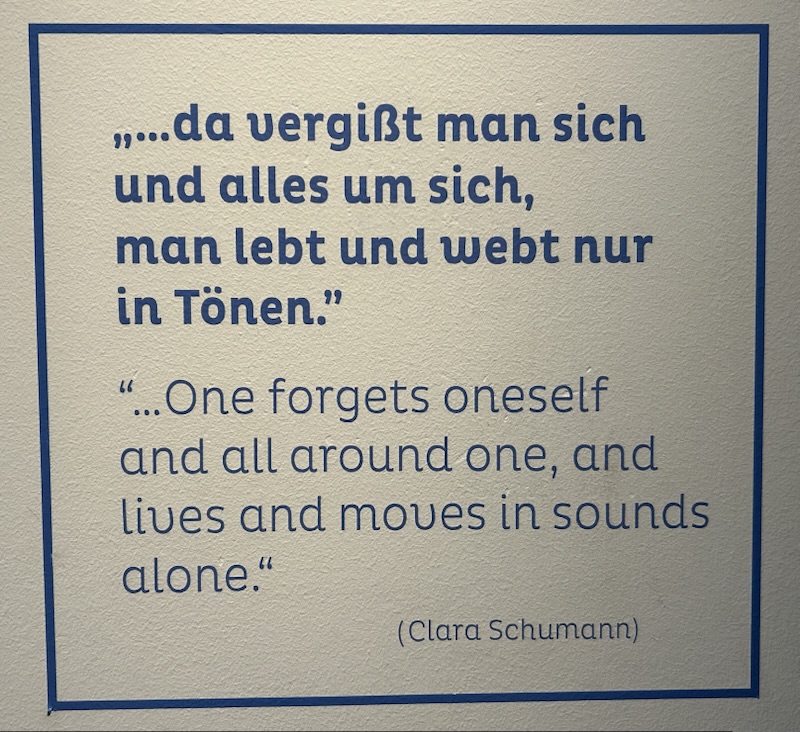
Clara & Robert Schumann also lived in Leipzig.
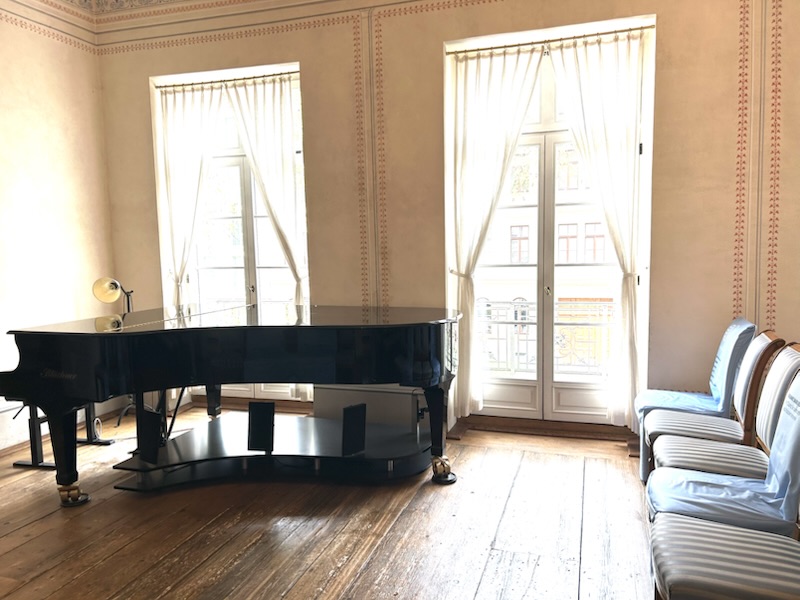
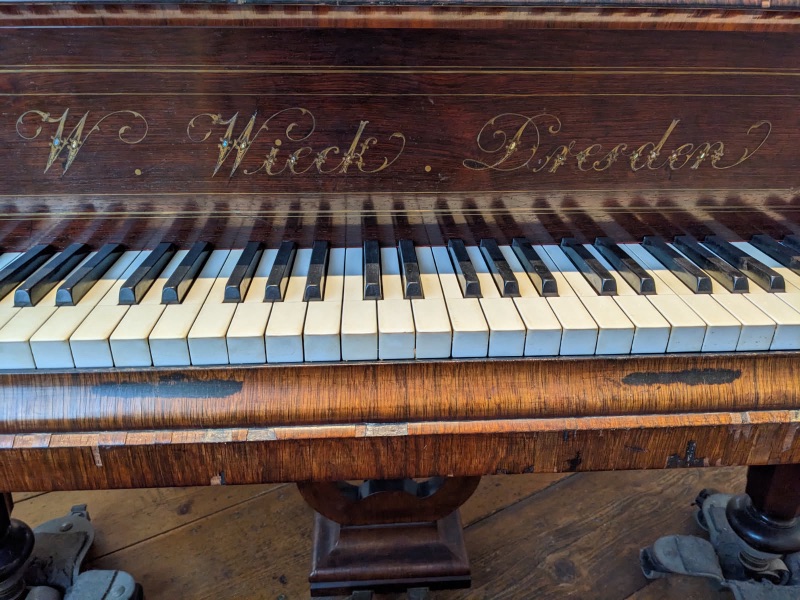
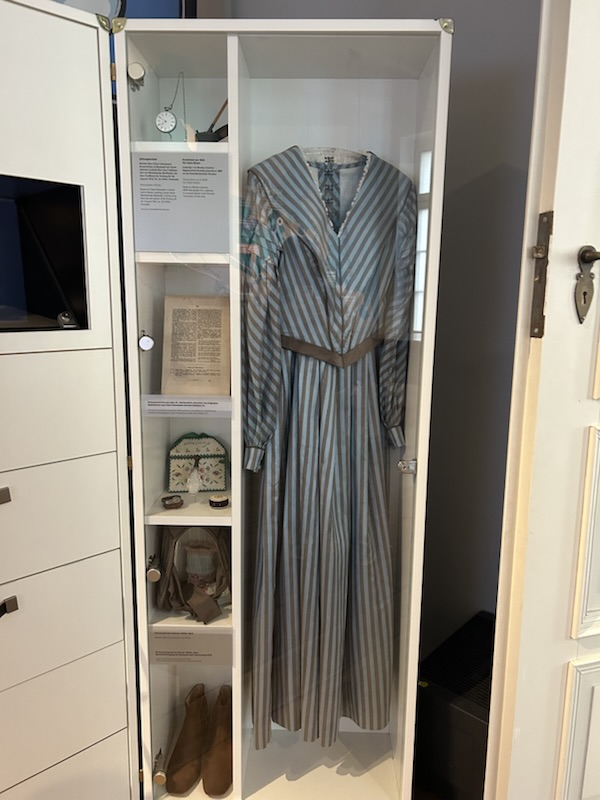
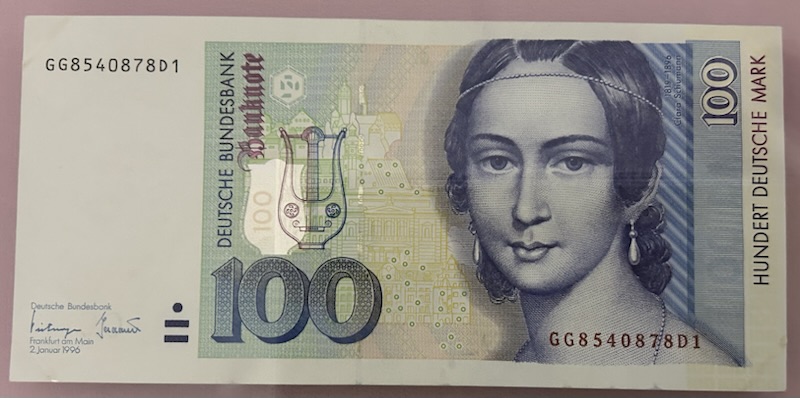
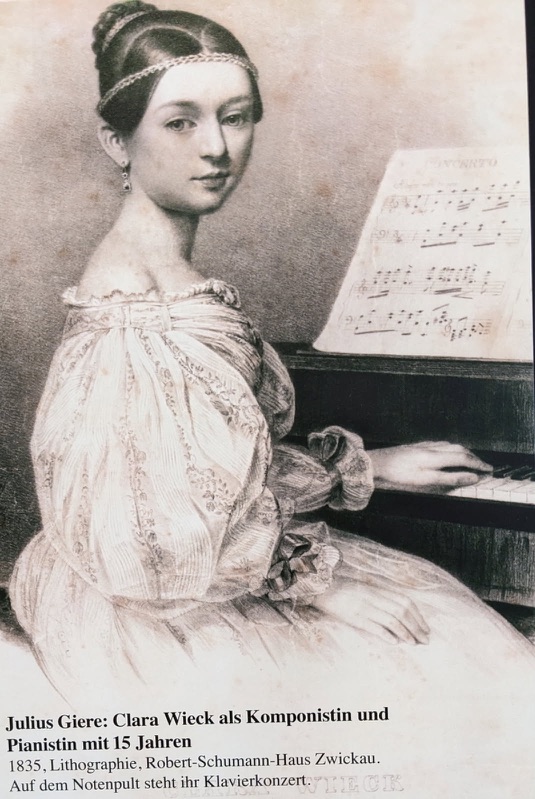
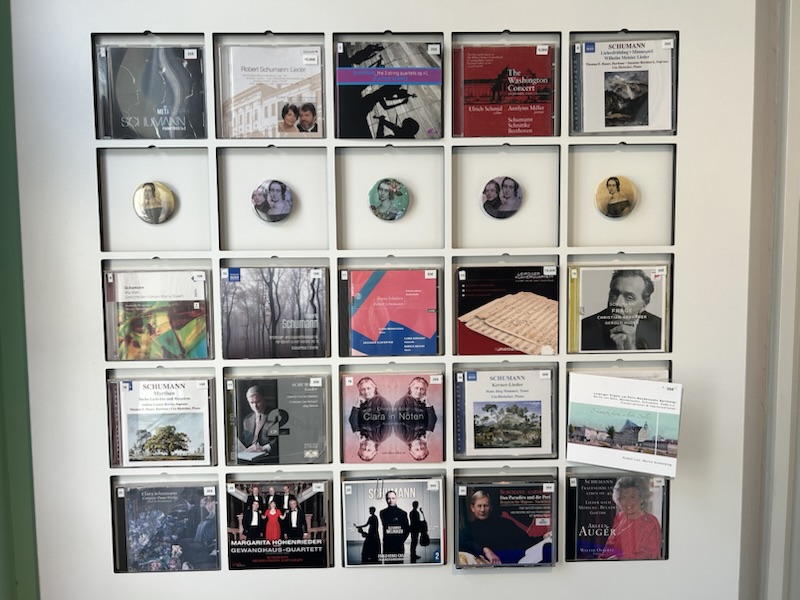
The Schumann home is now museum & a children’s music schoolMarker outside the Schumann House on the Leipzig Music TrailThe main room in which they performed has been fully restored to its original wallsClara’s pianoClara’s travel chest for transporting her possessions during her concert toursClara was on Germany’s old Deutschmark currencyClara was a young piano prodigyCurrent albums featuring the Schumann’s music
Nearby is another children’s music school.
As you walk around the city, you still see many buildings that were built by the Communist government.
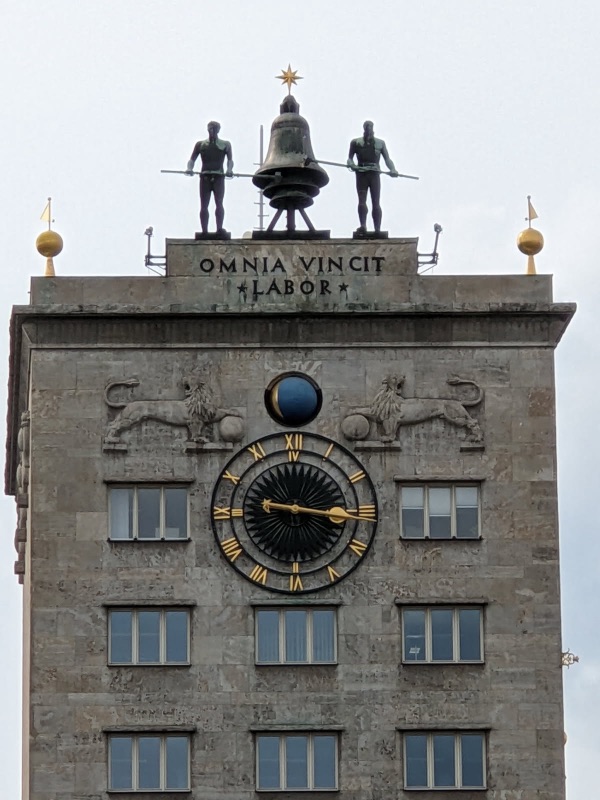
The Latin inscription atop this building means “Labor Conquers All” which the Communists used to encourage & extoll their workers
Most people know about the Berlin Wall coming down; but what most people don’t know is a month before, a huge gathering occurred in Leipzig with more than 100,000 people protesting for reforms. This demonstration hastened the Berlin Wall being dismantled.
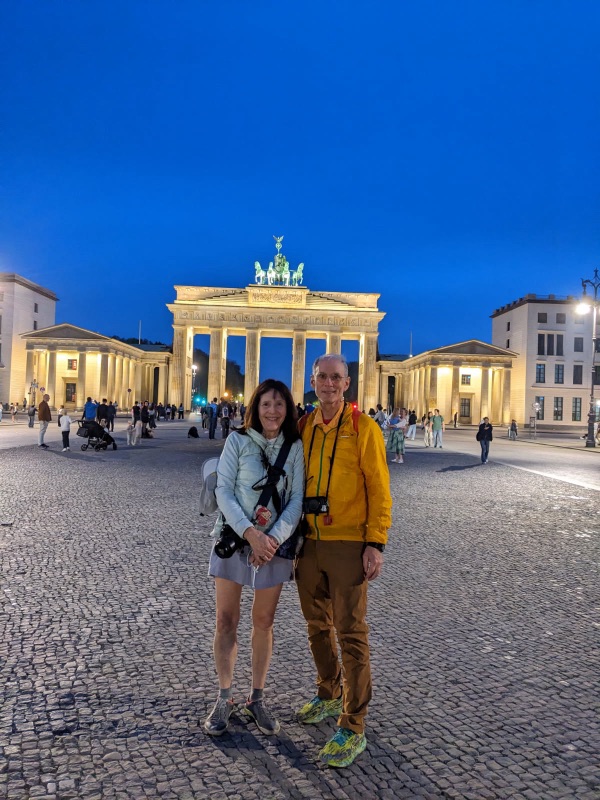
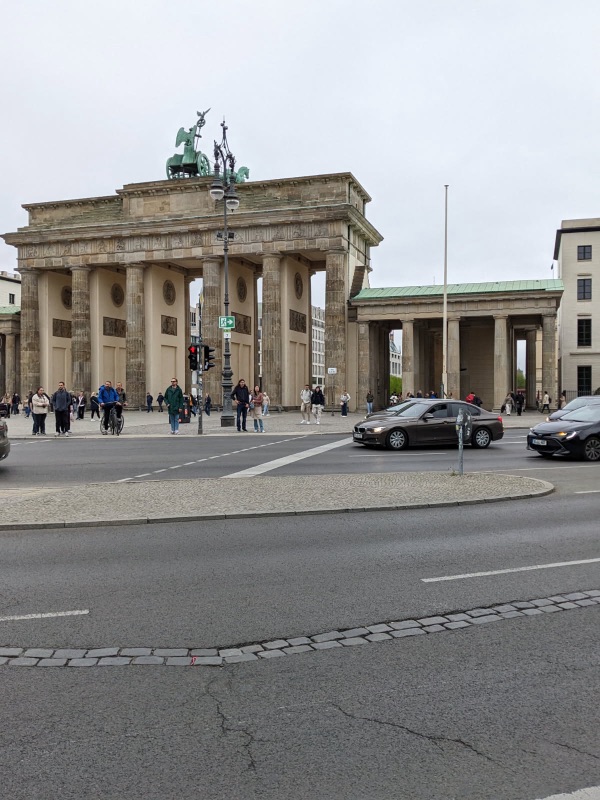
First night back in Berlin at the historic Brandenburg Gate
Berlin is a fascinating & beautiful city that has changed greatly as its history unfolded. It seems that every step here is filled with history that has many twists & turns.
But, Berlin is so much more than its history. It has the most opera houses in the world, over 180 museums, the most visited zoo in Europe (it is among the few zoos with a panda bear), & the world’s largest outdoor art gallery that is free to see.
For myself, Berlin is special for many reasons. I moved here in 1982 to teach US military children whose parents were stationed in West Berlin.
In 1983, I also met my future husband here.
We lived here until 1986 which was almost right before the Berlin Wall came tumbling down on 9 November 1989.
So, returning to Berlin is always like revisiting our younger selves which is always joyful.
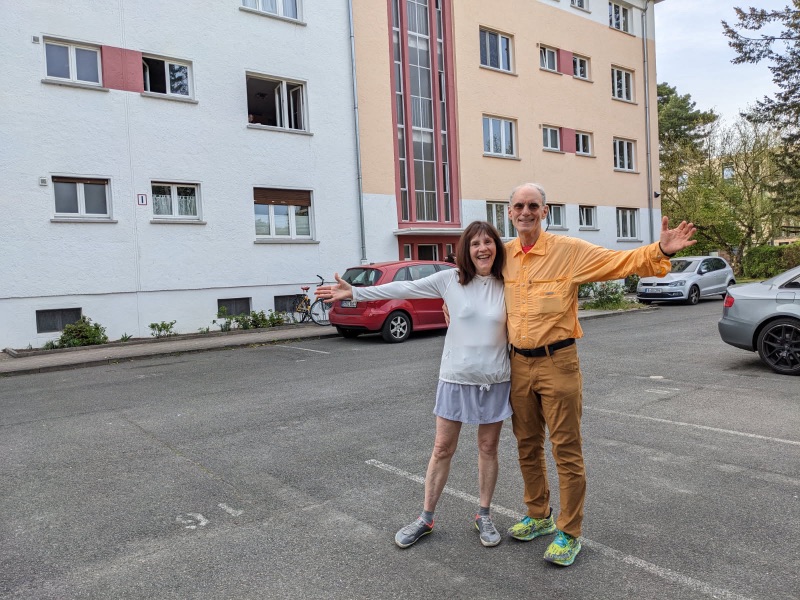
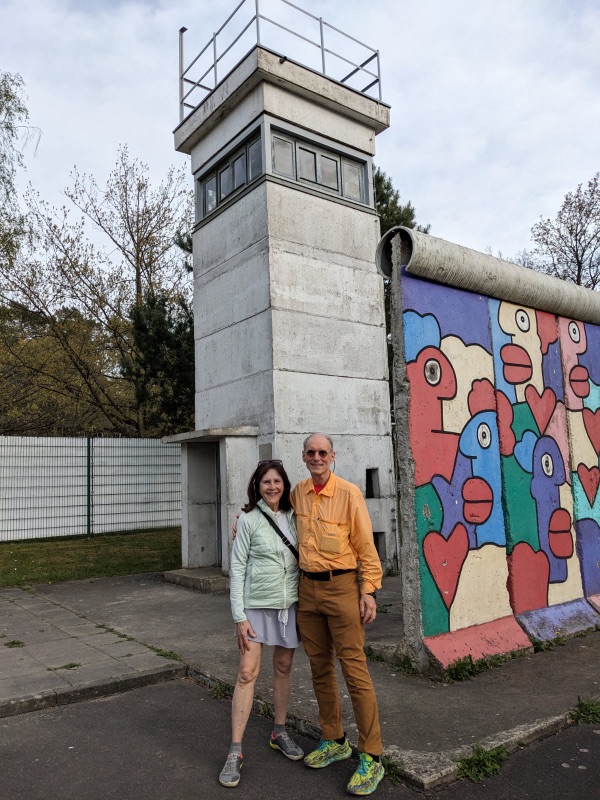
On our first day we went to the housing area where we lived & met 42 years ago. We checked out the many changes in the area. The Allied Museum is now located in the old American library & movie theater.
In the parking lot at our apartment standing at the spot where we first metBerlin Wall & Guard Tower remnants at the Allied Museum
We were in Berlin only for a few days, so we didn’t have time to revisit all the places we loved back in the 1980s; but, we had time to see a few.
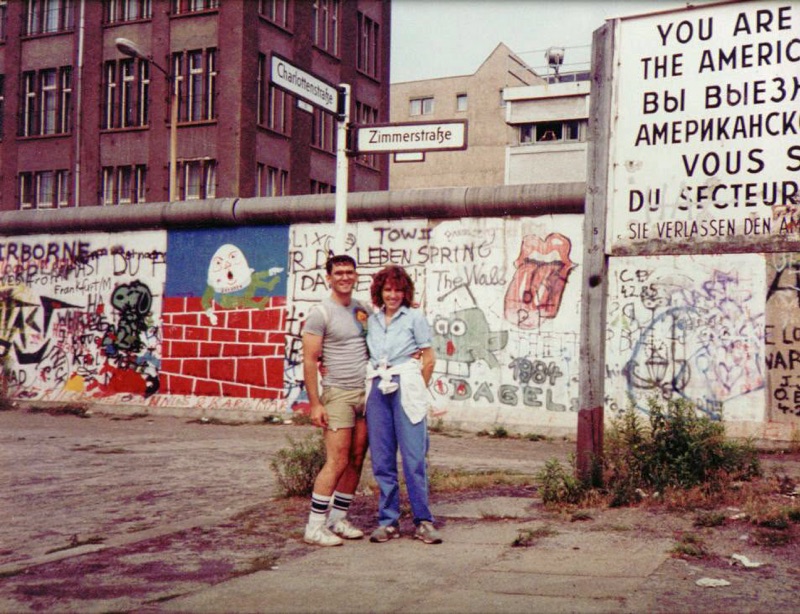
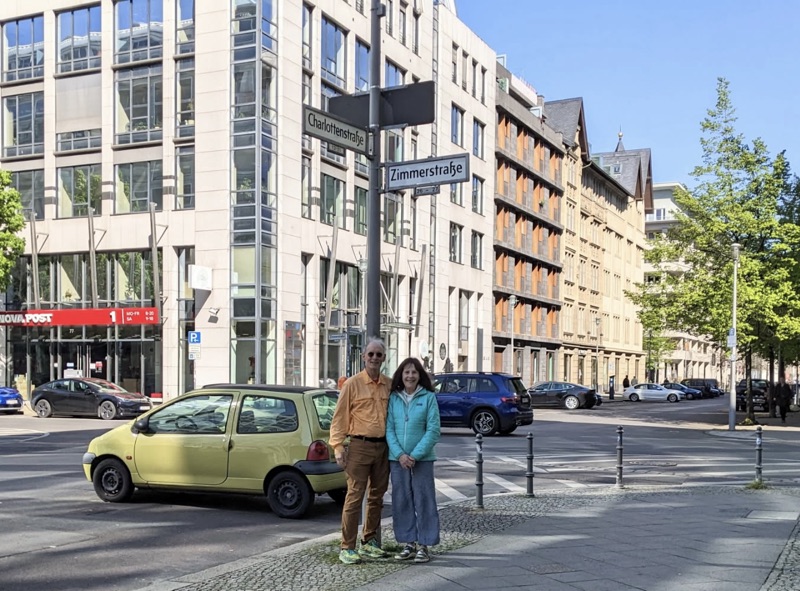
In Summer 1985, we took a picture at the wall near Checkpoint Charlie which separated East & West Berlin & my how things have changed.
1986- Corner of Charlottenstrasse & Zimmerstrasse2025- Same street corner
Some places never grow old no matter how often you have seen them in the past.
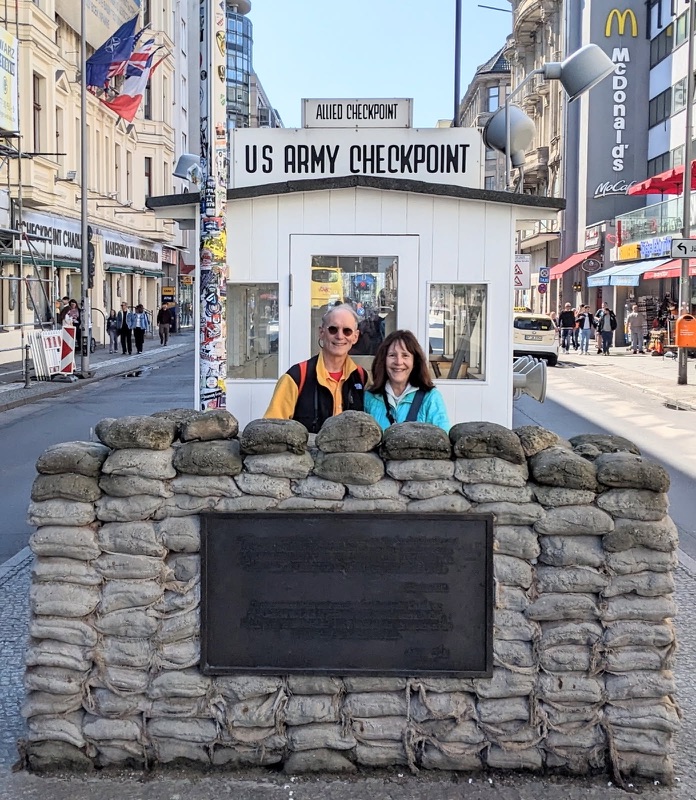
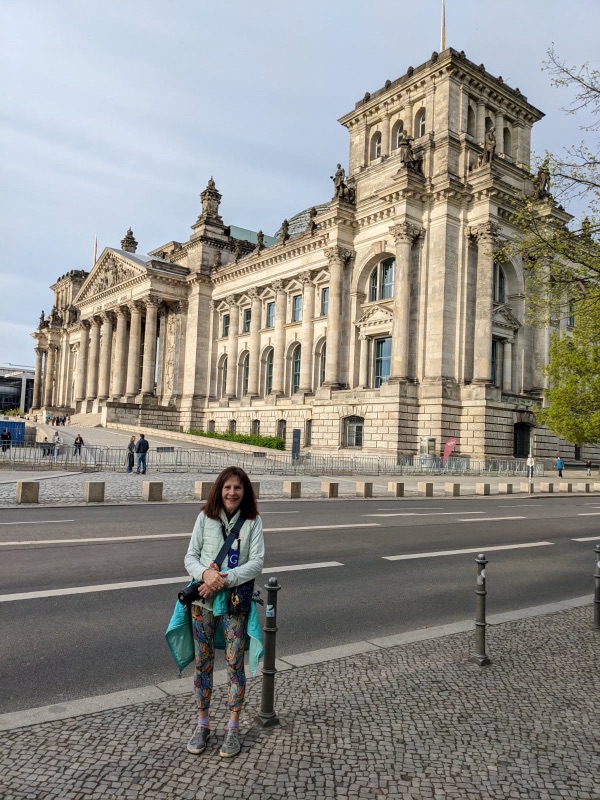
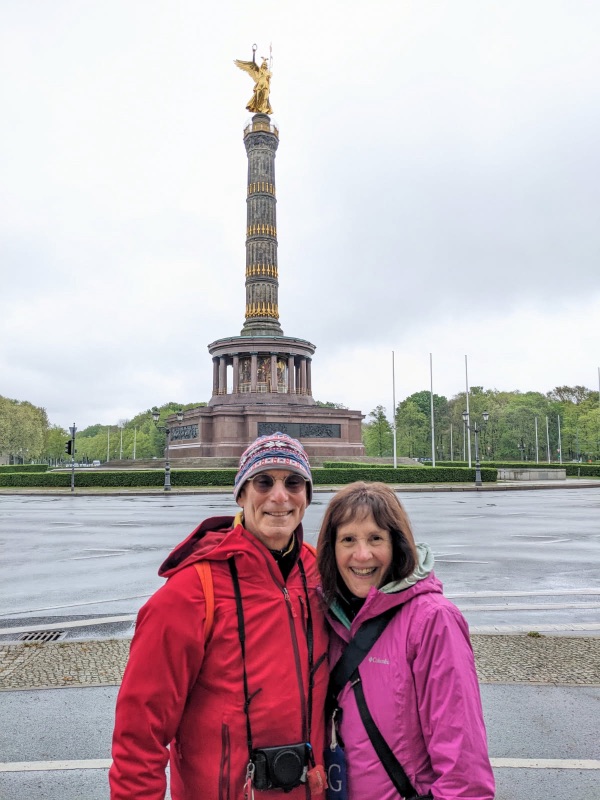
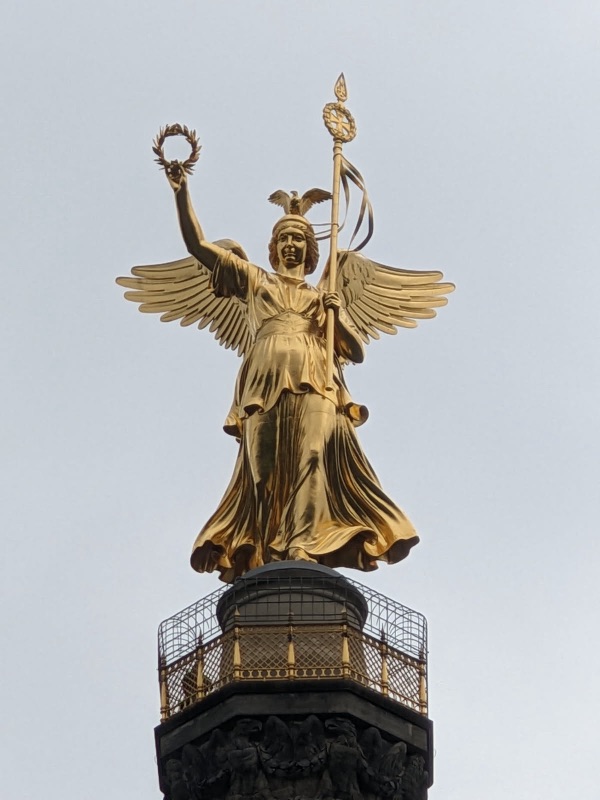
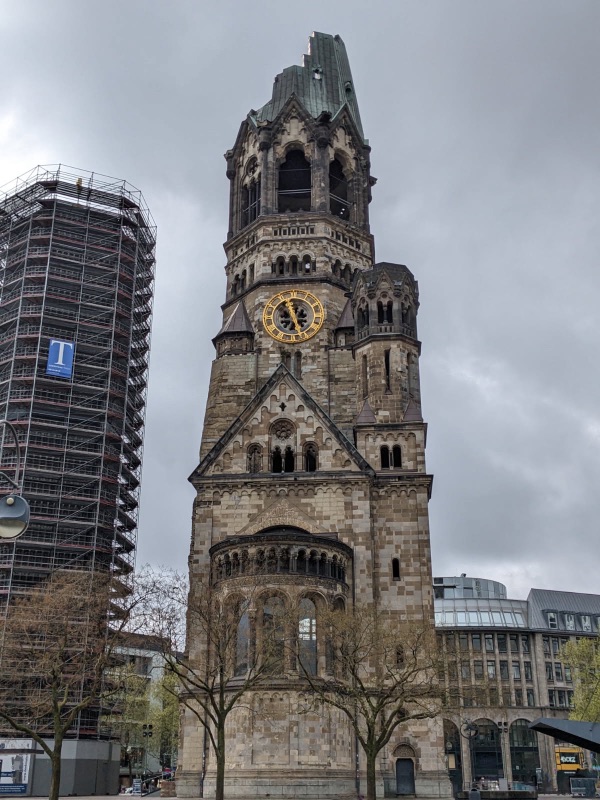
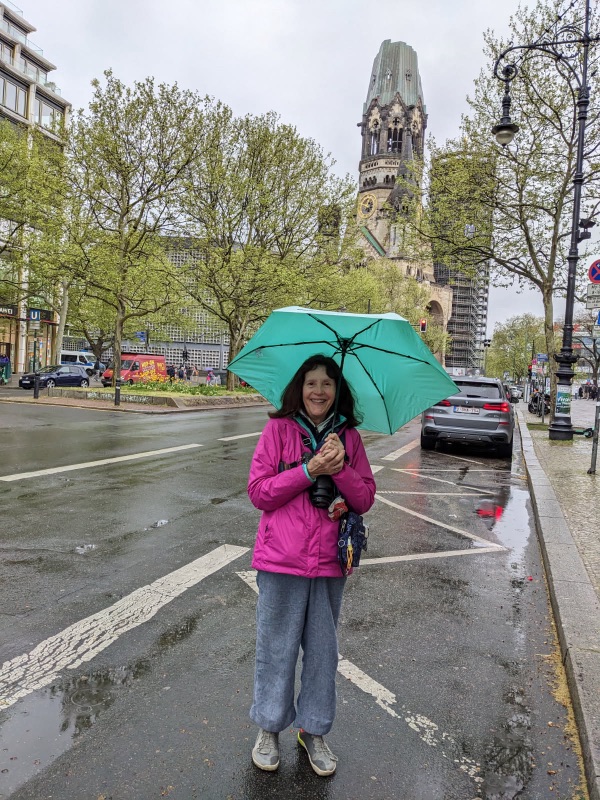
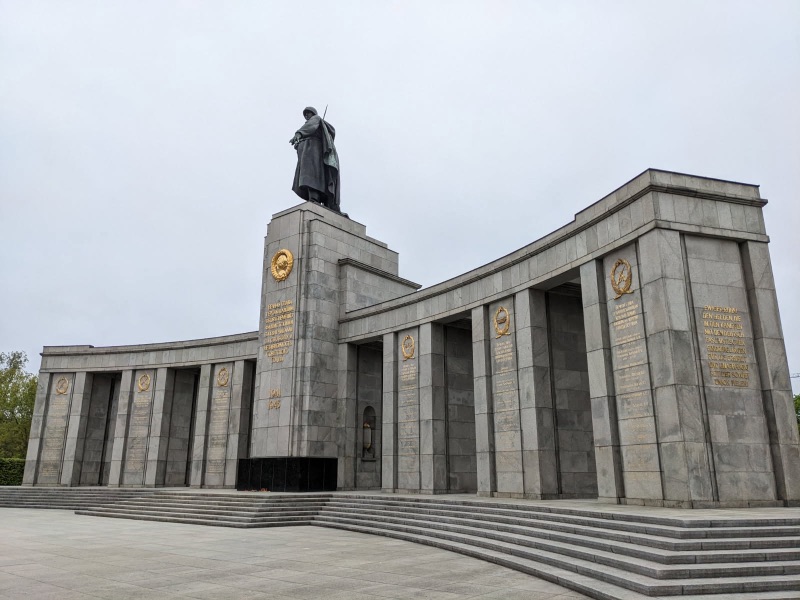
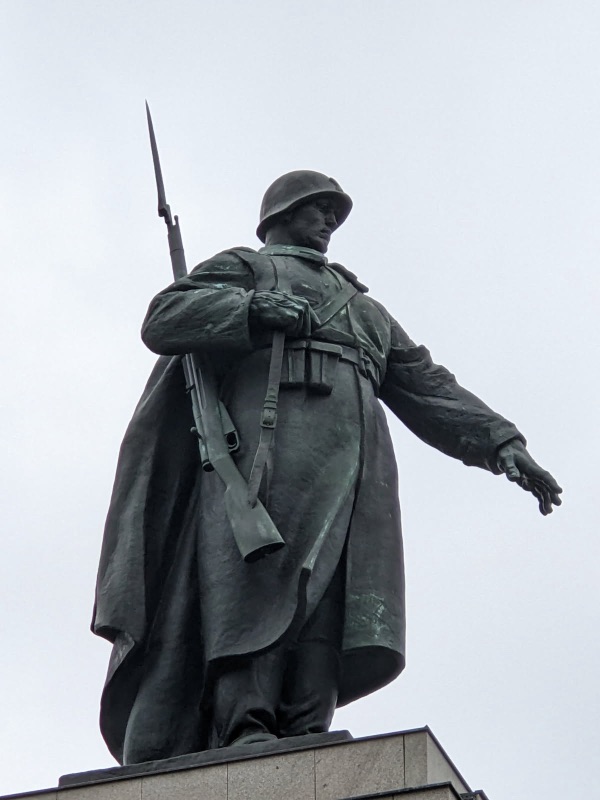
Checkpoint Charlie- the actual building structure we knew is now displayed at the Allied MuseumReichstag- now Germany’s Parliament building; but, it was still in ruins & empty when we lived hereVictory Column in the TiergartenWinged Victory atop the Victory Column- Berliners call her “Goldelse” which means “Golden Elsie”Kaiser Wilhelm Church- Bombed out church from WWII still stands as a reminder against warThe Kurfürstendamm- it was & still is Berlin’s main shopping streetSoviet War Memorial- This monument was located in West Berlin & was used guarded by Soviet soldiers, so it was “off limits” to all tourists who could only see it from afarThe joke told by Berliners is “Why is the Soviet soldier’s hand & arm hand lowered?” “It is because it is weighted down from all the watches he is wearing after stealing so many from Berliners.”
The Wall was a big part in Berlin’s history from 1961 to 1989. When we lived in Berlin, we never dreamed it would come down, let alone only a few years after we left.
When I first started driving in Berlin, the older teachers at my school always joked about never having to worry about getting lost, saying you will eventually run into the Wall & have to turn around. 🤣
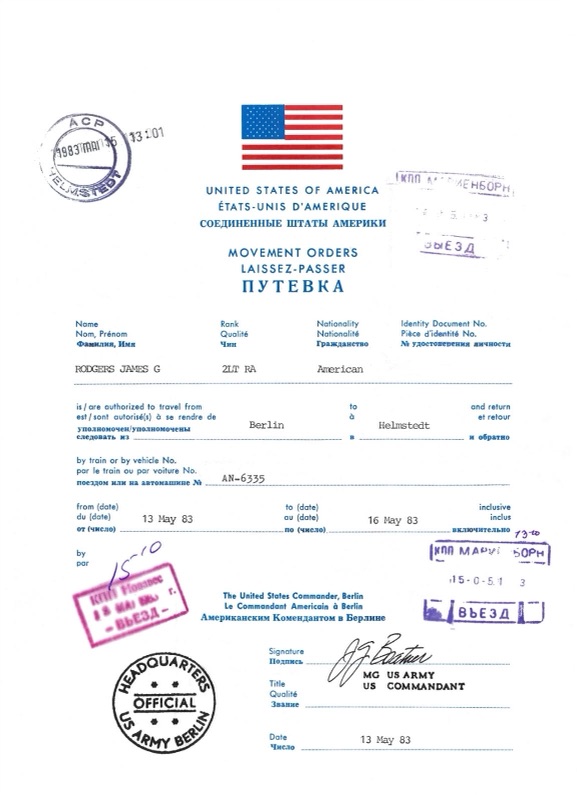
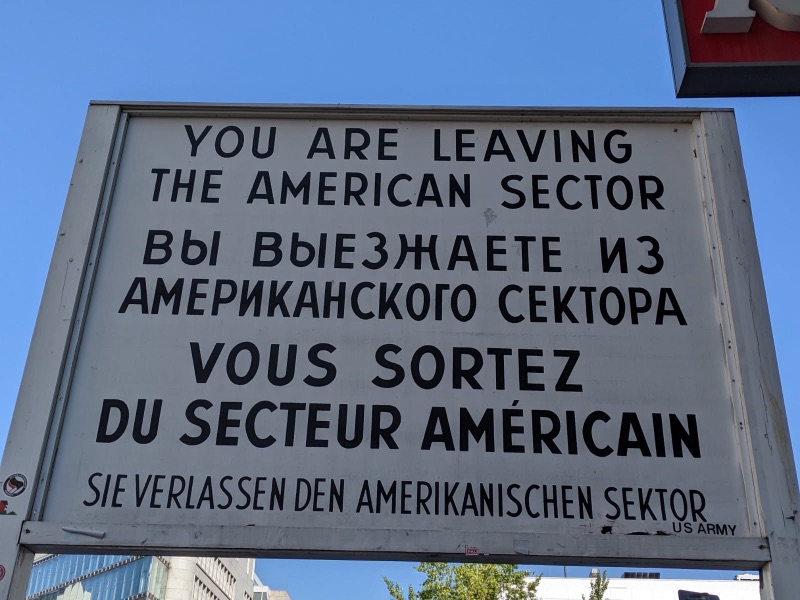
It was true that for us in West Berlin that we were totally surrounded by the Wall. We were allowed to leave at anytime; but, needed a special pass called “Flag Orders” because they had an American flag on them. They were also written in English, French, & Russian which were the languages of the occupying powers- America, Britain, France, & Russia. Flag Orders were necessary to leave & return to West Berlin by car or train.
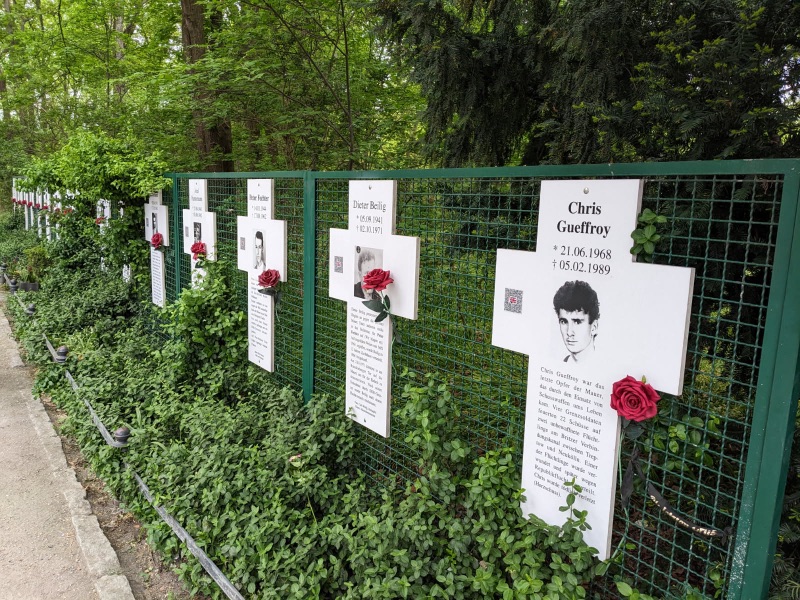
Flag Orders- Note the Russian stamps to get through Checkpoint Alpha which was on the border between East & West Germany & through Checkpoint Bravo which was the entry point into West Berlin from East Germany Signs by all exits in the American sector in West BerlinThe Brandenburg Gate The brick outline in the street shows where the Wall once stoodMemorial Crosses commemorating people who died attempting to escape into West BerlinMany victims died trying to cross the Spree River which runs through Berlin right behind the Reichstag
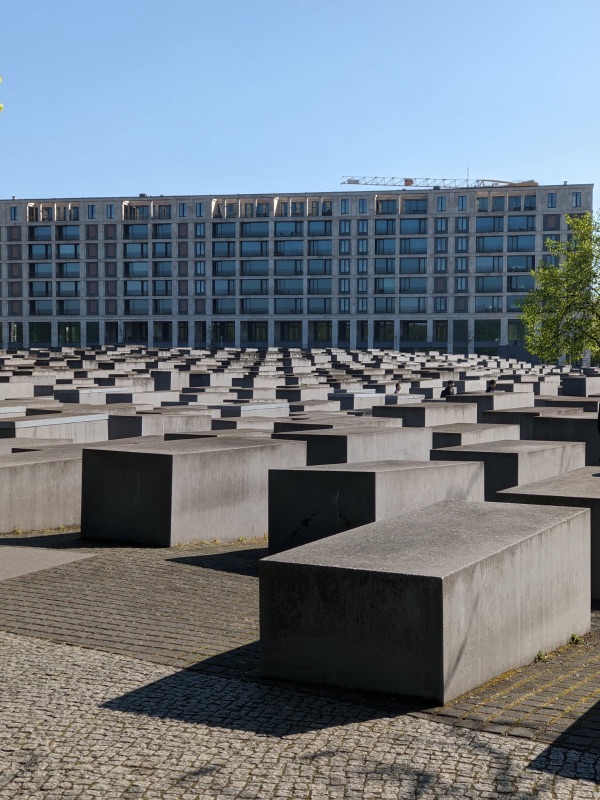
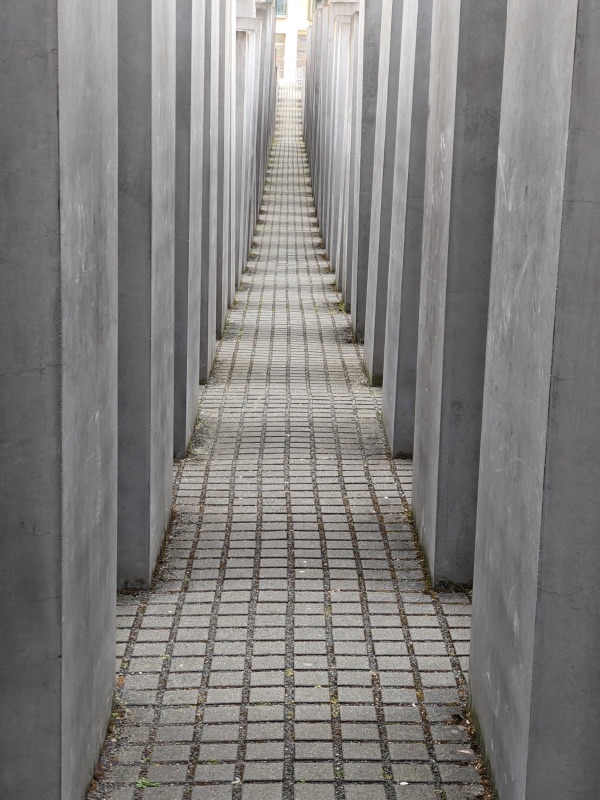
The Jewish Holocaust Memorial is located in what we formerly called “No Man’s Land” or the “Death Strip.” This was a wide open space in the East adjacent to the Wall. It is also the area in which Hitler’s Bunker where he committed suicide was located.
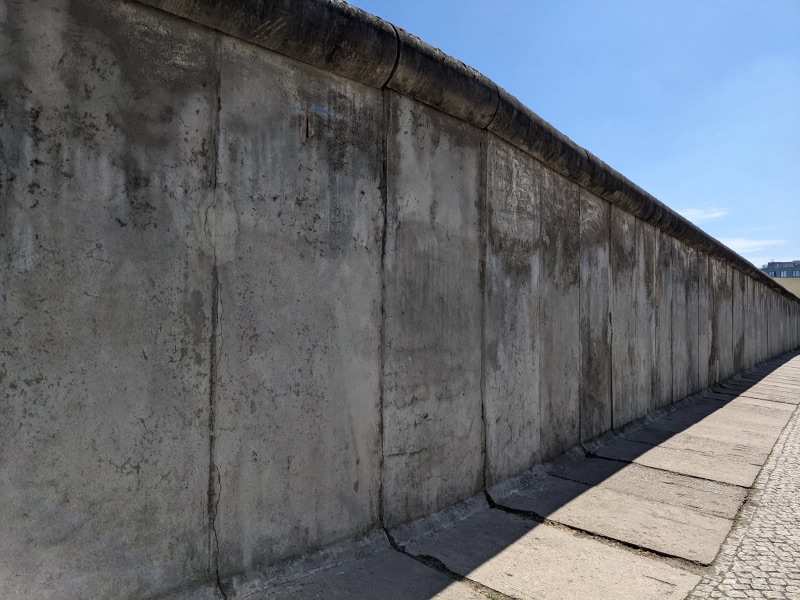
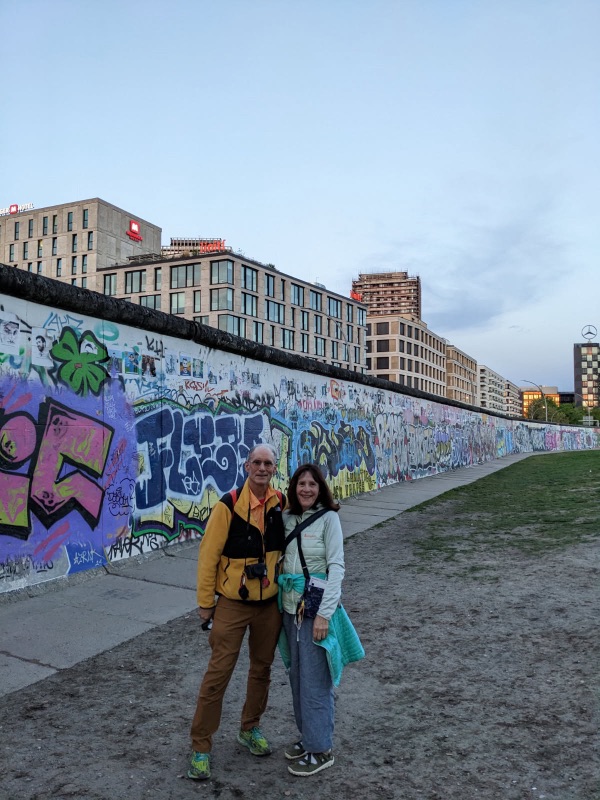
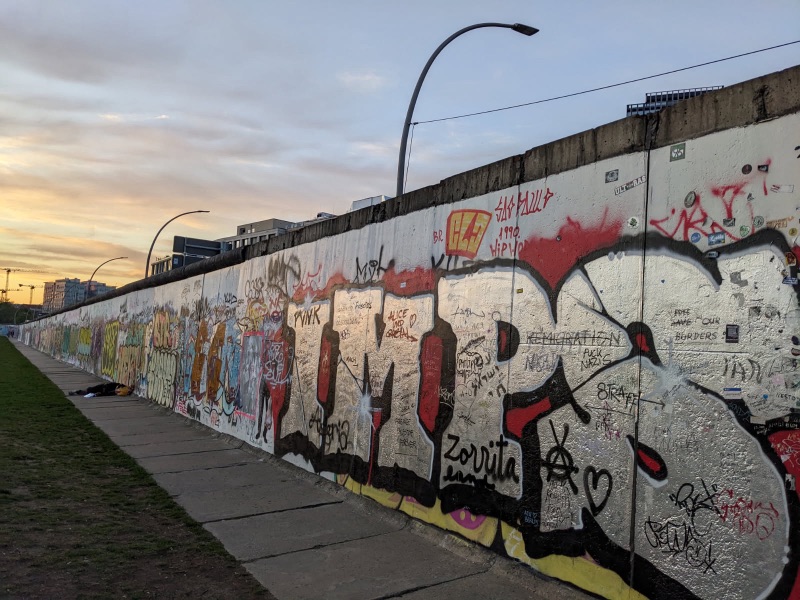
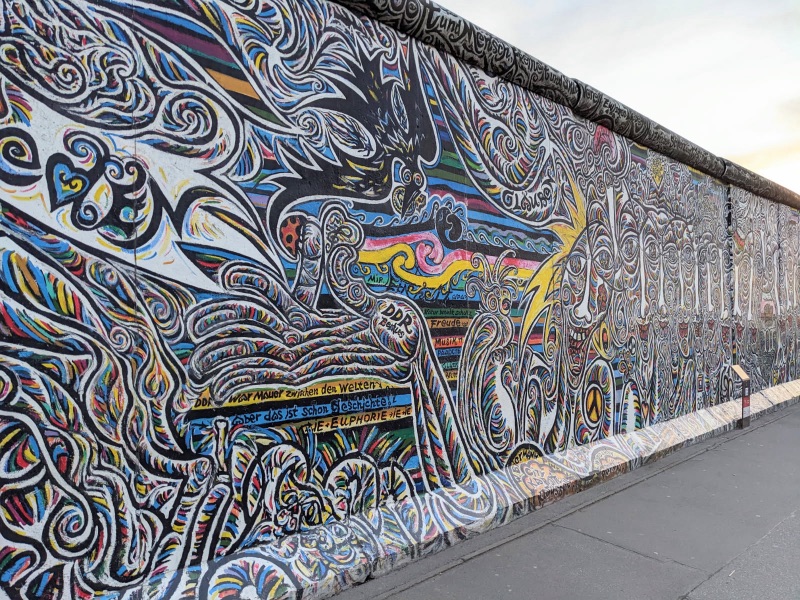
Although individual Wall segments are displayed throughout the city, Wall sections still exist in only two places- Bernauer Strasse & Muhlenstrasse
Bernauer Strasse- The way the Wall looked in East BerlinMuhlenstrasse- The way the Wall looked in the West covered in graffiti
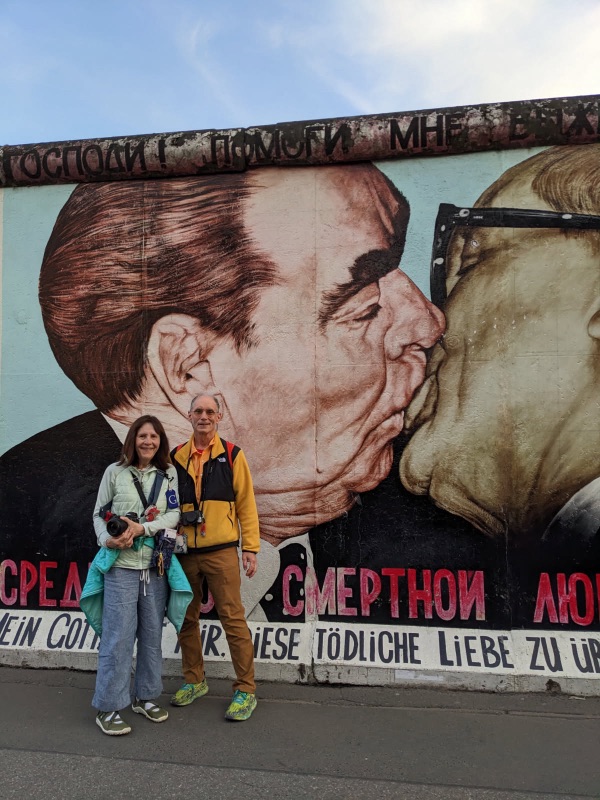
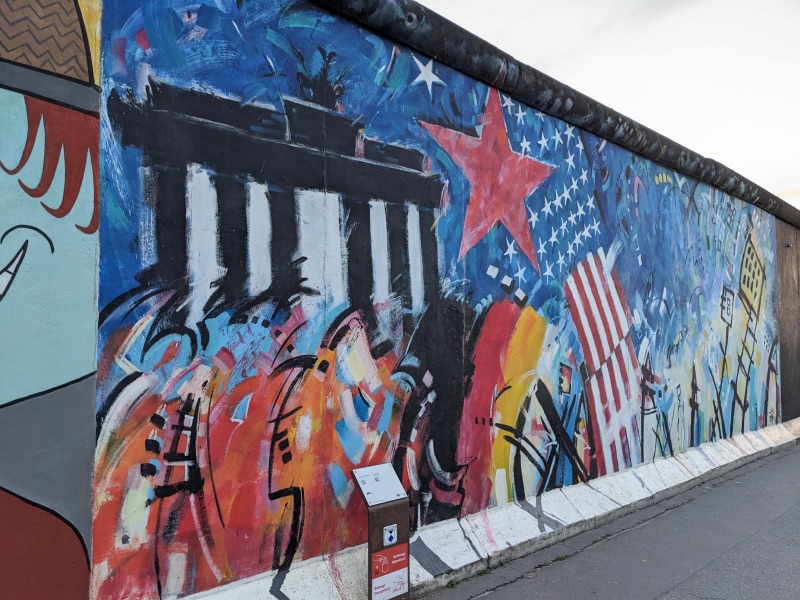
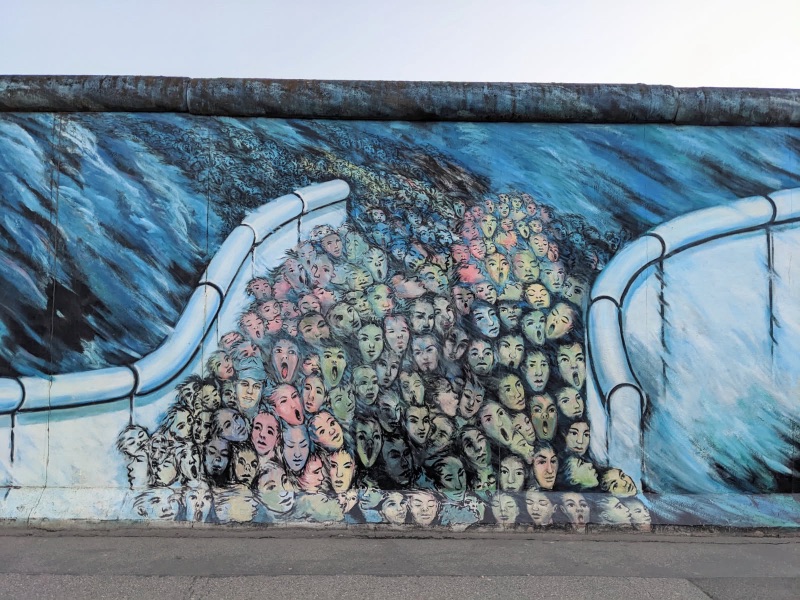
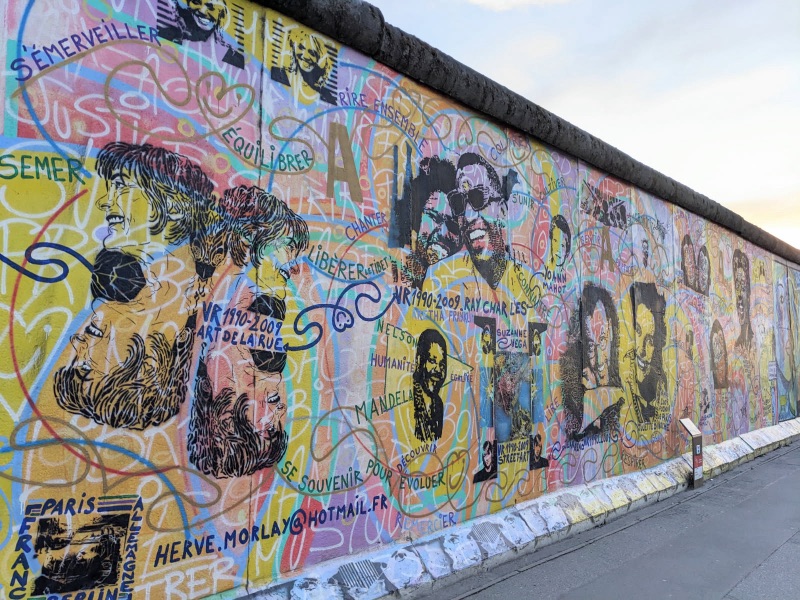
The large section at Muhlenstrasse along the Spree River was opened to artist & is calked called The East Side Gallery. 118 artists from 21 countries were invited to paint on the Wall’s plain, unpainted side after it opened. It is now the world’s longest open air art gallery & is a protected memorial.
The most photographed mural is the “Fraternal Kiss” which depicts former Soviet leader Leonid Brezhnev & the former East Germany leader Erich Honecker showing some love to each other
As Americans associated with the US military, we had special license plates on our cars so we were not allowed to be searched by the East Germans when entering or exiting East Berlin.
Also, American soldiers were required to be in uniform when going to East Berlin.
However, returning to the former East Berlin area now has no such requirements.
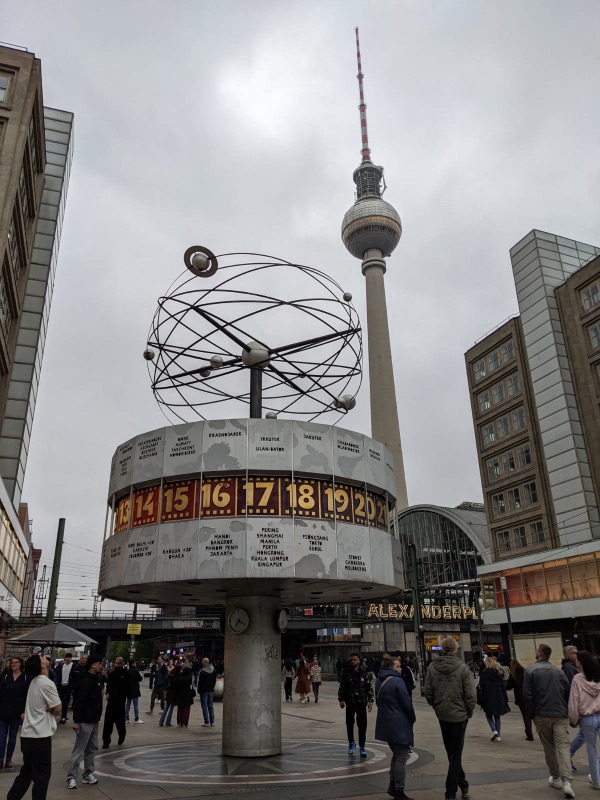
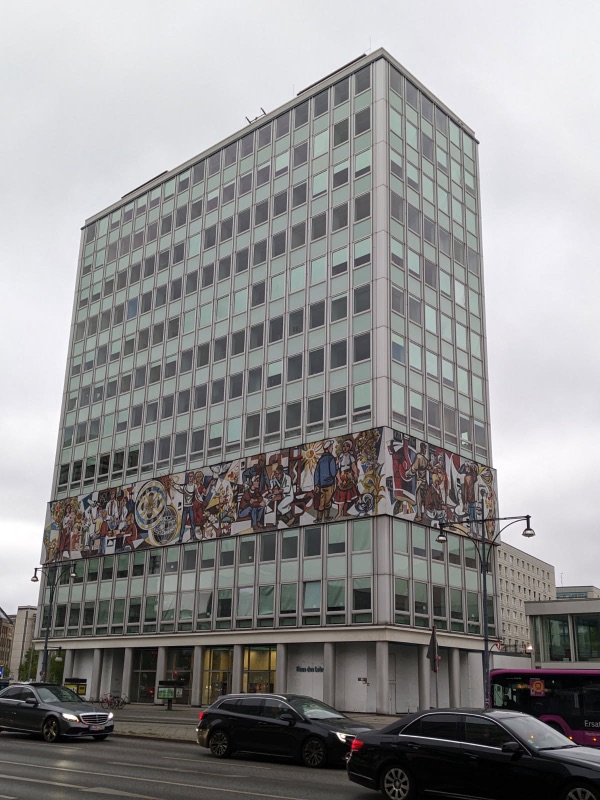
Berliner Dome ChurchAlexanderplatz with the World Clock & TV Tower (This was a major shopping area for us back in the day)Office building with old Soviet Murals extolling labor to encourage Communism & its benefitsOpera House (Under Soviet rule, it was too difficult for us to attend any performance here)Small Music Hall inside the Opera HouseMusic Hall ceilingEnjoyed a beautiful Springtime concert featuring songs from Wagner, Mozart, & Rachmaninoff
When entering East Berlin, you were required to give the American authorities at Checkpoint Charlie the time when you planned to return to the West. Since I didn’t want to get lost, I never ventured too far off the main streets & possibly missing my return time which meant a search party would have been dispatched to find me.
However, with no such restrictions or concerns on this trip, we went to many places we had never previously gone.
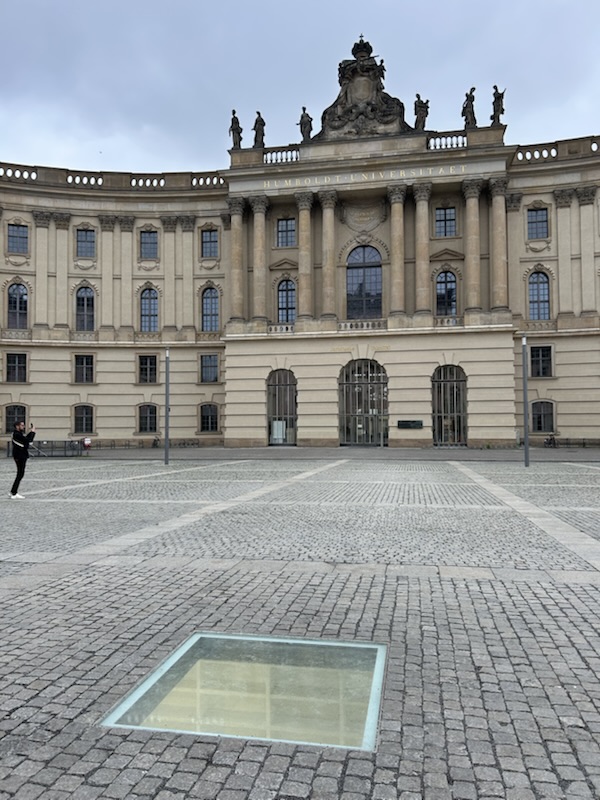
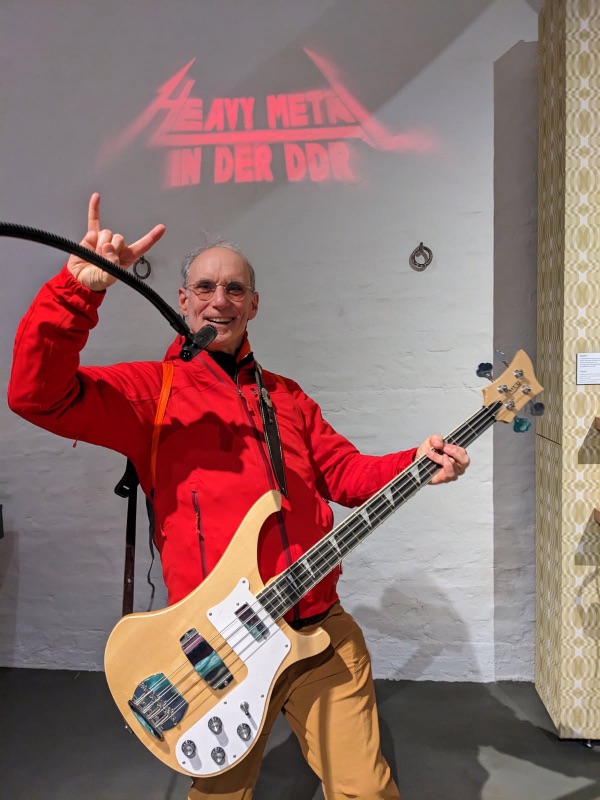
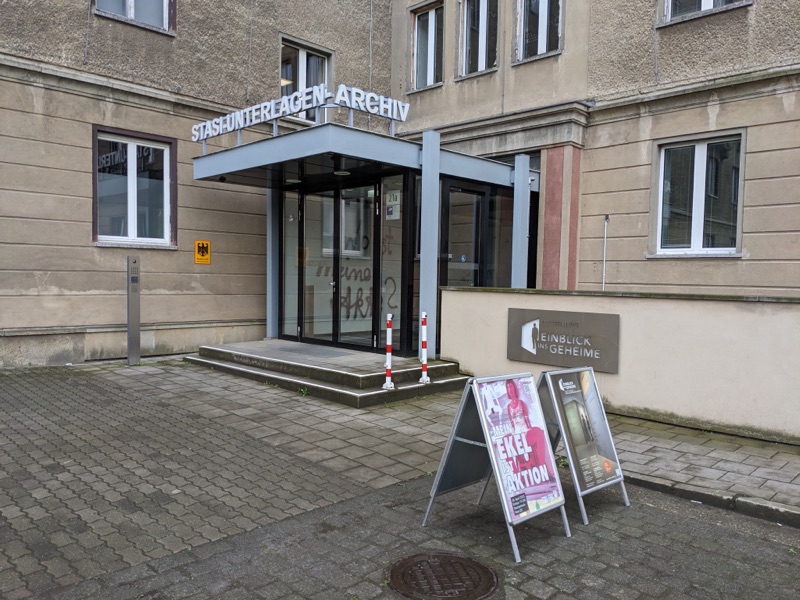
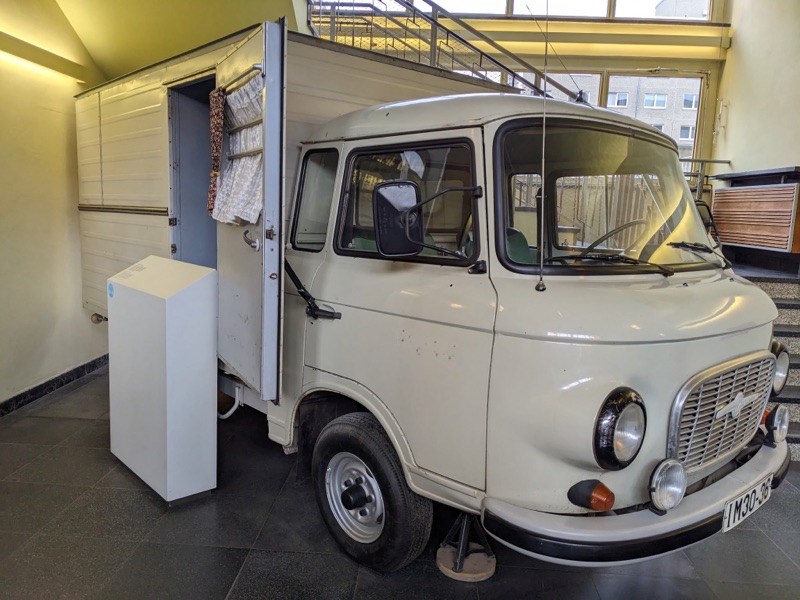
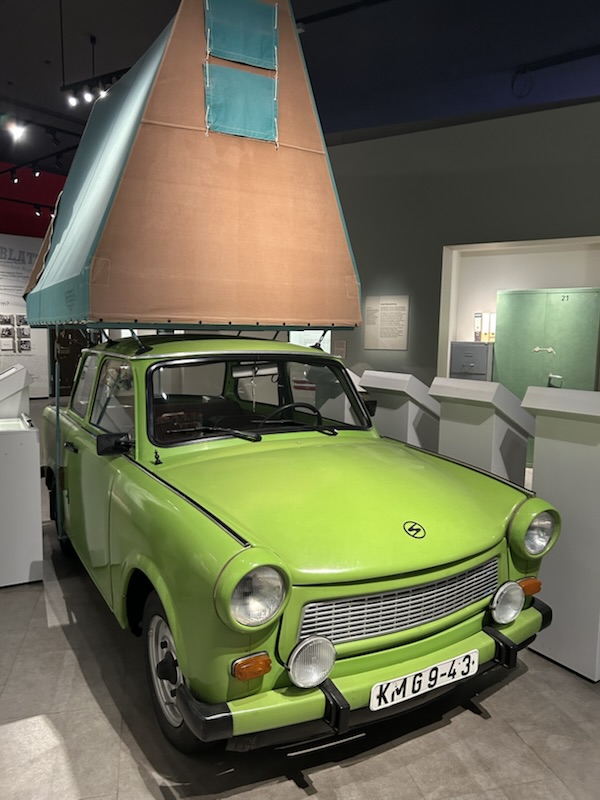
Alexanderplatz train stationBebelplatz- Where the Nazis staged their famous book burnings in 1933 Hard Rockers & Punks were in the vanguard leading resistance against the Communist government in East GermanyStasi Headquarters- The Stasi were the infamous & heinous East German Ministry for Security who spied on & policed citizensUnmarked Stasi Van used to arrest people with windowless holding cell in its back Trabant camper displayed in the “Everyday Life in the DDR” exhibit at the KulturBrauerei (Former beer brewery converted into an Arts & Museum space).
At the Stasi archives we applied to see if they even had a file on us. ⁉️🤨
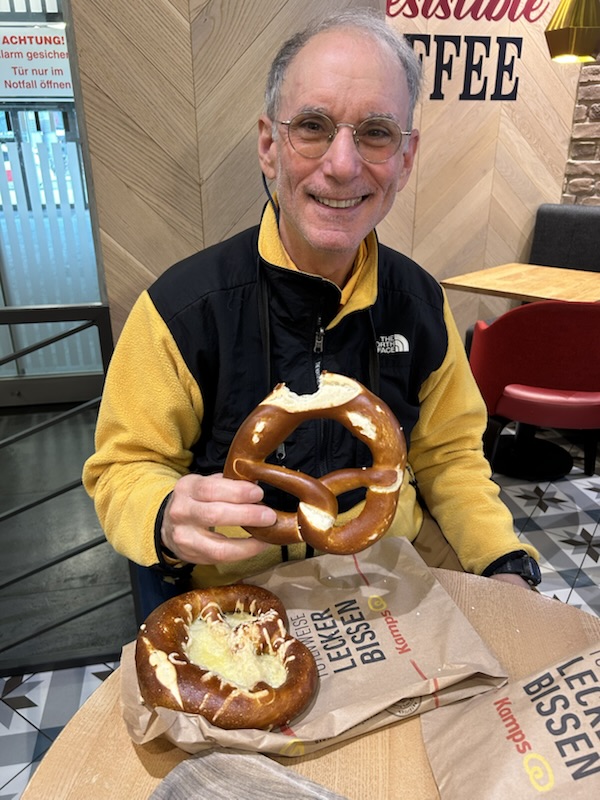
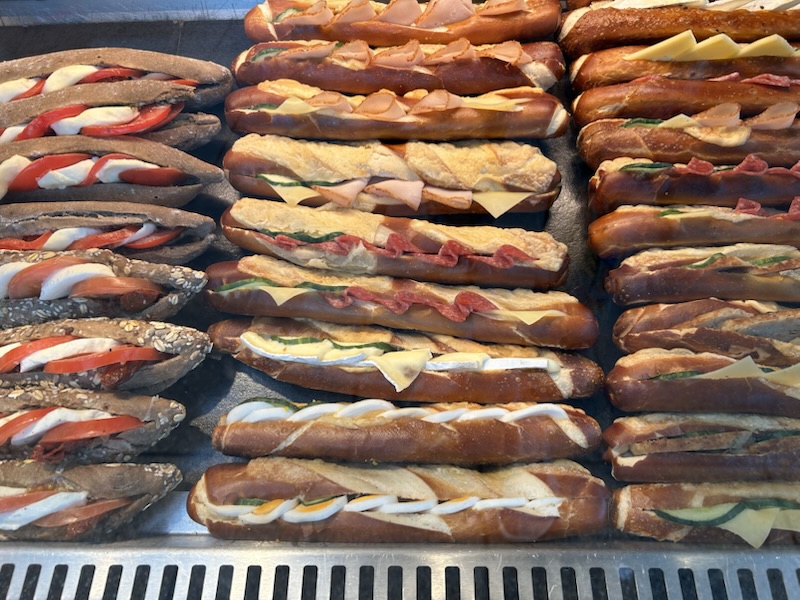
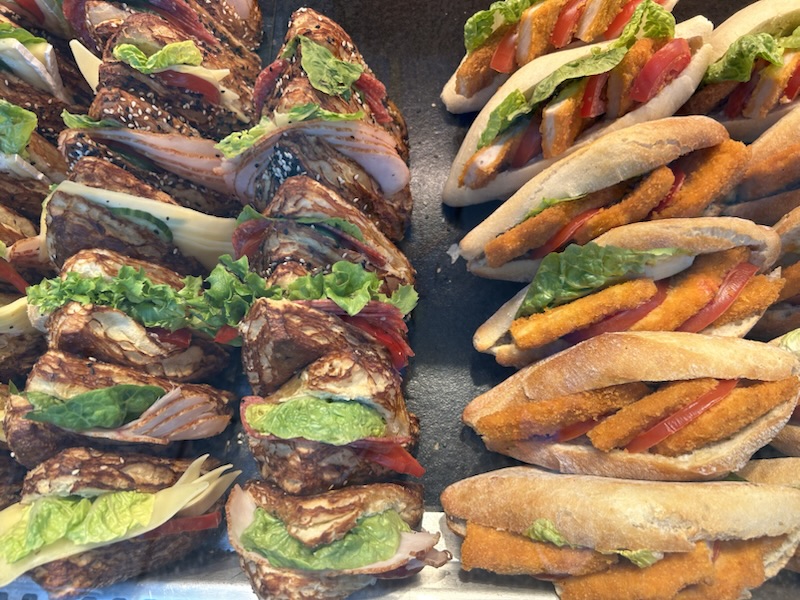
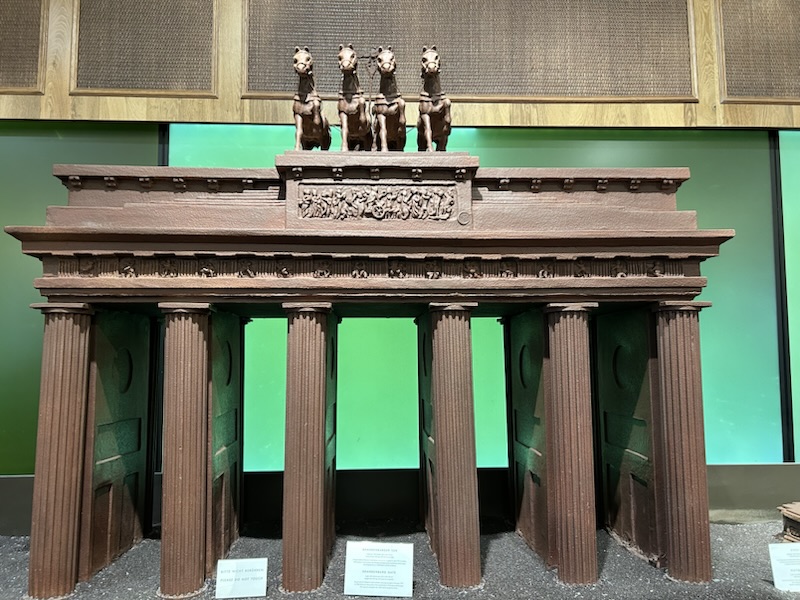
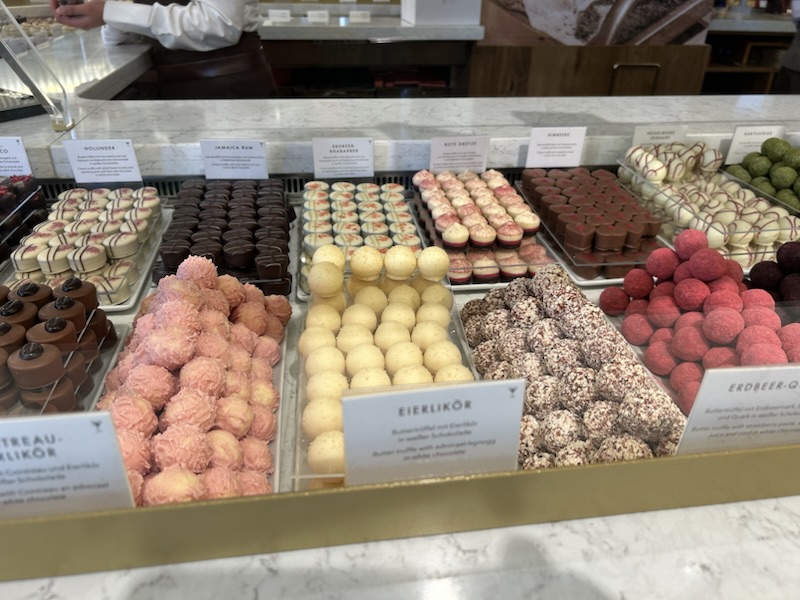
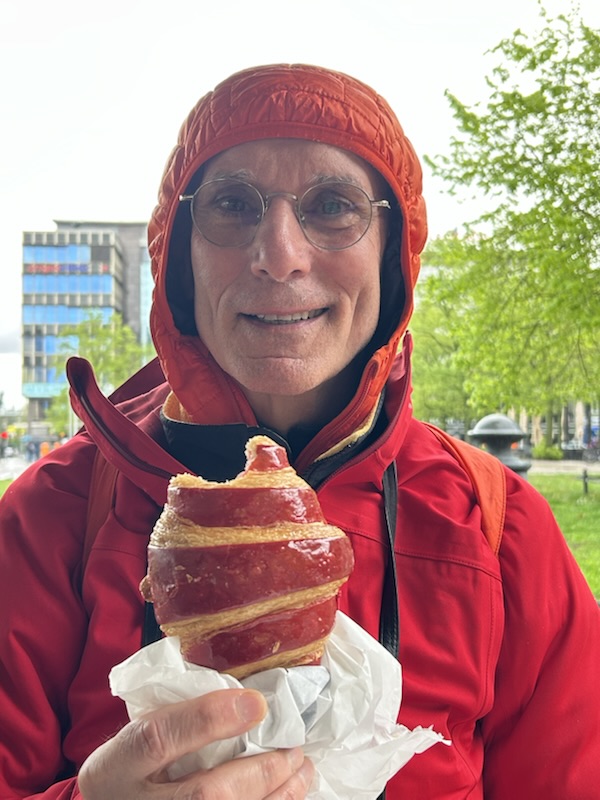
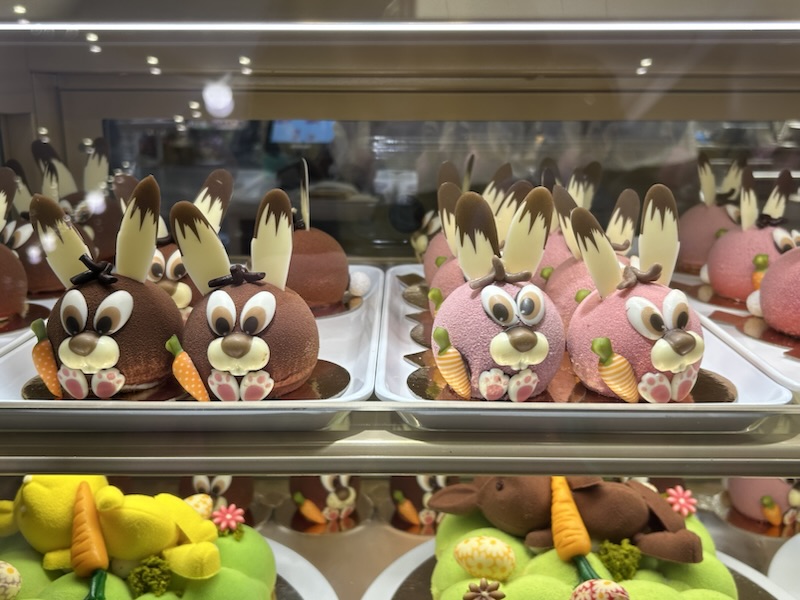
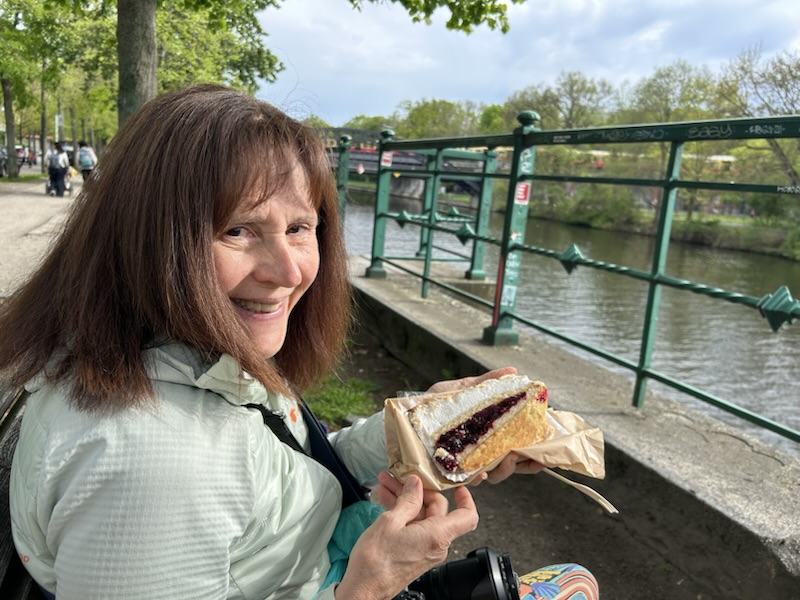
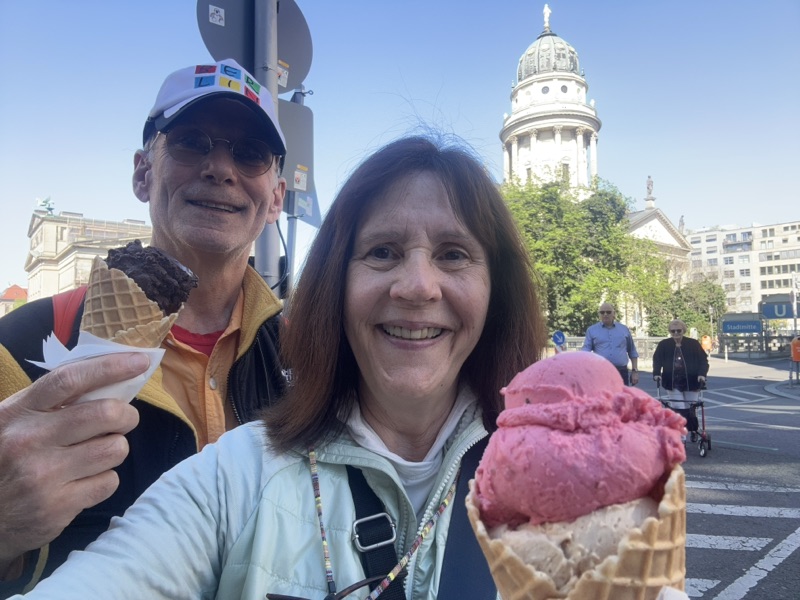
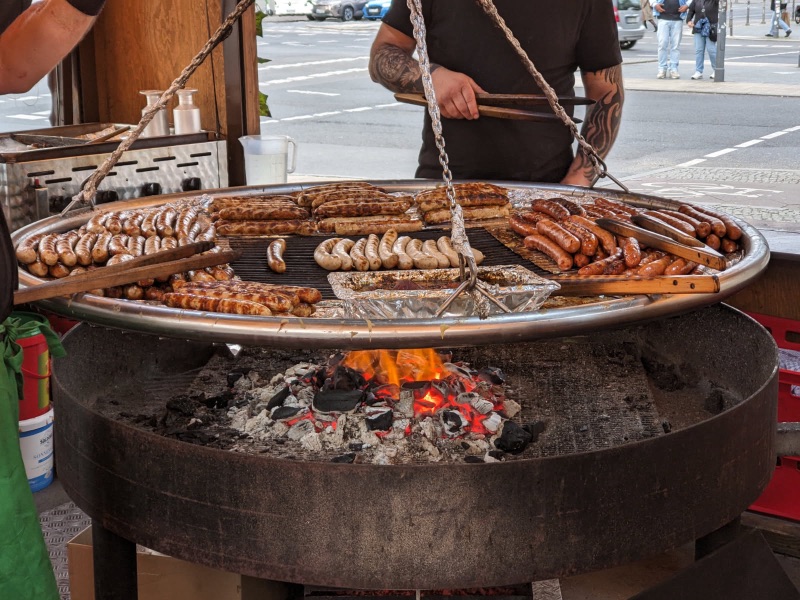
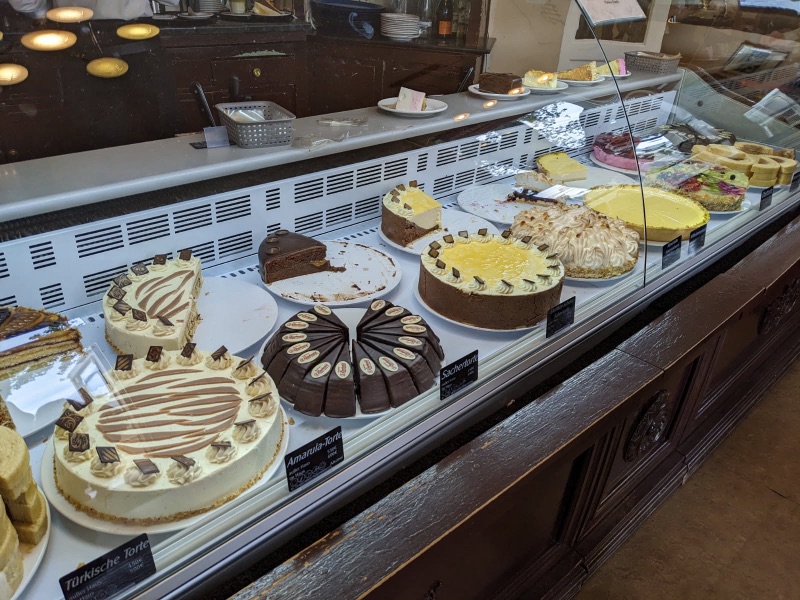
Of course, one of my favorite things about Germany is the BREAD! And then some desserts as well. I like their desserts because most are only slightly sweet.
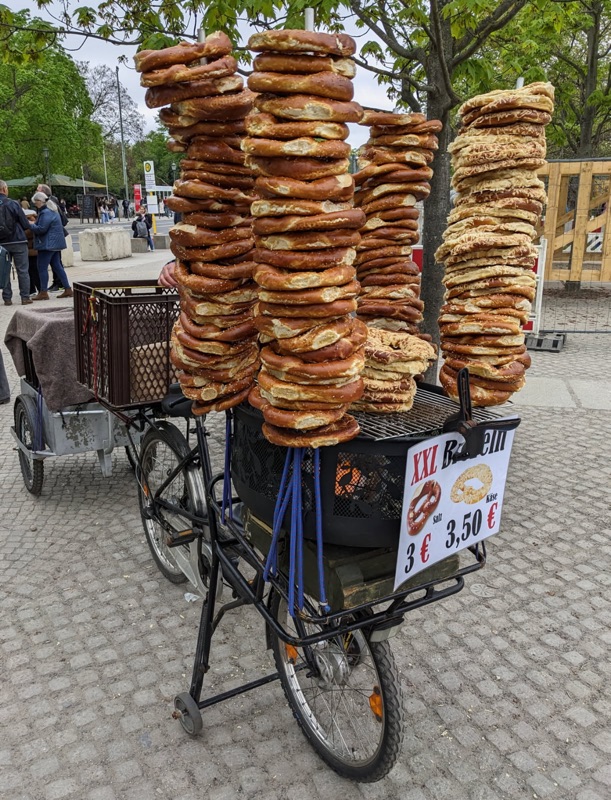
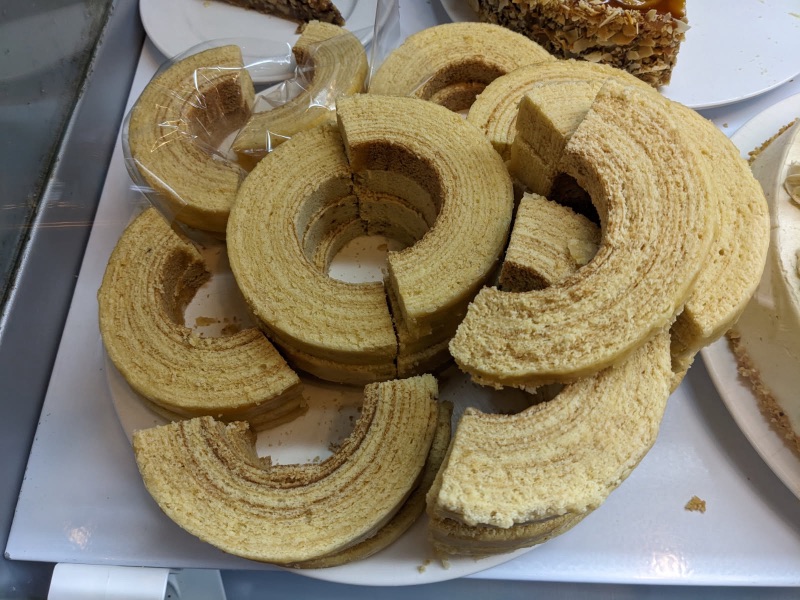
Chocolate Brandenburg GateRows upon rows of trufflesRaspberry Croissant filled with creamIt’s Easter time!Pie made with Black CurrantBeautiful sunny day means ice cream time Currywurst is a Berlin favoriteKonditorei Buchwald- Berlin!s oldest continuously operating confectionery store since 1852Pretzel VendorBaumkuchen (“Tree Cake”) at Konditorei Buchwald This German cake derives its name from its successive, wafer- thin layers that look like tree rings. The oldest known recipe for this cake dates to 1452 when it was served as a showstopper at weddings.
For the 28 years that the Wall existed, West Germany gave its citizens incentives to live in Berlin such as lower taxes, financial subsidies for having children, & relief from its mandatory military service requirement.
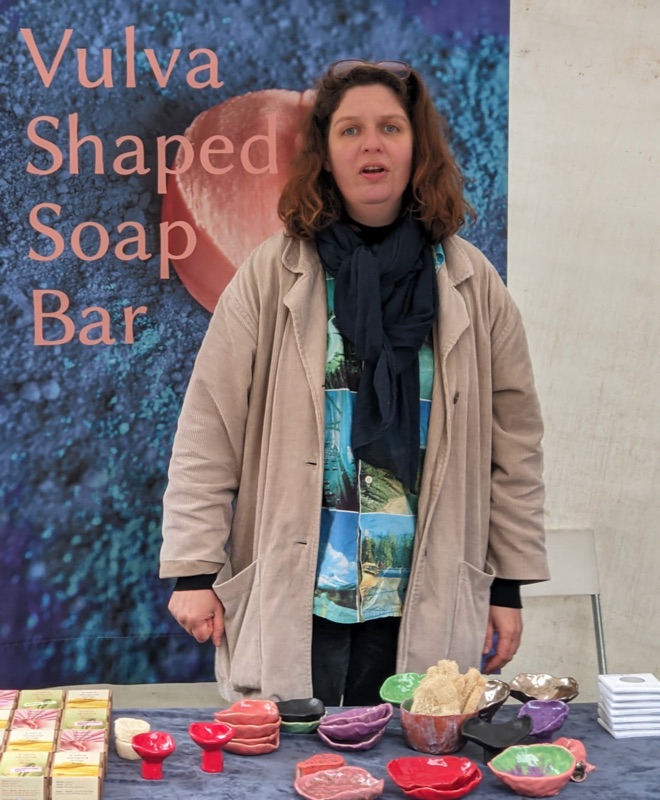
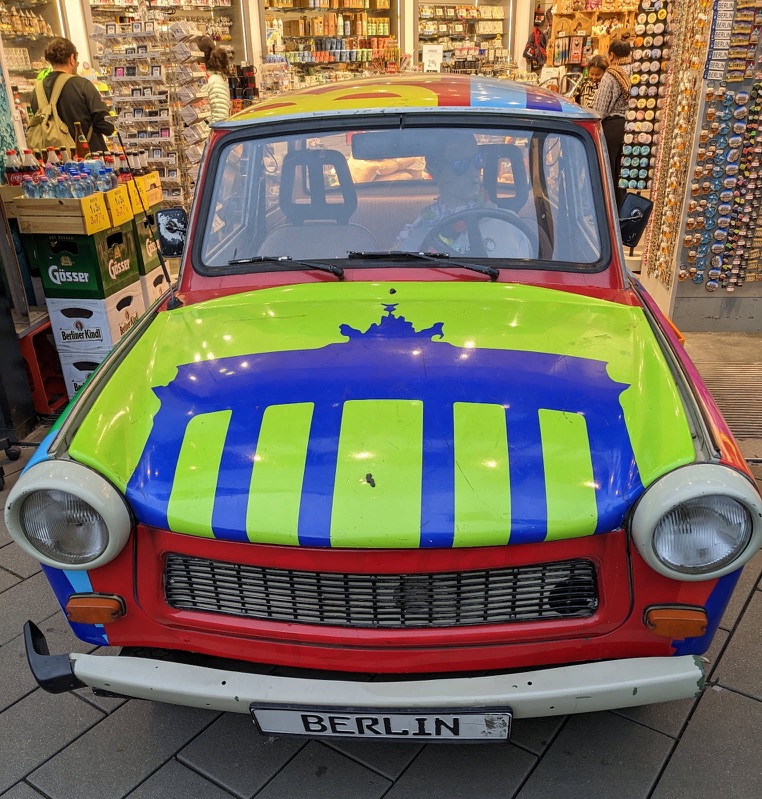
Those policies helped create & encourage Berliners to be unique & a bit quirky. These photos show just a touch of that whimsy. People who look at the world through different eyes are always welcomed here. Hmmm, maybe that’s why I love Berlin so much. 🥰
“Falling in Love” Finale Think Madonna, Lady Gaga, Cirque de Soleil, & a Gay Pride Parade all rolled up into a two hour musical & you can imagine the performance. Almost like a modern Cabaret. It was very Berlin!
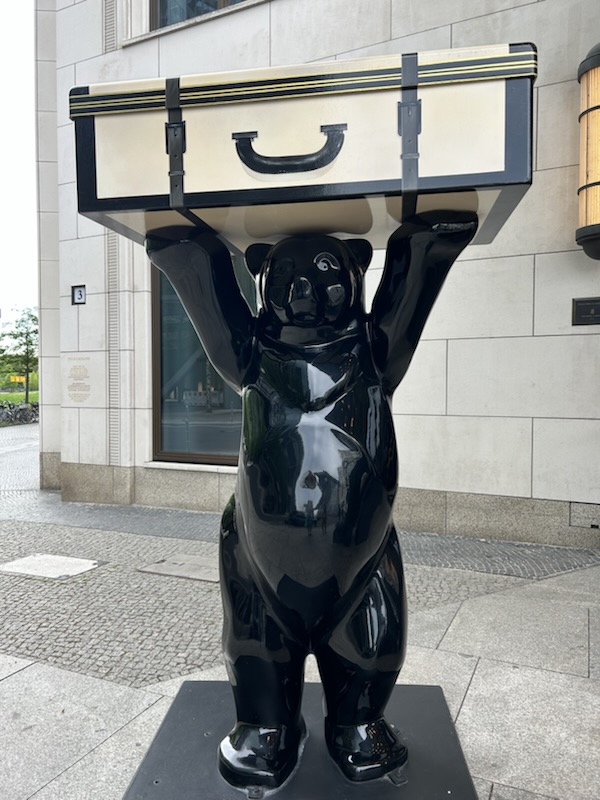
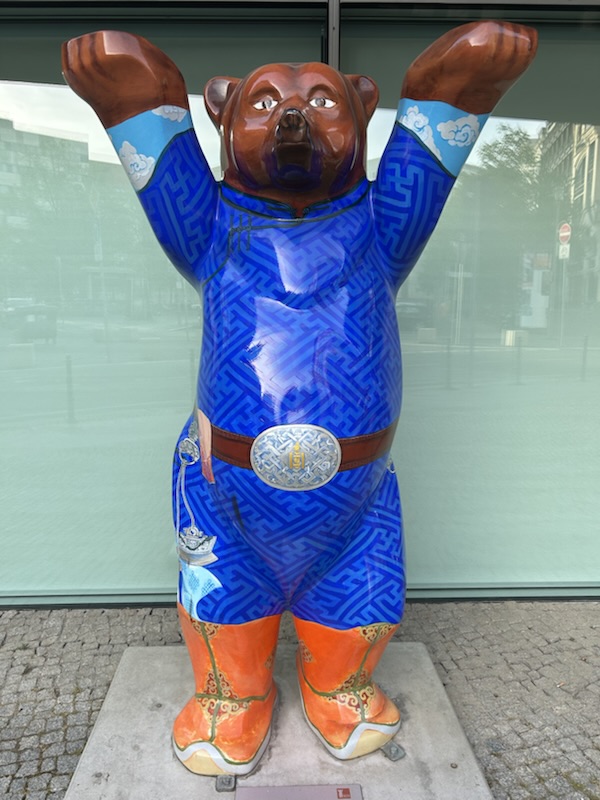
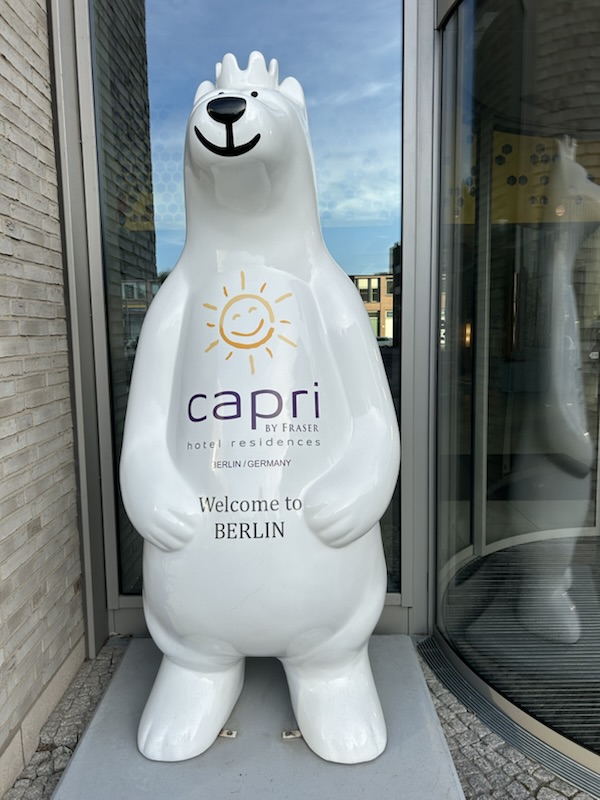
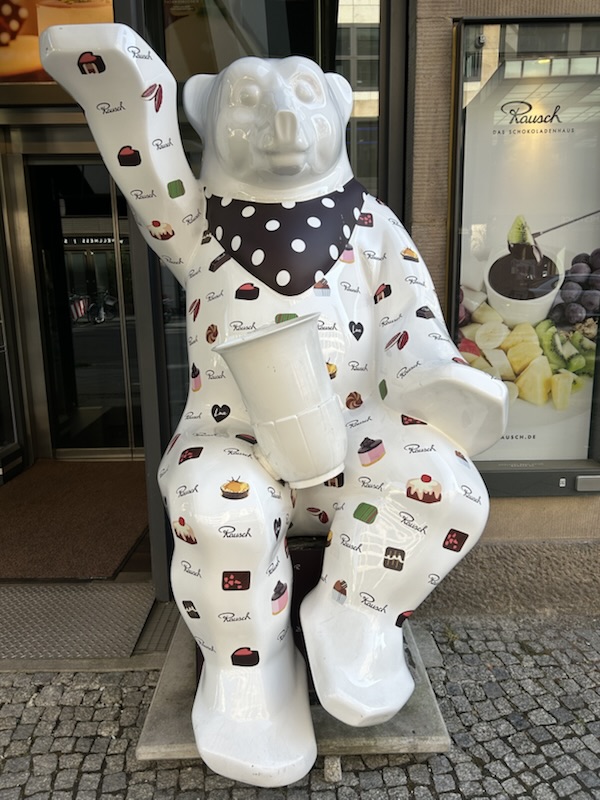
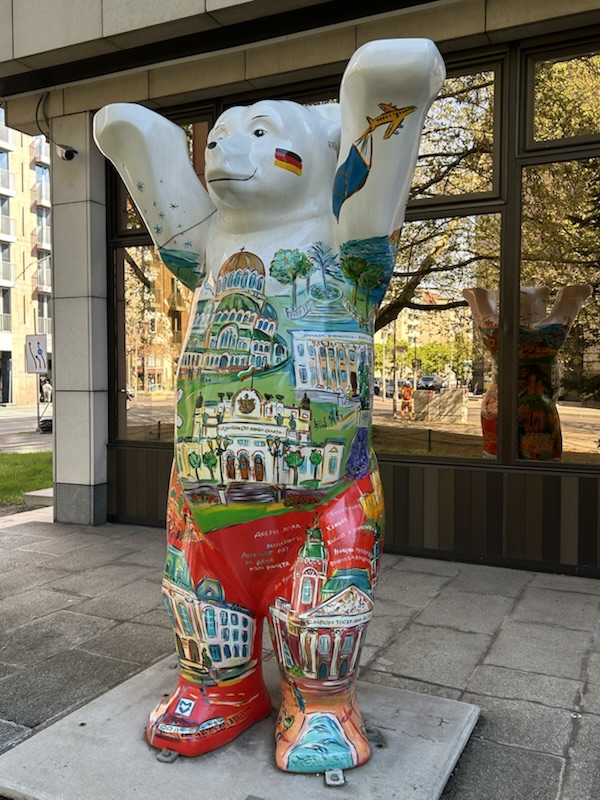
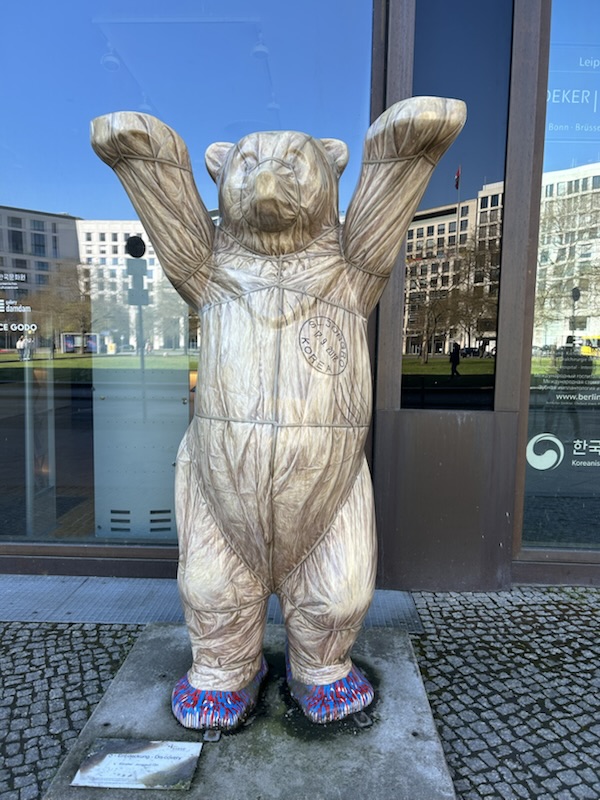
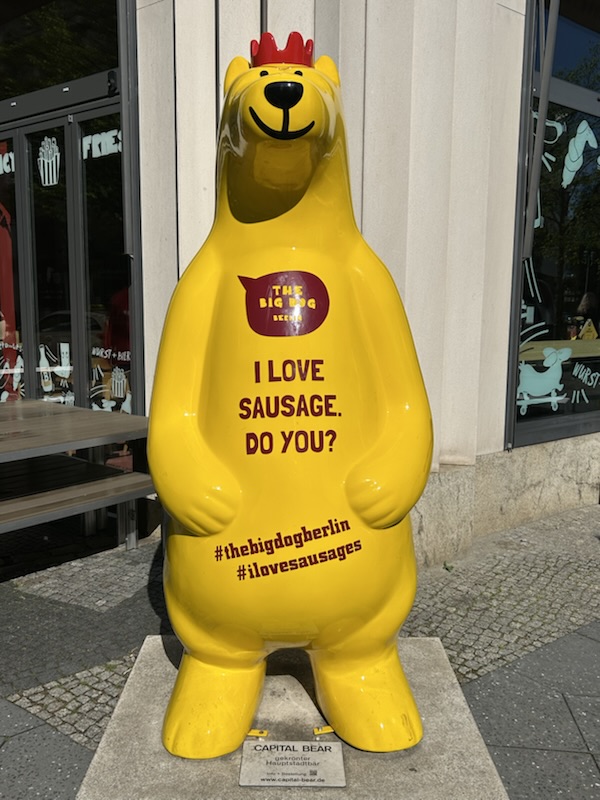
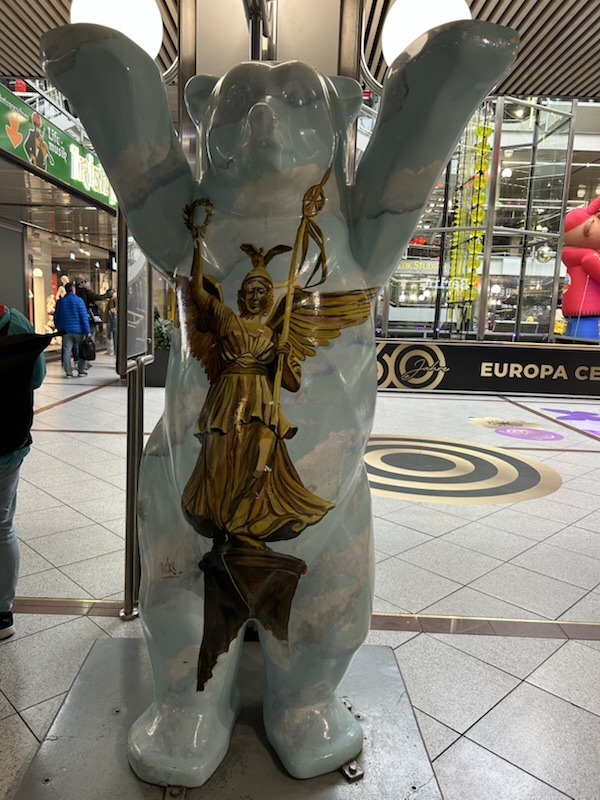
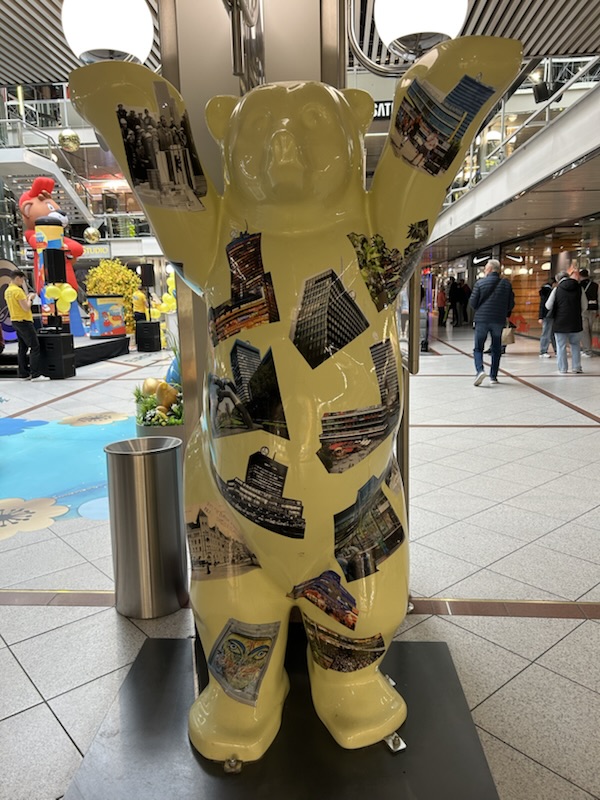
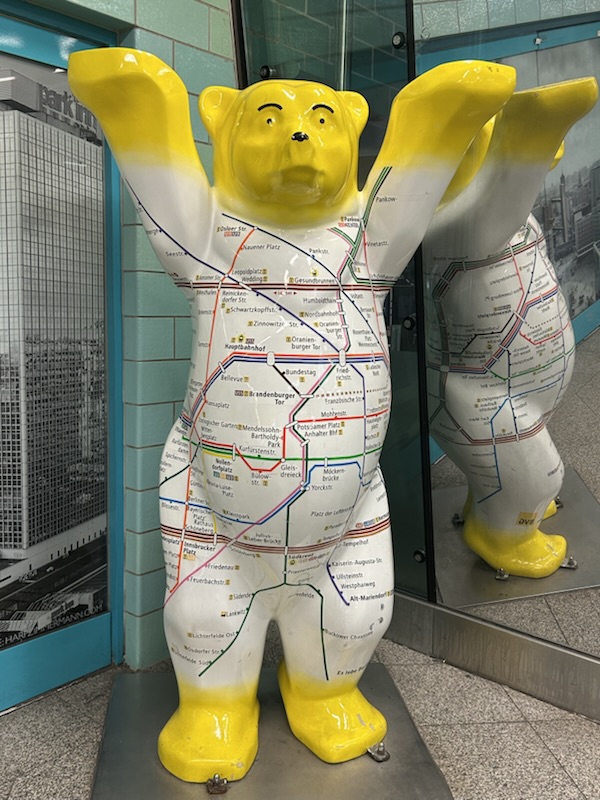
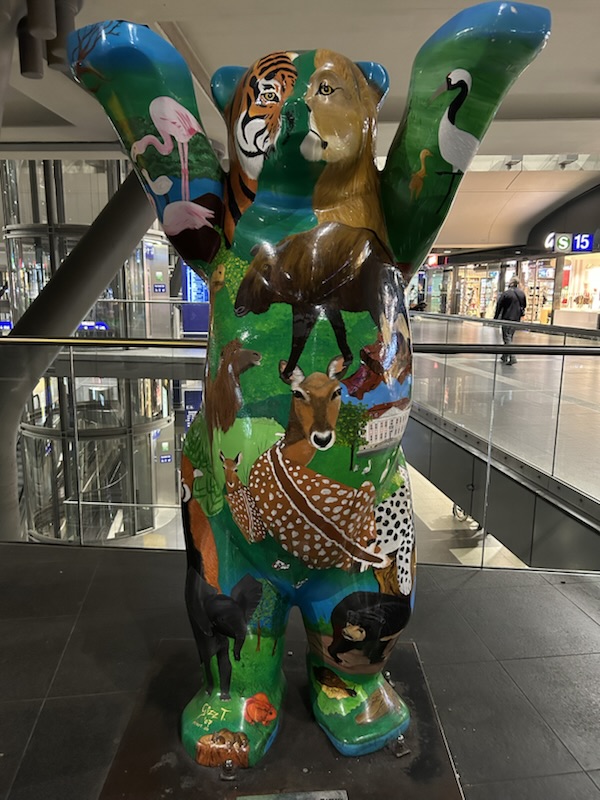
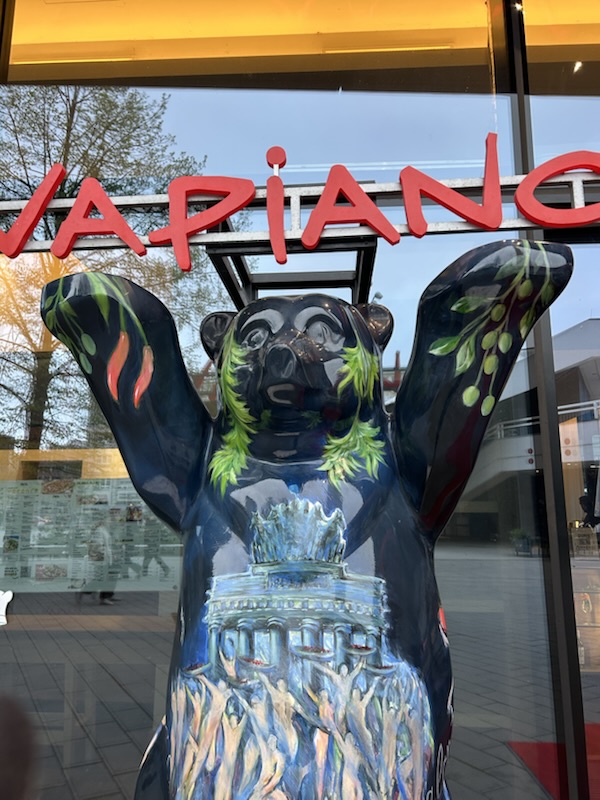
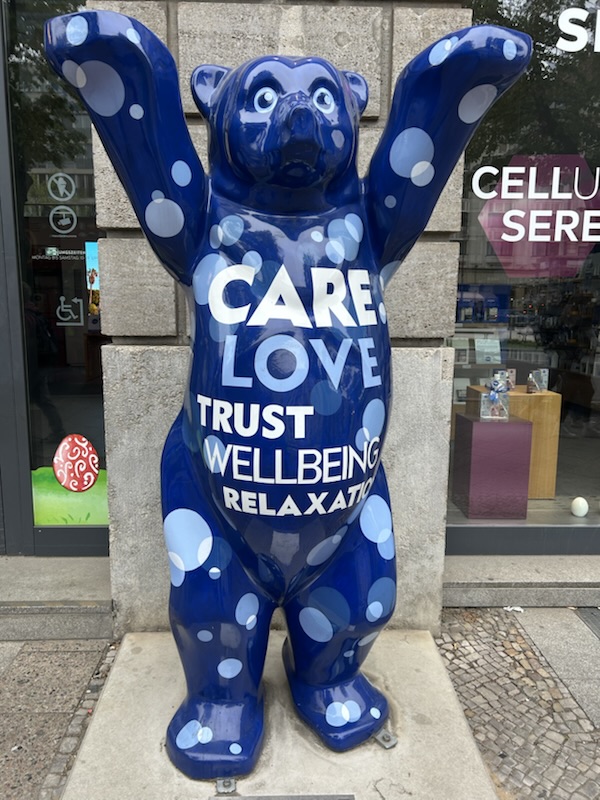
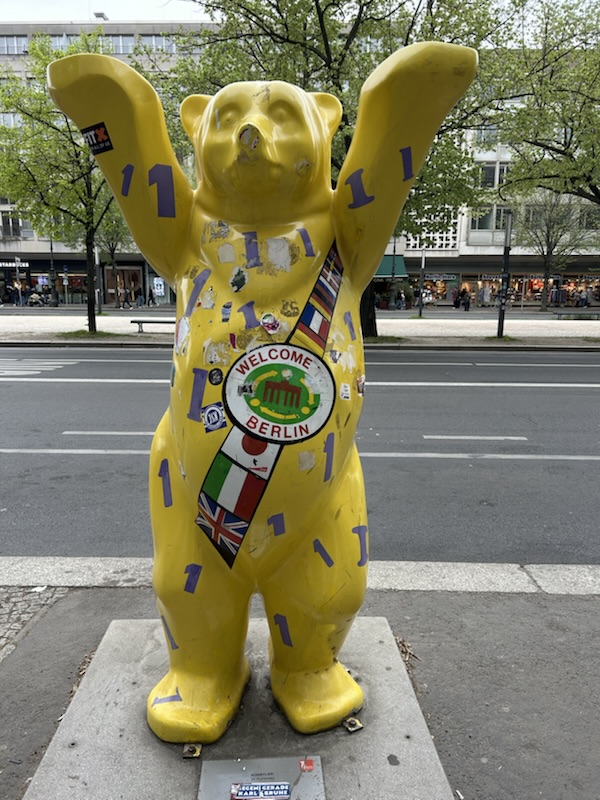
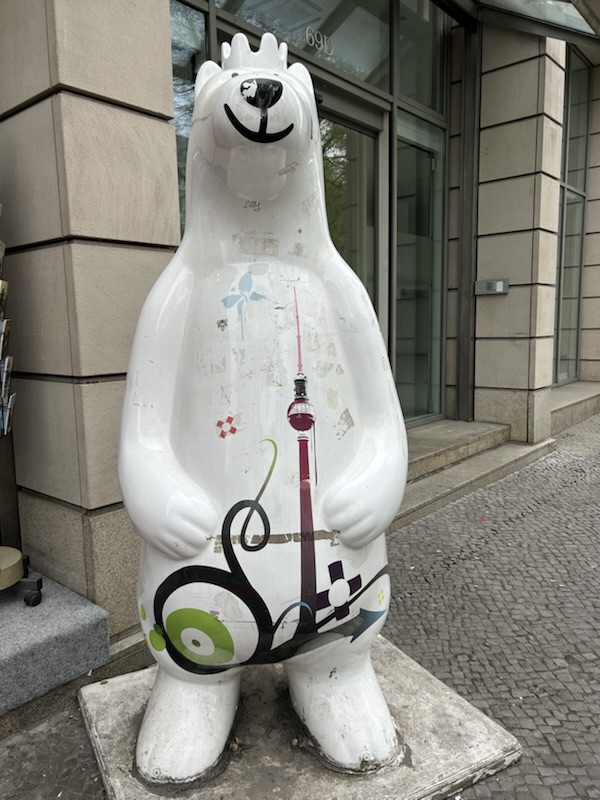
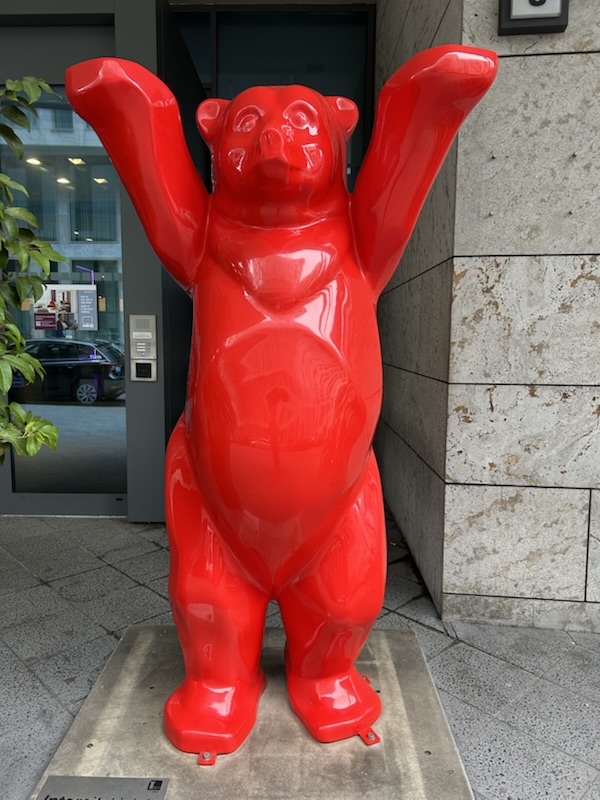
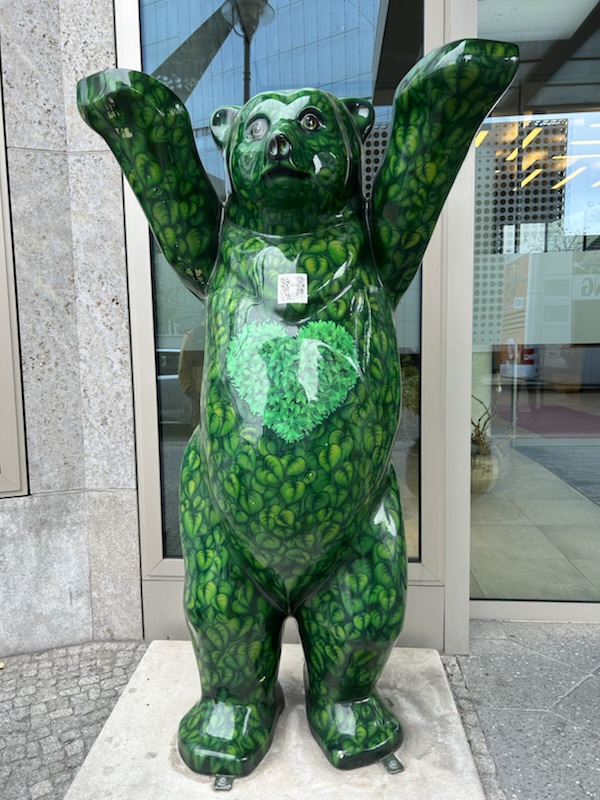
Finally, and last but not least, Berlin’s city symbol is the Bear. You see Bear statues all over the city. Here are a few that are displayed. Pick your favorite.
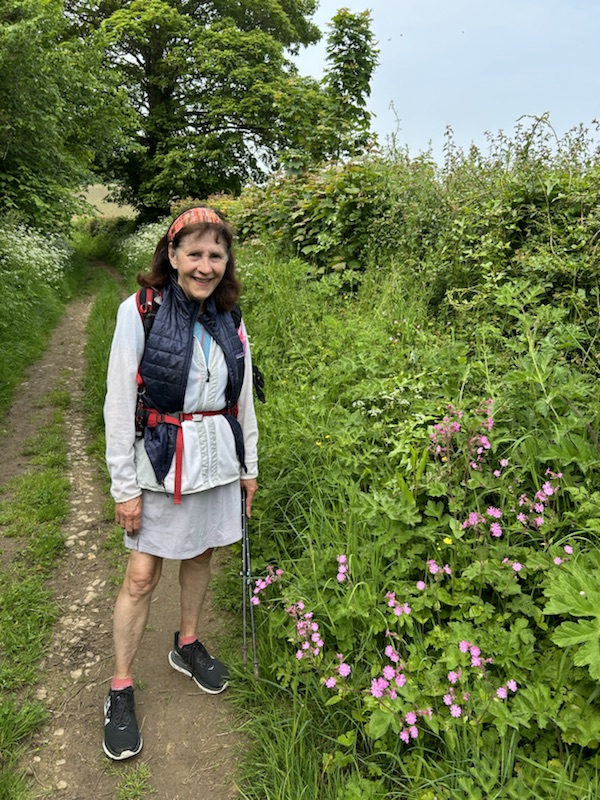
Even though it lightly sprinkled & a few big raindrops briefly fell, we made it into Bath without any measurable precipitation. Next to a miracle to walk the entire Cotswold Way in May in England all the way without any rain.
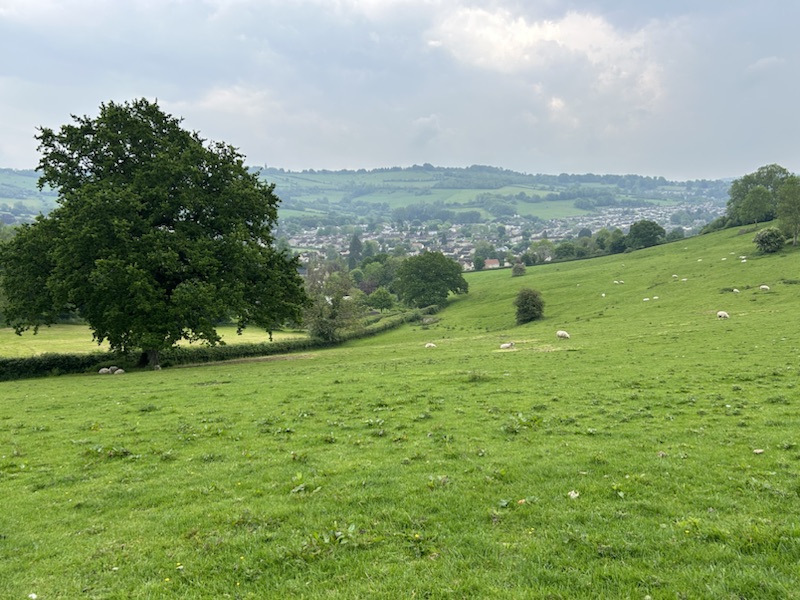
It was yet another pleasant walk mostly through fields.
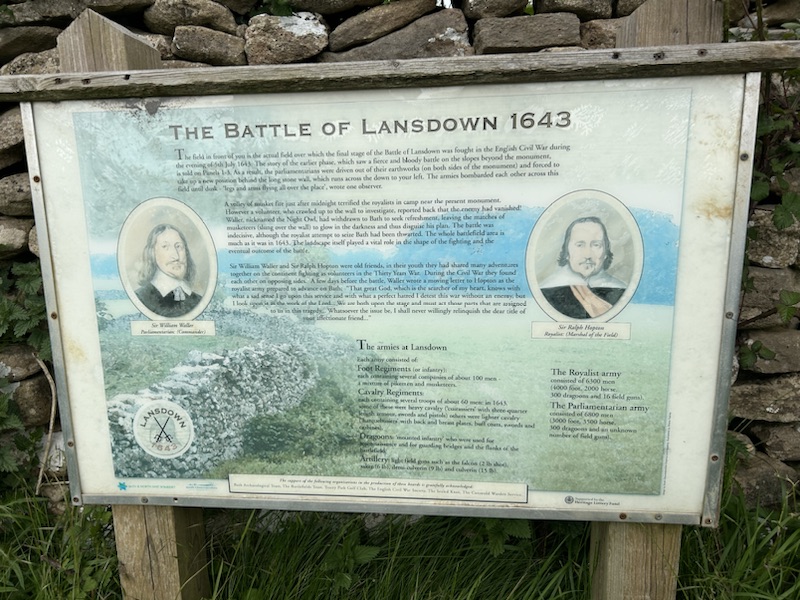
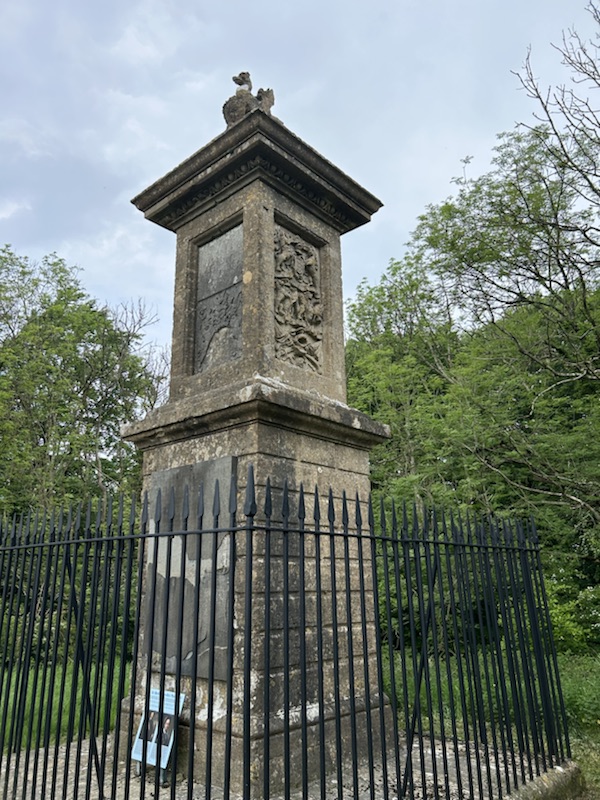
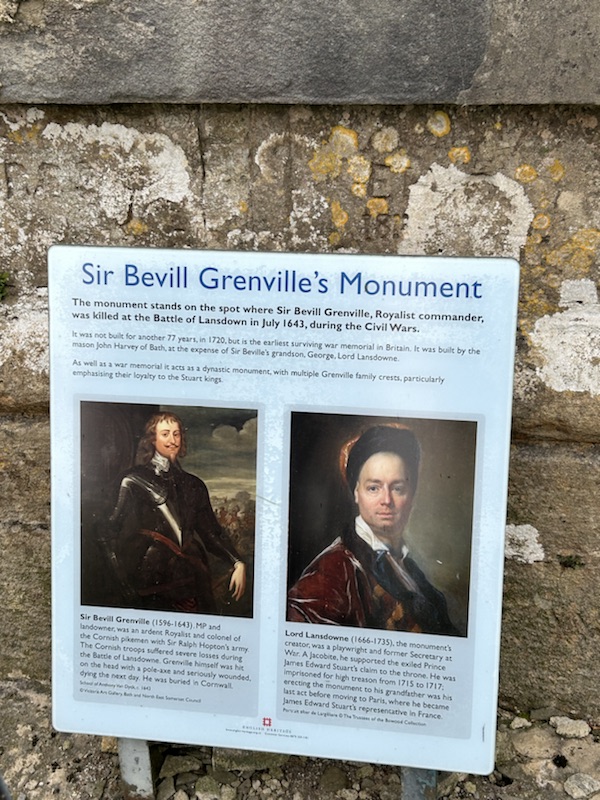
We crossed an area where the Battle of Lansdown was fought in 1643 during the First English Civil War.
These areas always make me sad knowing many lives were lost where it is now peaceful.
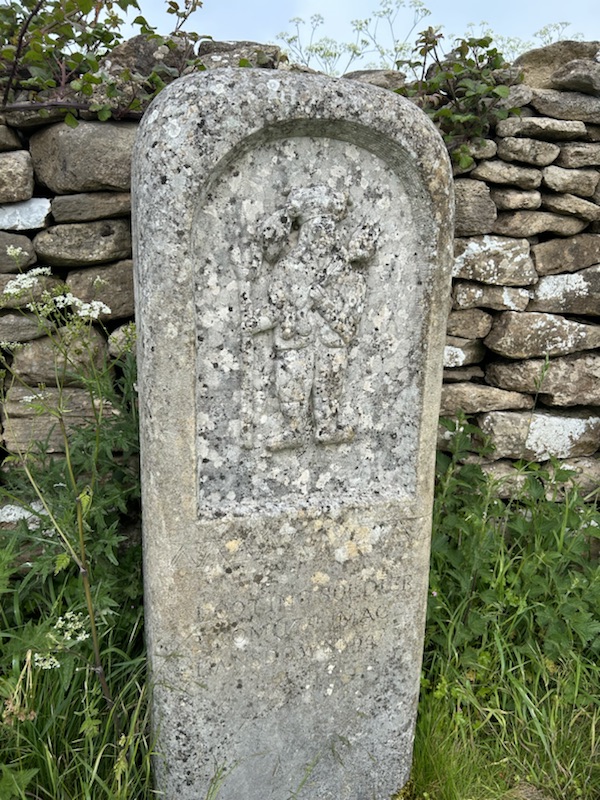
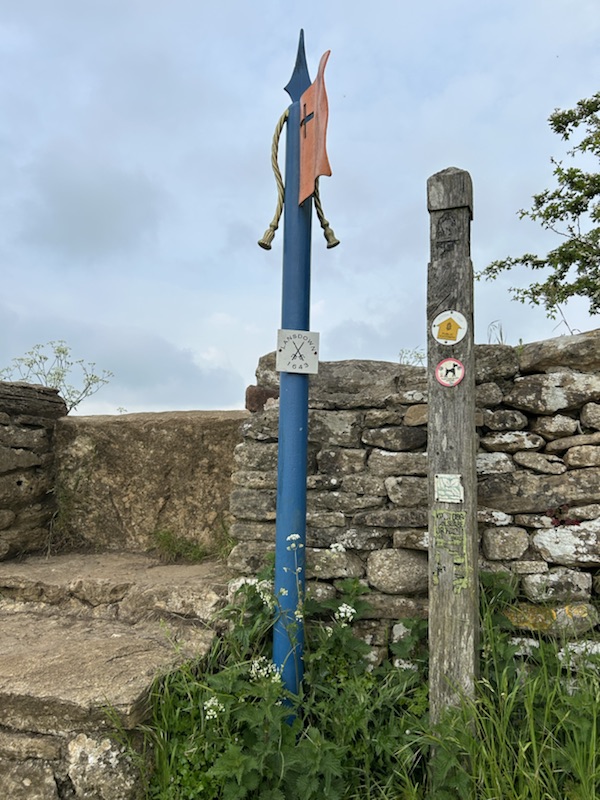
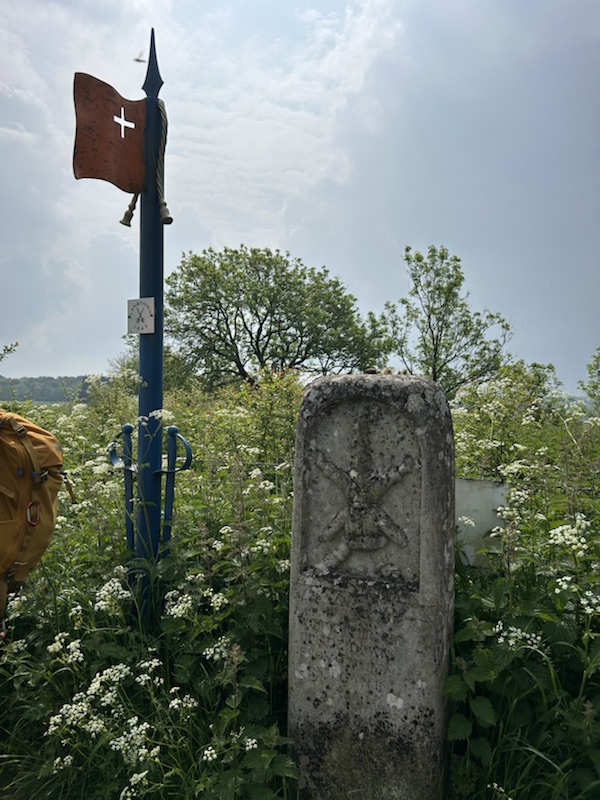
We saw many markers from the battle over a 2 mile stretch.
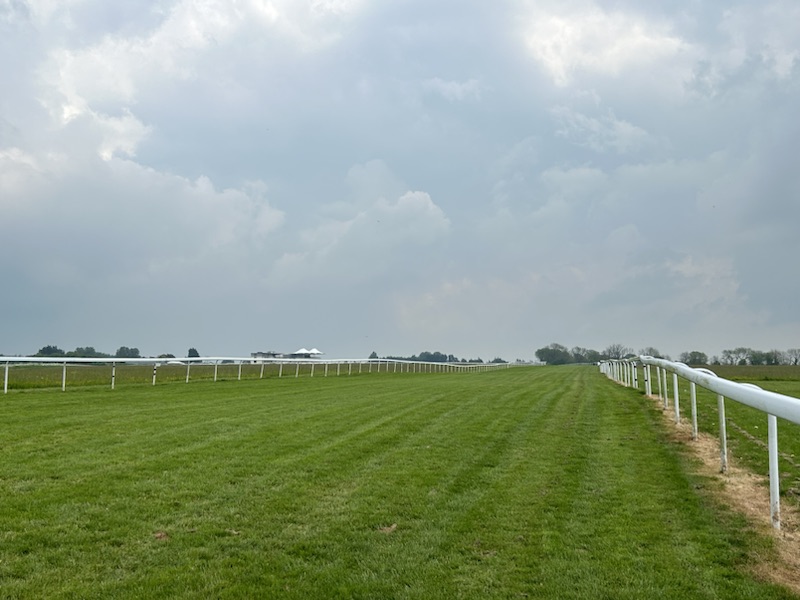
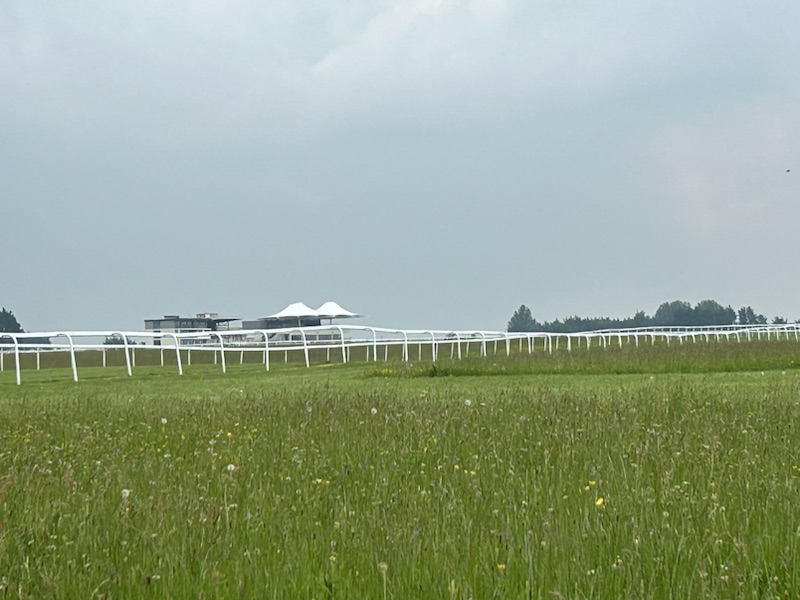
As we approached Bath, we passed the Bath Horse Racetrack.
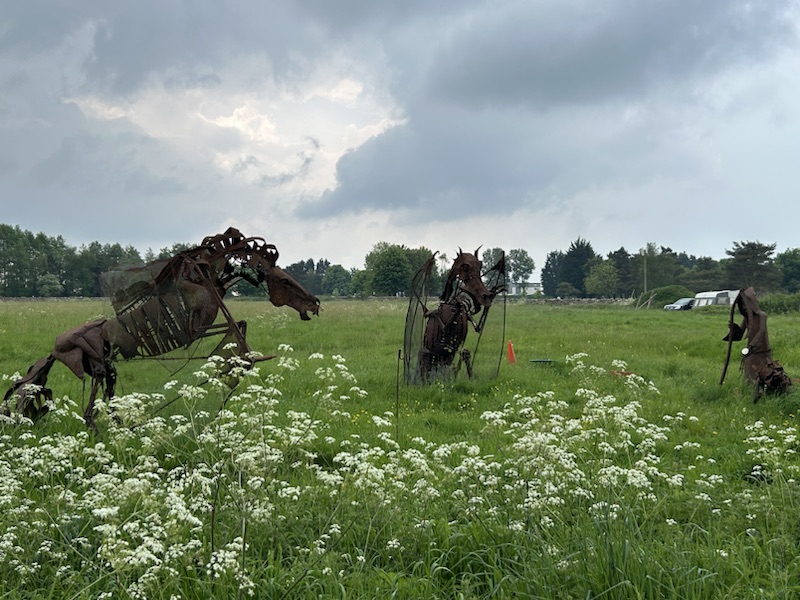
And also saw some scary sculptures.
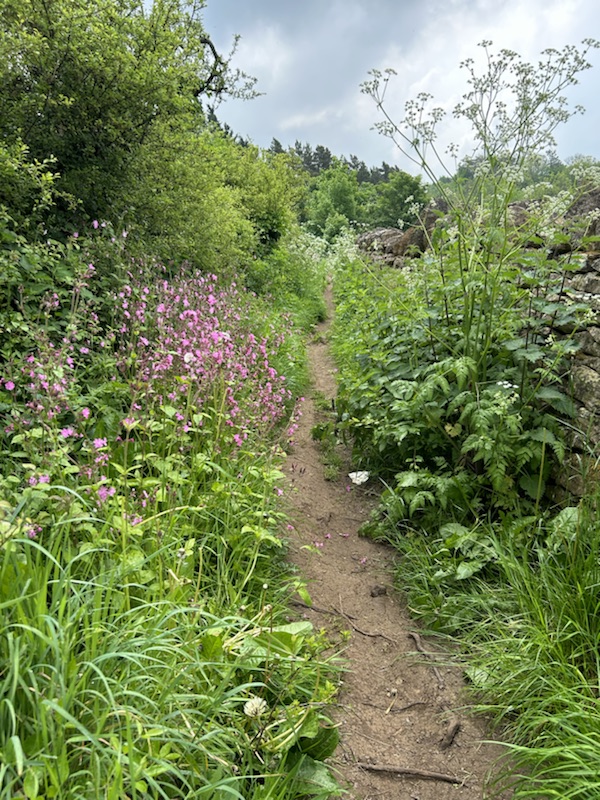
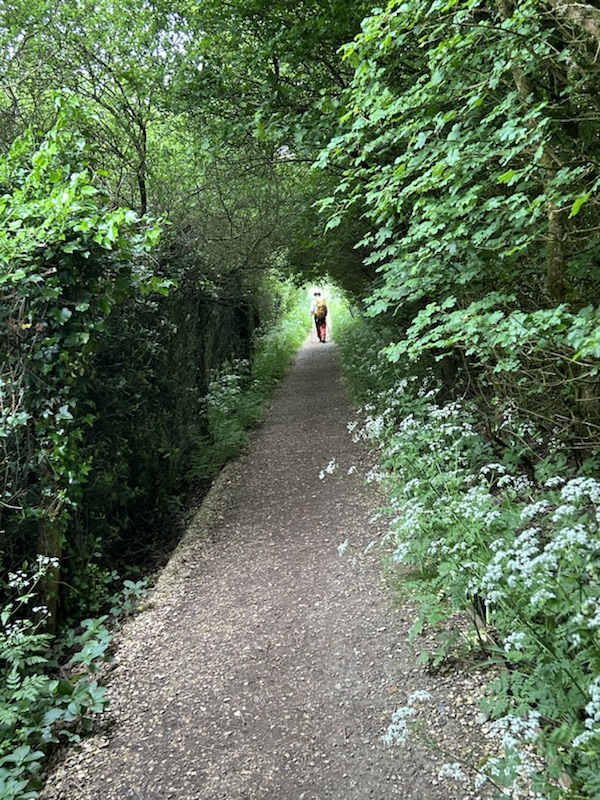
Then we returned to more beautiful walking paths as we approached Bath. It was sad to know we would be saying goodbye to all the animals & green hills that we had enjoyed for the last 11 days.
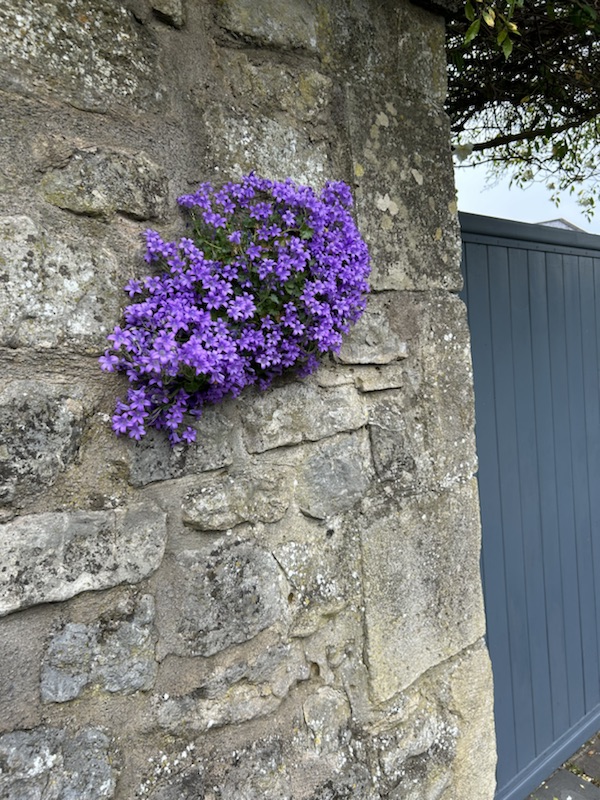
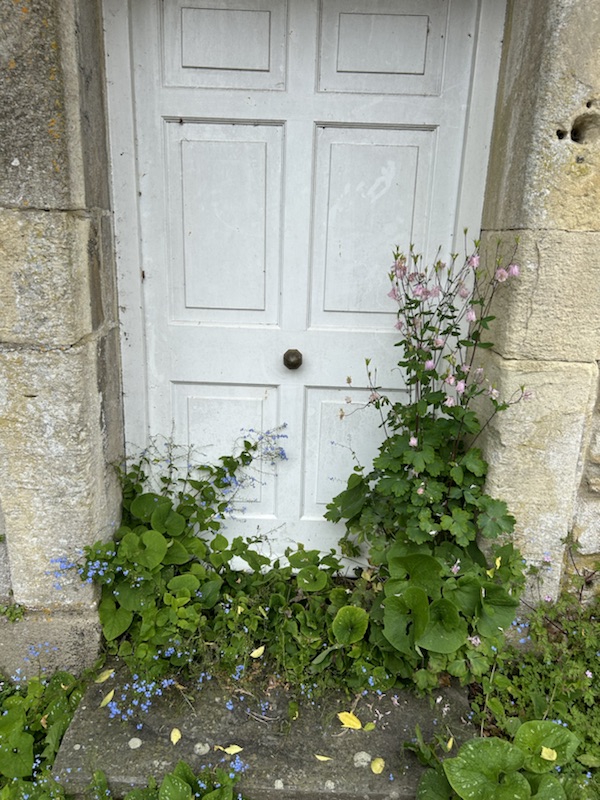
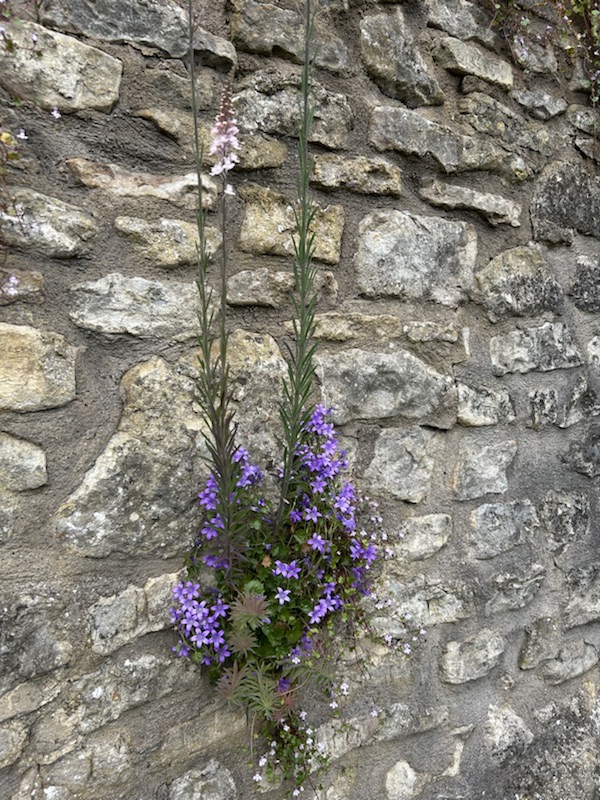
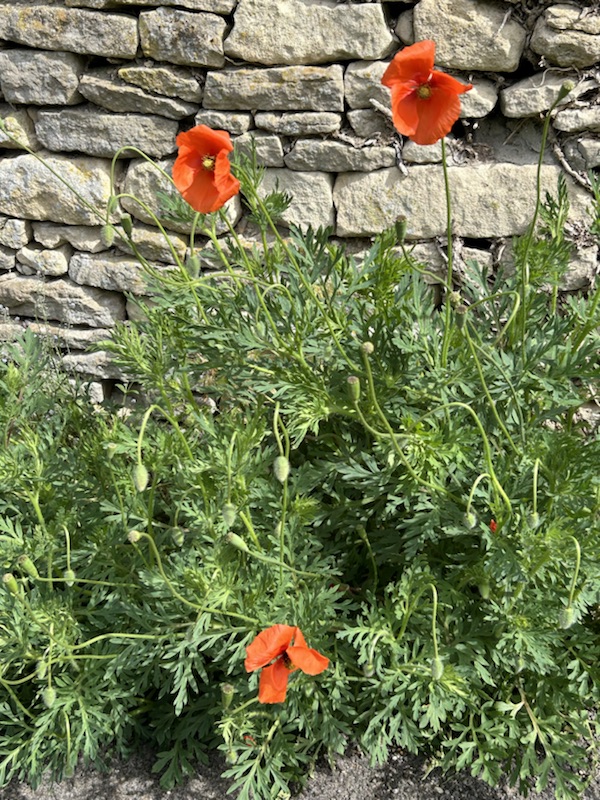
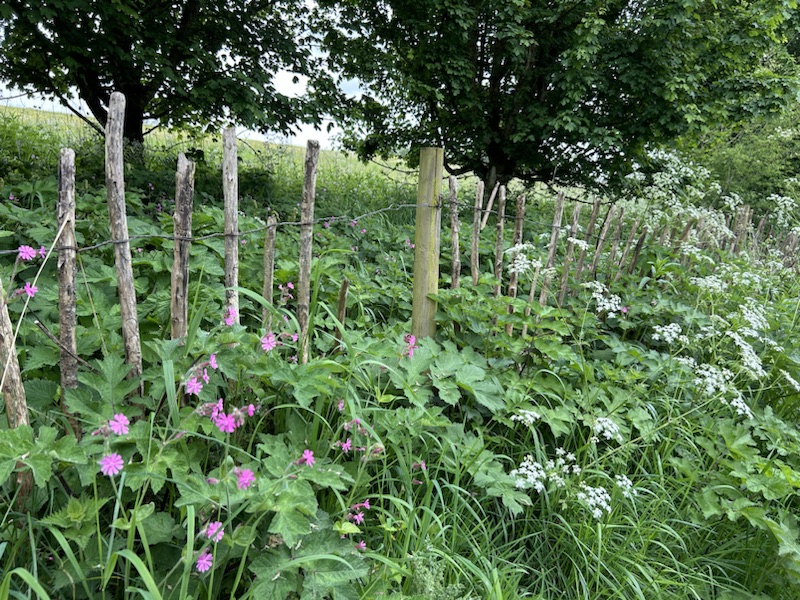
I have mentioned the flowers over the past few days; but, they really are wonderful. They seem to grow in places where they weren’t even planted. We have plants growing in sidewalk cracks in the US; but, they aren’t amazingly beautiful flowers.
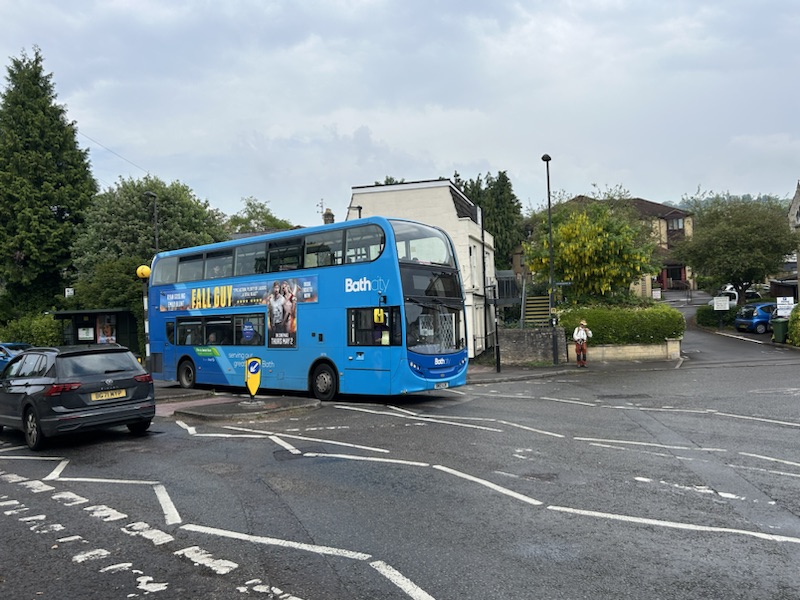
Today we made it back to the city scene with buses & heavy traffic.
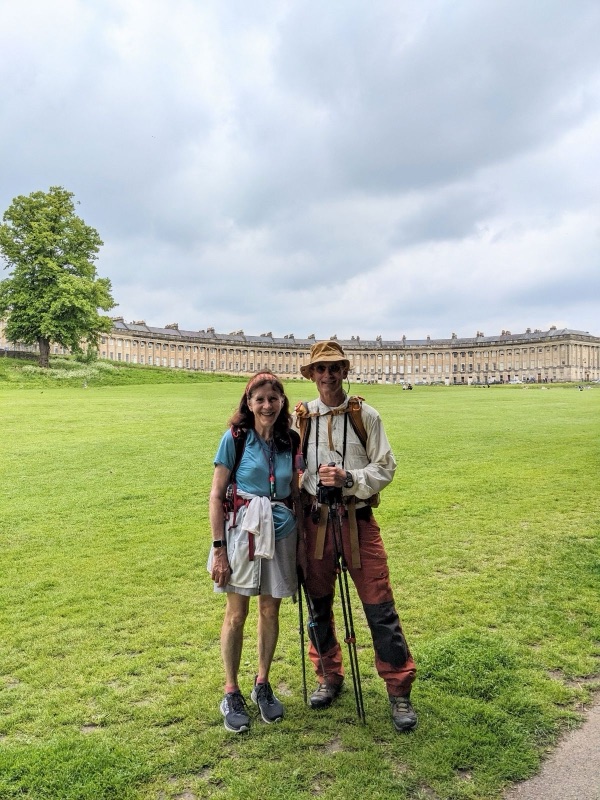
Bath is a world renowned UNESCO site which means it has many tourists; however, almost all of them came by car, train, or bus whereas we walked to get here.
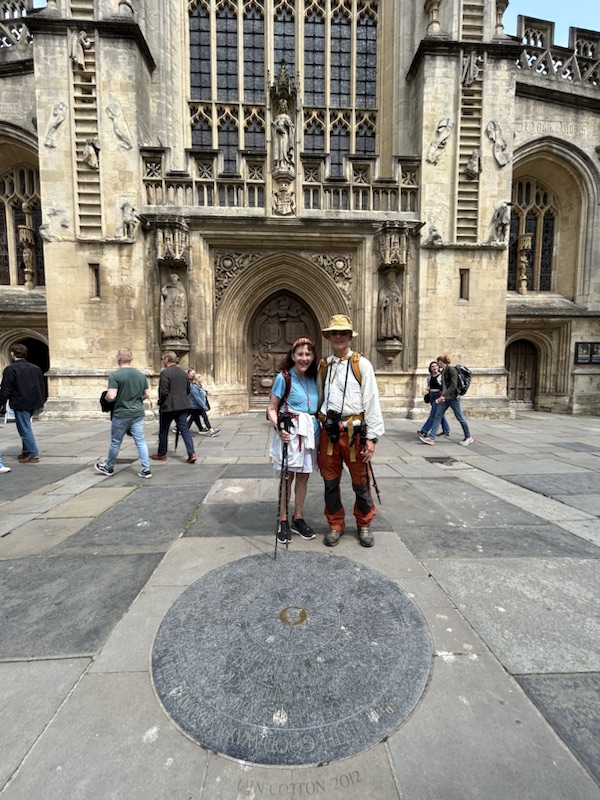
This circular plaque in front of Bath Abbey signifies completing our Cotswold Way trek.
How lucky we have been with the weather!!! We enjoyed another nice sunny day. A little warm in the afternoon; but, nothing to complain about. We have been told by many locals how fortunate we have been because the weather earlier in May was very cold & wet.
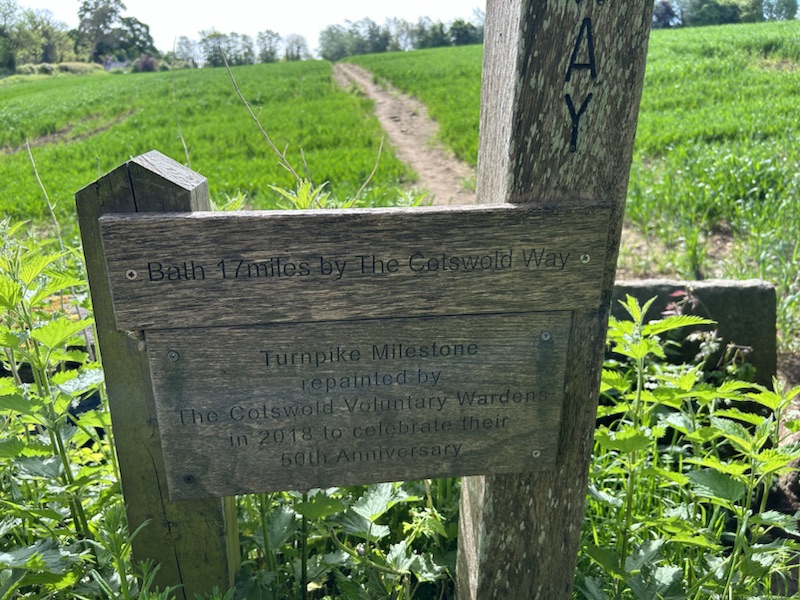
Today is our next to last day on the Cotswold Way. We came across this sign early today reminding us that we were close to reaching Bath.
Unfortunately, the distance on the sign is incorrect as we have more than 17 miles to go from this point
Here are some highlights from today.
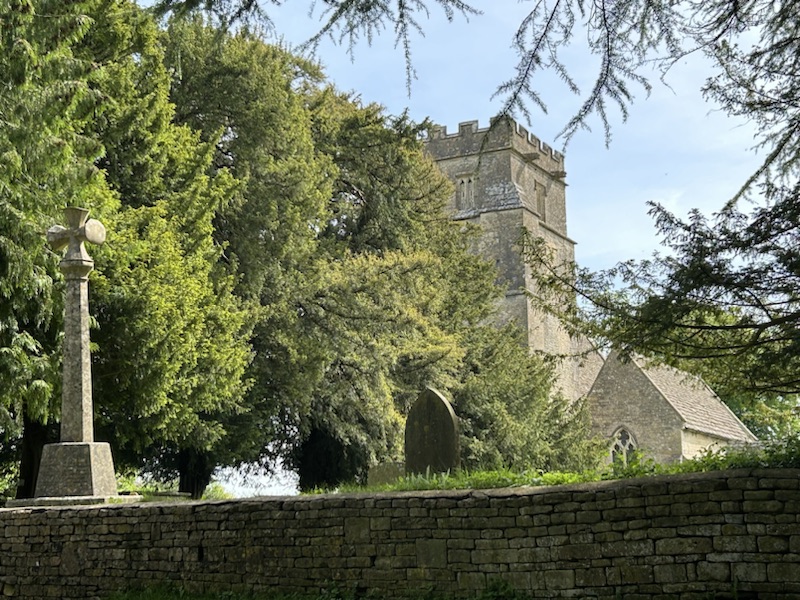
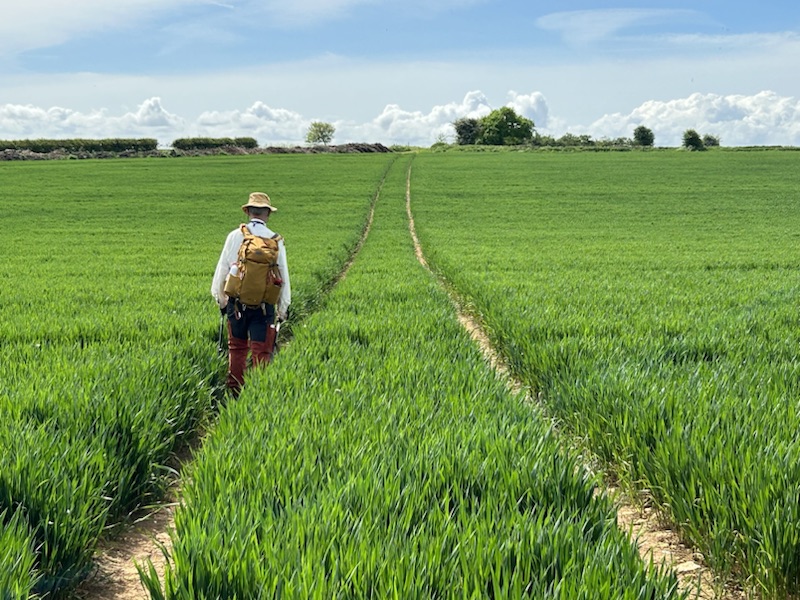
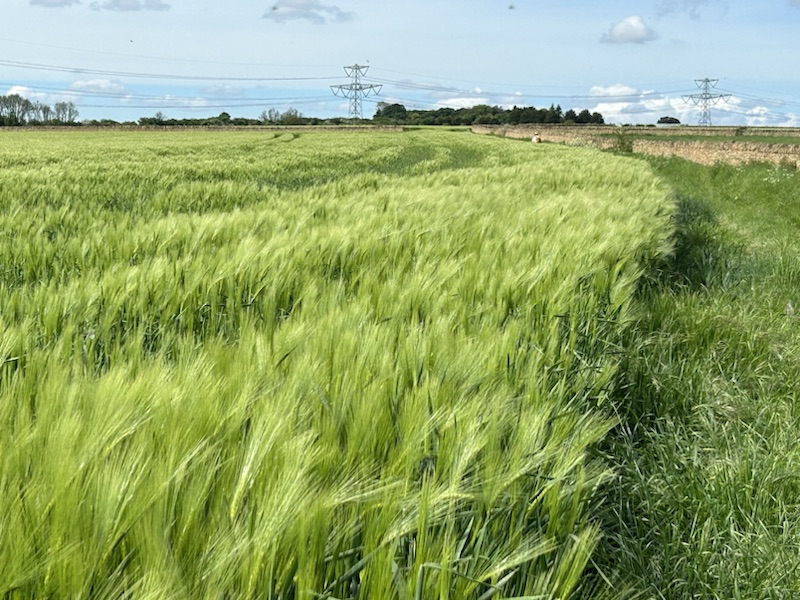
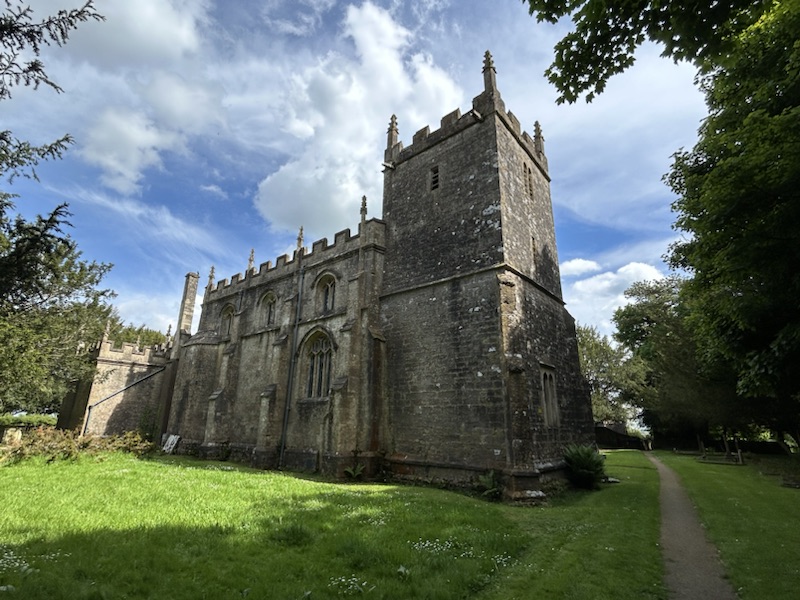
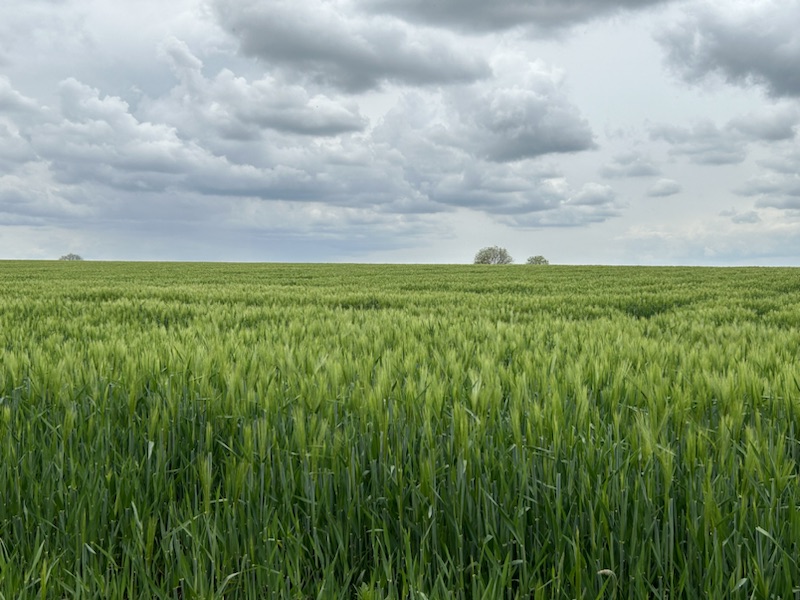
We passed many old stone churches and more farmers’ fields. I especially enjoyed walking by the wheat fields because my father grew wheat.
Some funny signs & sightings.
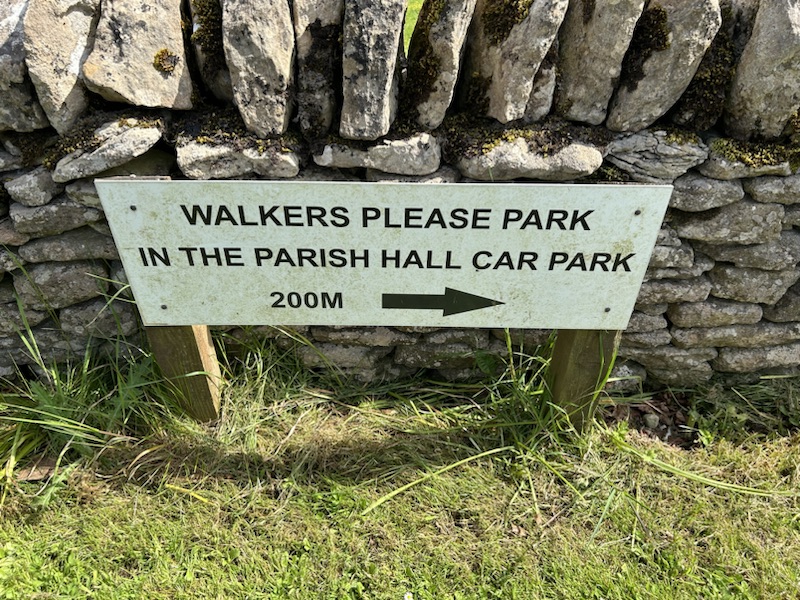
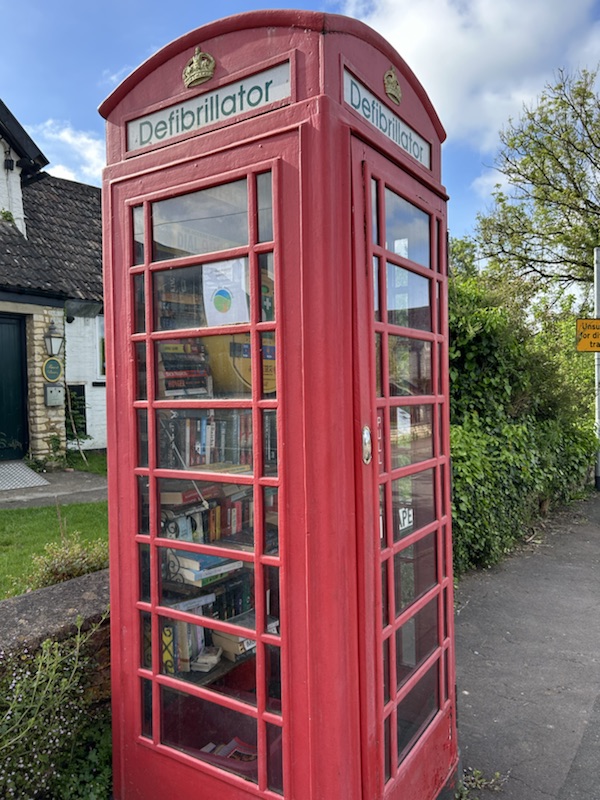
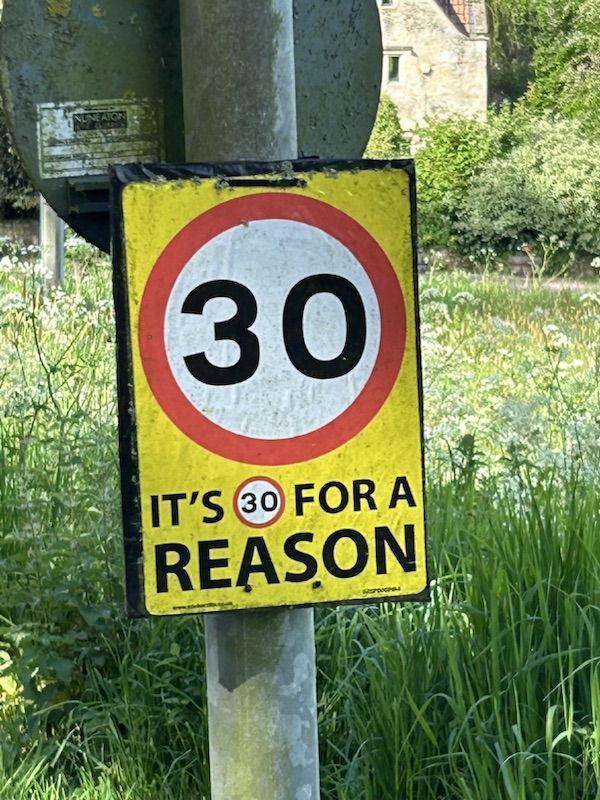
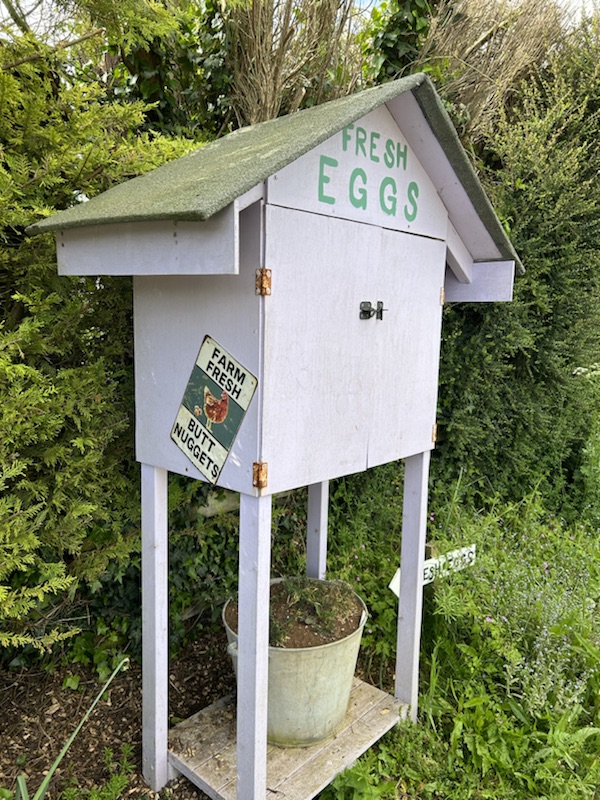
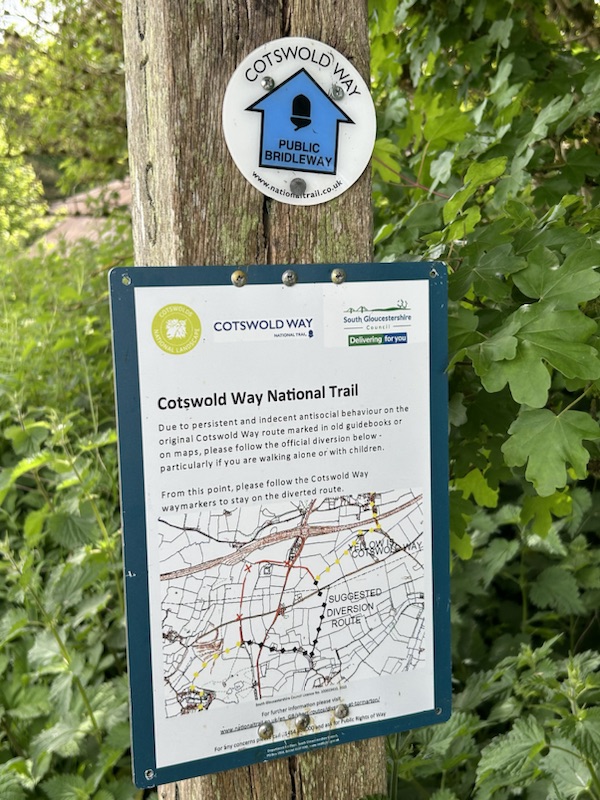
I wonder what they have for breakfast? Hmmm, if I was a walker, would I have a car? In case you have a heart attack while picking out a book. Unlike other speed limit signs that have no reason other than to annoy you. I’ll have some fried Butt Nuggets for breakfast please. Our favorite trail sign Zoom in to read why we had to make a detour Boy, some hikers must have really made the on locals angry
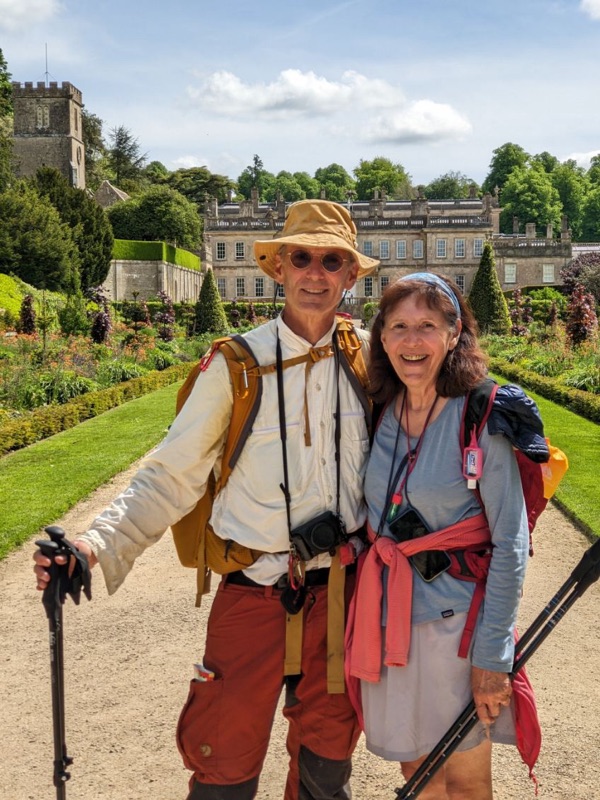
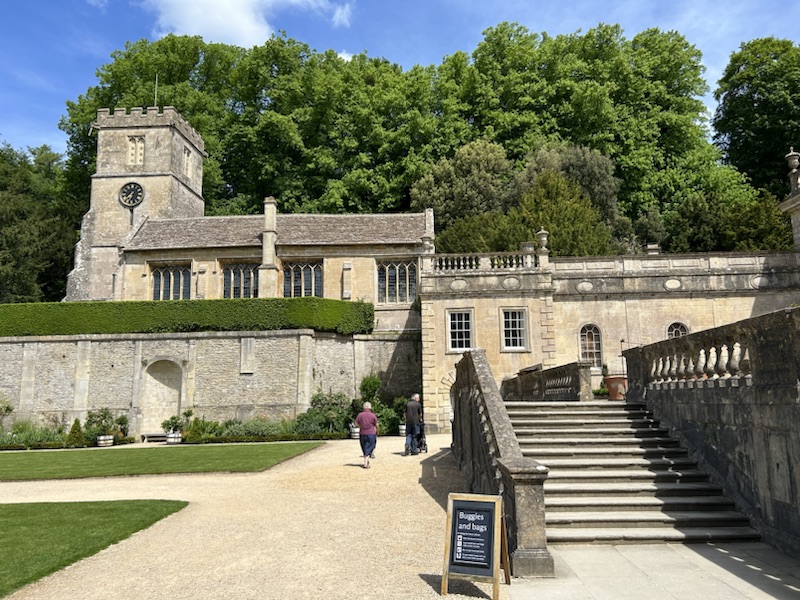
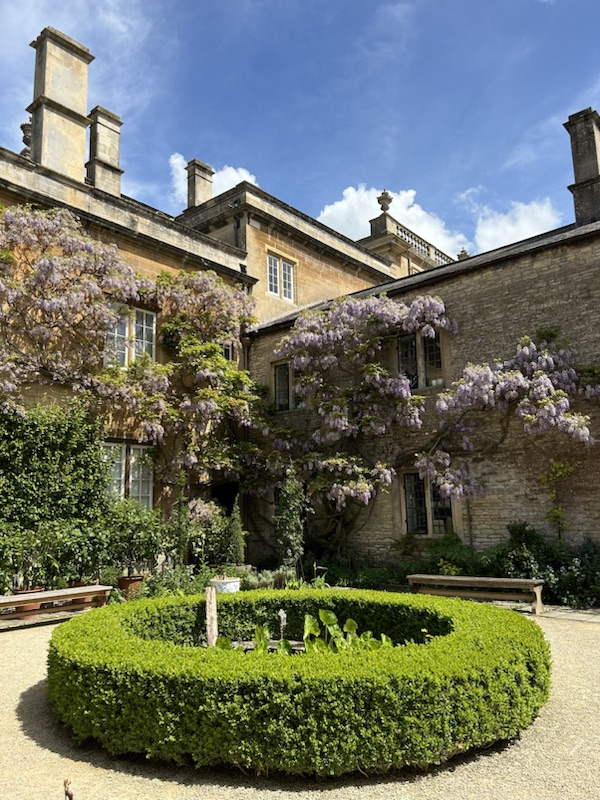
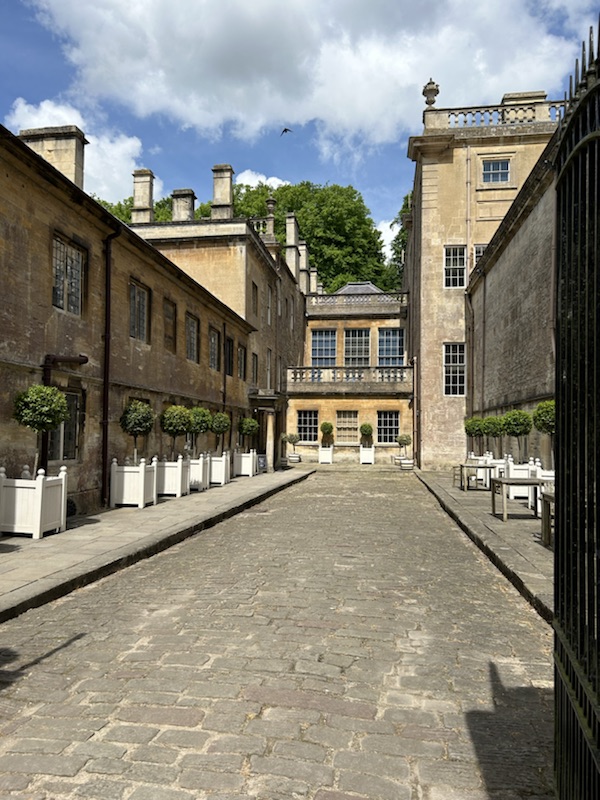
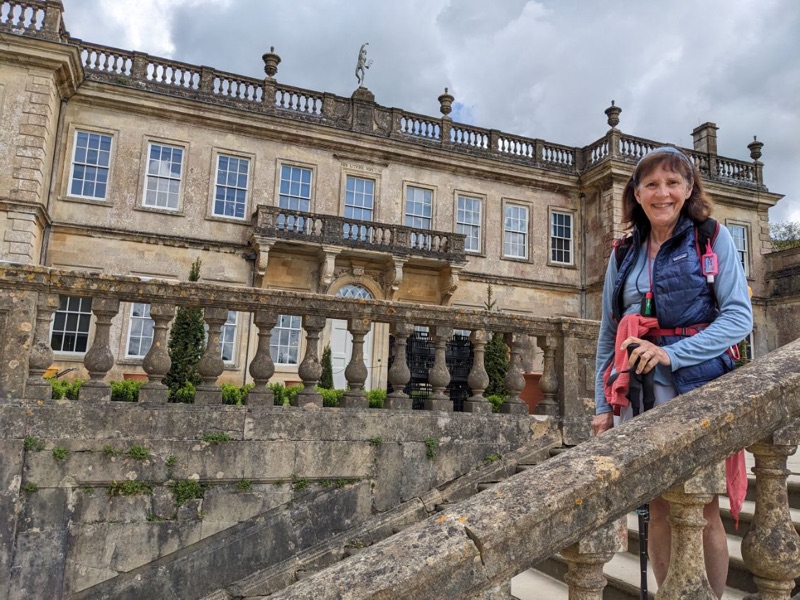
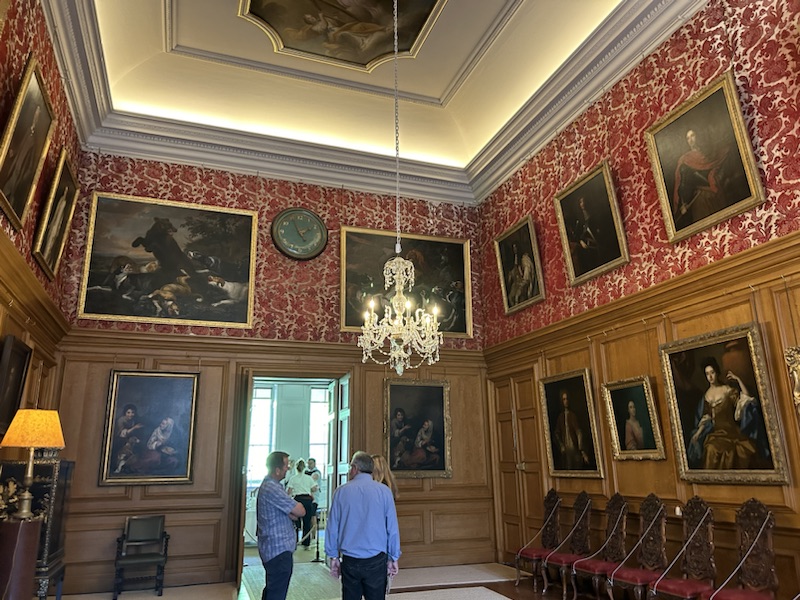
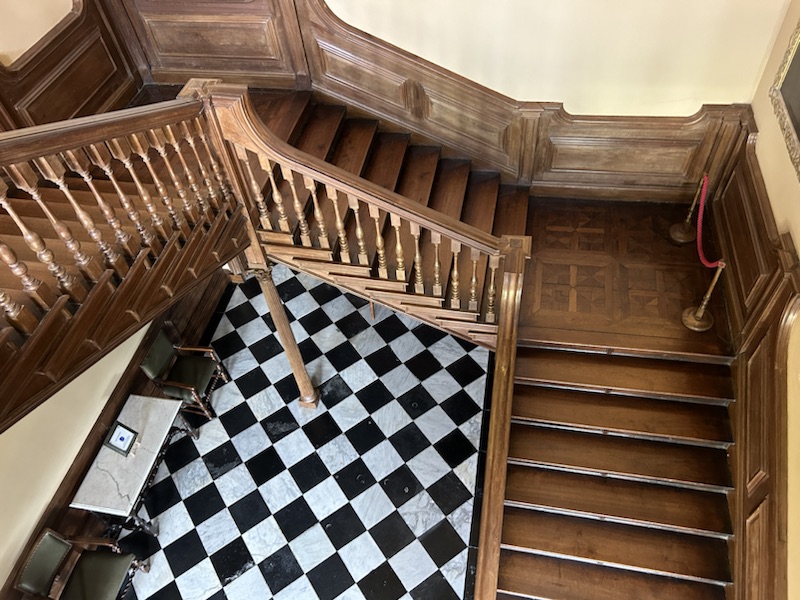
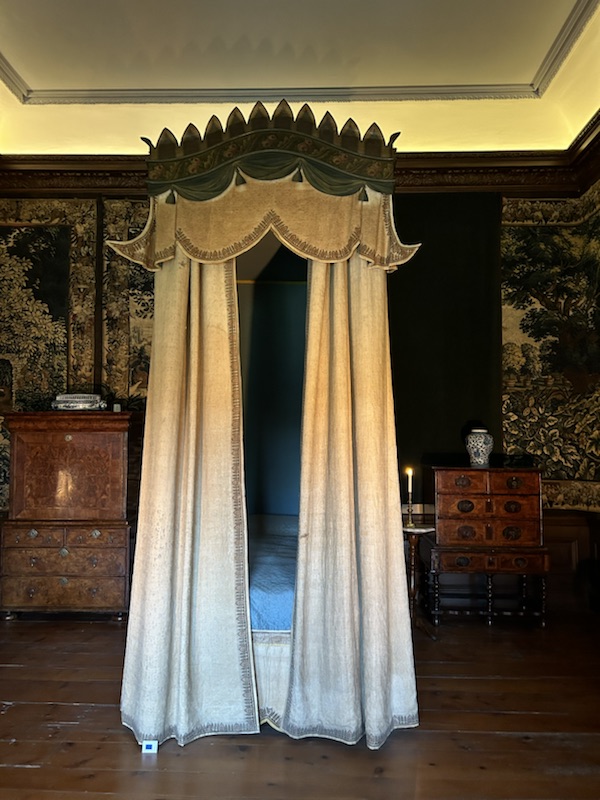
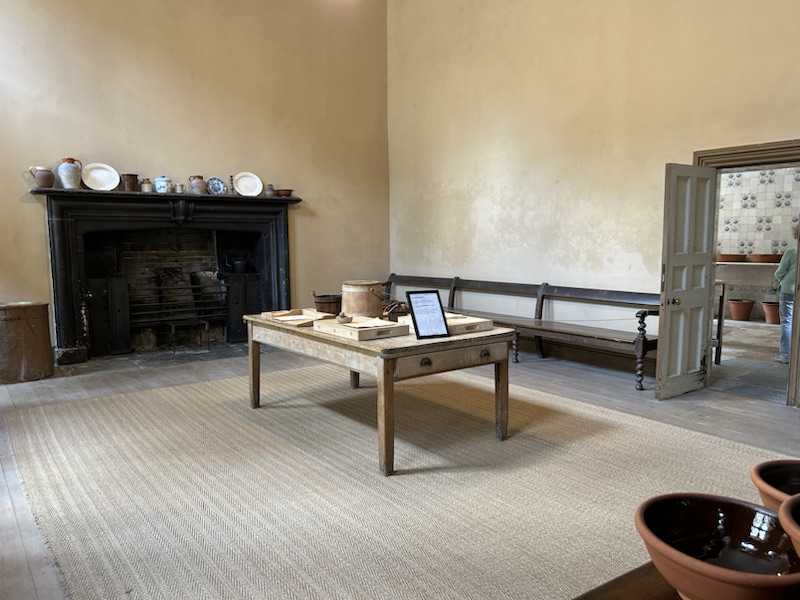
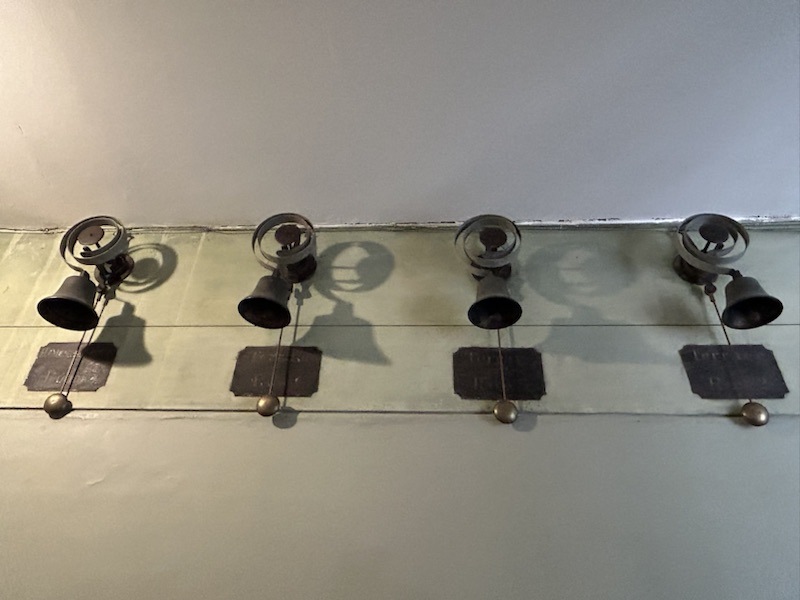
A little more than halfway through our walk we enjoyed stopping at Dyrham Park. It’s managed by the National Trust & was the location for the 1993 movie “The Remains of the Day” starring Anthony Hopkins & Emma Thompson.
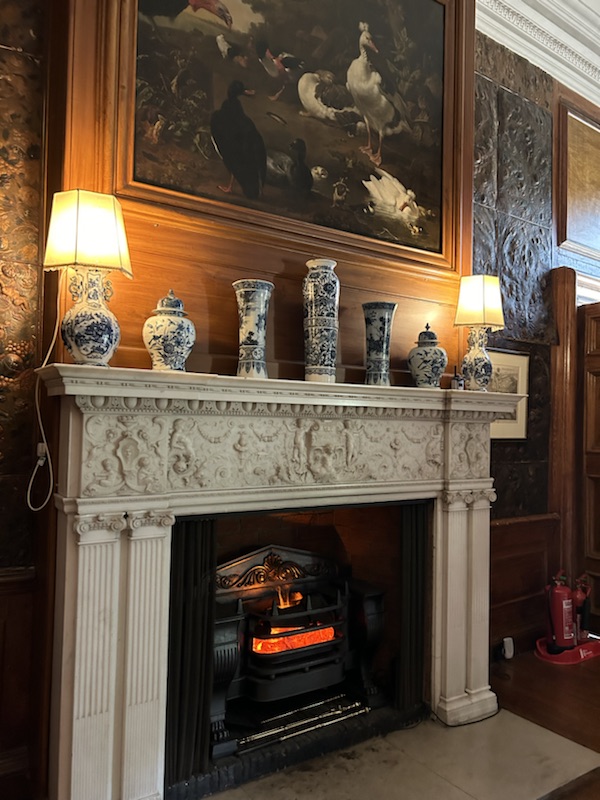
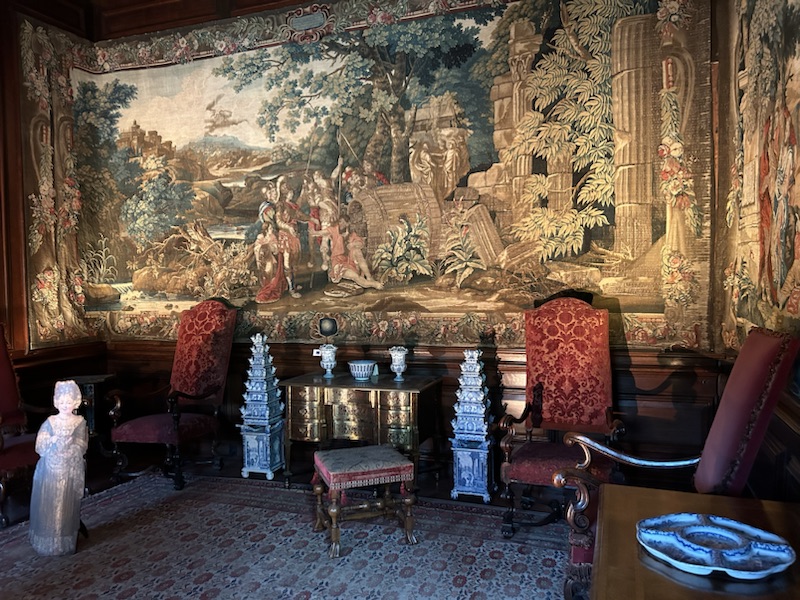
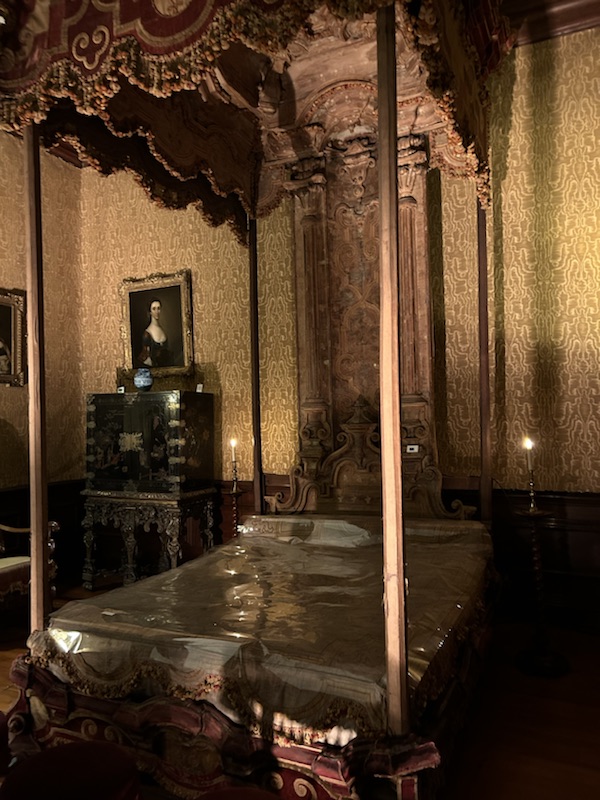
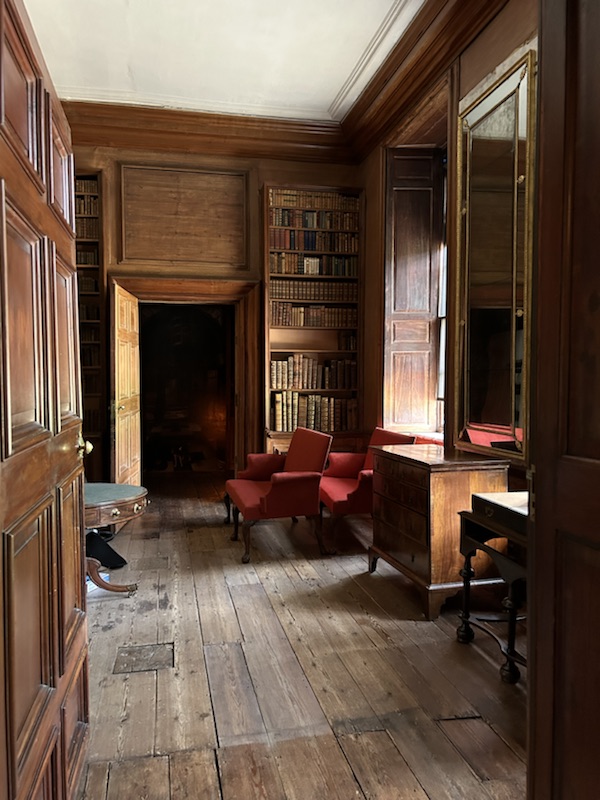
Dyrham Park is a baroque English manor started in 1691 by William Blathwayt who started the British War Office under King William III & also administered the British colonies in North America & the Caribbean. Using these positions & connections enabled him to build this magnificent mansion & furnish it with fabrics, furniture, & art from all over the world.
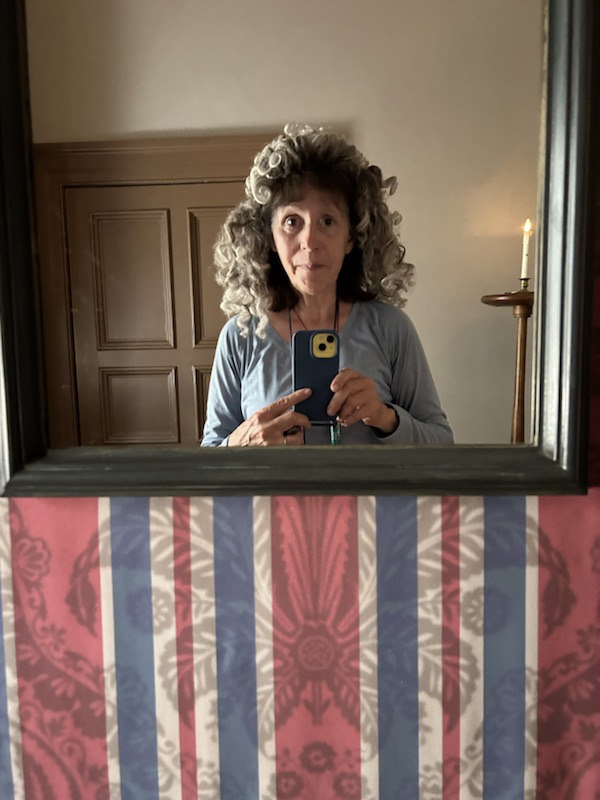
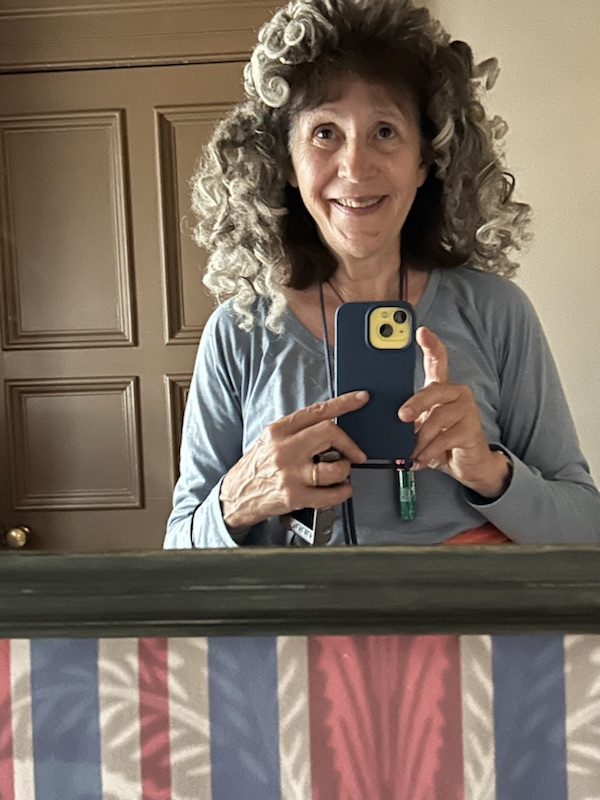
Me being silly with some wigs.
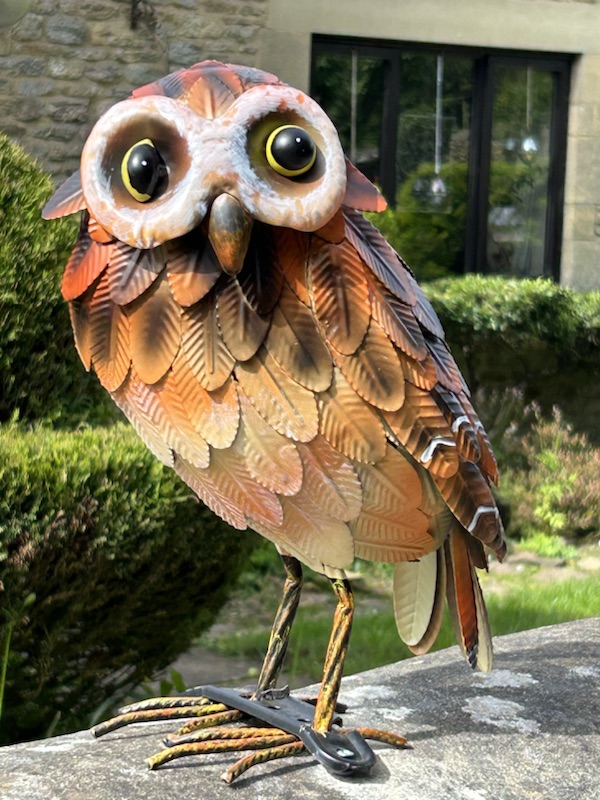
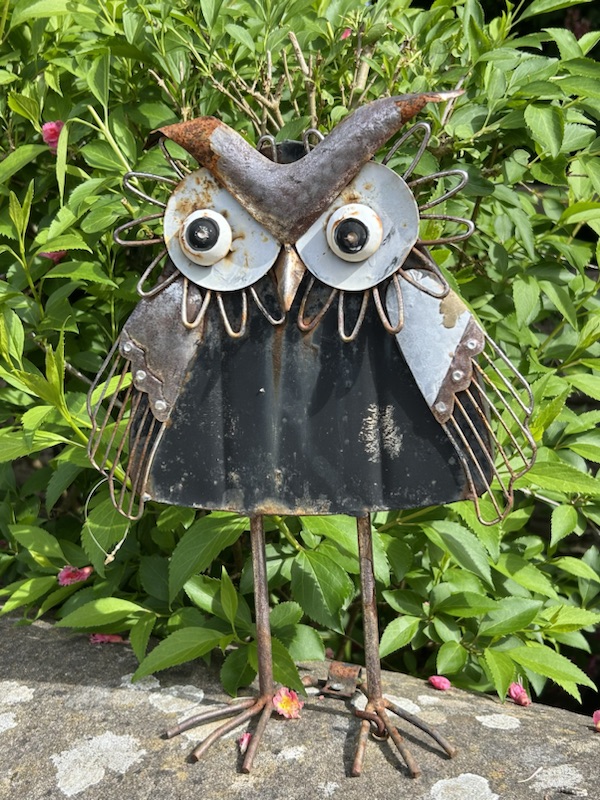
And of course, the animals & animal figurines on the route.
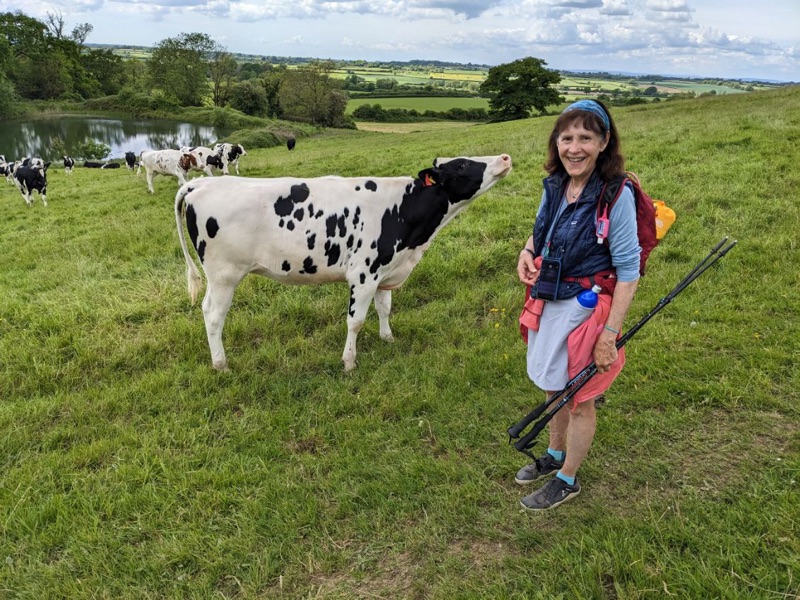
For some unexplainable reason, cows have always liked me. On several occasions in my life including today, they have walked right up to me.
The nice English town Mansfield is our home for the night.
Today we started much later than normal. The earliest taxi we could catch back to the hiking trail was at 9:30AM which helped make it a long day.
However, cool temperatures along with no precipitation made it a pleasant walk.
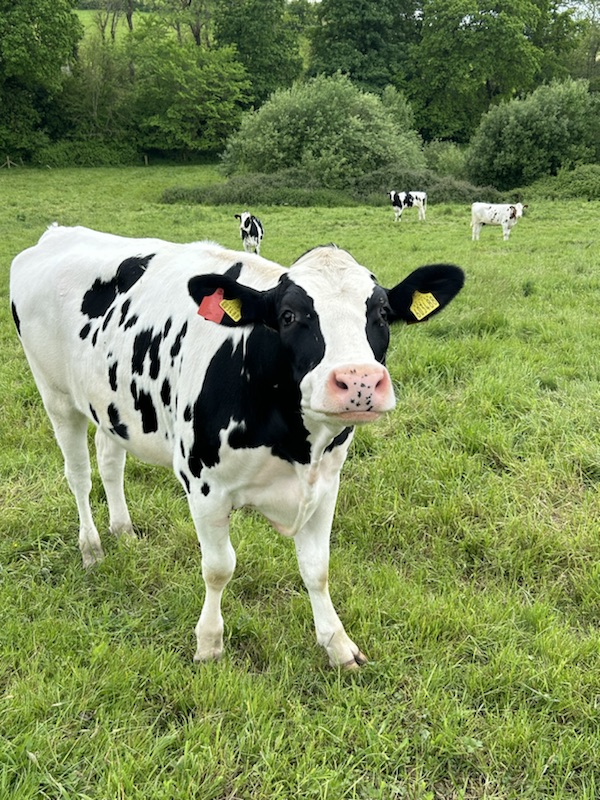
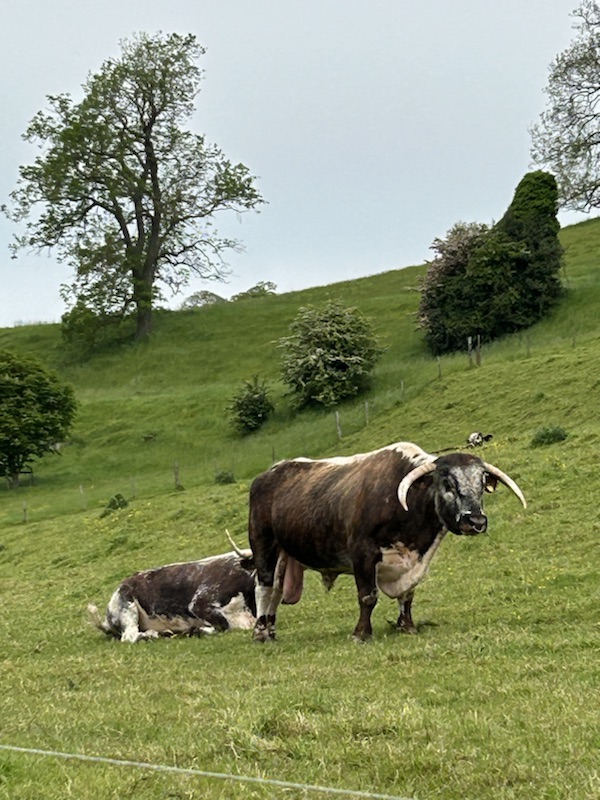
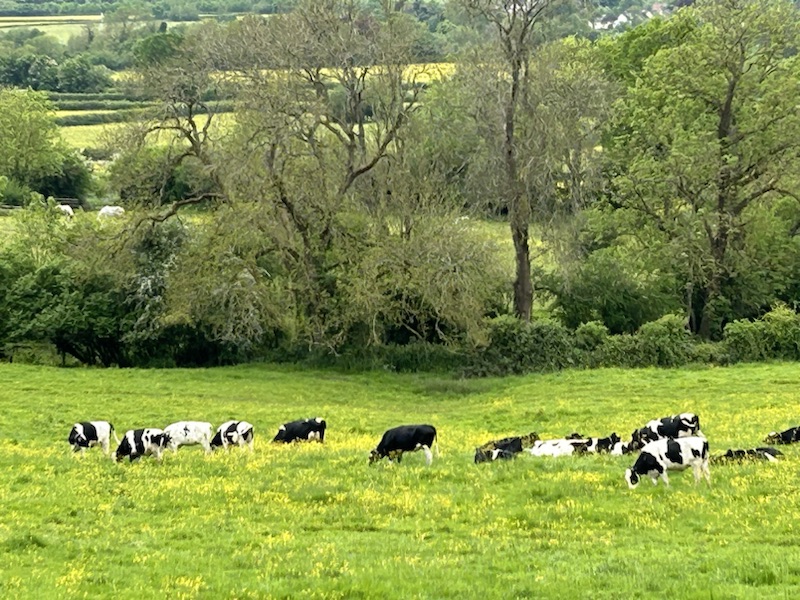
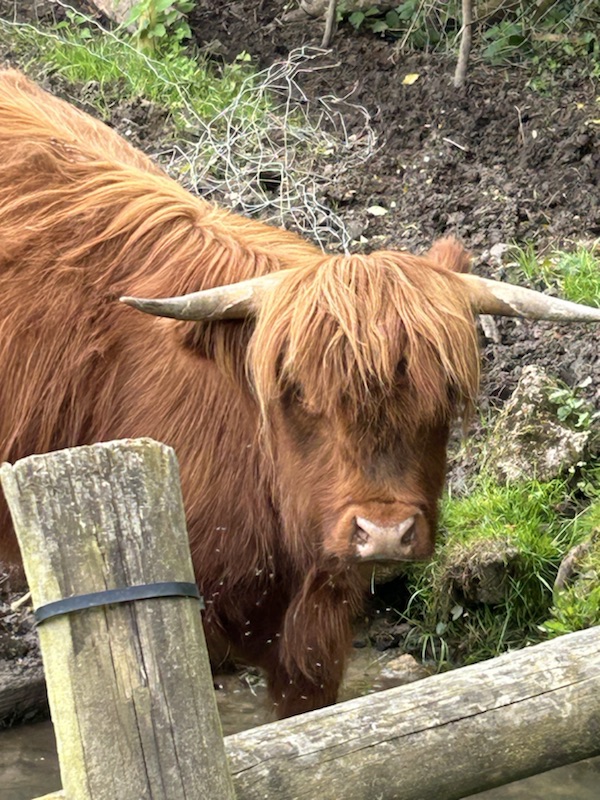
We saw a variety of cows.
Longhorn BullsDairyScotland Coo
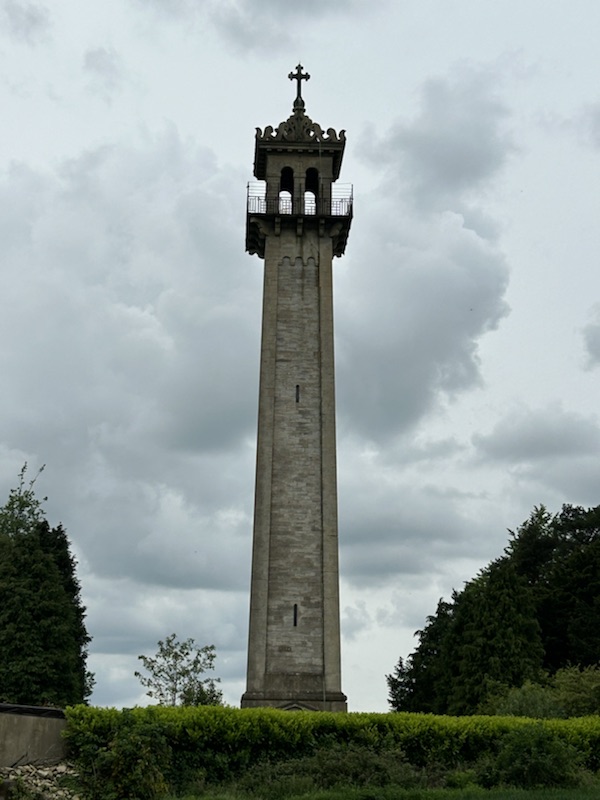
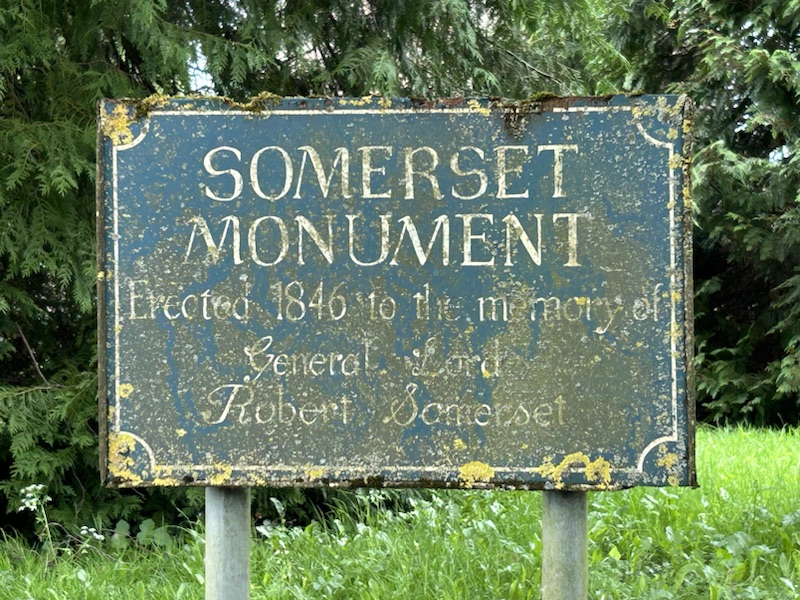
This monument commemorates General Lord Robert Somerset who fought Napoleon’s French army in Spain & also at Waterloo. He later represented this area in Parliament. This monument is located near his family’s home in Hawkesbury, Gloucestershire.
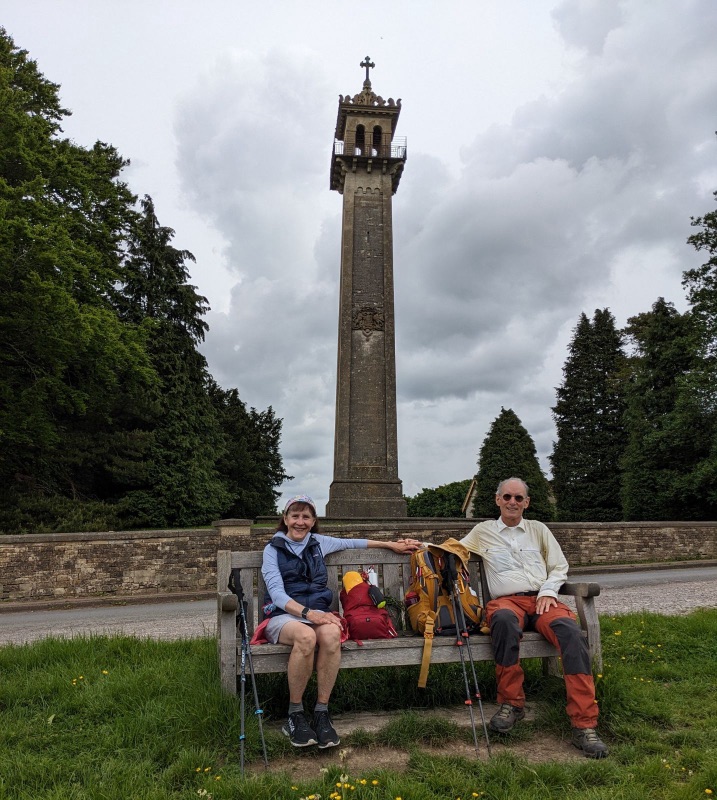
Perfect resting spot
A few fun sightings.
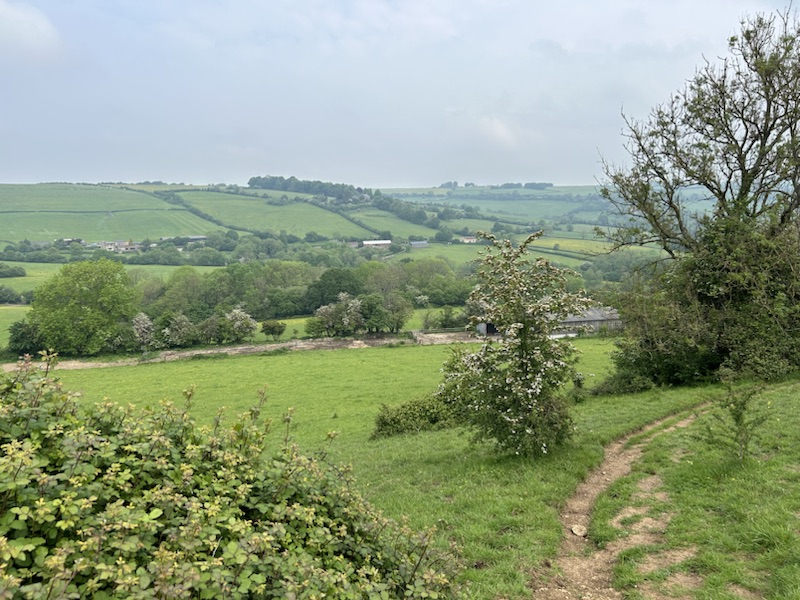
Some beautiful fields.
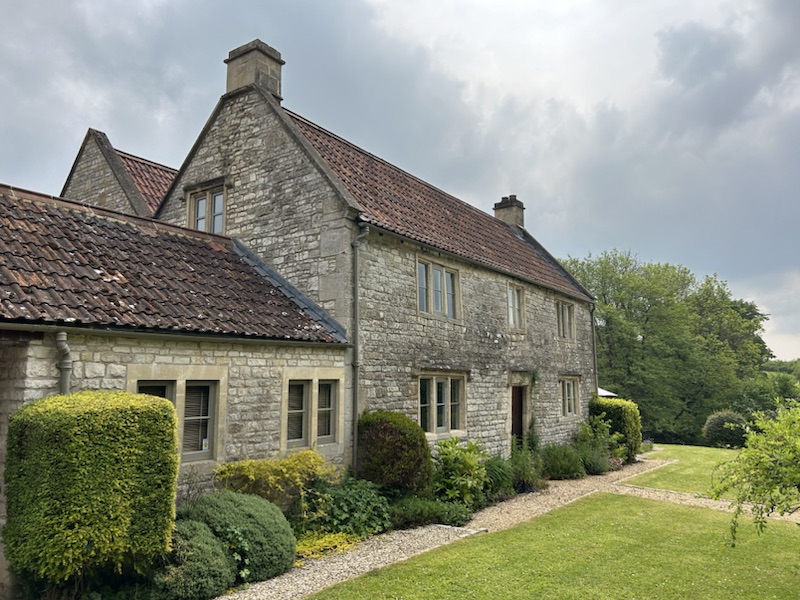
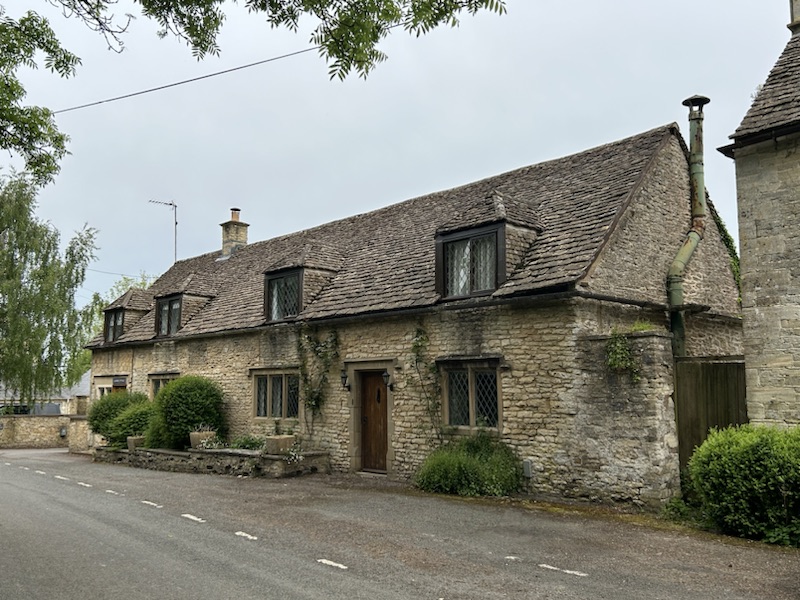
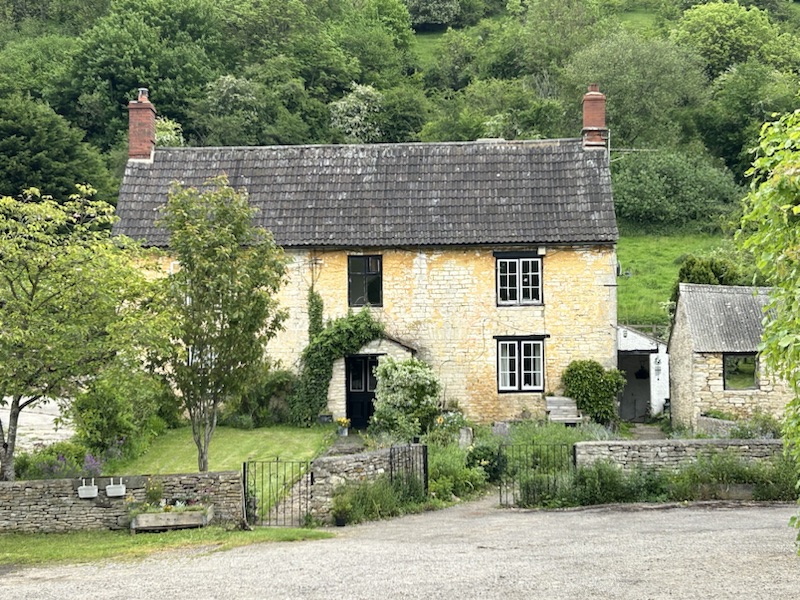
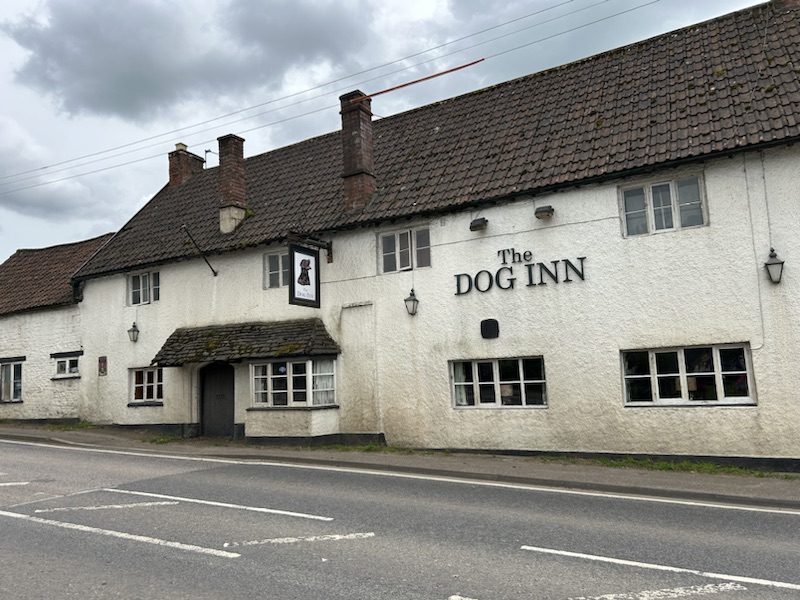
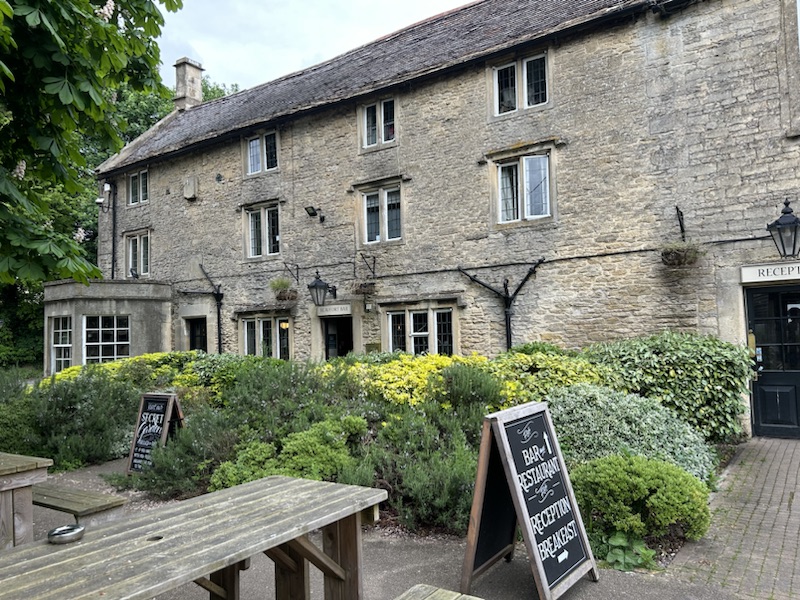
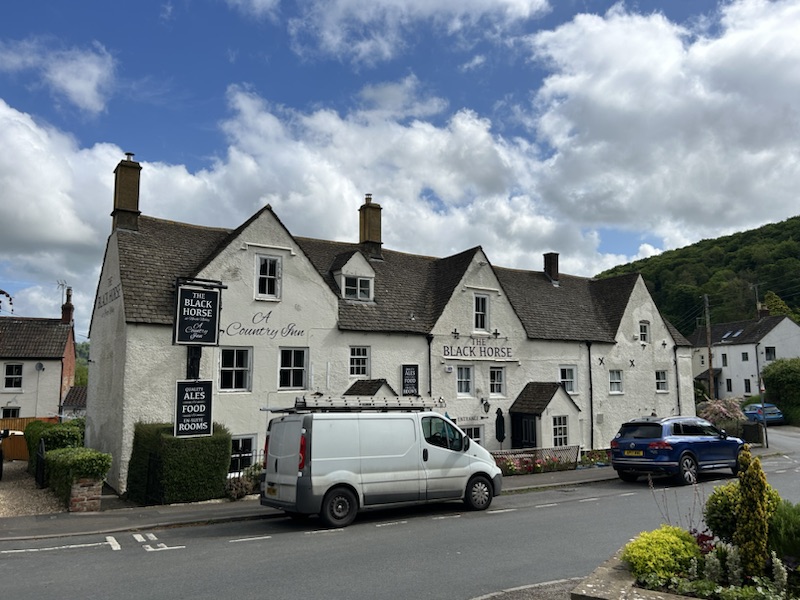
Classic English homes & pubs.
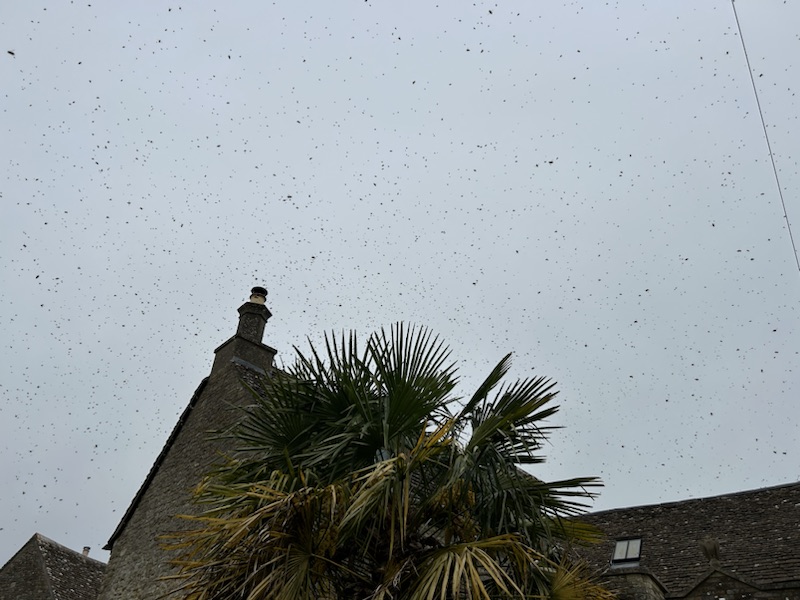
We heard a very loud buzzing sound, looked up, & saw a swarm of bees!!! A local woman told me she had called a bee keeper to come collect them.
I asked, “How do they do that?”
Her reply, “By catching the queen.”
Once again I asked, “How do they do that?”
Her reply, “Exactly” 😂
Bees!
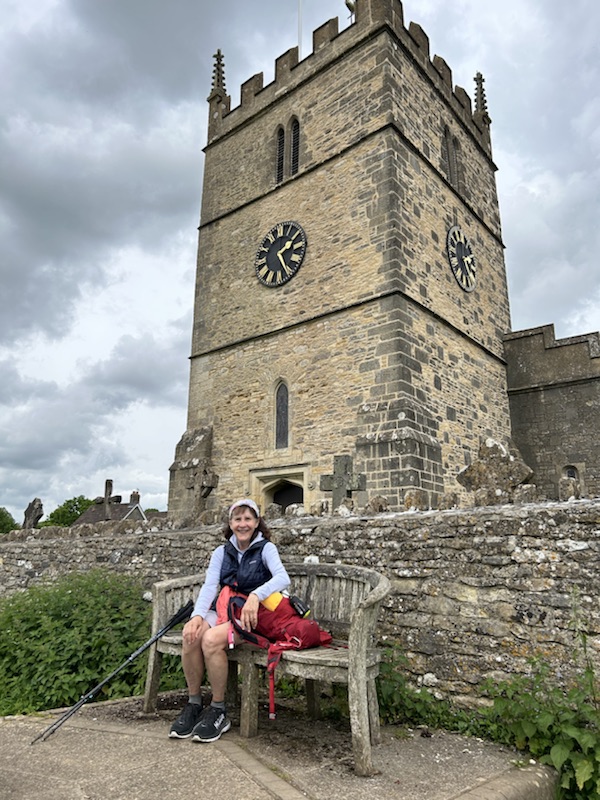
Last rest stop. Today was a long day, so 2 breaks were needed. 😂
During a long hiking trek, it’s always nice to have a rest day or a short mileage day. That was today for us because on the remaining three days will be covering 10 miles or more.
Since it was a short walking day, there was no need to hurry, so we left our extremely lovely, funny, & nice B&B hosts at the leisurely time of 8:50AM.
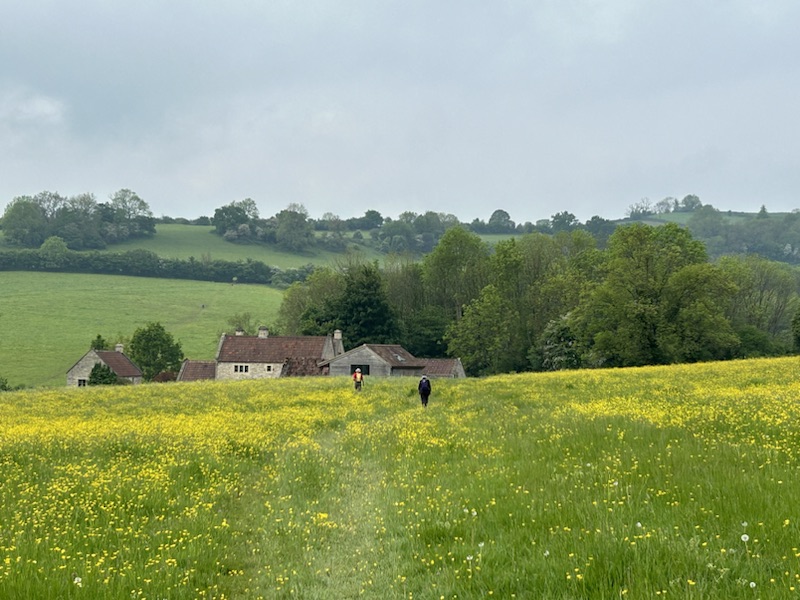
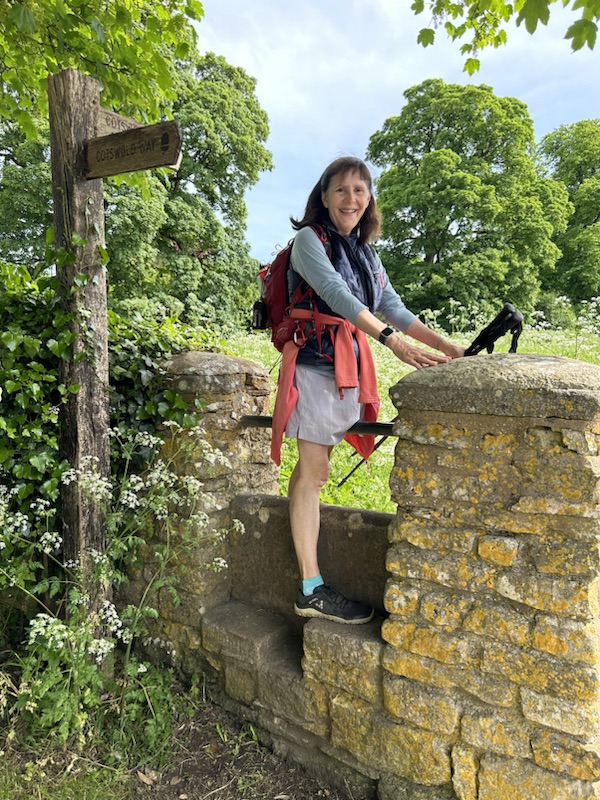
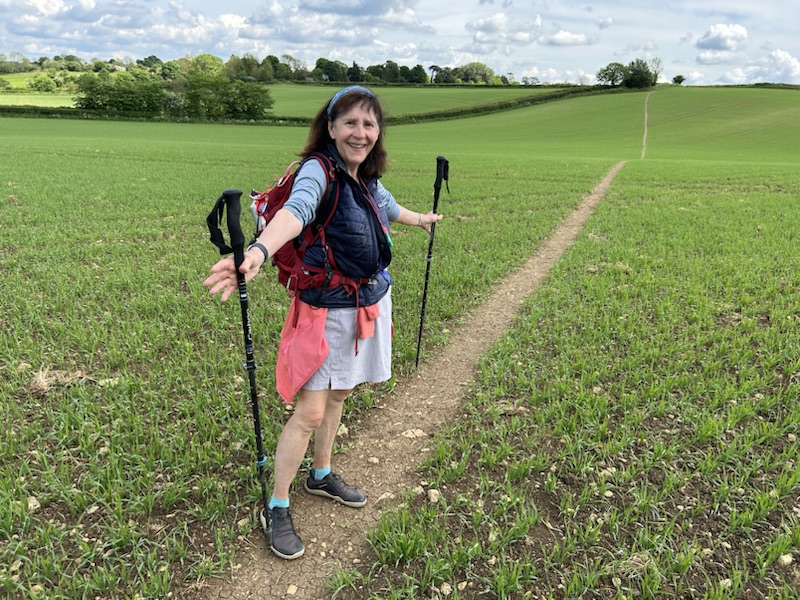
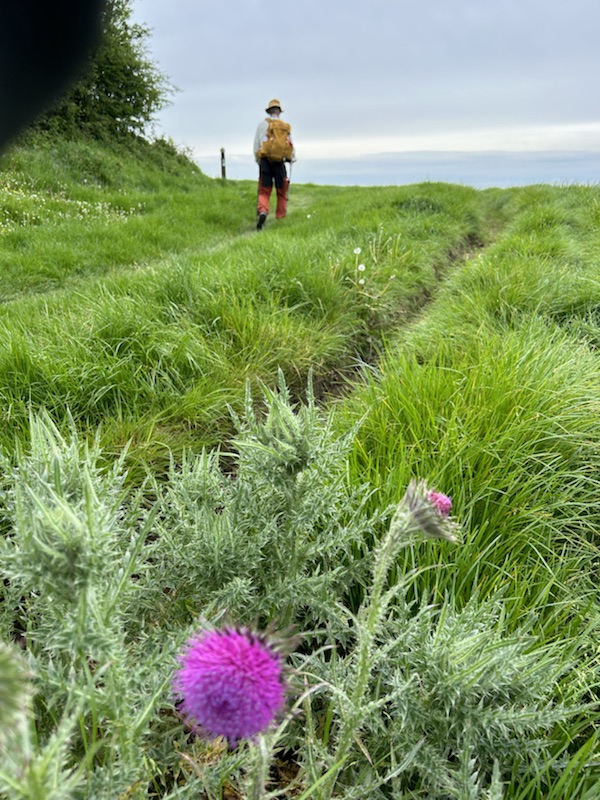
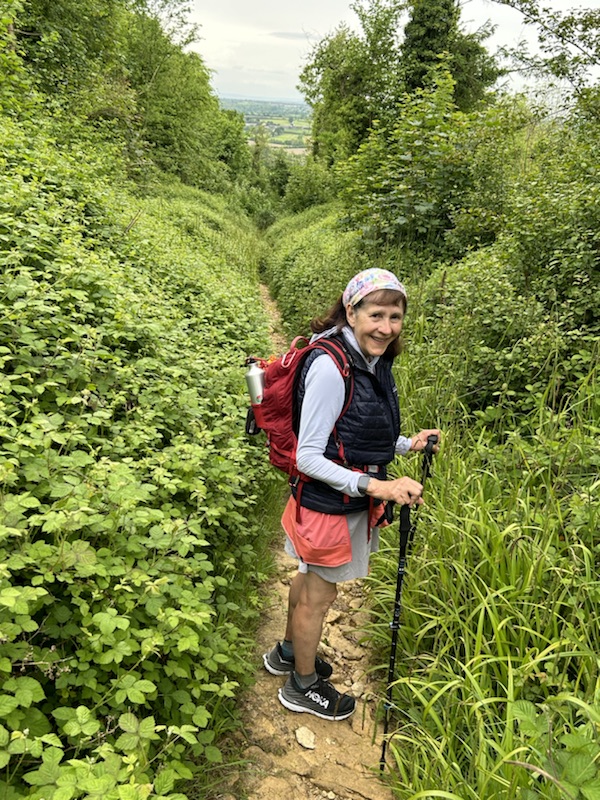
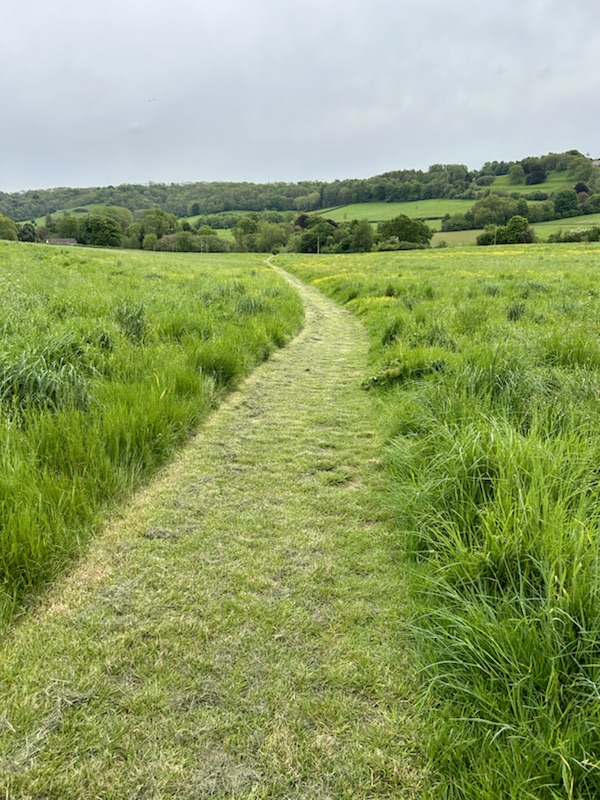
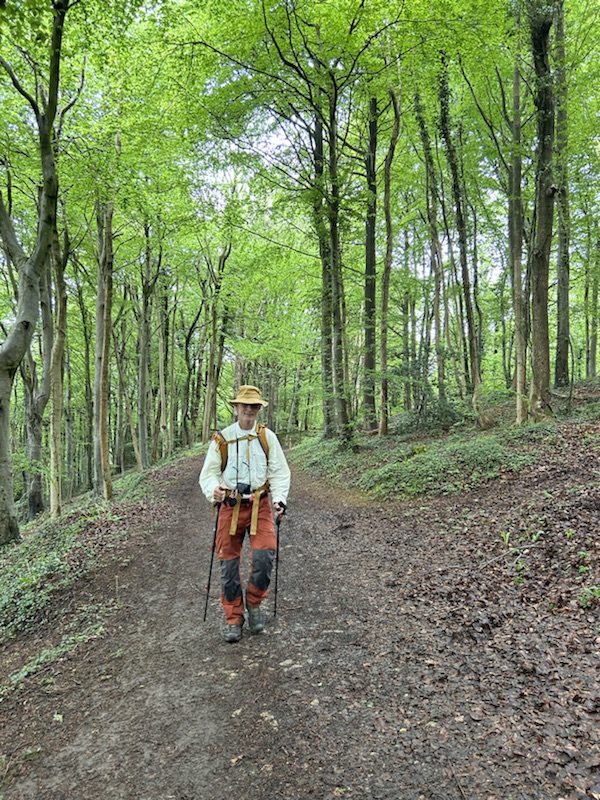
Once again, we crossed farmers’ fields, walked past gardens, & climbed hills.
Somebody nearby loves Winnie the Pooh
We passed through a small village called North Nibley.
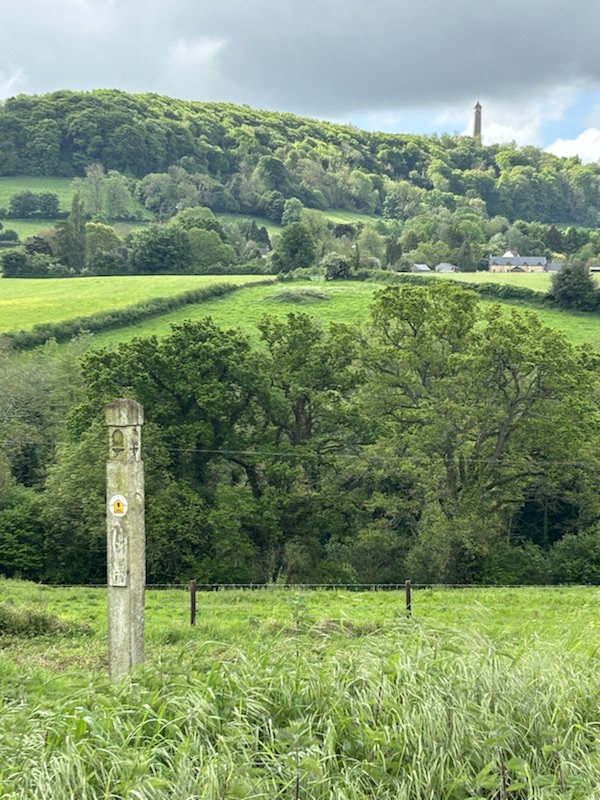
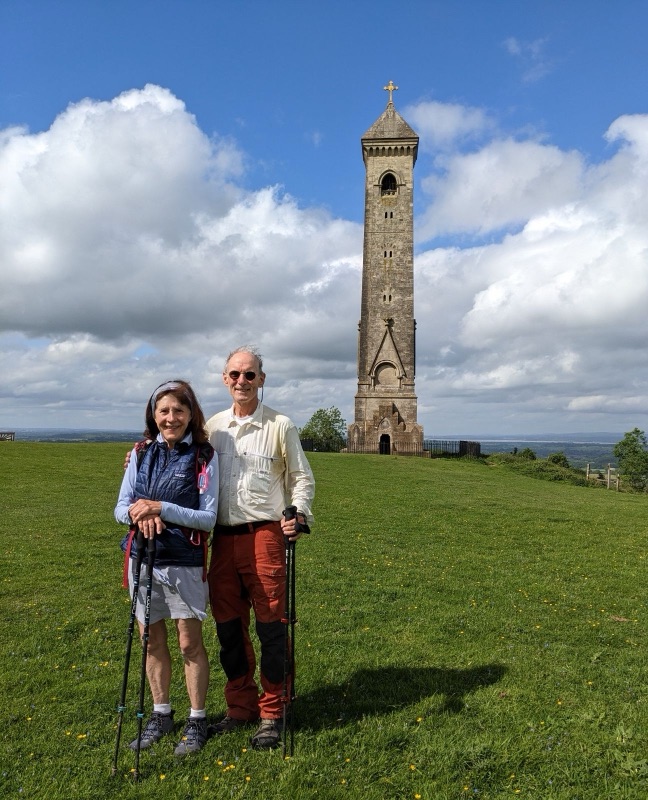
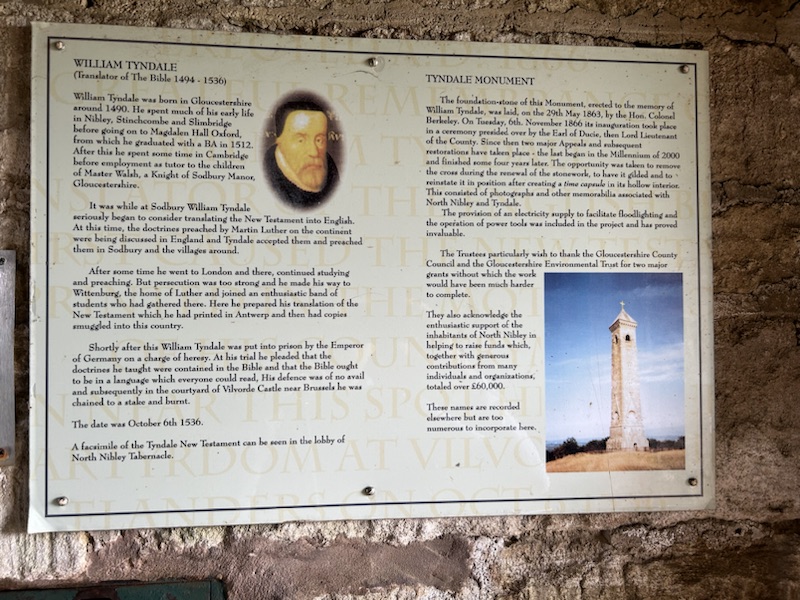
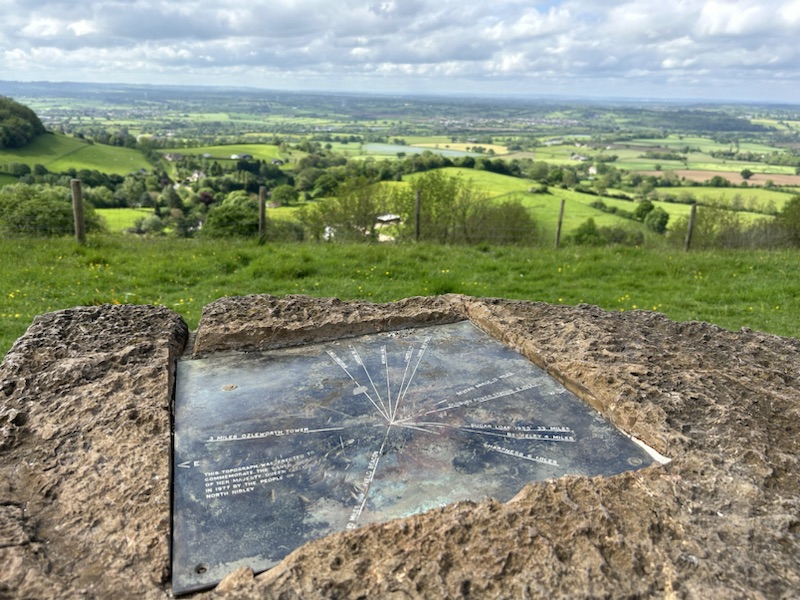
Then we climbed a hill to the Tyndale Monument. This monument is named for William Tyndale who helped translate the Bible into English because he believed the Bible should be in a language everyone could read instead of Latin. However, he went against the Catholic Church’s beliefs & customs, so in 1536, he was charged with heresy & burned at the stake for his efforts.
Our last hill today was Wotton Hill which was a nice place for a short rest.
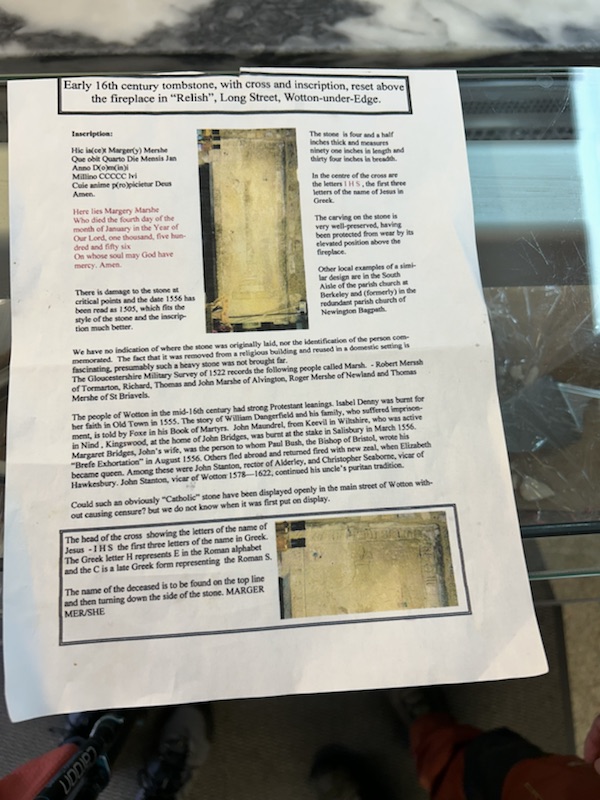
A few miles later we were in Wotton-Under-Edge. (Just love these English names!)
As expected, it is yet another lovely town in the Cotswolds.
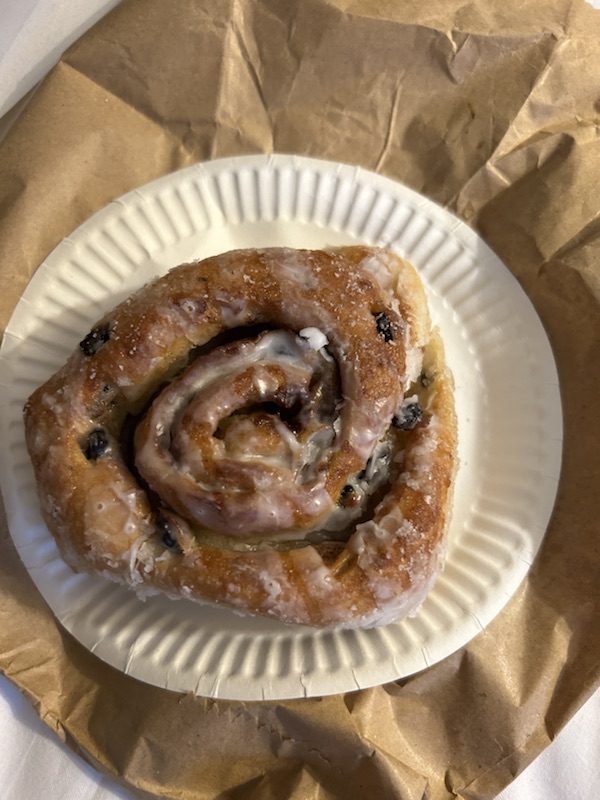
I also bought myself a Chelsea Bun. It was yummy by the way.😋
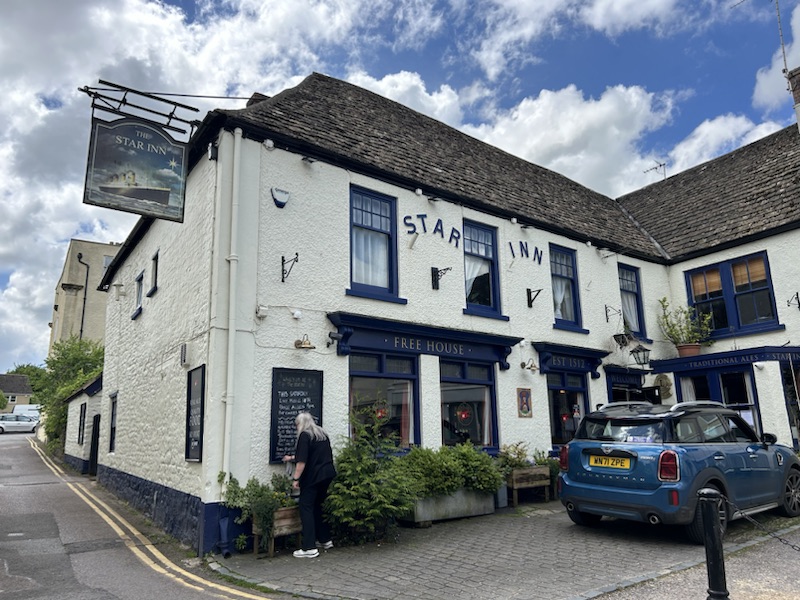
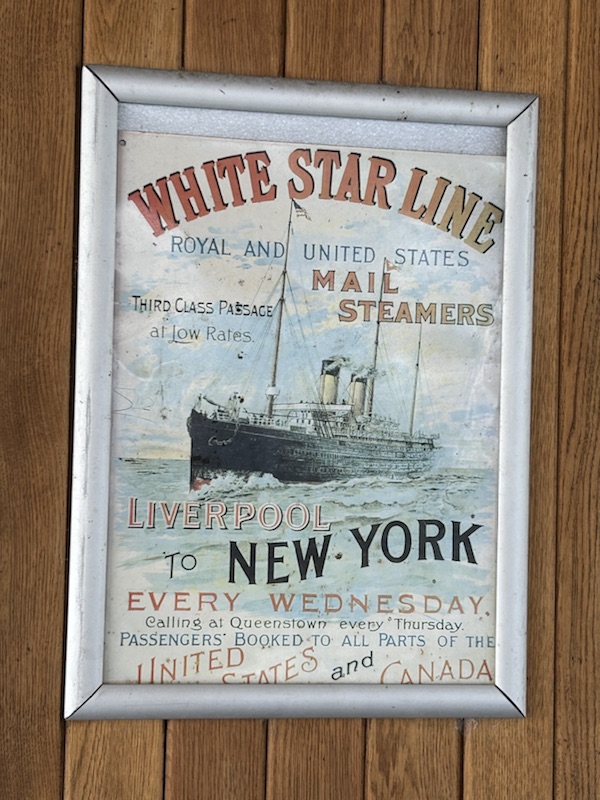
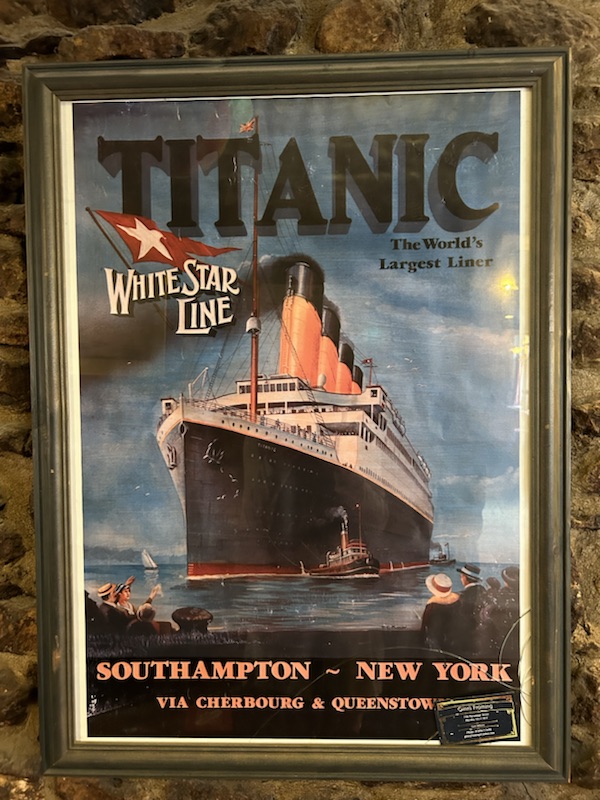
The Star Inn which was built in 1512 has a good story that connects it to the Titanic.
In 1784, John Cambridge was born in the Star Inn which his father owned. As a young man, John emigrated to Prince Edward Island, Canada, where he started a lumber business to support the shipbuilding industry. His lumber business profits grew, so he reinvested them by starting a shipping company which he named the “White Star Line” after his father’s inn. Eventually, Cambridge’s business was acquired & the new owners were the ones who eventually had the ill-fated RMS Titanic built.
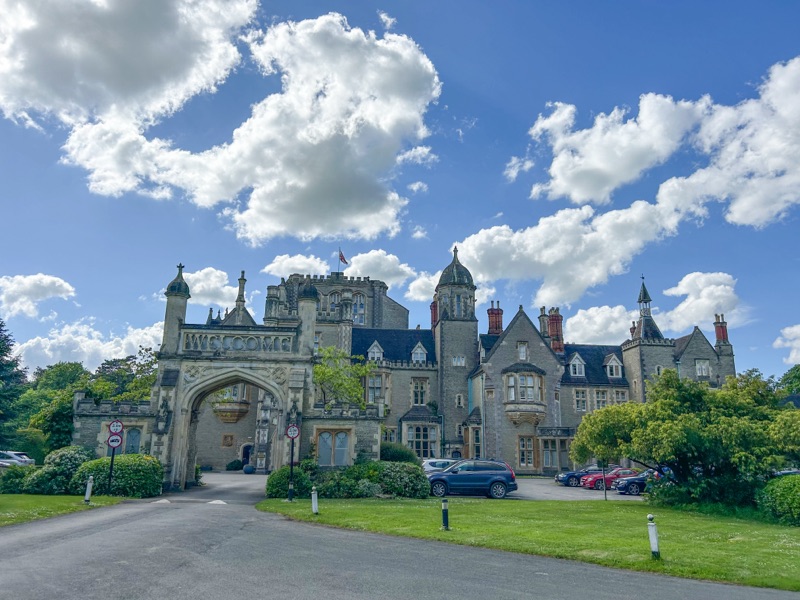
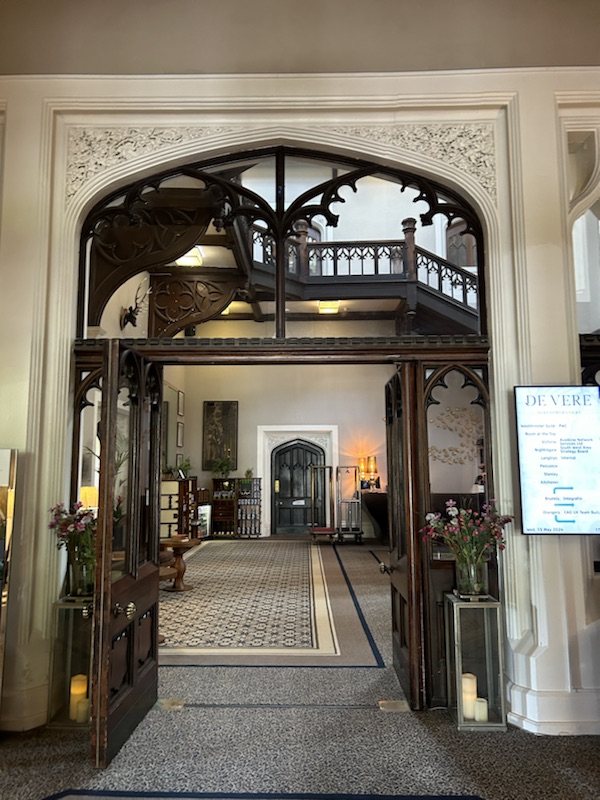
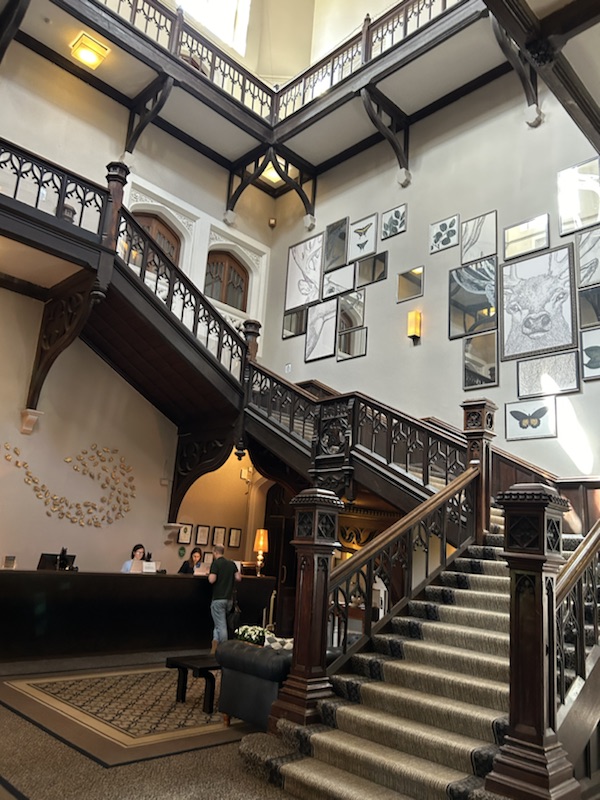
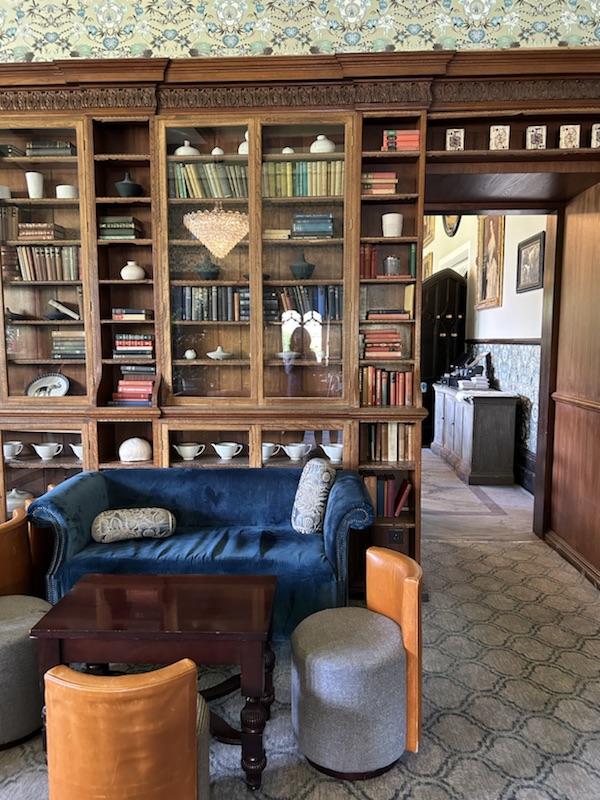
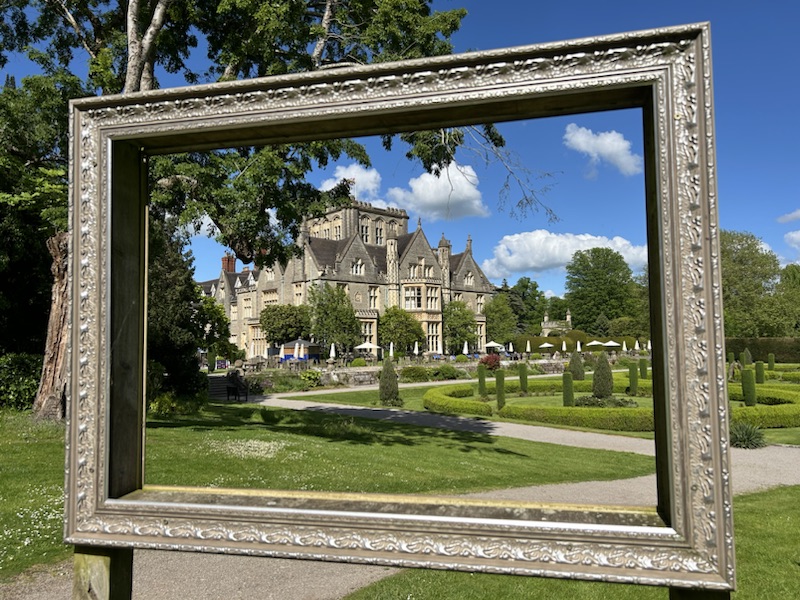
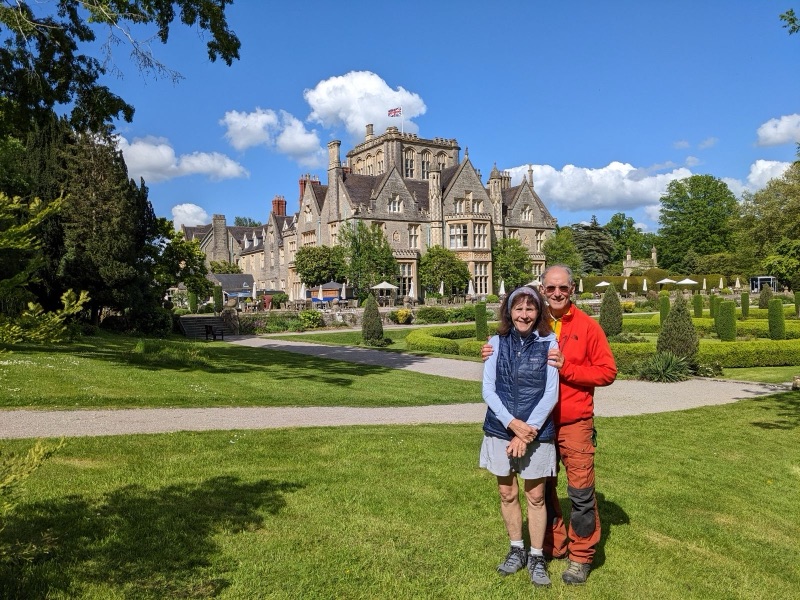
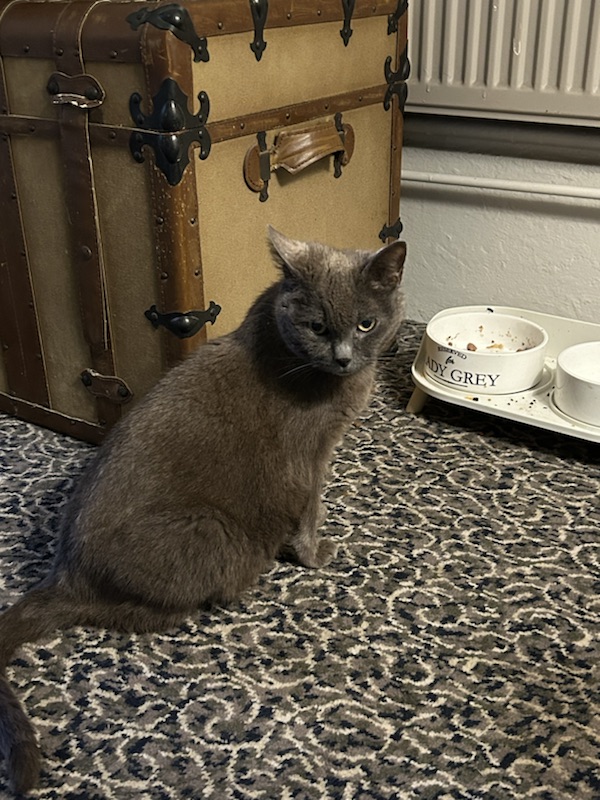
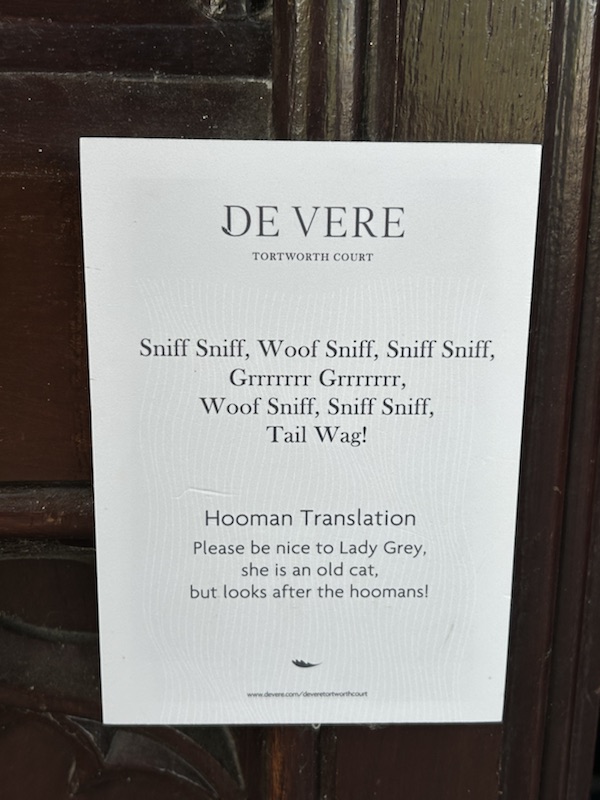
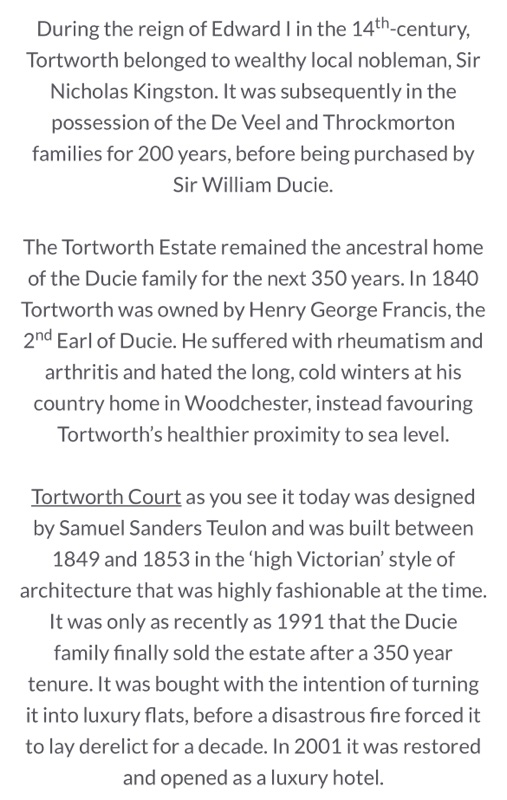
Our tour company arranged for us to take a taxi to our accommodation at De Vere Tortworth Court which is an amazing historical hotel that dates back to the 14th Century.
The weather forecast for cloudy skies was spot on.
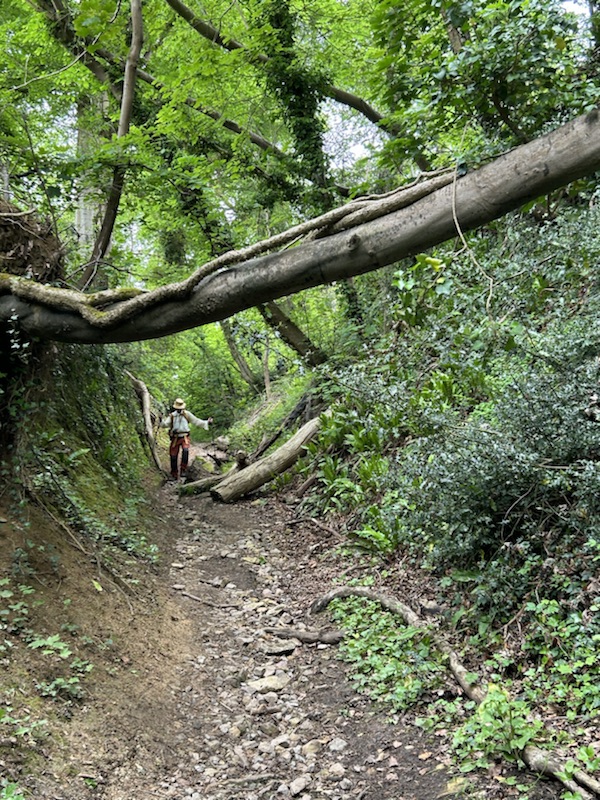
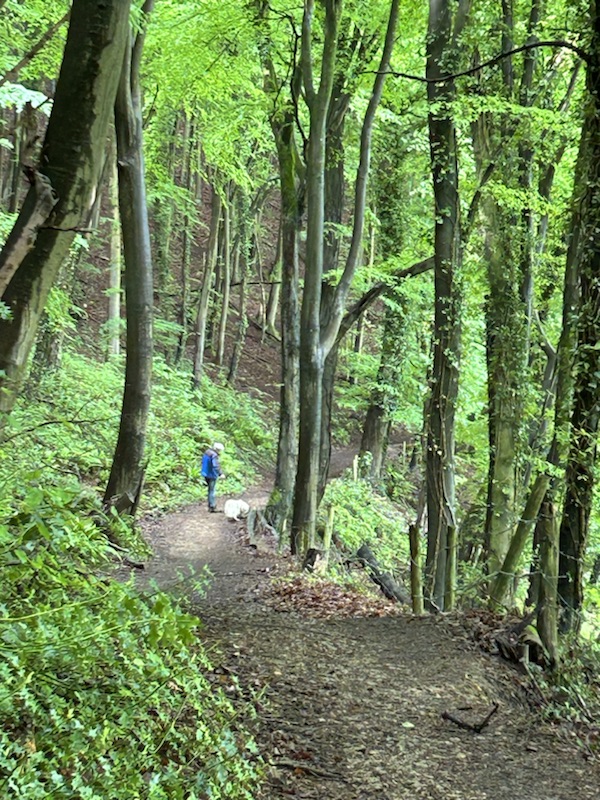
Today’s main obstacle was mud. After yesterday’s afternoon & evening rain, many sections along the path were very muddy.
The trail was slippery from time to time; but, my trusty trekking poles prevented me from falling into the mud on more than one occasion.
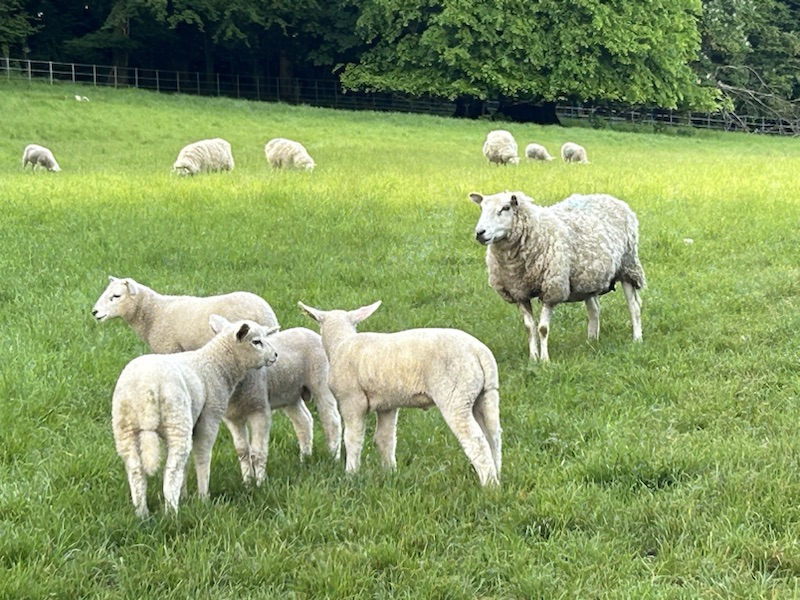
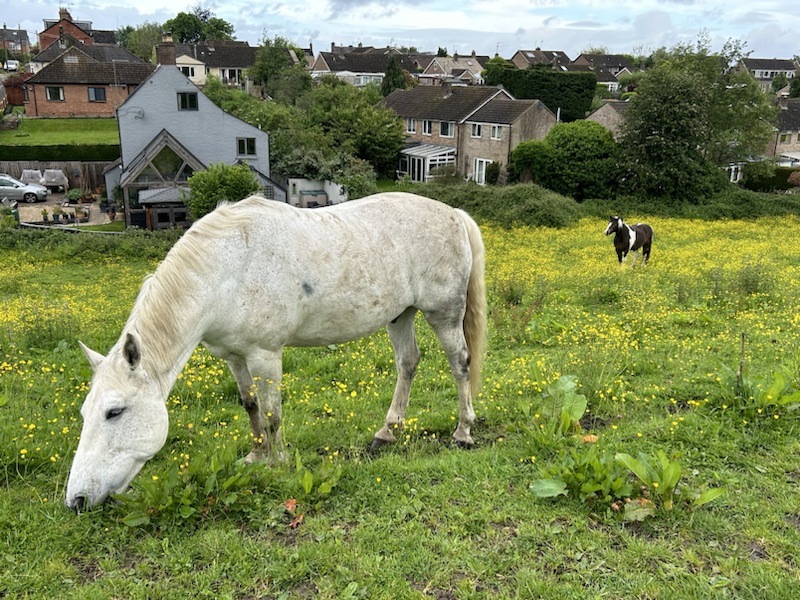
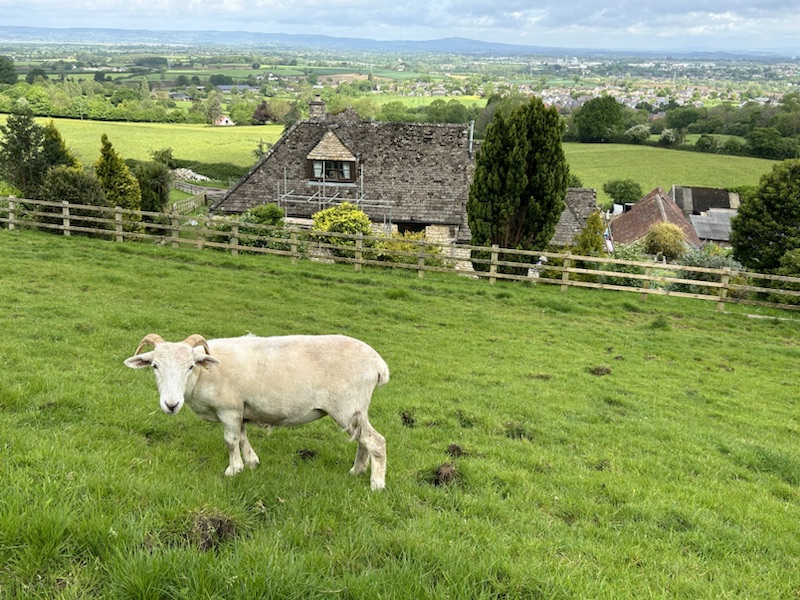
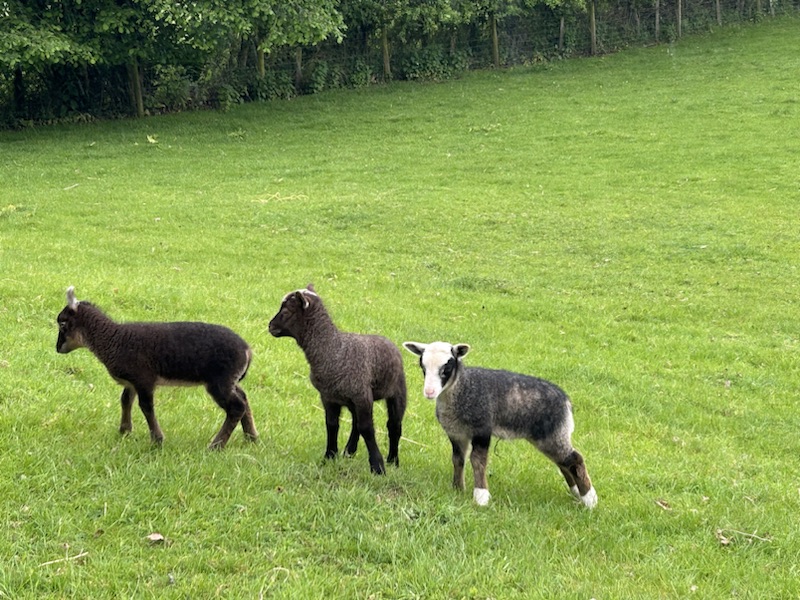
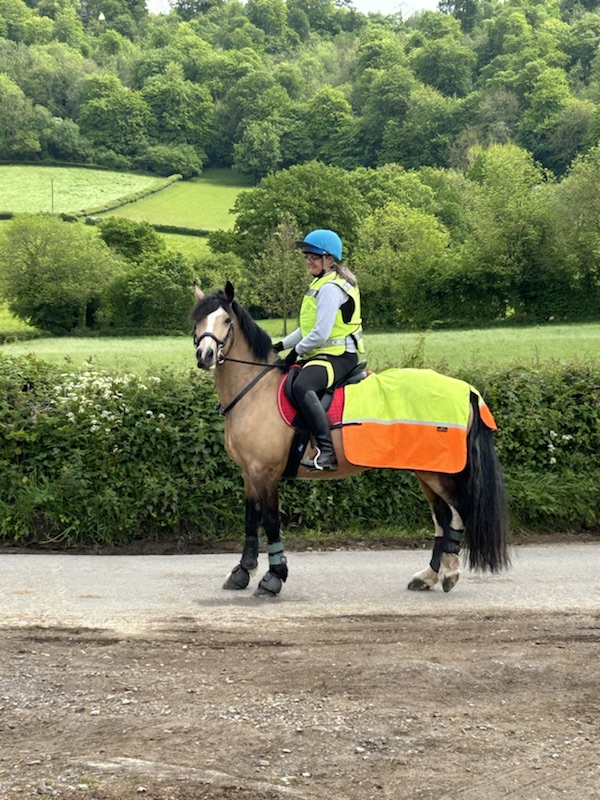
We also, once again, enjoyed seeing various animals along the way.
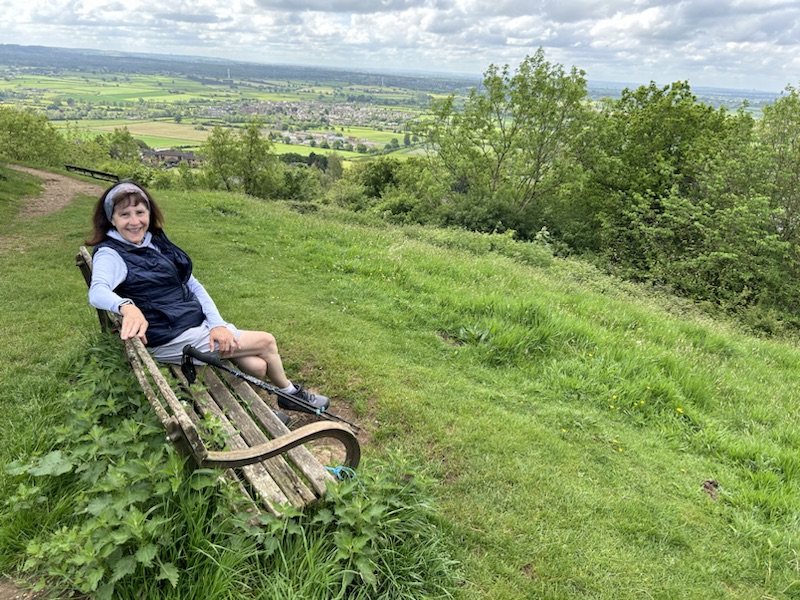
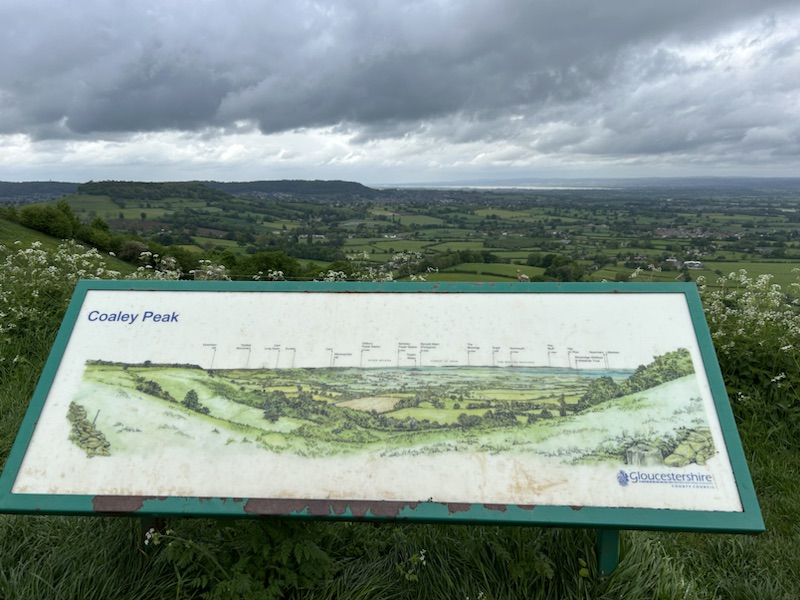
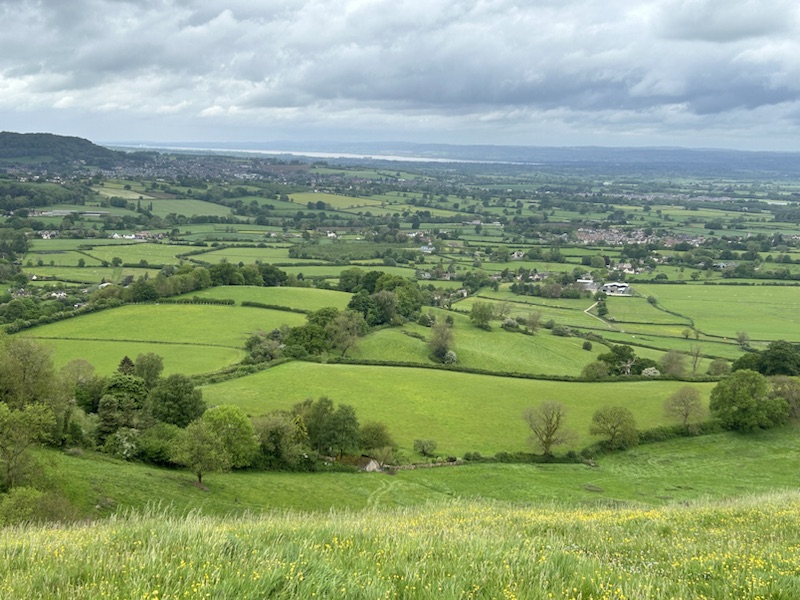
We climbed two big hills today. On Coaley Peak we had spectacular views overlooking the beautiful green countryside.
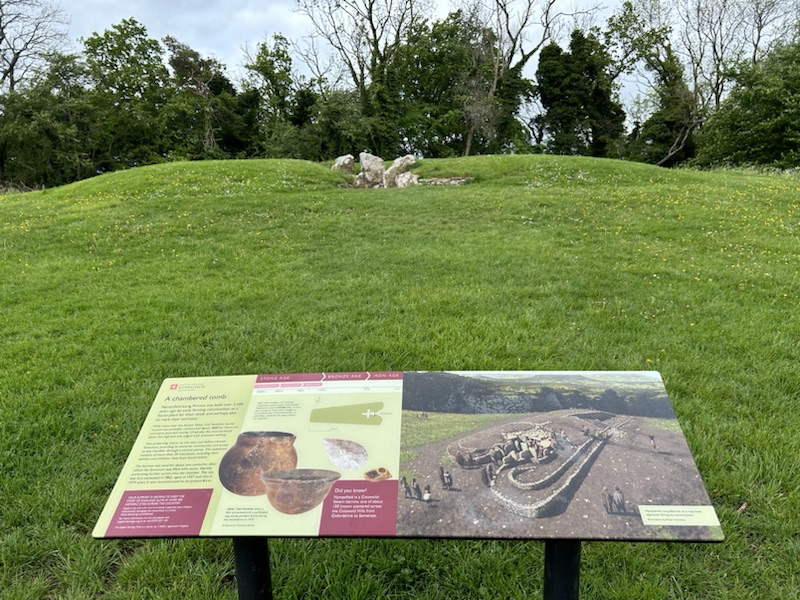
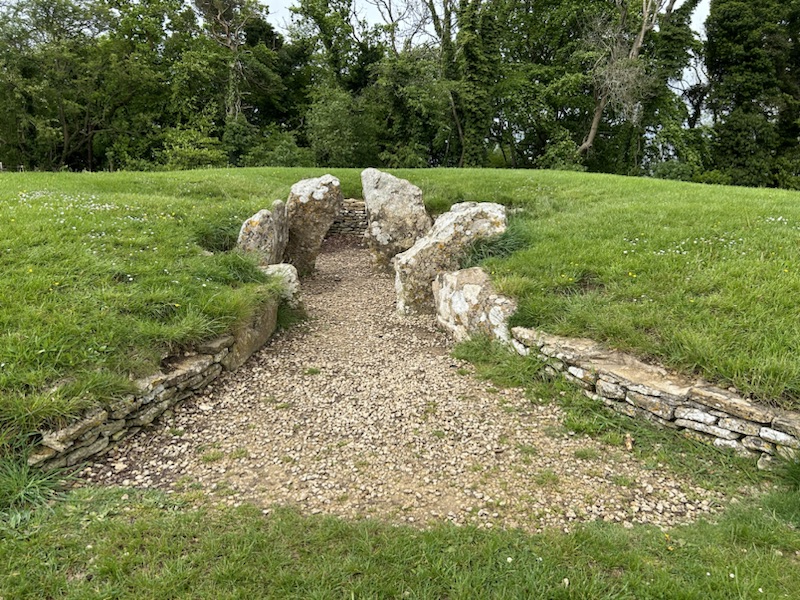
Near Coaley Peak we passed the Nymphsfield Long Barrow which is another ancient burial site that dates from 2500 BCE.
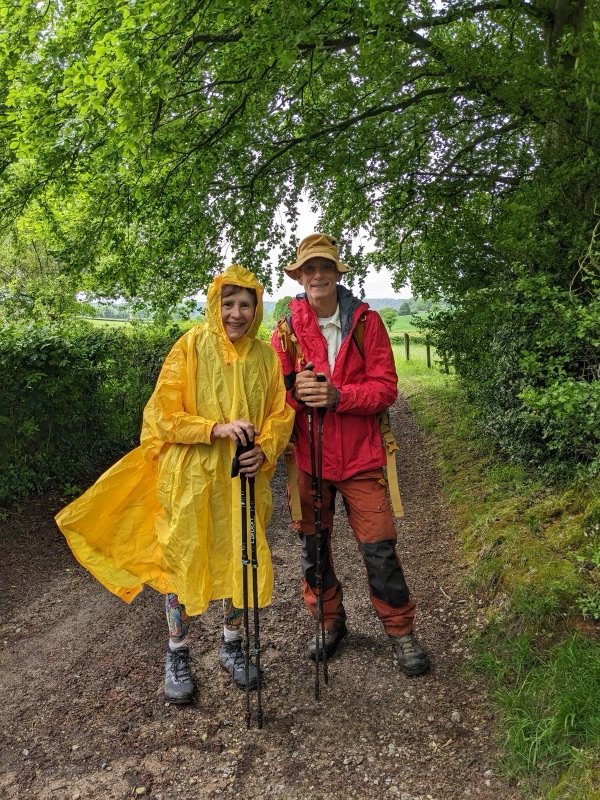
With only about an hour left on the trail, it seemed like our luck avoiding any precipitation had ended as it started to rain, so out came the rain poncho & rain jacket.
Right after this picture was taken, the rain stopped & the rain gear went right back into our backpacks. 😂
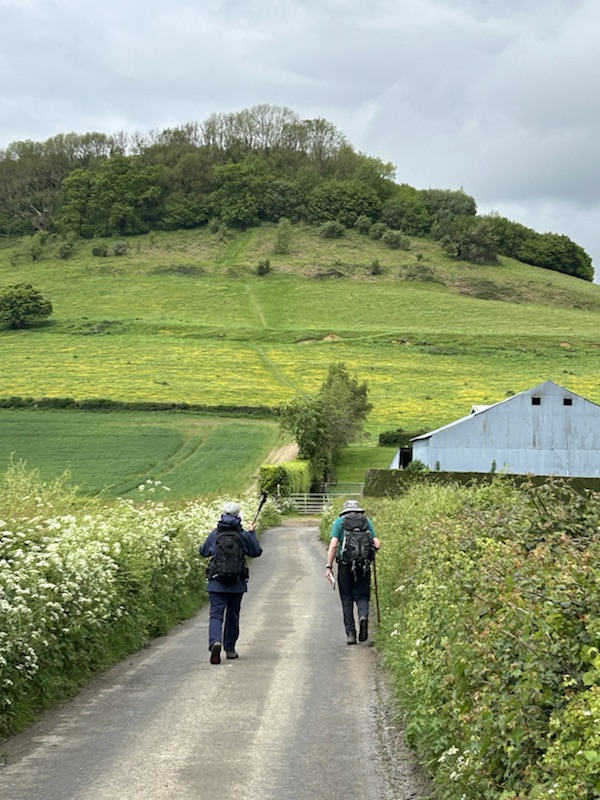
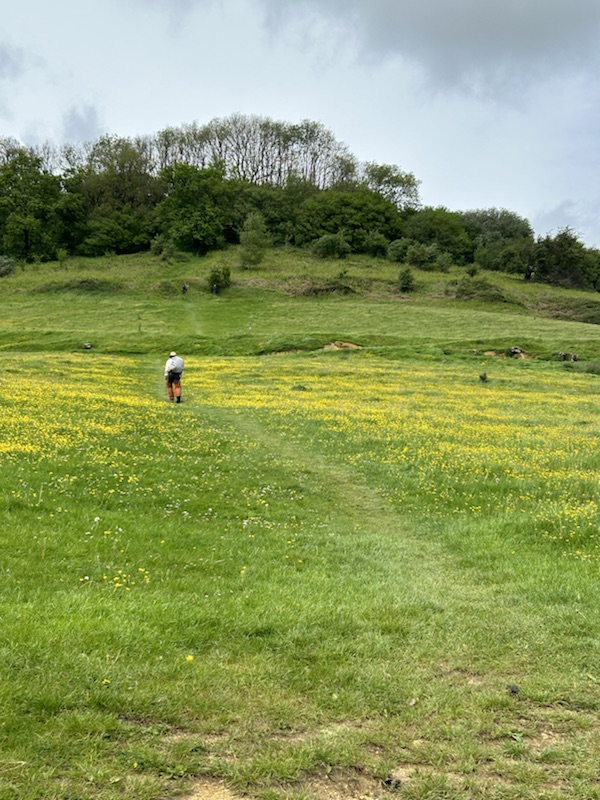
After the brief shower, we had one last big hill to climb for the day.
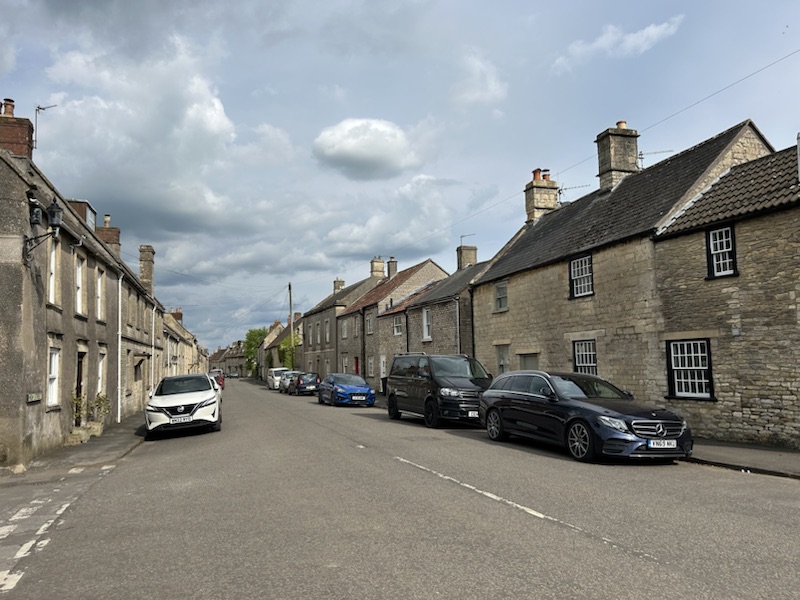
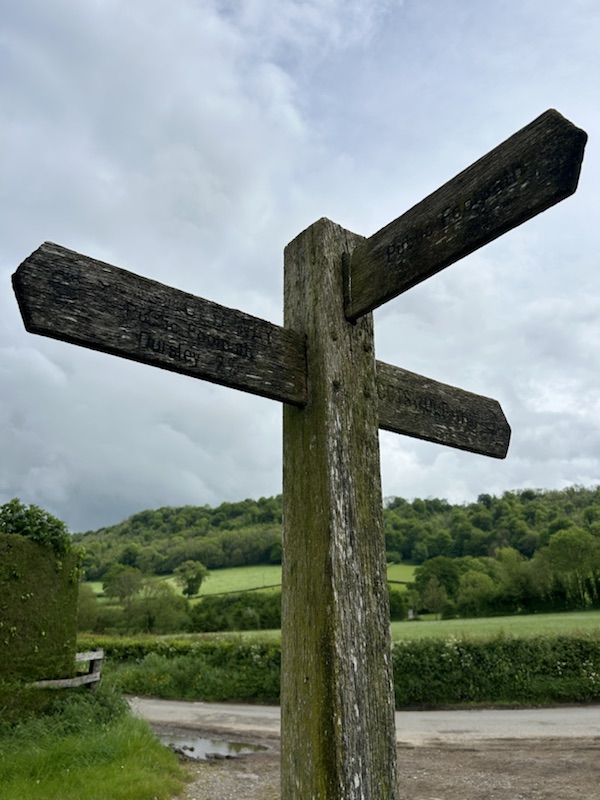
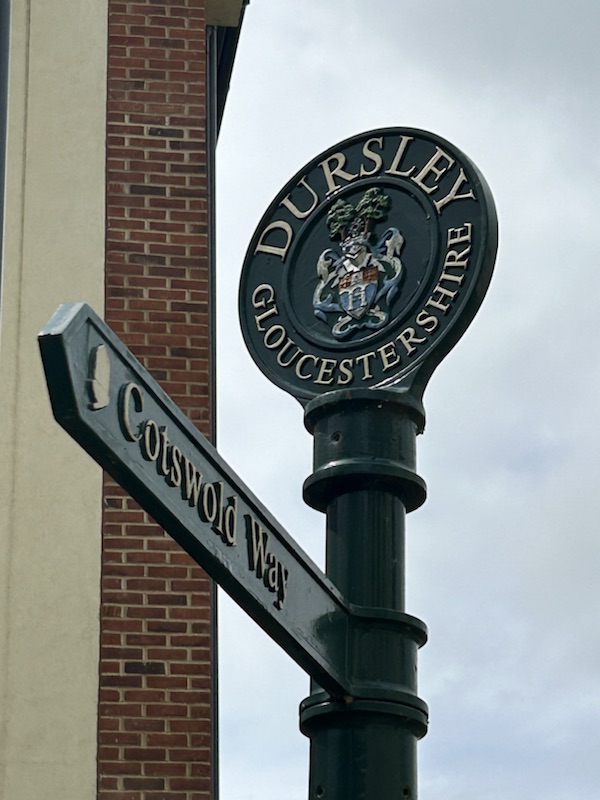
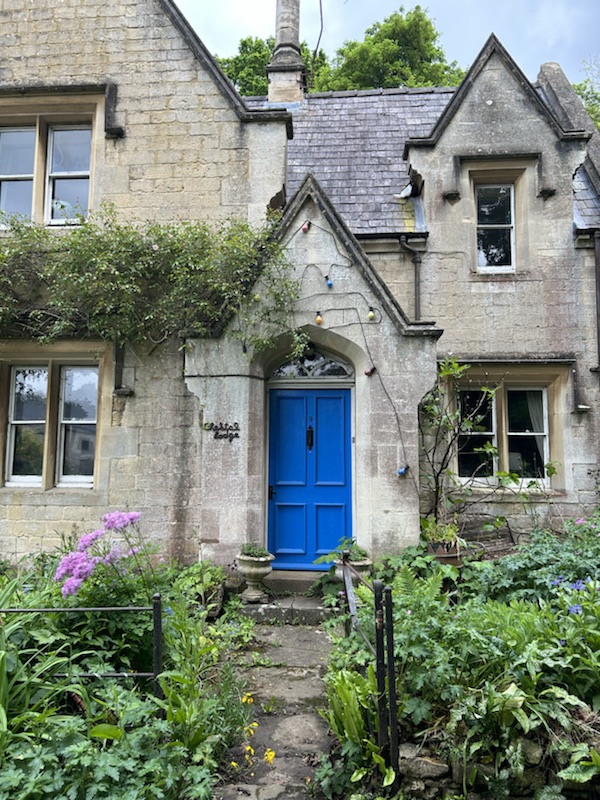
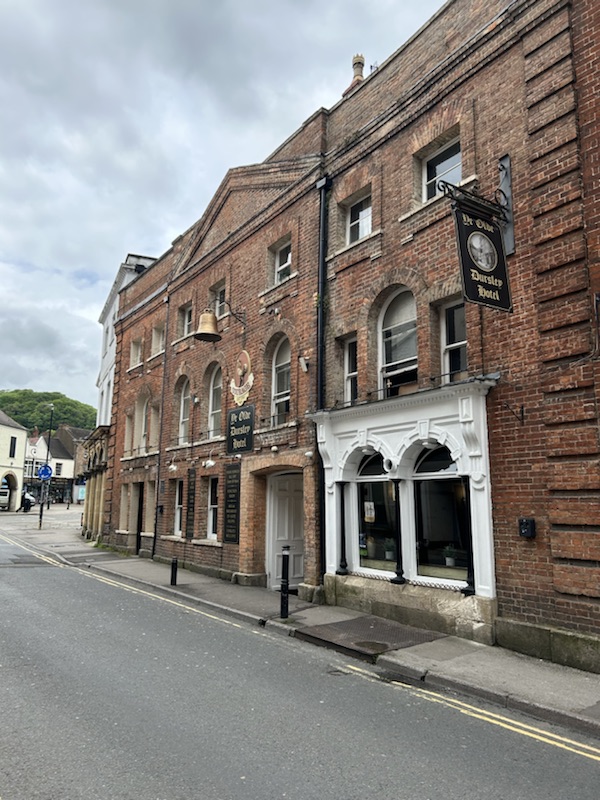
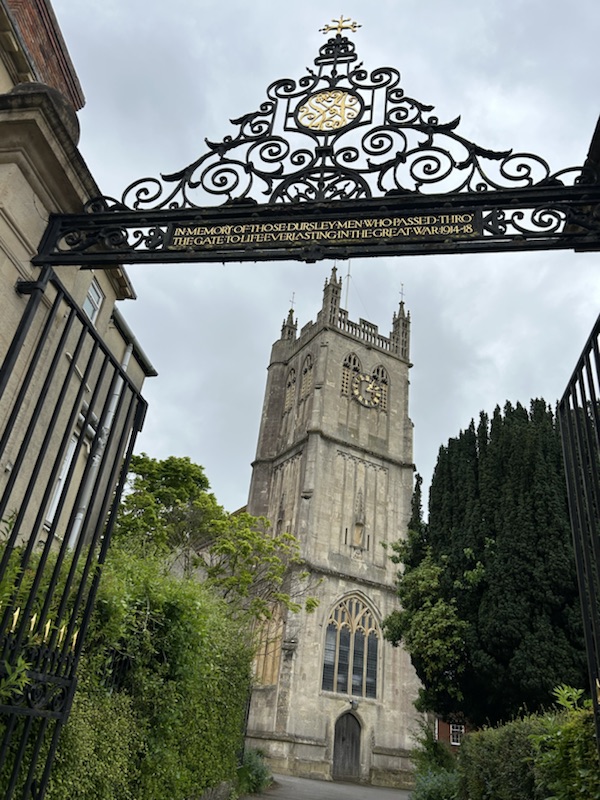
We reached Dursley in the early afternoon arriving a little earlier than our B&B hosts had expected us.
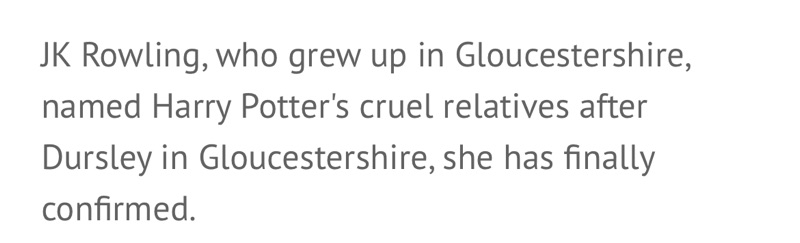
If you are a Harry Potter fan, the town’s name might sound familiar.
JK Rowling who wrote the Harry Potter books is from this area & supposedly she does not like this town, so she got back at it in her own literary way.
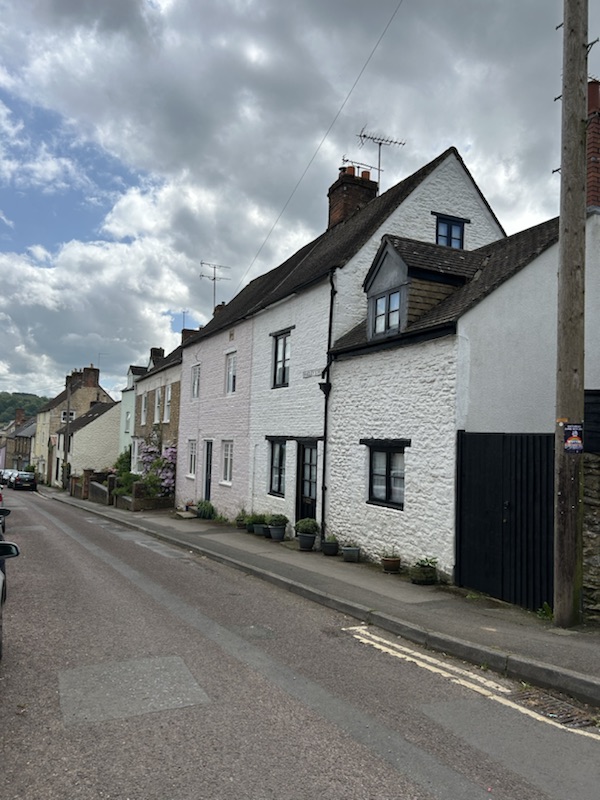
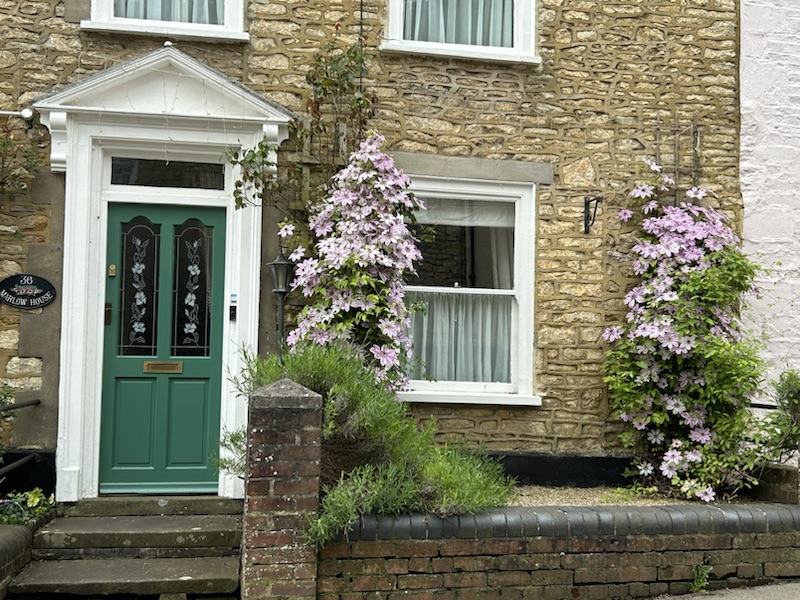
However, we find Dursley quite charming.
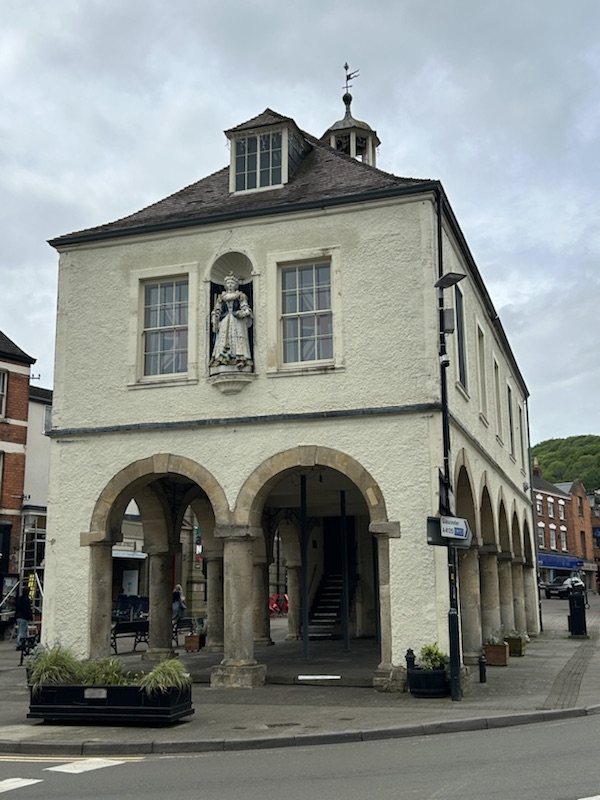
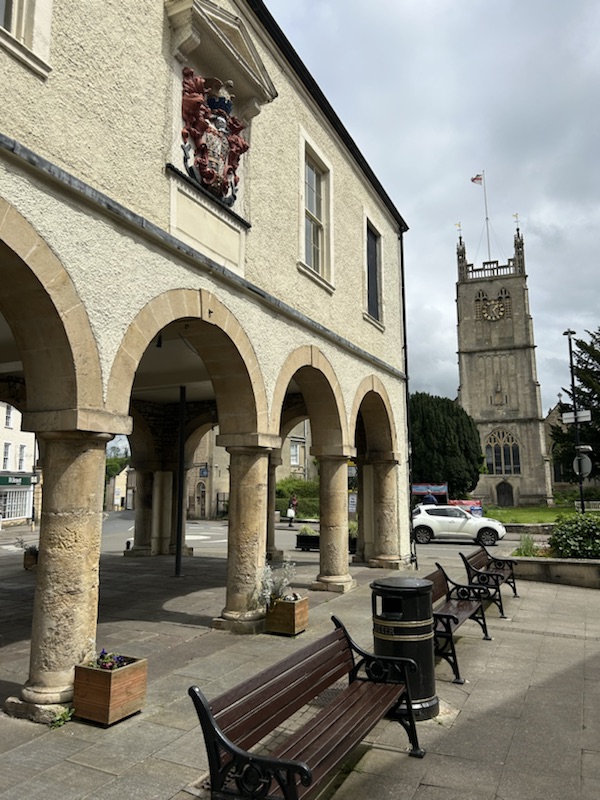
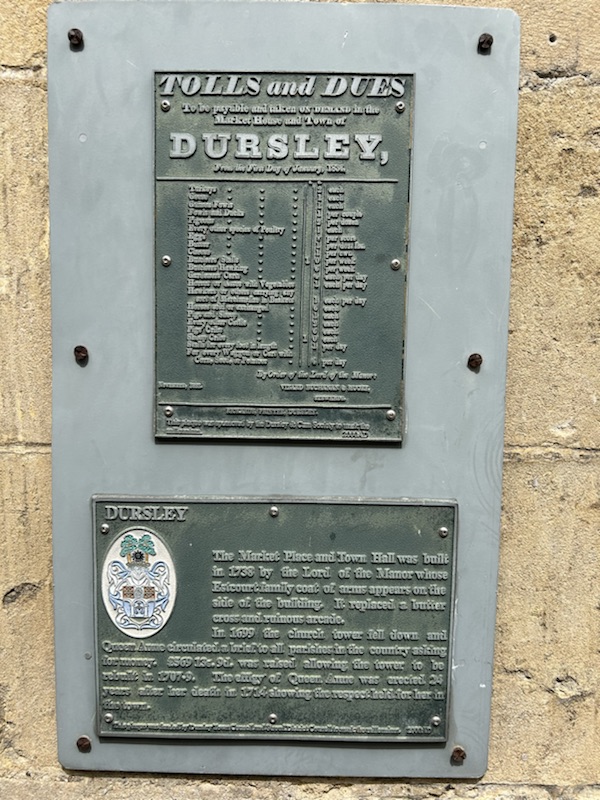
Market Place & Town Hall with plaque showing Published Toll Rates for various Animals & Food Products in the 18th Century











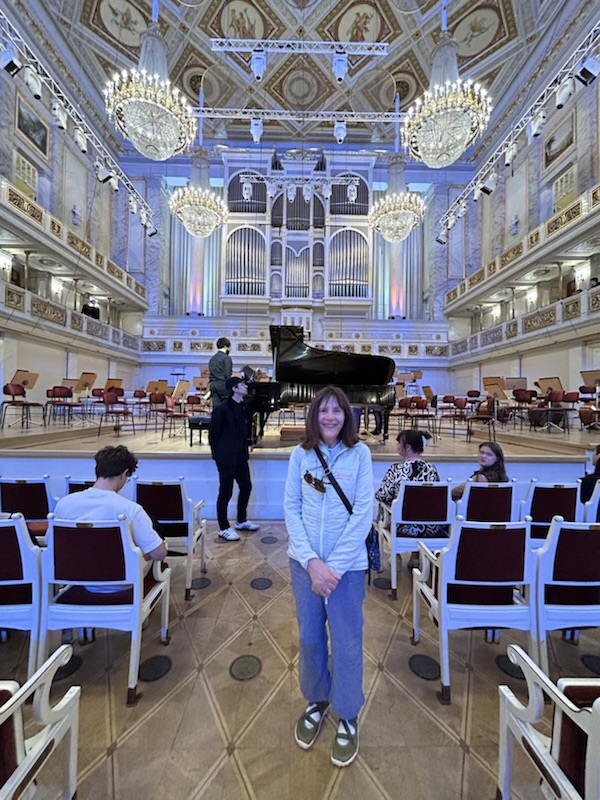
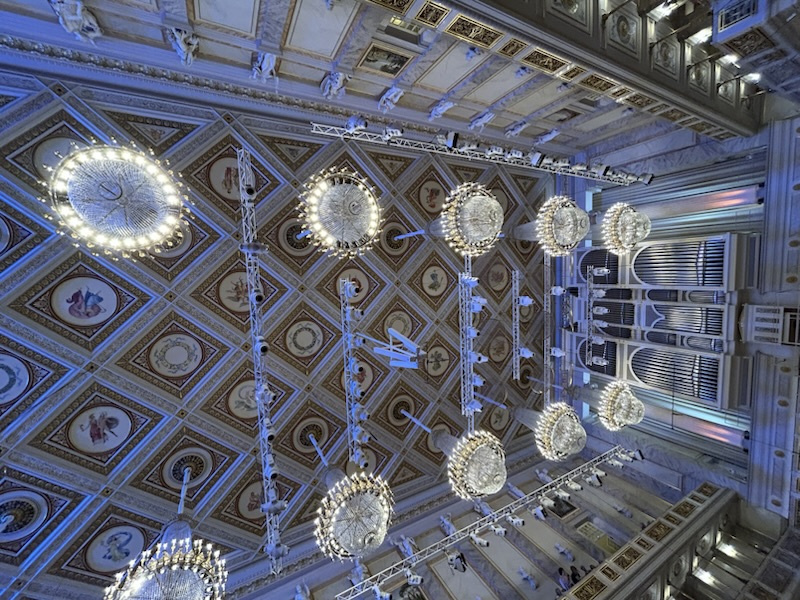
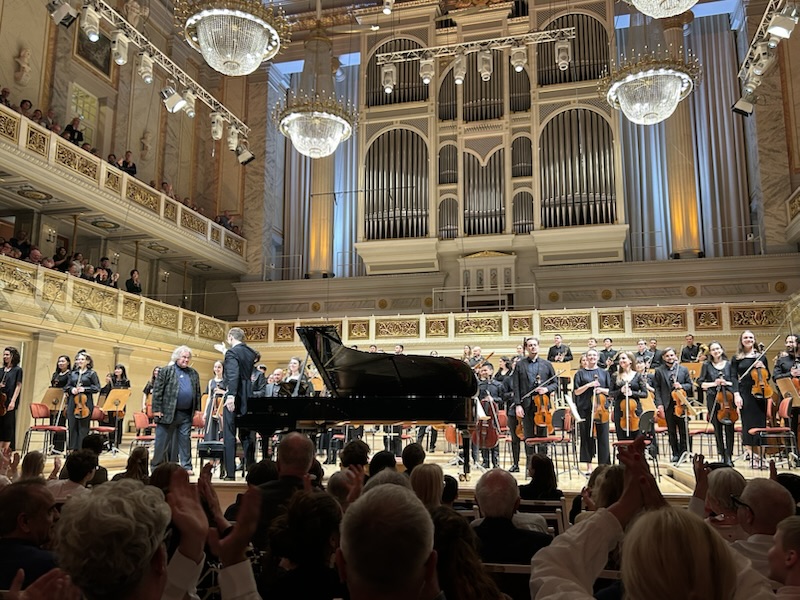
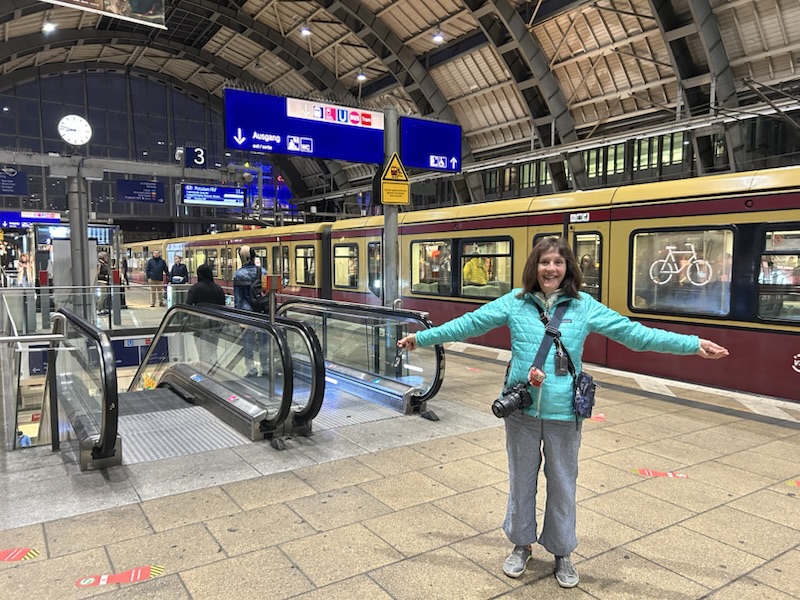




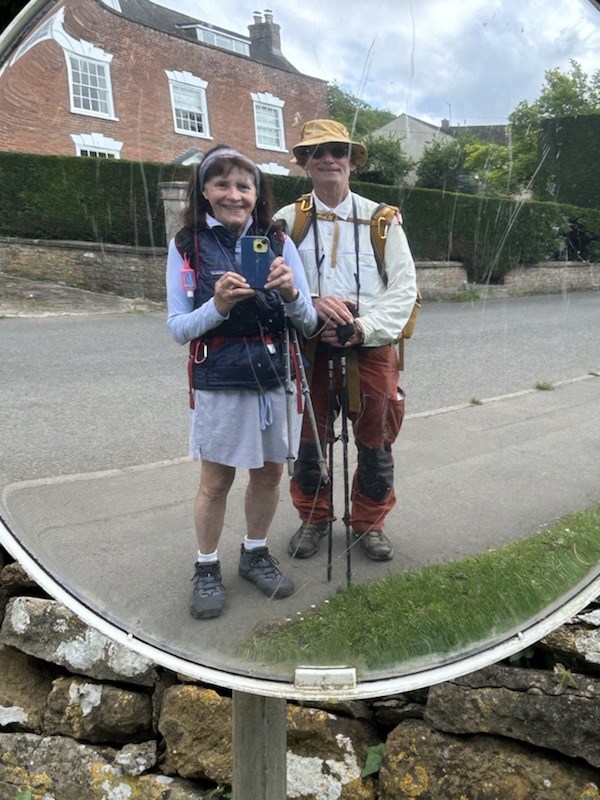
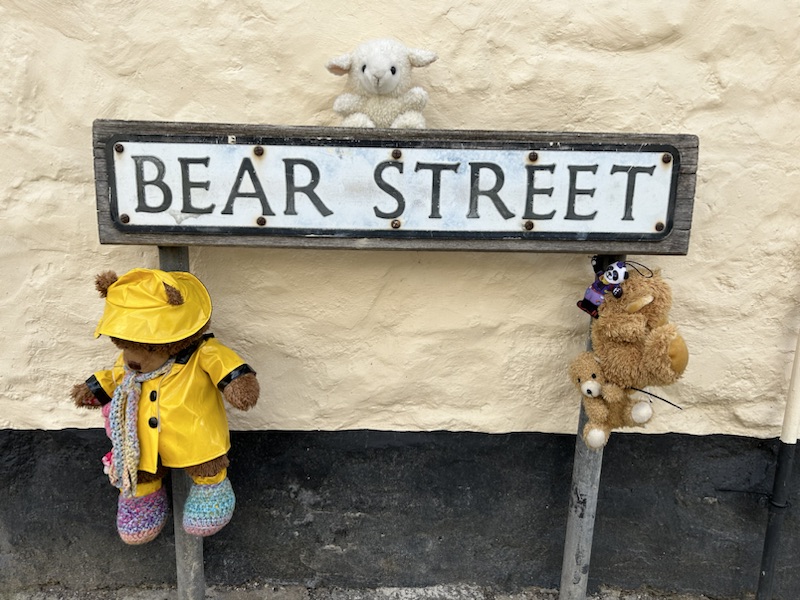
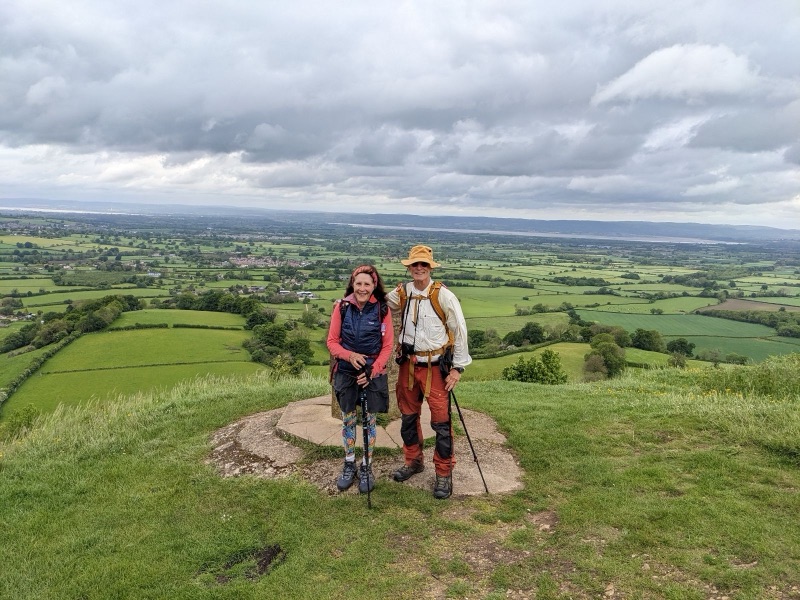
 The Wanderers