
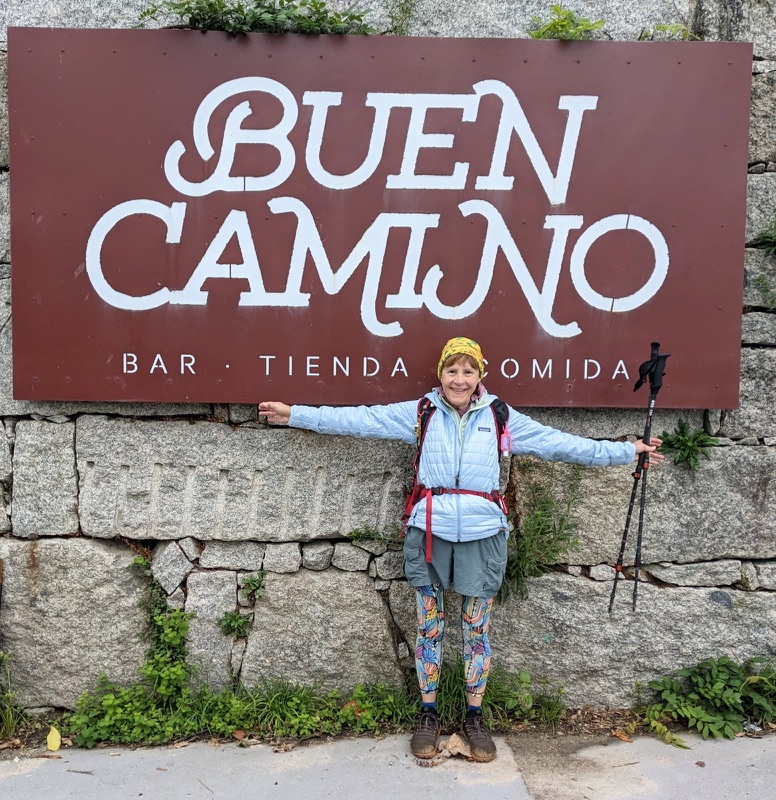
As you meet people along the way you have 3 choices for a greeting, “Hola, “Buenas días,” or the most common for pilgrims, “Buen Camino.”
We left the quaint little Spanish town Caldas de Reis on a chilly morning on a hike almost as long as yesterday at 14.6 miles.
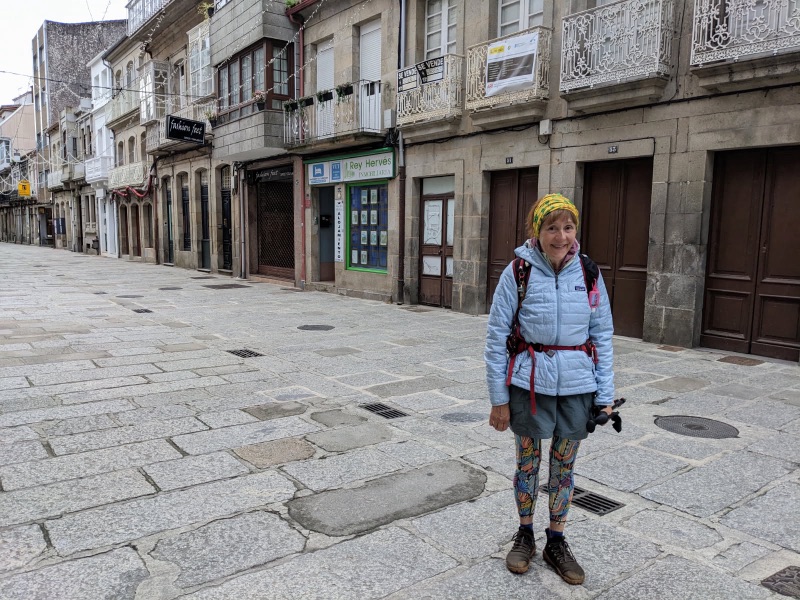
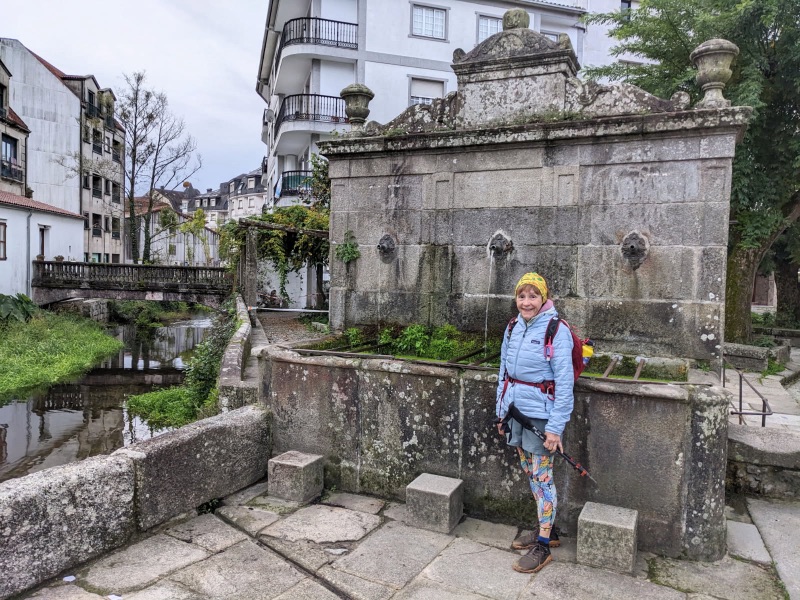
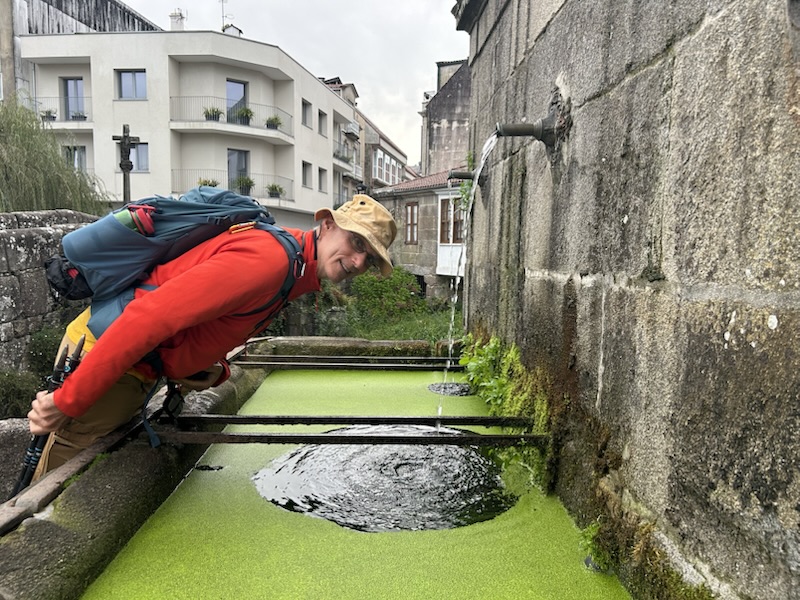
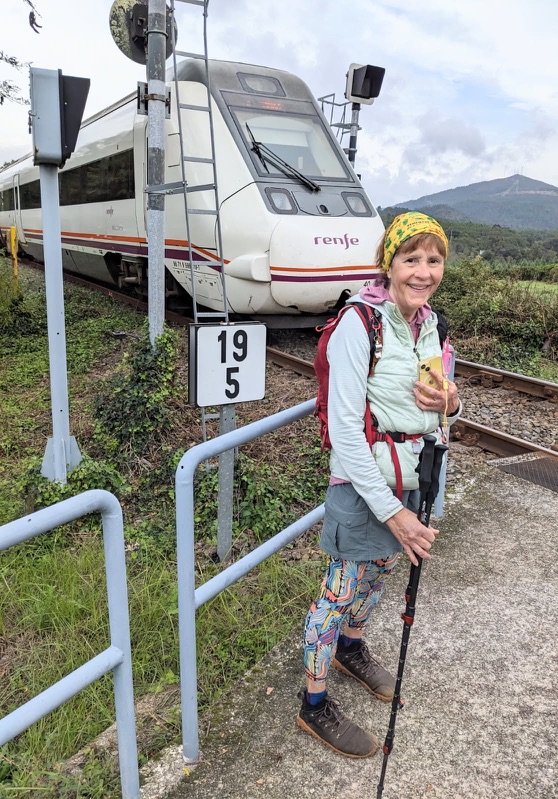
We left a little later than normal hoping most pilgrims would be ahead of us; but, we still met many along the way.
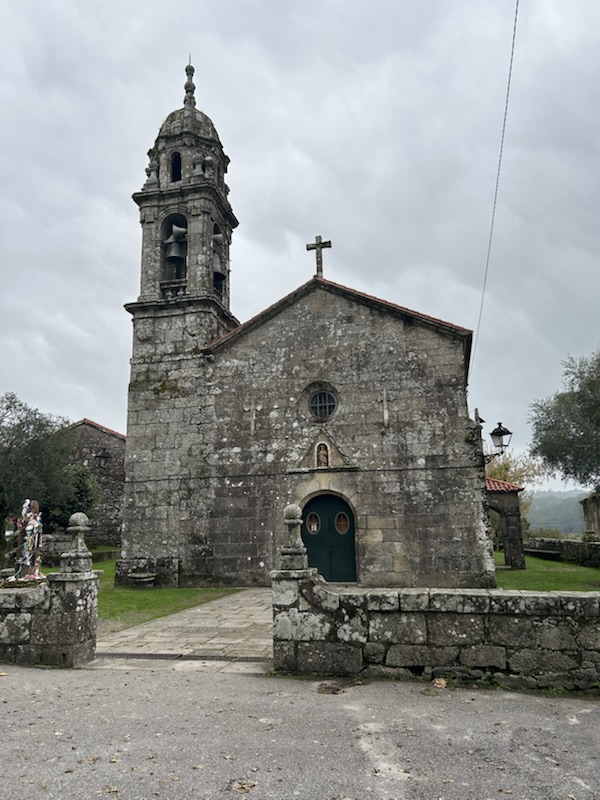
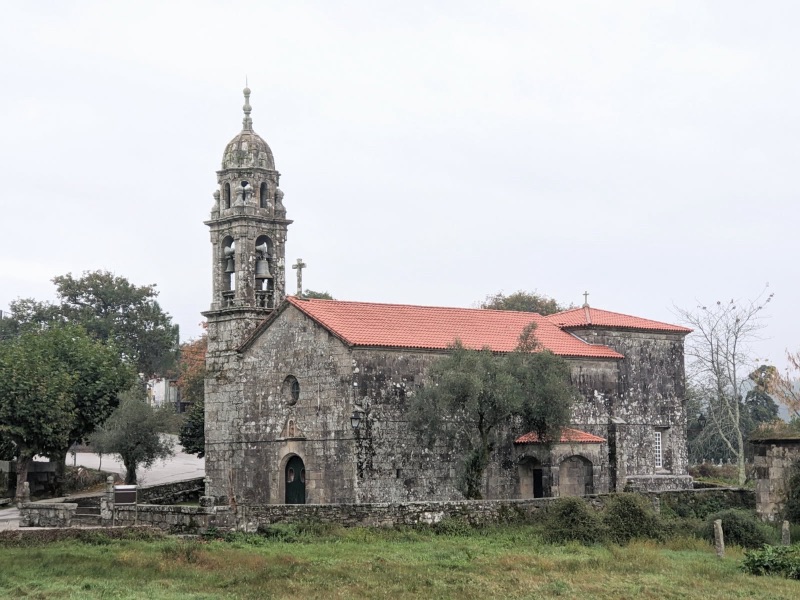
Our first stop was at this small church Saint Marina of Carracedo.
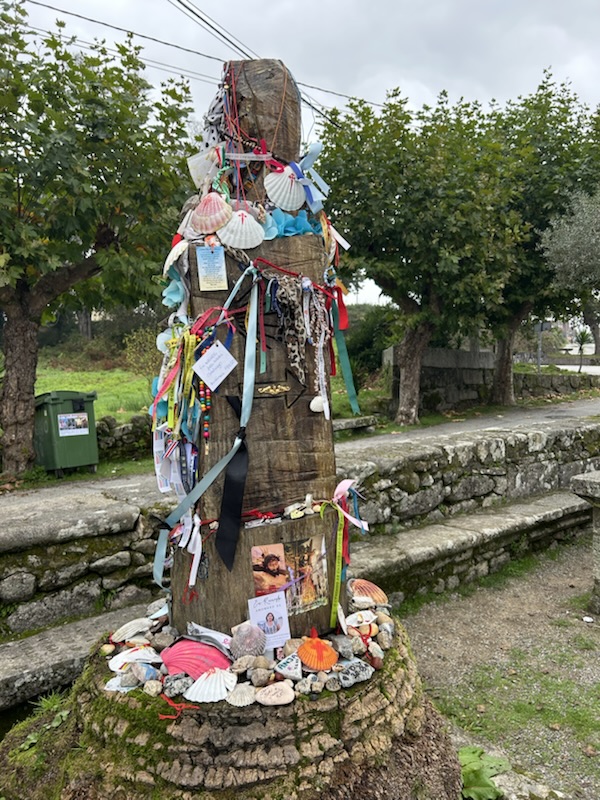
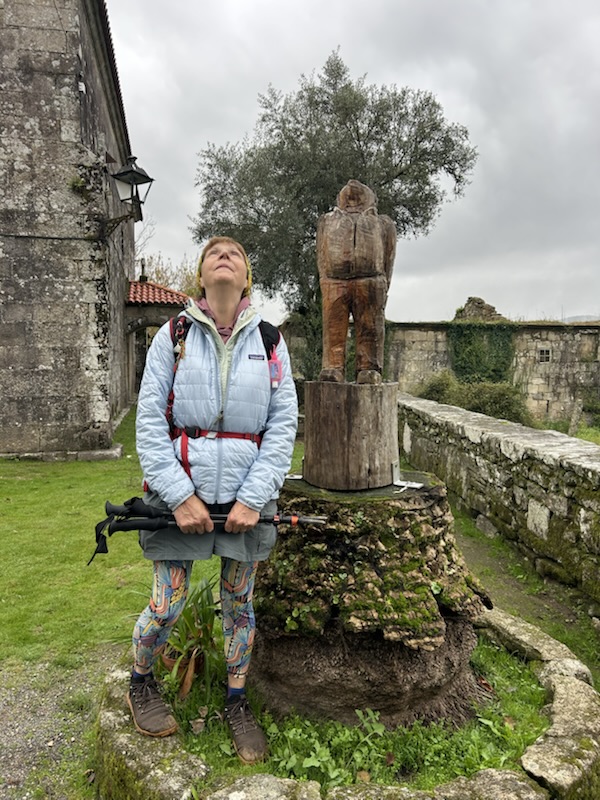
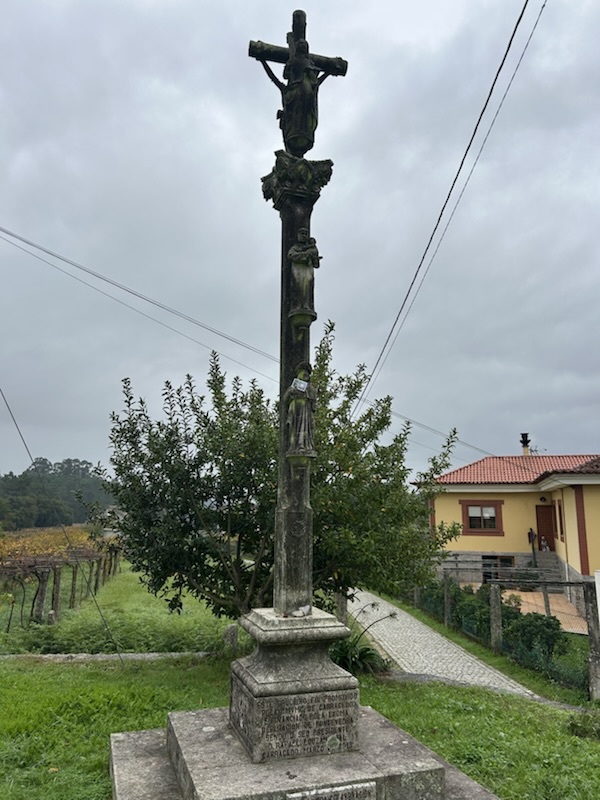
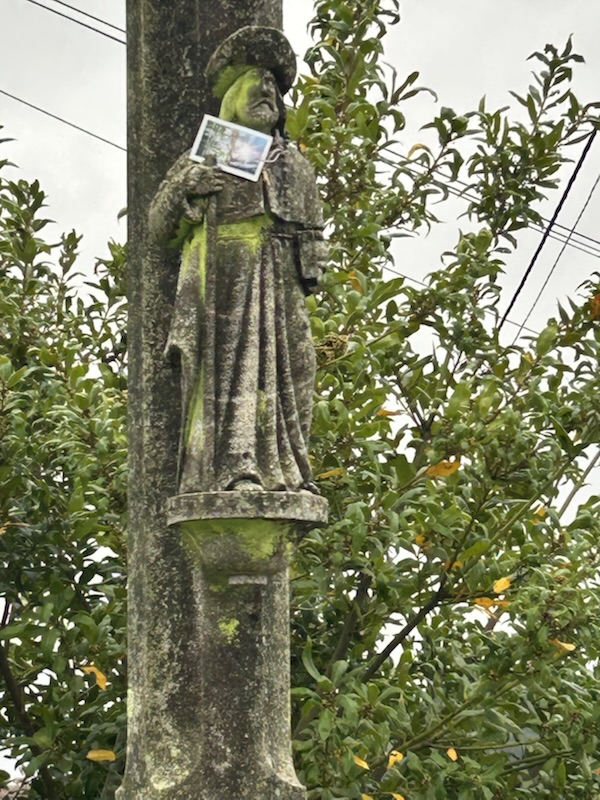
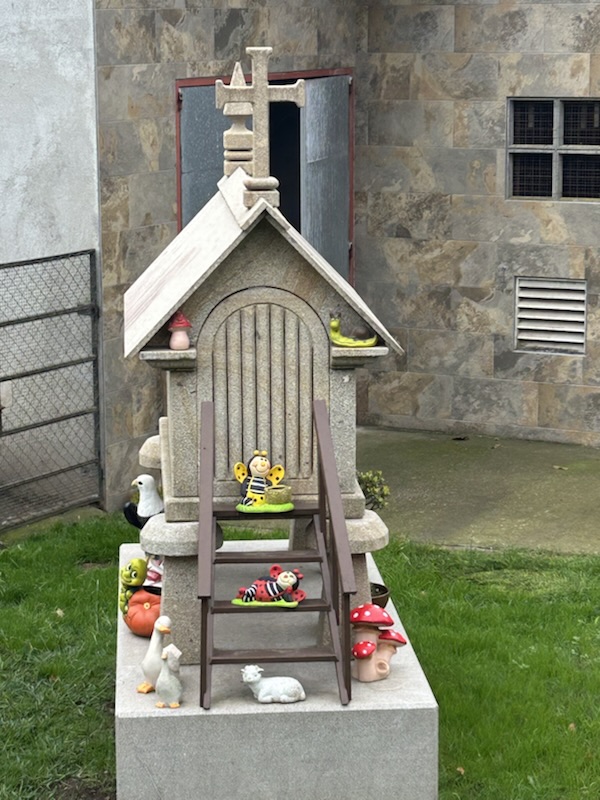
There are many stone crosses on the Camino. This one caught our eye because it also had a pilgrim figure on it.
Much of the route still followed the old Roman road Via XIX through paths shaded by trees & rocks covered in moss.
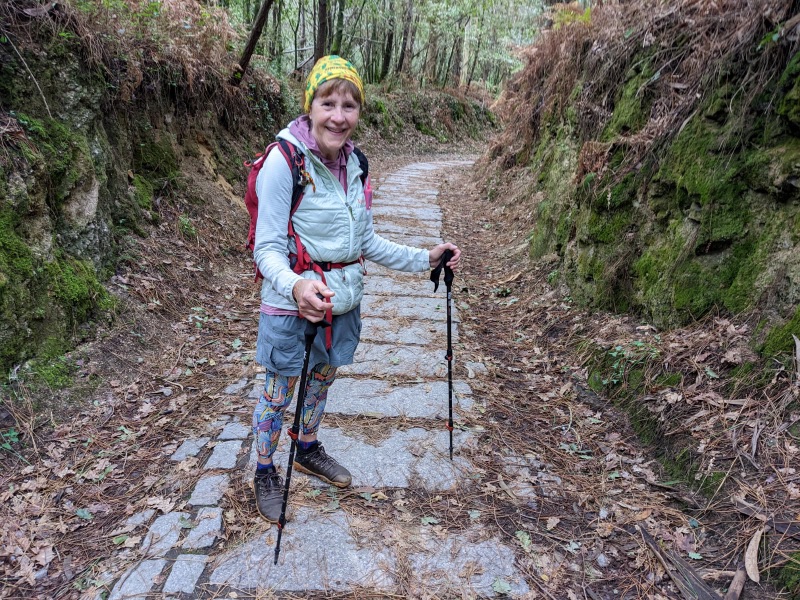
Various images from along the way.
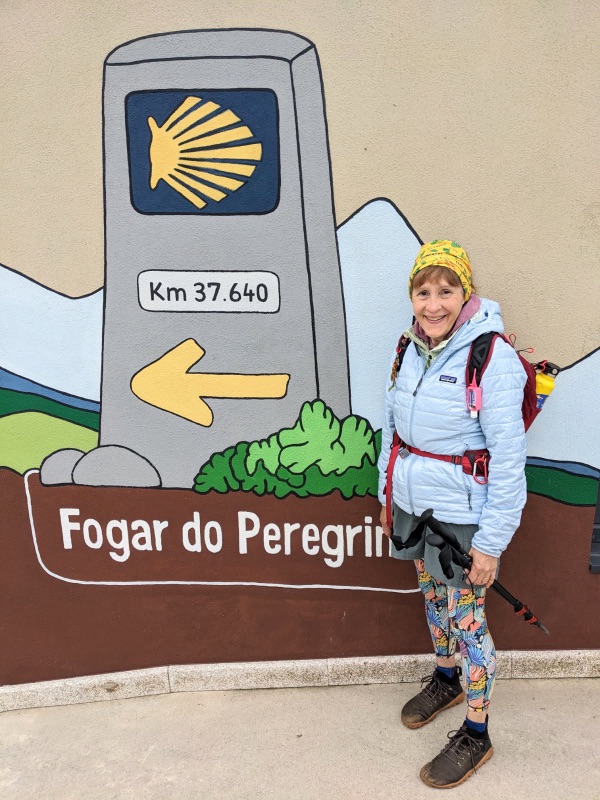
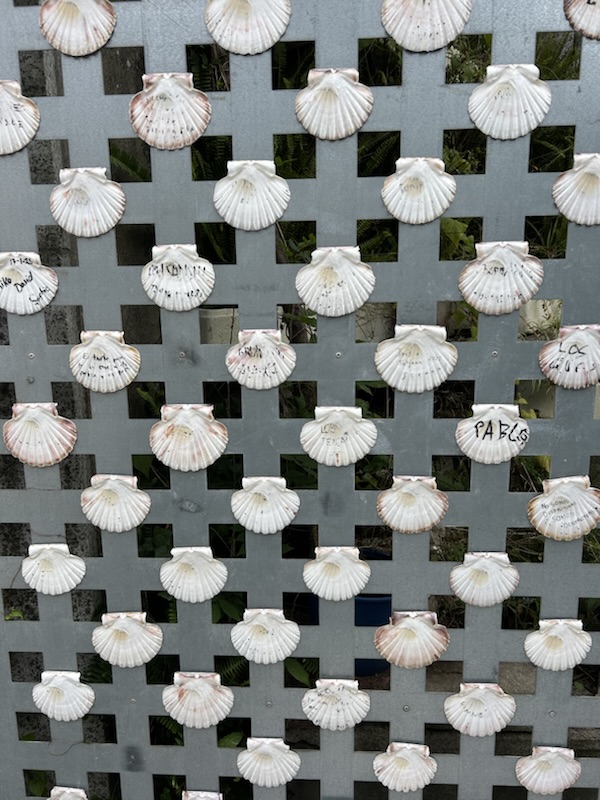
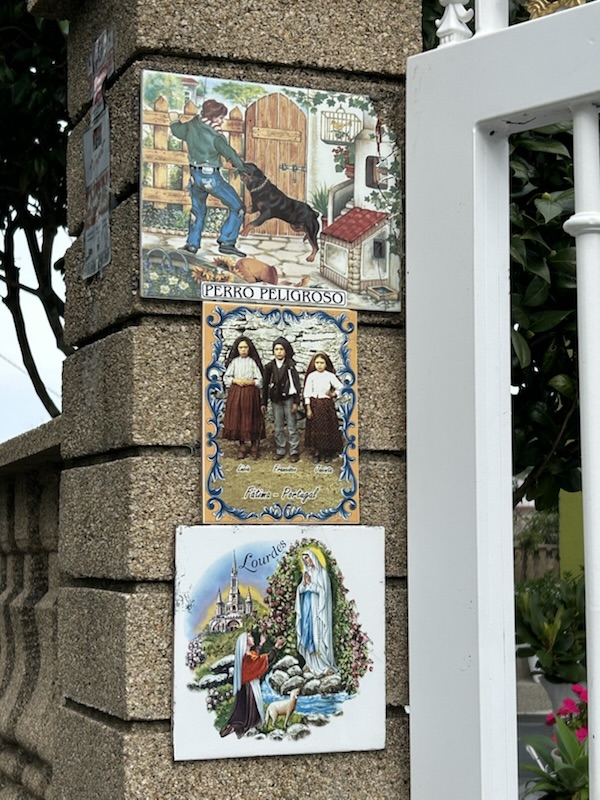
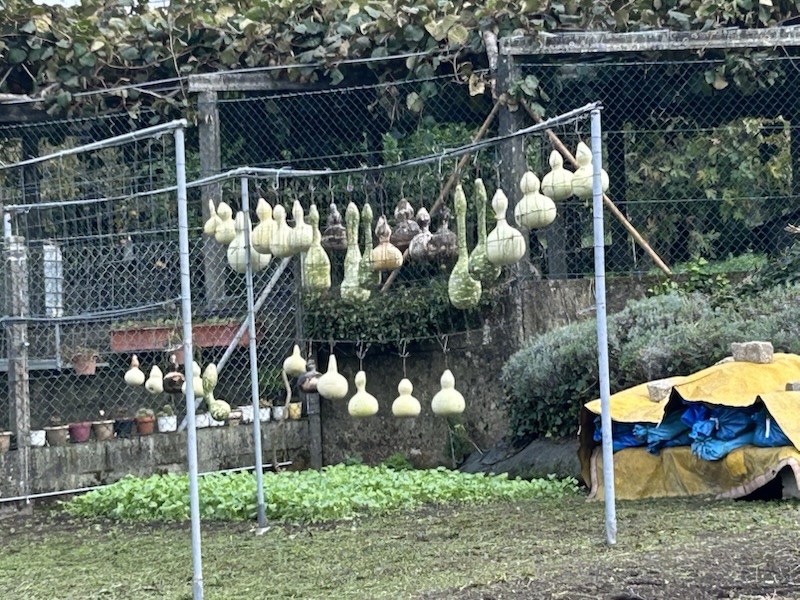
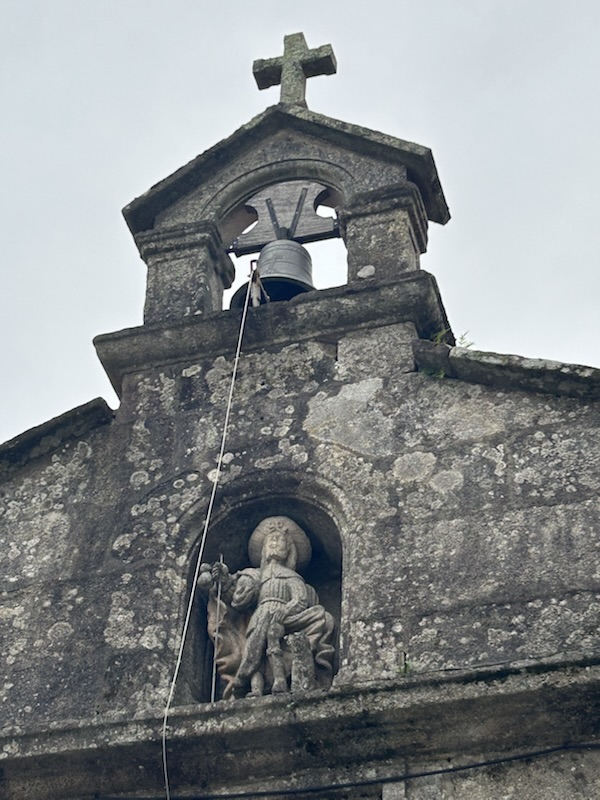
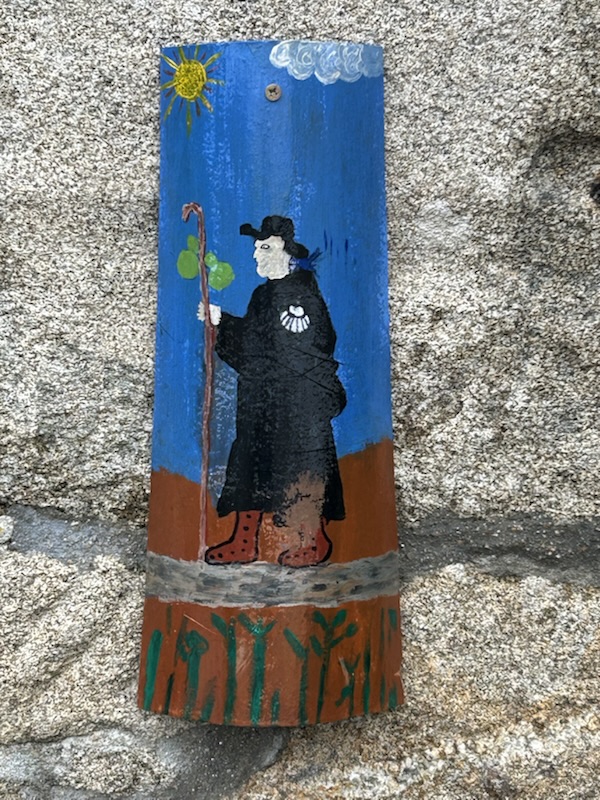
Fun art work.
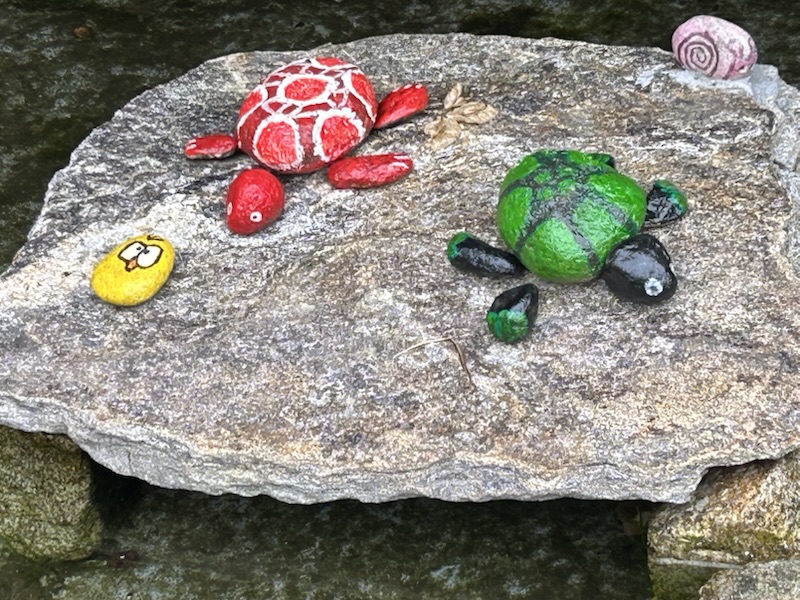
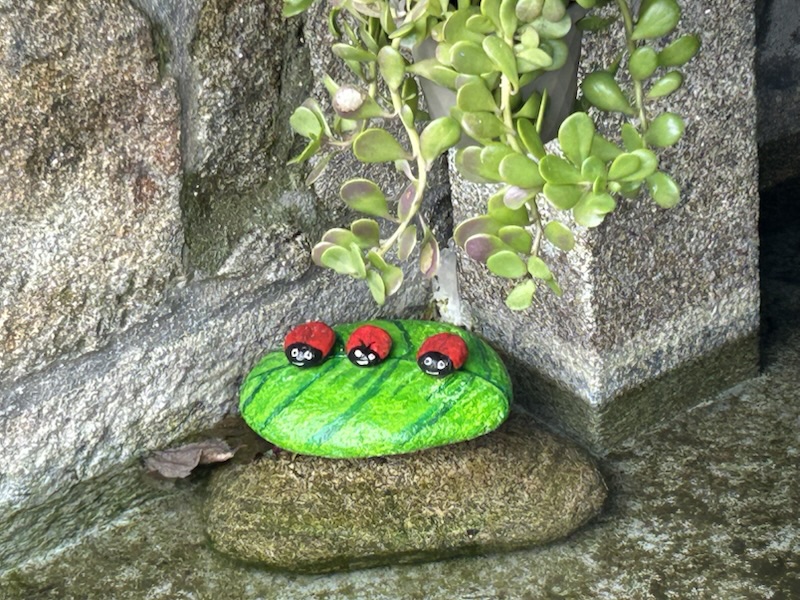
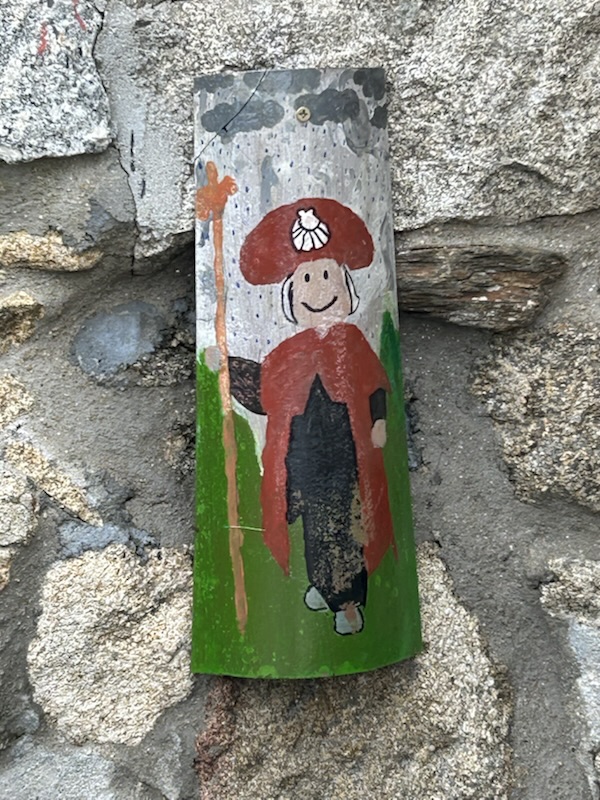
Close to our destination, we took a detour adding a few miles to our route. Few pilgrims make this detour.
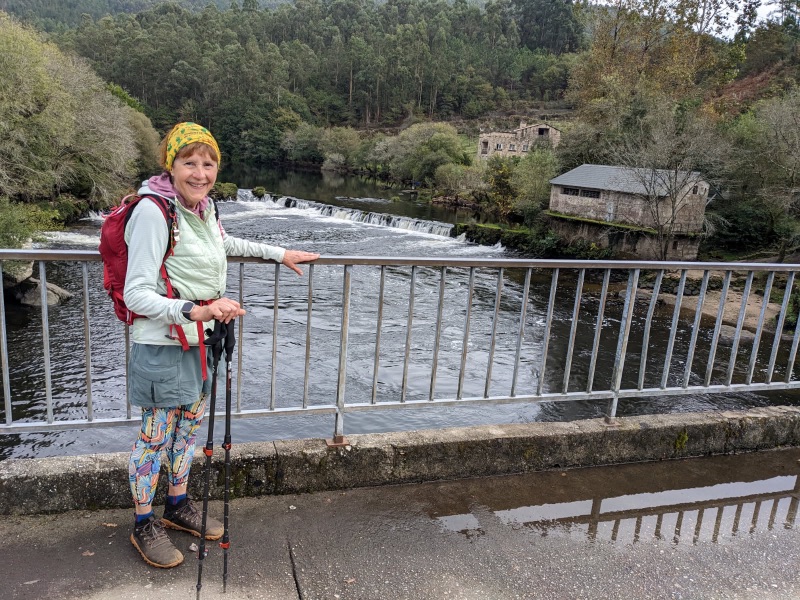
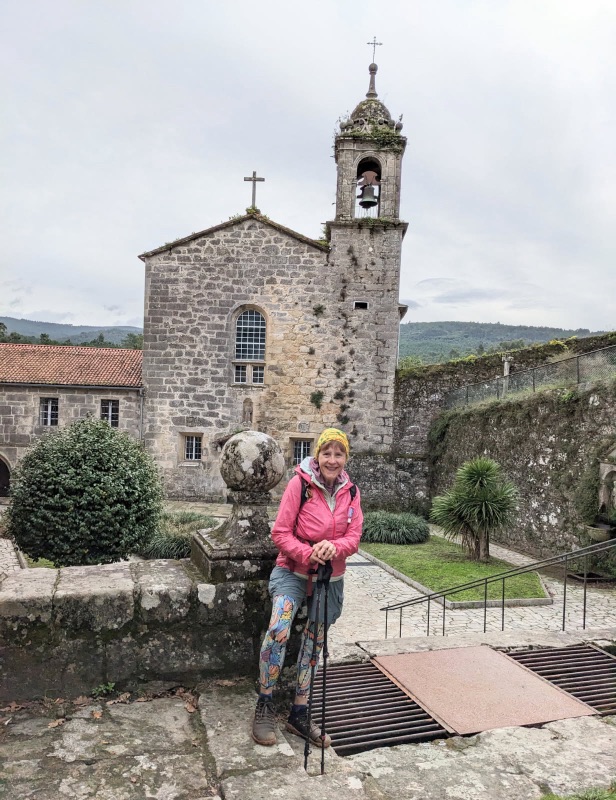
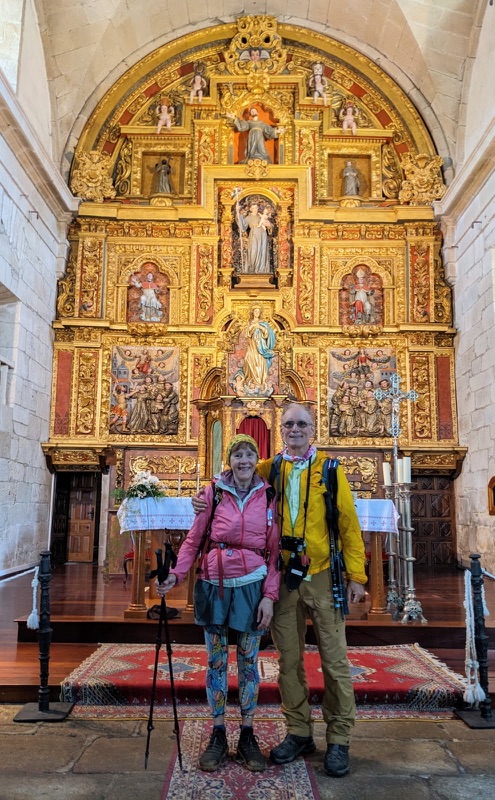
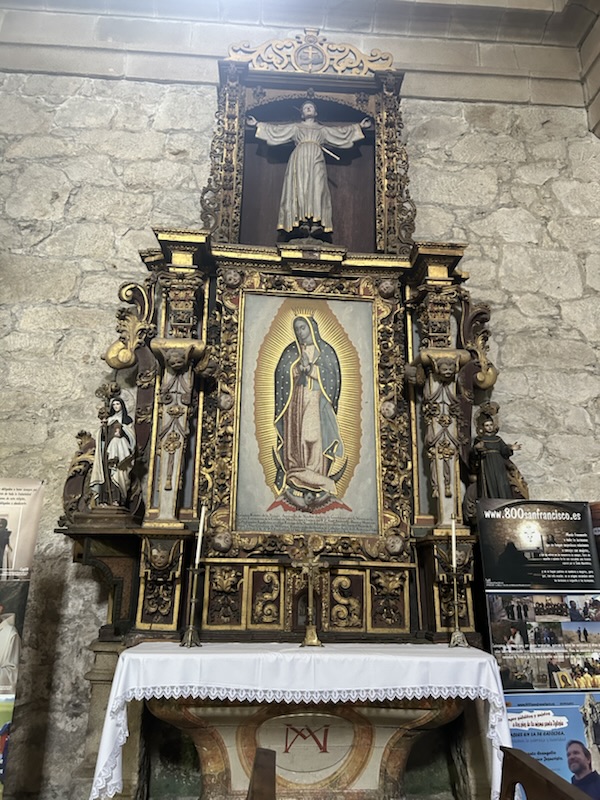
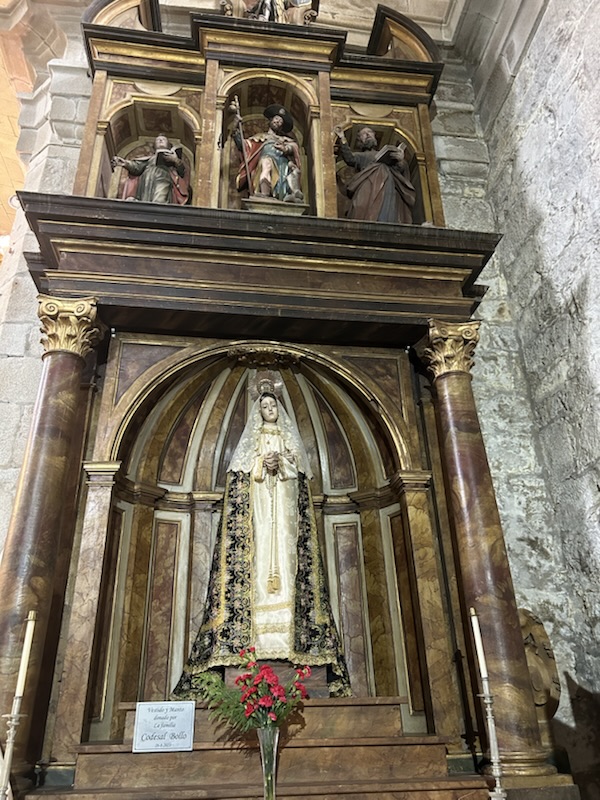
Our main purpose for the detour was to visit the Convent of San Antonio de Herbon which was built in 1396. We met the caretaker who opened the chapel for us to visit.
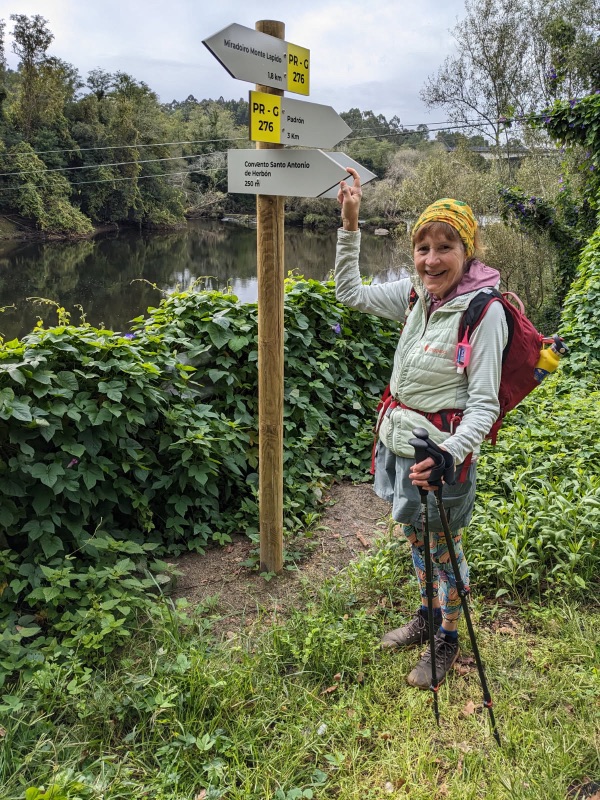
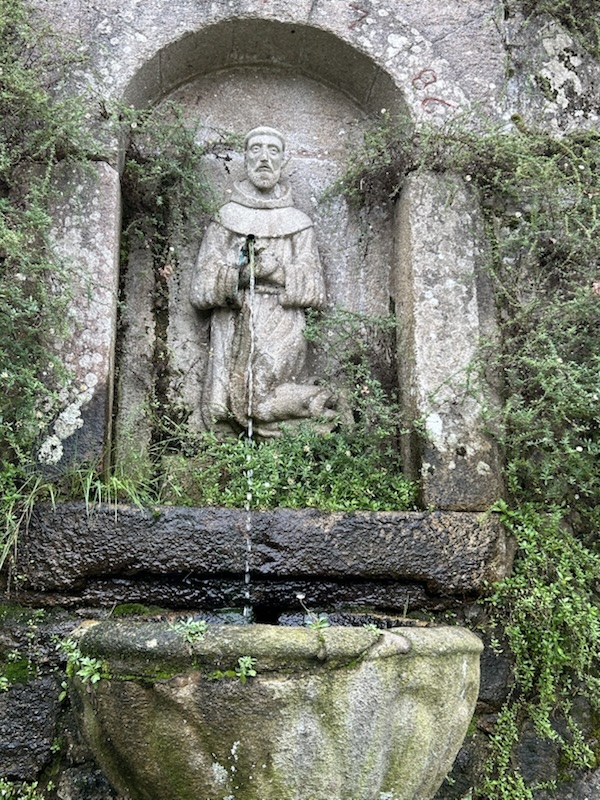
The first peppers arrived in Spain from the New World in 1496 when Columbus returned from his second voyage there.
The Franciscan monks at this convent are known for bringing the now famous Padron Peppers to Spain from Tabasco, Mexico, in the 1600s.
Back then, friars maintained gardens to sustain the convent, then traded or sold their surplus crops for necessary goods. The monks harvested the mature red peppers, dried them, & then crushed them into powder not only to preserve them; but also, to be able to easily transport them to other regions.
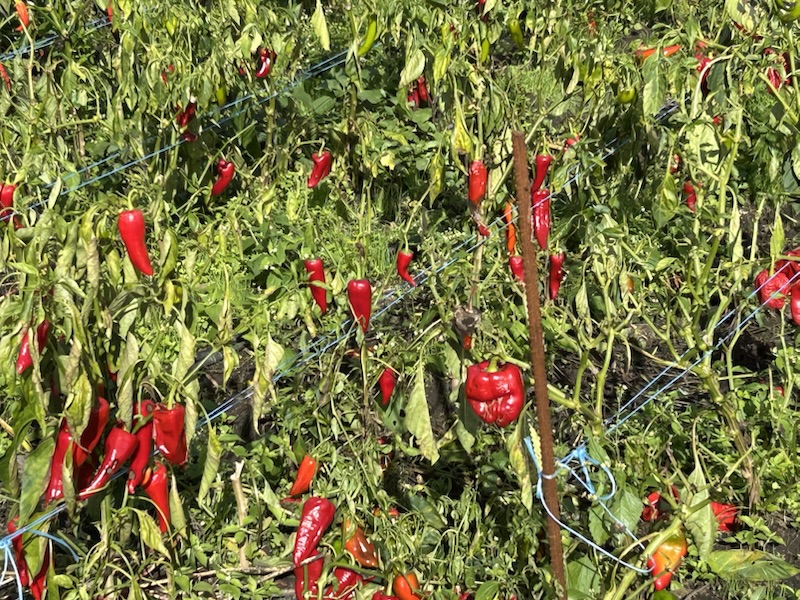
At some unknown time in the past, the Padron Peppers began to be enjoyed when they were still green.
These fresh green Padron Peppers were only known in central Galicia. Rough roads & long distances kept these green peppers a local secret well into the 20th Century when paved roads & refrigerated trucks made it possible to distribute them widely
We first tasted these peppers on our last Camino, now we enjoy a plate at dinner most evenings
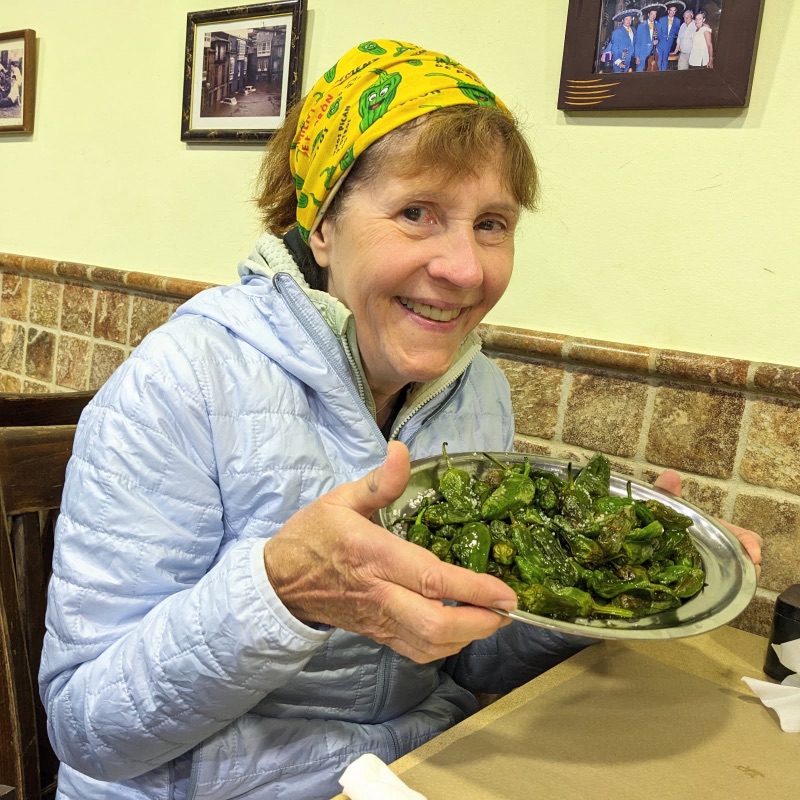
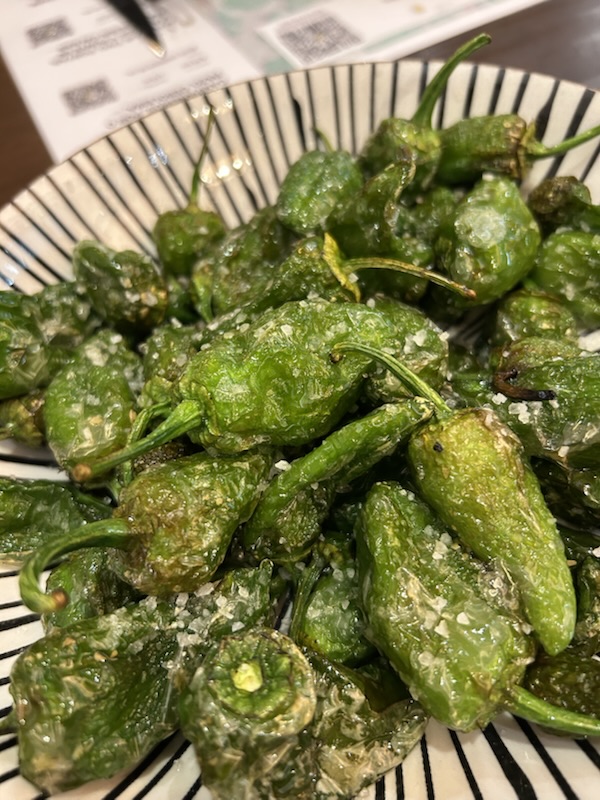
These small green peppers are pan fried in olive oil, then sprinkled with sea salt.
The local saying goes, “Os pimentos de Padron, uns pican e outros non” which means “Some Padron peppers are hot , some are not”.
The peppers’ genes render about 1 in 10 only mildly hot. This taste characteristic is called “Spanish Roulette” which has become part of the Padron Pepper’s appeal.
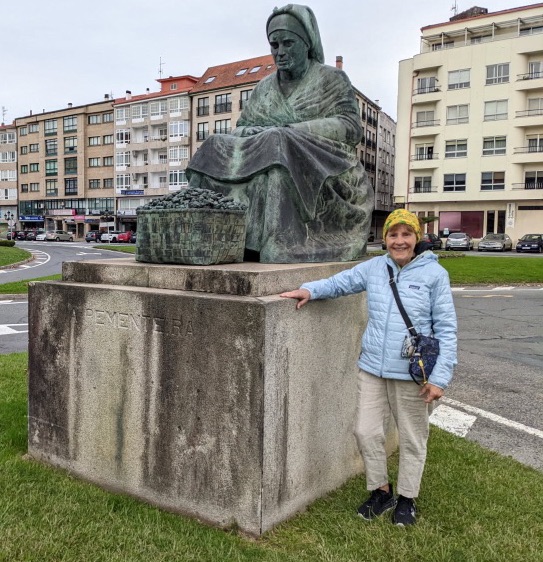
Padron acknowledges their legacy peppers with a statue honoring the women who grew & picked the peppers.
Padron is also famous for being the place where St. James’ (Santiago) bones were brought to Spain. A church honoring this event is in Padron.
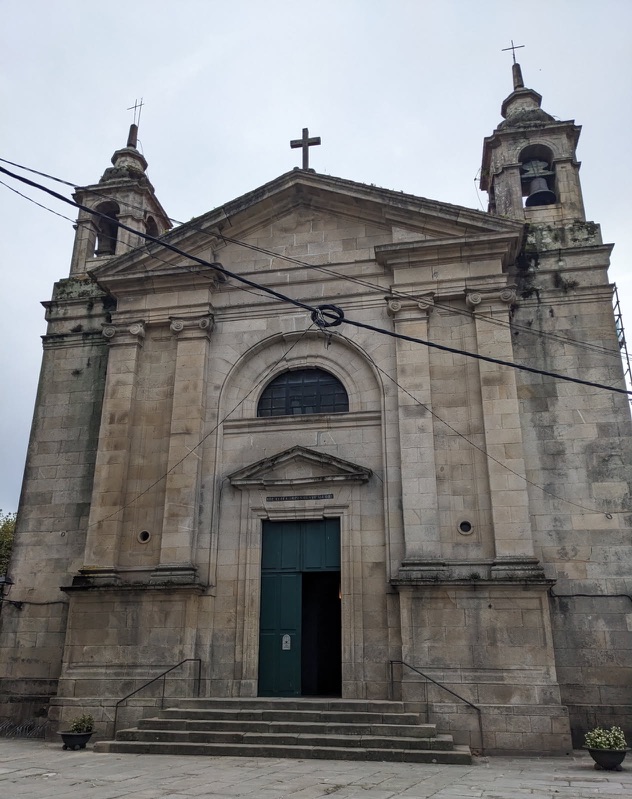
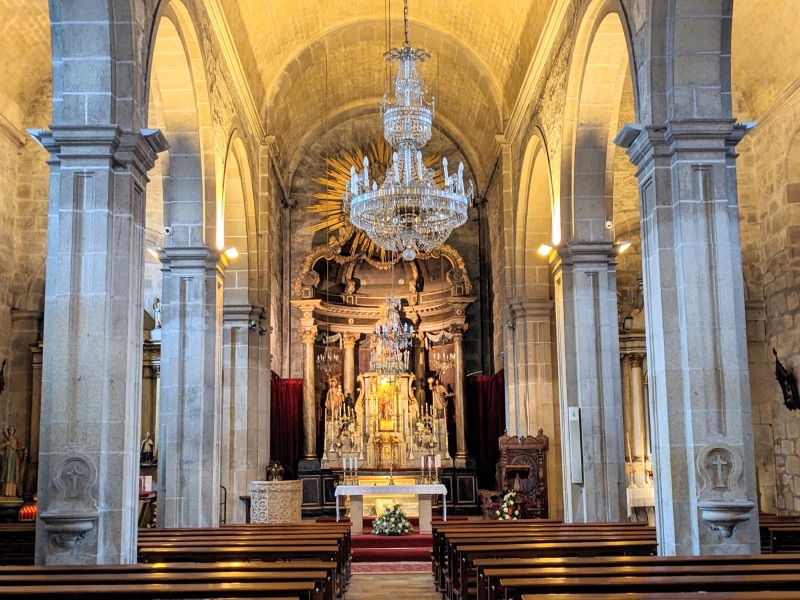
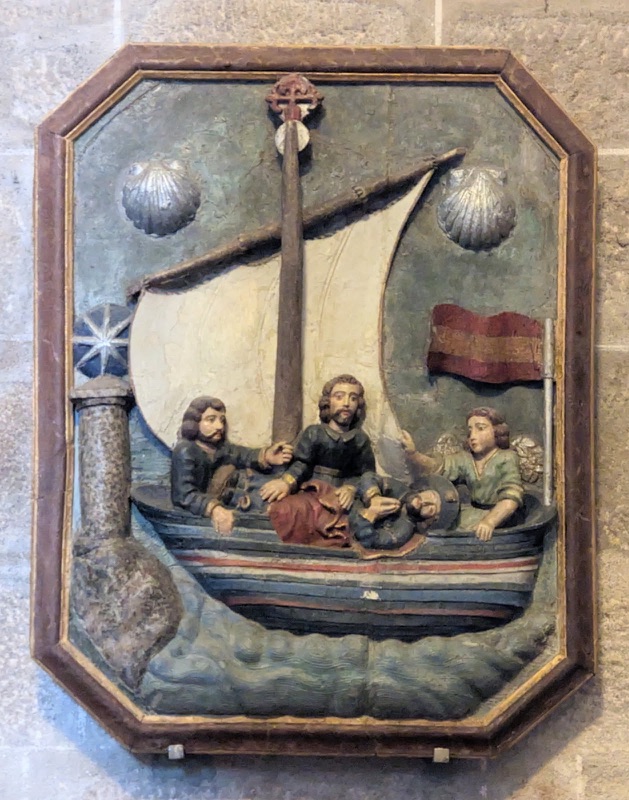
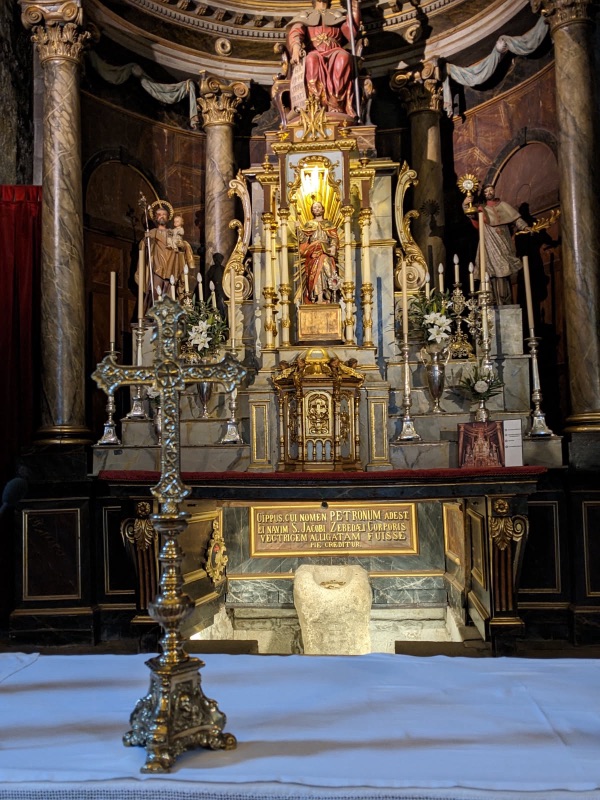
The Church of Santiago in Padron stands on a temple built by the Romans to honor Neptune, god of the sea. The first church was built here in the 10th Century & the current structure was finally completed in the mid-19th Century.
According to legend, after Jesus‘s death & resurrection, his disciple James travelled to Roman Hispania to evangelize & came to Padron. He travelled all around Spain when Mary appeared to him in a vision in Zaragoza, after which he returned to Jerusalem where he was martyred.
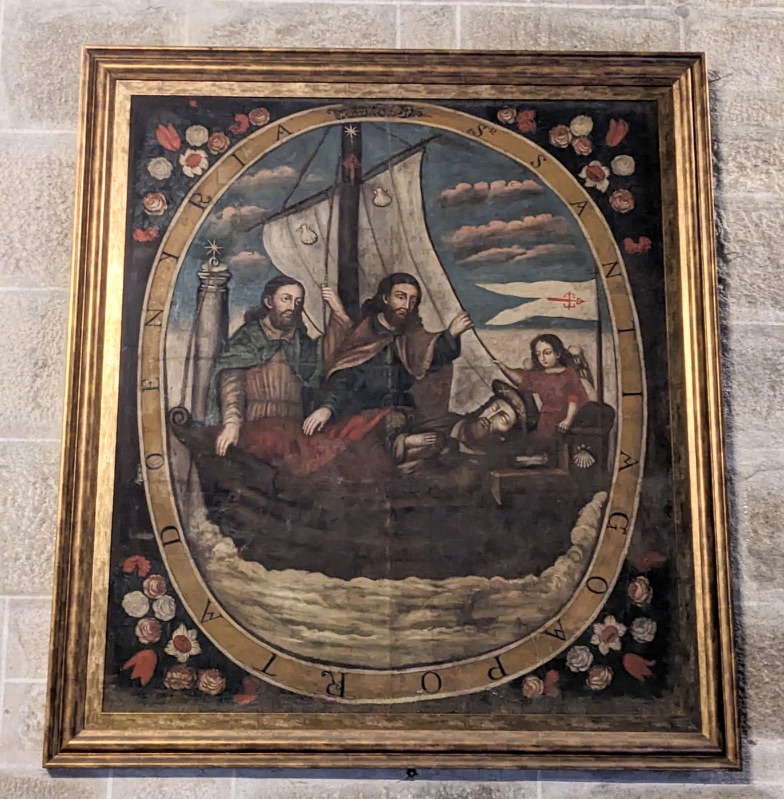
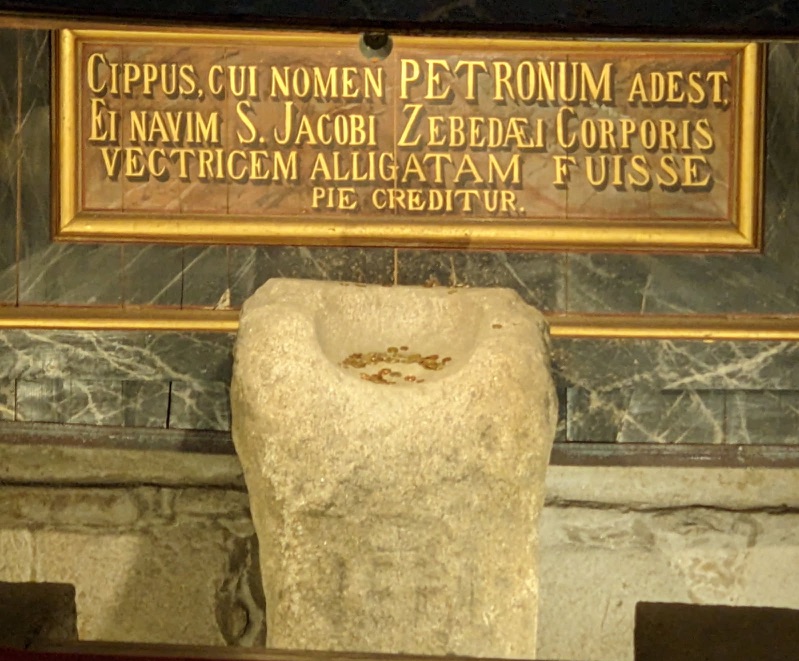
it is said that his disciples Theodore and Athanasius placed James’ body in a boat & sailed west across Mediterranean through the Pillars of Hercules at Gibraltar, and headed north along the Atlantic coast until they found a safe haven where they moored their vessel to a “pedron” which is Spanish for a “big stone” which is was here & us where this city’s name is derived.
The legendary “pedron” mooring stone is displayed in the altar at this church.
James’ two disciples moved James’ remains to be buried at Santiago de Compostela, then they remained in Padron to evangelize.
Legend has it that some shepherds in a field saw a star shining on the site of St. James’ grave during a key period in the struggle against the invading Muslims in the 8th Century. As news about the shepherds’ miraculous discovery spread to the defending Christian armies, they took heart & in 722, at the critical Battle of Covadonga, they saw St. James riding down from heaven on a magnificent white charger to lead the Spaniards to victory.
From that time on, Saint James, or Santiago (Iago was his name’s old spelling) became known as Spain’s patron saint.
 The Wanderers