
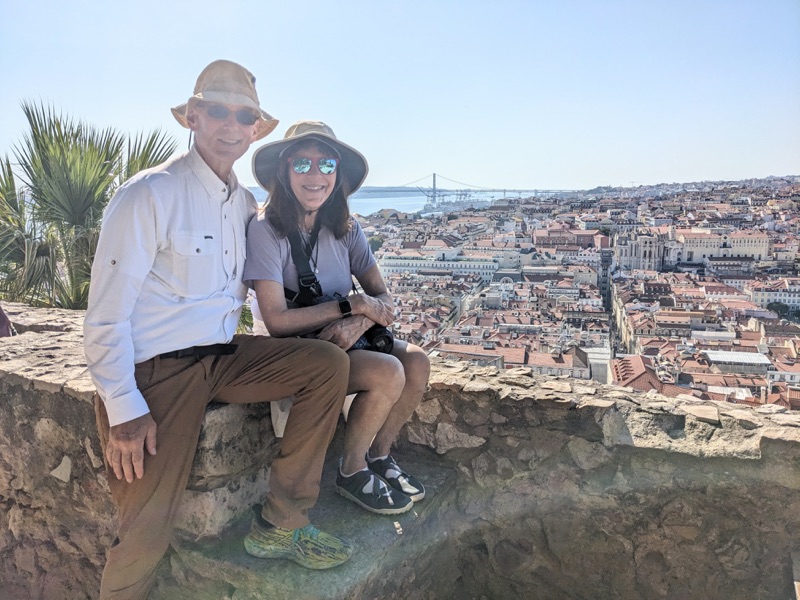
After 40 years, we finally made it back to Lisbon. We first came here over Thanksgiving 1985 when we were living in Germany.
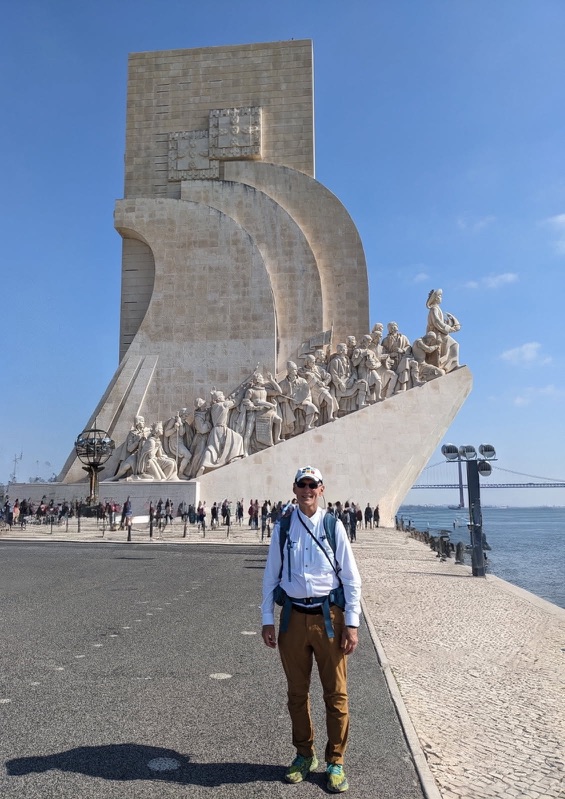
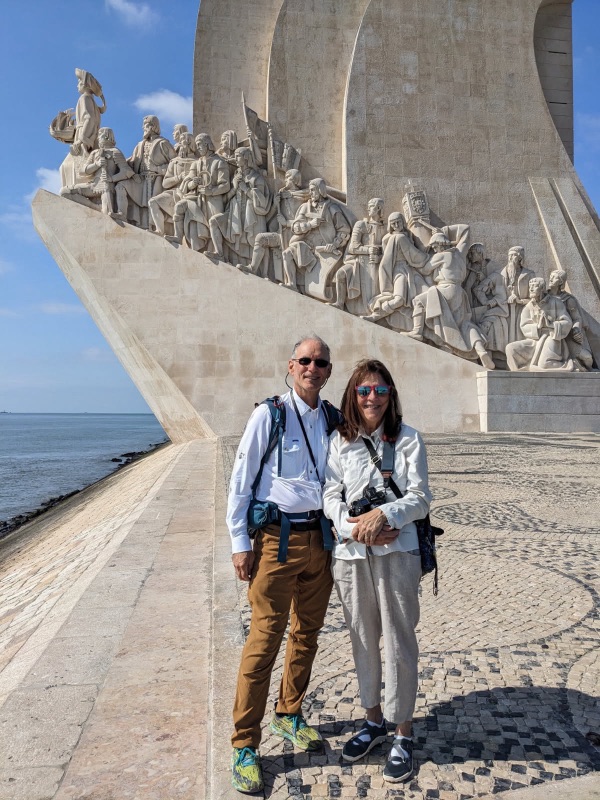
When we returned home, we told our friends we went to San Francisco. To fool them we showed them the following picture with us standing by what looks like the Golden Gate Bridge.
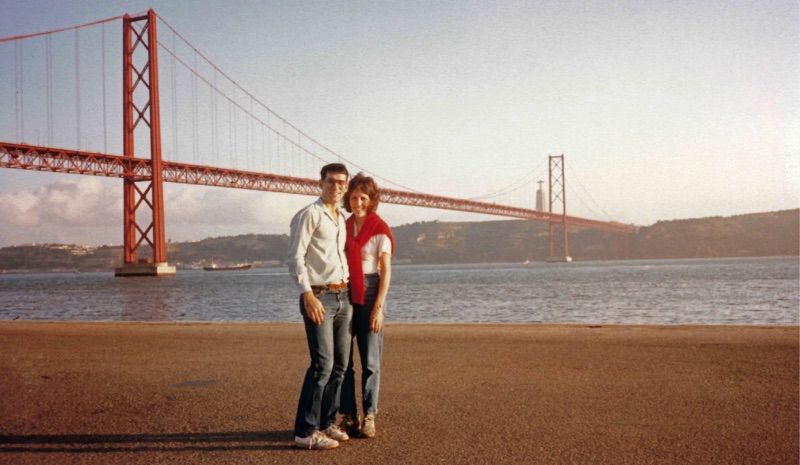
But, then admitted to going to Lisbon which we enjoyed.
We returned visited a few places from that time; but, we also saw many new places here.
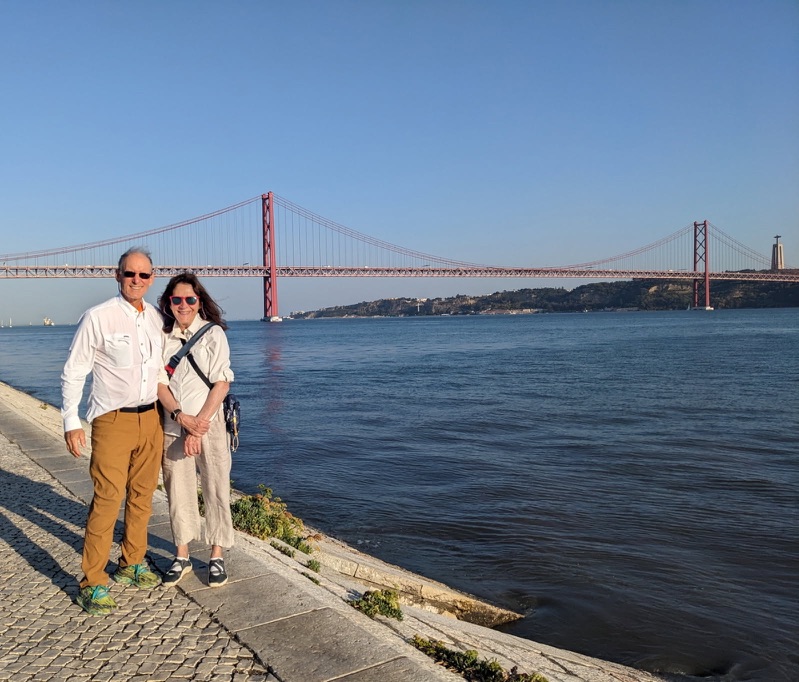
Then & Now.
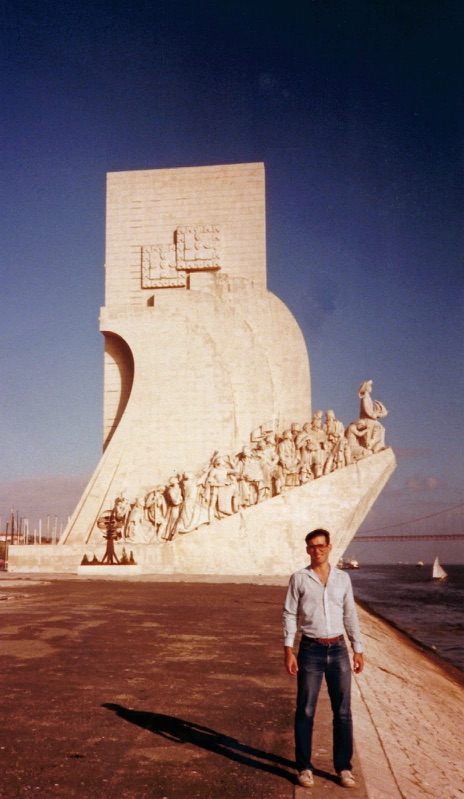
With help from the Internet, I think we are better travelers than we were in the 1980s because it is much easier to research places to visit.
We also enjoy the Netflix show “Somebody Feed Phil” & get tips on places to eat all over the world.
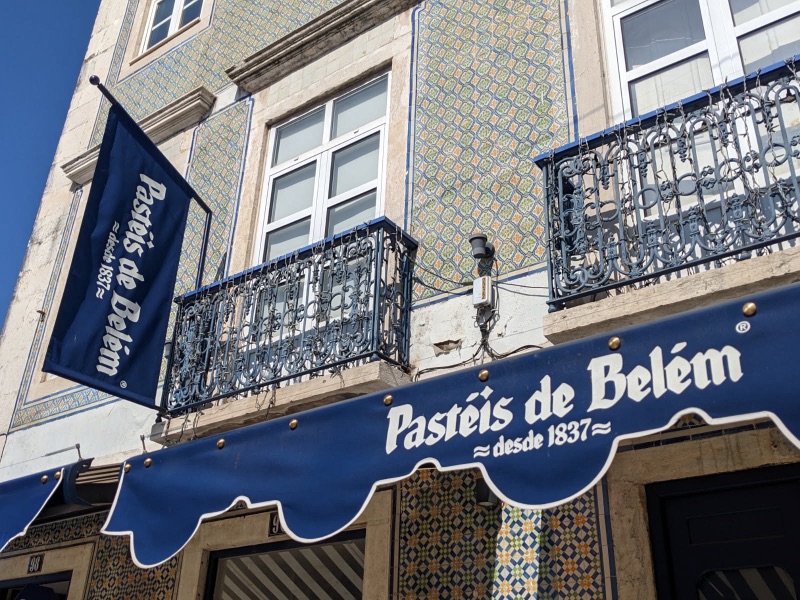
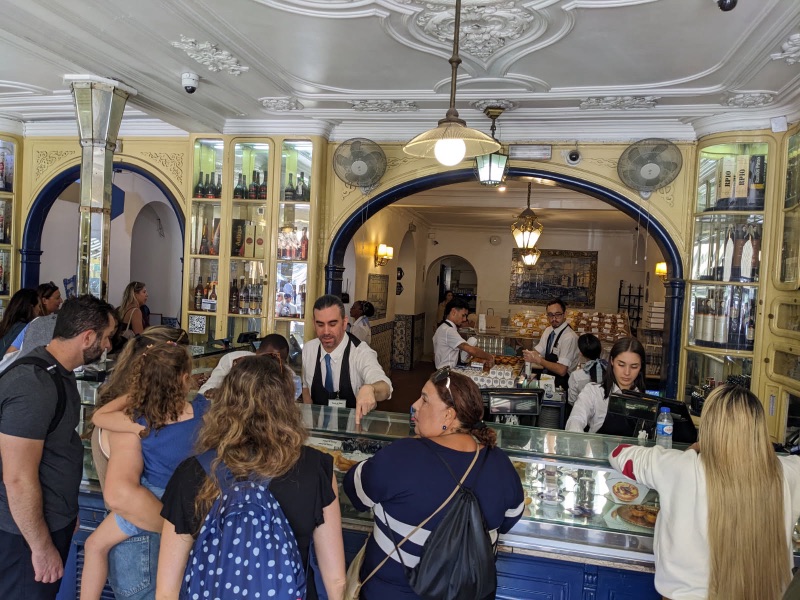
One place we learned about from the show is the Pastes de Belem. This is where Lisbon’s famous custard tarts were first created.
You can find this pastry in any bakery or pastry shop in Portugal; but, from our culinary experience, they make the best.
Legend has it that the sweet which consists of pastry cups filled with an egg & cream custard was probably first baked at the neighboring Jerónimos Monastery.
When Portugal’s monasteries were closed in 1834, a former monk-slash-baker moved his shop to a sugar refinery a few doors down and in 1837, the confection known today from Portugal to Hong Kong was born.
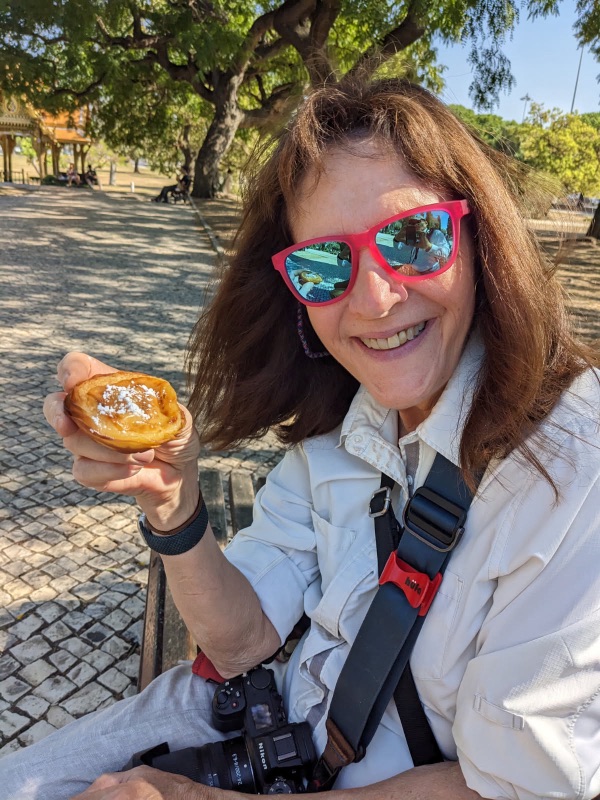
After getting stuffed with these delights, we enjoyed touring the Jerónimos Monastery.
In the 14th Century, the small Lisbon chapel, Santa Maria de Belém, was presided over by monks of the military-religious Order of Christ.
Originally built by Prince Henry the Navigator, the monks’ duty was to assist Portuguese sailors & ships leaving port for long journeys.
Seamen & crew would spend their last night in Portugal within the church, often praying for safe travel and confessing their sins to the monks in case they did not return to land.
The most famous Portuguese sailor was the great explorer Vasco de Gama. He was the first European to reach the Far East by sea around Africa’s Cape of Good Hope who credited his night of prayer in the church with his success.
Upon de Gama’s triumphant return with new found riches, King Manuel I began constructing a new monastery on the location to showcase the glorious wealth that the Age of Exploration brought to the Portuguese empire.
Today 100s of people stand in line to see the magnificently carved cloisters.
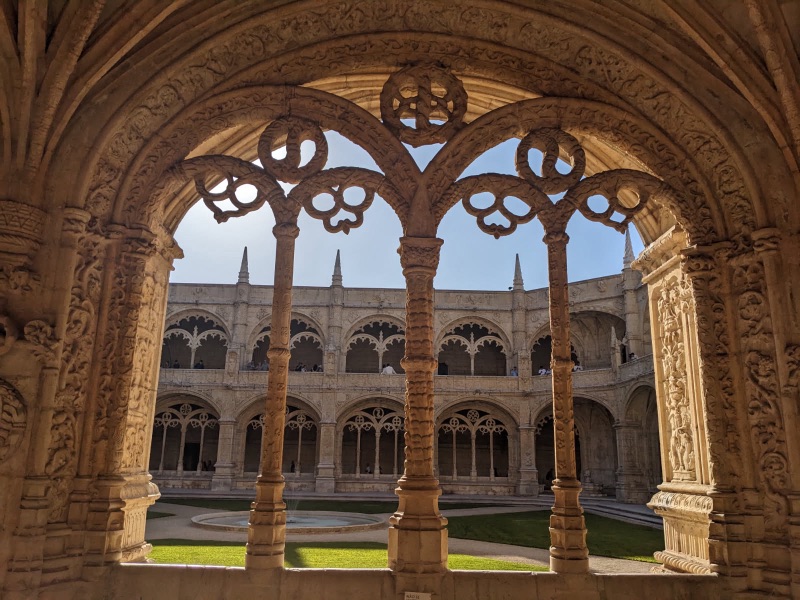
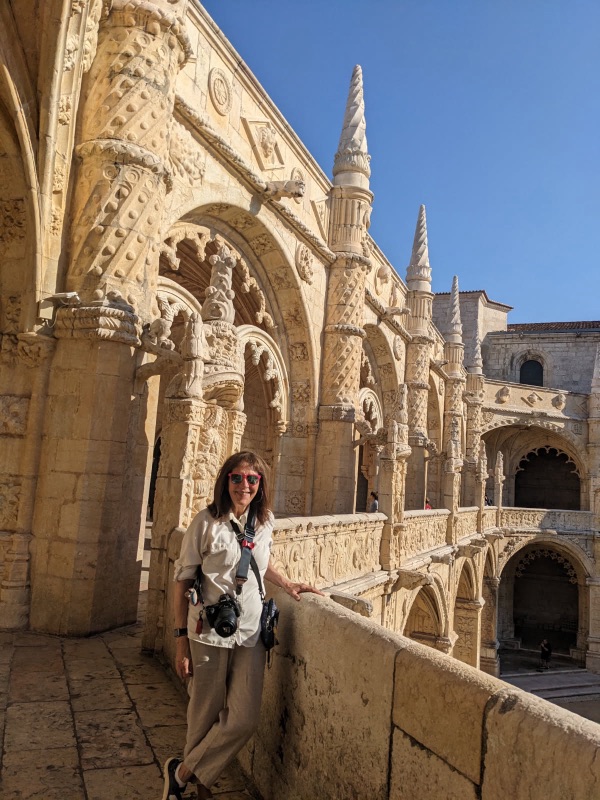
The main thing I remember from our 1985 visit were the beautifully tiled buildings. All over the old city you will see homes, subway stops, churches, & buildings covered in decorative tiles.
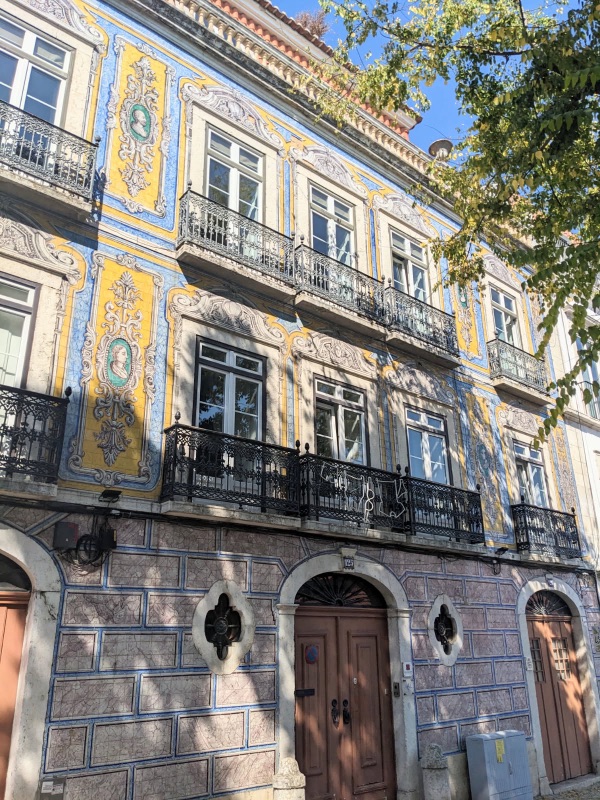
The technique to make tiles & to decorate with them was brought to Portugal by the Moors.
The Portuguese word for tile “azulejo” comes from the Arabic word الزليج (al-zellij), which means “polished stones” used for mosaics.
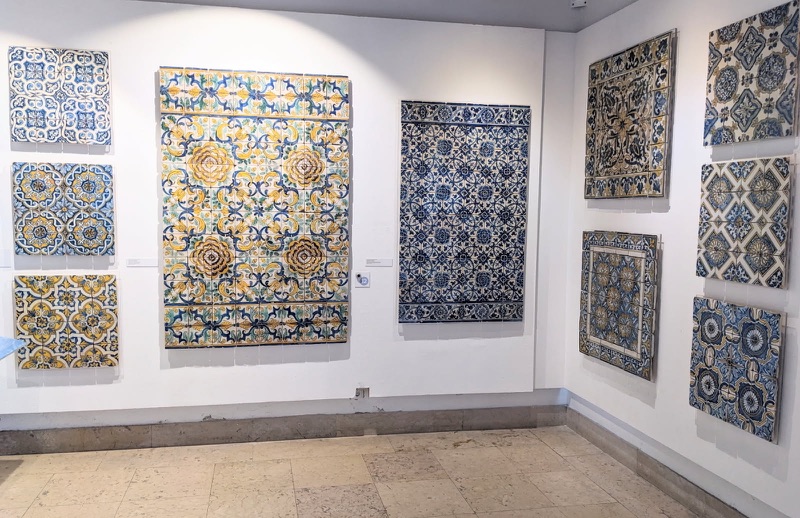
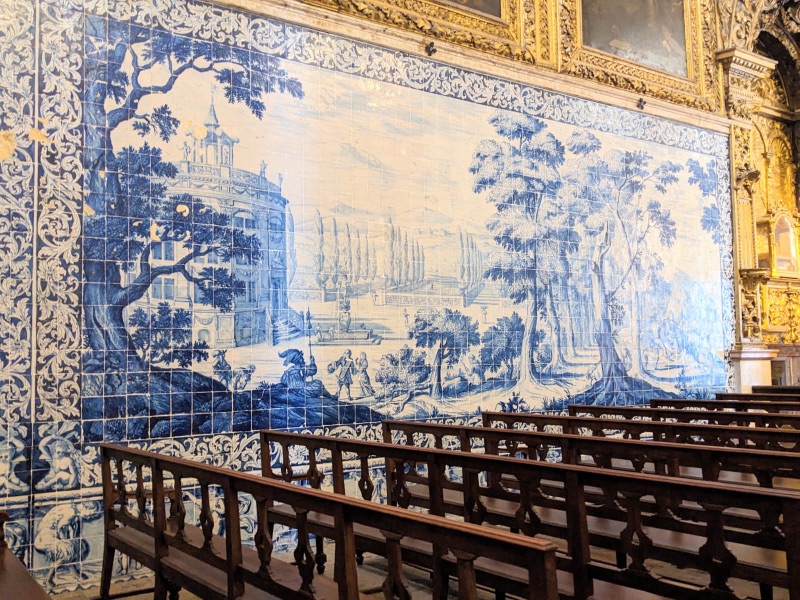
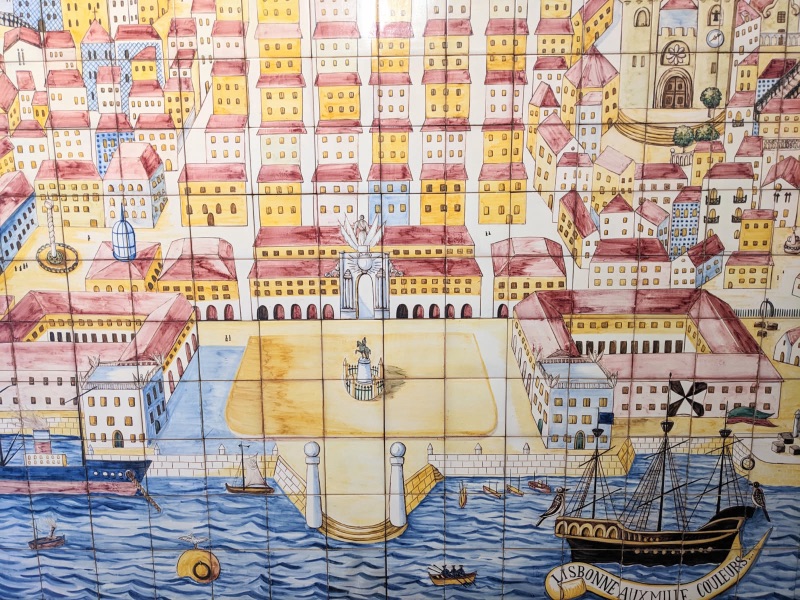
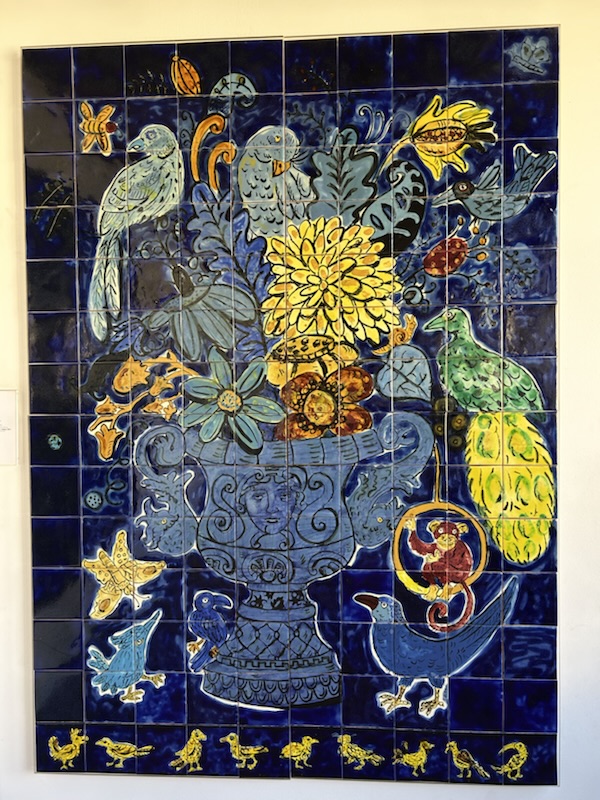
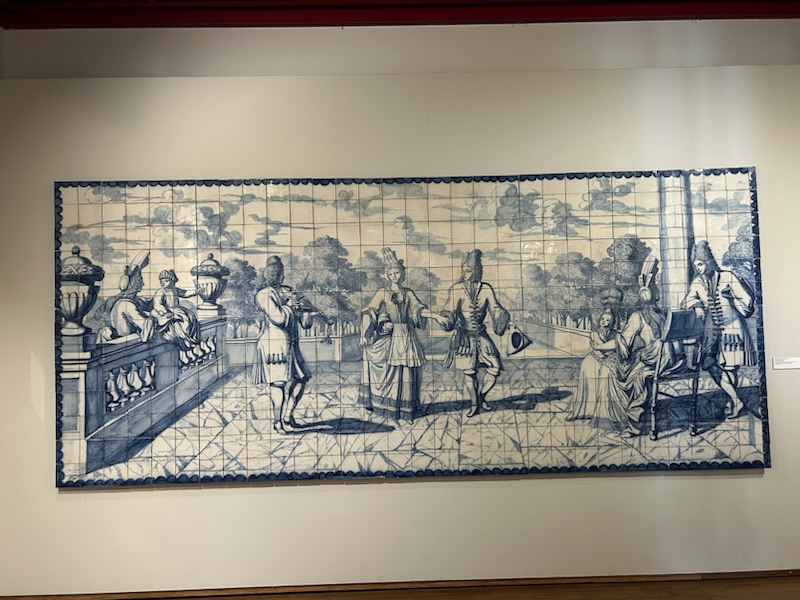
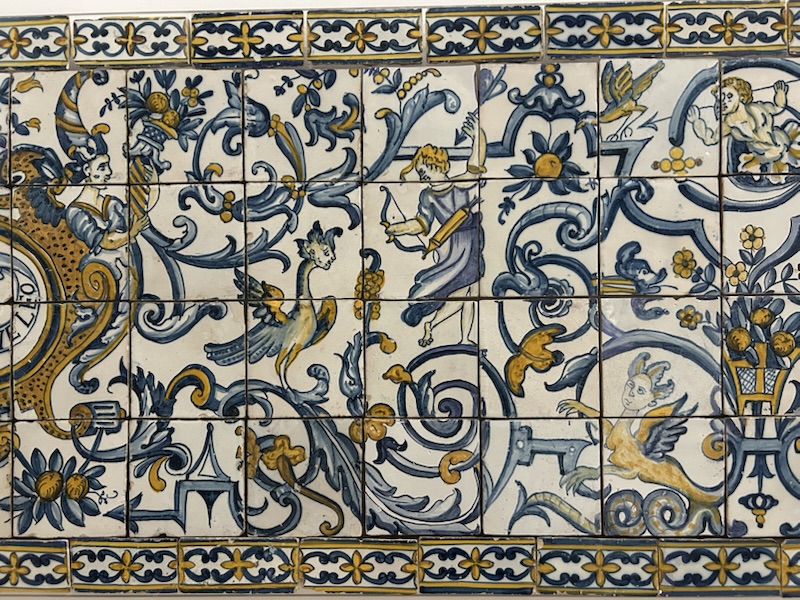
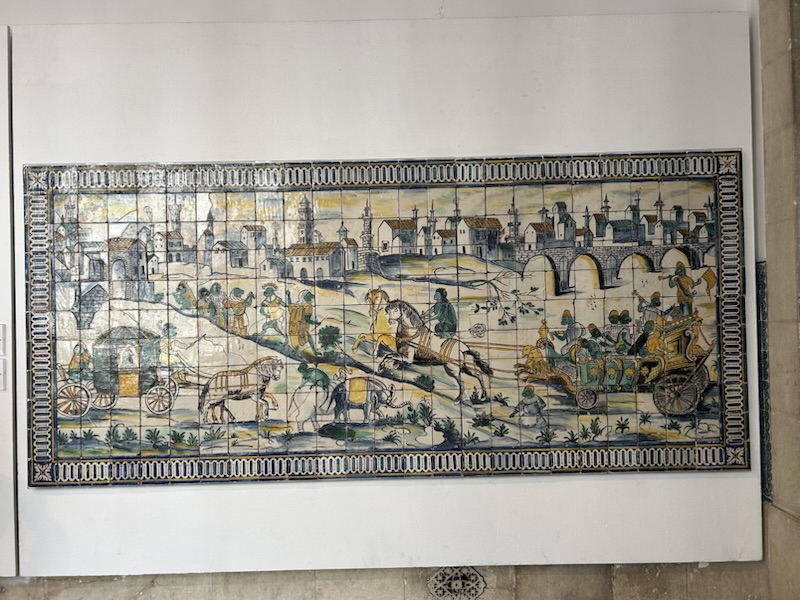
On our second day, we enjoyed visiting the Museu Nacional do Azulejo (National Tile Museum).
The entire building was filled with amazing murals made from painted tiles.
If we ever have the chance to return to Lisbon, we hope to do a tile painting class which are done in several different workshops in the city.
We feel like there are many places we missed & could easily enjoy more days in this lovely capital.
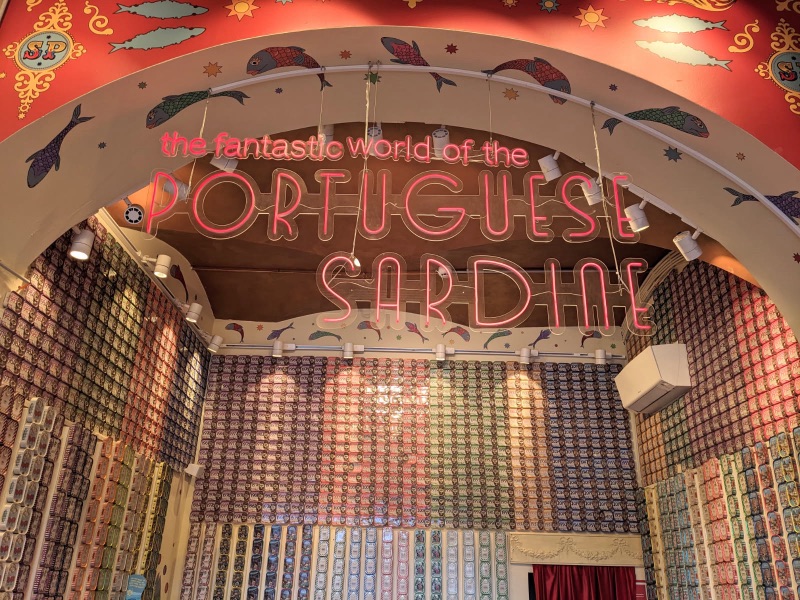
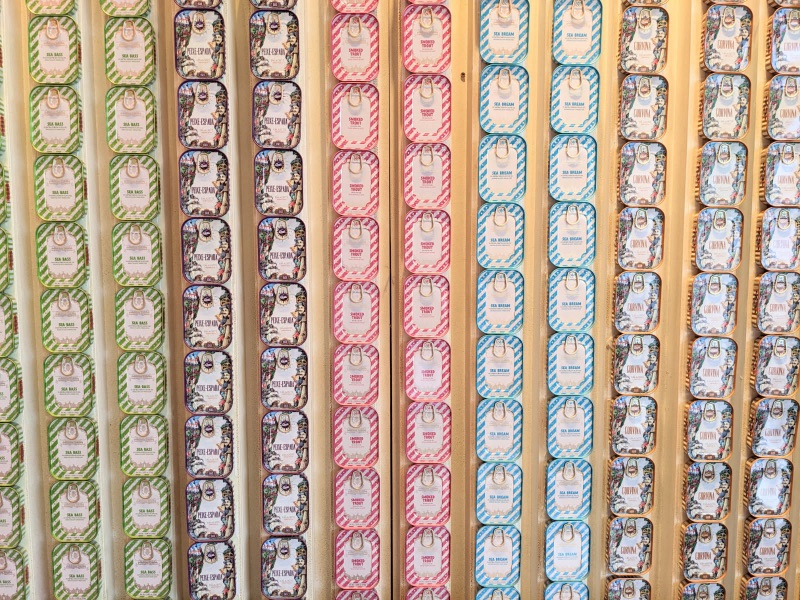
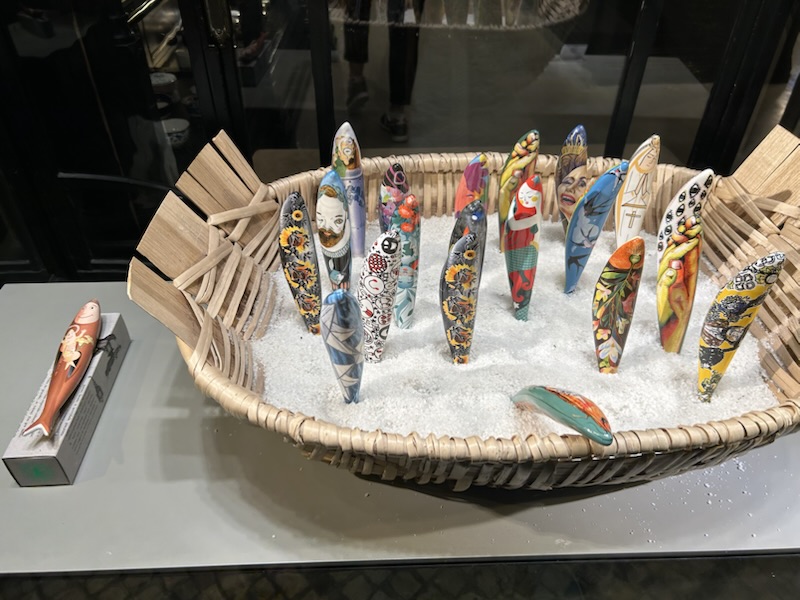
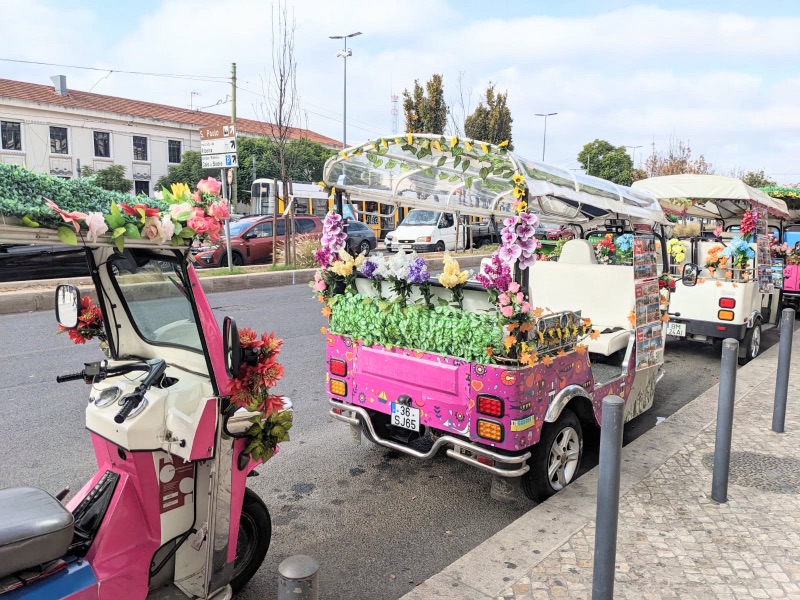
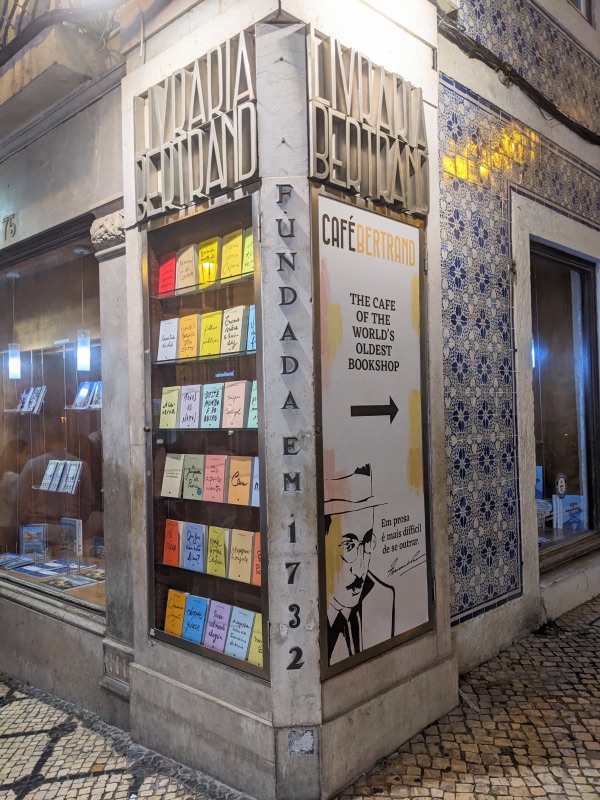
Other fun stops & sights in Lisbon.

 The Wanderers