After Romania, we took an 8 hour train trip from Bucharest to Sofia, Bulgaria.
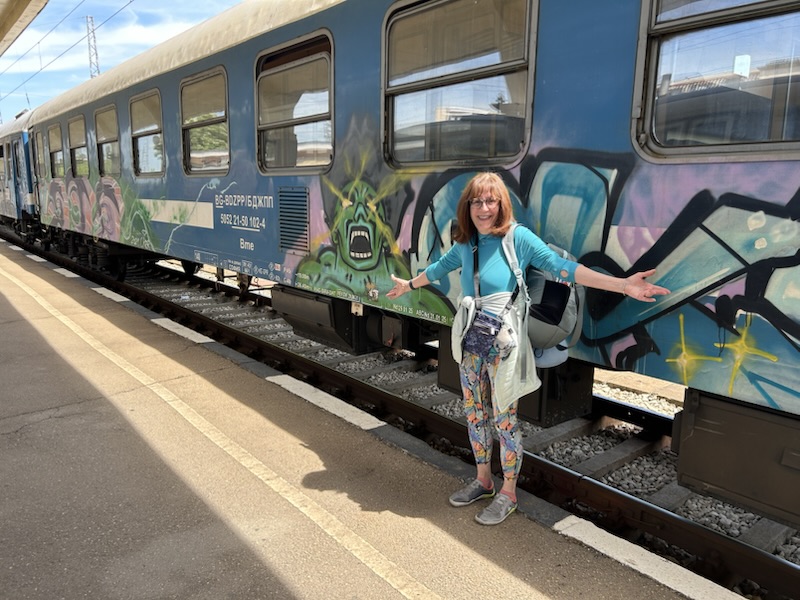
There are many reasons to travel, but one is the opportunity to meet people from different countries.
Our train car was the old fashion kind with compartments that sat 6 people- 3 in each row facing each other. Our seats placed us with two young Norwegian men who were on holiday traveling through the Balkans. We enjoyed passing the hours swapping travel stories & learning about each other’s cultures.
Sofía
Bulgaria’s capital is Sofia. It is named after the very old church in the city that dates back to Roman times. Many churches were named Sophia like the famous Hagia Sophia in Istanbul.
We felt the best way to see this small capital city was to take a couple free walking tours where you tip the guide $5-10 for a 2 hour tour.
Our first was called the Free Sofia Tour. Here are a few places we saw along the way. https://freesofiatour.com/

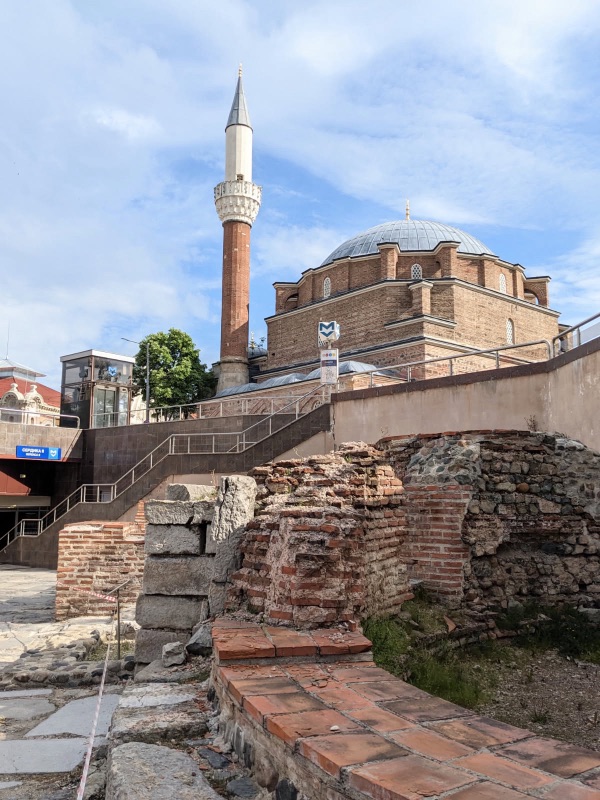
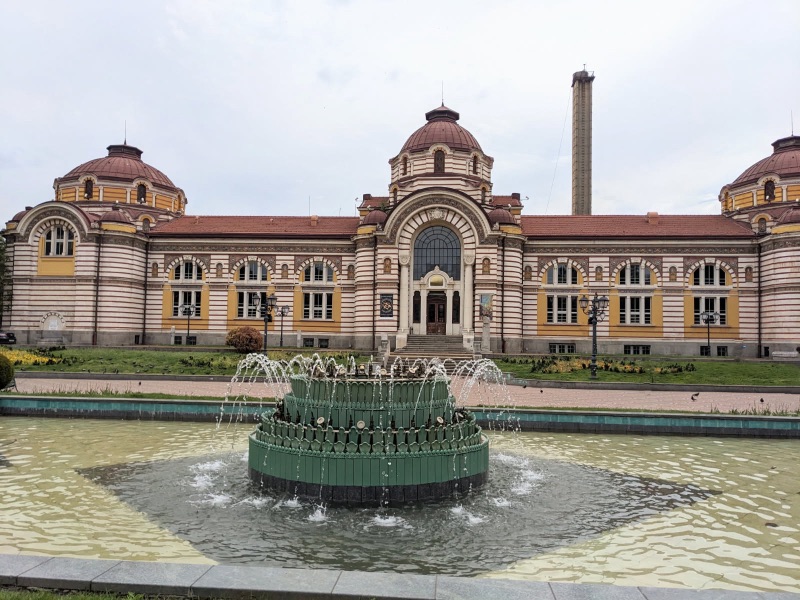

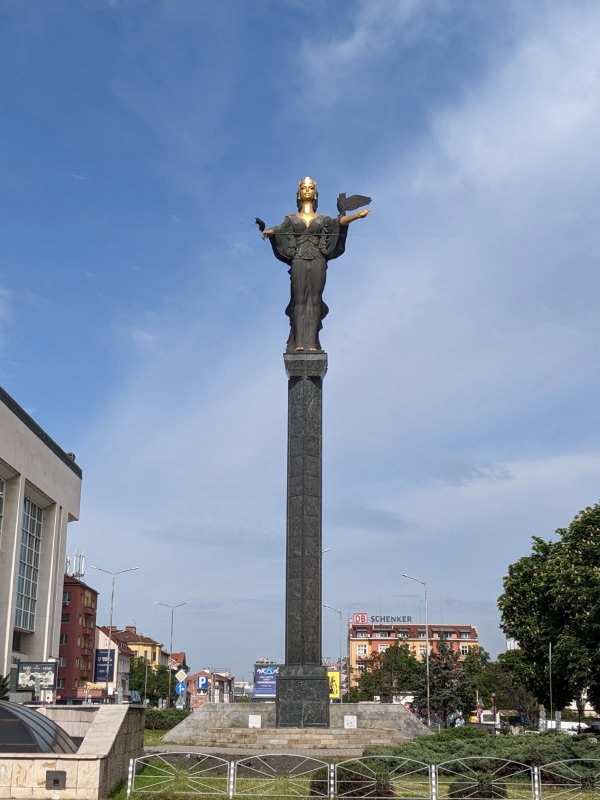
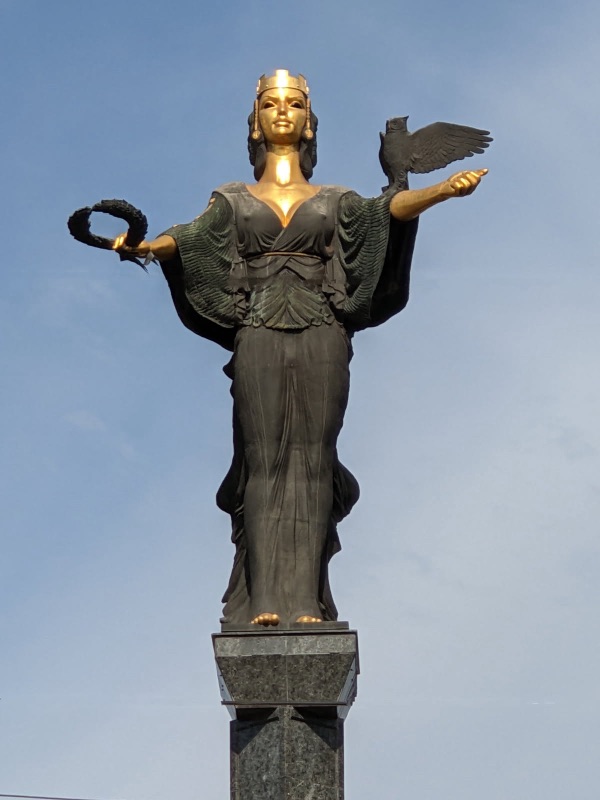
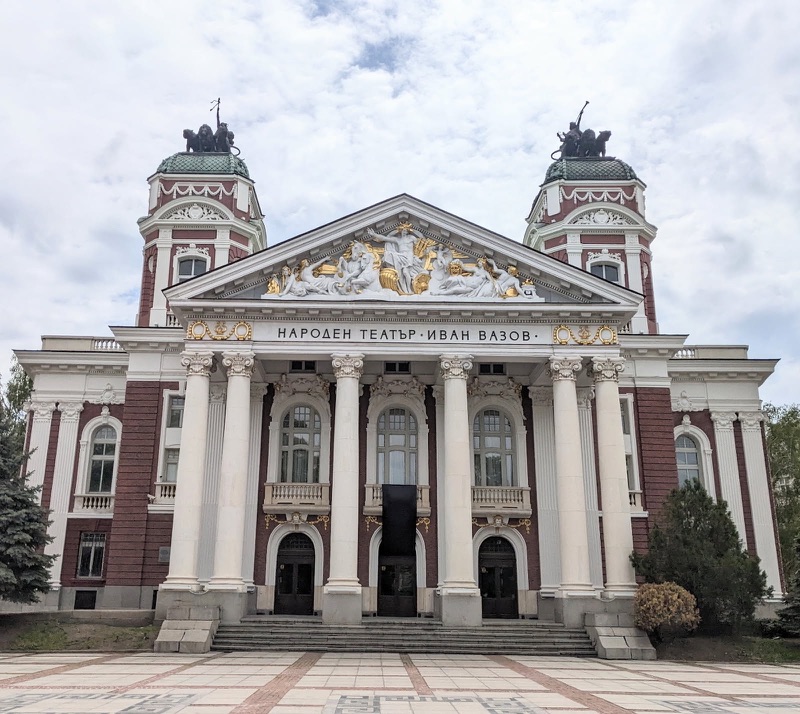
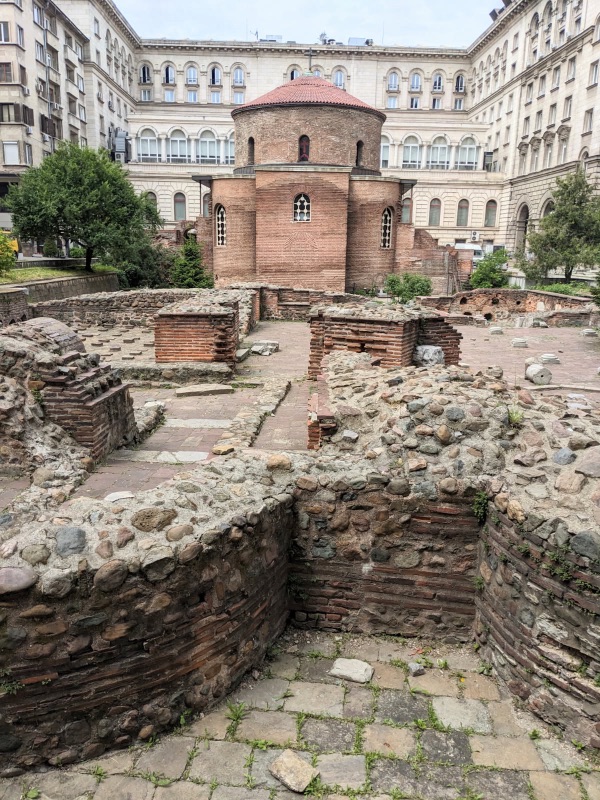
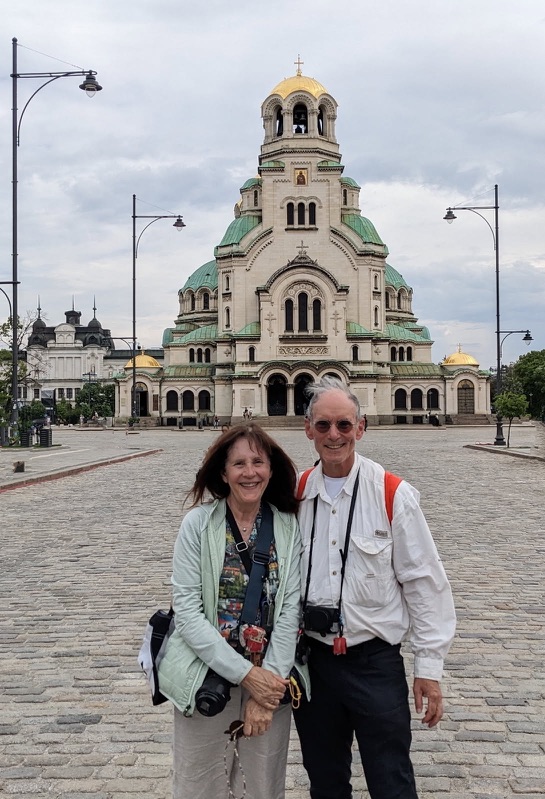
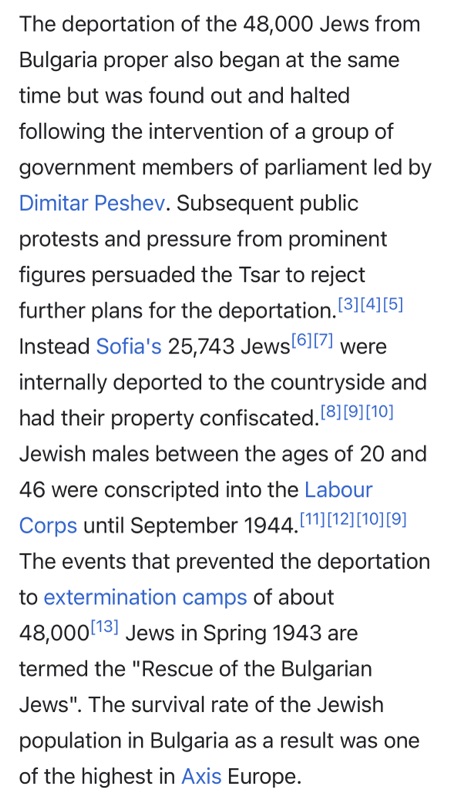
The two most interesting things we learned was first, the Bulgarian people figured out how to protect most of its Jewish population from being sent to concentration camps during WWII.
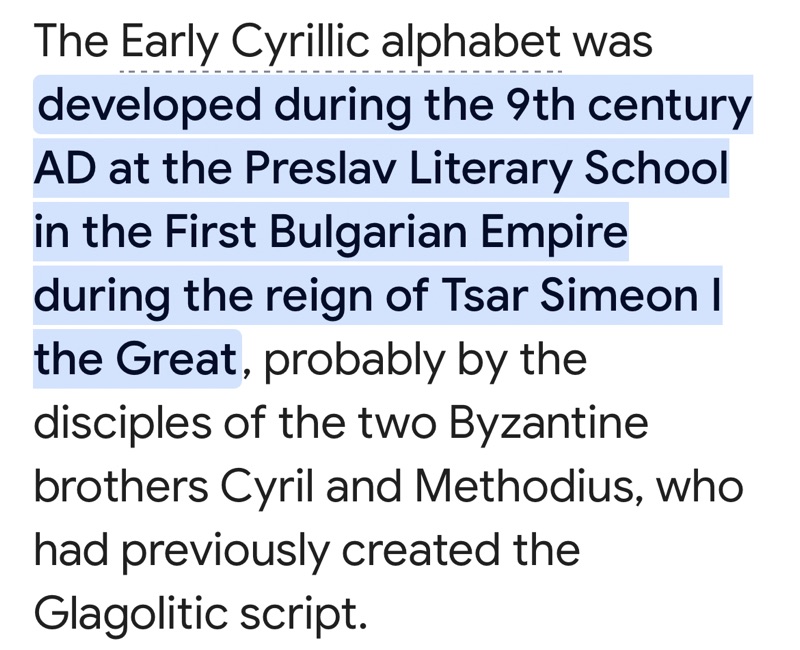
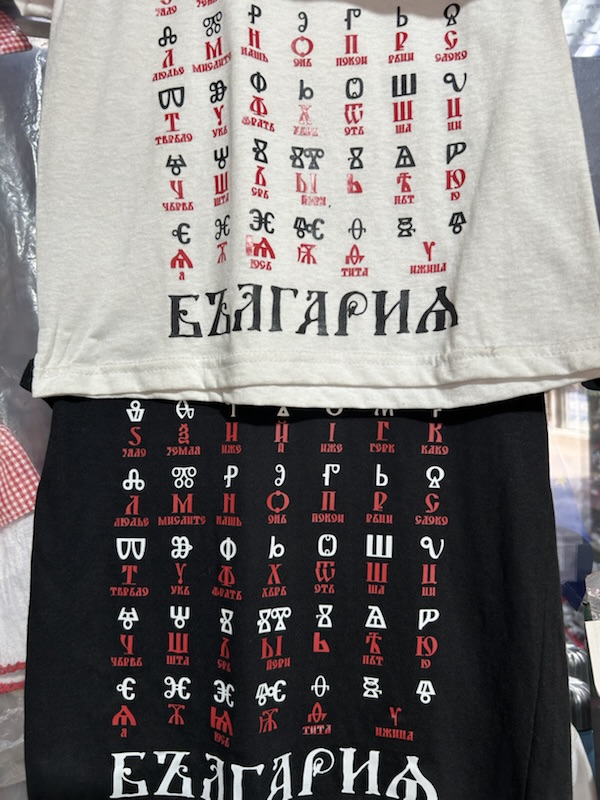
The second interesting fact is that the Cyrillic alphabet now used in 14 countries was developed in Bulgaria.
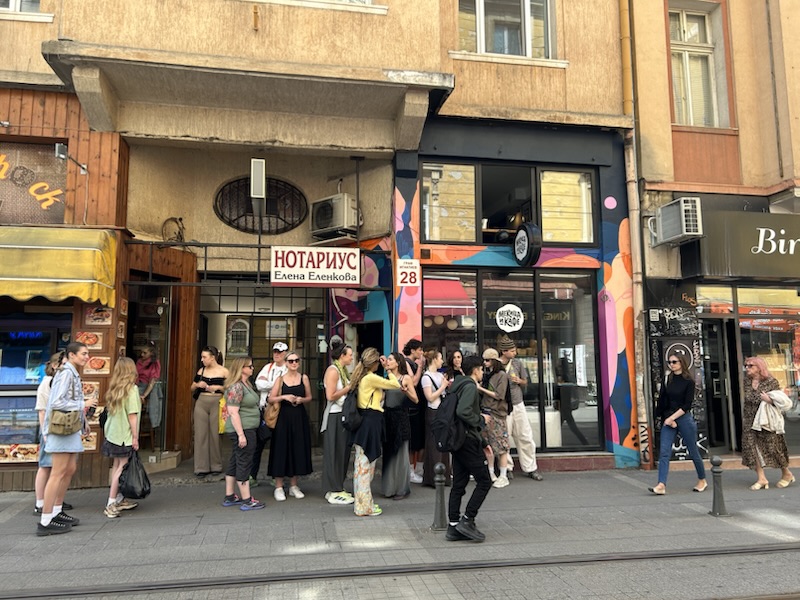
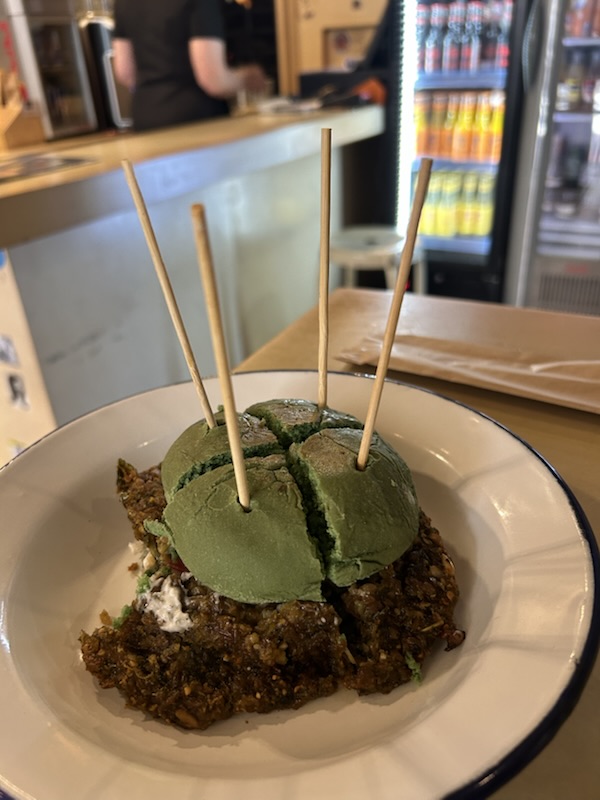
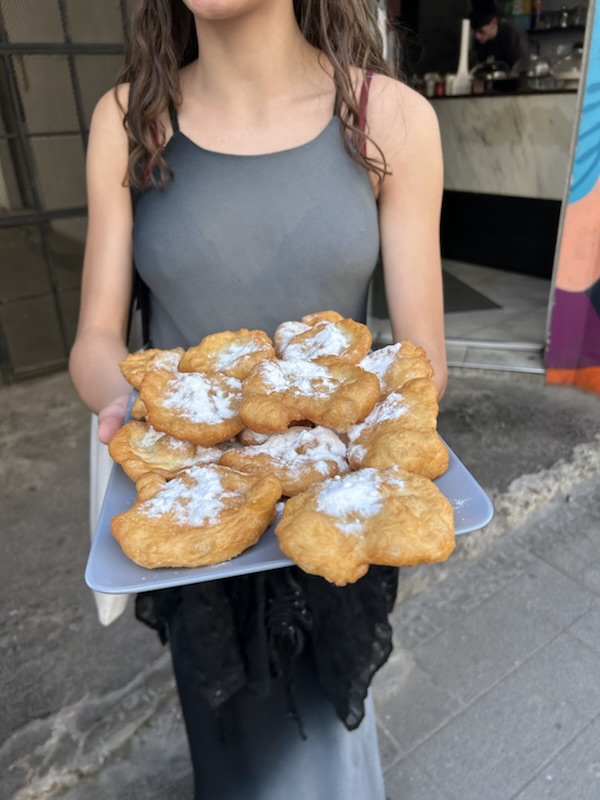
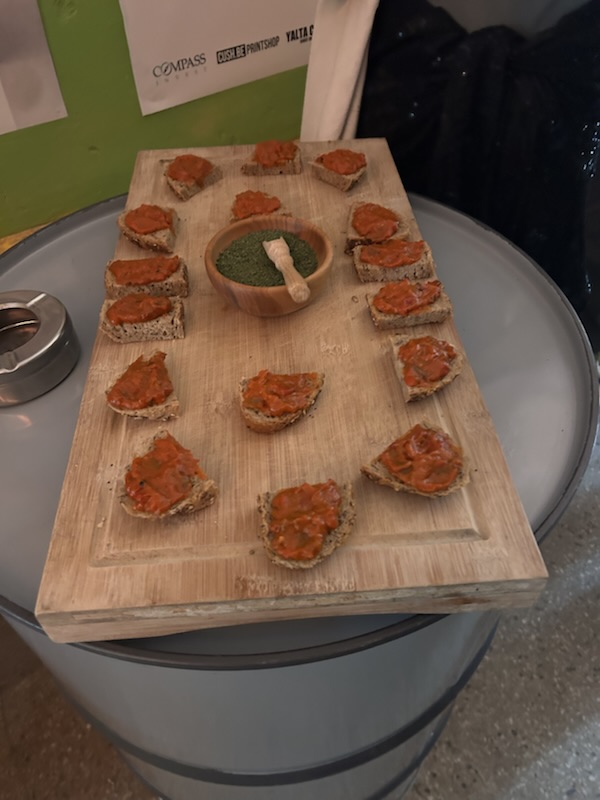
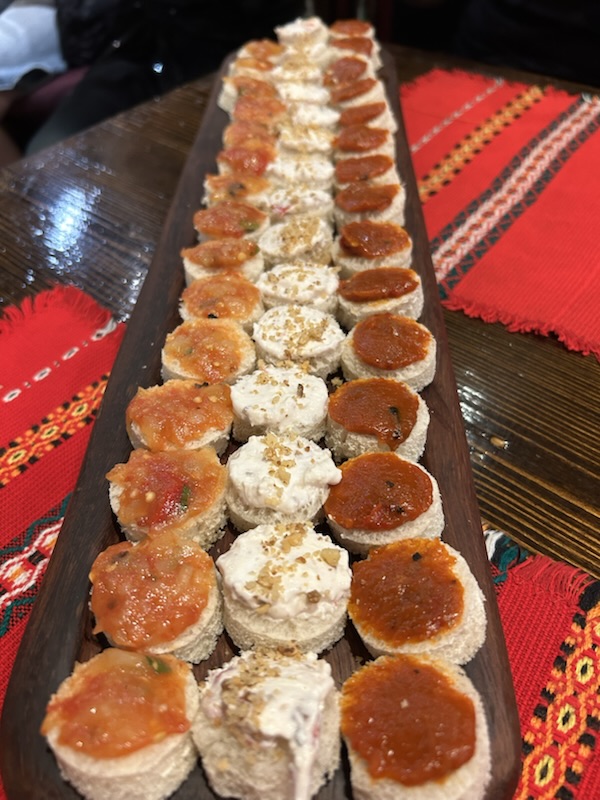
The second walking tour was a free tasting tour called “Balkan Bites” during which we tried Bulgarian food & learned a little about local food customs. https://www.balkanbites.bg/
Here are the highlights from this tour.

Like all East Bloc countries, Bulgaria was under a Communist regime for close to 45 years.
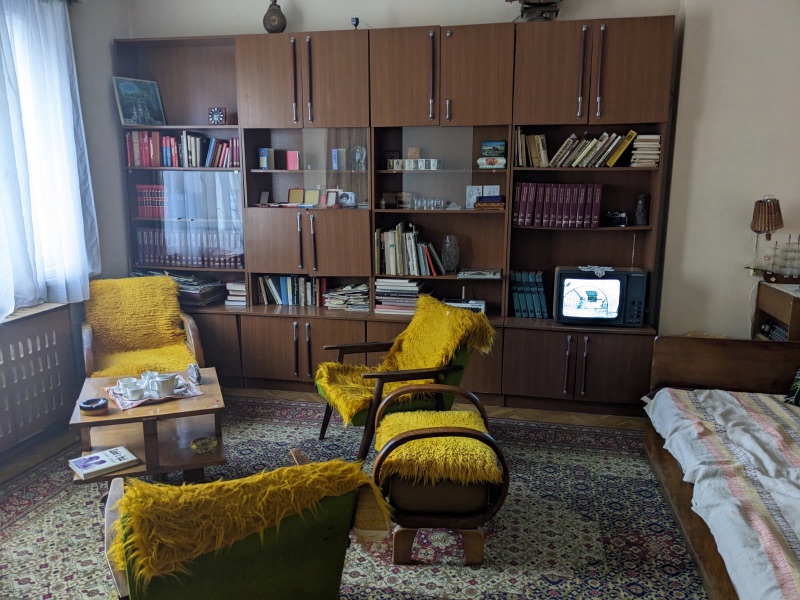
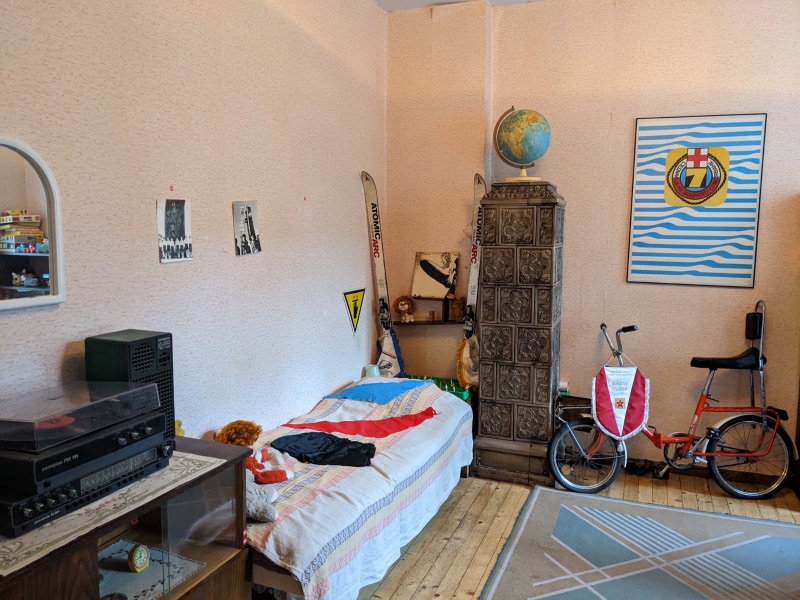
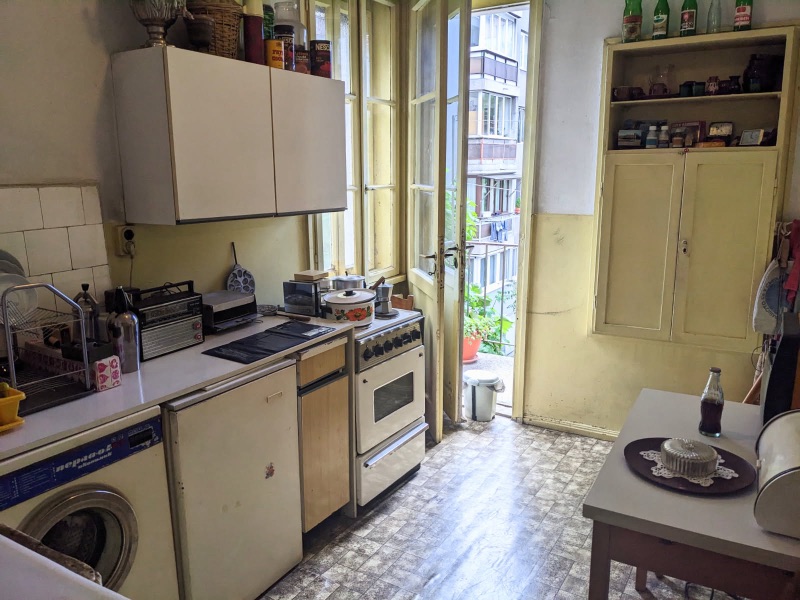
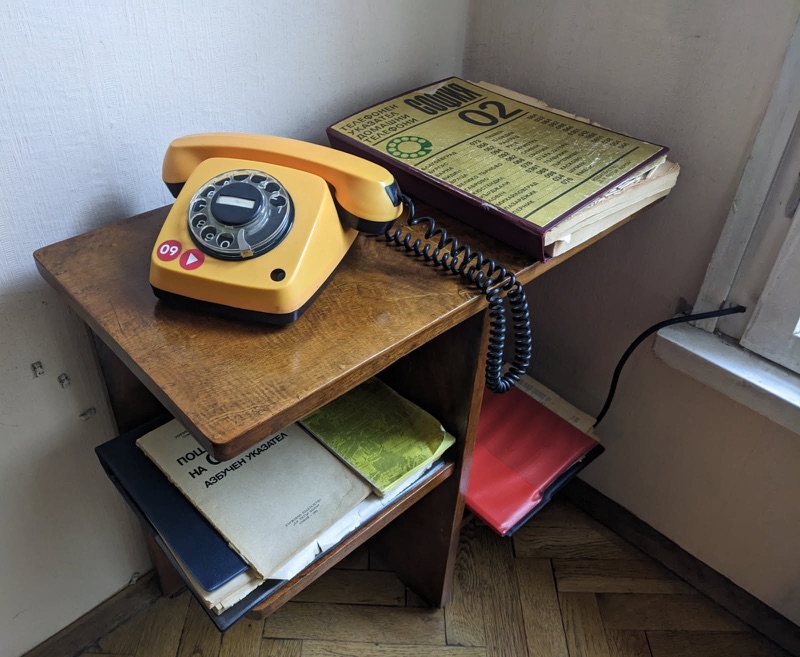
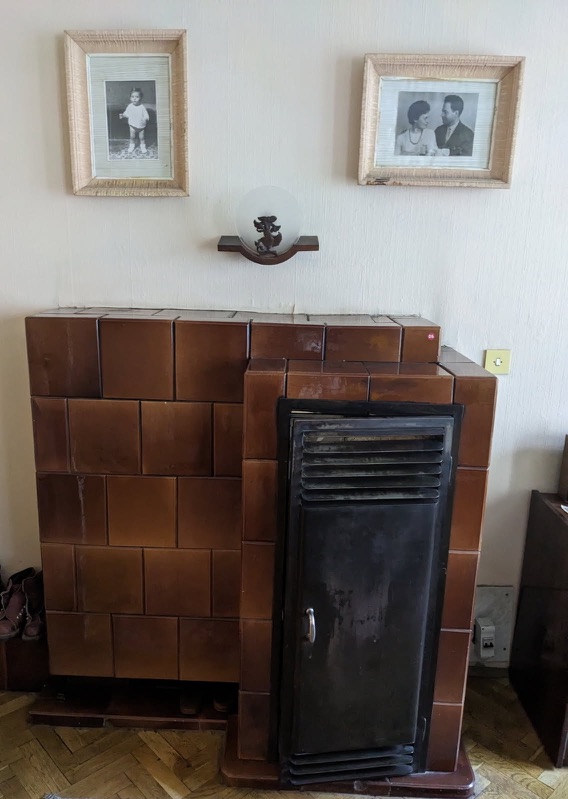
We were able to do a self-guided listening tour through an apartment called “The Red Flat” that hadn’t been changed since 1989 when Communism ended in Bulgaria.
This flat was for a fortunate family because the father was allowed to work abroad. But, it still only had one bedroom, one living room, a dining room, a kitchen & very small bathroom in only a few hundred square feet in size.
Both my husband & I feel like the Communist countries were kind of always stuck in time in the 1960s which is when the Berlin Wall went up along with the Iron Curtain closing the borders where the East Bloc countries touched Western Europe. From that time on, very little interaction with the West was allowed & everything you could buy was controlled by the Communist government including dress styles.
See what you think about a typical Communist home from the 1980s in these pictures.

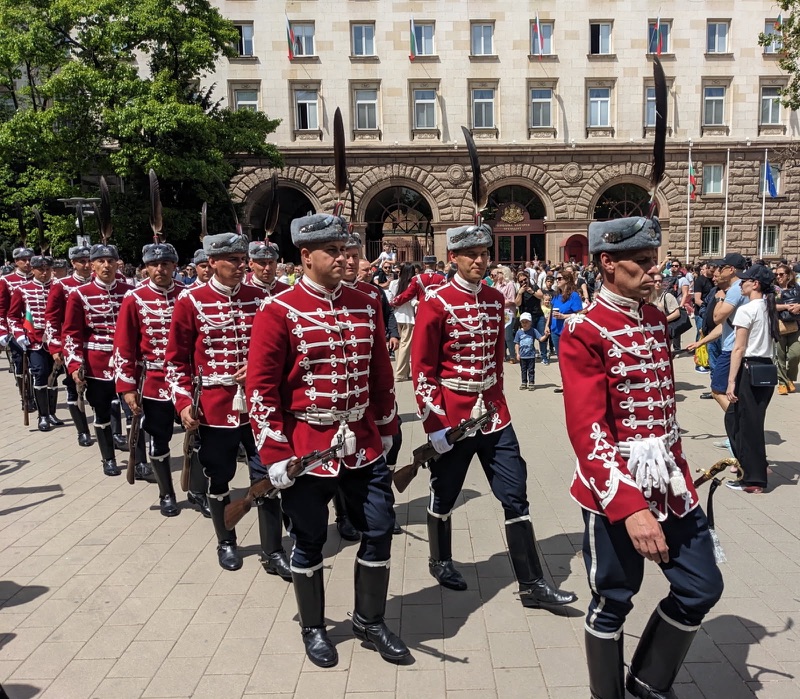
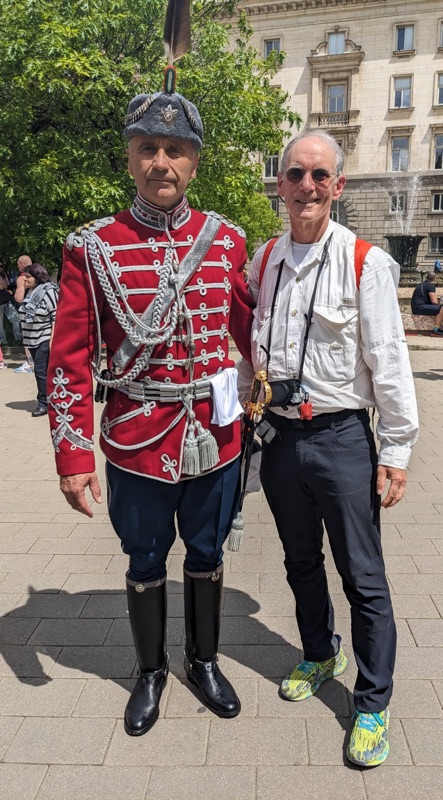
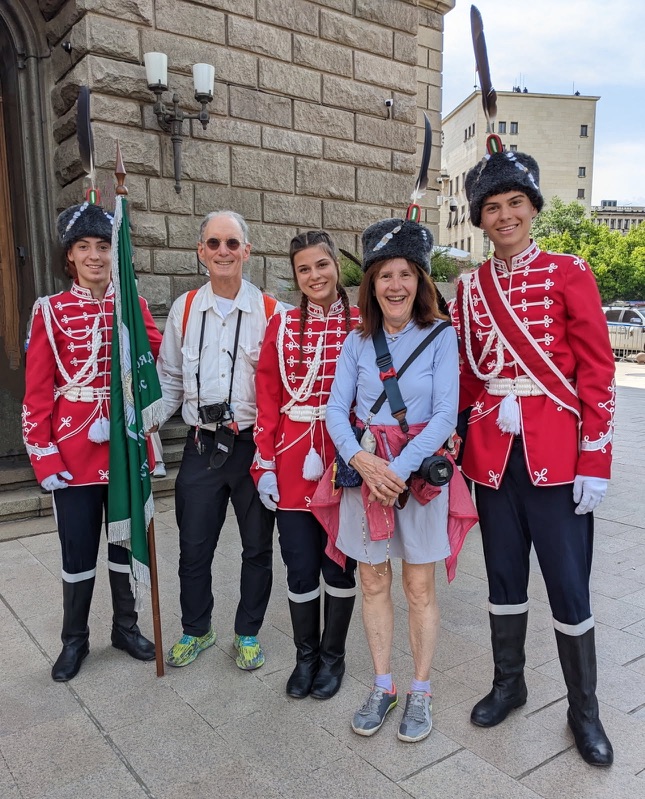
A national holiday occurred while we were here called “St. George’s Day.” This is not only a religious celebration commemorating Saint George who slew the dragon; but also, it is Bulgaria’s Armed Forces Day celebrating its military.
We didn’t see any of the formal military parade; but, I enjoyed having my picture taken with a few young people dressed in the traditional guards’ uniform & we also saw a few military guards near the Presidential residence.
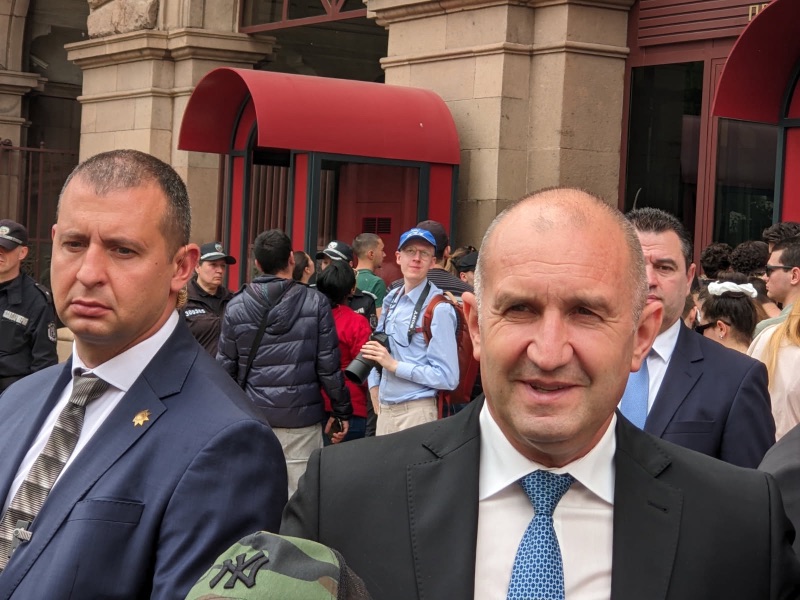
My husband also spotted Bulgaria’s President Ruman Radev . Even with tight security, he was able to get close enough to take a good photo of him.
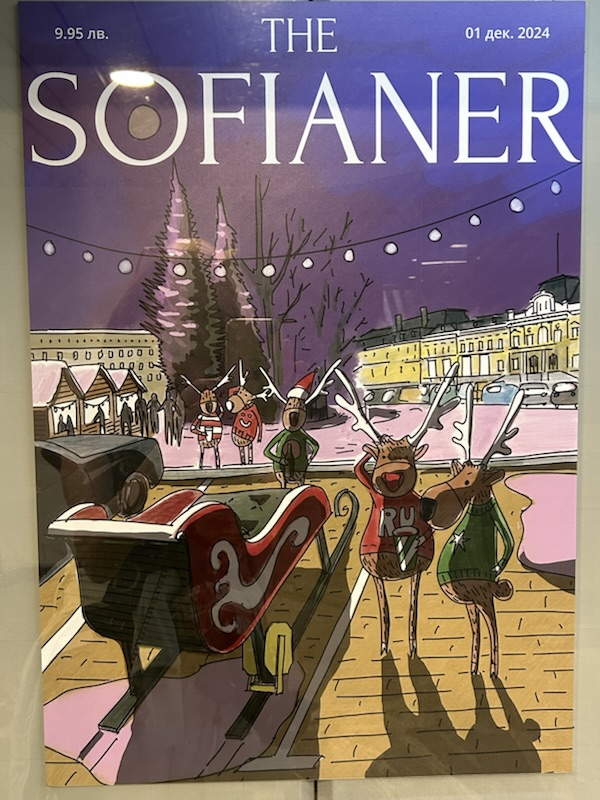
A few more fun pictures around Sofia & cool art that looks like covers from my the New Yorker magazine.
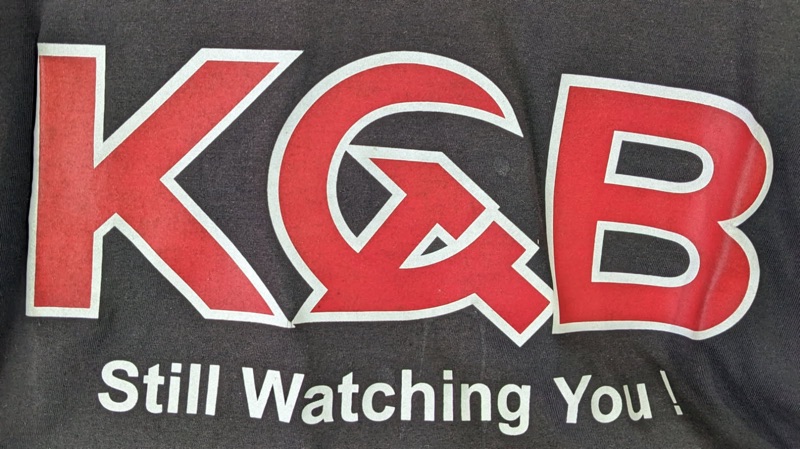
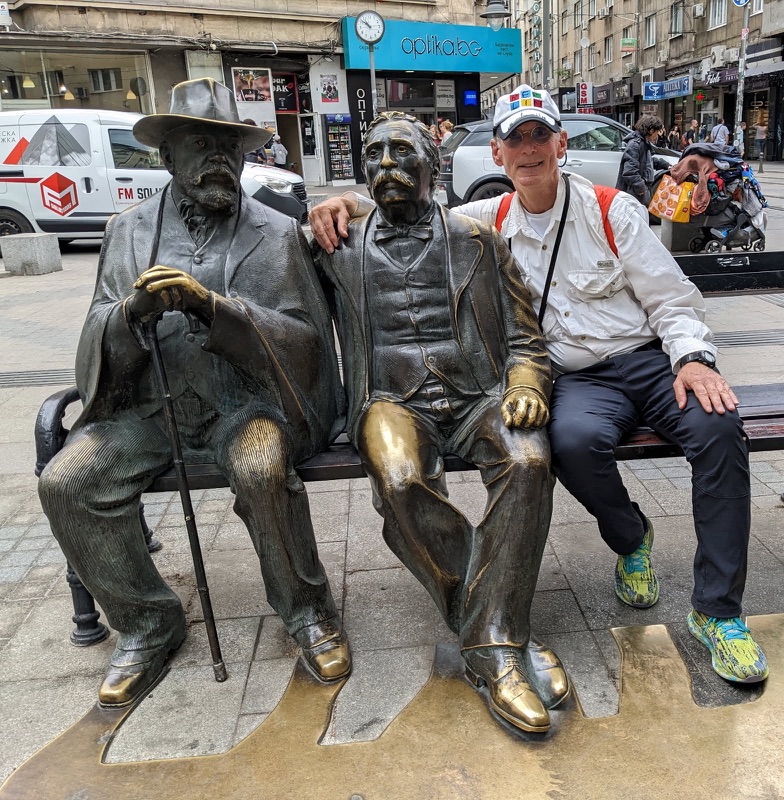
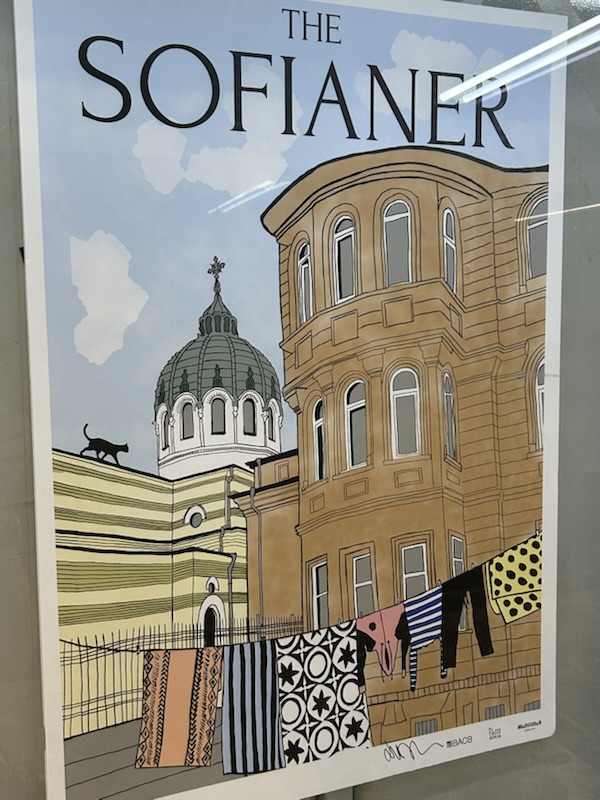
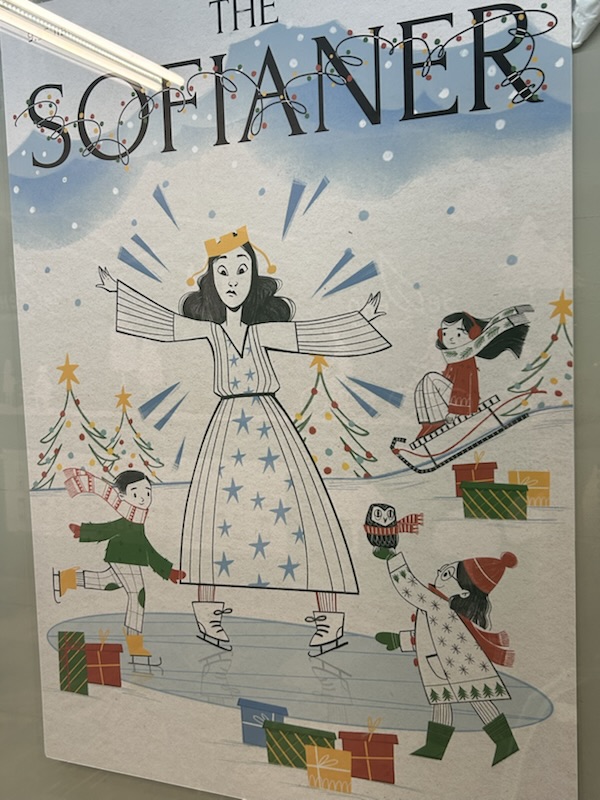
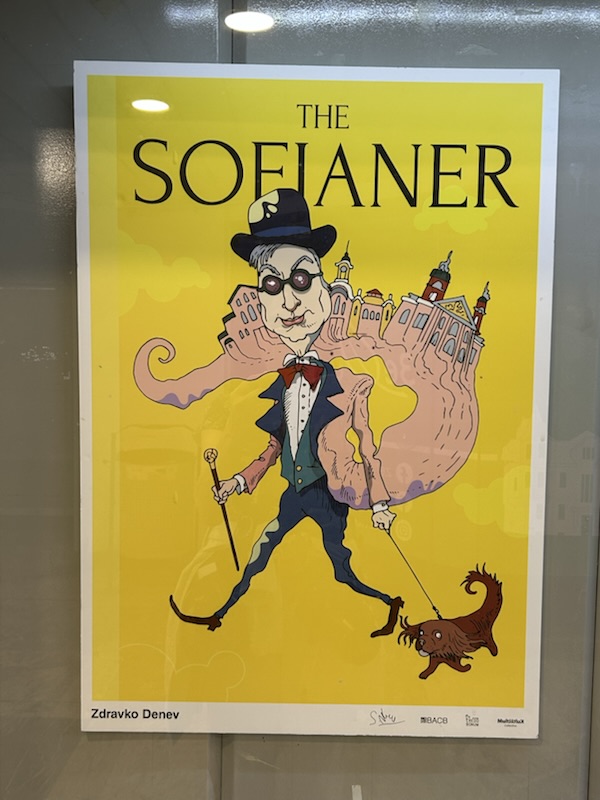
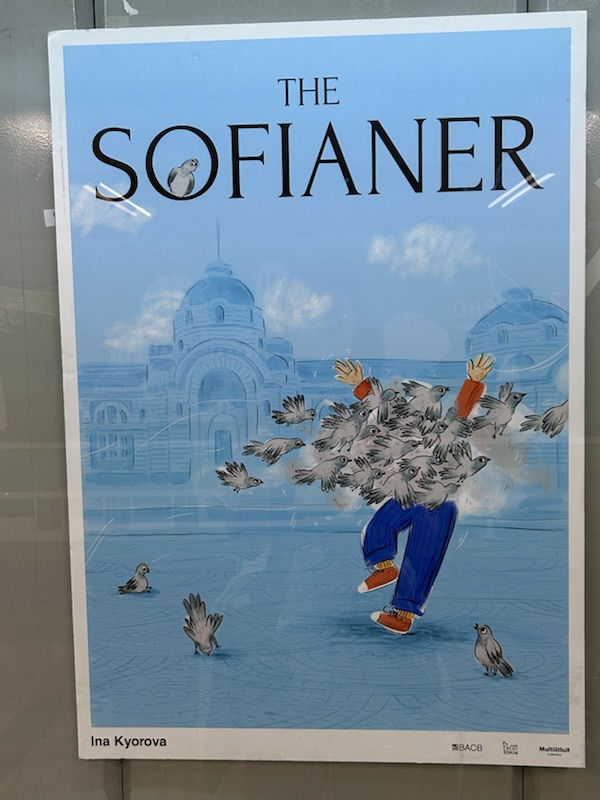
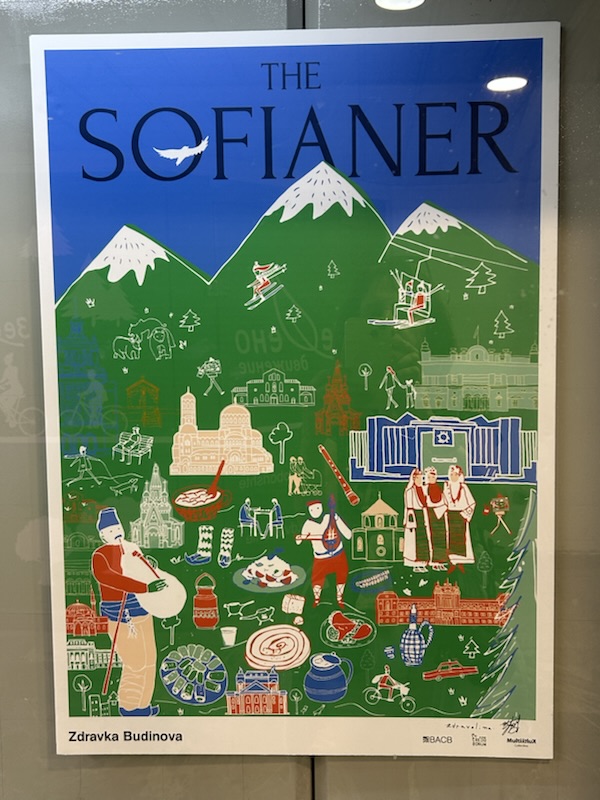
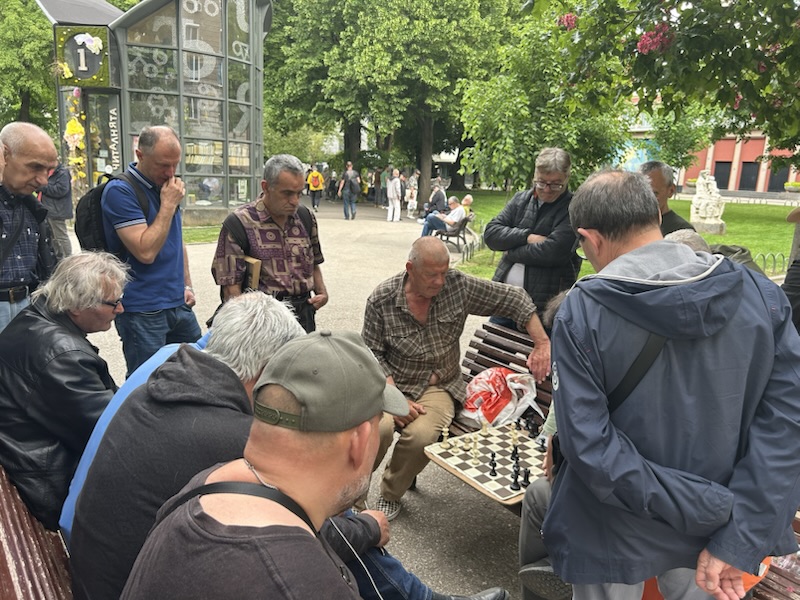
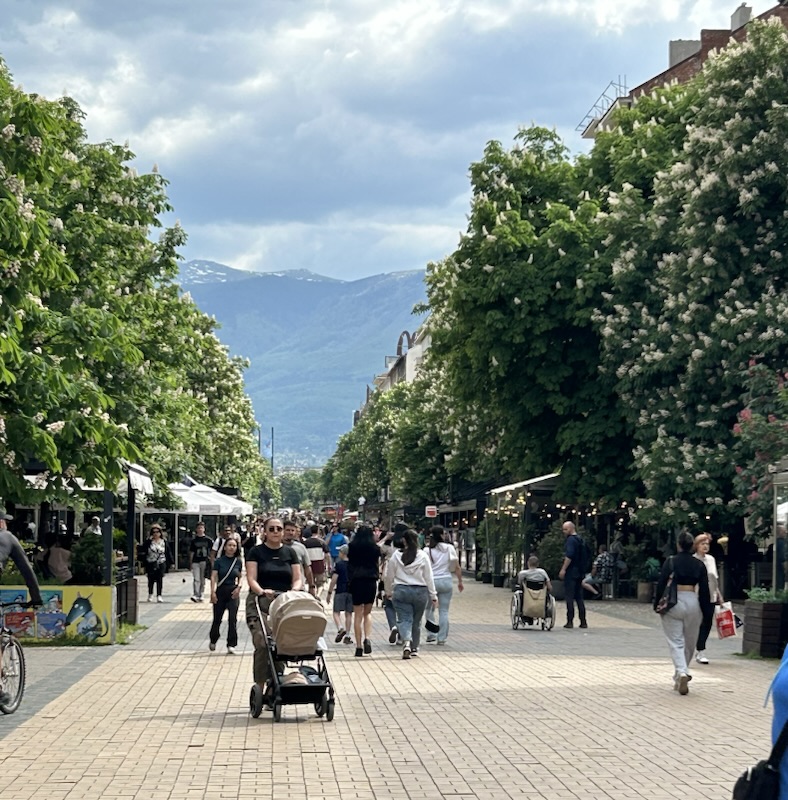
Sofía is a large city; but, we spent all our time in & around the old town which was a lovely area to spend two days seeing.
 The Wanderers