Time in Budapest

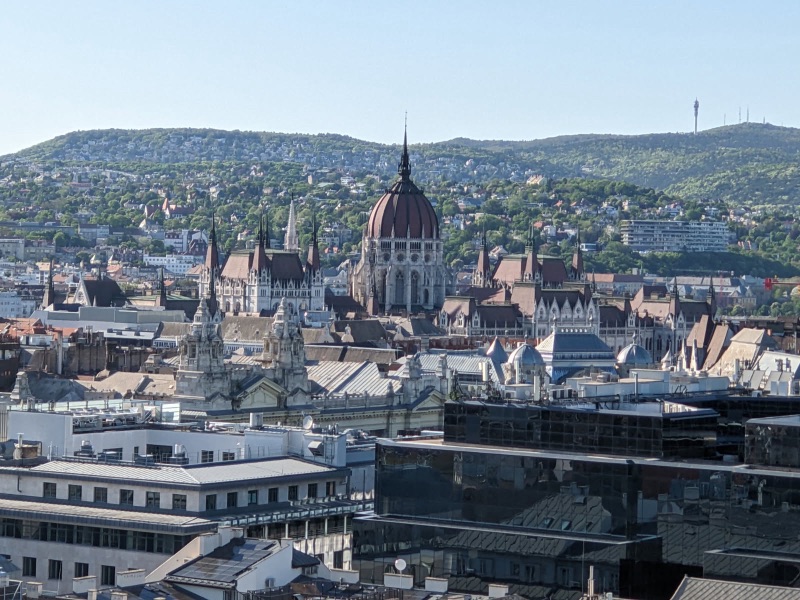
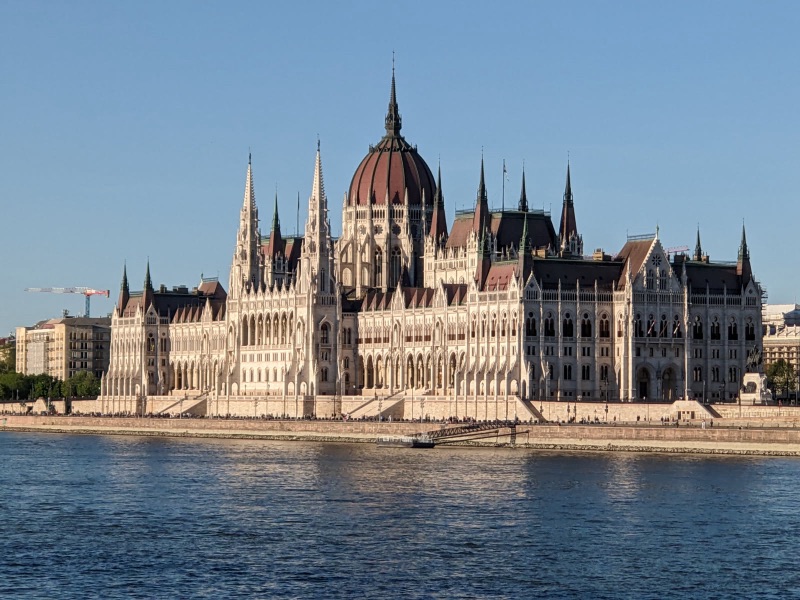
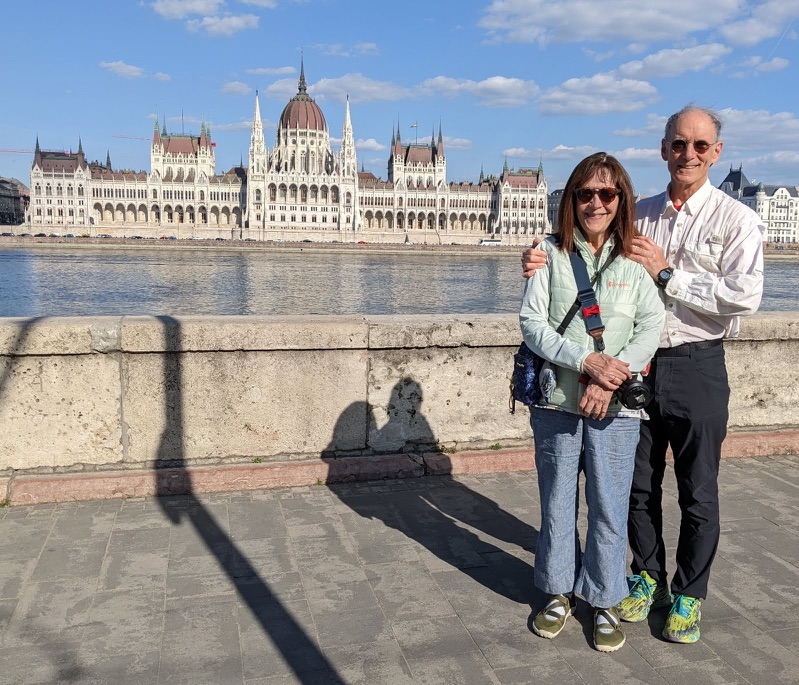
Hungary’s Parliament on the banks of the Danube River in Budapest

Budapest is the perfect place to visit after Vienna since they are so closely connected & have similar backgrounds.

For a little background, the city is divided by the great Danube River. The West side is hilly Buda & the East side is flat Pest. The two were brought together in 1873 creating the capital of Hungary.

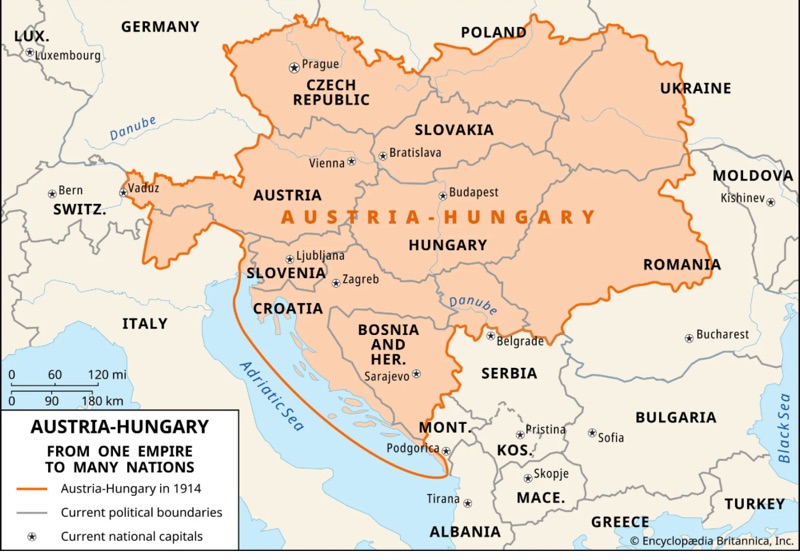
This consolidation made Budapest the 2nd capital after Vienna of the Austro-Hungarian Empire in the 18th Century. This status is why Budapest has similar architecture, a love for coffee, & many German speaking people.

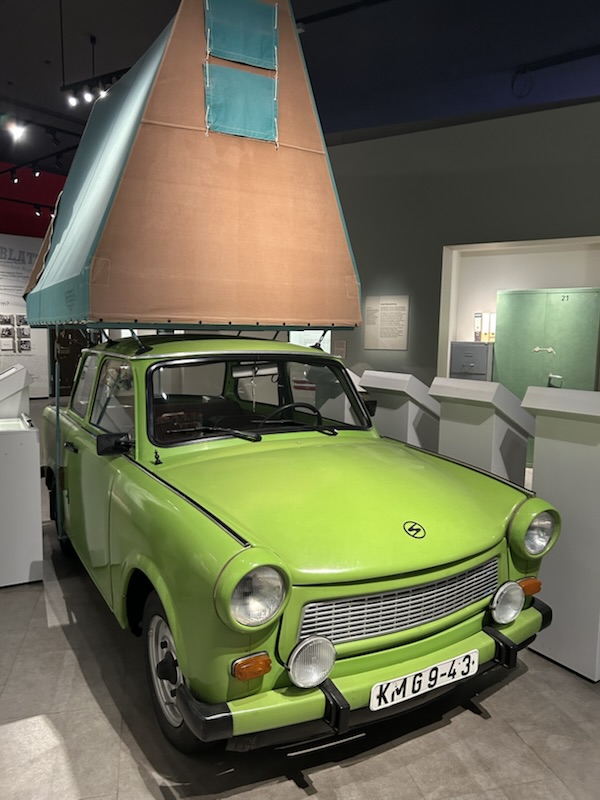
Like most Eastern Europe, Hungary was under Communism from WWII until 1990. But, Budapest has very little of the classic square gray Communist style buildings or propaganda paintings. All the old Soviet statues have been moved to a park outside the city. (Unfortunately, we didn’t have time to see it)

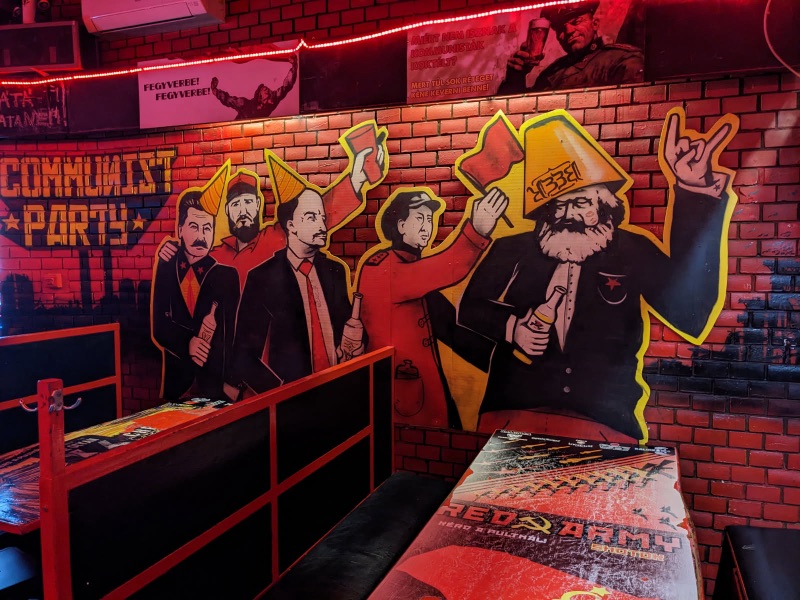
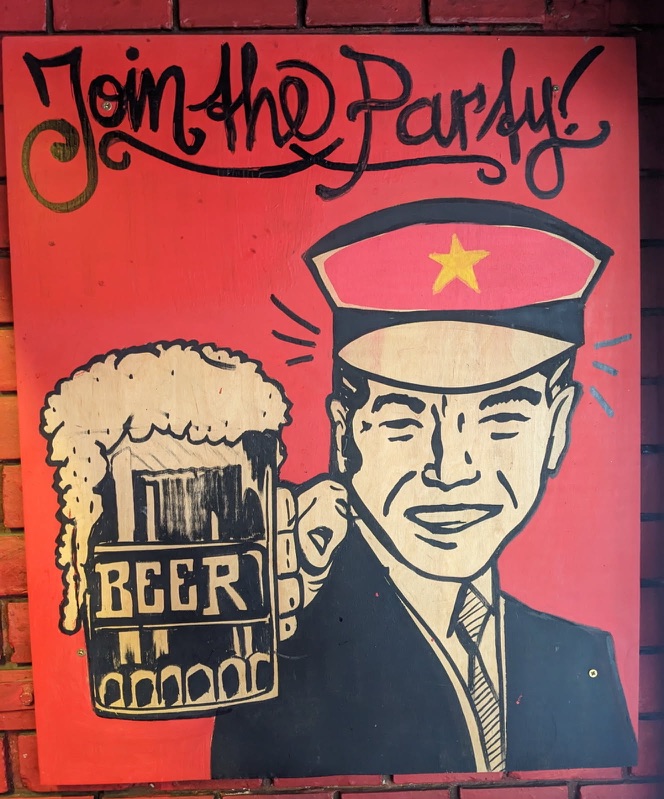
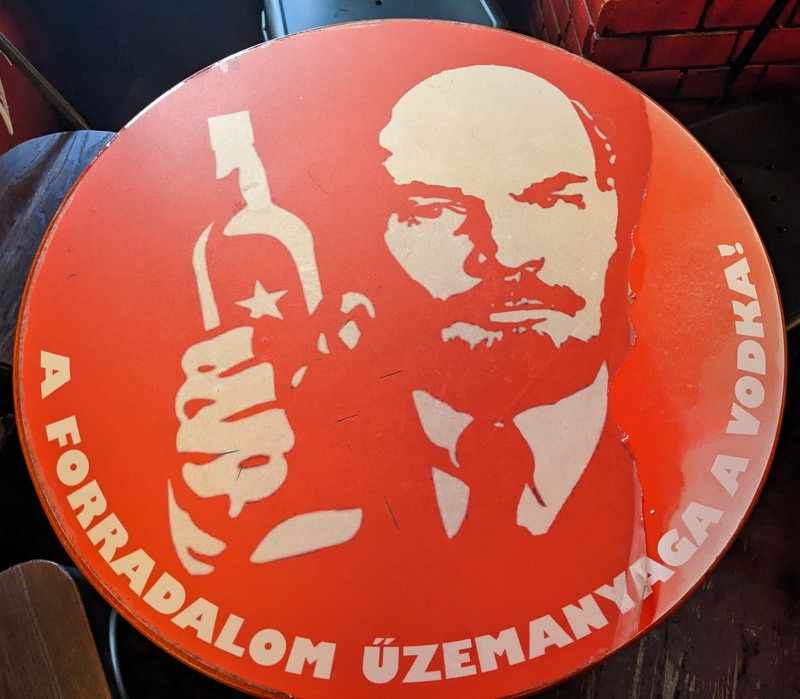
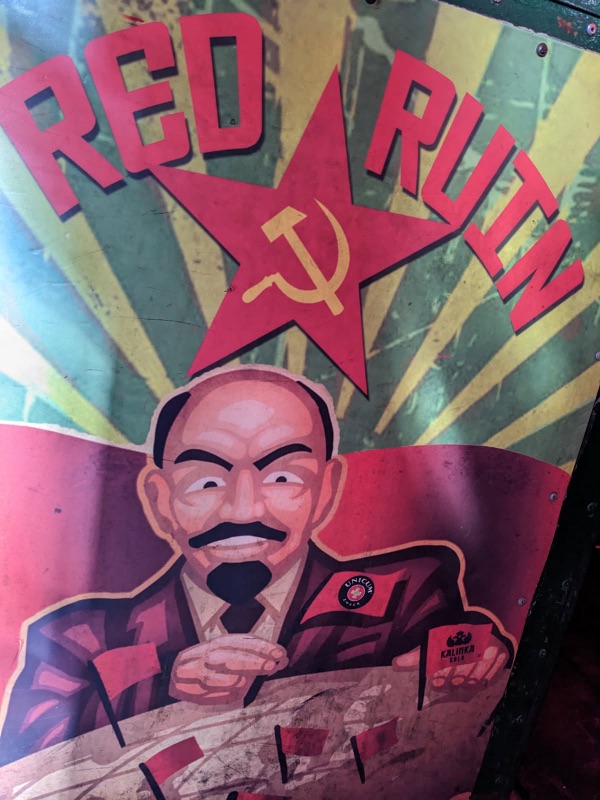
There are a few bars like the Red Ruin that like to make fun of this time period.
Today , Budapest is working to revive its glorious pre- WWII past.

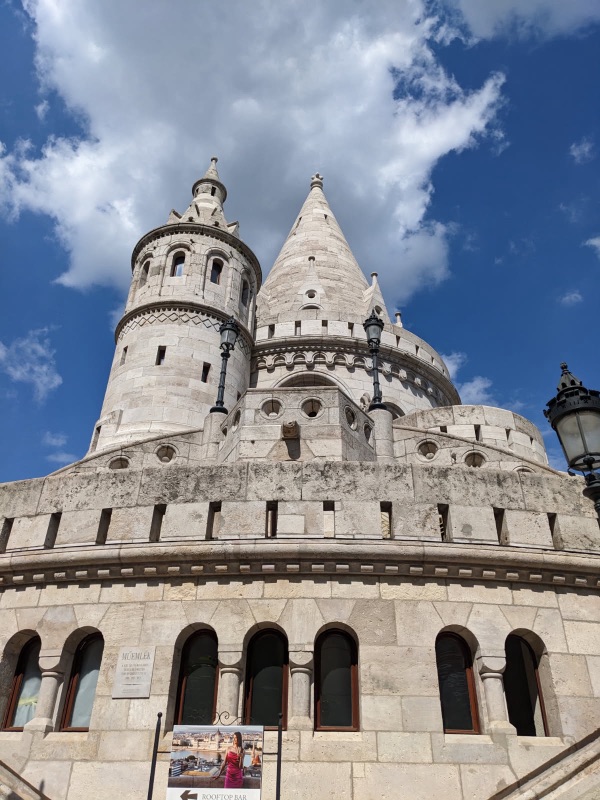
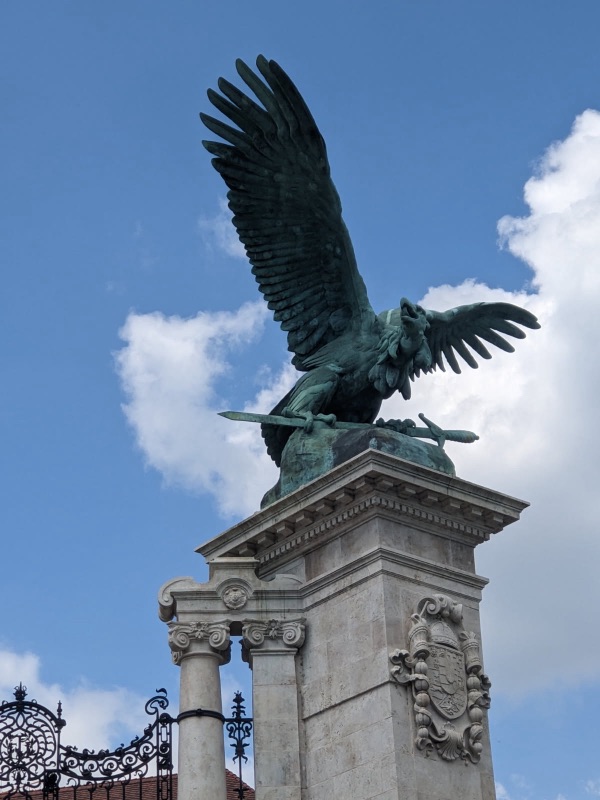
In 2021, Buda Palace along with other historical sites on Castle Hill are slowly being restored to their previous splendor. This area was heavily damaged during WWII & little was improved during the Soviet Era.
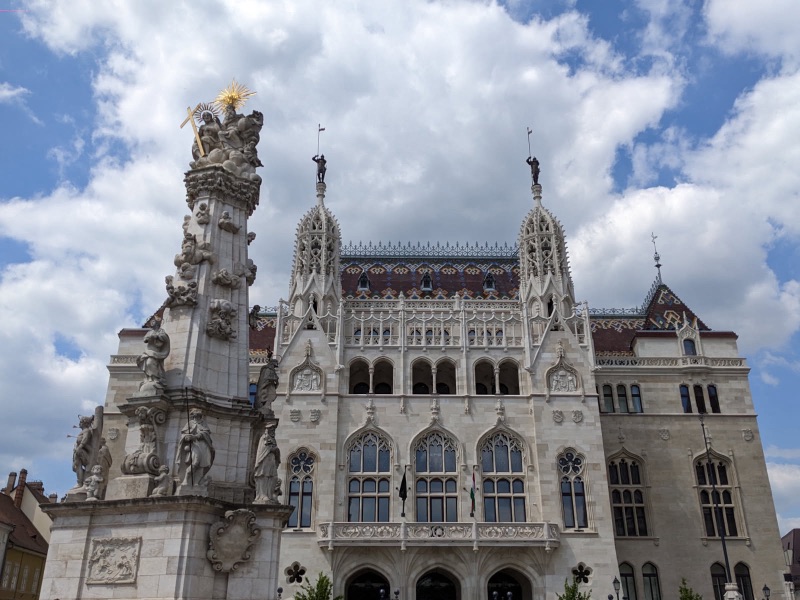
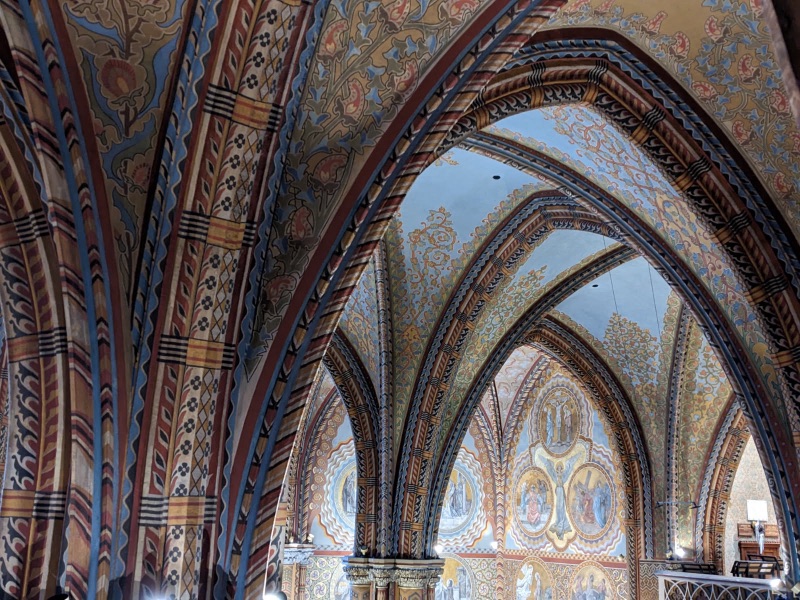
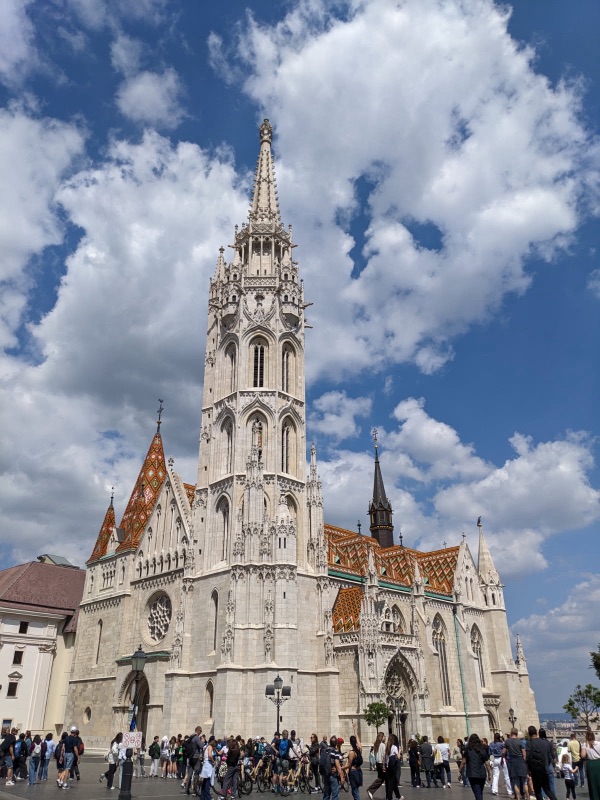
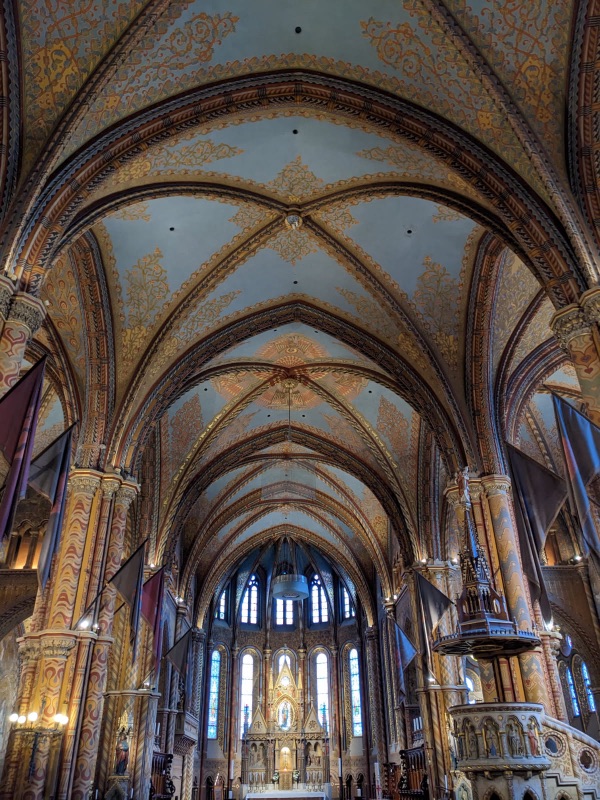
Not far from Buda Palace is the very lovely Matthias Church. I absolutely fell in love with how this church’s interior was decorated.
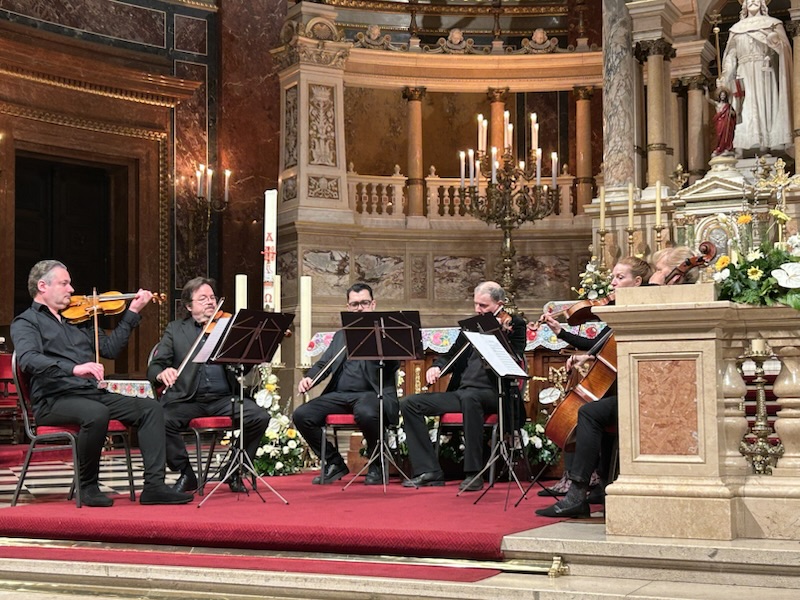
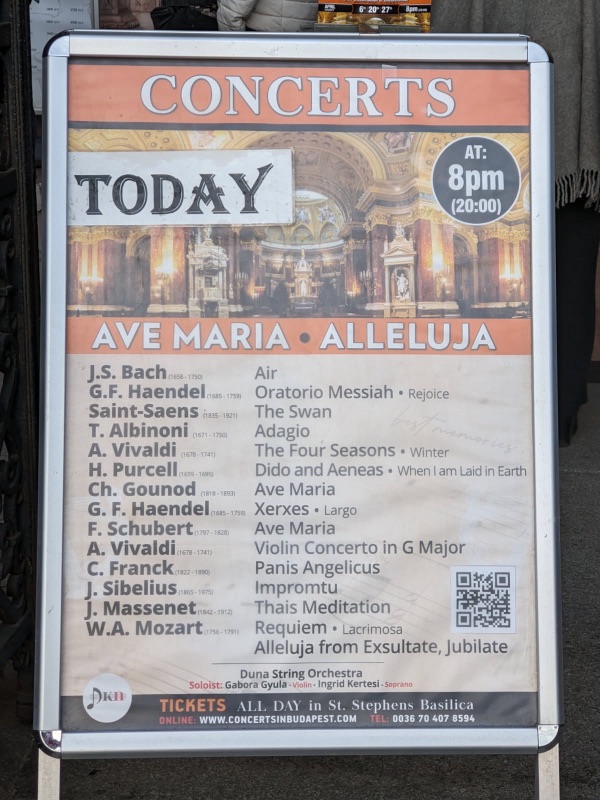
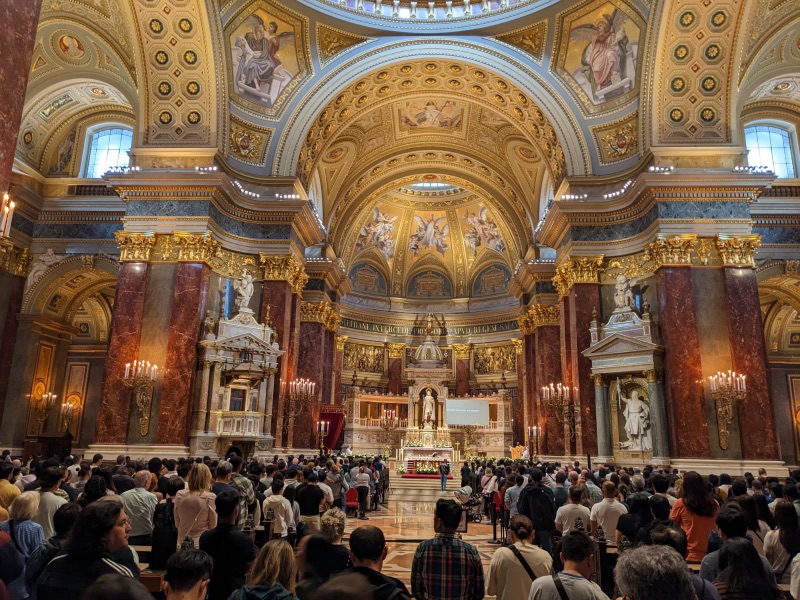
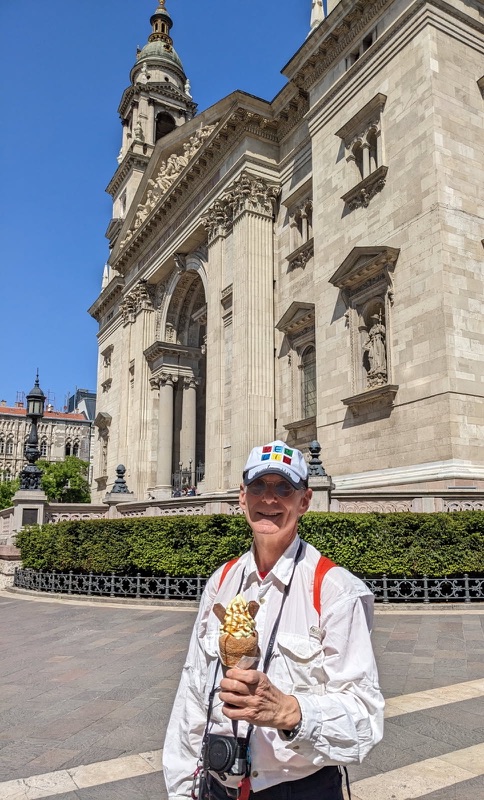
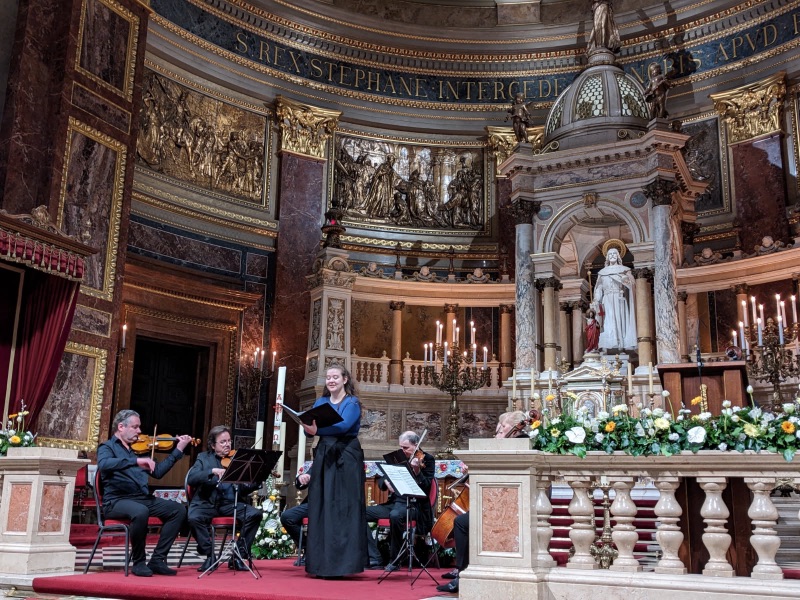
We were very lucky on a Sunday night to attend a classical concert in the amazing cathedral St Stephen’s Basilica on the Pest side.

The concert featured only a few stringed instruments & one singer; but, it was amazing! The acoustics in the church provided the most beautiful sound for classics by Mozart, Bach, Handel, & Vivaldi. Hearing Ava Maria in this setting was a dream come true.

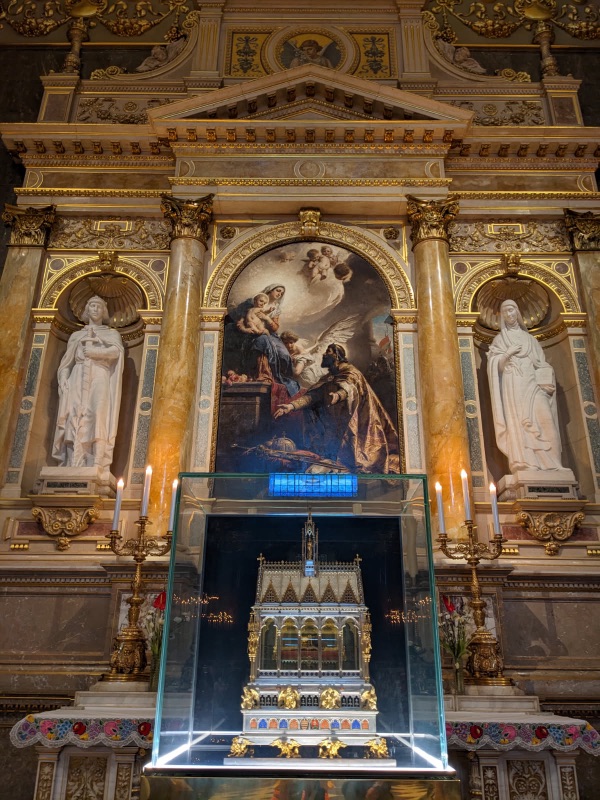
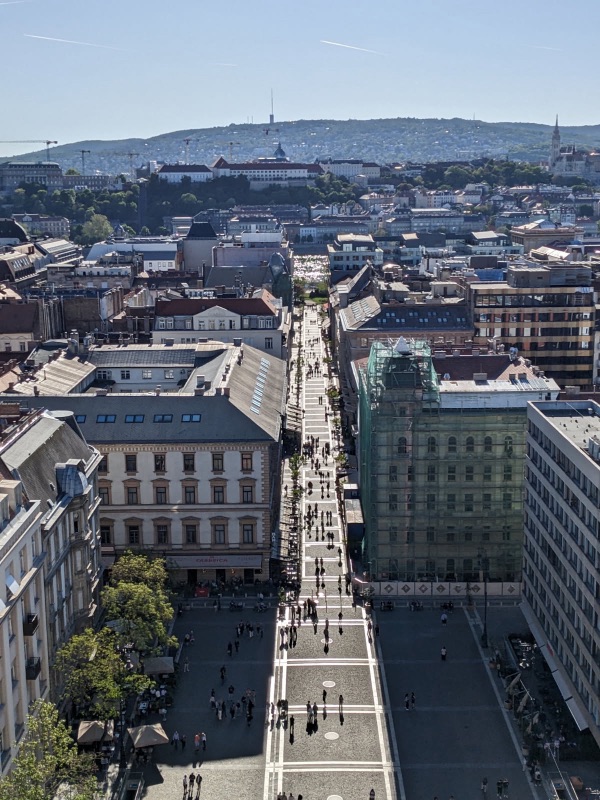
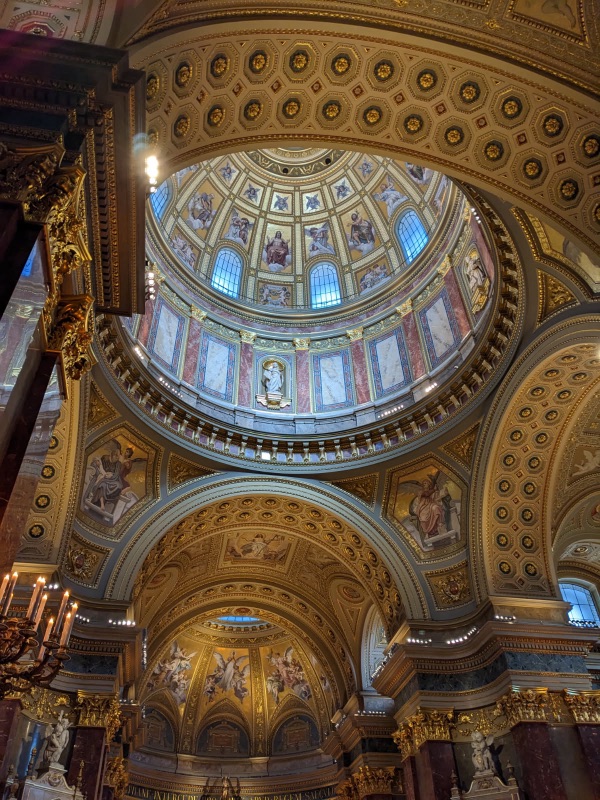
Earlier in the day we toured St Stephen’s Basilica & climbed the stairs to the dome for a city view.

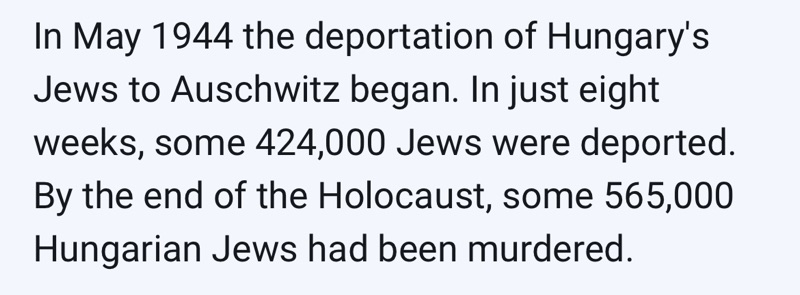
As expected, the treatment of the Jewish population in Hungary during WWII is a grim one.
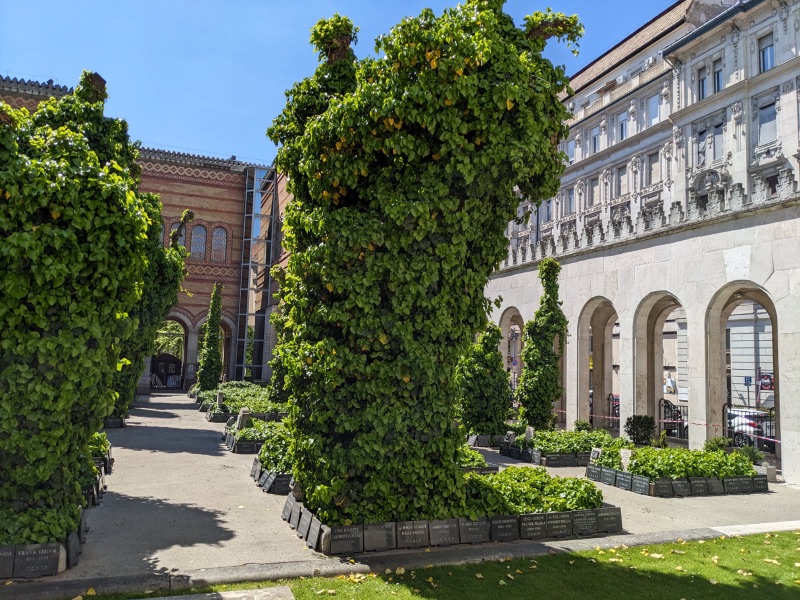
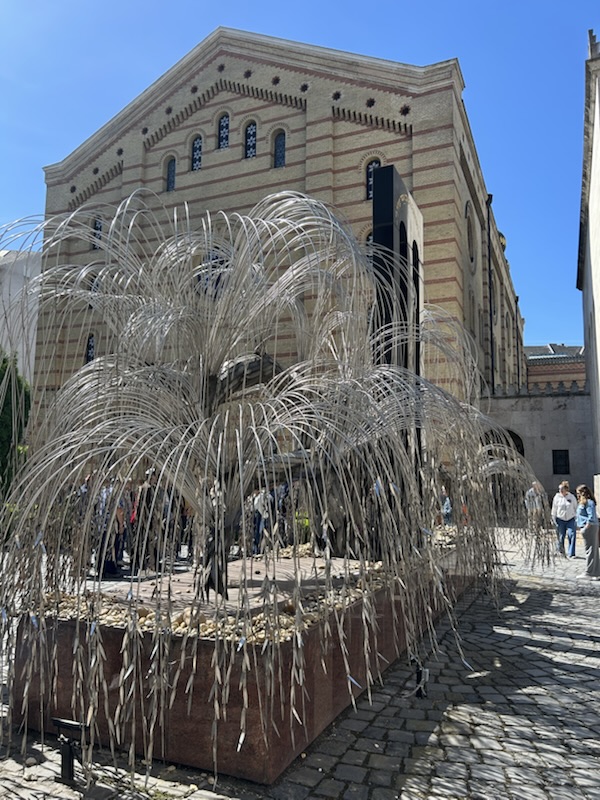
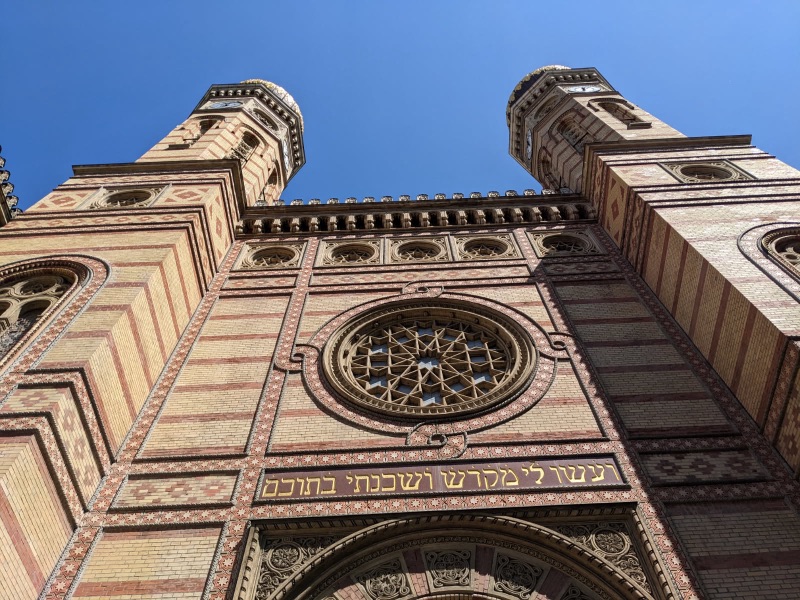
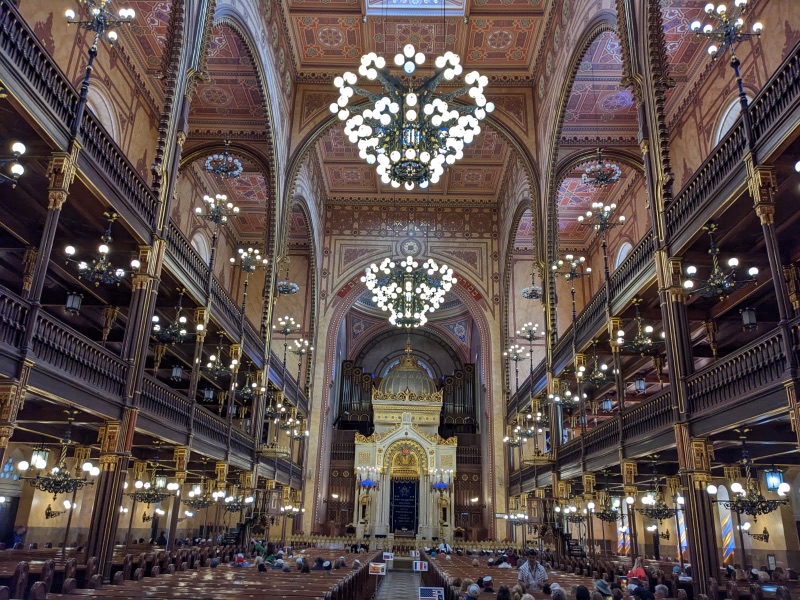
Budapest is the perfect place to learn more about this history because it has the 2nd largest synagogue in the world & the largest in Europe seating 3,000 people. The Dohany Synagogue survived WWII & has been fully restored making it magnificent to view both inside & out.

The synagogue provides a free 45 minute talk & tour in many languages & has a good history museum.
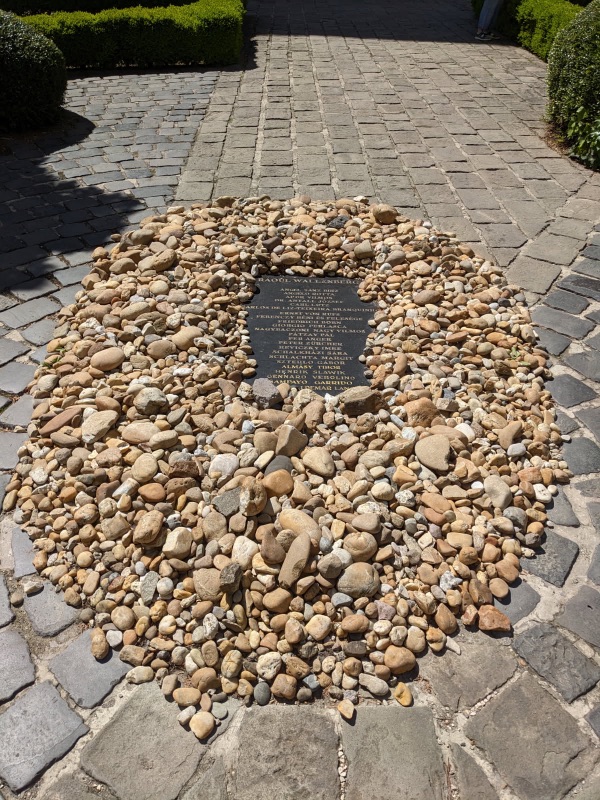
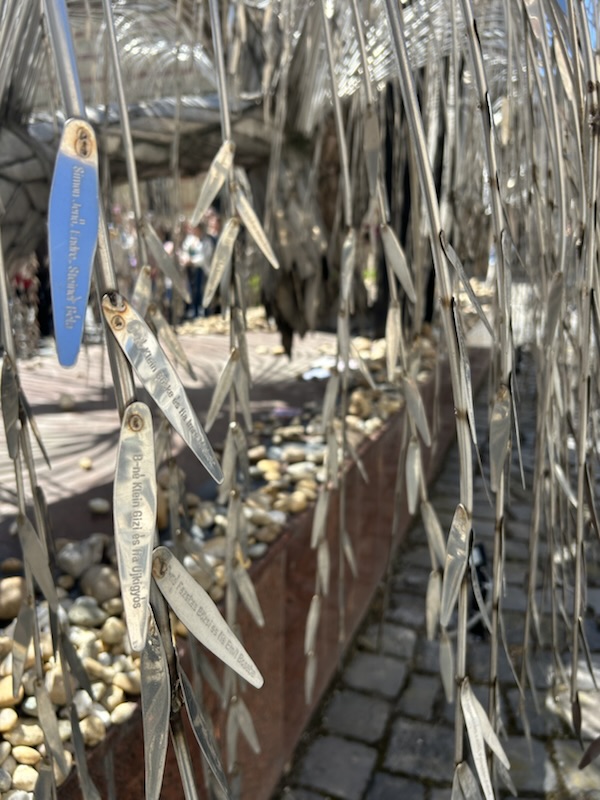
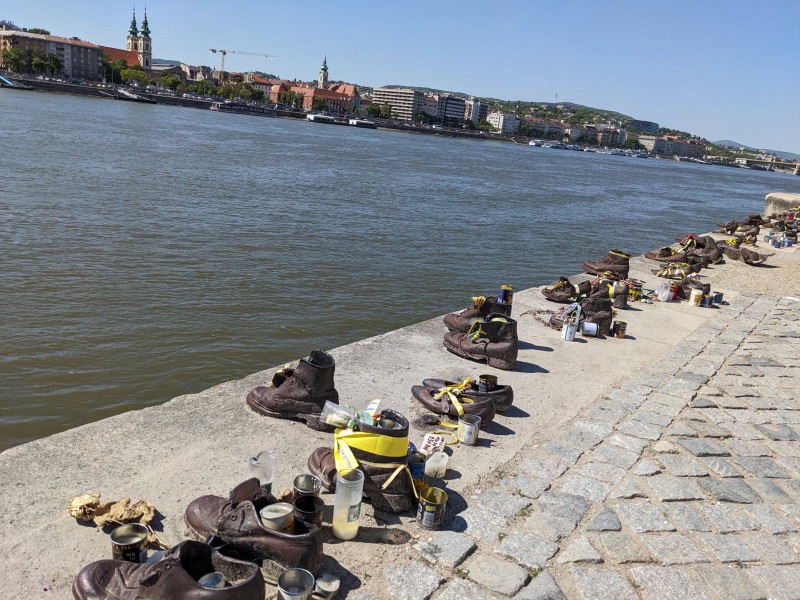
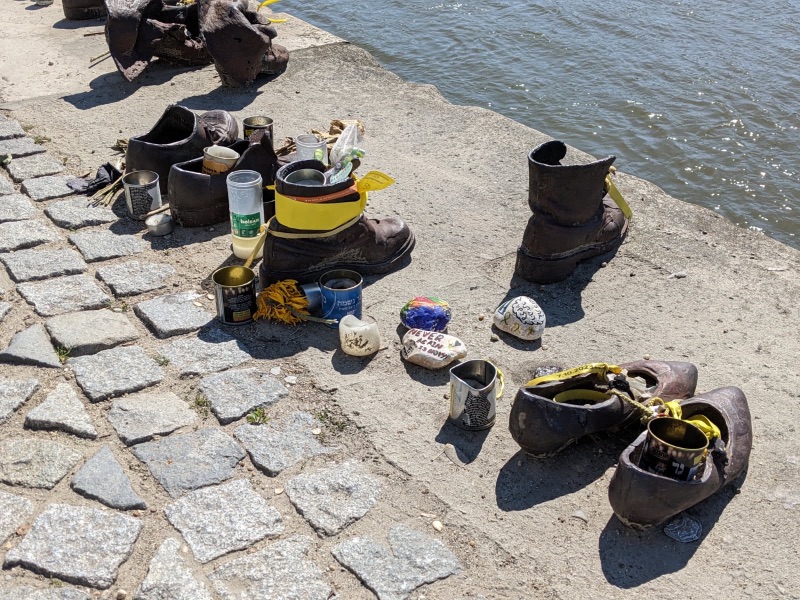
Starting in October 1944, it is believed that over 20,000 Jews from Budapest were shot on the banks of the Danube River. Before they were shot, they were forced to remove their shoes which were in short supply. Their bodies fell into the river & were swept downstream.

Today there is a memorial to this atrocity along the Danube near the Parliament building called “Shoes along the Danube”.
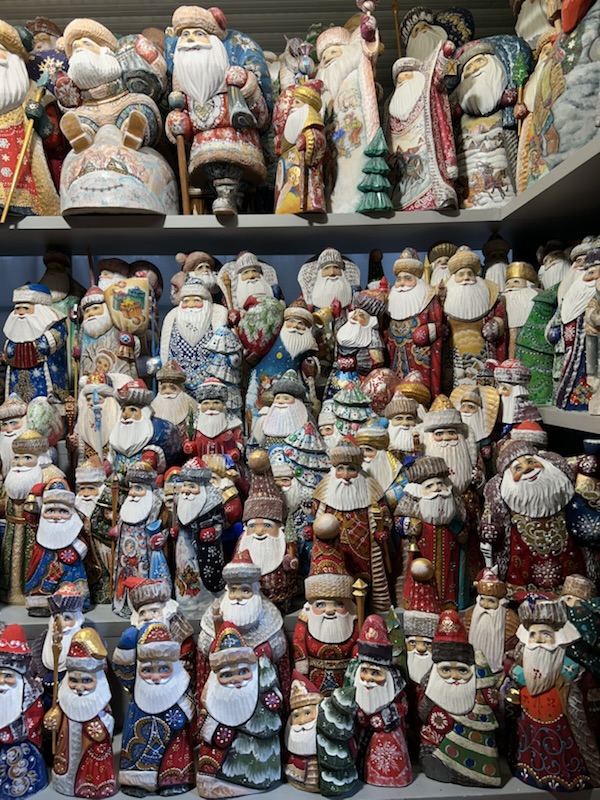
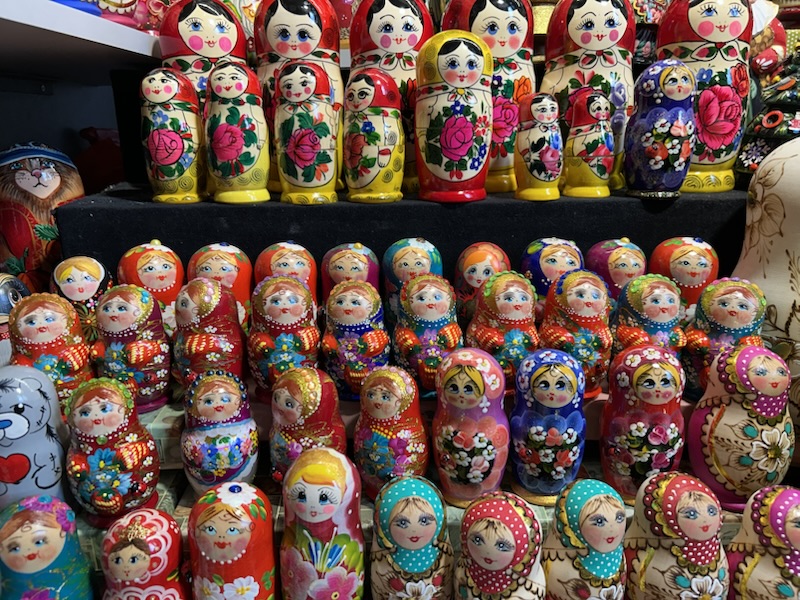
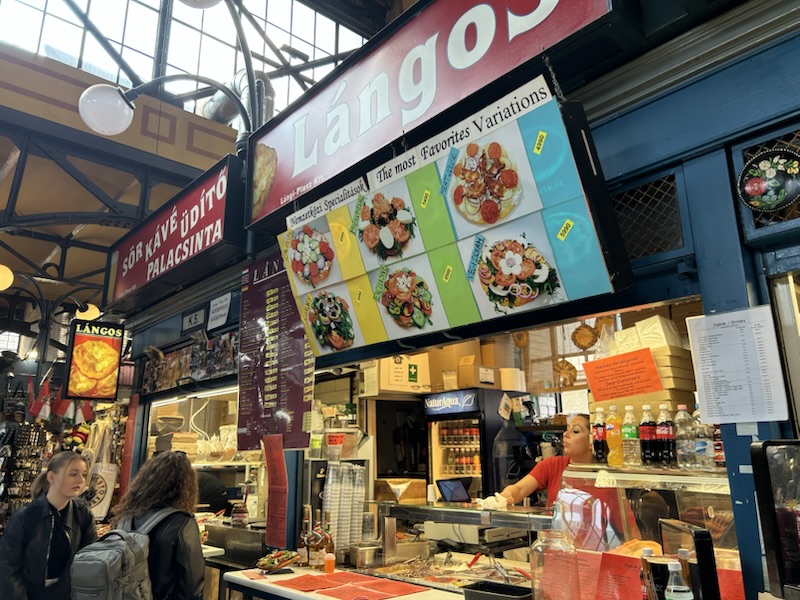
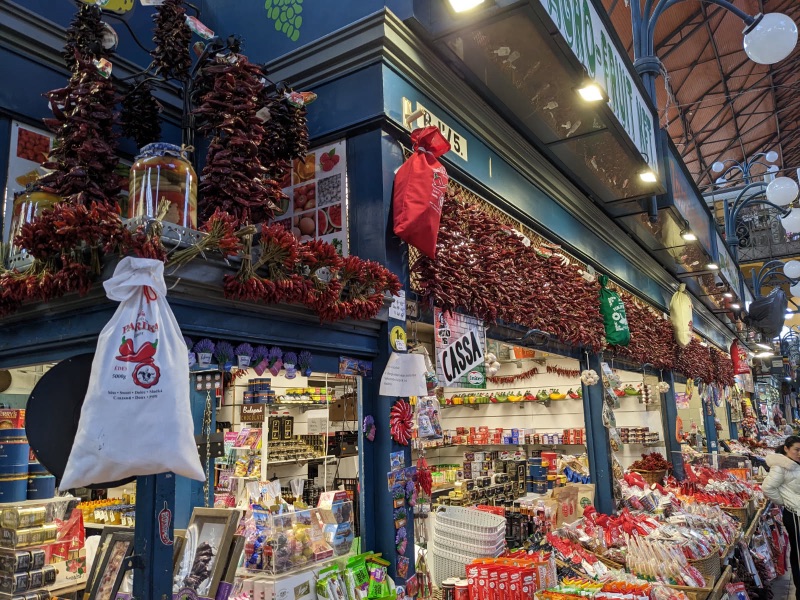
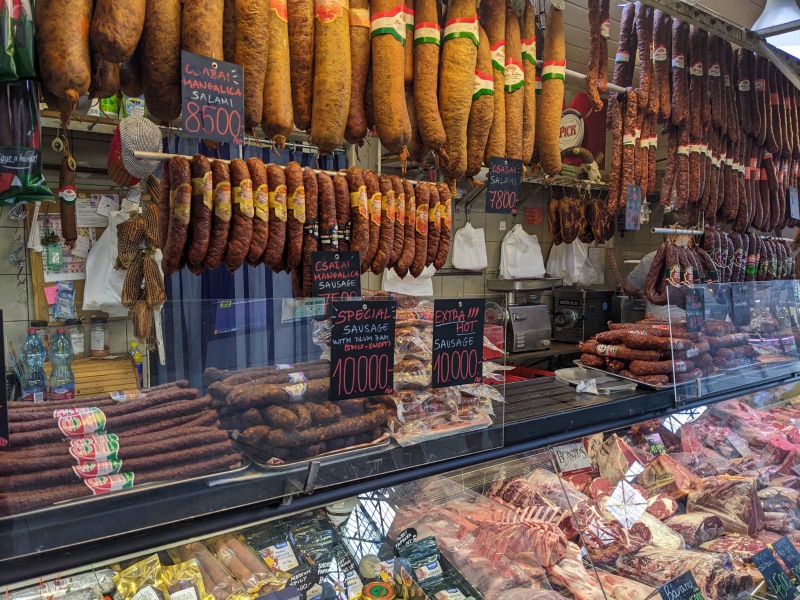
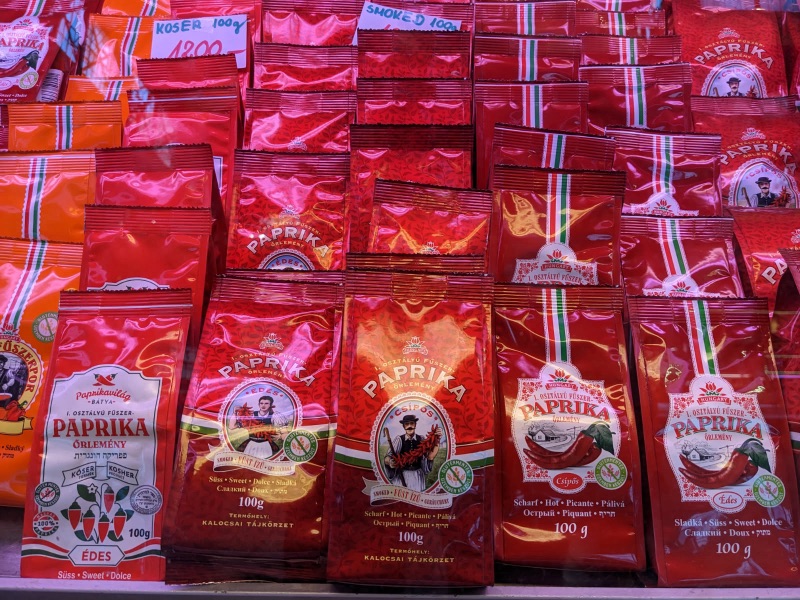
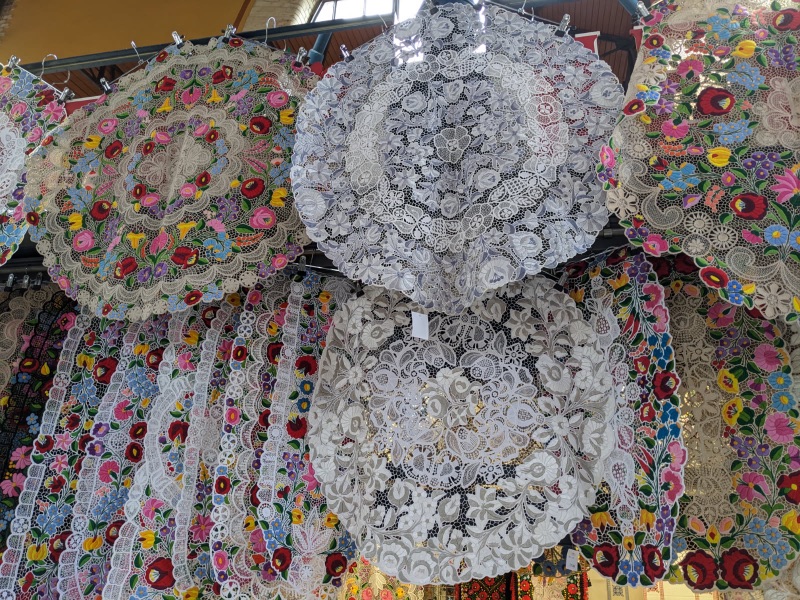
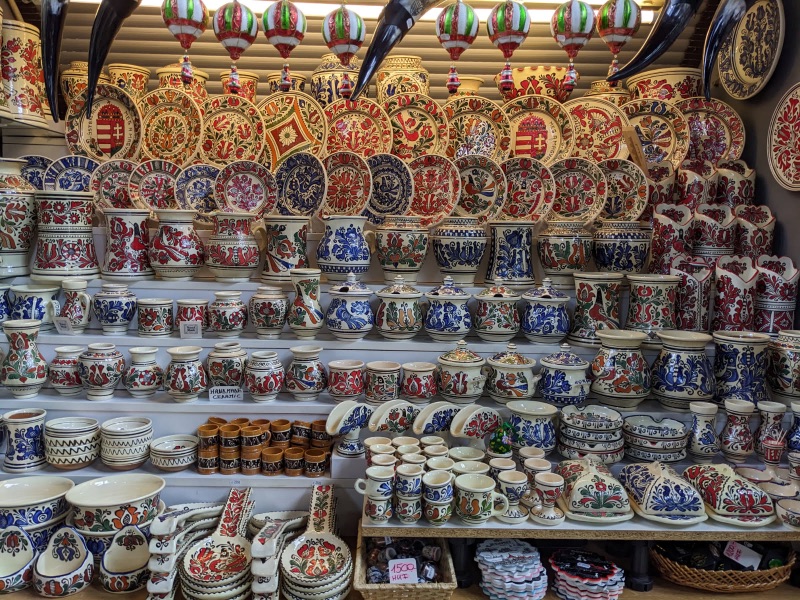
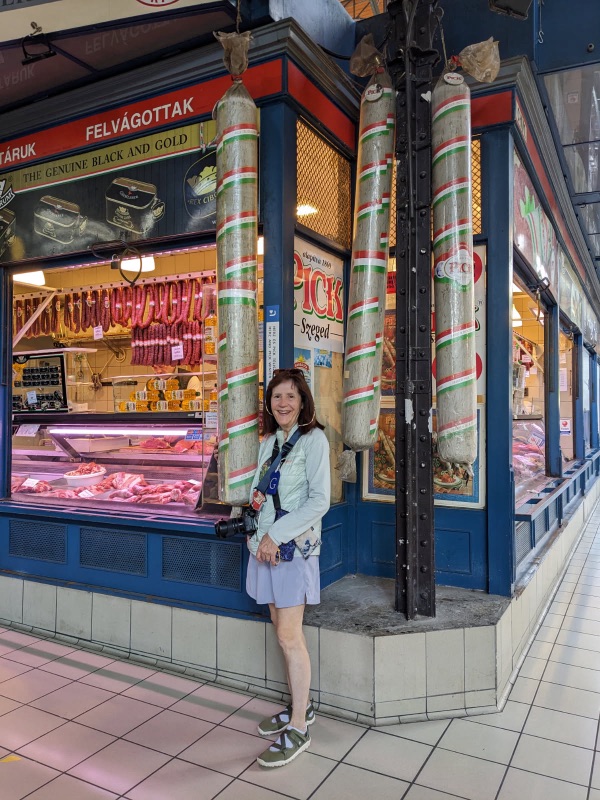
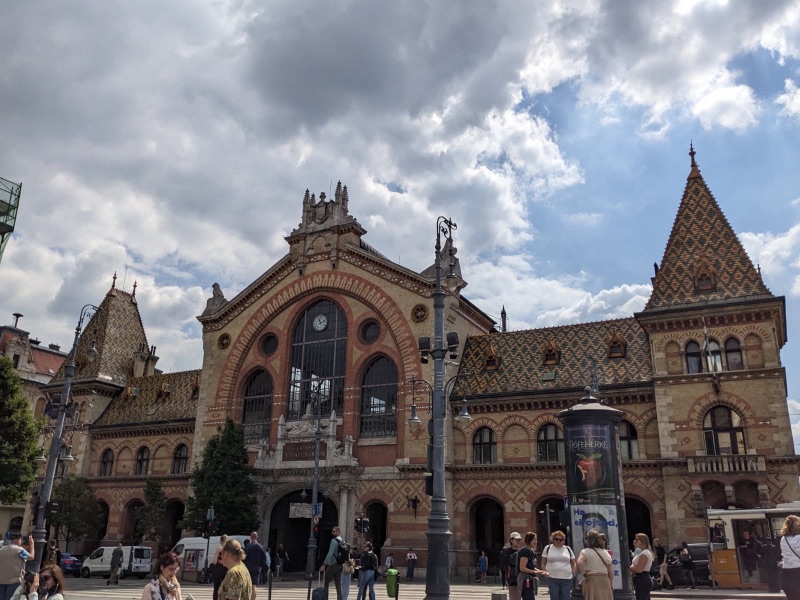
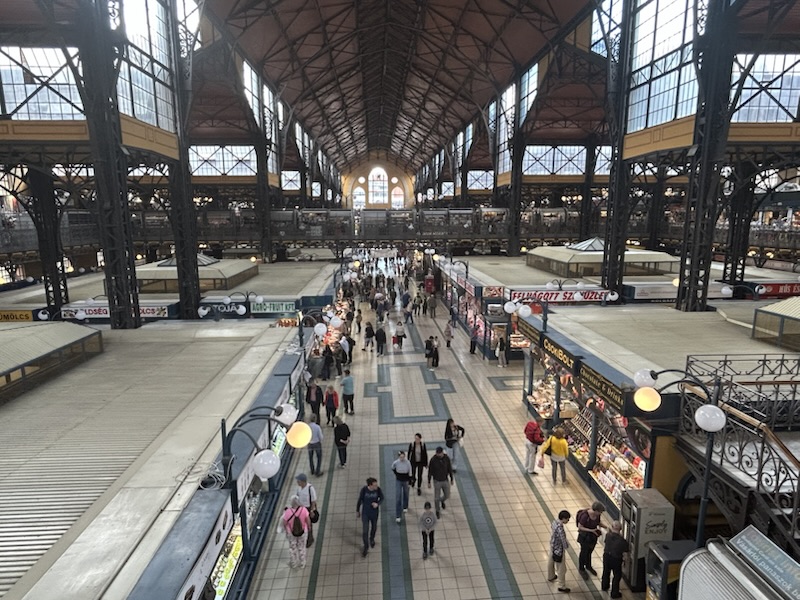
Not to be missed on any trip to Budapest is the Grand Market Hall. It is popular among both the locals & tourists. It is also a perfect place to buy a Hungarian souvenir, some paprika, or taste the local Hungarian food.
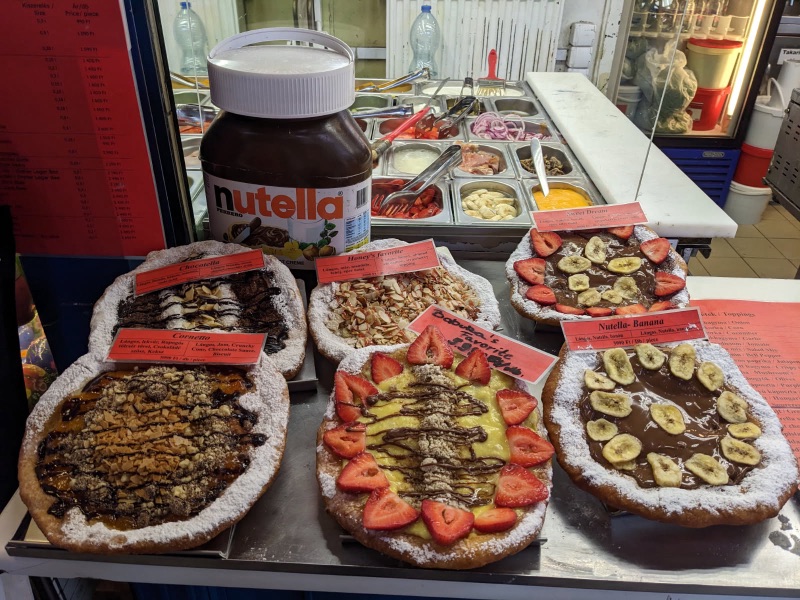
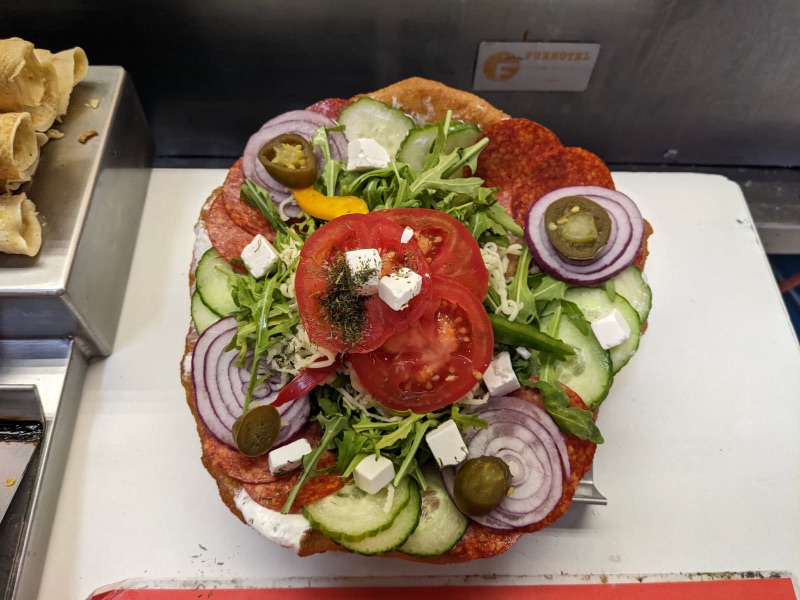
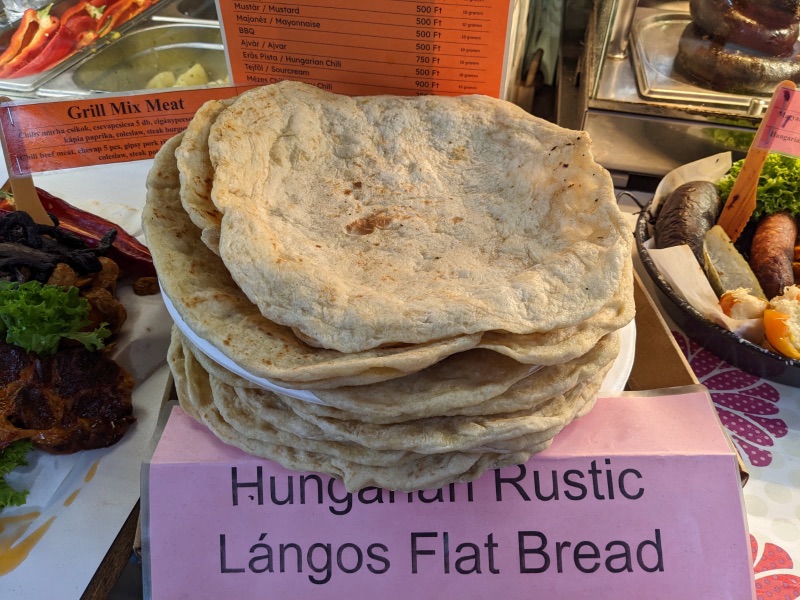
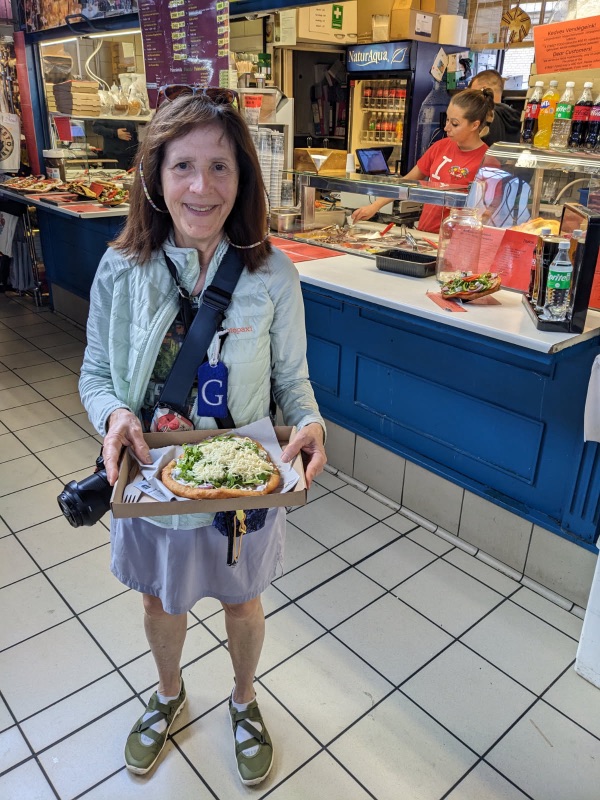
A Hungarian favorite is Langos that we enjoyed in the market. Langos is fried bread that can be topped with savory or sweet toppings. We chose the traditional sour cream & cheese toppings.
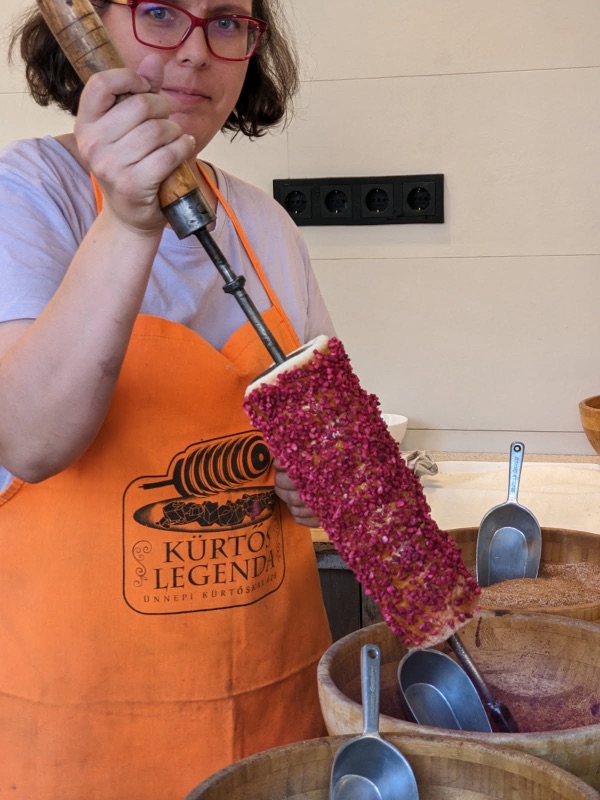
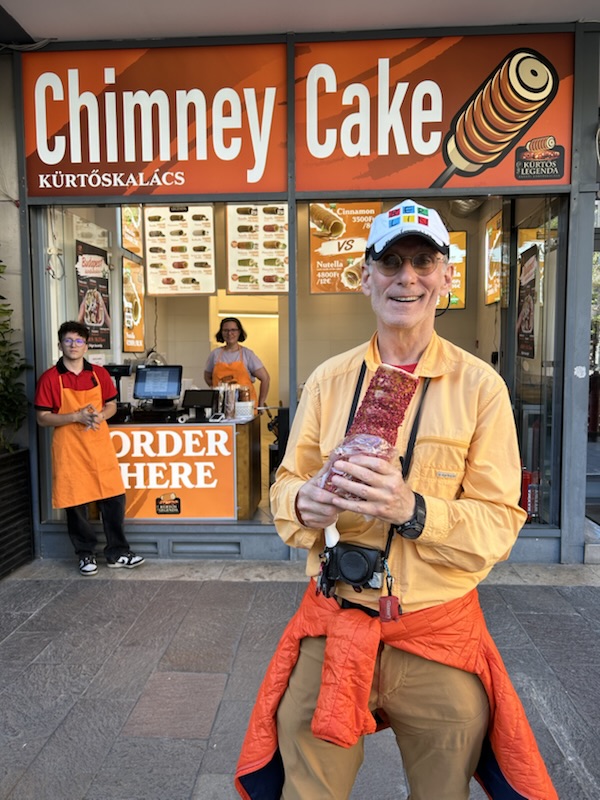
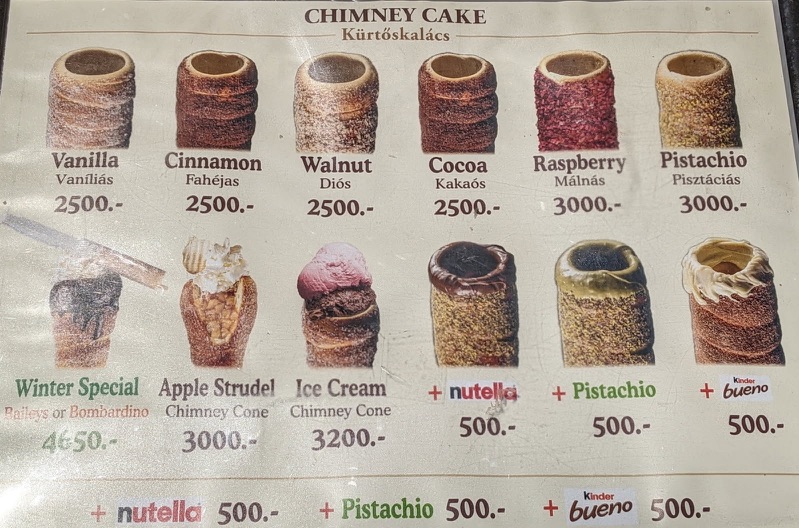
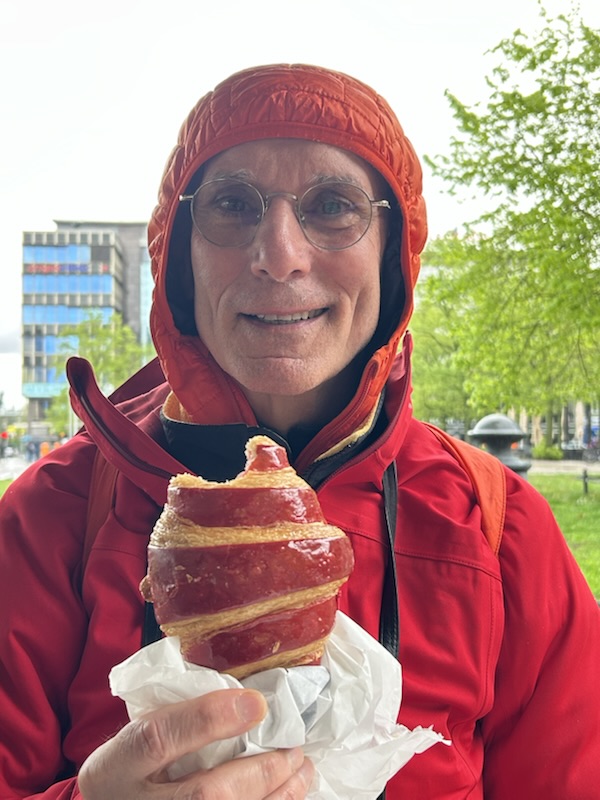
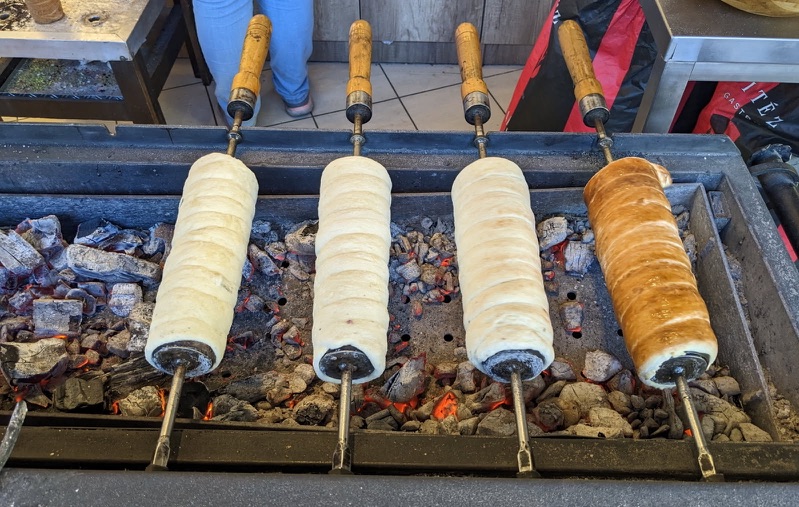
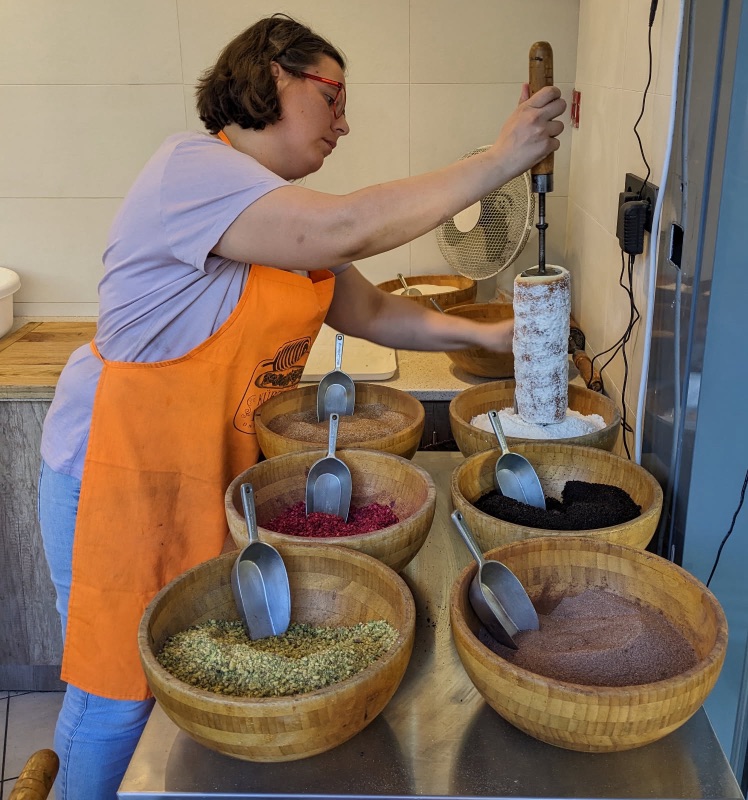
While in Budapest we also enjoyed chimney cake. They are sold all over town in many different flavors & are sometimes filled with ice cream.
We didn’t have a chance to visit a coffee shop in Vienna, but made up for it in Budapest.
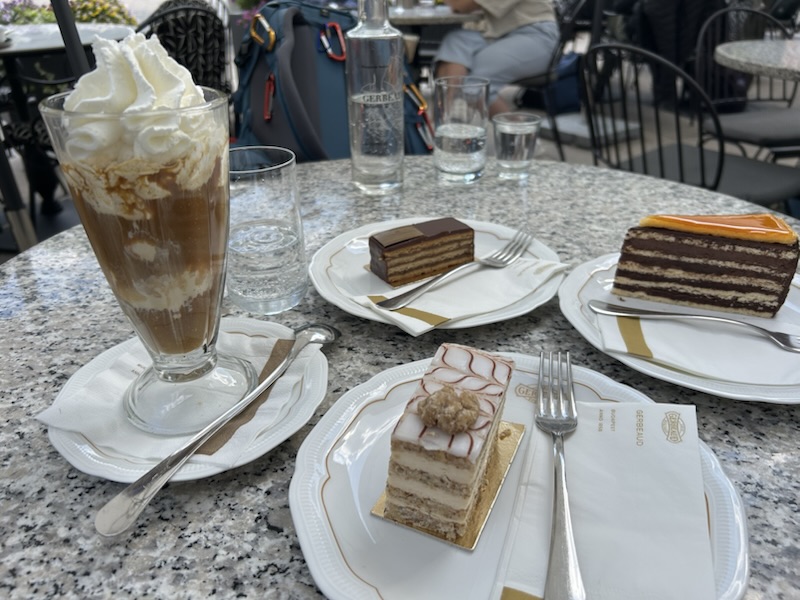
Ice coffee with ice cream & 3 different cakes at Gerbeaud. 😋

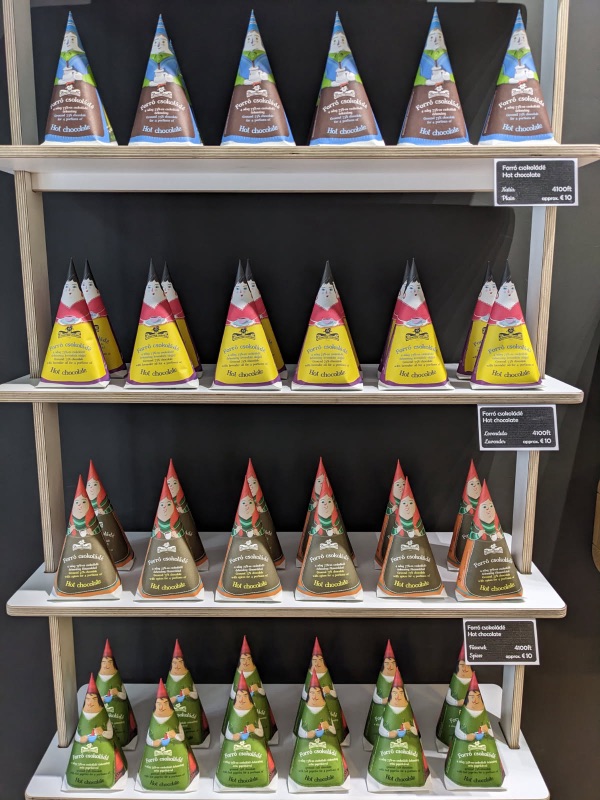
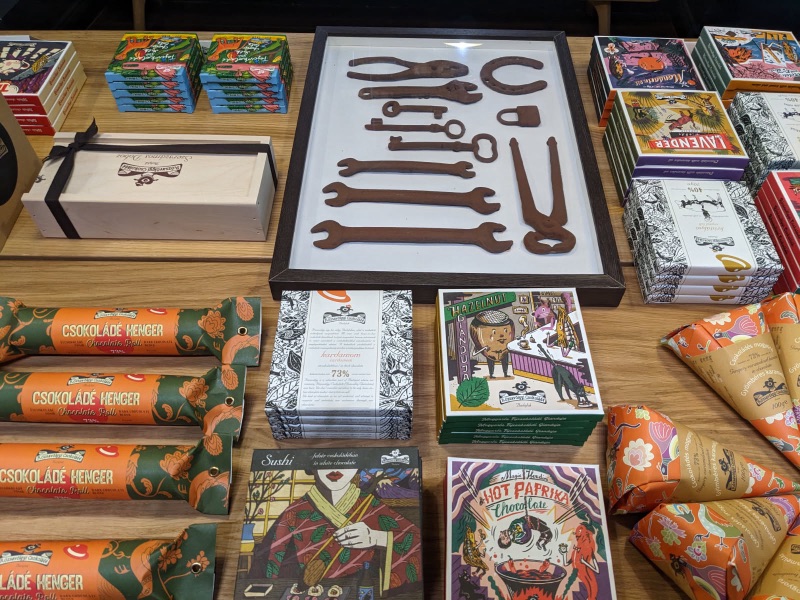
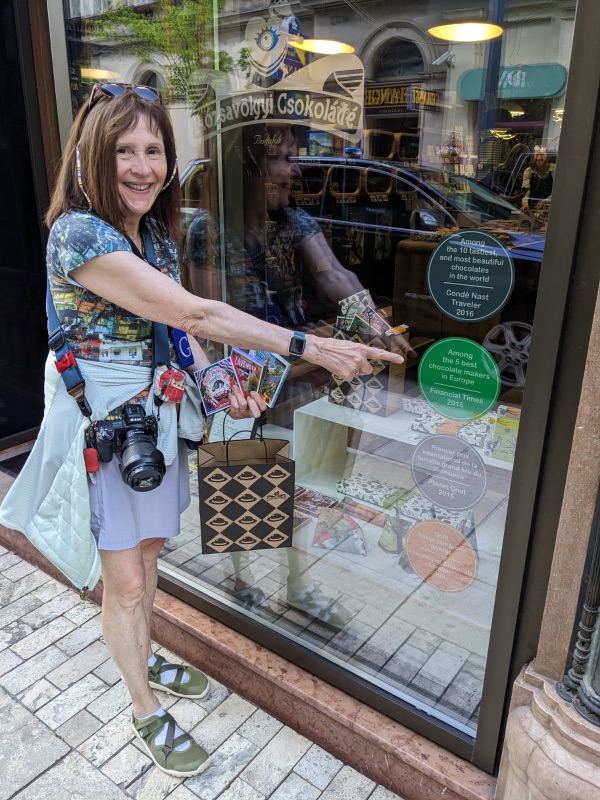
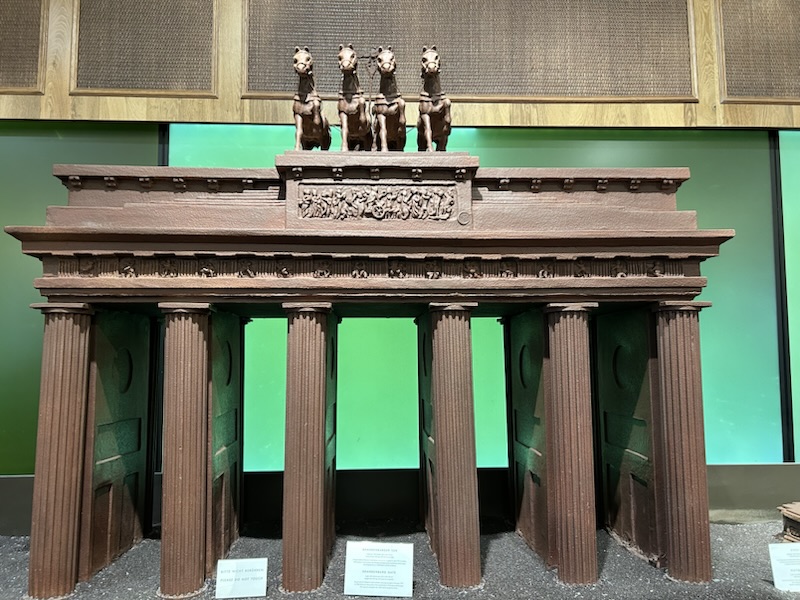
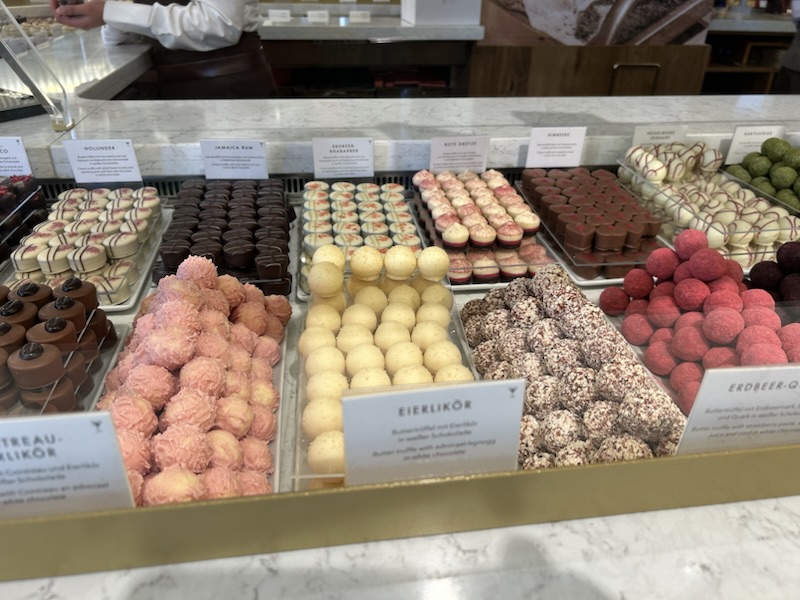
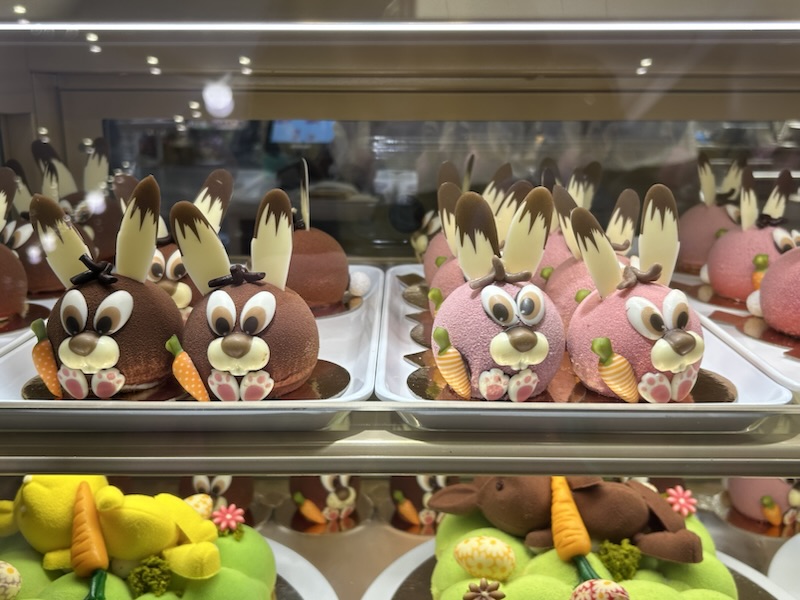
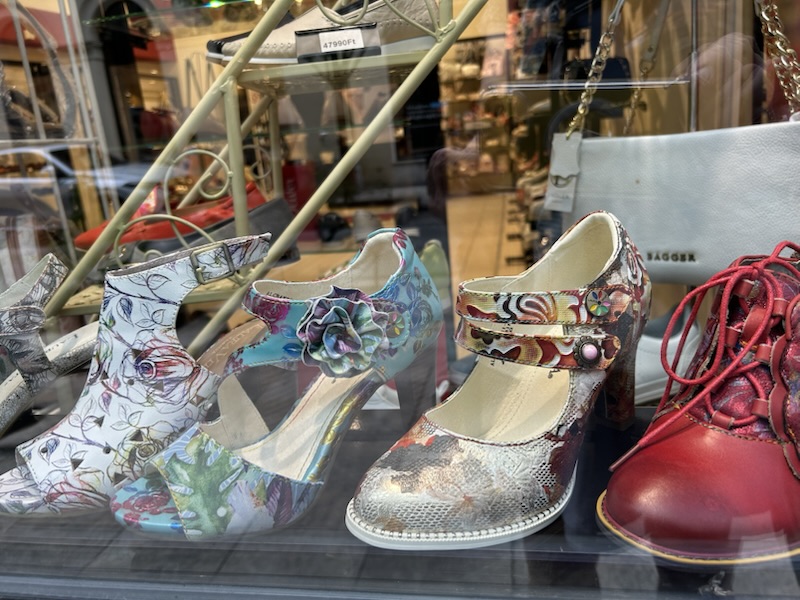
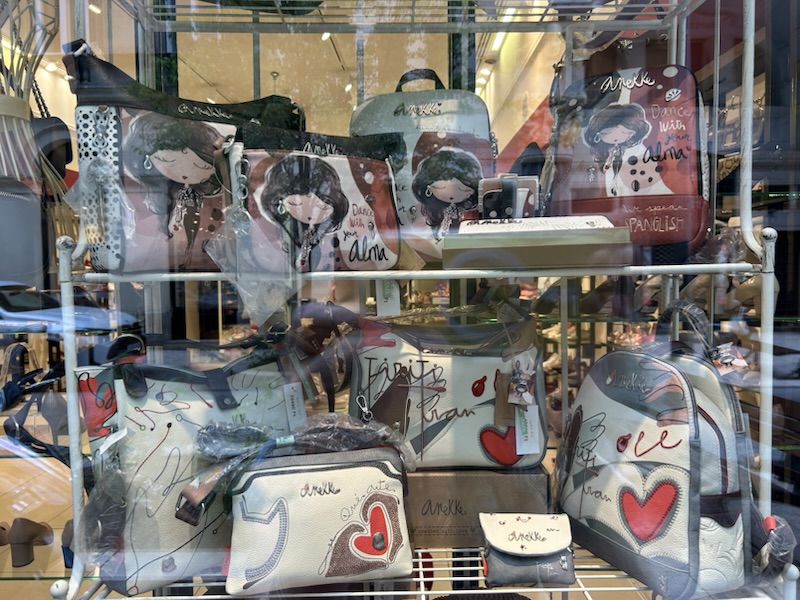
It is always super fun to window shop in Europe where little shops still line the streets. Couldn’t resist a chocolate shop that we found by accident.
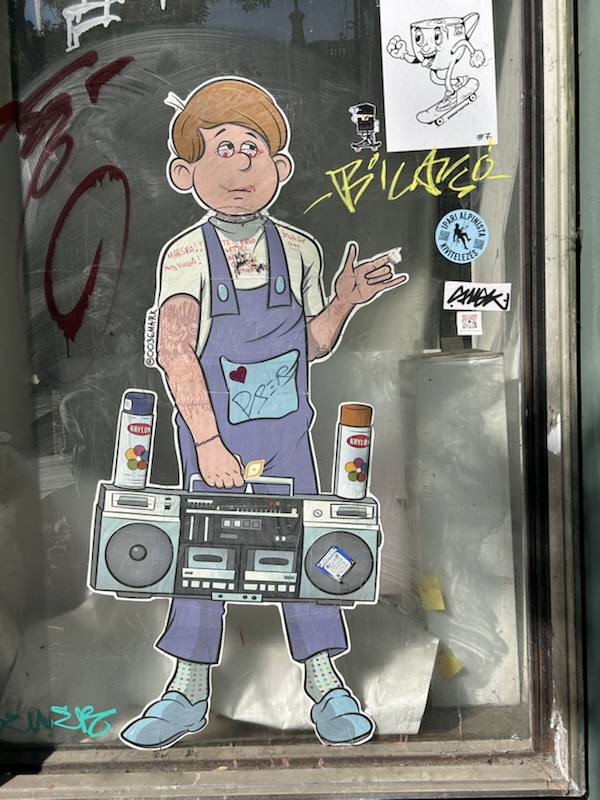
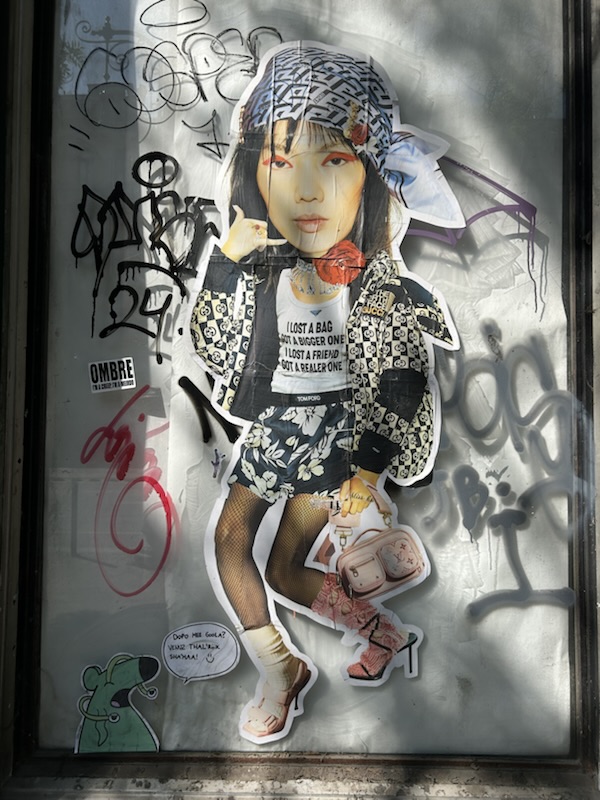
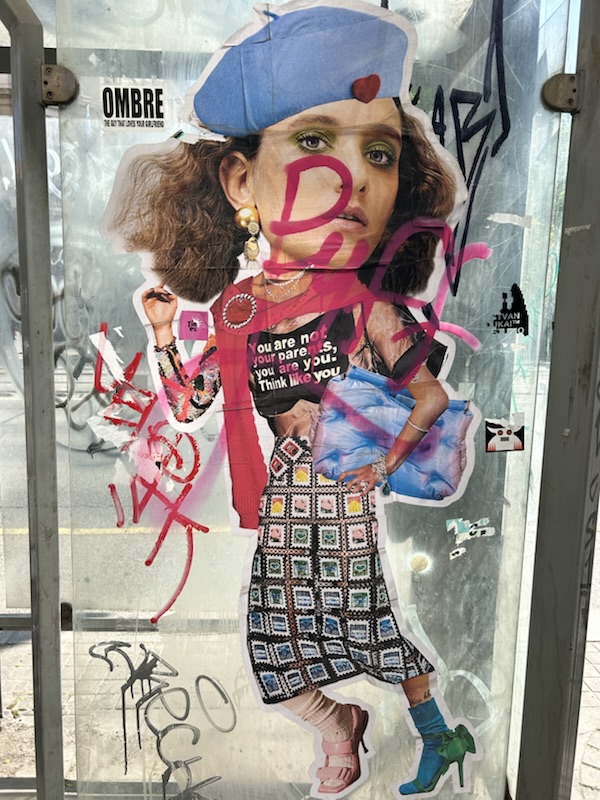
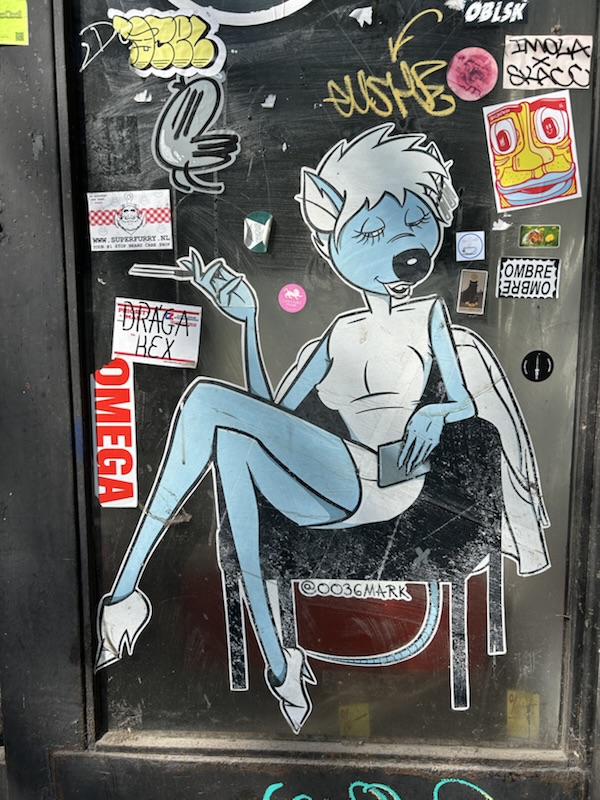
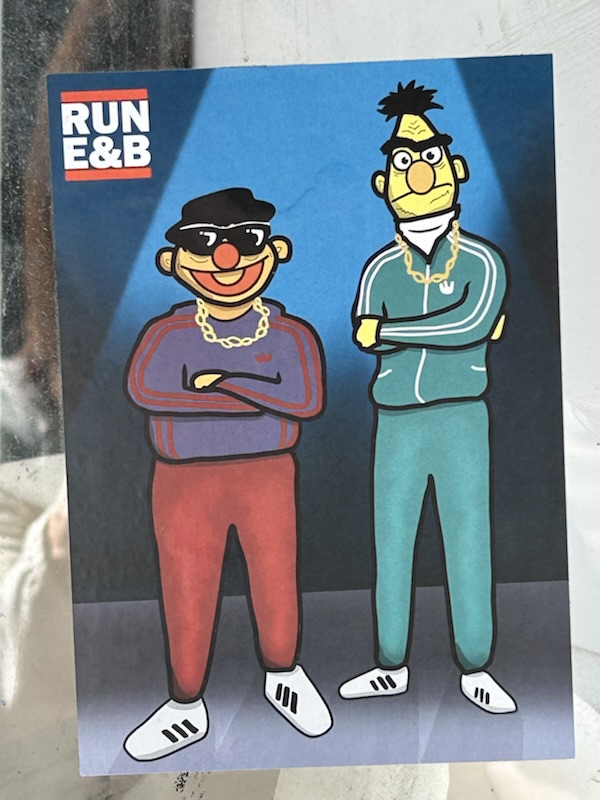
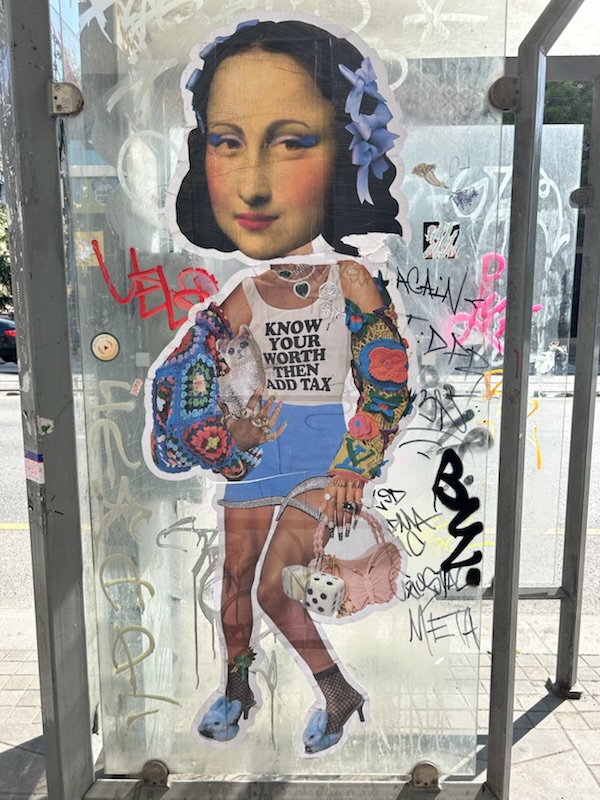
One block was lined with these clever stick-on posters.
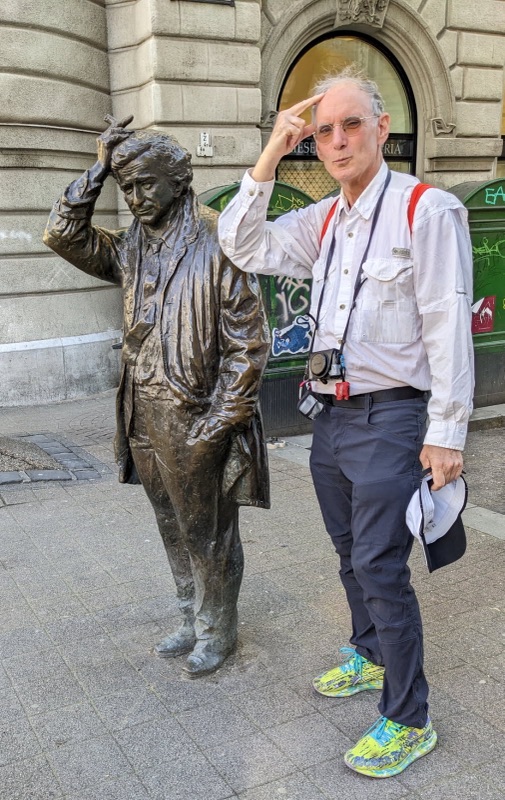
Sometimes you see something that makes you go hmmmmm 🤨❓Budapest has a statue from the 70’s detective TV show Colombo. And yes, it is on Falk Street and no, Peter Falk was not Hungarian. Just a little street humor for those of us who actually remember the show. “Oh yeah, …one more thing.”
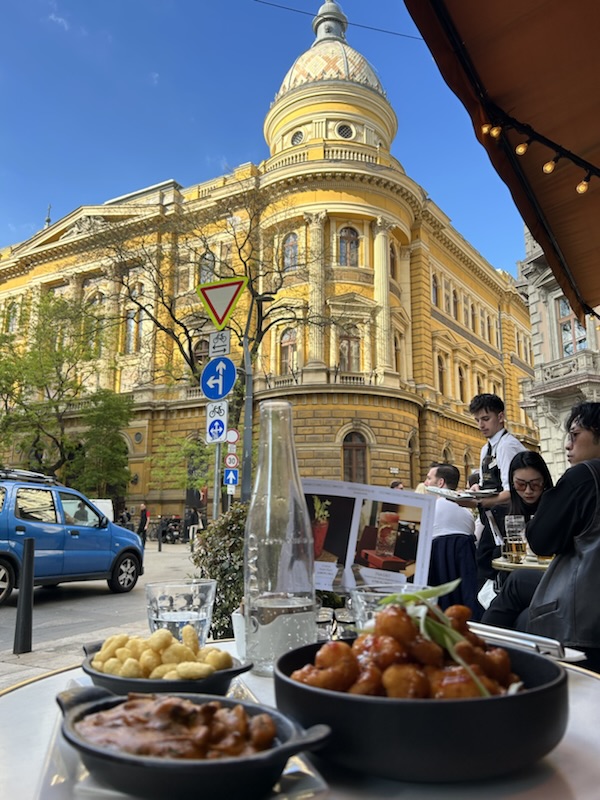
Our last meal in Budapest was at the Central Grand Cafe & Bar which started in 1887. We ate a delicious meal outside enjoying the sights & sounds in this grand old city. Having a meal on the sidewalk is among the great joys of touring Europe when the weather is perfect.
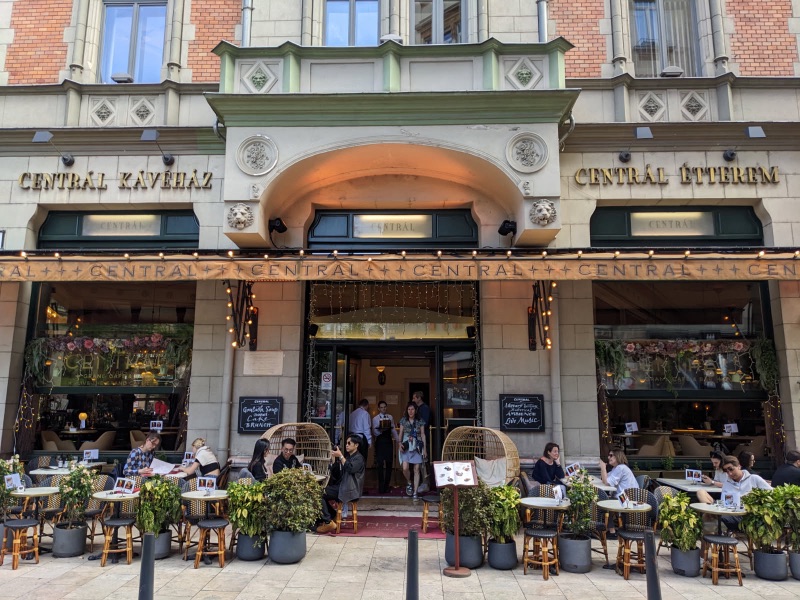
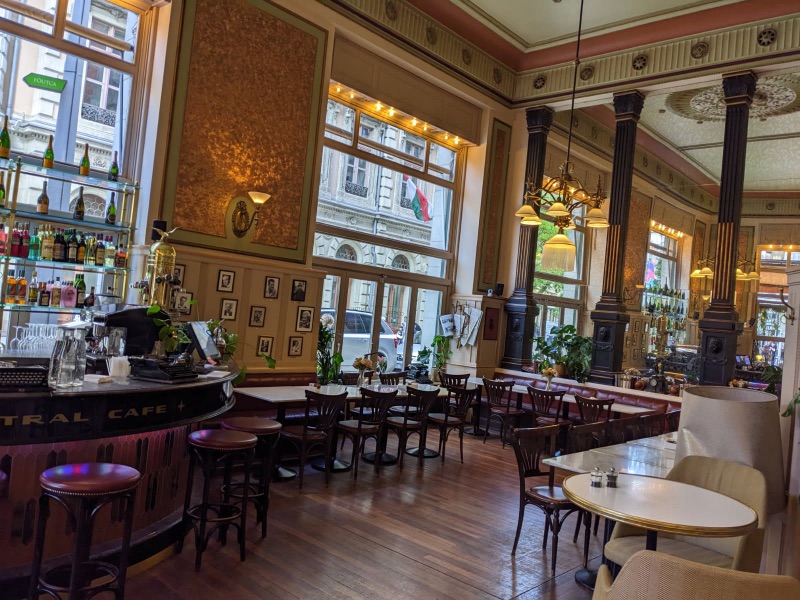
I wasn’t so sure how much I was going to like Budapest after Vienna, but I must say it won me over. It would be nice to return once the Buda Palace has been fully restored to its 19th Century grandeur.
Until next time

Vienna, Austria – City of Music

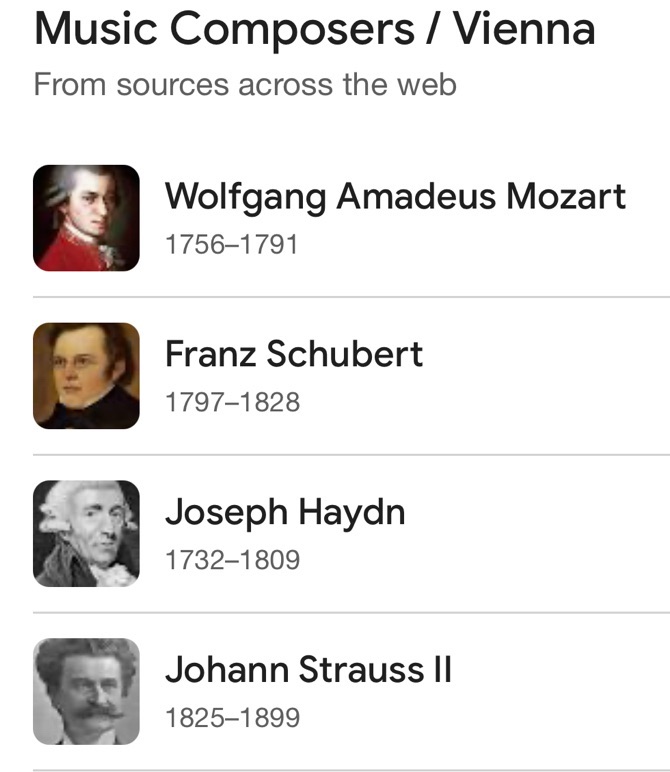
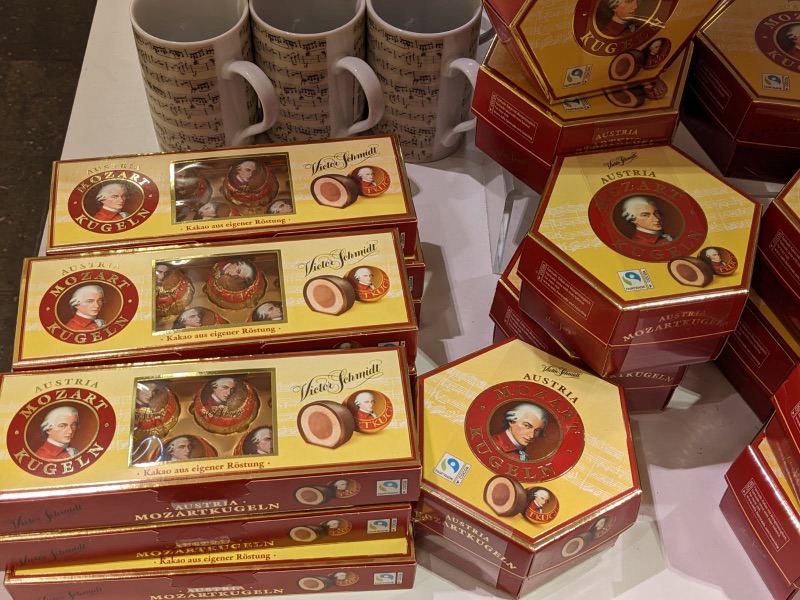
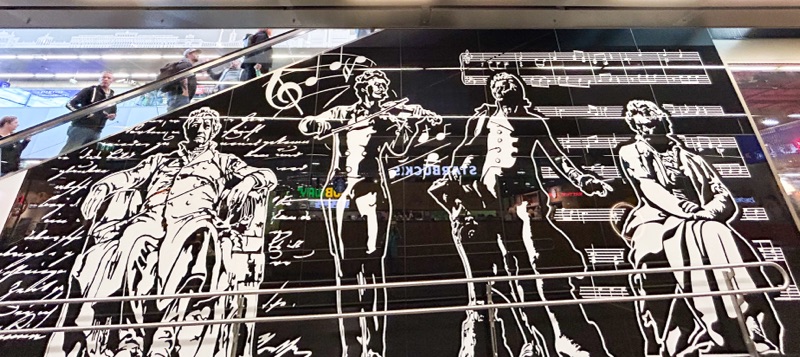
Many of the great classical musicians are Austrian and lived in Vienna. Here are just a few.

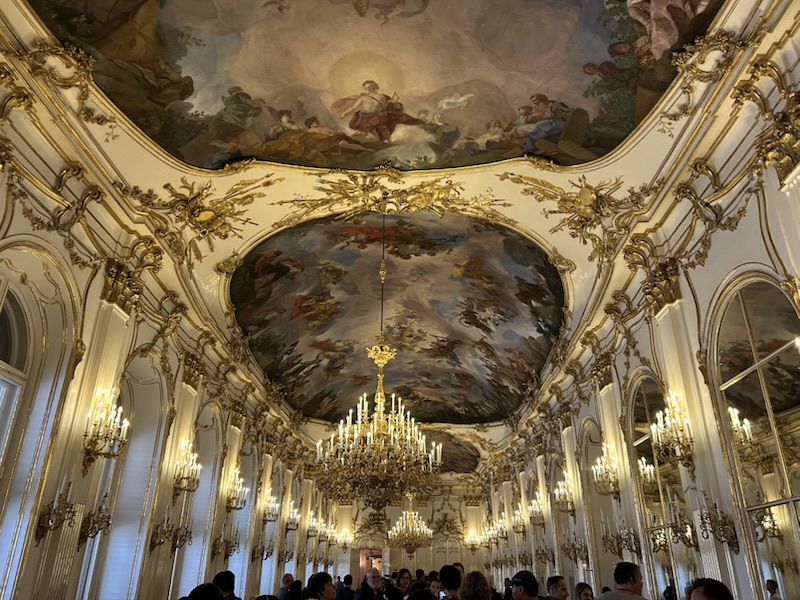
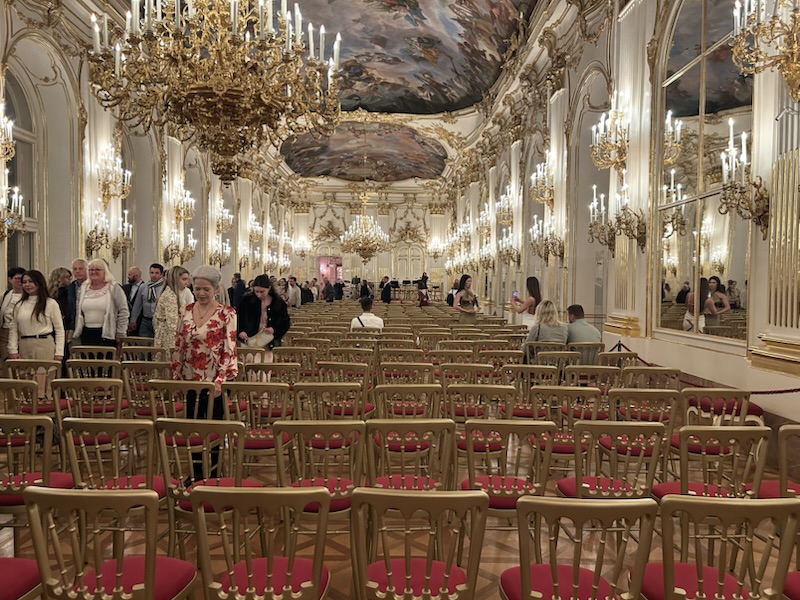
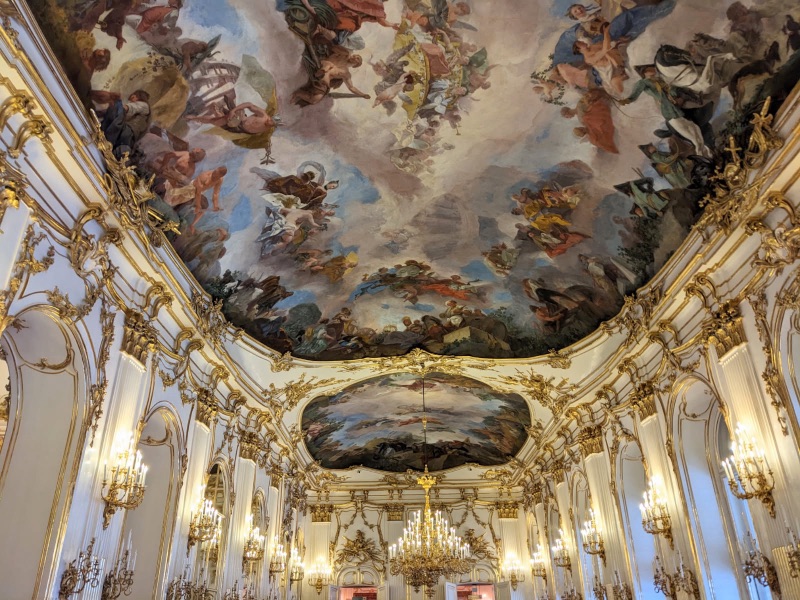
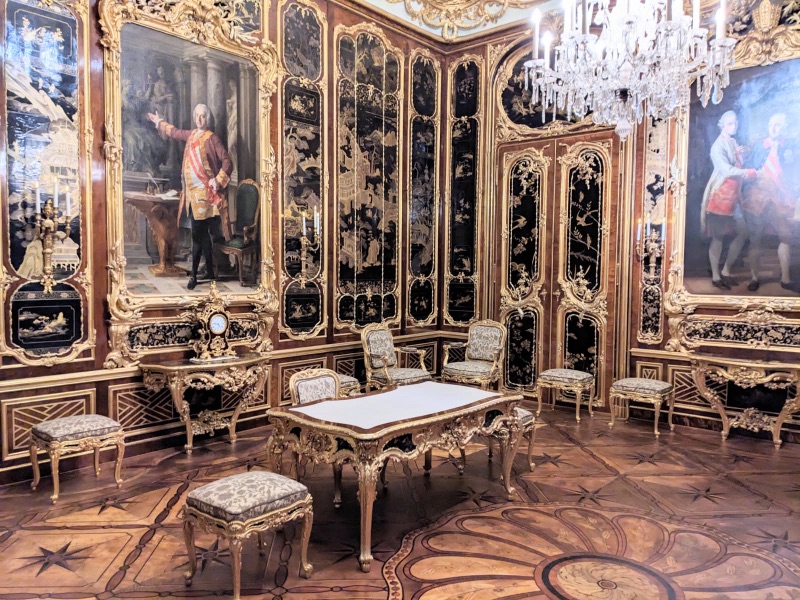
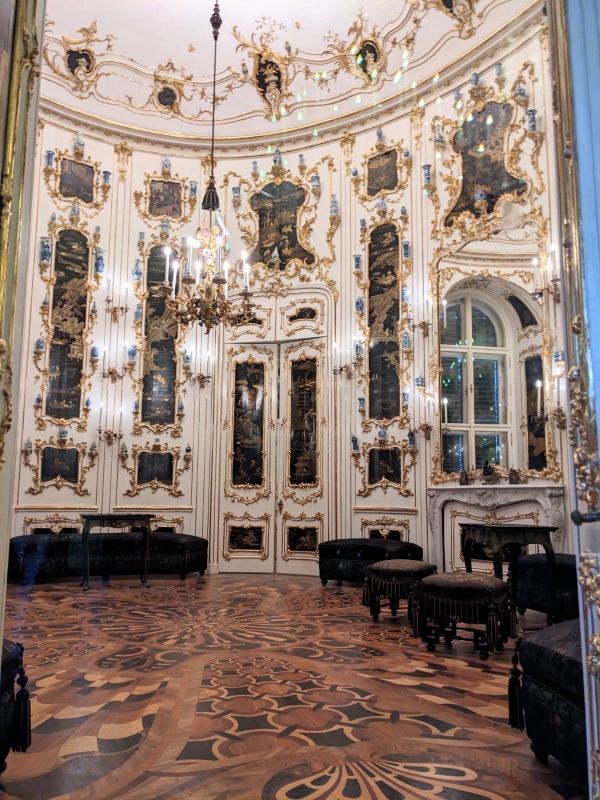
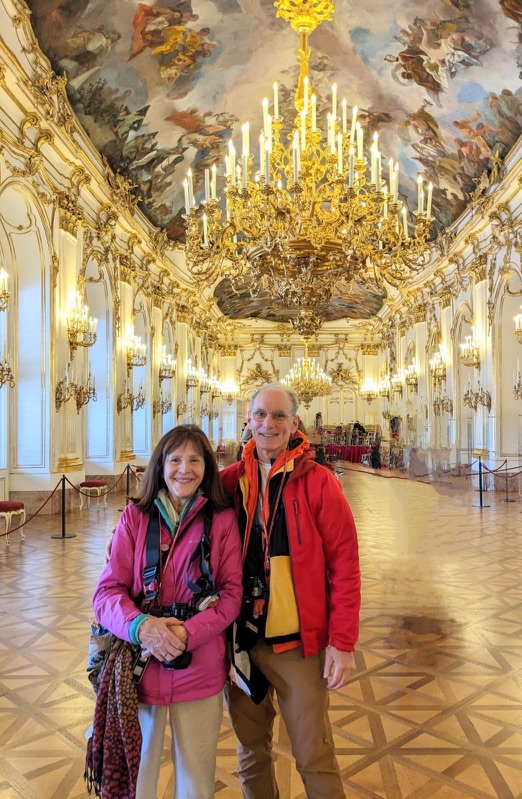
Opportunities to attend classical music concerts are almost endless in the city. While there, we enjoyed 2 evening concerts. The first performance was in the opulent Schönbrunn Palace. Sitting where Kings & Queens sat many years ago, our ears listened & our hearts leapt at the brilliant written music from the anniversary listed men.

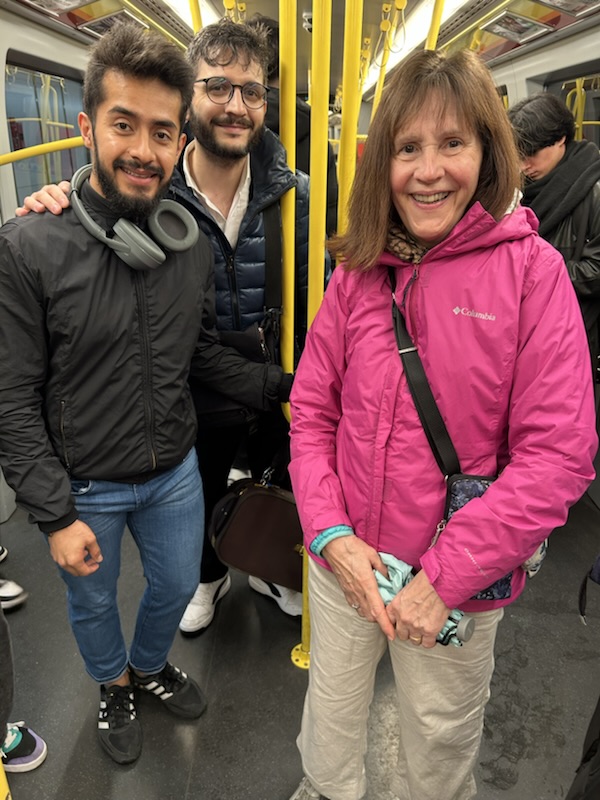
On our way back to our hotel, a couple musicians who were in the orchestra that entertained were on our subway car. Their large carrying cases for their instruments gave them away.
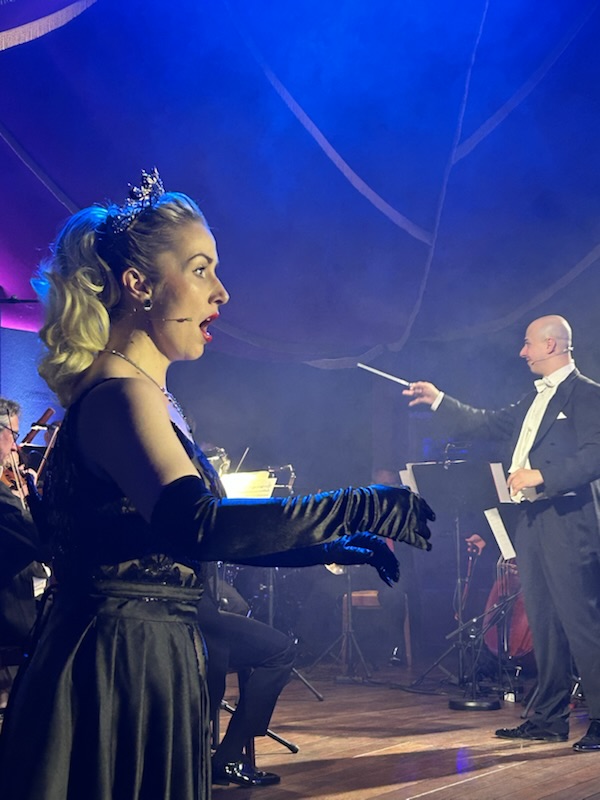
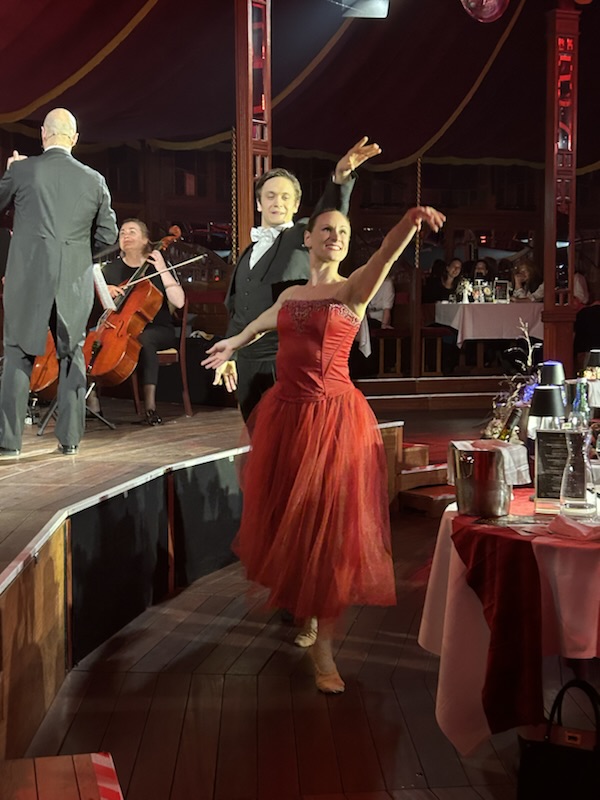
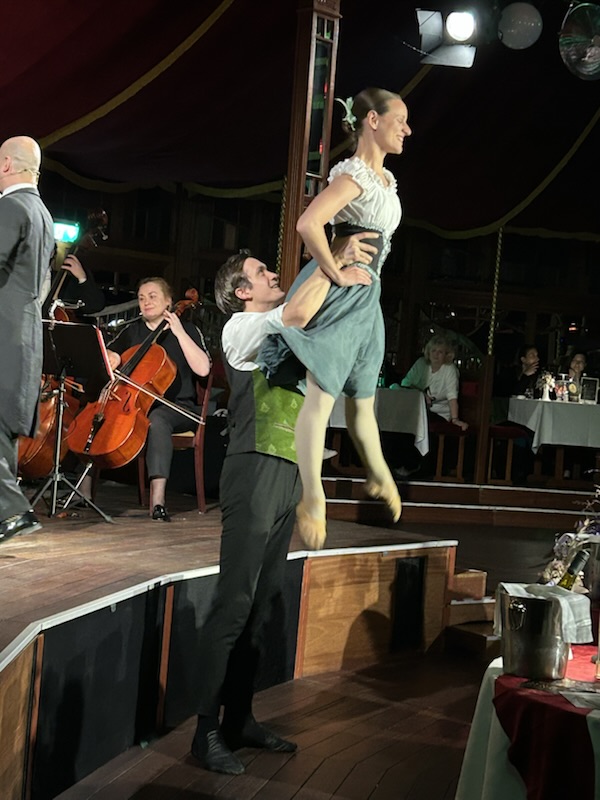
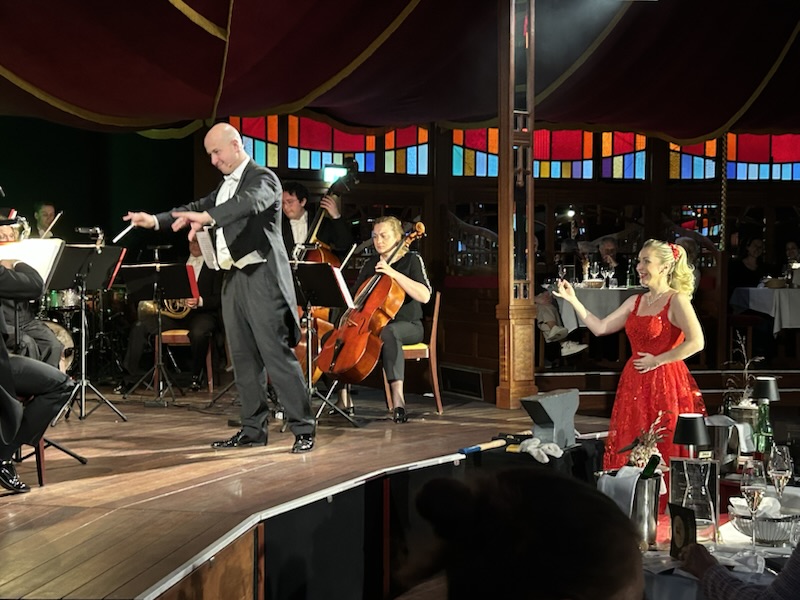
The second night was a smaller venue where the concert was devoted to The Waltz King, Johann Strauss. This evening, we had front row seats to the small orchestra that accompanied an opera singer & two dancers.

There are many things to see in Vienna; but, we only had 2 days, so we focused on a few highlights.

Just like Berlin, Vienna is filled with history. The city has many beautiful buildings ranging from the 15th to the 19th Century to marvel at while you walk the city.

One only needs to be aware of how powerful the Habsburg Monarchy was before WWI to understand how this was possible. Unlike past empires that grew by raging war, the Habsburg often did so through marriage.

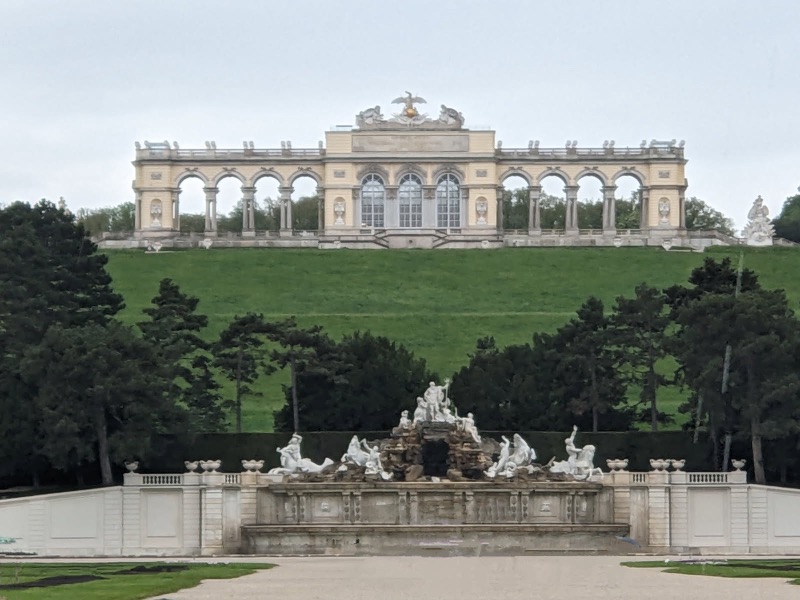
Even though we had visited Schönbrunn Palace in 1985, it was worth another visit even though it was a cool rainy day.

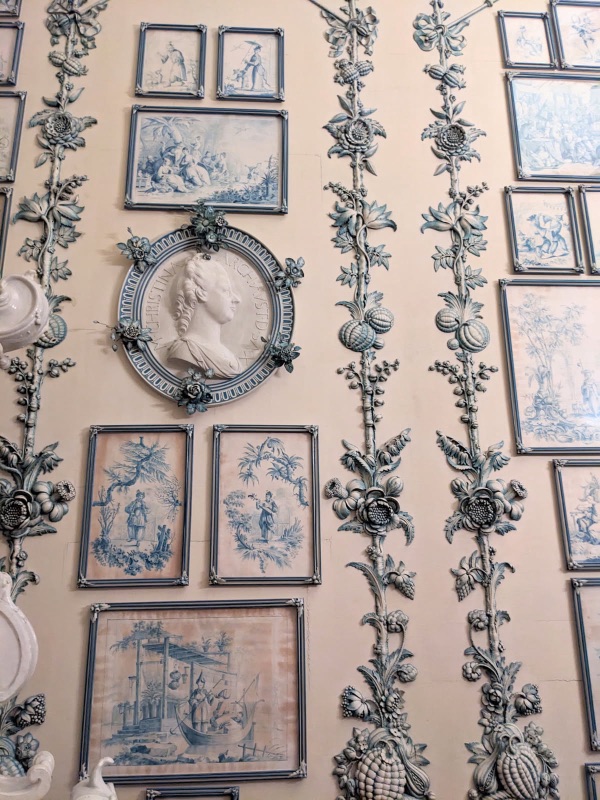
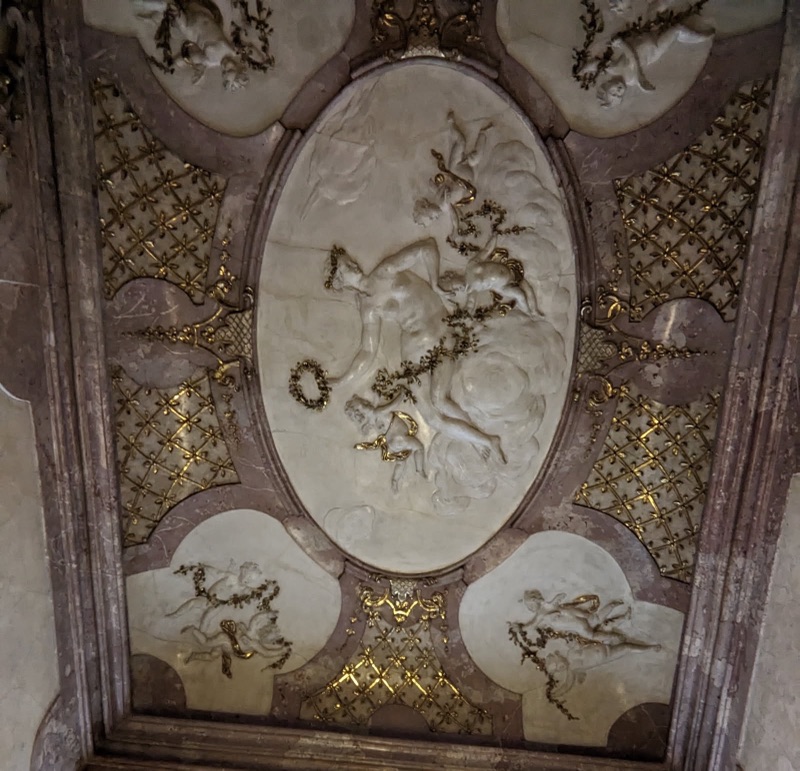
Just like many European palaces, the extreme opulence is on full display. One can easily see Marie Antionette growing up in this palace… which she did.

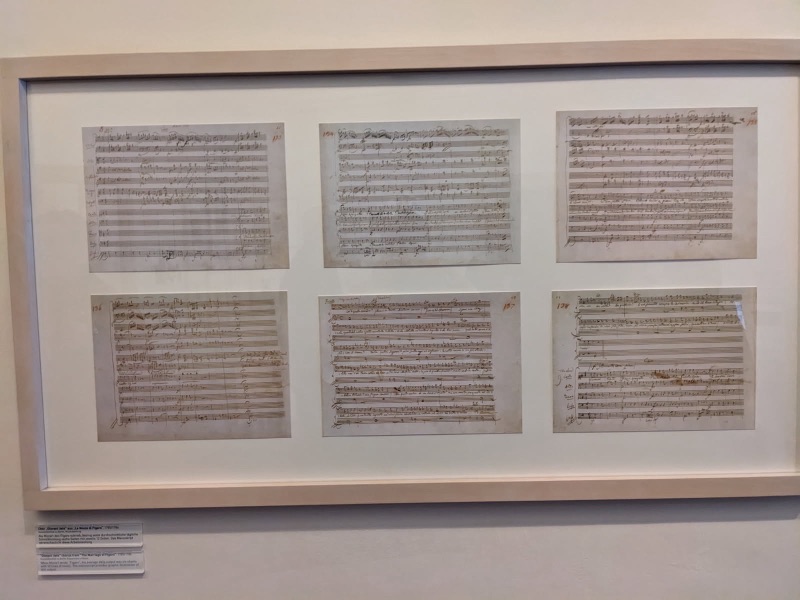
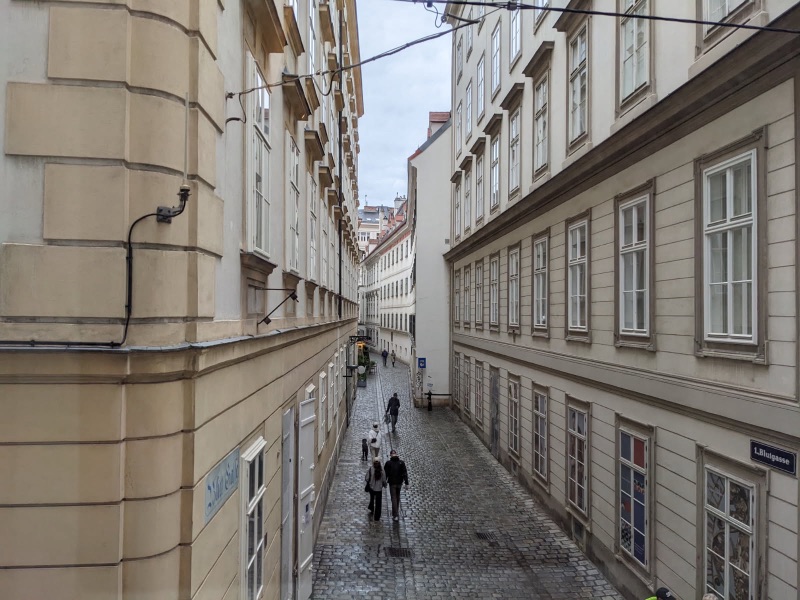
We enjoyed touring Mozart’s apartment where he lived with his wife Constance & their child while he wrote “The Marriage of Figuro.” There is little to see in the apartment; but, it was nice to have an idea about his life where he lived with his wife, small children, a dog, a bird, & a few servants in a very small place.

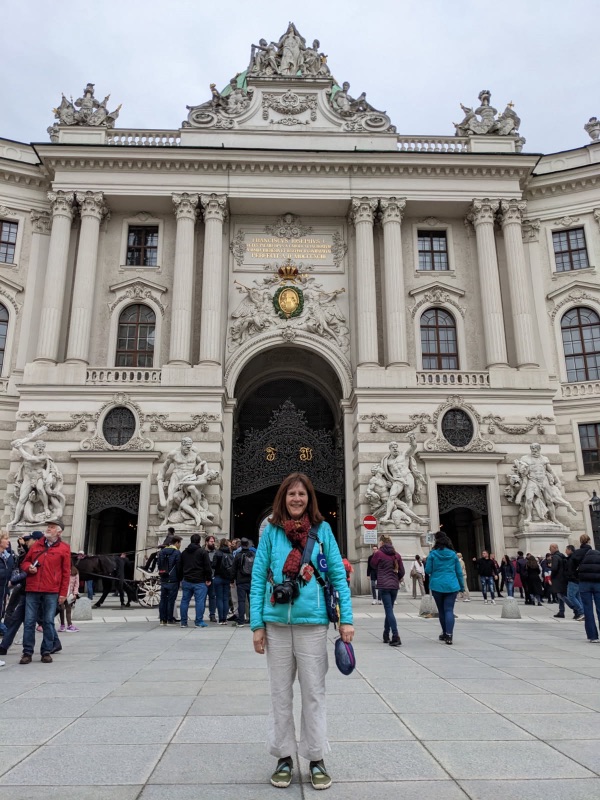
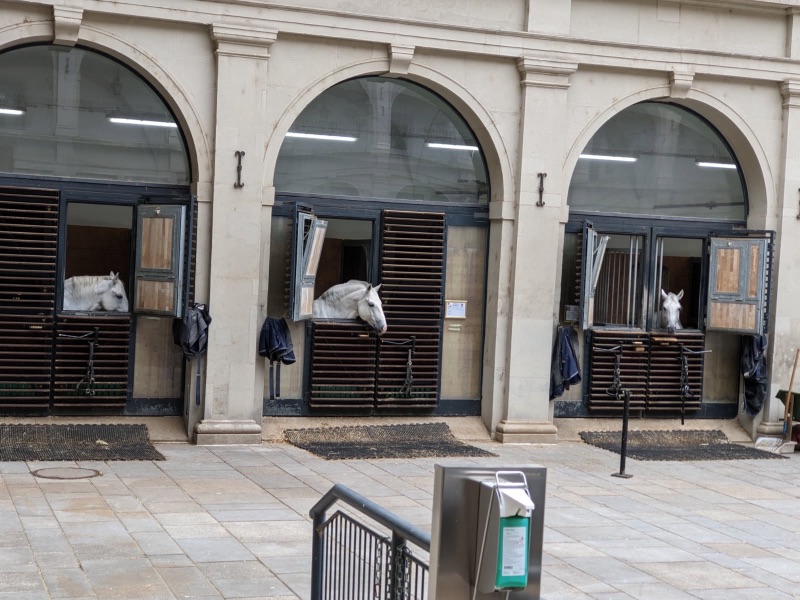
Fortunately, we were able to get tickets one morning to see the Lipizzaner Stallions perform at the historic Spanish Riding School.

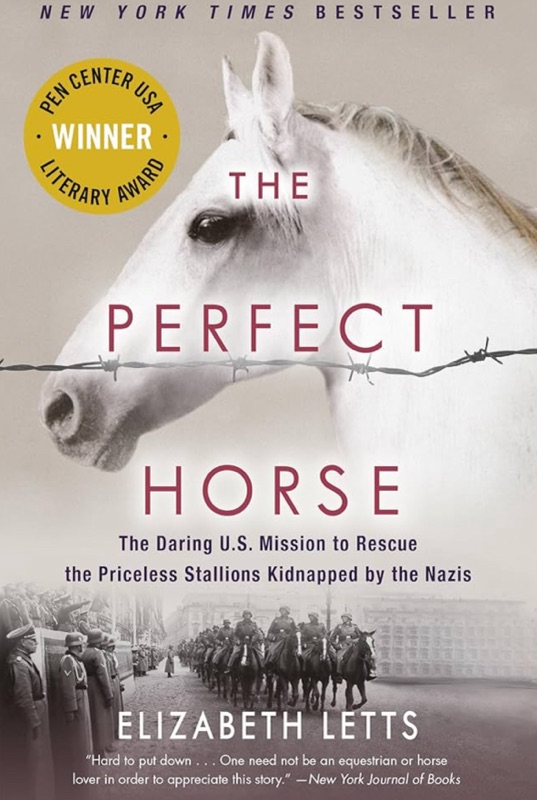
Before going to the show, we both read this amazing book about how the US Army went on a secret & daring mission behind Nazi lines to rescue these magnificent animals from being captured & destroyed by the Soviets in WWII’s final days.

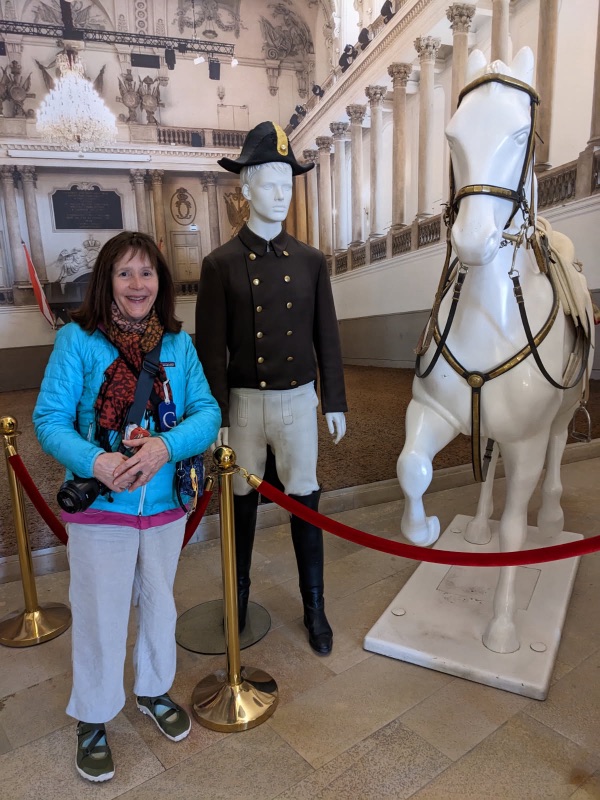
We saw 22 ea. Lipizzaner stallions perform. They are born with black hair that turns pure white as they mature.

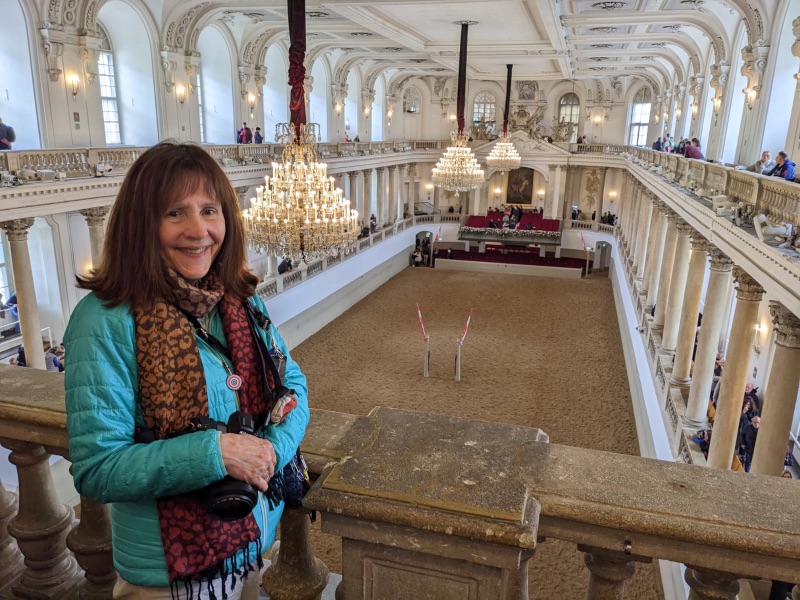
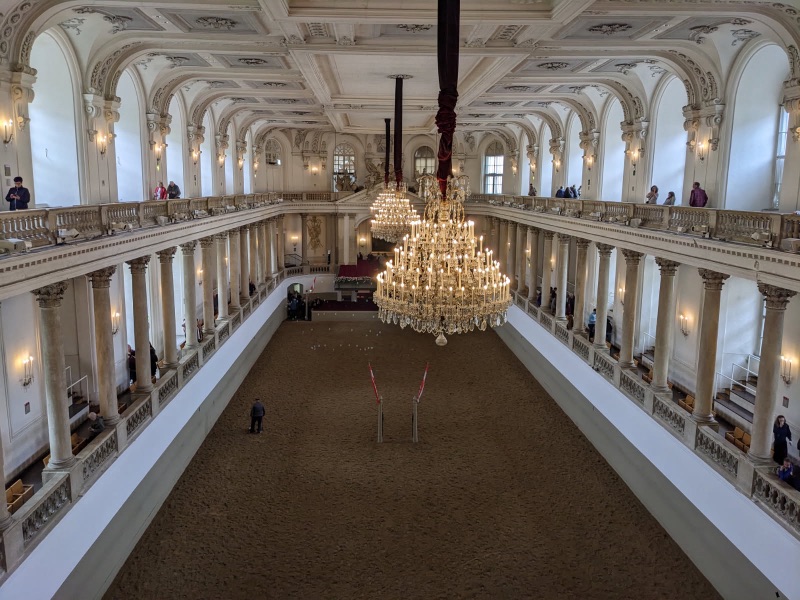
No photos or videos were allowed during the performance; but, here are some photos.

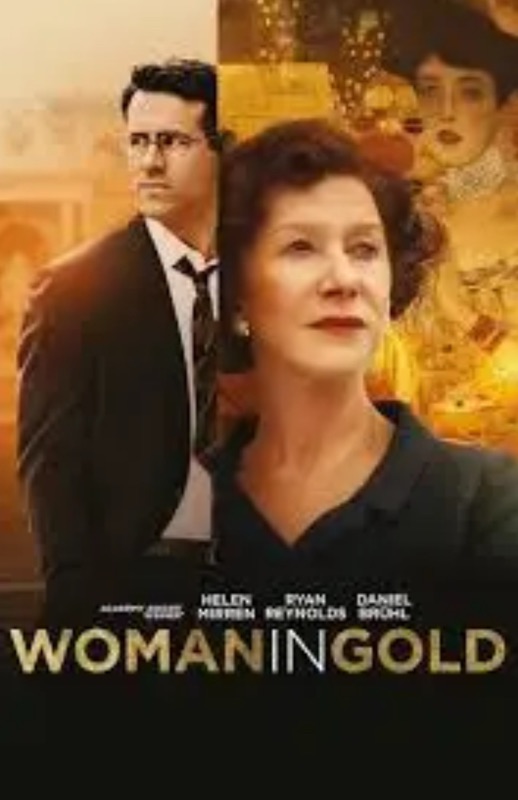
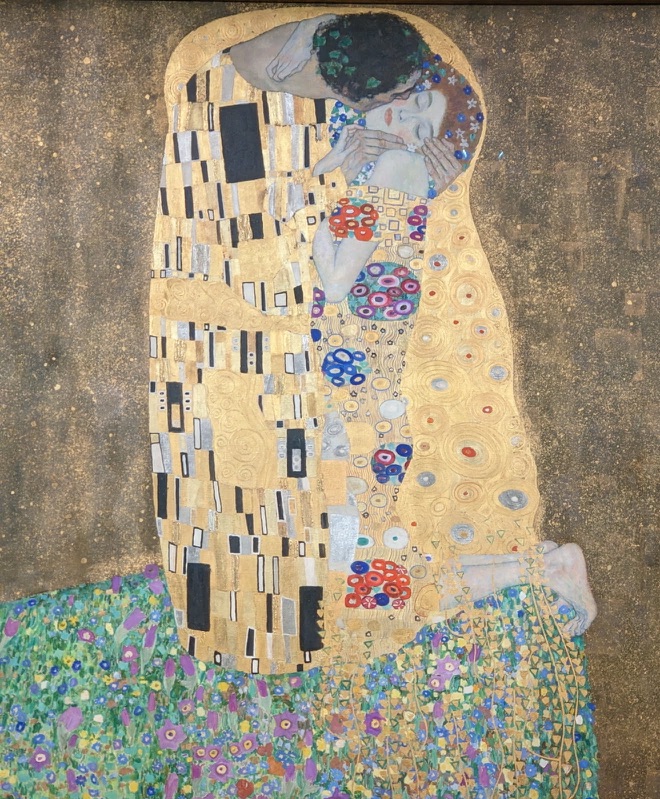
Ever since seeing the movie “Woman in Gold”, I have loved paintings by Gustav Klimt.

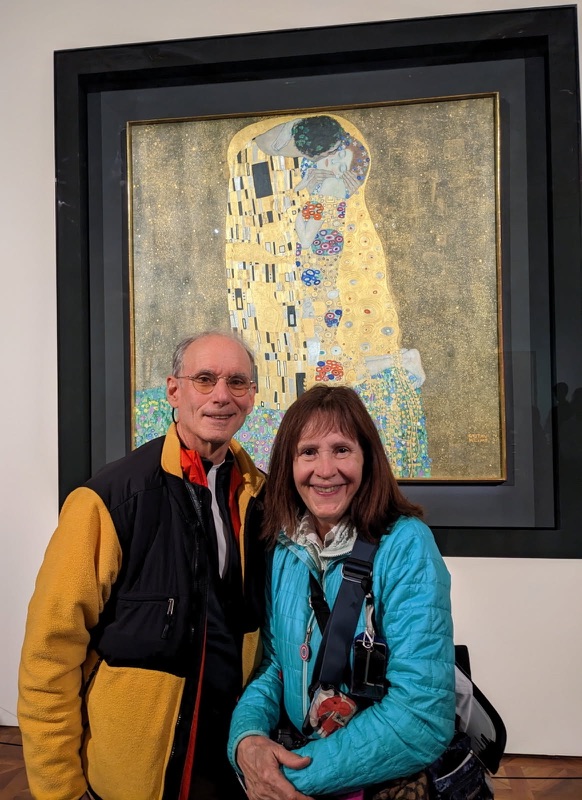
Most museums only contain 1-2 of his paintings, if they have any at all. Knowing that the Upper Belvedere Museum had the largest Klimt collection along his most famous piece “The Kiss,” it was a must see.

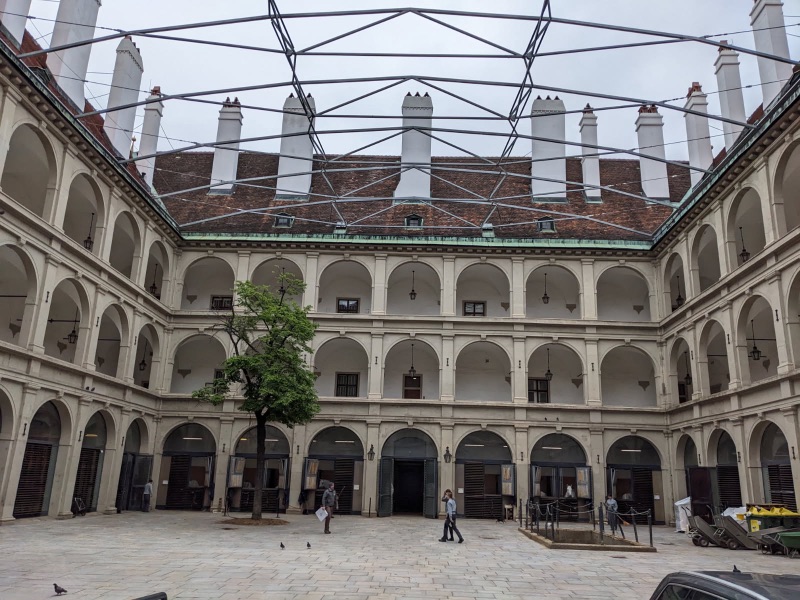
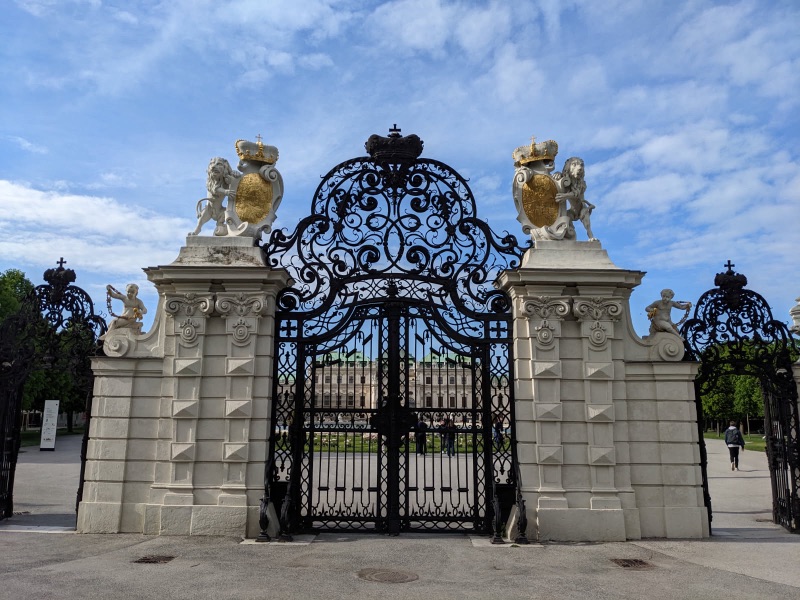
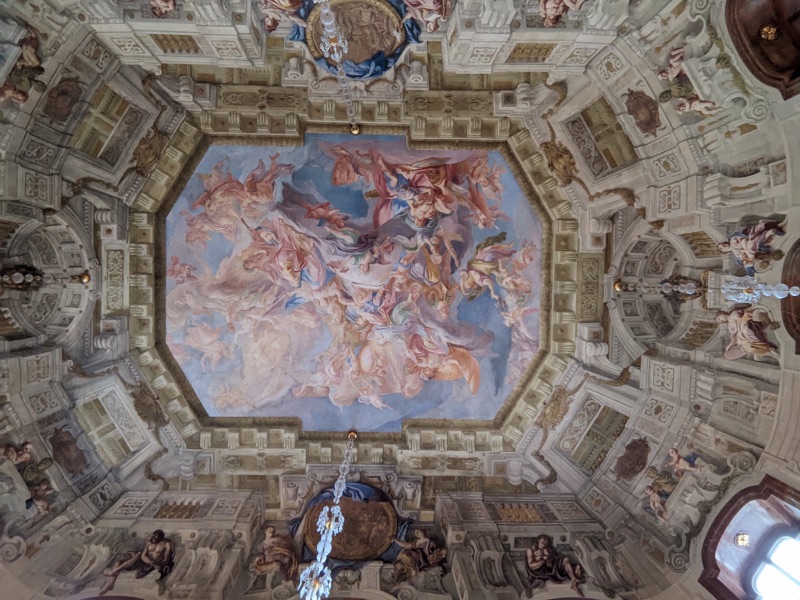
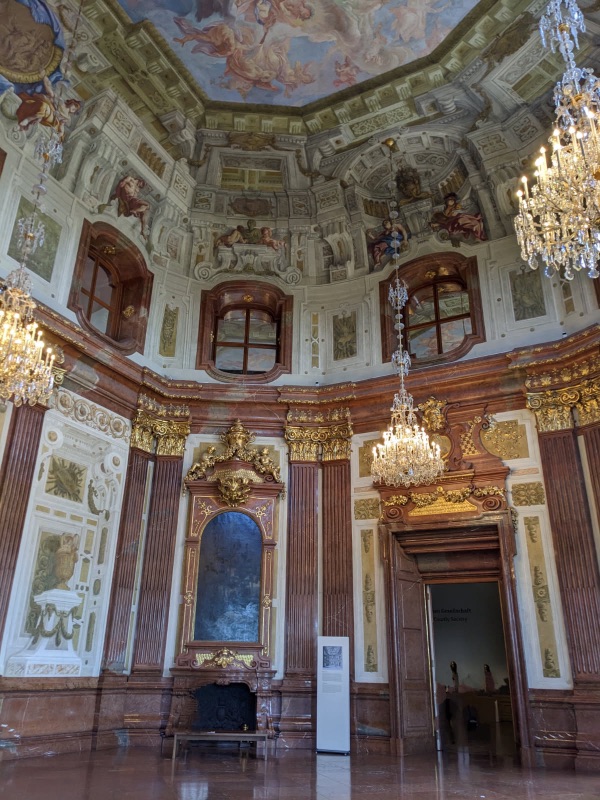
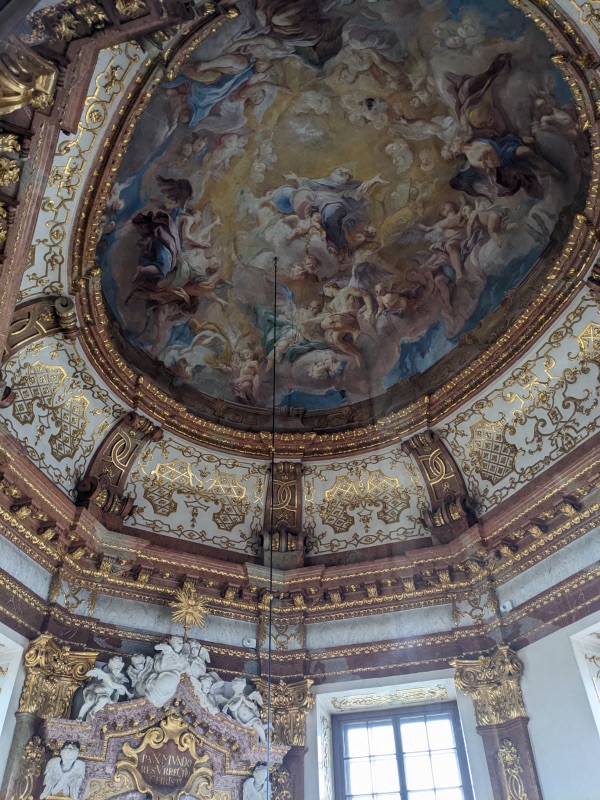
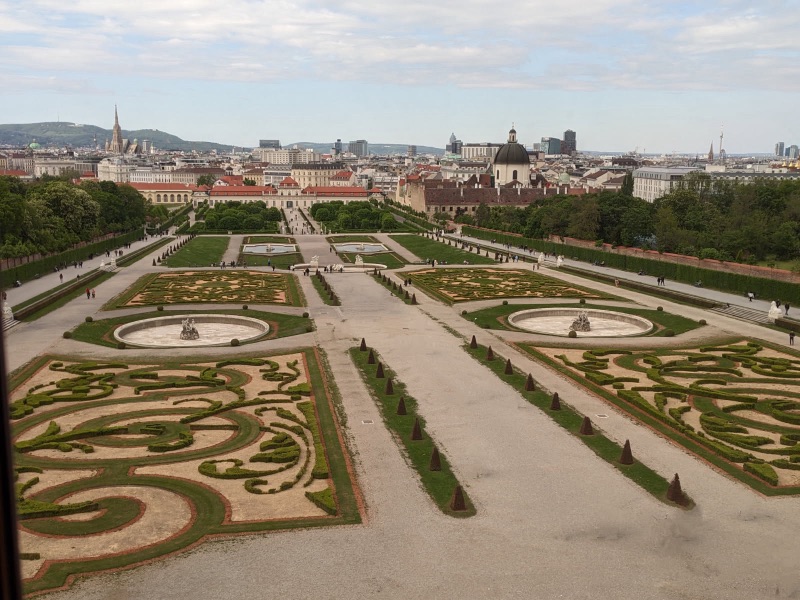
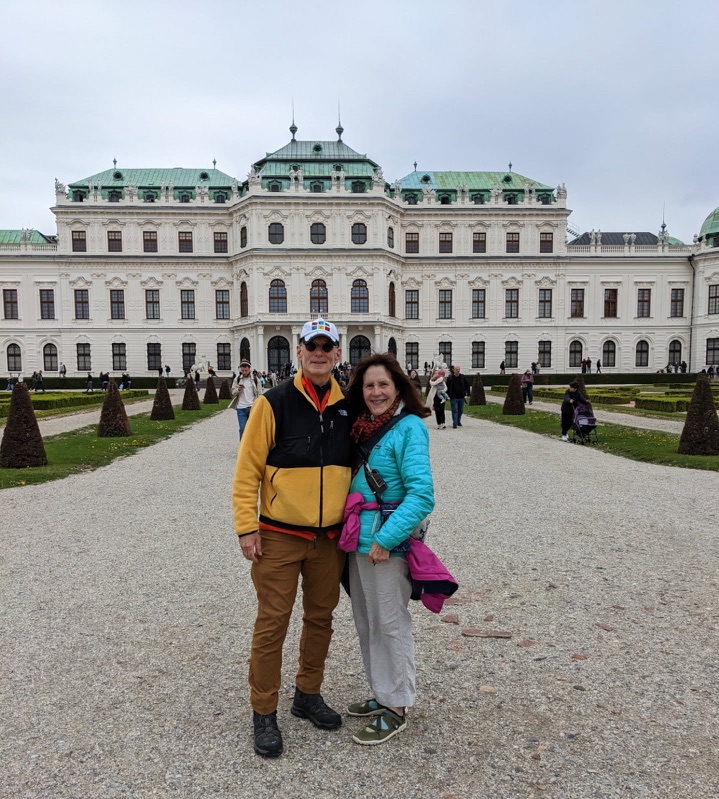
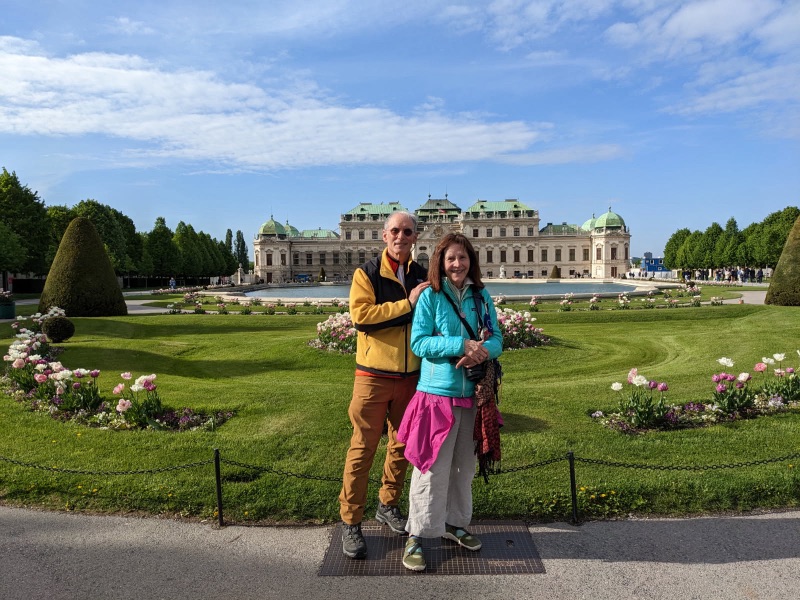
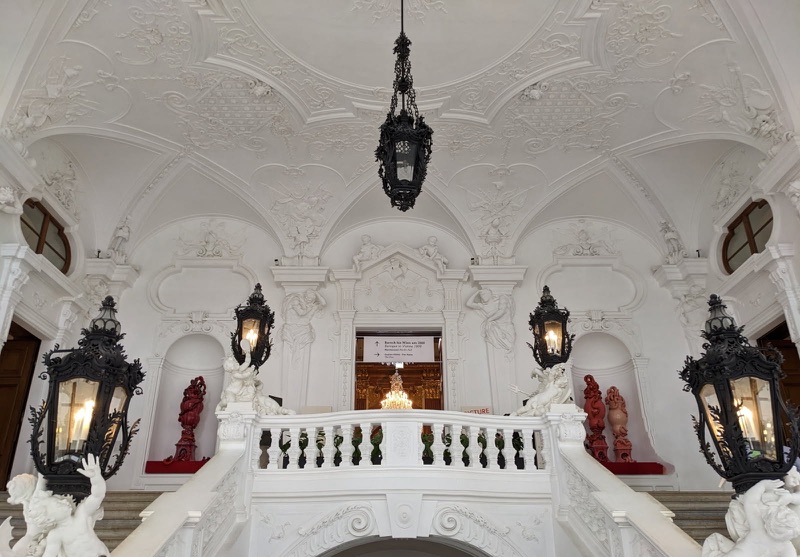
Even though the main reason to come to the Belvedere was to see Klimt’s paintings, the building & grounds were also magnificent. Even though it was once a palace, it has served as a public museum since 1736.

Our time in Vienna was much too short. Places like Beethoven’s home were missed along with having coffee in one of their famous coffee houses. Hopefully we can come back again in the future.

Leipzig, Germany- City for Music Lovers

Leipzig is a beautiful place to visit; but, it is not too well known, so, unfortunately, it is missed by many travellers

During WWII most of the city was destroyed; but, thankfully, instead of being leveled, many beautiful buildings were restored to their original appearance.

Under Soviet rule there was little money to rebuild; but, when East & West Germany finally reunited, the citizens realized that rebuilding their city to restore its appearance would be to their benefit.

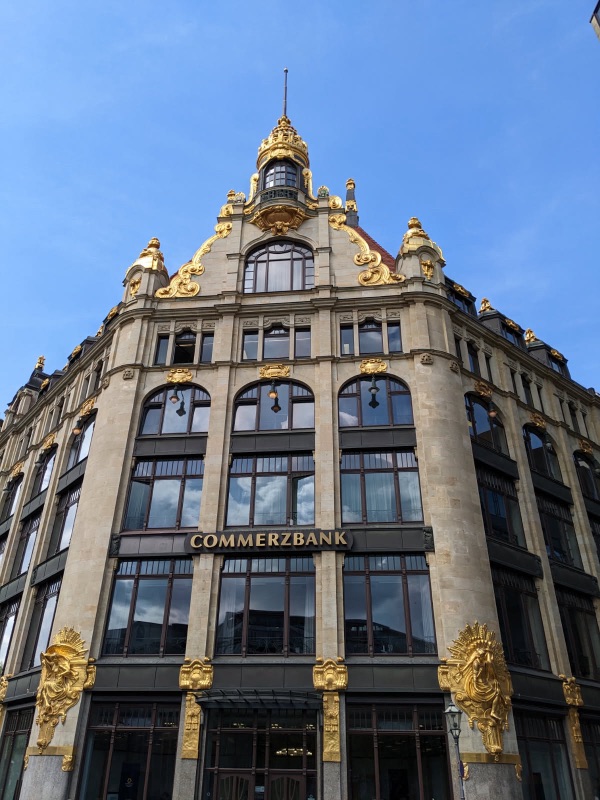
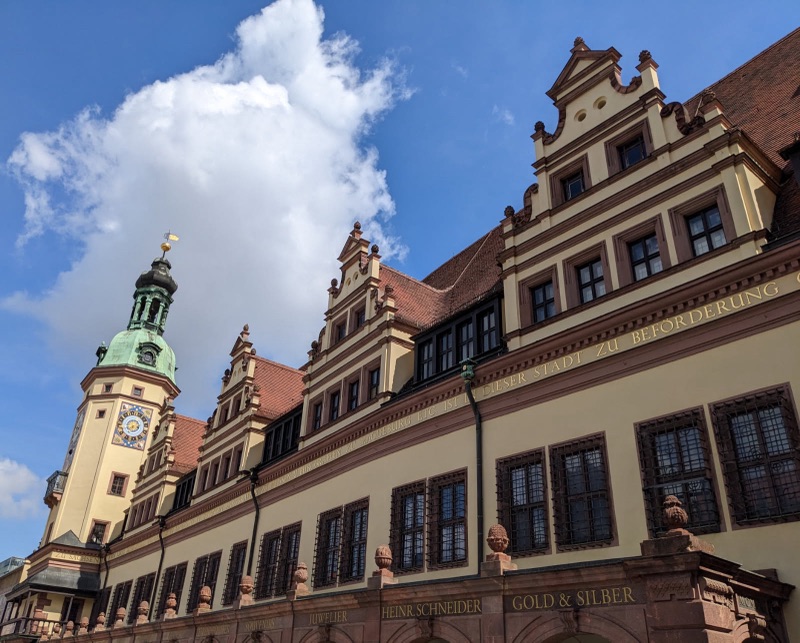
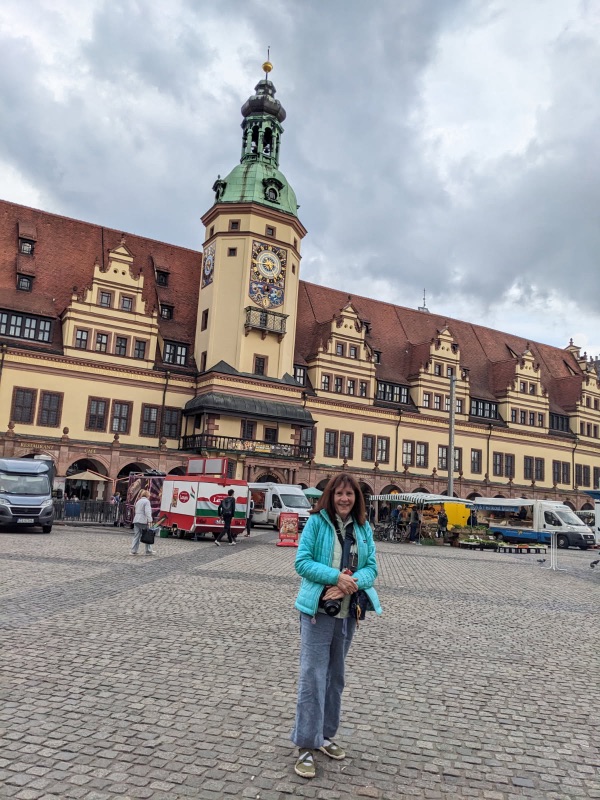
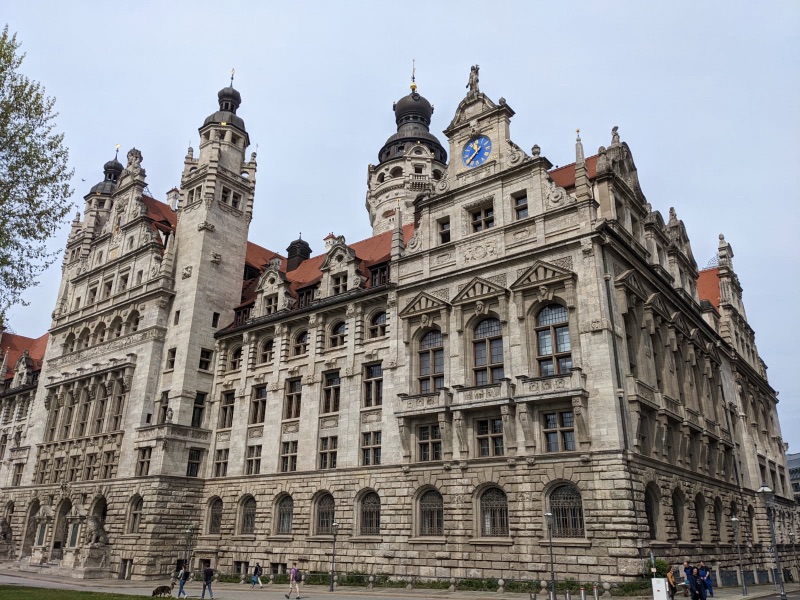
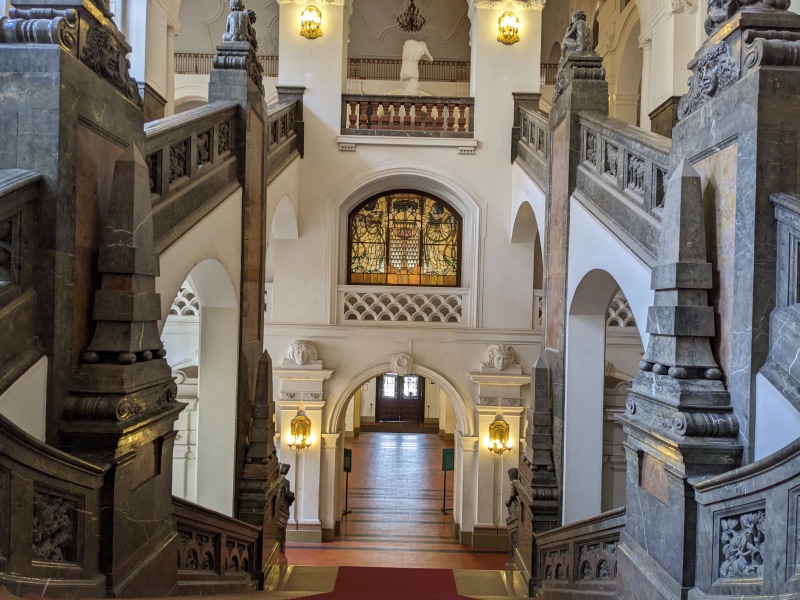
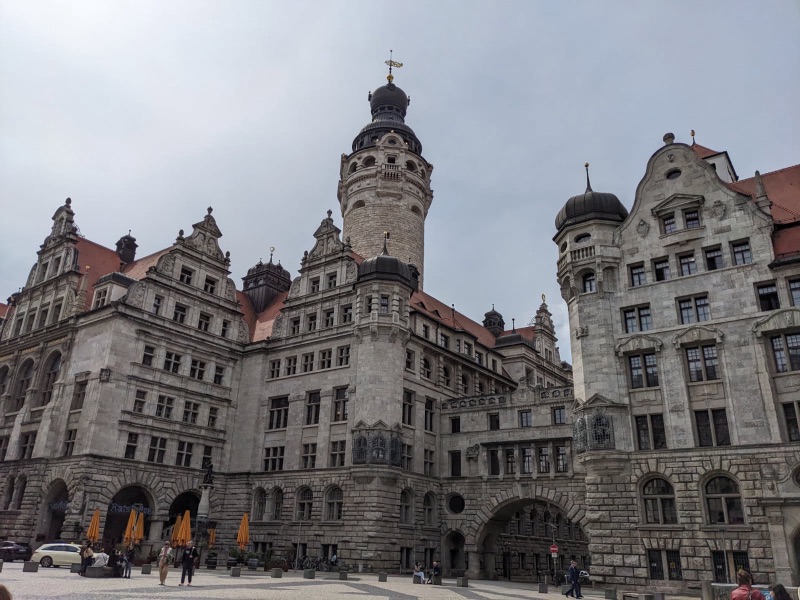
Here are just a few restored buildings:

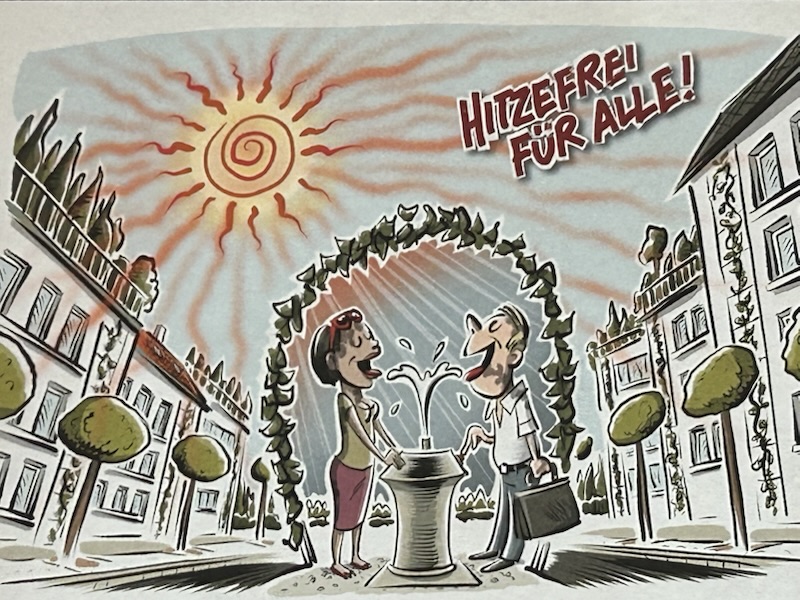
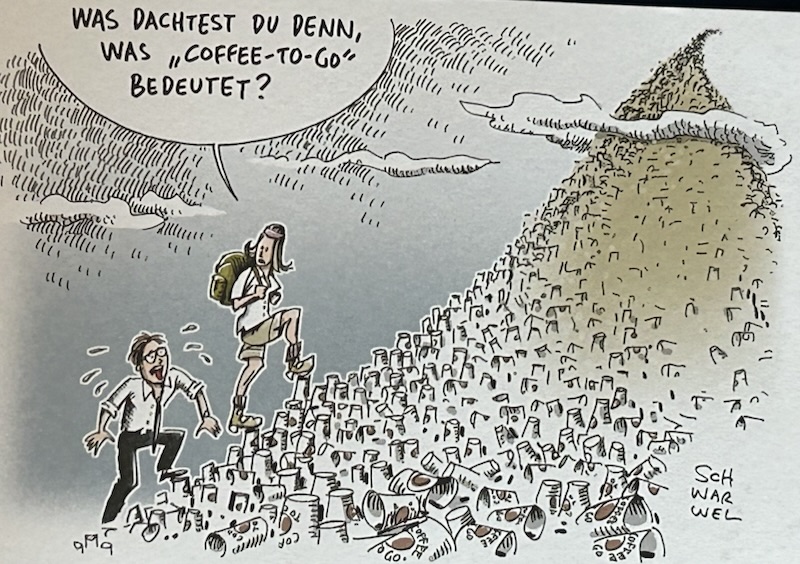
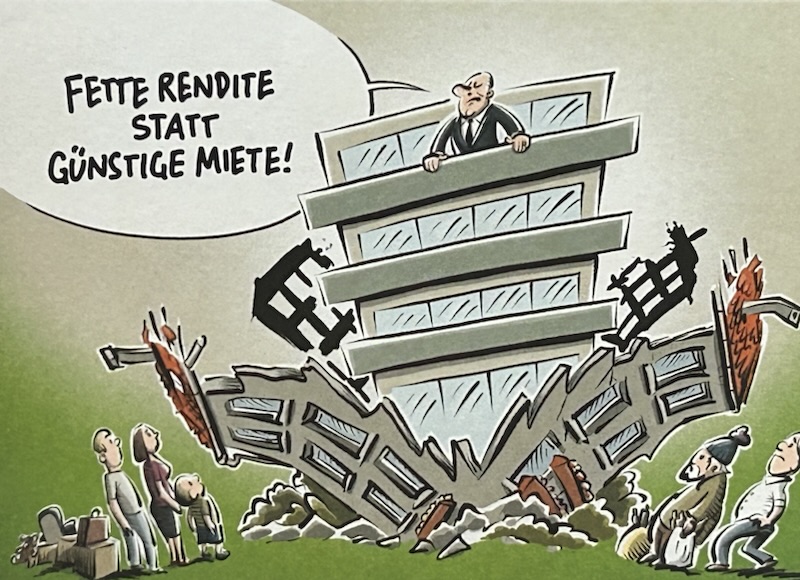
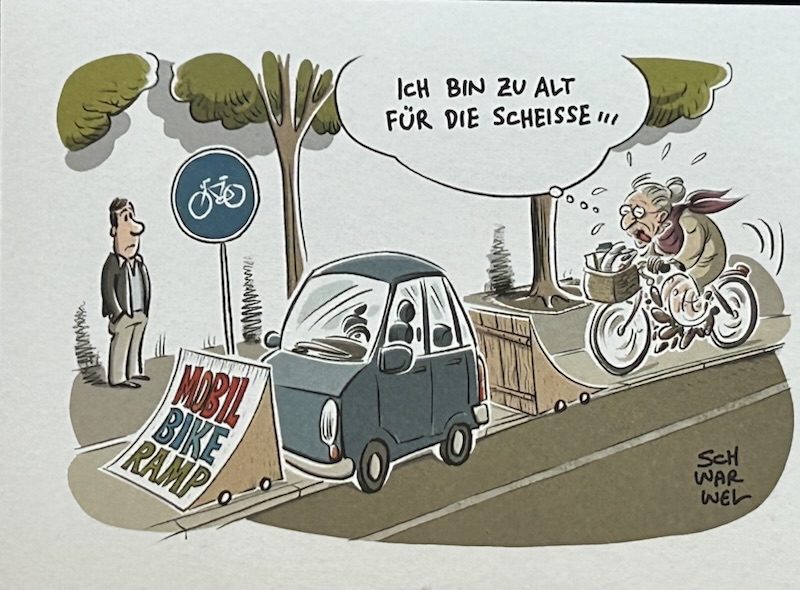
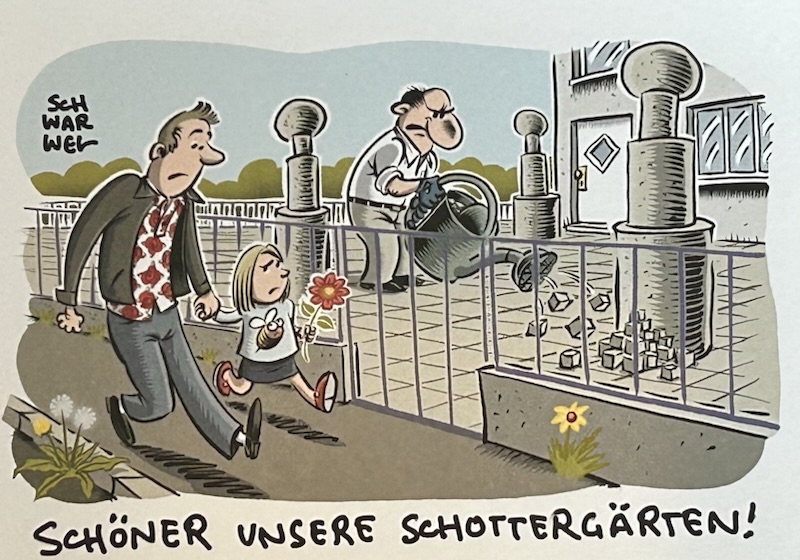
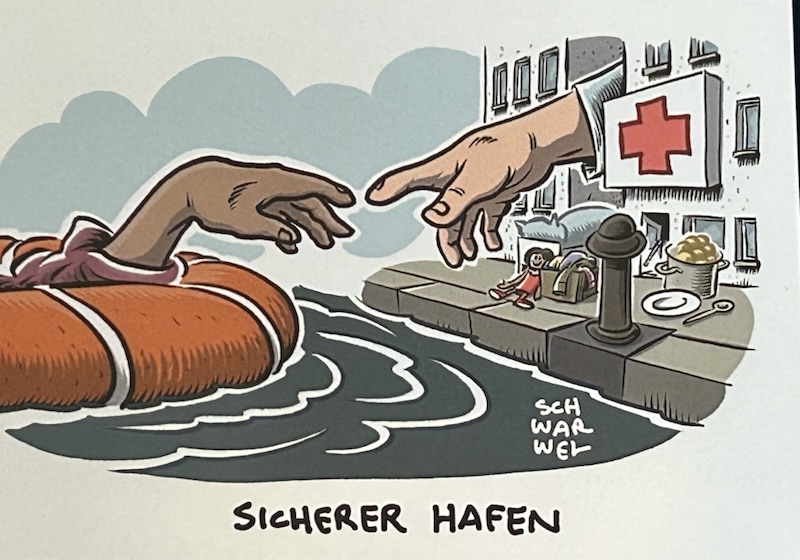
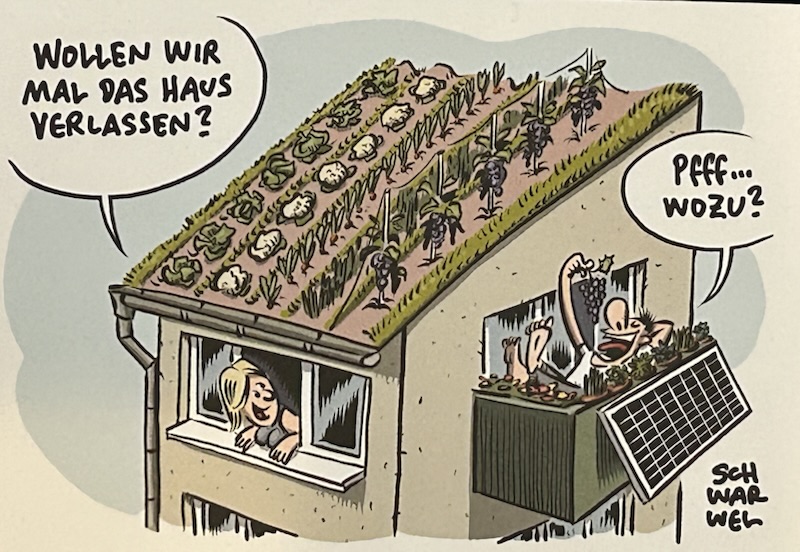
The New City Hall houses many government offices. While walking around in it, we came across the German Green Party office where they offered these postcards to take for free. You will quickly get the idea of what their message is for the voters.

Leipzig is only surpassed by Vienna & Salzburg for musical influence. At one time or another, the most prevalent German composers lived here.

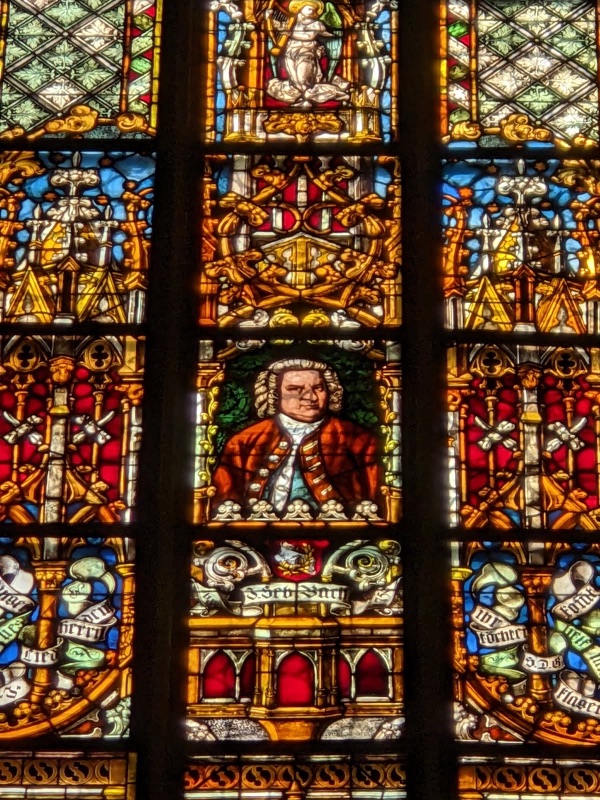
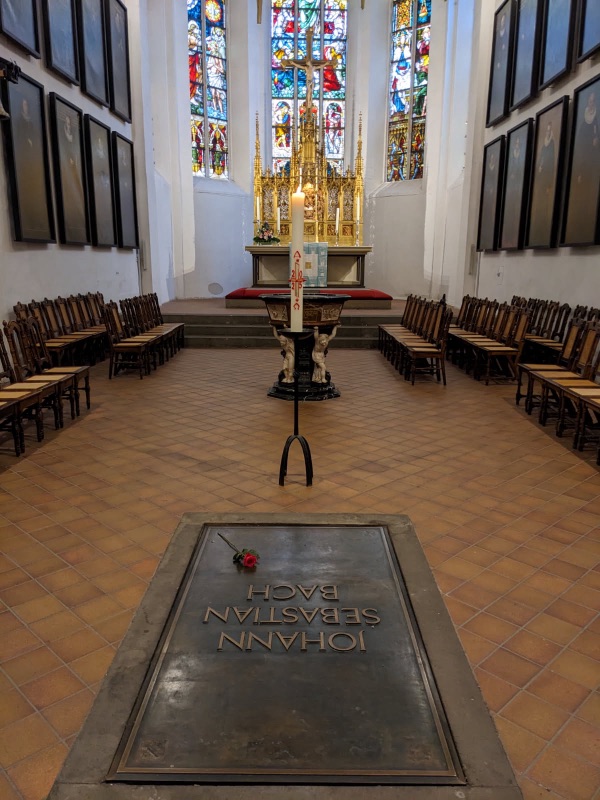
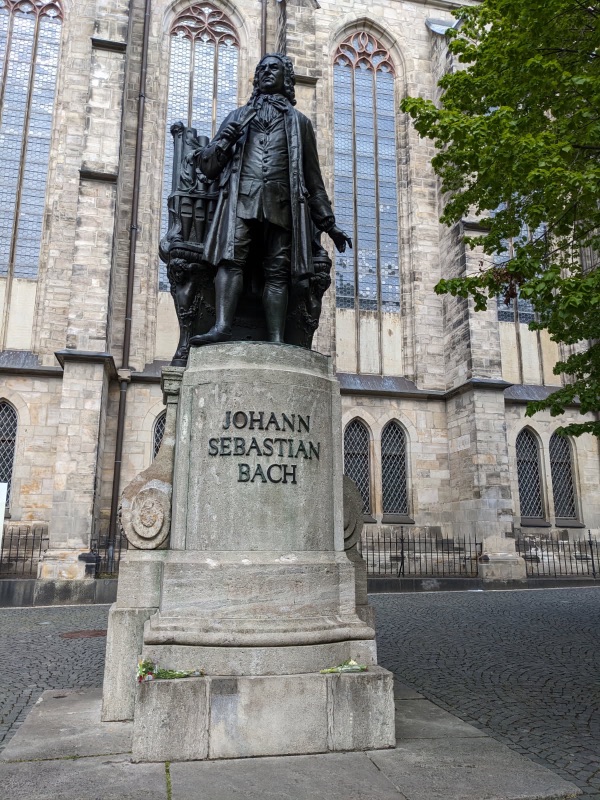
The most famous is Johann Sebastian Bach who is also buried in Leipzig’s St. Thomas Church which was founded in the early 13th Century.

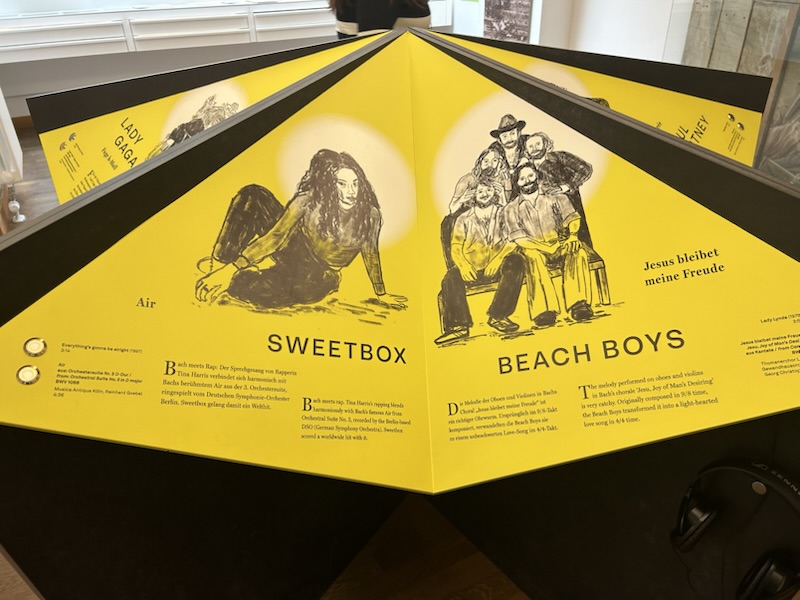
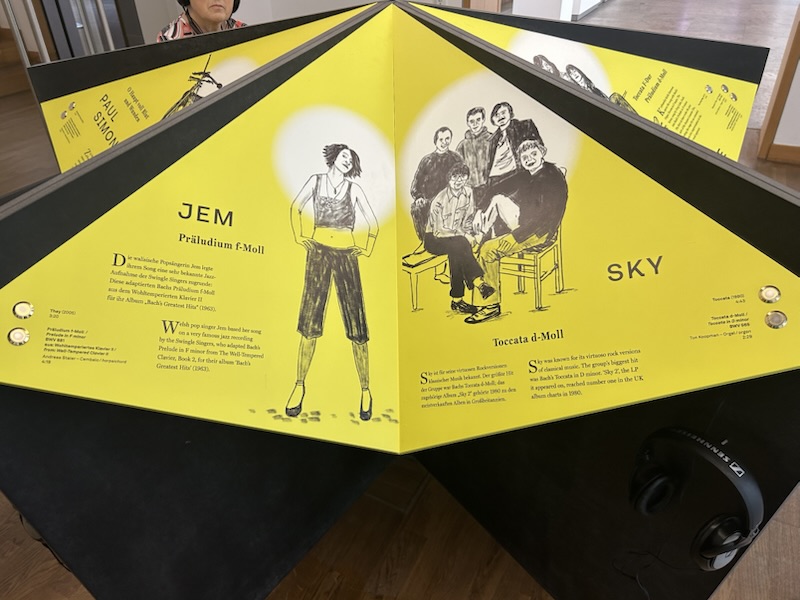
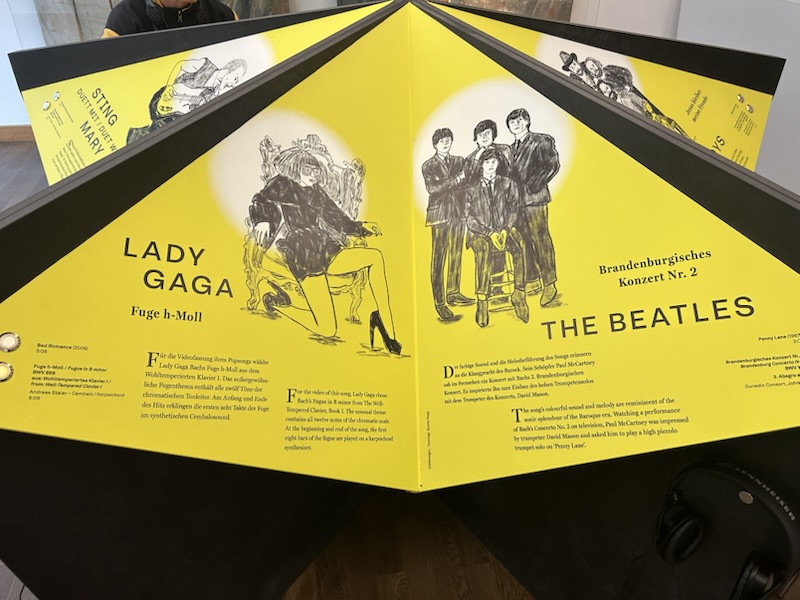
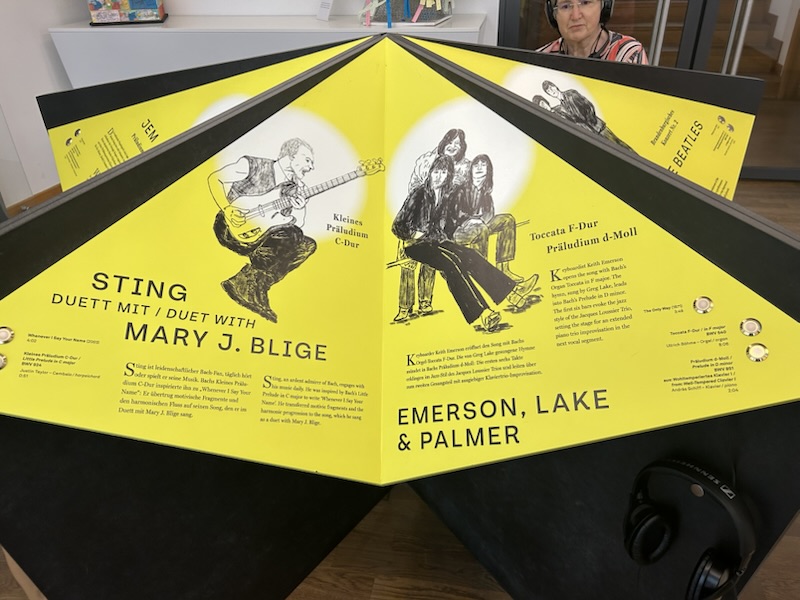
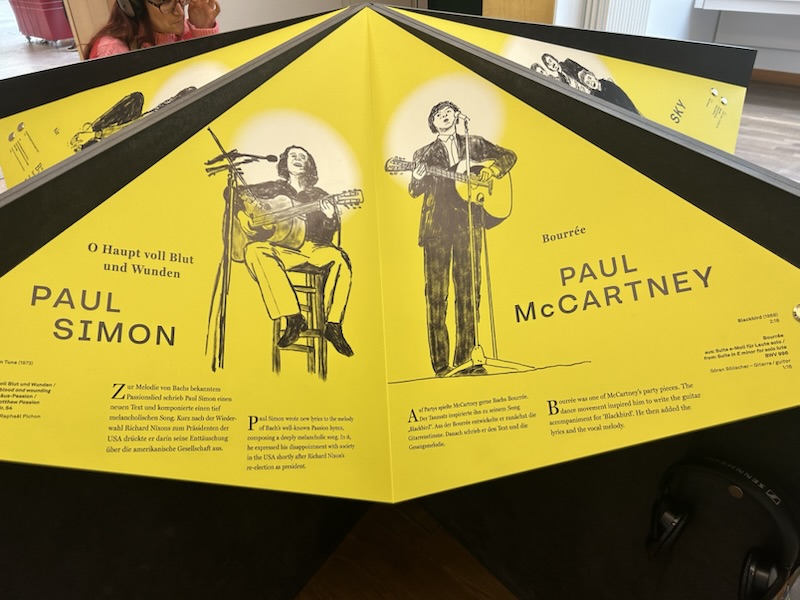
Proving that classical music is timeless, many modern musicians have used Bach’s music for inspiration.

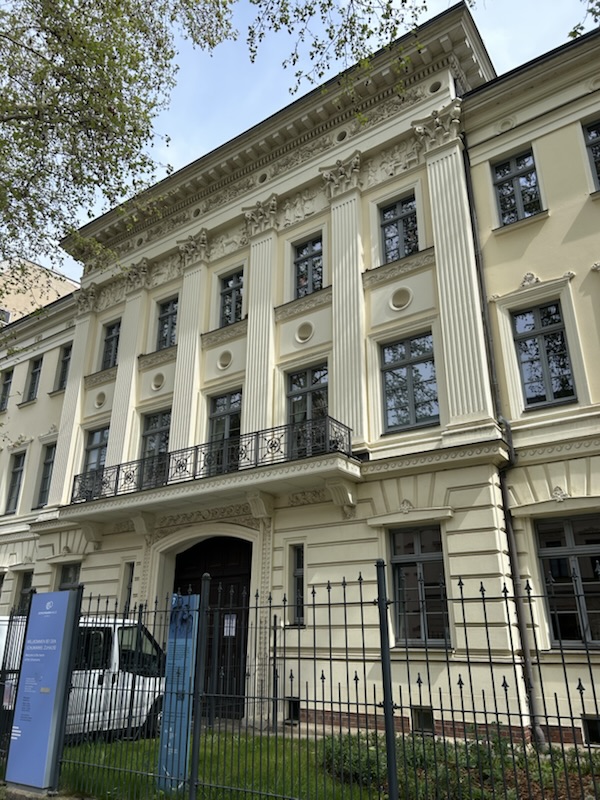
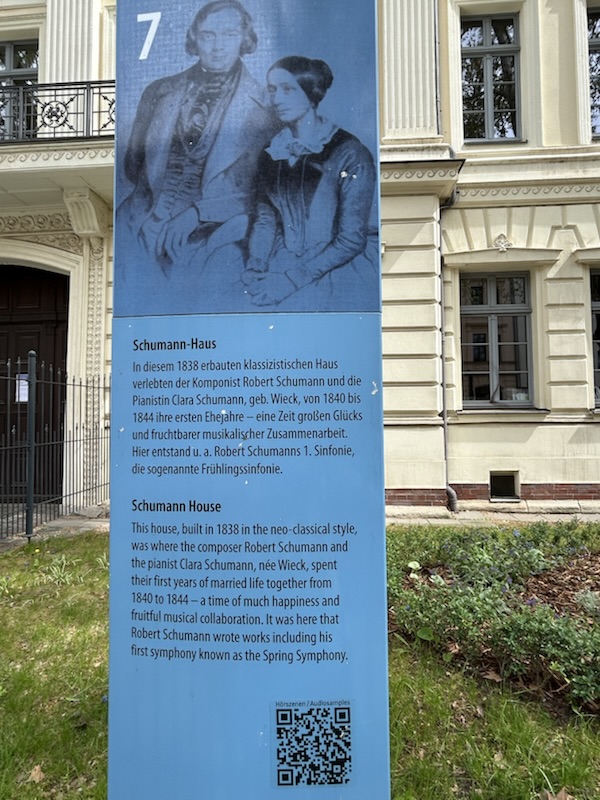
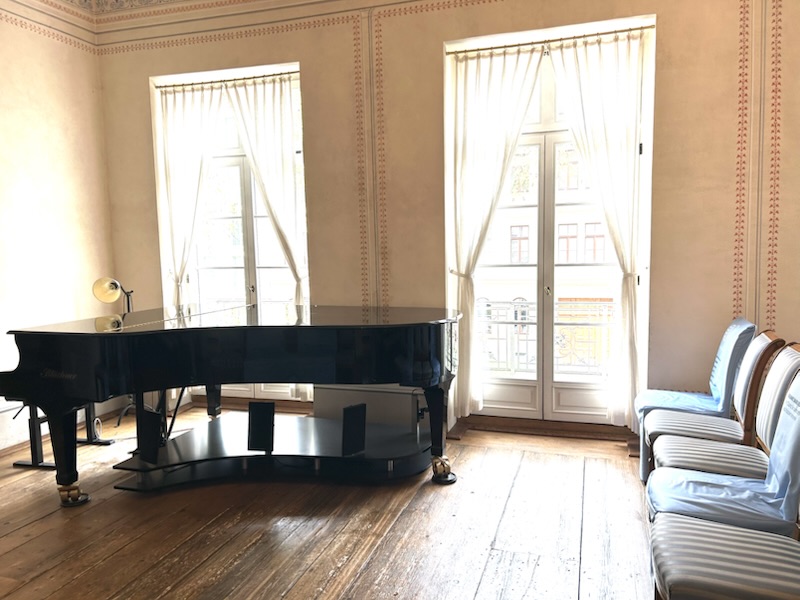
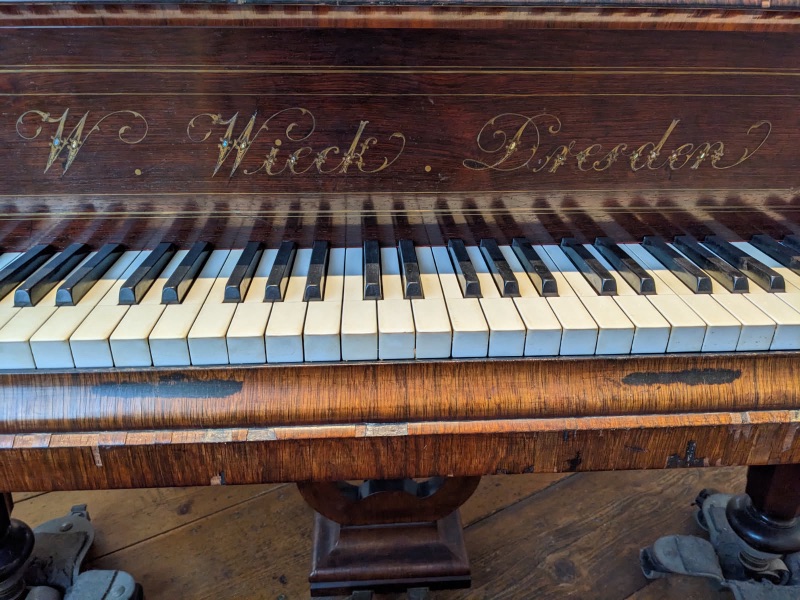
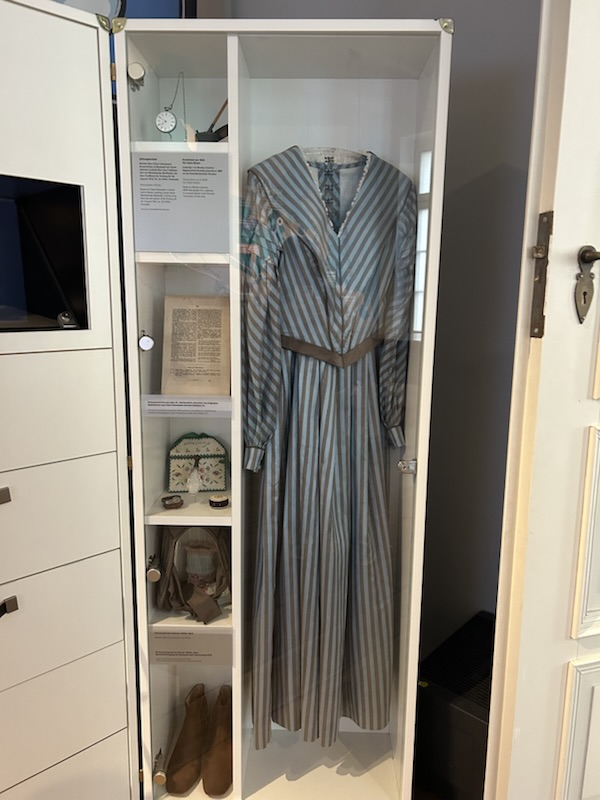
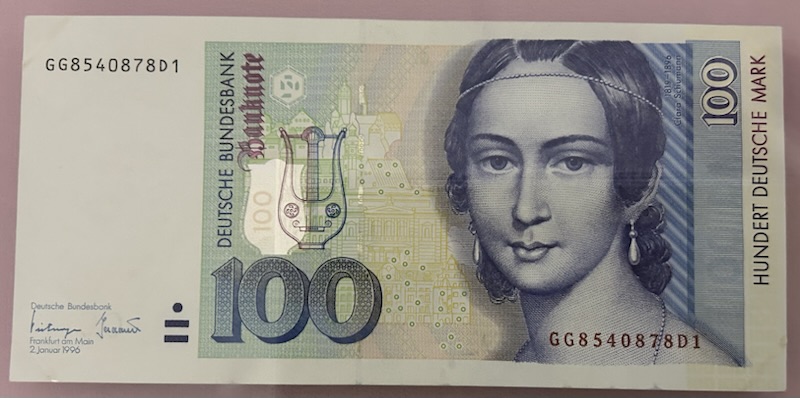
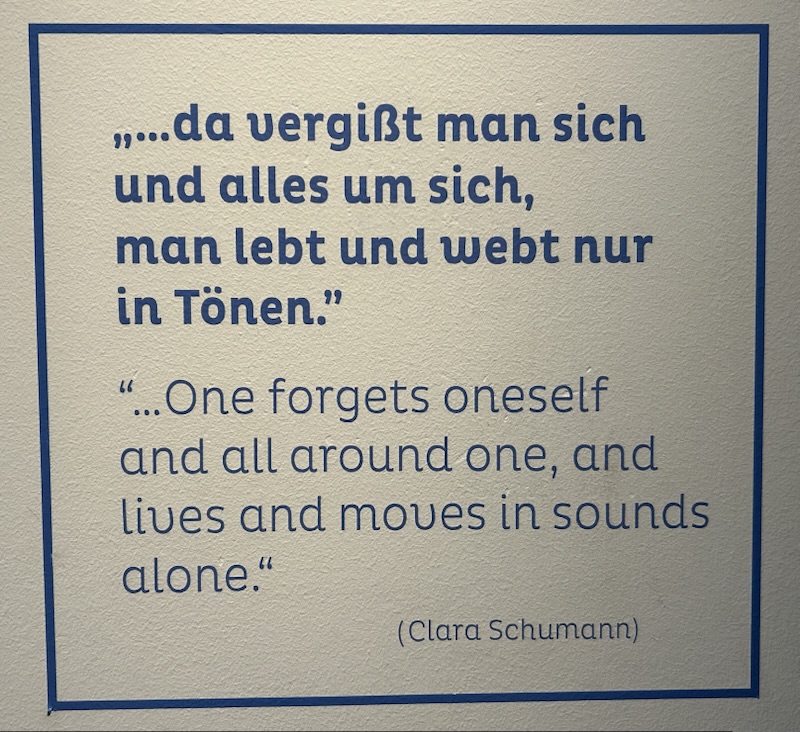
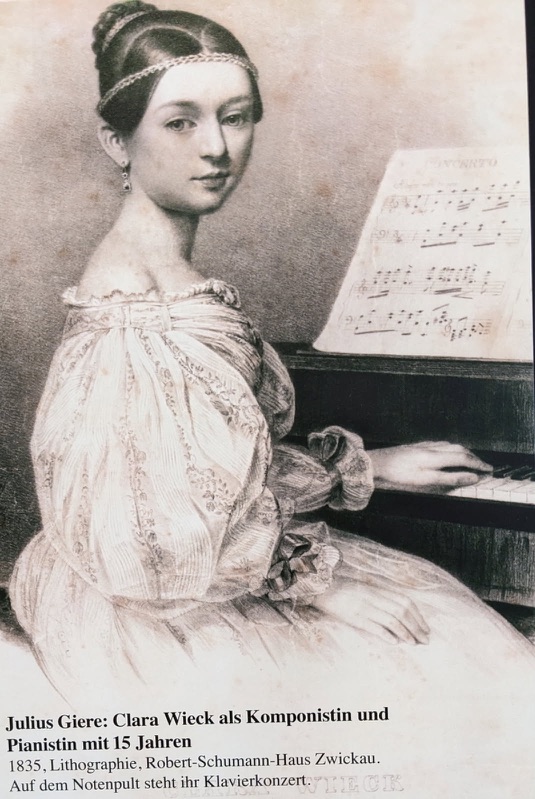
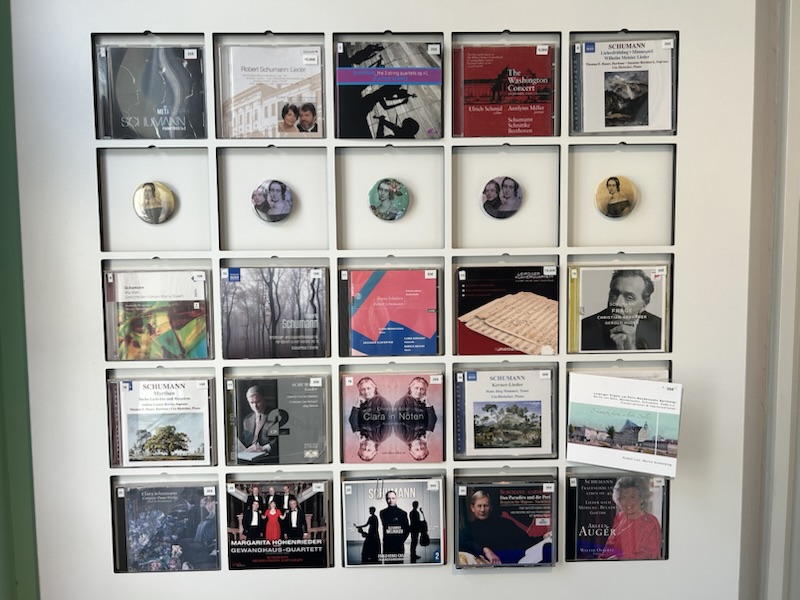
Clara & Robert Schumann also lived in Leipzig.

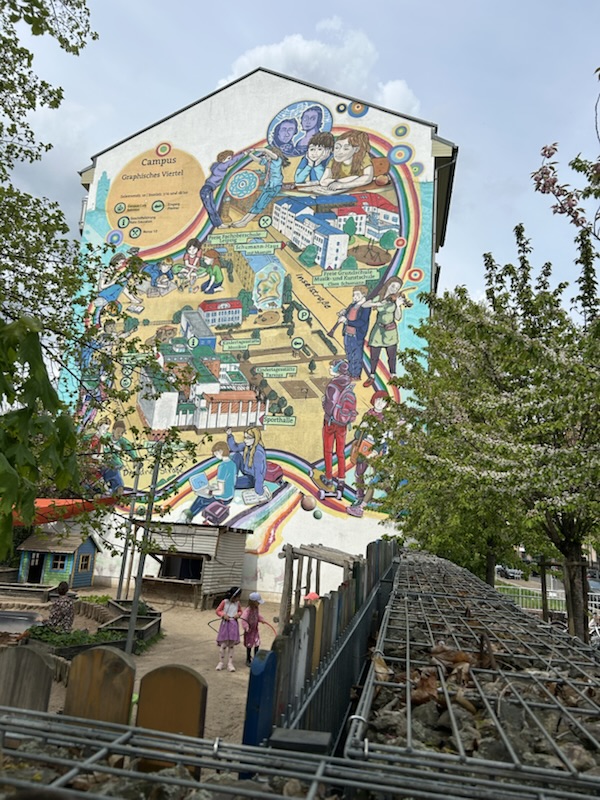
Nearby is another children’s music school.

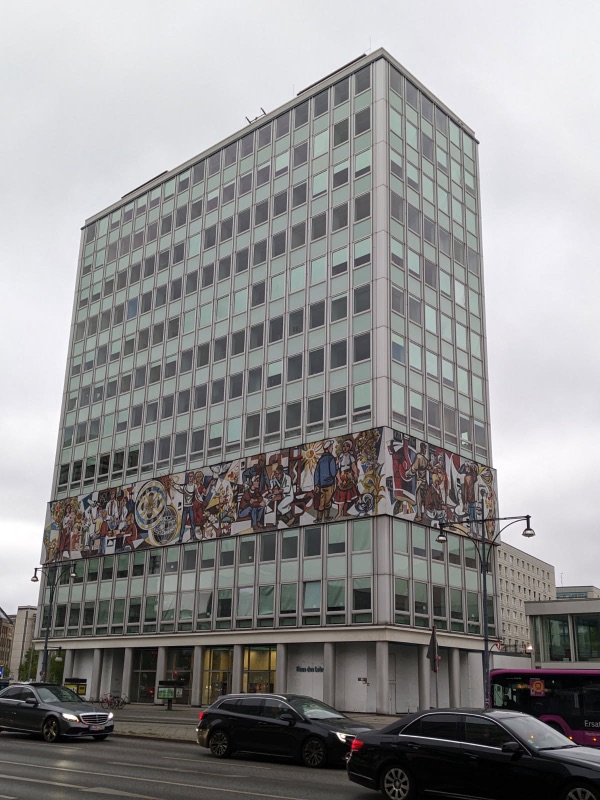
As you walk around the city, you still see many buildings that were built by the Communist government.

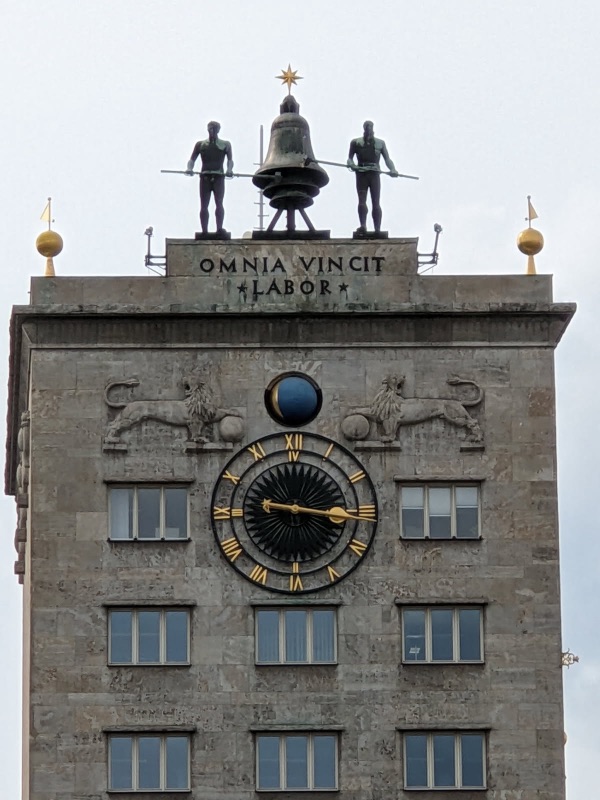
The Latin inscription atop this building means “Labor Conquers All” which the Communists used to encourage & extoll their workers

Most people know about the Berlin Wall coming down; but what most people don’t know is a month before, a huge gathering occurred in Leipzig with more than 100,000 people protesting for reforms. This demonstration hastened the Berlin Wall being dismantled.

Berlin- A City with Many Faces & Memories

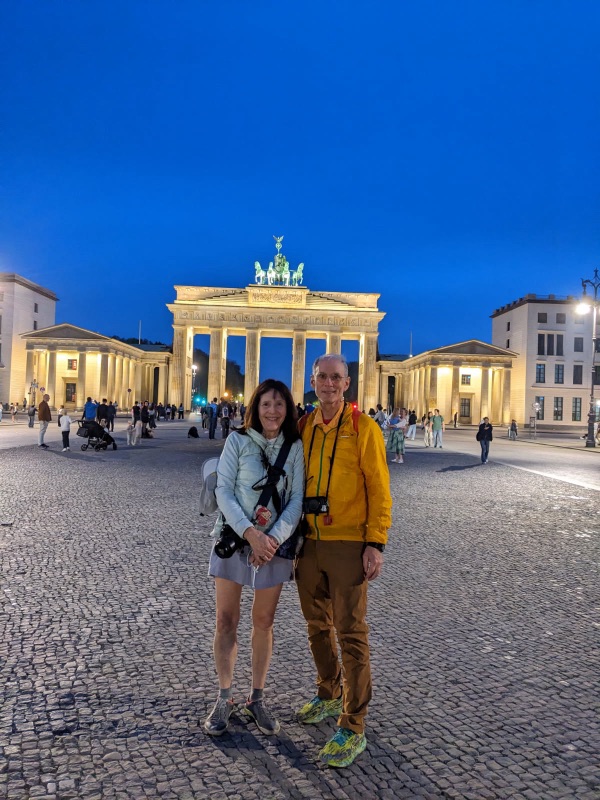
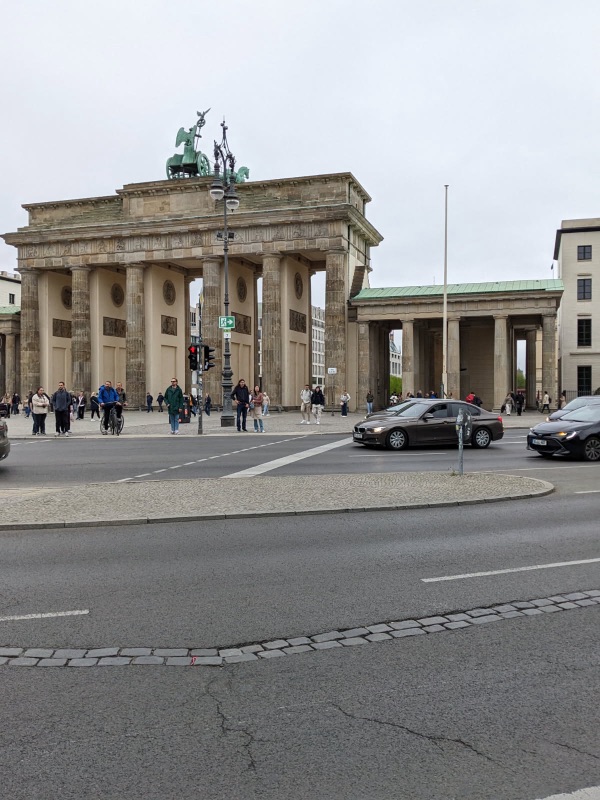
First night back in Berlin at the historic Brandenburg Gate

Berlin is a fascinating & beautiful city that has changed greatly as its history unfolded. It seems that every step here is filled with history that has many twists & turns.

But, Berlin is so much more than its history. It has the most opera houses in the world, over 180 museums, the most visited zoo in Europe (it is among the few zoos with a panda bear), & the world’s largest outdoor art gallery that is free to see.

For myself, Berlin is special for many reasons. I moved here in 1982 to teach US military children whose parents were stationed in West Berlin.

In 1983, I also met my future husband here.

We lived here until 1986 which was almost right before the Berlin Wall came tumbling down on 9 November 1989.

So, returning to Berlin is always like revisiting our younger selves which is always joyful.

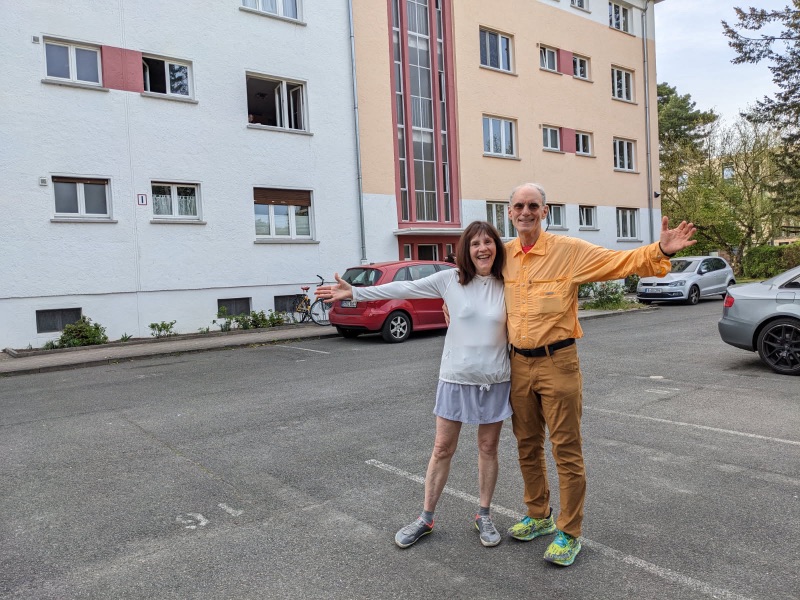
On our first day we went to the housing area where we lived & met 42 years ago. We checked out the many changes in the area. The Allied Museum is now located in the old American library & movie theater.
We were in Berlin only for a few days, so we didn’t have time to revisit all the places we loved back in the 1980s; but, we had time to see a few.
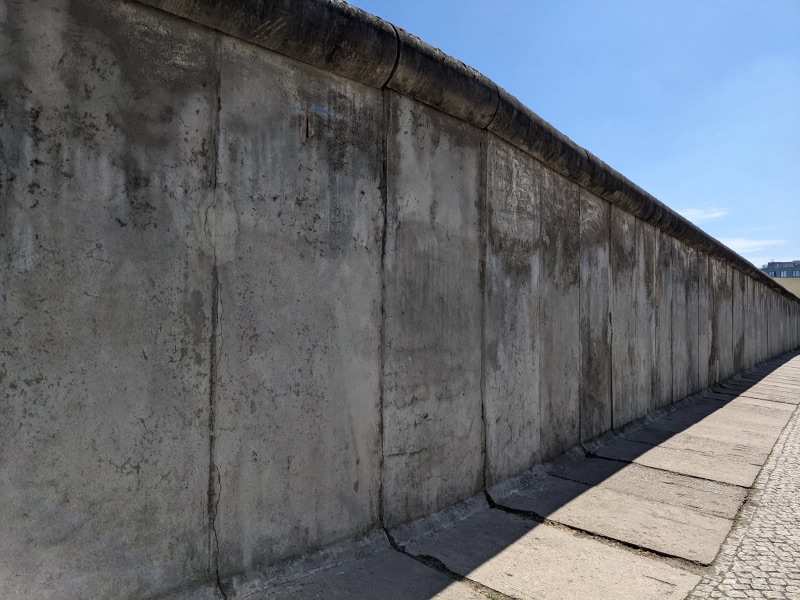
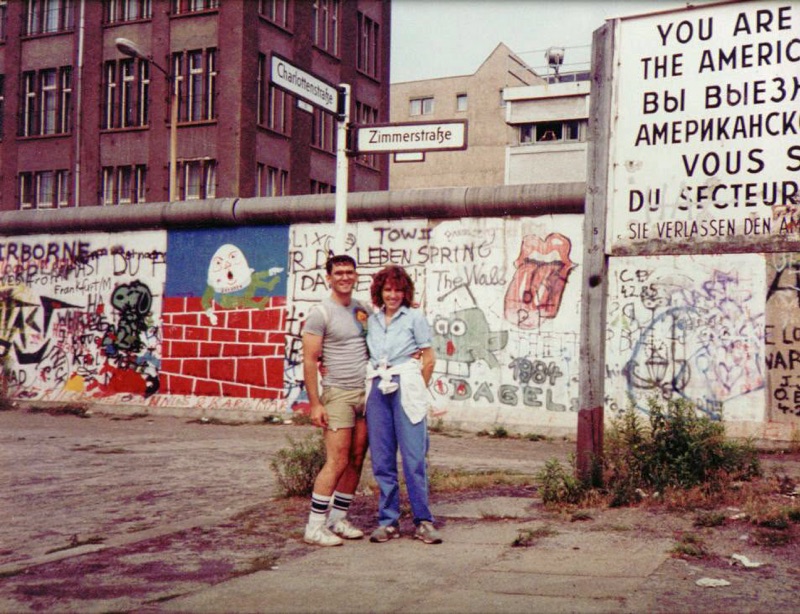
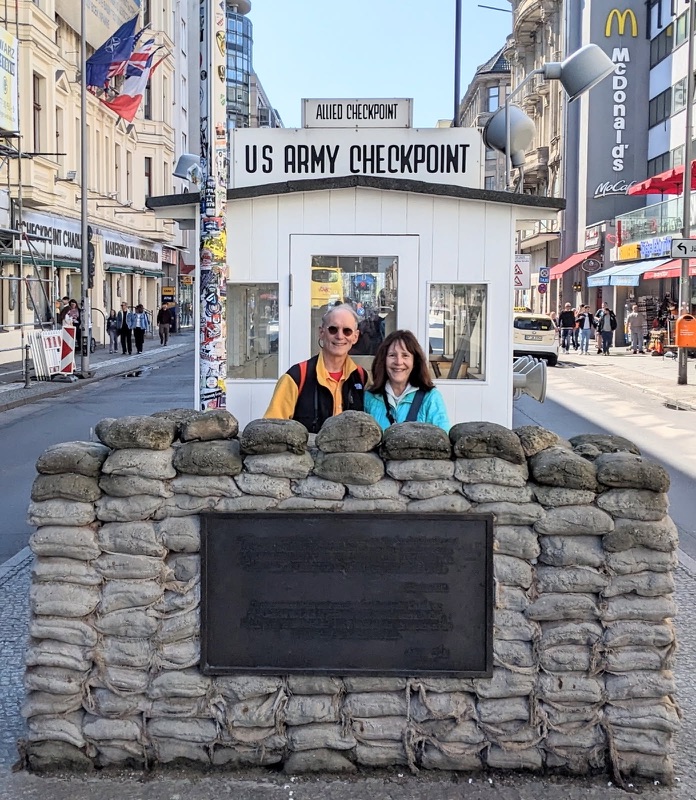
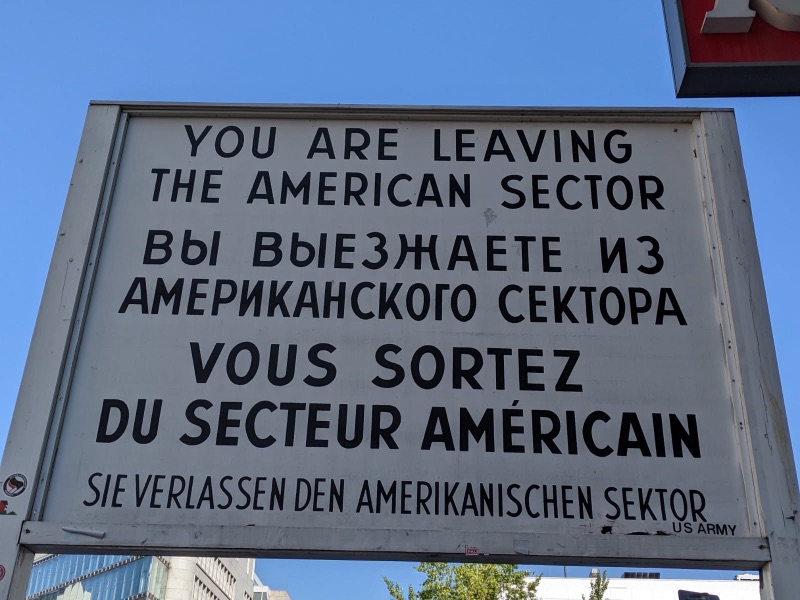
In Summer 1985, we took a picture at the wall near Checkpoint Charlie which separated East & West Berlin & my how things have changed.

Some places never grow old no matter how often you have seen them in the past.

The Wall was a big part in Berlin’s history from 1961 to 1989. When we lived in Berlin, we never dreamed it would come down, let alone only a few years after we left.

When I first started driving in Berlin, the older teachers at my school always joked about never having to worry about getting lost, saying you will eventually run into the Wall & have to turn around. 🤣

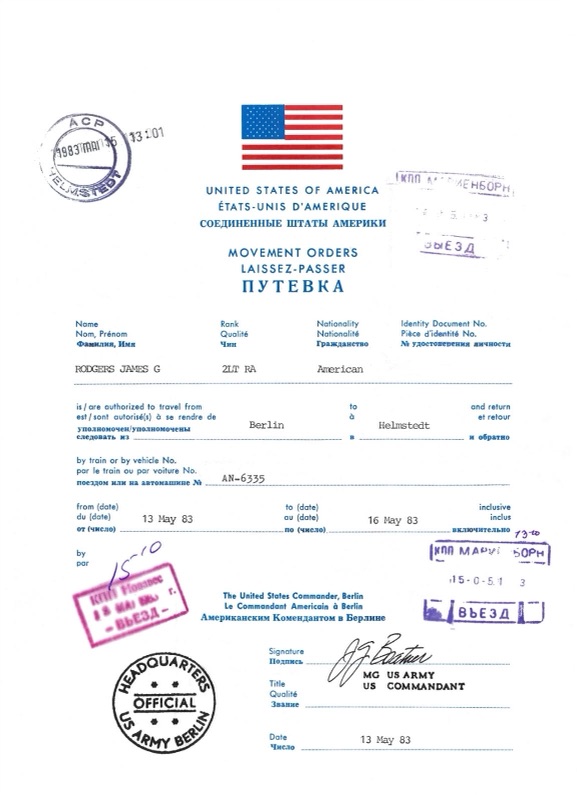
It was true that for us in West Berlin that we were totally surrounded by the Wall. We were allowed to leave at anytime; but, needed a special pass called “Flag Orders” because they had an American flag on them. They were also written in English, French, & Russian which were the languages of the occupying powers- America, Britain, France, & Russia. Flag Orders were necessary to leave & return to West Berlin by car or train.

Flag Orders- Note the Russian stamps to get through Checkpoint Alpha which was on the border between East & West Germany & through Checkpoint Bravo which was the entry point into West Berlin from East Germany

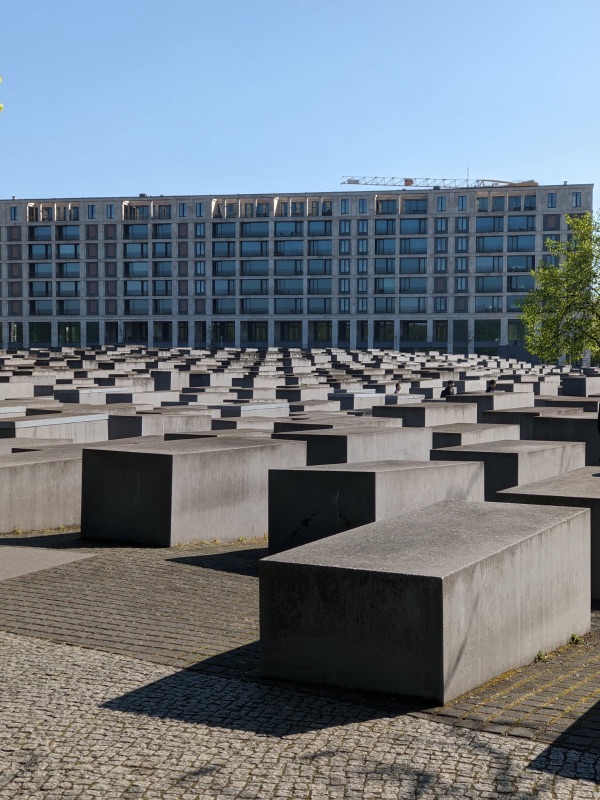
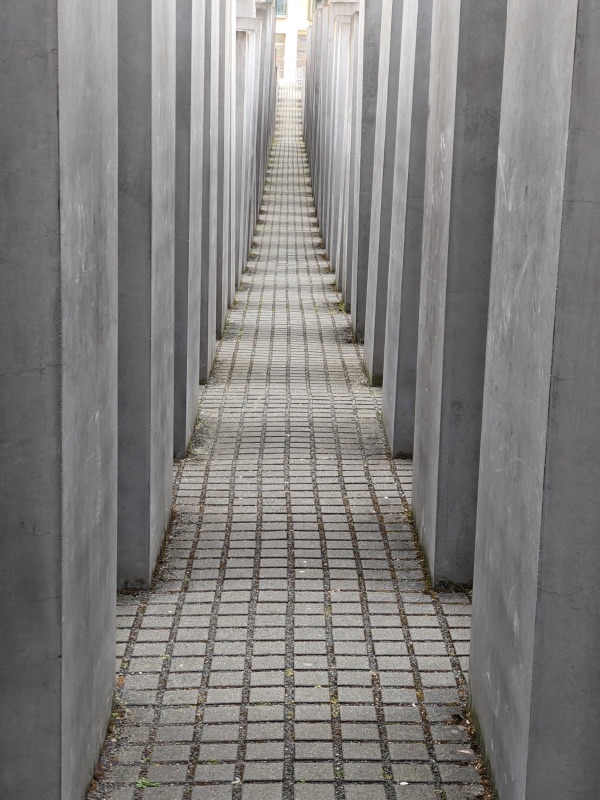
The Jewish Holocaust Memorial is located in what we formerly called “No Man’s Land” or the “Death Strip.” This was a wide open space in the East adjacent to the Wall. It is also the area in which Hitler’s Bunker where he committed suicide was located.

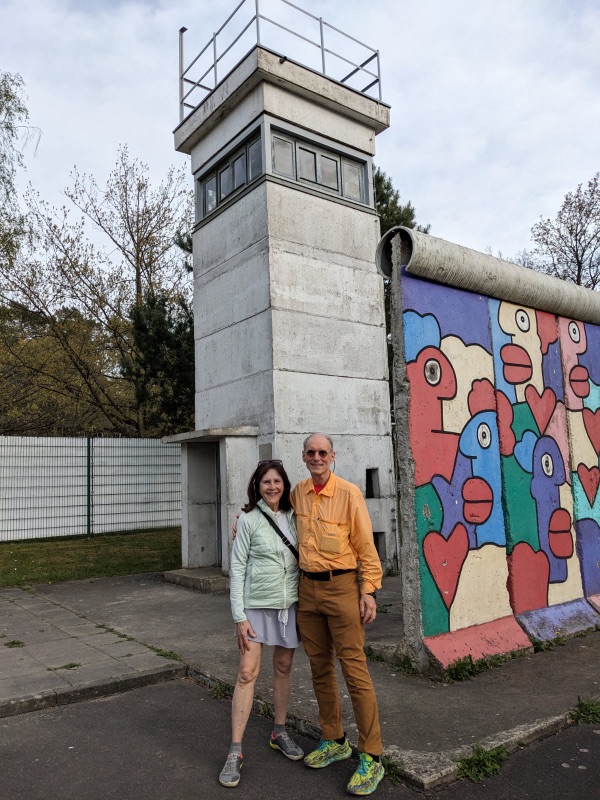
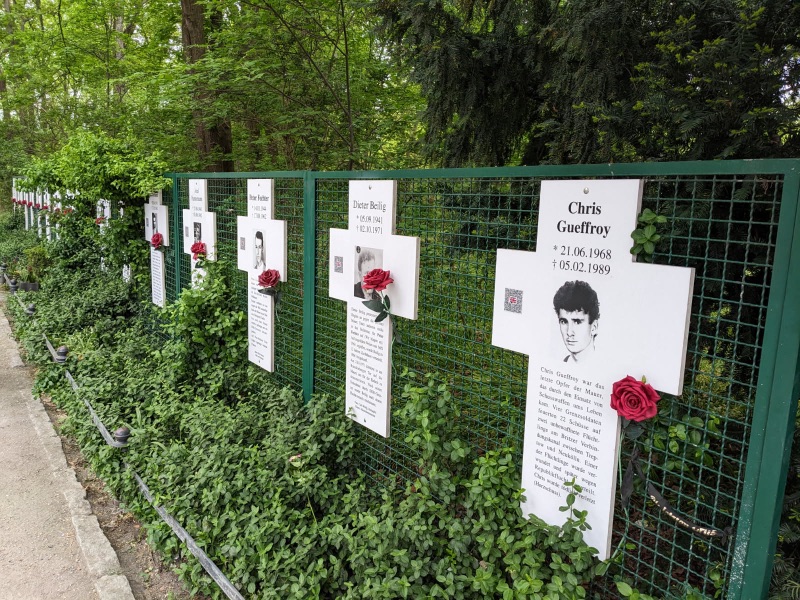
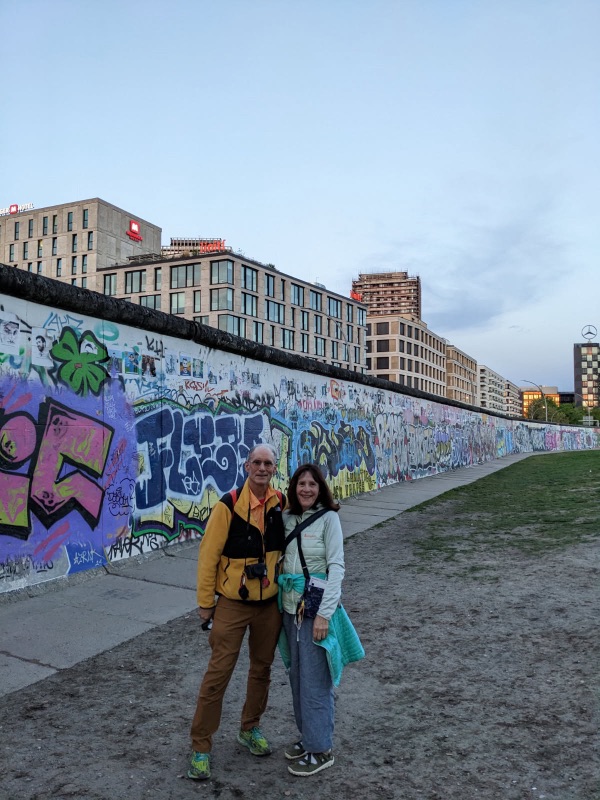
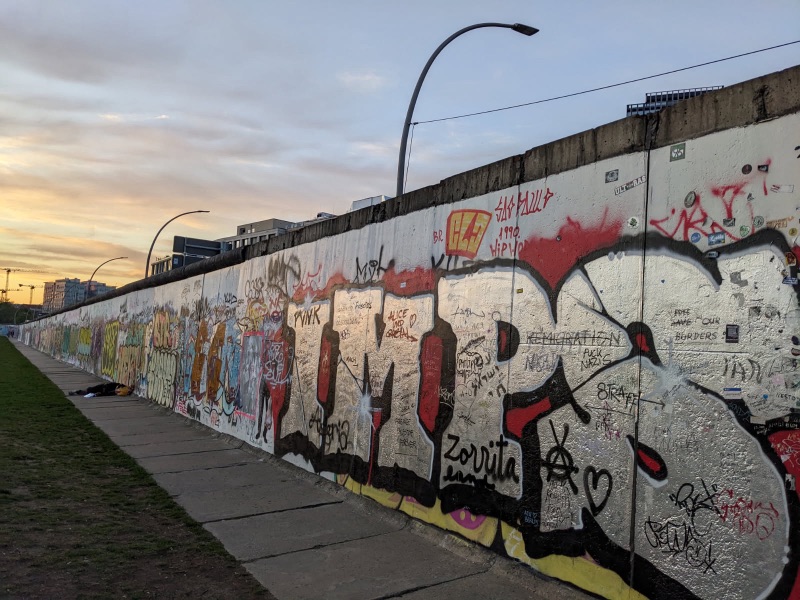
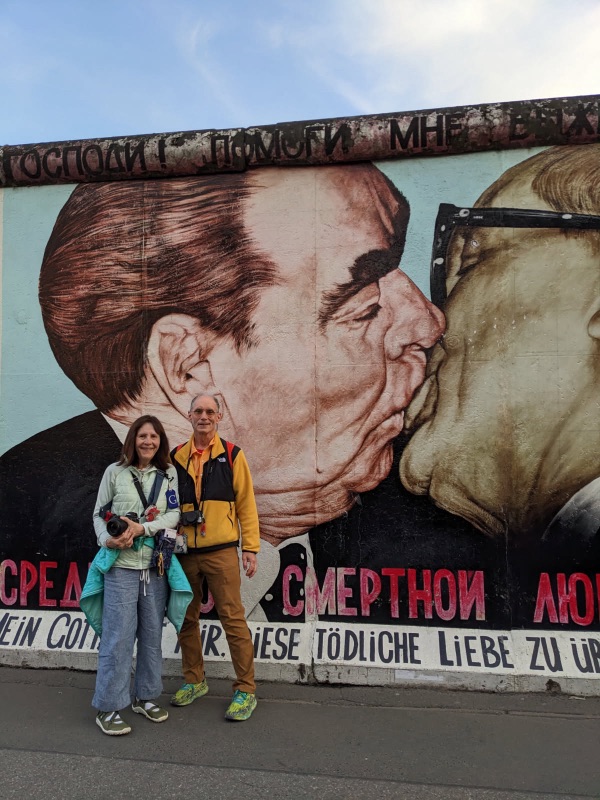
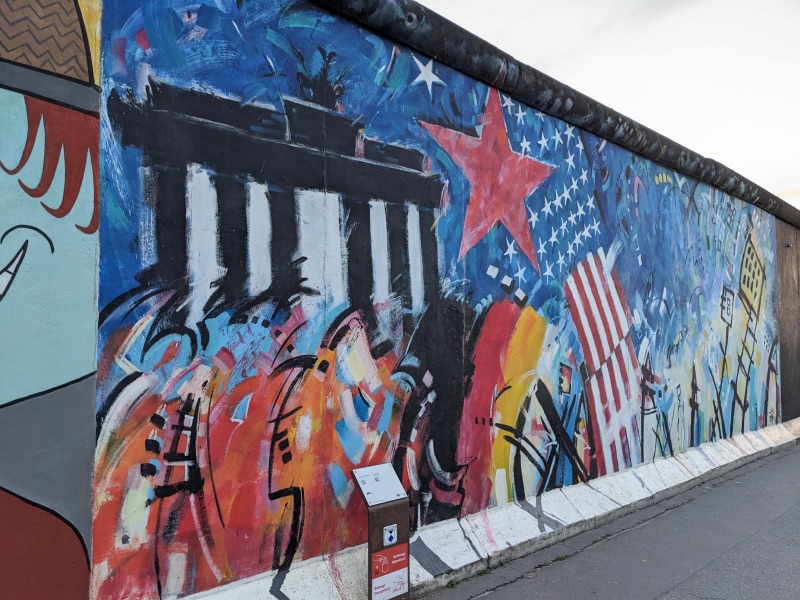
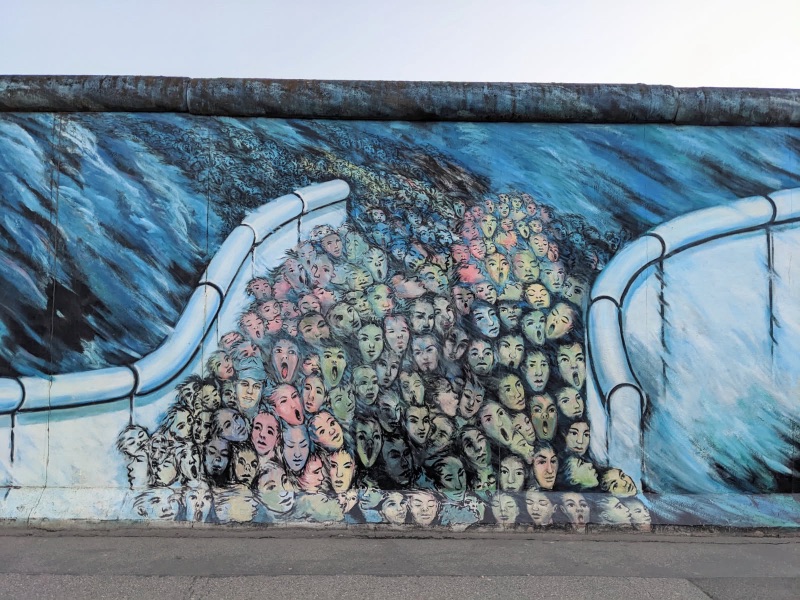
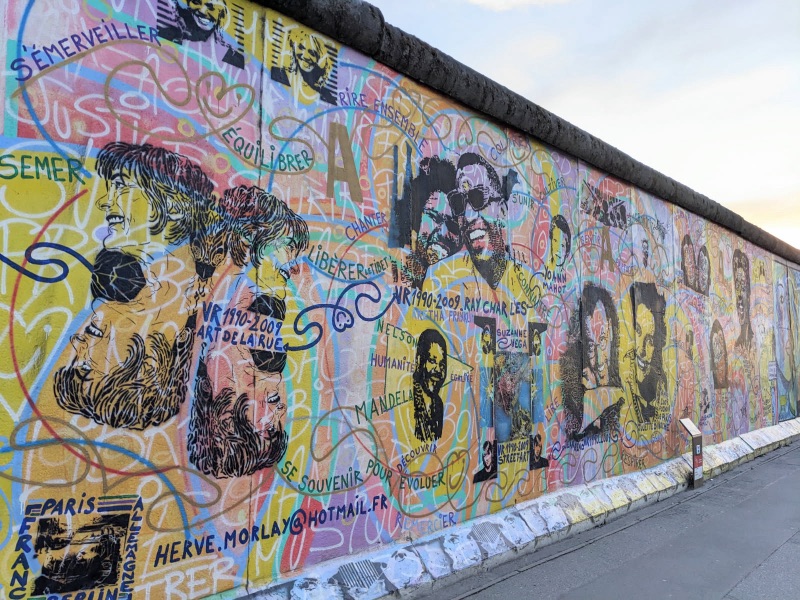
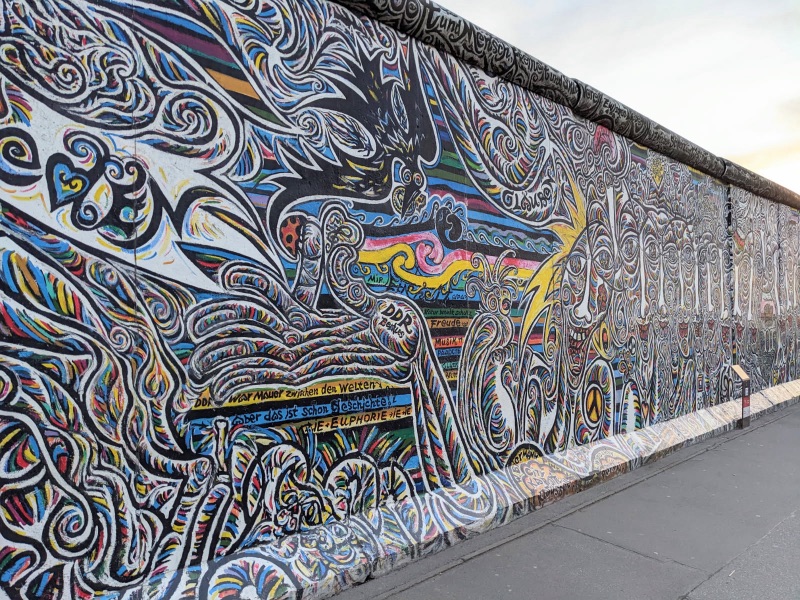
Although individual Wall segments are displayed throughout the city, Wall sections still exist in only two places- Bernauer Strasse & Muhlenstrasse

The large section at Muhlenstrasse along the Spree River was opened to artist & is calked called The East Side Gallery. 118 artists from 21 countries were invited to paint on the Wall’s plain, unpainted side after it opened. It is now the world’s longest open air art gallery & is a protected memorial.

As Americans associated with the US military, we had special license plates on our cars so we were not allowed to be searched by the East Germans when entering or exiting East Berlin.

Also, American soldiers were required to be in uniform when going to East Berlin.

However, returning to the former East Berlin area now has no such requirements.

When entering East Berlin, you were required to give the American authorities at Checkpoint Charlie the time when you planned to return to the West. Since I didn’t want to get lost, I never ventured too far off the main streets & possibly missing my return time which meant a search party would have been dispatched to find me.

However, with no such restrictions or concerns on this trip, we went to many places we had never previously gone.

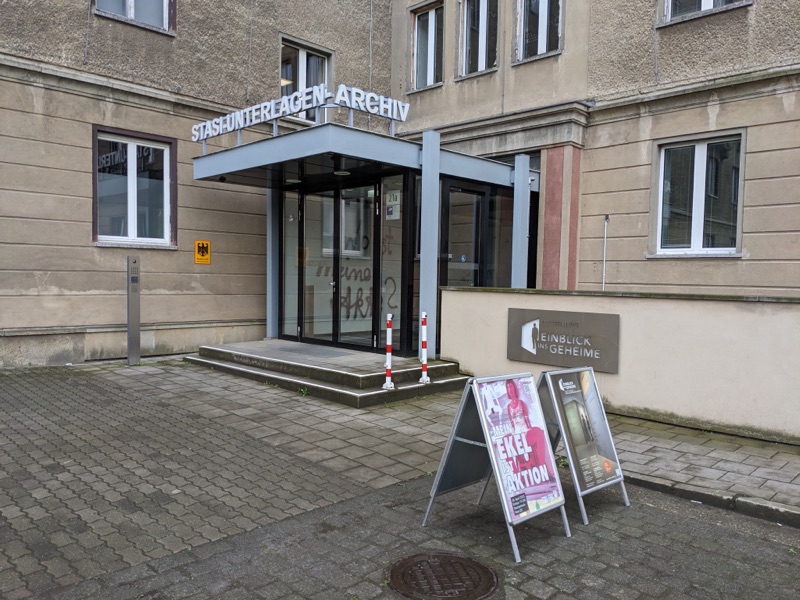
At the Stasi archives we applied to see if they even had a file on us. ⁉️🤨

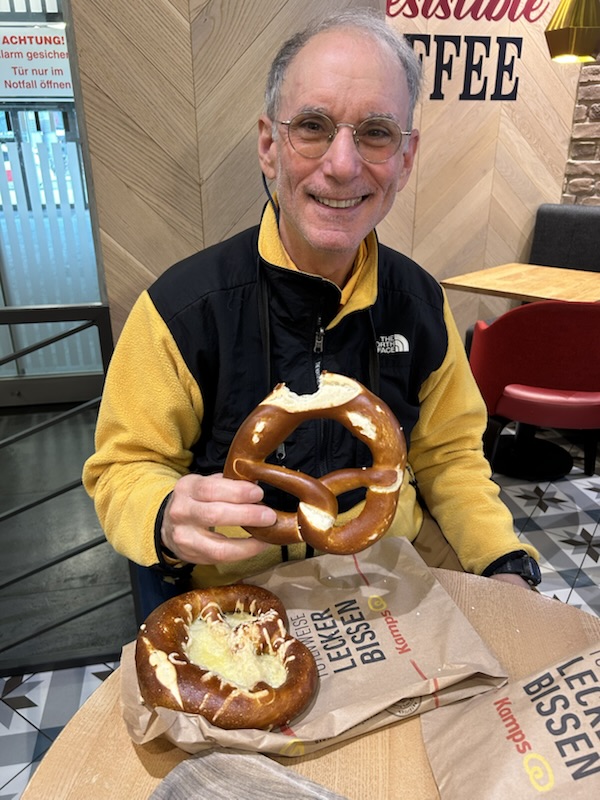
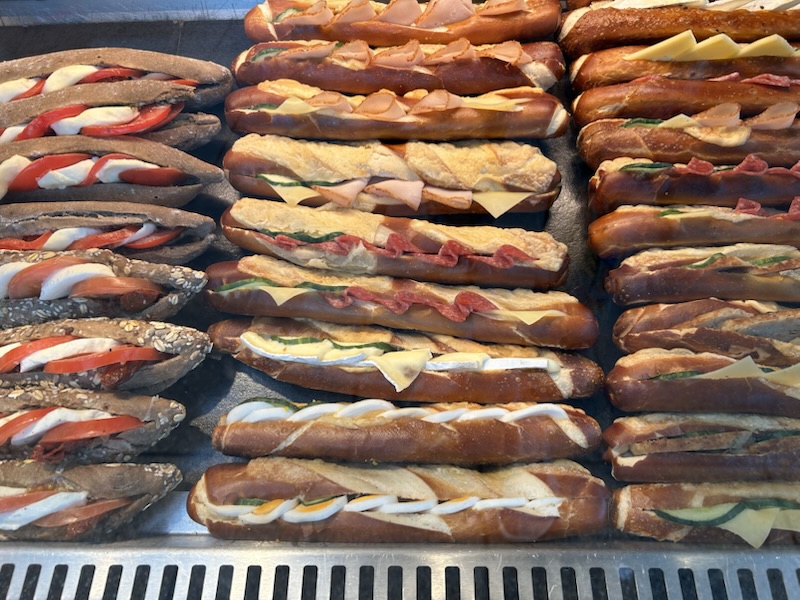
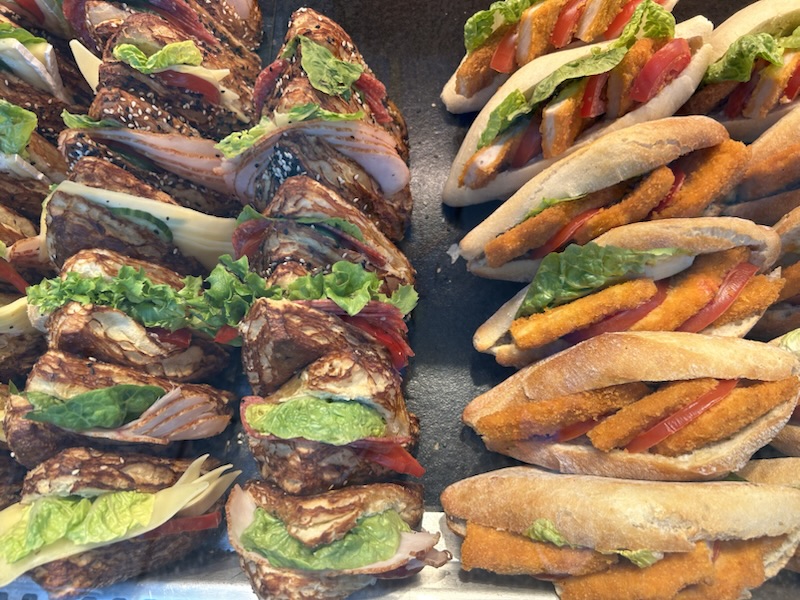
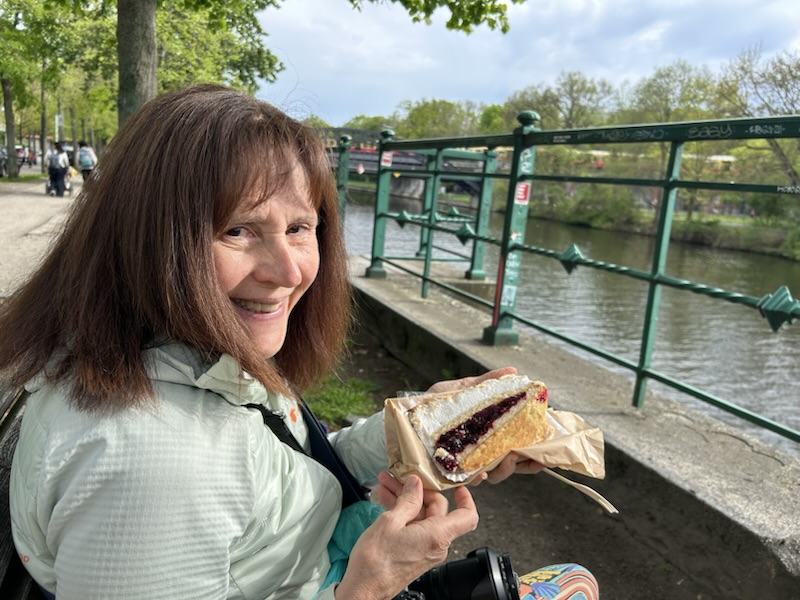
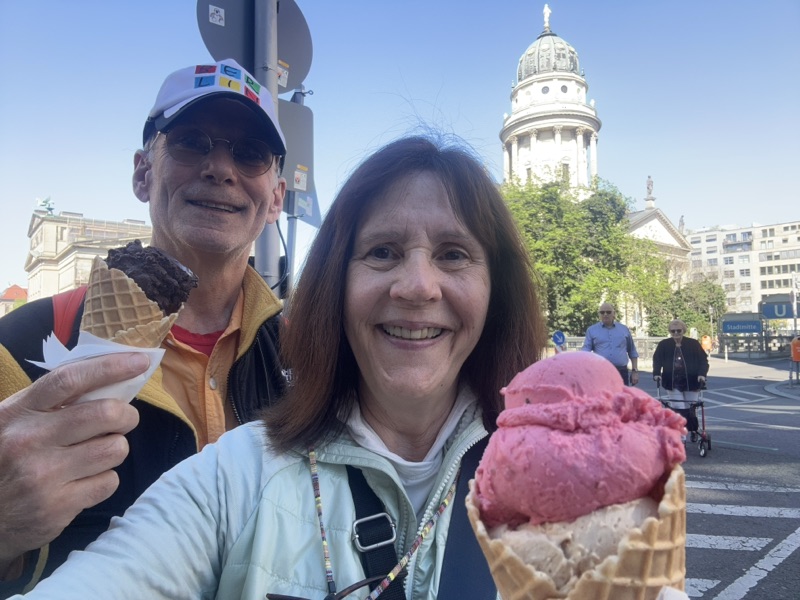
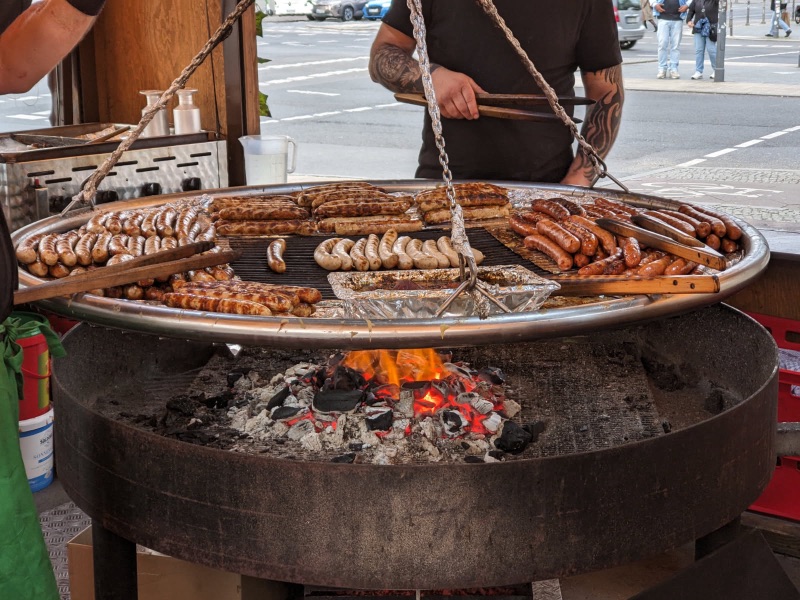
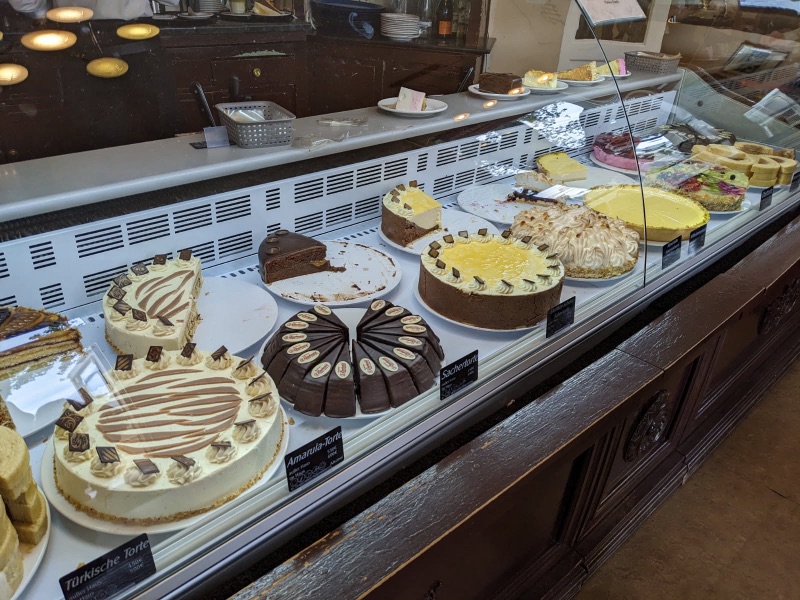
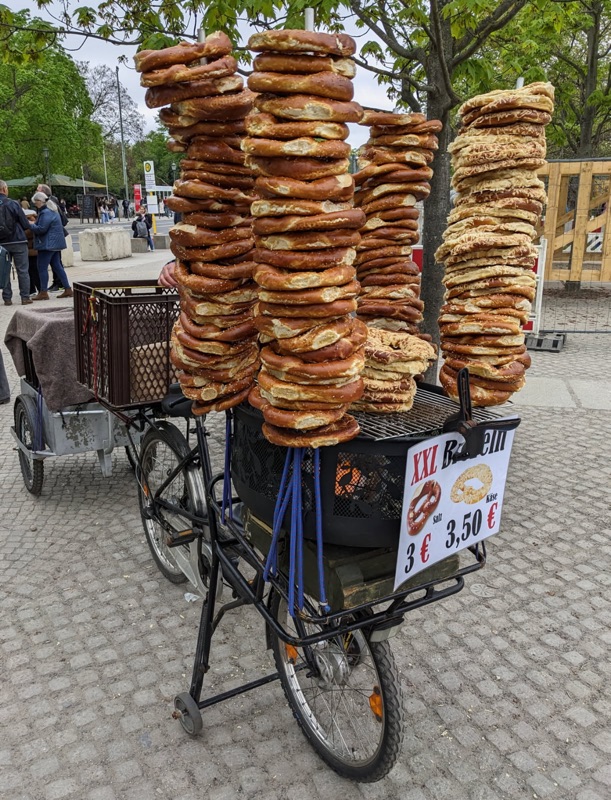
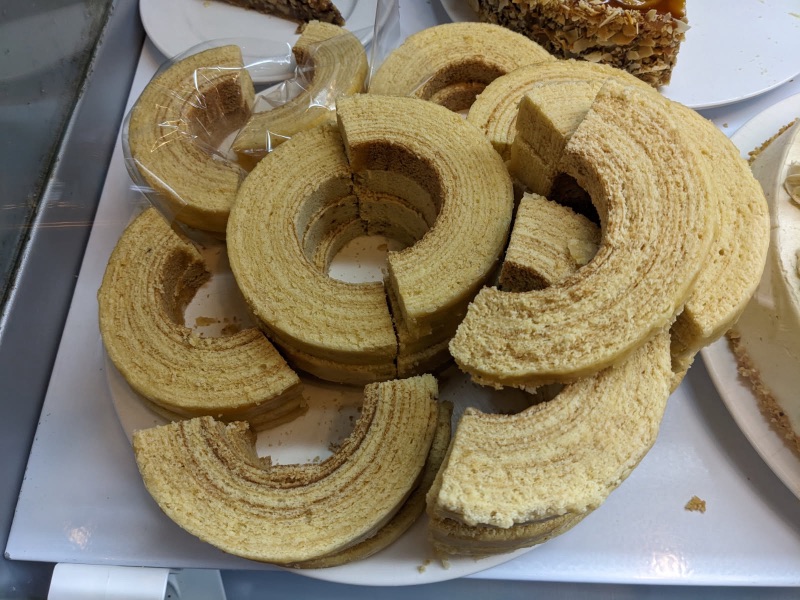
Of course, one of my favorite things about Germany is the BREAD! And then some desserts as well. I like their desserts because most are only slightly sweet.

For the 28 years that the Wall existed, West Germany gave its citizens incentives to live in Berlin such as lower taxes, financial subsidies for having children, & relief from its mandatory military service requirement.

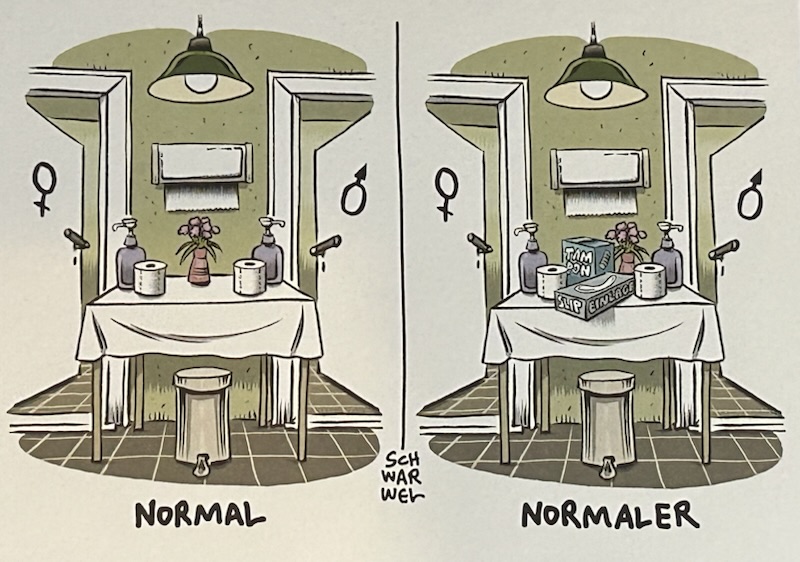
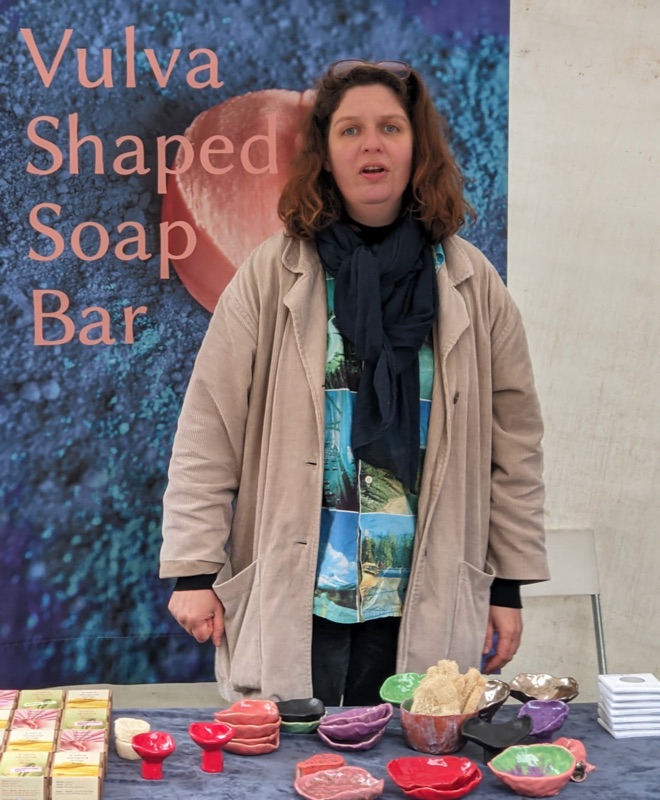
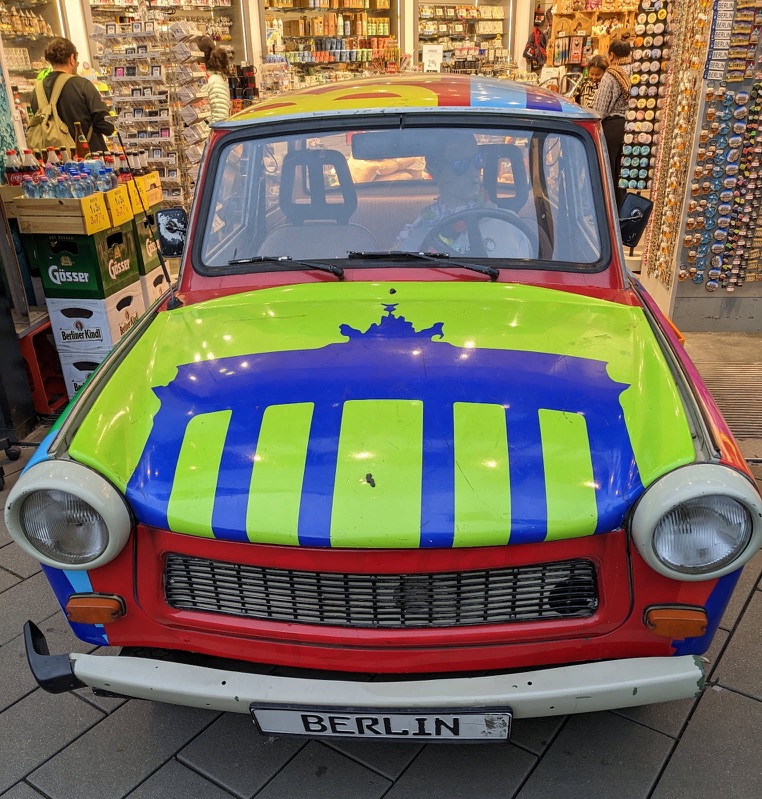
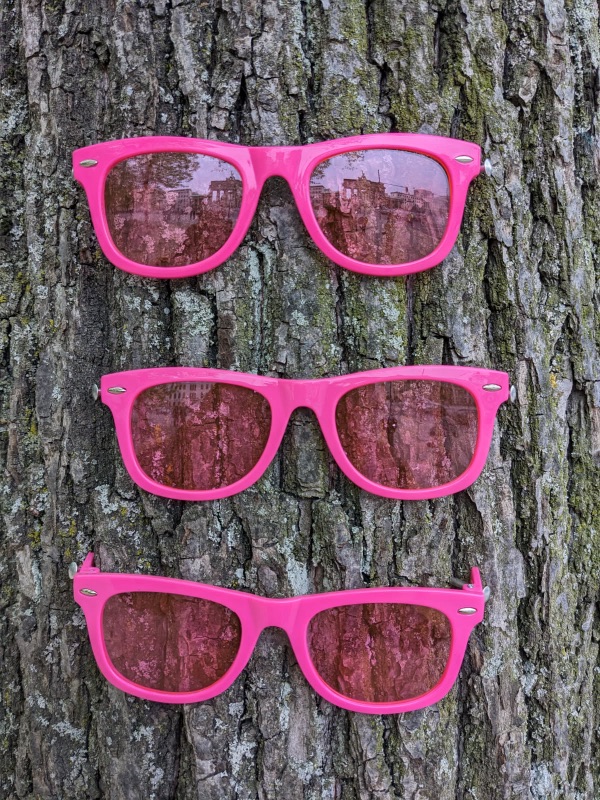
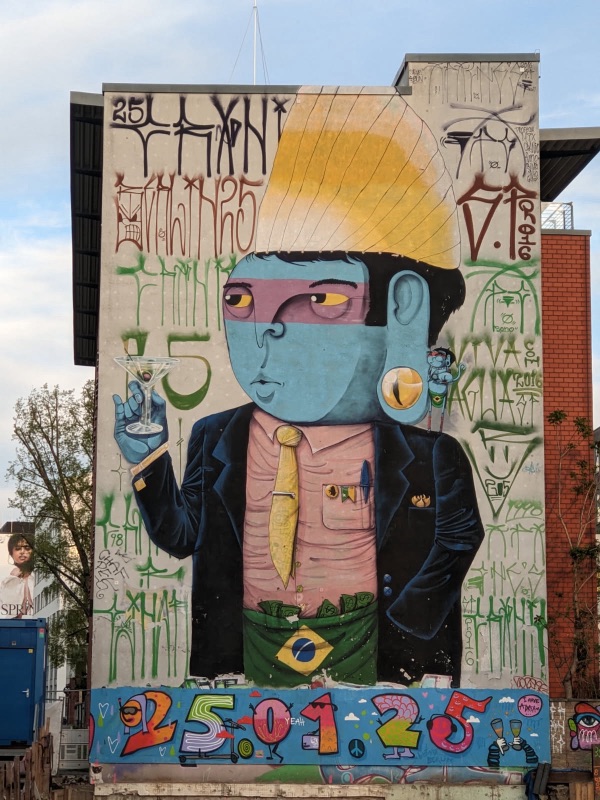
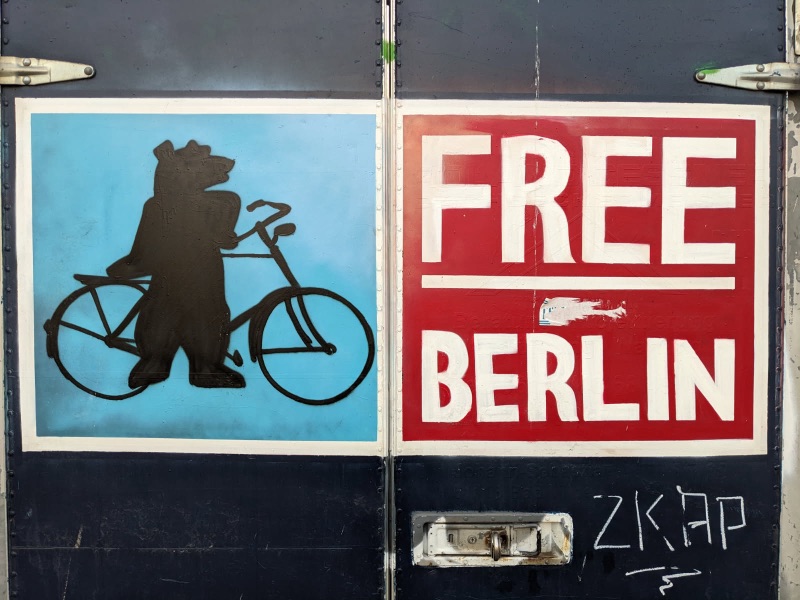
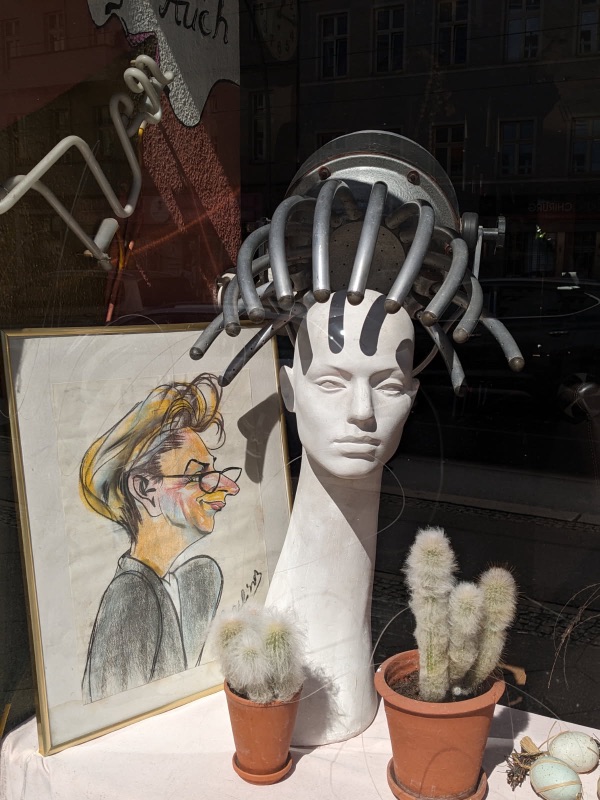
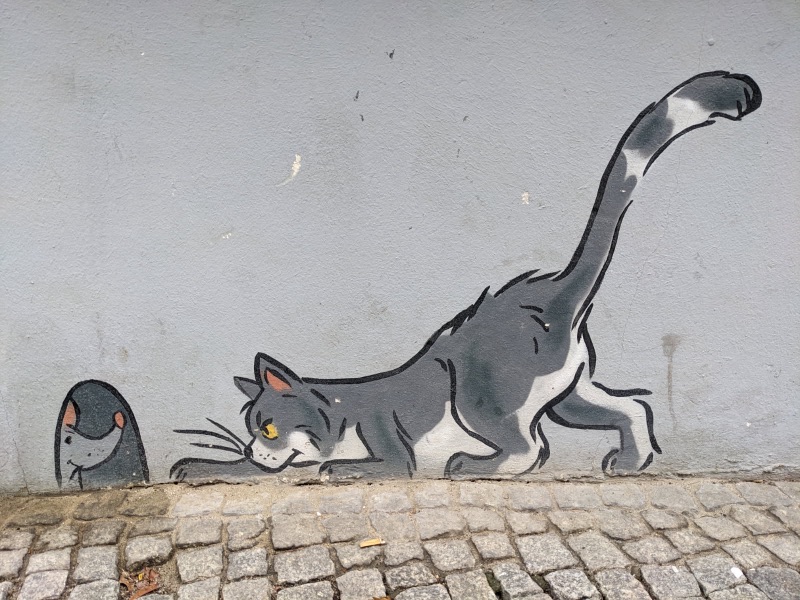
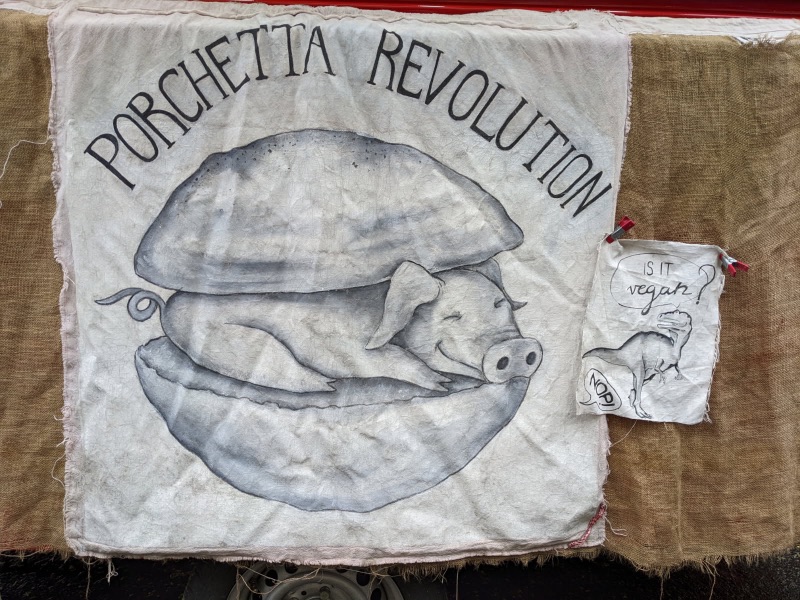
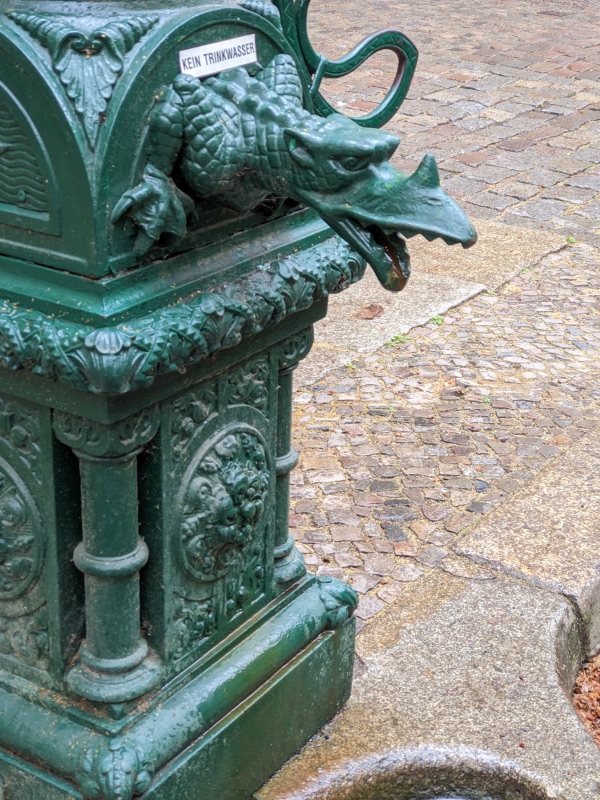
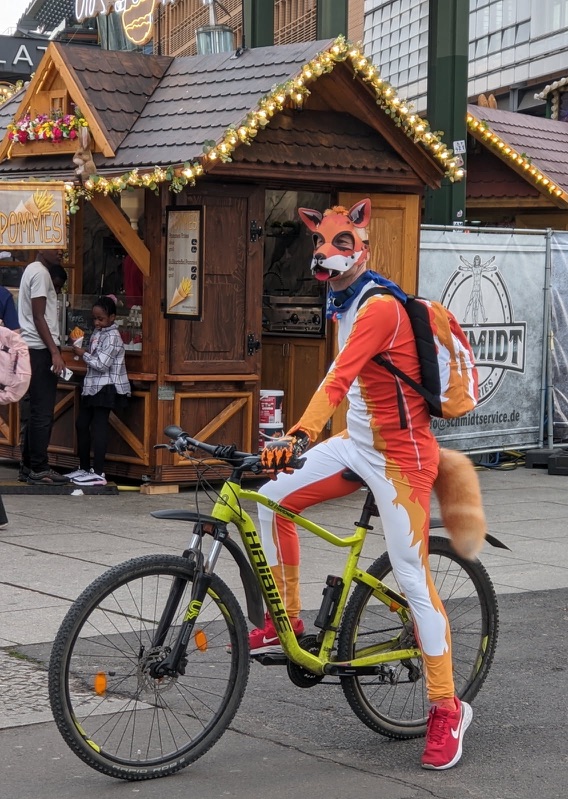
Those policies helped create & encourage Berliners to be unique & a bit quirky. These photos show just a touch of that whimsy. People who look at the world through different eyes are always welcomed here. Hmmm, maybe that’s why I love Berlin so much. 🥰

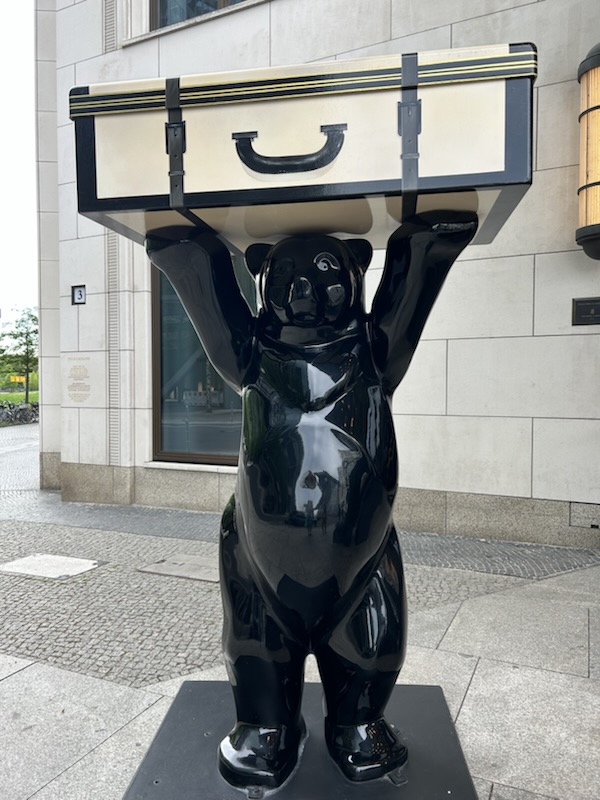
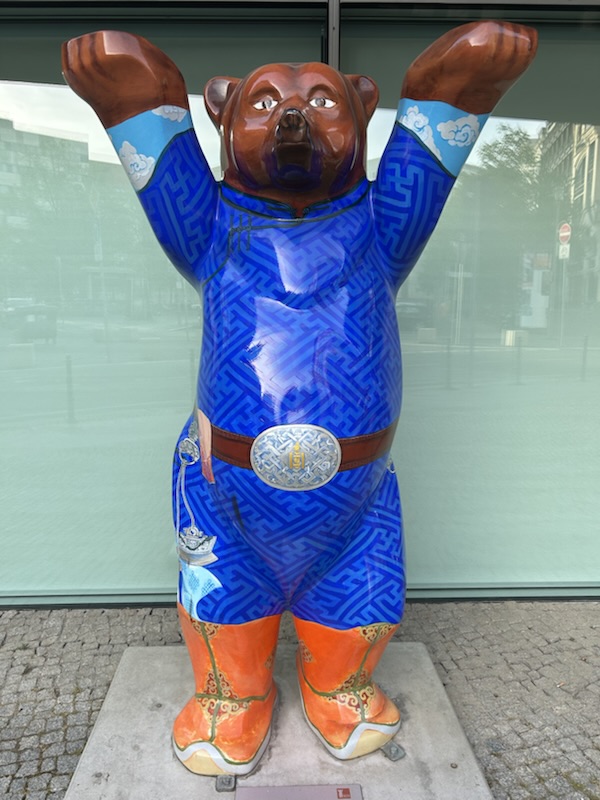
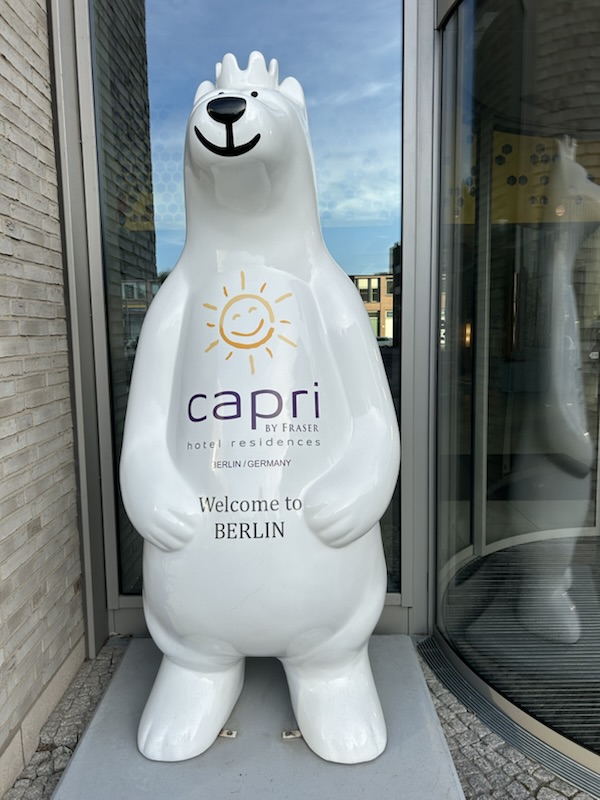
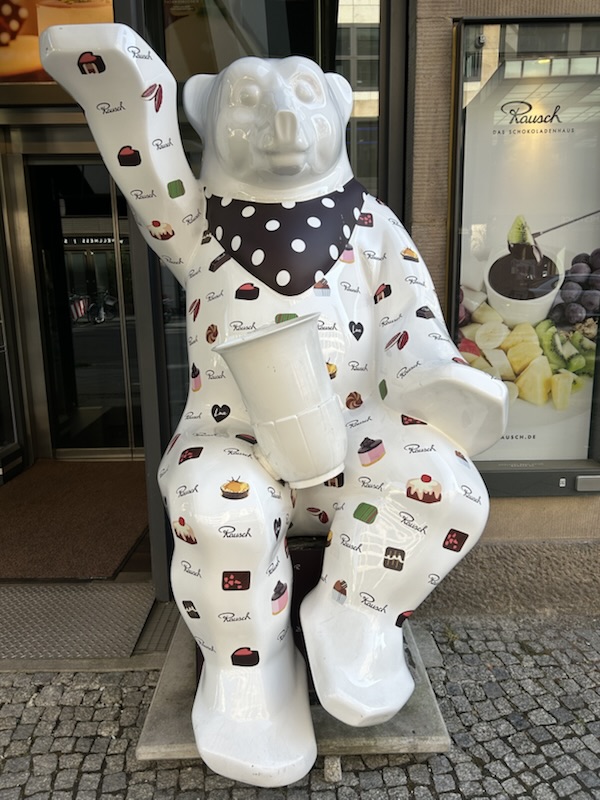
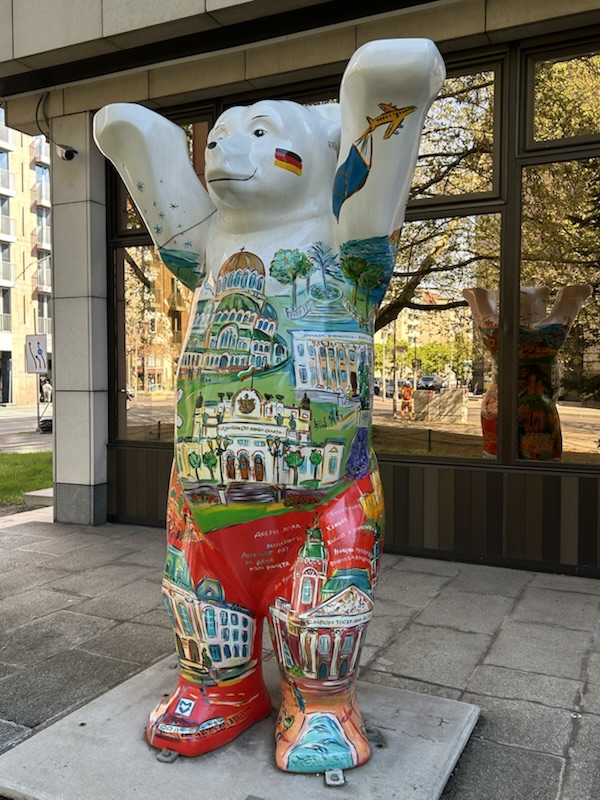
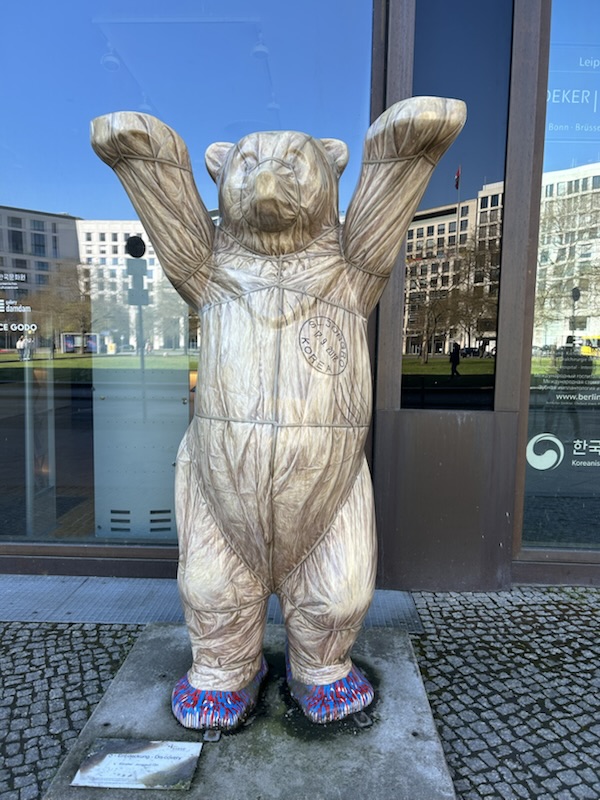
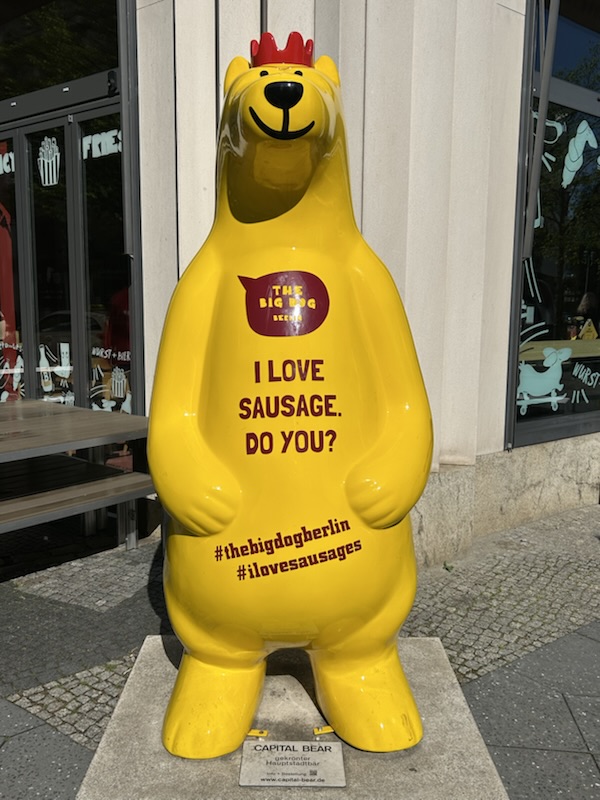
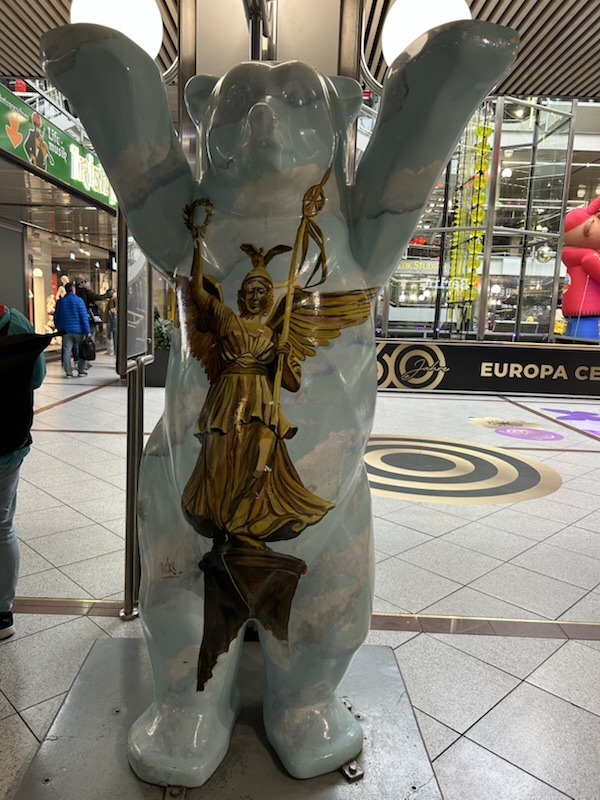
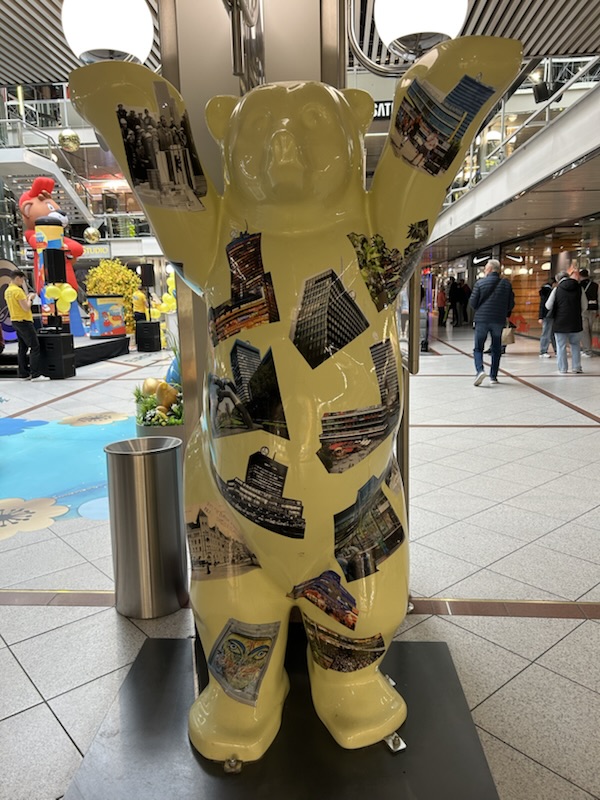
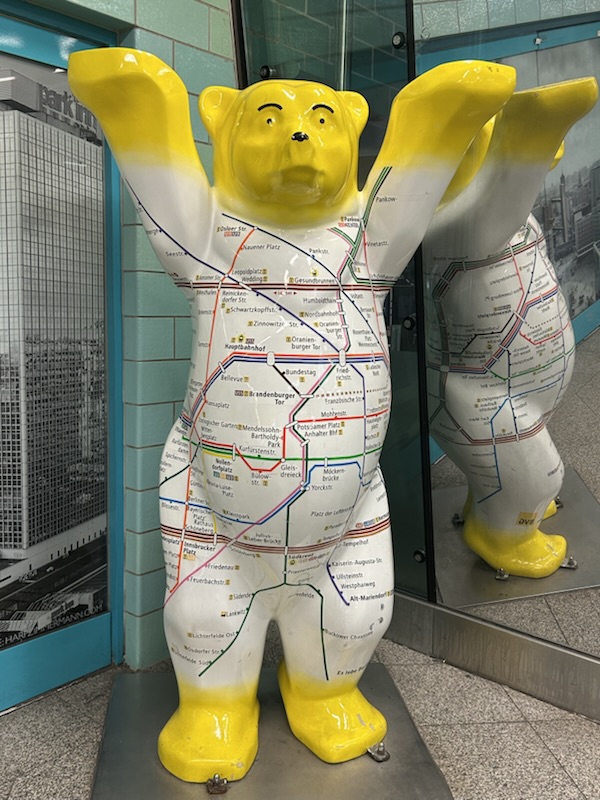
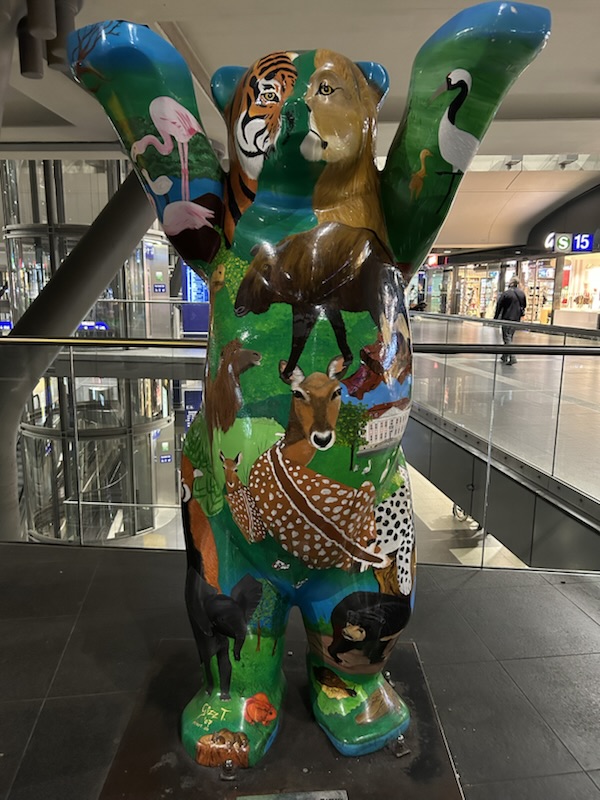
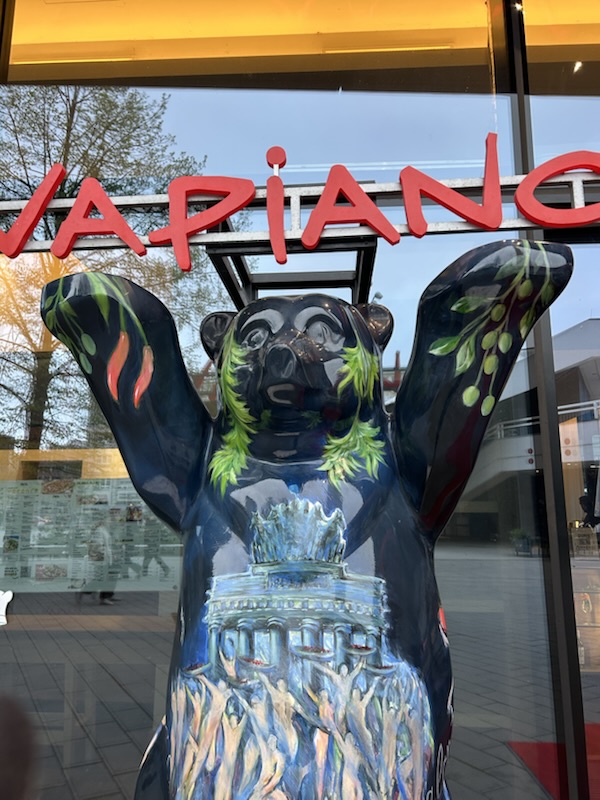
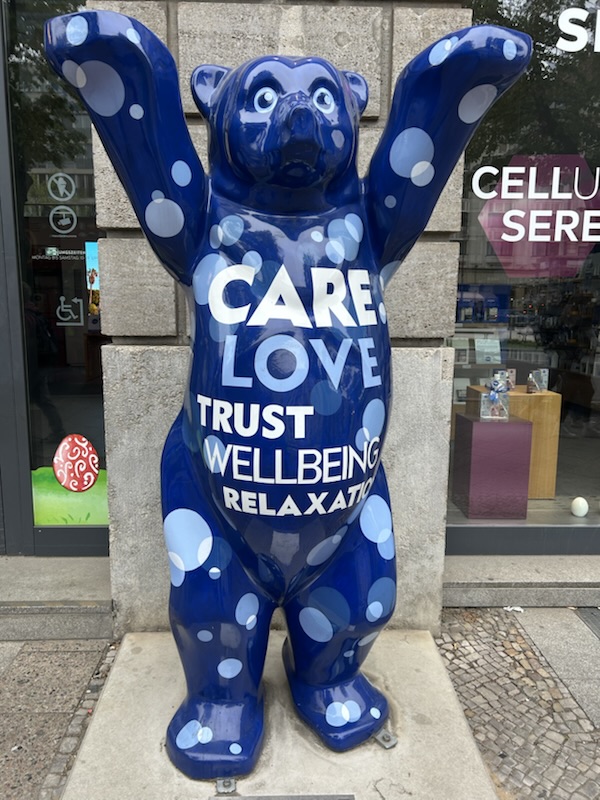
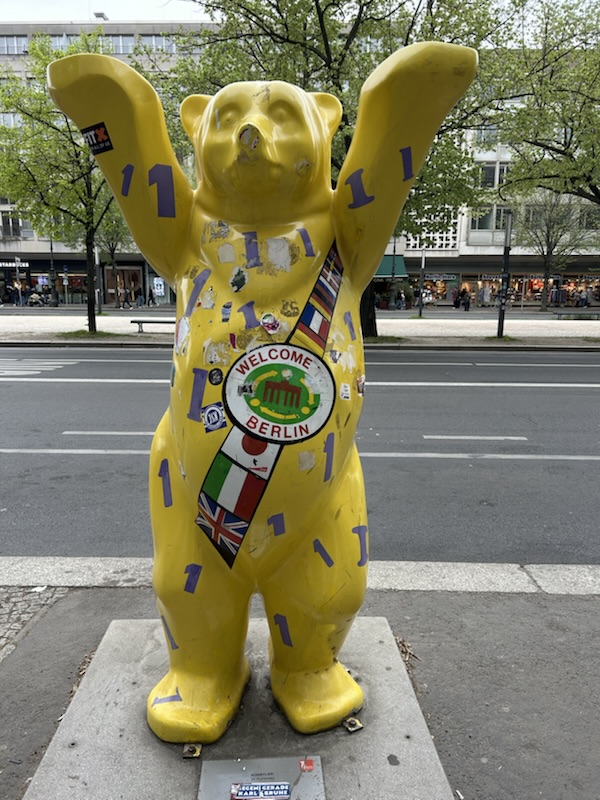
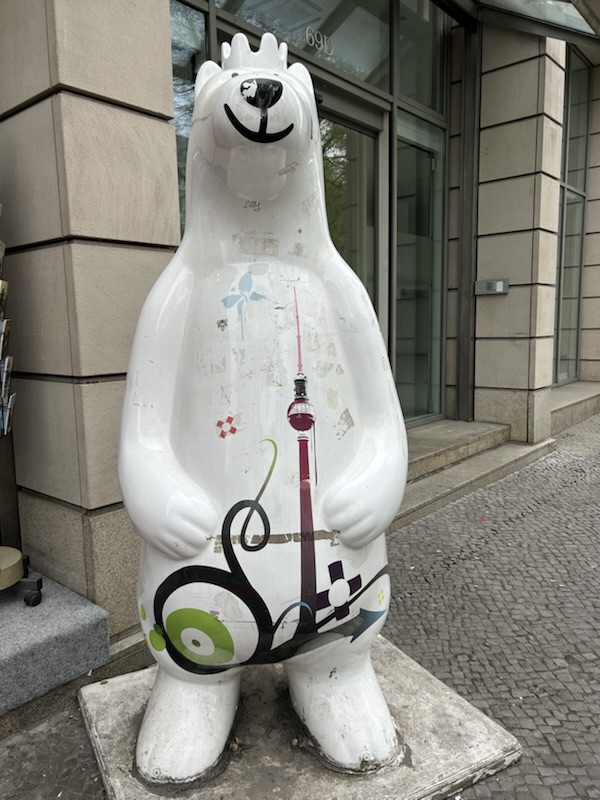
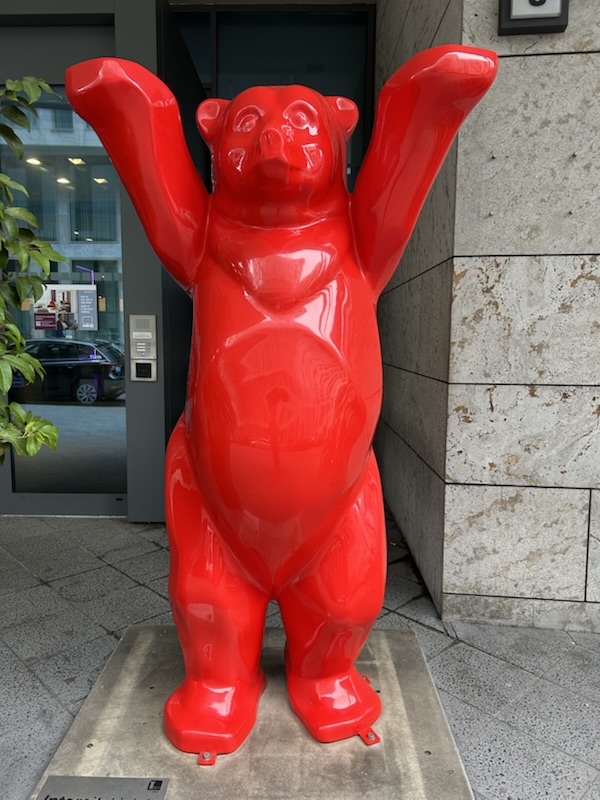
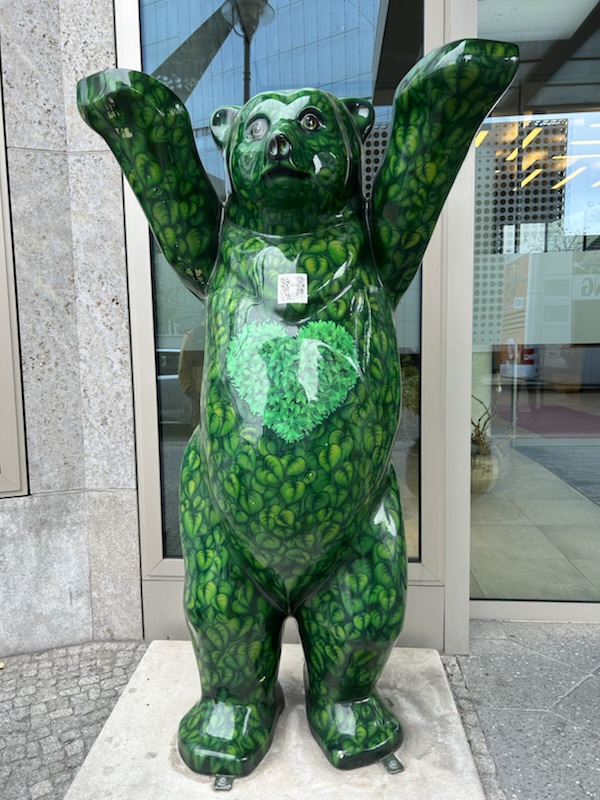
Finally, and last but not least, Berlin’s city symbol is the Bear. You see Bear statues all over the city. Here are a few that are displayed. Pick your favorite.