My Top 10 Reasons to ❤️ Japan

One

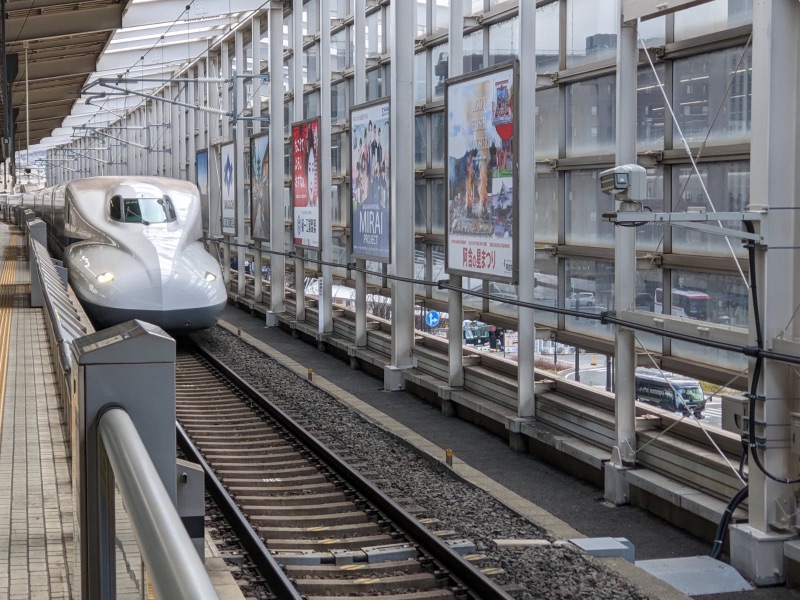
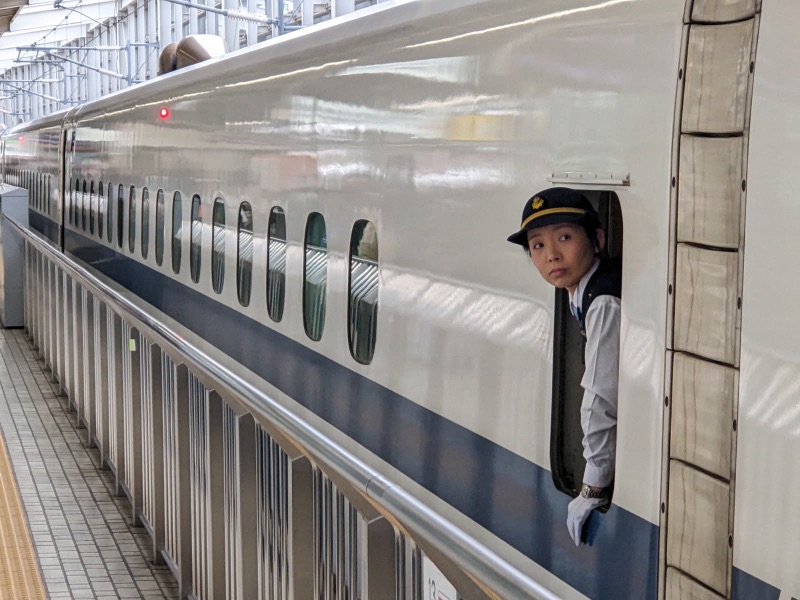
The Shinkansen or “bullet train.”

Very fast, smooth, & almost always on time.
Two

Super CLEAN!

Just try to find trash on the ground.

This in itself is amazing; but, even more astounding is there are hardly any public trash cans in sight.

Paper towels are very hard to come by in their public bathrooms.

One day my husband saw a child drop a package of the gummy bears on the ground & then pick them all up.

I saw someone drop a small piece of paper on the ground by accident as they exited the train. In less than 30 seconds, a train conductor picked it up.

Even the garbage trucks are spotless.

Three

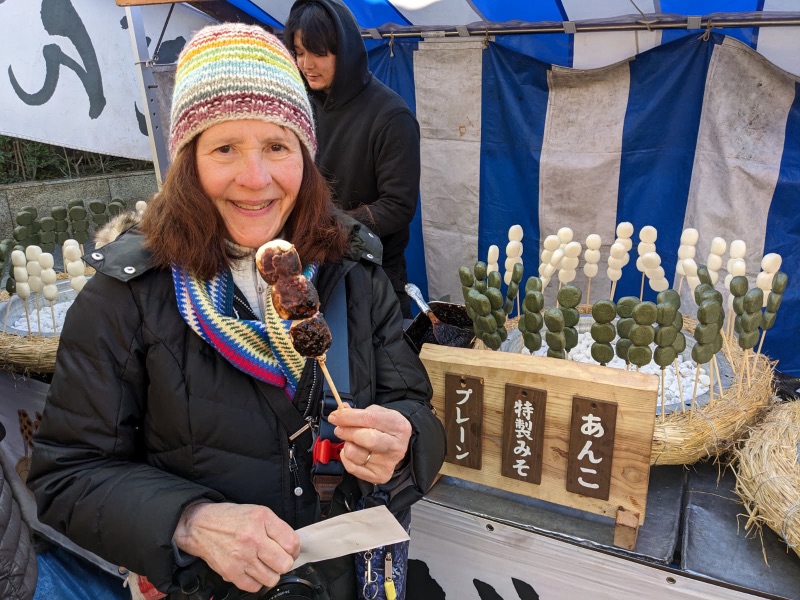
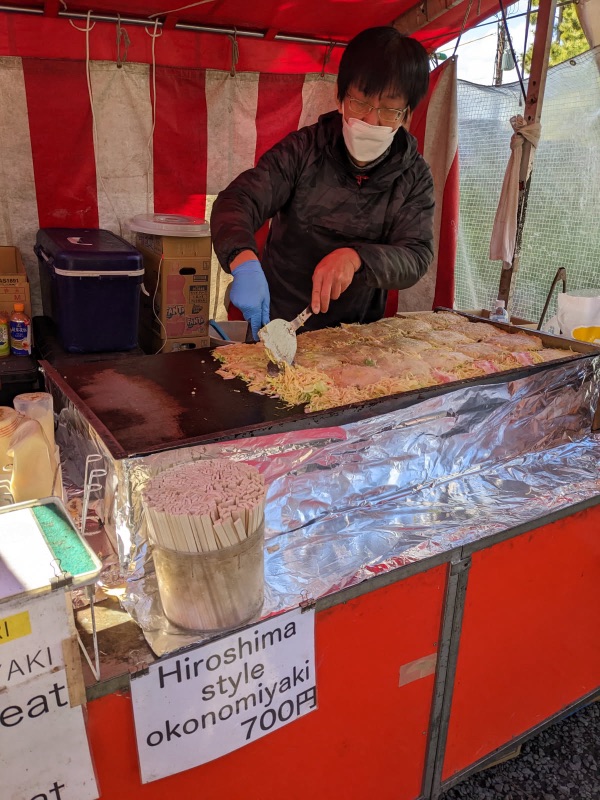
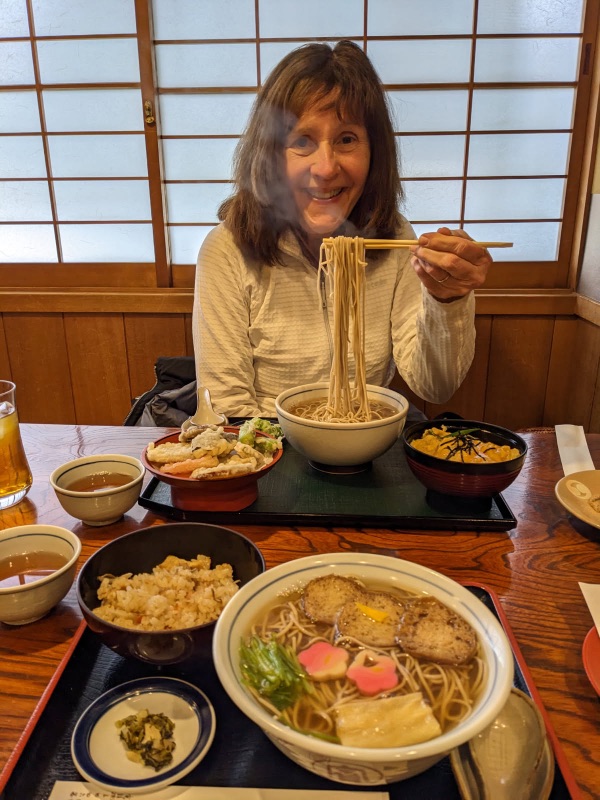
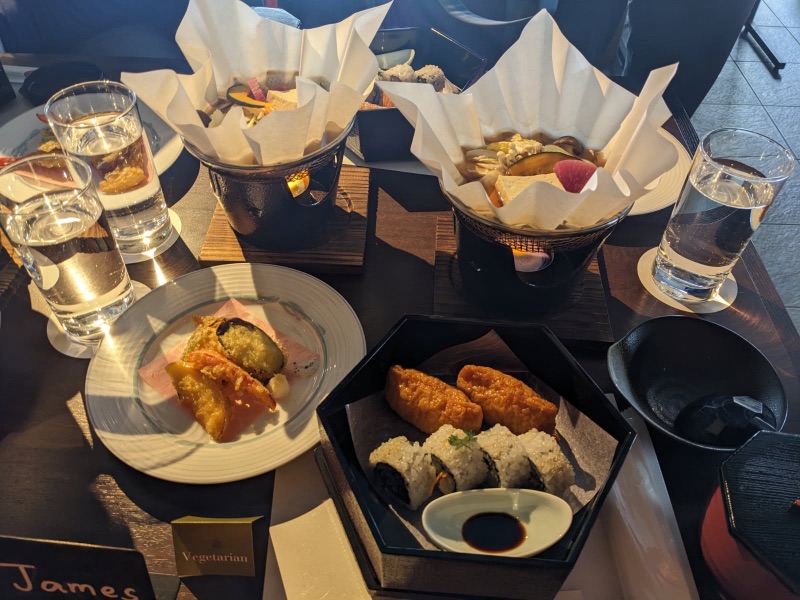
The food.

I’m vegetarian; but, I always found something good to eat.

Especially at the noodle shops. Yea for ramen, soba and udon noodles. Lo
Four

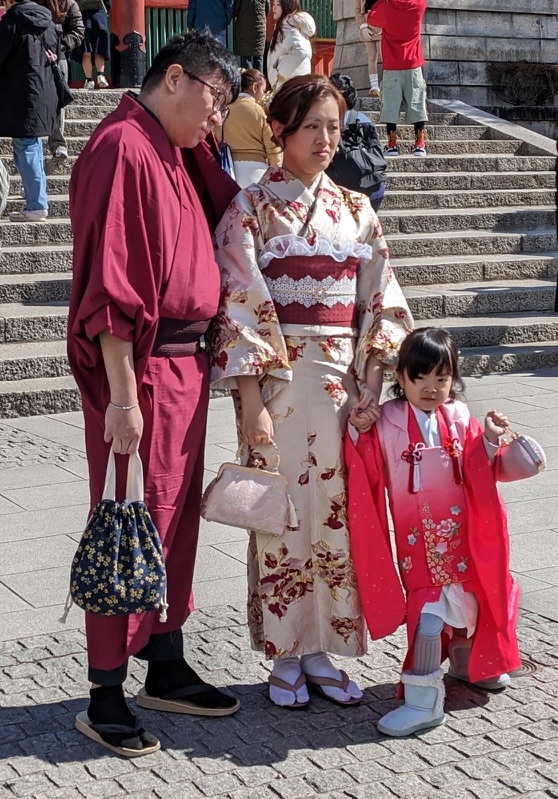
The Japanese desire to hold on to their long-standing customs & traditions.

Being an American, only Native Americans have traditional clothes.

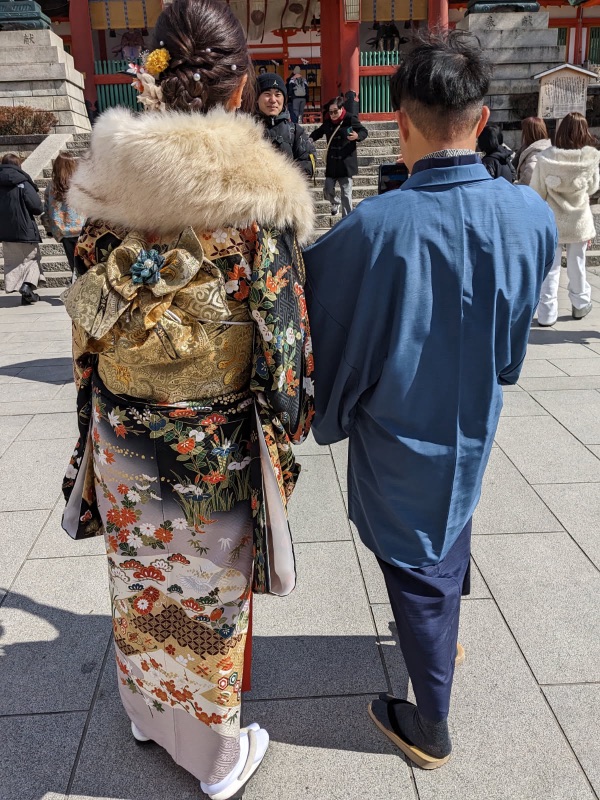
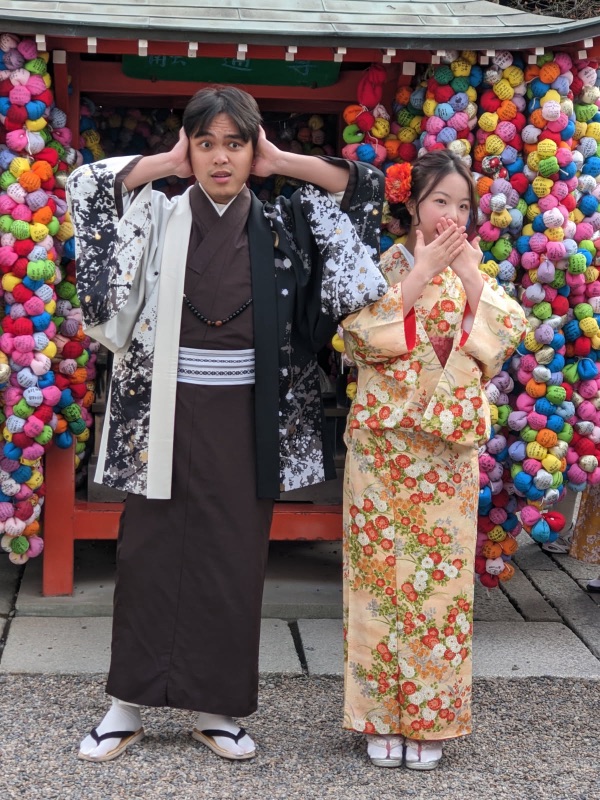
But in Japan, people still love to dress in their traditional clothes.
The Japanese still bow out of politeness to show respect & to say thank you.

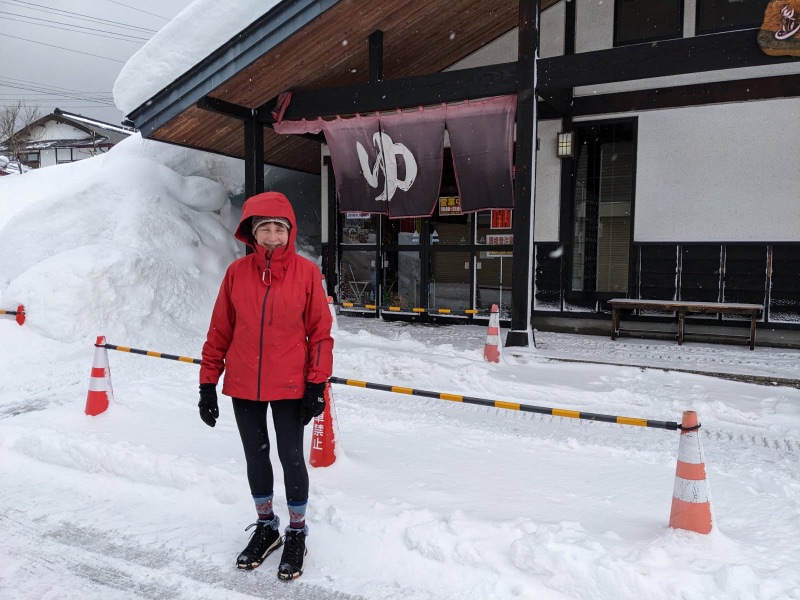
And, those lovely Onsens with hot mineral water that are still regularly used for public bathing & relaxation. Some are 1,000s of years old.
Five

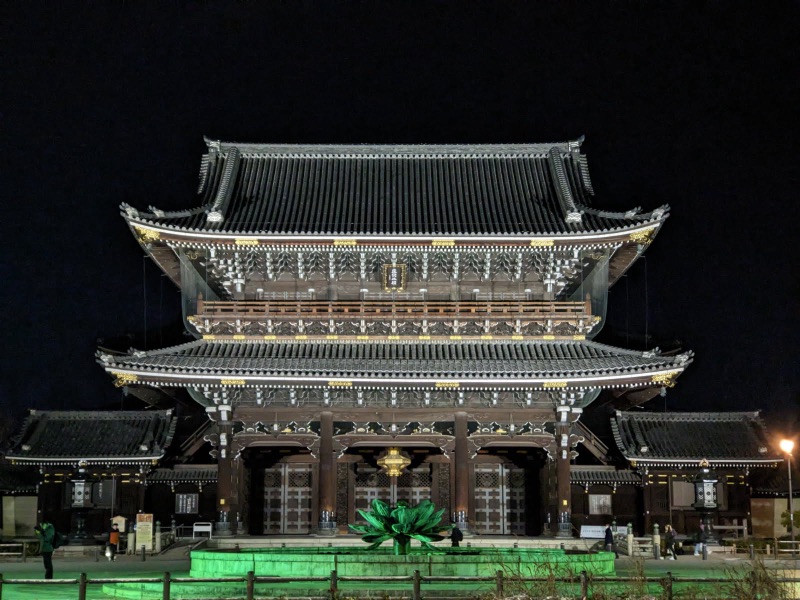
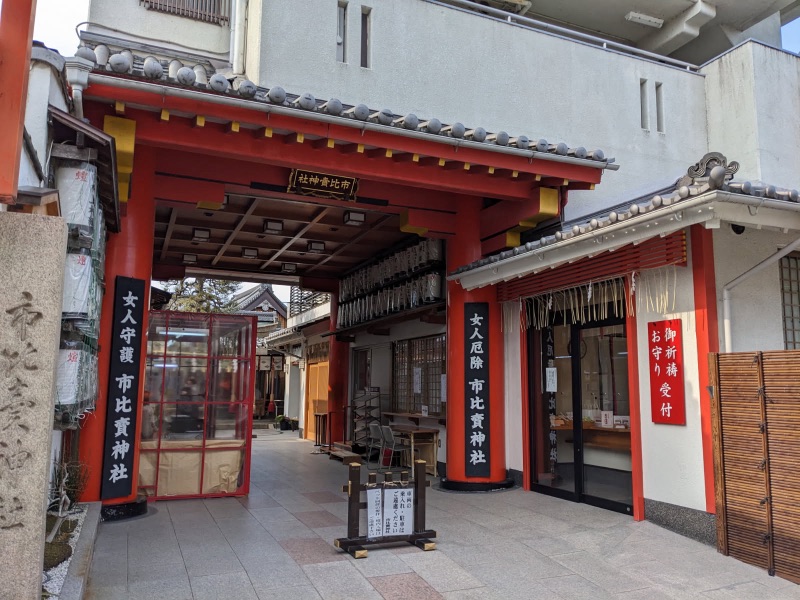
So many lovely shrines & temples.

It’s impossible to go very far without seeing these lovely structures & enjoying learning about the traditions that come with them.
Six

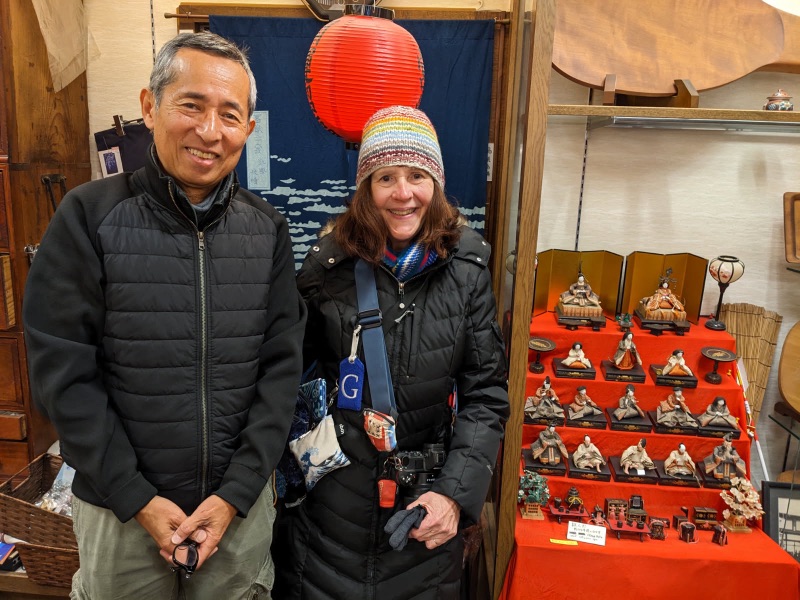
Extreme kindness.

Even in a subway or train station where it is very crowded, nobody pushes or shoves.

One night at dinner, the small restaurant was very busy, so it took them over 20 minutes to take our order.

They constantly & profusely apologized for their delay.
Seven

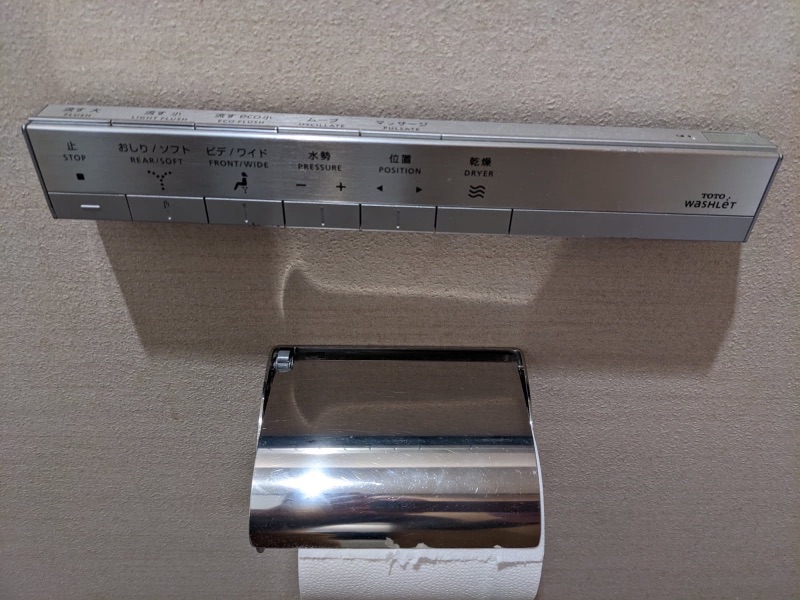
Don’t laugh, but the toilets!

Even the public toilets come with a bidet & warm seats.

My bum has never been happier. 🤣

The nicer toilets have dryers & motion sensors to raise the lid & flush automatically.

I used a toilet inside a museum that played soothing running water sounds when you sat down. 🤨

Eight

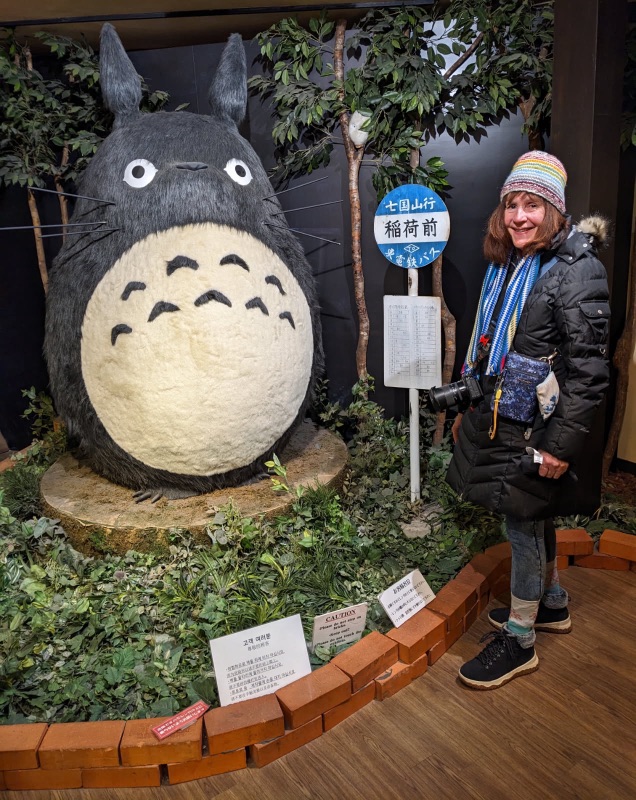
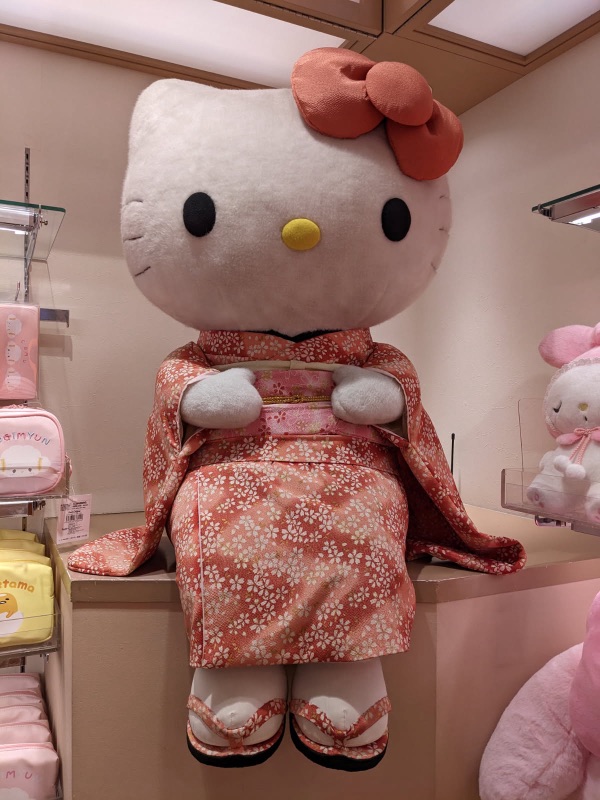
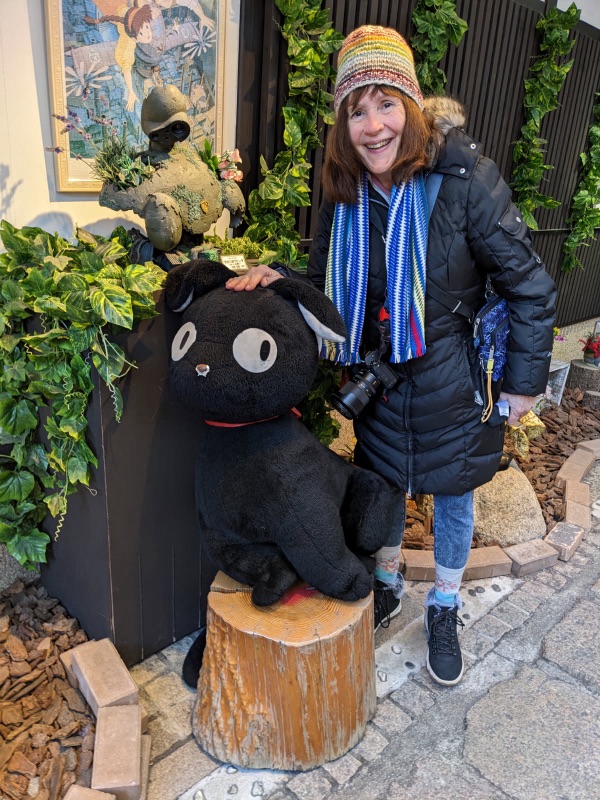
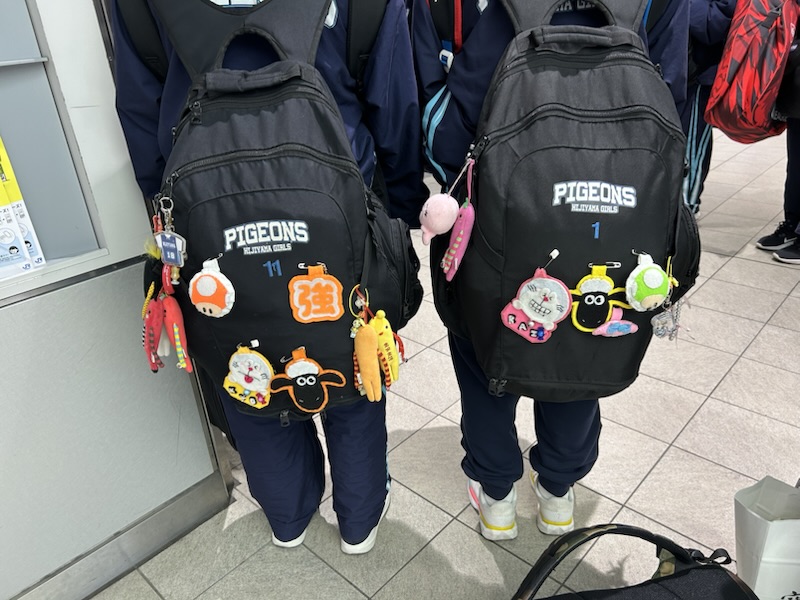
Cuteness is important. 😌
Nine

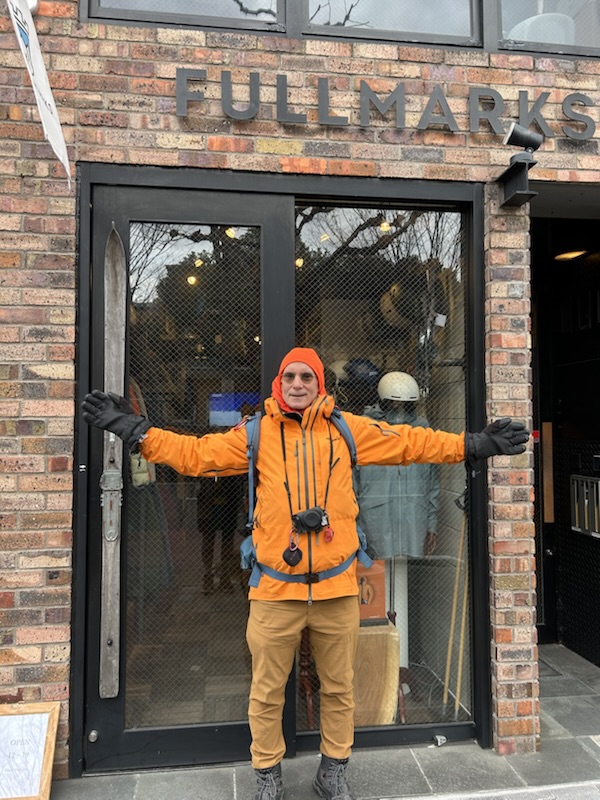
Everything is small.

The cars are so small I almost felt like I could pick them up.

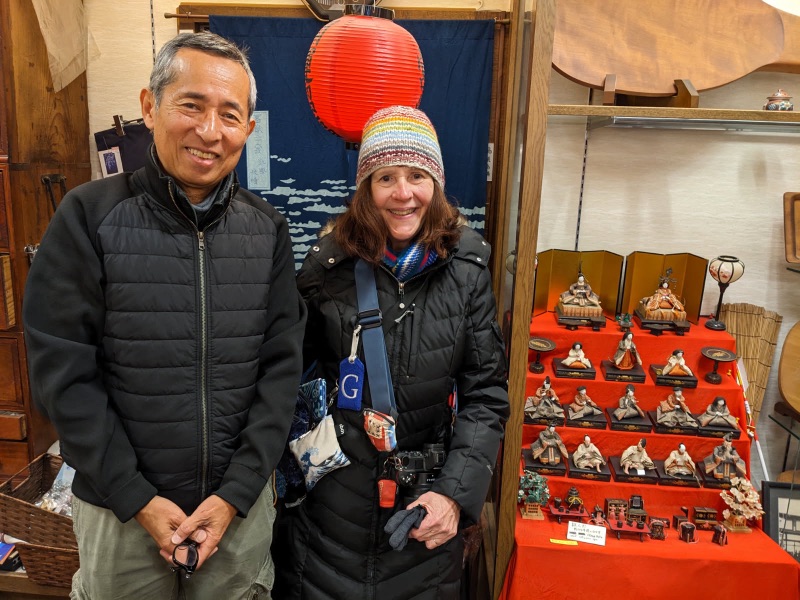
Check out this tiny store which sells high end outdoor apparel.
Ten

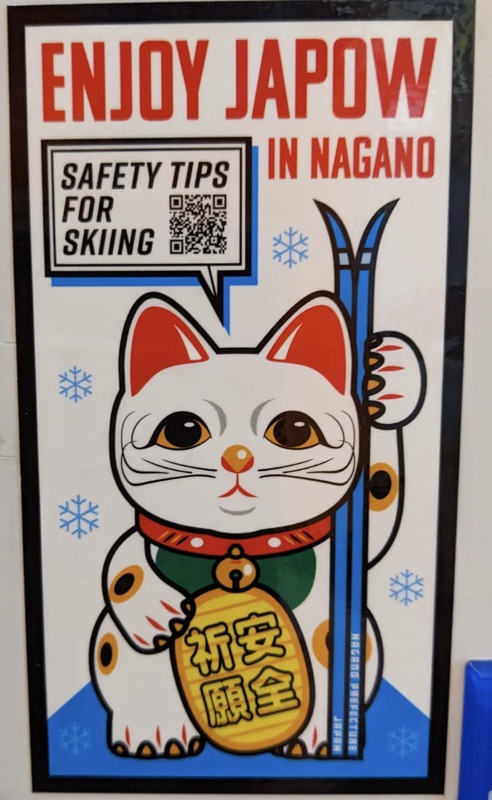
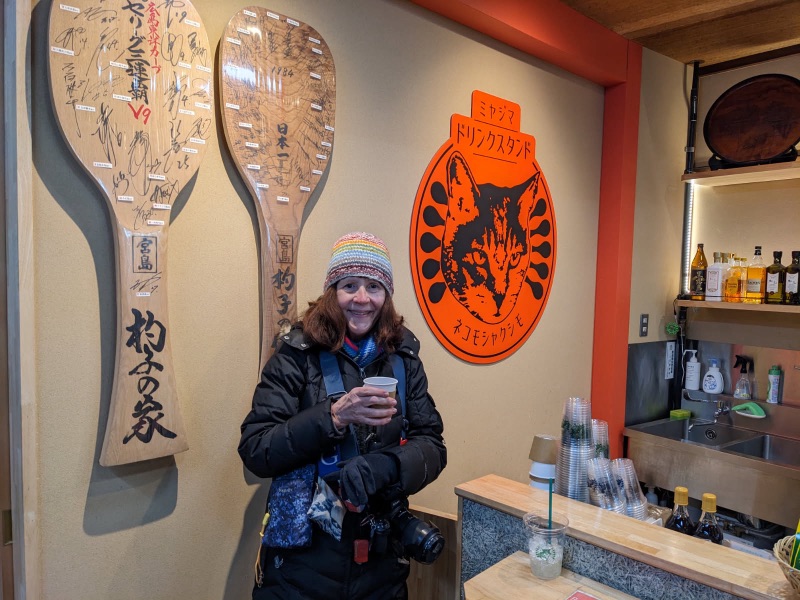
Last; but not least & perhaps my most important reason- the Japanese LOVE cats! 😻🐈
Hiroshima & the Itsukushima Shrine

Hiroshima

When you hear “Hiroshima”, you often think about the first Atomic Bomb used in war. One reason why I wanted to come here is to learn more about that event.

Before coming , I read To Hell And Back- The Last Train from Hiroshima by Charles Pellegrino.

This marvelous book written in easy narrative form tells the stories about some people who suffered & survived not only the extreme flash, heat, fire tornadoes, invisible radiation, & radiation falling in “Black Rain” in the 1st atomic blast in Hiroshima; but also, the 2nd & much more powerful atomic blast at Nagasaki.

The book also covers the physics & science in making atomic weapons as well as US & Japanese military & government actions & decisions leading up to the bombings & their aftermath. It provides very detailed accounts of both US air missions which dropped the bombs which were not sure of things & were very risky undertakings.

This book enabled me able to experience fully this monumental & consequential event & place during my visit.

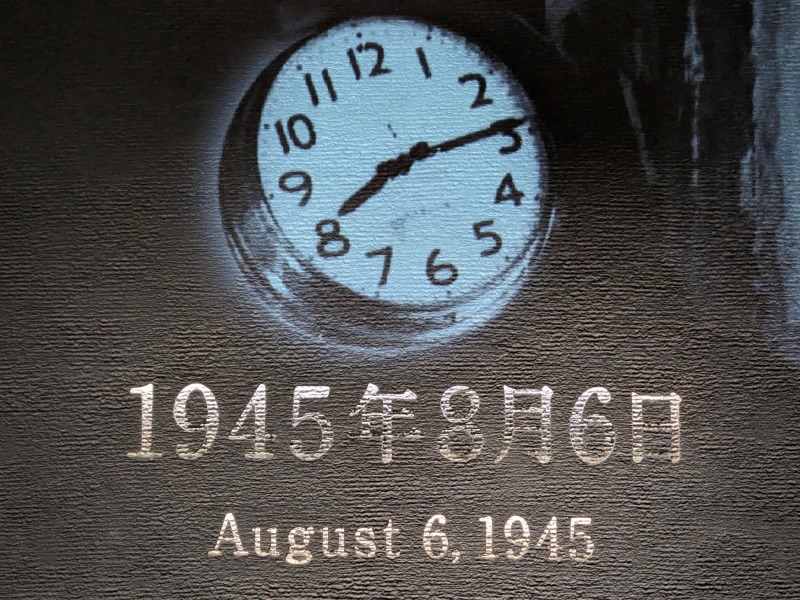
The city turned the area where the most severe damage occurred under the “Hypocenter” into a Peace Park. The “Little Boy” atomic bomb was dropped from the “Enola Gay” B-29 Superfortress & detonated 600 meters above Hiroshima at 8:15 AM on 6 August 1945. Right under where it exploded is known as the Hypocenter.


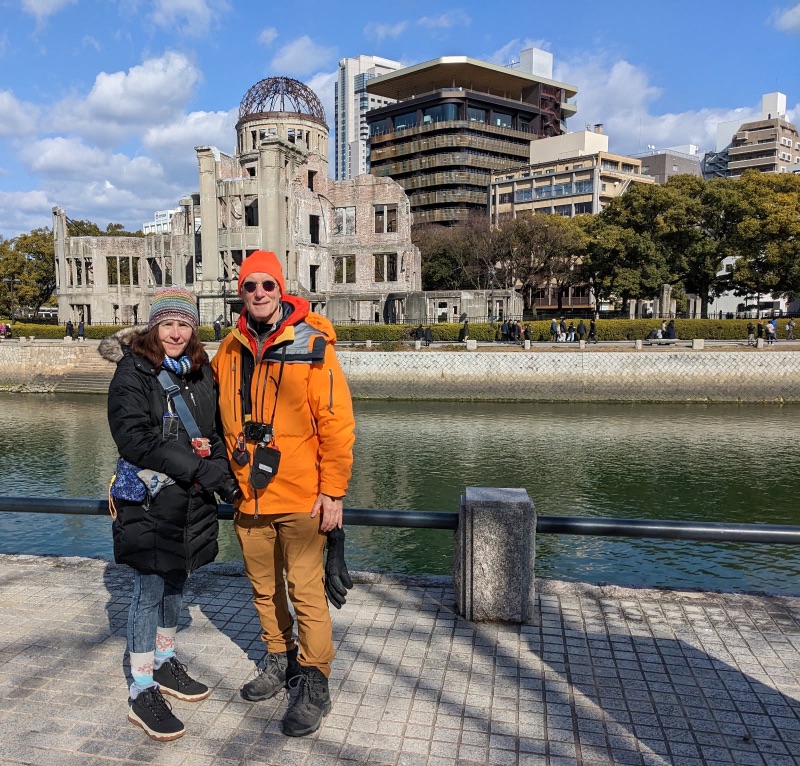
The Hiroshima Prefectural Industrial Promotional Hall (Hiroshima-ken Sangyo Shoreikan) building was mostly destroyed; but, a section remained standing making it the building closest to the atomic bomb’s hypocenter that remained at least partially standing.
It has been preserved as a stark reminder to the atomic bomb’s awful power.

This remnant is now called the “A-Bomb Dome”.


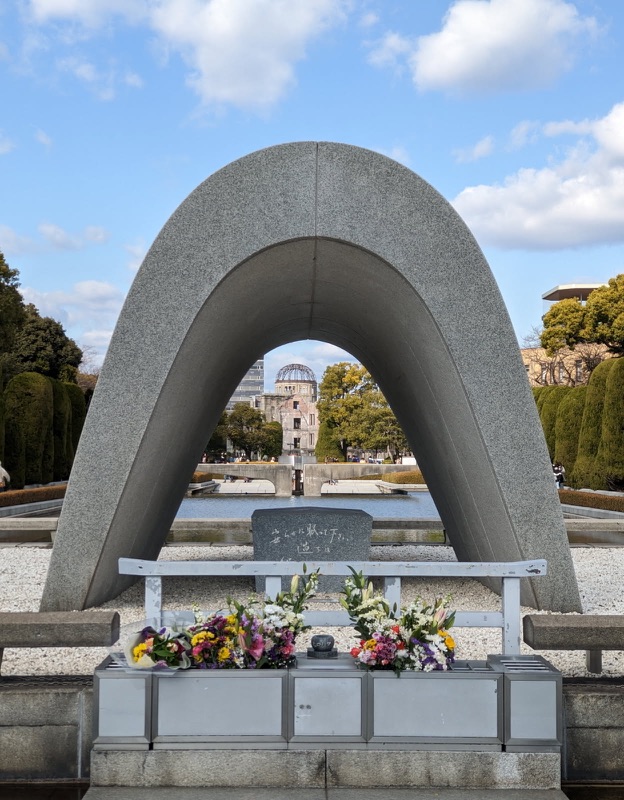
Between the Museum and the A-Bomb Dome is the Cenotaph for the A-Bomb Victims. The Cenotaph is an arched tomb for those who died due to the bomb, either from
the initial blast or radiation exposure. Below the arch is a stone chest storing holding a register with the names of people who perished due to the atomic bomb.

There are 220,000 names on it.

The Hiroshima Peace Memorial Museum contains many images & artifacts discussed in the book.

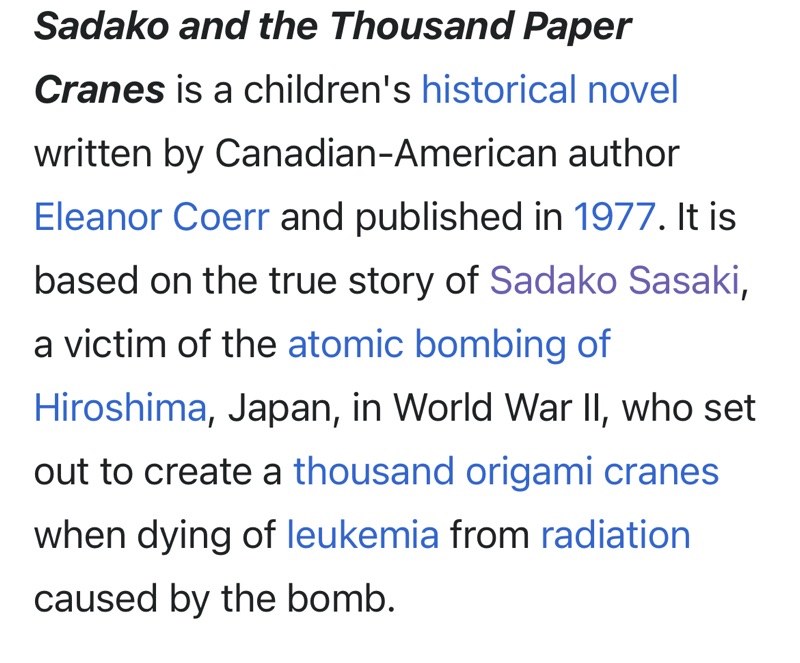
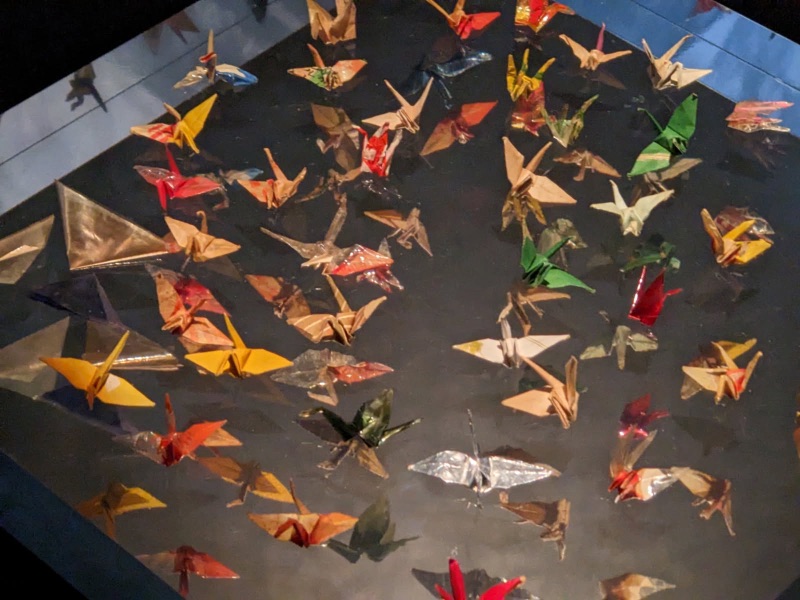
Some of the more than 1,000 cranes Sadako Sazaki folded

The museum has an exhibit about Sadako Sazaki.

Despite being exposed to nuclear radiation as a young girl, she seemed fine. However, like many A-bomb survivors, years later as a teenager, she developed Leukemia.

Her father told Sadako about a Japanese legend that the crane lives for a 1,000 years & it is said that if you fold a 1,000 cranes & put your heart into each one, then they will help you with your wish for wellness.

While in the hospital, Sadako folded more than 1,000 cranes. The museum has some displayed which are about the size of an American quarter. She even folded some cranes from paper that were the size of a single grain of rice.

Unfortunately, Sadako’s wish to get well did not come true; but, her doctors said she lived far longer than expected.

The Hiroshima Peace Park & its museum are both worth visiting. They served as reminders not only to war’s brutality & a testimony not to use nuclear weapons; but also, to the human spirit’s resilience to overcome adversity & ability to show kindness & compassion.

Itsukushima Shrine

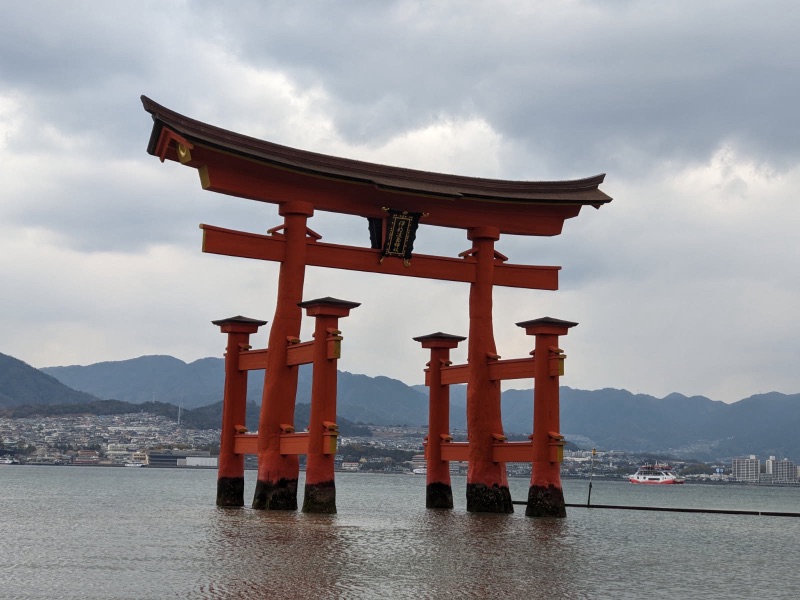
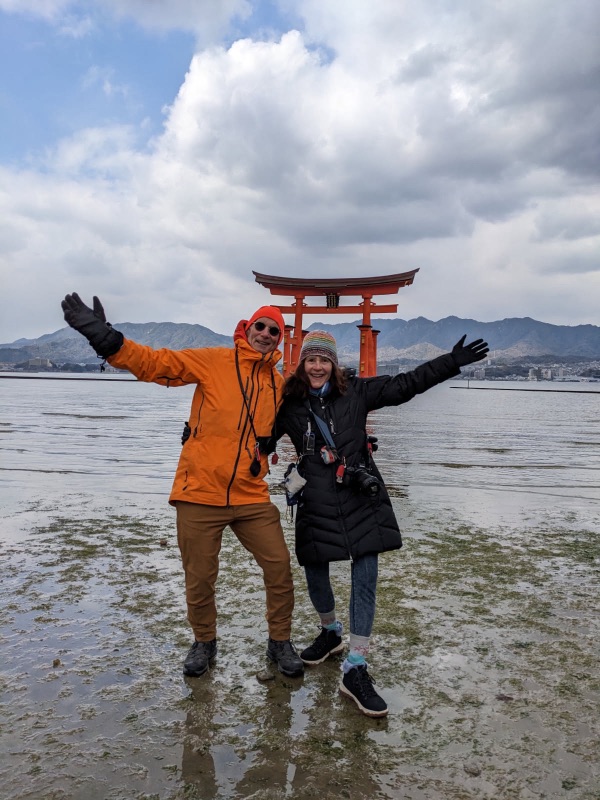
Among Japan’s most iconic structures & images is the Itsukushima Shrine with its remarkable Torii Gate.

This shrine & its torii gate originally built in 593 are not only a Japanese national treasure; but also, a UNESCO World Heritage site.

Itsukushima Shrine is a Shinto shrine located on Miyajima which is an island in Hiroshima Prefecture

The Shrine which is dedicated to the three daughters of the Shinto deity of Seas & Storms is built on piers over the Seto Sea because the island was originally thought to have been too sacred for commoners to tread.

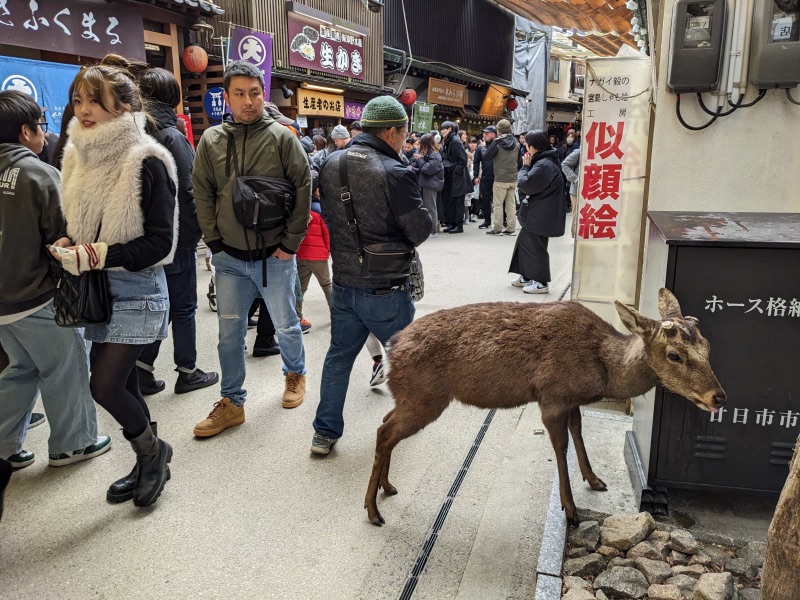
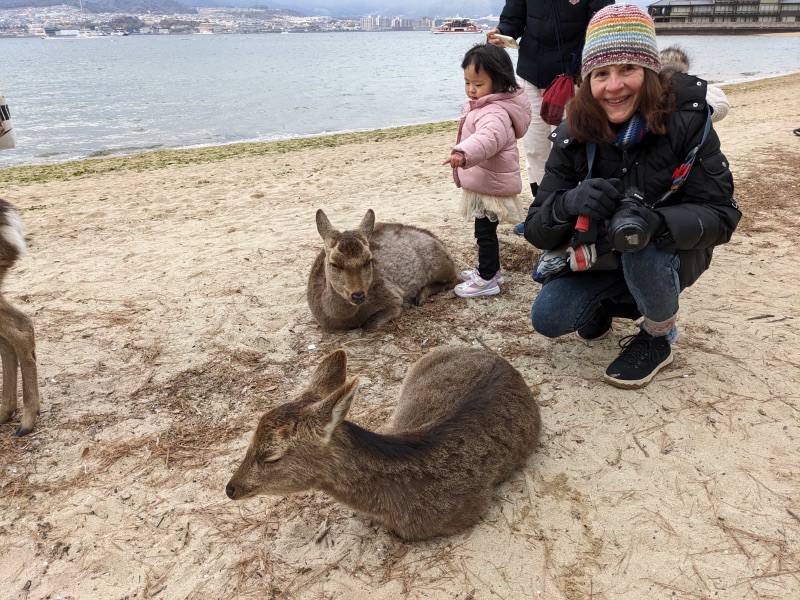
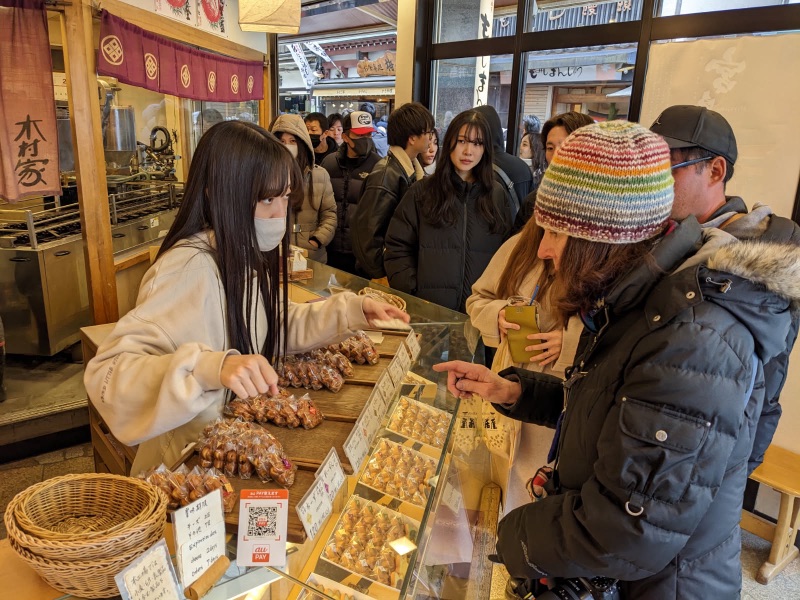
Miyajima Island also contains many shops along with wild deer who roam freely looking for food from tourists. The main food attraction was the popular Hiroshima oysters.

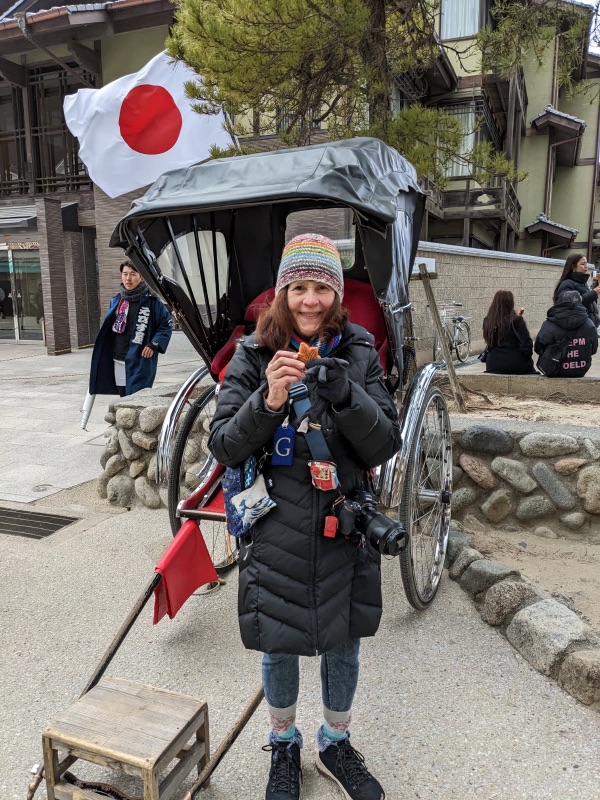
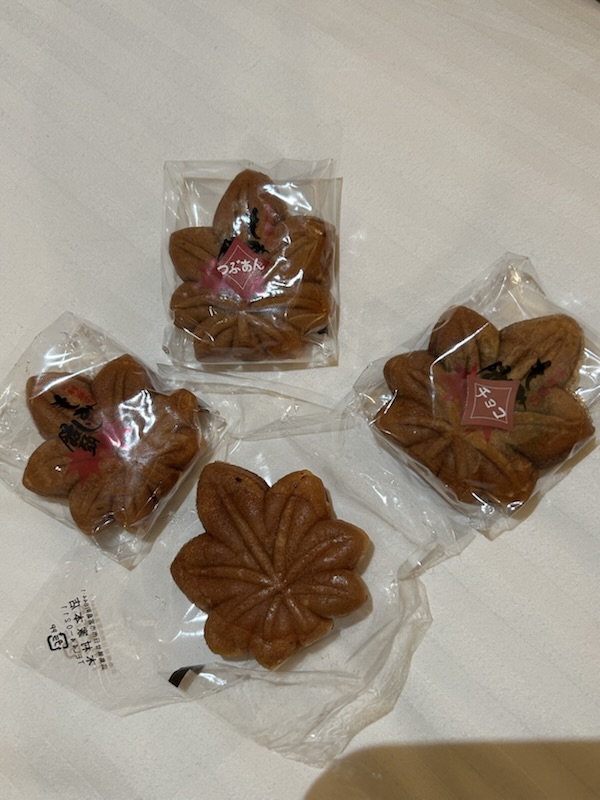
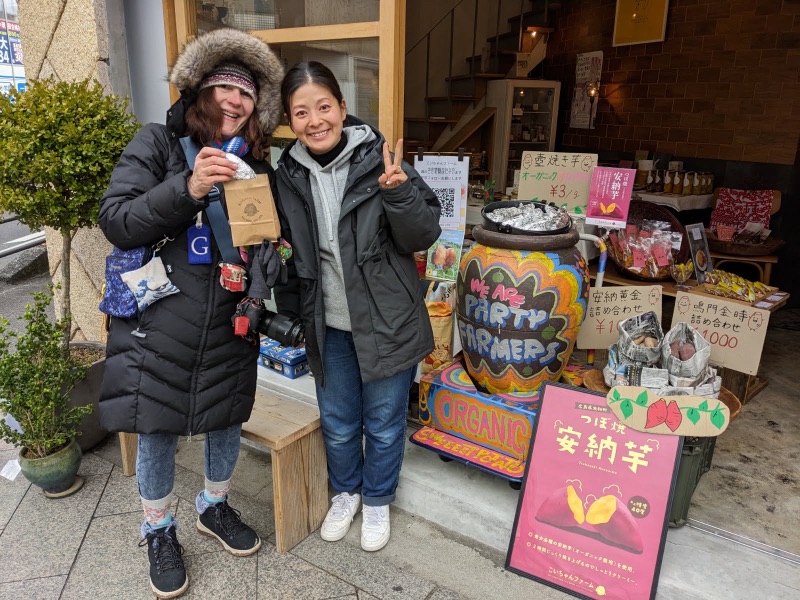
Had fun trying the local sweet potato
Sayonara Japan!
We have had a lovely visit.
Thank you for your hospitality & kindness.