
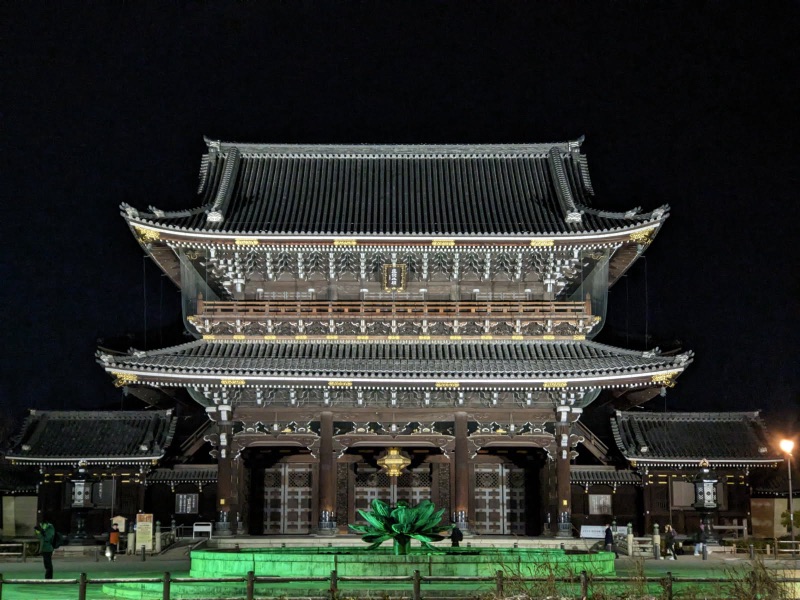
Kyoto was Japan’s capital for almost 1,000 years and as such, it is totally engrossed in Japanese culture, religion, & beauty.
I recently read that Zen Buddhism did not start in Japan; but, most likely, the Japanese would have created it on their own.
If you lived in Kyoto for a full year & visited 5 temples & shrines every day, you couldn’t see them all.
This was my 3rd visit to Kyoto. The first was in Summer 2004 followed by another in Spring 2005.
Some things have changed in 20 years; but, Kyoto allows a visitor to remember things exactly as they were before with the only difference being the people you see.
However, I did note a couple differences. Kyoto now has numerous Starbucks. One is even located on the Ninenzaka which is the historical road leading to the Kiyomizu-dera Temple in Gion. The other change is that ATMs are ubiquitous which is now true throughout Japan.
On this visit, we chose to return to a few favorite places; but also, to embrace some new ones.
First Time Visits
Fushimi Inari-taisha Shrine
(The 10,000 Torii Gate Shrine)
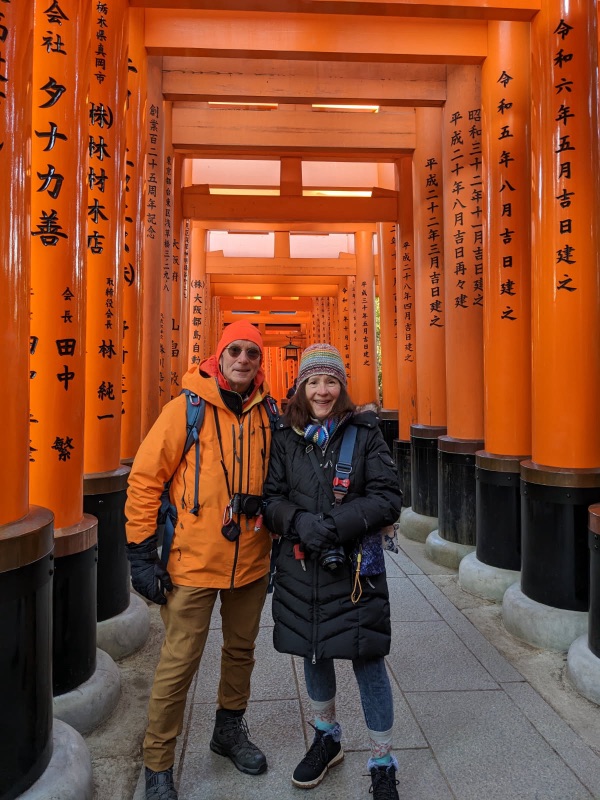
It’s hard not to love this unique shrine. The numerous visitors, both foreign & domestic, attests to this statement.
We got up early to be there by 8:00 AM; but, many other people had the same idea, so there were many people already there by that time.
Fushimi Inari Shrine is famous for its countless torii gates which are offerings by worshippers that cover the hiking trails on wooded Mount Inari.
Torii gates line a winding path for over 2.5 miles up & down Mount Inari.
Kamiji Kakimoto
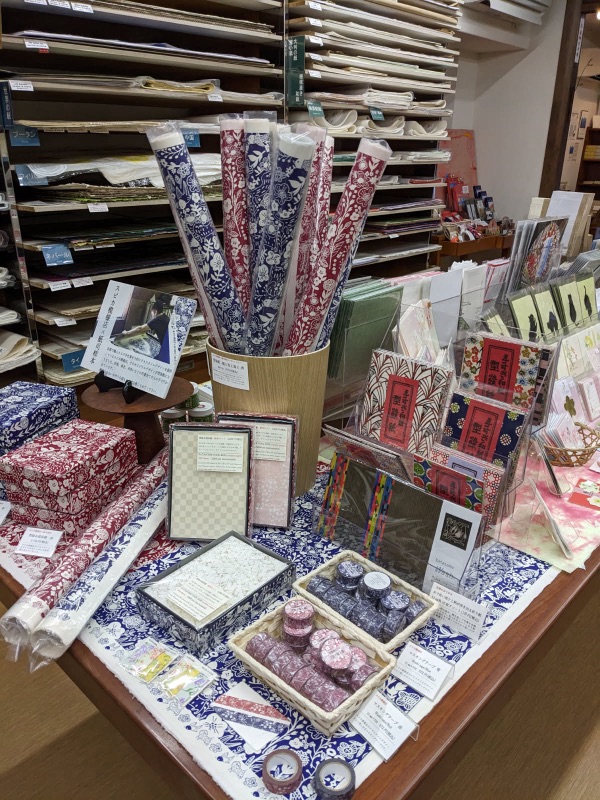
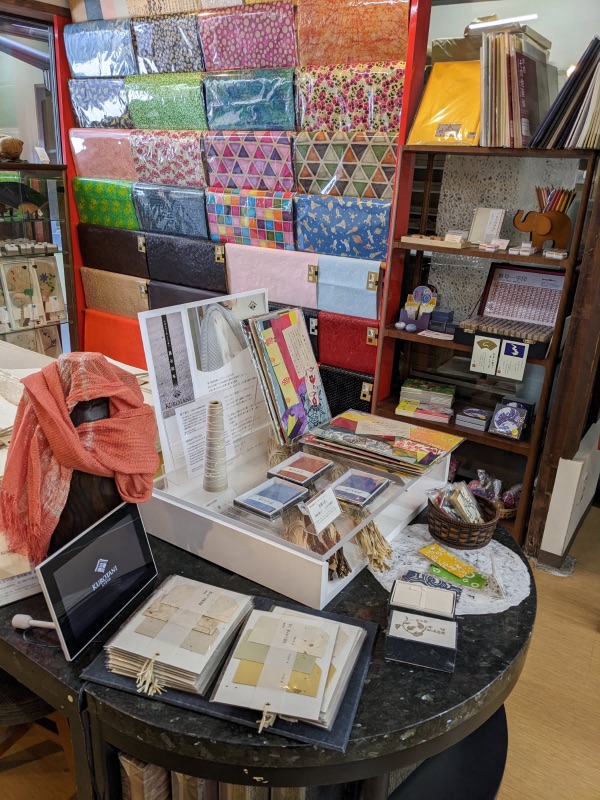
Japan is well known for their high quality paper & stationery stores. This store called Kamiji Kakimoto dates back to 1716!
I absolutely loved this small store & its very kind shopkeepers. My luggage contains proof that I liked what I found there.
Samurai & Ninja Museum
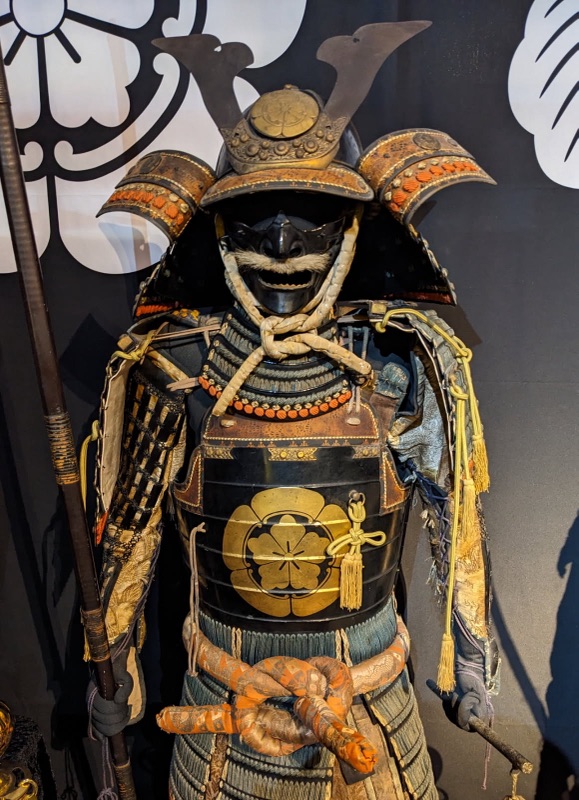
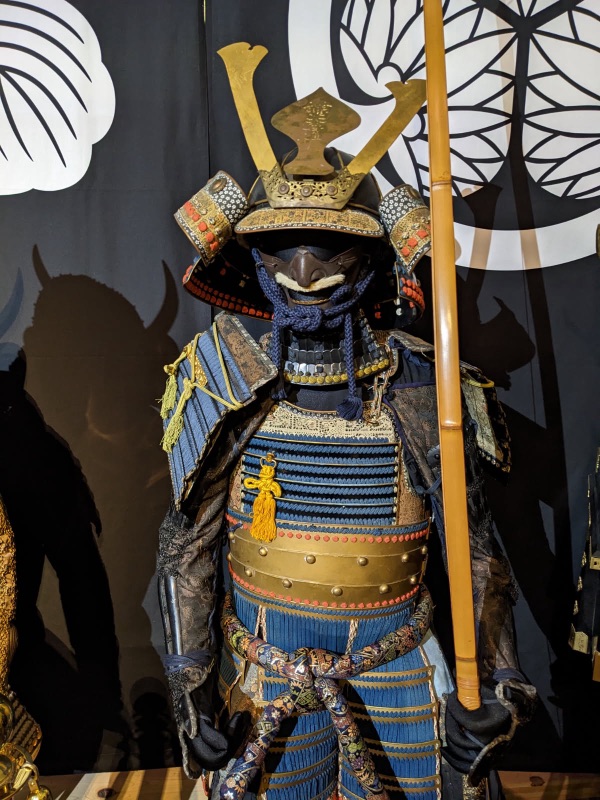
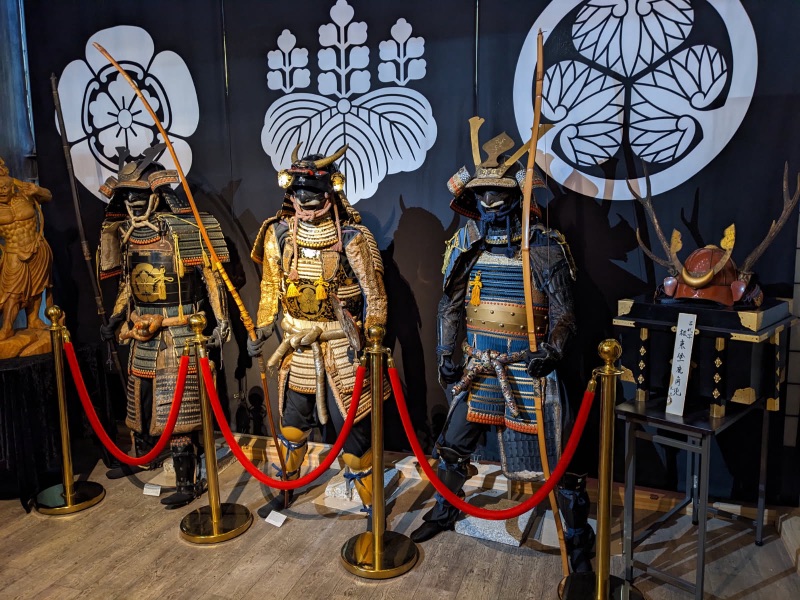

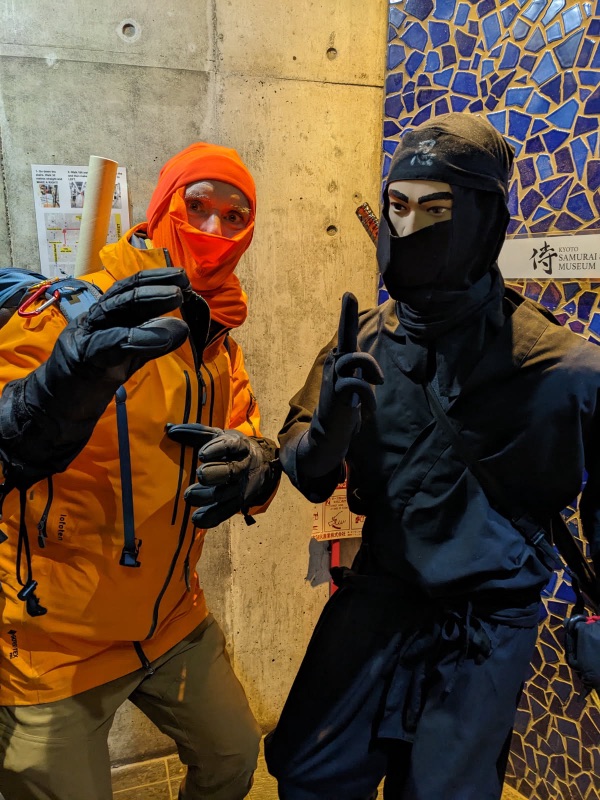
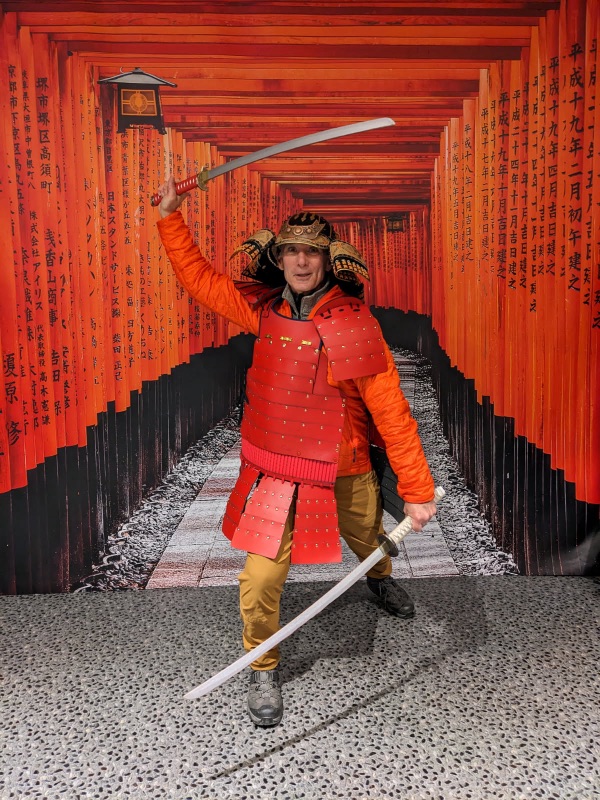
A very informative small museum. Fun for both little & big boys. 🤣😂
Ichihime-ninja Shrine
(Women’s Shrine)
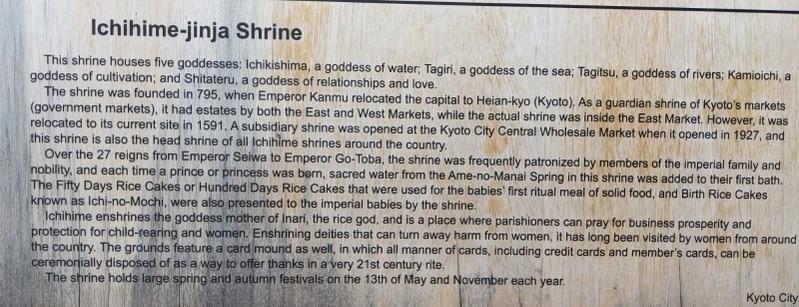
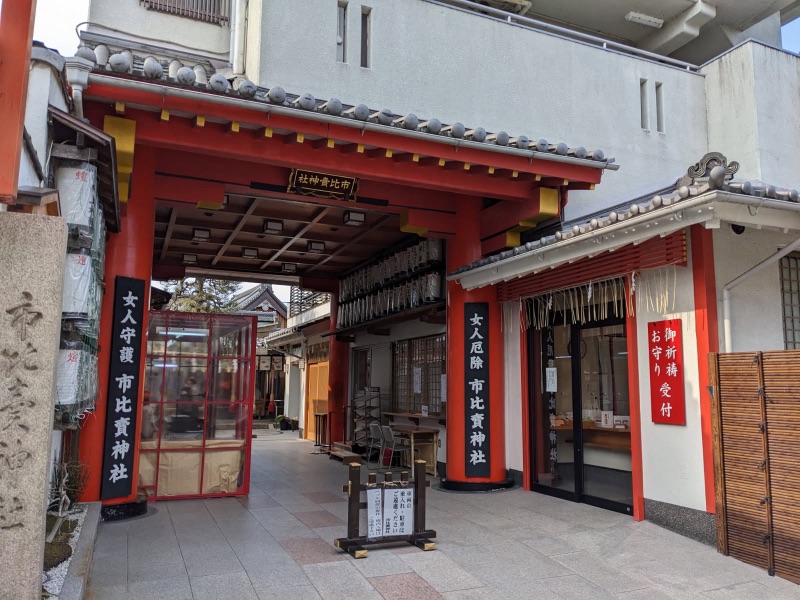
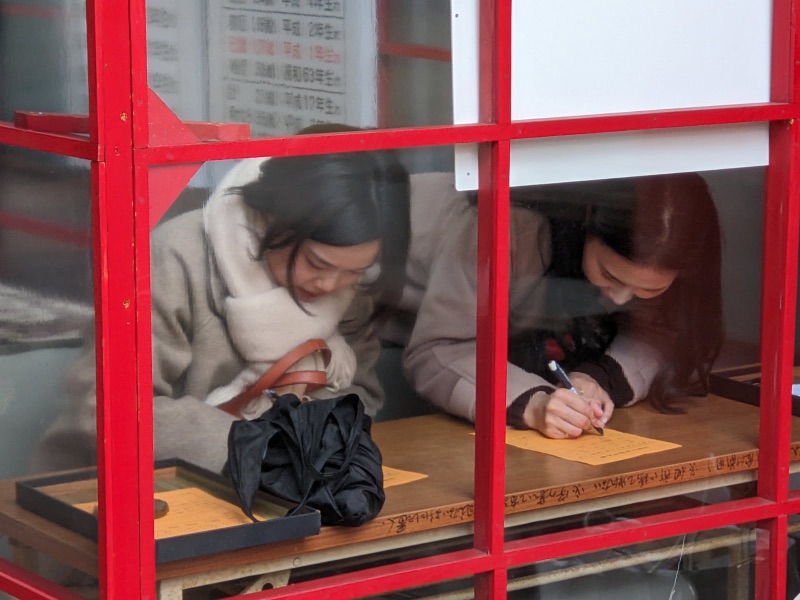
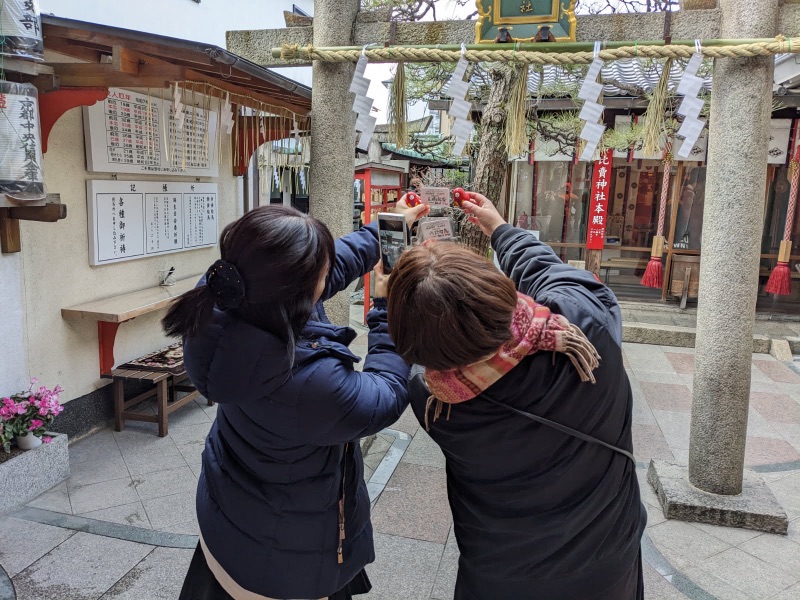
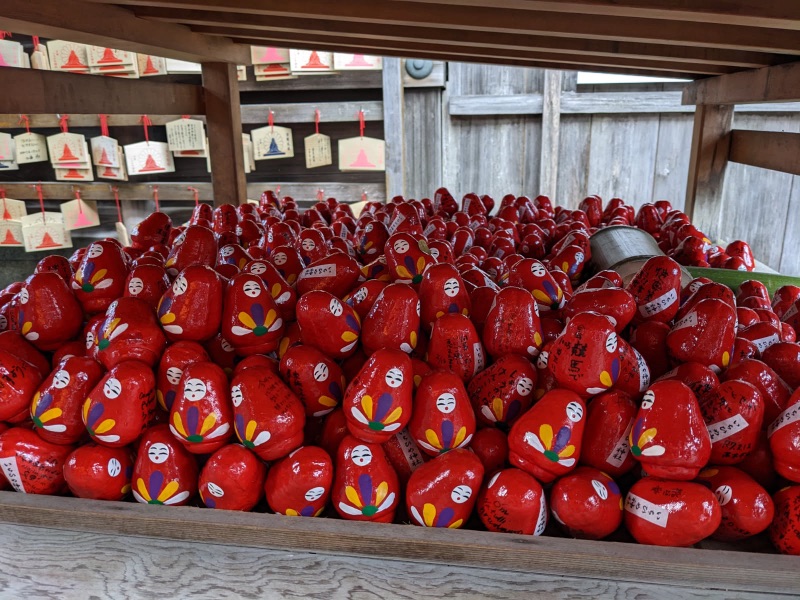
This small shrine is popular among women. Many women come here praying for protection, blessings for having healthy babies, & for good luck in raising children.
Honke Owariya

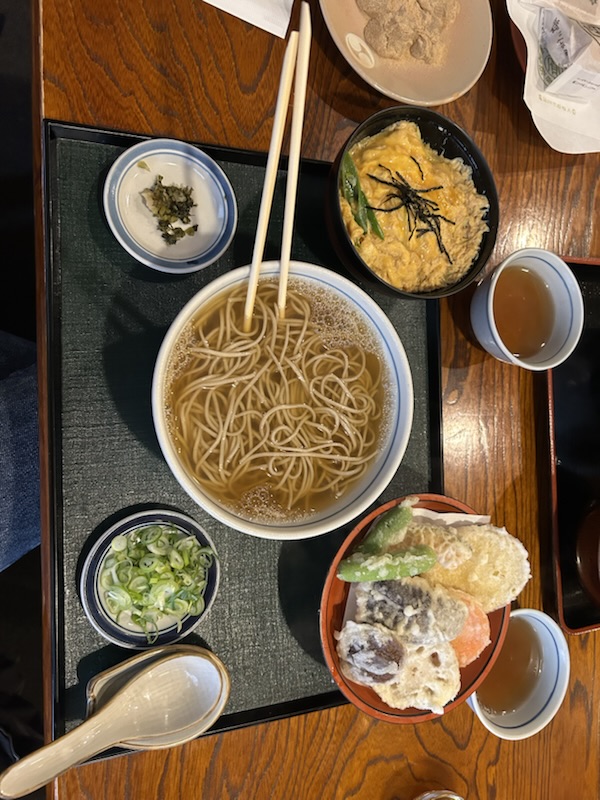
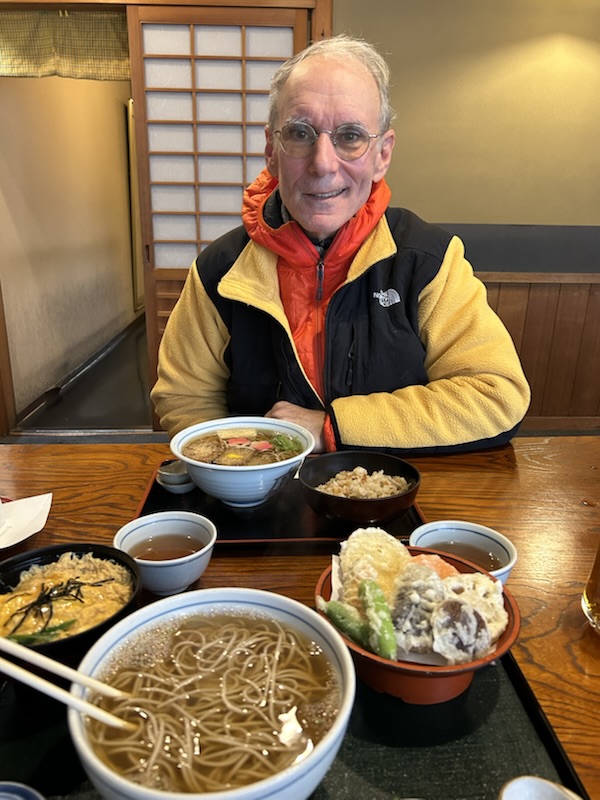
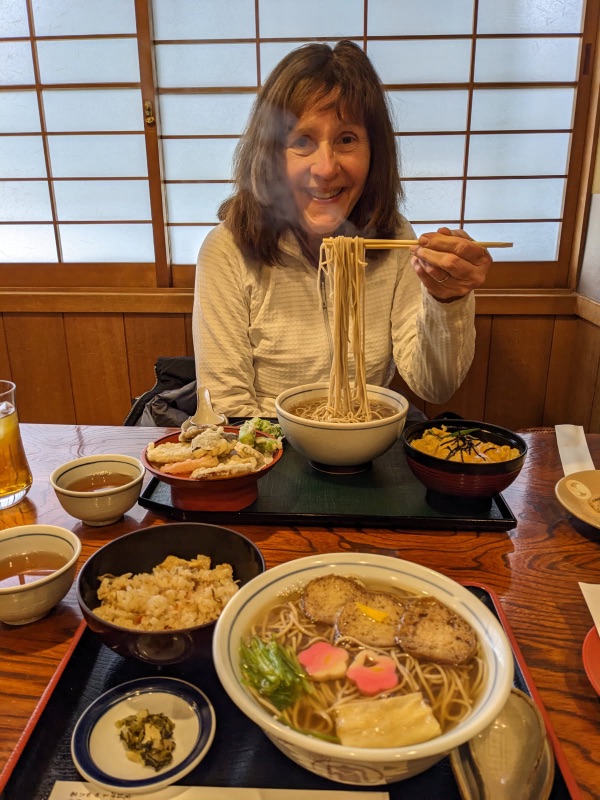
The Honke Owariya restaurant is popular with both locals & tourists. It is a small place only open 4 hours daily, so there is always a line to get in; but, it is definitely worth the wait.
Honke Owariya started in 1465 as a confectionary store making & selling soba (buckwheat) rice cakes. It has remained a family- owned business for 14 generations.
By the mid-Edo period (around 1700), Honke Owariya had become both a confectionery shop & was among the city’s main soba noodle suppliers. It also secured the great honor to provide soba to the Imperial household which secured its culinary reputation,
Yes, some soba noodles from their shop are accompanying me home. 🥰
Always Worth Another Visit
Rokuon-ji Temple
Temple of the Golden Pavilion
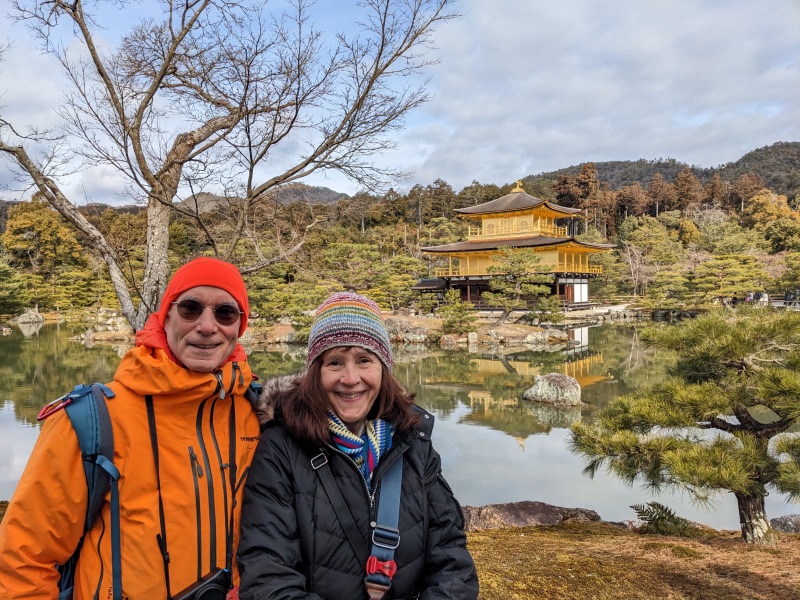
About a century after Marco Polo’s travels to the Far East during the Muromachi period, shōgun Ashikaga Yoshimitsu purchased & renovated Kitayama-den which was a vast villa located in Kyoto’s northern sector.
He used the villa for official meetings with Chinese traders & also constructed a quiet garden with a gilded reliquary hall, or shariden, which was completed in 1398.
After Yoshimitsu’s death, in accordance with his will, the villa was converted into a Zen Buddhist temple complex.
Ryōan-ji
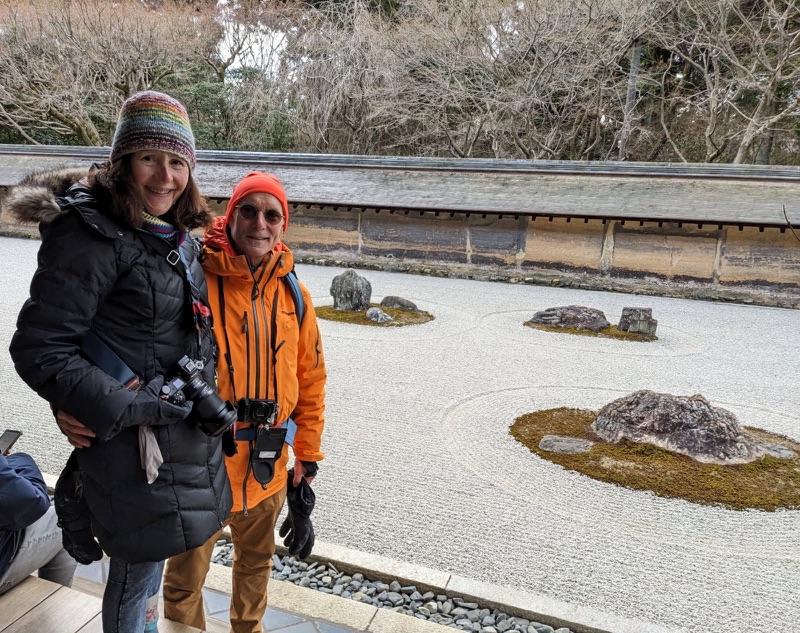
The meditative rock garden tradition is prevalent in Japanese culture; but, very few have survived as long & in such perfect condition as the Zen garden at Ryoan-ji.
Constructed around 1500 either by professional gardeners or monks, the meditative scene contains 15 small boulders resting in white gravel bed which is raked into perfect lines each day by the current temple monks.
Nishiki Market
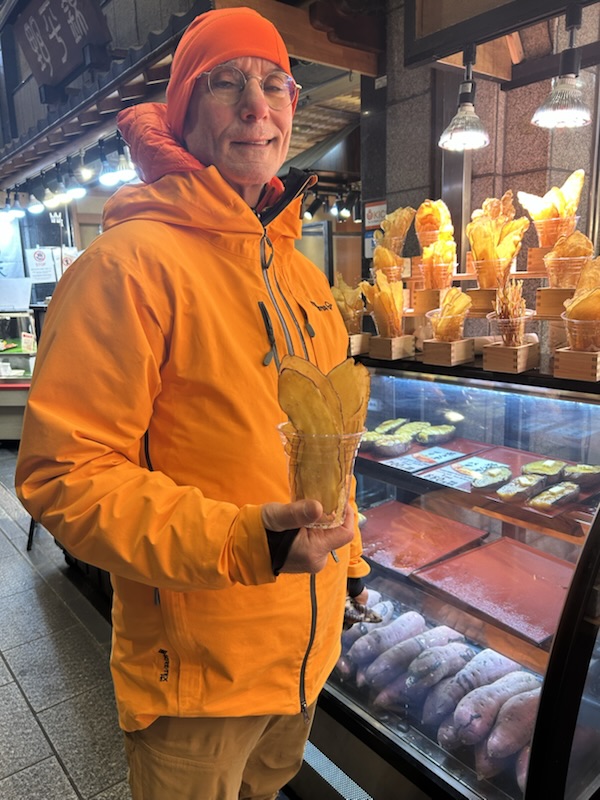
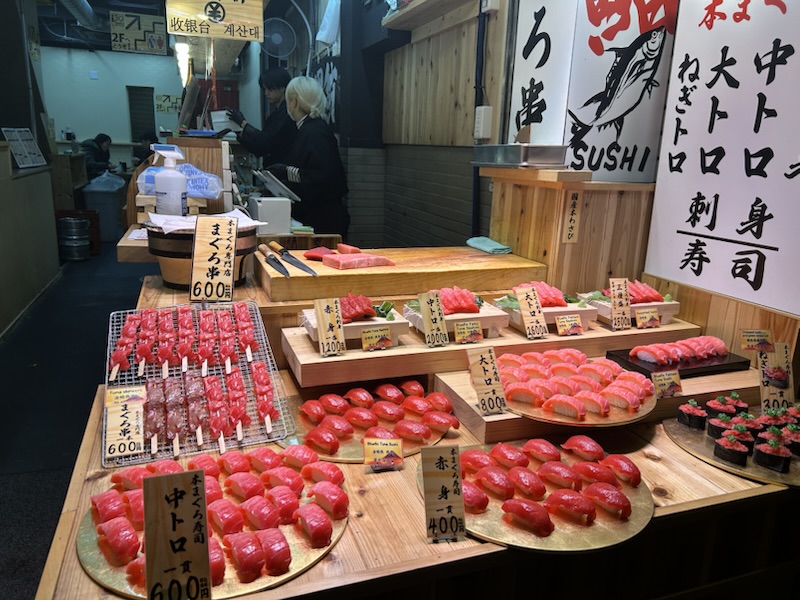
Nishiki Market well merits its nickname as “Kyoto’s Kitchen.”
It first opened in 1310 as a fish market & has expanded over the centuries to become the best spot for seafood, produce, & local street food in the city.
Gion District
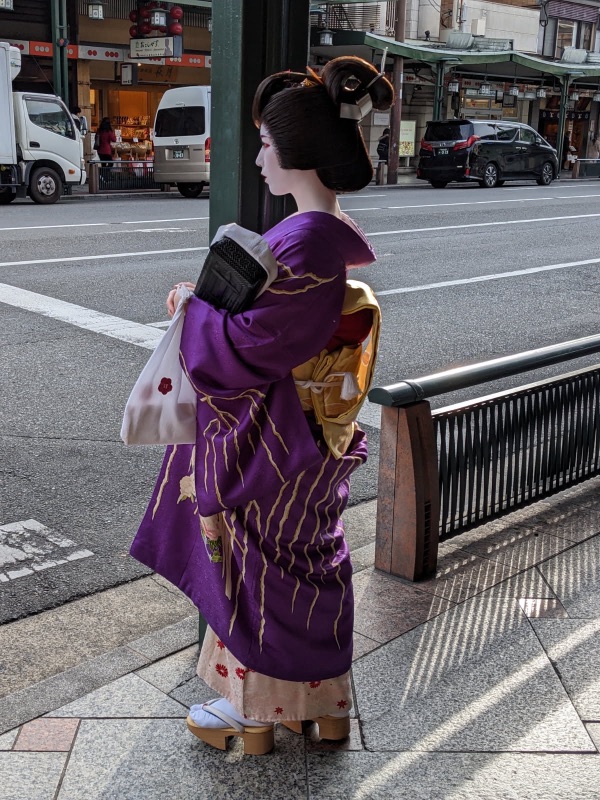
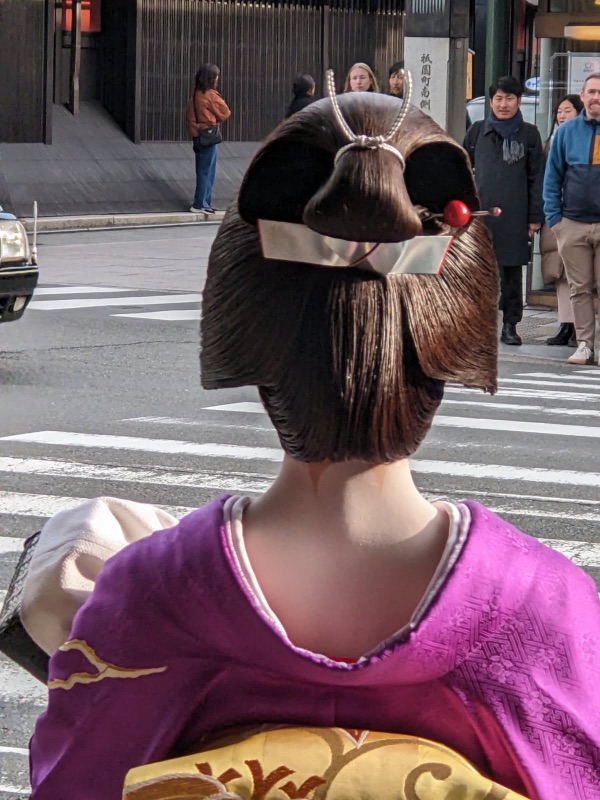
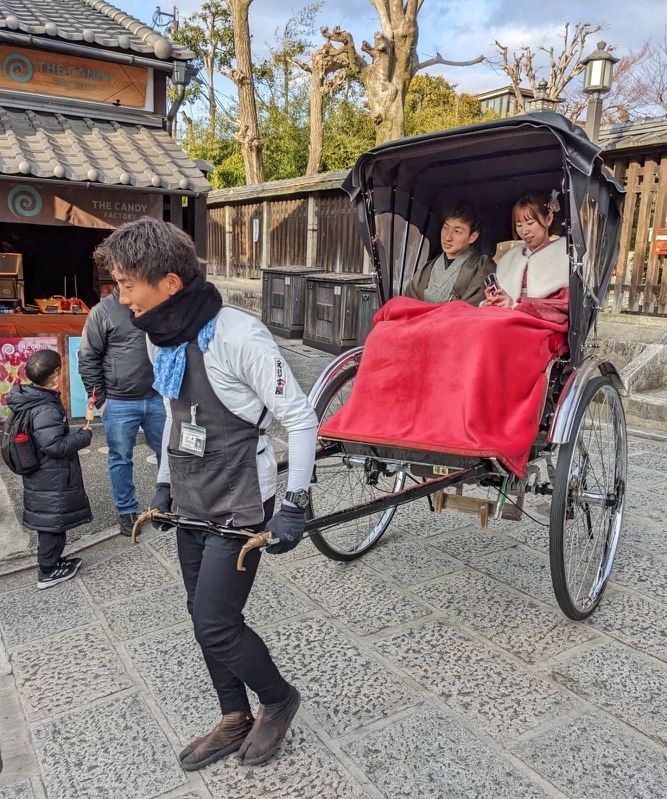
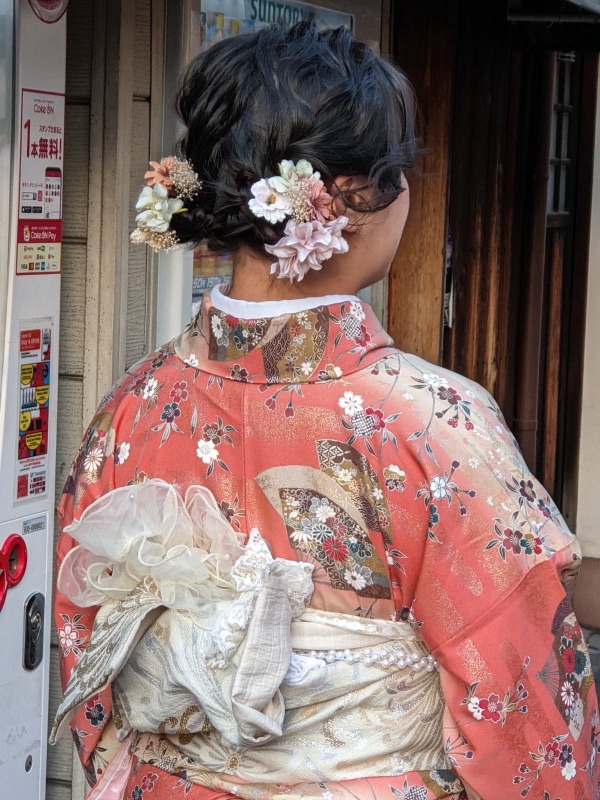
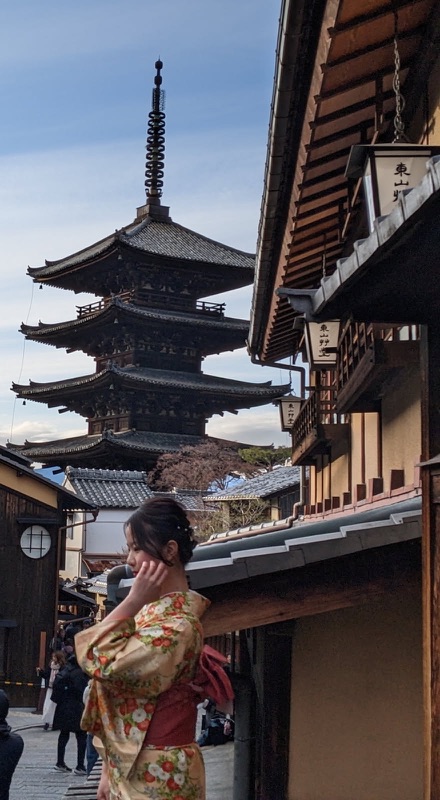
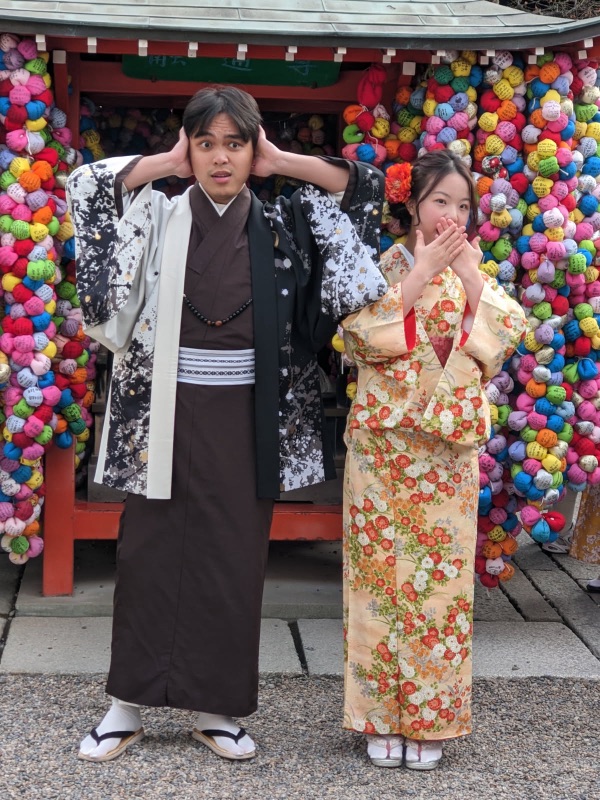
Gion is the best place to see a Geisha. You can also see many Japanese dressed in traditional clothes in this very quaint area. These sightings along with temples & old wooden buildings built in traditional Japanese style makes Gion very popular.

This visit was my third trip to Kyoto & I certainly hope it won’t be my last. There are many other temples, shrines, museums, & restaurants to visit. Also, I need to return in Autumn so I can say I experienced all four seasons in this wonderful city.







 The Wanderers