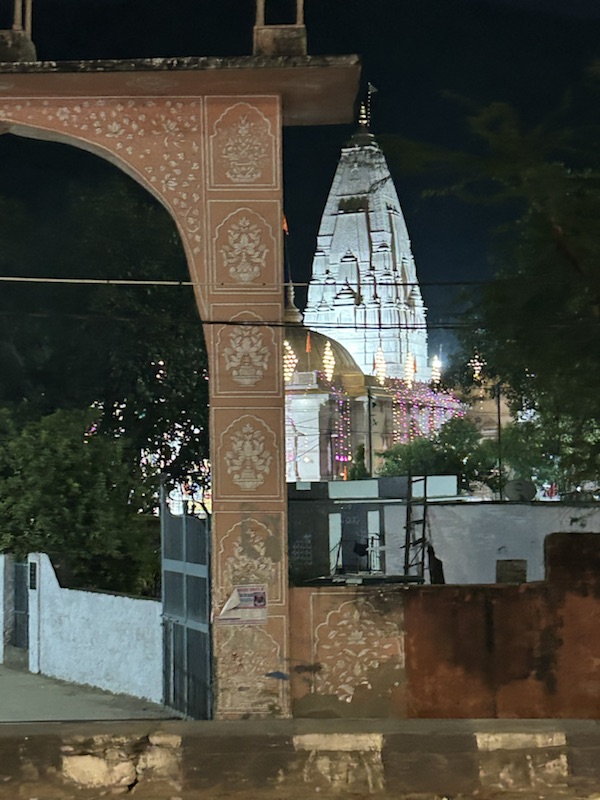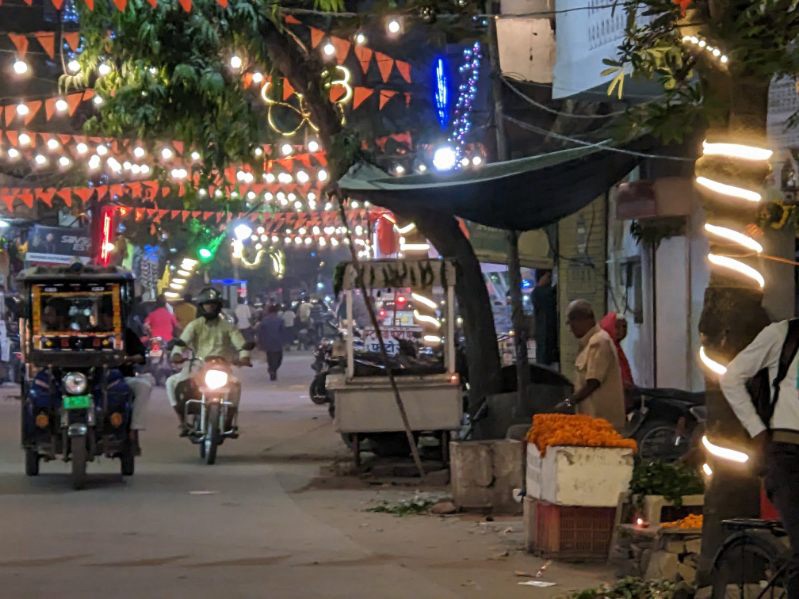
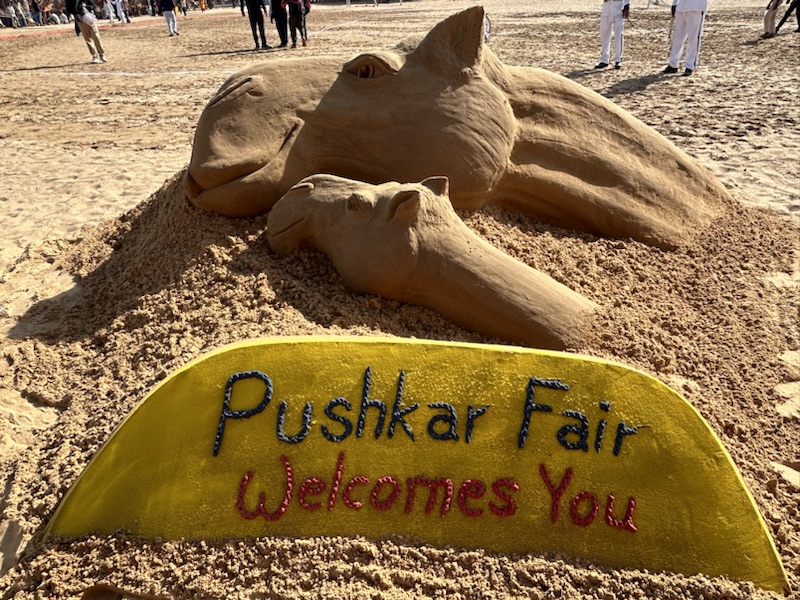
Pushkar Camel Fair

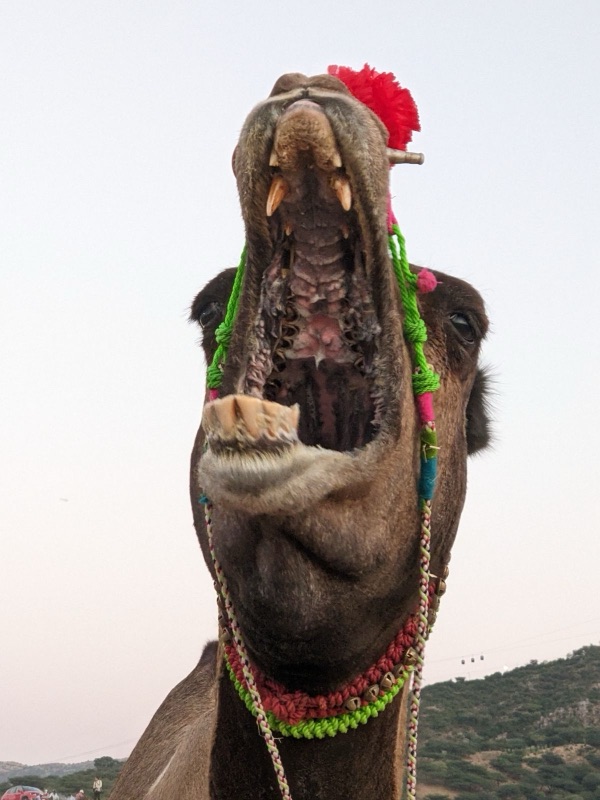
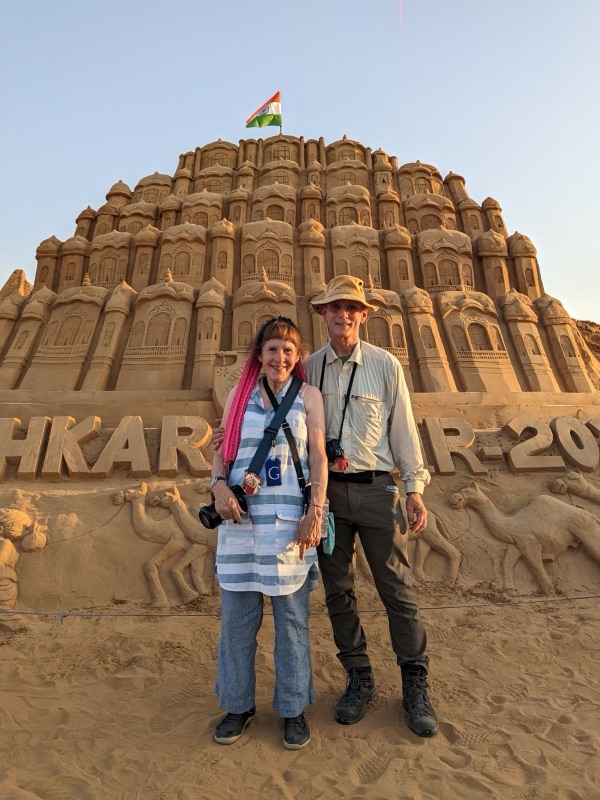
Every November near the full moon, Pushkar has celebrated Kartik Mela since the 19th Century. Originally it was a time to sell livestock, mainly camels. It is now best known as the Pushkar Camel Fair.

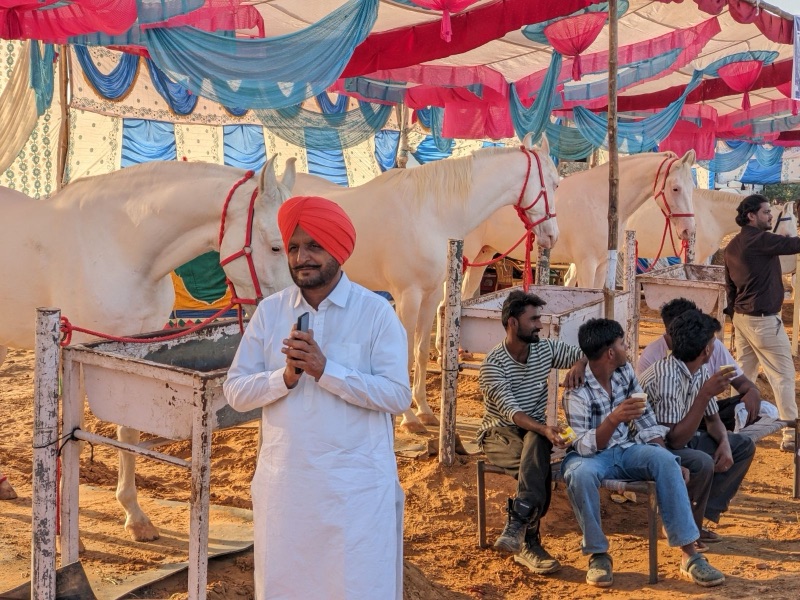
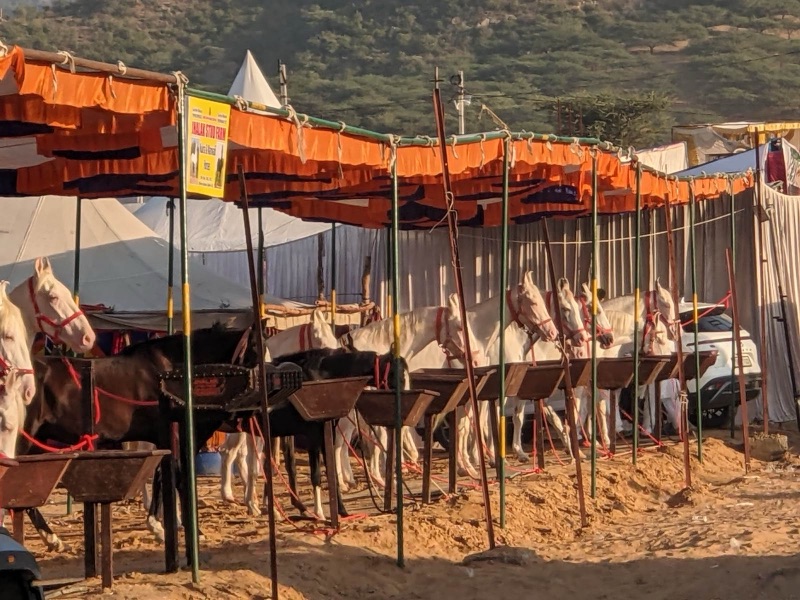
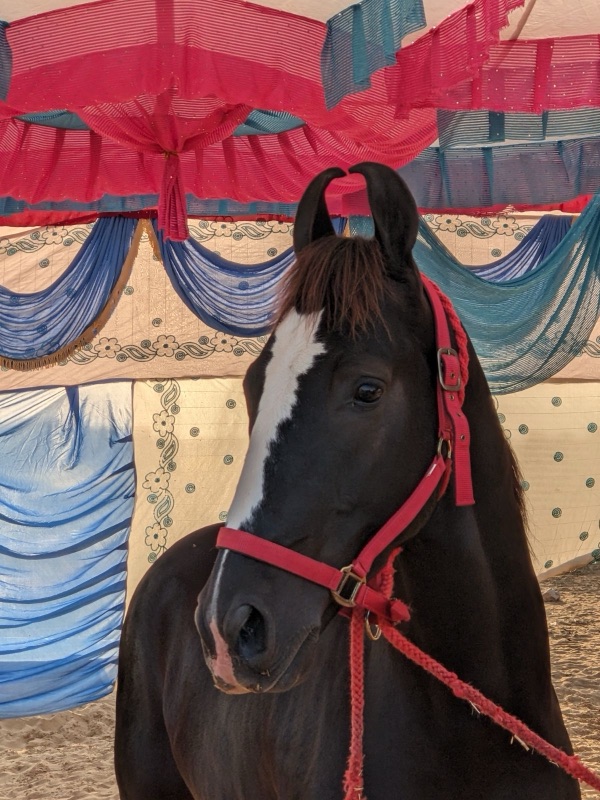
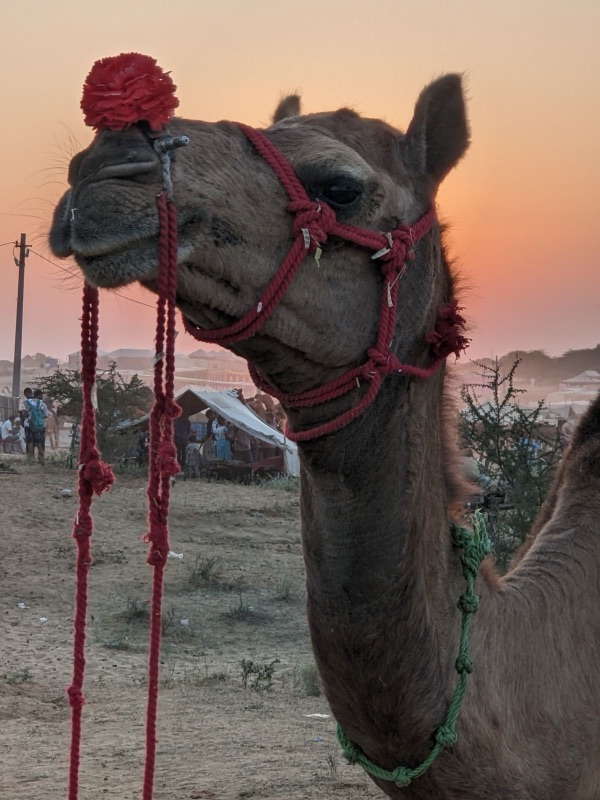
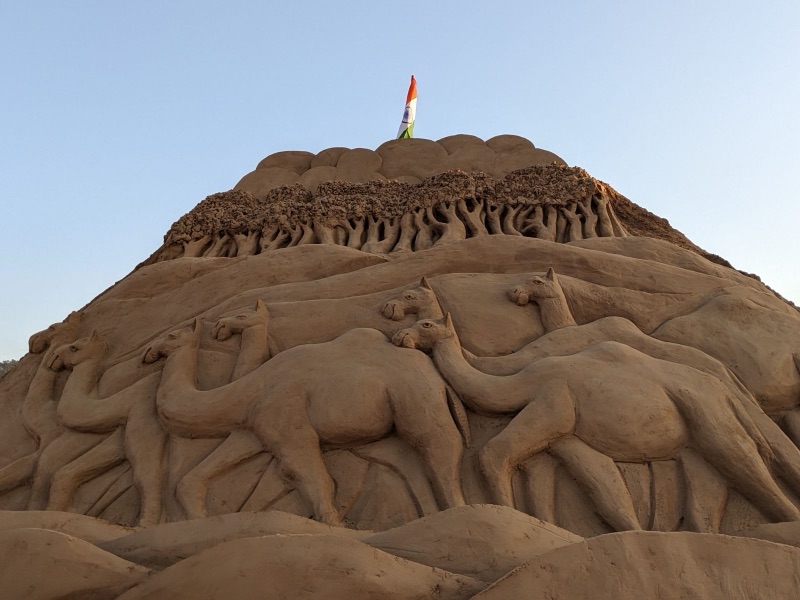
Today most camel & horse buying or trading is done before the fair begins. We were told that nearly 20,000 camels come every year to be sold. Some come by walking from as far away as over 200 kilometers. By the time we arrived, most had been bought leaving only a few thousand which is still a lot of camels.

This year the fair began on November 9th so we were able to enjoy two days at this marvelous cultural event.
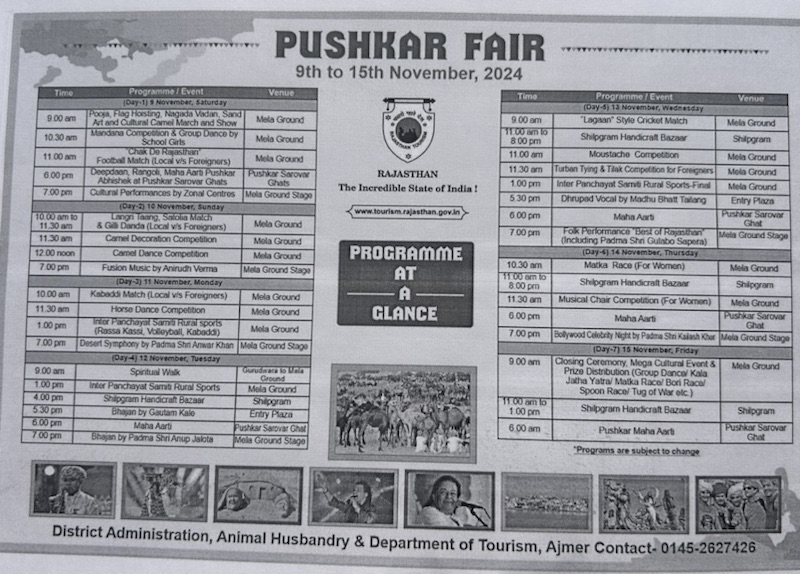
Day 1

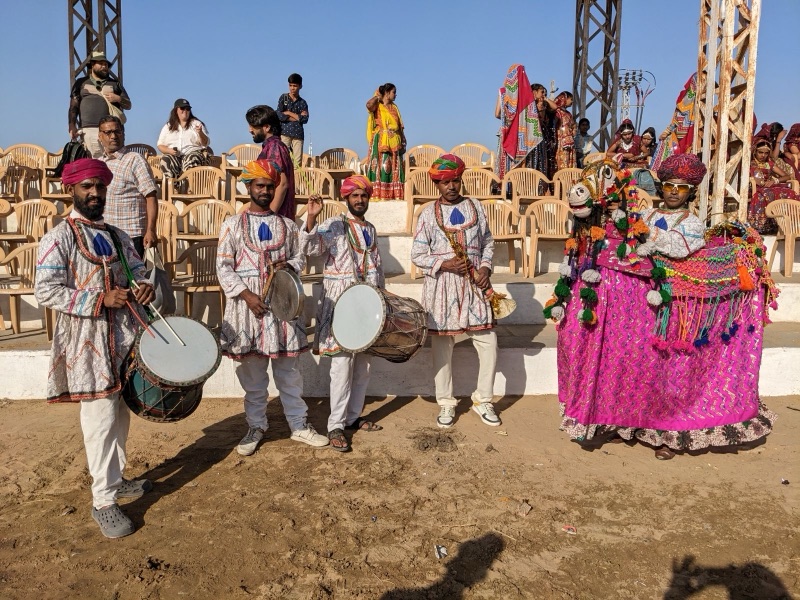
First, we listened to & watched a drum team. Drums are very important in both the Hindu religion & in Rajasthan’s culture. The drums were accompanied by small cymbals & men blowing conch shells.
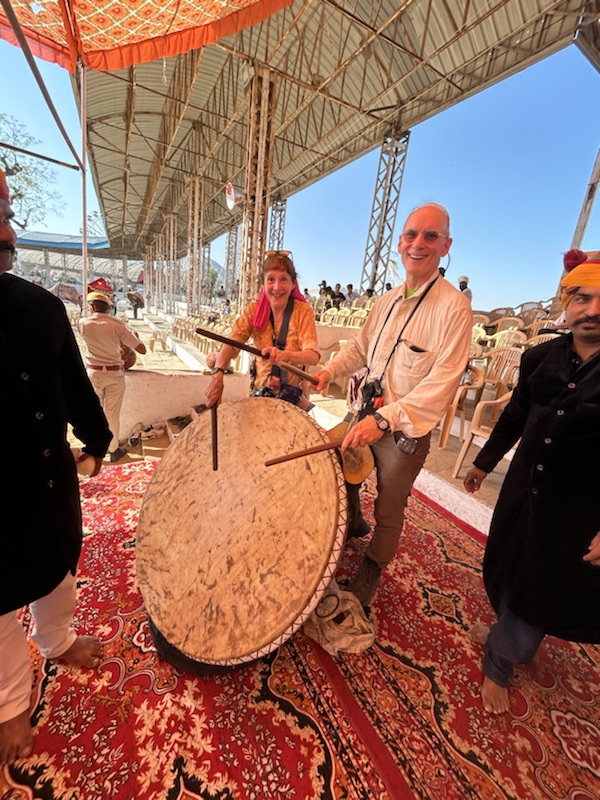
Our guide had us join the drum line for fun

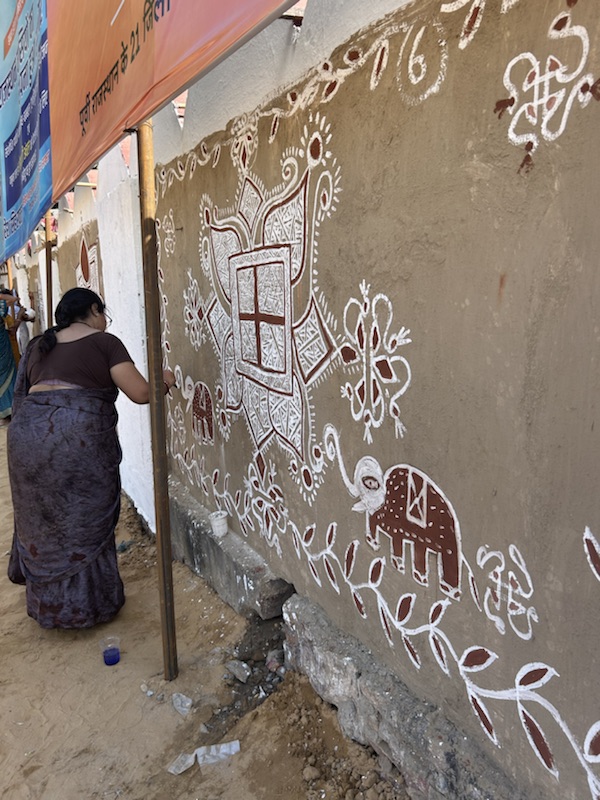
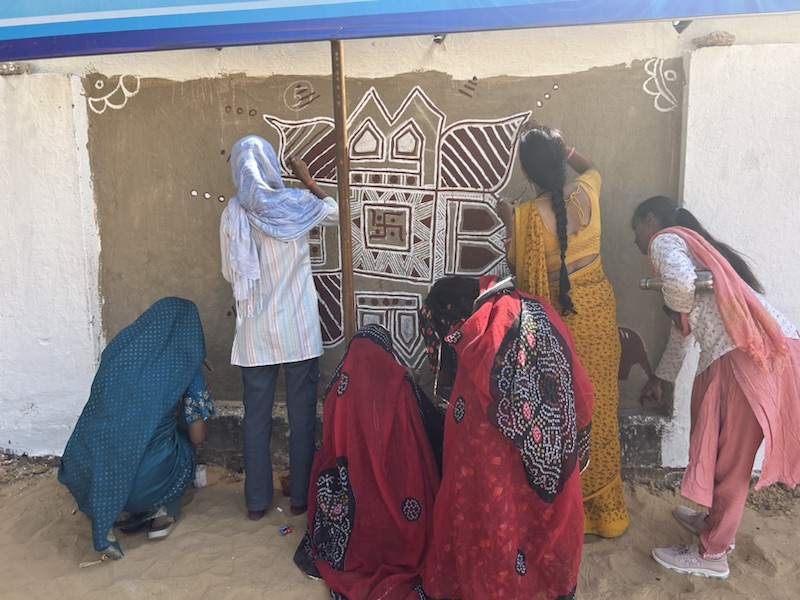
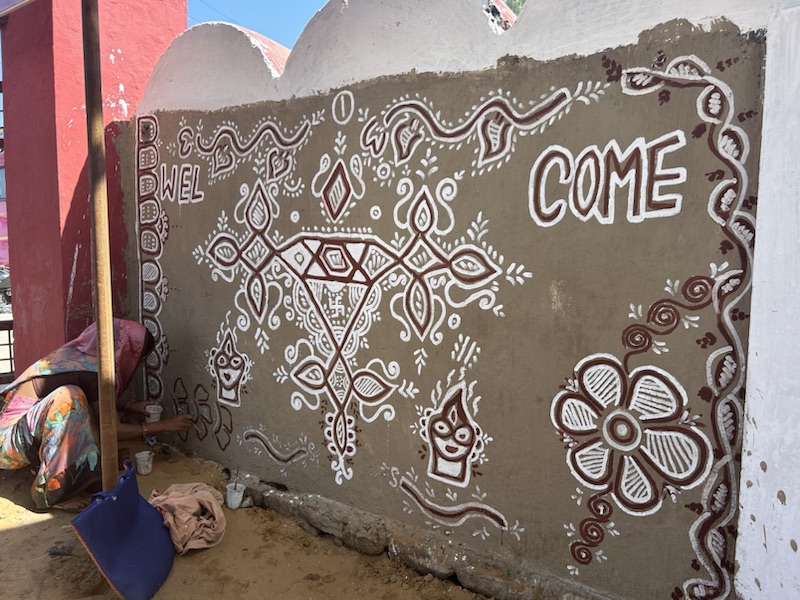
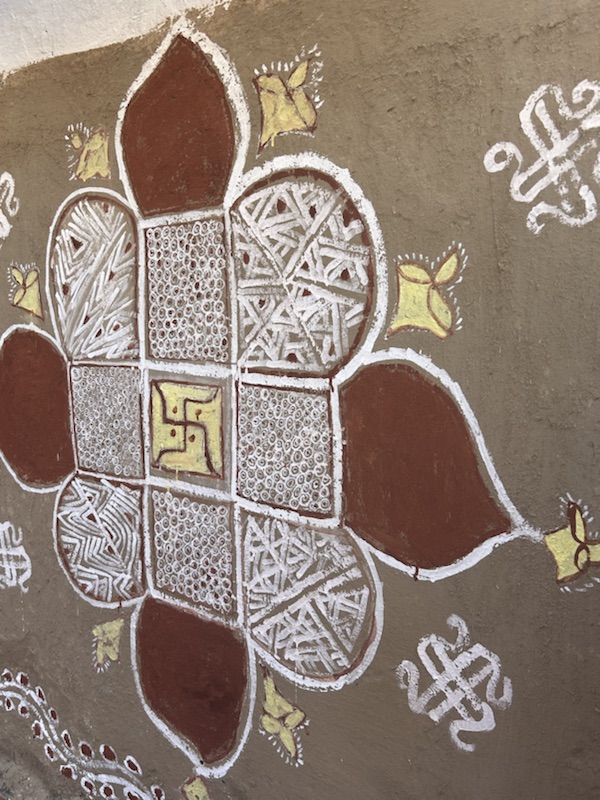
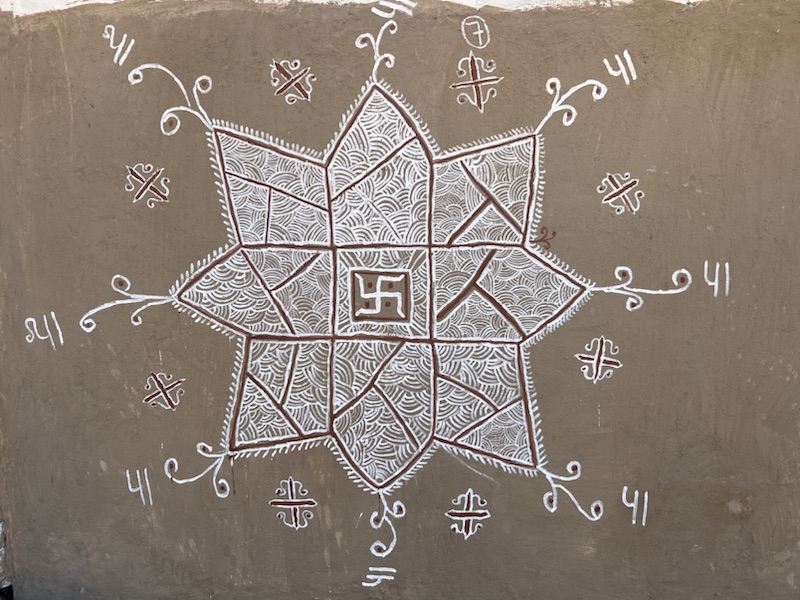
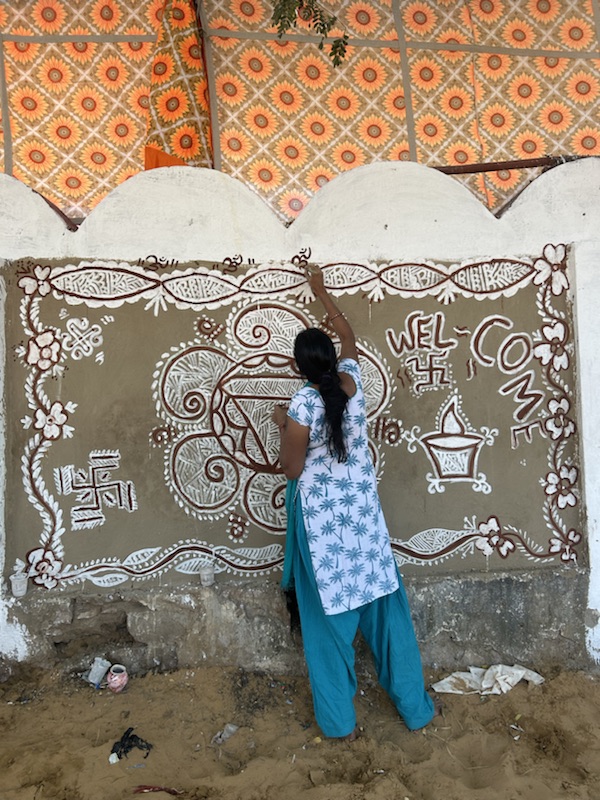
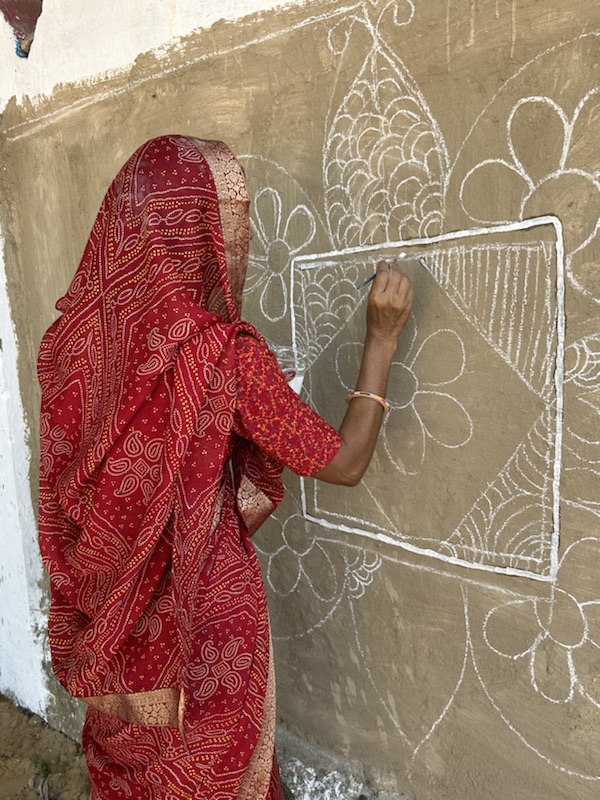
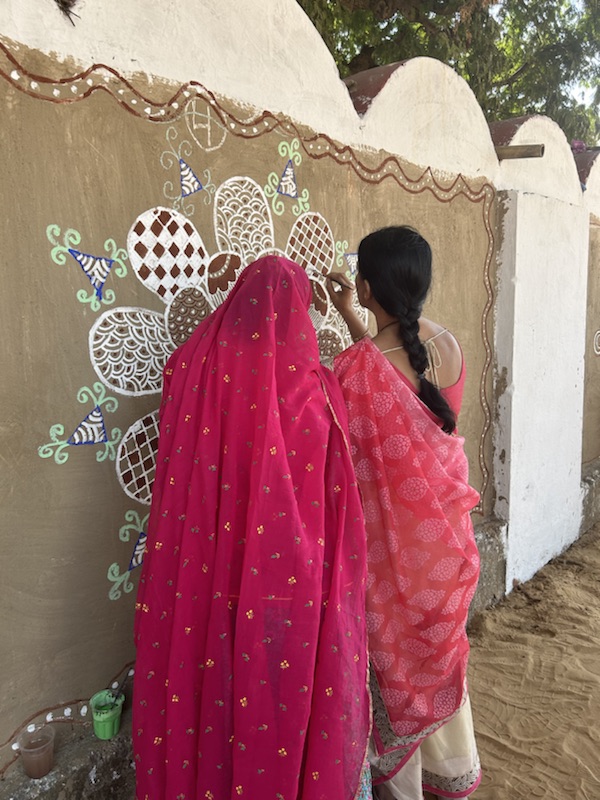
Inside the stadium, various women decorated a wall by painting patterns & words of welcome.
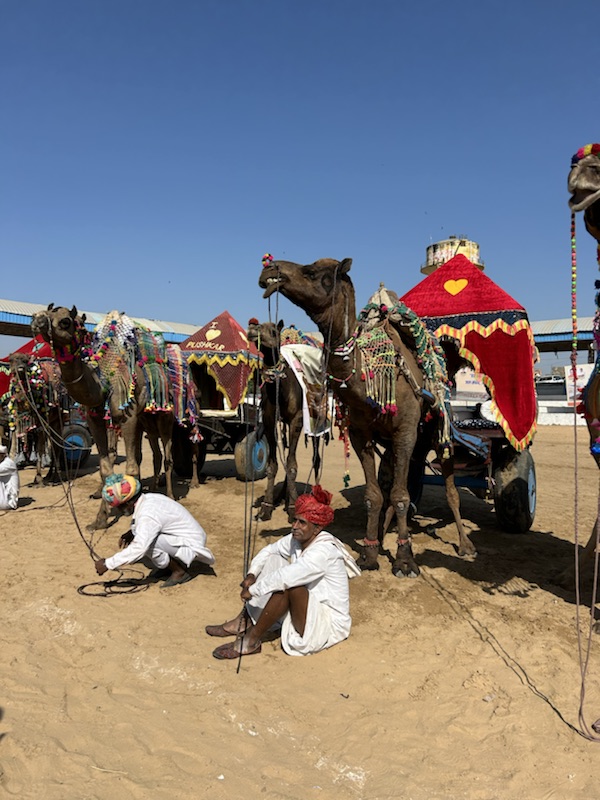
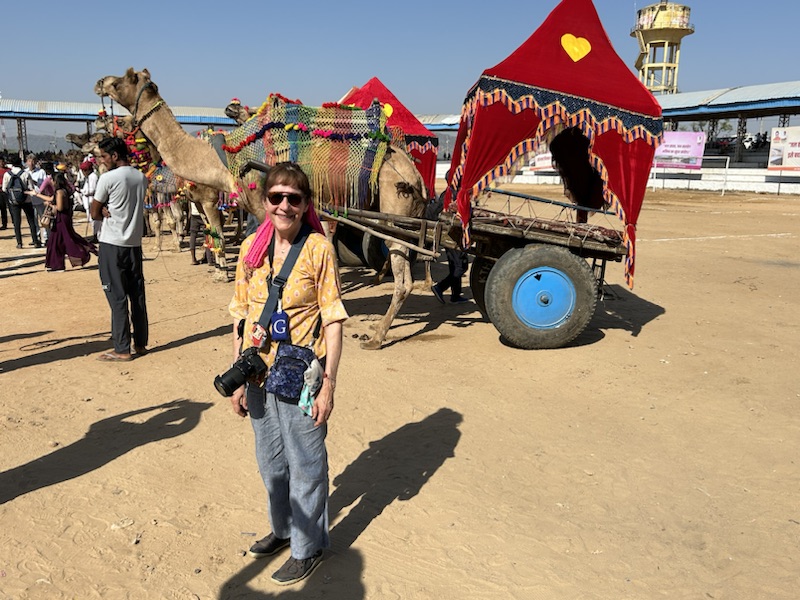
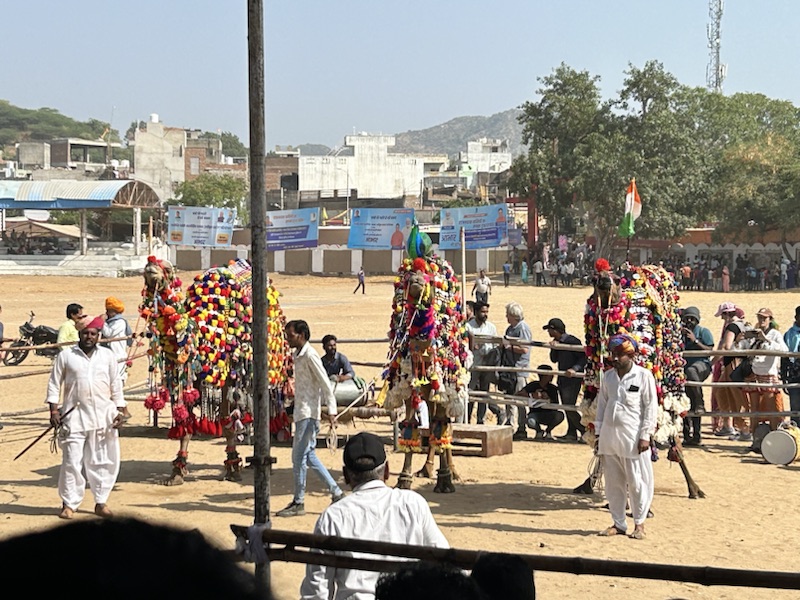
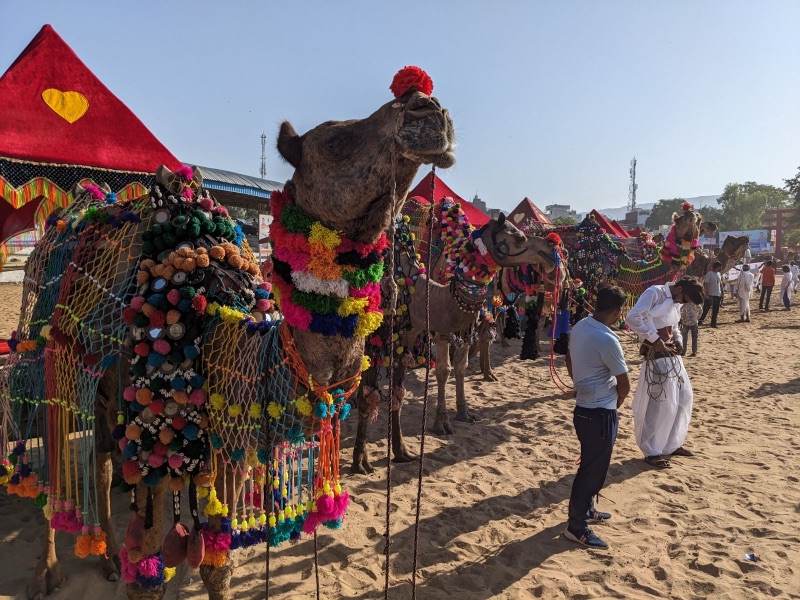
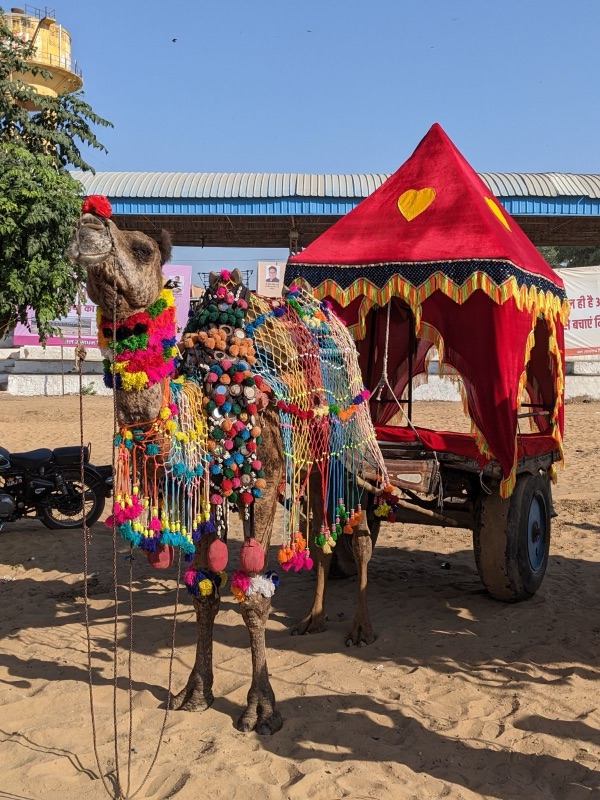
There were 49 camels decorated with each pulling a camel cart. They were lined up for some time before their procession started which made it convenient to take pictures.
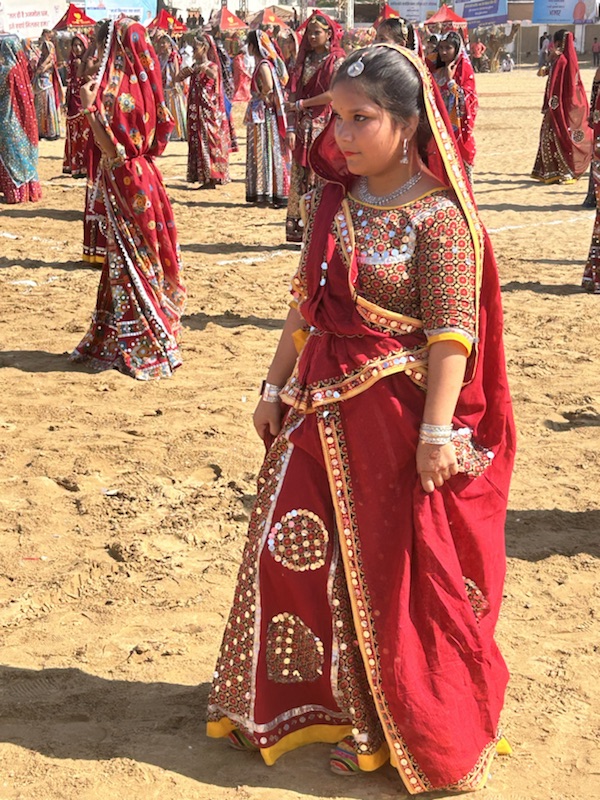
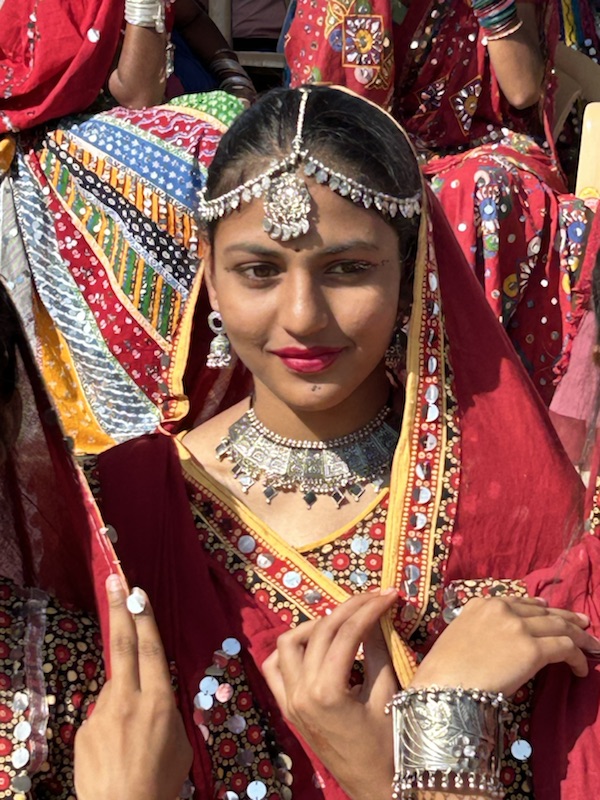
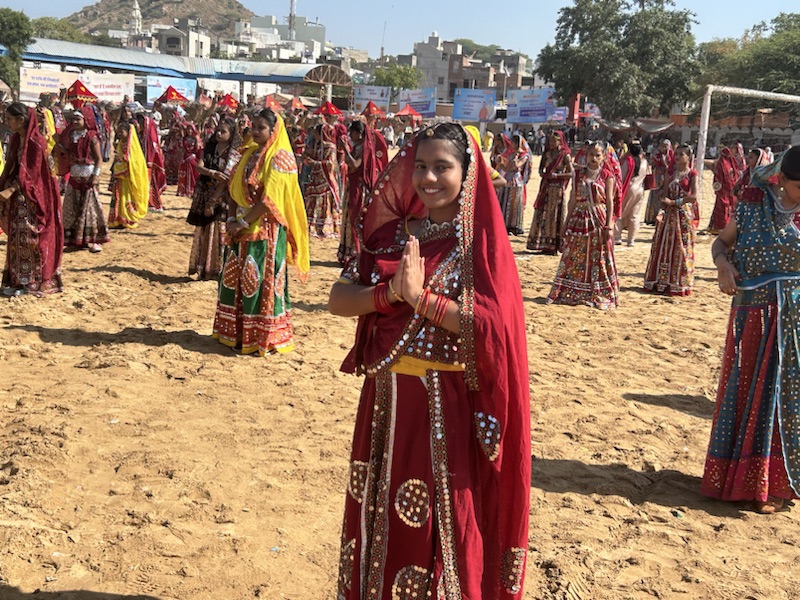
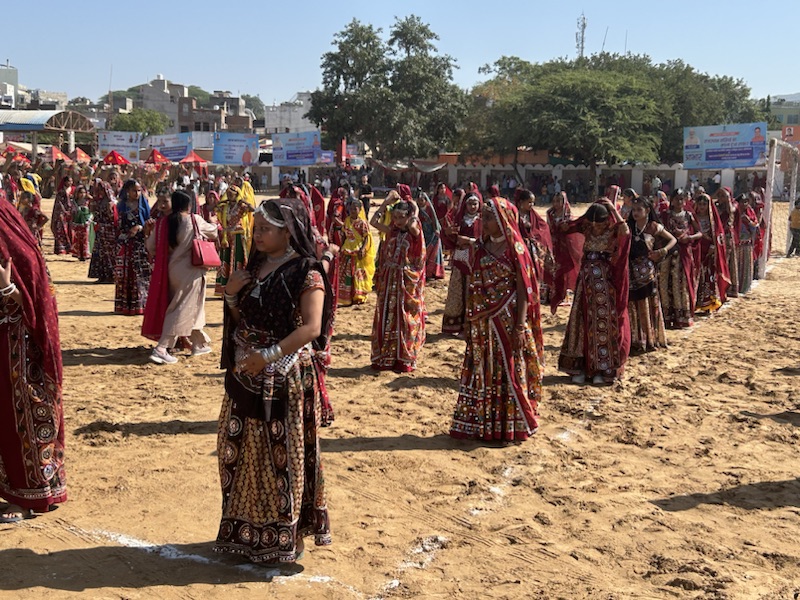
About 100 girls performed a dance for the crowd.
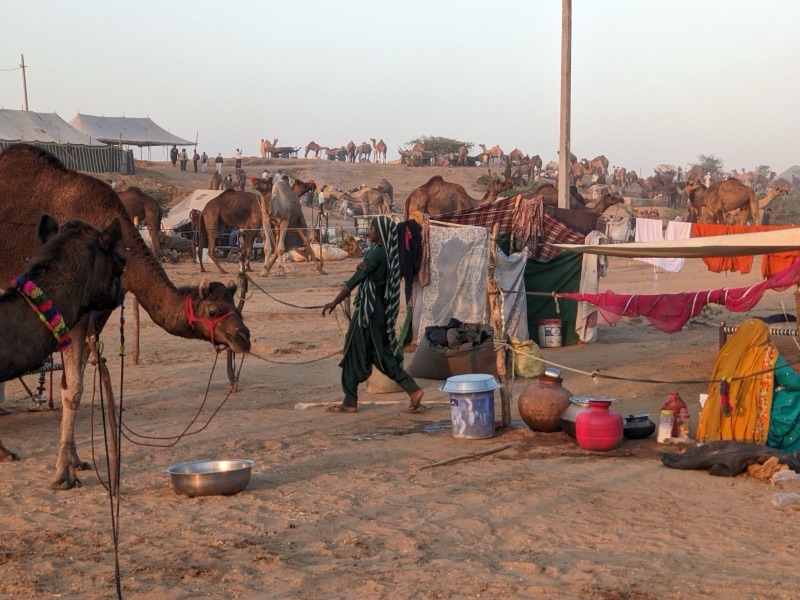
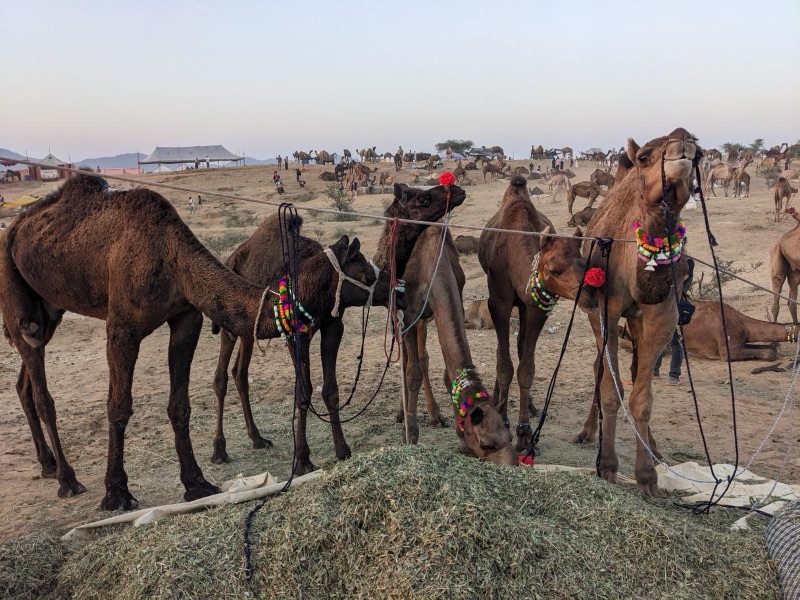
In the late afternoon, we rode a camel cart to where the camel & horse trading occurs. It was interesting to wander around this large area which is about the size of 10 football fields.
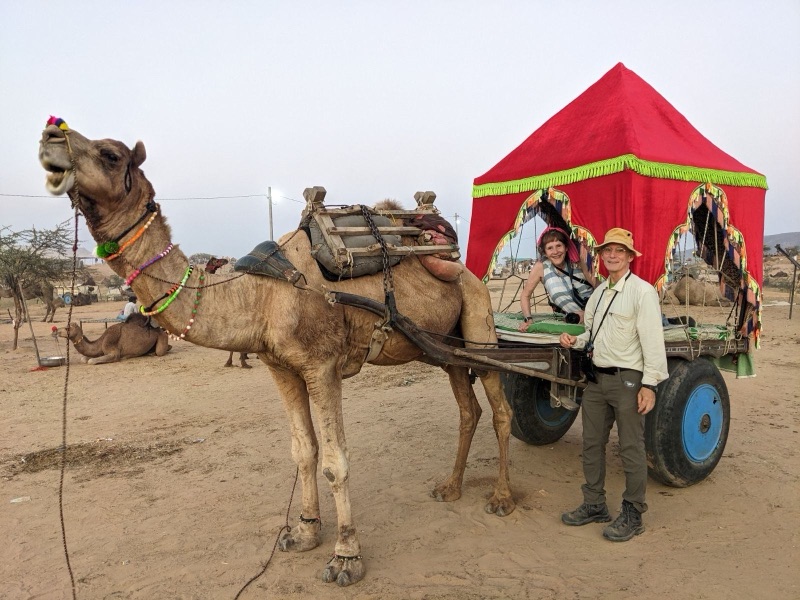
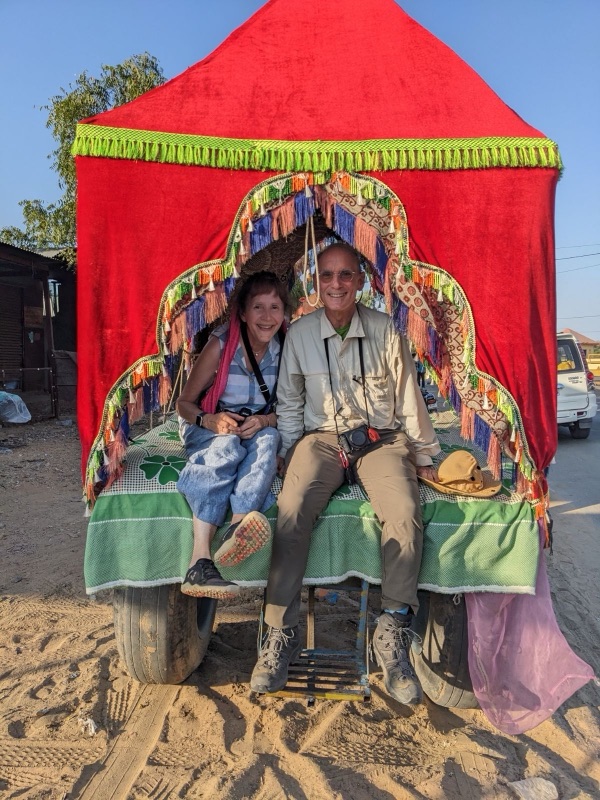
Before COVID, the camels were kept near town & the stadium. However for public health safety, the camels are now kept a couple miles away from town.
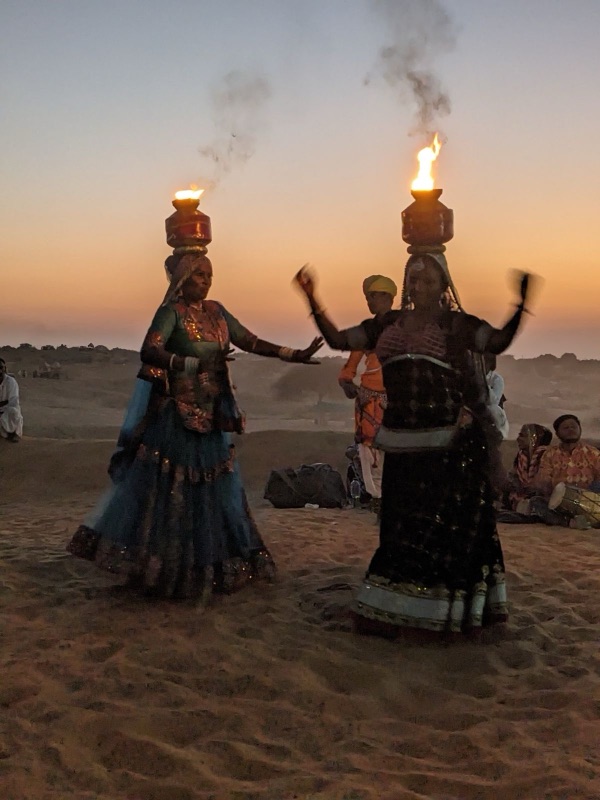
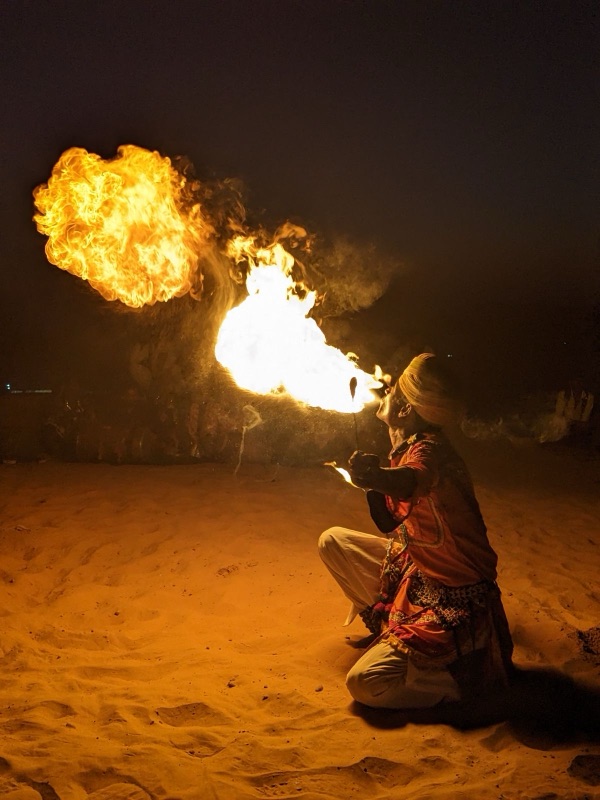
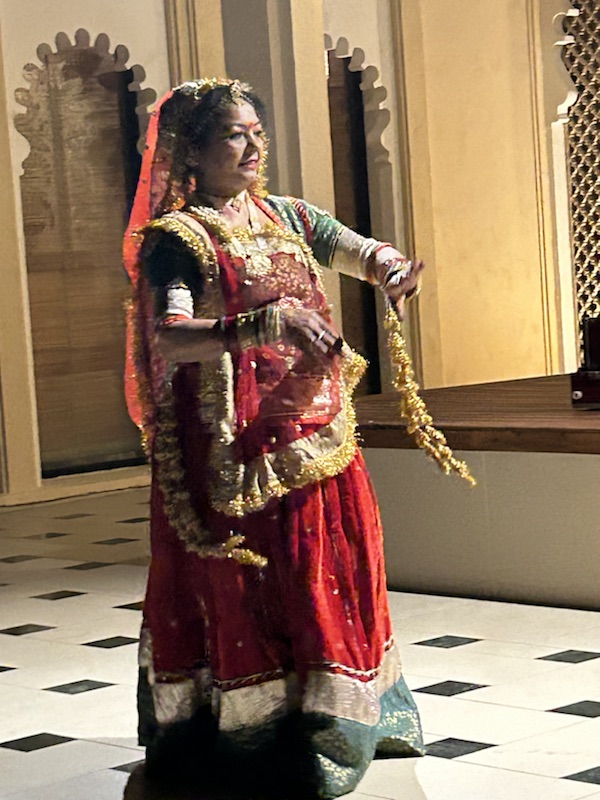
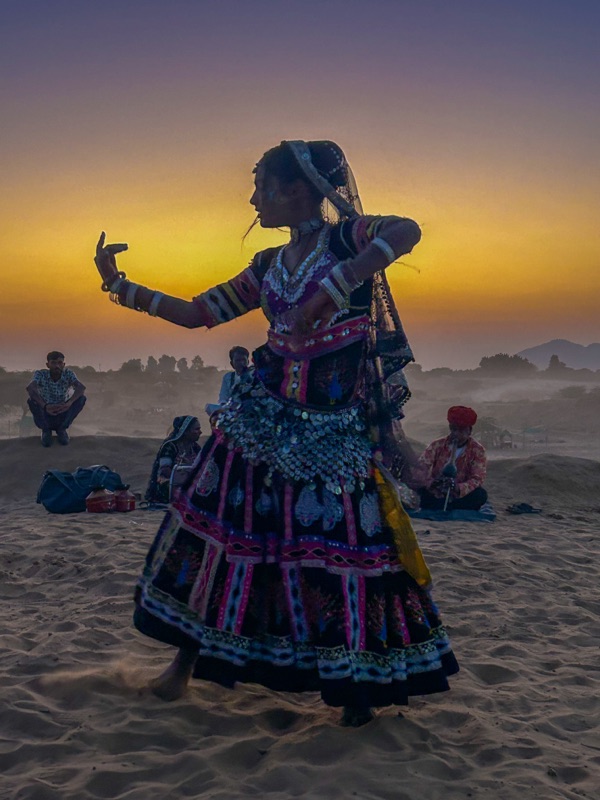
At sunset, we enjoyed watching a Gypsy dance group.
Day 2

We started the day taking the cable car up to the Savriti Temple. In 2011 I walked up to the temple; but, in 2016, a cable car was built so more people can visit it. Remember- Savriti was Brahma’s wife who cursed him because instead of waiting for her to finish her preparations so they could attend the Fire Festival together, impatient Brahma took a second wife without her knowledge or consent.
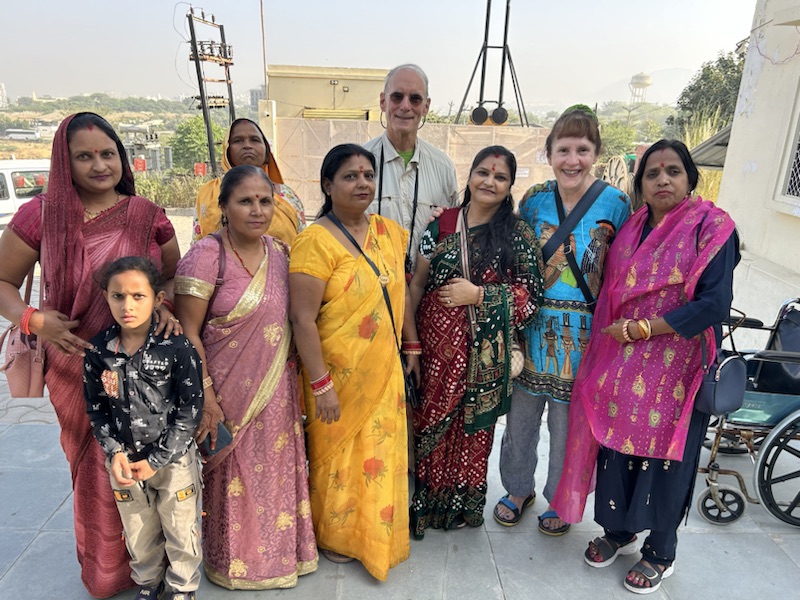
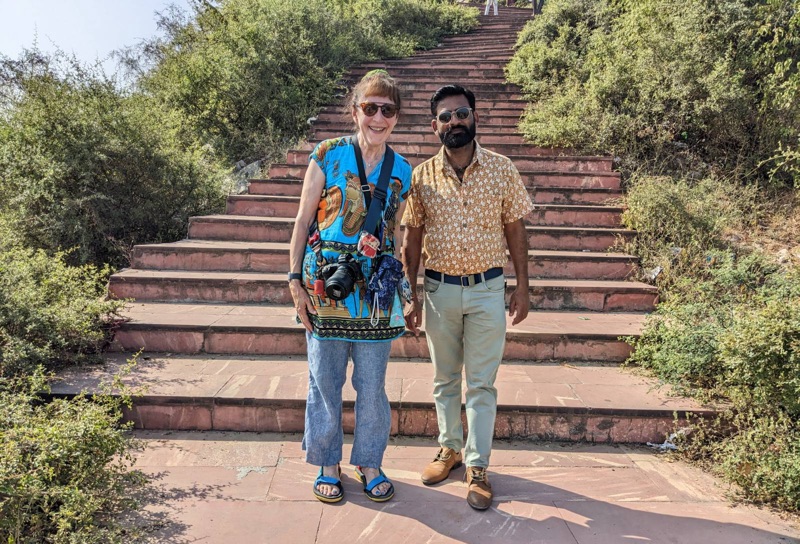
After visiting the Savriti Temple situated on a very high hill, we went to the stadium to see the camel decorating competition.

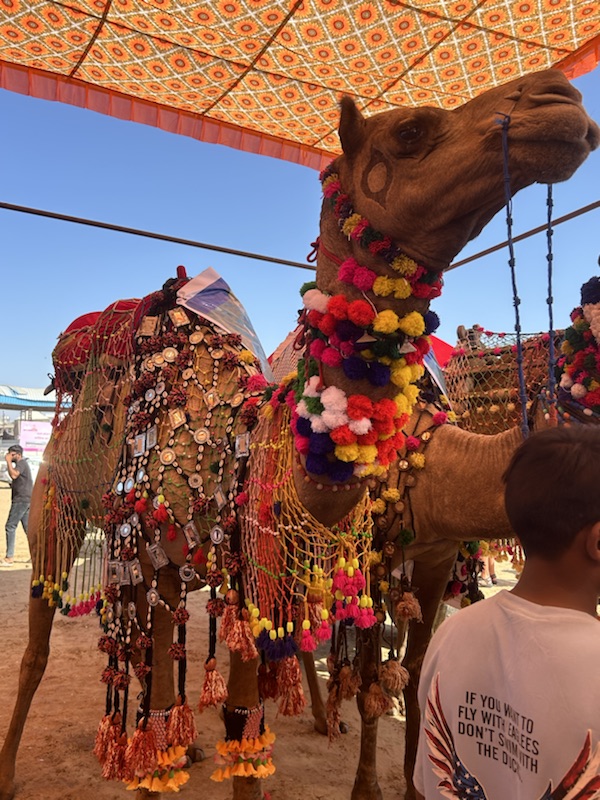
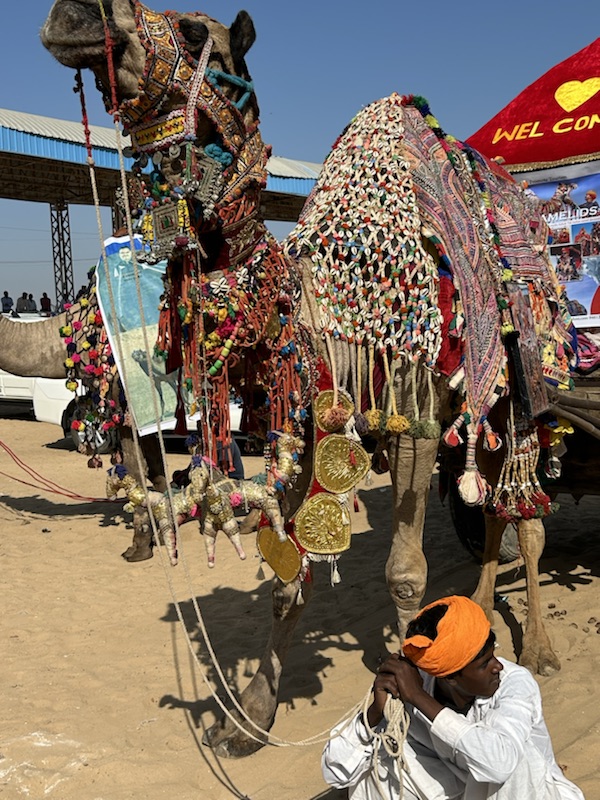
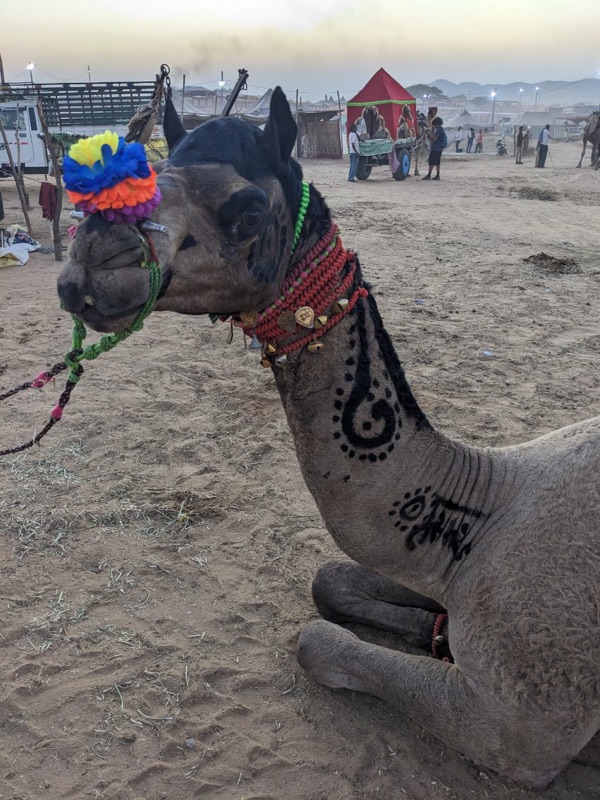
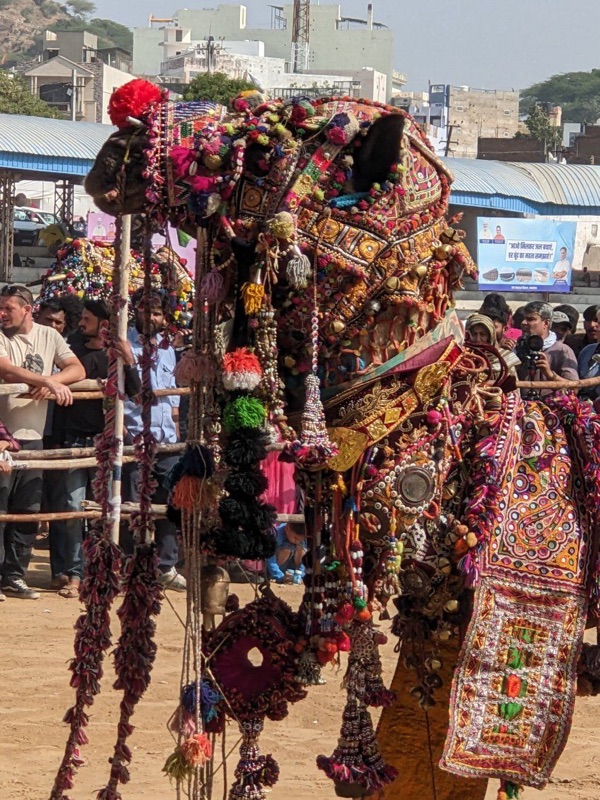
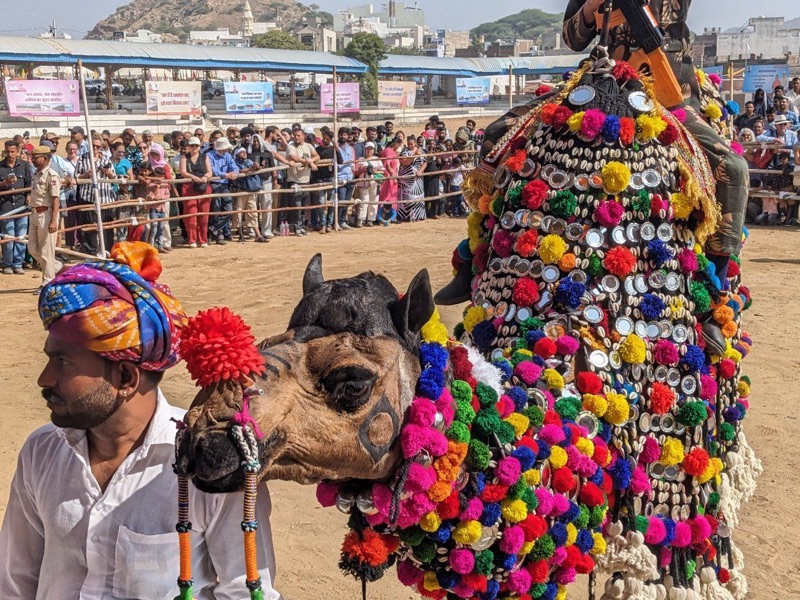
Each camel was adorned with colorful beads, ribbons, mirrors, & pompoms. Hours go into getting the camels ready.

Each camel is exhibited to the judges which requires them to walk in a large circle in a corral. This year nine camels participated.
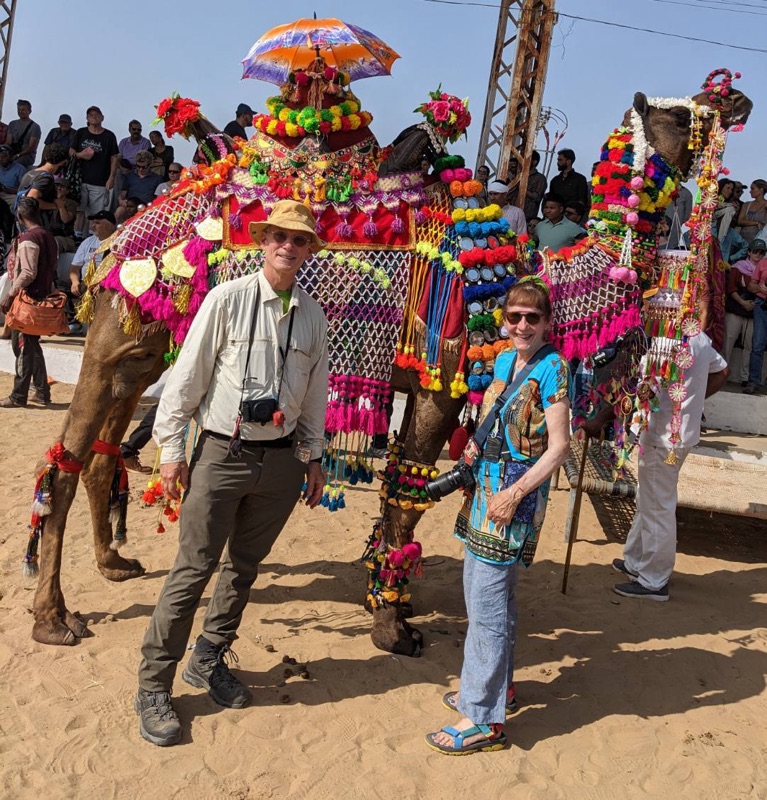
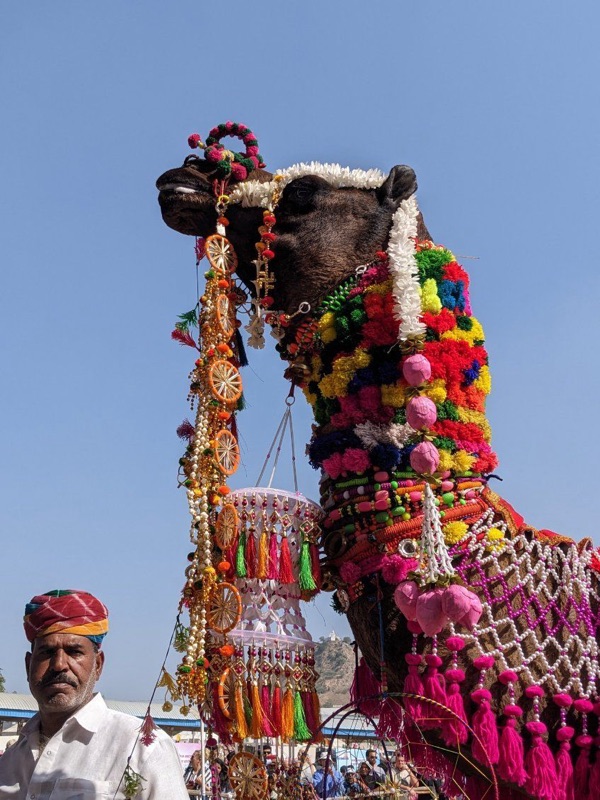
After all the camels finished their promenades, the 1st, 2nd, & 3rd place winners were announced. However, unlike in past years, there was a big controversy. Three constants thought they had been cheated. They argued with the judges for almost 2 hours. At times, the shouting & yelling was quite loud accompanied by fingers being pointed & arms making wild gestures. In the end, the three were given a special prize to share among each other.
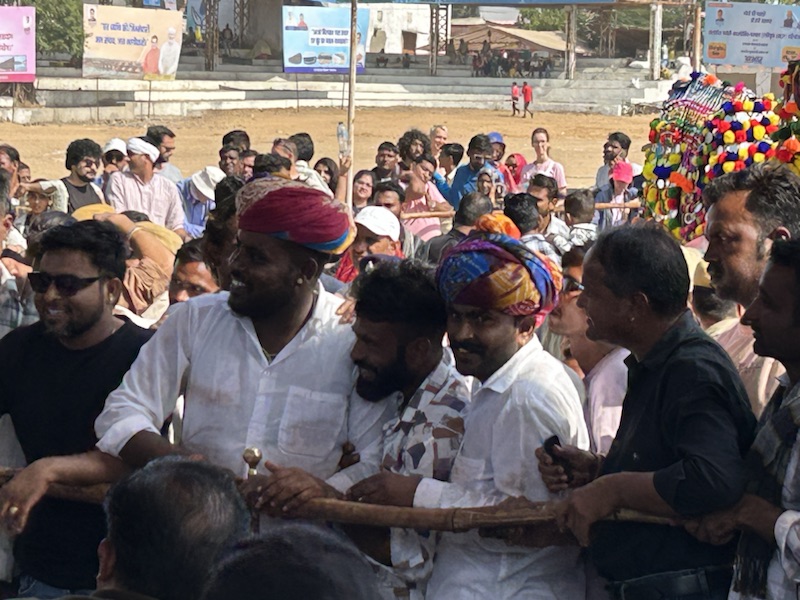
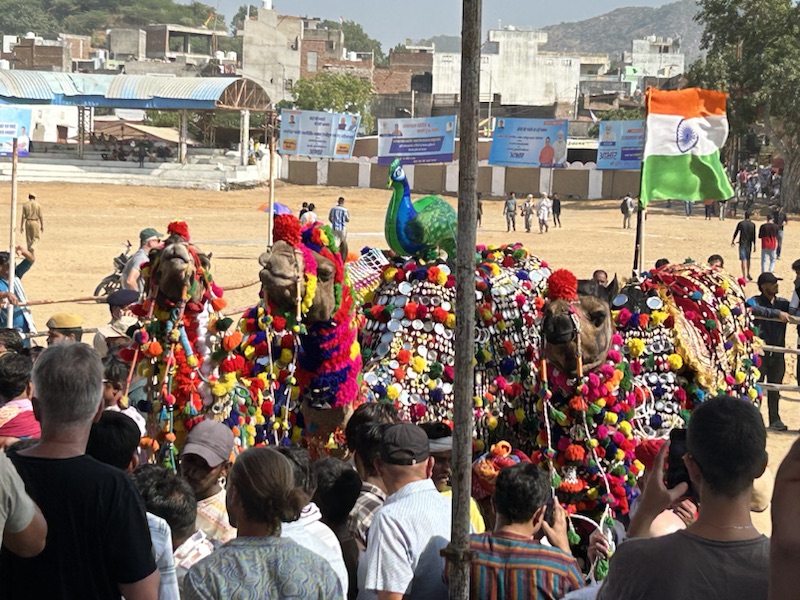
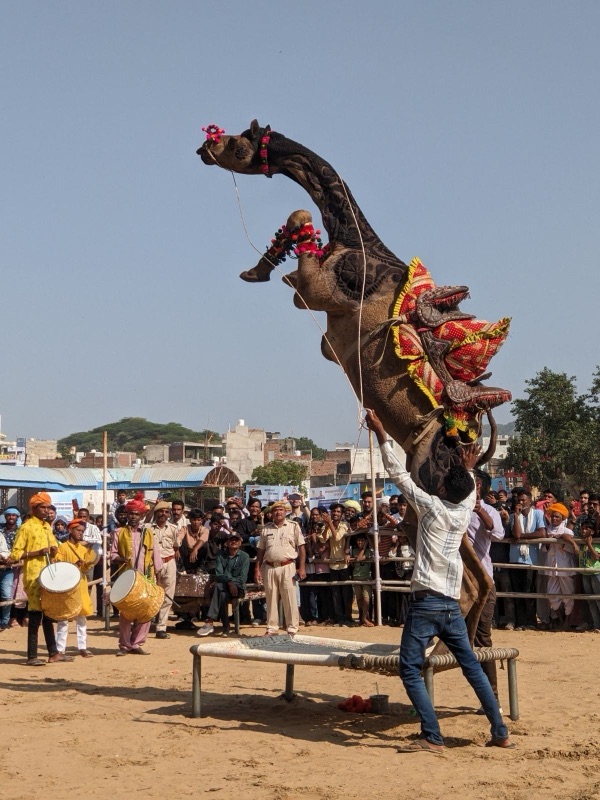
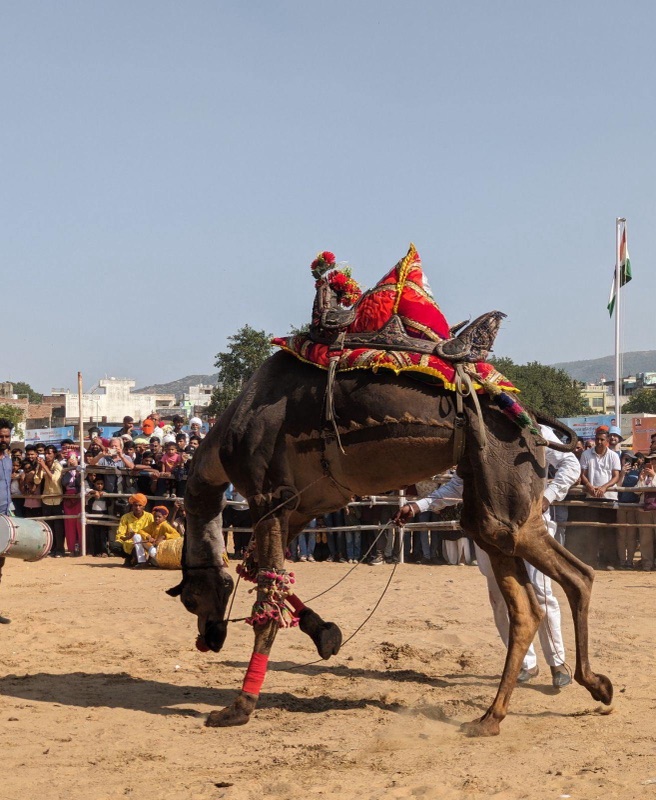
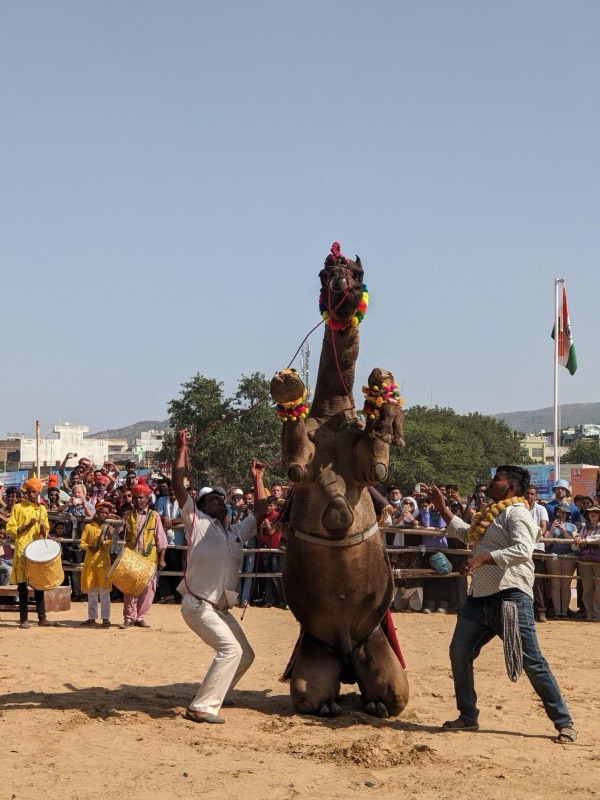
The day’s final event was the dancing camel competition in which there were only seven camels. Each camel was allotted 4 minutes for its performance. At the sound of drums, the camels pick up their front two feet like they are dancing, they walk on their knees, & jump on their hind legs. If a rider had been aboard, it would have looked like the Lone Ranger rearing up his trusty steed Silver on his hind legs.
Because the camel decorating controversy took so long to resolve, we did not wait for the camel dancing results. Sorry, to leave you hanging.

This year the fair will end on November 15 on the full moon. Thousands of pilgrims will arrive on this day to enter the Holy Lake.

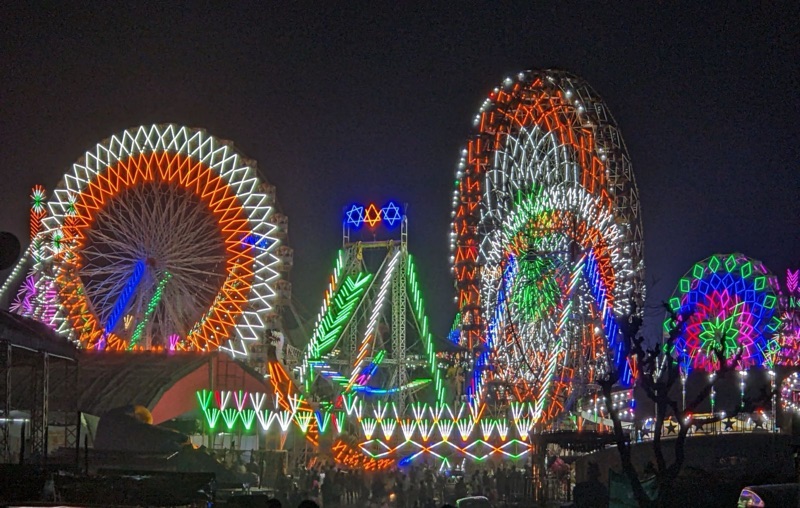
The fair also has an elaborate Midway. Our guide told us it will remain for two weeks after the camel fair ends to be enjoyed during the Fire Festival, & then allow the locals to enjoy it without all the pilgrims & foreign tourists before it moves on.
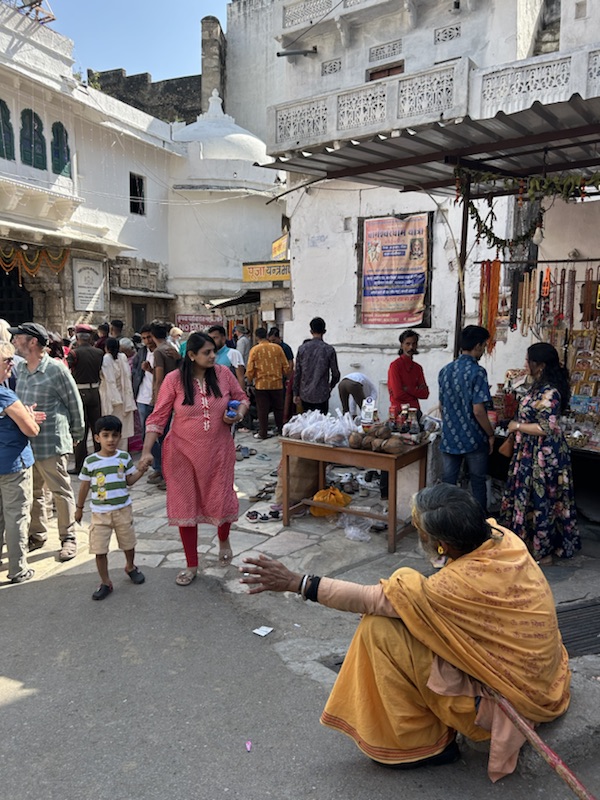
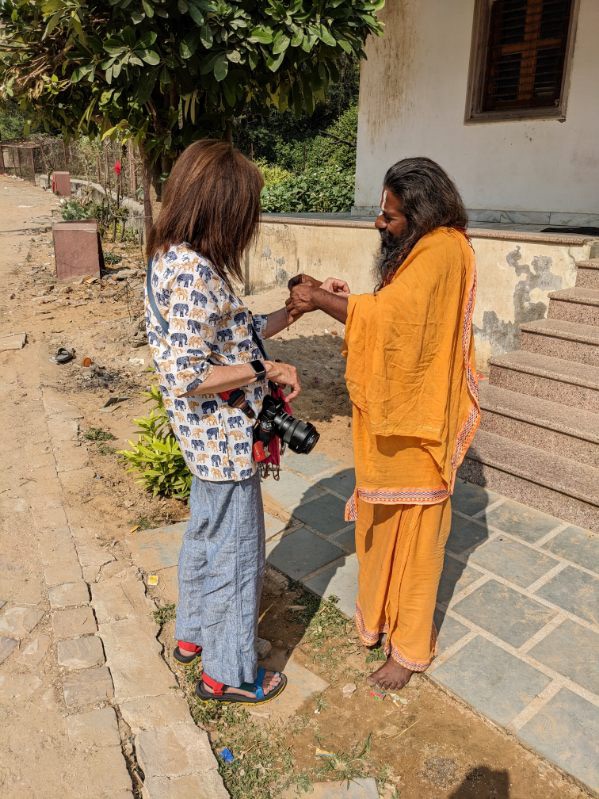
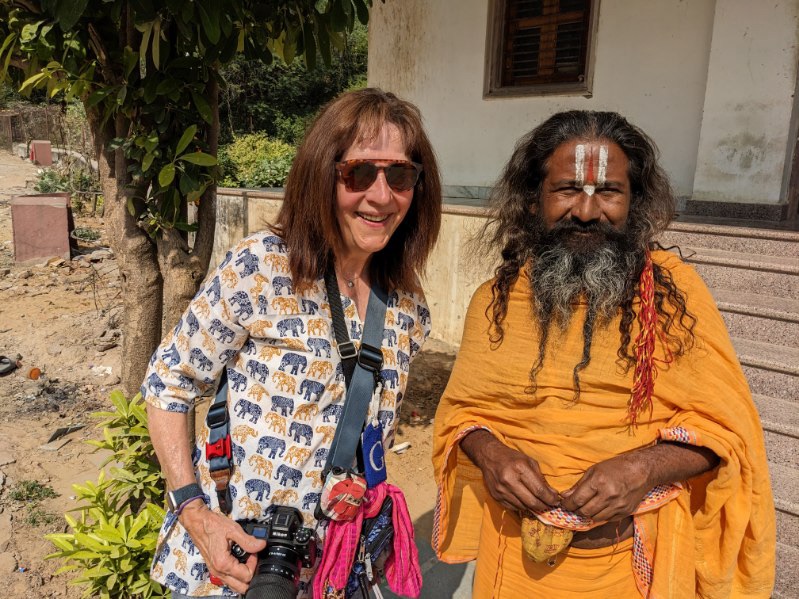
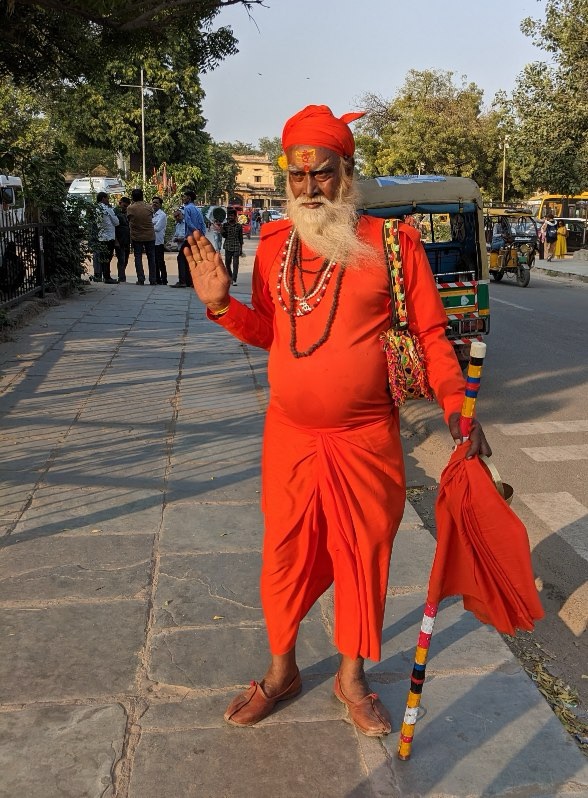
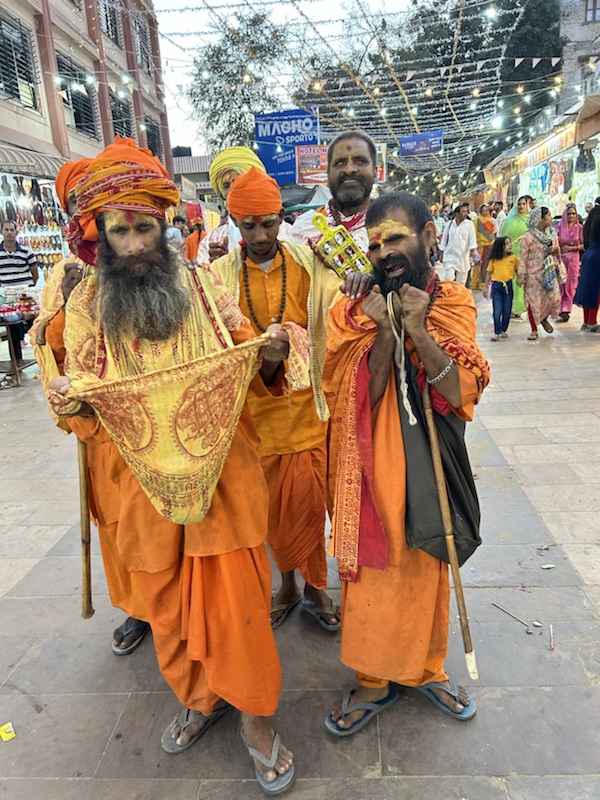
Pushkar is a very holy & sacred city to all Hindu worshipers. You will always find holy men in the city asking for alms.
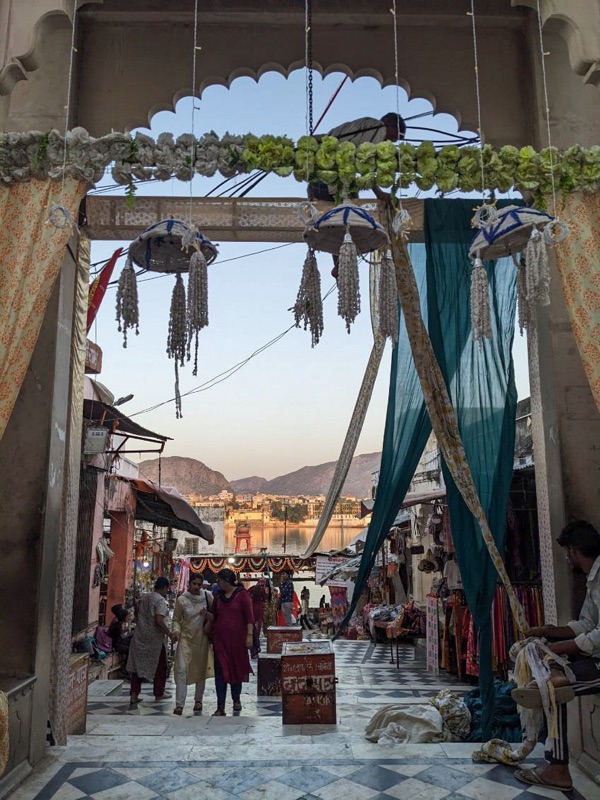
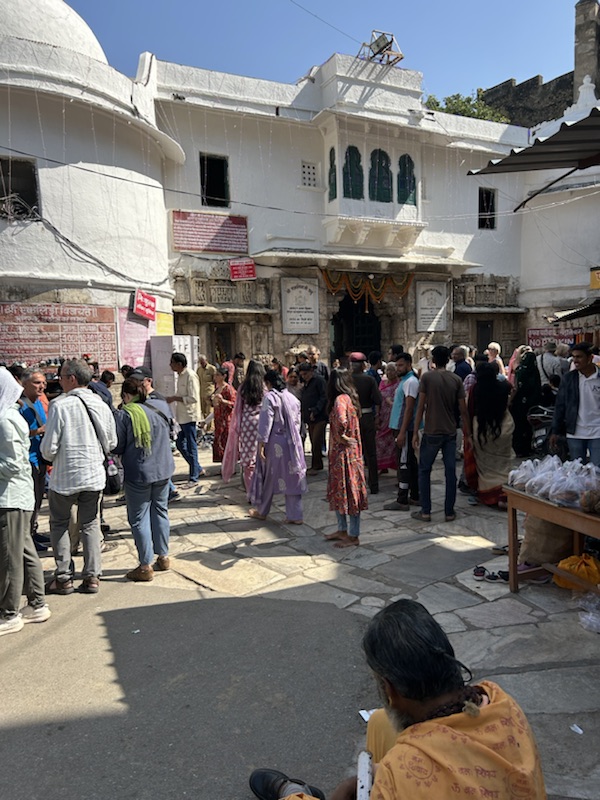
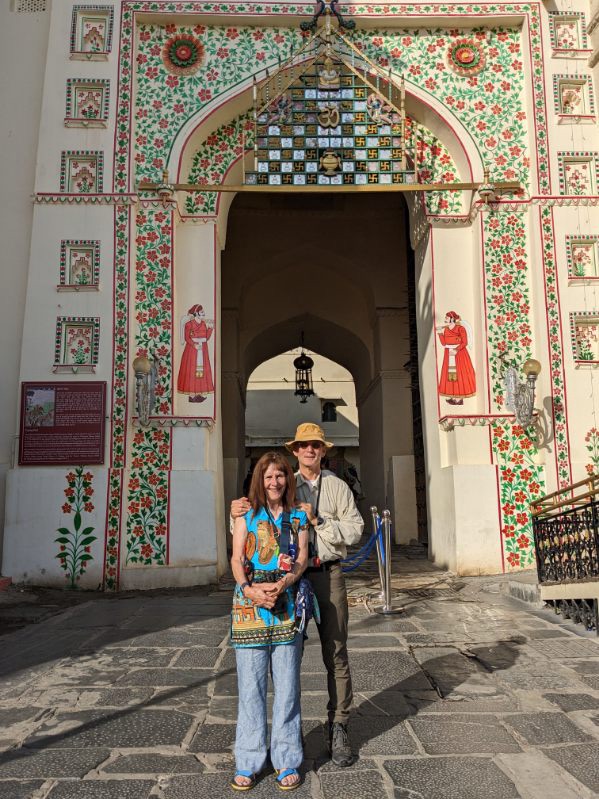
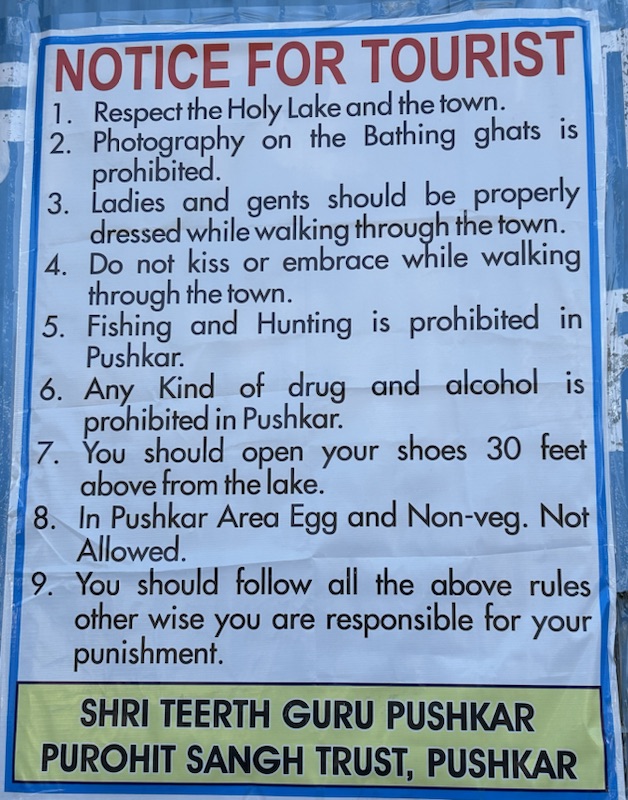
The holy city only has a few rules for tourists to follow which are posted on a city gate.
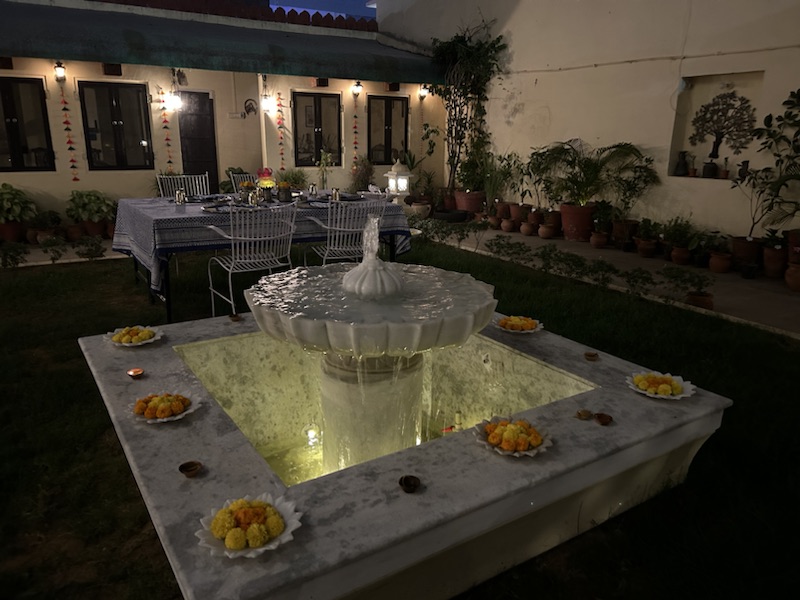
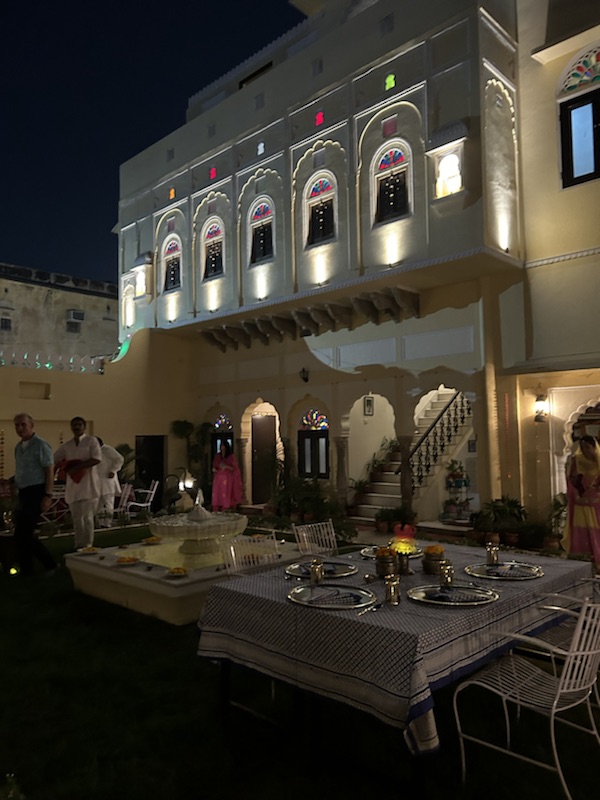
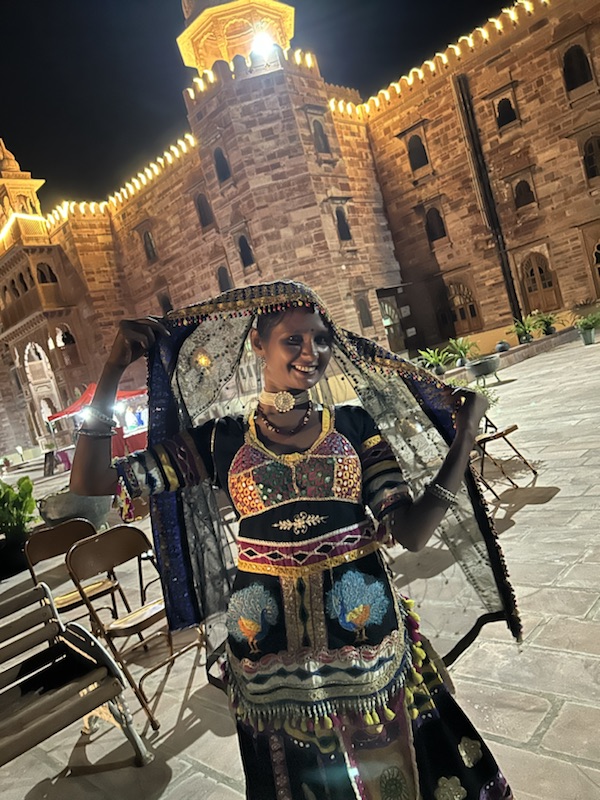
We ended our last night in Pushkar at our fancy hotel restaurant & very attentive waiters. There was also another Gypsy dance group outside the main hotel.
On our drive to the airport, we saw some camels on the way home. Maybe they were bought at the fair.

Arriving in Pushkar

To get from Udaipur to Pushkar, we had a 5.5 hour drive. Even though most of the highway was on a toll road, there were many times our driver had to slow down & maneuver around cows or goats in the road.

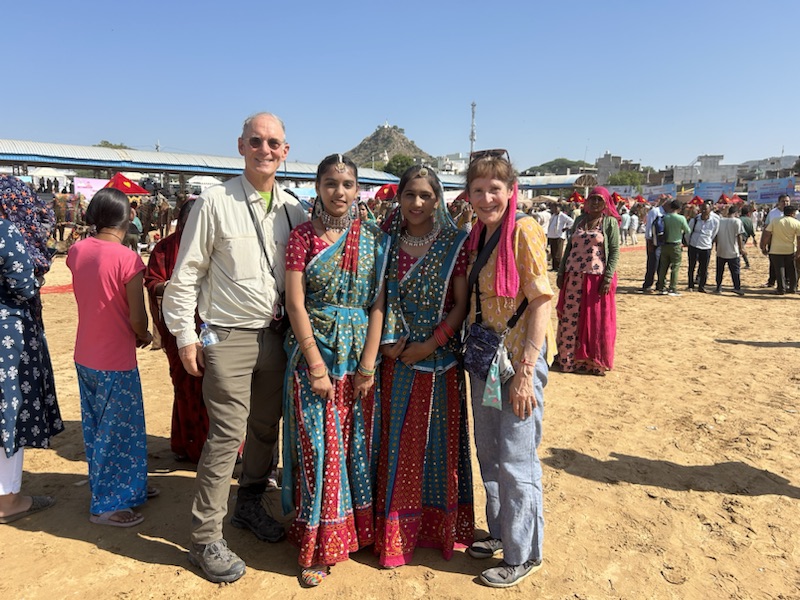
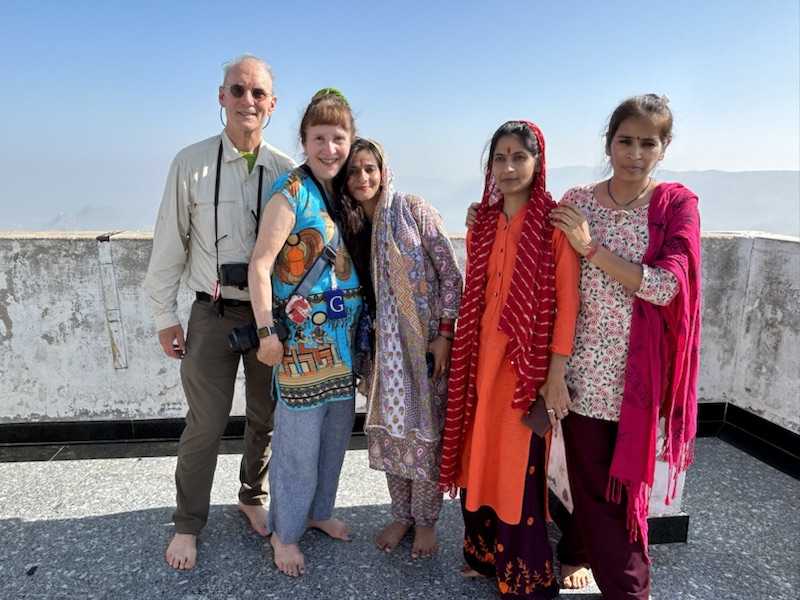
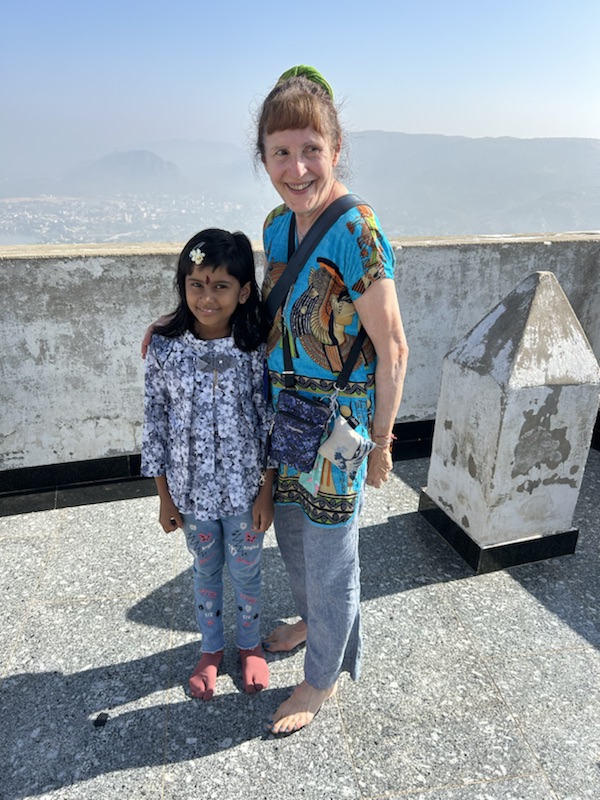
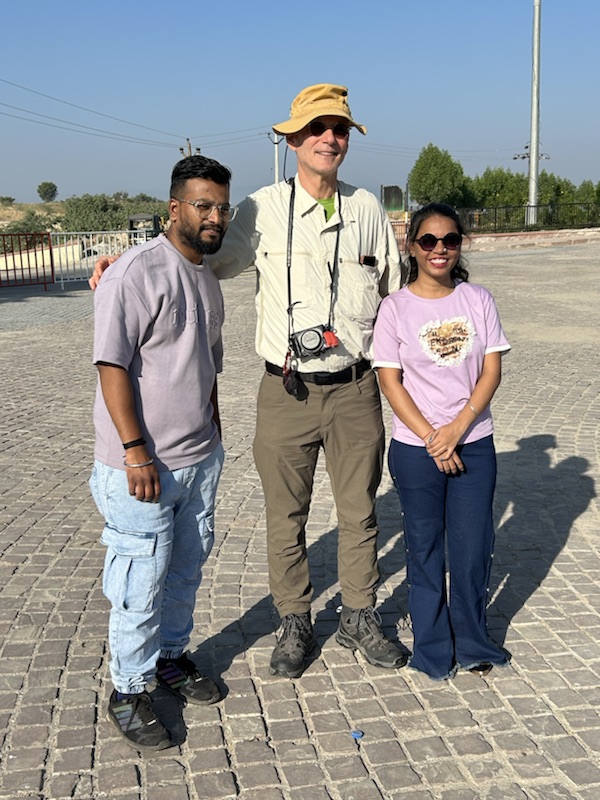
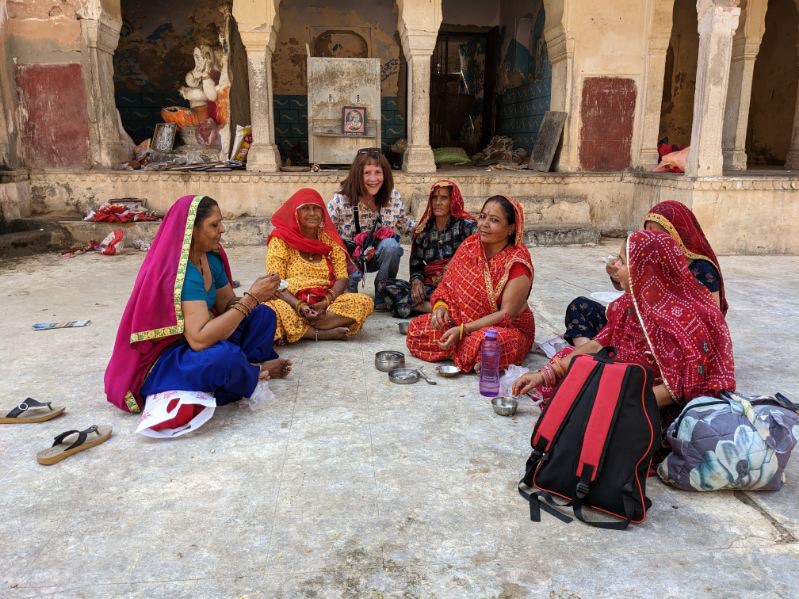
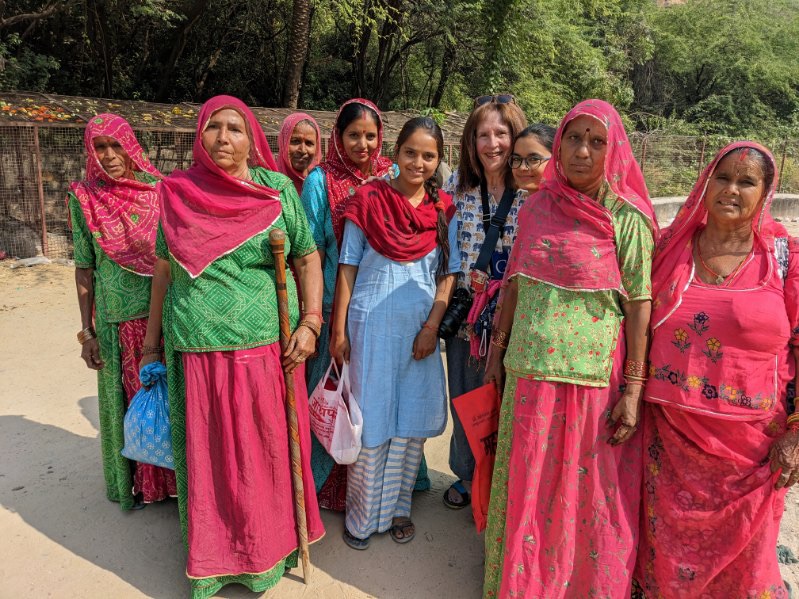
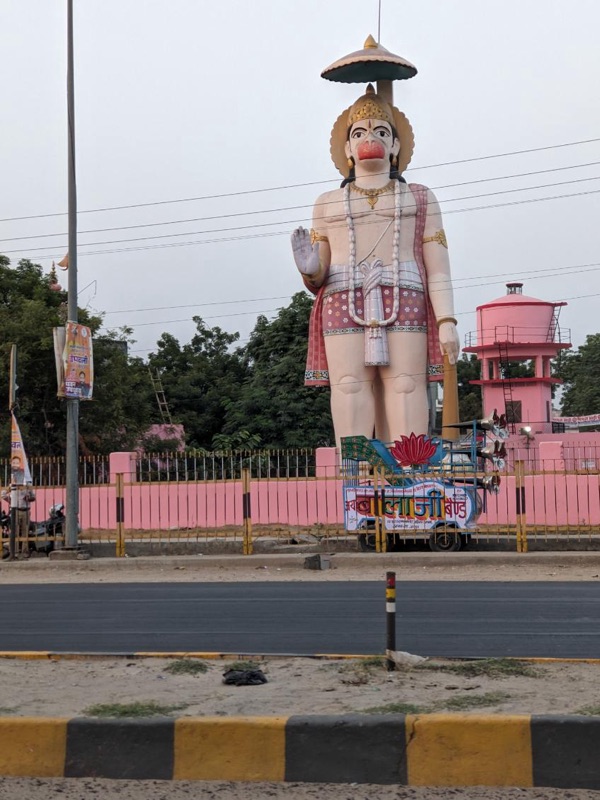
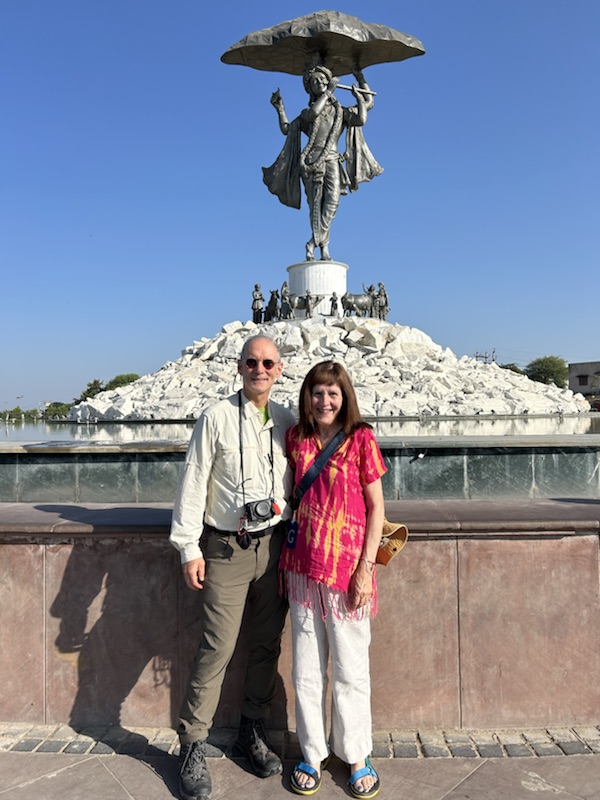
We passed a very large Krishna statue which was worth a small detour to see it. And, we got to be in more pictures with the locals.

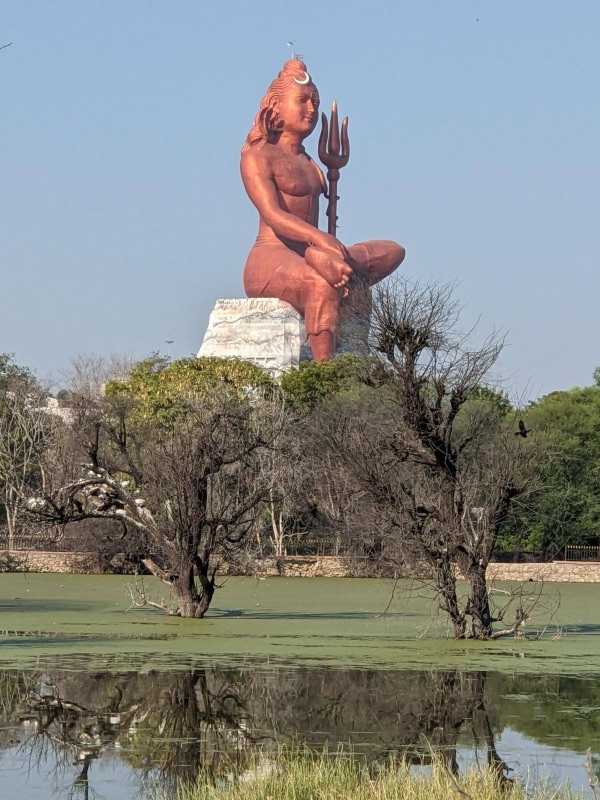
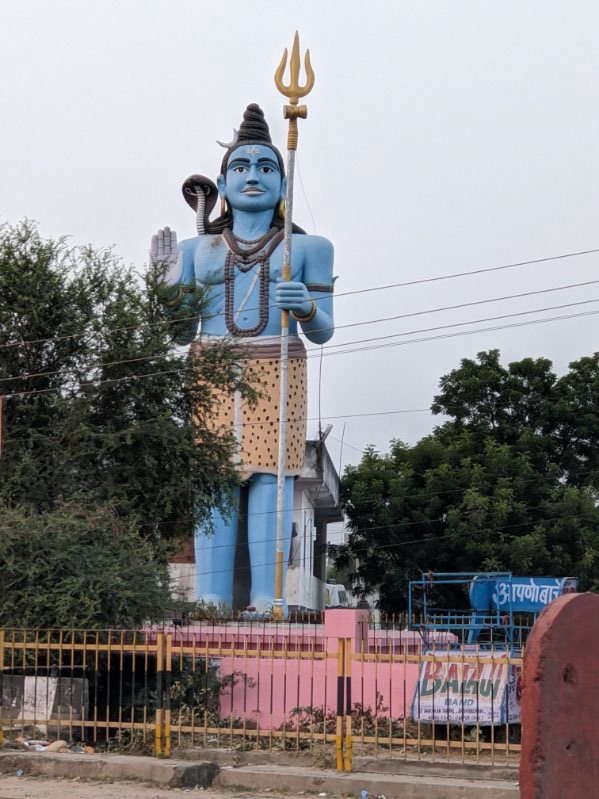
Also saw this VERY large Shiva statue

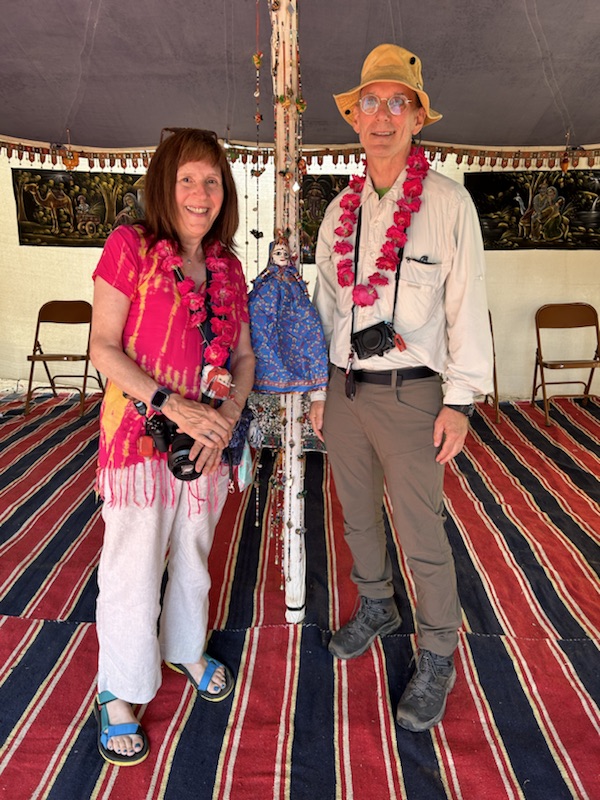
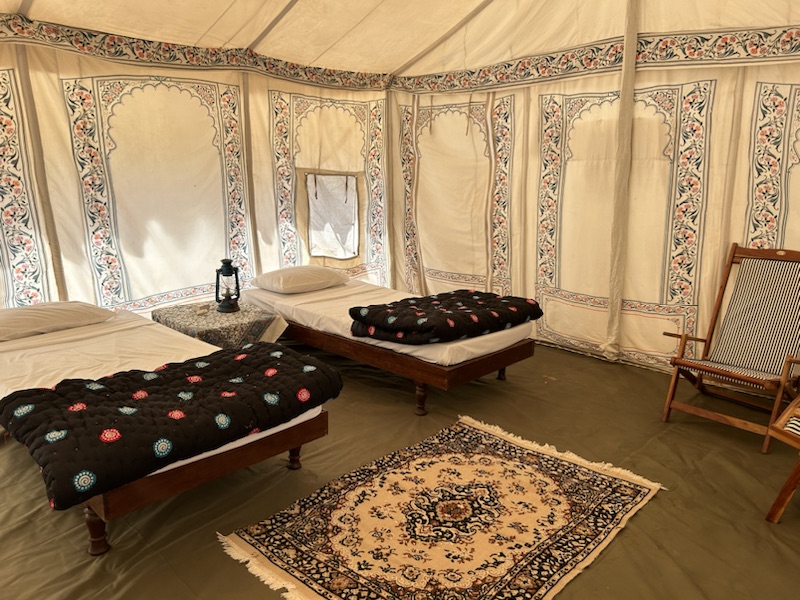
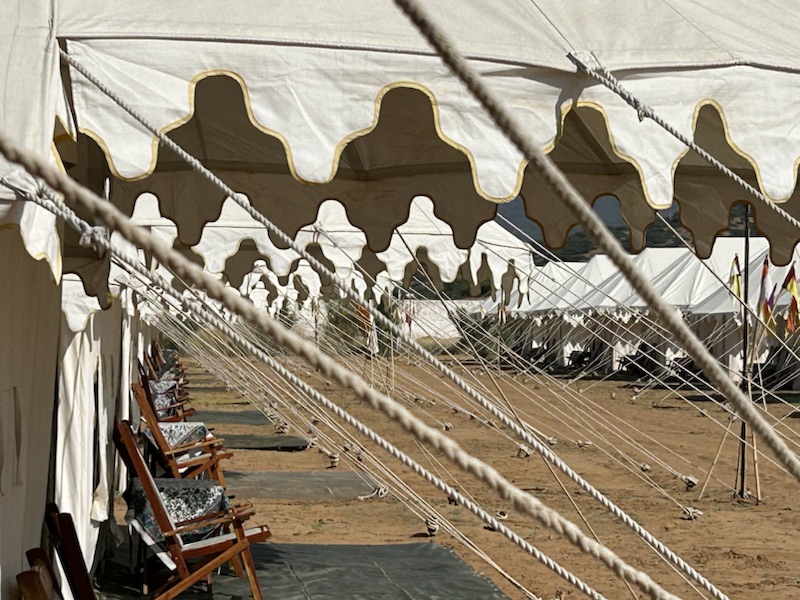
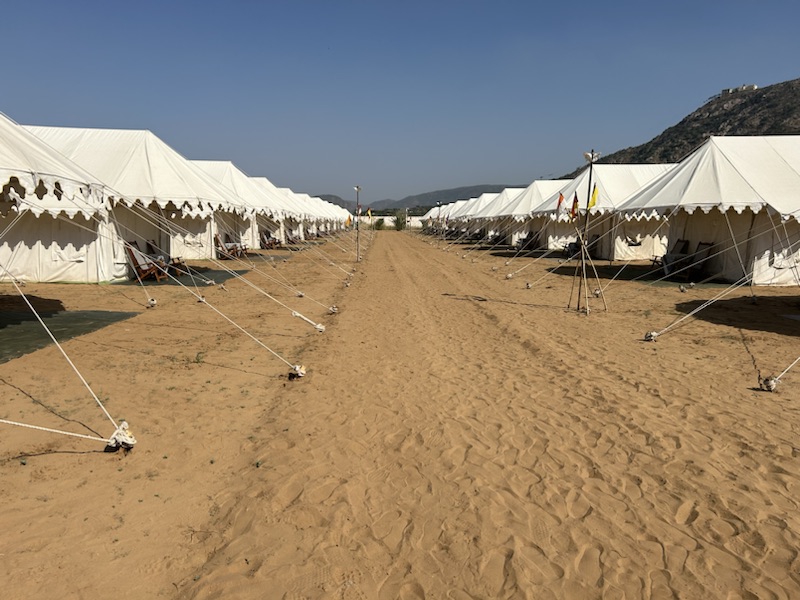
Our hotel in Pushkar is a tented camp only used during the festival. It’s not luxurious; but, it is a new way to enjoy our time in India.

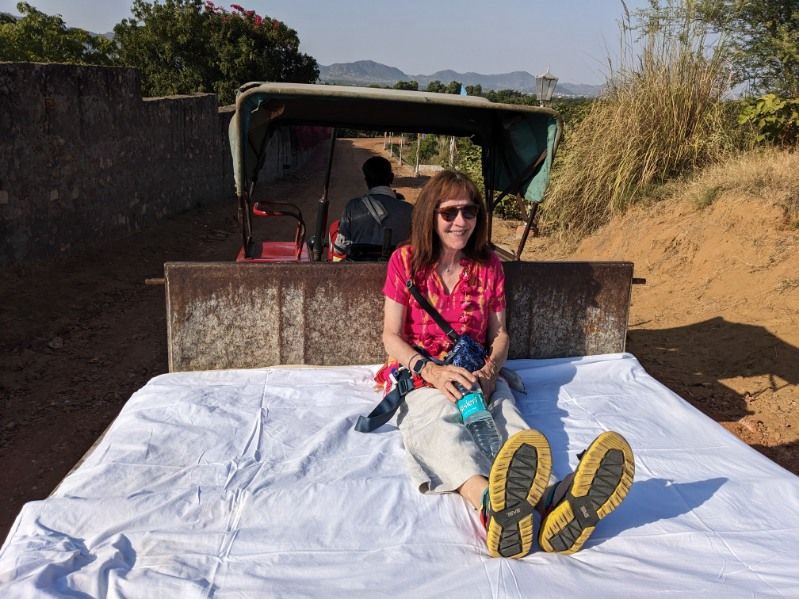
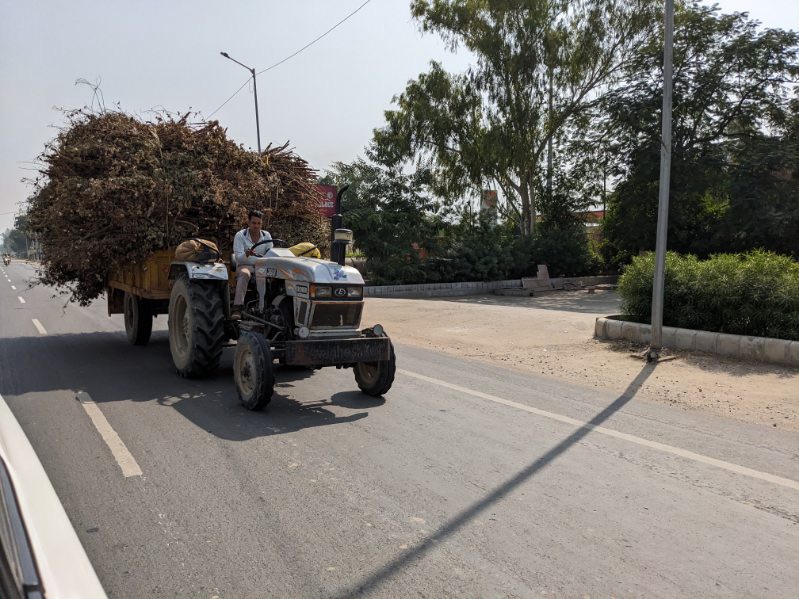
The restaurant for our tented camp is a mile away. They take us to & from our camp on a tractor pulling a flat bed.
Haven’t been on one of these since I was a child. It’s a little bumpy; but, faster than walking

Later in the afternoon, out guide met us to show us Pushkar.
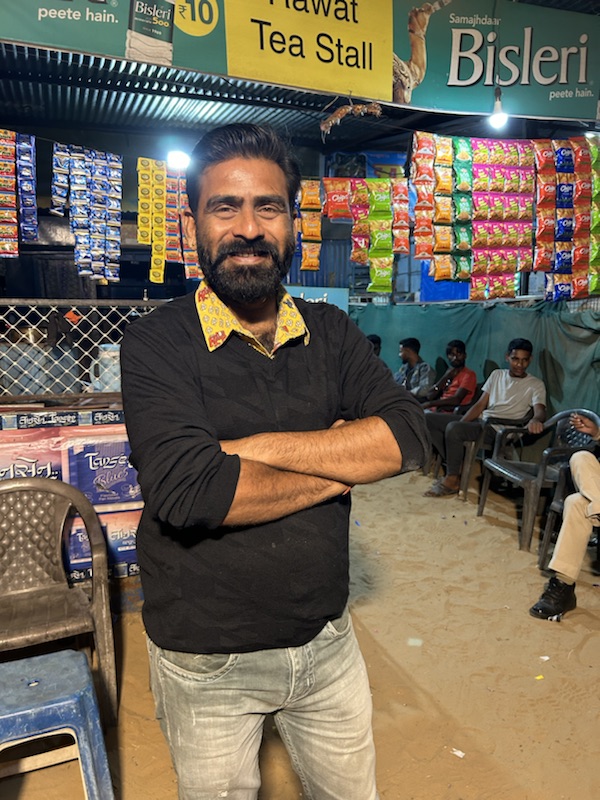
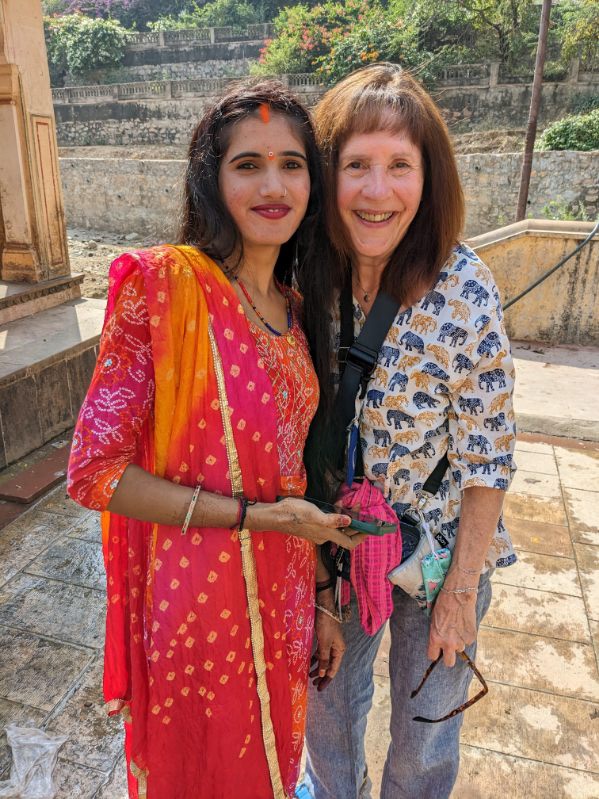
Mukesh likes to call us Mama & Papa since we are close in age to his parents.
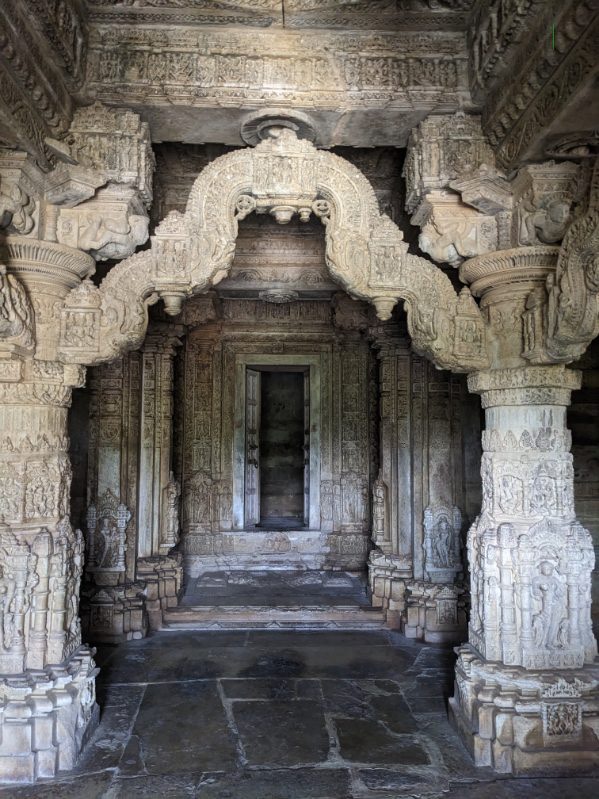
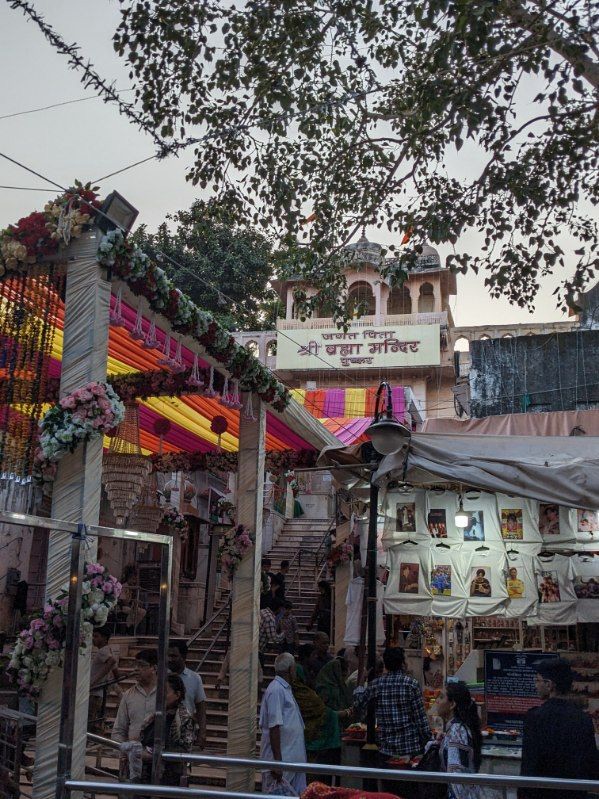
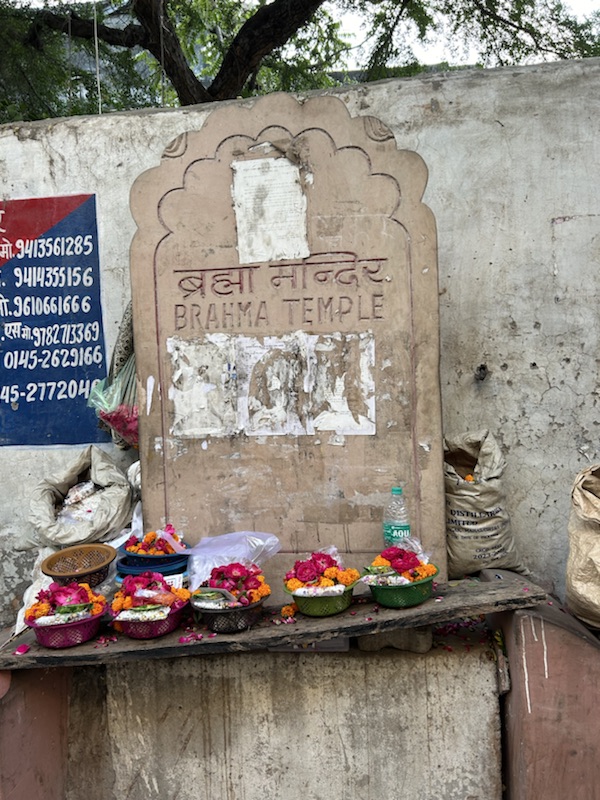
Even though Pushkar is a small town of only 24,000 people, it is the only place not only in India; but also, the only place in world where there is a Brahma Temple.

Brahma is the Hindu god known the Creator of the Universe & the God of Knowledge. However, he is the least worshipped Hindu god & here is why.

Brahma came to Earth to celebrate a fire festival in his honor in Pushkar. He told his wife Savitri when it was going to happen; however, she took her time getting ready in Heaven & missed the festival. All the Hindu gods were there & Brahma did not want to be embarrassed by not having a wife by his side at the festival in his honor, so to get the party started, he married someone else. When Savitri finally arrived & discovered Brahma took a second wife, she was furious.
She was so mad she put two curses on Brahma. Curse #1 was he would only be allowed to have one temple built in his honor which was in Pushkar. Curse #2 was no one can ask for a miracle at his temple; they can only ask for a miracle at the lake after visiting his temple.

For this reason, Hindus do not have Brahma in their home’s shrine. Only Vishnu the preserver & protecter and Shiva the destroyer of negativity are worshipped in their own homes.

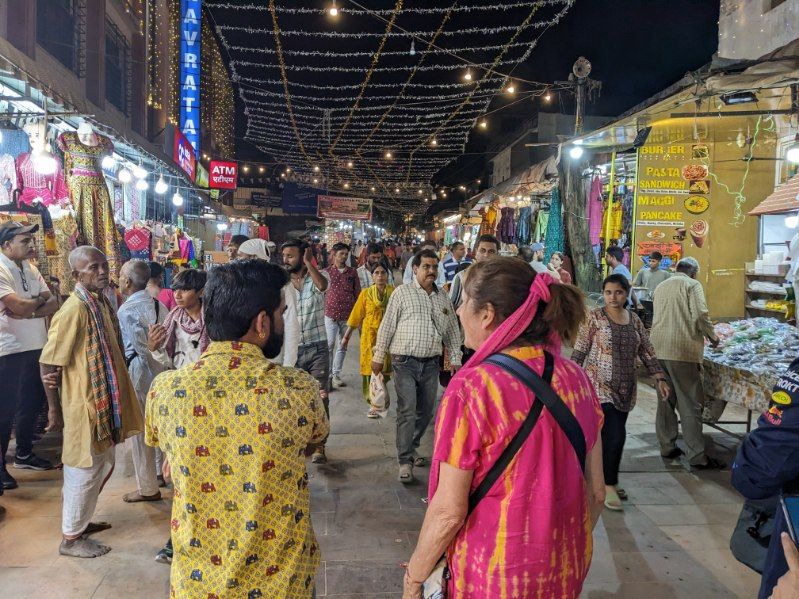
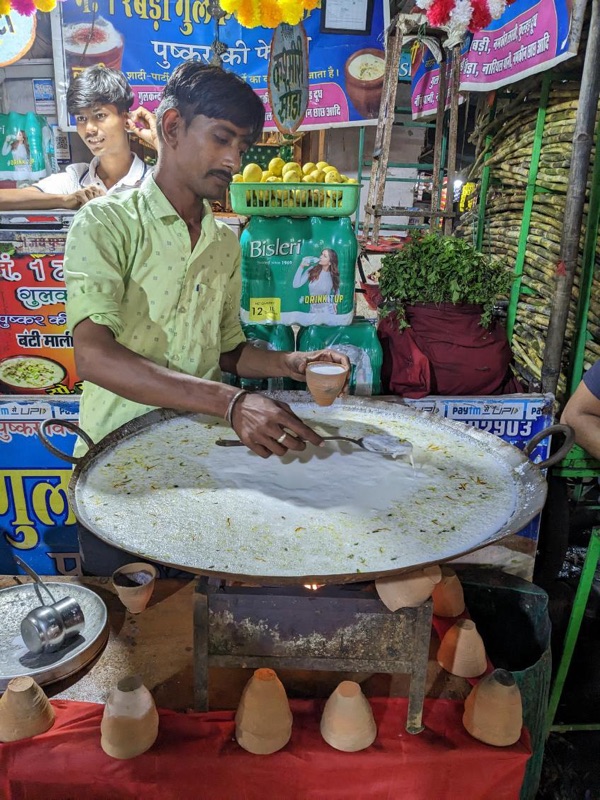
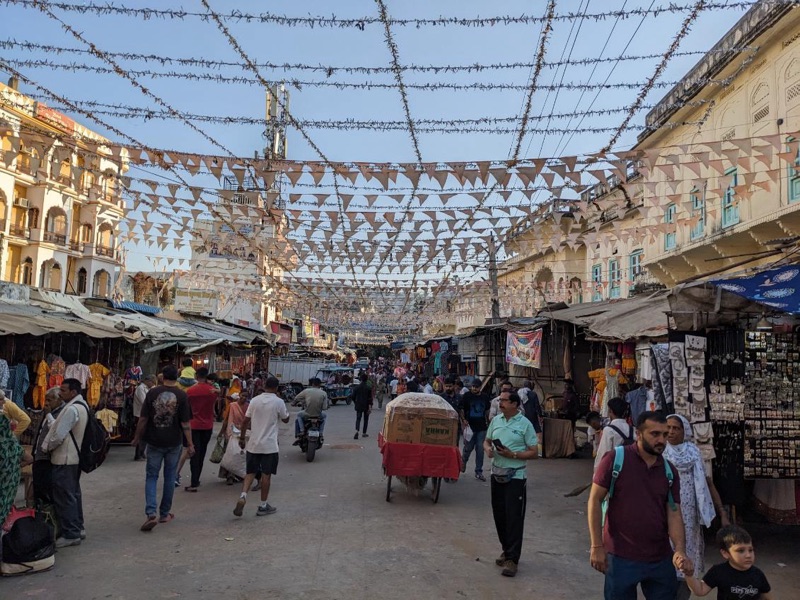
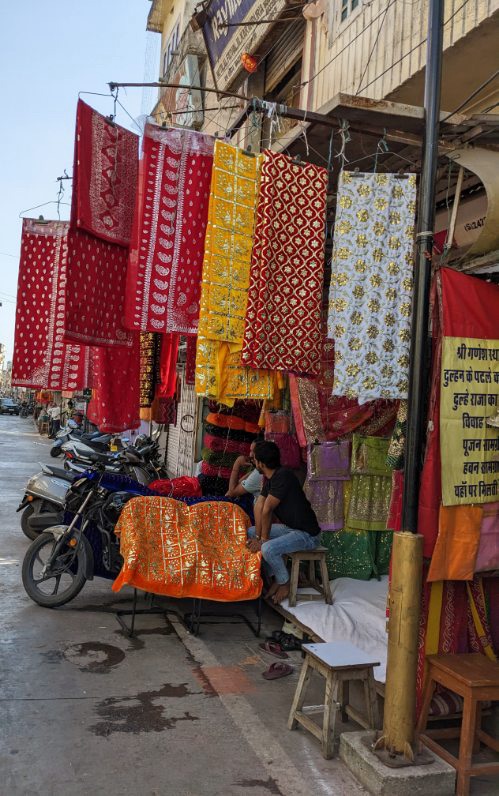
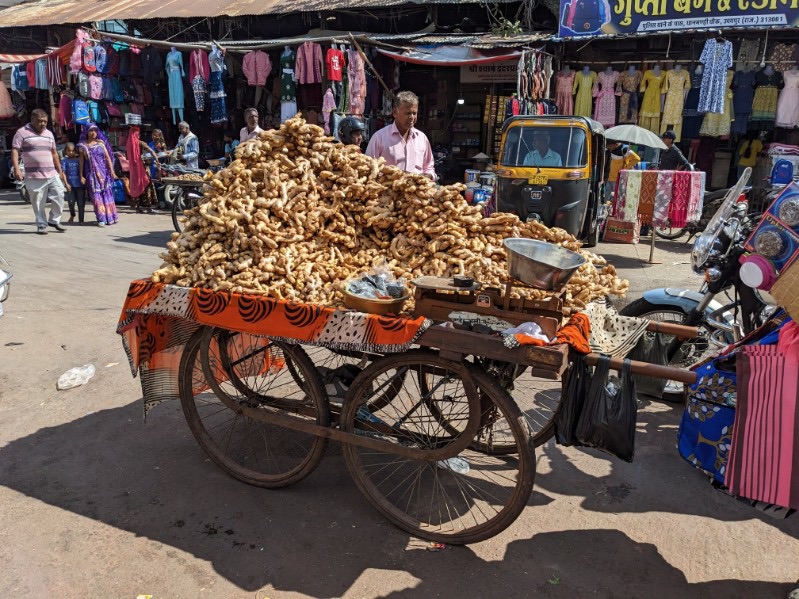
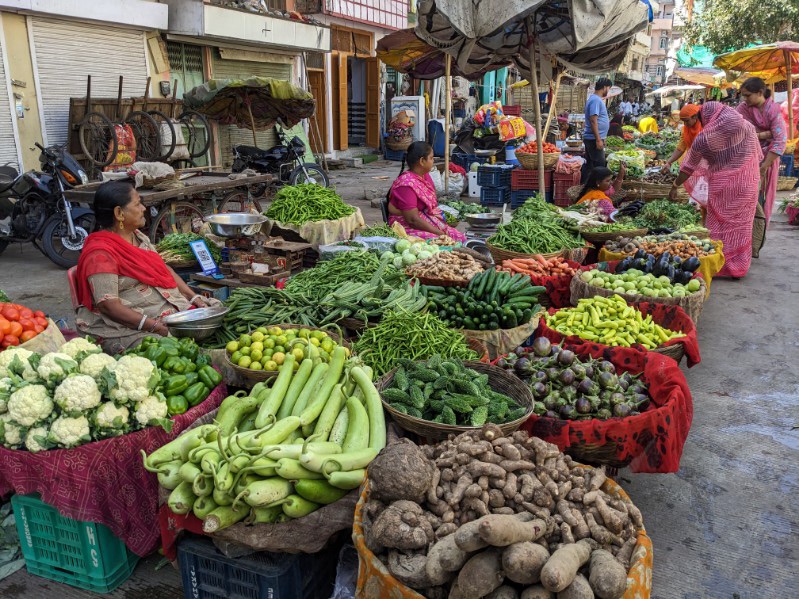
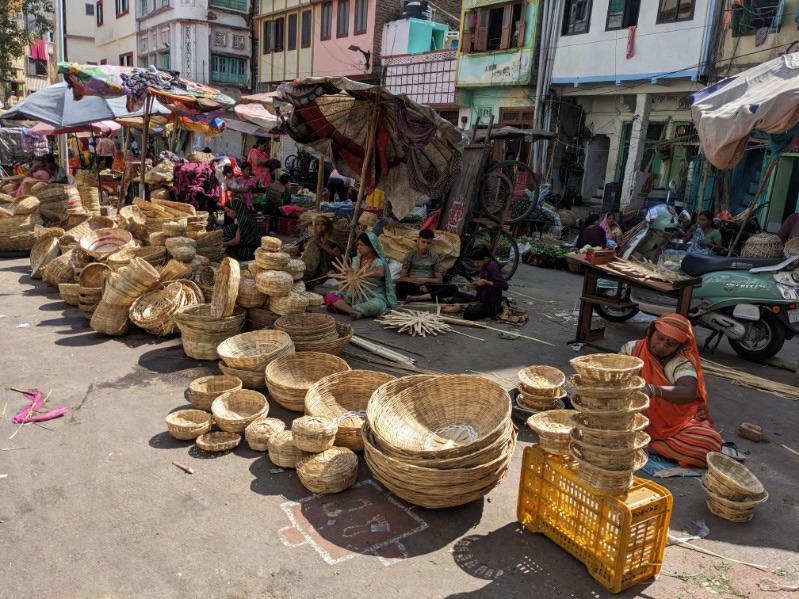
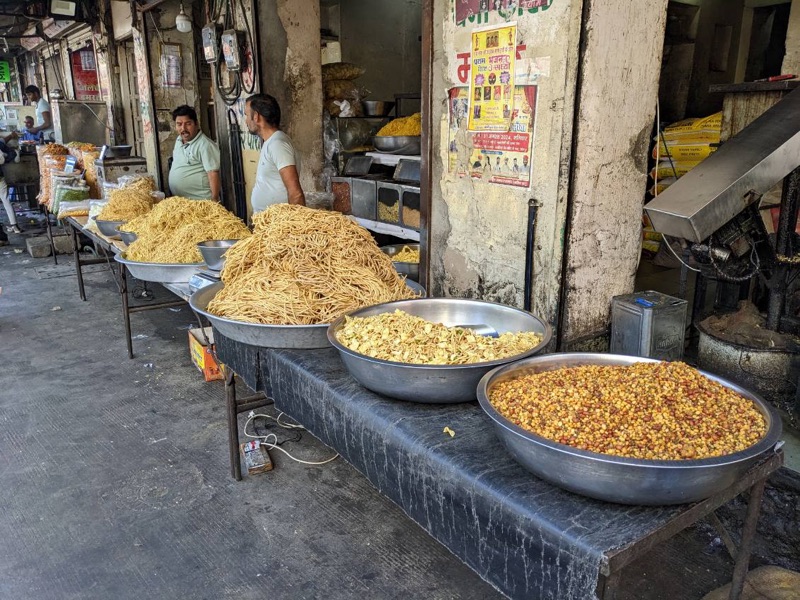
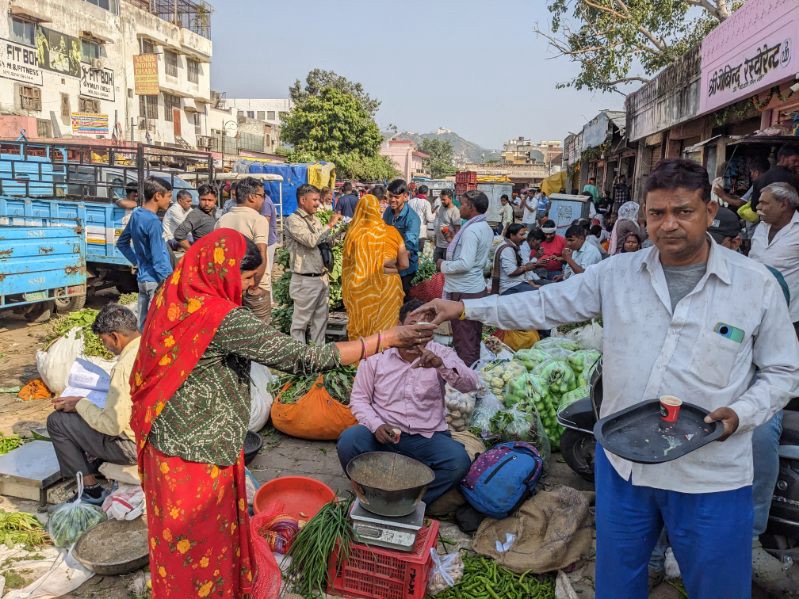
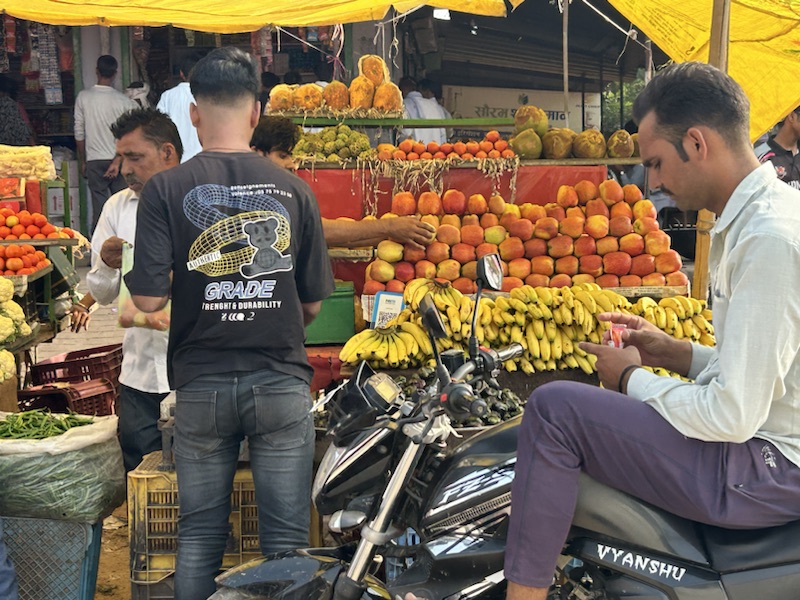
Pushkar always has a lively bazaar; but, many out of town vendors come in for the camel fair doubling its size.

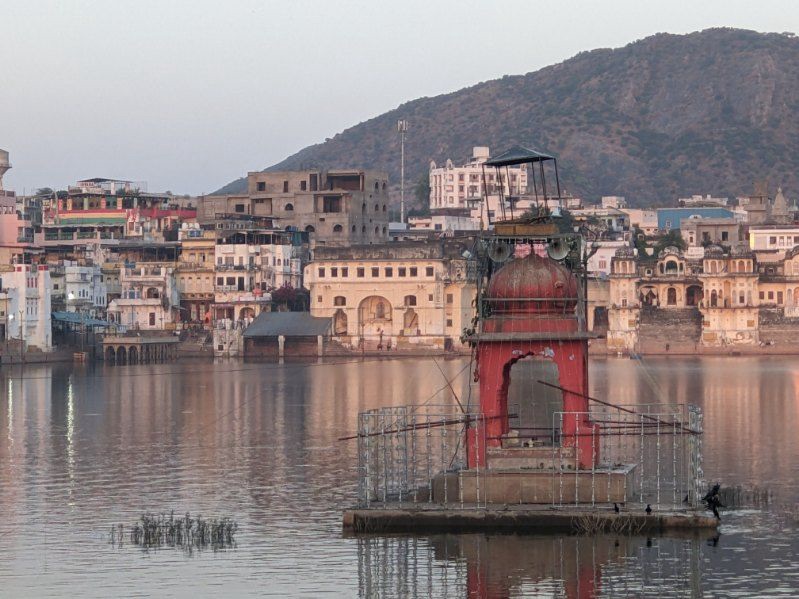
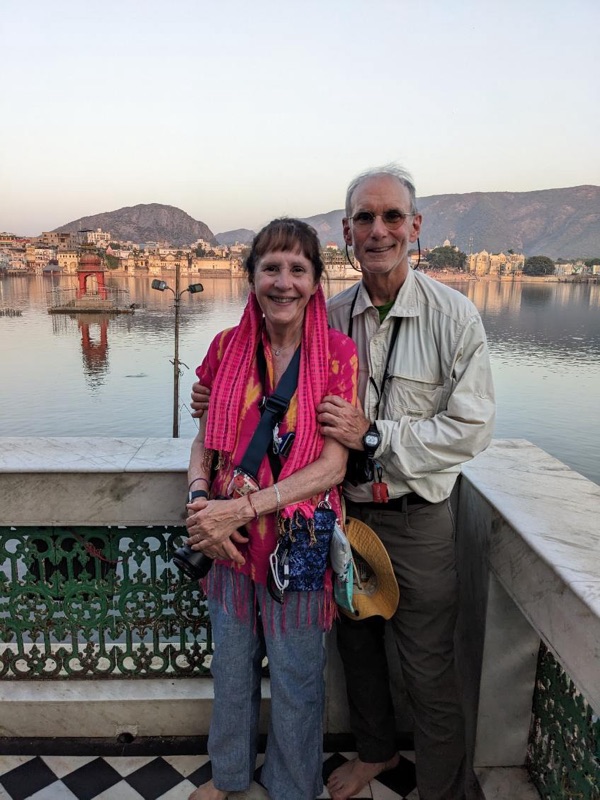
Pushkar’s Holy Lake is said to have started when Lord Brahma asked Vishnu to allow a temple to be built where he could be worshipped. Vishnu & Shiva had temples to worship them, so Brahma also wanted one. Vishnu dropped a lotus flower that circled the Earth three times before it landed in Pushkar & where it landed, a fresh spring came up creating the lake which is considered holy.

Historians know that people have been coming to the lake to worship since the 4th Century because images on Greek & Kushan coins. But, based on writings, it is believed worship here goes back to the 2nd Century BCE.

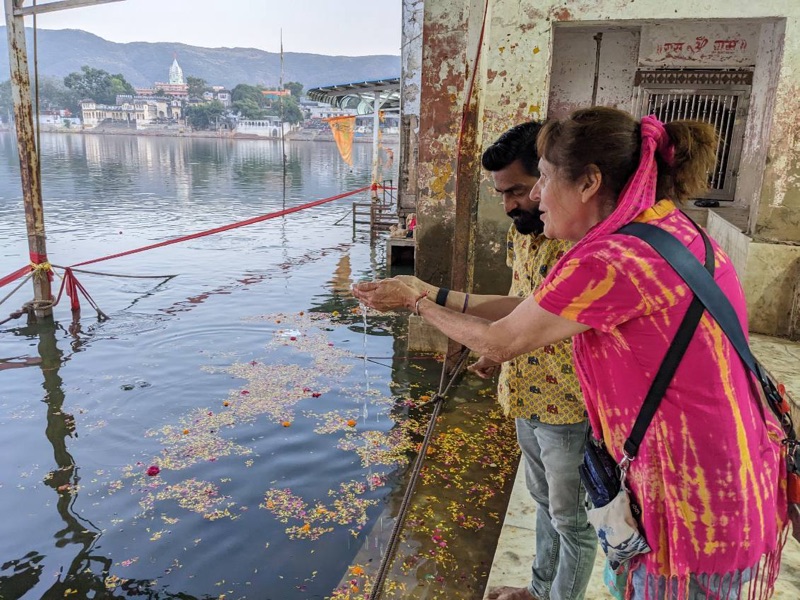
Today Hindu pilgrims come to Pushkar to bathe in the water, especially on the last day in the November fire festival when tens of thousands of pilgrims enter the lake.

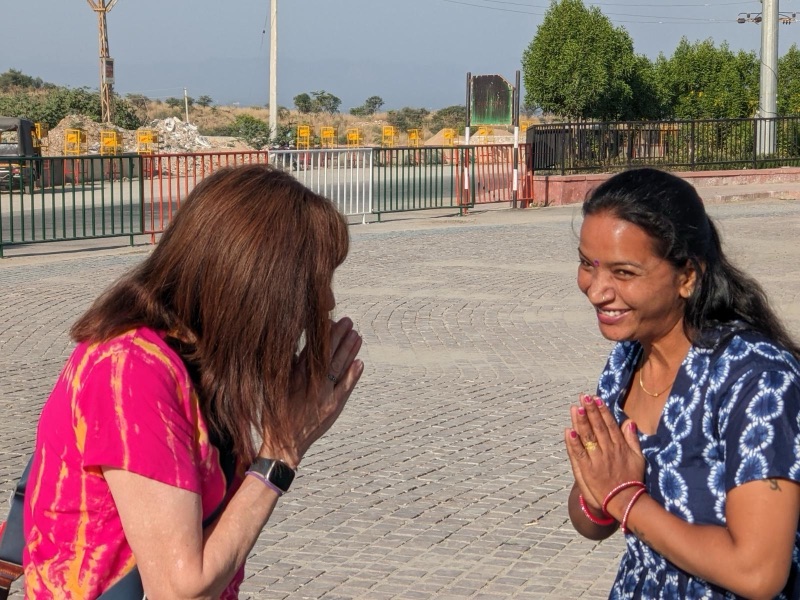
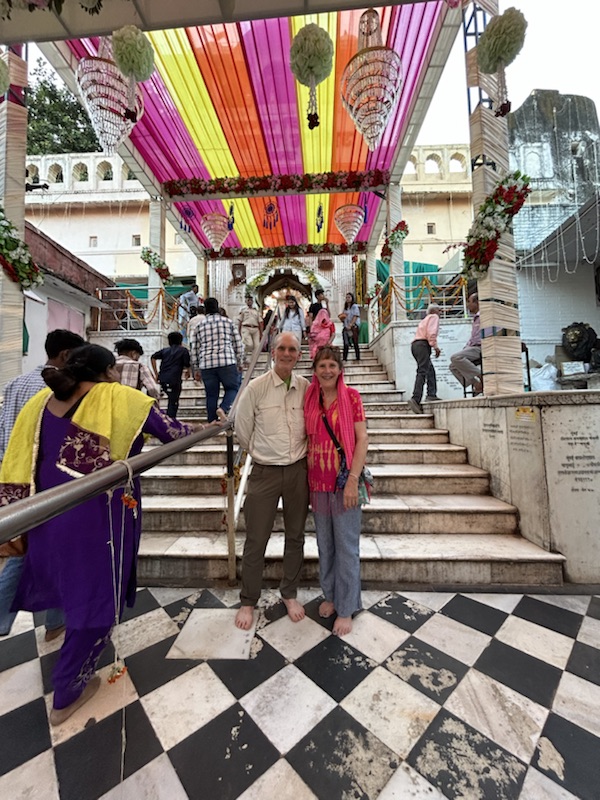
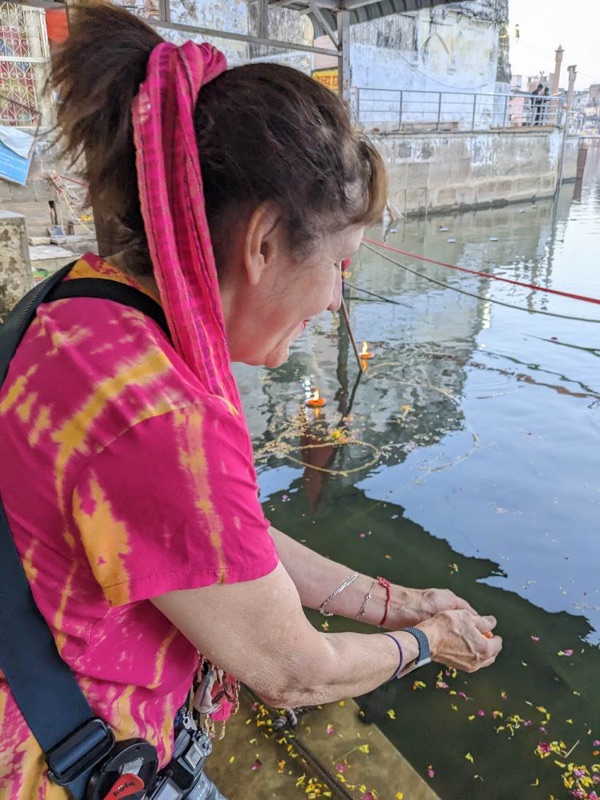
While we were at the lake, our guide led us both in prayers that you make at the lake for your loved ones who have passed.

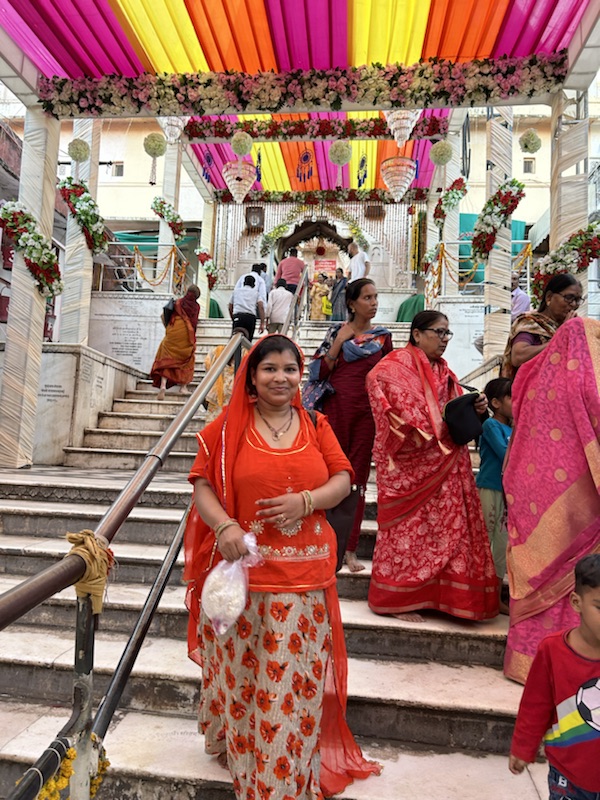
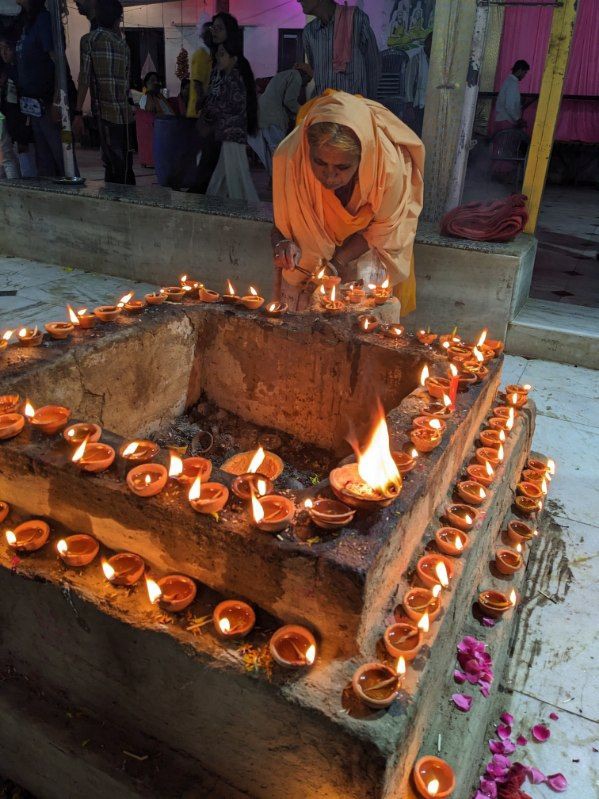
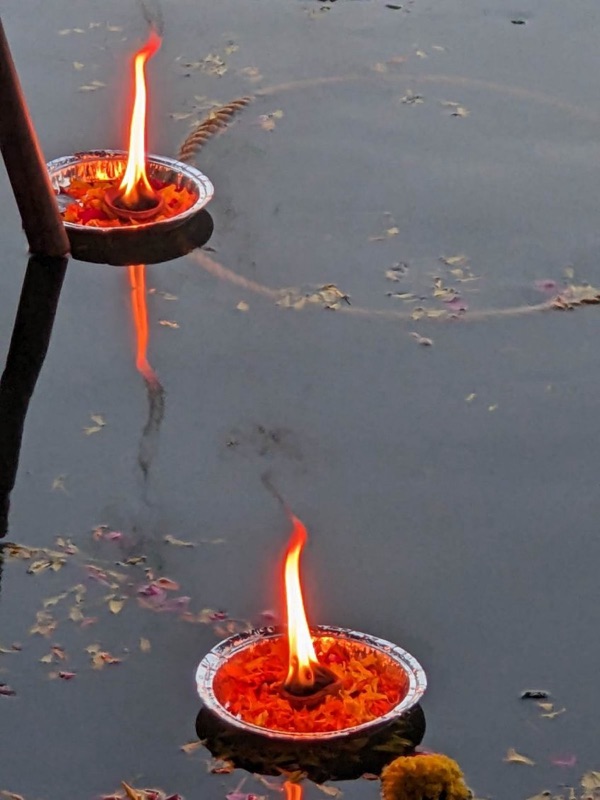
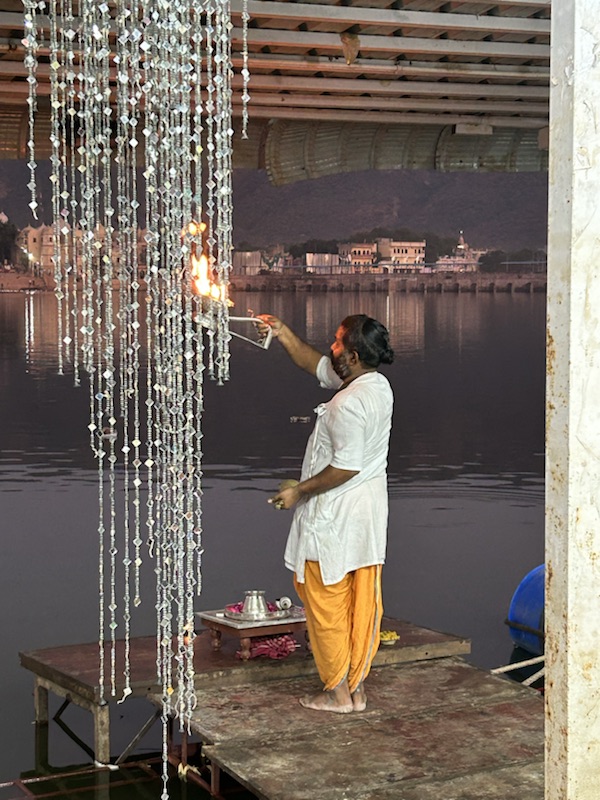
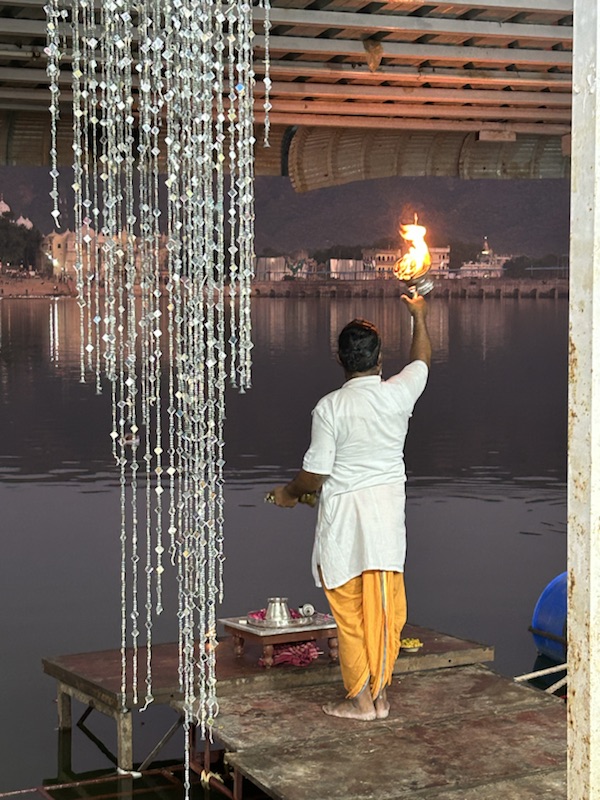
We were also able to enjoy the nightly ritual at the lake.

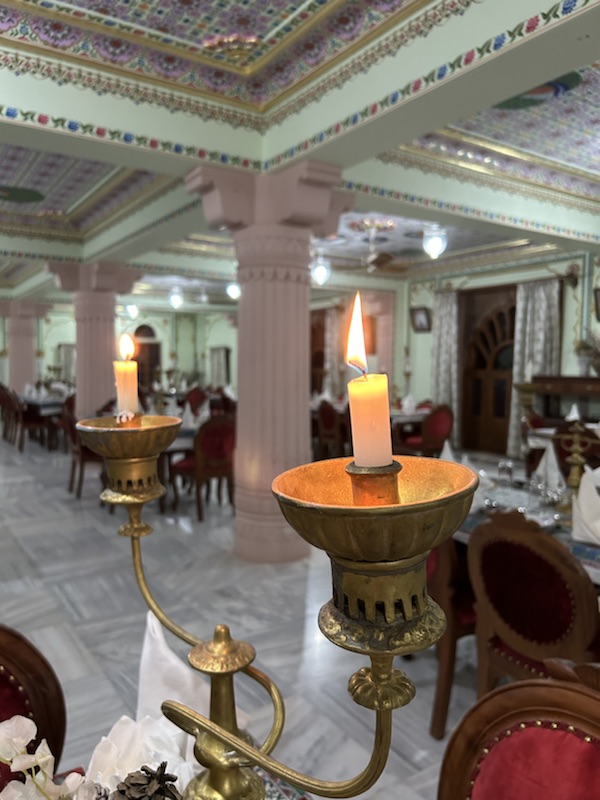
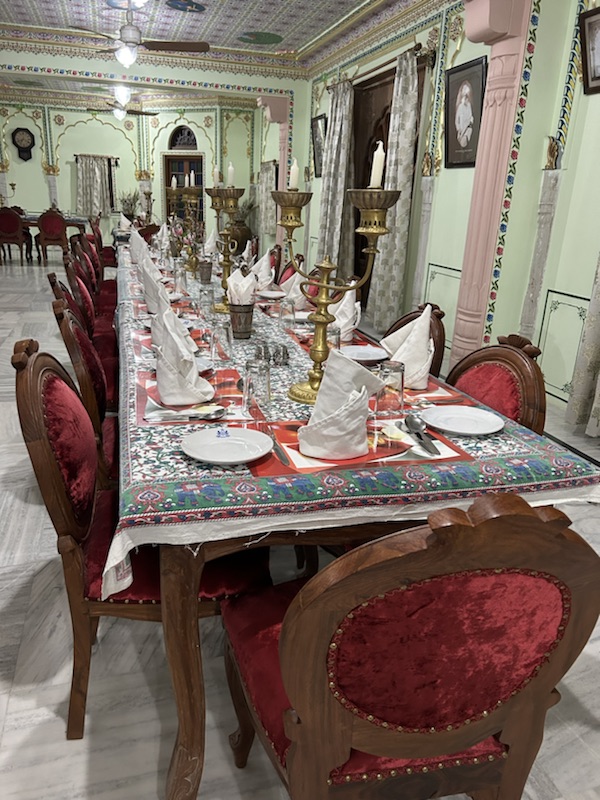
In the evening, we returned to the restaurant via a tractor ride. The restaurant is large & quite ornate. We were the only ones in it, so I felt like we were on the set of “Beauty & the Beast”. I kept waiting for the waiters to start singing, “ Be our guest… Be our guest…”

Must admit, we were treated like royalty.

Around Udaipur

Two interesting Hindu temples are a short 40 minute drive from Udaipur.

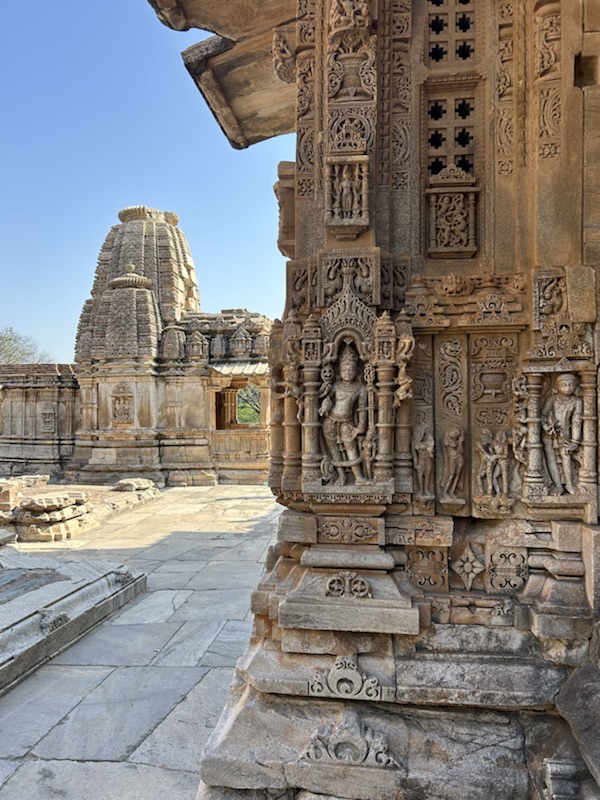
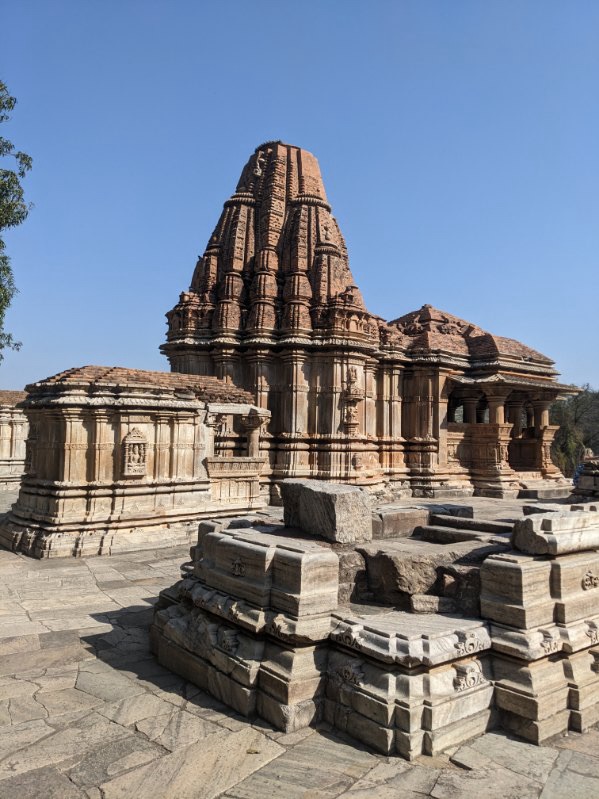
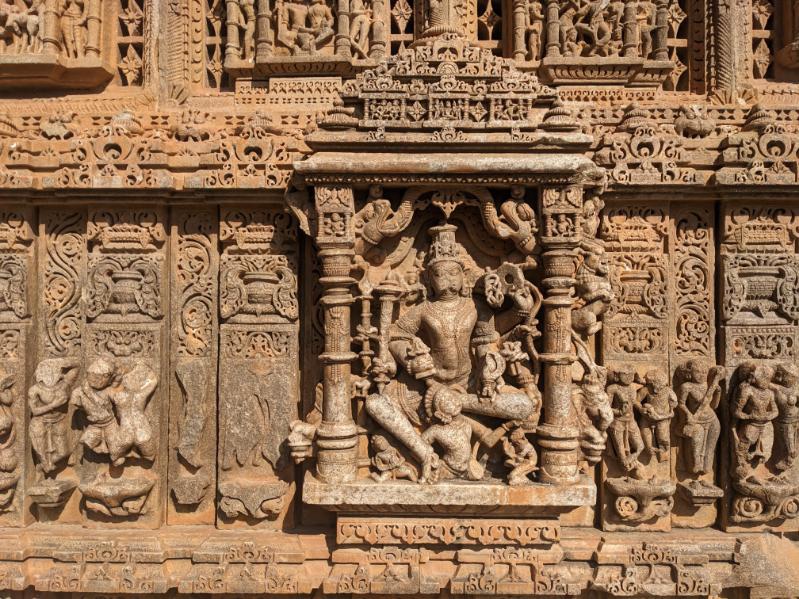
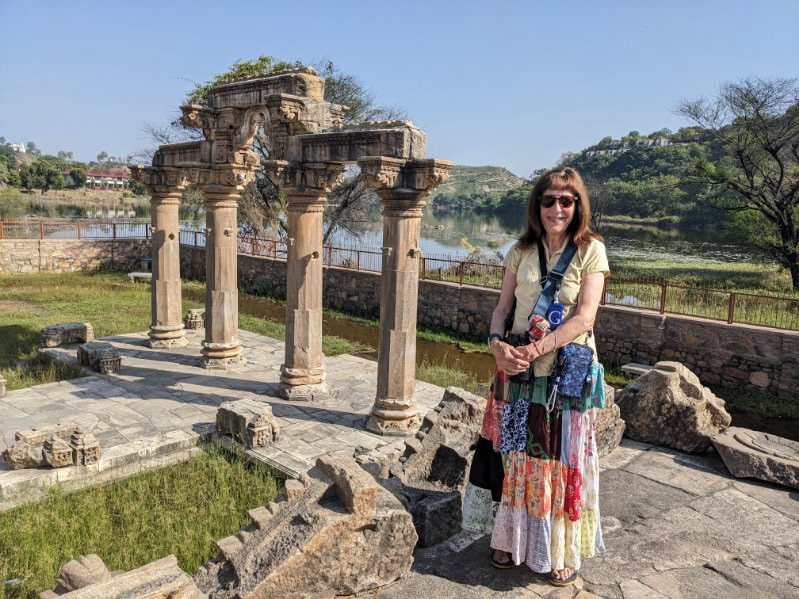
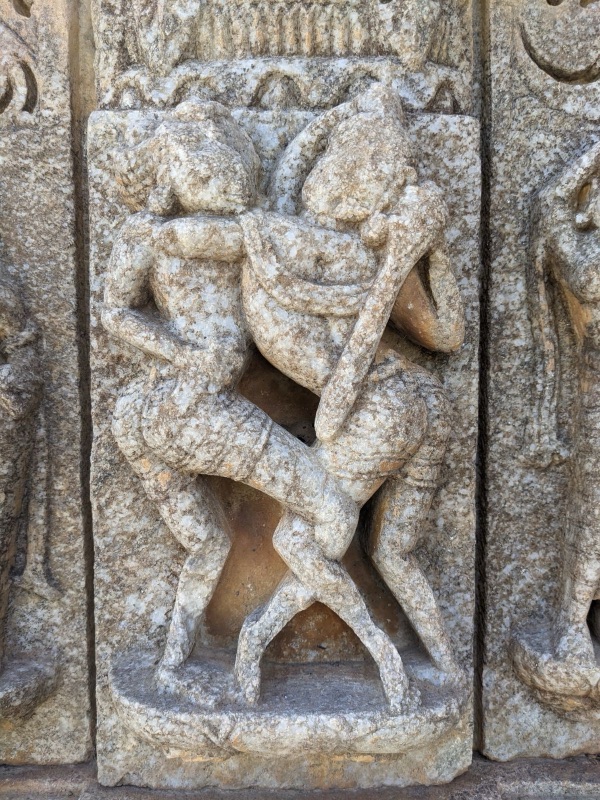
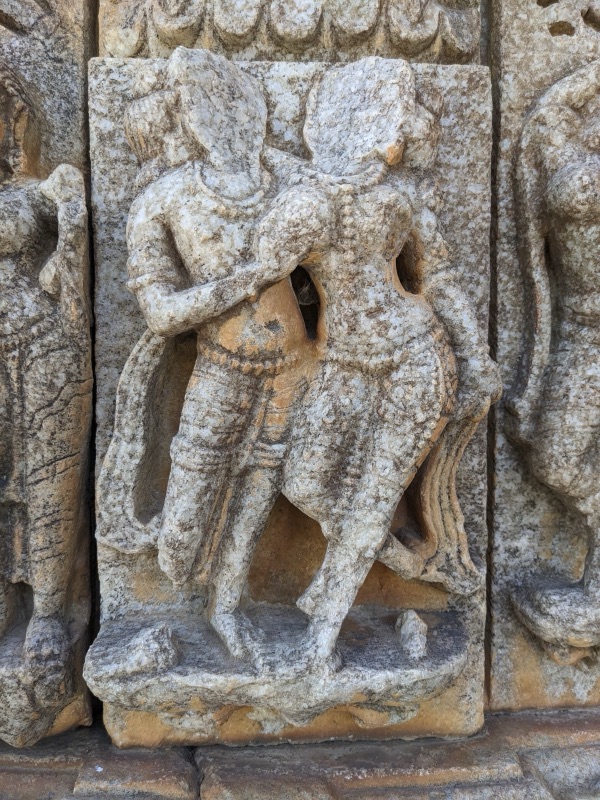
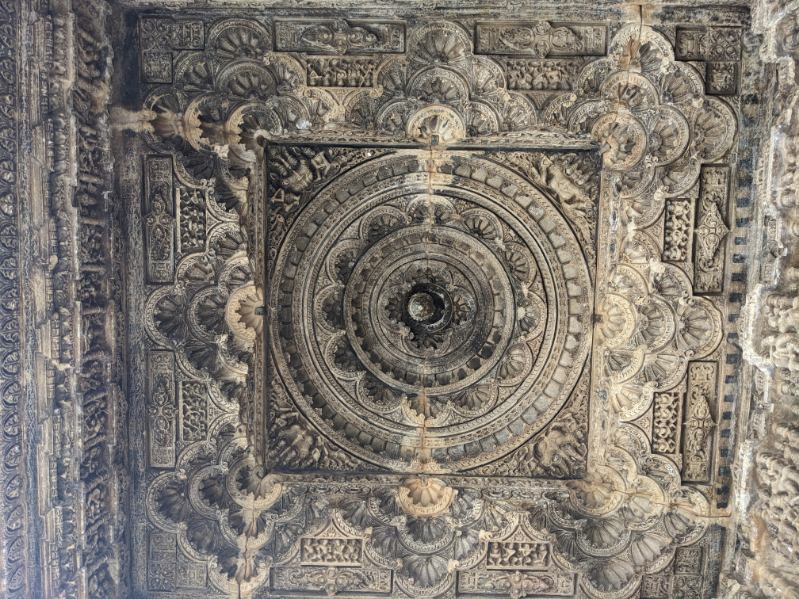
Nagda is a rural area that has Sasbahu temples from the 10th Century dedicated to Vishnu. We enjoyed exploring these small temples which have beautifully intricate carvings which reminded us of a miniature Angkor Wat which is located in Cambodia.

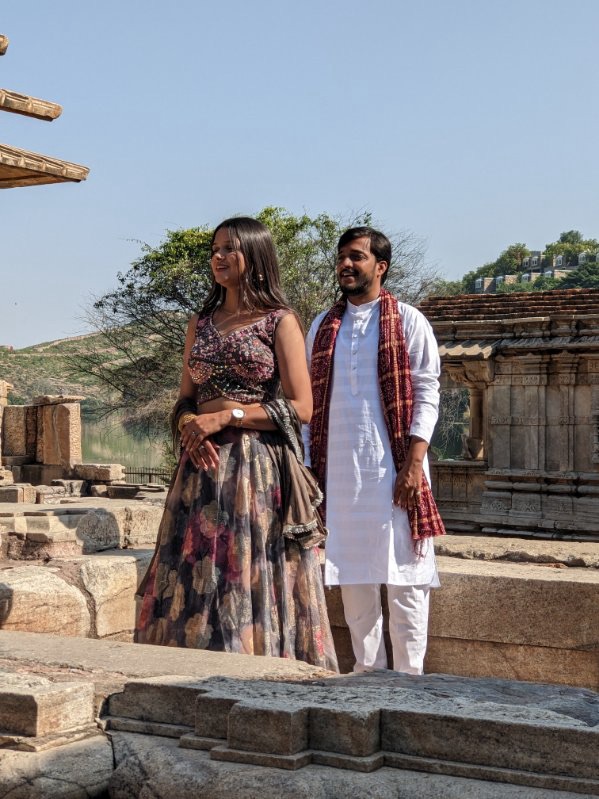
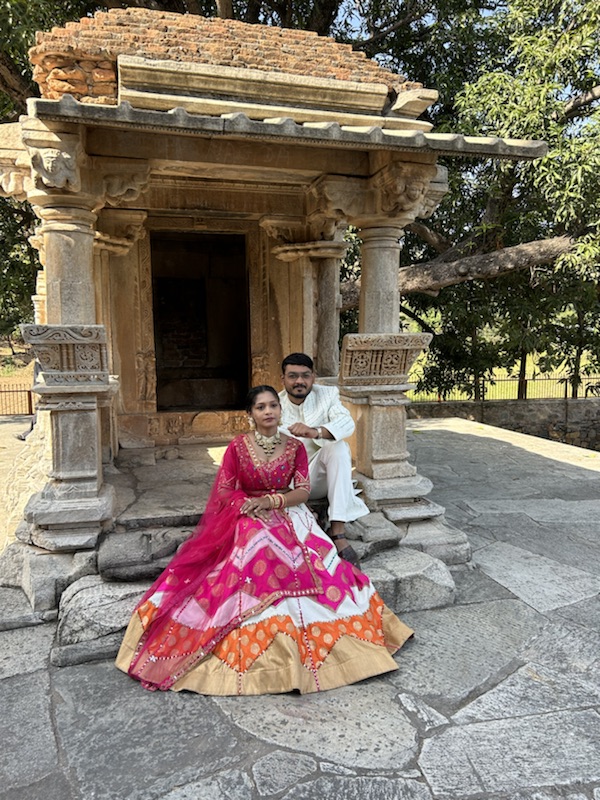
Some carvings include embracing lovers to which couples are supposed to pay homage to when visiting which must be why it is a popular place for pre-wedding photo shoots.

Only a short distance away, we visited the Eklingli Temple which is still active. Eklingli means “Lord Shiva” & this home to the manifestation of Shiva.

It is lovely marble complex containing 108 temples. The first temple was built in 734 CE. Most of the complex was entirely rebuilt in the 15th Century.

We arrived just in time to take off our shoes & enter the temple during prayers. Unfortunately, no photography is allowed inside the marble temple which also beautiful carvings & religious icons.

Also, no mobile phone usage is allowed in the temple & we saw the custodians enforcing that restriction.

We got in line with the large crowd, enjoyed the chanting, & listened to the music while we slowly moved in single file through the complex until we reached the main Shiva statue.

At this point, visitors can offer prayers & leave flower offerings before exiting the holy shrine.

You are also allowed to visit a handful of smaller temples which each contain a lesser deity. Upon hearing many bells ringing very loudly for a prolonged time, we knew the ceremony was over.

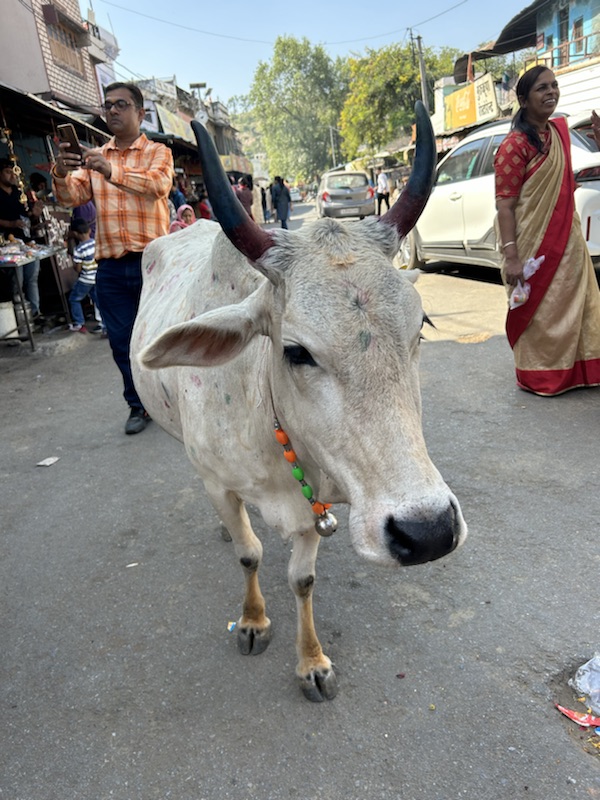
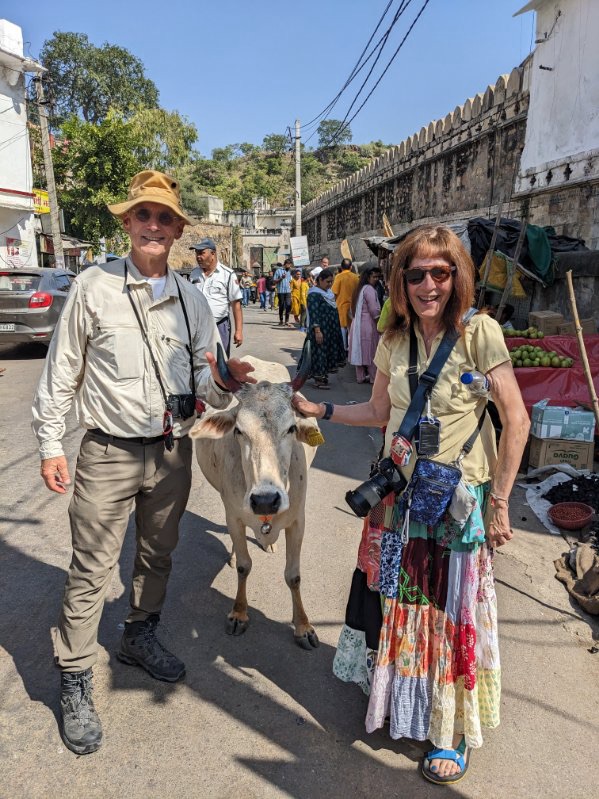
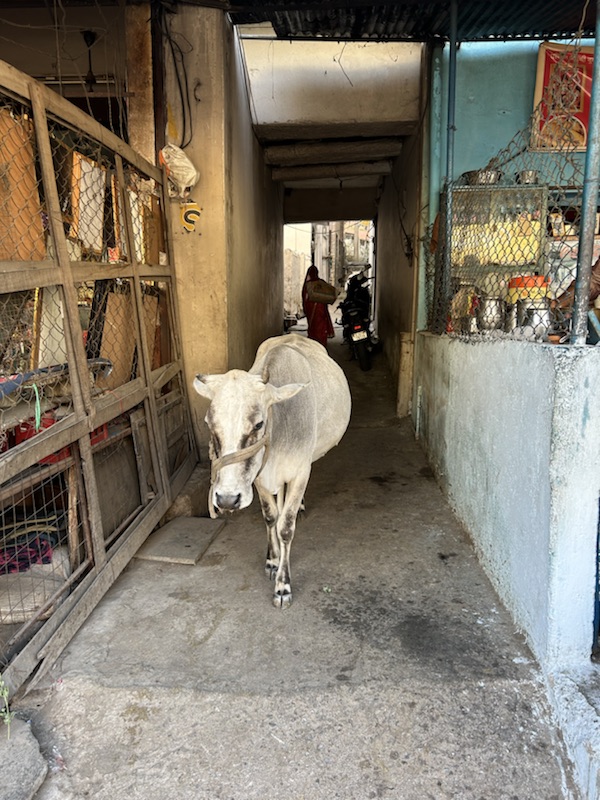
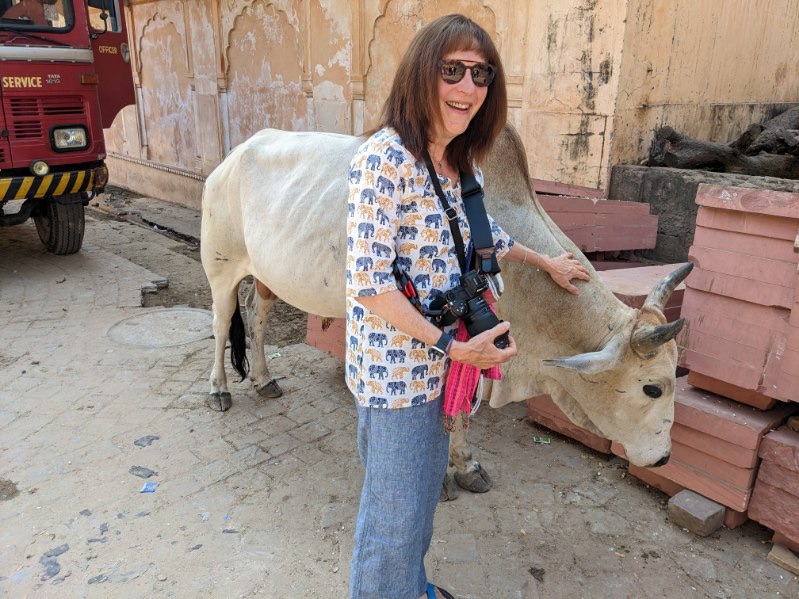
Outside the temple we enjoyed seeing & interacting with a few cows & seeing the local shops.

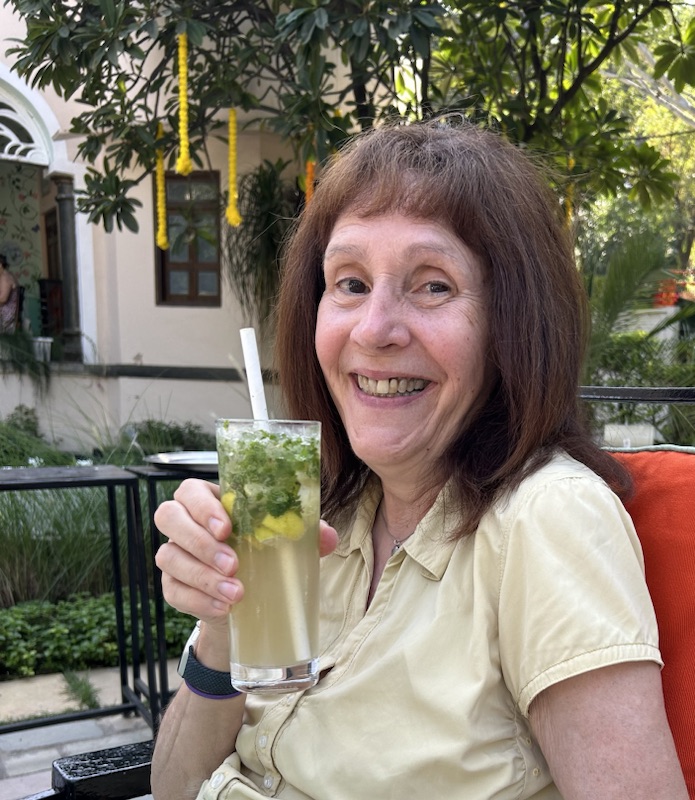
Afterwards, we enjoyed a relaxing lunch back in Udaipur during which I enjoyed a mojito.

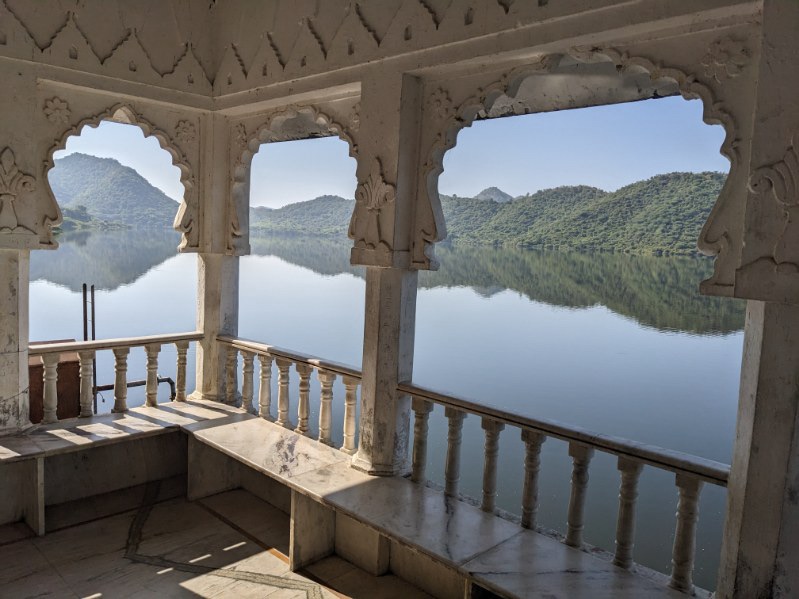
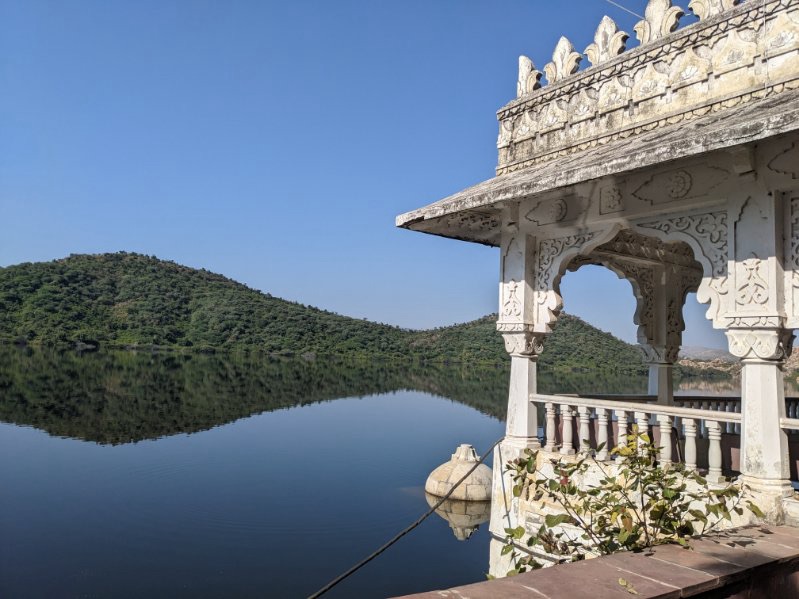
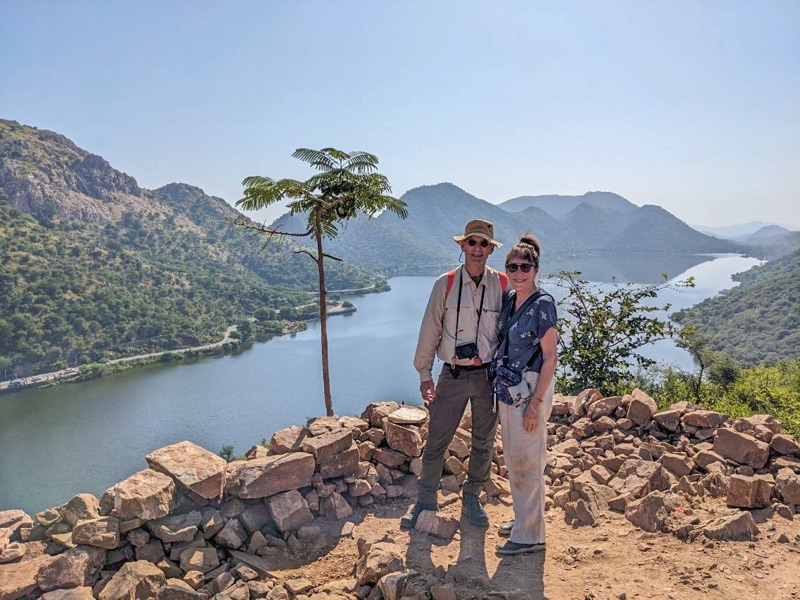
The next day we also visit visited Badi Lake located in the Bahubali Hills.

Udaipur- City of Lakes

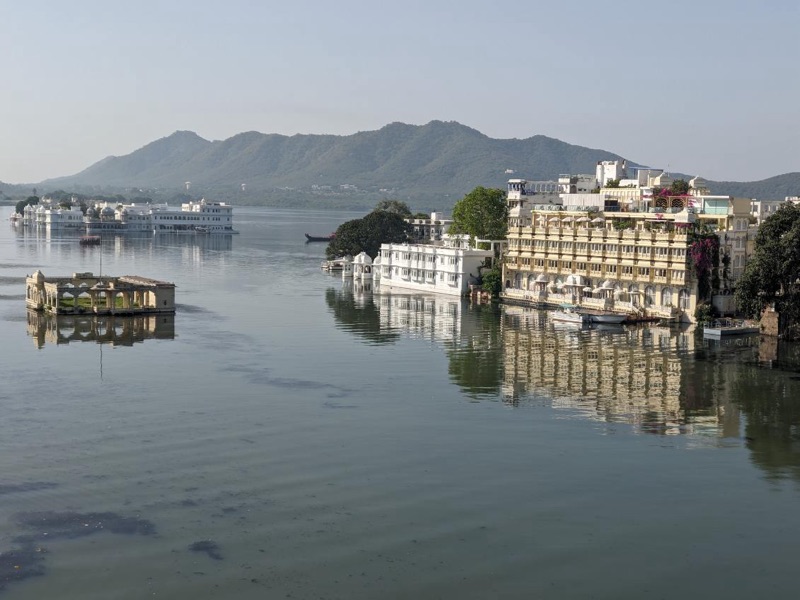
Udaipur has seven man made lakes. Each one provides a beautiful vista & backdrop for various palaces. It’s also among the major international locations in the 1983 James Bond movie “Octopussy”.

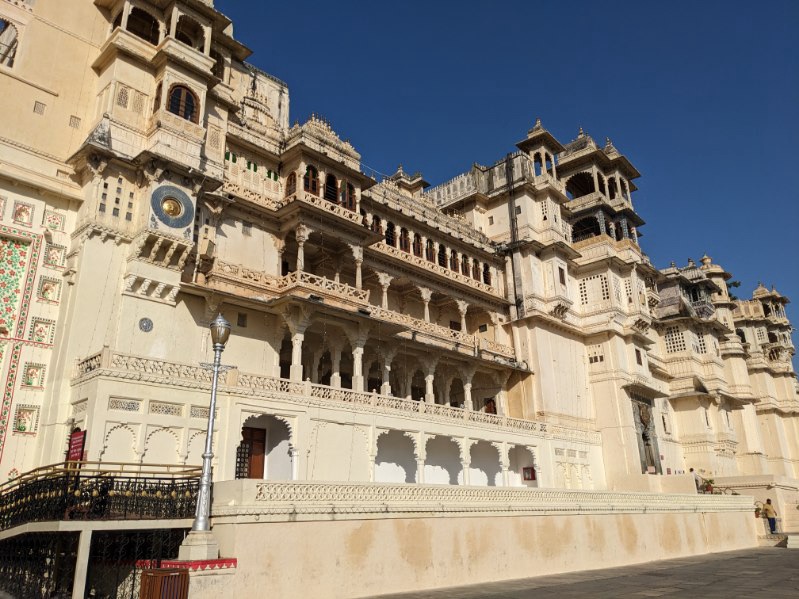
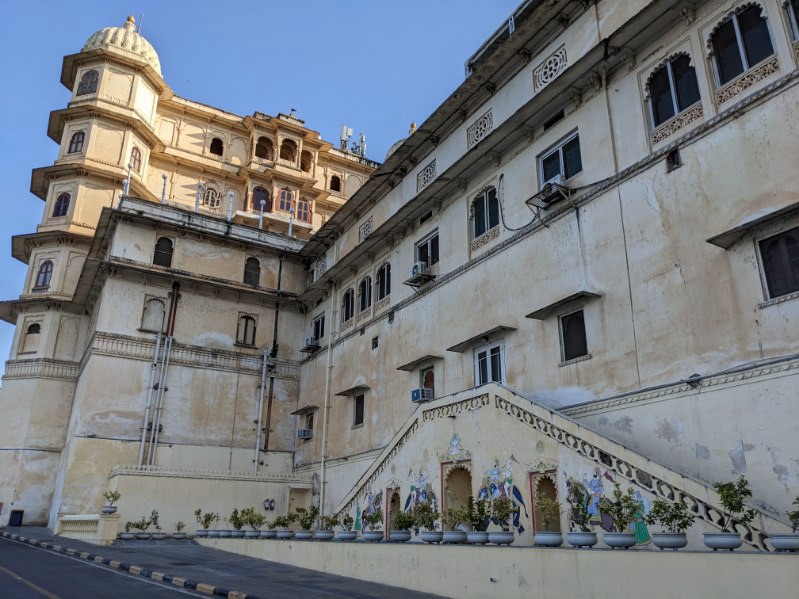
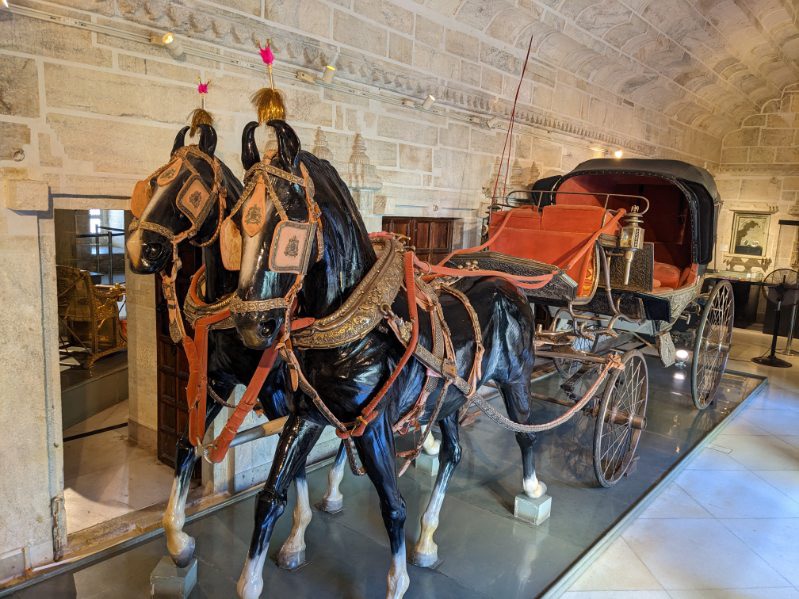
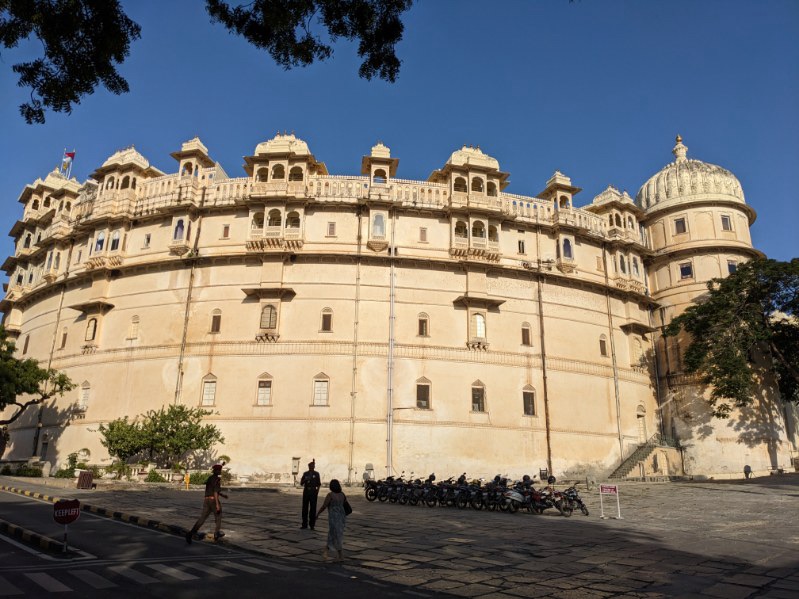
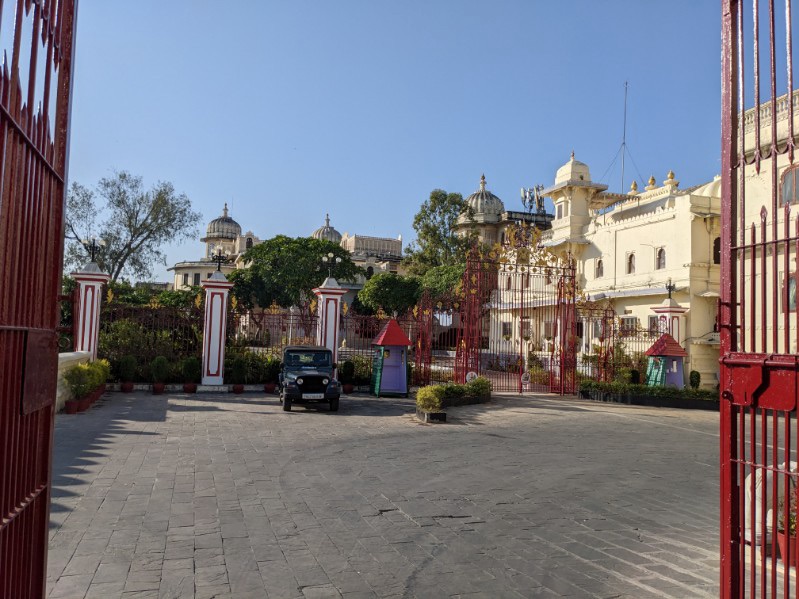
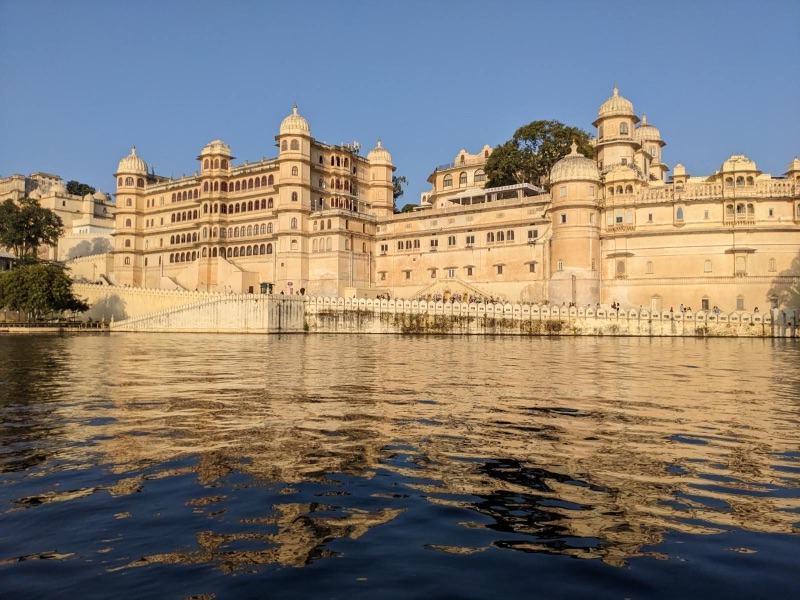
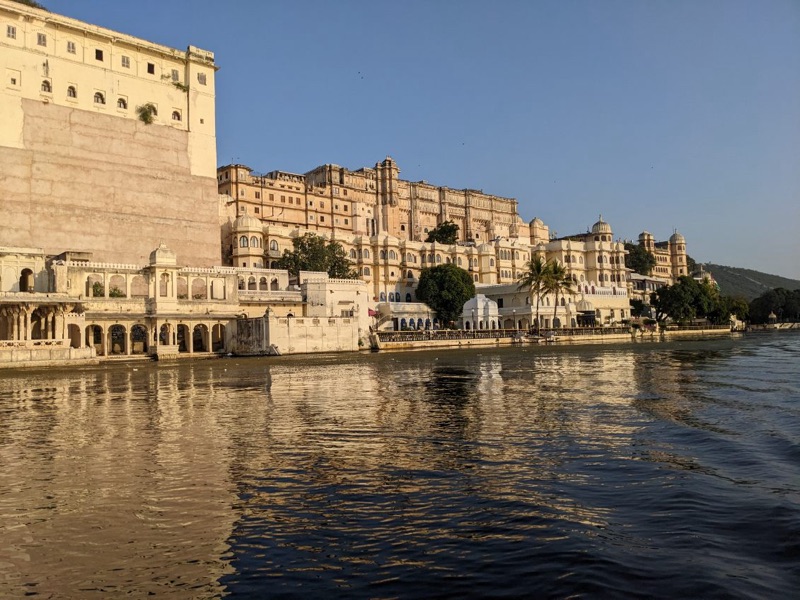
Like Jaipur, Udaipur has a City Palace and a ruling king. The Maharanas of Udaipur have ruled for 76 generations since 556 CE making them the longest ruling dynasty. They have lived in this palace since 1559 & still do today. The beautiful palace has a hotel, museum, conference center, & the royal family’s residence. The royals rent spaces in their palace to use for weddings & conventions; but, mainly it is simply a beautiful place to visit for a few hours.

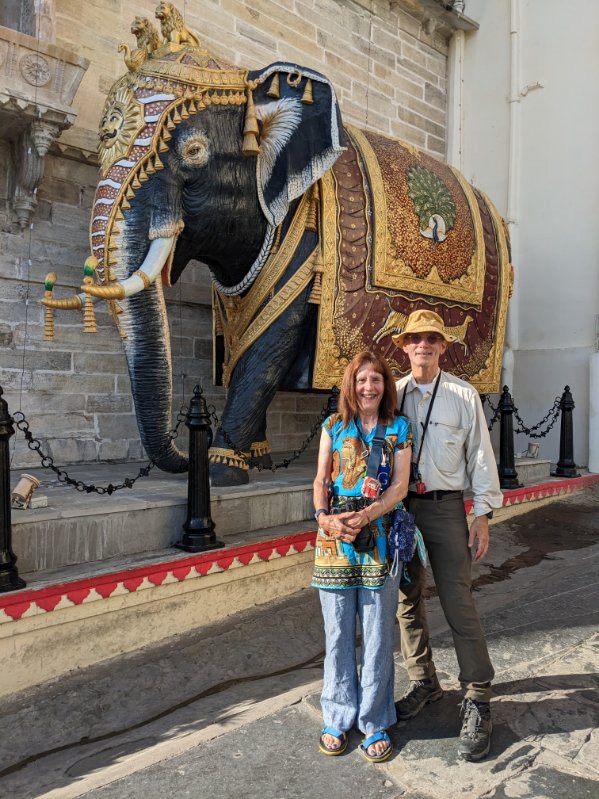
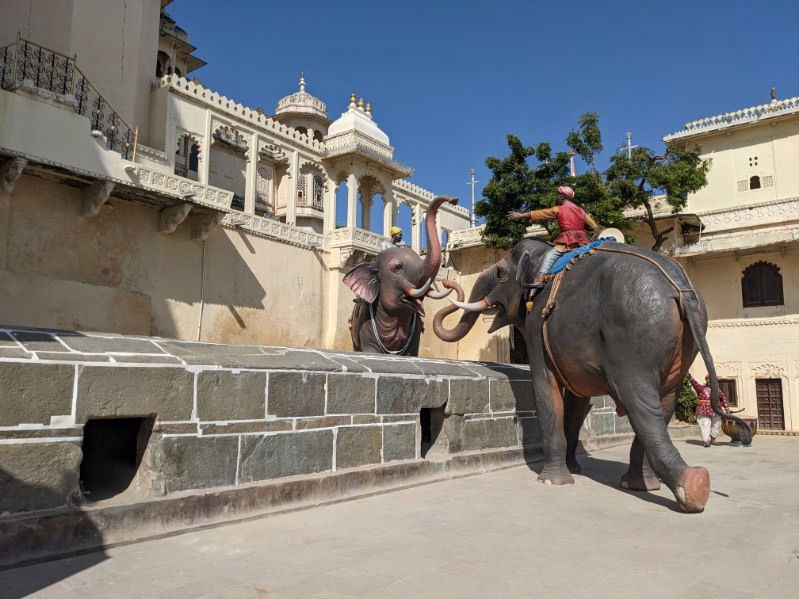
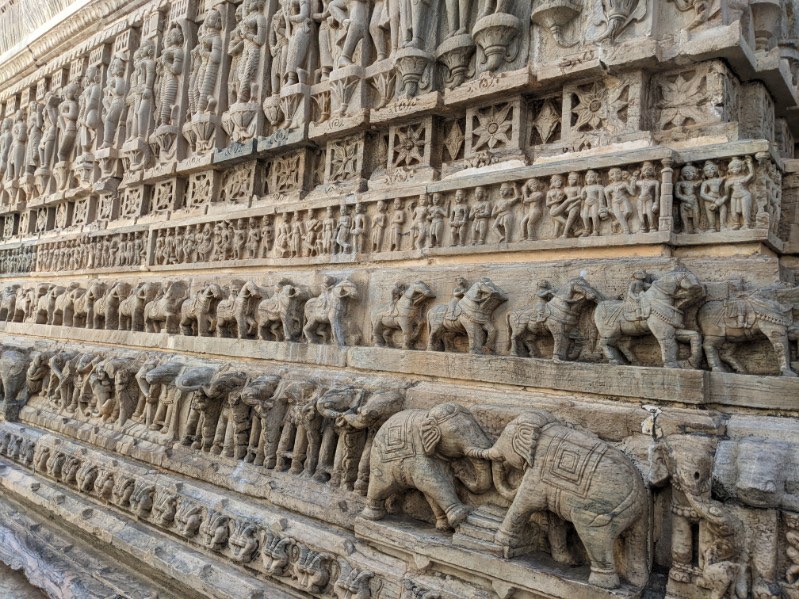
Just for sport, in the old days, the king would match two elephants in a tug-of-war contest. The elephants would wrap their trunks to pull against each other. The first elephant to touch the wall with its front foot lost. Those who wagered on the losing elephant lost some money along with some pride.

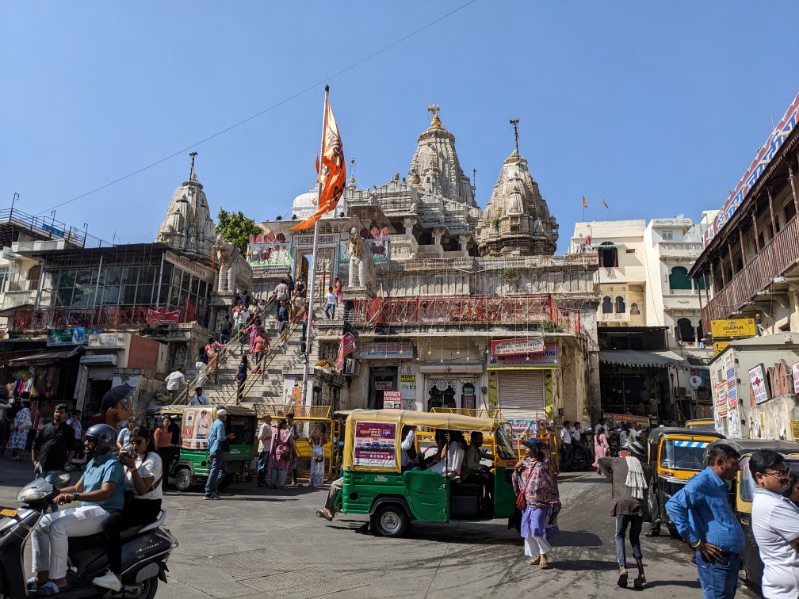
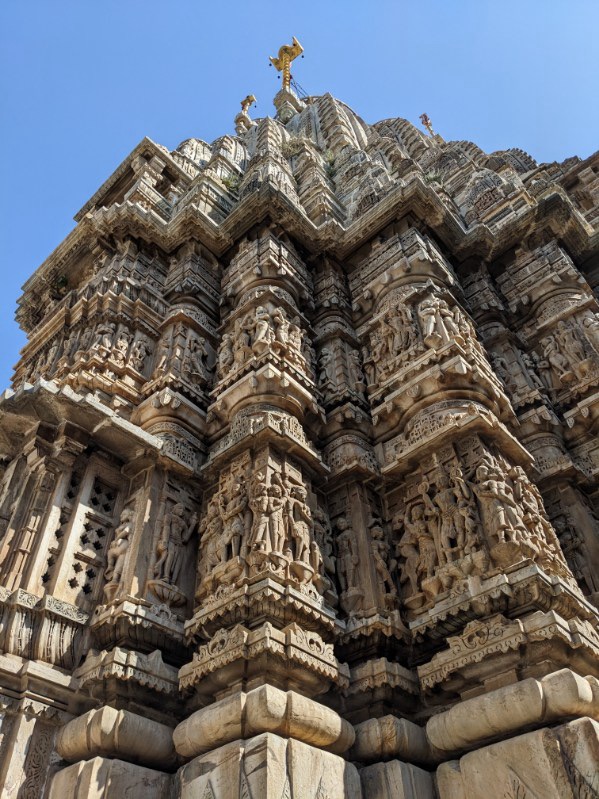
The Hindu Jagdish Temple is very impressive. This carved marble structure took over 25 years to build. The temple carvings are very impressive. You have to climb 32 steps from the earthly realm to reach the holy shrine which is considered sacred ground.

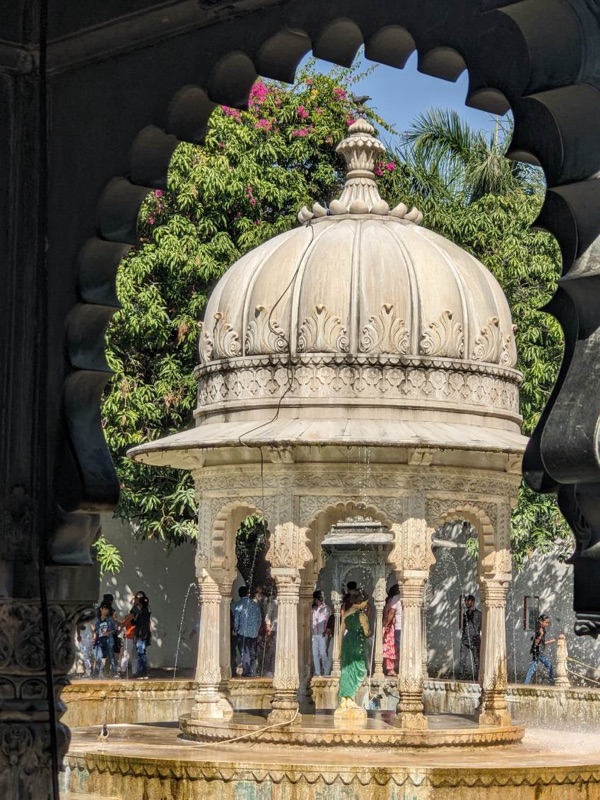
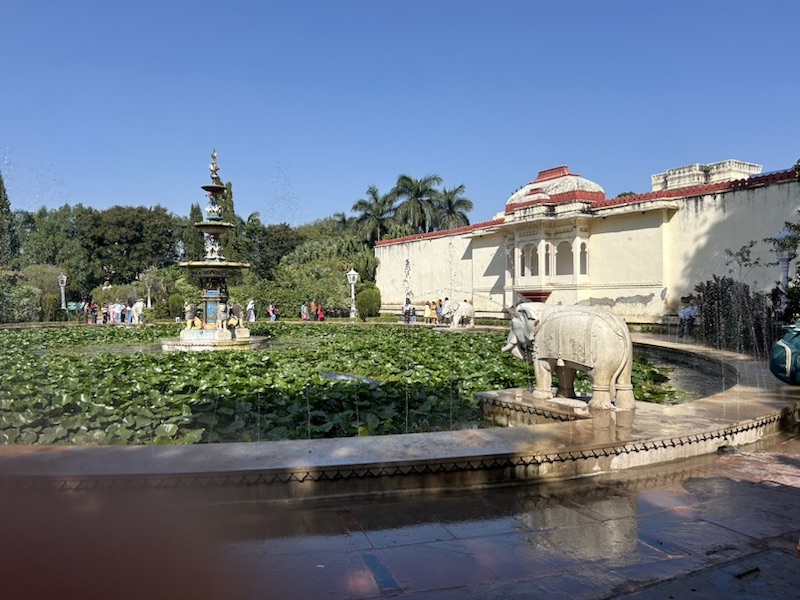
A cool & relaxing place to visit is the Saheliyon-ki-Bari known as the “Courtyard of the Maidens” because the queen would bring her female friends & entourage to this place to relax in private.

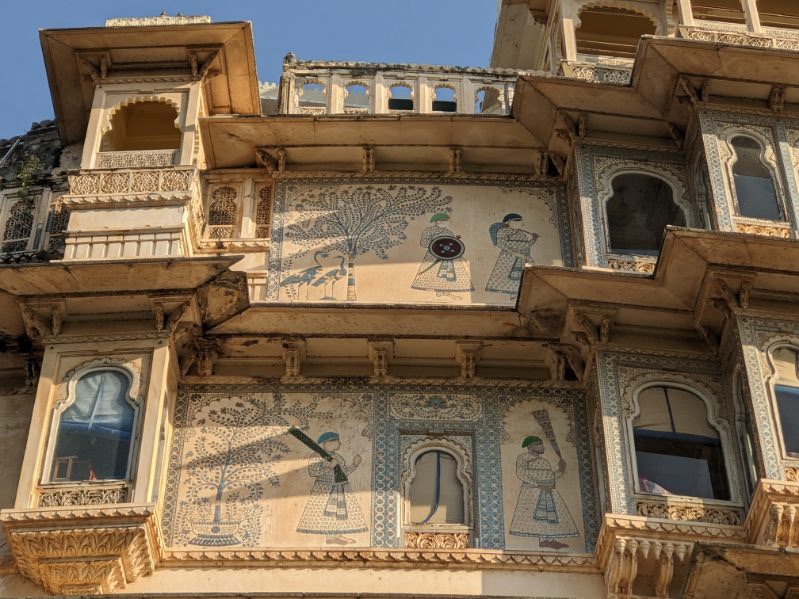
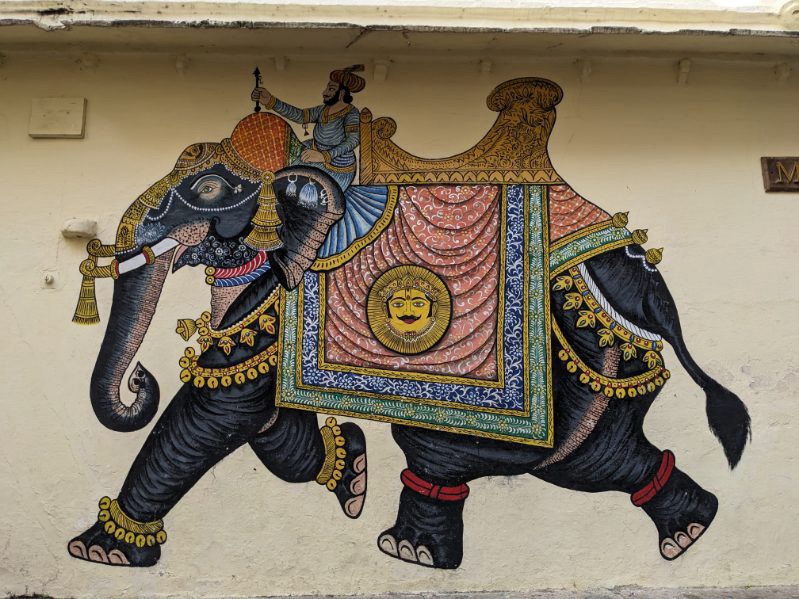
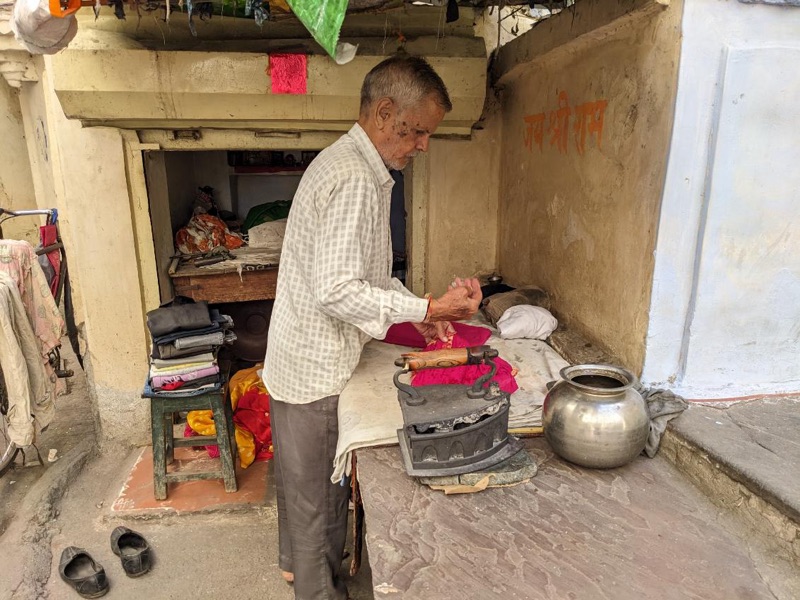
Udaipur’s old city is also a delight just to wander through. We saw tiny neighborhood temples, street vendors selling everything under the sun, & old traditional homes with nice wall paintings. We also met the locals.

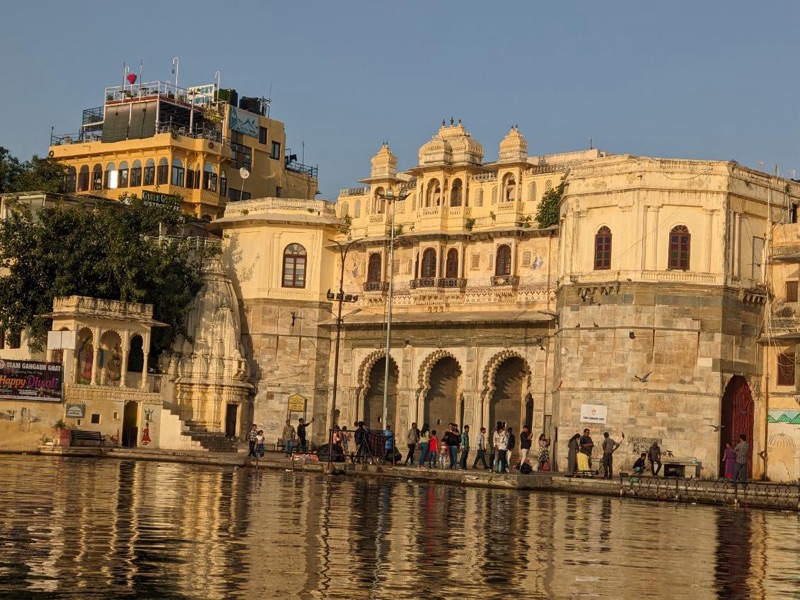
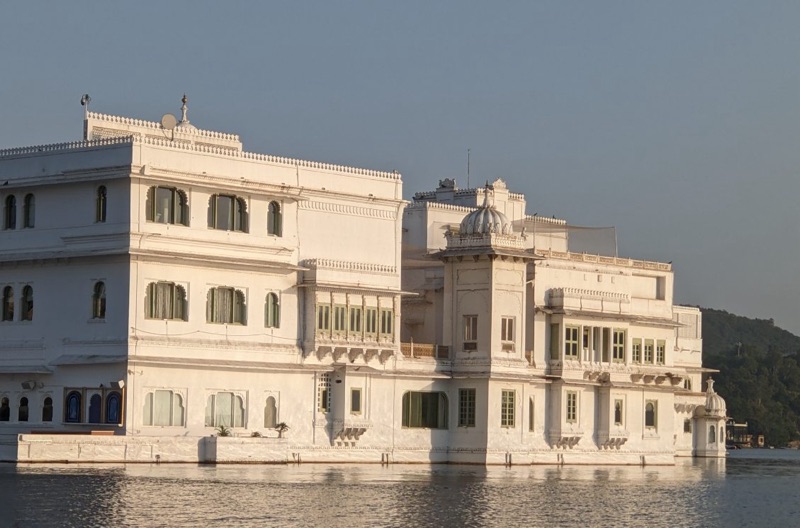
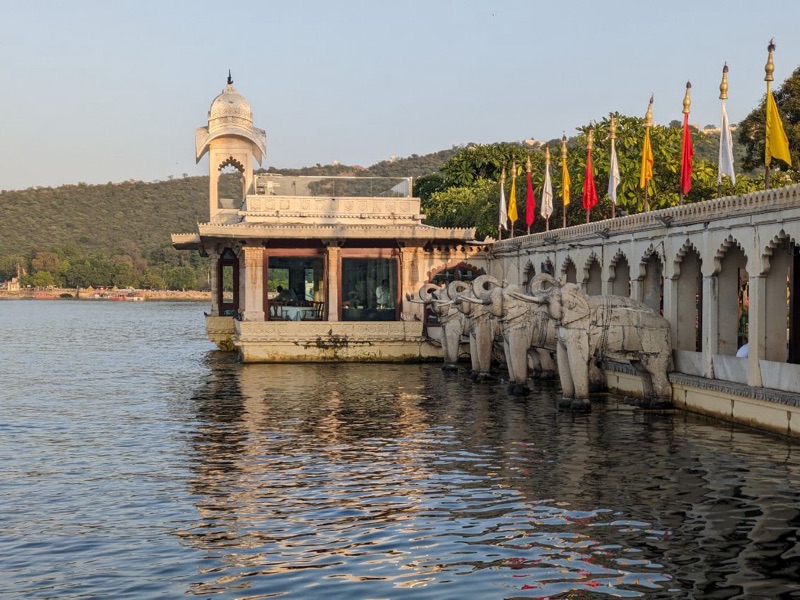
We ended our day with a lovely boat ride around sunset on Lake Pichola. We motored by the lovely City Palace, the Taj Lake Palace, & spent a little while on Jagmandir Island. All these locales are in the James Bond movie.

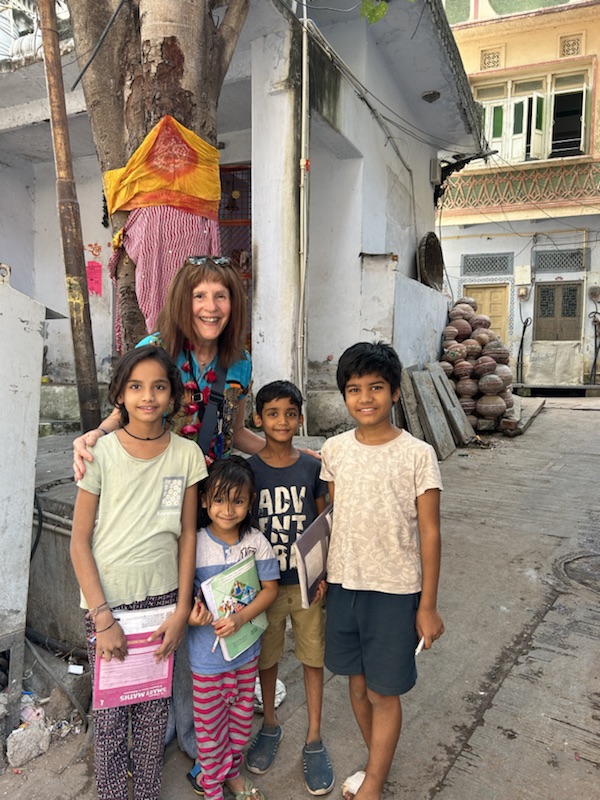
Just a few more people shots to share.

Monkeys, Elephants, & Holy Cows

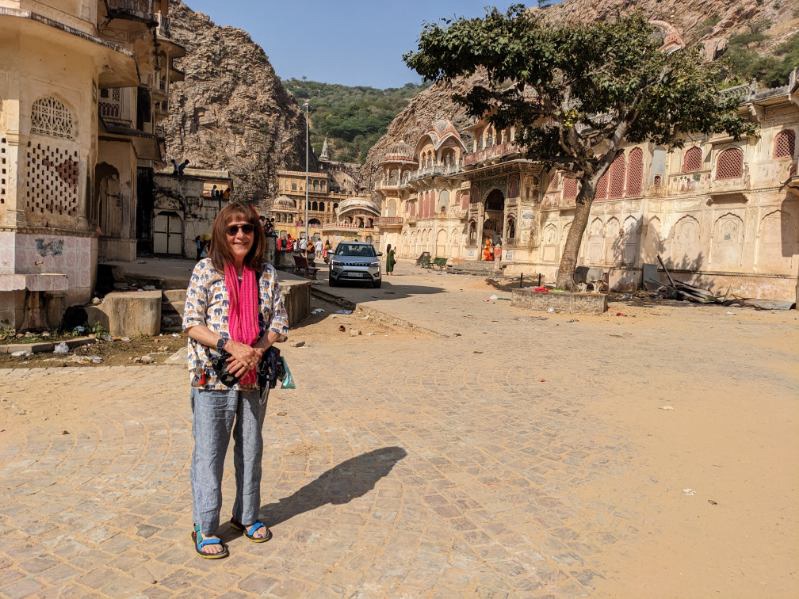
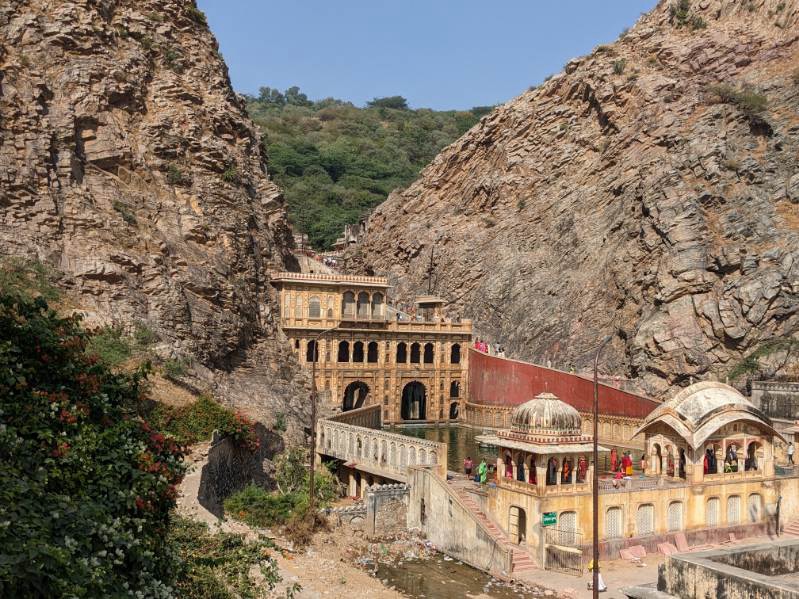
On our last day in Jaipur we visited the Galtaji Monkey Temple situated about 30 minutes outside Jaipur.

Unlike most temples, this one was located in a steep canyon in a wooded area far from any town. This remote location provides a nice quiet environment.

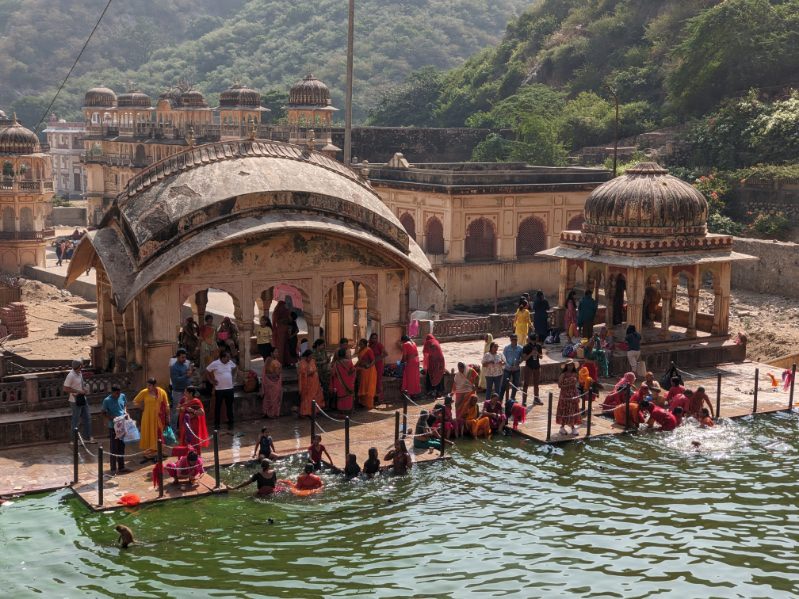
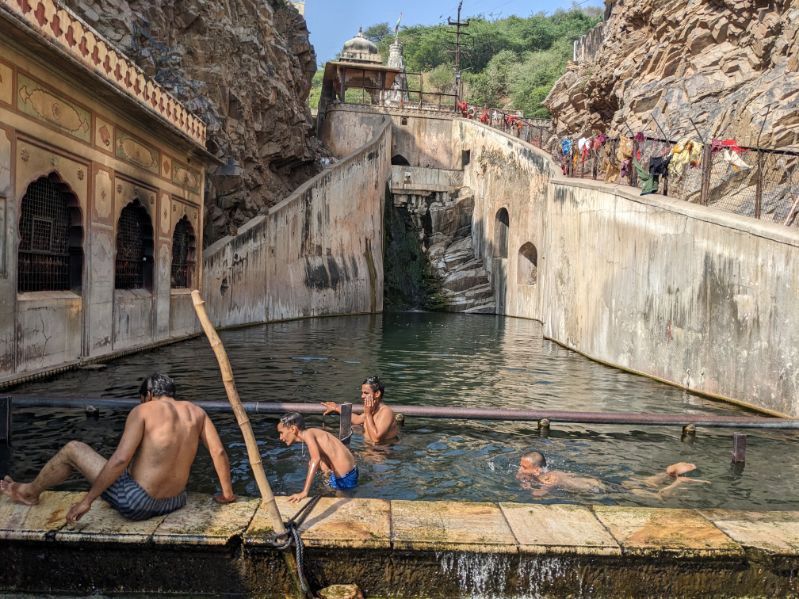
It’s considered to be a holy location because a fresh water spring flows down hill filling up several reservoirs. Pilgrims come to bathe in the water which is considered to be sacred. There is a separate pool for women & men.

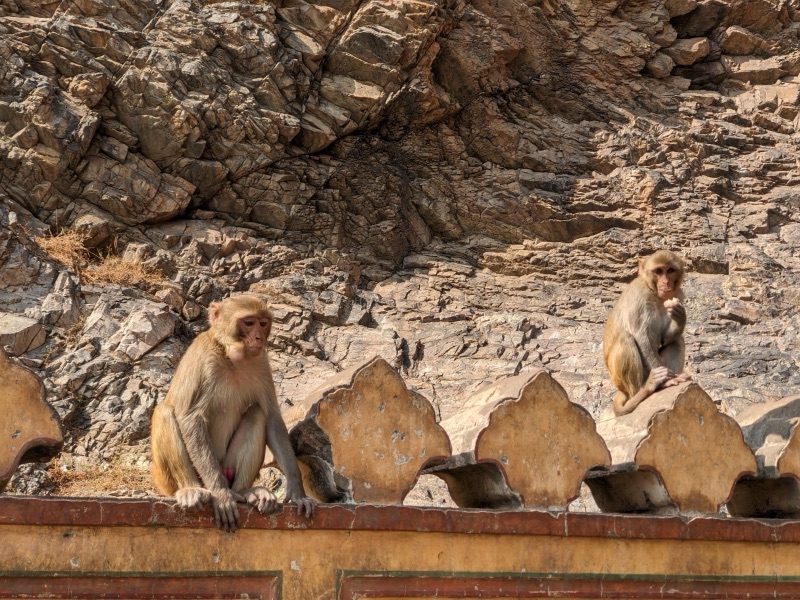
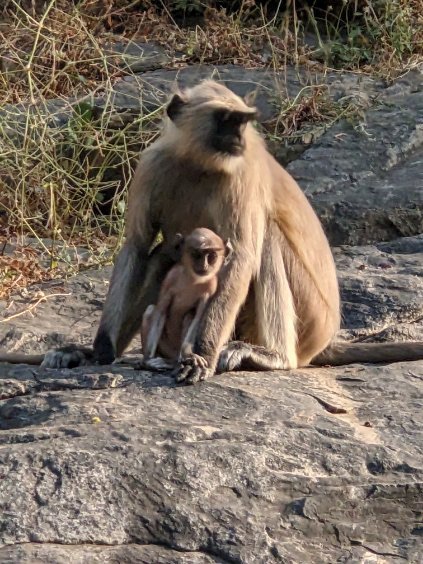
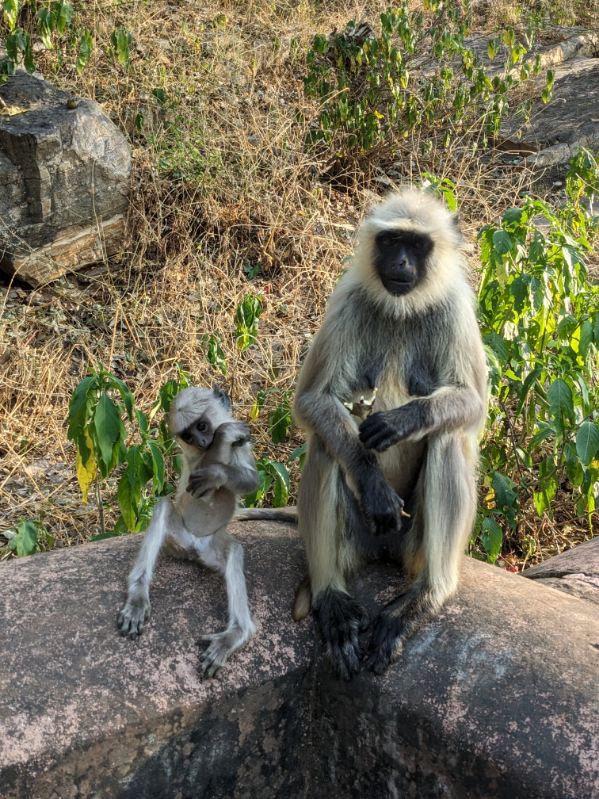
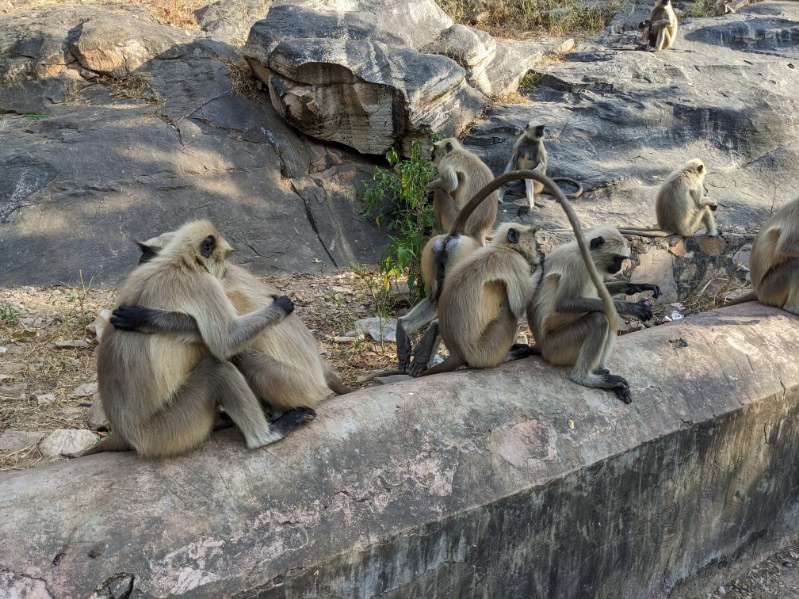
It is called the Monkey Temple because thousands of monkeys live there. They are fed by the pilgrims & tourists who visit.

The area also has a lovely Hindu temple with a few holy men who are happy to give you a blessing.

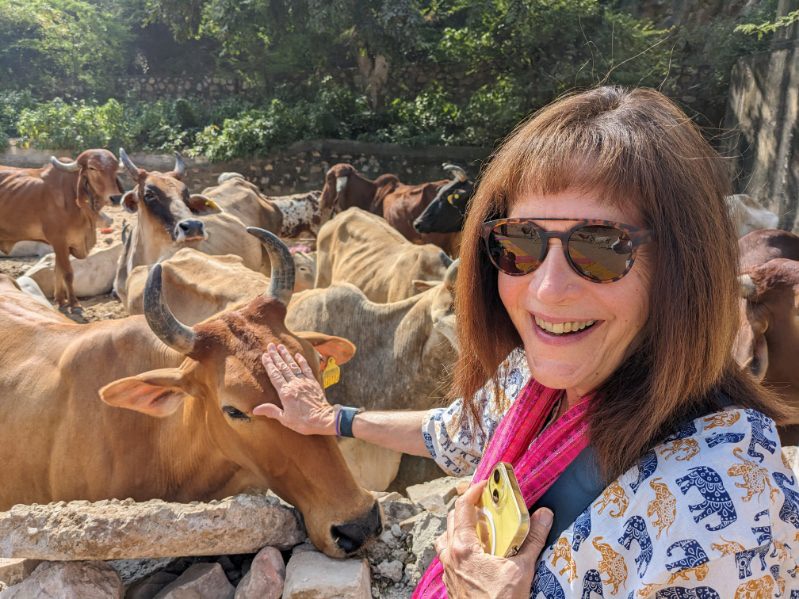
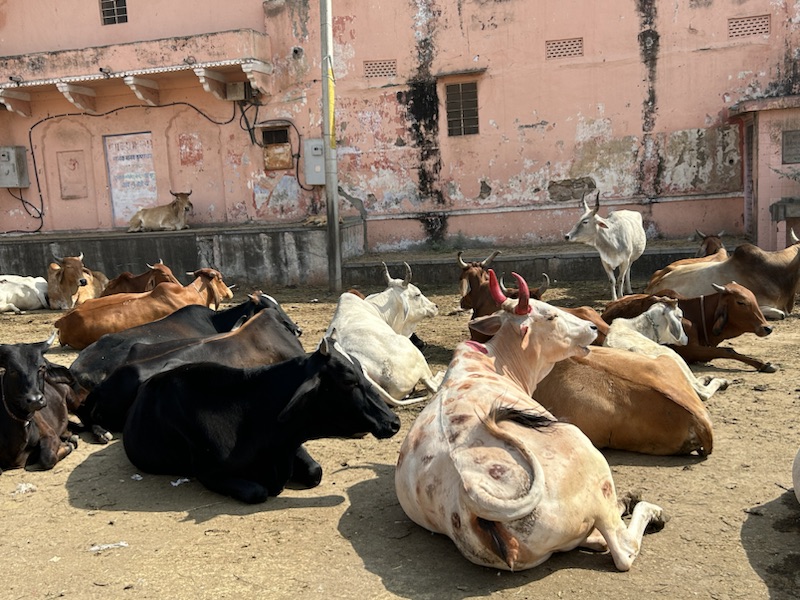
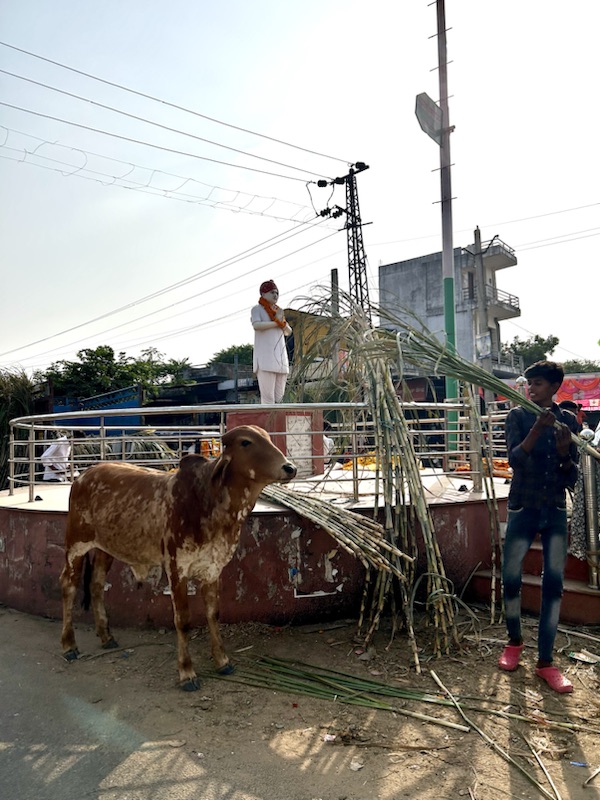
The area also had many cows. Cows are considered sacred in India as they represent Mother Earth because their milk nourishes all creatures. The cows all belong to someone; but, they roam freely going wherever they please. Most Indians consider it good karma to feed the cows in their neighborhood. No cows look like they are starving & most are very tame.

In the evening we visited another location just outside Jaipur’s old city wall where another monkey troop lives. Our guide told us that leopards also live in this area, so everyone keeps their doors & windows closed & locked and they don’t go outside at night. Unfortunately, all the monkeys & stray dogs provide an abundant food source for the big cats.

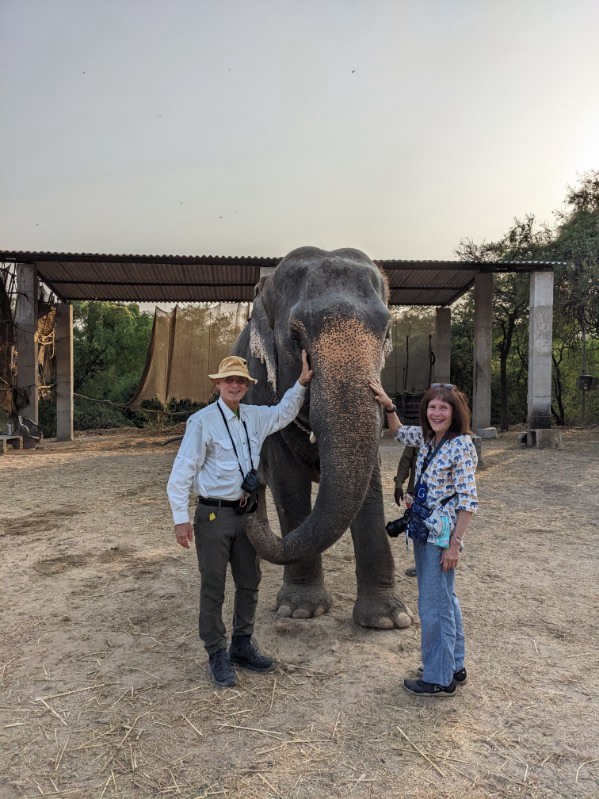
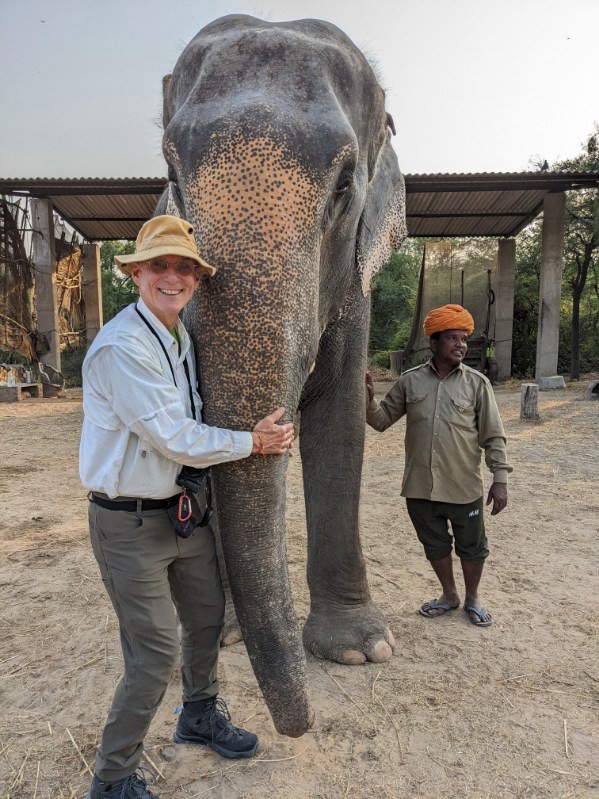
In the evening we visited the Dera Amer Elephant Camp which is a short distance from Jaipur. This lovely location reminded me a great deal of Kenya because it has similar vegetation & terrain.

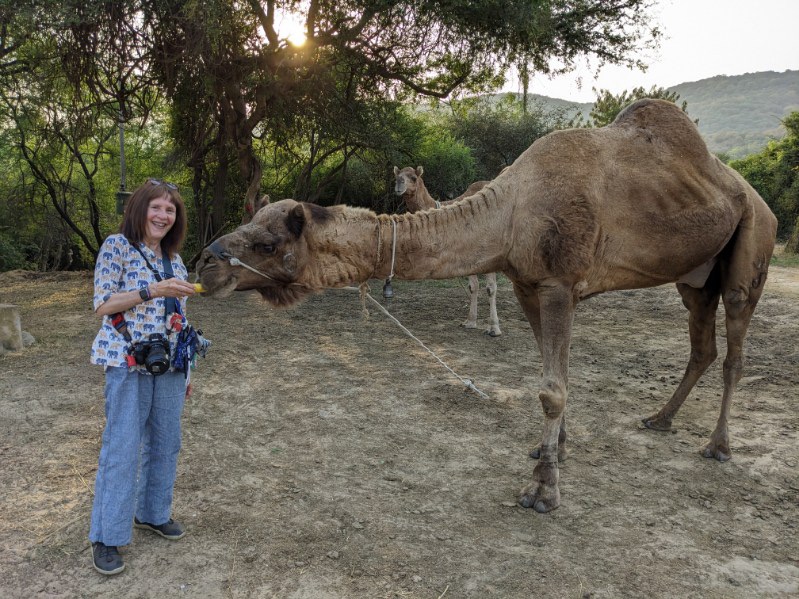
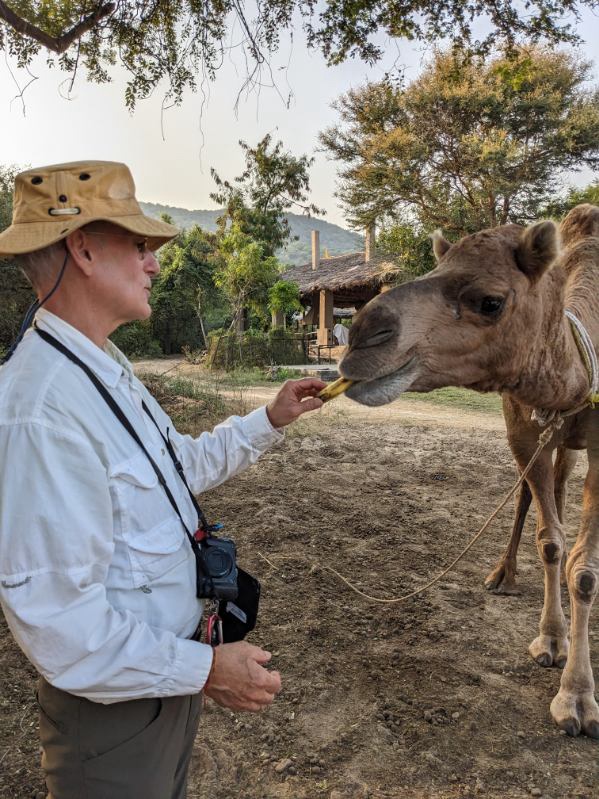
The camp cares for two elephants & two camels. At one time the elephants were used at the Amber Fort to carry tourists.

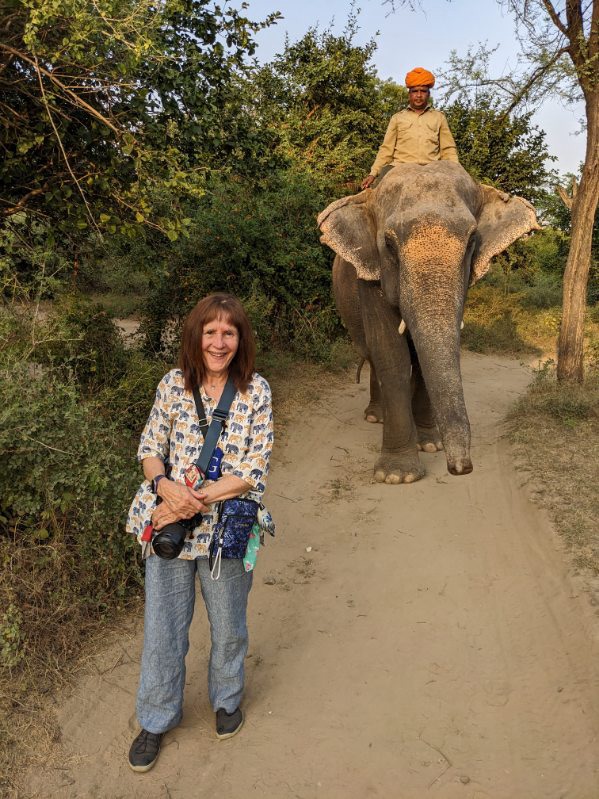
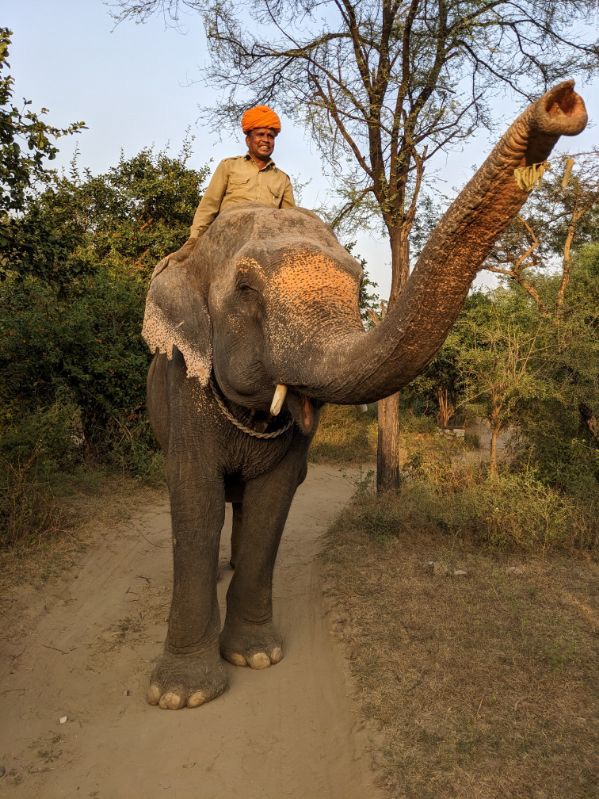
We were given the chance to walk with the female elephant Lakshmi who is 52 years old. During our walk, we learned that Asian elephants are smaller & have different coloring than African elephants. Asian elephants have been trained for a thousand years to fight in battles & between used as labor such as hauling trees & carrying supplies. Thankfully, using elephants for labor is becoming less common in India. Maybe some day they will no longer be forced to carry tourists to the Amber Fort.

After our elephant walk, we ate a lovely outdoor on-site dinner which was a lovely way to end our Jaipur sojourn.

Jaipur, India

Rajasthan is a must see for tourists visiting northern India. Jaipur is often the first stop and for a good reason. Many buildings in the old town have a rose color giving it the nickname, “The Pink City”. It is also Rajasthan’s capital.

Jaipur has many interesting Hindu temples, a huge fort, & many palaces. It takes more than one day to see all the highlights.

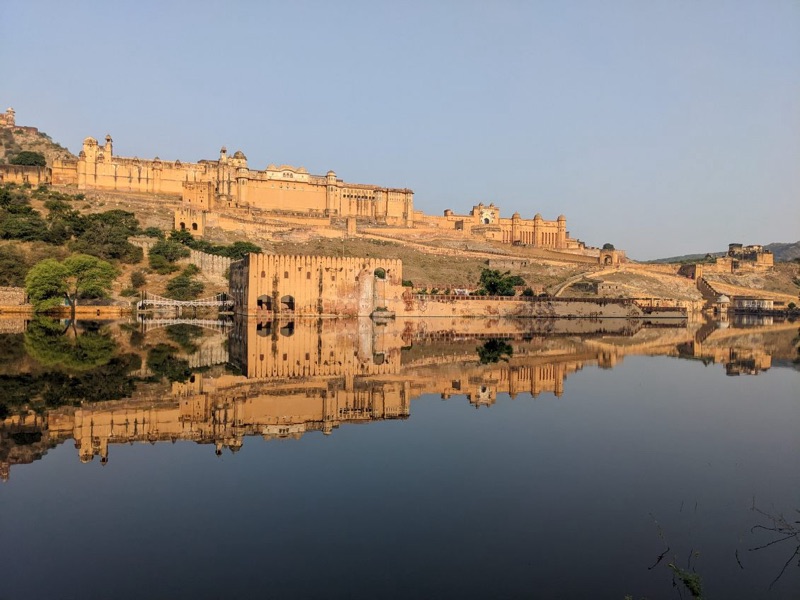
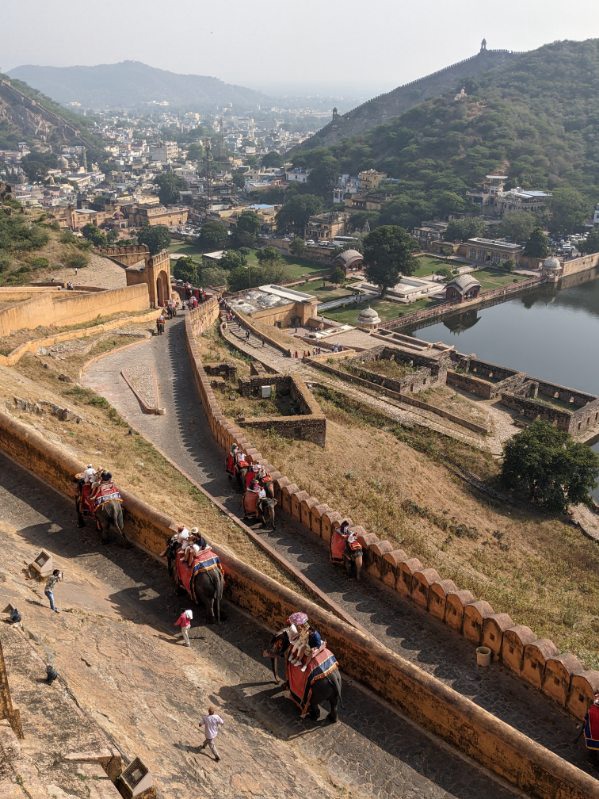
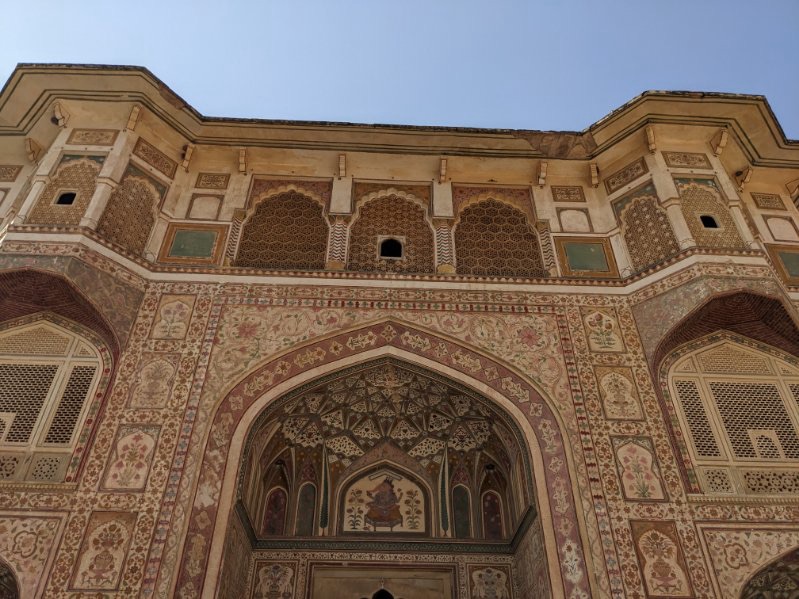
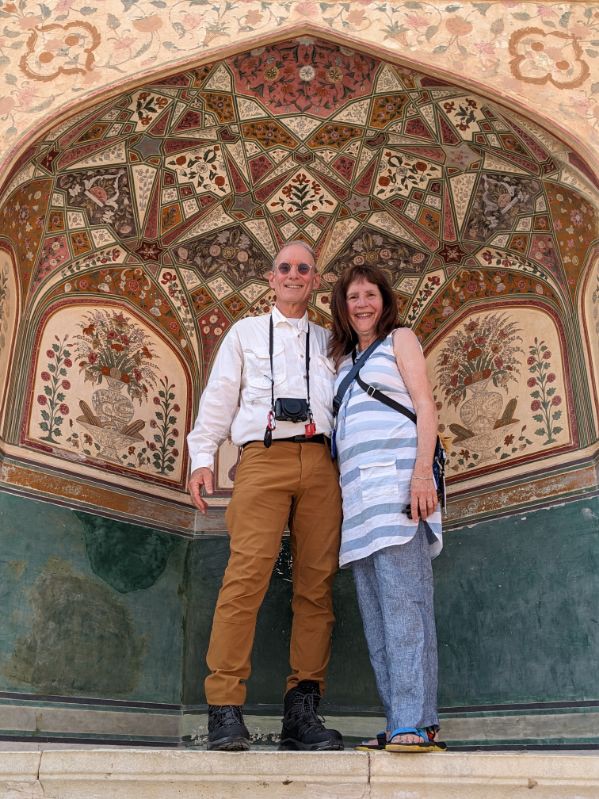
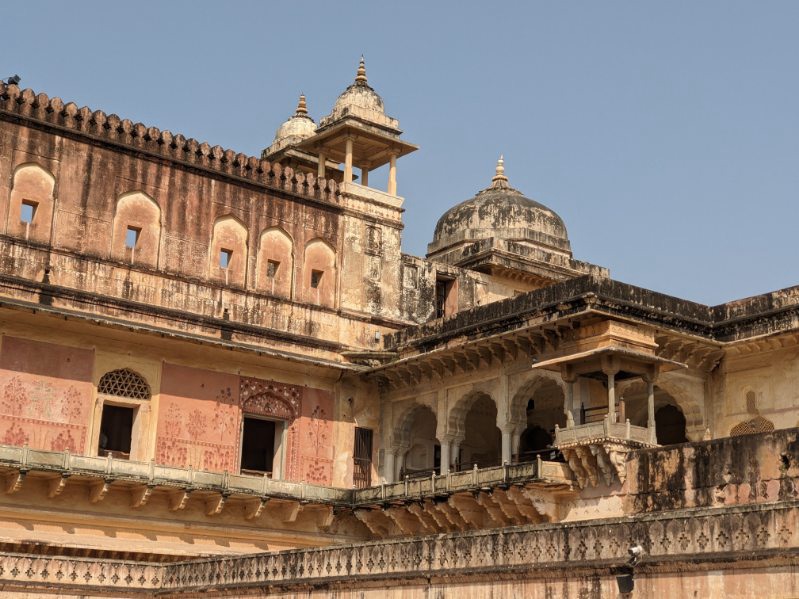
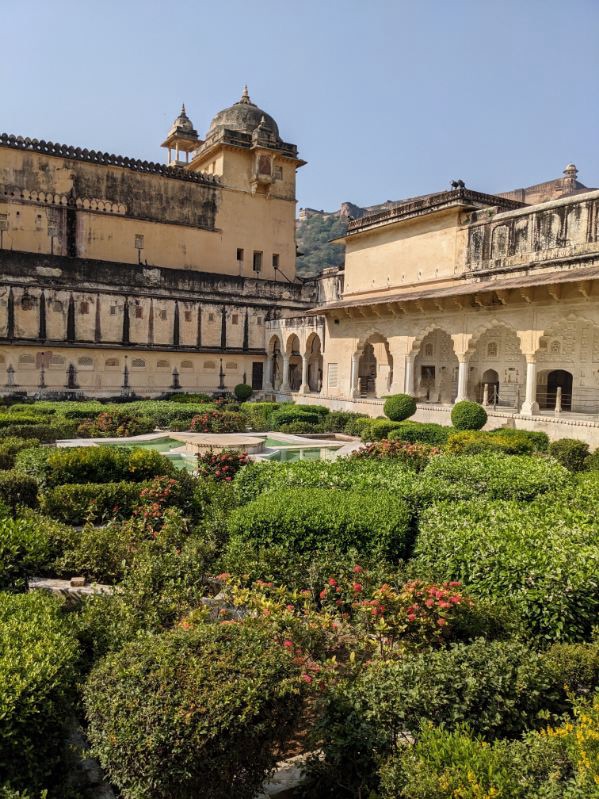
Our first site was the Amber Fort. This is a magnificent fortress built on a hill surrounded by a wall that runs 12km over the greatly uneven terrain. From a distance, it resembles the Great Wall of China.

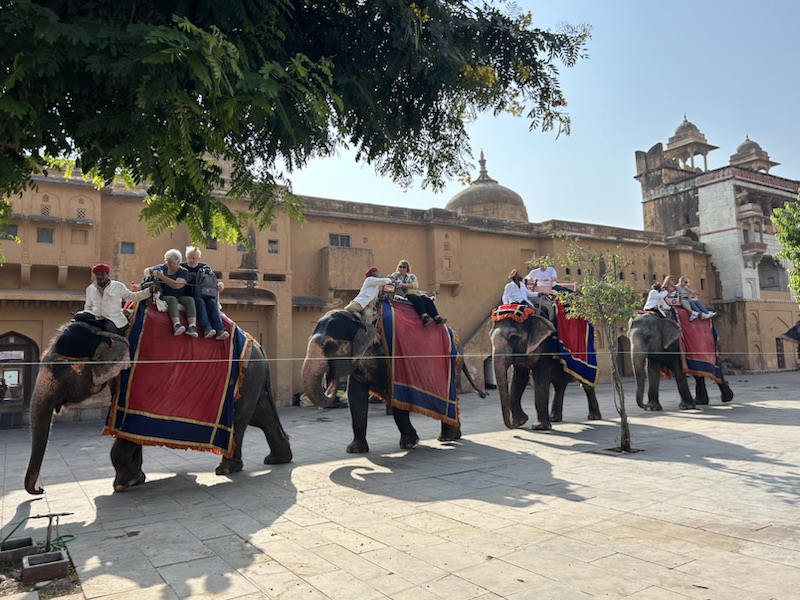
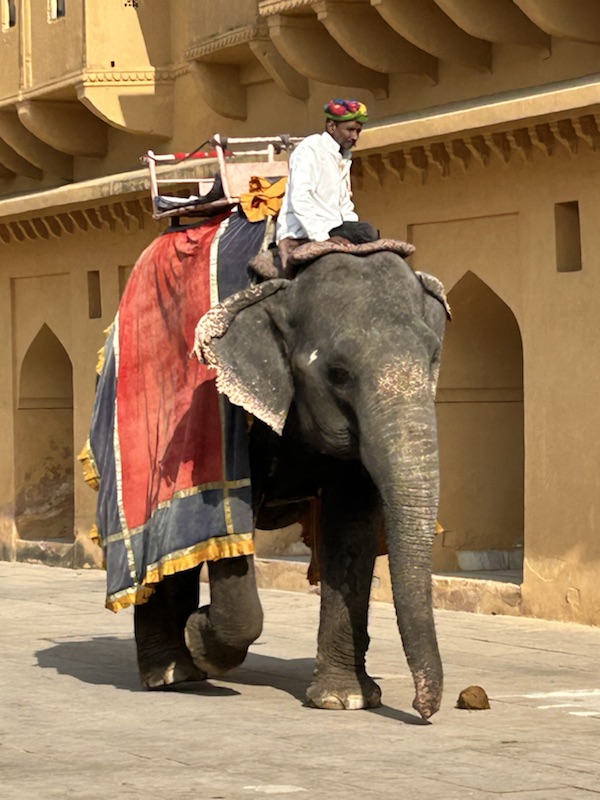
Many elephants are used to carry tourists to the top. In the early morning, you can see these elephants in the streets on their way to the fort & around noon before it gets too hot for them, you see them on the streets going home.

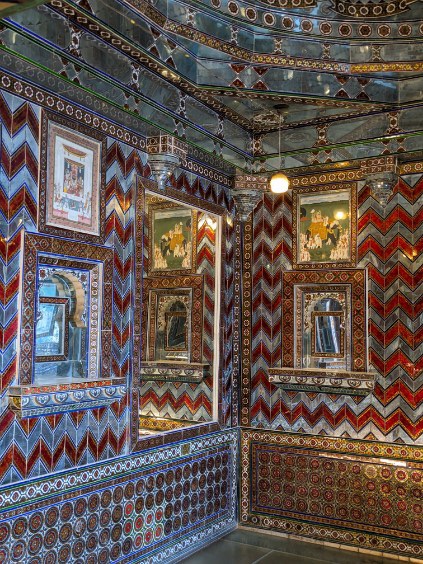
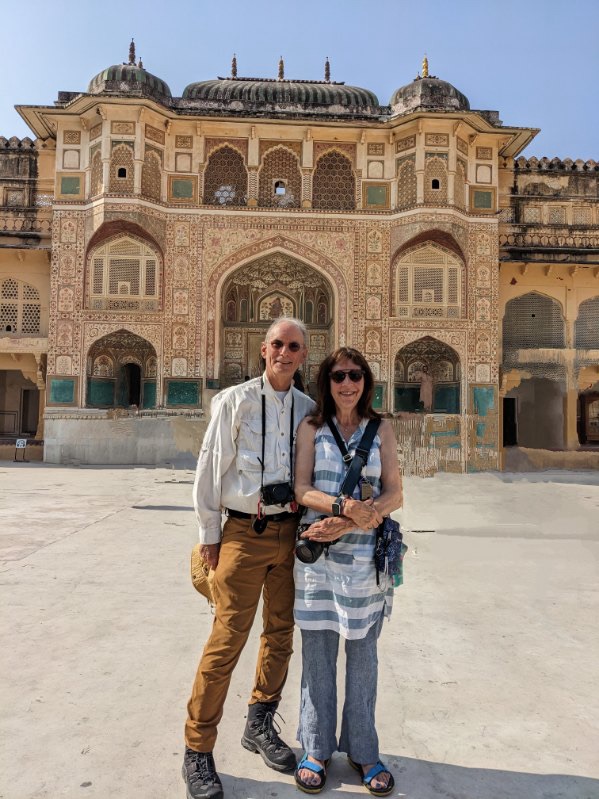
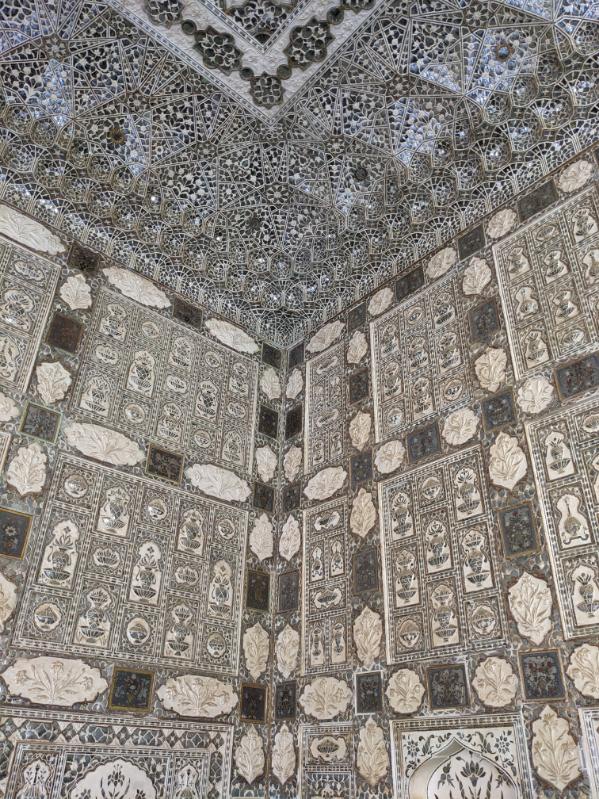
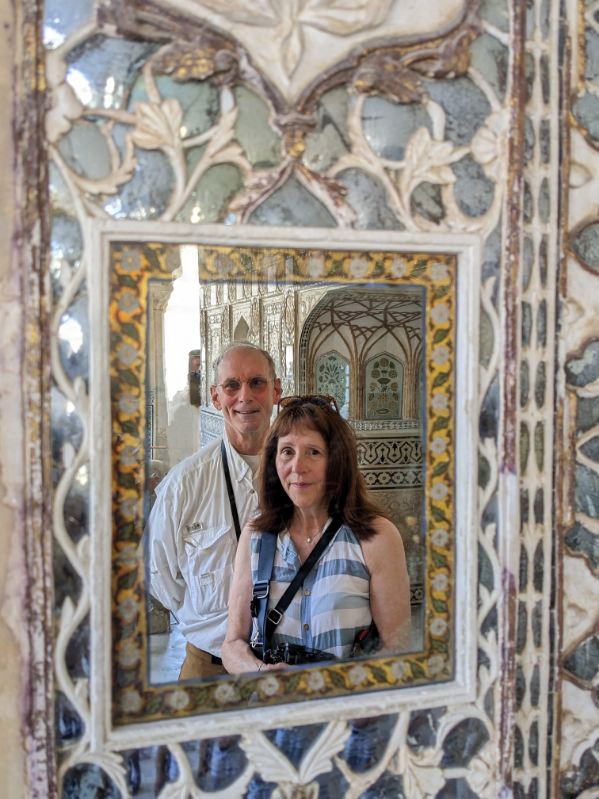
The fort contains many beautiful rooms & walls painted with frescos along with small, irregularly-shaped mirrors embedded in the intricately carved tiles in the Winter Palace.

In the winter, curtains would be hung to close the space & candles and lamps would be lit to warm it. The mirrors embedded in the walls would reflect light providing very bright illumination during the long, dark winter days.

The Summer Palace was built using lighter colors to help keep it cool during the hot summer days. Long curtains were hung on which water would be dripped to create a cooling effect from the breeze. A fountain with a water trough running through the room was situated so the wind could also pass over it to cool the room.

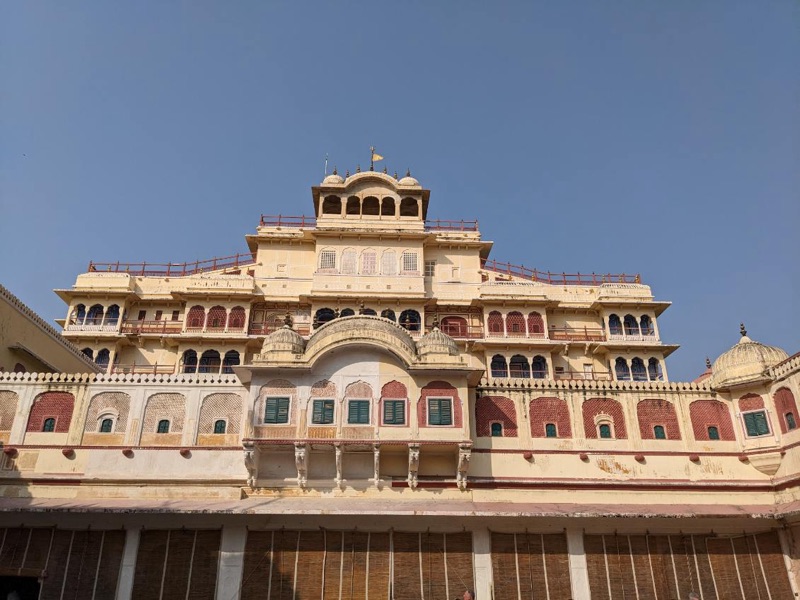
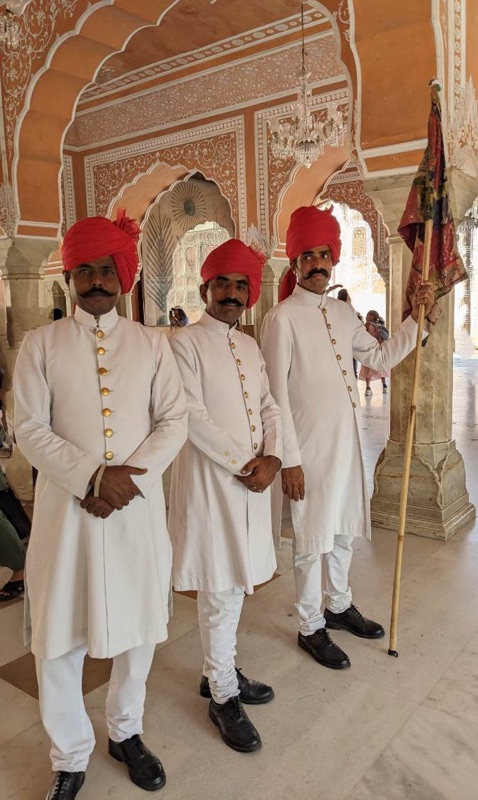
Next we visited the City Palace. This is the home to Jaipur’s royal family. The current Maharaja is only 27, single, handsome, & is an excellent polo player. By far, he is the most eligible bachelor in Rajasthan, if not all India.

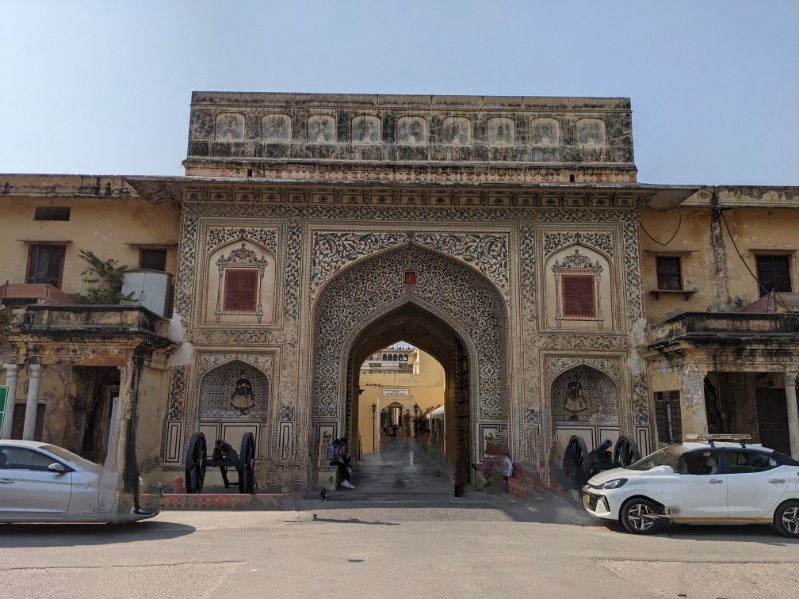
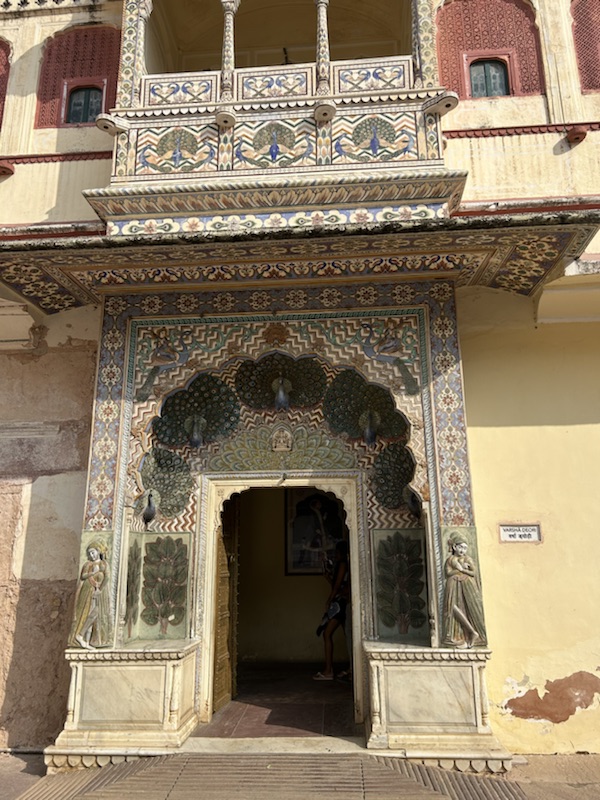
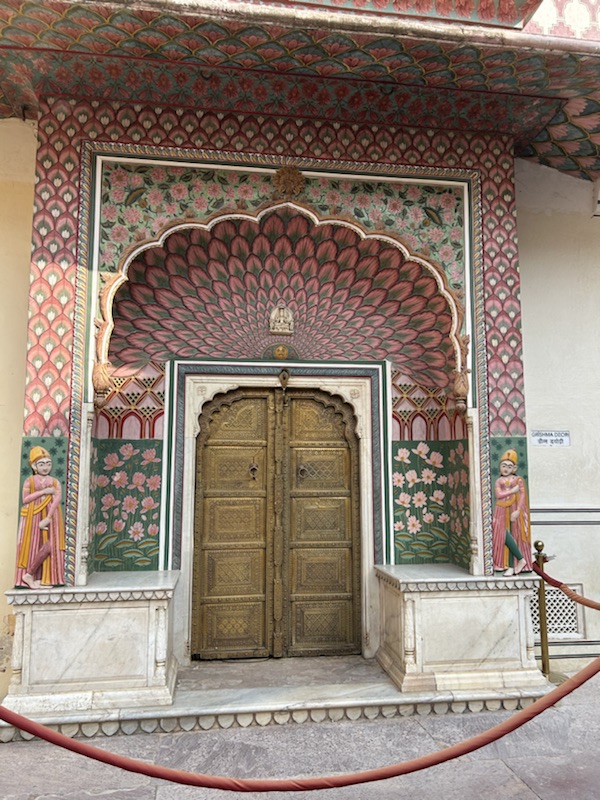
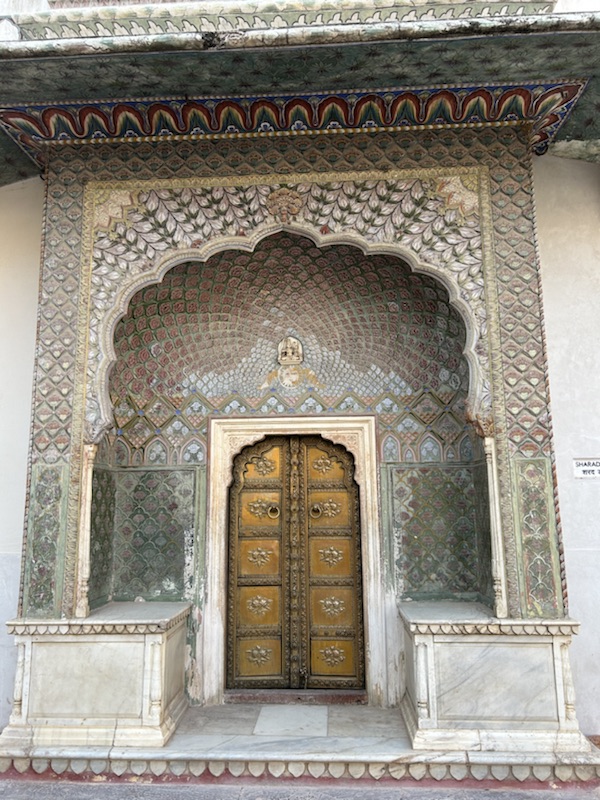
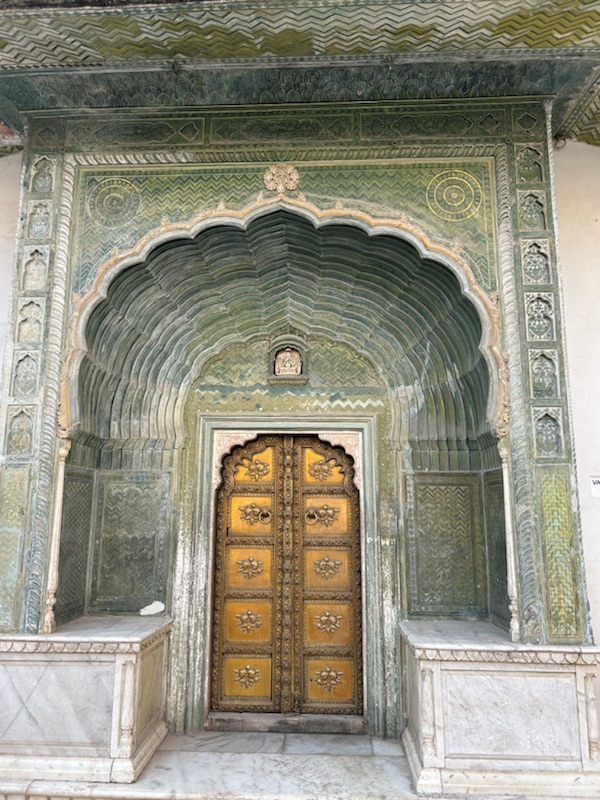
We were able to visit the beautiful historic grounds with more beautiful rooms and ornate doors.

Two other Jaipur palaces are a must for picture taking; but, have been closed to the public for many years.

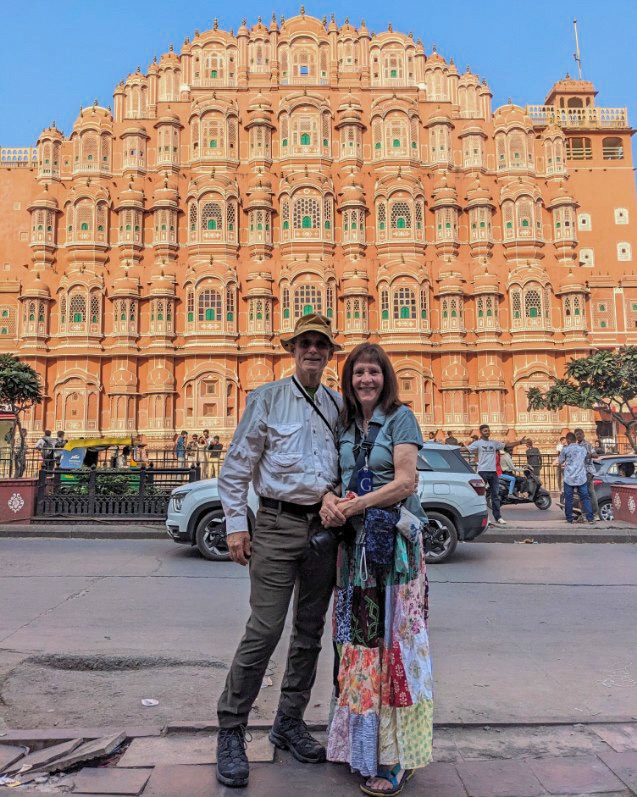
Hawa Mahal or Palace of Wind. It is mainly a facade allowed women in the palace to watch life on the street; but, to remain hidden from view
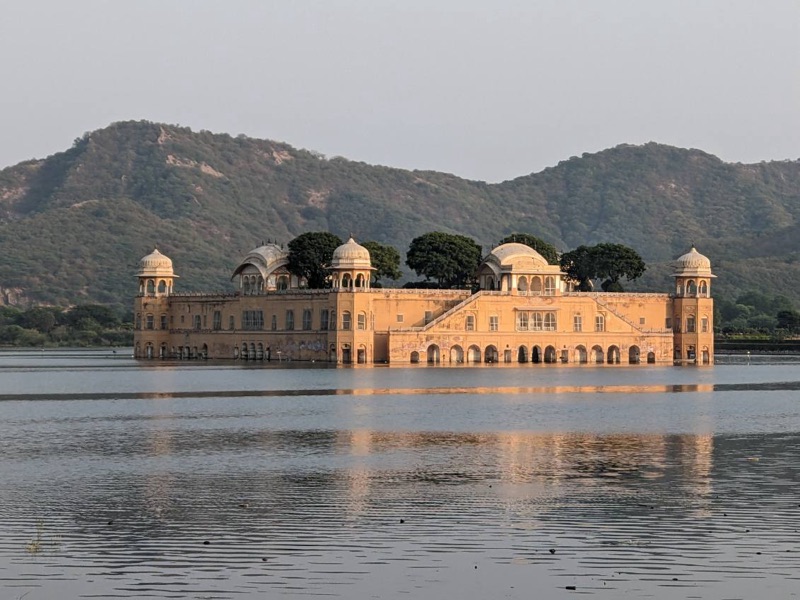
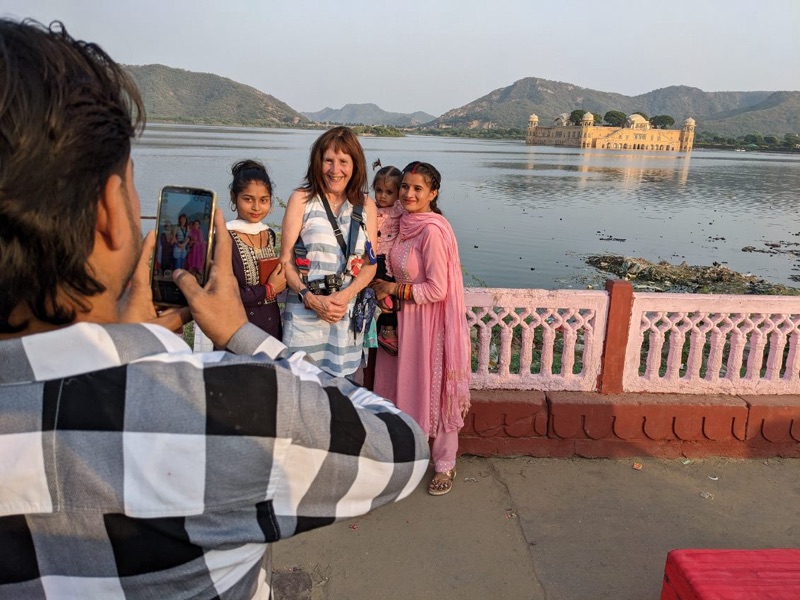
Jal Mahal or the Floating Palace on Sager Lake in the middle of Jaipur was once a royal hunting lodge

Besides royal places, Jaipur offers many opportunities to see everyday life.

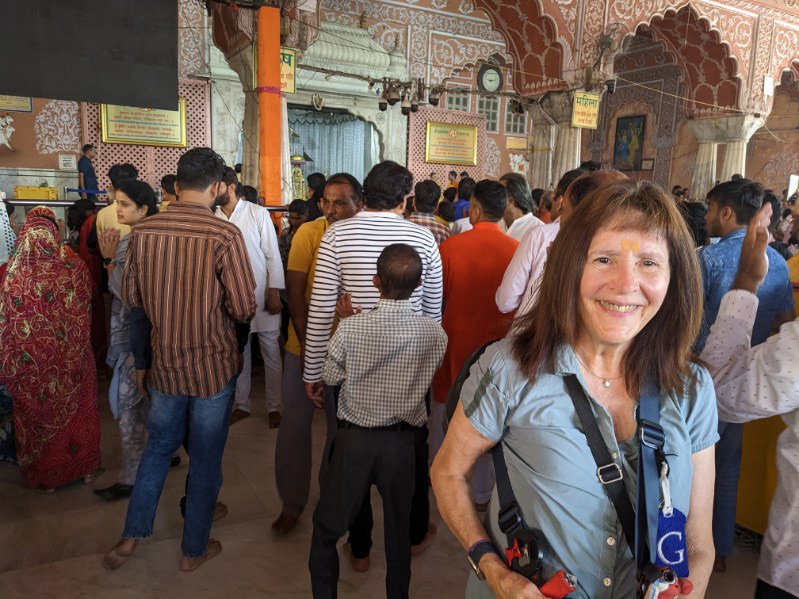
During the 5 days of Diwali visiting temple is very important which caused many traffic jams. However, we had the opportunity to visit two temples.

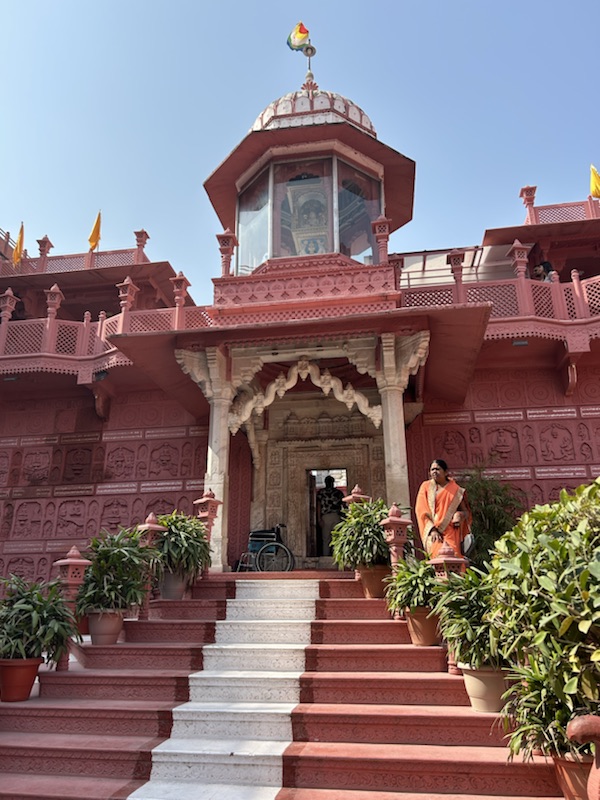
Jain Temple was much quieter with beautifully carved red sandstone.

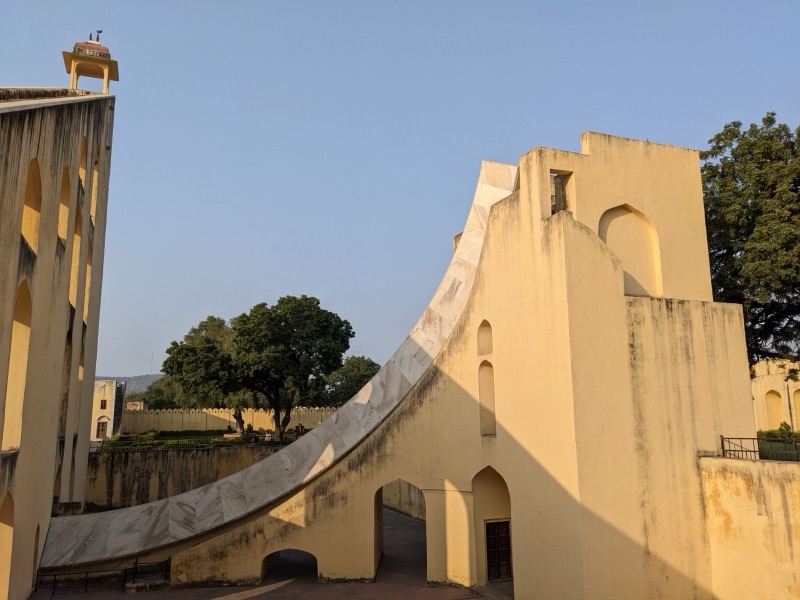
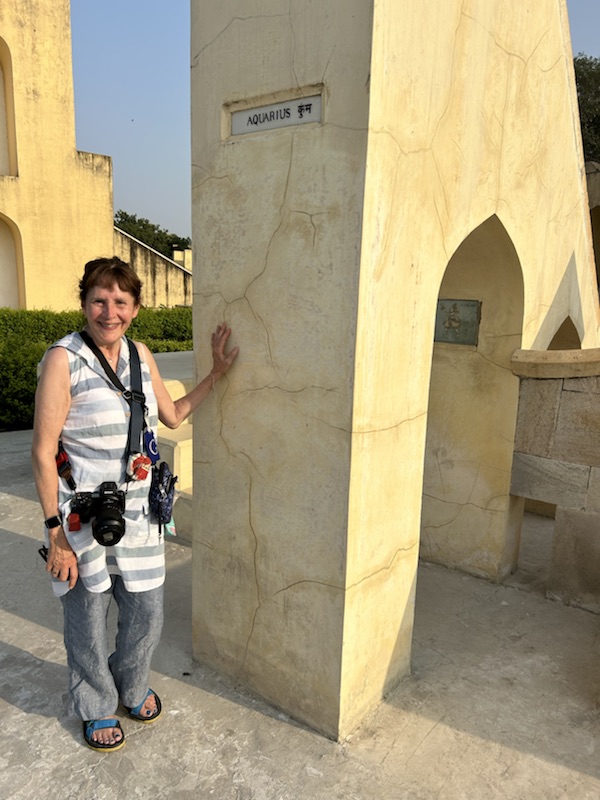
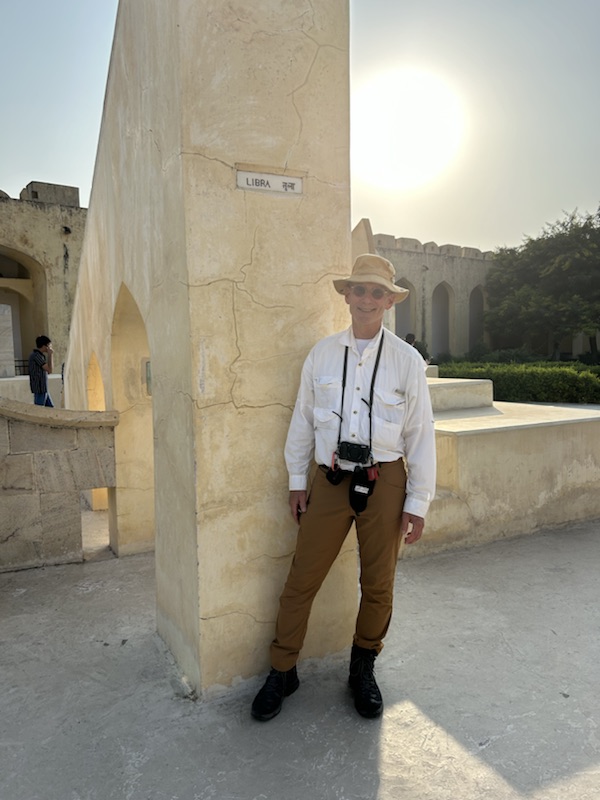
One of Jaipur’s UNESCO World Heritage sites is the Jantar Mantar which means “Instrument used for Calculation”. It has giant structures used to study the sun & stars. It has the world’s largest sundial which is accurate to 2 seconds!

To say that astrology is import to Indians is putting it mildly. Astrology is used in almost all marriages not only to pick a mate; but also, to pick a date for marriage. These are two instruments used for our astrological signs.

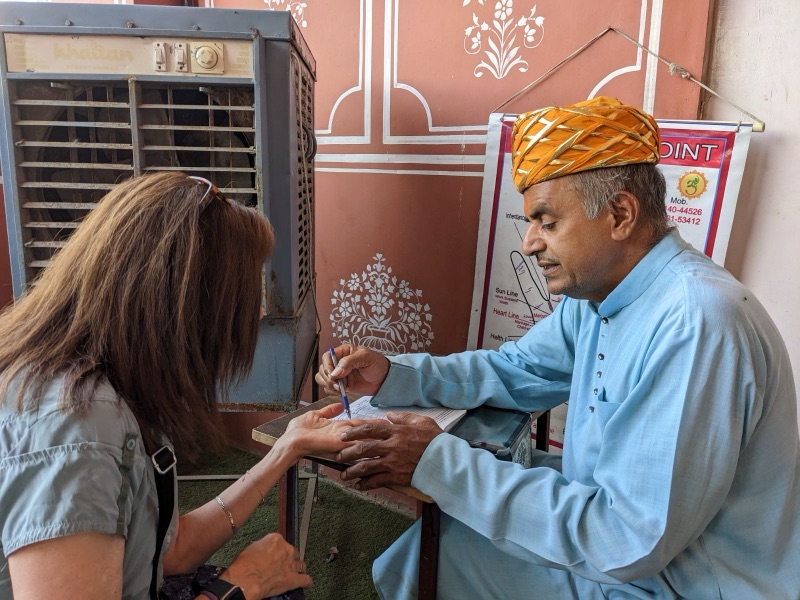
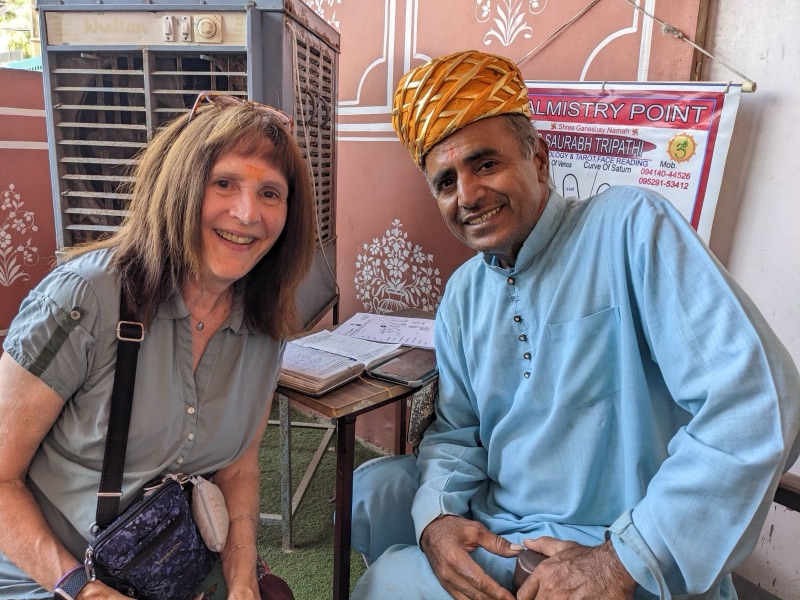
On both of my trips to Rajasthan I had my palm read. I was told both times by my guides, Indians use palm readers by to help them make major decisions & help with advice to solve their problems. For me, it’s a fun thing to do.

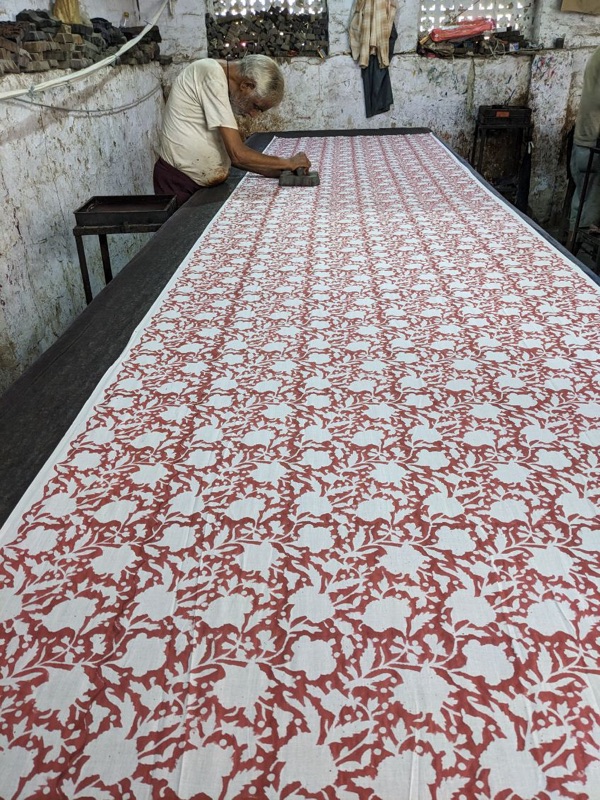
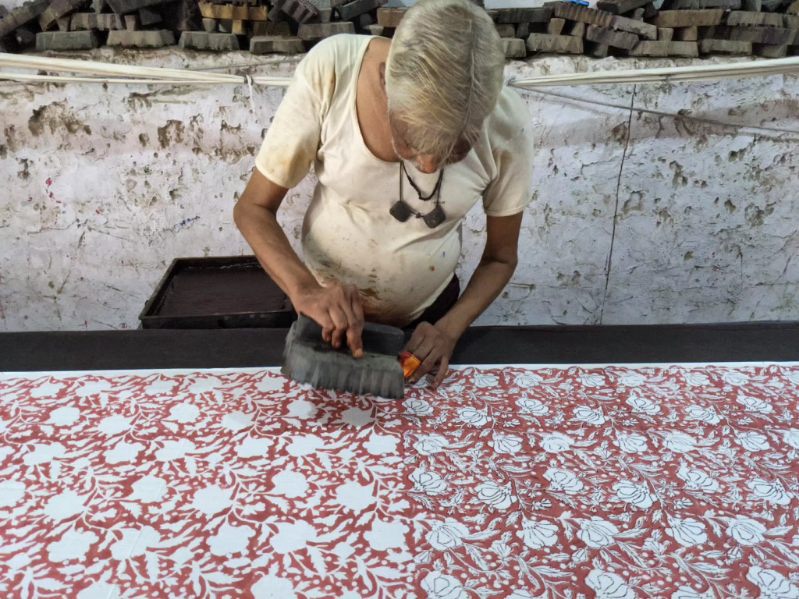
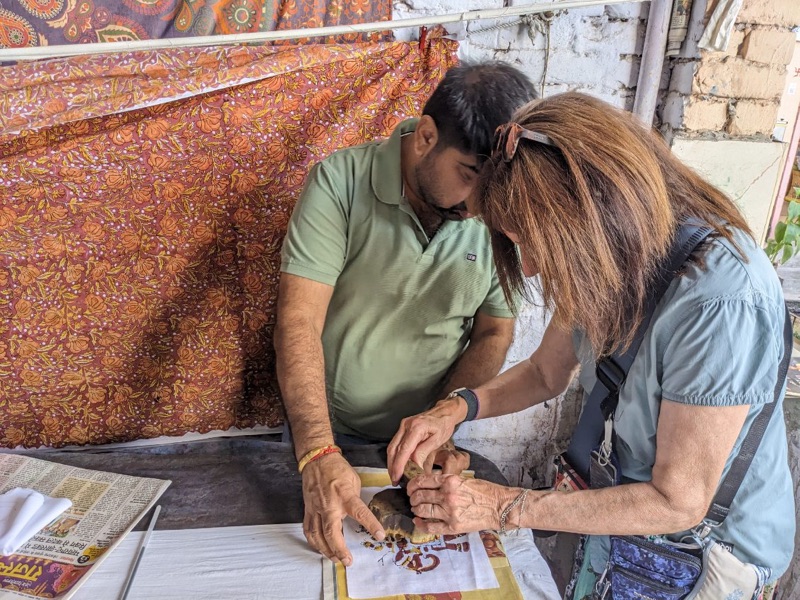
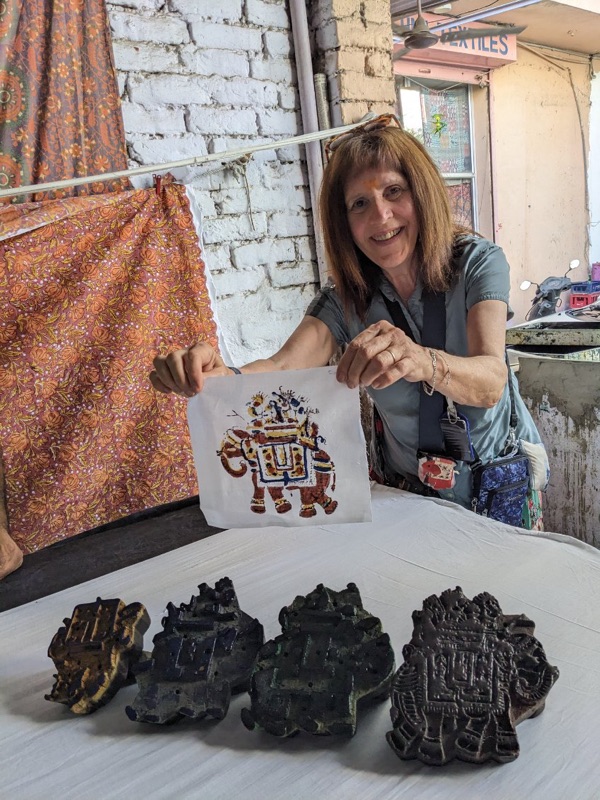
Jaipur has been known for centuries for its block printing technique to make fine textiles. We were given a chance to make our own.

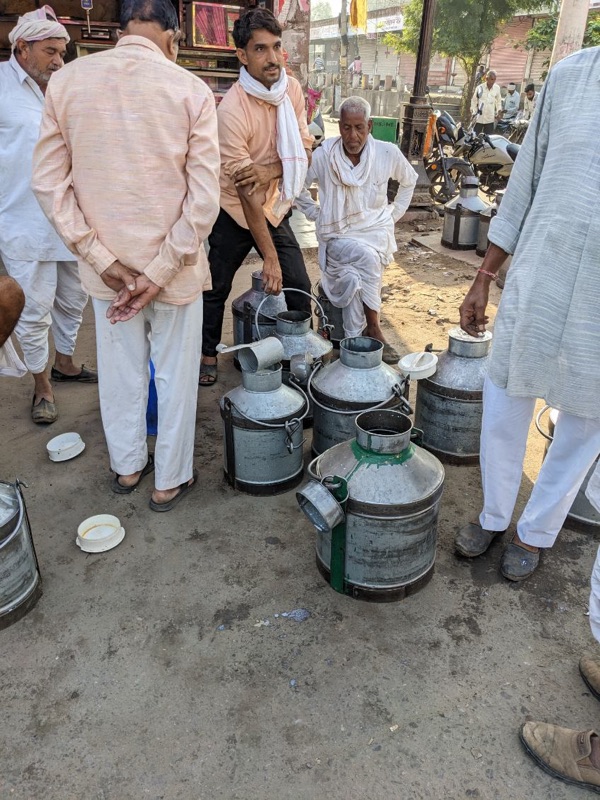
I’ve saved the best for last. People watching & seeing life experienced differently is the best part about India.

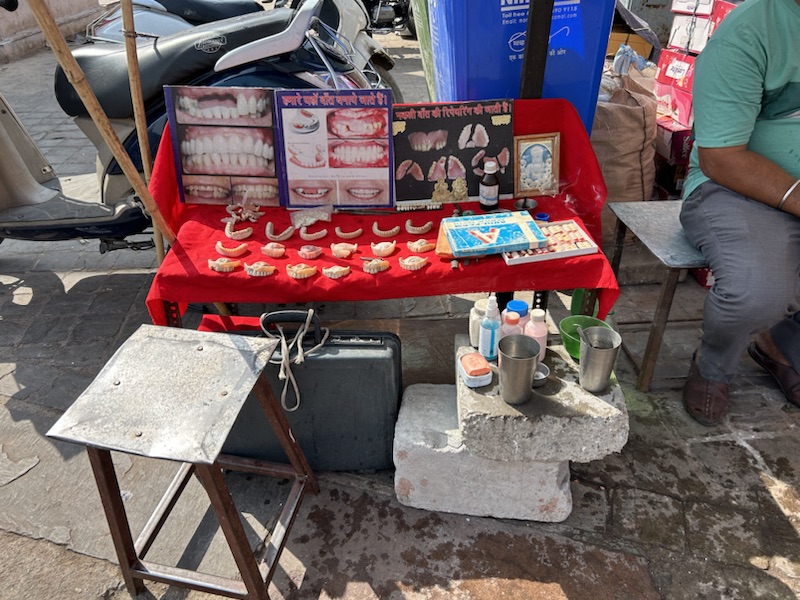
The local dentist shop.
Interacting with people is always a joy.

The Drive from Agra to Jaipur

Many beautiful palaces were built in India. Many of these places are now UNESCO World Heritage sites. What it must have been like to be a king or queen.

The Red Fort in Agra was only the beginning of these beautiful palaces.

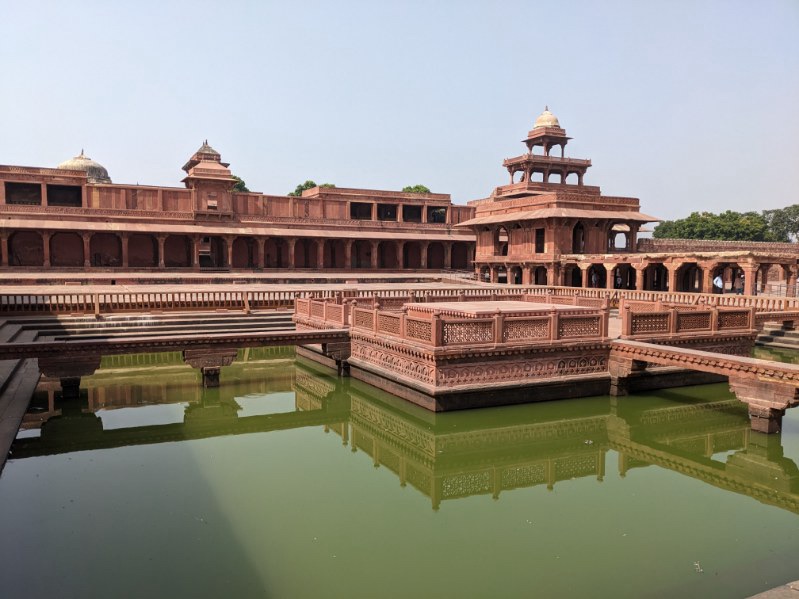
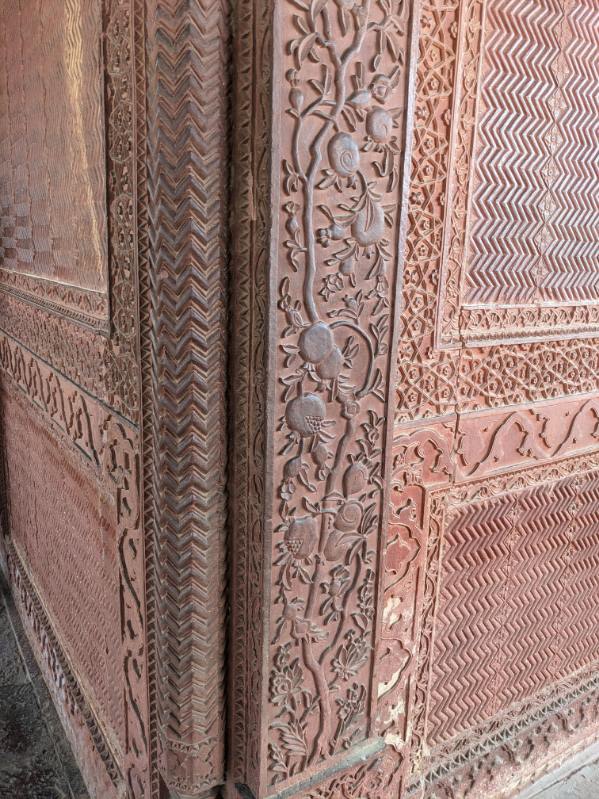
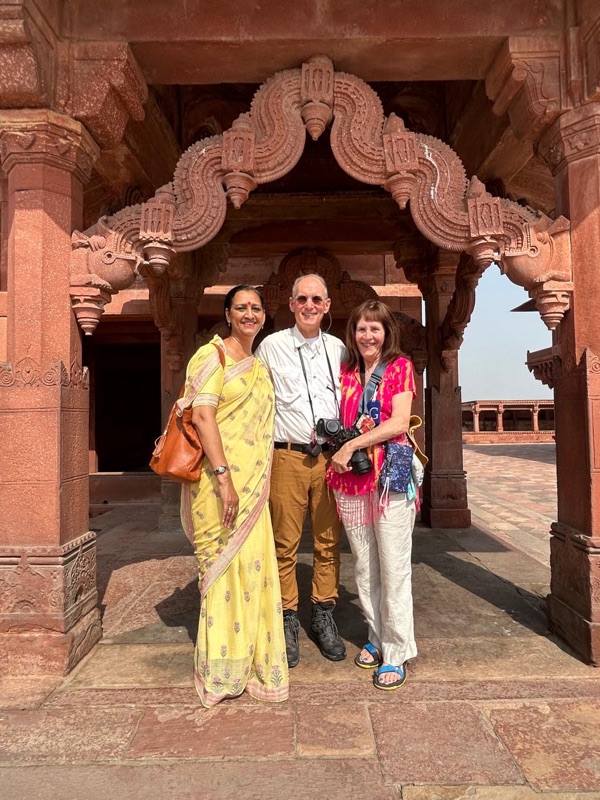
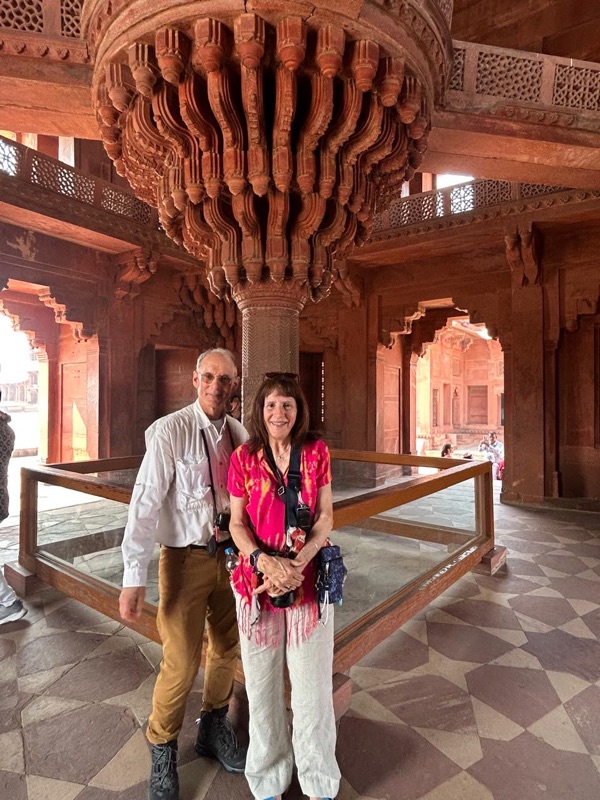
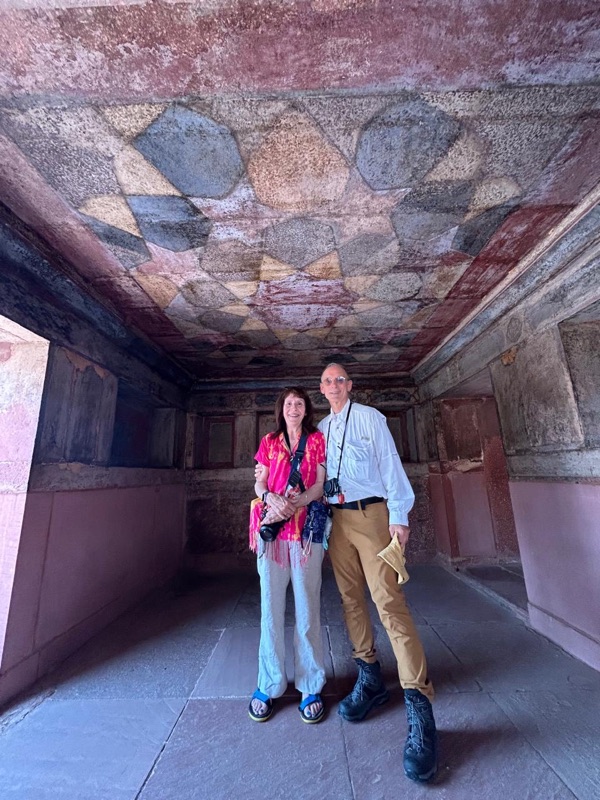
About an hour’s drive from Agra is Fatehpur Sikri. it is also called the “Ghost Capital” because it was abandoned due to having insufficient water. The palace is made from beautifully carved red sandstone & there are also 3 smaller palaces inside- one for each of the king’s wives. The design & decor is different in each palace because each wife had a different religion: Christian, Hindu, & Muslim.

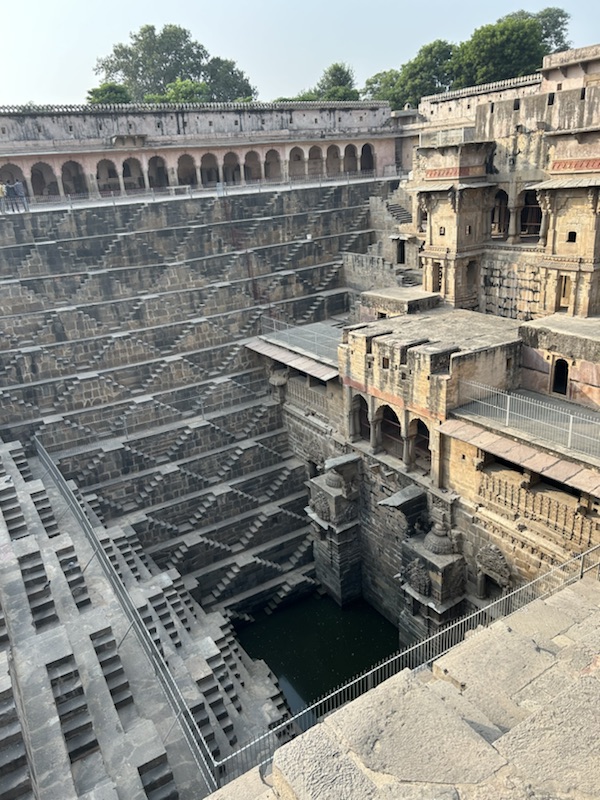
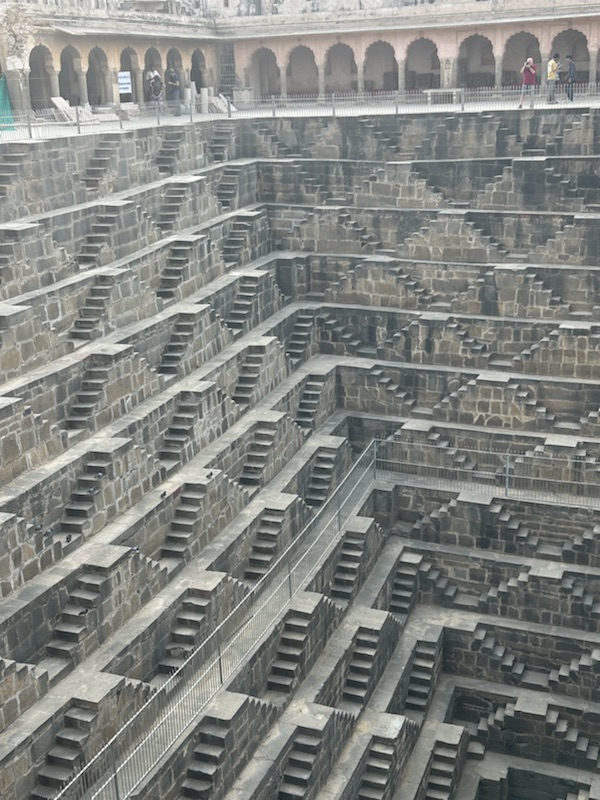
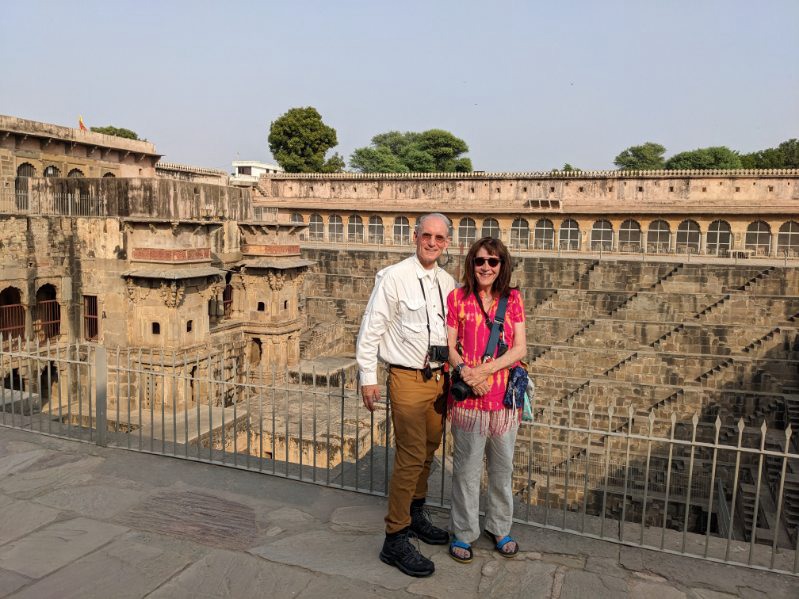
In the 9th Century, King Chanda built the largest & oldest stepwell in the world in Abhaneri called Chand Baori. It is amazing. It is 100 feet deep & contains over 3,500 symmetrical steps. For fun, watch this Bollywood music video filmed there.

A small temple near the stepwell.

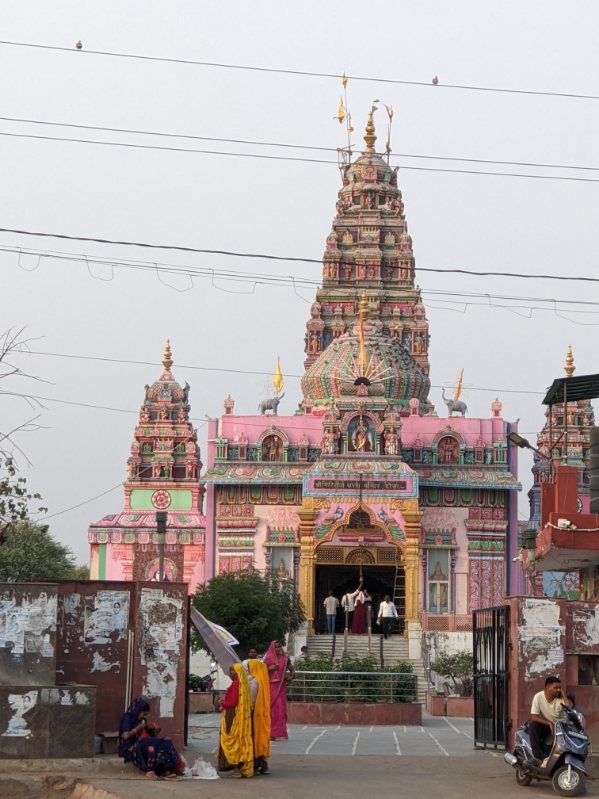
Hindu temples & gods on the way to Jaipur.

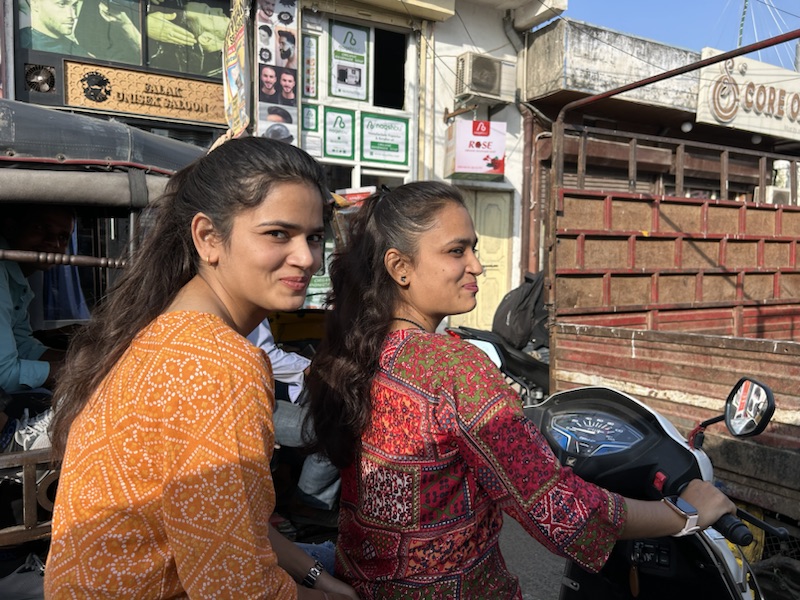
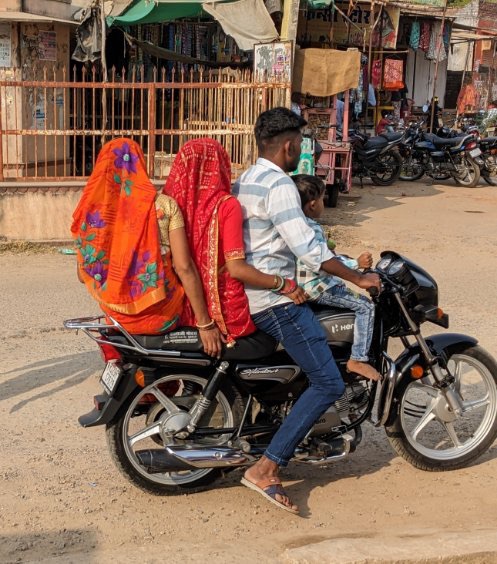
People watching provides major enjoyment in India.

The Indian Holiday Diwali

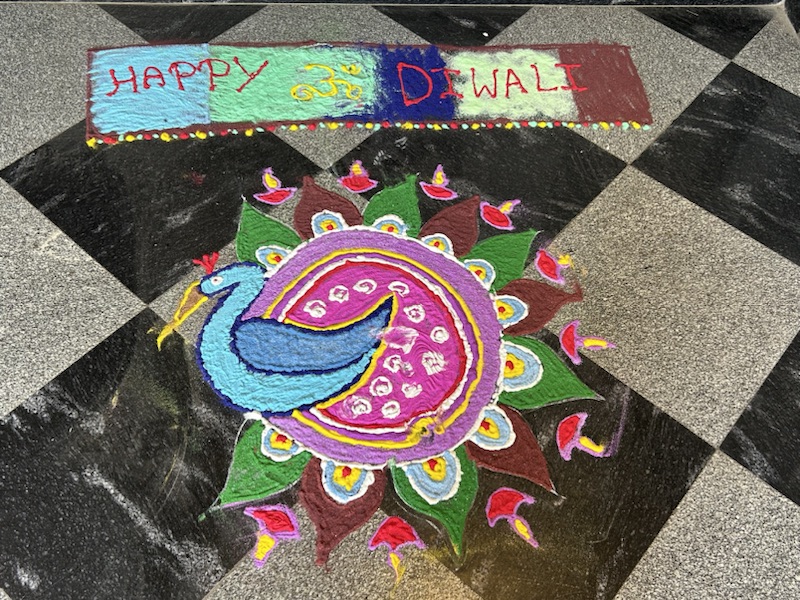
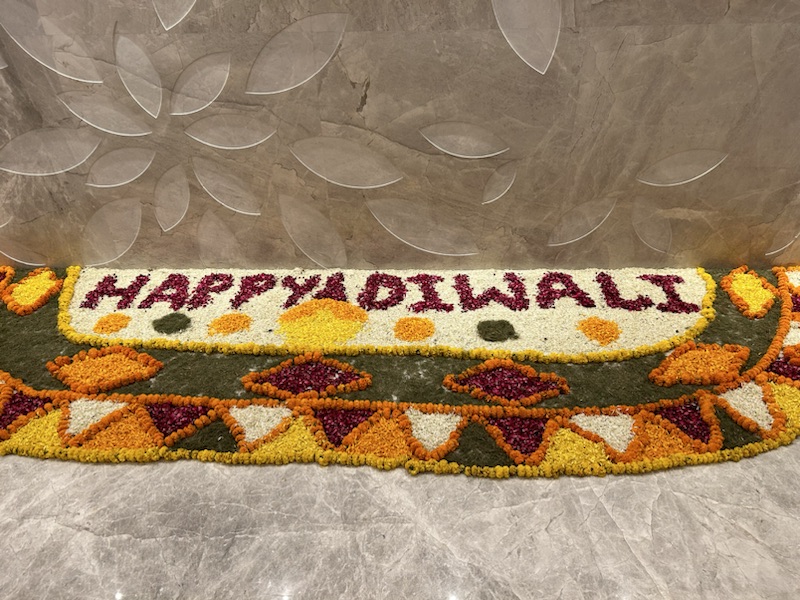
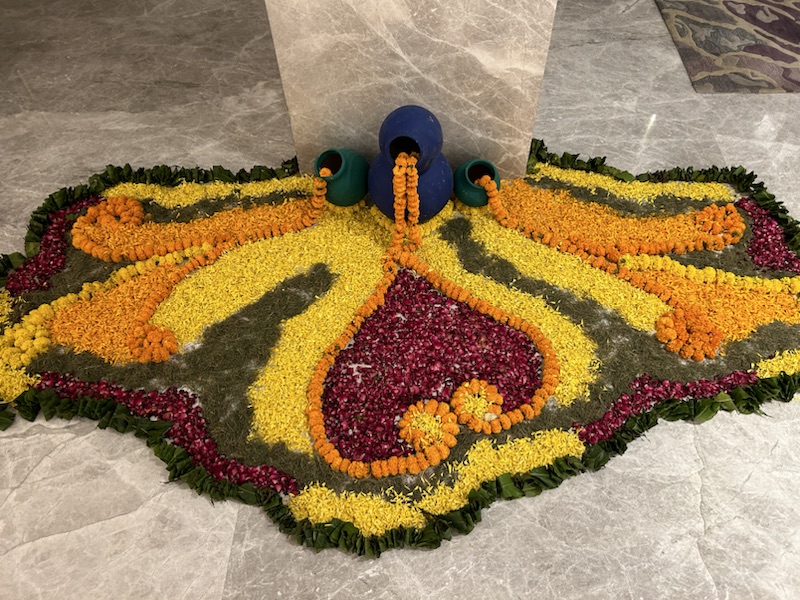
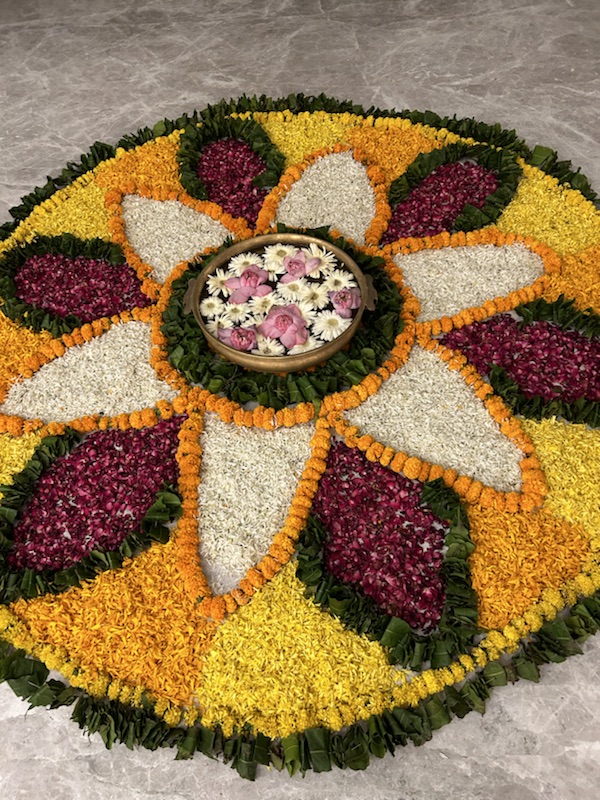
Type of sand painting done for the holiday.

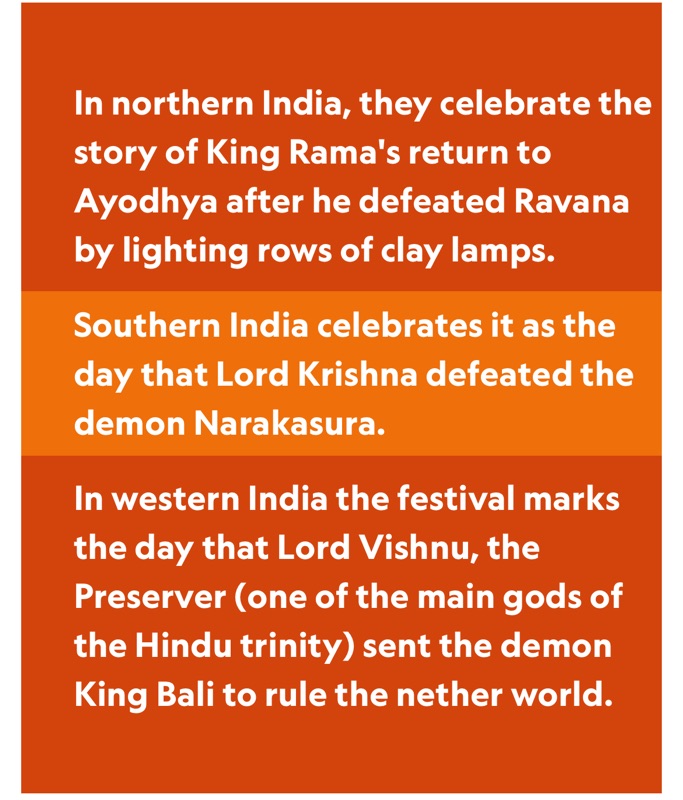
The most important holiday in India is Diwali which is known as the Festival of Lights. It is mainly a Hindu festival; but, it is celebrated by most people in India like Christmas is in the West.

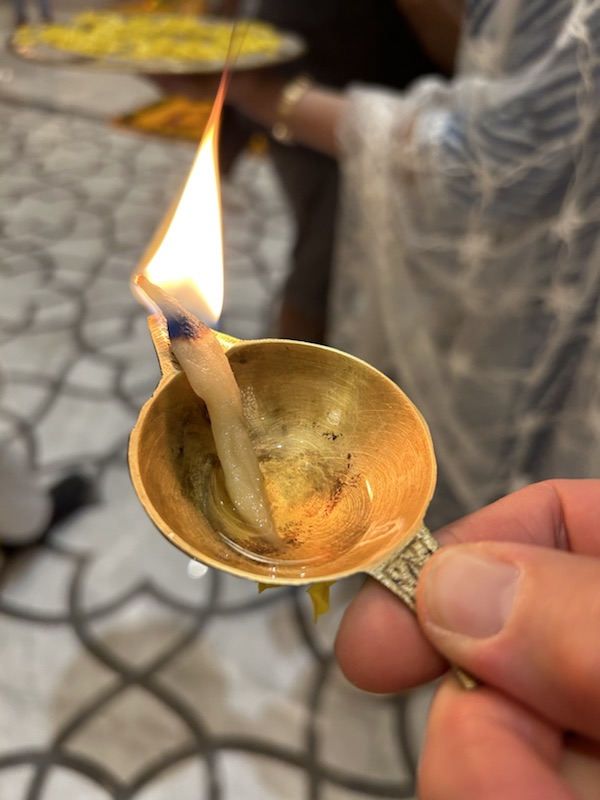
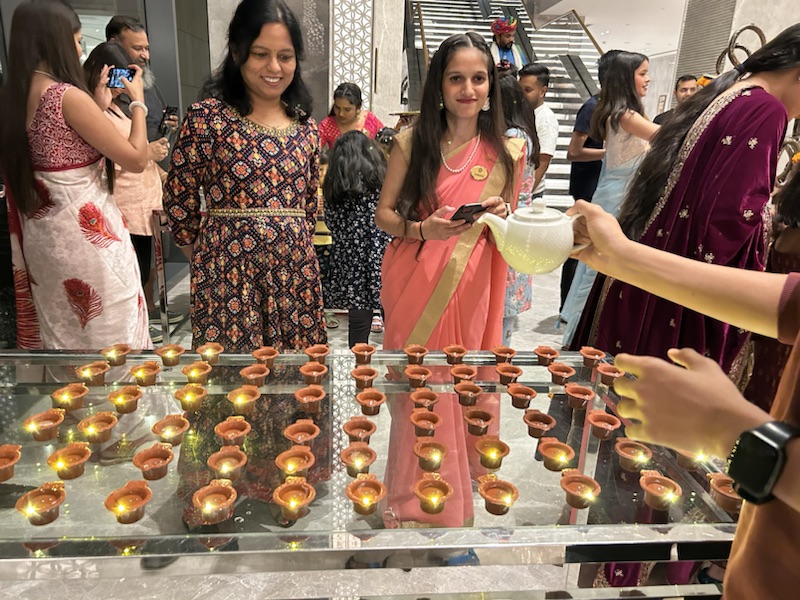
We have been told that during the festival most people clean their homes, give each other gifts, decorate their front door, & light small oil lamps around their home.

After nightfall, people also shoot fireworks & light firecrackers. Some firecrackers were so loud, they sounded like minor explosions.

More Diwali info:

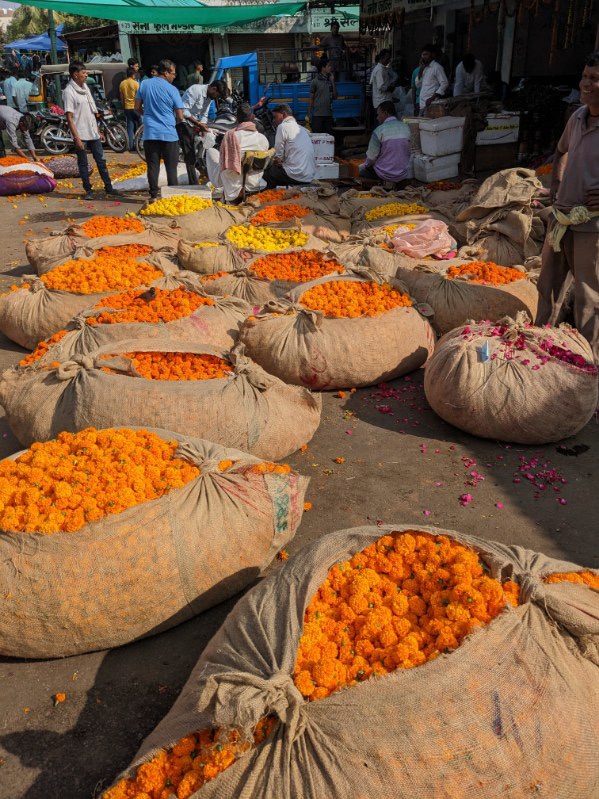
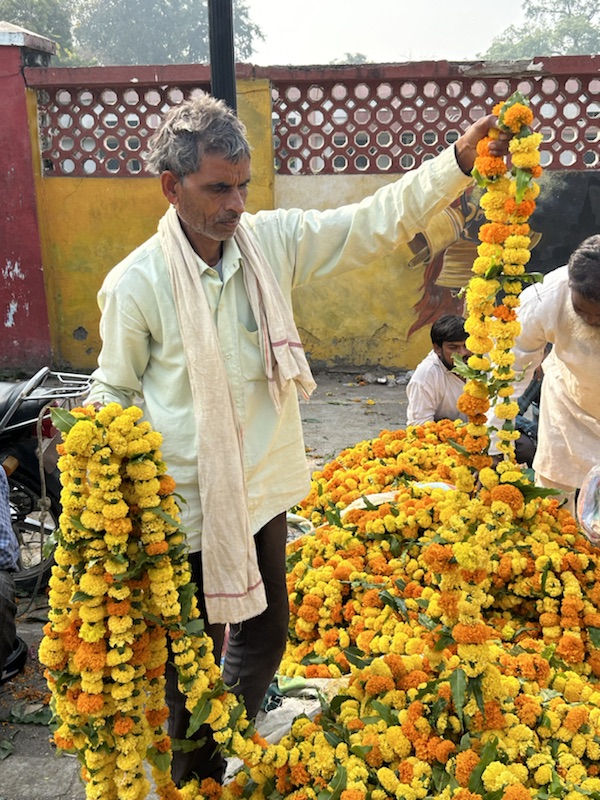
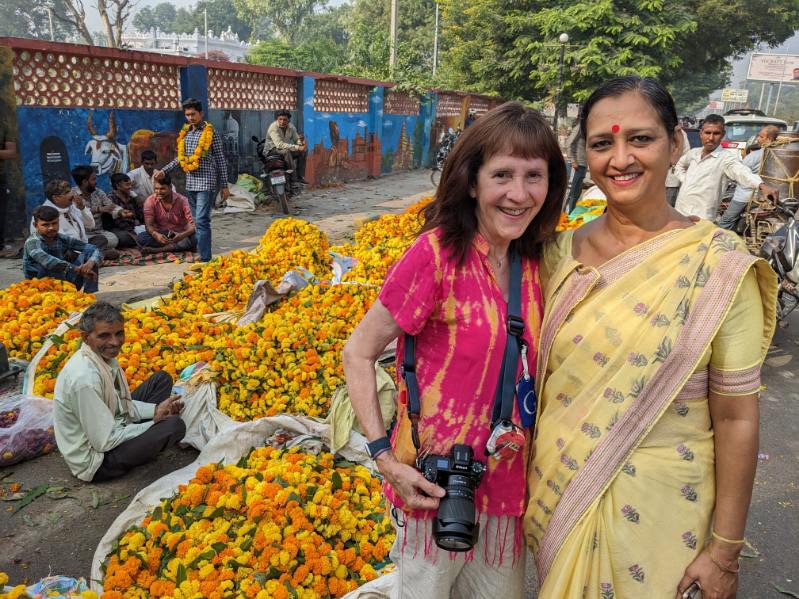
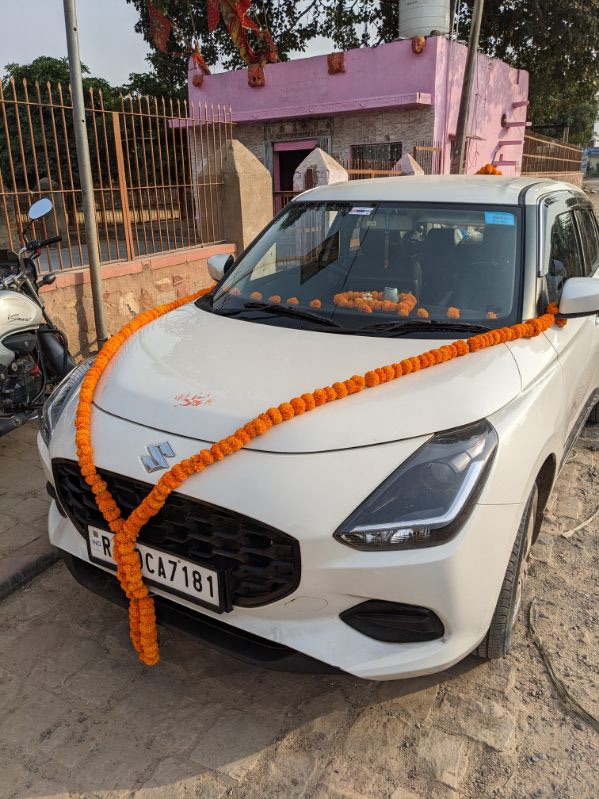
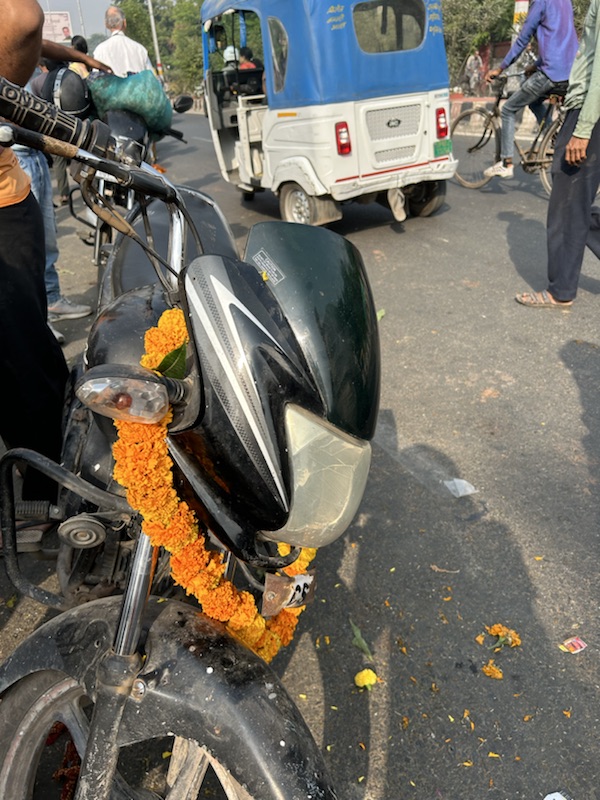
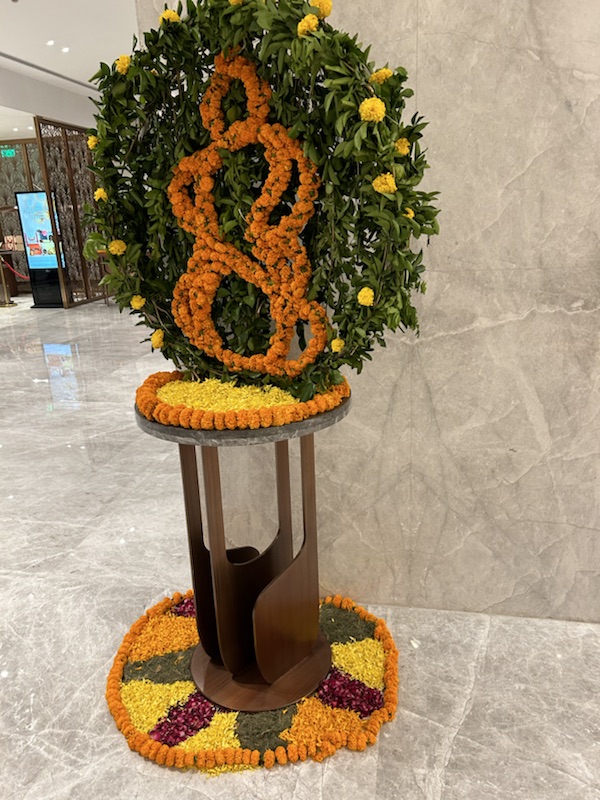
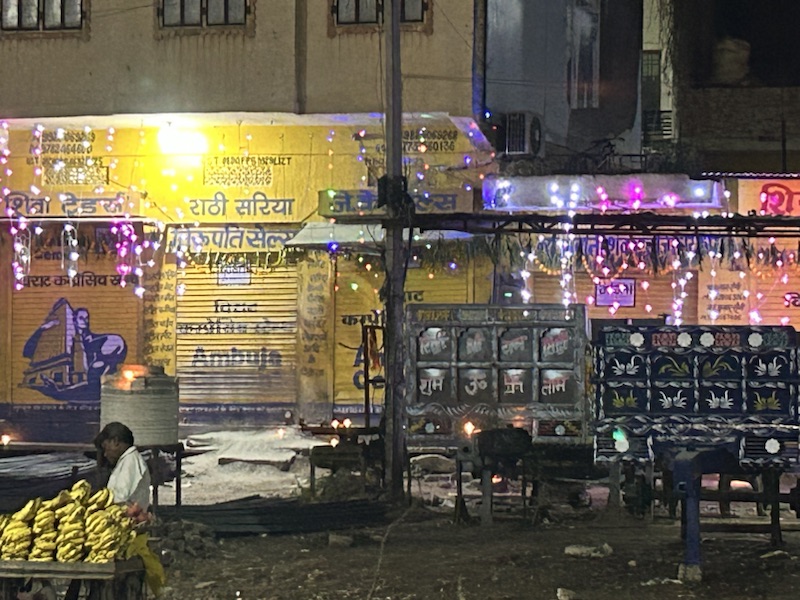
Everywhere we went we saw street vendors selling countless stacks of yellow & orange marigolds to decorate their home, business, or vehicle.

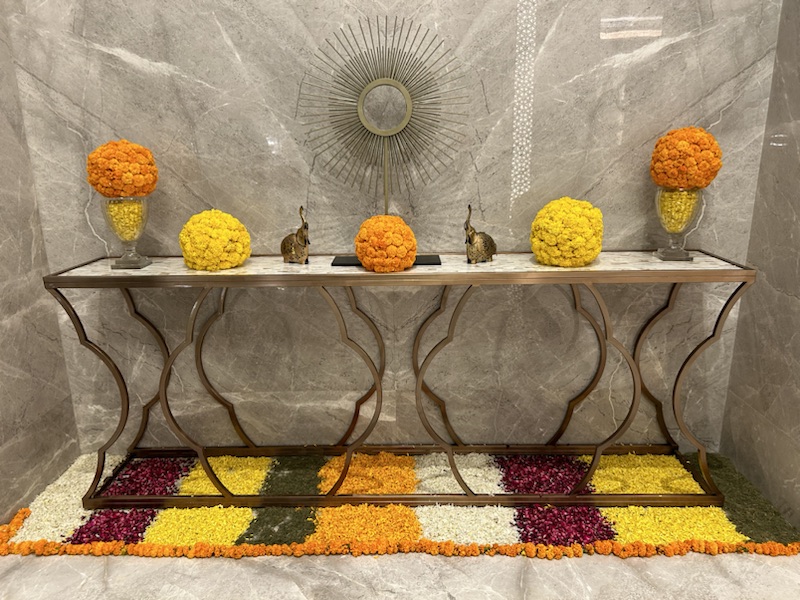
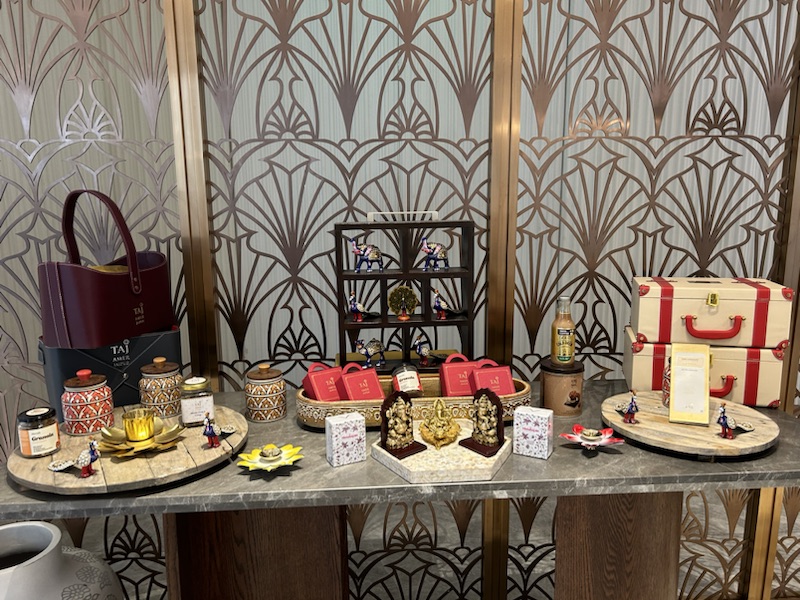
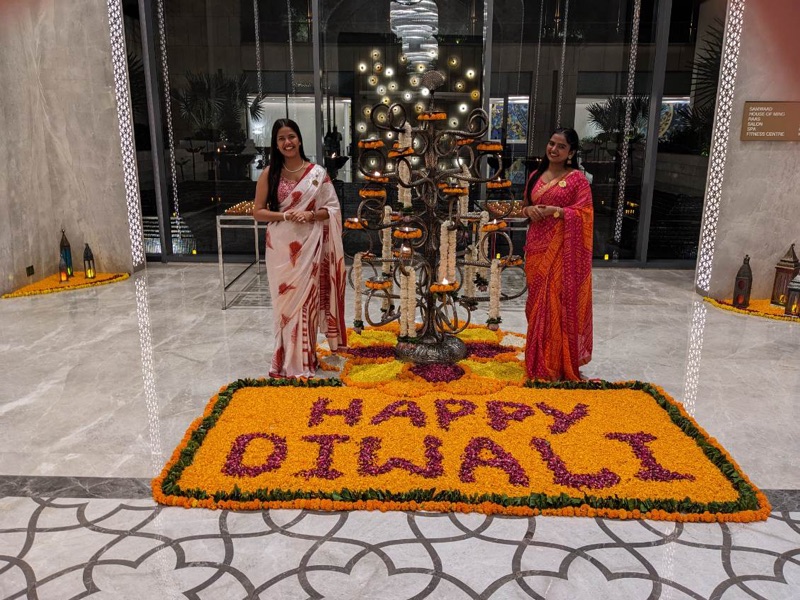
When we arrived at our hotel, decorations were everywhere in the lobby.

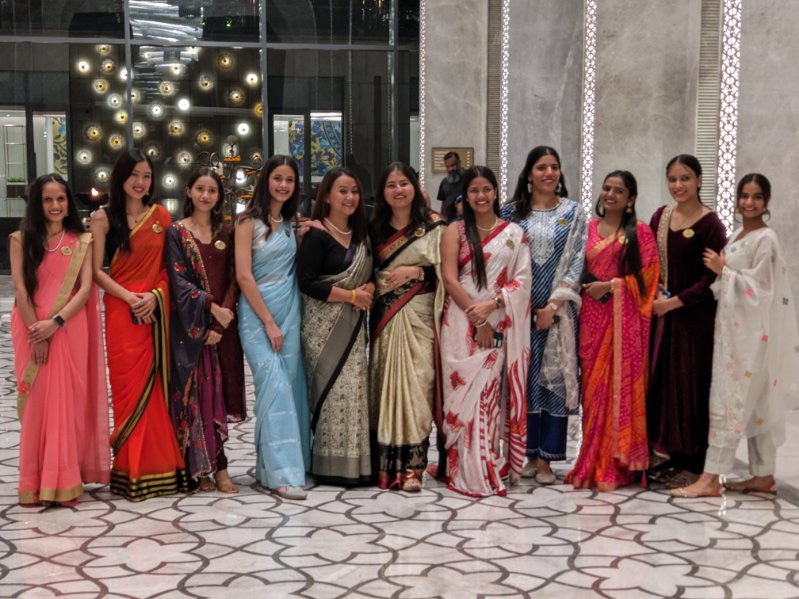
Hotel staff posing before the Diwali ceremony

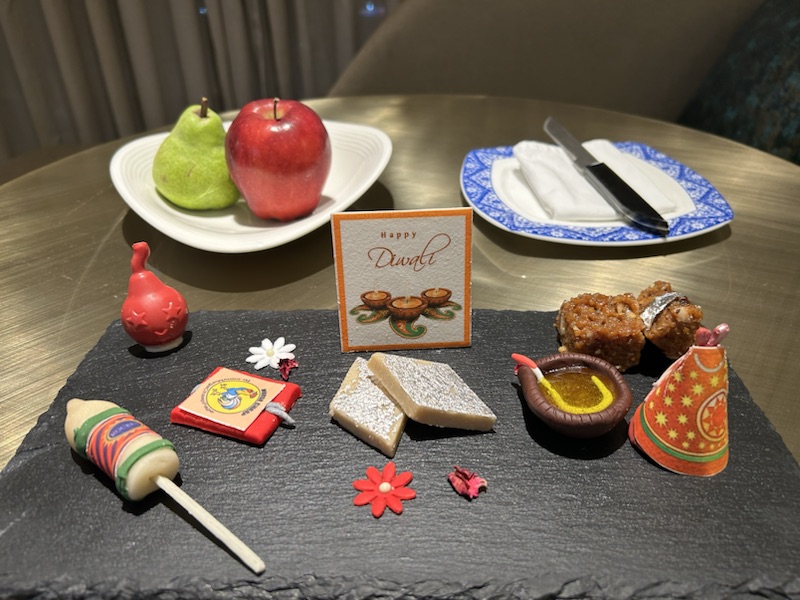
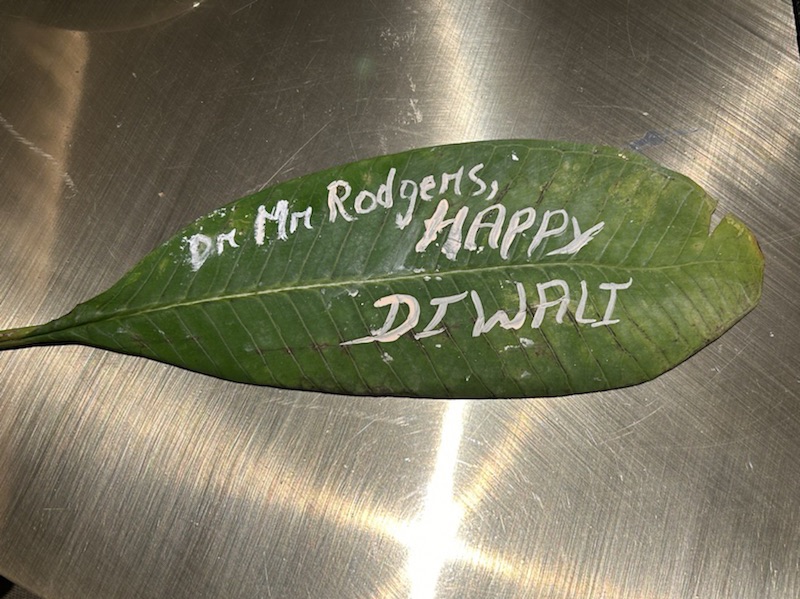
Our hotel room even had Diwali decorations & treats waiting for us

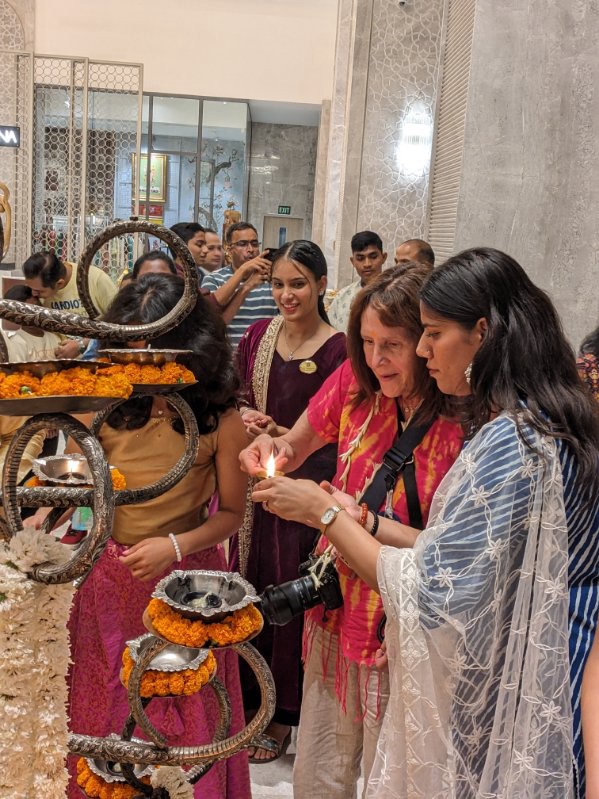
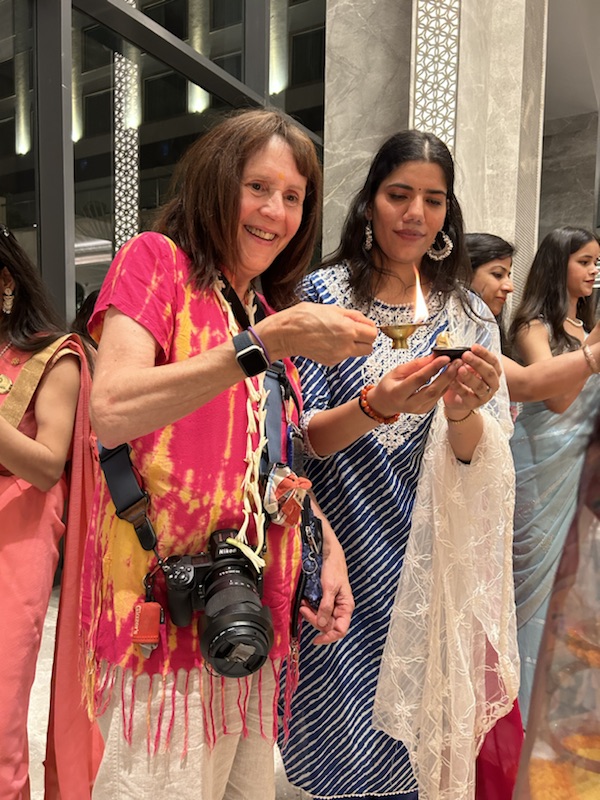
We were then invited to participate in lighting the small lanterns at our hotel

Lighted candle tree at our hotel, Taj Amar.

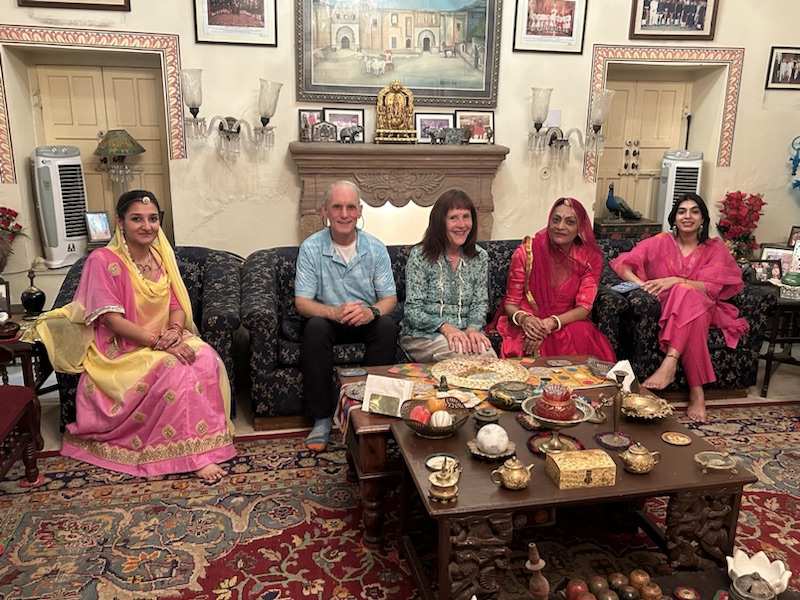
Our guide service informed us we were invited to a local home to enjoy the special evening which was a total surprise.

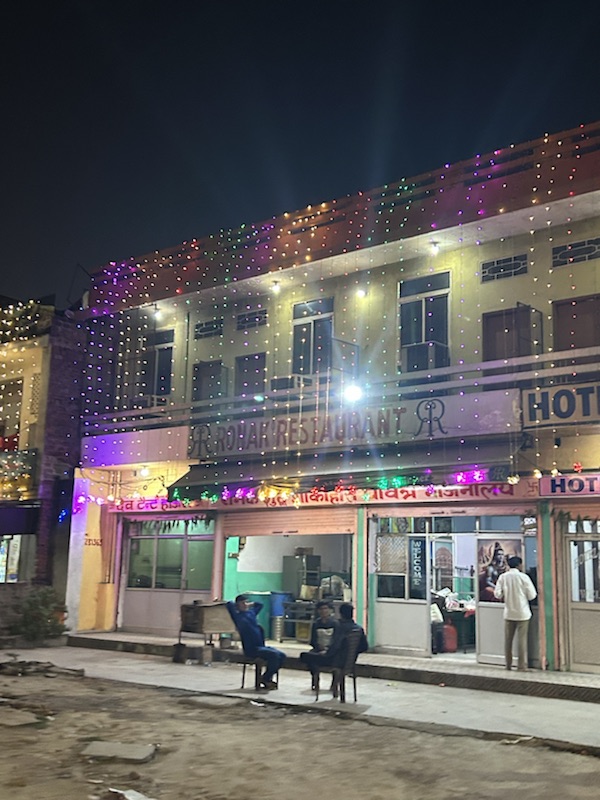
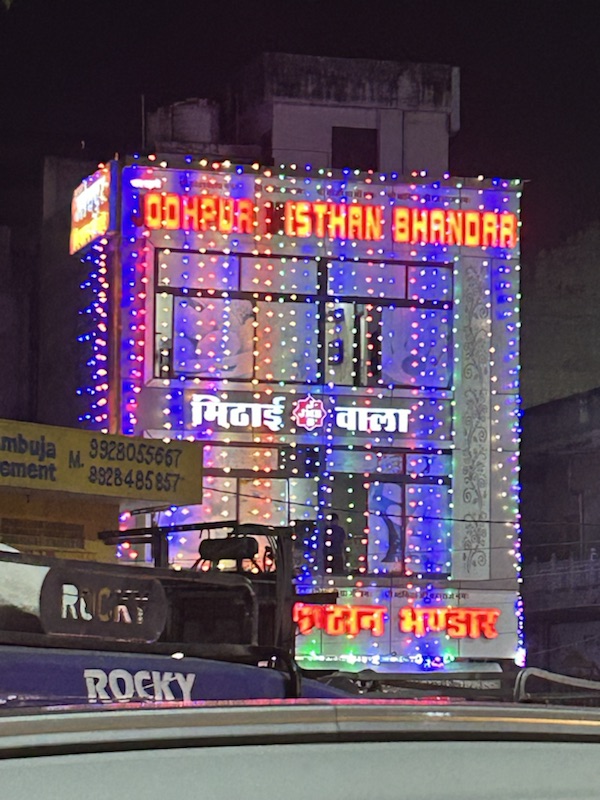
On the drive there, we saw many buildings decorated with lights to commemorate the holiday.

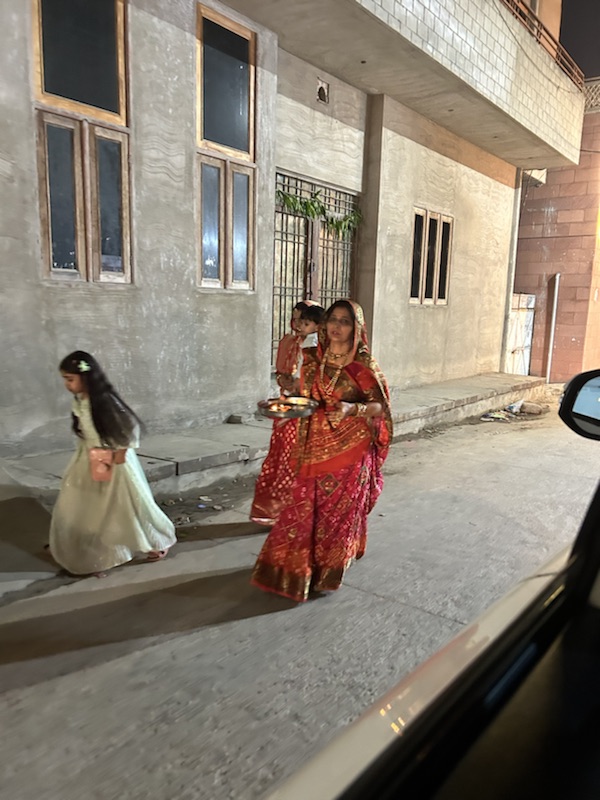
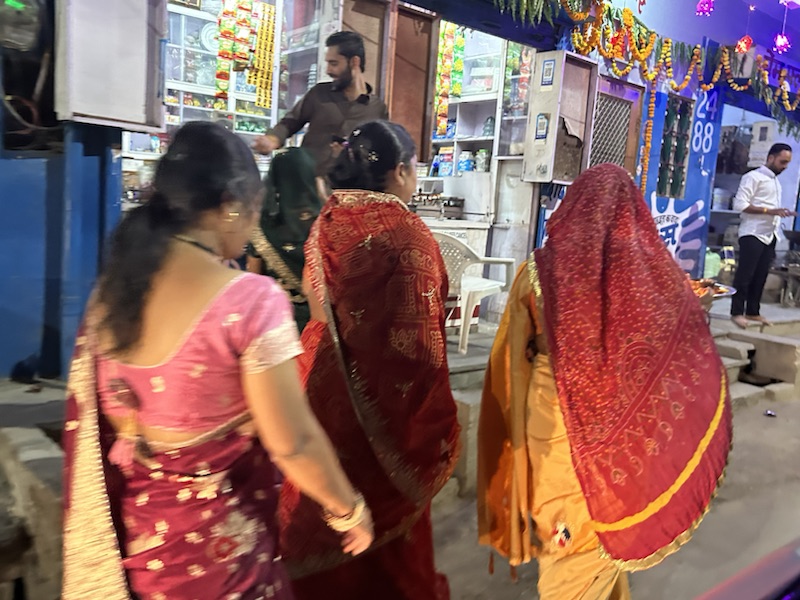
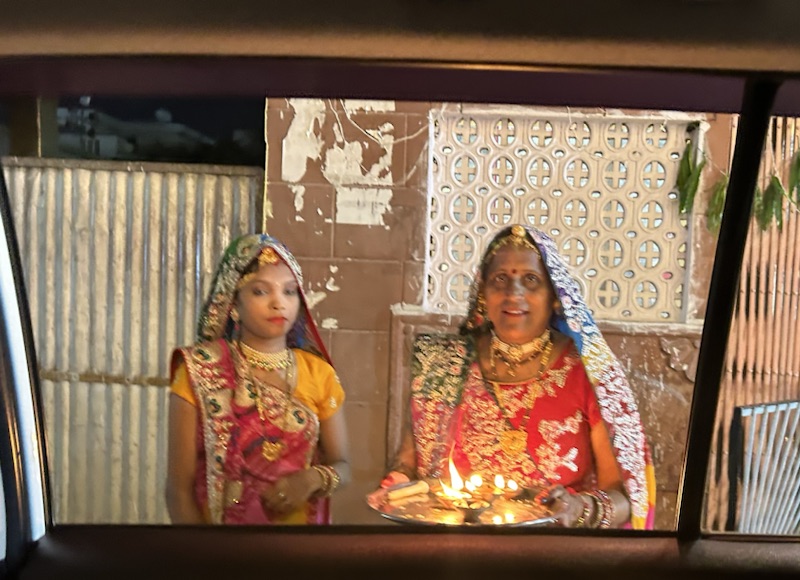
We also saw women carrying trays filled with small lanterns to place in their local temple.

Our host family shared their life stories & family history, then asked us about ours before the meal was served.

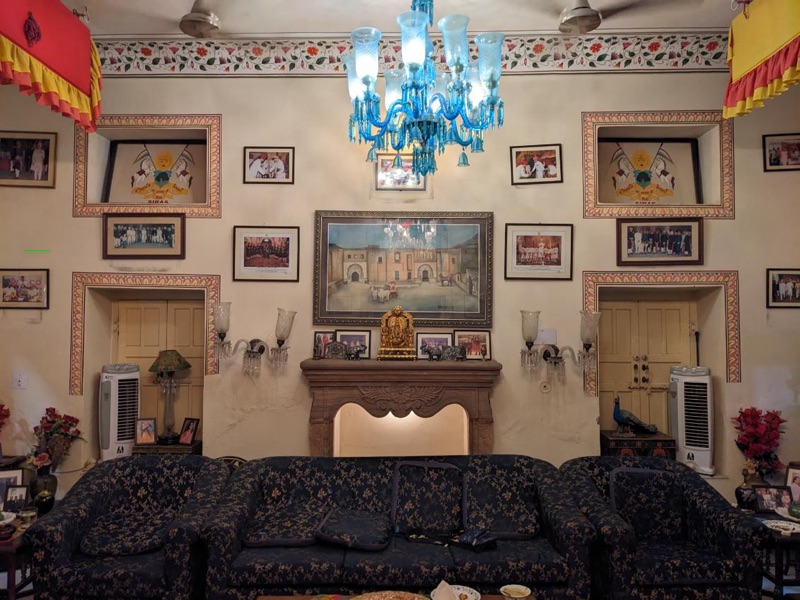
The living room with family heirlooms. Their home has been in their family for 14 generations!

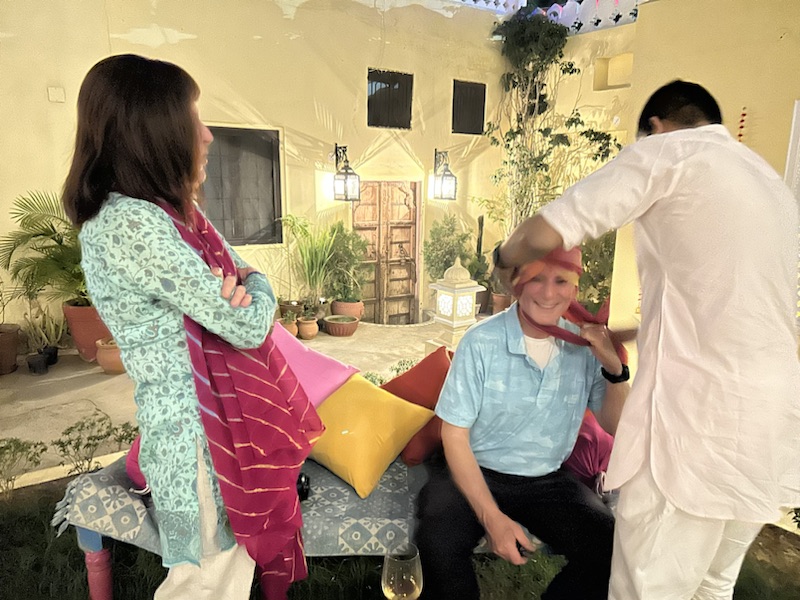
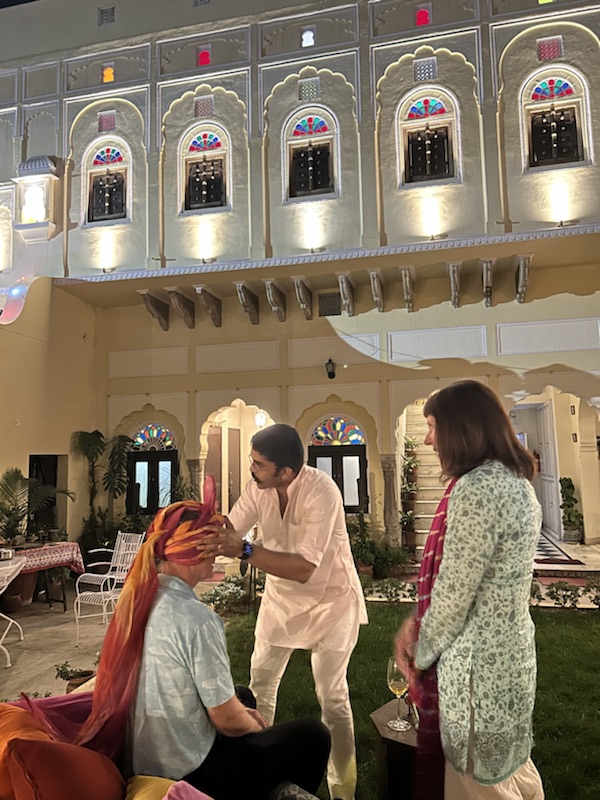
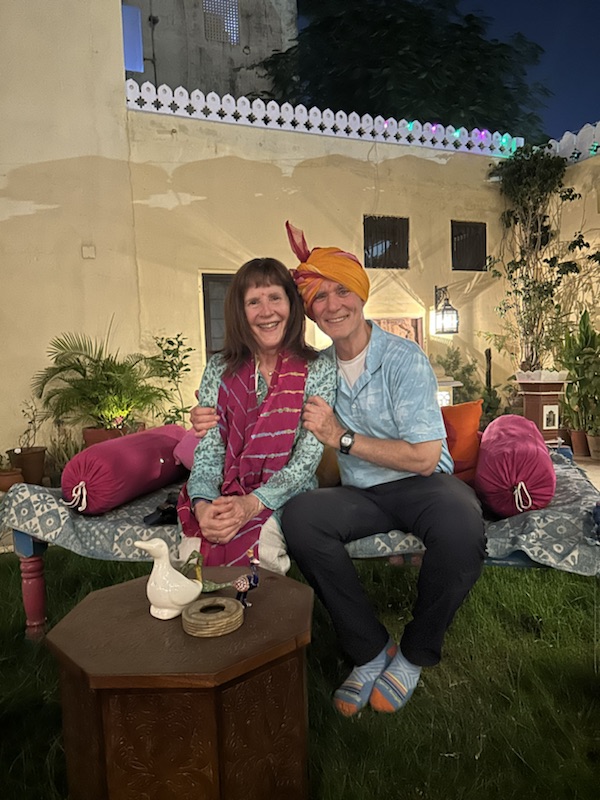
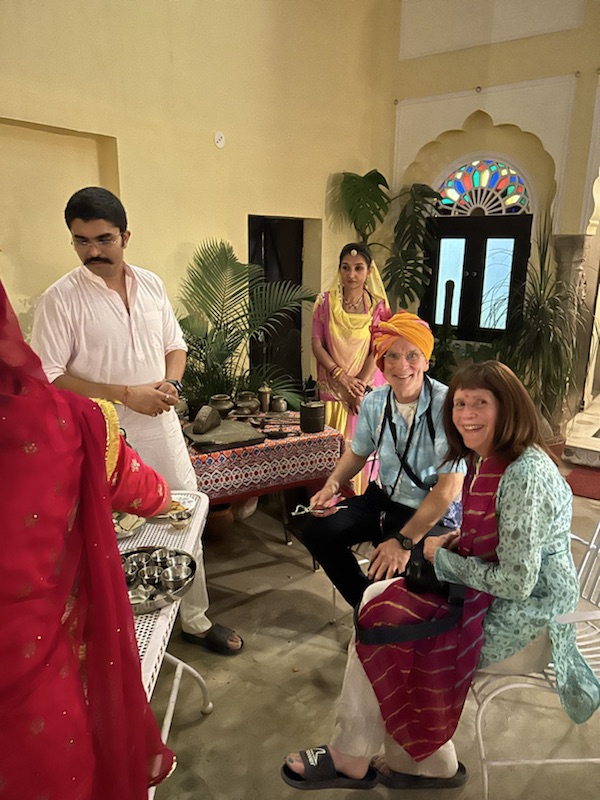
The son & his wife offered us both gifts. For me, a scarf & for my husband, a turban sporting the local Jaipur colors.

The mother prepared the meal.

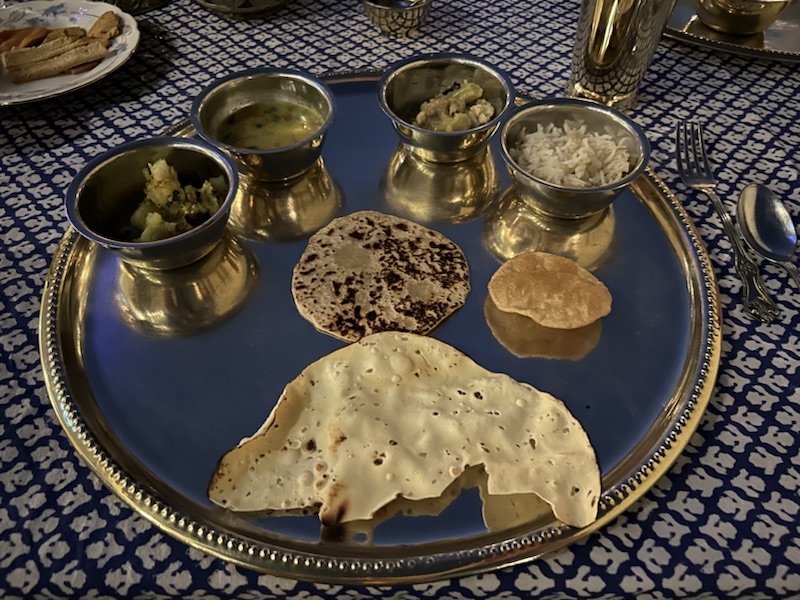
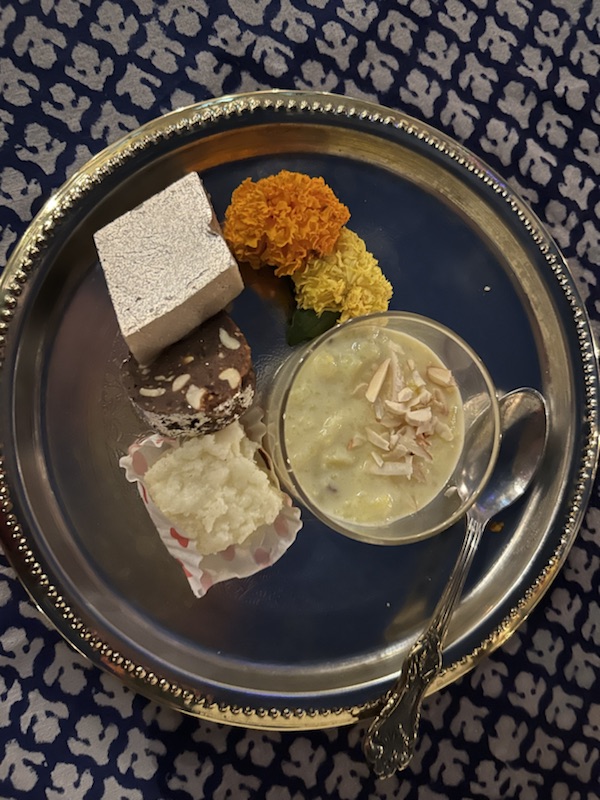
The main course & desserts were delicious.

It was so marvelous to participate in this special holiday with such wonderful & kind people who opened their home to us on their biggest celebration. This experience is what makes traveling to different countries so special.

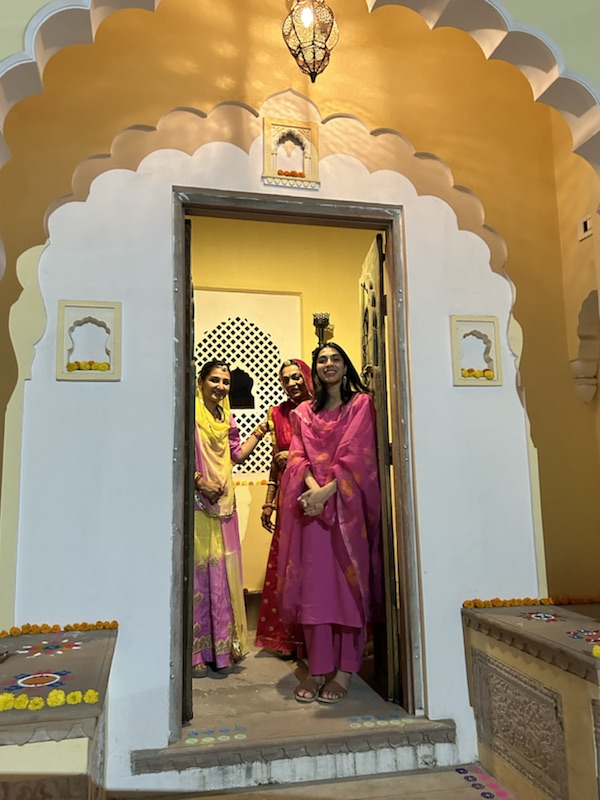
The women bidding us farewell upon our departure