
Rajasthan is a must see for tourists visiting northern India. Jaipur is often the first stop and for a good reason. Many buildings in the old town have a rose color giving it the nickname, “The Pink City”. It is also Rajasthan’s capital.
Jaipur has many interesting Hindu temples, a huge fort, & many palaces. It takes more than one day to see all the highlights.
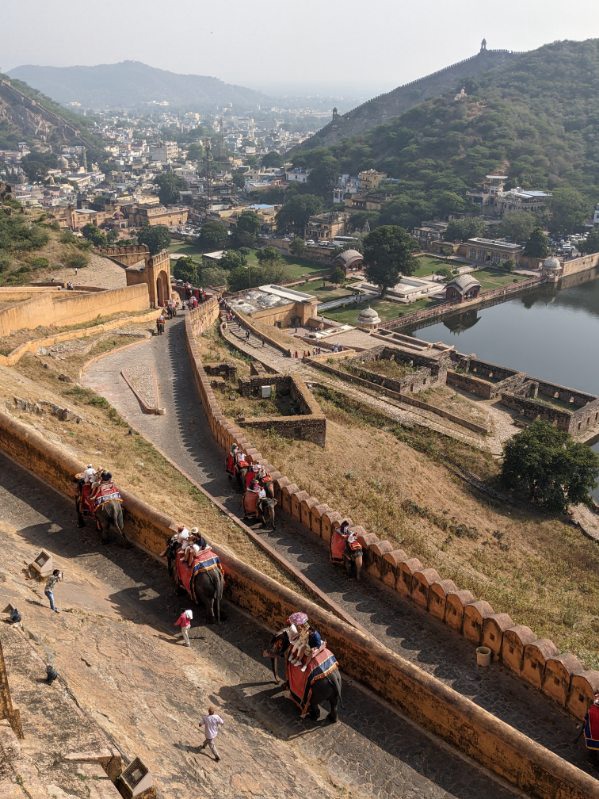
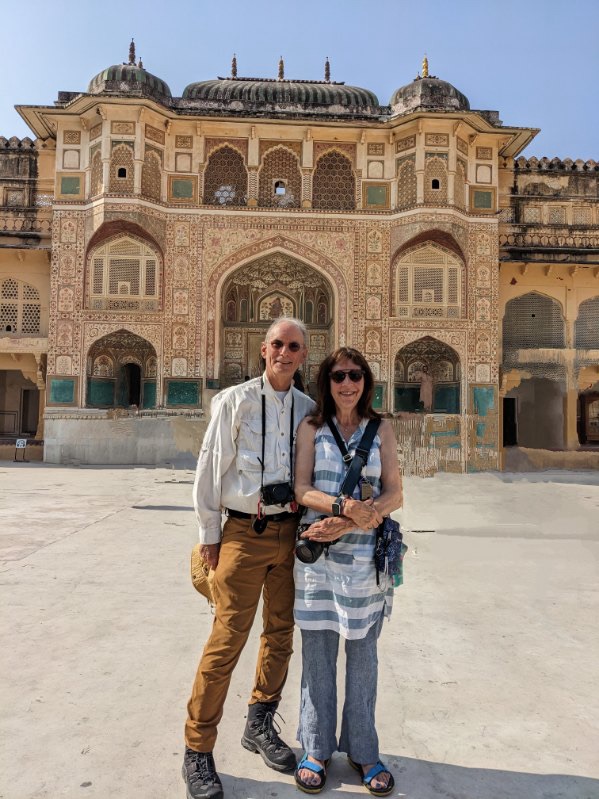
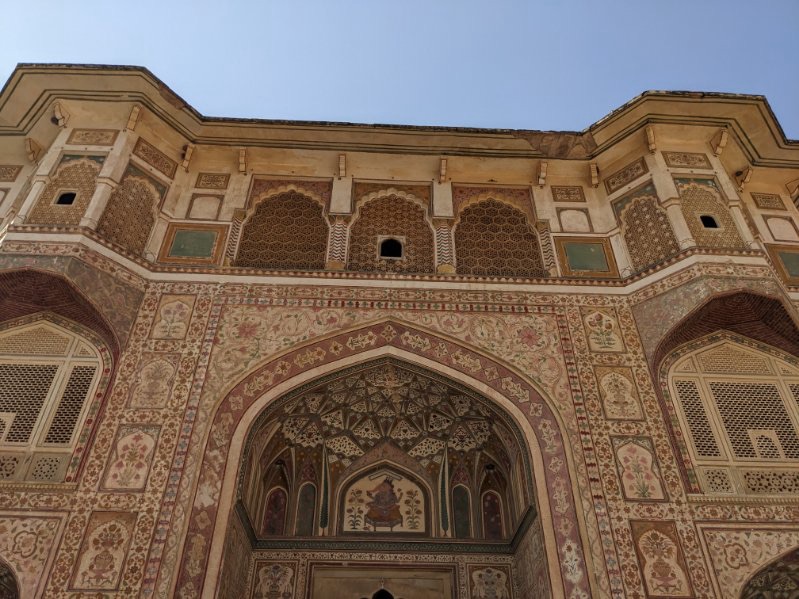
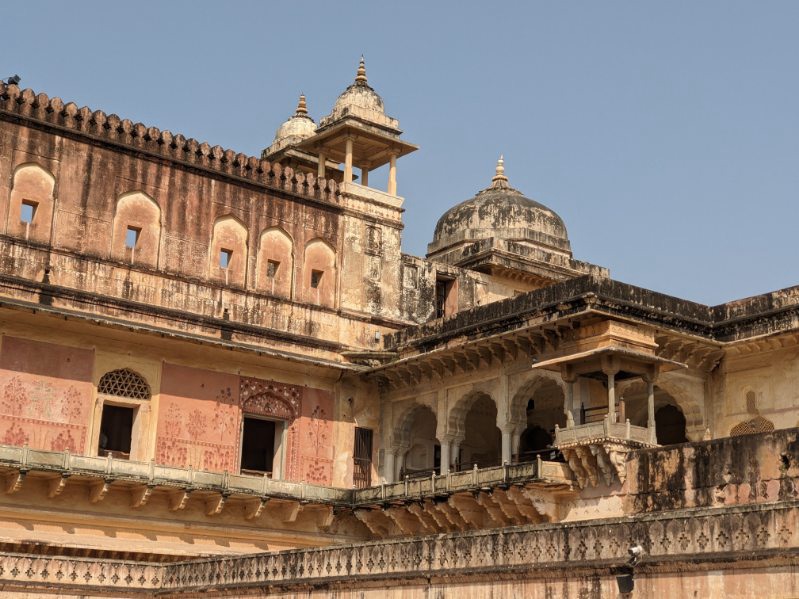
Our first site was the Amber Fort. This is a magnificent fortress built on a hill surrounded by a wall that runs 12km over the greatly uneven terrain. From a distance, it resembles the Great Wall of China.
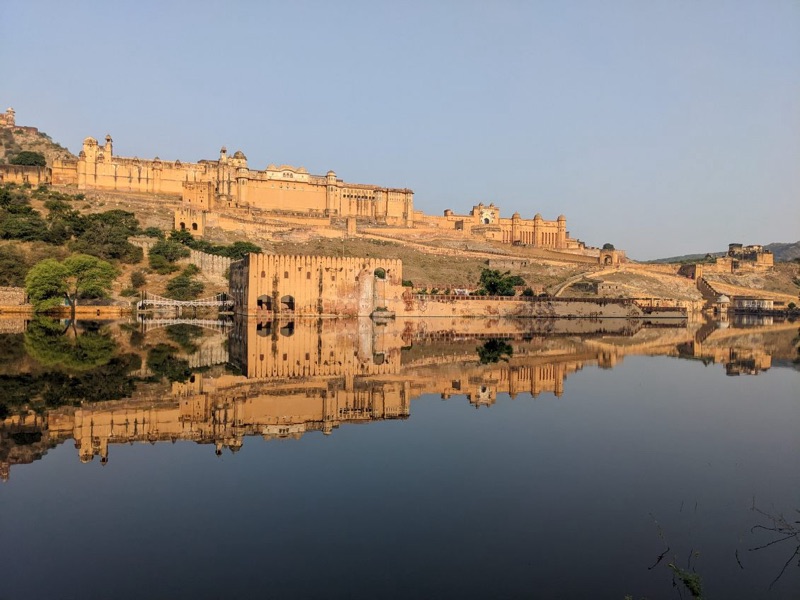
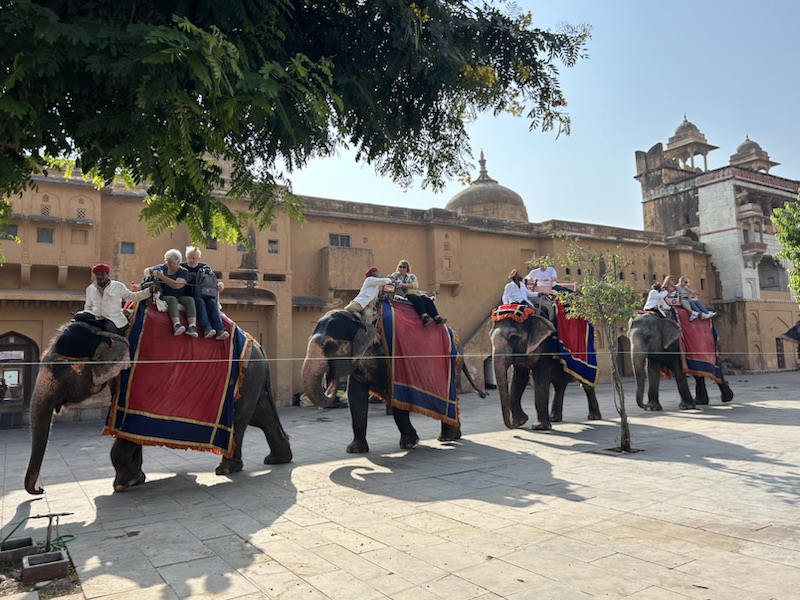
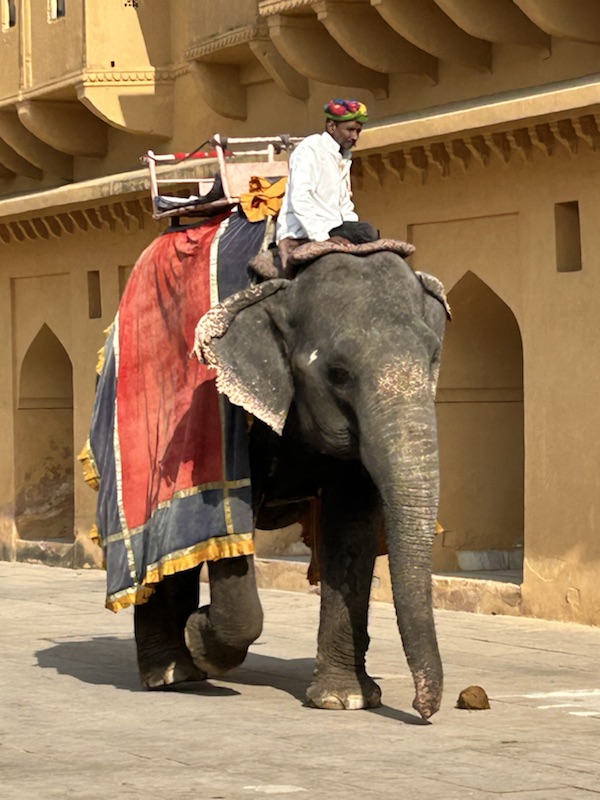
Many elephants are used to carry tourists to the top. In the early morning, you can see these elephants in the streets on their way to the fort & around noon before it gets too hot for them, you see them on the streets going home.
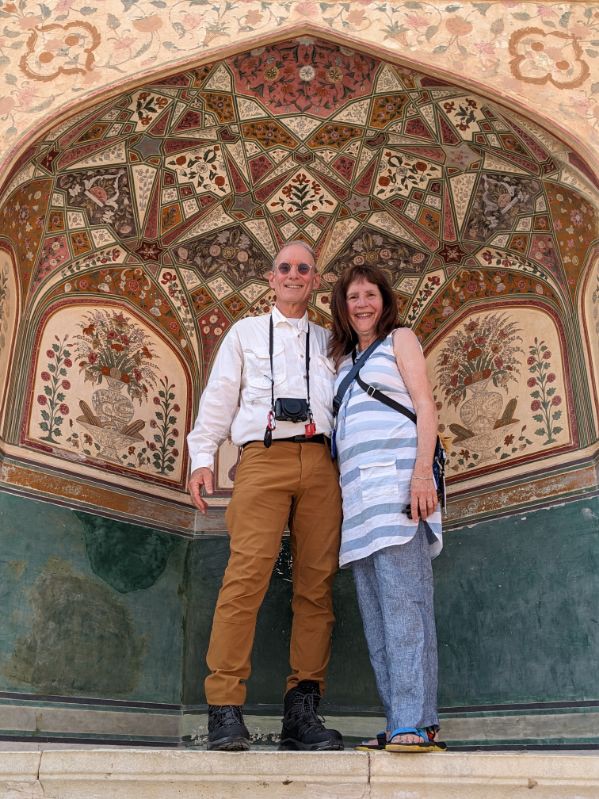
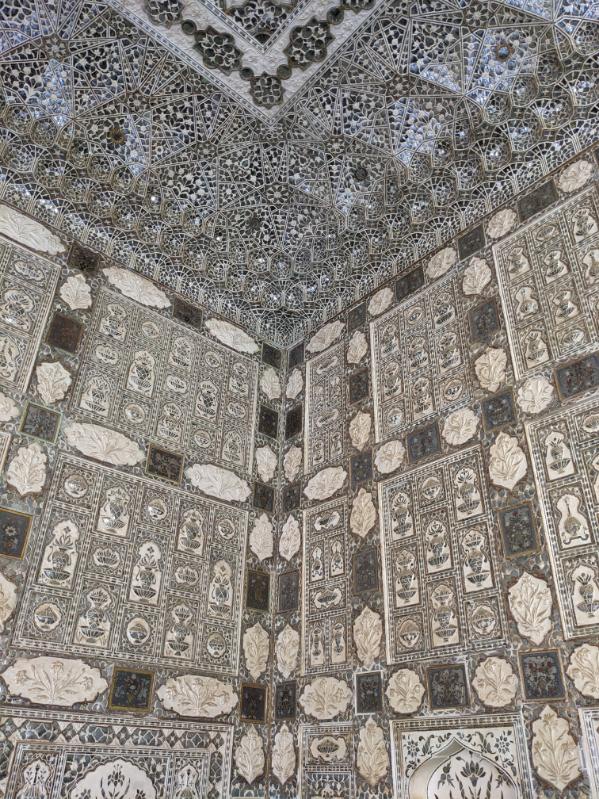
The fort contains many beautiful rooms & walls painted with frescos along with small, irregularly-shaped mirrors embedded in the intricately carved tiles in the Winter Palace.
In the winter, curtains would be hung to close the space & candles and lamps would be lit to warm it. The mirrors embedded in the walls would reflect light providing very bright illumination during the long, dark winter days.
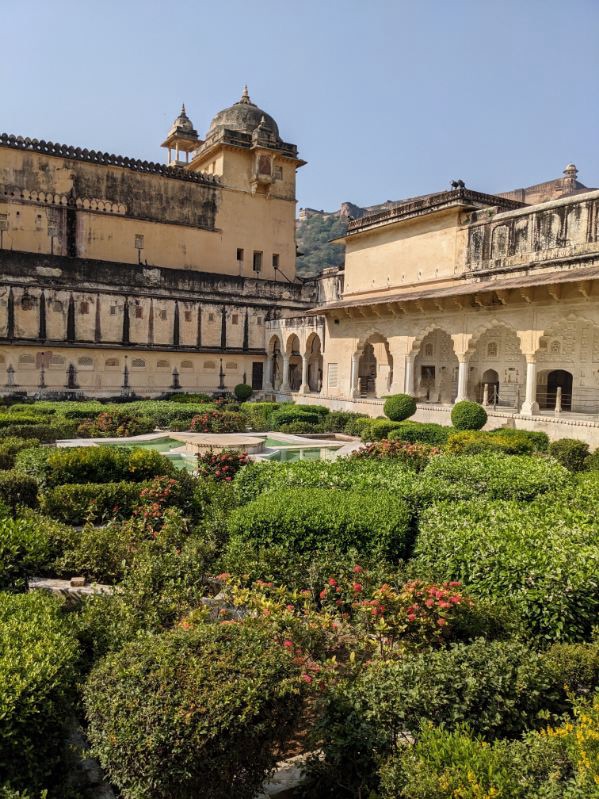
The Summer Palace was built using lighter colors to help keep it cool during the hot summer days. Long curtains were hung on which water would be dripped to create a cooling effect from the breeze. A fountain with a water trough running through the room was situated so the wind could also pass over it to cool the room.
Next we visited the City Palace. This is the home to Jaipur’s royal family. The current Maharaja is only 27, single, handsome, & is an excellent polo player. By far, he is the most eligible bachelor in Rajasthan, if not all India.
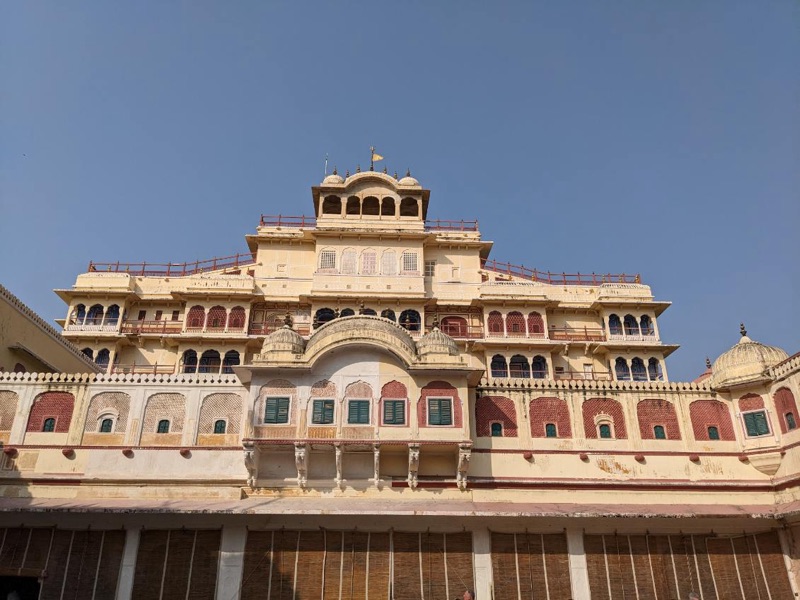
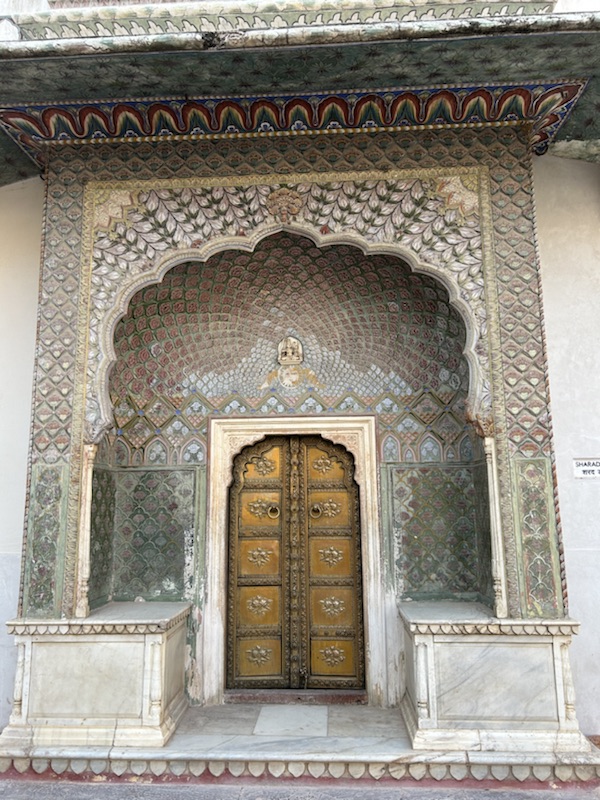
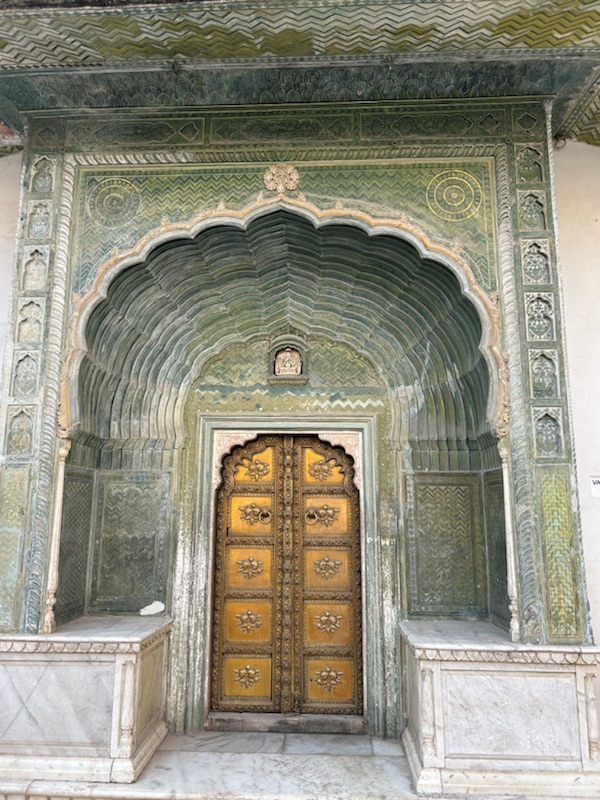
We were able to visit the beautiful historic grounds with more beautiful rooms and ornate doors.
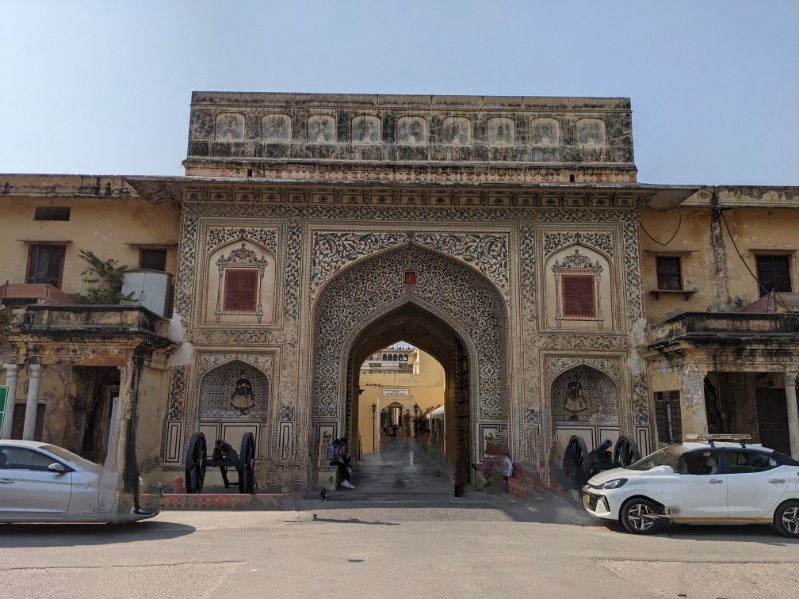
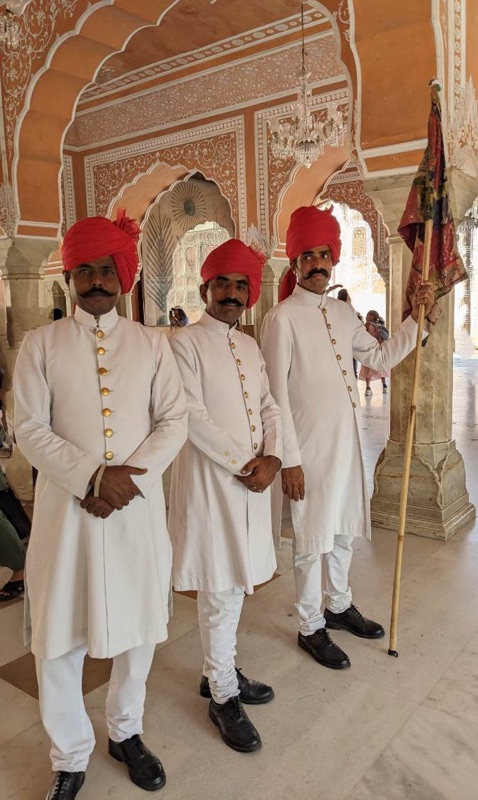
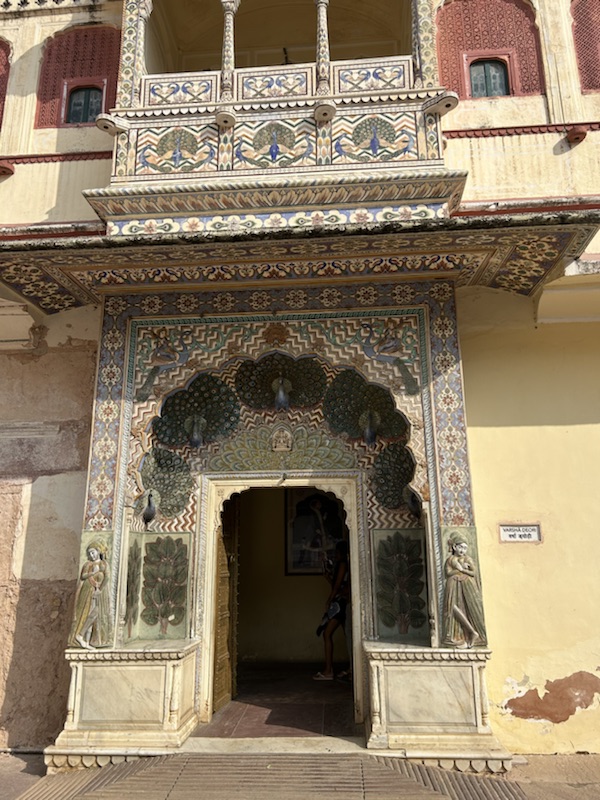
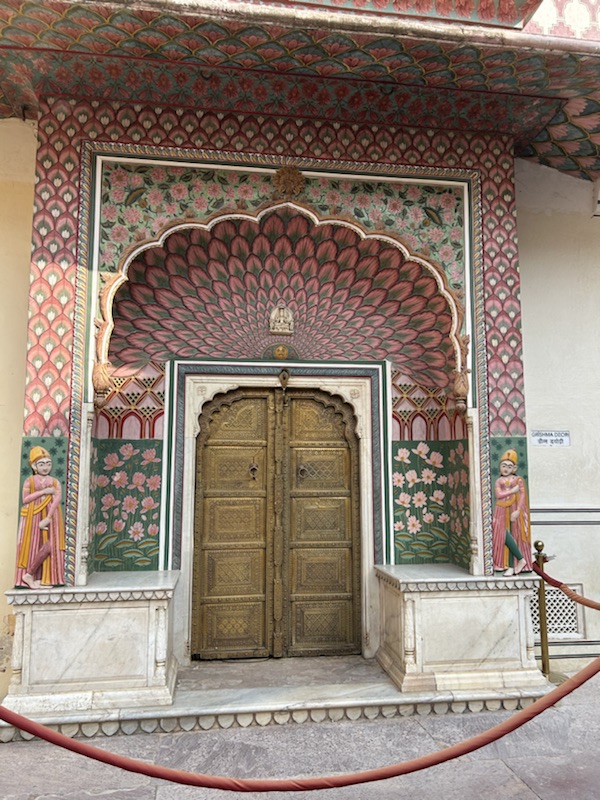
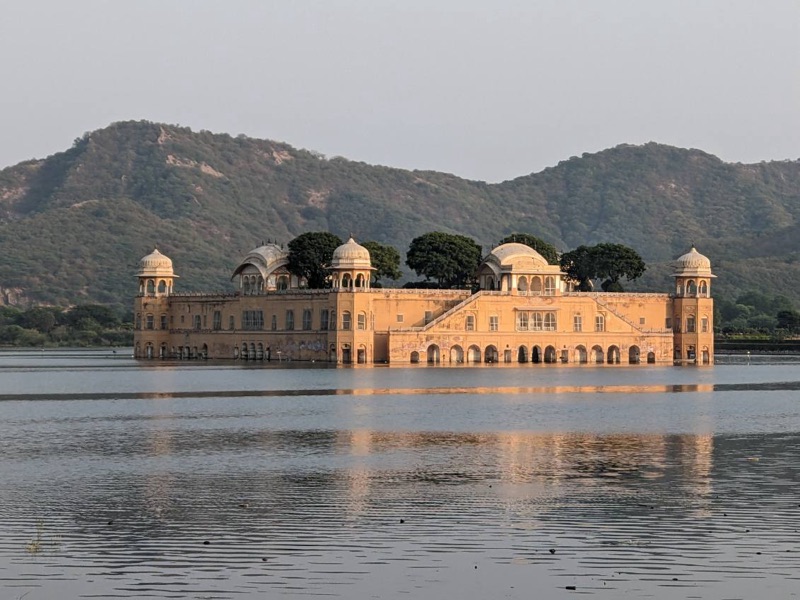
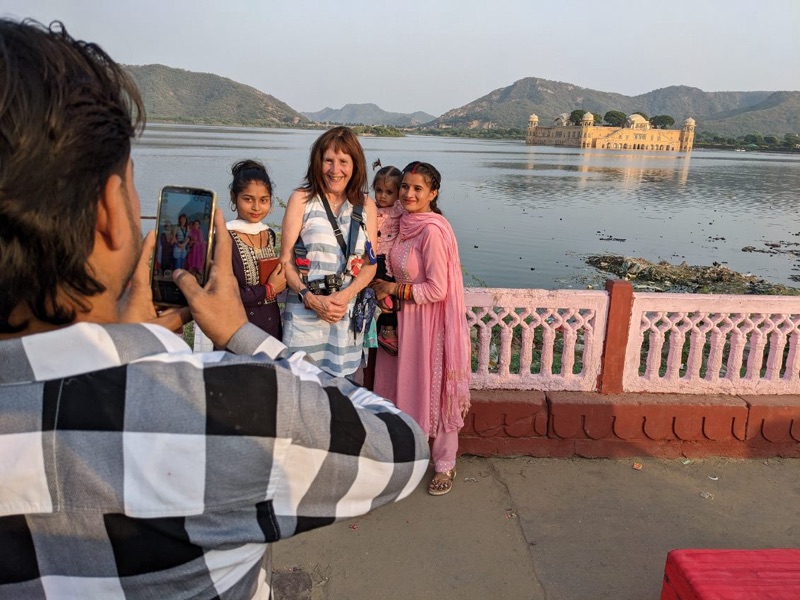
Two other Jaipur palaces are a must for picture taking; but, have been closed to the public for many years.
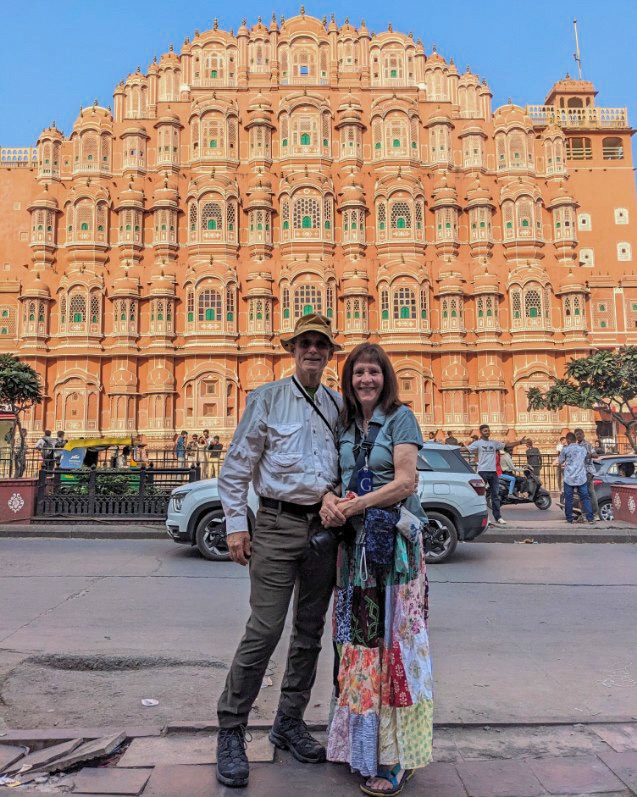
Besides royal places, Jaipur offers many opportunities to see everyday life.
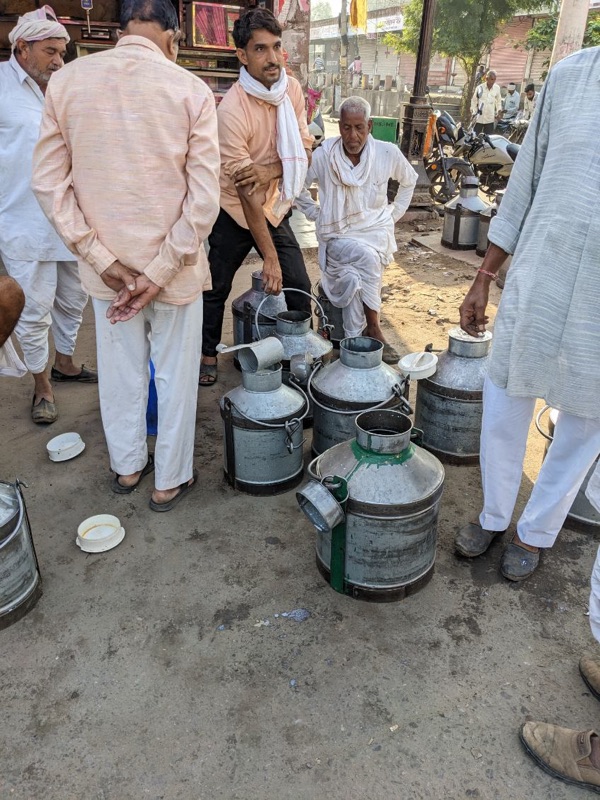
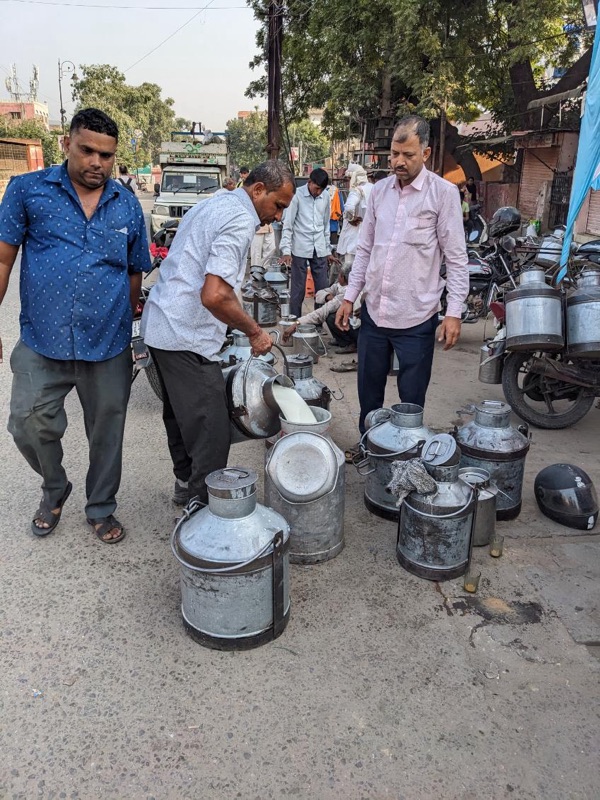
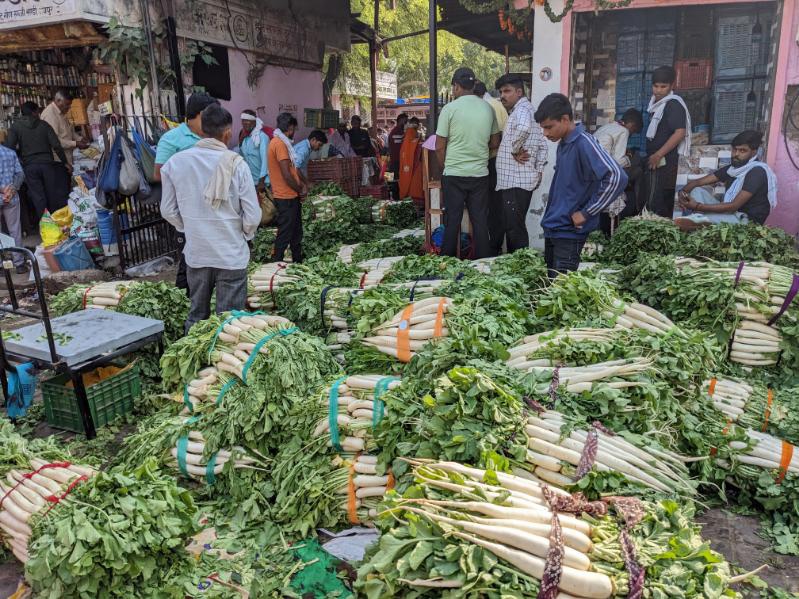
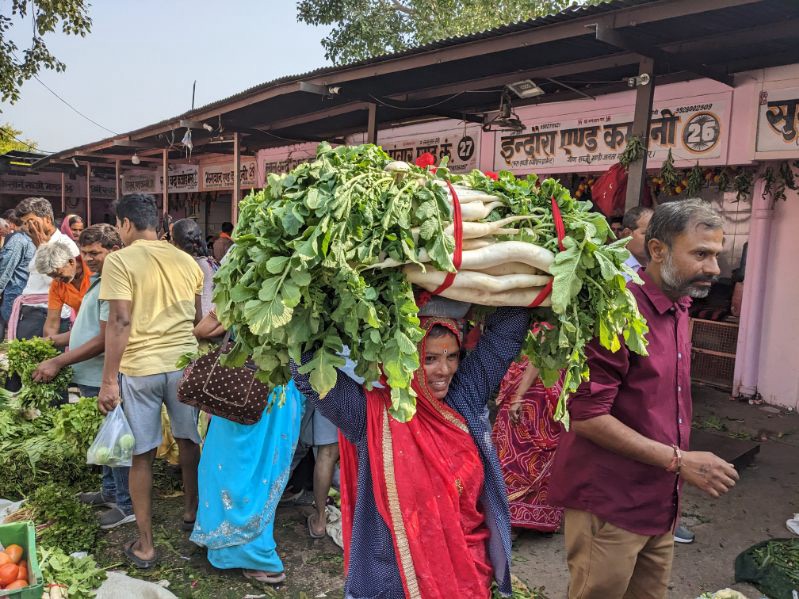
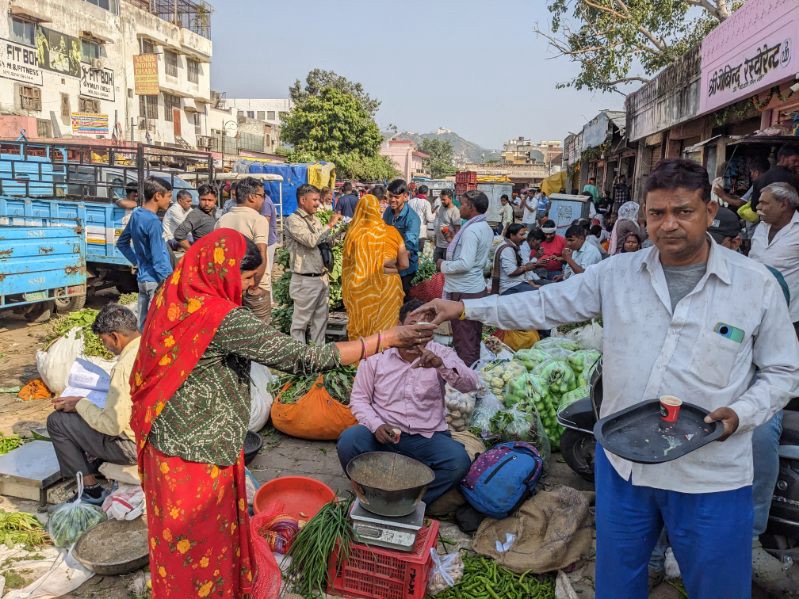
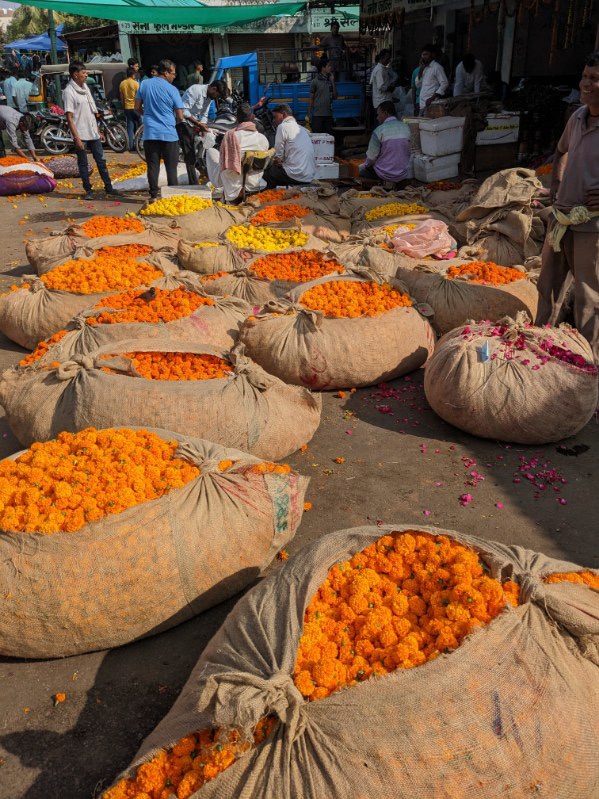
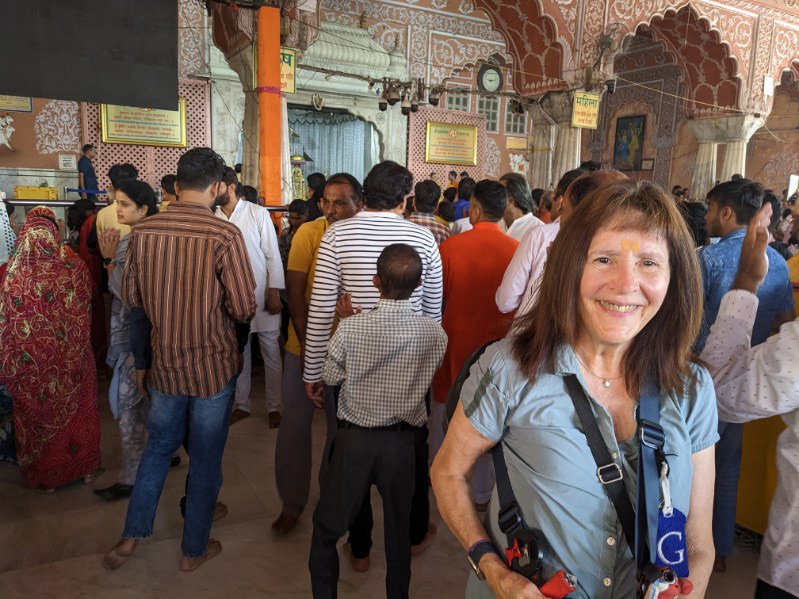
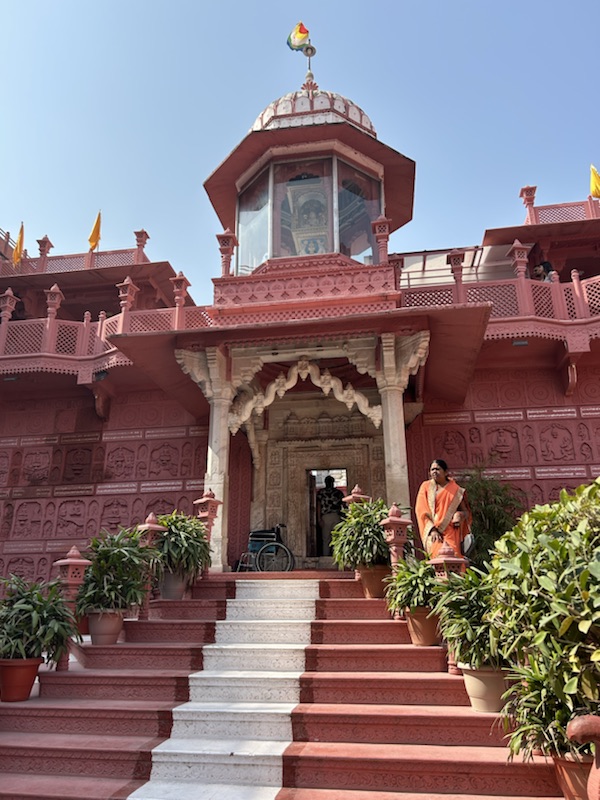
During the 5 days of Diwali visiting temple is very important which caused many traffic jams. However, we had the opportunity to visit two temples.
One of Jaipur’s UNESCO World Heritage sites is the Jantar Mantar which means “Instrument used for Calculation”. It has giant structures used to study the sun & stars. It has the world’s largest sundial which is accurate to 2 seconds!
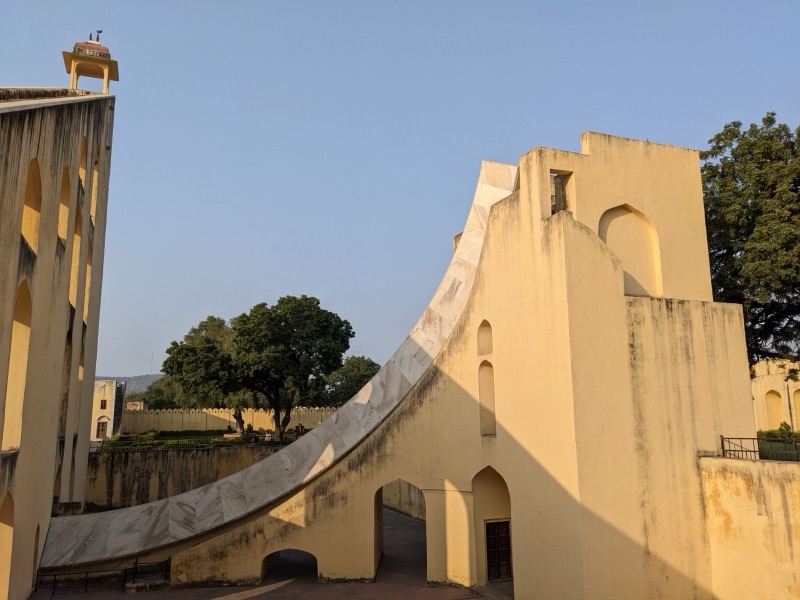
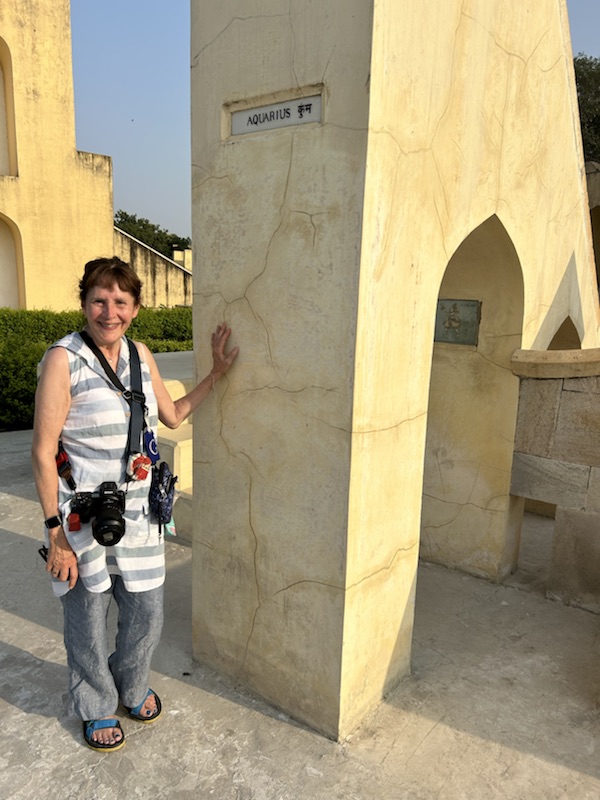
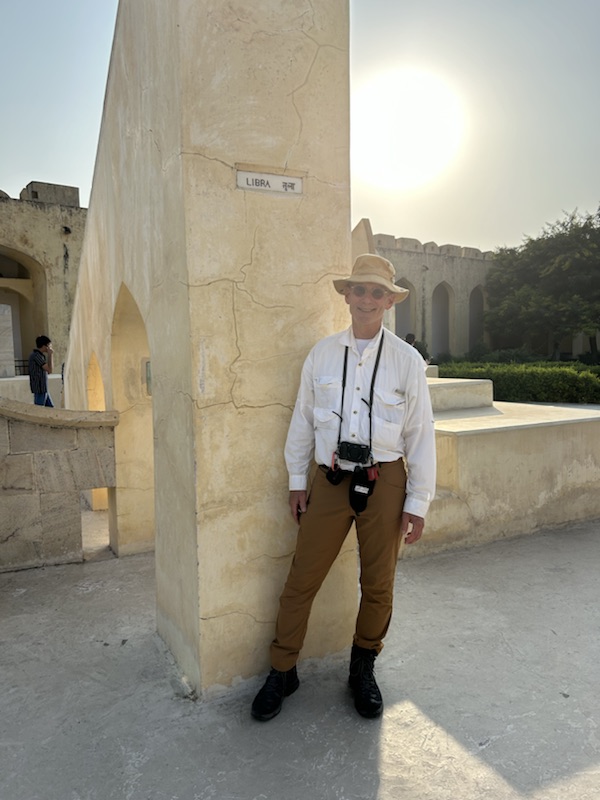
To say that astrology is import to Indians is putting it mildly. Astrology is used in almost all marriages not only to pick a mate; but also, to pick a date for marriage. These are two instruments used for our astrological signs.
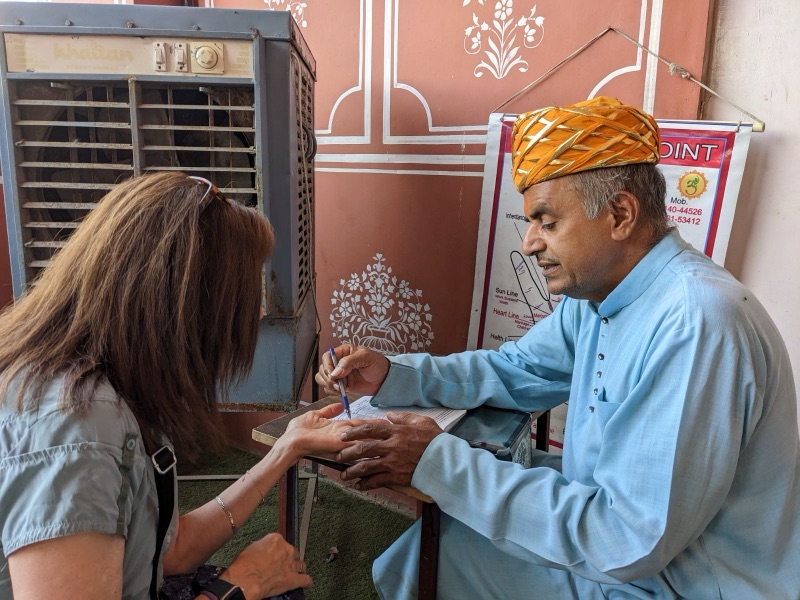
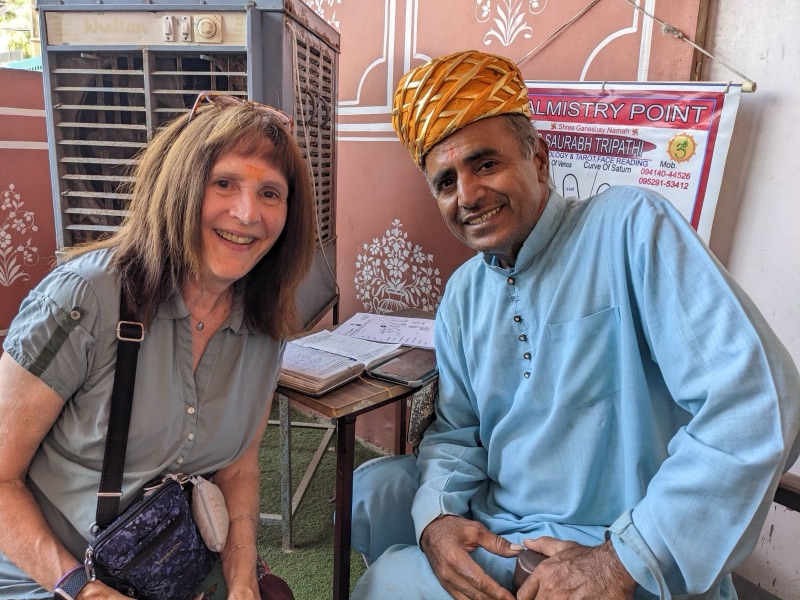
On both of my trips to Rajasthan I had my palm read. I was told both times by my guides, Indians use palm readers by to help them make major decisions & help with advice to solve their problems. For me, it’s a fun thing to do.
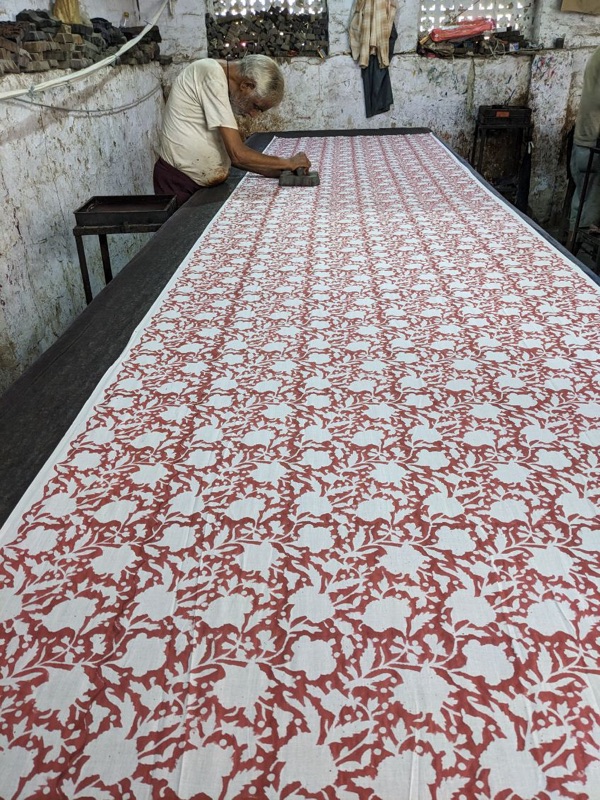
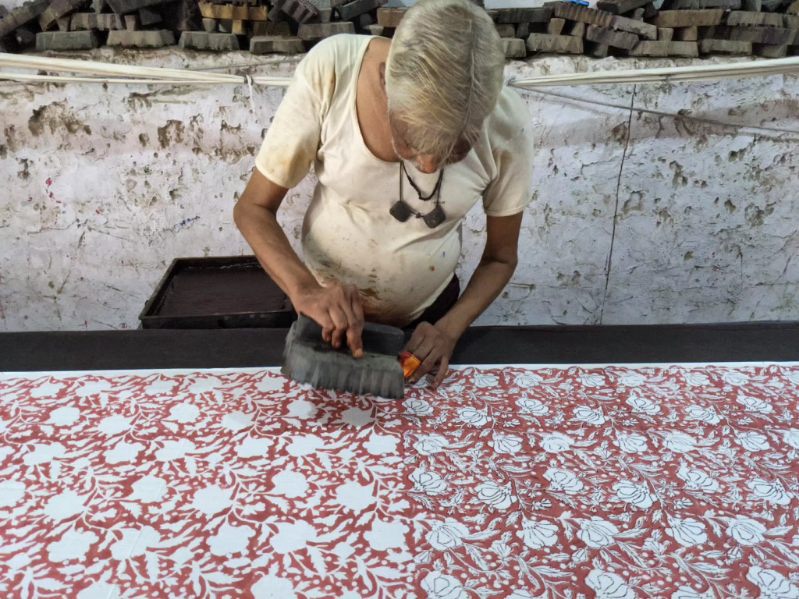
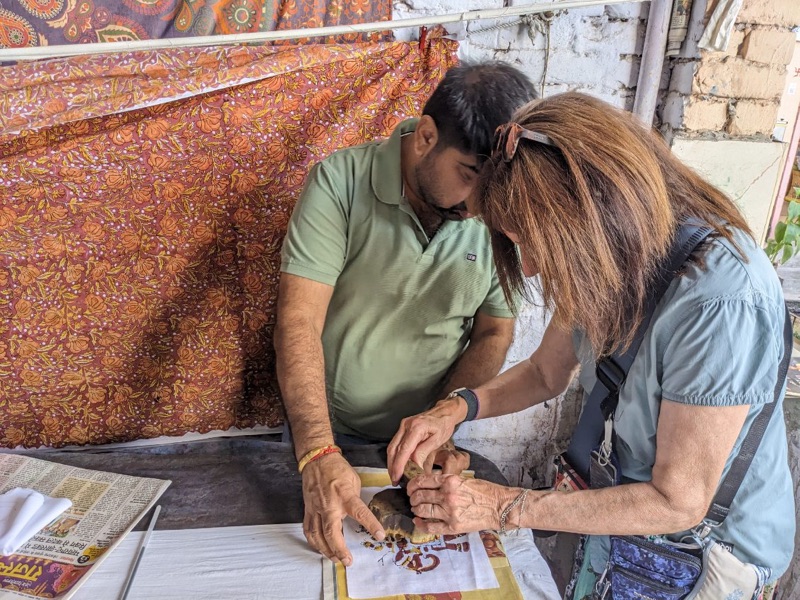
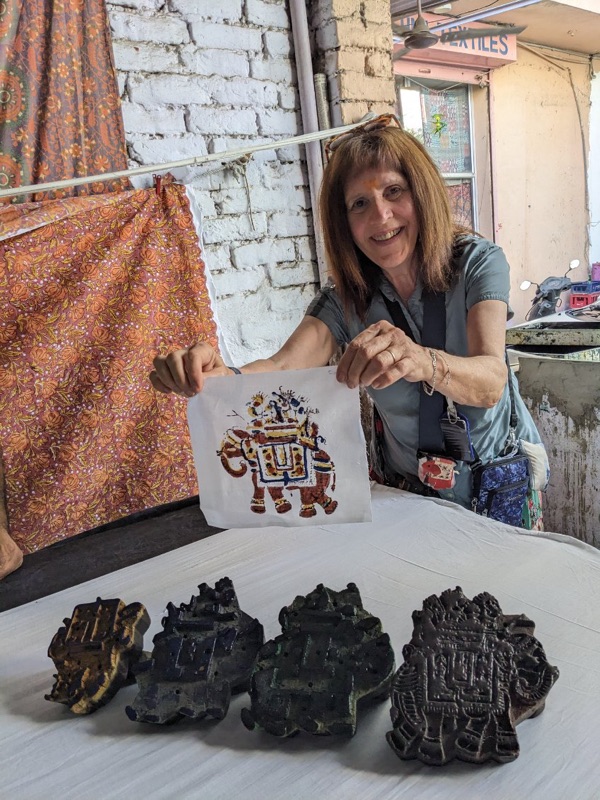
Jaipur has been known for centuries for its block printing technique to make fine textiles. We were given a chance to make our own.
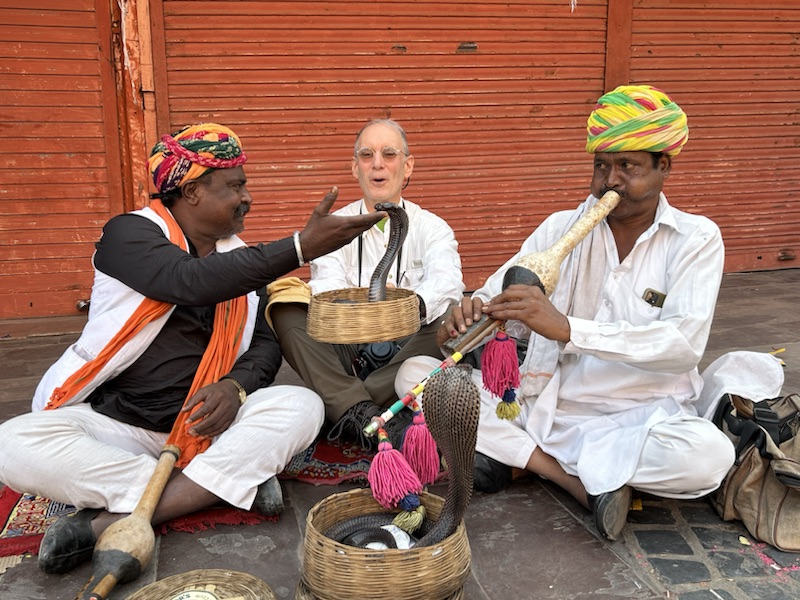
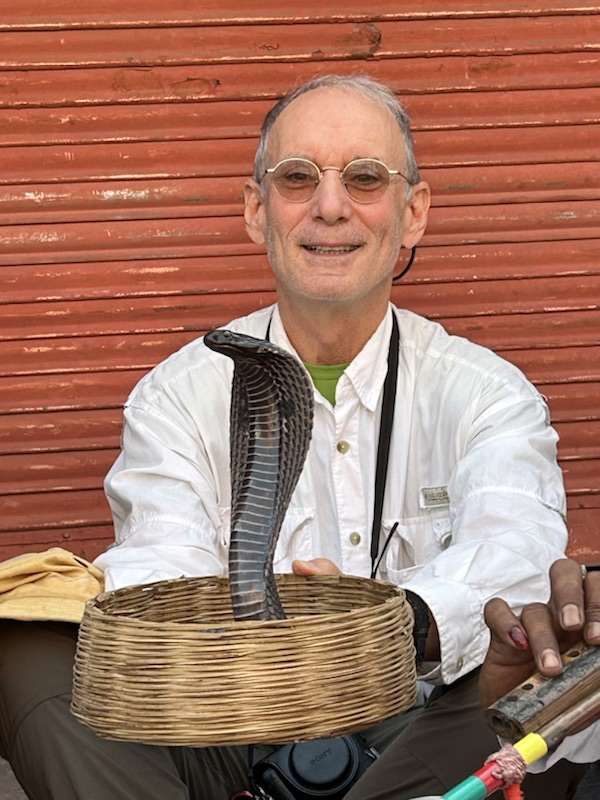
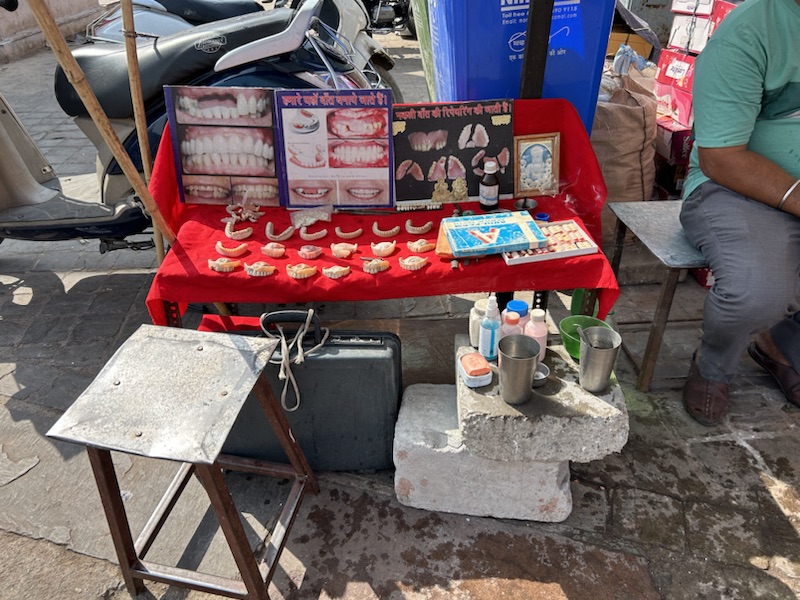
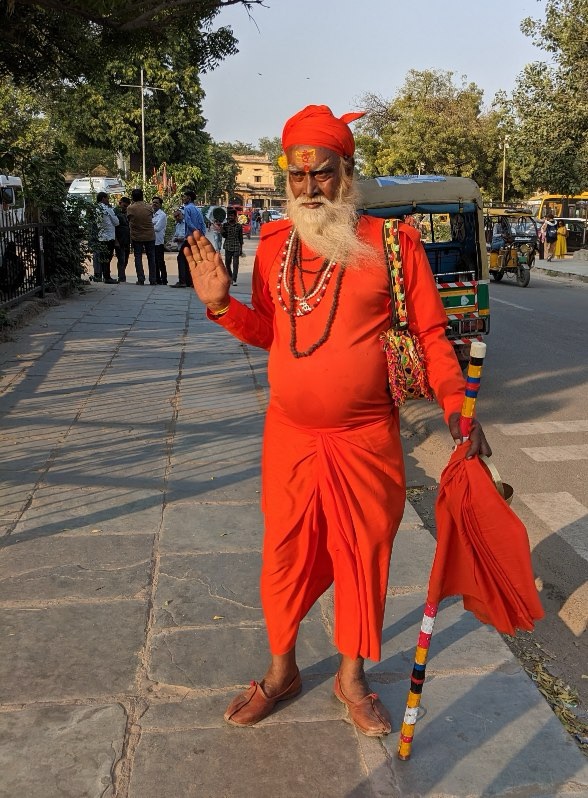
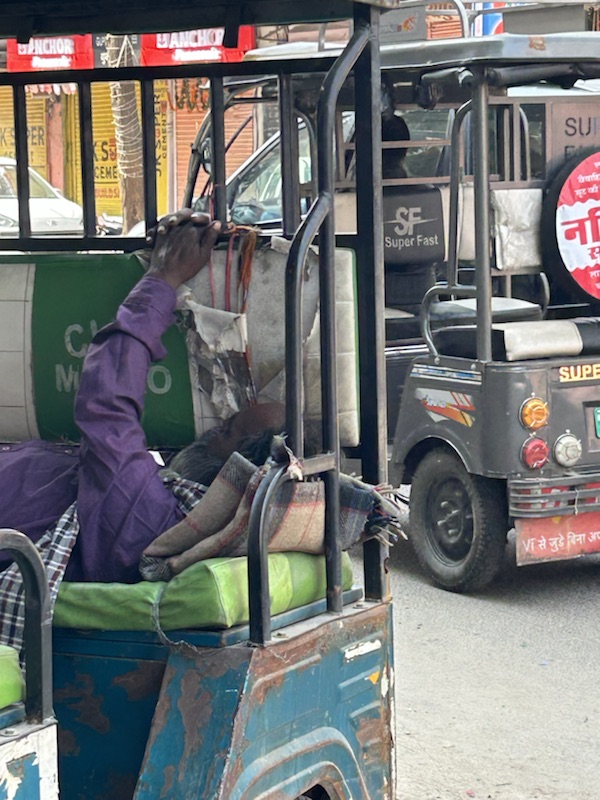
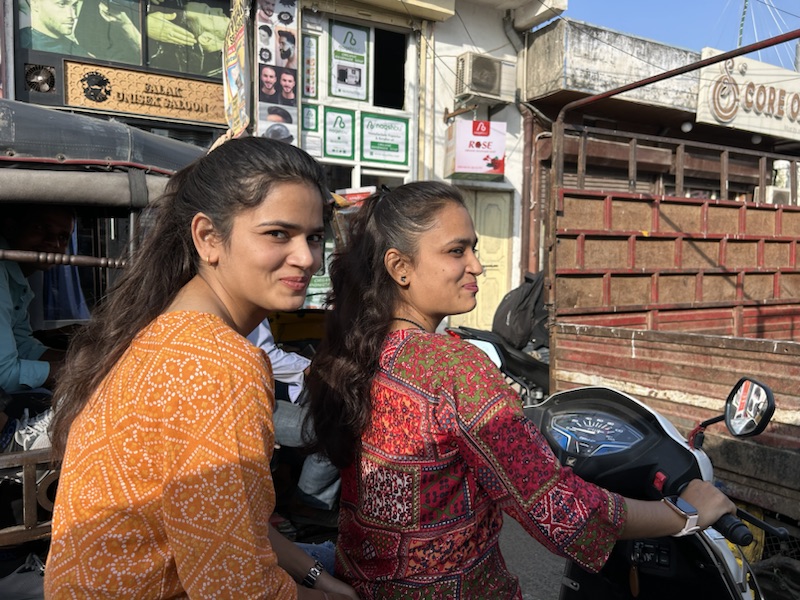
I’ve saved the best for last. People watching & seeing life experienced differently is the best part about India.
 The Wanderers