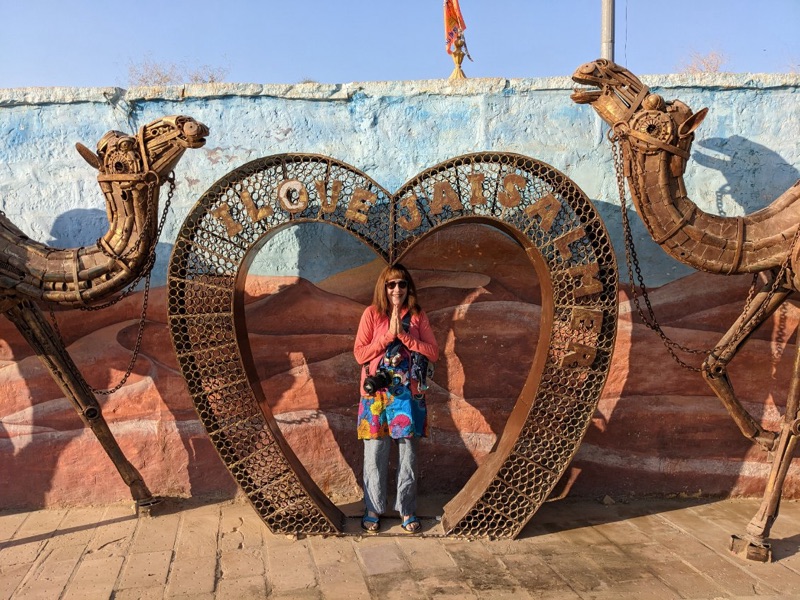
Jaisalmer- The Golden City

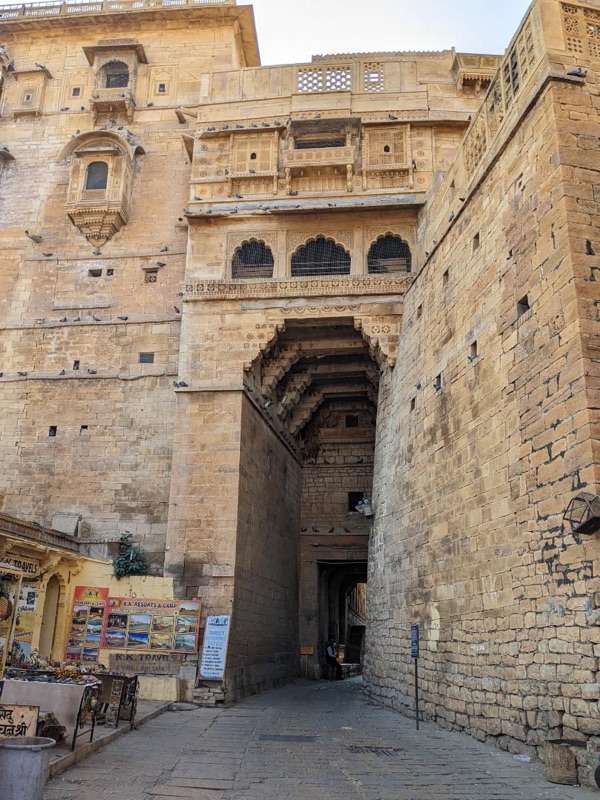
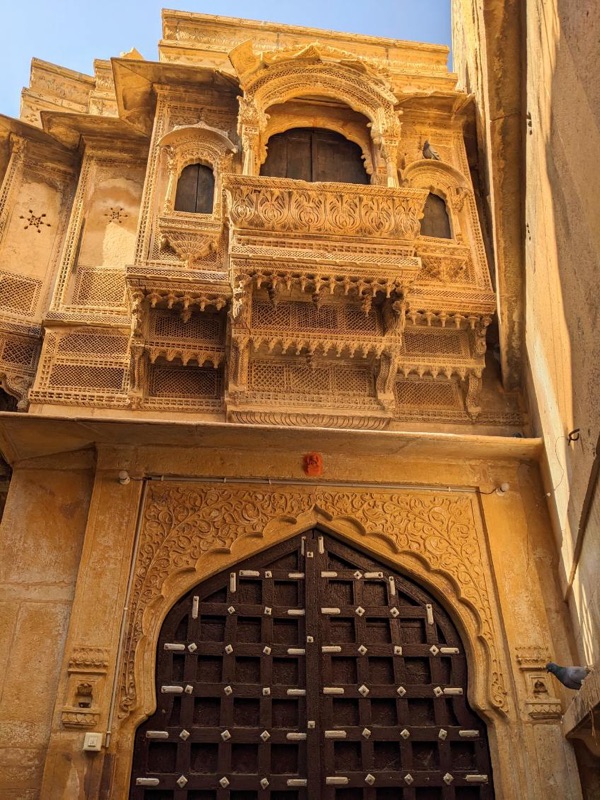
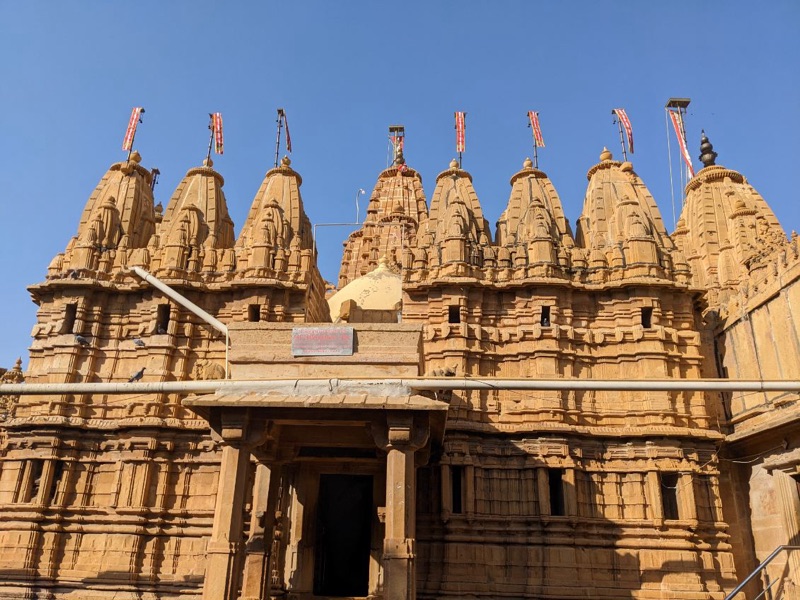
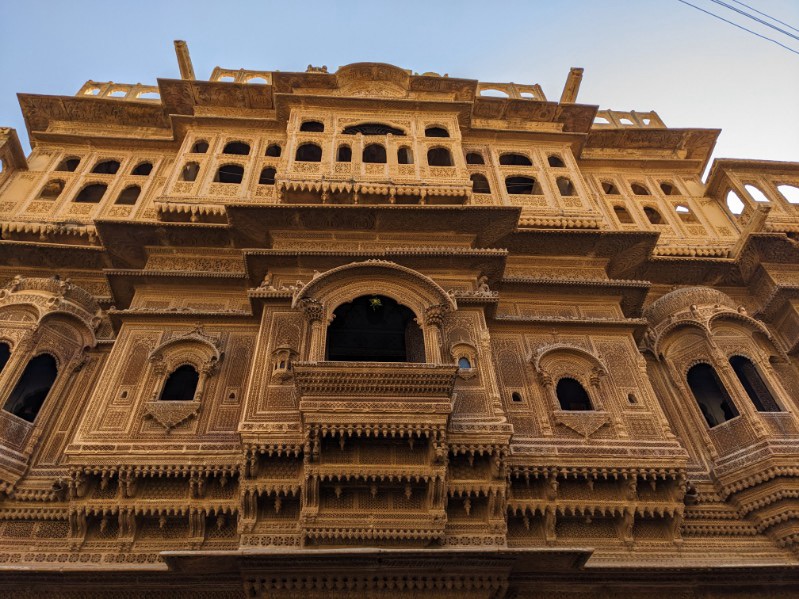
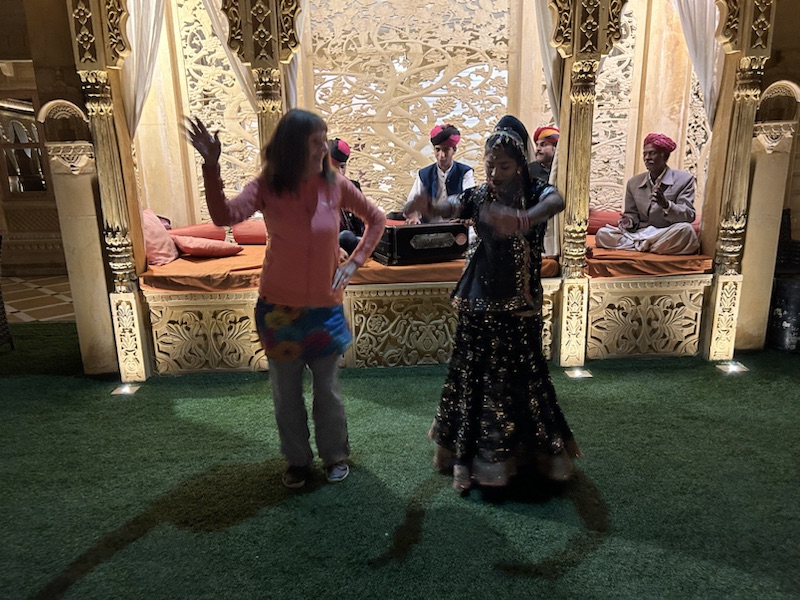
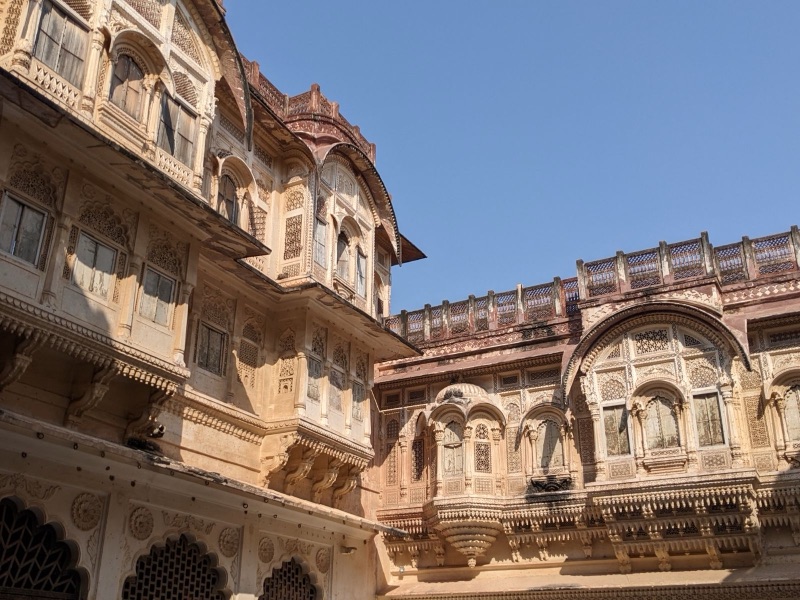
Jaisalmer is located In Rajasthan’s western region bordering the Thar Desert. In the early morning & early evening sunlight, the honey colored sandstone buildings appear to be made from gold which is why it is known as the Golden City.

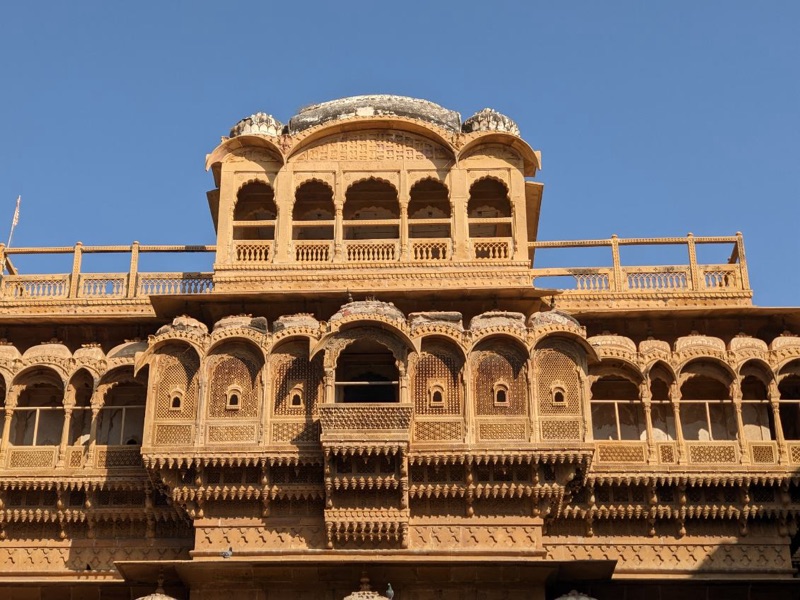
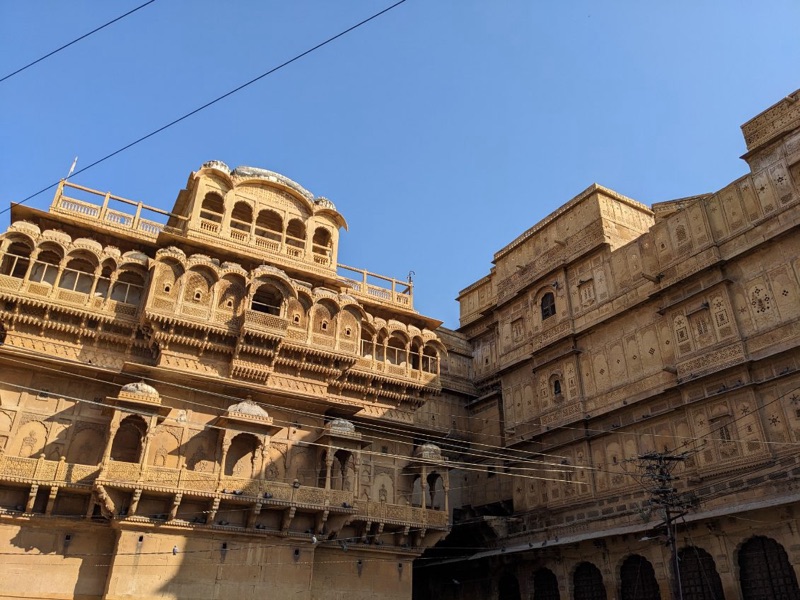
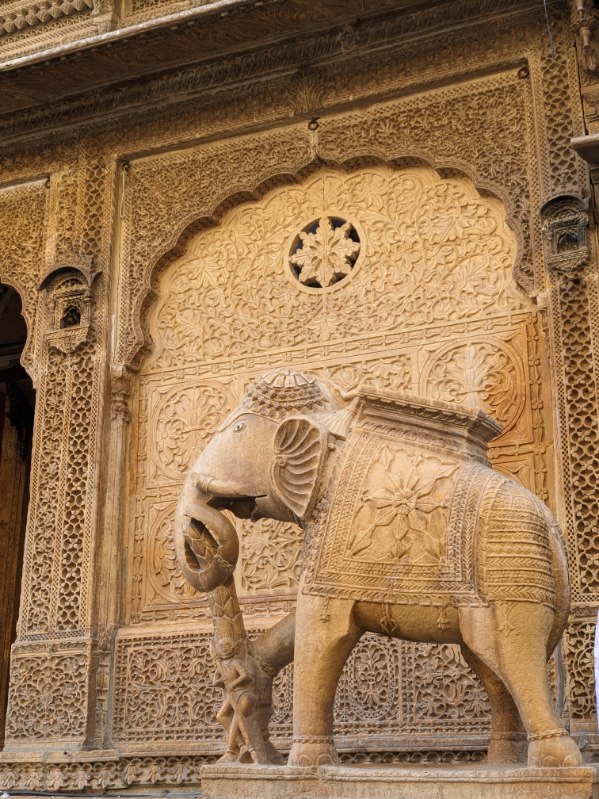
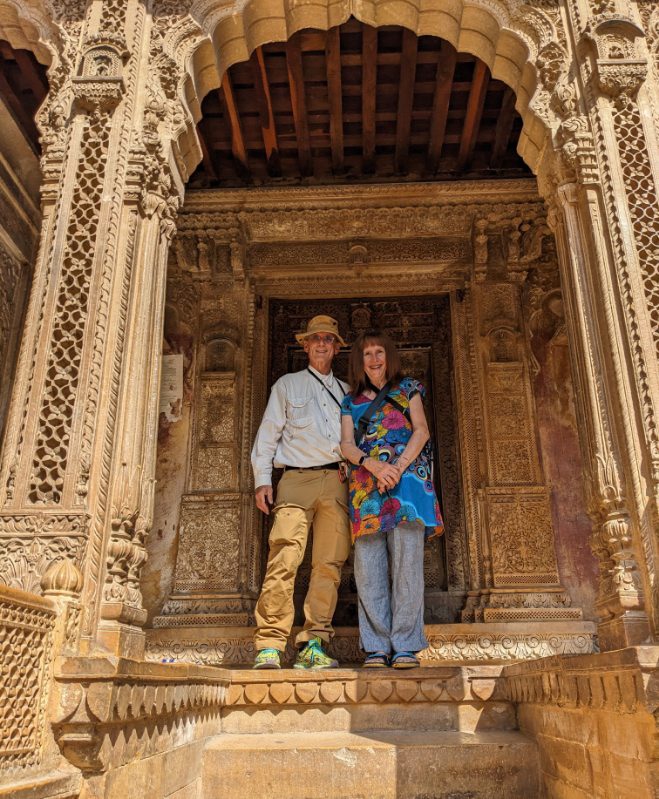
This city is on many lists of places you must visit before you die for good reason. It was once a key stop along the southern Silk Route. The city taxed all exporters traveling into the city. For this reason, money was raised providing Jaisalmer with a spectacular fort & amazing intricately carved mansions all made from local sandstone.

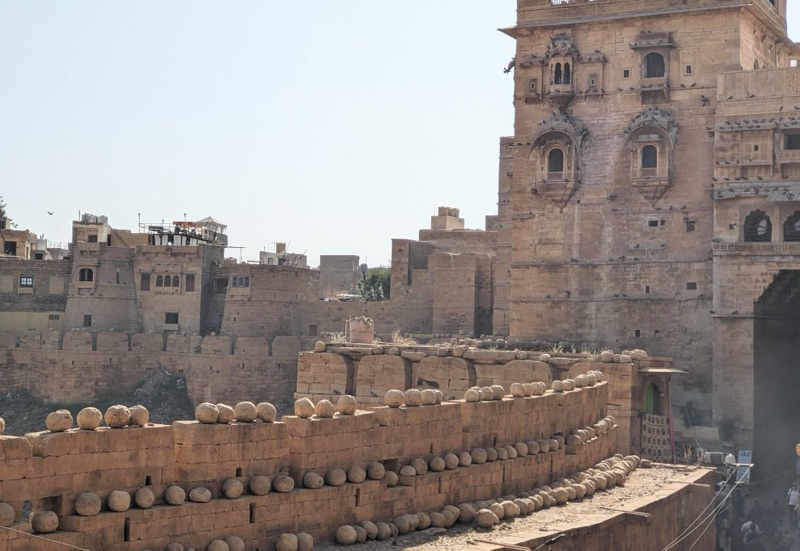
Unlike forts we have visited in other parts of Rajasthan & all over the world, Jaisalmer Fort is a “living” fort with 4,000 inhabitants along with their homes, businesses, & temples inside the walls.
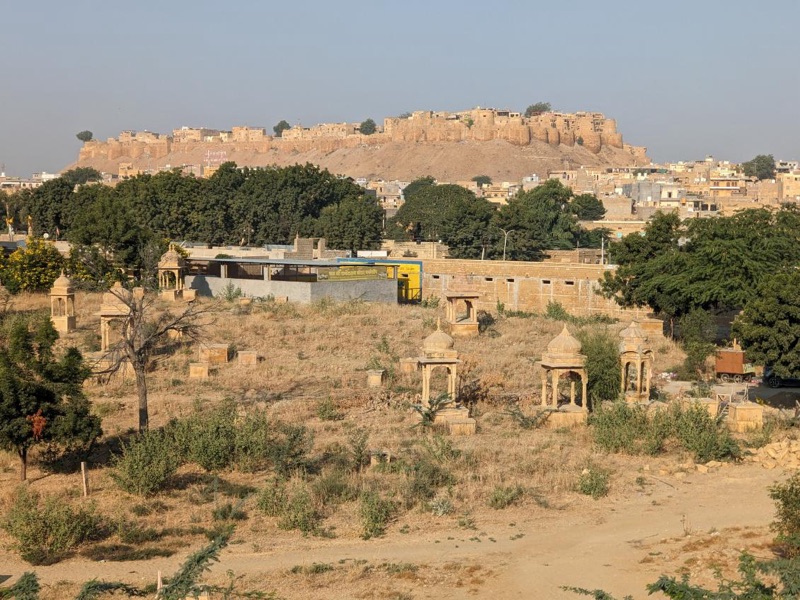
The massive sandstone fort dominates the city below. It is easy to imagine what it must have looked like when camel caravans carrying gold, silver, gems, silk, tea, & spices came through the city in the 16th through the 18th Centuries.
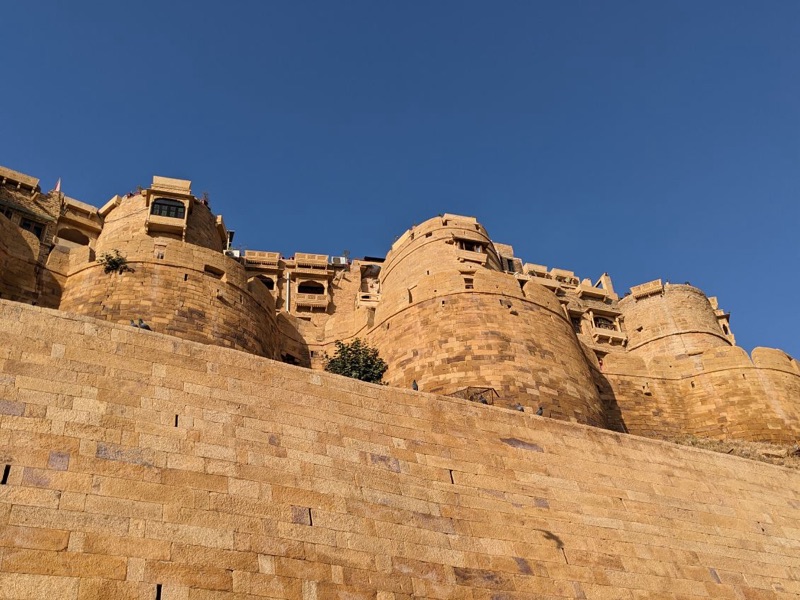
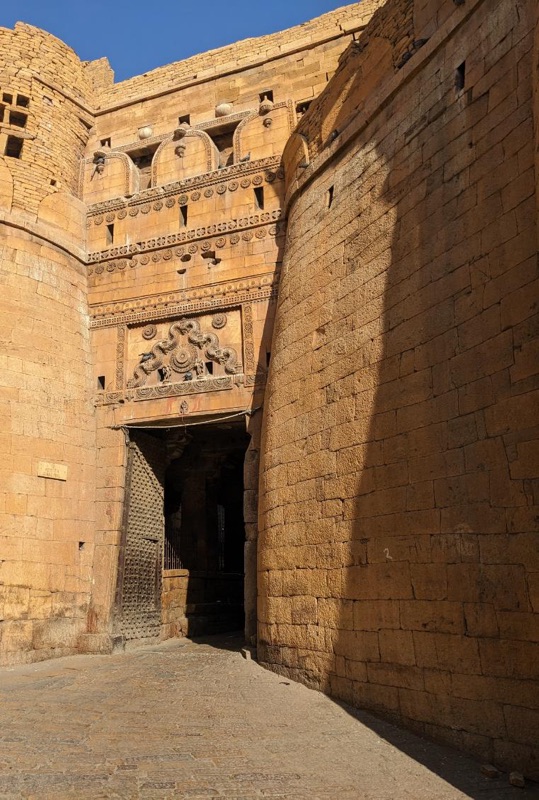
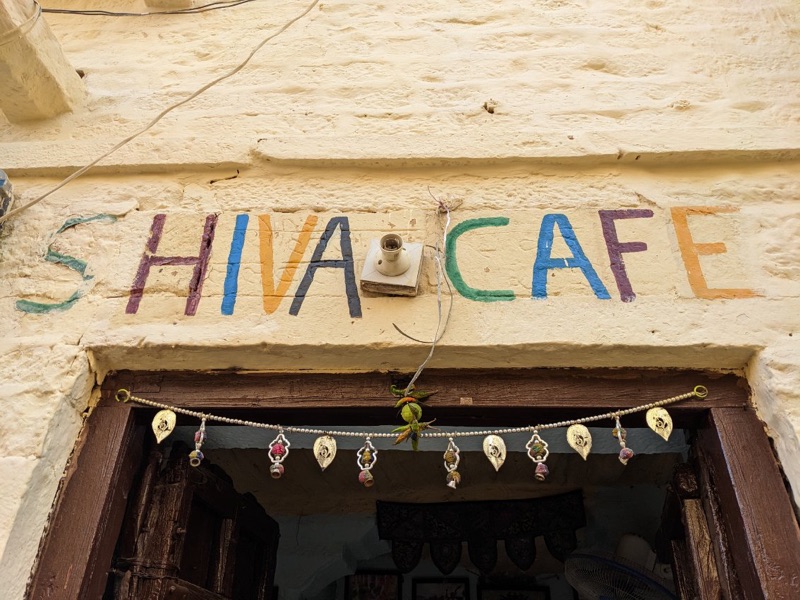
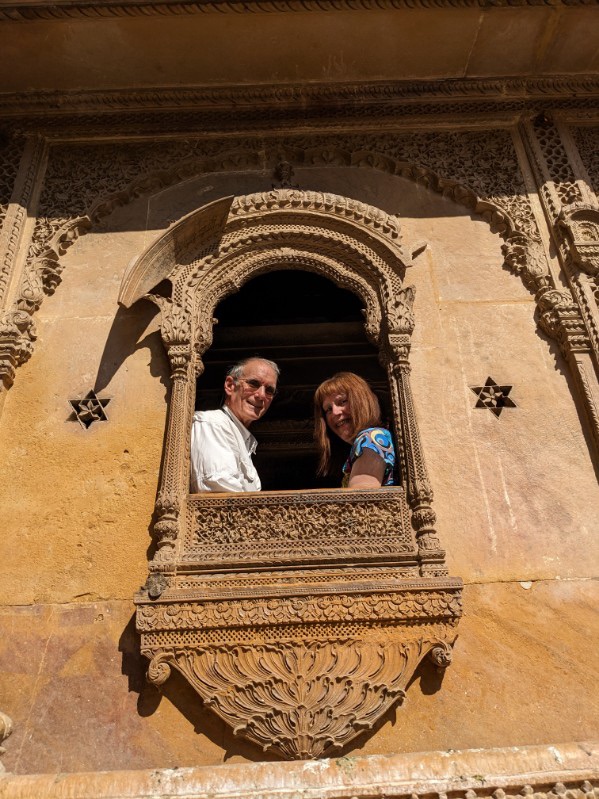
Today the fort has many tea houses, old homes converted into hotels & Jain Temples. Many homes have beautifully carved windows & balconies.
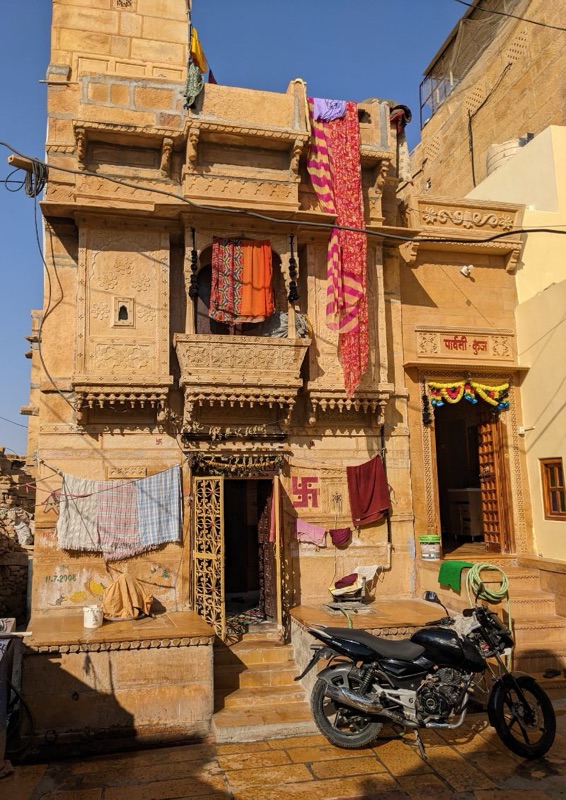
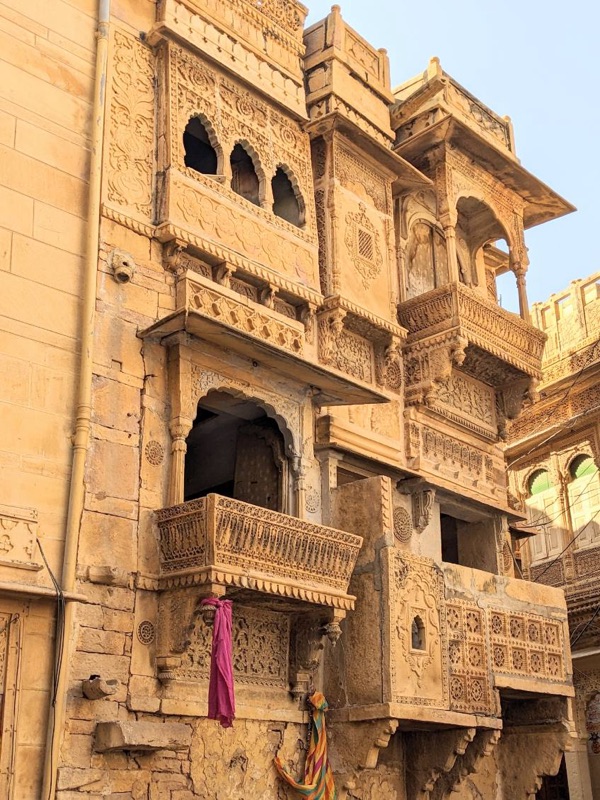
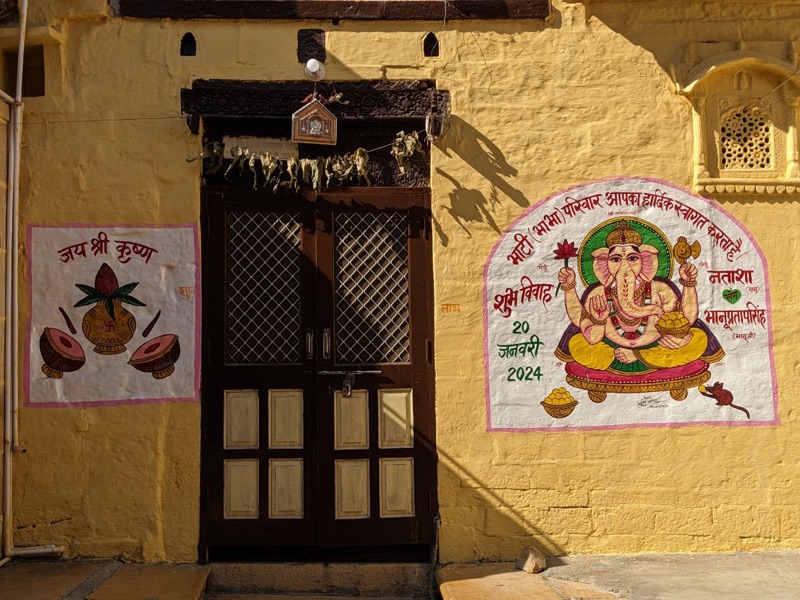
Many homes in the city have a lime & chillies strung over their doorway as a good luck symbol.

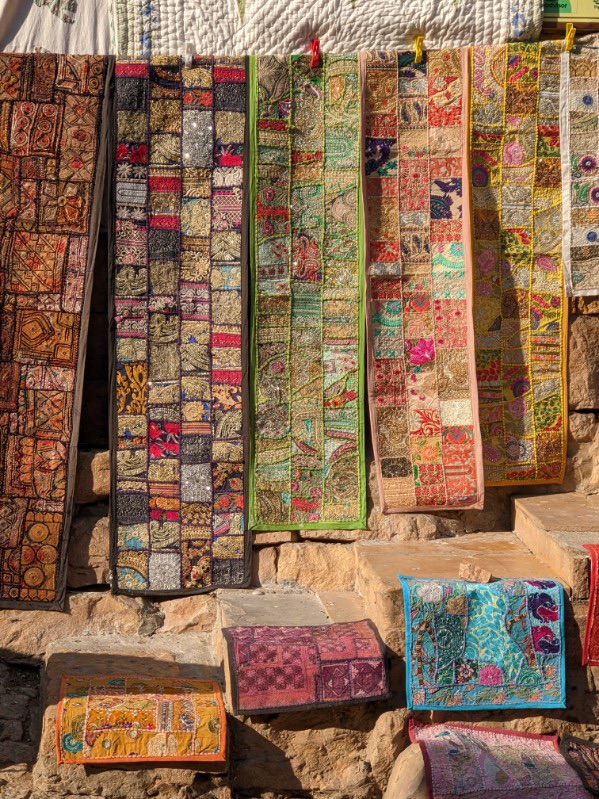
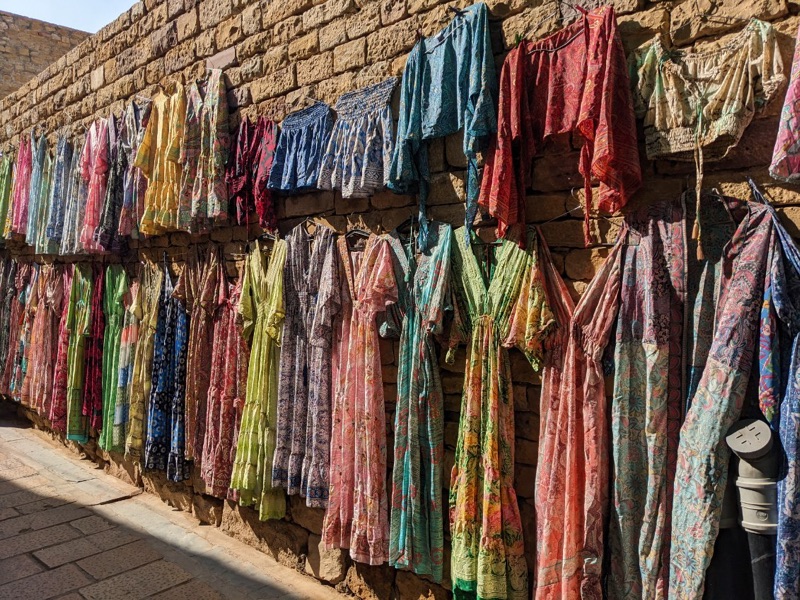
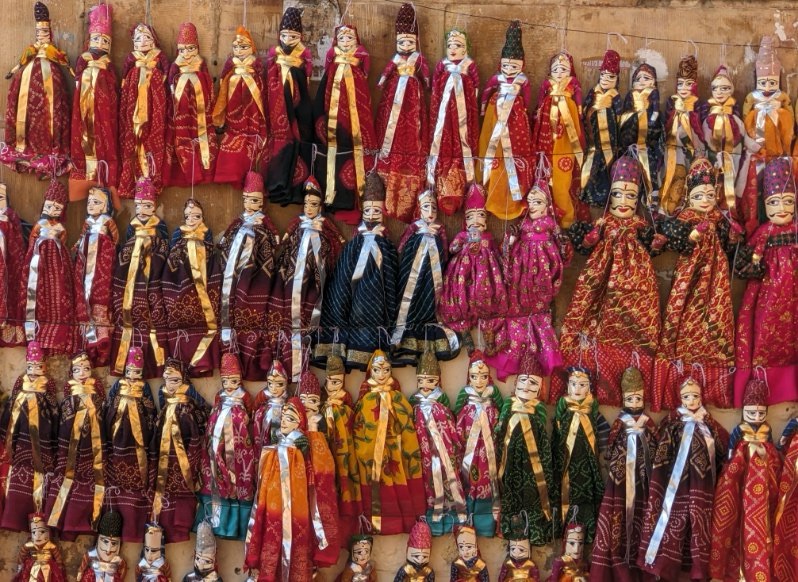
The fort has many shops selling various trinkets . Plus, many hawkers simply drape the walls with clothing & textiles to display their wares.
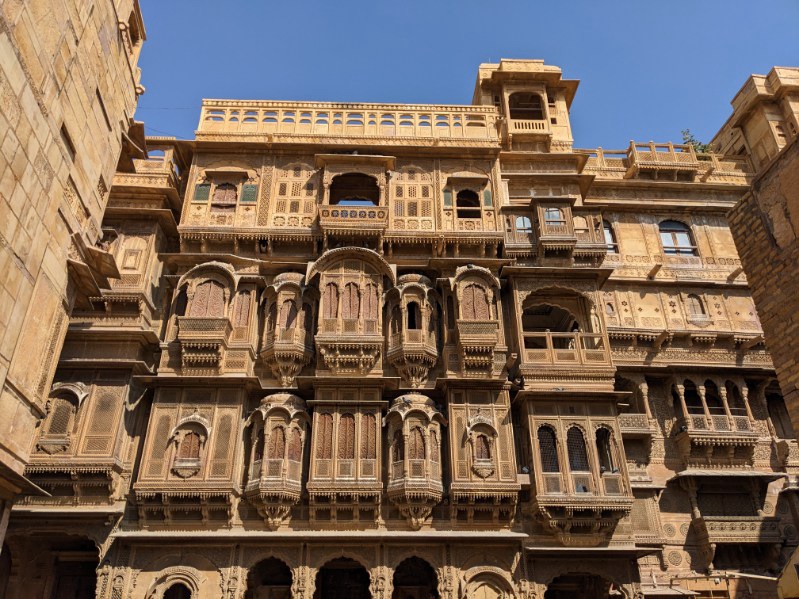
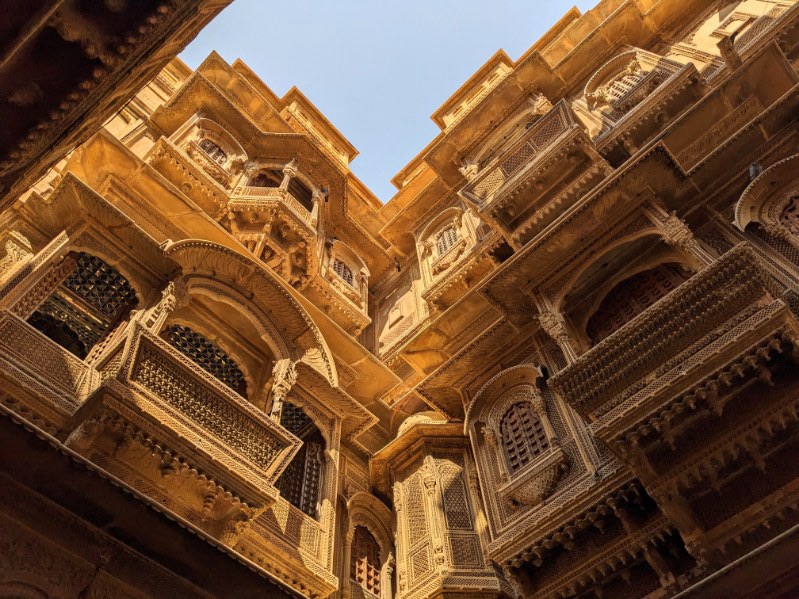
Outside the fort we walked through narrow streets to view beautifully carved homes called Havelis. The word “Haveli” means “Big Winds” because of all the windows & openings in them which provided much needed ventilation & air flow in the hot summers. These luxurious mansions were built by the richest citizens who profited the most from the Silk Road.
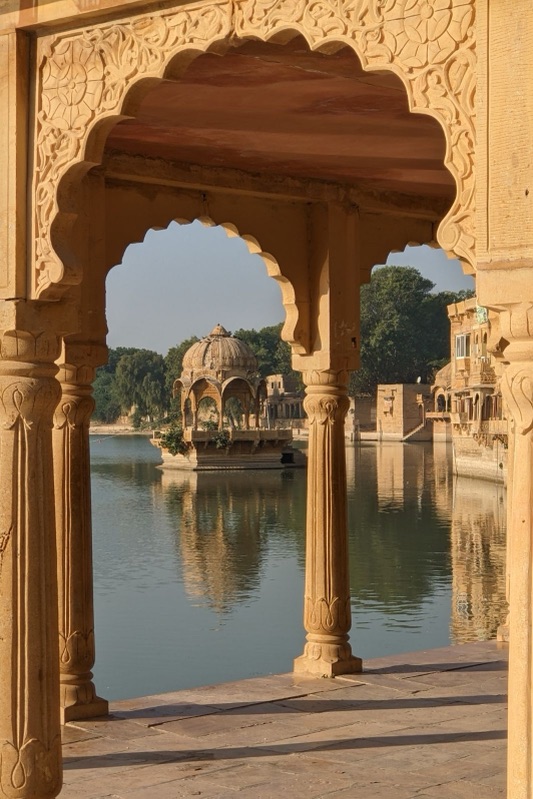
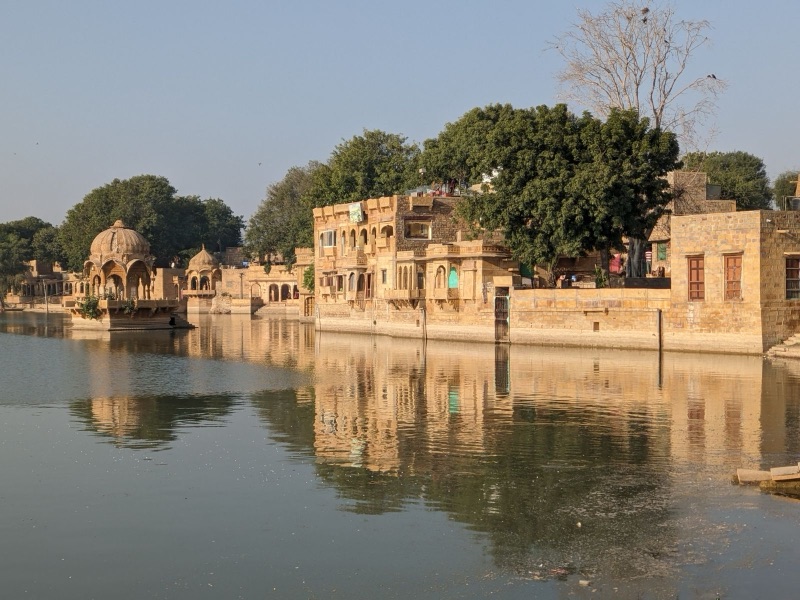
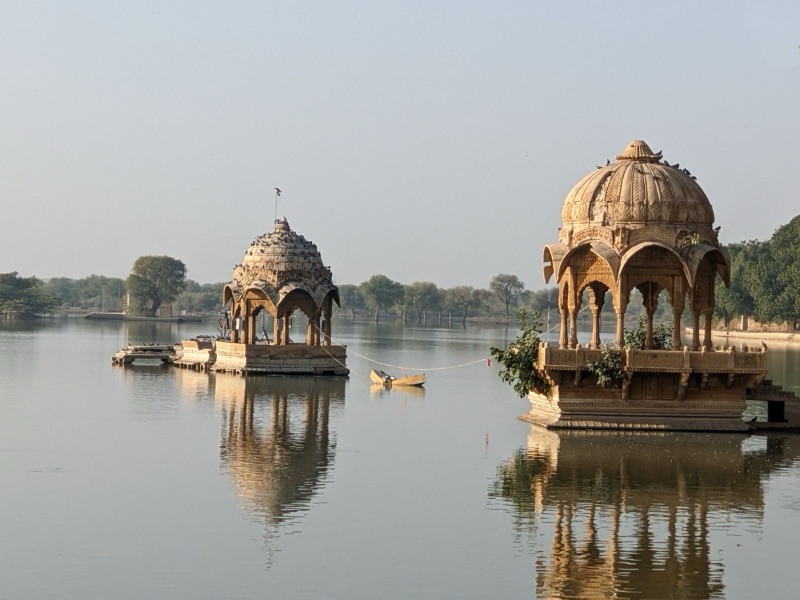
In the city we visited Gadhisar Lake. It is a beautiful man-made lake that once provided water for the locals to wash in & drink; but, now it is a recreation spot.
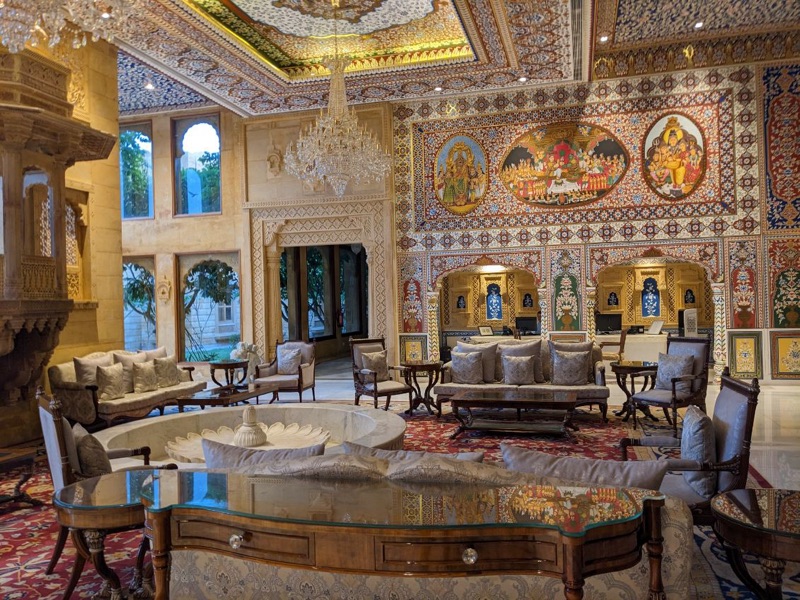
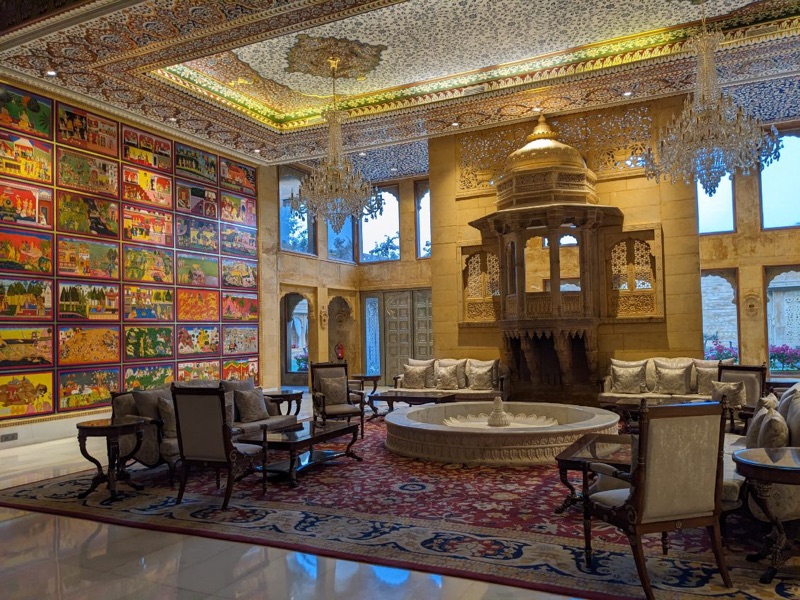
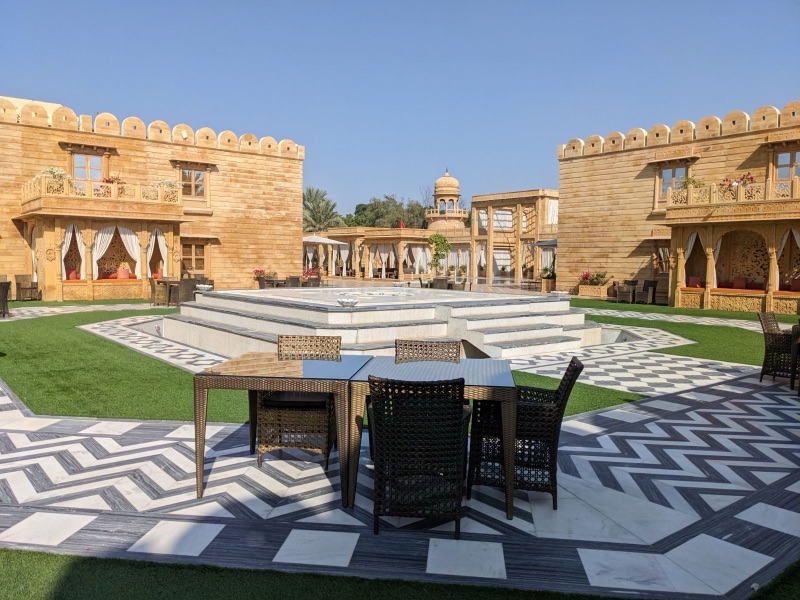
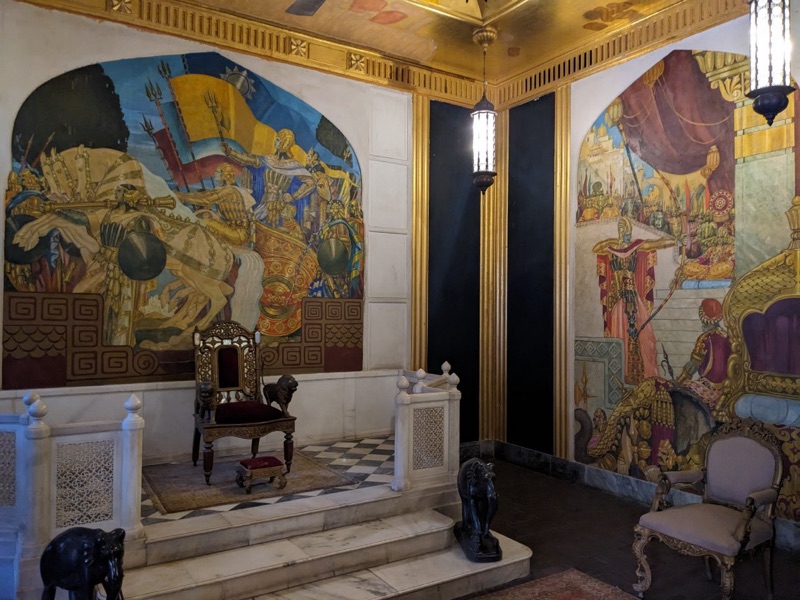
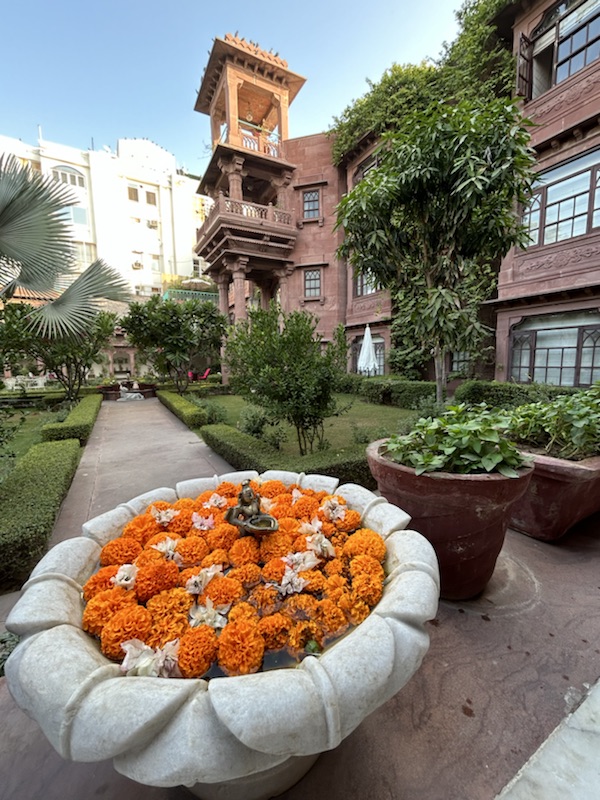
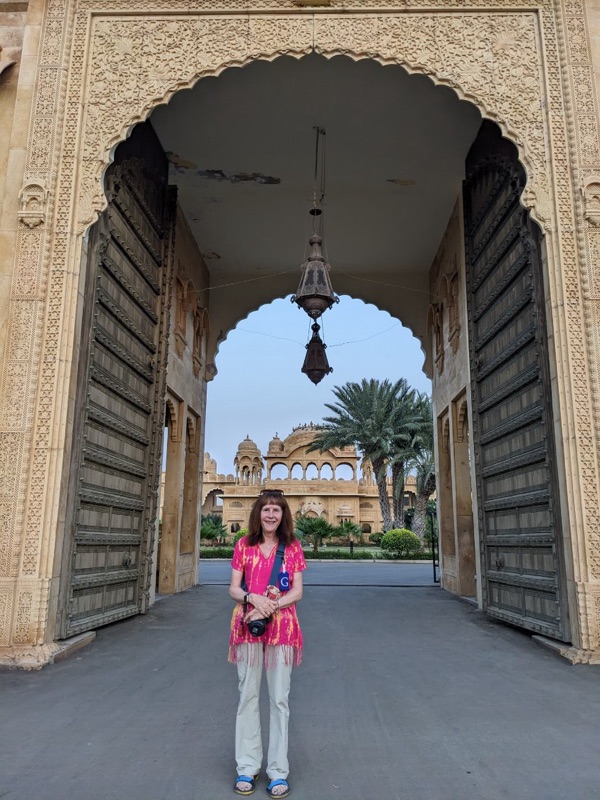
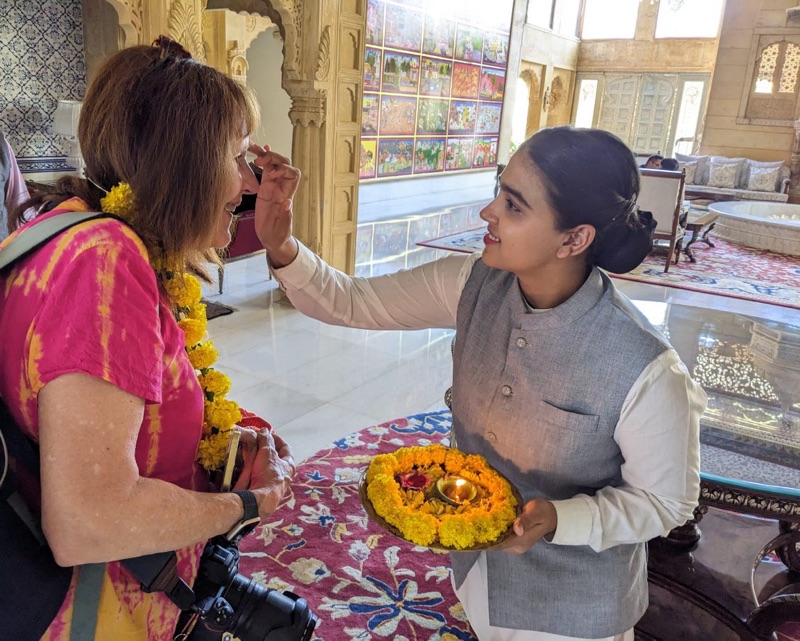
When we were not touring Jaisalmer, we enjoyed our exquisite hotel that was built in the style of a fort.
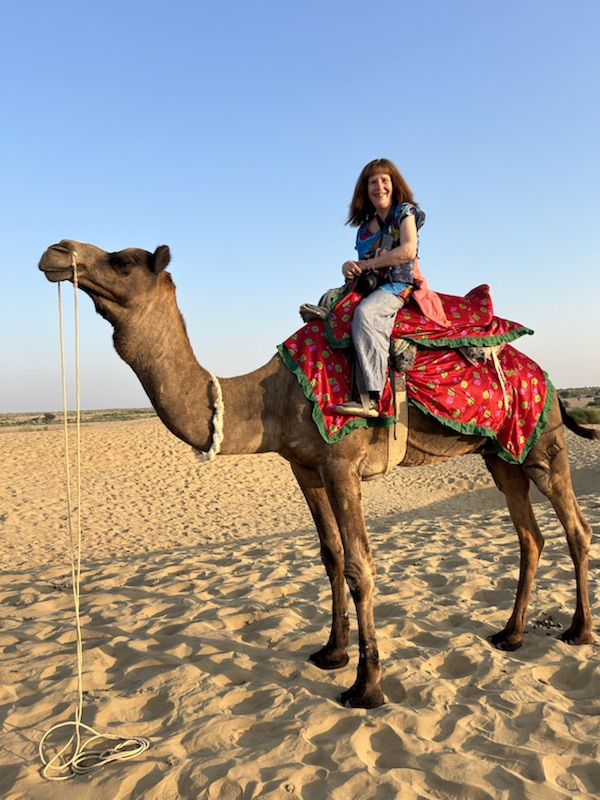
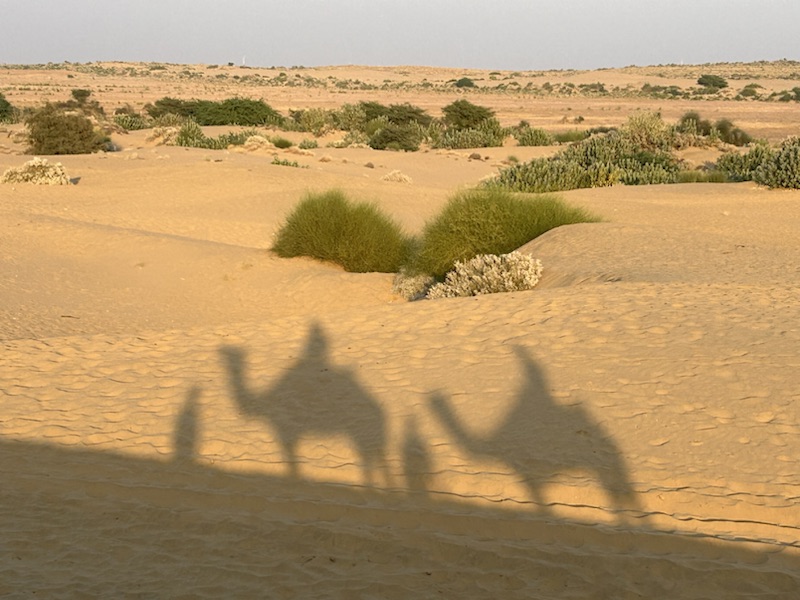
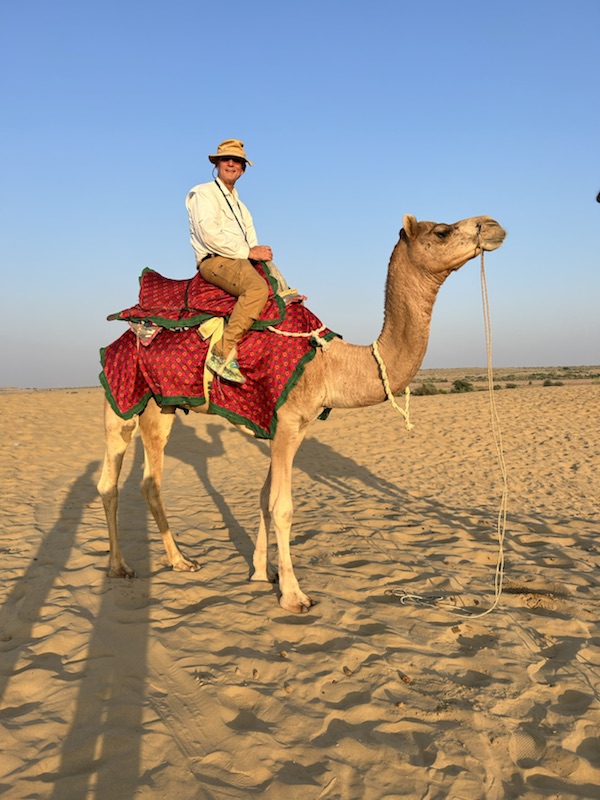
At sunset, we enjoyed a camel ride in the Thar Desert which is the world’s 10th largest desert.
Back to Jodhpur

After a 5 hour drive, we returned to Jodhpur for one last afternoon.

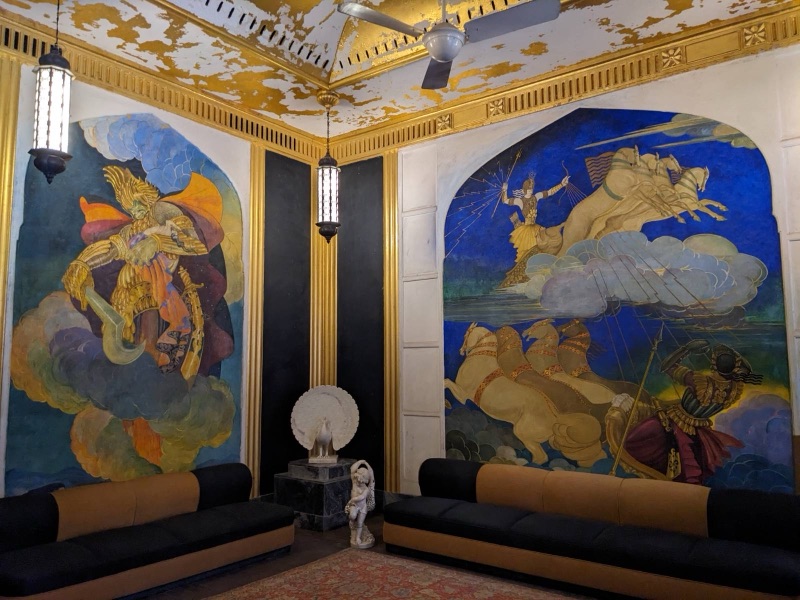
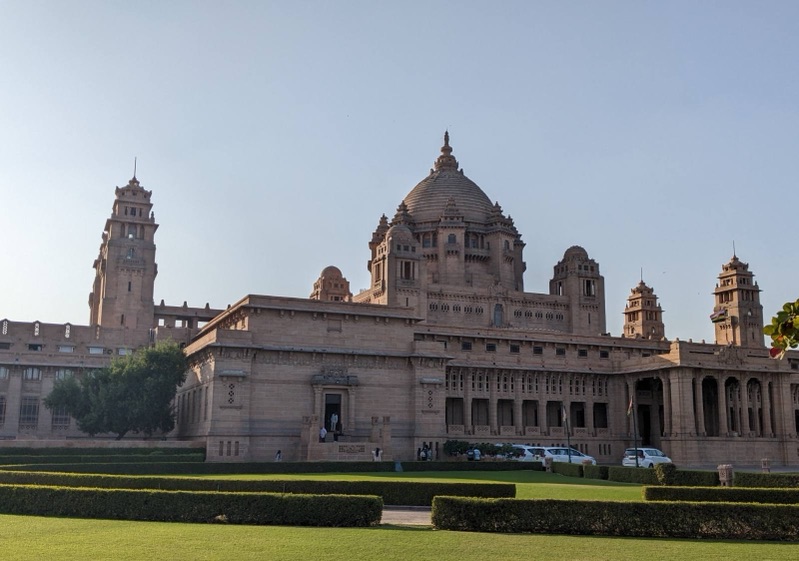
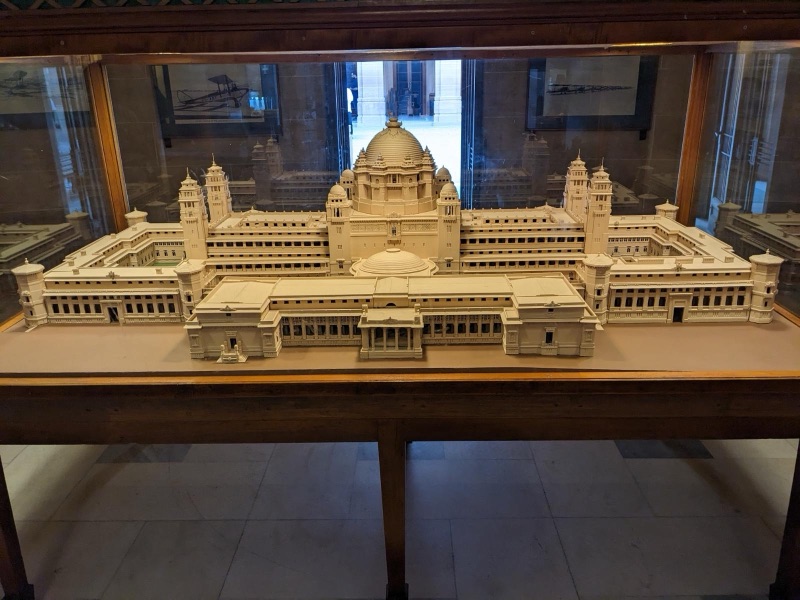
Our guide took us to the Umaid Bhagwan Palace where the current Jodhpur Maharaja lives with his family. This large structure was started in 1929 & completed in 1943. Along with the traditional Hindustan architecture, it has a small Art Deco design influence which was all the rage back then. It has 346 rooms & was the last major palace constructed in India before its independence in 1947. Today it is still home to the Jodhpur royal family; but, part of it is an exclusive hotel & a museum.
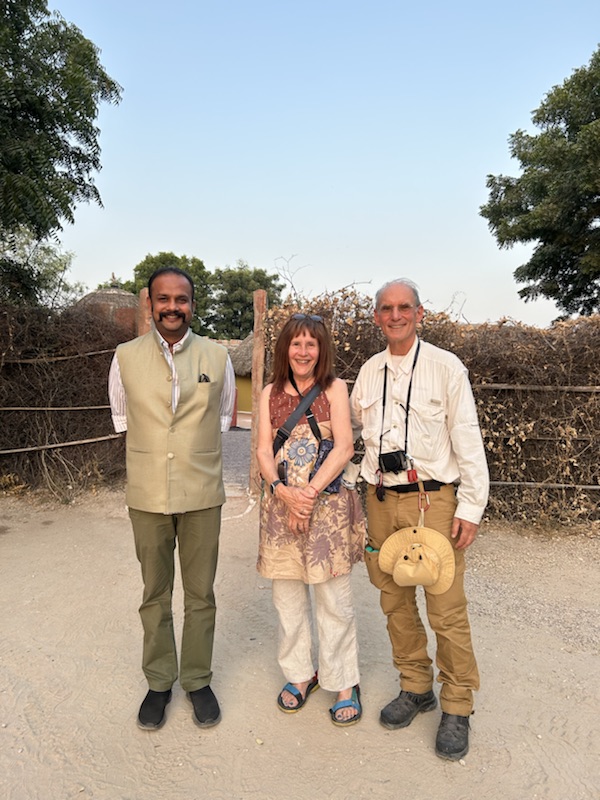
We were extremely lucky to have a wonderful guide in Jodhpur. We learned that he loved the show “Friends”, & we enjoyed sharing favorite moments together from the show. And, today we wished him a “Happy Friendsgiving”.

I learned that he was also a fan of my favorite photographer, Steve McCurry. One of his cousins had been Steve’s guide here in Jodhpur.

On the night that we stopped at the Hindu Temple, he told me he hoped I now had a Steve McCurry shot. 🤞I’ll know once I get home and look closely through my images.
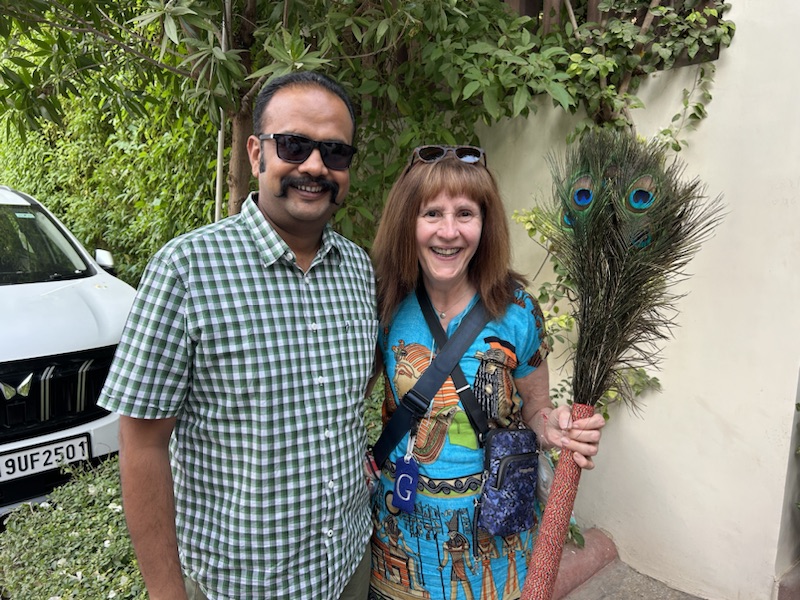
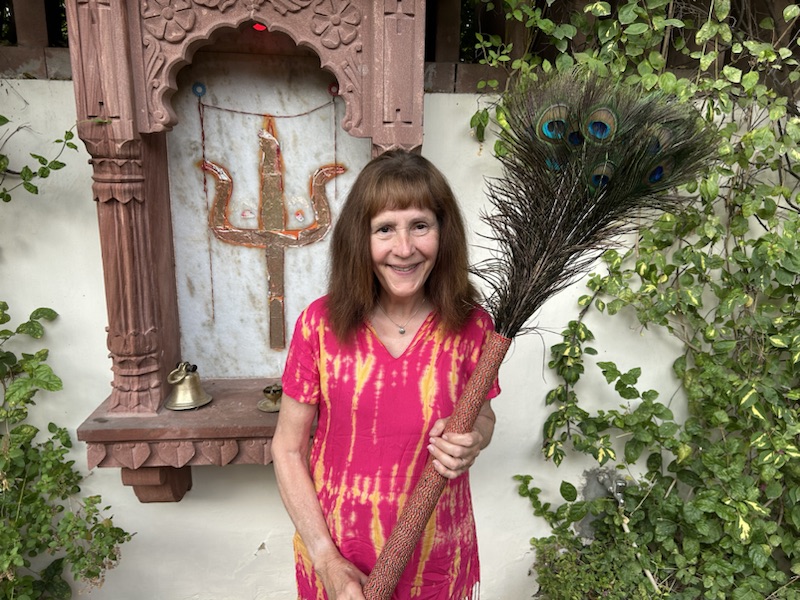
I wish I could have taken the peacock feather healing stick gift home; but, our guide checked with a friend who worked for India Airlines & they said per national law, peacock feathers are not allowed to leave India.

Peacock feathers are considered to bring good luck & health, so I am glad it will remain in India with a loving family & put to good use.
Jodhpur’s Small Village Experiences

After a short lunch break, we boarded the back of a jeep & headed to Jodhpur’s outskirts.

Our experiences out there were by far the most unique on the trip.

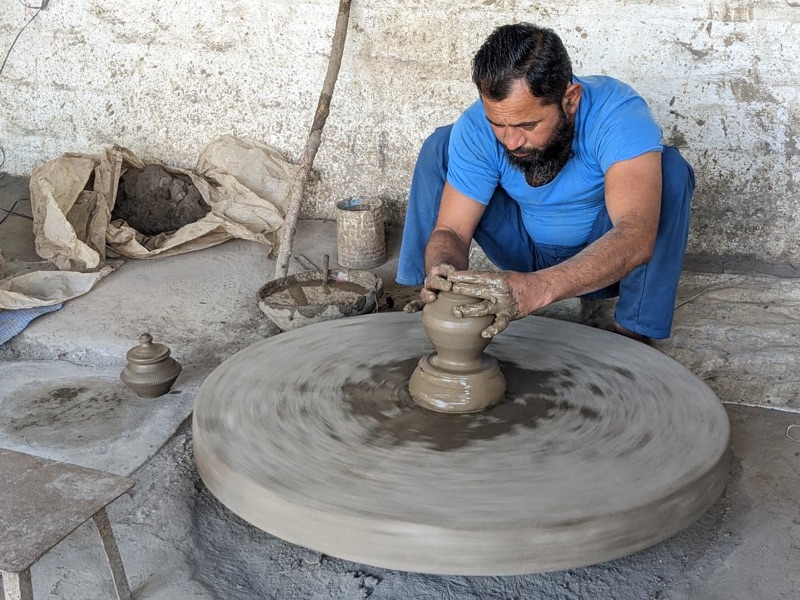
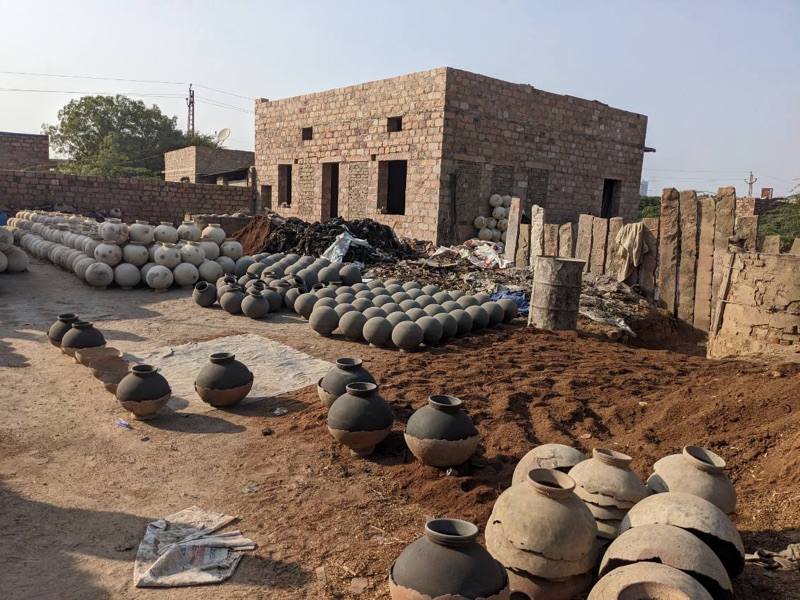
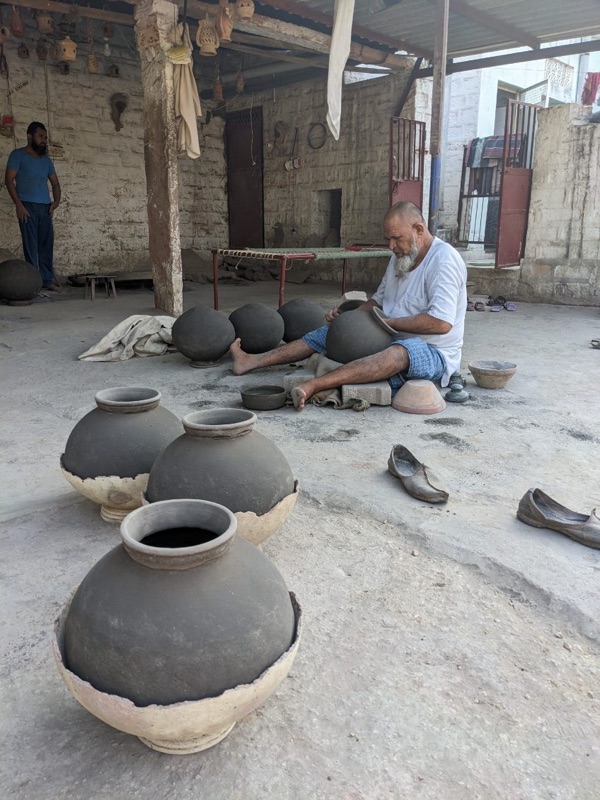
After a 20-30 minute ride, we reached a pottery maker’s home. We watched two potters at work- a father & his son.

The father was busy pounding jars still warm from the kiln to round them into shape so they can be used to hold water.

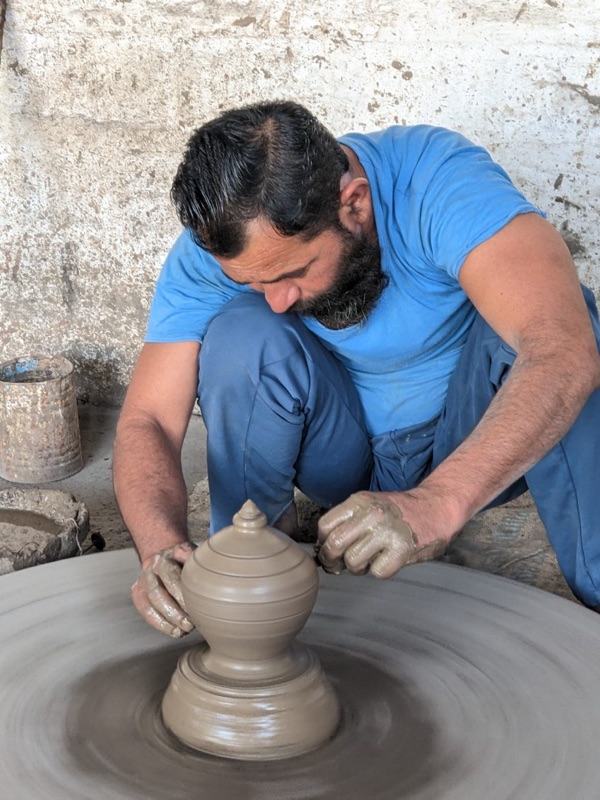
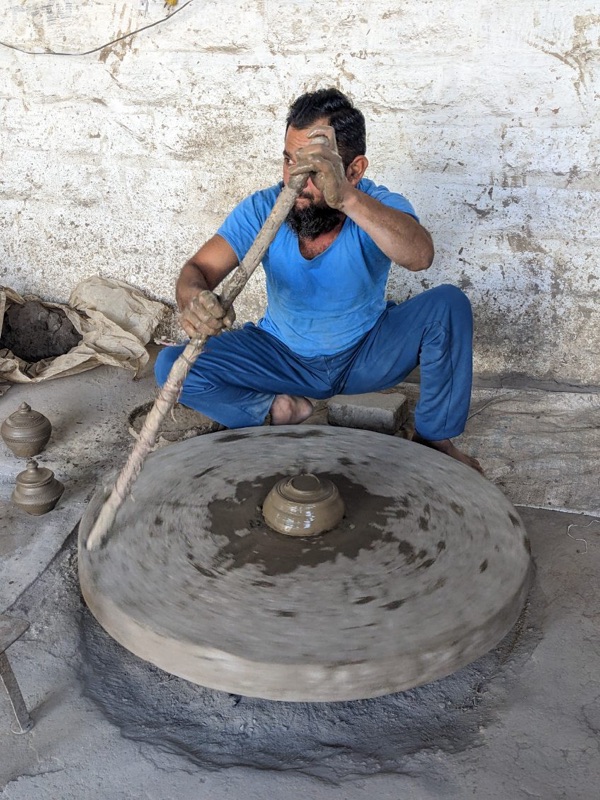
The son then demonstrated how he first kneaded the wet clay with ash before molding it into pots using an unusual potters’ wheel. The pottery wheel is like a top that he got up to a very fast speed by using a stick to turn it. This ingenious wheel spun for a long time! He made three objects & decorated them on the wheel before it stopped spinning.

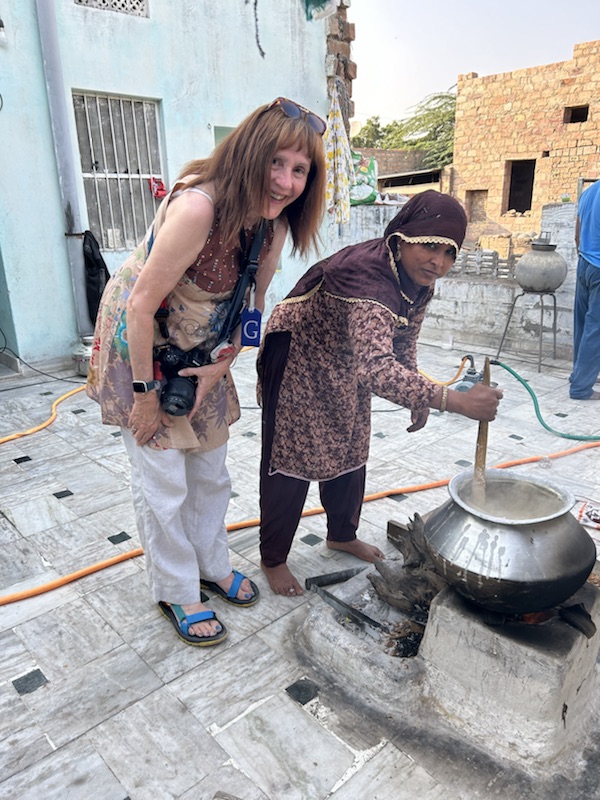
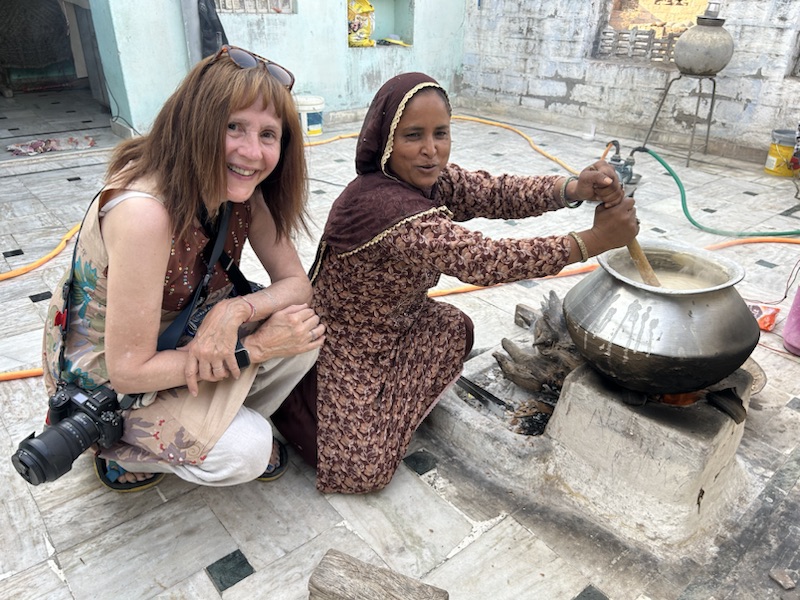
The mother was busy stiring a pot of dough that would later be made into poppadom.

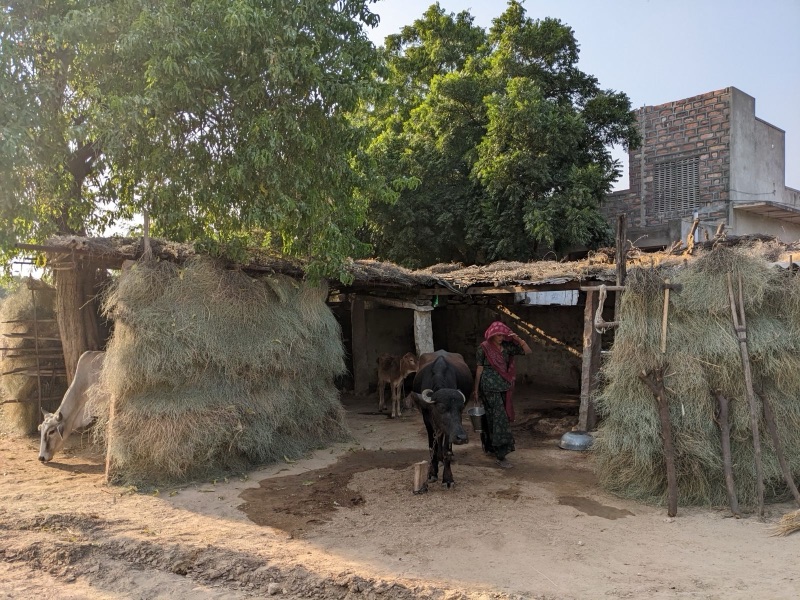
Our next stop was a Bishnoi farmer’s home. The Bishnois date back to the 15th Century & are members of the Jain religious group. Jains are vegans & will not eat any vegetables grown in the soil including carrots, onions, garlic, etc. They do this so as not to kill any insects while harvesting such crops. Some Jains wear masks; not to stop diseases, but so they don’t accidentally inhale a bug & kill it. They are very loyal to preserving the environment & protecting all animals. Our guide told us the Bisnois will even fight to the death to save a tree.

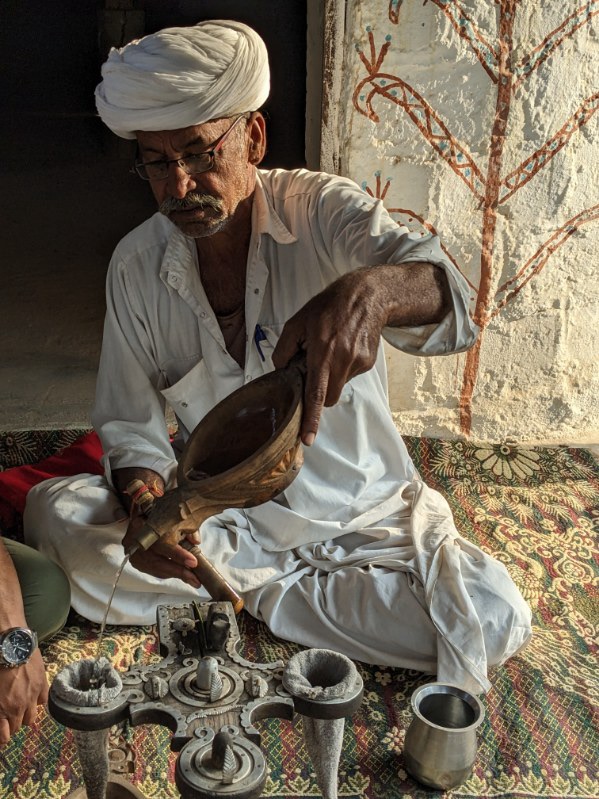
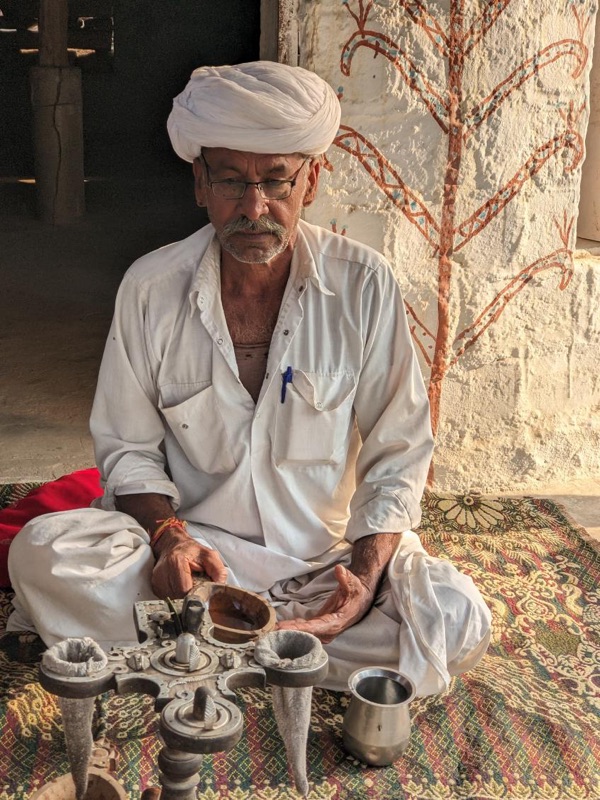
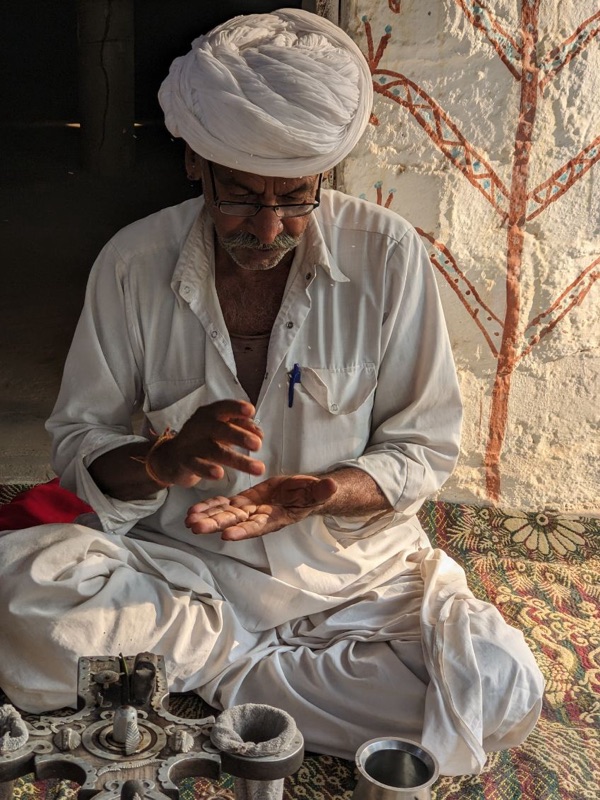
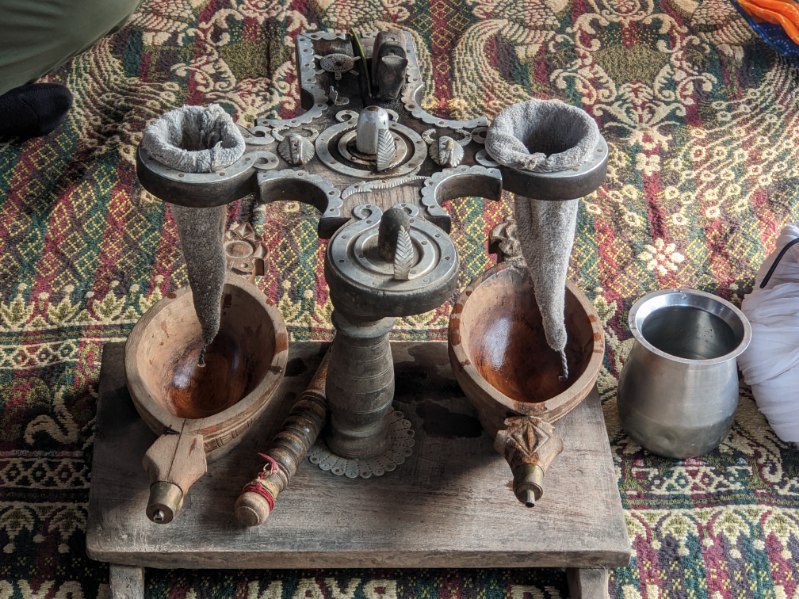
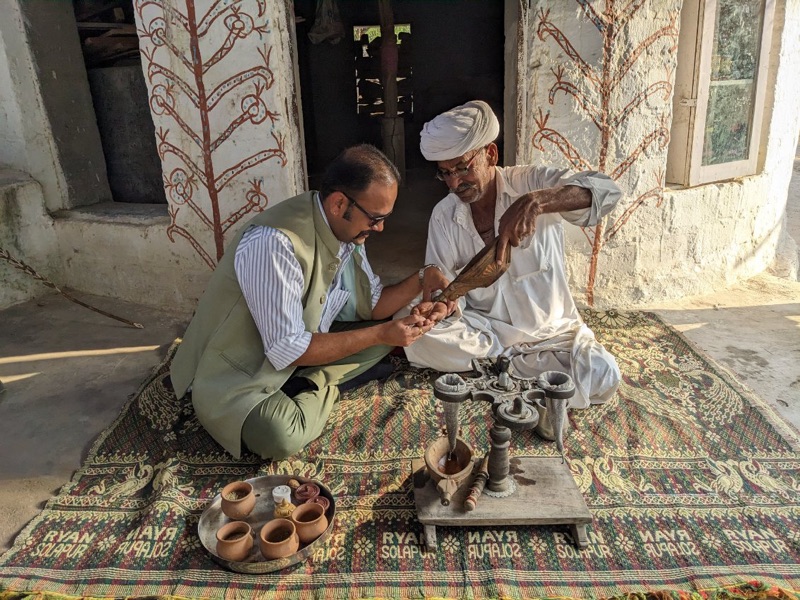
They also have a history of mixing small opium amounts with water to drink to enable strength & endurance to work in the fields. While visiting this farm family, the father demonstrated how they administer opium in a ceremony.

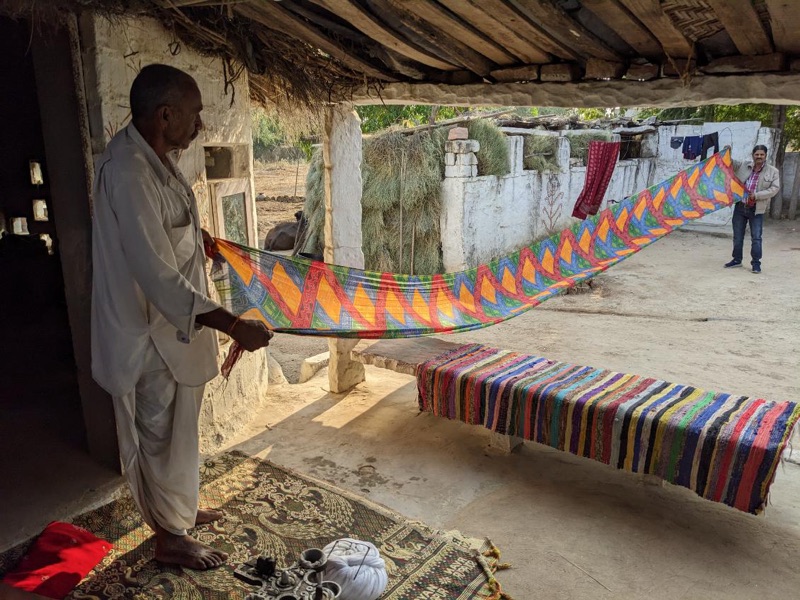
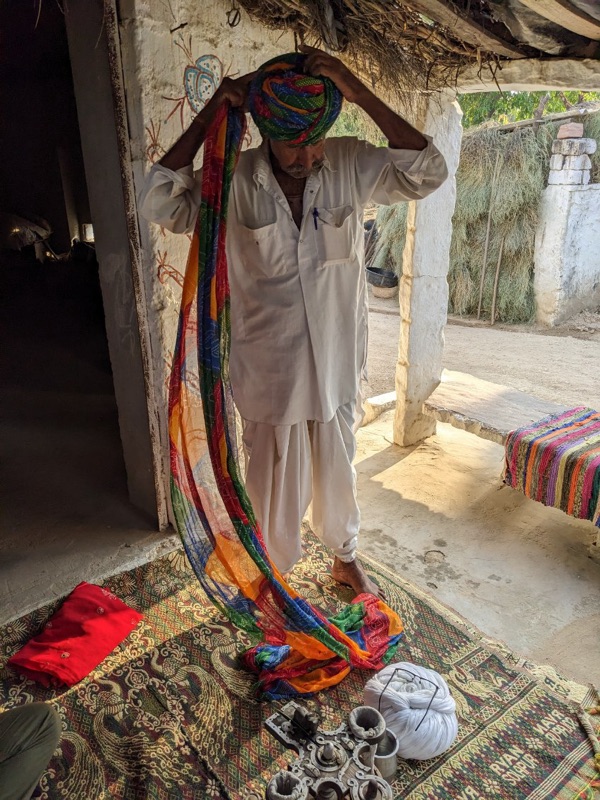
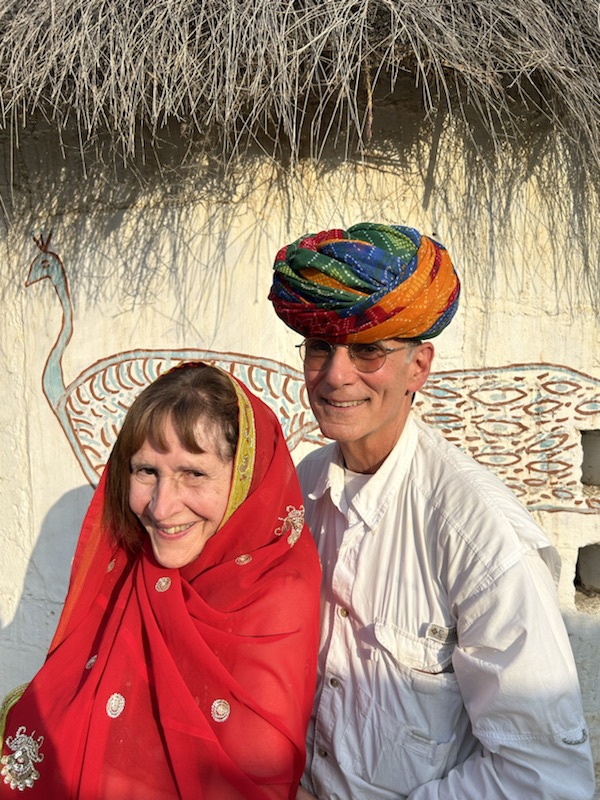
The man also demonstrated how to tie a turban which is formed from a 9 meter long piece of fabric.

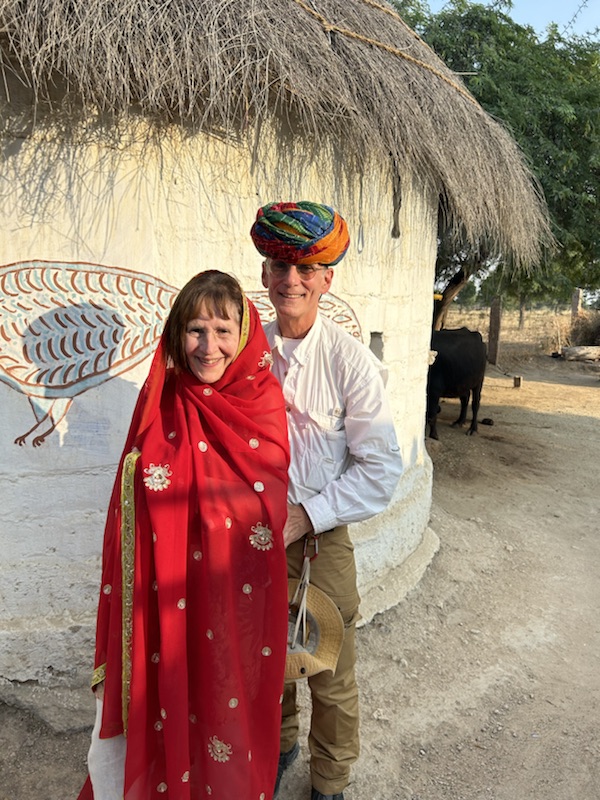
He then dressed us up like the locals.

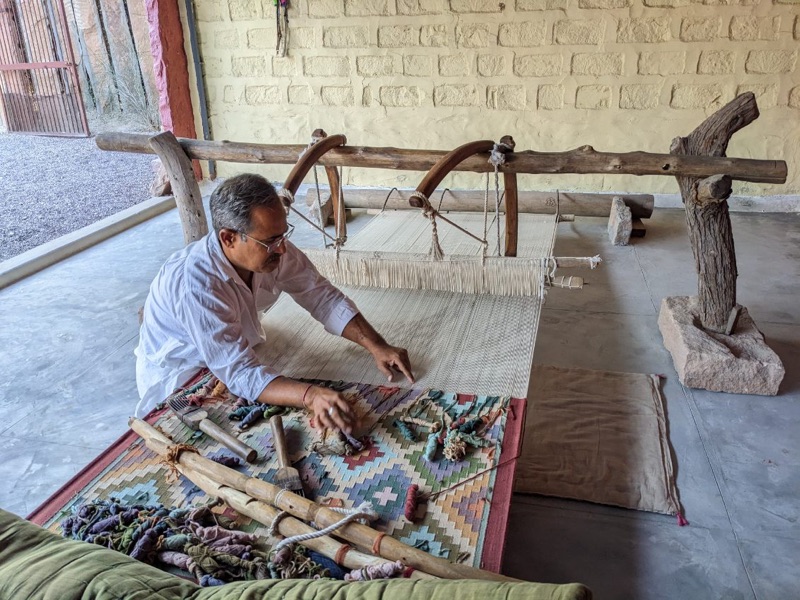
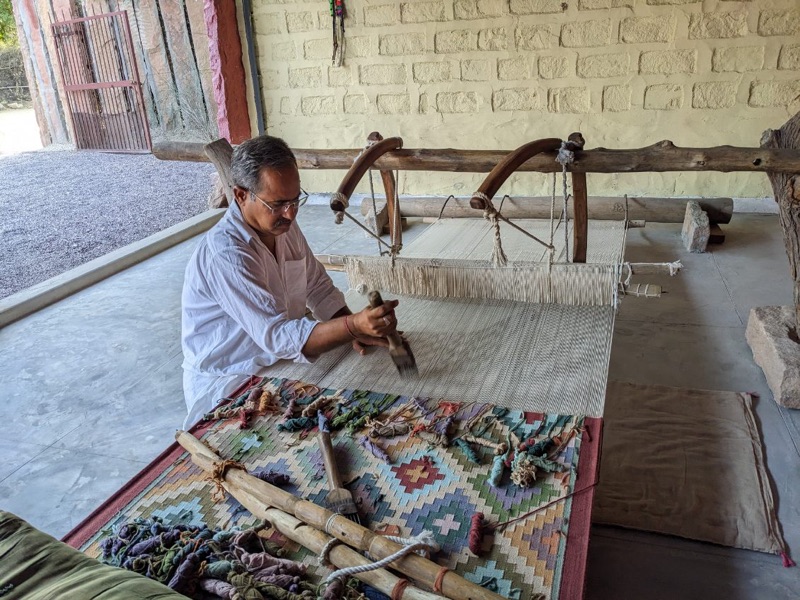
From there, we visited a family who makes hand woven dhurrie rugs. Usually two weavers work together- one on each side of the loom. One rug can take 2 weeks to two months to make depending on its size, pattern, & number of thread colors.

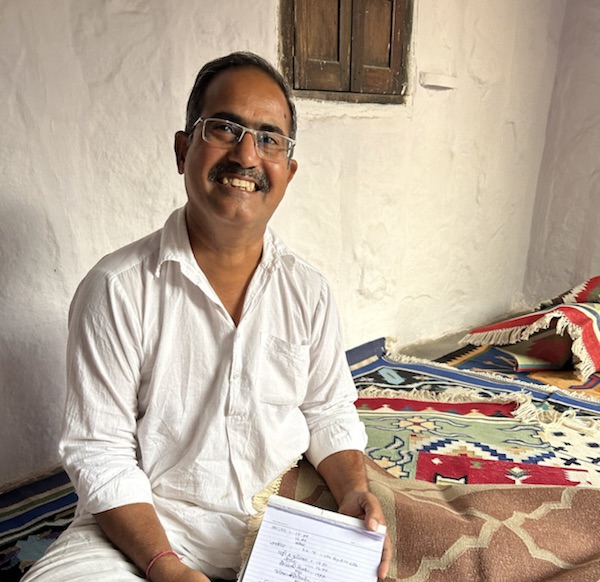
We we were happy to support this small family craftsman by placing a rug order for our home.

I’ve loved dhurrie rugs for years. Sadly, ours was ruined a few years ago, so I am very happy to get a custom made replacement. 😊

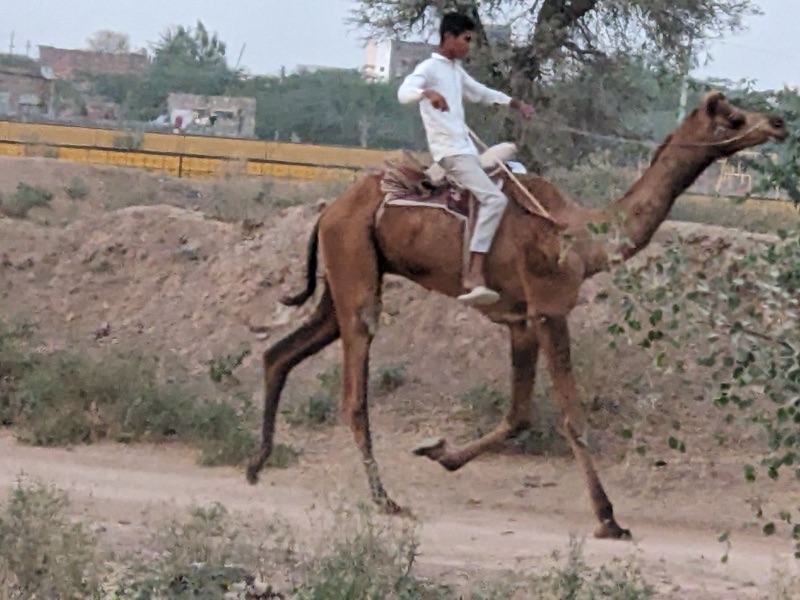
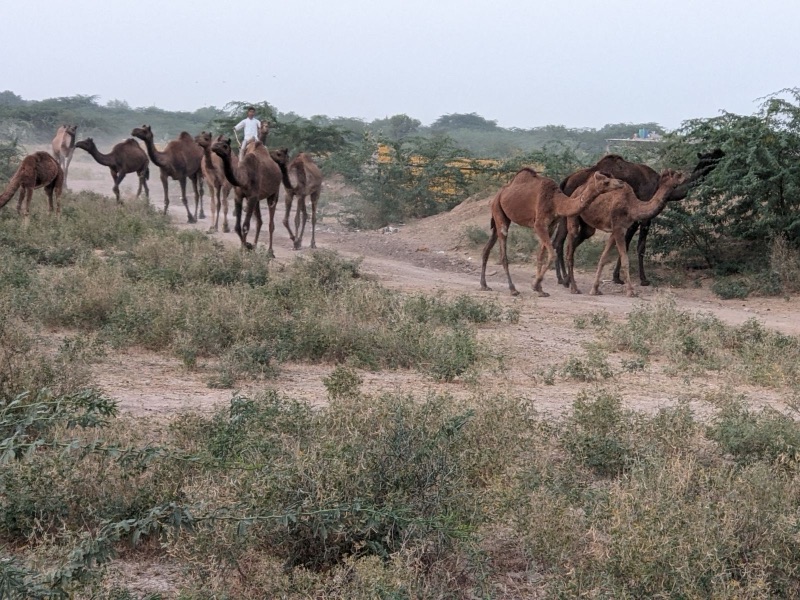
Along the way, we saw a young man on a camel herding his camels.

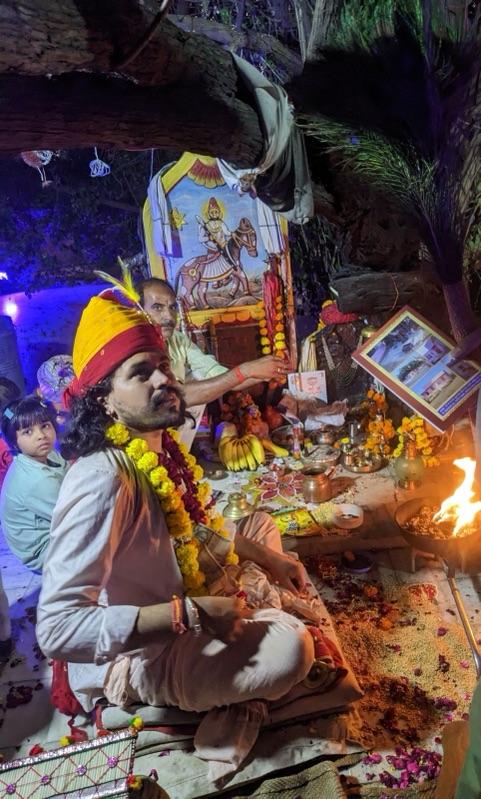
Our last stop was unplanned. On our way back to Jodhpur, we saw a group of 30-40 people gathered at a small outdoor temple under a large banyan tree. I asked our guide if we could make a quick stop to take a few pictures.

The women were all seated on the ground outside while the men were grouped close to the priest under the tree. Once I removed my shoes & approached the women, they motioned for me to come closer.

The priest then saw me & asked for me to come and take their pictures. I was very surprised by how happy they were to have me join them. My husband was also welcomed & asked to join.

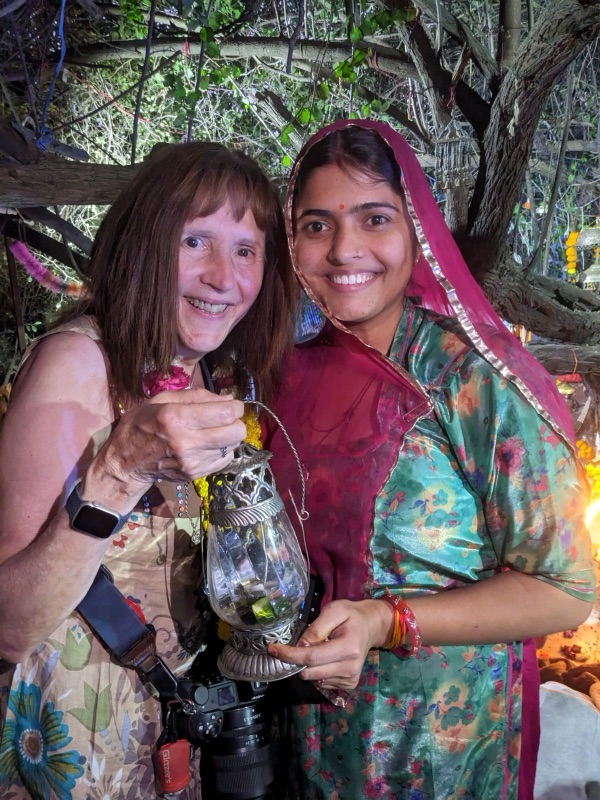
Before leaving we were given a box of sweet soft candy, a lantern, marigold flower garlands, & the priest’s healing stick made from peacock feathers. We both felt very humbled & blessed by the experience.

These are the kind of experiences you never forget. Connecting with others around the world is always special & very rewarding.

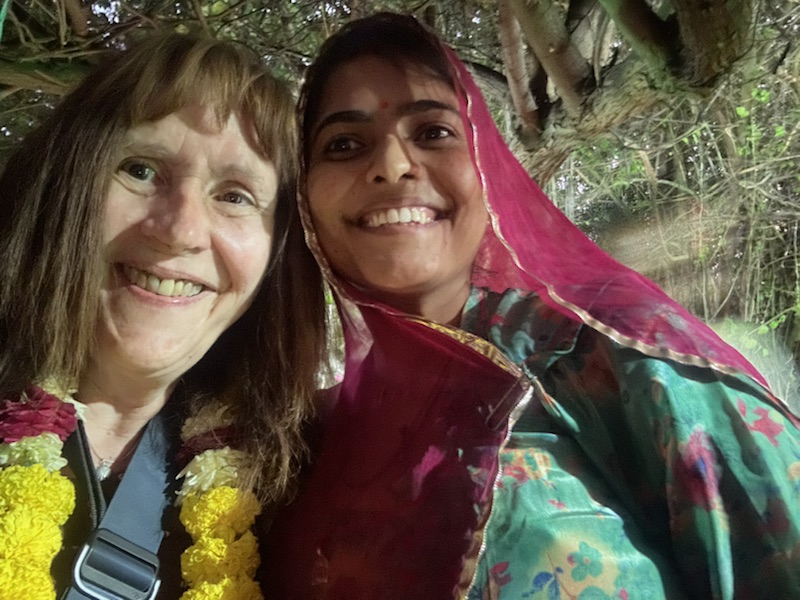
This young woman spoke good English & was very kind
We both took selfies to remember the moment

Our guide had a short conversation with the priest. He told us this group meets twice a month according to the moon’s phases. This group was meeting to commemorate a local Bisnoi hero from hundreds of years ago who was killed defending cows from being slaughtered by invaders. It is said although his head was cut off, his body continued fighting to protect the cows. The priest is known in the area for healing various sicknesses. There was also a man there around 80 years old who had the ability to speak with the dead.

Their only request was for us to leave a US $1 bill as a donation. No more was needed.

My peacock healing stick. Due to India export restrictions regarding peacock feathers, it is still questionable if I will be able to bring it home.

Jodhpur- The City With Two Names

On our second day, we enjoyed more than a full day sightseeing in Jodhpur.

Our guide informed us that this ancient walled city has two nicknames. One is the “Sun City” because of the sunny weather it enjoys all year long, even during the rainy monsoon season.

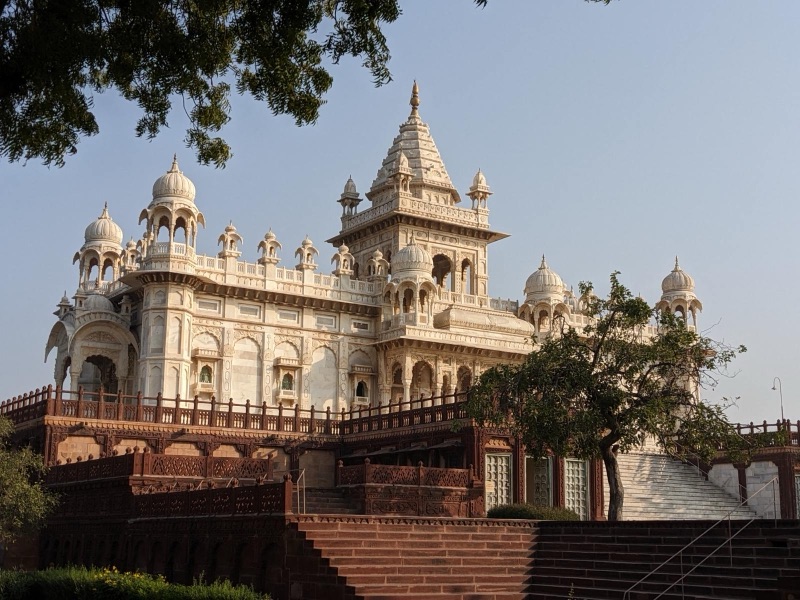
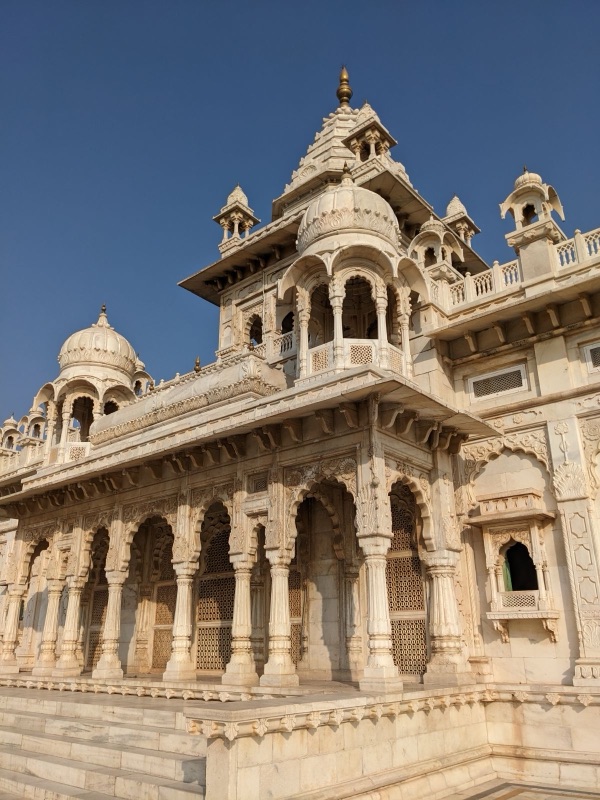
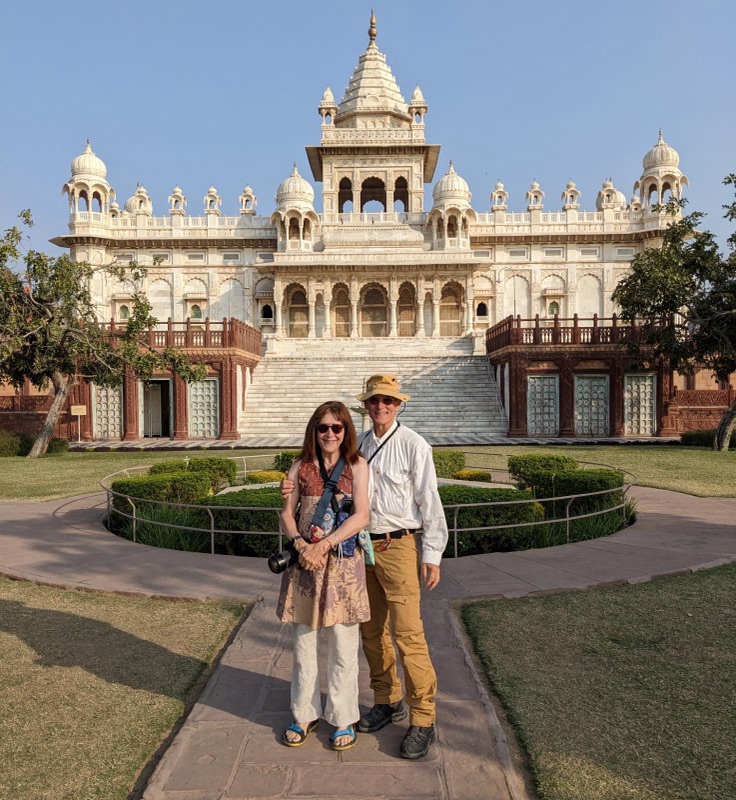
We began our day at Jaswant Thada. This marble building that looks like a palace with intricate carvings is actually a beautiful cenotaph. It is the location for the Jodhpur’s royal family funeral pyres.

Inside the memorial temple you can view pictures showing all 30 of Jodhpur’s rulers along with a memorial to a peacock that flew into a funeral pyre.

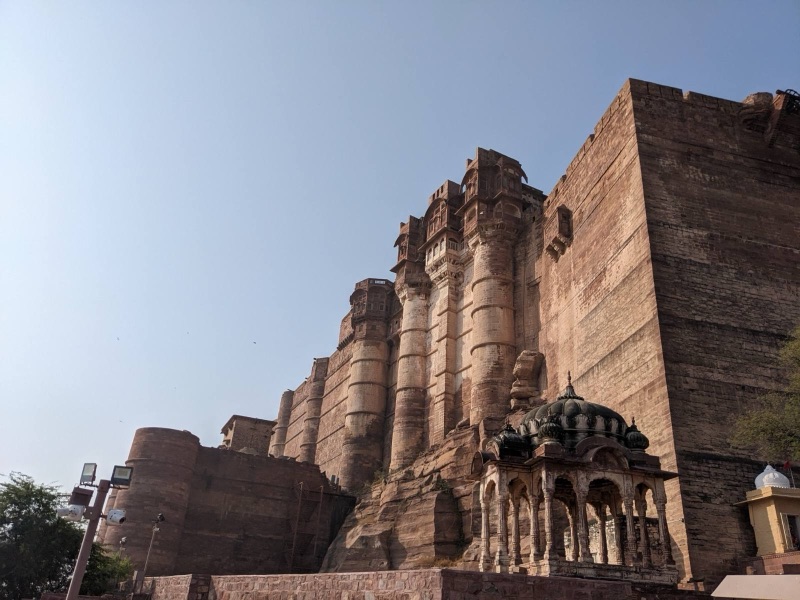
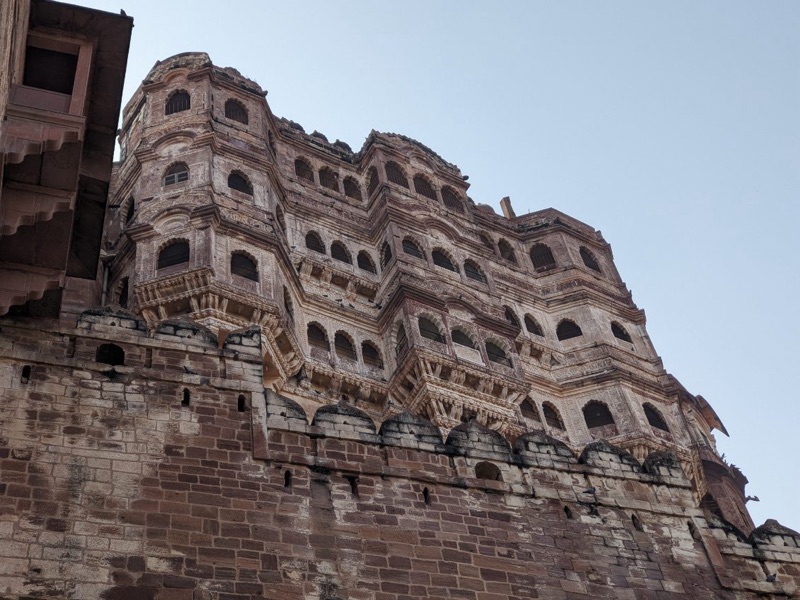
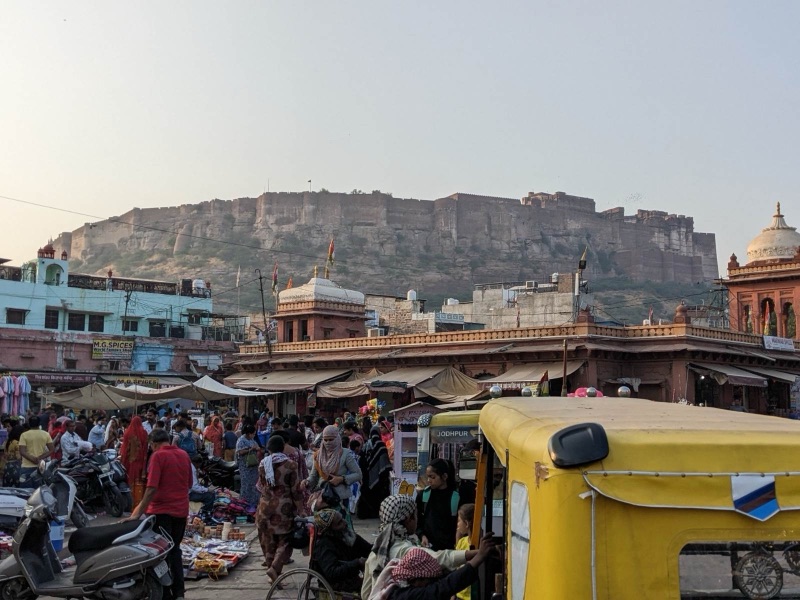
Without a doubt the Meherangarh Fort is a very impressive site. This huge fort started in 1460 with its last construction being in 1920 towers 400 feet above the city.

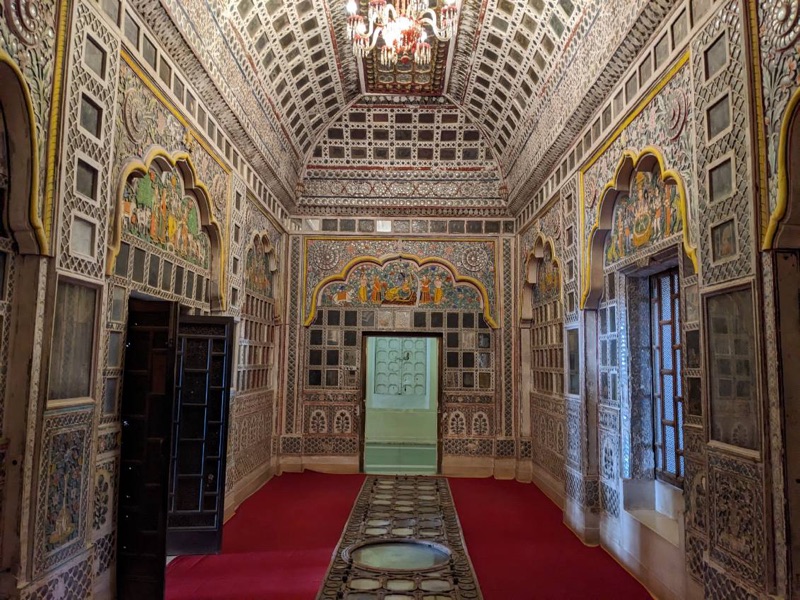
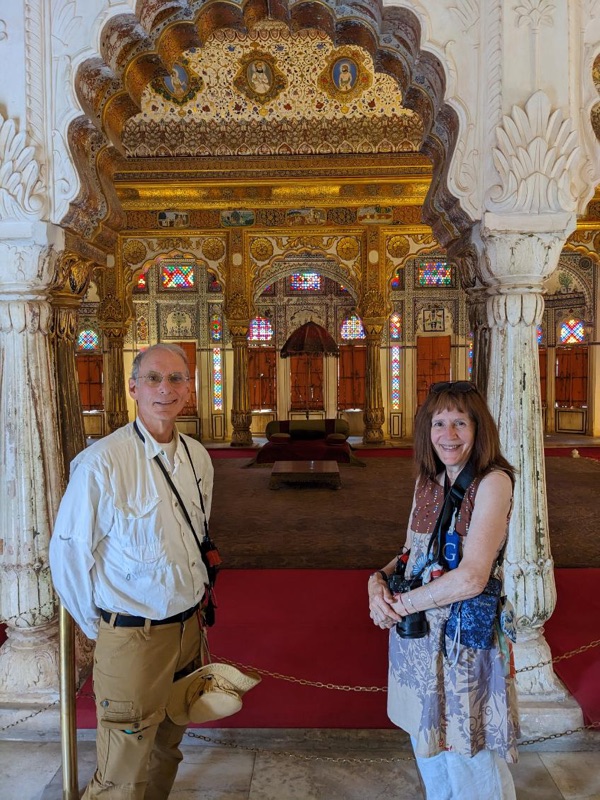
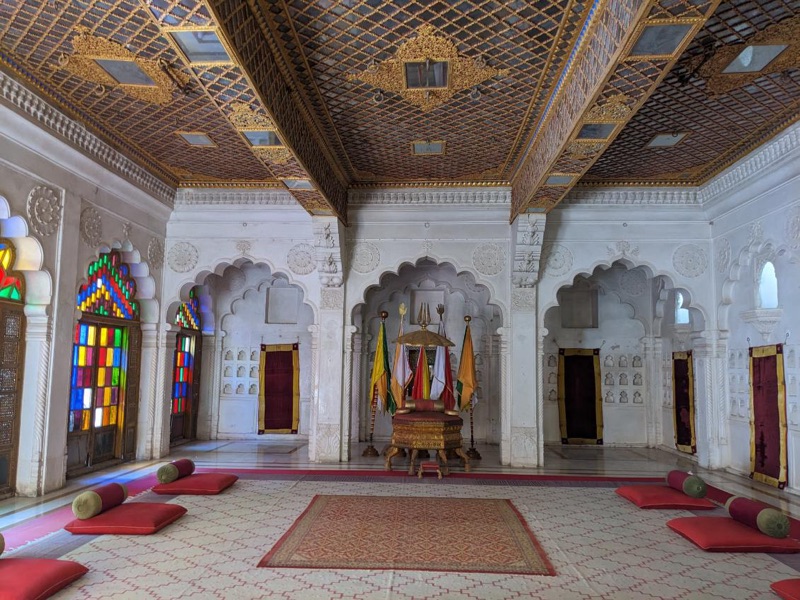
The Rathore royal family operates the fort allowing visitors to view many opulent rooms. These rooms were once used by the former maharajas.

Like Udaipur, Jodhpur was the location for a Hollywood blockbuster movie. In the Batman movie “The Dark Knight Rises”, Christian Bale as Bruce Wayne climbs to freedom from a prison pit located outside this fort to save Gotham City,

Fast forward to 2:30 minutes

However, Hollywood loves to trick us. There is no prison pit by the fort- there is only a circular area ringed with a low stone wall from which Bale emerged. 🤣😂

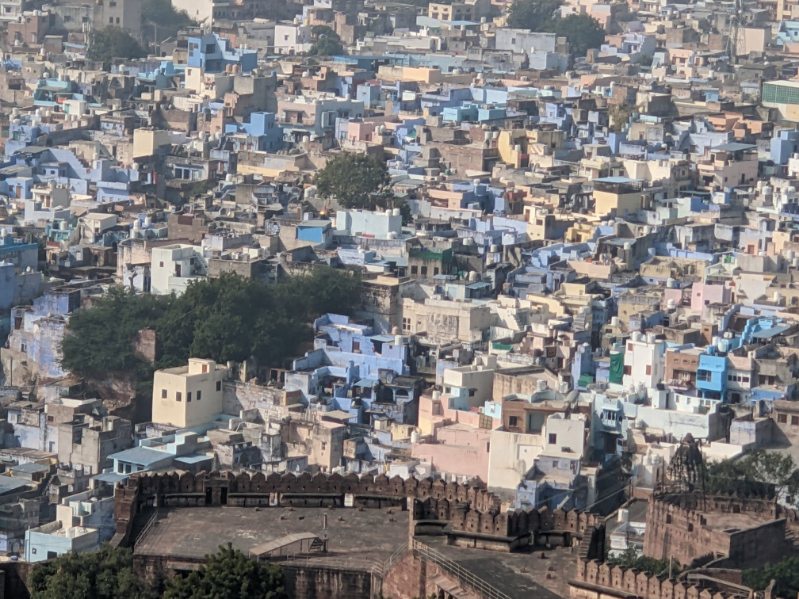
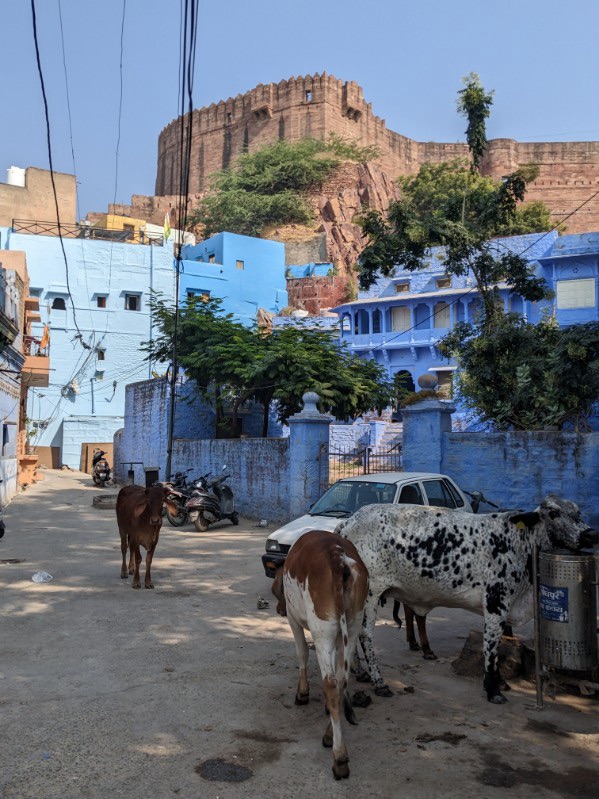
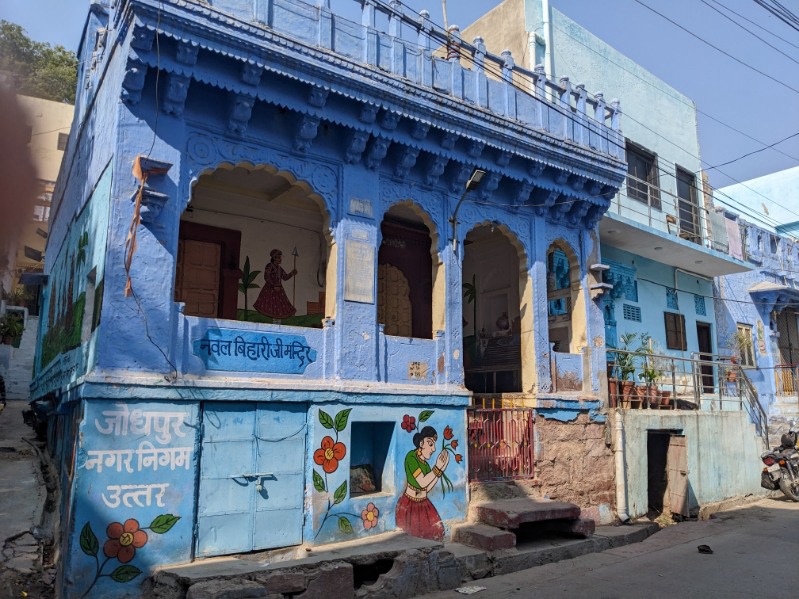
As we walked out a different gate, we entered Jodhpur’s “Blue City” district. The “Blue City” is Jodhpur’s other & more well known nickname.

There are many ideas on why these homes were painted blue. For me, it just provides a beautiful place to take pictures. Today home owners can continue to paint their homes blue or another color

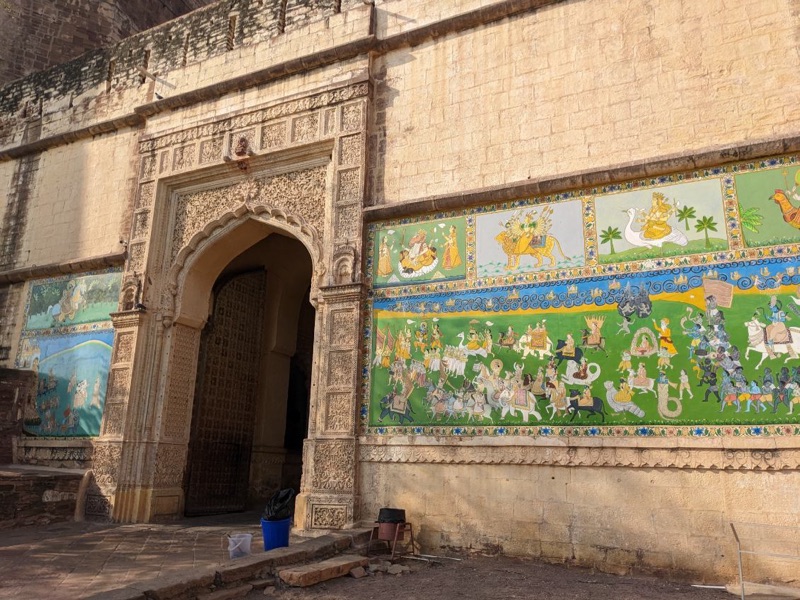
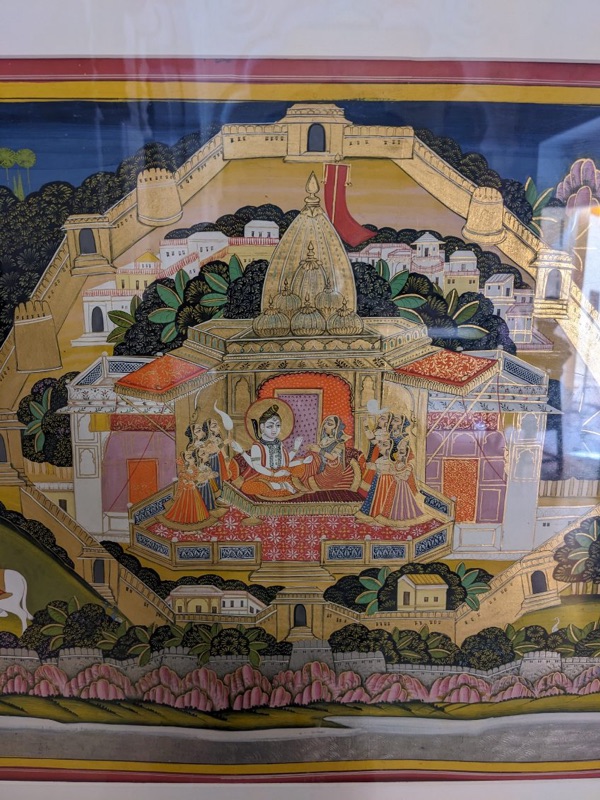
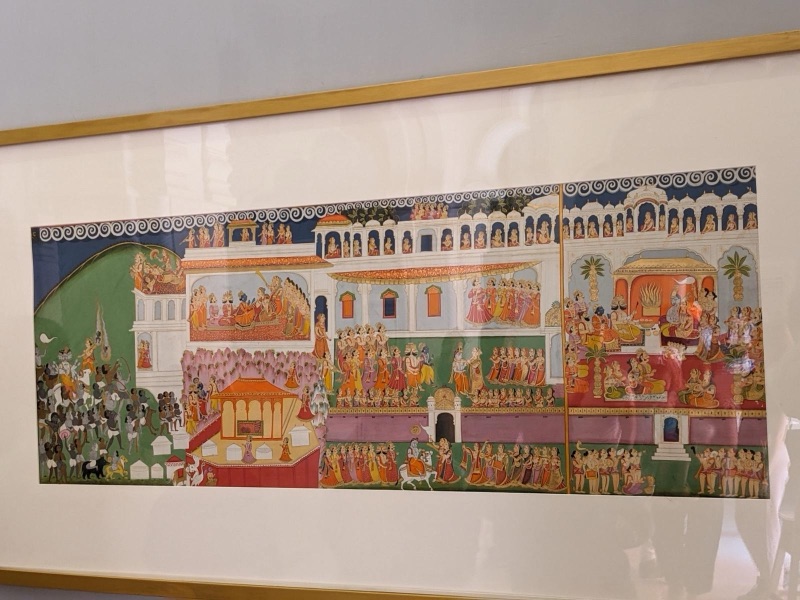
Inside the fort we saw many intricate miniature art paintings on display.

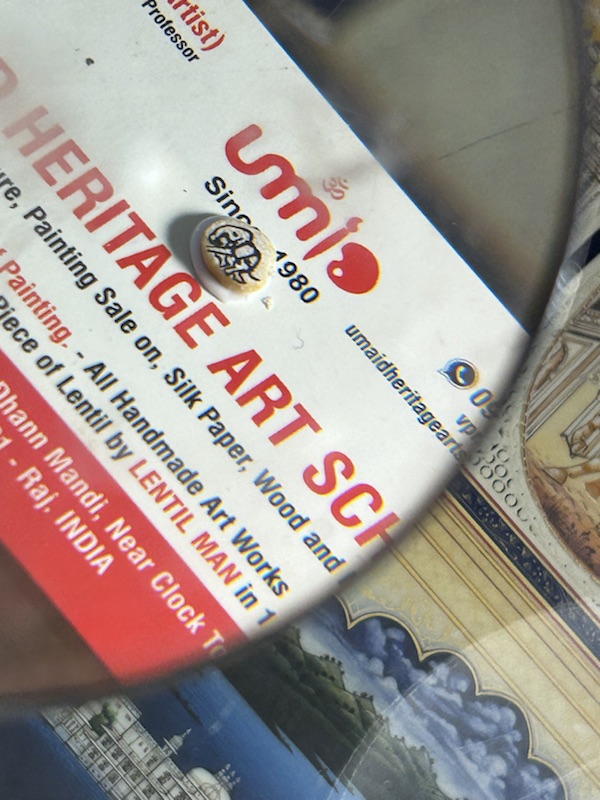
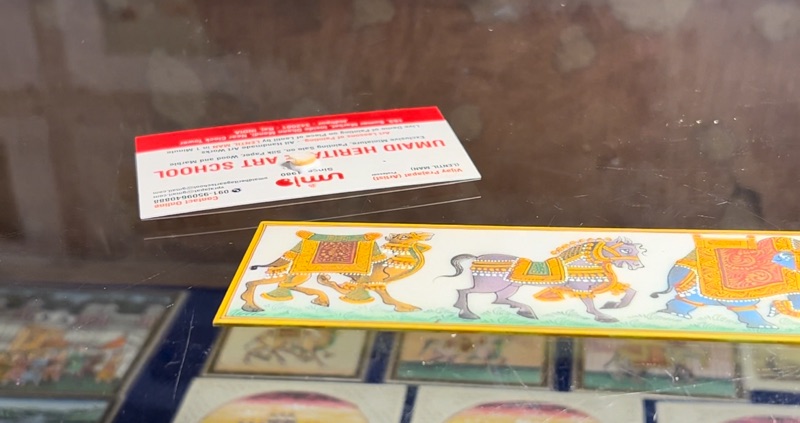
In the old city, we met the “Lentil Man”. He not only paints using the ancient art method used to make the above paintings displayed in the fort; but also, he is so skilled & talented, he can paint an elephant on a single lentil using that technique. He also teaches students this ancient art form which requires using a single hair from a squirrel’s tail to paint. He gladly demonstrates his expertise to tourists.

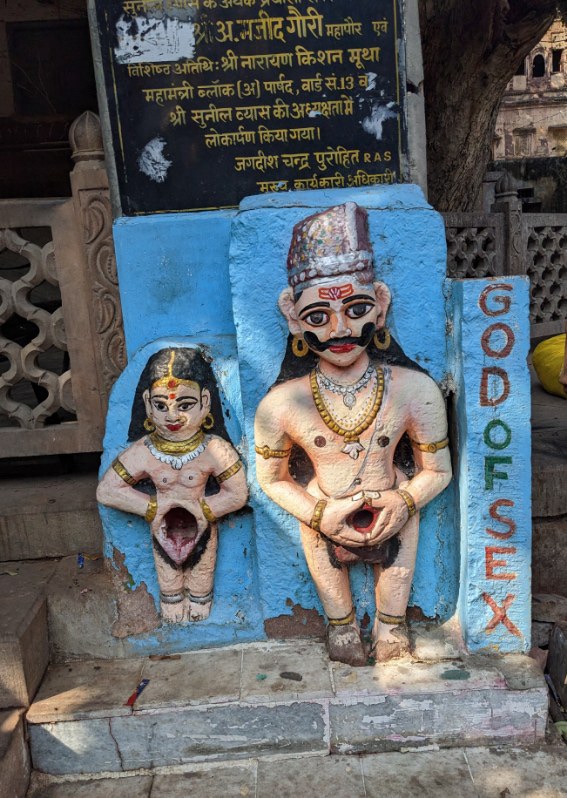
We also saw this interesting shrine in the Blue City. Couples wishing to have children come here to make offers to the fertility god to help them become parents.

Jodhpur City Center

We are once again back in Rajasthan in the north. Thankfully it is much cooler than it was a few weeks ago; but still, extremely interesting & very chaotic.

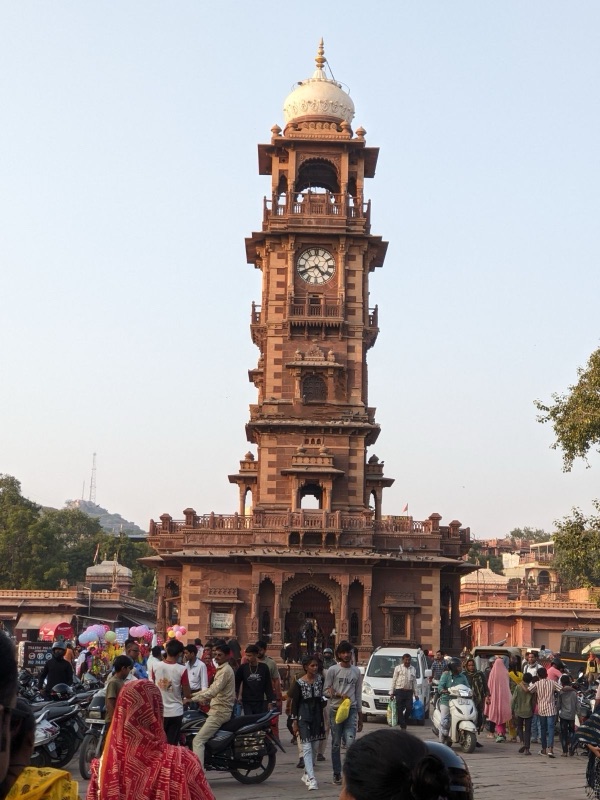
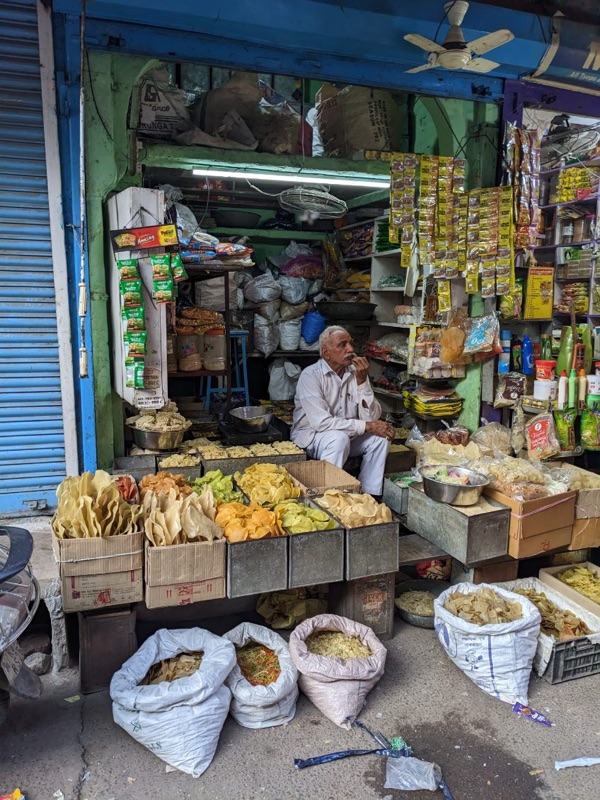
On our first day our guide took us to the city center by the old clock tower where we were able to see how the locals shop.

The Ghanta Ghar is wound every Friday by hand by one man. His family has done this job for over 100 years & only he knows how to do this task. He will pass this knowledge & job to his son.

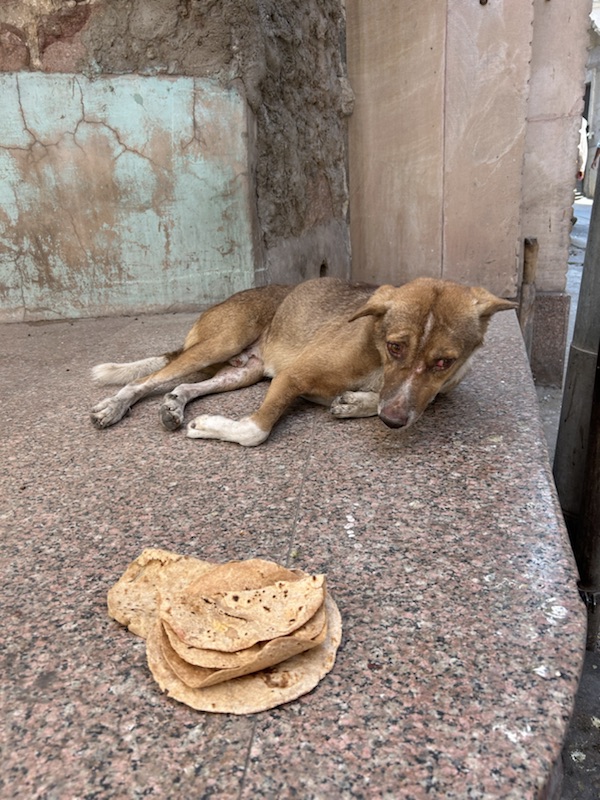
On this trip we have found the Indian people to be the kindest & friendliest people we have ever met. I wonder if this is because of how kind they are to all animals. Every morning, the first piece of bread is offered to a dog or cow in the neighborhood. The same is done in the evening with the last piece of bread.

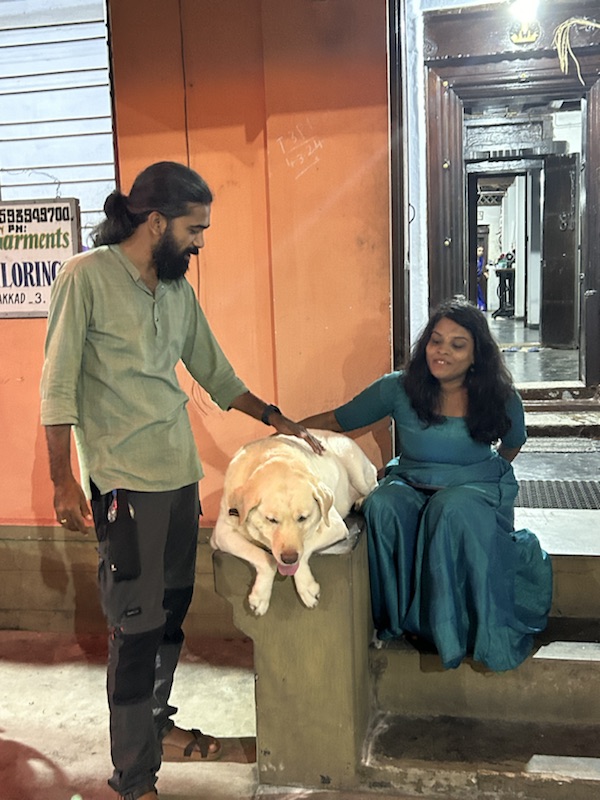
Some dogs get so much food given to them that they aren’t even hungry

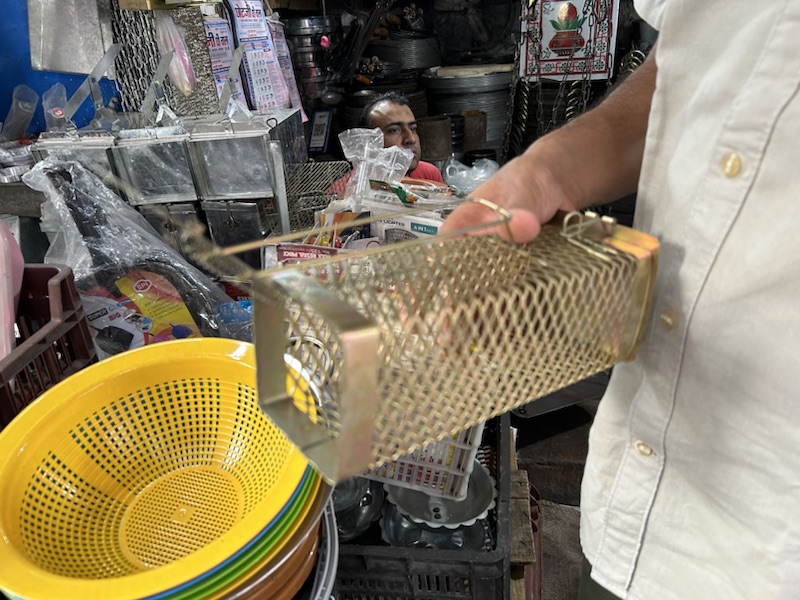
In walking through the market our guide showed us a no-kill mouse trap. It is not considered appropriate to kill a mouse because Ganesh who is the Hindu god of Wisdom, Luck, & New Beginnings uses a mouse as his vehicle & is considered as a symbol for him to overcome obstacles.

Humane Mouse trap- food is put inside & the trap door closes when the mouse takes the bait

In the same location we also visited the Toorji Ka Jhalra Stepwell. It was built in 1740 & has now been restored.

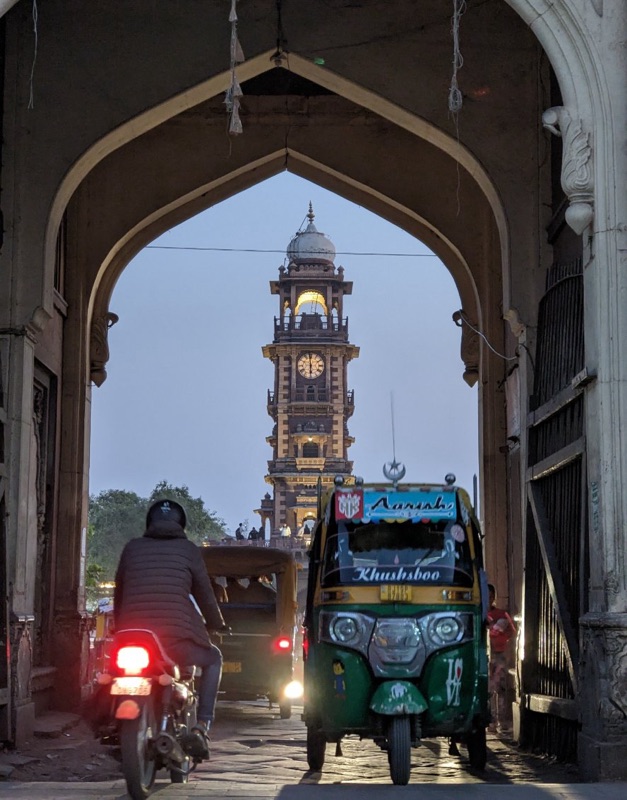
Twilight traffic passing through an old city gate

For Westerners, it is hard to understand how traffic works here. The streets are overflowing with people, scooters, cars, trucks, tuk-tuks, carts, and cows & dogs. Nary a second passes without a horn sound blaring; yet, somehow it works & we always get to where we are going OK.

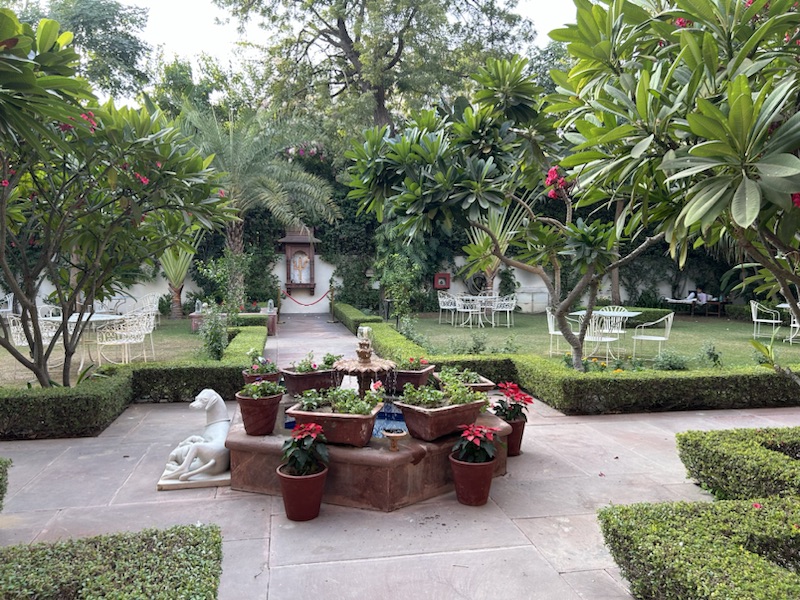
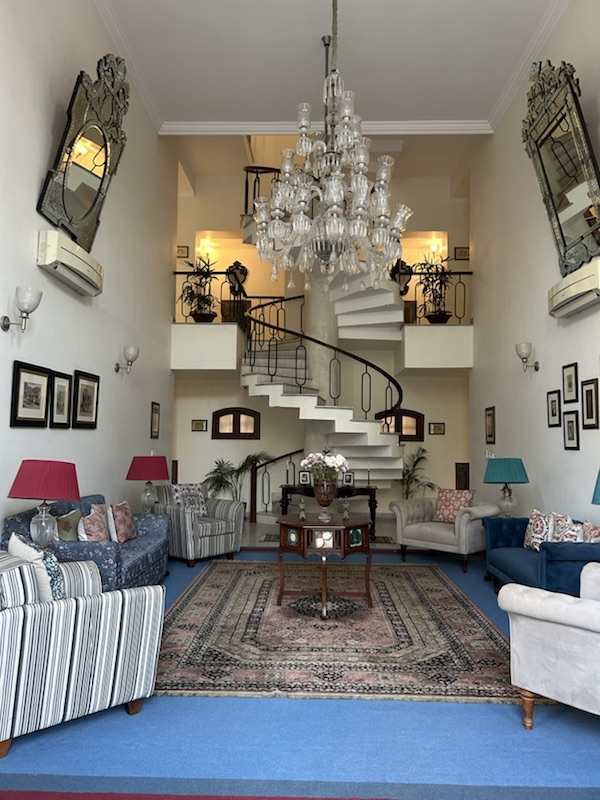
Thankfully, we had a peaceful quiet hotel in which to rest. It once belonged to a wealthy family & is now a beautiful hotel.

The Magnificent Buddhist & Hindu Caves

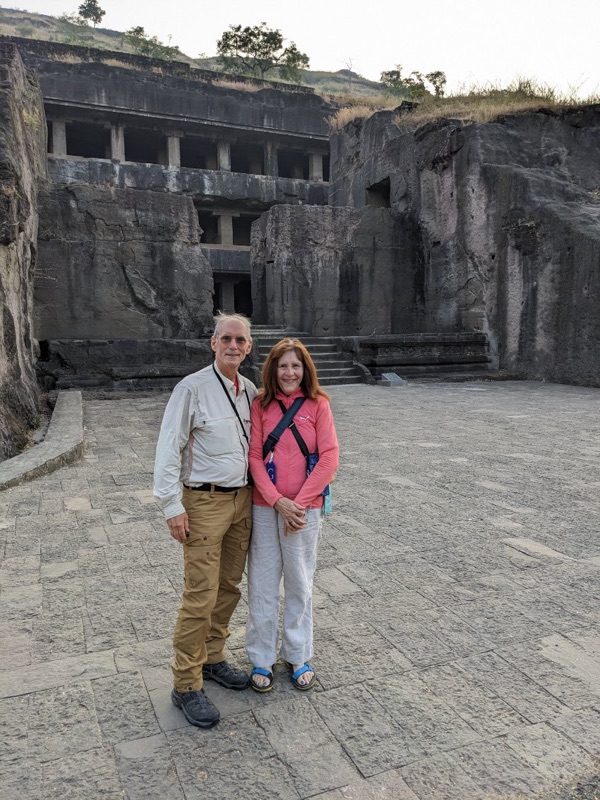
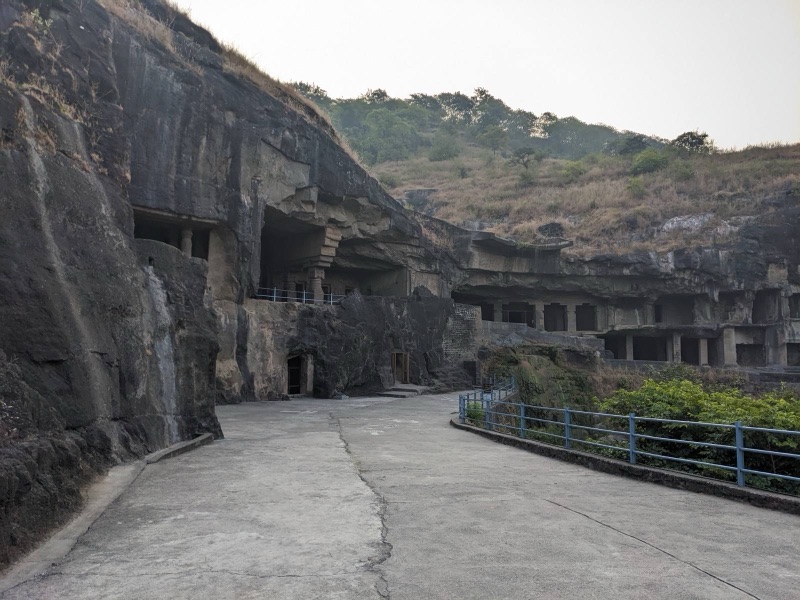
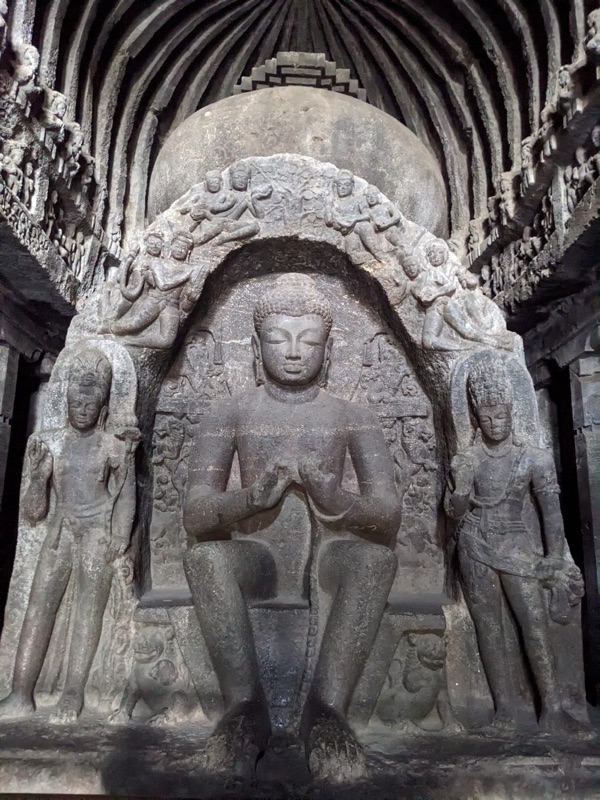
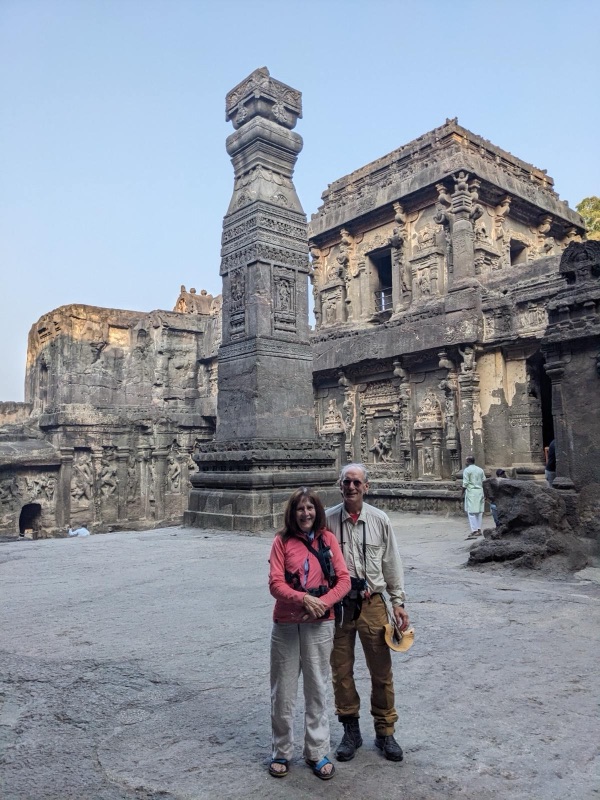
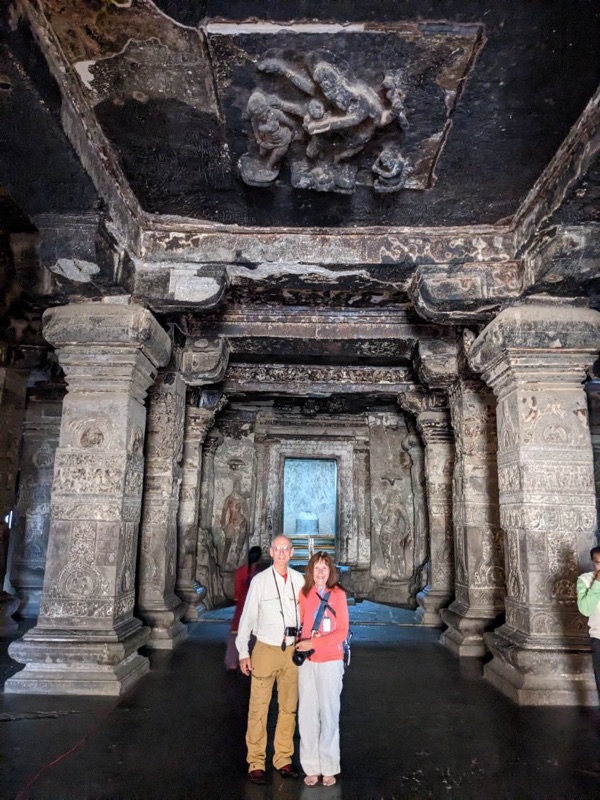
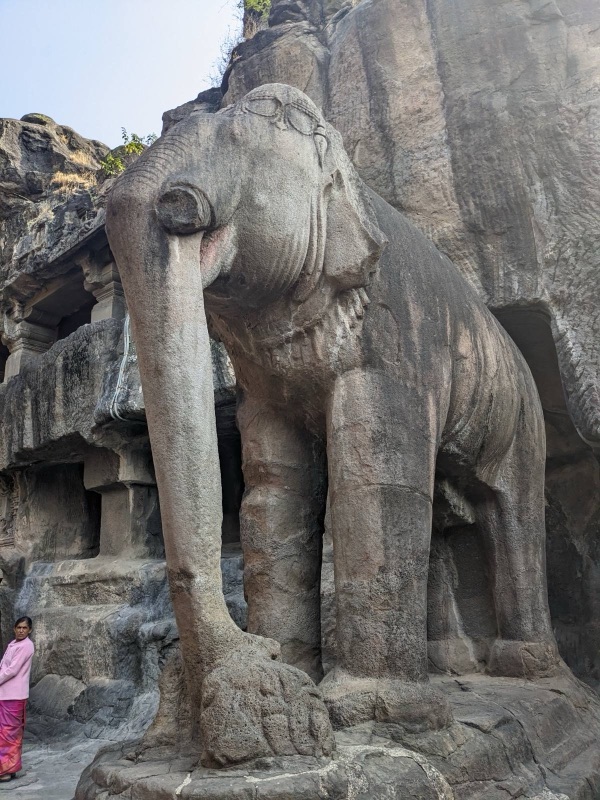
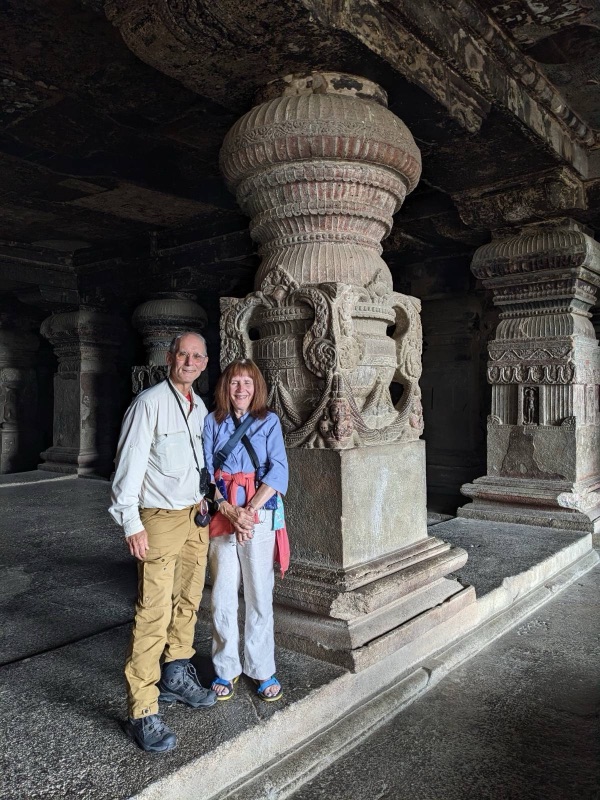
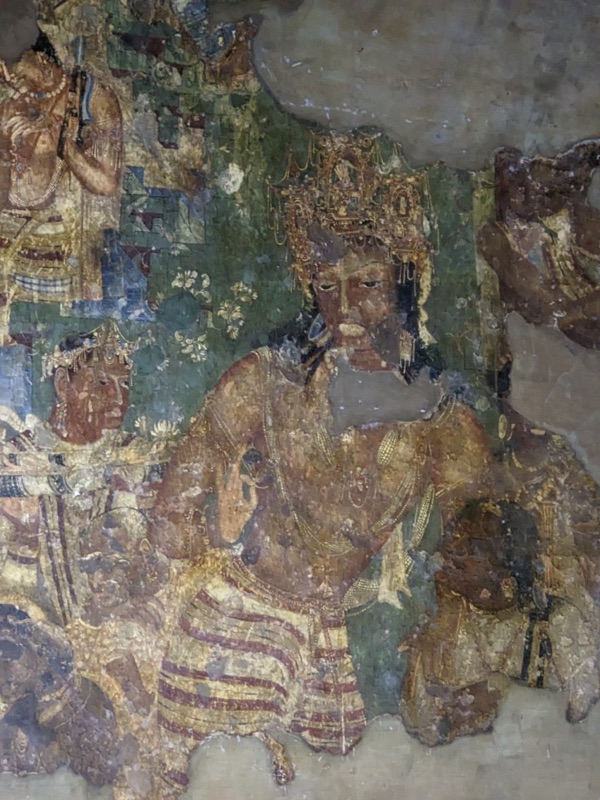
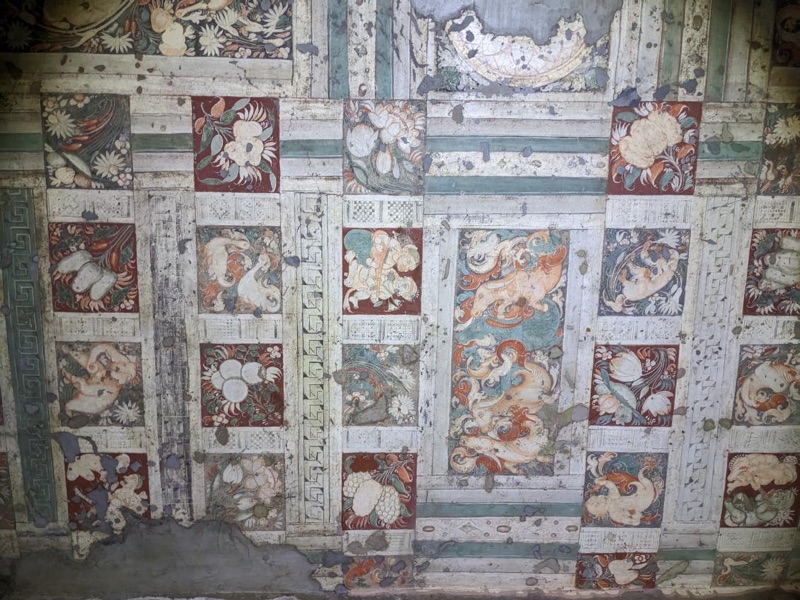
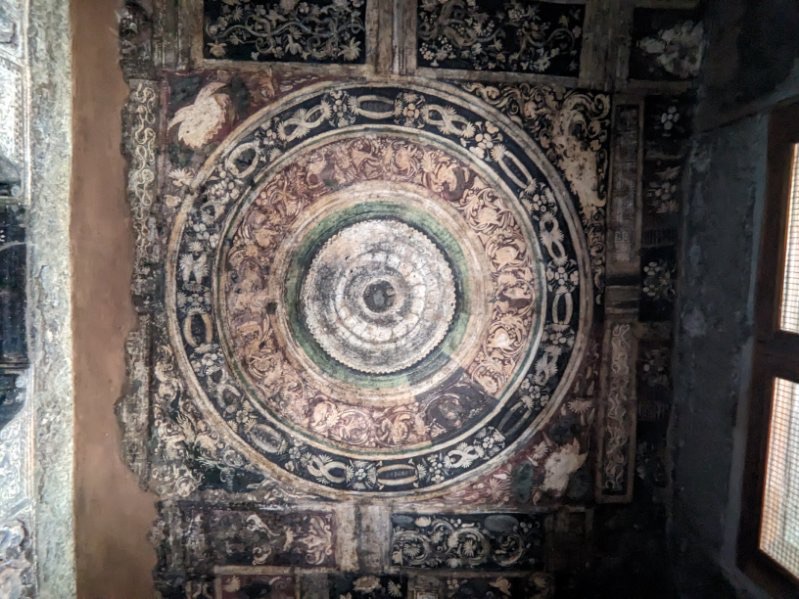
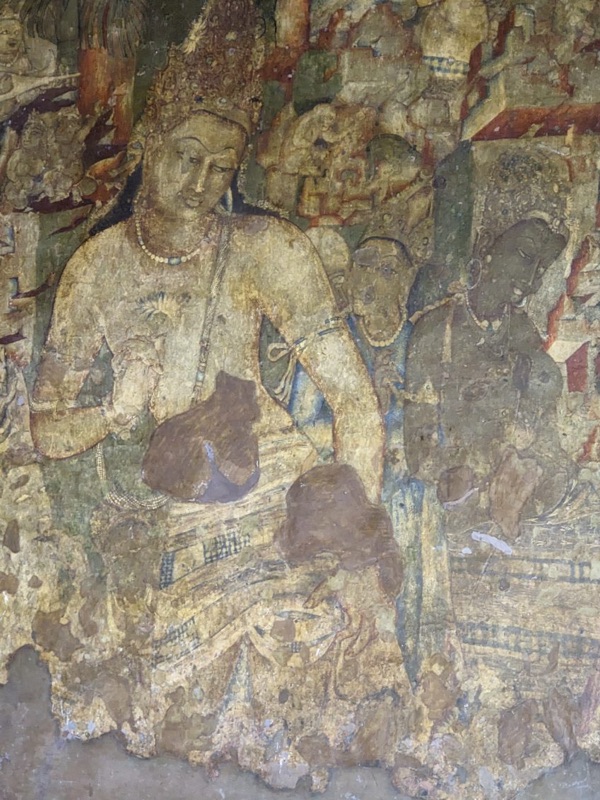
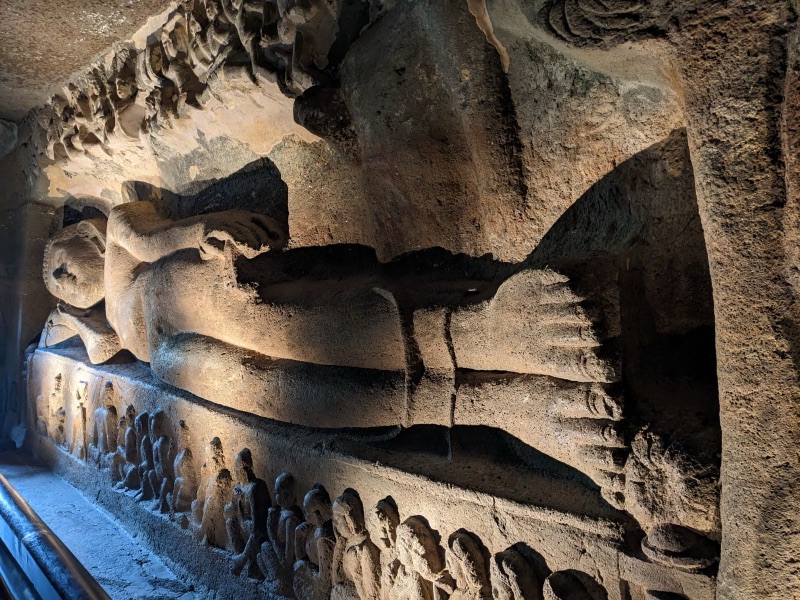
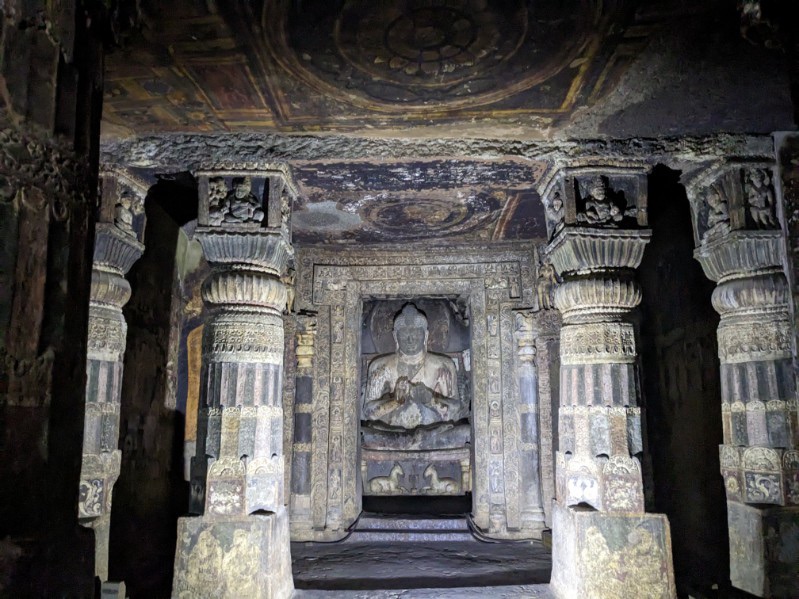
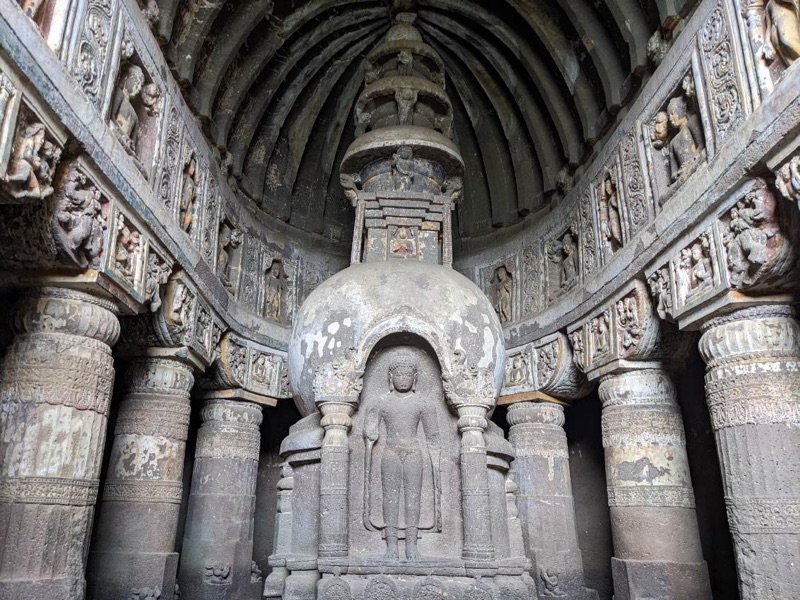
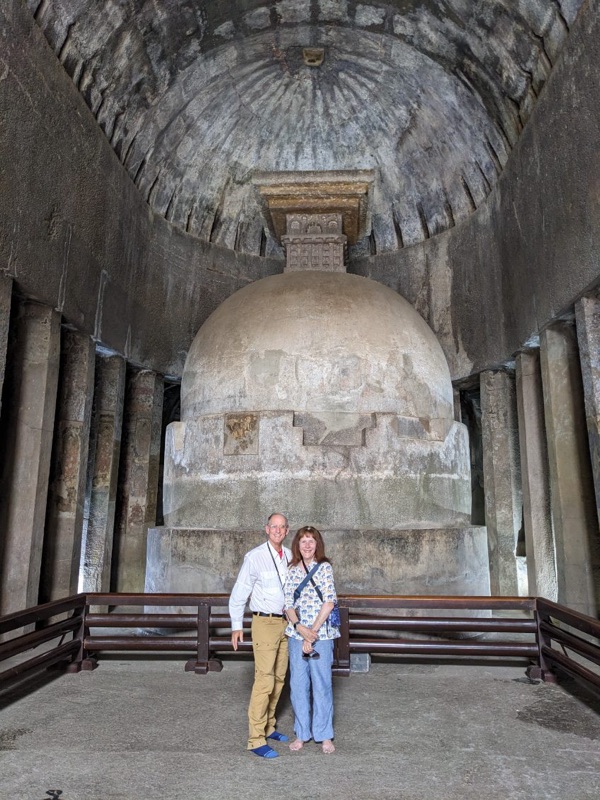
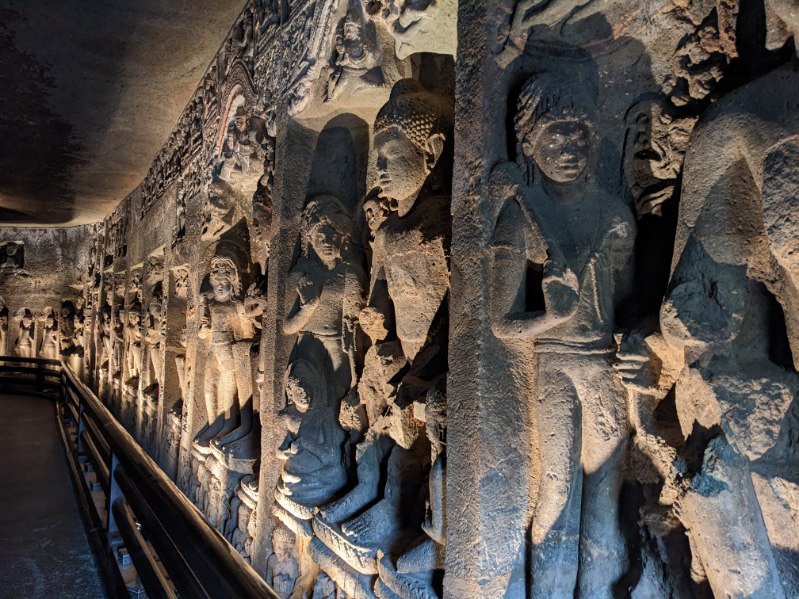
When our tour agent first mentioned going to see caves, I wasn’t so keen on the idea; but I trusted her judgment. So glad that we did! These are not traditional caves in the way you might think. Rather they are ancient temples & monasteries carved out of solid rock with vibrant, magnificent, imaginative paintings still in their original colors. Needless to say, both sites are UNESCO World Heritage sites

The Ellora Caves are located about an hour drive from Aurangabad.

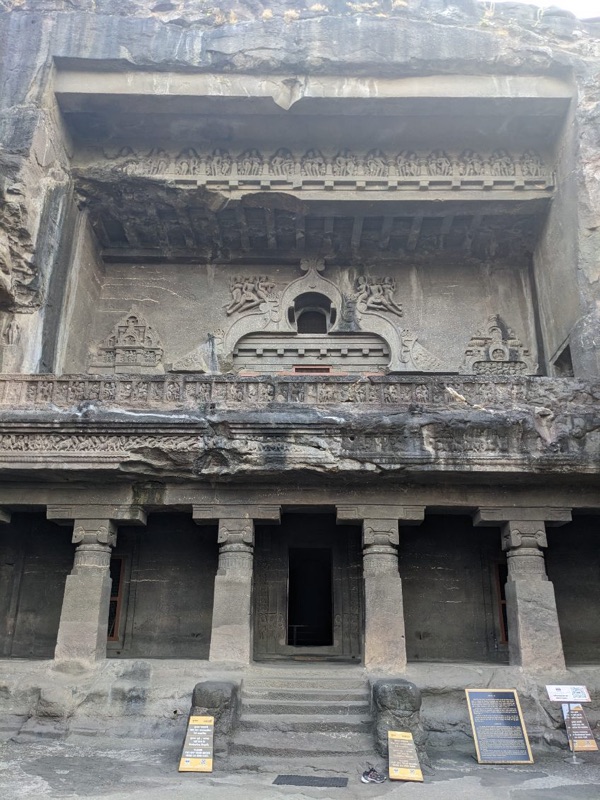
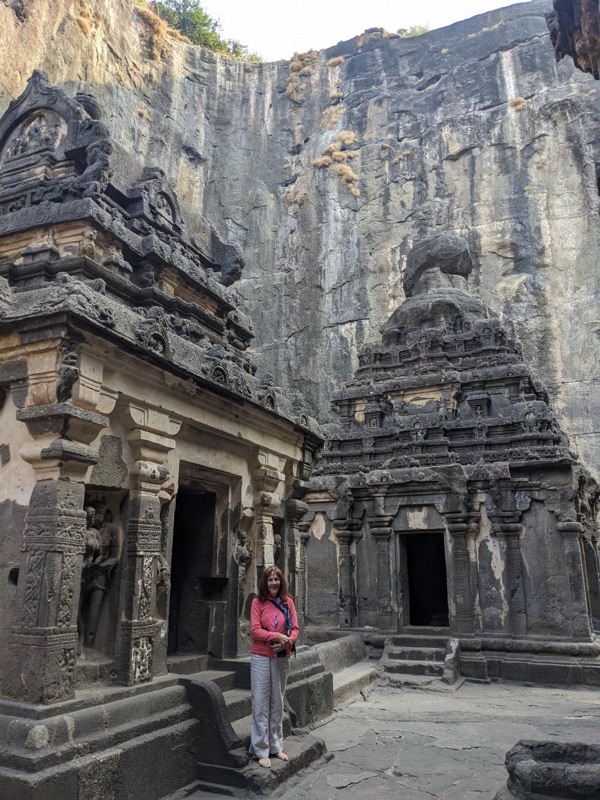
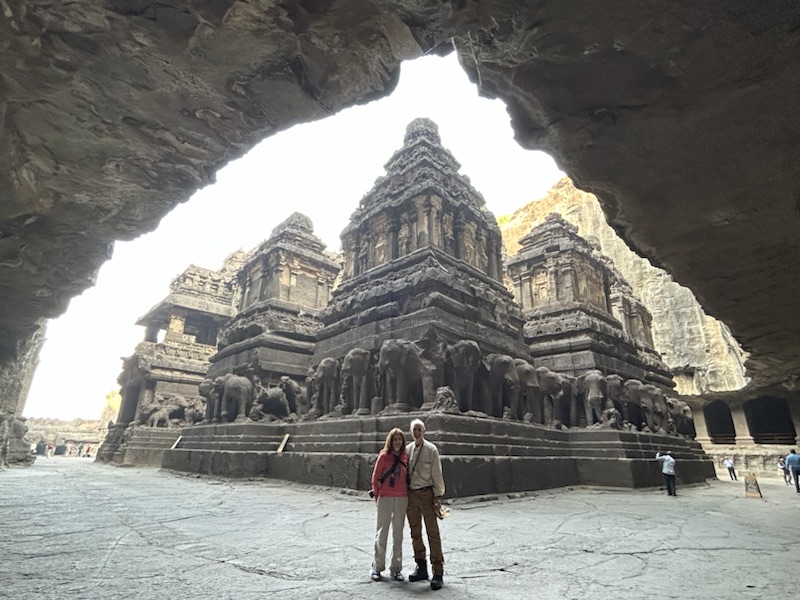
The temples & monasteries carved out of & into rock were constructed over 350 years in the 6th – 10th Centuries CE. They are hewn out of a vertical rock face stretching over several kilometers. The structures are both Hindu & Buddhist.

They were originally started to provide monks with a safe & dry place to stay on their travels throughout India.

Each cave became more & more intricate. In the first cave our guide did a small chant for us. The acoustics were mesmerizing!

One structure rivals & even surpasses Petra in Jordan & the rock-hewn churches in Lalibela, Ethiopia, in scope, scale, & intricate rock carvings.

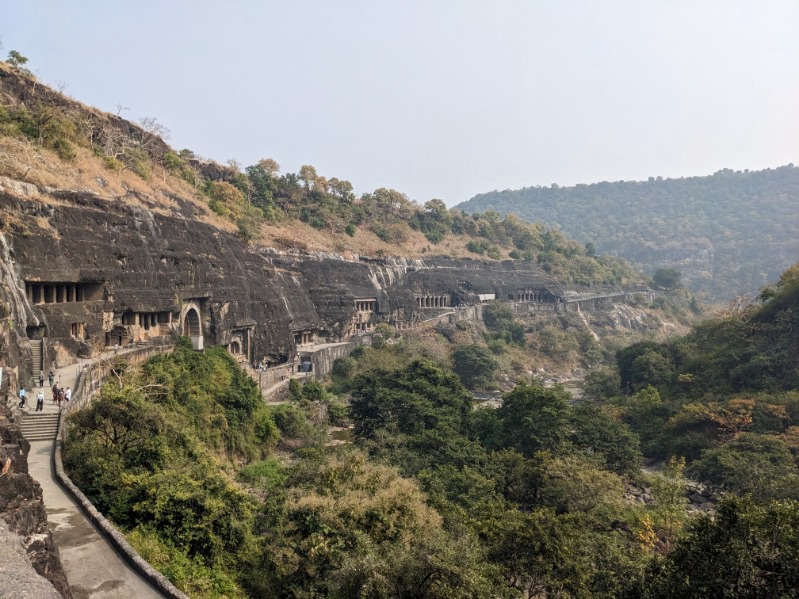
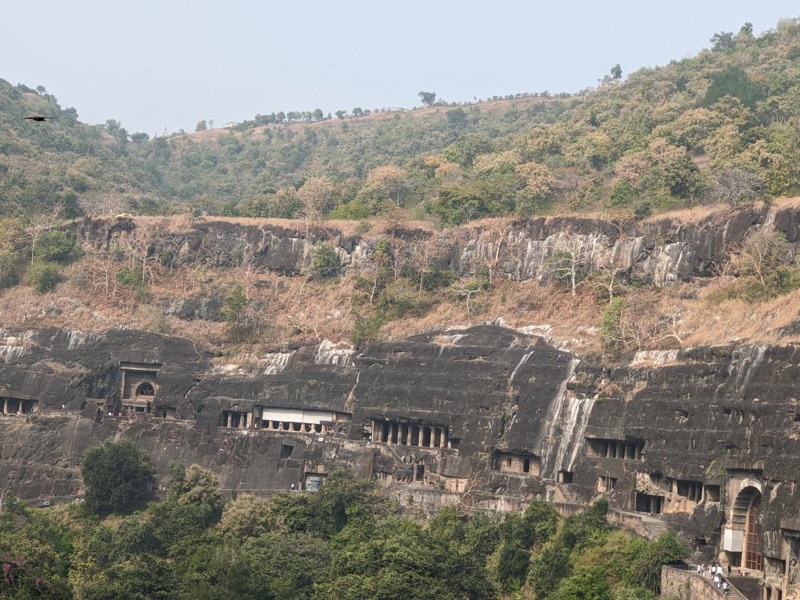
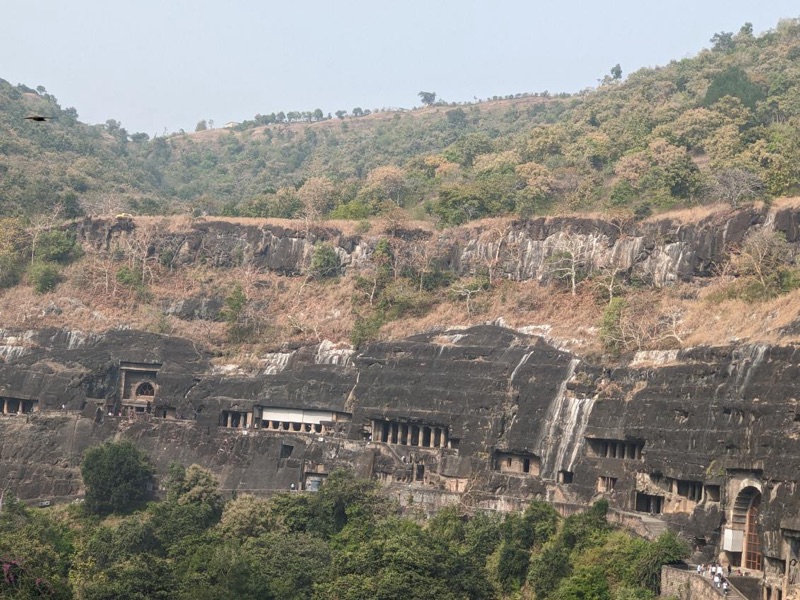
The second day we drove 2.5 hours to the Ajanta Caves which are all Buddhist.

After falling into disuse due to constant wars & being covered by the jungle, the caves were rediscovered in 1819 by British Captain John Smith while he was hunting a tiger. Our guide even guided Smith’s great, great grandson to this site a few years ago.

The caves are cut from & into a rock wall in a horseshoe- shaped gorge. There are 30 caves here; but, many are unfinished because the sponsoring king died which meant funding stopped to finish the caves.

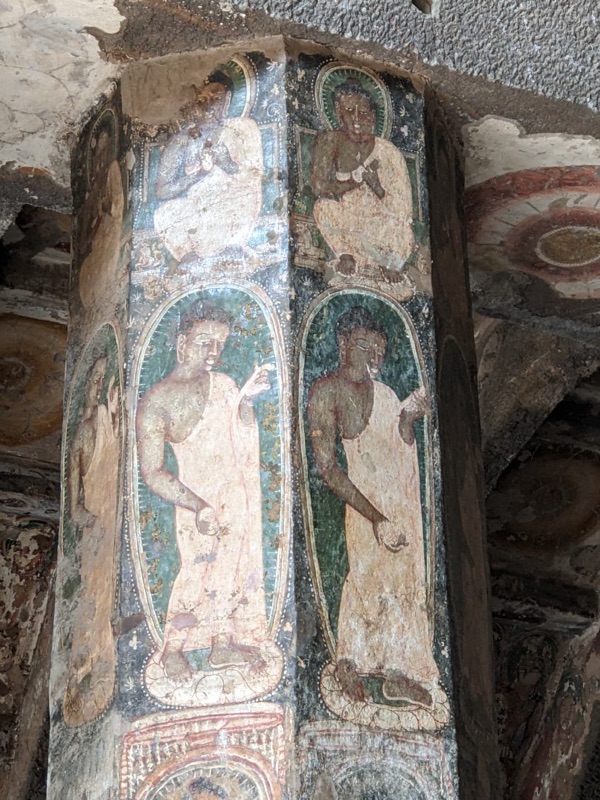
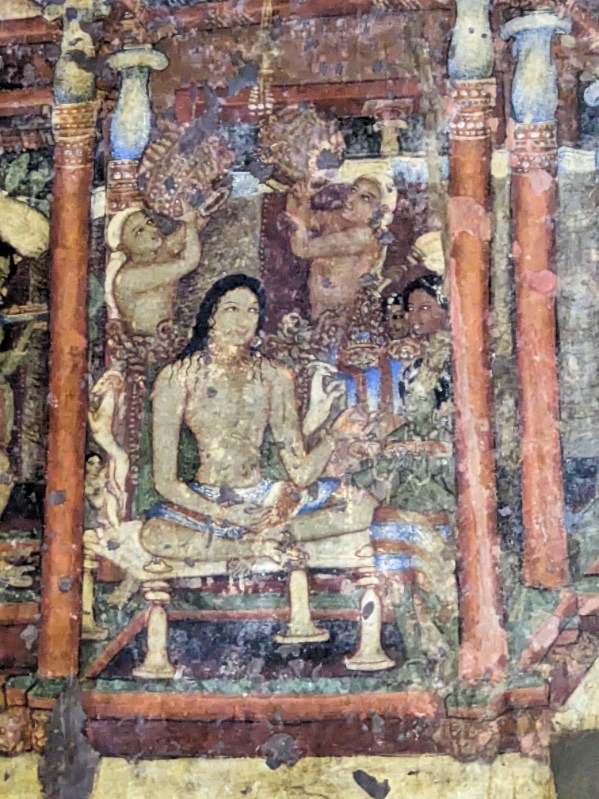
Unlike the Ellora Caves, many caves have paintings on their walls & ceilings that depict Buddha’s life & teachings. Because the paints were made from minerals, they have lasted 1,500 years & have never been repainted or touched up.

Even though they were smaller in size than the Ellora Caves, the structures carved from stone were just as beautiful.

Our guide told us that when they were in use, each cave would be occupied with monks & their followers.

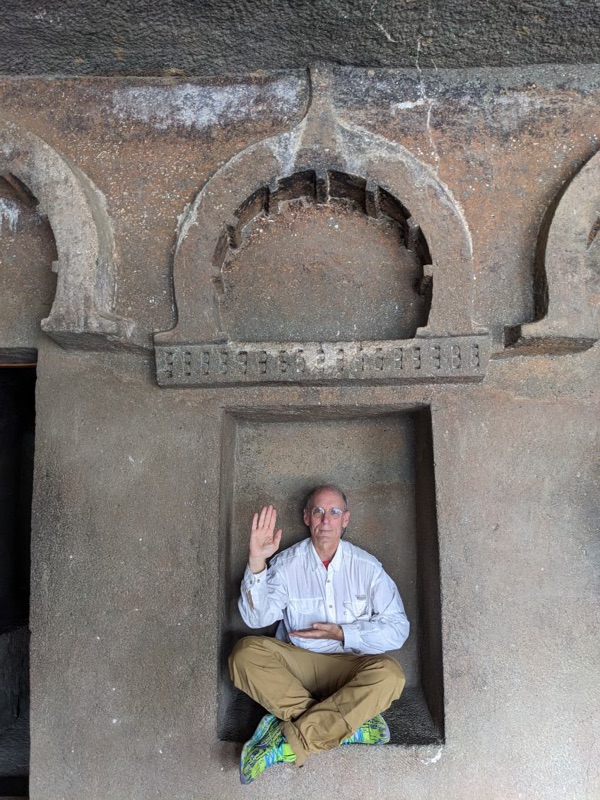
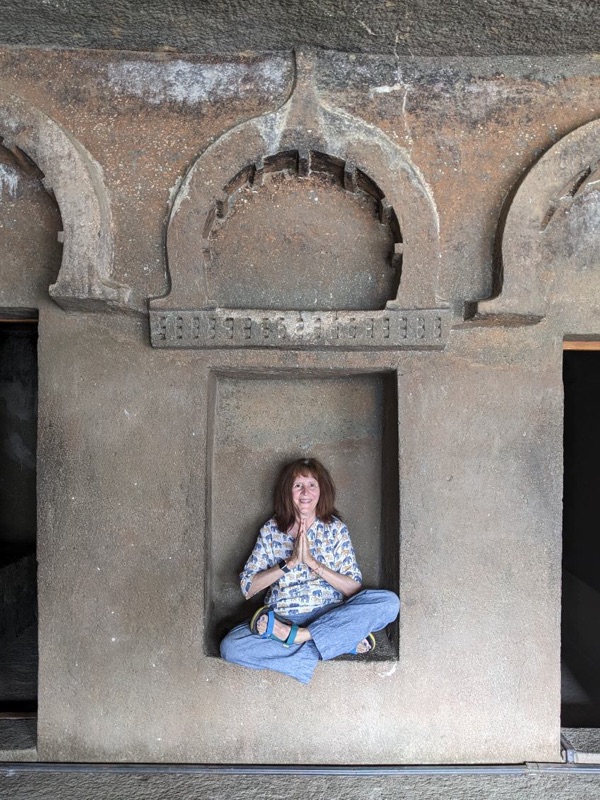
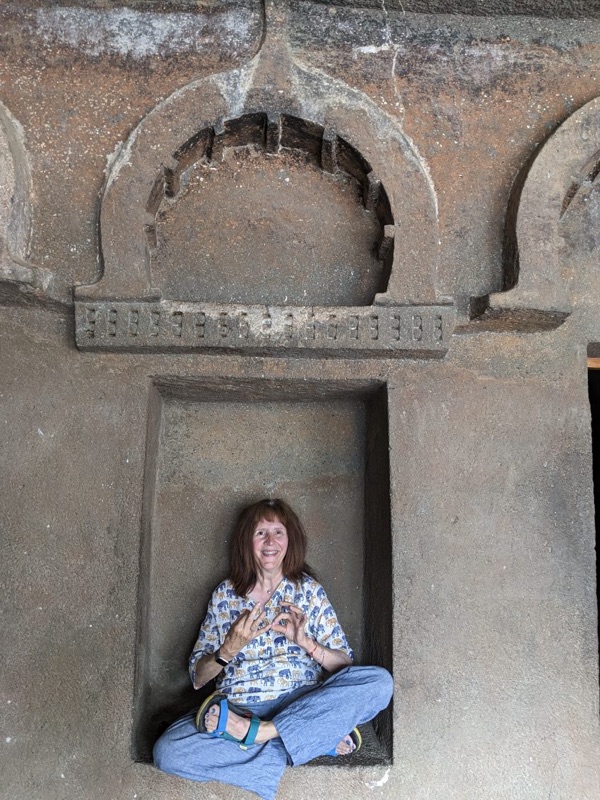
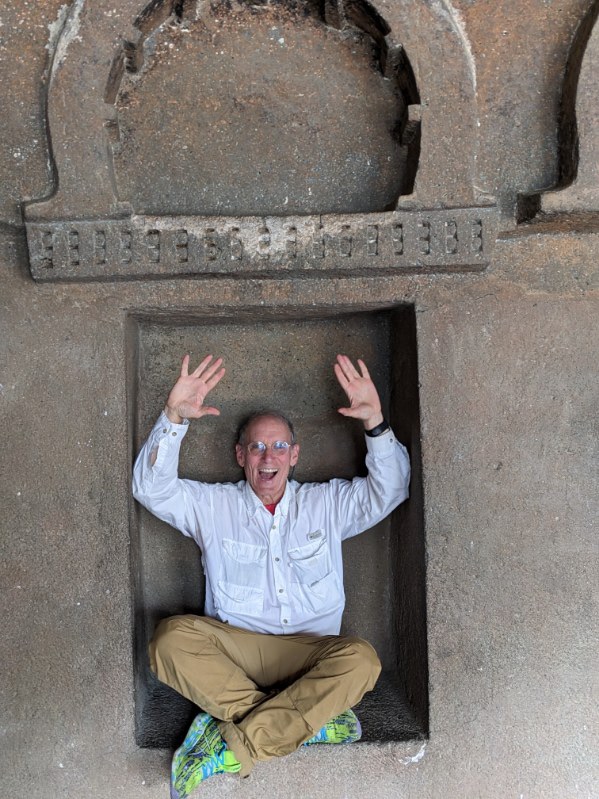
Then, we tried to get enlightened & follow a monk’s life.

Or, maybe just be a little crazy.

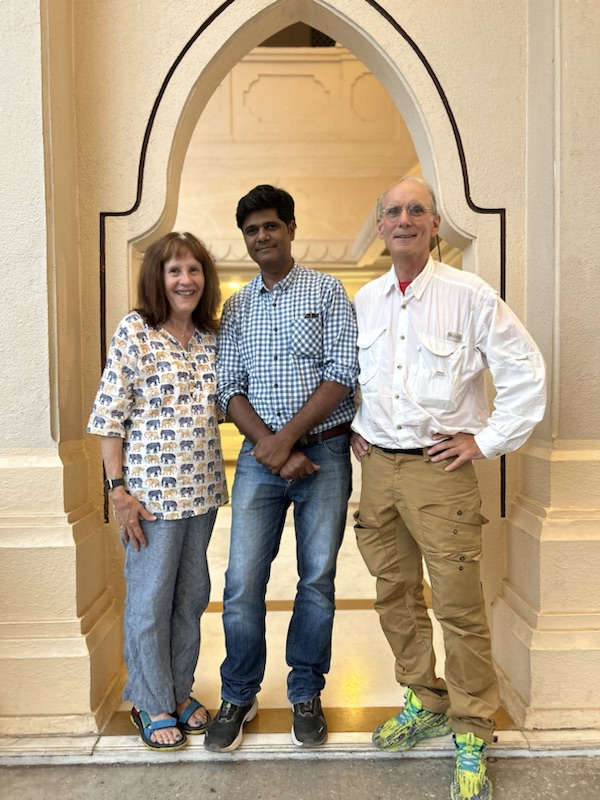
We were once again very fortunate to have a kind & knowledgeable guide. He was able to explain the meaning behind many carvings & paintings as well as explain how these caves were carved with simple explanations. I feel I now understand Hinduism a little better. I know I enjoyed each site more with his knowledgeable background.

With our excellent guide Sanjay

We enjoyed the best Indian biryani at our hotel in Aurangabad. When I told the chef it was the best biryani we ever had, he wanted to get his picture with us. He also gave me my new favorite snack food Bhakarwadi to take along on our trip.

Mumbai

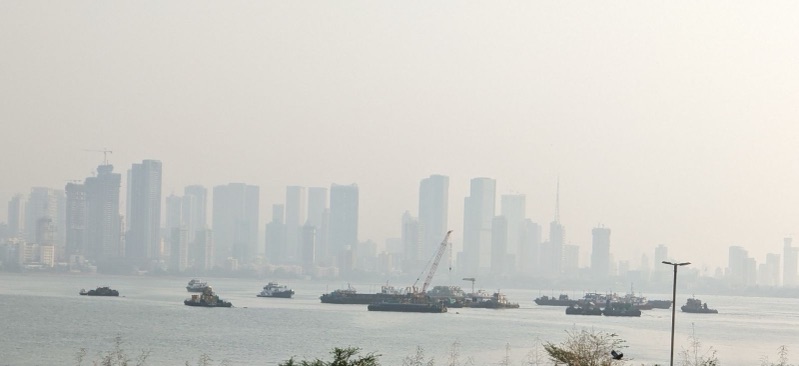
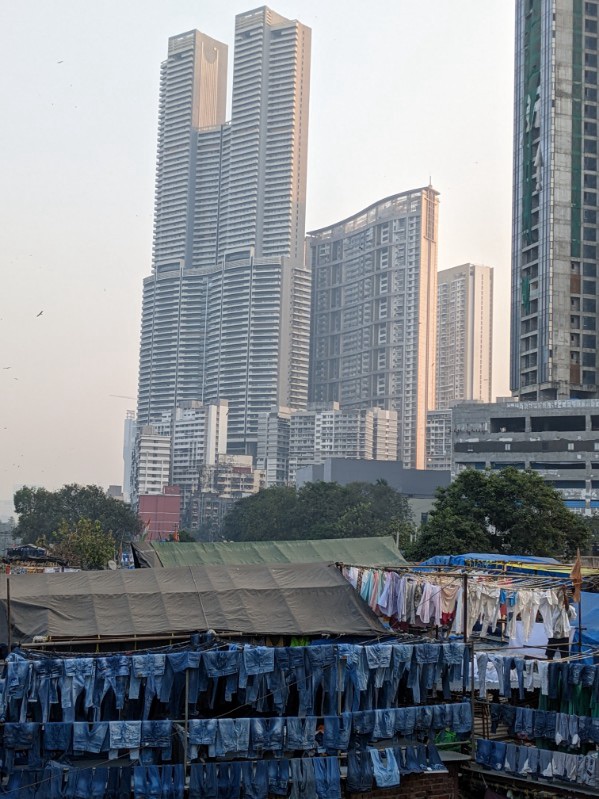
One of the first things you notice about Mumbai is the dense smog.

Mumbai is India’s 2nd largest city with almost 22 million people. It’s home to Bollywood movies & is a major business center. It’s a little like LA & NY combined India style.

We learned that the city was created by the British who mangled the local place name & called it Bombay.

At first glance Mumbai seems like a very modern Asian city on par with Hong Kong or Singapore. But, over the two days we toured it, we realized it is still very much India, just with more skyscrapers.

Like the rest of India, temples & holy sites are very much a part of Mumbai.

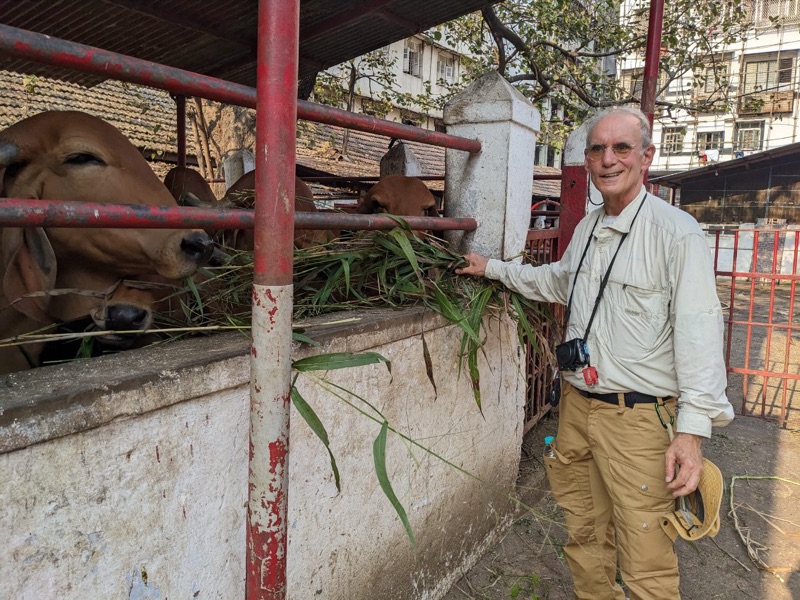
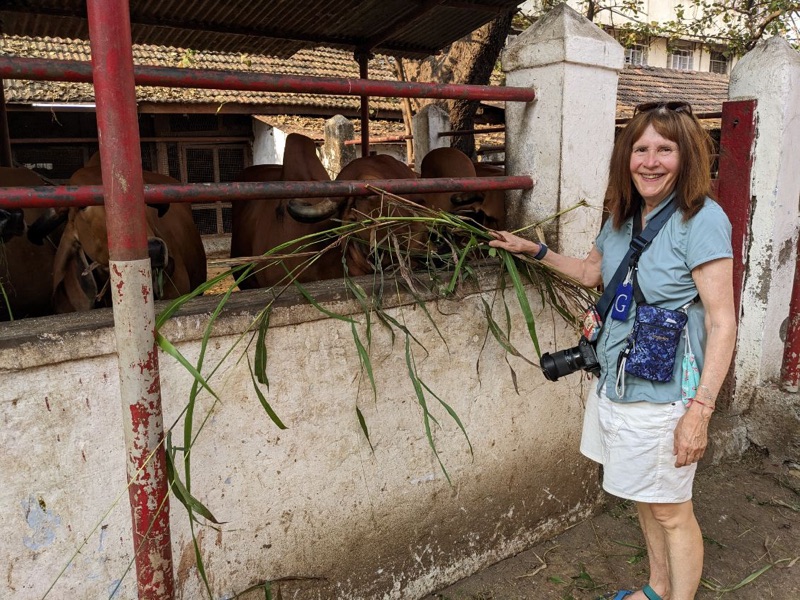
In Mumbai, cows are not allowed to roam the streets due to safety concerns. Rescue cows are kept at one temple making them “Holy Cows” where people can visit & feed them.

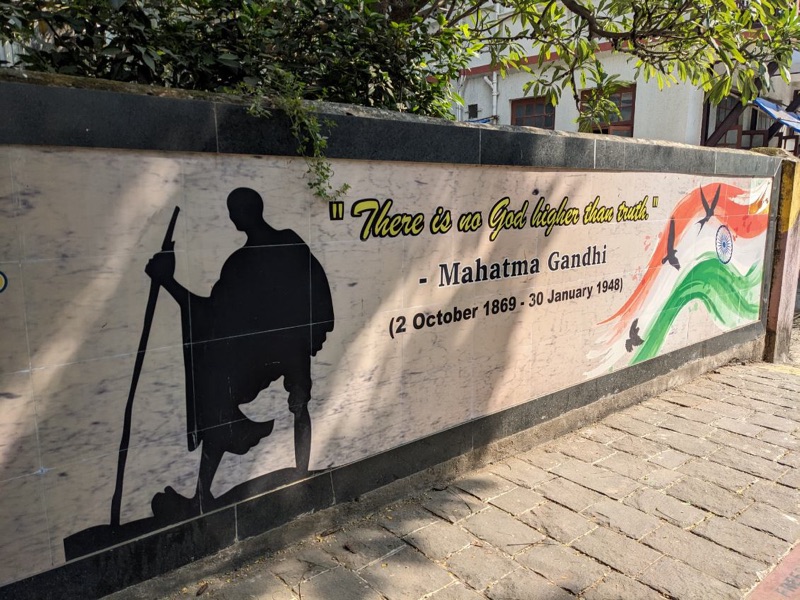
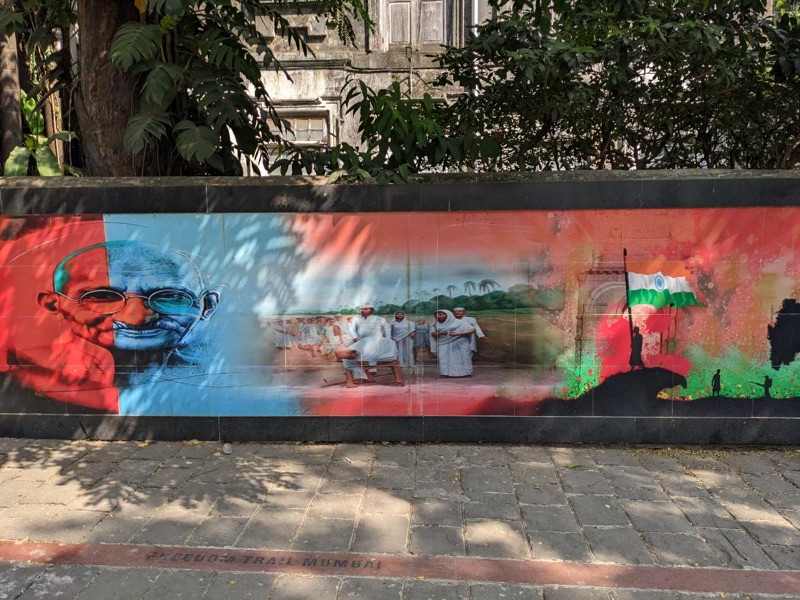
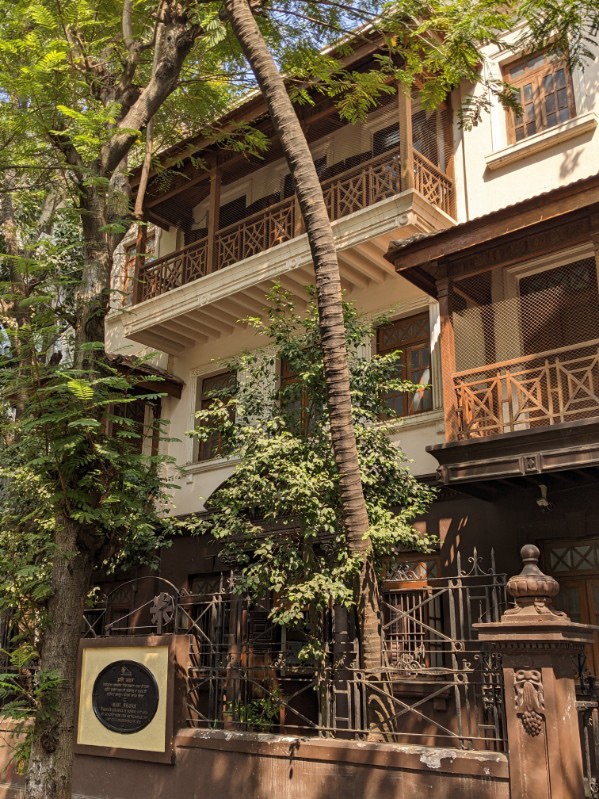
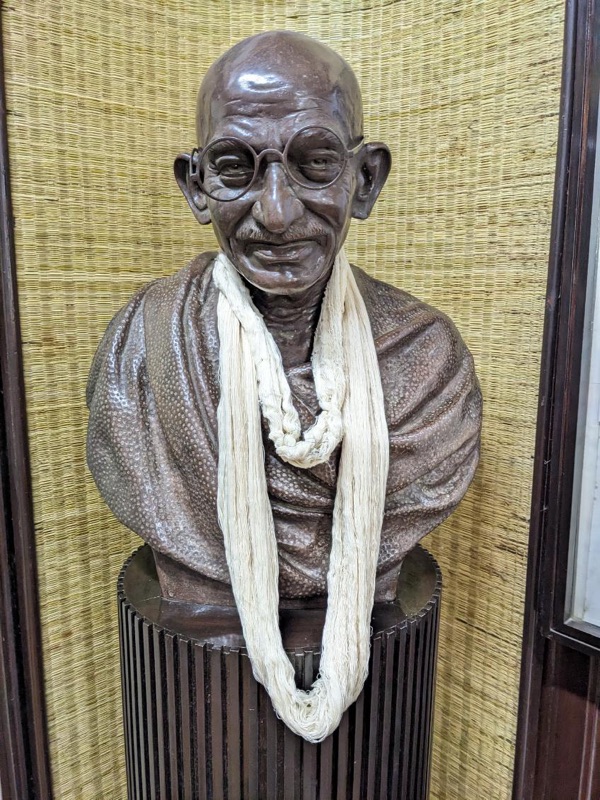
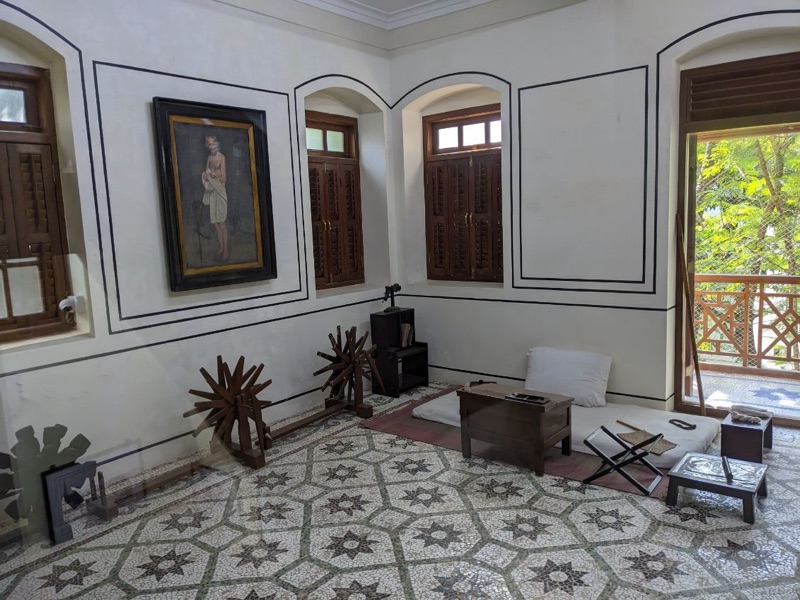
A highlight was visiting Mani Bhavan which is the house where Gandhi lived for 17 years.

We visited various parts in the city where life goes on the way it has for many years.

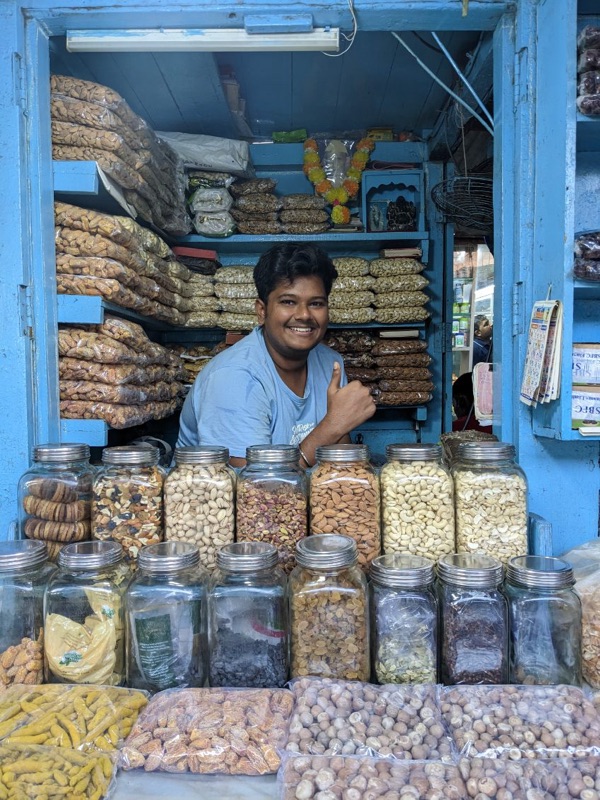
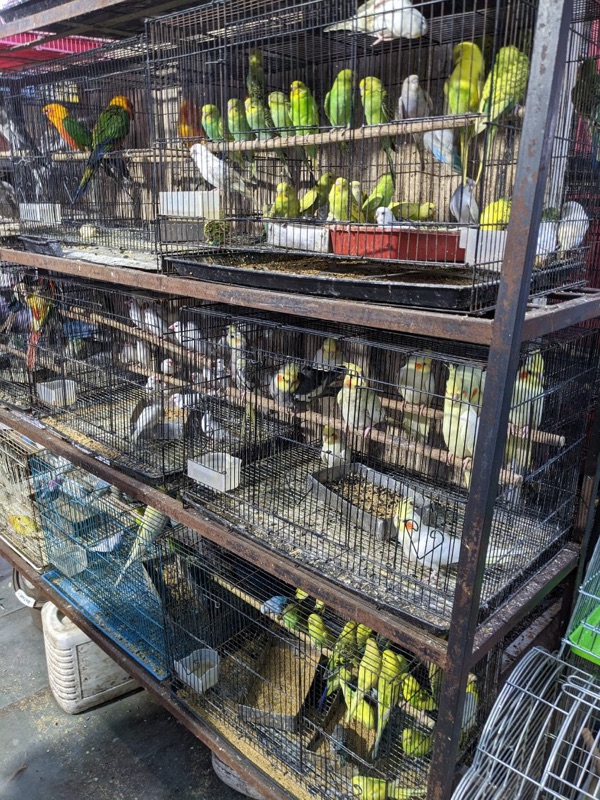
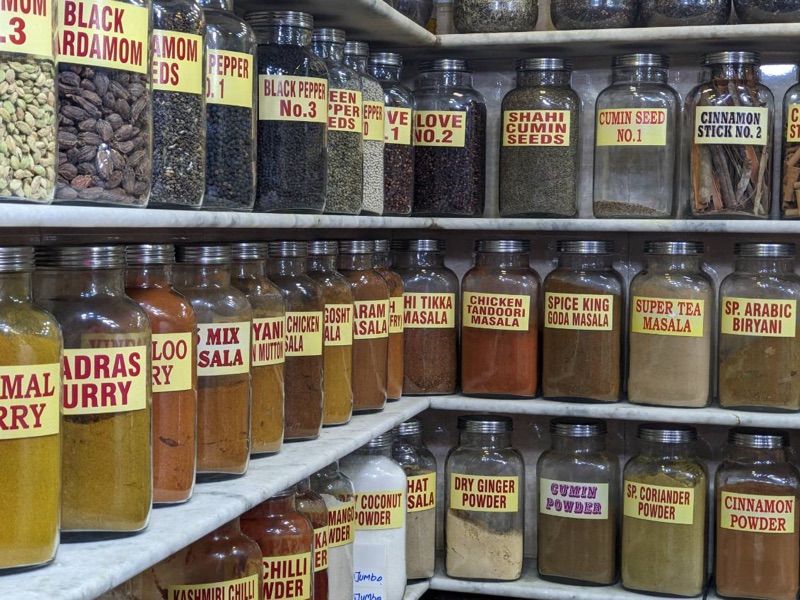
The Crawford Market sells everything including food, pets, & spices.

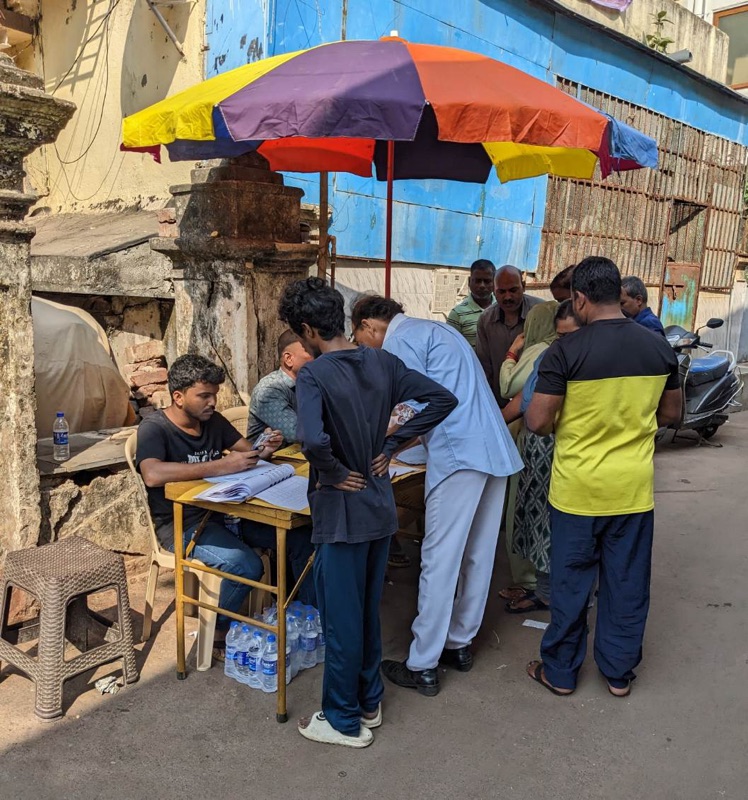
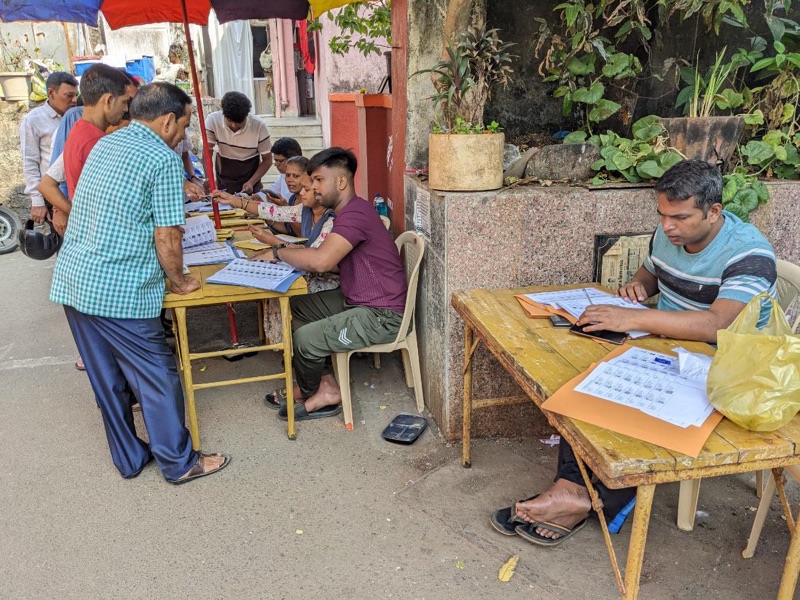
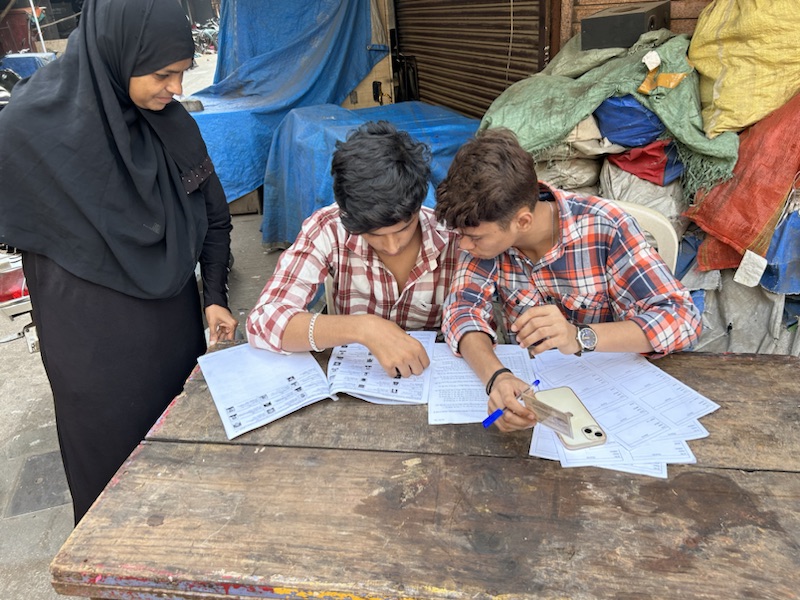
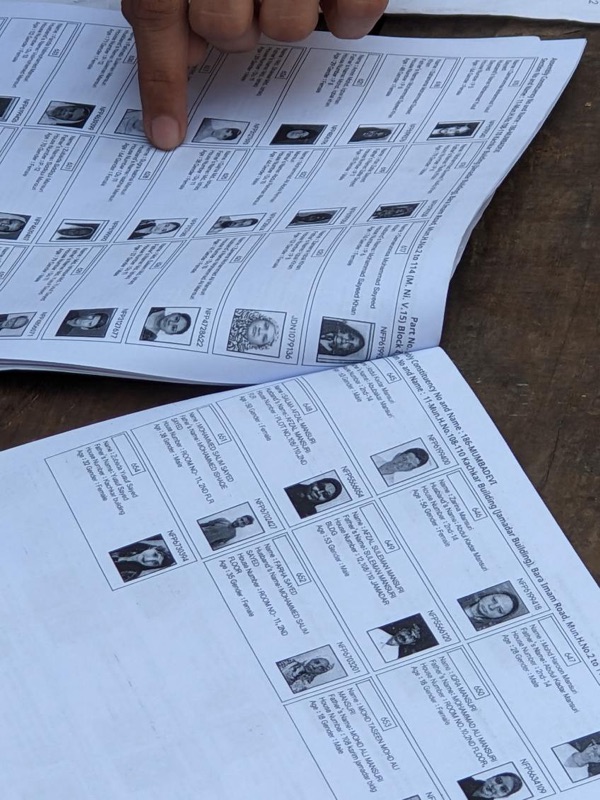
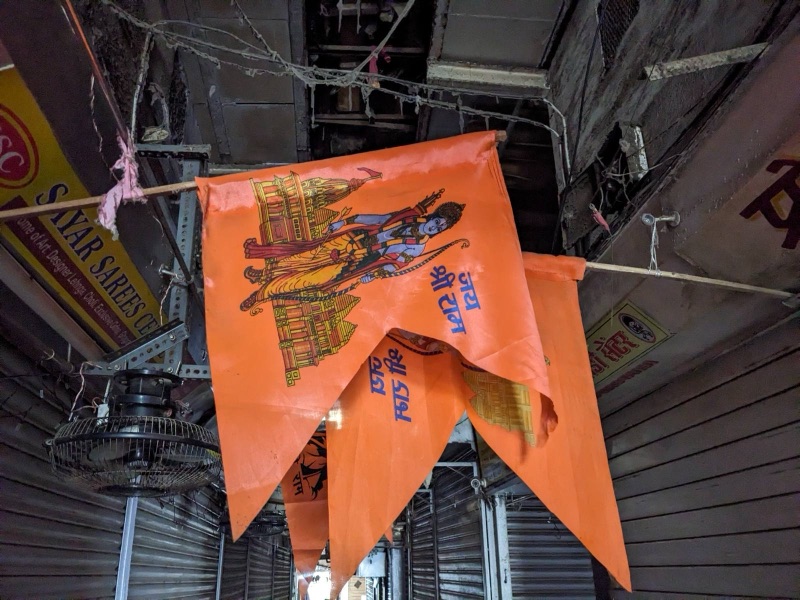
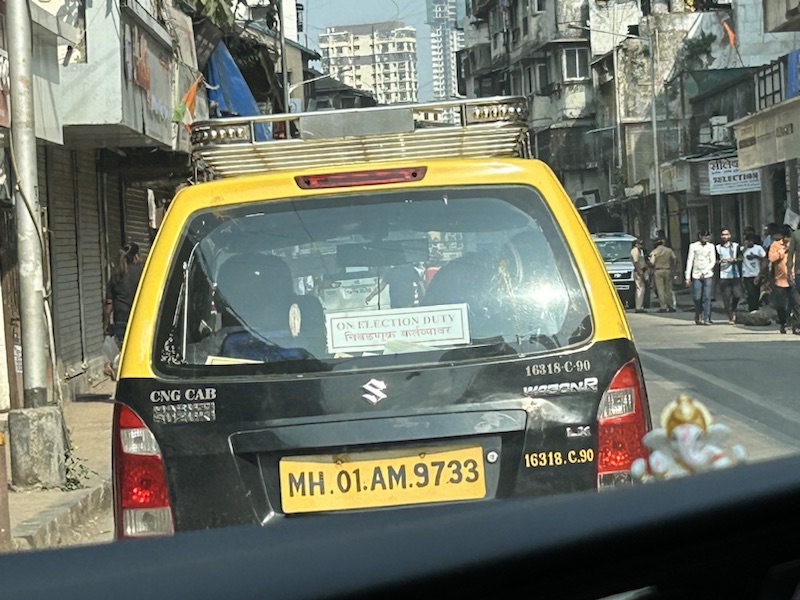
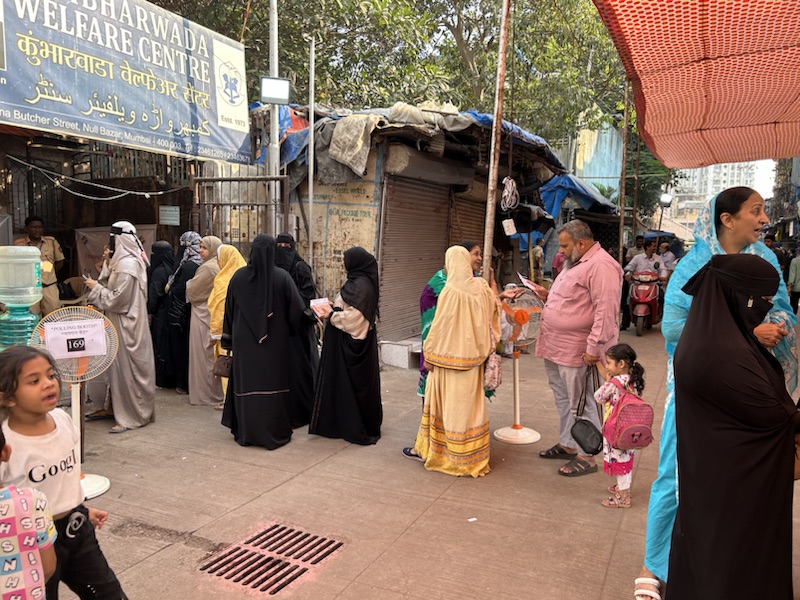
We just so happened to be in Mumbai on voting day & saw many people working on the election verifying people’s ID so that they can go to the polling place to vote.

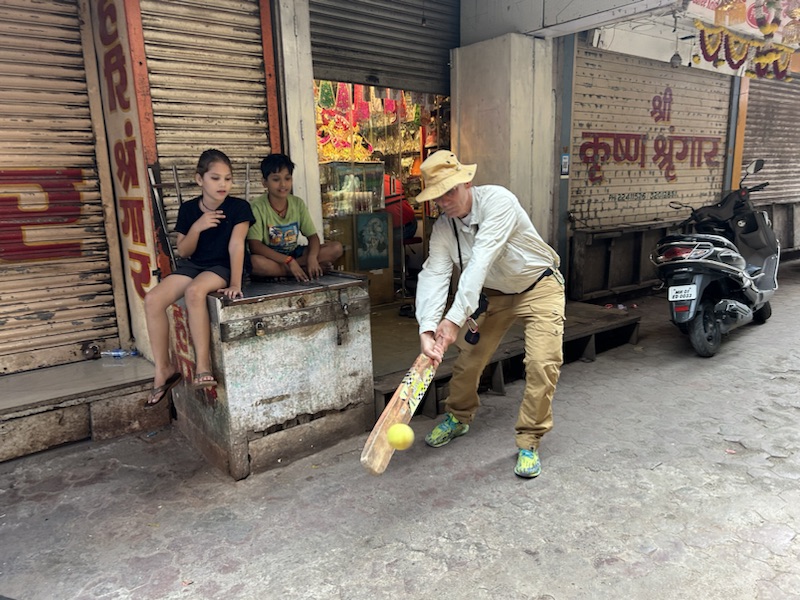
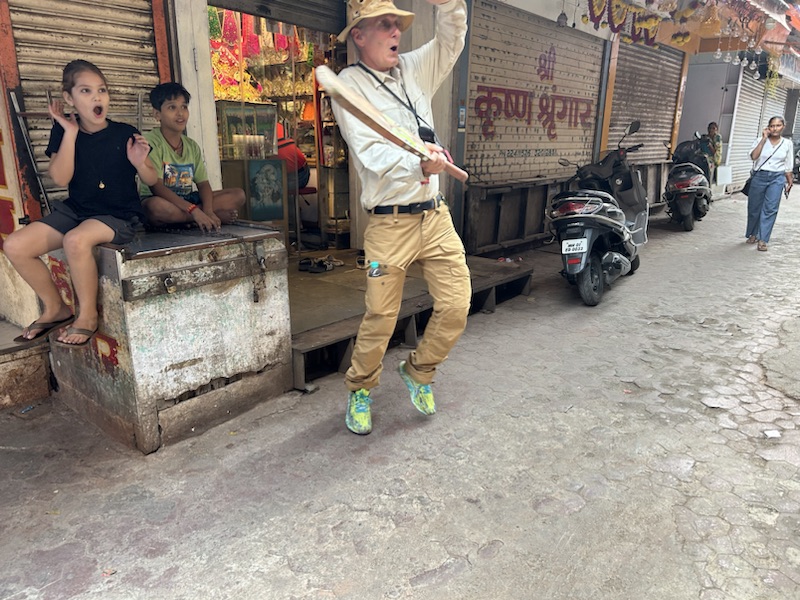
Always good to take some time to have fun with the locals.

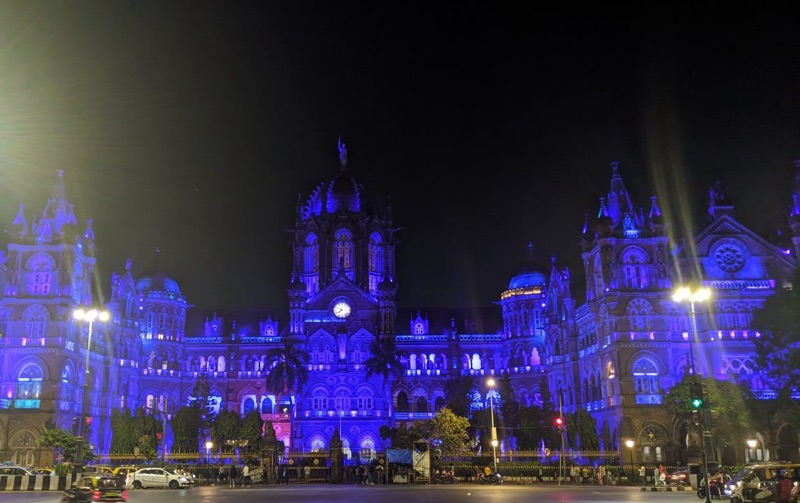
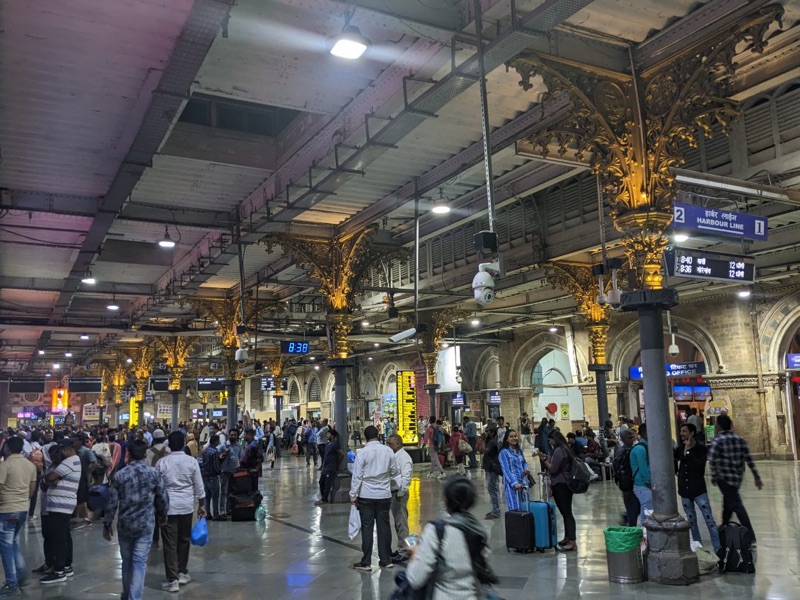
One evening we visited the famous Victorian Terminus Station which due to its unique construction is also a UNESCO site. With gold inlays & plating along with intricate carvings & statues, it was the most expensive structure the British built in India.

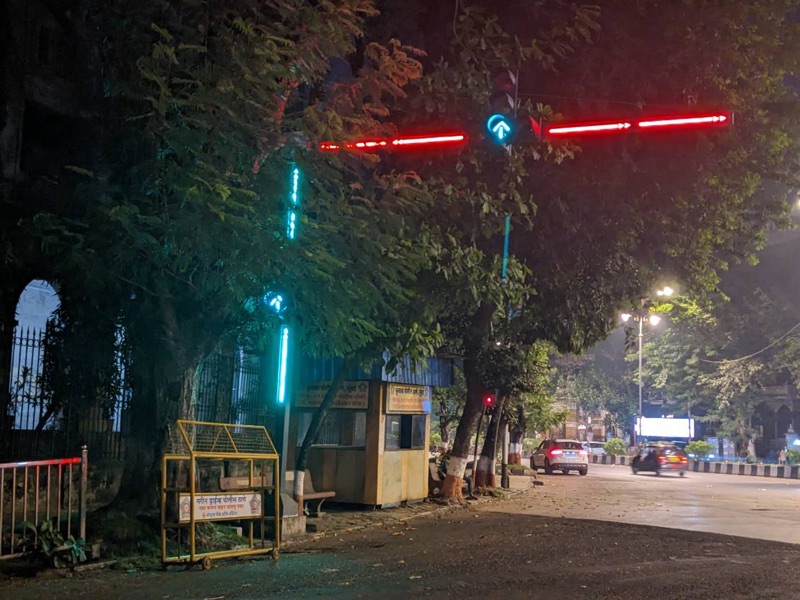
Check out the stop lights. Makes them easier to see, especially at night.

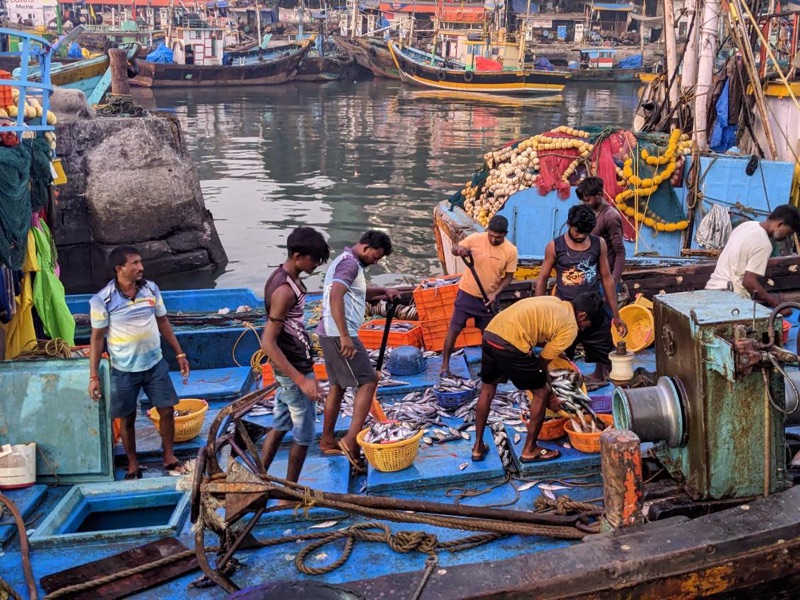
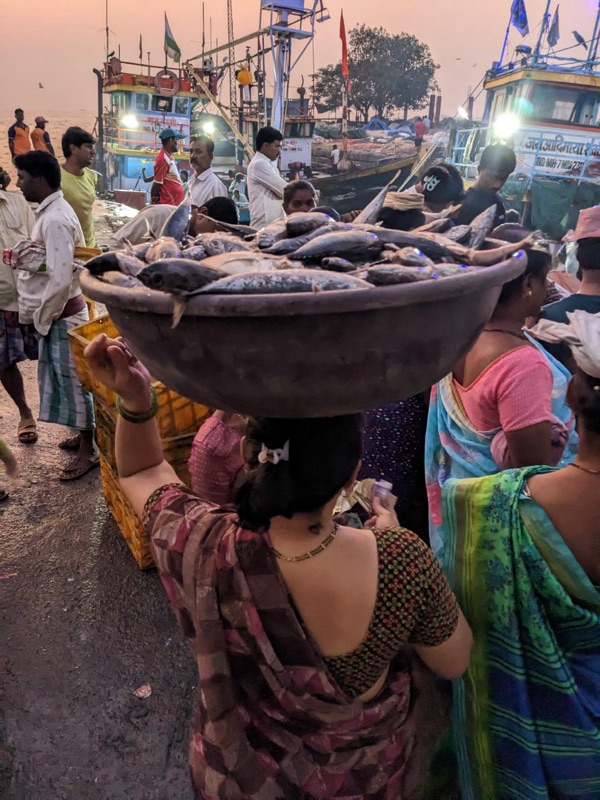
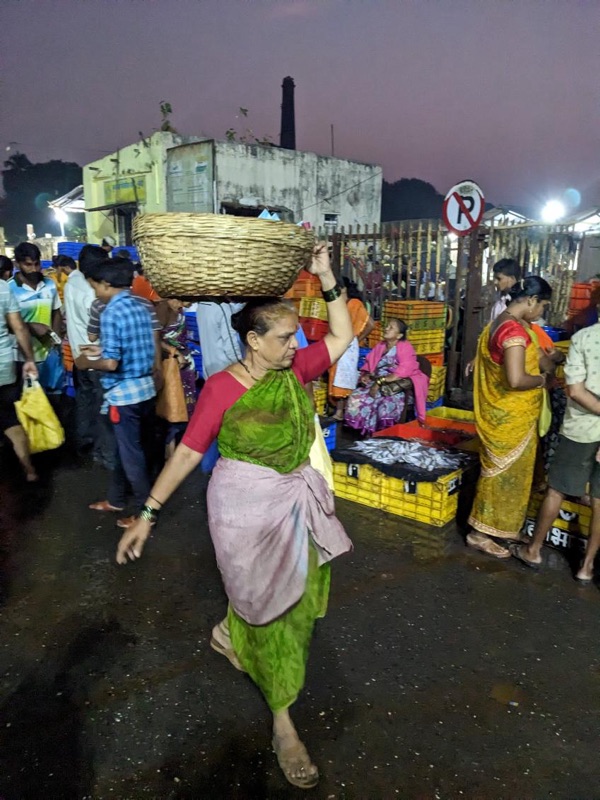
One morning we got up early to visit another fish market.

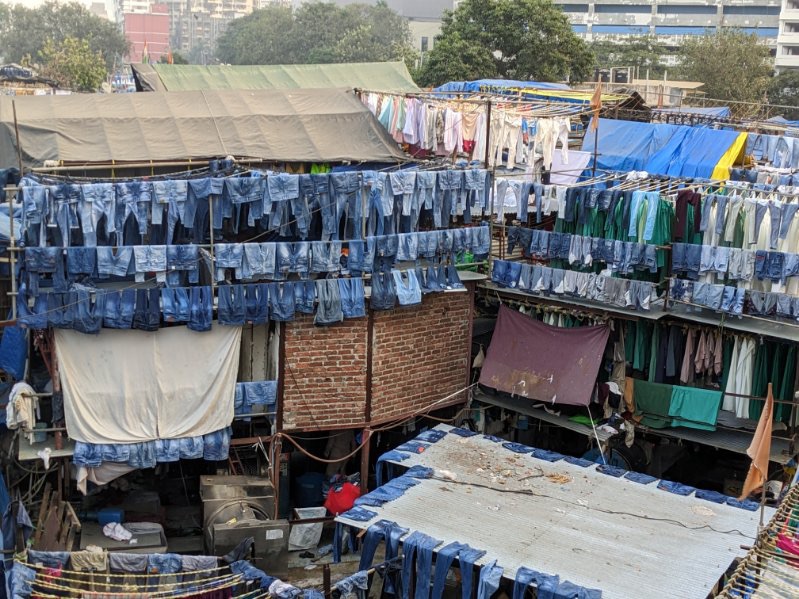
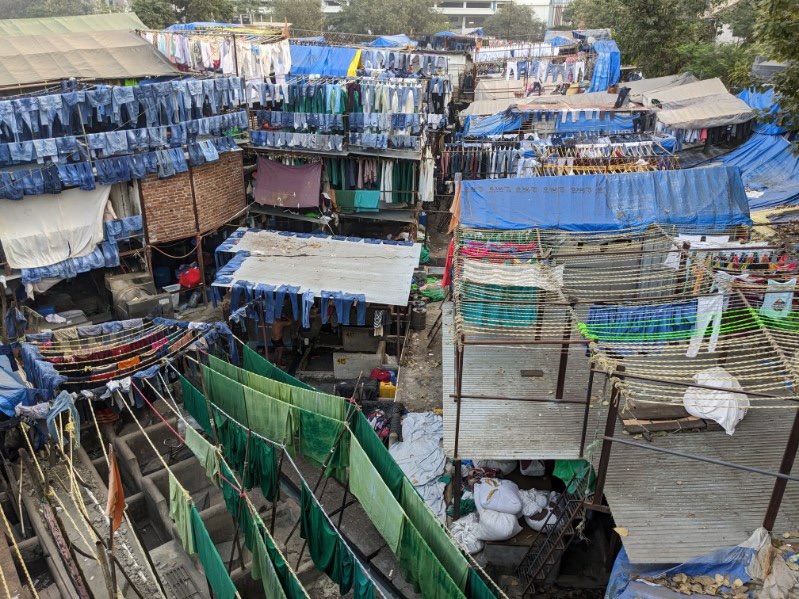
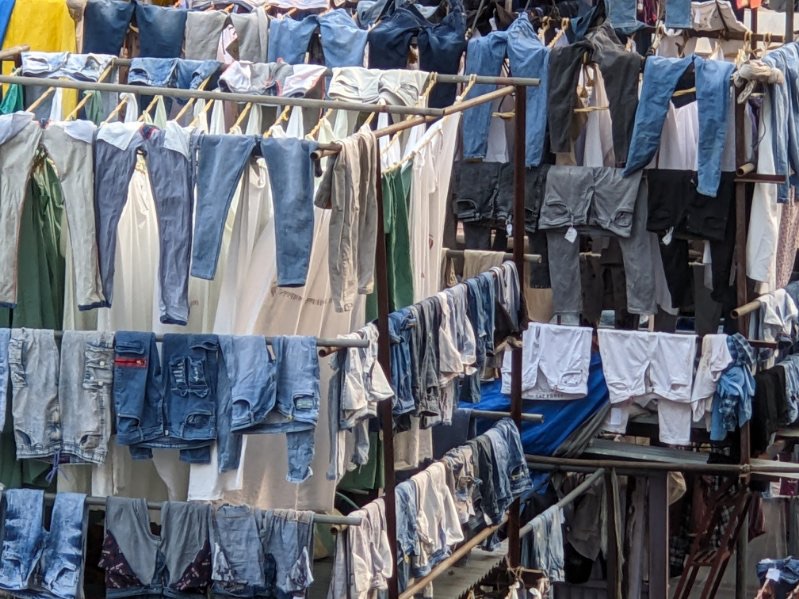
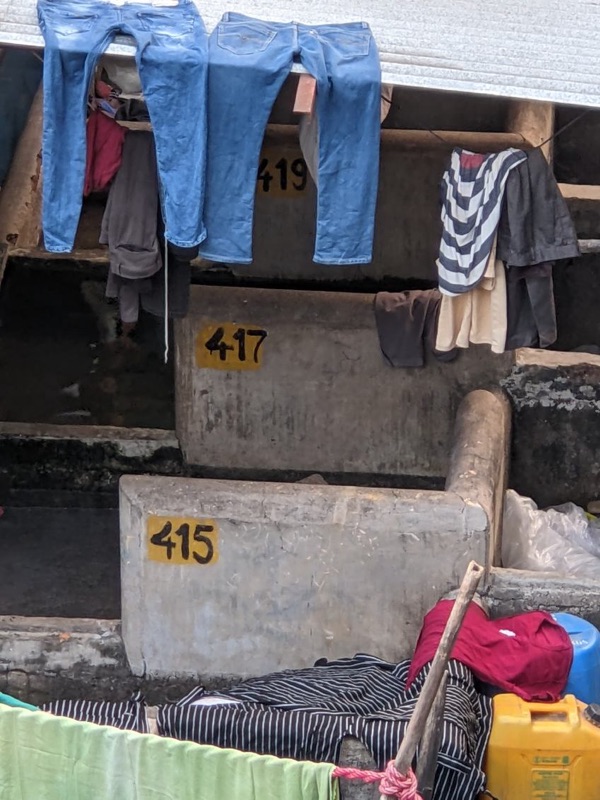
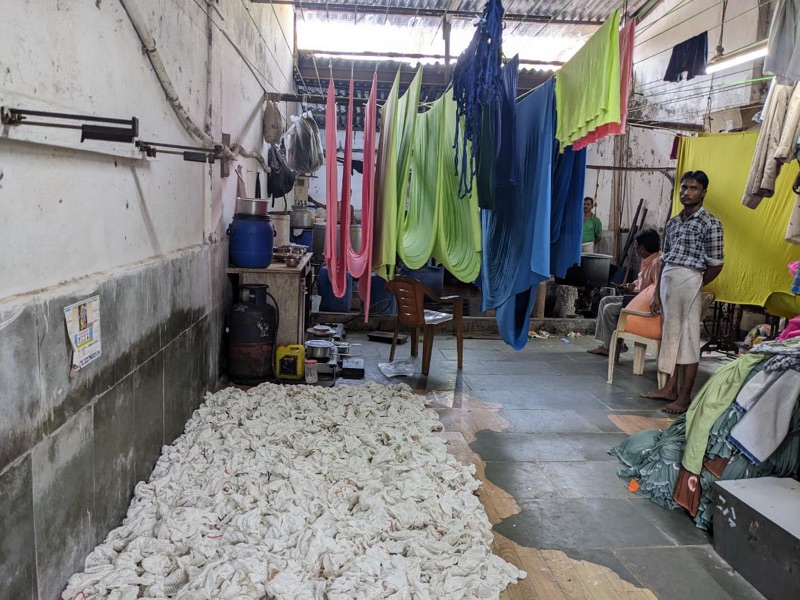
Next we saw the laundromat… Mumbai style. This area is Dhobi Ghat which means “a place where washer men clean clothes & dries them.” It is the world’s largest open air laundry. Clothes are collected in neighborhoods, then labeled by number by customer. The clothes are then washed, dried, ironed, & delivered back to the owner.

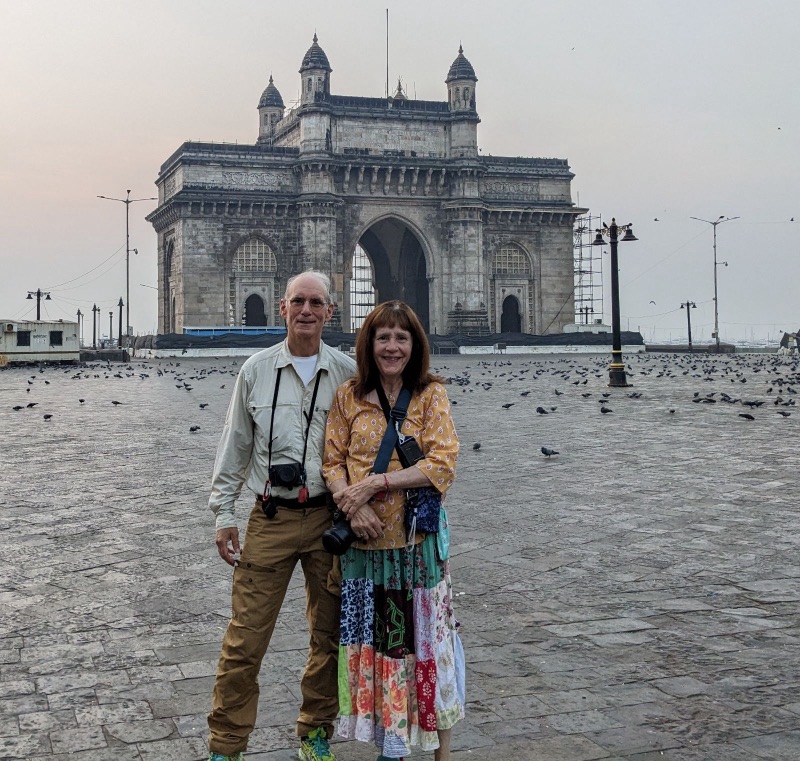
No trip to Mumbai is complete without seeing the Gateway to India. The Gateway to India was finished in 1924 to commemorate the 1911 visit to India by the British Monarch George V & his wife Queen Mary.

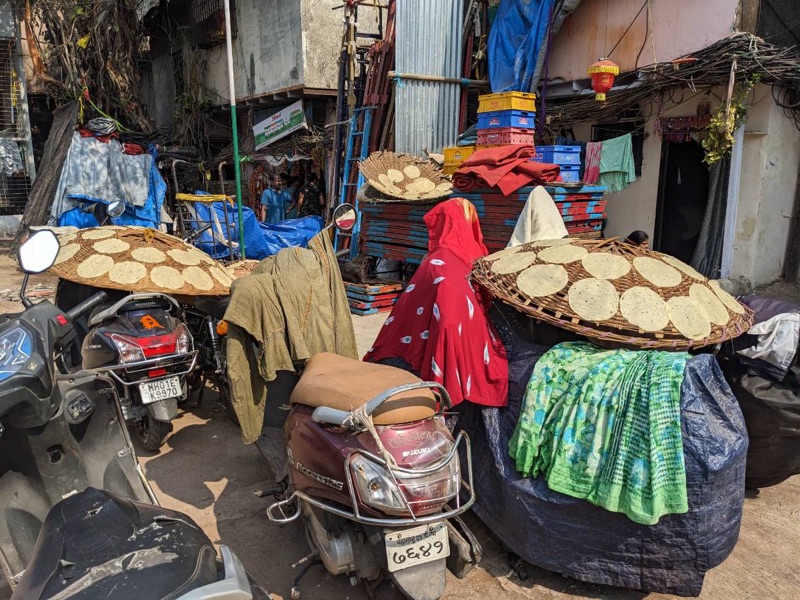
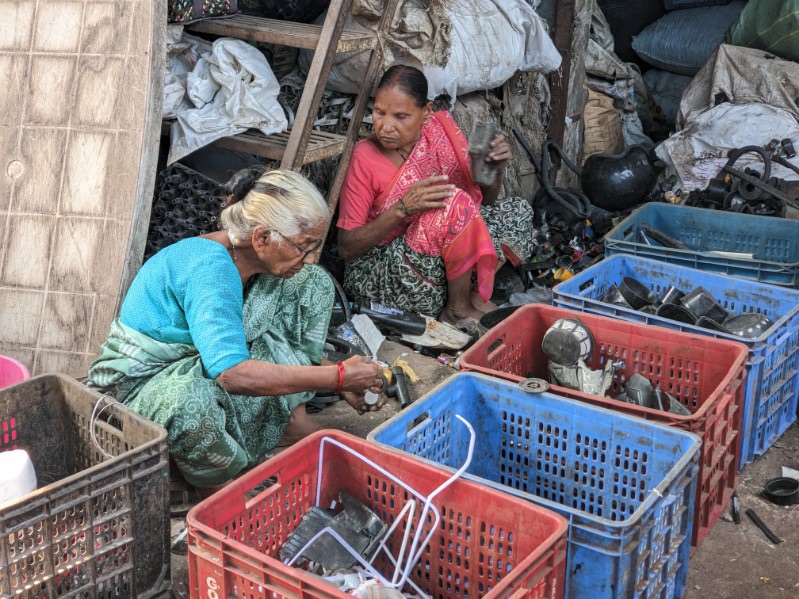
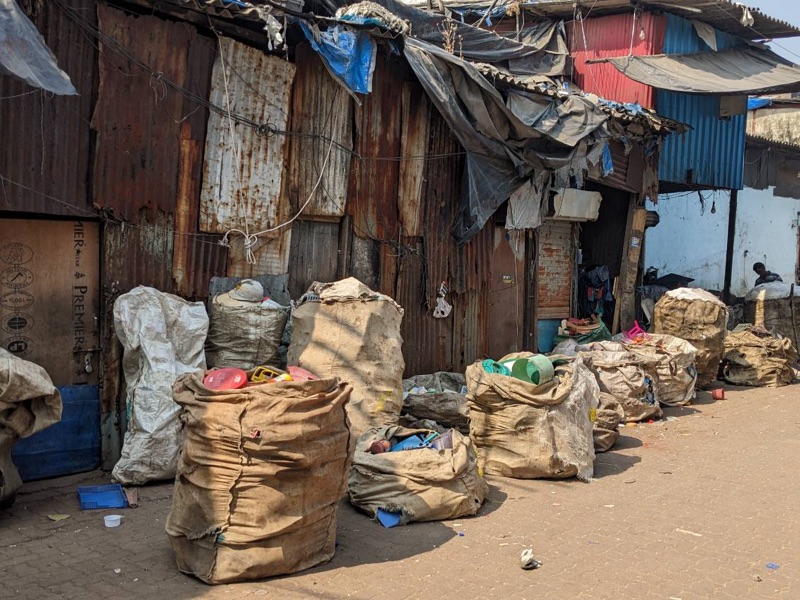
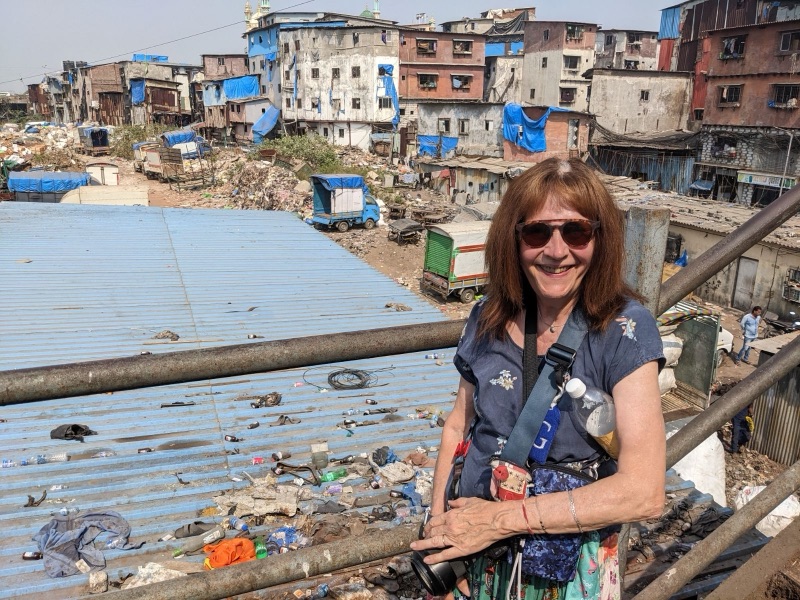
Our last major stop was to one of the various Mumbai slums. The slum we visited is where over a million people live & is also where their jobs are. Because labor is VERY cheap, everything from having your vegetables chopped to having clothes made is done in the slums.

This is also where America’s plastic goods come to be recycled. China no longer takes this waste, so now it comes to India to be washed, sorted, & chopped into small pieces before going to factories to be melted & reused.

Hard to believe people live & work here; but, thankfully schools are nearby & we didn’t see any children working in the shops.
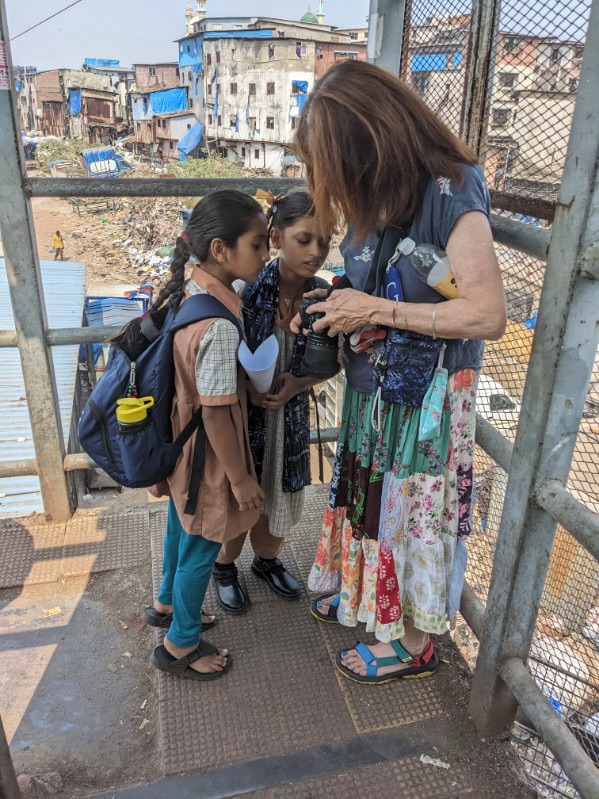
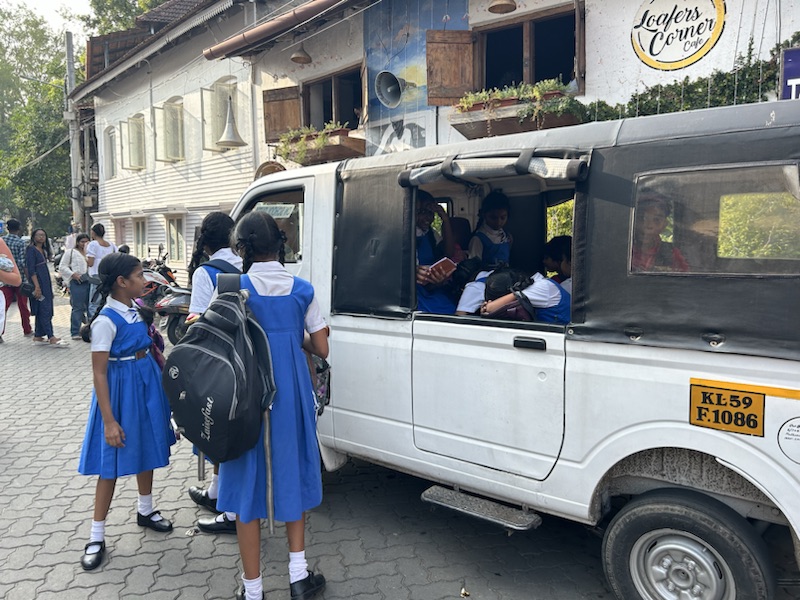
Two young girls on their way home from school wanted to see their picture in my camera. Cute 🥰

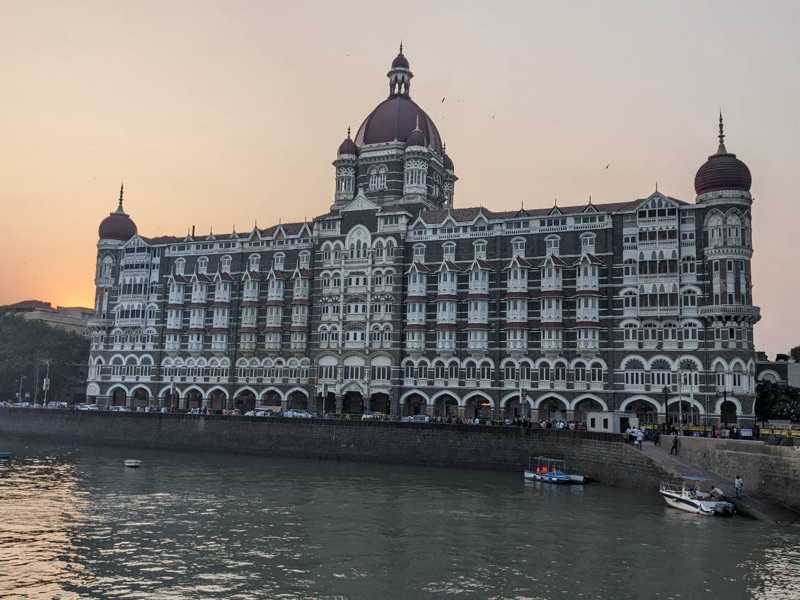
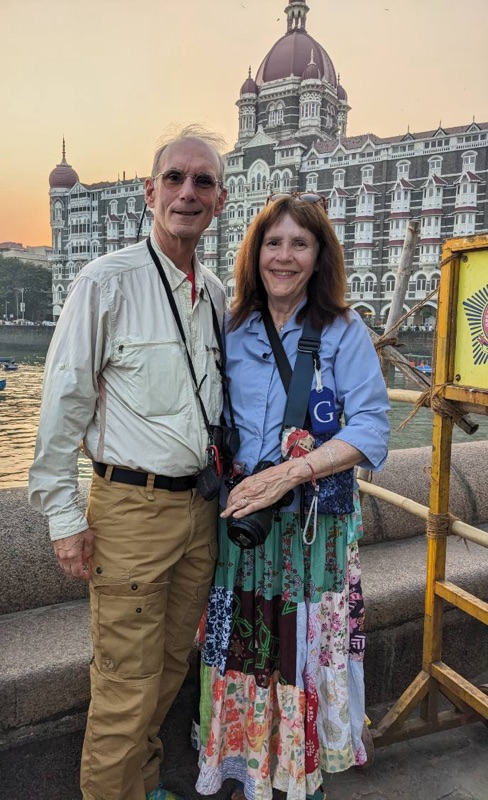
We ended our stay in Mumbai visiting the Taj Mahal Palace Hotel which is next to the Gateway of India.

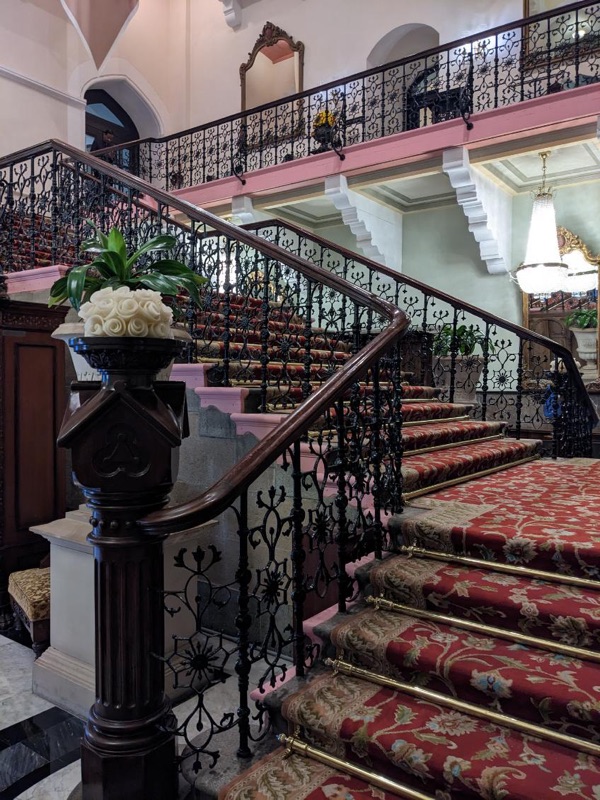
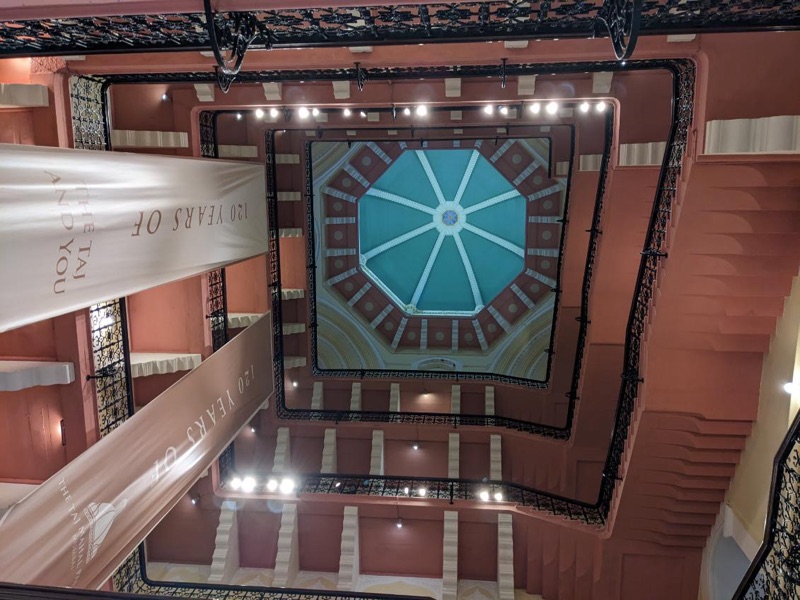
The beautiful Taj Mahal Palace was built in 1903. It is just as beautiful in the inside as the outside is grand.

Some may remember it for the 2008 terrorist attacks. For this reason every hotel, we have stayed at has very high security.

With Thanksgiving just around the corner in the US, this means Black Friday is coming too. Here in India they have something different. 😂🤣🤪

Houseboat Cruise in Kerala

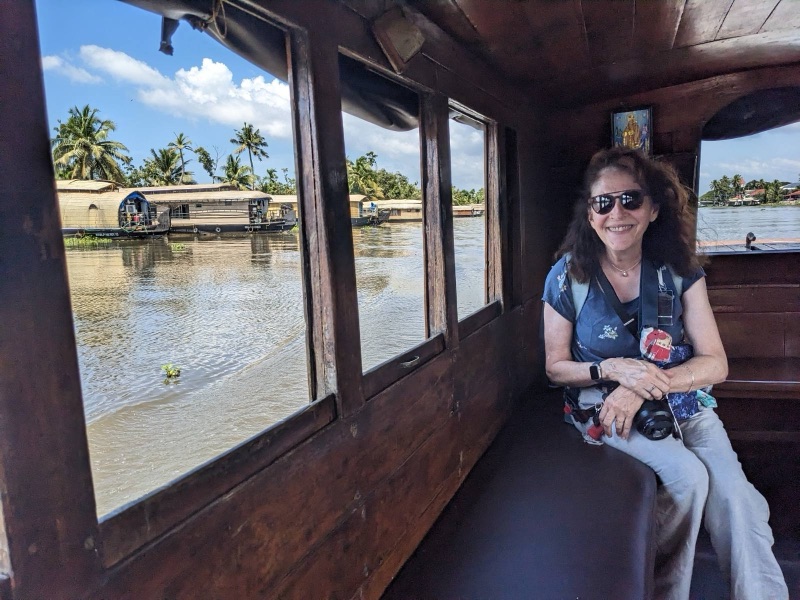
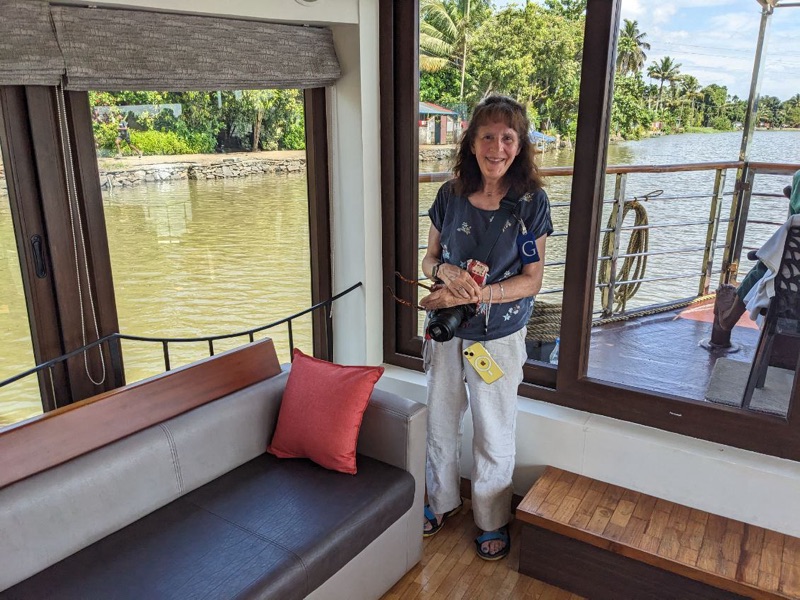
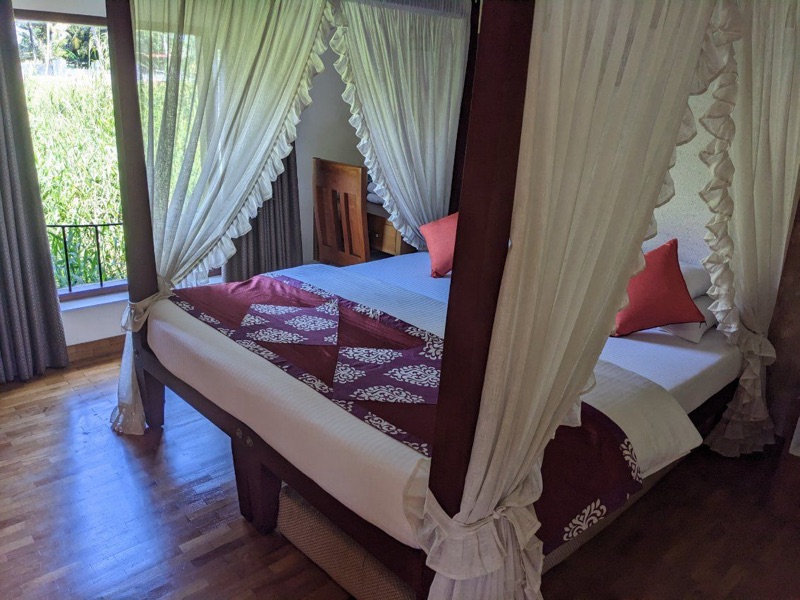
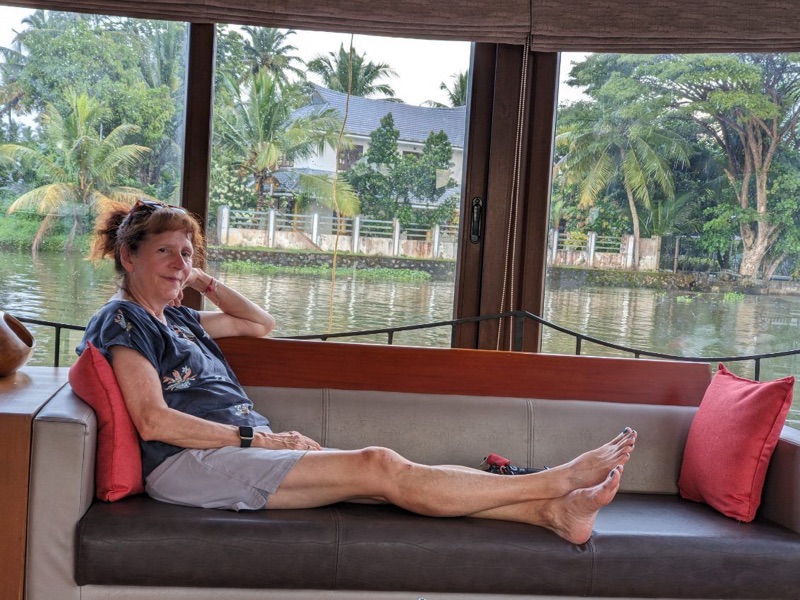
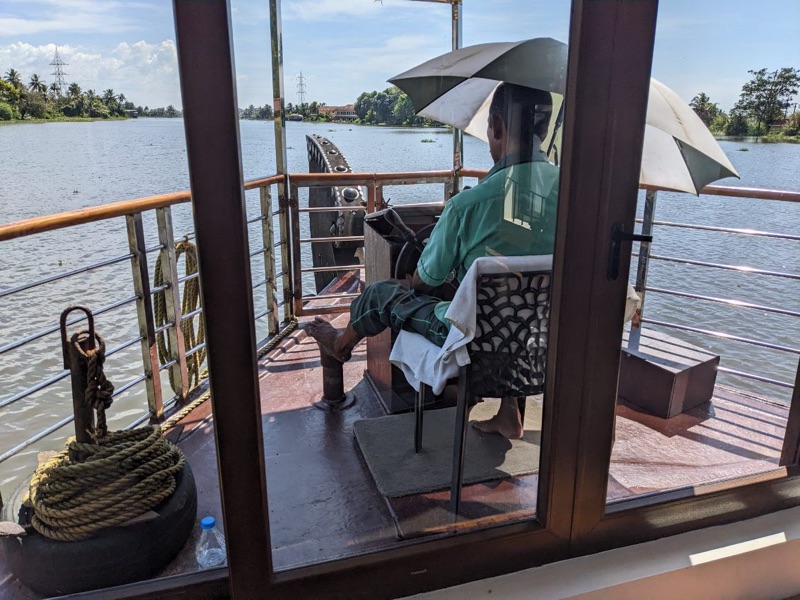
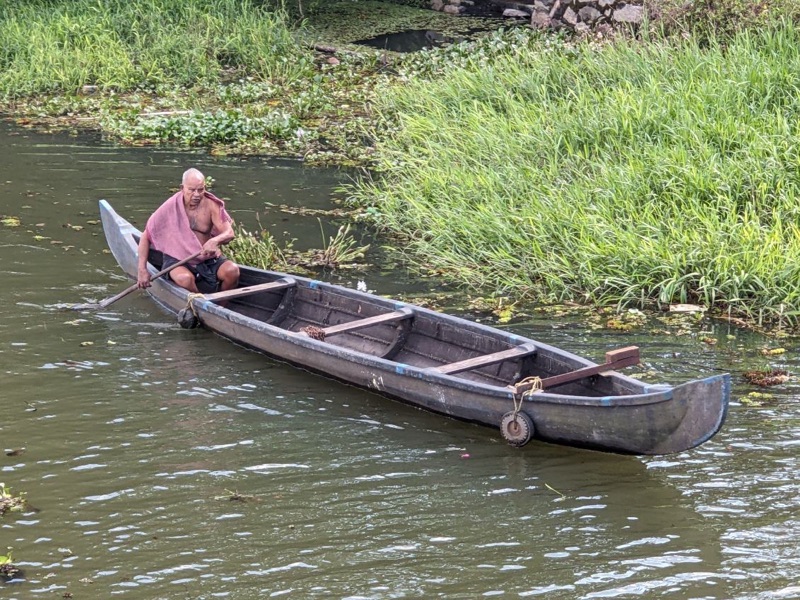
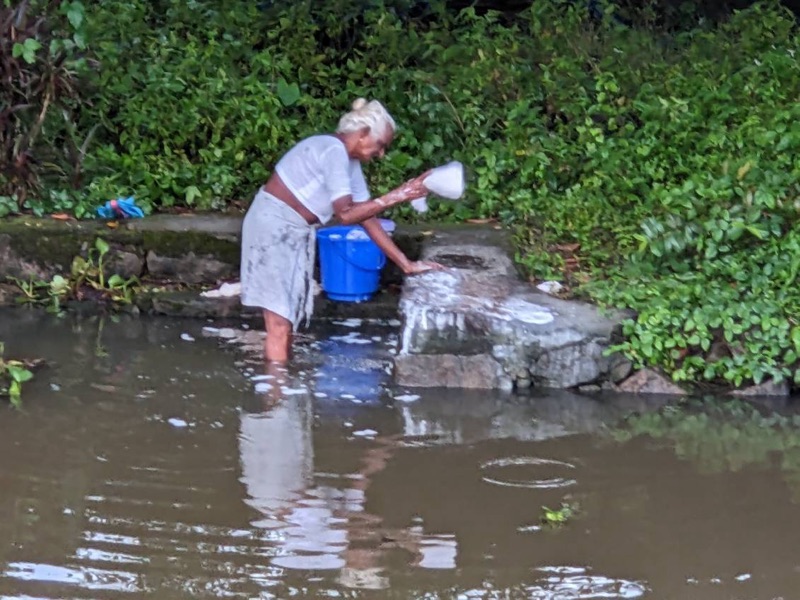
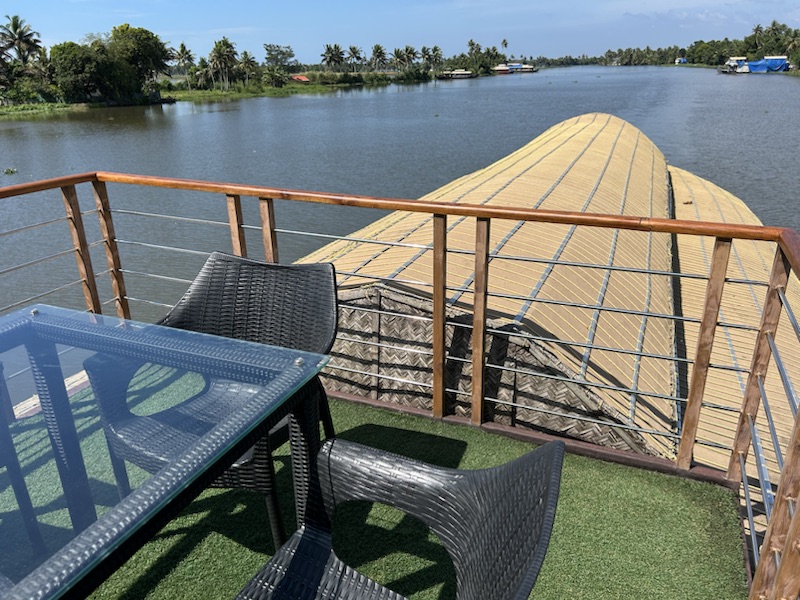
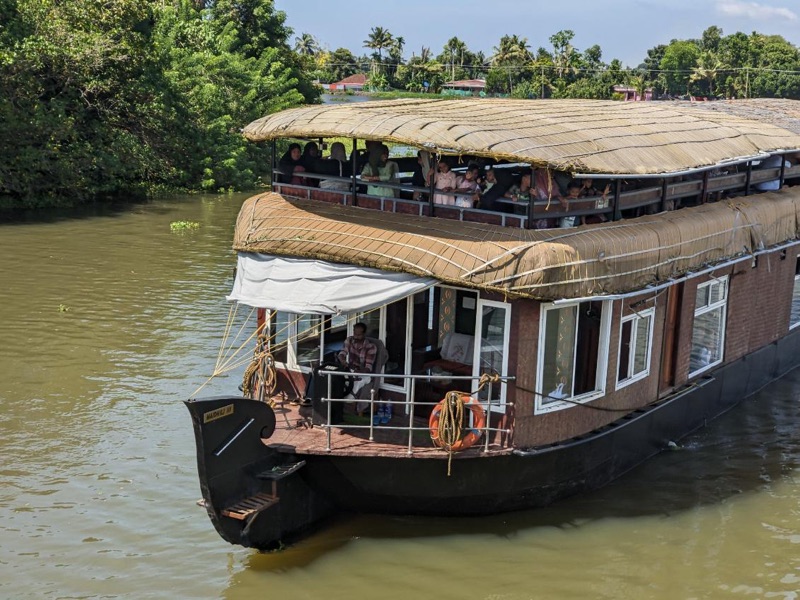
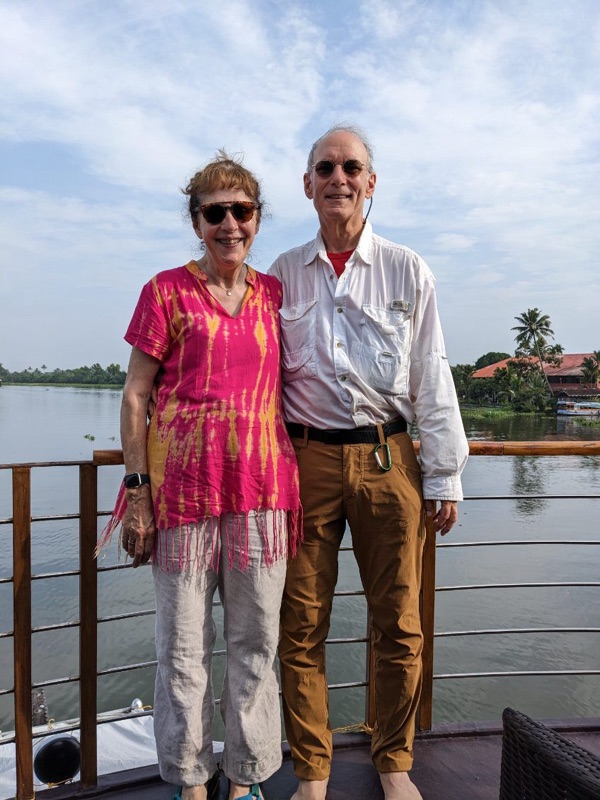
For an extremely relaxing 20 hours we had our own houseboat to cruise the lagoon, river, & canal backwaters south of Cochin.

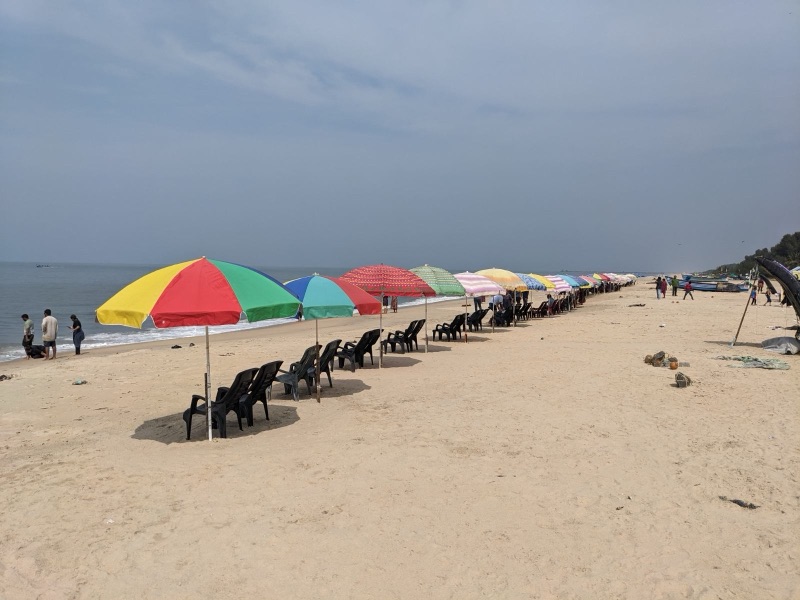
It took our driver about 2 hours to drive us to Allepey. Along the way we passed many small villages with short glimpses through the palm trees revealing sandy beaches along the Indian Ocean.

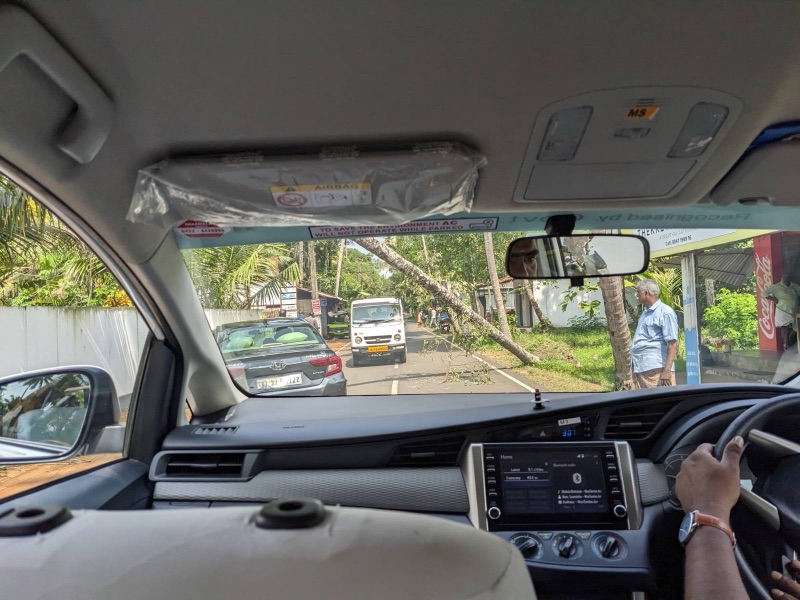
Fallen tree was a hazard along the road

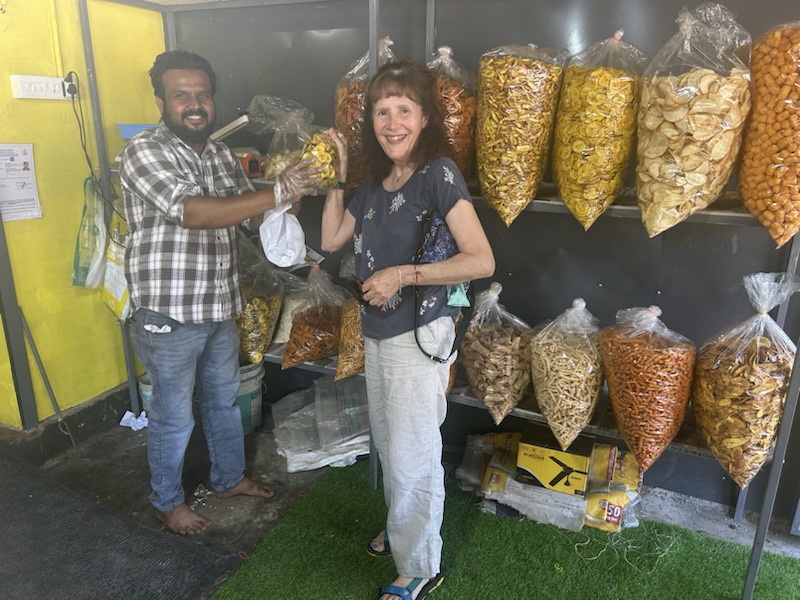
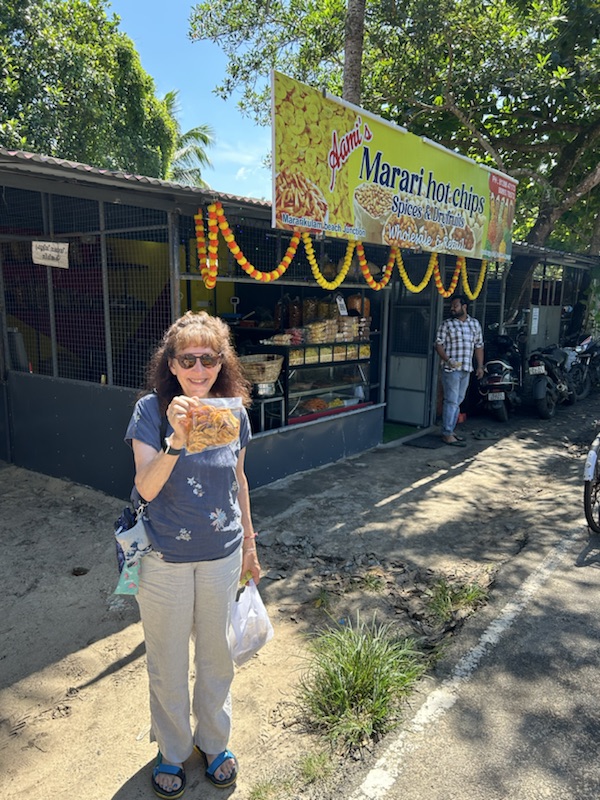
I saw a sign that said “Hot Chips.” I asked our driver what it meant & he said, “banana chips.” I thought it sounded like a great place to get some local junk food, so we stopped. Every thing we sampled tasted good; but, I only picked two kinds.

Once we arrived, a small power boat shuttled us to our private houseboat.

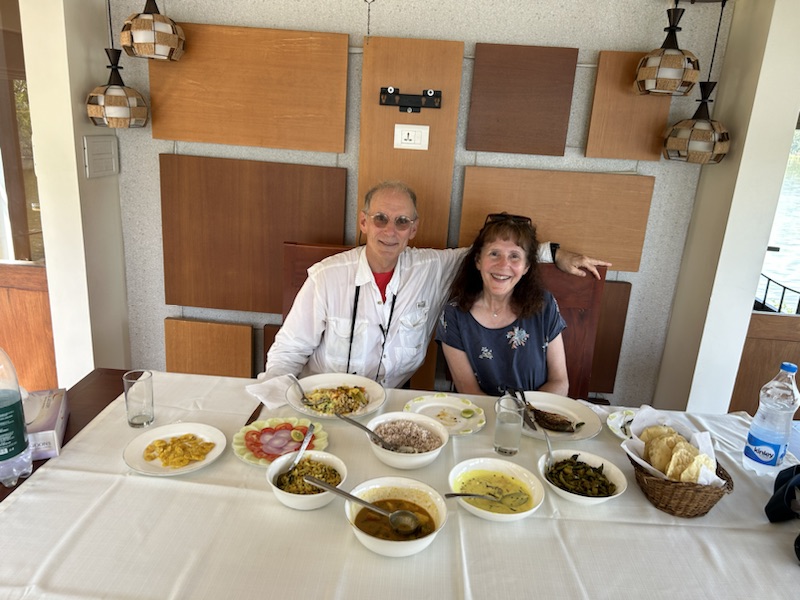
Over the next day, we enjoyed wonderful local meals & time to relax without all the loud, hustle bustle in the city.

A three man crew took care of us.

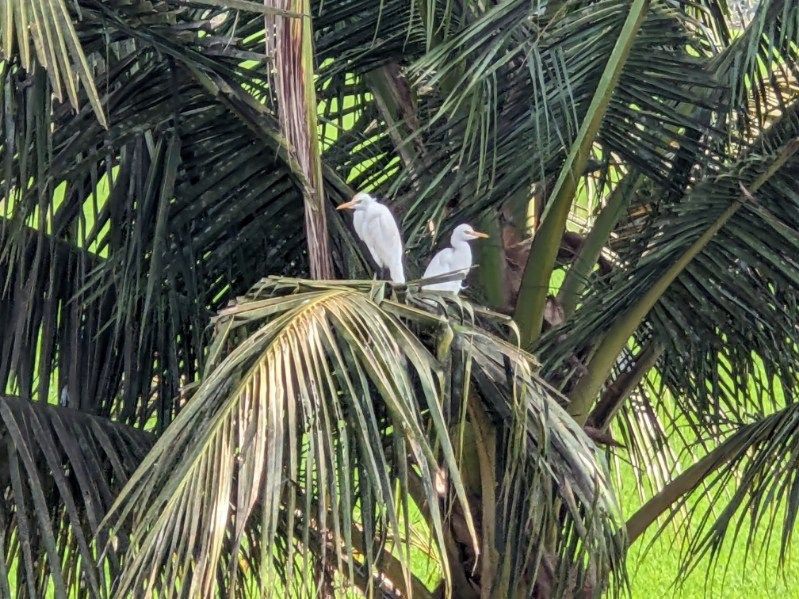
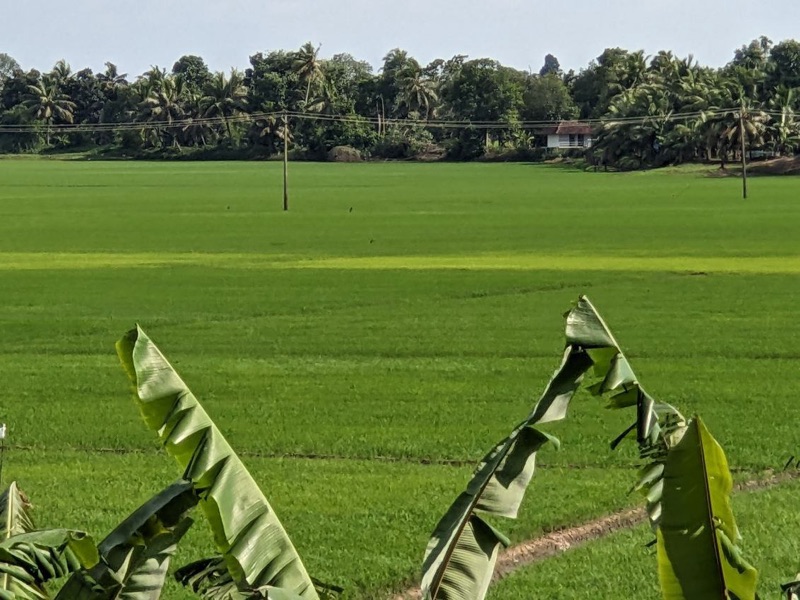
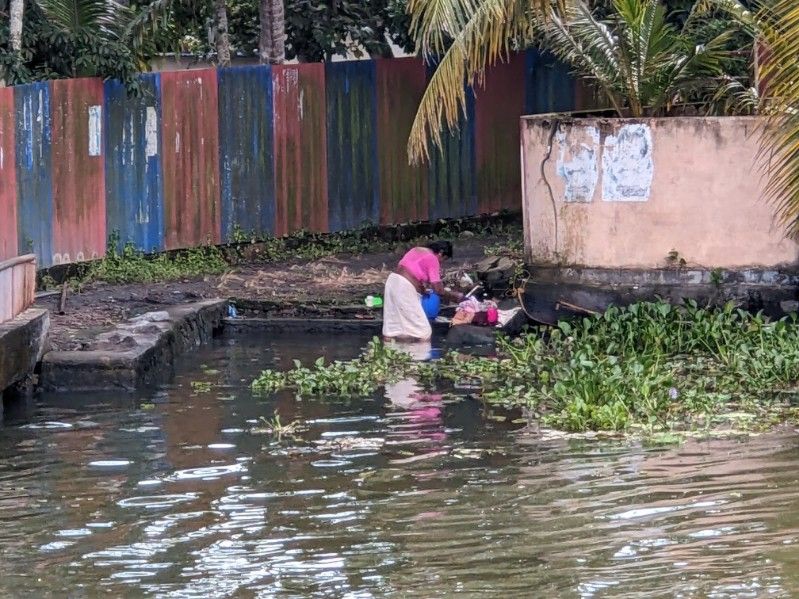
The view was always interesting.

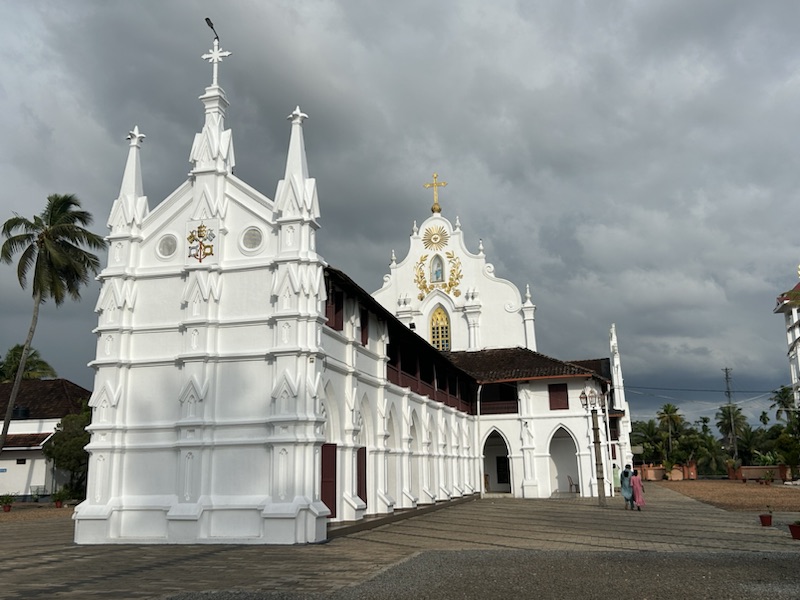
We made one stop where we saw the oldest church in India which was founded in 427 CE during the Roman Empire.

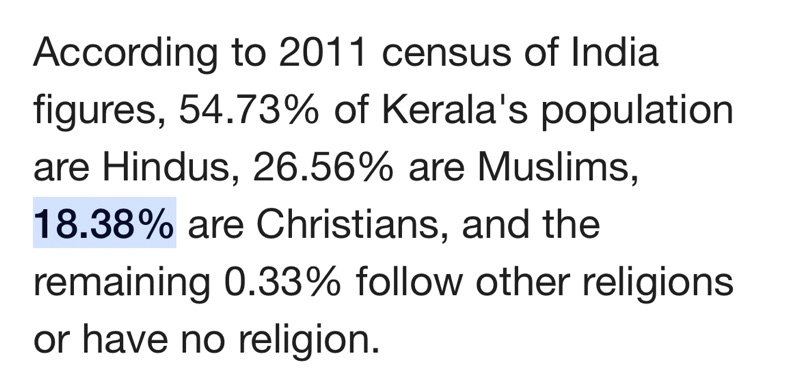
About 2% of Indians are Christians; but, the % is much higher along the coast in Kerala due to the long European influence. We saw many churches on our drive to & from the houseboat.

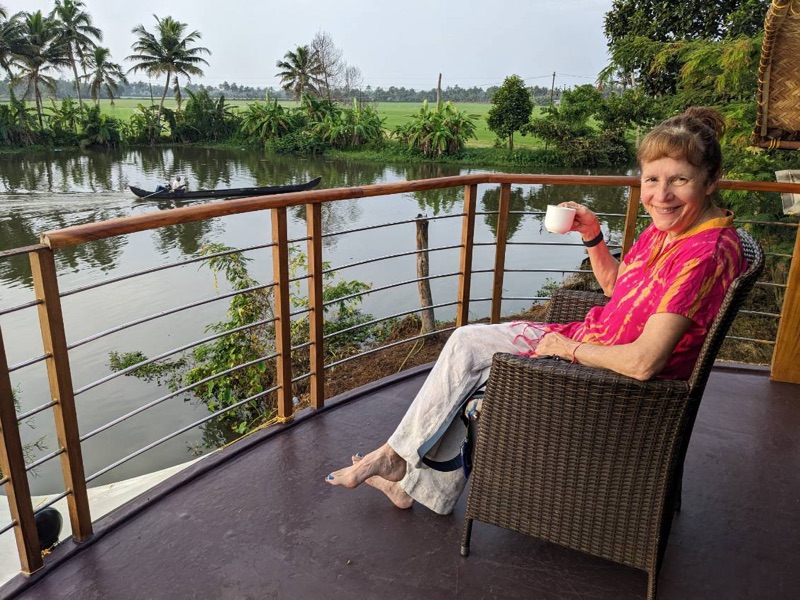
It was a wonderful & peaceful way to wake up with a cup of tea.

Great experience.

Cochin (Kochi), India

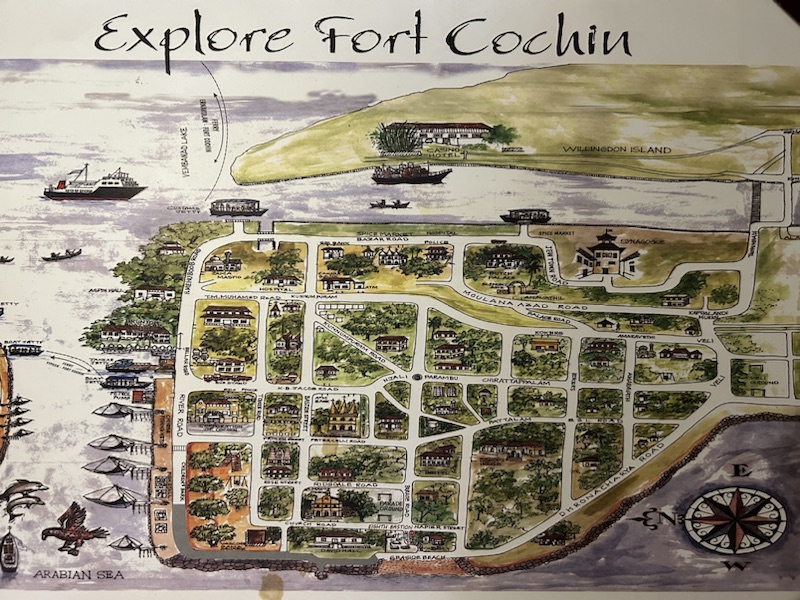
Our next stop in India was historical, coastal city Cochin on the Arabian Sea (Indian Ocean). It is located in the southern Indian state Kerala.

This port city dates back to Roman times; but, a major change occurred in 1498 when the Portuguese arrived opening a direct sea route between Europe and India to export spices. Unlike Columbus 6 years earlier who thought he sailed to India, the sea route to India was established.

Even today Kerala is known to grow the world’s best cinnamon, cloves, & black pepper.

Today it is a thriving port city inviting cruise ships with many Western tourists. Unlike in previous places we visited, we are unremarkable to the locals, so, alas, our 15 minutes of fame has expired. 🤪🤣

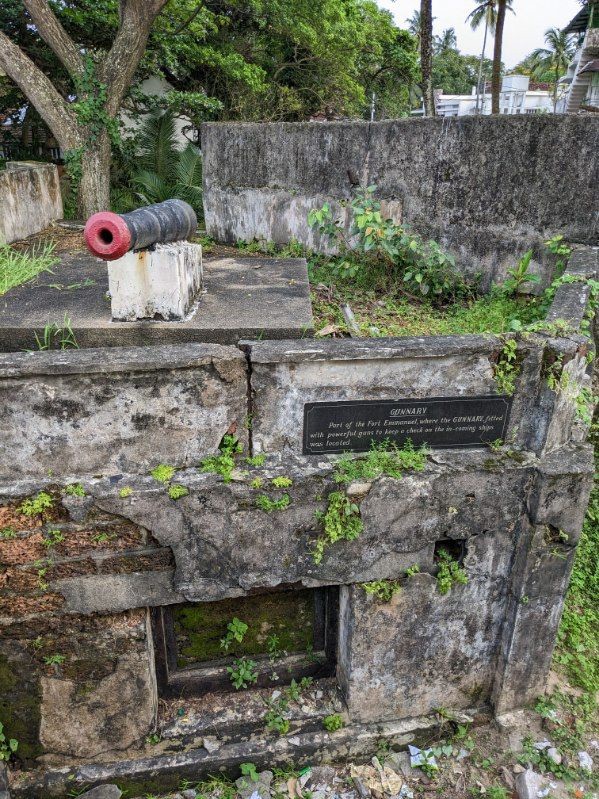
Our hotel is located inside the original Portuguese fort that was later taken over by the Dutch, then the British.

Our hotel was on the southern end on 8th Bastion

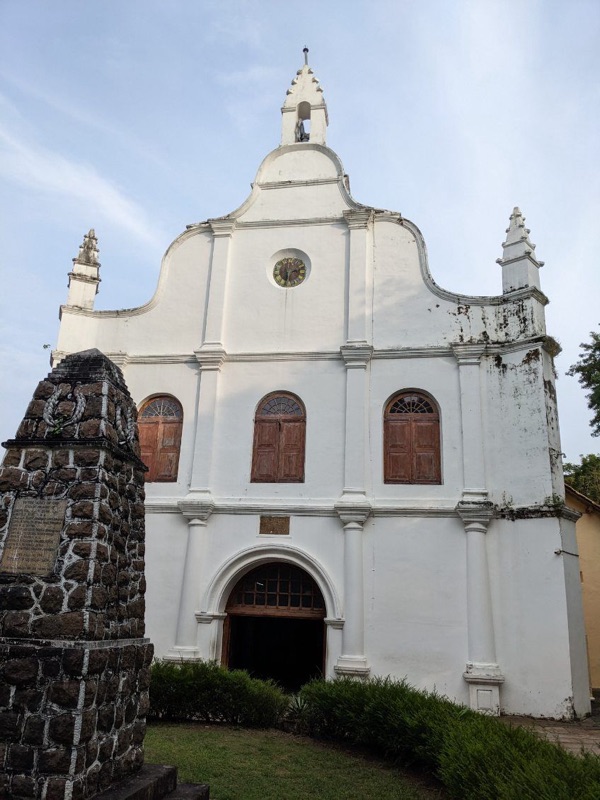
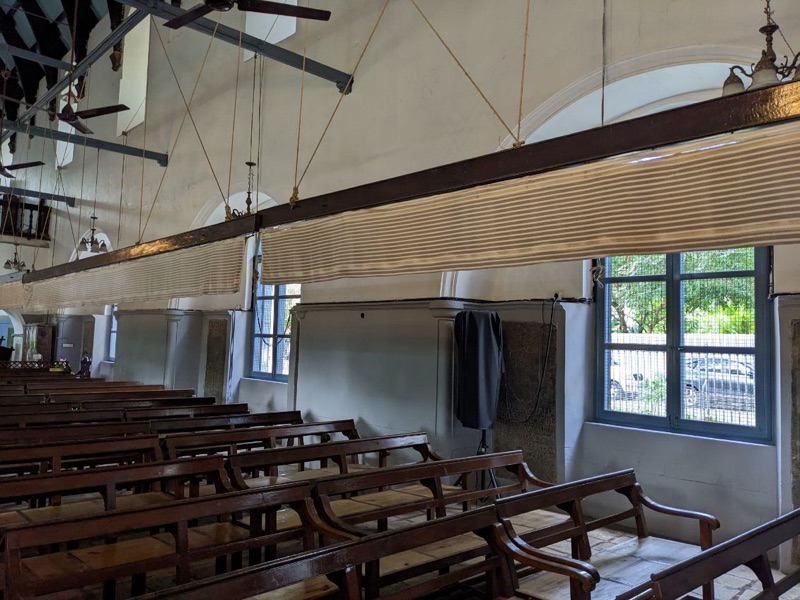
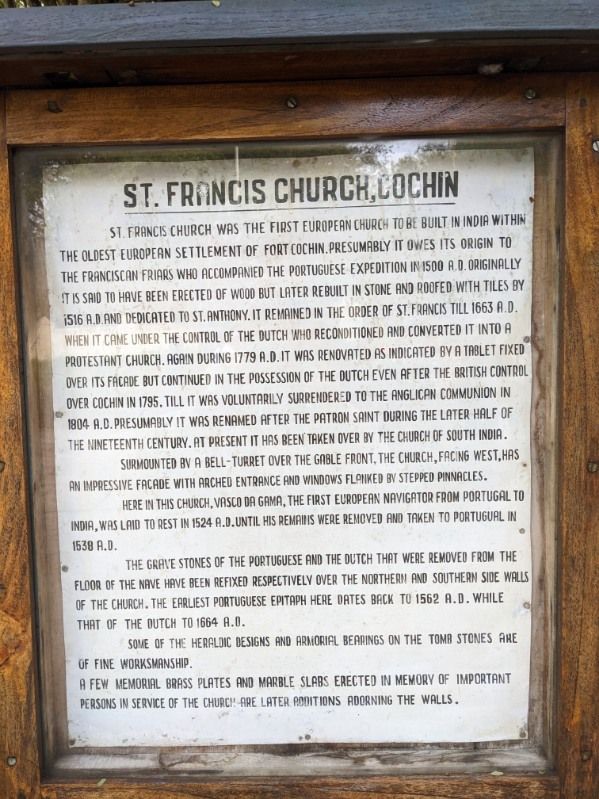
Touring around the old fort, we visited Saint Francis Church which is the oldest European Catholic Church in India.

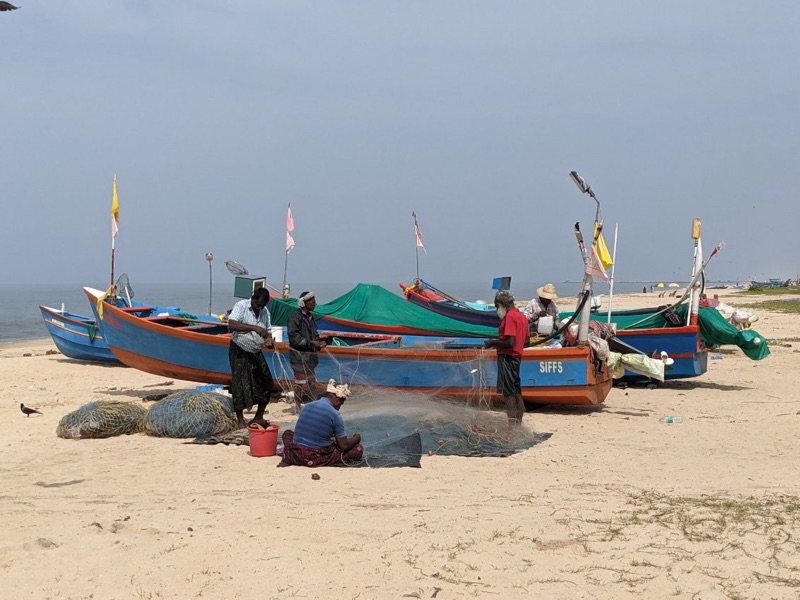
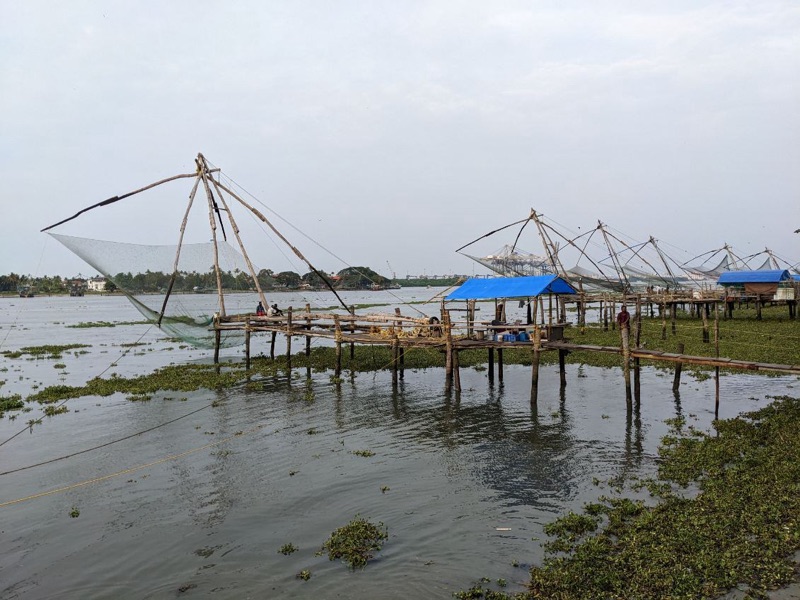
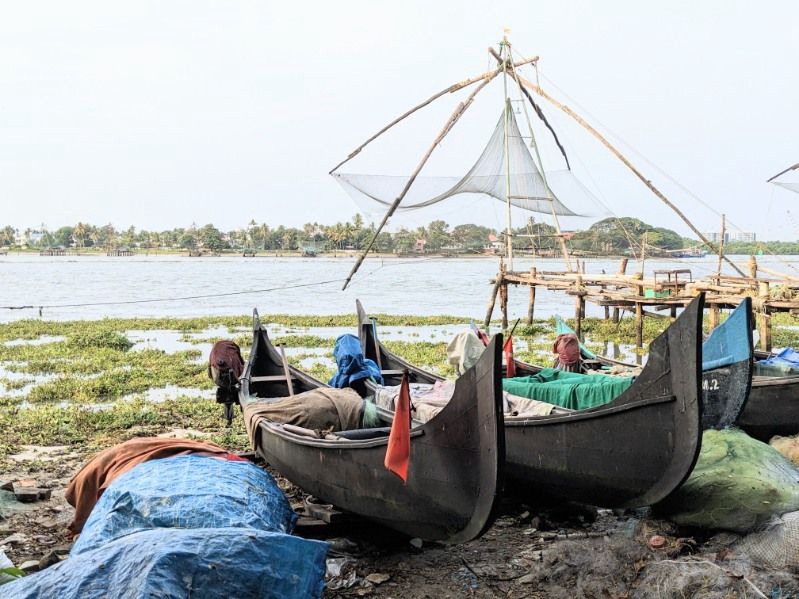
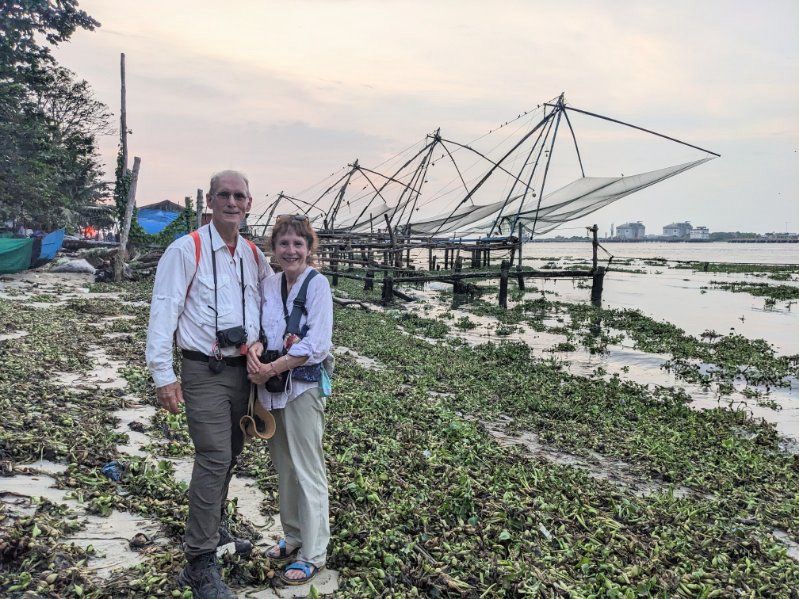
After seeing the church, we walked to the nearby coastline & saw the Chinese fishing nets that are lowered to catch the fish and raised for collection.

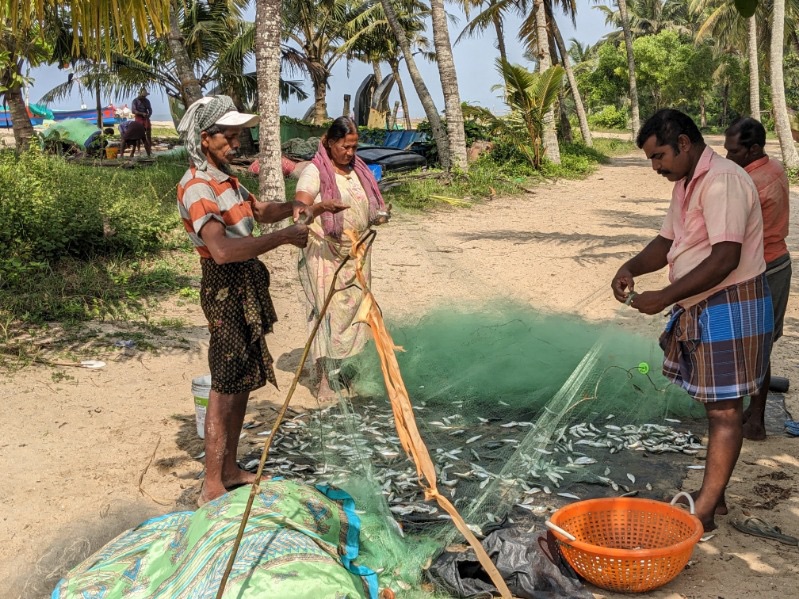
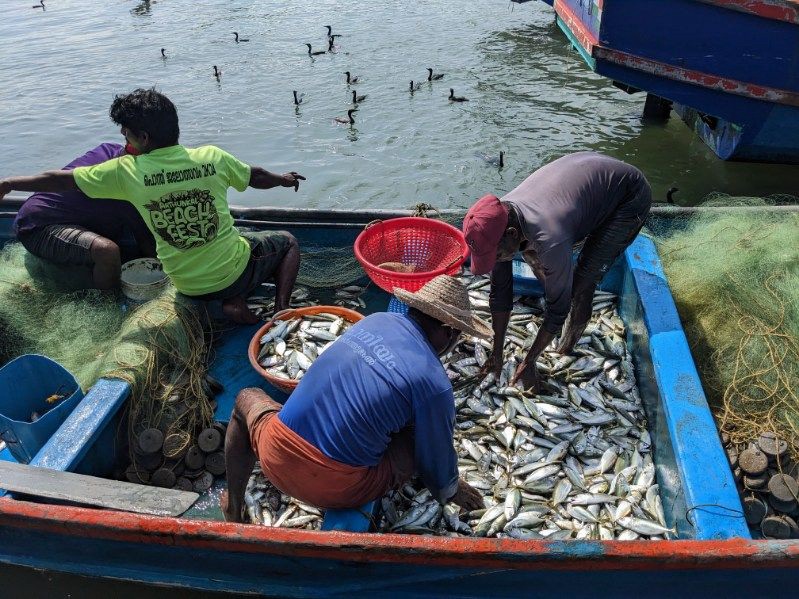
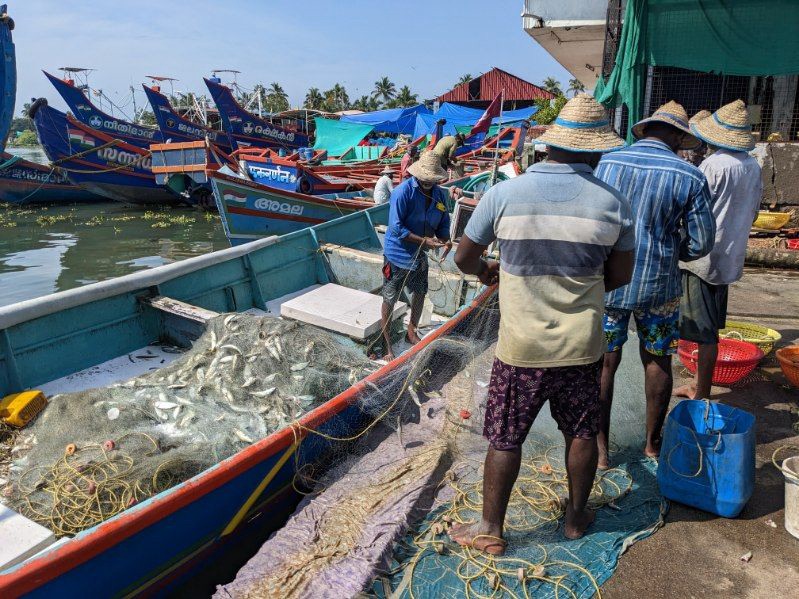
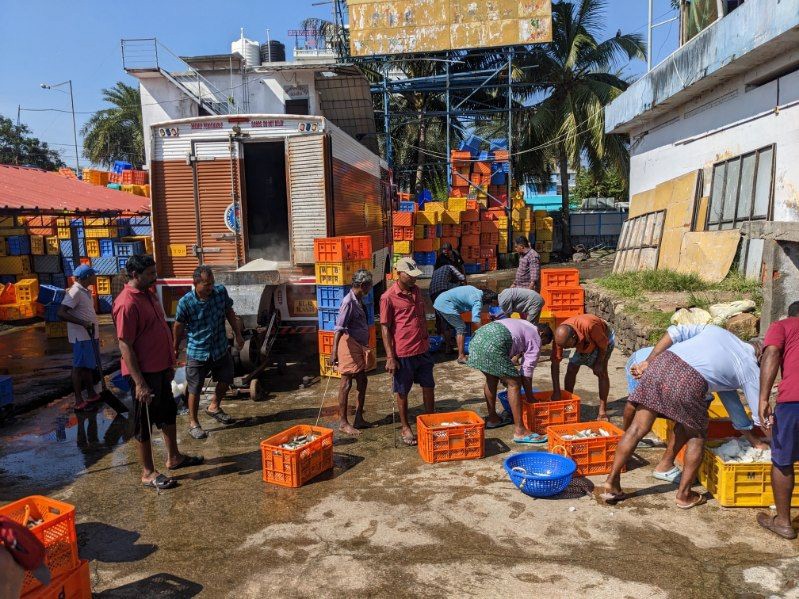
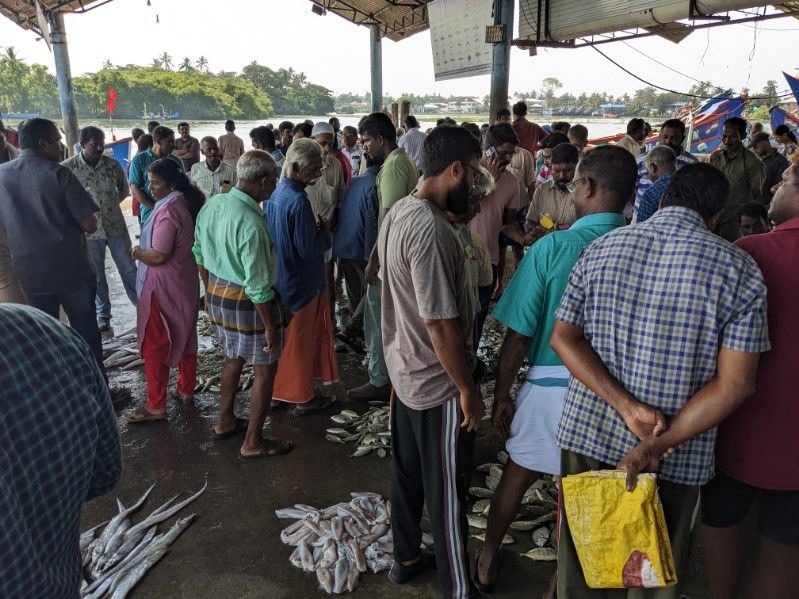
On our first morning, we visited a fish market & saw fishermen bringing in their fresh catch of the day.

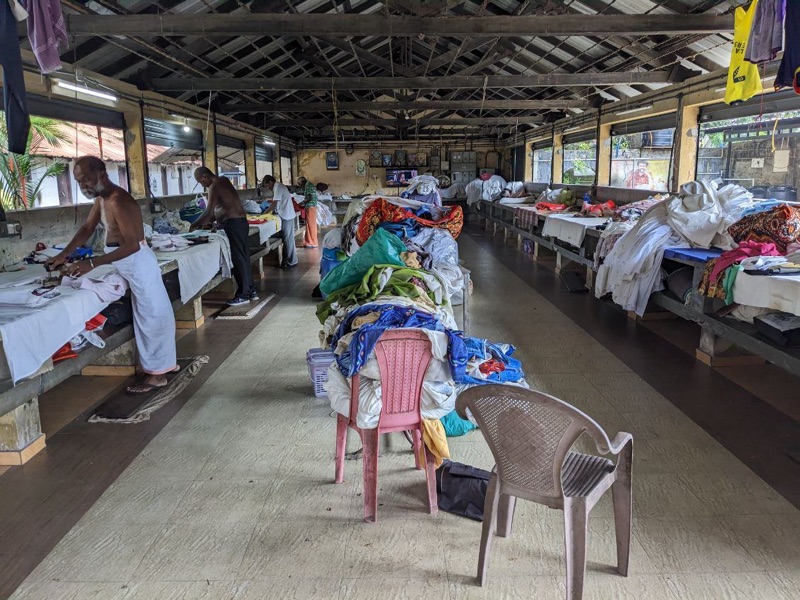
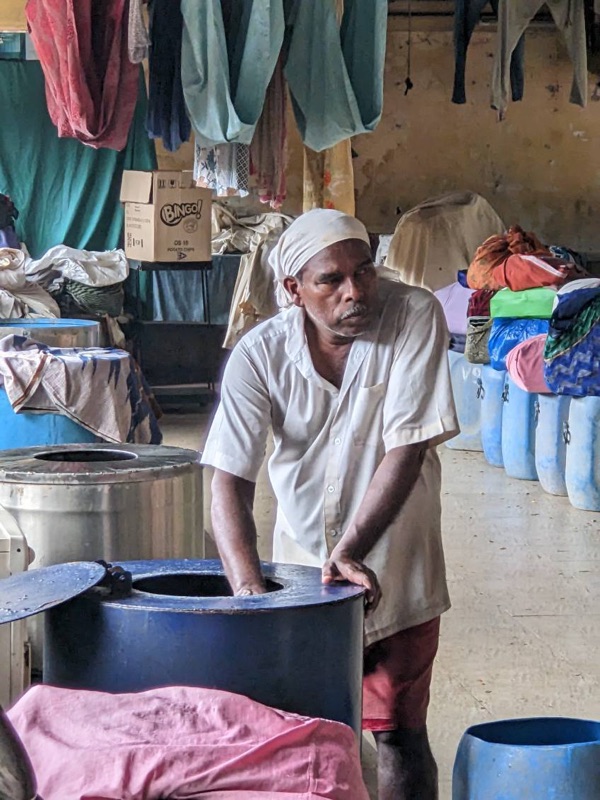
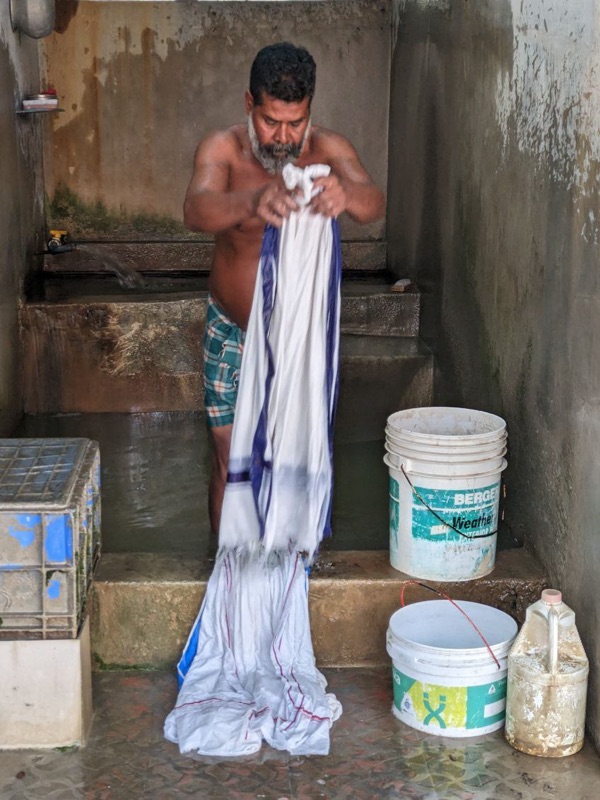
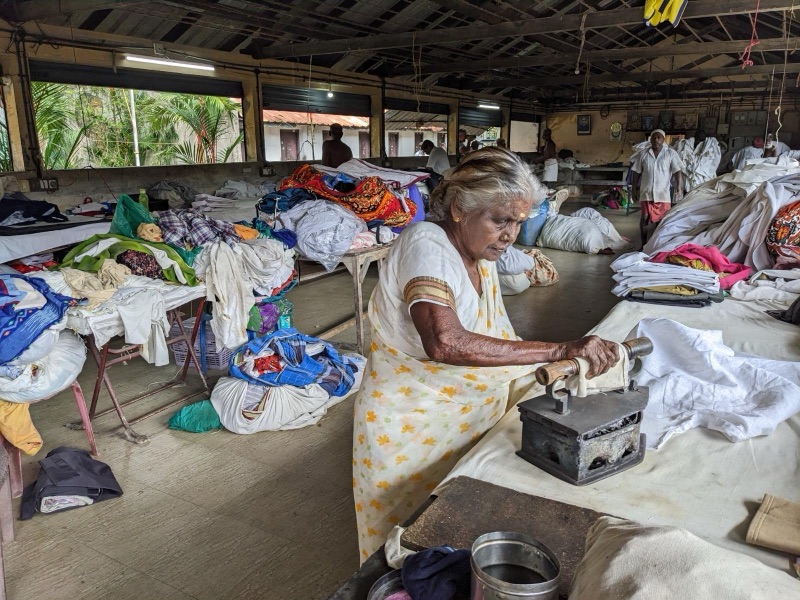
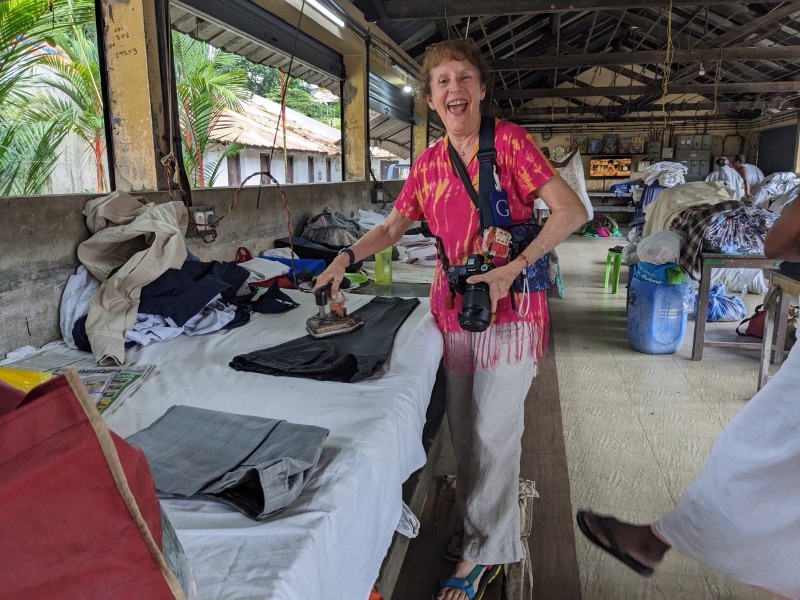
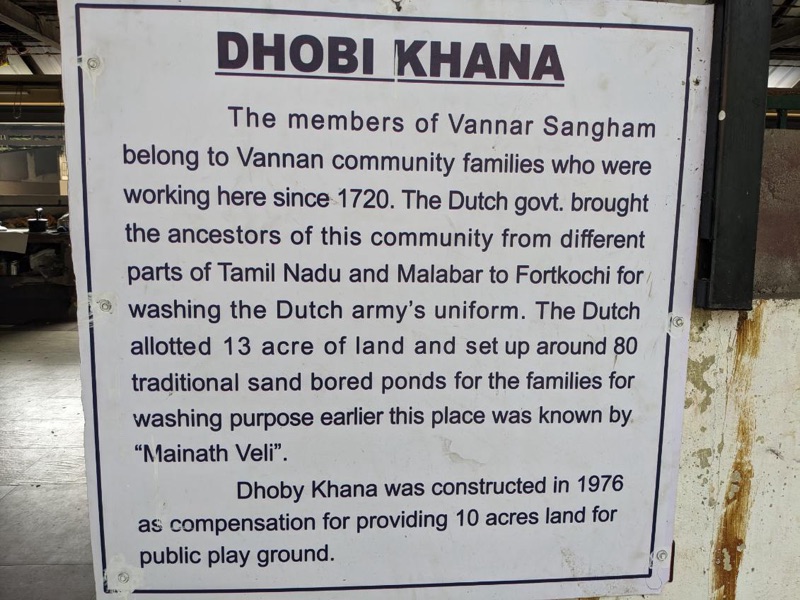
An interesting site was the location where both hotels & locals bring their linens & clothes to be washed, dried, & pressed.

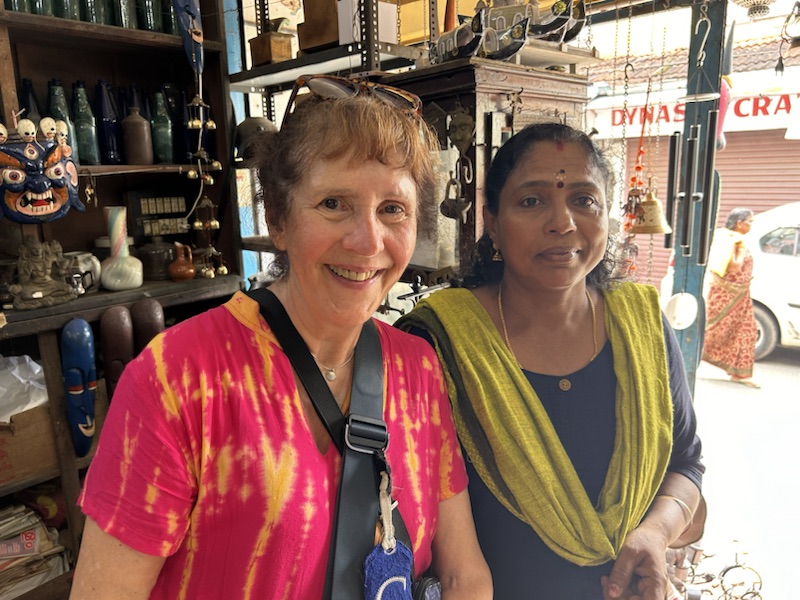
With many tourists there is no shortage of shopping in what is called “Jew Town”. It got its name because many Jewish people once lived here; but, now their homes are shops, hotels, & restaurants.

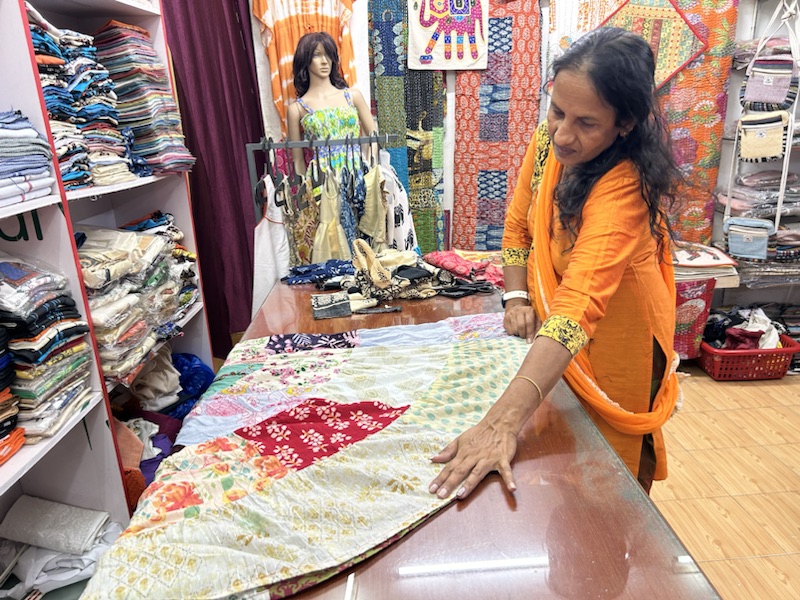
Bought a few small treasures to take home from this woman’s shop.

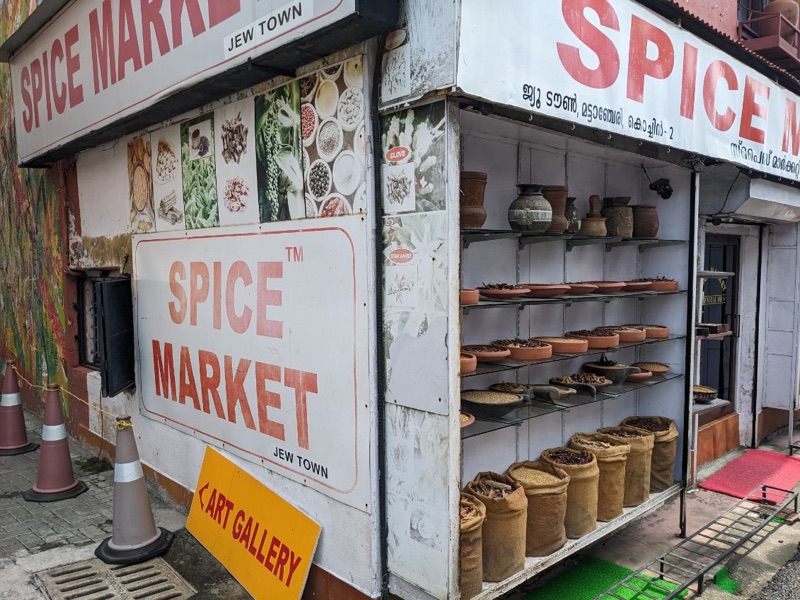
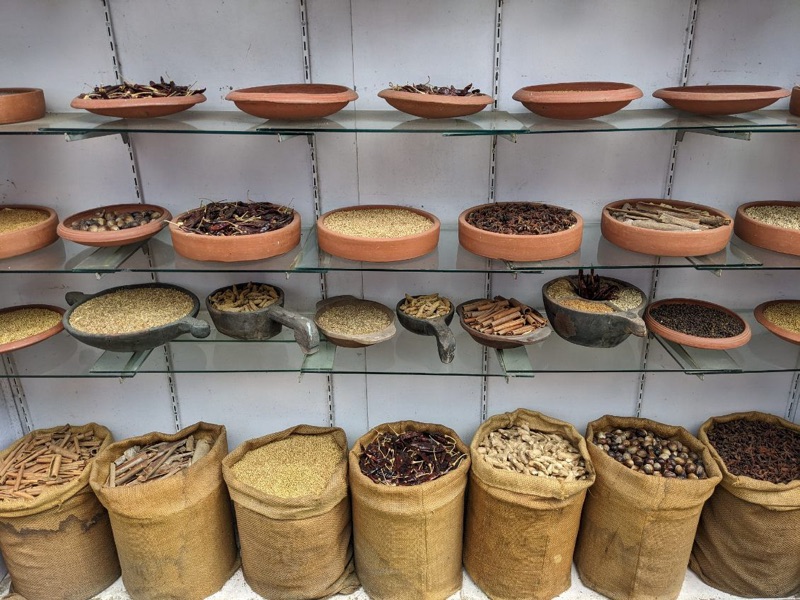
Jew Town also has many spice shops where you can buy the many spices grown in Kerala.

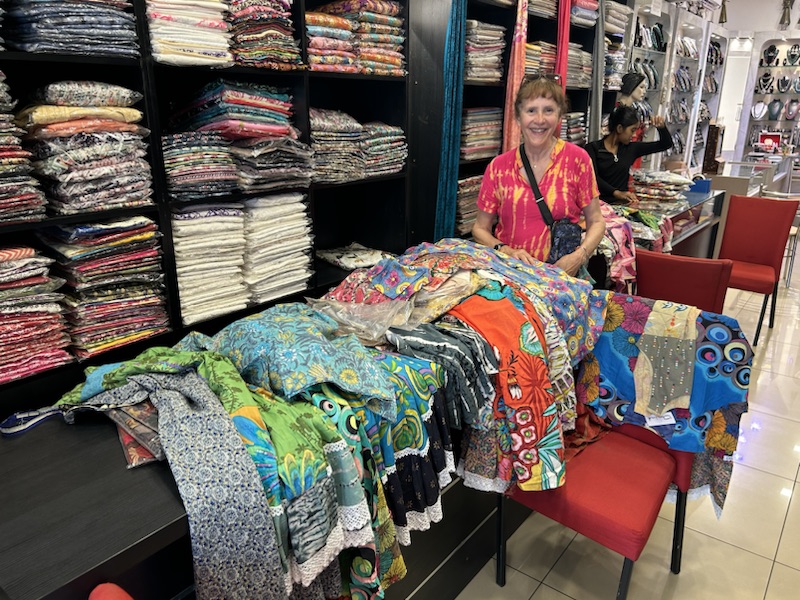
Not far from our hotel, I enjoyed shopping for a new summer dress & walked out with three for $20 each.

They only pulled out about 50 dresses for me to see

Besides finding clothes at a bargain price, you can also have alterations done quickly for a small amount. A skirt I bought a few weeks ago was too long. In 10 minutes it was altered & ready to go for only $3.50.

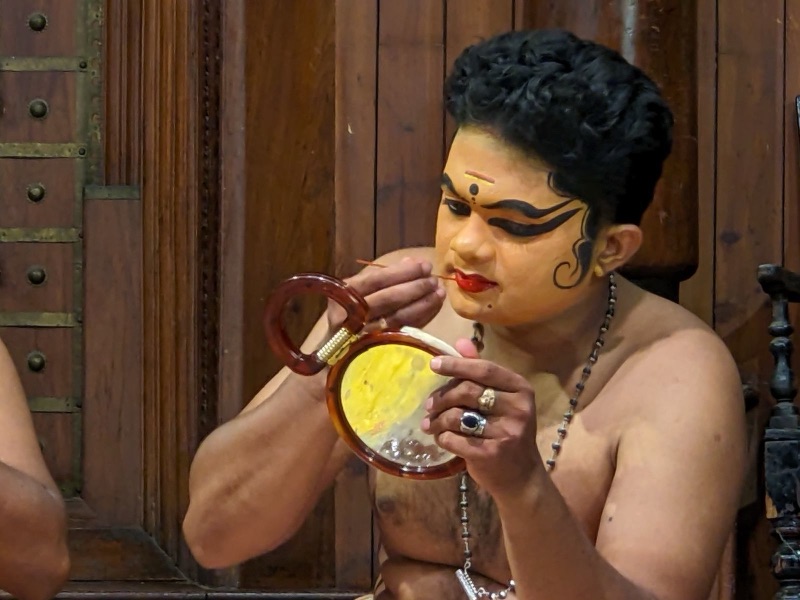
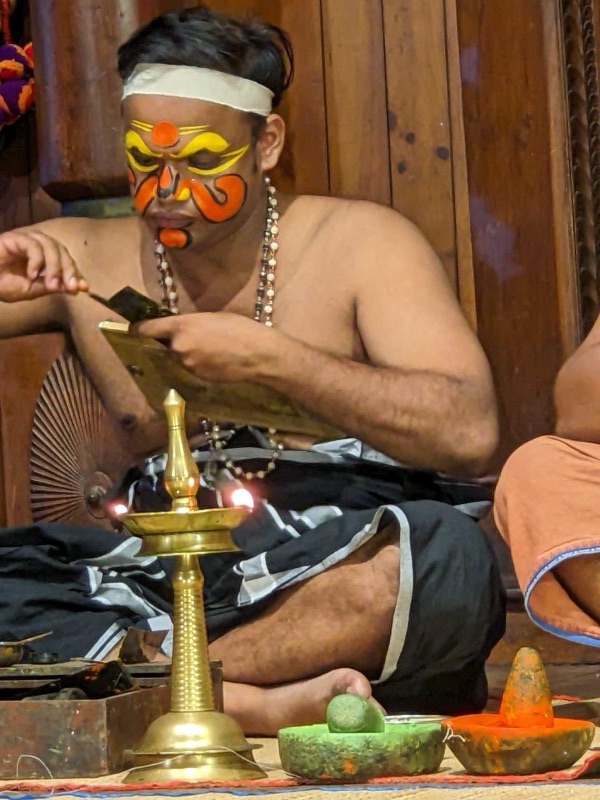
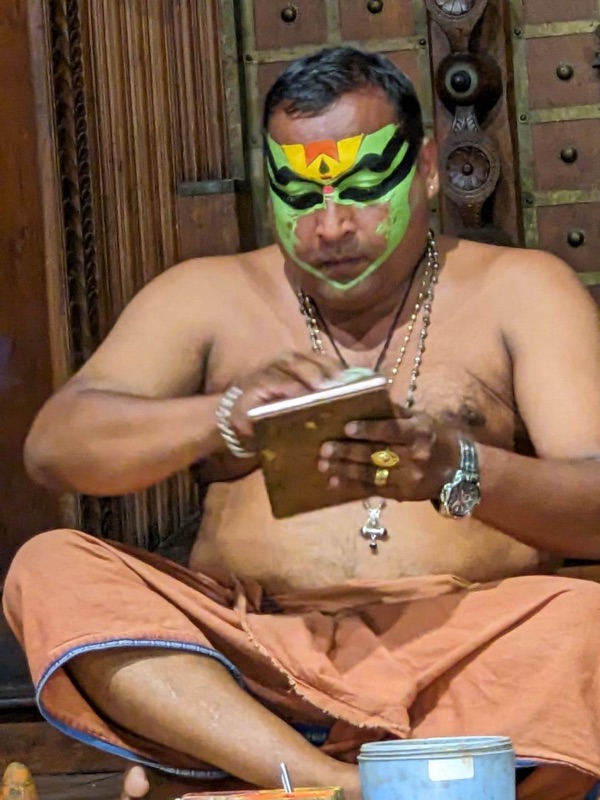
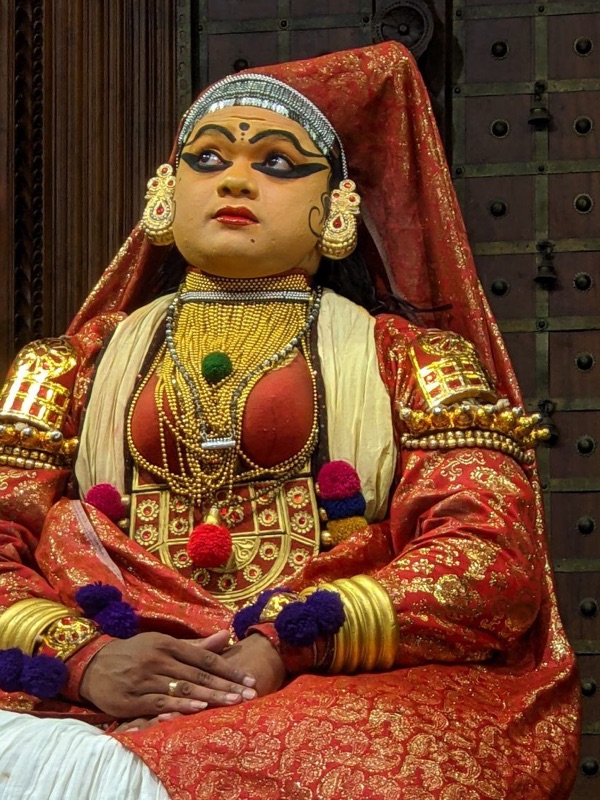
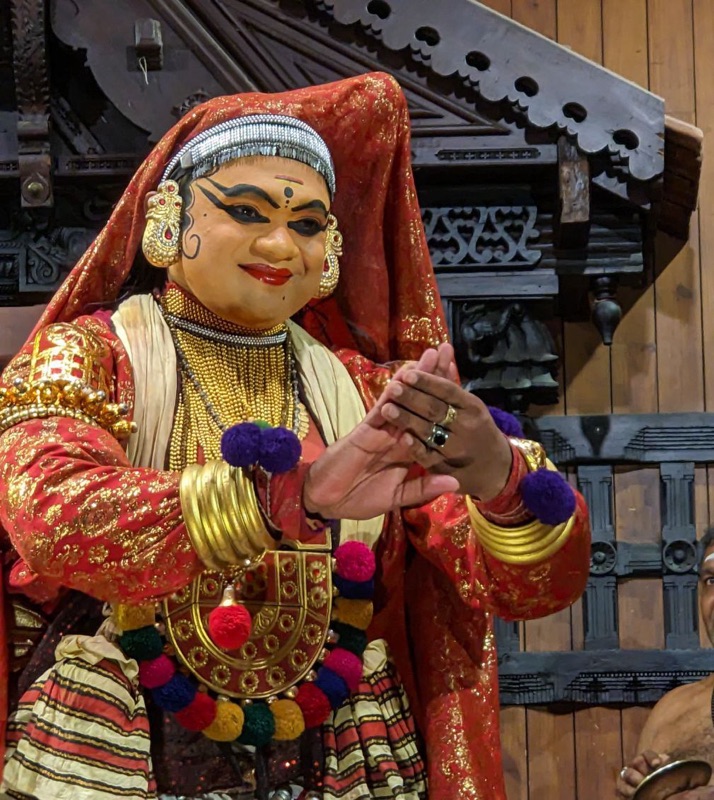
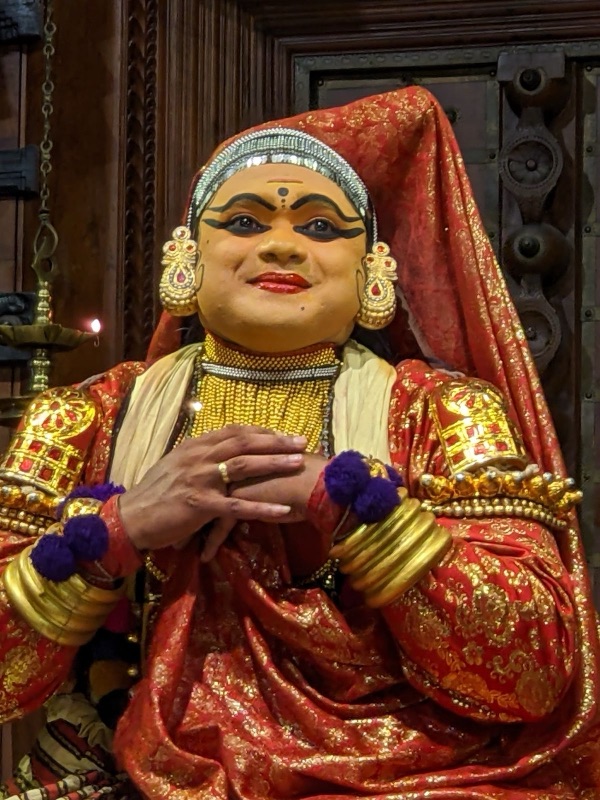
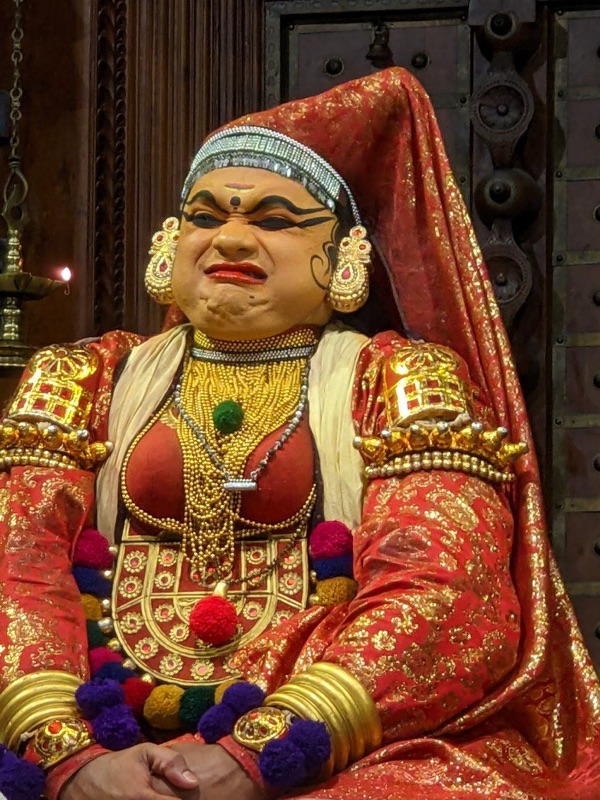
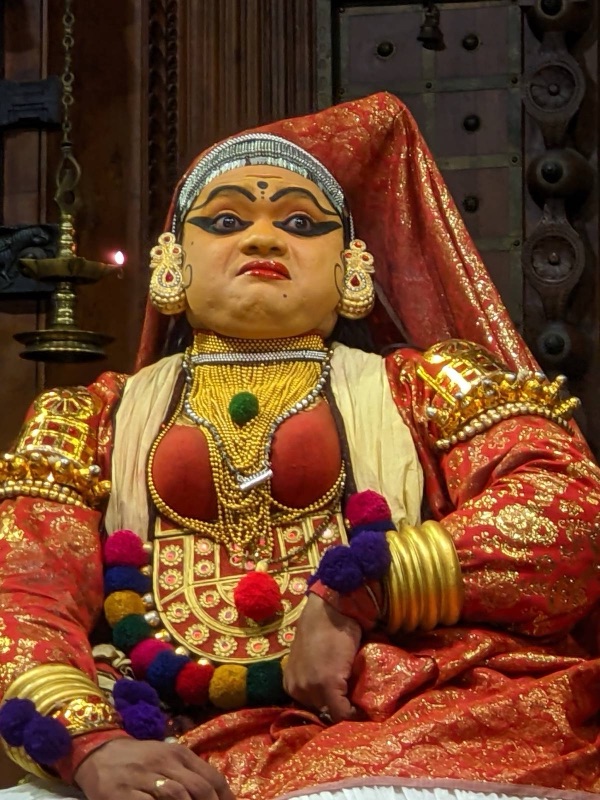
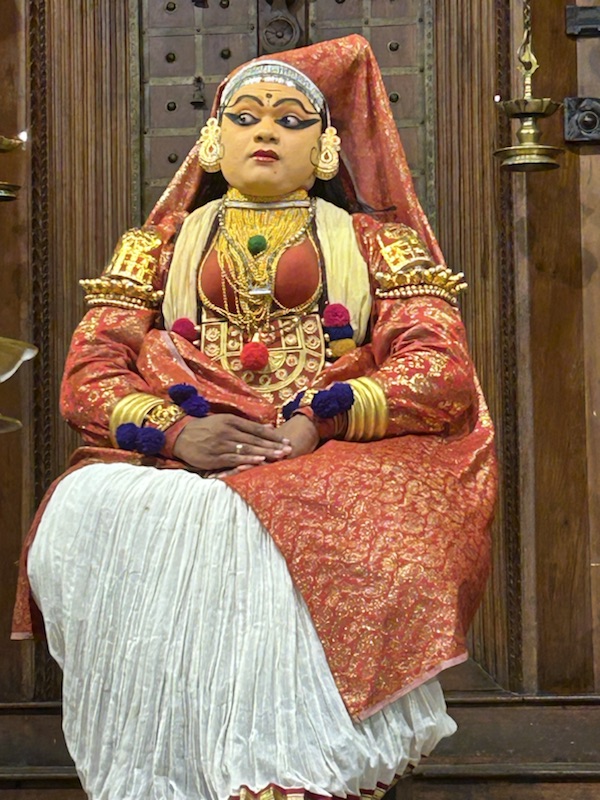
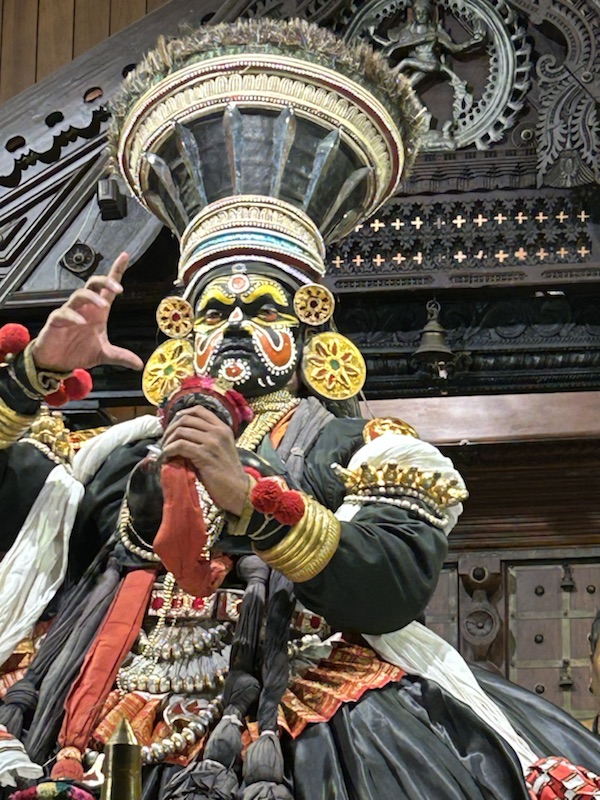
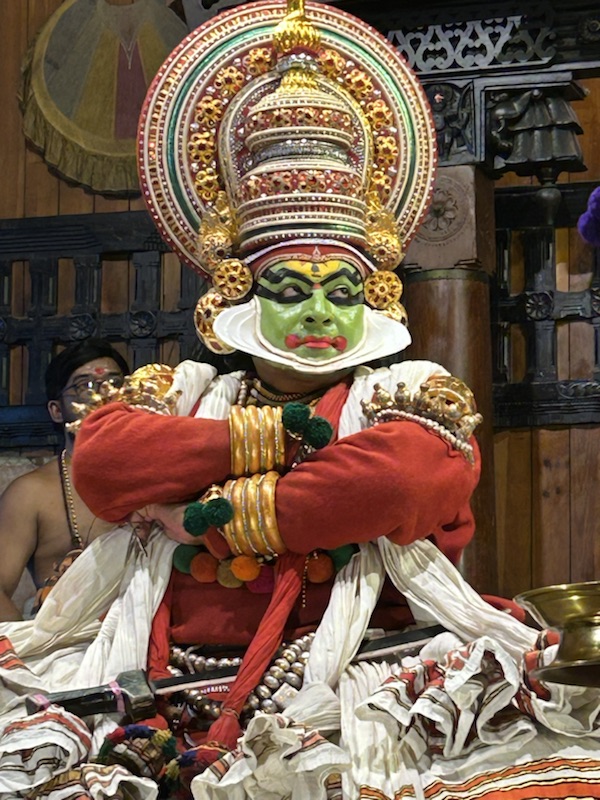
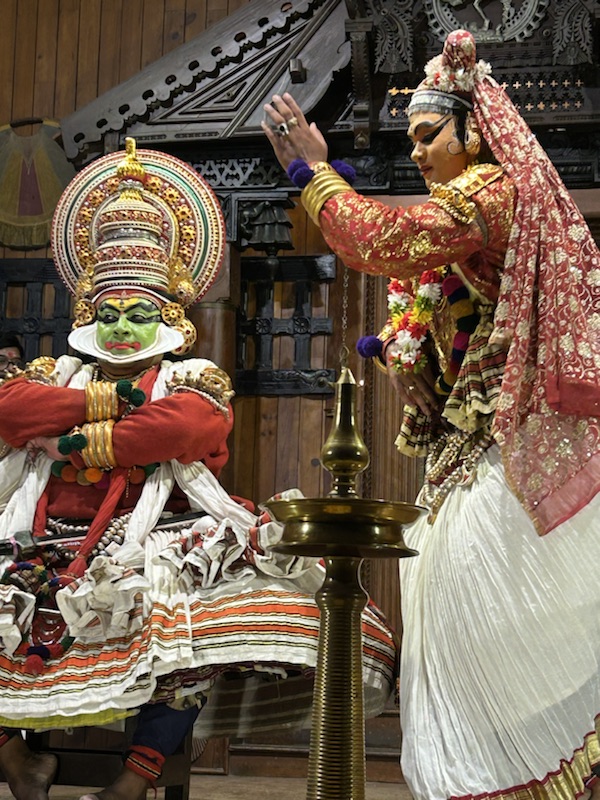
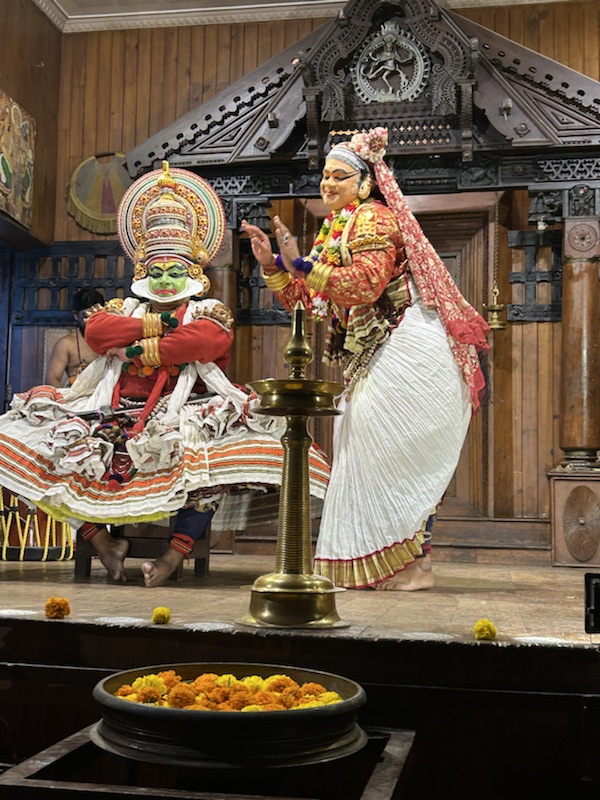
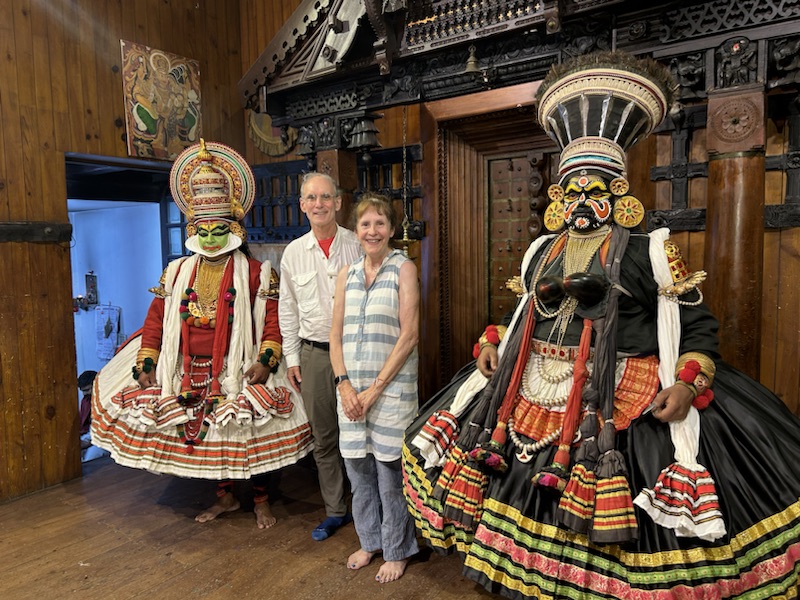
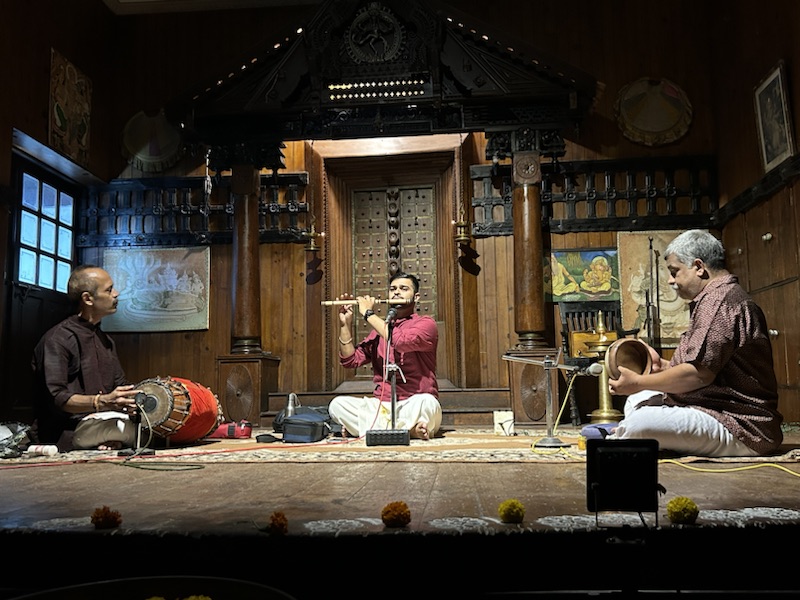
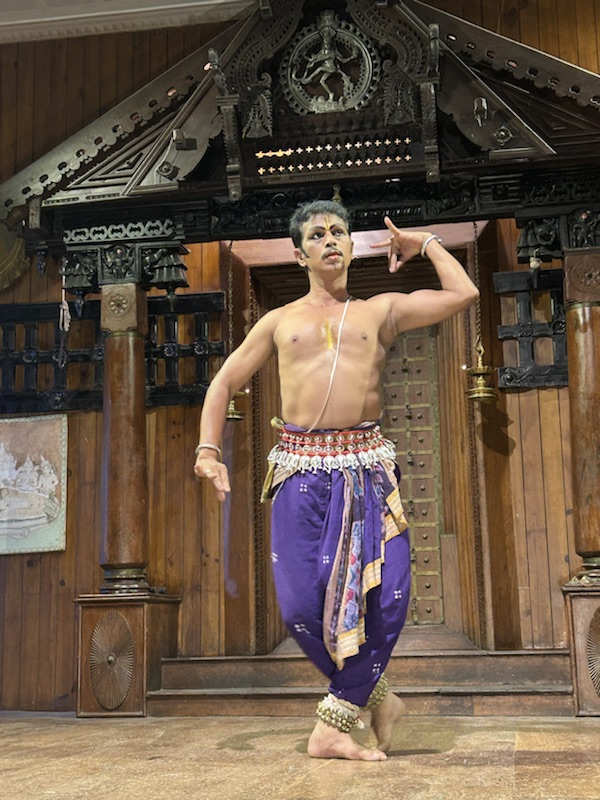
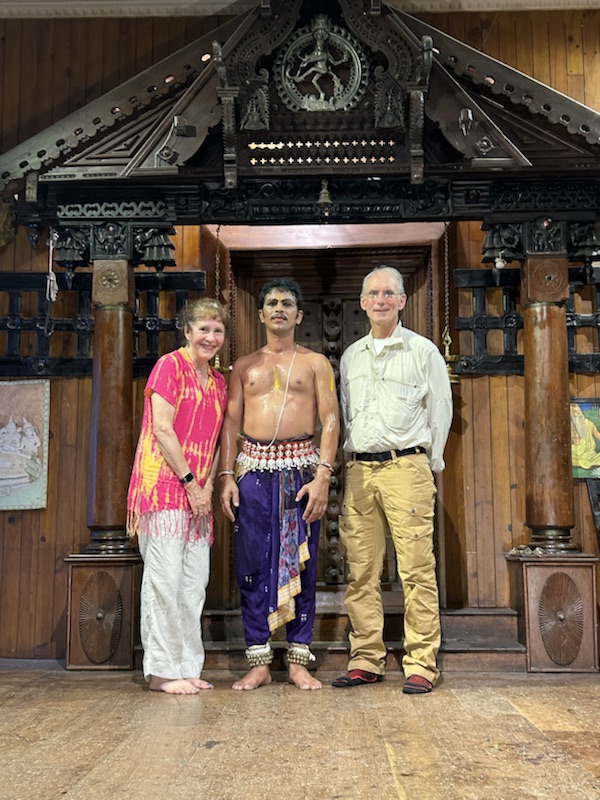
One highlight in Cochin was the Great K V Kathakali Theater where we enjoyed two performances.

The first was the traditional Kathakali Dance. The word “Kathakali” is derived from the Sanskrit words “Katha” which means “story” & “kali” which means “to play or perform”.

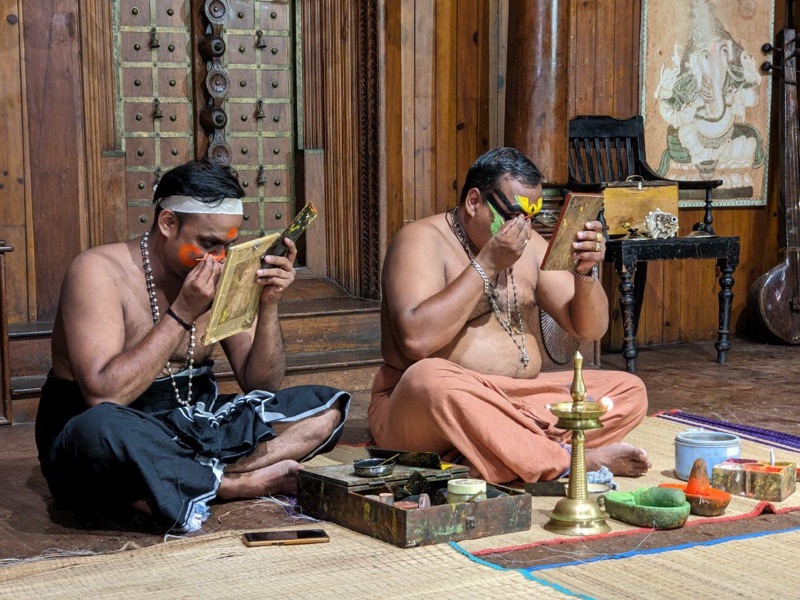
We arrived early enough to see the three main actors who were all men putting on their makeup.

At the beginning, one actor along with an explanation by an English interpreter showed the audience the variety of feelings she (played by a man) was able to portray with her facial expressions.

Every quiver of the lips, flicker of the eyes, & facial expression has great significance so they call this performing “eye dancing.

After the demonstration & explanatory comments, they put on a short play based on Indian lore involving lust, love, deception, & anger with a bit of violence thrown in. Just like your typical Hollywood blockbuster. 😂

The second performance we saw was a small classical Indian dance performance.

Here are a few more sights & memories from Cochin.

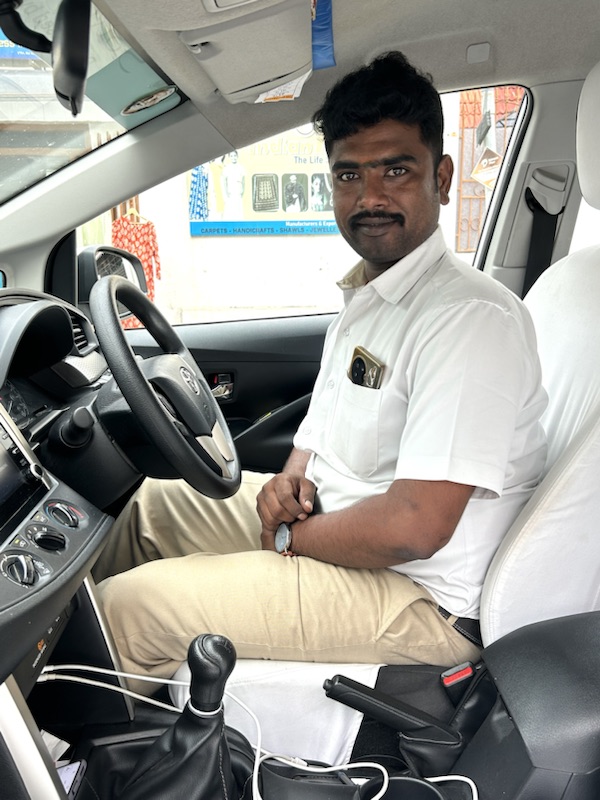
Our trusted driver Reuben for the last week. Always kind, helpful, & dependable.

Meeting People in Kalapathy

Festivals are always fun; but, meeting people & seeing their culture is even more enjoyable.

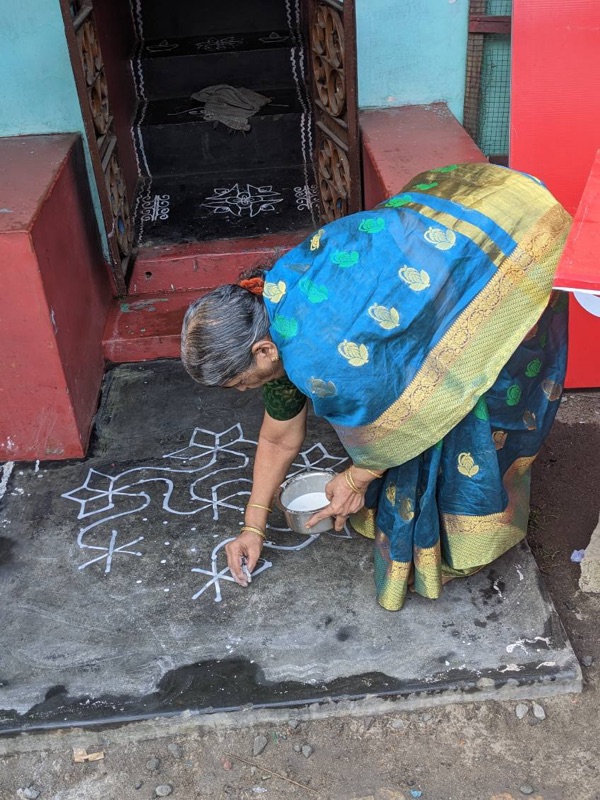
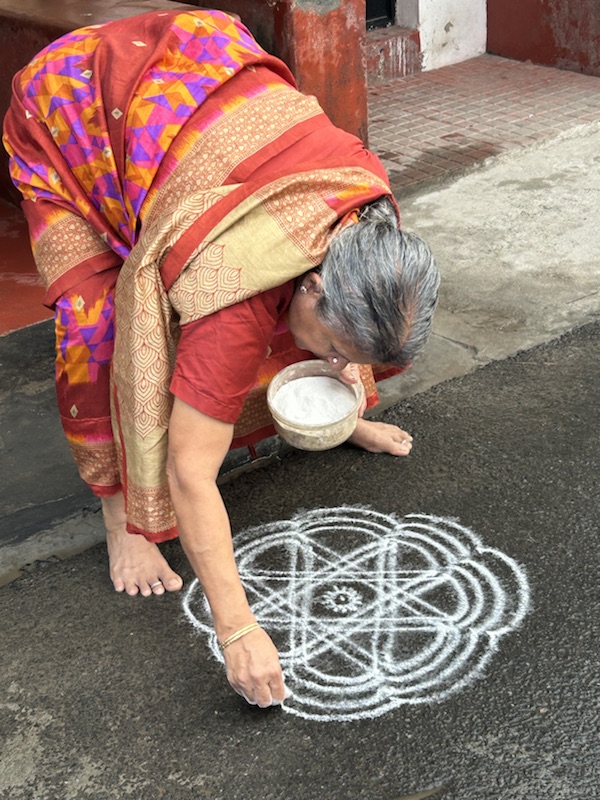
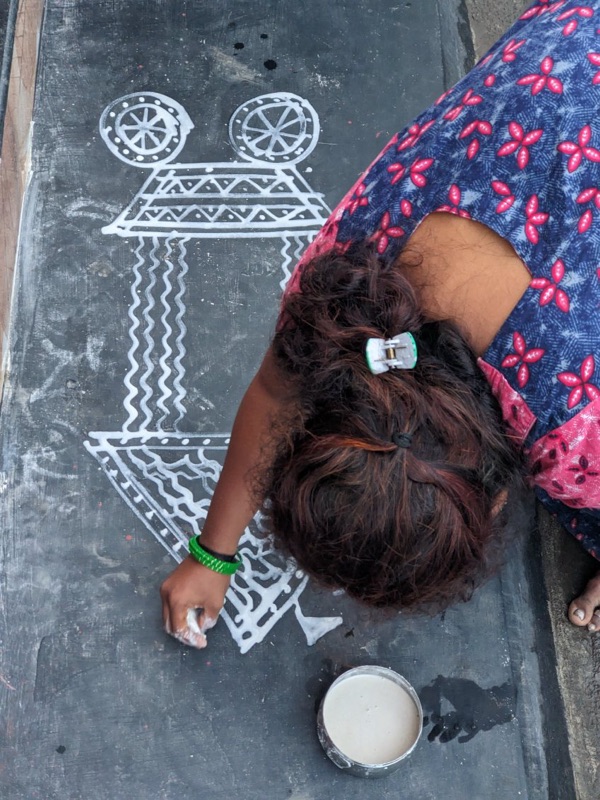
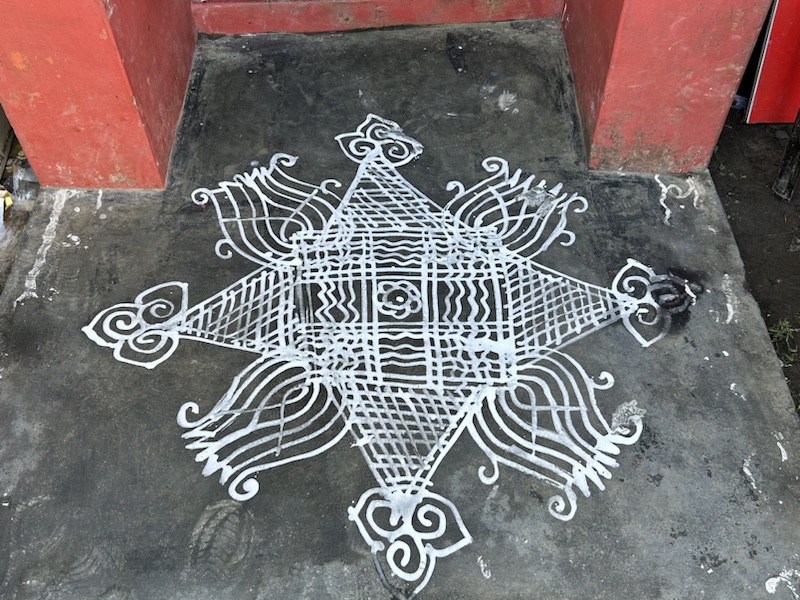
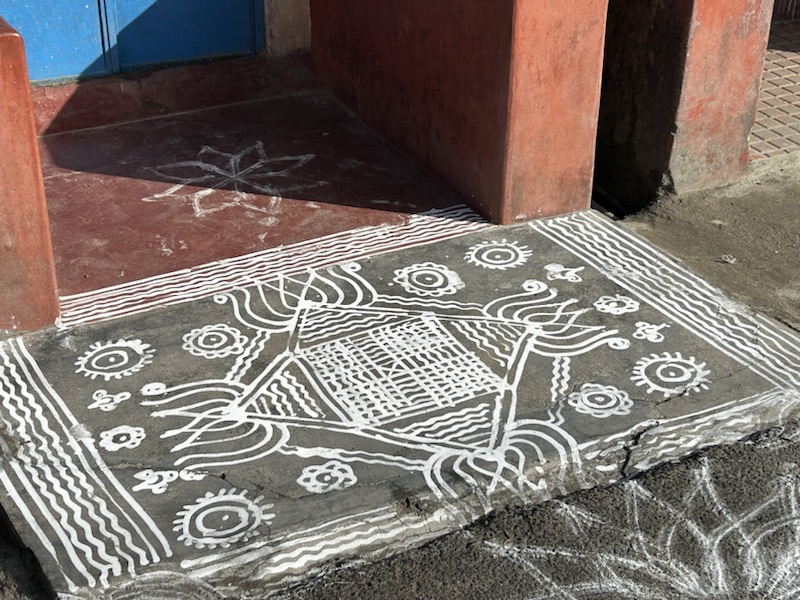
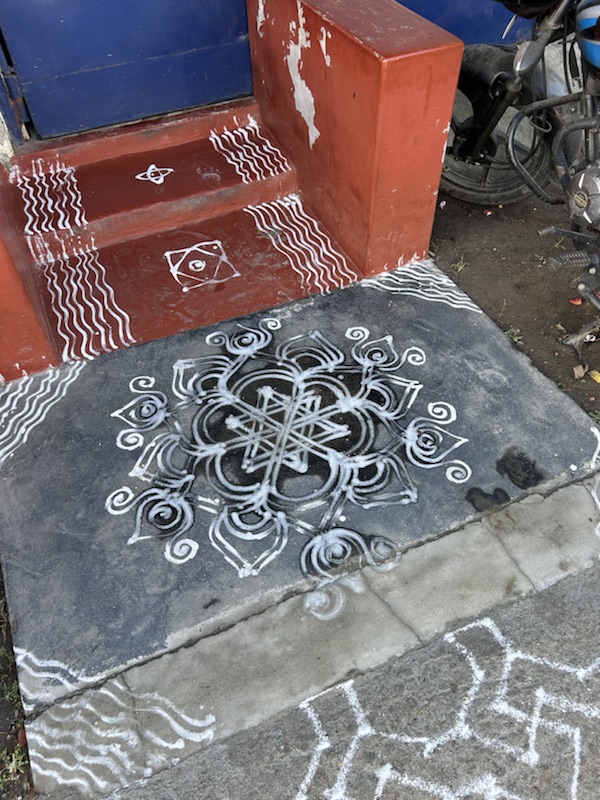
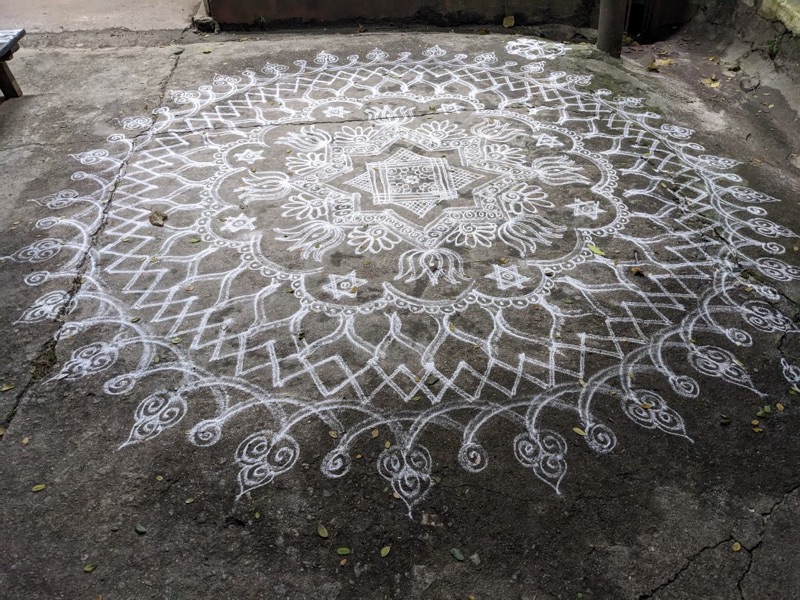
We spent three days in Kalapathy, India. One morning we got up extra early to watch the women do their daily front door entrance decoration with intricate designs called a Kolam.

First, the woman of the house cleans an area outside her door which has the previous day’s design. She cleans it simply by using water & a straw broom.

After the area dries, the woman of the house then makes her daily design using two methods- using dried rice flower is called Arikkolam, or using a liquid paste of rice & water called Maskkolam.

This woman is using the Maakkolam method.
This woman is using the Arikkolam method
This woman is using rice paste to make a design commemorating the chariots that will be pulled later in the day

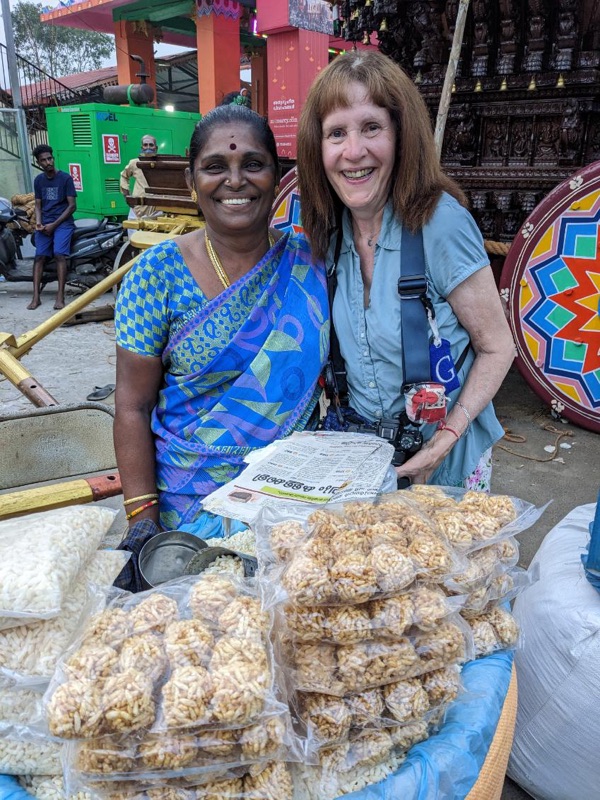
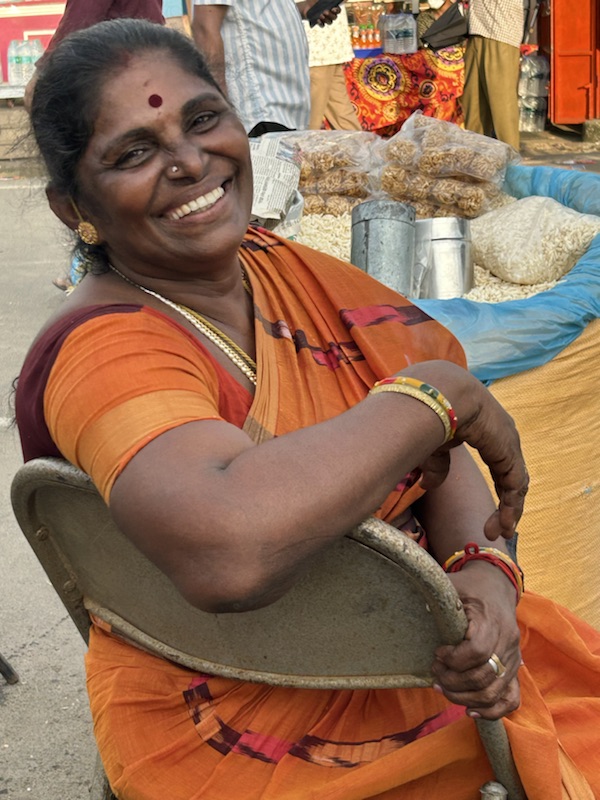
On our first day we met this woman who sold candy & cookies from a small table cart. I told her she was beautiful. That made her day! She then told all her friends what I said. She told us she had always been told she was too dark to be beautiful.

We stopped & visited with her each day.

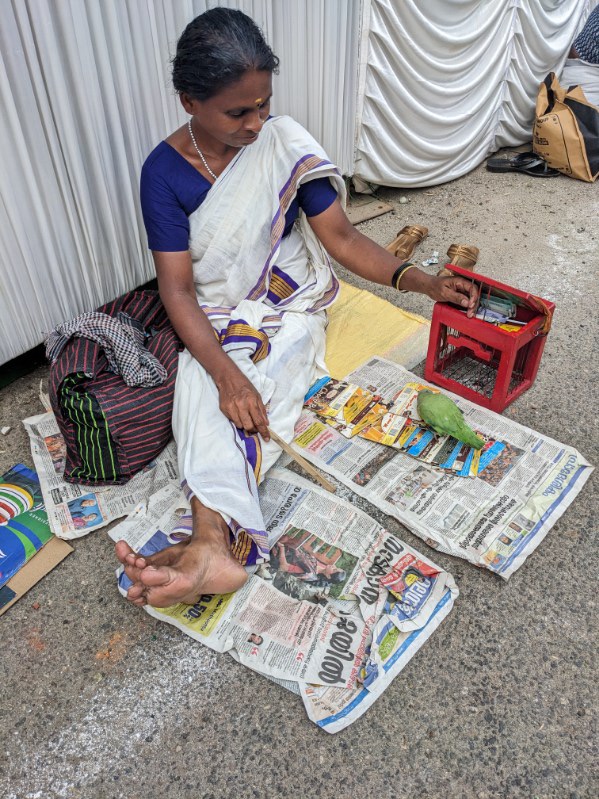
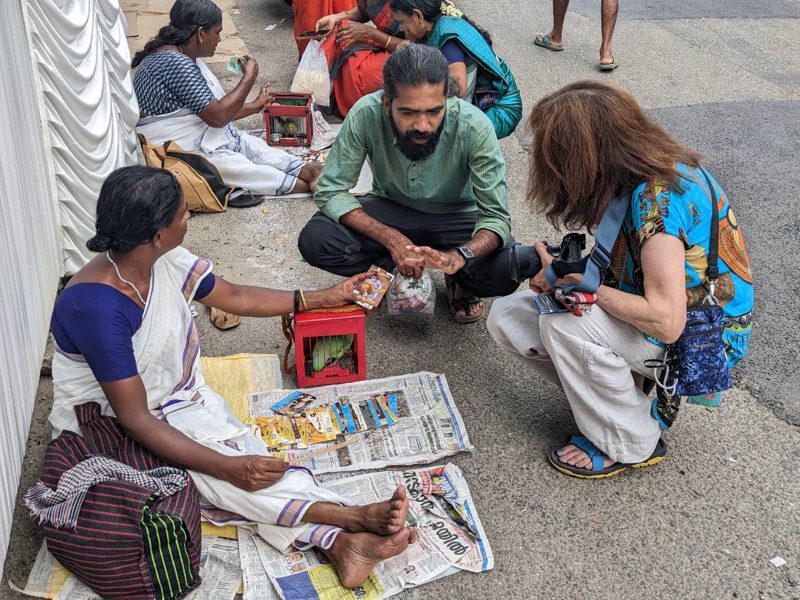
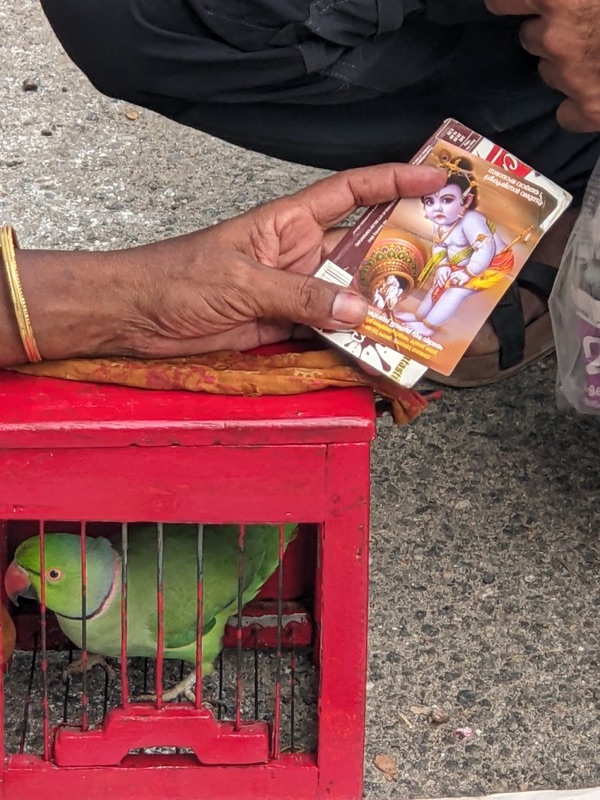
The festival also features unique fortune tellers. For less than a dollar, a tame parrot picks a card & the seer tells you about your strengths & weaknesses based upon the Hindu God picture on the card that the bird picks.

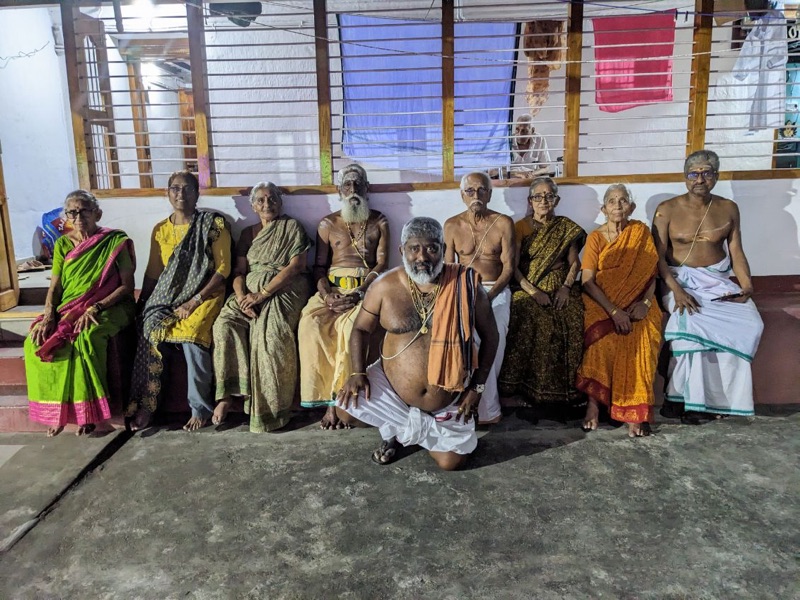
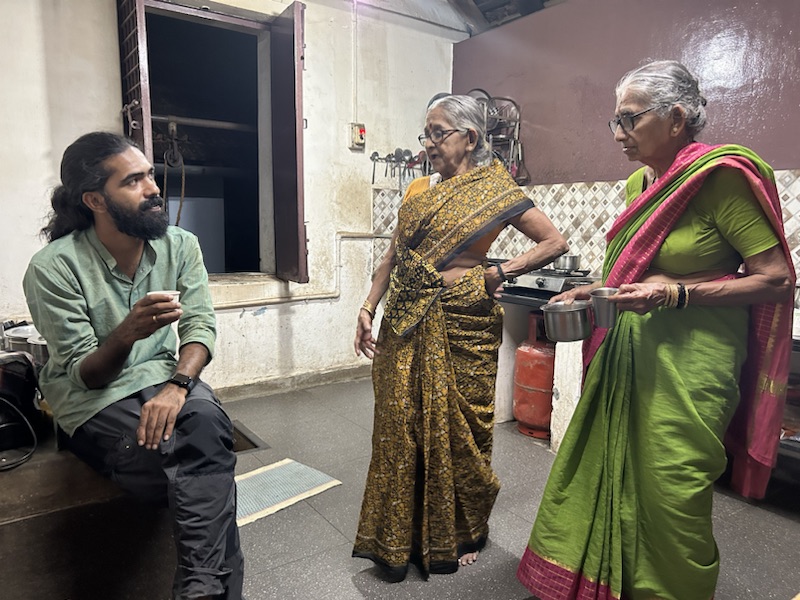
With our guide’s help, we were able to meet a local family & visit their home.

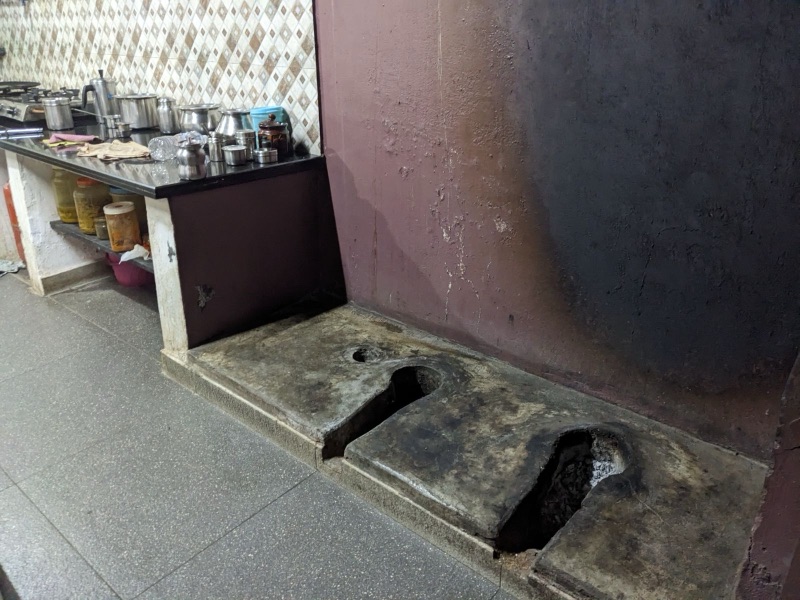
Each traditional home is built exactly the same. They have relatively small widths; but, they are very deep with a straight, unbroken hallway running from front to back to provide ample cooling & ventilation. They also all have a sump in them to drain the massive rainfall from the annual monsoons.

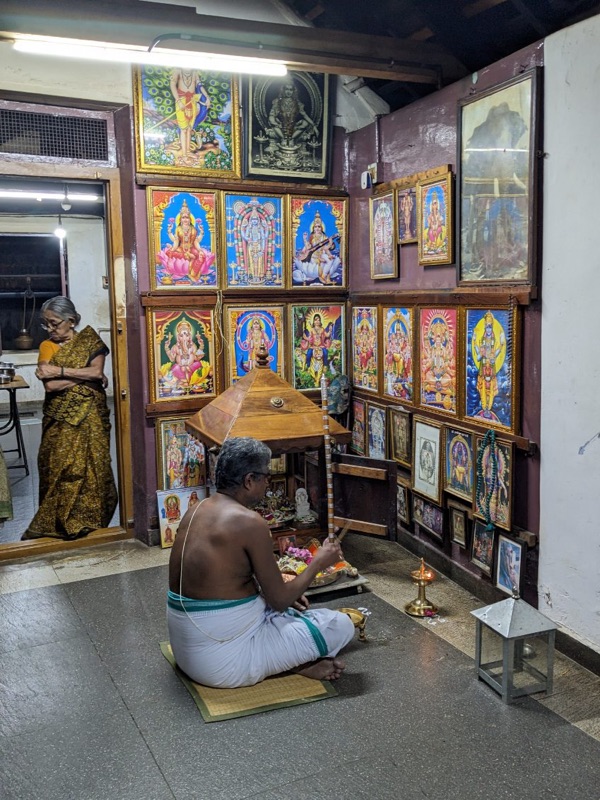
The front area is like a covered enclosed patio which leads inside to areas used for sitting, eating, & sleeping. Each house also contains the family’s Hindu Shrine for daily prayers. The last room in the house has the kitchen. Many years ago, the last rooms in the house were used to house their cows; now they are used for storage.

These homes only contained the basic essentials. The most modern appliance we saw was a flat screen television.

Home shrine with man doing nightly prayers.

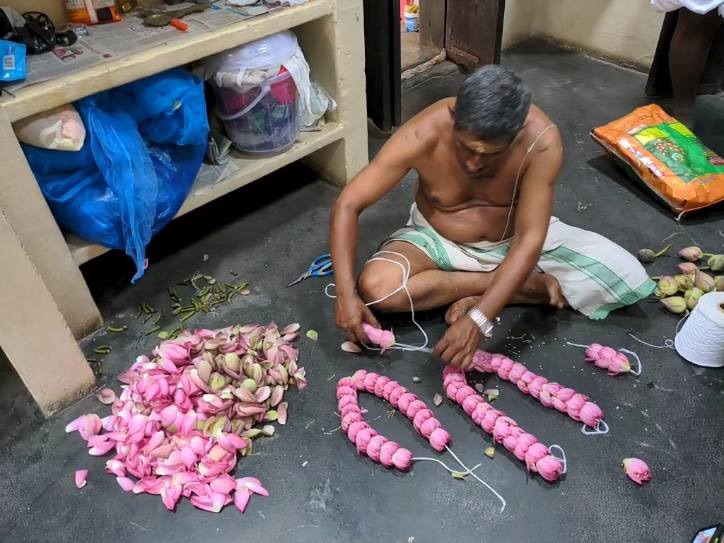
While visting, we had a chance also to see the family preparing for the festival & learned how they made ground sandalwood to make a paste that is painted on the body.

This family also lived near a small temple of which they were very proud.

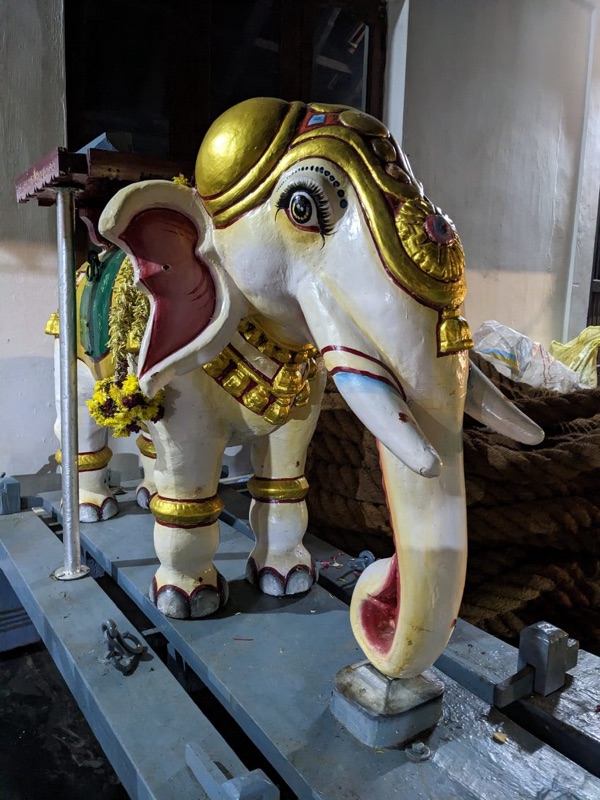
Each temple also has a spirit animal that they decorate to carry through the streets. This temple’s spirit animal was a mouse.
Other temples had an elephant & horse as their respective spirit animals.

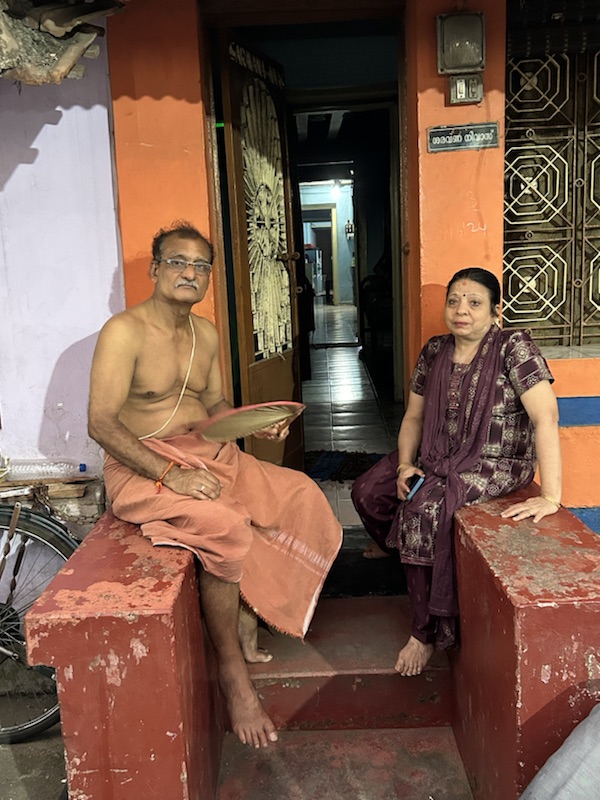
In the evening or morning, locals sit on their small porch to chat with passerbys.

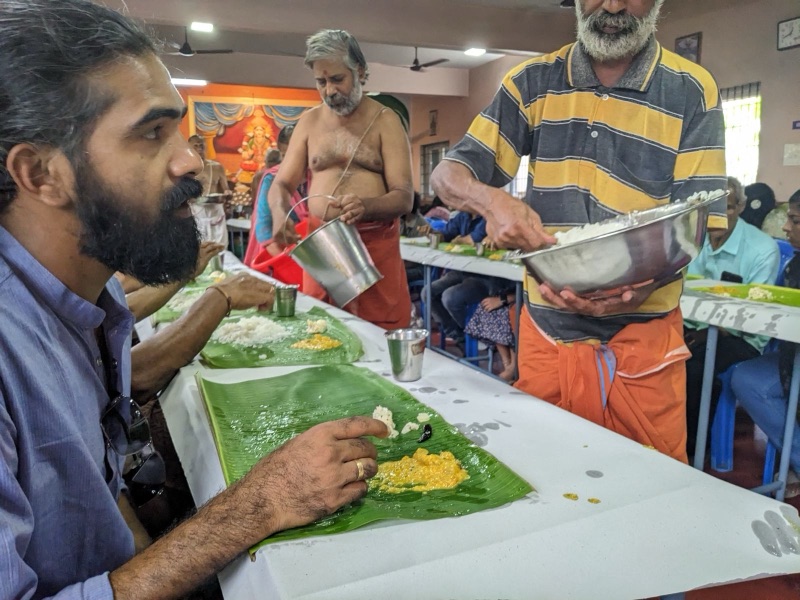
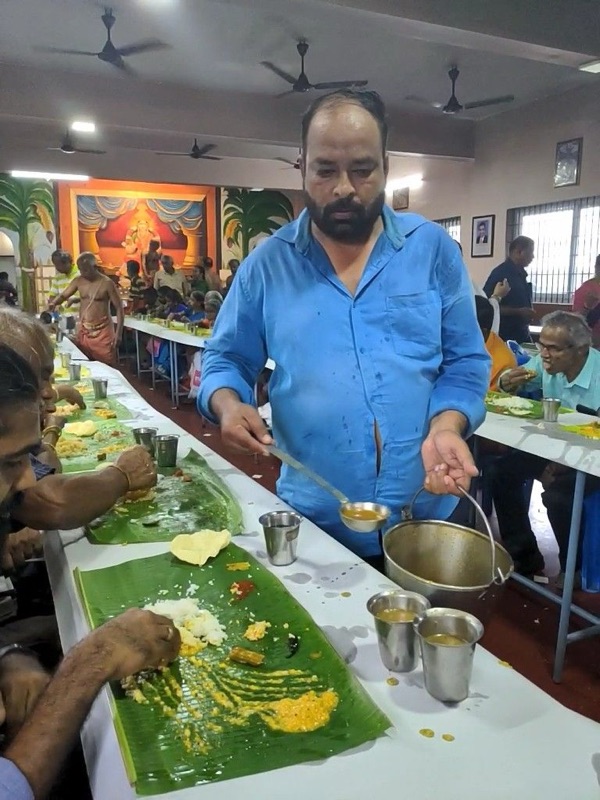
The family invited us to return the next day for the daily lunch sponsored by their temple. We first saw this in Delhi where volunteers from the temple cook food for the community.
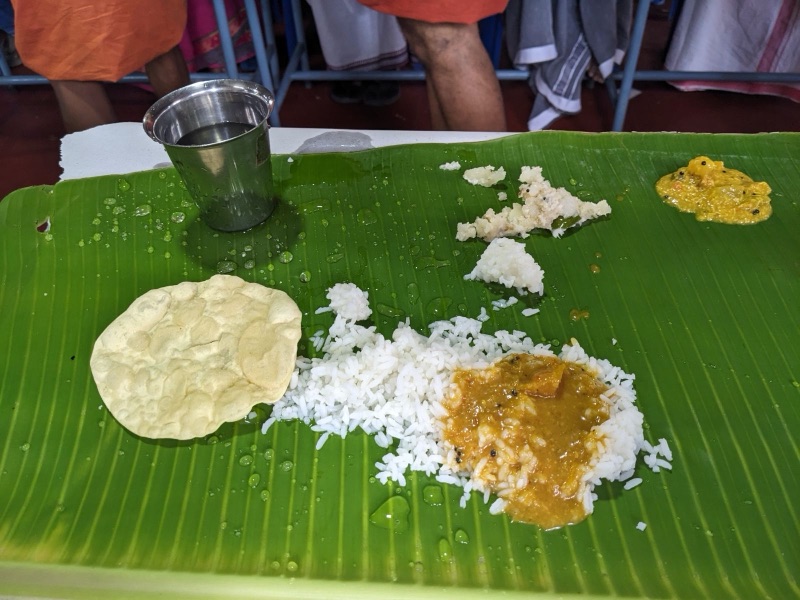
All the food was served on a giant banana leaf & eaten by hand. Unfortunately, we chose not to eat the food because we were afraid we might have tummy problems later; but, our guide said it was very tasty. In any case, it was nice to be invited.

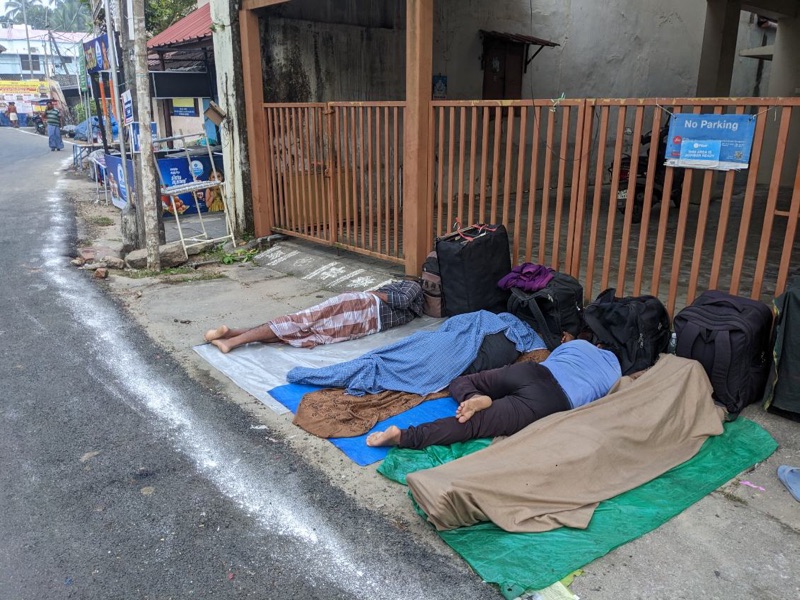
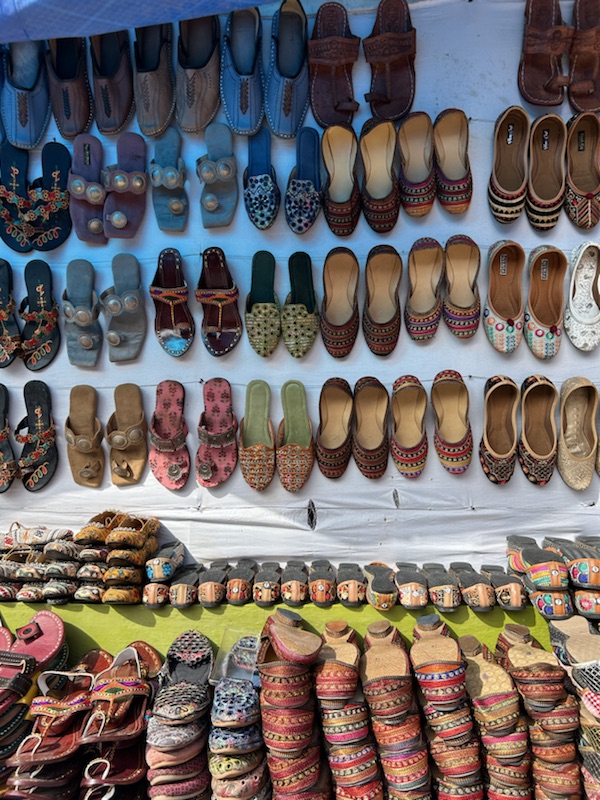
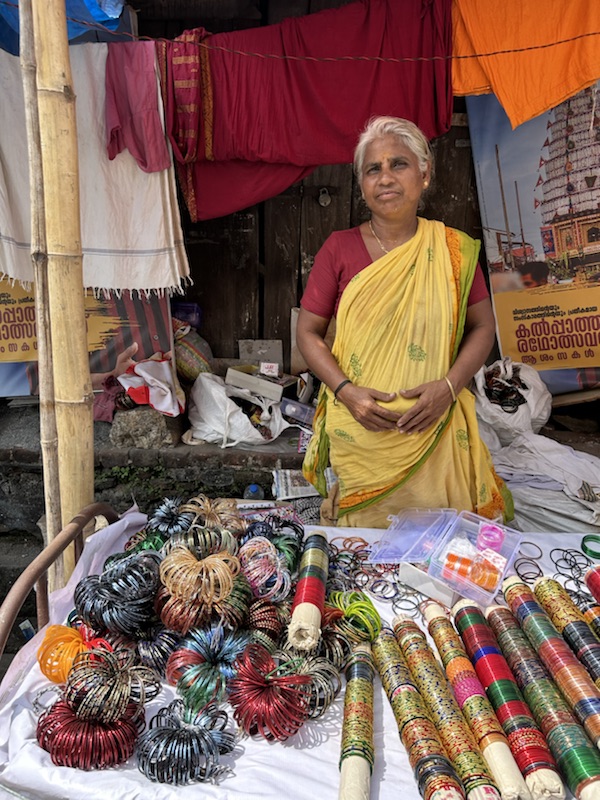
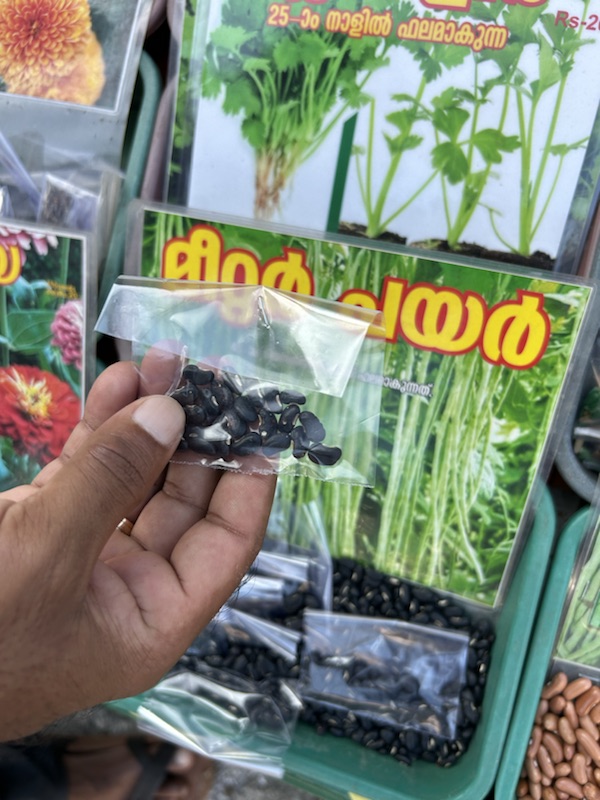
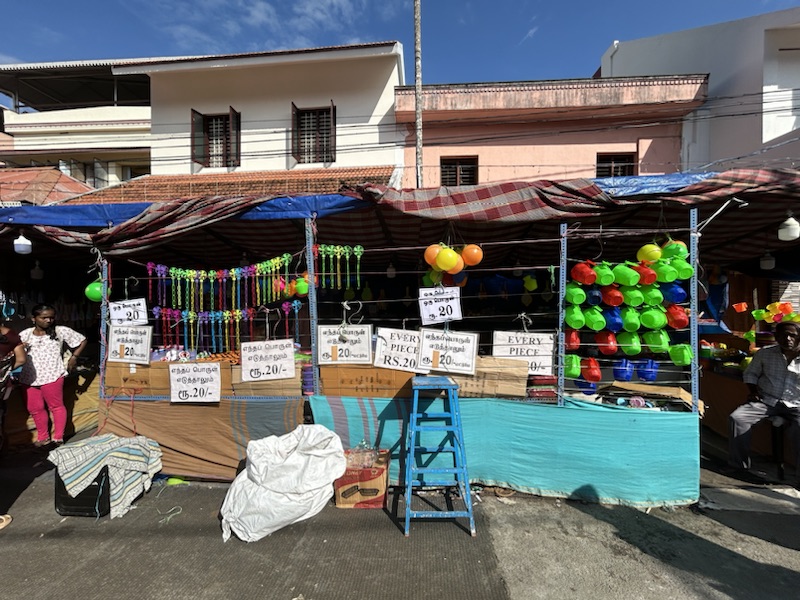
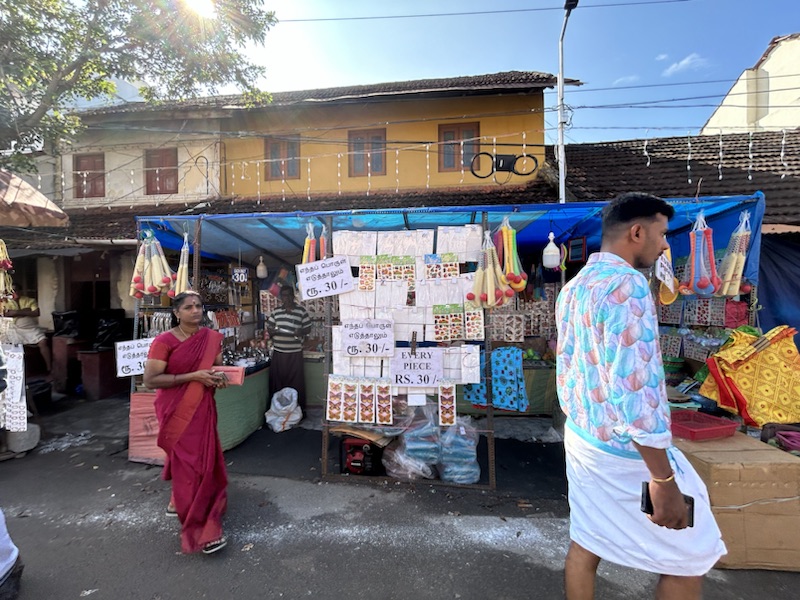
The festival also brought in many vendors who sold their wares along the streets. They sold food, kitchen items, jewelry, bangles, shoes, seeds, toys, & much, much more. Most are not from the area & slept by their stalls.
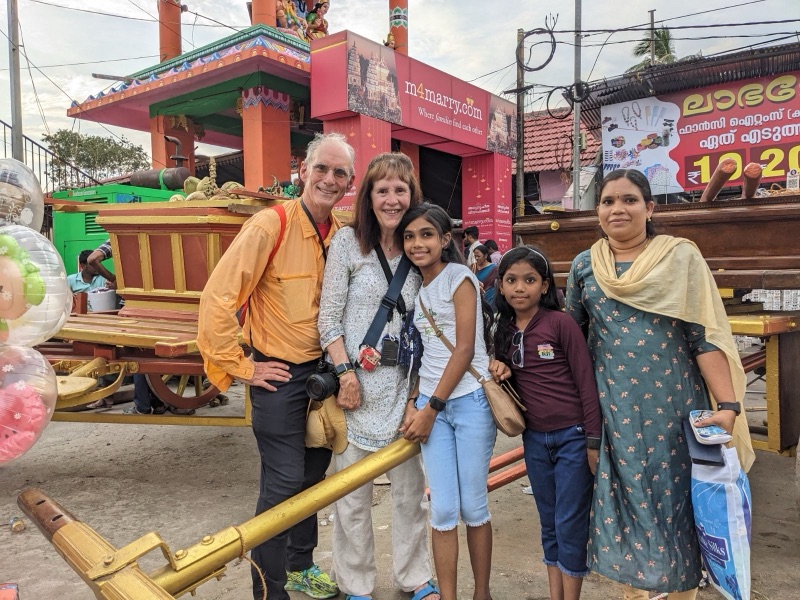
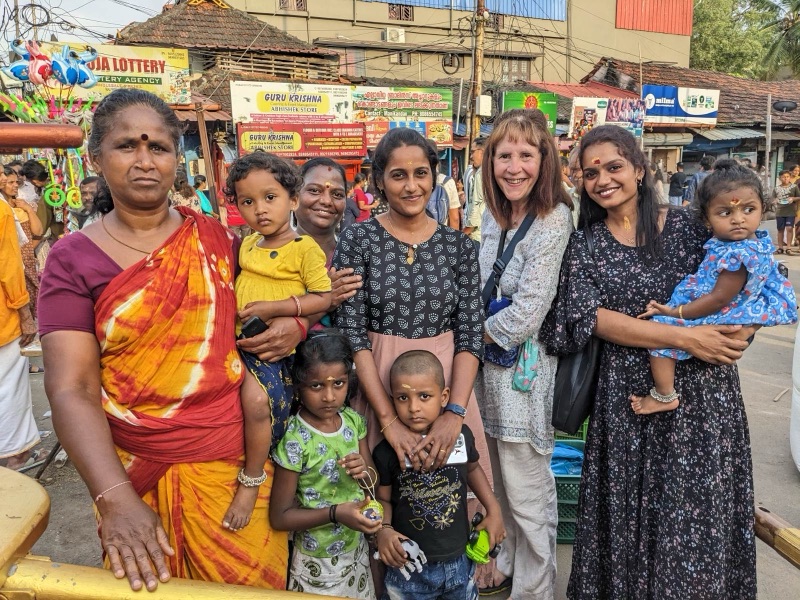
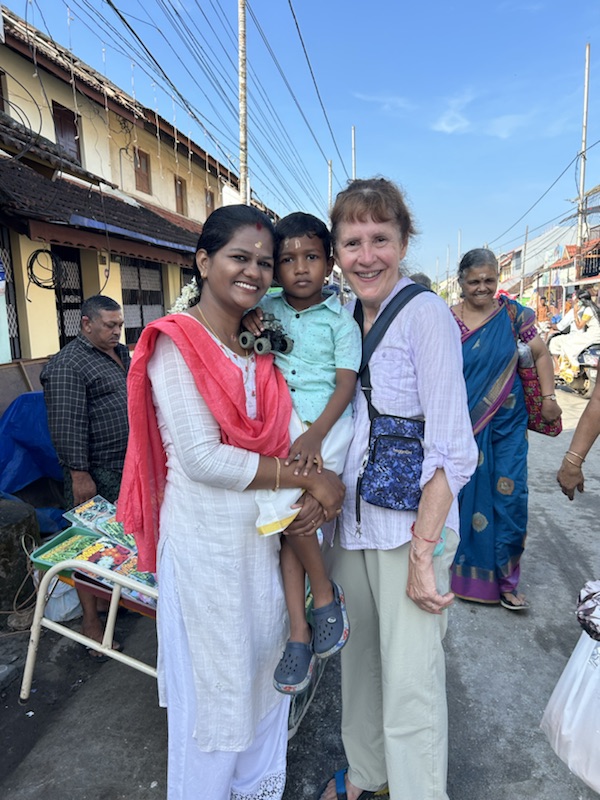
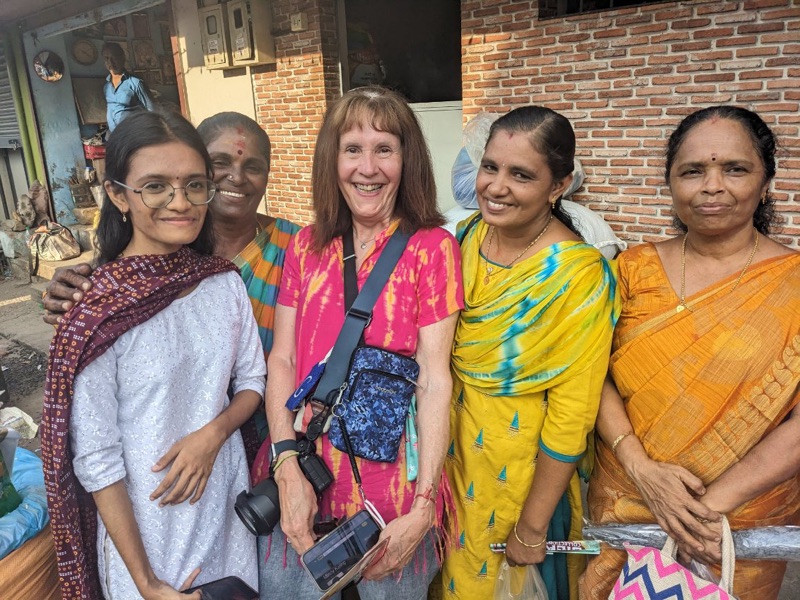
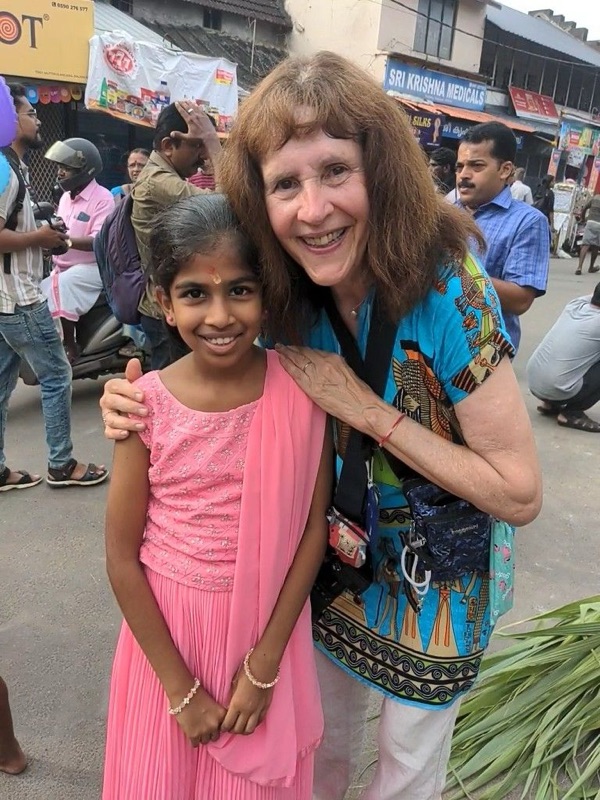
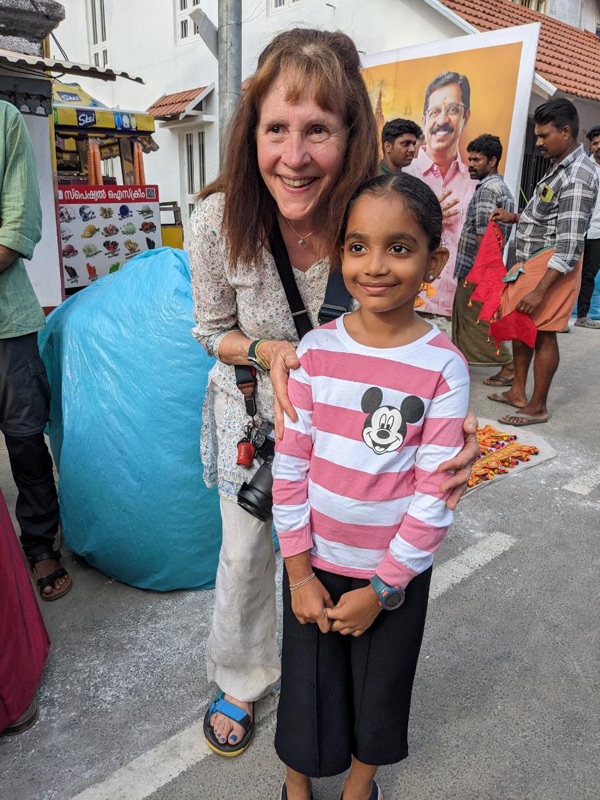
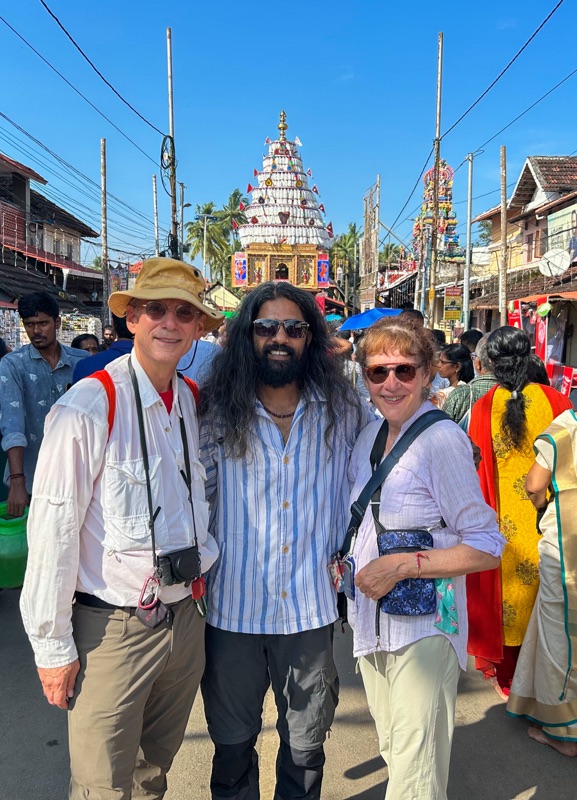
One huge surprise was how many people of all ages approached us to talk & asked to have their picture with us. Some spoke English & others communicated through our guide. At times the requests for taking photos with us were so constant, our guide very politely asked them to leave us alone so we could watch the festivities. Then they would just take our picture without them in it.

I tried my best never to say no to children who wanted a photo.

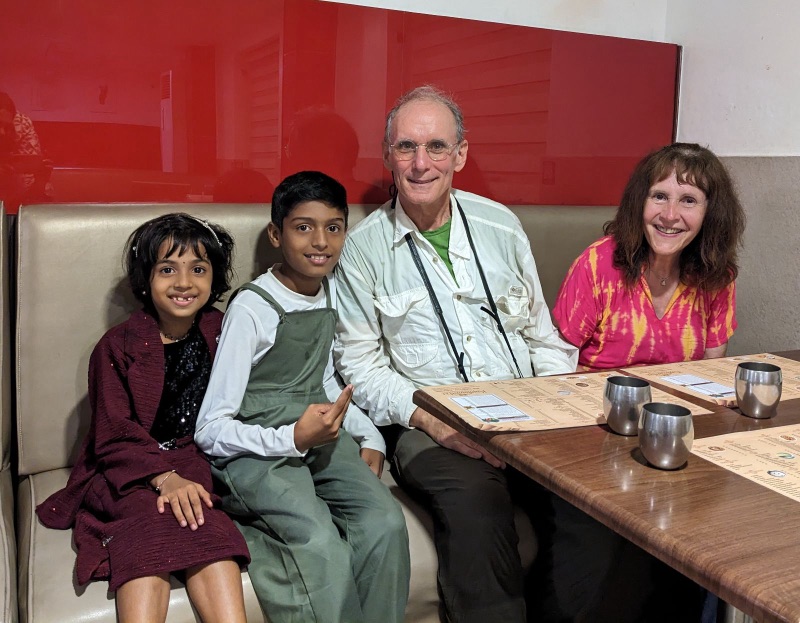
These two young kids came up to us in a restaurant & talked with us for five minutes. We learned the boy’s favorite school subject was English & his little sister’s was IT.

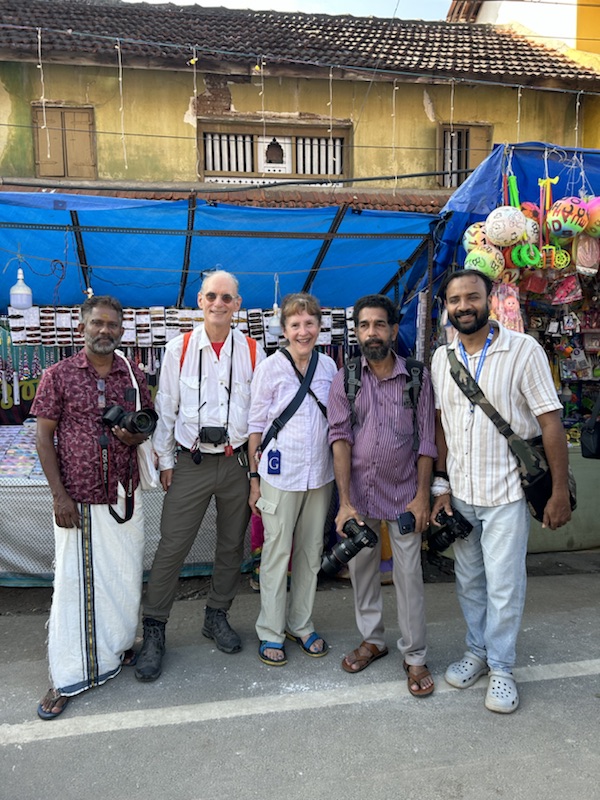
Then there were the guys I called the paparazzi. A group of men constantly took pictures of us everyday at the festival. On our last day, I saw them photographing us, so I asked them to be in a picture with us this time.

The chariot festival was an experience we will never forget. This is because we had an excellent guide who made sure we were always safe in the crush, in the right location to see & photograph the event, & got to meet so many friendly people.

Our super guide Thomas Ladies, eat your hearts out!

Chariot Festival in Kalapathy

After a week in Northern India, we are now in Southern India. The climate, food, & environment are totally different.

In the South, it is more tropical & humid. The nice change is that it is no longer dusty & many more people speak English. They are also extremely kind & friendly. We have been approached many times by adults telling us that their sons or daughters live & work in America. Even children come up to chat with us.

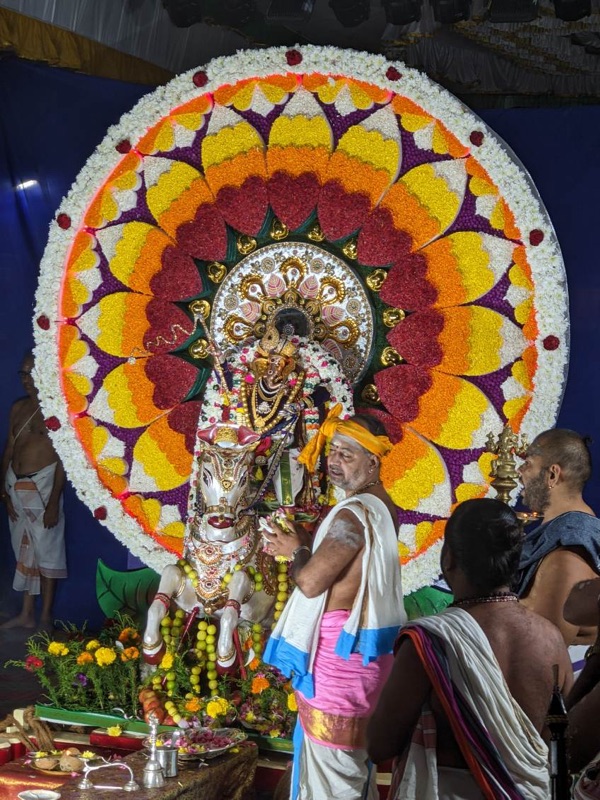
The main reason for coming to Kalapathy was to see Kalpathi Ratholsavam that involves a procession with huge chariots dedicated to Hindu gods & goddesses which spirited devotees celebrate. This religious event has been held for almost 700 years. However, it is not just a religious event; but, it is also a celebration of community, heritage, & devotion. The festival banishes any discrimination & all caste considerations & differences are put aside as people come to celebrate & pull these chariots which are considered rolling temples allowing people to see Hindu dieties & also for those dieties to see them.

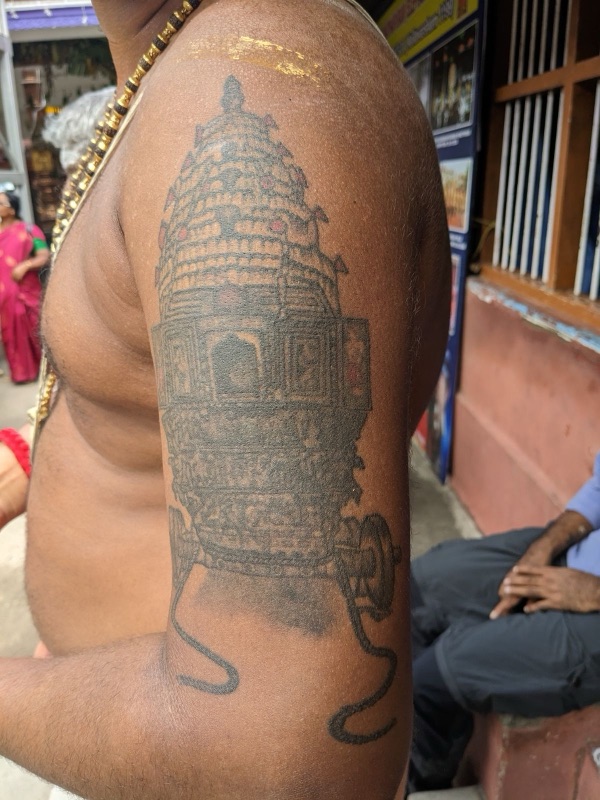
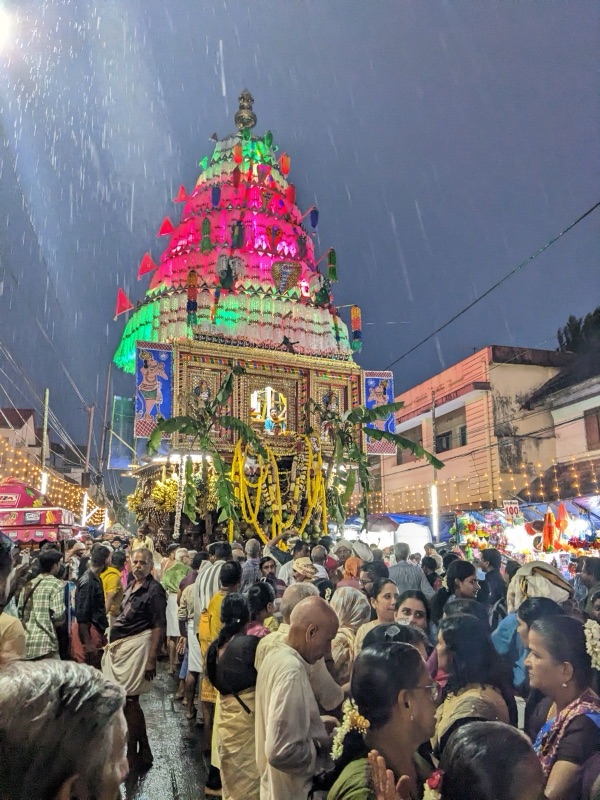
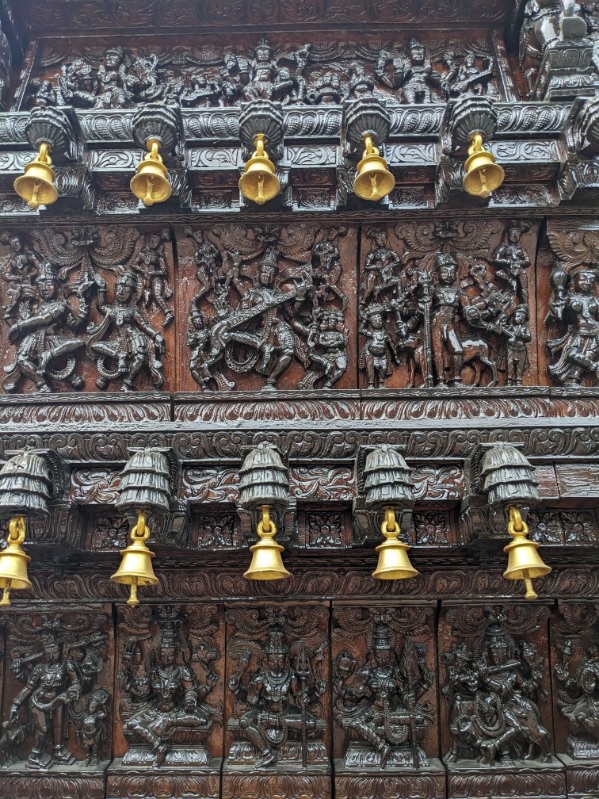
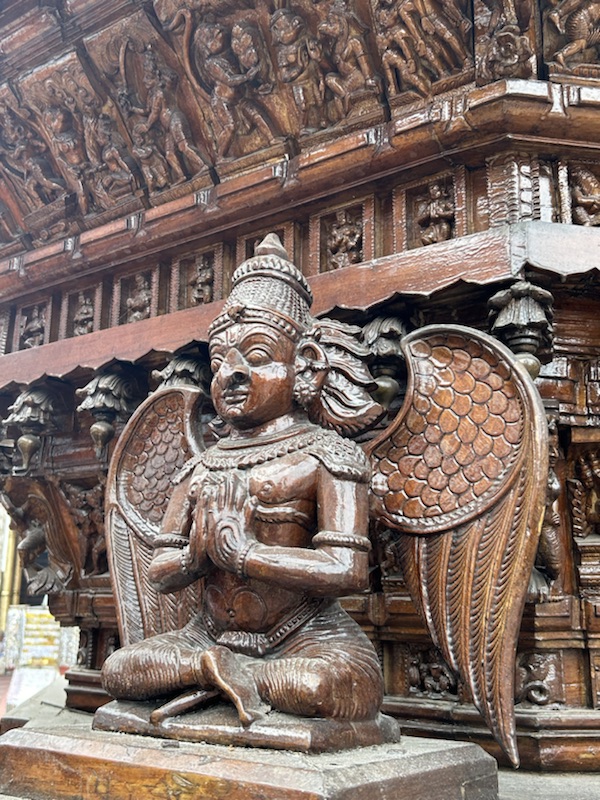
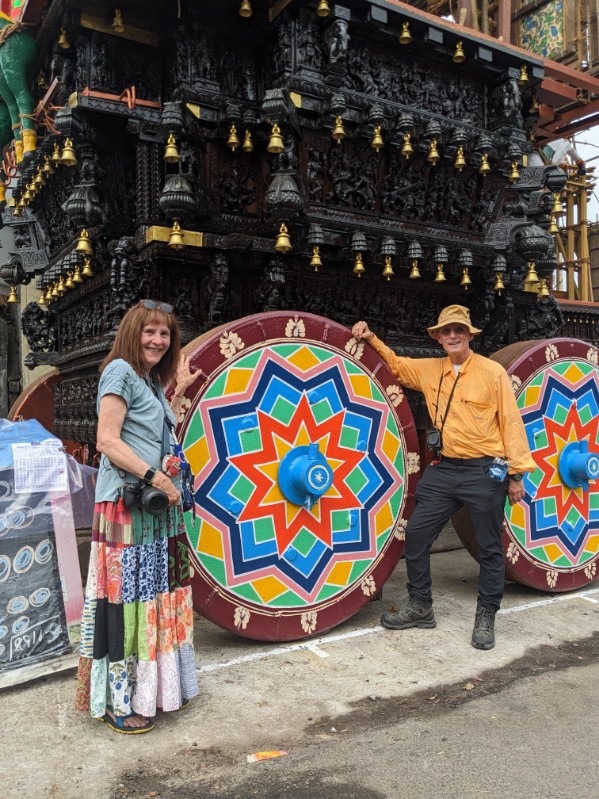
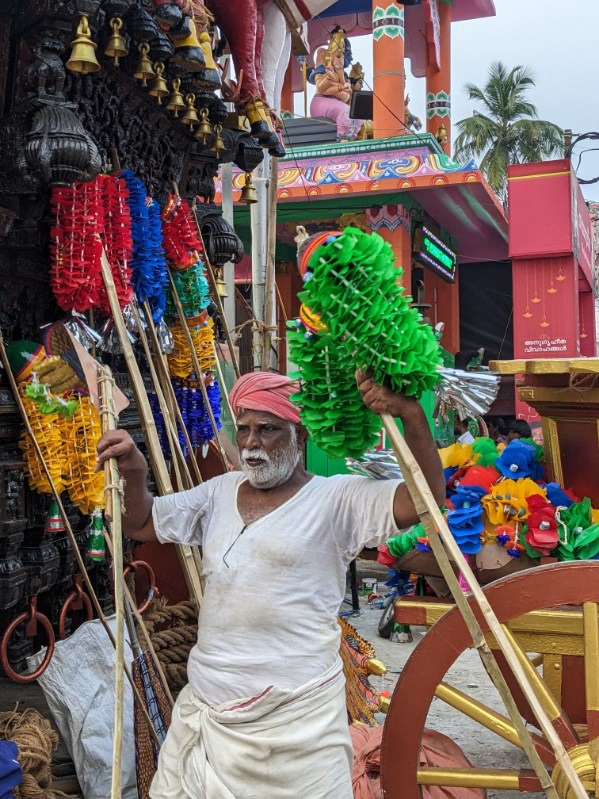
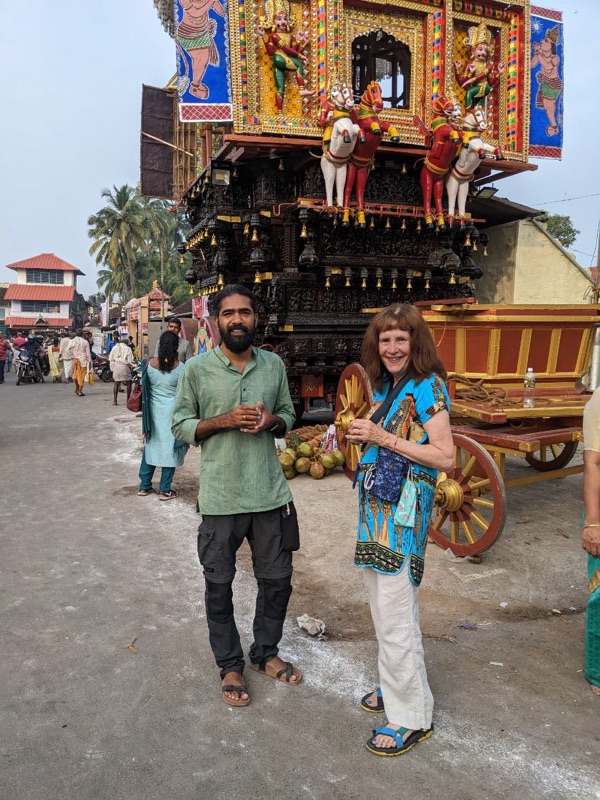
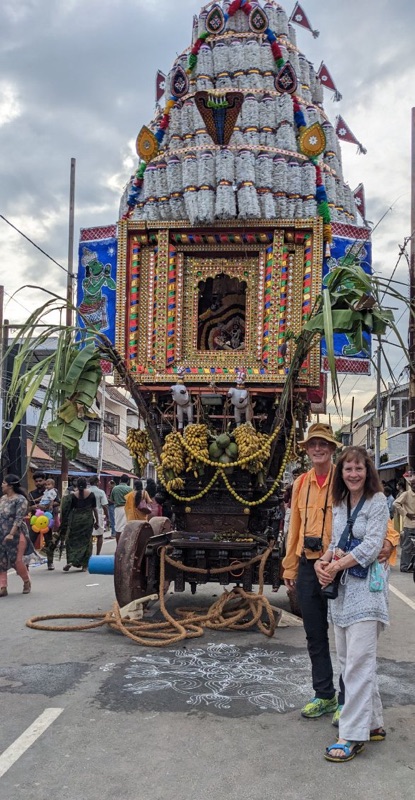
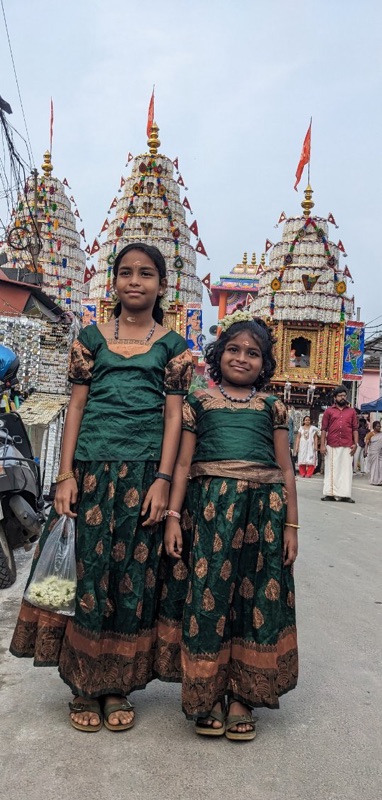
The chariots which are made completely from wood are called “raths”. They are carefully decorated with flowers, fabrics, & finely carved designs. The chariots are the festival’s main focal point & preparing them starts weeks in advance.

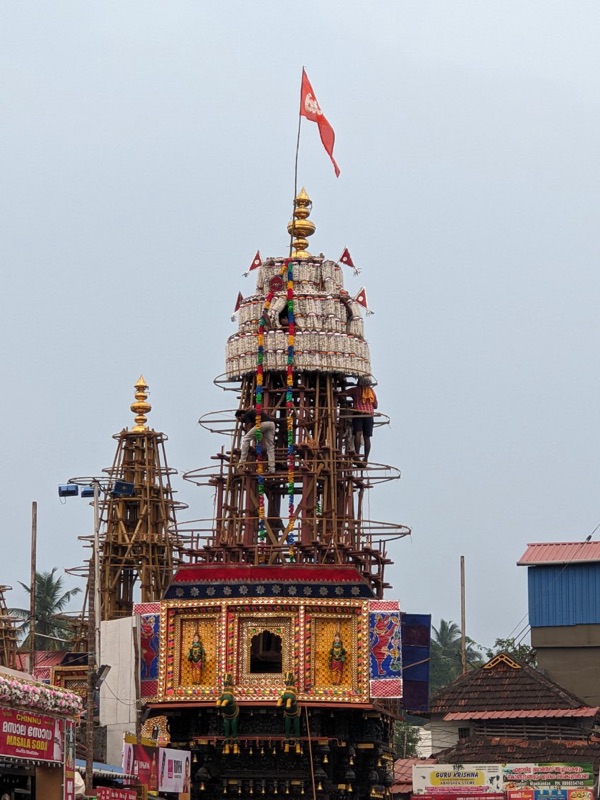
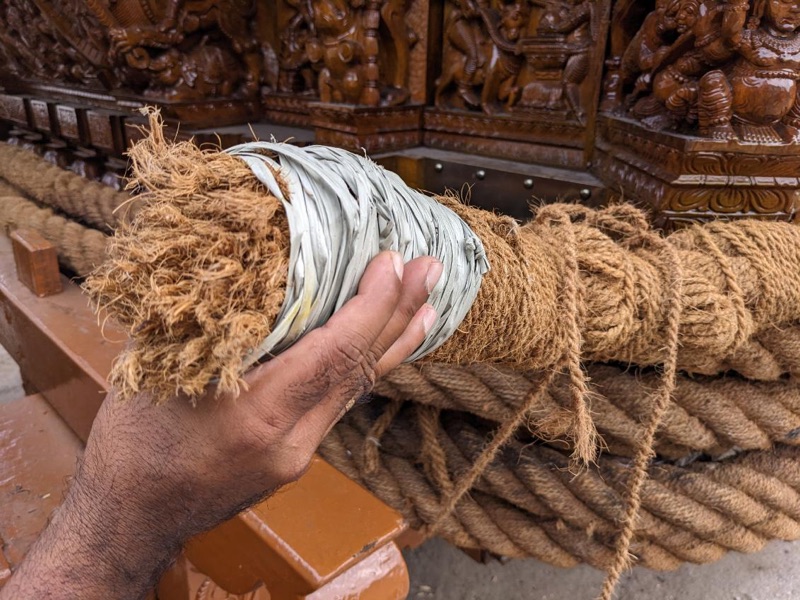
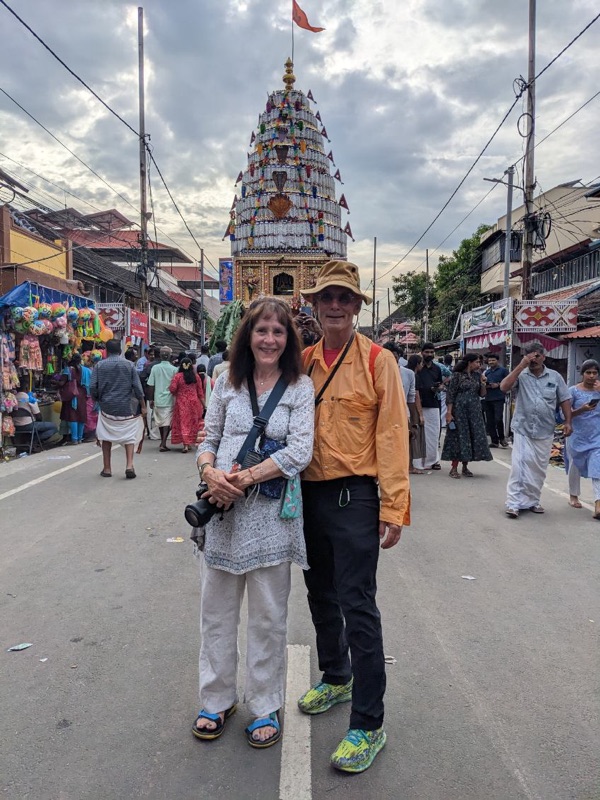
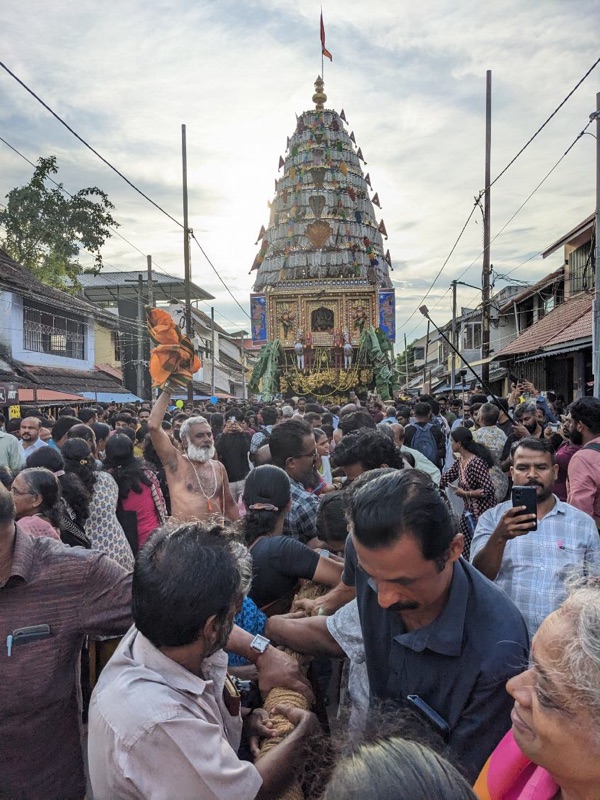
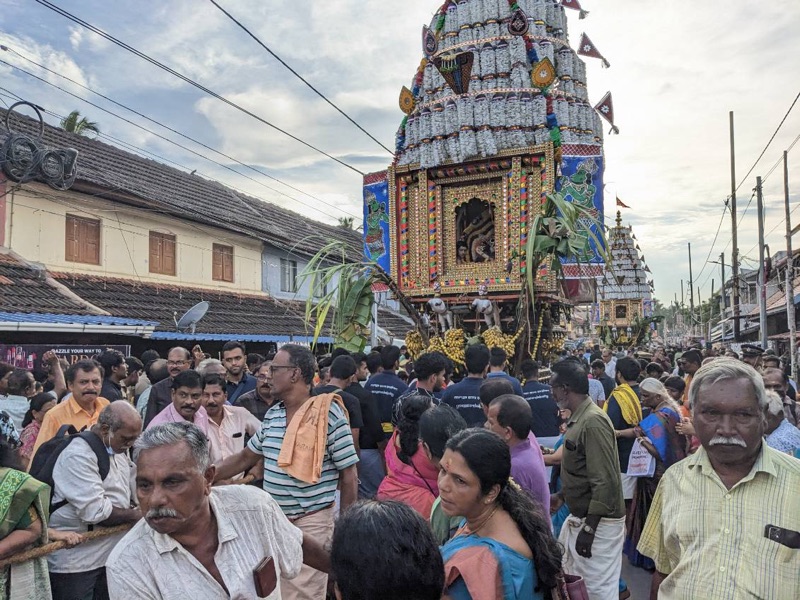
We arrived in time to enjoy the end of the celebration when the chariots that are 3-4 stories high have their decorations completed & are pulled through the city streets by Hindu worshippers using huge coarse ropes made from coconut husks.

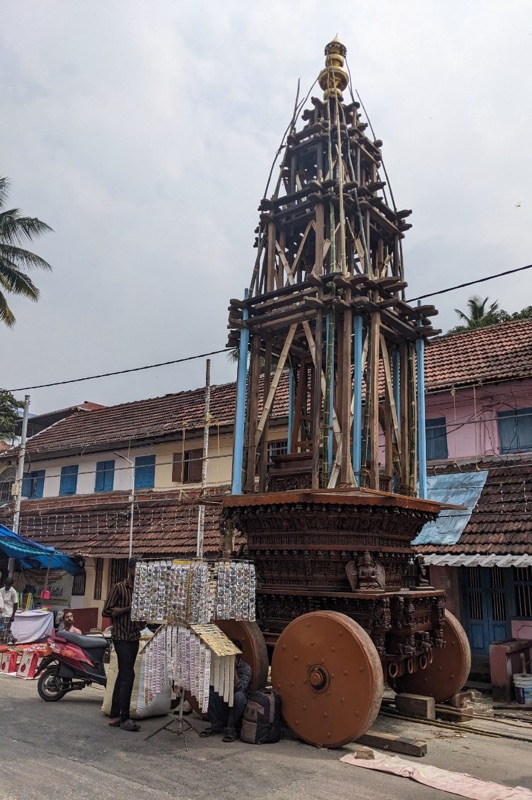
On our first day, we saw the chariots before they were decorated.

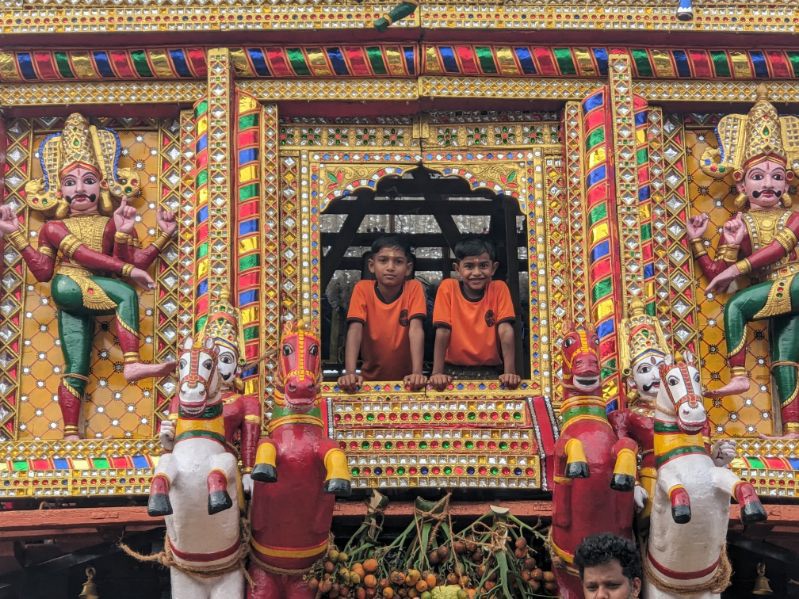
The bottom portion on each chariot is made from intricately hand carved wood that depicts important dieties & stories in Hinduism. Some chariots are 100s of years old while others are less than 50 years old.

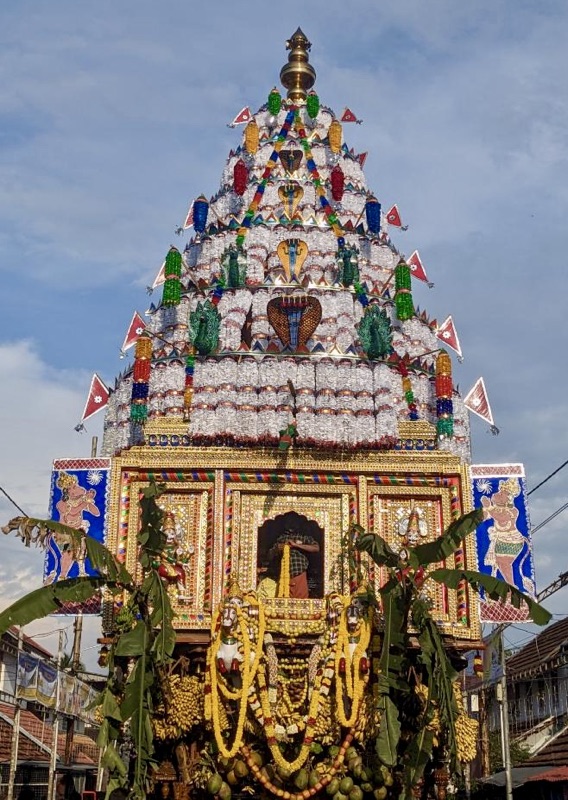
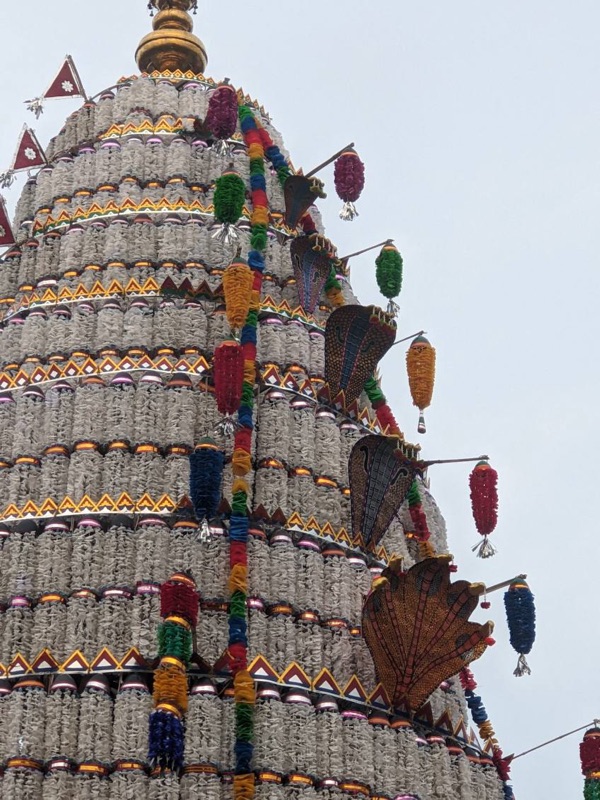
On the second day we began to see the chariots being decorated. The top part is first covered with very thin, white, plastic or paper flowers. Then, flags & ornaments such as cobras are added as decorations.

Lastly, people bring offerings such as bananas, limes, coconuts, & sugarcane which are attached at the bottom.

Each chariot has two huge long ropes made from coconut husks that people use to pull it

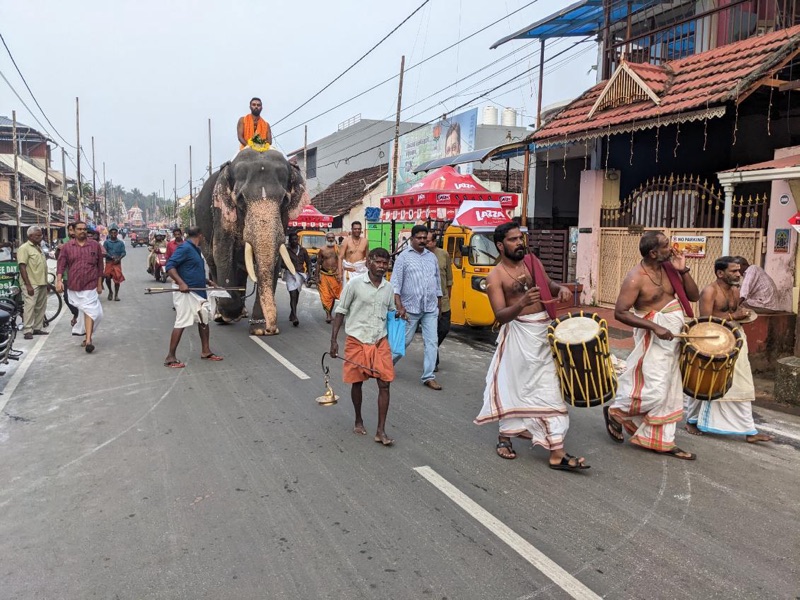
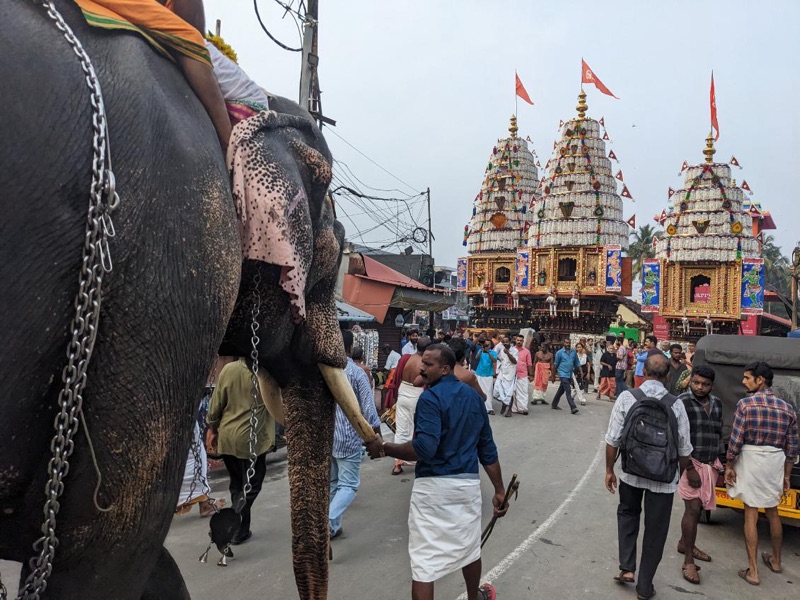
While we waited for the parade to begin, we enjoyed some chai tea with our guide & watched an elephant march down the street.

In the late afternoon, the chariot pulling began . On this festival day, three different sized chariots ( small, medium, & large) were pulled through the centuries old streets.

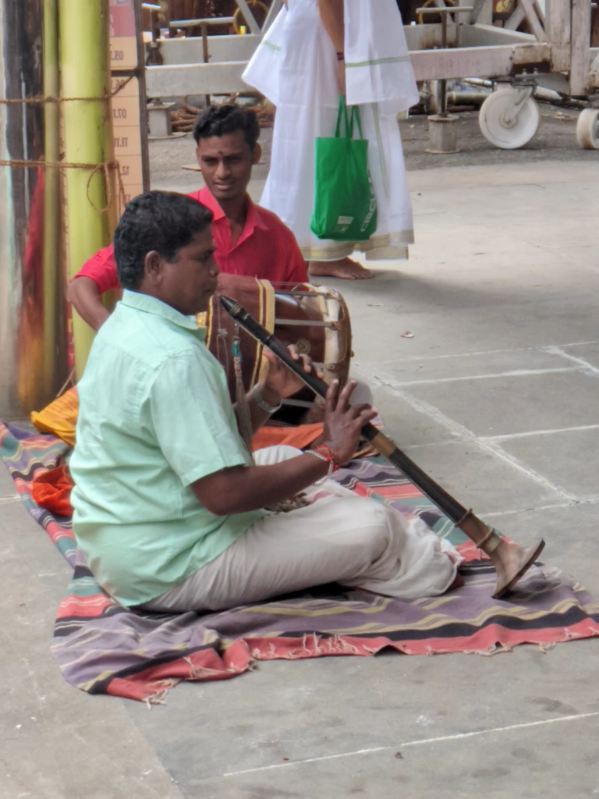
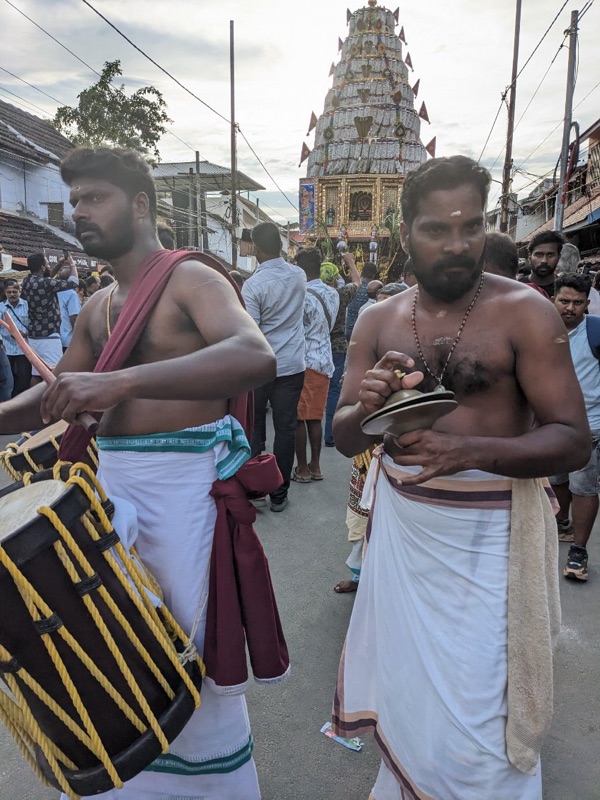
First, the drummers begin the parade.

Then, hundreds of men & women take hold of the large ropes & work together to pull the chariot. For the largest chariot, there may be a thousand people pulling it. Devotees pull the chariots to praise Lord Shiva, his consort Parvati, & Lord Ganapathy & to receive their blessings. Like entering a Hindu temple, you can only pull the chariots while barefooted & pulling a chariot is considered not only a privilege; but also, an auspicious act.

Children ride inside the chariot & wave to the crowd.

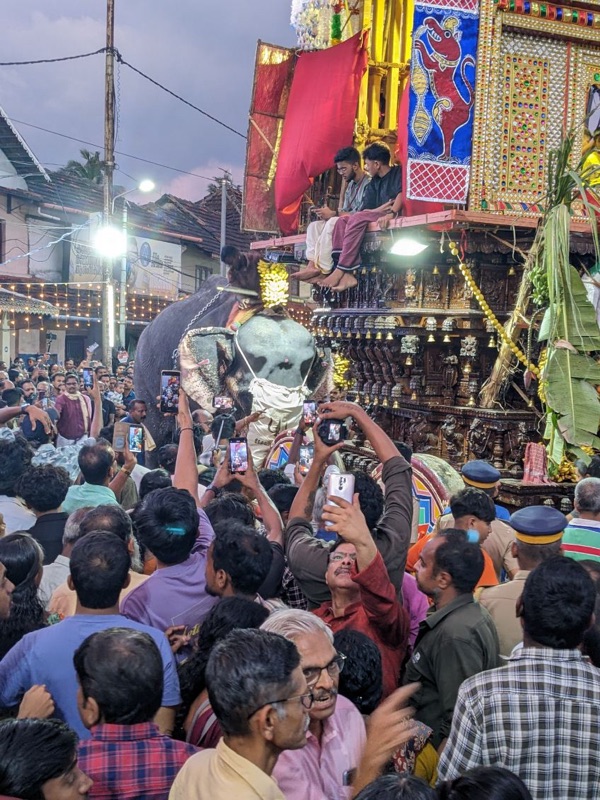
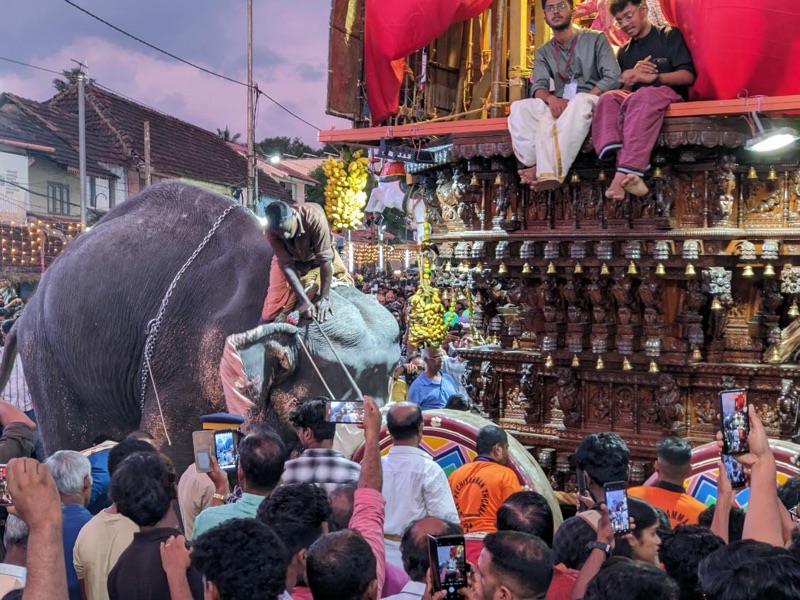
To help maneuver one large chariot around a corner through a turn on the street, an elephant wearing padding on its head was used to push it.

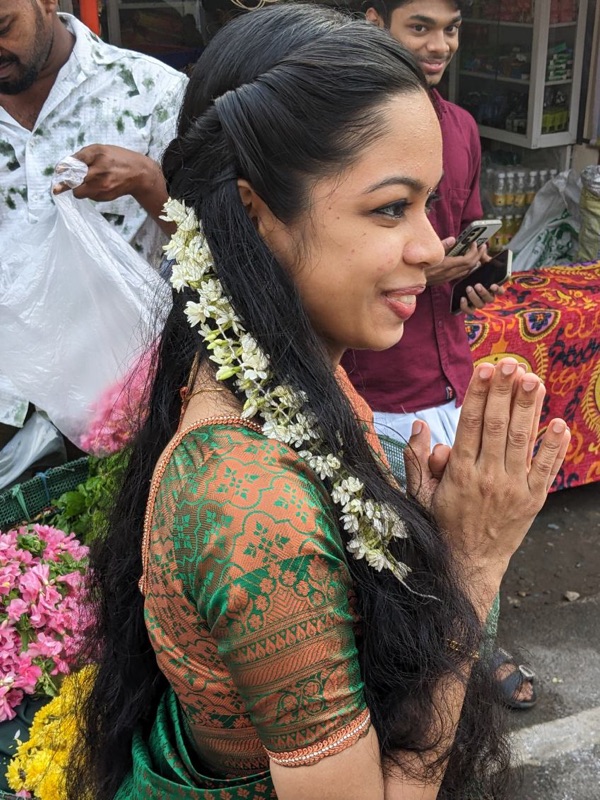
As you might expect, this festival attracts many Hindu devotees from all over the surrounding area in Kerala. Women often wear flowers in their hair & also wear beautiful silk sarees.

To our pleasant surprise, we were almost the only Westerners at the festival. We couldn’t even begin to guess how many times we were asked to pose for a selfie & the number of times people just took our picture. In fact, we even made the local news.

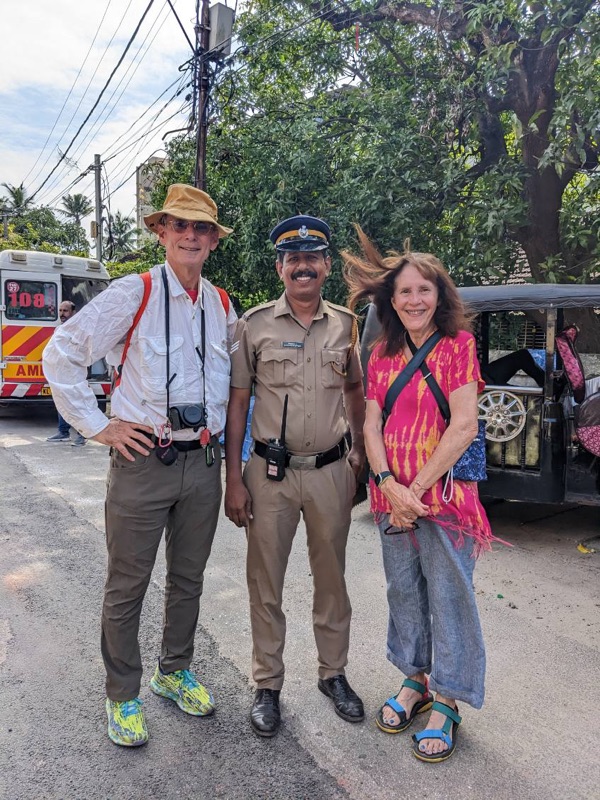
After being shown on the news, the next day this local policeman stopped us & said he recognized us from TV.
He shared the news clip below reporting on the festival in which you can see us.